US10618914B2 - 6-aryl-7-substituted-3-(1H-pyrazol-5-yl)-7H-[1,2,4]triazolo[3,4-B][1,3,4]thiadiazines as inhibitors of the STAT3 pathway with anti-proliferative activity - Google Patents
6-aryl-7-substituted-3-(1H-pyrazol-5-yl)-7H-[1,2,4]triazolo[3,4-B][1,3,4]thiadiazines as inhibitors of the STAT3 pathway with anti-proliferative activity Download PDFInfo
- Publication number
- US10618914B2 US10618914B2 US15/543,573 US201615543573A US10618914B2 US 10618914 B2 US10618914 B2 US 10618914B2 US 201615543573 A US201615543573 A US 201615543573A US 10618914 B2 US10618914 B2 US 10618914B2
- Authority
- US
- United States
- Prior art keywords
- alkyl
- compound
- substituted
- stat3
- benzyl
- Prior art date
- Legal status (The legal status is an assumption and is not a legal conclusion. Google has not performed a legal analysis and makes no representation as to the accuracy of the status listed.)
- Active
Links
- 0 *C1SC2=NN=C(C[2*])N2N=C1[1*] Chemical compound *C1SC2=NN=C(C[2*])N2N=C1[1*] 0.000 description 106
- QCWXDVFBZVHKLV-UHFFFAOYSA-N CC1=CC=C(C(C)(C)C)C=C1 Chemical compound CC1=CC=C(C(C)(C)C)C=C1 QCWXDVFBZVHKLV-UHFFFAOYSA-N 0.000 description 42
- YTZKOQUCBOVLHL-UHFFFAOYSA-N CC(C)(C)C1=CC=CC=C1 Chemical compound CC(C)(C)C1=CC=CC=C1 YTZKOQUCBOVLHL-UHFFFAOYSA-N 0.000 description 37
- XXHDYNDCBRHTOR-UHFFFAOYSA-N CC(C)(C)C1CCCC1C(C)(C)C Chemical compound CC(C)(C)C1CCCC1C(C)(C)C XXHDYNDCBRHTOR-UHFFFAOYSA-N 0.000 description 25
- ATUOYXFVUMWRHF-UHFFFAOYSA-N CC(C)(C)C1=CC=C(Cl)C(Cl)=C1 Chemical compound CC(C)(C)C1=CC=C(Cl)C(Cl)=C1 ATUOYXFVUMWRHF-UHFFFAOYSA-N 0.000 description 21
- PJGSXYOJTGTZAV-UHFFFAOYSA-N CC(=O)C(C)(C)C Chemical compound CC(=O)C(C)(C)C PJGSXYOJTGTZAV-UHFFFAOYSA-N 0.000 description 16
- XRTANKYQJQXSFP-UHFFFAOYSA-N CC(C)(C)C1=CC=C(Cl)C=C1 Chemical compound CC(C)(C)C1=CC=C(Cl)C=C1 XRTANKYQJQXSFP-UHFFFAOYSA-N 0.000 description 10
- ZISSAWUMDACLOM-UHFFFAOYSA-N CC(C)C(C)(C)C Chemical compound CC(C)C(C)(C)C ZISSAWUMDACLOM-UHFFFAOYSA-N 0.000 description 6
- ILOWFBCQBBFHRD-UHFFFAOYSA-N CN1N=C(C(C)(C)C)C=C1C1=CC=CC=C1 Chemical compound CN1N=C(C(C)(C)C)C=C1C1=CC=CC=C1 ILOWFBCQBBFHRD-UHFFFAOYSA-N 0.000 description 6
- ISXPXFQBHNIYCU-UHFFFAOYSA-N CC(C)(C)C1=CC=C(F)C=C1 Chemical compound CC(C)(C)C1=CC=C(F)C=C1 ISXPXFQBHNIYCU-UHFFFAOYSA-N 0.000 description 5
- IPGSPXKLIPOGON-UHFFFAOYSA-N COC1=CC(C(C)(C)C)=CC=C1 Chemical compound COC1=CC(C(C)(C)C)=CC=C1 IPGSPXKLIPOGON-UHFFFAOYSA-N 0.000 description 5
- CJGXJKVMUHXVHL-UHFFFAOYSA-N CC(C)(C)CC1=CC=CC=C1 Chemical compound CC(C)(C)CC1=CC=CC=C1 CJGXJKVMUHXVHL-UHFFFAOYSA-N 0.000 description 4
- AKVGDCSDHQWUBP-UHFFFAOYSA-N ClC1=CC=C(C2=NN3C(=NN=C3C3=C4CCCC4=NN3)SC2)C=C1Cl Chemical compound ClC1=CC=C(C2=NN3C(=NN=C3C3=C4CCCC4=NN3)SC2)C=C1Cl AKVGDCSDHQWUBP-UHFFFAOYSA-N 0.000 description 4
- KYXNATZCTBFSTH-UHFFFAOYSA-N CC(C)(C)C1=CC(Cl)=CC=C1 Chemical compound CC(C)(C)C1=CC(Cl)=CC=C1 KYXNATZCTBFSTH-UHFFFAOYSA-N 0.000 description 3
- RAPTZNFAMIHBTG-UHFFFAOYSA-N CC(C)CC(=O)N1CCCC1 Chemical compound CC(C)CC(=O)N1CCCC1 RAPTZNFAMIHBTG-UHFFFAOYSA-N 0.000 description 3
- NHTMVDHEPJAVLT-UHFFFAOYSA-N CC(C)CC(C)(C)C Chemical compound CC(C)CC(C)(C)C NHTMVDHEPJAVLT-UHFFFAOYSA-N 0.000 description 3
- OFVHUALAYNDQRX-UHFFFAOYSA-N CC.CC(C)(C)C1=CC=CC=C1 Chemical compound CC.CC(C)(C)C1=CC=CC=C1 OFVHUALAYNDQRX-UHFFFAOYSA-N 0.000 description 3
- SFAHTJULMBNOGW-UHFFFAOYSA-N CCN(CC)C1=CC=C(C(C)(C)C)C=C1 Chemical compound CCN(CC)C1=CC=C(C(C)(C)C)C=C1 SFAHTJULMBNOGW-UHFFFAOYSA-N 0.000 description 3
- BTSMFQHTPXGONU-UHFFFAOYSA-N C.CC.CC(=O)C(C)(C)C.CC(C)(C)N1CCOCC1 Chemical compound C.CC.CC(=O)C(C)(C)C.CC(C)(C)N1CCOCC1 BTSMFQHTPXGONU-UHFFFAOYSA-N 0.000 description 2
- CDQKNUZNHKHNIO-UHFFFAOYSA-N CC(=O)N1N=C(C(C)C)C2=C1CCC2 Chemical compound CC(=O)N1N=C(C(C)C)C2=C1CCC2 CDQKNUZNHKHNIO-UHFFFAOYSA-N 0.000 description 2
- KKTHNHDEZARQMB-UHFFFAOYSA-N CC(C)(C)C1=CC=C(F)C(F)=C1 Chemical compound CC(C)(C)C1=CC=C(F)C(F)=C1 KKTHNHDEZARQMB-UHFFFAOYSA-N 0.000 description 2
- QOEJQYJVSHSHRT-UHFFFAOYSA-N CC(C)C1=NN(C)C2=C1CCC2 Chemical compound CC(C)C1=NN(C)C2=C1CCC2 QOEJQYJVSHSHRT-UHFFFAOYSA-N 0.000 description 2
- QPVREXNQIYOJTH-UHFFFAOYSA-N CC(C)C1=NN(CC2=CC=CC=C2)C2=C1CCC2 Chemical compound CC(C)C1=NN(CC2=CC=CC=C2)C2=C1CCC2 QPVREXNQIYOJTH-UHFFFAOYSA-N 0.000 description 2
- BMFVGAAISNGQNM-UHFFFAOYSA-N CC(C)CCN Chemical compound CC(C)CCN BMFVGAAISNGQNM-UHFFFAOYSA-N 0.000 description 2
- QRPPSTNABSMSCS-UHFFFAOYSA-N CC1=CC=C(C(C)(C)C)C=C1C Chemical compound CC1=CC=C(C(C)(C)C)C=C1C QRPPSTNABSMSCS-UHFFFAOYSA-N 0.000 description 2
- JOHNOBXMUJPRIV-UHFFFAOYSA-N CN1N=C(C2=CC=CC=C2)C=C1C(C)(C)C Chemical compound CN1N=C(C2=CC=CC=C2)C=C1C(C)(C)C JOHNOBXMUJPRIV-UHFFFAOYSA-N 0.000 description 2
- OQAGVSWESNCJJT-UHFFFAOYSA-N COC(=O)CC(C)C Chemical compound COC(=O)CC(C)C OQAGVSWESNCJJT-UHFFFAOYSA-N 0.000 description 2
- UEVMXEZUMHYJAY-UHFFFAOYSA-N COC1=CC=C(C2=NN3C(=NN=C3C3=C4CCCC4=NN3)SC2)C=C1 Chemical compound COC1=CC=C(C2=NN3C(=NN=C3C3=C4CCCC4=NN3)SC2)C=C1 UEVMXEZUMHYJAY-UHFFFAOYSA-N 0.000 description 2
- LFVSMNYMPCTXHS-UHFFFAOYSA-N COC1=CC=C(C2=NN3C(=NN=C3C3=NN(CC(=O)OC(C)(C)C)C4=C3CCC4)SC2C)C=C1 Chemical compound COC1=CC=C(C2=NN3C(=NN=C3C3=NN(CC(=O)OC(C)(C)C)C4=C3CCC4)SC2C)C=C1 LFVSMNYMPCTXHS-UHFFFAOYSA-N 0.000 description 2
- DKLAHSKZNBHFJO-UHFFFAOYSA-N COC1=CC=C(C2=NN3C(C4=CC(C5=CC=CC=C5)=NN4)=NN=C3S(=O)C2C)C=C1 Chemical compound COC1=CC=C(C2=NN3C(C4=CC(C5=CC=CC=C5)=NN4)=NN=C3S(=O)C2C)C=C1 DKLAHSKZNBHFJO-UHFFFAOYSA-N 0.000 description 2
- ZQAYBCWERYRAMF-UHFFFAOYSA-N COCCC(C)C Chemical compound COCCC(C)C ZQAYBCWERYRAMF-UHFFFAOYSA-N 0.000 description 2
- HCPPIJUNDKUOAY-UHFFFAOYSA-N BrCC1=CC=CC=C1.C1CCOC1.C1CCOC1.C1CCOC1.CC(=O)N1N=C(C2=NN=C3SC(C)C(C4=CC(Cl)=C(Cl)C=C4)=NN32)C2=C1CCC2.CC1SC2=NN=C(C3=C4CCCC4=NN3)N2N=C1C1=CC(Cl)=C(Cl)C=C1.CC1SC2=NN=C(C3=C4CCCC4=NN3)N2N=C1C1=CC(Cl)=C(Cl)C=C1.CC1SC2=NN=C(C3=C4CCCC4=NN3)N2N=C1C1=CC(Cl)=C(Cl)C=C1.CC1SC2=NN=C(C3=NN(C)C4=C3CCC4)N2N=C1C1=CC(Cl)=C(Cl)C=C1.CC1SC2=NN=C(C3=NN(CC4=CC=CC=C4)C4=C3CCC4)N2N=C1C1=CC(Cl)=C(Cl)C=C1 Chemical compound BrCC1=CC=CC=C1.C1CCOC1.C1CCOC1.C1CCOC1.CC(=O)N1N=C(C2=NN=C3SC(C)C(C4=CC(Cl)=C(Cl)C=C4)=NN32)C2=C1CCC2.CC1SC2=NN=C(C3=C4CCCC4=NN3)N2N=C1C1=CC(Cl)=C(Cl)C=C1.CC1SC2=NN=C(C3=C4CCCC4=NN3)N2N=C1C1=CC(Cl)=C(Cl)C=C1.CC1SC2=NN=C(C3=C4CCCC4=NN3)N2N=C1C1=CC(Cl)=C(Cl)C=C1.CC1SC2=NN=C(C3=NN(C)C4=C3CCC4)N2N=C1C1=CC(Cl)=C(Cl)C=C1.CC1SC2=NN=C(C3=NN(CC4=CC=CC=C4)C4=C3CCC4)N2N=C1C1=CC(Cl)=C(Cl)C=C1 HCPPIJUNDKUOAY-UHFFFAOYSA-N 0.000 description 1
- SDXQJVGCYFPEIE-UHFFFAOYSA-N BrCC1=CC=CC=C1.CC(C)(C)OC(=O)CBr.COC(=O)CBr.COC(=O)CN1N=C(C2=NN=C3SC(C)C(C4=CC=C(OC)C=C4)=NN32)C2=C1CCC2.COC1=CC=C(C2=NN3C(=NN=C3C3=C4CCCC4=NN3)SC2C)C=C1.COC1=CC=C(C2=NN3C(=NN=C3C3=C4CCCC4=NN3)SC2C)C=C1.COC1=CC=C(C2=NN3C(=NN=C3C3=C4CCCC4=NN3)SC2C)C=C1.COC1=CC=C(C2=NN3C(=NN=C3C3=NN(CC(=O)OC(C)(C)C)C4=C3CCC4)SC2C)C=C1.COC1=CC=C(C2=NN3C(=NN=C3C3=NN(CC4=CC=CC=C4)C4=C3CCC4)SC2C)C=C1 Chemical compound BrCC1=CC=CC=C1.CC(C)(C)OC(=O)CBr.COC(=O)CBr.COC(=O)CN1N=C(C2=NN=C3SC(C)C(C4=CC=C(OC)C=C4)=NN32)C2=C1CCC2.COC1=CC=C(C2=NN3C(=NN=C3C3=C4CCCC4=NN3)SC2C)C=C1.COC1=CC=C(C2=NN3C(=NN=C3C3=C4CCCC4=NN3)SC2C)C=C1.COC1=CC=C(C2=NN3C(=NN=C3C3=C4CCCC4=NN3)SC2C)C=C1.COC1=CC=C(C2=NN3C(=NN=C3C3=NN(CC(=O)OC(C)(C)C)C4=C3CCC4)SC2C)C=C1.COC1=CC=C(C2=NN3C(=NN=C3C3=NN(CC4=CC=CC=C4)C4=C3CCC4)SC2C)C=C1 SDXQJVGCYFPEIE-UHFFFAOYSA-N 0.000 description 1
- BRCSLXUESJLXGP-UHFFFAOYSA-N C1=C(C2=NN3C(=NN=C3C3=C4CCCC4=NN3)SC2)C2=C(/C=C\C=C/2)N1 Chemical compound C1=C(C2=NN3C(=NN=C3C3=C4CCCC4=NN3)SC2)C2=C(/C=C\C=C/2)N1 BRCSLXUESJLXGP-UHFFFAOYSA-N 0.000 description 1
- FPLMDGGLHCDTHM-UHFFFAOYSA-N C1=CC2=C(C=C1)C(C1=NN3C(=NN=C3C3=C4CCCC4=NN3)SC1)=CN2.CC1=CC=C(C2=NN3C(=NN=C3C3=C4CCCC4=NN3)SC2C)C=C1.COC1=CC=C(C2=NN3C(=NN=C3C3=C4CCCC4=NN3)SC2)C=C1.COC1=CC=C(C2=NN3C(=NN=C3C3=C4CCCC4=NN3)SC2C)C=C1.COC1=CC=C(C2=NN3C(=NN=C3C3=C4CCCCC4=NN3)SC2)C=C1.ClC1=CC=C(C2=NN3C(=NN=C3C3=C4CCCC4=NN3)SC2)C=C1.ClC1=CC=C(C2=NN3C(=NN=C3C3=C4CCCCC4=NN3)SC2)C=C1 Chemical compound C1=CC2=C(C=C1)C(C1=NN3C(=NN=C3C3=C4CCCC4=NN3)SC1)=CN2.CC1=CC=C(C2=NN3C(=NN=C3C3=C4CCCC4=NN3)SC2C)C=C1.COC1=CC=C(C2=NN3C(=NN=C3C3=C4CCCC4=NN3)SC2)C=C1.COC1=CC=C(C2=NN3C(=NN=C3C3=C4CCCC4=NN3)SC2C)C=C1.COC1=CC=C(C2=NN3C(=NN=C3C3=C4CCCCC4=NN3)SC2)C=C1.ClC1=CC=C(C2=NN3C(=NN=C3C3=C4CCCC4=NN3)SC2)C=C1.ClC1=CC=C(C2=NN3C(=NN=C3C3=C4CCCCC4=NN3)SC2)C=C1 FPLMDGGLHCDTHM-UHFFFAOYSA-N 0.000 description 1
- HMISKEMCRIQXRC-UHFFFAOYSA-N C1CCOC1.C1CCOC1.C1CCOC1.COC1=CC=C(C2=NN3C(=NN=C3C3=C4CCCC4=NN3)SC2C)C=C1.COC1=CC=C(C2=NN3C(=NN=C3C3=C4CCCC4=NN3)SC2C)C=C1.COC1=CC=C(C2=NN3C(=NN=C3C3=C4CCCC4=NN3)SC2C)C=C1.COC1=CC=C(C2=NN3C(=NN=C3C3=NN(C(=O)OC(C)(C)C)C4=C3CCC4)SC2C)C=C1.COC1=CC=C(C2=NN3C(=NN=C3C3=NN(C(C)=O)C4=C3CCC4)SC2C)C=C1.COC1=CC=C(C2=NN3C(=NN=C3C3=NN(C)C4=C3CCC4)SC2C)C=C1 Chemical compound C1CCOC1.C1CCOC1.C1CCOC1.COC1=CC=C(C2=NN3C(=NN=C3C3=C4CCCC4=NN3)SC2C)C=C1.COC1=CC=C(C2=NN3C(=NN=C3C3=C4CCCC4=NN3)SC2C)C=C1.COC1=CC=C(C2=NN3C(=NN=C3C3=C4CCCC4=NN3)SC2C)C=C1.COC1=CC=C(C2=NN3C(=NN=C3C3=NN(C(=O)OC(C)(C)C)C4=C3CCC4)SC2C)C=C1.COC1=CC=C(C2=NN3C(=NN=C3C3=NN(C(C)=O)C4=C3CCC4)SC2C)C=C1.COC1=CC=C(C2=NN3C(=NN=C3C3=NN(C)C4=C3CCC4)SC2C)C=C1 HMISKEMCRIQXRC-UHFFFAOYSA-N 0.000 description 1
- PGMXZJIGPVITHD-UHFFFAOYSA-N CC(=O)N1N=C(C(C)C)C=C1C1=CC=CC=C1 Chemical compound CC(=O)N1N=C(C(C)C)C=C1C1=CC=CC=C1 PGMXZJIGPVITHD-UHFFFAOYSA-N 0.000 description 1
- SAUCQSUVCHBLEE-UHFFFAOYSA-N CC(=O)N1N=C(C2=CC=CC=C2)C=C1C(C)C Chemical compound CC(=O)N1N=C(C2=CC=CC=C2)C=C1C(C)C SAUCQSUVCHBLEE-UHFFFAOYSA-N 0.000 description 1
- LKGSQFCGYJNPDG-UHFFFAOYSA-N CC(=O)N1N=C(C2=NN=C3SC(C)C(C4=CC(Cl)=C(Cl)C=C4)=NN32)C2=C1CCC2.COC1=CC=C(C2=NN3C(=NN=C3C3=NN(CC(=O)O)C4=C3CCC4)SC2C)C=C1 Chemical compound CC(=O)N1N=C(C2=NN=C3SC(C)C(C4=CC(Cl)=C(Cl)C=C4)=NN32)C2=C1CCC2.COC1=CC=C(C2=NN3C(=NN=C3C3=NN(CC(=O)O)C4=C3CCC4)SC2C)C=C1 LKGSQFCGYJNPDG-UHFFFAOYSA-N 0.000 description 1
- WMXKDNCRRYZLQN-UHFFFAOYSA-N CC(=O)OC(C)=O.CC1SC2=NN=C(C3=C4CCCC4=NN3)N2N=C1C1=CC(Cl)=C(Cl)C=C1.CC1SC2=NN=C(C3=NN(CC4=CC=C(OC(F)(F)F)C=C4)C4=C3CCC4)N2N=C1C1=CC(Cl)=C(Cl)C=C1.COC1=CC=C(C2=NN3C(=NN=C3C3=CC(C4=CC=CC=C4)=NN3)SC2C)C=C1.COC1=CC=C(C2=NN3C(=NN=C3C3=CC(C4=CC=CC=C4)=NN3C(C)=O)SC2C)C=C1.COC1=CC=C(C2=NN3C(=NN=C3C3=NN(C(C)=O)C(C4=CC=CC=C4)=C3)SC2C)C=C1.FC(F)(F)OC1=CC=C(CBr)C=C1 Chemical compound CC(=O)OC(C)=O.CC1SC2=NN=C(C3=C4CCCC4=NN3)N2N=C1C1=CC(Cl)=C(Cl)C=C1.CC1SC2=NN=C(C3=NN(CC4=CC=C(OC(F)(F)F)C=C4)C4=C3CCC4)N2N=C1C1=CC(Cl)=C(Cl)C=C1.COC1=CC=C(C2=NN3C(=NN=C3C3=CC(C4=CC=CC=C4)=NN3)SC2C)C=C1.COC1=CC=C(C2=NN3C(=NN=C3C3=CC(C4=CC=CC=C4)=NN3C(C)=O)SC2C)C=C1.COC1=CC=C(C2=NN3C(=NN=C3C3=NN(C(C)=O)C(C4=CC=CC=C4)=C3)SC2C)C=C1.FC(F)(F)OC1=CC=C(CBr)C=C1 WMXKDNCRRYZLQN-UHFFFAOYSA-N 0.000 description 1
- MSUYHUPLNGNYKE-UHFFFAOYSA-N CC(Br)C(=O)C1=CC=C(Cl)C(Cl)=C1.CC(Br)C(=O)C1=CC=C(Cl)C(Cl)=C1.CC1SC2=NN=C(C3=C4CCCC4=NN3)N2N=C1C1=CC=C(Cl)C(Cl)=C1.CCC(=O)C1=CC=C(Cl)C(Cl)=C1.NN1C(S)=NN=C1C1=C2CCCC2=NN1 Chemical compound CC(Br)C(=O)C1=CC=C(Cl)C(Cl)=C1.CC(Br)C(=O)C1=CC=C(Cl)C(Cl)=C1.CC1SC2=NN=C(C3=C4CCCC4=NN3)N2N=C1C1=CC=C(Cl)C(Cl)=C1.CCC(=O)C1=CC=C(Cl)C(Cl)=C1.NN1C(S)=NN=C1C1=C2CCCC2=NN1 MSUYHUPLNGNYKE-UHFFFAOYSA-N 0.000 description 1
- MKMYTGJIWDJWNG-UHFFFAOYSA-N CC(C)(C)C(CN(Cc1ccccc1)C1)C1S Chemical compound CC(C)(C)C(CN(Cc1ccccc1)C1)C1S MKMYTGJIWDJWNG-UHFFFAOYSA-N 0.000 description 1
- AUKVQQWAIOLKJI-UHFFFAOYSA-N CC(C)(C)C1=C2CCCC2=NC1 Chemical compound CC(C)(C)C1=C2CCCC2=NC1 AUKVQQWAIOLKJI-UHFFFAOYSA-N 0.000 description 1
- GLILIPDOKUCBQH-UHFFFAOYSA-N CC(C)(C)C1=CC(C2=CC=CC=C2)=NC1 Chemical compound CC(C)(C)C1=CC(C2=CC=CC=C2)=NC1 GLILIPDOKUCBQH-UHFFFAOYSA-N 0.000 description 1
- XHCAGOVGSDHHNP-UHFFFAOYSA-N CC(C)(C)C1=CC=C(Br)C=C1 Chemical compound CC(C)(C)C1=CC=C(Br)C=C1 XHCAGOVGSDHHNP-UHFFFAOYSA-N 0.000 description 1
- QDHOBONUIOJKTI-UHFFFAOYSA-N CC(C)(C)C1=CC=C(N2CCOCC2)C=C1 Chemical compound CC(C)(C)C1=CC=C(N2CCOCC2)C=C1 QDHOBONUIOJKTI-UHFFFAOYSA-N 0.000 description 1
- FPPQKYTWISSUGQ-UHFFFAOYSA-N CC(C)(C)C1CCCCC1C(C)(C)C Chemical compound CC(C)(C)C1CCCCC1C(C)(C)C FPPQKYTWISSUGQ-UHFFFAOYSA-N 0.000 description 1
- FWHQSOCOFXRMCO-UHFFFAOYSA-N CC(C)(C)C1CCN(CC2=CC=CC=C2)CC1C(C)(C)C Chemical compound CC(C)(C)C1CCN(CC2=CC=CC=C2)CC1C(C)(C)C FWHQSOCOFXRMCO-UHFFFAOYSA-N 0.000 description 1
- MFULNBMJEBPQSR-UHFFFAOYSA-N CC(C)(C)C1CN(CC2=CC=CC=C2)CC1C(C)(C)C Chemical compound CC(C)(C)C1CN(CC2=CC=CC=C2)CC1C(C)(C)C MFULNBMJEBPQSR-UHFFFAOYSA-N 0.000 description 1
- GMDCTVGAESXQQQ-UHFFFAOYSA-N CC(C)(C)C1CSCC1C(C)(C)C Chemical compound CC(C)(C)C1CSCC1C(C)(C)C GMDCTVGAESXQQQ-UHFFFAOYSA-N 0.000 description 1
- AAHQWGQDFWPRNY-UHFFFAOYSA-N CC(C)(C)c1ccc(C(F)(F)F)cc1 Chemical compound CC(C)(C)c1ccc(C(F)(F)F)cc1 AAHQWGQDFWPRNY-UHFFFAOYSA-N 0.000 description 1
- XQHMUJCSCHKRFA-UHFFFAOYSA-N CC(C)C1=NN(C(=O)OC(C)(C)C)C2=C1CCC2 Chemical compound CC(C)C1=NN(C(=O)OC(C)(C)C)C2=C1CCC2 XQHMUJCSCHKRFA-UHFFFAOYSA-N 0.000 description 1
- WZLBCHWJRKGUCW-UHFFFAOYSA-N CC(C)C1=NN(CC(=O)OC(C)(C)C)C2=C1CCC2 Chemical compound CC(C)C1=NN(CC(=O)OC(C)(C)C)C2=C1CCC2 WZLBCHWJRKGUCW-UHFFFAOYSA-N 0.000 description 1
- GTDWVLULEQNPQE-UHFFFAOYSA-N CC(C)C1=NN(CC2=CC=C(OC(F)(F)F)C=C2)C2=C1CCC2 Chemical compound CC(C)C1=NN(CC2=CC=C(OC(F)(F)F)C=C2)C2=C1CCC2 GTDWVLULEQNPQE-UHFFFAOYSA-N 0.000 description 1
- LVQDLURAEDSMES-UHFFFAOYSA-N CC(C)CC(=O)N(C)C Chemical compound CC(C)CC(=O)N(C)C LVQDLURAEDSMES-UHFFFAOYSA-N 0.000 description 1
- PHTQWCKDNZKARW-UHFFFAOYSA-N CC(C)CCO Chemical compound CC(C)CCO PHTQWCKDNZKARW-UHFFFAOYSA-N 0.000 description 1
- KDSBVLBLWKBTDV-UHFFFAOYSA-N CC.CC(=O)C(C)(C)C.CC(C)(C)N1CCOCC1 Chemical compound CC.CC(=O)C(C)(C)C.CC(C)(C)N1CCOCC1 KDSBVLBLWKBTDV-UHFFFAOYSA-N 0.000 description 1
- ZKCKLOFHIRRYQC-UHFFFAOYSA-N CC.CN1N=C(C(C)(C)C)C2=C1CCC2 Chemical compound CC.CN1N=C(C(C)(C)C)C2=C1CCC2 ZKCKLOFHIRRYQC-UHFFFAOYSA-N 0.000 description 1
- HIGCCQYWVFIKIB-UHFFFAOYSA-N CC1=C(C2=CC=C(Cl)C=C2)NN=C1C(C)(C)C Chemical compound CC1=C(C2=CC=C(Cl)C=C2)NN=C1C(C)(C)C HIGCCQYWVFIKIB-UHFFFAOYSA-N 0.000 description 1
- FXYPPPBQIAYYJT-UHFFFAOYSA-N CC1SC2=NN=C(C3=C4CCCC4=NN3)N2N=C1C1=CC=C(Cl)C(Cl)=C1 Chemical compound CC1SC2=NN=C(C3=C4CCCC4=NN3)N2N=C1C1=CC=C(Cl)C(Cl)=C1 FXYPPPBQIAYYJT-UHFFFAOYSA-N 0.000 description 1
- ZVFUJFFZAYQIPL-UHFFFAOYSA-N CC1SC2=NN=C(C3=C4CCCC4=NN3)N2N=C1C1=CC=C(Cl)C=C1 Chemical compound CC1SC2=NN=C(C3=C4CCCC4=NN3)N2N=C1C1=CC=C(Cl)C=C1 ZVFUJFFZAYQIPL-UHFFFAOYSA-N 0.000 description 1
- CYAKPNQVBKIIAL-UHFFFAOYSA-N CC1SC2=NN=C(C3=NN(C)C4=C3CCC4)N2N=C1C1=CC(Cl)=C(Cl)C=C1 Chemical compound CC1SC2=NN=C(C3=NN(C)C4=C3CCC4)N2N=C1C1=CC(Cl)=C(Cl)C=C1 CYAKPNQVBKIIAL-UHFFFAOYSA-N 0.000 description 1
- MRSXQQHACQGUNN-UHFFFAOYSA-N CC1SC2=NN=C(C3=NN(CC4=CC=C(OC(F)(F)F)C=C4)C4=C3CCC4)N2N=C1C1=CC(Cl)=C(Cl)C=C1 Chemical compound CC1SC2=NN=C(C3=NN(CC4=CC=C(OC(F)(F)F)C=C4)C4=C3CCC4)N2N=C1C1=CC(Cl)=C(Cl)C=C1 MRSXQQHACQGUNN-UHFFFAOYSA-N 0.000 description 1
- NVICOGYEPSVVHY-UHFFFAOYSA-N CC1SC2=NN=C(C3=NN(CC4=CC=CC=C4)C4=C3CCC4)N2N=C1C1=CC(Cl)=C(Cl)C=C1 Chemical compound CC1SC2=NN=C(C3=NN(CC4=CC=CC=C4)C4=C3CCC4)N2N=C1C1=CC(Cl)=C(Cl)C=C1 NVICOGYEPSVVHY-UHFFFAOYSA-N 0.000 description 1
- OZODGQZXGCADHE-UHFFFAOYSA-N CC1Sc2nnc(-c3cc(-c4ccccc4)n[n]3C(C)=O)[n]2N=C1c(cc1)ccc1OC Chemical compound CC1Sc2nnc(-c3cc(-c4ccccc4)n[n]3C(C)=O)[n]2N=C1c(cc1)ccc1OC OZODGQZXGCADHE-UHFFFAOYSA-N 0.000 description 1
- JWCGIIHKDWOTGV-UHFFFAOYSA-N CC1Sc2nnc(-c3n[n](C(C)=O)c(-c4ccccc4)c3)[n]2N=C1c(cc1)ccc1OC Chemical compound CC1Sc2nnc(-c3n[n](C(C)=O)c(-c4ccccc4)c3)[n]2N=C1c(cc1)ccc1OC JWCGIIHKDWOTGV-UHFFFAOYSA-N 0.000 description 1
- FJPUTKPSUZLWMN-UHFFFAOYSA-N CCN(CC)CCC(C)C Chemical compound CCN(CC)CCC(C)C FJPUTKPSUZLWMN-UHFFFAOYSA-N 0.000 description 1
- NDGAORNQTOHHSU-UHFFFAOYSA-N CCOC(=O)C1=C2CCCC2=NN1 Chemical compound CCOC(=O)C1=C2CCCC2=NN1 NDGAORNQTOHHSU-UHFFFAOYSA-N 0.000 description 1
- PPXUHEORWJQRHJ-UHFFFAOYSA-N CCOC(=O)CC(C)C Chemical compound CCOC(=O)CC(C)C PPXUHEORWJQRHJ-UHFFFAOYSA-N 0.000 description 1
- QDBKEJPKZZZWBS-UHFFFAOYSA-N COC(=O)CN1N=C(C(C)C)C2=C1CCC2 Chemical compound COC(=O)CN1N=C(C(C)C)C2=C1CCC2 QDBKEJPKZZZWBS-UHFFFAOYSA-N 0.000 description 1
- YXVCUJLZQOSGKD-UHFFFAOYSA-N COC(=O)CN1N=C(C2=NN=C3SC(C)C(C4=CC=C(OC)C=C4)=NN32)C2=C1CCC2 Chemical compound COC(=O)CN1N=C(C2=NN=C3SC(C)C(C4=CC=C(OC)C=C4)=NN32)C2=C1CCC2 YXVCUJLZQOSGKD-UHFFFAOYSA-N 0.000 description 1
- ZYFDSKNKCUQOBG-UHFFFAOYSA-N COC1=C2CCC(C(C)C)C(C(C)C)C2=CC=C1 Chemical compound COC1=C2CCC(C(C)C)C(C(C)C)C2=CC=C1 ZYFDSKNKCUQOBG-UHFFFAOYSA-N 0.000 description 1
- DHYWZZQQXJGEOB-UHFFFAOYSA-N COC1=CC=C(C2=NN3C(=NN=C3C(C)C)SC2C)C=C1 Chemical compound COC1=CC=C(C2=NN3C(=NN=C3C(C)C)SC2C)C=C1 DHYWZZQQXJGEOB-UHFFFAOYSA-N 0.000 description 1
- PRMOCSSWNONVOY-UHFFFAOYSA-N COC1=CC=C(C2=NN3C(=NN=C3C(C)C)SC2C)C=C1.COC1=CC=C(C2=NN3C(=NN=C3C3=C4CCCC4=NN3)SC2C(C)C)C=C1.COC1=CC=C(C2=NN3C(=NN=C3C3=C4CCCC4=NN3)SC2CC(C)C)C=C1.COC1=CC=C(C2=NN3C(=NN=C3C3=CC=CC=C3)SC2C)C=C1 Chemical compound COC1=CC=C(C2=NN3C(=NN=C3C(C)C)SC2C)C=C1.COC1=CC=C(C2=NN3C(=NN=C3C3=C4CCCC4=NN3)SC2C(C)C)C=C1.COC1=CC=C(C2=NN3C(=NN=C3C3=C4CCCC4=NN3)SC2CC(C)C)C=C1.COC1=CC=C(C2=NN3C(=NN=C3C3=CC=CC=C3)SC2C)C=C1 PRMOCSSWNONVOY-UHFFFAOYSA-N 0.000 description 1
- BJURHHLGABZERL-UHFFFAOYSA-N COC1=CC=C(C2=NN3C(=NN=C3C3=C4CCCC4=NN3)SC2C(C)C)C=C1 Chemical compound COC1=CC=C(C2=NN3C(=NN=C3C3=C4CCCC4=NN3)SC2C(C)C)C=C1 BJURHHLGABZERL-UHFFFAOYSA-N 0.000 description 1
- VXXGLIVQSASNGZ-UHFFFAOYSA-N COC1=CC=C(C2=NN3C(=NN=C3C3=C4CCCC4=NN3)SC2C)C=C1 Chemical compound COC1=CC=C(C2=NN3C(=NN=C3C3=C4CCCC4=NN3)SC2C)C=C1 VXXGLIVQSASNGZ-UHFFFAOYSA-N 0.000 description 1
- JNFCVNRUOWFMQG-UHFFFAOYSA-N COC1=CC=C(C2=NN3C(=NN=C3C3=C4CCCC4=NN3)SC2CC(C)C)C=C1 Chemical compound COC1=CC=C(C2=NN3C(=NN=C3C3=C4CCCC4=NN3)SC2CC(C)C)C=C1 JNFCVNRUOWFMQG-UHFFFAOYSA-N 0.000 description 1
- QLYKRJSOYQKPBG-UHFFFAOYSA-N COC1=CC=C(C2=NN3C(=NN=C3C3=C4CCCCC4=NN3)SC2)C=C1 Chemical compound COC1=CC=C(C2=NN3C(=NN=C3C3=C4CCCCC4=NN3)SC2)C=C1 QLYKRJSOYQKPBG-UHFFFAOYSA-N 0.000 description 1
- CMIPEKLHSKLYFX-UHFFFAOYSA-N COC1=CC=C(C2=NN3C(=NN=C3C3=CC(C4=CC=CC=C4)=NN3C(C)=O)SC2C)C=C1.COC1=CC=C(C2=NN3C(=NN=C3C3=NN(C(C)=O)C(C4=CC=CC=C4)=C3)SC2C)C=C1 Chemical compound COC1=CC=C(C2=NN3C(=NN=C3C3=CC(C4=CC=CC=C4)=NN3C(C)=O)SC2C)C=C1.COC1=CC=C(C2=NN3C(=NN=C3C3=NN(C(C)=O)C(C4=CC=CC=C4)=C3)SC2C)C=C1 CMIPEKLHSKLYFX-UHFFFAOYSA-N 0.000 description 1
- TYAMUIHYWFYWMF-UHFFFAOYSA-N COC1=CC=C(C2=NN3C(=NN=C3C3=CC=CC=C3)SC2C)C=C1 Chemical compound COC1=CC=C(C2=NN3C(=NN=C3C3=CC=CC=C3)SC2C)C=C1 TYAMUIHYWFYWMF-UHFFFAOYSA-N 0.000 description 1
- YFSJBOSRYHCJAZ-UHFFFAOYSA-N COC1=CC=C(C2=NN3C(=NN=C3C3=NN(C(=O)OC(C)(C)C)C4=C3CCC4)SC2C)C=C1 Chemical compound COC1=CC=C(C2=NN3C(=NN=C3C3=NN(C(=O)OC(C)(C)C)C4=C3CCC4)SC2C)C=C1 YFSJBOSRYHCJAZ-UHFFFAOYSA-N 0.000 description 1
- ZKWMIOAVYYTZKL-UHFFFAOYSA-N COC1=CC=C(C2=NN3C(=NN=C3C3=NN(C(C)=O)C4=C3CCC4)SC2C)C=C1 Chemical compound COC1=CC=C(C2=NN3C(=NN=C3C3=NN(C(C)=O)C4=C3CCC4)SC2C)C=C1 ZKWMIOAVYYTZKL-UHFFFAOYSA-N 0.000 description 1
- AOAIFATZWLJZQW-UHFFFAOYSA-N COC1=CC=C(C2=NN3C(=NN=C3C3=NN(C)C4=C3CCC4)SC2C)C=C1 Chemical compound COC1=CC=C(C2=NN3C(=NN=C3C3=NN(C)C4=C3CCC4)SC2C)C=C1 AOAIFATZWLJZQW-UHFFFAOYSA-N 0.000 description 1
- ZLUPIICKMHNBAA-UHFFFAOYSA-N COC1=CC=C(C2=NN3C(=NN=C3C3=NN(CC(=O)O)C4=C3CCC4)SC2C)C=C1 Chemical compound COC1=CC=C(C2=NN3C(=NN=C3C3=NN(CC(=O)O)C4=C3CCC4)SC2C)C=C1 ZLUPIICKMHNBAA-UHFFFAOYSA-N 0.000 description 1
- YFXUZCGISPFPRS-UHFFFAOYSA-N COC1=CC=C(C2=NN3C(=NN=C3C3=NN(CC4=CC=CC=C4)C4=C3CCC4)SC2C)C=C1 Chemical compound COC1=CC=C(C2=NN3C(=NN=C3C3=NN(CC4=CC=CC=C4)C4=C3CCC4)SC2C)C=C1 YFXUZCGISPFPRS-UHFFFAOYSA-N 0.000 description 1
- ULCSNUROIAXSPI-UHFFFAOYSA-N ClC1=CC=C(C2=NN3C(=NN=C3C3=C4CCCC4=NN3)SC2)C=C1 Chemical compound ClC1=CC=C(C2=NN3C(=NN=C3C3=C4CCCC4=NN3)SC2)C=C1 ULCSNUROIAXSPI-UHFFFAOYSA-N 0.000 description 1
- GVKVOISFNTYQHM-UHFFFAOYSA-N ClC1=CC=C(C2=NN3C(=NN=C3C3=C4CCCCC4=NN3)SC2)C=C1 Chemical compound ClC1=CC=C(C2=NN3C(=NN=C3C3=C4CCCCC4=NN3)SC2)C=C1 GVKVOISFNTYQHM-UHFFFAOYSA-N 0.000 description 1
- JVYMSPPKDODTNF-UHFFFAOYSA-N ClC1=CC=C(C2=NN3C(=NN=C3C3=CC(C4=CC=CC=C4)=NN3)SC2)C=C1 Chemical compound ClC1=CC=C(C2=NN3C(=NN=C3C3=CC(C4=CC=CC=C4)=NN3)SC2)C=C1 JVYMSPPKDODTNF-UHFFFAOYSA-N 0.000 description 1
- PQBYXXJBVDRLGI-UHFFFAOYSA-N NN1C(S)=NN=C1C1=C2CCCC2=NN1 Chemical compound NN1C(S)=NN=C1C1=C2CCCC2=NN1 PQBYXXJBVDRLGI-UHFFFAOYSA-N 0.000 description 1
- PISMPWNVUXWICA-UHFFFAOYSA-N NNC1=C2CCCC2=NN1 Chemical compound NNC1=C2CCCC2=NN1 PISMPWNVUXWICA-UHFFFAOYSA-N 0.000 description 1
- ZPRXIKQFWUKYRT-UHFFFAOYSA-M O=C(CNC(=S)S[K])C1=C2CCCC2=NN1 Chemical compound O=C(CNC(=S)S[K])C1=C2CCCC2=NN1 ZPRXIKQFWUKYRT-UHFFFAOYSA-M 0.000 description 1
Images


Classifications
-
- C—CHEMISTRY; METALLURGY
- C07—ORGANIC CHEMISTRY
- C07D—HETEROCYCLIC COMPOUNDS
- C07D513/00—Heterocyclic compounds containing in the condensed system at least one hetero ring having nitrogen and sulfur atoms as the only ring hetero atoms, not provided for in groups C07D463/00, C07D477/00 or C07D499/00 - C07D507/00
- C07D513/02—Heterocyclic compounds containing in the condensed system at least one hetero ring having nitrogen and sulfur atoms as the only ring hetero atoms, not provided for in groups C07D463/00, C07D477/00 or C07D499/00 - C07D507/00 in which the condensed system contains two hetero rings
- C07D513/04—Ortho-condensed systems
-
- A—HUMAN NECESSITIES
- A61—MEDICAL OR VETERINARY SCIENCE; HYGIENE
- A61P—SPECIFIC THERAPEUTIC ACTIVITY OF CHEMICAL COMPOUNDS OR MEDICINAL PREPARATIONS
- A61P35/00—Antineoplastic agents
Definitions
- STAT3 Signal transducer and activator of transcription 3
- STAT3 is a member of the STAT family of transcription factors that relate signals from extracellular signaling protein receptors on the plasma membrane directly to the nucleus. See e.g., Bromberg et al., The Role of STATs in Transcriptional Control and their Impact on Cellular Function, Oncogene, 19: 2468-2473 (2000).
- STAT3 has been shown to be constitutively activated in cancer including, but not limited to, cancers of the brain, head, neck, breast, prostate, lung, ovary, pancreas, leukemia, multiple myeloma, and lymphoma.
- R is selected from the group consisting of a C 1 -C 6 alkyl or aryl, optionally substituted by one or more selected from the group consisting of —OR′, —NR′R′′,
- R′ and R′′ are each independently selected from —H, C 1 -C 6 alkyl, and C 1 -C 6 alkyl substituted by one or more fluro groups, and when R′ and R′′ are each alkyl they may form a ring, (2) Y is selected from C 1 -C 6 alkyl, —OR′, and —NR′R′′, wherein when the optionally substituted phenyl contains a substituent, the substituent is selected from —OR′, —NR′R′′, and
- each Z is independently selected from halogen, C 1 -C 6 alkyl, C 1 -C 6 alkyl substituted by one or more fluro groups, —OR′, —NR′R′′,
- (2) a is an integer of 0 to 4, (3) Y′ is selected from C 1 -C 6 alkyl, C 1 -C 6 alkyl substituted by one or more fluro groups, —OR′, and —NR′R′′, wherein R and R 1 may form a ring;
- R 2 is phenyl optionally substituted by one or more halogen and R 3 is hydrogen or a halogen, or R 2 and R 3 form a 5 or 6-membered ring comprising sp 3 carbon atoms, and optionally one heteroatom selected from S, NR* and O, wherein R* is H, C 1 -C 6 alkyl or benzyl
- R 5 is phenyl optionally substituted by one or more halogen and R 4 is hydrogen or a halogen, or R 5 and R 4 form a 5 or 6-membered ring comprising carbon atoms, and optionally one heteroatom selected from S, NR* and O, wherein R* is H, C 1 -C 6 alkyl or benzyl
- Z′ is halogen, benzyl, C 1 -C 6 alkyl, and C 1 -C 6 alkyl substituted by one or more fluro groups
- (4) b is an integer from 0 to 4, (5)
- R′′′ is
- benzyl may be substituted by one or more halogen, C 1 -C 6 alkyl, or C 1 -C 6 alkyl substituted by one or more fluro groups —OR′, (6) R′′′′ is hydrogen, C 1 -C 6 alkyl, benzyl, or
- benzyl may be substituted by one or more halogen, C 1 -C 6 alkyl, or C 1 -C 6 alkyl substituted by one or more fluro groups —OR′, or a pharmaceutically acceptable salt thereof, and wherein when R and R 1 are both unsubstituted phenyl, then R 2 cannot be unsubstituted phenyl.
- R and R 1 form a 5 or 6 membered ring that is optionally substituted by one or more selected from the group consisting of —OR′, —NR′R′′,
- a is 1 or 2
- Z is independently selected from fluro, chloro, methyl, methoxy, and trifluoromethyl.
- R 2 and R 3 form a 5 or 6-membered ring comprising sp 3 carbon atoms, and optionally one heteroatom selected from S, NR* and O.
- the compound is represented by one of the formulae in Table 1.
- Another embodiment of the invention relates to a pharmaceutical formulation comprising a compound according to any of the preceding embodiments and at least one pharmaceutically acceptable excipient.
- Another embodiment of the invention relates to a method of treating a Squamous Cell Carcinoma in a patent in need thereof, comprising administering to the patient a therapeutically effective amount of a compound according to any one of the preceding embodiments or a pharmaceutical formulation according to any one of the preceding embodiments.
- the Squamous Cell Carcinoma is located in the head and/or neck.
- Another embodiment of the invention is directed to a method of treating a cancer with hyper-activated STAT3 in a patent in need thereof.
- the method comprises administering to the patient a therapeutically effective amount of a compound according to any one of the preceding embodiments or a pharmaceutical formulation according to any one of the preceding embodiments.
- Another embodiment of the invention is directed to a method of inhibiting STAT3 comprising contacting STAT3 with a compound according to any one of the preceding embodiments or a pharmaceutical formulation according to any one of the preceding embodiments.
- Yet another embodiment of the invention is directed to a method of selectively inhibiting STAT3 in the presence of STAT1 comprising contacting STAT3 with a compound according to any one of the preceding embodiments or a pharmaceutical formulation according to any one of the preceding embodiments.
- Another embodiment of the invention is directed to a method of treatment of a STAT3-mediated disease comprising the administration of a therapeutically effective amount of a compound according to any one of the preceding embodiments or a pharmaceutical formulation according to any one of the preceding embodiments to a patient in need thereof.
- the disease is cancer, for example, the cancer is Squamous Cell Carcinoma.
- the compound or composition can be administered via any pharmaceutically acceptable method, including but not limited to oral administration.
- FIG. 1 shows an embodiment of representative structure activity relationships (“SAR”) improvements.
- FIG. 2 shows a SAR summary
- FIG. 3 shows an embodiment of representative alkyl and polar ⁇ -substitutions.
- FIG. 4 shows an embodiment of representative pyrazole replacements.
- FIG. 5 shows a scheme for pyrazole substitution.
- FIG. 6 shows an embodiment of fused heterocyclic pyrazoles.
- Compounds of the present disclosure include novel compounds with the following core structure:
- the core structure is substituted at one or more position marked as *.
- the compounds of the present disclosure are represented by the following structure:
- R is preferably a substituent other than hydrogen, and optionally a substituted alkyl or aryl; R 1 is an optionally substituted aryl and X is an optionally substituted pyrazole or benzyl.
- the “R” alpha-position is not di-substituted.
- R 1 is aryl or halogenated-aryl.
- R is selected from the group consisting of a C 1 -C 6 alkyl or aryl, optionally substituted by one or more selected from the group consisting of —OR′, —NR′R′′,
- R′ and R′′ are each independently selected from —H, C 1 -C 6 alkyl and C 1 -C 6 alkyl substituted by one or more fluro groups, and when R′ and R′′ are each alkyl they may form a ring
- Y is selected from C 1 -C 6 alkyl, —OR′, and —NR′R′′
- the optionally substituted phenyl contains a substituent, the substituent is selected from —OR′, —NR′R′′, and
- R is a C 1 -C 6 alkyl or a benzyl.
- R is selected from the group consisting of Me, Et, iPr, iBu, and Bn.
- R is selected from the group consisting of substituted benzyl, wherein the benzyl is substituted by C 1 -C 6 alkyl, C 1 -C 6 alkyl substituted by one or more fluro groups, —OR′, —NR′R′′, or
- R 1 is N-(2-aminoethyl)-2-aminoethyl-N-(2-aminoethyl)-2-aminoethyl-N-(2-aminoethyl)-2-aminoethyl-N-(2-aminoethyl)-2-aminoethyl-N-(2-aminoethyl)-2-aminoethyl
- each Z is independently selected from halogen, C 1 -C 6 alkyl, C 1 -C 6 alkyl substituted by one or more fluro groups, —OR′, —NR′R′′, and
- Y′ is selected from C 1 -C 6 alkyl, C 1 -C 6 alkyl substituted by one or more fluro groups, —OR′, and —NR′R′′.
- Substituents, such as R′ and R′′, which are not explicitly defined, are selected from the same moieties as those listed above for R. In some embodiments, a is 0, 1, 2, 3 or 4.
- R and R 1 form a ring.
- R and R 1 can form a 5 or 6-membered cycloalkyl, which may be optionally substituted by one or more C 1 -C 6 alkyl, C 1 -C 6 alkyl substituted by one or more fluro groups, —OR′, —NR′R′′, or
- R and R 1 form a 5 or 6 membered ring that is optionally substituted by one or more selected from the group consisting of —OR′, —NR′R′′,
- X is
- R 2 is phenyl optionally substituted by one or more halogen and R 3 is hydrogen or a halogen
- R 2 and R 3 form a 5 or 6-membered ring comprising sp 3 carbon atoms, and optionally one heteroatom selected from S, NR* and O, wherein R* is H, C 1 -C 6 alkyl or benzyl
- R 5 is phenyl optionally substituted by one or more halogen
- R 4 is hydrogen or a halogen
- R 5 and R 4 form a 5 or 6-membered ring comprising carbon atoms, and optionally one heteroatom selected from S, NR* and O, wherein R* is H, C 1 -C 6 alkyl or benzyl
- Z′ is halogen, benzyl, C 1 -C 6 alkyl, C 1 -C 6 alkyl substituted by one or more fluro groups
- (6) b is an integer from 0 to 4
- R′′ is an integer from
- benzyl may be substituted by one or more halogen, C 1 -C 6 alkyl, or C 1 -C 6 alkyl substituted by one or more fluro groups —OR′;
- R′′′′ is hydrogen, C 1 -C 6 alkyl, benzyl, or
- benzyl may be substituted by one or more halogen, C 1 -C 6 alkyl, C 1 -C 6 alkyl substituted by one or more fluro groups —OR′, or a pharmaceutically acceptable solvate or salt thereof, wherein when R and R 1 are both unsubstituted phenyl, then R 2 cannot be unsubstituted phenyl. In the above embodiments, wherein when R and R 1 are both unsubstituted phenyl, then R 2 cannot be unsubstituted phenyl.
- the ring comprises one or more sp 3 carbon atoms, and optionally one heteroatom selected from S, NR* and O. Additional exemplary compounds are shown in the examples; e.g., in Table 2.
- One aspect of the present technology includes methods of inhibiting STAT3 comprising contacting STAT3 with a compound or composition of the present disclosure.
- the methods include selectively inhibiting STAT3 in the presence of STAT1 comprising contacting STAT3 with a compound or composition of the present disclosure.
- STAT3-mediated disease comprising the administration of a therapeutically effective amount of a compound or composition of the present disclosure.
- the STAT3-mediated disease may be, for example, a cancer, such as, a cancer known to have hyper-activated STAT3.
- STAT3 has been shown to be constitutively activated in cancer including, but not limited to, cancers of the brain, head, neck, breast, prostate, lung, ovary, pancreas, leukemia, multiple myeloma, and lymphoma.
- an aspect of the present invention includes methods of treating cancers with hyper-activated signal transducer and activator of transcription 3 (“STAT3”) in a subject diagnosed as having, suspected as having, or at risk of having cancers with hyper-activated STAT3, such as for example Squamous Cell Carcinoma (“SCC”) or other types of cancers described herein.
- STAT3 hyper-activated signal transducer and activator of transcription 3
- some embodiments of the invention include methods of treating a subject in need thereof who is suffering from, suspected as having, or at risk of having SCC.
- the SCC is located in the head and/or neck.
- the treatment of the subject in need thereof comprises administering a compound of the present disclosure to the subject suspected of, or already suffering from SCC, such as, e.g., aberrant levels and/or function of genes involved in squamous cell carcinogenesis compared to a normal control subject, or SCC, in an amount sufficient to cure, or at least partially arrest, the symptoms of the disease, including its complications and intermediate pathological phenotypes in development of the disease.
- SCC e.g., aberrant levels and/or function of genes involved in squamous cell carcinogenesis compared to a normal control subject, or SCC
- the compound of the present disclosure may be included in a pharmaceutical formulation, such as those disclosed herein, and may be administered in any pharmaceutically acceptable manner, including methods of administration described herein.
- a compound of the present disclosure is administered in an amount sufficient to provide improved selectivity, potency, solubility and/or stability over prior art compounds, for example, a compound of the present disclosure improves STAT3 potency while maintaining selectivity over STAT1 and/or improves growth inhibition (GI) potency and/or increases solubility, and/or increases microsomal stability.
- GI growth inhibition
- the improved selectivity, potency, solubility and/or stability is in comparison to a non-alpha-substituted compound, such as:
- the STAT3 IC 50 is about ⁇ 20 ⁇ M and the STAT3 IC 50 is more than or equal to about 3-fold less than STAT1 IC 50
- the GI50 is about ⁇ 20 ⁇ M.
- the IC 50 is about ⁇ 20 ⁇ M and the STAT3 IC 50 is about 3- to about 20-fold, or about 3- to about 10-fold less than STAT1 IC 50 .
- the compound useful in the methods of the present technology is administered to a mammal in an amount effective in treating or preventing SCC.
- the therapeutically effective amount can be determined by methods known in the art.
- an effective amount of a compound useful in the methods of the present technology may be administered to a mammal in need thereof by any of a number of well-known methods for administering pharmaceutical compounds.
- the compound may be administered systemically or locally.
- the compound is administered intravenously.
- the compounds useful in the methods of the present technology may be administered via rapid intravenous bolus injection.
- the compound is administered as a constant rate intravenous infusion.
- the compound may also be administered orally, topically, intranasally, intramuscularly, subcutaneously, or transdermally. Other routes of administration include intracerebroventricularly or intrathecally.
- Intracerebroventiculatly refers to administration into the ventricular system of the brain.
- Intrathecally refers to administration into the space under the arachnoid membrane of the spinal cord.
- the compound is administered orally, for example, in the form of a tablet, push-fit capsule, soft, sealed capsule and the like.
- the compounds useful in the methods of the present technology may also be administered to mammals by sustained release, as is known in the art.
- Sustained release administration is a method of drug delivery to achieve a certain level of the drug over a particular period of time. The level typically is measured by serum or plasma concentration.
- liquid or solid formulations may be used.
- oral dosage formulations include tablets, gelatin capsules, pills, troches, elixirs, suspensions, syrups, wafers, chewing gum and the like.
- the compounds can be mixed with a suitable pharmaceutical carrier (vehicle) or excipient as understood by practitioners in the art.
- suitable pharmaceutical carrier include starch, milk, sugar, certain types of clay, gelatin, lactic acid, stearic acid or salts thereof, including magnesium or calcium stearate, talc, vegetable fats or oils, gums and glycols.
- formulations of the compounds useful in the methods of the present technology may utilize conventional diluents, carriers, or excipients etc., such as are known in the art can be employed to deliver the compounds.
- the formulations may comprise one or more of the following: a stabilizer, a surfactant, such as a nonionic surfactant, and optionally a salt and/or a buffering agent.
- the compound may be delivered in the form of a solution, or in a lyophilized form.
- the stabilizer may, for example, be an amino acid, such as for instance, glycine; or an oligosaccharide, such as for example, sucrose, tetralose, lactose or a dextran.
- the stabilizer may be a sugar alcohol, such as for instance, mannitol; or a combination thereof.
- the stabilizer or combination of stabilizers constitutes from about 0.1% to about 10% weight for weight of the compound.
- the surfactant is a nonionic surfactant, such as a polysorbate.
- suitable surfactants include Tween20, Tween80; a polyethylene glycol or a polyoxyethylene polyoxypropylene glycol, such as Pluronic F-68 at from about 0.001% (w/v) to about 10% (w/v).
- a salt or buffering agent may be any salt or buffering agent, such as for example, sodium chloride, or sodium/potassium phosphate, respectively.
- the buffering agent maintains the pH of the pharmaceutical composition in the range of about 5.5 to about 7.5.
- the salt and/or buffering agent is also useful to maintain the osmolality at a level suitable for administration to a human or an animal.
- the salt or buffering agent is present at a roughly isotonic concentration of about 150 mM to about 300 mM.
- the formulations of the compounds useful in the methods of the present technology may additionally contain one or more conventional additives.
- additives include a solubilizer such as, for example, glycerol; an antioxidant such as for example, benzalkonium chloride (a mixture of quaternary ammonium compounds, known as “quats”), benzyl alcohol, chloretone or chlorobutanol; anaesthetic agent such as for example a morphine derivative; or an isotonic agent etc., such as described above.
- a solubilizer such as, for example, glycerol
- an antioxidant such as for example, benzalkonium chloride (a mixture of quaternary ammonium compounds, known as “quats”), benzyl alcohol, chloretone or chlorobutanol
- anaesthetic agent such as for example a morphine derivative
- an isotonic agent etc. such as described above.
- the pharmaceutical compositions may be stored under nitrogen gas in vials sealed with
- the mammal can be any mammal, including, for example, farm animals, such as sheep, pigs, cows, and horses; pet animals, such as dogs and cats; laboratory animals, such as rats, mice and rabbits.
- the mammal is a human.
- the compounds of the invention are administered orally or via injection at a dose of from about 0.1 to about 500 mg/kg per day, or at any dosage in between these quantities (e.g., about 5, about 10, about 15, about 20, about 25, about 30, about 35, about 40, about 45, about 50, about 55, about 60, about 65, about 70, about 75, about 80, about 85, about 90, about 95, about 100, about 125, about 150, about 175, about 200, about 225, about 250, about 275, about 300, about 325, about 350, about 375, about 400, about 425, about 450, about 475, or about 500 mg/kg per day.
- a dose of from about 0.1 to about 500 mg/kg per day or at any dosage in between these quantities (e.g., about 5, about 10, about 15, about 20, about 25, about 30, about 35, about 40, about 45, about 50, about 55, about 60, about 65, about 70, about 75, about 80, about 85, about 90, about 95, about 100, about 125, about 150, about
- the dose range for adult humans may be generally from about 5 mg to about 2 g/day (e.g., about 5 mg to about 2000 mg/day).
- the dose range for an adult human can be about 5, about 10, about 15, about 20, about 25, about 50, about 75, about 100, about 150, about 200, about 250, about 300, about 350, about 400, about 450, about 500, about 550, about 600, about 650, about 700, about 750, about 800, about 850, about 900, about 950, about 1000, about 1100, about 1200, about 1300, about 1400, about 1500, about 1600, about 1700, about 1800, about 1900, or about 2000 mg/day.
- Administration may be in single or multiple daily doses, or any other desired dosage frequency such as every other day, 2 or more times a week, lx week, etc.
- the compound or composition can be administered once daily, twice daily or three times daily. It is to be understood that precise amounts of the compound administered to a patient will be the responsibility of the attendant physician.
- the specific dose level for any particular patient will depend upon a variety of factors including the activity of the specific compound employed, the age, body weight, general health, sex, diets, time of administration, route of administration, rate of excretion, drug combination, the precise disorder being treated, and the severity of the indication or condition being treated.
- the compounds of the present disclosure may be combined with one or more additional therapies for the prevention or treatment of a STAT3-mediated disease, such as cancers with hyper-activated STAT3, e.g., SCC or other cancers as described herein.
- a STAT3-mediated disease such as cancers with hyper-activated STAT3, e.g., SCC or other cancers as described herein.
- a compound or composition of the invention is used in combination with another agent or therapy method, such as another cancer treatment.
- the administration of the compound or composition of the invention may be concurrent, or may precede or follow the other agent treatment by intervals ranging from minutes to weeks, for example.
- Additional therapeutic agents or active agents include, but are not limited to, alkylating agents, nitrosoureas, antimetabolites, antitumor antibiotics, plant vinca alkaloids, and steroid hormones.
- the multiple therapeutic agents may be administered in any order or even simultaneously. If simultaneously, the multiple therapeutic agents may be provided in a single, unified form, or in multiple forms (by way of example only, either as a single pill or as two separate pills). One of the therapeutic agents may be given in multiple doses, or both may be given as multiple doses. If not simultaneous, the timing between the multiple doses may vary from more than zero weeks to less than four weeks. In addition, the combination methods, compositions and formulations are not to be limited to the use of only two agents.
- Additional combination therapies include, but are not limited to chemotherapy, radiotherapy, radiochemotherapy, immunotherapy, gene therapy and/or surgery.
- the additional therapy also targets cancers with hyper-activated STAT3, e.g., SCC or other cancers as described herein.
- Combination chemotherapy include, for example, cisplatin (CDDP), carboplatin, procarbazine, mechlorethamine, cyclophosphamide, camptothecin, ifosfamide, melphalan, chlorambucil, busulfan, nitro surea, dactinomycin, daunorubicin, doxorubicin, bleomycin, plicomycin, mitomycin, etoposide (VP16), tamoxifen, raloxifene, estrogen receptor binding agents, taxol, gemcitabien, navelbine, farnesyl-protein tansferase inhibitors, COX-2 inhibitors, cholesterol synthesis inhibitors, cisplatinum, 5-fluorouracil, vincristin, vinblastin, staurosporine, streptozocin, flud
- Chemotherapy can be systemic, targeted and/or hormonal based. These can be used individually or in combination.
- Exemplary breast cancer therapy includes herceptin, tykerb, arastin, tamoxifen, and aromatic inhibitors.
- Other exemplary treatments are oxaliplatin, docetaxel, imatinib, and abraxan, in addition to tyrosine kinase inhibitors such as sorefinib or sunitinib.
- siRNA types of cancer treatment may also be considered.
- DNA damaging factors include what are commonly known as ⁇ -rays, X-rays, and/or the directed delivery of radioisotopes to tumor cells.
- Other forms of DNA damaging factors are also contemplated such as microwaves and UV-irradiation. It is most likely that all of these factors affect a broad range of damage on DNA, on the precursors of DNA, on the replication and repair of DNA, and on the assembly and maintenance of chromosomes.
- Dosage ranges for X-rays range from daily doses of 50 to 200 roentgens for prolonged periods of time (3 to 4 wk), to single doses of 2000 to 6000 roentgens.
- Dosage ranges for radioisotopes vary widely and depend on the half-life of the isotope, the strength and type of radiation emitted, and the uptake by the neoplastic cells.
- the terms “contacted” and “exposed,” when applied to a cell, are used herein to describe the process by which a therapeutic construct and a chemotherapeutic or radiotherapeutic agent are delivered to a target cell or are placed in direct juxtaposition with the target cell. To achieve cell killing or stasis, both agents are delivered to a cell in a combined amount effective to kill the cell or prevent it from dividing.
- Radiochemotherapy is the combined delivery of radiation and chemotherapy to a target. This can be achieved in a single agent through conjugation of a chemotherapeutic agent to a chelating moiety, which is then subsequently radiolabeled with a therapeutic radionuclide.
- Combinations of radiochemotherapy include, for example, cisplatin (CDDP) with a-emitters, cyclophosphamide with b-emitters, doxorubicin with b/g-emitters and taxol with Auger-emitters, or any analog or derivative variant of the foregoing.
- Immunotherapeutics generally, rely on the use of immune effector cells and molecules to target and destroy cancer cells.
- the immune effector may be, for example, an antibody specific for some marker on the surface of a tumor cell.
- the antibody alone may serve as an effector of therapy or it may recruit other cells to actually effect cell killing.
- the antibody also may be conjugated to a drug or toxin (chemotherapeutic, radionucleotide, ricin A chain, cholera toxin, pertussis toxin, etc.) and serve merely as a targeting agent.
- the effector may be a lymphocyte carrying a surface molecule that interacts, either directly or indirectly, with a tumor cell target.
- Various effector cells include cytotoxic T cells and NK cells.
- Immunotherapy could thus be used as part of a combined therapy, possibly in conjunction with gene therapy.
- the general approach for combined therapy is discussed below.
- the tumor cell must bear some marker that is amenable to targeting, i.e., is not present on the majority of other cells.
- Common tumor markers include carcinoembryonic antigen, prostate specific antigen, urinary tumor associated antigen, fetal antigen, tyrosinase (p97), gp68, TAG-72, HMFG, Sialyl Lewis Antigen, MucA, MucB, PLAP, estrogen receptor, laminin receptor, erb B and p155, for example.
- the secondary treatment is a gene therapy in which a therapeutic polynucleotide is administered before, after, or at the same time a first therapeutic agent. Delivery of the therapeutic agent in conjunction with a vector encoding a gene product will have a combined anti-hyperproliferative effect on target tissues, in certain cases.
- Curative surgery is a cancer treatment that may be used in conjunction with other therapies, such as the treatment of the present invention, chemotherapy, radiotherapy, hormonal therapy, gene therapy, immunotherapy and/or alternative therapies. Curative surgery includes resection in which all or part of cancerous tissue is physically or partially removed, excised, and/or destroyed. Tumor resection refers to physical removal of at least part of a tumor. In addition to tumor resection, treatment by surgery includes laser surgery, cryosurgery, electrosurgery, and microscopically controlled surgery (Mohs' surgery). It is further contemplated that the present invention may be used in conjunction with removal of superficial cancers, precancers, or incidental amounts of normal tissue. Breast cancer surgery includes mastectomy or lumpectomy.
- pharmaceutically acceptable is meant a material that is not biologically or otherwise undesirable, i.e., the material may be incorporated into a pharmaceutical composition administered to a patient without causing any undesirable biological effects or interacting in a deleterious manner with any of the other components of the composition in which it is contained.
- pharmaceutically acceptable refers to a pharmaceutical carrier or excipient, it is implied that the carrier or excipient has met the required standards of toxicological and manufacturing testing or that it is included on the Inactive Ingredient Guide prepared by the U.S. and Drug administration.
- patient is meant any animal for which treatment is desirable. Patients may be mammals, and typically, as used herein, a patient is a human individual.
- salts or zwitterionic forms of the compounds of the present invention which are water or oil-soluble or dispersible; which are suitable for treatment of diseases without undue toxicity, irritation, and allergic-response; which are commensurate with a reasonable benefit/risk ratio; and which are effective for their intended use.
- the salts can be prepared during the final isolation and purification of the compounds or separately by reacting the appropriate compound in the form of the free base with a suitable acid.
- Representative acid addition salts include acetate, adipate, alginate, L-ascorbate, aspartate, benzoate, benzenesulfonate (besylate), bisulfate, butyrate, camphorate, camphorsulfonate, citrate, digluconate, formate, fumarate, gentisate, glutarate, glycerophosphate, glycolate, hemisulfate, heptanoate, hexanoate, hippurate, hydrochloride, hydrobromide, hydroiodide, 2-hydroxyethansulfonate (isethionate), lactate, maleate, malonate, DL-mandelate, mesitylenesulfonate, methanesulfonate, naphthylenesulfonate, nicotinate, 2-naphthalenesulfonate, oxalate, pamoate, pectinate, persulfate, 3-phenyl
- basic groups in the compounds of the present invention can be quaternized with methyl, ethyl, propyl, and butyl chlorides, bromides, and iodides; dimethyl, diethyl, dibutyl, and diamyl sulfates; decyl, lauryl, myristyl, and steryl chlorides, bromides, and iodides; and benzyl and phenethyl bromides.
- acids which can be employed to form pharmaceutically acceptable addition salts include inorganic acids such as hydrochloric, hydrobromic, sulfuric, and phosphoric, and organic acids such as oxalic, maleic, succinic, and citric. Salts can also be formed by coordination of the compounds with an alkali metal or alkaline earth ion.
- the present invention contemplates sodium, potassium, magnesium, and calcium salts of the compounds of the compounds of the present invention and the like.
- solvates is used in its broadest sense.
- the term solvates includes hydrates formed when a compound of the present invention contains one or more bound water molecules.
- Triethylamine, N,N-dimethylaniline, and pyridine were distilled over CaH 2 .
- THF and Et 2 O were distilled over sodium/benzophenone ketyl.
- DCM and toluene were purified using an alumina column filtration system.
- Anhydrous MeOH and Et 2 O were purchased from Acros Organics and Fisher Scientific, respectively.
- Anhydrous DMF was purchased from Acros Organics or distilled and stored over 4 ⁇ molecular sieves.
- Analytical thin-layer chromatography (TLC) was performed on pre-coated SiO 2 60 F254 plates (250 ⁇ m layer thickness) available from Merck.
- Visualization was accomplished by UV irradiation at 254 nm and/or by staining with Vaughn's reagent (4.8 g (NH 4 ) 6 Mo 7 O 24 .4H 2 O and 0.2 g Ce(SO 4 ) 2 .4H 2 O in 100 mL of a 3.5 N H 2 SO 4 solution), a KMnO 4 solution (1.5 g KMnO 4 and 1.5 g K 2 CO 3 in 100 mL of a 0.1% NaOH solution), a ninhydrin solution (2 g ninhydrin in 100 mL EtOH), a PMA solution (5 g phosphomolybdic acid in 100 mL EtOH), or a p-anisaldehyde solution (2.5 mL p-anisaldehyde, 2 mL AcOH and 3.5 mL conc.
- Vaughn's reagent 4.8 g (NH 4 ) 6 Mo 7 O 24 .4H 2 O and 0.2 g
- Infrared spectra were recorded on a Smiths IdentifylR ATR spectrometer or a Perkin Elmer Spectrum 100 FT-IR spectrometer using the Universal ATR Sampling Accessory for both oil and solid compounds.
- 1 H NMR and 13 C NMR spectra were obtained on a Bruker Avance 300, 400, 500, or 600 instrument at 300/75 MHz, 400/100 MHz, 500/125 MHz, or 600/150 MHz, respectively. Chemical shifts were reported in parts per million (ppm) as referenced to residual solvent.
- Hydrazine hydrate (1.20 mL, 24.8 mmol) was slowly added to a solution of 18 (3.80 g, 20.6 mmol) in acetic acid (12 mL) at 0° C. The mixture was heated to reflux for 9 h, cooled to 0° C., and diluted with water.
- bromine (0.79 g, 4.9 mmol) was slowly added to a solution of 3′,4′-dichloropropiophenone (1.0 g, 4.9 mmol) in diethyl ether (12 mL).
- the reaction mixture was warmed to rt and stirred for 2 h.
- the mixture was quenched with 10% K 2 CO 3 , extracted with EtOAc, washed with sodium thiosulfate, dried (Na 2 SO 4 ), filtered, and concentrated.
- SAR structure activity relationships
- FIG. 1 shows representative improvements.
- Compounds 1a to 13b were synthesized according to the following synthetic scheme. STAT3 and STAT1 activities of triazolothiadiazines were then measured, and are reported in the following table.
Landscapes
- Chemical & Material Sciences (AREA)
- Organic Chemistry (AREA)
- Health & Medical Sciences (AREA)
- Chemical Kinetics & Catalysis (AREA)
- General Chemical & Material Sciences (AREA)
- Medicinal Chemistry (AREA)
- Nuclear Medicine, Radiotherapy & Molecular Imaging (AREA)
- Pharmacology & Pharmacy (AREA)
- Life Sciences & Earth Sciences (AREA)
- Animal Behavior & Ethology (AREA)
- General Health & Medical Sciences (AREA)
- Public Health (AREA)
- Veterinary Medicine (AREA)
- Pharmaceuticals Containing Other Organic And Inorganic Compounds (AREA)
Abstract
Description

wherein:
R is selected from the group consisting of a C1-C6 alkyl or aryl, optionally substituted by one or
more selected from the group consisting of —OR′, —NR′R″,

and an optionally substituted phenyl, wherein
(1) R′ and R″ are each independently selected from —H, C1-C6 alkyl, and C1-C6 alkyl substituted by one or more fluro groups, and when R′ and R″ are each alkyl they may form a ring,
(2) Y is selected from C1-C6 alkyl, —OR′, and —NR′R″, wherein when the optionally substituted phenyl contains a substituent, the substituent is selected from —OR′, —NR′R″, and

R1 is

wherein
(1) each Z is independently selected from halogen, C1-C6 alkyl, C1-C6 alkyl substituted by one or more fluro groups, —OR′, —NR′R″,

(2) a is an integer of 0 to 4,
(3) Y′ is selected from C1-C6 alkyl, C1-C6 alkyl substituted by one or more fluro groups, —OR′, and —NR′R″,
wherein R and R1 may form a ring;

phenyl optionally substituted by one or more halogen,

wherein
(1) R2 is phenyl optionally substituted by one or more halogen and R3 is hydrogen or a halogen, or R2 and R3 form a 5 or 6-membered ring comprising sp3 carbon atoms, and optionally one heteroatom selected from S, NR* and O, wherein R* is H, C1-C6 alkyl or benzyl,
(2) R5 is phenyl optionally substituted by one or more halogen and R4 is hydrogen or a halogen, or R5 and R4 form a 5 or 6-membered ring comprising carbon atoms, and optionally one heteroatom selected from S, NR* and O, wherein R* is H, C1-C6 alkyl or benzyl,
(3) Z′ is halogen, benzyl, C1-C6 alkyl, and C1-C6 alkyl substituted by one or more fluro groups,
(4) b is an integer from 0 to 4,
(5) R′″ is hydrogen, C1-C6 alkyl, benzyl,

wherein the benzyl may be substituted by one or more halogen, C1-C6 alkyl, or C1-C6 alkyl substituted by one or more fluro groups —OR′,
(6) R″″ is hydrogen, C1-C6 alkyl, benzyl, or

wherein the benzyl may be substituted by one or more halogen, C1-C6 alkyl, or C1-C6 alkyl substituted by one or more fluro groups —OR′, or a pharmaceutically acceptable salt thereof, and wherein when R and R1 are both unsubstituted phenyl, then R2 cannot be unsubstituted phenyl.

and an optionally substituted phenyl. In yet another embodiment, for R1, a is 1 or 2, and Z is independently selected from fluro, chloro, methyl, methoxy, and trifluoromethyl.

In yet another embodiment, X is


and an optionally substituted phenyl, wherein: (1) R′ and R″ are each independently selected from —H, C1-C6 alkyl and C1-C6 alkyl substituted by one or more fluro groups, and when R′ and R″ are each alkyl they may form a ring, (2) Y is selected from C1-C6 alkyl, —OR′, and —NR′R″, and (3) when the optionally substituted phenyl contains a substituent, the substituent is
selected from —OR′, —NR′R″, and


wherein each Z is independently selected from halogen, C1-C6 alkyl, C1-C6 alkyl substituted by one or more fluro groups, —OR′, —NR′R″, and

where a is an integer of 0 to 4, Y′ is selected from C1-C6 alkyl, C1-C6 alkyl substituted by one or more fluro groups, —OR′, and —NR′R″. Substituents, such as R′ and R″, which are not explicitly defined, are selected from the same moieties as those listed above for R. In some embodiments, a is 0, 1, 2, 3 or 4.

In another embodiment, R and R1 form a 5 or 6 membered ring that is optionally substituted by one or more selected from the group consisting of —OR′, —NR′R″,

and an optionally substituted phenyl.

phenyl optionally substituted by one or more halogen,

wherein (1) R2 is phenyl optionally substituted by one or more halogen and R3 is hydrogen or a halogen, (2) R2 and R3 form a 5 or 6-membered ring comprising sp3 carbon atoms, and optionally one heteroatom selected from S, NR* and O, wherein R* is H, C1-C6 alkyl or benzyl; (3) R5 is phenyl optionally substituted by one or more halogen, and R4 is hydrogen or a halogen, (4) R5 and R4 form a 5 or 6-membered ring comprising carbon atoms, and optionally one heteroatom selected from S, NR* and O, wherein R* is H, C1-C6 alkyl or benzyl, (5) Z′ is halogen, benzyl, C1-C6 alkyl, C1-C6 alkyl substituted by one or more fluro groups; (6) b is an integer from 0 to 4; (7) R′″ is hydrogen, C1-C6 alkyl, benzyl, or

wherein the benzyl may be substituted by one or more halogen, C1-C6 alkyl, or C1-C6 alkyl substituted by one or more fluro groups —OR′; (8) R″″ is hydrogen, C1-C6 alkyl, benzyl, or

wherein the benzyl may be substituted by one or more halogen, C1-C6 alkyl, C1-C6 alkyl substituted by one or more fluro groups —OR′, or a pharmaceutically acceptable solvate or salt thereof, wherein when R and R1 are both unsubstituted phenyl, then R2 cannot be unsubstituted phenyl. In the above embodiments, wherein when R and R1 are both unsubstituted phenyl, then R2 cannot be unsubstituted phenyl.


| TABLE 1 |
| 669 Series compounds with divergent Cal33 vs. STAT3 potency |
| Growth Inhibition | |||
| Cal33 (mean | STAT3 (mean | ||
| IC50, μM) | IC50, μM) | ||
| UPCDC87346005 |
 |
0.77 | 40.00 |
| UPCDC10073 |
 |
0.20 | 17.01 |
| UPCDC10084 |
 |
0.60 | 21.34 |
| UPCDC10089 |
 |
0.15 | 35.92 |
| UPCDC10115 |
 |
0.21 | 38.00 |
| UPCDC10262 |
 |
0.18 | 8.78 |
| UPCDC10281 |
 |
0.44 | 7.21 |
| UPCDC10305 |
 |
0.47 | 5.14 |
| UPCDC10318 |
 |
0.40 | 8.47 |
| UPCDC10332 |
 |
0.16 | 14.33 |
| UPCDC10352 |
 |
0.21 | 27.56 |

has substitution of

at R2. Thus, the moiety would be:

On the other hand, for non-fused compounds, such as 10475 the moiety

has substitution of

R2. Thus, the moiety would be:

| TABLE 2 |
 |
| UP-CDC # | R | R1 |
 |
R2 | Cal33 (IC50) | STAT3 (IC50) |
| 10135 | Me |
 |
 |
 |
33.4 | 3.8 |
| 10173 | Me |
 |
 |
 |
41.77 | 18.2 |
| 10174 | Me |
 |
 |
 |
35.5 | 5.7 |
| 10175 | Me |
 |
 |
 |
40.2 | 22.4 |
| 10204 | Me |
 |
 |
 |
33.0 | 4.2 |
| 10205 | Me |
 |
 |
 |
2.1, 2.0 | 3.8, 12.8 |
| 10131 10260 10261 | Me |
 |
 |
 |
26.3, 42.7, 40.0 | 3.0, 4.8, 12.3 |
| 10262 | Me |
 |
 |
 |
0.18 | 8.8 |
| 10263 | Me |
 |
 |
 |
1.3, 3.0 | 8.5, 11.0 |
| 10264 | Me, Me |
 |
 |
 |
50 | 45.6 |
| 10268 | Me, Me |
 |
 |
 |
50 | 38.2 |
| 10281 | Me |
 |
 |
 |
0.44 | 7.21 |
| 10282 | Me |
 |
 |
 |
31.3 | 27.7 |
| 10283 | Me, Me |
 |
 |
 |
50 | 18.6 |
| 10298 | Ph |
 |
 |
 |
1.1 | 26.5 |
| 10299 |
 |
 |
 |
 |
8.2 | 4.4 |
| 10304 |
 |
 |
 |
 |
3.5 | 27.1 |
| 10305 |
 |
 |
 |
 |
0.47 | 5.1 |
| 10307 |
 |
 |
 |
 |
11.5 | 13.6 |
| 10308 |
 |
 |
 |
 |
3.3 | 7.5 |
| 10309 |
 |
 |
 |
 |
ND | 22.6 |
| 10318 |
 |
 |
 |
 |
0.40 | 8.5 |
| 10319 |
 |
 |
 |
 |
20.0 | 21.6 |
| 10320 |
 |
 |
 |
 |
0.83 | 19.5 |
| 10321 |
 |
 |
 |
 |
ND | 5.8 |
| 10352 | Me |
 |
 |
0.21 | 27.6 | |
| 10371 |
 |
 |
 |
 |
24.1 | 11.7 |
| 10373 |
 |
 |
 |
 |
4.8 | 33.2 |
| 10374 |
 |
 |
 |
 |
14.4 | 8.5 |
| 10380 |
 |
 |
 |
 |
3.7 | 8.8 |
| 10383 |
 |
 |
 |
 |
2.5 | 31.2 |
| 10384 | Et |
 |
 |
 |
0.22 | 24.0 |
| 10403 |
 |
 |
 |
 |
0.93 | 49.2 |
| 10410 |
 |
 |
 |
 |
43.5 | 37.3 |
| 10411 |
 |
 |
 |
 |
21.6 | 11.1 |
| 10420 | Me |
 |
 |
0.38 | 46.1 | |
| 10421 | Me |
 |
 |
0.26 | 37.1 | |
| 10422 | Me |
 |
 |
0.38 | 34.7 | |
| 10423 |
 |
 |
 |
 |
37.9 | 17.9 |
| 10425 |
 |
 |
 |
 |
29.3 | 9.9 |
| 10426 |
 |
 |
 |
 |
20.5 | 9.1 |
| 10427 |
 |
 |
 |
 |
34.5 | 11.6 |
| 10434 |
 |
 |
 |
47.4 | 32.0 | |
| 10435 | Me |
 |
 |
 |
0.63 | 33.9 |
| 10437 | Me |
 |
 |
2.8 | 25.3 | |
| 10438 | Me |
 |
 |
49.6 | 34.1 | |
| 10439 | Me |
 |
 |
1.7 | 7.6 | |
| 10448 |
 |
 |
 |
 |
13.6 | 15.5 |
| 10458 | Me |
 |
 |
4.5 | 22.7 | |
| 10469 | Me |
 |
 |
3.1 | 7.8 | |
| 10470 | Me |
 |
 |
 |
1.4 | 24.4 |
| 10471 | Me |
 |
 |
 |
3.9 | 40.1 |
| 10472 | Me |
 |
 |
 |
0.18 | 41.1 |
| 10473 | Me |
 |
 |
 |
12.0 | 14.1 |
| 10474 | Me |
 |
 |
 |
50 | 24.2 |
| 10475 | Me |
 |
 |
 |
12.4 | 7.1 |
| 10476 | Me |
 |
 |
 |
0.79 | 18.6 |
| 10477 | Me |
 |
 |
34.3 | 31.0 | |
| 10478 | Me |
 |
 |
 |
50 | 35.9 |
| 10479 | Me |
 |
 |
38.1 | 7.9 | |
| 10480 | Me |
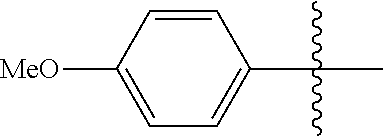 |
 |
30.4 | 6.3 | |
| 10491 | Me |
 |
 |
17.4 | 5.9 | |
| 10493 | Me |
 |
 |
 |
13.7 | 26.2 |
| 10494 | Me |
 |
 |
 |
5.7 | 25.1 |
| 10495 | Me |
 |
 |
 |
13.1 | 7.6 |
| 10510 | Me |
 |
 |
 |
50 | 47.1 |
| 10511 | Me |
 |
 |
 |
28.0 | 7.6 |
| 10512 | Me |
 |
 |
 |
4.6 | 27.0 |
| 10521 | Me |
 |
 |
 |
1.0 | 6.6 |
| 10522 | Me |
 |
 |
 |
9.6 | 39.3 |
| 10532 | Me |
 |
 |
 |
14.2 | 8.6 |
| 10534 |
 |
50 | 26.2 | |||
| 10535 | Me |
 |
 |
 |
6.3 | 7.0 |
| 10536 | Me |
 |
 |
 |
9.3 | 9.1 |
| 10537 | Me |
 |
 |
 |
7.6 | 16.0 |
| 10538 | Me |
 |
 |
 |
13.7 | 32.2 |
| 10539 | Me |
 |
 |
 |
12.7 | 8.7 |
| 10540 | Me |
 |
 |
1.3 | 4.7 | |
| 10542 | Me |
 |
 |
15.1 | 6.5 | |
| 10543 | Me |
 |
 |
35.0 | 4.8 | |
| 10547 | Me |
 |
 |
1.3 | 7.3 | |
| 10554 |
 |
 |
 |
19.1 | 8.3 | |
| 10555 | Me |
 |
 |
10.5 | 3.7 | |
| 10556 |
 |
 |
 |
48.6 | 27.3 | |
| 10559 | Me |
 |
 |
27.5 | 5.7 | |
| 10562 |
 |
 |
 |
50 | 12.2 | |
| 10579 | Me |
 |
 |
 |
2.7 | Peak1 7.1 |
| 10580 | Me |
 |
 |
 |
21.8 | Peak2 13.8 |
| TABLE 3 | |
| 1a | |
 |
|
| 2b | |
 |
|
| 1a | 2b | |
| 6.8 ± 3.7 | STAT3 IC50 | 9.6±7.8 |
| (μM) | ||
| >50 | STAT1 IC50 | >50 |
| (μM) | ||
| 14-26 | GI50 HNSCCa | 27-44 |
| (μM) | ||
| 391.2 | MW | 392.8 |
| 3.2 | cLogP | 3.7 |
| 1/4 | HBD/HBA | 1/4 |
| 71.7 | tPSA | 71.7 |
| 0.29 | LE | 0.26 |
| aCell lines 686LN, FADU, CAL33, OSC19 | ||
| Example 6 | ||

| TABLE 4 | |||||
| STAT3 | STAT1 | ||||
| R | Cmpd # | IC50 (μM) | IC50 (μM) | ||
 |
1a 1b | 6.8±3.7 31.2±20.0 | >50 >50 | ||
 |
2a 2b | 26.8±22.3 9.6±7.8 | >50 >50 | ||
 |
6a 6b | 21.2±5.9 5.6±4.0 | >50 45.9±8.3 | ||
 |
7a 7b | 21.2±23.5 27.0±7.4 | >50 >50 | ||
 |
8a 8b | 17.9±22.9 3.7±2.5 | 40.6±7.5 >50 | ||
 |
9a 9b | >50 >50 | >50 >50 | ||
 |
10a 10b | 11.0±5.5 >50 | >50 >50 | ||
| H—* | 11a | >50 | >50 | ||
| 11b | >50 | >50 | |||
| Me—* | 12a | >50 | >50 | ||
| 12b | >50 | >50 | |||
 |
13a 13b | >30 >50 | >50 >50 | ||

pyrazoles:

| TABLE 5 | ||||||
| Cmpd | Pyrazole | STAT3 | STAT1 IC50 | CAL33 GI50 | ||
| # | series | Ar | R/R′ | IC50 (μM) | (μM) | (μM) |
| 19 | a | 3,4-dichloro-Ph | Me/H | 8.2 ± 2.2 | >50 | 1.9 ± 1.2 |
| 20 | a | 4-OMe-Ph | Me/H | 9.1* | >50 | 0.2* |
| 21 | b | Ph | Me/H | 3.4* | 15* | 34.1 ± 8.7 |
| 22 | c | Ph | Me/H | 3.8 ± 0.8 | >30 | 36.3 ± 9.7 |
| 23 | c | 4-OMe-Ph | Me/H | 4.2* | >30* | 29.5 ± 6.5 |
| 24 | d | 4-OMe-Ph | Me/H | 11.4 ± 10.4 | 29.5* | 2.2 ± 0.3 |
| 24 | d | 4-OMe-Ph | Me/H | 5.72* | NT | 2.7* |
| (ent-1) | ||||||
| 24 | d | 4-OMe-Ph | Me/H | 17.3* | NT | 21.8* |
| (ent-2) | ||||||
| 25 | a | 3,4-dichloro-Ph | iPr/H | 4.4* | >50 | 8.2* |
| 26 | a | 4-OMe-Ph | iPr/H | 2.2 ± 1.2 | >50 | 0.4 ± 0.1 |
| 27 | a | 3,4-dichloro-Ph | iBu/H | 4.1* | >50 | 3.5 ± 1.5 |
| 28 | b | 4-OMe-Ph | iBu/H | 5.1* | >50 | 0.5* |
| 29 | a | 3,4-dichloro-Ph | Bn/H | 7.5* | >50 | 3.3* |
| 30 | b | 4-OMe-Ph | (CH2)2NH2/H | >20 | NT | 2.5* |
| 31 | b | 4-OMe-Ph | (CH2)2OMe/H | >50 | NT | 0.04* |
| 32 | a | 3,4-dichloro-Ph | Me/Me | 18.6* | >50 | >50* |
| TABLE 6 | |||||
| 20 | 21 | 24 | |||
| 686LN GI50 | 0.88* | 32.2* | 17.4* | ||
| (μM) | |||||
| CAL33 GI50 | 0.18* | 34.1* | 2.2* | ||
| (μM) | |||||
| FADU GI50 | 1.3* | 32.7* | 8.4* | ||
| (μM) | |||||
| 0SC19 GI50 | 3.1* | 31.3* | 14.9* | ||
| (μM) | |||||
| (*average of 2 experiments) | |||||
Claims (18)


Priority Applications (1)
| Application Number | Priority Date | Filing Date | Title |
|---|---|---|---|
| US15/543,573 US10618914B2 (en) | 2015-01-15 | 2016-01-15 | 6-aryl-7-substituted-3-(1H-pyrazol-5-yl)-7H-[1,2,4]triazolo[3,4-B][1,3,4]thiadiazines as inhibitors of the STAT3 pathway with anti-proliferative activity |
Applications Claiming Priority (3)
| Application Number | Priority Date | Filing Date | Title |
|---|---|---|---|
| US201562103976P | 2015-01-15 | 2015-01-15 | |
| US15/543,573 US10618914B2 (en) | 2015-01-15 | 2016-01-15 | 6-aryl-7-substituted-3-(1H-pyrazol-5-yl)-7H-[1,2,4]triazolo[3,4-B][1,3,4]thiadiazines as inhibitors of the STAT3 pathway with anti-proliferative activity |
| PCT/US2016/013584 WO2016115455A2 (en) | 2015-01-15 | 2016-01-15 | 6-aryl-7-substituted-3-(1h-pyrazol-5-yl)-7h-[1,2,4]triazolo[3,4-b][1,3,4]thiadiazines as inhibitors of the stat3 pathway with anti-proliferative activity |
Related Parent Applications (1)
| Application Number | Title | Priority Date | Filing Date |
|---|---|---|---|
| PCT/US2016/013584 A-371-Of-International WO2016115455A2 (en) | 2015-01-15 | 2016-01-15 | 6-aryl-7-substituted-3-(1h-pyrazol-5-yl)-7h-[1,2,4]triazolo[3,4-b][1,3,4]thiadiazines as inhibitors of the stat3 pathway with anti-proliferative activity |
Related Child Applications (1)
| Application Number | Title | Priority Date | Filing Date |
|---|---|---|---|
| US16/846,089 Continuation US11111253B2 (en) | 2015-01-15 | 2020-04-10 | 6-aryl-7-substituted-3-(1H-pyrazol-5-yl)-7H-[1,2,4]triazolo[3,4-b][1,3,4]thiadiazines as inhibitors of the STAT3 pathway with anti-proliferative activity |
Publications (2)
| Publication Number | Publication Date |
|---|---|
| US20190100535A1 US20190100535A1 (en) | 2019-04-04 |
| US10618914B2 true US10618914B2 (en) | 2020-04-14 |
Family
ID=56406566
Family Applications (2)
| Application Number | Title | Priority Date | Filing Date |
|---|---|---|---|
| US15/543,573 Active US10618914B2 (en) | 2015-01-15 | 2016-01-15 | 6-aryl-7-substituted-3-(1H-pyrazol-5-yl)-7H-[1,2,4]triazolo[3,4-B][1,3,4]thiadiazines as inhibitors of the STAT3 pathway with anti-proliferative activity |
| US16/846,089 Active US11111253B2 (en) | 2015-01-15 | 2020-04-10 | 6-aryl-7-substituted-3-(1H-pyrazol-5-yl)-7H-[1,2,4]triazolo[3,4-b][1,3,4]thiadiazines as inhibitors of the STAT3 pathway with anti-proliferative activity |
Family Applications After (1)
| Application Number | Title | Priority Date | Filing Date |
|---|---|---|---|
| US16/846,089 Active US11111253B2 (en) | 2015-01-15 | 2020-04-10 | 6-aryl-7-substituted-3-(1H-pyrazol-5-yl)-7H-[1,2,4]triazolo[3,4-b][1,3,4]thiadiazines as inhibitors of the STAT3 pathway with anti-proliferative activity |
Country Status (2)
| Country | Link |
|---|---|
| US (2) | US10618914B2 (en) |
| WO (1) | WO2016115455A2 (en) |
Families Citing this family (3)
| Publication number | Priority date | Publication date | Assignee | Title |
|---|---|---|---|---|
| CN120574283A (en) | 2019-04-05 | 2025-09-02 | 凯麦拉医疗公司 | STAT degraders and their uses |
| EP4077316A1 (en) | 2019-12-20 | 2022-10-26 | Pfizer Inc. | Benzimidazole derivatives |
| KR102870415B1 (en) * | 2022-09-02 | 2025-10-13 | 단국대학교 천안캠퍼스 산학협력단 | Triazolothiadiazine compound and composition for preventing or treating sarcopenia comprising the same as an active ingredient |
Citations (2)
| Publication number | Priority date | Publication date | Assignee | Title |
|---|---|---|---|---|
| WO2008011045A2 (en) | 2006-07-18 | 2008-01-24 | Cytovia, Inc. | 3-ARYL-6-ARYL-7H-[1,2,4]TRIAZOLO[3,4-b][1,3,4]THIADIAZINES AND ANALOGS AS ACTIVATORS OF CASPASES AND INDUCERS OF APOPTOSIS AND THE USE THEREOF |
| WO2008060578A2 (en) | 2006-11-15 | 2008-05-22 | Cytovia, Inc. | 3-aryl-6-aryl-[1,2,4] triazolo[3,4-b][1,3,4] thiadiazoles and related compounds as activators of caspases and inducers of apoptosis and the use thereof |
Family Cites Families (1)
| Publication number | Priority date | Publication date | Assignee | Title |
|---|---|---|---|---|
| US9708344B2 (en) * | 2014-06-03 | 2017-07-18 | Wisconsin Alumni Research Foundation | Inhibitors of UDP-galactopyranose mutase |
-
2016
- 2016-01-15 US US15/543,573 patent/US10618914B2/en active Active
- 2016-01-15 WO PCT/US2016/013584 patent/WO2016115455A2/en not_active Ceased
-
2020
- 2020-04-10 US US16/846,089 patent/US11111253B2/en active Active
Patent Citations (2)
| Publication number | Priority date | Publication date | Assignee | Title |
|---|---|---|---|---|
| WO2008011045A2 (en) | 2006-07-18 | 2008-01-24 | Cytovia, Inc. | 3-ARYL-6-ARYL-7H-[1,2,4]TRIAZOLO[3,4-b][1,3,4]THIADIAZINES AND ANALOGS AS ACTIVATORS OF CASPASES AND INDUCERS OF APOPTOSIS AND THE USE THEREOF |
| WO2008060578A2 (en) | 2006-11-15 | 2008-05-22 | Cytovia, Inc. | 3-aryl-6-aryl-[1,2,4] triazolo[3,4-b][1,3,4] thiadiazoles and related compounds as activators of caspases and inducers of apoptosis and the use thereof |
Non-Patent Citations (18)
| Title |
|---|
| Benekti et al., Signal Transducer and Activator of Transcription Proteins in Leukemias, Blood, 101: 2940-2954 (2003). |
| Bowman et al., STATs In Oncogenesis, Oncogene, 19: 2474-2488 (2000). |
| Bromberg et al., The Role of STATs in Transcriptional Control and their Impact on Cellular Function, Oncogene, 19: 2468-2473 (2000). |
| Dhir et al., STAT3 Activation in Prostatic Carcinomas, Prostate, 51: 241-246 (2002). |
| Farag et al., "Synthesis and Structure-Activity Relationship Studies of Pyrazole-based heterocycles as Antitumor Agents," Arch. Pharm. Chem. Life Sci., vol. 343, pp. 384-396 (2010). |
| Garcia et al., Constitutive Activation of STAT3 in Fibroblasts Transformed By Diverse Oncoproteins and in Breast Carcinoma Cells, Cell Growth Duff., 812: 1267-76 (1997). |
| Huang et al., Constitutive Activation of STAT3 Oncogene Product in Human Ovarian Carcinoma Cells, Gynecol. Oncol., 79: 67-73 (2000). |
| International Preliminary Report on Patentability issued in related International Patent Application No. PCT/US2016/013584, dated Aug. 19, 2016. |
| International Search Report and Written Opinion issued in related International Patent Application No. PCT/JP2016/013584, dated Aug. 19, 2016. |
| LaPorte, et al., Optimization of Pyrazole-containing 1,2,4-triazolo-[3,4-b]thiadiazines, a New Class of STAT3 Pathway Inhibitors, Bioorganic & Medicinal Chemistry Letters 26, 3581-3585 (2016). (Year: 2016). * |
| Schaefer et al., Constitutive Activation of STAT3 in Brain Tumors: Localization to Tumor Endothelial Cells and Activation by the Endothelial Tyrosine Kinase Receptor (VEGFR-2), Oncogene, 21: 2058-2065 (2002). |
| Scholz et al., Activated Signal Transducer and Activator of Transcription 3 (STAT3) Supports the Malignant Phenotype of Human Pancreatic Cancer, Gastroenterology, 125: 891-905 (2003). |
| Seki et al., STAT3 and MAPK in Human Lung Cancer Tissues and Suppression Of Oncogenic Growth by JAB and Dominant Negative STAT3, Int. J. Oncology, 24: 931-934 (2004). |
| Song et al., STAT Signaling in Head and Neck Cancer, Oncogene, 19: 2489-2495 (2000). |
| Weber-Nordt et al., Constitutive Activation of STAT Proteins in Primary Lymphoid and Myeloid Leukemia Cells and in Epstein-Barr Virus (EBV)-Related Lymphoma Cell Lines, Blood, 88: 809-816 (1996). |
| Wu et al., "Synthesis, structure-activity relationship, and pharmacophore modeling studies of pyrazole-3-carbohydrazone derivatives as dipeptidyl peptidase IV inhibitors," Chem. Biol. Drug. Des., vol. 79, No. 6, pp. 897-906 (2012). |
| Yu, H.; Jove, R. The STATs of cancer-new molecular targets come of age, Nat. Rev. Cancer, 4: 97-105, (2004). |
| Yu, H.; Jove, R. The STATs of cancer—new molecular targets come of age, Nat. Rev. Cancer, 4: 97-105, (2004). |
Also Published As
| Publication number | Publication date |
|---|---|
| US20190100535A1 (en) | 2019-04-04 |
| WO2016115455A2 (en) | 2016-07-21 |
| WO2016115455A3 (en) | 2016-10-13 |
| US20200339602A1 (en) | 2020-10-29 |
| US11111253B2 (en) | 2021-09-07 |
Similar Documents
| Publication | Publication Date | Title |
|---|---|---|
| CN113811333B (en) | Compounds Targeting Anticancer Nuclear Hormone Receptors | |
| TWI259081B (en) | Treatment of acute myeloid leukemia with indolinone compounds | |
| US20190152932A1 (en) | Indoleamine-2,3-dioxygenase inhibitor and preparation method therefor | |
| US8765738B2 (en) | Carbazole compounds and therapeutic uses of the compounds | |
| US11111253B2 (en) | 6-aryl-7-substituted-3-(1H-pyrazol-5-yl)-7H-[1,2,4]triazolo[3,4-b][1,3,4]thiadiazines as inhibitors of the STAT3 pathway with anti-proliferative activity | |
| US7820646B2 (en) | Cyclized derivatives as Eg-5 inhibitors | |
| CN112566666A (en) | Compounds targeting anti-cancer nuclear hormone receptors | |
| EA026704B1 (en) | Protein kinase inhibitors (variants), use thereof in treating oncological diseases and a pharmaceutical composition based thereon | |
| US9303043B2 (en) | Process for making benzoxazepin compounds | |
| US9914737B2 (en) | Triazolopyrimidinone or triazolopyridinone derivatives, and use thereof | |
| US11365205B2 (en) | Imidazolidin-2-one compounds as PRMT5 modulators | |
| US20200123165A1 (en) | Kinase inhibitors | |
| EA019534B1 (en) | 3-(3-PYRIMIDIN-2-YLBENZYL)-1,2,4-TRIAZOLO[4,3-b]PYRIDAZINE DERIVATIVES AS Met KINASE INHIBITORS | |
| WO2019024924A1 (en) | Amine compound for inhibiting ssao/vap-1 and use thereof in medicine | |
| US20210145821A1 (en) | Compounds for the treatment of cancer | |
| US20180362433A1 (en) | Novel curcuminoid-inspired synthetic compounds as anti-tumor agents | |
| US20180170942A1 (en) | Polycyclic derivatives targeting ral gtpases and their therapeutical applications | |
| US10675257B2 (en) | Method of treating cancer with a combination of benzylideneguanidine derivatives and chemotherapeutic agent | |
| CN106535894B (en) | MCL-1 modulating compounds for cancer therapy | |
| EA021067B1 (en) | Benzothiazolone derivatives | |
| US20230391753A1 (en) | Thiobenzimidazole derivative or pharmaceutically acceptable salt thereof and use thereof | |
| EA017393B1 (en) | Thiadiazinone derivatives | |
| US20200165279A1 (en) | Phenyl-heterocycle-phenyl derivatives for use in the treatment or prevention of melanoma | |
| TW200924754A (en) | Pyrazinones as cellular proliferation inhibitors | |
| US20160368872A1 (en) | Compounds and methods for treating cancers |
Legal Events
| Date | Code | Title | Description |
|---|---|---|---|
| AS | Assignment |
Owner name: UNIVERSITY OF PITTSBURGH - OF THE COMMONWEALTH SYS Free format text: ASSIGNMENT OF ASSIGNORS INTEREST;ASSIGNORS:HURYN, DONNA M.;WIPF, PETER;GRANDIS, JENNIFER RUBIN;AND OTHERS;SIGNING DATES FROM 20170928 TO 20180304;REEL/FRAME:045952/0669 Owner name: UNIVERSITY OF PITTSBURGH - OF THE COMMONWEALTH SYSTEM OF HIGHER EDUCATION, PENNSYLVANIA Free format text: ASSIGNMENT OF ASSIGNORS INTEREST;ASSIGNORS:HURYN, DONNA M.;WIPF, PETER;GRANDIS, JENNIFER RUBIN;AND OTHERS;SIGNING DATES FROM 20170928 TO 20180304;REEL/FRAME:045952/0669 |
|
| FEPP | Fee payment procedure |
Free format text: ENTITY STATUS SET TO SMALL (ORIGINAL EVENT CODE: SMAL); ENTITY STATUS OF PATENT OWNER: SMALL ENTITY |
|
| STPP | Information on status: patent application and granting procedure in general |
Free format text: RESPONSE TO NON-FINAL OFFICE ACTION ENTERED AND FORWARDED TO EXAMINER |
|
| STPP | Information on status: patent application and granting procedure in general |
Free format text: NON FINAL ACTION MAILED |
|
| STPP | Information on status: patent application and granting procedure in general |
Free format text: RESPONSE TO NON-FINAL OFFICE ACTION ENTERED AND FORWARDED TO EXAMINER |
|
| STPP | Information on status: patent application and granting procedure in general |
Free format text: NOTICE OF ALLOWANCE MAILED -- APPLICATION RECEIVED IN OFFICE OF PUBLICATIONS |
|
| STPP | Information on status: patent application and granting procedure in general |
Free format text: NOTICE OF ALLOWANCE MAILED -- APPLICATION RECEIVED IN OFFICE OF PUBLICATIONS |
|
| STPP | Information on status: patent application and granting procedure in general |
Free format text: PUBLICATIONS -- ISSUE FEE PAYMENT RECEIVED |
|
| STPP | Information on status: patent application and granting procedure in general |
Free format text: PUBLICATIONS -- ISSUE FEE PAYMENT VERIFIED |
|
| STCF | Information on status: patent grant |
Free format text: PATENTED CASE |
|
| MAFP | Maintenance fee payment |
Free format text: PAYMENT OF MAINTENANCE FEE, 4TH YR, SMALL ENTITY (ORIGINAL EVENT CODE: M2551); ENTITY STATUS OF PATENT OWNER: SMALL ENTITY Year of fee payment: 4 |