US10501632B2 - Dihydropyrene derivatives, processes for preparing the same and their uses - Google Patents
Dihydropyrene derivatives, processes for preparing the same and their uses Download PDFInfo
- Publication number
- US10501632B2 US10501632B2 US15/577,784 US201615577784A US10501632B2 US 10501632 B2 US10501632 B2 US 10501632B2 US 201615577784 A US201615577784 A US 201615577784A US 10501632 B2 US10501632 B2 US 10501632B2
- Authority
- US
- United States
- Prior art keywords
- formula
- represent
- representing
- compound
- branched
- Prior art date
- Legal status (The legal status is an assumption and is not a legal conclusion. Google has not performed a legal analysis and makes no representation as to the accuracy of the status listed.)
- Active
Links
- 238000000034 method Methods 0.000 title claims abstract description 36
- 230000008569 process Effects 0.000 title abstract description 15
- UUSUFQUCLACDTA-UHFFFAOYSA-N 1,2-dihydropyrene Chemical class C1=CC=C2C=CC3=CCCC4=CC=C1C2=C43 UUSUFQUCLACDTA-UHFFFAOYSA-N 0.000 title abstract description 5
- 150000001875 compounds Chemical class 0.000 claims description 172
- 125000006702 (C1-C18) alkyl group Chemical group 0.000 claims description 121
- 125000006552 (C3-C8) cycloalkyl group Chemical group 0.000 claims description 87
- 239000000203 mixture Substances 0.000 claims description 55
- MYMOFIZGZYHOMD-UHFFFAOYSA-N Dioxygen Chemical compound O=O MYMOFIZGZYHOMD-UHFFFAOYSA-N 0.000 claims description 47
- 150000001450 anions Chemical class 0.000 claims description 36
- 206010028980 Neoplasm Diseases 0.000 claims description 34
- 125000000999 tert-butyl group Chemical group [H]C([H])([H])C(*)(C([H])([H])[H])C([H])([H])[H] 0.000 claims description 29
- 108090000765 processed proteins & peptides Proteins 0.000 claims description 21
- 230000007170 pathology Effects 0.000 claims description 13
- OVBPIULPVIDEAO-LBPRGKRZSA-N folic acid Chemical compound C=1N=C2NC(N)=NC(=O)C2=NC=1CNC1=CC=C(C(=O)N[C@@H](CCC(O)=O)C(O)=O)C=C1 OVBPIULPVIDEAO-LBPRGKRZSA-N 0.000 claims description 12
- 239000013543 active substance Substances 0.000 claims description 11
- 125000002496 methyl group Chemical group [H]C([H])([H])* 0.000 claims description 11
- 238000001126 phototherapy Methods 0.000 claims description 8
- KIUKXJAPPMFGSW-DNGZLQJQSA-N (2S,3S,4S,5R,6R)-6-[(2S,3R,4R,5S,6R)-3-Acetamido-2-[(2S,3S,4R,5R,6R)-6-[(2R,3R,4R,5S,6R)-3-acetamido-2,5-dihydroxy-6-(hydroxymethyl)oxan-4-yl]oxy-2-carboxy-4,5-dihydroxyoxan-3-yl]oxy-5-hydroxy-6-(hydroxymethyl)oxan-4-yl]oxy-3,4,5-trihydroxyoxane-2-carboxylic acid Chemical compound CC(=O)N[C@H]1[C@H](O)O[C@H](CO)[C@@H](O)[C@@H]1O[C@H]1[C@H](O)[C@@H](O)[C@H](O[C@H]2[C@@H]([C@@H](O[C@H]3[C@@H]([C@@H](O)[C@H](O)[C@H](O3)C(O)=O)O)[C@H](O)[C@@H](CO)O2)NC(C)=O)[C@@H](C(O)=O)O1 KIUKXJAPPMFGSW-DNGZLQJQSA-N 0.000 claims description 6
- OVBPIULPVIDEAO-UHFFFAOYSA-N N-Pteroyl-L-glutaminsaeure Natural products C=1N=C2NC(N)=NC(=O)C2=NC=1CNC1=CC=C(C(=O)NC(CCC(O)=O)C(O)=O)C=C1 OVBPIULPVIDEAO-UHFFFAOYSA-N 0.000 claims description 6
- 239000002253 acid Substances 0.000 claims description 6
- 229960000304 folic acid Drugs 0.000 claims description 6
- 235000019152 folic acid Nutrition 0.000 claims description 6
- 239000011724 folic acid Substances 0.000 claims description 6
- 229920002674 hyaluronan Polymers 0.000 claims description 6
- 229960003160 hyaluronic acid Drugs 0.000 claims description 6
- CMXBQIXDSZWXAJ-UHFFFAOYSA-N CC(C)C1=CC=[N+](C)C=C1 Chemical compound CC(C)C1=CC=[N+](C)C=C1 CMXBQIXDSZWXAJ-UHFFFAOYSA-N 0.000 description 164
- 0 *c1c([4*])c2cc3([1*])C=C4/C([3*])=C(/[2*])C5=CC(C)=Cc1c5(C)-c24(C)OO3 Chemical compound *c1c([4*])c2cc3([1*])C=C4/C([3*])=C(/[2*])C5=CC(C)=Cc1c5(C)-c24(C)OO3 0.000 description 61
- 239000012634 fragment Substances 0.000 description 49
- 210000004027 cell Anatomy 0.000 description 28
- 239000000243 solution Substances 0.000 description 24
- RTZKZFJDLAIYFH-UHFFFAOYSA-N Diethyl ether Chemical compound CCOCC RTZKZFJDLAIYFH-UHFFFAOYSA-N 0.000 description 21
- QVGXLLKOCUKJST-UHFFFAOYSA-N atomic oxygen Chemical compound [O] QVGXLLKOCUKJST-UHFFFAOYSA-N 0.000 description 19
- 239000001301 oxygen Substances 0.000 description 19
- 229910052760 oxygen Inorganic materials 0.000 description 19
- LPYMONJGXKJYOY-UHFFFAOYSA-N CC(C)c(cc1)ccs1N Chemical compound CC(C)c(cc1)ccs1N LPYMONJGXKJYOY-UHFFFAOYSA-N 0.000 description 17
- 238000011282 treatment Methods 0.000 description 17
- -1 1,1-dimethylbutyl Chemical group 0.000 description 15
- 102000001189 Cyclic Peptides Human genes 0.000 description 15
- 108010069514 Cyclic Peptides Proteins 0.000 description 15
- YMWUJEATGCHHMB-UHFFFAOYSA-N Dichloromethane Chemical compound ClCCl YMWUJEATGCHHMB-UHFFFAOYSA-N 0.000 description 15
- 125000000539 amino acid group Chemical group 0.000 description 15
- IJGRMHOSHXDMSA-UHFFFAOYSA-N Atomic nitrogen Chemical compound N#N IJGRMHOSHXDMSA-UHFFFAOYSA-N 0.000 description 14
- XLYOFNOQVPJJNP-UHFFFAOYSA-N water Substances O XLYOFNOQVPJJNP-UHFFFAOYSA-N 0.000 description 13
- 238000005160 1H NMR spectroscopy Methods 0.000 description 12
- HEDRZPFGACZZDS-MICDWDOJSA-N Trichloro(2H)methane Chemical compound [2H]C(Cl)(Cl)Cl HEDRZPFGACZZDS-MICDWDOJSA-N 0.000 description 12
- WEVYAHXRMPXWCK-FIBGUPNXSA-N acetonitrile-d3 Chemical compound [2H]C([2H])([2H])C#N WEVYAHXRMPXWCK-FIBGUPNXSA-N 0.000 description 12
- 239000003504 photosensitizing agent Substances 0.000 description 11
- 238000007669 thermal treatment Methods 0.000 description 11
- XKRFYHLGVUSROY-UHFFFAOYSA-N Argon Chemical compound [Ar] XKRFYHLGVUSROY-UHFFFAOYSA-N 0.000 description 10
- 235000001014 amino acid Nutrition 0.000 description 10
- 150000001413 amino acids Chemical class 0.000 description 10
- 238000002474 experimental method Methods 0.000 description 10
- 229910052757 nitrogen Inorganic materials 0.000 description 10
- 239000003981 vehicle Substances 0.000 description 10
- 238000002360 preparation method Methods 0.000 description 9
- 239000002904 solvent Substances 0.000 description 9
- WGLLSSPDPJPLOR-UHFFFAOYSA-N 2,3-dimethylbut-2-ene Chemical compound CC(C)=C(C)C WGLLSSPDPJPLOR-UHFFFAOYSA-N 0.000 description 8
- WEVYAHXRMPXWCK-UHFFFAOYSA-N Acetonitrile Chemical compound CC#N WEVYAHXRMPXWCK-UHFFFAOYSA-N 0.000 description 8
- 238000010438 heat treatment Methods 0.000 description 8
- VYPSYNLAJGMNEJ-UHFFFAOYSA-N Silicium dioxide Chemical compound O=[Si]=O VYPSYNLAJGMNEJ-UHFFFAOYSA-N 0.000 description 7
- 239000007787 solid Substances 0.000 description 7
- NMQFKUIFAZYRDK-WQCSWEKLSA-N C.C.C.CC1=C2C=C(C(C)(C)C)C=C1/C(C1=CC=[N+](C)C=C1)=C\C1=CC3(C(C)(C)C)C=C(/C(C4=CC=[N+](C)C=C4)=C\2)C1(C)OO3.CC1=C2C=C(C(C)(C)C)C=C1/C(C1=CC=[N+](C)C=C1)=C\C1=CC3(C(C)(C)C)C=C(/C=C\2)C1(C)OO3.CC1=C2C=C(C(C)(C)C)C=C1/C=C\C1=CC3(C(C)(C)C)C=C(/C(C4=CC=[N+](C)C=C4)=C\2)C1(C)OO3 Chemical compound C.C.C.CC1=C2C=C(C(C)(C)C)C=C1/C(C1=CC=[N+](C)C=C1)=C\C1=CC3(C(C)(C)C)C=C(/C(C4=CC=[N+](C)C=C4)=C\2)C1(C)OO3.CC1=C2C=C(C(C)(C)C)C=C1/C(C1=CC=[N+](C)C=C1)=C\C1=CC3(C(C)(C)C)C=C(/C=C\2)C1(C)OO3.CC1=C2C=C(C(C)(C)C)C=C1/C=C\C1=CC3(C(C)(C)C)C=C(/C(C4=CC=[N+](C)C=C4)=C\2)C1(C)OO3 NMQFKUIFAZYRDK-WQCSWEKLSA-N 0.000 description 6
- OKKJLVBELUTLKV-UHFFFAOYSA-N Methanol Chemical compound OC OKKJLVBELUTLKV-UHFFFAOYSA-N 0.000 description 6
- 239000012298 atmosphere Substances 0.000 description 6
- 210000004369 blood Anatomy 0.000 description 6
- 239000008280 blood Substances 0.000 description 6
- 230000001678 irradiating effect Effects 0.000 description 6
- 125000004076 pyridyl group Chemical group 0.000 description 6
- 239000000126 substance Substances 0.000 description 6
- 125000001424 substituent group Chemical group 0.000 description 6
- 238000003786 synthesis reaction Methods 0.000 description 6
- QJOZLIFJQYJXON-XKMCERMUSA-N C.C.C.C.CC1=C2C=C(C(C)(C)C)C=C1/C(C1=CC=[N+](C)C=C1)=C\C1=CC(C(C)(C)C)=CC(=C1C)/C(C1=CC=[N+](C)C=C1)=C\2.CC1=C2C=C(C(C)(C)C)C=C1/C=C\C1=CC(C(C)(C)C)=CC(=C1C)/C(C1=CC=[N+](C)C=C1)=C\2.C[N+]1=CC=C(C2=C3\C=C(C(C)(C)C)C=C4C=C/C5=C/C(C(C)(C)C)=C/C(=C/2)C5(C)C43C)C=C1.C[N+]1=CC=C(C2=CC3=CC(C(C)(C)C)=C/C4=C(C5=CC=[N+](C)C=C5)/C=C5/C=C(C(C)(C)C)\C=C\2C5(C)C34C)C=C1 Chemical compound C.C.C.C.CC1=C2C=C(C(C)(C)C)C=C1/C(C1=CC=[N+](C)C=C1)=C\C1=CC(C(C)(C)C)=CC(=C1C)/C(C1=CC=[N+](C)C=C1)=C\2.CC1=C2C=C(C(C)(C)C)C=C1/C=C\C1=CC(C(C)(C)C)=CC(=C1C)/C(C1=CC=[N+](C)C=C1)=C\2.C[N+]1=CC=C(C2=C3\C=C(C(C)(C)C)C=C4C=C/C5=C/C(C(C)(C)C)=C/C(=C/2)C5(C)C43C)C=C1.C[N+]1=CC=C(C2=CC3=CC(C(C)(C)C)=C/C4=C(C5=CC=[N+](C)C=C5)/C=C5/C=C(C(C)(C)C)\C=C\2C5(C)C34C)C=C1 QJOZLIFJQYJXON-XKMCERMUSA-N 0.000 description 5
- 241001465754 Metazoa Species 0.000 description 5
- 229910019142 PO4 Inorganic materials 0.000 description 5
- 229910052786 argon Inorganic materials 0.000 description 5
- 230000015572 biosynthetic process Effects 0.000 description 5
- 201000011510 cancer Diseases 0.000 description 5
- 238000001816 cooling Methods 0.000 description 5
- 239000000047 product Substances 0.000 description 5
- 238000000425 proton nuclear magnetic resonance spectrum Methods 0.000 description 5
- 230000008685 targeting Effects 0.000 description 5
- XDTMQSROBMDMFD-UHFFFAOYSA-N Cyclohexane Chemical compound C1CCCCC1 XDTMQSROBMDMFD-UHFFFAOYSA-N 0.000 description 4
- 241000282414 Homo sapiens Species 0.000 description 4
- CSNNHWWHGAXBCP-UHFFFAOYSA-L Magnesium sulfate Chemical compound [Mg+2].[O-][S+2]([O-])([O-])[O-] CSNNHWWHGAXBCP-UHFFFAOYSA-L 0.000 description 4
- CDBYLPFSWZWCQE-UHFFFAOYSA-L Sodium Carbonate Chemical compound [Na+].[Na+].[O-]C([O-])=O CDBYLPFSWZWCQE-UHFFFAOYSA-L 0.000 description 4
- WYURNTSHIVDZCO-UHFFFAOYSA-N Tetrahydrofuran Chemical compound C1CCOC1 WYURNTSHIVDZCO-UHFFFAOYSA-N 0.000 description 4
- 239000000443 aerosol Substances 0.000 description 4
- 229940125898 compound 5 Drugs 0.000 description 4
- 239000007789 gas Substances 0.000 description 4
- 238000001727 in vivo Methods 0.000 description 4
- 238000011065 in-situ storage Methods 0.000 description 4
- 238000006317 isomerization reaction Methods 0.000 description 4
- 238000004020 luminiscence type Methods 0.000 description 4
- 230000008929 regeneration Effects 0.000 description 4
- 238000011069 regeneration method Methods 0.000 description 4
- 238000001228 spectrum Methods 0.000 description 4
- 230000001225 therapeutic effect Effects 0.000 description 4
- 125000006555 (C3-C5) cycloalkyl group Chemical group 0.000 description 3
- XEKOWRVHYACXOJ-UHFFFAOYSA-N Ethyl acetate Chemical compound CCOC(C)=O XEKOWRVHYACXOJ-UHFFFAOYSA-N 0.000 description 3
- GUBGYTABKSRVRQ-QKKXKWKRSA-N Lactose Natural products OC[C@H]1O[C@@H](O[C@H]2[C@H](O)[C@@H](O)C(O)O[C@@H]2CO)[C@H](O)[C@@H](O)[C@H]1O GUBGYTABKSRVRQ-QKKXKWKRSA-N 0.000 description 3
- 206010058467 Lung neoplasm malignant Diseases 0.000 description 3
- 238000012565 NMR experiment Methods 0.000 description 3
- 206010033128 Ovarian cancer Diseases 0.000 description 3
- 206010061535 Ovarian neoplasm Diseases 0.000 description 3
- NFHFRUOZVGFOOS-UHFFFAOYSA-N Pd(PPh3)4 Substances [Pd].C1=CC=CC=C1P(C=1C=CC=CC=1)C1=CC=CC=C1.C1=CC=CC=C1P(C=1C=CC=CC=1)C1=CC=CC=C1.C1=CC=CC=C1P(C=1C=CC=CC=1)C1=CC=CC=C1.C1=CC=CC=C1P(C=1C=CC=CC=1)C1=CC=CC=C1 NFHFRUOZVGFOOS-UHFFFAOYSA-N 0.000 description 3
- ONIBWKKTOPOVIA-UHFFFAOYSA-N Proline Natural products OC(=O)C1CCCN1 ONIBWKKTOPOVIA-UHFFFAOYSA-N 0.000 description 3
- DNIAPMSPPWPWGF-UHFFFAOYSA-N Propylene glycol Chemical compound CC(O)CO DNIAPMSPPWPWGF-UHFFFAOYSA-N 0.000 description 3
- 239000004480 active ingredient Substances 0.000 description 3
- 239000007864 aqueous solution Substances 0.000 description 3
- 125000004429 atom Chemical group 0.000 description 3
- 210000000170 cell membrane Anatomy 0.000 description 3
- 230000003833 cell viability Effects 0.000 description 3
- 125000003636 chemical group Chemical group 0.000 description 3
- 238000006243 chemical reaction Methods 0.000 description 3
- 239000012043 crude product Substances 0.000 description 3
- 239000013078 crystal Substances 0.000 description 3
- 125000004122 cyclic group Chemical group 0.000 description 3
- 125000000753 cycloalkyl group Chemical group 0.000 description 3
- 231100000135 cytotoxicity Toxicity 0.000 description 3
- 230000003013 cytotoxicity Effects 0.000 description 3
- 238000002059 diagnostic imaging Methods 0.000 description 3
- 239000003085 diluting agent Substances 0.000 description 3
- 239000003480 eluent Substances 0.000 description 3
- 230000005284 excitation Effects 0.000 description 3
- 238000002347 injection Methods 0.000 description 3
- 239000007924 injection Substances 0.000 description 3
- 239000008101 lactose Substances 0.000 description 3
- 201000005202 lung cancer Diseases 0.000 description 3
- 208000020816 lung neoplasm Diseases 0.000 description 3
- HQKMJHAJHXVSDF-UHFFFAOYSA-L magnesium stearate Substances [Mg+2].CCCCCCCCCCCCCCCCCC([O-])=O.CCCCCCCCCCCCCCCCCC([O-])=O HQKMJHAJHXVSDF-UHFFFAOYSA-L 0.000 description 3
- 238000005259 measurement Methods 0.000 description 3
- 238000010172 mouse model Methods 0.000 description 3
- 125000004433 nitrogen atom Chemical group N* 0.000 description 3
- 238000002428 photodynamic therapy Methods 0.000 description 3
- 229920001223 polyethylene glycol Polymers 0.000 description 3
- 239000000843 powder Substances 0.000 description 3
- 239000008247 solid mixture Substances 0.000 description 3
- 241000894007 species Species 0.000 description 3
- 238000003756 stirring Methods 0.000 description 3
- 210000001519 tissue Anatomy 0.000 description 3
- VZCYOOQTPOCHFL-UHFFFAOYSA-N trans-butenedioic acid Natural products OC(=O)C=CC(O)=O VZCYOOQTPOCHFL-UHFFFAOYSA-N 0.000 description 3
- 208000036832 Adenocarcinoma of ovary Diseases 0.000 description 2
- GUBGYTABKSRVRQ-XLOQQCSPSA-N Alpha-Lactose Chemical compound O[C@@H]1[C@@H](O)[C@@H](O)[C@@H](CO)O[C@H]1O[C@@H]1[C@@H](CO)O[C@H](O)[C@H](O)[C@H]1O GUBGYTABKSRVRQ-XLOQQCSPSA-N 0.000 description 2
- 208000003174 Brain Neoplasms Diseases 0.000 description 2
- 206010006187 Breast cancer Diseases 0.000 description 2
- 208000026310 Breast neoplasm Diseases 0.000 description 2
- 206010009944 Colon cancer Diseases 0.000 description 2
- 206010058314 Dysplasia Diseases 0.000 description 2
- 102000001301 EGF receptor Human genes 0.000 description 2
- 108060006698 EGF receptor Proteins 0.000 description 2
- DHMQDGOQFOQNFH-UHFFFAOYSA-N Glycine Chemical compound NCC(O)=O DHMQDGOQFOQNFH-UHFFFAOYSA-N 0.000 description 2
- 238000012404 In vitro experiment Methods 0.000 description 2
- PCLIMKBDDGJMGD-UHFFFAOYSA-N N-bromosuccinimide Chemical compound BrN1C(=O)CCC1=O PCLIMKBDDGJMGD-UHFFFAOYSA-N 0.000 description 2
- 229910017673 NH4PF6 Inorganic materials 0.000 description 2
- 238000005481 NMR spectroscopy Methods 0.000 description 2
- 206010061328 Ovarian epithelial cancer Diseases 0.000 description 2
- 239000002202 Polyethylene glycol Substances 0.000 description 2
- 206010060862 Prostate cancer Diseases 0.000 description 2
- 208000000236 Prostatic Neoplasms Diseases 0.000 description 2
- 229920002472 Starch Polymers 0.000 description 2
- JWUXJYZVKZKLTJ-UHFFFAOYSA-N Triacetonamine Chemical compound CC1(C)CC(=O)CC(C)(C)N1 JWUXJYZVKZKLTJ-UHFFFAOYSA-N 0.000 description 2
- 238000002835 absorbance Methods 0.000 description 2
- 238000000862 absorption spectrum Methods 0.000 description 2
- 208000009621 actinic keratosis Diseases 0.000 description 2
- 230000004913 activation Effects 0.000 description 2
- 239000002671 adjuvant Substances 0.000 description 2
- 150000001336 alkenes Chemical group 0.000 description 2
- 238000004458 analytical method Methods 0.000 description 2
- 239000012300 argon atmosphere Substances 0.000 description 2
- 150000001768 cations Chemical class 0.000 description 2
- 238000004440 column chromatography Methods 0.000 description 2
- 229940125904 compound 1 Drugs 0.000 description 2
- 229940126214 compound 3 Drugs 0.000 description 2
- 229910001882 dioxygen Inorganic materials 0.000 description 2
- 238000001362 electron spin resonance spectrum Methods 0.000 description 2
- 239000000839 emulsion Substances 0.000 description 2
- 238000011156 evaluation Methods 0.000 description 2
- 238000001914 filtration Methods 0.000 description 2
- 238000000684 flow cytometry Methods 0.000 description 2
- 238000000799 fluorescence microscopy Methods 0.000 description 2
- 239000012737 fresh medium Substances 0.000 description 2
- 208000005017 glioblastoma Diseases 0.000 description 2
- 239000001963 growth medium Substances 0.000 description 2
- 208000014829 head and neck neoplasm Diseases 0.000 description 2
- 125000004051 hexyl group Chemical group [H]C([H])([H])C([H])([H])C([H])([H])C([H])([H])C([H])([H])C([H])([H])* 0.000 description 2
- QAOWNCQODCNURD-UHFFFAOYSA-M hydrogensulfate Chemical compound OS([O-])(=O)=O QAOWNCQODCNURD-UHFFFAOYSA-M 0.000 description 2
- 239000003701 inert diluent Substances 0.000 description 2
- 230000010354 integration Effects 0.000 description 2
- XMBWDFGMSWQBCA-UHFFFAOYSA-M iodide Chemical compound [I-] XMBWDFGMSWQBCA-UHFFFAOYSA-M 0.000 description 2
- INQOMBQAUSQDDS-UHFFFAOYSA-N iodomethane Chemical compound IC INQOMBQAUSQDDS-UHFFFAOYSA-N 0.000 description 2
- 239000007788 liquid Substances 0.000 description 2
- 238000001459 lithography Methods 0.000 description 2
- 201000007270 liver cancer Diseases 0.000 description 2
- 208000014018 liver neoplasm Diseases 0.000 description 2
- 235000019359 magnesium stearate Nutrition 0.000 description 2
- 229910052943 magnesium sulfate Inorganic materials 0.000 description 2
- VZCYOOQTPOCHFL-UPHRSURJSA-N maleic acid Chemical compound OC(=O)\C=C/C(O)=O VZCYOOQTPOCHFL-UPHRSURJSA-N 0.000 description 2
- 230000003211 malignant effect Effects 0.000 description 2
- 238000004949 mass spectrometry Methods 0.000 description 2
- 201000001441 melanoma Diseases 0.000 description 2
- 239000012074 organic phase Substances 0.000 description 2
- 208000013371 ovarian adenocarcinoma Diseases 0.000 description 2
- 201000006588 ovary adenocarcinoma Diseases 0.000 description 2
- 239000008194 pharmaceutical composition Substances 0.000 description 2
- 239000002244 precipitate Substances 0.000 description 2
- 102000004196 processed proteins & peptides Human genes 0.000 description 2
- QLULGIRFKAWHOJ-UHFFFAOYSA-N pyridin-4-ylboronic acid Chemical compound OB(O)C1=CC=NC=C1 QLULGIRFKAWHOJ-UHFFFAOYSA-N 0.000 description 2
- 239000010453 quartz Substances 0.000 description 2
- 239000011541 reaction mixture Substances 0.000 description 2
- 102000005962 receptors Human genes 0.000 description 2
- 108020003175 receptors Proteins 0.000 description 2
- 238000004007 reversed phase HPLC Methods 0.000 description 2
- 229920006395 saturated elastomer Polymers 0.000 description 2
- 239000000741 silica gel Substances 0.000 description 2
- 229910002027 silica gel Inorganic materials 0.000 description 2
- 229910000029 sodium carbonate Inorganic materials 0.000 description 2
- 239000008107 starch Substances 0.000 description 2
- 235000019698 starch Nutrition 0.000 description 2
- 239000008174 sterile solution Substances 0.000 description 2
- 239000008223 sterile water Substances 0.000 description 2
- 230000001954 sterilising effect Effects 0.000 description 2
- 238000004659 sterilization and disinfection Methods 0.000 description 2
- 239000000725 suspension Substances 0.000 description 2
- 238000012360 testing method Methods 0.000 description 2
- 238000002560 therapeutic procedure Methods 0.000 description 2
- 239000002351 wastewater Substances 0.000 description 2
- MKSPBYRGLCNGRC-OEMOKZHXSA-N (2s)-2-[[(2s)-1-[(2s)-1-[(2s)-2-[[(2s)-2-[[(2s,3r)-2-[[(2s)-2-aminopropanoyl]amino]-3-hydroxybutanoyl]amino]-3-(1h-indol-3-yl)propanoyl]amino]-4-methylpentanoyl]pyrrolidine-2-carbonyl]pyrrolidine-2-carbonyl]amino]-5-(diaminomethylideneamino)pentanoic acid Chemical compound O=C([C@@H]1CCCN1C(=O)[C@@H](NC(=O)[C@H](CC=1C2=CC=CC=C2NC=1)NC(=O)[C@@H](NC(=O)[C@H](C)N)[C@@H](C)O)CC(C)C)N1CCC[C@H]1C(=O)N[C@@H](CCCNC(N)=N)C(O)=O MKSPBYRGLCNGRC-OEMOKZHXSA-N 0.000 description 1
- GHOKWGTUZJEAQD-ZETCQYMHSA-N (D)-(+)-Pantothenic acid Chemical compound OCC(C)(C)[C@@H](O)C(=O)NCCC(O)=O GHOKWGTUZJEAQD-ZETCQYMHSA-N 0.000 description 1
- ASDAUKMPYBNNST-CGQSERAKSA-O *.C.CC(=O)SCCCCCCBr.CC(=O)SCCCCCC[N+]1=CC=C(C2=CC3=CC(C(C)(C)C)=C/C4=C/C=C5/C=C(C(C)(C)C)\C=C\2[C@@]5(C)[C@]34C)C=C1.CC(C)(C)C1=C/C2=C/C=C3/C=C(C(C)(C)C)\C=C4\C(C5=CC=NC=C5)=CC(=C1)[C@@]2(C)[C@@]34C.CC(C)(C)C1=C/C2=C/C=C3/C=C(C(C)(C)C)\C=C4\C(C5=CC=[N+](CCCCCCS)C=C5)=CC(=C1)[C@@]2(C)[C@@]34C.Cl.[2H]PS.[2H]PSC(C)=O Chemical compound *.C.CC(=O)SCCCCCCBr.CC(=O)SCCCCCC[N+]1=CC=C(C2=CC3=CC(C(C)(C)C)=C/C4=C/C=C5/C=C(C(C)(C)C)\C=C\2[C@@]5(C)[C@]34C)C=C1.CC(C)(C)C1=C/C2=C/C=C3/C=C(C(C)(C)C)\C=C4\C(C5=CC=NC=C5)=CC(=C1)[C@@]2(C)[C@@]34C.CC(C)(C)C1=C/C2=C/C=C3/C=C(C(C)(C)C)\C=C4\C(C5=CC=[N+](CCCCCCS)C=C5)=CC(=C1)[C@@]2(C)[C@@]34C.Cl.[2H]PS.[2H]PSC(C)=O ASDAUKMPYBNNST-CGQSERAKSA-O 0.000 description 1
- NBWRJAOOMGASJP-UHFFFAOYSA-N 2-(3,5-diphenyl-1h-tetrazol-1-ium-2-yl)-4,5-dimethyl-1,3-thiazole;bromide Chemical compound [Br-].S1C(C)=C(C)N=C1N1N(C=2C=CC=CC=2)N=C(C=2C=CC=CC=2)[NH2+]1 NBWRJAOOMGASJP-UHFFFAOYSA-N 0.000 description 1
- 125000006176 2-ethylbutyl group Chemical group [H]C([H])([H])C([H])([H])C([H])(C([H])([H])*)C([H])([H])C([H])([H])[H] 0.000 description 1
- FEWJPZIEWOKRBE-UHFFFAOYSA-M 3-carboxy-2,3-dihydroxypropanoate Chemical compound OC(=O)C(O)C(O)C([O-])=O FEWJPZIEWOKRBE-UHFFFAOYSA-M 0.000 description 1
- BWGRDBSNKQABCB-UHFFFAOYSA-N 4,4-difluoro-N-[3-[3-(3-methyl-5-propan-2-yl-1,2,4-triazol-4-yl)-8-azabicyclo[3.2.1]octan-8-yl]-1-thiophen-2-ylpropyl]cyclohexane-1-carboxamide Chemical compound CC(C)C1=NN=C(C)N1C1CC2CCC(C1)N2CCC(NC(=O)C1CCC(F)(F)CC1)C1=CC=CS1 BWGRDBSNKQABCB-UHFFFAOYSA-N 0.000 description 1
- FHVDTGUDJYJELY-UHFFFAOYSA-N 6-{[2-carboxy-4,5-dihydroxy-6-(phosphanyloxy)oxan-3-yl]oxy}-4,5-dihydroxy-3-phosphanyloxane-2-carboxylic acid Chemical compound O1C(C(O)=O)C(P)C(O)C(O)C1OC1C(C(O)=O)OC(OP)C(O)C1O FHVDTGUDJYJELY-UHFFFAOYSA-N 0.000 description 1
- QTBSBXVTEAMEQO-UHFFFAOYSA-M Acetate Chemical compound CC([O-])=O QTBSBXVTEAMEQO-UHFFFAOYSA-M 0.000 description 1
- 208000002874 Acne Vulgaris Diseases 0.000 description 1
- 208000037260 Atherosclerotic Plaque Diseases 0.000 description 1
- 208000023514 Barrett esophagus Diseases 0.000 description 1
- 208000023665 Barrett oesophagus Diseases 0.000 description 1
- 206010004146 Basal cell carcinoma Diseases 0.000 description 1
- BVKZGUZCCUSVTD-UHFFFAOYSA-M Bicarbonate Chemical compound OC([O-])=O BVKZGUZCCUSVTD-UHFFFAOYSA-M 0.000 description 1
- 206010005003 Bladder cancer Diseases 0.000 description 1
- 206010005949 Bone cancer Diseases 0.000 description 1
- 208000018084 Bone neoplasm Diseases 0.000 description 1
- BTBUEUYNUDRHOZ-UHFFFAOYSA-N Borate Chemical compound [O-]B([O-])[O-] BTBUEUYNUDRHOZ-UHFFFAOYSA-N 0.000 description 1
- CPELXLSAUQHCOX-UHFFFAOYSA-M Bromide Chemical compound [Br-] CPELXLSAUQHCOX-UHFFFAOYSA-M 0.000 description 1
- OBMZMSLWNNWEJA-XNCRXQDQSA-N C1=CC=2C(C[C@@H]3NC(=O)[C@@H](NC(=O)[C@H](NC(=O)N(CC#CCN(CCCC[C@H](NC(=O)[C@@H](CC4=CC=CC=C4)NC3=O)C(=O)N)CC=C)NC(=O)[C@@H](N)C)CC3=CNC4=C3C=CC=C4)C)=CNC=2C=C1 Chemical compound C1=CC=2C(C[C@@H]3NC(=O)[C@@H](NC(=O)[C@H](NC(=O)N(CC#CCN(CCCC[C@H](NC(=O)[C@@H](CC4=CC=CC=C4)NC3=O)C(=O)N)CC=C)NC(=O)[C@@H](N)C)CC3=CNC4=C3C=CC=C4)C)=CNC=2C=C1 OBMZMSLWNNWEJA-XNCRXQDQSA-N 0.000 description 1
- ZFTLOGYGGBCCQA-UHFFFAOYSA-N C=C(C)C(C)(C)OO.CC(C)=C(C)C Chemical compound C=C(C)C(C)(C)OO.CC(C)=C(C)C ZFTLOGYGGBCCQA-UHFFFAOYSA-N 0.000 description 1
- GCZYHTBETUINRS-VMNXYWKNSA-N CC(C(/C(/N)=C(\c1cc(N)cc(/C(/N)=C2/N)c1C)/N)=C1)(C2=C2)OOC12N Chemical compound CC(C(/C(/N)=C(\c1cc(N)cc(/C(/N)=C2/N)c1C)/N)=C1)(C2=C2)OOC12N GCZYHTBETUINRS-VMNXYWKNSA-N 0.000 description 1
- FXMWRHKWCDNXOX-QBQLHAFFSA-N CC(C)(C)C1=C/C2=C(Br)/C=C3/C=C(C(C)(C)C)\C=C4\C(Br)=CC(=C1)[C@@]2(C)[C@@]34C.CC(C)(C)C1=C/C2=C(C3=CC=NC=C3)/C=C3/C=C(C(C)(C)C)\C=C4\C(C5=CC=NC=C5)=CC(=C1)[C@@]2(C)[C@@]34C.CC(C)(C)C1=C/C2=C/C=C3/C=C(C(C)(C)C)\C=C4\C=CC(=C1)[C@@]2(C)[C@]43C.C[N+]1=CC=C(C2=CC3=CC(C(C)(C)C)=C/C4=C(C5=CC=[NH+2](C)C=C5)/C=C5/C=C(C(C)(C)C)\C=C\2[C@@]5(C)[C@]34C)C=C1.OB(O)C1=CC=NC=C1.[2H]P.[2H]P(Br)Br Chemical compound CC(C)(C)C1=C/C2=C(Br)/C=C3/C=C(C(C)(C)C)\C=C4\C(Br)=CC(=C1)[C@@]2(C)[C@@]34C.CC(C)(C)C1=C/C2=C(C3=CC=NC=C3)/C=C3/C=C(C(C)(C)C)\C=C4\C(C5=CC=NC=C5)=CC(=C1)[C@@]2(C)[C@@]34C.CC(C)(C)C1=C/C2=C/C=C3/C=C(C(C)(C)C)\C=C4\C=CC(=C1)[C@@]2(C)[C@]43C.C[N+]1=CC=C(C2=CC3=CC(C(C)(C)C)=C/C4=C(C5=CC=[NH+2](C)C=C5)/C=C5/C=C(C(C)(C)C)\C=C\2[C@@]5(C)[C@]34C)C=C1.OB(O)C1=CC=NC=C1.[2H]P.[2H]P(Br)Br FXMWRHKWCDNXOX-QBQLHAFFSA-N 0.000 description 1
- KLVJGVGRCOHGDR-GNQRRKEYSA-M CC(C)(C)C1=C/C2=C/C=C3/C=C(C(C)(C)C)\C=C4\C(Br)=CC(=C1)[C@@]2(C)[C@@]34C.CC(C)(C)C1=C/C2=C/C=C3/C=C(C(C)(C)C)\C=C4\C=CC(=C1)[C@@]2(C)[C@]43C.CC1=C2\C=C(C(C)(C)C)C=C3C=C(C4=CC=NC=C4)/C4=C/C(C(C)(C)C)=C/C(=C/1)[C@]4(C)[C@]32C.C[N+]1=CC=C(C2=CC3=CC(C(C)(C)C)=C/C4=C/C=C5/C=C(C(C)(C)C)\C=C\2[C@@]5(C)[C@]34C)C=C1.FP(F)(F)(F)F.OB(O)C1=CC=NC=C1.[F-] Chemical compound CC(C)(C)C1=C/C2=C/C=C3/C=C(C(C)(C)C)\C=C4\C(Br)=CC(=C1)[C@@]2(C)[C@@]34C.CC(C)(C)C1=C/C2=C/C=C3/C=C(C(C)(C)C)\C=C4\C=CC(=C1)[C@@]2(C)[C@]43C.CC1=C2\C=C(C(C)(C)C)C=C3C=C(C4=CC=NC=C4)/C4=C/C(C(C)(C)C)=C/C(=C/1)[C@]4(C)[C@]32C.C[N+]1=CC=C(C2=CC3=CC(C(C)(C)C)=C/C4=C/C=C5/C=C(C(C)(C)C)\C=C\2[C@@]5(C)[C@]34C)C=C1.FP(F)(F)(F)F.OB(O)C1=CC=NC=C1.[F-] KLVJGVGRCOHGDR-GNQRRKEYSA-M 0.000 description 1
- NVNUFVAMTXGCFC-UIOOFZCWSA-N CC(C)(C)C1=CC2=CC=C3C=C(C(C)(C)C)C=C4/C(Br)=C\C(=C1)[C@@]2(C)[C@@]34C Chemical compound CC(C)(C)C1=CC2=CC=C3C=C(C(C)(C)C)C=C4/C(Br)=C\C(=C1)[C@@]2(C)[C@@]34C NVNUFVAMTXGCFC-UIOOFZCWSA-N 0.000 description 1
- XXGNESRNEVHIFA-CONSDPRKSA-N CC(C)(C)C1=CC2=CC=C3C=C(C(C)(C)C)C=C4/C(C5=CC=NC=C5)=C\C(=C1)[C@@]2(C)[C@@]34C Chemical compound CC(C)(C)C1=CC2=CC=C3C=C(C(C)(C)C)C=C4/C(C5=CC=NC=C5)=C\C(=C1)[C@@]2(C)[C@@]34C XXGNESRNEVHIFA-CONSDPRKSA-N 0.000 description 1
- VHEDTTHZNMSCCI-VZUCSPMQSA-N CC(C)C(=O)/C=N/OCC(=O)C(C)C Chemical compound CC(C)C(=O)/C=N/OCC(=O)C(C)C VHEDTTHZNMSCCI-VZUCSPMQSA-N 0.000 description 1
- RYQGQQJPGIKYAC-LNVRGUPFSA-N CC1=C2C=C(C(C)(C)C)C=C1/C(C1=CC=[N+](C)C=C1)=C\C1=CC(C(C)(C)C)=CC(=C1C)/C(C1=CC=[N+](C)C=C1)=C\2.CC1=C2C=C(C(C)(C)C)C=C1/C(C1=CC=[N+](C)C=C1)=C\C1=CC3(C(C)(C)C)C=C(/C(C4=CC=[N+](C)C=C4)=C\2)C1(C)OO3.C[N+]1=CC=C(C2=CC3=CC(C(C)(C)C)=C/C4=C(C5=CC=[N+](C)C=C5)/C=C5/C=C(C(C)(C)C)\C=C\2[C@@]5(C)[C@]34C)C=C1.[2HH] Chemical compound CC1=C2C=C(C(C)(C)C)C=C1/C(C1=CC=[N+](C)C=C1)=C\C1=CC(C(C)(C)C)=CC(=C1C)/C(C1=CC=[N+](C)C=C1)=C\2.CC1=C2C=C(C(C)(C)C)C=C1/C(C1=CC=[N+](C)C=C1)=C\C1=CC3(C(C)(C)C)C=C(/C(C4=CC=[N+](C)C=C4)=C\2)C1(C)OO3.C[N+]1=CC=C(C2=CC3=CC(C(C)(C)C)=C/C4=C(C5=CC=[N+](C)C=C5)/C=C5/C=C(C(C)(C)C)\C=C\2[C@@]5(C)[C@]34C)C=C1.[2HH] RYQGQQJPGIKYAC-LNVRGUPFSA-N 0.000 description 1
- AGZRXIUTUKXWRL-IJSGCHEZSA-N CC1=C2C=C(C(C)(C)C)C=C1/C(C1=CC=[N+](C)C=C1)=C\C1=CC3(C(C)(C)C)C=C(/C=C\2)C1(C)OO3.CC1=C2C=C(C(C)(C)C)C=C1/C=C(/C1=CC=[N+](C)C=C1)C1=CC(C(C)(C)C)=CC(=C1C)/C=C\2.C[N+]1=CC=C(C2=CC3=CC(C(C)(C)C)=C/C4=C/C=C5/C=C(C(C)(C)C)\C=C\2[C@@]5(C)[C@]34C)C=C1.[2HH] Chemical compound CC1=C2C=C(C(C)(C)C)C=C1/C(C1=CC=[N+](C)C=C1)=C\C1=CC3(C(C)(C)C)C=C(/C=C\2)C1(C)OO3.CC1=C2C=C(C(C)(C)C)C=C1/C=C(/C1=CC=[N+](C)C=C1)C1=CC(C(C)(C)C)=CC(=C1C)/C=C\2.C[N+]1=CC=C(C2=CC3=CC(C(C)(C)C)=C/C4=C/C=C5/C=C(C(C)(C)C)\C=C\2[C@@]5(C)[C@]34C)C=C1.[2HH] AGZRXIUTUKXWRL-IJSGCHEZSA-N 0.000 description 1
- OEOZAUFIKGWGBE-PZCBAQPOSA-M CN1=CC=C(C2=CC3=CC(C(C)(C)C)=C/C4=C/C=C5/C=C(C(C)(C)C)\C=C\2[C@@]5(C)[C@]34C)C=C1.FP(F)(F)(F)F.[F-] Chemical compound CN1=CC=C(C2=CC3=CC(C(C)(C)C)=C/C4=C/C=C5/C=C(C(C)(C)C)\C=C\2[C@@]5(C)[C@]34C)C=C1.FP(F)(F)(F)F.[F-] OEOZAUFIKGWGBE-PZCBAQPOSA-M 0.000 description 1
- OKTJSMMVPCPJKN-UHFFFAOYSA-N Carbon Chemical group [C] OKTJSMMVPCPJKN-UHFFFAOYSA-N 0.000 description 1
- BVKZGUZCCUSVTD-UHFFFAOYSA-L Carbonate Chemical compound [O-]C([O-])=O BVKZGUZCCUSVTD-UHFFFAOYSA-L 0.000 description 1
- 208000003569 Central serous chorioretinopathy Diseases 0.000 description 1
- VEXZGXHMUGYJMC-UHFFFAOYSA-M Chloride anion Chemical compound [Cl-] VEXZGXHMUGYJMC-UHFFFAOYSA-M 0.000 description 1
- KRKNYBCHXYNGOX-UHFFFAOYSA-K Citrate Chemical compound [O-]C(=O)CC(O)(CC([O-])=O)C([O-])=O KRKNYBCHXYNGOX-UHFFFAOYSA-K 0.000 description 1
- HZZVJAQRINQKSD-UHFFFAOYSA-N Clavulanic acid Natural products OC(=O)C1C(=CCO)OC2CC(=O)N21 HZZVJAQRINQKSD-UHFFFAOYSA-N 0.000 description 1
- 208000001333 Colorectal Neoplasms Diseases 0.000 description 1
- 244000303965 Cyamopsis psoralioides Species 0.000 description 1
- FBPFZTCFMRRESA-KVTDHHQDSA-N D-Mannitol Chemical compound OC[C@@H](O)[C@@H](O)[C@H](O)[C@H](O)CO FBPFZTCFMRRESA-KVTDHHQDSA-N 0.000 description 1
- RGHNJXZEOKUKBD-SQOUGZDYSA-M D-gluconate Chemical compound OC[C@@H](O)[C@@H](O)[C@H](O)[C@@H](O)C([O-])=O RGHNJXZEOKUKBD-SQOUGZDYSA-M 0.000 description 1
- 229920002307 Dextran Polymers 0.000 description 1
- FEWJPZIEWOKRBE-JCYAYHJZSA-N Dextrotartaric acid Chemical compound OC(=O)[C@H](O)[C@@H](O)C(O)=O FEWJPZIEWOKRBE-JCYAYHJZSA-N 0.000 description 1
- DKMROQRQHGEIOW-UHFFFAOYSA-N Diethyl succinate Chemical compound CCOC(=O)CCC(=O)OCC DKMROQRQHGEIOW-UHFFFAOYSA-N 0.000 description 1
- 208000000471 Dysplastic Nevus Syndrome Diseases 0.000 description 1
- LVGKNOAMLMIIKO-UHFFFAOYSA-N Elaidinsaeure-aethylester Natural products CCCCCCCCC=CCCCCCCCC(=O)OCC LVGKNOAMLMIIKO-UHFFFAOYSA-N 0.000 description 1
- 208000000461 Esophageal Neoplasms Diseases 0.000 description 1
- KRHYYFGTRYWZRS-UHFFFAOYSA-M Fluoride anion Chemical compound [F-] KRHYYFGTRYWZRS-UHFFFAOYSA-M 0.000 description 1
- VZCYOOQTPOCHFL-OWOJBTEDSA-N Fumaric acid Chemical compound OC(=O)\C=C\C(O)=O VZCYOOQTPOCHFL-OWOJBTEDSA-N 0.000 description 1
- 108010010803 Gelatin Proteins 0.000 description 1
- 206010018338 Glioma Diseases 0.000 description 1
- 239000004471 Glycine Substances 0.000 description 1
- 241000282412 Homo Species 0.000 description 1
- VEXZGXHMUGYJMC-UHFFFAOYSA-N Hydrochloric acid Chemical compound Cl VEXZGXHMUGYJMC-UHFFFAOYSA-N 0.000 description 1
- MHAJPDPJQMAIIY-UHFFFAOYSA-N Hydrogen peroxide Chemical compound OO MHAJPDPJQMAIIY-UHFFFAOYSA-N 0.000 description 1
- DGAQECJNVWCQMB-PUAWFVPOSA-M Ilexoside XXIX Chemical compound C[C@@H]1CC[C@@]2(CC[C@@]3(C(=CC[C@H]4[C@]3(CC[C@@H]5[C@@]4(CC[C@@H](C5(C)C)OS(=O)(=O)[O-])C)C)[C@@H]2[C@]1(C)O)C)C(=O)O[C@H]6[C@@H]([C@H]([C@@H]([C@H](O6)CO)O)O)O.[Na+] DGAQECJNVWCQMB-PUAWFVPOSA-M 0.000 description 1
- 208000007766 Kaposi sarcoma Diseases 0.000 description 1
- WHUUTDBJXJRKMK-VKHMYHEASA-N L-glutamic acid Chemical compound OC(=O)[C@@H](N)CCC(O)=O WHUUTDBJXJRKMK-VKHMYHEASA-N 0.000 description 1
- JVTAAEKCZFNVCJ-UHFFFAOYSA-M Lactate Chemical compound CC(O)C([O-])=O JVTAAEKCZFNVCJ-UHFFFAOYSA-M 0.000 description 1
- FYYHWMGAXLPEAU-UHFFFAOYSA-N Magnesium Chemical compound [Mg] FYYHWMGAXLPEAU-UHFFFAOYSA-N 0.000 description 1
- 208000032271 Malignant tumor of penis Diseases 0.000 description 1
- 229930195725 Mannitol Natural products 0.000 description 1
- 206010027476 Metastases Diseases 0.000 description 1
- AFVFQIVMOAPDHO-UHFFFAOYSA-N Methanesulfonic acid Chemical compound CS(O)(=O)=O AFVFQIVMOAPDHO-UHFFFAOYSA-N 0.000 description 1
- 208000024080 Myopic macular degeneration Diseases 0.000 description 1
- LFZAGIJXANFPFN-UHFFFAOYSA-N N-[3-[4-(3-methyl-5-propan-2-yl-1,2,4-triazol-4-yl)piperidin-1-yl]-1-thiophen-2-ylpropyl]acetamide Chemical compound C(C)(C)C1=NN=C(N1C1CCN(CC1)CCC(C=1SC=CC=1)NC(C)=O)C LFZAGIJXANFPFN-UHFFFAOYSA-N 0.000 description 1
- 229910002651 NO3 Inorganic materials 0.000 description 1
- 239000007832 Na2SO4 Substances 0.000 description 1
- NHNBFGGVMKEFGY-UHFFFAOYSA-N Nitrate Chemical compound [O-][N+]([O-])=O NHNBFGGVMKEFGY-UHFFFAOYSA-N 0.000 description 1
- MUBZPKHOEPUJKR-UHFFFAOYSA-N Oxalic acid Chemical compound OC(=O)C(O)=O MUBZPKHOEPUJKR-UHFFFAOYSA-N 0.000 description 1
- 206010061902 Pancreatic neoplasm Diseases 0.000 description 1
- 239000005662 Paraffin oil Substances 0.000 description 1
- 208000002471 Penile Neoplasms Diseases 0.000 description 1
- 206010034299 Penile cancer Diseases 0.000 description 1
- 101710176384 Peptide 1 Proteins 0.000 description 1
- NBIIXXVUZAFLBC-UHFFFAOYSA-L Phosphate ion(2-) Chemical compound OP([O-])([O-])=O NBIIXXVUZAFLBC-UHFFFAOYSA-L 0.000 description 1
- 206010049422 Precancerous skin lesion Diseases 0.000 description 1
- 201000004681 Psoriasis Diseases 0.000 description 1
- 239000012980 RPMI-1640 medium Substances 0.000 description 1
- 208000006265 Renal cell carcinoma Diseases 0.000 description 1
- 208000000453 Skin Neoplasms Diseases 0.000 description 1
- PMZURENOXWZQFD-UHFFFAOYSA-L Sodium Sulfate Chemical compound [Na+].[Na+].[O-]S([O-])(=O)=O PMZURENOXWZQFD-UHFFFAOYSA-L 0.000 description 1
- 208000005718 Stomach Neoplasms Diseases 0.000 description 1
- 229930006000 Sucrose Natural products 0.000 description 1
- CZMRCDWAGMRECN-UGDNZRGBSA-N Sucrose Chemical compound O[C@H]1[C@H](O)[C@@H](CO)O[C@@]1(CO)O[C@@H]1[C@H](O)[C@@H](O)[C@H](O)[C@@H](CO)O1 CZMRCDWAGMRECN-UGDNZRGBSA-N 0.000 description 1
- QAOWNCQODCNURD-UHFFFAOYSA-L Sulfate Chemical compound [O-]S([O-])(=O)=O QAOWNCQODCNURD-UHFFFAOYSA-L 0.000 description 1
- 208000031673 T-Cell Cutaneous Lymphoma Diseases 0.000 description 1
- 229920002253 Tannate Polymers 0.000 description 1
- 208000007097 Urinary Bladder Neoplasms Diseases 0.000 description 1
- 241000700605 Viruses Species 0.000 description 1
- 239000008351 acetate buffer Substances 0.000 description 1
- 150000007960 acetonitrile Chemical class 0.000 description 1
- 206010000496 acne Diseases 0.000 description 1
- 229940072056 alginate Drugs 0.000 description 1
- 235000010443 alginic acid Nutrition 0.000 description 1
- 229920000615 alginic acid Polymers 0.000 description 1
- 125000000217 alkyl group Chemical group 0.000 description 1
- 238000010171 animal model Methods 0.000 description 1
- 238000013459 approach Methods 0.000 description 1
- 230000000721 bacterilogical effect Effects 0.000 description 1
- 230000009286 beneficial effect Effects 0.000 description 1
- 230000008901 benefit Effects 0.000 description 1
- 229940077388 benzenesulfonate Drugs 0.000 description 1
- SRSXLGNVWSONIS-UHFFFAOYSA-M benzenesulfonate Chemical compound [O-]S(=O)(=O)C1=CC=CC=C1 SRSXLGNVWSONIS-UHFFFAOYSA-M 0.000 description 1
- WPYMKLBDIGXBTP-UHFFFAOYSA-N benzoic acid Chemical compound OC(=O)C1=CC=CC=C1 WPYMKLBDIGXBTP-UHFFFAOYSA-N 0.000 description 1
- RWCCWEUUXYIKHB-UHFFFAOYSA-N benzophenone Chemical compound C=1C=CC=CC=1C(=O)C1=CC=CC=C1 RWCCWEUUXYIKHB-UHFFFAOYSA-N 0.000 description 1
- 239000012965 benzophenone Substances 0.000 description 1
- 238000005415 bioluminescence Methods 0.000 description 1
- 230000029918 bioluminescence Effects 0.000 description 1
- 201000004571 bone carcinoma Diseases 0.000 description 1
- 239000012267 brine Substances 0.000 description 1
- 125000000484 butyl group Chemical group [H]C([*])([H])C([H])([H])C([H])([H])C([H])([H])[H] 0.000 description 1
- CJZGTCYPCWQAJB-UHFFFAOYSA-L calcium stearate Chemical compound [Ca+2].CCCCCCCCCCCCCCCCCC([O-])=O.CCCCCCCCCCCCCCCCCC([O-])=O CJZGTCYPCWQAJB-UHFFFAOYSA-L 0.000 description 1
- 239000008116 calcium stearate Substances 0.000 description 1
- 235000013539 calcium stearate Nutrition 0.000 description 1
- MIOPJNTWMNEORI-UHFFFAOYSA-N camphorsulfonic acid Chemical compound C1CC2(CS(O)(=O)=O)C(=O)CC1C2(C)C MIOPJNTWMNEORI-UHFFFAOYSA-N 0.000 description 1
- 239000002775 capsule Substances 0.000 description 1
- 125000004432 carbon atom Chemical group C* 0.000 description 1
- 230000001413 cellular effect Effects 0.000 description 1
- 239000001913 cellulose Substances 0.000 description 1
- 229920002678 cellulose Polymers 0.000 description 1
- 235000010980 cellulose Nutrition 0.000 description 1
- 210000003679 cervix uteri Anatomy 0.000 description 1
- 239000003795 chemical substances by application Substances 0.000 description 1
- 208000006990 cholangiocarcinoma Diseases 0.000 description 1
- 229940090805 clavulanate Drugs 0.000 description 1
- HZZVJAQRINQKSD-PBFISZAISA-N clavulanic acid Chemical compound OC(=O)[C@H]1C(=C/CO)/O[C@@H]2CC(=O)N21 HZZVJAQRINQKSD-PBFISZAISA-N 0.000 description 1
- 239000011248 coating agent Substances 0.000 description 1
- 238000000576 coating method Methods 0.000 description 1
- 229940110456 cocoa butter Drugs 0.000 description 1
- 235000019868 cocoa butter Nutrition 0.000 description 1
- 239000008119 colloidal silica Substances 0.000 description 1
- 208000029742 colonic neoplasm Diseases 0.000 description 1
- 229940125782 compound 2 Drugs 0.000 description 1
- 238000013270 controlled release Methods 0.000 description 1
- 208000029078 coronary artery disease Diseases 0.000 description 1
- 239000006071 cream Substances 0.000 description 1
- 201000007241 cutaneous T cell lymphoma Diseases 0.000 description 1
- 125000001995 cyclobutyl group Chemical group [H]C1([H])C([H])([H])C([H])(*)C1([H])[H] 0.000 description 1
- 125000000582 cycloheptyl group Chemical group [H]C1([H])C([H])([H])C([H])([H])C([H])([H])C([H])(*)C([H])([H])C1([H])[H] 0.000 description 1
- 125000000113 cyclohexyl group Chemical group [H]C1([H])C([H])([H])C([H])([H])C([H])(*)C([H])([H])C1([H])[H] 0.000 description 1
- 125000000640 cyclooctyl group Chemical group [H]C1([H])C([H])([H])C([H])([H])C([H])([H])C([H])(*)C([H])([H])C([H])([H])C1([H])[H] 0.000 description 1
- 125000001511 cyclopentyl group Chemical group [H]C1([H])C([H])([H])C([H])([H])C([H])(*)C1([H])[H] 0.000 description 1
- 125000001559 cyclopropyl group Chemical group [H]C1([H])C([H])([H])C1([H])* 0.000 description 1
- 150000001944 cysteine derivatives Chemical group 0.000 description 1
- 239000010432 diamond Substances 0.000 description 1
- 229910003460 diamond Inorganic materials 0.000 description 1
- 235000013681 dietary sucrose Nutrition 0.000 description 1
- 238000009792 diffusion process Methods 0.000 description 1
- NBIIXXVUZAFLBC-UHFFFAOYSA-M dihydrogenphosphate Chemical compound OP(O)([O-])=O NBIIXXVUZAFLBC-UHFFFAOYSA-M 0.000 description 1
- SPCNPOWOBZQWJK-UHFFFAOYSA-N dimethoxy-(2-propan-2-ylsulfanylethylsulfanyl)-sulfanylidene-$l^{5}-phosphane Chemical compound COP(=S)(OC)SCCSC(C)C SPCNPOWOBZQWJK-UHFFFAOYSA-N 0.000 description 1
- 239000001177 diphosphate Substances 0.000 description 1
- XPPKVPWEQAFLFU-UHFFFAOYSA-J diphosphate(4-) Chemical compound [O-]P([O-])(=O)OP([O-])([O-])=O XPPKVPWEQAFLFU-UHFFFAOYSA-J 0.000 description 1
- 235000011180 diphosphates Nutrition 0.000 description 1
- 239000002270 dispersing agent Substances 0.000 description 1
- 239000006185 dispersion Substances 0.000 description 1
- POULHZVOKOAJMA-UHFFFAOYSA-M dodecanoate Chemical compound CCCCCCCCCCCC([O-])=O POULHZVOKOAJMA-UHFFFAOYSA-M 0.000 description 1
- 238000002330 electrospray ionisation mass spectrometry Methods 0.000 description 1
- 229950005627 embonate Drugs 0.000 description 1
- 239000003995 emulsifying agent Substances 0.000 description 1
- 201000004101 esophageal cancer Diseases 0.000 description 1
- 229950000206 estolate Drugs 0.000 description 1
- CCIVGXIOQKPBKL-UHFFFAOYSA-M ethanesulfonate Chemical compound CCS([O-])(=O)=O CCIVGXIOQKPBKL-UHFFFAOYSA-M 0.000 description 1
- 125000001495 ethyl group Chemical group [H]C([H])([H])C([H])([H])* 0.000 description 1
- LVGKNOAMLMIIKO-QXMHVHEDSA-N ethyl oleate Chemical compound CCCCCCCC\C=C/CCCCCCCC(=O)OCC LVGKNOAMLMIIKO-QXMHVHEDSA-N 0.000 description 1
- 229940093471 ethyl oleate Drugs 0.000 description 1
- 239000012467 final product Substances 0.000 description 1
- 239000000796 flavoring agent Substances 0.000 description 1
- 230000037406 food intake Effects 0.000 description 1
- 235000003599 food sweetener Nutrition 0.000 description 1
- 238000007306 functionalization reaction Methods 0.000 description 1
- 206010017758 gastric cancer Diseases 0.000 description 1
- 239000008273 gelatin Substances 0.000 description 1
- 229920000159 gelatin Polymers 0.000 description 1
- 239000007903 gelatin capsule Substances 0.000 description 1
- 235000019322 gelatine Nutrition 0.000 description 1
- 235000011852 gelatine desserts Nutrition 0.000 description 1
- 229910052732 germanium Inorganic materials 0.000 description 1
- GNPVGFCGXDBREM-UHFFFAOYSA-N germanium atom Chemical compound [Ge] GNPVGFCGXDBREM-UHFFFAOYSA-N 0.000 description 1
- 229960001731 gluceptate Drugs 0.000 description 1
- KWMLJOLKUYYJFJ-VFUOTHLCSA-N glucoheptonic acid Chemical compound OC[C@@H](O)[C@@H](O)[C@H](O)[C@@H](O)[C@@H](O)C(O)=O KWMLJOLKUYYJFJ-VFUOTHLCSA-N 0.000 description 1
- 229940050410 gluconate Drugs 0.000 description 1
- 229930195712 glutamate Natural products 0.000 description 1
- 229940049906 glutamate Drugs 0.000 description 1
- 125000005456 glyceride group Chemical group 0.000 description 1
- 125000003630 glycyl group Chemical group [H]N([H])C([H])([H])C(*)=O 0.000 description 1
- 239000008187 granular material Substances 0.000 description 1
- 229910052736 halogen Inorganic materials 0.000 description 1
- 239000004009 herbicide Substances 0.000 description 1
- XGIHQYAWBCFNPY-AZOCGYLKSA-N hydrabamine Chemical compound C([C@@H]12)CC3=CC(C(C)C)=CC=C3[C@@]2(C)CCC[C@@]1(C)CNCCNC[C@@]1(C)[C@@H]2CCC3=CC(C(C)C)=CC=C3[C@@]2(C)CCC1 XGIHQYAWBCFNPY-AZOCGYLKSA-N 0.000 description 1
- 150000002430 hydrocarbons Chemical group 0.000 description 1
- XMBWDFGMSWQBCA-UHFFFAOYSA-N hydrogen iodide Chemical compound I XMBWDFGMSWQBCA-UHFFFAOYSA-N 0.000 description 1
- 238000003384 imaging method Methods 0.000 description 1
- 238000011503 in vivo imaging Methods 0.000 description 1
- 238000011534 incubation Methods 0.000 description 1
- 239000002917 insecticide Substances 0.000 description 1
- 102000006495 integrins Human genes 0.000 description 1
- 108010044426 integrins Proteins 0.000 description 1
- 238000007912 intraperitoneal administration Methods 0.000 description 1
- 125000000959 isobutyl group Chemical group [H]C([H])([H])C([H])(C([H])([H])[H])C([H])([H])* 0.000 description 1
- 125000004491 isohexyl group Chemical group C(CCC(C)C)* 0.000 description 1
- FZWBNHMXJMCXLU-BLAUPYHCSA-N isomaltotriose Chemical compound O[C@@H]1[C@@H](O)[C@H](O)[C@@H](CO)O[C@@H]1OC[C@@H]1[C@@H](O)[C@H](O)[C@@H](O)[C@@H](OC[C@@H](O)[C@@H](O)[C@H](O)[C@@H](O)C=O)O1 FZWBNHMXJMCXLU-BLAUPYHCSA-N 0.000 description 1
- 125000001972 isopentyl group Chemical group [H]C([H])([H])C([H])(C([H])([H])[H])C([H])([H])C([H])([H])* 0.000 description 1
- 125000001449 isopropyl group Chemical group [H]C([H])([H])C([H])(*)C([H])([H])[H] 0.000 description 1
- 229940001447 lactate Drugs 0.000 description 1
- 229940099584 lactobionate Drugs 0.000 description 1
- JYTUSYBCFIZPBE-AMTLMPIISA-N lactobionic acid Chemical compound OC(=O)[C@H](O)[C@@H](O)[C@@H]([C@H](O)CO)O[C@@H]1O[C@H](CO)[C@H](O)[C@H](O)[C@H]1O JYTUSYBCFIZPBE-AMTLMPIISA-N 0.000 description 1
- 229940070765 laurate Drugs 0.000 description 1
- 239000008263 liquid aerosol Substances 0.000 description 1
- 239000006210 lotion Substances 0.000 description 1
- 239000000314 lubricant Substances 0.000 description 1
- 208000002780 macular degeneration Diseases 0.000 description 1
- 229910052749 magnesium Inorganic materials 0.000 description 1
- 238000002595 magnetic resonance imaging Methods 0.000 description 1
- 229940049920 malate Drugs 0.000 description 1
- BJEPYKJPYRNKOW-UHFFFAOYSA-N malic acid Chemical compound OC(=O)C(O)CC(O)=O BJEPYKJPYRNKOW-UHFFFAOYSA-N 0.000 description 1
- 230000036210 malignancy Effects 0.000 description 1
- 208000015486 malignant pancreatic neoplasm Diseases 0.000 description 1
- 208000026037 malignant tumor of neck Diseases 0.000 description 1
- IWYDHOAUDWTVEP-UHFFFAOYSA-M mandelate Chemical compound [O-]C(=O)C(O)C1=CC=CC=C1 IWYDHOAUDWTVEP-UHFFFAOYSA-M 0.000 description 1
- 239000000594 mannitol Substances 0.000 description 1
- 235000010355 mannitol Nutrition 0.000 description 1
- 238000004519 manufacturing process Methods 0.000 description 1
- 239000000463 material Substances 0.000 description 1
- 239000002609 medium Substances 0.000 description 1
- 210000004379 membrane Anatomy 0.000 description 1
- 239000012528 membrane Substances 0.000 description 1
- JZMJDSHXVKJFKW-UHFFFAOYSA-M methyl sulfate(1-) Chemical compound COS([O-])(=O)=O JZMJDSHXVKJFKW-UHFFFAOYSA-M 0.000 description 1
- CXKWCBBOMKCUKX-UHFFFAOYSA-M methylene blue Chemical compound [Cl-].C1=CC(N(C)C)=CC2=[S+]C3=CC(N(C)C)=CC=C3N=C21 CXKWCBBOMKCUKX-UHFFFAOYSA-M 0.000 description 1
- 229960000907 methylthioninium chloride Drugs 0.000 description 1
- 238000010603 microCT Methods 0.000 description 1
- 238000000386 microscopy Methods 0.000 description 1
- 210000004877 mucosa Anatomy 0.000 description 1
- 210000004400 mucous membrane Anatomy 0.000 description 1
- 201000005962 mycosis fungoides Diseases 0.000 description 1
- VMGAPWLDMVPYIA-HIDZBRGKSA-N n'-amino-n-iminomethanimidamide Chemical compound N\N=C\N=N VMGAPWLDMVPYIA-HIDZBRGKSA-N 0.000 description 1
- 125000001971 neopentyl group Chemical group [H]C([*])([H])C(C([H])([H])[H])(C([H])([H])[H])C([H])([H])[H] 0.000 description 1
- 208000004649 neutrophil actin dysfunction Diseases 0.000 description 1
- 231100000252 nontoxic Toxicity 0.000 description 1
- 230000003000 nontoxic effect Effects 0.000 description 1
- 238000000655 nuclear magnetic resonance spectrum Methods 0.000 description 1
- QIQXTHQIDYTFRH-UHFFFAOYSA-N octadecanoic acid Chemical compound CCCCCCCCCCCCCCCCCC(O)=O QIQXTHQIDYTFRH-UHFFFAOYSA-N 0.000 description 1
- 201000002575 ocular melanoma Diseases 0.000 description 1
- 239000002674 ointment Substances 0.000 description 1
- 229940049964 oleate Drugs 0.000 description 1
- ZQPPMHVWECSIRJ-KTKRTIGZSA-N oleic acid Chemical compound CCCCCCCC\C=C/CCCCCCCC(O)=O ZQPPMHVWECSIRJ-KTKRTIGZSA-N 0.000 description 1
- 235000008390 olive oil Nutrition 0.000 description 1
- 239000004006 olive oil Substances 0.000 description 1
- 210000000056 organ Anatomy 0.000 description 1
- 150000002895 organic esters Chemical class 0.000 description 1
- 230000003647 oxidation Effects 0.000 description 1
- 238000007254 oxidation reaction Methods 0.000 description 1
- 208000008443 pancreatic carcinoma Diseases 0.000 description 1
- 229940014662 pantothenate Drugs 0.000 description 1
- 239000011713 pantothenic acid Substances 0.000 description 1
- 235000019161 pantothenic acid Nutrition 0.000 description 1
- 208000003154 papilloma Diseases 0.000 description 1
- 238000007911 parenteral administration Methods 0.000 description 1
- 125000001147 pentyl group Chemical group C(CCCC)* 0.000 description 1
- 238000012831 peritoneal equilibrium test Methods 0.000 description 1
- 239000002957 persistent organic pollutant Substances 0.000 description 1
- 239000000546 pharmaceutical excipient Substances 0.000 description 1
- 150000002989 phenols Chemical class 0.000 description 1
- WVDDGKGOMKODPV-ZQBYOMGUSA-N phenyl(114C)methanol Chemical compound O[14CH2]C1=CC=CC=C1 WVDDGKGOMKODPV-ZQBYOMGUSA-N 0.000 description 1
- 239000010452 phosphate Substances 0.000 description 1
- NBIIXXVUZAFLBC-UHFFFAOYSA-K phosphate Chemical compound [O-]P([O-])([O-])=O NBIIXXVUZAFLBC-UHFFFAOYSA-K 0.000 description 1
- 230000008832 photodamage Effects 0.000 description 1
- 230000001443 photoexcitation Effects 0.000 description 1
- 230000002165 photosensitisation Effects 0.000 description 1
- 230000006461 physiological response Effects 0.000 description 1
- 239000006187 pill Substances 0.000 description 1
- 210000004896 polypeptide structure Anatomy 0.000 description 1
- 229950008882 polysorbate Drugs 0.000 description 1
- 229920000136 polysorbate Polymers 0.000 description 1
- 238000012636 positron electron tomography Methods 0.000 description 1
- 238000012877 positron emission topography Methods 0.000 description 1
- 238000001556 precipitation Methods 0.000 description 1
- 208000025638 primary cutaneous T-cell non-Hodgkin lymphoma Diseases 0.000 description 1
- 125000001500 prolyl group Chemical group [H]N1C([H])(C(=O)[*])C([H])([H])C([H])([H])C1([H])[H] 0.000 description 1
- BDERNNFJNOPAEC-UHFFFAOYSA-N propan-1-ol Chemical compound CCCO BDERNNFJNOPAEC-UHFFFAOYSA-N 0.000 description 1
- 125000001436 propyl group Chemical group [H]C([*])([H])C([H])([H])C([H])([H])[H] 0.000 description 1
- 238000000746 purification Methods 0.000 description 1
- 238000006862 quantum yield reaction Methods 0.000 description 1
- 230000005855 radiation Effects 0.000 description 1
- 238000011084 recovery Methods 0.000 description 1
- 208000015347 renal cell adenocarcinoma Diseases 0.000 description 1
- BOLDJAUMGUJJKM-LSDHHAIUSA-N renifolin D Natural products CC(=C)[C@@H]1Cc2c(O)c(O)ccc2[C@H]1CC(=O)c3ccc(O)cc3O BOLDJAUMGUJJKM-LSDHHAIUSA-N 0.000 description 1
- 238000002271 resection Methods 0.000 description 1
- 239000013557 residual solvent Substances 0.000 description 1
- 239000011347 resin Substances 0.000 description 1
- 229920005989 resin Polymers 0.000 description 1
- 208000037803 restenosis Diseases 0.000 description 1
- 206010039073 rheumatoid arthritis Diseases 0.000 description 1
- YGSDEFSMJLZEOE-UHFFFAOYSA-M salicylate Chemical compound OC1=CC=CC=C1C([O-])=O YGSDEFSMJLZEOE-UHFFFAOYSA-M 0.000 description 1
- 229960001860 salicylate Drugs 0.000 description 1
- 150000003839 salts Chemical class 0.000 description 1
- 125000002914 sec-butyl group Chemical group [H]C([H])([H])C([H])([H])C([H])(*)C([H])([H])[H] 0.000 description 1
- 230000035945 sensitivity Effects 0.000 description 1
- 210000002966 serum Anatomy 0.000 description 1
- 239000000377 silicon dioxide Substances 0.000 description 1
- 201000000849 skin cancer Diseases 0.000 description 1
- 201000008261 skin carcinoma Diseases 0.000 description 1
- 239000011734 sodium Substances 0.000 description 1
- 229910052708 sodium Inorganic materials 0.000 description 1
- 229910052938 sodium sulfate Inorganic materials 0.000 description 1
- HPALAKNZSZLMCH-UHFFFAOYSA-M sodium;chloride;hydrate Chemical compound O.[Na+].[Cl-] HPALAKNZSZLMCH-UHFFFAOYSA-M 0.000 description 1
- 230000003595 spectral effect Effects 0.000 description 1
- 238000004611 spectroscopical analysis Methods 0.000 description 1
- 239000003381 stabilizer Substances 0.000 description 1
- 201000011549 stomach cancer Diseases 0.000 description 1
- 238000003860 storage Methods 0.000 description 1
- 239000000758 substrate Substances 0.000 description 1
- KDYFGRWQOYBRFD-UHFFFAOYSA-L succinate(2-) Chemical compound [O-]C(=O)CCC([O-])=O KDYFGRWQOYBRFD-UHFFFAOYSA-L 0.000 description 1
- 229960004793 sucrose Drugs 0.000 description 1
- 239000000829 suppository Substances 0.000 description 1
- 230000004083 survival effect Effects 0.000 description 1
- 239000003765 sweetening agent Substances 0.000 description 1
- 239000006188 syrup Substances 0.000 description 1
- 235000020357 syrup Nutrition 0.000 description 1
- 239000003826 tablet Substances 0.000 description 1
- 229940095064 tartrate Drugs 0.000 description 1
- 229950002757 teoclate Drugs 0.000 description 1
- 125000001973 tert-pentyl group Chemical group [H]C([H])([H])C([H])([H])C(*)(C([H])([H])[H])C([H])([H])[H] 0.000 description 1
- JOXIMZWYDAKGHI-UHFFFAOYSA-N toluene-4-sulfonic acid Chemical compound CC1=CC=C(S(O)(=O)=O)C=C1 JOXIMZWYDAKGHI-UHFFFAOYSA-N 0.000 description 1
- 238000011200 topical administration Methods 0.000 description 1
- 210000004881 tumor cell Anatomy 0.000 description 1
- 201000005112 urinary bladder cancer Diseases 0.000 description 1
- 210000001215 vagina Anatomy 0.000 description 1
- 229940070710 valerate Drugs 0.000 description 1
- NQPDZGIKBAWPEJ-UHFFFAOYSA-N valeric acid Chemical compound CCCCC(O)=O NQPDZGIKBAWPEJ-UHFFFAOYSA-N 0.000 description 1
- 235000015112 vegetable and seed oil Nutrition 0.000 description 1
- 239000008158 vegetable oil Substances 0.000 description 1
- 230000035899 viability Effects 0.000 description 1
- 210000003905 vulva Anatomy 0.000 description 1
- 238000004065 wastewater treatment Methods 0.000 description 1
- 238000009736 wetting Methods 0.000 description 1
- 239000000080 wetting agent Substances 0.000 description 1
- 239000000230 xanthan gum Substances 0.000 description 1
- 229920001285 xanthan gum Polymers 0.000 description 1
- 235000010493 xanthan gum Nutrition 0.000 description 1
- 229940082509 xanthan gum Drugs 0.000 description 1
Images


Classifications
-
- C—CHEMISTRY; METALLURGY
- C09—DYES; PAINTS; POLISHES; NATURAL RESINS; ADHESIVES; COMPOSITIONS NOT OTHERWISE PROVIDED FOR; APPLICATIONS OF MATERIALS NOT OTHERWISE PROVIDED FOR
- C09B—ORGANIC DYES OR CLOSELY-RELATED COMPOUNDS FOR PRODUCING DYES, e.g. PIGMENTS; MORDANTS; LAKES
- C09B57/00—Other synthetic dyes of known constitution
- C09B57/001—Pyrene dyes
-
- A—HUMAN NECESSITIES
- A61—MEDICAL OR VETERINARY SCIENCE; HYGIENE
- A61K—PREPARATIONS FOR MEDICAL, DENTAL OR TOILETRY PURPOSES
- A61K41/00—Medicinal preparations obtained by treating materials with wave energy or particle radiation ; Therapies using these preparations
- A61K41/0057—Photodynamic therapy with a photosensitizer, i.e. agent able to produce reactive oxygen species upon exposure to light or radiation, e.g. UV or visible light; photocleavage of nucleic acids with an agent
-
- A—HUMAN NECESSITIES
- A61—MEDICAL OR VETERINARY SCIENCE; HYGIENE
- A61K—PREPARATIONS FOR MEDICAL, DENTAL OR TOILETRY PURPOSES
- A61K47/00—Medicinal preparations characterised by the non-active ingredients used, e.g. carriers or inert additives; Targeting or modifying agents chemically bound to the active ingredient
- A61K47/50—Medicinal preparations characterised by the non-active ingredients used, e.g. carriers or inert additives; Targeting or modifying agents chemically bound to the active ingredient the non-active ingredient being chemically bound to the active ingredient, e.g. polymer-drug conjugates
- A61K47/51—Medicinal preparations characterised by the non-active ingredients used, e.g. carriers or inert additives; Targeting or modifying agents chemically bound to the active ingredient the non-active ingredient being chemically bound to the active ingredient, e.g. polymer-drug conjugates the non-active ingredient being a modifying agent
- A61K47/54—Medicinal preparations characterised by the non-active ingredients used, e.g. carriers or inert additives; Targeting or modifying agents chemically bound to the active ingredient the non-active ingredient being chemically bound to the active ingredient, e.g. polymer-drug conjugates the non-active ingredient being a modifying agent the modifying agent being an organic compound
- A61K47/545—Heterocyclic compounds
-
- A—HUMAN NECESSITIES
- A61—MEDICAL OR VETERINARY SCIENCE; HYGIENE
- A61K—PREPARATIONS FOR MEDICAL, DENTAL OR TOILETRY PURPOSES
- A61K47/00—Medicinal preparations characterised by the non-active ingredients used, e.g. carriers or inert additives; Targeting or modifying agents chemically bound to the active ingredient
- A61K47/50—Medicinal preparations characterised by the non-active ingredients used, e.g. carriers or inert additives; Targeting or modifying agents chemically bound to the active ingredient the non-active ingredient being chemically bound to the active ingredient, e.g. polymer-drug conjugates
- A61K47/51—Medicinal preparations characterised by the non-active ingredients used, e.g. carriers or inert additives; Targeting or modifying agents chemically bound to the active ingredient the non-active ingredient being chemically bound to the active ingredient, e.g. polymer-drug conjugates the non-active ingredient being a modifying agent
- A61K47/56—Medicinal preparations characterised by the non-active ingredients used, e.g. carriers or inert additives; Targeting or modifying agents chemically bound to the active ingredient the non-active ingredient being chemically bound to the active ingredient, e.g. polymer-drug conjugates the non-active ingredient being a modifying agent the modifying agent being an organic macromolecular compound, e.g. an oligomeric, polymeric or dendrimeric molecule
- A61K47/61—Medicinal preparations characterised by the non-active ingredients used, e.g. carriers or inert additives; Targeting or modifying agents chemically bound to the active ingredient the non-active ingredient being chemically bound to the active ingredient, e.g. polymer-drug conjugates the non-active ingredient being a modifying agent the modifying agent being an organic macromolecular compound, e.g. an oligomeric, polymeric or dendrimeric molecule the organic macromolecular compound being a polysaccharide or a derivative thereof
-
- A—HUMAN NECESSITIES
- A61—MEDICAL OR VETERINARY SCIENCE; HYGIENE
- A61K—PREPARATIONS FOR MEDICAL, DENTAL OR TOILETRY PURPOSES
- A61K47/00—Medicinal preparations characterised by the non-active ingredients used, e.g. carriers or inert additives; Targeting or modifying agents chemically bound to the active ingredient
- A61K47/50—Medicinal preparations characterised by the non-active ingredients used, e.g. carriers or inert additives; Targeting or modifying agents chemically bound to the active ingredient the non-active ingredient being chemically bound to the active ingredient, e.g. polymer-drug conjugates
- A61K47/51—Medicinal preparations characterised by the non-active ingredients used, e.g. carriers or inert additives; Targeting or modifying agents chemically bound to the active ingredient the non-active ingredient being chemically bound to the active ingredient, e.g. polymer-drug conjugates the non-active ingredient being a modifying agent
- A61K47/62—Medicinal preparations characterised by the non-active ingredients used, e.g. carriers or inert additives; Targeting or modifying agents chemically bound to the active ingredient the non-active ingredient being chemically bound to the active ingredient, e.g. polymer-drug conjugates the non-active ingredient being a modifying agent the modifying agent being a protein, peptide or polyamino acid
- A61K47/64—Drug-peptide, drug-protein or drug-polyamino acid conjugates, i.e. the modifying agent being a peptide, protein or polyamino acid which is covalently bonded or complexed to a therapeutically active agent
-
- A—HUMAN NECESSITIES
- A61—MEDICAL OR VETERINARY SCIENCE; HYGIENE
- A61K—PREPARATIONS FOR MEDICAL, DENTAL OR TOILETRY PURPOSES
- A61K49/00—Preparations for testing in vivo
- A61K49/001—Preparation for luminescence or biological staining
- A61K49/0013—Luminescence
- A61K49/0015—Phosphorescence
-
- A—HUMAN NECESSITIES
- A61—MEDICAL OR VETERINARY SCIENCE; HYGIENE
- A61P—SPECIFIC THERAPEUTIC ACTIVITY OF CHEMICAL COMPOUNDS OR MEDICINAL PREPARATIONS
- A61P35/00—Antineoplastic agents
-
- A—HUMAN NECESSITIES
- A61—MEDICAL OR VETERINARY SCIENCE; HYGIENE
- A61P—SPECIFIC THERAPEUTIC ACTIVITY OF CHEMICAL COMPOUNDS OR MEDICINAL PREPARATIONS
- A61P35/00—Antineoplastic agents
- A61P35/04—Antineoplastic agents specific for metastasis
-
- C—CHEMISTRY; METALLURGY
- C07—ORGANIC CHEMISTRY
- C07D—HETEROCYCLIC COMPOUNDS
- C07D213/00—Heterocyclic compounds containing six-membered rings, not condensed with other rings, with one nitrogen atom as the only ring hetero atom and three or more double bonds between ring members or between ring members and non-ring members
- C07D213/02—Heterocyclic compounds containing six-membered rings, not condensed with other rings, with one nitrogen atom as the only ring hetero atom and three or more double bonds between ring members or between ring members and non-ring members having three double bonds between ring members or between ring members and non-ring members
- C07D213/04—Heterocyclic compounds containing six-membered rings, not condensed with other rings, with one nitrogen atom as the only ring hetero atom and three or more double bonds between ring members or between ring members and non-ring members having three double bonds between ring members or between ring members and non-ring members having no bond between the ring nitrogen atom and a non-ring member or having only hydrogen or carbon atoms directly attached to the ring nitrogen atom
- C07D213/06—Heterocyclic compounds containing six-membered rings, not condensed with other rings, with one nitrogen atom as the only ring hetero atom and three or more double bonds between ring members or between ring members and non-ring members having three double bonds between ring members or between ring members and non-ring members having no bond between the ring nitrogen atom and a non-ring member or having only hydrogen or carbon atoms directly attached to the ring nitrogen atom containing only hydrogen and carbon atoms in addition to the ring nitrogen atom
-
- C—CHEMISTRY; METALLURGY
- C07—ORGANIC CHEMISTRY
- C07D—HETEROCYCLIC COMPOUNDS
- C07D213/00—Heterocyclic compounds containing six-membered rings, not condensed with other rings, with one nitrogen atom as the only ring hetero atom and three or more double bonds between ring members or between ring members and non-ring members
- C07D213/02—Heterocyclic compounds containing six-membered rings, not condensed with other rings, with one nitrogen atom as the only ring hetero atom and three or more double bonds between ring members or between ring members and non-ring members having three double bonds between ring members or between ring members and non-ring members
- C07D213/04—Heterocyclic compounds containing six-membered rings, not condensed with other rings, with one nitrogen atom as the only ring hetero atom and three or more double bonds between ring members or between ring members and non-ring members having three double bonds between ring members or between ring members and non-ring members having no bond between the ring nitrogen atom and a non-ring member or having only hydrogen or carbon atoms directly attached to the ring nitrogen atom
- C07D213/06—Heterocyclic compounds containing six-membered rings, not condensed with other rings, with one nitrogen atom as the only ring hetero atom and three or more double bonds between ring members or between ring members and non-ring members having three double bonds between ring members or between ring members and non-ring members having no bond between the ring nitrogen atom and a non-ring member or having only hydrogen or carbon atoms directly attached to the ring nitrogen atom containing only hydrogen and carbon atoms in addition to the ring nitrogen atom
- C07D213/16—Heterocyclic compounds containing six-membered rings, not condensed with other rings, with one nitrogen atom as the only ring hetero atom and three or more double bonds between ring members or between ring members and non-ring members having three double bonds between ring members or between ring members and non-ring members having no bond between the ring nitrogen atom and a non-ring member or having only hydrogen or carbon atoms directly attached to the ring nitrogen atom containing only hydrogen and carbon atoms in addition to the ring nitrogen atom containing only one pyridine ring
- C07D213/20—Quaternary compounds thereof
-
- C—CHEMISTRY; METALLURGY
- C07—ORGANIC CHEMISTRY
- C07D—HETEROCYCLIC COMPOUNDS
- C07D493/00—Heterocyclic compounds containing oxygen atoms as the only ring hetero atoms in the condensed system
- C07D493/02—Heterocyclic compounds containing oxygen atoms as the only ring hetero atoms in the condensed system in which the condensed system contains two hetero rings
- C07D493/08—Bridged systems
Definitions
- the present invention relates to dihydropyrene derivatives, processes for preparing the same and their uses.
- active oxygen has many applications in different fields ranging from biology, therapy (cancer treatments, photodynamic therapy), imaging, to materials science (lithography . . . ).
- Singlet oxygen can be obtained by irradiating the triplet oxygen in the presence of a photosensitizer, for example methylene blue.
- a photosensitizer for example methylene blue.
- 1 O 2 is produced only during the irradiation process and it is difficult to control and regulate the amount of 1 O 2 produced in order for example to limit nonspecific photodamages.
- Another possibility is to release singlet oxygen by heating an endoperoxide compound which has been previously generated by irradiation in the presence of an additional photosensitizer.
- this method requires the use of an external photosensitizer.
- One objective of the present invention is to provide a simple and effective system to store and produce singlet oxygen.
- Another aim of the present invention is to provide an easily tunable system, for example in terms of solubility.
- Another aim of the present invention is to provide compounds forming endoperoxides without adding an external photosensitizer.
- Another aim of the present invention is to provide endoperoxides capable of producing singlet oxygen, without the need to irradiate them, by thermal treatment, for example at 37° C., with regeneration of the original species.
- linear or branched (C 1 -C 18 )-alkyl denotes a straight or branched chain hydrocarbon group with 1 to 18 carbon groups, in particular with 1 to 6 carbon atoms.
- Examples of such groups are methyl, ethyl, propyl, isopropyl, butyl, isobutyl, sec-butyl, tert-butyl, pentyl, isopentyl, neopentyl, tert-pentyl, hexyl, isohexyl, 1,1-dimethylbutyl, 2,2-dimethylbutyl, 3,3-dimethylbul and 2-ethylbutyl.
- the alkyl group may optionally be substituted by a cycloalkyl group as defined below.
- (C 3 -C 8 )-cycloalkyl represents a saturated cyclic hydrocarbon such as cyclopropyl, cyclobutyl, cyclopentyl, cyclohexyl, cycloheptyl and cyclooctyl.
- the cycloalkyl group may optionally be substituted by an alley group as defined above.
- R 1 , R′ 1 , R 2 , R 3 , R 4 and R 5 represents one of the following groups:
- X is in particular a monoanion, such as Cl ⁇ .
- X represents in particular two monoanions such as 2Cl ⁇ , or one dianion such as maleate.
- physiologically acceptable is meant that counter anions are suitable for ingestion by humans or animals, or for contact with the skin, mucous membranes and/or integuments, without any untoward physiological response, commensurate with a reasonable benefit/risk ratio.
- Physiologically acceptable anions are in particular chosen from the group constituted by acetate CH 3 COO ⁇ , benzenesulfonate, benzoate, bicarbonate, bisulfate, bitartrate, borate, bromide Br ⁇ , camsylate, carbonate, chloride Cl ⁇ , clavulanate, citrate, dihydrochloride, edislyate, estolate, esylate, ethylsuccinate, fumarate, fluoride F ⁇ , gluceptate, gluconate, glutamate, glycollylarsanilate, hexafluorophosphate PF 6 ⁇ , hexylresorcinate, hydrabamine, iodide, isothionate, lactate, lactobionate, laurate, malate, maleate, mandelate, mesylate, methylsulfate, mutate, napsylate, nitrate, oleate
- pathologies sensitive to singlet oxygen is meant pathologies known to be treated by killing cells.
- phototherapy is meant a treatment that combines the use of light and of a photosensitizing product.
- pathologies sensitive to singlet oxygen are cancers and other pathologies such as dysplasias, papillomas, rheumatoid arthritis, actinic keratosis, psoriasis, macular degeneration, atherosclerotic plaques, restenosis, coronary artery disease, central serous chorioretinopathy, myopic maculopathy, acne vulgaris, Barrett's esophagus, precancerous skin lesions including actinic keratosis, dysplastic nevi, dysplasia.
- pathologies sensitive to singlet oxygen are cancers and other pathologies such as dysplasias, papillomas, rheumatoid arthritis, actinic keratosis, psoriasis, macular degeneration, atherosclerotic plaques, restenosis, coronary artery disease, central serous chorioretinopathy, myopic maculopathy, acne vulgaris, Barrett's e
- cancers are skin cancer, in particular melanoma or non-melanoma skin cancer, solid tumors in skin, basal cell carcinomas, cutaneous T-cell lymphoma, malignant skin and mucosa tumors, lung cancer, endobronchial lung cancer, bladder cancer, renal cell cancer, prostate cancer, liver cancer, esophagus cancer, pancreas cancer, bone carcinomas, breast cancer, brain tumor, in particular glioblastoma, head cancer, neck cancer, ocular melanoma, Kaposi's sarcoma, intraperitoneal cancer, cholangiocarcinoma, penile cancer, gliomas, colorectal cancer, gastric cancer, leucoplakia and gynecologic malignancies, such as tumors of the vagina, vulva and cervix, ovarian cancer.
- skin cancer in particular melanoma or non-melanoma skin cancer
- solid tumors in skin basal cell carcinomas, cutaneous T-cell lympho
- the present invention relates to a compound as described above, of the following formula I-1,2
- the present invention relates to a compound as described above, of the following formula I-1
- the present invention relates to a compound as described above, of the following formula I-2
- the present invention relates to a compound of the following formula I-3
- the present invention relates to a compound for use as described above, wherein R 1 and R′ 1 are identical.
- the present invention relates to a compound for use as described above, wherein R 1 and/or R′ 1 represent(s) a linear or branched (C 1 -C 18 )-alkyl, in particular a tert-butyl.
- the tert-butyl group increases the solubility of the compound.
- the tet-butyl group avoids the precipitation of the compound during its synthesis and the insolubility of the resulting compound of the invention preventing its use.
- the tert-butyl group is also useful to protect the R 1 and/or R′ 1 positions along the synthesis and especially during the functionalization steps of the dihydropyrene core.
- the present invention relates to a compound for use as described above, wherein R 2 and/or R 4 represent(s)
- R 3 and R 5 representing in particular H.
- the present invention relates to a compound for use as described above, wherein R 2 represents
- R 3 , R 4 and R 5 representing in particular H.
- the present invention relates to a compound for use as described above, wherein R 4 represents
- R 2 , R 3 and R 5 representing in particular H.
- the present invention relates to a compound for use as described above, wherein R 2 and R 4 represent
- R 3 and R 5 representing in particular H.
- the present invention relates to a compound for use as described above, wherein R 3 and/or R 5 represent(s)
- R 2 and R 4 representing in particular H.
- the present invention relates to a compound for use as described above, wherein R 3 represents
- R 2 , R 4 and R 5 representing in particular H.
- the present invention relates to a compound for use as described above, wherein R 5 represents
- R 2 , R 3 and R 4 representing in particular H.
- the present invention relates to a compound for use as described above, wherein R 3 and R 5 represent
- R 2 and R 4 representing in particular H.
- the present invention relates to a compound for use as described above, wherein X is (are) chosen from the group consisting in Cl ⁇ , PF 6 ⁇ , BF 4 ⁇ , CH 3 COO ⁇ , Br ⁇ , F ⁇ , SO 4 2 ⁇ , HSO 4 ⁇ , HPO 4 2 ⁇ , H 2 PO 4 ⁇ .
- the present invention relates to a compound for use as described above, wherein R represents a linear or branched (C 1 -C 18 )-alkyl, in particular —CH 3 .
- the present invention relates to a compound for use as described above, wherein the compound of formula I forms a complex of formula II with a vectorization fragment R′.
- complex an entity comprising a compound of formula I covalently bound to a vectorization fragment R′.
- the vectorization fragment is covalently bound to the compound of formula I through the nitrogen atom bearing the R atom when the compound of formula I is not forming a complex of formula II. In any case, only one vectorization fragment is present on a complex of formula II.
- vectorization fragment is meant a group capable of transporting the entire compound to which it is attached into the cell.
- the vectorization fragment called R′ is, in particular, an A-B fragment comprising an A group and a B group, the A group being a linker and the B group being chosen from a peptide or an acid residue selected from a hyaluronic acid or a folic acid.
- Said A group is a linker aiming at covalently linking the compound of formula I to the B group.
- Said B group is a targeting moiety enabling the guiding of the compound of formula I to a tumor, and the crossing of the cell membrane by said compound of formula I.
- the B group is specifically targeting the overexpressed receptors on tumor cells.
- the A group is a linker comprising a X-Peptide1-Y group wherein
- the B group is chosen from a peptide or an acid residue selected from a hyaluronic acid or a folic acid.
- this peptide is called peptide2 and is selected from the peptides targeting the EGFR (Epidermal Growth Factor Receptor) and other receptors such as ATWLPPR, GE11, NGR . . . .
- peptide2 is formed by five amino acid residues.
- the amino acids used are of any kind, including (D) series amino acids, (L) series amino acids, and any modified amino acid, the amino acids being natural or synthetic.
- peptide2 is cyclic.
- peptide2 is cyclic and is formed by five amino acid residues. More preferably peptide2 is a cyclic peptide of the following formula:
- the vectorization fragment is on one of the R 1 , R′ 1 , R 2 , R 3 , R 4 and R 5 substituent of the complex of formula II and bound through the nitrogen of a pyridyl group.
- the vectorization fragment is therefore present on one position only of the complex of formula II.
- the present invention relates to a complex of formula II for use as described above, wherein R 1 or R′ 1 represents
- R 2 , R 3 , R 4 and R 5 representing in particular H.
- the present invention relates to a complex of formula II for use as described above, wherein R 1 represents
- R′ 1 representing a linear or branched (C 1 -C 18 )-alkyl, in particular a tert-butyl
- R 2 , R 3 , R 4 and R 5 representing in particular H.
- the present invention relates to a complex of formula II for use as described above, wherein R′ 1 represents
- R 1 representing a linear or branched (C 1 -C 18 )-alkyl, in particular a tert-butyl
- R 2 , R 3 , R 4 and R 5 representing in particular H.
- the present invention relates to a complex of formula II for use as described above, wherein R 2 or R 4 represent(s)
- R 3 and R 5 representing in particular H.
- the present invention relates to a complex of formula II for use as described above, wherein R 2 represents
- R 3 , R 4 and R 5 representing in particular H.
- the present invention relates to a complex of formula II for use as described above, wherein R 4 represents
- R 2 , R 3 and R 5 representing in particular H.
- the present invention relates to a complex of formula II for use as described above, wherein R 3 or R 5 represent(s)
- R 2 , R 3 and R 4 representing in particular H.
- the present invention relates to a complex of formula II for use as described above, wherein R 3 represents
- R 2 , R 4 and R 5 representing in particular H.
- the present invention relates to a complex of formula II for use as described above, wherein R 5 represents
- R 2 , R 3 and R 4 representing in particular H.
- the present invention relates to a compound for use as described above, wherein the compound of formula I-1 forms a complex of formula II-1 with a vectorization fragment R′.
- the present invention relates to a complex of formula II-1 for use as described above, wherein R 1 or R′ 1 represents
- R 2 , R 3 , R 4 and R 5 representing in particular H.
- the present invention relates to a complex of formula II-1 for use as described above, wherein R 1 represents
- R′ 1 representing a linear or branched (C 1 -C 18 )-alkyl, in particular a tert-butyl
- R 2 , R 3 , R 4 and R 5 representing in particular H.
- the present invention relates to a complex of formula II-1 for use as described above, wherein R′ 1 represents
- R 1 representing a linear or branched (C 1 -C 18 )-alkyl, in particular a tert-butyl
- R 2 , R 3 , R 4 and R 5 representing in particular H.
- the present invention relates to a complex of formula II-1 for use as described above, wherein R 2 or R 4 represent(s)
- R 3 and R 5 representing in particular H.
- the present invention relates to a complex of formula II-1 for use as described above, wherein R 2 represents
- R 3 , R 4 and R 5 representing in particular H.
- the present invention relates to a complex of formula II-1 for use as described above, wherein R 4 represents
- R 2 , R 3 and R 5 representing in particular H.
- the present invention relates to a complex of formula II-1 for use as described above, wherein R 3 or R 5 represent(s)
- R 2 and R 4 representing in particular H.
- the present invention relates to a complex of formula II-4 for use as described above, wherein R 3 represents
- R 2 , R 4 and R 5 representing in particular H.
- the present invention relates to a complex of formula II-1 for use as described above, wherein R 5 represents
- R 2 , R 3 and R 4 representing in particular H.
- the present invention relates to a compound for use as described above, wherein the compound of formula I-2 forms a complex of formula II-2 with a vectorization fragment R′.
- the present invention relates to a complex of formula II-2 for use as described above, wherein R 1 or R′ 1 represents
- R 2 , R 3 , R 4 and R 5 representing in particular H.
- the present invention relates to a complex of formula II-2 for use as described above, wherein R 1 represents
- R′ 1 representing a linear or branched (C 1 -C 18 )-alkyl, in particular a tert-butyl
- R 2 , R 3 , R 4 and R 5 representing in particular H.
- the present invention relates to a complex of formula II-2 for use as described above, wherein R′ 1 represents
- R 1 representing a linear or branched (C 1 -C 18 )-alkyl, in particular a tert-butyl
- R 2 , R 3 , R 4 and R 5 representing in particular H.
- the present invention relates to a complex of formula II-2 for use as described above, wherein R 2 or R 4 represent(s)
- R 3 and R 5 representing in particular H.
- the present invention relates to a complex of formula II-2 for use as described above, wherein R 2 represents
- R 3 , R 4 and R 5 representing in particular H.
- the present invention relates to a complex of formula II-2 for use as described above, wherein R 4 represents
- R 2 , R 3 and R 5 representing in particular H.
- the present invention relates to a complex of formula II-2 for use as described above, wherein R 3 or R 5 represent(s)
- R 2 and R 4 representing in particular H.
- the present invention relates to a complex of formula II-2 for use as described above, wherein R 3 represents
- R 2 , R 4 and R 5 representing in particular H.
- the present invention relates to a complex of formula II-2 for use as described above, wherein R 5 represents
- R 2 , R 3 and R 4 representing in particular H.
- the present invention relates to a compound for use as described above, wherein the compound of formula I-3 forms a complex of formula II-3 with a vectorization fragment R′.
- the present invention relates to a complex of formula II-3 for use as described above, wherein R 1 or R′ 1 represent(s)
- R 2 , R 3 , R 4 and R 5 representing in particular H.
- the present invention relates to a complex of formula II-3 for use as described above, wherein R 1 represents
- R′ 1 representing a linear or branched (C 1 -C 18 )-alkyl, in particular a tert-butyl
- R 2 , R 3 , R 4 and R 5 representing in particular H.
- the present invention relates to a complex of formula II-3 for use as described above, wherein R′ 1 represents
- R 1 representing a linear or branched (C 1 -C 18 )-alkyl, in particular a tert-butyl
- R 2 , R 3 , R 4 and R 5 representing in particular H.
- the present invention relates to a complex of formula II-3 for use as described above, wherein R 2 or R 4 represent(s)
- R 3 and R 5 representing in particular H.
- the present invention relates to a complex of formula II-3 for use as described above, wherein R 2 represents
- R 3 , R 4 and R 5 representing in particular H.
- the present invention relates to a complex of formula II-3 for use as described above, wherein R 4 represents
- R 2 , R 3 and R 5 representing in particular H.
- the present invention relates to a complex of formula II-3 for use as described above, wherein R 3 or R 5 represent(s)
- R 2 and R 4 representing in particular H.
- the present invention relates to a complex of formula II-3 for use as described above, wherein R 3 represents
- R 2 , R 4 and R 5 representing in particular H.
- the present invention relates to a complex of formula II-3 for use as described above, wherein R 5 represents
- R 2 , R 3 and R 4 representing in particular H.
- the present invention relates to a compound for use as described above, wherein the compound of formula I forms a complex of formula II with a vectorization fragment R′, wherein R′ is a A-B fragment, said A comprising a homodetic cyclopeptide and said B being a peptide.
- the A-B fragment is on one of the R 1 , R′ 1 , R 2 , R 3 , R 4 and R 5 substituent of the complex of formula II and bound through the nitrogen of a pyridyl group.
- the A-B fragment is therefore present on one position only of the complex of formula II.
- the present invention relates to a compound for use as described above, wherein the compound of formula I forms a complex of formula II with a vectorization fragment R′, wherein R′ is a A-B fragment of the following formula:
- the present invention relates to a compound for use as described above, wherein the compound of formula I forms a complex of formula II with a vectorization fragment R′;
- vectorization fragment R′ being covalently bound to the compound of formula I through the nitrogen atom bearing the R atom when the compound of formula I is not forming a complex of formula II;
- vectorization fragment R′ being, in particular, an A-B fragment comprising an A group and a B group;
- said A group being more particularly comprising a X-Peptide1-Y, said A group being preferably of the following formula:
- said B group being more particularly chosen from a peptide or an acid residue selected from a hyaluronic acid or a folic acid, said B group being preferably a peptide of the following formula:
- the present invention relates to a compound for use as described above, of one of the following formulae:
- the present invention relates to a compound for use as described above, forming a complex of one of the following formulae:
- the present invention relates to a compound as defined above, for use in medical imaging.
- the present invention relates to a complex as defined above, for use in medical imaging.
- Compounds or complexes of the invention are bright fluorophores. Closed forms (compounds of formula I-1 or complexes of formula II-1) are fluorescent. Upon excitation, they emit visible light and can be observed in biologic media. The open and oxygenated forms are not luminescent.
- Said compounds or complexes tend to emit in the 700-800 nm region, portion of the spectra that is useful for in vivo imaging. Such compounds are beneficial for aiding in defining and adjusting parameters prior to or during treatment of a patient, in particular photodynamic therapy. If the tissue, in particular the malignant tissue, retains the compounds or the complexes of the invention, the target site will light up to provide visible guidelines for therapy.
- the present invention relates to a pharmaceutical composition
- a pharmaceutical composition comprising a compound of formula I as described above as active agent and a pharmaceutically acceptable vehicle.
- the present invention relates to a pharmaceutical composition
- a pharmaceutical composition comprising a complex of formula II as described above as active agent and a pharmaceutically acceptable vehicle.
- the present invention relates to a diagnostic composition
- a diagnostic composition comprising a compound of formula I as described above as active agent and a pharmaceutically acceptable vehicle.
- the present invention relates to a diagnostic composition
- a diagnostic composition comprising a complex of formula II as described above as active agent and a pharmaceutically acceptable vehicle.
- pharmaceutically acceptable vehicle denotes in particular cellulose, starch, benzyl alcohol, polyethylene glycol, gelatin, lactose, polysorbate, magnesium or calcium stearate, xanthan gum, guar, alginate, colloidal silica.
- compositions according to the invention can be used by oral, parenteral, topic, or rectal route or in aerosols.
- compositions for oral administration tablets, pills, gelatin capsules, powders or granules can be used.
- the active ingredient according to the invention is mixed with one or more inert diluents or adjuvants, such as saccharose, lactose or starch.
- these compositions can comprise substances other than the diluents, for example a lubricant such as magnesium stearate or a coating intended for controlled release.
- compositions for oral administration pharmaceutically acceptable solutions, suspensions, emulsions, syrups and elixirs containing inert diluents such as water or paraffin oil can be used.
- inert diluents such as water or paraffin oil
- These compositions can also comprise substances other than the diluents, for example wetting products, sweeteners or flavourings.
- compositions for parenteral administration can be sterile solutions or emulsions.
- solvent or vehicle water, propylene glycol, a polyethylene glycol, vegetable oils, in particular olive oil, injectable organic esters, for example ethyl oleate can be used.
- These compositions can also contain adjuvants, in particular wetting agents, isotoning agents, emulsifiers, dispersants and stabilizers.
- the sterilization can be carried out in several ways, for example using a bacteriological filter, by irradiation or by heating. They can also be prepared in the form of sterile solid compositions which can be dissolved at the moment of use in sterile water or any other injectable sterile medium.
- compositions for topical administration can be for example creams, ointments, lotions or aerosols.
- compositions for rectal administration are suppositories or rectal capsules, which, in addition to the active ingredient, contain excipients such as cocoa butter, semi-synthetic glycerides or polyethylene glycols.
- compositions can also be aerosols.
- the compositions can be stable sterile solutions or solid compositions dissolved at the moment of use in pyrogen-free sterile water, in serum or any other pharmaceutically acceptable vehicle.
- the active ingredient is finely divided and combined with a diluent or hydrosoluble solid vehicle, for example dextran, mannitol or lactose.
- the present invention relates to a pharmaceutical or diagnostic composition defined above, administrable at a dose comprised from about 5 ⁇ g/kg to about 50 mg/kg.
- the present invention relates to a pharmaceutical or diagnostic composition defined above, administrable at an unitary dose comprised from 0.1 mg to 1000 mg, in particular from 10 mg to 1,000 mg, in particular from 10 to 500 mg, in particular from 10 to 100 mg.
- the present invention relates to a pharmaceutical or diagnostic composition as defined above, wherein said compound is of formula I-1,2, I-1, I-2 or I-3.
- the present invention relates to a pharmaceutical or diagnostic composition as defined above, wherein said complex is of formula II, II-1, II-2 or II-3.
- the present invention relates to a pharmaceutical or diagnostic composition
- a pharmaceutical or diagnostic composition comprising a compound of formula I-3 as described above as active agent and a pharmaceutically acceptable vehicle.
- the present invention relates to a pharmaceutical or diagnostic composition
- a pharmaceutical or diagnostic composition comprising a complex of formula II-3 as described above as active agent and a pharmaceutically acceptable vehicle.
- the present invention relates to a pharmaceutical or diagnostic composition as defined above, wherein R 1 and R′ 1 are identical.
- the present invention relates to a pharmaceutical or diagnostic composition as defined above, wherein R 1 and/or R′ 1 represent(s) a linear or branched (C 1 -C 18 )-alkyl, in particular a tert-butyl.
- the present invention relates to a pharmaceutical or diagnostic composition as defined above, wherein R 2 and/or R 4 represent(s)
- R 3 and R 5 representing in particular H.
- the present invention relates to a pharmaceutical or diagnostic composition as defined above, wherein R 2 represents
- R 3 , R 4 and R 5 representing in particular H.
- the present invention relates to a pharmaceutical or diagnostic composition as defined above, wherein R 4 represents
- R 2 , R 3 and R 5 representing in particular H.
- the present invention relates to a pharmaceutical or diagnostic composition as defined above, wherein R 2 and R 4 represent
- R 3 and R 5 representing in particular H.
- the present invention relates to a pharmaceutical or diagnostic composition as defined above, wherein R 3 and/or R 5 represent(s)
- R 2 and R 4 representing in particular H.
- the present invention relates to a pharmaceutical or diagnostic composition as defined above, wherein R 3 represents
- R 2 , R 4 and R 5 representing in particular H.
- the present invention relates to a pharmaceutical or diagnostic composition as defined above, wherein R 5 represents
- R 2 , R 3 and R 4 representing in particular H.
- the present invention relates to a pharmaceutical or diagnostic composition as defined above, wherein R 3 and R 5 represent(s)
- R 2 and R 4 representing in particular H.
- the present invention relates to a pharmaceutical or diagnostic composition as defined above.
- the present invention relates to a pharmaceutical or diagnostic composition as defined above, wherein X is (are) chosen from the group consisting in Cl ⁇ , PF 6 ⁇ , BF 4 ⁇ , CH 3 COO ⁇ , Br ⁇ , F ⁇ , SO 4 2 ⁇ , HSO 4 ⁇ , HPO 4 2 ⁇ , H 2 PO 4 ⁇ .
- the present invention relates to a pharmaceutical or diagnostic composition as defined above, wherein R represents a linear or branched (C 1 -C 18 )-alkyl, in particular —CH 3 .
- the present invention relates to a pharmaceutical or diagnostic composition as defined above, wherein the compound of formula I forms a complex of formula II with a vectorization fragment R′.
- the vectorization fragment is on one of the R 1 , R′ 1 , R 2 , R 3 , R 4 and R 5 substituent of the complex of formula II and bound through the nitrogen of a pyridyl group.
- the vectorization fragment is therefore present on one position only of the complex of formula II.
- the present invention relates to a pharmaceutical or diagnostic composition as defined above, wherein R 1 or R′ 1 represent(s)
- R 2 , R 3 , R 4 and R 5 representing in particular H.
- the present invention relates to a pharmaceutical or diagnostic composition as defined above, wherein R 1 represents
- R′ 1 representing a linear or branched (C 1 -C 18 )-alkyl, in particular a tert-butyl
- R 2 , R 3 , R 4 and R 5 representing in particular H.
- the present invention relates to a pharmaceutical or diagnostic composition as defined above, wherein R′ 1 represents
- R 1 representing a linear or branched (C 1 -C 18 )-alkyl, in particular a tert-butyl
- R 2 , R 3 , R 4 and R 5 representing in particular H.
- the present invention relates to a pharmaceutical or diagnostic composition as defined above, wherein R 2 or R represent(s)
- R 3 and R 5 representing in particular H.
- the present invention relates to a pharmaceutical or diagnostic composition as defined above, wherein R 2 represents
- R 3 , R 4 and R 5 representing in particular H.
- the present invention relates to a pharmaceutical or diagnostic composition as defined above, wherein R 4 represents
- R 2 , R 3 and R 5 representing in particular H.
- the present invention relates to a pharmaceutical or diagnostic composition as defined above, wherein R 3 or R 5 represent(s)
- R 2 and R 4 representing in particular H.
- the present invention relates to a pharmaceutical or diagnostic composition as defined above, wherein R 3 represents
- R 2 , R 4 and R 5 representing in particular H.
- the present invention relates to a pharmaceutical or diagnostic composition as defined above, wherein R 5 represents
- R 2 , R 3 and R 4 representing in particular H.
- the present invention relates to a pharmaceutical or diagnostic composition as described above, wherein the compound of formula I forms a complex of formula II with a vectorization fragment R′, wherein R′ is a A-B fragment, said A comprising a homodetic cyclopeptide and said B being a peptide.
- the A-B fragment is on one of the R 1 , R′ 1 , R 2 , R 3 , R 4 and R 5 substituent of the complex of formula II and bound through the nitrogen of a pyridyl group.
- the A-B fragment is therefore present on one position only of the complex of formula II.
- the present invention relates to a pharmaceutical or diagnostic composition as described above, wherein the compound of formula I forms a complex of formula II with a vectorization fragment R′, wherein R′ is a A-B fragment of the following formula:
- the present invention relates to a pharmaceutical or diagnostic composition as defined above, of one of the following formulae:
- the present invention relates to a pharmaceutical or diagnostic composition as defined above, wherein the compound of formula I forms a complex of formula II of one of the following formulae:
- the present invention relates to a compound of the following formula I
- the present invention relates to a compound of the following formula I(bis)
- the present invention relates to a compound as defined above, of the following formula I-1,2
- the present invention relates to a compound as defined above, of the following formula I(bis)-1,2
- the present invention relates to a compound as defined above, of the following formula I-1
- the present invention relates to a compound as defined above, of the following formula I(bis)-1
- the present invention relates to a compound as defined above, of the following formula I-2
- the present invention relates to a compound as defined above, of the following formula I(bis)-2
- the present invention relates to a compound of the following formula I-3
- the present invention relates to a compound as defined above, wherein R 1 and R′ 1 are identical.
- the present invention relates to a compound as defined above, wherein R 1 and/or R′ 1 represent(s) a linear or branched (C 1 -C 18 )-alkyl, in particular a tert-butyl.
- the present invention relates to a compound as defined above, wherein R 2 and/or R 4 represent(s)
- R 3 and R 5 representing in particular H.
- the present invention relates to a compound as defined above, wherein R 3 and/or R 5 represent(s)
- R 2 and R 4 representing in particular H.
- the present invention relates to a compound as defined above, wherein X is (are) chosen from the group consisting in Cl ⁇ , PF 6 ⁇ , BF 4 ⁇ , CH 3 COO ⁇ , Br ⁇ , F ⁇ , SO 4 2 ⁇ , HSO 4 ⁇ , HPO 4 2 ⁇ , H 2 PO 4 ⁇ .
- the present invention relates to a compound as defined above, wherein R represents a linear or branched (C 1 -C 18 )-alkyl, in particular —CH 3 .
- the present invention relates to a compound as described above, wherein the compound of formula I forms a complex of formula II with a vectorization fragment R′.
- the present invention relates to a compound as described above, wherein the compound of formula I(bis) forms a complex of formula II with a vectorization fragment R′.
- the vectorization fragment is on one of the R 1 , R′ 1 , R 2 , R 3 , R 4 and R 5 substituent of the complex of formula II and bounded through the nitrogen of a pyridyl group.
- the vectorization fragment is therefore present on one position only of the complex of formula II.
- the present invention relates to a complex of formula II as defined above, wherein R 1 or R′ 1 represent(s)
- R 2 , R 3 , R 4 and R 5 representing in particular H.
- the present invention relates to a complex of formula II as defined above, wherein R 1 represents
- R′ 1 representing a linear or branched (C 1 -C 18 )-alkyl, in particular a tert-butyl
- R 2 , R 3 , R 4 and R 5 representing in particular H.
- the present invention relates to a complex of formula II as defined above, wherein R′ 1 represents
- R 1 representing a linear or branched (C 1 -C 18 )-alkyl, in particular a tert-butyl
- R 2 , R 3 , R 4 and R 5 representing in particular H.
- the present invention relates to a complex of formula II as defined above, wherein R 2 or R 4 represent(s)
- R 3 and R 5 representing in particular H.
- the present invention relates to a complex of formula II as defined above, wherein R 2 represents
- R 3 , R 4 and R 5 representing in particular H.
- the present invention relates to a complex of formula II as defined above, wherein R 4 represents
- the present invention relates to a complex of formula II as defined above, wherein R 3 or R 5 represent(s)
- R 2 and R 4 representing in particular H.
- the present invention relates to a complex of formula II as defined above, wherein R 3 represents
- R 2 , R 4 and R 5 representing in particular H.
- the present invention relates to a complex of formula II as defined above, wherein R 5 represents
- R 2 , R 3 and R 4 representing in particular H.
- the present invention relates to a complex of formula II-1 as defined above, wherein R 1 or R′ 1 represent(s)
- R 2 , R 3 , R 4 and R 5 representing in particular H.
- R′1 representing a linear or branched (C 1 -C 18 )-alkyl, in particular a tert-butyl
- R 2 , R 3 , R 4 and R 5 representing in particular H.
- the present invention relates to a complex of formula II-1 as defined above, wherein R′ 1 represents
- R 1 representing a linear or branched (C 1 -C 18 )-alkyl, in particular a tert-butyl
- R 2 , R 3 , R 4 and R 5 representing in particular H.
- the present invention relates to a complex of formula II-1 as defined above, wherein R 2 or R 4 represent(s)
- R 3 and R 5 representing in particular H.
- the present invention relates to a complex of formula II-1 as defined above, wherein R 2 represents
- R 3 , R 4 and R 5 representing in particular H.
- the present invention relates to a complex of formula II-1 as defined above, wherein R 4 represents
- R 2 , R 3 and R 5 representing in particular H.
- the present invention relates to a complex of formula II-1 as defined above, wherein R 3 or R 5 represent(s)
- R 2 and R 4 representing in particular H.
- the present invention relates to a complex of formula II-1 as defined above, wherein R 3 represents
- R 2 , R 4 and R 5 representing in particular H.
- the present invention relates to a complex of formula II-1 as defined above, wherein R 5 represents
- R 2 , R 3 and R 4 representing in particular H.
- the present invention relates to a complex of formula II-2 as defined above, wherein R 1 or R′ 1 represent(s)
- R 2 , R 3 , R 4 and R 5 representing in particular H.
- the present invention relates to a complex of formula II-2 as defined above, wherein R 1 represents
- R′ 1 representing a linear or branched (C 1 -C 18 )-alkyl, in particular a tert-butyl
- R 2 , R 3 , R 4 and R 5 representing in particular H.
- the present invention relates to a complex of formula II-2 as defined above, wherein represents
- R 1 representing a linear or branched (C 1 -C 18 )-alkyl, in particular a tert-butyl
- R 2 , R 3 , R 4 and R 5 representing in particular H.
- the present invention relates to a complex of formula II-2 as defined above, wherein R 2 or R 4 represent(s)
- R 3 and R 5 representing in particular H.
- the present invention relates to a complex of formula II-2 as defined above, wherein R 2 represents
- R 3 , R 4 and R 5 representing in particular H.
- the present invention relates to a complex of formula II-2 as defined above, wherein R 4 represents
- R 2 , R 3 and R 5 representing in particular H.
- the present invention relates to a complex of formula II-2 as defined above, wherein R 3 or R 5 represent(s)
- R 2 and R 4 representing in particular H.
- the present invention relates to a complex of formula II-2 as defined above, wherein R 3 represents
- R 2 , R 4 and R 5 representing in particular H.
- the present invention relates to a complex of formula II-2 as defined above, wherein R 5 represents
- R 2 , R 3 and R 4 representing in particular H.
- the present invention relates to a complex of formula II-3 as defined above, wherein R 1 or R′ 1 represent(s)
- R 2 , R 3 , R 4 and R 5 representing in particular H.
- the present invention relates to a complex of formula II-3 as defined above, wherein R 1 represents
- R′ 1 representing a linear or branched (C 1 -C 18 )-alkyl, in particular a tert-butyl
- R 2 , R 3 , R 4 and R 5 representing in particular H.
- the present invention relates to a complex of formula II-3 as defined above, wherein R′ 1 represents
- R 1 representing a linear or branched (C 1 -C 18 )-alkyl, in particular a tert-butyl
- R 2 , R 3 , R 4 and R 5 representing in particular H.
- the present invention relates to a complex of formula II-3 as defined above, wherein R 2 or R 4 represent(s)
- R 3 and R 5 representing in particular H.
- the present invention relates to a complex of formula II-3 as defined above, wherein R 2 represents
- R 3 , R 4 and R 5 representing in particular H.
- the present invention relates to a complex of formula II-3 as defined above, wherein R 4 represents
- R 2 , R 3 and R 5 representing in particular H.
- the present invention relates to a complex of formula II-3 as defined above, wherein R 3 or R 5 represent(s)
- R 2 and R 4 representing in particular H.
- the present invention relates to a complex of formula II-3 as defined above, wherein R 3 represents
- R 2 , R 4 and R 5 representing in particular H.
- the present invention relates to a complex of formula II-3 as defined above, wherein R 5 represents
- R 2 , R 3 and R 4 representing in particular H.
- the present invention relates to a compound as described above, wherein the compound of formula I forms a complex of formula II with a vectorization fragment R′, wherein R′ is a A-B fragment, said A comprising a homodetic cyclopeptide and said B being a peptide.
- the present invention relates to a compound as described above, wherein the compound of formula I(bis) forms a complex of formula II with a vectorization fragment R′, wherein R′ is a A-B fragment, said A comprising a homodetic cyclopeptide and said B being a peptide.
- the A-B fragment is on one of the R 1 , R′ 1 , R 2 , R 3 , R 4 and R 5 substituent of the complex of formula II and bound through the nitrogen of a pyridyl group.
- the A-B fragment is therefore present on one position only of the complex of formula II.
- the present invention relates to a compound as described above, wherein the compound of formula I forms a complex of formula II with a vectorization fragment R′, wherein R′ is a A-B fragment of the following formula:
- the present invention relates to a compound as described above, wherein the compound of formula I(bis) forms a complex of formula II with a vectorization fragment R′, wherein R′ is a A-B fragment of the following formula:
- the present invention relates to a compound of formula I(bis), wherein said compound of formula I(bis) forms a complex of formula II with a vectorization fragment R′;
- vectorization fragment R′ being covalently bound to the compound of formula I through the nitrogen atom bearing the R atom when the compound of formula I is not forming a complex of formula II;
- vectorization fragment R′ being, in particular, an A-B fragment comprising an A group and a B group;
- said A group being more particularly comprising a X-Peptide1-Y, said A group being preferably of the following formula:
- said B group being more particularly chosen from a peptide or an acid residue selected from a hyaluronic acid or a folic acid, said B group being preferably a peptide of the following formula:
- the present invention relates to a compound as defined above, of one of the following formulae:
- the present invention relates to a complex as defined above, of one of the following formulae:
- the present invention relates to a compound or a complex as defined above, of one of the following formulae:
- the present invention relates to the use of a compound or a complex as defined above, to produce singlet oxygen.
- the present invention relates to the use of a compound or a complex as defined above, in lithography.
- the present invention relates to the use of a compound or a complex as defined above, for oxidation in organic synthesis.
- the present invention relates to the use of a compound or a complex as defined above, in wastewater treatment.
- treatment of wastewater can be performed as follows: a compound of formula I-1 as defined above is immobilized onto a solid substrate, for example silica or organic resin, and then irradiated by visible light to produce singlet oxygen that is known to destroy organic pollutants such as phenols.
- a solid substrate for example silica or organic resin
- Wastewater can also be treated by adding a compound of formula I-3 as defined above into the water to treat.
- Singlet oxygen is then generated by thermal treatment, for example at 37° C.
- the present invention relates to the use of a compound or a complex as defined above, in blood sterilization.
- This treatment of blood is for example performed prior to or during storage in a blood bank.
- Blood can also be sterilized by adding a compound of formula I-3 as defined above into the blood to sterilize.
- Singlet oxygen is then generated by thermal treatment, for example at 37° C.
- the present invention relates to the use of a compound or a complex as defined above, as insecticides.
- the present invention relates to the use of a compound or a complex as defined above, as herbicides.
- the present invention relates to a process of preparation of a compound of following formula I-3
- R 1 , R′ 1 , R 2 , R 3 , R 4 , R 5 and X are as defined above.
- the present invention relates to a process of preparation of a complex of following formula II-3
- R 1 , R′ 1 , R 2 , R 3 , R 4 , R 5 and X are as defined above.
- the present invention relates to a process as defined above, wherein said step of irradiating is performed in presence of oxygen, or oxygen containing gases, such as air, in particular at 1 atm.
- the present invention relates to a process as defined above, wherein said step of irradiating is performed at a temperature comprised from 0° C. to 50° C., in particular from 10° C. to 40° C., more particularly at 25° C.
- the present invention relates to a process of preparation of a compound of following formula I-3
- R 1 , R′ 1 , R 2 , R 3 , R 4 , R 5 and X are as defined above, with:
- the present invention relates to a process of preparation of a complex of following formula II-3
- R 1 , R′ 1 , R 2 , R 3 , R 4 , R 5 and X are as defined above, with:
- compounds of formula I-2, or complexes of formula II-2 can form compounds of formula I-3, or complexes of formula II-2 respectively, in contact with singlet oxygen, which is generated beforehand or in situ, in presence of an external photosensitizer and oxygen or an oxygen containing gas.
- the present invention relates to a process of preparation of oxygen singlet and a compound of following formula I-1
- R 1 , R′ 1 , R 2 , R 3 , R 4 , R 5 and X are as defined above.
- the present invention relates to a process of preparation of oxygen singlet and a complex of following formula II-1
- R 1 , R′ 1 , R 2 , R 3 , R 4 , R 5 and X are as defined above.
- the present invention relates to a method of treating pathologies sensitive to singlet oxygen, in particular cancers, comprising administrating to a patient in need thereof an effective amount of a compound of formula I-3, or of a complex of formula II-3, as defined above.
- the present invention relates to a method as defined above, wherein said compound of formula I-3 releases singlet oxygen without the need to irradiate said compound of formula I-3, by thermal treatment, for example at 37° C.
- the present invention relates to a method as defined above, wherein said complex of formula II-3 releases singlet oxygen without the need to irradiate said complex of formula II-3, by thermal treatment, for example at 37° C.
- the present invention relates to a method of treating pathologies sensitive to singlet oxygen, in particular by phototherapy and/or in the treatments of cancers, comprising administrating to a patient in need thereof an effective amount of a compound of formula I-1, or of a complex of formula II-1, as defined above, and subsequent irradiating at ⁇ 630 nm in presence of oxygen, without adding an external photo sensitizer, to obtain compound of formula I-3, or a complex of formula II-3, respectively.
- the present invention relates to a method as defined above, wherein said compound of formula I-3, or complex of formula II-3, releases singlet oxygen without the need to irradiate said compound of formula I-3, or said complex of formula II-3, respectively, by thermal treatment, for example at 37° C.
- the present invention relates to a method of treating pathologies sensitive to singlet oxygen, in particular by phototherapy and/or in the treatments of cancers, comprising administrating to a patient in need thereof an effective amount of a compound of formula I-2, or of a complex of formula II-2, as defined above, and contacting said compound with singlet oxygen, said singlet oxygen being generated beforehand or in situ, in presence of an external photosensitizer and oxygen or an oxygen containing gas, to obtain a compound of formula I-3, or a complex of formula II-3, respectively.
- the present invention relates to a method as defined above, wherein said compound of formula I-3 releases singlet oxygen without the need to irradiate said compound of formula I-3, by thermal treatment, for example at 37° C.
- the present invention relates to a method as defined above, wherein said complex of formula II-3 releases singlet oxygen without the need to irradiate said complex of formula II-3, by thermal treatment, for example at 37° C.
- FIG. 1 represents the 1 H-NMR spectra of compound 1 in CD 3 CN.
- FIG. 2 represents the 1 H-NMR spectra of compound 2 in CD 3 CN.
- FIG. 3 represents the 1 H-NMR spectra of compound 3 in CD 3 CN.
- FIG. 4 represents the UV-visible absorption spectra of 1 (solid line), 2 (dotted line) and 3 (diamond line) in CH 3 CN.
- FIG. 5 presents the 1 H NMR spectra of: (A) 1, (B) Photogenerated 3, and (C) reaction mixture in CD 3 CN after cyeloreversion of 3 back to 1 in the presence of 30-fold excess 2,3-dimethyl-2-butene. Signals at 4.88 and 4.93 ppm in C correspond to the two olefin protons for trapped product.
- FIG. 6 presents the EPR spectra of nitroxide radical generated from TEMPD.
- 1M solution of TEMPD was mixed with 44 ⁇ M of 1.
- FIG. 7 presents the evaluation of the cytotoxicity of compound 5 under irradiation on IGROV1 cells.
- the graph corresponds to the viability of the cells, in percent, in function of the concentration of compound 5 in ⁇ M.
- FIG. 8 represents the flow cytometer analysis of compound 5.
- the dark grey line corresponds to the IGROV1 cells without addition of a compound of the Invention
- the Mack line corresponds to the IGROV1 cells incubated with compound 4
- the grey line corresponds to the IGROV1 cells incubated with complex 5.
- Example 1 Preparation of compound 1: 2,7-di-tert-butyl-4,9-di-(N-methylpyridin-4-yl)-trans-10b,10c-dimethyl-10b,10c-dihydropyrene hexafluorophosphate
- a round bottom flask was filled under an argon atmosphere with 4,9-dibromo-2,7-di-tert-butyl-trans-10b,10c-dimethyl-10b,10c-dihydropyrene (0.100 g, 0.2 mmol), 4-pyridinylboronic acid (52 mg, 0.42 mmol) and freshly distilled THF (6 mL).
- a degassed aqueous solution (2 mL) of sodium carbonate (0.1 g, 0.95 mmol) and Pd(PPh 3 ) 4 (35 mg, 0.03 mmol) was then added into the flask and the resulting mixture was heated under stirring for 48 h.
- Crystals could be obtained by slow diffusion of diethyl ether into a CH 3 CN solution of 1 (yield 92%, 45 mg, 64.4 ⁇ mol).
- Exact mass m/z: calcd for C 38 H 44 N 2 2+ : 264.1747 [M-2PF 6 ⁇ ], found: 264.1750.
- Luminescence measurements in the near infrared (NIR) region were performed with an Edinburgh Instruments FLS-920 spectrometer equipped with a germanium detector cooled with liquid nitrogen. The luminescence was recorded on air-equilibrated CD 3 CN solutions contained in 3-mL quartz cells with 1-cm path length. Deuterated acetonitrile was used as the solvent to increase the sensitivity of the measurement, owing to the significantly higher emission quantum yield of singlet oxygen in comparison with CH 3 CN.
- Compound 3 was generated in situ by exhaustive irradiation of 1 in the visible region (ca. 60 min irradiation under the conditions employed) at room temperature. The solution was then warmed up at 60° C. and its luminescence properties (spectral dispersion and time dependence of the intensity) were monitored in the absence of photoexcitation (the excitation source of the spectrometer was turned off).
- the homodetic cyclopeptide Raft(4GRD)CysNPys was synthesized according to the FR 02 11614 patent.
- the protected compound DHP-SCOCH 3 (20 mg/0.03 mmol) is dissolved in MeOH (2 mL) and cone. HCl (0.5 mL) under inert atmosphere and the mixture is then refluxed for 3 hours. Upon cooling, solvents are removed under vacuum to afford the deprotected compound DHP-SH in quantitative yield. This product can be used without further purifications.
- the visible irradiation induces the isomerization of the “closed” 5 isomer to its corresponding “open” form 6 when performed in the absence of oxygen. In the presence of oxygen, the visible irradiation of the “closed” isomer 5 produces the corresponding endoperoxide “open” form 7.
- IGROV1 The ability of complex 5 to induce the death of cancerous cells under near infrared irradiation has been evaluated on human ovarian adenocarcinoma IGROV1, using the MTT test.
- IGROV1 cells were cultivated in a 10% SVF supplemented RPMI-1640 medium and incubated at 37° C. under a 5% CO 2 atmosphere.
- the MTT solution (0.2 mg/mL in PBS) is added to the wells (100 ⁇ L/well) and the plates were incubated 2 hours at 37° C. Formazan crystals that Mimed were then dissolved with 100 ⁇ L/well propanol and the absorbance at 570 nm was read on an absorbance reader (AD 340, Beckman counter). The results are expressed in percentage of the mean value obtained with the untreated wells ( FIG. 7 ).
- This cellular culture experiment highlights the capacity of complex 5 to induce the death of cancerous cells under a near infrared irradiation. At a 50 ⁇ M concentration, the death of 50% of the cells is observed.
- the ability of compounds 4 and 5 to cross the ovarian adenocarcinoma cell (IGROV1) membrane or to fix the cell membrane of these cells were evaluated by flow cytometry.
- the cells were seeded in Petri dishes at a 10 6 density of cells per dish. Twenty four hours later, the culture medium was removed and replaced by a fresh medium containing compound 4 or compound 5 at a 50 ⁇ M concentration. After 2 hours of incubation at 37° C., the cells were rinsed with PBS, trypsinized, centrifuged and then suspended with a concentration of 10 6 cells per mL of PBS. The fluorescence of the cells was observed with a flow cytometer (Accuri C6, BD) at a 488 nm excitation wavelength and with a 680 nm high-pass emission filter.
- a flow cytometer Acceler cytometer
- FIG. 8 presents the results of the flow cytometry analysis, showing the significative enhancement of the ability of complex 5 to cross or to fix the cell membrane compared to its “unvectorized” analog compound 4.
- Experiments according to example 8 are conducted on other cancer cell lines and especially cancers in which the targeting of the avJ33 integrin is relevant such as melanoma, glioblastoma and other human ovarian cancer cell lines, particularly solid tumors.
- RAFT(4RGD) group is a specific targeting moiety such as ovarian cancer, breast cancer, brain cancer, upper airways tract cancer, lung cancer, liver cancer, colon cancer, prostate cancer, bone cancer and their respective metastases.
- Compounds of formula I-1 and II-1 are administered intravenously or intraperitoneally to tumor-bearing animals (the above mentioned mouse models) and their biodistribution and pharmacokinetics are studied by non-invasive fluorescence imaging in the near infrared region using a Fluobeam700 apparatus (Fluoptics).
- Compounds of formula I-1 and II-1 are administered intravenously or intraperitoneally to tumor-bearing animals (the above mentioned mouse models).
- the animals are submitted to fluorescence imaging (Fluobeam700; Fluoptics) to identify the tumors, non-invasively in the case of superficial tumors or intraoperatively for deeper tumors.
- the identified tumors are then irradiated by a near infrared laser (100-300 mW/cm 2 ).
- the laser activation is optionally reproduced several times, and optionally preceded by a new injection of the compound.
- the therapeutic efficiency is evaluated by non-invasive diagnostic imaging measuring the tumor regression (bioluminescence, microCT, MRI, PET) and by the study of the survival curves of the animal models compared to untreated animals (control).
- the photodynamic treatment is done after a surgical tumor excision to get rid of the invisible tumor residues or tumor residues placed in a region where the surgical resection is impossible because of their close proximity to vital organs.
Landscapes
- Health & Medical Sciences (AREA)
- Chemical & Material Sciences (AREA)
- Organic Chemistry (AREA)
- Life Sciences & Earth Sciences (AREA)
- Veterinary Medicine (AREA)
- Public Health (AREA)
- General Health & Medical Sciences (AREA)
- Animal Behavior & Ethology (AREA)
- Medicinal Chemistry (AREA)
- Pharmacology & Pharmacy (AREA)
- Epidemiology (AREA)
- Engineering & Computer Science (AREA)
- Bioinformatics & Cheminformatics (AREA)
- General Chemical & Material Sciences (AREA)
- Chemical Kinetics & Catalysis (AREA)
- Nuclear Medicine, Radiotherapy & Molecular Imaging (AREA)
- Molecular Biology (AREA)
- Proteomics, Peptides & Aminoacids (AREA)
- Oncology (AREA)
- Biochemistry (AREA)
- Biomedical Technology (AREA)
- Pharmaceuticals Containing Other Organic And Inorganic Compounds (AREA)
- Medicines That Contain Protein Lipid Enzymes And Other Medicines (AREA)
Abstract
Description

wherein:
-
- n represents 0 or 1,
- - - - - - - represents a single bond or no bond,
- represents a single or a double bond,

- R1 and R′1 represent independently from each other:
- H,
- a linear or branched (C1-C18)-alkyl,
- a (C3-C8)-cycloalkyl,

-
- —NR3 +,
R representing: - H,
- a linear or branched (C1-C18)-alkyl,
- a (C3-C8)-cycloalkyl,
- R2, R3, R4 and R5 represent independently from each other:
- H,
- a linear or branched (C1-C18)-alkyl,
- a (C3-C8)-cycloalkyl,
- —NR3 +,

-
- —NR3 +,
R representing: - H,
- a linear or branched (C1-C18)-alkyl,
- a (C3-C8)-cycloalkyl,
- X represents one or more physiologically acceptable counter anion(s),
providing that:
- X represents one or more physiologically acceptable counter anion(s),
- at least one of R1, R′1, R2, R3, R4 and R5 represents one of the following groups:
- —NR3 +,

-
-
- or
- —NR3 +,
- n, - - - - - - - and the
bonds 1 to 7 are such as:- n=0, - - - - - - - represents a single bond,
bonds bonds - n=0, - - - - - - - represents no bond,
bonds bonds - n=1, - - - - - - - represents no bond,
bonds bonds
for use in the treatment of pathologies sensitive to singlet oxygen, in particular for use in phototherapy and/or in the treatments of cancers,
- n=0, - - - - - - - represents a single bond,
-


-
- or
- —NR3 +.

wherein:
-
- - - - - - - - represents a single bond or no bond,
- represents a single or a double bond,
- R1 and R′1 represent independently from each other:
- H,
- a linear or branched (C1-C18)-alkyl,
- a (C3-C8)-cycloalkyl,

-
- —NR3 +,
R representing: - —H,
- a linear or branched (C1-C18)-alkyl,
- a (C3-C8)-cycloalkyl,
- R2, R3, R4 and R5 represent independently from each other:
- H,
- a linear or branched (C1-C18)-alkyl,
- a (C3-C8)-cycloalkyl,
- —NR3 +,

-
- —NR3 +,
R representing: - H,
- a linear or branched (C1-C18)-alkyl,
- a (C3-C8)-cycloalkyl,
- X represents one or more physiologically acceptable counter anion(s),
providing that:
- X represents one or more physiologically acceptable counter anion(s),
- at least one of R1, R′1, R2, R3, R4 and R5 represents one of the following groups:
- —NR3 +,

-
-
- or
- —R3 +,
- - - - - - - and the
bonds 1 to 7 are such as: - - - - - - - - represents a single bond,
bonds bonds - - - - - - represents no bond,
bonds bonds
for use in the treatment of pathologies sensitive to singlet oxygen, in particular for use in phototherapy, more particularly in the treatments of cancers.
-

wherein:
-
- R1 and R′1 represent independently from each other:
- H,
- a linear or branched (C1-C18-alkyl,
- a (C3-C8)-cycloalkyl,

-
- —NR3 +,
R representing: - H,
- a linear or branched (C1-C18)-alkyl,
- a (C3-C8)-cycloalkyl,
- R2, R3, R4 and R5 represent independently from each other:
- H,
- a linear or branched (C1-C18)-alkyl,
- a (C3-C8)-cycloalkyl,
- —NR3 +,

-
- —NR3 +,
R representing: - H,
- a linear or branched (C1-C18)-alkyl,
- a (C3-C8)-cycloalkyl,
- X represents one or more physiologically acceptable counter anion(s),
providing that:
- X represents one or more physiologically acceptable counter anion(s),
- at least one of R1, R′1, R2, R3, R4 and R5 represents one of the following groups:
- —NR3 +,

-
-
- or
- —NR3 +,
for use in the treatment of pathologies sensitive to singlet oxygen, in particular for use in phototherapy, more particularly in the treatments of cancers.
-

wherein:
-
- R1 and R′1 represent independently from each other:
- H,
- a linear or branched (C1-C18-alkyl,
- a (C3-C8)-cycloalkyl,
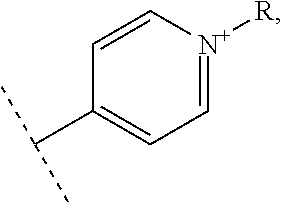
-
- —NR3 +,
R representing: - H,
- a linear or branched (C1-C18)-alkyl,
- a (C3-C8)-cycloalkyl,
- R2, R3, R4 and R5 represent independently from each other:
- H,
- a linear or branched (C1-C18)-alkyl,
- a (C3-C8)-cycloalkyl,
- —NR3 +,

-
- —NR3 +,
R representing: - H,
- a linear or branched (C1-C18)-alkyl,
- a (C3-C8)-cycloalkyl,
- X represents one or more physiologically acceptable counter anion(s),
providing that:
- X represents one or more physiologically acceptable counter anion(s),
- at least one of R1, R′1, R2, R3, R4 and R5 represents one of the following groups:
- —NR3 +,

-
-
- or
- —NR3 +,
for use in the treatment of pathologies sensitive to singlet oxygen, in particular for use in phototherapy, more particularly in the treatments of cancers.
-

wherein:
-
- R1 and R′1 represent independently from each other:
- H,
- a linear or branched (C1-C18)-alkyl,
- a (C3-C8)-cycloalkyl,

-
- —NR3 +,
R representing: - H,
- a linear or branched (C1-C18)-alkyl,
- a (C3-C8)-cycloalkyl,
- R2, R3, R4 and R5 represent independently from each other:
- H,
- a linear or branched (C1-C18)-alkyl,
- a (C3-C8)-cycloalkyl,
- —NR3 +,

-
- —NR3 +,
R representing: - H,
- a linear or branched (C1-C18)-alkyl,
- a (C3-C8)-cycloalkyl,
- X represents one or more physiologically acceptable counter anion(s),
providing that:
- X represents one or more physiologically acceptable counter anion(s),
- at least one of R1, R′1, R2, R3, R4 and R5 represents one of the following groups:
- —NR3 +,

-
-
- or
- —R3 +,
for use in the treatment of pathologies sensitive to singlet oxygen, in particular for use in the treatments of cancers.
-

R3 and R5 representing in particular H.

R3, R4 and R5 representing in particular H.

R2, R3 and R5 representing in particular H.

R3 and R5 representing in particular H.

R2 and R4 representing in particular H.

R2, R4 and R5 representing in particular H.

R2, R3 and R4 representing in particular H.

R2 and R4 representing in particular H.
-
- X is any chemical group known from the man skilled in the art to bind an organic molecule to a peptide and in particular, X is a (C1-C18)-alkyl functionalized by an amino acid residue, preferably, X is a hexyl group bound to a cysteine derivative through a disulfide bridge;
- Y is any chemical group known from the man skilled in the art to bind two peptides and in particular, Y is chosen from a group as described in the FR 02 11614 patent; preferably, Y is the chemical group of the following formula:

-
-
Peptide 1 is a peptide selected from a grafted homodetic cyclopeptide as described in the FR 02 11614 patent. A “homodetic cyclopeptide” refers to a cyclic peptide in which the ring consists solely of amino acid residues in eupeptide linkage. These homodetic cyclopeptides forms two faces, an upper face and a lower face, which are both grafted with molecules of interest, provided that the molecules of interest on each face are different. - Advantageously, the cyclopeptide is constituted from 5, 10 or 14 amino acid residues, preferably 10 amino acids forming a cyclodecapeptide. The cyclopeptide cyclized exhibits at least one turn, preferably two turns. Some cyclopeptides exhibit a central symmetry. According to another aspect, the cyclopeptide has 10 or 14 amino acid residues and forms two turns, each turn being constituted of an (L)Pro-(D)AA or (D)Pro-(L)AA combination, AA being an amino acid, and preferably glycine, the two turns being separated by three and/or five amino acid residues, these amino acid residues being identical or different. The presence of the proline residue at the turn is justified by the fact that because of its cyclic structure, proline has a characteristic spatial configuration as compared to other amino acids. This characteristic imposes a conformational restriction on the peptide skeleton as compared to that assumed with amino acids other than proline or its derivatives. This restriction is, in particular, the cause of the bends in the secondary and supersecondary polypeptide structures. The other amino acid residue of the turn, represented above by the symbol AA, is preferably an amino acid residue other than proline and having opposite stereochemistry, and very preferably the glycine residue. The turns are separated by amino acid residues, preferably an odd number of amino acid residues, and very preferably three and/or five amino acid residues for a cyclodecapeptide and a cyclotetradecapeptide, respectively. The two-turn cyclopeptides having an even number of amino acid residues exhibit a median plane that defines the upper face and the lower face. The three and/or five amino acid residues preferably each have a chemical function on their side chain. The chemical function of the side chains of these amino acids are directed alternately to one side and the other of the median plane of the framework, and define the lower and upper face with respect to that plane.
Advantageously, the A group is of the following formula:
-


R2, R3, R4 and R5 representing in particular H.

R′1 representing a linear or branched (C1-C18)-alkyl, in particular a tert-butyl, and R2, R3, R4 and R5 representing in particular H.

R1 representing a linear or branched (C1-C18)-alkyl, in particular a tert-butyl, and R2, R3, R4 and R5 representing in particular H.

R3 and R5 representing in particular H.

R3, R4 and R5 representing in particular H.

R2, R3 and R5 representing in particular H.

R2, R3 and R4 representing in particular H.

R2, R4 and R5 representing in particular H.
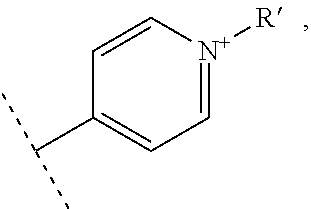
R2, R3 and R4 representing in particular H.

R2, R3, R4 and R5 representing in particular H.

R′1 representing a linear or branched (C1-C18)-alkyl, in particular a tert-butyl, and R2, R3, R4 and R5 representing in particular H.
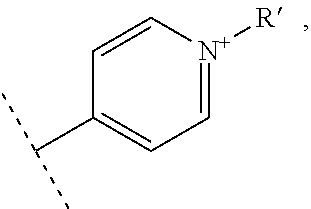
R1 representing a linear or branched (C1-C18)-alkyl, in particular a tert-butyl, and R2, R3, R4 and R5 representing in particular H.

R3 and R5 representing in particular H.

R3, R4 and R5 representing in particular H.

R2, R3 and R5 representing in particular H.

R2 and R4 representing in particular H.

R2, R4 and R5 representing in particular H.

R2, R3 and R4 representing in particular H.

R2, R3, R4 and R5 representing in particular H.

R′1 representing a linear or branched (C1-C18)-alkyl, in particular a tert-butyl, and R2, R3, R4 and R5 representing in particular H.

R1 representing a linear or branched (C1-C18)-alkyl, in particular a tert-butyl, and R2, R3, R4 and R5 representing in particular H.

R3 and R5 representing in particular H.

R3, R4 and R5 representing in particular H.

R2, R3 and R5 representing in particular H.

R2 and R4 representing in particular H.

R2, R4 and R5 representing in particular H.

R2, R3 and R4 representing in particular H.

R2, R3, R4 and R5 representing in particular H.

R′1 representing a linear or branched (C1-C18)-alkyl, in particular a tert-butyl, and R2, R3, R4 and R5 representing in particular H.

R1 representing a linear or branched (C1-C18)-alkyl, in particular a tert-butyl, and R2, R3, R4 and R5 representing in particular H.

R3 and R5 representing in particular H.

R3, R4 and R5 representing in particular H.

R2, R3 and R5 representing in particular H.

R2 and R4 representing in particular H.

R2, R4 and R5 representing in particular H.

R2, R3 and R4 representing in particular H.


said B group being more particularly chosen from a peptide or an acid residue selected from a hyaluronic acid or a folic acid, said B group being preferably a peptide of the following formula:


R3 and R5 representing in particular H.

R3, R4 and R5 representing in particular H.

R2, R3 and R5 representing in particular H.

R3 and R5 representing in particular H.

R2 and R4 representing in particular H.

R2, R4 and R5 representing in particular H.

R2, R3 and R4 representing in particular H.

R2 and R4 representing in particular H.

R2, R3, R4 and R5 representing in particular H.

R′1 representing a linear or branched (C1-C18)-alkyl, in particular a tert-butyl, and R2, R3, R4 and R5 representing in particular H.

R1 representing a linear or branched (C1-C18)-alkyl, in particular a tert-butyl, and R2, R3, R4 and R5 representing in particular H.

R3 and R5 representing in particular H.

R3, R4 and R5 representing in particular H.

R2, R3 and R5 representing in particular H.

R2 and R4 representing in particular H.

R2, R4 and R5 representing in particular H.

R2, R3 and R4 representing in particular H.


wherein:
-
- n represents 0 or 1,
- - - - - - - represents a single bond or no bond,
- represents a single or a double bond,
- R1 and R′1 represent independently from each other:
- H,
- a linear or branched (C1-C18)-alkyl,
- a (C3-C8)-cycloalkyl,

-
- —NR3 +,
R representing: - H,
- a linear or branched (C1-C18)-alkyl,
- a (C3-C8)-cycloalkyl,
- R2, R3, R4 and R5 represent independently from each other:
- H,
- a linear or branched (C1-C18)-alkyl,
- a (C3-C8)-cycloalkyl,
- —NR3 +,

-
- —NR3 +,
R representing: - H,
- a linear or branched (C1-C18)-alkyl,
- a (C3-C8)-cycloalkyl,
- X represents one or more counter anion(s), in particular one or more physiologically acceptable counter anion(s),
providing that:
- X represents one or more counter anion(s), in particular one or more physiologically acceptable counter anion(s),
- at least one of R1, R′1, R2, R3, R4 and R5 represents one of the following groups:
- —NR3 +,

-
-
- or
- —NR3 +,
- n, - - - - - - - and the
bonds 1 to 7 are such as:- n=0, - - - - - - - represents a single bond,
bonds bonds - n=0, - - - - - - - represents no bond,
bonds bonds - n=1, - - - - - - - represents no bond,
bonds bonds
- n=0, - - - - - - - represents a single bond,
-

wherein:
-
- n represents 0 or 1,
- - - - - - - represents a single bond or no bond,
- represents a single or a double bond,
- R1 and R′1 represent independently from each other:
- H,
- a linear or branched (C1-C18)-alkyl,
- a (C3-C8)-cycloalkyl,

-
- —NR3 +,
R representing: - H,
- a linear or branched (C1-C18)-alkyl,
- a (C3-C8)-cycloalkyl,
- R2, R3, R4 and R5 represent independently from each other:
- H,
- a linear or branched (C1-C18)-alkyl,
- a (C3-C8)-cycloalkyl,
- —NR3 +,

-
- —NR3 +,
R representing: - H,
- a linear or branched (C1-C18)-alkyl,
- a (C3-C8)-cycloalkyl,
- X represents one or more counter anion(s), in particular one or more physiologically acceptable counter anion(s),
providing that:
- X represents one or more counter anion(s), in particular one or more physiologically acceptable counter anion(s),
- at least one of R1, R′1, R2, R3, R4 and R5 represents one of the following groups:
- —NR3 +,

-
-
- or
- —NR3 +,
- n, - - - - - - - and the
bonds 1 to 7 are such as:- n=0, - - - - - - - represents a single bond,
bonds bonds - n=0, - - - - - - - represents no bond,
bonds bonds - n=1, - - - - - - - represents no bond,
bonds bonds
- n=0, - - - - - - - represents a single bond,
- when n=0, R1 and/or R′1 are different from one of the following groups:
-

-
-
- or
- —NR3 +.
-

wherein:
-
- - - - - - - represents a single bond or no bond,
- represents a single or a double bond,
- R1 and R′1 represent independently from each other:
- H,
- a linear or branched (C1-C18)-alkyl,
- a (C3-C8)-cycloalkyl,

-
- —NR3 +,
R representing: - H,
- a linear or branched (C1-C18)-alkyl,
- a (C3-C8)-cycloalkyl,
- R2, R3, R4 and R5 represent independently from each other:
- H,
- a linear or branched (C1-C18)-alkyl,
- a (C3-C8)-cycloalkyl,
- —NR3 +,

-
- —NR3 +,
R representing: - H,
- a linear or branched (C1-C18)-alkyl,
- a (C3-C8)-cycloalkyl,
- X represents one or more physiologically acceptable counter anion(s),
providing that:
- X represents one or more physiologically acceptable counter anion(s),
- at least one of R1, R′1, R2, R3, R4 and R5 represents one of the following groups:
- —NR3 +,

-
-
- or
- —NR3 +,
- - - - - - - and the
bonds 1 to 7 are such as:- - - - - - - represents a single bond,
bonds bonds - - - - - - - represents no bond,
bonds bonds
- - - - - - - represents a single bond,
-

wherein:
-
- - - - - - - represents a single bond or no bond,
- represents a single or a double bond,
- R1 and R′1 represent independently from each other:
- H,
- a linear or branched (C1-C18)-alkyl,
- a (C3-C5)-cycloalkyl,
- R2, R3, R4 and R5 represent independently from each other:
- H,
- a linear or branched (C1-C18)-alkyl,
- a (C3-C8)-cycloalkyl,

-
- —NR3 +,
R representing: - H,
- a linear or branched (C1-C18)-alkyl,
- a (C3-C8)-cycloalkyl,
- X represents one or more physiologically acceptable counter anion(s),
providing that:
- X represents one or more physiologically acceptable counter anion(s),
- at least one of R2, R3, R4 and R5 represents one of the following groups:
- —NR3 +,

-
-
- or
- —R3 +,
- - - - - - - and the
bonds 1 to 7 are such as:- - - - - - - represents a single bond,
bonds bonds - - - - - - - represents no bond,
bonds bonds
- - - - - - - represents a single bond,
-

wherein:
-
- R1 and R′1 represent independently from each other:
- H,
- a linear or branched (C1-C18)-alkyl,
- a (C3-C8)-cycloalkyl,

-
- —NR3 +,
R representing: - H,
- a linear or branched (C1-C18)-alkyl,
- a (C3-C8)-cycloalkyl,
- R2, R3, R4 and R5 represent independently from each other:
- H,
- a linear or branched (C1-C18)-alkyl,
- a (C3-C8)-cycloalkyl,
- —NR3 +,

-
- —NR3 +,
R representing: - H,
- a linear or branched (C1-C18)-alkyl,
- a (C3-C8)-cycloalkyl,
- X represents one or more counter anion(s), in particular one or more physiologically acceptable counter anion(s),
providing that:
- X represents one or more counter anion(s), in particular one or more physiologically acceptable counter anion(s),
- at least one of R1, R′1, R2, R3, R4 and R5 represents one of the following groups:
- —NR3 +,

-
-
- or
- —NR3 +.
-

wherein:
-
- R1 and R′1 represent independently from each other:
- H,
- a linear or branched (C1-C18)-alkyl,
- a (C3-C8)-cycloalkyl,
- R2, R3, R4 and R5 represent independently from each other:
- H,
- a linear or branched (C1-C18)-alkyl,
- a (C3-C8)-cycloalkyl,

-
- —NR3,
R representing: - H,
- a linear or branched (C1-C18)-alkyl,
- a (C3-C8)-cycloalkyl,
- X represents one or more counter anion(s), in particular one or more physiologically acceptable counter anion(s),
providing that:
- X represents one or more counter anion(s), in particular one or more physiologically acceptable counter anion(s),
- at least one of R2, R3, R4 and R5 represents one of the following groups:
- —NR3,

-
-
- or
- —NR3 +.
-

wherein:
-
- R1 and R′1 represent independently from each other:
- H,
- a linear or branched (C1-C18)-alkyl,
- a (C3-C8)-cycloalkyl,

-
- —NR3 +,
R representing: - H,
- a linear or branched (C1-C18)-alkyl,
- a (C3-C8)-cycloalkyl,
- R2, R3, R4 and R5 represent independently from each other:
- H,
- a linear or branched (C1-C18)-alkyl,
- a (C3-C8)-cycloalkyl,
- —NR3 +,

-
- —NR3 +,
R representing: - H,
- a linear or branched (C1-C18)-alkyl,
- a (C3-C8)-cycloalkyl,
- X represents one or more counter anion(s), in particular one or more physiologically acceptable counter anion(s),
providing that:
- X represents one or more counter anion(s), in particular one or more physiologically acceptable counter anion(s),
- at least one of R1, R′1, R2, R3, R4 and R5 represents one of the following groups:
- —NR3 +,

-
-
- or
- —NR3 +,
-

wherein:
-
- R1 and R′1 represent independently from each other:
- H,
- a linear or branched (C1-C18)-alkyl,
- a (C3-C8)-cycloalkyl,
- R2, R3, R4 and R5 represent independently from each other:
- H,
- a linear or branched (C1-C18)-alkyl,
- a (C3-C8)-cycloalkyl,

-
- —NR3 +,
R representing: - H,
- a linear or branched (C1-C18)-alkyl,
- a (C3-C8)-cycloalkyl,
- X represents one or more counter anion(s), in particular one or more physiologically acceptable counter anion(s),
providing that:
- X represents one or more counter anion(s), in particular one or more physiologically acceptable counter anion(s),
- at least one of R2, R3, R4 and R5 represents one of the following groups:
- —NR3 +,

-
- or
- —NR3 +.

wherein:
-
- R1 and R′1 represent independently from each other:
- H,
- a linear or branched (C1-C18)-alkyl,
- a (C3-C8)-cycloalkyl,

-
- —NR3 +,
R representing: - H,
- a linear or branched (C1-C18)-alkyl,
- a (C3-C8)-cycloalkyl,
- R2, R3, R4 and R5 represent independently from each other:
- H,
- a linear or branched (C1-C18)-alkyl,
- a (C3-C8)-cycloalkyl,
- —NR3 +,

-
- —NR3 +,
R representing: - H,
- a linear or branched (C1-C18)-alkyl,
- a (C3-C8)-cycloalkyl,
- X represents one or more counter anion(s), in particular one or more physiologically acceptable counter anion(s),
providing that:
- X represents one or more counter anion(s), in particular one or more physiologically acceptable counter anion(s),
- at least one of R1, R′1, R2, R3, R4 and R5 represents one of the following groups:
- —NR3 +,

-
-
- or
- —NR3 +.
-

R3 and R5 representing in particular H.

R2 and R4 representing in particular H.

R2, R3, R4 and R5 representing in particular H.

R′1 representing a linear or branched (C1-C18)-alkyl, in particular a tert-butyl, and R2, R3, R4 and R5 representing in particular H.

R1 representing a linear or branched (C1-C18)-alkyl, in particular a tert-butyl, and R2, R3, R4 and R5 representing in particular H.

R3 and R5 representing in particular H.

R3, R4 and R5 representing in particular H.

R2, R3 and R5 representing in particular H.

R2 and R4 representing in particular H.

R2, R4 and R5 representing in particular H.

R2, R3 and R4 representing in particular H.

R2, R3, R4 and R5 representing in particular H.

R′1 representing a linear or branched (C1-C18)-alkyl, in particular a tert-butyl, and R2, R3, R4 and R5 representing in particular H.

R1 representing a linear or branched (C1-C18)-alkyl, in particular a tert-butyl, and R2, R3, R4 and R5 representing in particular H.

R3 and R5 representing in particular H.

R3, R4 and R5 representing in particular H.

R2, R3 and R5 representing in particular H.

R2 and R4 representing in particular H.

R2, R4 and R5 representing in particular H.

R2, R3 and R4 representing in particular H.

R2, R3, R4 and R5 representing in particular H.

R′1 representing a linear or branched (C1-C18)-alkyl, in particular a tert-butyl, and R2, R3, R4 and R5 representing in particular H.

R1 representing a linear or branched (C1-C18)-alkyl, in particular a tert-butyl, and R2, R3, R4 and R5 representing in particular H.

R3 and R5 representing in particular H.

R3, R4 and R5 representing in particular H.

R2, R3 and R5 representing in particular H.

R2 and R4 representing in particular H.

R2, R4 and R5 representing in particular H.

R2, R3 and R4 representing in particular H.

R2, R3, R4 and R5 representing in particular H.

R′1 representing a linear or branched (C1-C18)-alkyl, in particular a tert-butyl, and R2, R3, R4 and R5 representing in particular H.

R1 representing a linear or branched (C1-C18)-alkyl, in particular a tert-butyl, and R2, R3, R4 and R5 representing in particular H.

R3 and R5 representing in particular H.

R3, R4 and R5 representing in particular H.

R2, R3 and R5 representing in particular H.

R2 and R4 representing in particular H.

R2, R4 and R5 representing in particular H.

R2, R3 and R4 representing in particular H.


said B group being more particularly chosen from a peptide or an acid residue selected from a hyaluronic acid or a folic acid, said B group being preferably a peptide of the following formula:


wherein:
-
- R1 and R′1 represent independently from each other:
- H,
- a linear or branched (C1-C18)-alkyl,
- a (C3-C8)-cycloalkyl,

-
- —NR3 +,
R representing: - H,
- a linear or branched (C1-C18)-alkyl,
- a (C3-C8)-cycloalkyl,
- R2, R3, R4 and R5 represent independently from each other:
- H,
- a linear or branched (C1-C18)-alkyl,
- a (C3-C8)-cycloalkyl,
- —NR3 +,

-
- —NR3 4,
R representing: - H,
- a linear or branched (C1-C18)-alkyl,
- a (C3-C8)-cycloalkyl,
- X represents one or more physiologically acceptable counter anion(s),
providing that:
- X represents one or more physiologically acceptable counter anion(s),
- at least one of R1, R′1, R2, R3, R4 and R5 represents one of the following groups:
- —NR3 4,

-
-
- or
- —NR3 +,
comprising a step of irradiating at λ≥630 nm in presence of oxygen a compound of following formula I-1
-

wherein R1, R′1, R2, R3, R4, R5 and X are as defined above.

-
- R1 and R′1 represent independently from each other:
- H,
- a linear or branched (C1-C18)-alkyl,
- a (C3-C8)-cycloalkyl,

-
- —NR3 +,
R representing: - H,
- a linear or branched (C1-C18)-alkyl,
- a (C3-C8)-cycloalkyl,
- R2, R3, R4 and R5 represent independently from each other:
- H,
- a linear or branched (C1-C18)-alkyl,
- a (C3-C8)-cycloalkyl,
- —NR3 +,

-
- —NR3 +,
R representing: - H,
- a linear or branched (C1-C18)-alkyl,
- a (C3-C8)-cycloalkyl,
- X represents one or more physiologically acceptable counter anion(s),
providing that:
- X represents one or more physiologically acceptable counter anion(s),
- at least one of R1, R′1, R2, R3, R4 and R5 represents one of the following groups:
- —NR3 +,

-
-
- or
- —NR3 +,
comprising a step of irradiating at λ≥630 nm in presence of oxygen a complex of following formula II-1
-

wherein R1, R′1, R2, R3, R4, R5 and X are as defined above.

wherein:
-
- R1 and R′1 represent independently from each other:
- H,
- a linear or branched (C1-C18)-alkyl,
- a (C3-C5)-cycloalkyl,

-
- —NR3 +,
R representing: - H,
- a linear or branched (C1-C18)-alkyl,
- a (C3-C8)-cycloalkyl,
- R2, R3, R4 and R5 represent independently from each other:
- H,
- a linear or branched (C1-C18)-alkyl,
- a (C3-C8)-cycloalkyl,
- —NR3 +,

-
- —NR3 +,
R representing: - H,
- a linear or branched (C1-C18)-alkyl,
- a (C3-C5)-cycloalkyl,
- X represents one or more physiologically acceptable counter anion(s),
providing that:
- X represents one or more physiologically acceptable counter anion(s),
- at least one of R1, R′1, R2, R3, R4 and R5 represents one of the following groups:
- —NR3 +,

-
-
- or
- —NR3 +,
comprising a step of contacting a compound of following formula I-2
-

wherein R1, R′1, R2, R3, R4, R5 and X are as defined above,
with:
-
- singlet oxygen, or
- dioxygen and a photosensitizer.

wherein:
-
- R1 and R′1 represent independently from each other:
- H,
- a linear or branched (C1-C18)-alkyl,
- a (C3-C8)-cycloalkyl,

-
- —NR3 +,
R representing: - H,
- a linear or branched (C1-C18)-alkyl,
- a (C3-C8)-cycloalkyl,
- R2, R3, R4 and R5 represent independently from each other:
- H,
- a linear or branched (C1-C18)-alkyl,
- a (C3-C8)-cycloalkyl,
- —NR3 +,

-
- —NR3 +,
R representing: - H,
- a linear or branched (C1-C18)-alkyl,
- a (C3-C8)-cycloalkyl,
- X represents one or more physiologically acceptable counter anion(s),
providing that:
- X represents one or more physiologically acceptable counter anion(s),
- at least one of R1, R′1, R2, R3, R4 and R5 represents one of the following groups:
- —NR3 +,

-
-
- or
- —NR3 +,
comprising a step of contacting a complex of following formula II-2
-

wherein R1, R′1, R2, R3, R4, R5 and X are as defined above,
with:
-
- singlet oxygen, or
- dioxygen and a photosensitizer.

wherein:
-
- R1 and R′1 represent independently from each other:
- H,
- a linear or branched (C1-C18)-alkyl,
- a (C3-C8)-cycloalkyl,

-
- —NR3 +,
R representing: - H,
- a linear or branched (C1-C18)-alkyl,
- a (C3-C8)-cycloalkyl,
- R2, R3, R4 and R5 represent independently from each other:
- H,
- a linear or branched (C1-C18)-alkyl,
- a (C3-C8)-cycloalkyl,
- —NR3 +,

-
- —NR3 +,
R representing: - H,
- a linear or branched (C1-C18)-alkyl,
- a (C3-C8)-cycloalkyl,
- X represents one or more physiologically acceptable counter anion(s),
providing that:
- X represents one or more physiologically acceptable counter anion(s),
- at least one of R1, R′1, R2, R3, R4 and R5 represents one of the following groups:
- —NR3 +,

-
-
- or
- —NR3 +,
comprising a step of thermal treatment, in particular without any light irradiation, at a temperature comprised from 25 to 100° C., in particular at 37° C., of a compound of following formula I-3
-

wherein R1, R′1, R2, R3, R4, R5 and X are as defined above.

wherein:
-
- R1 and R′1 represent independently from each other:
- H,
- a linear or branched (C1-C18)-alkyl,
- a (C3-C8)-cycloalkyl,

-
- —NR3 +,
R representing: - H,
- a linear or branched (C1-C18)-alkyl,
- a (C3-C8)-cycloalkyl,
- R2, R3, R4 and R5 represent independently from each other:
- H,
- a linear or branched (C1-C18)-alkyl,
- a (C3-C8)-cycloalkyl,
- —NR3 +,

-
- —NR3 +,
R representing: - H,
- a linear or branched (C1-C18)-alkyl,
- a (C3-C8)-cycloalkyl,
- X represents one or more physiologically acceptable counter anion(s),
providing that:
- X represents one or more physiologically acceptable counter anion(s),
- at least one of R1, R′1, R2, R3, R4 and R5 represents one of the following groups:
- —NR3 +,

-
-
- or
- —NR3 +,
comprising a step of thermal treatment, in particular without any light irradiation, at a temperature comprised from 25 to 100° C., in particular at 37° C., of a complex of following formula II-3
-

wherein R1, R′1, R2, R3, R4, R5 and X are as defined above.


-
- after heating 48 h at 37° C. (control); or
- after irradiation at λ≥630 nm in presence of oxygen, and then heating 48 h at 37° C.
-
- after heating 48 h at 37° C. (control); or
- after contacting said compounds of formula I-2 with singlet oxygen, said singlet oxygen being generated beforehand or in situ, in presence of an external photosensitizer and oxygen or an oxygen containing gas, and then heating 48 h at 37° C.


Claims (17)


Applications Claiming Priority (4)
| Application Number | Priority Date | Filing Date | Title |
|---|---|---|---|
| WOPCT/IB2015/001934 | 2015-06-04 | ||
| IBPCT/IB2015/001934 | 2015-06-04 | ||
| PCT/IB2015/001934 WO2016193777A1 (en) | 2015-06-04 | 2015-06-04 | Dihydropyrene derivatives, processes for preparing the same and their uses |
| PCT/EP2016/062715 WO2016193471A1 (en) | 2015-06-04 | 2016-06-03 | Dihydropyrene derivatives, processes for preparing the same and their uses |
Publications (2)
| Publication Number | Publication Date |
|---|---|
| US20180127586A1 US20180127586A1 (en) | 2018-05-10 |
| US10501632B2 true US10501632B2 (en) | 2019-12-10 |
Family
ID=54477021
Family Applications (1)
| Application Number | Title | Priority Date | Filing Date |
|---|---|---|---|
| US15/577,784 Active US10501632B2 (en) | 2015-06-04 | 2016-06-03 | Dihydropyrene derivatives, processes for preparing the same and their uses |
Country Status (4)
| Country | Link |
|---|---|
| US (1) | US10501632B2 (en) |
| EP (1) | EP3303344B1 (en) |
| CA (1) | CA2988030C (en) |
| WO (2) | WO2016193777A1 (en) |
-
2015
- 2015-06-04 CA CA2988030A patent/CA2988030C/en active Active
- 2015-06-04 WO PCT/IB2015/001934 patent/WO2016193777A1/en not_active Ceased
-
2016
- 2016-06-03 EP EP16729221.8A patent/EP3303344B1/en active Active
- 2016-06-03 US US15/577,784 patent/US10501632B2/en active Active
- 2016-06-03 WO PCT/EP2016/062715 patent/WO2016193471A1/en not_active Ceased
Non-Patent Citations (17)
| Title |
|---|
| Assil Bakkar et al.: "A new surface-bound molecular switch based on the photochromic dimethyldihydropyrene with light-driven release of singlet oxygen properties", Journal of Materials Chemistry C: Materials for Optical and Electronic Devices, vol. 3, No. 46, Nov. 5, 2015 (Nov. 5, 2015), UK, pp. 12014-12017, XP055287319, ISSN: 2050-7526, DOI: 10.1039/C5TCO2900G. |
| ASSIL BAKKAR, SAIOA COBO, FR�D�RIC LAFOLET, ERIC SAINT-AMAN, GUY ROYAL: "A new surface-bound molecular switch based on the photochromic dimethyldihydropyrene with light-driven release of singlet oxygen properties", JOURNAL OF MATERIALS CHEMISTRY C, vol. 3, no. 46, 1 January 2015 (2015-01-01), pages 12014 - 12017, XP055287319, ISSN: 2050-7526, DOI: 10.1039/C5TC02900G |
| Bak, Phytochemistry. 51 (7): 891-98. * |
| Cerfontain, Liebigs Annalen/Recueil (1997), (5), 873-878. * |
| Diego Roldan et al.: "A Multi-Addressable Switch Based on the Dimethyldihydropyrene Photochrome with Remarkable Proton-Triggered Photo-opening Efficiency", Chemistry-A European Journal., vol. 21, No. 1, Oct. 30, 2014 (Oct. 30, 2014), Weinheim, DE, pp. 455-467, XP055231538, ISSN: 0947-6539, DOI: 10.1002/chem.201404858. |
| DIEGO ROLDAN, SAIOA COBO, FR�D�RIC LAFOLET, NEUS VIL�, CONSTANCE BOCHOT, CHRISTOPHE BUCHER, ERIC SAINT-AMAN, MARTIAL BOGGIO-PASQUA: "A Multi-Addressable Switch Based on the Dimethyldihydropyrene Photochrome with Remarkable Proton-Triggered Photo-opening Efficiency", CHEMISTRY - A EUROPEAN JOURNAL, WILEY - V C H VERLAG GMBH & CO. KGAA, DE, vol. 21, no. 1, 2 January 2015 (2015-01-02), DE, pages 455 - 467, XP055231538, ISSN: 0947-6539, DOI: 10.1002/chem.201404858 |
| Drebov, Zeitschrift fuer Naturforschung, B: Chemical Sciences (2005), 60(1), 75-82. * |
| International Search Report, dated Dec. 15, 2015, from corresponding PCT/IB2015/001934 application. |
| International Search Report, dated Jul. 21, 2016, from corresponding PCT/EP2016/062715 application. |
| Liu, ITE Letters on Batteries, New Technologies & Medicine (2001), 2(1), 98-101. * |
| Marriott, Pharmaceutical Compound and Dispensing, Second Edition, 2010, 1-288. * |
| Morita, J. Exp. Med., 1997 186 (10), 1997 1763-1768. * |
| Nam Life Sciences. 69 (2): 229-37. * |
| Nedko Drebov et al.: "Photoswitching of Redox Potentials and Spectroscopic Properties in the UV/vis Region", Zeitschrift Für Naturforschung B, Jan. 1, 2005 (Jan. 1, 2005), pp. 75-82, XP055232753, Retrieved from the Internet <URL:http://www.znaturforsch.com/ab/v60b/s60b0075.pdf> [retrieved on Dec. 2, 2015], DOI: 10.1515/znb-2005-0112. |
| Otsu, Cell Biology International 32 (2008) 1380-1387. * |
| Roldan, Journal of the American Chemical Society (2013), 135(16), 5974-5977. * |
| Trabanco, Synlett 2000, No. 7, 1010-1012. * |
Also Published As
| Publication number | Publication date |
|---|---|
| US20180127586A1 (en) | 2018-05-10 |
| CA2988030A1 (en) | 2016-12-08 |
| EP3303344B1 (en) | 2020-09-30 |
| CA2988030C (en) | 2022-04-26 |
| WO2016193471A1 (en) | 2016-12-08 |
| EP3303344A1 (en) | 2018-04-11 |
| WO2016193777A1 (en) | 2016-12-08 |
Similar Documents
| Publication | Publication Date | Title |
|---|---|---|
| US8096419B2 (en) | Compound | |
| CN103298804B (en) | New chlorine e6-folic acid conjugated compound, preparation method thereof, and pharmaceutical composition containing the same for treatment of cancer | |
| US20030148926A1 (en) | Chlorophyll and bacteriochlorophyll esters, their preparation and pharmaceutical compositions comprising them | |
| CN110003461B (en) | Polyiodine-modified fluoroboron dipyrrole derivatives, preparation method and application thereof | |
| US9951081B1 (en) | Chlorin e6 derivative and pharmaceutically acceptable salt thereof and process for preparing and use of the same | |
| CN107624114A (en) | Low-molecular-weight derivatives of formamide-halogenated porphyrins, namely chlorins and bacteriochloroins, and applications thereof | |
| JP5372371B2 (en) | Cationic bacteriochlorophyll derivatives and uses thereof | |
| JP2021528482A (en) | Oxazine compounds and their use | |
| KR101138438B1 (en) | Methods for Preparing Powder Chlorophyll a and Photosensitizer from Spirulina | |
| CN114045045A (en) | Single-photon up-conversion pentamethine cyanine photosensitive dye, preparation method and application thereof | |
| EP3303344B1 (en) | Dihydropyrene derivatives, processes for preparing the same and their uses | |
| CN116462681B (en) | Compound for treating tumors by photo-thermal-immune combination and application thereof | |
| CN111514293A (en) | Application of near-infrared heavy-atom-free fluoroboron pyrrole in photodynamic therapy of metastases and upconversion | |
| CN115636835B (en) | Photosensitizer based on porphin structure, preparation and application | |
| KR101164138B1 (en) | Water-soluble nanostructure for photodynamic therapy | |
| KR101106756B1 (en) | Method for preparing chlorophyll-a and photosensitizer from spirulina | |
| KR101332319B1 (en) | Methods for Preparing Powder Chlorophyll a and Photosensitizer from Spirulina | |
| KR100484206B1 (en) | Porphyrin derivatives | |
| KR102175125B1 (en) | Compound comprising Hsp90 inhibitor targeting mitochondria and pharmaceutical composition for photodynamic therapy comprising the compound | |
| KR100918810B1 (en) | Pharmaceutical composition for treating cancer containing chlorine e6-folate binding compound | |
| Helmreich | Crown Ether-Metalloporphyrins as Ditopic Receptors and Pyropheophorbide-a Conjugates for the Photodynamic Therapy of Tumors | |
| CN121868504A (en) | Mitochondrial targeting anticancer drug based on cyanine and lonidamine, and preparation method and application thereof | |
| CN116135228A (en) | Application of Hypocretin 2-amino-substituted or ethylenediamine-substituted derivatives in the preparation of anti-tumor photodynamic drugs | |
| AU2002313562C1 (en) | Compound | |
| CN121537396A (en) | A dihydroporphyrin compound, its preparation method and application |
Legal Events
| Date | Code | Title | Description |
|---|---|---|---|
| FEPP | Fee payment procedure |
Free format text: ENTITY STATUS SET TO UNDISCOUNTED (ORIGINAL EVENT CODE: BIG.); ENTITY STATUS OF PATENT OWNER: LARGE ENTITY |
|
| AS | Assignment |
Owner name: UNIVERSITE GRENOBLE ALPES, FRANCE Free format text: ASSIGNMENT OF ASSIGNORS INTEREST;ASSIGNORS:ROYAL, GUY;COBO, SAIOA;SAINT-AMAN, ERIC;AND OTHERS;SIGNING DATES FROM 20171222 TO 20180103;REEL/FRAME:044838/0386 |
|
| STPP | Information on status: patent application and granting procedure in general |
Free format text: NON FINAL ACTION MAILED |
|
| STPP | Information on status: patent application and granting procedure in general |
Free format text: RESPONSE TO NON-FINAL OFFICE ACTION ENTERED AND FORWARDED TO EXAMINER |
|
| STPP | Information on status: patent application and granting procedure in general |
Free format text: FINAL REJECTION MAILED |
|
| STPP | Information on status: patent application and granting procedure in general |
Free format text: NOTICE OF ALLOWANCE MAILED -- APPLICATION RECEIVED IN OFFICE OF PUBLICATIONS |
|
| STCF | Information on status: patent grant |
Free format text: PATENTED CASE |
|
| AS | Assignment |
Owner name: UNIVERSITE GRENOBLE ALPES, FRANCE Free format text: MERGER;ASSIGNOR:UNIVERSITE GRENOBLE ALPES;REEL/FRAME:060085/0145 Effective date: 20191031 |
|
| MAFP | Maintenance fee payment |
Free format text: PAYMENT OF MAINTENANCE FEE, 4TH YEAR, LARGE ENTITY (ORIGINAL EVENT CODE: M1551); ENTITY STATUS OF PATENT OWNER: LARGE ENTITY Year of fee payment: 4 |