US10472688B2 - Compositions and methods for producing podophyllotoxin derivatives - Google Patents
Compositions and methods for producing podophyllotoxin derivatives Download PDFInfo
- Publication number
- US10472688B2 US10472688B2 US15/242,525 US201615242525A US10472688B2 US 10472688 B2 US10472688 B2 US 10472688B2 US 201615242525 A US201615242525 A US 201615242525A US 10472688 B2 US10472688 B2 US 10472688B2
- Authority
- US
- United States
- Prior art keywords
- podophyllotoxin
- seq
- host cell
- omt3
- accordance
- Prior art date
- Legal status (The legal status is an assumption and is not a legal conclusion. Google has not performed a legal analysis and makes no representation as to the accuracy of the status listed.)
- Expired - Fee Related
Links
Images




Classifications
-
- C—CHEMISTRY; METALLURGY
- C12—BIOCHEMISTRY; BEER; SPIRITS; WINE; VINEGAR; MICROBIOLOGY; ENZYMOLOGY; MUTATION OR GENETIC ENGINEERING
- C12Y—ENZYMES
- C12Y114/00—Oxidoreductases acting on paired donors, with incorporation or reduction of molecular oxygen (1.14)
- C12Y114/21—Oxidoreductases acting on paired donors, with incorporation or reduction of molecular oxygen (1.14) with NADH or NADPH as one donor, and the other dehydrogenated (1.14.21)
-
- C—CHEMISTRY; METALLURGY
- C12—BIOCHEMISTRY; BEER; SPIRITS; WINE; VINEGAR; MICROBIOLOGY; ENZYMOLOGY; MUTATION OR GENETIC ENGINEERING
- C12N—MICROORGANISMS OR ENZYMES; COMPOSITIONS THEREOF; PROPAGATING, PRESERVING, OR MAINTAINING MICROORGANISMS; MUTATION OR GENETIC ENGINEERING; CULTURE MEDIA
- C12N9/00—Enzymes; Proenzymes; Compositions thereof; Processes for preparing, activating, inhibiting, separating or purifying enzymes
- C12N9/0004—Oxidoreductases (1.)
- C12N9/0008—Oxidoreductases (1.) acting on the aldehyde or oxo group of donors (1.2)
-
- C—CHEMISTRY; METALLURGY
- C12—BIOCHEMISTRY; BEER; SPIRITS; WINE; VINEGAR; MICROBIOLOGY; ENZYMOLOGY; MUTATION OR GENETIC ENGINEERING
- C12N—MICROORGANISMS OR ENZYMES; COMPOSITIONS THEREOF; PROPAGATING, PRESERVING, OR MAINTAINING MICROORGANISMS; MUTATION OR GENETIC ENGINEERING; CULTURE MEDIA
- C12N9/00—Enzymes; Proenzymes; Compositions thereof; Processes for preparing, activating, inhibiting, separating or purifying enzymes
- C12N9/0004—Oxidoreductases (1.)
- C12N9/001—Oxidoreductases (1.) acting on the CH-CH group of donors (1.3)
-
- C—CHEMISTRY; METALLURGY
- C12—BIOCHEMISTRY; BEER; SPIRITS; WINE; VINEGAR; MICROBIOLOGY; ENZYMOLOGY; MUTATION OR GENETIC ENGINEERING
- C12N—MICROORGANISMS OR ENZYMES; COMPOSITIONS THEREOF; PROPAGATING, PRESERVING, OR MAINTAINING MICROORGANISMS; MUTATION OR GENETIC ENGINEERING; CULTURE MEDIA
- C12N9/00—Enzymes; Proenzymes; Compositions thereof; Processes for preparing, activating, inhibiting, separating or purifying enzymes
- C12N9/0004—Oxidoreductases (1.)
- C12N9/0071—Oxidoreductases (1.) acting on paired donors with incorporation of molecular oxygen (1.14)
-
- C—CHEMISTRY; METALLURGY
- C12—BIOCHEMISTRY; BEER; SPIRITS; WINE; VINEGAR; MICROBIOLOGY; ENZYMOLOGY; MUTATION OR GENETIC ENGINEERING
- C12N—MICROORGANISMS OR ENZYMES; COMPOSITIONS THEREOF; PROPAGATING, PRESERVING, OR MAINTAINING MICROORGANISMS; MUTATION OR GENETIC ENGINEERING; CULTURE MEDIA
- C12N9/00—Enzymes; Proenzymes; Compositions thereof; Processes for preparing, activating, inhibiting, separating or purifying enzymes
- C12N9/0004—Oxidoreductases (1.)
- C12N9/0071—Oxidoreductases (1.) acting on paired donors with incorporation of molecular oxygen (1.14)
- C12N9/0073—Oxidoreductases (1.) acting on paired donors with incorporation of molecular oxygen (1.14) with NADH or NADPH as one donor, and incorporation of one atom of oxygen 1.14.13
-
- C—CHEMISTRY; METALLURGY
- C12—BIOCHEMISTRY; BEER; SPIRITS; WINE; VINEGAR; MICROBIOLOGY; ENZYMOLOGY; MUTATION OR GENETIC ENGINEERING
- C12N—MICROORGANISMS OR ENZYMES; COMPOSITIONS THEREOF; PROPAGATING, PRESERVING, OR MAINTAINING MICROORGANISMS; MUTATION OR GENETIC ENGINEERING; CULTURE MEDIA
- C12N9/00—Enzymes; Proenzymes; Compositions thereof; Processes for preparing, activating, inhibiting, separating or purifying enzymes
- C12N9/10—Transferases (2.)
- C12N9/1003—Transferases (2.) transferring one-carbon groups (2.1)
- C12N9/1007—Methyltransferases (general) (2.1.1.)
-
- C—CHEMISTRY; METALLURGY
- C12—BIOCHEMISTRY; BEER; SPIRITS; WINE; VINEGAR; MICROBIOLOGY; ENZYMOLOGY; MUTATION OR GENETIC ENGINEERING
- C12P—FERMENTATION OR ENZYME-USING PROCESSES TO SYNTHESISE A DESIRED CHEMICAL COMPOUND OR COMPOSITION OR TO SEPARATE OPTICAL ISOMERS FROM A RACEMIC MIXTURE
- C12P17/00—Preparation of heterocyclic carbon compounds with only O, N, S, Se or Te as ring hetero atoms
- C12P17/18—Preparation of heterocyclic carbon compounds with only O, N, S, Se or Te as ring hetero atoms containing at least two hetero rings condensed among themselves or condensed with a common carbocyclic ring system, e.g. rifamycin
- C12P17/181—Heterocyclic compounds containing oxygen atoms as the only ring heteroatoms in the condensed system, e.g. Salinomycin, Septamycin
-
- C—CHEMISTRY; METALLURGY
- C12—BIOCHEMISTRY; BEER; SPIRITS; WINE; VINEGAR; MICROBIOLOGY; ENZYMOLOGY; MUTATION OR GENETIC ENGINEERING
- C12Y—ENZYMES
- C12Y102/00—Oxidoreductases acting on the aldehyde or oxo group of donors (1.2)
- C12Y102/01—Oxidoreductases acting on the aldehyde or oxo group of donors (1.2) with NAD+ or NADP+ as acceptor (1.2.1)
-
- C—CHEMISTRY; METALLURGY
- C12—BIOCHEMISTRY; BEER; SPIRITS; WINE; VINEGAR; MICROBIOLOGY; ENZYMOLOGY; MUTATION OR GENETIC ENGINEERING
- C12Y—ENZYMES
- C12Y103/00—Oxidoreductases acting on the CH-CH group of donors (1.3)
- C12Y103/05—Oxidoreductases acting on the CH-CH group of donors (1.3) with a quinone or related compound as acceptor (1.3.5)
- C12Y103/05001—Succinate dehydrogenase (ubiquinone) (1.3.5.1)
-
- C—CHEMISTRY; METALLURGY
- C12—BIOCHEMISTRY; BEER; SPIRITS; WINE; VINEGAR; MICROBIOLOGY; ENZYMOLOGY; MUTATION OR GENETIC ENGINEERING
- C12Y—ENZYMES
- C12Y114/00—Oxidoreductases acting on paired donors, with incorporation or reduction of molecular oxygen (1.14)
- C12Y114/11—Oxidoreductases acting on paired donors, with incorporation or reduction of molecular oxygen (1.14) with 2-oxoglutarate as one donor, and incorporation of one atom each of oxygen into both donors (1.14.11)
-
- C—CHEMISTRY; METALLURGY
- C12—BIOCHEMISTRY; BEER; SPIRITS; WINE; VINEGAR; MICROBIOLOGY; ENZYMOLOGY; MUTATION OR GENETIC ENGINEERING
- C12Y—ENZYMES
- C12Y114/00—Oxidoreductases acting on paired donors, with incorporation or reduction of molecular oxygen (1.14)
- C12Y114/13—Oxidoreductases acting on paired donors, with incorporation or reduction of molecular oxygen (1.14) with NADH or NADPH as one donor, and incorporation of one atom of oxygen (1.14.13)
-
- C—CHEMISTRY; METALLURGY
- C12—BIOCHEMISTRY; BEER; SPIRITS; WINE; VINEGAR; MICROBIOLOGY; ENZYMOLOGY; MUTATION OR GENETIC ENGINEERING
- C12Y—ENZYMES
- C12Y201/00—Transferases transferring one-carbon groups (2.1)
- C12Y201/01—Methyltransferases (2.1.1)
-
- C—CHEMISTRY; METALLURGY
- C12—BIOCHEMISTRY; BEER; SPIRITS; WINE; VINEGAR; MICROBIOLOGY; ENZYMOLOGY; MUTATION OR GENETIC ENGINEERING
- C12Y—ENZYMES
- C12Y201/00—Transferases transferring one-carbon groups (2.1)
- C12Y201/01—Methyltransferases (2.1.1)
- C12Y201/01042—Flavone 3'-O-methyltransferase (2.1.1.42)
Definitions
- the present invention relates to compositions and methods for biosynthetically producing podophyllotoxin intermediates and derivatives or molecules including enzymes and their equivalents involved in the biosynthetic production of podophyllotoxin intermediates and derivatives.
- the compositions include host cells that comprise at least one nucleic acid encoding an enzyme or its equivalent involved in the biosynthetic production of podophyllotoxin intermediates and derivatives.
- Podophyllotoxin a lignan from the endangered medicinal plant Himalayan Mayapple ( Podophyllum hexandrum ), is a known precursor to the antineoplastic compound etoposide (Stahelin et al., 1991; Canel et al., 2000; Gordaliza et al., 2004).
- etoposide is on the World Health Organization's list of essential medicines, the only route for its production involves the isolation of ( ⁇ )-podophyllotoxin from the Mayapple plant (Lata et al., 2009) and its subsequent multistep, semisynthetic conversion to etoposide. Each of these steps is required for its potent topoisomerase inhibitory activity, which is not present in podophyllotoxin.
- Embodiments of the invention herein describe compositions and methods for the biosynthetic production of podophyllotoxin intermediates and derivatives including the etoposide aglycone, ( ⁇ )-4′-desmethyl-epipodophyllotoxin, in host cells that include plant and non-plant cells.
- a podophyllotoxin derivative such as ( ⁇ )-4′-desmethyl-epipodophyllotoxin can then be utilized in a final chemical step to produce the topomerase inhibitor etoposide and other etoposide-related compounds.
- the host cells comprise one or more nucleic acids each encoding an enzyme or its equivalent involved in the biosynthetic production of podophyllotoxin intermediates and derivatives from a starting molecule.
- the present invention also relates to methods of producing podophyllotoxin intermediates and derivatives by culturing the host cells under conditions that promote expression and activity of the necessary enzymes that are involved in the biosynthetic production of podophyllotoxin intermediates and derivatives.
- FIG. 1 depicts known components of the biosynthetic pathway of ( ⁇ )-podophyllotoxin in P. hexandrum . Uncharacterized steps are indicated by dashed lines. It is estimated that there are at least five uncharacterized enzymes required in completing the biosynthesis of ( ⁇ )-podophyllotoxin from ( ⁇ )-pluviatolide.
- the anti-cancer agent, etoposide is semi-synthetically derived from ( ⁇ )-podophyllotoxin.
- DIR dirigent protein
- PLR pinoresinol-lariciresinol reductase
- SDH secoisolariciresinol dehydrogenase.
- FIG. 2 depicts transient expression of early ( ⁇ )-podophyllotoxin biosynthetic genes in N. benthamiana .
- Data bars indicate the mean ion abundance [( ⁇ )-mode] ⁇ 1 standard deviation, based on three biological replicates.
- FIG. 3 shows that ( ⁇ )-matairesinol infiltration enhances ( ⁇ )-pluviatolide production in tobacco leaves expressing CYP719A23.
- FIG. 4 depicts the candidate genes selected for initial screening from the Medicinal Plants Consortium P. hexandrum transcriptome.
- Candidates grey and red
- red are ( ⁇ )-podophyllotoxin biosynthetic genes that were discovered in this report. Multiple contigs were found to represent the same gene for known pathway enzymes. Contigs labeled CYP are distinct.
- Heat map shows FPKM (fragments per kilobase of transcript per million mapped reads) levels of transcripts.
- FIG. 5 depicts screening of OMT enzyme candidates in N. benthamiana by co-expression with CYP719A23 and ( ⁇ )-matairesinol infiltration. Tobacco leaves expressing CYP719A23 individually with OMT candidates were infiltrated with ( ⁇ )-matairesinol. Average LC-MS [( ⁇ )-mode] ion abundance ⁇ one S.D. from three biological replicates of ( ⁇ )-matairesinol and reaction products, ( ⁇ )-pluviatolide and ( ⁇ )-5′-desmethoxy-yatein are shown.
- FIG. 6 shows that N. benthamiana transient expression of CYP719A23 and OMT3 and ( ⁇ )- matairesinol infiltration produces ( ⁇ )-5′-desmethoxy-yatein.
- C Table of MS/MS peak assignments and (D) putative ion structures.
- FIG. 7 depicts that N. benthamiana transient expression of CYP719A23 and OMT3 or OMT3 alone and ( ⁇ )-matairesinol infiltration produces doubly methylated ( ⁇ )-matairesinol.
- A Proposed reactions occurring in planta from the expression of OMT3
- FIG. 8 depicts the in vitro characterization of ( ⁇ )-pluviatolide O-methyltransferase (OMT3).
- OMT3 O-methyltransferase
- FIG. 9 depicts the elicitation of lignan biosynthetic genes by leaf wounding aids gene discovery.
- a) qRT-PCR gene expression analysis of OMT3 and other known podophyllotoxin biosynthetic genes after P. hexandrum leaf wounding. Relative expression levels were determined with respect to 0 h time point (before wounding). Data show average values (n 3 technical replicates) ⁇ one S.D.
- FIG. 10 depicts a gene expression profiling of a P. hexandrum leaf after wounding.
- FIG. 11 depicts metabolite profiling of P. hexandrum leaves after wounding.
- P. hexandrum leaf wounding induces changes in lignan levels over time.
- Plant 1 was used for qRT-PCR analysis (see results in FIG. 9A ) and RNA Sequencing.
- FIG. 12 depicts a co-expression analysis of P. hexandrum leaf RNA-Seq expression data after wounding using DIR as a bait gene.
- the top 31 ranked genes based on p-value from linear regression analysis were considered significant using the Benjamini-Hochberg procedure with a false discovery rate of 0.05 (multiple testing corrections).
- Other ( ⁇ )-podophyllotoxin biosynthetic genes previously known (bold black) and discovered in this report (red), and other screened candidates based on co-expression analysis using CYP719A23 as the bait gene (non-bold black) are also displayed.
- Heat map depicts the expression levels (effective counts, TMM normalized, log 2 -scaled and median-centered) after P.
- Candidate genes that were screened from this data were chosen based on co-expression with DIR and CYP719A23 (fig. S 11), and level of expression (TMM-normalized effective counts >500). Note that there are multiple contigs that represent the same gene.
- FIG. 13 shows a co-expression analysis of P. hexandrum leaf RNA-Seq expression data after wounding using CYP719A23 as a bait gene.
- the top 25 ranked genes based on p-value from linear regression analysis were considered significant using the Benjamini-Hochberg procedure with a false discovery rate of 0.05 (multiple testing corrections).
- Other ( ⁇ )-podophyllotoxin biosynthetic genes previously known (bold black) and discovered in this report (red), and other screened candidates based on co-expression analysis using DIR as the bait gene (non-bold black) are also displayed.
- Heat map depicts the expression levels (effective counts, TMM normalized, log 2 -scaled and median-centered) after P. hexandrum leaf wounding.
- Candidate genes that were screened from this data were chosen based on co-expression with DIR (fig. S10) and CYP719A23, and level of expression (TMM-normalized effective counts >500). Note that there are multiple contigs that represent the same gene.
- FIG. 14 shows RNA-Seq expression profiles and metabolite data after leaf wounding of all known ( ⁇ )-podophyllotoxin genes and genes discovered in this report.
- Each graph shows expression and metabolite data (dptox, deoxypodophyllotoxin) for individual leaflets from the same leaf after wounding. The expression and metabolite profiles are distinct for each set of data. Note that PLR was not significantly induced after leaf wounding.
- Expression profiles of Phex31052 (CYP) and Phex31132 (CYP) are also shown to demonstrate that not all genes are induced by wounding. Closest Arabidopsis homologs to Phex31052 and Phex31132 are CYP704A2 and CYP74B2 (hydroperoxide lyase), respectively.
- FIG. 15 shows the reconstitution of the P. hexandrum etoposide aglycone pathway in N. benthamiana .
- EIC Extracted ion chromatograms
- FIG. 16 depicts N. benthamiana transient expression of CYP719A23, OMT3, and CYP71CU1 and ( ⁇ )-matairesinol leaf infiltration produces ( ⁇ )-5′-desmethyl-yatein.
- FIG. 17 depicts N. benthamiana transient expression of CYP719A23, OMT3, CYP71CU1, and OMT1 and ( ⁇ )-matairesinol leaf infiltration produces ( ⁇ )-yatein.
- B MS/MS (10 V) spectra of ( ⁇ )-yatein produced in planta compared to authentic standard.
- C Table of MS/MS peak assignments and (D) putative ion structures.
- FIG. 18 depicts N. benthamiana transient expression of CYP719A23, OMT3 and 2-ODD and ( ⁇ )-matairesinol leaf infiltration produces ( ⁇ )-5′-desmethoxy-deoxypodophyllotoxin.
- FIG. 19 shows the proposed reaction mechanism of the conversion of ( ⁇ )-yatein to ( ⁇ )-deoxypodophyllotoxin catalyzed by 2-ODD.
- Oxygen is incorporated via hydroxylation of ( ⁇ )-yatein at the 7′ position, followed by its removal as water to form a quinone methide intermediate.
- Stereoselective cyclization then occurs, followed by removal of a proton to restore aromaticity, forming ( ⁇ )-deoxypodophyllotoxin.
- FIG. 20 depicts N. benthamiana transient expression of CYP719A23, OMT3, CYP71CU1, OMT1, and 2-ODD and ( ⁇ )-matairesinol leaf infiltration produces ( ⁇ )-deoxypodophyllotoxin.
- A) Aligned EICs of ( ⁇ )-deoxypodophyllotoxin [m/z 399, (+)-mode] from the transient expression of CYP719A23+OMT3+CYP71CU1+OMT1+2-ODD, compared to CYP719A23+OMT3+CYP71CU1+OMT1 and an authentic standard. Only chromatograms from in planta experiments are to scale.
- B MS/MS (10 V) spectra of ( ⁇ )-deoxypodophyllotoxin produced in planta compared to authentic standard
- FIG. 21 shows enzymatic assays of heterologously expressed CYP71CU1, OMT1 and 2-ODD.
- ( ⁇ )-5′-desmethoxy-yatein co-elutes with ( ⁇ )-yatein.
- B 2-ODD, expressed and purified from E. coli , was incubated with ( ⁇ )-yatein, 2-oxoglutarate and FeSO4 to form ( ⁇ )- deoxypodophyllotoxin.
- C The enzyme also had minor activity on ( ⁇ )-5′-desmethoxy-yatein and almost negligible activity on ( ⁇ )-pluviatolide under the same assay conditions. All chromatograms are to scale. Arrows point to products.
- FIG. 22 shows the substrate specificity of OMT3, CYP71CU1, OMT1 and 2-ODD as determined by in vitro characterization.
- the table reports % activity of OMT3, CYP71CU1, OMT1 and 2-ODD as determined in vitro on a number of available lignan substrates. The % activity is determined with respect to the maximum conversion detected in all substrates tested. The results suggest that the order of events in the biosynthesis of ( ⁇ )-4′-desmethyl-epipodophyllotoxin proceeds as depicted in FIG. 15 .
- the predicted substrate for OMT1 is ( ⁇ )-5′-desmethyl-yatein and was tested by incubation of OMT1 and SAM with ( ⁇ )-5′-desmethoxy-yatein, CYP71CU1-microsomes isolated from WAT11 and NADPH to generate the substrate in vitro.
- FIG. 23 depicts rhizome-specific candidate genes selected for screening from the Medicinal Plants Consortium P. hexandrum transcriptome.
- Candidate genes grey and red
- CYPs were chosen for hydroxylating activity on ( ⁇ )-deoxypodophyllotoxin and NADP(H)-dependent oxidoreductases (NADP) were chosen for oxidative and reductive activity to epimerize ( ⁇ )-epipodophyllotoxin to ( ⁇ )-podophyllotoxin.
- NADP NADP(H)-dependent oxidoreductases
- Heat map shows FPKM (fragments per kilobase of transcript per million mapped reads) levels of transcripts.
- FIG. 24 depicts N. benthamiana transient expression of CYP719A23, OMT3, CYP71CU1, OMT1, 2-ODD and CYP71BE54, and ( ⁇ )- matairesinol infiltration produces ( ⁇ )-4′-desmethyl-deoxypodophyllotoxin.
- A Known 4′-desmethyl lignans present in P. hexandrum .
- FIG. 26 shows N. benthamiana transient expression of CYP719A23, OMT3, CYP71CU1, OMT1, 2-ODD and CYP82D61, and ( ⁇ )-matairesinol infiltration produces epipodophyllotoxin.
- (A) Aligned EICs of epipodophyllotoxin [m/z 415, (+)-mode] from the transient expression of CYP719A23+OMT3+CYP71CU1+OMT1+2-ODD+CYP82D61, compared to CYP719A23+OMT3+CYP71CU1+OMT1+2-ODD and an authentic standard. Only chromatograms from in planta expression are to scale.
- FIG. 27 depicts N. benthamiana transient expression of CYP719A23, OMT3, CYP71CU1, OMT1, 2-ODD, CYP71BE54 and CYP82D61, and ( ⁇ )-matairesinol infiltration produces ( ⁇ )-4′-desmethyl-epipodophyllotoxin, the etoposide alglycone.
- FIG. 28 depicts in planta reconstitution of ( ⁇ )-deoxypodophyllotoxin biosynthesis from (+)-pinoresinol.
- TIC Total ion chromatogram
- EIC extracted ion chromatograms
- FIG. 29 depicts in planta reconstitution of ( ⁇ )-epipodophyllotoxin biosynthesis from (+)-pinoresinol.
- TIC Total ion chromatogram
- EIC extracted ion chromatograms
- FIG. 30 depicts the ion abundance of intermediates from in planta reconstitution of ( ⁇ )-epipodophyllotoxin and ( ⁇ )-4′-desmethyl-epipodophyllotoxin biosynthesis from (+)-pinoresinol.
- A Ion abundance of intermediates from the reconstitution of ( ⁇ )-epipodophyllotoxin biosynthesis from (+)-pinoresinol [PR] with and without PR infiltration compared to GFP with PR infiltration.
- B Ion abundance of intermediates from the reconstitution of ( ⁇ )-4′-desmethyl-epipodophyllotoxin biosynthesis from PR with and without PR infiltration compared to GFP with PR infiltration.
- ion abundances of intermediates are significantly less than the maximum amount observed to accumulate when the intermediates are produced as final products as in FIG. 15A .
- FIG. 31 depicts the biosynthetic route to ( ⁇ )-4′-desmethyl-epipodophyllotoxin, the etoposide aglycone.
- OMT3, CYP71CU1, OMT1, 2-ODD, CYP71BE54 and CYP82D61 enables the production of ( ⁇ )-4′-desmethyl-epipodophyllotoxin, the etoposide alygcone, in a heterologous host such as N. benthamiana .
- This maps a simpler and more direct route to etoposide that circumvents the semisynthetic epimerization and demethylation currently required for etoposide production from ( ⁇ )-podophyllotoxin isolated from Mayapple.
- FIG. 32 shows the Golden Gate assembly strategy for multiple-gene constructs for transient expression in N. benthamiana.
- FIG. 33 depicts an XCMS analysis summary of in planta candidate enzyme screening. Results from the computational comparison of the metabolomes generated from the transient expression of different gene combinations in N. benthamiana are summarized. The top ten most abundant mass signals that differ for a given co-infiltration relative to a control are reported, along with other mass signals of interest. Results were reproduced at least thrice, each time with three biological replicates for each sample condition. In bold are mass signals derived from identified products in this report (isotope peaks, adducts, in-source fragments, derivatives, etc.).
- FIG. 34A-G depict 1 H NMR spectra of various podophyllotoxin intermediates and derivatives and comparison to literature. Minor impurities and residual solvent impurities are marked in grey. CDCl 3 solvent peak is marked in red.
- FIG. 35 depicts protein sequences for etoposide aglycone enzymes OMT3 (SEQ ID NO: 11), CYP71CU1 (SEQ ID NO: 12), and OMT1 (SEQ ID NO: 13).
- FIG. 36 depicts protein sequences for etoposide aglycone enzymes 2-ODD (SEQ ID NO: 14), CYP710E54 (SEQ ID NO: 15), and CYP82D61 (SEQ ID NO: 16).
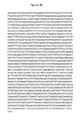
- FIG. 37 depicts the nucleic acid sequence for PLR. SEQ ID NO:1.
- FIG. 38 depicts the nucleic acid sequence for SDH. SEQ ID NO:2.
- FIG. 39 depicts the nucleic acid sequence for CYP719A23. SEQ ID NO:3.
- FIG. 40 depicts the nucleic acid sequence for OMT3. SEQ ID NO:4.
- FIG. 41 depicts the nucleic acid sequence for CYP71CU1. SEQ ID NO:5.
- FIG. 42 depicts the nucleic acid sequence for OMT1. SEQ ID NO:6.
- FIG. 43 depicts the nucleic acid sequence for 2-ODD. SEQ ID NO:7.
- FIG. 44 depicts the nucleic acid sequence for CYP71BE54. SEQ ID NO:8.
- FIG. 45 depicts the nucleic acid sequence for CYP82D61. SEQ ID NO:9.
- FIG. 46 depicts the nucleic acid sequence for DIR. SEQ ID NO:10.
- FIG. 47 illustrates the versatility of the various, described enzymes involved in the production of podophyllotoxin intermediates and derivatives.
- the results are shown when varying enzymes were omitted during the process of producing podophyllotoxin intermediates and derivatives.
- the data demonstrate that 2-ODD and CYP82D61, in particular, tolerate alternative substrates and produce non-natural etoposide aglycone derivatives for which the structures are shown.
- the practice of the present invention may employ conventional techniques of chemistry, molecular biology, recombinant DNA, microbiology, cell biology, immunology and biochemistry, which are within the capabilities of a person of ordinary skill in the art. Such techniques are fully explained in the literature. For definitions, terms of art and standard methods known in the art, see, for example, Sambrook and Russell ‘Molecular Cloning: A Laboratory Manual’, Cold Spring Harbor Laboratory Press (2001); ‘Current Protocols in Molecular Biology’, John Wiley & Sons (2007); William Paul ‘Fundamental Immunology’, Lippincott Williams & Wilkins (1999); M. J. Gait ‘Oligonucleotide Synthesis: A Practical Approach’, Oxford University Press (1984); R.
- Polypeptide or “protein” means at least two covalently attached amino acids including proteins, polypeptides, oligopeptides and peptides.
- a polypeptide may be made up of naturally occurring amino acids and peptide bonds, synthetic peptidomimetic structures, or a mixture thereof.
- amino acid or ‘peptide residue’, as used herein encompasses both naturally occurring and synthetic amino acids. For example, homo-phenylalanine, citrulline and noreleucine are considered amino acids for the purposes of the invention.
- Amino acid also includes amino acid residues such as proline and hydroxyproline.
- the side chains may be in either the D- or the L- configuration.
- Isolated or purified generally refers to isolation of a substance (compound, polynucleotide, protein, polypeptide, polypeptide composition) such that the substance comprises a significant percent (e.g., greater than 2%, greater than 5%, greater than 10%, greater than 20%, greater than 50%, or more, usually up to about 90%-100%) of the sample in which it resides.
- a substantially purified or substantially isolated component comprises at least 50%, 80%-85%, or 90-95% of the sample.
- Techniques for purifying polynucleotides and polypeptides of interest are well-known in the art and include, for example, ion-exchange chromatography, affinity chromatography and sedimentation according to density.
- a substance is purified when it exists in a sample in an amount, relative to other components of the sample, that is not found naturally.
- sequence identity refers to the residues in the two sequences, which are the same when aligned for maximum correspondence.
- Optimal alignment of sequences for comparison can be conducted, e.g., by the local homology algorithm of Smith & Waterman, 1981; by the homology alignment algorithm of Needleman & Wunsch, 1970; by the search for similarity method of Pearson & Lipman, 1988; by computerized implementations of these algorithms (GAP, BESTFIT, FASTA, and TFASTA in the Wisconsin Genetics Software Package, Genetics Computer Group, 575 Science Dr., Madison, Wis.), or by inspection. Sequence identity may be calculated on the basis of residues identical to a reference sequence.
- aspartate and glutamate share structurally related residues; lysine, arginine and histidine share structurally related residues; alanine, valine, leucine, isoleucine, proline, phenylalanine, methionine, and tryptophan share structurally related residues; glycine, asparagine, glutamine, cysteine, serine, threonine and tyrosine share structurally related residues; and so forth.
- serine and threonine are an aliphatic-hydroxy family
- asparagine and glutamine are an amide-containing family
- alanine, valine, leucine and isoleucine are an aliphatic family
- phenylalanine, tryptophan, and tyrosine are an aromatic family
- cysteine and methionine are a sulfur-containing side chain family.
- an isolated replacement of a leucine with an isoleucine or a valine, an aspartate with a glutamate, a threonine with a serine, or a similar replacement of an amino acid with a structurally related amino acid in either the alpha-5, beta-1 and/or gamma-1 chain of a truncated laminin-511 will not have a major effect on the hair-promoting characteristics of the resulting molecule, especially if the replacement does not involve an amino acid within a framework site.
- Preferred conservative amino acid substitution groups are: valine-leucine-isoleucine, phenylalanine-tyrosine, lysine-arginine, alanine-valine, glutamic acid-aspartic acid, cysteine-methionine, and asparagine-glutamine.
- the hydropathic index of amino acids may be considered.
- the importance of the hydropathic amino acid index in conferring interactive biologic function on a protein is generally understood in the art (Kyte and Doolittle, 1982). It is generally accepted that the relative hydropathic character of the amino acid contributes to the secondary structure of the resultant protein, which in turn defines the interaction of the protein with other molecules, for example, enzymes, substrates, receptors, DNA, antibodies, antigens, and the like.
- Each amino acid has been assigned a hydropathic index on the basis of its hydrophobicity and charge characteristics (Kyte and Doolittle, 1982), as follows: isoleucine (+4.5); valine (+4.2); leucine (+3.8); phenylalanine (+2.8); cysteine/cystine (+2.5); methionine (+1.9); alanine (+1.8); glycine ( ⁇ 0.4); threonine ( ⁇ 0.7); serine ( ⁇ 0.8); tryptophan ( ⁇ 0.9); tyrosine ( ⁇ 1.3); proline ( ⁇ 1.6); histidine ( ⁇ 3.2); glutamate ( ⁇ 3.5); glutamine ( ⁇ 3.5); aspartate ( ⁇ 3.5); asparagine ( ⁇ 3.5); lysine ( ⁇ 3.9); and arginine ( ⁇ 4.5).
- amino acids may be substituted by other amino acids having a similar hydropathic index or score and still result in a protein with similar biological activity, i.e., still obtain a biological functionally equivalent protein.
- substitution of amino acids whose hydropathic indices are within ⁇ 2 is preferred, those that are within ⁇ 1 are particularly preferred, and those within ⁇ 0.5 are even more particularly preferred.
- hydrophilicity values have been assigned to amino acid residues: arginine (+3.0); lysine (+3.0); aspartate (+3.0 ⁇ 1); glutamate (+3.0 ⁇ 1); serine (+0.3); asparagine (+0.2); glutamine (+0.2); glycine (0); threonine ( ⁇ 0.4); proline ( ⁇ 0.5 ⁇ 1); alanine ( ⁇ 0.5); histidine ( ⁇ 0.5); cysteine ( ⁇ 1.0); methionine ( ⁇ 1.3); valine ( ⁇ 1.5); leucine ( ⁇ 1.8); isoleucine ( ⁇ 1.8); tyrosine ( ⁇ 2.3); phenylalanine ( ⁇ 2.5); tryptophan ( ⁇ 3.4).
- amino acid substitutions may also be generally based on the relative similarity of the amino acid side-chain substituents, for example, their hydrophobicity, hydrophilicity, charge, size, and the like but may nevertheless be made to highlight a particular property of the peptide.
- Exemplary substitutions that take various of the foregoing characteristics into consideration are well known to those of skill in the art and include: arginine and lysine, which, with histidine, are basic at physiological pH; glutamate and aspartate, which are acidic; serine and threonine; glutamine and asparagine; valine, leucine and isoleucine.
- a “promoter” is a nucleotide sequence located upstream from a transcriptional initiation site that contains all the regulatory regions required for transcription, including but not limited to constitutive, inducible, developmental, tissue-specific, bacterial, fungal, viral, animal- and plant derived promoters capable of functioning in plant, yeast, bacterial, insect or mammalian cells.
- “Operably linked”, as used herein, means joined as part of the same nucleic acid molecule, positioned such that transcription is initiated from the promoter.
- Vectors useful in the present invention include commercially available expression vectors for use in plant, yeast, bacterial, insect or mammalian cells.
- Vector DNA can be introduced into prokaryotic or eukaryotic cells via conventional transformation or transfection techniques.
- a “heterologous” nucleic acid or coding sequence indicates a nucleic acid that codes for a peptide or protein including an enzyme or equivalent molecule that is normally not present in the host cell and can be expressed in the host cell under suitable conditions.
- an “equivalent” or “equivalent molecule” includes modified including truncated sequences that code for a particular enzyme.
- the present invention relates to compositions and methods for biosynthetically producing podophyllotoxin intermediates and derivatives.
- the invention relates to host cells that have been genetically engineered to express recombinant or modified enzymes or their equivalents involved in the production of podophyllotoxin intermediates and derivatives.
- the host cells of the present invention are plant cells.
- the host cells are yeast, bacterial, insect or mammalian cells, that are commonly known in the art.
- All cells are cultured under conditions that are conducive to the expression of functional enzymes that are encoded by heterologous nucleic acids and that are involved in the production of podophyllotoxin intermediates and derivatives, as explained in detail in the experimental section below.
- Podophyllotoxin a lignan from the endangered medicinal plant Himalayan Mayapple ( Podophyllum hexandrum ), is a known precursor to the antineoplastic compound etoposide (Stahelin et al., 1991; Canel et al., 2000; Gordaliza et al., 2004), that is utilized in a wide variety of malignancies.
- Biosynthetic gene discovery in Podophyllum presents two key challenges.
- the genome of Podophyllum has not been sequenced, and at an estimated 16 Gb (Subramani et al., 2011), it is 200 ⁇ the size of the Arabidopsis genome.
- genetic tools for constructing Podophyllum mutants are laborious (Rajesh et al., 2013) and the plant grows slowly, making it difficult to study in the laboratory.
- Podophyllotoxin and podophyllotoxin derivatives such as ( ⁇ )-4′-desmethyl-epipodophyllotoxin provide the basis for semisynthetic compounds such as etoposide and teniposide which have gained great importance as antineoplastic agents due to their ability to inhibit topoisomerase II in various malignancies such as small-cell lung, bladder, prostate, lung, stomach, and uterine cancers, testicular carcinoma, lymphoma, Kaposi's sarcoma, Hodgkin's and non-Hodgkin's lymphoma, and mycosis fungoides.
- podophyllotoxin is isolated from the roots and rhizomes of a Podophyllum species such as P. hexandrum (Kumar et al., 2015) or P. peltatum . Podophyllotoxin is then chemically converted into etoposide and similar compounds such as teniposide. Since this kind of commercial production of etoposide relies on the availability of slow growing and/or critically endangered ( P. hexandrum ) plant species, biosynthetic production of etoposide is highly desirable.
- the known components of the biosynthetic pathway to arrive from coniferyl alcohol to podophyllotoxin comprise (+)-pinoresinol, ( ⁇ )-secoisolariciresinol, ( ⁇ )-matairesinol, ( ⁇ )-pluviatolide, ( ⁇ )- yatein, ( ⁇ )-deoxypodophyllotoxin, and ( ⁇ )-podophyllotoxin.
- ( ⁇ )-Podophyllotoxin is then chemically transformed into etoposide.
- biosynthetic genes OMT3, CYP71CU1, OMT1, 2-ODD, CYP71BE54 and CYP82D61.
- Six biosynthetic genes and their encoded enzymes for the production of ( ⁇ )-4′-desmethyl-epipodophyllotoxin, the aglycone etoposide, and other intermediates were identified. They are displayed in FIG. 31 .
- a biosynthetic route facilitates an easier and more economical access to etoposide as well as natural and unnatural derivatives that are difficult to produce synthetically.
- RNA-Sequencing data from P. hexandrum was downloaded from the Medicinal Plants Consortium database (Marques et al., 2013).
- the number of fragments per kilobase of contig per million mapped reads (FPKM) for each contig and condition was determined using the number of paired aligned reads provided in the counts files.
- Contigs representing known ( ⁇ )-podophyllotoxin biosynthetic genes were determined and annotated by tblastn with query sequences obtained from the NCBI database: (DIR, AIA24413.1; PLR, ABY75535.2; SDH, ABN14311.1; CYP719A23, AGC29953.1). Contigs were also annotated by blastx using an Arabidopsis proteome (The Arabidopsis Information Resource) database. Approximately 100 O-methyltransferase (OMT) and 300 cytochrome P450 (CYP) contigs were identified.
- OMT O-methyltransferase
- CYP cytochrome P450
- OMT gene candidates from this data set were chosen based on the availability of full coding sequence, similar expression profiles to known biosynthetic genes, and similarity (best blastx hit and % identity) to known plant genes involved in secondary metabolism (OMT1, Ph13451 [Contig number, Ph refers to contigs from the Medicinal Plants Consortium dataset]; OMT2, Ph14232; OMT3, Ph18546; OMT4, Ph6083).
- OMT1, Ph13451 [Contig number, Ph refers to contigs from the Medicinal Plants Consortium dataset]; OMT2, Ph14232; OMT3, Ph18546; OMT4, Ph6083).
- CYP gene candidates were chosen similarly. For biosynthetic steps that occur downstream of ( ⁇ )-deoxypodophyllotoxin formation, CYP contigs with rhizome-specific expression were considered.
- RNA was extracted from P. hexandrum var. chinense ex MD97150 (Far Reaches Farm, Port Townsend, WA) and P. hexandrum (Dancing Oaks Nursery, Monmouth, Oreg.) leaf and rhizome tissues using the Spectrum Plant Total RNA Kit (Sigma-Aldrich) according to the manufacturer's instructions.
- cDNA was prepared from extracted mRNA using the SuperScript III First-Strand Synthesis System (Invitrogen).
- a P. hexandrum (Dancing Oaks Nursery, Monmouth, Oreg.) leaf was removed from the stem with scissors and Oh time point (control) tissue samples were collected (one from each leaflet, three total from a single leaf), flash frozen with liquid nitrogen and stored at ⁇ 80° C. for later manipulation.
- the leaf was then immediately wounded by piercing the leaf approximately a hundred times with fine tweezers throughout the entire surface of the leaf.
- the wounded leaf was placed in a petri dish with distilled water and moved to a growth chamber under a 16 h light cycle (photon flux of 100 ⁇ mol m ⁇ 2 s ⁇ 1 , 22° C., 50% relative humidity) approximately an hour after the start of the light cycle.
- Three tissue samples, one from each leaflet were removed from the leaf 3, 6, 9, 12 and 24 h after wounding, flash frozen by liquid nitrogen and stored at ⁇ 80° C. for later use in metabolomics analysis, gene profiling and RNA-Sequencing.
- cDNA templates were prepared from the isolated tissues as described above. Quantitative RT-PCR was performed using cDNA templates and gene-specific primers for DIR, PLR, SDH, CYP719A23, OMT3 and ACTIN (see Table 2) (Bhattacharyya et al., 2013). Each cDNA was amplified by real-time PCR using SensiMix SYBR Hi-ROX Kit (Bioline) and the ABI StepOnePlus (Applied Biosystems). ACTIN expression was used to normalize the expression values in each sample, and relative expression values were determined against the Oh time point (before wounding) using the comparative C t method (2 ⁇ Ct ) (Schmittgen et al., 2008). Analysis was repeated once with another biological sample; similar results were obtained.
- RNA-Seq cDNA library was prepared from RNA isolated from the P. hexandrum wounding experiment (three biological replicates of 0, 3, 9 and 12 h after wounding, 12 samples total) using the NEBNext Ultra Directional RNA Library Prep Kit for Illumina (New England Biolabs) according to the manufacturer's instructions.
- the quality and average length (insert size was approximately 200 bp) of cDNAs in the library were determined using a High Sensitivity DNA chip on a 2100 Bioanalyzer (Agilent Technologies). Libraries were sequenced (paired-end, 100 bp) on a single lane of HiSeq2000 (Illumina) at the Sequencing Service Center by the Stanford Center for Genomics and Personalized Medicine.
- the FASTX-toolkit (Hannonlab Fastx-toolkit, 2010) was used for quality assessment and cleaning of reads. Reads were trimmed at the 5′-end by 13 by to remove biases associated with random priming. Reads with Phred quality scores of less than 20 were trimmed from the 3′-end; reads were discarded if resulting length was less than 50 bp. Low complexity sequences were removed. A transcriptome was assembled de novo using Velvet and Oases (Schulz et al., 2012) with a k-mer of 71. The clustering tool CD-HIT-EST (Li & Godzik, 2006) was used to identify sequences with greater than 99% identity from the assembly; only the longest representative transcript was kept.
- the set of transcripts was further assembled with CAP3 (Huang et al., 1999) to combine contigs with significant overlaps (minimum 95% identity over at least 100 bp). Assembled transcripts were annotated by blastx using the Arabidopsis proteome (The Arabidopsis Information Resource) as a database and the NCBI non-redundant database, if necessary.
- eXpress Robots et al., 2013
- Effective counts were TMM (Trimmed Mean of M-values) normalized by edgeR (Robinson et al., 2010). Contigs assembled using this data are annotated Phex followed by the contig number.
- OMT3 (rank 2 and 3)
- SDH (rank 28) were among the genes whose expression profiles most closely matched that of DIR.
- Known pathway genes were highly expressed compared to other genes (1-2 orders of magnitude difference in number of normalized read counts; median TMM normalized effective counts were greater than 500).
- Phex34339 PPO
- Phex524 CYP71CU1
- Phex15199 CYP was also chosen because it showed an interesting elicitation pattern distinct from that observed from known pathway genes.
- TMM normalized, log 2-scaled, and median-centered effective counts expression data from transcript sequences annotated as cytochromes P450 (CYP), O-methyltransferases (OMT), Fe(II) and 2-oxoglutarate dependent dioxygenases (2-ODD), polyphenol oxidases (PPO) and known ( ⁇ )-podophyllotoxin biosynthetic genes (DIR, PLR, SDH, CYP719A23 and OMT3) ( FIG. 9B and FIG. 16 ). Contigs with median TMM normalized effective read counts less than 500 were removed.
- Phusion High-Fidelity DNA Polymerase (Thermo Scientific) was used for all PCR amplification steps according to the manufacturer's instructions. All other enzymes used for cloning were purchased from New England Biolabs. Oligonucleotide primers were purchased from Integrated DNA Technologies. DNA excised from agarose gels was purified using the Zymoclean Gel DNA Recovery Kit (Zymo Research). E. coli TOP 10 cells (Invitrogen) were used for plasmid isolation prior to transformation into other heterologous hosts. Plasmid DNA was isolated from E. coli cultures using the QlAprep Spin Miniprep Kit (Qiagen). For a list of primers used for cloning, see Table 2.
- pEAQ-HT-GG Golden Gate dedicated pEAQ-HT plasmid
- pEAQ-HT-GG Golden Gate dedicated pEAQ-HT plasmid
- Gibson assembly To remove the region containing promoter, 5′-UTR, multi-cloning site, 3′-UTR and terminator sequences, and to insert two XbaI restriction sites linked to two distinct recognition sites separated by a linker sequence.
- Gene sequences were amplified from pEAQ-HT vectors carrying the gene of interest starting from promoter and ending with terminator and flanked with XbaI restriction sites linked with distinct recognition sites.
- CYPs for the expression of CYPs in S. cerevisiae , the sequences were amplified from cloned pEAQ-HT vectors carrying the CYP sequence of interest and the purified amplicons were individually inserted into pYeDP60 (Amp R ) plasmid digested with BamHI and XhoI in a Gibson assembly reaction.
- OMT3 For the expression of OMT3 in E. coli, the sequence was amplified from pEAQ-HT:OMT3. The purified amplicon was inserted into pET28a (Kan R ) plasmid digested with NdeI and XhoI by Gibson assembly. The final construct was designed to express OMT3 with an N-terminal 6xHis tag.
- the assembly reaction mixtures were used directly to transform E. coli TOP10 cells and the isolated plasmids harboring the desired insert were confirmed by Sanger DNA sequencing performed by Elim Biopharm.
- Plants were grown 4-5 weeks under a 16 h light cycle prior to infiltration. Leaves were harvested 5 days post-infiltration, flash frozen and stored at ⁇ 80° C. for later processing. Biological replicates consisted of several leaves all from different tobacco plants. For substrate infiltration studies, generally, 100 ⁇ M of ( ⁇ )-matairesinol in 0.1% DMSO in water was infiltrated into the underside of previously Agrobacterium -infiltrated leaves with a needleless 1 mL syringe 4 days post-infiltration. Leaves were harvested 1 day later, flash frozen and stored at ⁇ 80° C. for later processing.
- 100 ⁇ M (+)-pinoresinol ( ⁇ 10 ⁇ g per leaf) in 0.1% DMSO in water was infiltrated into the underside of previously Agrobacterium -infiltrated leaves with a needleless 1 mL syringe 4 days postinfiltration. Leaves were harvested 1 day later, flash frozen and stored at ⁇ 80° C. for later processing.
- Frozen leaf tissues were lyophilized to dryness.
- the samples were homogenized on a ball mill (Retsch MM 400) using 5 mm diameter stainless steel beads, shaking at 25 Hz for 2 min. 20 ⁇ L for tobacco or 250 ⁇ L for P. hexandrum of an 80:20 MeOH/H2O solution was added per milligram of dry tissue, and the mixture was heated at 65° C. for 10 min and filtered through 0.45 ⁇ m PTFE filters before liquid chromatography-mass spectrometry (LC-MS) analysis.
- LC-MS liquid chromatography-mass spectrometry
- Metabolomics samples were analyzed by reversed-phase chromatography on an Agilent 1260 HPLC, using a 5 ⁇ m, 2 ⁇ 100 mm Gemini NX-C18 column (Phenomenex).
- Water with 0.05% acetic acid (A) and ACN with 0.05% acetic acid (B) [negative ion mode] or water with 0.1% FA (A) and ACN with 0.1% FA (B) [positive ion mode] were used as the mobile phase components at a flow rate of 0.4 mL/min with the following 41 min gradient: 0-30 min, 3-50% B; 30-31 min, 50-97% B; 31-36 min, 97% B; 36-37 min, 97-3% B; 37-41 min, 3% B.
- a coupled Agilent 6520 Accurate-Mass Q-TOF ESI mass spectrometer was used to collect MS data in either positive ion mode or negative ion mode (parameters: mass range: 100-1700 m/z; drying gas: 300° C., 1 L/min; nebulizer: 25 psig; capillary: 3500 V; fragmentor: 150 V; skimmer: 65 V; octupole 1 RF Vpp: 750 V; 1000 ms per spectrum). The first minute of each run was discarded to avoid salt contamination of the MS apparatus.
- MS/MS tandem mass spectrometry
- 5 10, 20 and 40 V collision energies were used with an m/z window of 1.3 centered on the m/z analyzed.
- the resulting report contains a mass peak list with m/z values, peak intensity fold change, statistical significance (p value, two-tailed unequal variance Student's t-test), retention times and extracted peak intensities.
- the list was filtered using cutoff criteria (generally, p value less than 0.05, t value greater than 0, fold change greater than 5, retention time less than 1800 s and average peak intensity greater than 5 ⁇ 10 4 in the experimental sample group [in the above case, cyp719a23+omt3]) to yield a narrow list for further analysis.
- cutoff criteria generally, p value less than 0.05, t value greater than 0, fold change greater than 5, retention time less than 1800 s and average peak intensity greater than 5 ⁇ 10 4 in the experimental sample group [in the above case, cyp719a23+omt3]
- ion abundances were determined by manual integration of EICs using the MassHunter Qualitative Analysis software. For FIG. 2 , they were derived from XCMS analysis.
- pET28a:OMT3 was transformed into BL21 (DE3) E. coli .
- Transformants were grown on LB plates containing 50 ⁇ g/mL kanamycin.
- a single colony was inoculated into 40 mL of LB medium containing 50 ⁇ g/mL kanamycin and grown for 16 h at 30° C.
- the culture was further incubated at 25° C.
- Purified protein was flash-frozen as pellets in liquid nitrogen and kept at ⁇ 80° C. for long term storage. The above protocol was also followed for the expression and purification of OMT1 from BL21 (DE3) E. coli harboring pET24b:OMT1.
- enzyme assays (140 ⁇ l reaction volume) contained 10 ⁇ g/mL of purified OMT3, 1 mM SAM, ( ⁇ )-pluviatolide at various concentrations (0.5, 1, 1.5, 2, 3, 5, 10 and 20 ⁇ M from a 100% DMSO stock; final concentration of DMSO was kept constant at 5%) and 100 mM NaCl in sodium phosphate buffer (50 mM, pH 7.4). Reactions were initiated by the addition of enzyme and incubated at 22° C. Assays lacking enzyme or SAM served as negative controls.
- (+)-pinoresinol (400 ⁇ M), ( ⁇ )-matairesinol (40 ⁇ M) and ( ⁇ )-arctigenin (40 ⁇ M) were also tested as substrates under the same assay conditions. Reactions were quenched after 2 h.
- CYP71CU1-microsome assays contained 1 mg/mL of CYP71CU1-microsomes, 1 mM NADPH, 30 or 50 ⁇ M of substrate and 100 mM NaCl in sodium phosphate buffer (50 mM, pH 7.4). Assays with microsomes from WAT11 harboring an empty vector or lacking NADPH served as negative controls.
- OMT1 enzyme assays contained 10 ⁇ g/mL of purified OMT1, 1 mM SAM, 30 or 50 ⁇ M of substrate and 100 mM NaCl in sodium phosphate buffer (50 mM, pH 7.4). Assay lacking SAM served as negative control.
- Enzyme assays with both CYP71CU1-microsomes and OMT1 contained 1 mg/mL of CYP71CU1-microsomes, 1 mM NADPH, 10 ⁇ g/mL of purified OMT1, 1 mM SAM, 30 or 50 ⁇ M of substrate and 100 mM NaCl in sodium phosphate buffer (50 mM, pH 7.4).
- 2-ODD enzyme assays contained 5 ⁇ g/mL of purified 2-ODD, 10 mM 2-oxoglutarate, 10 mM ascorbic acid, 0.5 mM FeSO4, 30 ⁇ M of substrate and 100 mM NaCl in sodium phosphate buffer (50 mM, pH 7.4). Assays lacking enzyme or 2-oxoglutarate served as negative controls.
- CYP71BE54-microsome assays contained 4 mg/mL of CYP71BE54-microsomes, 1 mM NADPH, 50 ⁇ M of substrate and 100 mM NaCl in sodium phosphate buffer (50 mM, pH 7.4). Assays with microsomes from WAT11 harboring an empty vector or lacking NADPH served as negative controls.
- All substrates [( ⁇ )-matairesinol, ( ⁇ )-arctigenin, ( ⁇ )-pluviatolide, ( ⁇ )-5′-desmethoxy-yatein, ( ⁇ )-yatein, ( ⁇ )-deoxypodophyllotoxin, and ( ⁇ )-podophyllotoxin] were derived from a 100% DMSO stock; final concentration of DMSO in enzyme assays was kept constant at 5%. Total reaction volumes were 50 ⁇ L. Reactions were initiated by the addition of enzyme and incubated at 30° C.
- (+)-pinoresinol was purchased from ArboNova (Turku, Finland).
- ( ⁇ )-podophyllotoxin was purchased from Sigma-Aldrich.
- NMR solvents were purchased from Cambridge Isotope Laboratories.
- the desired product was further purified from the crude mixture by silica gel flash column chromatography with ethyl acetate:hexanes (1:1) and preparative HPLC using the same method used for ( ⁇ )-matairesinol and ( ⁇ )-arctigenin isolation. Compound was assayed for purity by LC-MS and 1 H NMR. 5 mg of ( ⁇ )-pluviatolide was isolated.
- a scaled-up enzyme reaction was utilized to generate sufficient amounts of product for 1 H NMR analysis.
- the reaction was extracted 3 times with 1 volume of ethyl acetate and the organic phase was dried with sodium sulfate, filtered and dried under reduced pressure.
- the residue was further purified by preparative HPLC using the same method used for ( ⁇ )-matairesinol and ( ⁇ )-arctigenin isolation. Compound was assayed for purity by LC-MS and 1 H NMR. 4.4 mg of ( ⁇ )-5′-desmethoxy-yatein was isolated.
- the residue was partially purified by preparative HPLC as above using the following method: 0-30 min, 3-50% B; 30-31 min, 50-97% B; 31-35 min, 97% B; 35-36 min, 97-3% B.
- the crude mixture was further purified by silica gel flash column chromatography with a mobile phase of ethyl acetate:hexanes (3:7 to 1:1).
- the remaining crude product was separated once more by preparative HPLC yielding 29.4 mg of ( ⁇ )-deoxypodophyllotoxin and 3.5 mg of ( ⁇ )-yatein. Compounds were assayed for purity by LC-MS and 1 H NMR.
- Agrobacterium -mediated transient expression in N. benthamiana was chosen as a platform to test candidate genes for the podophyllotoxin pathway, since it offers a robust solution for two reasons.
- a versatile plant host, such as N. benthamiana likely improves the chances of getting correctly folded, active proteins from a variety of enzymatic superfamilies.
- Rapid, combinatorial expression of candidate enzymes can be performed in order to test biochemical and computational predictions without knowing the order of steps or the identities of metabolic intermediates.
- Agrobacterium -mediated transient expression in N. benthamiana represents a simple and rapid means of simultaneously producing active protein candidates of interest and known pathway intermediates as their substrates.
- ( ⁇ )-Pluviatolide was not observed in tobacco leaves expressing GFP alone. Although subsequent LC-MS analysis of the resulting leaf extracts revealed low levels of ( ⁇ )-pluviatolide, the amount was insufficient for detecting downstream intermediates produced when co-expressing candidate enzymes ( FIG. 2 ). The low ( ⁇ )-pluviatolide titer was assumed to be due to a metabolic bottleneck in the endogenous N. benthamiana phenylpropanoid pathway that provides pinoresinol as a substrate.
- lignan intermediates were infiltrated into tobacco leaves for further conversion by transiently expressed enzymes.
- Leaves expressing CYP719A23 were infiltrated with micromolar quantities of ( ⁇ )-matairesinol, isolated from Forsythia x intermedia, five days after Agrobacterium infiltration. After one day, ( ⁇ )-pluviatolide concentrations were ⁇ 75 ⁇ greater than in tobacco leaves expressing PLR, SDH, and CYP719A23 without substrate infiltration ( FIG. 3 ), providing sufficient ( ⁇ )-pluviatolide to enable candidate enzyme screening.
- OMT O-methyltransferase
- CYP cytochromes P450
- 2-ODD 2-oxoglutarate/Fe(II)-dependent dioxygenase
- OMT3 accepted ( ⁇ )-matairesinol and ( ⁇ )-arctigenin with much lower efficiency and did not turn over (+)-pinoresinol. These data are consistent with OMT3-catalyzed methylation of pluviatolide to generate ( ⁇ )-5′-desmethoxy-yatein as the next step in the pathway.
- RNA sequencing was performed on triplicate P. hexandrum leaf samples at 0, 3, 9 and 12 h after wounding. A leaf transcriptome was assembled de novo and reads were mapped to assembled transcripts to determine expression levels. On the basis of the predicted enzyme activities required for the missing pathway steps, the transcriptome data were mined for gene sequences encoding OMTs, CYPs, 2-ODDs, and polyphenol oxidases (PPOs).
- PPOs polyphenol oxidases
- Hierarchical clustering analysis of 336 expressed genes selected by filtering all data (34384 total genes) by enzyme family, revealed a single clade of 91 genes (see hierarchical cluster in Table 1, Appendix A); further filtering by expression level condensed this clade to 22 genes containing six of these seven candidates, three of four known pathway genes, and OMT3 ( FIG. 9B ).
- Six of the seven candidate enzymes were individually co-expressed with CYP719A23 and OMT3 in tobacco leaves to identify a ( ⁇ )-5′-desmethoxyyatein hydroxylase. Leaves were infiltrated with ( ⁇ )-matairesinol four days post-infiltration, harvested a day later, and subjected to LC-MS analysis.
- the remainder of the pathway involves the key closing of the central six-membered ring in the aryltetralin scaffold and oxidative tailoring.
- CYP719A23 and OMT3 significant consumption of ( ⁇ )-5′-desmethoxy-yatein was observed in samples expressing Phex30848 (2-ODD).
- Computational comparison of leaf metabolomes revealed a new 2-ODD-dependent compound mass signal that corresponded to 5′-desmethoxy-deoxypodophyllotoxin bearing the required aryltetralin scaffold ( FIG.
- CYP71CU1 The activities of the newly identified enzymes OMT3, OMT1, CYP71CU1, 2-ODD, CYP71BE54, CYP82D61 were investigated by in-vitro biochemical analysis.
- Microsomes enriched with Phex524 (CYP71CU1) were isolated after expression in S. cerevisiae WAT11; Phex13114 (OMT1) and Phex30848 (2-ODD) were expressed in E. coli with C-terminal hexahistidine tags and purified to homogeneity using nickel affinity chromatography.
- Comparative metabolomic analysis showed significant consumption of ( ⁇ )-deoxypodophyllotoxin in leaves co-expressing the candidate enzyme, Ph14372 (CYP71BE54); however, no ( ⁇ )-podophyllotoxin was detected ( FIG. 15A ). Instead, the MS/MS data for the two compound mass signals (same mass, but different retention times) that accumulated in a CYP71BE54-dependent fashion correlated to compounds derived from the demethylation of ( ⁇ )-deoxypodophyllotoxin, formally ( ⁇ )-4′-desmethyl-deoxypodophyllotoxin ( FIG. 24 ).
- the earlier eluting mass signal was likely an in-source fragmentation ion of a parent compound that resulted from further modification of ( ⁇ )-4′-desmethyl-deoxypodophyllotoxin at the free hydroxyl position by endogenous tobacco enzymes.
- the observed activity of CYP71BE54 suggests that the earlier described occurrence of demethylated lignans in P. hexandrum (Broomhead et al., 1991; Jackson & Dewick, 1984a; Jackson & Dewick, 1984b) is a result of enzymatic demethylation rather than the failure of OMT3 to methylate a portion of the lignan flux.
- CYP71CU1-enriched microsomes cannot accept ( ⁇ )-pluviatolide as a substrate and needs a fully methylated substrate earlier in the pathway.
- isolated CYP71BE54 microsomes showed specificity for ( ⁇ )-deoxypodophyllotoxin, but not for any other similar substrates ( FIG. 25 ).
- CYP71BE54, CYP82D61, CYP719A23, OMT3, CYP71CU1, OMT1, and 2-ODD were transiently expressed in N. benthamiana leaves that were subsequently infiltrated with ( ⁇ )-matairesinol.
- Comparative metabolomics demonstrated the accumulation of ( ⁇ )-4′-desmethyl-epipodophyllotoxin, along with two other earlier eluting compound mass signals that were likely in source fragmentation ions of parent compounds that resulted from further modification of ( ⁇ )-4′-desmethyl-epipodophyllotoxin by endogenous tobacco enzymes ( FIG. 15A and FIG. 27 ).
- ( ⁇ )-4′-desmethylepipodophyllotoxin is the direct precursor to etoposide, currently only accessible by semisynthesis.
- Approach 1 The first option is to heterologously express all genes that are required to convert (+)-pinoresinol to the desired product: PLR (Dinkova-Kostova et al., 1996; SDH (Xia et al., 2001); CYP719A23 (Marques et al., 2013), OMT3, CYP71CU1, OMT1, 2-ODD, CYP71BE54 and CYP82D61.
- PLR Dinkova-Kostova et al., 1996
- SDH Xia et al., 2001
- CYP719A23 Marques et al., 2013
- OMT3, CYP71CU1, OMT1, 2-ODD, CYP71BE54 and CYP82D61 The yeast culture is then supplemented with the substrate, pinoresinol, to achieve biosynthesis.
- biosynthetic genes will be codon-optimized for expression in S. cerevisiae and synthesized by a gene synthesis company.
- a number of DNA integration constructs will be made using modern molecular biology procedures. They will be comprised of the open reading frame of the codon-optimized gene flanked by a yeast endogenous promoter and terminator, cloned from the genomic DNA of the parent strain.
- Typical promoters that have previously been used in plant pathway engineering in yeast include GAL1, GAL10, PGK1, TDH3, and TEF1 (Thodey et al., 2014; Paddon et al, 2013; Brown et al., 2015).
- Typical terminators include CYCl, ADH1, and PGK1.
- Each DNA integration construct will also contain a selection marker that will allow for growth in the absence of a specific nutrient based on the genotype of the parent strain (for example, tryptophan, uracil, adenine, etc.).
- More than one biosynthetic gene can be present in a single construct.
- the desired integration sequence (promoter, gene, terminator, selection marker, etc.) will be flanked with 500 by upstream and downstream of the desired integration site in the yeast genome.
- the amplicons of the desired DNA integrations will then be transformed into yeast stepwise and successful integration events will be selected by growth without the presence of a specific nutrient based on the selection marker.
- the selection marker can later be removed and re-used by known molecular biology techniques.
- Appendix A is hereby incorporated in its entirety as Table 1, showing a hierarchical cluster of 91 genes.
- Cimermancic P. et al. Insights into secondary metabolism from a global analysis of prokaryotic biosynthetic gene clusters. Cell 158, 412-421 (2014).
- edgeR a Bioconductor package for differential expression analysis of digital gene expression data
- Sainsbury F. et al., pEAQ versatile expression vectors for easy and quick transient expression of heterologous proteins in plants. Plant biotechnology journal, 7(7), 682-693 (2009). Schmittgen T. D. & Kenneth J. L., Analyzing real-time PCR data by the comparative CT method. Nature protocols 3.6, 1101-1108 (2008).
- Schoch G. et al., CYP98A3 from Arabidopsis thaliana is a 3′-hydroxylase of phenolic esters, a missing link in the phenylpropanoid pathway.
Landscapes
- Chemical & Material Sciences (AREA)
- Organic Chemistry (AREA)
- Life Sciences & Earth Sciences (AREA)
- Health & Medical Sciences (AREA)
- Engineering & Computer Science (AREA)
- Zoology (AREA)
- Wood Science & Technology (AREA)
- Bioinformatics & Cheminformatics (AREA)
- Genetics & Genomics (AREA)
- General Health & Medical Sciences (AREA)
- General Engineering & Computer Science (AREA)
- Biochemistry (AREA)
- Microbiology (AREA)
- Biotechnology (AREA)
- Molecular Biology (AREA)
- Medicinal Chemistry (AREA)
- Biomedical Technology (AREA)
- General Chemical & Material Sciences (AREA)
- Chemical Kinetics & Catalysis (AREA)
- Enzymes And Modification Thereof (AREA)
- Preparation Of Compounds By Using Micro-Organisms (AREA)
Abstract
Description
| TABLE 2 |
| Gene candidates for N. benthamiana screening |
| (Ph = Medicinal Plants Consortium transcriptome, Phex = leaf transcriptome |
| assembled in this report; Gibson overlap regions are displayed in bold) |
| Primer Name | Primer Sequence 5′-3′ |
| PhDIR_pEAQ_F | ATT CTG CCC AAA TTC GCG ACC GGT ATG GGA GGA GAA AAA GCT TTC AG |
| PhDIR_pEAQ_R | GAA ACC AGA GTT AAA GGC CTC GAG TTA CCA ACA CTC ATA CAA CTT TAT ATC AAC |
| PhPLR_pEAQ_F | TAT TCT GCC CAA ATT CGC GAC CGG TAT GGC TAA GAG CAG AGT TCT C |
| PhPLR_pEAQ_R | TGA AAC CAG AGT TAA AGG CCT CGA GCT ACA AAT ATC GTT TGA GAT ATT CGG |
| PhSDH_pEAQ_F | TAT TCT GCC CAA ATT CGC GAC CGG TAT GGG ATC CAC TTC TAC ACC |
| PhSDH_pEAQ_R | TGA AAC CAG AGT TAA AGG CCT CGA GTC AAG CCA ATC CAT GTT TCA ATG |
| CYP719A23_pEAQ_F | TAT TCT GCC CAA ATT CGC GAC CGG T ATG GAG ATG GAG ATG AGT GTC |
| CYP719A23_pEAQ_R | TGA AAC CAG AGT TAA AGG CCT CGA GTC AAG GAT TGC GAG GAA TG |
| Ph13451 (OMT1) | TAT TCT GCC CAA ATT CGC GAC CGG TAT GGA TAC TAG GGC TGA TGC |
| pEAQ_F | |
| Ph13451 (OMT1) | TGA AAC CAG AGT TAA AGG CCT CGA GTT AGG GAA ACA CTT CAA TGA TAG ACT TG |
| pEAQ_R | |
| Ph14232 (OMT2) | TAT TCT GCC CAA ATT CGC GAC CGG TAT GGC TCC ACA AAG AGA TGC |
| pEAQ_F | |
| Ph14232 (OMT2) | TGA AAC CAG AGT TAA AGG CCT CGA GTT AAG GAA ATA CTT GAA TGA AAG ACC TTA G |
| pEAQ_R | |
| Ph18546 (OMT3) | TAT TCT GCC CAA ATT CGC GAC CGG TAT GGA AAT GGC TCC AAC AAT G |
| pEAQ_F | |
| Ph18546 (OMT3) | TGA AAC CAG AGT TAA AGG CCT CGA GTT AGG GAA ACA CTT CAA TGA TAG ACT TG |
| pEAQ_R | |
| Ph6083 (OMT4) | TAT TCT GCC CAA ATT CGC GAC CGG TAT GGC AGA CGA AAC ATC AGA AAC C |
| pEAQ_F | |
| Ph6083 (OMT4) | TGA AAC CAG AGT TAA AGG CCT CGA GTC ACT TGG TAA ACT CTA TGA CGG TG |
| pEAQ_R | |
| Ph2456_pEAQ_F | TAT TCT GCC CAA ATT CGC GAC CGG TAT GAT ATC TAC AGC CTG GTT ATG G |
| Ph2456_pEAQ_R | TGA AAC CAG AGT TAA AGG CCT CGA GTC AAG TGT ACA ACC TGG GTT C |
| Ph3787_pEAQ_F | TAT TCT GCC CAA ATT CGC GAC CGG TATG GAT CAC CTC TCC ACC |
| Ph3787_pEAQ_R | TGA AAC CAG AGT TAA AGG CCT CGA GCT ACT GAT AAA CAA AAT CAG GTA GGC |
| Ph8214_pEAQ_F | TAT TCT GCC CAA ATT CGC GAC CGG TATG GAA ATG TTT CAT CCA TTT ATA TTG C |
| Ph8214_pEAQ_R | TGA AAC CAG AGT TAA AGG CCT CGA GTC ATA GCT GCC TAG GAA GTT TC |
| Ph4178_pEAQ_F | ATT CTG CCC AAA TTC GCG ACC GGT ATG GAG TTG TGG TTC ATC TTC TTA TTA TTC |
| Ph4178_pEAQ_R | GAA ACC AGA GTT AAA GGC CTC GAG TTA TTT TAC TCT TGG AGT GAT ACA AGC C |
| Ph172938_pEAQ_F | ATT CTG CCC AAA TTC GCG ACC GGT ATG GAG TTG ATT TTA TTG GTA TTA TTC ACT ATC |
| Ph172938_pEAQ_R | GAA ACC AGA GTT AAA GGC CTC GAG TCA AAG CTT GGT ACG GGG TTG |
| Ph5690_pEAQ_F | ATT CTG CCC AAA TTC GCG ACC GGT ATG ACA ATC AGT AAC ACC AGC AG |
| Ph5690_pEAQ_R | GAA ACC AGA GTT AAA GGC CTC GAG TCA TAC TTT AAA GTG GTC TAT CAA AGT CC |
| Ph2327_pEAQ_F | ATT CTG CCC AAA TTC GCG ACC GGT ATG GAA CCA ATA TTA GTA TAC TTC CTT CTT TTC |
| Ph2327_pEAQ_R | GAA ACC AGA GTT AAA GGC CTC GAG CTA CAC CTG AGA AAG GAA ATT CAA CAT G |
| Ph3089_pEAQ_F | ATT CTG CCC AAA TTC GCG ACC GGT ATG GCG GAA ACC ACA GG |
| Ph3089_pEAQ_R | GAA ACC AGA GTT AAA GGC CTC GAG CTA AGC ATA GAG GGC TGG GTC |
| Ph4466_pEAQ_F | ATT CTG CCC AAA TTC GCG ACC GGT ATG GGA GAT ATT ATG GTT GTT GTG C |
| Ph4466_pEAQ_R | GAA ACC AGA GTT AAA GGC CTC GAG TTA GAT TTT ACA TAG GAC CAG TGG AGC |
| Ph11943_pEAQ_F | ATT CTG CCC AAA TTC GCG ACC GGT ATG TAC TCT TGG GCT ACA ATG TTC |
| Ph11943_pEAQ_R | GAA ACC AGA GTT AAA GGC CTC GAG TCA TAA TTT GTC AAT GTG GAG GCG |
| Ph5422_pEAQ_F | ATT CTG CCC AAA TTC GCG ACC GGT ATG GAG AAT TTG ACC ACT GTG TC |
| Ph5422_pEAQ_R | GAA ACC AGA GTT AAA GGC CTC GAG CTA ATC CTG AAA CCC ATA TTC CTT GTT G |
| Ph2443_pEAQ_F | ATT CTG CCC AAA TTC GCG ACC GGT ATG GAA ACA ATA CTC TCC ATG TTG C |
| Ph2443_pEAQ_R | GAA ACC AGA GTT AAA GGC CTC GAG CTA CTC TAA TTG GGA AAT AAG GTT TGC C |
| Ph2002_pEAQ_F | ATT CTG CCC AAA TTC GCG ACC GGT ATG AAT GGG ACT ATT GTA ATA GAA CAA AAT TTC |
| Ph2002_pEAQ_R | GAA ACC AGA GTT AAA GGC CTC GAG TCA TTG TTT CAC TCT AGG GAT GAG AAC |
| Phex524 | TAT TCT GCC CAA ATT CGC GAC CGG TAT GGA AAC ATT TCA GTG CCT C |
| (CYP71CU1)_pEAQ_F | |
| Phex524 | TGA AAC CAG AGT TAA AGG CCT CGA GTC AAG AGG ATC GAG AAA TAG G |
| (CYP71CU1)_pEAQ_R | |
| Phex1550 (2- | ATT CTG CCC AAA TTC GCG ACC GGT ATG GGT TCT ACA GCA CCC |
| ODD)_pEAQ_F | |
| Phex1550 (2- | GAA ACC AGA GTT AAA GGC CTC GAG TCA TGC ACC TGT GTA CGC |
| ODD)_pEAQ_R | |
| Phex32688_pEAQ_F | ATT CTG CCC AAA TTC GCG ACC GGT ATG GAA TTG TCA CAA ATT CTA GTT TAC TCG |
| Phex32688_pEAQ_R | GAA ACC AGA GTT AAA GGC CTC GAG CTA GCC GAT CTT CTC ACT TGT C |
| Phex15199_pEAQ_F | ATT CTG CCC AAA TTC GCG ACC GGT ATG GAA GAG ATT CGA ATC AGC C |
| Phex15199_pEAQ_R | GAA ACC AGA GTT AAA GGC CTC GAG TCA AAG TTT GTG TAG AAT AAG CTG AAC AC |
| Phex359_pEAQ_F | ATT CTG CCC AAA TTC GCG ACC GGT ATG TAT GAG GAC ATC TCT GAT CTC TC |
| Phex359_pEAQ_R | GAA ACC AGA GTT AAA GGC CTC GAG CTA AAC AAA CTC AAT ACT AAC CCC ACC |
| Phex34339_pEAQ_F | ATT CTG CCC AAA TTC GCG ACC GGT ATG TCG CTC TCC CTC TTG G |
| Phex34339_pEAQ_R | GAA ACC AGA GTT AAA GGC CTC GAG CTA GTC ATC ATC TTC AAC CTC GAA C |
| Ph57270_pEAQ_F | ATT CTG CCC AAA TTC GCG ACC GGT ATG GAT CTT GCT TCC ATT CTC TC |
| Ph57270_pEAQ_R | GAA ACC AGA GTT AAA GGC CTC GAG CTA ACA AGG ACC AGT AGC TGA CTT ATA AG |
| Ph29054_pEAQ_F | ATT CTG CCC AAA TTC GCG ACC GGT ATG GAT AGT ATC CTC CAC CTA CTC |
| Ph29054_pEAQ_R | GAA ACC AGA GTT AAA GGC CTC GAG TTA TAC ATA ATG CTC CAG GCG AAG |
| Ph14372 | ATT CTG CCC AAA TTC GCG ACC GGT ATG GAG TTC CTT TCA TTT CCC TTA TC |
| (CYP71BE54)_pEAQ_F | |
| Ph14372 | GAA ACC AGA GTT AAA GGC CTC GAG CTA TTC TTT TGT AGT CGA TCT TTC CAG C |
| (CYP71BE54)_pEAQ_R | |
| Ph5041_pEAQ_F | ATT CTG CCC AAA TTC GCG ACC GGT ATG GGA TAT TTG ATT GCA GTA TGT GTA C |
| Ph5041_pEAQ_R | GAA ACC AGA GTT AAA GGC CTC GAG TTA TGG TTT GTC GAT GTT TAG GCG |
| Ph4618_pEAQ_F1 | ATT GCC CTC GGT GTA ATC |
| Ph4618_pEAQ_F2 | ATT CTG CCC AAA TTC GCG ACC GGT ATG GGC TAT TTG ATA GCA ATT GCC CTC GGT GTA ATC |
| Ph4618_pEAQ_R | GAA ACC AGA GTT AAA GGC CTC GAG TCA GAA TTT GCT TAG ACT ATT GCT GC |
| Ph35407(CYP82D61)_pEAQ_F | ATT CTG CCC AAA TTC GCG ACC GGT ATG GAT TCC CTG CAC TGC |
| Ph35407(CYP82D61)_pEAQ_R | GAA ACC AGA GTT AAA GGC CTC GAG CTA GAC AAA ACA TTT TGG AGA GAT GCG |
| Ph18808_pEAQ_F | ATT CTG CCC AAA TTC GCG ACC GGT ATG GGT AGT GTT CCT GTG C |
| Ph18808_pEAQ_R | GAA ACC AGA GTT AAA GGC CTC GAG TCA AAT TTC ACC ATC CCA AAG TTC |
| Ph55921_pEAQ_F | ATT CTG CCC AAA TTC GCG ACC GGT ATG GGA ATT CCA CGG ACG |
| Ph55921_pEAQ_R | GAA ACC AGA GTT AAA GGC CTC GAG CTA ATA ACA TCT TGA CTG TTT CAA CAT TAA TCT AG |
| Heterologous expression in alternative expression hosts for |
| in vitro characterization (in bold are Gibson overlap regions) |
| Primer Name | Primer Sequence 5′-3′ |
| CYP719A23_pYeDP60_F | TAC ACA CAC TAA ATT ACC GGA TCC ATG GAG ATG GAG ATG AGT GTC |
| CYP719A23_pYeDP60_R | ACA TGG GAG ATC CCC CGC GAA TTC TCA AGG ATT GCG AGG AAT G |
| Ph18456 (OMT1) | CTG GTG CCG CGC GGC AGC CAT ATG GAA ATG GCT CCA ACA ATG |
| pET28a_F | |
| Ph18456 (OMT1) | GTG GTG GTG GTG GTG GTG CTC GAG TTA GGG AAA CAC TTC AAT GAT AGA CTT G |
| pET28a_R | |
| pET24b_C- | TAA CTT TAA GAA GGA GAT ATA CAT ATG GAT ACT AGG GCT GAT GC |
| His_OMT1_F | |
| pET24b_C- | GTG GTG GTG GTG GTG GTG CTC GAG CTT CTT ATG GAA TTC AAT GAC TGA AAT GC |
| His_OMT1_R | |
| pET24b_C-His_2- | TAA CTT TAA GAA GGA GAT ATA CAT ATG GGT TCT ACA GCA CCC |
| ODD_F | |
| pET24b_C-His_2- | GTG GTG GTG GTG GTG GTG CTC GAG TGC ACC TGT GTA CGC C |
| ODD_R | |
| pYeDP60_Phex524 | TAC ACA CAC TAA ATT ACC GGA TCC ATG GAA ACA TTT CAG TGC CTC |
| (CYP71CU1)_F | |
| pYeDP60_Phex524 | ACA TGG GAG ATC CCC CGC GAA TTC TC AAG AGG ATC GAG AAA TAG G |
| (CYP71CU1)_F | |
| pYeDP60_Ph14372 | TAC ACA CAC TAA ATT ACC GGA TCC ATG GAG TTC CTT TCA TTT CCC TTA TC |
| (CYP71BE54)_F | |
| pYeDP60_Ph14372 | ACA TGG GAG ATC CCC CGC GAA TTC CTA TTC TTT TGT AGT CGA TCT TTC CAG C |
| (CYP71BE54)_R | |
| pYeDP60_Ph35407 | TAC ACA CAC TAA ATT ACC GGA TCC ATG GAT TCC CTG CAC TGC |
| (CYP82D61)_F | |
| pYeDP60_Ph35407 | ACA TGG GAG ATC CCC CGC GAA TTC CTA GAC AAA ACA TTT TGG AGA GAT GCG |
| (CYP82D61)_R | |
| Multi-gene constructs for in planta expression (in bold are BsaI sites) |
| Gene Name | Primer Sequence 5′-3′ |
| pEAQ-GG_1F | CCG ATG GAA ACG TTT AAG CAG GTC TCC TAT ACG TAA TCA TGG TCA TAG CTG TTG C |
| pEAQ-GG_1R | CAC AGA TGA TGT GGA CAA GCC TG |
| pEAQ-GG_2F | CAG GCT TGT CCA CAT CAT CTG TG |
| pEAQ-GG_2R | TGC TTA AAC GTT TCC ATC GGG GTC TCT CTT AAT TAA CAA TTC ACT GGC CGT CG |
| pEAQ-GG-3Gene-AF | GGT CTC GTA AGA ATT CGA GCT CCA CCG C |
| pEAQ-GG-3Gene-BR | GGT CTC CTC GTG CGC GCC AAG CTT GAG |
| pEAQ-GG-3Gene-BF | GGT CTC GAC GAA ATT CGA GCT CCA CCG C |
| pEAQ-GG-3Gene-CR | GGT CTC CTC CAG CGC GCC AAG CTT GAG |
| pEAQ-GG-3Gene-CF | GGT CTC GTG GAA ATT CGA GCT CCA CCG C |
| pEAQ-GG-3Gene-ZR | GGT CTC CTA TAG CGC GCC AAG CTT GAG |
| qRT-PCR primers |
| Primer Name | Primer Sequence 5′-3′ | |
| qRT-PCR_PhDIR_F | ATG CAA CAG CAT CCA TCG | |
| qRT-PCR_PhDIR_R | GAT CGT CGA ACA CAA CCA C | |
| qRT-PCR_PhPLR_F | GCC ATC GGA GTT TGG TAT G | |
| qRT-PCR_PhPLR_R | TCG ATC GCC TTT CTC ACC | |
| qRT-PCR_PhSDH_F | GGA TAC CAC CAT AGC CAA GC | |
| qRT-PCR_PhSDH_R | ATG CTG TAA GGA GTG GTG CTC | |
| qRT- | TTA CGC ATG GTC CTT TAG GG | |
| PCR_PhCYP719_F | ||
| qRT- | GCA TCT TGT TGC ATC TCT CG | |
| PCR_PhCYP719_R | ||
| qRT-PCR_PhOMT3_F | AAG GTT GGC GAT GAG TGT G | |
| qRT-PCR_PhOMT3_R | ACC CAC GTT TCC TGT ACC AC | |
| qRT-PCR_PhActin_F | ACC CTC CAA TCC AGA CAC TG | |
| qRT-PCR_PhActin_R | GGA TGA GCA AGG AGA TCA CTG | |
mRNA Extraction and cDNA Template Preparation
Engler C. et al., A one pot, one step, precision cloning method with high throughput capability, PloS one 3.11, e3647 (2008).
Ehlting, J. et al., Three 4-coumarate:coenzyme A ligases in Arabidopsis thaliana represent two evolutionarily divergent classes in angiosperms. The
Gibson D. G. et al., Enzymatic assembly of DNA molecules up to several hundred kilobases, Nature methods 6.5, 343-345 (2009).
Gietz, R. Daniel, and Robert H. Schiestl. High-efficiency yeast transformation using the LiAc/SS carrier DNA/PEG method. Nature protocols 2.1 (2007): 31-34.
Giddings L.-A. et al., A stereoselective hydroxylation step of alkaloid biosynthesis by a unique cytochrome P450 in Catharanthus roseus, Journal of Biological Chemistry 286.19, 16751-16757 (2011).
Gordaliza M. et al., Podophyllotoxin: distribution, sources, applications and new cytotoxic derivatives.
Hoffmann L. et al., Journal of Biological Chemistry 278, 95-103 (2003).
Huang X. & Madan A., CAP3: A DNA sequence assembly program, Genome research 9.9, 868-877 (1999).
Jackson D. E. & Dewick P. M., Aryltetralin lignans from Podophyllum hexandrum and Podophyllum peltatum.
Jackson D. E. & Dewick P. M., Biosynthesis of Podophyllum lignans—II. Interconversions of aryltetralin lignans in Podophyllum hexandrum.
Kamal A. et al., Facile and efficient one-pot synthesis of 4β-arylaminopodophyllotoxins: synthesis of DNA topoisomerase II inhibitors (NPF and W-68), Bioorganic & medicinal chemistry letters 10.18, 2059-2062 (2000).
Kamil W. M. & Dewick P. M., Biosynthesis of the lignans α-and β-peltatin.
Kamil W. M. & Dewick P. M., Biosynthetic relationship of aryltetralin lactone lignans to dibenzylbutyrolactone lignans.
Kawazu, K., et al. Isolation of the cytotoxic constituent deoxypodophyllotoxin from the leaves of Juniperus chinensis. Scientific Reports of the Faculty of Agriculture-Okayama University (Japan) 86 (1997):1-5.
Kumar P. et al., Expression analysis of biosynthetic pathway genes vis-à-vis podophyllotoxin content in Podophyllum hexandrum Royle. Protoplasma, 1-10 (2015).
Lata H. et al., Protocols for In Vitro Cultures and Secondary Metabolite Analysis of Aromatic and Medicinal Plants. Springer, pp. 387-402 (2009).
Lauvergeat V., et al., Two cinnamoyl-CoA reductase (CCR) genes from Arabidopsis thaliana are differentially expressed during development and in response to infection with pathogenic bacteria. Phytochemistry 57, 1187-1195 (2001).
Li, W. & Godzik A., Cd-hit: a fast program for clustering and comparing large sets of protein or nucleotide sequences, Bioinformatics 22.13, 1658-1659 (2006).
Malik S. et al., Biotechnological approaches for producing aryltetralin lignans from Linum species.
Marques J. V. et al., Next generation sequencing in predicting gene function in podophyllotoxin biosynthesis. Journal of Biological Chemistry 288, 466-479 (2013).
Miyata, Masaru, Kazutaka Itoh, and Sanro Tachibana. Extractives of Juniperus chinensis L. I: Isolation of podophyllotoxin and yatein from the leaves of J. chinensis. Journal of wood science 44.5 (1998): 397-400.
Mizutani M. et al., Isolation of a cDNA and a Genomic Clone Encoding Cinnamate 4-Hydroxylase from Arabidopsis and Its Expression Manner in planta. Plant Physiology 113, 755-763 (1997).
Paddon C. J. et al., High-level semi-synthetic production of the potent antimalarial artemisinin. Nature 496, 528-532 (2013).
Pompon D. et al., Yeast expression of animal and plant P450s in optimized redox environments.” Methods in enzymology 272.B, 51-64 (1996).
Qu Y. et al., Completion of the seven-step pathway from tabersonine to the anticancer drug precursor vindoline and its assembly in yeast. Proceedings of the National Academy of
Rajesh M. et al., Agrobacterium-mediated transformation of the medicinal plant Podophyllum hexandrum Royle (syn. P. emodi Wall. ex Hook. f. & Thomas). Plant Cell, Tissue and Organ Culture (PCTOC) 114, 71-82 (2013).
Roberts A. & Pachter L., Streaming fragment assignment for real-time analysis of sequencing experiments, Nature methods 10.1, 71-73 (2013).
Robinson M. D. et al., edgeR: a Bioconductor package for differential expression analysis of digital gene expression data, Bioinformatics 26.1, 139-140 (2010).
Sainsbury F. et al., pEAQ: versatile expression vectors for easy and quick transient expression of heterologous proteins in plants. Plant biotechnology journal, 7(7), 682-693 (2009).
Schmittgen T. D. & Kenneth J. L., Analyzing real-time PCR data by the comparative CT method. Nature protocols 3.6, 1101-1108 (2008).
Schoch G. et al., CYP98A3 from Arabidopsis thaliana is a 3′-hydroxylase of phenolic esters, a missing link in the phenylpropanoid pathway. Journal of Biological Chemistry 276, 36566-36574 (2001).
Schulz M. H. et al., Oases: robust de novo RNA-seq assembly across the dynamic range of expression levels, Bioinformatics 28.8, 1086-1092 (2012).
Smith C. A. et al., XCMS: processing mass spectrometry data for metabolite profiling using nonlinear peak alignment, matching, and identification, Analytical chemistry 78.3, 779-787 (2006).
Sibout R. et al., Expression pattern of two paralogs encoding cinnamyl alcohol dehydrogenases in arabidopsis. isolation and characterization of the corresponding mutants. Plant Physiology 132, 848-860 (2003).
Stähelin H. F. & von Wartburg A., The chemical and biological route from podophyllotoxin glucoside to etoposide: Ninth Cain Memorial Award Lecture. Cancer Research 51, 5-15 (1991).
Subramani R. et al., Estimation of nuclear genome size of important medicinal plant species from western Himalaya using flow cytometry. Journal of Cell and
Teoh K. H. et al., Molecular cloning of an aldehyde dehydrogenase implicated in artemisinin biosynthesis in Artemisia annua Botany, 87(6), 635-642 (2009).
Thodey K. et al., A microbial biomanufacturing platform for natural and semisynthetic opioids.
Turlapati P. V. et al., The laccase multigene family in Arabidopsis thaliana: towards addressing the mystery of their gene function(s).
Umezawa, Toshiaki, Laurence B. Davin, and Norman G. Lewis. Formation of lignans (−)-secoisolariciresinol and (−)-matairesinol with Forsythia intermedia cell-free extracts. Journal of Biological Chemistry 266.16 (1991): 10210-10217.
Wanner L. A. et al., The phenylalanine ammonia-lyase gene family in Arabidopsis thaliana.
Wankhede D. P. et al., Expressed sequence tags and molecular cloning and characterization of gene encoding pinoresinol/lariciresinol reductase from Podophyllum hexandrum.
Wils C. R., et al. A single amino acid determines position specificity of an Arabidopsis thaliana CCoAOMT-like O-methyltransferase. FEBS letters 587(6), 683-689 (2013).
Xia Z.-Q. et al., Secoisolariciresinol dehydrogenase purification, cloning, and functional expression implications for human health protection. Journal of Biological Chemistry 276, 12614-12623 (2001).
Claims (19)
Priority Applications (1)
| Application Number | Priority Date | Filing Date | Title |
|---|---|---|---|
| US15/242,525 US10472688B2 (en) | 2015-08-21 | 2016-08-20 | Compositions and methods for producing podophyllotoxin derivatives |
Applications Claiming Priority (2)
| Application Number | Priority Date | Filing Date | Title |
|---|---|---|---|
| US201562208385P | 2015-08-21 | 2015-08-21 | |
| US15/242,525 US10472688B2 (en) | 2015-08-21 | 2016-08-20 | Compositions and methods for producing podophyllotoxin derivatives |
Publications (2)
| Publication Number | Publication Date |
|---|---|
| US20170088872A1 US20170088872A1 (en) | 2017-03-30 |
| US10472688B2 true US10472688B2 (en) | 2019-11-12 |
Family
ID=58408569
Family Applications (1)
| Application Number | Title | Priority Date | Filing Date |
|---|---|---|---|
| US15/242,525 Expired - Fee Related US10472688B2 (en) | 2015-08-21 | 2016-08-20 | Compositions and methods for producing podophyllotoxin derivatives |
Country Status (1)
| Country | Link |
|---|---|
| US (1) | US10472688B2 (en) |
Cited By (1)
| Publication number | Priority date | Publication date | Assignee | Title |
|---|---|---|---|---|
| US11312753B2 (en) * | 2018-09-25 | 2022-04-26 | The Board Of Trustees Of The Leland Stanford Junior University | Methods and systems to produce lignin-modifying enzymes and uses thereof |
Citations (3)
| Publication number | Priority date | Publication date | Assignee | Title |
|---|---|---|---|---|
| WO2008005631A2 (en) * | 2006-07-07 | 2008-01-10 | Washington State University | Genes encoding chavicol/eugenol synthase from the creosote bush larrea tridentata |
| US20090070897A1 (en) * | 2006-01-12 | 2009-03-12 | Goldman Barry S | Genes and uses for plant improvement |
| WO2015103711A1 (en) * | 2014-01-13 | 2015-07-16 | Valorbec Société en Commandite | Method of making a benzylisoquinoline alkaloid (bia) metabolite, enzymes therefore |
-
2016
- 2016-08-20 US US15/242,525 patent/US10472688B2/en not_active Expired - Fee Related
Patent Citations (3)
| Publication number | Priority date | Publication date | Assignee | Title |
|---|---|---|---|---|
| US20090070897A1 (en) * | 2006-01-12 | 2009-03-12 | Goldman Barry S | Genes and uses for plant improvement |
| WO2008005631A2 (en) * | 2006-07-07 | 2008-01-10 | Washington State University | Genes encoding chavicol/eugenol synthase from the creosote bush larrea tridentata |
| WO2015103711A1 (en) * | 2014-01-13 | 2015-07-16 | Valorbec Société en Commandite | Method of making a benzylisoquinoline alkaloid (bia) metabolite, enzymes therefore |
Non-Patent Citations (51)
Cited By (1)
| Publication number | Priority date | Publication date | Assignee | Title |
|---|---|---|---|---|
| US11312753B2 (en) * | 2018-09-25 | 2022-04-26 | The Board Of Trustees Of The Leland Stanford Junior University | Methods and systems to produce lignin-modifying enzymes and uses thereof |
Also Published As
| Publication number | Publication date |
|---|---|
| US20170088872A1 (en) | 2017-03-30 |
Similar Documents
| Publication | Publication Date | Title |
|---|---|---|
| Dastmalchi et al. | Purine permease-type benzylisoquinoline alkaloid transporters in opium poppy | |
| Kim et al. | Opposite stereoselectivities of dirigent proteins in Arabidopsis and Schizandra species | |
| Hammerbacher et al. | Biosynthesis of the major tetrahydroxystilbenes in spruce, astringin and isorhapontin, proceeds via resveratrol and is enhanced by fungal infection | |
| Zhang et al. | Rice cytochrome P450 MAX1 homologs catalyze distinct steps in strigolactone biosynthesis | |
| US10900056B2 (en) | Use of octaketide synthases to produce kermesic acid and flavokermesic acid | |
| US10519460B2 (en) | Use of heterologous expressed polyketide synthase and small molecule foldases to make aromatic and cyclic compounds | |
| Beaudoin et al. | Isolation and characterization of a cDNA encoding (S)-cis-N-methylstylopine 14-hydroxylase from opium poppy, a key enzyme in sanguinarine biosynthesis | |
| Wang et al. | CYP76B74 Catalyzes the 3′′-hydroxylation of geranylhydroquinone in shikonin biosynthesis | |
| Hansen et al. | Tripterygium wilfordii cytochrome P450s catalyze the methyl shift and epoxidations in the biosynthesis of triptonide | |
| Zhang et al. | Tandemly duplicated CYP82Ds catalyze 14-hydroxylation in triptolide biosynthesis and precursor production in Saccharomyces cerevisiae | |
| Rather et al. | Molecular characterization and overexpression analyses of secologanin synthase to understand the regulation of camptothecin biosynthesis in Nothapodytes nimmoniana (Graham.) Mabb. | |
| CN108728422A (en) | The glycosyl transferase and its encoding gene of participation neoandrographolide biosynthesis and application | |
| CN113136373A (en) | Novel carbon glycoside glycosyltransferase and application thereof | |
| Grzech et al. | Incorporation of nitrogen in antinutritional Solanum alkaloid biosynthesis | |
| Zhu et al. | Interaction of PKR with STCS1: an indispensable step in the biosynthesis of lunularic acid in Marchantia polymorpha | |
| Wu et al. | Identification of a Prunus MAX1 homolog as a unique strigol synthase | |
| Li et al. | Gene fusion and functional diversification of P450 genes facilitate thermophilic fungal adaptation to temperature change | |
| Kruse et al. | In planta biocatalysis screen of P450s identifies 8-methoxypsoralen as a substrate for the CYP82C subfamily, yielding original chemical structures | |
| US10472688B2 (en) | Compositions and methods for producing podophyllotoxin derivatives | |
| Gogolev et al. | Green leaf divinyl ether synthase: gene detection, molecular cloning and identification of a unique CYP74B subfamily member | |
| Wu et al. | Multiple NADPH-cytochrome P450 reductases from Lycoris radiata involved in Amaryllidaceae alkaloids biosynthesis | |
| Liu et al. | Characterization of CYP82 genes involved in the biosynthesis of structurally diverse benzylisoquinoline alkaloids in Corydalis yanhusuo | |
| Zhang et al. | Characterization of an α‐ketoglutarate‐dependent oxygenase involved in converting 2‐(2‐phenylethyl) chromones into 2‐styrylchromones in agarwood | |
| CN115247168A (en) | Oat oxidation squalene cyclase AsHS2 and coding gene and application thereof | |
| Guerrero-Rubio et al. | In planta complementation of the betalain biosynthetic pathway with a bacterial dioxygenase |
Legal Events
| Date | Code | Title | Description |
|---|---|---|---|
| AS | Assignment |
Owner name: THE BOARD OF TRUSTEES OF THE LELAND STANFORD JUNIO Free format text: ASSIGNMENT OF ASSIGNORS INTEREST;ASSIGNORS:LAU, WARREN;SATTELY, ELIZABETH;SIGNING DATES FROM 20160912 TO 20170111;REEL/FRAME:042210/0070 |
|
| STCV | Information on status: appeal procedure |
Free format text: NOTICE OF APPEAL FILED |
|
| STPP | Information on status: patent application and granting procedure in general |
Free format text: RESPONSE TO NON-FINAL OFFICE ACTION ENTERED AND FORWARDED TO EXAMINER |
|
| STPP | Information on status: patent application and granting procedure in general |
Free format text: NOTICE OF ALLOWANCE MAILED -- APPLICATION RECEIVED IN OFFICE OF PUBLICATIONS |
|
| STPP | Information on status: patent application and granting procedure in general |
Free format text: PUBLICATIONS -- ISSUE FEE PAYMENT VERIFIED |
|
| STCF | Information on status: patent grant |
Free format text: PATENTED CASE |
|
| FEPP | Fee payment procedure |
Free format text: MAINTENANCE FEE REMINDER MAILED (ORIGINAL EVENT CODE: REM.); ENTITY STATUS OF PATENT OWNER: SMALL ENTITY |
|
| LAPS | Lapse for failure to pay maintenance fees |
Free format text: PATENT EXPIRED FOR FAILURE TO PAY MAINTENANCE FEES (ORIGINAL EVENT CODE: EXP.); ENTITY STATUS OF PATENT OWNER: SMALL ENTITY |
|
| STCH | Information on status: patent discontinuation |
Free format text: PATENT EXPIRED DUE TO NONPAYMENT OF MAINTENANCE FEES UNDER 37 CFR 1.362 |
|
| FP | Lapsed due to failure to pay maintenance fee |
Effective date: 20231112 |