US10440314B2 - Video signal conversion device, video signal conversion method, video signal conversion system, control program, and recording medium - Google Patents
Video signal conversion device, video signal conversion method, video signal conversion system, control program, and recording medium Download PDFInfo
- Publication number
- US10440314B2 US10440314B2 US16/079,483 US201716079483A US10440314B2 US 10440314 B2 US10440314 B2 US 10440314B2 US 201716079483 A US201716079483 A US 201716079483A US 10440314 B2 US10440314 B2 US 10440314B2
- Authority
- US
- United States
- Prior art keywords
- video signal
- video
- format
- signal following
- unit
- Prior art date
- Legal status (The legal status is an assumption and is not a legal conclusion. Google has not performed a legal analysis and makes no representation as to the accuracy of the status listed.)
- Active
Links
Images




Classifications
-
- H—ELECTRICITY
- H04—ELECTRIC COMMUNICATION TECHNIQUE
- H04N—PICTORIAL COMMUNICATION, e.g. TELEVISION
- H04N7/00—Television systems
- H04N7/01—Conversion of standards, e.g. involving analogue television standards or digital television standards processed at pixel level
-
- H—ELECTRICITY
- H04—ELECTRIC COMMUNICATION TECHNIQUE
- H04N—PICTORIAL COMMUNICATION, e.g. TELEVISION
- H04N21/00—Selective content distribution, e.g. interactive television or video on demand [VOD]
- H04N21/20—Servers specifically adapted for the distribution of content, e.g. VOD servers; Operations thereof
- H04N21/23—Processing of content or additional data; Elementary server operations; Server middleware
- H04N21/234—Processing of video elementary streams, e.g. splicing of video streams or manipulating encoded video stream scene graphs
- H04N21/2343—Processing of video elementary streams, e.g. splicing of video streams or manipulating encoded video stream scene graphs involving reformatting operations of video signals for distribution or compliance with end-user requests or end-user device requirements
-
- H—ELECTRICITY
- H04—ELECTRIC COMMUNICATION TECHNIQUE
- H04N—PICTORIAL COMMUNICATION, e.g. TELEVISION
- H04N21/00—Selective content distribution, e.g. interactive television or video on demand [VOD]
- H04N21/20—Servers specifically adapted for the distribution of content, e.g. VOD servers; Operations thereof
- H04N21/23—Processing of content or additional data; Elementary server operations; Server middleware
- H04N21/234—Processing of video elementary streams, e.g. splicing of video streams or manipulating encoded video stream scene graphs
- H04N21/2343—Processing of video elementary streams, e.g. splicing of video streams or manipulating encoded video stream scene graphs involving reformatting operations of video signals for distribution or compliance with end-user requests or end-user device requirements
- H04N21/23439—Processing of video elementary streams, e.g. splicing of video streams or manipulating encoded video stream scene graphs involving reformatting operations of video signals for distribution or compliance with end-user requests or end-user device requirements for generating different versions
-
- H—ELECTRICITY
- H04—ELECTRIC COMMUNICATION TECHNIQUE
- H04N—PICTORIAL COMMUNICATION, e.g. TELEVISION
- H04N21/00—Selective content distribution, e.g. interactive television or video on demand [VOD]
- H04N21/20—Servers specifically adapted for the distribution of content, e.g. VOD servers; Operations thereof
- H04N21/23—Processing of content or additional data; Elementary server operations; Server middleware
- H04N21/235—Processing of additional data, e.g. scrambling of additional data or processing content descriptors
-
- H—ELECTRICITY
- H04—ELECTRIC COMMUNICATION TECHNIQUE
- H04N—PICTORIAL COMMUNICATION, e.g. TELEVISION
- H04N21/00—Selective content distribution, e.g. interactive television or video on demand [VOD]
- H04N21/40—Client devices specifically adapted for the reception of or interaction with content, e.g. set-top-box [STB]; Operations thereof
- H04N21/43—Processing of content or additional data, e.g. demultiplexing additional data from a digital video stream; Elementary client operations, e.g. monitoring of home network or synchronising decoder's clock; Client middleware
- H04N21/435—Processing of additional data, e.g. decrypting of additional data, reconstructing software from modules extracted from the transport stream
-
- H—ELECTRICITY
- H04—ELECTRIC COMMUNICATION TECHNIQUE
- H04N—PICTORIAL COMMUNICATION, e.g. TELEVISION
- H04N21/00—Selective content distribution, e.g. interactive television or video on demand [VOD]
- H04N21/40—Client devices specifically adapted for the reception of or interaction with content, e.g. set-top-box [STB]; Operations thereof
- H04N21/43—Processing of content or additional data, e.g. demultiplexing additional data from a digital video stream; Elementary client operations, e.g. monitoring of home network or synchronising decoder's clock; Client middleware
- H04N21/44—Processing of video elementary streams, e.g. splicing a video clip retrieved from local storage with an incoming video stream or rendering scenes according to encoded video stream scene graphs
- H04N21/4402—Processing of video elementary streams, e.g. splicing a video clip retrieved from local storage with an incoming video stream or rendering scenes according to encoded video stream scene graphs involving reformatting operations of video signals for household redistribution, storage or real-time display
-
- H—ELECTRICITY
- H04—ELECTRIC COMMUNICATION TECHNIQUE
- H04N—PICTORIAL COMMUNICATION, e.g. TELEVISION
- H04N21/00—Selective content distribution, e.g. interactive television or video on demand [VOD]
- H04N21/40—Client devices specifically adapted for the reception of or interaction with content, e.g. set-top-box [STB]; Operations thereof
- H04N21/43—Processing of content or additional data, e.g. demultiplexing additional data from a digital video stream; Elementary client operations, e.g. monitoring of home network or synchronising decoder's clock; Client middleware
- H04N21/44—Processing of video elementary streams, e.g. splicing a video clip retrieved from local storage with an incoming video stream or rendering scenes according to encoded video stream scene graphs
- H04N21/4402—Processing of video elementary streams, e.g. splicing a video clip retrieved from local storage with an incoming video stream or rendering scenes according to encoded video stream scene graphs involving reformatting operations of video signals for household redistribution, storage or real-time display
- H04N21/44029—Processing of video elementary streams, e.g. splicing a video clip retrieved from local storage with an incoming video stream or rendering scenes according to encoded video stream scene graphs involving reformatting operations of video signals for household redistribution, storage or real-time display for generating different versions
-
- H—ELECTRICITY
- H04—ELECTRIC COMMUNICATION TECHNIQUE
- H04N—PICTORIAL COMMUNICATION, e.g. TELEVISION
- H04N7/00—Television systems
- H04N7/025—Systems for the transmission of digital non-picture data, e.g. of text during the active part of a television frame
-
- H—ELECTRICITY
- H04—ELECTRIC COMMUNICATION TECHNIQUE
- H04N—PICTORIAL COMMUNICATION, e.g. TELEVISION
- H04N7/00—Television systems
- H04N7/08—Systems for the simultaneous or sequential transmission of more than one television signal, e.g. additional information signals, the signals occupying wholly or partially the same frequency band, e.g. by time division
-
- H—ELECTRICITY
- H04—ELECTRIC COMMUNICATION TECHNIQUE
- H04N—PICTORIAL COMMUNICATION, e.g. TELEVISION
- H04N5/00—Details of television systems
- H04N5/14—Picture signal circuitry for video frequency region
- H04N5/20—Circuitry for controlling amplitude response
-
- H—ELECTRICITY
- H04—ELECTRIC COMMUNICATION TECHNIQUE
- H04N—PICTORIAL COMMUNICATION, e.g. TELEVISION
- H04N5/00—Details of television systems
- H04N5/44—Receiver circuitry for the reception of television signals according to analogue transmission standards
- H04N5/57—Control of contrast or brightness
Definitions
- the present invention relates mainly to a video signal conversion device that converts a video signal following a first video format into a video signal following a second video format.
- HDR video signal In recent years, TVs have become popular which support high dynamic range video signals (hereinafter, HDR video signal).
- HDR standards there are plural standards that include an absolute luminance scheme (including a PQ scheme or the like) and a relative luminance scheme (including an HLG scheme or the like) as a luminance scheme.
- PTL 1 discloses an image processing device that may transmit and receive or display a high dynamic range image.
- the image processing device transfers luminance conversion information for converting HDR contents into SDR contents or differential information as metadata of contents.
- HDR high definition video signal
- PQ scheme absolute luminance scheme
- HLG scheme relative luminance scheme
- the present invention has been made in consideration of the above problems, and an object thereof is to realize a video signal conversion device in which supplementary information related to an HDR video signal following an original first video format is not lost even in a case where the HDR video signal following the first video format is converted into an HDR video signal following a second video format. Further, an object thereof is to realize a video signal conversion device that may maintain image quality of the HDR video signal following the original first video format even in a case where the HDR video signal following the second video format, which is converted by such a video signal conversion device, is converted into the HDR video signal following the original first video format.
- a video signal conversion device includes: a conversion unit that converts a high dynamic range video signal following a first video format into a high dynamic range video signal following a second video format; and an output unit that outputs supplementary information which is related to the high dynamic range video signal following the first video format.
- a video signal conversion device includes: an acquisition unit that acquires supplementary information which is related to a high dynamic range video signal following a first video format; and a conversion unit that converts a high dynamic range video signal following a second video format, which is converted from the high dynamic range video signal following the first video format, into the high dynamic range video signal following the first video format by referring to the supplementary information.
- a video signal conversion method includes: a conversion process of converting a high dynamic range video signal following a first video format into a high dynamic range video signal following a second video format; and an outputting process of outputting supplementary information that is related to the high dynamic range video signal following the first video format.
- a video signal conversion method includes: an acquisition process of acquiring supplementary information which is related to a high dynamic range video signal following a first video format; and a conversion process of converting a high dynamic range video signal following a second video format, which is converted from the high dynamic range video signal following the first video format, into the high dynamic range video signal following the first video format by referring to the supplementary information.
- a video signal conversion system includes: a first video signal conversion device including a conversion unit that converts a high dynamic range video signal following a first video format into a high dynamic range video signal following a second video format, and an output unit that outputs supplementary information which is related to the high dynamic range video signal following the first video format; and a second video signal conversion device including an acquisition unit that acquires the supplementary information, which is related to the high dynamic range video signal following the first video format, from the first video signal conversion device, and a conversion unit that converts the high dynamic range video signal following the second video format, which is converted by the first video signal conversion device, into the high dynamic range video signal following the first video format by referring to the supplementary information.
- a video signal conversion device provides an effect in which supplementary information related to an HDR video signal following an original first video format is not lost even in a case where the HDR video signal following the first video format is converted into an HDR video signal following a second video format.
- a video signal conversion device provides an effect in which image quality of the HDR video signal following the original first video format may be maintained even in a case where the HDR video signal following the second video format, which is converted from the HDR video signal following the first video format, is converted into the HDR video signal following the original first video format.
- FIG. 1 is a diagram for explaining an outline of a video signal conversion device system of the present invention.
- FIG. 2 is a block diagram that illustrates a configuration of a video signal conversion device 1 according to a first embodiment of the present invention.
- FIG. 3 is a flowchart that explains a video signal conversion method of the video signal conversion device 1 according to the first embodiment of the present invention.
- FIG. 4( a ) is a diagram that illustrates one example of an MH-EIT.
- FIG. 4( b ) is a diagram that illustrates another example of the MH-EIT.
- FIG. 5 is a block diagram that illustrates a configuration of a video signal conversion device 20 according to the first embodiment of the present invention.
- FIG. 6 is a diagram that illustrates an external appearance of a television image receiver 100 which includes the video signal conversion device 20 according to the first embodiment of the present invention.
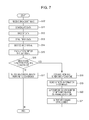
- FIG. 7 is a flowchart that explains a video signal conversion method of the video signal conversion device 20 according to the first embodiment of the present invention.
- FIG. 8 is a table that illustrates descriptors which are provided by CEA 861.3.
- FIG. 9 is a flowchart that explains a video signal conversion method of the video signal conversion device 20 according to a modification example 2 of the first embodiment of the present invention.
- FIG. 10 is a flowchart that explains a video signal conversion method of the video signal conversion device 20 according to a modification example 3 of the first embodiment of the present invention.
- FIG. 11 is a block diagram that illustrates a configuration of a video signal conversion device 40 according to a second embodiment of the present invention.
- FIG. 12 is a flowchart that explains a video signal conversion method of the video signal conversion device 40 according to the second embodiment of the present invention.
- FIG. 13 is a block diagram that illustrates a configuration of a video signal conversion device 50 according to the second embodiment of the present invention.
- FIG. 14 is a flowchart that explains a video signal conversion method of the video signal conversion device 50 according to the second embodiment of the present invention.
- FIG. 15 is a flowchart that explains a video signal conversion method of the video signal conversion device 20 according to a third embodiment of the present invention.
- FIG. 1 is a diagram for explaining the outline of the video signal conversion device system according to each of the embodiments of the present invention.
- FIG. 1( a ) is a diagram for explaining conversion of a video signal in a broadcasting station (transmitter)
- FIG. 1( b ) is a diagram for explaining conversion of the video signal in a receiver.
- an HDR video signal whose luminance scheme is a PQ scheme (for example, a video signal following a video format of SMPTE ST 2084) has pieces of meta-information such as master display information, maximum luminance, average luminance, and reference white, which are supplementary information related to the HDR video signal (for example, meta-information provided by SMPTE ST 2086).
- the above-described supplementary information is lost in a procedure in which the HDR video signal is converted into display light information by an EOTF of the PQ scheme and the display light information is inversely converted into an HDR video signal of an HLG scheme by an EOTF ⁇ 1 of the HLG scheme.
- the supplementary information related to the HDR video signal whose luminance scheme is the PQ scheme is transmitted to the receiver.
- the HDR video signal whose luminance scheme is the HLG scheme is converted into the display light information by the EOTF of the HLG scheme, and the display light information is inversely converted into the HDR video signal of the PQ scheme by the EOTF ⁇ 1 of the PQ scheme.
- the above-described supplementary information transmitted from the broadcasting station side is output to a display device together with the HDR video signal of the PQ scheme in a form of a descriptor or the like that is provided by CEA 861.3, for example.
- supplementary information related to the HDR video signal following a first video format includes “meta-information” related to the HDR video signal following the first video format. More specifically, “meta-information” includes at least one of a maximum luminance value, a minimum luminance value, an average luminance value, a white level, and information related to a master monitor in a high dynamic range video signal following the first video format. Further, in the following embodiments, a description will be made about an example of a case where “supplementary information” is “meta-information”.
- the video signal conversion system according to this embodiment will be described in detail.
- the video signal conversion system according to this embodiment includes a video signal conversion device 1 and a video signal conversion device 20 , which will be described below. In the following, the video signal conversion device 1 and the video signal conversion device 20 will be described in detail.
- Video Signal Conversion Device 1 Video Signal Conversion Device 1
- FIG. 2 is a block diagram that illustrates a configuration of the video signal conversion device 1 according to this embodiment.
- the video signal conversion device 1 includes a processing unit 2 and a transmission unit 13 .
- the video signal conversion device 1 includes the transmission unit 13 and may thus be referred to as transmission device.
- the processing unit 2 includes a video signal acquisition unit 3 , an audio signal acquisition unit 4 , a video signal conversion unit 5 , a video signal coding unit 6 , a generation unit 7 , an audio signal coding unit 8 , a multiplexing unit 9 , an addition unit 10 , and an encryption unit 11 .
- the video signal acquisition unit 3 acquires the HDR video signal following a video format whose luminance scheme is the PQ scheme (hereinafter, first video format) and extracts meta-information from the HDR video signal following the first video format.
- first video format a video format whose luminance scheme is the PQ scheme
- the audio signal acquisition unit 4 acquires an audio signal that corresponds to the HDR video signal following the first video format, which is acquired by the video signal acquisition unit 3 .
- the video signal conversion unit 5 converts the HDR video signal following the first video format, which is acquired by the video signal acquisition unit 3 , into the HDR video signal following a video format whose luminance scheme is the HLG scheme (hereinafter, second video format).
- the video signal coding unit 6 codes the HDR video signal following the second video format, which is converted by the video signal conversion unit 5 .
- the generation unit 7 generates the descriptor that indicates a parameter of each piece of meta-information from the meta-information extracted by the video signal acquisition unit 3 .
- the audio signal coding unit 8 codes an audio signal acquired by the audio signal acquisition unit 4 .
- the multiplexing unit 9 multiplexes the HDR video signal following the second video format, which is coded by the video signal coding unit 6 , the descriptor, which is generated by the generation unit 7 and indicates the parameter of each of the pieces of meta-information, and the audio signal, which is coded by the audio signal coding unit 8 , with data in an MPEG media transport (MMT) format.
- MMT MPEG media transport
- the addition unit 10 adds the descriptor, which indicates that the HDR video signal following the first video format is converted into the HDR video signal following the second video format, as the supplementary information to the data in the MMT format, which are multiplexed by the multiplexing unit 9 .
- the encryption unit 11 encrypts the data in the MMT format to which the descriptor is added by the addition unit 10 .
- An output unit 12 outputs the data in the MMT format, which are encrypted by the encryption unit 11 , (encrypted MMT format data) to the transmission unit 13 .
- the transmission unit 13 transmits the encrypted MMT format data, which are output by the output unit 12 , as a broadcast wave.
- FIG. 3 is a flowchart that illustrates the video signal conversion method executed by the video signal conversion device 1 according to this embodiment.
- the video signal acquisition unit 3 acquires the HDR video signal following the first video format (step S 0 ).
- the first video format is a video format whose luminance scheme is the PQ scheme
- the second video format which will be described later, is a video format whose luminance scheme is the HLG scheme.
- SMPTE ST 2084 may be raised.
- the video format whose luminance scheme is the HLG scheme ARIB STD-B67 or the like is raised.
- the first video format, the second video format, the luminance scheme of the first video format, and the luminance scheme of the second video format are not limited to those examples but may be arbitrary video formats and arbitrary luminance schemes.
- the video signal acquisition unit 3 extracts the meta-information from the HDR video signal following the first video format (step S 1 ).
- the video signal conversion device 1 extracts the meta-information from the HDR video signal following the first video format but may acquire the meta-information from a different transmission path from the HDR video signal following the first video format.
- the video signal conversion unit 5 converts the video signal following the first video format, which is acquired by the video signal acquisition unit 3 , into the high dynamic range video signal following the second video format (step S 2 ).
- the video signal coding unit 6 codes the HDR video signal following the second video format, which is converted by the video signal conversion unit 5 (step S 3 ).
- the audio signal acquisition unit 4 acquires the audio signal that corresponds to the HDR video signal following the first video format, which is acquired by the video signal acquisition unit 3 (step S 4 ).
- the audio signal coding unit 8 codes the audio signal acquired by the audio signal acquisition unit 4 (step S 5 ). Note that the processing order of steps S 0 to S 3 and steps S 4 and S 5 is arbitrary.
- the generation unit 7 generates the descriptor that indicates the parameter of each of the pieces of meta-information from the meta-information that is extracted by the video signal acquisition unit 3 in step S 1 (step S 6 ).
- the descriptor that indicates the parameter of each of the pieces of meta-information is a descriptor that is stored in an MPEG-H event information table (MH-EIT).
- the multiplexing unit 9 multiplexes the HDR video signal following the second video format, which is coded by the video signal coding unit 6 , the descriptor, which is generated by the generation unit 7 and indicates the parameter of each of the pieces of meta-information, and the audio signal, which is coded by the audio signal coding unit 8 , with the data in the MPEG media transport (MMT) format (step S 7 ).
- MMT MPEG media transport
- the addition unit 10 adds the descriptor, which indicates that the HDR video signal following the first video format is converted into the HDR video signal following the second video format, as the supplementary information to the data in the MMT format, which are multiplexed by the multiplexing unit 9 (step S 8 ). Accordingly, in the video signal conversion device 20 that will be described later, a fact that the acquired HDR video signal following the second video format is the HDR video signal that is converted from the HDR video signal following the first video format may be recognized.
- the encryption unit 11 encrypts the data in the MMT format to which the descriptor is added by the addition unit 10 and outputs the data to the transmission unit 13 via the output unit 12 (step S 9 ).
- the transmission unit 13 transmits the encrypted MMT format data, which are output by the output unit 12 , as the broadcast wave (step S 10 ).
- SMPTE ST 2086 As an example of a format of the meta-information that is extracted from the HDR video signal following the first video format by the video signal acquisition unit 3 , SMPTE ST 2086 or the like may be raised. Further, as the example of the meta-information, the meta-information provided by SMPTE ST 2086 will be indicated below.
- Display Primaries indicates information about a master display that is used for evaluating the HDR video signal.
- Chromaticity of White Point indicates the white level.
- Maximum Display Mastering Luminance indicates the maximum luminance indicated by the HDR video signal.
- Minimum Display Mastering Luminance indicates the minimum luminance indicated by the HDR video signal. Further, as another example of the meta-information, the average luminance or the like may be raised.
- descriptors are video component descriptors that are provided by ARIB STD-B60 7.4.3.19.
- Video_Component_Descriptor ( ) ⁇ descriptor_tag descriptor_length video_resolution video_aspect_ratio video_scan_flag Reserved video_frame_rate component_tag video_transfer_characteristics reserved ISO_639_language_code for (i 0; i ⁇ N; i++) ⁇ text_char ⁇ ⁇
- the descriptors correspond to video usability information (VUI) that complies with the HEVC standard and are described in a second loop of an MMT package table (MPT).
- VUI video usability information
- MPT MMT package table
- video_transfer_characteristics video signal transfer characteristics
- the video format of the video signal is Rec. ITU-R BT.709-5.
- a value of 1 is assigned to video_transfer_characteristics of the video format of Rec. ITU-R BT.709-5.
- a value of 2 is assigned to video_transfer_characteristics of IEC 61966-2-4, for which transfer_characteristics is 11.
- a value of 3 is assigned to video_transfer_characteristics of Rec. ITU-R BT.2020, for which transfer_characteristics is 14.
- a value of 4 is assigned to video_transfer_characteristics of SMPTE ST 2084, for which transfer_characteristics is 16.
- a value of 5 is assigned to video_transfer_characteristics of ARIB STD-B67, for which transfer_characteristics is 18. Then, a value that is at least any one of 6 to 15 as the values of video_transfer_characteristics is used to indicate that the HDR video signal following the first video format is converted into the HDR video signal following the second video format. For example, a value of 6 is assigned to video_transfer_characteristics of the video signal following ARIB STD-B67 (the HDR video signal following the video format of the HLG scheme), which is converted from the video signal following SMPTE ST 2084 (the HDR video signal following the video format of the PQ scheme).
- a value of 7 is assigned to video_transfer_characteristics of the video signal following SMPTE ST 2084 (the HDR video signal following the video format of the PQ scheme), which is converted from the video signal following ARIB STD-B67 (the HDR video signal following the video format of the HLG scheme).
- the video signal conversion device 1 adds the descriptors that are set in such a manner to the MMT package table (MPT) that accompanies the HDR video signal following the second video format.
- the receiver which receives the HDR video signal to which the descriptors are added in such a manner, reads the descriptors and may thereby recognize which video format is followed by the HDR video signal from which the HDR video signal is converted.
- the video signal conversion device 1 outputs the converted HDR video signal following the second video format as the data in the MMT format.
- the format of the data in a case where the video signal conversion device 1 outputs the HDR video signal following the second video format is not limited to this.
- the video signal conversion device 1 may output the converted HDR video signal following the second video format as data in an MPEG2-TS format.
- the multiplexing unit 9 multiplexes the HDR video signal following the second video format, which is coded by the video signal coding unit 6 , the descriptor, which is generated by the generation unit 7 and indicates the parameter of each of the pieces of meta-information, and the audio signal, which is coded by the audio signal coding unit 8 , with the data in the MPEG2-TS format.
- step S 8 the addition unit 10 adds the descriptor, which indicates that the HDR video signal following the first video format is converted into the HDR video signal following the second video format, as the supplementary information to the data in the MPEG2-TS format, which are multiplexed by the multiplexing unit 9 .
- step S 9 the encryption unit 11 encrypts the data in the MPEG2-TS format to which the descriptor is added by the addition unit 10 and outputs the data to the transmission unit 13 via the output unit 12 .
- step S 10 the transmission unit 13 transmits the data in the MPEG2-TS format, which are encrypted by the encryption unit 11 and are output by the output unit 12 , as the broadcast wave.
- the descriptors indicating that the HDR video signal following the first video format is converted into the HDR video signal following the second video format in a case where the video signal conversion device 1 outputs the converted HDR video signal following the second video format as the data in the MPEG2-TS format.
- a video decode control descriptor that is provided by ARIB STD-B10 is used as the descriptor that indicates that the HDR video signal following the first video format is converted into the HDR video signal following the second video format.
- the video decode control descriptor is described in a program mapped table (PMT). The video decode control descriptors will be indicated below.
- transfer_characteristics transfer characteristics
- a value of 00 is assigned to the video decode control descriptor of transfer_characteristics in those video formats.
- the value of 00 may be used as the value of transfer characteristics in a case where the transfer characteristics are not designated. The reason is because processing about the HDR does not have to be performed for the video signal following each of the above video formats and similar processing to a case where the transfer characteristics are not designated may be executed.
- a value of 11 is assigned to transfer_characteristics of the video signal following ARIB STD-B67 (the HDR video signal following the video format of the HLG scheme), which is converted from the video signal following SMPTE ST 2084 (the HDR video signal following the video format of the PQ scheme).
- the descriptor which indicates that the HDR video signal following the first video format is converted into the HDR video signal following the second video format, may be transmitted by using another transmission path.
- the video decode control descriptor of transfer_characteristics is a value of 10
- the video signal conversion device 1 transmits the descriptor, which indicates that the luminance scheme of the unconverted video format of the HDR video signal to be transmitted is the PQ, through a transmission path of an EIT or hybridcast.
- the descriptor may be a descriptor that indicates the above-described meta-information such as the master display information or the maximum luminance
- the descriptor that indicates the meta-information is recognized on the receiver side, and it may thereby be determined that the luminance scheme of the unconverted video format of the received video signal is the PQ.
- FIG. 4( a ) is a diagram that illustrates one example of the MH-EIT that is generated by the generation unit 7 .
- a descriptor D 1 in the MH-EIT indicated in FIG. 4( a ) includes the meta-information of each content.
- FIG. 4( b ) is a diagram that illustrates another example of the descriptor D 1 that includes the meta-information in the MH-EIT indicated in FIG. 4( a ) .
- descriptor_tag in the descriptor D 1
- 0x4E indicates an extended form event descriptor
- specific information about the content is described as a text.
- FIG. 4( b ) a configuration is possible in which the text which indicates the meta-information of each content is described in Text_char in the descriptor D 1 .
- FIG. 4( b ) a configuration is possible in which the text which indicates the meta-information of each content is described in Text_char in the descriptor D 1 .
- Video Signal Conversion Device 20 Video Signal Conversion Device 20
- the video signal conversion device 20 acquires the HDR video signal following the second video format, which is output by the above-described video signal conversion device 1 , and converts the HDR video signal following the second video format into the HDR video signal following the first video format.
- FIG. 5 is a block diagram that illustrates a configuration of the video signal conversion device 20 according to this embodiment.
- the video signal conversion device 20 includes a reception unit 21 , a processing unit 22 , and a display control unit 31 .
- the video signal conversion device 20 includes the reception unit 21 and may thus be referred to as reception device.
- the reception unit 21 receives the encrypted data in the MMT format (the encrypted MMT format data), which are output by the video signal conversion device 1 .
- the processing unit 22 includes a demodulation unit 23 , an encryption decoding unit 24 , a demultiplexing unit 25 , a video signal decoding unit 26 , an audio signal decoding unit 27 , the meta-information read-out unit 28 , a read-out unit 29 , and a video signal conversion unit 30 .
- the demodulation unit 23 demodulates the encrypted MMT format data, which are received by the reception unit 21 .
- the encryption decoding unit 24 decodes the encrypted MMT format data, which are demodulated by the demodulation unit 23 .
- the demultiplexing unit 25 demultiplexes the MMT format data decoded by the encryption decoding unit 24 into the HDR video signal following the second video format, the audio signal that corresponds to the video signal, and the MH-EIT that includes the meta-information related to the HDR video signal following the first video format.
- the video signal decoding unit 26 decodes the HDR video signal following the second video format, which is separated by demultiplexing by the demultiplexing unit 25 .
- the audio signal decoding unit 27 decodes the audio signal, which is separated by demultiplexing by the demultiplexing unit 25 .
- the meta-information read-out unit 28 reads out the meta-information related to the HDR video signal following the first video format from the MH-EIT, which is separated by demultiplexing by the demultiplexing unit 25 .
- the read-out unit 29 reads out the descriptor, which indicates that the HDR video signal following the first video format is converted into the HDR video signal following the second video format, from the MPT that accompanies the HDR video signal following the second video format, which is decoded by the video signal decoding unit 26 .
- the video signal conversion unit 30 converts the HDR video signal following the second video format into the HDR video signal following the first video format. Further, the video signal conversion unit 30 superimposes the parameter of each of the pieces of meta-information, which is read out by the meta-information read-out unit 28 , on Info Frame of HDMI® and outputs the parameter together with the HDR video signal following the first video format.
- the display control unit 31 refers to the HDR video signal following the first video format and the meta-information, which are output by the video signal conversion unit 30 , and thereby controls the display device (not illustrated).
- the invention of the present application also includes a television image receiver 100 that includes the video signal conversion device 20 according to this embodiment and a video signal conversion device 50 , which will be described later.
- the television image receiver 100 that includes the video signal conversion device 20 according to this embodiment will be illustrated in FIG. 6 .
- FIG. 7 is a flowchart that illustrates the video signal conversion method executed by the video signal conversion device 20 according to this embodiment.
- the reception unit 21 receives the encrypted data in the MMT format (the encrypted MMT format data), which are output by the video signal conversion device 1 (step S 10 ′).
- the demodulation unit 23 demodulates the encrypted MMT format data, which are received by the reception unit 21 (step S 11 ).
- the encryption decoding unit 24 decodes the encrypted MMT format data, which are demodulated by the demodulation unit 23 (step S 12 ).
- the demultiplexing unit 25 demultiplexes the MMT format data decoded by the encryption decoding unit 24 into the HDR video signal following the second video format, the audio signal that corresponds to the video signal, and the MH-EIT that includes the meta-information related to the HDR video signal following the first video format (step S 13 ).
- the audio signal that is separated by demultiplexing by the demultiplexing unit 25 is decoded by the audio signal decoding unit 27 and is output by an audio output device, which is not illustrated.
- a description will be made about processing for the HDR video signal following the second video format and the audio signal corresponding to the video signal, which are separated by demultiplexing by the demultiplexing unit 25 .
- the video signal decoding unit 26 decodes the HDR video signal following the second video format, which is separated by demultiplexing by the demultiplexing unit 25 (step S 14 ).
- the read-out unit 29 reads out the descriptor, which indicates that the HDR video signal following the first video format is converted into the HDR video signal following the second video format, from the MPT that accompanies the HDR video signal following the second video format, which is decoded by the video signal decoding unit 26 (step S 15 ).
- the read-out unit 29 refers to the descriptor that is read out and thereby assesses whether or not the HDR video signal following the second video format is the HDR video signal that is converted from the HDR video signal following the first video format (step S 16 ).
- the read-out unit 29 assesses whether or not the HDR video signal following the second video format is the HDR video signal that is converted from the HDR video signal following the first video format
- a method is used in which the assessment is made by referring to the value of video_transfer_characteristics in the MPT which accompanies the HDR video signal following the second video format.
- a value of 6 is assigned to video_transfer_characteristics of the video signal following ARIB STD-B67 (the HDR video signal following the video format of the HLG scheme), which is converted from the video signal following SMPTE ST 2084 (the HDR video signal following the video format of the PQ scheme). Then, in a case where the read-out unit 29 reads out that video_transfer_characteristics takes a value of 6, the read-out unit 29 may assess that the HDR video signal following the second video format is the HDR video signal that is converted from the HDR video signal following the first video format.
- the video signal conversion unit 30 outputs the HDR video signal following the second video format to the display control unit 31 without processing the HDR video signal following the second video format (step S 17 ).
- the video signal conversion unit 30 converts the HDR video signal following the second video format into the HDR video signal following the first video format (step S 18 ).
- the meta-information read-out unit 28 reads out the meta-information related to the HDR video signal following the first video format from the MH-EIT, which is separated by demultiplexing by the demultiplexing unit 25 (step S 19 ).
- the video signal conversion unit 30 superimposes the parameter of each of the pieces of meta-information, which is read out by the meta-information read-out unit 28 , on Info Frame of HDMI® (step S 20 ).
- the video signal conversion unit 30 outputs the converted HDR video signal following the first video format together with Info Frame of HDMI® on which the meta-information is superimposed to the display control unit 31 (step S 21 ).
- FIG. 8 is a table that illustrates the descriptors which are provided by CEA 861.3.
- the descriptors that correspond to Data Byte 3 to 22 include display mastering data that are provided by SMPTE ST 2086.
- max_display_mastering_luminance that corresponds to Data Byte 19 and 20 indicates the maximum luminance value.
- min_display_mastering_luminance that corresponds to Data Byte 21 and 22 indicates the minimum luminance value.
- Maximum Content Light Level that corresponds to Data Byte 23 and 24 indicates the maximum luminance level (MAX CLL).
- Maximum Frame-average Light Level that corresponds to Data Byte 25 and 26 indicates the maximum frame average luminance level (MAX FALL).
- the video signal conversion device 20 which is described above, superimposes the parameter of each of the pieces of meta-information on Info Frame of HDMI® and outputs the HDR video signal following the first video format together with Info Frame of HDMI® on which the meta-information is superimposed to the display control unit 31 .
- the video signal conversion device 20 according to the present invention is not limited to this.
- the video signal conversion device 20 may not process the meta-information that are read out from the MH-EIT by the above-described meta-information read-out unit 28 and may thereby output the meta-information to the display control unit 31 without any change.
- the video signal conversion device 20 may not include the display control unit 31 and may output the HDR video signal following the first video format together with the meta-information read out from the MH-EIT or the meta-information superimposed on Info Frame of HDMI® to an external display device.
- the video signal conversion device 20 receives the encrypted data in the MMT format, which are output by the video signal conversion device 1 .
- the format of the data that are received by the video signal conversion device 20 is not limited to this.
- the video signal conversion device 20 may receive the encrypted data in the MPEG2-TS format, which are output by the video signal conversion device 1 .
- a modification example will be described where the video signal conversion device 20 receives the encrypted data in the MPEG2-TS format, which are output by the video signal conversion device 1 .
- a video signal conversion method executed by the video signal conversion device according to this modification example will be described with reference to FIG. 9 .
- FIG. 9 is a flowchart that illustrates the video signal conversion method executed by the video signal conversion device 20 according to this modification example.
- the reception unit 21 receives the encrypted data in the MPEG2-TS format, which are output by the video signal conversion device 1 (step S 90 ).
- the demodulation unit 23 demodulates the encrypted data in the MPEG2-TS format, which are received by the reception unit 21 (step S 91 ).
- the encryption decoding unit 24 decodes the encrypted data in the MPEG2-TS format, which are demodulated by the demodulation unit 23 (step S 92 ).
- the demultiplexing unit 25 demultiplexes the data in the MPEG2-TS format, which are decoded by the encryption decoding unit 24 , into the HDR video signal following the second video format, the audio signal that corresponds to the video signal, and the EIT that includes the meta-information related to the HDR video signal following the first video format (step S 93 ).
- the video signal decoding unit 26 decodes the HDR video signal following the second video format, which is separated by demultiplexing by the demultiplexing unit 25 (step S 94 ).
- the read-out unit 29 reads out the descriptor, which indicates that the HDR video signal following the first video format is converted into the HDR video signal following the second video format, from the PMT that accompanies the HDR video signal following the second video format, which is decoded by the video signal decoding unit 26 (step S 95 ).
- the read-out unit 29 refers to the descriptor that is read out and thereby assesses whether or not the HDR video signal following the second video format is the HDR video signal that is converted from the HDR video signal following the first video format (step S 96 ).
- the read-out unit 29 assesses whether or not the HDR video signal following the second video format is the HDR video signal that is converted from the HDR video signal following the first video format
- a method is used in which the assessment is made by referring to the value of transfer_characteristics in the PMT which accompanies the HDR video signal following the second video format.
- a value of 11 is assigned to transfer_characteristics of the video signal following ARIB STD-B67 (the HDR video signal following the video format of the HLG scheme), which is converted from the video signal following SMPTE ST 2084 (the HDR video signal following the video format of the PQ scheme). Then, in a case where the read-out unit 29 reads out that transfer_characteristics takes a value of 11, the read-out unit 29 may assess that the HDR video signal following the second video format is the HDR video signal that is converted from the HDR video signal following the first video format.
- the video signal conversion unit 30 outputs the HDR video signal following the second video format to the display control unit 31 without processing the HDR video signal following the second video format (step S 97 ).
- the video signal conversion unit 30 converts the HDR video signal following the second video format into the HDR video signal following the first video format (step S 98 ).
- the meta-information read-out unit 28 reads out the meta-information related to the HDR video signal following the first video format from the EIT, which is separated by demultiplexing by the demultiplexing unit 25 (step S 99 ).
- the video signal conversion unit 30 superimposes the parameter of each of the pieces of meta-information, which is read out by the meta-information read-out unit 28 , on Info Frame of HDMI® (step S 100 ).
- the video signal conversion unit 30 outputs the converted HDR video signal following the first video format together with Info Frame of HDMI® on which the meta-information is superimposed to the display control unit 31 (step S 101 ).
- FIG. 10 is a flowchart that illustrates the video signal conversion method executed by the video signal conversion device 20 according to this modification example.
- the reception unit 21 receives the encrypted data in the MPEG2-TS format, which are output by the video signal conversion device 1 (step S 110 ).
- the demodulation unit 23 demodulates the encrypted data in the MPEG2-TS format, which are received by the reception unit 21 (step S 111 ).
- the encryption decoding unit 24 decodes the encrypted data in the MPEG2-TS format, which are demodulated by the demodulation unit 23 (step S 112 ).
- the demultiplexing unit 25 demultiplexes the data in the MPEG2-TS format, which are decoded by the encryption decoding unit 24 , into the HDR video signal following the second video format, the audio signal that corresponds to the video signal, and the EIT that includes the meta-information related to the HDR video signal following the first video format (step S 113 ).
- the video signal decoding unit 26 decodes the HDR video signal following the second video format, which is separated by demultiplexing by the demultiplexing unit 25 (step S 114 ).
- the read-out unit 29 reads out the descriptor, which indicates that the HDR video signal following the first video format is converted into the HDR video signal following the second video format, from the PMT that accompanies the HDR video signal following the second video format, which is decoded by the video signal decoding unit 26 (step S 115 ).
- the read-out unit 29 refers to the descriptor that is read out and thereby assesses whether or not the HDR video signal following the second video format is the HDR video signal that is converted from the HDR video signal following the first video format (step S 116 ).
- the read-out unit 29 assesses whether or not the HDR video signal following the second video format is the HDR video signal that is converted from the HDR video signal following the first video format
- a method is used in which the assessment is made by referring to the value of transfer_characteristics in the PMT which accompanies the HDR video signal following the second video format.
- the video signal conversion unit 30 outputs the HDR video signal following the second video format to the display control unit 31 without processing the HDR video signal following the second video format (step S 117 ).
- the meta-information read-out unit 28 refers to the EIT that is separated by demultiplexing by the demultiplexing unit 25 and thereby assesses whether or not the HDR video signal following the second video format is the HDR video signal that is converted from the HDR video signal following the first video format (step S 118 ).
- a method, in which the meta-information read-out unit 28 refers to the EIT and thereby assesses whether or not the HDR video signal following the second video format is the HDR video signal that is converted from the HDR video signal following the first video format is not particularly limited.
- the meta-information read-out unit 28 may assess whether or not the EIT includes the meta-information related to the HDR video signal following the first video format and may thereby assess whether or not the HDR video signal following the second video format is the HDR video signal that is converted from the HDR video signal following the first video format.
- the processing moves to step S 117 , and the video signal conversion unit 30 outputs the HDR video signal following the second video format to the display control unit 31 without processing the HDR video signal following the second video format.
- the video signal conversion unit 30 converts the HDR video signal following the second video format into the HDR video signal following the first video format (step S 119 ).
- the meta-information read-out unit 28 reads out the meta-information related to the HDR video signal following the first video format from the EIT, which is separated by demultiplexing by the demultiplexing unit 25 (step S 120 ).
- the video signal conversion unit 30 superimposes the parameter of each of the pieces of meta-information, which is read out by the meta-information read-out unit 28 , on Info Frame of HDMI® (step S 121 ).
- the video signal conversion unit 30 outputs the converted HDR video signal following the first video format together with Info Frame of HDMI® on which the meta-information is superimposed to the display control unit 31 (step S 122 ).
- the video signal conversion device 1 converts the high dynamic range video signal following the first video format into the high dynamic range video signal following the second video format and outputs the meta-information related to the high dynamic range video signal following the first video format. Further, the video signal conversion device 20 acquires the meta-information related to the high dynamic range video signal following the first video format, which is output by the video signal conversion device 1 , refers to the meta-information, and thereby converts the high dynamic range video signal following the second video format, which is output by the video signal conversion device 1 , into the high dynamic range video signal following the first video format.
- the HDR video signal following the first video format is converted into the HDR video signal following the second video format on the transmitter side
- the meta-information related to the HDR video signal following the original first video format is not lost.
- the HDR video signal following the second video format which is converted from the HDR video signal following the first video format
- the image quality of the HDR video signal following the original first video format may be maintained.
- the video signal conversion system according to this embodiment will be described in detail.
- the video signal conversion system according to this embodiment includes a video signal conversion device 40 and a video signal conversion device 50 , which will be described below.
- the video signal conversion device 40 and the video signal conversion device 50 will be described in detail.
- the HDR video signal following the second video format may be transmitted as the data in the MMT format or may be transmitted as the data in the MPEG2-TS format.
- the HDR video signal following the second video format may be received as the data in the MMT format or may be received as the data in the MPEG2-TS format.
- Video Signal Conversion Device 40 Video Signal Conversion Device 40
- FIG. 11 is a block diagram that illustrates a configuration of the video signal conversion device 40 according to this embodiment. As illustrated in FIG. 11 , the video signal conversion device 40 further includes the communication unit 41 in addition to the configuration of the video signal conversion device 1 according to the first embodiment.
- the communication unit 41 transmits the meta-information output by the output unit 12 through a different transmission path from the transmission path for transmitting the high dynamic range video signal following the second video format.
- FIG. 12 is a flowchart that explains an action of the video signal conversion device 40 according to this embodiment. Note that a description about similar processes to the processes that are described in the first embodiment will not be made.
- the video signal acquisition unit 3 acquires the HDR video signal following the first video format (step S 30 ).
- the video signal acquisition unit 3 extracts the meta-information from the HDR video signal following the first video format (step S 31 ).
- the video signal conversion unit 5 converts the video signal following the first video format, which is acquired by the video signal acquisition unit 3 , into the high dynamic range video signal following the second video format (step S 32 ).
- the video signal coding unit 6 codes the HDR video signal following the second video format, which is converted by the video signal conversion unit 5 (step S 33 ).
- the audio signal acquisition unit 4 acquires the audio signal that corresponds to the HDR video signal following the first video format, which is acquired by the video signal acquisition unit 3 (step S 34 ).
- the audio signal coding unit 8 codes the audio signal acquired by the audio signal acquisition unit 4 (step S 35 ).
- the multiplexing unit 9 multiplexes the HDR video signal following the second video format, which is coded by the video signal coding unit 6 , with the audio signal coded by the audio signal coding unit 8 (step S 36 ).
- the addition unit 10 adds the descriptor, which indicates that the HDR video signal following the first video format is converted into the HDR video signal following the second video format, as the supplementary information to the data multiplexed by the multiplexing unit 9 (step S 37 ).
- the encryption unit 11 encrypts the data to which the descriptor is added by the addition unit 10 (step S 38 ).
- the transmission unit 13 outputs the data encrypted by the encryption unit 11 as a broadcast wave (step S 39 ).
- the generation unit 7 generates the descriptor that indicates the parameter of each of the pieces of meta-information from the meta-information that is extracted by the video signal acquisition unit 3 in step S 31 (step S 40 ).
- the output unit 12 outputs the descriptor that is generated by the generation unit 7 and indicates the parameter of each of the pieces of meta-information to an external portion via the communication unit 41 (step S 41 ).
- the communication unit 41 transmits the descriptor that is generated by the generation unit 7 and indicates the parameter of each of the pieces of meta-information through a different transmission path from the transmission path for transmitting the high dynamic range video signal following the second video format.
- the transmission path via the Internet may be Internet communication that accompanies Hybridcast®.
- Video Signal Conversion Device 50 Video Signal Conversion Device 50
- FIG. 13 is a block diagram that illustrates a configuration of the video signal conversion device 50 according to this embodiment. As illustrated in FIG. 13 , the video signal conversion device 50 includes the communication unit 51 and includes the meta-information acquisition unit 53 of the processing unit 52 in addition to the configuration of the video signal conversion device 20 according to the first embodiment.
- the communication unit 51 receives the descriptor indicating the parameter of each of the pieces of meta-information, which is transmitted by the above-described video signal conversion device 40 through the different transmission path from the transmission path for transmitting the high dynamic range video signal following the second video format.
- the meta-information acquisition unit 53 acquires the descriptor that is received by the communication unit 51 and indicates the parameter of each of the pieces of meta-information.
- FIG. 14 is a flowchart that explains an action of the video signal conversion device 50 according to this embodiment. Note that a description about similar processes to the processes that are described in the first embodiment will not be made.
- the reception unit 21 receives the encrypted data (the data that include the high dynamic range video signal following the second video format), which are output by the video signal conversion device 40 (step S 50 ).
- the meta-information acquisition unit 53 acquires the descriptor that is output by the video signal conversion device 40 and indicates the parameter of each of the pieces of meta-information via the communication unit 51 (step S 51 ).
- the demodulation unit 23 demodulates the encrypted data, which are received by the reception unit 21 (step S 52 ).
- the encryption decoding unit 24 decodes the encrypted data, which are demodulated by the demodulation unit 23 (step S 53 ).
- the demultiplexing unit 25 demultiplexes the data decoded by the encryption decoding unit 24 into the HDR video signal following the second video format and the audio signal that corresponds to the video signal (step S 54 ).
- the video signal decoding unit 26 decodes the HDR video signal following the second video format, which is separated by demultiplexing by the demultiplexing unit 25 (step S 55 ).
- the read-out unit 29 reads out the descriptor, which indicates that the HDR video signal following the first video format is converted into the HDR video signal following the second video format, from the HDR video signal following the second video format, which is decoded by the video signal decoding unit 26 (step S 56 ).
- the read-out unit 29 refers to the descriptor that is read out and thereby assesses whether or not the HDR video signal following the second video format is the HDR video signal that is converted from the HDR video signal following the first video format (step S 57 ).
- the video signal conversion unit 30 outputs the HDR video signal following the second video format to the display control unit 31 without processing the HDR video signal following the second video format (step S 58 ).
- the video signal conversion unit 30 converts the HDR video signal following the second video format into the HDR video signal following the first video format (step S 59 ).
- the video signal conversion unit 30 superimposes the parameter of each of the pieces of meta-information, which is acquired by the meta-information acquisition unit 53 , on Info Frame of HDMI® (step S 60 ).
- the video signal conversion unit 30 outputs the converted HDR video signal following the first video format together with Info Frame of HDMI® on which the meta-information is superimposed to the display control unit 31 (step S 61 ).
- the video signal conversion device 40 transmits the meta-information through the different transmission path from the transmission path for transmitting the high dynamic range video signal following the second video format. Further, the video signal conversion device 50 receives the meta-information, which is transmitted by the video signal conversion device 40 through the different transmission path from the transmission path for transmitting the high dynamic range video signal following the second video format. Accordingly, because the meta-information is transmitted through the transmission path that does not accompany the high dynamic range video signal following the second video format, the information amount of the meta-information to be transmitted may be increased. Further, because the meta-information is received through the transmission path that does not accompany the high dynamic range video signal following the second video format, the information amount of the meta-information to be received may be increased.
- a third embodiment of the present invention will be described in the following. Note that video signal conversion devices and video signal conversion methods according to this embodiment are similar to the video signal conversion devices and video signal conversion methods according to the first embodiment except the video signal conversion method executed by the video signal conversion device 20 according to the first embodiment. Consequently, in the following, a video signal conversion method executed by the video signal conversion device 20 according to this embodiment will be described in detail.
- FIG. 15 is a flowchart that illustrates the video signal conversion method executed by the video signal conversion device 20 according to this embodiment.
- the reception unit 21 receives the encrypted data in the MMT format (the encrypted MMT format data), which are output by the video signal conversion device 1 (step S 70 ).
- the demodulation unit 23 demodulates the encrypted MMT format data, which are received by the reception unit 21 (step S 71 ).
- the encryption decoding unit 24 decodes the encrypted MMT format data, which are demodulated by the demodulation unit 23 (step S 72 ).
- the demultiplexing unit 25 demultiplexes the MMT format data decoded by the encryption decoding unit 24 into the HDR video signal following the second video format, the audio signal that corresponds to the video signal, and the MH-EIT that includes the meta-information related to the HDR video signal following the first video format (step S 73 ).
- the video signal decoding unit 26 decodes the HDR video signal following the second video format, which is separated by demultiplexing by the demultiplexing unit 25 (step S 74 ).
- the read-out unit 29 reads out the descriptor, which indicates that the HDR video signal following the first video format is converted into the HDR video signal following the second video format, from the MPT that accompanies the HDR video signal following the second video format, which is decoded by the video signal decoding unit 26 (step S 75 ).
- the read-out unit 29 refers to the descriptor that is read out and thereby assesses whether or not the HDR video signal following the second video format is the HDR video signal that is converted from the HDR video signal following the first video format (step S 76 ).
- the video signal conversion unit 30 outputs the HDR video signal following the second video format to the display control unit 31 without processing the HDR video signal following the second video format (step S 77 ).
- the video signal conversion unit 30 converts the HDR video signal following the second video format into the HDR video signal following the first video format (step S 78 ).
- the meta-information read-out unit 28 assesses whether or not the meta-information related to the HDR video signal following the first video format is included in the MH-EIT, which is separated by demultiplexing by the demultiplexing unit 25 (step S 79 ).
- the video signal conversion unit 30 outputs the HDR video signal following the second video format (step S 80 ).
- the video signal conversion unit 30 superimposes the parameter indicated by the meta-information read out by the meta-information read-out unit 28 on Info Frame of HDMI® (step S 81 ).
- the video signal conversion unit 30 outputs the converted HDR video signal following the first video format together with Info Frame of HDMI® on which the meta-information is superimposed to the display control unit 31 (step S 82 ).
- the video signal conversion device 20 outputs the HDR video signal following the first video format together with the meta-information in a case where the HDR video signal following the second video format accompanies the meta-information and outputs the HDR video signal following the second video format in a case where the HDR video signal following the second video format does not accompany the meta-information. Accordingly, the HDR video signal to be output may be decided in accordance with presence or absence of the meta-information.
- Control blocks (particularly, the video signal acquisition unit 3 , the audio signal acquisition unit 4 , the video signal conversion unit 5 , the video signal coding unit 6 , the generation unit 7 , the audio signal coding unit 8 , the multiplexing unit 9 , the addition unit 10 , the encryption unit 11 , and the output unit 12 of the processing unit 2 and the transmission unit 13 ) of the video signal conversion devices 1 and 40 and control blocks (particularly, the demodulation unit 23 , the encryption decoding unit 24 , the demultiplexing unit 25 , the video signal decoding unit 26 , the audio signal decoding unit 27 , the meta-information read-out unit 28 , the read-out unit 29 , and the video signal conversion unit 30 of the processing unit 22 and the meta-information acquisition unit 53 of the processing unit 52 ) of the video signal conversion devices 20 and 50 may be realized by logic circuits (hardware) that are formed on an integrated circuit (IC chip) or the like or may be realized by software by using a central processing unit (CPU).
- CPU central processing unit
- the video signal conversion devices 1 and 40 and the video signal conversion devices 20 and 50 include a CPU that executes orders of a program, which is software for realizing functions, a read only memory (ROM) or a storage device (which will be referred to as “recording medium”) in which the program and various data are recorded such that those are readable by a computer (or a CPU), a random access memory (RAM) on which the program is expanded, and so forth. Further, the computer (or the CPU) reads out the program from the recording medium and executes the program, and an object of the present invention is thereby achieved.
- non-transitory tangible medium for example, a tape, a disk, a card, a semiconductor memory, a programmable logic circuit, or the like may be used.
- the program may be supplied to the computer via an arbitrary transmission medium that is capable of transmitting the program (such as a communication network or a broadcast wave).
- the present invention may be realized by a mode of data signals embedded in a carrier, in which the program is shaped by electronic transmission.
- a video signal conversion device ( 1 or 40 ) includes: a conversion unit ( 5 ) that converts a high dynamic range video signal following a first video format into a high dynamic range video signal following a second video format; and an output unit ( 12 ) that outputs supplementary information which is related to the high dynamic range video signal following the first video format.
- the supplementary information related to the HDR video signal following the original first video format is not lost.
- a luminance scheme of the first video format may be an absolute luminance scheme
- a luminance scheme of the second video format may be a relative luminance scheme
- the video signal conversion device may preferably be used.
- the video signal conversion device ( 1 or 40 ) may further include an addition unit ( 10 ) that adds a descriptor, which indicates that the high dynamic range video signal following the first video format is converted into the high dynamic range video signal following the second video format, as the supplementary information to the high dynamic range video signal following the second video format.
- the descriptor is read, and which video format is followed by the HDR video signal from which the HDR video signal is converted may thereby be recognized.
- the supplementary information may include meta-information
- the meta-information may include at least one or more of a maximum luminance value, a minimum luminance value, an average luminance value, a white level, and information related to a master monitor in the high dynamic range video signal following the first video format.
- the HDR video signal may preferably be converted.
- the output unit may output the supplementary information while superimposing the supplementary information on the high dynamic range video signal following the second video format, which is converted by the conversion unit, and the video signal conversion device may further include a transmission unit ( 13 ) that transmits the high dynamic range video signal following the second video format, which the output unit outputs while superimposing the supplementary information.
- the high dynamic range video signal following the second video format may be transmitted together with the supplementary information, no other transmission path is requested.
- the video signal conversion device ( 40 ) may further include a communication unit ( 41 ) that transmits the supplementary information which is output by the output unit through a different transmission path from a transmission path for transmitting the high dynamic range video signal following the second video format.
- the information amount of the supplementary information to be transmitted may be increased.
- a video signal conversion device ( 20 or 50 ) includes: an acquisition unit ( 28 or 53 ) that acquires supplementary information which is related to a high dynamic range video signal following a first video format; and a conversion unit ( 30 ) that converts a high dynamic range video signal following a second video format, which is converted from the high dynamic range video signal following the first video format, into the high dynamic range video signal following the first video format by referring to the supplementary information.
- the image quality of the HDR video signal following the original first video format may be maintained.
- a luminance scheme of the first video format may be an absolute luminance scheme
- a luminance scheme of the second video format may be a relative luminance scheme
- the video signal conversion device may preferably be used.
- the video signal conversion device ( 20 or 50 ) may further include a read-out unit ( 29 ) that reads out a descriptor, which indicates that the high dynamic range video signal following the first video format is converted into the high dynamic range video signal following the second video format, from the high dynamic range video signal following the second video format.
- the conversion unit may convert the high dynamic range video signal following the second video format into the high dynamic range video signal following the first video format by referring to the supplementary information.
- only the high dynamic range video signal following the second video format which is converted from the high dynamic range video signal following the first video format, may be converted into the high dynamic range video signal following the original first video format.
- the supplementary information may include meta-information
- the meta-information may include at least one or more of a maximum luminance value, a minimum luminance value, an average luminance value, a white level, and information related to a master monitor in the high dynamic range video signal following the first video format.
- the HDR video signal may preferably be converted by referring to the acquired meta-information.
- the video signal conversion device ( 20 ) may further include a meta-information read-out unit ( 28 ) that reads out the supplementary information which is superimposed on the high dynamic range video signal following the second video format.
- the supplementary information does not have to be acquired from another transmission path.
- the video signal conversion device ( 50 ) may further include a communication unit ( 51 ) that receives the supplementary information which is transmitted through a different transmission path from a transmission path for transmitting the high dynamic range video signal following the second video format.
- the information amount of the supplementary information to be received may be increased.
- a television image receiver ( 100 ) according to a fourteenth aspect of the present invention includes the video signal conversion device according to any one of the seventh to thirteenth aspects.
- a video signal conversion method includes: a conversion process of converting a high dynamic range video signal following a first video format into a high dynamic range video signal following a second video format; and an outputting process of outputting supplementary information which is related to the high dynamic range video signal following the first video format.
- a video signal conversion method includes: an acquisition process of acquiring supplementary information which is related to a high dynamic range video signal following a first video format; and a conversion process of converting a high dynamic range video signal following a second video format, which is converted from the high dynamic range video signal following the first video format, into the high dynamic range video signal following the first video format by referring to the supplementary information.
- a video signal conversion system includes: a first video signal conversion device ( 1 or 40 ) including a conversion unit ( 5 ) that converts a high dynamic range video signal following a first video format into a high dynamic range video signal following a second video format, and an output unit ( 12 ) that outputs supplementary information which is related to the high dynamic range video signal following the first video format; and a second video signal conversion device ( 20 or 50 ) including an acquisition unit ( 28 or 53 ) that acquires the supplementary information, which is related to the high dynamic range video signal following the first video format, from the first video signal conversion device, and a conversion unit ( 30 ) that converts the high dynamic range video signal following the second video format, which is converted by the first video signal conversion device, into the high dynamic range video signal following the first video format by referring to the supplementary information.
- the supplementary information related to the HDR video signal following the original first video format is not lost. Further, even in a case where the HDR video signal following the second video format, which is converted from the HDR video signal following the first video format, is converted into the HDR video signal following the original first video format on the receiver side, the image quality of the HDR video signal following the original first video format may be maintained.
- the video signal conversion devices may be realized by a computer.
- a control program of the video signal conversion device that causes the computer to act as each unit (software element) included in the video signal conversion device and thereby realizes the video signal conversion device with the computer and a computer-readable recording medium that records the control program are included in the purview of the present invention.
Landscapes
- Engineering & Computer Science (AREA)
- Multimedia (AREA)
- Signal Processing (AREA)
- Two-Way Televisions, Distribution Of Moving Picture Or The Like (AREA)
- Television Systems (AREA)
- Picture Signal Circuits (AREA)
- Transforming Electric Information Into Light Information (AREA)
Abstract
Description
| Video_Component_Descriptor ( ){ | ||
| descriptor_tag | ||
| descriptor_length | ||
| video_resolution | ||
| video_aspect_ratio | ||
| video_scan_flag | ||
| Reserved | ||
| video_frame_rate | ||
| component_tag | ||
| video_transfer_characteristics | ||
| reserved | ||
| ISO_639_language_code | ||
| for (i=0; i<N; i++) { | ||
| text_char | ||
| } | ||
| } | ||
| video_decode_control_descriptor( ){ | ||
| descriptor_tag | ||
| descriptor_length | ||
| still_picture_flag | ||
| sequence_end_code_flag | ||
| video_encode_format | ||
| transfer_characteristics | ||
| } | ||
Claims (19)
Applications Claiming Priority (3)
| Application Number | Priority Date | Filing Date | Title |
|---|---|---|---|
| JP2016137107 | 2016-07-11 | ||
| JP2016-137107 | 2016-07-11 | ||
| PCT/JP2017/023093 WO2018012244A1 (en) | 2016-07-11 | 2017-06-22 | Video signal conversion device, video signal conversion method, video signal conversion system, control program, and recording medium |
Publications (2)
| Publication Number | Publication Date |
|---|---|
| US20190052837A1 US20190052837A1 (en) | 2019-02-14 |
| US10440314B2 true US10440314B2 (en) | 2019-10-08 |
Family
ID=60952980
Family Applications (1)
| Application Number | Title | Priority Date | Filing Date |
|---|---|---|---|
| US16/079,483 Active US10440314B2 (en) | 2016-07-11 | 2017-06-22 | Video signal conversion device, video signal conversion method, video signal conversion system, control program, and recording medium |
Country Status (4)
| Country | Link |
|---|---|
| US (1) | US10440314B2 (en) |
| JP (1) | JPWO2018012244A1 (en) |
| CN (1) | CN109417650A (en) |
| WO (1) | WO2018012244A1 (en) |
Families Citing this family (3)
| Publication number | Priority date | Publication date | Assignee | Title |
|---|---|---|---|---|
| CN111669532B (en) * | 2020-06-02 | 2021-08-10 | 国家广播电视总局广播电视科学研究院 | High dynamic range video end-to-end realization method |
| JP7825385B2 (en) * | 2021-06-11 | 2026-03-06 | マクセル株式会社 | Display method |
| WO2024063118A1 (en) * | 2022-09-22 | 2024-03-28 | パナソニックIpマネジメント株式会社 | Display method, providing method, media server, display device, and computer program |
Citations (3)
| Publication number | Priority date | Publication date | Assignee | Title |
|---|---|---|---|---|
| US5768442A (en) * | 1994-10-11 | 1998-06-16 | Samsung Electronics Co., Ltd. | Digital signal conversion method and apparatus for converting photoelectrically converted video signals |
| US20130176498A1 (en) * | 2010-10-26 | 2013-07-11 | Sharp Kabushiki Kaisha | Display device |
| JP2016058848A (en) | 2014-09-08 | 2016-04-21 | ソニー株式会社 | Image processing system and image processing method |
Family Cites Families (15)
| Publication number | Priority date | Publication date | Assignee | Title |
|---|---|---|---|---|
| JP3577093B2 (en) * | 1993-06-22 | 2004-10-13 | 富士通株式会社 | Image coding and restoration device |
| KR101328547B1 (en) * | 2004-11-01 | 2013-11-13 | 테크니컬러, 인크. | Method and system for mastering and distributing enhanced color space content |
| CN102349290B (en) * | 2009-03-10 | 2014-12-17 | 杜比实验室特许公司 | Extended dynamic range and extended dimensionality image signal conversion |
| WO2010125678A1 (en) * | 2009-04-30 | 2010-11-04 | パイオニア株式会社 | Content mediation server, content reproduction device, and content reproduction system |
| US8271544B2 (en) * | 2009-05-01 | 2012-09-18 | Creative Technology Ltd | Data file having more than one mode of operation |
| JP2011082628A (en) * | 2009-10-02 | 2011-04-21 | Sony Corp | Information processing apparatus and method |
| JP6081360B2 (en) * | 2010-09-16 | 2017-02-15 | コーニンクレッカ フィリップス エヌ ヴェKoninklijke Philips N.V. | Apparatus, method and image data storage medium for improved image encoding and / or decoding |
| CN105009567B (en) * | 2013-02-21 | 2018-06-08 | 杜比实验室特许公司 | For synthesizing the system and method for the appearance of superposed graph mapping |
| KR102223751B1 (en) * | 2013-07-12 | 2021-03-05 | 소니 주식회사 | Player device, play method, and recording medium |
| TWI630820B (en) * | 2013-07-19 | 2018-07-21 | 新力股份有限公司 | File generation device, file generation method, file reproduction device, and file reproduction method |
| TWI630821B (en) * | 2013-07-19 | 2018-07-21 | 新力股份有限公司 | File generation device, file generation method, file reproduction device, and file reproduction method |
| MX357792B (en) * | 2014-06-10 | 2018-07-25 | Panasonic Ip Man Co Ltd | Display system, display method, and display device. |
| US10250884B2 (en) * | 2014-06-20 | 2019-04-02 | Qualcomm Incorporated | Systems and methods for signaling information for layer sets in a parameter set |
| KR101809967B1 (en) * | 2014-08-08 | 2017-12-18 | 엘지전자 주식회사 | Video data processing method and device for reproducing display-adaptive image |
| US10741211B2 (en) * | 2014-12-22 | 2020-08-11 | Sony Corporation | Information processing device, information recording medium, and information processing method |
-
2017
- 2017-06-22 CN CN201780013479.4A patent/CN109417650A/en active Pending
- 2017-06-22 WO PCT/JP2017/023093 patent/WO2018012244A1/en not_active Ceased
- 2017-06-22 US US16/079,483 patent/US10440314B2/en active Active
- 2017-06-22 JP JP2018527484A patent/JPWO2018012244A1/en active Pending
Patent Citations (4)
| Publication number | Priority date | Publication date | Assignee | Title |
|---|---|---|---|---|
| US5768442A (en) * | 1994-10-11 | 1998-06-16 | Samsung Electronics Co., Ltd. | Digital signal conversion method and apparatus for converting photoelectrically converted video signals |
| US20130176498A1 (en) * | 2010-10-26 | 2013-07-11 | Sharp Kabushiki Kaisha | Display device |
| JP2016058848A (en) | 2014-09-08 | 2016-04-21 | ソニー株式会社 | Image processing system and image processing method |
| US20160292834A1 (en) | 2014-09-08 | 2016-10-06 | Sony Corporation | Image processing apparatus and image processing method |
Also Published As
| Publication number | Publication date |
|---|---|
| US20190052837A1 (en) | 2019-02-14 |
| CN109417650A (en) | 2019-03-01 |
| WO2018012244A1 (en) | 2018-01-18 |
| JPWO2018012244A1 (en) | 2018-12-20 |
Similar Documents
| Publication | Publication Date | Title |
|---|---|---|
| US11716493B2 (en) | Transmission device, transmission method, reception device, reception method, display device, and display method | |
| US11916594B2 (en) | Transmission apparatus, transmission method, reception apparatus, and reception method | |
| US12015872B2 (en) | Transmission device, transmission method, reception device, and reception method | |
| US11057547B2 (en) | Transmitting device, transmitting method, receiving device, and receiving method | |
| US11317170B2 (en) | Transmission device, transmission method, reception device, and reception method | |
| US10440314B2 (en) | Video signal conversion device, video signal conversion method, video signal conversion system, control program, and recording medium | |
| JP6958645B2 (en) | Transmitter, transmitter, receiver and receiver |
Legal Events
| Date | Code | Title | Description |
|---|---|---|---|
| AS | Assignment |
Owner name: SHARP KABUSHIKI KAISHA, JAPAN Free format text: ASSIGNMENT OF ASSIGNORS INTEREST;ASSIGNORS:NISHIGAKI, TOMOO;SUZUKI, HIDEKI;FUJINE, TOSHIYUKI;AND OTHERS;SIGNING DATES FROM 20180706 TO 20180712;REEL/FRAME:046688/0149 |
|
| FEPP | Fee payment procedure |
Free format text: ENTITY STATUS SET TO UNDISCOUNTED (ORIGINAL EVENT CODE: BIG.); ENTITY STATUS OF PATENT OWNER: LARGE ENTITY |
|
| STPP | Information on status: patent application and granting procedure in general |
Free format text: DOCKETED NEW CASE - READY FOR EXAMINATION |
|
| STPP | Information on status: patent application and granting procedure in general |
Free format text: NON FINAL ACTION MAILED |
|
| STPP | Information on status: patent application and granting procedure in general |
Free format text: NOTICE OF ALLOWANCE MAILED -- APPLICATION RECEIVED IN OFFICE OF PUBLICATIONS |
|
| STPP | Information on status: patent application and granting procedure in general |
Free format text: PUBLICATIONS -- ISSUE FEE PAYMENT RECEIVED |
|
| STPP | Information on status: patent application and granting procedure in general |
Free format text: PUBLICATIONS -- ISSUE FEE PAYMENT VERIFIED |
|
| STCF | Information on status: patent grant |
Free format text: PATENTED CASE |
|
| MAFP | Maintenance fee payment |
Free format text: PAYMENT OF MAINTENANCE FEE, 4TH YEAR, LARGE ENTITY (ORIGINAL EVENT CODE: M1551); ENTITY STATUS OF PATENT OWNER: LARGE ENTITY Year of fee payment: 4 |
|
| AS | Assignment |
Owner name: BANK OF AMERICA, N.A., AS COLLATERAL AGENT, ILLINOIS Free format text: SECURITY INTEREST;ASSIGNORS:ADEIA INC. (F/K/A XPERI HOLDING CORPORATION);ADEIA HOLDINGS INC.;ADEIA MEDIA HOLDINGS INC.;AND OTHERS;REEL/FRAME:071454/0343 Effective date: 20250527 |