US10357556B2 - Methods and compositions for T cell generation and uses thereof - Google Patents
Methods and compositions for T cell generation and uses thereof Download PDFInfo
- Publication number
- US10357556B2 US10357556B2 US15/430,800 US201715430800A US10357556B2 US 10357556 B2 US10357556 B2 US 10357556B2 US 201715430800 A US201715430800 A US 201715430800A US 10357556 B2 US10357556 B2 US 10357556B2
- Authority
- US
- United States
- Prior art keywords
- cells
- test compound
- reg
- atg16l1
- level
- Prior art date
- Legal status (The legal status is an assumption and is not a legal conclusion. Google has not performed a legal analysis and makes no representation as to the accuracy of the status listed.)
- Active
Links
- 238000000034 method Methods 0.000 title claims abstract description 97
- 210000001744 T-lymphocyte Anatomy 0.000 title description 55
- 239000000203 mixture Substances 0.000 title description 35
- 210000003289 regulatory T cell Anatomy 0.000 claims abstract description 106
- 238000012216 screening Methods 0.000 claims abstract description 30
- 210000004027 cell Anatomy 0.000 claims description 133
- 108090000623 proteins and genes Proteins 0.000 claims description 71
- 102100040355 Autophagy-related protein 16-1 Human genes 0.000 claims description 49
- 150000001875 compounds Chemical class 0.000 claims description 49
- 101000964092 Homo sapiens Autophagy-related protein 16-1 Proteins 0.000 claims description 48
- 102000003814 Interleukin-10 Human genes 0.000 claims description 36
- 108090000174 Interleukin-10 Proteins 0.000 claims description 36
- 238000012360 testing method Methods 0.000 claims description 35
- 102000004169 proteins and genes Human genes 0.000 claims description 26
- 102000004127 Cytokines Human genes 0.000 claims description 21
- 108090000695 Cytokines Proteins 0.000 claims description 21
- 102100030852 Run domain Beclin-1-interacting and cysteine-rich domain-containing protein Human genes 0.000 claims description 19
- 101710179516 Run domain Beclin-1-interacting and cysteine-rich domain-containing protein Proteins 0.000 claims description 19
- 230000028327 secretion Effects 0.000 claims description 18
- 210000004443 dendritic cell Anatomy 0.000 claims description 15
- 102200132076 rs2241880 Human genes 0.000 claims description 15
- 230000003993 interaction Effects 0.000 claims description 13
- 210000002540 macrophage Anatomy 0.000 claims description 12
- 230000001965 increasing effect Effects 0.000 claims description 11
- 230000001419 dependent effect Effects 0.000 claims description 10
- 150000003384 small molecules Chemical group 0.000 claims description 10
- -1 IL-1β Proteins 0.000 claims description 8
- 102000013691 Interleukin-17 Human genes 0.000 claims description 8
- 101150102163 ATG7 gene Proteins 0.000 claims description 7
- 108050003558 Interleukin-17 Proteins 0.000 claims description 7
- 101150096483 atg5 gene Proteins 0.000 claims description 7
- 150000003839 salts Chemical class 0.000 claims description 6
- 108010092776 Autophagy-Related Protein 5 Proteins 0.000 claims description 4
- 102000016614 Autophagy-Related Protein 5 Human genes 0.000 claims description 4
- 108010092778 Autophagy-Related Protein 7 Proteins 0.000 claims description 4
- 102000016613 Autophagy-Related Protein 7 Human genes 0.000 claims description 4
- 102000004889 Interleukin-6 Human genes 0.000 claims description 2
- 108090001005 Interleukin-6 Proteins 0.000 claims description 2
- 239000002243 precursor Substances 0.000 claims description 2
- 108010082399 Autophagy-Related Proteins Proteins 0.000 claims 1
- 102000003954 Autophagy-Related Proteins Human genes 0.000 claims 1
- 108060008682 Tumor Necrosis Factor Proteins 0.000 claims 1
- 102000000852 Tumor Necrosis Factor-alpha Human genes 0.000 claims 1
- 206010009887 colitis Diseases 0.000 abstract description 63
- 238000011282 treatment Methods 0.000 abstract description 48
- 208000009326 ileitis Diseases 0.000 abstract description 31
- 208000022559 Inflammatory bowel disease Diseases 0.000 abstract description 24
- 208000027866 inflammatory disease Diseases 0.000 abstract description 19
- 239000003814 drug Substances 0.000 abstract description 18
- 229940079593 drug Drugs 0.000 abstract description 14
- 238000003745 diagnosis Methods 0.000 abstract description 5
- 229940124597 therapeutic agent Drugs 0.000 abstract description 2
- 239000003795 chemical substances by application Substances 0.000 description 58
- 241000606124 Bacteroides fragilis Species 0.000 description 57
- 241000699670 Mus sp. Species 0.000 description 56
- 208000037265 diseases, disorders, signs and symptoms Diseases 0.000 description 37
- 229940076144 interleukin-10 Drugs 0.000 description 34
- 206010028980 Neoplasm Diseases 0.000 description 33
- 150000007523 nucleic acids Chemical class 0.000 description 33
- 208000011231 Crohn disease Diseases 0.000 description 32
- 201000010099 disease Diseases 0.000 description 28
- 102000039446 nucleic acids Human genes 0.000 description 27
- 108020004707 nucleic acids Proteins 0.000 description 27
- 238000002474 experimental method Methods 0.000 description 25
- 230000000694 effects Effects 0.000 description 24
- 230000004044 response Effects 0.000 description 24
- 238000003501 co-culture Methods 0.000 description 20
- 108020004414 DNA Proteins 0.000 description 18
- 238000000684 flow cytometry Methods 0.000 description 18
- 101001057504 Homo sapiens Interferon-stimulated gene 20 kDa protein Proteins 0.000 description 17
- 101001055144 Homo sapiens Interleukin-2 receptor subunit alpha Proteins 0.000 description 17
- 102100027268 Interferon-stimulated gene 20 kDa protein Human genes 0.000 description 17
- 238000011161 development Methods 0.000 description 17
- 230000018109 developmental process Effects 0.000 description 17
- 239000012634 fragment Substances 0.000 description 17
- 230000028993 immune response Effects 0.000 description 17
- 101001125026 Homo sapiens Nucleotide-binding oligomerization domain-containing protein 2 Proteins 0.000 description 16
- 102100029441 Nucleotide-binding oligomerization domain-containing protein 2 Human genes 0.000 description 16
- 230000004900 autophagic degradation Effects 0.000 description 15
- 230000006698 induction Effects 0.000 description 15
- 230000001404 mediated effect Effects 0.000 description 15
- 230000008569 process Effects 0.000 description 15
- 230000002950 deficient Effects 0.000 description 14
- 230000031261 interleukin-10 production Effects 0.000 description 14
- 230000001105 regulatory effect Effects 0.000 description 14
- OVOJUAKDTOOXRF-UHFFFAOYSA-N 2,4-dinitrobenzenesulfonic acid Chemical compound OS(=O)(=O)C1=CC=C([N+]([O-])=O)C=C1[N+]([O-])=O OVOJUAKDTOOXRF-UHFFFAOYSA-N 0.000 description 13
- 238000000338 in vitro Methods 0.000 description 13
- 210000001072 colon Anatomy 0.000 description 12
- 239000003446 ligand Substances 0.000 description 12
- 108700028369 Alleles Proteins 0.000 description 11
- 108091028043 Nucleic acid sequence Proteins 0.000 description 11
- 108020004459 Small interfering RNA Proteins 0.000 description 11
- 230000007547 defect Effects 0.000 description 11
- 230000006870 function Effects 0.000 description 11
- 230000002068 genetic effect Effects 0.000 description 11
- 238000004519 manufacturing process Methods 0.000 description 11
- 230000035772 mutation Effects 0.000 description 11
- 229920001184 polypeptide Polymers 0.000 description 11
- 102000004196 processed proteins & peptides Human genes 0.000 description 11
- 108090000765 processed proteins & peptides Proteins 0.000 description 11
- 241000699666 Mus <mouse, genus> Species 0.000 description 10
- 201000011510 cancer Diseases 0.000 description 10
- 210000002602 induced regulatory T cell Anatomy 0.000 description 10
- 230000001225 therapeutic effect Effects 0.000 description 10
- 210000001541 thymus gland Anatomy 0.000 description 10
- 208000023275 Autoimmune disease Diseases 0.000 description 9
- 241000282412 Homo Species 0.000 description 9
- 238000004458 analytical method Methods 0.000 description 9
- 208000035475 disorder Diseases 0.000 description 9
- 210000000987 immune system Anatomy 0.000 description 9
- 230000001771 impaired effect Effects 0.000 description 9
- 239000000463 material Substances 0.000 description 9
- 244000005700 microbiome Species 0.000 description 9
- 238000011160 research Methods 0.000 description 9
- 208000024891 symptom Diseases 0.000 description 9
- 108091032973 (ribonucleotides)n+m Proteins 0.000 description 8
- 238000012228 RNA interference-mediated gene silencing Methods 0.000 description 8
- 102000004887 Transforming Growth Factor beta Human genes 0.000 description 8
- 108090001012 Transforming Growth Factor beta Proteins 0.000 description 8
- 150000001413 amino acids Chemical group 0.000 description 8
- 239000003242 anti bacterial agent Substances 0.000 description 8
- 230000003110 anti-inflammatory effect Effects 0.000 description 8
- 239000000427 antigen Substances 0.000 description 8
- 238000005516 engineering process Methods 0.000 description 8
- 230000009368 gene silencing by RNA Effects 0.000 description 8
- 208000015181 infectious disease Diseases 0.000 description 8
- 239000002773 nucleotide Substances 0.000 description 8
- 125000003729 nucleotide group Chemical group 0.000 description 8
- 230000037361 pathway Effects 0.000 description 8
- 230000001681 protective effect Effects 0.000 description 8
- 210000001519 tissue Anatomy 0.000 description 8
- 238000013518 transcription Methods 0.000 description 8
- 230000035897 transcription Effects 0.000 description 8
- 206010009900 Colitis ulcerative Diseases 0.000 description 7
- 238000002965 ELISA Methods 0.000 description 7
- 206010061218 Inflammation Diseases 0.000 description 7
- 201000006704 Ulcerative Colitis Diseases 0.000 description 7
- 230000003115 biocidal effect Effects 0.000 description 7
- 210000002443 helper t lymphocyte Anatomy 0.000 description 7
- 239000001257 hydrogen Substances 0.000 description 7
- 229910052739 hydrogen Inorganic materials 0.000 description 7
- 230000004054 inflammatory process Effects 0.000 description 7
- 238000002955 isolation Methods 0.000 description 7
- 210000004698 lymphocyte Anatomy 0.000 description 7
- 239000012528 membrane Substances 0.000 description 7
- 210000004379 membrane Anatomy 0.000 description 7
- 230000000813 microbial effect Effects 0.000 description 7
- 239000000126 substance Substances 0.000 description 7
- LFQSCWFLJHTTHZ-UHFFFAOYSA-N Ethanol Chemical compound CCO LFQSCWFLJHTTHZ-UHFFFAOYSA-N 0.000 description 6
- 102100022297 Integrin alpha-X Human genes 0.000 description 6
- 230000004913 activation Effects 0.000 description 6
- 108091007433 antigens Proteins 0.000 description 6
- 102000036639 antigens Human genes 0.000 description 6
- 230000004642 autophagic pathway Effects 0.000 description 6
- 239000008280 blood Substances 0.000 description 6
- 210000004369 blood Anatomy 0.000 description 6
- 210000003162 effector t lymphocyte Anatomy 0.000 description 6
- 238000009472 formulation Methods 0.000 description 6
- 210000002865 immune cell Anatomy 0.000 description 6
- 238000010369 molecular cloning Methods 0.000 description 6
- 210000001616 monocyte Anatomy 0.000 description 6
- 210000002501 natural regulatory T cell Anatomy 0.000 description 6
- 230000000638 stimulation Effects 0.000 description 6
- 230000001629 suppression Effects 0.000 description 6
- ZRKFYGHZFMAOKI-QMGMOQQFSA-N tgfbeta Chemical compound C([C@H](NC(=O)[C@H](C(C)C)NC(=O)CNC(=O)[C@H](CCC(O)=O)NC(=O)[C@H](CCCNC(N)=N)NC(=O)[C@H](CC(N)=O)NC(=O)[C@H](CC(C)C)NC(=O)[C@H]([C@@H](C)O)NC(=O)[C@H](CCC(O)=O)NC(=O)[C@H]([C@@H](C)O)NC(=O)[C@H](CC(C)C)NC(=O)CNC(=O)[C@H](C)NC(=O)[C@H](CO)NC(=O)[C@H](CCC(N)=O)NC(=O)[C@@H](NC(=O)[C@H](C)NC(=O)[C@H](C)NC(=O)[C@@H](NC(=O)[C@H](CC(C)C)NC(=O)[C@@H](N)CCSC)C(C)C)[C@@H](C)CC)C(=O)N[C@@H]([C@@H](C)O)C(=O)N[C@@H](C(C)C)C(=O)N[C@@H](CC=1C=CC=CC=1)C(=O)N[C@@H](C)C(=O)N1[C@@H](CCC1)C(=O)N[C@@H]([C@@H](C)O)C(=O)N[C@@H](CC(N)=O)C(=O)N[C@@H](CCC(O)=O)C(=O)N[C@@H](C)C(=O)N[C@@H](CC=1C=CC=CC=1)C(=O)N[C@@H](CCCNC(N)=N)C(=O)N[C@@H](C)C(=O)N[C@@H](CC(C)C)C(=O)N1[C@@H](CCC1)C(=O)N1[C@@H](CCC1)C(=O)N[C@@H](CCCNC(N)=N)C(=O)N[C@@H](CCC(O)=O)C(=O)N[C@@H](CCCNC(N)=N)C(=O)N[C@@H](CO)C(=O)N[C@@H](CCCNC(N)=N)C(=O)N[C@@H](CC(C)C)C(=O)N[C@@H](CC(C)C)C(O)=O)C1=CC=C(O)C=C1 ZRKFYGHZFMAOKI-QMGMOQQFSA-N 0.000 description 6
- 102100022900 Actin, cytoplasmic 1 Human genes 0.000 description 5
- 108010085238 Actins Proteins 0.000 description 5
- 101000861452 Homo sapiens Forkhead box protein P3 Proteins 0.000 description 5
- 108010074328 Interferon-gamma Proteins 0.000 description 5
- 241000222722 Leishmania <genus> Species 0.000 description 5
- 108700018351 Major Histocompatibility Complex Proteins 0.000 description 5
- 241000699660 Mus musculus Species 0.000 description 5
- 230000000692 anti-sense effect Effects 0.000 description 5
- 230000008901 benefit Effects 0.000 description 5
- 210000001185 bone marrow Anatomy 0.000 description 5
- 238000006243 chemical reaction Methods 0.000 description 5
- 230000007423 decrease Effects 0.000 description 5
- 230000001506 immunosuppresive effect Effects 0.000 description 5
- 238000010172 mouse model Methods 0.000 description 5
- 239000000546 pharmaceutical excipient Substances 0.000 description 5
- 239000003642 reactive oxygen metabolite Substances 0.000 description 5
- 230000011664 signaling Effects 0.000 description 5
- 230000020382 suppression by virus of host antigen processing and presentation of peptide antigen via MHC class I Effects 0.000 description 5
- 230000008685 targeting Effects 0.000 description 5
- 238000002560 therapeutic procedure Methods 0.000 description 5
- 238000011830 transgenic mouse model Methods 0.000 description 5
- 108091023037 Aptamer Proteins 0.000 description 4
- 241000606125 Bacteroides Species 0.000 description 4
- 102100027581 Forkhead box protein P3 Human genes 0.000 description 4
- 101001011657 Homo sapiens Myoregulin Proteins 0.000 description 4
- 206010020751 Hypersensitivity Diseases 0.000 description 4
- 241001465754 Metazoa Species 0.000 description 4
- 241000293869 Salmonella enterica subsp. enterica serovar Typhimurium Species 0.000 description 4
- 102000008228 Toll-like receptor 2 Human genes 0.000 description 4
- 108010060888 Toll-like receptor 2 Proteins 0.000 description 4
- 239000000370 acceptor Substances 0.000 description 4
- 238000009825 accumulation Methods 0.000 description 4
- 230000009471 action Effects 0.000 description 4
- 238000013459 approach Methods 0.000 description 4
- 230000009286 beneficial effect Effects 0.000 description 4
- 238000004422 calculation algorithm Methods 0.000 description 4
- 230000001413 cellular effect Effects 0.000 description 4
- 238000012512 characterization method Methods 0.000 description 4
- 238000013270 controlled release Methods 0.000 description 4
- 238000012217 deletion Methods 0.000 description 4
- 230000037430 deletion Effects 0.000 description 4
- 239000013604 expression vector Substances 0.000 description 4
- 239000000499 gel Substances 0.000 description 4
- 244000005709 gut microbiome Species 0.000 description 4
- 210000005260 human cell Anatomy 0.000 description 4
- 230000002458 infectious effect Effects 0.000 description 4
- 238000002844 melting Methods 0.000 description 4
- 230000008018 melting Effects 0.000 description 4
- 238000013105 post hoc analysis Methods 0.000 description 4
- 239000000047 product Substances 0.000 description 4
- 230000035755 proliferation Effects 0.000 description 4
- DAEPDZWVDSPTHF-UHFFFAOYSA-M sodium pyruvate Chemical compound [Na+].CC(=O)C([O-])=O DAEPDZWVDSPTHF-UHFFFAOYSA-M 0.000 description 4
- UCSJYZPVAKXKNQ-HZYVHMACSA-N streptomycin Chemical compound CN[C@H]1[C@H](O)[C@@H](O)[C@H](CO)O[C@H]1O[C@@H]1[C@](C=O)(O)[C@H](C)O[C@H]1O[C@@H]1[C@@H](NC(N)=N)[C@H](O)[C@@H](NC(N)=N)[C@H](O)[C@H]1O UCSJYZPVAKXKNQ-HZYVHMACSA-N 0.000 description 4
- 208000011580 syndromic disease Diseases 0.000 description 4
- 238000012546 transfer Methods 0.000 description 4
- 230000009261 transgenic effect Effects 0.000 description 4
- 238000007492 two-way ANOVA Methods 0.000 description 4
- 238000011144 upstream manufacturing Methods 0.000 description 4
- 239000003981 vehicle Substances 0.000 description 4
- 208000016261 weight loss Diseases 0.000 description 4
- 230000004580 weight loss Effects 0.000 description 4
- XYJODUBPWNZLML-UHFFFAOYSA-N 5-ethyl-6-phenyl-6h-phenanthridine-3,8-diamine Chemical compound C12=CC(N)=CC=C2C2=CC=C(N)C=C2N(CC)C1C1=CC=CC=C1 XYJODUBPWNZLML-UHFFFAOYSA-N 0.000 description 3
- 108090000994 Catalytic RNA Proteins 0.000 description 3
- 102000053642 Catalytic RNA Human genes 0.000 description 3
- 108091026890 Coding region Proteins 0.000 description 3
- 206010009895 Colitis ischaemic Diseases 0.000 description 3
- 201000004624 Dermatitis Diseases 0.000 description 3
- 206010012735 Diarrhoea Diseases 0.000 description 3
- 108091029865 Exogenous DNA Proteins 0.000 description 3
- 102100037850 Interferon gamma Human genes 0.000 description 3
- 102000000588 Interleukin-2 Human genes 0.000 description 3
- 108010002350 Interleukin-2 Proteins 0.000 description 3
- ZDXPYRJPNDTMRX-VKHMYHEASA-N L-glutamine Chemical compound OC(=O)[C@@H](N)CCC(N)=O ZDXPYRJPNDTMRX-VKHMYHEASA-N 0.000 description 3
- 208000004554 Leishmaniasis Diseases 0.000 description 3
- 238000005481 NMR spectroscopy Methods 0.000 description 3
- 239000012980 RPMI-1640 medium Substances 0.000 description 3
- 108091027967 Small hairpin RNA Proteins 0.000 description 3
- 241000700605 Viruses Species 0.000 description 3
- 230000001154 acute effect Effects 0.000 description 3
- 238000010171 animal model Methods 0.000 description 3
- 238000003556 assay Methods 0.000 description 3
- 230000033228 biological regulation Effects 0.000 description 3
- 239000000872 buffer Substances 0.000 description 3
- 230000007812 deficiency Effects 0.000 description 3
- 238000013461 design Methods 0.000 description 3
- 239000002552 dosage form Substances 0.000 description 3
- 239000000975 dye Substances 0.000 description 3
- 210000001035 gastrointestinal tract Anatomy 0.000 description 3
- 230000036541 health Effects 0.000 description 3
- 238000013537 high throughput screening Methods 0.000 description 3
- 230000013632 homeostatic process Effects 0.000 description 3
- 210000003405 ileum Anatomy 0.000 description 3
- 230000036039 immunity Effects 0.000 description 3
- 238000009169 immunotherapy Methods 0.000 description 3
- 238000001727 in vivo Methods 0.000 description 3
- 230000005651 interleukin-17A production Effects 0.000 description 3
- 230000003834 intracellular effect Effects 0.000 description 3
- 238000007918 intramuscular administration Methods 0.000 description 3
- 238000007912 intraperitoneal administration Methods 0.000 description 3
- 238000001990 intravenous administration Methods 0.000 description 3
- 201000008222 ischemic colitis Diseases 0.000 description 3
- 239000002502 liposome Substances 0.000 description 3
- 239000003550 marker Substances 0.000 description 3
- 238000005259 measurement Methods 0.000 description 3
- 208000008275 microscopic colitis Diseases 0.000 description 3
- 210000000056 organ Anatomy 0.000 description 3
- 244000052769 pathogen Species 0.000 description 3
- 230000007170 pathology Effects 0.000 description 3
- 210000003819 peripheral blood mononuclear cell Anatomy 0.000 description 3
- 239000013612 plasmid Substances 0.000 description 3
- 102000054765 polymorphisms of proteins Human genes 0.000 description 3
- 230000003389 potentiating effect Effects 0.000 description 3
- 230000001737 promoting effect Effects 0.000 description 3
- 230000002685 pulmonary effect Effects 0.000 description 3
- 238000011002 quantification Methods 0.000 description 3
- 238000012552 review Methods 0.000 description 3
- 108091092562 ribozyme Proteins 0.000 description 3
- 239000004055 small Interfering RNA Substances 0.000 description 3
- 238000004611 spectroscopical analysis Methods 0.000 description 3
- 210000000952 spleen Anatomy 0.000 description 3
- 238000010186 staining Methods 0.000 description 3
- 210000000130 stem cell Anatomy 0.000 description 3
- 238000007920 subcutaneous administration Methods 0.000 description 3
- 239000006228 supernatant Substances 0.000 description 3
- 230000004083 survival effect Effects 0.000 description 3
- 230000002992 thymic effect Effects 0.000 description 3
- 230000003614 tolerogenic effect Effects 0.000 description 3
- 230000000699 topical effect Effects 0.000 description 3
- 210000003171 tumor-infiltrating lymphocyte Anatomy 0.000 description 3
- 210000000689 upper leg Anatomy 0.000 description 3
- 230000035899 viability Effects 0.000 description 3
- 238000001262 western blot Methods 0.000 description 3
- GWGBNENHEGYJSN-UHFFFAOYSA-N 2,4-dinitrobenzenesulfonic acid;hydrate Chemical compound O.OS(=O)(=O)C1=CC=C([N+]([O-])=O)C=C1[N+]([O-])=O GWGBNENHEGYJSN-UHFFFAOYSA-N 0.000 description 2
- JKMHFZQWWAIEOD-UHFFFAOYSA-N 2-[4-(2-hydroxyethyl)piperazin-1-yl]ethanesulfonic acid Chemical compound OCC[NH+]1CCN(CCS([O-])(=O)=O)CC1 JKMHFZQWWAIEOD-UHFFFAOYSA-N 0.000 description 2
- 208000004998 Abdominal Pain Diseases 0.000 description 2
- 241000894006 Bacteria Species 0.000 description 2
- 241000606215 Bacteroides vulgatus Species 0.000 description 2
- 108091003079 Bovine Serum Albumin Proteins 0.000 description 2
- 206010006187 Breast cancer Diseases 0.000 description 2
- 208000026310 Breast neoplasm Diseases 0.000 description 2
- 210000001266 CD8-positive T-lymphocyte Anatomy 0.000 description 2
- PHEDXBVPIONUQT-UHFFFAOYSA-N Cocarcinogen A1 Natural products CCCCCCCCCCCCCC(=O)OC1C(C)C2(O)C3C=C(C)C(=O)C3(O)CC(CO)=CC2C2C1(OC(C)=O)C2(C)C PHEDXBVPIONUQT-UHFFFAOYSA-N 0.000 description 2
- 206010009944 Colon cancer Diseases 0.000 description 2
- 208000001333 Colorectal Neoplasms Diseases 0.000 description 2
- 102000053602 DNA Human genes 0.000 description 2
- 208000005156 Dehydration Diseases 0.000 description 2
- 108050003188 Disks large-associated protein 1 Proteins 0.000 description 2
- 102100031250 Disks large-associated protein 1 Human genes 0.000 description 2
- 208000027244 Dysbiosis Diseases 0.000 description 2
- 206010015943 Eye inflammation Diseases 0.000 description 2
- WSFSSNUMVMOOMR-UHFFFAOYSA-N Formaldehyde Chemical compound O=C WSFSSNUMVMOOMR-UHFFFAOYSA-N 0.000 description 2
- 102000004457 Granulocyte-Macrophage Colony-Stimulating Factor Human genes 0.000 description 2
- 239000007995 HEPES buffer Substances 0.000 description 2
- WZUVPPKBWHMQCE-UHFFFAOYSA-N Haematoxylin Chemical compound C12=CC(O)=C(O)C=C2CC2(O)C1C1=CC=C(O)C(O)=C1OC2 WZUVPPKBWHMQCE-UHFFFAOYSA-N 0.000 description 2
- 101000914484 Homo sapiens T-lymphocyte activation antigen CD80 Proteins 0.000 description 2
- 108010001336 Horseradish Peroxidase Proteins 0.000 description 2
- UFHFLCQGNIYNRP-UHFFFAOYSA-N Hydrogen Chemical compound [H][H] UFHFLCQGNIYNRP-UHFFFAOYSA-N 0.000 description 2
- 102000008070 Interferon-gamma Human genes 0.000 description 2
- 206010023232 Joint swelling Diseases 0.000 description 2
- 229930182816 L-glutamine Natural products 0.000 description 2
- 241000124008 Mammalia Species 0.000 description 2
- 206010061535 Ovarian neoplasm Diseases 0.000 description 2
- 229930182555 Penicillin Natural products 0.000 description 2
- JGSARLDLIJGVTE-MBNYWOFBSA-N Penicillin G Chemical compound N([C@H]1[C@H]2SC([C@@H](N2C1=O)C(O)=O)(C)C)C(=O)CC1=CC=CC=C1 JGSARLDLIJGVTE-MBNYWOFBSA-N 0.000 description 2
- 239000004698 Polyethylene Substances 0.000 description 2
- 206010037660 Pyrexia Diseases 0.000 description 2
- 238000002123 RNA extraction Methods 0.000 description 2
- 238000011529 RT qPCR Methods 0.000 description 2
- 102000007056 Recombinant Fusion Proteins Human genes 0.000 description 2
- 108010008281 Recombinant Fusion Proteins Proteins 0.000 description 2
- FAPWRFPIFSIZLT-UHFFFAOYSA-M Sodium chloride Chemical compound [Na+].[Cl-] FAPWRFPIFSIZLT-UHFFFAOYSA-M 0.000 description 2
- 230000006052 T cell proliferation Effects 0.000 description 2
- 102100027222 T-lymphocyte activation antigen CD80 Human genes 0.000 description 2
- 108091023040 Transcription factor Proteins 0.000 description 2
- 102000040945 Transcription factor Human genes 0.000 description 2
- 206010067584 Type 1 diabetes mellitus Diseases 0.000 description 2
- 229930003448 Vitamin K Natural products 0.000 description 2
- HCHKCACWOHOZIP-UHFFFAOYSA-N Zinc Chemical compound [Zn] HCHKCACWOHOZIP-UHFFFAOYSA-N 0.000 description 2
- 239000004480 active ingredient Substances 0.000 description 2
- 239000013543 active substance Substances 0.000 description 2
- 125000000539 amino acid group Chemical group 0.000 description 2
- 208000002399 aphthous stomatitis Diseases 0.000 description 2
- 230000001363 autoimmune Effects 0.000 description 2
- 230000001580 bacterial effect Effects 0.000 description 2
- 244000052616 bacterial pathogen Species 0.000 description 2
- 210000000481 breast Anatomy 0.000 description 2
- 239000000969 carrier Substances 0.000 description 2
- 238000004113 cell culture Methods 0.000 description 2
- 230000011712 cell development Effects 0.000 description 2
- 230000004663 cell proliferation Effects 0.000 description 2
- 230000008859 change Effects 0.000 description 2
- 230000001684 chronic effect Effects 0.000 description 2
- 238000000576 coating method Methods 0.000 description 2
- 238000002052 colonoscopy Methods 0.000 description 2
- 230000001276 controlling effect Effects 0.000 description 2
- NVLDXKCJZRQSDJ-UHFFFAOYSA-L cyclohexane-1,2-diamine;2-(1,2-dihydroxyethyl)-3-hydroxy-5-oxo-2h-furan-4-olate;platinum(2+) Chemical compound [Pt+2].NC1CCCCC1N.OCC(O)C1OC(=O)C([O-])=C1O.OCC(O)C1OC(=O)C([O-])=C1O NVLDXKCJZRQSDJ-UHFFFAOYSA-L 0.000 description 2
- 230000018044 dehydration Effects 0.000 description 2
- 238000006297 dehydration reaction Methods 0.000 description 2
- 239000003405 delayed action preparation Substances 0.000 description 2
- 230000004069 differentiation Effects 0.000 description 2
- 238000009826 distribution Methods 0.000 description 2
- 230000003828 downregulation Effects 0.000 description 2
- 239000003937 drug carrier Substances 0.000 description 2
- 238000007876 drug discovery Methods 0.000 description 2
- 230000007140 dysbiosis Effects 0.000 description 2
- 239000012636 effector Substances 0.000 description 2
- 239000003797 essential amino acid Substances 0.000 description 2
- 235000020776 essential amino acid Nutrition 0.000 description 2
- 206010016256 fatigue Diseases 0.000 description 2
- 239000012091 fetal bovine serum Substances 0.000 description 2
- 125000000524 functional group Chemical group 0.000 description 2
- BTIJJDXEELBZFS-QDUVMHSLSA-K hemin Chemical compound CC1=C(CCC(O)=O)C(C=C2C(CCC(O)=O)=C(C)\C(N2[Fe](Cl)N23)=C\4)=N\C1=C/C2=C(C)C(C=C)=C3\C=C/1C(C)=C(C=C)C/4=N\1 BTIJJDXEELBZFS-QDUVMHSLSA-K 0.000 description 2
- 229940025294 hemin Drugs 0.000 description 2
- 238000009396 hybridization Methods 0.000 description 2
- 239000000017 hydrogel Substances 0.000 description 2
- 230000002209 hydrophobic effect Effects 0.000 description 2
- 230000002519 immonomodulatory effect Effects 0.000 description 2
- 229940027941 immunoglobulin g Drugs 0.000 description 2
- 230000004957 immunoregulator effect Effects 0.000 description 2
- 239000007943 implant Substances 0.000 description 2
- 230000001939 inductive effect Effects 0.000 description 2
- 230000002757 inflammatory effect Effects 0.000 description 2
- 238000001802 infusion Methods 0.000 description 2
- 239000004615 ingredient Substances 0.000 description 2
- NOESYZHRGYRDHS-UHFFFAOYSA-N insulin Chemical compound N1C(=O)C(NC(=O)C(CCC(N)=O)NC(=O)C(CCC(O)=O)NC(=O)C(C(C)C)NC(=O)C(NC(=O)CN)C(C)CC)CSSCC(C(NC(CO)C(=O)NC(CC(C)C)C(=O)NC(CC=2C=CC(O)=CC=2)C(=O)NC(CCC(N)=O)C(=O)NC(CC(C)C)C(=O)NC(CCC(O)=O)C(=O)NC(CC(N)=O)C(=O)NC(CC=2C=CC(O)=CC=2)C(=O)NC(CSSCC(NC(=O)C(C(C)C)NC(=O)C(CC(C)C)NC(=O)C(CC=2C=CC(O)=CC=2)NC(=O)C(CC(C)C)NC(=O)C(C)NC(=O)C(CCC(O)=O)NC(=O)C(C(C)C)NC(=O)C(CC(C)C)NC(=O)C(CC=2NC=NC=2)NC(=O)C(CO)NC(=O)CNC2=O)C(=O)NCC(=O)NC(CCC(O)=O)C(=O)NC(CCCNC(N)=N)C(=O)NCC(=O)NC(CC=3C=CC=CC=3)C(=O)NC(CC=3C=CC=CC=3)C(=O)NC(CC=3C=CC(O)=CC=3)C(=O)NC(C(C)O)C(=O)N3C(CCC3)C(=O)NC(CCCCN)C(=O)NC(C)C(O)=O)C(=O)NC(CC(N)=O)C(O)=O)=O)NC(=O)C(C(C)CC)NC(=O)C(CO)NC(=O)C(C(C)O)NC(=O)C1CSSCC2NC(=O)C(CC(C)C)NC(=O)C(NC(=O)C(CCC(N)=O)NC(=O)C(CC(N)=O)NC(=O)C(NC(=O)C(N)CC=1C=CC=CC=1)C(C)C)CC1=CN=CN1 NOESYZHRGYRDHS-UHFFFAOYSA-N 0.000 description 2
- 229960003130 interferon gamma Drugs 0.000 description 2
- 208000028774 intestinal disease Diseases 0.000 description 2
- 238000010212 intracellular staining Methods 0.000 description 2
- 238000000111 isothermal titration calorimetry Methods 0.000 description 2
- 230000000670 limiting effect Effects 0.000 description 2
- 230000007246 mechanism Effects 0.000 description 2
- 238000002483 medication Methods 0.000 description 2
- GLVAUDGFNGKCSF-UHFFFAOYSA-N mercaptopurine Chemical compound S=C1NC=NC2=C1NC=N2 GLVAUDGFNGKCSF-UHFFFAOYSA-N 0.000 description 2
- KBOPZPXVLCULAV-UHFFFAOYSA-N mesalamine Chemical compound NC1=CC=C(O)C(C(O)=O)=C1 KBOPZPXVLCULAV-UHFFFAOYSA-N 0.000 description 2
- 108020004999 messenger RNA Proteins 0.000 description 2
- 108091070501 miRNA Proteins 0.000 description 2
- 239000004005 microsphere Substances 0.000 description 2
- 239000006151 minimal media Substances 0.000 description 2
- 230000004048 modification Effects 0.000 description 2
- 238000012986 modification Methods 0.000 description 2
- 230000031990 negative regulation of inflammatory response Effects 0.000 description 2
- 238000001543 one-way ANOVA Methods 0.000 description 2
- 238000003305 oral gavage Methods 0.000 description 2
- 230000001717 pathogenic effect Effects 0.000 description 2
- 229940049954 penicillin Drugs 0.000 description 2
- PHEDXBVPIONUQT-RGYGYFBISA-N phorbol 13-acetate 12-myristate Chemical compound C([C@]1(O)C(=O)C(C)=C[C@H]1[C@@]1(O)[C@H](C)[C@H]2OC(=O)CCCCCCCCCCCCC)C(CO)=C[C@H]1[C@H]1[C@]2(OC(C)=O)C1(C)C PHEDXBVPIONUQT-RGYGYFBISA-N 0.000 description 2
- SHUZOJHMOBOZST-UHFFFAOYSA-N phylloquinone Natural products CC(C)CCCCC(C)CCC(C)CCCC(=CCC1=C(C)C(=O)c2ccccc2C1=O)C SHUZOJHMOBOZST-UHFFFAOYSA-N 0.000 description 2
- 230000035479 physiological effects, processes and functions Effects 0.000 description 2
- 229920000642 polymer Polymers 0.000 description 2
- 238000010837 poor prognosis Methods 0.000 description 2
- 238000004393 prognosis Methods 0.000 description 2
- 230000000770 proinflammatory effect Effects 0.000 description 2
- 238000003753 real-time PCR Methods 0.000 description 2
- 230000009711 regulatory function Effects 0.000 description 2
- 239000000523 sample Substances 0.000 description 2
- 230000003248 secreting effect Effects 0.000 description 2
- 210000002966 serum Anatomy 0.000 description 2
- 229940054269 sodium pyruvate Drugs 0.000 description 2
- 241000894007 species Species 0.000 description 2
- 230000003393 splenic effect Effects 0.000 description 2
- 238000010561 standard procedure Methods 0.000 description 2
- 229960005322 streptomycin Drugs 0.000 description 2
- 238000002198 surface plasmon resonance spectroscopy Methods 0.000 description 2
- 238000003786 synthesis reaction Methods 0.000 description 2
- 230000009885 systemic effect Effects 0.000 description 2
- 230000001988 toxicity Effects 0.000 description 2
- 231100000419 toxicity Toxicity 0.000 description 2
- 238000001890 transfection Methods 0.000 description 2
- 230000009466 transformation Effects 0.000 description 2
- 238000013519 translation Methods 0.000 description 2
- 230000032258 transport Effects 0.000 description 2
- 210000004881 tumor cell Anatomy 0.000 description 2
- 230000003827 upregulation Effects 0.000 description 2
- 235000019168 vitamin K Nutrition 0.000 description 2
- 239000011712 vitamin K Substances 0.000 description 2
- 150000003721 vitamin K derivatives Chemical class 0.000 description 2
- 229940046010 vitamin k Drugs 0.000 description 2
- XLYOFNOQVPJJNP-UHFFFAOYSA-N water Substances O XLYOFNOQVPJJNP-UHFFFAOYSA-N 0.000 description 2
- 239000011701 zinc Substances 0.000 description 2
- GEONECATAKDDLT-JDSZYESASA-N (8r,9s,13s,14s,17r)-17-ethynyl-13-methyl-7,8,9,11,12,14,15,16-octahydro-6h-cyclopenta[a]phenanthrene-3,17-diol;[(8r,9s,10r,13s,14s,17r)-17-ethynyl-13-methyl-3-oxo-1,2,6,7,8,9,10,11,12,14,15,16-dodecahydrocyclopenta[a]phenanthren-17-yl] acetate Chemical compound OC1=CC=C2[C@H]3CC[C@](C)([C@](CC4)(O)C#C)[C@@H]4[C@@H]3CCC2=C1.C1CC2=CC(=O)CC[C@@H]2[C@@H]2[C@@H]1[C@@H]1CC[C@](C#C)(OC(=O)C)[C@@]1(C)CC2 GEONECATAKDDLT-JDSZYESASA-N 0.000 description 1
- 238000004293 19F NMR spectroscopy Methods 0.000 description 1
- 238000004461 1H-15N HSQC Methods 0.000 description 1
- AXAVXPMQTGXXJZ-UHFFFAOYSA-N 2-aminoacetic acid;2-amino-2-(hydroxymethyl)propane-1,3-diol Chemical compound NCC(O)=O.OCC(N)(CO)CO AXAVXPMQTGXXJZ-UHFFFAOYSA-N 0.000 description 1
- 108020005345 3' Untranslated Regions Proteins 0.000 description 1
- 108020003589 5' Untranslated Regions Proteins 0.000 description 1
- 208000030507 AIDS Diseases 0.000 description 1
- 101150061062 ATG14 gene Proteins 0.000 description 1
- 101150115055 ATG16 gene Proteins 0.000 description 1
- 101150102803 ATG16L1 gene Proteins 0.000 description 1
- 239000012114 Alexa Fluor 647 Substances 0.000 description 1
- 108020000948 Antisense Oligonucleotides Proteins 0.000 description 1
- 108020005544 Antisense RNA Proteins 0.000 description 1
- 206010055128 Autoimmune neutropenia Diseases 0.000 description 1
- 206010050245 Autoimmune thrombocytopenia Diseases 0.000 description 1
- 238000000035 BCA protein assay Methods 0.000 description 1
- 208000035143 Bacterial infection Diseases 0.000 description 1
- 241000423333 Bacteroides fragilis NCTC 9343 Species 0.000 description 1
- 241000073659 Bacteroides vulgatus ATCC 8482 Species 0.000 description 1
- 241000186015 Bifidobacterium longum subsp. infantis Species 0.000 description 1
- 241000283690 Bos taurus Species 0.000 description 1
- 201000006474 Brain Ischemia Diseases 0.000 description 1
- 101710149863 C-C chemokine receptor type 4 Proteins 0.000 description 1
- 238000011740 C57BL/6 mouse Methods 0.000 description 1
- 102100025221 CD70 antigen Human genes 0.000 description 1
- 238000010356 CRISPR-Cas9 genome editing Methods 0.000 description 1
- 241000282472 Canis lupus familiaris Species 0.000 description 1
- 241000283707 Capra Species 0.000 description 1
- OKTJSMMVPCPJKN-UHFFFAOYSA-N Carbon Chemical group [C] OKTJSMMVPCPJKN-UHFFFAOYSA-N 0.000 description 1
- 241000700198 Cavia Species 0.000 description 1
- 241000282693 Cercopithecidae Species 0.000 description 1
- 206010008120 Cerebral ischaemia Diseases 0.000 description 1
- 102000019034 Chemokines Human genes 0.000 description 1
- 108010012236 Chemokines Proteins 0.000 description 1
- 208000017667 Chronic Disease Diseases 0.000 description 1
- 108700010070 Codon Usage Proteins 0.000 description 1
- 102000029816 Collagenase Human genes 0.000 description 1
- 108060005980 Collagenase Proteins 0.000 description 1
- 206010010941 Coombs positive haemolytic anaemia Diseases 0.000 description 1
- 241000699800 Cricetinae Species 0.000 description 1
- 241001464430 Cyanobacterium Species 0.000 description 1
- 230000007067 DNA methylation Effects 0.000 description 1
- 238000001712 DNA sequencing Methods 0.000 description 1
- 102000007260 Deoxyribonuclease I Human genes 0.000 description 1
- 108010008532 Deoxyribonuclease I Proteins 0.000 description 1
- KCXVZYZYPLLWCC-UHFFFAOYSA-N EDTA Chemical compound OC(=O)CN(CC(O)=O)CCN(CC(O)=O)CC(O)=O KCXVZYZYPLLWCC-UHFFFAOYSA-N 0.000 description 1
- 241000196324 Embryophyta Species 0.000 description 1
- 241000792859 Enema Species 0.000 description 1
- 244000148064 Enicostema verticillatum Species 0.000 description 1
- 102000004190 Enzymes Human genes 0.000 description 1
- 108090000790 Enzymes Proteins 0.000 description 1
- 241000283086 Equidae Species 0.000 description 1
- 108700039887 Essential Genes Proteins 0.000 description 1
- 101150027879 FOXP3 gene Proteins 0.000 description 1
- 241000282326 Felis catus Species 0.000 description 1
- 108090000852 Forkhead Transcription Factors Proteins 0.000 description 1
- 102000004315 Forkhead Transcription Factors Human genes 0.000 description 1
- 241000287828 Gallus gallus Species 0.000 description 1
- 206010064571 Gene mutation Diseases 0.000 description 1
- WQZGKKKJIJFFOK-GASJEMHNSA-N Glucose Natural products OC[C@H]1OC(O)[C@H](O)[C@@H](O)[C@@H]1O WQZGKKKJIJFFOK-GASJEMHNSA-N 0.000 description 1
- 108010017213 Granulocyte-Macrophage Colony-Stimulating Factor Proteins 0.000 description 1
- 208000032843 Hemorrhage Diseases 0.000 description 1
- 101100005713 Homo sapiens CD4 gene Proteins 0.000 description 1
- 101000934356 Homo sapiens CD70 antigen Proteins 0.000 description 1
- 101000746373 Homo sapiens Granulocyte-macrophage colony-stimulating factor Proteins 0.000 description 1
- 101001002709 Homo sapiens Interleukin-4 Proteins 0.000 description 1
- 101000914514 Homo sapiens T-cell-specific surface glycoprotein CD28 Proteins 0.000 description 1
- 206010020565 Hyperaemia Diseases 0.000 description 1
- 206010062016 Immunosuppression Diseases 0.000 description 1
- 238000012404 In vitro experiment Methods 0.000 description 1
- 102000004877 Insulin Human genes 0.000 description 1
- 108090001061 Insulin Proteins 0.000 description 1
- 108010032774 Interleukin-2 Receptor alpha Subunit Proteins 0.000 description 1
- 102000007351 Interleukin-2 Receptor alpha Subunit Human genes 0.000 description 1
- 108010038453 Interleukin-2 Receptors Proteins 0.000 description 1
- 102000010789 Interleukin-2 Receptors Human genes 0.000 description 1
- 208000008839 Kidney Neoplasms Diseases 0.000 description 1
- 108091026898 Leader sequence (mRNA) Proteins 0.000 description 1
- 239000006137 Luria-Bertani broth Substances 0.000 description 1
- 102000004083 Lymphotoxin-alpha Human genes 0.000 description 1
- 108090000542 Lymphotoxin-alpha Proteins 0.000 description 1
- 102000043129 MHC class I family Human genes 0.000 description 1
- 108091054437 MHC class I family Proteins 0.000 description 1
- 102000043131 MHC class II family Human genes 0.000 description 1
- 108091054438 MHC class II family Proteins 0.000 description 1
- 102000018697 Membrane Proteins Human genes 0.000 description 1
- 108010052285 Membrane Proteins Proteins 0.000 description 1
- 206010027476 Metastases Diseases 0.000 description 1
- 206010028116 Mucosal inflammation Diseases 0.000 description 1
- MSFSPUZXLOGKHJ-UHFFFAOYSA-N Muraminsaeure Natural products OC(=O)C(C)OC1C(N)C(O)OC(CO)C1O MSFSPUZXLOGKHJ-UHFFFAOYSA-N 0.000 description 1
- 101001033265 Mus musculus Interleukin-10 Proteins 0.000 description 1
- 101000998145 Mus musculus Interleukin-17A Proteins 0.000 description 1
- 206010062207 Mycobacterial infection Diseases 0.000 description 1
- 102000003729 Neprilysin Human genes 0.000 description 1
- 108090000028 Neprilysin Proteins 0.000 description 1
- 101100164201 Neurospora crassa (strain ATCC 24698 / 74-OR23-1A / CBS 708.71 / DSM 1257 / FGSC 987) apg-4 gene Proteins 0.000 description 1
- 101100380569 Neurospora crassa (strain ATCC 24698 / 74-OR23-1A / CBS 708.71 / DSM 1257 / FGSC 987) apg-5 gene Proteins 0.000 description 1
- 101150083031 Nod2 gene Proteins 0.000 description 1
- 208000015914 Non-Hodgkin lymphomas Diseases 0.000 description 1
- 206010030113 Oedema Diseases 0.000 description 1
- 241000283973 Oryctolagus cuniculus Species 0.000 description 1
- 206010033128 Ovarian cancer Diseases 0.000 description 1
- 239000002033 PVDF binder Substances 0.000 description 1
- 208000002193 Pain Diseases 0.000 description 1
- 206010061902 Pancreatic neoplasm Diseases 0.000 description 1
- 208000030852 Parasitic disease Diseases 0.000 description 1
- 241001494479 Pecora Species 0.000 description 1
- 108010013639 Peptidoglycan Proteins 0.000 description 1
- 206010057249 Phagocytosis Diseases 0.000 description 1
- BELBBZDIHDAJOR-UHFFFAOYSA-N Phenolsulfonephthalein Chemical compound C1=CC(O)=CC=C1C1(C=2C=CC(O)=CC=2)C2=CC=CC=C2S(=O)(=O)O1 BELBBZDIHDAJOR-UHFFFAOYSA-N 0.000 description 1
- 108010047620 Phytohemagglutinins Proteins 0.000 description 1
- 229920002732 Polyanhydride Polymers 0.000 description 1
- 208000025237 Polyendocrinopathy Diseases 0.000 description 1
- 229920000954 Polyglycolide Polymers 0.000 description 1
- 229920001710 Polyorthoester Polymers 0.000 description 1
- 229940124158 Protease/peptidase inhibitor Drugs 0.000 description 1
- 239000012083 RIPA buffer Substances 0.000 description 1
- 238000011530 RNeasy Mini Kit Methods 0.000 description 1
- 241000921645 Ranunculus auricomus Species 0.000 description 1
- 241000700159 Rattus Species 0.000 description 1
- 108020004511 Recombinant DNA Proteins 0.000 description 1
- 206010038389 Renal cancer Diseases 0.000 description 1
- QNVSXXGDAPORNA-UHFFFAOYSA-N Resveratrol Natural products OC1=CC=CC(C=CC=2C=C(O)C(O)=CC=2)=C1 QNVSXXGDAPORNA-UHFFFAOYSA-N 0.000 description 1
- 206010038997 Retroviral infections Diseases 0.000 description 1
- 238000004741 STD-NMR spectroscopy Methods 0.000 description 1
- 206010040047 Sepsis Diseases 0.000 description 1
- 108020004682 Single-Stranded DNA Proteins 0.000 description 1
- 241000251131 Sphyrna Species 0.000 description 1
- 238000000692 Student's t-test Methods 0.000 description 1
- 241000282887 Suidae Species 0.000 description 1
- 230000006044 T cell activation Effects 0.000 description 1
- 230000024932 T cell mediated immunity Effects 0.000 description 1
- 108091008874 T cell receptors Proteins 0.000 description 1
- 230000005867 T cell response Effects 0.000 description 1
- 102000016266 T-Cell Antigen Receptors Human genes 0.000 description 1
- 108700042075 T-Cell Receptor Genes Proteins 0.000 description 1
- 102100027213 T-cell-specific surface glycoprotein CD28 Human genes 0.000 description 1
- 101150033527 TNF gene Proteins 0.000 description 1
- 210000000068 Th17 cell Anatomy 0.000 description 1
- 108091036066 Three prime untranslated region Proteins 0.000 description 1
- 208000031981 Thrombocytopenic Idiopathic Purpura Diseases 0.000 description 1
- LUKBXSAWLPMMSZ-OWOJBTEDSA-N Trans-resveratrol Chemical compound C1=CC(O)=CC=C1\C=C\C1=CC(O)=CC(O)=C1 LUKBXSAWLPMMSZ-OWOJBTEDSA-N 0.000 description 1
- 108700009124 Transcription Initiation Site Proteins 0.000 description 1
- 238000010162 Tukey test Methods 0.000 description 1
- 108060008683 Tumor Necrosis Factor Receptor Proteins 0.000 description 1
- 208000036142 Viral infection Diseases 0.000 description 1
- 206010047505 Visceral leishmaniasis Diseases 0.000 description 1
- 238000001793 Wilcoxon signed-rank test Methods 0.000 description 1
- 239000003070 absorption delaying agent Substances 0.000 description 1
- 238000010521 absorption reaction Methods 0.000 description 1
- 208000012764 acute weight loss Diseases 0.000 description 1
- 230000003044 adaptive effect Effects 0.000 description 1
- 230000004721 adaptive immunity Effects 0.000 description 1
- 230000002411 adverse Effects 0.000 description 1
- 230000007815 allergy Effects 0.000 description 1
- 230000004075 alteration Effects 0.000 description 1
- 150000001412 amines Chemical class 0.000 description 1
- 230000000844 anti-bacterial effect Effects 0.000 description 1
- 229940088710 antibiotic agent Drugs 0.000 description 1
- 239000003429 antifungal agent Substances 0.000 description 1
- 229940121375 antifungal agent Drugs 0.000 description 1
- 230000030741 antigen processing and presentation Effects 0.000 description 1
- 210000000612 antigen-presenting cell Anatomy 0.000 description 1
- 239000000074 antisense oligonucleotide Substances 0.000 description 1
- 238000012230 antisense oligonucleotides Methods 0.000 description 1
- 230000006907 apoptotic process Effects 0.000 description 1
- 229940020544 apriso Drugs 0.000 description 1
- 125000003118 aryl group Chemical group 0.000 description 1
- 208000010668 atopic eczema Diseases 0.000 description 1
- 230000005784 autoimmunity Effects 0.000 description 1
- 210000003719 b-lymphocyte Anatomy 0.000 description 1
- 208000022362 bacterial infectious disease Diseases 0.000 description 1
- 229910052788 barium Inorganic materials 0.000 description 1
- DSAJWYNOEDNPEQ-UHFFFAOYSA-N barium atom Chemical compound [Ba] DSAJWYNOEDNPEQ-UHFFFAOYSA-N 0.000 description 1
- 229940004120 bifidobacterium infantis Drugs 0.000 description 1
- 238000004166 bioassay Methods 0.000 description 1
- 239000012620 biological material Substances 0.000 description 1
- 239000000090 biomarker Substances 0.000 description 1
- 238000001574 biopsy Methods 0.000 description 1
- 230000000903 blocking effect Effects 0.000 description 1
- 238000004820 blood count Methods 0.000 description 1
- 230000036765 blood level Effects 0.000 description 1
- 238000009534 blood test Methods 0.000 description 1
- 230000037396 body weight Effects 0.000 description 1
- 210000004556 brain Anatomy 0.000 description 1
- 238000010805 cDNA synthesis kit Methods 0.000 description 1
- 239000001506 calcium phosphate Substances 0.000 description 1
- 229910000389 calcium phosphate Inorganic materials 0.000 description 1
- 235000011010 calcium phosphates Nutrition 0.000 description 1
- 238000002619 cancer immunotherapy Methods 0.000 description 1
- 229910052799 carbon Inorganic materials 0.000 description 1
- 125000002915 carbonyl group Chemical group [*:2]C([*:1])=O 0.000 description 1
- 125000003178 carboxy group Chemical group [H]OC(*)=O 0.000 description 1
- 210000004970 cd4 cell Anatomy 0.000 description 1
- 230000005779 cell damage Effects 0.000 description 1
- 230000003915 cell function Effects 0.000 description 1
- 230000007910 cell fusion Effects 0.000 description 1
- 208000037887 cell injury Diseases 0.000 description 1
- 239000006285 cell suspension Substances 0.000 description 1
- 230000008614 cellular interaction Effects 0.000 description 1
- 230000036755 cellular response Effects 0.000 description 1
- 230000005754 cellular signaling Effects 0.000 description 1
- 206010008118 cerebral infarction Diseases 0.000 description 1
- 125000003636 chemical group Chemical group 0.000 description 1
- 230000035605 chemotaxis Effects 0.000 description 1
- 238000002512 chemotherapy Methods 0.000 description 1
- 235000013330 chicken meat Nutrition 0.000 description 1
- 229960002424 collagenase Drugs 0.000 description 1
- 201000010989 colorectal carcinoma Diseases 0.000 description 1
- 238000004891 communication Methods 0.000 description 1
- 230000000052 comparative effect Effects 0.000 description 1
- 239000002299 complementary DNA Substances 0.000 description 1
- 239000003184 complementary RNA Substances 0.000 description 1
- 238000005094 computer simulation Methods 0.000 description 1
- 229920001577 copolymer Polymers 0.000 description 1
- 239000012228 culture supernatant Substances 0.000 description 1
- 230000016396 cytokine production Effects 0.000 description 1
- 210000001151 cytotoxic T lymphocyte Anatomy 0.000 description 1
- 230000034994 death Effects 0.000 description 1
- 230000003247 decreasing effect Effects 0.000 description 1
- 230000003111 delayed effect Effects 0.000 description 1
- 230000017858 demethylation Effects 0.000 description 1
- 238000010520 demethylation reaction Methods 0.000 description 1
- 239000005547 deoxyribonucleotide Substances 0.000 description 1
- 125000002637 deoxyribonucleotide group Chemical group 0.000 description 1
- 230000008021 deposition Effects 0.000 description 1
- 238000001514 detection method Methods 0.000 description 1
- 235000005911 diet Nutrition 0.000 description 1
- 230000037213 diet Effects 0.000 description 1
- 239000003085 diluting agent Substances 0.000 description 1
- 238000010790 dilution Methods 0.000 description 1
- 239000012895 dilution Substances 0.000 description 1
- 230000003292 diminished effect Effects 0.000 description 1
- 108010007093 dispase Proteins 0.000 description 1
- 239000002612 dispersion medium Substances 0.000 description 1
- VHJLVAABSRFDPM-QWWZWVQMSA-N dithiothreitol Chemical compound SC[C@@H](O)[C@H](O)CS VHJLVAABSRFDPM-QWWZWVQMSA-N 0.000 description 1
- 229940000406 drug candidate Drugs 0.000 description 1
- 238000012377 drug delivery Methods 0.000 description 1
- 238000009510 drug design Methods 0.000 description 1
- 238000012912 drug discovery process Methods 0.000 description 1
- 239000003792 electrolyte Substances 0.000 description 1
- 238000004520 electroporation Methods 0.000 description 1
- 230000008030 elimination Effects 0.000 description 1
- 238000003379 elimination reaction Methods 0.000 description 1
- 150000002081 enamines Chemical class 0.000 description 1
- 208000030172 endocrine system disease Diseases 0.000 description 1
- 229940124642 endogenous agent Drugs 0.000 description 1
- 239000007920 enema Substances 0.000 description 1
- 229940095399 enema Drugs 0.000 description 1
- 239000003623 enhancer Substances 0.000 description 1
- 208000037902 enteropathy Diseases 0.000 description 1
- 230000007613 environmental effect Effects 0.000 description 1
- 229940088598 enzyme Drugs 0.000 description 1
- 239000002532 enzyme inhibitor Substances 0.000 description 1
- YQGOJNYOYNNSMM-UHFFFAOYSA-N eosin Chemical compound [Na+].OC(=O)C1=CC=CC=C1C1=C2C=C(Br)C(=O)C(Br)=C2OC2=C(Br)C(O)=C(Br)C=C21 YQGOJNYOYNNSMM-UHFFFAOYSA-N 0.000 description 1
- 230000001973 epigenetic effect Effects 0.000 description 1
- 210000002919 epithelial cell Anatomy 0.000 description 1
- 238000011156 evaluation Methods 0.000 description 1
- 230000029142 excretion Effects 0.000 description 1
- 235000013861 fat-free Nutrition 0.000 description 1
- 230000002349 favourable effect Effects 0.000 description 1
- 235000021323 fish oil Nutrition 0.000 description 1
- 239000012530 fluid Substances 0.000 description 1
- MHMNJMPURVTYEJ-UHFFFAOYSA-N fluorescein-5-isothiocyanate Chemical compound O1C(=O)C2=CC(N=C=S)=CC=C2C21C1=CC=C(O)C=C1OC1=CC(O)=CC=C21 MHMNJMPURVTYEJ-UHFFFAOYSA-N 0.000 description 1
- 238000001943 fluorescence-activated cell sorting Methods 0.000 description 1
- 201000003444 follicular lymphoma Diseases 0.000 description 1
- 230000037406 food intake Effects 0.000 description 1
- ZHNUHDYFZUAESO-UHFFFAOYSA-N formamide Substances NC=O ZHNUHDYFZUAESO-UHFFFAOYSA-N 0.000 description 1
- 231100000221 frame shift mutation induction Toxicity 0.000 description 1
- 230000037433 frameshift Effects 0.000 description 1
- VZCYOOQTPOCHFL-OWOJBTEDSA-L fumarate(2-) Chemical compound [O-]C(=O)\C=C\C([O-])=O VZCYOOQTPOCHFL-OWOJBTEDSA-L 0.000 description 1
- 238000012224 gene deletion Methods 0.000 description 1
- 230000030279 gene silencing Effects 0.000 description 1
- 238000001415 gene therapy Methods 0.000 description 1
- 102000054767 gene variant Human genes 0.000 description 1
- 238000010353 genetic engineering Methods 0.000 description 1
- 238000003205 genotyping method Methods 0.000 description 1
- 239000003862 glucocorticoid Substances 0.000 description 1
- 239000008103 glucose Substances 0.000 description 1
- 150000004676 glycans Chemical class 0.000 description 1
- 238000000227 grinding Methods 0.000 description 1
- 230000012010 growth Effects 0.000 description 1
- 239000001963 growth medium Substances 0.000 description 1
- 238000003306 harvesting Methods 0.000 description 1
- 125000000623 heterocyclic group Chemical group 0.000 description 1
- 238000005570 heteronuclear single quantum coherence Methods 0.000 description 1
- 210000003630 histaminocyte Anatomy 0.000 description 1
- 230000007540 host microbe interaction Effects 0.000 description 1
- 102000055229 human IL4 Human genes 0.000 description 1
- 229940048921 humira Drugs 0.000 description 1
- 230000036571 hydration Effects 0.000 description 1
- 238000006703 hydration reaction Methods 0.000 description 1
- 239000000852 hydrogen donor Substances 0.000 description 1
- 125000001165 hydrophobic group Chemical group 0.000 description 1
- 125000002887 hydroxy group Chemical group [H]O* 0.000 description 1
- 230000035874 hyperreactivity Effects 0.000 description 1
- 238000003384 imaging method Methods 0.000 description 1
- 230000005934 immune activation Effects 0.000 description 1
- 230000008938 immune dysregulation Effects 0.000 description 1
- 230000001900 immune effect Effects 0.000 description 1
- 230000008105 immune reaction Effects 0.000 description 1
- 230000008629 immune suppression Effects 0.000 description 1
- 230000006058 immune tolerance Effects 0.000 description 1
- 230000005847 immunogenicity Effects 0.000 description 1
- 238000002513 implantation Methods 0.000 description 1
- 230000001976 improved effect Effects 0.000 description 1
- 239000005414 inactive ingredient Substances 0.000 description 1
- 238000011534 incubation Methods 0.000 description 1
- 239000000411 inducer Substances 0.000 description 1
- 230000008595 infiltration Effects 0.000 description 1
- 238000001764 infiltration Methods 0.000 description 1
- 230000028709 inflammatory response Effects 0.000 description 1
- 230000002401 inhibitory effect Effects 0.000 description 1
- 230000005764 inhibitory process Effects 0.000 description 1
- 230000000977 initiatory effect Effects 0.000 description 1
- 238000002347 injection Methods 0.000 description 1
- 239000007924 injection Substances 0.000 description 1
- 238000003780 insertion Methods 0.000 description 1
- 230000037431 insertion Effects 0.000 description 1
- 229940125396 insulin Drugs 0.000 description 1
- 230000010354 integration Effects 0.000 description 1
- 229940100601 interleukin-6 Drugs 0.000 description 1
- 210000005204 intestinal dendritic cell Anatomy 0.000 description 1
- 230000000968 intestinal effect Effects 0.000 description 1
- 230000002601 intratumoral effect Effects 0.000 description 1
- PGHMRUGBZOYCAA-ADZNBVRBSA-N ionomycin Chemical compound O1[C@H](C[C@H](O)[C@H](C)[C@H](O)[C@H](C)/C=C/C[C@@H](C)C[C@@H](C)C(/O)=C/C(=O)[C@@H](C)C[C@@H](C)C[C@@H](CCC(O)=O)C)CC[C@@]1(C)[C@@H]1O[C@](C)([C@@H](C)O)CC1 PGHMRUGBZOYCAA-ADZNBVRBSA-N 0.000 description 1
- PGHMRUGBZOYCAA-UHFFFAOYSA-N ionomycin Natural products O1C(CC(O)C(C)C(O)C(C)C=CCC(C)CC(C)C(O)=CC(=O)C(C)CC(C)CC(CCC(O)=O)C)CCC1(C)C1OC(C)(C(C)O)CC1 PGHMRUGBZOYCAA-UHFFFAOYSA-N 0.000 description 1
- 230000007794 irritation Effects 0.000 description 1
- 239000007951 isotonicity adjuster Substances 0.000 description 1
- 201000010982 kidney cancer Diseases 0.000 description 1
- 208000017169 kidney disease Diseases 0.000 description 1
- 230000003907 kidney function Effects 0.000 description 1
- 230000002147 killing effect Effects 0.000 description 1
- 150000002611 lead compounds Chemical class 0.000 description 1
- 230000003902 lesion Effects 0.000 description 1
- 231100000518 lethal Toxicity 0.000 description 1
- 230000001665 lethal effect Effects 0.000 description 1
- 210000000265 leukocyte Anatomy 0.000 description 1
- 210000001165 lymph node Anatomy 0.000 description 1
- 239000012139 lysis buffer Substances 0.000 description 1
- 238000012423 maintenance Methods 0.000 description 1
- 201000004792 malaria Diseases 0.000 description 1
- 208000015486 malignant pancreatic neoplasm Diseases 0.000 description 1
- 239000011159 matrix material Substances 0.000 description 1
- 229960001428 mercaptopurine Drugs 0.000 description 1
- 229960004963 mesalazine Drugs 0.000 description 1
- 230000002503 metabolic effect Effects 0.000 description 1
- 229910052751 metal Inorganic materials 0.000 description 1
- 239000002184 metal Substances 0.000 description 1
- 150000002739 metals Chemical class 0.000 description 1
- 230000009401 metastasis Effects 0.000 description 1
- 239000000693 micelle Substances 0.000 description 1
- 239000011325 microbead Substances 0.000 description 1
- 239000011859 microparticle Substances 0.000 description 1
- 239000008267 milk Substances 0.000 description 1
- 235000013336 milk Nutrition 0.000 description 1
- 210000004080 milk Anatomy 0.000 description 1
- 230000009456 molecular mechanism Effects 0.000 description 1
- 210000005087 mononuclear cell Anatomy 0.000 description 1
- 210000004400 mucous membrane Anatomy 0.000 description 1
- 208000027531 mycobacterial infectious disease Diseases 0.000 description 1
- 229960000210 nalidixic acid Drugs 0.000 description 1
- MHWLWQUZZRMNGJ-UHFFFAOYSA-N nalidixic acid Chemical compound C1=C(C)N=C2N(CC)C=C(C(O)=O)C(=O)C2=C1 MHWLWQUZZRMNGJ-UHFFFAOYSA-N 0.000 description 1
- 239000002077 nanosphere Substances 0.000 description 1
- 230000007935 neutral effect Effects 0.000 description 1
- 125000004433 nitrogen atom Chemical group N* 0.000 description 1
- 238000005457 optimization Methods 0.000 description 1
- 150000002894 organic compounds Chemical class 0.000 description 1
- 230000003204 osmotic effect Effects 0.000 description 1
- 230000002611 ovarian Effects 0.000 description 1
- 125000004430 oxygen atom Chemical group O* 0.000 description 1
- 201000002528 pancreatic cancer Diseases 0.000 description 1
- 208000008443 pancreatic carcinoma Diseases 0.000 description 1
- 239000012188 paraffin wax Substances 0.000 description 1
- 244000045947 parasite Species 0.000 description 1
- 239000002245 particle Substances 0.000 description 1
- 230000008506 pathogenesis Effects 0.000 description 1
- 230000001575 pathological effect Effects 0.000 description 1
- 239000013610 patient sample Substances 0.000 description 1
- 239000000137 peptide hydrolase inhibitor Substances 0.000 description 1
- 210000005259 peripheral blood Anatomy 0.000 description 1
- 239000011886 peripheral blood Substances 0.000 description 1
- 230000002093 peripheral effect Effects 0.000 description 1
- 230000008782 phagocytosis Effects 0.000 description 1
- 230000000144 pharmacologic effect Effects 0.000 description 1
- 229960003531 phenolsulfonphthalein Drugs 0.000 description 1
- 230000004962 physiological condition Effects 0.000 description 1
- 230000001885 phytohemagglutinin Effects 0.000 description 1
- 229920000747 poly(lactic acid) Polymers 0.000 description 1
- 239000004633 polyglycolic acid Substances 0.000 description 1
- 239000004626 polylactic acid Substances 0.000 description 1
- 229920001282 polysaccharide Polymers 0.000 description 1
- 239000005017 polysaccharide Substances 0.000 description 1
- 229920001296 polysiloxane Polymers 0.000 description 1
- 229920002981 polyvinylidene fluoride Polymers 0.000 description 1
- 238000002360 preparation method Methods 0.000 description 1
- 230000002265 prevention Effects 0.000 description 1
- 230000000644 propagated effect Effects 0.000 description 1
- 230000004952 protein activity Effects 0.000 description 1
- 108020001580 protein domains Proteins 0.000 description 1
- 238000000746 purification Methods 0.000 description 1
- 229940117820 purinethol Drugs 0.000 description 1
- 239000007845 reactive nitrogen species Substances 0.000 description 1
- 102000005962 receptors Human genes 0.000 description 1
- 108020003175 receptors Proteins 0.000 description 1
- 230000009467 reduction Effects 0.000 description 1
- 230000002829 reductive effect Effects 0.000 description 1
- 230000015629 regulation of autophagy Effects 0.000 description 1
- 230000022532 regulation of transcription, DNA-dependent Effects 0.000 description 1
- 230000008439 repair process Effects 0.000 description 1
- 238000009256 replacement therapy Methods 0.000 description 1
- 230000010076 replication Effects 0.000 description 1
- 230000003362 replicative effect Effects 0.000 description 1
- 208000023504 respiratory system disease Diseases 0.000 description 1
- 235000021283 resveratrol Nutrition 0.000 description 1
- 229940016667 resveratrol Drugs 0.000 description 1
- 230000000717 retained effect Effects 0.000 description 1
- 238000003757 reverse transcription PCR Methods 0.000 description 1
- 230000002441 reversible effect Effects 0.000 description 1
- 238000002864 sequence alignment Methods 0.000 description 1
- 238000004904 shortening Methods 0.000 description 1
- 230000019491 signal transduction Effects 0.000 description 1
- 210000000813 small intestine Anatomy 0.000 description 1
- 239000011780 sodium chloride Substances 0.000 description 1
- 239000001509 sodium citrate Substances 0.000 description 1
- NLJMYIDDQXHKNR-UHFFFAOYSA-K sodium citrate Chemical compound O.O.[Na+].[Na+].[Na+].[O-]C(=O)CC(O)(CC([O-])=O)C([O-])=O NLJMYIDDQXHKNR-UHFFFAOYSA-K 0.000 description 1
- 239000002904 solvent Substances 0.000 description 1
- 210000004988 splenocyte Anatomy 0.000 description 1
- 230000002269 spontaneous effect Effects 0.000 description 1
- 238000007619 statistical method Methods 0.000 description 1
- 238000003860 storage Methods 0.000 description 1
- 238000006467 substitution reaction Methods 0.000 description 1
- 239000000758 substrate Substances 0.000 description 1
- FRGKKTITADJNOE-UHFFFAOYSA-N sulfanyloxyethane Chemical compound CCOS FRGKKTITADJNOE-UHFFFAOYSA-N 0.000 description 1
- 239000013589 supplement Substances 0.000 description 1
- 230000003319 supportive effect Effects 0.000 description 1
- 238000013268 sustained release Methods 0.000 description 1
- 239000012730 sustained-release form Substances 0.000 description 1
- 230000031068 symbiosis, encompassing mutualism through parasitism Effects 0.000 description 1
- 210000002820 sympathetic nervous system Anatomy 0.000 description 1
- 230000009392 systemic autoimmunity Effects 0.000 description 1
- 210000004876 tela submucosa Anatomy 0.000 description 1
- 229940124598 therapeutic candidate Drugs 0.000 description 1
- 231100001274 therapeutic index Toxicity 0.000 description 1
- 230000008719 thickening Effects 0.000 description 1
- 231100000331 toxic Toxicity 0.000 description 1
- 230000002588 toxic effect Effects 0.000 description 1
- VZCYOOQTPOCHFL-UHFFFAOYSA-N trans-butenedioic acid Natural products OC(=O)C=CC(O)=O VZCYOOQTPOCHFL-UHFFFAOYSA-N 0.000 description 1
- 230000005030 transcription termination Effects 0.000 description 1
- 230000001131 transforming effect Effects 0.000 description 1
- 230000014621 translational initiation Effects 0.000 description 1
- 238000002054 transplantation Methods 0.000 description 1
- 238000011277 treatment modality Methods 0.000 description 1
- QORWJWZARLRLPR-UHFFFAOYSA-H tricalcium bis(phosphate) Chemical compound [Ca+2].[Ca+2].[Ca+2].[O-]P([O-])([O-])=O.[O-]P([O-])([O-])=O QORWJWZARLRLPR-UHFFFAOYSA-H 0.000 description 1
- 201000008827 tuberculosis Diseases 0.000 description 1
- 102000003298 tumor necrosis factor receptor Human genes 0.000 description 1
- 208000035408 type 1 diabetes mellitus 1 Diseases 0.000 description 1
- 238000005199 ultracentrifugation Methods 0.000 description 1
- 241000701161 unidentified adenovirus Species 0.000 description 1
- 210000002700 urine Anatomy 0.000 description 1
- 230000002792 vascular Effects 0.000 description 1
- 239000013598 vector Substances 0.000 description 1
- 230000009385 viral infection Effects 0.000 description 1
- 239000013603 viral vector Substances 0.000 description 1
- 229940046009 vitamin E Drugs 0.000 description 1
- 239000011709 vitamin E Substances 0.000 description 1
- 230000003442 weekly effect Effects 0.000 description 1
- 238000002424 x-ray crystallography Methods 0.000 description 1
- DGVVWUTYPXICAM-UHFFFAOYSA-N β‐Mercaptoethanol Chemical compound OCCS DGVVWUTYPXICAM-UHFFFAOYSA-N 0.000 description 1
Images




Classifications
-
- A—HUMAN NECESSITIES
- A61—MEDICAL OR VETERINARY SCIENCE; HYGIENE
- A61K—PREPARATIONS FOR MEDICAL, DENTAL OR TOILETRY PURPOSES
- A61K39/00—Medicinal preparations containing antigens or antibodies
- A61K39/02—Bacterial antigens
- A61K39/07—Bacillus
-
- A—HUMAN NECESSITIES
- A61—MEDICAL OR VETERINARY SCIENCE; HYGIENE
- A61K—PREPARATIONS FOR MEDICAL, DENTAL OR TOILETRY PURPOSES
- A61K35/00—Medicinal preparations containing materials or reaction products thereof with undetermined constitution
- A61K35/12—Materials from mammals; Compositions comprising non-specified tissues or cells; Compositions comprising non-embryonic stem cells; Genetically modified cells
-
- A—HUMAN NECESSITIES
- A61—MEDICAL OR VETERINARY SCIENCE; HYGIENE
- A61K—PREPARATIONS FOR MEDICAL, DENTAL OR TOILETRY PURPOSES
- A61K39/00—Medicinal preparations containing antigens or antibodies
- A61K39/0005—Vertebrate antigens
- A61K39/0008—Antigens related to auto-immune diseases; Preparations to induce self-tolerance
-
- A—HUMAN NECESSITIES
- A61—MEDICAL OR VETERINARY SCIENCE; HYGIENE
- A61K—PREPARATIONS FOR MEDICAL, DENTAL OR TOILETRY PURPOSES
- A61K40/00—Cellular immunotherapy
- A61K40/10—Cellular immunotherapy characterised by the cell type used
- A61K40/11—T-cells, e.g. tumour infiltrating lymphocytes [TIL] or regulatory T [Treg] cells; Lymphokine-activated killer [LAK] cells
-
- A—HUMAN NECESSITIES
- A61—MEDICAL OR VETERINARY SCIENCE; HYGIENE
- A61K—PREPARATIONS FOR MEDICAL, DENTAL OR TOILETRY PURPOSES
- A61K40/00—Cellular immunotherapy
- A61K40/10—Cellular immunotherapy characterised by the cell type used
- A61K40/19—Dendritic cells
-
- A—HUMAN NECESSITIES
- A61—MEDICAL OR VETERINARY SCIENCE; HYGIENE
- A61K—PREPARATIONS FOR MEDICAL, DENTAL OR TOILETRY PURPOSES
- A61K40/00—Cellular immunotherapy
- A61K40/20—Cellular immunotherapy characterised by the effect or the function of the cells
- A61K40/22—Immunosuppressive or immunotolerising
-
- A—HUMAN NECESSITIES
- A61—MEDICAL OR VETERINARY SCIENCE; HYGIENE
- A61K—PREPARATIONS FOR MEDICAL, DENTAL OR TOILETRY PURPOSES
- A61K40/00—Cellular immunotherapy
- A61K40/20—Cellular immunotherapy characterised by the effect or the function of the cells
- A61K40/24—Antigen-presenting cells [APC]
-
- A—HUMAN NECESSITIES
- A61—MEDICAL OR VETERINARY SCIENCE; HYGIENE
- A61K—PREPARATIONS FOR MEDICAL, DENTAL OR TOILETRY PURPOSES
- A61K40/00—Cellular immunotherapy
- A61K40/40—Cellular immunotherapy characterised by antigens that are targeted or presented by cells of the immune system
- A61K40/41—Vertebrate antigens
- A61K40/416—Antigens related to auto-immune diseases; Preparations to induce self-tolerance
-
- A—HUMAN NECESSITIES
- A61—MEDICAL OR VETERINARY SCIENCE; HYGIENE
- A61K—PREPARATIONS FOR MEDICAL, DENTAL OR TOILETRY PURPOSES
- A61K40/00—Cellular immunotherapy
- A61K40/40—Cellular immunotherapy characterised by antigens that are targeted or presented by cells of the immune system
- A61K40/45—Bacterial antigens
- A61K40/4512—Bacteriodetes, e.g. Bacteroides, Ornithobacter or Porphyromonas
-
- C—CHEMISTRY; METALLURGY
- C12—BIOCHEMISTRY; BEER; SPIRITS; WINE; VINEGAR; MICROBIOLOGY; ENZYMOLOGY; MUTATION OR GENETIC ENGINEERING
- C12N—MICROORGANISMS OR ENZYMES; COMPOSITIONS THEREOF; PROPAGATING, PRESERVING, OR MAINTAINING MICROORGANISMS; MUTATION OR GENETIC ENGINEERING; CULTURE MEDIA
- C12N5/00—Undifferentiated human, animal or plant cells, e.g. cell lines; Tissues; Cultivation or maintenance thereof; Culture media therefor
- C12N5/06—Animal cells or tissues; Human cells or tissues
- C12N5/0602—Vertebrate cells
- C12N5/0634—Cells from the blood or the immune system
- C12N5/0636—T lymphocytes
- C12N5/0637—Immunosuppressive T lymphocytes, e.g. regulatory T cells or Treg
-
- C—CHEMISTRY; METALLURGY
- C12—BIOCHEMISTRY; BEER; SPIRITS; WINE; VINEGAR; MICROBIOLOGY; ENZYMOLOGY; MUTATION OR GENETIC ENGINEERING
- C12Q—MEASURING OR TESTING PROCESSES INVOLVING ENZYMES, NUCLEIC ACIDS OR MICROORGANISMS; COMPOSITIONS OR TEST PAPERS THEREFOR; PROCESSES OF PREPARING SUCH COMPOSITIONS; CONDITION-RESPONSIVE CONTROL IN MICROBIOLOGICAL OR ENZYMOLOGICAL PROCESSES
- C12Q1/00—Measuring or testing processes involving enzymes, nucleic acids or microorganisms; Compositions therefor; Processes of preparing such compositions
- C12Q1/68—Measuring or testing processes involving enzymes, nucleic acids or microorganisms; Compositions therefor; Processes of preparing such compositions involving nucleic acids
- C12Q1/6876—Nucleic acid products used in the analysis of nucleic acids, e.g. primers or probes
- C12Q1/6883—Nucleic acid products used in the analysis of nucleic acids, e.g. primers or probes for diseases caused by alterations of genetic material
-
- G—PHYSICS
- G01—MEASURING; TESTING
- G01N—INVESTIGATING OR ANALYSING MATERIALS BY DETERMINING THEIR CHEMICAL OR PHYSICAL PROPERTIES
- G01N33/00—Investigating or analysing materials by specific methods not covered by groups G01N1/00 - G01N31/00
- G01N33/48—Biological material, e.g. blood, urine; Haemocytometers
- G01N33/50—Chemical analysis of biological material, e.g. blood, urine; Testing involving biospecific ligand binding methods; Immunological testing
- G01N33/5005—Chemical analysis of biological material, e.g. blood, urine; Testing involving biospecific ligand binding methods; Immunological testing involving human or animal cells
- G01N33/5008—Chemical analysis of biological material, e.g. blood, urine; Testing involving biospecific ligand binding methods; Immunological testing involving human or animal cells for testing or evaluating the effect of chemical or biological compounds, e.g. drugs, cosmetics
- G01N33/5044—Chemical analysis of biological material, e.g. blood, urine; Testing involving biospecific ligand binding methods; Immunological testing involving human or animal cells for testing or evaluating the effect of chemical or biological compounds, e.g. drugs, cosmetics involving specific cell types
- G01N33/5047—Cells of the immune system
-
- C—CHEMISTRY; METALLURGY
- C12—BIOCHEMISTRY; BEER; SPIRITS; WINE; VINEGAR; MICROBIOLOGY; ENZYMOLOGY; MUTATION OR GENETIC ENGINEERING
- C12Q—MEASURING OR TESTING PROCESSES INVOLVING ENZYMES, NUCLEIC ACIDS OR MICROORGANISMS; COMPOSITIONS OR TEST PAPERS THEREFOR; PROCESSES OF PREPARING SUCH COMPOSITIONS; CONDITION-RESPONSIVE CONTROL IN MICROBIOLOGICAL OR ENZYMOLOGICAL PROCESSES
- C12Q2600/00—Oligonucleotides characterized by their use
- C12Q2600/118—Prognosis of disease development
-
- C—CHEMISTRY; METALLURGY
- C12—BIOCHEMISTRY; BEER; SPIRITS; WINE; VINEGAR; MICROBIOLOGY; ENZYMOLOGY; MUTATION OR GENETIC ENGINEERING
- C12Q—MEASURING OR TESTING PROCESSES INVOLVING ENZYMES, NUCLEIC ACIDS OR MICROORGANISMS; COMPOSITIONS OR TEST PAPERS THEREFOR; PROCESSES OF PREPARING SUCH COMPOSITIONS; CONDITION-RESPONSIVE CONTROL IN MICROBIOLOGICAL OR ENZYMOLOGICAL PROCESSES
- C12Q2600/00—Oligonucleotides characterized by their use
- C12Q2600/136—Screening for pharmacological compounds
-
- C—CHEMISTRY; METALLURGY
- C12—BIOCHEMISTRY; BEER; SPIRITS; WINE; VINEGAR; MICROBIOLOGY; ENZYMOLOGY; MUTATION OR GENETIC ENGINEERING
- C12Q—MEASURING OR TESTING PROCESSES INVOLVING ENZYMES, NUCLEIC ACIDS OR MICROORGANISMS; COMPOSITIONS OR TEST PAPERS THEREFOR; PROCESSES OF PREPARING SUCH COMPOSITIONS; CONDITION-RESPONSIVE CONTROL IN MICROBIOLOGICAL OR ENZYMOLOGICAL PROCESSES
- C12Q2600/00—Oligonucleotides characterized by their use
- C12Q2600/156—Polymorphic or mutational markers
-
- G—PHYSICS
- G01—MEASURING; TESTING
- G01N—INVESTIGATING OR ANALYSING MATERIALS BY DETERMINING THEIR CHEMICAL OR PHYSICAL PROPERTIES
- G01N2333/00—Assays involving biological materials from specific organisms or of a specific nature
- G01N2333/435—Assays involving biological materials from specific organisms or of a specific nature from animals; from humans
- G01N2333/52—Assays involving cytokines
- G01N2333/54—Interleukins [IL]
Definitions
- the present disclosure generally relates to methods and treating and methods of diagnosing colitis, ileitis, and inflammatory disease and screening methods for compositions for treatment thereof.
- IBD impacts over 1.5 million people in the US, with rates of diagnosis increasing and treatment options remaining limited.
- the etiology of IBD is complex and incompletely resolved.
- IBD inflammatory bowel disease
- CD Crohn's disease
- UC ulcerative colitis
- ileitis a family of idiopathic intestinal disorders including Crohn's disease (CD), ulcerative colitis (UC), and ileitis.
- Concordance rates of 40-50% between monozygotic twins implicate gene-environment interactions contribute to CD, albeit in ways that are currently poorly understood.
- a method of treating colitis, ileitis, or an inflammatory bowel disease Another aspect provides the provision of a screening method for therapeutic agents for colitis, ileitis, or an inflammatory bowel disease.
- Another aspect provides a method of detecting T reg cells to determine if a subject has colitis, ileitis, or an inflammatory bowel disease.
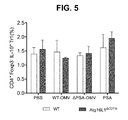
- FIG. 1A - FIG. 1F is a series of bar graphs, flow cytometry plots showing ATG16L1 signals via a non-canonical autophagy pathway during OMV-mediated T reg induction.
- FIG. 1A ELISA for IL-10 production during DC-T cell co-cultures with WT or Atg16L1 ⁇ CD11c BMDCs treated with PBS, B. fragilis WT-OMV, ⁇ PSA-OMV or purified PSA.
- FIG. 1B and FIG. 1C Representative flow cytometry plots ( FIG. 1B ) and frequency ( FIG.
- FIG. 1C T cell suppression assay analyzing in vitro generated T regs from WT or Atg16L1 ⁇ CD11c DCs treated with WT-OMVs.
- FIG. 1E Quantification of LC3-GFP accumulation by B. fragilis WT-OMV treatment of Rubicon +/ ⁇ or Rubicon ⁇ / ⁇ DCs. Representative flow cytometry histogram plot (inset). PBS, grey; WT-OMV, blue.
- FIG. 1F Frequency of CD4 + Foxp3 + IL-10 + T regs from Rubicon +/ ⁇ or Rubicon ⁇ / ⁇ DC-T cell co-cultures treated with PBS, B. fragilis WT-OMV, ⁇ PSA-OMV or purified PSA. Error bars represent S.E.M. * p ⁇ 0.05, *** p ⁇ 0.001, **** p ⁇ 0.0001. Two-way ANOVA, followed by Tukey's post-hoc analysis. Data are representative of at least 2 independent experiments.
- FIG. 2 is a series of representative flow cytometry plots of CD4 + Foxp3 + IL-10 + T regs from DC-T cell co-cultures with WT and Atg16L1 ⁇ CD11c DCs treated with PBS (vehicle). Data are representative of at least 3 independent experiments.
- FIG. 2 shows vehicle treatment of WT and Atg16L1 ⁇ CD11c DCs does not induce significant production of IL-10 among CD4 + Foxp3 + T regs .
- FIG. 3A - FIG. 3C is a series of histograms and line and scatter plots showing purified PSA does not require ATG16L1 to promote suppressive T reg activity.
- FIG. 3A Representative histograms measuring suppression of responder T cell proliferation by in vitro generated T regs from WT or Atg16L1 ⁇ CD11c DCs treated with PBS, B. fragilis WT-OMV, ⁇ PSA-OMV or purified PSA.
- FIG. 3B and FIG. 3C T cell suppression index of in vitro generated T regs from WT or Atg16L1 ⁇ CD11c DCs treated with ( FIG. 3B ) ⁇ PSA-OMV or ( FIG. 3C ) purified PSA at various T reg :T eff ratios.
- Cell proliferation was stimulated with ⁇ CD3. Error bars represent S.E.M. * p ⁇ 0.05. Data are representative of at least 2 independent experiments.
- FIG. 4 is a bar graph showing Atg16l1 fl/fl LysMCre DCs are unable to support B. fragilis OMV-induced IL-10 production.
- FIG. 5 is a bar graph showing B. fragilis OMVs do not induce IL-10 production among Foxp3 ⁇ type 1 regulatory (Tr1) cells. Frequency of CD4 + Foxp3 ⁇ IL-10 + T regs from DC-T cell co-cultures with WT or Atg16L1 ⁇ CD11c DCs treated with PBS, B. fragilis WT-OMV, ⁇ PSA-OMV or purified PSA. Data are representative of 3 independent experiments.
- FIG. 6A - FIG. 6B is a series of bar graphs showing B. fragilis OMVs require Atg5 and Atg7 to promote IL-10 production from Foxp3 + T regs . Proportions of IL-10 expression among CD4 + Foxp3 + T regs following PBS, B. fragilis WT-OMV, ⁇ PSA-OMV or purified PSA treatment of ( FIG. 6A ) WT and Atg5 fl/fl LysMCre or ( FIG. 6B ) Atg7 fl/fl LysMCre BMDCs co-cultured with CD4 + T cells. Error bars represent S.E.M. * p ⁇ 0.05, **** p ⁇ 0.0001. Data are representative of at least 3 independent experiments.
- FIG. 7A - FIG. 7C is a series of bar graphs showing B. fragilis OMVs do not require canonical autophagy to promote IL-10 production in Foxp3 + T regs .
- the requirement of canonical autophagy was examined using ( FIG. 7A ) Ulk1 ⁇ / ⁇ , ( FIG. 7B ) Fip200 fl/fl LysMCre or ( FIG. 7C ) Atg14 fl/fl LysMCre BMDCs treated with PBS, B. fragilis WT-OMV, ⁇ PSA-OMV or purified PSA, then co-cultured with CD4 + T cells.
- FIG. 8 is a bar graph showing B. fragilis WT-OMVs activate the LAP pathway. Quantification of LC3-GFP accumulation upon 2 h treatment of BMDCs with PBS, B. fragilis WT-OMV, ⁇ PSA-OMV or purified PSA in Rubicon +/ ⁇ or Rubicon ⁇ / ⁇ DCs. Error bars represent S.E.M. **** p ⁇ 0.0001. Data are representative of 3 independent experiments.
- FIG. 9A - FIG. 9E is a series of graphs and histology images showing B. fragilis OMVs require ATG16L1 in CD11c + DCs for protection from colitis.
- FIG. 9A and FIG. 9B Weight loss ( FIG. 9A ), colon length and gross pathology ( FIG. 9B ) of WT and Atg16L1 ⁇ CD11c mice orally treated with PBS or B. fragilis WT-OMV during DNBS colitis. Sham groups were treated with ethanol.
- FIG. 9C Colitis scores by a blinded pathologist using a standard scoring system, and representative H & E images. Scale bar represents 100 ⁇ m.
- FIG. 9E Mesenteric lymph node (MLN) lymphocytes isolated post-DNBS analyzed for IL-10 ( FIG. 9D ) and IL-17A ( FIG. 9E ) production among CD4 + Foxp3 + T regs , as assessed by flow cytometry. Error bars represent S.E.M. * p ⁇ 0.05, *** p ⁇ 0.001, **** p ⁇ 0.0001. Two-way ANOVA, followed by Tukey's post-hoc analysis. Data are representative of at least 3 independent experiments, with 3-9 mice/group.
- FIG. 10A - FIG. 10C is a plot and bar graphs showing B. fragilis OMV-mediated protection from colitis requires ATG16L1 in DCs.
- FIG. 10A Survival cure of WT and Atg16L1 ⁇ CD11c mice orally treated with PBS or B. fragilis WT-OMV during DNBS colitis. Data are representative of at least 6 independent experiments, with 4-10 mice/group. * p ⁇ 0.05, Gehan-Breslow-Wilcoxon test.
- FIG. 10B MLNs isolated post-DNBS analyzed for ll10/ll12 transcripts, as assessed by quantitative real-time RT-PCR. Transcripts were normalized to ⁇ -actin.
- FIG. 10A Survival cure of WT and Atg16L1 ⁇ CD11c mice orally treated with PBS or B. fragilis WT-OMV during DNBS colitis. Data are representative of at least 6 independent experiments, with 4-10 mice/group. * p ⁇ 0.05, Gehan-Breslow-
- FIG. 11A - FIG. 11C is a series of bar graphs showing B. fragilis OMV-mediated protection is not due to an overall defect in T reg development in Atg16L1 ⁇ CD11c mice under na ⁇ ve conditions. Proportions of CD4 + Foxp3 + T cells in ( FIG. 11A ) spleen, ( FIG. 11B ) MLNs and ( FIG. 11C ) cLP of WT and Atg16L1 ⁇ CD11c na ⁇ ve mice. Error bars represent S.E.M. ns, not significant. Data are representative of at least 2 independent experiments, with 3-5 mice/group.
- FIG. 12A - FIG. 12B is a series of bar graphs showing B. fragilis OMV-mediated protection is not due to an overall defect in T reg development in Atg16L1 ⁇ CD11c mice during colitis. Proportions of CD4 + Foxp3 + T cells in ( FIG. 12A ) MLNs and ( FIG. 12B ) cLP of WT and Atg16L1 ⁇ CD11c mice orally treated with PBS or B. fragilis WT-OMV during DNBS colitis. Error bars represent S.E.M. ns, not significant. Data are representative of at least 3 independent experiments, with 3-5 mice/group.
- FIG. 13A - FIG. 13B is a series of bar graphs showing CD4 + IFN- ⁇ + populations are not significantly altered by B. fragilis WT-OMV treatment during DNBS colitis.
- FIG. 13A MLN and
- FIG. 13B cLP lymphocytes isolated post-DNBS analyzed for IFN- ⁇ production among CD4 + T cells, as assessed by flow cytometry. Error bars represent S.E.M. ns, not significant. Data are representative of at least 2 independent experiments, with 3-4 mice/group.
- FIG. 14A - FIG. 14B is a series of bar graphs showing OMV treatment of Atg16L1 ⁇ CD11c DCs promotes IL-17A production.
- FIG. 15A - FIG. 15C is a series of bar graphs showing commensal and pathogen-derived OMVs differentially utilize ATG16L1 in CD11c + BMDCs.
- Frequency of ( FIG. 15A ) CD4 + Foxp3 + IL-10 + T regs , ( FIG. 15B ) CD4 + Foxp3 + IL-17A + T cells and ( FIG. 15C ) CD4 + IFN- ⁇ + T cells from DC-T cell co-cultures with WT or Atg16L1 ⁇ CD11c DCs treated with PBS, B. fragilis WT-OMV, ⁇ PSA-OMV, Bt-OMV, Bv-OMV, or S.Tm OMVs.
- FIG. 16A - FIG. 16E is a series of western blot images and plots showing Atg16L1 ⁇ CD11c DCs are not impaired in uptake of B. fragilis -labeled OMVs.
- FIG. 16A WT and Atg16L1 ⁇ CD11c BMDCs were pulsed with WT-OMVs at indicated time points and analyzed for uptake of WT-OMVs. Treated DCs were analyzed by western blot and probed for PSA and ⁇ -actin. ⁇ , Atg16L1 ⁇ CD11c DCs. Data are representative of at least 4 independent experiments.
- FIG. 16A WT and Atg16L1 ⁇ CD11c BMDCs were pulsed with WT-OMVs at indicated time points and analyzed for uptake of WT-OMVs.
- Treated DCs were analyzed by western blot and probed for PSA and ⁇ -actin.
- ⁇ Atg16L1 ⁇ CD11c DCs.
- FIG. 16B WT and Atg16L1 ⁇ CD11c BMDCs were pulsed with Click-iT-labeled-Alexa Fluor 647 WT- or ⁇ PSA-OMV for 3 h and analyzed for uptake of OMVs among live CD11c + MHCll + cells. Data are representative of at least 2 independent experiments.
- FIG. 16C to FIG. 16E Representative histograms of MHC II ( FIG. 16C ), CD80 ( FIG. 16D ) and CD86 ( FIG. 16E ) expression among live, CD11c + cells upon PBS and WT-OMV treatment of WT or Atg16L1 ⁇ CD11c BMDCs. Data are representative of at least 4 independent experiments.
- FIG. 17A - FIG. 17C is a series of bar graphs showing Atg16L1 ⁇ CD11c DCs display a hyper-inflammatory cytokine profile.
- Error bars represent S.E.M. * p ⁇ 0.05, ** p ⁇ 0.01, and *** p ⁇ 0.001. Data are representative of at least 4 independent experiments.
- FIG. 18A - FIG. 18D is a series of flow cytometry plots, bar graphs, line and scatter plots, and images showing NOD2 is required for OMV-mediated T regs induction and protection from colitis.
- FIG. 18A and FIG. 18B Representative flow cytometry plots ( FIG. 18A ) from WT-OMV (left) and ⁇ PSA-OMV (right) treated BMDCs co-cultured with CD4 + T cells, and frequency ( FIG. 18B ) of CD4 + Foxp3 + IL-10 + T regs from DC-T cell co-cultures.
- FIG. 18C and FIG. 18D Weight loss ( FIG. 18C ), colon length and gross pathology ( FIG.
- FIG. 19A - FIG. 19B is a series of bar graphs showing induction of CD4 + Foxp3 + IL-10 + T regs in the colon during colitis is impaired in Nod2 ⁇ / ⁇ mice.
- FIG. 19A cLP lymphocytes isolated post-DNBS analyzed for IL-10 production among CD4 + Foxp3 + T regs .
- FIG. 19B Proportions of CD4 + Foxp3 + T regs in MLNs of WT and Nod2 ⁇ / ⁇ mice orally treated with PBS or B. fragilis WT-OMV during DNBS colitis. Error bars represent S.E.M. ** p ⁇ 0.01. ns, not significant. Data are representative of at least 2 independent experiments, with 4-5 mice/group.
- FIG. 20 is a bar graph showing TLR2 and NOD2 are involved in OMV-mediated induction of reactive nitrogen species (ROS), a feature of LAP.
- WT, TIr2 ⁇ / ⁇ , or Nod2 ⁇ / ⁇ BMDCs were pulsed with WT-OMVs for 2 h and ROS production was assessed by dihydroethidium (DHE), as measured for flow cytometry.
- DHE dihydroethidium
- Error bars represent S.E.M. ** p ⁇ 0.01, *** p ⁇ 0.001, **** p ⁇ 0.0001. Data are representative of 3 independent experiments.
- FIG. 21A - FIG. 21B is a series of bar graphs, line and scatter plots, images, and histology images showing ATG16L1 T300A transgenic mice are not protected from colitis by B. fragilis OMVs.
- FIG. 21A Frequency of IL-10 among CD4 + Foxp3 + T regs from DC-T cell co-cultures of WT and T300A BMDCs treated with PBS, B. fragilis WT-OMV, ⁇ PSA-OMV or purified PSA.
- FIG. 21B Weight loss and gross pathology
- FIG. 21C colon length
- FIG. 21D H & E sections
- FIG. 21E colitis scores of WT and T300A mice orally treated with PBS or B. fragilis WT-OMV during DNBS colitis.
- MLN lymphocytes isolated post-DNBS analyzed for ( FIG. 21F ) IL-10 and ( FIG. 21G ) IL-17A production among CD4 + Foxp3 + T regs , as assessed by flow cytometry. Error bars represent S.E.M. * p ⁇ 0.05, ** p ⁇ 0.01, **** p ⁇ 0.0001.
- Data are representative of at least 3 independent experiments, with 3-5 mice/group.
- FIG. 22A - FIG. 22B is a series of bar graphs showing the T300A risk variant of ATG16L1 in human cells is unable to support OMV responses.
- MoDCs with either the protective ( FIG. 22A ) or risk ( FIG. 22B ) allele were treated with PBS, B. fragilis WT-OMV, APSA-OMV or purified PSA, washed and co-cultured with syngeneic CD4 + T cells. IL-10 expression was analyzed by flow cytometry among CD4 + Foxp3 + T regs . Human samples were processed and analyzed in a blinded fashion. CTL, control subjects; CD, Crohn's Disease subjects. Error bars represent S.E.M. * p ⁇ 0.05, ** p ⁇ 0.01, *** p ⁇ 0.001, **** p ⁇ 0.0001, ns, not significant. One-way ANOVA, followed by Tukey's post-hoc analysis.
- the present disclosure is based, at least in part, on the discovery that mouse and human DCs require functional ATG16L1 for induction of CD4 + Foxp3 + IL-10 + Tregs in response to B. fragilis OMVs.
- Bacteroides fragilis utilizes IBD-associated genes to promote mucosal tolerance.
- OMVs require IBD-associated genes, ATG16L1 and NOD2, to activate a non-canonical autophagy pathway during protection from colitis or ileitis.
- Atg16 Atg5 and Atg7 are required for the generation of Tregs.
- ATG16L1-deficient dendritic cells were shown not to induce regulatory T cells (T reg ) to suppress mucosal inflammation.
- immune cells from human subjects with a major risk variant in ATG16L1 are defective in T reg responses to OMVs.
- defects in ATG16L1 and NOD2 reduce protection from colitis or ileitis.
- RUBICON was shown as a novel diagnostic tool for colitis or ileitis.
- the present disclosure provides for methods of treatment, diagnosis, and screening for drugs for colitis or ileitis.
- inflammatory bowel disease IBD
- OMVs outer membrane vesicles
- Inflammatory diseases, disorders, or conditions can be any disease, disorder or condition, or symptoms thereof, associated with inflammation where the subject exhibits a diminished capacity to generate Treg cells.
- the inflammatory disease, disorder, or condition affects the small intestine or colon.
- ATG16L1T300A provides risk for Crohn's disease.
- the inflammatory disease, disorder, or condition can include inflammation of both (or either of) the colon (e.g., ulcerative colitis), the ileum also called ileitis, or Crohn's disease.
- the methods as described herein are of impact to methods of treatment, diagnosis, and screening for drugs for colitis and ileitis.
- inflammatory diseases, disorders, or conditions can be colitis, ileitis, inflammatory bowel disease, Crohn's disease, ulcerative colitis, ischemic colitis, colitis from allergic reactions, or microscopic colitis.
- methods as described herein can treat abdominal pain, cramping, or diarrhea, with or without blood in the stool associated with colitis or ileitis.
- methods as described herein can treat fever, chills, fatigue, dehydration, eye inflammation, joint swelling, canker sores, or skin inflammation associated with colits.
- Colitis and ileitis can refer to inflammation of the inner lining of the colon or the ileum, respectively.
- causes of colitis or ileitis can include infection, inflammatory bowel disease (e.g., Crohn's disease, ulcerative colitis), ischemic colitis, allergic reactions, or microscopic colitis.
- inflammatory bowel disease e.g., Crohn's disease, ulcerative colitis
- ischemic colitis e.g., ischemic colitis, allergic reactions, or microscopic colitis.
- Symptoms of colitis or ileitis can depend upon the cause and may include abdominal pain, cramping, or diarrhea, with or without blood in the stool (one of the hallmark symptoms of colitis).
- Associated symptoms depend upon the cause of colitis or ileitis and may include fever, chills, fatigue, dehydration, eye inflammation, joint swelling, canker sores, or skin inflammation.
- the cause of colitis or ileitis can be found by tests including blood tests (complete blood count, electrolytes, kidney function, or inflammatory marker tests), urine or stool samples, colonoscopy (including colonoscopy with biopsy of the ileum), or barium enema.
- heterologous DNA sequence each refer to a sequence that originates from a source foreign to the particular host cell or, if from the same source, is modified from its original form.
- a heterologous gene in a host cell includes a gene that is endogenous to the particular host cell but has been modified through, for example, the use of DNA shuffling.
- the terms also include non-naturally occurring multiple copies of a naturally occurring DNA sequence.
- the terms refer to a DNA segment that is foreign or heterologous to the cell, or homologous to the cell but in a position within the host cell nucleic acid in which the element is not ordinarily found. Exogenous DNA segments are expressed to yield exogenous polypeptides.
- a “homologous” DNA sequence is a DNA sequence that is naturally associated with a host cell into which it is introduced.
- Expression vector expression construct, plasmid, or recombinant DNA construct is generally understood to refer to a nucleic acid that has been generated via human intervention, including by recombinant means or direct chemical synthesis, with a series of specified nucleic acid elements that permit transcription or translation of a particular nucleic acid in, for example, a host cell.
- the expression vector can be part of a plasmid, virus, or nucleic acid fragment.
- the expression vector can include a nucleic acid to be transcribed operably linked to a promoter.
- a “promoter” is generally understood as a nucleic acid control sequence that directs transcription of a nucleic acid.
- An inducible promoter is generally understood as a promoter that mediates transcription of an operably linked gene in response to a particular stimulus.
- a promoter can include necessary nucleic acid sequences near the start site of transcription, such as, in the case of a polymerase II type promoter, a TATA element.
- a promoter can optionally include distal enhancer or repressor elements, which can be located as much as several thousand base pairs from the start site of transcription.
- a “transcribable nucleic acid molecule” as used herein refers to any nucleic acid molecule capable of being transcribed into a RNA molecule. Methods are known for introducing constructs into a cell in such a manner that the transcribable nucleic acid molecule is transcribed into a functional mRNA molecule that is translated and therefore expressed as a protein product. Constructs may also be constructed to be capable of expressing antisense RNA molecules, in order to inhibit translation of a specific RNA molecule of interest.
- compositions and methods for preparing and using constructs and host cells are well known to one skilled in the art (see e.g., Sambrook and Russel (2006) Condensed Protocols from Molecular Cloning: A Laboratory Manual, Cold Spring Harbor Laboratory Press, ISBN-10: 0879697717; Ausubel et al. (2002) Short Protocols in Molecular Biology, 5th ed., Current Protocols, ISBN-10: 0471250929; Sambrook and Russel (2001) Molecular Cloning: A Laboratory Manual, 3d ed., Cold Spring Harbor Laboratory Press, ISBN-10: 0879695773; Elhai, J. and Wolk, C. P. 1988. Methods in Enzymology 167, 747-754).
- transcription start site or “initiation site” is the position surrounding the first nucleotide that is part of the transcribed sequence, which is also defined as position +1. With respect to this site all other sequences of the gene and its controlling regions can be numbered. Downstream sequences (i.e., further protein encoding sequences in the 3′ direction) can be denominated positive, while upstream sequences (mostly of the controlling regions in the 5′ direction) are denominated negative.
- “Operably-linked” or “functionally linked” refers preferably to the association of nucleic acid sequences on a single nucleic acid fragment so that the function of one is affected by the other.
- a regulatory DNA sequence is said to be “operably linked to” or “associated with” a DNA sequence that codes for an RNA or a polypeptide if the two sequences are situated such that the regulatory DNA sequence affects expression of the coding DNA sequence (i.e., that the coding sequence or functional RNA is under the transcriptional control of the promoter). Coding sequences can be operably-linked to regulatory sequences in sense or antisense orientation.
- the two nucleic acid molecules may be part of a single contiguous nucleic acid molecule and may be adjacent.
- a promoter is operably linked to a gene of interest if the promoter regulates or mediates transcription of the gene of interest in a cell.
- a “construct” is generally understood as any recombinant nucleic acid molecule such as a plasmid, cosmid, virus, autonomously replicating nucleic acid molecule, phage, or linear or circular single-stranded or double-stranded DNA or RNA nucleic acid molecule, derived from any source, capable of genomic integration or autonomous replication, comprising a nucleic acid molecule where one or more nucleic acid molecule has been operably linked.
- a constructs of the present disclosure can contain a promoter operably linked to a transcribable nucleic acid molecule operably linked to a 3′ transcription termination nucleic acid molecule.
- constructs can include but are not limited to additional regulatory nucleic acid molecules from, e.g., the 3′-untranslated region (3′ UTR).
- constructs can include but are not limited to the 5′ untranslated regions (5′ UTR) of an mRNA nucleic acid molecule which can play an important role in translation initiation and can also be a genetic component in an expression construct.
- 5′ UTR 5′ untranslated regions
- These additional upstream and downstream regulatory nucleic acid molecules may be derived from a source that is native or heterologous with respect to the other elements present on the promoter construct.
- transgenic refers to the transfer of a nucleic acid fragment into the genome of a host cell, resulting in genetically stable inheritance.
- Host cells containing the transformed nucleic acid fragments are referred to as “transgenic” cells, and organisms comprising transgenic cells are referred to as “transgenic organisms”.
- Transformed refers to a host cell or organism such as a bacterium, cyanobacterium, animal or a plant into which a heterologous nucleic acid molecule has been introduced.
- the nucleic acid molecule can be stably integrated into the genome as generally known in the art and disclosed (Sambrook 1989; Innis 1995; Gelfand 1995; Innis & Gelfand 1999).
- Known methods of PCR include, but are not limited to, methods using paired primers, nested primers, single specific primers, degenerate primers, gene-specific primers, vector-specific primers, partially mismatched primers, and the like.
- the term “untransformed” refers to normal cells that have not been through the transformation process.
- Wild-type refers to a virus or organism found in nature without any known mutation.
- Nucleotide and/or amino acid sequence identity percent is understood as the percentage of nucleotide or amino acid residues that are identical with nucleotide or amino acid residues in a candidate sequence in comparison to a reference sequence when the two sequences are aligned. To determine percent identity, sequences are aligned and if necessary, gaps are introduced to achieve the maximum percent sequence identity. Sequence alignment procedures to determine percent identity are well known to those of skill in the art. Often publicly available computer software such as BLAST, BLAST2, ALIGN2 or Megalign (DNASTAR) software is used to align sequences. Those skilled in the art can determine appropriate parameters for measuring alignment, including any algorithms needed to achieve maximal alignment over the full-length of the sequences being compared.
- conservative substitutions can be made at any position so long as the required activity is retained.
- conservative exchanges can be carried out in which the amino acid which is replaced has a similar property as the original amino acid, for example the exchange of Glu by Asp, Gln by Asn, Val by Ile, Leu by Ile, and Ser by Thr.
- Deletion is the replacement of an amino acid by a direct bond.
- Positions for deletions include the termini of a polypeptide and linkages between individual protein domains. Insertions are introductions of amino acids into the polypeptide chain, a direct bond formally being replaced by one or more amino acids.
- Amino acid sequence can be modulated with the help of art-known computer simulation programs that can produce a polypeptide with, for example, improved activity or altered regulation.
- a corresponding nucleic acid molecule coding for such a modulated polypeptide can be synthesized in-vitro using the specific codon-usage of the desired host cell.
- “Highly stringent hybridization conditions” are defined as hybridization at 65° C. in a 6 ⁇ SSC buffer (i.e., 0.9 M sodium chloride and 0.09 M sodium citrate). Given these conditions, a determination can be made as to whether a given set of sequences will hybridize by calculating the melting temperature (T m ) of a DNA duplex between the two sequences. If a particular duplex has a melting temperature lower than 65° C. in the salt conditions of a 6 ⁇ SSC, then the two sequences will not hybridize. On the other hand, if the melting temperature is above 65° C. in the same salt conditions, then the sequences will hybridize.
- T m melting temperature
- Host cells can be transformed using a variety of standard techniques known to the art (see, e.g., Sambrook and Russel (2006) Condensed Protocols from Molecular Cloning: A Laboratory Manual, Cold Spring Harbor Laboratory Press, ISBN-10: 0879697717; Ausubel et al. (2002) Short Protocols in Molecular Biology, 5th ed., Current Protocols, ISBN-10: 0471250929; Sambrook and Russel (2001) Molecular Cloning: A Laboratory Manual, 3d ed., Cold Spring Harbor Laboratory Press, ISBN-10: 0879695773; Elhai, J. and Wolk, C. P. 1988. Methods in Enzymology 167, 747-754).
- transfected cells can be selected and propagated to provide recombinant host cells that comprise the expression vector stably integrated in the host cell genome.
- Exemplary nucleic acids which may be introduced to a host cell include, for example, DNA sequences or genes from another species, or even genes or sequences which originate with or are present in the same species, but are incorporated into recipient cells by genetic engineering methods.
- exogenous is also intended to refer to genes that are not normally present in the cell being transformed, or perhaps simply not present in the form, structure, etc., as found in the transforming DNA segment or gene, or genes which are normally present and that one desires to express in a manner that differs from the natural expression pattern, e.g., to over-express.
- exogenous gene or DNA is intended to refer to any gene or DNA segment that is introduced into a recipient cell, regardless of whether a similar gene may already be present in such a cell.
- the type of DNA included in the exogenous DNA can include DNA which is already present in the cell, DNA from another individual of the same type of organism, DNA from a different organism, or a DNA generated externally, such as a DNA sequence containing an antisense message of a gene, or a DNA sequence encoding a synthetic or modified version of a gene.
- Host strains developed according to the approaches described herein can be evaluated by a number of means known in the art (see e.g., Studier (2005) Protein Expr Purif. 41(1), 207-234; Gellissen, ed. (2005) Production of Recombinant Proteins: Novel Microbial and Eukaryotic Expression Systems, Wiley-VCH, ISBN-10: 3527310363; Baneyx (2004) Protein Expression Technologies, Taylor & Francis, ISBN-10: 0954523253).
- RNA interference e.g., small interfering RNAs (siRNA), short hairpin RNA (shRNA), and micro RNAs (miRNA)
- siRNA small interfering RNAs
- shRNA short hairpin RNA
- miRNA micro RNAs
- RNAi molecules are commercially available from a variety of sources (e.g., Ambion, TX; Sigma Aldrich, MO; Invitrogen).
- sources e.g., Ambion, TX; Sigma Aldrich, MO; Invitrogen.
- siRNA molecule design programs using a variety of algorithms are known to the art (see e.g., Cenix algorithm, Ambion; BLOCK-iTTM RNAi Designer, Invitrogen; siRNA Whitehead Institute Design Tools, Bioinformatics & Research Computing).
- Traits influential in defining optimal siRNA sequences include G/C content at the termini of the siRNAs, Tm of specific internal domains of the siRNA, siRNA length, position of the target sequence within the CDS (coding region), and nucleotide content of the 3′ overhangs.
- T reg generating agents and compositions described herein can be formulated by any conventional manner using one or more pharmaceutically acceptable carriers or excipients as described in, for example, Remington's Pharmaceutical Sciences (A. R. Gennaro, Ed.), 21st edition, ISBN: 0781746736 (2005), incorporated herein by reference in its entirety.
- Such formulations will contain a therapeutically effective amount of a biologically active agent described herein, which can be in purified form, together with a suitable amount of carrier so as to provide the form for proper administration to the subject.
- formulation refers to preparing a drug in a form suitable for administration to a subject, such as a human.
- a “formulation” can include pharmaceutically acceptable excipients, including diluents or carriers.
- pharmaceutically acceptable can describe substances or components that do not cause unacceptable losses of pharmacological activity or unacceptable adverse side effects.
- examples of pharmaceutically acceptable ingredients can be those having monographs in United States Pharmacopeia (USP 29) and National Formulary (NF 24), United States Pharmacopeial Convention, Inc, Rockville, Md., 2005 (“USP/NF”), or a more recent edition, and the components listed in the continuously updated Inactive Ingredient Search online database of the FDA. Other useful components that are not described in the USP/NF, etc. may also be used.
- pharmaceutically acceptable excipient can include any and all solvents, dispersion media, coatings, antibacterial and antifungal agents, isotonic, or absorption delaying agents.
- dispersion media can include any and all solvents, dispersion media, coatings, antibacterial and antifungal agents, isotonic, or absorption delaying agents.
- the use of such media and agents for pharmaceutical active substances is well known in the art (see generally Remington's Pharmaceutical Sciences (A. R. Gennaro, Ed.), 21st edition, ISBN: 0781746736 (2005)). Except insofar as any conventional media or agent is incompatible with an active ingredient, its use in the therapeutic compositions is contemplated. Supplementary active ingredients can also be incorporated into the compositions.
- a “stable” formulation or composition can refer to a composition having sufficient stability to allow storage at a convenient temperature, such as between about 0° C. and about 60° C., for a commercially reasonable period of time, such as at least about one day, at least about one week, at least about one month, at least about three months, at least about six months, at least about one year, or at least about two years.
- the formulation should suit the mode of administration.
- the agents of use with the current disclosure can be formulated by known methods for administration to a subject using several routes which include, but are not limited to, parenteral, pulmonary, oral, topical, intradermal, intramuscular, intraperitoneal, intravenous, subcutaneous, intranasal, epidural, ophthalmic, buccal, and rectal.
- the individual agents may also be administered in combination with one or more additional agents or together with other biologically active or biologically inert agents.
- Such biologically active or inert agents may be in fluid or mechanical communication with the agent(s) or attached to the agent(s) by ionic, covalent, Van der Waals, hydrophobic, hydrophilic or other physical forces.
- Controlled-release (or sustained-release) preparations may be formulated to extend the activity of the agent(s) and reduce dosage frequency. Controlled-release preparations can also be used to effect the time of onset of action or other characteristics, such as blood levels of the agent, and consequently affect the occurrence of side effects. Controlled-release preparations may be designed to initially release an amount of an agent(s) that produces the desired therapeutic effect, and gradually and continually release other amounts of the agent to maintain the level of therapeutic effect over an extended period of time. In order to maintain a near-constant level of an agent in the body, the agent can be released from the dosage form at a rate that will replace the amount of agent being metabolized or excreted from the body. The controlled-release of an agent may be stimulated by various inducers, e.g., change in pH, change in temperature, enzymes, water, or other physiological conditions or molecules.
- inducers e.g., change in pH, change in temperature, enzymes, water, or other physiological conditions or molecules.
- Agents or compositions described herein can also be used in combination with other therapeutic modalities, as described further below.
- therapies described herein one may also provide to the subject other therapies known to be efficacious for treatment of the disease, disorder, or condition.
- Tregs The regulatory T cells (Tregs), also previously known as suppressor T cells, are a subpopulation of T cells which modulate the immune system, maintain tolerance to self-antigens, and prevent autoimmune disease.
- Tregs are immunosuppressive and generally suppress or downregulate induction and proliferation of effector T cells.
- Tregs express the biomarkers CD4, FOXP3, and CD25 and are thought to be derived from the same lineage as na ⁇ ve CD4 cells. Because effector T cells also express CD4 and CD25, Tregs are very difficult to effectively discern from effector CD4+, making them difficult to study. Recent research has found that the cytokine TGF ⁇ is essential for Tregs to differentiate from na ⁇ ve CD4+ cells and is important in maintaining Treg homeostasis.
- Tregs can treat autoimmune disease and cancer and can facilitate organ transplantation. Their implications for cancer are complicated. Tregs tend to be upregulated in individuals with cancer, and they seem to be recruited to the site of many tumors. Studies in both humans and animal models have implicated that high numbers of Tregs in the tumor microenvironment is indicative of a poor prognosis, and Tregs are thought to suppress tumor immunity, thus hindering the body's innate ability to control the growth of cancerous cells. Recent immunotherapy research is studying how regulation of T cells could possibly be utilized in the treatment of cancer.
- Regulatory T cells can be important for the maintenance of immunological tolerance. Their major role is to shut down T cell-mediated immunity toward the end of an immune reaction and to suppress autoreactive T cells that escaped the process of negative selection in the thymus. Suppressor T cells along with Helper T cells can collectively be called Regulatory T cells due to their regulatory functions.
- thymic T reg cells can develop either during normal development in the thymus, and are then known as thymic T reg cells, or can be induced peripherally and are called peripherally derived T reg cells. These two subsets have been previously called “naturally occurring”, and “adaptive” or “induced”, respectively. Both subsets require the expression of the transcription factor FOXP3 which can be used to identify the cells. Mutations of the FOXP3 gene can prevent regulatory T cell development, causing the fatal autoimmune disease IPEX.
- Tr1 cells are associated with IL-10
- Th3 cells are associated with TGF-beta.
- Treg17 cells have been added to this list.
- T regulatory cells are a component of the immune system that can suppress immune responses of other cells. This is an important “self-check” built into the immune system to prevent excessive reactions. Regulatory T cells come in many forms with the most well-understood being those that express CD4, CD25, and FOXP3 (CD4+CD25+ regulatory T cells). These “Tregs” are different from helper T cells. Another regulatory T cell subset is Treg17 cells. Regulatory T cells are involved in shutting down immune responses after they have successfully eliminated invading organisms, and also in preventing autoimmunity.
- CD4+ Foxp3+ regulatory T cells have been called “naturally occurring” regulatory T cells to distinguish them from “suppressor” T cell populations that are generated in vitro. Additional regulatory T cell populations include Tr1, Th3, CD8+CD28 ⁇ , and Qa-1 restricted T cells. The contribution of these populations to self-tolerance and immune homeostasis is less well defined. Foxp3 can be used as a good marker for mouse CD4+CD25+ T cells, although recent studies have also shown evidence for Foxp3 expression in CD4+CD25 ⁇ T cells. In humans, Foxp3 is also expressed by recently activated conventional T-cells and thus does not specifically identify human Tregs.
- T cells can come from progenitor cells from the bone marrow, which become committed to their lineage in the thymus.
- T cells begin as CD4 ⁇ CD8 ⁇ TCR ⁇ cells at the DN (double-negative) stage, where an individual cell will rearrange its T cell receptor genes to form a unique, functional molecule, which they, in turn, test against cells in the thymic cortex for a minimal level of interaction with self-MHC. If they receive these signals, they proliferate and express both CD4 and CD8, becoming double-positive cells.
- the selection of Tregs occurs on radio-resistant haemopoietically-derived MHC class II-expressing cells in the medulla or Hassal's corpuscles in the thymus.
- Tregs do not have the limited TCR expression of NKT or ⁇ T cells; Tregs have a larger TCR diversity than effector T cells, biased towards self-peptides.
- Treg selection is determined by the affinity of interaction with the self-peptide MHC complex. Selection to become a Treg is a “Goldilocks” process; a T cell that receives very strong signals will undergo apoptotic death; a cell that receives a weak signal will survive and be selected to become an effector cell. If a T cell receives an intermediate signal, then it will become a regulatory cell. Due to the stochastic nature of the process of T cell activation, all T cell populations with a given TCR will end up with a mixture of Teff and Treg—the relative proportions determined by the affinities of the T cell for the self-peptide-MHC. Even in mouse models with TCR-transgenic cells selected on specific-antigen-secreting stroma, deletion or conversion is not complete.
- Treg generation in the thymus is delayed by several days compared to Teff cells and does not reach adult levels in either the thymus or periphery until around three weeks post-partum.
- Treg cells require CD28 co-stimulation and B7.2 expression is largely restricted to the medulla, the development of which seems to parallel the development of Foxp3+ cells. It has been suggested that the two are linked, but no definitive link between the processes has yet been shown.
- TGF- ⁇ is not required for Treg functionality, in the thymus, as thymic Tregs from TGF- ⁇ insensitive TGF ⁇ Rll-DN mice are functional.
- the immune system must be able to discriminate between self and non-self. When self/non-self discrimination fails, the immune system destroys cells and tissues of the body and as a result causes autoimmune diseases. Regulatory T cells can actively suppress activation of the immune system and prevent pathological self-reactivity, i.e. autoimmune disease.
- the critical role regulatory T cells play within the immune system is evidenced by the severe autoimmune syndrome that results from a genetic deficiency in regulatory T cells (IPEX syndrome).
- IL-2 feedback loop Another control mechanism is through the IL-2 feedback loop.
- Antigen-activated T cells produce IL-2 which then acts on IL-2 receptors on regulatory T cells alerting them to the fact that high T cell activity is occurring in the region, and they mount a suppressory response against them. This is a negative feedback loop to ensure that overreaction is not occurring. If an actual infection is present other inflammatory factors downregulate the suppression. Disruption of the loop leads to hyperreactivity, regulation can modify the strength of the immune response.
- iTreg cells CD4+CD25+ Foxp3+ are suppressive cells involved in tolerance. iTreg cells have been shown to suppress T cell proliferation and experimental autoimmune diseases. These cells include Treg17 cells. iTreg cells develop from mature CD4+ conventional T cells outside of the thymus: a defining distinction between natural regulatory T (nTreg) cells and iTreg cells. Though iTreg and nTreg cells share a similar function iTreg cells have recently been shown to be “an essential non-redundant regulatory subset that supplements nTreg cells, in part by expanding TCR diversity within regulatory responses”.
- nTreg cells Acute depletion of the iTreg cell pool in mouse models has resulted in inflammation and weight loss.
- the contribution of nTreg cells versus iTreg cells in maintaining tolerance is unknown, but both are important. Epigenetic differences have been observed between nTreg and iTreg cells, with the former having more stable Foxp3 expression and wider demethylation.
- regulatory T cells An important question in the field of immunology is how the immunosuppressive activity of regulatory T cells is modulated during the course of an ongoing immune response. While the immunosuppressive function of regulatory T cells prevents the development of autoimmune disease, it is not desirable during immune responses to infectious microorganisms. Current hypotheses suggest that, upon encounter with infectious microorganisms, the activity of regulatory T cells may be downregulated, either directly or indirectly, by other cells to facilitate elimination of the infection. Experimental evidence from mouse models suggests that some pathogens may have evolved to manipulate regulatory T cells to immunosuppress the host and so potentiate their own survival. For example, regulatory T cell activity has been reported to increase in several infectious contexts, such as retroviral infections (the most well-known of which is HIV), mycobacterial infections (like tuberculosis), and various parasitic infections including Leishmania and malaria.
- retroviral infections the most well-known of which is HIV
- mycobacterial infections like tuberculosis
- parasitic infections including Leishmania and malaria.
- CD8+ suppressor T cells are, at least partly, mediated by cytokines.
- Leishmania specific CD4+ helper T cells predominate in adults with strong protective immunity (skin-test positive with no history of clinical infection). When added to autologous leishmania infected macrophages these T cells cause parasite death and secretion of large amounts of interferon-gamma and lymphotoxin.
- CD8+ T suppressor cells predominate in patients with no protective immunity (visceral leishmaniasis patients).
- T cells When added to autologous peripheral blood mononuclear cells isolated after successful treatment, these T cells inhibit interferon-gamma secretion and proliferation and increase interleukin-6 and interleukin-10 secretion.
- CD4+ helper T cells results in production of cytokines that kill or down regulate CD8+ T suppressor cells.
- CD8+ T suppressor cells down-regulate CD4+ T helper cells. Isolation of cytokines that inhibit and kill CD8+ T suppressor cells might be useful in treating diseases that involve immune suppression such as leishmaniasis, AIDS, and certain cancers.
- Regulatory T cells are often associated with solid tumors in both humans and murine models. Increased numbers of regulatory T cells in breast, colorectal and ovarian cancers is associated with a poorer prognosis.
- CD70+ non-Hodgkin lymphoma B cells induce Foxp3 expression and regulatory function in intratumoral CD4+CD25 ⁇ T cells.
- TILs tumor-infiltrating lymphocytes
- Tregs are associated with poor prognosis in many cancers, such as ovarian, breast, renal, and pancreatic cancer. This indicates that Tregs suppress Teffector cells and hinder the body's immune response against the cancer.
- high levels of Tregs are associated with a positive prognosis. This trend is seen in cancers such as colorectal carcinoma and follicular lymphoma. This could be due to Treg's ability to suppress general inflammation which is known to trigger cell proliferation and metastasis.
- Tregs are preferentially trafficked to the tumor microenvironment
- the chemotaxis is probably driven by the production of chemokines by the tumor.
- Treg infiltration into the tumor microenvironment is facilitated by the binding of the chemokine receptor CCR4, which is expressed on Tregs, to its ligand CCL22, which is secreted by many types of tumor cells.
- Treg expansion at the site of the tumor could also explain the increased levels of Tregs.
- the cytokine, TGF- ⁇ which is commonly produced by tumor cells, is known to induce the differentiation and expansion of Tregs.
- regulatory T cells develop in the thymus.
- regulatory T cells are defined by expression of the forkhead family transcription factor Foxp3 (forkhead box p3).
- Foxp3 is required for regulatory T cell development and appears to control a genetic program specifying this cell's fate.
- the large majority of Foxp3-expressing regulatory T cells are found within the major histocompatibility complex (MHC) class II restricted CD4-expressing (CD4+) population and express high levels of the interleukin-2 receptor alpha chain (CD25).
- MHC major histocompatibility complex
- CD4+CD25 interleukin-2 receptor alpha chain
- CD8+ T cells do not appear to be functional in healthy individuals but are induced in autoimmune disease states by T cell receptor stimulation to suppress IL-17-mediated immune responses. Unlike conventional T cells, regulatory T cells do not produce IL-2 and are therefore anergic at baseline.
- Treg cells A number of different methods are employed in research to identify and monitor Treg cells. Originally, high expression of CD25 and CD4 surface markers was used (CD4+CD25+ cells). This is problematic as CD25 is also expressed on non-regulatory T cells in the setting of immune activation such as during an immune response to a pathogen. As defined by CD4 and CD25 expression, regulatory T cells comprise about 5-10% of the mature CD4+ T cell subpopulation in mice and humans, while about 1-2% of Treg can be measured in whole blood. The additional measurement of cellular expression of Foxp3 protein allowed a more specific analysis of Treg cells (CD4+CD25+Foxp3+ cells).
- Foxp3 is also transiently expressed in activated human effector T cells, thus complicating a correct Treg analysis using CD4, CD25 and Foxp3 as markers in humans. Therefore, some research groups use another marker, the absence or low-level expression of the surface protein CD127 in combination with the presence of CD4 and CD25.
- CTLA-4 cytotoxic T-lymphocyte associated molecule-4
- GITR glucocorticoid-induced TNF receptor
- Treg cells In addition to the search for novel protein markers, a different method to analyze and monitor Treg cells more accurately has been described in the literature. This method is based on DNA methylation analysis. Only in Treg cells, but not in any other cell type, including activated effector T cells, a certain region within the Foxp3 gene (TSDR, Treg-specific-demethylated region) is found demethylated, which allows to monitor Treg cells through a PCR reaction or other DNA-based analysis methods. Interplay between the Th17 cells and regulatory T cells are important in many diseases like respiratory diseases.
- TSDR Treg-specific-demethylated region
- mast cells may be important mediators of Treg-dependent peripheral tolerance.
- Tregitopes Regulatory T cell epitopes
- regulatory T cell epitopes Potential applications of regulatory T cell epitopes have been hypothesised: tolerisation to transplants, protein drugs, blood transfer therapies, and type I diabetes as well as reduction of immune response for the treatment of allergies.
- Atg gene-dependent process of T reg cell generation was identified and shown to be relevant to human disease.
- Atg5 and Atg7 are required for the generation of Tregs.
- mutations in genetic pathways linked to IBD result in an inability to sense and/or respond to beneficial microbes.
- BMDCs from transgenic mice expressing the T300A allele (of ATG16L1) are also unable to promote IL-10 expression from Foxp3 + Tregs in response to WT-OMVs.
- ATG16L1 T300A transgenic mice are not protected from DNBS colitis and do not mount a potent Treg response when administered WT-OMV compared to WT mice.
- the IPEX syndrome is characterized by the development of overwhelming systemic autoimmunity in the first year of life, resulting in the commonly observed triad of watery diarrhea, eczematous dermatitis, and endocrinopathy seen most commonly as insulin-dependent diabetes mellitus. Most individuals have other autoimmune phenomena including Coombs-positive hemolytic anemia, autoimmune thrombocytopenia, autoimmune neutropenia, and tubular nephropathy. The majority of affected males die within the first year of life of either metabolic derangements or sepsis. An analogous disease is also observed in a spontaneous Foxp3-mutant mouse known as “scurfy”.
- Rubicon is not a gene involved in standard or canonical autophagy, Rubicon can distinguish them from other autophagy patients. Thus, the requirement for a patient, as described herein, to have standard autophagy genes (atg5, atg16, atg7) and Rubicon is novel.
- Example 2 describes LAP activation required RUBICON, which represses canonical autophagy.
- Rubicon+/ ⁇ but not Rubicon ⁇ / ⁇ BMDCs display increased accumulation of lipidated, membrane-bound LC3-GFP (LC3-II) upon B. fragilis WT-OMV treatment ( FIG. 1E ).
- LC3-II membrane-bound LC3-GFP
- FIG. 8 neither APSA-OMVs nor purified PSA are able to activate LAP
- treatment of Rubicon ⁇ / ⁇ DCs fails to induce Treg responses ( FIG. 1F ).
- RUBICON is upstream of ATG16L1 signaling
- OMVs preferentially utilize the non-canonical autophagy pathway LAP to mediate tolerogenic responses to B. fragilis .
- these data suggest a reconsideration of previous literature assigning the role of ATG16L1 in IBD to defects exclusively in autophagy.
- DAP-1 implicated in ulcerative colitis, has a similar role in regulating Treg generation.
- the treatment can protect from colitis, protect from ileitis, induce mucosal tolerance, or inhibit inflammatory response.
- Atg16 is involved, and that the human risk gene mutation Atg16T300A exhibits the same defect that the loss of Atg16L1 exhibits, the findings in mice are directly linked to humans. As such, one can target the disclosed genes therapeutically and use as a diagnostic tool.
- treatment can include stem cells, antisense molecules, siRNA, down-/up-regulation, exon skipping, small organic molecules, fractions of tissues or cells, nucleic acids, polypeptides, aptamers, ribozymes, triple helix compounds, or antibodies.
- the subject can be treated by repairing a defect in ATG16L1 or NOD2 gene.
- the defect in ATG16L1 can be T300A.
- the subject can be treated with ATG16L1 and NOD2 replacement therapy.
- the subject can be treated with gene therapy using a viral vector (e.g., adenovirus) to insert new gene into a cell, thereby making a functional ATG16L1 and NOD2 protein.
- a viral vector e.g., adenovirus
- the subject can be treated with gene repair using CRISPR-Cas9.
- exon skipping can be used to cause cells to “skip” over faulty or misaligned sections of genetic code, leading to a truncated but still functional protein despite the genetic mutation.
- antisense, siRNA can downregulate the gene variants implicated in colitis, ileitis, or inflammatory bowel disease.
- a subject in need of the therapeutic methods described herein can be a subject having, diagnosed with, suspected of having, or at risk for developing colitis, ileitis, inflammatory bowel disease, Crohn's disease, ulcerative colitis, ischemic colitis, colitis from allergic reactions, or microscopic colitis.
- a determination of the need for treatment will typically be assessed by a history and physical exam consistent with the disease or condition at issue. Diagnosis of the various conditions treatable by the methods described herein is within the skill of the art.
- the subject can be an animal subject, including a mammal, such as horses, cows, dogs, cats, sheep, pigs, mice, rats, monkeys, hamsters, guinea pigs, and chickens, and humans.
- the subject can be a human subject.
- a safe and effective amount of T reg generating agent is, for example, that amount that would cause the desired therapeutic effect in a subject while minimizing undesired side effects.
- an effective amount of a T reg generating agent described herein can substantially inhibit colitis, ileitis, or inflammatory disease, slow the progress of colitis, ileitis, or inflammatory disease, or limit the development of colitis, ileitis, or inflammatory disease.
- administration can be parenteral, pulmonary, oral, topical, intradermal, intramuscular, intraperitoneal, intravenous, subcutaneous, intranasal, epidural, ophthalmic, buccal, or rectal administration.
- a therapeutically effective amount of a T reg generating agent can be employed in pure form or, where such forms exist, in pharmaceutically acceptable salt form and with or without a pharmaceutically acceptable excipient.
- the compounds of the present disclosure can be administered, at a reasonable benefit/risk ratio applicable to any medical treatment, in a sufficient amount to treat colitis, ileitis, or inflammatory disease.
- compositions described herein that can be combined with a pharmaceutically acceptable carrier to produce a single dosage form will vary depending upon the host treated and the particular mode of administration. It will be appreciated by those skilled in the art that the unit content of agent contained in an individual dose of each dosage form need not in itself constitute a therapeutically effective amount, as the necessary therapeutically effective amount could be reached by administration of a number of individual doses.
- Toxicity and therapeutic efficacy of compositions described herein can be determined by standard pharmaceutical procedures in cell cultures or experimental animals for determining the LD 50 (the dose lethal to 50% of the population) and the ED 50 , (the dose therapeutically effective in 50% of the population).
- the dose ratio between toxic and therapeutic effects is the therapeutic index that can be expressed as the ratio LD 50 /ED 50 , where larger therapeutic indices are generally understood in the art to be optimal.
- the specific therapeutically effective dose level for any particular subject will depend upon a variety of factors including the disorder being treated and the severity of the disorder; activity of the specific compound employed; the specific composition employed; the age, body weight, general health, sex and diet of the subject; the time of administration; the route of administration; the rate of excretion of the composition employed; the duration of the treatment; drugs used in combination or coincidental with the specific compound employed; and like factors well known in the medical arts (see e.g., Koda-Kimble et al.
- treating a state, disease, disorder, or condition includes preventing or delaying the appearance of clinical symptoms in a mammal that may be afflicted with or predisposed to the state, disease, disorder, or condition but does not yet experience or display clinical or subclinical symptoms thereof. Treating can also include inhibiting the state, disease, disorder, or condition, e.g., arresting or reducing the development of the disease or at least one clinical or subclinical symptom thereof. Furthermore, treating can include relieving the disease, e.g., causing regression of the state, disease, disorder, or condition or at least one of its clinical or subclinical symptoms.
- a benefit to a subject to be treated can be either statistically significant or at least perceptible to the subject or to a physician.
- T reg generating agent can occur as a single event or over a time course of treatment.
- a T reg generating agent can be administered daily, weekly, bi-weekly, or monthly.
- the time course of treatment will usually be at least several days. Certain conditions could extend treatment from several days to several weeks. For example, treatment could extend over one week, two weeks, or three weeks. For more chronic conditions, treatment could extend from several weeks to several months or even a year or more.
- Treatment in accord with the methods described herein can be performed prior to, concurrent with, or after conventional treatment modalities for colitis, ileitis, or inflammatory disease.
- a T reg generating agent can be administered simultaneously or sequentially with another agent, such as an antibiotic, an antiinflammatory, or another agent.
- a T reg generating agent can be administered simultaneously with another agent, such as an antibiotic or an antiinflammatory.
- Simultaneous administration can occur through administration of separate compositions, each containing one or more of a T reg generating agent, an antibiotic, an antiinflammatory, or another agent.
- Simultaneous administration can occur through administration of one composition containing two or more of a T reg generating agent, an antibiotic, an antiinflammatory, or another agent.
- a T reg generating agent can be administered sequentially with an antibiotic, an antiinflammatory, or another agent.
- a T reg generating agent can be administered before or after administration of an antibiotic, an antiinflammatory, or another agent.
- Agents and compositions described herein can be administered according to methods described herein in a variety of means known to the art.
- the agents and composition can be used therapeutically either as exogenous materials or as endogenous materials.
- Exogenous agents are those produced or manufactured outside of the body and administered to the body.
- Endogenous agents are those produced or manufactured inside the body by some type of device (biologic or other) for delivery within or to other organs in the body.
- administration can be parenteral, pulmonary, oral, topical, intradermal, intramuscular, intraperitoneal, intravenous, subcutaneous, intranasal, epidural, ophthalmic, buccal, or rectal administration.
- Agents and compositions described herein can be administered in a variety of methods well known in the arts. Administration can include, for example, methods involving oral ingestion, direct injection (e.g., systemic or stereotactic), implantation of cells engineered to secrete the factor of interest, drug-releasing biomaterials, polymer matrices, gels, permeable membranes, osmotic systems, multilayer coatings, microparticles, implantable matrix devices, mini-osmotic pumps, implantable pumps, injectable gels and hydrogels, liposomes, micelles (e.g., up to 30 ⁇ m), nanospheres (e.g., less than 1 ⁇ m), microspheres (e.g., 1-100 ⁇ m), reservoir devices, a combination of any of the above, or other suitable delivery vehicles to provide the desired release profile in varying proportions. Other methods of controlled-release delivery of agents or compositions will be known to the skilled artisan and are within the scope of the present disclosure.
- the T reg generating agent can be administered orally to directly target the lining of the gut
- Delivery systems may include, for example, an infusion pump which may be used to administer the agent or composition in a manner similar to that used for delivering insulin or chemotherapy to specific organs or tumors.
- an agent or composition can be administered in combination with a biodegradable, biocompatible polymeric implant that releases the agent over a controlled period of time at a selected site.
- polymeric materials include polyanhydrides, polyorthoesters, polyglycolic acid, polylactic acid, polyethylene vinyl acetate, and copolymers and combinations thereof.
- a controlled release system can be placed in proximity of a therapeutic target, thus requiring only a fraction of a systemic dosage.
- Agents can be encapsulated and administered in a variety of carrier delivery systems.
- carrier delivery systems include microspheres, hydrogels, polymeric implants, smart polymeric carriers, and liposomes (see generally, Uchegbu and Schatzlein, eds. (2006) Polymers in Drug Delivery, CRC, ISBN-10: 0849325331).
- Carrier-based systems for molecular or biomolecular agent delivery can: provide for intracellular delivery; tailor biomolecule/agent release rates; increase the proportion of biomolecule that reaches its site of action; improve the transport of the drug to its site of action; allow colocalized deposition with other agents or excipients; improve the stability of the agent in vivo; prolong the residence time of the agent at its site of action by reducing clearance; decrease the nonspecific delivery of the agent to nontarget tissues; decrease irritation caused by the agent; decrease toxicity due to high initial doses of the agent; alter the immunogenicity of the agent; decrease dosage frequency, improve taste of the product; or improve shelf life of the product.
- the present disclosure provides for screening for small molecules with (i) targeting the Atg gene-dependent process of presentation of bacterial pathogen associated molecular patterns (as embodied by PSA herein) to Treg cells to optimize the production of immunoregulatory Treg cells or screening for small molecules with (ii) targeting the specific genes identified herein as essential to this process such as for example Rubicon, Atg16L1 (including the disease-related mutation Atg16L1T300A), Atg7, and Atg5 with small molecules to optimize their function in this pathway.
- the specific genes identified herein as essential to this process such as for example Rubicon, Atg16L1 (including the disease-related mutation Atg16L1T300A), Atg7, and Atg5 with small molecules to optimize their function in this pathway.
- Candidate substances for screening according to the methods described herein include, but are not limited to, fractions of tissues or cells, nucleic acids, polypeptides, siRNAs, antisense molecules, aptamers, ribozymes, triple helix compounds, antibodies, and small (e.g., less than about 2000 mw, or less than about 1000 mw, or less than about 800 mw) organic molecules or inorganic molecules including but not limited to salts or metals.
- Candidate molecules encompass numerous chemical classes, for example, organic molecules, such as small organic compounds having a molecular weight of more than 50 and less than about 2,500 Daltons.
- Candidate molecules can comprise functional groups necessary for structural interaction with proteins, particularly hydrogen bonding, and typically include at least an amine, carbonyl, hydroxyl or carboxyl group, and usually at least two of the functional chemical groups.
- the candidate molecules can comprise cyclical carbon or heterocyclic structures and/or aromatic or polyaromatic structures substituted with one or more of the above functional groups.
- a candidate molecule can be a compound in a library database of compounds.
- One of skill in the art will be generally familiar with, for example, numerous databases for commercially available compounds for screening (see e.g., ZINC database, UCSF, with 2.7 million compounds over 12 distinct subsets of molecules; Irwin and Shoichet (2005) J Chem Inf Model 45, 177-182).
- One of skill in the art will also be familiar with a variety of search engines to identify commercial sources or desirable compounds and classes of compounds for further testing (see e.g., ZINC database; eMolecules.com; and electronic libraries of commercial compounds provided by vendors, for example: ChemBridge, Princeton BioMolecular, Ambinter SARL, Enamine, ASDI, Life Chemicals, etc.).
- Candidate molecules for screening according to the methods described herein include both lead-like compounds and drug-like compounds.
- a lead-like compound is generally understood to have a relatively smaller scaffold-like structure (e.g., molecular weight of about 150 to about 350 kD) with relatively fewer features (e.g., less than about 3 hydrogen donors and/or less than about 6 hydrogen acceptors; hydrophobicity character x log P of about ⁇ 2 to about 4) (see e.g., Angewante (1999) Chemie Int. ed. Engl. 24, 3943-3948).
- a drug-like compound is generally understood to have a relatively larger scaffold (e.g., molecular weight of about 150 to about 500 kD) with relatively more numerous features (e.g., less than about 10 hydrogen acceptors and/or less than about 8 rotatable bonds; hydrophobicity character x log P of less than about 5) (see e.g., Lipinski (2000) J. Pharm. Tox. Methods 44, 235-249). Initial screening can be performed with lead-like compounds.
- a relatively larger scaffold e.g., molecular weight of about 150 to about 500 kD
- relatively more numerous features e.g., less than about 10 hydrogen acceptors and/or less than about 8 rotatable bonds; hydrophobicity character x log P of less than about 5
- Initial screening can be performed with lead-like compounds.
- a candidate drug-like compound should have at least three of the following characteristics: (i) a weight less than 500 Daltons; (ii) a log of P less than 5; (iii) no more than 5 hydrogen bond donors (expressed as the sum of OH and NH groups); and (iv) no more than 10 hydrogen bond acceptors (the sum of N and O atoms).
- drug-like molecules typically have a span (breadth) of between about 8 ⁇ to about 15 ⁇ .
- Fragment-based lead discovery also known as fragment-based drug discovery (FBDD) is a method that can be used for finding lead compounds as part of the drug discovery process. It is based on identifying small chemical fragments, which may bind only weakly to the biological target, and then growing them or combining them to produce a lead with a higher affinity.
- FBLD can be compared with high-throughput screening (HTS).
- HTS high-throughput screening
- libraries with up to millions of compounds, with molecular weights of around 500 Da are screened, and nanomolar binding affinities are sought.
- HTS high-throughput screening
- libraries with a few thousand compounds with molecular weights of around 200 Da may be screened, and millimolar affinities can be considered useful.
- ligand-observe nuclear magnetic resonance (NMR) methods such as water-ligand observed via gradient spectroscopy (waterLOGSY), saturation transfer difference spectroscopy (STD-NMR), 19F NMR spectroscopy and inter-ligand Overhauser effect (ILOE) spectroscopy
- protein-observe NMR methods such as 1H-15N heteronuclear single quantum coherence (HSQC) that utilises isotopically-labelled proteins, surface plasmon resonance (SPR) and isothermal titration calorimetry (ITC) are routinely-used for ligand screening and for the quantification of fragment binding affinity to the target protein.
- HSQC heteronuclear single quantum coherence
- SPR surface plasmon resonance
- ITC isothermal titration calorimetry
- protein X-ray crystallography can be used to obtain structural models of the protein-fragment(s) complexes. Such information can then be used to guide organic synthesis for high-affinity protein ligands and enzyme inhibitors.
- compositions and methods described herein utilizing molecular biology protocols can be according to a variety of standard techniques known to the art (see, e.g., Sambrook and Russel (2006) Condensed Protocols from Molecular Cloning: A Laboratory Manual, Cold Spring Harbor Laboratory Press, ISBN-10: 0879697717; Ausubel et al. (2002) Short Protocols in Molecular Biology, 5th ed., Current Protocols, ISBN-10: 0471250929; Sambrook and Russel (2001) Molecular Cloning: A Laboratory Manual, 3d ed., Cold Spring Harbor Laboratory Press, ISBN-10: 0879695773; Elhai, J. and Wolk, C. P. 1988.
- numbers expressing quantities of ingredients, properties such as molecular weight, reaction conditions, and so forth, used to describe and claim certain embodiments of the present disclosure are to be understood as being modified in some instances by the term “about.”
- the term “about” is used to indicate that a value includes the standard deviation of the mean for the device or method being employed to determine the value.
- the numerical parameters set forth in the written description and attached claims are approximations that can vary depending upon the desired properties sought to be obtained by a particular embodiment.
- the numerical parameters should be construed in light of the number of reported significant digits and by applying ordinary rounding techniques.
- the terms “a” and “an” and “the” and similar references used in the context of describing a particular embodiment (especially in the context of certain of the following claims) can be construed to cover both the singular and the plural, unless specifically noted otherwise.
- the term “or” as used herein, including the claims, is used to mean “and/or” unless explicitly indicated to refer to alternatives only or the alternatives are mutually exclusive.
- mice were purchased from Taconic Farms. Nod2 ⁇ / ⁇ mice were purchased from the Jackson Laboratory.
- Atg16/1 fl/fl Cd11c-Cre +/ ⁇ Atg16L1 ⁇ CD11c )
- Atg16l1 fl/fl LysM-Cre, Atg5 fl/fl LysM-Cre, Atg7 fl/fl LysM-Cre, Atg14 fl/fl LysM-Cre, Fip200 fl/fl LysM-Cre mice and femurs were obtained from H. W.
- Bacteroides fragilis strain NCTC9343, Bacteroides thetaiotamicron ATCC 29148 and Bacteroides vulgatus ATCC 8482 were obtained from the American Type Culture Collection, and B. fragilis ⁇ PSA has been described previously (44).
- Bacteroides strains were grown anaerobically (80% N 2 , 10% H 2 , 10% CO 2 ) at 37° C. in brain heart infusion broth (BD Biosciences) supplemented with 5 ⁇ g/ml hemin (Sigma) and 0.5 ⁇ g/ml vitamin K (Sigma).
- S. Typhimurium were grown aerobically at 37° C. in Luria-Bertani (LB) broth.
- LB Luria-Bertani
- Bacteroides strains were grown in minimal media, which consisted of RPMI 1640, no phenol red (Life Technologies) supplemented with 1% fetal bovine serum (Life Technologies), 8 mg/ml glucose (Sigma), 2.5 ⁇ g/ml hemin (Sigma) and 0.25 ⁇ g/ml vitamin K (Sigma).
- B. fragilis OMV isolation was performed as previously described (32). Briefly, electron dense layer-enriched B. fragilis (45) was grown in minimal media for 24 hr anaerobically.
- OMVs were recovered from the bacteria-free culture supernatant by ultracentrifugation, washed, resuspended in PBS and filtered through a 0.4 ⁇ m filter (Millipore) prior to treatment of cell cultures or oral gavage of mice.
- mice were orally gavaged with PBS or WT-OMV (5 ⁇ g) every other day for one week prior to 2,4-dinitrobenzenesulfonic acid (DNBS; Sigma) administration.
- mice were anesthetized with isofluorane, and rectal administration of 5% DNBS in 50% ethanol was applied through a 3.5F catheter (Instech Solomon), as previously described (32).
- Control groups received ethanol (Sham). Briefly, a flexible silicone catheter was inserted 4 cm into the colon, and the mice were held in a vertical position for at least 1 min after rectal administration. Mice were monitored and weighed daily for the duration of the experiment. Upon sacrifice, gut tissue was harvested, fixed in neutral 10% buffered formalin, embedded in paraffin, sectioned and stained with hematoxylin and eosin (H&E). All histology was evaluated in a blinded analysis by two veterinarians using a comprehensive scoring system. Hematoxylin-eosin-stained slides were scanned and digitally scored using a while slide imaging system (Hamamatsu NanoZoomer Slide Scanner 2.0HT).
- Colitis was classified into acute, chronic and chronic active, depending on the existence of vascular reaction (hyperemia, edema, hemorrhage). In addition, the predominant types of leukocytes in the infiltrates were considered (polymorphonuclear and/or mononuclear). The extension and the nature of the lesions allowed defining the distribution (focal, multifocal, locally extensive or diffuse) and the intensity (discrete, moderate, severe, transmural). Scoring was based on a modification of an approach described previously (46).
- BMDCs bone marrow-derived dendritic cells
- CD4 + T cells were performed as previously described (30, 32, 36).
- BMDCs were generated from bone marrow progenitor cells isolated from femurs of WT or Atg16L1 ⁇ CD11c mice in the presence of 20 ng/ml GM-CSF (Miltenyi) in complete RPMI media 1640 (10% fetal bovine serum, 50 U/ml penicillin, 50 ⁇ g/ml streptomycin, 2 mM L-glutamine, 1 mM sodium pyruvate, 1 mM HEPES, and non-essential amino acids, and ⁇ -mercaptoethanol).
- GM-CSF Miltenyi
- BMDCs were pulsed with PBS, WT-OMVs (10 ⁇ g/ml), ⁇ PSA-OMVs (10 ⁇ g/ml) or pure PSA (50 ⁇ g/ml) for 18-22 hrs; OMVs with a protein content of 10 ⁇ g contain 50 ⁇ g of PSA.
- BMDCs were washed, and co-cultured with splenic CD4 + T cells at a ratio of 1:10 (DC:CD4 + T cells) in the presence of 0.1 ⁇ g/ml anti-mouse CD3 and 5 ng/ml of recombinant human TGF- ⁇ (Peprotech). After 3-5 days of co-culture, supernatants were collected for enzyme-linked immunosorbent assay (ELISA) analysis and cells stained with specific antibodies and a viability dye for analysis by flow cytometry.
- ELISA enzyme-linked immunosorbent assay
- PBMCs monocyte-derived dendritic cell
- GE Healthcare Ficoll-Hypaque
- monocyte enrichment using the Human Monocyte Isolation Kit II (Miltenyi).
- monocytes were incubated with recombinant human IL-4 and GM-CSF (Peprotech) every two days in complete RPMI 1640 (5% human AB serum, 50 U/ml penicillin, 50 ⁇ g/ml streptomycin, 2 mM L-glutamine, 1 mM sodium pyruvate, 1 mM HEPES, non-essential amino acids, 3-mercaptoethanol).
- MoDCs were pulsed with PBS, B.
- CD4 + CD25 + T reg cells were purified from in vitro BMDC-T cell co-cultures using magnetic microbeads (Miltenyi).
- CD4 + CD25 ⁇ responder effector T cells (T eff ) were isolated from mouse spleens, labeled with 2.5 ⁇ M CFSE for 10 min at 37° C. in the dark, washed, and incubated with T reg cells at various T reg :T eff ratios in the presence of 1 ⁇ g/ml anti-mouse CD3 (eBiosciences). Irradiated CD4-depleted mouse splenocytes served as antigen-presenting cells. Cultures were incubated for 48 and 72 hrs, cells were stained with specific antibodies and a viability dye, and analyzed by flow cytometry. Dilution of CFSE signal is a measure of proliferation, and inhibition of proliferation a measure of T reg activity.
- cLP lymphocytes Isolation of colon lamina limbal lymphocytes was performed, as previously described (30, 32, 36). Briefly, colons were cut open longitudinally, and luminal contents flushed with ice-cold PBS. Colons were cut into 1 cm pieces and incubated for 20 min in 10 mM dithiothreitol (Sigma) with gentle shaking, followed by two incubations at 20 min in 20 mM EDTA (Sigma). Supernatants were removed and remaining tissue was incubated in 1 mg/ml Collagenase D (Sigma), 0.25 U/ml Dispase (Roche), and 0.5 mg/ml DNase I (Worthington). Cells were filtered through a 70 ⁇ m cell strainer (BD Falcon) and separated by a 40%/80% (v/v) Percoll (GE Healthcare) density gradient. Cells were washed prior to staining for flow cytometry.
- MLN and spleens were processed by grinding tissues through 100 ⁇ m cell strainer (BD Falcon) to generate single cell suspensions. Splenic cells were treated with RBC lysis buffer (Sigma) and washed prior to staining for flow cytometry.
- Intracellular staining was performed using the following antibodies: FITC-conjugated anti-mouse IFN ⁇ (clone: XMG1.2), PE-conjugated anti-mouse IL-10 (clone: JESS-16E3), PE-conjugated anti-human Foxp3 (clone: PCH101), PerCP-Cy5.5 anti-mouse IL-17A (clone: eBio17B7), APC-conjugated anti-mouse Foxp3 (clone: FJK-16s), and/or APC-conjugated anti-human IL-10 (clone: JES3-9D7). All antibodies were purchased from eBioscience. ROS detection was performed as previously described (35).
- BMDCs were incubated with 1 ⁇ M dihydroethidium (Life Technologies) for 30 min at 37° C. in the dark. Cells were washed and acquired immediately. Cell acquisition was performed on a BD FACS Calibur (BD Biosciences) or Miltenyi MACSQuant (Miltenyi), and data was analyzed using FlowJo software suite (TreeStar). For ELISAs, cell supernatant from in vitro DC-T cell co-culture were collected and mouse IL-10 and IL-17A were measured using commercially available kits (eBiosciences).
- BMDCs were harvested, washed, and immediately lysed in RLT buffer for RNA isolation using the RNeasy Mini Kit, according to manufacturer's protocol (Qiagen). 1 ⁇ g of RNA was reverse transcribed using iScript cDNA Synthesis Kit, according to manufacturer's protocol (Bio-Rad) and diluted to 10 ng/ ⁇ l based on the input concentration of total RNA.
- Gene specific primers were designed using MacVector software and synthesized by Integrated DNA Technologies. Real-time PCR for the mammalian housekeeping gene ⁇ -actin was used to ensure that input RNA was equal among all samples. Real-time PCR was performed on cDNA using the ABI PRISM 7900 HT (ThermoFisher).
- BMDCs were washed with PBS and lysed with 1 ⁇ RIPA buffer (EMD Millipore) with protease inhibitor cocktail (Roche). Protein concentration was determined using BCA protein assay (Pierce). Samples were analyzed on 4-20% Tris-Glycine gels (Novex) and proteins were transferred to Immobilon-P PVDF membrane (EMD Millipore).
- the membrane was blocked in 5% nonfat dry milk and probed for ⁇ -PSA (1:1000) or ⁇ -mouse ⁇ -actin (1:3000) (Cell Signaling) rabbit polyclonal antibodies with a horseradish peroxidase (HRP)-conjugated goat ⁇ -rabbit secondary antibody (1:5000) (KPL) and developed using LumiGLO chemiluminescent substrate (KPL). Chemiluminescent signal was detected with the Gel DocTM XR+ System (Bio-Rad).
- Example 2 Bacteroides Fragilis Induced Immune Response
- BMDCs Bone marrow-derived DCs differentiated from wild-type (WT) and ATG16L1-deficient (Atg161 fl/fl Cd11cCre, Atg16L1 ⁇ CD11c ) mice were pulsed with OMVs harvested from wild-type B. fragilis (WT-OMV) or an isogenic mutant lacking PSA ( ⁇ PSA-OMV), and co-cultured with CD4 + T cells.
- WT-OMVs but not vehicle or ⁇ PSA-OMVs, promote IL-10 production ( FIG. 1A to FIG. 1C , FIG. 2 and FIG. 3 ).
- ATG16L1-deficient DCs do not support IL-10 production in response to WT-OMVs ( FIG. 1 , A to C). Similar results were observed using Atg16L1 fl/fl LysMCre mice ( FIG. 4 ). Purified PSA does not require ATG16L1 for its activity ( FIG. 1A and FIG. 1C , FIG. 3 ). Next, functional outcomes were tested using in vitro T cell suppression assays. T regs isolated from co-cultures with Atg16L1 ⁇ CD11c BMDCs treated with B. fragilis OMVs exhibit impaired suppressive activity ( FIG. 1D and FIG. 3A ).
- ATG16L1, ATG5 and ATG7 are components of the autophagy elongation complex; BMDCs deleted in these genes likewise do not induce IL-10 production from T regs ( FIG. 6 ). Further, recent reports reveal a role for autophagy components in T reg homeostasis. The findings indicate that ATG16L1-deficient DCs fail to respond to B. fragilis OMVs, demonstrating that autophagy components in DCs are required for commensal-driven T reg induction and function.
- ATG16L1, ATG5 and ATG7 participate in both canonical and non-canonical autophagy pathways.
- the classical autophagy-specific genes Ulk1, Fip200 or Atg14 are not required for CD4 + Foxp3 + IL-10 + T reg induction upon WT-OMV treatment ( FIG. 7 ).
- OMVs utilize the non-canonical autophagy pathway, LC3-associated phagocytosis (LAP), which is specifically activated by microbial ligands delivered as particles rather than soluble molecules. LAP activation requires RUBICON, which represses canonical autophagy.
- Rubicon +/ ⁇ but not Rubicon ⁇ / ⁇ BMDCs display increased accumulation of lipidated, membrane-bound LC3-GFP (LC3-II) upon B. fragilis WT-OMV treatment ( FIG. 1E ).
- LC3-II membrane-bound LC3-GFP
- neither APSA-OMVs nor purified PSA are able to activate LAP ( FIG. 8 ).
- treatment of Rubicon ⁇ / ⁇ DCs fails to induce T reg responses ( FIG. 1F ).
- OMVs preferentially utilize the non-canonical autophagy pathway LAP to mediate tolerogenic responses to B. fragilis . Further, these data suggest a reconsideration of previous literature assigning the role of ATG16L1 in IBD to defects exclusively in autophagy.
- Atg16L1 ⁇ CD11c mice display an increase in IL-17A expression ( FIG. 9E ), but not IF ( FIG. 13 ), among mucosal CD4 + Foxp3 + T cells during colitis.
- in vitro co-cultures of OMV-pulsed Atg16L1 ⁇ CD11c BMDCs result in impaired IL-10 expression among T regs ( FIG. 10 ), and increased IL-17A production in CD4 + Foxp3 + T cells ( FIG. 14 ).
- OMVs from other enteric bacteria each elicited a unique ATG16L1-dependent immune profile
- B. fragilis OMVs exclusively induce an anti-inflammatory response ( FIG. 15 ).
- Atg16L1 ⁇ CD11c DCs As DCs coordinate adaptive immunity, it was sought to determine how Atg16L1 ⁇ CD11c DCs are impaired in promoting tolerogenic responses. Following OMV stimulation, no differences were observed by WT or Atg16L1 ⁇ CD11c DCs in internalizing OMVs, or in surface expression of MHC II, CD80 and CD86 ( FIG. 16 ). However, stimulation with OMVs results in an increase transcription of multiple pro-inflammatory cytokines in Atg16L1 ⁇ CD11c DCs compared to WT cells ( FIG. 17 ). These data are consistent with previous reports of a hyper-inflammatory response in ATG16L1-deficient macrophages and DCs stimulated with other microbial ligands (24, 26).
- T reg responses by ATG16L1-deficient DCs is likely due to increased pro-inflammatory cytokine production, which may impair DC-T cell interactions.
- Atg16L1 ⁇ CD11c mice do not display more severe colitis than WT mice in the absence of OMV treatment ( FIG. 9 ), suggesting that lack of protection is not due to more fulminant inflammation, but rather an inability to induce T regs in mice deficient in ATG16L1 among CD11c + DCs.
- NOD2 encodes for an intracellular sensor of bacterial peptidoglycan, and polymorphisms in this gene contribute to the largest fraction of genetic risk for CD. NOD2 has been shown to physically recruit ATG16L1, a process that is impaired in human cells homozygous for a NOD2 frameshift mutation (20). Accordingly, Nod2 ⁇ / ⁇ BMDCs pulsed with WT-OMVs are unable to support IL-10 production from Foxp3 + T regs during in vitro co-cultures ( FIG. 18A and FIG. 18B ), revealing a crucial role for NOD2 signaling in microbiome-mediated immune tolerance.
- OMVs induce reactive oxygen species (ROS) from WT DCs, a known product of LAP activation (36), but at significantly reduced levels in Nod2 ⁇ / ⁇ or TIr2 ⁇ / ⁇ DCs ( FIG. 20 ).
- ROS reactive oxygen species
- FIG. 20 shows that NOD2 and ATG16L1 may cooperate as part of a common pathway to promote anti-inflammatory immune responses to the microbiome.
- ATG16L1 T300A variant leads to protein instability and altered cellular responses.
- BMDCs from transgenic mice expressing the T300A allele are also unable to promote IL-10 expression from Foxp3 + T regs in response to WT-OMVs ( FIG. 21A ).
- ATG16L1 T300A transgenic mice are not protected from DNBS colitis and do not mount a potent T reg response when administered WT-OMV compared to WT mice ( FIG. 21B to FIG. 21F ).
- the above example describes the interactions between genetic (ATG16L1/NOD2) and environmental (microbiome) factors cooperating to promote beneficial immune responses.
- B. fragilis OMVs utilize LAP, an ATG16L1-dependent cellular trafficking and signaling pathway, to induce mucosal tolerance.
- the hyper-inflammatory responses that occur with mutations in ATG16L1 likely alter antigen-processing pathways and impair signaling by DCs to T cells, and may explain why CD-associated polymorphisms abrogate T reg induction by OMVs.
- the following example describes treatment methods for patients with a defective capacity to generate Treg cells.
- Treg cells Patients with a defective capacity to generate Treg cells will be treated with small molecules that restore the Atg gene-dependent process of Treg generation identified and proven to be relevant to human disease, as described herein.
- the treatment will induce upregulation of Atg-gene-dependent presentation of commensal microbe materials to Tregs to increase those secreting IL10 or other anti-inflammatory molecules or changing the expression of co-stimulatory molecules involved in Treg generation.
- the following example describes a screening method for small molecule therapeutics.
- Such screens would involve co-culture of wild type or Atg gene-mutant dendritic cells or ATG16L1-deficient macrophages with Treg precursors (e.g, CD4+ T cells, BMDCs) as described in (H. Chu et al., Science 10.1126/science.aad9948 (2016)) and analysis of the number and cytokine secretion properties of Tregs (H. Chu et al., Science 10.1126/science.aad9948 (2016)).
- Treg precursors e.g, CD4+ T cells, BMDCs
- Such screens would involve fragment screens for chemical moieties that interact with purified proteins involve in Treg generation and evaluation of their effects, or the effects of combinations of such moieties on Treg induction.
Landscapes
- Health & Medical Sciences (AREA)
- Life Sciences & Earth Sciences (AREA)
- Chemical & Material Sciences (AREA)
- Engineering & Computer Science (AREA)
- Immunology (AREA)
- General Health & Medical Sciences (AREA)
- Biomedical Technology (AREA)
- Veterinary Medicine (AREA)
- Public Health (AREA)
- Animal Behavior & Ethology (AREA)
- Epidemiology (AREA)
- Organic Chemistry (AREA)
- Zoology (AREA)
- Biotechnology (AREA)
- Microbiology (AREA)
- Cell Biology (AREA)
- Genetics & Genomics (AREA)
- Wood Science & Technology (AREA)
- Bioinformatics & Cheminformatics (AREA)
- Molecular Biology (AREA)
- Hematology (AREA)
- Analytical Chemistry (AREA)
- Proteomics, Peptides & Aminoacids (AREA)
- Biochemistry (AREA)
- Medicinal Chemistry (AREA)
- Urology & Nephrology (AREA)
- Pathology (AREA)
- Physics & Mathematics (AREA)
- General Engineering & Computer Science (AREA)
- Pharmacology & Pharmacy (AREA)
- Food Science & Technology (AREA)
- General Physics & Mathematics (AREA)
- Mycology (AREA)
- Tropical Medicine & Parasitology (AREA)
- Biophysics (AREA)
- Toxicology (AREA)
- Virology (AREA)
- Developmental Biology & Embryology (AREA)
- Rheumatology (AREA)
- Measuring Or Testing Involving Enzymes Or Micro-Organisms (AREA)
Abstract
Description

-
- More hydrophilic hits in which hydrogen bonding is more likely to contribute to affinity (enthalpically driven binding). It is generally much easier to increase affinity by adding hydrophobic groups (entropically driven binding), starting with a hydrophilic ligand increases the chances that the final optimized ligand will not be too hydrophobic (log P<5).
- Higher ligand efficiency so that the final optimized ligand will more likely be relatively low in molecular weight (MW<500).
- Since two to three fragments in theory can be combined to form an optimized ligand, screening a fragment library of N compounds is equivalent to screening N2-N3 compounds in a traditional library.
- Fragments are less likely to contain sterically blocking groups that interfere with an otherwise favorable ligand-protein interaction, increasing the combinatorial advantage of a fragment library even further.
| TABLE 1 |
| Human Subjects. Sample ID, disease status, ATG16L1 genotype, sex, |
| age, and medications taken at time of blood collection. CTL, control; |
| CD, Crohn's disease; F, female; M, male. |
| Sample ID | Disease Status | Genotype | Sex | Age | Medications |
| CTL01 | Normal | T300 (AA) | F | 32 | N/A |
| CTL02 | Normal | T300 (AA) | F | 40 | N/A |
| CTL03 | Normal | T300 (AA) | F | 63 | N/A |
| CD04 | CD | T300 (AA) | M | 57 | N/A |
| CD05 | CD | T300 (AA) | M | 53 | N/A |
| CD06 | CD | T300 (AA) | M | 39 | N/A |
| CTL07 | Normal | T300A(GG) | F | 44 | N/A |
| CTL08 | Normal | T300A (GG) | F | 68 | N/A |
| CD09 | CD | T300A (GG) | F | 28 | mercaptopurine (Purinethol); mesalamine |
| (Apriso) adallmumab (Humira); | |||||
| Bifidobacterium infantis (Align); | |||||
| multivitamin; | |||||
| F | 27 | Noreth A-ET Estra/FE Fumarate | |||
| (Lo Loestrin FE PO), Omega-3 Fatty | |||||
| CD10 | CD | T300A (GG) | Acids-Vitamin E (fish Oil); Resveratrol | ||
| CD11 | CD | T300A (GG) | M | 37 | N/A |
| CD12 | CD | T300A (GG) | 23 | N/A | |
Bacterial Strains, Culture Conditions and OMV Purification

- 1. D. A. Peterson, D. N. Frank, N. R. Pace, J. I. Gordon, Metagenomic approaches for defining the pathogenesis of inflammatory bowel diseases.
Cell Host Microbe 3, 417-427 (2008); published online Epub June 12. - 2. D. A. Hill, D. Artis, Intestinal bacteria and the regulation of immune cell homeostasis. Annu Rev Immunol 28, 623-667 (2010)10.1146/annurev-immuno1-030409-101330).
- 3. K. Honda, D. R. Littman, The microbiome in infectious disease and inflammation.
Annu Rev Immunol 30, 759-795 (2012)10.1146/annurev-immunol-020711-074937). - 4. E. M. Brown, M. Sadarangani, B. B. Finlay, The role of the immune system in governing host-microbe interactions in the intestine. Nat Immunol 14, 660-667 (2013); published online Epub July (10.1038/ni.2611).
- 5. Y. Belkaid, T. W. Hand, Role of the microbiota in immunity and inflammation. Cell 157, 121-141 (2014); published online Epub March 27 (10.1016/j.cell.2014.03.011).
- 6. L. V. Hooper, D. R. Littman, A. J. Macpherson, Interactions between the microbiota and the immune system. Science 336, 1268-1273 (2012); published online Epub June 8 (10.1126/science.1223490).
- 7. S. R. Brant, Update on the heritability of inflammatory bowel disease: the importance of twin studies. Inflamm Bowel Dis 17, 1-5 (2011); published online Epub January (10.1002/ibd.21385).
- 8. M. Orholm, V. Binder, T. I. Sorensen, L. P. Rasmussen, K. O. Kyvik, Concordance of inflammatory bowel disease among Danish twins. Results of a nationwide study. Scandinavian journal of gastroenterology 35, 1075-1081 (2000); published online Epub October.
- 9. J. Halfvarson, L. Bodin, C. Tysk, E. Lindberg, G. Jarnerot, Inflammatory bowel disease in a Swedish twin cohort: a long-term follow-up of concordance and clinical characteristics. Gastroenterology 124, 1767-1773 (2003); published online Epub June.
- 10. C. Tysk, E. Lindberg, G. Jarnerot, B. Floderus-Myrhed, Ulcerative colitis and Crohn's disease in an unselected population of monozygotic and dizygotic twins. A study of heritability and the influence of smoking. Gut 29, 990-996 (1988); published online Epub July.
- 11. L. Jostins, S. Ripke, R. K. Weersma, R. H. Duerr, D. P. McGovern, K. Y. Hui et al., Host-microbe interactions have shaped the genetic architecture of inflammatory bowel disease. Nature 491, 119-124 (2012).
- 12. M. Wlodarska, A. D. Kostic, R. J. Xavier, An integrative view of microbiome-host interactions in inflammatory bowel diseases. Cell Host Microbe 17, 577-591 (2015); published online Epub May 13 (10.1016/j.chom.2015.04.008).
- 13. J. Hampe, A. Franke, P. Rosenstiel, A. Till, M. Teuber, K. Huse et al., A genome-wide association scan of nonsynonymous SNPs identifies a susceptibility variant for Crohn disease in ATG16L1. Nat Genet 39, 207-211 (2007); published online Epub February (ng1954 [pii]10.1038/ng1954).
- 14. J. D. Rioux, R. J. Xavier, K. D. Taylor, M. S. Silverberg, P. Goyette, A. Huett et al., Genome-wide association study identifies new susceptibility loci for Crohn disease and implicates autophagy in disease pathogenesis. Nat Genet 39, 596-604 (2007); published online Epub May (ng2032 [pii]10.1038/ng2032).
- 15. M. Parkes, J. C. Barrett, N. J. Prescott, M. Tremelling, C. A. Anderson, S. A. Fisher et al., Sequence variants in the autophagy gene IRGM and multiple other replicating loci contribute to Crohn's disease susceptibility. Nat Genet 39, 830-832 (2007); published online Epub July (ng2061 [pii]10.1038/ng2061).
- 16. A. Gardet, R. J. Xavier, Common alleles that influence autophagy and the risk for inflammatory bowel disease. Curr Opin Immunol 24, 522-529 (2012); published online Epub October (S0952-7915(12)00124-0 [pii]10.1016/j.coi.2012.08.001).
- 17. J. P. Hugot, M. Chamaillard, H. Zouali, S. Lesage, J. P. Cezard, J. Belaiche et al., Association of NOD2 leucine-rich repeat variants with susceptibility to Crohn's disease. Nature 411, 599-603 (2001); published online Epub May 31 (10.1038/3507910735079107 [pii]).
- 18. Y. Ogura, D. K. Bonen, N. Inohara, D. L. Nicolae, F. F. Chen, R. Ramos et al., A frameshift mutation in NOD2 associated with susceptibility to Crohn's disease. Nature 411, 603-606 (2001); published online Epub May 31 (10.1038/3507911435079114 [pii]).
- 19. K. S. Kobayashi, M. Chamaillard, Y. Ogura, O. Henegariu, N. Inohara, G. Nunez et al., Nod2-dependent regulation of innate and adaptive immunity in the intestinal tract. Science 307, 731-734 (2005); published online Epub February 4 (10.1126/science.1104911).
- 20. L. H. Travassos, L. A. Carneiro, M. Ramjeet, S. Hussey, Y. G. Kim, J. G. Magalhaes et al., Nod1 and Nod2 direct autophagy by recruiting ATG16L1 to the plasma membrane at the site of bacterial entry.
Nat Immunol 11, 55-62 (2010); published online Epub January (ni.1823 [pii]10.1038/ni.1823). - 21. R. Cooney, J. Baker, O. Brain, B. Danis, T. Pichulik, P. Allan et al., NOD2 stimulation induces autophagy in dendritic cells influencing bacterial handling and antigen presentation.
Nat Med 16, 90-97 (2010); published online Epub January (nm.2069 [pii]10.1038/nm.2069). - 22. A. Murthy, Y. Li, I. Peng, M. Reichelt, A. K. Katakam, R. Noubade et al., A Crohn's disease variant in Atg16l1 enhances its degradation by
caspase 3. Nature 506, 456-462 (2014); published online Epub February 27 (10.1038/nature13044). - 23. K. G. Lassen, P. Kuballa, K. L. Conway, K. K. Patel, C. E. Becker, J. M. Peloquin et al., Atg16L1 T300A variant decreases selective autophagy resulting in altered cytokine signaling and decreased antibacterial defense. Proc Natl Acad Sci USA 111, 7741-7746 (2014); published online Epub May 27 (10.1073/pnas.1407001111).
- 24. T. Saitoh, N. Fujita, M. H. Jang, S. Uematsu, B. G. Yang, T. Satoh et al., Loss of the autophagy protein Atg16L1 enhances endotoxin-induced IL-1beta production. Nature 456, 264-268 (2008); published online Epub November 13 (nature07383 [pii]10.1038/nature07383).
- 25. K. Cadwell, K. K. Patel, N. S. Maloney, T. C. Liu, A. C. Ng, C. E. Storer et al., Virus-plus-susceptibility gene interaction determines Crohn's disease gene Atg16L1 phenotypes in intestine. Cell 141, 1135-1145 (2010); published online Epub June 25 (S0092-8674(10)00545-3 [pii]10.1016/j.cell.2010.05.009).
- 26. V. M. Hubbard-Lucey, Y. Shono, K. Maurer, M. L. West, N. V. Singer, C. G. Ziegler et al., Autophagy gene Atg16L1 prevents lethal T cell alloreactivity mediated by dendritic cells. Immunity 41, 579-591 (2014); published online Epub October 16 (10.1016/j.immuni.2014.09.011).
- 27. S. Park, M. D. Buck, C. Desai, X. Zhang, E. Loginicheva, J. Martinez et al., Autophagy Genes Enhance Murine Gammaherpesvirus 68 Reactivation from Latency by Preventing Virus-Induced Systemic Inflammation. Cell Host Microbe 19, 91-101 (2016); published online Epub January 13 (10.1016/j.chom.2015.12.010).
- 28. Q. Lu, C. C. Yokoyama, J. W. Williams, M. T. Baldridge, X. Jin, B. DesRochers et al., Homeostatic Control of Innate Lung Inflammation by Vici Syndrome Gene Epg5 and Additional Autophagy Genes Promotes Influenza Pathogenesis. Cell Host Microbe 19, 102-113 (2016); published online Epub January 13 (10.1016/j.chom.2015.12.011).
- 29. J. M. Kimmey, J. P. Huynh, L. A. Weiss, S. Park, A. Kambal, J. Debnath et al., Unique role for ATG5 in neutrophil-mediated immunopathology during M. tuberculosis infection. Nature 528, 565-569 (2015); published online Epub December 24 (10.1038/nature16451).
- 30. S. K. Mazmanian, J. L. Round, D. L. Kasper, A microbial symbiosis factor prevents intestinal inflammatory disease. Nature 453, 620-625 (2008); published online Epub May 29 (nature07008 [pii]10.1038/nature07008).
- 31. J. L. Round, S. K. Mazmanian, Inducible Foxp3+ regulatory T-cell development by a commensal bacterium of the intestinal microbiota. Proc Natl Acad Sci USA 107, 12204-12209 (2010); published online Epub July 6 (0909122107 [pii]10.1073/pnas.0909122107).
- 32. S. E. Allan, R. Broady, S. Gregori, M. E. Himmel, N. Locke, M. G. Roncarolo et al., CD4+ T-regulatory cells: toward therapy for human diseases. Immunol Rev 223, 391-421 (2008); published online Epub June (IMR634 [pii]10.1111/j.1600-065X.2008.00634.x).
- 33. Y. Shen, M. L. Giardino Torchia, G. W. Lawson, C. L. Karp, J. D. Ashwell, S. K. Mazmanian, Outer membrane vesicles of a human commensal mediate immune regulation and disease protection.
Cell Host Microbe 12, 509-520 (2012); published online Epub October 18 (S1931-3128(12)00275-2 [pii]10.1016/j.chom.2012.08.004). - 34. J. Wei, L. Long, K. Yang, C. Guy, S. Shrestha, Z. Chen et al., Autophagy enforces functional integrity of regulatory T cells by coupling environmental cues and metabolic homeostasis. Nat Immunol 17, 277-285 (2016); published online Epub March (10.1038/ni.3365).
- 35. A. M. Kabat, O. J. Harrison, T. Riffelmacher, A. E. Moghaddam, C. F. Pearson, A. Laing et al., The autophagy gene Atg16l1 differentially regulates Treg and TH2 cells to control intestinal inflammation.
eLife 5, (2016); published online Epub February 24 (10.7554/eLife.12444). - 36. J. Martinez, R. K. Malireddi, Q. Lu, L. D. Cunha, S. Pelletier, S. Gingras et al., Molecular characterization of LC3-associated phagocytosis reveals distinct roles for Rubicon, NOX2 and autophagy proteins. Nature cell biology 17, 893-906 (2015); published online Epub July (10.1038/ncb3192).
- 37. J. L. Round, S. M. Lee, J. Li, G. Tran, B. Jabri, T. A. Chatila et al., The Toll-
like receptor 2 pathway establishes colonization by a commensal of the human microbiota. Science 332, 974-977 (2011); published online Epub May 20 (science.1206095 [pii]10.1126/science.1206095). - 38. M. A. Sanjuan, C. P. Dillon, S. W. Tait, S. Moshiach, F. Dorsey, S. Connell et al., Toll-like receptor signalling in macrophages links the autophagy pathway to phagocytosis. Nature 450, 1253-1257 (2007); published online Epub December 20 (nature06421 [pii]10.1038/nature06421).
- 39. C. Wellcome Trust Case Control, Genome-wide association study of 14,000 cases of seven common diseases and 3,000 shared controls. Nature 447, 661-678 (2007); published online Epub June 7 (10.1038/nature05911).
- 40. C. D. Packey, R. B. Sartor, Commensal bacteria, traditional and opportunistic pathogens, dysbiosis and bacterial killing in inflammatory bowel diseases. Curr Opin Infect Dis 22, 292-301 (2009); published online Epub June.
- 41. N. A. Molodecky, I. S. Soon, D. M. Rabi, W. A. Ghali, M. Ferris, G. Chernoff et al., Increasing incidence and prevalence of the inflammatory bowel diseases with time, based on systematic review. Gastroenterology 142, 46-54 e42; quiz e30 (2012); published online Epub January (S0016-5085(11)01378-3 [pii]10.1053/j.gastro.2011.10.001).
- 42. N. A. Molodecky, I. S. Soon, D. M. Rabi, W. A. Ghali, M. Ferris, G. Chernoff, E. I. Benchimol, R. Panaccione, S. Ghosh, H. W. Barkema, G. G. Kaplan, Increasing incidence and prevalence of the inflammatory bowel diseases with time, based on systematic review. Gastroenterology 142, 46-54 e42; quiz e30 (2012); published online Epub January (S0016-5085(11)01378-3 [pii]10.1053/j.gastro.2011.10.001).
- 43. L. V. Hooper, D. R. Littman, A. J. Macpherson, Interactions between the microbiota and the immune system. Science 336, 1268-1273 (2012); published online Epub June 8 (10.1126/science.1223490).
- 44. J. L. Round, S. K. Mazmanian, The gut microbiota shapes intestinal immune responses during health and disease.
Nat Rev Immunol 9, 313-323 (2009); published online Epub May (nri2515 [pii]10.1038/nri2515). - 45. S. Hwang, N. S. Maloney, M. W. Bruinsma, G. Goel, E. Duan, L. Zhang, B. Shrestha, M. S. Diamond, A. Dani, S. V. Sosnovtsev, K. Y. Green, C. Lopez-Otin, R. J. Xavier, L. B. Thackray, H. W. Virgin, Nondegradative role of Atg5-Atg12/Atg16L1 autophagy protein complex in antiviral activity of interferon gamma.
Cell Host Microbe 11, 397-409 (2012); published online Epub April 19 (S1931-3128(12)00094-7 [pii]10.1016/j.chom.2012.03.002). - 46. K. Matsunaga, T. Saitoh, K. Tabata, H. Omori, T. Satoh, N. Kurotori, I. Maejima, K. Shirahama-Noda, T. Ichimura, T. Isobe, S. Akira, T. Noda, T. Yoshimori, Two Beclin 1-binding proteins, Atg14L and Rubicon, reciprocally regulate autophagy at different stages.
Nature cell biology 11, 385-396 (2009); published online Epub April (10.1038/ncb1846). - 47. M. J. Coyne, A. O. Tzianabos, B. C. Mallory, V. J. Carey, D. L. Kasper, L. E. Comstock, Polysaccharide biosynthesis locus required for virulence of Bacteroides fragilis. Infection and immunity 69, 4342-4350 (2001); published online Epub July (10.1128/IAI.69.7.4342-4350.2001).
- 48. S. Patrick, J. H. Reid, Separation of capsulate and non-capsulate Bacteroides fragilis on a discontinuous density gradient. Journal of
medical microbiology 16, 239-241 (1983); published online Epub May. - 49. C. C. Kurtz, I. Drygiannakis, M. Naganuma, S. Feldman, V. Bekiaris, J. Linden, C. F. Ware, P. B. Ernst, Extracellular adenosine regulates colitis through effects on lymphoid and nonlymphoid cells. American journal of physiology. Gastrointestinal and liver physiology 307, G338-346 (2014); published online Epub August 1 (10.1152/ajpgi.00404.2013).
- 50. J. L. Round, S. M. Lee, J. Li, G. Tran, B. Jabri, T. A. Chatila, S. K. Mazmanian, The
Tolllike receptor 2 pathway establishes colonization by a commensal of the human microbiota. Science 332, 974-977 (2011); published online Epub May 20 (science.1206095 [pii]10.1126/science.1206095).
Claims (14)
Priority Applications (1)
| Application Number | Priority Date | Filing Date | Title |
|---|---|---|---|
| US15/430,800 US10357556B2 (en) | 2016-02-12 | 2017-02-13 | Methods and compositions for T cell generation and uses thereof |
Applications Claiming Priority (2)
| Application Number | Priority Date | Filing Date | Title |
|---|---|---|---|
| US201662294823P | 2016-02-12 | 2016-02-12 | |
| US15/430,800 US10357556B2 (en) | 2016-02-12 | 2017-02-13 | Methods and compositions for T cell generation and uses thereof |
Publications (2)
| Publication Number | Publication Date |
|---|---|
| US20170232092A1 US20170232092A1 (en) | 2017-08-17 |
| US10357556B2 true US10357556B2 (en) | 2019-07-23 |
Family
ID=59560497
Family Applications (1)
| Application Number | Title | Priority Date | Filing Date |
|---|---|---|---|
| US15/430,800 Active US10357556B2 (en) | 2016-02-12 | 2017-02-13 | Methods and compositions for T cell generation and uses thereof |
Country Status (1)
| Country | Link |
|---|---|
| US (1) | US10357556B2 (en) |
Families Citing this family (1)
| Publication number | Priority date | Publication date | Assignee | Title |
|---|---|---|---|---|
| CN113444177A (en) * | 2020-03-27 | 2021-09-28 | 中山康方生物医药有限公司 | anti-IL-1 beta antibodies, pharmaceutical compositions thereof, and uses thereof |
-
2017
- 2017-02-13 US US15/430,800 patent/US10357556B2/en active Active
Non-Patent Citations (51)
| Title |
|---|
| Allan et al. (2008) CD4+ T-regulatory cells: Toward therapy for human diseases, Immunological Reviews, 223(1), pp. 391-421. |
| Belkaid, Hand (2014) Role of the microbiota in immunity and inflammation, Cell, 157(1), pp. 121-141. |
| Brant (2011) Update on the heritability of inflammatory bowel disease: The importance of twin studies, Inflammatory Bowel Diseases, 17(1), pp. 1-5. |
| Brown, Sadarangani, Finlay (2013) The role of the immune system in governing host-microbe interactions in the intestine, Nature immunology, 14(7), pp. 660-667. |
| Cadwell et al. (2010) Virus-Plus-Susceptibility Gene Interaction Determines Crohn's Disease Gene Atg16L1 Phenotypes in Intestine, Cell, 141(7), pp. 1135-1145. |
| Consortium (2007) Genome-wide association study of 14 000 cases of seven common diseases and 3 000 shared controls, Nature, 447(7145), pp. 661-678. |
| Cooney et al. (2010) NOD2 stimulation induces autophagy in dendritic cells influencing bacterial handling and antigen presentation, Nature medicine, 16(1), pp. 90-97. |
| Coyne et al. (2001) Polysaccharide Biosynthesis Locus Required for Virulence of Bacteroides fragilis Polysaccharide Biosynthesis Locus Required for Virulence of Bacteroides fragilis, Infection and Immunity, 69(7), pp. 4342-4350. |
| Gardet, Xavier (2012) Common alleles that influence autophagy and the risk for inflammatory bowel disease, Current Opinion in Immunology, 24(5), pp. 522-529. |
| Halfvarson et al. (2003) Inflammatory bowel disease in a Swedish twin cohort: A long-term follow-up of concordance and clinical characteristics, Gastroenterology, 124(7), pp. 1767-1773. |
| Hampe et al. (2007) A genome-wide association scan of nonsynonymous SNPs identifies a susceptibility variant for Crohn disease in ATG16L1, Nature genetics, 39(2), pp. 207-211. |
| Hill, Artis (2010) Intestinal Bacteria and the Regulation of Immune Cell Homeostasis, Annu. Rev. Immunol, 28, pp. 623-667. |
| Honda, Littman (2012) The microbiome in infectious disease and inflammation, Annu Rev Immunol, 30, pp. 759-795. |
| Hooper, Littman, MacPherson (2012) Interactions Between the Microbiota and the Immune System, Science, 336(6086), pp. 1268-1273. |
| Hubbard-Lucey et al. (2014) Autophagy Gene Atg16l1 Prevents Lethal T Cell Alloreactivity Mediated by Dendritic Cells, Immunity, 41(4), pp. 579-591. |
| Hugot et al. (2001) Association of NOD2 leucine-rich repeat variants with susceptibility to Crohn's disease, Nature, 411(6837), pp. 599-603. |
| Hwang et al. (2012) Nondegradative role of Atg5-Atg12/Atg16L1 autophagy protein complex in antiviral activity of interferon gamma, Cell Host and Microbe, 11(4), pp. 397-409. |
| Jostins et al. (2012) Host-microbe interactions have shaped the genetic architecture of Inflammatory Bowel Disease, Nature 491(7422), pp. 119-124. |
| Kabat et al. (2016) The autophagy gene Atg16l1 differentially regulates Treg and TH2 cells to control intestinal inflammation, eLife, 5(Feb. 2016), pp. 1-27. |
| Kimmey et al. (2015) Unique role for ATG5 in PMN-mediated immunopathology during M. tuberculosis infection, Nature, 528(7583), pp. 565-569. |
| Kobayashi et al. (2005) Nod2-dependent regulation of innate and adaptive immunity in the intestinal tract, Science, 307(5710), pp. 731-734. |
| Kundu et al. (2008) Ulk1 plays a critical role in the autophagic clearance of mitochondria and ribosomes during reticulocyte maturation, Blood, 112(4), pp. 1493-1502. |
| Kurtz et al. (2014) Extracellular adenosine regulates colitis through effects on lymphoid and nonlymphoid cells, Am J Physiol Gastrointest Liver Physiol, 307(3), pp. G338-G346. |
| Lassen et al. (2014) Atg16L1 T300A variant decreases selective autophagy resulting in altered cytokine signaling and decreased antibacterial defense, Proceedings of the National Academy of Sciences of the United States of America, 111(21), pp. 7741-7746. |
| Lozano et al. J Immunol; 195:3180-3189 published online Aug. 2015. * |
| Lu et al. (2016) Homeostatic Control of Innate Lung Inflammation by Vici Syndrome Gene Epg5 and Additional Autophagy Genes Promotes Influenza Pathogenesis, Cell Host and Microbe, 19(1), pp. 102-113. |
| Martinez et al. (2015) Molecular characterization of LC3-associated phagocytosis reveals distinct roles for Rubicon, NOX2 and autophagy proteins, Nature cell biology, 17(7), pp. 893-906. |
| Matsunaga et al. (2009) Two Beclin 1-binding proteins, Atg14L and Rubicon, reciprocally regulate autophagy at different stages, Nature cell biology, 11(4), pp. 385-396. |
| Mazmanian, Round, Kasper (2008) A microbial symbiosis factor prevents intestinal inflammatory disease, Nature, 453(7195), pp. 620-625. |
| Molodecky et al. (2012) Increasing incidence and prevalence of the inflammatory bowel diseases with time, based on systematic review, Gastroenterology, 142(1), pp. 46-54.e42. |
| Murthy et al. (2014) A Crohn/'s disease variant in Atg16l1 enhances its degradation by caspase 3, Nature, 506(7489), pp. 456-462. |
| Murthy et al. Nature. Feb. 27, 2014; 506(7489):456-462. * |
| Ogura et al. (2001) A frameshift mutation in NOD2 associated with susceptibility to Crohn's disease, Nature, 411(6837), pp. 603-606. |
| Orholm et al. (2000) Concordance of inflammatory bowel disease among Danish twins. Results of a nationwide study, Scand J Gastroenterol, 35(10), pp. 1075-1081. |
| Packey, Sartor (2009) Commensal Bacteria, Traditional an Opportunistic Pathogens, Dysbiosis and Bacterial Killing in Inflammatory Bowel Diseases, Current Opinions in Infectious Diseases, 22(3), pp. 292-301. |
| Park et al. (2016) Autophagy Genes Enhance Murine Gammaherpesvirus 68 Reactivation From Latency by Preventing Virus-induced Systemic Inflammation, Cell Host and Microbe, 19(1), pp. 91-101. |
| Parkes et al. (2007) Sequence variants in the autophagy gene IRGM and multiple other replicating loci contribute to Crohn's disease susceptibility, Nature genetics, 39(7), pp. 830-832. |
| Patrick, Reid (1983) Separation of capsulate and non-capsulate Bacteroides Fragilis on a discontinuous density gradient, Journal of Medical Microbiology, 16, pp. 239-241. |
| Peterson et al. (2008) Metagenomic Approaches for Defining the Pathogenesis of Inflammatory Bowel Diseases, Cell Host Microbe, 3(6), pp. 417-427. |
| Rioux et al. (2007) Genome-wide association study identifies new susceptibility loci for Crohn disease and implicates autophagy in disease pathogenesis, Nat Genet, 39(5), pp. 596-604. |
| Round et al. (2011) The Toll-Like Receptor 2 Pathway Establishes Colonization by a Commensal of the Human Microbiota, Science, 332(6032), pp. 974-977. |
| Round, Mazmanian (2009) The gut microbiota shapes intestinal immune responses during health and disease, Nature Reviews Immunology, 9(5), pp. 313-323. |
| Round, Mazmanian (2010) Inducible Foxp3+ regulatory T-cell development by a commensal bacterium of the intestinal microbiota, Proceedings of the National Academy of Sciences of the United States of America, 107(27), pp. 12204-12209. |
| Saitoh et al. (2008) Loss of the autophagy protein Atg16L1 enhances endotoxin-induced IL-1 beta production, Nature, 456(7219), pp. 264-U68. |
| Sanjuan et al. (2007) Toll-like receptor signalling in macrophages links the autophagy pathway to phagocytosis, Nature, 450(7173), pp. 1253-1257. |
| Shen et al. (2012) Outer membrane vesicles of a human commensal mediate immune regulation and disease protection, Cell Host and Microbe, 12(4), pp. 509-520. |
| Shen et al. Cell Host Microbe. Oct. 18, 2012; 12(4):509-520. * |
| Travassos, Carneiro, Ramjeet (2010) Nod1 and Nod2 direct autophagy by recruiting ATG16L1 to the plasma membrane at the site of bacterial entry, Nature Immunology, 11(1), pp. 55-63. |
| Tysk et al. (1988) Ulcerative colitis and Crohn's disease in an unselected population of monozygotic and dizygotic twins. A study of heritability and the influence of smoking, Gut, 29(7), pp. 990-996. |
| Wei et al. (2016) Autophagy enforces functional integrity of regulatory T cells by coupling environmental cues and metabolic homeostasis, Nature immunology, 17(3), pp. 277-286. |
| Wlodarska, Kostic, Xavier (2015) An integrative view of microbiome-host interactions in inflammatory bowel diseases, Cell Host and Microbe, 17(5), pp. 577-591. |
Also Published As
| Publication number | Publication date |
|---|---|
| US20170232092A1 (en) | 2017-08-17 |
Similar Documents
| Publication | Publication Date | Title |
|---|---|---|
| Wardell et al. | Harnessing the biology of regulatory T cells to treat disease | |
| Robb et al. | Identification and expansion of highly suppressive CD8+ FoxP3+ regulatory T cells after experimental allogeneic bone marrow transplantation | |
| Udalova et al. | Macrophage heterogeneity in the context of rheumatoid arthritis | |
| Shin et al. | Rapamycin and IL-2 reduce lethal acute graft-versus-host disease associated with increased expansion of donor type CD4+ CD25+ Foxp3+ regulatory T cells | |
| Dhamne et al. | Peripheral and thymic foxp3+ regulatory T cells in search of origin, distinction, and function | |
| Yogev et al. | CD4+ T-cell-derived IL-10 promotes CNS inflammation in mice by sustaining effector T cell survival | |
| JP2021119197A (en) | Combination immunotherapy and cytokine control therapy for cancer treatment | |
| US20180230226A1 (en) | Method for In Vivo Expansion of T Regulatory Cells | |
| Bertin et al. | Dual-specificity phosphatase 6 regulates CD4+ T-cell functions and restrains spontaneous colitis in IL-10-deficient mice | |
| ES2937797T3 (en) | Method for determining the toxicity of an immunomodulatory drug for use in humans | |
| Chung et al. | Oral interleukin-10 alleviates polyposis via neutralization of pathogenic T-regulatory cells | |
| WO2013192215A1 (en) | Compositions and methods for diminishing an immune response | |
| Wang et al. | m6A mRNA modification potentiates Th17 functions to inflame autoimmunity | |
| Fowler et al. | Neutrophil-mediated hypoxia drives pathogenic CD8+ T cell responses in cutaneous leishmaniasis | |
| Huang et al. | Carcinogen exposure enhances cancer immunogenicity by blocking the development of an immunosuppressive tumor microenvironment | |
| Buchele et al. | Th17 cell-mediated colitis is positively regulated by interferon regulatory factor 4 in a T cell-extrinsic manner | |
| US10357556B2 (en) | Methods and compositions for T cell generation and uses thereof | |
| US20230210984A1 (en) | Adoptive immunotherapy | |
| JP2024528675A (en) | Butyrophilin-like 2 agents for treating inflammatory disorders - Patents.com | |
| Karimabad et al. | Genetic variation, biological structure, sources, and fundamental parts played by CXCL12 in pathophysiology of type 1 diabetes mellitus | |
| Nussenblatt et al. | National Institutes of Health Center for Human Immunology Conference, September 2009: Meeting the human immunology challenge | |
| Peng | Coordinated Parasitic and Microbial Mechanisms Regulate Effector CD8+ T Cell Heterogeneity During Helminth Infection | |
| Fiyouzi Alipour | Identification and characterization of regulatory T cell epitopes | |
| Fu | The Transcriptional Regulation and Function of IL-9 in Allergic Lung Inflammation and Tumor Growth | |
| Tung et al. | Trained Immunity Affecting Dendritic Cell Differentiation and Function in Rheumatoid Arthritis |
Legal Events
| Date | Code | Title | Description |
|---|---|---|---|
| AS | Assignment |
Owner name: CALIFORNIA INSTITUTE OF TECHNOLOGY, CALIFORNIA Free format text: ASSIGNMENT OF ASSIGNORS INTEREST;ASSIGNORS:CHU, HIUTUNG;MAZMANIAN, SARKIS;REEL/FRAME:041773/0499 Effective date: 20170317 Owner name: WASHINGTON UNIVERSITY, MISSOURI Free format text: ASSIGNMENT OF ASSIGNORS INTEREST;ASSIGNOR:VIRGIN, HERBERT W;REEL/FRAME:041773/0451 Effective date: 20170322 |
|
| AS | Assignment |
Owner name: WASHINGTON UNIVERSITY, MISSOURI Free format text: ASSIGNMENT OF ASSIGNORS INTEREST;ASSIGNOR:VIRGIN, HERBERT W;REEL/FRAME:041968/0809 Effective date: 20170322 Owner name: CALIFORNIA INSTITUTE OF TECHNOLOGY, CALIFORNIA Free format text: ASSIGNMENT OF ASSIGNORS INTEREST;ASSIGNOR:CHU, HIUTUNG;REEL/FRAME:041968/0570 Effective date: 20170317 Owner name: CALIFORNIA INSTITUTE OF TECHNOLOGY, CALIFORNIA Free format text: ASSIGNMENT OF ASSIGNORS INTEREST;ASSIGNOR:MAZMANIAN, SARKIS;REEL/FRAME:041968/0645 Effective date: 20170317 |
|
| STPP | Information on status: patent application and granting procedure in general |
Free format text: NOTICE OF ALLOWANCE MAILED -- APPLICATION RECEIVED IN OFFICE OF PUBLICATIONS |
|
| STPP | Information on status: patent application and granting procedure in general |
Free format text: PUBLICATIONS -- ISSUE FEE PAYMENT VERIFIED |
|
| STCF | Information on status: patent grant |
Free format text: PATENTED CASE |
|
| MAFP | Maintenance fee payment |
Free format text: PAYMENT OF MAINTENANCE FEE, 4TH YEAR, MICRO ENTITY (ORIGINAL EVENT CODE: M3551); ENTITY STATUS OF PATENT OWNER: MICROENTITY Year of fee payment: 4 |