US10272127B2 - Composition containing stilbene glycoside and preparation and uses thereof for treating diabetes - Google Patents
Composition containing stilbene glycoside and preparation and uses thereof for treating diabetes Download PDFInfo
- Publication number
- US10272127B2 US10272127B2 US14/960,337 US201514960337A US10272127B2 US 10272127 B2 US10272127 B2 US 10272127B2 US 201514960337 A US201514960337 A US 201514960337A US 10272127 B2 US10272127 B2 US 10272127B2
- Authority
- US
- United States
- Prior art keywords
- stilbene glycoside
- mice
- cis
- stilbene
- glycoside
- Prior art date
- Legal status (The legal status is an assumption and is not a legal conclusion. Google has not performed a legal analysis and makes no representation as to the accuracy of the status listed.)
- Expired - Fee Related
Links
- 206010012601 diabetes mellitus Diseases 0.000 title claims abstract description 36
- 239000000203 mixture Substances 0.000 title claims abstract description 19
- -1 stilbene glycoside Chemical class 0.000 title claims description 129
- 229930182470 glycoside Natural products 0.000 title claims description 125
- PJANXHGTPQOBST-VAWYXSNFSA-N Stilbene Natural products C=1C=CC=CC=1/C=C/C1=CC=CC=C1 PJANXHGTPQOBST-VAWYXSNFSA-N 0.000 title claims description 91
- 235000021286 stilbenes Nutrition 0.000 title claims description 37
- 238000002360 preparation method Methods 0.000 title claims description 4
- 241000196324 Embryophyta Species 0.000 claims abstract description 15
- 241001289522 Fallopia Species 0.000 claims abstract description 8
- PJANXHGTPQOBST-QXMHVHEDSA-N Cistacarpin Natural products C=1C=CC=CC=1/C=C\C1=CC=CC=C1 PJANXHGTPQOBST-QXMHVHEDSA-N 0.000 claims description 58
- PJANXHGTPQOBST-UHFFFAOYSA-N trans-Stilbene Natural products C=1C=CC=CC=1C=CC1=CC=CC=C1 PJANXHGTPQOBST-UHFFFAOYSA-N 0.000 claims description 49
- 239000000284 extract Substances 0.000 claims description 40
- 238000000034 method Methods 0.000 claims description 13
- 239000002904 solvent Substances 0.000 claims 2
- 241001465754 Metazoa Species 0.000 abstract description 11
- 230000002265 prevention Effects 0.000 abstract description 4
- NSRKPHLHEMCETL-UHFFFAOYSA-N 5-(2-phenylethenyl)benzene-1,2,3,4-tetrol Chemical compound OC1=C(O)C(O)=CC(C=CC=2C=CC=CC=2)=C1O NSRKPHLHEMCETL-UHFFFAOYSA-N 0.000 abstract description 2
- 241000699670 Mus sp. Species 0.000 description 66
- NOESYZHRGYRDHS-UHFFFAOYSA-N insulin Chemical compound N1C(=O)C(NC(=O)C(CCC(N)=O)NC(=O)C(CCC(O)=O)NC(=O)C(C(C)C)NC(=O)C(NC(=O)CN)C(C)CC)CSSCC(C(NC(CO)C(=O)NC(CC(C)C)C(=O)NC(CC=2C=CC(O)=CC=2)C(=O)NC(CCC(N)=O)C(=O)NC(CC(C)C)C(=O)NC(CCC(O)=O)C(=O)NC(CC(N)=O)C(=O)NC(CC=2C=CC(O)=CC=2)C(=O)NC(CSSCC(NC(=O)C(C(C)C)NC(=O)C(CC(C)C)NC(=O)C(CC=2C=CC(O)=CC=2)NC(=O)C(CC(C)C)NC(=O)C(C)NC(=O)C(CCC(O)=O)NC(=O)C(C(C)C)NC(=O)C(CC(C)C)NC(=O)C(CC=2NC=NC=2)NC(=O)C(CO)NC(=O)CNC2=O)C(=O)NCC(=O)NC(CCC(O)=O)C(=O)NC(CCCNC(N)=N)C(=O)NCC(=O)NC(CC=3C=CC=CC=3)C(=O)NC(CC=3C=CC=CC=3)C(=O)NC(CC=3C=CC(O)=CC=3)C(=O)NC(C(C)O)C(=O)N3C(CCC3)C(=O)NC(CCCCN)C(=O)NC(C)C(O)=O)C(=O)NC(CC(N)=O)C(O)=O)=O)NC(=O)C(C(C)CC)NC(=O)C(CO)NC(=O)C(C(C)O)NC(=O)C1CSSCC2NC(=O)C(CC(C)C)NC(=O)C(NC(=O)C(CCC(N)=O)NC(=O)C(CC(N)=O)NC(=O)C(NC(=O)C(N)CC=1C=CC=CC=1)C(C)C)CC1=CN=CN1 NOESYZHRGYRDHS-UHFFFAOYSA-N 0.000 description 64
- 241001289529 Fallopia multiflora Species 0.000 description 61
- WQZGKKKJIJFFOK-GASJEMHNSA-N Glucose Natural products OC[C@H]1OC(O)[C@H](O)[C@@H](O)[C@@H]1O WQZGKKKJIJFFOK-GASJEMHNSA-N 0.000 description 49
- 239000008103 glucose Substances 0.000 description 45
- 210000004369 blood Anatomy 0.000 description 33
- 239000008280 blood Substances 0.000 description 33
- 102000004877 Insulin Human genes 0.000 description 32
- 108090001061 Insulin Proteins 0.000 description 32
- 229940125396 insulin Drugs 0.000 description 32
- 208000001072 type 2 diabetes mellitus Diseases 0.000 description 28
- 239000003651 drinking water Substances 0.000 description 22
- 235000020188 drinking water Nutrition 0.000 description 22
- 239000000243 solution Substances 0.000 description 22
- LFQSCWFLJHTTHZ-UHFFFAOYSA-N Ethanol Chemical compound CCO LFQSCWFLJHTTHZ-UHFFFAOYSA-N 0.000 description 21
- 230000000694 effects Effects 0.000 description 16
- 210000004185 liver Anatomy 0.000 description 16
- 230000037396 body weight Effects 0.000 description 15
- 235000019197 fats Nutrition 0.000 description 15
- 238000004128 high performance liquid chromatography Methods 0.000 description 14
- 230000003178 anti-diabetic effect Effects 0.000 description 13
- 238000012360 testing method Methods 0.000 description 13
- WEVYAHXRMPXWCK-UHFFFAOYSA-N Acetonitrile Chemical compound CC#N WEVYAHXRMPXWCK-UHFFFAOYSA-N 0.000 description 12
- 239000000843 powder Substances 0.000 description 11
- OKKJLVBELUTLKV-MZCSYVLQSA-N Deuterated methanol Chemical compound [2H]OC([2H])([2H])[2H] OKKJLVBELUTLKV-MZCSYVLQSA-N 0.000 description 10
- 238000010586 diagram Methods 0.000 description 10
- 210000002966 serum Anatomy 0.000 description 10
- 206010022489 Insulin Resistance Diseases 0.000 description 9
- 230000014509 gene expression Effects 0.000 description 9
- 238000007446 glucose tolerance test Methods 0.000 description 8
- 230000002218 hypoglycaemic effect Effects 0.000 description 8
- 108090000623 proteins and genes Proteins 0.000 description 8
- 208000002705 Glucose Intolerance Diseases 0.000 description 7
- 150000002632 lipids Chemical class 0.000 description 7
- 108020004999 messenger RNA Proteins 0.000 description 7
- XLYOFNOQVPJJNP-UHFFFAOYSA-N water Substances O XLYOFNOQVPJJNP-UHFFFAOYSA-N 0.000 description 7
- 238000005481 NMR spectroscopy Methods 0.000 description 6
- 230000003078 antioxidant effect Effects 0.000 description 6
- RYYVLZVUVIJVGH-UHFFFAOYSA-N caffeine Chemical compound CN1C(=O)N(C)C(=O)C2=C1N=CN2C RYYVLZVUVIJVGH-UHFFFAOYSA-N 0.000 description 6
- 235000005911 diet Nutrition 0.000 description 6
- 230000037213 diet Effects 0.000 description 6
- XZWYZXLIPXDOLR-UHFFFAOYSA-N metformin Chemical compound CN(C)C(=N)NC(N)=N XZWYZXLIPXDOLR-UHFFFAOYSA-N 0.000 description 6
- 238000003753 real-time PCR Methods 0.000 description 6
- 239000000523 sample Substances 0.000 description 6
- 108091032973 (ribonucleotides)n+m Proteins 0.000 description 5
- 102000007469 Actins Human genes 0.000 description 5
- 108010085238 Actins Proteins 0.000 description 5
- IVOMOUWHDPKRLL-KQYNXXCUSA-N Cyclic adenosine monophosphate Chemical compound C([C@H]1O2)OP(O)(=O)O[C@H]1[C@@H](O)[C@@H]2N1C(N=CN=C2N)=C2N=C1 IVOMOUWHDPKRLL-KQYNXXCUSA-N 0.000 description 5
- 102000004127 Cytokines Human genes 0.000 description 5
- 108090000695 Cytokines Proteins 0.000 description 5
- 206010018429 Glucose tolerance impaired Diseases 0.000 description 5
- 102000004889 Interleukin-6 Human genes 0.000 description 5
- 108090001005 Interleukin-6 Proteins 0.000 description 5
- 238000004458 analytical method Methods 0.000 description 5
- 210000004027 cell Anatomy 0.000 description 5
- 150000001875 compounds Chemical class 0.000 description 5
- 239000003814 drug Substances 0.000 description 5
- 238000002474 experimental method Methods 0.000 description 5
- 210000003734 kidney Anatomy 0.000 description 5
- 235000021590 normal diet Nutrition 0.000 description 5
- 239000013641 positive control Substances 0.000 description 5
- 102000004169 proteins and genes Human genes 0.000 description 5
- 238000013518 transcription Methods 0.000 description 5
- 230000035897 transcription Effects 0.000 description 5
- MZOFCQQQCNRIBI-VMXHOPILSA-N (3s)-4-[[(2s)-1-[[(2s)-1-[[(1s)-1-carboxy-2-hydroxyethyl]amino]-4-methyl-1-oxopentan-2-yl]amino]-5-(diaminomethylideneamino)-1-oxopentan-2-yl]amino]-3-[[2-[[(2s)-2,6-diaminohexanoyl]amino]acetyl]amino]-4-oxobutanoic acid Chemical compound OC[C@@H](C(O)=O)NC(=O)[C@H](CC(C)C)NC(=O)[C@H](CCCN=C(N)N)NC(=O)[C@H](CC(O)=O)NC(=O)CNC(=O)[C@@H](N)CCCCN MZOFCQQQCNRIBI-VMXHOPILSA-N 0.000 description 4
- 208000008589 Obesity Diseases 0.000 description 4
- 101150045799 PEPCK gene Proteins 0.000 description 4
- 108060008682 Tumor Necrosis Factor Proteins 0.000 description 4
- 102000000852 Tumor Necrosis Factor-alpha Human genes 0.000 description 4
- IVOMOUWHDPKRLL-UHFFFAOYSA-N UNPD107823 Natural products O1C2COP(O)(=O)OC2C(O)C1N1C(N=CN=C2N)=C2N=C1 IVOMOUWHDPKRLL-UHFFFAOYSA-N 0.000 description 4
- 239000003472 antidiabetic agent Substances 0.000 description 4
- 238000003556 assay Methods 0.000 description 4
- HVYWMOMLDIMFJA-DPAQBDIFSA-N cholesterol Chemical compound C1C=C2C[C@@H](O)CC[C@]2(C)[C@@H]2[C@@H]1[C@@H]1CC[C@H]([C@H](C)CCCC(C)C)[C@@]1(C)CC2 HVYWMOMLDIMFJA-DPAQBDIFSA-N 0.000 description 4
- 229940095074 cyclic amp Drugs 0.000 description 4
- 229940079593 drug Drugs 0.000 description 4
- 238000001035 drying Methods 0.000 description 4
- 239000000469 ethanolic extract Substances 0.000 description 4
- 229940093181 glucose injection Drugs 0.000 description 4
- 210000001596 intra-abdominal fat Anatomy 0.000 description 4
- 238000004895 liquid chromatography mass spectrometry Methods 0.000 description 4
- 239000012528 membrane Substances 0.000 description 4
- 235000020824 obesity Nutrition 0.000 description 4
- 239000011347 resin Substances 0.000 description 4
- 229920005989 resin Polymers 0.000 description 4
- 210000000952 spleen Anatomy 0.000 description 4
- 239000000126 substance Substances 0.000 description 4
- 230000009261 transgenic effect Effects 0.000 description 4
- 208000002249 Diabetes Complications Diseases 0.000 description 3
- 108010034219 Insulin Receptor Substrate Proteins Proteins 0.000 description 3
- 102100025087 Insulin receptor substrate 1 Human genes 0.000 description 3
- LPHGQDQBBGAPDZ-UHFFFAOYSA-N Isocaffeine Natural products CN1C(=O)N(C)C(=O)C2=C1N(C)C=N2 LPHGQDQBBGAPDZ-UHFFFAOYSA-N 0.000 description 3
- OKKJLVBELUTLKV-UHFFFAOYSA-N Methanol Chemical compound OC OKKJLVBELUTLKV-UHFFFAOYSA-N 0.000 description 3
- 241000700159 Rattus Species 0.000 description 3
- QNVSXXGDAPORNA-UHFFFAOYSA-N Resveratrol Natural products OC1=CC=CC(C=CC=2C=C(O)C(O)=CC=2)=C1 QNVSXXGDAPORNA-UHFFFAOYSA-N 0.000 description 3
- LUKBXSAWLPMMSZ-OWOJBTEDSA-N Trans-resveratrol Chemical compound C1=CC(O)=CC=C1\C=C\C1=CC(O)=CC(O)=C1 LUKBXSAWLPMMSZ-OWOJBTEDSA-N 0.000 description 3
- 210000003486 adipose tissue brown Anatomy 0.000 description 3
- 229940125708 antidiabetic agent Drugs 0.000 description 3
- WQZGKKKJIJFFOK-VFUOTHLCSA-N beta-D-glucose Chemical compound OC[C@H]1O[C@@H](O)[C@H](O)[C@@H](O)[C@@H]1O WQZGKKKJIJFFOK-VFUOTHLCSA-N 0.000 description 3
- 229960001948 caffeine Drugs 0.000 description 3
- VJEONQKOZGKCAK-UHFFFAOYSA-N caffeine Natural products CN1C(=O)N(C)C(=O)C2=C1C=CN2C VJEONQKOZGKCAK-UHFFFAOYSA-N 0.000 description 3
- 150000001720 carbohydrates Chemical class 0.000 description 3
- 235000014633 carbohydrates Nutrition 0.000 description 3
- 238000001460 carbon-13 nuclear magnetic resonance spectrum Methods 0.000 description 3
- 238000006243 chemical reaction Methods 0.000 description 3
- 239000003795 chemical substances by application Substances 0.000 description 3
- 230000003247 decreasing effect Effects 0.000 description 3
- 238000001704 evaporation Methods 0.000 description 3
- 235000013305 food Nutrition 0.000 description 3
- 235000009200 high fat diet Nutrition 0.000 description 3
- 229940090044 injection Drugs 0.000 description 3
- 239000007924 injection Substances 0.000 description 3
- 238000002347 injection Methods 0.000 description 3
- 230000004155 insulin signaling pathway Effects 0.000 description 3
- 238000006317 isomerization reaction Methods 0.000 description 3
- 229960003105 metformin Drugs 0.000 description 3
- 238000010172 mouse model Methods 0.000 description 3
- 230000000770 proinflammatory effect Effects 0.000 description 3
- 238000000425 proton nuclear magnetic resonance spectrum Methods 0.000 description 3
- 238000000746 purification Methods 0.000 description 3
- 238000011160 research Methods 0.000 description 3
- 235000021283 resveratrol Nutrition 0.000 description 3
- 229940016667 resveratrol Drugs 0.000 description 3
- 230000002441 reversible effect Effects 0.000 description 3
- 229910001220 stainless steel Inorganic materials 0.000 description 3
- 239000010935 stainless steel Substances 0.000 description 3
- 210000001519 tissue Anatomy 0.000 description 3
- 238000001644 13C nuclear magnetic resonance spectroscopy Methods 0.000 description 2
- 238000005160 1H NMR spectroscopy Methods 0.000 description 2
- 206010001488 Aggression Diseases 0.000 description 2
- 238000011740 C57BL/6 mouse Methods 0.000 description 2
- 108020004635 Complementary DNA Proteins 0.000 description 2
- 108020004414 DNA Proteins 0.000 description 2
- 102000004190 Enzymes Human genes 0.000 description 2
- 108090000790 Enzymes Proteins 0.000 description 2
- 241000699666 Mus <mouse, genus> Species 0.000 description 2
- 108091007960 PI3Ks Proteins 0.000 description 2
- 102000003993 Phosphatidylinositol 3-kinases Human genes 0.000 description 2
- 108090000430 Phosphatidylinositol 3-kinases Proteins 0.000 description 2
- YASAKCUCGLMORW-UHFFFAOYSA-N Rosiglitazone Chemical compound C=1C=CC=NC=1N(C)CCOC(C=C1)=CC=C1CC1SC(=O)NC1=O YASAKCUCGLMORW-UHFFFAOYSA-N 0.000 description 2
- 101150110386 SLC2A4 gene Proteins 0.000 description 2
- PXIPVTKHYLBLMZ-UHFFFAOYSA-N Sodium azide Chemical compound [Na+].[N-]=[N+]=[N-] PXIPVTKHYLBLMZ-UHFFFAOYSA-N 0.000 description 2
- FAPWRFPIFSIZLT-UHFFFAOYSA-M Sodium chloride Chemical compound [Na+].[Cl-] FAPWRFPIFSIZLT-UHFFFAOYSA-M 0.000 description 2
- 102000019197 Superoxide Dismutase Human genes 0.000 description 2
- 108010012715 Superoxide dismutase Proteins 0.000 description 2
- 238000010521 absorption reaction Methods 0.000 description 2
- 230000016571 aggressive behavior Effects 0.000 description 2
- 208000012761 aggressive behavior Diseases 0.000 description 2
- 230000003321 amplification Effects 0.000 description 2
- 239000003963 antioxidant agent Substances 0.000 description 2
- 210000000227 basophil cell of anterior lobe of hypophysis Anatomy 0.000 description 2
- 235000014121 butter Nutrition 0.000 description 2
- 230000003915 cell function Effects 0.000 description 2
- 230000008859 change Effects 0.000 description 2
- 239000003153 chemical reaction reagent Substances 0.000 description 2
- 235000012000 cholesterol Nutrition 0.000 description 2
- LQGUBLBATBMXHT-UHFFFAOYSA-N chrysophanol Chemical compound C1=CC=C2C(=O)C3=CC(C)=CC(O)=C3C(=O)C2=C1O LQGUBLBATBMXHT-UHFFFAOYSA-N 0.000 description 2
- 238000004440 column chromatography Methods 0.000 description 2
- 230000034994 death Effects 0.000 description 2
- 238000001514 detection method Methods 0.000 description 2
- 239000012470 diluted sample Substances 0.000 description 2
- 230000003828 downregulation Effects 0.000 description 2
- 239000012634 fragment Substances 0.000 description 2
- 230000004110 gluconeogenesis Effects 0.000 description 2
- 210000003494 hepatocyte Anatomy 0.000 description 2
- 201000001421 hyperglycemia Diseases 0.000 description 2
- 238000011534 incubation Methods 0.000 description 2
- 150000002500 ions Chemical class 0.000 description 2
- 239000007788 liquid Substances 0.000 description 2
- 230000001404 mediated effect Effects 0.000 description 2
- 230000004060 metabolic process Effects 0.000 description 2
- BDAGIHXWWSANSR-UHFFFAOYSA-N methanoic acid Natural products OC=O BDAGIHXWWSANSR-UHFFFAOYSA-N 0.000 description 2
- 230000004048 modification Effects 0.000 description 2
- 238000012986 modification Methods 0.000 description 2
- 235000020925 non fasting Nutrition 0.000 description 2
- 238000003199 nucleic acid amplification method Methods 0.000 description 2
- 210000000056 organ Anatomy 0.000 description 2
- 210000000496 pancreas Anatomy 0.000 description 2
- 230000037361 pathway Effects 0.000 description 2
- PKUBGLYEOAJPEG-UHFFFAOYSA-N physcion Natural products C1=C(C)C=C2C(=O)C3=CC(C)=CC(O)=C3C(=O)C2=C1O PKUBGLYEOAJPEG-UHFFFAOYSA-N 0.000 description 2
- FFWOKTFYGVYKIR-UHFFFAOYSA-N physcion Chemical compound C1=C(C)C=C2C(=O)C3=CC(OC)=CC(O)=C3C(=O)C2=C1O FFWOKTFYGVYKIR-UHFFFAOYSA-N 0.000 description 2
- HYAFETHFCAUJAY-UHFFFAOYSA-N pioglitazone Chemical compound N1=CC(CC)=CC=C1CCOC(C=C1)=CC=C1CC1C(=O)NC(=O)S1 HYAFETHFCAUJAY-UHFFFAOYSA-N 0.000 description 2
- 235000013824 polyphenols Nutrition 0.000 description 2
- 201000009104 prediabetes syndrome Diseases 0.000 description 2
- 238000002953 preparative HPLC Methods 0.000 description 2
- 238000003908 quality control method Methods 0.000 description 2
- 230000009467 reduction Effects 0.000 description 2
- 238000012216 screening Methods 0.000 description 2
- 238000002098 selective ion monitoring Methods 0.000 description 2
- 238000000926 separation method Methods 0.000 description 2
- 239000007787 solid Substances 0.000 description 2
- 230000001225 therapeutic effect Effects 0.000 description 2
- 238000002560 therapeutic procedure Methods 0.000 description 2
- 230000001256 tonic effect Effects 0.000 description 2
- 150000003626 triacylglycerols Chemical class 0.000 description 2
- UFTFJSFQGQCHQW-UHFFFAOYSA-N triformin Chemical compound O=COCC(OC=O)COC=O UFTFJSFQGQCHQW-UHFFFAOYSA-N 0.000 description 2
- 125000002348 vinylic group Chemical group 0.000 description 2
- 239000003643 water by type Substances 0.000 description 2
- 235000019786 weight gain Nutrition 0.000 description 2
- QAPSNMNOIOSXSQ-YNEHKIRRSA-N 1-[(2r,4s,5r)-4-[tert-butyl(dimethyl)silyl]oxy-5-(hydroxymethyl)oxolan-2-yl]-5-methylpyrimidine-2,4-dione Chemical compound O=C1NC(=O)C(C)=CN1[C@@H]1O[C@H](CO)[C@@H](O[Si](C)(C)C(C)(C)C)C1 QAPSNMNOIOSXSQ-YNEHKIRRSA-N 0.000 description 1
- QKNYBSVHEMOAJP-UHFFFAOYSA-N 2-amino-2-(hydroxymethyl)propane-1,3-diol;hydron;chloride Chemical compound Cl.OCC(N)(CO)CO QKNYBSVHEMOAJP-UHFFFAOYSA-N 0.000 description 1
- ZXXFEBMBNPRRSI-UHFFFAOYSA-N 3'-Prenyl-4'-methoxy-isoflavone-7-O'-??-D-(2''-O-p-coumaroyl)glycopyranoside Natural products C=12C(=O)C3=C(O)C=C(O)C=C3C(=O)C2=CC(C)=CC=1OC1OC(CO)C(O)C(O)C1O ZXXFEBMBNPRRSI-UHFFFAOYSA-N 0.000 description 1
- OSWFIVFLDKOXQC-UHFFFAOYSA-N 4-(3-methoxyphenyl)aniline Chemical compound COC1=CC=CC(C=2C=CC(N)=CC=2)=C1 OSWFIVFLDKOXQC-UHFFFAOYSA-N 0.000 description 1
- YRNWIFYIFSBPAU-UHFFFAOYSA-N 4-[4-(dimethylamino)phenyl]-n,n-dimethylaniline Chemical compound C1=CC(N(C)C)=CC=C1C1=CC=C(N(C)C)C=C1 YRNWIFYIFSBPAU-UHFFFAOYSA-N 0.000 description 1
- NSRKPHLHEMCETL-VOTSOKGWSA-N 5-[(e)-2-phenylethenyl]benzene-1,2,3,4-tetrol Chemical compound OC1=C(O)C(O)=CC(\C=C\C=2C=CC=CC=2)=C1O NSRKPHLHEMCETL-VOTSOKGWSA-N 0.000 description 1
- AAZMHPMNAVEBRE-SDBHATRESA-N 8-(4-chlorophenylthio)-cAMP Chemical compound N=1C=2C(N)=NC=NC=2N([C@H]2[C@@H]([C@@H]3OP(O)(=O)OC[C@H]3O2)O)C=1SC1=CC=C(Cl)C=C1 AAZMHPMNAVEBRE-SDBHATRESA-N 0.000 description 1
- TWCMVXMQHSVIOJ-UHFFFAOYSA-N Aglycone of yadanzioside D Natural products COC(=O)C12OCC34C(CC5C(=CC(O)C(O)C5(C)C3C(O)C1O)C)OC(=O)C(OC(=O)C)C24 TWCMVXMQHSVIOJ-UHFFFAOYSA-N 0.000 description 1
- PLMKQQMDOMTZGG-UHFFFAOYSA-N Astrantiagenin E-methylester Natural products CC12CCC(O)C(C)(CO)C1CCC1(C)C2CC=C2C3CC(C)(C)CCC3(C(=O)OC)CCC21C PLMKQQMDOMTZGG-UHFFFAOYSA-N 0.000 description 1
- 238000009020 BCA Protein Assay Kit Methods 0.000 description 1
- 108091003079 Bovine Serum Albumin Proteins 0.000 description 1
- VWDXGKUTGQJJHJ-UHFFFAOYSA-N Catenarin Natural products C1=C(O)C=C2C(=O)C3=C(O)C(C)=CC(O)=C3C(=O)C2=C1O VWDXGKUTGQJJHJ-UHFFFAOYSA-N 0.000 description 1
- 239000006144 Dulbecco’s modified Eagle's medium Substances 0.000 description 1
- KCXVZYZYPLLWCC-UHFFFAOYSA-N EDTA Chemical compound OC(=O)CN(CC(O)=O)CCN(CC(O)=O)CC(O)=O KCXVZYZYPLLWCC-UHFFFAOYSA-N 0.000 description 1
- 238000012286 ELISA Assay Methods 0.000 description 1
- 238000008157 ELISA kit Methods 0.000 description 1
- 239000010282 Emodin Substances 0.000 description 1
- HSWIRQIYASIOBE-UHFFFAOYSA-N Emodin-8-O-beta-D-glucosid Natural products C1=C(O)C=C2C(=O)C3=CC(C)=CC(O)=C3C(=O)C2=C1OC1OC(CO)C(O)C(O)C1O HSWIRQIYASIOBE-UHFFFAOYSA-N 0.000 description 1
- RBLJKYCRSCQLRP-UHFFFAOYSA-N Emodin-dianthron Natural products O=C1C2=CC(C)=CC(O)=C2C(=O)C2=C1CC(=O)C=C2O RBLJKYCRSCQLRP-UHFFFAOYSA-N 0.000 description 1
- 108010067770 Endopeptidase K Proteins 0.000 description 1
- 108700039887 Essential Genes Proteins 0.000 description 1
- 102000051325 Glucagon Human genes 0.000 description 1
- 108060003199 Glucagon Proteins 0.000 description 1
- 206010019233 Headaches Diseases 0.000 description 1
- YOOXNSPYGCZLAX-UHFFFAOYSA-N Helminthosporin Natural products C1=CC(O)=C2C(=O)C3=CC(C)=CC(O)=C3C(=O)C2=C1O YOOXNSPYGCZLAX-UHFFFAOYSA-N 0.000 description 1
- 108010001336 Horseradish Peroxidase Proteins 0.000 description 1
- 208000031226 Hyperlipidaemia Diseases 0.000 description 1
- 206010020772 Hypertension Diseases 0.000 description 1
- 201000001431 Hyperuricemia Diseases 0.000 description 1
- 208000013016 Hypoglycemia Diseases 0.000 description 1
- 102100034343 Integrase Human genes 0.000 description 1
- UGNZSMZSJYOGNX-UHFFFAOYSA-N Isoviocristine Natural products O=C1C=C(C)C(=O)C2=CC3=CC(OC)=CC(O)=C3C(O)=C21 UGNZSMZSJYOGNX-UHFFFAOYSA-N 0.000 description 1
- 108091034117 Oligonucleotide Proteins 0.000 description 1
- 108020002230 Pancreatic Ribonuclease Proteins 0.000 description 1
- 102000005891 Pancreatic ribonuclease Human genes 0.000 description 1
- 229920001213 Polysorbate 20 Polymers 0.000 description 1
- 206010063493 Premature ageing Diseases 0.000 description 1
- 208000032038 Premature aging Diseases 0.000 description 1
- 108010092799 RNA-directed DNA polymerase Proteins 0.000 description 1
- NTGIIKCGBNGQAR-UHFFFAOYSA-N Rheoemodin Natural products C1=C(O)C=C2C(=O)C3=CC(O)=CC(O)=C3C(=O)C2=C1O NTGIIKCGBNGQAR-UHFFFAOYSA-N 0.000 description 1
- 238000010818 SYBR green PCR Master Mix Methods 0.000 description 1
- 238000000692 Student's t-test Methods 0.000 description 1
- 229930006000 Sucrose Natural products 0.000 description 1
- CZMRCDWAGMRECN-UGDNZRGBSA-N Sucrose Chemical compound O[C@H]1[C@H](O)[C@@H](CO)O[C@@]1(CO)O[C@@H]1[C@H](O)[C@@H](O)[C@H](O)[C@@H](CO)O1 CZMRCDWAGMRECN-UGDNZRGBSA-N 0.000 description 1
- QAOWNCQODCNURD-UHFFFAOYSA-N Sulfuric acid Chemical compound OS(O)(=O)=O QAOWNCQODCNURD-UHFFFAOYSA-N 0.000 description 1
- 239000007983 Tris buffer Substances 0.000 description 1
- 206010067584 Type 1 diabetes mellitus Diseases 0.000 description 1
- 230000005856 abnormality Effects 0.000 description 1
- 238000011481 absorbance measurement Methods 0.000 description 1
- 238000009825 accumulation Methods 0.000 description 1
- 239000002253 acid Substances 0.000 description 1
- 230000004913 activation Effects 0.000 description 1
- 210000001789 adipocyte Anatomy 0.000 description 1
- 210000000577 adipose tissue Anatomy 0.000 description 1
- 230000002411 adverse Effects 0.000 description 1
- WLXGUTUUWXVZNM-UHFFFAOYSA-N anthraglycoside A Natural products C1=C(C)C=C2C(=O)C3=CC(OC)=CC(O)=C3C(=O)C2=C1OC1OC(CO)C(O)C(O)C1O WLXGUTUUWXVZNM-UHFFFAOYSA-N 0.000 description 1
- 230000003712 anti-aging effect Effects 0.000 description 1
- 229940127003 anti-diabetic drug Drugs 0.000 description 1
- 230000003579 anti-obesity Effects 0.000 description 1
- 235000006708 antioxidants Nutrition 0.000 description 1
- 239000006286 aqueous extract Substances 0.000 description 1
- 239000007864 aqueous solution Substances 0.000 description 1
- 125000003118 aryl group Chemical group 0.000 description 1
- 230000008901 benefit Effects 0.000 description 1
- 210000000941 bile Anatomy 0.000 description 1
- 238000010256 biochemical assay Methods 0.000 description 1
- 230000004071 biological effect Effects 0.000 description 1
- 230000015572 biosynthetic process Effects 0.000 description 1
- 238000004364 calculation method Methods 0.000 description 1
- 244000309466 calf Species 0.000 description 1
- 230000005779 cell damage Effects 0.000 description 1
- 230000024245 cell differentiation Effects 0.000 description 1
- 208000037887 cell injury Diseases 0.000 description 1
- 230000001413 cellular effect Effects 0.000 description 1
- 238000004587 chromatography analysis Methods 0.000 description 1
- NZPQWZZXRKZCDU-UHFFFAOYSA-N chrysophanol Natural products Cc1cc(O)c2C(=O)c3c(O)cccc3Oc2c1 NZPQWZZXRKZCDU-UHFFFAOYSA-N 0.000 description 1
- WMMOMSNMMDMSRB-JNHRPPPUSA-N chrysophanol 8-O-beta-D-glucoside Chemical compound C1=CC=C2C(=O)C3=CC(C)=CC(O)=C3C(=O)C2=C1O[C@@H]1O[C@H](CO)[C@@H](O)[C@H](O)[C@H]1O WMMOMSNMMDMSRB-JNHRPPPUSA-N 0.000 description 1
- 230000000052 comparative effect Effects 0.000 description 1
- 238000011109 contamination Methods 0.000 description 1
- 235000020940 control diet Nutrition 0.000 description 1
- 230000008878 coupling Effects 0.000 description 1
- 238000010168 coupling process Methods 0.000 description 1
- 238000005859 coupling reaction Methods 0.000 description 1
- 230000001419 dependent effect Effects 0.000 description 1
- 238000011161 development Methods 0.000 description 1
- 230000018109 developmental process Effects 0.000 description 1
- 229960003957 dexamethasone Drugs 0.000 description 1
- UREBDLICKHMUKA-CXSFZGCWSA-N dexamethasone Chemical compound C1CC2=CC(=O)C=C[C@]2(C)[C@]2(F)[C@@H]1[C@@H]1C[C@@H](C)[C@@](C(=O)CO)(O)[C@@]1(C)C[C@@H]2O UREBDLICKHMUKA-CXSFZGCWSA-N 0.000 description 1
- 238000013118 diabetic mouse model Methods 0.000 description 1
- 238000013237 diet-induced animal model Methods 0.000 description 1
- 230000001079 digestive effect Effects 0.000 description 1
- 238000010790 dilution Methods 0.000 description 1
- 239000012895 dilution Substances 0.000 description 1
- 230000003292 diminished effect Effects 0.000 description 1
- 201000010099 disease Diseases 0.000 description 1
- 208000037265 diseases, disorders, signs and symptoms Diseases 0.000 description 1
- 238000010494 dissociation reaction Methods 0.000 description 1
- 230000005593 dissociations Effects 0.000 description 1
- 208000002173 dizziness Diseases 0.000 description 1
- 231100000673 dose–response relationship Toxicity 0.000 description 1
- 230000035622 drinking Effects 0.000 description 1
- 230000004064 dysfunction Effects 0.000 description 1
- 230000000081 effect on glucose Effects 0.000 description 1
- 238000001962 electrophoresis Methods 0.000 description 1
- 239000003480 eluent Substances 0.000 description 1
- 238000010828 elution Methods 0.000 description 1
- RHMXXJGYXNZAPX-UHFFFAOYSA-N emodin Chemical compound C1=C(O)C=C2C(=O)C3=CC(C)=CC(O)=C3C(=O)C2=C1O RHMXXJGYXNZAPX-UHFFFAOYSA-N 0.000 description 1
- VASFLQKDXBAWEL-UHFFFAOYSA-N emodin Natural products OC1=C(OC2=C(C=CC(=C2C1=O)O)O)C1=CC=C(C=C1)O VASFLQKDXBAWEL-UHFFFAOYSA-N 0.000 description 1
- 238000005516 engineering process Methods 0.000 description 1
- 239000002031 ethanolic fraction Substances 0.000 description 1
- 238000011156 evaluation Methods 0.000 description 1
- 238000000605 extraction Methods 0.000 description 1
- 235000013861 fat-free Nutrition 0.000 description 1
- 210000003608 fece Anatomy 0.000 description 1
- 239000012894 fetal calf serum Substances 0.000 description 1
- 230000037406 food intake Effects 0.000 description 1
- 235000012631 food intake Nutrition 0.000 description 1
- 235000019253 formic acid Nutrition 0.000 description 1
- 230000006870 function Effects 0.000 description 1
- 238000001502 gel electrophoresis Methods 0.000 description 1
- 208000004104 gestational diabetes Diseases 0.000 description 1
- MASNOZXLGMXCHN-ZLPAWPGGSA-N glucagon Chemical compound C([C@@H](C(=O)N[C@H](C(=O)N[C@@H](CCC(N)=O)C(=O)N[C@@H](CC=1C2=CC=CC=C2NC=1)C(=O)N[C@@H](CC(C)C)C(=O)N[C@@H](CCSC)C(=O)N[C@@H](CC(N)=O)C(=O)N[C@@H]([C@@H](C)O)C(O)=O)C(C)C)NC(=O)[C@H](CC(O)=O)NC(=O)[C@H](CCC(N)=O)NC(=O)[C@H](C)NC(=O)[C@H](CCCNC(N)=N)NC(=O)[C@H](CCCNC(N)=N)NC(=O)[C@H](CO)NC(=O)[C@H](CC(O)=O)NC(=O)[C@H](CC(C)C)NC(=O)[C@H](CC=1C=CC(O)=CC=1)NC(=O)[C@H](CCCCN)NC(=O)[C@H](CO)NC(=O)[C@H](CC=1C=CC(O)=CC=1)NC(=O)[C@H](CC(O)=O)NC(=O)[C@H](CO)NC(=O)[C@@H](NC(=O)[C@H](CC=1C=CC=CC=1)NC(=O)[C@@H](NC(=O)CNC(=O)[C@H](CCC(N)=O)NC(=O)[C@H](CO)NC(=O)[C@@H](N)CC=1NC=NC=1)[C@@H](C)O)[C@@H](C)O)C1=CC=CC=C1 MASNOZXLGMXCHN-ZLPAWPGGSA-N 0.000 description 1
- 229960004666 glucagon Drugs 0.000 description 1
- 239000003862 glucocorticoid Substances 0.000 description 1
- 150000002303 glucose derivatives Chemical class 0.000 description 1
- 230000009229 glucose formation Effects 0.000 description 1
- 230000010030 glucose lowering effect Effects 0.000 description 1
- 150000002338 glycosides Chemical class 0.000 description 1
- 231100000869 headache Toxicity 0.000 description 1
- 230000036541 health Effects 0.000 description 1
- 210000004536 heart mitochondria Anatomy 0.000 description 1
- 230000002440 hepatic effect Effects 0.000 description 1
- 230000003284 homeostatic effect Effects 0.000 description 1
- PFOARMALXZGCHY-UHFFFAOYSA-N homoegonol Natural products C1=C(OC)C(OC)=CC=C1C1=CC2=CC(CCCO)=CC(OC)=C2O1 PFOARMALXZGCHY-UHFFFAOYSA-N 0.000 description 1
- 229940088597 hormone Drugs 0.000 description 1
- 239000005556 hormone Substances 0.000 description 1
- 125000002887 hydroxy group Chemical group [H]O* 0.000 description 1
- 230000003345 hyperglycaemic effect Effects 0.000 description 1
- 239000012535 impurity Substances 0.000 description 1
- 238000000338 in vitro Methods 0.000 description 1
- 238000001727 in vivo Methods 0.000 description 1
- 230000005764 inhibitory process Effects 0.000 description 1
- 230000003914 insulin secretion Effects 0.000 description 1
- 239000007928 intraperitoneal injection Substances 0.000 description 1
- 238000001990 intravenous administration Methods 0.000 description 1
- 208000006443 lactic acidosis Diseases 0.000 description 1
- 230000003859 lipid peroxidation Effects 0.000 description 1
- 238000002514 liquid chromatography mass spectrum Methods 0.000 description 1
- 210000005229 liver cell Anatomy 0.000 description 1
- 239000012160 loading buffer Substances 0.000 description 1
- 239000012139 lysis buffer Substances 0.000 description 1
- 239000003550 marker Substances 0.000 description 1
- 238000004949 mass spectrometry Methods 0.000 description 1
- 238000001819 mass spectrum Methods 0.000 description 1
- 239000000463 material Substances 0.000 description 1
- 238000005259 measurement Methods 0.000 description 1
- 230000007721 medicinal effect Effects 0.000 description 1
- 238000002844 melting Methods 0.000 description 1
- 230000008018 melting Effects 0.000 description 1
- 230000002503 metabolic effect Effects 0.000 description 1
- 239000002207 metabolite Substances 0.000 description 1
- 239000000401 methanolic extract Substances 0.000 description 1
- 210000003205 muscle Anatomy 0.000 description 1
- 239000006199 nebulizer Substances 0.000 description 1
- 230000007971 neurological deficit Effects 0.000 description 1
- 239000002417 nutraceutical Substances 0.000 description 1
- 235000021436 nutraceutical agent Nutrition 0.000 description 1
- 230000008520 organization Effects 0.000 description 1
- 230000007310 pathophysiology Effects 0.000 description 1
- 229930029653 phosphoenolpyruvate Natural products 0.000 description 1
- DTBNBXWJWCWCIK-UHFFFAOYSA-N phosphoenolpyruvic acid Chemical compound OC(=O)C(=C)OP(O)(O)=O DTBNBXWJWCWCIK-UHFFFAOYSA-N 0.000 description 1
- 229960005095 pioglitazone Drugs 0.000 description 1
- 229920002401 polyacrylamide Polymers 0.000 description 1
- 239000000256 polyoxyethylene sorbitan monolaurate Substances 0.000 description 1
- 235000010486 polyoxyethylene sorbitan monolaurate Nutrition 0.000 description 1
- 239000004810 polytetrafluoroethylene Substances 0.000 description 1
- 229920001343 polytetrafluoroethylene Polymers 0.000 description 1
- 229920002981 polyvinylidene fluoride Polymers 0.000 description 1
- 230000003389 potentiating effect Effects 0.000 description 1
- 235000008476 powdered milk Nutrition 0.000 description 1
- 230000008569 process Effects 0.000 description 1
- 230000000750 progressive effect Effects 0.000 description 1
- 230000001737 promoting effect Effects 0.000 description 1
- VLEUZFDZJKSGMX-ONEGZZNKSA-N pterostilbene Chemical compound COC1=CC(OC)=CC(\C=C\C=2C=CC(O)=CC=2)=C1 VLEUZFDZJKSGMX-ONEGZZNKSA-N 0.000 description 1
- VLEUZFDZJKSGMX-UHFFFAOYSA-N pterostilbene Natural products COC1=CC(OC)=CC(C=CC=2C=CC(O)=CC=2)=C1 VLEUZFDZJKSGMX-UHFFFAOYSA-N 0.000 description 1
- 238000011002 quantification Methods 0.000 description 1
- 238000011084 recovery Methods 0.000 description 1
- 230000001105 regulatory effect Effects 0.000 description 1
- 230000004044 response Effects 0.000 description 1
- 229960004586 rosiglitazone Drugs 0.000 description 1
- 230000028327 secretion Effects 0.000 description 1
- 230000000276 sedentary effect Effects 0.000 description 1
- 230000028201 sequestering of triglyceride Effects 0.000 description 1
- 229910052708 sodium Inorganic materials 0.000 description 1
- 239000011734 sodium Substances 0.000 description 1
- 239000011780 sodium chloride Substances 0.000 description 1
- 238000001228 spectrum Methods 0.000 description 1
- 238000007619 statistical method Methods 0.000 description 1
- 230000004936 stimulating effect Effects 0.000 description 1
- 239000012089 stop solution Substances 0.000 description 1
- 239000002438 stress hormone Substances 0.000 description 1
- 239000000758 substrate Substances 0.000 description 1
- 239000005720 sucrose Substances 0.000 description 1
- 229940037128 systemic glucocorticoids Drugs 0.000 description 1
- 238000004809 thin layer chromatography Methods 0.000 description 1
- 238000001269 time-of-flight mass spectrometry Methods 0.000 description 1
- GHKWPHRULCFTBB-UHFFFAOYSA-N torachrysone-8-O-beta-D-glucoside Natural products C=12C(O)=C(C(C)=O)C(C)=CC2=CC(OC)=CC=1OC1OC(CO)C(O)C(O)C1O GHKWPHRULCFTBB-UHFFFAOYSA-N 0.000 description 1
- 230000002103 transcriptional effect Effects 0.000 description 1
- LENZDBCJOHFCAS-UHFFFAOYSA-N tris Chemical compound OCC(N)(CO)CO LENZDBCJOHFCAS-UHFFFAOYSA-N 0.000 description 1
- 238000011664 type 2 diabetes animal model Methods 0.000 description 1
- 230000003827 upregulation Effects 0.000 description 1
- 210000002700 urine Anatomy 0.000 description 1
- 230000004584 weight gain Effects 0.000 description 1
- 230000004580 weight loss Effects 0.000 description 1
- 238000001262 western blot Methods 0.000 description 1
Images




Classifications
-
- A—HUMAN NECESSITIES
- A61—MEDICAL OR VETERINARY SCIENCE; HYGIENE
- A61K—PREPARATIONS FOR MEDICAL, DENTAL OR TOILETRY PURPOSES
- A61K36/00—Medicinal preparations of undetermined constitution containing material from algae, lichens, fungi or plants, or derivatives thereof, e.g. traditional herbal medicines
- A61K36/18—Magnoliophyta (angiosperms)
- A61K36/185—Magnoliopsida (dicotyledons)
- A61K36/70—Polygonaceae (Buckwheat family), e.g. spineflower or dock
-
- A—HUMAN NECESSITIES
- A61—MEDICAL OR VETERINARY SCIENCE; HYGIENE
- A61K—PREPARATIONS FOR MEDICAL, DENTAL OR TOILETRY PURPOSES
- A61K31/00—Medicinal preparations containing organic active ingredients
- A61K31/70—Carbohydrates; Sugars; Derivatives thereof
- A61K31/7028—Compounds having saccharide radicals attached to non-saccharide compounds by glycosidic linkages
- A61K31/7032—Compounds having saccharide radicals attached to non-saccharide compounds by glycosidic linkages attached to a polyol, i.e. compounds having two or more free or esterified hydroxy groups, including the hydroxy group involved in the glycosidic linkage, e.g. monoglucosyldiacylglycerides, lactobionic acid, gangliosides
-
- A—HUMAN NECESSITIES
- A61—MEDICAL OR VETERINARY SCIENCE; HYGIENE
- A61K—PREPARATIONS FOR MEDICAL, DENTAL OR TOILETRY PURPOSES
- A61K31/00—Medicinal preparations containing organic active ingredients
- A61K31/70—Carbohydrates; Sugars; Derivatives thereof
- A61K31/7028—Compounds having saccharide radicals attached to non-saccharide compounds by glycosidic linkages
- A61K31/7034—Compounds having saccharide radicals attached to non-saccharide compounds by glycosidic linkages attached to a carbocyclic compound, e.g. phloridzin
-
- C—CHEMISTRY; METALLURGY
- C07—ORGANIC CHEMISTRY
- C07C—ACYCLIC OR CARBOCYCLIC COMPOUNDS
- C07C15/00—Cyclic hydrocarbons containing only six-membered aromatic rings as cyclic parts
- C07C15/40—Cyclic hydrocarbons containing only six-membered aromatic rings as cyclic parts substituted by unsaturated carbon radicals
- C07C15/50—Cyclic hydrocarbons containing only six-membered aromatic rings as cyclic parts substituted by unsaturated carbon radicals polycyclic non-condensed
- C07C15/52—Cyclic hydrocarbons containing only six-membered aromatic rings as cyclic parts substituted by unsaturated carbon radicals polycyclic non-condensed containing a group with formula
-
- C—CHEMISTRY; METALLURGY
- C07—ORGANIC CHEMISTRY
- C07H—SUGARS; DERIVATIVES THEREOF; NUCLEOSIDES; NUCLEOTIDES; NUCLEIC ACIDS
- C07H1/00—Processes for the preparation of sugar derivatives
- C07H1/06—Separation; Purification
- C07H1/08—Separation; Purification from natural products
-
- C—CHEMISTRY; METALLURGY
- C07—ORGANIC CHEMISTRY
- C07H—SUGARS; DERIVATIVES THEREOF; NUCLEOSIDES; NUCLEOTIDES; NUCLEIC ACIDS
- C07H3/00—Compounds containing only hydrogen atoms and saccharide radicals having only carbon, hydrogen, and oxygen atoms
- C07H3/02—Monosaccharides
-
- A—HUMAN NECESSITIES
- A61—MEDICAL OR VETERINARY SCIENCE; HYGIENE
- A61K—PREPARATIONS FOR MEDICAL, DENTAL OR TOILETRY PURPOSES
- A61K2236/00—Isolation or extraction methods of medicinal preparations of undetermined constitution containing material from algae, lichens, fungi or plants, or derivatives thereof, e.g. traditional herbal medicine
- A61K2236/30—Extraction of the material
- A61K2236/33—Extraction of the material involving extraction with hydrophilic solvents, e.g. lower alcohols, esters or ketones
- A61K2236/333—Extraction of the material involving extraction with hydrophilic solvents, e.g. lower alcohols, esters or ketones using mixed solvents, e.g. 70% EtOH
-
- G—PHYSICS
- G01—MEASURING; TESTING
- G01N—INVESTIGATING OR ANALYSING MATERIALS BY DETERMINING THEIR CHEMICAL OR PHYSICAL PROPERTIES
- G01N30/00—Investigating or analysing materials by separation into components using adsorption, absorption or similar phenomena or using ion-exchange, e.g. chromatography or field flow fractionation
- G01N30/02—Column chromatography
- G01N2030/022—Column chromatography characterised by the kind of separation mechanism
- G01N2030/027—Liquid chromatography
Definitions
- the invention relates to a composition for use in the prevention, treatment, and management of diabetes in human and animal subjects. More specifically, the present invention provides a composition extracted from one or more plants of Fallopia genera, and methods of using and preparing the composition thereof.
- Diabetes is a one of the leading causes of death in the U.S. and the number and percentage of U.S. population with diabetes is rapidly increasing. Today, 25.8 million children and adults—8.3% of the U.S. population—have diabetes. The number will reach 366 million by 2030, according to the World Health Organization. the total medical costs annually in the U.S. for diabetes exceeded $100 billion.
- type 1 diabetes There are mainly three types of diabetes: type 1, type 2, and gestational diabetes.
- type 2 diabetes also referred to as non-insulin dependent diabetes mellitus (NIDDM)
- NIDDM non-insulin dependent diabetes mellitus
- Insulin is a hormone that regulates the body metabolism mainly by promoting the absorption of glucose from the blood to muscles and other tissues.
- Type 2 diabetes is characterized with insulin resistance, which is a diminished ability of insulin to exert its biologic action on regulating glucose.
- Insulin resistance related strongly to a sedentary lifestyle, is also associated with a variety of abnormalities including obesity, hypertension, hyperlipidemia, and hyperuricemia.
- diabetes drugs are often severe, which include hypoglycemia, lactic acidosis, idiosyncratic liver cell injury, permanent neurological deficit, digestive discomfort, headache, dizziness, and even death.
- side effects from diabetes drugs are often severe, which include hypoglycemia, lactic acidosis, idiosyncratic liver cell injury, permanent neurological deficit, digestive discomfort, headache, dizziness, and even death.
- pioglitazone, rosiglitazone, two widely used diabetes drugs are found to promote weight gain, a major adverse event associated with these two drugs' effects on adipose cell differentiation and triglyceride storage.
- This invention provides a composition extracted from Fallopia genera plants.
- the composition provides a wider range of utilities for preventing, treating, and managing diabetes or conditions such as diabetes complication safely and effectively.
- One aspect of this invention relates to a composition for use in the prevention, treatment, and management of diabetes and diabetes complications in human and animal subjects, comprising 2,3,5,4-tetrahydroxystilbene 2-O-b-glucopyranoside (stilbene glycoside) collected from one or more plants selected from the group consisting of Fallopia genera of plants.
- 2,3,5,4-tetrahydroxystilbene 2-O-b-glucopyranoside stilbene glycoside
- the stilbene glycoside can be cis-stilbene glycoside and/or trans-stilbene glycoside. More specifically, the stilbene glycoside contains 0-99 wt % cis-stilbene glycoside and 100-1 wt % trans-stilbene glycoside.
- the cis-stilbene glycoside described above is derived from the trans-stilbene glycoside. More specifically, the cis-stilbene glycoside can be converted from the trans-stilbene glycoside by exposure to light. Preferably, the wavelength of the light is from 210 nm to 450 nm.
- the wavelength examples include 254 nm, 260 nm, 265 nm, 270 nm, 280 nm, 285 nm, 290 nm, 295 nm, 300 nm, 305 nm, 310 nm, 315 nm, 320 nm, 325 nm, 330 nm, 335 nm, 340 nm, 345 nm, 345 nm, 350 nm, 355 nm, 360 nm, 365 nm, 370 nm, 375 nm, 380 nm, 385 nm, 390 nm, 400 nm, 410 nm, 420 nm, 430 nm, 440 nm, 450 nm, or a combination thereof.
- the light can be UV light or sunlight.
- the diabetes treated includes type 2 diabetes and diabetes complications.
- a composition extracted from PM is prepared as follows: (i) crushing dried roots of PM to powder; (ii) extracting the PM powder with an ethanol solution under the room temperature for at least 2 days to obtain an ethanolic extract, the ratio of solution to solid being about 1:10 (v/w); (iii) evaporating and concentrating the ethanolic extract under reduced pressure to obtain a dried extract; (iv) subjecting the dried extract to macroporous resin chromatography, followed by eluting the resin with ethanol solutions of different concentrations to obtain a first eluant; and (v) evaporating and drying the first eluant under reduced pressure to obtain PM extract powder.
- composition extracted from PM is further prepared as follows:
- the first eluent and the PM extract powder obtained thereafter each comprise trans-stilbene glycoside.
- the second eluant and the light-treated PM extract powder obtained thereafter each comprise cis-stilbene glycoside.
- the light described in step (vi) above can be UV light or sunlight.
- the HPLC described in step (vii) above is performed under the conditions that include a HYPERSIL-C18 column, a mobile phase gradient of 15 min from 40% acetonitrile to 65% acetonitrile, and a flow rate of 8 mL/min.
- Yet another aspect of this invention relates to a method of use for the composition of this invention, i.e., one that contains stilbene glycoside collected from one or more Fallopia genera plants.
- the method includes administering a therapeutical dose of the composition for the prevention, treatment, and management of diabetes to a subject in need thereof.
- stilbene glycoside examples include cis-stilbene glycoside and/or trans-stilbene glycoside.
- FIG. 1 is a diagram illustrating a HPLC chromatogram for the PM extract.
- FIG. 2 is a bar diagram that shows effect of the PM extract on levels of IL-6, IL-1b, and TNF- ⁇ in liver samples.
- FIG. 3 is a diagram showing effect of the PM extract on selected markers from insulin signaling pathway.
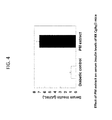
- FIG. 4 is a diagram showing effect of the PM extract on serum insulin levels of KK CgAy/J mice.
- FIG. 5 is a diagram showing approximated insulin resistance (IR) and ⁇ cell function ( ⁇ ) from a HOMA model.
- FIG. 6 is a diagram that shows effect of stilbene glycoside on serum glucose and insulin levels.
- FIG. 7 is a diagram showing effect of stilbene glycoside on (A) glucose tolerance and (B) insulin tolerance.
- FIG. 8 illustrates chemical structures of (A) trans-stilbene glycoside and (B) cis-stilbene glycoside.
- FIG. 9 shows NMR and LC-MS spectrums of trans-stilbene glycoside and cis-stilbene glycoside.
- FIG. 10 includes HPLC chromatograms for the three solutions used in the animal study to investigate possible anti-diabetic effect of cis-stilbene glycoside.
- FIG. 11 is a bar diagram showing anti-diabetic effects of trans-stilbene glycoside and cis-stilbene glycoside in different proportions.
- FIG. 12 is a diagram showing Anti-diabetic effects of pure trans-stilbene glycoside and cis-stilbene glycoside in high fat diet induced male CF-1 mice.
- FIG. 13 is a diagram showing PEPCK mRNA expression normalized to ⁇ -actin.
- PM Polygonum multiflorum
- Trans-2,3,5,4-tetrahydroxystilbene 2-O-b-glucopyranoside (stilbene glycoside) with the chemical structure C 20 H 22 O 9 and molecular weight 406.39, is a white amorphous powder, soluble in water, methanol and ethanol. It is stable in water solutions, but high temperature (>80° C.) might affect its stability; it's very unstable in acid. Stilbene glycoside is the major active compound in PM, and the concentration in the roots of PM can reach 3%-6%. According to Chinese Food and Drug Administration, stilbene glycoside is used as an index of quality control for PM products and the concentration of stilbene glycoside in commercial PM products has to be higher than 1%.
- Stilbene glycoside is a type of stilbene derivative, and other well-known stilbene compounds in stilbene family include resveratrol ( FIG. 2.1 B) and pterostilbene. The only difference between structures of stilbene glycoside and resveratrol is the glycoside portion. Because of the additional hydroxyl group at the iso-position, stilbene glycoside has higher antioxidant activity than resveratrol.
- Cis-stilbene polyphenols are found to always have higher activities than their trans-isomers. Cis-stilbene glycoside was first discovered in PM roots in 2002 and the structure was identified with NMR. The level of cis-stilbene glycoside was found to be very low in PM, making it very hard to isolate and enrich. To this date there is rarely any endeavor which enriches the level of cis-stilbene glycoside in PM and studies its activity. Yet, cis-stilbene polyphenols could be induced with isomerization from trans-stilbenes. Cis-stilbene glycoside is an efficacious compound in PM responsible for its anti-diabetic activities.
- Dried root powder of PM was purchased from Anguo Mayway Herb Company Ltd., An Guo, Heibei province, China, and followed extraction procedure of Lishuang Lv with slight modification. Briefly, the dried roots of PM were crushed and extracted with 60% ethanol, at a ratio of solution to solid of 1:10 (v/w), at room temperature for 2 days. The plant material was filtered off, and the ethanolic extracts were combined and concentrated under reduced pressure using a rotary evaporator. The dry extract obtained was then subjected to open column chromatography (CC) packed with macroporous resin. The column was eluted stepwise with each of 9 different concentrations of ethanol (10%, 20%, 30%, 40%, 50%, 60%, 70%, 80% and 90%). The 40% aqueous-ethanol fraction was then concentrated under reduced pressure using a rotary evaporator. The powder obtained was subjected to HPLC for analysis, and used for animal study later.
- CC open column chromatography
- PM extract was analyzed by a Waters Acquity HPLC system coupled with a UV detector (Waters, Milford, Mass.). A 250 mm ⁇ 4.6 mm inner diameter, 5 ⁇ m, HYPERSIL-C18 column was used. For binary gradient elution, mobile phases A (100% water with 0.2% formic acid) and B (acetonitrile) were used. The flow rate was maintained at 1 mL/min, and the mobile phase began with 8% B. It was followed by progressive linear increases in B to 35% at 17 min, to 90% at 18 min, and maintained at 90% until 21 min. The injection volume was 10 ⁇ L for each sample.
- mice Transgenic female KK CgAy/J diabetic mice were purchased from Jackson labs (Barr Harbor, Me.) and were housed in stainless steel wire-bottomed cages and acclimatized under laboratory conditions (19-23° C., humidity 60%, 12 h light/dark cycle). The mice were divided into two groups with 10 each, and fed with Western HFD (Research Diets, New Brunswick, N.J.) composed of 20 kcal % protein, 20 kcal % carbohydrate, and 60 kcal % fat (from butter). Group I: Diabetic control which had free access to drinking water; Group II: Treatment group which had free access to drinking water with 0.075% of PM extract. Body weight, food and water uptake of the mice were taken on a regular basis.
- mice After 7 weeks, all the experimental mice were sacrificed. Body weight, blood glucose level and lipid profile were recorded. Blood glucose was measured with blood glucose test strips from Contour, and lipid profile was measured with PTS Panels test strips. The weight of parametrial fat, retro-peritoneal fat and brown fat was recorded. Liver, spleen and kidney were removed and weighed as well.
- Plasma samples were collected and centrifuged at 12,500 rpm for an hour. Serum insulin level was measured with a commercial kit (Cayman Chemical, Detroit, Mich.), and performed according to the protocol. Liver and fat tissues were homogenized, lysed with lysis buffer [(0.5% (w/v) sodium lauryl sarkosinate+10 mM EDTA+0.5 mg/ml proteinase K+0.1 mg/ml RNase A in 50 mM Tris-Base, pH 8.0)], centrifuged and protein of homogenates quantified using a BCA protein assay kit (Pierce Chemical, Rockford, Ill.).
- the levels of Pro-inflammatory cytokines (IL-1 ⁇ , IL-6 and TNF- ⁇ ) in the liver homogenates of control and experimental groups of KK CgAy/J mice were determined by specific ELISA kits according to the manufacturer's instructions (Camarillo, Calif.).
- the capture antibody diluted with PBS, was used to coat a 96-well plate overnight at room temperature. The plate was then washed, blocked (1% BSA, 5% sucrose in PBS with 0.05% NaN 3 ), and washed again. The standards were added to the plate leaving at least one zero concentration well and one blank well. The diluted samples (1:5-1:20) were then added to the plate. After incubating for 2 h, the plates were washed and the detection antibody was added.
- the sample of liver or fat homogenates (60 ⁇ g of protein) in 4 ⁇ loading buffer was denatured at 95° C. for 5 min, and subjected to SDS-polyacrylamide gel (4-10%) electrophoresis.
- the gel then was transferred onto a polyvinylidene difluoride membrane (Bio Rad, Hercules, Calif.), and the membrane was blocked with TBS-T (20 mM Tris-HCl, 150 mM NaCl, and 0.1% Tween 20, pH 7.4), containing 5-7% nonfat dried milk.
- TBS-T 20 mM Tris-HCl, 150 mM NaCl, and 0.1% Tween 20, pH 7.4
- results are shown in Table 1 below.
- body weight of transgenic KK Cg/Ay mice was comparable between control group and treatment group after 7 weeks test period.
- Triglyceride level was marginally higher in the treatment group, but the other lipid parameters, such as HDL, LDL and total cholesterol almost stayed the same in the two groups.
- Weight of liver and kidney also showed no difference in the two groups, but spleen showed a significant weight loss.
- the hyperglycemia of transgenic diabetic KK Cg/Ay mice was almost completely reverted to normal by the PM extract treatment, since the glucose level in the control group and treatment group is 233.6 mg/dl and 121.6 mg/dl, respectively. That indicates that the PM extract had a strong hypoglycemic effect.
- IL-6, IL-1 ⁇ , and TNF- ⁇ Pro-inflammatory cytokine (IL-6, IL-1 ⁇ , and TNF- ⁇ ) levels in the liver were measured with commercial Elisa kits after seven weeks of PM treatment. From FIG. 2 , levels of IL-6 and IL-1b didn't differ significantly between diabetic control group and PM group. However, for TNF- ⁇ the level slightly increased in PM treated group (p ⁇ 0.05). The level of IL-6 was the highest among all three cytokines, at around 200 pg/mg.
- HOMA-IR Glucose*Insulin/405
- HOMA- ⁇ (360*Insulin)/(Glucose-63); with fasting blood glucose and fasting blood insulin levels, insulin resistance increased slightly in PM group, but what's more significant is ⁇ cell function, which improved by nearly 20 fold from 2 to 45 after PM treatment.
- mice Female KK CgAy/J mice were also utilized in this experiment and handled with the same protocol as in 1.2.3. The mice were divided into four groups with 10 each, and fed with Western HFD. Group I: Normal KK control mice which had free access to drinking water and normal chow; Group II: Diabetic control which had free access to drinking water and HFD; Group III: Treatment group which had free access to drinking water with 0.075% of PM-stilbene glycoside and HFD. Group IV: Positive control group which had free access to metformin at 300 mg/Kg and HFD. Body weight, food and water uptake of the mice were taken on a regular basis. After 12 weeks, all the experimental mice were sacrificed. Similar measurements were taken to the previous experiment with PM extract.
- mice were fasted overnight and injected with glucose solution at 1 g/10 ml and 10 ml/kg body weight. The change in blood glucose level was monitored during the following two hours.
- mice were fasted for 5 hours and injected with insulin solution at 1 ⁇ U/ml and 10 ml/kg body weight. The change in blood glucose level was monitored during the following two hours.
- mice were sacrificed and measured for blood glucose and blood insulin levels.
- Diabetic control KK CgAy/j mice had significantly higher level of blood glucose compared to normal KK mice, and it was effectively brought down by anti-diabetic drug metformin (300 mg/kg); however, diabetic mice treated with 0.075% stilbene glycoside in drinking water had elevated levels of serum glucose as well as serum insulin compared to diabetic control (see FIG. 6 ), suggesting it did not exert any hypoglycemic effect.
- glucose tolerance test and insulin tolerance test were also carried out right before sacrifice. From the result of glucose tolerance test ( FIG. 7A ), 30 minutes after glucose injection (1 g/kg), the blood glucose levels in all experimental groups increased drastically, with stilbene glycoside group being the most elevated, and the blood glucose in stilbene glycoside group remained much higher than normal control and metformin groups at the end of the test, suggesting the diabetic mice in stilbene glycoside group were glucose intolerant.
- the insulin tolerance test displayed that both stilbene glycoside and metformin groups had higher level of glucose 30 minutes after insulin injection, however, two hours after injection, the blood glucose in metformin group dropped to a lower level than that of stilbene glycoside group ( FIG. 7B ).
- the positive control metformin had glucose tolerance and insulin tolerance similar to normal control, while the diabetic control had a high level of intolerance to both glucose and insulin, validating both models.
- Cis-stilbene Glycoside as Possible Anti-Diabetic Agent from PM
- C57BL/6 mice are widely used in a diet induced model for type 2 diabetes. This strain becomes obese, hyperglycemic and insulin resistant when fed a HFD and it was concluded that the high-fat diet-fed C57 mouse model is a robust model for impaired glucose tolerance (IGT) and early type 2 diabetes, which may be used for studies on pathophysiology and development of new treatment.
- ITT impaired glucose tolerance
- CF-1 mouse is an excellent model for obesity and it has been traditionally employed by our lab to study the anti-obesity effect of a variety of nutraceuticals.
- HFD-induced CF-1 mouse was never explored in literature. Once the most appropriate model is identified, it would be used to test the anti-diabetic effects of pure trans- and cis-stilbene glycoside, and to confirm if the hypoglycemic effect of PM extract stems from cis-stilbene glycoside.
- Trans-stilbene glycoside was generated as described in preparation of a PM extract of Example 1. Pure trans-stilbene glycoside was dissolved in large volume of water and placed under UV-light over night. The reaction was monitored with HPLC analysis and the solution after UV exposure was concentrated, filtered, and subjected to preparative HPLC. A HYPERSIL-C18 column was used and mobile phase gradient of 40% to 65% B (acetonitrile) over 15 min was chosen. The flow rate was maintained at 8 mL/min. Fractions containing pure cis-stilbene glycoside generated were combined and concentrated with a rotary evaporator and dried with a freeze drier.
- LC-MS was performed for both isomers with a TIC detector. Prior to LC-MS analysis, all samples were filtered through a 0.45 ⁇ m PTFE syringe filter. ChemStation software (Version 3.01) was used for data acquisition and analysis. Ionization parameters included: capillary voltage, 3.5 kV; nebulizer pressure, 35 psi; drying gas flow, 10.0 mL/min; and drying gas temperature, 350° C. MSD signal parameters included: mode, Selected Ion Monitoring (SIM); fragmentor voltage, 70V; gain, 1.0; dwell time, 144 mSec; and % relative dwell time, 25.
- SIM Selected Ion Monitoring
- mice Female KK mice were purchased from Jackson labs (Barr Harbor, Me.) and were housed in stainless steel wire-bottomed cages and acclimatized under laboratory conditions (19-23° C., humidity 60%, 12 h light/dark cycle).
- Solution 1 pure trans-stilbene glycoside (0.05% in drinking water), HPLC chromatogram in FIG. 3.2 (A);
- Solution 2 60% ethanol extract of PM root powders, obtained according to procedure in Section 1.2.1 (proportion of cis-stilbene glycoside to trans-stilbene glycoside is approximately 1:20, 0.075% in drinking water), HPLC chromatogram in FIG. 3.2 (B);
- Solutions 3 obtained from exposing solution 2 under UV-light overnight (proportion of cis-stilbene glycoside to trans-stilbene glycoside is approximately 2:3, 0.075% in drinking water), HPLC chromatogram in FIG. 3.2 (C). After 18 weeks, body weight and blood glucose of all mice were measured.
- CF-1 mice and C57BL/6 (C57) mice male and female mice (male and female) were purchased from Charles River laboratories (Horsham, Pa.) and were housed in stainless steel wire-bottomed cages and acclimatized under laboratory conditions (19-23° C., humidity 60%, 12 h light/dark cycle).
- Each strain was divided into four groups with ten mice each: M-control, male mice on normal diet; M-HF, male mice on Western HFD; F-control, female mice on normal diet; F-HF, female mice on Western HFD. All the mice had access to drinking water ad libitum. Body weight and nonfasting glucose levels were taken at week 5, 8 and 12. At the end of week 12, all the experimental mice were sacrificed.
- Lipid profile was measured with PTS Panels test strips; parametrial fat, retro-peritoneal fat and brown fat tissues were harvested and weighed; liver, spleen and kidney were harvested and weighed as well. Before sacrifice, glucose tolerance test was performed on all mice as described before.
- mice Male CF-1 mice were selected as the model for type 2 diabetes. The mice were kept on Western HFD for 12 weeks and were divided into five groups with 10 each. Group I: Normal control which had free access to drinking water and normal Chow; Group II: Diabetic control which had free access to drinking water and Western HFD; Group III: Treatment group which had free access to drinking water with 0.01% of pure trans-stilbene glycoside and HFD; Group IV: Treatment group which had free access to drinking water with 0.01% of pure cis-stilbene glycoside and Western HFD. Group V: Positive control group which had free access to drinking water with 0.01% of caffeine and Western HFD. Body weight, food and water uptake of the mice were taken on a regular basis. After 12 weeks, all the experimental mice were sacrificed. Body weight, blood glucose and blood insulin levels were evaluated as described before. Glucose tolerance test was also carried out at the end of the study.
- PEPCK phosphoenolpyruvate carboxykinase
- Glucagon and stress hormones upregulate PEPCK gene expression in hepatocytes via a cyclic AMP (cAMP)-dependent pathway.
- cAMP cyclic AMP
- insulin strongly represses PEPCK transcription through the activation of the phosphoinositide-3 kinase (PI3K) pathway 170.
- PI3K phosphoinositide-3 kinase
- the HepG2 cells were plated in 24-well tissue culture plates and were grown to near confluence in Dulbecco's modified Eagle's medium containing 2.5% (vol/vol) newborn calf serum and 2.5% (vol/vol) fetal calf serum. Cells were treated for 8 h with 500 nM dexamethasone and 0.1 mM 8-CTP-cAMP (Dex-cAMP) to induce PEPCK gene expression together with test compounds (5 ⁇ M trans-stilbene glycoside and 5 ⁇ M cis-stilbene glycoside).
- Dex-cAMP 8-CTP-cAMP
- the other components of the PCR reactions were 0.5 ⁇ L of 6 ⁇ M gene-specific primers and 12.5 ⁇ L of Brilliant SYBR Green PCR master mix (containing green jump-start Taq ready mix).
- ROX (Stratagene, La Jolla, Calif.) was used as a reference dye.
- the primers were selected using the Primer Express version 2.0 software (Applied Biosystems, Foster City, Calif.) as follows: ⁇ -actin: forward primer 5′-GGGAAATCGTGCGTGACATT-3′, reverse primer 5′-GCGGCAGTGGCCATCTC-3′; PEPCK: forward primer 5′-GCAGAGCATAAGGGCAAGGT-3′, reverse primer 5′-TTGCCGAAGTTGTAGCCAAA-3′.
- primers generated a 76-bp product from ⁇ -actin mRNA.
- the intron-spanning forward primer was selected to cover the exon 9-10 boundary.
- the reverse primer was selected from exon 10.
- the oligos were synthesized by IDT. These primers generated a 74-bp product from PEPCK mRNA and a 207-bp product from genomic DNA.
- Quantitative PCR (qPCR) amplifications were performed on an MX3000p system (Stratagene, La Jolla, Calif.) using one cycle at 50° C. for 2 min and one cycle of 95° C. for 10 min, followed by 40 cycles of 15 s at 95° C. and 1 min at 60° C.
- the dissociation curve was completed with one cycle of 1 min at 95° C., 30 s at 55° C., and 30 s at 95° C.
- Non-RT control and no-template control were included in each experiment as quality control steps.
- PEPCK mRNA expressions were analyzed using the ⁇ CT method and normalized with respect to the expression of the ⁇ -actin house keeping gene.
- the ⁇ CT Values obtained from these methods reflect the relative mRNA quantities for a specific gene in response to a treatment as relative to a calibrator.
- the Dex-cAMP treatment (positive control) served as the calibrator sample in this study.
- the PECPK gene expression of the calibrator sample was assigned to a value of 1.0.
- a value of ⁇ 1.0 indicates transcriptional down-regulation (inhibition of gene expression) relative to the calibrator.
- Amplification of specific transcripts was further confirmed by obtaining melting curve profiles. All samples were run in duplicate.
- Trans-stilbene glycoside and cis-stilbene glycoside were identified with 1 H and 13 C NMR spectra as well as LC-MC spectrum by comparing to literature, structures shown in FIG. 8 .
- the 1 H-NMR spectrum of cis-stilbene glycoside was very similar to that of trans-stilbene glycoside, with the exception of the coupling constants of the vinylic protons signals (H-a and H-b), indicating the presence of two cis-coupled vinylic protons at ⁇ 6.71 (H-b) and 6.47 (H-a).
- the 13 C-NMR spectrum of cis-stilbene glycoside exhibited two chemically equivalent aromatic carbons at ⁇ c 131.4 (C-2′/C-6′) and ⁇ c 115.9 (C-3′/C-5′).
- the negative mass spectrum of trans-stilbene glycoside and cis-stilbene glycoside showed a [M-1] ⁇ ion at m/z 405.
- the fragment ion peak m/z 405 generated a main fragment ion [M-glc-1] ⁇ at m/z 243, which can be considered characteristic of the presence of an aglycone moiety.
- mice Female KK mice were fed with Western HFD for 18 weeks to induce a model for type 2 diabetes.
- Three solutions were employed in the study: pure trans-stilbene glycoside (0.05% in drinking water), PM extract with trans-stilbene glycoside/cis-stilbene glycoside 1:20 (0.075% in drinking water) and PM extract enriched with cis-stilbene glycoside (trans-stilbene glycoside/cis-stilbene glycoside 2:3, 0.075% in drinking water), HPLC chromatograms as shown in FIG. 10 .
- Body weight and blood glucose levels were monitored. From the results, none of the three solutions significantly decreased high fat induced body weight gain compared to diabetic control. As for blood glucose, it showed a decreasing trend of blood glucose with increasing level of cis-stilbene glycoside in the extract.
- HFD induced female KK mouse model was utilized to reduce cost of transgenic KK CgAy/j mice, however due to limited supply of KK mice and the length of time it takes for KK mice to develop obesity and hyperglycemia, it was necessary to explore other options for a suitable type 2 diabetes animal model which is economical, reliable and mimics human type 2 diabetes.
- mice Two strains of mice were identified as possible candidates for diet induced diabetes model: C57BL/6J (C57) mice and CF-1 mice, and both male and female mice were evaluated. All mice were fed either a high-fat diet (58% energy by fat) or a normal diet (11% energy by fat), and body weight and blood glucose levels were taken at weeks 5, 8 and 12; glucose tolerance test also evaluated at the end of the study.
- CF-1 mice became very obese at the end of 12 weeks, with the weight of M-HF mice being the highest of all, 53.4% heavier than F-control and 13.4% heavier than M-control.
- M-HF displayed a high level as early as week 5 and remained the highest throughout the course of 12 weeks, while F-HF had no significant difference in blood glucose from the control group. It was also M-HF group that displayed the highest degree of glucose intolerance: 30 minutes after glucose injection, blood glucose jumped to 358.2 mg/dL compared to an initial reading of 134.7 mg/dL, significantly higher than other three groups as well; after 120 minutes, it remained elevated at 192 mg/dL.
- CF-1 mice The trend for lipid profile, fat mass and organ mass in CF-1 mice was similar to that of C57 mice. All information taken together, male CF-1 mice on HF diet was selected as the model for type 2 diabetes, as it is characterized with obesity, elevated blood sugar and a high level of glucose intolerance, which is very similar to human type 2 diabetes, and is absent for any aggressive behaviors.
- Real-time PCR also called quantitative PCR or qPCR
- qPCR quantitative PCR
- PEPCK assay was performed with liver HepG2 cells and the level of PEPCK mRNA from real-time PCR is normalized with ⁇ -actin.
- Dex/cAMP could induce the transcription of PEPCK gene and as seen in FIG. 13A , both cis-stilbene glycoside and trans-stilbene glycoside could effectively suppress the up-regulation.
- no dose-dependent pattern was observed, as cis-stilbene glycoside suppressed more efficiently at 30 ⁇ M than at 100 ⁇ M, while for trans-stilbene glycoside higher concentration resulted in lower level of PEPCK transcription.
Landscapes
- Health & Medical Sciences (AREA)
- Chemical & Material Sciences (AREA)
- Life Sciences & Earth Sciences (AREA)
- Organic Chemistry (AREA)
- General Health & Medical Sciences (AREA)
- Natural Medicines & Medicinal Plants (AREA)
- Molecular Biology (AREA)
- Engineering & Computer Science (AREA)
- Biotechnology (AREA)
- Epidemiology (AREA)
- Veterinary Medicine (AREA)
- Pharmacology & Pharmacy (AREA)
- Medicinal Chemistry (AREA)
- Animal Behavior & Ethology (AREA)
- Public Health (AREA)
- Biochemistry (AREA)
- Genetics & Genomics (AREA)
- Alternative & Traditional Medicine (AREA)
- Botany (AREA)
- Medical Informatics (AREA)
- Microbiology (AREA)
- Mycology (AREA)
- Pharmaceuticals Containing Other Organic And Inorganic Compounds (AREA)
- Medicines Containing Plant Substances (AREA)
Abstract
Disclosed is a composition for use in the prevention, treatment, and management of diabetes in human and animal subjects that contains 2,3,5,4-tetrahydroxystilbene 2-O-b-glucopyranoside collected from one or more plants selected from the group consisting of Fallopia genera of plants.
Description
The invention relates to a composition for use in the prevention, treatment, and management of diabetes in human and animal subjects. More specifically, the present invention provides a composition extracted from one or more plants of Fallopia genera, and methods of using and preparing the composition thereof.
Diabetes is a one of the leading causes of death in the U.S. and the number and percentage of U.S. population with diabetes is rapidly increasing. Today, 25.8 million children and adults—8.3% of the U.S. population—have diabetes. The number will reach 366 million by 2030, according to the World Health Organization. the total medical costs annually in the U.S. for diabetes exceeded $100 billion.
There are mainly three types of diabetes: type 1, type 2, and gestational diabetes. Among them, type 2 diabetes, also referred to as non-insulin dependent diabetes mellitus (NIDDM), represents more than 90% of all diabetes patients. Insulin is a hormone that regulates the body metabolism mainly by promoting the absorption of glucose from the blood to muscles and other tissues. Type 2 diabetes is characterized with insulin resistance, which is a diminished ability of insulin to exert its biologic action on regulating glucose. Insulin resistance, related strongly to a sedentary lifestyle, is also associated with a variety of abnormalities including obesity, hypertension, hyperlipidemia, and hyperuricemia. Thus, there is a clear need to develop diabetes therapies.
However, current therapeutic strategies for diabetes, especially type 2 diabetes are limited and major anti-diabetic agents generally suffer from inadequate efficacy and high side effects. Side effects from diabetes drugs are often severe, which include hypoglycemia, lactic acidosis, idiosyncratic liver cell injury, permanent neurological deficit, digestive discomfort, headache, dizziness, and even death. For instance, pioglitazone, rosiglitazone, two widely used diabetes drugs, are found to promote weight gain, a major adverse event associated with these two drugs' effects on adipose cell differentiation and triglyceride storage.
There is an urgent and strong need to develop an effective therapy with few adverse effects for diabetes patients.
This invention provides a composition extracted from Fallopia genera plants. As a naturally derived agent, the composition provides a wider range of utilities for preventing, treating, and managing diabetes or conditions such as diabetes complication safely and effectively.
One aspect of this invention relates to a composition for use in the prevention, treatment, and management of diabetes and diabetes complications in human and animal subjects, comprising 2,3,5,4-tetrahydroxystilbene 2-O-b-glucopyranoside (stilbene glycoside) collected from one or more plants selected from the group consisting of Fallopia genera of plants.
The stilbene glycoside can be cis-stilbene glycoside and/or trans-stilbene glycoside. More specifically, the stilbene glycoside contains 0-99 wt % cis-stilbene glycoside and 100-1 wt % trans-stilbene glycoside.
Typically, the cis-stilbene glycoside described above is derived from the trans-stilbene glycoside. More specifically, the cis-stilbene glycoside can be converted from the trans-stilbene glycoside by exposure to light. Preferably, the wavelength of the light is from 210 nm to 450 nm. Examples of the wavelength include 254 nm, 260 nm, 265 nm, 270 nm, 280 nm, 285 nm, 290 nm, 295 nm, 300 nm, 305 nm, 310 nm, 315 nm, 320 nm, 325 nm, 330 nm, 335 nm, 340 nm, 345 nm, 345 nm, 350 nm, 355 nm, 360 nm, 365 nm, 370 nm, 375 nm, 380 nm, 385 nm, 390 nm, 400 nm, 410 nm, 420 nm, 430 nm, 440 nm, 450 nm, or a combination thereof. Advantageously, the light can be UV light or sunlight.
One example of the Fallopia genera plants is Polygonum multiflorum (PM).
The diabetes treated includes type 2 diabetes and diabetes complications.
Another aspect of this invention relates to a method for preparing the composition of this invention. A composition extracted from PM is prepared as follows: (i) crushing dried roots of PM to powder; (ii) extracting the PM powder with an ethanol solution under the room temperature for at least 2 days to obtain an ethanolic extract, the ratio of solution to solid being about 1:10 (v/w); (iii) evaporating and concentrating the ethanolic extract under reduced pressure to obtain a dried extract; (iv) subjecting the dried extract to macroporous resin chromatography, followed by eluting the resin with ethanol solutions of different concentrations to obtain a first eluant; and (v) evaporating and drying the first eluant under reduced pressure to obtain PM extract powder.
The composition extracted from PM is further prepared as follows:
(vi) dissolving the PM extract powder in an aqueous solution and placing the solution under light over night; and (vii) subjecting the light-treated solution to HPLC to obtain a second eluant followed by evaporating and drying under reduced pressure to obtain light-treated PM extract powder.
The first eluent and the PM extract powder obtained thereafter each comprise trans-stilbene glycoside. On the other hand, the second eluant and the light-treated PM extract powder obtained thereafter each comprise cis-stilbene glycoside.
The light described in step (vi) above can be UV light or sunlight. The HPLC described in step (vii) above is performed under the conditions that include a HYPERSIL-C18 column, a mobile phase gradient of 15 min from 40% acetonitrile to 65% acetonitrile, and a flow rate of 8 mL/min.
Yet another aspect of this invention relates to a method of use for the composition of this invention, i.e., one that contains stilbene glycoside collected from one or more Fallopia genera plants. The method includes administering a therapeutical dose of the composition for the prevention, treatment, and management of diabetes to a subject in need thereof.
Examples of the stilbene glycoside are enumerated above, which include cis-stilbene glycoside and/or trans-stilbene glycoside.
The details of the invention are set forth in the drawing and description below. Other features, objects, and advantages of the invention will be apparent from the description and from the claims.
These drawings illustrate certain aspects of some of the embodiments of the present invention, and should not be used to limit or define the invention.
Polygonum multiflorum (PM), other names He Shou Wu or Fo-ti, is one of the Fallopia genera plants. It is used in China as a longevity tonic for graying hair, premature aging, weakness and other dysfunctions. The root of PM is used as a tonic and an anti-aging agent in many remedies in traditional Chinese medicine.
The medicinal effects of PM in the treatment of these age-related diseases are possibly mediated by the antioxidant capacity of this plant. In 2005 the extracts of 30 Chinese medicinal plants were studied systematically for their antioxidant activities and PM root was found to be among the highest for both aqueous and methanol extracts. PM extract has been found both in vitro and in vivo to possess antioxidant activity. Research indicates that PM enhances the cellular antioxidant activity, increases the function of superoxide dismutase (SOD), significantly inhibits the formation of oxidized lipids, represses lipid peroxidation in rat heart mitochondria and enhances antioxidant enzymes in the liver.
By analysis technologies such as TLC, HPLC, and LC-MS, many components in PM extracts have been identified, which include trans-2,3,5,4-tetrahydroxystilbene-2-O-β-D-glucoside, emodin-8-O-β-D-glucoside, physcion-8-O-β-Dglucoside, emodin, chrysophanol, rhaponticoside, torachrysone-8-O-β-D-glucoside, chrysophanol-8-O-β-D-glucoside, physcion and so on.
Trans-2,3,5,4-tetrahydroxystilbene 2-O-b-glucopyranoside (stilbene glycoside) with the chemical structure C20H22O9 and molecular weight 406.39, is a white amorphous powder, soluble in water, methanol and ethanol. It is stable in water solutions, but high temperature (>80° C.) might affect its stability; it's very unstable in acid. Stilbene glycoside is the major active compound in PM, and the concentration in the roots of PM can reach 3%-6%. According to Chinese Food and Drug Administration, stilbene glycoside is used as an index of quality control for PM products and the concentration of stilbene glycoside in commercial PM products has to be higher than 1%.
Stilbene glycoside is a type of stilbene derivative, and other well-known stilbene compounds in stilbene family include resveratrol (FIG. 2.1 B) and pterostilbene. The only difference between structures of stilbene glycoside and resveratrol is the glycoside portion. Because of the additional hydroxyl group at the iso-position, stilbene glycoside has higher antioxidant activity than resveratrol.
Using Ultra-performance liquid chromatography-time-of-flight mass spectrometry (UPLC-Q-TOF/MS) and HPLC-UV, the pharmacokinetics, bioavailability, absorption, and metabolism of stilbene glycoside were studied in rats following a single intravenous or oral administration. It was found that stilbene glycoside was rapidly distributed (within 30 min) and then eliminated from rat plasma. Absolute bioavailability of stilbene glycoside was 40%. Total recovery of unchanged stilbene glycoside within 24 hr were low (0.041% in bile, 0.06% in feces), whereas the amount of unchanged stilbene glycoside excreted in the urine within 24 hr was lower than Lower Limit of Quantification (LLOQ). stilbene glycoside was excreted mainly in the forms of metabolites, including monoglucuronide and the deglycosidated form which is more stable.
Cis-stilbene polyphenols are found to always have higher activities than their trans-isomers. Cis-stilbene glycoside was first discovered in PM roots in 2002 and the structure was identified with NMR. The level of cis-stilbene glycoside was found to be very low in PM, making it very hard to isolate and enrich. To this date there is rarely any endeavor which enriches the level of cis-stilbene glycoside in PM and studies its activity. Yet, cis-stilbene polyphenols could be induced with isomerization from trans-stilbenes. Cis-stilbene glycoside is an efficacious compound in PM responsible for its anti-diabetic activities.
Preparation of Extract from PM Roots
Dried root powder of PM was purchased from Anguo Mayway Herb Company Ltd., An Guo, Heibei Province, China, and followed extraction procedure of Lishuang Lv with slight modification. Briefly, the dried roots of PM were crushed and extracted with 60% ethanol, at a ratio of solution to solid of 1:10 (v/w), at room temperature for 2 days. The plant material was filtered off, and the ethanolic extracts were combined and concentrated under reduced pressure using a rotary evaporator. The dry extract obtained was then subjected to open column chromatography (CC) packed with macroporous resin. The column was eluted stepwise with each of 9 different concentrations of ethanol (10%, 20%, 30%, 40%, 50%, 60%, 70%, 80% and 90%). The 40% aqueous-ethanol fraction was then concentrated under reduced pressure using a rotary evaporator. The powder obtained was subjected to HPLC for analysis, and used for animal study later.
HPLC Analysis of a PM Extract
PM extract was analyzed by a Waters Acquity HPLC system coupled with a UV detector (Waters, Milford, Mass.). A 250 mm×4.6 mm inner diameter, 5 μm, HYPERSIL-C18 column was used. For binary gradient elution, mobile phases A (100% water with 0.2% formic acid) and B (acetonitrile) were used. The flow rate was maintained at 1 mL/min, and the mobile phase began with 8% B. It was followed by progressive linear increases in B to 35% at 17 min, to 90% at 18 min, and maintained at 90% until 21 min. The injection volume was 10 μL for each sample.
KK CgAy/J Type 2 Diabetic Mouse Model
Transgenic female KK CgAy/J diabetic mice were purchased from Jackson labs (Barr Harbor, Me.) and were housed in stainless steel wire-bottomed cages and acclimatized under laboratory conditions (19-23° C., humidity 60%, 12 h light/dark cycle). The mice were divided into two groups with 10 each, and fed with Western HFD (Research Diets, New Brunswick, N.J.) composed of 20 kcal % protein, 20 kcal % carbohydrate, and 60 kcal % fat (from butter). Group I: Diabetic control which had free access to drinking water; Group II: Treatment group which had free access to drinking water with 0.075% of PM extract. Body weight, food and water uptake of the mice were taken on a regular basis. After 7 weeks, all the experimental mice were sacrificed. Body weight, blood glucose level and lipid profile were recorded. Blood glucose was measured with blood glucose test strips from Contour, and lipid profile was measured with PTS Panels test strips. The weight of parametrial fat, retro-peritoneal fat and brown fat was recorded. Liver, spleen and kidney were removed and weighed as well.
Biochemical Assays
Blood sample was collected and centrifuged at 12,500 rpm for an hour. Serum insulin level was measured with a commercial kit (Cayman Chemical, Detroit, Mich.), and performed according to the protocol. Liver and fat tissues were homogenized, lysed with lysis buffer [(0.5% (w/v) sodium lauryl sarkosinate+10 mM EDTA+0.5 mg/ml proteinase K+0.1 mg/ml RNase A in 50 mM Tris-Base, pH 8.0)], centrifuged and protein of homogenates quantified using a BCA protein assay kit (Pierce Chemical, Rockford, Ill.).
ELISA Assay
The levels of Pro-inflammatory cytokines (IL-1β, IL-6 and TNF-α) in the liver homogenates of control and experimental groups of KK CgAy/J mice were determined by specific ELISA kits according to the manufacturer's instructions (Camarillo, Calif.). The capture antibody, diluted with PBS, was used to coat a 96-well plate overnight at room temperature. The plate was then washed, blocked (1% BSA, 5% sucrose in PBS with 0.05% NaN3), and washed again. The standards were added to the plate leaving at least one zero concentration well and one blank well. The diluted samples (1:5-1:20) were then added to the plate. After incubating for 2 h, the plates were washed and the detection antibody was added. After incubating for another 2 h the plates were washed and Streptavidin-HRP was added. After 20 min incubation, the plates were washed, and substrate (H2O2) and tetramethylbenzidine were added. After another 20 min incubation, the stop solution (2N of H2SO4) was added and then, plates were read with a microplate reader at a wavelength of 450 nm. Standard plots were constructed by using standard cytokines and the concentrations for unknown samples were calculated from the standard plot.
Western Blotting
The sample of liver or fat homogenates (60 μg of protein) in 4× loading buffer was denatured at 95° C. for 5 min, and subjected to SDS-polyacrylamide gel (4-10%) electrophoresis. The gel then was transferred onto a polyvinylidene difluoride membrane (Bio Rad, Hercules, Calif.), and the membrane was blocked with TBS-T (20 mM Tris-HCl, 150 mM NaCl, and 0.1% Tween 20, pH 7.4), containing 5-7% nonfat dried milk. The blocked membrane was incubated at 4° C. overnight with 1:500 dilution of monoclonal antibody for IR-α, IRS-1 (liver) and Glut4 (fat) (Santa Cruz Biotechnology, Santa Cruz, Calif.). The immunoblotted membrane was incubated at room temperature for 2 hr with secondary anti-rabbit or anti-mouse IgG antibodies conjugated with horseradish peroxidase and then exposed on X-ray film with ECL detection reagent (Amersham Pharmacia Biotech, Piscataway, N.J.). Bands were quantified using the Adobe Photoshop program with scanning process.
All experiments and analyses were performed at least in triplicate. Results are expressed as means±SE. Statistical analyses were performed using the Student's T-test. * denotes the difference was statistically significant (p<0.05).
Results
(1) Hypoglycemic Effect of PM in KK CgAy/J Diabetic Mice
Results are shown in Table 1 below. After 7 weeks of PM extract administration in drinking, body weight of transgenic KK Cg/Ay mice was comparable between control group and treatment group after 7 weeks test period. Triglyceride level was marginally higher in the treatment group, but the other lipid parameters, such as HDL, LDL and total cholesterol almost stayed the same in the two groups. Weight of liver and kidney also showed no difference in the two groups, but spleen showed a significant weight loss. At the same time, the hyperglycemia of transgenic diabetic KK Cg/Ay mice was almost completely reverted to normal by the PM extract treatment, since the glucose level in the control group and treatment group is 233.6 mg/dl and 121.6 mg/dl, respectively. That indicates that the PM extract had a strong hypoglycemic effect.
| TABLE 1 |
| Anti-diabetic effects of feeding PM extract in the |
| drinking water to female KK CgAy/J mice |
| List of | Group | 1 | |
|
| Body weight (g) | 40.46 ± 1.91 | 41.06 ± 0.75 | ||
| Glucose (mg/dl) | 233.56 ± 33.18 | 121.60 ± 13.07** | ||
| Triglyceride (mg/dl) | 238.44 ± 13.80 | 271.70 ± 34.59 | ||
| Total cholesterol (mg/dl) | 173.33 ± 3.38 | 179.30 ± 4.53 | ||
| HDL (mg/dl) | 90.00 ± 2.38 | 86.00 ± 3.07 | ||
| LDL (mg/dl) | 35.62 ± 5.77 | 39.00 ± 5.96 | ||
| Parametrial fat (g) | 4.73 ± 0.34 | 4.96 ± 0.31 | ||
| Retroperitoneal fat (g) | 0.58 ± 0.06 | 0.75 ± 0.04* | ||
| Brown fat (g) | 0.80 ± 0.07 | 0.78 ± 0.06 | ||
| Liver (g) | 2.1 ± 0.17 | 2.09 ± 0.11 | ||
| Spleen (g) | 0.15 ± 0.01 | 0.12 ± 0.01* | ||
| Kidney (g) | 0.34 ± 0.02 | 0.37 ± 0.01 | ||
| **P < 0.003, *P < 0.05 as determined by the Student' T-test. Group 1 (drinking water); group 2 (0.075% PM extract in drinking water) for 7 weeks. | ||||
(2) Pro-inflammatory Cytokine Levels in the Liver
Pro-inflammatory cytokine (IL-6, IL-1β, and TNF-α) levels in the liver were measured with commercial Elisa kits after seven weeks of PM treatment. From FIG. 2 , levels of IL-6 and IL-1b didn't differ significantly between diabetic control group and PM group. However, for TNF-α the level slightly increased in PM treated group (p<0.05). The level of IL-6 was the highest among all three cytokines, at around 200 pg/mg.
(3) Markers for Insulin Signaling Pathway
The levels of selected marker from insulin signaling pathway including IR-α (Insulin Receptor-α) and IRS-1 (Insulin Receptor Substrate-1) from the liver and Glut4 from the fat, did not show any significant difference from diabetic control and PM group (see FIG. 3 ), which is consistent with our previous findings. Taken together, these results suggest that the hypoglycemic effect of PM extract was not mediated through insulin resistance.
(4) Serum Insulin Levels
Serum insulin level significantly increased from 1 μU/ml in diabetic group to around 7 μU/ml in PM extract (FIG. 4 ), indicating that PM extract had a potent effect in stimulating insulin secretion.
(5) HOMA-β and HOMA-IR
Based on the calculation from Homeostatic Model Assessment (HOMA) model, HOMA-IR=Glucose*Insulin/405 and HOMA-β=(360*Insulin)/(Glucose-63); with fasting blood glucose and fasting blood insulin levels, insulin resistance increased slightly in PM group, but what's more significant is β cell function, which improved by nearly 20 fold from 2 to 45 after PM treatment.
Purification of Stilbene Glycoside
PM roots were extracted in the same manner as described in Example 1, and macroporous resin column was also used for separation. The column was eluted with 2 L of 40% ethanol to get rid of impurities, and then with 1 L of 50% ethanol. Fractions collected were monitored with HPLC analysis and the ones with pure stilbene glycoside were piled and concentrated under reduced pressure using a rotary evaporator. stilbene glycoside was analyzed with the same HPLC program as in 1.2.2.
Anti-diabetic Effect of Stilbene Glycoside in Animal Study
Female KK CgAy/J mice were also utilized in this experiment and handled with the same protocol as in 1.2.3. The mice were divided into four groups with 10 each, and fed with Western HFD. Group I: Normal KK control mice which had free access to drinking water and normal chow; Group II: Diabetic control which had free access to drinking water and HFD; Group III: Treatment group which had free access to drinking water with 0.075% of PM-stilbene glycoside and HFD. Group IV: Positive control group which had free access to metformin at 300 mg/Kg and HFD. Body weight, food and water uptake of the mice were taken on a regular basis. After 12 weeks, all the experimental mice were sacrificed. Similar measurements were taken to the previous experiment with PM extract.
Before sacrifice, all the experimental mice were subjected to glucose and insulin tolerance tests. For glucose tolerance test, mice were fasted overnight and injected with glucose solution at 1 g/10 ml and 10 ml/kg body weight. The change in blood glucose level was monitored during the following two hours. For insulin tolerance test, mice were fasted for 5 hours and injected with insulin solution at 1 μU/ml and 10 ml/kg body weight. The change in blood glucose level was monitored during the following two hours.
Results
At the end of the feeding experiment, mice were sacrificed and measured for blood glucose and blood insulin levels. Diabetic control KK CgAy/j mice had significantly higher level of blood glucose compared to normal KK mice, and it was effectively brought down by anti-diabetic drug metformin (300 mg/kg); however, diabetic mice treated with 0.075% stilbene glycoside in drinking water had elevated levels of serum glucose as well as serum insulin compared to diabetic control (see FIG. 6 ), suggesting it did not exert any hypoglycemic effect.
To confirm the absence of hypoglycemic effect of stilbene glycoside, glucose tolerance test and insulin tolerance test were also carried out right before sacrifice. From the result of glucose tolerance test (FIG. 7A ), 30 minutes after glucose injection (1 g/kg), the blood glucose levels in all experimental groups increased drastically, with stilbene glycoside group being the most elevated, and the blood glucose in stilbene glycoside group remained much higher than normal control and metformin groups at the end of the test, suggesting the diabetic mice in stilbene glycoside group were glucose intolerant. On the other hand, the insulin tolerance test displayed that both stilbene glycoside and metformin groups had higher level of glucose 30 minutes after insulin injection, however, two hours after injection, the blood glucose in metformin group dropped to a lower level than that of stilbene glycoside group (FIG. 7B ). The positive control metformin had glucose tolerance and insulin tolerance similar to normal control, while the diabetic control had a high level of intolerance to both glucose and insulin, validating both models.
It is imperative to develop a model which is convenient, stable, fast and inexpensive, and resembles human type 2 diabetes. The closer it came to sharing the metabolic characteristics of patients with type 2 diabetes, the more relevant and useful it would be in screening potential anti-diabetic agents. In the literature C57BL/6 (C57) mice are widely used in a diet induced model for type 2 diabetes. This strain becomes obese, hyperglycemic and insulin resistant when fed a HFD and it was concluded that the high-fat diet-fed C57 mouse model is a robust model for impaired glucose tolerance (IGT) and early type 2 diabetes, which may be used for studies on pathophysiology and development of new treatment. On the other hand, CF-1 mouse is an excellent model for obesity and it has been traditionally employed by our lab to study the anti-obesity effect of a variety of nutraceuticals. However, the suitability of HFD-induced CF-1 mouse as a model for type 2 diabetes was never explored in literature. Once the most appropriate model is identified, it would be used to test the anti-diabetic effects of pure trans- and cis-stilbene glycoside, and to confirm if the hypoglycemic effect of PM extract stems from cis-stilbene glycoside.
Purification of Cis-Stilbene Glycoside with Isomerization from Trans-Stilbene Glycoside
Trans-stilbene glycoside was generated as described in preparation of a PM extract of Example 1. Pure trans-stilbene glycoside was dissolved in large volume of water and placed under UV-light over night. The reaction was monitored with HPLC analysis and the solution after UV exposure was concentrated, filtered, and subjected to preparative HPLC. A HYPERSIL-C18 column was used and mobile phase gradient of 40% to 65% B (acetonitrile) over 15 min was chosen. The flow rate was maintained at 8 mL/min. Fractions containing pure cis-stilbene glycoside generated were combined and concentrated with a rotary evaporator and dried with a freeze drier.
Identification with Nuclear Magnetic Resonance Spectroscopy (NMR) and Liquid Chromatography-Mass Spectroscopy (LC-MS)
1H NMR and 13C NMR spectra were acquired for both trans-stilbene glycoside and cis-stilbene glycoside on an AMX-500 spectrometer (Bruker, Rheinstetten, Germany) at Department of Chemistry, Rutgers University. For NMR analysis, all compounds were dissolved in CD3OD.
LC-MS was performed for both isomers with a TIC detector. Prior to LC-MS analysis, all samples were filtered through a 0.45 μm PTFE syringe filter. ChemStation software (Version 3.01) was used for data acquisition and analysis. Ionization parameters included: capillary voltage, 3.5 kV; nebulizer pressure, 35 psi; drying gas flow, 10.0 mL/min; and drying gas temperature, 350° C. MSD signal parameters included: mode, Selected Ion Monitoring (SIM); fragmentor voltage, 70V; gain, 1.0; dwell time, 144 mSec; and % relative dwell time, 25.
Animal Study with Trans- and Cis-Stilbene Glycoside Extracts
Female KK mice were purchased from Jackson labs (Barr Harbor, Me.) and were housed in stainless steel wire-bottomed cages and acclimatized under laboratory conditions (19-23° C., humidity 60%, 12 h light/dark cycle). Normal control mice (n=10) were fed with control diet which was normal Chow 5001 from LabDiet (St. Louis, Mo.) and was composed of 28.5 kcal % protein, 58 kcal % carbohydrate and 13.5 kcal % fat. Diabetic control mice (n=10) were induced with HFD (Research Diets, New Brunswick, N.J.) composed of 20 kcal % protein, 20 kcal % carbohydrate, and 60 kcal % fat (from butter) for 18 weeks. Three solutions were administered to mice (n=10 each) on HFD ad libitum and the compositions are shown below. Solution 1: pure trans-stilbene glycoside (0.05% in drinking water), HPLC chromatogram in FIG. 3.2 (A); Solution 2: 60% ethanol extract of PM root powders, obtained according to procedure in Section 1.2.1 (proportion of cis-stilbene glycoside to trans-stilbene glycoside is approximately 1:20, 0.075% in drinking water), HPLC chromatogram in FIG. 3.2 (B); Solutions 3: obtained from exposing solution 2 under UV-light overnight (proportion of cis-stilbene glycoside to trans-stilbene glycoside is approximately 2:3, 0.075% in drinking water), HPLC chromatogram in FIG. 3.2 (C). After 18 weeks, body weight and blood glucose of all mice were measured.
Screening of Mice Model for Type 2 Diabetes
CF-1 mice and C57BL/6 (C57) mice (male and female) were purchased from Charles River laboratories (Horsham, Pa.) and were housed in stainless steel wire-bottomed cages and acclimatized under laboratory conditions (19-23° C., humidity 60%, 12 h light/dark cycle). Each strain was divided into four groups with ten mice each: M-control, male mice on normal diet; M-HF, male mice on Western HFD; F-control, female mice on normal diet; F-HF, female mice on Western HFD. All the mice had access to drinking water ad libitum. Body weight and nonfasting glucose levels were taken at week 5, 8 and 12. At the end of week 12, all the experimental mice were sacrificed. Lipid profile was measured with PTS Panels test strips; parametrial fat, retro-peritoneal fat and brown fat tissues were harvested and weighed; liver, spleen and kidney were harvested and weighed as well. Before sacrifice, glucose tolerance test was performed on all mice as described before.
Animal Study with Pure Trans-Stilbene Glycoside and Pure Cis-Stilbene Glycoside with Male CF-1 Mice
Male CF-1 mice were selected as the model for type 2 diabetes. The mice were kept on Western HFD for 12 weeks and were divided into five groups with 10 each. Group I: Normal control which had free access to drinking water and normal Chow; Group II: Diabetic control which had free access to drinking water and Western HFD; Group III: Treatment group which had free access to drinking water with 0.01% of pure trans-stilbene glycoside and HFD; Group IV: Treatment group which had free access to drinking water with 0.01% of pure cis-stilbene glycoside and Western HFD. Group V: Positive control group which had free access to drinking water with 0.01% of caffeine and Western HFD. Body weight, food and water uptake of the mice were taken on a regular basis. After 12 weeks, all the experimental mice were sacrificed. Body weight, blood glucose and blood insulin levels were evaluated as described before. Glucose tolerance test was also carried out at the end of the study.
PEPCK Assay with Pure Trans-Stilbene Glycoside and Pure Cis-Stilbene Glycoside
Aside from animal study, both trans- and cis-stilbene glycoside will be evaluated for their effects on phosphoenolpyruvate carboxykinase (PEPCK), which is the key enzyme catalyzing the first step in hepatic gluconeogenesis. Glucagon and stress hormones, such as glucocorticoids, upregulate PEPCK gene expression in hepatocytes via a cyclic AMP (cAMP)-dependent pathway. Alternatively, insulin strongly represses PEPCK transcription through the activation of the phosphoinositide-3 kinase (PI3K) pathway 170. Normally, the increase in blood glucose levels after food intake stimulates the secretion of insulin from the pancreas. This increase in blood insulin concentration then leads to the down-regulation of PEPCK gene expression and, subsequently, the cessation of gluconeogenesis by the liver. Insulin resistant hepatocytes, however, are unable to effectively convey the insulin signal, leading to an increase in PEPCK mRNA transcription 171. Thus, the glucose synthesis persists despite a high blood glucose concentration. The compounds that are able to repress PEPCK expression and overcome insulin resistance could constitute a new class of glucose lowering agents 172.
The HepG2 cells were plated in 24-well tissue culture plates and were grown to near confluence in Dulbecco's modified Eagle's medium containing 2.5% (vol/vol) newborn calf serum and 2.5% (vol/vol) fetal calf serum. Cells were treated for 8 h with 500 nM dexamethasone and 0.1 mM 8-CTP-cAMP (Dex-cAMP) to induce PEPCK gene expression together with test compounds (5 μM trans-stilbene glycoside and 5 μM cis-stilbene glycoside).
Total RNA was extracted from HepG2 cells using Trizol reagent, following the manufacturer's instructions. RNA was quantified spectrophotometrically by absorbance measurements at 260 and 280 nm. Quality of RNA was assessed by separation in gel electrophoresis. RNA was then treated with DnaseI (Invitrogen), following the manufacturer's guidelines, to remove any traces of DNA contamination. The cDNAs were synthesized with 2.5 g of RNA for each sample, using Stratascript reverse transcriptase (Stratagene, La Jolla, Calif.), following the manufacturer's protocol. The synthesized cDNAs were diluted fourfold. Five microliters of each of these diluted samples was used for PCR reactions of 25 ηL final volume. The other components of the PCR reactions were 0.5 ηL of 6 ηM gene-specific primers and 12.5 ηL of Brilliant SYBR Green PCR master mix (containing green jump-start Taq ready mix). ROX (Stratagene, La Jolla, Calif.) was used as a reference dye. The primers were selected using the Primer Express version 2.0 software (Applied Biosystems, Foster City, Calif.) as follows: β-actin: forward primer 5′-GGGAAATCGTGCGTGACATT-3′, reverse primer 5′-GCGGCAGTGGCCATCTC-3′; PEPCK: forward primer 5′-GCAGAGCATAAGGGCAAGGT-3′, reverse primer 5′-TTGCCGAAGTTGTAGCCAAA-3′. These primers generated a 76-bp product from β-actin mRNA. The intron-spanning forward primer was selected to cover the exon 9-10 boundary. The reverse primer was selected from exon 10. The oligos were synthesized by IDT. These primers generated a 74-bp product from PEPCK mRNA and a 207-bp product from genomic DNA.
Quantitative PCR (qPCR) amplifications were performed on an MX3000p system (Stratagene, La Jolla, Calif.) using one cycle at 50° C. for 2 min and one cycle of 95° C. for 10 min, followed by 40 cycles of 15 s at 95° C. and 1 min at 60° C. The dissociation curve was completed with one cycle of 1 min at 95° C., 30 s at 55° C., and 30 s at 95° C. Non-RT control and no-template control were included in each experiment as quality control steps.
PEPCK mRNA expressions were analyzed using the ΔΔCT method and normalized with respect to the expression of the β-actin house keeping gene. The ΔΔCT Values obtained from these methods reflect the relative mRNA quantities for a specific gene in response to a treatment as relative to a calibrator. The Dex-cAMP treatment (positive control) served as the calibrator sample in this study. The PECPK gene expression of the calibrator sample was assigned to a value of 1.0. A value of <1.0 indicates transcriptional down-regulation (inhibition of gene expression) relative to the calibrator. Amplification of specific transcripts was further confirmed by obtaining melting curve profiles. All samples were run in duplicate.
Results
(1) NMR and MS for Trans- and Cis-Stilbene Glycoside
Trans-stilbene glycoside and cis-stilbene glycoside were identified with 1H and 13C NMR spectra as well as LC-MC spectrum by comparing to literature, structures shown in FIG. 8 . For trans-stilbene glycoside, 1H-NMR (CD3OD, 500 MHz) δ: 3.34-3.79 (6H, m, sugar H), 4.50 (1H, d, J=7.8 Hz, H-1″), 6.24 (1H, d, J=2.8 Hz, H-6), 6.61 (1H, d, J=2.8 Hz, H-4), 6.75 (2H, d, J=6.7 Hz, H-3′,5′), 6.91 (1H, d, J=16.4 Hz, H-b), 7.44 (2H, dd, J=1.9, 6.7 Hz, H-2′,6′), 7.70 (1H, d, J=16.4 Hz, H-a); 13C-NMR (CD3OD, 500 MHz).
For cis-stilbene glycoside, 1H-NMR (CD3OD, 500 MHz) δ: 3.39-3.82 (6H, m, sugar H), 4.58 (1H, d, J=7.6 Hz, H-1″), 6.15 (1H, d, J=2.8 Hz, H-6), 6.24 (1H, d, J=2.8 Hz, H-4), 6.50 (1H, d, J=12.2 Hz, H-α), 6.62 (2H, d, J=8.5 Hz, H-3′,5′), 6.73 (1H, d, J=12.2 Hz, H-b), 7.08 (2H, d, J=8.5 Hz, H-2′,6′); 13C-NMR (CD3OD, 500 MHz).
The 1H-NMR spectrum of cis-stilbene glycoside was very similar to that of trans-stilbene glycoside, with the exception of the coupling constants of the vinylic protons signals (H-a and H-b), indicating the presence of two cis-coupled vinylic protons at δ 6.71 (H-b) and 6.47 (H-a). The 13C-NMR spectrum of cis-stilbene glycoside exhibited two chemically equivalent aromatic carbons at δc 131.4 (C-2′/C-6′) and δc 115.9 (C-3′/C-5′).
The negative mass spectrum of trans-stilbene glycoside and cis-stilbene glycoside showed a [M-1]− ion at m/z 405. The fragment ion peak m/z 405 generated a main fragment ion [M-glc-1]− at m/z 243, which can be considered characteristic of the presence of an aglycone moiety.
(2) Anti-Diabetic Effect of Extracts of Trans- and Cis-Stilbene Glycoside
Female KK mice were fed with Western HFD for 18 weeks to induce a model for type 2 diabetes. Three solutions were employed in the study: pure trans-stilbene glycoside (0.05% in drinking water), PM extract with trans-stilbene glycoside/cis-stilbene glycoside 1:20 (0.075% in drinking water) and PM extract enriched with cis-stilbene glycoside (trans-stilbene glycoside/cis-stilbene glycoside 2:3, 0.075% in drinking water), HPLC chromatograms as shown in FIG. 10 . Body weight and blood glucose levels were monitored. From the results, none of the three solutions significantly decreased high fat induced body weight gain compared to diabetic control. As for blood glucose, it showed a decreasing trend of blood glucose with increasing level of cis-stilbene glycoside in the extract. See FIG. 11 . And the only solution which showed a significant hypoglycemic effect was the cis-stilbene glycoside enriched extract (p<0.05), while the other two did not. Considering the solution in group 3 was obtained from overnight exposure of solution in group 2 under UV-light and the only difference between the two extracts is the level of cis-stilbene glycoside, this data suggested possible anti-diabetic effect of cis-stilbene glycoside. However this effect needs to be confirmed by carrying out animal studies with pure trans- and cis-stilbene glycoside. In the present study HFD induced female KK mouse model was utilized to reduce cost of transgenic KK CgAy/j mice, however due to limited supply of KK mice and the length of time it takes for KK mice to develop obesity and hyperglycemia, it was necessary to explore other options for a suitable type 2 diabetes animal model which is economical, reliable and mimics human type 2 diabetes.
(3) Identifying a Model for Type 2 Diabetes
Two strains of mice were identified as possible candidates for diet induced diabetes model: C57BL/6J (C57) mice and CF-1 mice, and both male and female mice were evaluated. All mice were fed either a high-fat diet (58% energy by fat) or a normal diet (11% energy by fat), and body weight and blood glucose levels were taken at weeks 5, 8 and 12; glucose tolerance test also evaluated at the end of the study.
For C57 strain, both female and male mice had higher body weight at week 12 when fed a HFD compared to those on normal diet: F-HF group was 40.2% heavier than F-control while M-HF group was 11.8% heavier compared with M-control. Circulating blood glucose displayed a slight increasing trend from week 5 to week 8 except for M-HF, which decreased from 172.10 to 156.33 mg/dL; not much difference in blood glucose was shown from week 8 to week 12 except for M-control. For glucose tolerance test M-control group was missing because male C57 mice on normal diet displayed aggressive behaviors and by the end of study they were either injured or dead. Both male and female mice on HF diet displayed significant glucose intolerance since 30 minutes after glucose injection blood glucose rapidly rose to 266.78 and 256.50 mg/dL, respectively, nearly doubling the level before glucose injection. For lipid profile, not much difference was shown in all groups for the three parameters: triglycerides, HDL and LDL, except for triglycerides in M-HF group which was slightly higher than M-control, 64.67 versus 50 mg/dL. Body fat including parametrial fat and retro-peritoneal fat were much heavier in HF groups compared to control groups, and greater fat accumulation was observed in female mice. Weight of important organs, including pancreas, liver and kidney, were slightly higher in HF groups.
CF-1 mice became very obese at the end of 12 weeks, with the weight of M-HF mice being the highest of all, 53.4% heavier than F-control and 13.4% heavier than M-control. For nonfasting glucose, M-HF displayed a high level as early as week 5 and remained the highest throughout the course of 12 weeks, while F-HF had no significant difference in blood glucose from the control group. It was also M-HF group that displayed the highest degree of glucose intolerance: 30 minutes after glucose injection, blood glucose jumped to 358.2 mg/dL compared to an initial reading of 134.7 mg/dL, significantly higher than other three groups as well; after 120 minutes, it remained elevated at 192 mg/dL. The trend for lipid profile, fat mass and organ mass in CF-1 mice was similar to that of C57 mice. All information taken together, male CF-1 mice on HF diet was selected as the model for type 2 diabetes, as it is characterized with obesity, elevated blood sugar and a high level of glucose intolerance, which is very similar to human type 2 diabetes, and is absent for any aggressive behaviors.
(4) Anti-diabetic Effect of Pure Trans- and Cis-Stilbene Glycoside
After identifying diet-induced male CF-1 mice as the model animal, and obtaining cis-stilbene glycoside from isomerization of trans-stilbene glycoside and purification with Prep-HPLC, the anti-diabetic effects of pure cis- and trans-stilbene glycoside was tested in the new model, and caffeine was used as a positive control. As evident in FIG. 12 , both isomers of stilbene glycoside (0.01% in drinking water) could significantly decrease the serum glucose level in the male CF-1 mice after HFD treatment for 12 weeks, similar to that of caffeine. In GTT, HF group showed glucose intolerance test since blood glucose increased sharply 30 min after the intraperitoneal injection of glucose solution and remained at a very high level after 120 min. In contrast, the rise in blood glucose level was greatly suppressed by cis-stilbene glycoside; however, the effect on glucose intolerance was absent in trans-stilbene glycoside treated group. HF mice had a much higher level of serum insulin than normal control at the end of the study and in both stilbene glycoside treatment groups insulin levels were significantly lowered. After calculating the HOMA-IR with the equation HOMA-IR=Glucose*Insulin/405159, insulin resistance was found to be greatly elevated in HF group but reduced in all experimental groups. Calculated HOMA-IR in cis-stilbene glycoside group was 102.7% lower than that in trans-stilbene glycoside group, indicating cis-stilbene glycoside had a much stronger effect in alleviating insulin resistance than trans-stilbene glycoside.
(5) PEPCK Assay
Real-time PCR, also called quantitative PCR or qPCR, can provide a simple and elegant method for determining the amount of a target sequence or gene that is present. PEPCK assay was performed with liver HepG2 cells and the level of PEPCK mRNA from real-time PCR is normalized with β-actin. Dex/cAMP could induce the transcription of PEPCK gene and as seen in FIG. 13A , both cis-stilbene glycoside and trans-stilbene glycoside could effectively suppress the up-regulation. However no dose-dependent pattern was observed, as cis-stilbene glycoside suppressed more efficiently at 30 μM than at 100 μM, while for trans-stilbene glycoside higher concentration resulted in lower level of PEPCK transcription. This agrees with the results from the comparative Ct method, where cis-stilbene glycoside (30 μM) had a 61.7% reduction compared to Dex/cAMP group while trans-stilbene glycoside (100 μM) had 53.3% reduction. Therefore cis-stilbene glycoside was found to be more effective than trans-stilbene glycoside in ameliorating Dex/cAMP-induced PEPCK transcription in HepG2 cells.
All of the features disclosed in this specification may be combined in any combination. Each feature disclosed in this specification may be replaced by an alternative feature serving the same, equivalent, or similar purpose. Thus, unless expressly stated otherwise, each feature disclosed is only an example of a generic series of equivalent or similar features.
Further, from the above description, one skilled in the art can easily ascertain the essential characteristics of the present invention, and without departing from the spirit and scope thereof, can make various changes and modifications of the invention to adapt it to various usages and conditions. Thus, other embodiments are also within the claims.
Claims (2)
1. A method for treatment and management of diabetes comprising administering an effective dose of a composition to a subject in need thereof, wherein:
the composition is prepared from solvent extract of one or more plants from Fallopia genera of plants;
the composition comprises cis-2,3,5,4-tetrahydroxystilbene 2-O-β-glucopyranoside (stilbene glycoside) and trans-stilbene glycoside, the ratio of cis-stilbene glycoside to trans-stilbene glycoside being approximately 2:3; and
the preparation of the composition comprises exposing the solvent extract under UV-light overnight.
2. The method of claim 1 , wherein the plant is Polygomum multiflorum (PM).
Priority Applications (2)
| Application Number | Priority Date | Filing Date | Title |
|---|---|---|---|
| US14/960,337 US10272127B2 (en) | 2015-12-04 | 2015-12-04 | Composition containing stilbene glycoside and preparation and uses thereof for treating diabetes |
| US16/297,672 US10905703B2 (en) | 2015-12-04 | 2019-03-10 | Preparation of a composition containing stilbene glycoside |
Applications Claiming Priority (1)
| Application Number | Priority Date | Filing Date | Title |
|---|---|---|---|
| US14/960,337 US10272127B2 (en) | 2015-12-04 | 2015-12-04 | Composition containing stilbene glycoside and preparation and uses thereof for treating diabetes |
Related Child Applications (1)
| Application Number | Title | Priority Date | Filing Date |
|---|---|---|---|
| US16/297,672 Continuation-In-Part US10905703B2 (en) | 2015-12-04 | 2019-03-10 | Preparation of a composition containing stilbene glycoside |
Publications (2)
| Publication Number | Publication Date |
|---|---|
| US20180071353A1 US20180071353A1 (en) | 2018-03-15 |
| US10272127B2 true US10272127B2 (en) | 2019-04-30 |
Family
ID=61559370
Family Applications (1)
| Application Number | Title | Priority Date | Filing Date |
|---|---|---|---|
| US14/960,337 Expired - Fee Related US10272127B2 (en) | 2015-12-04 | 2015-12-04 | Composition containing stilbene glycoside and preparation and uses thereof for treating diabetes |
Country Status (1)
| Country | Link |
|---|---|
| US (1) | US10272127B2 (en) |
Cited By (1)
| Publication number | Priority date | Publication date | Assignee | Title |
|---|---|---|---|---|
| US10905703B2 (en) * | 2015-12-04 | 2021-02-02 | Huanggang normal university | Preparation of a composition containing stilbene glycoside |
Families Citing this family (3)
| Publication number | Priority date | Publication date | Assignee | Title |
|---|---|---|---|---|
| CN109187820B (en) * | 2018-11-09 | 2021-07-23 | 湖南国华制药有限公司 | Method for establishing UPLC fingerprint of compound formula chinaroot greenbrier granules |
| CN110075567B (en) * | 2019-05-28 | 2021-09-28 | 河北万邦复临药业有限公司 | Centrifugal device and method combining high-pressure spraying with countercurrent sedimentation |
| WO2024243251A2 (en) * | 2023-05-23 | 2024-11-28 | The Children's Medical Center Corporation | Anti-c. difficile small molecule metabolites from diet and gut microbiome |
Citations (1)
| Publication number | Priority date | Publication date | Assignee | Title |
|---|---|---|---|---|
| US5531991A (en) * | 1994-05-04 | 1996-07-02 | The Board Of Regents Of Oklahoma State University | Composition and method for treating hyperglycemia utilizing an extract of Polygonum multiflorum |
-
2015
- 2015-12-04 US US14/960,337 patent/US10272127B2/en not_active Expired - Fee Related
Patent Citations (1)
| Publication number | Priority date | Publication date | Assignee | Title |
|---|---|---|---|---|
| US5531991A (en) * | 1994-05-04 | 1996-07-02 | The Board Of Regents Of Oklahoma State University | Composition and method for treating hyperglycemia utilizing an extract of Polygonum multiflorum |
Non-Patent Citations (6)
| Title |
|---|
| Bounda G. et al. Review of Clinical Studies of P. multiflorum and its Isolated Bioactive Compounds. Pharmacognosy Research 7(3) 225-236, Jul.-Sep. 2015. (Year: 2015). * |
| Li S. et al. Five New Stilbene Glycosides from the Roots of P. multiflorum. J of Asian Natural Products Research 15(11)1145-1151, Nov. 2013. (Year: 2013). * |
| Lv, L. et al. Purification, Antioxidant Activity and Antiglycation of Polysaccharides from P. multflorum. Carbohydrate Polymers 99: 765-773, 2014. (Year: 2014). * |
| Tang W. et al. Isomerization and Purification of Cis-Stilbene Glycoside from Trans-Stilbene Glcoside Isolated from P. multiflorum . . . 243rd ACS National Meeting & Expo Mar. 25-29, 2012 AGFD-29. (Year: 2012). * |
| Tang W. Hypoglycemic Effects of Stilbene Glycoside from P. multiflorum in Type 2 Diabetes and its Mechanism of Action. Dissertation Abstracts International 77(7E), published Oct. 2015. (Year: 2015). * |
| Tang, W. et al. Hypoglycemic Effect of Stilbene Glycoside from P. multiflorum in KK CgAy/j Type 2 Diabetic Mouse Model and its Mechanisms. 242nd ACS National Meeting & Exo Aug. 28-Sep. 1, 2011, AGFD-132. (Year: 2011). * |
Cited By (1)
| Publication number | Priority date | Publication date | Assignee | Title |
|---|---|---|---|---|
| US10905703B2 (en) * | 2015-12-04 | 2021-02-02 | Huanggang normal university | Preparation of a composition containing stilbene glycoside |
Also Published As
| Publication number | Publication date |
|---|---|
| US20180071353A1 (en) | 2018-03-15 |
Similar Documents
| Publication | Publication Date | Title |
|---|---|---|
| Liu et al. | Regulatory effects of hawthorn polyphenols on hyperglycemic, inflammatory, insulin resistance responses, and alleviation of aortic injury in type 2 diabetic rats | |
| He et al. | Ginsenoside Rb1 alleviates diabetic kidney podocyte injury by inhibiting aldose reductase activity | |
| Liu et al. | Anti-inflammatory activities and potential mechanisms of phenolic acids isolated from Salvia miltiorrhiza f. alba roots in THP-1 macrophages | |
| TWI454261B (en) | Color ketones as therapeutic agents | |
| Huang et al. | Identification of compounds in adlay (Coix lachryma-jobi L. var. ma-yuen Stapf) seed hull extracts that inhibit lipopolysaccharide-induced inflammation in RAW 264.7 macrophages | |
| Beelders et al. | Benzophenone C-and O-glucosides from Cyclopia genistoides (honeybush) inhibit mammalian α-glucosidase | |
| Tzeng et al. | The ethanol extract of Lonicera japonica (Japanese honeysuckle) attenuates diabetic nephropathy by inhibiting p-38 MAPK activity in streptozotocin-induced diabetic rats | |
| Fang et al. | Attenuation of inflammatory response by a novel chalcone protects kidney and heart from hyperglycemia-induced injuries in type 1 diabetic mice | |
| Chang et al. | Constituents of the stem of Cucurbita moschata exhibit antidiabetic activities through multiple mechanisms | |
| Zhang et al. | Ameliorating effect on glycolipid metabolism and chemical profile of Millettia speciosa champ. extract | |
| WO2013147561A1 (en) | Pharmaceutical compositions comprising an extract from smilax china linne for preventing or treating obesity, hyperlipidemia or fatty liver | |
| US10272127B2 (en) | Composition containing stilbene glycoside and preparation and uses thereof for treating diabetes | |
| Yu et al. | Hypoglycemic activity of Origanum vulgare L. and its main chemical constituents identified with HPLC-ESI-QTOF-MS | |
| Tzeng et al. | Cassia tora (Leguminosae) seed extract alleviates high-fat diet-induced nonalcoholic fatty liver | |
| Wang et al. | Antihyperlipidemic effect of protodioscin, an active ingredient isolated from the rhizomes of Dioscorea nipponica | |
| Sun et al. | Baicalein improves insulin resistance via regulating SOCS3 and enhances the effect of acarbose on diabetes prevention | |
| Hsu et al. | Inhibitory effects of new varieties of bitter melon on lipopolysaccharide-stimulated inflammatory response in RAW 264.7 cells | |
| WO2010134373A1 (en) | Prophylactic and/or therapeutic agent for metabolic syndrome | |
| CN104069348A (en) | Sealwort extract as well as preparation method and use thereof | |
| CN112533580B (en) | Composition for inhibiting adipogenesis and reducing body fat comprising hydrangea phenol as active ingredient | |
| Tang et al. | Anti‐diabetic activities of cis‐and trans‐2, 3, 5, 4′‐tetrahydroxystilbene 2‐O‐β‐glucopyranoside from Polygonum multiflorum | |
| Su et al. | Transcriptome profiling reveals the antihyperglycemic mechanism of pelargonidin-3-O-glucoside extracted from wild raspberry | |
| CN111067094B (en) | Non-bitter gourd triterpene composition for inhibiting gluconeogenesis and application thereof | |
| Han et al. | Modulation of glycolipid metabolism in T2DM rats by Rubus irritans Focke extract: Insights from metabolic profiling and ERK/IRS-1 signaling pathway | |
| KR101789446B1 (en) | PHARMACEUTICAL COMPOSITION FOR TREATING ATOPIC DERMATITIS COMPRISING FRACTION OF Cyperus rotundus EXTRACT |
Legal Events
| Date | Code | Title | Description |
|---|---|---|---|
| STPP | Information on status: patent application and granting procedure in general |
Free format text: PUBLICATIONS -- ISSUE FEE PAYMENT VERIFIED |
|
| STCF | Information on status: patent grant |
Free format text: PATENTED CASE |
|
| FEPP | Fee payment procedure |
Free format text: MAINTENANCE FEE REMINDER MAILED (ORIGINAL EVENT CODE: REM.); ENTITY STATUS OF PATENT OWNER: SMALL ENTITY |
|
| LAPS | Lapse for failure to pay maintenance fees |
Free format text: PATENT EXPIRED FOR FAILURE TO PAY MAINTENANCE FEES (ORIGINAL EVENT CODE: EXP.); ENTITY STATUS OF PATENT OWNER: SMALL ENTITY |
|
| STCH | Information on status: patent discontinuation |
Free format text: PATENT EXPIRED DUE TO NONPAYMENT OF MAINTENANCE FEES UNDER 37 CFR 1.362 |
|
| FP | Lapsed due to failure to pay maintenance fee |
Effective date: 20230430 |