US10233249B2 - Antibodies and methods for treating estrogen receptor-associated diseases - Google Patents
Antibodies and methods for treating estrogen receptor-associated diseases Download PDFInfo
- Publication number
- US10233249B2 US10233249B2 US14/778,686 US201414778686A US10233249B2 US 10233249 B2 US10233249 B2 US 10233249B2 US 201414778686 A US201414778686 A US 201414778686A US 10233249 B2 US10233249 B2 US 10233249B2
- Authority
- US
- United States
- Prior art keywords
- antibody
- seq
- antigen
- binding
- sngmb1
- Prior art date
- Legal status (The legal status is an assumption and is not a legal conclusion. Google has not performed a legal analysis and makes no representation as to the accuracy of the status listed.)
- Active, expires
Links
- ZSVKKIRFVXYAIB-NWZQIIQRSA-N CC(=O)OCC1=CC=C(NC(=O)[C@H](CCCNC(N)=O)CC(=O)[C@@H](NC(=O)CCCCCCN2C(=O)C=CC2=O)C(C)C)C=C1.CC(=O)OCC1=CC=C(NC(=O)[C@H](CCCNC(N)=O)CC(=O)[C@@H](NC(=O)CCOCCN2C(=O)C=CC2=O)C(C)C)C=C1.CC(CC(=O)ON1C(=O)CCC1=O)SSC1=CC=CC=N1.CC(CCCCC=O)N1C(=O)C=CC1=O.O=C(ON1C(=O)CCC1=O)C1CCC(CN2C(=O)C=CC2=O)CC1.[2H][PH](B)=S Chemical compound CC(=O)OCC1=CC=C(NC(=O)[C@H](CCCNC(N)=O)CC(=O)[C@@H](NC(=O)CCCCCCN2C(=O)C=CC2=O)C(C)C)C=C1.CC(=O)OCC1=CC=C(NC(=O)[C@H](CCCNC(N)=O)CC(=O)[C@@H](NC(=O)CCOCCN2C(=O)C=CC2=O)C(C)C)C=C1.CC(CC(=O)ON1C(=O)CCC1=O)SSC1=CC=CC=N1.CC(CCCCC=O)N1C(=O)C=CC1=O.O=C(ON1C(=O)CCC1=O)C1CCC(CN2C(=O)C=CC2=O)CC1.[2H][PH](B)=S ZSVKKIRFVXYAIB-NWZQIIQRSA-N 0.000 description 1
- MXRRRIXONIUEBS-LXVSOBASSA-N CC1CC(=O)N(CCOCCOCCOCCOCCC(=O)C[C@H](C(=O)N[C@@H](CCCNC(N)=O)C(=O)CC2=CC=C(COC(=O)N(C)CCN(C)C(=O)OC3=CC4=C(C5=C3C=CC=C5)[C@H](CCl)CN4C(=O)C3=CC4=C(C=CC(OCCN(C)C)=C4)N3)C=C2)C(C)C)C1=O Chemical compound CC1CC(=O)N(CCOCCOCCOCCOCCC(=O)C[C@H](C(=O)N[C@@H](CCCNC(N)=O)C(=O)CC2=CC=C(COC(=O)N(C)CCN(C)C(=O)OC3=CC4=C(C5=C3C=CC=C5)[C@H](CCl)CN4C(=O)C3=CC4=C(C=CC(OCCN(C)C)=C4)N3)C=C2)C(C)C)C1=O MXRRRIXONIUEBS-LXVSOBASSA-N 0.000 description 1
- SKEFXGZHQANTSQ-QTIYKFEFSA-N CCCC(=O)N(C)[C@@H](C)C(=O)O[C@H]1CC(=O)N(C)C2=C(Cl)C(OC)=CC(=C2)C/C(C)=C/C=C/[C@@H](OC)[C@@]2(O)CC(OC(=O)N2)[C@@H](C)C2O[C@]21C.COC1=CC2=CC(=C1Cl)N(C)C(=O)C[C@H](OC(=O)[C@H](C)N(C)C(=O)CCC(C)(C)S)[C@]1(C)OC1[C@H](C)C1C[C@@](O)(NC(=O)O1)[C@H](OC)/C=C/C=C(\C)C2 Chemical compound CCCC(=O)N(C)[C@@H](C)C(=O)O[C@H]1CC(=O)N(C)C2=C(Cl)C(OC)=CC(=C2)C/C(C)=C/C=C/[C@@H](OC)[C@@]2(O)CC(OC(=O)N2)[C@@H](C)C2O[C@]21C.COC1=CC2=CC(=C1Cl)N(C)C(=O)C[C@H](OC(=O)[C@H](C)N(C)C(=O)CCC(C)(C)S)[C@]1(C)OC1[C@H](C)C1C[C@@](O)(NC(=O)O1)[C@H](OC)/C=C/C=C(\C)C2 SKEFXGZHQANTSQ-QTIYKFEFSA-N 0.000 description 1
- CTWASKMYFOTEKV-FVINVFLMSA-N CC[C@H](C)[C@@H]([C@@H](CC(=O)N1CCC[C@H]1[C@H](CO)[C@@H](C)C(=O)N[C@H](C)[C@@H](O)C1=CC=CC=C1)OC)N(C)C(=O)[C@@H](NC(=O)[C@H](C(C)C)N(C)C(=O)OCC1=CC=C(NC(=O)[C@H](CCCNC(N)=O)CC(=O)[C@@H](NC(=O)CCCCCN2C(=O)CC(C)C2=O)C(C)C)C=C1)C(C)C.CC[C@H](C)[C@@H]([C@H](CO)CC(=O)N1CCC[C@H]1[C@H](CO)[C@@H](C)C(=O)N[C@@H](CC1=CC=CC=C1)C(=O)O)N(C)C(=O)[C@@H](NC(=O)[C@H](C(C)C)C(C)C(=O)CCCCCN1C(=O)CC(C)C1=O)C(C)C.COC1=CC2=CC(=C1Cl)N(C)C(=O)C[C@H](OC(=O)[C@H](C)N(C)C(=O)CCC(C)(C)SSCCCC(C)=O)[C@]1(C)OC1[C@H](C)C1C[C@@](O)(NC(=O)O1)[C@H](OC)/C=C/C=C(\C)C2.COC1=CC2=CC(=C1Cl)N(C)C(=O)C[C@H](OC(=O)[C@H](C)N(C)C(=O)CCSC1CC(=O)N(C[C@H]3CC[C@H](C(C)=O)CC3)C1=O)[C@]1(C)OC1[C@H](C)C1C[C@@](O)(NC(=O)O1)[C@H](OC)/C=C/C=C(\C)C2 Chemical compound CC[C@H](C)[C@@H]([C@@H](CC(=O)N1CCC[C@H]1[C@H](CO)[C@@H](C)C(=O)N[C@H](C)[C@@H](O)C1=CC=CC=C1)OC)N(C)C(=O)[C@@H](NC(=O)[C@H](C(C)C)N(C)C(=O)OCC1=CC=C(NC(=O)[C@H](CCCNC(N)=O)CC(=O)[C@@H](NC(=O)CCCCCN2C(=O)CC(C)C2=O)C(C)C)C=C1)C(C)C.CC[C@H](C)[C@@H]([C@H](CO)CC(=O)N1CCC[C@H]1[C@H](CO)[C@@H](C)C(=O)N[C@@H](CC1=CC=CC=C1)C(=O)O)N(C)C(=O)[C@@H](NC(=O)[C@H](C(C)C)C(C)C(=O)CCCCCN1C(=O)CC(C)C1=O)C(C)C.COC1=CC2=CC(=C1Cl)N(C)C(=O)C[C@H](OC(=O)[C@H](C)N(C)C(=O)CCC(C)(C)SSCCCC(C)=O)[C@]1(C)OC1[C@H](C)C1C[C@@](O)(NC(=O)O1)[C@H](OC)/C=C/C=C(\C)C2.COC1=CC2=CC(=C1Cl)N(C)C(=O)C[C@H](OC(=O)[C@H](C)N(C)C(=O)CCSC1CC(=O)N(C[C@H]3CC[C@H](C(C)=O)CC3)C1=O)[C@]1(C)OC1[C@H](C)C1C[C@@](O)(NC(=O)O1)[C@H](OC)/C=C/C=C(\C)C2 CTWASKMYFOTEKV-FVINVFLMSA-N 0.000 description 1
Images


Classifications
-
- C—CHEMISTRY; METALLURGY
- C07—ORGANIC CHEMISTRY
- C07K—PEPTIDES
- C07K16/00—Immunoglobulins [IG], e.g. monoclonal or polyclonal antibodies
- C07K16/18—Immunoglobulins [IG], e.g. monoclonal or polyclonal antibodies against material from animals or humans
- C07K16/28—Immunoglobulins [IG], e.g. monoclonal or polyclonal antibodies against material from animals or humans against receptors, cell surface antigens or cell surface determinants
- C07K16/2869—Immunoglobulins [IG], e.g. monoclonal or polyclonal antibodies against material from animals or humans against receptors, cell surface antigens or cell surface determinants against hormone receptors
-
- A—HUMAN NECESSITIES
- A61—MEDICAL OR VETERINARY SCIENCE; HYGIENE
- A61K—PREPARATIONS FOR MEDICAL, DENTAL OR TOILETRY PURPOSES
- A61K39/00—Medicinal preparations containing antigens or antibodies
- A61K39/395—Antibodies; Immunoglobulins; Immune serum, e.g. antilymphocytic serum
- A61K39/39533—Antibodies; Immunoglobulins; Immune serum, e.g. antilymphocytic serum against materials from animals
- A61K39/3955—Antibodies; Immunoglobulins; Immune serum, e.g. antilymphocytic serum against materials from animals against proteinaceous materials, e.g. enzymes, hormones, lymphokines
-
- A—HUMAN NECESSITIES
- A61—MEDICAL OR VETERINARY SCIENCE; HYGIENE
- A61K—PREPARATIONS FOR MEDICAL, DENTAL OR TOILETRY PURPOSES
- A61K45/00—Medicinal preparations containing active ingredients not provided for in groups A61K31/00 - A61K41/00
- A61K45/06—Mixtures of active ingredients without chemical characterisation, e.g. antiphlogistics and cardiaca
-
- A—HUMAN NECESSITIES
- A61—MEDICAL OR VETERINARY SCIENCE; HYGIENE
- A61K—PREPARATIONS FOR MEDICAL, DENTAL OR TOILETRY PURPOSES
- A61K47/00—Medicinal preparations characterised by the non-active ingredients used, e.g. carriers or inert additives; Targeting or modifying agents chemically bound to the active ingredient
- A61K47/50—Medicinal preparations characterised by the non-active ingredients used, e.g. carriers or inert additives; Targeting or modifying agents chemically bound to the active ingredient the non-active ingredient being chemically bound to the active ingredient, e.g. polymer-drug conjugates
- A61K47/51—Medicinal preparations characterised by the non-active ingredients used, e.g. carriers or inert additives; Targeting or modifying agents chemically bound to the active ingredient the non-active ingredient being chemically bound to the active ingredient, e.g. polymer-drug conjugates the non-active ingredient being a modifying agent
- A61K47/68—Medicinal preparations characterised by the non-active ingredients used, e.g. carriers or inert additives; Targeting or modifying agents chemically bound to the active ingredient the non-active ingredient being chemically bound to the active ingredient, e.g. polymer-drug conjugates the non-active ingredient being a modifying agent the modifying agent being an antibody, an immunoglobulin or a fragment thereof, e.g. an Fc-fragment
- A61K47/6801—Drug-antibody or immunoglobulin conjugates defined by the pharmacologically or therapeutically active agent
- A61K47/6803—Drugs conjugated to an antibody or immunoglobulin, e.g. cisplatin-antibody conjugates
-
- A—HUMAN NECESSITIES
- A61—MEDICAL OR VETERINARY SCIENCE; HYGIENE
- A61K—PREPARATIONS FOR MEDICAL, DENTAL OR TOILETRY PURPOSES
- A61K47/00—Medicinal preparations characterised by the non-active ingredients used, e.g. carriers or inert additives; Targeting or modifying agents chemically bound to the active ingredient
- A61K47/50—Medicinal preparations characterised by the non-active ingredients used, e.g. carriers or inert additives; Targeting or modifying agents chemically bound to the active ingredient the non-active ingredient being chemically bound to the active ingredient, e.g. polymer-drug conjugates
- A61K47/51—Medicinal preparations characterised by the non-active ingredients used, e.g. carriers or inert additives; Targeting or modifying agents chemically bound to the active ingredient the non-active ingredient being chemically bound to the active ingredient, e.g. polymer-drug conjugates the non-active ingredient being a modifying agent
- A61K47/68—Medicinal preparations characterised by the non-active ingredients used, e.g. carriers or inert additives; Targeting or modifying agents chemically bound to the active ingredient the non-active ingredient being chemically bound to the active ingredient, e.g. polymer-drug conjugates the non-active ingredient being a modifying agent the modifying agent being an antibody, an immunoglobulin or a fragment thereof, e.g. an Fc-fragment
- A61K47/6801—Drug-antibody or immunoglobulin conjugates defined by the pharmacologically or therapeutically active agent
- A61K47/6803—Drugs conjugated to an antibody or immunoglobulin, e.g. cisplatin-antibody conjugates
- A61K47/68031—Drugs conjugated to an antibody or immunoglobulin, e.g. cisplatin-antibody conjugates the drug being an auristatin
-
- A—HUMAN NECESSITIES
- A61—MEDICAL OR VETERINARY SCIENCE; HYGIENE
- A61K—PREPARATIONS FOR MEDICAL, DENTAL OR TOILETRY PURPOSES
- A61K47/00—Medicinal preparations characterised by the non-active ingredients used, e.g. carriers or inert additives; Targeting or modifying agents chemically bound to the active ingredient
- A61K47/50—Medicinal preparations characterised by the non-active ingredients used, e.g. carriers or inert additives; Targeting or modifying agents chemically bound to the active ingredient the non-active ingredient being chemically bound to the active ingredient, e.g. polymer-drug conjugates
- A61K47/51—Medicinal preparations characterised by the non-active ingredients used, e.g. carriers or inert additives; Targeting or modifying agents chemically bound to the active ingredient the non-active ingredient being chemically bound to the active ingredient, e.g. polymer-drug conjugates the non-active ingredient being a modifying agent
- A61K47/68—Medicinal preparations characterised by the non-active ingredients used, e.g. carriers or inert additives; Targeting or modifying agents chemically bound to the active ingredient the non-active ingredient being chemically bound to the active ingredient, e.g. polymer-drug conjugates the non-active ingredient being a modifying agent the modifying agent being an antibody, an immunoglobulin or a fragment thereof, e.g. an Fc-fragment
- A61K47/6801—Drug-antibody or immunoglobulin conjugates defined by the pharmacologically or therapeutically active agent
- A61K47/6803—Drugs conjugated to an antibody or immunoglobulin, e.g. cisplatin-antibody conjugates
- A61K47/68033—Drugs conjugated to an antibody or immunoglobulin, e.g. cisplatin-antibody conjugates the drug being a maytansine
-
- A—HUMAN NECESSITIES
- A61—MEDICAL OR VETERINARY SCIENCE; HYGIENE
- A61K—PREPARATIONS FOR MEDICAL, DENTAL OR TOILETRY PURPOSES
- A61K47/00—Medicinal preparations characterised by the non-active ingredients used, e.g. carriers or inert additives; Targeting or modifying agents chemically bound to the active ingredient
- A61K47/50—Medicinal preparations characterised by the non-active ingredients used, e.g. carriers or inert additives; Targeting or modifying agents chemically bound to the active ingredient the non-active ingredient being chemically bound to the active ingredient, e.g. polymer-drug conjugates
- A61K47/51—Medicinal preparations characterised by the non-active ingredients used, e.g. carriers or inert additives; Targeting or modifying agents chemically bound to the active ingredient the non-active ingredient being chemically bound to the active ingredient, e.g. polymer-drug conjugates the non-active ingredient being a modifying agent
- A61K47/68—Medicinal preparations characterised by the non-active ingredients used, e.g. carriers or inert additives; Targeting or modifying agents chemically bound to the active ingredient the non-active ingredient being chemically bound to the active ingredient, e.g. polymer-drug conjugates the non-active ingredient being a modifying agent the modifying agent being an antibody, an immunoglobulin or a fragment thereof, e.g. an Fc-fragment
- A61K47/6801—Drug-antibody or immunoglobulin conjugates defined by the pharmacologically or therapeutically active agent
- A61K47/6803—Drugs conjugated to an antibody or immunoglobulin, e.g. cisplatin-antibody conjugates
- A61K47/6811—Drugs conjugated to an antibody or immunoglobulin, e.g. cisplatin-antibody conjugates the drug being a protein or peptide, e.g. transferrin or bleomycin
-
- A—HUMAN NECESSITIES
- A61—MEDICAL OR VETERINARY SCIENCE; HYGIENE
- A61K—PREPARATIONS FOR MEDICAL, DENTAL OR TOILETRY PURPOSES
- A61K47/00—Medicinal preparations characterised by the non-active ingredients used, e.g. carriers or inert additives; Targeting or modifying agents chemically bound to the active ingredient
- A61K47/50—Medicinal preparations characterised by the non-active ingredients used, e.g. carriers or inert additives; Targeting or modifying agents chemically bound to the active ingredient the non-active ingredient being chemically bound to the active ingredient, e.g. polymer-drug conjugates
- A61K47/51—Medicinal preparations characterised by the non-active ingredients used, e.g. carriers or inert additives; Targeting or modifying agents chemically bound to the active ingredient the non-active ingredient being chemically bound to the active ingredient, e.g. polymer-drug conjugates the non-active ingredient being a modifying agent
- A61K47/68—Medicinal preparations characterised by the non-active ingredients used, e.g. carriers or inert additives; Targeting or modifying agents chemically bound to the active ingredient the non-active ingredient being chemically bound to the active ingredient, e.g. polymer-drug conjugates the non-active ingredient being a modifying agent the modifying agent being an antibody, an immunoglobulin or a fragment thereof, e.g. an Fc-fragment
- A61K47/6835—Medicinal preparations characterised by the non-active ingredients used, e.g. carriers or inert additives; Targeting or modifying agents chemically bound to the active ingredient the non-active ingredient being chemically bound to the active ingredient, e.g. polymer-drug conjugates the non-active ingredient being a modifying agent the modifying agent being an antibody, an immunoglobulin or a fragment thereof, e.g. an Fc-fragment the modifying agent being an antibody or an immunoglobulin bearing at least one antigen-binding site
- A61K47/6847—Medicinal preparations characterised by the non-active ingredients used, e.g. carriers or inert additives; Targeting or modifying agents chemically bound to the active ingredient the non-active ingredient being chemically bound to the active ingredient, e.g. polymer-drug conjugates the non-active ingredient being a modifying agent the modifying agent being an antibody, an immunoglobulin or a fragment thereof, e.g. an Fc-fragment the modifying agent being an antibody or an immunoglobulin bearing at least one antigen-binding site the antibody targeting a hormone or a hormone-releasing or -inhibiting factor
-
- A—HUMAN NECESSITIES
- A61—MEDICAL OR VETERINARY SCIENCE; HYGIENE
- A61K—PREPARATIONS FOR MEDICAL, DENTAL OR TOILETRY PURPOSES
- A61K47/00—Medicinal preparations characterised by the non-active ingredients used, e.g. carriers or inert additives; Targeting or modifying agents chemically bound to the active ingredient
- A61K47/50—Medicinal preparations characterised by the non-active ingredients used, e.g. carriers or inert additives; Targeting or modifying agents chemically bound to the active ingredient the non-active ingredient being chemically bound to the active ingredient, e.g. polymer-drug conjugates
- A61K47/51—Medicinal preparations characterised by the non-active ingredients used, e.g. carriers or inert additives; Targeting or modifying agents chemically bound to the active ingredient the non-active ingredient being chemically bound to the active ingredient, e.g. polymer-drug conjugates the non-active ingredient being a modifying agent
- A61K47/68—Medicinal preparations characterised by the non-active ingredients used, e.g. carriers or inert additives; Targeting or modifying agents chemically bound to the active ingredient the non-active ingredient being chemically bound to the active ingredient, e.g. polymer-drug conjugates the non-active ingredient being a modifying agent the modifying agent being an antibody, an immunoglobulin or a fragment thereof, e.g. an Fc-fragment
- A61K47/6835—Medicinal preparations characterised by the non-active ingredients used, e.g. carriers or inert additives; Targeting or modifying agents chemically bound to the active ingredient the non-active ingredient being chemically bound to the active ingredient, e.g. polymer-drug conjugates the non-active ingredient being a modifying agent the modifying agent being an antibody, an immunoglobulin or a fragment thereof, e.g. an Fc-fragment the modifying agent being an antibody or an immunoglobulin bearing at least one antigen-binding site
- A61K47/6849—Medicinal preparations characterised by the non-active ingredients used, e.g. carriers or inert additives; Targeting or modifying agents chemically bound to the active ingredient the non-active ingredient being chemically bound to the active ingredient, e.g. polymer-drug conjugates the non-active ingredient being a modifying agent the modifying agent being an antibody, an immunoglobulin or a fragment thereof, e.g. an Fc-fragment the modifying agent being an antibody or an immunoglobulin bearing at least one antigen-binding site the antibody targeting a receptor, a cell surface antigen or a cell surface determinant
-
- A—HUMAN NECESSITIES
- A61—MEDICAL OR VETERINARY SCIENCE; HYGIENE
- A61K—PREPARATIONS FOR MEDICAL, DENTAL OR TOILETRY PURPOSES
- A61K47/00—Medicinal preparations characterised by the non-active ingredients used, e.g. carriers or inert additives; Targeting or modifying agents chemically bound to the active ingredient
- A61K47/50—Medicinal preparations characterised by the non-active ingredients used, e.g. carriers or inert additives; Targeting or modifying agents chemically bound to the active ingredient the non-active ingredient being chemically bound to the active ingredient, e.g. polymer-drug conjugates
- A61K47/51—Medicinal preparations characterised by the non-active ingredients used, e.g. carriers or inert additives; Targeting or modifying agents chemically bound to the active ingredient the non-active ingredient being chemically bound to the active ingredient, e.g. polymer-drug conjugates the non-active ingredient being a modifying agent
- A61K47/68—Medicinal preparations characterised by the non-active ingredients used, e.g. carriers or inert additives; Targeting or modifying agents chemically bound to the active ingredient the non-active ingredient being chemically bound to the active ingredient, e.g. polymer-drug conjugates the non-active ingredient being a modifying agent the modifying agent being an antibody, an immunoglobulin or a fragment thereof, e.g. an Fc-fragment
- A61K47/6889—Conjugates wherein the antibody being the modifying agent and wherein the linker, binder or spacer confers particular properties to the conjugates, e.g. peptidic enzyme-labile linkers or acid-labile linkers, providing for an acid-labile immuno conjugate wherein the drug may be released from its antibody conjugated part in an acidic, e.g. tumoural or environment
-
- A—HUMAN NECESSITIES
- A61—MEDICAL OR VETERINARY SCIENCE; HYGIENE
- A61P—SPECIFIC THERAPEUTIC ACTIVITY OF CHEMICAL COMPOUNDS OR MEDICINAL PREPARATIONS
- A61P1/00—Drugs for disorders of the alimentary tract or the digestive system
- A61P1/02—Stomatological preparations, e.g. drugs for caries, aphtae, periodontitis
-
- A—HUMAN NECESSITIES
- A61—MEDICAL OR VETERINARY SCIENCE; HYGIENE
- A61P—SPECIFIC THERAPEUTIC ACTIVITY OF CHEMICAL COMPOUNDS OR MEDICINAL PREPARATIONS
- A61P1/00—Drugs for disorders of the alimentary tract or the digestive system
- A61P1/04—Drugs for disorders of the alimentary tract or the digestive system for ulcers, gastritis or reflux esophagitis, e.g. antacids, inhibitors of acid secretion, mucosal protectants
-
- A—HUMAN NECESSITIES
- A61—MEDICAL OR VETERINARY SCIENCE; HYGIENE
- A61P—SPECIFIC THERAPEUTIC ACTIVITY OF CHEMICAL COMPOUNDS OR MEDICINAL PREPARATIONS
- A61P1/00—Drugs for disorders of the alimentary tract or the digestive system
- A61P1/16—Drugs for disorders of the alimentary tract or the digestive system for liver or gallbladder disorders, e.g. hepatoprotective agents, cholagogues, litholytics
-
- A—HUMAN NECESSITIES
- A61—MEDICAL OR VETERINARY SCIENCE; HYGIENE
- A61P—SPECIFIC THERAPEUTIC ACTIVITY OF CHEMICAL COMPOUNDS OR MEDICINAL PREPARATIONS
- A61P1/00—Drugs for disorders of the alimentary tract or the digestive system
- A61P1/18—Drugs for disorders of the alimentary tract or the digestive system for pancreatic disorders, e.g. pancreatic enzymes
-
- A—HUMAN NECESSITIES
- A61—MEDICAL OR VETERINARY SCIENCE; HYGIENE
- A61P—SPECIFIC THERAPEUTIC ACTIVITY OF CHEMICAL COMPOUNDS OR MEDICINAL PREPARATIONS
- A61P11/00—Drugs for disorders of the respiratory system
-
- A—HUMAN NECESSITIES
- A61—MEDICAL OR VETERINARY SCIENCE; HYGIENE
- A61P—SPECIFIC THERAPEUTIC ACTIVITY OF CHEMICAL COMPOUNDS OR MEDICINAL PREPARATIONS
- A61P11/00—Drugs for disorders of the respiratory system
- A61P11/06—Antiasthmatics
-
- A—HUMAN NECESSITIES
- A61—MEDICAL OR VETERINARY SCIENCE; HYGIENE
- A61P—SPECIFIC THERAPEUTIC ACTIVITY OF CHEMICAL COMPOUNDS OR MEDICINAL PREPARATIONS
- A61P13/00—Drugs for disorders of the urinary system
- A61P13/02—Drugs for disorders of the urinary system of urine or of the urinary tract, e.g. urine acidifiers
-
- A—HUMAN NECESSITIES
- A61—MEDICAL OR VETERINARY SCIENCE; HYGIENE
- A61P—SPECIFIC THERAPEUTIC ACTIVITY OF CHEMICAL COMPOUNDS OR MEDICINAL PREPARATIONS
- A61P13/00—Drugs for disorders of the urinary system
- A61P13/08—Drugs for disorders of the urinary system of the prostate
-
- A—HUMAN NECESSITIES
- A61—MEDICAL OR VETERINARY SCIENCE; HYGIENE
- A61P—SPECIFIC THERAPEUTIC ACTIVITY OF CHEMICAL COMPOUNDS OR MEDICINAL PREPARATIONS
- A61P13/00—Drugs for disorders of the urinary system
- A61P13/10—Drugs for disorders of the urinary system of the bladder
-
- A—HUMAN NECESSITIES
- A61—MEDICAL OR VETERINARY SCIENCE; HYGIENE
- A61P—SPECIFIC THERAPEUTIC ACTIVITY OF CHEMICAL COMPOUNDS OR MEDICINAL PREPARATIONS
- A61P13/00—Drugs for disorders of the urinary system
- A61P13/12—Drugs for disorders of the urinary system of the kidneys
-
- A—HUMAN NECESSITIES
- A61—MEDICAL OR VETERINARY SCIENCE; HYGIENE
- A61P—SPECIFIC THERAPEUTIC ACTIVITY OF CHEMICAL COMPOUNDS OR MEDICINAL PREPARATIONS
- A61P15/00—Drugs for genital or sexual disorders; Contraceptives
-
- A—HUMAN NECESSITIES
- A61—MEDICAL OR VETERINARY SCIENCE; HYGIENE
- A61P—SPECIFIC THERAPEUTIC ACTIVITY OF CHEMICAL COMPOUNDS OR MEDICINAL PREPARATIONS
- A61P17/00—Drugs for dermatological disorders
-
- A—HUMAN NECESSITIES
- A61—MEDICAL OR VETERINARY SCIENCE; HYGIENE
- A61P—SPECIFIC THERAPEUTIC ACTIVITY OF CHEMICAL COMPOUNDS OR MEDICINAL PREPARATIONS
- A61P17/00—Drugs for dermatological disorders
- A61P17/06—Antipsoriatics
-
- A—HUMAN NECESSITIES
- A61—MEDICAL OR VETERINARY SCIENCE; HYGIENE
- A61P—SPECIFIC THERAPEUTIC ACTIVITY OF CHEMICAL COMPOUNDS OR MEDICINAL PREPARATIONS
- A61P19/00—Drugs for skeletal disorders
- A61P19/08—Drugs for skeletal disorders for bone diseases, e.g. rachitism, Paget's disease
-
- A—HUMAN NECESSITIES
- A61—MEDICAL OR VETERINARY SCIENCE; HYGIENE
- A61P—SPECIFIC THERAPEUTIC ACTIVITY OF CHEMICAL COMPOUNDS OR MEDICINAL PREPARATIONS
- A61P19/00—Drugs for skeletal disorders
- A61P19/08—Drugs for skeletal disorders for bone diseases, e.g. rachitism, Paget's disease
- A61P19/10—Drugs for skeletal disorders for bone diseases, e.g. rachitism, Paget's disease for osteoporosis
-
- A—HUMAN NECESSITIES
- A61—MEDICAL OR VETERINARY SCIENCE; HYGIENE
- A61P—SPECIFIC THERAPEUTIC ACTIVITY OF CHEMICAL COMPOUNDS OR MEDICINAL PREPARATIONS
- A61P25/00—Drugs for disorders of the nervous system
-
- A—HUMAN NECESSITIES
- A61—MEDICAL OR VETERINARY SCIENCE; HYGIENE
- A61P—SPECIFIC THERAPEUTIC ACTIVITY OF CHEMICAL COMPOUNDS OR MEDICINAL PREPARATIONS
- A61P25/00—Drugs for disorders of the nervous system
- A61P25/14—Drugs for disorders of the nervous system for treating abnormal movements, e.g. chorea, dyskinesia
-
- A—HUMAN NECESSITIES
- A61—MEDICAL OR VETERINARY SCIENCE; HYGIENE
- A61P—SPECIFIC THERAPEUTIC ACTIVITY OF CHEMICAL COMPOUNDS OR MEDICINAL PREPARATIONS
- A61P25/00—Drugs for disorders of the nervous system
- A61P25/14—Drugs for disorders of the nervous system for treating abnormal movements, e.g. chorea, dyskinesia
- A61P25/16—Anti-Parkinson drugs
-
- A—HUMAN NECESSITIES
- A61—MEDICAL OR VETERINARY SCIENCE; HYGIENE
- A61P—SPECIFIC THERAPEUTIC ACTIVITY OF CHEMICAL COMPOUNDS OR MEDICINAL PREPARATIONS
- A61P25/00—Drugs for disorders of the nervous system
- A61P25/18—Antipsychotics, i.e. neuroleptics; Drugs for mania or schizophrenia
-
- A—HUMAN NECESSITIES
- A61—MEDICAL OR VETERINARY SCIENCE; HYGIENE
- A61P—SPECIFIC THERAPEUTIC ACTIVITY OF CHEMICAL COMPOUNDS OR MEDICINAL PREPARATIONS
- A61P25/00—Drugs for disorders of the nervous system
- A61P25/20—Hypnotics; Sedatives
-
- A—HUMAN NECESSITIES
- A61—MEDICAL OR VETERINARY SCIENCE; HYGIENE
- A61P—SPECIFIC THERAPEUTIC ACTIVITY OF CHEMICAL COMPOUNDS OR MEDICINAL PREPARATIONS
- A61P25/00—Drugs for disorders of the nervous system
- A61P25/22—Anxiolytics
-
- A—HUMAN NECESSITIES
- A61—MEDICAL OR VETERINARY SCIENCE; HYGIENE
- A61P—SPECIFIC THERAPEUTIC ACTIVITY OF CHEMICAL COMPOUNDS OR MEDICINAL PREPARATIONS
- A61P25/00—Drugs for disorders of the nervous system
- A61P25/24—Antidepressants
-
- A—HUMAN NECESSITIES
- A61—MEDICAL OR VETERINARY SCIENCE; HYGIENE
- A61P—SPECIFIC THERAPEUTIC ACTIVITY OF CHEMICAL COMPOUNDS OR MEDICINAL PREPARATIONS
- A61P25/00—Drugs for disorders of the nervous system
- A61P25/28—Drugs for disorders of the nervous system for treating neurodegenerative disorders of the central nervous system, e.g. nootropic agents, cognition enhancers, drugs for treating Alzheimer's disease or other forms of dementia
-
- A—HUMAN NECESSITIES
- A61—MEDICAL OR VETERINARY SCIENCE; HYGIENE
- A61P—SPECIFIC THERAPEUTIC ACTIVITY OF CHEMICAL COMPOUNDS OR MEDICINAL PREPARATIONS
- A61P27/00—Drugs for disorders of the senses
- A61P27/02—Ophthalmic agents
-
- A—HUMAN NECESSITIES
- A61—MEDICAL OR VETERINARY SCIENCE; HYGIENE
- A61P—SPECIFIC THERAPEUTIC ACTIVITY OF CHEMICAL COMPOUNDS OR MEDICINAL PREPARATIONS
- A61P29/00—Non-central analgesic, antipyretic or antiinflammatory agents, e.g. antirheumatic agents; Non-steroidal antiinflammatory drugs [NSAID]
-
- A—HUMAN NECESSITIES
- A61—MEDICAL OR VETERINARY SCIENCE; HYGIENE
- A61P—SPECIFIC THERAPEUTIC ACTIVITY OF CHEMICAL COMPOUNDS OR MEDICINAL PREPARATIONS
- A61P3/00—Drugs for disorders of the metabolism
- A61P3/04—Anorexiants; Antiobesity agents
-
- A—HUMAN NECESSITIES
- A61—MEDICAL OR VETERINARY SCIENCE; HYGIENE
- A61P—SPECIFIC THERAPEUTIC ACTIVITY OF CHEMICAL COMPOUNDS OR MEDICINAL PREPARATIONS
- A61P3/00—Drugs for disorders of the metabolism
- A61P3/06—Antihyperlipidemics
-
- A—HUMAN NECESSITIES
- A61—MEDICAL OR VETERINARY SCIENCE; HYGIENE
- A61P—SPECIFIC THERAPEUTIC ACTIVITY OF CHEMICAL COMPOUNDS OR MEDICINAL PREPARATIONS
- A61P35/00—Antineoplastic agents
-
- A—HUMAN NECESSITIES
- A61—MEDICAL OR VETERINARY SCIENCE; HYGIENE
- A61P—SPECIFIC THERAPEUTIC ACTIVITY OF CHEMICAL COMPOUNDS OR MEDICINAL PREPARATIONS
- A61P35/00—Antineoplastic agents
- A61P35/02—Antineoplastic agents specific for leukemia
-
- A—HUMAN NECESSITIES
- A61—MEDICAL OR VETERINARY SCIENCE; HYGIENE
- A61P—SPECIFIC THERAPEUTIC ACTIVITY OF CHEMICAL COMPOUNDS OR MEDICINAL PREPARATIONS
- A61P35/00—Antineoplastic agents
- A61P35/04—Antineoplastic agents specific for metastasis
-
- A—HUMAN NECESSITIES
- A61—MEDICAL OR VETERINARY SCIENCE; HYGIENE
- A61P—SPECIFIC THERAPEUTIC ACTIVITY OF CHEMICAL COMPOUNDS OR MEDICINAL PREPARATIONS
- A61P37/00—Drugs for immunological or allergic disorders
-
- A—HUMAN NECESSITIES
- A61—MEDICAL OR VETERINARY SCIENCE; HYGIENE
- A61P—SPECIFIC THERAPEUTIC ACTIVITY OF CHEMICAL COMPOUNDS OR MEDICINAL PREPARATIONS
- A61P37/00—Drugs for immunological or allergic disorders
- A61P37/02—Immunomodulators
- A61P37/06—Immunosuppressants, e.g. drugs for graft rejection
-
- A—HUMAN NECESSITIES
- A61—MEDICAL OR VETERINARY SCIENCE; HYGIENE
- A61P—SPECIFIC THERAPEUTIC ACTIVITY OF CHEMICAL COMPOUNDS OR MEDICINAL PREPARATIONS
- A61P43/00—Drugs for specific purposes, not provided for in groups A61P1/00-A61P41/00
-
- A—HUMAN NECESSITIES
- A61—MEDICAL OR VETERINARY SCIENCE; HYGIENE
- A61P—SPECIFIC THERAPEUTIC ACTIVITY OF CHEMICAL COMPOUNDS OR MEDICINAL PREPARATIONS
- A61P5/00—Drugs for disorders of the endocrine system
- A61P5/14—Drugs for disorders of the endocrine system of the thyroid hormones, e.g. T3, T4
-
- A—HUMAN NECESSITIES
- A61—MEDICAL OR VETERINARY SCIENCE; HYGIENE
- A61P—SPECIFIC THERAPEUTIC ACTIVITY OF CHEMICAL COMPOUNDS OR MEDICINAL PREPARATIONS
- A61P5/00—Drugs for disorders of the endocrine system
- A61P5/24—Drugs for disorders of the endocrine system of the sex hormones
-
- A—HUMAN NECESSITIES
- A61—MEDICAL OR VETERINARY SCIENCE; HYGIENE
- A61P—SPECIFIC THERAPEUTIC ACTIVITY OF CHEMICAL COMPOUNDS OR MEDICINAL PREPARATIONS
- A61P7/00—Drugs for disorders of the blood or the extracellular fluid
-
- A—HUMAN NECESSITIES
- A61—MEDICAL OR VETERINARY SCIENCE; HYGIENE
- A61P—SPECIFIC THERAPEUTIC ACTIVITY OF CHEMICAL COMPOUNDS OR MEDICINAL PREPARATIONS
- A61P9/00—Drugs for disorders of the cardiovascular system
-
- A—HUMAN NECESSITIES
- A61—MEDICAL OR VETERINARY SCIENCE; HYGIENE
- A61P—SPECIFIC THERAPEUTIC ACTIVITY OF CHEMICAL COMPOUNDS OR MEDICINAL PREPARATIONS
- A61P9/00—Drugs for disorders of the cardiovascular system
- A61P9/10—Drugs for disorders of the cardiovascular system for treating ischaemic or atherosclerotic diseases, e.g. antianginal drugs, coronary vasodilators, drugs for myocardial infarction, retinopathy, cerebrovascula insufficiency, renal arteriosclerosis
-
- A—HUMAN NECESSITIES
- A61—MEDICAL OR VETERINARY SCIENCE; HYGIENE
- A61P—SPECIFIC THERAPEUTIC ACTIVITY OF CHEMICAL COMPOUNDS OR MEDICINAL PREPARATIONS
- A61P9/00—Drugs for disorders of the cardiovascular system
- A61P9/12—Antihypertensives
-
- G—PHYSICS
- G01—MEASURING; TESTING
- G01N—INVESTIGATING OR ANALYSING MATERIALS BY DETERMINING THEIR CHEMICAL OR PHYSICAL PROPERTIES
- G01N33/00—Investigating or analysing materials by specific methods not covered by groups G01N1/00 - G01N31/00
- G01N33/48—Biological material, e.g. blood, urine; Haemocytometers
- G01N33/50—Chemical analysis of biological material, e.g. blood, urine; Testing involving biospecific ligand binding methods; Immunological testing
- G01N33/74—Chemical analysis of biological material, e.g. blood, urine; Testing involving biospecific ligand binding methods; Immunological testing involving hormones or other non-cytokine intercellular protein regulatory factors such as growth factors, including receptors to hormones and growth factors
- G01N33/743—Steroid hormones
-
- A—HUMAN NECESSITIES
- A61—MEDICAL OR VETERINARY SCIENCE; HYGIENE
- A61K—PREPARATIONS FOR MEDICAL, DENTAL OR TOILETRY PURPOSES
- A61K39/00—Medicinal preparations containing antigens or antibodies
- A61K2039/505—Medicinal preparations containing antigens or antibodies comprising antibodies
-
- C—CHEMISTRY; METALLURGY
- C07—ORGANIC CHEMISTRY
- C07K—PEPTIDES
- C07K2317/00—Immunoglobulins specific features
- C07K2317/20—Immunoglobulins specific features characterized by taxonomic origin
- C07K2317/24—Immunoglobulins specific features characterized by taxonomic origin containing regions, domains or residues from different species, e.g. chimeric, humanized or veneered
-
- C—CHEMISTRY; METALLURGY
- C07—ORGANIC CHEMISTRY
- C07K—PEPTIDES
- C07K2317/00—Immunoglobulins specific features
- C07K2317/30—Immunoglobulins specific features characterized by aspects of specificity or valency
- C07K2317/34—Identification of a linear epitope shorter than 20 amino acid residues or of a conformational epitope defined by amino acid residues
-
- C—CHEMISTRY; METALLURGY
- C07—ORGANIC CHEMISTRY
- C07K—PEPTIDES
- C07K2317/00—Immunoglobulins specific features
- C07K2317/50—Immunoglobulins specific features characterized by immunoglobulin fragments
- C07K2317/56—Immunoglobulins specific features characterized by immunoglobulin fragments variable (Fv) region, i.e. VH and/or VL
-
- C—CHEMISTRY; METALLURGY
- C07—ORGANIC CHEMISTRY
- C07K—PEPTIDES
- C07K2317/00—Immunoglobulins specific features
- C07K2317/50—Immunoglobulins specific features characterized by immunoglobulin fragments
- C07K2317/56—Immunoglobulins specific features characterized by immunoglobulin fragments variable (Fv) region, i.e. VH and/or VL
- C07K2317/565—Complementarity determining region [CDR]
-
- C—CHEMISTRY; METALLURGY
- C07—ORGANIC CHEMISTRY
- C07K—PEPTIDES
- C07K2317/00—Immunoglobulins specific features
- C07K2317/70—Immunoglobulins specific features characterized by effect upon binding to a cell or to an antigen
- C07K2317/73—Inducing cell death, e.g. apoptosis, necrosis or inhibition of cell proliferation
-
- C—CHEMISTRY; METALLURGY
- C07—ORGANIC CHEMISTRY
- C07K—PEPTIDES
- C07K2317/00—Immunoglobulins specific features
- C07K2317/70—Immunoglobulins specific features characterized by effect upon binding to a cell or to an antigen
- C07K2317/76—Antagonist effect on antigen, e.g. neutralization or inhibition of binding
-
- C—CHEMISTRY; METALLURGY
- C07—ORGANIC CHEMISTRY
- C07K—PEPTIDES
- C07K2317/00—Immunoglobulins specific features
- C07K2317/90—Immunoglobulins specific features characterized by (pharmaco)kinetic aspects or by stability of the immunoglobulin
- C07K2317/92—Affinity (KD), association rate (Ka), dissociation rate (Kd) or EC50 value
-
- C—CHEMISTRY; METALLURGY
- C07—ORGANIC CHEMISTRY
- C07K—PEPTIDES
- C07K2319/00—Fusion polypeptide
- C07K2319/01—Fusion polypeptide containing a localisation/targetting motif
- C07K2319/02—Fusion polypeptide containing a localisation/targetting motif containing a signal sequence
-
- G—PHYSICS
- G01—MEASURING; TESTING
- G01N—INVESTIGATING OR ANALYSING MATERIALS BY DETERMINING THEIR CHEMICAL OR PHYSICAL PROPERTIES
- G01N2333/00—Assays involving biological materials from specific organisms or of a specific nature
- G01N2333/435—Assays involving biological materials from specific organisms or of a specific nature from animals; from humans
- G01N2333/705—Assays involving receptors, cell surface antigens or cell surface determinants
- G01N2333/72—Assays involving receptors, cell surface antigens or cell surface determinants for hormones
- G01N2333/723—Steroid/thyroid hormone superfamily, e.g. GR, EcR, androgen receptor, oestrogen receptor
Definitions
- the present invention relates to antibodies, pharmaceutical compositions and methods thereof for preventing, treating and/or diagnosing estrogen receptor-associated diseases.
- Estrogens are a group of hormones that are involved in many critical physiological functions in the human body. Estrogen functions include developing the female sex organs, preparing the breast and uterus for pregnancy and breast feeding after childbirth. Estrogens also play important roles in maintaining proper cardiovascular function and bone density. Estrogens are known to stimulate cell proliferation and may increase a woman's risk of developing cancers, especially breast cancer and uterus cancer.
- Estrogens bind to estrogen receptors in/or on target cells to regulate cell functions.
- Two types of estrogen receptors were discovered in human cells (hERs), hER- ⁇ and hER- ⁇ . They share common protein structures, each possessing three independent but interacting functional domains: the N-terminal domain (A/B domain), the central DNA-binding domain (C domain), and the C-terminal ligand-binding domain (D/E/F domain).
- the N-terminal domain has a ligand-independent activation function (AF-1), which is involved in interaction with co-activators and transcriptional activation of target genes in the absence of ligands.
- the DNA binding-domain plays important roles in receptor dimerization and binding to specific DNA sequences.
- the C-terminal ligand binding-domain mediates ligand binding and has a ligand-dependent transactivation function (AF-2), activating gene transcription in the presence of ligands.
- AF-2 ligand-dependent transactivation function
- hER- ⁇ 66 The full-length hER- ⁇ was identified as a 66 kDa protein and referred to as hER- ⁇ 66.
- hER- ⁇ 66 contains all three functional domains.
- a splice variant of hER- ⁇ 66 was later discovered and named hER- ⁇ 46.
- hER- ⁇ 46 has a molecular weight of about 46 KDa and lacks the N-terminal AF-1 domain of hER- ⁇ 66.
- hER- ⁇ 36 a novel 36 kDa hER- ⁇ variant, hER- ⁇ 36, was identified. It lacks the N-terminal AF-1 domain and the C-terminal AF-2 domain of hER- ⁇ 66 (Wang et al., Biochem. Biophys. Res. Commun. 336, 1023-1027 (2005)).
- hER- ⁇ 66 is believed to mediate estrogen-stimulated cell proliferation via transcriptional activation of its target genes. Binding of estrogen to hER- ⁇ 66 activates the transactivation domain of hER- ⁇ 66 and thus stimulates the expression of downstream target genes and eventually leads to cell proliferation.
- hER- ⁇ 46 was found to mediate membrane-initiated and estrogen-stimulated rapid NO synthesis (Li et al., Proc. Natl. Acad. Sci. USA 100: 4807-4812 (2003)). It was also shown that hER- ⁇ 46, that lacks the AF-1 domain, inhibits the AF-1 activity of hER- ⁇ 66 (Flouriot, G., EMBO, 19, 4688-4700, (2000)).
- hER- ⁇ 36 lacks both the AF-1 and AF-2 transcriptional activation domains, it functions as a dominant-negative inhibitor of hER- ⁇ 66 and hER-13 to inhibit both AF-1 and AF-2 functions of hER- ⁇ and hER-13.
- hER- ⁇ 36 is localized primarily on the plasma membrane and mediates membrane-initiated mitogenic estrogen signaling that stimulates cell proliferation.
- hER- ⁇ 36 lacks Helix 8-12 of the ligand-binding domain of the original hER- ⁇ 66, which totally changes the ligand binding specificity of hER- ⁇ 36. Thus, hER- ⁇ 36 may bind to different ligands from hER- ⁇ 66 and hER-13.
- ADC Antibody drug conjugates
- mc-vc-PAB-MMAE and mc-MMAF were disclosed in US2012148610.
- Conjugate of MB-vc-duocarmycin was disclosed in WO2007038658.
- Conjugates of SMCC-DM1 and SPDB-DM4 were disclosed in US2005169933. All of the above patents are incorporated herein for reference.
- an antibody or antigen-binding fragment provided herein specifically binds to ER- ⁇ 36 but not to ER- ⁇ 66 ( FIG. 1( a ) for ER- ⁇ 66 amino acid sequence) or ER- ⁇ 46 ( FIG. 1( b ) for ER- ⁇ 46 amino acid sequence).
- the antibody or the antigen-binding fragment specifically binds to amino acids residues from 284 to 310 of SEQ. ID. NO: 1 from N terminal, or amino acid residues from 1 to 27 of SEQ. ID NO: 2.
- an antibody or antigen-binding fragment thereof comprises a CDR selected from the group consisting of SEQ ID NO: 3, SEQ ID NO: 4, SEQ ID NO: 5, SEQ ID NO: 6, SEQ ID NO: 7, and SEQ ID NO: 8.
- the antibody or antigen binding fragment thereof comprises a heavy chain variable region comprising SEQ ID NO: 6, and a light chain variable region comprising SEQ ID NO: 5.
- antibody or antigen-binding fragment thereof comprises a light chain variable region comprising a member selected from the group consisting of SEQ ID NO: 3, SEQ ID NO: 4, and SEQ ID NO: 5.
- the antibody or antigen binding fragment thereof comprises a light chain variable region comprising SEQ ID NO: 3, SEQ ID NO: 4, and SEQ ID NO: 5.
- the light chain variable region is selected from the group consisting of:
- an antibody or antigen binding fragment thereof comprises a heavy chain variable region comprising a member selected from the group consisting of SEQ ID NO: 6, SEQ ID NO: 7, and SEQ ID NO: 8.
- the antibody or antigen binding fragment thereof comprises a heavy chain variable region comprising SEQ ID NO: 6, SEQ ID NO: 7, and SEQ ID NO: 8.
- the heavy chain variable region is selected from the group consisting of:
- the antibody or antigen binding fragment thereof further comprises a light chain variable region comprising a LCDR selected from the group consisting of SEQ ID NO: 3, SEQ ID NO: 4, and SEQ ID NO: 5.
- the light chain variable region comprises SEQ ID NO: 3, SEQ ID NO: 4, and SEQ ID NO: 5.
- the light chain variable region is selected from the group consisting of:
- the antibody or antigen binding fragment thereof comprises a light chain comprising SEQ ID NO: 16, and a heavy chain of SEQ ID NO: 18.
- the antibody or antigen binding fragment thereof comprises a light chain comprising SEQ ID NO: 20, and a heavy chain of SEQ ID NO: 22.
- the antibody or antigen binding fragment thereof comprises a light chain selected from the group consisting of SEQ ID NO: 24, SEQ ID NO: 26, and SEQ ID NO: 28, and a heavy chain selected from the group consisting of SEQ ID NO: 30, and SEQ ID NO: 32.
- an antibody or antigen-binding fragment thereof which substantially binds to the same epitope to which the antibody or antigen binding fragment thereof which comprises a light chain comprising SEQ ID NO: 16, and a heavy chain of SEQ ID NO: 18, or comprises a light chain comprising SEQ ID NO: 20, and a heavy chain of SEQ ID NO: 22, specifically binds.
- the epitope comprises S3, K8, R10, P16, K17, G20, N21, K22, W23, and/or F24 of SEQ ID NO: 2.
- the epitope comprises G20, N21, K22, W23, and/or F24 of SEQ ID NO: 2.
- the antibody or antigen-binding fragment thereof is a monoclonal antibody, a polyclonal antibody, a bispecific antibody, a chimeric antibody, a humanized antibody, a recombinant antibody, a human antibody, a murine antibody, a labeled antibody, a bivalent antibody, or an anti-idiotypic antibody.
- the antibody or antigen-binding fragment thereof is a camelized single domain antibody, a diabody, a scFv, an scFv dimer, a BsFv, a dsFv, a (dsFv) 2 , a dsFv-dsFv′, an Fv fragment, a Fab, a Fab′, a F(ab′) 2 , a ds diabody, a nanobody, a domain antibody, or a bivalent domain antibody.
- the antibody or antigen-binding fragment thereof further comprises an immunoglobulin constant region.
- the immunoglobulin constant region is a ⁇ light chain, ⁇ light chain, ⁇ 1 heavy chain, ⁇ 2 heavy chain, ⁇ 3 heavy chain, or ⁇ 4 heavy chain constant region.
- a complex comprising an antibody or antigen-binding fragment thereof binding to hER- ⁇ 36 as set forth in SEQ ID NO:1 or a fragment of hER- ⁇ 36 comprising SEQ ID NO: 2.
- an antibody or antigen-binding fragment that specifically binds ER- ⁇ 36 and/or modulates the activities of ER- ⁇ 36.
- the antibody or antigen-binding fragment disclosed herein treats, inhibits, reduces or prevents diseases associated with ER- ⁇ 36.
- the antibody or antigen-binding fragment disclosed herein inhibits tumor growth as a function of percent tumor growth inhibition; reduces tumor size, or delays tumor growth to a specified size.
- the antibodies or antigen-binding fragments bind ER- ⁇ 36 with a K D of ⁇ 1000 pM. In certain of these embodiments, the antibodies or antigen-binding fragments bind ER- ⁇ 36 with a K D of ⁇ 500 pM, in other embodiments 200 pM, ⁇ 100 pM, ⁇ 50 pM, ⁇ 20 pM, ⁇ 10 pM, or ⁇ 1 pM.
- methods are provided for inhibiting, treating, reducing or preventing diseases associated with ER- ⁇ 36 in a subject in need thereof by administering to said subject a therapeutically effective amount of one or more antibodies or antigen-binding fragments disclosed herein.
- the antibody or antigen-binding fragment is administered at a dosage of about 0.01 mg/kg to about 100 mg/kg (e.g., about 10 mg/kg or about 5 mg/kg or less) per administration.
- the antibody or antigen-binding fragment is administered at a dosage of about 1 mg/kg or less per administration, in other embodiments about 0.5 mg/kg or less, and in still other embodiments about 0.1 mg/kg or less.
- diagnostic methods are provided for determining the presence of ER- ⁇ 36 protein or the progress/recession of a disease associated with ER- ⁇ 36 by exposing a sample to the antibodies or antigen-binding fragments provided herein and determining the binding of the antibodies or antigen-binding fragments to the sample.
- a kit comprising one or more antibodies or antigen-binding fragments as disclosed herein.
- the kit further comprises instructions for using the antibodies or antigen-binding fragments, and/or for utilizing other components of the kit.
- polynucleotides are provided that encode the amino acid sequences of the antibodies or antigen-binding fragments disclosed herein.
- vectors are provided that comprise these polynucleotides, and in certain other embodiments, host cells are provided that comprises these vectors.
- methods are provided for expressing one or more of the antibodies or antigen-binding fragments disclosed herein by culturing these host cells under conditions in which the antibodies or antigen-binding fragments encoded by the polynucleotides are expressed from a vector.
- the polynucleotides provided herein are operably associated with a promoter such as a CMV promoter in a vector.
- host cells comprising the vectors provided herein are Chinese hamster ovary cell.
- compositions that comprise one or more antibodies or antigen-binding fragments as disclosed herein.
- the composition further comprises one or more pharmaceutical carriers.
- the one or more pharmaceutical carriers may be one or more pharmaceutically acceptable carriers including for example, diluents, antioxidants, adjuvants, excipients, or non-toxic auxiliary substances.
- a method of determining the status of a condition associated with ER- ⁇ 36 in a subject comprises measuring the level of ER- ⁇ 36 using the antibody or antigen-binding fragment thereof.
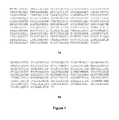
- FIG. 1 shows amino acid sequences of human ERs.
- FIG. 1( a ) shows the amino acid sequence of human ER- ⁇ 66.
- FIG. 1( b ) shows the amino acid sequence of human ER- ⁇ 46.
- FIG. 2 shows QC result of purified SNGmB1 antibody.
- Monoclonal antibody SNGmB1 (mIgG2b) was generated using hybridoma technology with recombinant ER- ⁇ 36 protein as immunogen. The hybridoma was subcloned three times before its gene was cloned.
- FIG. 3 shows binding specificity of SNGmB1.
- Fc-LBD represents fusion protein of Fc and ER- ⁇ 36 ligand binding domain including the C-terminal 27 amino acids
- Fc-LBD-D27 represents Fc-LBD with the C-terminal 27 amino acids deleted
- Fc-ER66 represents fusion protein of Fc and ER- ⁇ 66 ligand binding domain
- peptide represents the C-terminal 27 amino acids derived from the F domain of ER- ⁇ 36
- FIG. 4 shows binding specificity of SNGmB1 with western blot.
- the following lysates were used: 1) parental HEK293 cells (“P”); 2) HEK293 cells transfected with pcDNA3.1_ER- ⁇ 36 full length protein with Myc-tag (“E”); 3) MDA-MB-231 (“231”); 4) MCF-7; 5) Hec-1A; 6) K562.
- FIG. 5 shows the binding of SNGmB1 to ER- ⁇ 36 expressed on cell surfaces of: K562 cells ( FIG. 5A ); MCF7 cells ( FIG. 5B ); SKBR3 cells ( FIG. 5C ); MHCC97H ( FIG. 5D ); 3T3 inducible cell lines ( FIG. 5E ), as measured by FACS analysis.
- the SNGmB1 antibody showed dose-dependent binding to K-562 in the FACS assay.
- Mouse IgG2b was used as isotype control.
- FIG. 6 illustrates immunofluorescence analysis of SNGmB1 binding to MCF7 derived mammosphere and its effect on MCF7 mammosphere formation.
- FIG. 6A shows that SNGmB1 can detect membrane bound ER- ⁇ 36 on MCF7, as demonstrated in fluorescence signal.
- FIG. 6B shows the quantified fluorescent intensity in FIG. 6A .
- FIG. 6C shows that SNGmB1 antibody can inhibit on MCF7 mammosphere formation and growth.
- FIG. 6D shows that SNGmB1 antibody can inhibit on MCF7 mammosphere formation and growth at different concentrations.
- FIG. 7 shows the time-dependent internalization of SNGmB1 in K-562 cells.
- the % internalization (Qn-Qo)/(Nn-Qo);
- Qn MFI (Mean Fluorescence Intensity) for a sample at a specific time point, after quench;
- Nn MFI for a sample taken at a specific time point, no quench;
- Qo MFI for sample incubated only on ice at 0 hour, after quench.
- FIG. 8 shows the format of biacore assay.
- a chip surface was coated with anti-mouse FC IgG which captures the test antibody, and GV27 peptide (i.e. SEQ ID NO: 2) was injected over the surface to allow competition of binding for the test antibody.
- GV27 peptide i.e. SEQ ID NO: 2
- FIG. 9 shows the epitope mapping results by alanine scanning. Binding of SNGmB1 to a series of mutated peptides derived from ER- ⁇ 36 comprising the C-terminal 27 amino acids was tested.
- FIG. 10 shows the binding of the anti-ERa-36 antibodies to ER- ⁇ 36.
- FIG. 10A shows the binding of humanized antibody SNGHZD (C1L+C6H) to ER- ⁇ 36
- FIG. 10B shows the binding of humanized antibody SNGHZD (C2L+C5H).
- Fc-LBD “Fc-LBD-D27”, “Fc-ER66”, “peptide” and “Human IgG” represent the same agents as defined in the description for FIG. 3 .
- FIG. 10D show that hybridoma derived mouse SNGmB1 (C), chimeric SNGhB1 (D), and humanized SNGHZD respectively compete against SNGmB1 antibody for binding to ER- ⁇ 36, as detected in an ELISA assay. Plates were coated with SNGmB1, SNGhB1 and SNGHZD respectively, followed by addition of the biotinylated GV27 peptide and the competing antibody (i.e., antibody 104c3F8 which is an anti-ERa-36 antibody binding to a different epitope, antibody SNGmB1, or a control IgG).
- FIG. 10F illustrates that different humanized variants of SNGmB1 compete against SNGmB1 antibody for binding to ER- ⁇ 36.
- HZD-B1 represents for a humanized variant of SNGmB1
- HBD-F8 represents humanized 104c3F8
- HBD-B1 represents hybridoma produced SNGmB1
- FIG. 11 shows expression of ER- ⁇ 36 in invasion front (A) and lymphatic metastases (B) in human tissue samples, as detected using Immunohistochemistry assay with the SNGmB1 antibody.
- FIG. 12 shows that SNGmB1 inhibited tumor cell growth in a does-dependent manner in BCAP37 Xenograft mouse model.
- FIG. 13 shows HIC-HPLC chrotomagrams of the Ab-mc-vc-PAB-MMAE as formula (VII) and SNGmB1.
- FIG. 14 a shows SEC-HPLC chrotomagrams of SNGmB1.
- FIG. 14 b shows SEC-HPLC chrotomagrams of the Ab-mc-vc-PAB-MMAE as formula(VII)
- FIG. 15 shows HIC-HPLC chrotomagrams of the Ab-mc-MMAF as formula(VII)) and SNGmB1.
- FIG. 16 shows SEC-HPLC chrotomagrams of the Ab-mc-MMAF as formula(VII)).
- FIG. 17 shows HIC-HPLC chrotomagrams of the Ab-SMCC-DM1 as formula(IX) and SNGmB1.
- FIG. 18 shows SEC-HPLC chrotomagrams of Ab-SMCC-DM1 as formula(IX) and SNGmB1.
- FIG. 19 shows HIC-HPLC chrotomagrams of the Ab-SPDB-DM4 as formula(X) and SNGmB1.
- FIG. 20 shows SEC-HPLC chrotomagrams of the Ab-SPDB-DM4 as formula(X).
- FIG. 21 shows HIC-HPLC chrotomagrams of the MB-VC-duocarmycin as formula(XI) and SNGmB1.
- FIG. 22 shows SEC-HPLC chrotomagrams of the MB-VC-duocarmycin as formula(XI).
- FIG. 23 shows the results of the viability assay of cancer cell line PLC treated with different ADCs of different concentrations respectively.
- FIG. 24 shows the results of the viability assay of cancer cell line SUM159 treated with different ADCs of different concentrations respectively.
- FIG. 25 shows metastasis of lung tumor cells on administrated with vehicle, control IgG and SNGmB1.
- FIG. 26 a shows immunohistochemical images of ALDH1 in lung metastatic foci with tamoxifen administrated tumor-bearing nude mice after control IgG treatment.
- FIG. 26 b shows immunohistochemical images of ALDH1 in lung metastatic foci with tamoxifen administrated tumor-bearing nude mice after SNGmB1 treatment.
- antibody includes any monoclonal antibody, polyclonal antibody, multispecific antibody, or bispecific (bivalent) antibody that binds to a specific antigen.
- a complete antibody comprises two heavy chains and two light chains. Each heavy chain consists of a variable region and a first, second, and third constant region, while each light chain consists of a variable region and a constant region. Mammalian heavy chains are classified as ⁇ , ⁇ , ⁇ , ⁇ , and ⁇ , and mammalian light chains are classified as ⁇ or ⁇ .
- the antibody has a “Y” shape, with the stem of the Y consisting of the second and third constant regions of two heavy chains bound together via disulfide bonding.
- Each arm of the Y includes the variable region and first constant region of a single heavy chain bound to the variable and constant regions of a single light chain.
- the variable regions of the light and heavy chains are responsible for antigen binding.
- the variables region in both chains generally contain three highly variable loops called the complementarity determining regions (CDRs) (light (L) chain CDRs including LCDR1, LCDR2, and LCDR3, heavy (H) chain CDRs including HCDR1, HCDR2, HCDR3).
- CDR boundaries for the antibodies and antigen-binding fragments disclosed herein may be defined or identified by the conventions of Kabat, Chothia, or Al-Lazikani (Al-Lazikani 1997; Chothia 1985; Chothia 1987; Chothia 1989; Kabat 1987; Kabat 1991).
- the three CDRs are interposed between flanking stretches known as framework regions (FRs), which are more highly conserved than the CDRs and form a scaffold to support the hypervariable loops.
- FRs framework regions
- the constant regions of the heavy and light chains are not involved in antigen binding, but exhibit various effector functions.
- Antibodies are assigned to classes based on the amino acid sequence of the constant region of their heavy chain.
- the five major classes or isotypes of antibodies are IgA, IgD, IgE, IgG, and IgM, which are characterized by the presence of ⁇ , ⁇ , ⁇ , ⁇ , and ⁇ heavy chains, respectively.
- IgG1 ⁇ 1 heavy chain
- IgG2 ⁇ 2 heavy chain
- IgG3 ⁇ 3 heavy chain
- IgG4 ⁇ 4 heavy chain
- IgA1 ⁇ 1 heavy chain
- IgA2 ⁇ 2 heavy chain
- An antibody or antigen-binding fragment thereof that is “bivalent” comprises two antigen-binding sites.
- the two antigen binding sites may bind to the same antigen, or they may each bind to a different antigen, in which case the antibody or antigen-binding fragment is characterized as “bispecific.”
- antigen-binding fragment refers to an antibody fragment such as for example a diabody, a Fab, a Fab′, a F(ab′) 2 , an Fv fragment, a disulfide stabilized Fv fragment (dsFv), a (dsFv) 2 , a bispecific dsFv (dsFv-dsFv′), a disulfide stabilized diabody (ds diabody), a single-chain antibody molecule (scFv), an scFv dimer (bivalent diabody), a multispecific antibody formed from a portion of an antibody comprising one or more CDRs, a camelized single domain antibody, a nanobody, a domain antibody, a bivalent domain antibody, or any other antibody fragment that binds to an antigen but does not comprise a complete antibody structure.
- an antibody fragment such as for example a diabody, a Fab, a Fab′, a F(ab′) 2 ,
- an antigen-binding fragment is capable of binding to the same antigen to which the parent antibody or a parent antibody fragment (e.g., a parent scFv) binds.
- an antigen-binding fragment may comprise one or more CDRs from a particular human antibody grafted to a framework region from one or more different human antibodies.
- Fab with regard to an antibody refers to that portion of the antibody consisting of a single light chain (both variable and constant regions) bound to the variable region and first constant region of a single heavy chain by a disulfide bond.
- Fab refers to a Fab fragment that includes a portion of the hinge region.
- F(ab′) 2 refers to a dimer of Fab′.
- Fc with regard to an antibody refers to that portion of the antibody consisting of the second and third constant regions of a first heavy chain bound to the second and third constant regions of a second heavy chain via disulfide bonding.
- the Fc portion of the antibody is responsible for various effector functions such as ADCC, and CDC, but does not function in antigen binding.
- Fv with regard to an antibody refers to the smallest fragment of the antibody to bear the complete antigen binding site.
- An Fv fragment consists of the variable region of a single light chain bound to the variable region of a single heavy chain.
- Single-chain Fv antibody or “scFv” refers to an engineered antibody consisting of a light chain variable region and a heavy chain variable region connected to one another directly or via a peptide linker sequence (Houston 1988).
- Single-chain Fv-Fc antibody or “scFv-Fc” refers to an engineered antibody consisting of a scFv connected to the Fc region of an antibody.
- “Camelized single domain antibody,” “heavy chain antibody,” or “HCAb” refers to an antibody that contains two V H domains and no light chains (Riechmann 1999; Muyldermans 2001; WO94/04678; WO94/25591; U.S. Pat. No. 6,005,079). Heavy chain antibodies were originally derived from Camelidae (camels, dromedaries, and llamas). Although devoid of light chains, camelized antibodies have an authentic antigen-binding repertoire (Hamers-Casterman 1993; Nguyen 2002; Nguyen 2003). The variable domain of a heavy chain antibody (VHH domain) represents the smallest known antigen-binding unit generated by adaptive immune responses (Koch-Nolte 2007).
- a “nanobody” refers to an antibody fragment that consists of a VHH domain from a heavy chain antibody and two constant domains, CH2 and CH3.
- “Diabodies” include small antibody fragments with two antigen-binding sites, wherein the fragments comprise a V H domain connected to a V L domain in the same polypeptide chain (V H -V L or V H -V L ) (see, e.g., Holliger 1993; EP404097; WO93/11161).
- V H -V L or V H -V L the same polypeptide chain
- the antigen-binding sites may target the same of different antigens (or epitopes).
- a “domain antibody” refers to an antibody fragment containing only the variable region of a heavy chain or the variable region of a light chain.
- two or more V H domains are covalently joined with a peptide linker to create a bivalent or multivalent domain antibody.
- the two V H domains of a bivalent domain antibody may target the same or different antigens.
- a “(dsFv) 2 ” comprises three peptide chains: two V H moieties linked by a peptide linker and bound by disulfide bridges to two V L moieties.
- a “bispecific ds diabody” comprises V H1 -V L2 (linked by a peptide linker) bound to V L1 -V H2 (also linked by a peptide linker) via a disulfide bridge between V H1 and V L1 .
- a “bispecific dsFv” or dsFv-dsFv′” comprises three peptide chains: a V H1 -V H2 moiety wherein the heavy chains are linked by a peptide linker (e.g., a long flexible linker) and bound to V L1 and V L2 moieties, respectively, via disulfide bridges, wherein each disulfide paired heavy and light chain has a different antigen specificity.
- a peptide linker e.g., a long flexible linker
- an “scFv dimer” is a bivalent diabody or bivalent ScFv (BsFv) comprising V H -V L (linked by a peptide linker) dimerized with another V H -V L moiety such that V H 's of one moiety coordinate with the V L 's of the other moiety and form two binding sites which can target the same antigens (or eptipoes) or different antigens (or eptipoes).
- an “scFv dimer” is a bispecific diabody comprising V H1 -V L2 (linked by a peptide linker) associated with V L1 -V H2 (also linked by a peptide linker) such that V H1 and V L1 coordinate and V H2 and V L2 coordinate and each coordinated pair has a different antigen specificity.
- epitope refers to the specific group of atoms or amino acids on an antigen to which an antibody binds. Two antibodies may bind the same epitope within an antigen if they exhibit competitive binding for the antigen. For example, if an antibody or antigen-binding fragment as disclosed herein competes with SNGmB1 for ER- ⁇ 36 binding, the antibody may be, but is not necessarily, considered to bind the same epitope as SNGmB1.
- ER refers to one of several known estrogen receptors, ER- ⁇ 66, ER- ⁇ 46, or ER- ⁇ 36.
- the full-length human ER- ⁇ identified as a 66 kDa protein having 595 amino acids is referred as hER- ⁇ 66 ( FIG. 1( a ) )
- hER- ⁇ 66 is composed of three independent but interacting functional domains: the N-terminal A/B domain, the C or DNA-binding domain, and the D/E/F or ligand-binding domain (See U.S. application Ser. No. 10/591,199 which is incorporated by reference herein).
- the N-terminal domain of ER ⁇ 66 encodes a ligand-independent activation function (AF-1), a region involved in interaction with co-activators, and transcriptional activation of target genes.
- AF-1 ligand-independent activation function
- the DNA-binding domain or C domain contains a two zinc-finger structure, which plays an important role in receptor dimerization and binding to specific DNA sequences.
- the C-terminal D/E/F domain is a ligand-binding domain that mediates ligand binding, receptor dimerization, nuclear translocation, and a ligand-dependent transactivation function (AF-2).
- AF-2 ligand-dependent transactivation function
- Human ER- ⁇ 46 (hER- ⁇ 46, FIG. 1( b ) ) is a splice variant of hER- ⁇ 66, has a molecular weight of about 46 KDa containing 412 amino acids, and lacks the N-terminal AF-1 domain of hER- ⁇ 66.
- Human ER- ⁇ 36 (hER- ⁇ 36 as set forth in SEQ ID NO:1) is a 36 kDa hER- ⁇ variant which lacks the N-terminal AF-1 domain and the C-terminal AF-2 domain of hER- ⁇ 66 (Wang et al., Biochem. Biophys. Res. Commun. 336, 1023-1027 (2005), U.S. application Ser. No. 10/591,199, WO2005/087811).
- hER- ⁇ 36 has a unique addition of 27 amino acid residues to its C-terminus when compared to hER- ⁇ 66 or hER- ⁇ 46.
- the 27 amino acid residues are amino acids residues from 284 to 310 of SEQ. ID. NO. 1, or amino acid residues from 1 to 27 of SEQ. ID NO. 2.
- ER activities includes intracellular events induced by ER (e.g., hER- ⁇ 36), such as receptor phosphorylation (e.g., tyrosine phosphorylation), binding of intracellular signaling molecules to the receptor or to other intracellular signaling molecules, the initiation of a signaling cascade, and/or the initiation of a biological response (e.g., induction of gene expression and changes in the physiology or development (e.g., proliferation) of the cell having the ER (e.g., hER- ⁇ 36)).
- receptor phosphorylation e.g., tyrosine phosphorylation
- Cancer or “cancerous condition” as used herein refers to any medical condition mediated by neoplastic or malignant cell growth, proliferation, or metastasis, and includes both solid cancers and non-solid cancers such as leukemia.
- Tumor refers to a solid mass of neoplastic and/or malignant cells.
- Treating” or “treatment” of a condition as used herein includes preventing or alleviating a condition, slowing the onset or rate of development of a condition, reducing the risk of developing a condition, preventing or delaying the development of symptoms associated with a condition, reducing or ending symptoms associated with a condition, generating a complete or partial regression of a condition, curing a condition, or some combination thereof.
- “treating” or “treatment” may refer to inhibiting or slowing neoplastic or malignant cell growth, proliferation, or metastasis, preventing or delaying the development of neoplastic or malignant cell growth, proliferation, or metastasis, or some combination thereof.
- “treating” or “treatment” includes eradicating all or part of a tumor, inhibiting or slowing tumor growth and metastasis, preventing or delaying the development of a tumor, or some combination thereof.
- K D binding affinity
- ⁇ 10 ⁇ 6 M e.g., ⁇ 5 ⁇ 10 ⁇ 7 M, ⁇ 2 ⁇ 10 ⁇ 7 M, ⁇ 10 ⁇ 7 M, ⁇ 5 ⁇ 10 ⁇ 8 M, ⁇ 2 ⁇ 10 ⁇ 8 M, ⁇ 10 ⁇ 8 M, ⁇ 5 ⁇ 10 ⁇ 9 M, ⁇ 2 ⁇ 10 ⁇ 9 M, ⁇ 10 ⁇ 9 M, 10 ⁇ 10 M.
- K D refers to the ratio of the dissociation rate to the association rate (k off /k on ), may be determined using methods known in the art (e.g., using Biacore or Kinexa techniques).
- an “isolated” substance has been altered by the hand of man from the natural state. If an “isolated” composition or substance occurs in nature, it has been changed or removed from its original environment, or both.
- a polynucleotide or a polypeptide naturally present in a living animal is not “isolated,” but the same polynucleotide or polypeptide is “isolated” if it has been sufficiently separated from the coexisting materials of its natural state so as to exist in a substantially pure state.
- vector refers to a vehicle into which a polynucleotide encoding a protein may be operably inserted so as to bring about the expression of that protein.
- a vector may be used to transform, transduce, or transfect a host cell so as to bring about expression of the genetic element it carries within the host cell.
- vectors include plasmids, phagemids, cosmids, artificial chromosomes such as yeast artificial chromosome (YAC), bacterial artificial chromosome (BAC), or P1-derived artificial chromosome (PAC), bacteriophages such as lambda phage or M13 phage, and animal viruses.
- a vector may contain a variety of elements for controlling expression, including promoter sequences, transcription initiation sequences, enhancer sequences, selectable elements, and reporter genes. In addition, the vector may contain an origin of replication.
- a vector may also include materials to aid in its entry into the cell, including but not limited to a viral particle, a liposome, or a protein coating.
- host cell refers to a cell into which an exogenous polynucleotide and/or a vector has been introduced.
- a host cell may be selected from a variety of cell types, including for example bacterial cells such as E. coli or B. subtilis cells, fungal cells such as yeast cells or Aspergillus cells, insect cells such as Drosophila S2 or Spodoptera Sf9 cells, or animal cells such as fibroblasts, CHO cells, COS cells, NSO cells, HeLa cells, BHK cells, HEK 293 cells, or human cells.
- a “disease associated with or related to ER or ER- ⁇ 36” as used herein refers to any condition that is caused by, exacerbated by, or otherwise linked to increased or decreased activities of ER (e.g., ER- ⁇ 36).
- Such conditions include cancers mediated by cells that are dependent on of ER (e.g., ER- ⁇ 36) for growth, proliferation, or metastasis, diseases of the bone such as bone loss, bone fractures or osteoporosis, and inflammatory conditions such as for example rheumatoid arthritis, psoriasis, scleroderma, chronic obstructive pulmonary disease or asthma.
- the ability to “block binding” or “compete for binding” as used herein refers to the ability of an antibody or antigen-binding fragment to inhibit the binding interaction between two molecules to any detectable agree.
- an antibody or antigen-binding fragment that blocks binding between two molecules inhibits the binding interaction between the two molecules by at least 50%. In certain embodiments, this inhibition may be greater than 60%, in certain embodiments greater than 70%, in certain embodiments greater than 80%, and in certain embodiments greater than 90%.
- the binding interaction being inhibited may be that of SNGmB1 to hER- ⁇ 36.
- a therapeutically effective amount refers to the dosage or concentration of a drug effective to treat a disease or condition associated with hER- ⁇ 36.
- a therapeutically effective amount is the dosage or concentration of the antibody or antigen-binding fragment capable of eradicating all or part of a tumor, inhibiting or slowing tumor growth, inhibiting growth or proliferation of cells mediating a cancerous condition, inhibiting tumor cell metastasis, ameliorating any symptom or marker associated with a tumor or cancerous condition, preventing or delaying the development of a tumor or cancerous condition, or some combination thereof.
- pharmaceutically acceptable indicates that the designated carrier, vehicle, diluent, excipient(s), and/or salt is generally chemically and/or physically compatible with the other ingredients comprising the formulation, and physiologically compatible with the recipient thereof.
- the present disclosure provides anti-hER- ⁇ 36 antibodies and the antigen-binding fragments thereof that specifically bind to the amino acid residues 284-310 of SEQ ID NO: 1, i.e. the 27 amino acid fragment shown in SEQ ID NO: 2.
- amino acids sequences of SEQ ID NO: 1, and SEQ ID NO: 2 are listed below.
- an “anti-hER- ⁇ 36” antibody as used herein refers to an antibody that blocks binding of hER- ⁇ 36 receptor with its ligand, or that competes with the ligand for binding with hER- ⁇ 36 receptor.
- the anti-hER- ⁇ 36 antibodies and the antigen-binding fragments thereof specifically binds hER- ⁇ 36 (i.e. SEQ ID NO: 1) or an hER- ⁇ 36 fragment comprising SEQ ID NO: 2, with a binding affinity (K D ) of ⁇ 10 ⁇ 6 M (e.g., ⁇ 5 ⁇ 10 ⁇ 7 M, ⁇ 2 ⁇ 10 ⁇ 7 M, ⁇ 10 ⁇ 7 M, ⁇ 5 ⁇ 10 ⁇ 8 M, ⁇ 2 ⁇ 10 ⁇ 8 M, ⁇ 10 ⁇ 8 M, ⁇ 5 ⁇ 10 ⁇ 9 M, ⁇ 2 ⁇ 10 ⁇ 9 M, ⁇ 10 ⁇ 9 M, ⁇ 5 ⁇ 10 ⁇ 10 M, ⁇ 2 ⁇ 10 ⁇ 10 M, ⁇ 5 ⁇ 10 ⁇ 11 M, ⁇ 5 ⁇ 10 ⁇ 11 M, or ⁇ 10 ⁇ 11 M).
- K D binding affinity
- the binding affinity ranges from 10 ⁇ 11 M to 10 ⁇ 8 M, 10 ⁇ 11 M to 10 ⁇ 9 M, 10 ⁇ 11 M to 10 ⁇ 8 M, 10 ⁇ 11 M to 10 ⁇ 7 M, 10 ⁇ 11 M to 10 ⁇ 6 M, 10 ⁇ 10 M to 10 ⁇ 8 M, 10 ⁇ 10 M to 10 ⁇ 9 M, 10 ⁇ 10 M to 10 ⁇ 8 M, 10 ⁇ 10 M to 10 ⁇ 7 M, or 10 ⁇ 10 M to 10 ⁇ 6 M.
- the binding affinity can be represented by K D value, which is calculated as the ratio of dissociation rate to association rate (k off /k on ) when the binding between the antigen and the antigen-binding molecule reaches equilibrium.
- the dissociation rate (k off ) measured at the binding equilibrium may also be used when measurement of k on is difficult to obtain, for example, due to aggregation of antigens.
- the antigen-binding affinity e.g. K D or k off
- K D or k off can be appropriately determined using suitable methods known in the art, including, for example, Biacore (see, for example, Murphy, M. et al, Current protocols in protein science, Chapter 19, unit 19.14, 2006) and Kinexa techniques (see, for example, Darling, R. J., et al, Assay Drug Dev. Technol., 2(6): 647-657 (2004)).
- the antibodies and the fragments thereof provided herein antagonize one or more of the ER activities of hER- ⁇ 36.
- Such antibodies and the fragments thereof do not stimulate one or more ER activities when bound to hER- ⁇ 36, and/or they can compete with ER ligands or agonists for receptor binding such that the stimulation of ER activity by the ER ligands or agonists can be inhibited or antagonized.
- the activity of the antibodies and the fragments thereof on the ER activities can be measured using assays well-known in the art, for example, by detecting receptor phosphorylation, by detecting inhibition of binding of an ER ligand or agonist, by detecting one or more biological responses of the hER- ⁇ 36 receptor. Exemplary methods or assays are described in detail in WO05/087811, which are incorporated herein in its entirety.
- the anti-hER- ⁇ 36 antibodies and its antigen-binding fragments thereof can be internalized to a cell expressing hER- ⁇ 36.
- the internalization of the antibodies can be measured by, for example, incubating cells expressing hER- ⁇ 36 with a labeled anti-hER- ⁇ 36 antibody for a certain period of time and detect the presence of the labeled antibody inside the cells (e.g. with a fluorescent microscope, or FACS analysis).
- the anti-hER- ⁇ 36 antibodies and the antigen-binding fragments thereof possess anti-tumor activity in vitro and/or in vivo.
- the antibodies and the fragments thereof can inhibit tumor cell growth and/or induce tumor cell apoptosis.
- the anti-tumor activity can be detected in vitro using a tumor cell culture, or in vivo using an animal model.
- anti-hER- ⁇ 36 antibodies and the antigen-binding fragments thereof comprising at least one (e.g. at least 2, 3, 4, 5 or all 6) of the CDRs of SNGmB1 antibody.
- SNGmB1 antibody refers to a mouse monoclonal antibody comprising a light chain having an amino acid sequence of SEQ ID NO: 16, and a heavy chain having an amino acid sequence of SEQ ID NO: 18.
- the nucleotide sequences encoding for the light chain and the heavy chain of the SNGmB1 antibody are also provided below as SEQ ID NO: 17 and SEQ ID NO: 19.
- the amino acid sequences for the light chain and the heavy chain are set forth below, in which the CDR regions are bold and underlined, and the constant regions are bold and italic.
- amino acid sequence of light chain of SNGmB1 (SEQ ID NO: 16):
- amino acid sequence of heavy chain of SNGmB1 (SEQ ID NO:18):
- the nucleotide sequence encoding light chain of the mouse antibody SNGmB1 (SEQ ID NO:17):
- the nucleotide sequence encoding heavy chain of the mouse antibody SNGmB1 (SEQ ID NO:19)
- the CDR sequences of SNGmB1 antibody are set forth in Table 1.
- the anti-hER- ⁇ 36 antibodies and antigen-binding fragments provided herein comprises at least one CDR (or at least two, three, four, five or six) selected from SEQ ID NOs: 3-8.
- CDRs are known to be responsible for antigen binding, however, it has been found that not all of the 6 CDRs are indispensible for the antigen binding. In other words, it is possible to replace one or more CDRs in SNGmB1 antibody yet substantially retain the binding affinity to hER- ⁇ 36.
- the anti-hER- ⁇ 36 antibodies and the antigen-binding fragments provided herein comprise SEQ ID NO: 8 (i.e. the heavy chain CDR3 sequence of SNGmB1 antibody).
- Heavy chain CDR3 regions are located at the center of the antigen-binding site, and therefore are believed to make the most contact with antigen and provide the most free energy to the affinity of antibody to antigen. It is also believed that the heavy chain CDR3 is by far the most diverse CDR of the antigen-binding site in terms of length, amino acid composition and conformation by multiple diversification mechanisms (Tonegawa S. Somatic generation of antibody diversity. Nature. 302:575-81). The diversity in the heavy chain CDR3 is sufficient to produce most antibody specificities (Xu J L, Davis M M.
- the anti-hER- ⁇ 36 antibodies and antigen-binding fragments provided herein comprises a heavy chain variable region which comprises any of the 3 HCDRs of SNGmB1 antibody, i.e., comprising any of SEQ ID NOs: 6-8; and/or comprises a light chain variable region which comprises any of the 3 LCDRs of SNGmB1 antibody, i.e., comprising any of SEQ ID NOs: 3-5.
- the anti-hER- ⁇ 36 antibodies and antigen-binding fragments provided herein comprises a heavy chain variable region which comprises SEQ ID NOs: 6, 7 and 8; and/or comprises a light chain variable region which comprises SEQ ID NOs: 3, 4, and 5.
- the anti-hER- ⁇ 36 antibodies and antigen-binding fragments provided herein comprise a heavy chain variable region of SNGmB1 antibody, i.e., SEQ ID NO: 10, and/or comprises a light chain variable region of SNGmB1 antibody, i.e., SEQ ID NO: 9.
- the anti-hER- ⁇ 36 antibody is SNGmB1 antibody, comprising a light chain of SEQ ID NO: 16, and a heavy chain of SEQ ID NO: 18.
- the CDR regions, the light chain variable regions, and the heavy chain variable regions of the SNGmB1 antibody can be grafted to other framework regions or constant regions according to methods known in the art to render a camelized single domain antibody, a diabody, a BsFv, an scFv dimer, a dsFv, a (dsFv) 2 , a dsFv-dsFv′, an Fv fragment, a Fab, a Fab′, a F(ab′) 2 , a ds diabody, a nanobody, a domain antibody, a bivalent domain antibody, or a full antibody.
- the antibodies disclosed herein can be a monoclonal antibody, a recombinant antibody, a bispecific antibody, a humanized antibody, a chimeric antibody, a labeled antibody, a bivalent antibody, an anti-idiotypic antibody, or a fully human antibody.
- the anti-hER- ⁇ 36 antibodies and antigen-binding fragments are chimeric. “Chimeric” as used herein, refers to a molecule comprising at least two moieties derived from different species.
- a chimeric antibody may have at least one non-human sequence and a human sequence.
- the chimeric antibodies and antigen-binding fragments thereof comprise at least one CDR from mouse, and at least one constant region and/or framework region from non-mouse species (e.g. human).
- the chimeric antibodies and antigen-binding fragments retain the binding specificity to hER- ⁇ 36, and preferably, retain the binding affinity to hER- ⁇ 36 (e.g. no less than 60%, no less than 70%, no less than 80%, no less than 90%, or no less than 95% than that of the SNGmB1 antibody), and/or retain the biological activities on hER- ⁇ 36 (e.g. antagonizing activity).
- the chimeric antibodies and antigen-binding fragments thereof comprise at least one of SEQ ID Nos: 3-8 and a human derived antibody scaffold. In certain embodiments, the chimeric antibodies and antigen-binding fragments thereof comprise a heavy chain variable region which comprises all of SEQ ID NOs: 6-8; and/or comprises a light chain variable region which comprises all of SEQ ID NOs: 3-5, grafted on a human-derived antibody scaffold.
- the chimeric antibodies and antigen-binding fragments thereof comprise a heavy chain variable region of SEQ ID NO: 10, and/or comprises a light chain variable region of SEQ ID NO: 9, grafted on a human-derived antibody scaffold.
- the chimeric antibody comprises a light chain having an amino acid sequence of SEQ ID NO: 20, and a heavy chain having an amino acid sequence of SEQ ID NO: 22. In certain embodiments, the chimeric antibody comprises a light chain encoded by a polynucleotide sequence of SEQ ID NO: 21, and a heavy chain encoded by a polynucleotide sequence of SEQ ID NO: 23.
- Chimeric antibodies and antigen-binding fragments can be produced using recombinant methods, for example, as described by Morrison et al, in U.S. Pat. No. 5,807,715; by Cabilly et al. in U.S. Pat. No. 4,816,567; by Boss et al. in U.S. Pat. No. 4,816,397; Morrison, Science 229 (4719): 1202-1207 (1985); Morrison, Proc. Natl. Acad. Sci. U.S.A. 81:6851-6855 (1984), which are all incorporated herein by reference.
- a DNA molecule encoding for a variable region of one species are ligated in-frame with another DNA molecule encoding for a constant region of another species, and the resulting DNA encoding the chimeric antibody chain are transfected into a cell to allow the expression, and the light and the heavy chains are optionally assembled in the cell to produce the chimeric antibodies or antigen-binding fragments thereof.
- the chimeric anti-hER- ⁇ 36 antibodies and the antigen-binding fragments thereof can be humanized.
- humanized is meant a non-human antibody is modified to increase the sequence homology to that of a human antibody, such that the antigen-binding properties are retained yet the immunogenicity to human is reduced.
- the humanized antibodies and the antigen-binding fragments thereof comprise one or more antigen-binding sequence(s) derived from the SNGmB1 antibody, grafted to a human-derived antibody scaffold.
- “Human-derived” as used herein means that the antibody scaffold is fully human, or substantially from human except for a few mutations or modifications, which are introduced for example to provide for improved binding affinity, provide for conjugation sites, formation of additional disulfide bonds or for any other suitable purposes.
- a human-derived antibody scaffold has reduced immunogenicity or no immunogenicity in a human, relative to a non-human derived antibody such as a murine antibody.
- One or more of the CDRs and/or the variable regions of SNGmB1 antibody can be grafted to a human-derived antibody or the fragment thereof.
- the CDR(s) of SNGmB1 antibody can be grafted to a human framework region in a human-derived antibody, such that the CDR from SNGmB1 locates in replacement of the corresponding CDR on the human-derived antibody.
- the variable region(s) of SNGmB1 antibody can be grafted to a corresponding constant region of a human-derived antibody.
- the CDRs of the SNGmB1 antibody are grafted to human framework regions.
- Certain amino acid residues of the human framework regions can be substituted with the corresponding residues from the SNGmB1 antibody, such that the antigen-binding regions on the humanized antibody would more closely approximate the murine antibody structure.
- Examples of such amino acid residues include, without limitation, V4, P44, L46, S49, and/or S64 of the light chain, and T28, L81 of the heavy chain, of the humanized antibody variable region (see Table 2).
- the humanized chimeric antibodies and antigen-binding fragments thereof comprise a heavy chain variable region selected from SEQ ID NOs: 14 and 15, and/or comprises a light chain variable region selected from SEQ ID NOs: 11, 12, and 13, grafted to human-derived constant regions. Sequences of the humanized variable regions are provided in the below Table 2, in which the substituted amino acid residues in human framework regions are shown in a larger size.
- the humanized chimeric antibody comprises a light chain having an amino acid sequence selected from SEQ ID NO: 24, 26, and 28, and a heavy chain having an amino acid sequence selected from SEQ ID NO: 30 and 32.
- the chimeric antibody comprises a light chain encoded by a nucleotide sequence selected from SEQ ID NO: 25, 27, and 29, and a heavy chain encoded by a nucleotide sequence selected from SEQ ID NO: 31 and 33.
- the present disclosure further provides antibodies and antigen-binding fragments with enhanced properties (e.g., increased affinity, increased half-life, improved compatibility to conjugation, etc), which comprise one or more amino acid substitutions, additions or deletions in one or more CDR sequences or the heavy or the light chain variable regions of the SNGmB1 antibody, or in the heavy or the light chain constant regions.
- enhanced properties e.g., increased affinity, increased half-life, improved compatibility to conjugation, etc
- the antibodies or antigen-binding fragments with such amino acid substitution(s) retain the binding specificity and the binding affinity to hER- ⁇ 36, and preferably, have improved binding affinity to hER- ⁇ 36. They can be generated by random or targeted mutagenesis of the amino acid sequence and subsequent binding and functional assays. Antibodies and antigen-binding fragments generated in this manner may be screened for binding to ER- ⁇ 36 in order to identify antibodies with ER- ⁇ 36 binding characteristics. Antibodies with favorable binding characteristics may be subjected to one or more functional assays to determine their ability to, for example, inhibit cancer cell growth or proliferation in vitro or tumor growth in vivo.
- the anti-hER36 antibodies and the antigen-binding fragments therefore comprises one or more non-natural amino acid (NNAA) substitution.
- NAA non-natural amino acid
- “Non-natural amino acid” or “NNAA” as used herein refers to any amino acid, including a modified amino acid and/or an amino acid analog, that is not one of the 20 standard amino acids (i.e. glycine, alanine, valine, leucine, isoleucine, serine, cysteine, threonine, methionine, proline, phenylalanine, tyrosine, tryptophan, histidine, lysine, arginine, aspartate, glutamate, asparagine, and glutamine).
- 20 standard amino acids i.e. glycine, alanine, valine, leucine, isoleucine, serine, cysteine, threonine, methionine, proline, phenylalanine, ty
- NNAAs can contain a variety of functional groups or reactive groups, which can provide for additional functions and/or reactivity.
- NNAAs suitable for incorporation in the antibodies and the antigen-binding fragments may be a photocaged and/or photoisomerizable amino acid (e.g. p-azophenyl-phenylalanine), glycosylated amino acid (e.g. N-acetyl-L-glucosaminyl-L-serine), radiolabled amino acid, keto-containing amino acid (e.g. pyrrolysine), aldehyde-containing amino acid, such as formylglycine (Redwood Bioscience's SMARTAGTM), heavy atom substituted amino acid (e.g.
- photocaged and/or photoisomerizable amino acid e.g. p-azophenyl-phenylalanine
- glycosylated amino acid e.g. N-acetyl-L-glucosaminyl-
- p-iodophenylalanine chemically cleavable and/or photocleavable amino acid, redox-active amino acid (3-amino-L-tyrosine), or photoactivatable amino acid (e.g. p-azido-Lphenylalanine and p-benzoyl-L-phenylalanine).
- Reviews of NNAA can be found at, for example, Xie, J. et al, Current Opinion in Chemical Biology 2005, 9:548-554; Hohsaka, T. et al, Current Opinion in Chemical Biology 2002, 6:809-815, both of which are incorporated herein by their entirety.
- NNAAs can offer a variety of advantages, for example, in antibody conjugation, labeling, glycosylytion, photocrosslinking, and so on.
- the antibodies and the antigen-binding fragments provided herein comprises an NNAA capable of being conjugated.
- a conjugate molecule with a functional group can be reacted with the corresponding reactive group on an NNAA, such that a stable linkage can be formed between the NNAA of the antibody and the conjugate, thereby attaching the conjugate to the antibody.
- NNAAs containing keto group or aldehyde or ⁇ -diketomoieties can react with a hydrazide- or O-alkylhydroxylamine-, hydroxylamine-containing agents to form a hydrazone or an O-alkylated oxime linkage.
- NNAAs containing an azide group can react with an alkyne derivative to form a stable triazole linker by copper (I) catalyzed [3+2] cycloaddition (and vice versa).
- NNAAs containing an azide group can be ligated with an appropriate water soluble phosphine-containing agent to form an amide linkage by a Staudinger ligation.
- a thioester moiety in an NNAA can react with an amine-containing agent to form amide linkage.
- the antibodies and antigen-binding fragments incorporated with an NNAA can be conjugated with an agent via cycloaddition reactions, such as (4+2) cycloaddtion between diene and dienophile (Diels-Alder reaction), (3+2) cycloaddtion via 1,3-dipolar Huisgen cycloaddition, and (3+2) cycloaddtion via Nitrone-olefin cycloaddition.
- Cycloaddition methods suitable for antibody conjugation have been described in, for example, WO05003294, US20120004183, WO06009901, WO07130453 and U.S. Pat. No. 6,737,236.
- conjugates such as for example, fluorophores, affinity molecule (e.g. biotin), sugar analogs, polymers (e.g. PEGs), and chemical compounds (e.g. cytotoxins and anti-tumor agents).
- fluorophores e.g. fluorophores
- affinity molecule e.g. biotin
- sugar analogs e.g. sugar analogs
- polymers e.g. PEGs
- chemical compounds e.g. cytotoxins and anti-tumor agents
- the antibodies and antigen-binding fragments incorporated with an NNAA comprises an azide group or an alkyne group.
- Such NNAA can be conjugated via copper catalyzed click chemistry, for example, NNAA with an azide can be reacted with a conjugate with a terminal alkyne in the presence of copper (I) ion, to allow formation of a triazole linkage.
- NNAA with an alkyne group may also be reacted with an agent with an azide group via the copper catalyzed click chemistry. More details of the reaction have been described in, for example, U.S. Pat. No. 7,009,059, WO2004055160, U.S. Pat. No. 7,375,234, and U.S. Pat. No. 7,763,736.
- NNAA any suitable NNAAs known in the art may be used, including, without limitation, those described in PCT publications WO05038002, WO04035743, WO04035605, WO06001832, WO06068802, and WO06110182, and US Pat. Appl. US20130030160, US20130028906, and US20120301490.
- the NNAA is an analog of any of the 20 standard amino acids.
- Exemplary NNAA include, without limitation:
- a lysine analog such as pyrrolysine
- a phenylalanine analog such as p-nitrophenylalanine, p-aminophenylalanine, p-(2-amino-3-hydroxyethyl)phenylalanine, p-benzoylphenylalanine, p-phenylazophenylalanine, p-azidophenylalanine, p-iodophenylalanine, p-acetylphenylalanine, p-methoxyphenylalanine, p-(3-oxobutanoyl)-L-phenylalanine, p-isopropylthiocarbonyl-phenylalanine, p-ethylthiocarbonylphenylalanine, and p-propargyloxyphenylalanine, p-carboxymethylphenylalanine, 3,4-dihydroxy-L-phenylalanine, an alanine analog such L-3-(2-naphth
- An NNAA can be encoded by a given genetic codon which can be incorporated in a desired site of a nucleotide sequence encoding the antibody or antigen-binding fragment thereof.
- An NNAA can be encoded by a unique genetic codon which is different from the natural codon encoding for any of the 20 standard amino acids.
- a genetic codon for an NNAA can be a stop codon (e.g. amber (UAG), ochre (UAA), and opal (UGA) codons), a four-base codon (e.g. AGGA, AGGU, CGGU, CGCU, CGAU, CCCU, CUCU, CUAU, and GGGU), a five-base codon, a six-base codon, and so on.
- An NNAA can be incorporated to the antibodies and the antigen-binding fragments thereof by a translation system which comprises an orthogonal tRNA-aminoacyl-tRNA synthetase pair.
- the antibody-encoding nucleotide sequence comprising the codon for the NNAA can be introduced to a translation system, where the codon for the NNAA can be specifically recognized and translated into the NNAA by the orthogonal pair of tRNA and tRNA aminoacyl synthetase, thereby translating the nucleotide into the antibody and the antigen-binding fragment with the NNAA incorporated.
- the synthetase in the orthogonal pair specifically aminoacylates the tRNA with the NNAA, and the tRNA can specifically recognize the genetic codon for the NNAA.
- the pair may be artificially introduced to the system (i.e. an exogenous pair of tRNA and synthetase), or naturally present in the system (i.e. a native pair of tRNA and synthetase in a microorganism).
- Methods for preparing such a translation system are well known in the art, see, for example, PCT publications WO02085923, WO02086075, WO03033521, WO04094593, WO05007624, WO05007870, and WO05019415.
- the anti-hER36 antibodies and the antigen-binding fragments therefore comprise a conservative substitution from the SNGmB1 antibody.
- “Conservative substitution” as used herein refers to substitution of an amino acid residue with another amino acid residue whose side chain has similar physiochemical properties to that of the residue to be substituted (e.g., hydrophobicity and molecular bulk of the side chain).
- conservative substitutions can be made among amino acids with hydrophobic side chains (e.g. Met, Ala, Val, Leu, and Ile), among amino acids with neutral hydrophilic side chains (e.g. Cys, Ser, Thr, Asn and Gln), among amino acids with acidic side chains (e.g.
- conservative substitution does not cause significant change in the protein conformational structure, and therefore do not reduce or impair the biological activity of a protein.
- conservative substitutions can be introduced to one or more sites of the variable regions of the SNGmB1 antibody, for example, sites that are not critical for antigen-binding.
- the antibodies or antigen-binding fragments comprises one or more amino acid substitution(s) that imparts pH-dependent binding to ER- ⁇ 36.
- such antibodies and antigen-binding fragments have reduced binding to ER- ⁇ 36 at acidic pH relative to the binding at neutral pH.
- Antibodies bound to a surface receptor may be internalized to cytosol and followed by degradation in lysosome where the pH is acidic. It is contemplated that an reduced affinity at an acidic pH can dissociate the antibody from the receptor in lysosome and allow the antibody to escape from being degraded, and be recycled back to the cell surface for continued binding to an additional receptor molecule.
- Antibodies and antigen-binding fragments having pH-dependent binding with ER- ⁇ 36 can be engineered using methods known in the art, see, for example, Igawa T. et al, Nature biotechnology, 28(11): 2010; US Pat. Appl. 20110076275, US Pat. Appl. 20110111406.
- the surface residues of the antibodies or fragment thereof can be mutated using Histidine scanning, and the resulting mutants can be screened for the binding affinity to the receptor at both acidic pH and neutral pH.
- Certain residues on the variable regions suitable for Histidine mutation have been disclosed, for example, in US Pat. Appl. 20110076275, and US Pat. Appl. 20110111406.
- the antibodies or antigen-binding fragments comprises one or more amino acid substitution(s) that improves pH-dependent binding to an Fc receptor (FcRn).
- FcRn Fc receptor
- Ig G is known to bind to FcRn at acidic pH and dissociate at neutral pH.
- An internalized IgG can complex with FcRn in endosome, and can be released out of the cell through when the endosome transcytoses to the basolaterial side of the cell. Such binding with FcRn allows the IgG to escape from being degraded in the lysosome, and therefore can extend the pharmacokinetic half life of the antibodies.
- the antibodies or antigen-binding fragments can be engineered in the Fc region to alter the antibody-dependent cellular cytotoxicity (ADCC).
- ADCC antibody-dependent cellular cytotoxicity
- Fc region binds to Fc receptors on the surface of effector cells such as natural killer cells and macrophages, and direct such effector cells to the targeted cells such as ER- ⁇ 36 expressing cells.
- the antibodies or antigen-binding fragments comprises one or more modification or mutation that enhances ADCC activity. Certain amino acid residues at CH2 domain of the Fc region can be substituted to provide for enhanced ADCC activity. Alternatively or additional, carbohydrate structures on the antibody can be changed to enhance ADCC activity.
- the present disclosure further provides antibodies and the antigen-binding fragments thereof which substantially bind to the same epitope to which the SNGmB1 antibody specifically binds.
- Methods for identifying the epitope of an antibody are well-known in the art, for example, by alanine scanning. Generally, single alanine mutation is introduced to an interested residue to produce a mutated antigen, and binding affinities of the mutated antigen and the antibody are tested, for example using competitive ELISA or Radioligand immuno-binding assay. Residues constituting the epitope will be distinguished if the antibody binding activity is significantly reduced or impaired by such alanine replacement, as described by Cunningham et al., Science 244 (4908): 1081-1085 (1989). More methods can be found at, for example, Westwood, O. et al, Epitope Mapping: a practical approach, published by Oxford University Press, 2001.
- the antibody of the present application can bind to an epitope comprising one ore more residues selected from the group consisting of S3, K8, R10, P16, K17, G20, N21, K22, W23 of SEQ ID NO: 2.
- the epitope comprises one or more residues selected from the group consisting of G20, N21, K22, W23, and/or F24 of SEQ ID NO: 2.
- the epitope comprises residues of G20, N21, K22, W23, and/or F24 of SEQ ID NO: 2. In certain embodiments, the epitope comprises residues of S3, K8, R10, P16, K17, G20, N21, K22, W23 of SEQ ID NO: 2.
- the epitope consists of residues of G20, N21, K22, W23, and/or F24 of SEQ ID NO: 2. In certain embodiments, the epitope consists of residues of S3, K8, R10, P16, K17, G20, N21, K22, W23 of SEQ ID NO: 2.
- Antibodies binding to the same epitope tend to compete for binding with each other, or blocking the binding of the other to the antigen. Therefore, competitive binding assay may also be used to identify antibodies that bind to the same epitope to which the SNGmB1 antibody specifically binds.
- the antibodies and antigen-binding fragments provided herein have been found to inhibit tumor growth in vivo. Therefore, the antibodies and antigen-binding fragments may be used to treat various conditions or diseases associated with ER- ⁇ 36.
- methods of preventing and/or treating a disease associated ER- ⁇ 36 in a subject comprising administering to the subject a therapeutic effective dosage of a pharmaceutical composition comprising the antibodies or antigen-binding fragments provided herein.
- diseases associated with ER- ⁇ 36 include without limitation bone loss, bone fractures, osteoporosis, metastatic bone disease, Paget's disease, periodontal disease, cartilage degeneration, endometriosis, uterine fibroid disease, hot flashes, increased levels of LDL cholesterol, cardiovascular disease, impairment of cognitive functioning, cerebral degenerative disorders, restenosis, gynecomastia, vascular smooth muscle cell proliferation, obesity, incontinence, anxiety, depression resulting from an estrogen deficiency, perimenopausal depression, post-partum depression, premenstrual syndrome, manic depression, anxiety, dementia, obsessive compulsive behavior, attention deficit disorder, sleep disorders, irritability, impulsivity, immune deficiency, auto immune diseases, anger
- diseases related to ER- ⁇ 36 include bone loss, bone fracture, osteoporosis, menopause, premenstrual syndrome, endometriosis, uterine disease, impotence, sexual dysfunctions, increased levels of LDL cholesterol, cardiovascular diseases, vascular smooth muscle cell proliferation, depression resulting from an estrogen deficiency, perimenopausal depression, post-partum depression, immune deficiency, auto immune diseases, inflammation, inflammatory condition, asthma and cancerous conditions. More preferably, diseases associated with ER- ⁇ 36 include bone loss, osteoporosis, impotence, cardiovascular diseases, atherosclerosis, immune deficiency, inflammation, inflammatory condition, asthma and cancerous condition.
- the inflammatory condition used herein includes rheumatoid arthritis, psoriasis, scleroderma, chronic obstructive pulmonary disease, and asthma.
- the subject may be a mammal such as a dog, cat, cow, sheep, horse, or human, preferably a human.
- the required therapeutic amount for the method will vary according to the specific diseases and is readily ascertainable by one of ordinary skill in the art having benefit of the instant disclosure.
- methods of preventing and/or treating a cancerous condition in a subject comprising administering to the subject a pharmaceutical composition comprising the antibodies or antigen-binding fragments provided herein.
- Cancerous conditions and tumor types that may be treated using the antibodies or antigen-binding fragments disclosed herein include but are not limited to carcinoma, blastoma, sarcoma, germ cell tumor, or hematological or lymphoid malignancy such as leukemia, lymphoma, or multiple myeloma.
- cancerous conditions and tumor types that may be treated using the antibodies disclosed herein include but are not limited to squamous cell cancer, lung cancer (e.g., small cell lung cancer, non-small cell lung cancer (NSCLC), adenocarcinoma of the lung, or squamous cell carcinoma of the lung), cancer of the peritoneum, liver cancer (e.g., hepatocellular carcinoma/hepatoma), gastric or stomach cancer (e.g., gastrointestinal cancer), pancreatic cancer, brain tumor (e.g., glioblastoma/glioblastoma multiforme (GBM), non-glioblastoma brain tumor, or meningioma), glioma (e.g., ependymoma, astrocytoma, anaplastic astrocytoma, oligodendroglioma, or mixed glioma such as oligoastrocytoma), cervical cancer, ovarian cancer, liver cancer (e
- methods of inhibiting tumor matasis associated with ER- ⁇ 36 in a subject comprising administering to the subject a therapeutic effective dosage of a pharmaceutical composition comprising the antibodies or antigen-binding fragments provided herein.
- the antibodies and antigen-binding fragment disclosed herein are modulators of ER- ⁇ 36 and are useful for modulating the ER- ⁇ 36 activities in cells in vitro and in vivo. In certain embodiments, the antibodies and antigen-binding fragment disclosed herein may induce cell death and/or inhibit cell proliferation.
- methods of modulating the ER- ⁇ 36 activities in a cell comprise exposing a cell expressing ER- ⁇ 36 to the antibodies and antigen-binding fragment disclosed herein.
- the cells may express ER- ⁇ 36 endogenously or exogenously through genetic engineering.
- the cells express ER- ⁇ 36 endogenously.
- the cells are cancer cells that express ER- ⁇ 36 endogenously. Examples of cancer cells that express ER- ⁇ 36 are breast cancer cells, leukemia cells, lung cancer cells, myeloma cells, prostate cancer cells, ovarian cancer cells, colon cancer cells and stomach cancer cells.
- the cells expressing ER- ⁇ 36 are breast cancer cells that express ER- ⁇ 36 endogenously.
- breast cancer cells expressing ER- ⁇ 36 are MCF7 and MDA-MB-231 cells.
- the expression of the endogenous ER- ⁇ 36 may be increased or decreased through treatment with one or more agents.
- agents are serum, E213 (17 ⁇ -estradiol), Tamoxifen and ICI 182,780.
- the cells are altered by genetic engineering to express exogenous ER- ⁇ 36.
- Cells expressing exogenous ER- ⁇ 36 may be prepared by genetic engineering methods known to one of ordinary skill in the art (See Sambrook et al., Molecular Cloning, A Laboratory Manual (2d Ed. 1989) (Cold Spring Harbor Laboratory)). Briefly, an exogenous ER- ⁇ 36 gene is prepared and inserted into an expression vector, which is transfected into a host cell, which is then grown in a culture solution suitable for expressing the exogenous ER- ⁇ 36.
- An example of the gene sequence of human ER- ⁇ 36 is disclosed in Wang et al., Biochem. Biophys. Res. Commun. 336, 1023-1027 (2005) (GenBank Accession No.
- the cells expressing exogenous ER- ⁇ 36 may or may not express endogenous ER- ⁇ 36.
- the expression levels of endogenous or exogenous ER- ⁇ 36 in the cells may be increased or decreased by treatment with one or more other agents. Examples of such agents are serum, E2 ⁇ (17 ⁇ -estradiol), Tamoxifen and ICI 182,780.
- the cells expressing ER- ⁇ 36 may or may not express other estrogen receptors such as ER- ⁇ 66, ER- ⁇ 46 and ER- ⁇ .
- the antibodies or antigen-binding fragments disclosed herein may be administered alone or in combination with one or more additional therapeutic means or agents.
- the antibodies or antigen-binding fragments disclosed herein may be administered in combination with chemotherapy, radiation therapy, surgery for the treatment of cancer (e.g., tumorectomy), one or more anti-emetics or other treatments for complications arising from chemotherapy, or any other therapeutic agent for use in the treatment of cancer or any medical disorder mediated by ER- ⁇ 36.
- an antibody or antigen-binding fragment as disclosed herein that is administered in combination with one or more additional therapeutic agents may be administered simultaneously with the one or more additional therapeutic agents, and in certain of these embodiments the antibody or antigen-binding fragment and the additional therapeutic agent(s) may administered as part of the same pharmaceutical composition.
- an antibody or antigen-binding fragment administered “in combination” with another therapeutic agent does not have to be administered simultaneously with or in the same composition as the agent.
- An antibody or antigen-binding fragment administered prior to or after another agent is considered to be administered “in combination” with that agent as the phrase is used herein, even if the antibody or antigen-binding fragment and second agent are administered via different routes.
- additional therapeutic agents administered in combination with the antibodies or antigen-binding fragments disclosed herein are administered according to the schedule listed in the product information sheet of the additional therapeutic agent, or according to the Physicians' Desk Reference 2003 ( Physicians' Desk Reference, 57th Ed; Medical Economics Company; ISBN: 1563634457; 57th edition (November 2002)) or protocols well known in the art.
- therapeutic agents include, but are not limited to, Icaritin, Tamoxifen, 17 ⁇ -estradol, ICI 182,780, compounds disclosed in the U.S. patent application Ser. No. 11/877,575 filed on Oct. 23, 2007 which is incorporated herein by reference, compounds disclosed in the U.S. Pat. Appl. 60/046,255 filed on Apr.
- cytokines such as Gapatinib and Lapatinib.
- anti-VEGF antibodies e.g., Bevacizumab or Avastin
- anti-HER2 antibodies e.g., Herceptin or trastuzumab
- anti EGFR antibodies e.g., Nemotuzamab or Erbitux
- tyrosin receptor inhibitors such as Gapatinib and Lapatinib.
- cytokines include but are not limited to lymphokines, monokines, human growth hormone, bovine growth hormone, parathyroid hormone, thyroxine, insulin, proinsulin, relaxin, prorelaxin, follicle stimulating hormone, thyroid stimulating hormone, luteinizing hormone, hepatic growth factor, fibroblast growth factor, prolactin, placental lactogen, tumor necrosis factor, mullerian-inhibiting substance, mouse gonadotropin-associated peptide, inhibin, activin, integrin, thrombopoietin, nerve growth factors such as NGF- ⁇ , platelet growth factor, transforming growth factors such as TGF- ⁇ and TGF- ⁇ , insulin-like growth factor I and II, erythropoietin, osteoinductive factors, interferons such as interferon- ⁇ , - ⁇ , and - ⁇ , colony stimulating factors such as macrophage-CSF, granulocyte macrophage CSF, and granulocyte-CSF, interleuk
- antibodies or antigen-binding fragments disclosed herein are used by being linked to, conjugated with or in combination with one or more chemotherapeutic agents.
- chemotherapeutic agents include, but are not limited to, amrubicin, atrasentan batabulin, calcitriol, cilengitide, dasatinib, decatanib, edotecarin, enzastaurin, erlotinib, everolimus, gimatecan, gossypol ipilimumab, lonafarnib, lucanthone, neuradiab, nolatrexed, oblimersen, ofatumumab, oregovomab, panitumumab, pazopanibrubitecan, talampanel, temsirolimus, tesmilifene, tetrandrine, ticilimumab, trabectedin, vandetanib, vitespan,
- conjugates may be linked to the antibodies or antigen-binding fragments provided herein (see, for example, “Conjugate Vaccines”, Contributions to Microbiology and Immunology, J. M. Cruse and R. E. Lewis, Jr. (eds.), Carger Press, New York, (1989)). These conjugates may be linked to the antibodies or antigen-binding fragments by covalent binding, affinity binding, intercalation, coordinate binding, complexation, association, blending, or addition, among other methods. If needed, specific sites can be engineered outside the epitope binding portion so as to provide sites for the conjugation.
- the antibodies or antigen-binding fragments thereof may be engineered to include one or more reactive amino acid residues, such as for example cysteine, histidine, lysine, glutamine or methionine residues, or NNAAs as described above, to facilitate covalent linkage to a conjugate.
- reactive amino acid residues such as for example cysteine, histidine, lysine, glutamine or methionine residues, or NNAAs as described above, to facilitate covalent linkage to a conjugate.
- the antibodies may be linked to a conjugate indirectly, or through another conjugate or through a linker.
- the antibody or antigen-binding fragments may be conjugated to biotin, then indirectly conjugated to a second conjugate that is conjugated to avidin.
- linkers can be used to link a conjugate to a residue on the antibody, for example, (6-maleimidocaproyl) hydrazone linker for linking to a cysteine, 4-(4′-acetylphenoxy)butanoic acid for linking to a lysine, 4-mercaptopentanoate for linking to lysine, and valine-citrulline linker for linking to a cysteine (see, e.g., Ducry, L. et al, Bioconjugate Chem., Vol. 21, No. 1, 2010).
- the antibody or its fragment may be partially reduced by a reducing agent such as dithiothreitol (DTT), tris(2-carboxyethyl)phosphine (TCEP), or aminoethanethiol to provide free thiol groups, which are subsequently alkylated with the conjugate linked linker such as valine-citrulline linked monomethyl auristatin E (MMAE).
- DTT dithiothreitol
- TCEP tris(2-carboxyethyl)phosphine
- aminoethanethiol aminoethanethiol
- the antibody or antigen-binding fragment can be used without reduction to obtain cysteine-linker antibody conjugate, e.g.
- conjugates and linkers linked to the antibodies or antigen-binding fragments disclosed herein may comprise one or more agents or functional groups meant to alter one or more pharmacokinetic (PK) properties (for example, to increase the half-life) or to decrease the immunogenicity of the antibody or antigen-binding fragment.
- agents or functional groups can include, without limitation, polyethylene glycol (PEG), glucuronic acid or other sugar based linkers, polar, positively or negatively charged groups that can increase the rates of hydrolysis of a succinimidyl ring and reduce or minimize the rate of reverse Michael reaction, therefore reduce or minimize the rate of loss of drug and the linker group from the antibody or antibody fragments to other thiol-containing proteins and small molecules.
- the present disclosure provides antibody-drug conjugates.
- the antibody-drug conjugates comprise the antibody or antigen-binding fragment of the present invention covalently attached to one or more drug moieties.
- the antibody-drug conjugates have a formula of Ab(-L-D) n , wherein the Ab is the antibody or antigen-binding fragment of the present disclosure, D is a drug, L is a linker coupling the drug to the antibody or antigen-binding frament, and the linker can be either cleavable or noncleavable in the presence of the target cells or tissues, n is an integer ranging from 1-60.
- linkers can be used.
- suitable linkers include but are not limited to maleimidocaproyl (MC), maleimidocaproyl-valine-citrulline-p-aminobenzylcarbamoyl (mc-vc-PAB), SMCC, SPDB and MB-vc.
- the linker i.e. L
- the linker is selected from the group consisting of maleimidocaproyl (see, e.g. Formula (II)), maleimidocaproyl-valine-citrulline-p-aminobenzylcarbamoyl (see, e.g.
- drug refers to a therapeutic agent, or preferably a cytotoxic agent.
- examples of the drug include but are not limited to monomethyl auristatin E (MMAE), monomethyl auristatin F (MMAF), duocarmycin and maytansinoid such as N 2′ -deacetyl-N 2′ -(3-mercapto-1-oxopropyl)-maytansine (DM1) and N 2′ -deacetyl-N 2′ -(4-mercapto-4-methyl-1-oxopentyl)maytansine (DM4).
- MMAE monomethyl auristatin E
- MMAF monomethyl auristatin F
- duocarmycin duocarmycin
- maytansinoid such as N 2′ -deacetyl-N 2′ -(3-mercapto-1-oxopropyl)-maytansine (DM1) and N 2′ -deacetyl-N 2′ -(4
- Ab-mc-vc-PAB-MMAE as shown in formula(VII), wherein“s” is an integer ranging from 1 to 20; Ab-mc-MMAF as shown in formula (VIII), wherein “t” is an integer ranging from 1-20; Ab-SMCC-DM1 as shown in formula (IX), wherein “v” is an integer ranging form 1-60; Ab-SPDB-DM4 as shown in formula (X), wherein “u” is an integer ranging from 1-60; Ab-MB-vc-duocarmycin as shown in formula(I), wherein “y” is an integer ranging from 1-20.
- the “s” is an integer ranges from 1-20
- “t” is an integer ranges from 1-20
- “u” is an integer ranges from 1-60
- “v” is an integer ranges from 1-60
- “y” is an integer ranges from 1-20
- “Ab” is the antibody or antigen-binding fragement of the present invention.
- the linker can react at one end with an reactive group on the antibody or the antigen-binding fragment, and can also react at the other end with another reaction group on the drug moiety, thereby linking the antibody and the drug to form the antibody-drug conjugates.
- the linker is capable of reacting with the thiol group on a cysteine in the antibody or the antigen-binding fragment thereof. Any suitable cysteine residues in the antibody or antigen-binding fragment can be utilized for the linker reaction.
- the antibody or antigen-binding frament has a limited number of cysteine thiol groups (e.g., 1, 2, 3, 4, 5, 6, 7, 8, 9, 10, etc.) available for reaction with the linker. For example, some existing disulfide bonds in the antibody or antigen-binding fragment can be reduced using a reducing agent such as dithiothreitol (DTT) to release one or more thiol groups for linker reaction.
- DTT dithiothreitol
- Linkers suitable for reacting with thiol groups in the antibody can include, without limitation, mc-vc-PAB, mc, and MB-vc.
- Examples of antibody-drug conjugates in which the linkers reacts with cysteine thiol groups are, Ab-mc-vc-PAB-MMAE, Ab-mc-MMAF and Ab-MB-vc-Duocarmycin.
- the linker is capable of reacting with the amino group on a lysine residue in the antibody or the antigen-binding fragment thereof.
- the linker attaches the antibody or antigen-binding fragment to the drug such as maytansinoids through a covalent amide bond formed between a lysine residue on the antibody and an activated ester that also contains a thioether moiety or disulfide bond.
- the preferred maytansinoids are DM1 and DM4.
- the structures of the DM1 and DM4 are respectively illustrated as formula (XI) and formula (XII):
- a molecule of antibody or antigen-binding fragment thereof can be conjugated with more than one molecule of drug moieties.
- the antibody or antigen-binding fragment can comprise more than one reactive group for linker reaction, thereby resulting in conjugation of more than one linker or drug moieties.
- the antibody-drug conjugate can be a mixture of conjugates with a varied number of conjugated linker or drug moeities in a certain distribution.
- the average number of drug moeities per antibody may be calculated as a weighed average, ⁇ i*(Ab-(LD) i %), wherein i is the number of drug moeities on one antibody or antigen-binding fragment, shown here as Ab-(LD) i and can range from 0 to 60.
- the percentage of each of a certain species, Ab-(LD) i is shown as (Ab-(LD) i )%.
- the loading (drug/antibody ratio, or DAR) of an ADC mixture may be controlled in different manners, including one or all of the following: (i) limiting the molar excess of drug-linker intermediate or linker agent relative to antibody, (ii) limiting the conjugation reaction time or temperature, (iii) partial or limited reductive conditions for cysteine thiol modification, and controlling the number of free cysteine, methionine or NNAAs introduced into the heavy and/or light chains of the antibody or antigen-binding fragment.
- the linker comprises a polyethylene glycol moiety, for example, Ab-MB-vc-Duocarmycin.
- the PEG portion of the linker may be between 1 and 50 units long.
- the PEG moiety has 1-12 repeat units, more preferably 2-6 repeat units. The PEG moiety reduces the degree of aggregation that may occur during the conjugation of the drug to the antibody.
- the linker comprises a peptide sequence.
- Examples of antibody drug conjugates having a peptide linker includes, without limitation, mc-vc-PAB-MMAE, and MB-vc-duocarmycin.
- the amino acid sequence of the peptide sequences can be chosen based on their suitability for selective enzymatic cleavage, for example by tumor associated proteases.
- the peptide linker comprises a two amino-acid linker val-cit. However, it is also known that other amino acid combinations, with two or more than two amino acid residues, can work in a similar way.
- linkers of conjugates comprise non-cleavable linker and cleavable linker.
- a non-cleavable linker is any chemical moiety that is capable of linking a drug to the antibody or antigen-binding fragment in a stable, covalent manner. The drug attached to it is released by the breakdown of the antibody sequence and the amino acid (such as lysine or cysteine) that is attached to the linker is freed.
- Non-cleavable linkers are substantially resistant to acid-induced cleavage, light-induced cleavage, peptidase-induced cleavage, esterase-induced cleavage, and disufide bond cleavage.
- non-cleavable linkers include linkers involves amide bonds and thioethers, such as SMCC and mc.
- Cleavable linkers can be cleaved by proteases, peptidases, esterases, light, acid, or disulfide bond breakage, such as the maleimidocaproyl-valine-citrulline-p-aminobenzyloxycarbonyl and MB-vc. It is possible to release a drug from a cleavable linker from the antibody with the antibody being intact.
- conjugates linked to the antibodies or antigen-binding fragments disclosed herein may comprise one or more detectable labels.
- labels include, but are not limited to, radioactive isotopes such as 123 I, 124 I, 125 I, 131 I, 35 S, 3 H, 111 In, 112 In, 14 C, 64 Cu, 67 Cu, 86 Y, 88 Y, 90 Y, 177 Lu, 211 At, 186 Re, 188 Re, 153 Sm, 212 Bi, and 32 P, other lanthanides, luminescent labels, fluorescent labels such as for example fluorescein, rhodamine, dansyl, phycoerythrin, or Texas Red, and enzyme-substrate labels such as for example horseradish peroxidase, alkaline phosphatase, or ⁇ -D-galactosidase.
- conjugates linked to the antibodies or antigen-binding fragments disclosed herein may comprise one or more toxins.
- the toxin can be same or different. Different toxins mean that different molecules with same or different mechanism of actions (MOA) are loaded onto the same mab or mab fragment. Such toxins can be targeted to cells expressing ER-36 and thereby exerting cytotoxicity on the targeted cell.
- MOA mechanism of actions
- Suitable toxins include, without limitation, auristatins such MMAE and MMAF (Seattle Genetics) through a linker such as vc or mc, maytansines such as DM1, DM3 and DM4 (Immunogen), calicheamicin (Pfizer), duocarmycins (Synthon), PBD dimers (Spirogen, Seattle Genetics and Roche, referring to U.S. Pat. No. 8,426,402), and amatoxins (eg. Amanitin) as RNA polymerase inhibitors (Heidelberg Pharma).
- auristatins such MMAE and MMAF (Seattle Genetics) through a linker such as vc or mc
- maytansines such as DM1, DM3 and DM4 (Immunogen), calicheamicin (Pfizer), duocarmycins (Synthon), PBD dimers (Spirogen, Seattle Genetics and Roche, referring to U.
- the conjugated antibodies and antigen-binding fragments can be administered to a subject in a therapeutically effective amount, thereby treating, preventing, or alleviating ER- ⁇ 36 associated diseases, inhibiting the proliferation of ER- ⁇ 36 expressing cells, reducing ER- ⁇ 36-expressing cells, and/or killing ER- ⁇ 36-expressing cells.
- the antibodies and antigen-binding fragments target specifically to the ER- ⁇ 36 expressing cells, thereby directing the conjugate (e.g. toxins, chemotherapeutic agents) specifically to the ER- ⁇ 36 expressing cells where the conjugate can exert the therapeutic effects.
- the efficacy of the conjugates can be significantly improved, and the toxicity caused by non-specific activity can be greatly reduced.
- the therapeutically effective molar amount for the conjugate when administered as an conjugated antibody or an antigen-binding fragment, can be lower (e.g. at least 10%, 20%, 30%, 40%, 50% or higher) than what would be required if not conjugated to the antibody or antigen-binding fragment provided herein.
- the antibodies or antigen-binding fragments provided herein may be administered as part of a pharmaceutical composition that comprises one or more pharmaceutical acceptable carriers.
- Pharmaceutical acceptable carriers for use in the pharmaceutical compositions disclosed herein may include, for example, pharmaceutically acceptable liquid, gel, or solid carriers, aqueous vehicles, nonaqueous vehicles, antimicrobial agents, isotonic agents, buffers, antioxidants, anesthetics, suspending/dispending agents, sequestering or chelating agents, diluents, adjuvants, excipients, or non-toxic auxiliary substances, other components known in the art, or various combinations thereof.
- Suitable components may include, for example, antioxidants, fillers, binders, disintegrants, buffers, preservatives, lubricants, flavorings, thickeners, coloring agents, emulsifiers or stabilizers such as sugars and cyclodextrins.
- Suitable antioxidants may include, for example, methionine, ascorbic acid, EDTA, sodium thiosulfate, platinum, catalase, citric acid, cysteine, thioglycerol, thioglycolic acid, thiosorbitol, butylated hydroxanisol, butylated hydroxytoluene, and/or propyl gallate.
- compositions that comprise one or more antibodies or antigen-binding fragments as disclosed herein and one or more antioxidants such as methionine. Further provided are methods for preventing oxidation of, extending the shelf-life of, and/or improving the efficacy of an antibody or antigen-binding fragment as provided herein by mixing the antibody or antigen-binding fragment with one or more antioxidants such as methionine.
- pharmaceutical acceptable carriers may include, for example, aqueous vehicles such as sodium chloride injection, Ringer's injection, isotonic dextrose injection, sterile water injection, or dextrose and lactated Ringer's injection, nonaqueous vehicles such as fixed oils of vegetable origin, cottonseed oil, corn oil, sesame oil, or peanut oil, antimicrobial agents at bacteriostatic or fungistatic concentrations, isotonic agents such as sodium chloride or dextrose, buffers such as phosphate or citrate buffers, antioxidants such as sodium bisulfate, local anesthetics such as procaine hydrochloride, suspending and dispersing agents such as sodium carboxymethylcelluose, hydroxypropyl methylcellulose, or polyvinylpyrrolidone, emulsifying agents such as Polysorbate 80 (TWEEN-80), sequestering or chelating agents such as EDTA (ethylenediaminetetraacetic acid) or EGTA (ethylene glycol) and
- Antimicrobial agents utilized as carriers may be added to pharmaceutical compositions in multiple-dose containers that include phenols or cresols, mercurials, benzyl alcohol, chlorobutanol, methyl and propyl p-hydroxybenzoic acid esters, thimerosal, benzalkonium chloride and benzethonium chloride.
- Suitable excipients may include, for example, water, saline, dextrose, glycerol, or ethanol.
- Suitable non-toxic auxiliary substances may include, for example, wetting or emulsifying agents, pH buffering agents, stabilizers, solubility enhancers, or agents such as sodium acetate, sorbitan monolaurate, triethanolamine oleate, or cyclodextrin.
- the therapeutic effective dosage of an antibody or antigen-binding fragment as provided herein will depend on various factors known in the art, such as for example body weight, age, past medical history, present medications, state of health of the subject and potential for cross-reaction, allergies, sensitivities and adverse side-effects, as well as the administration route and extent of tumor development. Dosages may be proportionally reduced or increased by one of ordinary skill in the art (e.g., physician or veterinarian) as indicated by these and other circumstances or requirements.
- an antibody or antigen-binding fragment as provided herein may be administered at a therapeutically effective dosage of about 0.01 mg/kg to about 100 mg/kg (e.g., about 0.01 mg/kg, about 0.5 mg/kg, about 1 mg/kg, about 2 mg/kg, about 5 mg/kg, about 10 mg/kg, about 15 mg/kg, about 20 mg/kg, about 25 mg/kg, about 30 mg/kg, about 35 mg/kg, about 40 mg/kg, about 45 mg/kg, about 50 mg/kg, about 55 mg/kg, about 60 mg/kg, about 65 mg/kg, about 70 mg/kg, about 75 mg/kg, about 80 mg/kg, about 85 mg/kg, about 90 mg/kg, about 95 mg/kg, or about 100 mg/kg).
- a therapeutically effective dosage of about 0.01 mg/kg to about 100 mg/kg (e.g., about 0.01 mg/kg, about 0.5 mg/kg, about 1 mg/kg, about 2 mg/kg, about 5 mg/kg, about 10 mg/kg,
- the antibody or antigen-binding fragment is administered at a dosage of about 50 mg/kg or less, and in certain of these embodiments the dosage is 10 mg/kg or less, 5 mg/kg or less, 1 mg/kg or less, 0.5 mg/kg or less, or 0.1 mg/kg or less.
- the administration dosage may change over the course of treatment. For example, in certain embodiments the initial administration dosage may be higher than subsequent administration dosages. In certain embodiments, the administration dosage may vary over the course of treatment depending on the reaction of the subject.
- Dosage regimens may be adjusted to provide the optimum desired response (e.g., a therapeutic response). For example, a single dose may be administered, or several divided doses may be administered over time.
- the antibodies and antigen-binding fragments disclosed herein may be administered by any route known in the art, such as for example parenteral (e.g., subcutaneous, intraperitoneal, intravenous, including intravenous infusion, intramuscular, or intradermal injection) or non-parenteral (e.g., oral, intranasal, intraocular, sublingual, rectal, or topical) routes.
- parenteral e.g., subcutaneous, intraperitoneal, intravenous, including intravenous infusion, intramuscular, or intradermal injection
- non-parenteral e.g., oral, intranasal, intraocular, sublingual, rectal, or topical
- injectable pharmaceutical compositions may be prepared in any conventional form, such as for example liquid solution, suspension, emulsion, or solid forms suitable for generating liquid solution, suspension, or emulsion.
- Preparations for injection may include sterile and/or non-pyretic solutions ready for injection, sterile dry soluble products, such as lyophilized powders, ready to be combined with a solvent just prior to use, including hypodermic tablets, sterile suspensions ready for injection, sterile dry insoluble products ready to be combined with a vehicle just prior to use, and sterile and/or non-pyretic emulsions.
- the solutions may be either aqueous or nonaqueous.
- unit-dose parenteral preparations are packaged in an ampoule, a vial or a syringe with a needle. All preparations for parenteral administration should be sterile and not pyretic, as is known and practiced in the art.
- a sterile, lyophilized powder is prepared by dissolving an antibody or antigen-binding fragment as disclosed herein in a suitable solvent.
- the solvent may contain an excipient which improves the stability or other pharmacological components of the powder or reconstituted solution, prepared from the powder. Excipients that may be used include, but are not limited to, water, dextrose, sorbital, fructose, corn syrup, xylitol, glycerin, glucose, sucrose or other suitable agent.
- the solvent may contain a buffer, such as citrate, sodium or potassium phosphate or other such buffer known to those of skill in the art at, in one embodiment, about neutral pH.
- the resulting solution will be apportioned into vials for lyophilization.
- Each vial can contain a single dosage or multiple dosages of the anti-hER antibody or antigen-binding fragment thereof or composition thereof. Overfilling vials with a small amount above that needed for a dose or set of doses (e.g., about 10%) is acceptable so as to facilitate accurate sample withdrawal and accurate dosing.
- the lyophilized powder can be stored under appropriate conditions, such as at about 4° C. to room temperature.
- Reconstitution of a lyophilized powder with water for injection provides a formulation for use in parenteral administration.
- the sterile and/or non-pyretic water or other liquid suitable carrier is added to lyophilized powder. The precise amount depends upon the selected therapy being given, and can be empirically determined.
- the antibodies and antigen-binding fragments provided herein may be used in various non-therapeutic uses.
- the antibodies or antigen-binding fragments may be used as affinity purification agents to purify ER- ⁇ 36 or fragments thereof.
- the antibodies or antigen-binding fragments may be immobilized on a solid phase such as a resin or filter paper using methods known in the art.
- the antibodies or antigen-binding fragments may also be used to precipitate ER- ⁇ 36 or fragments thereof from solution.
- the antibodies or antigen-binding fragments may be used in various in vitro or in vivo diagnostic or detection applications.
- the antibodies or antigen-binding fragments may be conjugated to a detectable label. In other embodiments, the antibodies or antigen-binding fragments may not be conjugated to a detectable label, but may be detected using a labeled secondary antibody that binds to the antibody. In certain embodiments, the antibodies or antigen-binding fragments disclosed herein may be used to detect ER- ⁇ 36 expression. In certain of these embodiments, the antibodies or antigen-binding fragments may be used to diagnose a condition associated with increased or decreased ER- ⁇ 36 expression.
- the antibody or antigen-binding fragment may be contacted with a biological sample from a subject in order to diagnose a condition associated with increased or decreased ER- ⁇ 36 expression in the subject, in particular, the progression or recession of a condition associated with ER- ⁇ 36.
- the antibody or antigen-binding fragment may be administered to the subject directly, with binding to ER- ⁇ 36 detected using methods known in the art.
- isolated nucleic acid encoding the antibodies or antigen-binding fragment herein, vectors and host cells comprising the nucleic acid, and recombinant techniques for the production of the antibody are provided.
- the nucleic acid encoding it may be isolated and inserted into a replicable vector for further cloning (amplification of the DNA) or for expression.
- the antibody may be produced by homologous recombination known in the art.
- DNA encoding the monoclonal antibody is readily isolated and sequenced using conventional procedures (e.g., by using oligonucleotide probes that are capable of binding specifically to genes encoding the heavy and light chains of the antibody).
- Many vectors are available.
- the vector components generally include, but are not limited to, one or more of the following: a signal sequence, an origin of replication, one or more marker genes, an enhancer element, a promoter, and a transcription termination sequence.
- Suitable host cells for cloning or expressing the DNA in the vectors herein are the prokaryote, yeast, or higher eukaryote cells described above.
- Suitable prokaryotes for this purpose include eubacteria, such as Gram-negative or Gram-positive organisms, for example, Enterobacteriaceae such as Escherichia , e.g., E. coli, Enterobacter, Erwinia, Klebsiella, Proteus, Salmonella , e.g., Salmonella typhimurium, Serratia , e.g., Serratia marcescans , and Shigella , as well as Bacilli such as B. subtilis and B. licheniformis, Pseudomonas such as P. aeruginosa , and Streptomyces.
- Enterobacteriaceae such as Escherichia , e.g., E. coli, Enterobacter, Erwinia
- eukaryotic microbes such as filamentous fungi or yeast are suitable cloning or expression hosts for anti-ER antibody-encoding vectors.
- Saccharomyces cerevisiae or common baker's yeast, is the most commonly used among lower eukaryotic host microorganisms.
- a number of other genera, species, and strains are commonly available and useful herein, such as Schizosaccharomyces pombe; Kluyveromyces hosts such as, e.g., K. lactis, K. fragilis (ATCC 12,424), K. bulgaricus (ATCC 16,045), K. wickeramii (ATCC 24,178), K.
- waltii ATCC 56,500
- K. drosophilarum ATCC 36,906
- K. thermotolerans K. marxianus
- yarrowia EP 402,226
- Pichia pastoris EP 183,070
- Candida Trichoderma reesia
- Neurospora crassa Schwanniomyces such as Schwanniomyces occidentalis
- filamentous fungi such as, e.g., Neurospora, Penicillium, Tolypocladium , and Aspergillus hosts such as A. nidulans and A. niger.
- Suitable host cells for the expression of glycosylated antibodies or antigen-fragment provided here are derived from multicellular organisms.
- invertebrate cells include plant and insect cells.
- Numerous baculoviral strains and variants and corresponding permissive insect host cells from hosts such as Spodoptera frugiperda (caterpillar), Aedes aegypti (mosquito), Aedes albopictus (mosquito), Drosophila melanogaster (fruiffly), and Bombyx mori have been identified.
- a variety of viral strains for transfection are publicly available, e.g., the L-1 variant of Autographa californica NPV and the Bm-5 strain of Bombyx mori NPV, and such viruses may be used as the virus herein according to the present invention, particularly for transfection of Spodoptera frugiperda cells.
- Plant cell cultures of cotton, corn, potato, soybean, petunia, tomato, and tobacco can also be utilized as hosts.
- vertebrate cells have been greatest in vertebrate cells, and propagation of vertebrate cells in culture (tissue culture) has become a routine procedure.
- useful mammalian host cell lines are monkey kidney CV1 line transformed by SV40 (COS-7, ATCC CRL 1651); human embryonic kidney line (293 or 293 cells subcloned for growth in suspension culture, Graham et al., J. Gen Virol. 36:59 (1977)); baby hamster kidney cells (BHK, ATCC CCL 10); Chinese hamster ovary cells/-DHFR (CHO, Urlaub et al., Proc. Natl. Acad. Sci. USA 77:4216 (1980)); mouse sertoli cells (TM4, Mather, Biol. Reprod.
- monkey kidney cells (CV1 ATCC CCL 70); African green monkey kidney cells (VERO-76, ATCC CRL-1587); human cervical carcinoma cells (HELA, ATCC CCL 2); canine kidney cells (MDCK, ATCC CCL 34); buffalo rat liver cells (BRL 3A, ATCC CRL 1442); human lung cells (W138, ATCC CCL 75); human liver cells (Hep G2, HB 8065); mouse mammary tumor (MMT 060562, ATCC CCL51); TRI cells (Mather et al., Annals N.Y. Acad. Sci. 383:44-68 (1982)); MRC 5 cells; FS4 cells; and a human hepatoma line (Hep G2).
- Host cells are transformed with the above-described expression or cloning vectors for anti-ER antibody production and cultured in conventional nutrient media modified as appropriate for inducing promoters, selecting transformants, or amplifying the genes encoding the desired sequences.
- the host cells used to produce the antibodies or antigen-binding fragments provided herein may be cultured in a variety of media.
- Commercially available media such as Ham's F10 (Sigma), Minimal Essential Medium ((MEM), (Sigma), RPMI-1640 (Sigma), and Dulbecco's Modified Eagle's Medium ((DMEM), Sigma) are suitable for culturing the host cells.
- any of these media may be supplemented as necessary with hormones and/or other growth factors (such as insulin, transferrin, or epidermal growth factor), salts (such as sodium chloride, calcium, magnesium, and phosphate), buffers (such as HEPES), nucleotides (such as adenosine and thymidine), antibiotics (such as GENTAMYCINTM drug), trace elements (defined as inorganic compounds usually present at final concentrations in the micromolar range), and glucose or an equivalent energy source. Any other necessary supplements may also be included at appropriate concentrations that would be known to those skilled in the art.
- the culture conditions such as temperature, pH, and the like, are those previously used with the host cell selected for expression, and will be apparent to the ordinarily skilled artisan.
- the antibody can be produced intracellularly, in the periplasmic space, or directly secreted into the medium. If the antibody is produced intracellularly, as a first step, the particulate debris, either host cells or lysed fragments, is removed, for example, by centrifugation or ultrafiltration. Carter et al., Bio/Technology 10:163-167 (1992) describe a procedure for isolating antibodies which are secreted to the periplasmic space of E. coli . Briefly, cell paste is thawed in the presence of sodium acetate (pH 3.5), EDTA, and phenylmethylsulfonylfluoride (PMSF) over about 30 min.
- sodium acetate pH 3.5
- EDTA EDTA
- PMSF phenylmethylsulfonylfluoride
- Cell debris can be removed by centrifugation.
- supernatants from such expression systems are generally first concentrated using a commercially available protein concentration filter, for example, an Amicon or Millipore Pellicon ultrafiltration unit.
- a protease inhibitor such as PMSF may be included in any of the foregoing steps to inhibit proteolysis and antibiotics may be included to prevent the growth of adventitious contaminants.
- the antibody prepared from the cells can be purified using, for example, hydroxylapatite chromatography, gel electrophoresis, dialysis, and affinity chromatography, with affinity chromatography being the preferred purification technique.
- affinity chromatography is the preferred purification technique.
- the suitability of protein A as an affinity ligand depends on the species and isotype of any immunoglobulin Fc domain that is present in the antibody.
- Protein A can be used to purify antibodies that are based on human .gamma.1, .gamma.2, or .gamma.4 heavy chains (Lindmark et al., J. Immunol. Meth. 62:1-13 (1983)).
- Protein G is recommended for all mouse isotypes and for human .gamma.3 (Guss et al., EMBO J. 5:1567 1575 (1986)).
- the matrix to which the affinity ligand is attached is most often agarose, but other matrices are available. Mechanically stable matrices such as controlled pore glass or poly(styrenedivinyl)benzene allow for faster flow rates and shorter processing times than can be achieved with agarose.
- the antibody comprises a C.sub.H3 domain
- the Bakerbond ABXTM resin J. T. Baker, Phillipsburg, N.J.
- the mixture comprising the antibody of interest and contaminants may be subjected to low pH hydrophobic interaction chromatography using an elution buffer at a pH between about 2.5-4.5, preferably performed at low salt concentrations (e.g., from about 0-0.25M salt).
- the antibodies or antigen-binding fragments provided herein can be provided in a kit, i.e., a packaged combination of agents in predetermined amounts with instructions for performing the diagnostic assay.
- the kit will include substrates and cofactors required by the enzyme (e.g., a substrate precursor which provides the detectable chromophore or fluorophore).
- substrates and cofactors required by the enzyme e.g., a substrate precursor which provides the detectable chromophore or fluorophore
- other additives may be included such as stabilizers, buffers (e.g., a block buffer or lysis buffer) and the like.
- the relative amounts of the various agents may be varied widely to provide for concentrations in solution of the agents which substantially optimize the sensitivity of the assay.
- the agents may be provided as dry powders, usually lyophilized, including excipients which on dissolution will provide an agent solution having the appropriate concentration.
- an article of manufacture containing materials useful for the treatment of the conditions described above comprises a container and a label.
- Suitable containers include, for example, bottles, vials, syringes, and test tubes.
- the containers may be formed from a variety of materials such as glass or plastic.
- the container holds a phamaceutical composition provided herein (comprising the antibodies or antigen-binding fragment disclosed herein) which is effective for treating the condition and may have a sterile access port (for example the container may be an intravenous solution bag or a vial having a stopper pierceable by a hypodermic injection needle).
- the label on or associated with, the container indicates that the composition is used for treating the condition of choice.
- the article of manufacture may further comprise a second container comprising a pharmaceutically-acceptable buffer, such as phosphate-buffered saline, Ringer's solution and dextrose solution. It may further include other materials desirable from a commercial and user standpoint, including other buffers, diluents, filters, needles, syringes, and package inserts with instructions for use.
- a pharmaceutically-acceptable buffer such as phosphate-buffered saline, Ringer's solution and dextrose solution.
- It may further include other materials desirable from a commercial and user standpoint, including other buffers, diluents, filters, needles, syringes, and package inserts with instructions for use.
- Recombinant ER- ⁇ 36 proteins are produced for immunization and by following method.
- Fc was fused to the C terminal of the ER- ⁇ 36 ligand binding domain by a recombinant method.
- a vector expressing LBD-ER- ⁇ 36_Fc was constructed.
- the ligand binding domain of ER- ⁇ 36 spans from the 166th amino acid to the 310th amino acid of SEQ ID NO: 1.
- the plasmid pET30a-ER- ⁇ 36 LBD-Fc was constructed using the following method. Human ER- ⁇ 36 full length gene was cloned into BamH I/Not I sites of pcDNA3.1(+) vector (Invitrogen) and inserted sequence was confirmed by DNA sequence validation using T7 Forward and BGH reverse primers.
- Human ER- ⁇ 36 with N-terminal myc tag and kozak sequence was also cloned and inserted into the Nhel/Xbal sites of pcDNA3.1(+) vector. The inserted sequence was confirmed by DNA sequence validation using CMV Forward and BGH reverse primers.
- the plasmid DNA was transformed into BL21 (DE3) (New England Biolabs Inc.). Fresh transformant has been picked up and cultured in 30 L LB medium (Tryptone 10 g/L, Yeast extract 5 g/L, NaCl, 10 g/L) at 37° C. Protein expression was induced by adding IPTG (Sigma) to a final concentration of 0.5 mM when culture OD600 reaches 0.6.
- the column was equilibrated and washed by CaptivA PriMAB Buffer A (50 mM Tris, 150 mM NaCl, pH8.0) until the A280 value reached baseline.
- CaptivA PriMAB Buffer A 50 mM Tris, 150 mM NaCl, pH8.0
- the recombinant ER- ⁇ 36 LBD-Fc protein was then eluted from CaptivA PriMAB column by CaptivA PriMAB Buffer B (100 mM glycine, pH2.5). Protein elution fractions were pooled together and finally exchanged to the storage buffer by dialysis.
- the final purified protein was dialyzed and stored in the storage buffer (PBS pH7.3) at ⁇ 80° C.
- Fc was fused to the N terminal of the ER- ⁇ 36 ligand binding domain by a recombinant method.
- the plasmid pET30a-Fc-ER- ⁇ 36 LBD was constructed using the following method: The plasmid DNA was transformed into BL21 (DE3). Fresh transformant has been picked up and cultured in 30 L LB medium at 37° C. Protein expression was induced by adding IPTG to a final concentration of 0.5 mM when culture OD600 reaches 0.6. Cells were harvested 4 hours after induction by centrifugation of 7,000 g for 30 minutes at 4° C.
- the column was equilibrated and washed by CaptivA PriMAB Buffer A (50 mM Tris, 150 mM NaCl, pH8.0) until the A280 value reached baseline.
- CaptivA PriMAB Buffer A 50 mM Tris, 150 mM NaCl, pH8.0
- the recombinant Fc-ER- ⁇ 36 LBD protein was then eluted from CaptivA PriMAB column by CaptivA PriMAB Buffer B (100 mM glycine, pH2.5). Protein elution fractions were pooled together and finally exchanged to the storage buffer by dialysis and stored in the storage buffer (PBS pH7.3) at ⁇ 80° C.
- Human ER- ⁇ 36 full length gene was cloned into BamH I/Not I sites of pcDNA3.1(+) vector and inserted sequence was confirmed by DNA sequence validation using T7 Forward and BGH reverse primers (Invirogen). Human ER- ⁇ 36 with N-terminal myc tag and kozak sequence was also cloned and inserted into the Nhel/Xbal sites of pcDNA3.1(+) vector. The inserted sequence was confirmed by DNA sequence validation using CMV Forward and BGH reverse primers.
- CHOK1, NIH3T3 or HEK293 cells were cultured to about 75% confluence or 1 ⁇ 10 6 cells/ml and then the cells were transfected with ER- ⁇ 36 DNA plasmid by Lipofectamine 2000 (Invitrogen) for CHOK1 and NIH3T3, or by PEI (Polyscience) for HEK293.
- the cells were passed 24 hours post transfection and switched to fresh selection medium with 800 ⁇ g/ml of G418 (Gibco).
- the selection medium was refreshed every 3 days and selection procedure was continued for 2-3 weeks, then the transfectants were subcloned by limiting dilution in 96-well plates at 1 cell/well.
- the subclones from single colony growth well were expanded into 6-well plates and screened by flow cytometry. 4-5 positive clones were further expanded, cryopreserved and maintained for stability test.
- transfected cells were cultured for additional 48 hours in complete culture medium. Then part of the cells was harvested and cell lysate was prepared for western blot for transfetion efficiency and expression level test using ER- ⁇ 36 specific antibodies or cmyc fusion tag antibody (Abcam). 72-96 hours later, the cells were harvested for animal immunization, cell based binding assays or for cell lysate preparation.
- ER- ⁇ 36 antibody production To maximize the diversity of antibodies to be generated against ER- ⁇ 36, three different types of antigens were used for ER- ⁇ 36 antibody production, including: 1) ER- ⁇ 36 derived C-terminal peptides, 2) recombinant ER- ⁇ 36 protein containing both ligand-binding domain and C-terminal 27 amino acids, and 3) cell lines expressing full length ER- ⁇ 36 protein established using transient or stable transfection or naturally occurring cell lines expressing high levels of ER- ⁇ 36 protein on membrane.
- ER- ⁇ 36 derived C-terminal peptides with the following sequences seq#1) GISHVEAKKRILNLHPKIFGNKWFPRVC and 2) GISHVEAKKRILNLHPKIFGC were synthesized using solid chemistry method and conjugated with keyhole limpet hemocyanin (KLH) (Sigma). The peptide synthesized had more than 95% purity by Mass Spec (Waters). The synthetic peptide of C-terminal 27aa was then conjugated to KLH carrier protein via a heterobifunctional linker. The unconjugated peptide and linker were removed by dialysis the conjugate against PBS, pH 7.2. The purified recombinant LBD-containing ER- ⁇ 36 protein was produced using methods shown in Example 1.
- the recombinant protein and the synthesized KLH conjugated peptide were then used as immunogen for immunization of C57BL/6, Balb/c, and SJL mice (Slac laboratory animal, Ltd, Shanghai).
- the immunogens were emulsified with complete or incomplete Fraund's adjuvant (Sigma) at equal volume, then immunized animals s.c. or i.p. at 100 ul/injection and dosage of 50-100 ug/animal/injection. Immunization occurred at least every 2-3 weeks, and test bleed and ELISA test were carried out 7 days after each boost immunization.
- NIH3T3 or CHOK1 cell line was transient transfected with full length human ER- ⁇ 36. After 2 days of transfection, part of the cells was harvested for western blot analysis with ER- ⁇ 36 specific antibody to confirm ER- ⁇ 36 expression. After 3 days of transfection, the cells were harvested and washed twice with RPMI 1640 basal medium (Gibco). Selected mouse strains C57BL/6, Balb/c and SJL mice (Slac laboratory animal, Ltd, Shanghai) were immunized at (5-10) ⁇ 10 6 cells/animal/injection, i.p.
- test bleed and FACS BD Bioscience
- Acumen assay TTP LabTech
- each mouse was boosted intraperitoneally with ER- ⁇ 36 protein or 27 aa peptide-KLH conjugate or recombinant ER- ⁇ 36 protein in PBS.
- the spleen was removed aseptically and the organ was processed into a single cell suspension.
- the cells were suspended in DMEM basal medium (Gibco) and mixed with SP2/0 myeloma cells (ATCC) at 5:1 ratio, and the mixture was washed once with basal medium and then subjected to PEG mediated fusion.
- the cells were washed once with DMEM basal medium and resuspended in post-fusion cell growth media supplemented with 1 ⁇ HAT (Sigma) and hybridoma growth factors to 0.5 ⁇ 10 6 cells/ml.
- 200 ⁇ l per well of the cell suspension was plated into 96 well cell culture plates and placed in a 37° C. incubator with 5% CO 2 . After 7 days incubation, add 50 ⁇ l/well of fresh growth medium containing 1 ⁇ HAT (Sigma). The fusion was screened by ELISA or Acumen microplate cytometry 10-14 days post cell fusion.
- High-binding clear polystyrene 96-well plates (Nunc) were coated with 100 ul/well of purified ER- ⁇ 36 LBD fusion protein, negative control protein or other counter-screening antigens (including FC-ER- ⁇ 66 Ligand binding domain fusion protein, human IgG) which were diluted to 1 ⁇ g/ml in PBS, pH 7.2. The plates were incubated with coating solution overnight at 2-8° C., then washed once on a plate washer using PBS+0.05% Tween 20 (PBST, Sigma). 200 ⁇ l/well of blocking solution (PBS at pH7.4+1% BSA (Sigma)) was added to each well and incubated 1-2 hours at room temperature.
- PBST PBS+0.05% Tween 20
- the plates were emptied and 50-100 ⁇ l/well of hybridoma culture supernatant was added. After 1.0 hour incubation at 37° C., the plates were then washed 3 times (PBST) and then 100 ⁇ l/well of HRP conjugated goat anti-mouse IgG antibody (ZSGB Bio) was added. The reaction was continued at 37° C. for 1.0 hour followed by 3 times washing with PBST and addition of 100 ul/well of TMB substrate (CW bio). After 15 minutes incubation at room temperature, 100 ⁇ l/well of 1.0N HCl was added as stopping solution and the plate was read at 450 nm over an ELISA plate reader (Molecular Device). Hybridoma clones were identified that produced an antibody giving a high read-out on the ELISA screen.
- Human ER- ⁇ 36 transfected screening cells were plated into black/clear bottom 384-well plates (Nunc) and cultured overnight at 37° C. with 5% CO 2 . Next day, the culture medium was removed and 20 ⁇ l/well of hybridoma supernatant sample was added. After 2.0 hours incubation at 37° C., the plates were washed twice with PBS, pH 7.2, and then 15 ⁇ l/well of Alexa488 conjugated goat anti-mouse IgG (F(ab′) 2 fragment, Invitrogen) was added following with 1.0 hour incubation at 37° C.
- Alexa488 conjugated goat anti-mouse IgG F(ab′) 2 fragment, Invitrogen
- the plates were then washed 3-4 times with PBS and the cells were then fixed with 4% Paraformaldehyde (Sigma) and stained again with PI (DOJINDO) for 1.0 hour at 37° C.
- the assay plates were read with Acumen microplate cytometer (Acumen eX3, TTP LabTech). Hybridoma clones were identified that produced an antibody giving a high read-out on the Acumen microplate cytometry screening.
- the selected positive hybridoma clones from ELISA and/or Acumen screening were subcloned by limiting dilution in 96-well cell culture plates. After 7-10 days culture, the subcloning plates were screened by ELISA or Acumen assay. Two positive clones with single colony growth for each parental clone were expanded into 24-well plates for additional confirmation assays, isotyping and then further expansion into culture flasks for cryopreservation.
- Antibody production for the selected hybridoma cell line was performed using roller bottle (Corning) cell culture with hybridoma culture medium (SFM, Gibco). After 2-3 weeks of culture, the culture medium was harvested and the cells and cell debris were removed with ultrafilters. The clarified supernatant was then concentrated by ultrafiltration and uploaded onto a prepared Protein A-sepharose column (GE Healthcare Life Science). After washing with equilibration buffer to baseline under monitoring by a UV monitor, the column was then eluted with 0.1 M citric acid, pH3.5, and the eluted antibody was immediately neutralized with 1.0 M Tris-HCl buffer, pH 8.0, and dialyzed against PBS, pH 7.2 (Invitrogen), overnight at 2-8° C. with 2 buffer exchanges.
- SFM hybridoma culture medium
- the purified antibody was filtered through 0.22 um sterile syringe filters and stored in aliquots at ⁇ 80° C. or below.
- the purified antibody was named SNGmB1.
- Samples of the antibody products were submitted to QC tests including purity, concentration, binding ability to protein and cell based antigens, in vitro potency assays, etc.
- the QC analysis result is shown in FIG. 2 .
- binding activities of the anti-ER- ⁇ 36 antibody SNGmB1 to ER- ⁇ 36 were characterized in this example from different aspects listed below.
- SNGmB1 The binding specificity of SNGmB1 was assessed using ELISA assay. Five different proteins were used to coat the assay plate at 1 ⁇ g/ml. After extensive blocking, the SNGmB1 antibody of different concentrations (10, 2, 0.4, 0.08 and 0.016, 0.004 ⁇ g/ml) was added to the assay plate and incubated for 1.5 hours, followed by detection of complex formation using HRP (horse radish peroxidase) labeled anti-mouse IgG Fc (Invitrogen). An example of the data was shown below in FIG. 3 . SNGmB1 was shown to bind to 27-amino acid peptide derived from the F domain of ER- ⁇ 36 (“peptide” in FIG.
- the binding specificity of antibody SNGmB1 was further assessed using western blot analysis of whole cell lysates from a panel of human cancer cell lines.
- the following lysates were used: 1) parental HEK293 cells; 2) HEK293 cells transfected with pcDNA3.1_ER- ⁇ 36 full length protein with Myc-tag; 3) MDA-MB-231(ATCC); 4) MCF-7 (ATCC); 5) Hec-1A (ATCC); 6) K562 (ATCC).
- Cell lysates from different cell lines were prepared by aspirating the culture media and washing cells with PBS, followed by placing the cells on ice for 30 minutes in lysis buffer (PBS+1% NP40 and 0.7 mM EDTA+1% protease inhibitor cocktail) (Roche). The lysates were clarified by spinning at 14000 rpm in an Eppendorf centrifuge for 10 minutes at 4° C. to collect the supernatant. After protein quantification, 50-100 ⁇ g of the protein lysates were mixed with 5 ⁇ SDS-PAGE gel loading buffer (Bio-rad) and loaded onto 10% polyacrylamide gel for electrophoresis followed by transferring to PVDF membrane.
- lysis buffer PBS+1% NP40 and 0.7 mM EDTA+1% protease inhibitor cocktail
- the PVDF membrane was then washed with TBS+0.1% Tween 20 (PBST) and non-specific binding were blocked with buffer containing PBS+0.1% Tween 20+5% fat free milk at 4° C. overnight.
- the primary SNGmB1 was then added to TBST with 1% fat free milk to a final concentration of 1-2 ⁇ g/ml and incubated with the membrane at 4° C. overnight for 2 hours.
- the membrane was then washed 3 times for 10 minutes each in TBST with gentle shaking; and then secondary HRP conjugated goat antibody against mouse or human Fc (ZSGB Bio) were added into TBST with 5% fat free milk and incubated at room temperature for 2 hours, washed with TBST 3 times for 5 minutes each with gentle rotation before incubating with ECL substrate (Millipore) for detection.
- secondary HRP conjugated goat antibody against mouse or human Fc ZSGB Bio
- the transfected ER- ⁇ 36 protein with myc-tag was detected with anti-Myc (Abcam) as around 37 KD.
- the endogenous ER- ⁇ 36 band was detected in all of the cells tested at 36 KD.
- the only other band detected was a band between 55 and 72 KD. This band was likely a chimeric protein of ER- ⁇ 66 with the F domain from ER- ⁇ 36 or another protein with similar epitope and its identity to be further defined.
- SNGmB1 to a series of human cancer cell lines including K-562 cell, a cell line derived from chronic myeloid leukemia patient; MCF7: a breast cancer cell line expressing both ER- ⁇ 66 and ER- ⁇ 36; SKBR3 (ATCC): a breast cancer cell line expressing high levels of HER2; and MHCC97H (ATCC): a highly metastatic hepatocellular carcinoma cell line.
- K-562 cell a cell line derived from chronic myeloid leukemia patient
- MCF7 a breast cancer cell line expressing both ER- ⁇ 66 and ER- ⁇ 36
- SKBR3 a breast cancer cell line expressing high levels of HER2
- MHCC97H ATCC
- the goat anti mouse IgG (H+L) FITC secondary antibody (Invitrogen) were then added at a dilution range of 1:400-800 followed by incubation in a revolver at 4° C. for 1 hr and kept in dark. Following this incubation, free antibody was the removed by washing the cells twice with PBS and the cells were then fixed in 1% paraformaldehyde at room temperature for 10 min and before resuspending the cells in 200-400 ⁇ l PBS with 5 ⁇ l 7-AAD (BD Biosciences) added for final flow cytometric analysis.
- H+L FITC secondary antibody Invitrogen
- SNGmB1 antibody with a series of concentration 100, 20, 4, 0.8, 0.16, 0.032 ⁇ g/ml was tested and showed dose-dependent binding to K562 cells in the FACS assay (see FIG. 5A ).
- the “Geom. Mean” refers to Geometric mean fluorescence intensity.
- the specific binding of SNGmB1 antibody to the other tested human breast cancer cell lines was also confirmed, see FIG. 5B (MCF7), 5C (SKBR3) and 5D (MHCC97H). To better characterize the specific binding of the antibody, we established stable 3T3 cell lines which can be induced to express human ER- ⁇ 36 protein.
- the cell line was incubated with the SNGmB1 antibody and the binding was tested, according to the similar procedure described above.
- Mouse IgG2b was used as isotype control. Results showed that SNGmB1 antibody specifically bound to cell line as well (see FIG. 5E ).
- MCF-7 mammosphere was formed and immunostaining was performed by steps as follows:
- MCF-7 cells were cultured in DMEM without phenol red for 2 days and stained with 7-aminoactinomycin D (7-AAD) followed by FACS sorting. The sorted cells were cultured in DMEM/F12 without phenol red medium (Gibo) with B27 (Invitrogen), EGF (BD Biosciences) and bFGF (BD Biosciences) for 6 days and the MCF-7 mammosphere was formed. 2. MCF-7 mammosphere was centrifuged at 1000 rpm for 4 min, and the supernatant was removed. 3.
- the mammosphere was washed with 500 ⁇ l PBS and was transferred to a 1.5 ml EP tube before centrifugation at 1000 rpm for 4 min, and the supernatant was discarded. 4.
- the precipitate was fixed with 500 ⁇ l paraformaldehyde (4%) for 20 min (or overnight), and was centrifuged at 1000 rpm for 4 min to move the supernatant. 5.
- the precipitate was washed with 500 ⁇ l PBS and centrifuged at 1000 rpm for 4 min, and the supernatant was discarded, wash three times using PBS. 6.
- the supernatant was removed and the precipitate was incubated with 50 ⁇ l goat serum blocking solution at 37° C.
- the mammosphere was incubated with SNGmB1 (working concentration: 10 ⁇ g/mL) at 4° C. overnight. 8. On the next day, the mammosphere was centrifuged at 1000 rpm for 4 min, and washed with 500 ⁇ l PBS for three times. 9. The goat anti-mouse IgG (H+L) FITC secondary antibody (Invitrogen) Secondary antibody (5 ⁇ g/ml) was added and incubated at 37° C. for 30 min. 10.
- SNGmB1 stained the MCF-7 mammospheres in a dose-dependent manner (see FIG. 6B ).
- K562 cells were first cultured in normal IMDM medium for 24 hours. On the second day, the cells are collected by centrifugation and washed once with warm PBS, followed by resuspending into culture medium with IMDM without phenol red (Gibco) supplemented with 2.5% charcoal-stripped FBS (Gibo) without phenol red. After culturing for 48 hours, the cells were collected and centrifuged for 5 minutes at 1000 rpm. The cells were then incubated with AlexaFluro488-labelled anti-ER- ⁇ 36 antibody SNGmB1 37° C. for different time (1, 2, 4, 6, 24 hours) to allow internalization to occur. The internalization was stopped by putting the cells on ice.
- Antibody internalization analysis of SNGmB1 by K562 cells was performed by surface fluorescence quenching and measured by MFI as detected by FACS.
- An anti-anti-AlexaFluro488 antibody was used to quench the AlexaFluro488-labeled SNGmB1 antibody bound on the K562 cell surface. The results were shown in FIG. 7 , which demonstrated time-dependent increase in the percentage of internalized antibody and peaked at ⁇ 75% of the bound antibody by 24 hours.
- MCF-7 (ATCC) maintained in DMEM medium containing 10% FBS (Gibco) have been passaged 2-3 times prior to assay and are 60% confluence. MCF-7 cells were washed with warm phenol red-free DMEM twice and then grew in phenol red-free DMEM with 2.5% charcoal stripped FBS (CFBS) for 48 hours.
- FBS charcoal stripped FBS
- the cells were then trypsinized and passed through 40- ⁇ m filters to remove cell clumps, followed by stained with 7-AAD and 800 cells were plated into each well of ultra-low binding 24 well plates (Corning Inc.) in 800 ⁇ l mammosphere growth medium consisting of serum free DMEM-F12 (Gibco) supplemented with 5 ⁇ g/ml insulin, 0.4% bovine serum albumin (Sigma), B27 (Invitrogen), 20 ng/ml EGF and bFGF (BDBiosciences).
- 800 ⁇ l mammosphere growth medium consisting of serum free DMEM-F12 (Gibco) supplemented with 5 ⁇ g/ml insulin, 0.4% bovine serum albumin (Sigma), B27 (Invitrogen), 20 ng/ml EGF and bFGF (BDBiosciences).
- 800 ⁇ l mammosphere growth medium consisting of serum free DMEM-F12 (Gibco) supplemented with 5 ⁇ g/
- MCF7 cells were grown in the presence of 1 nM estradiol and PBS, human IgG, mouse IgG2b, recombinant ER- ⁇ 36 ligand binding domain Fc fusion protein, or SNGmB1.
- DMSO was used as negative control. After 72 hr treatment, the number of mammosphere in culture was counted. SNGmB1 and recombinant ER- ⁇ 36 ligand binding domain Fc fusion protein significantly inhibited estradiol stimulated MCF7 mammosphere formation compared with human IgG and mouse IgG2b. ( FIG. 6C )
- the antibody activity was also evaluated in a longer term of 7 days by following methods: MCF7 mammosphere was prepared using same method described above. For the evaluation of antibody activity, 100 ul of 10 ⁇ concentrated antibody stock solution in mammosphere growth medium are then added to each well and allowed to incubate for 2 hours. After that 100 ul of 10 ⁇ concentrated stock of estradiol (final concentration at 100 ⁇ M or 3 nM in 0.02% DMSO) are then added to each well to stimulate mammosphere formation. 100 ul of 10 ⁇ fresh antibody stock in mammosphere growth medium was added to each well on day 4. The number of mammosphere was accounted 7 days later manually with microscope. SNGmB1 showed better ability in inhibiting mammosphere formation compared with mIgG ( FIG. 6D ).
- the affinity of SNGmB1 to its target protein was measured by Biacore.
- the format of Biacore assay is shown in FIG. 8 .
- Antibody was captured on anti-mouse/human FC IgG coated surface and peptide was injected over the surface. Empty FC1 was used as a reference channel. The chip surface was regenerated with Gly 1.5.
- a Series S CM5 sensor chip (9000RU) (BIACORE) was activated in the FC 2, FC 3 and FC 4 chips by 7-min injection (10 ⁇ l/min) of freshly prepared mixture with equal volume of 50 mM NHS and 200 mM EDC. Then 1:25 diluted Biacore anti-mouse Fc antibody (in a concentration of 25 ⁇ g/ml in 10 mM sodium acetate buffer PH 5.0) was injected onto the activated chip FC2, FC3 and FC4 cells at 10 ⁇ l/min until the signal reached 9000 Ru. Active coupling sites were blocked with 7 min injection of 1M ethanolamine at 10 ⁇ l/min.
- GV27 ER- ⁇ 36 c-terminal 27 aa, as set forth in SEQ ID NO: 2 at concentration of 0 nM, 1.5625 nM, 3.125 nM, 6.25 nM, 12.5 nM and 25 nM at 30 ⁇ l/min for 180 s of association phase and 900 s of dissociation phase.
- the sensor surfaces were regenerated by injecting regeneration buffer (10 mM glycine buffer with pH 1.5) for 90 s.
- regeneration buffer (10 mM glycine buffer with pH 1.5
- the epitope bound by SNGmB1 was further analyzed using Alanine scan method.
- a series of peptides with serial replacement of the amino acid to alanine were synthesized and the said peptides were coated to the high binding plate and the ability of the antibody to bind to the peptides was determined.
- the list of peptides and their sequences were listed in Table 4.
- the sequences of the SNGmB1 light chain and heavy chain variable regions were obtained by the polymerase chain reaction (PCR) amplification technique known as 5′ RACE (rapid amplification of cDNA ends).
- PCR polymerase chain reaction
- Total RNA from SNGmB1 antibody producing hybridoma cell were isolated using Trizol (Invitrogen) and cDNA was synthesized using Superscript first strand synthesis system (Invitrogen) with Oligo (dT)12-18 primer.
- the variable regions of mouse IgG gene were cloned by PCR with MulgG VH3′-2 and Mulg-5′ leader primers for heavy chain variable region and MulgK VL3′-1 and Mulg-5′′ leader primer for light chain variable region (NOVAGEN).
- the resulting band was cloned into TOPO TA cloning vector and DNAs from more than 10 clones were submitted for sequencing and determined using ABI DNA sequencing instruments (life technologies). Consensus sequences were determined using Vector NTI Advance 10 software (Invitrogen). After sequencing analysis and confirmation, the variable region of the SNGmB1 gene was cloned into a recombinant expression vector (VL into pCP-mCK; VH into pCP-mCg2a) for antibody production and purification.
- VL recombinant expression vector
- the heavy chain and light chain sequences are set forth in SEQ ID NOs: 16-19.
- the antibody was isotyped as mouse IgG2b.
- a signal peptide (MGWSCIILFLVATGVHS) was fused at N-terminal of the antibody.
- HEK293E cells cultured in Freestyle 293 Expression Medium with 10% of Pluronic F-68 (Gibco) at 1 ⁇ 10 6 cell/ml were transfected with equal amount of heavy chain vector and light chain vector DNA at final concentration of 0.5 ⁇ g/ml and PEI (Polyethylenimine-linear, Polyscience) at 1.0 ⁇ g/ml. DNA to PEI ratio was 1:2. DNA and PEI complexes formed period with Optimal MEM should be 15 minutes at the room temperature. Transfected cells were cultured in the flasks with 5% CO2, 37° C. and 125 rpm shaking speed.
- 1% Peptone medium was added at 22 to 26 hours post transfection.
- Conditioned medium was harvested on day 6 and supernatant was centrifuged at 3,000 rpm for 30 minutes.
- the clarified conditioned medium were then loaded onto nProteinA column (G.E. Healthcare), washed with PBS plus 0.1% triton-X100 and finally the bound IgG was eluted with a solution containing 0.1M glycine at pH 3.5.
- the eluted antibody protein was dialyzed to PBS and stored at ⁇ 80*C.
- the purified protein was further processed by passing through Hitrap DEAE Sepharose F.F. column and the resulting antibody was analyzed to determine the level of purity using size exclusion chromatography (Superdex 200 5/150 GL, G.E. Healthcare).
- sequences of the variable regions of the murine SNGmB1 antibody were used to identify the germline sequences with highest homology to the murine framework and computer-modeling was used to design humanized variants.
- SNGmB1 was humanized using the light chain V1 with straight CDR graft into VK1
- SNGmB1 was also humanized using the light chain V2, with V4, L46, S49, S64 back-mutations (SEQ ID NO: 26 and SEQ ID NO: 27, amino acid and nucleotide).
- SNGmB1 was also humanized using the light chain V3, with V4, P44, L46, S49 back-mutations (SEQ ID NO: 28 and SEQ ID NO: 29).
- SNGmB1 was humanized using the heavy chain V1 with CDR graft with murine residues at T28A into VH1
- SNGmB1 was also humanized using the heavy chain V2 with V1 with additional L81M mutation (SEQ ID NO: 30 and SEQ ID NO: 31).
- the designed variants were synthesized and cloned into pTT5 expression vector with human IgG1 Fc constant domain and expressed in 293E6 cells.
- the humanized antibodies were purified and characterized using ELISA and Biacore for binding analysis.
- the sequence components of the humanized antibody are shown in Table 5.
- hybridoma derived SNGmB1, chimeric SNGmB1, and humanized SNGmB1 were tested for their ability to compete with hybridoma derived SNGmB1 or 104c3F8 antibody (an ER ⁇ 36 antibody having a different sequence from SNGmB1) for binding to ER- ⁇ 36, using ELISA competition assay.
- Results were shown in FIGS. 10C-10E . All of the three tested antibodies competed with SNGmB1 for GV27 peptide binding in a dose-dependent manner, but none of them showed obvious competition with antibody 104c3F8 for binding to the GV27 peptide. Based on complete set of data, there were different binding sites on the GV27 peptide, and antibodies derived from SNGmB1 bound to a site which was different from that bound by the 104c3F8 antibody.
- the different humanized antibodies were tested using the competition ELISA assay as described. Briefly, 1 ⁇ g/ml of SNGmB1 was coated on a plate, and antigen (biotinylated GV27 peptide) was added along with different amount of the competing antibody (i.e. the different humanized antibodies shown in Table 6).
- Mouse IgG and HBD-F8 i.e. humanized 104C3F8 were tested in parallel as negative controls, and HBD-B1 was tested in parallel as a positive control (hybridoma produced SNGmB1). Results were shown in FIG. 10F . All humanized variants showed dose dependent competition to SNGmB1 antibody.
- Immunohistochemistry (IHC) assay was used to evaluate the ability of utilizing a specific antibody like SNGmB1 to better detect the presence of ER- ⁇ 36 in human tissue samples.
- 4 ⁇ m thick paraffin tissue blocks of breast cancer patients were de-paraffinized by immersing in the xylene for twenty minutes twice, followed by rehydrating sequentially in 99%, 90%, 85%, 75%, 50% ethanol for 5 minutes each.
- the tissue sections were then washed three times with PBS.
- Antigen retrieval was then performed by heating in 95° C. citrate (pH 6.0) buffer for 15 minutes in microwave.
- the sections were then washed with PBS three times, and incubated with 3% hydrogen peroxide for 20 minutes at room temperature, followed by washing with PBS.
- the non-specific binding of antibody were then blocked by incubating with 10% normal goat serum for 30 minutes, followed with incubating with primary antibody overnight at 4° C. in a humid chamber.
- pre-diluted secondary antibody ZSGB-Bio, Cat# PV-6000 was added and incubated for 20 minutes at room temperature.
- the sections were then washed with PBS and incubated with DAB solution for 2-5 minutes, followed by rinsing in distilled water for 5-10 minutes.
- the sections were then counter-stained in hematoxylin (ZSGB-BIO, Cat# ZLI-9609), followed by rinsing sequentially in 50%, 75%, 85%, 90% and 99% A ethanol to dehydrate.
- the sections were then cleared in xylene and sealed with neutral balsam before evaluated with microscope.
- the SNGmB1 antibody detected both membrane bound and cytoplasmic expression of ER- ⁇ 36 protein in human tumor tissues ( FIG. 11 ).
- BCAP37 was developed from a patient with invasive ductal breast carcinoma and was shown to express ER- ⁇ 36 and HER2 by western blot.
- the cells were implanted into NOD-SCID mice.
- the mice were randomized into groups of 10 mice and been treated either with mouse IgG2b or SNGmB1 antibody or Herceptin, at a does of 1.25, 5 and 20 mg/kg for SNGmB1, or 3 mg/kg for Herceptin.
- the tumors were excised, and both tumor weight and volume were measured.
- SNGmB1 antibody was found to be able to inhibit tumor growth in a dose-dependent manner, similar to herceptin. There was significant difference between the tumor volume from the control IgG2b treated groups and SNGmB1 antibody treated groups.
- Buffer B 25 mM Sodium phosphate, pH7.0, 25% Isopropanol, 20 min, 0%-90%; 1 min, 90%-95%; 4 min, 95%; 1 min, 95%-0%. 20 ul sample for analysis depending on the ADC concentration
- Buffer 100 mM Sodium phosphate, pH 7.0, 100 mM Sodium Chloride, 15% Isopropanol, 60 min.
- Buffer A 1.5 M Ammonium Sulfate
- Buffer B 25 mM Sodium phosphate, pH7.0, 25% Isopropanol,
- Buffer 100 mM Sodium phosphate, pH 7.0, 100 mM Sodium Chloride, 15% Isopropanol, 60 min.
- the ADCs of Ab-mc-vc-PAB-MMAE and Ab-mc-MMAF are prepared.
- the purity of the ADC Ab-mc-vc-PAB-MMAE is above 98.0%.
- the purity of ADC Ab-mc-MMAF is above 98.0%.
- the whole reaction can be monitored by HPLC.
- Buffer A 1.5 M Ammonium Sulfate
- Buffer B 25 mM Sodium phosphate, pH7.0. 25% Isopropanol, 20 min, 0%-90%; 1 min, 90%-95%; 4 min, 95%; 1 min, 95%-0%.
- Detection UV280. Buffer: 100 mM Sodium phosphate, pH 7.0, 100 mM Sodium Chloride, 15% Isopropanol, 60 min.
- the chromatography with little peaks demonstrates un-conjugate antibody of the present invention.
- the chromatography with more peaks demonstrates Ab-SMCC-DM1.
- Both samples were analyzed under identical HIC-HPLC condition.
- Ab-SMCC-DM1 shows multiple peaks under the standard HPLC condition, which suggests the heterogeneous population of antibody itself.
- the average ration of drug to the antibody is equal to 2.86., with 11.05% unconjugated antibody.
- the ratio of unconjugated antibody was lower than 10%, it was increased during the storage at 4° C.
- Ab-SMCC-DM1 contains far less low mass weight (MW) species, which confirm that the low MW species in MMAE conjugate were generated from the reduction step.
- Buffer A 1.5 M Ammonium Sulfate
- Buffer B 25 mM Sodium phosphate, pH7.0. 25% Isopropanol, 20 min, 0%-90%; 1 min, 90%-95%; 4 min, 95%; 1 min, 95%-0%.
- Buffer 100 mM Sodium phosphate, pH 7.0, 100 mM Sodium Chloride, 15% Isopropanol, 60 min.
- the chromatography with little peaks demonstrates unconjugate antibody of the present invention.
- the chromatography with more peaks demonstrates Ab-SPDB-DM4.
- Both samples were analyzed under identical HIC-HPLC condition.
- Ab-SPDB-DM4 shows multiple peaks under the standard HPLC condition, which suggests the heterogeneous population of antibody itself.
- the average ration of drug to the antibody is equal to 3.28, with 9.01% unconjugated antibody.
- the ratio of unconjugated antibody was lower than 10%, it was increased during the storage at 4° C.
- Buffer A 1.5 M Ammonium Sulfate
- Buffer B 25 mM Sodium phosphate, pH7.0, 25% Isopropanol
- Buffer 100 mM Sodium phosphate, pH 7.0, 100 mM Sodium Chloride, 15% Isopropanol, 60 min.
- the chromatography with more peaks is ADC, and the chromatography with little peaks is the un-conjugate antibody.
- the result indicates that lower MW species were formed during the conjugation process, which may suggests that antibody was reduced and formed lower MW species instead of forming a intact IgG.
- Cells of table 1 were taken respectively with 90% confluence and culture medium was removed. 2 mL PBS was added to 60 mm petri dish, and was removed t. 0.5 mL trypsin was added to the petri dish, and kept at 37° C. for 2 ⁇ 3 min. When about 80% cells were suspended through microscope, 1 mL complete medium was added to terminate the reaction. The cells suspension was transferred to 2 mL Ep tube, and centrifugated for 5 minutes at 900 rpm on room temperature. Supernant was absorbed and 1 ml PBS was added to resuspend cells (removing Phenol red and serum hormone).
- the solution was centrifugated for 5 minutes at 900 rpm on room temperature, and the cells were through 2.5% CS-FBS medium without phenol red and counting.
- the cells were cultivated on 96-well plates according to the cell volume and growth speed, keeping 2000-3000 cells/well and 90 ⁇ L/well. Each ADC was dropped in triple well, and PBS was added around the edge of a well.
- the plates were Put on incubator with 5% CO 2 , and kept on 37° C. for 24 hours,
- the testing concentration of each ADC was respectively 300 nM, 100 nM, 30 nM, 10 nM, 3 nM, 1 nM, 0.3 nM and 0.1 nM. Each of above solution was Kept for 72 hours for testing.
- the OD450 of SUM159 administrated with each agent (SNGmB1, Ab-mc-vc-PAB-MMAE, Ab-mc-MMAF, Ab-SMCC-DM1, Ab-SPDB-DM4 and Ab-MB-vc-duocarmycin) of different concentration was shown as FIG. 24 .
- the antibody or antigen binding fragment when conjugated with drug(s), its effects, such as the cytotoxicities to certain cell lines, are altered.
- the cytotoxicities of such ADCs are potent than naked antibody or antigen binding fragment.
- FACS-sorted 4T1-ER- ⁇ 36 positive cells (ATCC) (5*10 4 ) were injected in the nude mice via tail vein. Average 20 mg/kg body SNGmB1 or control IgG (20 mg/kg body weight) was administered by tail vein injection every 3 or 4 days for 18 days, and tamoxifen (1 mg/kg body weight) was intragastric administrated synchronously.
- the metastasis of lung tumor cells is shown in FIG. 25 . It is illustrated that the SNGmB1 prevents the metastasis of lung tumor.
Landscapes
- Health & Medical Sciences (AREA)
- Engineering & Computer Science (AREA)
- Bioinformatics & Cheminformatics (AREA)
- Life Sciences & Earth Sciences (AREA)
- Chemical & Material Sciences (AREA)
- Medicinal Chemistry (AREA)
- General Health & Medical Sciences (AREA)
- Veterinary Medicine (AREA)
- Pharmacology & Pharmacy (AREA)
- Animal Behavior & Ethology (AREA)
- Public Health (AREA)
- Organic Chemistry (AREA)
- Nuclear Medicine, Radiotherapy & Molecular Imaging (AREA)
- Chemical Kinetics & Catalysis (AREA)
- General Chemical & Material Sciences (AREA)
- Immunology (AREA)
- Epidemiology (AREA)
- Biomedical Technology (AREA)
- Neurology (AREA)
- Molecular Biology (AREA)
- Neurosurgery (AREA)
- Endocrinology (AREA)
- Urology & Nephrology (AREA)
- Hematology (AREA)
- Diabetes (AREA)
- Physical Education & Sports Medicine (AREA)
- Biochemistry (AREA)
- Cell Biology (AREA)
- Rheumatology (AREA)
- Microbiology (AREA)
- Orthopedic Medicine & Surgery (AREA)
- Heart & Thoracic Surgery (AREA)
- Cardiology (AREA)
- Pulmonology (AREA)
- Psychiatry (AREA)
- Proteomics, Peptides & Aminoacids (AREA)
- Biophysics (AREA)
- Pathology (AREA)
- General Physics & Mathematics (AREA)
- Analytical Chemistry (AREA)
Abstract
Provided herein in certain embodiments are antibodies, antibody fragments, pharmaceutical compositions, methods for modulating the functions of estrogen receptor alpha 36, and methods for preventing and/or treating diseases mediated by estrogen receptor alpha 36.
Description
The present application is the national phase of International Application No. PCT/CN2014/073673, filed Mar. 19, 2014, which claims priority from PCT Patent Application Number PCT/CN2013/072844, filed on Mar. 19, 2013, the contents of which are incorporated herein by reference in its entirety.
The present invention relates to antibodies, pharmaceutical compositions and methods thereof for preventing, treating and/or diagnosing estrogen receptor-associated diseases.
Estrogens are a group of hormones that are involved in many critical physiological functions in the human body. Estrogen functions include developing the female sex organs, preparing the breast and uterus for pregnancy and breast feeding after childbirth. Estrogens also play important roles in maintaining proper cardiovascular function and bone density. Estrogens are known to stimulate cell proliferation and may increase a woman's risk of developing cancers, especially breast cancer and uterus cancer.
Estrogens bind to estrogen receptors in/or on target cells to regulate cell functions. Two types of estrogen receptors were discovered in human cells (hERs), hER-α and hER-β. They share common protein structures, each possessing three independent but interacting functional domains: the N-terminal domain (A/B domain), the central DNA-binding domain (C domain), and the C-terminal ligand-binding domain (D/E/F domain). The N-terminal domain has a ligand-independent activation function (AF-1), which is involved in interaction with co-activators and transcriptional activation of target genes in the absence of ligands. The DNA binding-domain plays important roles in receptor dimerization and binding to specific DNA sequences. The C-terminal ligand binding-domain mediates ligand binding and has a ligand-dependent transactivation function (AF-2), activating gene transcription in the presence of ligands.
The full-length hER-α was identified as a 66 kDa protein and referred to as hER-α66. hER-α66 contains all three functional domains. A splice variant of hER-α66 was later discovered and named hER-α46. hER-α46 has a molecular weight of about 46 KDa and lacks the N-terminal AF-1 domain of hER-α66. Recently, a novel 36 kDa hER-α variant, hER-α36, was identified. It lacks the N-terminal AF-1 domain and the C-terminal AF-2 domain of hER-α66 (Wang et al., Biochem. Biophys. Res. Commun. 336, 1023-1027 (2005)).
hER-α66 is believed to mediate estrogen-stimulated cell proliferation via transcriptional activation of its target genes. Binding of estrogen to hER-α66 activates the transactivation domain of hER-α66 and thus stimulates the expression of downstream target genes and eventually leads to cell proliferation. hER-α46 was found to mediate membrane-initiated and estrogen-stimulated rapid NO synthesis (Li et al., Proc. Natl. Acad. Sci. USA 100: 4807-4812 (2003)). It was also shown that hER-α46, that lacks the AF-1 domain, inhibits the AF-1 activity of hER-α66 (Flouriot, G., EMBO, 19, 4688-4700, (2000)). Since hER-α36 lacks both the AF-1 and AF-2 transcriptional activation domains, it functions as a dominant-negative inhibitor of hER-α66 and hER-13 to inhibit both AF-1 and AF-2 functions of hER-α and hER-13. In addition, hER-α36 is localized primarily on the plasma membrane and mediates membrane-initiated mitogenic estrogen signaling that stimulates cell proliferation. (Wang et al., Biochem. Biophys. Res. Commun. 336, 1023-1027 (2005); Wang et al., Proc. Natl. Acad. Sci. U.S.A. 103: 9063-9068 (2006)).
Extensive studies have shown that estrogen signaling is mediated via the classic nuclear transcriptional activation pathways as well as the non-classic membrane-initiated signaling pathways. It seems that hER-α66 and hER-α46 function primarily in the nucleus while hER-α36 functions mainly through outside of the nucleus.
It was also shown that hER-α36 lacks Helix 8-12 of the ligand-binding domain of the original hER-α66, which totally changes the ligand binding specificity of hER-α36. Thus, hER-α36 may bind to different ligands from hER-α66 and hER-13.
As estrogen and estrogen receptor related diseases continue to affect many individuals, there remains an urgent need to discover novel approaches such as novel antibodies and methods useful to prevent, treat and/or diagnose such diseases.
Antibody drug conjugates (ADC) in general have been in research and development for a long time. Compared to the antibodies and the toxins alone by themselves, ADC improve the delivery of drugs and other agents to target cells, tissues and tumors to achieve higher efficacy and lower toxicity. The conjugates of mc-vc-PAB-MMAE and mc-MMAF were disclosed in US2012148610. Conjugate of MB-vc-duocarmycin was disclosed in WO2007038658. Conjugates of SMCC-DM1 and SPDB-DM4 were disclosed in US2005169933. All of the above patents are incorporated herein for reference.
Provided herein are antibodies and antigen-binding fragments and the modification thereof, and pharmaceutical compositions and methods of use for treating/preventing/diagnosing conditions associated with estrogen receptor ER-α36 (SEQ ID NO. 1, Gene Accession Number BX640939).
In certain embodiments, an antibody or antigen-binding fragment provided herein specifically binds to ER-α36 but not to ER-α66 (FIG. 1(a) for ER-α66 amino acid sequence) or ER-α46 (FIG. 1(b) for ER-α46 amino acid sequence). In certain embodiments, the antibody or the antigen-binding fragment specifically binds to amino acids residues from 284 to 310 of SEQ. ID. NO: 1 from N terminal, or amino acid residues from 1 to 27 of SEQ. ID NO: 2.
In certain embodiments, an antibody or antigen-binding fragment thereof is provided that comprises a CDR selected from the group consisting of SEQ ID NO: 3, SEQ ID NO: 4, SEQ ID NO: 5, SEQ ID NO: 6, SEQ ID NO: 7, and SEQ ID NO: 8.
In certain embodiments, the antibody or antigen binding fragment thereof comprises a heavy chain variable region comprising SEQ ID NO: 6, and a light chain variable region comprising SEQ ID NO: 5.
In certain embodiments, antibody or antigen-binding fragment thereof is provided that comprises a light chain variable region comprising a member selected from the group consisting of SEQ ID NO: 3, SEQ ID NO: 4, and SEQ ID NO: 5.
In certain embodiments, the antibody or antigen binding fragment thereof comprises a light chain variable region comprising SEQ ID NO: 3, SEQ ID NO: 4, and SEQ ID NO: 5.
In certain embodiments, the light chain variable region is selected from the group consisting of:
a) the light chain variable region comprising SEQ ID NO: 9;
b) the light chain variable region comprising SEQ ID NO: 11;
c) the light chain variable region comprising SEQ ID NO: 12; and
d) the light chain variable region comprising SEQ ID NO: 13.
In certain embodiments, an antibody or antigen binding fragment thereof is provided that comprises a heavy chain variable region comprising a member selected from the group consisting of SEQ ID NO: 6, SEQ ID NO: 7, and SEQ ID NO: 8.
In certain embodiments, the antibody or antigen binding fragment thereof comprises a heavy chain variable region comprising SEQ ID NO: 6, SEQ ID NO: 7, and SEQ ID NO: 8.
In certain embodiments, the heavy chain variable region is selected from the group consisting of:
a) the light chain variable region comprising SEQ ID NO: 10;
b) the light chain variable region comprising SEQ ID NO: 14; and
c) the light chain variable region comprising SEQ ID NO: 15.
In certain embodiments, the antibody or antigen binding fragment thereof further comprises a light chain variable region comprising a LCDR selected from the group consisting of SEQ ID NO: 3, SEQ ID NO: 4, and SEQ ID NO: 5.
In certain embodiments, the light chain variable region comprises SEQ ID NO: 3, SEQ ID NO: 4, and SEQ ID NO: 5.
In certain embodiments, the light chain variable region is selected from the group consisting of:
a) the light chain variable region comprising SEQ ID NO: 9;
b) the light chain variable region comprising SEQ ID NO: 11;
c) the light chain variable region comprising SEQ ID NO: 12; and
d) the light chain variable region comprising SEQ ID NO: 13.
In certain embodiments, the antibody or antigen binding fragment thereof comprises a light chain comprising SEQ ID NO: 16, and a heavy chain of SEQ ID NO: 18.
In certain embodiments, the antibody or antigen binding fragment thereof comprises a light chain comprising SEQ ID NO: 20, and a heavy chain of SEQ ID NO: 22.
In certain embodiments, the antibody or antigen binding fragment thereof comprises a light chain selected from the group consisting of SEQ ID NO: 24, SEQ ID NO: 26, and SEQ ID NO: 28, and a heavy chain selected from the group consisting of SEQ ID NO: 30, and SEQ ID NO: 32.
In certain embodiments, an antibody or antigen-binding fragment thereof is provided which substantially binds to the same epitope to which the antibody or antigen binding fragment thereof which comprises a light chain comprising SEQ ID NO: 16, and a heavy chain of SEQ ID NO: 18, or comprises a light chain comprising SEQ ID NO: 20, and a heavy chain of SEQ ID NO: 22, specifically binds.
In certain embodiments, the epitope comprises S3, K8, R10, P16, K17, G20, N21, K22, W23, and/or F24 of SEQ ID NO: 2.
In certain embodiments, the epitope comprises G20, N21, K22, W23, and/or F24 of SEQ ID NO: 2.
In certain of the above embodiments, the antibody or antigen-binding fragment thereof is a monoclonal antibody, a polyclonal antibody, a bispecific antibody, a chimeric antibody, a humanized antibody, a recombinant antibody, a human antibody, a murine antibody, a labeled antibody, a bivalent antibody, or an anti-idiotypic antibody.
In certain of the above embodiments, the antibody or antigen-binding fragment thereof is a camelized single domain antibody, a diabody, a scFv, an scFv dimer, a BsFv, a dsFv, a (dsFv)2, a dsFv-dsFv′, an Fv fragment, a Fab, a Fab′, a F(ab′)2, a ds diabody, a nanobody, a domain antibody, or a bivalent domain antibody.
In certain of the above embodiments, the antibody or antigen-binding fragment thereof further comprises an immunoglobulin constant region.
In certain embodiments, the immunoglobulin constant region is a λ light chain, κ light chain, γ1 heavy chain, γ2 heavy chain, γ3 heavy chain, or γ4 heavy chain constant region.
In certain of the above embodiments, a complex comprising an antibody or antigen-binding fragment thereof binding to hER-α36 as set forth in SEQ ID NO:1 or a fragment of hER-α36 comprising SEQ ID NO: 2.
In certain embodiments, an antibody or antigen-binding fragment is provided that specifically binds ER-α36 and/or modulates the activities of ER-α36. In certain embodiments, the antibody or antigen-binding fragment disclosed herein treats, inhibits, reduces or prevents diseases associated with ER-α36. For example, the antibody or antigen-binding fragment disclosed herein inhibits tumor growth as a function of percent tumor growth inhibition; reduces tumor size, or delays tumor growth to a specified size.
In certain embodiments, the antibodies or antigen-binding fragments bind ER-α36 with a KD of ≤1000 pM. In certain of these embodiments, the antibodies or antigen-binding fragments bind ER-α36 with a KD of ≤500 pM, in other embodiments 200 pM, ≤100 pM, ≤50 pM, ≤20 pM, ≤10 pM, or ≤1 pM.
In certain embodiments, methods are provided for inhibiting, treating, reducing or preventing diseases associated with ER-α36 in a subject in need thereof by administering to said subject a therapeutically effective amount of one or more antibodies or antigen-binding fragments disclosed herein. In certain embodiments, the antibody or antigen-binding fragment is administered at a dosage of about 0.01 mg/kg to about 100 mg/kg (e.g., about 10 mg/kg or about 5 mg/kg or less) per administration. In certain of these embodiments, the antibody or antigen-binding fragment is administered at a dosage of about 1 mg/kg or less per administration, in other embodiments about 0.5 mg/kg or less, and in still other embodiments about 0.1 mg/kg or less.
In certain embodiments, diagnostic methods are provided for determining the presence of ER-α36 protein or the progress/recession of a disease associated with ER-α36 by exposing a sample to the antibodies or antigen-binding fragments provided herein and determining the binding of the antibodies or antigen-binding fragments to the sample. For example, a kit is provided comprising one or more antibodies or antigen-binding fragments as disclosed herein. In certain embodiments, the kit further comprises instructions for using the antibodies or antigen-binding fragments, and/or for utilizing other components of the kit.
In certain embodiments, polynucleotides are provided that encode the amino acid sequences of the antibodies or antigen-binding fragments disclosed herein. In certain other embodiments, vectors are provided that comprise these polynucleotides, and in certain other embodiments, host cells are provided that comprises these vectors. In certain embodiments, methods are provided for expressing one or more of the antibodies or antigen-binding fragments disclosed herein by culturing these host cells under conditions in which the antibodies or antigen-binding fragments encoded by the polynucleotides are expressed from a vector. In certain embodiments, the polynucleotides provided herein are operably associated with a promoter such as a CMV promoter in a vector. In certain embodiments, host cells comprising the vectors provided herein are Chinese hamster ovary cell.
In certain embodiments, pharmaceutical compositions are provided that comprise one or more antibodies or antigen-binding fragments as disclosed herein. In certain of these embodiments, the composition further comprises one or more pharmaceutical carriers. In certain of these embodiments, the one or more pharmaceutical carriers may be one or more pharmaceutically acceptable carriers including for example, diluents, antioxidants, adjuvants, excipients, or non-toxic auxiliary substances.
In certain embodiments, the use of one or more antibodies or antigen-binding fragments as provided herein in the manufacture of a medicament for treating a disease associated with ER-α36.
In certain embodiments, a method of determining the status of a condition associated with ER-α36 in a subject is provided that comprises measuring the level of ER-α36 using the antibody or antigen-binding fragment thereof.
The following description of the invention is merely intended to illustrate various embodiments of the invention. As such, the specific modifications discussed are not to be construed as limitations on the scope of the invention. It will be apparent to one skilled in the art that various equivalents, changes, and modifications may be made without departing from the scope of the invention, and it is understood that such equivalent embodiments are to be included herein. All references cited herein, including publications, patents and patent applications are incorporated herein by reference in their entirety.
The term “antibody” as used herein includes any monoclonal antibody, polyclonal antibody, multispecific antibody, or bispecific (bivalent) antibody that binds to a specific antigen. A complete antibody comprises two heavy chains and two light chains. Each heavy chain consists of a variable region and a first, second, and third constant region, while each light chain consists of a variable region and a constant region. Mammalian heavy chains are classified as α, δ, ε, γ, and μ, and mammalian light chains are classified as λ or κ. The antibody has a “Y” shape, with the stem of the Y consisting of the second and third constant regions of two heavy chains bound together via disulfide bonding. Each arm of the Y includes the variable region and first constant region of a single heavy chain bound to the variable and constant regions of a single light chain. The variable regions of the light and heavy chains are responsible for antigen binding. The variables region in both chains generally contain three highly variable loops called the complementarity determining regions (CDRs) (light (L) chain CDRs including LCDR1, LCDR2, and LCDR3, heavy (H) chain CDRs including HCDR1, HCDR2, HCDR3). CDR boundaries for the antibodies and antigen-binding fragments disclosed herein may be defined or identified by the conventions of Kabat, Chothia, or Al-Lazikani (Al-Lazikani 1997; Chothia 1985; Chothia 1987; Chothia 1989; Kabat 1987; Kabat 1991). The three CDRs are interposed between flanking stretches known as framework regions (FRs), which are more highly conserved than the CDRs and form a scaffold to support the hypervariable loops. The constant regions of the heavy and light chains are not involved in antigen binding, but exhibit various effector functions. Antibodies are assigned to classes based on the amino acid sequence of the constant region of their heavy chain. The five major classes or isotypes of antibodies are IgA, IgD, IgE, IgG, and IgM, which are characterized by the presence of α, δ, ε, γ, and μ heavy chains, respectively. Several of the major antibody classes are divided into subclasses such as IgG1 (γ1 heavy chain), IgG2 (γ2 heavy chain), IgG3 (γ3 heavy chain), IgG4 (γ4 heavy chain), IgA1 (α1 heavy chain), or IgA2 (α2 heavy chain).
An antibody or antigen-binding fragment thereof that is “bivalent” comprises two antigen-binding sites. The two antigen binding sites may bind to the same antigen, or they may each bind to a different antigen, in which case the antibody or antigen-binding fragment is characterized as “bispecific.”
The term “antigen-binding fragment” as used herein refers to an antibody fragment such as for example a diabody, a Fab, a Fab′, a F(ab′)2, an Fv fragment, a disulfide stabilized Fv fragment (dsFv), a (dsFv)2, a bispecific dsFv (dsFv-dsFv′), a disulfide stabilized diabody (ds diabody), a single-chain antibody molecule (scFv), an scFv dimer (bivalent diabody), a multispecific antibody formed from a portion of an antibody comprising one or more CDRs, a camelized single domain antibody, a nanobody, a domain antibody, a bivalent domain antibody, or any other antibody fragment that binds to an antigen but does not comprise a complete antibody structure. An antigen-binding fragment is capable of binding to the same antigen to which the parent antibody or a parent antibody fragment (e.g., a parent scFv) binds. In certain embodiments, an antigen-binding fragment may comprise one or more CDRs from a particular human antibody grafted to a framework region from one or more different human antibodies.
“Fab” with regard to an antibody refers to that portion of the antibody consisting of a single light chain (both variable and constant regions) bound to the variable region and first constant region of a single heavy chain by a disulfide bond.
“Fab” refers to a Fab fragment that includes a portion of the hinge region.
“F(ab′)2” refers to a dimer of Fab′.
“Fc” with regard to an antibody refers to that portion of the antibody consisting of the second and third constant regions of a first heavy chain bound to the second and third constant regions of a second heavy chain via disulfide bonding. The Fc portion of the antibody is responsible for various effector functions such as ADCC, and CDC, but does not function in antigen binding.
“Fv” with regard to an antibody refers to the smallest fragment of the antibody to bear the complete antigen binding site. An Fv fragment consists of the variable region of a single light chain bound to the variable region of a single heavy chain.
“Single-chain Fv antibody” or “scFv” refers to an engineered antibody consisting of a light chain variable region and a heavy chain variable region connected to one another directly or via a peptide linker sequence (Houston 1988).
“Single-chain Fv-Fc antibody” or “scFv-Fc” refers to an engineered antibody consisting of a scFv connected to the Fc region of an antibody.
“Camelized single domain antibody,” “heavy chain antibody,” or “HCAb” refers to an antibody that contains two VH domains and no light chains (Riechmann 1999; Muyldermans 2001; WO94/04678; WO94/25591; U.S. Pat. No. 6,005,079). Heavy chain antibodies were originally derived from Camelidae (camels, dromedaries, and llamas). Although devoid of light chains, camelized antibodies have an authentic antigen-binding repertoire (Hamers-Casterman 1993; Nguyen 2002; Nguyen 2003). The variable domain of a heavy chain antibody (VHH domain) represents the smallest known antigen-binding unit generated by adaptive immune responses (Koch-Nolte 2007).
A “nanobody” refers to an antibody fragment that consists of a VHH domain from a heavy chain antibody and two constant domains, CH2 and CH3.
“Diabodies” include small antibody fragments with two antigen-binding sites, wherein the fragments comprise a VH domain connected to a VL domain in the same polypeptide chain (VH-VL or VH-VL) (see, e.g., Holliger 1993; EP404097; WO93/11161). By using a linker that is too short to allow pairing between the two domains on the same chain, the domains are forced to pair with the complementary domains of another chain, thereby creating two antigen-binding sites. The antigen-binding sites may target the same of different antigens (or epitopes).
A “domain antibody” refers to an antibody fragment containing only the variable region of a heavy chain or the variable region of a light chain. In certain instances, two or more VH domains are covalently joined with a peptide linker to create a bivalent or multivalent domain antibody. The two VH domains of a bivalent domain antibody may target the same or different antigens.
In certain embodiments, a “(dsFv)2” comprises three peptide chains: two VH moieties linked by a peptide linker and bound by disulfide bridges to two VL moieties.
In certain embodiments, a “bispecific ds diabody” comprises VH1-VL2 (linked by a peptide linker) bound to VL1-VH2 (also linked by a peptide linker) via a disulfide bridge between VH1 and VL1.
In certain embodiments, a “bispecific dsFv” or dsFv-dsFv′” comprises three peptide chains: a VH1-VH2 moiety wherein the heavy chains are linked by a peptide linker (e.g., a long flexible linker) and bound to VL1 and VL2 moieties, respectively, via disulfide bridges, wherein each disulfide paired heavy and light chain has a different antigen specificity.
In certain embodiments, an “scFv dimer” is a bivalent diabody or bivalent ScFv (BsFv) comprising VH-VL (linked by a peptide linker) dimerized with another VH-VL moiety such that VH's of one moiety coordinate with the VL's of the other moiety and form two binding sites which can target the same antigens (or eptipoes) or different antigens (or eptipoes). In other embodiments, an “scFv dimer” is a bispecific diabody comprising VH1-VL2 (linked by a peptide linker) associated with VL1-VH2 (also linked by a peptide linker) such that VH1 and VL1 coordinate and VH2 and VL2 coordinate and each coordinated pair has a different antigen specificity.
The term “epitope” as used herein refers to the specific group of atoms or amino acids on an antigen to which an antibody binds. Two antibodies may bind the same epitope within an antigen if they exhibit competitive binding for the antigen. For example, if an antibody or antigen-binding fragment as disclosed herein competes with SNGmB1 for ER-α36 binding, the antibody may be, but is not necessarily, considered to bind the same epitope as SNGmB1.
“ER” as used herein refers to one of several known estrogen receptors, ER-α66, ER-α46, or ER-α36. The full-length human ER-α identified as a 66 kDa protein having 595 amino acids is referred as hER-α66 (FIG. 1(a) ) hER-α66 is composed of three independent but interacting functional domains: the N-terminal A/B domain, the C or DNA-binding domain, and the D/E/F or ligand-binding domain (See U.S. application Ser. No. 10/591,199 which is incorporated by reference herein). The N-terminal domain of ER α66 encodes a ligand-independent activation function (AF-1), a region involved in interaction with co-activators, and transcriptional activation of target genes. The DNA-binding domain or C domain contains a two zinc-finger structure, which plays an important role in receptor dimerization and binding to specific DNA sequences. The C-terminal D/E/F domain is a ligand-binding domain that mediates ligand binding, receptor dimerization, nuclear translocation, and a ligand-dependent transactivation function (AF-2). The relative contributions that both AF-1 and AF-2 exert on transcriptional control vary in a cell-specific and DNA promoter-specific manner (Berry et. al., EMBO J., 9:2811 (1990) and Tzukerman et. al., Mol. Endocrin., 8:21 (1994)). Human ER-α46 (hER-α46, FIG. 1(b) ) is a splice variant of hER-α66, has a molecular weight of about 46 KDa containing 412 amino acids, and lacks the N-terminal AF-1 domain of hER-α66. Human ER-α36 (hER-α36 as set forth in SEQ ID NO:1) is a 36 kDa hER-α variant which lacks the N-terminal AF-1 domain and the C-terminal AF-2 domain of hER-α66 (Wang et al., Biochem. Biophys. Res. Commun. 336, 1023-1027 (2005), U.S. application Ser. No. 10/591,199, WO2005/087811). However, hER-α36 has a unique addition of 27 amino acid residues to its C-terminus when compared to hER-α66 or hER-α46. The 27 amino acid residues are amino acids residues from 284 to 310 of SEQ. ID. NO. 1, or amino acid residues from 1 to 27 of SEQ. ID NO. 2.
“ER activities” as used herein includes intracellular events induced by ER (e.g., hER-α36), such as receptor phosphorylation (e.g., tyrosine phosphorylation), binding of intracellular signaling molecules to the receptor or to other intracellular signaling molecules, the initiation of a signaling cascade, and/or the initiation of a biological response (e.g., induction of gene expression and changes in the physiology or development (e.g., proliferation) of the cell having the ER (e.g., hER-α36)).
“Cancer” or “cancerous condition” as used herein refers to any medical condition mediated by neoplastic or malignant cell growth, proliferation, or metastasis, and includes both solid cancers and non-solid cancers such as leukemia. “Tumor” as used herein refers to a solid mass of neoplastic and/or malignant cells.
“Treating” or “treatment” of a condition as used herein includes preventing or alleviating a condition, slowing the onset or rate of development of a condition, reducing the risk of developing a condition, preventing or delaying the development of symptoms associated with a condition, reducing or ending symptoms associated with a condition, generating a complete or partial regression of a condition, curing a condition, or some combination thereof. With regard to cancer, “treating” or “treatment” may refer to inhibiting or slowing neoplastic or malignant cell growth, proliferation, or metastasis, preventing or delaying the development of neoplastic or malignant cell growth, proliferation, or metastasis, or some combination thereof. With regard to a tumor, “treating” or “treatment” includes eradicating all or part of a tumor, inhibiting or slowing tumor growth and metastasis, preventing or delaying the development of a tumor, or some combination thereof.
The term “specifically binds” as used herein refers to a non-random binding reaction between two molecules, such as for example between an antibody and an antigen. In certain embodiments, an antibody or antigen-binding fragment that specifically binds an antigen binds the antigen with a binding affinity (KD) of ≤10−6 M (e.g., ≤5×10⁻⁷ M, ≤2×10⁻⁷ M, ≤10−7 M, ≤5×10⁻⁸ M, ≤2×10⁻⁸ M, ≤10−8 M, ≤5×10⁻⁹ M, ≤2×10⁻⁹ M, ≤10−9 M, 10−10 M). KD as used herein refers to the ratio of the dissociation rate to the association rate (koff/kon), may be determined using methods known in the art (e.g., using Biacore or Kinexa techniques).
An “isolated” substance has been altered by the hand of man from the natural state. If an “isolated” composition or substance occurs in nature, it has been changed or removed from its original environment, or both. For example, a polynucleotide or a polypeptide naturally present in a living animal is not “isolated,” but the same polynucleotide or polypeptide is “isolated” if it has been sufficiently separated from the coexisting materials of its natural state so as to exist in a substantially pure state.
The term “vector” as used herein refers to a vehicle into which a polynucleotide encoding a protein may be operably inserted so as to bring about the expression of that protein. A vector may be used to transform, transduce, or transfect a host cell so as to bring about expression of the genetic element it carries within the host cell. Examples of vectors include plasmids, phagemids, cosmids, artificial chromosomes such as yeast artificial chromosome (YAC), bacterial artificial chromosome (BAC), or P1-derived artificial chromosome (PAC), bacteriophages such as lambda phage or M13 phage, and animal viruses. Categories of animal viruses used as vectors include retrovirus (including lentivirus), adenovirus, adeno-associated virus, herpesvirus (e.g., herpes simplex virus), poxvirus, baculovirus, papillomavirus, and papovavirus (e.g., SV40). A vector may contain a variety of elements for controlling expression, including promoter sequences, transcription initiation sequences, enhancer sequences, selectable elements, and reporter genes. In addition, the vector may contain an origin of replication. A vector may also include materials to aid in its entry into the cell, including but not limited to a viral particle, a liposome, or a protein coating.
The phrase “host cell” as used herein refers to a cell into which an exogenous polynucleotide and/or a vector has been introduced. A host cell may be selected from a variety of cell types, including for example bacterial cells such as E. coli or B. subtilis cells, fungal cells such as yeast cells or Aspergillus cells, insect cells such as Drosophila S2 or Spodoptera Sf9 cells, or animal cells such as fibroblasts, CHO cells, COS cells, NSO cells, HeLa cells, BHK cells, HEK 293 cells, or human cells.
A “disease associated with or related to ER or ER-α36” as used herein refers to any condition that is caused by, exacerbated by, or otherwise linked to increased or decreased activities of ER (e.g., ER-α36). Such conditions include cancers mediated by cells that are dependent on of ER (e.g., ER-α36) for growth, proliferation, or metastasis, diseases of the bone such as bone loss, bone fractures or osteoporosis, and inflammatory conditions such as for example rheumatoid arthritis, psoriasis, scleroderma, chronic obstructive pulmonary disease or asthma.
The ability to “block binding” or “compete for binding” as used herein refers to the ability of an antibody or antigen-binding fragment to inhibit the binding interaction between two molecules to any detectable agree. In certain embodiments, an antibody or antigen-binding fragment that blocks binding between two molecules inhibits the binding interaction between the two molecules by at least 50%. In certain embodiments, this inhibition may be greater than 60%, in certain embodiments greater than 70%, in certain embodiments greater than 80%, and in certain embodiments greater than 90%. In certain embodiments, the binding interaction being inhibited may be that of SNGmB1 to hER-α36.
The term “therapeutically effective amount” or “effective dosage” as used herein refers to the dosage or concentration of a drug effective to treat a disease or condition associated with hER-α36. For example, with regard to the use of the antibodies or antigen-binding fragments disclosed herein to treat cancer, a therapeutically effective amount is the dosage or concentration of the antibody or antigen-binding fragment capable of eradicating all or part of a tumor, inhibiting or slowing tumor growth, inhibiting growth or proliferation of cells mediating a cancerous condition, inhibiting tumor cell metastasis, ameliorating any symptom or marker associated with a tumor or cancerous condition, preventing or delaying the development of a tumor or cancerous condition, or some combination thereof.
The term “pharmaceutically acceptable” indicates that the designated carrier, vehicle, diluent, excipient(s), and/or salt is generally chemically and/or physically compatible with the other ingredients comprising the formulation, and physiologically compatible with the recipient thereof.
Anti-hER-α36 Antibody
In one aspect, the present disclosure provides anti-hER-α36 antibodies and the antigen-binding fragments thereof that specifically bind to the amino acid residues 284-310 of SEQ ID NO: 1, i.e. the 27 amino acid fragment shown in SEQ ID NO: 2.
The amino acids sequences of SEQ ID NO: 1, and SEQ ID NO: 2 are listed below.
| The amino acid sequence of SEQ ID NO: 1: |
| Met Ala Met Glu Ser Ala Lys Glu Thr Arg Tyr Cys |
| Ala Val Cys Asn Asp Tyr Ala Ser Gly Tyr His Tyr |
| Gly Val Trp Ser Cys Glu Gly Cys Lys Ala Phe Phe |
| Lys Arg Ser Ile Gln Gly His Asn Asp Tyr Met Cys |
| Pro Ala Thr Asn Gln Cys Thr Ile Asp Lys Asn Arg |
| Arg Lys Ser Cys Gln Ala Cys Arg Leu Arg Lys Cys |
| Tyr Glu Val Gly Met Met Lys Gly Gly Ile Arg Lys |
| Asp Arg Arg Gly Gly Arg Met Leu Lys His Lys Arg |
| Gln Arg Asp Asp Gly Glu Gly Arg Gly Glu Val Gly |
| Ser Ala Gly Asp Met Arg Ala Ala Asn Leu Trp Pro |
| Ser Pro Leu Met Ile Lys Arg Ser Lys Lys Asn Ser |
| Leu Ala Leu Ser Leu Thr Ala Asp Gln Met Val Ser |
| Ala Leu Leu Asp Ala Glu Pro Pro Ile Leu Tyr Ser |
| Glu Tyr Asp Pro Thr Arg Pro Phe Ser Glu Ala Ser |
| Met Met Gly Leu Leu Thr Asn Leu Ala Asp Arg Glu |
| Leu Val His Met Ile Asn Trp Ala Lys Arg Val Pro |
| Gly Phe Val Asp Leu Thr Leu His Asp Gln Val His |
| Leu Leu Glu Cys Ala Trp Leu Glu Ile Leu Met Ile |
| Gly Leu Val Trp Arg Ser Met Glu His Pro Gly Lys |
| Leu Leu Phe Ala Pro Asn Leu Leu Leu Asp Arg Asn |
| Gln Gly Lys Cys Val Glu Gly Met Val Glu Ile Phe |
| Asp Met Leu Leu Ala Thr Ser Ser Arg Phe Arg Met |
| Met Asn Leu Gln Gly Glu Glu Phe Val Cys Leu Lys |
| Ser Ile Leu Leu Leu Asn Ser Gly Ile Ser His Val |
| Glu Ala Lys Lys Arg Ile Leu Asn Leu His Pro Lys |
| Ile Phe Gly Asn Lys Trp Phe Pro Arg Val |
| The amino acid sequence of SEQ ID NO: 2 |
| Gly Ile Ser His Val Glu Ala Lys Lys Arg Ile Leu |
| Asn Leu His Pro Lys Ile Phe Gly Asn Lys Trp Phe |
| Pro Arg Val |
An “anti-hER-α36” antibody as used herein refers to an antibody that blocks binding of hER-α36 receptor with its ligand, or that competes with the ligand for binding with hER-α36 receptor.
In certain embodiments, the anti-hER-α36 antibodies and the antigen-binding fragments thereof specifically binds hER-α36 (i.e. SEQ ID NO: 1) or an hER-α36 fragment comprising SEQ ID NO: 2, with a binding affinity (KD) of ≤10−6 M (e.g., ≤5×10⁻⁷ M, ≤2×10⁻⁷ M, ≤10−7 M, ≤5×10⁻⁸ M, ≤2×10⁻⁸ M, ≤10−8 M, ≤5×10⁻⁹ M, ≤2×10⁻⁹ M, ≤10−9 M, ≤5×10⁻¹⁰ M, ≤2×10⁻¹⁰ M, ≤5×10⁻¹¹ M, ≤5×10⁻¹¹ M, or ≤10−11 M). In certain embodiments, the binding affinity ranges from 10−11 M to 10−8 M, 10−11 M to 10−9 M, 10−11 M to 10−8 M, 10−11 M to 10−7 M, 10−11 M to 10−6 M, 10−10 M to 10−8 M, 10−10 M to 10−9 M, 10−10 M to 10−8 M, 10−10 M to 10−7 M, or 10−10 M to 10−6 M.
The binding affinity can be represented by KD value, which is calculated as the ratio of dissociation rate to association rate (koff/kon) when the binding between the antigen and the antigen-binding molecule reaches equilibrium. The dissociation rate (koff) measured at the binding equilibrium may also be used when measurement of kon is difficult to obtain, for example, due to aggregation of antigens. The antigen-binding affinity (e.g. KD or koff) can be appropriately determined using suitable methods known in the art, including, for example, Biacore (see, for example, Murphy, M. et al, Current protocols in protein science, Chapter 19, unit 19.14, 2006) and Kinexa techniques (see, for example, Darling, R. J., et al, Assay Drug Dev. Technol., 2(6): 647-657 (2004)).
In certain embodiments, the antibodies and the fragments thereof provided herein antagonize one or more of the ER activities of hER-α36. Such antibodies and the fragments thereof do not stimulate one or more ER activities when bound to hER-α36, and/or they can compete with ER ligands or agonists for receptor binding such that the stimulation of ER activity by the ER ligands or agonists can be inhibited or antagonized. The activity of the antibodies and the fragments thereof on the ER activities can be measured using assays well-known in the art, for example, by detecting receptor phosphorylation, by detecting inhibition of binding of an ER ligand or agonist, by detecting one or more biological responses of the hER-α36 receptor. Exemplary methods or assays are described in detail in WO05/087811, which are incorporated herein in its entirety.
In certain embodiments, the anti-hER-α36 antibodies and its antigen-binding fragments thereof can be internalized to a cell expressing hER-α36. The internalization of the antibodies can be measured by, for example, incubating cells expressing hER-α36 with a labeled anti-hER-α36 antibody for a certain period of time and detect the presence of the labeled antibody inside the cells (e.g. with a fluorescent microscope, or FACS analysis).
In certain embodiments, the anti-hER-α36 antibodies and the antigen-binding fragments thereof possess anti-tumor activity in vitro and/or in vivo. The antibodies and the fragments thereof can inhibit tumor cell growth and/or induce tumor cell apoptosis. The anti-tumor activity can be detected in vitro using a tumor cell culture, or in vivo using an animal model.
Antibodies derived from SNGmB1
Provided herein are anti-hER-α36 antibodies and the antigen-binding fragments thereof, comprising at least one (e.g. at least 2, 3, 4, 5 or all 6) of the CDRs of SNGmB1 antibody.
“SNGmB1 antibody” as used herein, refers to a mouse monoclonal antibody comprising a light chain having an amino acid sequence of SEQ ID NO: 16, and a heavy chain having an amino acid sequence of SEQ ID NO: 18. The nucleotide sequences encoding for the light chain and the heavy chain of the SNGmB1 antibody are also provided below as SEQ ID NO: 17 and SEQ ID NO: 19. The amino acid sequences for the light chain and the heavy chain are set forth below, in which the CDR regions are bold and underlined, and the constant regions are bold and italic.
The amino acid sequence of light chain of SNGmB1 (SEQ ID NO: 16):
| ETTVTQSPASLSMTIGEKVTIRC ITSTDIDDDMN WY |
| RKKPGQPPKLLIS |
| LCDR1 |
 |
 |
 |
The amino acid sequence of heavy chain of SNGmB1 (SEQ ID NO:18):
| QAYLQQSGAELVRPGASVKMSCKASGYTFT SHNMH W |
| IKQTPRQGLEWIG |
| HCDR1 |
 |
 |
 |
 |
 |
 |
The nucleotide sequence encoding light chain of the mouse antibody SNGmB1 (SEQ ID NO:17):
| 5′-GAGACCACAGTGACCCAGAGCCCCGCCAGCCTCAGCATGACAAT |
| CGGCGAGAAGGTGACCATCAGGTGCATCACATCCACCGACATCGACG |
| ACGACATGAACTGGTACAGGAAGAAGCCCGGCCAACCCCCCAAACTC |
| CTCATCAGCGAGGGCAACACACTCAGGCCTGGCGTCCCCTCCAGATT |
| CTCCAGCAGCGGCTACGGCACCGACTTCGTCTTCACCATCGAGAACA |
| TGCTGTCCGAGGACGTGGCCGACTACTACTGCCTGCAGTCCGATAAC |
| CTGCCCCTGACATTCGGCGCCGGCACCAAGCTCGAGCTGAAAAGGGC |
| CGACGCCGCCCCTACCGTCAGCATTTTCCCCCCTTCCAGCGAGCAAC |
| TGACAAGCGGAGGCGCCAGCGTGGTGTGCTTCCTCAACAACTTCTAC |
| CCCAAGGACATCAACGTGAAGTGGAAGATCGACGGCAGCGAGAGACA |
| AAACGGAGTGCTGAACAGCTGGACCGATCAGGACAGCAAGGACAGCA |
| CCTACAGCATGAGCTCCACCCTCACACTGACCAAGGACGAATACGAG |
| AGGCACAACTCCTACACCTGCGAGGCCACACACAAGACAAGCACCTC |
| CCCCATCGTCAAGAGCTTCAACAGGAACGAGTGCTGA-3′ |
The nucleotide sequence encoding heavy chain of the mouse antibody SNGmB1 (SEQ ID NO:19)
| 5′-CAGGCCTACCTGCAACAAAGCGGCGCTGAGCTCGTCAGGCCTGG |
| AGCTAGCGTGAAGATGTCCTGTAAGGCCAGCGGCTACACCTTTACCA |
| GCCACAACATGCACTGGATCAAGCAGACCCCTAGGCAGGGACTGGAA |
| TGGATCGGAGCCATTCACCCCGTGAACGGAGATACCGCTTATAACCA |
| GAAGTTCAAGGGCAAGGCTACCCTGACCGTCGACAAGTCCTCCTCCA |
| CAGCCTATCTGCAGCTCAGCTCCCTGACCAGCGAAGAGAGCGCCGTC |
| TACTTTTGCGCCAGAGAAGGCTACGGCAGCGTGGATTACTGGGGCCA |
| GGGAACCACCCTCACCGTGAGCTCGGCCAAGACCACCCCTCCTAGCG |
| TCTACCCTCTGGCTCCCGGCTGTGGAGACACCACCGGAAGCTCCGTC |
| ACCCTGGGATGTCTGGTCAAGGGCTACTTCCCTGAGTCCGTGACCGT |
| GACCTGGAACTCCGGCTCCCTGAGCAGCTCCGTGCACACCTTCCCCG |
| CTCTGCTGCAGTCCGGCCTGTACACCATGAGCTCCAGCGTCACAGTG |
| CCCTCCAGCACCTGGCCTTCCCAGACAGTGACCTGCAGCGTGGCCCA |
| CCCTGCTTCCAGCACCACAGTCGACAAAAAGCTGGAGCCTAGCGGCC |
| CTATTTCCACCATCAACCCCTGCCCCCCCTGCAAGGAGTGCCATAAG |
| TGTCCTGCCCCTAATCTCGAGGGCGGACCCAGCGTGTTCATCTTCCC |
| CCCCAACATCAAAGACGTCCTGATGATCTCCCTGACACCCAAGGTGA |
| CATGCGTCGTCGTCGACGTGAGCGAAGACGACCCCGACGTGCAAATC |
| TCCTGGTTCGTGAACAACGTGGAGGTGCACACAGCCCAGACCCAAAC |
| CCACAGAGAGGACTACAACAGCACCATTAGGGTGGTCAGCACACTCC |
| CCATCCAACACCAGGACTGGATGTCCGGCAAGGAGTTTAAGTGCAAG |
| GTCAACAACAAGGACCTGCCCAGCCCCATCGAGAGGACCATCTCCAA |
| GATTAAGGGCCTGGTGAGGGCTCCTCAGGTGTATATCCTCCCCCCCC |
| CTGCTGAACAGCTGTCCAGAAAAGACGTCAGCCTGACCTGCCTGGTC |
| GTCGGATTCAATCCCGGAGACATCTCCGTCGAATGGACCAGCAACGG |
| ACACACAGAGGAGAACTACAAGGACACAGCCCCTGTCCTGGACTCCG |
| ACGGCTCCTACTTCATCTACTCCAAGCTGAATATGAAGACCAGCAAG |
| TGGGAGAAGACCGACTCCTTCAGCTGTAACGTGAGGCACGAGGGCCT |
| CAAGAACTACTATCTGAAGAAGACAATCTCCAGGAGCCCCGGCAAGT |
| GA-3′ |
The CDR sequences of SNGmB1 antibody are set forth in Table 1.
| TABLE 1 | |||
| CDR | Sequence | SEQ ID NO. | |
| LCDR1 | ITSTDIDDDMN | SEQ ID NO: 3 | |
| LCDR2 | EGNTLRP | SEQ ID NO: 4 | |
| LCDR3 | LQSDNLPLT | SEQ ID NO: 5 | |
| HCDR1 | SHNMH | SEQ ID NO: 6 | |
| HCDR2 | AIHPVNGDTAYNQKFKG | SEQ ID NO: 7 | |
| HCDR3 | EGYGSVDY | SEQ ID NO: 8 | |
In certain embodiments, the anti-hER-α36 antibodies and antigen-binding fragments provided herein comprises at least one CDR (or at least two, three, four, five or six) selected from SEQ ID NOs: 3-8. CDRs are known to be responsible for antigen binding, however, it has been found that not all of the 6 CDRs are indispensible for the antigen binding. In other words, it is possible to replace one or more CDRs in SNGmB1 antibody yet substantially retain the binding affinity to hER-α36.
In certain embodiments, the anti-hER-α36 antibodies and the antigen-binding fragments provided herein comprise SEQ ID NO: 8 (i.e. the heavy chain CDR3 sequence of SNGmB1 antibody). Heavy chain CDR3 regions are located at the center of the antigen-binding site, and therefore are believed to make the most contact with antigen and provide the most free energy to the affinity of antibody to antigen. It is also believed that the heavy chain CDR3 is by far the most diverse CDR of the antigen-binding site in terms of length, amino acid composition and conformation by multiple diversification mechanisms (Tonegawa S. Somatic generation of antibody diversity. Nature. 302:575-81). The diversity in the heavy chain CDR3 is sufficient to produce most antibody specificities (Xu J L, Davis M M. Diversity in the CDR3 region of V(H) is sufficient for most antibody specificities. Immunity. 13:37-45) as well as desirable antigen-binding affinity (Schier R, etc. Isolation of picomolar affinity anti-c-erbB-2 single-chain Fv by molecular evolution of the complementarity determining regions in the center of the antibody binding site. J Mol Biol. 263:551-67).
In certain embodiments, the anti-hER-α36 antibodies and antigen-binding fragments provided herein comprises a heavy chain variable region which comprises any of the 3 HCDRs of SNGmB1 antibody, i.e., comprising any of SEQ ID NOs: 6-8; and/or comprises a light chain variable region which comprises any of the 3 LCDRs of SNGmB1 antibody, i.e., comprising any of SEQ ID NOs: 3-5.
In certain embodiments, the anti-hER-α36 antibodies and antigen-binding fragments provided herein comprises a heavy chain variable region which comprises SEQ ID NOs: 6, 7 and 8; and/or comprises a light chain variable region which comprises SEQ ID NOs: 3, 4, and 5.
In certain embodiments, the anti-hER-α36 antibodies and antigen-binding fragments provided herein comprise a heavy chain variable region of SNGmB1 antibody, i.e., SEQ ID NO: 10, and/or comprises a light chain variable region of SNGmB1 antibody, i.e., SEQ ID NO: 9. In certain embodiments, the anti-hER-α36 antibody is SNGmB1 antibody, comprising a light chain of SEQ ID NO: 16, and a heavy chain of SEQ ID NO: 18.
The CDR regions, the light chain variable regions, and the heavy chain variable regions of the SNGmB1 antibody can be grafted to other framework regions or constant regions according to methods known in the art to render a camelized single domain antibody, a diabody, a BsFv, an scFv dimer, a dsFv, a (dsFv)2, a dsFv-dsFv′, an Fv fragment, a Fab, a Fab′, a F(ab′)2, a ds diabody, a nanobody, a domain antibody, a bivalent domain antibody, or a full antibody. The antibodies disclosed herein can be a monoclonal antibody, a recombinant antibody, a bispecific antibody, a humanized antibody, a chimeric antibody, a labeled antibody, a bivalent antibody, an anti-idiotypic antibody, or a fully human antibody.
Chimeric and/or Humanized Antibody
In certain embodiments, the anti-hER-α36 antibodies and antigen-binding fragments are chimeric. “Chimeric” as used herein, refers to a molecule comprising at least two moieties derived from different species. For example, a chimeric antibody may have at least one non-human sequence and a human sequence. In certain embodiments, the chimeric antibodies and antigen-binding fragments thereof comprise at least one CDR from mouse, and at least one constant region and/or framework region from non-mouse species (e.g. human).
The chimeric antibodies and antigen-binding fragments retain the binding specificity to hER-α36, and preferably, retain the binding affinity to hER-α36 (e.g. no less than 60%, no less than 70%, no less than 80%, no less than 90%, or no less than 95% than that of the SNGmB1 antibody), and/or retain the biological activities on hER-α36 (e.g. antagonizing activity).
In certain embodiments, the chimeric antibodies and antigen-binding fragments thereof comprise at least one of SEQ ID Nos: 3-8 and a human derived antibody scaffold. In certain embodiments, the chimeric antibodies and antigen-binding fragments thereof comprise a heavy chain variable region which comprises all of SEQ ID NOs: 6-8; and/or comprises a light chain variable region which comprises all of SEQ ID NOs: 3-5, grafted on a human-derived antibody scaffold.
In certain embodiments, the chimeric antibodies and antigen-binding fragments thereof comprise a heavy chain variable region of SEQ ID NO: 10, and/or comprises a light chain variable region of SEQ ID NO: 9, grafted on a human-derived antibody scaffold.
In certain embodiments, the chimeric antibody comprises a light chain having an amino acid sequence of SEQ ID NO: 20, and a heavy chain having an amino acid sequence of SEQ ID NO: 22. In certain embodiments, the chimeric antibody comprises a light chain encoded by a polynucleotide sequence of SEQ ID NO: 21, and a heavy chain encoded by a polynucleotide sequence of SEQ ID NO: 23.
Chimeric antibodies and antigen-binding fragments can be produced using recombinant methods, for example, as described by Morrison et al, in U.S. Pat. No. 5,807,715; by Cabilly et al. in U.S. Pat. No. 4,816,567; by Boss et al. in U.S. Pat. No. 4,816,397; Morrison, Science 229 (4719): 1202-1207 (1985); Morrison, Proc. Natl. Acad. Sci. U.S.A. 81:6851-6855 (1984), which are all incorporated herein by reference. In general, a DNA molecule encoding for a variable region of one species are ligated in-frame with another DNA molecule encoding for a constant region of another species, and the resulting DNA encoding the chimeric antibody chain are transfected into a cell to allow the expression, and the light and the heavy chains are optionally assembled in the cell to produce the chimeric antibodies or antigen-binding fragments thereof.
The chimeric anti-hER-α36 antibodies and the antigen-binding fragments thereof can be humanized. By “humanized” is meant a non-human antibody is modified to increase the sequence homology to that of a human antibody, such that the antigen-binding properties are retained yet the immunogenicity to human is reduced.
In certain embodiments, the humanized antibodies and the antigen-binding fragments thereof comprise one or more antigen-binding sequence(s) derived from the SNGmB1 antibody, grafted to a human-derived antibody scaffold. “Human-derived” as used herein, means that the antibody scaffold is fully human, or substantially from human except for a few mutations or modifications, which are introduced for example to provide for improved binding affinity, provide for conjugation sites, formation of additional disulfide bonds or for any other suitable purposes. In certain embodiments, a human-derived antibody scaffold has reduced immunogenicity or no immunogenicity in a human, relative to a non-human derived antibody such as a murine antibody.
One or more of the CDRs and/or the variable regions of SNGmB1 antibody can be grafted to a human-derived antibody or the fragment thereof. For example, the CDR(s) of SNGmB1 antibody can be grafted to a human framework region in a human-derived antibody, such that the CDR from SNGmB1 locates in replacement of the corresponding CDR on the human-derived antibody. For another example, the variable region(s) of SNGmB1 antibody can be grafted to a corresponding constant region of a human-derived antibody.
In certain embodiments, the CDRs of the SNGmB1 antibody are grafted to human framework regions. Certain amino acid residues of the human framework regions can be substituted with the corresponding residues from the SNGmB1 antibody, such that the antigen-binding regions on the humanized antibody would more closely approximate the murine antibody structure. Examples of such amino acid residues include, without limitation, V4, P44, L46, S49, and/or S64 of the light chain, and T28, L81 of the heavy chain, of the humanized antibody variable region (see Table 2).
In certain embodiments, the humanized chimeric antibodies and antigen-binding fragments thereof comprise a heavy chain variable region selected from SEQ ID NOs: 14 and 15, and/or comprises a light chain variable region selected from SEQ ID NOs: 11, 12, and 13, grafted to human-derived constant regions. Sequences of the humanized variable regions are provided in the below Table 2, in which the substituted amino acid residues in human framework regions are shown in a larger size.
In certain embodiments, the humanized chimeric antibody comprises a light chain having an amino acid sequence selected from SEQ ID NO: 24, 26, and 28, and a heavy chain having an amino acid sequence selected from SEQ ID NO: 30 and 32. In certain embodiments, the chimeric antibody comprises a light chain encoded by a nucleotide sequence selected from SEQ ID NO: 25, 27, and 29, and a heavy chain encoded by a nucleotide sequence selected from SEQ ID NO: 31 and 33.
| TABLE 2 |
| Humanized antibody variable regions |
| Variable | |||
| Antibody | Region | Sequence | |
| SNGHZDC01 | LCVR | ETTVTQSPAFMSATPGDKVNISC | |
| ITSTDIDDDMN WYQQKPGEAPIL | |||
| IIS EGNTLRP GIPPRFSSSGYGT | |||
| DFILTINNIESEDAAYYFC LQSD | |||
| NLPLT FGQGTKLEIK | |||
| (SEQ ID NO: 11) | |||
| SNGHZDC02 | LCVR | ETTVTQSPAFMSATPGDKVNISC | |
| ITSTDIDDDMN WYQQKPGEAPIL | |||
| IIS EGNTLRP GIPPRFSSSGYGT | |||
| DFTLTINNIESEDAAYYFC LQSD | |||
| NLPLT FGQGTKLEIK | |||
| (SEQ ID NO: 12) | |||
| SNGHZDC03 | LCVR | ETTVTQSPAFMSATPGDKVNISC | |
| ITSTDIDDDMN WYQQKPGEAPIL | |||
| IIS EGNTLRP GIPPRFSSGYGTD | |||
| FTLTINNIESEDAAYYFC LQSDN | |||
| LPLT FGQGTKLEIK | |||
| (SEQ ID NO: 13) | |||
| SNGHZDC05 | HCVR | QVQLVQSGAEVKKPGASVKVSCK | |
| ASGYTFT SHNMH WVRQAPGQGLE | |||
| WIG AIHPVNGDTAYNQKFKG KAT | |||
| LTVDKSTSTAYLELSSLRSEDTA | |||
| VYYCAR EGYGSVDY WGQGTLVTV | |||
| SS (SEQ ID NO: 14) | |||
| SNGHZDC06 | HCVR | QVQLVQSGAEVKKPGASVKVSCK | |
| ASGYTFT SHNMH WVRQAPGQGLE | |||
| WIG AIHPVNGDTAYNQKFKG KAT | |||
| LTVDKSTSTAYMELSSLRSEDTA | |||
| VYYCAR EGYGSVDY WGQGTLVTV | |||
| SS (SEQ ID NO: 15) | |||
Various methods known in the art can be used for humanization of a non-human antibody, for example, those described in, Lo. B, Antibody Engineering: Methods and Protocols, published by Springer, 2004, page 135-159; Padlan, Mol. Immunol. 28: 489-498 (1991); Sato et al. Mol. Immunol. 31 (5): 371-381 (1994); Kettleborough et al. Protein Eng. 4(7): 773-783 (1991); and Presta, L., Advanced Drug Delivery Reviews, 58 (2006) 640-656.
Affinity Variants
The present disclosure further provides antibodies and antigen-binding fragments with enhanced properties (e.g., increased affinity, increased half-life, improved compatibility to conjugation, etc), which comprise one or more amino acid substitutions, additions or deletions in one or more CDR sequences or the heavy or the light chain variable regions of the SNGmB1 antibody, or in the heavy or the light chain constant regions.
In certain embodiments, the antibodies or antigen-binding fragments with such amino acid substitution(s) retain the binding specificity and the binding affinity to hER-α36, and preferably, have improved binding affinity to hER-α36. They can be generated by random or targeted mutagenesis of the amino acid sequence and subsequent binding and functional assays. Antibodies and antigen-binding fragments generated in this manner may be screened for binding to ER-α36 in order to identify antibodies with ER-α36 binding characteristics. Antibodies with favorable binding characteristics may be subjected to one or more functional assays to determine their ability to, for example, inhibit cancer cell growth or proliferation in vitro or tumor growth in vivo.
NNAA Variants
In certain embodiments, the anti-hER36 antibodies and the antigen-binding fragments therefore comprises one or more non-natural amino acid (NNAA) substitution. “Non-natural amino acid” or “NNAA” as used herein refers to any amino acid, including a modified amino acid and/or an amino acid analog, that is not one of the 20 standard amino acids (i.e. glycine, alanine, valine, leucine, isoleucine, serine, cysteine, threonine, methionine, proline, phenylalanine, tyrosine, tryptophan, histidine, lysine, arginine, aspartate, glutamate, asparagine, and glutamine).
NNAAs can contain a variety of functional groups or reactive groups, which can provide for additional functions and/or reactivity. For example, NNAAs suitable for incorporation in the antibodies and the antigen-binding fragments may be a photocaged and/or photoisomerizable amino acid (e.g. p-azophenyl-phenylalanine), glycosylated amino acid (e.g. N-acetyl-L-glucosaminyl-L-serine), radiolabled amino acid, keto-containing amino acid (e.g. pyrrolysine), aldehyde-containing amino acid, such as formylglycine (Redwood Bioscience's SMARTAG™), heavy atom substituted amino acid (e.g. p-iodophenylalanine), chemically cleavable and/or photocleavable amino acid, redox-active amino acid (3-amino-L-tyrosine), or photoactivatable amino acid (e.g. p-azido-Lphenylalanine and p-benzoyl-L-phenylalanine). Reviews of NNAA can be found at, for example, Xie, J. et al, Current Opinion in Chemical Biology 2005, 9:548-554; Hohsaka, T. et al, Current Opinion in Chemical Biology 2002, 6:809-815, both of which are incorporated herein by their entirety.
NNAAs can offer a variety of advantages, for example, in antibody conjugation, labeling, glycosylytion, photocrosslinking, and so on.
In certain embodiments, the antibodies and the antigen-binding fragments provided herein comprises an NNAA capable of being conjugated. A conjugate molecule with a functional group can be reacted with the corresponding reactive group on an NNAA, such that a stable linkage can be formed between the NNAA of the antibody and the conjugate, thereby attaching the conjugate to the antibody. For example, NNAAs containing keto group or aldehyde or β-diketomoieties can react with a hydrazide- or O-alkylhydroxylamine-, hydroxylamine-containing agents to form a hydrazone or an O-alkylated oxime linkage. For another example, NNAAs containing an azide group can react with an alkyne derivative to form a stable triazole linker by copper (I) catalyzed [3+2] cycloaddition (and vice versa). For another example, NNAAs containing an azide group can be ligated with an appropriate water soluble phosphine-containing agent to form an amide linkage by a Staudinger ligation. Further, a thioester moiety in an NNAA can react with an amine-containing agent to form amide linkage. The antibodies and antigen-binding fragments incorporated with an NNAA can be conjugated with an agent via cycloaddition reactions, such as (4+2) cycloaddtion between diene and dienophile (Diels-Alder reaction), (3+2) cycloaddtion via 1,3-dipolar Huisgen cycloaddition, and (3+2) cycloaddtion via Nitrone-olefin cycloaddition. Cycloaddition methods suitable for antibody conjugation have been described in, for example, WO05003294, US20120004183, WO06009901, WO07130453 and U.S. Pat. No. 6,737,236. Such approaches are particularly useful in conjugating the antibodies with a variety of conjugates such as for example, fluorophores, affinity molecule (e.g. biotin), sugar analogs, polymers (e.g. PEGs), and chemical compounds (e.g. cytotoxins and anti-tumor agents).
In certain embodiments, the antibodies and antigen-binding fragments incorporated with an NNAA comprises an azide group or an alkyne group. Such NNAA can be conjugated via copper catalyzed click chemistry, for example, NNAA with an azide can be reacted with a conjugate with a terminal alkyne in the presence of copper (I) ion, to allow formation of a triazole linkage. NNAA with an alkyne group may also be reacted with an agent with an azide group via the copper catalyzed click chemistry. More details of the reaction have been described in, for example, U.S. Pat. No. 7,009,059, WO2004055160, U.S. Pat. No. 7,375,234, and U.S. Pat. No. 7,763,736.
Any suitable NNAAs known in the art may be used, including, without limitation, those described in PCT publications WO05038002, WO04035743, WO04035605, WO06001832, WO06068802, and WO06110182, and US Pat. Appl. US20130030160, US20130028906, and US20120301490. In certain embodiments, the NNAA is an analog of any of the 20 standard amino acids. Exemplary NNAA include, without limitation:
a lysine analog such as pyrrolysine,
a phenylalanine analog such as p-nitrophenylalanine, p-aminophenylalanine, p-(2-amino-3-hydroxyethyl)phenylalanine, p-benzoylphenylalanine, p-phenylazophenylalanine, p-azidophenylalanine, p-iodophenylalanine, p-acetylphenylalanine, p-methoxyphenylalanine, p-(3-oxobutanoyl)-L-phenylalanine, p-isopropylthiocarbonyl-phenylalanine, p-ethylthiocarbonylphenylalanine, and p-propargyloxyphenylalanine, p-carboxymethylphenylalanine, 3,4-dihydroxy-L-phenylalanine, an alanine analog such L-3-(2-naphthyl)alanine,
a tyrosine analog such as O-methyl-tyrosine, O-(2-nitrobenzyl)-tyrosine, 0-(trimethylammoniumalkyl) tyrosine, 3-iodotyrosine, 3-amino-tyrosine,
a cysteine analog such as S-(2-nitrobenzyl)-cysteine, selenocysteine,
a phenylalanine analog such as p-benzoyl-L-phenylalanine,
a tryptophan analog such as 5-hydroxytryptophan,
glycine analog such as 7-hydroxycoumarin-glycine and dansyl-glycine,
a serine analog such as β-GlcNAc-serine, N-acetyl-L-glucosaminyl-L-serine, N-acetyl-L-galactosaminyl-L-serine, N-acetyl-L-glucosaminyl-L-threonine, N-acetyl-L-glucosaminyl-L-asparagine and O-mannosaminyl-L-serine;
a threonine analog such as α-GalNAc-threonine, and
a glutamine analog such as L-homoglutamine.
a tyrosine analog such as O-methyl-tyrosine, O-(2-nitrobenzyl)-tyrosine, 0-(trimethylammoniumalkyl) tyrosine, 3-iodotyrosine, 3-amino-tyrosine,
a cysteine analog such as S-(2-nitrobenzyl)-cysteine, selenocysteine,
a phenylalanine analog such as p-benzoyl-L-phenylalanine,
a tryptophan analog such as 5-hydroxytryptophan,
glycine analog such as 7-hydroxycoumarin-glycine and dansyl-glycine,
a serine analog such as β-GlcNAc-serine, N-acetyl-L-glucosaminyl-L-serine, N-acetyl-L-galactosaminyl-L-serine, N-acetyl-L-glucosaminyl-L-threonine, N-acetyl-L-glucosaminyl-L-asparagine and O-mannosaminyl-L-serine;
a threonine analog such as α-GalNAc-threonine, and
a glutamine analog such as L-homoglutamine.
An NNAA can be encoded by a given genetic codon which can be incorporated in a desired site of a nucleotide sequence encoding the antibody or antigen-binding fragment thereof. An NNAA can be encoded by a unique genetic codon which is different from the natural codon encoding for any of the 20 standard amino acids. A genetic codon for an NNAA can be a stop codon (e.g. amber (UAG), ochre (UAA), and opal (UGA) codons), a four-base codon (e.g. AGGA, AGGU, CGGU, CGCU, CGAU, CCCU, CUCU, CUAU, and GGGU), a five-base codon, a six-base codon, and so on.
An NNAA can be incorporated to the antibodies and the antigen-binding fragments thereof by a translation system which comprises an orthogonal tRNA-aminoacyl-tRNA synthetase pair. In general, the antibody-encoding nucleotide sequence comprising the codon for the NNAA can be introduced to a translation system, where the codon for the NNAA can be specifically recognized and translated into the NNAA by the orthogonal pair of tRNA and tRNA aminoacyl synthetase, thereby translating the nucleotide into the antibody and the antigen-binding fragment with the NNAA incorporated.
The synthetase in the orthogonal pair specifically aminoacylates the tRNA with the NNAA, and the tRNA can specifically recognize the genetic codon for the NNAA. The pair may be artificially introduced to the system (i.e. an exogenous pair of tRNA and synthetase), or naturally present in the system (i.e. a native pair of tRNA and synthetase in a microorganism). Methods for preparing such a translation system are well known in the art, see, for example, PCT publications WO02085923, WO02086075, WO03033521, WO04094593, WO05007624, WO05007870, and WO05019415.
Conservative Variants
In certain embodiments, the anti-hER36 antibodies and the antigen-binding fragments therefore comprise a conservative substitution from the SNGmB1 antibody. “Conservative substitution” as used herein refers to substitution of an amino acid residue with another amino acid residue whose side chain has similar physiochemical properties to that of the residue to be substituted (e.g., hydrophobicity and molecular bulk of the side chain). For example, conservative substitutions can be made among amino acids with hydrophobic side chains (e.g. Met, Ala, Val, Leu, and Ile), among amino acids with neutral hydrophilic side chains (e.g. Cys, Ser, Thr, Asn and Gln), among amino acids with acidic side chains (e.g. Asp, Glu), among amino acids with basic side chains (e.g. His, Lys, and Arg), or among amino acids with aromatic side chains (e.g. Trp, Tyr, and Phe). As known in the art, conservative substitution does not cause significant change in the protein conformational structure, and therefore do not reduce or impair the biological activity of a protein. In certain embodiments, conservative substitutions can be introduced to one or more sites of the variable regions of the SNGmB1 antibody, for example, sites that are not critical for antigen-binding.
pH-Dependent Variants
In certain embodiments, the antibodies or antigen-binding fragments comprises one or more amino acid substitution(s) that imparts pH-dependent binding to ER-α36. In certain embodiments, such antibodies and antigen-binding fragments have reduced binding to ER-α36 at acidic pH relative to the binding at neutral pH. Antibodies bound to a surface receptor may be internalized to cytosol and followed by degradation in lysosome where the pH is acidic. It is contemplated that an reduced affinity at an acidic pH can dissociate the antibody from the receptor in lysosome and allow the antibody to escape from being degraded, and be recycled back to the cell surface for continued binding to an additional receptor molecule.
Antibodies and antigen-binding fragments having pH-dependent binding with ER-α36 can be engineered using methods known in the art, see, for example, Igawa T. et al, Nature biotechnology, 28(11): 2010; US Pat. Appl. 20110076275, US Pat. Appl. 20110111406. For example, the surface residues of the antibodies or fragment thereof can be mutated using Histidine scanning, and the resulting mutants can be screened for the binding affinity to the receptor at both acidic pH and neutral pH. Certain residues on the variable regions suitable for Histidine mutation have been disclosed, for example, in US Pat. Appl. 20110076275, and US Pat. Appl. 20110111406.
In certain embodiments, the antibodies or antigen-binding fragments comprises one or more amino acid substitution(s) that improves pH-dependent binding to an Fc receptor (FcRn). Ig G is known to bind to FcRn at acidic pH and dissociate at neutral pH. An internalized IgG can complex with FcRn in endosome, and can be released out of the cell through when the endosome transcytoses to the basolaterial side of the cell. Such binding with FcRn allows the IgG to escape from being degraded in the lysosome, and therefore can extend the pharmacokinetic half life of the antibodies. Methods of engineering an antibody and antigen-binding fragment thereof to improve binding affinity with FcRn are well-known in the art, see, for example, Vaughn, D. et al, Structure, 6(1): 63-73, 1998; Kontermann, R. et al, Antibody Engineering, Volume 1, Chapter 27: Engineering of the Fc region for improved PK, published by Springer, 2010; Yeung, Y. et al, Cancer Research, 70: 3269-3277 (2010); and Hinton, P. et al, J. Immunology, 176:346-356 (2006). The mutated antibodies can be screened to identify a candidate with improved FcRn binding affinity.
Variants with Altered ADCC Activity
In certain embodiments, the antibodies or antigen-binding fragments can be engineered in the Fc region to alter the antibody-dependent cellular cytotoxicity (ADCC). Fc region binds to Fc receptors on the surface of effector cells such as natural killer cells and macrophages, and direct such effector cells to the targeted cells such as ER-α36 expressing cells. In certain embodiments, the antibodies or antigen-binding fragments comprises one or more modification or mutation that enhances ADCC activity. Certain amino acid residues at CH2 domain of the Fc region can be substituted to provide for enhanced ADCC activity. Alternatively or additional, carbohydrate structures on the antibody can be changed to enhance ADCC activity. Methods of enhancing ADCC activity by antibody engineering have been described in the art, see for example, Shields R L. et al., J Biol Chem. 2001. 276(9): 6591-604; Idusogie E E. et al., J Immunol. 2000.164(8):4178-84; Steurer W. et al., J Immunol. 1995, 155(3): 1165-74; Idusogie E E. et al., J Immunol. 2001, 166(4): 2571-5; Lazar G A. et al., PNAS, 2006, 103(11): 4005-4010; Ryan M C. et al., Mol. Cancer Ther., 2007, 6: 3009-3018; Richards J O, et al., Mol Cancer Ther. 2008, 7(8): 2517-27; Shields R. L. et al, J. Biol. Chem, 2002, 277: 26733-26740; Shinkawa T. et al, J. Biol. Chem, 2003, 278: 3466-3473.
Epitope
The present disclosure further provides antibodies and the antigen-binding fragments thereof which substantially bind to the same epitope to which the SNGmB1 antibody specifically binds.
Methods for identifying the epitope of an antibody are well-known in the art, for example, by alanine scanning. Generally, single alanine mutation is introduced to an interested residue to produce a mutated antigen, and binding affinities of the mutated antigen and the antibody are tested, for example using competitive ELISA or Radioligand immuno-binding assay. Residues constituting the epitope will be distinguished if the antibody binding activity is significantly reduced or impaired by such alanine replacement, as described by Cunningham et al., Science 244 (4908): 1081-1085 (1989). More methods can be found at, for example, Westwood, O. et al, Epitope Mapping: a practical approach, published by Oxford University Press, 2001.
In certain embodiments, the antibody of the present application can bind to an epitope comprising one ore more residues selected from the group consisting of S3, K8, R10, P16, K17, G20, N21, K22, W23 of SEQ ID NO: 2. In certain embodiments, the epitope comprises one or more residues selected from the group consisting of G20, N21, K22, W23, and/or F24 of SEQ ID NO: 2.
In certain embodiments, the epitope comprises residues of G20, N21, K22, W23, and/or F24 of SEQ ID NO: 2. In certain embodiments, the epitope comprises residues of S3, K8, R10, P16, K17, G20, N21, K22, W23 of SEQ ID NO: 2.
In certain embodiments, the epitope consists of residues of G20, N21, K22, W23, and/or F24 of SEQ ID NO: 2. In certain embodiments, the epitope consists of residues of S3, K8, R10, P16, K17, G20, N21, K22, W23 of SEQ ID NO: 2.
Antibodies binding to the same epitope tend to compete for binding with each other, or blocking the binding of the other to the antigen. Therefore, competitive binding assay may also be used to identify antibodies that bind to the same epitope to which the SNGmB1 antibody specifically binds.
Method of Using the Antibodies and Antigen-Binding Fragments
The antibodies and antigen-binding fragments provided herein have been found to inhibit tumor growth in vivo. Therefore, the antibodies and antigen-binding fragments may be used to treat various conditions or diseases associated with ER-α36.
In certain embodiments, methods of preventing and/or treating a disease associated ER-α36 in a subject comprising administering to the subject a therapeutic effective dosage of a pharmaceutical composition comprising the antibodies or antigen-binding fragments provided herein. Examples of diseases associated with ER-α36 include without limitation bone loss, bone fractures, osteoporosis, metastatic bone disease, Paget's disease, periodontal disease, cartilage degeneration, endometriosis, uterine fibroid disease, hot flashes, increased levels of LDL cholesterol, cardiovascular disease, impairment of cognitive functioning, cerebral degenerative disorders, restenosis, gynecomastia, vascular smooth muscle cell proliferation, obesity, incontinence, anxiety, depression resulting from an estrogen deficiency, perimenopausal depression, post-partum depression, premenstrual syndrome, manic depression, anxiety, dementia, obsessive compulsive behavior, attention deficit disorder, sleep disorders, irritability, impulsivity, immune deficiency, auto immune diseases, anger management, multiple sclerosis and Parkinson's disease, inflammation, inflammatory condition, inflammatory bowel disease, respiratory diseases, sexual dysfunction, hypertension, retinal degeneration, asthma and cancers. Preferably, diseases related to ER-α36 include bone loss, bone fracture, osteoporosis, menopause, premenstrual syndrome, endometriosis, uterine disease, impotence, sexual dysfunctions, increased levels of LDL cholesterol, cardiovascular diseases, vascular smooth muscle cell proliferation, depression resulting from an estrogen deficiency, perimenopausal depression, post-partum depression, immune deficiency, auto immune diseases, inflammation, inflammatory condition, asthma and cancerous conditions. More preferably, diseases associated with ER-α36 include bone loss, osteoporosis, impotence, cardiovascular diseases, atherosclerosis, immune deficiency, inflammation, inflammatory condition, asthma and cancerous condition. The inflammatory condition used herein includes rheumatoid arthritis, psoriasis, scleroderma, chronic obstructive pulmonary disease, and asthma. The subject may be a mammal such as a dog, cat, cow, sheep, horse, or human, preferably a human. The required therapeutic amount for the method will vary according to the specific diseases and is readily ascertainable by one of ordinary skill in the art having benefit of the instant disclosure.
In certain embodiments, methods of preventing and/or treating a cancerous condition in a subject comprising administering to the subject a pharmaceutical composition comprising the antibodies or antigen-binding fragments provided herein. Cancerous conditions and tumor types that may be treated using the antibodies or antigen-binding fragments disclosed herein include but are not limited to carcinoma, blastoma, sarcoma, germ cell tumor, or hematological or lymphoid malignancy such as leukemia, lymphoma, or multiple myeloma. More specifically, cancerous conditions and tumor types that may be treated using the antibodies disclosed herein include but are not limited to squamous cell cancer, lung cancer (e.g., small cell lung cancer, non-small cell lung cancer (NSCLC), adenocarcinoma of the lung, or squamous cell carcinoma of the lung), cancer of the peritoneum, liver cancer (e.g., hepatocellular carcinoma/hepatoma), gastric or stomach cancer (e.g., gastrointestinal cancer), pancreatic cancer, brain tumor (e.g., glioblastoma/glioblastoma multiforme (GBM), non-glioblastoma brain tumor, or meningioma), glioma (e.g., ependymoma, astrocytoma, anaplastic astrocytoma, oligodendroglioma, or mixed glioma such as oligoastrocytoma), cervical cancer, ovarian cancer, liver cancer (e.g., hepatoblastoma, hepatocellular carcinoma/hepatoma, or hepatic carcinoma), bladder cancer (e.g., urothelial cancer), breast cancer, colon cancer, colorectal cancer, rectal cancer, endometrial or uterine carcinoma, salivary gland carcinoma, kidney or renal cancer (e.g., rhabdoid tumor of the kidney), prostate cancer, vulval cancer, penile cancer, anal cancer (e.g., anal squamous cell carcinoma), thyroid cancer, head and neck cancer (e.g., nasopharyngeal cancer), skin cancer (e.g., melanoma or squamous cell carcinoma), osteosarcoma, Ewing's sarcoma, chondrosarcoma, soft tissue sarcoma (e.g., rhabdomyosarcoma, fibrosarcoma, Kaposi's sarcoma), carcinoid cancer, eye cancer (e.g., retinoblastoma), mesothelioma, lymphocytic/lymphoblastic leukemia (e.g., acute lymphocytic/lymphoblastic leukemia (ALL) of both T-cell lineage and B-cell precursor lineage, chronic lymphoblastic/lymphocytic leukemia (CLL), acute myelogenous/myeloblastic leukemia (AML), including mast cell leukemia, chronic myelogenous/myelocytic/myeloblastic leukemia (CML), hairy cell leukemia (HCL), Hodgkin's disease, non-Hodgkin's lymphoma, chronic myelomonocytic leukemia (CMML), follicular lymphoma (FL), diffuse large B cell lymphoma (DLCL), mantle cell lymphoma (MCL), Burkitt's lymphoma (BL), mycosis fungoides, Sezary syndrome, cutaneous T-cell lymphoma, mast cell neoplasm, medulloblastoma, nephroblastoma, solitary plasmacytoma, myelodysplastic syndrome, chronic and non-chronic myeloproliferative disorder, central nervous system tumor, pituitary adenoma, vestibular schwannoma, primitive neuroectodermal tumor, ependymoma, choroid plexus papilloma, polycythemia vera, thrombocythemia, idiopathic myelfibrosis, and pediatric cancers such as pediatric sarcomas (e.g., neuroblastoma, rhabdomyosarcoma, and osteosarcoma). In addition, tumors can be malignant (e.g., cancers) or benign (e.g., hyperplasia, cyst, pseudocyst, hamartoma, and benign neoplasm).
In certain embodiments, methods of inhibiting tumor matasis associated with ER-α36 in a subject comprising administering to the subject a therapeutic effective dosage of a pharmaceutical composition comprising the antibodies or antigen-binding fragments provided herein.
In certain embodiments, the antibodies and antigen-binding fragment disclosed herein are modulators of ER-α36 and are useful for modulating the ER-α36 activities in cells in vitro and in vivo. In certain embodiments, the antibodies and antigen-binding fragment disclosed herein may induce cell death and/or inhibit cell proliferation.
In certain embodiments, methods of modulating the ER-α36 activities in a cell comprise exposing a cell expressing ER-α36 to the antibodies and antigen-binding fragment disclosed herein. The cells may express ER-α36 endogenously or exogenously through genetic engineering. In one embodiment, the cells express ER-α36 endogenously. In a preferred embodiment, the cells are cancer cells that express ER-α36 endogenously. Examples of cancer cells that express ER-α36 are breast cancer cells, leukemia cells, lung cancer cells, myeloma cells, prostate cancer cells, ovarian cancer cells, colon cancer cells and stomach cancer cells. In a further preferred embodiment, the cells expressing ER-α36 are breast cancer cells that express ER-α36 endogenously. Examples of breast cancer cells expressing ER-α36 are MCF7 and MDA-MB-231 cells. The expression of the endogenous ER-α36, may be increased or decreased through treatment with one or more agents. Examples of such agents are serum, E213 (17β-estradiol), Tamoxifen and ICI 182,780.
In another embodiment, the cells are altered by genetic engineering to express exogenous ER-α36. Cells expressing exogenous ER-α36 may be prepared by genetic engineering methods known to one of ordinary skill in the art (See Sambrook et al., Molecular Cloning, A Laboratory Manual (2d Ed. 1989) (Cold Spring Harbor Laboratory)). Briefly, an exogenous ER-α36 gene is prepared and inserted into an expression vector, which is transfected into a host cell, which is then grown in a culture solution suitable for expressing the exogenous ER-α36. An example of the gene sequence of human ER-α36 is disclosed in Wang et al., Biochem. Biophys. Res. Commun. 336, 1023-1027 (2005) (GenBank Accession No. BX640939). The cells expressing exogenous ER-α36 may or may not express endogenous ER-α36. The expression levels of endogenous or exogenous ER-α36 in the cells may be increased or decreased by treatment with one or more other agents. Examples of such agents are serum, E2β (17β-estradiol), Tamoxifen and ICI 182,780. The cells expressing ER-α36 may or may not express other estrogen receptors such as ER-α66, ER-α46 and ER-β.
The antibodies or antigen-binding fragments disclosed herein may be administered alone or in combination with one or more additional therapeutic means or agents. For example, the antibodies or antigen-binding fragments disclosed herein may be administered in combination with chemotherapy, radiation therapy, surgery for the treatment of cancer (e.g., tumorectomy), one or more anti-emetics or other treatments for complications arising from chemotherapy, or any other therapeutic agent for use in the treatment of cancer or any medical disorder mediated by ER-α36. In certain of these embodiments, an antibody or antigen-binding fragment as disclosed herein that is administered in combination with one or more additional therapeutic agents may be administered simultaneously with the one or more additional therapeutic agents, and in certain of these embodiments the antibody or antigen-binding fragment and the additional therapeutic agent(s) may administered as part of the same pharmaceutical composition. However, an antibody or antigen-binding fragment administered “in combination” with another therapeutic agent does not have to be administered simultaneously with or in the same composition as the agent. An antibody or antigen-binding fragment administered prior to or after another agent is considered to be administered “in combination” with that agent as the phrase is used herein, even if the antibody or antigen-binding fragment and second agent are administered via different routes. Where possible, additional therapeutic agents administered in combination with the antibodies or antigen-binding fragments disclosed herein are administered according to the schedule listed in the product information sheet of the additional therapeutic agent, or according to the Physicians' Desk Reference 2003 (Physicians' Desk Reference, 57th Ed; Medical Economics Company; ISBN: 1563634457; 57th edition (November 2002)) or protocols well known in the art. Examples of therapeutic agents include, but are not limited to, Icaritin, Tamoxifen, 17β-estradol, ICI 182,780, compounds disclosed in the U.S. patent application Ser. No. 11/877,575 filed on Oct. 23, 2007 which is incorporated herein by reference, compounds disclosed in the U.S. Pat. Appl. 60/046,255 filed on Apr. 8, 2008 which is incorporated herein by reference, cytokines, anti-VEGF antibodies (e.g., Bevacizumab or Avastin), anti-HER2 antibodies (e.g., Herceptin or trastuzumab), anti EGFR antibodies (Nimotuzamab or Erbitux), and tyrosin receptor inhibitors such as Gapatinib and Lapatinib.
Example of cytokines include but are not limited to lymphokines, monokines, human growth hormone, bovine growth hormone, parathyroid hormone, thyroxine, insulin, proinsulin, relaxin, prorelaxin, follicle stimulating hormone, thyroid stimulating hormone, luteinizing hormone, hepatic growth factor, fibroblast growth factor, prolactin, placental lactogen, tumor necrosis factor, mullerian-inhibiting substance, mouse gonadotropin-associated peptide, inhibin, activin, integrin, thrombopoietin, nerve growth factors such as NGF-β, platelet growth factor, transforming growth factors such as TGF-α and TGF-β, insulin-like growth factor I and II, erythropoietin, osteoinductive factors, interferons such as interferon-α, -β, and -γ, colony stimulating factors such as macrophage-CSF, granulocyte macrophage CSF, and granulocyte-CSF, interleukins such IL-1, IL-1α, IL-2, IL-3, IL-4, IL-5, IL-6, IL-7, IL-8, IL-9, IL-10, IL-11, and IL-12, tumor necrosis factors such as TNF-α and TNF-β, and other polypeptide factors.
In certain embodiments, antibodies or antigen-binding fragments disclosed herein are used by being linked to, conjugated with or in combination with one or more chemotherapeutic agents. Examples of chemotherapeutic agents include, but are not limited to, amrubicin, atrasentan batabulin, calcitriol, cilengitide, dasatinib, decatanib, edotecarin, enzastaurin, erlotinib, everolimus, gimatecan, gossypol ipilimumab, lonafarnib, lucanthone, neuradiab, nolatrexed, oblimersen, ofatumumab, oregovomab, panitumumab, pazopanibrubitecan, talampanel, temsirolimus, tesmilifene, tetrandrine, ticilimumab, trabectedin, vandetanib, vitespan, zanolimumab, zolendronate, histrelin, azacitidine, dexrazoxane, alemtuzumab, lenalidomide, gemtuzumab, ketoconazole, nitrogen mustard, ibritumomab tiuxetan, decitabine, hexamethylmelamine, bexarotene, tositumomab, arsenic trioxide, editronate, cyclosporine, Edwina-asparaginase, and strontium 89.
It is contemplated that a variety of conjugates may be linked to the antibodies or antigen-binding fragments provided herein (see, for example, “Conjugate Vaccines”, Contributions to Microbiology and Immunology, J. M. Cruse and R. E. Lewis, Jr. (eds.), Carger Press, New York, (1989)). These conjugates may be linked to the antibodies or antigen-binding fragments by covalent binding, affinity binding, intercalation, coordinate binding, complexation, association, blending, or addition, among other methods. If needed, specific sites can be engineered outside the epitope binding portion so as to provide sites for the conjugation. For example, the antibodies or antigen-binding fragments thereof may be engineered to include one or more reactive amino acid residues, such as for example cysteine, histidine, lysine, glutamine or methionine residues, or NNAAs as described above, to facilitate covalent linkage to a conjugate.
In certain embodiments, the antibodies may be linked to a conjugate indirectly, or through another conjugate or through a linker. For example, the antibody or antigen-binding fragments may be conjugated to biotin, then indirectly conjugated to a second conjugate that is conjugated to avidin. Various linkers can be used to link a conjugate to a residue on the antibody, for example, (6-maleimidocaproyl) hydrazone linker for linking to a cysteine, 4-(4′-acetylphenoxy)butanoic acid for linking to a lysine, 4-mercaptopentanoate for linking to lysine, and valine-citrulline linker for linking to a cysteine (see, e.g., Ducry, L. et al, Bioconjugate Chem., Vol. 21, No. 1, 2010). To prepare a cysteine-linker antibody conjugate, the antibody or its fragment may be partially reduced by a reducing agent such as dithiothreitol (DTT), tris(2-carboxyethyl)phosphine (TCEP), or aminoethanethiol to provide free thiol groups, which are subsequently alkylated with the conjugate linked linker such as valine-citrulline linked monomethyl auristatin E (MMAE). However, in alternative embodiments, the antibody or antigen-binding fragment can be used without reduction to obtain cysteine-linker antibody conjugate, e.g. by insertion of free cysteine in the antibody or antigen-binding fragment sequence, or by insertion of free S-methylated cysteine followed by demethylation of the inserted S-methylated cysteine. Similarly, demethylation of methionine provides the thiol or sulfhydryl group (—SH) that can be further conjugated with another molecule such as a linker or a small molecule (e.g. a drug). The antibody conjugates as prepared can be further purified and tested.
In certain embodiments, conjugates and linkers linked to the antibodies or antigen-binding fragments disclosed herein may comprise one or more agents or functional groups meant to alter one or more pharmacokinetic (PK) properties (for example, to increase the half-life) or to decrease the immunogenicity of the antibody or antigen-binding fragment. Such agents or functional groups can include, without limitation, polyethylene glycol (PEG), glucuronic acid or other sugar based linkers, polar, positively or negatively charged groups that can increase the rates of hydrolysis of a succinimidyl ring and reduce or minimize the rate of reverse Michael reaction, therefore reduce or minimize the rate of loss of drug and the linker group from the antibody or antibody fragments to other thiol-containing proteins and small molecules.
In certain embodiment, the present disclosure provides antibody-drug conjugates. The antibody-drug conjugates comprise the antibody or antigen-binding fragment of the present invention covalently attached to one or more drug moieties. In certain embodiments, the antibody-drug conjugates have a formula of Ab(-L-D)n, wherein the Ab is the antibody or antigen-binding fragment of the present disclosure, D is a drug, L is a linker coupling the drug to the antibody or antigen-binding frament, and the linker can be either cleavable or noncleavable in the presence of the target cells or tissues, n is an integer ranging from 1-60.
Any types of linkers can be used. Examples of suitable linkers include but are not limited to maleimidocaproyl (MC), maleimidocaproyl-valine-citrulline-p-aminobenzylcarbamoyl (mc-vc-PAB), SMCC, SPDB and MB-vc. In certain embodiments, the linker (i.e. L) is selected from the group consisting of maleimidocaproyl (see, e.g. Formula (II)), maleimidocaproyl-valine-citrulline-p-aminobenzylcarbamoyl (see, e.g. Formula (III)), N-succinimidyl-4-(maleimidomethyl)cyclohexanecarboxylate (see, e.g. Formula (V)), N-succinimidyl-4-(2-pyridyldithio)butanoate (see, e.g. Formula (VI)) and MB-vc (see, e.g. Formula (IV)). The structures of exemplary linkers are shown below:

The term “drug” as used herein refers to a therapeutic agent, or preferably a cytotoxic agent. Examples of the drug include but are not limited to monomethyl auristatin E (MMAE), monomethyl auristatin F (MMAF), duocarmycin and maytansinoid such as N2′-deacetyl-N2′-(3-mercapto-1-oxopropyl)-maytansine (DM1) and N2′-deacetyl-N2′-(4-mercapto-4-methyl-1-oxopentyl)maytansine (DM4).
Also provided herein are the structures of the preferred antibody-drug conjugates such as Ab-mc-vc-PAB-MMAE as shown in formula(VII), wherein“s” is an integer ranging from 1 to 20; Ab-mc-MMAF as shown in formula (VIII), wherein “t” is an integer ranging from 1-20; Ab-SMCC-DM1 as shown in formula (IX), wherein “v” is an integer ranging form 1-60; Ab-SPDB-DM4 as shown in formula (X), wherein “u” is an integer ranging from 1-60; Ab-MB-vc-duocarmycin as shown in formula(I), wherein “y” is an integer ranging from 1-20.


wherein, the “s” is an integer ranges from 1-20, “t” is an integer ranges from 1-20, “u” is an integer ranges from 1-60, “v” is an integer ranges from 1-60, “y” is an integer ranges from 1-20, and “Ab” is the antibody or antigen-binding fragement of the present invention.
In the antibody-drug conjugates, in particular those having the formula of Ab(-L-D)n, the linker can react at one end with an reactive group on the antibody or the antigen-binding fragment, and can also react at the other end with another reaction group on the drug moiety, thereby linking the antibody and the drug to form the antibody-drug conjugates.
In certain embodiments, the linker is capable of reacting with the thiol group on a cysteine in the antibody or the antigen-binding fragment thereof. Any suitable cysteine residues in the antibody or antigen-binding fragment can be utilized for the linker reaction. In certain embodiments, the antibody or antigen-binding frament has a limited number of cysteine thiol groups (e.g., 1, 2, 3, 4, 5, 6, 7, 8, 9, 10, etc.) available for reaction with the linker. For example, some existing disulfide bonds in the antibody or antigen-binding fragment can be reduced using a reducing agent such as dithiothreitol (DTT) to release one or more thiol groups for linker reaction. Linkers suitable for reacting with thiol groups in the antibody can include, without limitation, mc-vc-PAB, mc, and MB-vc. Examples of antibody-drug conjugates in which the linkers reacts with cysteine thiol groups are, Ab-mc-vc-PAB-MMAE, Ab-mc-MMAF and Ab-MB-vc-Duocarmycin.
In certain embodiments, the linker is capable of reacting with the amino group on a lysine residue in the antibody or the antigen-binding fragment thereof. In one embodiment, the linker attaches the antibody or antigen-binding fragment to the drug such as maytansinoids through a covalent amide bond formed between a lysine residue on the antibody and an activated ester that also contains a thioether moiety or disulfide bond. The preferred maytansinoids are DM1 and DM4. The structures of the DM1 and DM4 are respectively illustrated as formula (XI) and formula (XII):

In certain embodiments, a molecule of antibody or antigen-binding fragment thereof can be conjugated with more than one molecule of drug moieties. For example, the antibody or antigen-binding fragment can comprise more than one reactive group for linker reaction, thereby resulting in conjugation of more than one linker or drug moieties. In such case, the antibody-drug conjugate can be a mixture of conjugates with a varied number of conjugated linker or drug moeities in a certain distribution. The average number of drug moeities per antibody may be calculated as a weighed average, Σi*(Ab-(LD)i%), wherein i is the number of drug moeities on one antibody or antigen-binding fragment, shown here as Ab-(LD)i and can range from 0 to 60. The percentage of each of a certain species, Ab-(LD)i, is shown as (Ab-(LD)i)%. The loading (drug/antibody ratio, or DAR) of an ADC mixture may be controlled in different manners, including one or all of the following: (i) limiting the molar excess of drug-linker intermediate or linker agent relative to antibody, (ii) limiting the conjugation reaction time or temperature, (iii) partial or limited reductive conditions for cysteine thiol modification, and controlling the number of free cysteine, methionine or NNAAs introduced into the heavy and/or light chains of the antibody or antigen-binding fragment.
In a preferred embodiment, the linker comprises a polyethylene glycol moiety, for example, Ab-MB-vc-Duocarmycin. The PEG portion of the linker may be between 1 and 50 units long. In a preferred embodiment, the PEG moiety has 1-12 repeat units, more preferably 2-6 repeat units. The PEG moiety reduces the degree of aggregation that may occur during the conjugation of the drug to the antibody.
In another preferred embodiment, the linker comprises a peptide sequence. Examples of antibody drug conjugates having a peptide linker includes, without limitation, mc-vc-PAB-MMAE, and MB-vc-duocarmycin. In certain embodiments, the amino acid sequence of the peptide sequences can be chosen based on their suitability for selective enzymatic cleavage, for example by tumor associated proteases. In a preferred embodiment, the peptide linker comprises a two amino-acid linker val-cit. However, it is also known that other amino acid combinations, with two or more than two amino acid residues, can work in a similar way.
In one embodiment, linkers of conjugates comprise non-cleavable linker and cleavable linker. A non-cleavable linker is any chemical moiety that is capable of linking a drug to the antibody or antigen-binding fragment in a stable, covalent manner. The drug attached to it is released by the breakdown of the antibody sequence and the amino acid (such as lysine or cysteine) that is attached to the linker is freed. Non-cleavable linkers are substantially resistant to acid-induced cleavage, light-induced cleavage, peptidase-induced cleavage, esterase-induced cleavage, and disufide bond cleavage. Examples of non-cleavable linkers include linkers involves amide bonds and thioethers, such as SMCC and mc. Cleavable linkers can be cleaved by proteases, peptidases, esterases, light, acid, or disulfide bond breakage, such as the maleimidocaproyl-valine-citrulline-p-aminobenzyloxycarbonyl and MB-vc. It is possible to release a drug from a cleavable linker from the antibody with the antibody being intact.
In certain embodiments, conjugates linked to the antibodies or antigen-binding fragments disclosed herein may comprise one or more detectable labels. Such labels include, but are not limited to, radioactive isotopes such as 123I, 124I, 125I, 131I, 35S, 3H, 111In, 112In, 14C, 64Cu, 67Cu, 86Y, 88Y, 90Y, 177Lu, 211At, 186Re, 188Re, 153Sm, 212Bi, and 32P, other lanthanides, luminescent labels, fluorescent labels such as for example fluorescein, rhodamine, dansyl, phycoerythrin, or Texas Red, and enzyme-substrate labels such as for example horseradish peroxidase, alkaline phosphatase, or δ-D-galactosidase.
In certain embodiments, conjugates linked to the antibodies or antigen-binding fragments disclosed herein may comprise one or more toxins. The toxin can be same or different. Different toxins mean that different molecules with same or different mechanism of actions (MOA) are loaded onto the same mab or mab fragment. Such toxins can be targeted to cells expressing ER-36 and thereby exerting cytotoxicity on the targeted cell. Suitable toxins include, without limitation, auristatins such MMAE and MMAF (Seattle Genetics) through a linker such as vc or mc, maytansines such as DM1, DM3 and DM4 (Immunogen), calicheamicin (Pfizer), duocarmycins (Synthon), PBD dimers (Spirogen, Seattle Genetics and Roche, referring to U.S. Pat. No. 8,426,402), and amatoxins (eg. Amanitin) as RNA polymerase inhibitors (Heidelberg Pharma).
Also provided herein are methods of uses for the antibodies and antigen-binding fragments thereof linked to a conjugate. In certain embodiments, the conjugated antibodies and antigen-binding fragments can be administered to a subject in a therapeutically effective amount, thereby treating, preventing, or alleviating ER-α36 associated diseases, inhibiting the proliferation of ER-α36 expressing cells, reducing ER-α36-expressing cells, and/or killing ER-α36-expressing cells. The antibodies and antigen-binding fragments target specifically to the ER-α36 expressing cells, thereby directing the conjugate (e.g. toxins, chemotherapeutic agents) specifically to the ER-α36 expressing cells where the conjugate can exert the therapeutic effects. By such targeted delivery of the conjugate agents, the efficacy of the conjugates can be significantly improved, and the toxicity caused by non-specific activity can be greatly reduced. In certain embodiments, when administered as an conjugated antibody or an antigen-binding fragment, the therapeutically effective molar amount for the conjugate can be lower (e.g. at least 10%, 20%, 30%, 40%, 50% or higher) than what would be required if not conjugated to the antibody or antigen-binding fragment provided herein.
In certain embodiments, the antibodies or antigen-binding fragments provided herein may be administered as part of a pharmaceutical composition that comprises one or more pharmaceutical acceptable carriers. Pharmaceutical acceptable carriers for use in the pharmaceutical compositions disclosed herein may include, for example, pharmaceutically acceptable liquid, gel, or solid carriers, aqueous vehicles, nonaqueous vehicles, antimicrobial agents, isotonic agents, buffers, antioxidants, anesthetics, suspending/dispending agents, sequestering or chelating agents, diluents, adjuvants, excipients, or non-toxic auxiliary substances, other components known in the art, or various combinations thereof.
Suitable components may include, for example, antioxidants, fillers, binders, disintegrants, buffers, preservatives, lubricants, flavorings, thickeners, coloring agents, emulsifiers or stabilizers such as sugars and cyclodextrins. Suitable antioxidants may include, for example, methionine, ascorbic acid, EDTA, sodium thiosulfate, platinum, catalase, citric acid, cysteine, thioglycerol, thioglycolic acid, thiosorbitol, butylated hydroxanisol, butylated hydroxytoluene, and/or propyl gallate. As disclosed herein, inclusion of one or more antioxidants such as methionine in a composition comprising an antibody or antigen-binding fragment and conjugates as provided herein decreases oxidation of the antibody or antigen-binding fragment. This reduction in oxidation prevents or reduces loss of binding affinity, thereby improving antibody stability and maximizing shelf-life. Therefore, in certain embodiments compositions are provided that comprise one or more antibodies or antigen-binding fragments as disclosed herein and one or more antioxidants such as methionine. Further provided are methods for preventing oxidation of, extending the shelf-life of, and/or improving the efficacy of an antibody or antigen-binding fragment as provided herein by mixing the antibody or antigen-binding fragment with one or more antioxidants such as methionine.
To further illustrate, pharmaceutical acceptable carriers may include, for example, aqueous vehicles such as sodium chloride injection, Ringer's injection, isotonic dextrose injection, sterile water injection, or dextrose and lactated Ringer's injection, nonaqueous vehicles such as fixed oils of vegetable origin, cottonseed oil, corn oil, sesame oil, or peanut oil, antimicrobial agents at bacteriostatic or fungistatic concentrations, isotonic agents such as sodium chloride or dextrose, buffers such as phosphate or citrate buffers, antioxidants such as sodium bisulfate, local anesthetics such as procaine hydrochloride, suspending and dispersing agents such as sodium carboxymethylcelluose, hydroxypropyl methylcellulose, or polyvinylpyrrolidone, emulsifying agents such as Polysorbate 80 (TWEEN-80), sequestering or chelating agents such as EDTA (ethylenediaminetetraacetic acid) or EGTA (ethylene glycol tetraacetic acid), ethyl alcohol, polyethylene glycol, propylene glycol, sodium hydroxide, hydrochloric acid, citric acid, or lactic acid. Antimicrobial agents utilized as carriers may be added to pharmaceutical compositions in multiple-dose containers that include phenols or cresols, mercurials, benzyl alcohol, chlorobutanol, methyl and propyl p-hydroxybenzoic acid esters, thimerosal, benzalkonium chloride and benzethonium chloride. Suitable excipients may include, for example, water, saline, dextrose, glycerol, or ethanol. Suitable non-toxic auxiliary substances may include, for example, wetting or emulsifying agents, pH buffering agents, stabilizers, solubility enhancers, or agents such as sodium acetate, sorbitan monolaurate, triethanolamine oleate, or cyclodextrin.
The therapeutic effective dosage of an antibody or antigen-binding fragment as provided herein will depend on various factors known in the art, such as for example body weight, age, past medical history, present medications, state of health of the subject and potential for cross-reaction, allergies, sensitivities and adverse side-effects, as well as the administration route and extent of tumor development. Dosages may be proportionally reduced or increased by one of ordinary skill in the art (e.g., physician or veterinarian) as indicated by these and other circumstances or requirements.
In certain embodiments, an antibody or antigen-binding fragment as provided herein may be administered at a therapeutically effective dosage of about 0.01 mg/kg to about 100 mg/kg (e.g., about 0.01 mg/kg, about 0.5 mg/kg, about 1 mg/kg, about 2 mg/kg, about 5 mg/kg, about 10 mg/kg, about 15 mg/kg, about 20 mg/kg, about 25 mg/kg, about 30 mg/kg, about 35 mg/kg, about 40 mg/kg, about 45 mg/kg, about 50 mg/kg, about 55 mg/kg, about 60 mg/kg, about 65 mg/kg, about 70 mg/kg, about 75 mg/kg, about 80 mg/kg, about 85 mg/kg, about 90 mg/kg, about 95 mg/kg, or about 100 mg/kg). In certain of these embodiments, the antibody or antigen-binding fragment is administered at a dosage of about 50 mg/kg or less, and in certain of these embodiments the dosage is 10 mg/kg or less, 5 mg/kg or less, 1 mg/kg or less, 0.5 mg/kg or less, or 0.1 mg/kg or less. In certain embodiments, the administration dosage may change over the course of treatment. For example, in certain embodiments the initial administration dosage may be higher than subsequent administration dosages. In certain embodiments, the administration dosage may vary over the course of treatment depending on the reaction of the subject.
Dosage regimens may be adjusted to provide the optimum desired response (e.g., a therapeutic response). For example, a single dose may be administered, or several divided doses may be administered over time.
The antibodies and antigen-binding fragments disclosed herein may be administered by any route known in the art, such as for example parenteral (e.g., subcutaneous, intraperitoneal, intravenous, including intravenous infusion, intramuscular, or intradermal injection) or non-parenteral (e.g., oral, intranasal, intraocular, sublingual, rectal, or topical) routes. In embodiments wherein the antibodies or antigen-binding fragments are administered via injection, injectable pharmaceutical compositions may be prepared in any conventional form, such as for example liquid solution, suspension, emulsion, or solid forms suitable for generating liquid solution, suspension, or emulsion. Preparations for injection may include sterile and/or non-pyretic solutions ready for injection, sterile dry soluble products, such as lyophilized powders, ready to be combined with a solvent just prior to use, including hypodermic tablets, sterile suspensions ready for injection, sterile dry insoluble products ready to be combined with a vehicle just prior to use, and sterile and/or non-pyretic emulsions. The solutions may be either aqueous or nonaqueous.
In certain embodiments, unit-dose parenteral preparations are packaged in an ampoule, a vial or a syringe with a needle. All preparations for parenteral administration should be sterile and not pyretic, as is known and practiced in the art.
In certain embodiments, a sterile, lyophilized powder is prepared by dissolving an antibody or antigen-binding fragment as disclosed herein in a suitable solvent. The solvent may contain an excipient which improves the stability or other pharmacological components of the powder or reconstituted solution, prepared from the powder. Excipients that may be used include, but are not limited to, water, dextrose, sorbital, fructose, corn syrup, xylitol, glycerin, glucose, sucrose or other suitable agent. The solvent may contain a buffer, such as citrate, sodium or potassium phosphate or other such buffer known to those of skill in the art at, in one embodiment, about neutral pH. Subsequent sterile filtration of the solution followed by lyophilization under standard conditions known to those of skill in the art provides a desirable formulation. In one embodiment, the resulting solution will be apportioned into vials for lyophilization. Each vial can contain a single dosage or multiple dosages of the anti-hER antibody or antigen-binding fragment thereof or composition thereof. Overfilling vials with a small amount above that needed for a dose or set of doses (e.g., about 10%) is acceptable so as to facilitate accurate sample withdrawal and accurate dosing. The lyophilized powder can be stored under appropriate conditions, such as at about 4° C. to room temperature.
Reconstitution of a lyophilized powder with water for injection provides a formulation for use in parenteral administration. In one embodiment, for reconstitution the sterile and/or non-pyretic water or other liquid suitable carrier is added to lyophilized powder. The precise amount depends upon the selected therapy being given, and can be empirically determined.
The antibodies and antigen-binding fragments provided herein may be used in various non-therapeutic uses. In certain embodiments, the antibodies or antigen-binding fragments may be used as affinity purification agents to purify ER-α36 or fragments thereof. In these embodiments, the antibodies or antigen-binding fragments may be immobilized on a solid phase such as a resin or filter paper using methods known in the art. The antibodies or antigen-binding fragments may also be used to precipitate ER-α36 or fragments thereof from solution. In other non-therapeutic embodiments, the antibodies or antigen-binding fragments may be used in various in vitro or in vivo diagnostic or detection applications. In certain of these embodiments, the antibodies or antigen-binding fragments may be conjugated to a detectable label. In other embodiments, the antibodies or antigen-binding fragments may not be conjugated to a detectable label, but may be detected using a labeled secondary antibody that binds to the antibody. In certain embodiments, the antibodies or antigen-binding fragments disclosed herein may be used to detect ER-α36 expression. In certain of these embodiments, the antibodies or antigen-binding fragments may be used to diagnose a condition associated with increased or decreased ER-α36 expression. For example, the antibody or antigen-binding fragment may be contacted with a biological sample from a subject in order to diagnose a condition associated with increased or decreased ER-α36 expression in the subject, in particular, the progression or recession of a condition associated with ER-α36. Likewise, the antibody or antigen-binding fragment may be administered to the subject directly, with binding to ER-α36 detected using methods known in the art.
In certain embodiments, isolated nucleic acid encoding the antibodies or antigen-binding fragment herein, vectors and host cells comprising the nucleic acid, and recombinant techniques for the production of the antibody are provided.
For recombinant production of the antibody, the nucleic acid encoding it may be isolated and inserted into a replicable vector for further cloning (amplification of the DNA) or for expression. In another embodiment, the antibody may be produced by homologous recombination known in the art. DNA encoding the monoclonal antibody is readily isolated and sequenced using conventional procedures (e.g., by using oligonucleotide probes that are capable of binding specifically to genes encoding the heavy and light chains of the antibody). Many vectors are available. The vector components generally include, but are not limited to, one or more of the following: a signal sequence, an origin of replication, one or more marker genes, an enhancer element, a promoter, and a transcription termination sequence.
Suitable host cells for cloning or expressing the DNA in the vectors herein are the prokaryote, yeast, or higher eukaryote cells described above. Suitable prokaryotes for this purpose include eubacteria, such as Gram-negative or Gram-positive organisms, for example, Enterobacteriaceae such as Escherichia, e.g., E. coli, Enterobacter, Erwinia, Klebsiella, Proteus, Salmonella, e.g., Salmonella typhimurium, Serratia, e.g., Serratia marcescans, and Shigella, as well as Bacilli such as B. subtilis and B. licheniformis, Pseudomonas such as P. aeruginosa, and Streptomyces.
In addition to prokaryotes, eukaryotic microbes such as filamentous fungi or yeast are suitable cloning or expression hosts for anti-ER antibody-encoding vectors. Saccharomyces cerevisiae, or common baker's yeast, is the most commonly used among lower eukaryotic host microorganisms. However, a number of other genera, species, and strains are commonly available and useful herein, such as Schizosaccharomyces pombe; Kluyveromyces hosts such as, e.g., K. lactis, K. fragilis (ATCC 12,424), K. bulgaricus (ATCC 16,045), K. wickeramii (ATCC 24,178), K. waltii (ATCC 56,500), K. drosophilarum (ATCC 36,906), K. thermotolerans, and K. marxianus; yarrowia (EP 402,226); Pichia pastoris (EP 183,070); Candida; Trichoderma reesia (EP 244,234); Neurospora crassa; Schwanniomyces such as Schwanniomyces occidentalis; and filamentous fungi such as, e.g., Neurospora, Penicillium, Tolypocladium, and Aspergillus hosts such as A. nidulans and A. niger.
Suitable host cells for the expression of glycosylated antibodies or antigen-fragment provided here are derived from multicellular organisms. Examples of invertebrate cells include plant and insect cells. Numerous baculoviral strains and variants and corresponding permissive insect host cells from hosts such as Spodoptera frugiperda (caterpillar), Aedes aegypti (mosquito), Aedes albopictus (mosquito), Drosophila melanogaster (fruiffly), and Bombyx mori have been identified. A variety of viral strains for transfection are publicly available, e.g., the L-1 variant of Autographa californica NPV and the Bm-5 strain of Bombyx mori NPV, and such viruses may be used as the virus herein according to the present invention, particularly for transfection of Spodoptera frugiperda cells. Plant cell cultures of cotton, corn, potato, soybean, petunia, tomato, and tobacco can also be utilized as hosts.
However, interest has been greatest in vertebrate cells, and propagation of vertebrate cells in culture (tissue culture) has become a routine procedure. Examples of useful mammalian host cell lines are monkey kidney CV1 line transformed by SV40 (COS-7, ATCC CRL 1651); human embryonic kidney line (293 or 293 cells subcloned for growth in suspension culture, Graham et al., J. Gen Virol. 36:59 (1977)); baby hamster kidney cells (BHK, ATCC CCL 10); Chinese hamster ovary cells/-DHFR (CHO, Urlaub et al., Proc. Natl. Acad. Sci. USA 77:4216 (1980)); mouse sertoli cells (TM4, Mather, Biol. Reprod. 23:243-251 (1980)); monkey kidney cells (CV1 ATCC CCL 70); African green monkey kidney cells (VERO-76, ATCC CRL-1587); human cervical carcinoma cells (HELA, ATCC CCL 2); canine kidney cells (MDCK, ATCC CCL 34); buffalo rat liver cells (BRL 3A, ATCC CRL 1442); human lung cells (W138, ATCC CCL 75); human liver cells (Hep G2, HB 8065); mouse mammary tumor (MMT 060562, ATCC CCL51); TRI cells (Mather et al., Annals N.Y. Acad. Sci. 383:44-68 (1982)); MRC 5 cells; FS4 cells; and a human hepatoma line (Hep G2).
Host cells are transformed with the above-described expression or cloning vectors for anti-ER antibody production and cultured in conventional nutrient media modified as appropriate for inducing promoters, selecting transformants, or amplifying the genes encoding the desired sequences.
The host cells used to produce the antibodies or antigen-binding fragments provided herein may be cultured in a variety of media. Commercially available media such as Ham's F10 (Sigma), Minimal Essential Medium ((MEM), (Sigma), RPMI-1640 (Sigma), and Dulbecco's Modified Eagle's Medium ((DMEM), Sigma) are suitable for culturing the host cells. In addition, any of the media described in Ham et al., Meth. Enz. 58:44 (1979), Barnes et al., Anal. Biochem. 102:255 (1980), U.S. Pat. Nos. 4,767,704; 4,657,866; 4,927,762; 4,560,655; or 5,122,469; WO 90/03430; WO 87/00195; or U.S. Pat. Re. 30,985 may be used as culture media for the host cells. Any of these media may be supplemented as necessary with hormones and/or other growth factors (such as insulin, transferrin, or epidermal growth factor), salts (such as sodium chloride, calcium, magnesium, and phosphate), buffers (such as HEPES), nucleotides (such as adenosine and thymidine), antibiotics (such as GENTAMYCIN™ drug), trace elements (defined as inorganic compounds usually present at final concentrations in the micromolar range), and glucose or an equivalent energy source. Any other necessary supplements may also be included at appropriate concentrations that would be known to those skilled in the art. The culture conditions, such as temperature, pH, and the like, are those previously used with the host cell selected for expression, and will be apparent to the ordinarily skilled artisan.
When using recombinant techniques, the antibody can be produced intracellularly, in the periplasmic space, or directly secreted into the medium. If the antibody is produced intracellularly, as a first step, the particulate debris, either host cells or lysed fragments, is removed, for example, by centrifugation or ultrafiltration. Carter et al., Bio/Technology 10:163-167 (1992) describe a procedure for isolating antibodies which are secreted to the periplasmic space of E. coli. Briefly, cell paste is thawed in the presence of sodium acetate (pH 3.5), EDTA, and phenylmethylsulfonylfluoride (PMSF) over about 30 min. Cell debris can be removed by centrifugation. Where the antibody is secreted into the medium, supernatants from such expression systems are generally first concentrated using a commercially available protein concentration filter, for example, an Amicon or Millipore Pellicon ultrafiltration unit. A protease inhibitor such as PMSF may be included in any of the foregoing steps to inhibit proteolysis and antibiotics may be included to prevent the growth of adventitious contaminants.
The antibody prepared from the cells can be purified using, for example, hydroxylapatite chromatography, gel electrophoresis, dialysis, and affinity chromatography, with affinity chromatography being the preferred purification technique. The suitability of protein A as an affinity ligand depends on the species and isotype of any immunoglobulin Fc domain that is present in the antibody. Protein A can be used to purify antibodies that are based on human .gamma.1, .gamma.2, or .gamma.4 heavy chains (Lindmark et al., J. Immunol. Meth. 62:1-13 (1983)). Protein G is recommended for all mouse isotypes and for human .gamma.3 (Guss et al., EMBO J. 5:1567 1575 (1986)). The matrix to which the affinity ligand is attached is most often agarose, but other matrices are available. Mechanically stable matrices such as controlled pore glass or poly(styrenedivinyl)benzene allow for faster flow rates and shorter processing times than can be achieved with agarose. Where the antibody comprises a C.sub.H3 domain, the Bakerbond ABX™ resin (J. T. Baker, Phillipsburg, N.J.) is useful for purification. Other techniques for protein purification such as fractionation on an ion-exchange column, ethanol precipitation, Reverse Phase HPLC, chromatography on silica, chromatography on heparin SEPHAROSE™ chromatography on an anion or cation exchange resin (such as a polyaspartic acid column), chromatofocusing, SDS-PAGE, and ammonium sulfate precipitation are also available depending on the antibody to be recovered.
Following any preliminary purification step(s), the mixture comprising the antibody of interest and contaminants may be subjected to low pH hydrophobic interaction chromatography using an elution buffer at a pH between about 2.5-4.5, preferably performed at low salt concentrations (e.g., from about 0-0.25M salt).
In certain embodiments, the antibodies or antigen-binding fragments provided herein can be provided in a kit, i.e., a packaged combination of agents in predetermined amounts with instructions for performing the diagnostic assay. Where the antibody is labeled with an enzyme, the kit will include substrates and cofactors required by the enzyme (e.g., a substrate precursor which provides the detectable chromophore or fluorophore). In addition, other additives may be included such as stabilizers, buffers (e.g., a block buffer or lysis buffer) and the like. The relative amounts of the various agents may be varied widely to provide for concentrations in solution of the agents which substantially optimize the sensitivity of the assay. Particularly, the agents may be provided as dry powders, usually lyophilized, including excipients which on dissolution will provide an agent solution having the appropriate concentration.
In certain embodiments, an article of manufacture containing materials useful for the treatment of the conditions described above is provided. The article of manufacture comprises a container and a label. Suitable containers include, for example, bottles, vials, syringes, and test tubes. The containers may be formed from a variety of materials such as glass or plastic. The container holds a phamaceutical composition provided herein (comprising the antibodies or antigen-binding fragment disclosed herein) which is effective for treating the condition and may have a sterile access port (for example the container may be an intravenous solution bag or a vial having a stopper pierceable by a hypodermic injection needle). The label on or associated with, the container indicates that the composition is used for treating the condition of choice. The article of manufacture may further comprise a second container comprising a pharmaceutically-acceptable buffer, such as phosphate-buffered saline, Ringer's solution and dextrose solution. It may further include other materials desirable from a commercial and user standpoint, including other buffers, diluents, filters, needles, syringes, and package inserts with instructions for use.
The following examples are provided to better illustrate the claimed invention and are not to be interpreted as limiting the scope of the invention. All specific compositions, materials, and methods described below, in whole or in part, fall within the scope of the present invention. These specific compositions, materials, and methods are not intended to limit the invention, but merely to illustrate specific embodiments falling within the scope of the invention. One skilled in the art may develop equivalent compositions, materials, and methods without the exercise of inventive capacity and without departing from the scope of the invention. It will be understood that many variations can be made in the procedures herein described while still remaining within the bounds of the present invention. It is the intention of the inventors that such variations are included within the scope of the invention.
Recombinant ER-α36 proteins are produced for immunization and by following method.
Fusion Protein of Ligand Binding Domain of Ligand Binding Domain of ER-α36 and Fc (LBD-ER-α36_Fc)
Fc was fused to the C terminal of the ER-α36 ligand binding domain by a recombinant method. A vector expressing LBD-ER-α36_Fc was constructed. The ligand binding domain of ER-α36 spans from the 166th amino acid to the 310th amino acid of SEQ ID NO: 1. The plasmid pET30a-ER-α36 LBD-Fc was constructed using the following method. Human ER-α36 full length gene was cloned into BamH I/Not I sites of pcDNA3.1(+) vector (Invitrogen) and inserted sequence was confirmed by DNA sequence validation using T7 Forward and BGH reverse primers. Human ER-α36 with N-terminal myc tag and kozak sequence was also cloned and inserted into the Nhel/Xbal sites of pcDNA3.1(+) vector. The inserted sequence was confirmed by DNA sequence validation using CMV Forward and BGH reverse primers. The plasmid DNA was transformed into BL21 (DE3) (New England Biolabs Inc.). Fresh transformant has been picked up and cultured in 30 L LB medium (Tryptone 10 g/L, Yeast extract 5 g/L, NaCl, 10 g/L) at 37° C. Protein expression was induced by adding IPTG (Sigma) to a final concentration of 0.5 mM when culture OD600 reaches 0.6. Cells were harvested 4 hours after induction by centrifugation of 7,000 g for 30 minutes at 4° C. Thirty grams of bacterial cells expressing recombinant ER-α36 LBD-Fc in 300 ml of Protein Extract Buffer (50 mM Tris, 150 mM NaCl, 2.0M urea, 1% TritonX100, pH 8.0) were lysed by sonication (350 W, 3*45 bursts). Soluble protein was collected from supernatant after centrifugation at 20,000 g (Beckman hAvanti J-26XP) for 30 min at 4° C. and loaded onto a 20 ml CaptivA PriMAB column (RepliGen Corporation). The column was equilibrated and washed by CaptivA PriMAB Buffer A (50 mM Tris, 150 mM NaCl, pH8.0) until the A280 value reached baseline. The recombinant ER-α36 LBD-Fc protein was then eluted from CaptivA PriMAB column by CaptivA PriMAB Buffer B (100 mM glycine, pH2.5). Protein elution fractions were pooled together and finally exchanged to the storage buffer by dialysis. The final purified protein was dialyzed and stored in the storage buffer (PBS pH7.3) at −80° C.
FC_LBD-ER-α36
Fc was fused to the N terminal of the ER-α36 ligand binding domain by a recombinant method. The plasmid pET30a-Fc-ER-α36 LBD was constructed using the following method: The plasmid DNA was transformed into BL21 (DE3). Fresh transformant has been picked up and cultured in 30 L LB medium at 37° C. Protein expression was induced by adding IPTG to a final concentration of 0.5 mM when culture OD600 reaches 0.6. Cells were harvested 4 hours after induction by centrifugation of 7,000 g for 30 minutes at 4° C. Thirty grams of bacterial cells expressing recombinant Fc-ER-α36 LBD in 300 ml of Protein Extract Buffer (50 mM Tris, 150 mM NaCl, 2.0M urea, 1% TritonX100, pH 8.0) were lysed by sonication (350 W, 3*45 bursts). Soluble protein was collected from supernatant after centrifugation at 20,000 g (Beckman hAvanti J-26XP) for 30 min at 4° C. and loaded onto a 20 ml CaptivA PriMAB column. The column was equilibrated and washed by CaptivA PriMAB Buffer A (50 mM Tris, 150 mM NaCl, pH8.0) until the A280 value reached baseline. The recombinant Fc-ER-α36 LBD protein was then eluted from CaptivA PriMAB column by CaptivA PriMAB Buffer B (100 mM glycine, pH2.5). Protein elution fractions were pooled together and finally exchanged to the storage buffer by dialysis and stored in the storage buffer (PBS pH7.3) at −80° C.
ER-α36 Recombinant Cells Preparation
Human ER-α36 full length gene was cloned into BamH I/Not I sites of pcDNA3.1(+) vector and inserted sequence was confirmed by DNA sequence validation using T7 Forward and BGH reverse primers (Invirogen). Human ER-α36 with N-terminal myc tag and kozak sequence was also cloned and inserted into the Nhel/Xbal sites of pcDNA3.1(+) vector. The inserted sequence was confirmed by DNA sequence validation using CMV Forward and BGH reverse primers.
CHOK1, NIH3T3 or HEK293 cells (ATCC) were cultured to about 75% confluence or 1×10⁶ cells/ml and then the cells were transfected with ER-α36 DNA plasmid by Lipofectamine 2000 (Invitrogen) for CHOK1 and NIH3T3, or by PEI (Polyscience) for HEK293.
For stable cell line development, the cells were passed 24 hours post transfection and switched to fresh selection medium with 800 μg/ml of G418 (Gibco). The selection medium was refreshed every 3 days and selection procedure was continued for 2-3 weeks, then the transfectants were subcloned by limiting dilution in 96-well plates at 1 cell/well. The subclones from single colony growth well were expanded into 6-well plates and screened by flow cytometry. 4-5 positive clones were further expanded, cryopreserved and maintained for stability test.
For transient transfection, the transfected cells were cultured for additional 48 hours in complete culture medium. Then part of the cells was harvested and cell lysate was prepared for western blot for transfetion efficiency and expression level test using ER-α36 specific antibodies or cmyc fusion tag antibody (Abcam). 72-96 hours later, the cells were harvested for animal immunization, cell based binding assays or for cell lysate preparation.
Antigen and Immunogen Preparation
To maximize the diversity of antibodies to be generated against ER-α36, three different types of antigens were used for ER-α36 antibody production, including: 1) ER-α36 derived C-terminal peptides, 2) recombinant ER-α36 protein containing both ligand-binding domain and C-terminal 27 amino acids, and 3) cell lines expressing full length ER-α36 protein established using transient or stable transfection or naturally occurring cell lines expressing high levels of ER-α36 protein on membrane.
ER-α36 derived C-terminal peptides with the following sequences seq#1) GISHVEAKKRILNLHPKIFGNKWFPRVC and 2) GISHVEAKKRILNLHPKIFGC were synthesized using solid chemistry method and conjugated with keyhole limpet hemocyanin (KLH) (Sigma). The peptide synthesized had more than 95% purity by Mass Spec (Waters). The synthetic peptide of C-terminal 27aa was then conjugated to KLH carrier protein via a heterobifunctional linker. The unconjugated peptide and linker were removed by dialysis the conjugate against PBS, pH 7.2. The purified recombinant LBD-containing ER-α36 protein was produced using methods shown in Example 1.
Animal Immunization:
The recombinant protein and the synthesized KLH conjugated peptide were then used as immunogen for immunization of C57BL/6, Balb/c, and SJL mice (Slac laboratory animal, Ltd, Shanghai). In brief, the immunogens were emulsified with complete or incomplete Fraund's adjuvant (Sigma) at equal volume, then immunized animals s.c. or i.p. at 100 ul/injection and dosage of 50-100 ug/animal/injection. Immunization occurred at least every 2-3 weeks, and test bleed and ELISA test were carried out 7 days after each boost immunization.
For cell based immunization, NIH3T3 or CHOK1 cell line was transient transfected with full length human ER-α36. After 2 days of transfection, part of the cells was harvested for western blot analysis with ER-α36 specific antibody to confirm ER-α36 expression. After 3 days of transfection, the cells were harvested and washed twice with RPMI 1640 basal medium (Gibco). Selected mouse strains C57BL/6, Balb/c and SJL mice (Slac laboratory animal, Ltd, Shanghai) were immunized at (5-10)×106 cells/animal/injection, i.p. immunization was performed at least once every 2-3 weeks, and test bleed and FACS (BD Bioscience) or Acumen assay (TTP LabTech) was carried out 7 days after each boost immunization. Fresh ER-α36 transfectants were prepared right before each scheduled immunization or test bleed analysis.
Fusion:
4 days prior to fusion, each mouse was boosted intraperitoneally with ER-α36 protein or 27 aa peptide-KLH conjugate or recombinant ER-α36 protein in PBS. On the fusion day, the spleen was removed aseptically and the organ was processed into a single cell suspension. After washing, the cells were suspended in DMEM basal medium (Gibco) and mixed with SP2/0 myeloma cells (ATCC) at 5:1 ratio, and the mixture was washed once with basal medium and then subjected to PEG mediated fusion. Upon completion of fusion, the cells were washed once with DMEM basal medium and resuspended in post-fusion cell growth media supplemented with 1×HAT (Sigma) and hybridoma growth factors to 0.5×10⁶ cells/ml. 200 μl per well of the cell suspension was plated into 96 well cell culture plates and placed in a 37° C. incubator with 5% CO2. After 7 days incubation, add 50 μl/well of fresh growth medium containing 1×HAT (Sigma). The fusion was screened by ELISA or Acumen microplate cytometry 10-14 days post cell fusion.
Hybridoma Screening
1. ELISA Screening
High-binding clear polystyrene 96-well plates (Nunc) were coated with 100 ul/well of purified ER-α36 LBD fusion protein, negative control protein or other counter-screening antigens (including FC-ER-α66 Ligand binding domain fusion protein, human IgG) which were diluted to 1 μg/ml in PBS, pH 7.2. The plates were incubated with coating solution overnight at 2-8° C., then washed once on a plate washer using PBS+0.05% Tween 20 (PBST, Sigma). 200 μl/well of blocking solution (PBS at pH7.4+1% BSA (Sigma)) was added to each well and incubated 1-2 hours at room temperature. The plates were emptied and 50-100 μl/well of hybridoma culture supernatant was added. After 1.0 hour incubation at 37° C., the plates were then washed 3 times (PBST) and then 100 μl/well of HRP conjugated goat anti-mouse IgG antibody (ZSGB Bio) was added. The reaction was continued at 37° C. for 1.0 hour followed by 3 times washing with PBST and addition of 100 ul/well of TMB substrate (CW bio). After 15 minutes incubation at room temperature, 100 μl/well of 1.0N HCl was added as stopping solution and the plate was read at 450 nm over an ELISA plate reader (Molecular Device). Hybridoma clones were identified that produced an antibody giving a high read-out on the ELISA screen.
2. Acumen Microplate Cytometry Screening
Human ER-α36 transfected screening cells were plated into black/clear bottom 384-well plates (Nunc) and cultured overnight at 37° C. with 5% CO2. Next day, the culture medium was removed and 20 μl/well of hybridoma supernatant sample was added. After 2.0 hours incubation at 37° C., the plates were washed twice with PBS, pH 7.2, and then 15 μl/well of Alexa488 conjugated goat anti-mouse IgG (F(ab′)2 fragment, Invitrogen) was added following with 1.0 hour incubation at 37° C. The plates were then washed 3-4 times with PBS and the cells were then fixed with 4% Paraformaldehyde (Sigma) and stained again with PI (DOJINDO) for 1.0 hour at 37° C. The assay plates were read with Acumen microplate cytometer (Acumen eX3, TTP LabTech). Hybridoma clones were identified that produced an antibody giving a high read-out on the Acumen microplate cytometry screening.
Subcloning:
The selected positive hybridoma clones from ELISA and/or Acumen screening were subcloned by limiting dilution in 96-well cell culture plates. After 7-10 days culture, the subcloning plates were screened by ELISA or Acumen assay. Two positive clones with single colony growth for each parental clone were expanded into 24-well plates for additional confirmation assays, isotyping and then further expansion into culture flasks for cryopreservation.
Production and Purification:
Antibody production for the selected hybridoma cell line was performed using roller bottle (Corning) cell culture with hybridoma culture medium (SFM, Gibco). After 2-3 weeks of culture, the culture medium was harvested and the cells and cell debris were removed with ultrafilters. The clarified supernatant was then concentrated by ultrafiltration and uploaded onto a prepared Protein A-sepharose column (GE Healthcare Life Science). After washing with equilibration buffer to baseline under monitoring by a UV monitor, the column was then eluted with 0.1 M citric acid, pH3.5, and the eluted antibody was immediately neutralized with 1.0 M Tris-HCl buffer, pH 8.0, and dialyzed against PBS, pH 7.2 (Invitrogen), overnight at 2-8° C. with 2 buffer exchanges. The purified antibody was filtered through 0.22 um sterile syringe filters and stored in aliquots at −80° C. or below. The purified antibody was named SNGmB1. Samples of the antibody products were submitted to QC tests including purity, concentration, binding ability to protein and cell based antigens, in vitro potency assays, etc. The QC analysis result is shown in FIG. 2 .
The binding activities of the anti-ER-α36 antibody SNGmB1 to ER-α36 were characterized in this example from different aspects listed below.
a) Binding Specificity of SNGmB1 Using ELISA
The binding specificity of SNGmB1 was assessed using ELISA assay. Five different proteins were used to coat the assay plate at 1 μg/ml. After extensive blocking, the SNGmB1 antibody of different concentrations (10, 2, 0.4, 0.08 and 0.016, 0.004 μg/ml) was added to the assay plate and incubated for 1.5 hours, followed by detection of complex formation using HRP (horse radish peroxidase) labeled anti-mouse IgG Fc (Invitrogen). An example of the data was shown below in FIG. 3 . SNGmB1 was shown to bind to 27-amino acid peptide derived from the F domain of ER-α36 (“peptide” in FIG. 3 ) and also to Fc-LBD protein (“Fc-LBD” in FIG. 3 ), but not to Fc-LBD with 27 amino acids deleted (“Fc-LBD-D27” in FIG. 3 ) or to Fc-ER-α66 protein (“Fc-ER66” in FIG. 3 ) or to the control human IgG protein (“Human IgG” in FIG. 3 ). Thus, SNGmB1 specifically bound to the 27-amino acid peptide of the C-terminal F domain of ER-α36. The key epitope residues in ER-α36 F domain for SNGmB1 binding have been mapped using both PepScan and Alanine Scan (see Example 5).
b) Western Blot Analysis:
The binding specificity of antibody SNGmB1 was further assessed using western blot analysis of whole cell lysates from a panel of human cancer cell lines. The following lysates were used: 1) parental HEK293 cells; 2) HEK293 cells transfected with pcDNA3.1_ER-α36 full length protein with Myc-tag; 3) MDA-MB-231(ATCC); 4) MCF-7 (ATCC); 5) Hec-1A (ATCC); 6) K562 (ATCC).
Cell lysates from different cell lines were prepared by aspirating the culture media and washing cells with PBS, followed by placing the cells on ice for 30 minutes in lysis buffer (PBS+1% NP40 and 0.7 mM EDTA+1% protease inhibitor cocktail) (Roche). The lysates were clarified by spinning at 14000 rpm in an Eppendorf centrifuge for 10 minutes at 4° C. to collect the supernatant. After protein quantification, 50-100 μg of the protein lysates were mixed with 5×SDS-PAGE gel loading buffer (Bio-rad) and loaded onto 10% polyacrylamide gel for electrophoresis followed by transferring to PVDF membrane. The PVDF membrane was then washed with TBS+0.1% Tween 20 (PBST) and non-specific binding were blocked with buffer containing PBS+0.1% Tween 20+5% fat free milk at 4° C. overnight. The primary SNGmB1 was then added to TBST with 1% fat free milk to a final concentration of 1-2 μg/ml and incubated with the membrane at 4° C. overnight for 2 hours. The membrane was then washed 3 times for 10 minutes each in TBST with gentle shaking; and then secondary HRP conjugated goat antibody against mouse or human Fc (ZSGB Bio) were added into TBST with 5% fat free milk and incubated at room temperature for 2 hours, washed with TBST 3 times for 5 minutes each with gentle rotation before incubating with ECL substrate (Millipore) for detection.
As shown in FIG. 4 , the transfected ER-α36 protein with myc-tag was detected with anti-Myc (Abcam) as around 37 KD. The endogenous ER-α36 band was detected in all of the cells tested at 36 KD. The only other band detected was a band between 55 and 72 KD. This band was likely a chimeric protein of ER-α66 with the F domain from ER-α36 or another protein with similar epitope and its identity to be further defined.
c) FACS Analysis of ER-α36 Expression
Also examined were the binding of SNGmB1 to a series of human cancer cell lines including K-562 cell, a cell line derived from chronic myeloid leukemia patient; MCF7: a breast cancer cell line expressing both ER-α66 and ER-α36; SKBR3 (ATCC): a breast cancer cell line expressing high levels of HER2; and MHCC97H (ATCC): a highly metastatic hepatocellular carcinoma cell line. These cell lines were found to express ER-α36 protein by western blot.
These cell lines (K562, MCF7, SKBR3, MHCC97H) were cultured in their respective medium to 90% confluence and then the cells were washed with PBS, followed by pretreatment with 0.5 mM EDTA (adherent cell lines) to facilitate removal from substrate. The cells are then collected and centrifuged at 2500 rpm for 5 minutes at 4° C. After counting the cell number, the cells were then resuspended in the block buffer (10% normal goat serum, Invitrogen) to a final concentration of 5-10×106 cells/ml, and 100 μl of cells (5×10⁵) were transferred to a 1.5 ml EP tube for staining. All those tubes (cells in block buffer) were then laid in a revolver (Grant) for 30 minutes at 4° C. After that the cells were centrifuged at 2500 rpm for 5 minutes at 4° C., the supernatant was discarded, 100 μl of the primary antibody was then added to (1-30 μg/ml final concentration, SNGmB1 or mouse IgG2b isotope control) and incubated in a revolver at 4° C. for 1 hr. The cells were then collected by centrifugation at 2500 rpm for 5 minutes at 4° C. and washed 2 times with PBS solution. The goat anti mouse IgG (H+L) FITC secondary antibody (Invitrogen) were then added at a dilution range of 1:400-800 followed by incubation in a revolver at 4° C. for 1 hr and kept in dark. Following this incubation, free antibody was the removed by washing the cells twice with PBS and the cells were then fixed in 1% paraformaldehyde at room temperature for 10 min and before resuspending the cells in 200-400 μl PBS with 5 μl 7-AAD (BD Biosciences) added for final flow cytometric analysis.
SNGmB1 antibody with a series of concentration (100, 20, 4, 0.8, 0.16, 0.032 μg/ml) was tested and showed dose-dependent binding to K562 cells in the FACS assay (see FIG. 5A ). In FIG. 5A , the “Geom. Mean” refers to Geometric mean fluorescence intensity. The specific binding of SNGmB1 antibody to the other tested human breast cancer cell lines was also confirmed, see FIG. 5B (MCF7), 5C (SKBR3) and 5D (MHCC97H). To better characterize the specific binding of the antibody, we established stable 3T3 cell lines which can be induced to express human ER-α36 protein. The cell line was incubated with the SNGmB1 antibody and the binding was tested, according to the similar procedure described above. Mouse IgG2b was used as isotype control. Results showed that SNGmB1 antibody specifically bound to cell line as well (see FIG. 5E ).
d) Immunoflurenscence Analysis
The ability of SNGmB1 to detect membrane bound ER-α36 protein in MCF-7 cells was assessed using immunostaining. MCF-7 mammosphere was formed and immunostaining was performed by steps as follows:
1. MCF-7 cells were cultured in DMEM without phenol red for 2 days and stained with 7-aminoactinomycin D (7-AAD) followed by FACS sorting. The sorted cells were cultured in DMEM/F12 without phenol red medium (Gibo) with B27 (Invitrogen), EGF (BD Biosciences) and bFGF (BD Biosciences) for 6 days and the MCF-7 mammosphere was formed.
2. MCF-7 mammosphere was centrifuged at 1000 rpm for 4 min, and the supernatant was removed.
3. The mammosphere was washed with 500 μl PBS and was transferred to a 1.5 ml EP tube before centrifugation at 1000 rpm for 4 min, and the supernatant was discarded.
4. The precipitate was fixed with 500 μl paraformaldehyde (4%) for 20 min (or overnight), and was centrifuged at 1000 rpm for 4 min to move the supernatant.
5. The precipitate was washed with 500 μl PBS and centrifuged at 1000 rpm for 4 min, and the supernatant was discarded, wash three times using PBS.
6. The supernatant was removed and the precipitate was incubated with 50 μl goat serum blocking solution at 37° C. for 30 min; after centrifugation at 1000 rpm for 4 min, the supernatant was discarded.
7. The mammosphere was incubated with SNGmB1 (working concentration: 10 μg/mL) at 4° C. overnight.
8. On the next day, the mammosphere was centrifuged at 1000 rpm for 4 min, and washed with 500 μl PBS for three times.
9. The goat anti-mouse IgG (H+L) FITC secondary antibody (Invitrogen) Secondary antibody (5 μg/ml) was added and incubated at 37° C. for 30 min.
10. After centrifugation at 1000 rpm for 4 min, 20 μl Hoechest was added dropwise to the precipitate, and was placed at room temperature for 20 min.
11. The mammosphere was washed with 500 μl PBS for three times.
12. The mammospheres was transferred to small observation dish, and stored at 4° C. to be detected.
2. MCF-7 mammosphere was centrifuged at 1000 rpm for 4 min, and the supernatant was removed.
3. The mammosphere was washed with 500 μl PBS and was transferred to a 1.5 ml EP tube before centrifugation at 1000 rpm for 4 min, and the supernatant was discarded.
4. The precipitate was fixed with 500 μl paraformaldehyde (4%) for 20 min (or overnight), and was centrifuged at 1000 rpm for 4 min to move the supernatant.
5. The precipitate was washed with 500 μl PBS and centrifuged at 1000 rpm for 4 min, and the supernatant was discarded, wash three times using PBS.
6. The supernatant was removed and the precipitate was incubated with 50 μl goat serum blocking solution at 37° C. for 30 min; after centrifugation at 1000 rpm for 4 min, the supernatant was discarded.
7. The mammosphere was incubated with SNGmB1 (working concentration: 10 μg/mL) at 4° C. overnight.
8. On the next day, the mammosphere was centrifuged at 1000 rpm for 4 min, and washed with 500 μl PBS for three times.
9. The goat anti-mouse IgG (H+L) FITC secondary antibody (Invitrogen) Secondary antibody (5 μg/ml) was added and incubated at 37° C. for 30 min.
10. After centrifugation at 1000 rpm for 4 min, 20 μl Hoechest was added dropwise to the precipitate, and was placed at room temperature for 20 min.
11. The mammosphere was washed with 500 μl PBS for three times.
12. The mammospheres was transferred to small observation dish, and stored at 4° C. to be detected.
As shown in FIG. 6A , clear membrane staining was observed in most of the cells. SNGmB1 stained the MCF-7 mammospheres in a dose-dependent manner (see FIG. 6B ).
e) Internalization Analysis
As the development of antibody drug conjugate relies on the carrier antibody to be internalized to deliver the chemotherapeutic agent into the tumor cells, the ability of SNGmB1 being internalized by K-562 cells was also assessed.
K562 cells were first cultured in normal IMDM medium for 24 hours. On the second day, the cells are collected by centrifugation and washed once with warm PBS, followed by resuspending into culture medium with IMDM without phenol red (Gibco) supplemented with 2.5% charcoal-stripped FBS (Gibo) without phenol red. After culturing for 48 hours, the cells were collected and centrifuged for 5 minutes at 1000 rpm. The cells were then incubated with AlexaFluro488-labelled anti-ER-α36 antibody SNGmB1 37° C. for different time (1, 2, 4, 6, 24 hours) to allow internalization to occur. The internalization was stopped by putting the cells on ice. Antibody internalization analysis of SNGmB1 by K562 cells was performed by surface fluorescence quenching and measured by MFI as detected by FACS. An anti-anti-AlexaFluro488 antibody was used to quench the AlexaFluro488-labeled SNGmB1 antibody bound on the K562 cell surface. The results were shown in FIG. 7 , which demonstrated time-dependent increase in the percentage of internalized antibody and peaked at ˜75% of the bound antibody by 24 hours.
The impact of antibody on the formation and growth of cells was evaluated by Estradiol stimulated MCF7 mammosphere formation assay.
MCF-7 (ATCC) maintained in DMEM medium containing 10% FBS (Gibco) have been passaged 2-3 times prior to assay and are 60% confluence. MCF-7 cells were washed with warm phenol red-free DMEM twice and then grew in phenol red-free DMEM with 2.5% charcoal stripped FBS (CFBS) for 48 hours. The cells were then trypsinized and passed through 40-μm filters to remove cell clumps, followed by stained with 7-AAD and 800 cells were plated into each well of ultra-low binding 24 well plates (Corning Inc.) in 800 μl mammosphere growth medium consisting of serum free DMEM-F12 (Gibco) supplemented with 5 μg/ml insulin, 0.4% bovine serum albumin (Sigma), B27 (Invitrogen), 20 ng/ml EGF and bFGF (BDBiosciences). For the evaluation of antibody activity, 1 nM estradiol in DMSO was added to each well to induce mammosphere formation after adding of antibodies.
MCF7 cells were grown in the presence of 1 nM estradiol and PBS, human IgG, mouse IgG2b, recombinant ER-α36 ligand binding domain Fc fusion protein, or SNGmB1. DMSO was used as negative control. After 72 hr treatment, the number of mammosphere in culture was counted. SNGmB1 and recombinant ER-α36 ligand binding domain Fc fusion protein significantly inhibited estradiol stimulated MCF7 mammosphere formation compared with human IgG and mouse IgG2b. (FIG. 6C )
The antibody activity was also evaluated in a longer term of 7 days by following methods: MCF7 mammosphere was prepared using same method described above. For the evaluation of antibody activity, 100 ul of 10× concentrated antibody stock solution in mammosphere growth medium are then added to each well and allowed to incubate for 2 hours. After that 100 ul of 10× concentrated stock of estradiol (final concentration at 100 μM or 3 nM in 0.02% DMSO) are then added to each well to stimulate mammosphere formation. 100 ul of 10× fresh antibody stock in mammosphere growth medium was added to each well on day 4. The number of mammosphere was accounted 7 days later manually with microscope. SNGmB1 showed better ability in inhibiting mammosphere formation compared with mIgG (FIG. 6D ).
The affinity of SNGmB1 to its target protein was measured by Biacore. The format of Biacore assay is shown in FIG. 8 . Antibody was captured on anti-mouse/human FC IgG coated surface and peptide was injected over the surface. Empty FC1 was used as a reference channel. The chip surface was regenerated with Gly 1.5.
Titration of GV27 to Captured Antibodies
A Series S CM5 sensor chip (9000RU) (BIACORE) was activated in the FC 2, FC 3 and FC 4 chips by 7-min injection (10 μl/min) of freshly prepared mixture with equal volume of 50 mM NHS and 200 mM EDC. Then 1:25 diluted Biacore anti-mouse Fc antibody (in a concentration of 25 μg/ml in 10 mM sodium acetate buffer PH 5.0) was injected onto the activated chip FC2, FC3 and FC4 cells at 10 μl/min until the signal reached 9000 Ru. Active coupling sites were blocked with 7 min injection of 1M ethanolamine at 10 μl/min. Each antibody was captured over the chip surfaces respectively (FC2, FC3 and FC4, FC1 as a reference cell) and the captured signal was around 500 RU. GV27 (ER-α36 c-terminal 27 aa, as set forth in SEQ ID NO: 2) at concentration of 0 nM, 1.5625 nM, 3.125 nM, 6.25 nM, 12.5 nM and 25 nM at 30 μl/min for 180 s of association phase and 900 s of dissociation phase. The sensor surfaces were regenerated by injecting regeneration buffer (10 mM glycine buffer with pH 1.5) for 90 s. As a control, GV27 was also injected in different concentrations over the surfaces of FC without captured antibodies. The signal from step 2 was subtracted from the control step and the result was fit using 1 to 1 binding model.
As shown in Table 3, the Kd of SNGmB1 to the 27 aa peptide (F domain) was around 100 pM (n=7).
| TABLE 3 |
| Biacore affinity data for SNGmB1 |
| Antibody | Lot # | ka (1/Ms) | kd (1/s) | KD (M) |
| SNGmB1 | 20110224 | 7.37E+06 | 6.23E−004 | 8.45E−11 |
| 20110425 | 2.93E+06 | 3.29E−04 | 1.12E−10 | |
| 20110224 | 5.6E+06 | 4.11E−04 | 7.35E−11 | |
| 20110329 | 5.77E+06 | 3.99E−04 | 6.92E−11 | |
| 20110426 | 4.03E+06 | 3.38E−04 | 8.38E−11 | |
| 20110709 | 6.5E+06 | 4.97E−04 | 7.64E−11 | |
| 20110818 | 7.28E+05 | 1.05E−04 | 1.44E−10 | |
The epitope bound by SNGmB1 was further analyzed using Alanine scan method. A series of peptides with serial replacement of the amino acid to alanine were synthesized and the said peptides were coated to the high binding plate and the ability of the antibody to bind to the peptides was determined. The list of peptides and their sequences were listed in Table 4.
| TABLE 4 |
| Peptide series with serial alanine |
| mutation and their sequences. |
| Peptide ID | Amino acid sequence |
| Shenogen-27aa-M1 | ALLLNSGISHVEAKKRILNLHPKIFGNKWFPRV |
| Shenogen-27aa-M2 | IALLNSGISHVEAKKRILNLHPKIFGNKWFPRV |
| Shenogen-27aa-M3 | ILALNSGISHVEAKKRILNLHPKIFGNKWFPRV |
| Shenogen-27aa-M4 | ILLANSGISHVEAKKRILNLHPKIFGNKWFPRV |
| Shenogen-27aa-M5 | ILLLASGISHVEAKKRILNLHPKIFGNKWFPRV |
| Shenogen-27aa-M6 | ILLLNAGISHVEAKKRILNLHPKIFGNKWFPRV |
| Shenogen-27aa-M7 | ILLLNSAISHVEAKKRILNLHPKIFGNKWFPRV |
| Shenogen-27aa-M8 | ILLLNSGASHVEAKKRILNLHPKIFGNKWFPRV |
| Shenogen-27aa-M9 | ILLLNSGIAHVEAKKRILNLHPKIFGNKWFPRV |
| Shenogen-27aa-M10 | ILLLNSGISAVEAKKRILNLHPKIFGNKWFPRV |
| Shenogen-27aa-M11 | ILLLNSGISHAEAKKRILNLHPKIFGNKWFPRV |
| Shenogen-27aa-M12 | ILLLNSGISHVAAKKRILNLHPKIFGNKWFPRV |
| Shenogen-27aa-M13 | ILLLNSGISHVEAAKRILNLHPKIFGNKWFPRV |
| Shenogen-27aa-M14 | ILLLNSGISHVEAKARILNLHPKIFGNKWFPRV |
| Shenogen-27aa-M15 | ILLLNSGISHVEAKKAILNLHPKIFGNKWFPRV |
| Shenogen-27aa-M16 | ILLLNSGISHVEAKKRALNLHPKIFGNKWFPRV |
| Shenogen-27aa-M17 | ILLLNSGISHVEAKKRIANLHPKIFGNKWFPRV |
| Shenogen-27aa-M18 | ILLLNSGISHVEAKKRILALHPKIFGNKWFPRV |
| Shenogen-27aa-M19 | ILLLNSGISHVEAKKRILNAHPKIFGNKWFPRV |
| Shenogen-27aa-M20 | ILLLNSGISHVEAKKRILNLAPKIFGNKWFPRV |
| Shenogen-27aa-M21 | ILLLNSGISHVEAKKRILNLHAKIFGNKWFPRV |
| Shenogen-27aa-M22 | ILLLNSGISHVEAKKRILNLHPAIFGNKWFPRV |
| Shenogen-27aa-M23 | ILLLNSGISHVEAKKRILNLHPKAFGNKWFPRV |
| Shenogen-27aa-M24 | ILLLNSGISHVEAKKRILNLHPKIAGNKWFPRV |
| Shenogen-27aa-M25 | ILLLNSGISHVEAKKRILNLHPKIFANKWFPRV |
| Shenogen-27aa-M26 | ILLLNSGISHVEAKKRILNLHPKIFGAKWFPRV |
| Shenogen-27aa-M27 | ILLLNSGISHVEAKKRILNLHPKIFGNAWFPRV |
| Shenogen-27aa-M28 | ILLLNSGISHVEAKKRILNLHPKIFGNKAFPRV |
| Shenogen-27aa-M29 | ILLLNSGISHVEAKKRILNLHPKIFGNKWAPRV |
| Shenogen-27aa-M30 | ILLLNSGISHVEAKKRILNLHPKIFGNKWFARV |
| Shenogen-27aa-M31 | ILLLNSGISHVEAKKRILNLHPKIFGNKWFPAV |
| Shenogen-27aa-M32 | ILLLNSGISHVEAKKRILNLHPKIFGNKWFPRA |
| Shenogen-27aa- | GISHVEAKKRILNLHPKIFGNKWFPRV |
| Rhesus macaque | |
Peptide Based Epitope Mapping: Alanine Scan
The binding of SNGmB1 to above peptides with serial replacement of the amino acid to alanine was studied using following method: clear polystyrene plates (Nunc) were coated with (50 μl/well) of a 5 μg/ml peptide solution in PBS consisting of one of the 33 peptide in the list. The plates were incubated with coating solution overnight 4° C. Then the plates were washed once on an automatic plate washer using PBS+0.05% Tween 20 (Sigma). 200 μl of block solution consisting of PBS+1% BSA+0.5% Tween 20 (Sigma) was added to each well and incubated for 1 hour at 37° C.). 50 μl of tested SNGmB1 with 10 μg/ml in blocking solution were added in the plate and incubate for 1 hour at 37° C. and then wash the plate 3 times with PBS containing 0.05% Tween20. Then, 100 μl of goat anti-mouse-IgG-Fab-HRP (ZSGB Bio) was added to each well and the plate was incubated at 37° C. for 1 hr. After washing the plate 3 times with PBS with 0.05 % Tween 20, 100 μl/well TMB substrate was added to each well and the plate was then incubated at RT for 15 min. The plate was added with 50 ul/well stop solution and read on a plate reader. The result is shown in FIG. 9 .
The sequences of the SNGmB1 light chain and heavy chain variable regions were obtained by the polymerase chain reaction (PCR) amplification technique known as 5′ RACE (rapid amplification of cDNA ends). Total RNA from SNGmB1 antibody producing hybridoma cell were isolated using Trizol (Invitrogen) and cDNA was synthesized using Superscript first strand synthesis system (Invitrogen) with Oligo (dT)12-18 primer. The variable regions of mouse IgG gene were cloned by PCR with MulgG VH3′-2 and Mulg-5′ leader primers for heavy chain variable region and MulgK VL3′-1 and Mulg-5″ leader primer for light chain variable region (NOVAGEN). The resulting band was cloned into TOPO TA cloning vector and DNAs from more than 10 clones were submitted for sequencing and determined using ABI DNA sequencing instruments (life technologies). Consensus sequences were determined using Vector NTI Advance 10 software (Invitrogen). After sequencing analysis and confirmation, the variable region of the SNGmB1 gene was cloned into a recombinant expression vector (VL into pCP-mCK; VH into pCP-mCg2a) for antibody production and purification.
The heavy chain and light chain sequences are set forth in SEQ ID NOs: 16-19. The antibody was isotyped as mouse IgG2b. To facilitate the secretion of the antibody, a signal peptide (MGWSCIILFLVATGVHS) was fused at N-terminal of the antibody.
The expression and purification of a recombinant antibody protein were conducted by following methods: HEK293E cells cultured in Freestyle 293 Expression Medium with 10% of Pluronic F-68 (Gibco) at 1×10⁶ cell/ml were transfected with equal amount of heavy chain vector and light chain vector DNA at final concentration of 0.5 μg/ml and PEI (Polyethylenimine-linear, Polyscience) at 1.0 μg/ml. DNA to PEI ratio was 1:2. DNA and PEI complexes formed period with Optimal MEM should be 15 minutes at the room temperature. Transfected cells were cultured in the flasks with 5% CO2, 37° C. and 125 rpm shaking speed. 1% Peptone medium was added at 22 to 26 hours post transfection. Conditioned medium was harvested on day 6 and supernatant was centrifuged at 3,000 rpm for 30 minutes. The clarified conditioned medium were then loaded onto nProteinA column (G.E. Healthcare), washed with PBS plus 0.1% triton-X100 and finally the bound IgG was eluted with a solution containing 0.1M glycine at pH 3.5. The eluted antibody protein was dialyzed to PBS and stored at −80*C. To remove endotoxin, the purified protein was further processed by passing through Hitrap DEAE Sepharose F.F. column and the resulting antibody was analyzed to determine the level of purity using size exclusion chromatography (Superdex 200 5/150 GL, G.E. Healthcare).
Humanization and Sequence Analysis:
The sequences of the variable regions of the murine SNGmB1 antibody were used to identify the germline sequences with highest homology to the murine framework and computer-modeling was used to design humanized variants. SNGmB1 was humanized using the light chain V1 with straight CDR graft into VK1| 5-2 acceptor framework with V4, P44, L46, S49, S64 back-mutations (SEQ ID NO: 24 and SEQ ID NO: 25, amino acid and nucleotide). SNGmB1 was also humanized using the light chain V2, with V4, L46, S49, S64 back-mutations (SEQ ID NO: 26 and SEQ ID NO: 27, amino acid and nucleotide). SNGmB1 was also humanized using the light chain V3, with V4, P44, L46, S49 back-mutations (SEQ ID NO: 28 and SEQ ID NO: 29). SNGmB1 was humanized using the heavy chain V1 with CDR graft with murine residues at T28A into VH1|1-46 acceptor framework (SEQ ID NO: 32 and SEQ ID NO: 33). SNGmB1 was also humanized using the heavy chain V2 with V1 with additional L81M mutation (SEQ ID NO: 30 and SEQ ID NO: 31). The designed variants were synthesized and cloned into pTT5 expression vector with human IgG1 Fc constant domain and expressed in 293E6 cells.
Characterization of Antibody Activity:
The humanized antibodies were purified and characterized using ELISA and Biacore for binding analysis. The sequence components of the humanized antibody are shown in Table 5.
| TABLE 5 |
| Antibody list: |
| Antibody | Antibody | Sequence descriptions of the heavy and the light | SEQ ID |
| Type | Name | chains | Nos |
| Mouse | SNGmB1 | SNGmB1 light chain V region + Mu Kc (Amino Acid) | 16 |
| antibody | SNGmB1 light chain V region + Mu Kc (Nucleotide) | 17 | |
| SNGmB1 heavy chain V region + Mu IgG2b C (Amino | 18 | ||
| Acid) | |||
| SNGmB1 heavy chain V region + Mu IgG2b C | 19 | ||
| (Nucleotide) | |||
| Chimeric | SNGhB1 | SNGmB1 light chain V region + Hu κC (Amino Acid) | 20 |
| antibody | SNGmB1 light chain V region + Hu κC (Nucleotide) | 21 | |
| SNGmB1 heavy chain V region + Hu IgG1 C (Amino Acid) | 22 | ||
| SNGmB1 heavy chain V region + Hu IgG1 C (Nucleotide) | 23 | ||
| Humanized | SNGHZD | humanized SNGmB1 light chain V region V4, P44, L46, | 24 |
| antibody | (C1L + C5H) | S49, S64 + Hu κC (Amino Acid) | |
| humanized SNGmB1 light chain V region V4, P44, L46, | 25 | ||
| S49, S64 + Hu κC (Nucleotide) | |||
| humanized SNGmB1 heavy chain V region T28, L81 + Hu | 30 | ||
| IgG1 C (Amino Acid) | |||
| humanized SNGmB1 heavy chain V region T28, L81 + Hu | 31 | ||
| IgG1 C (Nucleotide) | |||
| Humanized | SNGHZD | humanized SNGmB1 light chain V region V4, L46, S49, | 26 |
| antibody | (C2L + C6H) | S64 + Hu κC (Amino Acid) | |
| humanized SNGmB1 light chain V region V4, L46, S49, | 27 | ||
| S64 + Hu κC (Nucleotide) | |||
| humanized SNGmB1 heavy chain V region T28 + Hu IgG1 | 32 | ||
| C (Amino Acid) | |||
| humanized SNGmB1 heavy chain V region T28 + Hu IgG1 | 33 | ||
| C (Nucleotide) | |||
| Humanized | SNGHZD | humanized SNGmB1 light chain V region V4, P44, L46, | 28 |
| antibody | (C3L + C6H) | S49 + Hu κC (Amino Acid) | |
| humanized SNGmB1 light chain V region V4, P44, L46, | 29 | ||
| S49 + Hu κC (Nucleotide) | |||
| humanized SNGmB1 heavy chain V region T28 + Hu IgG1 | 32 | ||
| C (Amino Acid) | |||
| humanized SNGmB1 heavy chain V region T28 + Hu IgG1 | 33 | ||
| C (Nucleotide) | |||
| Humanized | SNGHZD | humanized SNGmB1 light chain V region V4, P44, L46, | 28 |
| antibody | (C3L + C5H) | S49 + Hu κC (Amino Acid) | |
| humanized SNGmB1 light chain V region V4, P44, L46, | 29 | ||
| S49 + Hu κC (Nucleotide) | |||
| humanized SNGmB1 heavy chain V region T28, L81 + Hu | 30 | ||
| IgG1 C (Amino Acid) | |||
| humanized SNGmB1 heavy chain V region T28, L81 + Hu | 31 | ||
| IgG1 C (Nucleotide) | |||
| Humanized | SNGHZD | humanized SNGmB1 light chain V region V4, P44, L46, | 24 |
| antibody | (C1L + C6H) | S49, S64 + Hu κC (Amino Acid) | |
| humanized SNGmB1 light chain V region V4, P44, L46, | 25 | ||
| S49, S64 + Hu κC (Nu) | |||
| humanized SNGmB1 heavy chain V region T28 + Hu IgG1 | 32 | ||
| C (Amino Acid) | |||
| humanized SNGmB1 heavy chain V region T28 + Hu IgG1 | 33 | ||
| C (Nucleotide) | |||
| Humanized | SNGHZD | humanized SNGmB1 light chain V region V4, L46, S49, | 26 |
| antibody | (C2L + C5H) | S64 + Hu κC (Amino Acid) | |
| humanized SNGmB1 light chain V region V4, L46, S49, | 27 | ||
| S64 + Hu κC (Nucleotide) | |||
| humanized SNGmB1 heavy chain V region T28, L81 + Hu | 30 | ||
| IgG1 C (Amino Acid) | |||
| humanized SNGmB1 heavy chain V region T28, L81 + Hu | 31 | ||
| IgG1 C (Nucleotide) | |||
The humanized antibodies were tested for their binding affinity to ER-α36. Results were shown in FIGS. 10A-B and Table 6.
| TABLE 6 |
| Binding affinity of chimeric and humanized antibodies to human ER-α36 |
| Sample(Antibody) | Ka(1/Ms) | Kd(1/s) | KD(M) |
| SNGmB1-20110709(IgG2b) | 2.12e6 | 1.29e−4 | 6.06e−11 |
| SNGmB1-20111117(IgG2b) | 1.76e6 | 3.19e−4 | 1.82e−10 |
| SNGhB1(20111118) | 1.74e6 | 2.83e−4 | 1.63e−10 |
| SNGHZD (C1L + C5H) | 7.44e5 | 1.22e−4 | 1.64e−10 |
| SNGHZD (C2L + C6H) | 1.28e6 | 3.98e−4 | 3.1e−10 |
| SNGHZD (C3L + C6H) | 1.33e6 | 3.6e−4 | 2.71e−10 |
| SNGHZD (C3L + C5H) | 3.54e6 | 3.56e−4 | 1e−10 |
| SNGHZD (C1L + C6H) | 2.89e6 | 3.02e−4 | 1.05e−10 |
| SNGHZD (C2L + C5H) | 3.46e6 | 4.88−4 | 1.3e−10 |
Competition ELISA
The hybridoma derived SNGmB1, chimeric SNGmB1, and humanized SNGmB1 were tested for their ability to compete with hybridoma derived SNGmB1 or 104c3F8 antibody (an ERα36 antibody having a different sequence from SNGmB1) for binding to ER-α36, using ELISA competition assay.
Clear polystyrene plates (Nunc) were coated with 1 μg/ml hybridoma derived SNGmB1, chimeric SNGmB1 or humanized SNGmB1 in PBS, and the plates were incubated overnight at 4° C., then washed once on an automatic plate washer. The antigen (biotinylated GV27 peptide) was added along with different amount of the competing mouse antibody, the ELISA plates were then allowed to incubate for equilibrium before wash. Streptavidin-HRP (Sigma, S2438, 1:5000) and TMB substrate (Biopanda, China) were added and OD450 was measured on a plate reader. IgG were tested in parallel as control antibody.
Results were shown in FIGS. 10C-10E . All of the three tested antibodies competed with SNGmB1 for GV27 peptide binding in a dose-dependent manner, but none of them showed obvious competition with antibody 104c3F8 for binding to the GV27 peptide. Based on complete set of data, there were different binding sites on the GV27 peptide, and antibodies derived from SNGmB1 bound to a site which was different from that bound by the 104c3F8 antibody.
The different humanized antibodies were tested using the competition ELISA assay as described. Briefly, 1 μg/ml of SNGmB1 was coated on a plate, and antigen (biotinylated GV27 peptide) was added along with different amount of the competing antibody (i.e. the different humanized antibodies shown in Table 6). Mouse IgG and HBD-F8 (i.e. humanized 104C3F8) were tested in parallel as negative controls, and HBD-B1 was tested in parallel as a positive control (hybridoma produced SNGmB1). Results were shown in FIG. 10F . All humanized variants showed dose dependent competition to SNGmB1 antibody.
Immunohistochemistry (IHC) assay was used to evaluate the ability of utilizing a specific antibody like SNGmB1 to better detect the presence of ER-α36 in human tissue samples. 4 μm thick paraffin tissue blocks of breast cancer patients were de-paraffinized by immersing in the xylene for twenty minutes twice, followed by rehydrating sequentially in 99%, 90%, 85%, 75%, 50% ethanol for 5 minutes each. The tissue sections were then washed three times with PBS. Antigen retrieval was then performed by heating in 95° C. citrate (pH 6.0) buffer for 15 minutes in microwave. Once cooled to room temperature, the sections were then washed with PBS three times, and incubated with 3% hydrogen peroxide for 20 minutes at room temperature, followed by washing with PBS. The non-specific binding of antibody were then blocked by incubating with 10% normal goat serum for 30 minutes, followed with incubating with primary antibody overnight at 4° C. in a humid chamber. Upon washing with PBS five times, pre-diluted secondary antibody (ZSGB-Bio, Cat# PV-6000) was added and incubated for 20 minutes at room temperature. The sections were then washed with PBS and incubated with DAB solution for 2-5 minutes, followed by rinsing in distilled water for 5-10 minutes. The sections were then counter-stained in hematoxylin (ZSGB-BIO, Cat# ZLI-9609), followed by rinsing sequentially in 50%, 75%, 85%, 90% and 99% A ethanol to dehydrate. The sections were then cleared in xylene and sealed with neutral balsam before evaluated with microscope.
As shown in FIG. 11 , the SNGmB1 antibody detected both membrane bound and cytoplasmic expression of ER-α36 protein in human tumor tissues (FIG. 11 ).
The ability of anti-ER-α36 antibody in inhibiting human tumor cell growth in Xenograft model was assessed using BCAP37 breast cancer model. BCAP37 was developed from a patient with invasive ductal breast carcinoma and was shown to express ER-α36 and HER2 by western blot. The cells were implanted into NOD-SCID mice. When the tumor grown to 80-120 mm3 size, the mice were randomized into groups of 10 mice and been treated either with mouse IgG2b or SNGmB1 antibody or Herceptin, at a does of 1.25, 5 and 20 mg/kg for SNGmB1, or 3 mg/kg for Herceptin. After 17 days of treatment, the tumors were excised, and both tumor weight and volume were measured. As shown in FIG. 12 , SNGmB1 antibody was found to be able to inhibit tumor growth in a dose-dependent manner, similar to herceptin. There was significant difference between the tumor volume from the control IgG2b treated groups and SNGmB1 antibody treated groups.
1. Synthesis of the Antibody-Drug Conjugate (ADC) of Ab-Mc-Vc-PAB-MMAE Formula (VII)
140 mg of antibody SNGmB1(Ab) is taken and dissolved in PBS (Corning), adjusting the concentration of the solution to 10 mg/ml. TCEP (Thermo Scientific) is added into the antibody solution in the molar ratio, TCEP/Ab=3. A tube with the above solution is kept at 37° C. for 2 hrs. Small molecules (such as TCEP and TCEP oxide) are removed through a equilibrated PD-10 column (GE) in PBS. Monitoring Ab concentration and free thiol in DTNB. When the free thiol/Ab>4, 1/10 (v/v) dimethyl acetamide (DMA) (Honeywell) is added to the Ab solution. 10 mM MMAE (i.e. drug) in DMA is added into the Ab solution in molar ratio, and the ratio of the drug to the Ab is reached to 4.5. The solution is kept on room temperature for 4 hrs and the reaction is monitored through HIC-HPLC (Agilent). After the reaction is finished, the product of ADC is purified with Amicon centrifugal filter unit, and through 0.2 um filter, washed 6 times in 10 volume PBS, the final product is obtained. The ADC is stored at 4° C.
2. Analysis of the ADC
2.1. HIC-HPLC Procedure
column: #14947, TSK gel Butyl-NPR, 4.6 mm I.D.×3.5 cm, 2.5 um (Tosoh Bioscience), column temperature, 30° C.
Flow rate: 1 ml/min
Detection: UV280 and UV252. Buffer A: 1.5 M Ammonium Sulfate;
Buffer B: 25 mM Sodium phosphate, pH7.0, 25% Isopropanol, 20 min, 0%-90%; 1 min, 90%-95%; 4 min, 95%; 1 min, 95%-0%. 20 ul sample for analysis depending on the ADC concentration
2.2 SEC-HPLC Procedure
Column: #08541, G3000SWxl, 7.8 mm I.D.×30 cm, 5 um (Tosoh Bioscience), column temperature, room temperature.
Flow rate: 0.4 ml/min
Detection: UV280.
Buffer: 100 mM Sodium phosphate, pH 7.0, 100 mM Sodium Chloride, 15% Isopropanol, 60 min.
20 ul sample for analysis depending on the ADC concentration. Nanodrop procedure and DAR calculation
ul volume for measurement; lx PBS as blank; Record the absorption of 280 nm.
3. Results
3.1 HIC-HPLC
Seen from FIG. 13 , the chromatography with little peaks demonstrates un-conjugate antibody of the present invention. The chromatography with more peaks demonstrates Ab-mc-vc-PAB-MMAE. Both samples were analyzed under identical HIC-HPLC condition. Ab-mc-vc-PAB-MMAE shows multiple peaks under the standard HPLC condition, which suggests the heterogeneous population of antibody itself.
Based on distribution of peaks, the average DAR=3.97, with 7.89% unconjugated antibody.
3.2 SEC-HPLC
Seen from FIG. 14a , it is demonstrated un-conjugated antibody i.e. SNGmB1 of the present invention. Seen from FIG. 14b , it is demonstrated the ADC of Ab-mc-vc-PAB-MMAE. The result indicates that lower mass weight (MW) species are formed during the conjugation process, which may suggests that the antibody was reduced and formed lower MW species instead of forming an intact IgG, also forming some HMW species by inter-IgG disulfide bonds.
1. Synthesis of ADC Ab-mc-MMAF Formula (VIII)
140 mg Ab is taken and dissolved in PBS(Corning), adjusting the concentration of the solution to 10 mg/ml. TCEP (Thermo Scientific) is added into the Ab solution in molar ratio, TCEP/Ab=3. A tube with the above solution is kept at 37° C. for 2 hrs. Small molecules are removed through equilibrated PD-10 column (GE) in PBS. Monitoring Ab concentration and free thio in DTNB, when the free thiol/Ab>4, 1/10 (v/v) dimethyl acetamide (DMA) (Honeywell) is added to the Ab solution. 10 mM MMAF i.e. drug in DMA is added into the Ab solution in molar ratio, and the ratio of the drug to Ab is reached to 4.5. The solution is kept on room temperature for 4 hrs and the reaction is monitored through HIC-HPLC (Agilent). After the reaction is finished, the product of ADC is purified with Amicon centrifugal filter unit, and washed 6 times in 10 volume PBS, the final product is obtained. The ADC is stored at 4° C. after being filtered through 0.2 um filter.
2. Analysis of the Conjugate
2.1 HIC-HPLC Procedure
column: #14947, TSK gel Butyl-NPR, 4.6 mm I.D.×3.5 cm, 2.5 um (Tosoh Bioscience), column temperature, 30° C.
Flow rate: 1 ml/min
Detection: UV280 and UV252.
Buffer A: 1.5 M Ammonium Sulfate;
Buffer B: 25 mM Sodium phosphate, pH7.0, 25% Isopropanol,
20 min, 0%-90%; 1 min, 90%-95%; 4 min, 95%; 1 min, 95%-0%. 20 ul sample for analysis depending on the ADC concentration.
2.2 SEC-HPLC procedure
Column: #08541, G3000SWx1, 7.8 mm I.D.×30 cm, 5 um (Tosoh Bioscience), column temperature, room temperature.
Flow rate: 0.4 ml/min
Detection: UV280.
Buffer: 100 mM Sodium phosphate, pH 7.0, 100 mM Sodium Chloride, 15% Isopropanol, 60 min.
20 ul sample for analysis depending on the ADC concentration.
Nanodrop procedure and DAR calculation
2.5 ul volume for measurement; 1×PBS as blank
Record the absorption of 280 nm.
3. Results
3.1 HIC-HPLC
Seen from FIG. 15 , the chromatography with little peaks demonstrates un-conjugate antibody i.e. SNGmB1 of the present invention. The chromatography with more peaks demonstrates Ab-mc-MMAF. Both samples were analyzed under identical HIC-HPLC condition. Ab-mc-MMAF shows multiple peaks under the standard HPLC condition, which suggests the heterogeneous population of antibody itself.
Based on distribution of peaks, the average DAR=3.97, with 7.89% unconjugated antibody.
3.2 SEC-HPLC
Seen from FIG. 16 , it is demonstrated the ADC of Ab-mc-MMAF. The result indicates that lower mass weight (MW) species were formed during the conjugation process, which may suggest that antibody is reduced and formed lower MW species instead of forming an intact IgG. Also, there is significant amount of height mass weight (HMW).
Therefore, the ADCs of Ab-mc-vc-PAB-MMAE and Ab-mc-MMAF are prepared. The purity of the ADC Ab-mc-vc-PAB-MMAE is above 98.0%. The purity of ADC Ab-mc-MMAF is above 98.0%. The whole reaction can be monitored by HPLC.
100 mg Ab is taken and dissolved in PBS(Corning), adjusting the concentration of the solution to 10 mg/ml. The buffer of PBS is exchanged to conjugation buffer (50 mM Sodium phosphate, pH=6.5). DMA1/10(v/v) is added to the solution, and the molar ratio of DM1 i.e. drug to the antibody is equal to 7.5. The reaction is kept at room temperature for 2 hrs. The reaction is monitored in HIC-HPLC. After the reaction is finished, the product of ADC is purified with Amicon centrifugal filter unit, and washed 6 times in 10 volume PBS, the final product is obtained. The ADC is stored at 4° C. after being filtered through 0.2 um filter.
Analytical Method Procedures
2.1 HIC-HPLC Procedure
column: #14947, TSK gel Butyl-NPR, 4.6 mm I.D.×3.5 cm, 2.5 um (Tosoh Bioscience), column temperature, 30° C.
flow rate: 1 ml/min.
Detection: UV280 and UV252.
Buffer A: 1.5 M Ammonium Sulfate; Buffer B: 25 mM Sodium phosphate, pH7.0. 25% Isopropanol, 20 min, 0%-90%; 1 min, 90%-95%; 4 min, 95%; 1 min, 95%-0%.
μl sample for analysis depending on the ADC concentration.
2.2 SEC-HPLC Procedure
Column: #08541, G3000SWxl, 7.8 mm I.D.×30 cm, 5 um (Tosoh Bioscience). Column temperature: room temperature.
Flow rate: 0.4 ml/min.
Detection: UV280. Buffer: 100 mM Sodium phosphate, pH 7.0, 100 mM Sodium Chloride, 15% Isopropanol, 60 min.
5-100 ul sample for analysis depending on the ADC concentration.
2.3 Nanodrop Procedure and DAR Calculation
2.5 ul volume for measurement
1×PBS as blank
Record the absorption of 280 nm.
2.4 Entotoxin detection procedure
Dilute the sample with Endotoxin-free water to the desired test range (50-100 fold), following the Endosafe PTS instrument instruction to add sample to the cartridge. Print out the endotoxin reading.
Conclusion
3.1 HIC-HPLC
In the FIG. 17 , the chromatography with little peaks demonstrates un-conjugate antibody of the present invention. The chromatography with more peaks demonstrates Ab-SMCC-DM1. Both samples were analyzed under identical HIC-HPLC condition. Ab-SMCC-DM1 shows multiple peaks under the standard HPLC condition, which suggests the heterogeneous population of antibody itself.
Based on UV absorption, the average ration of drug to the antibody is equal to 2.86., with 11.05% unconjugated antibody. The ratio of unconjugated antibody was lower than 10%, it was increased during the storage at 4° C.
3.2 SEC-HPLC
Seen from FIG. 18 , the chromatography with more peaks is ADC, and the chromatography with little peaks is the un-conjugate antibody. Compared with Ab-MB-vc-PAB-MMAE, Ab-SMCC-DM1 contains far less low mass weight (MW) species, which confirm that the low MW species in MMAE conjugate were generated from the reduction step.
1. Synthesis of the Antibody-Drug Conjugate
100 mg Ab is taken and dissolved in PBS(Corning), adjusting the concentration of the solution to 10 mg/ml. The buffer of PBS is exchanged to conjugation buffer (50 mM Sodium phosphate, pH=6.5). DMA1/10(v/v) is added to the solution, and the molar ratio of the antibody to DM4, i.e. drug is equal to 7.5. The reaction is kept at room temperature for 2 hrs. The reaction is monitored in HIC-HPLC. After the reaction is finished, the product of ADC is purified with Amicon centrifugal filter unit, and washed 6 times in 10 volume PBS, the final product is obtained. The ADC is stored at 4° C. after being filtered through 0.2 um filter.
2. Analytical Method Procedures
2.1 HIC-HPLC Procedure
column: #14947, TSK gel Butyl-NPR, 4.6 mm I.D.×3.5 cm, 2.5 um (Tosoh Bioscience), column temperature, 30° C.
flow rate: 1 ml/min.
Detection: UV280 and UV252.
Buffer A: 1.5 M Ammonium Sulfate; Buffer B: 25 mM Sodium phosphate, pH7.0. 25% Isopropanol, 20 min, 0%-90%; 1 min, 90%-95%; 4 min, 95%; 1 min, 95%-0%.
20 μl sample for analysis depending on the ADC concentration.
2.2 SEC-HPLC Procedure
Column: #08541, G3000SWxl, 7.8 mm I.D.×30 cm, 5 um (Tosoh Bioscience). Column temperature: room temperature.
Flow rate: 0.4 ml/min.
Detection: UV280.
Buffer: 100 mM Sodium phosphate, pH 7.0, 100 mM Sodium Chloride, 15% Isopropanol, 60 min.
20 ul sample for analysis depending on the ADC concentration.
2.3 Nanodrop procedure and DAR calculation
2.5 ul volume for measurement
1×PBS as blank
Record the absorption of 280 nm.
3. Conclusion
3.1 Hic-Hplc
In the FIG. 19 , the chromatography with little peaks demonstrates unconjugate antibody of the present invention. The chromatography with more peaks demonstrates Ab-SPDB-DM4. Both samples were analyzed under identical HIC-HPLC condition. Ab-SPDB-DM4 shows multiple peaks under the standard HPLC condition, which suggests the heterogeneous population of antibody itself.
Based on UV absorption, the average ration of drug to the antibody is equal to 3.28, with 9.01% unconjugated antibody. The ratio of unconjugated antibody was lower than 10%, it was increased during the storage at 4° C.
3.2 SEC-HPLC
Seen from FIG. 20 , the chromatography with more peaks is ADC, and the chromatography with little peaks is the un-conjugate antibody.
1. Synthesis of the Antibody-Drug Conjugate
140 mg Ab i.e. SNGmB1 is taken and dissolved in PBS (Corning), adjusting the concentration of the solution to 10 mg/ml. TCEP (Thermo Scientific) is added into the Ab solution in a molar ratio of TCEP/Ab=3. The tube with the above solution is kept at 37° C. for 2 hrs. Excess TCEP is removed through equilibrated PD-10 column (GE) in PBS. Monitoring Ab concentration and free thio in DTNB, when the free thiol/Ab>4, 1/10 (v/v) dimethyl acetamide (DMA, Honeywell) is added to the Ab solution. 10 mM duocarmycin i.e. drug in DMA is added into Ab solution in molar ratio, and the ratio of drug to Ab is reached to 4.5. The solution is kept on room temperature for 4 hrs and the reaction is monitored through HIC-HPLC(Agilent). After the reaction is finished, the product of ADC is purified with Amicon centrifugal filter unit, and washed 6 times in 10 volume PBS, the final product is obtained. The ADC is stored at 4° C. after being filtered through 0.2 um filter.
2. Analytical Method Procedures
2.1 HIC-HPLC Procedure
column: #14947, TSK gel Butyl-NPR, 4.6 mm I.D.×3.5 cm, 2.5 um (Tosoh Bioscience), column temperature, 30° C.
Flow rate: 1 ml/min
Detection: UV280 and UV252.
Buffer A: 1.5 M Ammonium Sulfate; Buffer B: 25 mM Sodium phosphate, pH7.0, 25% Isopropanol,
20 min, 0%-90%; 1 min, 90%-95%; 4 min, 95%; 1 min, 95%-0%.
20 ul sample for analysis depending on the ADC concentration.
2.2 SEC-HPLC procedure
Column: #08541, G3000SWxl, 7.8 mm I.D.×30 cm, 5 um (Tosoh Bioscience), column temperature, room temperature.
Flow rate: 0.4 ml/min
Detection: UV280.
Buffer: 100 mM Sodium phosphate, pH 7.0, 100 mM Sodium Chloride, 15% Isopropanol, 60 min.
20 ul sample for analysis depending on the ADC concentration.
2.3 Nanodrop Procedure and DAR Calculation
2.5 ul volume for measurement
1×PBS as blank
Record the absorption of 280 nm.
3. Conclusion
Seen from FIG. 21 , the chromatography with more peaks is ADC, and the chromatography with little peaks is the un-conjugate antibody. Both samples were analyzed under identical HIC-HPLC condition. The ADC shows multiple peaks under the standard HPLC condition, which suggests the heterogeneous population of antibody itself.
Based on distribution of peaks, the average DAR=3.04, with 17.6% unconjugated antibody.
Seen from FIG. 22 , the chromatography with more peaks is ADC, and the chromatography with little peaks is the un-conjugate antibody. The result indicates that lower MW species were formed during the conjugation process, which may suggests that antibody was reduced and formed lower MW species instead of forming a intact IgG.
The cells used in this experiment are listed as following table 1.
| TABLE 1 | ||||
| MHCC97H | hepatocellular | ER- |
||
| carcinoma | ||||
| PLC | hepatocellular | ER- |
||
| carcinoma | ||||
| SUM159 | breast cancer | ER- |
||
Experiment Method
The 1st Day:
Cells of table 1 were taken respectively with 90% confluence and culture medium was removed. 2 mL PBS was added to 60 mm petri dish, and was removed t. 0.5 mL trypsin was added to the petri dish, and kept at 37° C. for 2˜3 min. When about 80% cells were suspended through microscope, 1 mL complete medium was added to terminate the reaction. The cells suspension was transferred to 2 mL Ep tube, and centrifugated for 5 minutes at 900 rpm on room temperature. Supernant was absorbed and 1 ml PBS was added to resuspend cells (removing Phenol red and serum hormone). The solution was centrifugated for 5 minutes at 900 rpm on room temperature, and the cells were through 2.5% CS-FBS medium without phenol red and counting. The cells were cultivated on 96-well plates according to the cell volume and growth speed, keeping 2000-3000 cells/well and 90 μL/well. Each ADC was dropped in triple well, and PBS was added around the edge of a well. The plates were Put on incubator with 5% CO2, and kept on 37° C. for 24 hours,
The 2nd day
The testing concentration of each ADC (Ab-mc-vc-PAB-MMAE, Ab-mc-MMAF, Ab-SPDB-DM4, Ab-SMCC-DM1 and Ab-MB-vc-duocarmycin) was respectively 300 nM, 100 nM, 30 nM, 10 nM, 3 nM, 1 nM, 0.3 nM and 0.1 nM. Each of above solution was Kept for 72 hours for testing.
The 5th day
10 μL CCK-8 was added to each well, raising temperature to 37° C. for 2-4 hours. Based on cell color, optimal time was selected to test 0D450 and IC50 was calculated. The OD450 of PLC administrated with each agent (SNGmB1, Ab-mc-vc-PAB-MMAE, Ab-mc-MMAF, Ab-SMCC-DM1, Ab-SPDB-DM4 and Ab-MB-vc-duocarmycin) of different concentration was shown as FIG. 23 . The OD450 of SUM159 administrated with each agent (SNGmB1, Ab-mc-vc-PAB-MMAE, Ab-mc-MMAF, Ab-SMCC-DM1, Ab-SPDB-DM4 and Ab-MB-vc-duocarmycin) of different concentration was shown as FIG. 24 .
In conclusion, when the antibody or antigen binding fragment is conjugated with drug(s), its effects, such as the cytotoxicities to certain cell lines, are altered. In some cases, the cytotoxicities of such ADCs are potent than naked antibody or antigen binding fragment.
Targeting ER-α36 by SNGmB1 for eliminating tumor metastasis
SNGmB1 inhibiting lung tumor metastasis
FACS-sorted 4T1-ER-α36 positive cells (ATCC) (5*104) were injected in the nude mice via tail vein. Average 20 mg/kg body SNGmB1 or control IgG (20 mg/kg body weight) was administered by tail vein injection every 3 or 4 days for 18 days, and tamoxifen (1 mg/kg body weight) was intragastric administrated synchronously. The metastasis of lung tumor cells is shown in FIG. 25 . It is illustrated that the SNGmB1 prevents the metastasis of lung tumor.
Representative immunohistochemical images showing ALDH1 in lung metastatic foci with tamoxifen administrated tumor-bearing nude mice respectively after control IgG and SNGmB1 antibody treatment. Hematoxylin was used for counterstaining. Seen from FIG. 26a and FIG. 26b , it is illustrated that ALDH1 is decreased after SNGmB1 injection. scale bars 50 μm.
Claims (14)
1. An antibody or antigen-binding fragment thereof comprising:
a) a light chain variable region comprising an LCDR1 of SEQ ID NO: 3, an LCDR2 of SEQ ID NO: 4, and an LCDR3 of SEQ ID NO: 5, and
b) a heavy chain variable region comprising an HCDR1 of SEQ ID NO: 6, an HCDR2 of SEQ ID NO: 7, and an HCDR3 of SEQ ID NO: 8.
2. The antibody or antigen binding fragment thereof of claim 1 , wherein the light chain variable region is selected from the group consisting of:
a) the light chain variable region comprising SEQ ID NO: 9;
b) the light chain variable region comprising SEQ ID NO: 11;
c) the light chain variable region comprising SEQ ID NO: 12; and
d) the light chain variable region comprising SEQ ID NO: 13.
3. The antibody or antigen binding fragment thereof of claim 1 , wherein the heavy chain variable region is selected from the group consisting of:
a) the heavy chain variable region comprising SEQ ID NO: 10;
b) the heavy chain variable region comprising SEQ ID NO: 14; and
c) the heavy chain variable region comprising SEQ ID NO: 15.
4. The antibody or antigen binding fragment thereof of claim 2 , comprising a light chain comprising SEQ ID NO: 16, and a heavy chain of SEQ ID NO: 18.
5. The antibody or antigen binding fragment thereof of claim 2 , comprising a light chain comprising SEQ ID NO: 20, and a heavy chain of SEQ ID NO: 22.
6. The antibody or antigen binding fragment thereof of claim 5 , comprising a light chain selected from the group consisting of SEQ ID NO: 24, SEQ ID NO: 26, and SEQ ID NO: 28, and a heavy chain selected from the group consisting of SEQ ID NO: 30, and SEQ ID NO: 32.
7. The antibody or antigen-binding fragment thereof of claim 1 , which is a monoclonal antibody, a polyclonal antibody, a bispecific antibody, a chimeric antibody, a humanized antibody, a recombinant antibody, a human antibody, a labeled antibody, a bivalent antibody, or an anti-idiotypic antibody.
8. The antibody or antigen-binding fragment thereof of claim 1 , which is a camelized single domain antibody, a diabody, a scFv, an scFv dimer, a BsFv, a dsFv, a (dsFv)2, a dsFv-dsFv′, an Fv fragment, a Fab, a Fab′, a F(ab′)2, a ds diabody, a nanobody, a domain antibody, or a bivalent domain antibody.
9. The antibody or antigen-binding fragment thereof of claim 1 , further comprising an immunoglobulin constant region.
10. The antibody or antigen-binding fragment thereof of claim 9 , wherein said immunoglobulin constant region is a λ light chain, κ light chain, γ1 heavy chain, γ2 heavy chain, γ3 heavy chain, or γ4 heavy chain constant region.
11. An isolated polypeptide comprising the heavy chain variable region and the light chain variable region of the antibody of claim 1 .
12. A pharmaceutical composition comprising the antibody or antigen-binding fragment thereof as recited in claim 1 and one or more pharmaceutically acceptable carriers.
13. The pharmaceutical composition of claim 12 , wherein said one or more pharmaceutical acceptable carriers are selected from the group consisting of pharmaceutically acceptable liquid, gel, solid carriers, aqueous vehicles, nonaqueous vehicles, antimicrobial agents, isotonic agents, buffers, antioxidants, anesthetics, suspending/dispending agents, sequestering or chelating agents, diluents, adjuvants, excipients, and non-toxic auxiliary substances.
14. A kit for detecting a sample expressing ER-α36, wherein the kit comprises the antibody or antigen-binding fragment of claim 1 .
Applications Claiming Priority (4)
| Application Number | Priority Date | Filing Date | Title |
|---|---|---|---|
| CN2013072844 | 2013-03-19 | ||
| CNPCT/CN2013/072844 | 2013-03-19 | ||
| WOPCT/CN2013/072844 | 2013-03-19 | ||
| PCT/CN2014/073673 WO2014146575A1 (en) | 2013-03-19 | 2014-03-19 | Antibodies and methods for treating estrogen receptor-associated diseases |
Publications (2)
| Publication Number | Publication Date |
|---|---|
| US20160046721A1 US20160046721A1 (en) | 2016-02-18 |
| US10233249B2 true US10233249B2 (en) | 2019-03-19 |
Family
ID=51579326
Family Applications (1)
| Application Number | Title | Priority Date | Filing Date |
|---|---|---|---|
| US14/778,686 Active 2035-07-20 US10233249B2 (en) | 2013-03-19 | 2014-03-19 | Antibodies and methods for treating estrogen receptor-associated diseases |
Country Status (4)
| Country | Link |
|---|---|
| US (1) | US10233249B2 (en) |
| EP (1) | EP2976362B1 (en) |
| JP (1) | JP6574754B2 (en) |
| WO (1) | WO2014146575A1 (en) |
Families Citing this family (17)
| Publication number | Priority date | Publication date | Assignee | Title |
|---|---|---|---|---|
| CN107148425B (en) | 2014-10-29 | 2021-08-03 | 拜斯科阿迪有限公司 | Bicyclic peptide ligands specific for MT1-MMP |
| AR103173A1 (en) | 2014-12-22 | 2017-04-19 | Novarits Ag | PHARMACEUTICAL PRODUCTS AND STABLE LIQUID COMPOSITIONS OF ANTIBODIES IL-17 |
| US10870706B2 (en) * | 2015-03-20 | 2020-12-22 | Pfizer Inc. | Bifunctional cytotoxic agents containing the CTI pharmacophore |
| CN109641911B (en) * | 2016-08-19 | 2023-02-21 | 百时美施贵宝公司 | seco-cyclopyrroloindole compounds and antibody-drug conjugates thereof and methods of making and using them |
| EP3645549A1 (en) | 2017-06-26 | 2020-05-06 | BicycleRD Limited | Bicyclic peptide ligands with detectable moieties and uses thereof |
| JP7670481B2 (en) | 2017-08-04 | 2025-04-30 | バイスクルテクス・リミテッド | Bicyclic peptide ligands specific for CD137 - Patent application |
| CN111902429A (en) | 2018-02-23 | 2020-11-06 | 拜斯科技术开发有限公司 | Multimeric bicyclic peptide ligands |
| IL279489B2 (en) | 2018-06-22 | 2025-10-01 | Bicycletx Ltd | Bicyclic peptide ligands specific for nectin-4, a drug conjugate comprising the peptide ligand and a pharmaceutical composition comprising the drug conjugate |
| GB201820288D0 (en) | 2018-12-13 | 2019-01-30 | Bicycle Tx Ltd | Bicycle peptide ligaands specific for MT1-MMP |
| GB201820325D0 (en) | 2018-12-13 | 2019-01-30 | Bicyclerd Ltd | Bicyclic peptide ligands specific for psma |
| GB201820295D0 (en) | 2018-12-13 | 2019-01-30 | Bicyclerd Ltd | Bicyclic peptide ligands specific for MT1-MMP |
| WO2020128527A1 (en) | 2018-12-21 | 2020-06-25 | Bicyclerd Limited | Bicyclic peptide ligands specific for pd-l1 |
| US12492224B2 (en) | 2018-12-21 | 2025-12-09 | Bicycletx Limited | Bicyclic peptide ligands specific for PD-L1 |
| GB201900529D0 (en) | 2019-01-15 | 2019-03-06 | Bicycletx Ltd | Bicyclic peptide ligands specific for CD38 |
| TWI860386B (en) | 2019-07-30 | 2024-11-01 | 英商拜西可泰克斯有限公司 | Heterotandem bicyclic peptide complex |
| AU2021322934A1 (en) | 2020-08-03 | 2023-03-30 | Bicycletx Limited | Peptide-based linkers |
| WO2023165142A1 (en) * | 2022-03-01 | 2023-09-07 | 苏州智核生物医药科技有限公司 | Her2 binding polypeptide and use thereof |
Citations (7)
| Publication number | Priority date | Publication date | Assignee | Title |
|---|---|---|---|---|
| WO1996039518A1 (en) | 1995-06-05 | 1996-12-12 | Bionebraska, Inc. | Lead binding polypeptides and nucleotides coding therefor |
| WO2005087811A2 (en) | 2004-03-10 | 2005-09-22 | Creighton University | Estrogen receptors and methods of use |
| WO2005102387A2 (en) | 2004-03-29 | 2005-11-03 | Pdl Biopharma, Inc. | Therapeutic use of anti-cs1 antibodies |
| WO2008052005A2 (en) | 2006-10-25 | 2008-05-02 | Shenogen Pharma Group Ltd. | Compounds and methods for treating estrogen receptor-related diseases |
| WO2010091637A1 (en) | 2009-02-10 | 2010-08-19 | Shenogen Pharma Group Ltd. | Antibodies and methods for treating estrogen receptor-associated diseases |
| EP2534256A1 (en) | 2010-02-09 | 2012-12-19 | GlaxoSmithKline LLC | Novel uses |
| WO2015014284A1 (en) | 2013-07-31 | 2015-02-05 | 北京盛诺基医药科技有限公司 | Method for treating breast cancer |
Family Cites Families (38)
| Publication number | Priority date | Publication date | Assignee | Title |
|---|---|---|---|---|
| USRE30985E (en) | 1978-01-01 | 1982-06-29 | Serum-free cell culture media | |
| US4560655A (en) | 1982-12-16 | 1985-12-24 | Immunex Corporation | Serum-free cell culture medium and process for making same |
| US4657866A (en) | 1982-12-21 | 1987-04-14 | Sudhir Kumar | Serum-free, synthetic, completely chemically defined tissue culture media |
| GB8308235D0 (en) | 1983-03-25 | 1983-05-05 | Celltech Ltd | Polypeptides |
| US4816567A (en) | 1983-04-08 | 1989-03-28 | Genentech, Inc. | Recombinant immunoglobin preparations |
| US4767704A (en) | 1983-10-07 | 1988-08-30 | Columbia University In The City Of New York | Protein-free culture medium |
| US5807715A (en) | 1984-08-27 | 1998-09-15 | The Board Of Trustees Of The Leland Stanford Junior University | Methods and transformed mammalian lymphocyte cells for producing functional antigen-binding protein including chimeric immunoglobulin |
| US4879231A (en) | 1984-10-30 | 1989-11-07 | Phillips Petroleum Company | Transformation of yeasts of the genus pichia |
| GB8516415D0 (en) | 1985-06-28 | 1985-07-31 | Celltech Ltd | Culture of animal cells |
| US4927762A (en) | 1986-04-01 | 1990-05-22 | Cell Enterprises, Inc. | Cell culture medium with antioxidant |
| GB8610600D0 (en) | 1986-04-30 | 1986-06-04 | Novo Industri As | Transformation of trichoderma |
| ATE135397T1 (en) | 1988-09-23 | 1996-03-15 | Cetus Oncology Corp | CELL CULTIVATION MEDIUM FOR INCREASED CELL GROWTH, TO INCREASE THE LONGEVITY AND EXPRESSION OF THE PRODUCTS |
| EP0402226A1 (en) | 1989-06-06 | 1990-12-12 | Institut National De La Recherche Agronomique | Transformation vectors for yeast yarrowia |
| DE3920358A1 (en) | 1989-06-22 | 1991-01-17 | Behringwerke Ag | BISPECIFIC AND OLIGO-SPECIFIC, MONO- AND OLIGOVALENT ANTI-BODY CONSTRUCTS, THEIR PRODUCTION AND USE |
| US5122469A (en) | 1990-10-03 | 1992-06-16 | Genentech, Inc. | Method for culturing Chinese hamster ovary cells to improve production of recombinant proteins |
| ATE207080T1 (en) | 1991-11-25 | 2001-11-15 | Enzon Inc | MULTIVALENT ANTIGEN-BINDING PROTEINS |
| US6005079A (en) | 1992-08-21 | 1999-12-21 | Vrije Universiteit Brussels | Immunoglobulins devoid of light chains |
| DK1621554T4 (en) | 1992-08-21 | 2012-12-17 | Univ Bruxelles | Immunoglobulins devoid of light chains |
| ES2162863T3 (en) | 1993-04-29 | 2002-01-16 | Unilever Nv | PRODUCTION OF ANTIBODIES OR FRAGMENTS (FUNCTIONALIZED) OF THE SAME DERIVED FROM HEAVY CHAIN IMMUNOGLOBULINS OF CAMELIDAE. |
| EP2319854B1 (en) | 1997-01-08 | 2016-11-30 | Sigma-Aldrich Co. LLC | Bioconjugation Of Macromolecules |
| DE10015520A1 (en) | 2000-03-30 | 2001-10-04 | Merck Patent Gmbh | Process for 1,3-dipolar cycloaddition of organic compounds |
| WO2002085923A2 (en) | 2001-04-19 | 2002-10-31 | The Scripps Research Institute | In vivo incorporation of unnatural amino acids |
| JP4638225B2 (en) | 2002-05-30 | 2011-02-23 | ザ スクリプス リサーチ インスティテュート | Copper-catalyzed ligation of azide and acetylene |
| WO2004055160A2 (en) | 2002-12-13 | 2004-07-01 | The Trustees Of Columbia University In The City Of New York | Biomolecular coupling methods using 1,3-dipolar cycloaddition chemistry |
| US8088387B2 (en) | 2003-10-10 | 2012-01-03 | Immunogen Inc. | Method of targeting specific cell populations using cell-binding agent maytansinoid conjugates linked via a non-cleavable linker, said conjugates, and methods of making said conjugates |
| EP2410331B1 (en) | 2003-06-18 | 2015-09-23 | The Scripps Research Institute | Aminoacyl-tRNA synthetase for aminoacylation tRNA with unnatural amino acids |
| PT1687401E (en) | 2003-10-14 | 2013-02-26 | Scripps Research Inst | Site-specific incorporation of redox active amino acids into proteins |
| EP2478912B1 (en) | 2003-11-06 | 2016-08-31 | Seattle Genetics, Inc. | Auristatin conjugates with anti-HER2 or anti-CD22 antibodies and their use in therapy |
| US7632924B2 (en) | 2004-06-18 | 2009-12-15 | Ambrx, Inc. | Antigen-binding polypeptides and their uses |
| EP2399893B1 (en) | 2004-12-22 | 2018-08-15 | Ambrx, Inc. | Compositions containing, methods involving, and uses of non-natural amino acids and polypeptides |
| EP1836298B1 (en) | 2004-12-22 | 2012-01-18 | Ambrx, Inc. | COMPOSITIONS OF AMINOACYL-tRNA SYNTHETASE AND USES THEREOF |
| EP2354163A3 (en) | 2005-09-26 | 2013-04-24 | Medarex, Inc. | Conjugates of duocarmycin and anti-CD70 or anti-PSMA antibodies |
| JP5313129B2 (en) | 2006-05-02 | 2013-10-09 | アロザイン, インコーポレイテッド | Unnatural amino acid substitution polypeptide |
| ES2595638T3 (en) | 2007-09-26 | 2017-01-02 | Chugai Seiyaku Kabushiki Kaisha | Method to modify the isoelectric point of an antibody by replacing amino acids in a CDR |
| ES2526355T3 (en) | 2007-10-01 | 2015-01-09 | Bristol-Myers Squibb Company | Human antibodies that adhere to mesothelin, and uses thereof |
| KR102057826B1 (en) | 2008-04-11 | 2019-12-20 | 추가이 세이야쿠 가부시키가이샤 | Antigen-binding molecule capable of binding to two or more antigen molecules repeatedly |
| RU2683325C2 (en) | 2009-02-05 | 2019-03-28 | Иммьюноджен, Инк. | New benzodiazepine derivatives |
| US8852599B2 (en) | 2011-05-26 | 2014-10-07 | Bristol-Myers Squibb Company | Immunoconjugates, compositions for making them, and methods of making and use |
-
2014
- 2014-03-19 JP JP2016503529A patent/JP6574754B2/en active Active
- 2014-03-19 US US14/778,686 patent/US10233249B2/en active Active
- 2014-03-19 EP EP14770917.4A patent/EP2976362B1/en active Active
- 2014-03-19 WO PCT/CN2014/073673 patent/WO2014146575A1/en not_active Ceased
Patent Citations (8)
| Publication number | Priority date | Publication date | Assignee | Title |
|---|---|---|---|---|
| WO1996039518A1 (en) | 1995-06-05 | 1996-12-12 | Bionebraska, Inc. | Lead binding polypeptides and nucleotides coding therefor |
| WO2005087811A2 (en) | 2004-03-10 | 2005-09-22 | Creighton University | Estrogen receptors and methods of use |
| JP2007528406A (en) | 2004-03-10 | 2007-10-11 | クレイトン ユニバーシティ | Estrogen receptor and method of use |
| WO2005102387A2 (en) | 2004-03-29 | 2005-11-03 | Pdl Biopharma, Inc. | Therapeutic use of anti-cs1 antibodies |
| WO2008052005A2 (en) | 2006-10-25 | 2008-05-02 | Shenogen Pharma Group Ltd. | Compounds and methods for treating estrogen receptor-related diseases |
| WO2010091637A1 (en) | 2009-02-10 | 2010-08-19 | Shenogen Pharma Group Ltd. | Antibodies and methods for treating estrogen receptor-associated diseases |
| EP2534256A1 (en) | 2010-02-09 | 2012-12-19 | GlaxoSmithKline LLC | Novel uses |
| WO2015014284A1 (en) | 2013-07-31 | 2015-02-05 | 北京盛诺基医药科技有限公司 | Method for treating breast cancer |
Non-Patent Citations (17)
| Title |
|---|
| Bendig (1995) Methods: a companion. Methods in Enzymology *: 83-93. * |
| Casadevall. A. et al., "Immunoglobulin isotype influences affinity and specificity", PNAS, (Jul. 31, 2012), vol. 109, No. 31, 2 pages. |
| Casset, Roux, Mouchet, Bes, Chardes, Granier, Mani, Pugniere, Laune, Pau, Kaczorek, Lahana, and Rees. A peptide mimetic of an anti-CD4 monoclonal antibody by rational design. Biochemical and Biophysical Research Communications, 2003. vol. 307, pp. 198-205. * |
| European Office Action dated Nov. 24, 2017 issued in EP 14 770 917.4. |
| European Search Opinion dated May 27, 2016 received in European Application No. 14 77 0917.4. |
| Gu Y. et al., "The Therapeutic Target of Estrogen Receptor-Alpha36 in Estrogen-Dependent Tumors"Journal of Translational Medicine 12(16):1-12 (2014). |
| International Preliminary Report on Patentability dated Sep. 22, 2015 received from International Application No. PCT/CN2014/073673. |
| Japanese Office Action dated Jan. 9, 2018 issued in JP 2016-503529, toghether with an English translation. |
| Jiang L. et al., "Crosstalk Between Estrogen Receptor Alpha 36, a Dominant Extra-Nuclear ER, and HER2 Promotes Tumor Cell Survival in Breast Cancer", Cell Survival in Breast Cancer 69(24 Suppl) (3 pages) (Dec. 15, 2009). |
| MacCallum et al. (1996) J. Mol. Biol. 262: 732-745. * |
| Panka, D.J. et al., "Variable region framework differences result in decreased or increased affinity of variant anti-digoxin antibodies", Proc. Natl. Acad. Sci. USA, (May 1988), vol. 85, pp. 3080-3084. |
| Partial Supplementary European Search Report dated Nov. 16, 2016 received in European Application No. 14 77 0917.4. |
| Partial Supplementary European Search Report dated Sep. 23, 2016 received in European Application No. 14 77 0917.4. |
| Paul (1993) Fundamental Immunology, #rd edition, pp. 292-295. * |
| Rudnick, S.I. et al., "Affinity and Avidity in Antibody-Based Tumor Targeting", Cancer Biotherapy and Radiopharmaceuticals, (2009), vol. 24, No. 2, pp. 155-161. |
| Supplementary European Search Report dated Nov. 9, 2016 received in European Application No. 14 77 0917.4. |
| Wang Z Y et al., "A Variant of Estrogen Receptor-α, hER-α36: Transduction of Estrogen- and Antiestrogen-Dependent Membrane-Initiated Mitogenic Signaling", PNAS 103(24):9063-9068 (Jun. 13, 2006). |
Also Published As
| Publication number | Publication date |
|---|---|
| EP2976362A1 (en) | 2016-01-27 |
| JP6574754B2 (en) | 2019-09-11 |
| WO2014146575A1 (en) | 2014-09-25 |
| EP2976362A4 (en) | 2017-03-22 |
| JP2016520533A (en) | 2016-07-14 |
| EP2976362B1 (en) | 2019-10-23 |
| US20160046721A1 (en) | 2016-02-18 |
Similar Documents
| Publication | Publication Date | Title |
|---|---|---|
| US10233249B2 (en) | Antibodies and methods for treating estrogen receptor-associated diseases | |
| CN111867630B (en) | Antibodies, bispecific antibodies, ADCs and CARs targeting CLDN18.2 and their applications | |
| CN114502592B (en) | Antibodies targeting CLDN18.2 and preparation methods and applications thereof | |
| JP6827534B2 (en) | Anti-CDH6 antibody and anti-CDH6 antibody-drug conjugate | |
| CN110606891B (en) | Antibody molecule aiming at human CLDN18.2, antigen binding fragment and medical application thereof | |
| RU2675516C2 (en) | Anti-cxcr4 antibodies and antibody-drug conjugates | |
| US11993658B2 (en) | Anti-BCMA antibodies and treatment methods | |
| TWI812645B (en) | Novel Anti-CD19 Antibody | |
| CN105263962B (en) | Antibody and method for treating diseases associated with estrogen receptor | |
| JP2018527950A (en) | New anti-PD-1 antibody | |
| CN111110862A (en) | Drug conjugate of anti-CLDN18.2 antibody and its preparation method and use | |
| RU2723940C2 (en) | Bispecific antigen-binding polypeptides | |
| JP2022531001A (en) | Anti-BCMA antibody conjugate, composition containing the conjugate, and method for producing and using the conjugate. | |
| TW202227498A (en) | Novel anti-claudin18 antibodies | |
| JP2025513745A (en) | Novel anti-FGFR2 antibody | |
| WO2025157214A1 (en) | Anti-fgfr2b antibody and antibody-drug conjugate | |
| KR20240004659A (en) | Combination therapy using an anti-BCMA antibody-drug conjugate (ADC) in combination with a gamma secretase inhibitor (GSI) | |
| KR20240021294A (en) | Anti-HER3 antibody, antibody-drug conjugate containing the same, and uses thereof | |
| US12559556B1 (en) | BCMA × CD3 T bispecific cell engager | |
| WO2025140511A1 (en) | Antigen-binding molecule, drug conjugate thereof and medical use thereof | |
| WO2026052782A1 (en) | Anti-globo h antibodies | |
| HK40114936A (en) | Novel anti-fgfr2 antibodies | |
| CN121568723A (en) | Anti-PSMA antibody-drug conjugate and medical application thereof | |
| HK40013208A (en) | Novel anti-cd47 antibodies | |
| HK40046942A (en) | Antibody targeting cldn18.2, bispecific antibody, adc, and car, and applications thereof |
Legal Events
| Date | Code | Title | Description |
|---|---|---|---|
| AS | Assignment |
Owner name: BEIJING SHENOGEN PHARMA GROUP LTD, CHINA Free format text: ASSIGNMENT OF ASSIGNORS INTEREST;ASSIGNORS:QIAN, XUEMING;MENG, KUN;CHEN, FENG;AND OTHERS;SIGNING DATES FROM 20140317 TO 20150914;REEL/FRAME:036610/0154 |
|
| STCF | Information on status: patent grant |
Free format text: PATENTED CASE |
|
| MAFP | Maintenance fee payment |
Free format text: PAYMENT OF MAINTENANCE FEE, 4TH YR, SMALL ENTITY (ORIGINAL EVENT CODE: M2551); ENTITY STATUS OF PATENT OWNER: SMALL ENTITY Year of fee payment: 4 |