US10174072B2 - Antileishmanial compositions and methods of use - Google Patents
Antileishmanial compositions and methods of use Download PDFInfo
- Publication number
- US10174072B2 US10174072B2 US15/411,249 US201715411249A US10174072B2 US 10174072 B2 US10174072 B2 US 10174072B2 US 201715411249 A US201715411249 A US 201715411249A US 10174072 B2 US10174072 B2 US 10174072B2
- Authority
- US
- United States
- Prior art keywords
- compound
- compounds
- composition
- further aspect
- pharmaceutically acceptable
- Prior art date
- Legal status (The legal status is an assumption and is not a legal conclusion. Google has not performed a legal analysis and makes no representation as to the accuracy of the status listed.)
- Active
Links
- 0 *C(=O)c1cC[C@]2([H])[C@]1(C)[C@H]([7*])C[C@@]1([H])[C@@]2([H])ccC2=CC(=O)CC[C@@]21C.[1*][C@H]1CC[C@@]2([H])[C@]3([H])CCC4=CC(=O)CC[C@]4(C)[C@@]3([H])CC[C@]12C.[2*][C@H]1CC[C@@]2([H])[C@]3([H])CC=C4C[C@@H](O)CC[C@]4(C)[C@@]3([H])CC[C@]12C Chemical compound *C(=O)c1cC[C@]2([H])[C@]1(C)[C@H]([7*])C[C@@]1([H])[C@@]2([H])ccC2=CC(=O)CC[C@@]21C.[1*][C@H]1CC[C@@]2([H])[C@]3([H])CCC4=CC(=O)CC[C@]4(C)[C@@]3([H])CC[C@]12C.[2*][C@H]1CC[C@@]2([H])[C@]3([H])CC=C4C[C@@H](O)CC[C@]4(C)[C@@]3([H])CC[C@]12C 0.000 description 24
- JCMUAVNMHGMASN-HBEKHWMPSA-N [H][C@@]12CCC3=CC(=O)CC[C@]3(C)[C@@]1([H])CC[C@]1(C)[C@@H](C(=C)CCC=C(C)C)CC[C@@]21[H] Chemical compound [H][C@@]12CCC3=CC(=O)CC[C@]3(C)[C@@]1([H])CC[C@]1(C)[C@@H](C(=C)CCC=C(C)C)CC[C@@]21[H] JCMUAVNMHGMASN-HBEKHWMPSA-N 0.000 description 4
- GFWPHECJLLHAKX-LEGHGDHHSA-N [H][C@]12C[C@@H](O)[C@]3(C)C(C(=C)C)CC[C@@]3([H])[C@]1([H])CCC1=CC(=O)CC[C@@]12C Chemical compound [H][C@]12C[C@@H](O)[C@]3(C)C(C(=C)C)CC[C@@]3([H])[C@]1([H])CCC1=CC(=O)CC[C@@]12C GFWPHECJLLHAKX-LEGHGDHHSA-N 0.000 description 3
- KKSJLOIGJGQMSR-SVPMMWBJSA-N C=C1C=CC2=CC(CC=C(C)C)=C(OC)C=C2O1.C=C1C=CC2=CC3=C(C=C2O1)OC(C)(C)C=C3.C=C1C=CC2=CC3=C(C=C2O1)OC(C)(C)C=C3OC.[H][C@@]12CC=C3C[C@@H](O)CC[C@]3(C)[C@@]1([H])CC[C@]1(C)[C@@H](C(=C)CCC=C(C)C)CC[C@@]21[H].[H][C@@]12CCC3=CC(=O)CC[C@]3(C)[C@@]1([H])CC[C@]1(C)[C@@H]([C@H](C)/C=C/[C@@H](CC)C(C)C)CC[C@@]21[H].[H][C@@]12CCC3=CC(=O)CC[C@]3(C)[C@@]1([H])CC[C@]1(C)[C@@H]([C@H](C)CC[C@@H](CC)C(C)C)CC[C@@]21[H].[H][C@@]12CC[C@@]3(C)[C@]4(C)CC[C@@]5(C)CCC(C)(C)CC5C4=CC[C@]3([H])[C@@]1(C)CC[C@H](C)C2(C)C Chemical compound C=C1C=CC2=CC(CC=C(C)C)=C(OC)C=C2O1.C=C1C=CC2=CC3=C(C=C2O1)OC(C)(C)C=C3.C=C1C=CC2=CC3=C(C=C2O1)OC(C)(C)C=C3OC.[H][C@@]12CC=C3C[C@@H](O)CC[C@]3(C)[C@@]1([H])CC[C@]1(C)[C@@H](C(=C)CCC=C(C)C)CC[C@@]21[H].[H][C@@]12CCC3=CC(=O)CC[C@]3(C)[C@@]1([H])CC[C@]1(C)[C@@H]([C@H](C)/C=C/[C@@H](CC)C(C)C)CC[C@@]21[H].[H][C@@]12CCC3=CC(=O)CC[C@]3(C)[C@@]1([H])CC[C@]1(C)[C@@H]([C@H](C)CC[C@@H](CC)C(C)C)CC[C@@]21[H].[H][C@@]12CC[C@@]3(C)[C@]4(C)CC[C@@]5(C)CCC(C)(C)CC5C4=CC[C@]3([H])[C@@]1(C)CC[C@H](C)C2(C)C KKSJLOIGJGQMSR-SVPMMWBJSA-N 0.000 description 2
- GTYFGABCRSIMTK-UHFFFAOYSA-N COC1=CC(C)(C)OC2=C1C=C1C=CC(=O)OC1=C2 Chemical compound COC1=CC(C)(C)OC2=C1C=C1C=CC(=O)OC1=C2 GTYFGABCRSIMTK-UHFFFAOYSA-N 0.000 description 2
- MFUIGYVTCBMLHP-DXIRYXTASA-N [H][C@@]12C(=O)C=C3C[C@@H](O)CC[C@]3(C)[C@@]1([H])CC[C@]1(C)[C@@H]([C@H](C)/C=C/[C@@H](CC)C(C)C)CC[C@@]21[H].[H][C@@]12CC=C(C(=C)C)[C@@]1(C)[C@H](O)C[C@]1([H])[C@@]3(C)CCC(=O)C=C3C=C[C@@]21[H].[H][C@@]12CC=C(C(=C)C)[C@@]1(C)[C@H](O)C[C@]1([H])[C@@]3(C)CCC(=O)C=C3CC[C@@]21[H].[H][C@@]12CCC3=CC(=O)CC[C@]3(C)[C@@]1([H])CC[C@]1(C)[C@@H](C(=C)CCC=C(C)C)CC[C@@]21[H].[H][C@@]12CCC3=CC(=O)CC[C@]3(C)[C@@]1([H])CC[C@]1(C)[C@@H]([C@H](C)CCC(=C)C(C)C)CC[C@@]21[H].[H][C@@]12CCC3=CC(=O)CC[C@]3(C)[C@@]1([H])CC[C@]1(C)[C@@H]([C@H](C)CCCC(C)C)CC[C@@]21[H].[H][C@]12CC[C@@]3(C)[C@@]4(OC[C@H]5CC[C@@]([H])(O4)[C@]53[H])[C@]1([H])CC=C1C[C@@H](OC3CC(CO)C(O)C(C)O3)CC[C@@]12C Chemical compound [H][C@@]12C(=O)C=C3C[C@@H](O)CC[C@]3(C)[C@@]1([H])CC[C@]1(C)[C@@H]([C@H](C)/C=C/[C@@H](CC)C(C)C)CC[C@@]21[H].[H][C@@]12CC=C(C(=C)C)[C@@]1(C)[C@H](O)C[C@]1([H])[C@@]3(C)CCC(=O)C=C3C=C[C@@]21[H].[H][C@@]12CC=C(C(=C)C)[C@@]1(C)[C@H](O)C[C@]1([H])[C@@]3(C)CCC(=O)C=C3CC[C@@]21[H].[H][C@@]12CCC3=CC(=O)CC[C@]3(C)[C@@]1([H])CC[C@]1(C)[C@@H](C(=C)CCC=C(C)C)CC[C@@]21[H].[H][C@@]12CCC3=CC(=O)CC[C@]3(C)[C@@]1([H])CC[C@]1(C)[C@@H]([C@H](C)CCC(=C)C(C)C)CC[C@@]21[H].[H][C@@]12CCC3=CC(=O)CC[C@]3(C)[C@@]1([H])CC[C@]1(C)[C@@H]([C@H](C)CCCC(C)C)CC[C@@]21[H].[H][C@]12CC[C@@]3(C)[C@@]4(OC[C@H]5CC[C@@]([H])(O4)[C@]53[H])[C@]1([H])CC=C1C[C@@H](OC3CC(CO)C(O)C(C)O3)CC[C@@]12C MFUIGYVTCBMLHP-DXIRYXTASA-N 0.000 description 2
- ICFXJOAKQGDRCT-ZIHMWMKCSA-N [H][C@@]12C(=O)C=C3C[C@@H](O)CC[C@]3(C)[C@@]1([H])CC[C@]1(C)[C@@H]([C@H](C)CC[C@@H](CC)C(C)C)CC[C@@]21[H] Chemical compound [H][C@@]12C(=O)C=C3C[C@@H](O)CC[C@]3(C)[C@@]1([H])CC[C@]1(C)[C@@H]([C@H](C)CC[C@@H](CC)C(C)C)CC[C@@]21[H] ICFXJOAKQGDRCT-ZIHMWMKCSA-N 0.000 description 2
- UYGZZVKOVWATFR-GGLFOPPFSA-N [H][C@@]12CC=C(C(C)=O)[C@@]1(C)[C@H](O)C[C@]1([H])[C@@]3(C)CCC(=O)C=C3C=C[C@@]21[H] Chemical compound [H][C@@]12CC=C(C(C)=O)[C@@]1(C)[C@H](O)C[C@]1([H])[C@@]3(C)CCC(=O)C=C3C=C[C@@]21[H] UYGZZVKOVWATFR-GGLFOPPFSA-N 0.000 description 2
- ZTDAXWJYRPVTPO-GGLFOPPFSA-N [H][C@@]12CC=C(C(C)=O)[C@@]1(C)[C@H](O)C[C@]1([H])[C@@]3(C)CCC(=O)C=C3CC[C@@]21[H] Chemical compound [H][C@@]12CC=C(C(C)=O)[C@@]1(C)[C@H](O)C[C@]1([H])[C@@]3(C)CCC(=O)C=C3CC[C@@]21[H] ZTDAXWJYRPVTPO-GGLFOPPFSA-N 0.000 description 2
- SCDYIGOIIPVCJC-PKGHVVLQSA-N [H][C@@]12CC=C3C[C@@H](O)CC[C@]3(C)[C@@]1([H])CC[C@]1(C)[C@@H](C(=C)CCC=C(C)C)CC[C@@]21[H] Chemical compound [H][C@@]12CC=C3C[C@@H](O)CC[C@]3(C)[C@@]1([H])CC[C@]1(C)[C@@H](C(=C)CCC=C(C)C)CC[C@@]21[H] SCDYIGOIIPVCJC-PKGHVVLQSA-N 0.000 description 2
- VGCPJBLYJGEJOS-STDRVGTFSA-N [H][C@@]12CC=C3C[C@@H](O)CC[C@]3(C)[C@@]1([H])CC[C@]1(C)[C@@H](C(=C)CCC=C(C)C)CC[C@@]21[H].[H][C@@]12CC=C3C[C@@H](O)CC[C@]3(C)[C@@]1([H])CC[C@]1(C)[C@@H]([C@H](C)CC/C(=C/C)C(C)C)CC[C@@]21[H].[H][C@@]12CC=C3C[C@@H](O)CC[C@]3(C)[C@@]1([H])CC[C@]1(C)[C@@H]([C@H](C)CCC(=C)C(C)C)CC[C@@]21[H].[H][C@@]12CC=C3C[C@@H](O)CC[C@]3(C)[C@@]1([H])CC[C@]1(C)[C@@H]([C@H](C)CCC(CC)C(C)C)CC[C@@]21[H].[H][C@@]12CC=C3C[C@@H](O)CC[C@]3(C)[C@@]1([H])CC[C@]1(C)[C@@H]([C@H](C)CCC=C(C)C)CC[C@@]21[H].[H][C@@]12CC=C3C[C@@H](O)CC[C@]3(C)[C@@]1([H])CC[C@]1(C)[C@@H]([C@H](C)CCCC(C)C)CC[C@@]21[H] Chemical compound [H][C@@]12CC=C3C[C@@H](O)CC[C@]3(C)[C@@]1([H])CC[C@]1(C)[C@@H](C(=C)CCC=C(C)C)CC[C@@]21[H].[H][C@@]12CC=C3C[C@@H](O)CC[C@]3(C)[C@@]1([H])CC[C@]1(C)[C@@H]([C@H](C)CC/C(=C/C)C(C)C)CC[C@@]21[H].[H][C@@]12CC=C3C[C@@H](O)CC[C@]3(C)[C@@]1([H])CC[C@]1(C)[C@@H]([C@H](C)CCC(=C)C(C)C)CC[C@@]21[H].[H][C@@]12CC=C3C[C@@H](O)CC[C@]3(C)[C@@]1([H])CC[C@]1(C)[C@@H]([C@H](C)CCC(CC)C(C)C)CC[C@@]21[H].[H][C@@]12CC=C3C[C@@H](O)CC[C@]3(C)[C@@]1([H])CC[C@]1(C)[C@@H]([C@H](C)CCC=C(C)C)CC[C@@]21[H].[H][C@@]12CC=C3C[C@@H](O)CC[C@]3(C)[C@@]1([H])CC[C@]1(C)[C@@H]([C@H](C)CCCC(C)C)CC[C@@]21[H] VGCPJBLYJGEJOS-STDRVGTFSA-N 0.000 description 2
- JRMPVNVOLQJLJX-QVMRCSLBSA-N [H][C@@]12CCC3=CC(=O)CC[C@]3(C)[C@@]1([H])CC[C@]1(C)[C@@H]([C@H](C)CCC(=C)C(C)C)CC[C@@]21[H] Chemical compound [H][C@@]12CCC3=CC(=O)CC[C@]3(C)[C@@]1([H])CC[C@]1(C)[C@@H]([C@H](C)CCC(=C)C(C)C)CC[C@@]21[H] JRMPVNVOLQJLJX-QVMRCSLBSA-N 0.000 description 2
- NYOXRYYXRWJDKP-GYKMGIIDSA-N [H][C@@]12CCC3=CC(=O)CC[C@]3(C)[C@@]1([H])CC[C@]1(C)[C@@H]([C@H](C)CCCC(C)C)CC[C@@]21[H] Chemical compound [H][C@@]12CCC3=CC(=O)CC[C@]3(C)[C@@]1([H])CC[C@]1(C)[C@@H]([C@H](C)CCCC(C)C)CC[C@@]21[H] NYOXRYYXRWJDKP-GYKMGIIDSA-N 0.000 description 2
- WVOZOIXKLRMWHW-BVGWOWJSSA-N [H][C@]12CO[C@@H]3CO[C@@]4(O1)[C@]1([H])CC=C5C[C@@H](OC6CC(CO)C(O)C(C)O6)CC[C@]5(C)[C@@]1([H])CC[C@]4(C)[C@@]32[H] Chemical compound [H][C@]12CO[C@@H]3CO[C@@]4(O1)[C@]1([H])CC=C5C[C@@H](OC6CC(CO)C(O)C(C)O6)CC[C@]5(C)[C@@]1([H])CC[C@]4(C)[C@@]32[H] WVOZOIXKLRMWHW-BVGWOWJSSA-N 0.000 description 2
- IKNMZRQBDPQEFR-GTTZYSHCSA-N C.C=C1C=CC2=CC3=C(C=C2O1)OC(C)(C)C=C3.C=C1C=CC2=CC3=C(C=C2O1)OC(C)(C)C=C3OC.[H][C@@]12CC=C3C[C@@H](O)CC[C@]3(C)[C@@]1([H])CC[C@]1(C)[C@@H]([C@H](C)CCC(=C)C(C)C)CC[C@@]21[H].[H][C@@]12CC=C3C[C@@H](O)CC[C@]3(C)[C@@]1([H])CC[C@]1(C)[C@@H]([C@H](C)CCC=C(C)C)CC[C@@]21[H].[H][C@@]12CC[C@@]3([H])[C@]4(C)CC[C@@]5(C)CCC(C)(C)CC5C4=CC[C@]3([H])[C@@]1(C)CC[C@H](C)C2(C)C Chemical compound C.C=C1C=CC2=CC3=C(C=C2O1)OC(C)(C)C=C3.C=C1C=CC2=CC3=C(C=C2O1)OC(C)(C)C=C3OC.[H][C@@]12CC=C3C[C@@H](O)CC[C@]3(C)[C@@]1([H])CC[C@]1(C)[C@@H]([C@H](C)CCC(=C)C(C)C)CC[C@@]21[H].[H][C@@]12CC=C3C[C@@H](O)CC[C@]3(C)[C@@]1([H])CC[C@]1(C)[C@@H]([C@H](C)CCC=C(C)C)CC[C@@]21[H].[H][C@@]12CC[C@@]3([H])[C@]4(C)CC[C@@]5(C)CCC(C)(C)CC5C4=CC[C@]3([H])[C@@]1(C)CC[C@H](C)C2(C)C IKNMZRQBDPQEFR-GTTZYSHCSA-N 0.000 description 1
- DWGGRAQHOVTVBA-SFLZKOMYSA-N C.[H][C@@]12CC=C(C(=C)C)[C@@]1(C)[C@H](O)C[C@]1([H])[C@@]3(C)CCC(=O)C=C3C=C[C@@]21[H].[H][C@@]12CC=C(C(=C)C)[C@@]1(C)[C@H](O)C[C@]1([H])[C@@]3(C)CCC(=O)C=C3CC[C@@]21[H].[H][C@@]12CC=C3C[C@@H](O)CC[C@]3(C)[C@@]1([H])CC[C@]1(C)[C@@H](C(=C)CCC=C(C)C)CC[C@@]21[H].[H][C@@]12CCC3=CC(=O)CC[C@]3(C)[C@@]1([H])CC[C@]1(C)[C@@H](C(=C)CCC=C(C)C)CC[C@@]21[H].[H][C@@]12CCC3=CC(=O)CC[C@]3(C)[C@@]1([H])CC[C@]1(C)[C@@H]([C@H](C)CCC(=C)C(C)C)CC[C@@]21[H].[H][C@@]12CCC3=CC(=O)CC[C@]3(C)[C@@]1([H])CC[C@]1(C)[C@@H]([C@H](C)CCCC(C)C)CC[C@@]21[H].[H][C@]12C[C@@H](O)[C@]3(C)C(C(=C)C)CC[C@@]3([H])[C@]1([H])C=CC1=CC(=O)CC[C@@]12C Chemical compound C.[H][C@@]12CC=C(C(=C)C)[C@@]1(C)[C@H](O)C[C@]1([H])[C@@]3(C)CCC(=O)C=C3C=C[C@@]21[H].[H][C@@]12CC=C(C(=C)C)[C@@]1(C)[C@H](O)C[C@]1([H])[C@@]3(C)CCC(=O)C=C3CC[C@@]21[H].[H][C@@]12CC=C3C[C@@H](O)CC[C@]3(C)[C@@]1([H])CC[C@]1(C)[C@@H](C(=C)CCC=C(C)C)CC[C@@]21[H].[H][C@@]12CCC3=CC(=O)CC[C@]3(C)[C@@]1([H])CC[C@]1(C)[C@@H](C(=C)CCC=C(C)C)CC[C@@]21[H].[H][C@@]12CCC3=CC(=O)CC[C@]3(C)[C@@]1([H])CC[C@]1(C)[C@@H]([C@H](C)CCC(=C)C(C)C)CC[C@@]21[H].[H][C@@]12CCC3=CC(=O)CC[C@]3(C)[C@@]1([H])CC[C@]1(C)[C@@H]([C@H](C)CCCC(C)C)CC[C@@]21[H].[H][C@]12C[C@@H](O)[C@]3(C)C(C(=C)C)CC[C@@]3([H])[C@]1([H])C=CC1=CC(=O)CC[C@@]12C DWGGRAQHOVTVBA-SFLZKOMYSA-N 0.000 description 1
- NOKUEPWEOWYJRP-SQJXXORMSA-N C/C=C(/CC[C@@H](C)C(C)C)C(C)C.C=C(CCC=C(C)C)C(C)C.C=C(CC[C@@H](C)C(C)C)C(C)C.CC(C)=CCC[C@@H](C)C(C)C.CC(C)CCC[C@@H](C)C(C)C.CCC(CC[C@@H](C)C(C)C)C(C)C Chemical compound C/C=C(/CC[C@@H](C)C(C)C)C(C)C.C=C(CCC=C(C)C)C(C)C.C=C(CC[C@@H](C)C(C)C)C(C)C.CC(C)=CCC[C@@H](C)C(C)C.CC(C)CCC[C@@H](C)C(C)C.CCC(CC[C@@H](C)C(C)C)C(C)C NOKUEPWEOWYJRP-SQJXXORMSA-N 0.000 description 1
- LKJNZNYADVHUFZ-UHFFFAOYSA-N C=C(CCC=C(C)C)C(C)C Chemical compound C=C(CCC=C(C)C)C(C)C LKJNZNYADVHUFZ-UHFFFAOYSA-N 0.000 description 1
- HDOVNGDAAMYBAO-BFRNMVGLSA-N C=C(CCC=C(C)C)C(C)C.C=C(CC[C@@H](C)C(C)C)C(C)C.CC(C)CCC[C@@H](C)C(C)C Chemical compound C=C(CCC=C(C)C)C(C)C.C=C(CC[C@@H](C)C(C)C)C(C)C.CC(C)CCC[C@@H](C)C(C)C HDOVNGDAAMYBAO-BFRNMVGLSA-N 0.000 description 1
- DSRZNHXQODCNLK-YLUXEAEISA-N C=C(CCC=C(C)C)C(C)C.C=C(CC[C@@H](C)C(C)C)C(C)C.CC(C)CCC[C@@H](C)C(C)C.CC[C@H](/C=C/[C@@H](C)C(C)C)C(C)C.CC[C@H](CC[C@@H](C)C(C)C)C(C)C Chemical compound C=C(CCC=C(C)C)C(C)C.C=C(CC[C@@H](C)C(C)C)C(C)C.CC(C)CCC[C@@H](C)C(C)C.CC[C@H](/C=C/[C@@H](C)C(C)C)C(C)C.CC[C@H](CC[C@@H](C)C(C)C)C(C)C DSRZNHXQODCNLK-YLUXEAEISA-N 0.000 description 1
- XZPJKJDWXBAXIR-OBKYXVIDSA-N C=C(CCC=C(C)C)C1CCC2C3CC=C4C[C@@H](C)CC[C@]4(C)C3CC[C@]12C.CC(=O)C1CCC2C3CC=C4C[C@@H](O)CC[C@]4(C)C3CC[C@]12C.CC(C)=CCBr.CC(C)=CCCC(=O)C1CCC2C3CC=C4C[C@@H](C)CC[C@]4(C)C3CC[C@]12C.[H][C@@]12CC=C3C[C@@H](O)CC[C@]3(C)C1CC[C@]1(C)C(C(=C)CCC=C(C)C)CCC21 Chemical compound C=C(CCC=C(C)C)C1CCC2C3CC=C4C[C@@H](C)CC[C@]4(C)C3CC[C@]12C.CC(=O)C1CCC2C3CC=C4C[C@@H](O)CC[C@]4(C)C3CC[C@]12C.CC(C)=CCBr.CC(C)=CCCC(=O)C1CCC2C3CC=C4C[C@@H](C)CC[C@]4(C)C3CC[C@]12C.[H][C@@]12CC=C3C[C@@H](O)CC[C@]3(C)C1CC[C@]1(C)C(C(=C)CCC=C(C)C)CCC21 XZPJKJDWXBAXIR-OBKYXVIDSA-N 0.000 description 1
- GSCQJEIBHHKFGH-LYHDOIDASA-N C=C(CCC=C(C)C)C1CCC2C3CC=C4C[C@@H](C)CC[C@]4(C)C3CC[C@]12C.CC(C)=CCC[C@@H](C)C1CCC2C3CC=C4C[C@@H](C)CC[C@]4(C)C3CC[C@@]21C.CC(C)=CCC[C@@H](C)C1CCC2C3CC=C4C[C@@H](O)CC[C@]4(C)C3CC[C@@]21C.CC(C)CCCC(=O)C1CCC2C3CC=C4C[C@@H](O)CC[C@]4(C)C3CC[C@]12C Chemical compound C=C(CCC=C(C)C)C1CCC2C3CC=C4C[C@@H](C)CC[C@]4(C)C3CC[C@]12C.CC(C)=CCC[C@@H](C)C1CCC2C3CC=C4C[C@@H](C)CC[C@]4(C)C3CC[C@@]21C.CC(C)=CCC[C@@H](C)C1CCC2C3CC=C4C[C@@H](O)CC[C@]4(C)C3CC[C@@]21C.CC(C)CCCC(=O)C1CCC2C3CC=C4C[C@@H](O)CC[C@]4(C)C3CC[C@]12C GSCQJEIBHHKFGH-LYHDOIDASA-N 0.000 description 1
- GOMKLNCTBAODQM-UHFFFAOYSA-N C=C1C=CC2=CC(CC=C(C)C)=C(OC)C=C2O1.C=C1C=CC2=CC(CO)=C(CO)C(O)=C2O1.C=C1C=CC2=CC(CO)=C(O)C(O)=C2O1.C=C1C=CC2=CC3=C(C=C2O1)OC(C)(C)C=C3.C=C1C=CC2=CC3=C(C=C2O1)OC(C)(C)C=C3OC Chemical compound C=C1C=CC2=CC(CC=C(C)C)=C(OC)C=C2O1.C=C1C=CC2=CC(CO)=C(CO)C(O)=C2O1.C=C1C=CC2=CC(CO)=C(O)C(O)=C2O1.C=C1C=CC2=CC3=C(C=C2O1)OC(C)(C)C=C3.C=C1C=CC2=CC3=C(C=C2O1)OC(C)(C)C=C3OC GOMKLNCTBAODQM-UHFFFAOYSA-N 0.000 description 1
- HOQFMDKZXHRILD-KIAFYJIGSA-N C=C1C=CC2=CC(CC=C(C)C)=C(OC)C=C2O1.[H][C@@]12C(=O)C=C3C[C@@H](O)CC[C@]3(C)[C@@]1([H])CC[C@]1(C)[C@@H]([C@H](C)/C=C/[C@@H](CC)C(C)C)CC[C@@]21[H].[H][C@@]12C(=O)C=C3C[C@@H](O)CC[C@]3(C)[C@@]1([H])CC[C@]1(C)[C@@H]([C@H](C)CC[C@@H](CC)C(C)C)CC[C@@]21[H].[H][C@@]12CC=C3C[C@@H](O)CC[C@]3(C)[C@@]1([H])CC[C@]1(C)[C@@H](C(=C)CCC=C(C)C)CC[C@@]21[H].[H][C@@]12CCC3=CC(=O)CC[C@]3(C)[C@@]1([H])CC[C@]1(C)[C@@H]([C@H](C)/C=C/[C@@H](CC)C(C)C)CC[C@@]21[H].[H][C@@]12CCC3=CC(=O)CC[C@]3(C)[C@@]1([H])CC[C@]1(C)[C@@H]([C@H](C)CC[C@@H](CC)C(C)C)CC[C@@]21[H] Chemical compound C=C1C=CC2=CC(CC=C(C)C)=C(OC)C=C2O1.[H][C@@]12C(=O)C=C3C[C@@H](O)CC[C@]3(C)[C@@]1([H])CC[C@]1(C)[C@@H]([C@H](C)/C=C/[C@@H](CC)C(C)C)CC[C@@]21[H].[H][C@@]12C(=O)C=C3C[C@@H](O)CC[C@]3(C)[C@@]1([H])CC[C@]1(C)[C@@H]([C@H](C)CC[C@@H](CC)C(C)C)CC[C@@]21[H].[H][C@@]12CC=C3C[C@@H](O)CC[C@]3(C)[C@@]1([H])CC[C@]1(C)[C@@H](C(=C)CCC=C(C)C)CC[C@@]21[H].[H][C@@]12CCC3=CC(=O)CC[C@]3(C)[C@@]1([H])CC[C@]1(C)[C@@H]([C@H](C)/C=C/[C@@H](CC)C(C)C)CC[C@@]21[H].[H][C@@]12CCC3=CC(=O)CC[C@]3(C)[C@@]1([H])CC[C@]1(C)[C@@H]([C@H](C)CC[C@@H](CC)C(C)C)CC[C@@]21[H] HOQFMDKZXHRILD-KIAFYJIGSA-N 0.000 description 1
- STALICFKXUOFHM-UHFFFAOYSA-N C=C1C=CC2=CC(CO)=C(CO)C(O)=C2O1 Chemical compound C=C1C=CC2=CC(CO)=C(CO)C(O)=C2O1 STALICFKXUOFHM-UHFFFAOYSA-N 0.000 description 1
- LQACUHVKLAKJEX-VTKZQSOCSA-N C=C1C=CC2=CC(CO)=C(CO)C(O)=C2O1.C=C1C=CC2=CC(CO)=C(O)C(O)=C2O1.[H][C@@]12CC[C@]3(C)[C@]([H])(CC[C@@]4([H])[C@@]3(C)CC[C@@]3(C)CC[C@@H](C(=C)C)[C@@]34[H])[C@@]1(C)CC[C@H](O)C2(C)C.[H][C@]12CO[C@H](C3=CC(CO)=C(O)C=C3)[C@@]1([H])CO[C@@H]2C1=CC=C(C)C(OC)=C1.[H][C@]12C[C@@H](O)[C@]3(C)C(C(=C)C)CC[C@@]3([H])[C@]1([H])C=CC1=CC(=O)CC[C@@]12C.[H][C@]12C[C@@H](O)[C@]3(C)C(C(=C)C)CC[C@@]3([H])[C@]1([H])CCC1=CC(=O)CC[C@@]12C Chemical compound C=C1C=CC2=CC(CO)=C(CO)C(O)=C2O1.C=C1C=CC2=CC(CO)=C(O)C(O)=C2O1.[H][C@@]12CC[C@]3(C)[C@]([H])(CC[C@@]4([H])[C@@]3(C)CC[C@@]3(C)CC[C@@H](C(=C)C)[C@@]34[H])[C@@]1(C)CC[C@H](O)C2(C)C.[H][C@]12CO[C@H](C3=CC(CO)=C(O)C=C3)[C@@]1([H])CO[C@@H]2C1=CC=C(C)C(OC)=C1.[H][C@]12C[C@@H](O)[C@]3(C)C(C(=C)C)CC[C@@]3([H])[C@]1([H])C=CC1=CC(=O)CC[C@@]12C.[H][C@]12C[C@@H](O)[C@]3(C)C(C(=C)C)CC[C@@]3([H])[C@]1([H])CCC1=CC(=O)CC[C@@]12C LQACUHVKLAKJEX-VTKZQSOCSA-N 0.000 description 1
- IJVDDUXIAZQMRZ-BLUDDVQUSA-N C=C1C=CC2=CC(CO)=C(CO)C(O)=C2O1.[H][C@@]12CC=C3C[C@@H](O)CC[C@]3(C)[C@@]1([H])CC[C@]1(C)[C@@H]([C@H](C)CC/C(=C/C)C(C)C)CC[C@@]21[H].[H][C@@]12CC=C3C[C@@H](O)CC[C@]3(C)[C@@]1([H])CC[C@]1(C)[C@@H]([C@H](C)CCC(=C)C(C)C)CC[C@@]21[H].[H][C@@]12CC=C3C[C@@H](O)CC[C@]3(C)[C@@]1([H])CC[C@]1(C)[C@@H]([C@H](C)CCC=C(C)C)CC[C@@]21[H].[H][C@@]12CC=C3C[C@@H](O)CC[C@]3(C)[C@@]1([H])CC[C@]1(C)[C@@H]([C@H](C)CCCC(C)C)CC[C@@]21[H].[H][C@]12C[C@@H](O)[C@]3(C)C(C(=C)C)CC[C@@]3([H])[C@]1(C)C=CC1=CC(=O)CC[C@@]12C.[H][C@]12C[C@@H](O)[C@]3(C)C(C(=C)C)CC[C@@]3([H])[C@]1([H])CCC1=CC(=O)CC[C@@]12C Chemical compound C=C1C=CC2=CC(CO)=C(CO)C(O)=C2O1.[H][C@@]12CC=C3C[C@@H](O)CC[C@]3(C)[C@@]1([H])CC[C@]1(C)[C@@H]([C@H](C)CC/C(=C/C)C(C)C)CC[C@@]21[H].[H][C@@]12CC=C3C[C@@H](O)CC[C@]3(C)[C@@]1([H])CC[C@]1(C)[C@@H]([C@H](C)CCC(=C)C(C)C)CC[C@@]21[H].[H][C@@]12CC=C3C[C@@H](O)CC[C@]3(C)[C@@]1([H])CC[C@]1(C)[C@@H]([C@H](C)CCC=C(C)C)CC[C@@]21[H].[H][C@@]12CC=C3C[C@@H](O)CC[C@]3(C)[C@@]1([H])CC[C@]1(C)[C@@H]([C@H](C)CCCC(C)C)CC[C@@]21[H].[H][C@]12C[C@@H](O)[C@]3(C)C(C(=C)C)CC[C@@]3([H])[C@]1(C)C=CC1=CC(=O)CC[C@@]12C.[H][C@]12C[C@@H](O)[C@]3(C)C(C(=C)C)CC[C@@]3([H])[C@]1([H])CCC1=CC(=O)CC[C@@]12C IJVDDUXIAZQMRZ-BLUDDVQUSA-N 0.000 description 1
- WCERRZSBVOVXDU-WKUQZCQRSA-N C=C1C=CC2=CC(CO)=C(O)C(O)=C2O1.[H][C@@]12C(=O)C=C3C[C@@H](O)CC[C@]3(C)[C@@]1([H])CC[C@]1(C)[C@@H]([C@H](C)CC[C@@H](CC)C(C)C)CC[C@@]21[H].[H][C@@]12CC=C3C[C@@H](O)CC[C@]3(C)[C@@]1([H])CC[C@]1(C)[C@@H]([C@H](C)CCC(CC)C(C)C)CC[C@@]21[H].[H][C@]12CO[C@H](C3=CC(CO)=C(O)C=C3)[C@@]1([H])CO[C@@H]2C1=CC=C(C)C(OC)=C1 Chemical compound C=C1C=CC2=CC(CO)=C(O)C(O)=C2O1.[H][C@@]12C(=O)C=C3C[C@@H](O)CC[C@]3(C)[C@@]1([H])CC[C@]1(C)[C@@H]([C@H](C)CC[C@@H](CC)C(C)C)CC[C@@]21[H].[H][C@@]12CC=C3C[C@@H](O)CC[C@]3(C)[C@@]1([H])CC[C@]1(C)[C@@H]([C@H](C)CCC(CC)C(C)C)CC[C@@]21[H].[H][C@]12CO[C@H](C3=CC(CO)=C(O)C=C3)[C@@]1([H])CO[C@@H]2C1=CC=C(C)C(OC)=C1 WCERRZSBVOVXDU-WKUQZCQRSA-N 0.000 description 1
- JBVAQYOLNQZILL-CYZQEIOASA-N C=C1C=CC2=CC(CO)=C(O)C(O)=C2O1.[H][C@@]12CC=C(C(=C)C)[C@@]1(C)[C@H](O)C[C@]1([H])[C@@]3(C)CCC(=O)C=C3C=C[C@@]21[H].[H][C@@]12CC=C(C(=C)C)[C@@]1(C)[C@H](O)C[C@]1([H])[C@@]3(C)CCC(=O)C=C3CC[C@@]21[H].[H][C@]12CC[C@@]3(C)[C@@]4(OC[C@H]5CC[C@@]([H])(O4)[C@]53[H])[C@]1([H])CC=C1C[C@@H](OC3CC(CO)C(O)C(C)O3)CC[C@@]12C.[H][C@]12CO[C@H](C3=CC(CO)=C(O)C=C3)[C@@]1([H])CO[C@@H]2C1=CC=C(C)C(OC)=C1.[H][C@]12C[C@@H](O)[C@]3(C)C(C(=C)C)CC[C@@]3([H])[C@]1([H])C=CC1=CC(=O)CC[C@@]12C.[H][C@]12C[C@@H](O)[C@]3(C)C(C(=C)C)CC[C@@]3([H])[C@]1([H])CCC1=CC(=O)CC[C@@]12C Chemical compound C=C1C=CC2=CC(CO)=C(O)C(O)=C2O1.[H][C@@]12CC=C(C(=C)C)[C@@]1(C)[C@H](O)C[C@]1([H])[C@@]3(C)CCC(=O)C=C3C=C[C@@]21[H].[H][C@@]12CC=C(C(=C)C)[C@@]1(C)[C@H](O)C[C@]1([H])[C@@]3(C)CCC(=O)C=C3CC[C@@]21[H].[H][C@]12CC[C@@]3(C)[C@@]4(OC[C@H]5CC[C@@]([H])(O4)[C@]53[H])[C@]1([H])CC=C1C[C@@H](OC3CC(CO)C(O)C(C)O3)CC[C@@]12C.[H][C@]12CO[C@H](C3=CC(CO)=C(O)C=C3)[C@@]1([H])CO[C@@H]2C1=CC=C(C)C(OC)=C1.[H][C@]12C[C@@H](O)[C@]3(C)C(C(=C)C)CC[C@@]3([H])[C@]1([H])C=CC1=CC(=O)CC[C@@]12C.[H][C@]12C[C@@H](O)[C@]3(C)C(C(=C)C)CC[C@@]3([H])[C@]1([H])CCC1=CC(=O)CC[C@@]12C JBVAQYOLNQZILL-CYZQEIOASA-N 0.000 description 1
- OFVHUALAYNDQRX-UHFFFAOYSA-N CC.CC(C)(C)C1=CC=CC=C1 Chemical compound CC.CC(C)(C)C1=CC=CC=C1 OFVHUALAYNDQRX-UHFFFAOYSA-N 0.000 description 1
- QOTBQNVNUBKJMS-UHFFFAOYSA-N CC1(C)C=CC2=C(C=C3OC(=O)C=CC3=C2)O1 Chemical compound CC1(C)C=CC2=C(C=C3OC(=O)C=CC3=C2)O1 QOTBQNVNUBKJMS-UHFFFAOYSA-N 0.000 description 1
- WGZWEEHVPCGJOR-UHFFFAOYSA-N CC1=C(C)C(C)=C(C(C)(C)C)C(C)=C1C Chemical compound CC1=C(C)C(C)=C(C(C)(C)C)C(C)=C1C WGZWEEHVPCGJOR-UHFFFAOYSA-N 0.000 description 1
- RSZDAYHEZSRVHS-UHFFFAOYSA-N COC1=C(CC=C(C)C)C=C2C=CC(=O)OC2=C1 Chemical compound COC1=C(CC=C(C)C)C=C2C=CC(=O)OC2=C1 RSZDAYHEZSRVHS-UHFFFAOYSA-N 0.000 description 1
- WWIMFVFFQGSIQO-UHFFFAOYSA-N O=C1C=CC2=CC(CO)=C(CO)C(O)=C2O1 Chemical compound O=C1C=CC2=CC(CO)=C(CO)C(O)=C2O1 WWIMFVFFQGSIQO-UHFFFAOYSA-N 0.000 description 1
- OILKNCIWKAYGAX-UHFFFAOYSA-N O=C1C=CC2=CC(CO)=C(O)C(O)=C2O1 Chemical compound O=C1C=CC2=CC(CO)=C(O)C(O)=C2O1 OILKNCIWKAYGAX-UHFFFAOYSA-N 0.000 description 1
- UKMCCFHULJHJNS-RVFLFKIDSA-N [H][C@@]12C(=O)C=C3C[C@@H](O)CC[C@]3(C)[C@@]1([H])CC[C@]1(C)[C@@H]([C@H](C)/C=C/[C@@H](CC)C(C)C)CC[C@@]21[H] Chemical compound [H][C@@]12C(=O)C=C3C[C@@H](O)CC[C@]3(C)[C@@]1([H])CC[C@]1(C)[C@@H]([C@H](C)/C=C/[C@@H](CC)C(C)C)CC[C@@]21[H] UKMCCFHULJHJNS-RVFLFKIDSA-N 0.000 description 1
- JUTIAWCRNQEXIE-WEQUVFFVSA-N [H][C@@]12C(=O)C=C3C[C@@H](O)CC[C@]3(C)[C@@]1([H])CC[C@]1(C)[C@@H]([C@H](C)/C=C/[C@@H](CC)C(C)C)CC[C@@]21[H].[H][C@@]12C(=O)C=C3C[C@@H](O)CC[C@]3(C)[C@@]1([H])CC[C@]1(C)[C@@H]([C@H](C)CC[C@@H](CC)C(C)C)CC[C@@]21[H] Chemical compound [H][C@@]12C(=O)C=C3C[C@@H](O)CC[C@]3(C)[C@@]1([H])CC[C@]1(C)[C@@H]([C@H](C)/C=C/[C@@H](CC)C(C)C)CC[C@@]21[H].[H][C@@]12C(=O)C=C3C[C@@H](O)CC[C@]3(C)[C@@]1([H])CC[C@]1(C)[C@@H]([C@H](C)CC[C@@H](CC)C(C)C)CC[C@@]21[H] JUTIAWCRNQEXIE-WEQUVFFVSA-N 0.000 description 1
- BDFOOTUQFBDIRI-JLHRQATGSA-N [H][C@@]12C(=O)C=C3C[C@@H](O)CC[C@]3(C)[C@@]1([H])CC[C@]1(C)[C@@H]([C@H](C)/C=C/[C@@H](CC)C(C)C)CC[C@@]21[H].[H][C@@]12CC=C(C(=C)C)[C@@]1(C)[C@H](O)C[C@]1([H])[C@@]3(C)CCC(=O)C=C3C=C[C@@]21[H].[H][C@@]12CCC3=CC(=O)CC[C@]3(C)[C@@]1([H])CC[C@]1(C)[C@@H](C(=C)CCC=C(C)C)CC[C@@]21[H].[H][C@@]12CCC3=CC(=O)CC[C@]3(C)[C@@]1([H])CC[C@]1(C)[C@@H]([C@H](C)CCC(=C)C(C)C)CC[C@@]21[H].[H][C@]12C[C@@H](O)[C@]3(C)C(C(=C)C)CC[C@@]3([H])[C@]1([H])C=CC1=CC(=O)CC[C@@]12C.[H][C@]12C[C@@H](O)[C@]3(C)C(C(=C)C)CC[C@@]3([H])[C@]1([H])CCC1=CC(=O)CC[C@@]12C.[H][C@]12C[C@@H](O)[C@]3(C)C(C(=C)C)CC[C@@]3([H])[C@]1([H])CCC1=CC(=O)CC[C@@]12C Chemical compound [H][C@@]12C(=O)C=C3C[C@@H](O)CC[C@]3(C)[C@@]1([H])CC[C@]1(C)[C@@H]([C@H](C)/C=C/[C@@H](CC)C(C)C)CC[C@@]21[H].[H][C@@]12CC=C(C(=C)C)[C@@]1(C)[C@H](O)C[C@]1([H])[C@@]3(C)CCC(=O)C=C3C=C[C@@]21[H].[H][C@@]12CCC3=CC(=O)CC[C@]3(C)[C@@]1([H])CC[C@]1(C)[C@@H](C(=C)CCC=C(C)C)CC[C@@]21[H].[H][C@@]12CCC3=CC(=O)CC[C@]3(C)[C@@]1([H])CC[C@]1(C)[C@@H]([C@H](C)CCC(=C)C(C)C)CC[C@@]21[H].[H][C@]12C[C@@H](O)[C@]3(C)C(C(=C)C)CC[C@@]3([H])[C@]1([H])C=CC1=CC(=O)CC[C@@]12C.[H][C@]12C[C@@H](O)[C@]3(C)C(C(=C)C)CC[C@@]3([H])[C@]1([H])CCC1=CC(=O)CC[C@@]12C.[H][C@]12C[C@@H](O)[C@]3(C)C(C(=C)C)CC[C@@]3([H])[C@]1([H])CCC1=CC(=O)CC[C@@]12C BDFOOTUQFBDIRI-JLHRQATGSA-N 0.000 description 1
- RJYWQEBNMNDZNV-CNMQWMQBSA-N [H][C@@]12C(=O)C=C3C[C@@H](O)CC[C@]3(C)[C@@]1([H])CC[C@]1(C)[C@@H]([C@H](C)/C=C/[C@@H](CC)C(C)C)CC[C@@]21[H].[H][C@@]12CCC3=CC(=O)CC[C@]3(C)[C@@]1([H])CC[C@]1(C)[C@@H](C(=C)CCC=C(C)C)CC[C@@]21[H].[H][C@@]12CCC3=CC(=O)CC[C@]3(C)[C@@]1([H])CC[C@]1(C)[C@@H]([C@H](C)/C=C/[C@@H](CC)C(C)C)CC[C@@]21[H].[H][C@@]12CCC3=CC(=O)CC[C@]3(C)[C@@]1([H])CC[C@]1(C)[C@@H]([C@H](C)CCC(=C)C(C)C)CC[C@@]21[H].[H][C@@]12CCC3=CC(=O)CC[C@]3(C)[C@@]1([H])CC[C@]1(C)[C@@H]([C@H](C)CCCC(C)C)CC[C@@]21[H].[H][C@@]12CCC3=CC(=O)CC[C@]3(C)[C@@]1([H])CC[C@]1(C)[C@@H]([C@H](C)CC[C@@H](CC)C(C)C)CC[C@@]21[H] Chemical compound [H][C@@]12C(=O)C=C3C[C@@H](O)CC[C@]3(C)[C@@]1([H])CC[C@]1(C)[C@@H]([C@H](C)/C=C/[C@@H](CC)C(C)C)CC[C@@]21[H].[H][C@@]12CCC3=CC(=O)CC[C@]3(C)[C@@]1([H])CC[C@]1(C)[C@@H](C(=C)CCC=C(C)C)CC[C@@]21[H].[H][C@@]12CCC3=CC(=O)CC[C@]3(C)[C@@]1([H])CC[C@]1(C)[C@@H]([C@H](C)/C=C/[C@@H](CC)C(C)C)CC[C@@]21[H].[H][C@@]12CCC3=CC(=O)CC[C@]3(C)[C@@]1([H])CC[C@]1(C)[C@@H]([C@H](C)CCC(=C)C(C)C)CC[C@@]21[H].[H][C@@]12CCC3=CC(=O)CC[C@]3(C)[C@@]1([H])CC[C@]1(C)[C@@H]([C@H](C)CCCC(C)C)CC[C@@]21[H].[H][C@@]12CCC3=CC(=O)CC[C@]3(C)[C@@]1([H])CC[C@]1(C)[C@@H]([C@H](C)CC[C@@H](CC)C(C)C)CC[C@@]21[H] RJYWQEBNMNDZNV-CNMQWMQBSA-N 0.000 description 1
- UTXLBLHEKUKBFS-ZWQWRFFBSA-N [H][C@@]12C(=O)C=C3C[C@@H](O)CC[C@]3(C)[C@@]1([H])CC[C@]1(C)[C@@H]([C@H](C)CC[C@@H](CC)C(C)C)CC[C@@]21[H].[H][C@@]12CC=C3C[C@@H](O)CC[C@]3(C)[C@@]1([H])CC[C@]1(C)[C@@H]([C@H](C)CC/C(=C/C)C(C)C)CC[C@@]21[H].[H][C@@]12CC=C3C[C@@H](O)CC[C@]3(C)[C@@]1([H])CC[C@]1(C)[C@@H]([C@H](C)CCC(=C)C(C)C)CC[C@@]21[H].[H][C@@]12CC=C3C[C@@H](O)CC[C@]3(C)[C@@]1([H])CC[C@]1(C)[C@@H]([C@H](C)CCC(CC)C(C)C)CC[C@@]21[H].[H][C@@]12CC=C3C[C@@H](O)CC[C@]3(C)[C@@]1([H])CC[C@]1(C)[C@@H]([C@H](C)CCC=C(C)C)CC[C@@]21[H].[H][C@@]12CC=C3C[C@@H](O)CC[C@]3(C)[C@@]1([H])CC[C@]1(C)[C@@H]([C@H](C)CCCC(C)C)CC[C@@]21[H] Chemical compound [H][C@@]12C(=O)C=C3C[C@@H](O)CC[C@]3(C)[C@@]1([H])CC[C@]1(C)[C@@H]([C@H](C)CC[C@@H](CC)C(C)C)CC[C@@]21[H].[H][C@@]12CC=C3C[C@@H](O)CC[C@]3(C)[C@@]1([H])CC[C@]1(C)[C@@H]([C@H](C)CC/C(=C/C)C(C)C)CC[C@@]21[H].[H][C@@]12CC=C3C[C@@H](O)CC[C@]3(C)[C@@]1([H])CC[C@]1(C)[C@@H]([C@H](C)CCC(=C)C(C)C)CC[C@@]21[H].[H][C@@]12CC=C3C[C@@H](O)CC[C@]3(C)[C@@]1([H])CC[C@]1(C)[C@@H]([C@H](C)CCC(CC)C(C)C)CC[C@@]21[H].[H][C@@]12CC=C3C[C@@H](O)CC[C@]3(C)[C@@]1([H])CC[C@]1(C)[C@@H]([C@H](C)CCC=C(C)C)CC[C@@]21[H].[H][C@@]12CC=C3C[C@@H](O)CC[C@]3(C)[C@@]1([H])CC[C@]1(C)[C@@H]([C@H](C)CCCC(C)C)CC[C@@]21[H] UTXLBLHEKUKBFS-ZWQWRFFBSA-N 0.000 description 1
- GACPUPGNMRSLBH-VGSPKMORSA-N [H][C@@]12C(=O)C=C3C[C@@H](O)CC[C@]3(C)[C@@]1([H])CC[C@]1(C)[C@@H]([C@H](C)CC[C@@H](CC)C(C)C)CC[C@@]21[H].[H][C@@]12CC=C3C[C@@H](O)CC[C@]3(C)[C@@]1([H])CC[C@]1(C)[C@@H]([C@H](C)CC/C(=C/C)C(C)C)CC[C@@]21[H].[H][C@@]12CC=C3C[C@@H](O)CC[C@]3(C)[C@@]1([H])CC[C@]1(C)[C@@H]([C@H](C)CCC(CC)C(C)C)CC[C@@]21[H].[H][C@@]12CC=C3C[C@@H](O)CC[C@]3(C)[C@@]1([H])CC[C@]1(C)[C@@H]([C@H](C)CCCC(C)C)CC[C@@]21[H] Chemical compound [H][C@@]12C(=O)C=C3C[C@@H](O)CC[C@]3(C)[C@@]1([H])CC[C@]1(C)[C@@H]([C@H](C)CC[C@@H](CC)C(C)C)CC[C@@]21[H].[H][C@@]12CC=C3C[C@@H](O)CC[C@]3(C)[C@@]1([H])CC[C@]1(C)[C@@H]([C@H](C)CC/C(=C/C)C(C)C)CC[C@@]21[H].[H][C@@]12CC=C3C[C@@H](O)CC[C@]3(C)[C@@]1([H])CC[C@]1(C)[C@@H]([C@H](C)CCC(CC)C(C)C)CC[C@@]21[H].[H][C@@]12CC=C3C[C@@H](O)CC[C@]3(C)[C@@]1([H])CC[C@]1(C)[C@@H]([C@H](C)CCCC(C)C)CC[C@@]21[H] GACPUPGNMRSLBH-VGSPKMORSA-N 0.000 description 1
- AWFGHPKSDROEEH-CFPUCVPGSA-N [H][C@@]12CC=C(C(=C)C)[C@@]1(C)[C@H](O)C[C@]1([H])[C@@]3(C)CCC(=O)C=C3C=C[C@@]21[H] Chemical compound [H][C@@]12CC=C(C(=C)C)[C@@]1(C)[C@H](O)C[C@]1([H])[C@@]3(C)CCC(=O)C=C3C=C[C@@]21[H] AWFGHPKSDROEEH-CFPUCVPGSA-N 0.000 description 1
- KSCJBODCWGHNMS-OWDXXVSJSA-N [H][C@@]12CC=C(C(=C)C)[C@@]1(C)[C@H](O)C[C@]1([H])[C@@]3(C)CCC(=O)C=C3C=C[C@@]21[H].[H][C@@]12CC=C(C(=C)C)[C@@]1(C)[C@H](O)C[C@]1([H])[C@@]3(C)CCC(=O)C=C3CC[C@@]21[H].[H][C@@]12CC=C3C[C@@H](O)CC[C@]3(C)[C@@]1([H])CC[C@]1(C)[C@@H](C(=C)CCC=C(C)C)CC[C@@]21[H].[H][C@@]12CCC3=CC(=O)CC[C@]3(C)[C@@]1([H])CC[C@]1(C)[C@@H](C(=C)CCC=C(C)C)CC[C@@]21[H].[H][C@@]12CCC3=CC(=O)CC[C@]3(C)[C@@]1([H])CC[C@]1(C)[C@@H]([C@H](C)CCC(=C)C(C)C)CC[C@@]21[H].[H][C@@]12CCC3=CC(=O)CC[C@]3(C)[C@@]1([H])CC[C@]1(C)[C@@H]([C@H](C)CCCC(C)C)CC[C@@]21[H] Chemical compound [H][C@@]12CC=C(C(=C)C)[C@@]1(C)[C@H](O)C[C@]1([H])[C@@]3(C)CCC(=O)C=C3C=C[C@@]21[H].[H][C@@]12CC=C(C(=C)C)[C@@]1(C)[C@H](O)C[C@]1([H])[C@@]3(C)CCC(=O)C=C3CC[C@@]21[H].[H][C@@]12CC=C3C[C@@H](O)CC[C@]3(C)[C@@]1([H])CC[C@]1(C)[C@@H](C(=C)CCC=C(C)C)CC[C@@]21[H].[H][C@@]12CCC3=CC(=O)CC[C@]3(C)[C@@]1([H])CC[C@]1(C)[C@@H](C(=C)CCC=C(C)C)CC[C@@]21[H].[H][C@@]12CCC3=CC(=O)CC[C@]3(C)[C@@]1([H])CC[C@]1(C)[C@@H]([C@H](C)CCC(=C)C(C)C)CC[C@@]21[H].[H][C@@]12CCC3=CC(=O)CC[C@]3(C)[C@@]1([H])CC[C@]1(C)[C@@H]([C@H](C)CCCC(C)C)CC[C@@]21[H] KSCJBODCWGHNMS-OWDXXVSJSA-N 0.000 description 1
- ZDFNNMJIJQNVPE-NIGYZXJLSA-N [H][C@@]12CC=C(C(=C)C)[C@@]1(C)[C@H](O)C[C@]1([H])[C@@]3(C)CCC(=O)C=C3C=C[C@@]21[H].[H][C@@]12CC=C(C(=C)C)[C@@]1(C)[C@H](O)C[C@]1([H])[C@@]3(C)CCC(=O)C=C3CC[C@@]21[H].[H][C@]12C[C@@H](O)[C@]3(C)C(C(=C)C)CC[C@@]3([H])[C@]1([H])C=CC1=CC(=O)CC[C@@]12C.[H][C@]12C[C@@H](O)[C@]3(C)C(C(=C)C)CC[C@@]3([H])[C@]1([H])CCC1=CC(=O)CC[C@@]12C Chemical compound [H][C@@]12CC=C(C(=C)C)[C@@]1(C)[C@H](O)C[C@]1([H])[C@@]3(C)CCC(=O)C=C3C=C[C@@]21[H].[H][C@@]12CC=C(C(=C)C)[C@@]1(C)[C@H](O)C[C@]1([H])[C@@]3(C)CCC(=O)C=C3CC[C@@]21[H].[H][C@]12C[C@@H](O)[C@]3(C)C(C(=C)C)CC[C@@]3([H])[C@]1([H])C=CC1=CC(=O)CC[C@@]12C.[H][C@]12C[C@@H](O)[C@]3(C)C(C(=C)C)CC[C@@]3([H])[C@]1([H])CCC1=CC(=O)CC[C@@]12C ZDFNNMJIJQNVPE-NIGYZXJLSA-N 0.000 description 1
- KMPMMGWTWWEENE-CFPUCVPGSA-N [H][C@@]12CC=C(C(=C)C)[C@@]1(C)[C@H](O)C[C@]1([H])[C@@]3(C)CCC(=O)C=C3CC[C@@]21[H] Chemical compound [H][C@@]12CC=C(C(=C)C)[C@@]1(C)[C@H](O)C[C@]1([H])[C@@]3(C)CCC(=O)C=C3CC[C@@]21[H] KMPMMGWTWWEENE-CFPUCVPGSA-N 0.000 description 1
- YJKCMVYKAADGKG-KZPOITAOSA-N [H][C@@]12CC=C3C[C@@H](O)CC[C@]3(C)[C@@]1([H])CC[C@]1(C)[C@@H](C(=C)CCC=C(C)C)CC[C@@]21[H].[H][C@@]12CC=C3C[C@@H](O)CC[C@]3(C)[C@@]1([H])CC[C@]1(C)[C@@H]([C@H](C)CCC(=C)C(C)C)CC[C@@]21[H].[H][C@@]12CC=C3C[C@@H](O)CC[C@]3(C)[C@@]1([H])CC[C@]1(C)[C@@H]([C@H](C)CCC=C(C)C)CC[C@@]21[H].[H][C@@]12CCC3=CC(=O)CC[C@]3(C)[C@@]1([H])CC[C@]1(C)[C@@H]([C@H](C)/C=C/[C@@H](CC)C(C)C)CC[C@@]21[H].[H][C@@]12CCC3=CC(=O)CC[C@]3(C)[C@@]1([H])CC[C@]1(C)[C@@H]([C@H](C)CCCC(C)C)CC[C@@]21[H].[H][C@@]12CCC3=CC(=O)CC[C@]3(C)[C@@]1([H])CC[C@]1(C)[C@@H]([C@H](C)CC[C@@H](CC)C(C)C)CC[C@@]21[H] Chemical compound [H][C@@]12CC=C3C[C@@H](O)CC[C@]3(C)[C@@]1([H])CC[C@]1(C)[C@@H](C(=C)CCC=C(C)C)CC[C@@]21[H].[H][C@@]12CC=C3C[C@@H](O)CC[C@]3(C)[C@@]1([H])CC[C@]1(C)[C@@H]([C@H](C)CCC(=C)C(C)C)CC[C@@]21[H].[H][C@@]12CC=C3C[C@@H](O)CC[C@]3(C)[C@@]1([H])CC[C@]1(C)[C@@H]([C@H](C)CCC=C(C)C)CC[C@@]21[H].[H][C@@]12CCC3=CC(=O)CC[C@]3(C)[C@@]1([H])CC[C@]1(C)[C@@H]([C@H](C)/C=C/[C@@H](CC)C(C)C)CC[C@@]21[H].[H][C@@]12CCC3=CC(=O)CC[C@]3(C)[C@@]1([H])CC[C@]1(C)[C@@H]([C@H](C)CCCC(C)C)CC[C@@]21[H].[H][C@@]12CCC3=CC(=O)CC[C@]3(C)[C@@]1([H])CC[C@]1(C)[C@@H]([C@H](C)CC[C@@H](CC)C(C)C)CC[C@@]21[H] YJKCMVYKAADGKG-KZPOITAOSA-N 0.000 description 1
- HMUDWEBZTOKRDZ-MYLPFJFXSA-N [H][C@@]12CC=C3C[C@@H](O)CC[C@]3(C)[C@@]1([H])CC[C@]1(C)[C@@H](C(=C)CCC=C(C)C)CC[C@@]21[H].[H][C@@]12CCC3=CC(=O)CC[C@]3(C)[C@@]1([H])CC[C@]1(C)[C@@H](C(=C)CCC=C(C)C)CC[C@@]21[H].[H][C@@]12CCC3=CC(=O)CC[C@]3(C)[C@@]1([H])CC[C@]1(C)[C@@H]([C@H](C)CCC(=C)C(C)C)CC[C@@]21[H].[H][C@@]12CCC3=CC(=O)CC[C@]3(C)[C@@]1([H])CC[C@]1(C)[C@@H]([C@H](C)CCCC(C)C)CC[C@@]21[H] Chemical compound [H][C@@]12CC=C3C[C@@H](O)CC[C@]3(C)[C@@]1([H])CC[C@]1(C)[C@@H](C(=C)CCC=C(C)C)CC[C@@]21[H].[H][C@@]12CCC3=CC(=O)CC[C@]3(C)[C@@]1([H])CC[C@]1(C)[C@@H](C(=C)CCC=C(C)C)CC[C@@]21[H].[H][C@@]12CCC3=CC(=O)CC[C@]3(C)[C@@]1([H])CC[C@]1(C)[C@@H]([C@H](C)CCC(=C)C(C)C)CC[C@@]21[H].[H][C@@]12CCC3=CC(=O)CC[C@]3(C)[C@@]1([H])CC[C@]1(C)[C@@H]([C@H](C)CCCC(C)C)CC[C@@]21[H] HMUDWEBZTOKRDZ-MYLPFJFXSA-N 0.000 description 1
- OSELKOCHBMDKEJ-WGMIZEQOSA-N [H][C@@]12CC=C3C[C@@H](O)CC[C@]3(C)[C@@]1([H])CC[C@]1(C)[C@@H]([C@H](C)CC/C(=C/C)C(C)C)CC[C@@]21[H] Chemical compound [H][C@@]12CC=C3C[C@@H](O)CC[C@]3(C)[C@@]1([H])CC[C@]1(C)[C@@H]([C@H](C)CC/C(=C/C)C(C)C)CC[C@@]21[H] OSELKOCHBMDKEJ-WGMIZEQOSA-N 0.000 description 1
- VRIMVNYFJBAFAH-YIFQDMMXSA-N [H][C@@]12CC=C3C[C@@H](O)CC[C@]3(C)[C@@]1([H])CC[C@]1(C)[C@@H]([C@H](C)CC/C(=C/C)C(C)C)CC[C@@]21[H].[H][C@@]12CC=C3C[C@@H](O)CC[C@]3(C)[C@@]1([H])CC[C@]1(C)[C@@H]([C@H](C)CCC(CC)C(C)C)CC[C@@]21[H].[H][C@@]12CC=C3C[C@@H](O)CC[C@]3(C)[C@@]1([H])CC[C@]1(C)[C@@H]([C@H](C)CCCC(C)C)CC[C@@]21[H].[H][C@@]12CCC3=CC(=O)CC[C@]3(C)[C@@]1([H])CC[C@]1(C)[C@@H](C(=C)CCC=C(C)C)CC[C@@]21[H].[H][C@@]12CCC3=CC(=O)CC[C@]3(C)[C@@]1([H])CC[C@]1(C)[C@@H]([C@H](C)CCC(=C)C(C)C)CC[C@@]21[H].[H][C@@]12CCC3=CC(=O)CC[C@]3(C)[C@@]1([H])CC[C@]1(C)[C@@H]([C@H](C)CCCC(C)C)CC[C@@]21[H] Chemical compound [H][C@@]12CC=C3C[C@@H](O)CC[C@]3(C)[C@@]1([H])CC[C@]1(C)[C@@H]([C@H](C)CC/C(=C/C)C(C)C)CC[C@@]21[H].[H][C@@]12CC=C3C[C@@H](O)CC[C@]3(C)[C@@]1([H])CC[C@]1(C)[C@@H]([C@H](C)CCC(CC)C(C)C)CC[C@@]21[H].[H][C@@]12CC=C3C[C@@H](O)CC[C@]3(C)[C@@]1([H])CC[C@]1(C)[C@@H]([C@H](C)CCCC(C)C)CC[C@@]21[H].[H][C@@]12CCC3=CC(=O)CC[C@]3(C)[C@@]1([H])CC[C@]1(C)[C@@H](C(=C)CCC=C(C)C)CC[C@@]21[H].[H][C@@]12CCC3=CC(=O)CC[C@]3(C)[C@@]1([H])CC[C@]1(C)[C@@H]([C@H](C)CCC(=C)C(C)C)CC[C@@]21[H].[H][C@@]12CCC3=CC(=O)CC[C@]3(C)[C@@]1([H])CC[C@]1(C)[C@@H]([C@H](C)CCCC(C)C)CC[C@@]21[H] VRIMVNYFJBAFAH-YIFQDMMXSA-N 0.000 description 1
- INDVLXYUCBVVKW-PXBBAZSNSA-N [H][C@@]12CC=C3C[C@@H](O)CC[C@]3(C)[C@@]1([H])CC[C@]1(C)[C@@H]([C@H](C)CCC(=C)C(C)C)CC[C@@]21[H] Chemical compound [H][C@@]12CC=C3C[C@@H](O)CC[C@]3(C)[C@@]1([H])CC[C@]1(C)[C@@H]([C@H](C)CCC(=C)C(C)C)CC[C@@]21[H] INDVLXYUCBVVKW-PXBBAZSNSA-N 0.000 description 1
- KZJWDPNRJALLNS-OAIXMFQVSA-N [H][C@@]12CC=C3C[C@@H](O)CC[C@]3(C)[C@@]1([H])CC[C@]1(C)[C@@H]([C@H](C)CCC(CC)C(C)C)CC[C@@]21[H] Chemical compound [H][C@@]12CC=C3C[C@@H](O)CC[C@]3(C)[C@@]1([H])CC[C@]1(C)[C@@H]([C@H](C)CCC(CC)C(C)C)CC[C@@]21[H] KZJWDPNRJALLNS-OAIXMFQVSA-N 0.000 description 1
- AVSXSVCZWQODGV-DPAQBDIFSA-N [H][C@@]12CC=C3C[C@@H](O)CC[C@]3(C)[C@@]1([H])CC[C@]1(C)[C@@H]([C@H](C)CCC=C(C)C)CC[C@@]21[H] Chemical compound [H][C@@]12CC=C3C[C@@H](O)CC[C@]3(C)[C@@]1([H])CC[C@]1(C)[C@@H]([C@H](C)CCC=C(C)C)CC[C@@]21[H] AVSXSVCZWQODGV-DPAQBDIFSA-N 0.000 description 1
- HVYWMOMLDIMFJA-DPAQBDIFSA-N [H][C@@]12CC=C3C[C@@H](O)CC[C@]3(C)[C@@]1([H])CC[C@]1(C)[C@@H]([C@H](C)CCCC(C)C)CC[C@@]21[H] Chemical compound [H][C@@]12CC=C3C[C@@H](O)CC[C@]3(C)[C@@]1([H])CC[C@]1(C)[C@@H]([C@H](C)CCCC(C)C)CC[C@@]21[H] HVYWMOMLDIMFJA-DPAQBDIFSA-N 0.000 description 1
- CQFVGBHVVGDECI-FTHWPUHASA-N [H][C@@]12CCC3=CC(=O)CC[C@]3(C)[C@@]1([H])CC[C@]1(C)[C@@H](C(=C)CCC=C(C)C)CC[C@@]21[H].[H][C@@]12CCC3=CC(=O)CC[C@]3(C)[C@@]1([H])CC[C@]1(C)[C@@H]([C@H](C)/C=C/[C@@H](CC)C(C)C)CC[C@@]21[H].[H][C@@]12CCC3=CC(=O)CC[C@]3(C)[C@@]1([H])CC[C@]1(C)[C@@H]([C@H](C)CCC(=C)C(C)C)CC[C@@]21[H].[H][C@@]12CCC3=CC(=O)CC[C@]3(C)[C@@]1([H])CC[C@]1(C)[C@@H]([C@H](C)CCCC(C)C)CC[C@@]21[H].[H][C@@]12CCC3=CC(=O)CC[C@]3(C)[C@@]1([H])CC[C@]1(C)[C@@H]([C@H](C)CC[C@@H](CC)C(C)C)CC[C@@]21[H] Chemical compound [H][C@@]12CCC3=CC(=O)CC[C@]3(C)[C@@]1([H])CC[C@]1(C)[C@@H](C(=C)CCC=C(C)C)CC[C@@]21[H].[H][C@@]12CCC3=CC(=O)CC[C@]3(C)[C@@]1([H])CC[C@]1(C)[C@@H]([C@H](C)/C=C/[C@@H](CC)C(C)C)CC[C@@]21[H].[H][C@@]12CCC3=CC(=O)CC[C@]3(C)[C@@]1([H])CC[C@]1(C)[C@@H]([C@H](C)CCC(=C)C(C)C)CC[C@@]21[H].[H][C@@]12CCC3=CC(=O)CC[C@]3(C)[C@@]1([H])CC[C@]1(C)[C@@H]([C@H](C)CCCC(C)C)CC[C@@]21[H].[H][C@@]12CCC3=CC(=O)CC[C@]3(C)[C@@]1([H])CC[C@]1(C)[C@@H]([C@H](C)CC[C@@H](CC)C(C)C)CC[C@@]21[H] CQFVGBHVVGDECI-FTHWPUHASA-N 0.000 description 1
- RHFYOYCEHFWURH-XDQWQIDCSA-N [H][C@@]12CCC3=CC(=O)CC[C@]3(C)[C@@]1([H])CC[C@]1(C)[C@@H](C(=C)CCC=C(C)C)CC[C@@]21[H].[H][C@]12CC[C@@]3(C)[C@@]4(OC[C@H]5CC[C@@]([H])(O4)[C@]53[H])[C@]1([H])CC=C1C[C@@H](OC3CC(CO)C(O)C(C)O3)CC[C@@]12C Chemical compound [H][C@@]12CCC3=CC(=O)CC[C@]3(C)[C@@]1([H])CC[C@]1(C)[C@@H](C(=C)CCC=C(C)C)CC[C@@]21[H].[H][C@]12CC[C@@]3(C)[C@@]4(OC[C@H]5CC[C@@]([H])(O4)[C@]53[H])[C@]1([H])CC=C1C[C@@H](OC3CC(CO)C(O)C(C)O3)CC[C@@]12C RHFYOYCEHFWURH-XDQWQIDCSA-N 0.000 description 1
- MKGZDUKUQPPHFM-LPJPOILFSA-N [H][C@@]12CCC3=CC(=O)CC[C@]3(C)[C@@]1([H])CC[C@]1(C)[C@@H]([C@H](C)/C=C/[C@@H](CC)C(C)C)CC[C@@]21[H] Chemical compound [H][C@@]12CCC3=CC(=O)CC[C@]3(C)[C@@]1([H])CC[C@]1(C)[C@@H]([C@H](C)/C=C/[C@@H](CC)C(C)C)CC[C@@]21[H] MKGZDUKUQPPHFM-LPJPOILFSA-N 0.000 description 1
- RUVUHIUYGJBLGI-XJZKHKOHSA-N [H][C@@]12CCC3=CC(=O)CC[C@]3(C)[C@@]1([H])CC[C@]1(C)[C@@H]([C@H](C)CC[C@@H](CC)C(C)C)CC[C@@]21[H] Chemical compound [H][C@@]12CCC3=CC(=O)CC[C@]3(C)[C@@]1([H])CC[C@]1(C)[C@@H]([C@H](C)CC[C@@H](CC)C(C)C)CC[C@@]21[H] RUVUHIUYGJBLGI-XJZKHKOHSA-N 0.000 description 1
- REHLAPKPLGOTKE-DUDFCCELSA-N [H][C@@]12CC[C@@]3(C)[C@]4(C)CC[C@@]5(C(=O)O)CCC(C)(C)CC5C4=CC[C@]3([H])[C@@]1(C)CC[C@H](C)C2(C)C Chemical compound [H][C@@]12CC[C@@]3(C)[C@]4(C)CC[C@@]5(C(=O)O)CCC(C)(C)CC5C4=CC[C@]3([H])[C@@]1(C)CC[C@H](C)C2(C)C REHLAPKPLGOTKE-DUDFCCELSA-N 0.000 description 1
- WAIBQPKKFAKMFU-TYWLNDFSSA-N [H][C@@]12CC[C@@]3(C)[C@]4(C)CC[C@@]5(C)CCC(C)(C)CC5C4=CC[C@]3([H])[C@@]1(C)CC[C@H](C)C2(C)C Chemical compound [H][C@@]12CC[C@@]3(C)[C@]4(C)CC[C@@]5(C)CCC(C)(C)CC5C4=CC[C@]3([H])[C@@]1(C)CC[C@H](C)C2(C)C WAIBQPKKFAKMFU-TYWLNDFSSA-N 0.000 description 1
- QGJZLNKBHJESQX-FZFNOLFKSA-N [H][C@@]12CC[C@]3(C)[C@]([H])(CC[C@]4([H])[C@@]5([H])[C@H](C(=C)C)CC[C@]5(C(=O)O)CC[C@]43C)[C@@]1(C)CC[C@H](O)C2(C)C Chemical compound [H][C@@]12CC[C@]3(C)[C@]([H])(CC[C@]4([H])[C@@]5([H])[C@H](C(=C)C)CC[C@]5(C(=O)O)CC[C@]43C)[C@@]1(C)CC[C@H](O)C2(C)C QGJZLNKBHJESQX-FZFNOLFKSA-N 0.000 description 1
- WGCJOVJATTYFIH-ZRVNVQQKSA-N [H][C@]12CC[C@]3(C)[C@@]4([H])[C@H]5CO[C@@]3(O[C@]4(C)CO5)[C@]1([H])CC=C1C[C@@H](OC3CC(CO)C(O)C(C)O3)CC[C@@]12C Chemical compound [H][C@]12CC[C@]3(C)[C@@]4([H])[C@H]5CO[C@@]3(O[C@]4(C)CO5)[C@]1([H])CC=C1C[C@@H](OC3CC(CO)C(O)C(C)O3)CC[C@@]12C WGCJOVJATTYFIH-ZRVNVQQKSA-N 0.000 description 1
- KJLWKBIBHKSENO-ZCLUNYJNSA-N [H][C@]12CO[C@H](C3=CC(CO)=C(O)C=C3)[C@@]1([H])CO[C@@H]2C1=CC=C(C)C(OC)=C1 Chemical compound [H][C@]12CO[C@H](C3=CC(CO)=C(O)C=C3)[C@@]1([H])CO[C@@H]2C1=CC=C(C)C(OC)=C1 KJLWKBIBHKSENO-ZCLUNYJNSA-N 0.000 description 1
- OHOPKHNWLCMLSW-IQGAEYHTSA-N [H][C@]12CO[C@H](C3=CC(CO)=C(O)C=C3)[C@@]1([H])CO[C@@H]2C1=CC=C(O)C(OC)=C1 Chemical compound [H][C@]12CO[C@H](C3=CC(CO)=C(O)C=C3)[C@@]1([H])CO[C@@H]2C1=CC=C(O)C(OC)=C1 OHOPKHNWLCMLSW-IQGAEYHTSA-N 0.000 description 1
- MKVCUPXCIWHVLP-LEGHGDHHSA-N [H][C@]12C[C@@H](O)[C@]3(C)C(C(=C)C)CC[C@@]3([H])[C@]1([H])C=CC1=CC(=O)CC[C@@]12C Chemical compound [H][C@]12C[C@@H](O)[C@]3(C)C(C(=C)C)CC[C@@]3([H])[C@]1([H])C=CC1=CC(=O)CC[C@@]12C MKVCUPXCIWHVLP-LEGHGDHHSA-N 0.000 description 1
- ZGODLWLWPALTFR-HFPMIOGFSA-N [H][C@]12C[C@@H](O)[C@]3(C)C(C(C)=O)CC[C@@]3([H])[C@]1([H])C=CC1=CC(=O)CC[C@@]12C Chemical compound [H][C@]12C[C@@H](O)[C@]3(C)C(C(C)=O)CC[C@@]3([H])[C@]1([H])C=CC1=CC(=O)CC[C@@]12C ZGODLWLWPALTFR-HFPMIOGFSA-N 0.000 description 1
- GBYPMNXBNFQGAV-HFPMIOGFSA-N [H][C@]12C[C@@H](O)[C@]3(C)C(C(C)=O)CC[C@@]3([H])[C@]1([H])CCC1=CC(=O)CC[C@@]12C Chemical compound [H][C@]12C[C@@H](O)[C@]3(C)C(C(C)=O)CC[C@@]3([H])[C@]1([H])CCC1=CC(=O)CC[C@@]12C GBYPMNXBNFQGAV-HFPMIOGFSA-N 0.000 description 1
Images


Classifications
-
- C—CHEMISTRY; METALLURGY
- C07—ORGANIC CHEMISTRY
- C07J—STEROIDS
- C07J9/00—Normal steroids containing carbon, hydrogen, halogen or oxygen substituted in position 17 beta by a chain of more than two carbon atoms, e.g. cholane, cholestane, coprostane
-
- A—HUMAN NECESSITIES
- A61—MEDICAL OR VETERINARY SCIENCE; HYGIENE
- A61K—PREPARATIONS FOR MEDICAL, DENTAL OR TOILETRY PURPOSES
- A61K31/00—Medicinal preparations containing organic active ingredients
- A61K31/56—Compounds containing cyclopenta[a]hydrophenanthrene ring systems; Derivatives thereof, e.g. steroids
- A61K31/57—Compounds containing cyclopenta[a]hydrophenanthrene ring systems; Derivatives thereof, e.g. steroids substituted in position 17 beta by a chain of two carbon atoms, e.g. pregnane or progesterone
-
- A—HUMAN NECESSITIES
- A61—MEDICAL OR VETERINARY SCIENCE; HYGIENE
- A61K—PREPARATIONS FOR MEDICAL, DENTAL OR TOILETRY PURPOSES
- A61K31/00—Medicinal preparations containing organic active ingredients
- A61K31/56—Compounds containing cyclopenta[a]hydrophenanthrene ring systems; Derivatives thereof, e.g. steroids
- A61K31/575—Compounds containing cyclopenta[a]hydrophenanthrene ring systems; Derivatives thereof, e.g. steroids substituted in position 17 beta by a chain of three or more carbon atoms, e.g. cholane, cholestane, ergosterol, sitosterol
-
- A—HUMAN NECESSITIES
- A61—MEDICAL OR VETERINARY SCIENCE; HYGIENE
- A61K—PREPARATIONS FOR MEDICAL, DENTAL OR TOILETRY PURPOSES
- A61K45/00—Medicinal preparations containing active ingredients not provided for in groups A61K31/00 - A61K41/00
- A61K45/06—Mixtures of active ingredients without chemical characterisation, e.g. antiphlogistics and cardiaca
-
- A—HUMAN NECESSITIES
- A61—MEDICAL OR VETERINARY SCIENCE; HYGIENE
- A61K—PREPARATIONS FOR MEDICAL, DENTAL OR TOILETRY PURPOSES
- A61K47/00—Medicinal preparations characterised by the non-active ingredients used, e.g. carriers or inert additives; Targeting or modifying agents chemically bound to the active ingredient
- A61K47/30—Macromolecular organic or inorganic compounds, e.g. inorganic polyphosphates
- A61K47/34—Macromolecular compounds obtained otherwise than by reactions only involving carbon-to-carbon unsaturated bonds, e.g. polyesters, polyamino acids, polysiloxanes, polyphosphazines, copolymers of polyalkylene glycol or poloxamers
-
- A—HUMAN NECESSITIES
- A61—MEDICAL OR VETERINARY SCIENCE; HYGIENE
- A61K—PREPARATIONS FOR MEDICAL, DENTAL OR TOILETRY PURPOSES
- A61K47/00—Medicinal preparations characterised by the non-active ingredients used, e.g. carriers or inert additives; Targeting or modifying agents chemically bound to the active ingredient
- A61K47/30—Macromolecular organic or inorganic compounds, e.g. inorganic polyphosphates
- A61K47/36—Polysaccharides; Derivatives thereof, e.g. gums, starch, alginate, dextrin, hyaluronic acid, chitosan, inulin, agar or pectin
- A61K47/40—Cyclodextrins; Derivatives thereof
-
- A—HUMAN NECESSITIES
- A61—MEDICAL OR VETERINARY SCIENCE; HYGIENE
- A61K—PREPARATIONS FOR MEDICAL, DENTAL OR TOILETRY PURPOSES
- A61K47/00—Medicinal preparations characterised by the non-active ingredients used, e.g. carriers or inert additives; Targeting or modifying agents chemically bound to the active ingredient
- A61K47/44—Oils, fats or waxes according to two or more groups of A61K47/02-A61K47/42; Natural or modified natural oils, fats or waxes, e.g. castor oil, polyethoxylated castor oil, montan wax, lignite, shellac, rosin, beeswax or lanolin
-
- A—HUMAN NECESSITIES
- A61—MEDICAL OR VETERINARY SCIENCE; HYGIENE
- A61K—PREPARATIONS FOR MEDICAL, DENTAL OR TOILETRY PURPOSES
- A61K9/00—Medicinal preparations characterised by special physical form
- A61K9/0012—Galenical forms characterised by the site of application
- A61K9/0019—Injectable compositions; Intramuscular, intravenous, arterial, subcutaneous administration; Compositions to be administered through the skin in an invasive manner
-
- A—HUMAN NECESSITIES
- A61—MEDICAL OR VETERINARY SCIENCE; HYGIENE
- A61K—PREPARATIONS FOR MEDICAL, DENTAL OR TOILETRY PURPOSES
- A61K9/00—Medicinal preparations characterised by special physical form
- A61K9/10—Dispersions; Emulsions
-
- A—HUMAN NECESSITIES
- A61—MEDICAL OR VETERINARY SCIENCE; HYGIENE
- A61K—PREPARATIONS FOR MEDICAL, DENTAL OR TOILETRY PURPOSES
- A61K9/00—Medicinal preparations characterised by special physical form
- A61K9/10—Dispersions; Emulsions
- A61K9/107—Emulsions ; Emulsion preconcentrates; Micelles
- A61K9/1075—Microemulsions or submicron emulsions; Preconcentrates or solids thereof; Micelles, e.g. made of phospholipids or block copolymers
-
- A—HUMAN NECESSITIES
- A61—MEDICAL OR VETERINARY SCIENCE; HYGIENE
- A61K—PREPARATIONS FOR MEDICAL, DENTAL OR TOILETRY PURPOSES
- A61K9/00—Medicinal preparations characterised by special physical form
- A61K9/10—Dispersions; Emulsions
- A61K9/127—Synthetic bilayered vehicles, e.g. liposomes or liposomes with cholesterol as the only non-phosphatidyl surfactant
- A61K9/1271—Non-conventional liposomes, e.g. PEGylated liposomes or liposomes coated or grafted with polymers
- A61K9/1273—Polymersomes; Liposomes with polymerisable or polymerised bilayer-forming substances
-
- A—HUMAN NECESSITIES
- A61—MEDICAL OR VETERINARY SCIENCE; HYGIENE
- A61K—PREPARATIONS FOR MEDICAL, DENTAL OR TOILETRY PURPOSES
- A61K9/00—Medicinal preparations characterised by special physical form
- A61K9/14—Particulate form, e.g. powders, Processes for size reducing of pure drugs or the resulting products, Pure drug nanoparticles
- A61K9/16—Agglomerates; Granulates; Microbeadlets ; Microspheres; Pellets; Solid products obtained by spray drying, spray freeze drying, spray congealing,(multiple) emulsion solvent evaporation or extraction
- A61K9/1605—Excipients; Inactive ingredients
- A61K9/1629—Organic macromolecular compounds
- A61K9/1641—Organic macromolecular compounds obtained otherwise than by reactions only involving carbon-to-carbon unsaturated bonds, e.g. polyethylene glycol, poloxamers
- A61K9/1647—Polyesters, e.g. poly(lactide-co-glycolide)
-
- A—HUMAN NECESSITIES
- A61—MEDICAL OR VETERINARY SCIENCE; HYGIENE
- A61K—PREPARATIONS FOR MEDICAL, DENTAL OR TOILETRY PURPOSES
- A61K9/00—Medicinal preparations characterised by special physical form
- A61K9/20—Pills, tablets, discs, rods
- A61K9/2004—Excipients; Inactive ingredients
- A61K9/2013—Organic compounds, e.g. phospholipids, fats
- A61K9/2018—Sugars, or sugar alcohols, e.g. lactose, mannitol; Derivatives thereof, e.g. polysorbates
-
- A—HUMAN NECESSITIES
- A61—MEDICAL OR VETERINARY SCIENCE; HYGIENE
- A61K—PREPARATIONS FOR MEDICAL, DENTAL OR TOILETRY PURPOSES
- A61K9/00—Medicinal preparations characterised by special physical form
- A61K9/20—Pills, tablets, discs, rods
- A61K9/2004—Excipients; Inactive ingredients
- A61K9/2022—Organic macromolecular compounds
- A61K9/205—Polysaccharides, e.g. alginate, gums; Cyclodextrin
- A61K9/2054—Cellulose; Cellulose derivatives, e.g. hydroxypropyl methylcellulose
-
- A—HUMAN NECESSITIES
- A61—MEDICAL OR VETERINARY SCIENCE; HYGIENE
- A61K—PREPARATIONS FOR MEDICAL, DENTAL OR TOILETRY PURPOSES
- A61K9/00—Medicinal preparations characterised by special physical form
- A61K9/20—Pills, tablets, discs, rods
- A61K9/2004—Excipients; Inactive ingredients
- A61K9/2022—Organic macromolecular compounds
- A61K9/205—Polysaccharides, e.g. alginate, gums; Cyclodextrin
- A61K9/2059—Starch, including chemically or physically modified derivatives; Amylose; Amylopectin; Dextrin
-
- A—HUMAN NECESSITIES
- A61—MEDICAL OR VETERINARY SCIENCE; HYGIENE
- A61K—PREPARATIONS FOR MEDICAL, DENTAL OR TOILETRY PURPOSES
- A61K9/00—Medicinal preparations characterised by special physical form
- A61K9/48—Preparations in capsules, e.g. of gelatin, of chocolate
- A61K9/50—Microcapsules having a gas, liquid or semi-solid filling; Solid microparticles or pellets surrounded by a distinct coating layer, e.g. coated microspheres, coated drug crystals
- A61K9/51—Nanocapsules; Nanoparticles
- A61K9/5107—Excipients; Inactive ingredients
- A61K9/513—Organic macromolecular compounds; Dendrimers
- A61K9/5146—Organic macromolecular compounds; Dendrimers obtained otherwise than by reactions only involving carbon-to-carbon unsaturated bonds, e.g. polyethylene glycol, polyamines, polyanhydrides
- A61K9/5153—Polyesters, e.g. poly(lactide-co-glycolide)
-
- C—CHEMISTRY; METALLURGY
- C07—ORGANIC CHEMISTRY
- C07J—STEROIDS
- C07J7/00—Normal steroids containing carbon, hydrogen, halogen or oxygen substituted in position 17 beta by a chain of two carbon atoms
- C07J7/0005—Normal steroids containing carbon, hydrogen, halogen or oxygen substituted in position 17 beta by a chain of two carbon atoms not substituted in position 21
- C07J7/001—Normal steroids containing carbon, hydrogen, halogen or oxygen substituted in position 17 beta by a chain of two carbon atoms not substituted in position 21 substituted in position 20 by a keto group
- C07J7/0015—Normal steroids containing carbon, hydrogen, halogen or oxygen substituted in position 17 beta by a chain of two carbon atoms not substituted in position 21 substituted in position 20 by a keto group not substituted in position 17 alfa
- C07J7/002—Normal steroids containing carbon, hydrogen, halogen or oxygen substituted in position 17 beta by a chain of two carbon atoms not substituted in position 21 substituted in position 20 by a keto group not substituted in position 17 alfa not substituted in position 16
-
- Y—GENERAL TAGGING OF NEW TECHNOLOGICAL DEVELOPMENTS; GENERAL TAGGING OF CROSS-SECTIONAL TECHNOLOGIES SPANNING OVER SEVERAL SECTIONS OF THE IPC; TECHNICAL SUBJECTS COVERED BY FORMER USPC CROSS-REFERENCE ART COLLECTIONS [XRACs] AND DIGESTS
- Y02—TECHNOLOGIES OR APPLICATIONS FOR MITIGATION OR ADAPTATION AGAINST CLIMATE CHANGE
- Y02A—TECHNOLOGIES FOR ADAPTATION TO CLIMATE CHANGE
- Y02A50/00—TECHNOLOGIES FOR ADAPTATION TO CLIMATE CHANGE in human health protection, e.g. against extreme weather
- Y02A50/30—Against vector-borne diseases, e.g. mosquito-borne, fly-borne, tick-borne or waterborne diseases whose impact is exacerbated by climate change
-
- Y02A50/409—
-
- Y02A50/411—
-
- Y02A50/414—
-
- Y02A50/415—
-
- Y02A50/492—
Definitions
- Leishmaniasis is a protozoan vector borne parasitic disease caused by protozoan parasites of the genus Leishmania and is transmitted through the bite of certain species of Phlembotominae sandfly. Of the approximately 30 species of Leishmania known to infect mammals, 21 of these species are believed to cause leishmaniasis in humans. Leishmaniasis has been reported on all continents except Australia and Antarctica , and has been found in parts of about 88 countries. Leishmaniasis is primarily a disease of the developing countries, and is more rare in the developed world. However, cases have been reported in military personnel who have served in the Persian Gulf. In the Americas, leishmaniasis can be found in Mexico and South America, but has recently been shown to be spreading to Texas.
- Leishmaniasis manifests in three distinct forms including; cutaneous leishmaniasis (CL), visceral leishmaniasis (VL) and mucocutaneous leishmaniasis (ML).
- CL cutaneous leishmaniasis
- VL visceral leishmaniasis
- ML mucocutaneous leishmaniasis
- CL and VL are considered endemic diseases in tropical and subtropical regions throughout the world.
- Leishmaniasis threatens approximately 350 million humans in nearly 90 countries. Currently, approximately 12 million humans are believed to be infected, with over 2 million new cases being reported each year. Leishmaniasis disproportionally affects the poorest inhabitants of the world and significantly hinders the economic development of these developing societies.
- leishmaniasis Due to the complex life cycles of the causative parasites, leishmaniasis is rarely diagnosed in its early stages when therapeutic intervention is most effective. Leishmaniasis typically presents as skin sores or ulcers which erupt weeks to months after the person is bitten. However, if left untreated, the infection can progress and lead to splenomegaly, liver damage, renal damage, anemia, and death.
- Therapeutic compounds containing antimony specifically pentavalent antimonials (e.g., meglumine antimonate and sodium stibogluconate) were the first drugs introduced to treat leishmaniasis, and they remain the first-line therapeutic approach in many parts of the world.
- pentavalent antimonials e.g., meglumine antimonate and sodium stibogluconate
- use of pentavalent antimonials is associated with significant adverse effects and are administered by intravenous or intramuscular injection.
- the use of these drugs as first-line therapy for over 50 years has resulted in the emergence of drug-resistant parasites.
- the invention relates to sterol compounds useful as therapeutic agents for the treatment of leishmaniasis and related diseases including, but not limited to malaria, human African trypanomiasis, babesiosis, Chagas disease, microsporidiosis, pneumocystosis, primary amcobic meningoenchephalitis, and toxoplasmosis.
- leishmaniasis and related diseases including, but not limited to malaria, human African trypanomiasis, babesiosis, Chagas disease, microsporidiosis, pneumocystosis, primary amcobic meningoenchephalitis, and toxoplasmosis.
- each ---- is independently an optional covalent bond, wherein valence is satisfied; wherein R 1 , when present, is selected from C1-C12 alkyl and C1-C12 alkenyl; wherein R 2 , when present, is selected from C1-C12 alkyl and C1-C12 alkenyl; wherein R 7 is selected from hydrogen, hydroxyl, amino, and halogen; and wherein R 8 is selected from hydrogen and C1-C6 alkyl; or a pharmaceutically acceptable salt, solvate, or polymorph thereof.
- Also disclosed are methods for the treatment of a parasitic disease comprising the steps of: a) identifying a mammal in need of treatment of a parasitic disease; and b) administering to the mammal an effective amount of at least one compound having a structure represented by a formula:
- each ---- is independently an optional covalent bond, wherein valence is satisfied; wherein R 1 , when present, is selected from C1-C12 alkyl and C1-C12 alkenyl; wherein R 2 , when present, is selected from C1-C12 alkyl and C1-C12 alkenyl; wherein R 7 is selected from hydrogen, hydroxyl, amino, and halogen; and wherein R 8 is selected from hydrogen and C1-C6 alkyl; or a pharmaceutically acceptable salt, solvate, or polymorph thereof.
- Also disclosed are method for treating a parasitic disease comprising the step of contacting a mammalian cell with an effective amount of at least one compound having a structure represented by a formula:
- each ---- is independently an optional covalent bond, wherein valence is satisfied; wherein R 1 , when present, is selected from C1-C12 alkyl and C1-C12 alkenyl; wherein R 2 , when present, is selected from C1-C12 alkyl and C1-C12 alkenyl; wherein R 7 is selected from hydrogen, hydroxyl, amino, and halogen; and wherein R 8 is selected from hydrogen and C1-C6 alkyl; or a pharmaceutically acceptable salt, solvate, or polymorph thereof.
- each ---- is independently an optional covalent bond, wherein valence is satisfied; wherein R 1 , when present, is selected from C1-C12 alkyl and C1-C12 alkenyl; wherein R 2 , when present, is selected from C1-C12 alkyl and C1-C12 alkenyl; wherein R 7 is selected from hydrogen, hydroxyl, amino, and halogen; and wherein R 8 is selected from hydrogen and C1-C6 alkyl; or a pharmaceutically acceptable salt, solvate, or polymorph thereof.
- kits comprising at least one compound represented by a formula:
- each ---- is independently an optional covalent bond, wherein valence is satisfied; wherein R 1 , when present, is selected from C1-C12 alkyl and C1-C12 alkenyl; wherein R 2 , when present, is selected from C1-C12 alkyl and C1-C12 alkenyl; wherein R 7 is selected from hydrogen, hydroxyl, amino, and halogen; and wherein R 8 is selected from hydrogen and C1-C6 alkyl; or a pharmaceutically acceptable salt, solvate, or polymorph thereof, and one or more of: a) at least one agent known to increase the likelihood of a parasitic disease in a mammal; b) at least one agent known to decrease the likelihood of a parasitic disease in a mammal; c) at least one agent know to treat a parasitic disease in a mammal; or d) instructions for treating a parasitic disease.
- the invention also relates to a product comprising a disclosed compound as described herein and an additional pharmaceutical agent, as a combined preparation for simultaneous, separate or sequential use in the treatment or prevention of leishmaniasis and related diseases including, but not limited to malaria, human African trypanomiasis, babesiosis, Chagas disease, microsporidiosis, pneumocystosis, primary amoebic meningoenchephalitis, and toxoplasmosis.
- leishmaniasis and related diseases including, but not limited to malaria, human African trypanomiasis, babesiosis, Chagas disease, microsporidiosis, pneumocystosis, primary amoebic meningoenchephalitis, and toxoplasmosis.
- Also disclosed are methods for manufacturing a medicament comprising combining at least one disclosed compound, or pharmaceutically acceptable salt, hydrate, solvate, or polymorph thereof, with a pharmaceutically acceptable carrier or diluent.
- the invention relates to a compound as defined herein, or pharmaceutically acceptable salt, hydrate, solvate, or polymorph thereof, for use as a medicament, and to a compound as defined herein for use in the treatment or in the prevention of leishmaniasis and related diseases including, but not limited to malaria, human African trypanomiasis, babesiosis, Chagas disease, microsporidiosis, pneumocystosis, primary amoebic meningoenchephalitis, and toxoplasmosis.
- FIG. 1 shows a schematic illustrating the life cycle of Leishmania.
- FIG. 2 shows a schematic illustrating the biologically guided extraction and isolation methods used to produce the leishmanicidal products.
- FIG. 3 shows 1 H- 1 H COSY ( ) and HMBC ( ⁇ ) correlations observed for compounds 1 and 2.
- FIG. 4 shows conformation and selected NOESY ( ) correlations observed for compound 2.
- FIG. 5 shows representative data pertaining to in vitro antileishmanial activities of representative isolated P. andrieuxii compounds.
- FIG. 6 shows representative data pertaining to in vitro antileishmanial activities of the isolated P. andrieuxii compounds.
- FIG. 7 shows representative data pertaining to in vitro antileishmanial activities of the isolated P. andrieuxii compounds.
- FIG. 8 shows representative data pertaining to in vitro antileishmanial activities of the isolated P. andrieuxii compounds.
- FIG. 9 shows representative data pertaining to in vitro antileishmanial activities of the isolated P. andrieuxii compounds.
- FIG. 10 shows representative data pertaining to in vitro antileishmanial activities of the isolated P. andrieuxii compounds.
- FIG. 11 shows representative data pertaining to in vitro antileishmanial activities of the isolated P. andrieuxii compounds.
- FIG. 12 shows representative data pertaining to in vitro antileishmanial activities of the isolated P. andrieuxii compounds.
- FIG. 13 shows data pertaining to in vivo antileishmanial activities of the P. andrieuxii root extracts.
- FIG. 14 shows representative data pertaining to in vivo antileishmanial activities of a liposomal formulation of compound 2.
- FIG. 15 shows representative data pertaining to the effect of a liposomal formulation of compound 2 on T-cell proliferation in an animal model of Leishmaniasis.
- FIG. 16 shows representative data pertaining the effect of a liposomal formulation of compound 2 on cytokine release in an animal model of Leishmaniasis.
- Ranges can be expressed herein as from “about” one particular value, and/or to “about” another particular value. When such a range is expressed, a further aspect includes from the one particular value and/or to the other particular value. Similarly, when values are expressed as approximations, by use of the antecedent “about,” it will be understood that the particular value forms a further aspect. It will be further understood that the endpoints of each of the ranges are significant both in relation to the other endpoint, and independently of the other endpoint. It is also understood that there are a number of values disclosed herein, and that each value is also herein disclosed as “about” that particular value in addition to the value itself. For example, if the value “10” is disclosed, then “about 10” is also disclosed. It is also understood that each unit between two particular units are also disclosed. For example, if 10 and 15 are disclosed, then 11, 12, 13, and 14 are also disclosed.
- references in the specification and concluding claims to parts by weight of a particular element or component in a composition denotes the weight relationship between the element or component and any other elements or components in the composition or article for which a part by weight is expressed.
- X and Y are present at a weight ratio of 2:5, and are present in such ratio regardless of whether additional components are contained in the compound.
- a weight percent (wt. %) of a component is based on the total weight of the formulation or composition in which the component is included.
- the terms “optional” or “optionally” means that the subsequently described event or circumstance can or can not occur, and that the description includes instances where said event or circumstance occurs and instances where it does not.
- Leishmaniasis means a protozoal infection caused by any member of the genus Leishmania and characterized by one or any combination of the following symptoms; skin sores, ulcers, fever, infection, damage to the liver, damage to the kidneys, anemia, and enlarged spleen.
- protozoa can be used interchangeably and mean any member of a diverse group of single-celled eukaryotic organisms which display motile properties.
- antispasmodic agent As used herein, the terms “antileishmanial agent,” “antileishmanial compound,” and “antileishmanial drug” can be used interchangeably and means any molecule, therapeutic agent, or compound that inhibits, eliminates, and/or reduces the expression of leishmaniasis in infected mammals.
- the term “inhibit” means disinfect, inhibit, damage, eliminate, reduce, kill, or a combination thereof.
- sterol means any molecule from a group of predominately unsaturated solid alcohols of the steroid group, such as cholesterol and ergosterol, present in the fatty tissues of plants and animals.
- coumarins means any chemical compound characterized by a benzopyrone skeleton, which are typically found in plants.
- Coumarins are chemical compounds that typically have pleasantly fragrant aromas and typically serve as appetite suppressants when ingested.
- trimerpenes means any chemical compound comprising six isoprene units and belonging to the oleanane subfamily.
- the term “subject” can be a vertebrate, such as a mammal, a fish, a bird, a reptile, or an amphibian.
- the subject of the herein disclosed methods can be a human, non-human primate, horse, pig, rabbit, dog, sheep, goat, cow, cat, guinea pig or rodent.
- the term does not denote a particular age or sex. Thus, adult and newborn subjects, as well as fetuses, whether male or female, are intended to be covered.
- the subject is a mammal.
- a patient refers to a subject afflicted with a disease or disorder.
- patient includes human and veterinary subjects.
- the subject has been diagnosed with a need for treatment of leishmaniasis and related diseases including, but not limited to malaria, human African trypanomiasis, babesiosis, Chagas disease, microsporidiosis, pneumocystosis, primary amoebic meningoenchephalitis, and toxoplasmosis, prior to the administering step.
- leishmaniasis and related diseases including, but not limited to malaria, human African trypanomiasis, babesiosis, Chagas disease, microsporidiosis, pneumocystosis, primary amoebic meningoenchephalitis, and toxoplasmosis, prior to the administering step.
- the subject has been diagnosed with a need for inhibiting replication, growth or transmission of a parasite associated with leishmaniasis and related diseases including, but not limited to malaria, human African trypanomiasis, babesiosis, Chagas disease, microsporidiosis, pneumocystosis, primary amoebic meningoenchephalitis, and toxoplasmosis, prior to the administering step.
- a parasite associated with leishmaniasis and related diseases including, but not limited to malaria, human African trypanomiasis, babesiosis, Chagas disease, microsporidiosis, pneumocystosis, primary amoebic meningoenchephalitis, and toxoplasmosis, prior to the administering step.
- treatment refers to the medical management of a patient with the intent to cure, ameliorate, stabilize, or prevent a disease, pathological condition, or disorder.
- This term includes active treatment, that is, treatment directed specifically toward the improvement of a disease, pathological condition, or disorder, and also includes causal treatment, that is, treatment directed toward removal of the cause of the associated disease, pathological condition, or disorder.
- this term includes palliative treatment, that is, treatment designed for the relief of symptoms rather than the curing of the disease, pathological condition, or disorder; preventative treatment, that is, treatment directed to minimizing or partially or completely inhibiting the development of the associated disease, pathological condition, or disorder; and supportive treatment, that is, treatment employed to supplement another specific therapy directed toward the improvement of the associated disease, pathological condition, or disorder.
- the term covers any treatment of a subject, including a mammal (e.g., a human), and includes: (i) preventing the disease from occurring in a subject that can be predisposed to the disease but has not yet been diagnosed as having it; (ii) inhibiting the disease, i.e., arresting its development; or (iii) relieving the disease, i.e., causing regression of the disease.
- the subject is a mammal such as a primate, and, in a further aspect, the subject is a human.
- subject also includes domesticated animals (e.g., cats, dogs, etc.), livestock (e.g., cattle, horses, pigs, sheep, goats, etc.), and laboratory animals (e.g., mouse, rabbit, rat, guinea pig, fruit fly, etc.).
- domesticated animals e.g., cats, dogs, etc.
- livestock e.g., cattle, horses, pigs, sheep, goats, etc.
- laboratory animals e.g., mouse, rabbit, rat, guinea pig, fruit fly, etc.
- prevent refers to precluding, averting, obviating, forestalling, stopping, or hindering something from happening, especially by advance action. It is understood that where reduce, inhibit or prevent are used herein, unless specifically indicated otherwise, the use of the other two words is also expressly disclosed.
- diagnosisd means having been subjected to a physical examination by a person of skill, for example, a physician, and found to have a condition that can be diagnosed or treated by the compounds, compositions, or methods disclosed herein.
- diagnosis with a disorder treatable by a disclosed compound means having been subjected to a physical examination by a person of skill, for example, a physician, and found to have a condition that can be diagnosed or treated by a compound or composition that can inhibit replication, proliferation, growth or transmission of a parasite associated with leishmaniasis and related diseases including, but not limited to malaria, human African trypanomiasis, babesiosis, Chagas disease, microsporidiosis, pneumocystosis, primary amoebic meningoenchephalitis, and toxoplasmosis.
- diagnosis with a need for inhibition of a parasitic growth refers to having been subjected to a physical examination by a person of skill, for example, a physician, and found to have a condition characterized by the presence of a parasite.
- a diagnosis can be in reference to a disorder, such as leishmaniasis and related diseases including, but not limited to malaria, human African trypanomiasis, babesiosis, Chagas disease, microsporidiosis, pneumocystosis, primary amoebic meningoenchephalitis, and toxoplasmosis, and the like, as discussed herein.
- the phrase “identified to be in need of treatment for a disorder,” or the like, refers to selection of a subject based upon need for treatment of the disorder.
- a subject can be identified as having a need for treatment of a disorder (e.g., leishmaniasis and related diseases including, but not limited to malaria, human African trypanomiasis, babesiosis, Chagas disease, microsporidiosis, pneumocystosis, primary amoebic meningoenchephalitis, and toxoplasmosis) based upon an earlier diagnosis by a person of skill and thereafter subjected to treatment for the disorder.
- the identification can, in one aspect, be performed by a person different from the person making the diagnosis.
- the administration can be performed by one who subsequently performed the administration.
- administering refers to any method of providing a pharmaceutical preparation to a subject. Such methods are well known to those skilled in the art and include, but are not limited to, oral administration, transdermal administration, administration by inhalation, nasal administration, topical administration, intravaginal administration, ophthalmic administration, intraaural administration, intracerebral administration, rectal administration, sublingual administration, buccal administration, and parenteral administration, including injectable such as intravenous administration, intra-arterial administration, intramuscular administration, intradermal administration and subcutaneous administration. Administration can be continuous or intermittent.
- a preparation can be administered therapeutically; that is, administered to treat an existing disease or condition.
- a preparation can be administered prophylactically; that is, administered for prevention of a disease or condition.
- contacting refers to bringing a disclosed compound and a cell, a target receptor, or other biological entity together in such a manner that the compound can affect the activity of the target (e.g., enzyme, cell, etc.), either directly; i.e., by interacting with the target itself, or indirectly; i.e., by interacting with another molecule, co-factor, factor, or protein on which the activity of the target is dependent.
- the target e.g., enzyme, cell, etc.
- the terms “effective amount” and “amount effective” refer to an amount that is sufficient to achieve the desired result or to have an effect on an undesired condition.
- a “therapeutically effective amount” refers to an amount that is sufficient to achieve the desired therapeutic result or to have an effect on undesired symptoms, but is generally insufficient to cause adverse side affects.
- the specific therapeutically effective dose level for any particular patient will depend upon a variety of factors including the disorder being treated and the severity of the disorder; the specific composition employed; the age, body weight, general health, sex and diet of the patient; the time of administration; the route of administration; the rate of excretion of the specific compound employed; the duration of the treatment; drugs used in combination or coincidental with the specific compound employed and like factors well known in the medical arts. For example, it is well within the skill of the art to start doses of a compound at levels lower than those required to achieve the desired therapeutic effect and to gradually increase the dosage until the desired effect is achieved. If desired, the effective daily dose can be divided into multiple doses for purposes of administration.
- compositions can contain such amounts or submultiples thereof to make up the daily dose.
- the dosage can be adjusted by the individual physician in the event of any contraindications. Dosage can vary, and can be administered in one or more dose administrations daily, for one or several days. Guidance can be found in the literature for appropriate dosages for given classes of pharmaceutical products.
- a preparation can be administered in a “prophylactically effective amount”; that is, an amount effective for prevention of a disease or condition.
- kit means a collection of at least two components constituting the kit. Together, the components constitute a functional unit for a given purpose. Individual member components may be physically packaged together or separately. For example, a kit comprising an instruction for using the kit may or may not physically include the instruction with other individual member components. Instead, the instruction can be supplied as a separate member component, either in a paper form or an electronic form which may be supplied on computer readable memory device or downloaded from an internet website, or as recorded presentation.
- instruction(s) means documents describing relevant materials or methodologies pertaining to a kit. These materials may include any combination of the following: background information, list of components and their availability information (purchase information, etc.), brief or detailed protocols for using the kit, trouble-shooting, references, technical support, and any other related documents. Instructions can be supplied with the kit or as a separate member component, either as a paper form or an electronic form which may be supplied on computer readable memory device or downloaded from an internet website, or as recorded presentation. Instructions can comprise one or multiple documents, and are meant to include future updates.
- therapeutic agent include any synthetic or naturally occurring biologically active compound or composition of matter which, when administered to an organism (human or nonhuman animal), induces a desired pharmacologic, immunogenic, and/or physiologic effect by local and/or systemic action.
- the term therefore encompasses those compounds or chemicals traditionally regarded as drugs, vaccines, and biopharmaceuticals including molecules such as proteins, peptides, hormones, nucleic acids, gene constructs and the like.
- therapeutic agents include, without limitation, medicaments; vitamins; mineral supplements; substances used for the treatment, prevention, diagnosis, cure or mitigation of a disease or illness; substances that affect the structure or function of the body, or pro-drugs, which become biologically active or more active after they have been placed in a physiological environment.
- the term “therapeutic agent” includes compounds or compositions for use in all of the major therapeutic areas including, but not limited to, adjuvants; anti-infectives such as antibiotics and antiviral agents; analgesics and analgesic combinations, anorexics, anti-inflammatory agents, anti-epileptics, local and general anesthetics, hypnotics, sedatives, antipsychotic agents, neuroleptic agents, antidepressants, anxiolytics, antagonists, neuron blocking agents, anticholinergic and cholinomimetic agents, antimuscarinic and muscarinic agents, antiadrenergics, antiarrhythmics, antihypertensive agents, hormones, and nutrients, antiarthritics, antiasthmatic agents, anticonvulsants, antihistamines, antinauseants, antineoplastics, antipruritics, antipyretics; antispasmodics, cardiovascular preparations (including calcium channel blockers, beta-blockers, an
- the agent may be a biologically active agent used in medical, including veterinary, applications and in agriculture, such as with plants, as well as other areas.
- therapeutic agent also includes without limitation, medicaments; vitamins; mineral supplements; substances used for the treatment, prevention, diagnosis, cure or mitigation of disease or illness; or substances which affect the structure or function of the body; or pro-drugs, which become biologically active or more active after they have been placed in a predetermined physiological environment.
- IC 50 is intended to refer to the concentration of a substance (e.g., a compound or a drug) that is required for 50% inhibition of a biological process, or component of a process.
- IC 50 refers to the half maximal (50%) inhibitory concentration (IC) of a substance as determined in a suitable assay.
- an IC 50 can be determined in an in vitro or cell-based assay system. Frequently, cell-based assays are used to assay efficacy of therapeutic agents directed to leishmaniasis and trypanomiasis, e.g. an assay of promastigote replication or amastigote infection rates of bone marrow-derived macrophages.
- an IC 50 value can be determined from an analysis of expression levels of cytokines such as IFN- ⁇ or IL-10 following stimulation of isolated T-cells with L. donovani antigen in the presence of varied concentrations of therapeutic agent.
- pharmaceutically acceptable describes a material that is not biologically or otherwise undesirable, i.e., without causing an unacceptable level of undesirable biological effects or interacting in a deleterious manner.
- derivative refers to a compound having a structure derived from the structure of a parent compound (e.g., a compound disclosed herein) and whose structure is sufficiently similar to those disclosed herein and based upon that similarity, would be expected by one skilled in the art to exhibit the same or similar activities and utilities as the claimed compounds, or to induce, as a precursor, the same or similar activities and utilities as the claimed compounds.
- exemplary derivatives include salts, esters, amides, salts of esters or amides, pegylated derivatives of a parent compound and N-oxides of a parent compound.
- aqueous and nonaqueous carriers include water, ethanol, polyols (such as glycerol, propylene glycol, polyethylene glycol and the like), carboxymethylcellulose and suitable mixtures thereof, vegetable oils (such as olive oil) and injectable organic esters such as ethyl oleate.
- Proper fluidity can be maintained, for example, by the use of coating materials such as lecithin, by the maintenance of the required particle size in the case of dispersions and by the use of surfactants.
- These compositions can also contain adjuvants such as preservatives, wetting agents, emulsifying agents and dispersing agents.
- Prevention of the action of microorganisms can be ensured by the inclusion of various antibacterial and antifungal agents such as paraben, chlorobutanol, phenol, sorbic acid and the like. It can also be desirable to include isotonic agents such as sugars, sodium chloride and the like.
- Prolonged absorption of the injectable pharmaceutical form can be brought about by the inclusion of agents, such as aluminum monostearate and gelatin, which delay absorption.
- Injectable depot forms are made by forming microencapsulc matrices of the drug in biodegradable polymers such as polylactide-polyglycolide, poly(orthoesters), poly(anhydrides) and polyacetals. Depending upon the ratio of drug to polymer and the nature of the particular polymer employed, the rate of drug release can be controlled. Depot injectable formulations are also prepared by entrapping the drug in liposomes or microemulsions which are compatible with body tissues.
- injectable formulations can be sterilized, for example, by filtration through a bacterial-retaining filter or by incorporating sterilizing agents in the form of sterile solid compositions which can be dissolved or dispersed in sterile water or other sterile injectable media just prior to use.
- injectable formulations can be sterilized, for example, by irradiation such as gamma irradiation.
- Suitable inert carriers can include sugars such as lactose.
- at least 95% by weight of the particles of the active ingredient have an effective particle size in the range of 0.01 to 10 micrometers.
- a residue of a chemical species refers to the moiety that is the resulting product of the chemical species in a particular reaction scheme or subsequent formulation or chemical product, regardless of whether the moiety is actually obtained from the chemical species.
- an ethylene glycol residue in a polyester refers to one or more —OCH 2 CH 2 O— units in the polyester, regardless of whether ethylene glycol was used to prepare the polyester.
- a sebacic acid residue in a polyester refers to one or more —CO(CH 2 ) 8 CO— moieties in the polyester, regardless of whether the residue is obtained by reacting sebacic acid or an ester thereof to obtain the polyester.
- the term “substituted” is contemplated to include all permissible substituents of organic compounds.
- the permissible substituents include acyclic and cyclic, branched and unbranched, carbocyclic and heterocyclic, and aromatic and nonaromatic substituents of organic compounds.
- Illustrative substituents include, for example, those described below.
- the permissible substituents can be one or more and the same or different for appropriate organic compounds.
- the heteroatoms, such as nitrogen can have hydrogen substituents and/or any permissible substituents of organic compounds described herein which satisfy the valences of the heteroatoms.
- substitution or “substituted with” include the implicit proviso that such substitution is in accordance with permitted valence of the substituted atom and the substituent, and that the substitution results in a stable compound, e.g., a compound that does not spontaneously undergo transformation such as by rearrangement, cyclization, elimination, etc. It is also contemplated that, in certain aspects, unless expressly indicated to the contrary, individual substituents can be further optionally substituted (i.e., further substituted or unsubstituted).
- a 1 ,” “A 2 ,” “A 3 ,” and “A 4 ” are used herein as generic symbols to represent various specific substituents. These symbols can be any substituent, not limited to those disclosed herein, and when they are defined to be certain substituents in one instance, they can, in another instance, be defined as some other substituents.
- aliphatic or “aliphatic group,” as used herein, denotes a hydrocarbon moiety that may be straight-chain (i.e., unbranched), branched, or cyclic (including fused, bridging, and spirofused polycyclic) and may be completely saturated or may contain one or more units of unsaturation, but which is not aromatic. Unless otherwise specified, aliphatic groups contain 1-20 carbon atoms. Aliphatic groups include, but are not limited to, linear or branched, alkyl, alkenyl, and alkynyl groups, and hybrids thereof such as (cycloalkyl)alkyl, (cycloalkenyl)alkyl or (cycloalkyl)alkenyl.
- alkyl as used herein is a branched or unbranched saturated hydrocarbon group of 1 to 24 carbon atoms, such as methyl, ethyl, n-propyl, isopropyl, n-butyl, isobutyl, s-butyl, t-butyl, n-pentyl, isopentyl, s-pentyl, neopentyl, hexyl, heptyl, octyl, nonyl, decyl, dode cyl, tetradecyl, hexadecyl, eicosyl, tetracosyl, and the like.
- the alkyl group is acyclic.
- the alkyl group can be branched or unbranched.
- the alkyl group can also be substituted or unsubstituted.
- the alkyl group can be substituted with one or more groups including, but not limited to, alkyl, cycloalkyl, alkoxy, amino, ether, halide, hydroxy, nitro, silyl, sulfo-oxo, or thiol, as described herein.
- a “lower alkyl” group is an alkyl group containing from one to six (e.g., from one to four) carbon atoms.
- alkyl group can also be a C1 alkyl, C1-C2 alkyl, C1-C3 alkyl, C1-C4 alkyl, C1-C5 alkyl, C1-C6 alkyl, C1-C7 alkyl, C1-C8 alkyl, C1-C9 alkyl, C1-C10 alkyl, and the like up to and including a C1-C24 alkyl.
- alkyl is generally used to refer to both unsubstituted alkyl groups and substituted alkyl groups; however, substituted alkyl groups are also specifically referred to herein by identifying the specific substituent(s) on the alkyl group.
- halogenated alkyl or “haloalkyl” specifically refers to an alkyl group that is substituted with one or more halide, e.g., fluorine, chlorine, bromine, or iodine.
- the term “monohaloalkyl” specifically refers to an alkyl group that is substituted with a single halide, e.g. fluorine, chlorine, bromine, or iodine.
- polyhaloalkyl specifically refers to an alkyl group that is independently substituted with two or more halides, i.e. each halide substituent need not be the same halide as another halide substituent, nor do the multiple instances of a halide substituent need to be on the same carbon.
- alkoxyalkyl specifically refers to an alkyl group that is substituted with one or more alkoxy groups, as described below.
- aminoalkyl specifically refers to an alkyl group that is substituted with one or more amino groups.
- hydroxyalkyl specifically refers to an alkyl group that is substituted with one or more hydroxy groups.
- cycloalkyl refers to both unsubstituted and substituted cycloalkyl moieties
- the substituted moieties can, in addition, be specifically identified herein; for example, a particular substituted cycloalkyl can be referred to as, e.g., an “alkylcycloalkyl.”
- a substituted alkoxy can be specifically referred to as, e.g., a “halogenated alkoxy”
- a particular substituted alkenyl can be, e.g., an “alkenylalcohol,” and the like.
- the practice of using a general term, such as “cycloalkyl,” and a specific term, such as “alkylcycloalkyl,” is not meant to imply that the general term does not also include the specific term.
- alkenyl as used herein is a hydrocarbon group of from 2 to 24 carbon atoms with a structural formula containing at least one carbon-carbon double bond.
- Asymmetric structures such as (A 1 A 2 )C ⁇ C(A 3 A 4 ) are intended to include both the E and Z isomers. This can be presumed in structural formulae herein wherein an asymmetric alkene is present, or it can be explicitly indicated by the bond symbol C ⁇ C.
- the alkenyl group can be substituted with one or more groups including, but not limited to, alkyl, cycloalkyl, alkoxy, alkenyl, cycloalkenyl, alkynyl, cycloalkynyl, aryl, heteroaryl, aldehyde, amino, carboxylic acid, ester, ether, halide, hydroxy, ketone, azide, nitro, silyl, sulfo-oxo, or thiol, as described herein.
- groups including, but not limited to, alkyl, cycloalkyl, alkoxy, alkenyl, cycloalkenyl, alkynyl, cycloalkynyl, aryl, heteroaryl, aldehyde, amino, carboxylic acid, ester, ether, halide, hydroxy, ketone, azide, nitro, silyl, sulfo-oxo, or thiol, as described here
- cycloalkenyl as used herein is a non-aromatic carbon-based ring composed of at least three carbon atoms and containing at least one carbon-carbon double bound, i.e., C ⁇ C.
- cycloalkenyl groups include, but are not limited to, cyclopropenyl, cyclobutenyl, cyclopentenyl, cyclopentadienyl, cyclohexenyl, cyclohexadienyl, norbornenyl, and the like.
- the cycloalkenyl group can be substituted or unsubstituted.
- the cycloalkenyl group can be substituted with one or more groups including, but not limited to, alkyl, cycloalkyl, alkoxy, alkenyl, cycloalkenyl, alkynyl, cycloalkynyl, aryl, heteroaryl, aldehyde, amino, carboxylic acid, ester, ether, halide, hydroxy, ketone, azide, nitro, silyl, sulfo-oxo, or thiol as described herein.
- alkynyl as used herein is a hydrocarbon group of 2 to 24 carbon atoms with a structural formula containing at least one carbon-carbon triple bond.
- the alkynyl group can be unsubstituted or substituted with one or more groups including, but not limited to, alkyl, cycloalkyl, alkoxy, alkenyl, cycloalkenyl, alkynyl, cycloalkynyl, aryl, heteroaryl, aldehyde, amino, carboxylic acid, ester, ether, halide, hydroxy, ketone, azide, nitro, silyl, sulfo-oxo, or thiol, as described herein.
- cycloalkynyl as used herein is a non-aromatic carbon-based ring composed of at least seven carbon atoms and containing at least one carbon-carbon triple bound.
- cycloalkynyl groups include, but are not limited to, cycloheptynyl, cyclooctynyl, cyclononynyl, and the like.
- the cycloalkynyl group can be substituted or unsubstituted.
- the cycloalkynyl group can be substituted with one or more groups including, but not limited to, alkyl, cycloalkyl, alkoxy, alkenyl, cycloalkenyl, alkynyl, cycloalkynyl, aryl, heteroaryl, aldehyde, amino, carboxylic acid, ester, ether, halide, hydroxy, ketone, azide, nitro, silyl, sulfo-oxo, or thiol as described herein.
- aromatic group refers to a ring structure having cyclic clouds of delocalized ⁇ electrons above and below the plane of the molecule, where the it clouds contain (4n+2) ⁇ electrons.
- aromaticity is found in Morrison and Boyd, Organic Chemistry, (5th Ed., 1987), Chapter 13, entitled “Aromaticity,” pages 477-497, incorporated herein by reference.
- aromatic group is inclusive of both aryl and heteroaryl groups.
- aryl as used herein is a group that contains any carbon-based aromatic group including, but not limited to, benzene, naphthalene, phenyl, biphenyl, anthracene, and the like.
- the aryl group can be substituted or unsubstituted.
- the aryl group can be substituted with one or more groups including, but not limited to, alkyl, cycloalkyl, alkoxy, alkenyl, cycloalkenyl, alkynyl, cycloalkynyl, aryl, heteroaryl, aldehyde, —NH 2 , carboxylic acid, ester, ether, halide, hydroxy, ketone, azide, nitro, silyl, sulfo-oxo, or thiol as described herein.
- biasryl is a specific type of aryl group and is included in the definition of “aryl.”
- the aryl group can be a single ring structure or comprise multiple ring structures that are either fused ring structures or attached via one or more bridging groups such as a carbon-carbon bond.
- biaryl refers to two aryl groups that are bound together via a fused ring structure, as in naphthalene, or are attached via one or more carbon-carbon bonds, as in biphenyl.
- aldehyde as used herein is represented by the formula —C(O)H. Throughout this specification “C(O)” is a short hand notation for a carbonyl group, i.e., C ⁇ O.
- amine or “amino” as used herein are represented by the formula —NA 1 A 2 , where A 1 and A 2 can be, independently, hydrogen or alkyl, cycloalkyl, alkenyl, cycloalkenyl, alkynyl, cycloalkynyl, aryl, or heteroaryl group as described herein.
- a specific example of amino is —NH 2 .
- halo halogen
- halide halogen
- pseudohalide pseudohalogen or “pseudohalo,” as used herein can be used interchangeably and refer to functional groups that behave substantially similar to halides.
- Such functional groups include, by way of example, cyano, thiocyanato, azido, trifluoromethyl, trifluoromethoxy, perfluoroalkyl, and perfluoroalkoxy groups.
- hydroxyl or “hydroxy” as used herein is represented by the formula —OH.
- R 1 ,” “R 2 ,” “R 3 ,” “R n ,” where n is an integer, as used herein can, independently, possess one or more of the groups listed above.
- R 1 is a straight chain alkyl group
- one of the hydrogen atoms of the alkyl group can optionally be substituted with a hydroxyl group, an alkoxy group, an alkyl group, a halide, and the like.
- a first group can be incorporated within second group or, alternatively, the first group can be pendant (i.e., attached) to the second group.
- the amino group can be incorporated within the backbone of the alkyl group.
- the amino group can be attached to the backbone of the alkyl group.
- the nature of the group(s) that is (are) selected will determine if the first group is embedded or attached to the second group.
- compounds of the invention may contain “optionally substituted” moieties.
- substituted whether preceded by the term “optionally” or not, means that one or more hydrogens of the designated moiety are replaced with a suitable substituent.
- an “optionally substituted” group may have a suitable substituent at each substitutable position of the group, and when more than one position in any given structure may be substituted with more than one substituent selected from a specified group, the substituent may be either the same or different at every position.
- Combinations of substituents envisioned by this invention are preferably those that result in the formation of stable or chemically feasible compounds.
- individual substituents can be further optionally substituted (i.e., further substituted or unsubstituted).
- stable refers to compounds that are not substantially altered when subjected to conditions to allow for their production, detection, and, in certain aspects, their recovery, purification, and use for one or more of the purposes disclosed herein.
- organic residue defines a carbon containing residue, i.e., a residue comprising at least one carbon atom, and includes but is not limited to the carbon-containing groups, residues, or radicals defined hereinabove.
- Organic residues can contain various heteroatoms, or be bonded to another molecule through a heteroatom, including oxygen, nitrogen, sulfur, phosphorus, or the like. Examples of organic residues include but are not limited alkyl or substituted alkyls, alkoxy or substituted alkoxy, mono or di-substituted amino, amide groups, etc.
- Organic residues can preferably comprise 1 to 18 carbon atoms, 1 to 15, carbon atoms, 1 to 12 carbon atoms, 1 to 8 carbon atoms, 1 to 6 carbon atoms, or 1 to 4 carbon atoms.
- an organic residue can comprise 2 to 18 carbon atoms, 2 to 15, carbon atoms, 2 to 12 carbon atoms, 2 to 8 carbon atoms, 2 to 4 carbon atoms, or 2 to 4 carbon atoms.
- radical refers to a fragment, group, or substructure of a molecule described herein, regardless of how the molecule is prepared.
- the radical for example an alkyl
- substituted alkyl can be further modified (i.e., substituted alkyl) by having bonded thereto one or more “substituent radicals.”
- the number of atoms in a given radical is not critical to the present invention unless it is indicated to the contrary elsewhere herein.
- Organic radicals contain one or more carbon atoms.
- An organic radical can have, for example, 1-26 carbon atoms, 1-18 carbon atoms, 1-12 carbon atoms, 1-8 carbon atoms, 1-6 carbon atoms, or 1-4 carbon atoms.
- an organic radical can have 2-26 carbon atoms, 2-18 carbon atoms, 2-12 carbon atoms, 2-8 carbon atoms, 2-6 carbon atoms, or 2-4 carbon atoms.
- Organic radicals often have hydrogen bound to at least some of the carbon atoms of the organic radical.
- an organic radical that comprises no inorganic atoms is a 5, 6, 7, 8-tetrahydro-2-naphthyl radical.
- an organic radical can contain 1-10 inorganic heteroatoms bound thereto or therein, including halogens, oxygen, sulfur, nitrogen, phosphorus, and the like.
- organic radicals include but are not limited to an alkyl, substituted alkyl, cycloalkyl, substituted cycloalkyl, mono-substituted amino, di-substituted amino, acyloxy, cyano, carboxy, carboalkoxy, alkylcarboxamide, substituted alkylcarboxamide, dialkylcarboxamide, substituted dialkylcarboxamide, alkylsulfonyl, alkylsulfinyl, thioalkyl, thiohaloalkyl, alkoxy, substituted alkoxy, haloalkyl, haloalkoxy, aryl, substituted aryl, heteroaryl, heterocyclic, or substituted heterocyclic radicals, wherein the terms are defined elsewhere herein.
- organic radicals that include heteroatoms include alkoxy radicals, trifluoromethoxy radicals, acetoxy radicals, dimethylamino radicals and the like.
- a formula with chemical bonds shown only as solid lines and not as wedges or dashed lines contemplates each possible isomer, e.g., each enantiomer and diastereomer, and a mixture of isomers, such as a racemic or scalemic mixture.
- Compounds described herein can contain one or more asymmetric centers and, thus, potentially give rise to diastereomers and optical isomers.
- the present invention includes all such possible diastereomers as well as their racemic mixtures, their substantially pure resolved enantiomers, all possible geometric isomers, and pharmaceutically acceptable salts thereof. Mixtures of stereoisomers, as well as isolated specific stereoisomers, are also included.
- the products of such procedures can be a mixture of stereoisomers.
- a specific stereoisomer can also be referred to as an enantiomer, and a mixture of such isomers is often called an enantiomeric mixture.
- a 50:50 mixture of enantiomers is referred to as a racemic mixture.
- Many of the compounds described herein can have one or more chiral centers and therefore can exist in different enantiomeric forms. If desired, a chiral carbon can be designated with an asterisk (*). When bonds to the chiral carbon are depicted as straight lines in the disclosed formulas, it is understood that both the (R) and (S) configurations of the chiral carbon, and hence both enantiomers and mixtures thereof, are embraced within the formula.
- one of the bonds to the chiral carbon can be depicted as a wedge (bonds to atoms above the plane) and the other can be depicted as a series or wedge of short parallel lines is (bonds to atoms below the plane).
- the Cahn-Inglod-Prelog system can be used to assign the (R) or (S) configuration to a chiral carbon.
- Compounds described herein comprise atoms in both their natural isotopic abundance and in non-natural abundance.
- the disclosed compounds can be isotopically-labelled or isotopically-substituted compounds identical to those described, but for the fact that one or more atoms are replaced by an atom having an atomic mass or mass number different from the atomic mass or mass number typically found in nature.
- isotopes that can be incorporated into compounds of the invention include isotopes of hydrogen, carbon, nitrogen, oxygen, phosphorous, fluorine and chlorine, such as 2 H, 3 H, 13 C, 14 C, 15 N, 18 O, 17 O, 35 S, 18 F and 36 Cl, respectively.
- Compounds further comprise prodrugs thereof, and pharmaceutically acceptable salts of said compounds or of said prodrugs which contain the aforementioned isotopes and/or other isotopes of other atoms are within the scope of this invention.
- Certain isotopically-labelled compounds of the present invention for example those into which radioactive isotopes such as 3 H and 14 C are incorporated, are useful in drug and/or substrate tissue distribution assays. Tritiated, i.e., 3 H, and carbon-14, i.e., 14 C, isotopes are particularly preferred for their ease of preparation and detectability.
- Isotopically labelled compounds of the present invention and prodrugs thereof can generally be prepared by carrying out the procedures below, by substituting a readily available isotopically labelled reagent for a non-isotopically labelled reagent.
- the compounds described in the invention can be present as a solvate.
- the solvent used to prepare the solvate is an aqueous solution, and the solvate is then often referred to as a hydrate.
- the compounds can be present as a hydrate, which can be obtained, for example, by crystallization from a solvent or from aqueous solution.
- one, two, three or any arbitrary number of solvent or water molecules can combine with the compounds according to the invention to form solvates and hydrates.
- the invention includes all such possible solvates.
- co-crystal means a physical association of two or more molecules which owe their stability through non-covalent interaction.
- One or more components of this molecular complex provide a stable framework in the crystalline lattice.
- the guest molecules are incorporated in the crystalline lattice as anhydrates or solvates, sec e.g. “Crystal Engineering of the Composition of Pharmaceutical Phases. Do Pharmaceutical Co-crystals Represent a New Path to Improved Medicines?” Almarasson, O., et. al., The Royal Society of Chemistry, 1889-1896, 2004.
- Examples of co-crystals include p-toluenesulfonic acid and benzenesulfonic acid.
- polymorphic forms It is known that chemical substances form solids which are present in different states of order which are termed polymorphic forms or modifications.
- the different modifications of a polymorphic substance can differ greatly in their physical properties.
- the compounds according to the invention can be present in different polymorphic forms, with it being possible for particular modifications to be metastable. Unless stated to the contrary, the invention includes all such possible polymorphic forms.
- a structure of a compound can be represented by a formula:
- n is typically an integer. That is, R n is understood to represent five independent substituents, R n(a) , R n(b) , R n(c) , R n(d) , R n(e) .
- independent substituents it is meant that each R substituent can be independently defined. For example, if in one instance R n(a) is halogen, then R n(b) is not necessarily halogen in that instance.
- Certain materials, compounds, compositions, and components disclosed herein can be obtained commercially or readily synthesized using techniques generally known to those of skill in the art.
- the starting materials and reagents used in preparing the disclosed compounds and compositions are either available from commercial suppliers such as Aldrich Chemical Co., (Milwaukee, Wis.), Acros Organics (Morris Plains, N.J.), Fisher Scientific (Pittsburgh, Pa.), or Sigma (St.
- compositions of the invention Disclosed are the components to be used to prepare the compositions of the invention as well as the compositions themselves to be used within the methods disclosed herein.
- these and other materials are disclosed herein, and it is understood that when combinations, subsets, interactions, groups, etc. of these materials are disclosed that while specific reference of each various individual and collective combinations and permutation of these compounds can not be explicitly disclosed, each is specifically contemplated and described herein. For example, if a particular compound is disclosed and discussed and a number of modifications that can be made to a number of molecules including the compounds are discussed, specifically contemplated is each and every combination and permutation of the compound and the modifications that are possible unless specifically indicated to the contrary.
- compositions disclosed herein have certain functions. Disclosed herein are certain structural requirements for performing the disclosed functions, and it is understood that there are a variety of structures that can perform the same function that are related to the disclosed structures, and that these structures will typically achieve the same result.
- the invention relates to compounds useful as therapeutic agents for the treatment of leishmaniasis and related diseases including, but not limited to malaria, human African trypanomiasis, babesiosis, Chagas disease, microsporidiosis, pneumocystosis, primary amoebic meningoenchephalitis, and toxoplasmosis.
- leishmaniasis and related diseases including, but not limited to malaria, human African trypanomiasis, babesiosis, Chagas disease, microsporidiosis, pneumocystosis, primary amoebic meningoenchephalitis, and toxoplasmosis.
- the invention pertains to a new cholesterol derivative, pentalinonsterol (1), and a new polyoxygenated pregnane sterol glycoside, pentalinonoside (2), together with 18 known compounds, including 14 sterols (3-16), three coumarins (17-19), and a triterpene (20), were isolated from the roots of Pentalinon andrieuxii . Isolated and purified compounds were evaluated in vitro for their antileishmanial activity. Among these compounds, 6,7-dihydroneridienone (15), a known C-21 sterol, was found to be potent against promastigotes of L. mexicana .
- the intracellular parasites treated with compounds 1, 3, 4, 15, and 16 were further studied by electron microscopy, and morphological abnormalities and destruction of the amastigotes were observed, as a result of the treatment with these compounds.
- the present invention pertains to compounds having a structure represented by a formula:
- each ---- is independently an optional covalent bond, wherein valence is satisfied; wherein R′′ is selected from the group consisting of H, alkyl, alkenyl, aryl, and heteroaryl; wherein R 12 is selected from the group consisting of ⁇ CH 2 , ⁇ O, and —CH 3 ; R 13 is selected from the group consisting of hydrogen, hydroxyl, amino, halogen, and keto; and wherein R 14 is selected from the group consisting of hydrogen, hydroxyl, amino, halogen, and keto; or a pharmaceutically acceptable salt, solvate, or polymorph thereof.
- the present invention pertains to compound (1):
- Compound 1 is also referred to herein as pentalinonsterol or alternatively as (3 S,8S,9S,10R,13S,14S,17R)-10,13-dimethyl-17-(6-methylhepta-1,5-dien-2-yl)-2,3,4,7,8,9,10,11,12,13,14,15,16,17-tetradecahydro-1H-cyclopenta[a]phenanthren-3-ol, or a pharmaceutically acceptable salt, solvate, or polymorph thereof.
- the present invention pertains to compounds having a structure represented by a formula:
- R 21 is selected from the group consisting of H, alkyl, alkenyl, aryl, heteroaryl, silyl, and sugar; wherein R 22 is selected from the group consisting of hydrogen, hydroxyl, and keto; and wherein R 23 is selected from the group consisting of hydrogen, hydroxyl, and keto; or a pharmaceutically acceptable salt, solvate, or polymorph thereof.
- Compound 2 is a new polyoxygenated pregnane sterol glycoside, and is also referred to herein as pentalinonoside or alternatively as (2R,3S,4R,6R)-6-(((1S,3aS,5aR,5bR,9S,11aR,11bS,13aR,13bS)-11a,13a-dimethyl-1,2,3a,4,5b,6,8,9,10,11,11a,11b,12,13,13a,13b-hexadecahydro-1,5a-epoxyfuro[2,3-c]naphtho[1,2-h]chromen-9-yl)oxy)-4-methoxy-2-methyltetrahydro-2H-pyran-3-ol, or a pharmaceutically acceptable salt, solvate, or polymorph thereof
- the invention relates to a compound having a structure represented by a formula:
- R 1 is selected from C1-C12 alkyl and C1-C12 alkenyl; or a pharmaceutically acceptable salt, solvate, or polymorph thereof.
- R 1 is C1-C12 alkyl.
- R 1 is C1-C12 alkenyl.
- R 1 is C8-C12 alkenyl.
- R 1 is C8-C11 alkenyl.
- R 1 is C8-C10 alkenyl.
- R 1 is C8-C9 alkenyl.
- R 1 is C8 alkenyl.
- R 1 is selected from:
- R 1 is selected from:
- the invention relates to a compound having a structure represented by a formula:
- R 2 is selected from C1-C12 alkyl and C1-C12 alkenyl; or a pharmaceutically acceptable salt, solvate, or polymorph thereof.
- R 2 is C1-C12 alkyl.
- R 2 is C1-C12 alkenyl.
- R 2 is C8-C12 alkenyl.
- R 2 is C8-C11 alkenyl.
- R 2 is C8-C10 alkenyl.
- R 2 is C8-C9 alkenyl.
- R 2 is C8 alkenyl.
- R 2 is selected from:
- R 2 is:
- the invention relates to a compound having a structure represented by a formula:
- R 3 is selected from C1-C8 alkyl and C1-C8 alkenyl; or a pharmaceutically acceptable salt, solvate, or polymorph thereof.
- R 3 is C1-C8 alkyl.
- R 3 is C1-C8 alkenyl.
- R 3 is C4-C8 alkenyl.
- R 3 is C5-C7 alkenyl.
- R 3 is C6 alkenyl.
- the invention relates to a compound having a structure represented by a formula:
- R 3 is selected from C1-C12 alkyl and C1-C12 alkenyl; or a pharmaceutically acceptable salt, solvate, or polymorph thereof.
- R 3 is C1-C8 alkyl.
- R 3 is C1-C8 alkenyl.
- R 3 is C4-C8 alkenyl.
- R 3 is C5-C7 alkenyl.
- R 3 is C6 alkenyl.
- the invention relates to a compound having a structure represented by a formula:
- each of R 4a and R 4b is independently selected from hydrogen and C1-C12 alkyl; or a pharmaceutically acceptable salt, solvate, or polymorph thereof.
- each of R 4a and R 4b is independently selected from hydrogen, methyl, ethyl, propyl, and isopropyl.
- each of R 4a and R 4b is independently selected from hydrogen, methyl, and ethyl.
- each of R 4a and R 4b is independently selected from hydrogen and methyl.
- the invention relates to a compound having a structure represented by a formula:
- R 5 is selected from C1-C8 alkyl and C1-C8 alkenyl; or a pharmaceutically acceptable salt, solvate, or polymorph thereof.
- R 5 is C1-C8 alkyl.
- R 5 is C1-C8 alkenyl.
- R 5 is C4-C8 alkenyl.
- R 5 is C5-C7 alkenyl.
- R 5 is C6 alkenyl.
- the invention relates to a compound having a structure represented by a formula:
- each of R 6a and R 6b is independently selected from hydrogen and C1-C12 alkyl; or a pharmaceutically acceptable salt, solvate, or polymorph thereof.
- each of R 6a and R 6b is independently selected from hydrogen, methyl, ethyl, propyl, and isopropyl.
- each of R 6a and R 6b is independently selected from hydrogen, methyl, and ethyl.
- each of R 6a and R 6b is independently selected from hydrogen and methyl.
- the invention relates to a compound having a structure represented by a formula:
- each ---- is independently an optional covalent bond, wherein valence is satisfied; wherein R 7 is selected from hydrogen, hydroxyl, amino, and halogen; and wherein R 8 is selected from hydrogen and C1-C6 alkyl; or a pharmaceutically acceptable salt, solvate, or polymorph thereof.
- R 7 is hydroxyl.
- R 8 is selected from hydrogen, methyl, ethyl, propyl, and isopropyl.
- R 8 is methyl.
- R 7 is hydroxyl and R 8 is methyl.
- the invention relates to a compound having a structure represented by a formula:
- ---- is an optional covalent bond, wherein valence is satisfied; wherein R 7 is selected from hydrogen, hydroxyl, amino, and halogen; and wherein R 8 is selected from hydrogen and C1-C6 alkyl; or a pharmaceutically acceptable salt, solvate, or polymorph thereof.
- the invention relates to a compound having a structure represented by a formula:
- R 7 is selected from hydrogen, hydroxyl, amino, and halogen; and wherein R 8 is selected from hydrogen and C1-C6 alkyl; or a pharmaceutically acceptable salt, solvate, or polymorph thereof.
- the invention relates to a compound having a structure represented by a formula:
- R 7 is selected from hydrogen, hydroxyl, amino, and halogen; and wherein R 8 is selected from hydrogen and C1-C6 alkyl; or a pharmaceutically acceptable salt, solvate, or polymorph thereof.
- the invention relates to a compound having a structure represented by a formula:
- R 7 is selected from hydrogen, hydroxyl, amino, and halogen; and wherein R 8 is selected from hydrogen and C1-C6 alkyl; or a pharmaceutically acceptable salt, solvate, or polymorph thereof.
- a new cholesterol derivative, pentalinonsterol (1), and a new polyoxygenated pregnane sterol glycoside, pentalinonoside [(2), FIG. 1 ].
- a compound can be present as:
- a compound can be present as:
- a compound can be present as:
- a compound can be present as:
- a compound can be present as:
- a compound can be present as:
- a compound can be present as:
- a compound can be present as:
- a compound can be present as:
- a compound can be present as:
- a compound can be present as:
- a compound can be present as:
- a compound can be present as:
- a compound can be present as:
- a compound can be present as:
- a compound can be present as:
- a compound can be present as:
- a compound can be present as:
- a compound can be present as:
- a compound can be present as:
- a compound can be present as:
- a compound can be present as:
- a compound can be present as:
- a compound can be present as:
- a compound can be present as:
- a compound can be present as:
- one or more compounds can optionally be omitted from the disclosed invention.
- Pentalinon andrieuxii [(Muell.-Arg.); syn.: Urechites andrieuxii (B. F. Hansen & Wunderlin); Apocynaceae (Muell.-Arg.)] is a native plant in the Yucatan Peninsula of Mexico known as “bejuco guaco”, “cantibteac”, or “contrayerba”. This plant is used in Mayan folk medicine to treat cutaneous leishmaniasis lesions (Chiclero's ulcer) in the states of Campeche and Quintana Roo, Mexico (Pulido, M. T.; Serralta, L.
- the invention relates to methods of isolating compounds useful as therapeutic agents, which can be useful in the treatment of leishmaniasis and related diseases including, but not limited to malaria, human African trypanomiasis, babesiosis, Chagas disease, microsporidiosis, pneumocystosis, primary amoebic meningoenchephalitis, and toxoplasmosis.
- the compounds of this invention can be prepared by employing isolation methods as shown in the following schemes (e.g. see FIG. 2 and discussion in “Examples”), in addition to other standard manipulations that are known in the literature, exemplified in the experimental sections or clear to one skilled in the art.
- the disclosed compounds comprise the products of the isolation methods described herein.
- the disclosed compounds comprise a compound isolated by a method described herein.
- the invention comprises a pharmaceutical composition comprising a therapeutically effective amount of the product of the disclosed isolation methods and a pharmaceutically acceptable carrier.
- the invention comprises a method for manufacturing a medicament comprising combining at least one compound of any of disclosed compounds or at least one product of the disclosed methods with a pharmaceutically acceptable carrier or diluent.
- each disclosed methods can further comprise additional steps, manipulations, and/or components. It is also contemplated that any one or more step, manipulation, and/or component can be optionally omitted from the invention. It is understood that a disclosed methods can be used to provide the disclosed compounds. It is also understood that the products of the disclosed methods can be employed in the disclosed methods of using.
- the compounds of the present invention can be obtained by isolation from Pentalinon andrieuxii as described herein.
- the compounds can be prepared by synthetic methods, e.g. hemisynthetic methods beginning with the appropriate commercially available sterol precursor.
- an analogue of compound 1 can be prepared as shown in the synthetic scheme below.
- reaction conditions shown above can be used to prepare additional analogues with alkyl substituents at the carbonyl.
- the above reaction with exemplary alkyl substituents is illustrated below.
- compounds of the invention can be prepared as described in the reaction scheme shown below.
- the invention relates to a pharmaceutical composition
- a pharmaceutical composition comprising a pharmaceutically acceptable carrier and an effective amount of a compound represented by a formula:
- each ---- is independently an optional covalent bond, wherein valence is satisfied; wherein R 1 , when present, is selected from C1-C12 alkyl and C1-C12 alkenyl; wherein R 2 , when present, is selected from C1-C12 alkyl and C1-C12 alkenyl; wherein R 7 is selected from hydrogen, hydroxyl, amino, and halogen; and wherein R 8 is selected from hydrogen and C1-C6 alkyl; or a pharmaceutically acceptable salt, solvate, or polymorph thereof.
- the pharmaceutical composition comprises oral administration of compound 1, 2, derivatives thereof, and any combination of 1, 2, and related compounds to a mouse model, related biological models, human subjects, clinical subjects, and patients being treated for leishmaniasis and related diseases including, but not limited to malaria, human African trypanomiasis, babesiosis, Chagas disease, microsporidiosis, pneumocystosis, primary amoebic meningoenchephalitis, and toxoplasmosis.
- leishmaniasis and related diseases including, but not limited to malaria, human African trypanomiasis, babesiosis, Chagas disease, microsporidiosis, pneumocystosis, primary amoebic meningoenchephalitis, and toxoplasmosis.
- the pharmaceutical composition comprises intraperitoneal (“IP”) injection, intravenous administration, or both methods of administering compound 1, 2, derivatives thereof, and any combination of 1, 2, and related compounds to a mouse model, related biological models, human subjects, clinical subjects, and patients being treated for leishmaniasis and related diseases including, but not limited to malaria, human African trypanomiasis, babesiosis, Chagas disease, microsporidiosis, pneumocystosis, primary amoebic meningoenchephalitis, and toxoplasmosis.
- IP intraperitoneal
- the pharmaceutical composition comprises oral, topical, or both methods of administering compound 1, 2, derivatives thereof, and any combination of 1, 2, and related compounds to a mouse model, related biological models, human subjects, clinical subjects, and patients being treated for leishmaniasis and related diseases including, but not limited to malaria, human African trypanomiasis, babesiosis, Chagas disease, microsporidiosis, pneumocystosis, primary amoebic meningoenchephalitis, and toxoplasmosis.
- leishmaniasis and related diseases including, but not limited to malaria, human African trypanomiasis, babesiosis, Chagas disease, microsporidiosis, pneumocystosis, primary amoebic meningoenchephalitis, and toxoplasmosis.
- the pharmaceutical composition comprises intranasal administration, pulmonary delivery (e.g. using a metered dose dry powder inhaler), or both methods of administering compound 1, 2, derivatives thereof, and any combination of 1, 2, and related compounds to a mouse model, related biological models, human subjects, clinical subjects, and patients being treated for leishmaniasis and related diseases including, but not limited to malaria, human African trypanomiasis, babesiosis, Chagas disease, microsporidiosis, pneumocystosis, primary amoebic meningoenchephalitis, and toxoplasmosis.
- the invention relates to pharmaceutical compositions comprising the disclosed compounds. That is, a pharmaceutical composition can be provided comprising a therapeutically effective amount of at least one disclosed compound or at least one product of a disclosed method and a pharmaceutically acceptable carrier.
- the pharmaceutical composition further comprises an effective amount of a therapeutic agent selected from pentavalent antimonial, pentamidine, amphotericin B, allopurinol, ketaconazole, suramin, melarsoprol, paramomycin, miltefosine, sitamaquine, imiquimod, eflornitine, nifurtimox, benznidazole, crystal violet, amiodarone, ethidium, isomethamidium, and berenil.
- a therapeutic agent selected from pentavalent antimonial, pentamidine, amphotericin B, allopurinol, ketaconazole, suramin, melarsoprol, paramomycin, miltefosine, sitamaquine, imiquimod, eflornitine, nifurtimox, benznidazole, crystal violet, amiodarone, ethidium, isomethamidium, and be
- the pharmaceutical composition further comprises a therapeutic agent, wherein the therapeutic agent is selected from eflornitine, ethidium, isomethamidium, and berenil.
- the pharmaceutical composition further comprises a therapeutic agent, wherein the therapeutic agent is a pentavalent antimonial and wherein the pentavalent antimonial is selected from sodium stibogluoconate and meglumine antimoniate.
- the pharmaceutical composition further comprises a pentavalent antimonial, wherein the pentavalent antimonial is sodium stibogluoconate.
- the pharmaceutical composition further comprises a pentavalent antimonial, wherein the pentavalent antimonial is meglumine antimoniate.
- the pharmaceutical composition further comprises a therapeutic agent, wherein the therapeutic agent is amphotericin B. In a still further aspect, the pharmaceutical composition further comprises a therapeutic agent, wherein the therapeutic agent is pentamidine. In a yet further aspect, the pharmaceutical composition further comprises a therapeutic agent, wherein the therapeutic agent is miltefosine.
- the pharmaceutical composition comprises an effective amount of the compound.
- the effective amount is a therapeutically effective amount.
- the effective amount is a prophylatically effective amount.
- the pharmaceutically acceptable carrier is selected from a liposome, nanoparticle, microparticle, cyclodextrins, nanoemulsion, microemulsion, polymersome, surfactant, biocompatible organic solvent, and micelle.
- the surfactant is selected from a phospholipid, a poloxamer, and a polysorbate.
- the biocompatible organic solvent is selected from propylene glycol, polyethylene glycols, ethanol), dimethyl sulfoxide, N-methyl-2-pyrrolidone, glycofurol, SolketalTM, glycerol formal, acetone tetrahydrofurfuryl alcohol, diglyme, dimethyl isosorbide, cremophor, and ethyl lactate.
- the pharmaceutically acceptable carrier is a liposome.
- the liposome comprises a phospholipid.
- the liposome comprises one or more lipids selected from phosphatidylcholine, tocopherol, cholesterol, and 1,2-distearoyl-phosphatidyl ethanolamine-methyl-polyethyleneglycol conjugate.
- the liposome comprises phosphatidylcholine and tocopherol.
- the liposome further comprises an effective amount of a therapeutic agent is selected from pentavalent antimonial, pentamidine, amphotericin B, allopurinol, ketaconazole, suramin, melarsoprol, paramomycin, miltefosine, sitamaquine, imiquimod, eflornitine, nifurtimox, benznidazole, crystal violet, amiodarone, ethidium, isomethamidium, and berenil.
- a therapeutic agent is selected from pentavalent antimonial, pentamidine, amphotericin B, allopurinol, ketaconazole, suramin, melarsoprol, paramomycin, miltefosine, sitamaquine, imiquimod, eflornitine, nifurtimox, benznidazole, crystal violet, amiodarone, ethidium, isomethamidium
- the pharmaceutically acceptable carrier is a liposome, wherein the liposome further comprises a therapeutic agent, and wherein the therapeutic agent is selected from eflornitine, ethidium, isomethamidium, and berenil.
- the pharmaceutically acceptable carrier is a liposome, wherein the liposome further comprises a therapeutic agent, wherein the therapeutic agent is a pentavalent antimonial and wherein the pentavalent antimonial is selected from sodium stibogluoconate and meglumine antimoniate.
- the pharmaceutically acceptable carrier is a liposome, wherein the liposome further comprises a therapeutic agent, wherein the therapeutic agent is a pentavalent antimonial and wherein the pentavalent antimonial is sodium stibogluoconate.
- the pharmaceutically acceptable carrier is a liposome, wherein the liposome further comprises a therapeutic agent, wherein the therapeutic agent is a pentavalent antimonial and wherein the pentavalent antimonial is meglumine antimoniate.
- the pharmaceutically acceptable carrier is a liposome, wherein the liposome further comprises a therapeutic agent, wherein the therapeutic agent is amphotericin B.
- the pharmaceutically acceptable carrier is a liposome, wherein the liposome further comprises a therapeutic agent, wherein the therapeutic agent is pentamidine.
- the pharmaceutically acceptable carrier is a liposome, wherein the liposome further comprises a therapeutic agent, wherein the therapeutic agent is miltefosine.
- the disclosed pharmaceutical compositions comprise the disclosed compounds (including pharmaceutically acceptable salt(s) thereof) as an active ingredient, a pharmaceutically acceptable carrier, and, optionally, other therapeutic ingredients or adjuvants.
- the instant compositions include those suitable for oral, rectal, topical, and parenteral (including subcutaneous, intradermal, intramuscular, intraperitoneal, and intravenous) administration, although the most suitable route in any given case will depend on the particular host, and nature and severity of the conditions for which the active ingredient is being administered.
- the pharmaceutical compositions can be conveniently presented in unit dosage form and prepared by any of the methods well known in the art of pharmacy.
- the invention also relates to a pharmaceutical composition
- a pharmaceutical composition comprising a pharmaceutically acceptable carrier or diluent and, as active ingredient, a therapeutically effective amount of a disclosed compound, a product of a disclosed method of making, a pharmaceutically acceptable salt thereof, a hydrate thereof, a solvate thereof, a polymorph thereof, or a stereochemically isomeric form thereof.
- a disclosed compound, a product of a disclosed method of making, a pharmaceutically acceptable salt thereof, a hydrate thereof, a solvate thereof, a polymorph thereof, or a stereochemically isomeric form thereof, or any subgroup or combination thereof may be formulated into various pharmaceutical forms for administration purposes.
- salts refers to salts prepared from pharmaceutically acceptable non-toxic bases or acids.
- the compound of the present invention is acidic, its corresponding salt can be conveniently prepared from pharmaceutically acceptable non-toxic bases, including inorganic bases and organic bases.
- Salts derived from such inorganic bases include aluminum, ammonium, calcium, copper (-ic and -ous), ferric, ferrous, lithium, magnesium, manganese (-ic and -ous), potassium, sodium, zinc and the like salts. Particularly preferred are the ammonium, calcium, magnesium, potassium and sodium salts.
- Salts derived from pharmaceutically acceptable organic non-toxic bases include salts of primary, secondary, and tertiary amines, as well as cyclic amines and substituted amines such as naturally occurring and synthesized substituted amines.
- Other pharmaceutically acceptable organic non-toxic bases from which salts can be formed include ion exchange resins such as, for example, arginine, betaine, caffeine, choline, N,N′-dibenzylethylenediamine, diethylamine, 2-diethylaminoethanol, 2-dimethylaminoethanol, ethanolamine, ethylenediamine, N-ethylmorpholine, N-ethylpiperidine, glucamine, glucosamine, histidine, hydrabamine, isopropylamine, lysine, methylglucamine, morpholine, piperazine, piperidine, polyamine resins, procaine, purines, theobromine, triethylamine, trimethylamine,
- the term “pharmaceutically acceptable non-toxic acids”, includes inorganic acids, organic acids, and salts prepared therefrom, for example, acetic, benzenesulfonic, benzoic, camphorsulfonic, citric, ethanesulfonic, fumaric, gluconic, glutamic, hydrobromic, hydrochloric, isethionic, lactic, maleic, malic, mandelic, methanesulfonic, mucic, nitric, pamoic, pantothenic, phosphoric, succinic, sulfuric, tartaric, p-toluenesulfonic acid and the like.
- salts of the disclosed compounds are those wherein the counter ion is pharmaceutically acceptable.
- salts of acids and bases which are non-pharmaceutically acceptable may also find use, for example, in the preparation or purification of a pharmaceutically acceptable compound. All salts, whether pharmaceutically acceptable or not, are included within the ambit of the present invention.
- the pharmaceutically acceptable acid and base addition salts as mentioned hereinabove or hereinafter are meant to comprise the therapeutically active non-toxic acid and base addition salt forms which the disclosed compounds are able to form.
- the pharmaceutically acceptable acid addition salts can conveniently be obtained by treating the base form with such appropriate acid.
- Appropriate acids comprise, for example, inorganic acids such as hydrohalic acids, e.g. hydrochloric or hydrobromic acid, sulfuric, nitric, phosphoric and the like acids; or organic acids such as, for example, acetic, propanoic, hydroxyacetic, lactic, pyruvic, oxalic (i.e. ethanedioic), malonic, succinic (i.e.
- salt forms can be converted by treatment with an appropriate base into the free base form.
- the disclosed compounds containing an acidic proton may also be converted into their non-toxic metal or amine addition salt forms by treatment with appropriate organic and inorganic bases.
- Appropriate base salt forms comprise, for example, the ammonium salts, the alkali and earth alkaline metal salts, e.g. the lithium, sodium, potassium, magnesium, calcium salts and the like, salts with organic bases, e.g.
- primary, secondary and tertiary aliphatic and aromatic amines such as methylamine, ethylamine, propylamine, isopropylamine, the four butylamine isomers, dimethylamine, diethylamine, diethanolamine, dipropylamine, diisopropylamine, di-n-butylamine, pyrrolidine, piperidine, morpholine, trimethylamine, triethylamine, tripropylamine, quinuclidine, pyridine, quinoline and isoquinoline; the benzathine, N-methyl-D-glucamine, hydrabamine salts, and salts with amino acids such as, for example, arginine, lysine and the like.
- the salt form can be converted by treatment with acid into the free acid form.
- the compounds of the invention, or pharmaceutically acceptable salts thereof, of this invention can be combined as the active ingredient in intimate admixture with a pharmaceutical carrier according to conventional pharmaceutical compounding techniques.
- the carrier can take a wide variety of forms depending on the form of preparation desired for administration, e.g., oral or parenteral (including intravenous).
- the pharmaceutical compositions of the present invention can be presented as discrete units suitable for oral administration such as capsules, cachets or tablets each containing a predetermined amount of the active ingredient.
- compositions can be presented as a powder, as granules, as a solution, as a suspension in an aqueous liquid, as a non-aqueous liquid, as an oil-in-water emulsion or as a water-in-oil liquid emulsion.
- the compounds of the invention, and/or pharmaceutically acceptable salt(s) thereof can also be administered by controlled release means and/or delivery devices.
- the compositions can be prepared by any of the methods of pharmacy. In general, such methods include a step of bringing into association the active ingredient with the carrier that constitutes one or more necessary ingredients. In general, the compositions are prepared by uniformly and intimately admixing the active ingredient with liquid carriers or finely divided solid carriers or both. The product can then be conveniently shaped into the desired presentation.
- Unit dosage form refers to physically discrete units suitable as unitary dosages, each unit containing a predetermined quantity of active ingredient calculated to produce the desired therapeutic effect in association with the required pharmaceutical carrier.
- unit dosage forms are tablets (including scored or coated tablets), capsules, pills, powder packets, wafers, suppositories, injectable solutions or suspensions and the like, and segregated multiples thereof.
- compositions of this invention can include a pharmaceutically acceptable carrier and a compound or a pharmaceutically acceptable salt of the compounds of the invention.
- the compounds of the invention, or pharmaceutically acceptable salts thereof, can also be included in pharmaceutical compositions in combination with one or more other therapeutically active compounds.
- the pharmaceutical carrier employed can be, for example, a solid, liquid, or gas.
- solid carriers include lactose, terra alba, sucrose, talc, gelatin, agar, pectin, acacia, magnesium stearate, and stearic acid.
- liquid carriers are sugar syrup, peanut oil, olive oil, and water.
- gaseous carriers include carbon dioxide and nitrogen.
- ⁇ -, ⁇ - or ⁇ -cyclodextrins or their derivatives in particular hydroxyalkyl substituted cyclodextrins, e.g. 2-hydroxypropyl- ⁇ -cyclodextrin or sulfobutyl- ⁇ -cyclodextrin.
- co-solvents such as alcohols may improve the solubility and/or the stability of the compounds according to the invention in pharmaceutical compositions.
- any convenient pharmaceutical media can be employed.
- water, glycols, oils, alcohols, flavoring agents, preservatives, coloring agents and the like can be used to form oral liquid preparations such as suspensions, elixirs and solutions; while carriers such as starches, sugars, microcrystalline cellulose, diluents, granulating agents, lubricants, binders, disintegrating agents, and the like can be used to form oral solid preparations such as powders, capsules and tablets.
- tablets and capsules are the preferred oral dosage units whereby solid pharmaceutical carriers are employed.
- tablets can be coated by standard aqueous or nonaqueous techniques
- a tablet containing the composition of this invention can be prepared by compression or molding, optionally with one or more accessory ingredients or adjuvants.
- Compressed tablets can be prepared by compressing, in a suitable machine, the active ingredient in a free-flowing form such as powder or granules, optionally mixed with a binder, lubricant, inert diluent, surface active or dispersing agent. Molded tablets can be made by molding in a suitable machine, a mixture of the powdered compound moistened with an inert liquid diluent.
- compositions of the present invention comprise a compound of the invention (or pharmaceutically acceptable salts thereof) as an active ingredient, a pharmaceutically acceptable carrier, and optionally one or more additional therapeutic agents or adjuvants.
- the instant compositions include compositions suitable for oral, rectal, topical, and parenteral (including subcutaneous, intramuscular, intradermal, intraperitoneal, and intravenous) administration, although the most suitable route in any given case will depend on the particular host, and nature and severity of the conditions for which the active ingredient is being administered.
- the pharmaceutical compositions can be conveniently presented in unit dosage form and prepared by any of the methods well known in the art of pharmacy.
- compositions of the present invention suitable for parenteral administration can be prepared as solutions or suspensions of the active compounds in water.
- a suitable surfactant can be included such as, for example, hydroxypropylcellulose.
- Dispersions can also be prepared in glycerol, liquid polyethylene glycols, and mixtures thereof in oils. Further, a preservative can be included to prevent the detrimental growth of microorganisms.
- compositions of the present invention suitable for injectable use include sterile aqueous solutions or dispersions.
- the compositions can be in the form of sterile powders for the extemporaneous preparation of such sterile injectable solutions or dispersions.
- the final injectable form must be sterile and must be effectively fluid for easy syringability.
- the pharmaceutical compositions must be stable under the conditions of manufacture and storage; thus, preferably should be preserved against the contaminating action of microorganisms such as bacteria and fungi.
- the carrier can be a solvent or dispersion medium containing, for example, water, ethanol, polyol (e.g., glycerol, propylene glycol and liquid polyethylene glycol), vegetable oils, and suitable mixtures thereof.
- Injectable solutions for example, may be prepared in which the carrier comprises saline solution, glucose solution or a mixture of saline and glucose solution.
- Injectable suspensions may also be prepared in which case appropriate liquid carriers, suspending agents and the like may be employed. Also included are solid form preparations that are intended to be converted, shortly before use, to liquid form preparations.
- compositions of the present invention can be in a form suitable for topical use such as, for example, an aerosol, cream, ointment, lotion, dusting powder, and the like. Further, the compositions can be in a form suitable for use in transdermal devices. These formulations can be prepared, utilizing a compound of the invention, or pharmaceutically acceptable salts thereof, via conventional processing methods. As an example, a cream or ointment is prepared by mixing hydrophilic material and water, together with about 5 wt % to about 10 wt % of the compound, to produce a cream or ointment having a desired consistency.
- the carrier optionally comprises a penetration enhancing agent and/or a suitable wetting agent, optionally combined with suitable additives of any nature in minor proportions, which additives do not introduce a significant deleterious effect on the skin. Said additives may facilitate the administration to the skin and/or may be helpful for preparing the desired compositions.
- These compositions may be administered in various ways, e.g., as a transdermal patch, as a spot-on, as an ointment.
- compositions of this invention can be in a form suitable for rectal administration wherein the carrier is a solid. It is preferable that the mixture forms unit dose suppositories. Suitable carriers include cocoa butter and other materials commonly used in the art. The suppositories can be conveniently formed by first admixing the composition with the softened or melted carrier(s) followed by chilling and shaping in moulds.
- the pharmaceutical formulations described above can include, as appropriate, one or more additional carrier ingredients such as diluents, buffers, flavoring agents, binders, surface-active agents, thickeners, lubricants, preservatives (including anti-oxidants) and the like.
- additional carrier ingredients such as diluents, buffers, flavoring agents, binders, surface-active agents, thickeners, lubricants, preservatives (including anti-oxidants) and the like.
- additional carrier ingredients such as diluents, buffers, flavoring agents, binders, surface-active agents, thickeners, lubricants, preservatives (including anti-oxidants) and the like.
- additional carrier ingredients such as diluents, buffers, flavoring agents, binders, surface-active agents, thickeners, lubricants, preservatives (including anti-oxidants) and the like.
- other adjuvants can be included to render the formulation isotonic with the blood of the intended recipient
- the exact dosage and frequency of administration depends on the particular disclosed compound, a product of a disclosed method of making, a pharmaceutically acceptable salt thereof, a hydrate thereof, a solvate thereof, a polymorph thereof, or a stereochemically isomeric form thereof; the particular condition being treated and the severity of the condition being treated; various factors specific to the medical history of the subject to whom the dosage is administered such as the age; weight, sex, extent of disorder and general physical condition of the particular subject, as well as other medication the individual may be taking; as is well known to those skilled in the art. Furthermore, it is evident that said effective daily amount may be lowered or increased depending on the response of the treated subject and/or depending on the evaluation of the physician prescribing the compounds of the instant invention.
- the pharmaceutical composition will comprise from 0.05 to 99% by weight, preferably from 0.1 to 70% by weight, more preferably from 0.1 to 50% by weight of the active ingredient, and, from 1 to 99.95% by weight, preferably from 30 to 99.9% by weight, more preferably from 50 to 99.9% by weight of a pharmaceutically acceptable carrier, all percentages being based on the total weight of the composition.
- an appropriate dosage level will generally be about 0.01 to 1000 mg per kg patient body weight per day and can be administered in single or multiple doses.
- the dosage level will be about 0.1 to about 500 mg/kg per day, about 0.1 to 250 mg/kg per day, or about 0.5 to 100 mg/kg per day.
- a suitable dosage level can be about 0.01 to 1000 mg/kg per day, about 0.01 to 500 mg/kg per day, about 0.01 to 250 mg/kg per day, about 0.05 to 100 mg/kg per day, or about 0.1 to 50 mg/kg per day. Within this range the dosage can be 0.05 to 0.5, 0.5 to 5.0 or 5.0 to 50 mg/kg per day.
- compositions are preferably provided in the from of tablets containing 1.0 to 1000 milligrams of the active ingredient, particularly 1.0, 5.0, 10, 15, 20, 25, 50, 75, 100, 150, 200, 250, 300, 400, 500, 600, 750, 800, 900 and 1000 milligrams of the active ingredient for the symptomatic adjustment of the dosage of the patient to be treated.
- the compound can be administered on a regimen of 1 to 4 times per day, preferably once or twice per day. This dosing regimen can be adjusted to provide the optimal therapeutic response.
- Such unit doses as described hereinabove and hereinafter can be administered more than once a day, for example, 2, 3, 4, 5 or 6 times a day.
- such unit doses can be administered 1 or 2 times per day, so that the total dosage for a 70 kg adult is in the range of 0.001 to about 15 mg per kg weight of subject per administration.
- dosage is 0.01 to about 1.5 mg per kg weight of subject per administration, and such therapy can extend for a number of weeks or months, and in some cases, years.
- the specific dose level for any particular patient will depend on a variety of factors including the activity of the specific compound employed; the age, body weight, general health, sex and diet of the individual being treated; the time and route of administration; the rate of excretion; other drugs that have previously been administered; and the severity of the particular disease undergoing therapy, as is well understood by those of skill in the area.
- a typical dosage can be one 1 mg to about 100 mg tablet or 1 mg to about 300 mg taken once a day, or, multiple times per day, or one time-release capsule or tablet taken once a day and containing a proportionally higher content of active ingredient.
- the time-release effect can be obtained by capsule materials that dissolve at different pH values, by capsules that release slowly by osmotic pressure, or by any other known means of controlled release.
- the present invention is further directed to a method for the manufacture of a medicament for inhibiting parasitic activity (e.g., treatment of one or more parasitic diseases) in mammals (e.g., humans) comprising combining one or more disclosed compounds, products, or compositions with a pharmaceutically acceptable carrier or diluent.
- the invention relates to a method for manufacturing a medicament comprising combining at least one disclosed compound or at least one disclosed product with a pharmaceutically acceptable carrier or diluent.
- compositions can further comprise other therapeutically active compounds, which are usually applied in the treatment of the above mentioned pathological conditions.
- compositions can be prepared from the disclosed compounds. It is also understood that the disclosed compositions can be employed in the disclosed methods of using.
- the invention relates to a pharmaceutical composition
- a pharmaceutical composition comprising a therapeutically effective amount of a disclosed compound, a product of a disclosed method of making, a pharmaceutically acceptable salt thereof, a hydrate thereof, a solvate thereof, a polymorph thereof, and a pharmaceutically acceptable carrier.
- the invention relates to a process for preparing a such pharmaceutical composition, characterized in that a pharmaceutically acceptable carrier is intimately mixed with a therapeutically effective amount of a compound according to the invention.
- the invention also relates to a pharmaceutical composition
- a pharmaceutical composition comprising a disclosed compound, a product of a disclosed method of making, a pharmaceutically acceptable salt thereof, a hydrate thereof, a solvate thereof, a polymorph thereof, and one or more other drugs in the treatment, prevention, control, amelioration, or reduction of risk of diseases or conditions for a disclosed compound or the other drugs may have utility as well as to the use of such a composition for the manufacture of a medicament.
- the present invention also relates to a combination of disclosed compound, a product of a disclosed of isolating a compound from Pentalinon andrieuxii , a pharmaceutically acceptable salt thereof, a hydrate thereof, a solvate thereof, a polymorph thereof, and an anti-parasitic compound that is not a disclosed compound.
- the present invention also relates to such a combination for use as a medicine.
- the present invention also relates to a product comprising (a) disclosed compound, a product of a disclosed method of making, a pharmaceutically acceptable salt thereof, a hydrate thereof, a solvate thereof, a polymorph thereof, and (b) an anti-parasitic compound known to treat an infection with a hemoflagellated protozoa, as a combined preparation for simultaneous, separate or sequential use in the treatment or prevention of a condition in a mammal, including a human, the treatment or prevention of which is affected or facilitated by the anti-parasitic compounds, in particular compounds which treat a disease associated with infection by a with a hemoflagellated protozoa such as Leishmania spp or Trypanosoma spp.
- the different drugs of such a combination or product may be combined in a single preparation together with pharmaceutically acceptable carriers or diluents, or they may each be present in a separate preparation together with pharmaceutically acceptable carriers or diluents.
- Leishmaniasis is a protozoan vector borne parasitic disease caused by protozoan parasites of the genus Leishmania and is transmitted through the bite of certain species of Phlembotominae sandfly. Of the approximately 30 species of Leishmania known to infect mammals, 21 of these species are believed to cause leishmaniasis in humans. Leishmaniasis manifests in three distinct forms including; cutaneous leishmaniasis (“CL”), visceral leishmaniasis (“VL”) and mucocutaneous leishmaniasis (“ML”). Leishmaniasis typically presents as skin sores or ulcers which erupt weeks to months after the person is bitten.
- CL cutaneous leishmaniasis
- VL visceral leishmaniasis
- ML mucocutaneous leishmaniasis
- the parasite life cycle typically begins when sandflies transfer metacyclic promastigotes during blood meals. Metacyclic promastigotes that reach the puncture wound are ingested or phagocytized by macrophages. Inside the macrophages, the promastigotes transform into amastigotes. Here, the amastigotes multiply in infected cells and affect different tissues.
- the predominant endogenous sterols found in Leishmania species are ergosterol and its derivatives, and these sterols are constituents of cell membranes, which are essential for the normal structure and function of these parasites (de Souza, W.; Rodrigues, J. C. F. Interdiscip. Perspect. Infect. Dis. 2009, doi: 10.1155/2009/642502).
- the sterol biosynthesis pathway is considered as a promising target in the development of new therapeutic agents for the treatment of parasitic diseases (Werbovetz, K. A. Exert Opin. Ther. Targets. 2002, 6, 407-422).
- the structure of the disclosed compounds closely mimics Leishmania -synthesized sterols which are critical for lipid synthesis in the parasite.
- the active sterols isolated from P. audriexii in the present invention can exert their activity by acting as antagonists of endogenous sterols to interfere or inhibit sterol biosynthesis and lead to organism death.
- the disclosed sterols can have therapeutic anti- Leishmania activity via dysregulation of the synthesis of parasite lipids which are required for membrane integrity.
- the disclosed compounds can display antiparasitic activity against other pathogens, such as Trypanosoma, Plasmodium , and Toxoplasma.
- the present invention relates to compounds and compositions disclosed herein for use as a medicament, as well as to the use of a compound or composition disclosed herein or a pharmaceutical composition according to the invention for the manufacture of a medicament, including, for example, the manufacture of a medicament for treating or preventing, in particular treating, a condition in a mammal, including a human, the treatment or prevention of which is affected or facilitated by anti-protozoal activity, e.g. by anti-leishmanial activity.
- the present invention also relates to a compound disclosed herein or a pharmaceutical composition according to the invention for use in the treatment or prevention of a condition in a subject such as a mammal, including a human, the treatment or prevention of which is affected or facilitated by anti-protozoal activity, e.g. by anti-leishmanial activity.
- the invention relates to a method for the treatment of a parasitic disease in a mammal diagnosed with the disease, the method comprising the step of administering to the mammal a therapeutically effective amount of at least one compound having a structure represented by a formula:
- each ---- is independently an optional covalent bond, wherein valence is satisfied; wherein R 1 , when present, is selected from C1-C12 alkyl and C1-C12 alkenyl; wherein R 2 , when present, is selected from C1-C12 alkyl and C1-C12 alkenyl; wherein R 7 is selected from hydrogen, hydroxyl, amino, and halogen; and wherein R 8 is selected from hydrogen and C1-C6 alkyl; or a pharmaceutically acceptable salt, solvate, or polymorph thereof.
- the invention relates to a method for the treatment of a parasitic disease in a mammal comprising the step of administering to the mammal an effective amount of at least one compound; or a pharmaceutically acceptable salt, hydrate, solvate, or polymorph thereof; wherein the compound is a disclosed compound or a product of a disclosed method of isolating a compound from P. andrieuxii.
- the invention relates to a method for the treatment of a parasitic disease in a mammal comprising the step of administering to the mammal at least one disclosed compound or a product of a disclosed method of isolating a compound from P. andrieuxii , in a dosage and amount effective to treat the disorder in the mammal.
- the parasitic disease is associated with a hemoflagellated protozoa.
- the parasitic disease is associated with infection of the mammal by Leishmania spp.
- the Leishmania spp. is selected from Leishmania donovani, Leishmannia brasiliensis, Leishmania mexicana, Leishmania amazonensis, Leishmania aethiopica, Leishmania major, Leishmania chagasi, Leishmania panamensis, Leishmania infantum , and Leishmania tropica.
- the parasitic disease is associated with infection of the mammal by Trypanosoma spp.
- the Trypanosoma spp. is selected from Trypanosoma brucei, Trypanosoma cruzi, Trypanosoma brucei gambiense, Trypanosoma brucei rhodesiense, Trypanosoma congolense, Trypanosoma equinum, Trypanosoma equiperdum, Trypanosoma melophagium, Trypanosoma theileri , and Trypanosoma vivax.
- the parasitic disease is a trypanosomiases.
- the trypanosomiases is Chaga's disease.
- the parasitic disease is a leishmaniases.
- the leishmaniases is visceral leishmaniasis, cutaneous leishmaniasis, mucocutaneous leishmaniasis, diffus cutaneous leishmaniasis, recidivans leishmaniasis, and post-kala-azar dermal leishmaniasis.
- the leishmaniases is cutaneous leishmaniasis.
- the leishmaniases is visceral leishmaniasis.
- an effective amount is a therapeutically effective amount. In a still further aspect, an effective amount is a prophylatically effective amount. In a yet further aspect, treatment is symptom amelioration or prevention, and wherein an effective amount is a prophylatically effective amount.
- the mammal that the compound is administered to is a human. In a still further aspect, the mammal that the compound is administered to is a bovine. In a yet further aspect, the mammal that the compound is administered to is a canine. In a further aspect, the mammal has been diagnosed with a need for treatment of the disorder prior to the administering step. In a further aspect, the method further comprises the step of identifying a mammal in need of treatment of the disorder.
- the parasitic disease is leishmaniasis and related diseases including, but not limited to malaria, human African trypanomiasis, babesiosis, Chagas disease, microsporidiosis, pneumocystosis, primary amoebic meningoenchephalitis, and toxoplasmosis.
- the invention relates to a method for the treatment of a parasitic disease comprising the steps of: a) identifying a mammal in need of treatment of a parasitic disease; and b) administering to the mammal an effective amount of at least one compound having a structure represented by a formula:
- each ---- is independently an optional covalent bond, wherein valence is satisfied; wherein R 1 , when present, is selected from C1-C12 alkyl and C1-C12 alkenyl; wherein R 2 , when present, is selected from C1-C12 alkyl and C1-C12 alkenyl; wherein R 7 is selected from hydrogen, hydroxyl, amino, and halogen; and wherein R 8 is selected from hydrogen and C1-C6 alkyl; or a pharmaceutically acceptable salt, solvate, or polymorph thereof.
- the mammal that the compound is administered to is a human. In a still further aspect, the mammal that the compound is administered to is a bovine. In a yet further aspect, the mammal that the compound is administered to is a canine.
- the identifying step is performed prior to the administering step.
- the mammal has been diagnosed with a parasitic disease prior to the administering step.
- the effective amount is a prophylatically effective amount. In a still further aspect, the effective amount is a therapeutically effective amount.
- the invention relates to a method for treating a parasitic disease, the method comprising the step of contacting a mammalian cell with an effective amount of at least one compound having a structure represented by a formula:
- each ---- is independently an optional covalent bond, wherein valence is satisfied; wherein R 1 , when present, is selected from C1-C12 alkyl and C1-C12 alkenyl; wherein R 2 , when present, is selected from C1-C12 alkyl and C1-C12 alkenyl; wherein R 7 is selected from hydrogen, hydroxyl, amino, and halogen; and wherein R 8 is selected from hydrogen and C1-C6 alkyl; or a pharmaceutically acceptable salt, solvate, or polymorph thereof.
- the invention relates to a method for treating a parasitic disease in at least one cell, comprising the step of contacting the at least one cell with an effective amount of at least one compound, or a pharmaceutically acceptable salt, hydrate, solvate, or polymorph thereof; wherein the compound is a disclosed compound or a product of a disclosed method of isolating a compound from P. andrieuxii.
- the invention relates to a method for treating a parasitic disease in a mammal by contacting at least one cell in a mammal, comprising the step of contacting the at least one cell with at least one disclosed compound or a product of a disclosed method of isolating a compound from P. andrieuxii , in an amount effective to inhibit growth of the parasite in the at least one cell.
- the effective amount is an amount sufficient to inhibit replication of the parasite. In a still further aspect, the effective amount is an amount sufficient to inhibit proliferation of the parasite. In a yet further aspect, the effective amount is an amount sufficient to be cytostatic to the parasite. In an even further aspect, the effective amount is an amount sufficient to kill the parasite.
- the cell is human. In a still further aspect, the cell is bovine. In a yet further aspect, the cell is canine.
- the cell has been isolated from a mammal prior to the contacting step.
- the contacting is via administration to the mammal.
- an effective amount is a therapeutically effective amount. In a yet further aspect, an effective amount is a prophylatically effective amount. In an even further aspect, treatment is symptom amelioration or prevention, and wherein an effective amount is a prophylatically effective amount.
- contacting is via administration to a mammal.
- the mammal has been diagnosed with a need for inhibiting parasitic activity prior to the administering step.
- the mammal has been diagnosed with a parasitic infection prior to the administering step.
- the mammal has been diagnosed with a need for inhibiting parasitic replication prior to the administering step.
- the mammal has been diagnosed with a need for inhibiting parasitic proliferation prior to the administering step.
- the mammal has been diagnosed with a need for a cytostatic effect on parasite prior to the administering step.
- the mammal has been diagnosed with a need for treatment of a parasitic disease prior to the administering step.
- the parasitic disease is leishmaniasis and related diseases including, but not limited to malaria, human African trypanomiasis, babcsiosis, Chagas disease, microsporidiosis, pneumocystosis, primary amoebic meningoenchephalitis, and toxoplasmosis
- the invention relates to a method for the manufacture of a medicament for treating a parasitic disease in a mammal comprising combining a therapeutically effective amount of a disclosed compound or a product of a disclosed method of isolating a compound from P. andrieuxii with a pharmaceutically acceptable carrier or diluent.
- the invention relates methods for the manufacture of a medicament for treatment of a parasitic disease (e.g., treatment of leishmaniasis and related diseases including, but not limited to malaria, human African trypanomiasis, babesiosis, Chagas disease, microsporidiosis, pneumocystosis, primary amoebic meningoenchephalitis, and toxoplasmosis) in mammals (e.g., humans) comprising combining one or more disclosed compounds, products, or compositions or a pharmaceutically acceptable salt, solvate, hydrate, or polymorph thereof, with a pharmaceutically acceptable carrier.
- a parasitic disease e.g., treatment of leishmaniasis and related diseases including, but not limited to malaria, human African trypanomiasis, babesiosis, Chagas disease, microsporidiosis, pneumocystosis, primary amoebic meningoenchephalitis, and toxoplasmosis
- mammals e.g.,
- the invention relates to the use of a disclosed compound or a product of a disclosed method of isolating a compound from P. andrieuxii .
- the use relates to the manufacture of a medicament for the treatment of a parasitic disease.
- the parasitic disease is leishmaniasis and related diseases including, but not limited to malaria, human African trypanomiasis, babesiosis, Chagas disease, microsporidiosis, pneumocystosis, primary amoebic meningoenchephalitis, and toxoplasmosis.
- a use relates to treatment of leishmaniasis and related diseases including, but not limited to malaria, human African trypanomiasis, babesiosis, Chagas disease, microsporidiosis, pneumocystosis, primary amoebic meningoenchephalitis, and toxoplasmosisin a mammal.
- a use relates to treatment of a parasitic disease in a cell.
- a use is treatment of leishmaniasis and related diseases including, but not limited to malaria, human African trypanomiasis, babesiosis, Chagas disease, microsporidiosis, pneumocystosis, primary amoebic meningoenchephalitis, and toxoplasmosis.
- the invention relates to the use of a disclosed compound or a product of a disclosed method of isolating a compound from P. andrieuxii in the manufacture of a medicament for the treatment in a mammal of leishmaniasis and related diseases including, but not limited to malaria, human African trypanomiasis, babesiosis, Chagas disease, microsporidiosis, pneumocystosis, primary amoebic meningoenchephalitis, and toxoplasmosis.
- malaria human African trypanomiasis
- babesiosis Chagas disease
- microsporidiosis pneumocystosis
- primary amoebic meningoenchephalitis and toxoplasmosis.
- the invention relates to the use of a disclosed compound or a product of a disclosed method of isolating a compound from P. andrieuxii , or a pharmaceutically acceptable salt, solvate, or polymorph thereof, or a pharmaceutical composition for use in treating or preventing leishmaniasis and related diseases including, but not limited to malaria, human African trypanomiasis, babesiosis, Chagas disease, microsporidiosis, pneumocystosis, primary amoebic meningoenchephalitis, and toxoplasmosis.
- leishmaniasis and related diseases including, but not limited to malaria, human African trypanomiasis, babesiosis, Chagas disease, microsporidiosis, pneumocystosis, primary amoebic meningoenchephalitis, and toxoplasmosis.
- the invention relates to the use of a disclosed compound or a product of a disclosed method of isolating a compound from P. andrieuxii , or a pharmaceutically acceptable salt, solvate, or polymorph thereof, or a pharmaceutical composition, in combination with an additional pharmaceutical agent for use in the treatment of leishmaniasis and related diseases including, but not limited to malaria, human African trypanomiasis, babesiosis, Chagas disease, microsporidiosis, pneumocystosis, primary amoebic meningoenchephalitis, and toxoplasmosis.
- leishmaniasis and related diseases including, but not limited to malaria, human African trypanomiasis, babesiosis, Chagas disease, microsporidiosis, pneumocystosis, primary amoebic meningoenchephalitis, and toxoplasmosis.
- the invention relates to a process for preparing a pharmaceutical composition
- a process for preparing a pharmaceutical composition comprising a therapeutically effective amount of a disclosed compound or a product of a disclosed method of isolating a compound from P. andrieuxii , or a pharmaceutically acceptable salt, solvate, or polymorph thereof, characterized in that a pharmaceutically acceptable carrier is intimately mixed with a therapeutically effective amount of the compound or the product of a disclosed method of making.
- the invention relates to a process for preparing a pharmaceutical composition
- a process for preparing a pharmaceutical composition comprising a therapeutically effective amount of a disclosed compound or a product of a disclosed method of isolating a compound from P. andrieuxii , or a pharmaceutically acceptable salt, solvate, or polymorph thereof, for use as a medicament.
- the invention relates to a kit comprising at least one compound represented by a formula:
- each ---- is independently an optional covalent bond, wherein valence is satisfied; wherein R 1 , when present, is selected from C1-C12 alkyl and C1-C12 alkenyl; wherein R 2 , when present, is selected from C1-C12 alkyl and C1-C12 alkenyl; wherein R 7 is selected from hydrogen, hydroxyl, amino, and halogen; and wherein R 8 is selected from hydrogen and C1-C6 alkyl; or a pharmaceutically acceptable salt, solvate, or polymorph thereof, and one or more of: a) at least one agent known to increase the likelihood of a parasitic disease in a mammal; b) at least one agent known to decrease the likelihood of a parasitic disease in a mammal; c) at least one agent known to treat a parasitic disease in a mammal; or d) instructions for treating a parasitic disease.
- the at least one compound and the at least one agent are co-formulated.
- the at least one compound and the at least one agent are co-packaged.
- the at least one agent of the kit is selected from pentavalent antimonial, pentamidine, amphotericin B, allopurinol, ketaconazole, suramin, melarsoprol, paramomycin, miltefosine, sitamaquine, imiquimod, eflornitine, nifurtimox, benznidazole, crystal violet, amiodarone, ethidium, isomethamidium, and berenil.
- the at least one agent of the kit is selected from eflornitine, ethidium, isomethamidium, and berenil.
- the at least one agent of the kit is selected from sodium stibogluoconate and meglumine antimoniate. In an even further aspect, the at least one agent of the kit is a pentavalent antimonial. In a still further aspect, the at least one agent of the kit is a pentavalent antimonial selected from is sodium stibogluoconate and meglumine antimoniate. In a yet further aspect, the at least one agent of the kit is a pentavalent antimonial, wherein the pentavalent antimonial is meglumine antimoniate. In a still further aspect, the at least one agent of the kit is amphotericin B. In a yet further aspect, the at least one agent of the kit is pentamidine. In an even further aspect, the at least one agent of the kit is miltefosine.
- kits of the present invention can also comprise compounds and/or products co-packaged, co-formulated, and/or co-delivered with other components.
- a drug manufacturer, a drug reseller, a physician, a compounding shop, or a pharmacist can provide a kit comprising a disclosed compound and/or product and another component for delivery to a patient.
- kits can be used in connection with the disclosed methods of making, the disclosed methods of using, and/or the disclosed compositions.
- a hemoflagellated protozoa infection e.g. Leishmania spp. or Trypanosoma spp.
- Optical rotations were obtained on a Perkin-Elmer 343 automatic polarimeter. UV spectra were measured with a Perkin-Elmer Lambda 10 UV/vis spectrometer. IR spectra were run on a Thermo Scientific Nicolet 6700 FT-IR spectrometer. NMR spectroscopic data were obtained on a Bruker Avance DRX-400 or 600 MHz spectrometer (with TMS as an internal standard). Column chromatography was performed with 65-250 or 230-400 mesh silica gel (Sorbent Technologies, Atlanta, Ga.).
- Analytical thin-layer chromatography was conducted on precoated 250 ⁇ m thickness silica gel plates (UV 254 , glass backed, Sorbent Technologies, Atlanta, Ga.), and preparative thin-layer chromatography was performed on precoated 20 cm ⁇ 20 cm, 500 ⁇ m thickness silica gel plates (UV 254 , glass backed, Sorbent Technologies, Atlanta, Ga.).
- Analytical HPLC was conducted on a 150 mm ⁇ 4.6 mm i.d. Sunfire PrepC 18 column (Waters, Milford, Mass.), and semi-preparative HPLC was conducted on a 150 mm ⁇ 10 mm i.d.
- Electron micrographs were generated on JEOL JEM-1400 TEM (JEOL, Ltd. Tokyo, Japan), operating at 80K equipped with a Veleta digital camera (Olympus Soft Imaging Solutions GmbH, Munster, Germany).
- P. andrieuxii Mueller-Argoviensis The roots of P. andrieuxii Mueller-Argoviensis (syn. Urechites andrieuxii , Apocynaceae; hereinafter “ P. andrieuxii ”) were collected from a region of riparian forest at coordinates 96° 16′N 90° 36W in Campeche, Mexico (muncipalities of Campeche and Escarcega) located in the Yucatan Peninsula of Mexico. The plant was identified in the Herbarium of the Autonomous University of Campeche (Universidad Autonoma de Campeche; UACAM), Campeche, Mexico, under voucher no.
- FIG. 2 provides a schematic representation of the biologically guided extraction and isolation methods used to produce the leishmanicidal products from Pentalinon andriuxii.
- Fraction F01 (900 mg) was chromatographed by passage over a fine silica gel (3.0 ⁇ 45 cm) column using a gradient solvent of hexane-EtOAc, with nine pooled fractions obtained (F01F1-F01F9). TLC detection showed that fraction F01F03 (120 mg) to contain compounds with similar TLC behavior to terpenoids or steroids.
- Fraction F02 (980 mg) was subjected to separation over a silica gel column and eluted with a hexane-EtOAc gradient solvent system.
- Compound 17 (2.0 mg) was purified from subfraction F0202 by repeated chromatography on silica gel columns,
- Fractions F06 and F07 were combined (380 mg) and chromatographed on a silica gel column and eluted with a CH 2 Cl 2 -acetone gradient solvent system (30:1 to pure acetone) to yield 14 subfractions.
- Compound 2 (5.0 mg) was purified from subfraction F06F12 by repeated chromatography using silica gel columns with CH 2 Cl 2 -acetone gradient solvent system (15:1 to 4:1).
- fraction F04 which was found to be rich in compounds showing a fluorescence under UV light at 365 nm on TLC plates, was also investigated.
- the stems of P. andrieuxii were also processed with a similar extraction and isolation method used for the roots (see above and FIG. 2 for description of root extraction procedure).
- Nine compounds (Table 3) were isolated and identified from pooled subfractions (PASD3F2, PASD3F3 and PASD3F4) of a CHCl 3 -soluble extract (PASD3) of the stem of P. antrieuxii .
- the activity of the organic partition samples isolated from the stem of are shown below in Table 1. The activity is the IC50 determined in the promastigote assay described below.
- PASD3F1 ( ⁇ g/mL) PASD3F1 768 PASD3F2 21.5 PASD3F3 22.0 PASD3F4 37.0 PASD3F5 178 PASD3F6 703 PASD3F7 700
- 1 was determined to be a novel cholestane derivative
- 2 a novel sterol glycoside bearing a rare polyoxygenated 14,15-secopregane skeleton.
- the structures of these two novel compounds were elucidated based on the analysis of their physical and spectroscopic data ([ ⁇ ] D , CD, 1 H NMR, 13 C NMR, DEPT, 2D-NMR, and HRESIMS).
- Compound 1 was obtained as a colorless gum.
- the molecular formula was assigned as C 27 H 40 O, based on the ion peak at m/z 381.3154 [M+H]
- the typical IR absorptions supported the presence of methyl (2953 and 2873 cm ⁇ 1 ), methylene (2925 and 2852 cm ⁇ 1 ), ketone (1733 cm ⁇ 1 ), and double bond (1676 cm ⁇ 1 ) moieties.
- the UV maximum at 239 nm (log ⁇ 3.99) suggested the presence of an ⁇ , ⁇ -unsaturated ketone group.
- Compound 2 was obtained as a colorless resin.
- the HRESIMS of 2 afforded a sodiated molecular ion peak at m/z 513.2817, corresponding to an elemental formula of C 28 H 42 O 7 Na (calcd m/z 518.2828).
- the IR spectrum exhibited typical absorptions of hydroxy (3477 cm ⁇ 1 ), alkyl methyl (2949 and 2889 cm ⁇ 1 ), and methylene (2933 and 2870 cm ⁇ 1 ) moieties. In the UV spectrum, no obvious absorption was observed within the 200-400 nm region.
- the 21 skeletal signals in the 13 C NMR spectrum were classified by the DEPT and HSQC spectra into two methyls, six methylene groups, two alkyl methines, three quaternary alkyl carbons, six oxygenated carbons (including two primary, three secondary and one tertiary), and a trisubstituted double bond.
- compound 2 is a 3-oxy-4-en-14,15-secopregnane derivative (Plaza et al., 2003 and 2005; Perrone et al, 2006 and 2008).
- HMBC correlations from H-16, H-17 and H-21 to C-14, and from H-15 and H-16 to C-20 were used to construct a highly oxygenated unit.
- This unusual moiety in 2 involved the opening of the ring D of the pregnane skeleton between C-14 and C-15, and the connection through oxygen bridges of C-14 with C-16, C-15 with C-20, as well as C-21 with C-14 to generate a six-membered ring and two tetrohydrofuran rings with a ketal group on C-14.
- the configuration of the ⁇ -diginose unit was confirmed by NOE correlations between H-1′/H ⁇ -2′, H-3′, and H-5′, H-4′/H-5, OCH 3 -3′/H ⁇ -2′.
- the sugar unit obtained by acid hydrolysis of compound 1 exhibited a positive optical rotation value, which demonstrated that the absolute configuration of the sugar is in the D form.
- an energy-minimized model generated by Chem3D Ultra 10.0 based on a presumed configuration matched well with all the observed NOESY correlations and served to explain the observed coupling patterns for H 2 -15, H-16, H-17, H-20, and H 2 -21 of the polyoxygenated ring system ( FIG. 4 ).
- the structure of compound 2 (pentalinonside) was determined as 14,16-14,21-15,20-triepoxy-14,15-secopregnan-5-en-3-ol 3-O- ⁇ -D-diginopyranoside.
- pentalinonside (2) colorless gum; [ ⁇ ] 20 D ⁇ 30.0 (c 0.1, MeOH); UV (MeOH) end absorption; IR (film) ⁇ max 3477, 2949, 2933, 2889, 2870, 1640, 1460, 1381, 1258, 1168, 1098, 1067 1025, and 977 cm ⁇ 1 ; 1 H NMR (400 MHz, CDCl 3 ) and 13 C NMR (100 MHz, CDCl 3 ) data, see Table 2; HRESIMS m/z 513.2817m/z [M+Na] + (calcd for C 28 H 42 O 7 Na, 518.2828).
- 1 H and 13 C NMR data of compounds 1 and 2 is provided in Table 4.
- 1 H NMR spectrum was measured at 400 MHz and 13 C NMR was measured at 100 MHz.
- NMR data of 1 were obtained in CDCl 3 and the NMR data of 2 were obtained in pyrdine-d 5 .
- Assignments are based on HSQC and HMBC NMR spectra. J values (Hz) are given in parentheses, and some geminal protons are indicated with the ⁇ - or ⁇ -orientation based on a NOESY experiment. Multiplicity was obtained from the DEPT spectra. For overlapped signals, only chemical shift values are given.
- Leishmania mexicana (MNYC/BZ/62/M379) was maintained by serial passage of amastigotes inoculated subcutaneously into the shaven rumps of 129SvE mice and was obtained by in vitro culture of amastigotes in RPMI-1640 supplemented with 10% fetal calf serum (FCS, Sigma-Aldrich Corporation, St. Louis, Mo.) and incubated at 28° C. All work including experimental animals was approved by the Institutional Animal Care and Use Committee (IACUC) of The Ohio State University.
- FCS fetal calf serum
- Bone marrow derived macrophages were obtained from C57BL/6 mice. Bone marrow-derived macrophages (BMDM) (0.5 ⁇ 10 6 ) were adhered on top of glass rounded coverslips deposited at the bottom of individual plate's well (24 well tissue culture plate, Corning, Inc.). Next, macrophages were infected overnight with 2.5 ⁇ 10 6 stationary phase promastigotes of the L. mexicana (ratio 5:1). After this period, cells were extensively washed with Hank's balanced salt solution (HBSS) to eliminate non-phagocytosed parasites, and, after treatment with test compounds for 48 hours, cells were stained with Giemsa stain (Sigma). In each experiment, infection rates were recorded by counting the number of parasites in 100 macrophages on each slide in triplicate in a blinded fashion.
- HBSS Hank's balanced salt solution
- Bone marrow derived-macrophages (0.5 ⁇ 10 6 ) from C57BL/6 mice were seeded into 24-well tissue culture plates (Corning, Inc.) and co-cultured (48 h) with a 100 ⁇ M concentration of each test compound, including non-treated sham controls. Cells were stained with trypan blue for viability determination (Ferreira et al., 2011). Viability of treated cells was similar to sham controls (more than 80%) in experiments ran in triplicate.
- Intracellular parasites were co-cultured, as previously described herein, by treating a 100 ⁇ M concentration of each pure compound for 2 h and suspending them in glutaraldehyde. Samples were further processed in an electron microscopy unit as follows: Incubation steps were carried out on a Lab-Line orbital shaker operating at 700 rpm (Barnstead/Thermolyne, Melrose Park, Ill.). After the initial fixation in 3% buffered glutaraldehyde, cell pellets were washed twice with sodium cacodylate buffer (pH 7.4, 10 minutes each) and spun down after each wash at 1500 rpm for 5 min.
- FIG. 6 panel B
- cholest-4-en-3-one (4) FIG. 7 , panel B
- 24-methylcholest-4,24(28)-dien-3-one (3) FIG. 6 , panel D
- neridienone (16) FIG. 5 , panel B
- the sham control and pentosam positive control are shown in FIG. 8 , panel B and D, respectively.
- Intracellular parasites treated with compounds 1, 3 ( FIG. 10 , panel A), 4 ( FIG. 10 , panel C), 15 ( FIG. 7 , panel C), and 16 were further studied by electron microscopy.
- the intracellular parasites were treated for 2 h at a 100 ⁇ M concentration of the individual bioactive molecules (compounds 1, 3, 4, 15, and 16).
- Electron microscopy shows morphological abnormalities ( FIG. 12 , panel C) and destruction as compared to sham control ( FIG. 12 , panel A) or reference drug-treated parasites (100 ⁇ M) ( FIG. 12 , panel C).
- Membrane alterations in the parasites were observed after treating the organisms with the active sterols. Without wishing to be bound by a particular theory, the morphological changes seen in the EM images suggests the active sterols can replace cholesterol during the membrane biosynthesis of the parasites and induce membrane instability and disruption.
- Liposomes were made by rehydration of a lipid cake.
- hydrogenated soy phosphatidylcholine (Avanti Polar Lipids, Inc., Alabaster, Ala.), cholesterol (Avanti Polar Lipids), 1,2-distearoyl-sn-glycero-3-[phospho-rac-(1-glycerol)] (“DSPG”; Avanti Polar Lipids,), and ⁇ -tocopherol (Sigma-Aldrich Corporation, St. Louis, Mo.) were dissolved in a chloroform and methanol (9:1, v/v). Compound 1 was dissolved in the lipid solution at a weight ratio of compound 1 to lipid of 1:9 (i.e.
- the solution comprised 10% by weight of compound 1 and 90% by weight of the lipid solution).
- the solution was placed on at rotary evaporator for about 30 minutes and the liquid was completely evaporated.
- the lipids were reconstituted into liposomes in deionized water (3 mL) for 30 minutes in a 60° C. water bath, followed by 3 freeze-thaw cycles.
- the liposomes were extruded through an 80 nm polycarbonate filter (Avanti Polar Lipids). The extrusion step was repeated about 10-11 times.
- Liposomes containing compound 1 were passed over a PD-10 column (GE Healthcare, USA) with a deionized water mobile phase in order to remove any unencapsulated drug.
- Sucrose (300% of lipid weight) was added to the liposomes and the liposome-sucrose solution was lyophilized. Loading of liposomes was verified and quantified by HPLC.
- PARE Pentalinon andrieuxii root extract
- the liposomal preparation with compound (100 ⁇ L; 3.525 mg liposome preparation) comprised 415.53 ⁇ g lipids, 46.1 ⁇ g compound 1, and 3063.3 ⁇ g sucrose; the liposomal preparation without compound (100 ⁇ L; 3.525 mg liposome preparation) comprised 461.7 ⁇ g lipids and 3063.3 ⁇ g sucrose.
- mice were euthanized and parasite loads in the liver and spleen were determined.
- Parasite loads in the spleen and liver were quantified as previously described (Murray, H. W. 2000 . Infect Immun. 68: 6294-6299). Briefly, the liver and spleen impression smears were stained using Giemsa and parasite loads we quantified microscopically. LDU is determined by the number of amastigotes per 1000 nuclei multiplied by the weight (gm) of the liver or spleen.
- spleen cell suspensions were prepared and these cells were stimulated in vitro with 20 microgram/ml of Leishmania donovani antigen for 48-72 hrs to stimulate lymphocyte release. Proliferation of spleen cells were determined by Alamar blue assays and levels of cytokines including IFN-gamma in supernatant were quantified by ELISA using commercially available reagents from Biolegend and BD Biosciences.
- the parasite load detected in splenic cells ( FIG. 14 , panel A) and hepatic cells ( FIG. 14 , panel B) samples taken from the drug-treated mice showed a decreased parasite load, suggesting that compound 1 has leishmanicidal activity in vivo.
- T cell proliferation was determined as previously described (Rosas, L. E., et al., 2006 . Am. J. Pathol. 168: 158-169.). Briefly, 5 ⁇ 10 5 cells were added in quadruplicate to the wells of sterile 96-well, flat-bottom tissue culture plates and stimulated with freeze-thawed L. donovani Ag (20 ⁇ g/ml). The proliferation responses were measured by Alamar blue assay (Ansar-Ahmed, A., et al., 1994 . J. Immunol. Methods 170: 211-214.). Supernatants were collected after 72 hours of incubation at 37° C. and analyzed for the production of IFN- ⁇ and IL-10 by standard ELISA methods (BD Pharmingen, Inc., San Diego, Calif.).
- FIG. 15 show that splenocytes from animals that were treated with compound 1 had a significant increase (P value ⁇ 0.0001) in T cell proliferation upon stimulation with Leishmanial antigen compared to a parallel group that did not receive compound 1.
- the data show that splenocytes from animals that were treated with compound 1 had a significant increase (P value ⁇ 0.01) in the secretion of IFN- ⁇ upon with Leishmanial antigen stimulation ( FIG. 16 , panel A), whereas there was no significant change in the levels of IL-10 secreted from the same splenocyte samples ( FIG. 16 , panel B).
- increased levels of IFN-gamma and T-cell proliferation are believed to be a critical hallmarks for an effective protective immunity response to VL.
- Active ingredient as used throughout these examples relates to one or more disclosed compounds, a product of a disclosed method of making, or a pharmaceutically acceptable salt, solvate, polymorph, hydrate or stereochemically isomeric form thereof.
- the following examples of the formulation of the compounds of the present invention in tablets and injectable formulations are prophetic. Typical examples of recipes for the formulations of the invention are as given below.
- active ingredient can be replaced with the same amount of any of the compounds according to the present invention, in particular by the same amount of any of the exemplified compounds.
- the amount of a disclosed compound in a pharmaceutical composition in terms of dosage unit, e.g. an ampule for single use administration or a table, for human use is determined from both toxicological and pharmacokinetic data obtained in suitable animal models, e.g. rat and at least one non-rodent species, and adjusted based upon human clinical trial data. For example, it could be appropriate that a disclosed compound is present at a level of about 10 to 1000 mg per dosage unit.
- a tablet can be prepared as follows:
- a disclosed compound 50 mg of lactose (monohydrate), 50 mg of maize starch (native), 10 mg of polyvinylpyrrolidone (PVP 25) (e.g. from BASF, Ludwigshafen, Germany) and 2 mg of magnesium stearate are used per tablet.
- the mixture of active component, lactose and starch is granulated with a 5% solution (m/m) of the PVP in water. After drying, the granules are mixed with magnesium stearate for 5 min.
- This mixture is moulded using a customary tablet press (e.g. tablet format: diameter 8 mm, curvature radius 12 mm).
- the moulding force applied is typically about 15 kN.
- a disclosed compound can be administered in a suspension formulated for oral use.
- a suspension formulated for oral use for example, about 100-5000 mg of the desired disclosed compound, 1000 mg of ethanol (96%), 400 mg of xanthan gum, and 99 g of water are combined with stirring.
- a single dose of about 10-500 mg of the desired disclosed compound according can be provided by 10 ml of oral suspension.
- active ingredient can be replaced with the same amount of any of the compounds according to the present invention, in particular by the same amount of any of the exemplified compounds.
- a capsule e.g. a filled gelatin capsule, instead of a tablet form.
- the choice of tablet or capsule will depend, in part, upon physicochemical characteristics of the particular disclosed compound used.
- alternative useful carriers for making oral preparations are lactose, sucrose, starch, talc, magnesium stearate, crystalline cellulose, methyl cellulose, hydroxypropyl cellulose, hydroxypropylmethyl cellulose, carboxymethyl cellulose, glycerin, sodium alginate, gum arabic, etc. These alternative carriers can be substituted for those given above as required for desired dissolution, absorption, and manufacturing characteristics.
- the amount of a disclosed compound per tablet for use in a pharmaceutical composition for human use is determined from both toxicological and pharmacokinetic data obtained in suitable animal models, e.g. rat and at least one non-rodent species, and adjusted based upon human clinical trial data. For example, it could be appropriate that a disclosed compound is present at a level of about 10 to 1000 mg per tablet dosage unit.
- composition for Injectable Use Pegylated Liposomes.
- the compounds of the present invention can be used to produce pegylated liposomal formulations.
- Pegylated liposomes can be made using lipids that are covalently attached to polyethylene glycol (PEG).
- PEG polyethylene glycol
- the size (or molecular weight) of the PEG chains can be varied to optimize the desired pharmacokinetic properties.
- this formulation can potentially allow for increased duration in blood circulation, and can allow potentially better penetration into the bone marrow for increased efficacy.
- Liposomes are prepared by a simple film hydration method. For example, required quantities of soyaphosphotidylcholine, cholesterol (1:1, 2:1), MPEG 2000-DSPE (5 mol %)[14] and a disclosed compound, e.g. compound 1, (0.2 mg/ml) in appropriate molar ratios are dissolved in chloroform. Glass beads (10 g) are added to increase surface area available for film formation. Chloroform is evaporated under reduced pressure on a rotary evaporator to form a thin film on the inner surface of the flask.
- Lipid film is hydrated using above gel to liquid crystalline phase transition temperature (65°) of the lipids and cholesterol for two minutes and flask manually shaken vigorously for 5 min for formation of liposomes followed by heating it again for 2 min for annealing of liposomes.
- the dispersion is sonicated using bath sonicator for 15 or 45 s to get the liposomes of smaller size.
- composition for Injectable Use Nanoparticles and Microparticles.
- Nanoparticles and microparticles can be made using hydrophobic degradable polymers to encapsulate hydrophobic drugs, such as pentalinosterol.
- hydrophobic degradable polymers such as pentalinosterol.
- a disclosed compound e.g. compound 1
- PEG polyethylene glycol
- Microparticles containing pentalinosterol are prepared using an oil-in-water emulsion method.
- a disclosed compound e.g. compound 1
- chloroform aqueous solution
- PLA poly(vinyl alcohol)
- PVA poly(vinyl alcohol)
- the resulting single emulsion is immediately poured into a second PVA solution (10 ml, 0.3% w/w in PBS) and stirred for 4 hours to allow the organic solvent to evaporate.
- the particles are isolated by centrifugation (14,800 ⁇ g, 15 min, 4° C.) and washed with H 2 O (e.g. double-distilled). The washed particles are re-suspended in H 2 O (2 mL, pH 9) and lyophilized.
- PLGA poly(lactic-co-glycolic acid)
- pentalinosterol is dissolved in acetone and injected in DSPEmPEG2000 emulsifier dissolved in water or PBS followed by immediate rigorous emulsification by a high power sonicator.
- PNPs PEGylated nanoparticles
- the acetone can be removed acetone by rotary vacuum evaporation and purified drug-loaded nanoparticles by ultracentrifugation followed by rigorous washing (3 ⁇ ) with water or PBS and resuspension in PBS.
- the compounds of the present invention can be used to produce cyclodextrin complexes.
- Cyclodextrins (CD) are capable of forming complexes with hydrophobic drugs and have been used for drug delivery. Depending on the size of the cyclodextrin (usually a six, seven or eight member ring) and the size of the hydrophobic drug, the complex will be formed. For example, a 1:1 or a 1:2 molar ratio of drug and CD is prepared by freeze drying an aqueous solution containing drug and various CDs (e.g. varying size and hydrophobicity characteristics). The solution is filtered, frozen and then freeze-dried at ⁇ 52° C. for 48 h, thereby yielding a powder comprising the complex.
- composition for Injectable Use Microemulsions and NanoEmulsions.
- microemulsion droplets are composed of a lipid core comprising a mixture of oil (e.g., soybean oil) stabilized by a surfactant shell comprising a mixture of PEG-surfactants, and dispersed in an aqueous phase (e.g. saline).
- the microemulsion comprises the hydrophobic drug residing in the lipid core, and such emulsions can be readily used for the injection of the drug intravenously.
- surfactants commonly used in this technique are Tween and Span.
- Nanoemulsions can be produced in a method similar to microemulsions, but high energy is required to decrease the size of the emulsion
- a disclosed compound e.g. compound 1 (30 mg) is dissolved in an oil such as castor oil (about 20 g).
- the resulting oil phase is mixed with polyethylene glycol (about 10.8 g), then mixed with Tween 80 (about 7.2 g), and water added so that it is about 60% by volume, and then the mixture is passed through high-pressure homogenizer.
- a nanoemulsion can be prepared by mixing about 80 mg of drug with about 2.8 g of a solution of castor oil and middle-chain triglycerides (1:1, w/w), and then adding this mixture to about 200 ml of acetone and ethanol (1:1, v/v) containing about 2.0 g of soy lecithin.
- the oily phase is slowly added under magnetic stirring into about 400 ml of aqueous phase containing poloxamer 188 (about 600 mg) and glycerol (about 900 mg), thereby forming a nanoemulsion. Solvents and most water are removed under reduced pressure resulting in about 40 ml of a nanoemulsion formulation.
- a nanoemulsion can also be prepared by dissolving a mixture of caprylic/capric triglyceride (70%), soya bean lecithin (27%), and cholesterol (3%) in chloroform-methanol (2:1, v/v). To this liquid mixture is added a disclosed compound (about 100 mg), e.g. compound 1. The mixture is dried under nitrogen flow and kept under vacuum overnight in order to remove organic solvent. Following removal of organic solvent, about 40 ml of tris(hydroxymethyl)aminomethane (TRIS)-HCl buffer (0.01 M, pH 8.05) is added and emulsified with a probe-type sonicator for 30 min at 50-60° C. The final dispersion is obtained after centrifugation at 150,000 g for 30 min to precipitate non-incorporated drug. The nanoemulsion is filtrated through a 0.22 ⁇ m membrane and stored at 4-25° C. protected from light.
- TMS tris(hydroxymethyl)aminomethane
- composition for Injectable Use Polyersomes.
- the compounds of the present invention can be used to produce polymersomes.
- Polymersomes are made from diblock or triblock co-polymers that form artificial vesicles. In general they are made in a method similar to that of liposomes described above.
- composition for Injectable Use Micelles.
- the compounds of the present invention can be used to produce micelles with the use of a surfactant wherein a disclosed compound is incorporated into the core of the micelles.
- the micelle can self assemble and allow the drug to be solubilized by incorporation within the micelle.
- a co-solvent evaporation method can be used for the self-assembly of MePEO-b-PCL block copolymers and drug encapsulation.
- PEO polyethylene oxide
- PCL polycapralactone.
- the type of applied organic solvent, the ratio of organic to the aqueous phase, and the order of addition of the phases in the co-solvent evaporation method can be selected to optimize the micelle formed in terms of carrier size and encapsulation efficiency.
- MePEO-b-PCL (about 30 mg) is dissolved in a suitable solvent such as acetone, tetrahydrofuran (THF) or acetonitrile.
- the volume of organic solvent can be either 0.5 or 1.5 mL, corresponding to a final 1:6 or 1:2 organic:aqueous phase ratio, respectively.
- the solution can be added drop-wise to water (3 mL), or alternatively water can be added drop-wise to this solution.
- the mixture is then stirred at room temperature for a suitable time, e.g. about 4 h. Vacuum is applied to remove the remainder of the organic solvent.
- Drug encapsulation is accomplished by dissolving about 3 mg of a disclosed compound, e.g. compound 1, in the organic solvent and following an identical procedure to the self-assembly condition. At the end of encapsulation process, the colloidal solution is centrifuged at 11,600 ⁇ g for 5 min, to remove any precipitated disclosed compound.
- composition for Injectable Use Suspensions.
- the compounds of the present invention can be used to produce parenteral suspensions.
- insoluble particles should be uniformly dispersed and should redisperse uniformly in the continuous phase, upon moderate shaking, for a sufficient period of time. This allows the withdrawal of the correct amount of medication with minimal dose variation.
- the rate of settling can be decreased by using viscosity improving agents, and ease of redispersibility can be controlled by using flocculating agents.
- surfactants can be used to stabilize the suspensions and serve as flocculating agents.
- nonionic and anionic surfactants that have been approved by regulatory agencies such as the FDA for use as excipients for parenteral use. Examples of approved excipients for parenteral use include phospholipids, polysorbate 80, and poloxamers.
- a parenteral suspension comprising a disclosed compound, e.g. compound 1, at a final concentration of about 50 mg/ml in sesame oil with about 20 mg/ml aluminum monostearate and 0.1% propylparaben.
- a parenteral suspension comprising a disclosed compound, e.g. compound 1, at a final concentration of about 3 mg/ml in a physiological sodium phosphate solution (pH 6.8-7.2) with 0.1 mg/ml Na 2 -EDTA and 0.2 mg/ml benzalkonium chloride.
- a parenteral suspension comprising a disclosed compound, e.g. compound 1, at a final concentration of about 8 mg/ml in an aqueous solution comprising the following excepients: sodium carboxymethyl cellulose (CMC), 5 mg/ml; polysorbate 80, 0.75 mg/ml; sodium chloride, 6.7 mg/ml; creatinine, 5 mg/ml; sodium bisulfate, 1 mg/ml; and Na 2 -EDTA, 0.5 mg/ml, pH 5-7.5.
- CMC carboxymethyl cellulose
- a biocompatible solution of a disclosed compound can be prepared using an organic solvent that is biocompatible.
- an organic solvent that is biocompatible.
- an organic solvent that is biocompatible.
Landscapes
- Health & Medical Sciences (AREA)
- Chemical & Material Sciences (AREA)
- Life Sciences & Earth Sciences (AREA)
- General Health & Medical Sciences (AREA)
- Veterinary Medicine (AREA)
- Medicinal Chemistry (AREA)
- Pharmacology & Pharmacy (AREA)
- Epidemiology (AREA)
- Animal Behavior & Ethology (AREA)
- Public Health (AREA)
- Bioinformatics & Cheminformatics (AREA)
- Engineering & Computer Science (AREA)
- Dispersion Chemistry (AREA)
- Organic Chemistry (AREA)
- Biophysics (AREA)
- Molecular Biology (AREA)
- Inorganic Chemistry (AREA)
- Oil, Petroleum & Natural Gas (AREA)
- Dermatology (AREA)
- Proteomics, Peptides & Aminoacids (AREA)
- Physics & Mathematics (AREA)
- Biomedical Technology (AREA)
- Nanotechnology (AREA)
- Optics & Photonics (AREA)
- Pharmaceuticals Containing Other Organic And Inorganic Compounds (AREA)
- Acyclic And Carbocyclic Compounds In Medicinal Compositions (AREA)
- Medicines That Contain Protein Lipid Enzymes And Other Medicines (AREA)
Abstract
Description

wherein each ---- is independently an optional covalent bond, wherein valence is satisfied; wherein R1, when present, is selected from C1-C12 alkyl and C1-C12 alkenyl; wherein R2, when present, is selected from C1-C12 alkyl and C1-C12 alkenyl; wherein R7 is selected from hydrogen, hydroxyl, amino, and halogen; and wherein R8 is selected from hydrogen and C1-C6 alkyl; or a pharmaceutically acceptable salt, solvate, or polymorph thereof.

wherein each ---- is independently an optional covalent bond, wherein valence is satisfied; wherein R1, when present, is selected from C1-C12 alkyl and C1-C12 alkenyl; wherein R2, when present, is selected from C1-C12 alkyl and C1-C12 alkenyl; wherein R7 is selected from hydrogen, hydroxyl, amino, and halogen; and wherein R8 is selected from hydrogen and C1-C6 alkyl; or a pharmaceutically acceptable salt, solvate, or polymorph thereof.

wherein each ---- is independently an optional covalent bond, wherein valence is satisfied; wherein R1, when present, is selected from C1-C12 alkyl and C1-C12 alkenyl; wherein R2, when present, is selected from C1-C12 alkyl and C1-C12 alkenyl; wherein R7 is selected from hydrogen, hydroxyl, amino, and halogen; and wherein R8 is selected from hydrogen and C1-C6 alkyl; or a pharmaceutically acceptable salt, solvate, or polymorph thereof.

wherein each ---- is independently an optional covalent bond, wherein valence is satisfied; wherein R1, when present, is selected from C1-C12 alkyl and C1-C12 alkenyl; wherein R2, when present, is selected from C1-C12 alkyl and C1-C12 alkenyl; wherein R7 is selected from hydrogen, hydroxyl, amino, and halogen; and wherein R8 is selected from hydrogen and C1-C6 alkyl; or a pharmaceutically acceptable salt, solvate, or polymorph thereof.

wherein each ---- is independently an optional covalent bond, wherein valence is satisfied; wherein R1, when present, is selected from C1-C12 alkyl and C1-C12 alkenyl; wherein R2, when present, is selected from C1-C12 alkyl and C1-C12 alkenyl; wherein R7 is selected from hydrogen, hydroxyl, amino, and halogen; and wherein R8 is selected from hydrogen and C1-C6 alkyl; or a pharmaceutically acceptable salt, solvate, or polymorph thereof, and one or more of: a) at least one agent known to increase the likelihood of a parasitic disease in a mammal; b) at least one agent known to decrease the likelihood of a parasitic disease in a mammal; c) at least one agent know to treat a parasitic disease in a mammal; or d) instructions for treating a parasitic disease.


which is understood to be equivalent to a formula:


wherein each ---- is independently an optional covalent bond, wherein valence is satisfied; wherein R″ is selected from the group consisting of H, alkyl, alkenyl, aryl, and heteroaryl; wherein R12 is selected from the group consisting of ═CH2, ═O, and —CH3; R13 is selected from the group consisting of hydrogen, hydroxyl, amino, halogen, and keto; and wherein R14 is selected from the group consisting of hydrogen, hydroxyl, amino, halogen, and keto; or a pharmaceutically acceptable salt, solvate, or polymorph thereof.


wherein R21 is selected from the group consisting of H, alkyl, alkenyl, aryl, heteroaryl, silyl, and sugar; wherein R22 is selected from the group consisting of hydrogen, hydroxyl, and keto; and wherein R23 is selected from the group consisting of hydrogen, hydroxyl, and keto; or a pharmaceutically acceptable salt, solvate, or polymorph thereof.


wherein R1 is selected from C1-C12 alkyl and C1-C12 alkenyl; or a pharmaceutically acceptable salt, solvate, or polymorph thereof. In a further aspect, R1 is C1-C12 alkyl. In a still further aspect, R1 is C1-C12 alkenyl. In a yet further aspect, R1 is C8-C12 alkenyl. In a yet further aspect, R1 is C8-C11 alkenyl. In an even further aspect, R1 is C8-C10 alkenyl. In a still further aspect, R1 is C8-C9 alkenyl. In a yet further aspect, R1 is C8 alkenyl. In an even further aspect, R1 is selected from:

In a still further aspect, R1 is selected from:


wherein R2 is selected from C1-C12 alkyl and C1-C12 alkenyl; or a pharmaceutically acceptable salt, solvate, or polymorph thereof. In a further aspect, R2 is C1-C12 alkyl. In a still further aspect, R2 is C1-C12 alkenyl. In a yet further aspect, R2 is C8-C12 alkenyl. In a yet further aspect, R2 is C8-C11 alkenyl. In an even further aspect, R2 is C8-C10 alkenyl. In a still further aspect, R2 is C8-C9 alkenyl. In a yet further aspect, R2 is C8 alkenyl. In an even further aspect, R2 is selected from:

In a still further aspect, R2 is:


wherein R3 is selected from C1-C8 alkyl and C1-C8 alkenyl; or a pharmaceutically acceptable salt, solvate, or polymorph thereof. In a further aspect, R3 is C1-C8 alkyl. In a still further aspect, R3 is C1-C8 alkenyl. In a yet further aspect, R3 is C4-C8 alkenyl. In a yet further aspect, R3 is C5-C7 alkenyl. In an even further aspect, R3 is C6 alkenyl.

wherein R3 is selected from C1-C12 alkyl and C1-C12 alkenyl; or a pharmaceutically acceptable salt, solvate, or polymorph thereof. In a further aspect, R3 is C1-C8 alkyl. In a still further aspect, R3 is C1-C8 alkenyl. In a yet further aspect, R3 is C4-C8 alkenyl. In a yet further aspect, R3 is C5-C7 alkenyl. In an even further aspect, R3 is C6 alkenyl.

wherein each of R4a and R4b is independently selected from hydrogen and C1-C12 alkyl; or a pharmaceutically acceptable salt, solvate, or polymorph thereof. In a further aspect, each of R4a and R4b is independently selected from hydrogen, methyl, ethyl, propyl, and isopropyl. In a further aspect, each of R4a and R4b is independently selected from hydrogen, methyl, and ethyl. In a yet further aspect, each of R4a and R4b is independently selected from hydrogen and methyl.

wherein R5 is selected from C1-C8 alkyl and C1-C8 alkenyl; or a pharmaceutically acceptable salt, solvate, or polymorph thereof. In a further aspect, R5 is C1-C8 alkyl. In a still further aspect, R5 is C1-C8 alkenyl. In a yet further aspect, R5 is C4-C8 alkenyl. In a yet further aspect, R5 is C5-C7 alkenyl. In an even further aspect, R5 is C6 alkenyl.

wherein R5 is selected from C1-C8 alkyl and C1-C8 alkenyl; or a pharmaceutically acceptable salt, solvate, or polymorph thereof. In a further aspect, R5 is C1-C8 alkyl. In a still further aspect, R5 is C1-C8 alkenyl. In a yet further aspect, R5 is C4-C8 alkenyl. In a yet further aspect, R5 is C5-C7 alkenyl. In an even further aspect, R5 is C6 alkenyl.

wherein each of R6a and R6b is independently selected from hydrogen and C1-C12 alkyl; or a pharmaceutically acceptable salt, solvate, or polymorph thereof. In a further aspect, each of R6a and R6b is independently selected from hydrogen, methyl, ethyl, propyl, and isopropyl. In a further aspect, each of R6a and R6b is independently selected from hydrogen, methyl, and ethyl. In a yet further aspect, each of R6a and R6b is independently selected from hydrogen and methyl.

wherein each ---- is independently an optional covalent bond, wherein valence is satisfied; wherein R7 is selected from hydrogen, hydroxyl, amino, and halogen; and wherein R8 is selected from hydrogen and C1-C6 alkyl; or a pharmaceutically acceptable salt, solvate, or polymorph thereof. In a still further aspect, R7 is hydroxyl. In a yet further aspect, R8 is selected from hydrogen, methyl, ethyl, propyl, and isopropyl. In an even further aspect, R8 is methyl. In a still further aspect, R7 is hydroxyl and R8 is methyl.

wherein ---- is an optional covalent bond, wherein valence is satisfied; wherein R7 is selected from hydrogen, hydroxyl, amino, and halogen; and wherein R8 is selected from hydrogen and C1-C6 alkyl; or a pharmaceutically acceptable salt, solvate, or polymorph thereof.

wherein R7 is selected from hydrogen, hydroxyl, amino, and halogen; and wherein R8 is selected from hydrogen and C1-C6 alkyl; or a pharmaceutically acceptable salt, solvate, or polymorph thereof.

wherein R7 is selected from hydrogen, hydroxyl, amino, and halogen; and wherein R8 is selected from hydrogen and C1-C6 alkyl; or a pharmaceutically acceptable salt, solvate, or polymorph thereof.

wherein R7 is selected from hydrogen, hydroxyl, amino, and halogen; and wherein R8 is selected from hydrogen and C1-C6 alkyl; or a pharmaceutically acceptable salt, solvate, or polymorph thereof.


or a subgroup thereof.


or a subgroup thereof.


or a subgroup thereof.


or a subgroup thereof.


or a subgroup thereof.


or a subgroup thereof.

or a subgroup thereof.


or a subgroup thereof.

or a subgroup thereof.

or a subgroup thereof.

or a subgroup thereof.


or a subgroup thereof.

or a subgroup thereof.


or a subgroup thereof.
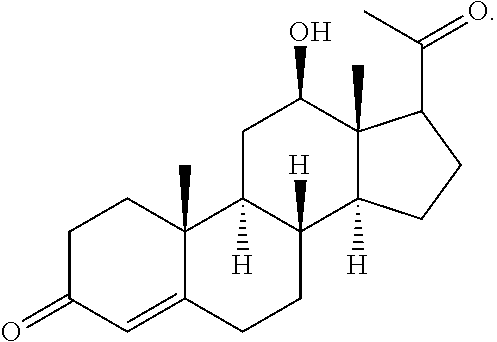


wherein each ---- is independently an optional covalent bond, wherein valence is satisfied; wherein R1, when present, is selected from C1-C12 alkyl and C1-C12 alkenyl; wherein R2, when present, is selected from C1-C12 alkyl and C1-C12 alkenyl; wherein R7 is selected from hydrogen, hydroxyl, amino, and halogen; and wherein R8 is selected from hydrogen and C1-C6 alkyl; or a pharmaceutically acceptable salt, solvate, or polymorph thereof.

wherein each ---- is independently an optional covalent bond, wherein valence is satisfied; wherein R1, when present, is selected from C1-C12 alkyl and C1-C12 alkenyl; wherein R2, when present, is selected from C1-C12 alkyl and C1-C12 alkenyl; wherein R7 is selected from hydrogen, hydroxyl, amino, and halogen; and wherein R8 is selected from hydrogen and C1-C6 alkyl; or a pharmaceutically acceptable salt, solvate, or polymorph thereof.

wherein each ---- is independently an optional covalent bond, wherein valence is satisfied; wherein R1, when present, is selected from C1-C12 alkyl and C1-C12 alkenyl; wherein R2, when present, is selected from C1-C12 alkyl and C1-C12 alkenyl; wherein R7 is selected from hydrogen, hydroxyl, amino, and halogen; and wherein R8 is selected from hydrogen and C1-C6 alkyl; or a pharmaceutically acceptable salt, solvate, or polymorph thereof.

wherein each ---- is independently an optional covalent bond, wherein valence is satisfied; wherein R1, when present, is selected from C1-C12 alkyl and C1-C12 alkenyl; wherein R2, when present, is selected from C1-C12 alkyl and C1-C12 alkenyl; wherein R7 is selected from hydrogen, hydroxyl, amino, and halogen; and wherein R8 is selected from hydrogen and C1-C6 alkyl; or a pharmaceutically acceptable salt, solvate, or polymorph thereof.

wherein each ---- is independently an optional covalent bond, wherein valence is satisfied; wherein R1, when present, is selected from C1-C12 alkyl and C1-C12 alkenyl; wherein R2, when present, is selected from C1-C12 alkyl and C1-C12 alkenyl; wherein R7 is selected from hydrogen, hydroxyl, amino, and halogen; and wherein R8 is selected from hydrogen and C1-C6 alkyl; or a pharmaceutically acceptable salt, solvate, or polymorph thereof, and one or more of: a) at least one agent known to increase the likelihood of a parasitic disease in a mammal; b) at least one agent known to decrease the likelihood of a parasitic disease in a mammal; c) at least one agent known to treat a parasitic disease in a mammal; or d) instructions for treating a parasitic disease.
- PubMed Health; Diseases and Conditions. Leishmaniasis. (2009) www.ncbi.nlm.nih.gov/pubmedhealth/PMH0002362
- Centers for Disease Control and Prevention (CDC). Parasites—Leishmaniasis. (2010) www.cdc.gov/parasites/leishmaniasis/disease.html
- Hotez, P. J.; Fenwick, A.; Savioli, L.; Molyneux, D. H. Lancet 2009, 373, 1570.
- Liese, B.; Rosenberg, M.; Schratz, A. Lancet 2010, 375, 67.
- Conteh, L.; Engels, T.; Molyneux, D. H. Lancet 2010, 375, 239.
- Trouiller, P.; Olliaro, P.; Torreele, E.; Orbinski, J.; Laing, R.; Ford, N. Lancet 2002, 359, 2188.
- Yamey, G.; Torreele, E. Br. Med. J. 2002, 325, 176.
- Toreele, E.; Usdin, M.; Chirac, P. A Needs-based Pharmaceutical R&D Agenda for Neglected Diseases; World Health Organization: Geneva, 2004.
- Hotez, P.; Ottesen, E.; Fenwick, A.; Molyneux, D. Adv. Exp. Med. Biol. 2006, 582, 23.
- Hotez, P. J.; Molyneux, D. H.; Fenwick, A.; Kumaresan, J.; Sachs, S. E.; Sachs, J. D.; Savioli, L. N. Engl. J. Med. 2007, 357, 1018.
- Pulido, M. T.; Serralta, L. Centro de Investigaciones de Quintana Roo: Chetumal, Quintana Roo, Mexico, 1993, 6.
- Argüeta, A.; Cano, L.; Rodarte, M. Instituto Naeional Indigenista: Mexico, D. F., 2, 204.
- Jiu, J. Lloydia 1966, 29, 250.
- Lezama-Davila, C. M.; Isaac-Marquez, A. P. Muell.-Arg. Divulg. Bioméd., 1994, 2, 13.
- Chan-Bacab, M. J.; Balanza, E.; Deharo, E.; Muñoz, V.; Durán-Garcia, R.; Peña-Rodriguez, L. M. Journal of Ethnopharmacology 2003, 86, 243.
- Lezama-Davila, C. M.; Isaac-Marquez, A. P.; Zamora-Crescencio, P.; Úc-Encalada, M. R.; Justiniano-Apolinar, S. Y.; Angel-Robles, R.; Satoskar, A.; Hernández-Rivero, L. Fitoterapia 2007, 78, 255.
- Yam-Puc, A.; Escalante-Erosa, F.; Pech-López, M.; Chan-Bacab, M. J.; Arunachalampillai, A.; Wendt, O. F.; Sterner, O.; Peña-Rodriguez, L. M. J. Nat. Prod. 2009, 72, 745.
- Kuroda, M.; Kubo, S.; Uchida, S.; Sakagami, H.; Mimaki, Y. Steroids 2010, 75, 83.
- Delgado, G., Puentes, F., Moreno, A., Patarroyo M. E. Pharmacological Research 2001, 44, 281.
- Sheikh, Y. M.; Djerassi,
C. Tetrahedron 1974, 30, 4095. - Kontiza, I.; Abatis, D.; Malakate, K.; Vagias, C.; Roussis, V. Steroids 2006, 71, 177.
- Cabrera, G.; Palermo, J. A.; Seldes, A. M.; Gros, E. G.; Oberti,
J. C. Phytochemistry 1991, 30, 1239. - Yan, S.-J.; Su, J.-Y.; Zeng, L.-M.; Liu, L.-J.; Wang, Y.-H. Redai Haiyang Xuebao 2002, 21, 92.
- Seo, S.; Yoshimura, Y.; Satoh, T.; Uomori, A.; Takeda, K. Journal of the Chemical Societ,
Perkin Transactions 1 1986, 411. - Anastasia, M.; Allevi, P.; Ciuffreda, P.; Fiecchi, A.; Gariboldi, P.; Scala, A. Journal of the Chemical Society,
Perkin Transactions 1 1985, 595. - McCarthy, F. O.; Chopra, J.; Ford, A.; Hogan, S. A.; Kerry, J. P.; O'Brien, N. M.; Ryan, E.; Maguire, A. R. Organic and
Biomolecular Chemistry 2005, 3, 3059. - Cui, J.-G.; Fan, L.; Huang, L.-L.; Liu, H.-L.; Zhou, A.-M. Steroids 2009, 74, 62.
- Schun, Y.; Cordell, G. A. Journal of Natural Products 1987, 50, 195.
- Bai, L.; Wang, L.; Zhao, M.; Toki, A.; Hasegawa, T.; Ogura, H.; Kataoka, T.; Hirose, K.; Sakai, J.; Bai, J.; Ando, M. Journal of Natural Products 2007, 70, 14.
- de Melo Cazal, C.; de Cássia Domingues, V.; Batalhão, J. R.; Corrêa Bueno, O.; Rodrigues Filho, E.; da Silva, M. F. G. F.; Cezar Vieira, P.; Fernandes, J. B. J. Chromatography A 2009, 1216, 4307.
- Seo, S.; Tomita, Y.; Tori,
K. Tetrahedron Letters 1975, 16, 7. - Gawronski, J. K.
Tetrahedron 1982, 38, 3. - Zhao, M.; Bai, L.; Wang, L.; Toki, A.; Hasegawa, T.; Kikuchi, M.; Abe, M.; Sakai, J.-I.; Hasegawa, R.; Bai, Y.; Mitsui, T.; Ogura, H.; Kataoka, T.; Oka, S.; Tsushima, H.; Kiuchi, M.; Hirose, K.; Tomida, A.; Tsuruo, T.; Ando, M. Journal of Natural Products 2007, 70, 1098.
- Kennard, O.; Fawcett, J. K.; Watson, D. G.; Kerr, K. Ann; Stöckel, K.; Stocklin, W.; Reichstein, T. Tetrahedron Letters. 1968, 35, 3799.
- Lavault, M.; Richomme, P.; Bruneton, J. Fitoterapia 1999, 70, 216.
- Chen, H.; Xu, N.; Zhou, Y.; Qiao, L.; Cao, J.; Yao, Y.; Hua, H.; Pei, Y. Steroids 2008, 73, 629.
- Plaza, A.; Bifulco, G.; Hamed, A. I.; Pizza, C.; Piacente, S. Tetrahedron Letters 2003, 44, 8553.
- Plaza, A.; Perrone, A.; Balestrieri, C.; Balestrieri, M. L.; Bifulco, G.; Carbone, V.; Hamed, A. I.; Pizza, C.; Piacente, S. Tetrahedron 2005, 61, 7470.
- Perrone, A.; Plaza, A.; Ercolino, S. F.; Hamed, A. I.; Parente, L.; Pizza, C.; Piacente, S. Journal of Natural Products 2006, 69, 50.
- Perrone, A.; Plaza, A.; Hamed, A. I.; Pizza, C.; Piacente, S. Current Organic Chemistry 2008, 12, 1648.
- Niero, R.; Calixto, J. B.; Dias de Silva Filho, J.; Yunes, R. A.; Santana, A. E. G. Natural Product Letters 1999, 13, 63.
- Yunes, R. A.; Brum, R. L.; Calixto, J. B.; Rimpler, H. Phytochemistry 1993, 34, 787.
- Niero, R.; Alves, R. V.; Cechinel Filho, V.; Calixto, J. B.; Hawkes, J. E.; Sant'Ana, A. E. G.; Yunes, R. A. Planta Medica 2002, 68, 850.
- de Souza, W.; Rodrigues, J. C. F. Interdisciplinary Perspectives on Infectious Diseases 2009, doi: 10.1155/2009/642502.
- Werbovetz, K. A. Expert Opinion on Theropeutic Targets. 2002, 6, 407.
- Haughan, P. A.; Chance, M. L.; Goad, L. J. Biochemical Journal 1995, 308, 31.
- Magaraci, F.; Jimenez, C. J.; Rodrigues, C.; Rodrigues, J. C.; Braga, M. V.; Yardley, V.; de Luca-Fradley, K.; Croft, S. L.; de Souza, W.; Ruiz-Perez, L. M.; Urbina, J.; Gonzalez, J. Journal of Medicinal Chemistry 2003, 46, 4714.
- Bazin, M.-A.; Loiseau, P. M.; Bories, C.; Letourneux, Y.; Rault, S.; El Kihel, L. European Journal of Medicinal Chemistry 2006, 41, 1109.
- Sartorelli, P.; Andrade, S. P.; Melhem, M. S. C.; Prado, F. O.; Tempone, A. G. Phytotherapy Reserch 2007, 21, 644.
| TABLE 1 | |||
| Stem | Promastigote | ||
| Fraction | IC50 (μg/mL) | ||
| PASD3F1 | 768 | ||
| PASD3F2 | 21.5 | ||
| PASD3F3 | 22.0 | ||
| PASD3F4 | 37.0 | ||
| PASD3F5 | 178 | ||
| PASD3F6 | 703 | ||
| PASD3F7 | 700 | ||
| TABLE 2 | |
| | |
| Number | Stucture |
| 1 |
 |
| 2 |
 |
| 3 |
 |
| 4 |
 |
| 5 |
 |
| 6 |
 |
| 7 |
 |
| 8 |
 |
| 9 |
 |
| 10 |
 |
| 11 |
 |
| 12 |
 |
| 13 |
 |
| 14 |
 |
| 15 |
 |
| 16 |
 |
| 17 |
 |
| 18 |
 |
| 19 |
 |
| 20 |
 |
| TABLE 3 | |
| | |
| Number | Stucture |
| 2 |
 |
| 15 |
 |
| 16 |
 |
| 21 |
 |
| 22 |
 |
| 23 |
 |
| 24 |
 |
| 25 |
 |
| 26 |
 |
| TABLE 4 | |||
| |
|
||
| position | δII (mult. J, Hz)b | δC, mult.c | δII (mult. J, Hz)b | δC, mult.c |
| 1 | 1.73d | 36.1, CH2 | 1.05 α,d | 37.5, CH2 |
| 2.02d | 1.75 β,d | |||
| 2 | 2.40d | 34.4, CH2 | 2.13 α,d | 30.4, CH2 |
| 1.68 β,d | 77.3, |
|||
| 3 | 200.1, qC | 3.90,d | 39.4, CH2 | |
| Compound 1 | |
| position | δH (mult. J, Hz)b | δC, mult.c | δH (mult. J, Hz)b | δC, mult.c |
| 4 | 5.73, s | 124.2, CH | 2.59 α,d | |
| 2.40 β,d | ||||
| 5 | 172.0, qC | 139.7, qC | ||
| 6 | 2.30d | 33.4, CH2 | 5.52 t (2.5) | 122.6, CH |
| 2.40d | ||||
| 7 | 1.02d | 32.4, CH2 | 1.67d | 25.5, CH2 |
| 1.84d | 2.50d | |||
| 8 | 1.58d | 36.4, CH | 1.85d | 36.2, CH |
| 9 | 1.00d | 54.4, CH | 1.42d | 46.1, CH2 |
| 10 | 39.0, qC | 37.0, qC | ||
| 11 | 1.43d | 21.5, CH2 | 1.43d | 20.6, CH2 |
| 1.59d | ||||
| 12 | 1.25 α,d | 38.9, CH2 | 1.38 α,d | 34.9, CH2 |
| 1.88 β,d | 2.40 β,d | |||
| 13 | 43.5, qC | 41.5, qC | ||
| 14 | 1.15d | 56.2, CH | 108.2, qC | |
| 15 | 1.22d | 24.5, CH2 | 4.02 a, dd (10.0, 4.4) | 74.3, CH2 |
| 1.73d | 4.23 b, d (10.0) | |||
| 16 | 1.76d | 26.2, CH2 | 4.56 t (4.5) | 80.9, CH |
| 1.80d | ||||
| 17 | 2.10d | 56.3, CH | 2.60, dd (7.6, 4.4) | 54.6, CH |
| 18 | 0.62, s | 13.3, CH3 | 1.08, s | 17.3, CH3 |
| 19 | 1.18, s | 17.8, CH3 | 0.97, s | 19.6, CH3 |
| 20 | 149.4, qC | 4.49, ddd (7.6, 6.0, 1.5) | 76.3, CH | |
| 21 | 4.80, brs | 110.1, CH2 | 4.05 a, dd (12.4, 6.0) | 66.3, CH2 |
| 4.89, br s | 3.79 b, dd (12.4, 1.3) | |||
| 22 | 2.06d | 38.0, CH2 | ||
| 23 | 2.10d | 27.5, CH2 | ||
| 24 | 5.11, br t (7.0) | 124.7, CH | ||
| 25 | 131.3, qC | |||
| 26 | 1.61, s | 17.8, CH3 | ||
| 27 | 1.69, s | 26.2, CH3 | ||
| 1′ | 4.84, dd (9.6, 2.0) | 98.8, CH | ||
| 2′ | 1.73, m | 33.3, CH2 | ||
| 2.10, m | ||||
| 3′ | 3.43, ddd (12.0, 5.0, 2.0) | 79.3, CH | ||
| 4′ | 3.91, brs | 67.1, CH | ||
| 5′ | 3.60, q (6.5) | 71.5, CH | ||
| 6′ | 1.55, d (6.4) | 17.8, CH3 | ||
| OCH3-3′ | 3.40, s | 55.4, CH3 | ||
| a 1H NMR measured at 400 MHz, 13C NMR measured at 100 MHz; NMR data of 1 were obtained in CDCl3, and those of 2 in pyridine-d5; assignments based on HSQC and HMBC NMR spectra. | ||||
| bJ values (Hz) are given in parentheses. Some geminal protons were indicated as α- or β-oriented based on a NOESY experiment. | ||||
| cMultiplicity obtained from the DEPT spectra. | ||||
| dFor overlapped signals, only chemical shift values are given. | ||||
| TABLE 5 | ||
| Promastigote | Amastigote | |
| Compound | IC50 (μM) | IC50 (μM) |
| 1 | 30.0 | 3.3 |
| 3 | 24.0 | 3.5 |
| 4 | 81.0 | 0.03 |
| 7 | >262 | 14.5 |
| 15 | 26.2 | 3.5 |
| 16 | 9.2 | 1.4 |
| Sodium | 346.1 | 2.7 |
| stibogluconate | ||
| Component | Amount | ||
| Active ingredient | 10 to 500 | | |
| Lactose | |||
| 100 | mg | ||
| Crystalline cellulose | 60 | mg |
| Magnesium stearate | 5 | |
| Starch (e.g. potato starch) | Amount necessary to yield | |
| total weight indicated below |
| Total (per capsule) | 1000 | mg | ||
Claims (16)


Priority Applications (1)
| Application Number | Priority Date | Filing Date | Title |
|---|---|---|---|
| US15/411,249 US10174072B2 (en) | 2011-04-22 | 2017-01-20 | Antileishmanial compositions and methods of use |
Applications Claiming Priority (4)
| Application Number | Priority Date | Filing Date | Title |
|---|---|---|---|
| US201161478481P | 2011-04-22 | 2011-04-22 | |
| PCT/US2012/034604 WO2012145734A1 (en) | 2011-04-22 | 2012-04-22 | Antileishmanial compositions and methods of use |
| US14/300,191 US20140287030A1 (en) | 2011-04-22 | 2014-06-09 | Antileishmanial compositions and methods of use |
| US15/411,249 US10174072B2 (en) | 2011-04-22 | 2017-01-20 | Antileishmanial compositions and methods of use |
Related Parent Applications (1)
| Application Number | Title | Priority Date | Filing Date |
|---|---|---|---|
| US14/300,191 Continuation US20140287030A1 (en) | 2011-04-22 | 2014-06-09 | Antileishmanial compositions and methods of use |
Publications (2)
| Publication Number | Publication Date |
|---|---|
| US20170305959A1 US20170305959A1 (en) | 2017-10-26 |
| US10174072B2 true US10174072B2 (en) | 2019-01-08 |
Family
ID=47041957
Family Applications (2)
| Application Number | Title | Priority Date | Filing Date |
|---|---|---|---|
| US14/300,191 Abandoned US20140287030A1 (en) | 2011-04-22 | 2014-06-09 | Antileishmanial compositions and methods of use |
| US15/411,249 Active US10174072B2 (en) | 2011-04-22 | 2017-01-20 | Antileishmanial compositions and methods of use |
Family Applications Before (1)
| Application Number | Title | Priority Date | Filing Date |
|---|---|---|---|
| US14/300,191 Abandoned US20140287030A1 (en) | 2011-04-22 | 2014-06-09 | Antileishmanial compositions and methods of use |
Country Status (2)
| Country | Link |
|---|---|
| US (2) | US20140287030A1 (en) |
| WO (1) | WO2012145734A1 (en) |
Families Citing this family (1)
| Publication number | Priority date | Publication date | Assignee | Title |
|---|---|---|---|---|
| US10961261B2 (en) | 2017-03-01 | 2021-03-30 | Anacor Pharmaceuticals, Inc. | Oxaborole analogs and uses thereof |
Citations (3)
| Publication number | Priority date | Publication date | Assignee | Title |
|---|---|---|---|---|
| US4766046A (en) | 1985-09-27 | 1988-08-23 | Liposome Technology, Inc. | Stabilized liposome/amphotericin composition and method |
| US20090326069A1 (en) | 2008-06-30 | 2009-12-31 | Bltn, Llc | Azelaic acid ester compositions and methods for diagnosing and treating tissue conditions using azelaic acid ester compositions and proteinaceous biomarkers |
| US20100222425A1 (en) * | 1999-10-25 | 2010-09-02 | Frincke James M | Compositions and treatment methods-2 |
-
2012
- 2012-04-22 WO PCT/US2012/034604 patent/WO2012145734A1/en not_active Ceased
-
2014
- 2014-06-09 US US14/300,191 patent/US20140287030A1/en not_active Abandoned
-
2017
- 2017-01-20 US US15/411,249 patent/US10174072B2/en active Active
Patent Citations (3)
| Publication number | Priority date | Publication date | Assignee | Title |
|---|---|---|---|---|
| US4766046A (en) | 1985-09-27 | 1988-08-23 | Liposome Technology, Inc. | Stabilized liposome/amphotericin composition and method |
| US20100222425A1 (en) * | 1999-10-25 | 2010-09-02 | Frincke James M | Compositions and treatment methods-2 |
| US20090326069A1 (en) | 2008-06-30 | 2009-12-31 | Bltn, Llc | Azelaic acid ester compositions and methods for diagnosing and treating tissue conditions using azelaic acid ester compositions and proteinaceous biomarkers |
Non-Patent Citations (28)
| Title |
|---|
| Ahmed, S. Ansar, Robert M. Gogal, and Jane E. Walsh. "A new rapid and simple non-radioactive assay to monitor and determine the proliferation of lymphocytes: an alternative to [3H] thymidine incorporation assay." Journal of immunological methods 170.2 (1994): 211-224. |
| Bazin, Marc-Antoine, et al. "Synthesis of oxysterols and nitrogenous sterols with antileishmanial and trypanocidal activities." European journal of medicinal chemistry 41.10 (2006): 1109-1116. |
| Cabrera, Gabriela, et al. "Steroidal derivatives from the roots of Mandevilla pentlandiana." Phytochemistry 30.4 (1991): 1239-1243. |
| Centers for Disease Control and Prevention (CDC). Parasites-Leishmaniasis. (2010) www.cdc.gov/parasites/leishmaniasis/disease.html, retrieved Jun. 23, 2016, 2 pages. |
| Centers for Disease Control and Prevention (CDC). Parasites—Leishmaniasis. (2010) www.cdc.gov/parasites/leishmaniasis/disease.html, retrieved Jun. 23, 2016, 2 pages. |
| Chan-Bacab, Manuel Jesus, et al. "Variation of leishmanicidal activity in four populations of Urechites andrieuxii." Journal of ethnopharmacology 86.2 (2003): 243-247. |
| Conteh, Lesong, Thomas Engels, and David H. Molyneux. "Socioeconomic aspects of neglected tropical diseases." The Lancet 375.9710 (2010): 239-247. |
| de Souza, Wanderley, and Juliany Cola Fernandes Rodrigues. "Sterol biosynthesis pathway as target for anti-trypanosomatid drugs." Interdisciplinary perspectives on infectious diseases vol. 2009, article ID 642502 (2009), 19 pages. |
| Delgado, Gabriela, et al. "Flow cytometry, a useful tool for detecting the lethal effect of pentamidine on Leishmania viannia complex promastigote forms." Pharmacological research 44.4 (2001): 281-286. |
| Gupta, Vikas, and Payal Mittal. "Phytochemical and pharmacological potential of Nerium oleander: a review." Int J Pharm Sci Res 1.3 (2010): 21-27. |
| Haughan, P. A., M. L. Chance, and L. J. Goad. "Effects of an azasterol inhibitor of sterol 24-transmethylation on sterol biosynthesis and growth of Leishmania donovani promastigotes." Biochemical Journal 308.1 (1995): 31-38. |
| Hotez, Peter J., et al. "Control of neglected tropical diseases." New England Journal of Medicine 357.10 (2007): 1018-1027. |
| Hotez, Peter J., et al. "Rescuing the bottom billion through control of neglected tropical diseases." The Lancet 373.9674 (2009): 1570-1575. |
| International Search Report and Written Opinion dated Jul. 27, 2012, by the International Searching Authority for Application No. PCT/US2012/034604, 7 pages. |
| Jiu, James. "A survey of some medicinal plants of Mexico for selected biological activities." Lloydia 29 (1966): 250-9. |
| Magaraci, Filippo, et al. "Azasterols as Inhibitors of Sterol 24-Methyltransferase in Leishmania Species and Trypanosoma c ruzi." Journal of medicinal chemistry 46.22 (2003): 4714-4727. |
| Murray, Henry W. "Mononuclear cell recruitment, granuloma assembly, and response to treatment in experimental visceral leishmaniasis: intracellular adhesion molecule 1-dependent and-independent regulation." Infection and immunity 68.11 (2000): 6294-6299. |
| Pan et al., Sterols with antilesishmanial activity isolated from the roots of Pentalinon andrieuxii, Phytochemistry, vol. 82, pp. 128-135, (2012). |
| PubChem Open Chemistry Database, U.S. National Library of Medicine and National Center for Biotechnology Information. "Neridienone A." Compound Summary for CID 100630, create date: Mar. 26, 2005, retrieved from https://pubchem.ncbi.nlm.nih.gov/compound/Neridienone_A on Jun. 23, 2016, 14 pages. |
| PubMed Health; Diseases and Conditions. Leishmaniasis. (2009) www.ncbi.nlm.nih.gov/pubmedhealth/PMH0002362. |
| Rosas, Lucia E., et al. "Interleukin-27R (WSX-1/T-cell cytokine receptor) gene-deficient mice display enhanced resistance to leishmania donovani infection but develop severe liver immunopathology." The American journal of pathology 168.1 (2006): 158-169. |
| Santalova et al., "Ketosteroids From the Far-East Marine Prosobranch Mollusk Onchidiopsis variegate" Chemistry of Natural Compounds, Jan. 2007, vol. 43, Issue 1, pp. 86-89. * |
| Santalova, E. A., et al. "Ketosteroids from the far-east marine prosobranch mollusk Onchidiopsis variegata." Chemistry of Natural Compounds 43.1 (2007): 86-89. |
| Sartorelli, Patricia, et al. "Isolation of antileishmanial sterol from the fruits of Cassia fistula using bioguided fractionation." Phytotherapy Research 21.7 (2007): 644-647. |
| Toreele, E., Martine Usdin, and Pierre Chirac. "A needs-based pharmaceutical R&D agenda for neglected diseases." World Health Organization (2004): 12, 58 pages. |
| Trouiller, Patrice, et al. "Drug development for neglected diseases: a deficient market and a public-health policy failure," The Lancet 359.9324 (2002): 2188-2194. |
| Werbovetz, Karl A. "Promising therapeutic targets for antileishmanial drugs." Expert opinion on therapeutic targets 6.4 (2002): 407-422. |
| Yam-Puc, Alejandro, et al. "Trinorsesquiterpenoids from the Root Extract of Pentalinon andrieuxii." Journal of natural products 72.4 (2009): 745-748. |
Also Published As
| Publication number | Publication date |
|---|---|
| US20170305959A1 (en) | 2017-10-26 |
| WO2012145734A1 (en) | 2012-10-26 |
| US20140287030A1 (en) | 2014-09-25 |
Similar Documents
| Publication | Publication Date | Title |
|---|---|---|
| US9884801B2 (en) | Compounds from antrodia camphorata, method for preparing the same and use thereof | |
| CN1191488A (en) | Calendula glycosides for psoriasis | |
| WO2013034119A1 (en) | 4-methylcatechol derivatives und use thereof | |
| KR101919387B1 (en) | Coix seed oil comprising 16 glycerides, formulation and application thereof | |
| US20170305959A1 (en) | Antileishmanial compositions and methods of use | |
| TWI351961B (en) | Pharmaceutical composition for enhancing immunity, | |
| CN103804442B (en) | Flavonol derivative and medical application thereof | |
| CN102058642A (en) | Ginseng saponin extract and preparation method thereof | |
| KR100547253B1 (en) | Ginsenoside derivatives effective for preventing and treating cancer | |
| CN101058594A (en) | Sarcandra glabra effective constituent, preparation method thereof, medicament composition and use of the same | |
| CN103585166B (en) | Medical application of flavonol derivative | |
| CN105796560A (en) | Ciprofloxacin medicine composition and application thereof to biological medicine | |
| CN104546875B (en) | Triterpenoid saponin derivative and medical application thereof | |
| KR100564383B1 (en) | Method for preparing ginsenoside derivatives | |
| CN105601692B (en) | The extracting method of ergosterol monomeric compound and its application in Armillaria luteo-virens | |
| CN1563026A (en) | Glycoside class compound of phenethyl alcohol alcohol extracted from picria fel-terrae | |
| CN1535972A (en) | New compound,its preparation method, medicine preparation using said compound as active component, its action and application | |
| CN101037466A (en) | Steroid saponins and preparation method and application | |
| CN103933246A (en) | Effervescent tablet with stellera chamaejasme component | |
| CN1405139A (en) | Triterpenoid, its preparation method and drug composition using the same as active component | |
| JP2006321728A (en) | Novel anti-leishmania pharmaceutical composition | |
| CN1526377A (en) | Total emodin anthraquinone granule and its prepn and the prepn of dispersive Sanhuang tablet | |
| CN101045708A (en) | Helicid hydrastine acetali mine its preparation method and its application | |
| CN105601602A (en) | Extraction method and application of daidzein monomer compound in Armillarialuteo-virens | |
| CN103933248A (en) | Enteric capsule with stellera chamaejasme component |
Legal Events
| Date | Code | Title | Description |
|---|---|---|---|
| AS | Assignment |
Owner name: NATIONAL INSTITUTES OF HEALTH (NIH), U.S. DEPT. OF Free format text: CONFIRMATORY LICENSE;ASSIGNOR:OHIO STATE UNIVERSITY;REEL/FRAME:046464/0253 Effective date: 20180612 |
|
| AS | Assignment |
Owner name: OHIO STATE INNOVATION FOUNDATION, OHIO Free format text: ASSIGNMENT OF ASSIGNORS INTEREST;ASSIGNORS:BACHELDER, ERIC;FUCHS, JAMES F.;KINGHORN, ALAN DOUGLAS;AND OTHERS;SIGNING DATES FROM 20170206 TO 20181020;REEL/FRAME:047262/0139 |
|
| STCF | Information on status: patent grant |
Free format text: PATENTED CASE |
|
| CC | Certificate of correction | ||
| AS | Assignment |
Owner name: NIH - DEITR, MARYLAND Free format text: CONFIRMATORY LICENSE;ASSIGNOR:THE OHIO STATE UNIVERSITY;REEL/FRAME:053360/0817 Effective date: 20200729 |
|
| CC | Certificate of correction | ||
| MAFP | Maintenance fee payment |
Free format text: PAYMENT OF MAINTENANCE FEE, 4TH YR, SMALL ENTITY (ORIGINAL EVENT CODE: M2551); ENTITY STATUS OF PATENT OWNER: SMALL ENTITY Year of fee payment: 4 |
|
| MAFP | Maintenance fee payment |
Free format text: PAYMENT OF MAINTENANCE FEE, 8TH YR, SMALL ENTITY (ORIGINAL EVENT CODE: M2552); ENTITY STATUS OF PATENT OWNER: SMALL ENTITY Year of fee payment: 8 |