US10111880B2 - Compounds for the treatment of diabetes and disease complications arising from same - Google Patents
Compounds for the treatment of diabetes and disease complications arising from same Download PDFInfo
- Publication number
- US10111880B2 US10111880B2 US15/034,303 US201415034303A US10111880B2 US 10111880 B2 US10111880 B2 US 10111880B2 US 201415034303 A US201415034303 A US 201415034303A US 10111880 B2 US10111880 B2 US 10111880B2
- Authority
- US
- United States
- Prior art keywords
- another embodiment
- alkyl
- compound
- formula
- represented
- Prior art date
- Legal status (The legal status is an assumption and is not a legal conclusion. Google has not performed a legal analysis and makes no representation as to the accuracy of the status listed.)
- Active
Links
- 0 [1*]C1=CC([C@]([10*])(C2=CC([4*])=C([5*])C([6*])=C2)C2=CC([7*])=C([8*])C([9*])=C2)=CC([3*])=C1[2*] Chemical compound [1*]C1=CC([C@]([10*])(C2=CC([4*])=C([5*])C([6*])=C2)C2=CC([7*])=C([8*])C([9*])=C2)=CC([3*])=C1[2*] 0.000 description 15
- DLNLVVPBWVRFCT-UHFFFAOYSA-N CC(C1=CC(Br)=C(O)C(Br)=C1)(C1=CC(Br)=C(O)C(Br)=C1)C1=CC(Br)=C(O)C(Br)=C1 Chemical compound CC(C1=CC(Br)=C(O)C(Br)=C1)(C1=CC(Br)=C(O)C(Br)=C1)C1=CC(Br)=C(O)C(Br)=C1 DLNLVVPBWVRFCT-UHFFFAOYSA-N 0.000 description 4
- ANBBOHDRKOJHQP-UHFFFAOYSA-N CC(C1=CC(CN2CCCC2)=C(O)C(CN2CCCC2)=C1)(C1=CC(CN2CCCC2)=C(O)C(CN2CCCC2)=C1)C1=CC(CN2CCCC2)=C(O)C(CN2CCCC2)=C1 Chemical compound CC(C1=CC(CN2CCCC2)=C(O)C(CN2CCCC2)=C1)(C1=CC(CN2CCCC2)=C(O)C(CN2CCCC2)=C1)C1=CC(CN2CCCC2)=C(O)C(CN2CCCC2)=C1 ANBBOHDRKOJHQP-UHFFFAOYSA-N 0.000 description 3
- LRERPDFQIVAIRR-UHFFFAOYSA-N CC(C1=CC(CN2CCCCC2)=C(O)C(CN2CCCCC2)=C1)(C1=CC(CN2CCCCC2)=C(O)C(CN2CCCCC2)=C1)C1=CC(CN2CCCCC2)=C(O)C(CN2CCCCC2)=C1 Chemical compound CC(C1=CC(CN2CCCCC2)=C(O)C(CN2CCCCC2)=C1)(C1=CC(CN2CCCCC2)=C(O)C(CN2CCCCC2)=C1)C1=CC(CN2CCCCC2)=C(O)C(CN2CCCCC2)=C1 LRERPDFQIVAIRR-UHFFFAOYSA-N 0.000 description 3
- BRPSWMCDEYMRPE-UHFFFAOYSA-N CC(C1=CC=C(O)C=C1)(C1=CC=C(O)C=C1)C1=CC=C(O)C=C1 Chemical compound CC(C1=CC=C(O)C=C1)(C1=CC=C(O)C=C1)C1=CC=C(O)C=C1 BRPSWMCDEYMRPE-UHFFFAOYSA-N 0.000 description 3
- QAMZYZFWBHNHHI-UHFFFAOYSA-N CCOCC1=CC(C(C)(C2=CC(CC)=C(O)C(CC)=C2)C2=CC(COCC)=C(O)C(COCC)=C2)=CC(COCC)=C1O Chemical compound CCOCC1=CC(C(C)(C2=CC(CC)=C(O)C(CC)=C2)C2=CC(COCC)=C(O)C(COCC)=C2)=CC(COCC)=C1O QAMZYZFWBHNHHI-UHFFFAOYSA-N 0.000 description 3
- NWGGVDPZEFEIQC-UHFFFAOYSA-N CN(C)CC1=CC(C(C)(C2=CC(CN(C)C)=C(O)C(CN(C)C)=C2)C2=CC(CN(C)C)=C(O)C(CN(C)C)=C2)=CC(CN(C)C)=C1O Chemical compound CN(C)CC1=CC(C(C)(C2=CC(CN(C)C)=C(O)C(CN(C)C)=C2)C2=CC(CN(C)C)=C(O)C(CN(C)C)=C2)=CC(CN(C)C)=C1O NWGGVDPZEFEIQC-UHFFFAOYSA-N 0.000 description 3
- NCKAJSCWHCGWHS-UHFFFAOYSA-N CN1CCN(CC2=CC(C(C)(C3=CC(CN4CCN(C)CC4)=C(O)C(CN4CCN(C)CC4)=C3)C3=CC(CN4CCN(C)CC4)=C(O)C(CN4CCN(C)CC4)=C3)=CC(CN3CCN(C)CC3)=C2O)CC1 Chemical compound CN1CCN(CC2=CC(C(C)(C3=CC(CN4CCN(C)CC4)=C(O)C(CN4CCN(C)CC4)=C3)C3=CC(CN4CCN(C)CC4)=C(O)C(CN4CCN(C)CC4)=C3)=CC(CN3CCN(C)CC3)=C2O)CC1 NCKAJSCWHCGWHS-UHFFFAOYSA-N 0.000 description 3
- FWODXGRCBRQTLP-UHFFFAOYSA-N CC(C1=CC(CN2CCOCC2)=C(O)C(CN2CCOCC2)=C1)(C1=CC(CN2CCOCC2)=C(O)C(CN2CCOCC2)=C1)C1=CC(CN2CCOCC2)=C(O)C(CN2CCOCC2)=C1 Chemical compound CC(C1=CC(CN2CCOCC2)=C(O)C(CN2CCOCC2)=C1)(C1=CC(CN2CCOCC2)=C(O)C(CN2CCOCC2)=C1)C1=CC(CN2CCOCC2)=C(O)C(CN2CCOCC2)=C1 FWODXGRCBRQTLP-UHFFFAOYSA-N 0.000 description 2
- WHLRIEOJOFXYCS-UHFFFAOYSA-N CCN(CC)CC1=CC(C(C)(C2=CC(CN(CC)CC)=C(O)C(CN(CC)CC)=C2)C2=CC(CN(CC)CC)=C(O)C(CN(CC)CC)=C2)=CC(CN(CC)CC)=C1O Chemical compound CCN(CC)CC1=CC(C(C)(C2=CC(CN(CC)CC)=C(O)C(CN(CC)CC)=C2)C2=CC(CN(CC)CC)=C(O)C(CN(CC)CC)=C2)=CC(CN(CC)CC)=C1O WHLRIEOJOFXYCS-UHFFFAOYSA-N 0.000 description 2
- BTYFUKSNOIOCQV-UHFFFAOYSA-N COC1=CC=C(P(C2=CC=C(C)C=C2)C2=CC=C(CO)C=C2)C=C1 Chemical compound COC1=CC=C(P(C2=CC=C(C)C=C2)C2=CC=C(CO)C=C2)C=C1 BTYFUKSNOIOCQV-UHFFFAOYSA-N 0.000 description 2
- XNTKQPZMNVDQTA-UHFFFAOYSA-N CC(C1=CC(CN2CCOCC2)=C(O)C(CN2CCCCC2)=C1)(C1=CC(CN2CCOCC2)=C(O)C(CN2CCOCC2)=C1)C1=CC(CN2CCOCC2)=C(O)C(CN2CCOCC2)=C1 Chemical compound CC(C1=CC(CN2CCOCC2)=C(O)C(CN2CCCCC2)=C1)(C1=CC(CN2CCOCC2)=C(O)C(CN2CCOCC2)=C1)C1=CC(CN2CCOCC2)=C(O)C(CN2CCOCC2)=C1 XNTKQPZMNVDQTA-UHFFFAOYSA-N 0.000 description 1
- PELHFFIPMYLGJR-UHFFFAOYSA-N CC1=C(Br)C=C(C(C)(C2=CC(Br)=C(O)C(Br)=C2)C2=CC(Br)=C(O)C(Br)=C2)C=C1Br Chemical compound CC1=C(Br)C=C(C(C)(C2=CC(Br)=C(O)C(Br)=C2)C2=CC(Br)=C(O)C(Br)=C2)C=C1Br PELHFFIPMYLGJR-UHFFFAOYSA-N 0.000 description 1
- SJIOLQHISSFFFP-UHFFFAOYSA-N CC1=CC=C(C(C)(C2=CC=C(O)C=C2)C2=CC=C(O)C=C2)C=C1 Chemical compound CC1=CC=C(C(C)(C2=CC=C(O)C=C2)C2=CC=C(O)C=C2)C=C1 SJIOLQHISSFFFP-UHFFFAOYSA-N 0.000 description 1
- XJJUAVRWJAICKP-UHFFFAOYSA-N CC1CCN(CC2=CC(C(C)(C3=CC(CN4CCN(C)CC4)=C(O)C(CN4CCN(C)CC4)=C3)C3=CC(CN4CCN(C)CC4)=C(O)C(CN4CCN(C)CC4)=C3)=CC(CN3CCN(C)CC3)=C2O)CC1 Chemical compound CC1CCN(CC2=CC(C(C)(C3=CC(CN4CCN(C)CC4)=C(O)C(CN4CCN(C)CC4)=C3)C3=CC(CN4CCN(C)CC4)=C(O)C(CN4CCN(C)CC4)=C3)=CC(CN3CCN(C)CC3)=C2O)CC1 XJJUAVRWJAICKP-UHFFFAOYSA-N 0.000 description 1
- VHJMRZNWMZMJGZ-UHFFFAOYSA-N CCN(C)CC1=CC(C(C)(C2=CC(CN(CC)CC)=C(O)C(CN(CC)CC)=C2)C2=CC(CN(CC)CC)=C(O)C(CN(CC)CC)=C2)=CC(CN(CC)CC)=C1O Chemical compound CCN(C)CC1=CC(C(C)(C2=CC(CN(CC)CC)=C(O)C(CN(CC)CC)=C2)C2=CC(CN(CC)CC)=C(O)C(CN(CC)CC)=C2)=CC(CN(CC)CC)=C1O VHJMRZNWMZMJGZ-UHFFFAOYSA-N 0.000 description 1
- FVQYKWDVBPRMEZ-PGUFJCEWSA-N CCOCC1=CC([C@](C)(C2=CC(CC)=C(O)C(CC)=C2)C2=CC(COCC)=C(O)C(CC)=C2)=CC(COCC)=C1O Chemical compound CCOCC1=CC([C@](C)(C2=CC(CC)=C(O)C(CC)=C2)C2=CC(COCC)=C(O)C(CC)=C2)=CC(COCC)=C1O FVQYKWDVBPRMEZ-PGUFJCEWSA-N 0.000 description 1
- MXKPRQVRQOMZGY-UHFFFAOYSA-N COC1=CC=C(P(C2=CC=C(CO)C=C2)C2=CC=C(OC)C=C2)C=C1 Chemical compound COC1=CC=C(P(C2=CC=C(CO)C=C2)C2=CC=C(OC)C=C2)C=C1 MXKPRQVRQOMZGY-UHFFFAOYSA-N 0.000 description 1
- UYUUAUOYLFIRJG-UHFFFAOYSA-N COc(cc1)ccc1P(c(cc1)ccc1OC)c(cc1)ccc1OC Chemical compound COc(cc1)ccc1P(c(cc1)ccc1OC)c(cc1)ccc1OC UYUUAUOYLFIRJG-UHFFFAOYSA-N 0.000 description 1
- VLRLUULUYGJKED-UHFFFAOYSA-N Nc1cc([N](c(cc2N)cc(N)c2N)(c(cc2N)cc(N)c2N)N)cc(N)c1N Chemical compound Nc1cc([N](c(cc2N)cc(N)c2N)(c(cc2N)cc(N)c2N)N)cc(N)c1N VLRLUULUYGJKED-UHFFFAOYSA-N 0.000 description 1
Images


Classifications
-
- A—HUMAN NECESSITIES
- A61—MEDICAL OR VETERINARY SCIENCE; HYGIENE
- A61K—PREPARATIONS FOR MEDICAL, DENTAL OR TOILETRY PURPOSES
- A61K31/00—Medicinal preparations containing organic active ingredients
- A61K31/045—Hydroxy compounds, e.g. alcohols; Salts thereof, e.g. alcoholates
- A61K31/05—Phenols
- A61K31/055—Phenols the aromatic ring being substituted by halogen
-
- C—CHEMISTRY; METALLURGY
- C07—ORGANIC CHEMISTRY
- C07C—ACYCLIC OR CARBOCYCLIC COMPOUNDS
- C07C215/00—Compounds containing amino and hydroxy groups bound to the same carbon skeleton
- C07C215/46—Compounds containing amino and hydroxy groups bound to the same carbon skeleton having hydroxy groups bound to carbon atoms of at least one six-membered aromatic ring and amino groups bound to acyclic carbon atoms or to carbon atoms of rings other than six-membered aromatic rings of the same carbon skeleton
- C07C215/48—Compounds containing amino and hydroxy groups bound to the same carbon skeleton having hydroxy groups bound to carbon atoms of at least one six-membered aromatic ring and amino groups bound to acyclic carbon atoms or to carbon atoms of rings other than six-membered aromatic rings of the same carbon skeleton with amino groups linked to the six-membered aromatic ring, or to the condensed ring system containing that ring, by carbon chains not further substituted by hydroxy groups
- C07C215/50—Compounds containing amino and hydroxy groups bound to the same carbon skeleton having hydroxy groups bound to carbon atoms of at least one six-membered aromatic ring and amino groups bound to acyclic carbon atoms or to carbon atoms of rings other than six-membered aromatic rings of the same carbon skeleton with amino groups linked to the six-membered aromatic ring, or to the condensed ring system containing that ring, by carbon chains not further substituted by hydroxy groups with amino groups and the six-membered aromatic ring, or the condensed ring system containing that ring, bound to the same carbon atom of the carbon chain
-
- A—HUMAN NECESSITIES
- A61—MEDICAL OR VETERINARY SCIENCE; HYGIENE
- A61K—PREPARATIONS FOR MEDICAL, DENTAL OR TOILETRY PURPOSES
- A61K31/00—Medicinal preparations containing organic active ingredients
- A61K31/045—Hydroxy compounds, e.g. alcohols; Salts thereof, e.g. alcoholates
- A61K31/05—Phenols
-
- A—HUMAN NECESSITIES
- A61—MEDICAL OR VETERINARY SCIENCE; HYGIENE
- A61K—PREPARATIONS FOR MEDICAL, DENTAL OR TOILETRY PURPOSES
- A61K31/00—Medicinal preparations containing organic active ingredients
- A61K31/075—Ethers or acetals
-
- A—HUMAN NECESSITIES
- A61—MEDICAL OR VETERINARY SCIENCE; HYGIENE
- A61K—PREPARATIONS FOR MEDICAL, DENTAL OR TOILETRY PURPOSES
- A61K31/00—Medicinal preparations containing organic active ingredients
- A61K31/075—Ethers or acetals
- A61K31/08—Ethers or acetals acyclic, e.g. paraformaldehyde
-
- A—HUMAN NECESSITIES
- A61—MEDICAL OR VETERINARY SCIENCE; HYGIENE
- A61K—PREPARATIONS FOR MEDICAL, DENTAL OR TOILETRY PURPOSES
- A61K31/00—Medicinal preparations containing organic active ingredients
- A61K31/075—Ethers or acetals
- A61K31/085—Ethers or acetals having an ether linkage to aromatic ring nuclear carbon
- A61K31/09—Ethers or acetals having an ether linkage to aromatic ring nuclear carbon having two or more such linkages
-
- A—HUMAN NECESSITIES
- A61—MEDICAL OR VETERINARY SCIENCE; HYGIENE
- A61K—PREPARATIONS FOR MEDICAL, DENTAL OR TOILETRY PURPOSES
- A61K31/00—Medicinal preparations containing organic active ingredients
- A61K31/13—Amines
- A61K31/135—Amines having aromatic rings, e.g. ketamine, nortriptyline
- A61K31/137—Arylalkylamines, e.g. amphetamine, epinephrine, salbutamol, ephedrine or methadone
-
- A—HUMAN NECESSITIES
- A61—MEDICAL OR VETERINARY SCIENCE; HYGIENE
- A61K—PREPARATIONS FOR MEDICAL, DENTAL OR TOILETRY PURPOSES
- A61K31/00—Medicinal preparations containing organic active ingredients
- A61K31/33—Heterocyclic compounds
- A61K31/395—Heterocyclic compounds having nitrogen as a ring hetero atom, e.g. guanethidine or rifamycins
- A61K31/40—Heterocyclic compounds having nitrogen as a ring hetero atom, e.g. guanethidine or rifamycins having five-membered rings with one nitrogen as the only ring hetero atom, e.g. sulpiride, succinimide, tolmetin, buflomedil
- A61K31/4025—Heterocyclic compounds having nitrogen as a ring hetero atom, e.g. guanethidine or rifamycins having five-membered rings with one nitrogen as the only ring hetero atom, e.g. sulpiride, succinimide, tolmetin, buflomedil not condensed and containing further heterocyclic rings, e.g. cromakalim
-
- A—HUMAN NECESSITIES
- A61—MEDICAL OR VETERINARY SCIENCE; HYGIENE
- A61K—PREPARATIONS FOR MEDICAL, DENTAL OR TOILETRY PURPOSES
- A61K31/00—Medicinal preparations containing organic active ingredients
- A61K31/33—Heterocyclic compounds
- A61K31/395—Heterocyclic compounds having nitrogen as a ring hetero atom, e.g. guanethidine or rifamycins
- A61K31/435—Heterocyclic compounds having nitrogen as a ring hetero atom, e.g. guanethidine or rifamycins having six-membered rings with one nitrogen as the only ring hetero atom
- A61K31/44—Non condensed pyridines; Hydrogenated derivatives thereof
- A61K31/445—Non condensed piperidines, e.g. piperocaine
- A61K31/4453—Non condensed piperidines, e.g. piperocaine only substituted in position 1, e.g. propipocaine, diperodon
-
- A—HUMAN NECESSITIES
- A61—MEDICAL OR VETERINARY SCIENCE; HYGIENE
- A61K—PREPARATIONS FOR MEDICAL, DENTAL OR TOILETRY PURPOSES
- A61K31/00—Medicinal preparations containing organic active ingredients
- A61K31/33—Heterocyclic compounds
- A61K31/395—Heterocyclic compounds having nitrogen as a ring hetero atom, e.g. guanethidine or rifamycins
- A61K31/435—Heterocyclic compounds having nitrogen as a ring hetero atom, e.g. guanethidine or rifamycins having six-membered rings with one nitrogen as the only ring hetero atom
- A61K31/44—Non condensed pyridines; Hydrogenated derivatives thereof
- A61K31/445—Non condensed piperidines, e.g. piperocaine
- A61K31/4523—Non condensed piperidines, e.g. piperocaine containing further heterocyclic ring systems
- A61K31/4545—Non condensed piperidines, e.g. piperocaine containing further heterocyclic ring systems containing a six-membered ring with nitrogen as a ring hetero atom, e.g. pipamperone, anabasine
-
- A—HUMAN NECESSITIES
- A61—MEDICAL OR VETERINARY SCIENCE; HYGIENE
- A61K—PREPARATIONS FOR MEDICAL, DENTAL OR TOILETRY PURPOSES
- A61K31/00—Medicinal preparations containing organic active ingredients
- A61K31/33—Heterocyclic compounds
- A61K31/395—Heterocyclic compounds having nitrogen as a ring hetero atom, e.g. guanethidine or rifamycins
- A61K31/495—Heterocyclic compounds having nitrogen as a ring hetero atom, e.g. guanethidine or rifamycins having six-membered rings with two or more nitrogen atoms as the only ring heteroatoms, e.g. piperazine or tetrazines
- A61K31/496—Non-condensed piperazines containing further heterocyclic rings, e.g. rifampin, thiothixene or sparfloxacin
-
- A—HUMAN NECESSITIES
- A61—MEDICAL OR VETERINARY SCIENCE; HYGIENE
- A61K—PREPARATIONS FOR MEDICAL, DENTAL OR TOILETRY PURPOSES
- A61K31/00—Medicinal preparations containing organic active ingredients
- A61K31/33—Heterocyclic compounds
- A61K31/395—Heterocyclic compounds having nitrogen as a ring hetero atom, e.g. guanethidine or rifamycins
- A61K31/535—Heterocyclic compounds having nitrogen as a ring hetero atom, e.g. guanethidine or rifamycins having six-membered rings with at least one nitrogen and one oxygen as the ring hetero atoms, e.g. 1,2-oxazines
- A61K31/5375—1,4-Oxazines, e.g. morpholine
- A61K31/5377—1,4-Oxazines, e.g. morpholine not condensed and containing further heterocyclic rings, e.g. timolol
-
- A—HUMAN NECESSITIES
- A61—MEDICAL OR VETERINARY SCIENCE; HYGIENE
- A61K—PREPARATIONS FOR MEDICAL, DENTAL OR TOILETRY PURPOSES
- A61K31/00—Medicinal preparations containing organic active ingredients
- A61K31/66—Phosphorus compounds
-
- A—HUMAN NECESSITIES
- A61—MEDICAL OR VETERINARY SCIENCE; HYGIENE
- A61K—PREPARATIONS FOR MEDICAL, DENTAL OR TOILETRY PURPOSES
- A61K31/00—Medicinal preparations containing organic active ingredients
- A61K31/66—Phosphorus compounds
- A61K31/662—Phosphorus acids or esters thereof having P—C bonds, e.g. foscarnet, trichlorfon
-
- A—HUMAN NECESSITIES
- A61—MEDICAL OR VETERINARY SCIENCE; HYGIENE
- A61K—PREPARATIONS FOR MEDICAL, DENTAL OR TOILETRY PURPOSES
- A61K45/00—Medicinal preparations containing active ingredients not provided for in groups A61K31/00 - A61K41/00
- A61K45/06—Mixtures of active ingredients without chemical characterisation, e.g. antiphlogistics and cardiaca
-
- A—HUMAN NECESSITIES
- A61—MEDICAL OR VETERINARY SCIENCE; HYGIENE
- A61P—SPECIFIC THERAPEUTIC ACTIVITY OF CHEMICAL COMPOUNDS OR MEDICINAL PREPARATIONS
- A61P3/00—Drugs for disorders of the metabolism
- A61P3/08—Drugs for disorders of the metabolism for glucose homeostasis
- A61P3/10—Drugs for disorders of the metabolism for glucose homeostasis for hyperglycaemia, e.g. antidiabetics
-
- C—CHEMISTRY; METALLURGY
- C07—ORGANIC CHEMISTRY
- C07C—ACYCLIC OR CARBOCYCLIC COMPOUNDS
- C07C39/00—Compounds having at least one hydroxy or O-metal group bound to a carbon atom of a six-membered aromatic ring
- C07C39/12—Compounds having at least one hydroxy or O-metal group bound to a carbon atom of a six-membered aromatic ring polycyclic with no unsaturation outside the aromatic rings
- C07C39/15—Compounds having at least one hydroxy or O-metal group bound to a carbon atom of a six-membered aromatic ring polycyclic with no unsaturation outside the aromatic rings with all hydroxy groups on non-condensed rings, e.g. phenylphenol
- C07C39/16—Bis-(hydroxyphenyl) alkanes; Tris-(hydroxyphenyl)alkanes
-
- C—CHEMISTRY; METALLURGY
- C07—ORGANIC CHEMISTRY
- C07C—ACYCLIC OR CARBOCYCLIC COMPOUNDS
- C07C39/00—Compounds having at least one hydroxy or O-metal group bound to a carbon atom of a six-membered aromatic ring
- C07C39/24—Halogenated derivatives
- C07C39/367—Halogenated derivatives polycyclic non-condensed, containing only six-membered aromatic rings as cyclic parts, e.g. halogenated poly-hydroxyphenylalkanes
-
- C—CHEMISTRY; METALLURGY
- C07—ORGANIC CHEMISTRY
- C07C—ACYCLIC OR CARBOCYCLIC COMPOUNDS
- C07C43/00—Ethers; Compounds having groups, groups or groups
- C07C43/02—Ethers
- C07C43/03—Ethers having all ether-oxygen atoms bound to acyclic carbon atoms
- C07C43/14—Unsaturated ethers
- C07C43/178—Unsaturated ethers containing hydroxy or O-metal groups
-
- C—CHEMISTRY; METALLURGY
- C07—ORGANIC CHEMISTRY
- C07D—HETEROCYCLIC COMPOUNDS
- C07D295/00—Heterocyclic compounds containing polymethylene-imine rings with at least five ring members, 3-azabicyclo [3.2.2] nonane, piperazine, morpholine or thiomorpholine rings, having only hydrogen atoms directly attached to the ring carbon atoms
- C07D295/04—Heterocyclic compounds containing polymethylene-imine rings with at least five ring members, 3-azabicyclo [3.2.2] nonane, piperazine, morpholine or thiomorpholine rings, having only hydrogen atoms directly attached to the ring carbon atoms with substituted hydrocarbon radicals attached to ring nitrogen atoms
- C07D295/08—Heterocyclic compounds containing polymethylene-imine rings with at least five ring members, 3-azabicyclo [3.2.2] nonane, piperazine, morpholine or thiomorpholine rings, having only hydrogen atoms directly attached to the ring carbon atoms with substituted hydrocarbon radicals attached to ring nitrogen atoms substituted by singly bound oxygen or sulfur atoms
- C07D295/096—Heterocyclic compounds containing polymethylene-imine rings with at least five ring members, 3-azabicyclo [3.2.2] nonane, piperazine, morpholine or thiomorpholine rings, having only hydrogen atoms directly attached to the ring carbon atoms with substituted hydrocarbon radicals attached to ring nitrogen atoms substituted by singly bound oxygen or sulfur atoms with the ring nitrogen atoms and the oxygen or sulfur atoms separated by carbocyclic rings or by carbon chains interrupted by carbocyclic rings
-
- C—CHEMISTRY; METALLURGY
- C07—ORGANIC CHEMISTRY
- C07F—ACYCLIC, CARBOCYCLIC OR HETEROCYCLIC COMPOUNDS CONTAINING ELEMENTS OTHER THAN CARBON, HYDROGEN, HALOGEN, OXYGEN, NITROGEN, SULFUR, SELENIUM OR TELLURIUM
- C07F9/00—Compounds containing elements of Groups 5 or 15 of the Periodic Table
- C07F9/02—Phosphorus compounds
- C07F9/28—Phosphorus compounds with one or more P—C bonds
- C07F9/50—Organo-phosphines
- C07F9/5022—Aromatic phosphines (P-C aromatic linkage)
Definitions
- the present invention is directed to the use of a series of compounds and compositions comprising the same for treating diabetes and disease related complications thereof.
- Diabetes mellitus is one of the most prevalent metabolic disorders worldwide. Type 1 diabetes, most common among children and adolescents, accounts for approximately 10% of all diabetes cases. Type 2 diabetes afflicts over 7% of the adult population.
- Type 1 diabetes is well recognized as an absolute insulin deficiency condition due to massive autoimmune destruction of pancreatic beta cells.
- Type 2 diabetes is characterized by several metabolic defects including beta cell dysfunction and reduction and peripheral insulin resistance.
- this invention provides a method of treating diabetes or diabetes related complications in a subject in need thereof, said method comprising administering to a subject a compound represented by the structure of formula I:
- R 1 to R 9 are the same or different, H, D, OH, halogen, nitro, CN, nitrileamido, amidosulfide, amino, aldehyde, substituted ketone, —COOH, ester, trifluoromethyl, amide, substituted or unsubstituted alkyl, alkenyl, alkynyl, aryl, arylalkyl, alkylaryl, arylsulfonyl, arylalkylenesulfonyl, alkoxy, alkylalkoxy, haloalkyl, alkylhaloalkyl, haloaryl, aryloxy, amino, monoalkylamino, dialkylamino, alkylamido, arylamino, arylamido.
- this invention provides a method of reducing circulating glucose levels, reducing insulin resistance, stimulating or increasing insulin sensitivity, stimulating or increasing pancreatic beta-cell mass, or stimulating or increasing creatinine clearance in a subject in need thereof, or preventing or reducing renal damage in a diabetic subject in need thereof, said method comprising administering to a subject a compound represented by the structure of formula I:
- R 1 to R 9 are the same or different, H, D, OH, halogen, nitro, CN, nitrileamido, amidosulfide, amino, aldehyde, substituted ketone, —COOH, ester, trifluoromethyl, amide, substituted or unsubstituted alkyl, alkenyl, alkynyl, aryl, arylalkyl, alkylaryl, arylsulfonyl, arylalkylenesulfonyl, alkoxy, alkylalkoxy, haloalkyl, alkylhaloalkyl, haloaryl, aryloxy, amino, monoalkylamino, dialkylamino, alkylamido, arylamino, arylamido.
- R 1 ′, R 3 ′, R 4 ′, R 6 ′ R 7 ′, and R 9 ′ are the same or different comprising halogen, aryl, alkyl, cycloalkyl, heterocycloalkyl, alkoxy, monoalkylamino, dialkylamino or arylamino; and R 10 is as described above.
- the invention provides for the methods as herein described, wherein said subject is administered a second agent, which is useful in the treatment of diabetes or diabetes related complications.
- the subject is administered a second agent, which is useful in the reduction of circulating glucose levels, reduction of insulin resistance, stimulation or increase of insulin sensitivity, stimulation or increase of pancreatic beta-cell mass, or stimulation or increase of creatinine clearance in a subject, or prevention or reduction of renal disease in said subject.
- the invention provides for the use of a compound as described herein or a pharmaceutical composition comprising compounds as described herein for the preparation of a medicament for use in reducing circulating glucose levels, reducing insulin resistance, stimulating or increasing insulin sensitivity, stimulating or increasing pancreatic beta-cell mass, or stimulating or increasing creatinine clearance in a subject in need thereof, or preventing or reducing renal damage in a diabetic subject in need thereof.
- the medicament may further comprise a second agent, which is useful in the treatment of diabetes or diabetes related complications.
- the use may include such use by a subject who is diabetic, and receiving therapy with an alternate agent, which is useful in the treatment of diabetes or diabetes related complications.
- FIG. 1A Reduction in Blood Glucose Level after 12 h Fast in AGS-500-treated Rats. Eight-week-old Wistar female rats received 2 injections of STZ (35 mg/kg) or citrate buffer at day 0′ and day 15′. Rats were treated with AGS-500 or DMSO starting at day 4′. Blood glucose levels were measured every few days.
- FIG. 1B Reduction in Blood Glucose Level after 12 h Fast in AGS-500-treated Rats.
- FIG. 2A - FIG. 2F Circulating Glucose levels in AGS treated mice versus controls over time, in animals given the indicated regimens, and noting insulin injections.
- FIG. 2G-1 and FIG. 2G-2 shows fasting circulating glucose levels in subjects following treatment with the indicated regimens, in the presence or absence of insulin.
- FIGS. 3A-3E Result of GTT test performed after 2 months showing the mean circulating glucose levels as a function of time in animals provided the indicated regimen. A significant improvement in the GTT test was observed in AGS treated mice.
- FIGS. 4A-4E Results of GTT test performed after 5 months showing the mean circulating glucose levels as a function of time in animals provided the indicated regimen. A significant improvement in the GTT test was observed in AGS treated mice in AGS-500 treatment (every 48 hrs) The GTT resemble the GTT in the non-diabetic mice although the level of blood glucose was still very high.
- FIGS. 5 A 1 - 5 A- 4 AGS-500 Treatment Preserved ⁇ -cell Mass in STZ-Injected Rats. The pancreas was removed immediately after sacrificing, fixed in 4% formalin, and embedded in paraffin for immuno-histochemical and immuno-fluorescence staining using a specific anti-insulin antibody. Immunostaining shows greatest ⁇ -cell Mass in non-diabetic animals, while a dramatic reduction is seen in diabetic animals, which is restored in the AGS treated subject.
- FIGS. 5B-1-5B-4 , and FIGS. 5C-1-5C-6 Immunofluorescence studies show AGS-500 Treatment preserved ⁇ -cell Mass in STZ-injected rats ( 5 B) and mice ( 5 C), as well.
- the light grey (originally red) stains insulin producing cells, and the darker grey (originally blue) is for DAPI staining.
- FIGS. 5D (Rats) and 5 E (Mice) plot the ⁇ -cell Mass density per area and insulin producing area per islet area, in the groups treated as indicated.
- FIGS. 6A-1-6A-5 AGS-500 Treatment Reduced ⁇ -H2AX Staining in Isolated Islets-Cells Treated with STZ.
- Islets were isolated from 8-10-week-old ICR mice. 30 islets in each group were treated with STZ (1.5 mM) and DMSO or AGS-500 in various concentrations (50 nM, 100 nM, 250 nM) for 4 hours. After 4 h incubation, the islets were enzymatically separated to single cells, cyto-spun and stained with ⁇ -H2AX-specific antibody (A; representative picture— ⁇ -H2AX (light grey), Dapi (dark grey)). Magnification: ⁇ 60.
- FIG. 7A plots the number of stained cells from total cells in FIG. 6 was quantified. The results are mean ⁇ SE of 3 different experiments. *p ⁇ 0.05.
- FIG. 7B plots AGS-500 treatment effects on pancreatic beta cell viability.
- FIGS. 8-1-8-5 AGS treatment reduces kidney damage arising following STZ-induced diabetes. PAS staining of kidney slices showing glomeruli derived from diabetic animals (designated STZ or STZ-DMSO) with and without AGS treatment. Representative sections are shown.
- FIG. 9 plots parameters assessed via histopathology analysis of glomeruli in AGS treated diabetic animals, as compared to controls.
- FIG. 10 plots the kidney function improvement in STZ-induced diabetes as a function of reduced creatinine clearance rate to normal levels in diabetic mice treated with AGS compounds, as compared to controls.
- FIGS. 11-1-11-6 plots the results of a glucose tolerance test in terms of the mean circulating glucose levels in subjects administered AGS compounds for a short time course (2 weeks), showing improved results in diabetic mice administered the compounds as compared to vehicle treated diabetic mice.
- FIGS. 12-1-12-6 plots the results of a glucose tolerance test in terms of the mean circulating glucose levels in subjects administered AGS compounds and insulin (added after the establishment of diabetes), for a short time course (2 weeks) Treatments with AGS compounds alone demonstrate similar results as AGS+insulin.
- FIGS. 13-1-13-2 plots the mean circulating glucose levels in the diabetic state, when a short course of AGS treatment is compared to controls ( FIG. 13-1 ), and further compared to co-administration of insulin ( FIG. 13-2 ), as compared to controls.
- the present invention relates, in some embodiments, to the use of a novel class of tri-phenyl compounds and compositions comprising the same for the treatment of, inter alia, diabetes and disease conditions related to diabetes.
- such disease complications specifically relate to kidney disease or in some embodiments, to diabetic neuropathy, or in some embodiments, diabetic retinopathy.
- disease conditions related to diabetes do not relate to diabetic skin disease/ulceration.
- the methods of this invention comprise the use of tri-phenyl compounds represented by the structure of formula I:
- R 1 to R 9 are the same or different, H, D, OH, halogen, nitro, CN, nitrileamido, amidosulfide, amino, aldehyde, substituted ketone, —COOH, ester, trifluoromethyl, amide, substituted or unsubstituted alkyl, alkenyl, alkynyl, aryl, arylalkyl, alkylaryl, arylsulfonyl, arylalkylenesulfonyl, alkoxy, alkylalkoxy, haloalkyl, alkylhaloalkyl, haloaryl, aryloxy, amino, monoalkylamino, dialkylamino, alkylamido, arylamino, arylamido.
- the methods of this invention comprise the use of tri-phenyl compounds represented by the structure of formula II:
- R 1 , R 3 , R 4 , R 6 , R 7 and R 9 are the same or different, H, D, OH, halogen, nitro, CN, nitrileamido, amidosulfide, amino, aldehyde, substituted ketone, —COOH, ester, trifluoromethyl, amide, substituted or unsubstituted alkyl, alkenyl, alkynyl, aryl, arylalkyl, alkylaryl, arylsulfonyl, arylalkylenesulfonyl, alkoxy, alkylalkoxy, haloalkyl, alkylhaloalkyl, haloaryl, aryloxy, amino, monoalkylamino, dialkylamino, alkylamido, arylamino, arylamido.
- Z is carbon.
- R 10 is a methyl group.
- R 1 , R 3 , R 4 , R 6 , R 7 , and R 9 are —(CH 2 ) n -heterocycloalkyl group, wherein n is between 1-6.
- R 1 , R 3 , R 4 , R 6 , R 7 , and R 9 are —(CH 2 ) n -aminoalkyl group, wherein n is between 1-6.
- R 1 , R 3 , R 4 , R 6 , R 7 , and R 9 are —(CH 2 ) n -dialkylamino group, wherein n is between 1-6
- R 1 , R 3 , R 4 , R 6 , R 7 , and R 9 are —(CH 2 )n-N(CH 3 ) 2 group, wherein n is between 1-6.
- R 1 , R 3 , R 4 , R 6 , R 7 , and R 9 are —(CH 2 ) n —N(Et) 2 group, wherein n is between 1-6.
- R 1 , R 3 , R 4 , R 6 , R 7 , and R 9 are —(CH 2 ) n -aryl group, wherein n is between 1-6.
- R 1 , R 3 , R 4 , R 6 , R 7 , and R 9 are —(CH 2 ) n -heteroaryl group, wherein n is between 1-6.
- R 1 , R 3 , R 4 , R 6 , R 7 , and R 9 are —(CH 2 ) n -haloalkyl group, wherein n is between 1-6.
- R 1 , R 3 , R 4 , R 6 , R 7 , and R 9 are —(CH 2 ) n -alkoxy group, wherein n is between 1-6.
- R 1 , R 3 , R 4 , R 6 , R 7 , and R 9 are —(CH 2 ) n -ethoxy group, wherein n is between 1-6.
- R 1 , R 3 , R 4 , R 6 , R 7 , and R 9 are —(CH 2 ) n -cycloalkyl group, wherein n is between 1-6.
- the methods of this invention comprise the use of tri-phenyl compounds represented by the structure of formula III:
- R′, R′′ and R′′′ are independently the same or different comprising hydrogen, alkyl, haloalkyl, alkylamino, phenyl, benzyl, alkanyloyl, acetyl or benzoyl;
- R 1 , R 3 , R 4 , R 6 , R 7 and R 9 are the same or different, H, D, OH, halogen, nitro, CN, nitrileamido, amidosulfide, amino, aldehyde, substituted ketone, —COOH, ester, trifluoromethyl, amide, substituted or unsubstituted alkyl, alkenyl, alkynyl, aryl, arylalkyl, alkylaryl, arylsulfonyl, arylalkylenesulfonyl, alkoxy, alkylalkoxy, haloalky
- the methods of this invention comprise the use of tri-phenyl compounds represented by the structure of formula IV:
- R 1 , R 3 , R 4 , R 6 , R 7 , R 9 and R 10 are as defined above; or its isomer, pharmaceutically acceptable salt, pharmaceutical product, hydrate, N-oxide, crystal or any combination thereof, and compositions comprising the same.
- the methods of this invention comprise the use of tri-phenyl compounds represented by the structure of formula V:
- R′, R′′, R′′′ are independently the same or different comprising hydrogen, alkyl, haloalkyl, phenyl, benzyl, alkanyloyl, acetyl or benzoyl;
- R 1 ′, R 3 ′, R 4 ′, R 6 ′ R 7 ′, and R 9 ′ are the same or different comprising halogen, aryl, alkyl, cycloalkyl, heterocycloalkyl, alkoxy, amino, monoalkylamino, dialkylamino or arylamino group; and R 7 is as described above; or its isomer, pharmaceutically acceptable salt, pharmaceutical product, hydrate, N-oxide, crystal or any combination thereof, and compositions comprising the same.
- R 1 ′, R 3 ′, R 4 ′, R 6 ′ R 7 ′, and R 9 ′ are dialkylamino group. In another embodiment, R 1 ′, R 3 ′, R 4 ′, R 6 ′ R 7 ′, and R 9 ′ are dimethylamino group. In another embodiment, R 1 ′, R 3 ′, R 4 ′, R 6 ′ R 7 ′, and R 9 ′ are diethylamino group. In another embodiment, R 1 ′, R 3 ′, R 4 ′, R 6 ′ R 7 ′, and R 9 ′ are N-piperidine group.
- R 1 ′, R 3 ′, R 4 ′, R 6 ′ R 7 ′, and R 9 ′ are N-pyrolidine group. In another embodiment, R 1 ′, R 3 ′, R 4 ′, R 6 ′ R 7 ′, and R 9 ′ are N-piperazine group. In another embodiment, R 1 ′, R 3 ′, R 4 ′, R 6 ′ R 7 ′, and R 9 ′ are N-piperazine-4-methyl group. In another embodiment, R 1 ′, R 3 ′, R 4 ′, R 6 ′ R 7 ′, and R 9 ′ are N-morpholine group. In another embodiment, R 1 ′, R 3 ′, R 4 ′, R 6′ R 7 ′, and R 9 ′ are ethoxy group.
- the methods of this invention comprise the use of tri-phenyl compounds represented by the structure of formula VI:
- R 1 ′, R 3 ′, R 4 ′, R 6 ′ R 7 ′, and R 9 ′ are the same or different comprising halogen, aryl, alkyl, cycloalkyl, heterocycloalkyl, alkoxy, amino, monoalkylamino, dialkylamino or arylamino group; and R 10 is as described above; or its isomer, pharmaceutically acceptable salt, pharmaceutical product, hydrate, N-oxide, crystal or any combination thereof, and compositions comprising the same.
- the methods of this invention comprise the use of tri-phenyl compounds represented by the structure of formula VII:
- compositions comprising the same.
- the methods of this invention comprise the use of tri-phenyl compounds represented by the structure of formula VIII:
- compositions comprising the same.
- the methods of this invention comprise the use of tri-phenyl compounds represented by the structure of formula IX:
- compositions comprising the same.
- the methods of this invention comprise the use of tri-phenyl compounds represented by the structure of formula X:
- compositions comprising the same.
- the methods of this invention comprise the use of tri-phenyl compounds represented by the structure of formula XI:
- compositions comprising the same.
- the methods of this invention comprise the use of tri-phenyl compounds represented by the structure of formula XII:
- compositions comprising the same.
- the methods of this invention comprise the use of tri-phenyl compounds represented by the structure of formula XIII:
- compositions comprising the same.
- compositions comprising the same.
- compositions comprising the same.
- compositions comprising the same.
- alkyl refers, in one embodiment, to a saturated aliphatic hydrocarbon, including straight-chain, branched-chain and cyclic alkyl groups.
- the alkyl group has 1-12 carbons.
- the alkyl group has 1-7 carbons.
- the alkyl group has 1-6 carbons.
- the alkyl group has 1-7 carbons.
- the alkyl group has 2-6 carbons.
- the alkyl group has 1-7 carbons.
- the alkyl group has 2-8 carbons.
- the alkyl group has 3-6 carbons.
- the alkyl group has 3-7 carbons.
- the alkyl group has 1-4 carbons.
- the branched alkyl is an alkyl substituted by alkyl side chains of 1 to 5 carbons.
- the branched alkyl is an alkyl substituted by haloalkyl side chains of 1 to 5 carbons.
- the alkyl group may be unsubstituted or substituted by a halogen, haloalkyl, hydroxyl, alkoxy, carbonyl, amido, alkylamido, dialkylamido, nitro, cyano, amino, monoalkylamino, dialkylamino, carboxyl, thio and/or thioalkyl.
- alkenyl refers, in one embodiment, to an unsaturated hydrocarbon, including straight chain, branched chain and cyclic groups having one or more double bonds.
- the alkenyl group may have one double bond, two double bonds, three double bonds, etc.
- the alkenyl group has 2-12 carbons.
- the alkenyl group has 2-6 carbons.
- the alkenyl group has 2-4 carbons.
- the alkenyl group is ethenyl (CH ⁇ CH 2 ). Examples of alkenyl groups are ethenyl, propenyl, butenyl, cyclohexenyl, etc.
- the alkenyl group may be unsubstituted or substituted by a halogen, hydroxy, alkoxy, carbonyl, amido, alkylamido, dialkylamido, nitro, cyano, amino, monoalkylamino, dialkylamino, carboxyl, thio and/or thioalkyl.
- An alkynyl” group refers, in one embodiment, to an unsaturated hydrocarbon, including straight chain, branched chain and cyclic groups having one or more triple bonds.
- the alkynyl group may have one triple bond, two triple bonds, triple double bonds, etc.
- the alkynyl group has 2-12 carbons.
- the alkynyl group has 2-6 carbons.
- the alkenyl group has 2-4 carbons.
- the alkynyl group is ethynyl (—CH ⁇ CH 2 ). Examples of alkynyl groups are ethynyl, propynyl, butynyl, cyclohexynyl, etc.
- the alkynyl group may be unsubstituted or substituted by a halogen, hydroxy, alkoxy, carbonyl, amido, alkylamido, dialkylamido, nitro, cyano, amino, monoalkylamino, dialkylamino, carboxyl, thio and/or thioalkyl.
- alkoxy group refers, in another embodiment to an alkyl group as defined above, which is linked to oxygen. Examples of alkoxy groups are ethoxy, propoxy, tert-butoxy etc.
- haloalkyl group refers, in one embodiment, to an alkyl group as defined above, which is substituted by one or more halogen atoms, e.g. by F, Cl, Br or I.
- aryl group refers, in another embodiment, to an aromatic group having at least one carbocyclic aromatic group or heterocyclic aromatic group, which may be unsubstituted or substituted by one or more groups selected from halogen, haloalkyl, hydroxy, alkoxy, carbonyl, amido, alkylamido, dialkylamido, nitro, cyano, amino, monoalkylamino, dialkylamino, carboxy or thio or thioalkyl.
- the aryl group is between 4-12-membered ring(s).
- the aryl group is between 6-18-membered ring(s).
- the aryl group is between 4-8-membered ring(s).
- the aryl group is a 6-membered ring. In another embodiment, the aryl group is a fused ring system comprising of between 2-3 rings.
- Nonlimiting examples of aryl rings are phenyl, naphthyl, pyranyl, pyrrolyl, pyrazinyl, pyrimidinyl, pyrazolyl, pyridinyl, furanyl, thiophenyl, thiazolyl, imidazolyl, isoxazolyl, and the like.
- heteroaryl group refers, in another embodiment, to an aromatic group having at least one heterocyclic aromatic group, which may be unsubstituted or substituted by one or more groups selected from halogen, haloalkyl, hydroxy, alkoxy, carbonyl, amido, alkylamido, dialkylamido, nitro, cyano, amino, monoalkylamino, dialkylamino, carboxy or thio or thioalkyl.
- the heteroaryl group is between 4-12-membered ring(s).
- the heteroaryl group is between 6-18-membered ring(s).
- the heteroaryl group is between 4-8-membered ring(s).
- the heteroaryl group is a 6-membered ring. In another embodiment, the heteroaryl group is a fused ring system comprising of between 2-3 rings.
- Nonlimiting examples of heteroaryl rings are pyrrolyl, thienyl, thiazolyl, benzothienyl, naphthothienyl, purinyl, isothiazolyl, furyl, furazanyl, isobenznzofuranyl, pyranyl, chromenyl, xanthenyl, phenoxyxanthiinyl, indolyl, isoindolyl, indolizinyl, isoindolyzinyl, benzothienyl, oxazolyl, isoxazolyl, pyrazolyl, pyridyl, pyrazinyl, pyrimidinyl, pyridazinyl, and the like.
- a “hydroxyl” group refers, in one embodiment, to an OH group. In some embodiments, when R 1 , R 2 or R 3 of the compounds of the present invention is OR, then R is not OH.
- halo refers to a halogen, such as F, Cl, Br or I.
- phenol refers to an alcohol (OH) derivative of benzene.
- amino group refers to, in one embodiment, to a nitrogen atom attached by single bonds to hydrogen atoms, alkyl groups, alkenyl groups or aryl groups as described above, as described above, or a combination thereof.
- Nonlimiting examples of amino groups are NH 2 , N(Me) 2 , N(Et) 2 , N(Ph) 2 and the like.
- a “cycloalkyl” group refers, in one embodiment, to a non-aromatic, monocyclic or polycyclic ring comprising carbon and hydrogen atoms.
- a cycloalkyl group can have one or more carbon-carbon double bonds in the ring so long as the ring is not rendered aromatic by their presence.
- cycloalkyl groups include, but are not limited to, (C 3 -C 7 )cycloalkyl groups, such as cyclopropyl, cyclobutyl, cyclopentyl, cyclohexyl, and cycloheptyl, and saturated cyclic and bicyclic terpenes and (C 3 -C 7 )cycloalkenyl groups, such as cyclopropenyl, cyclobutenyl, cyclopentenyl, cyclohexenyl, and cycloheptenyl, and unsaturated cyclic and bicyclic terpenes.
- the cycloalkyl group is a monocyclic ring or bicyclic to a ring structure comprising in addition to carbon atoms, sulfur, oxygen, nitrogen or any combination thereof, as part of the ring.
- the cycloalkyl is a 3-12-membered ring.
- the cycloalkyl is a 6-membered ring.
- the cycloalkyl is a 5-7-membered ring.
- the cycloalkyl is a 4-8-membered ring.
- the cycloalkyl group may be unsubstituted or substituted by a halogen, haloalkyl, hydroxyl, alkoxy, carbonyl, amido, alkylamido, dialkylamido, cyano, nitro, CO 2 H, amino, monoalkylamino, dialkylamino, carboxyl, thio and/or thioalkyl.
- heterocycloalkyl refers, in one embodiment, to a non-aromatic, monocyclic or polycyclic ring comprising carbon and in addition to carbon, sulfur, phosphor, oxygen or nitrogen, as part of the ring.
- a heterocycloalkyl group can have one or more double bonds in the ring so long as the ring is not rendered aromatic by their presence.
- heterocycloalkyl groups include, but are not limited to, piperidine, piperazine, pyrane, morpholine.
- the heterocycloalkyl group is a monocyclic ring or bicyclic to a ring structure comprising in addition to carbon atoms, sulfur, oxygen, nitrogen or any combination thereof, as part of the ring.
- heterocycloalkyl is a 3-12-membered ring. In another embodiment the heterocycloalkyl is a 6-membered ring. In another embodiment the heterocycloalkyl is a 5-7-membered ring. In another embodiment the heterocycloalkyl is a 4-8-membered ring.
- the heterocycloalkyl group may be unsubstituted or substituted by a halogen, haloalkyl, hydroxyl, alkoxy, carbonyl, amido, alkylamido, dialkylamido, cyano, nitro, CO 2 H, amino, monoalkylamino, dialkylamino, carboxyl, thio and/or thioalkyl.
- the heterocycloalkyl is a cyclic urea, imidazolinyl, imidazolidinyl, pyrrolinyl, pyrrolidinyl, oxazolinyl, isoxazolinyl, oxazolidinyl, oxazolidonyl, isoxazolidonyl, pyrazolinyl, pyrazolidinyl, piperidyl, piperazine, morpholinyl.
- alkylalkoxy refers, in one embodiment, to an alkyl group, as defined above, linked to alkoxy, haloalkyl, aryl, cycloalkyl, heterocycloalkyl, heteroaryl or amino group, respectively.
- alkoxy, haloalkyl, aryl, cycloalkyl, heterocycloalkyl, heteroaryl or amino groups are as defined hereinabove. Examples include, but are not limited to, CH 2 -OEt, CH 2 —N-piperidine, CH 2 —N-piperazine, CH 2 —N(Me) 2 , etc.
- the fused heterocycloalkyl of formula I-IV with the main aromatic ring forms a phenylpyrrolidone group.
- the fused aryl of formula I-IV, with the main aromatic ring forms a naphthalene group.
- the fused heteroaryl of formula I-IV, with the main aromatic ring forms a quinoline or isoquinoline group.
- this invention provides for the use of a compound as herein described and/or, its analog, derivative, isomer, metabolite, pharmaceutically acceptable salt, pharmaceutical product, hydrate, N-oxide, prodrug, polymorph, impurity or crystal or combinations thereof.
- the term “isomer” includes, but is not limited to, optical isomers and analogs, structural isomers and analogs, conformational isomers and analogs, and the like.
- the term “isomer” is meant to encompass optical isomers of the tri-phenyl compound. It is to be understood that the present invention encompasses any racemic, optically-active, polymorphic, or stereoisomeric form, or mixtures thereof, which form possesses properties useful in the treatment of telomerase expression and/or activity conditions described herein.
- the tri-phenyl compounds are the pure (R)-isomers. In another embodiment, the tri-phenyl compounds are the pure (S)-isomers. In another embodiment, the tri-phenyl compounds are a mixture of the (R) and the (S) isomers.
- the tri-phenyl compounds are a racemic mixture comprising an equal amount of the (R) and the (S) isomers. It is well known in the art how to prepare optically-active forms (for example, by resolution of the racemic form by recrystallization techniques, by synthesis from optically-active starting materials, by chiral synthesis, or by chromatographic separation using a chiral stationary phase).
- the invention includes “pharmaceutically acceptable salts” of the compounds of this invention, which may be produced, in one embodiment, to form alkali metal salts and to form addition salts of free acids or free bases.
- Suitable pharmaceutically-acceptable acid addition salts of compounds of this invention may be prepared from an inorganic acid or from an organic acid.
- examples of inorganic acids are hydrochloric, hydrobromic, hydroiodic, nitric, carbonic, sulfuric and phosphoric acid.
- organic acids may be selected from aliphatic, cycloaliphatic, aromatic, araliphatic, heterocyclic, carboxylic and sulfonic classes of organic acids, examples of which are formic, acetic, propionic, succinic, glycolic, gluconic, lactic, malic, tartaric, citric, ascorbic, glucoronic, maleic, fumaric, pyruvic, aspartic, glutamic, benzoic, anthranilic, oxalic, p-toluenesulphonic, mesylic, salicylic, p-hydroxybenzoic, phenylacetic, mandelic, embonic (pamoic), methanesulfonic, ethylsulfonic, benzenesulfonic, sulfanilic, stearic, cyclohexylaminosulfonic, algenic, galacturonic acid.
- organic acids may be selected from aliphatic, cycloali
- suitable pharmaceutically-acceptable base addition salts of compounds of this invention include metallic salts made from aluminum, calcium, lithium, magnesium, potassium, sodium and zinc or organic salts made from N,N′-dibenzylethyleneldiamine, choline, chloroprocaine, diethanolamine, ethylenediamine, meglumine (N-methylglucamine) and procain. All of these salts may be prepared by conventional means from the corresponding compounds.
- salts can be prepared, from the phenolic compounds, in other embodiments, by treatment with inorganic bases, for example, sodium hydroxide.
- esters of the phenolic compounds can be made with aliphatic and aromatic carboxylic acids, for example, acetic acid and benzoic acid esters.
- the invention also includes use of N-oxides of the amino substituents of the compounds described herein.
- derivatives includes but is not limited to ether derivatives, acid derivatives, amide derivatives, ester derivatives and the like.
- this invention further includes use of hydrates of the compounds as described herein.
- hydrate includes but is not limited to hemihydrate, monohydrate, dihydrate, trihydrate and the like.
- the compounds of this invention may be prepared by any known method, for example, as described in U.S. patent application Ser. No. 12/602,632, or U.S. patent application Ser. No. 12/602,956, or PCT International Application Publication Number WO/2008/149346, each of which reference is hereby incorporated in its entirety.
- metabolites means any substance produced from another substance by metabolism or a metabolic process.
- composition suitable for pharmaceutical use (pharmaceutical composition), for example, as described herein.
- the invention provides compositions comprising the compound of this invention or use of the compound of this invention, for treating diabetes or a disease complication arising due to diabetes.
- this invention provides methods of treatment using a compound of this invention, or composition comprising the same, as herein described. In some embodiments, the invention provides methods of use of a compound of this invention for the treatment of the indicated diseases, disorders or conditions, and includes use of compositions comprising the same.
- the terms “treating” or “treatment” includes preventive as well as disorder remittive treatment.
- the terms “reducing”, “suppressing” and “inhibiting” have their commonly understood meaning of lessening or decreasing, in another embodiment, or delaying, in another embodiment, or reducing, in another embodiment the incidence, severity or pathogenesis of a disease, disorder or condition.
- the term treatment refers to delayed progression of, prolonged remission of, reduced incidence of, or amelioration of symptoms associated with the disease, disorder or condition.
- the terms “treating” “reducing”, “suppressing” or “inhibiting” refer to a reduction in morbidity, mortality, or a combination thereof, in association with the indicated disease, disorder or condition.
- progression refers to an increasing in scope or severity, advancing, growing or becoming worse.
- recurrence means, in another embodiment, the return of a disease after a remission.
- the methods of treatment of the invention reduce the severity of the disease, or in another embodiment, symptoms associated with the disease, or in another embodiment, reduces the number of biomarkers expressed during disease.
- the term “treating” and its included aspects refers to the administration to a subject with the indicated disease, disorder or condition, or in some embodiments, to a subject predisposed to the indicated disease, disorder or condition.
- predisposed to is to be considered to refer, inter alia, to a genetic profile or familial relationship which is associated with a trend or statistical increase in incidence, severity, etc. of the indicated disease.
- predisposed to is to be considered to refer, inter alia, to a lifestyle which is associated with increased risk of the indicated disease.
- the term “predisposed to” is to be considered to refer, inter alia, to the presence of biomarkers which are associated with the indicated disease, for example, in cancer, the term “predisposed to” the cancer may comprise the presence of precancerous precursors for the indicated cancer.
- the term “reducing the pathogenesis” is to be understood to encompass reducing tissue damage, or organ damage associated with a particular disease, disorder or condition. In another embodiment, the term “reducing the pathogenesis” is to be understood to encompass reducing the incidence or severity of an associated disease, disorder or condition, with that in question. In another embodiment, the term “reducing the pathogenesis” is to be understood to encompass reducing the number of associated diseases, disorders or conditions with the indicated, or symptoms associated thereto.
- administering refers to bringing a subject in contact with a compound of the present invention.
- Administration can be accomplished in vitro, i.e. in a test tube, or in vivo, i.e. in cells or tissues of living organisms, for example humans.
- the present invention encompasses administering the compounds of the present invention to a subject.
- this invention provides methods of use which comprise administering a composition comprising the described compounds.
- pharmaceutical composition means a “therapeutically effective amount” of the active ingredient, i.e. the compounds of this invention, together with a pharmaceutically acceptable carrier or diluent.
- a “therapeutically effective amount” as used herein refers to that amount which provides a therapeutic effect for a given condition and administration regimen.
- this invention provides compositions which may comprise at least one compound of this invention, in any form or embodiment as described herein.
- the term “a” is to be understood to encompass a single or multiple of the indicated material.
- the term “a” or “an” refers to at least one.
- any of the compositions of this invention will consist of a compound of this invention, in any form or embodiment as described herein. In some embodiments, of the compositions of this invention will consist essentially of a compound of this invention, in any form or embodiment as described herein.
- any of the compositions of this invention will comprise a compound of formula I-XVI in any form or embodiment as described herein. In some embodiments, any of the compositions of this invention will consist of a compound of formula I-XVI, in any form or embodiment as described herein. In some embodiments, of the compositions of this invention will consist essentially of a compound of this invention, in any form or embodiment as described herein.
- the term “comprise” refers to the inclusion of the indicated active agent, such as the compound of this invention, as well as inclusion of other active agents, and pharmaceutically acceptable carriers, excipients, emollients, stabilizers, etc., as are known in the pharmaceutical industry.
- the term “consisting essentially of” refers to a composition, whose only active ingredient is the indicated active ingredient, however, other compounds may be included which are for stabilizing, preserving, etc. the formulation, but are not involved directly in the therapeutic effect of the indicated active ingredient.
- the term “consisting essentially of” refers to a composition, whose only active ingredient with a comparable mode of action, or comparable molecular target is the indicated active ingredient, however, other active ingredients may be incorporated, with such secondary active ingredients acting on different targets, or in a palliative capacity.
- the term “consisting essentially of” may refer to components which facilitate the release of the active ingredient.
- the term “consisting” refers to a composition, which contains a compound as herein described as the only active ingredient and a pharmaceutically acceptable carrier or excipient.
- the invention provides a composition
- a composition comprising a compound of this invention, as herein described, or its prodrug, analog, isomer, metabolite, derivative, pharmaceutically acceptable salt, pharmaceutical product, polymorph, crystal, impurity, N-oxide, ester, hydrate or any combination thereof and a suitable carrier or diluent.
- compositions can be formulated into the composition as neutralized pharmaceutically acceptable salt forms.
- Pharmaceutically acceptable salts include the acid addition salts, which are formed with inorganic acids such as, for example, hydrochloric or phosphoric acids, or such organic acids as acetic, oxalic, tartaric, mandelic, and the like. Salts formed from the free carboxyl groups can also be derived from inorganic bases such as, for example, sodium, potassium, ammonium, calcium, or ferric hydroxides, and such organic bases as isopropylamine, trimethylamine, 2-ethylamino ethanol, histidine, procaine, and the like.
- compositions containing the compound of this invention can be administered to a subject by any method known to a person skilled in the art, such as orally, parenterally, intravascularly, paracancerally, transmucosally, transdermally, intramuscularly, intranasally, intravenously, intradermally, subcutaneously, sublingually, intraperitoneally, intraventricularly, intracranially, intravaginally, by inhalation, rectally, intratumorally, or by any means in which the recombinant virus/composition can be delivered to tissue (e.g., needle or catheter).
- topical administration may be desired for application to mucosal cells, for skin or ocular application.
- Another method of administration is via aspiration or aerosol formulation.
- compositions of the present invention are formulated in one embodiment for oral delivery, wherein the active compounds may be incorporated with excipients and used in the form of ingestible tablets, buccal tables, troches, capsules, elixirs, suspensions, syrups, wafers, and the like.
- the tablets, troches, pills, capsules and the like may also contain the following: a binder, as gum tragacanth, acacia, cornstarch, or gelatin; excipients, such as dicalcium phosphate; a disintegrating agent, such as corn starch, potato starch, alginic acid and the like; a lubricant, such as magnesium stearate; and a sweetening agent, such as sucrose, lactose or saccharin may be added or a flavoring agent, such as peppermint, oil of wintergreen, or cherry flavoring.
- a binder as gum tragacanth, acacia, cornstarch, or gelatin
- excipients such as dicalcium phosphate
- a disintegrating agent such as corn starch, potato starch, alginic acid and the like
- a lubricant such as magnesium stearate
- a sweetening agent such as sucrose, lactose or saccharin may be added or a flavor
- elixir may contain the active compound, sucrose as a sweetening agent methyl, and propylparabens as preservatives, a dye and flavoring, such as cherry or orange flavor.
- the active compounds may be incorporated into sustained-release, pulsed release, controlled release or postponed release preparations and formulations.
- compositions of this invention comprise one or more, pharmaceutically acceptable carrier materials.
- the carriers for use within such compositions are biocompatible, and in another embodiment, biodegradable.
- the formulation may provide a relatively constant level of release of one active component. In other embodiments, however, a more rapid rate of release immediately upon administration may be desired.
- release of active compounds may be event-triggered. The events triggering the release of the active compounds may be the same in one embodiment, or different in another embodiment. Events triggering the release of the active components may be exposure to moisture in one embodiment, lower pH in another embodiment, or temperature threshold in another embodiment.
- the formulation of such compositions is well within the level of ordinary skill in the art using known techniques.
- Illustrative carriers useful in this regard include microparticles of poly (lactide-co-glycolide), polyacrylate, latex, starch, cellulose, dextran and the like.
- Other illustrative postponed-release carriers include supramolecular biovectors, which comprise a non-liquid hydrophilic core (e.g., a cross-linked polysaccharide or oligosaccharide) and, optionally, an external layer comprising an amphiphilic compound, such as phospholipids.
- the amount of active compound contained in one embodiment, within a sustained release formulation depends upon the site of administration, the rate and expected duration of release and the nature of the condition to be treated suppressed or inhibited.
- compositions disclosed herein parenterally, intravenously, intramuscularly, or even intraperitoneally are well known to the skilled artisan, some of which are further described, for example, in U.S. Pat. No. 5,543,158; U.S. Pat. No. 5,641,515 and U.S. Pat. No. 5,399,363, all of which are fully incorporated by reference.
- solutions of the active compounds as free base or pharmacologically acceptable salts may be prepared in water suitably mixed with a surfactant, such as hydroxypropylcellulose.
- Dispersions may also be prepared in glycerol, liquid polyethylene glycols, and mixtures thereof and in oils. It must be stable under the conditions of manufacture and storage and must be preserved against the contaminating action of microorganisms, such as bacteria and fungi.
- isotonic agents for example, sugars or sodium chloride.
- prolonged absorption of the injectable compositions will be desirable. Prolonged absorption of the injectable compositions can be brought about by the use of agents delaying absorption, for example, aluminum monostearate and gelatin, in the compositions.
- Parenteral vehicles include in certain embodiments sodium chloride solution, Ringer's dextrose, dextrose and sodium chloride, lactated Ringer's and fixed oils.
- Intravenous vehicles include fluid and nutrient replenishers, electrolyte replenishers such as those based on Ringer's dextrose, and the like. Preservatives and other additives may also be present, such as, for example, antimicrobials, antioxidants, collating agents, inert gases and the like
- the compounds of this invention may be administered at various dosages to a subject, which in one embodiment, is a human subject. In one embodiment, the compounds of this invention are administered at a dosage of 0.1-200 mg per day. In one embodiment, the compound of this invention is administered at a dose of 0.1-10 mg, or in another embodiment, 0.1-25 mg, or in another embodiment, 0.1-50 mg, or in another embodiment, 0.3-15 mg, or in another embodiment, 0.3-30 mg, or in another embodiment, 0.5-25 mg, or in another embodiment, 0.5-50 mg, or in another embodiment, 0.75-15 mg, or in another embodiment, 0.75-60 mg, or in another embodiment, 1-5 mg, or in another embodiment, 1-20 mg, or in another embodiment, 3-15 mg, or in another embodiment, 1-30 mg, or in another embodiment, 30-50 mg, or in another embodiment, 30-75 mg, or in another embodiment, 100-2000 mg. In some embodiments, the compounds of this invention may be administered at different dosages, as a function of time, or disease/symptom/condition severity,
- the compounds of this invention may be administered at various dosages.
- the compounds of this invention are administered at a dosage of 1 mg.
- the compounds of this invention are administered at a dosage of 5 mg, or in another embodiment, 3 mg, or in another embodiment 10 mg, or in another embodiment 15 mg, or in another embodiment 20 mg, or in another embodiment 25 mg, or in another embodiment 30 mg, or in another embodiment 35 mg, or in another embodiment 40 mg, or in another embodiment 45 mg, or in another embodiment 50 mg, or in another embodiment 55 mg, or in another embodiment 60 mg, or in another embodiment 65 mg, or in another embodiment 70 mg, or in another embodiment 75 mg, or in another embodiment 80 mg, or in another embodiment 85 mg, or in another embodiment 90 mg, or in another embodiment 95 mg or in another embodiment 100 mg.
- the compounds of the invention can be administered as the sole active pharmaceutical agent, they can also be used in combination with one or more other compound, and/or in combination with other agents used in the treatment and/or prevention of the diseases, disorders and/or conditions, as will be understood by one skilled in the art.
- the compounds of the present invention can be administered sequentially with one or more such agents to provide sustained therapeutic and prophylactic effects.
- the compounds may be administered via different routes, at different times, or a combination thereof.
- the compounds of the present invention can be used, either singly or in combination, in combination with other modalities for preventing or treating conditions, diseases or disorders.
- other treatment modalities may include without limitation, surgery, radiation, hormone supplementation, diet regulation, wound debridement, etc., as will be appropriate for the condition being treated. These can be performed sequentially (e.g., treatment with a compound of the invention following surgery or radiation) or in combination (e.g., in addition to a diet regimen).
- the additional active agents may generally be employed in therapeutic amounts as indicated in the PHYSICIANS' DESK REFERENCE (PDR) 53rd Edition (1999), or such therapeutically useful amounts as would be known to one of ordinary skill in the art.
- the compounds of the invention and the other therapeutically active agents can be administered at the recommended maximum clinical dosage or at lower doses. Dosage levels of the active compounds in the compositions of the invention may be varied to obtain a desired therapeutic response depending on the route of administration, severity of the disease and the response of the patient.
- the combination can be administered as separate compositions or as a single dosage form containing both agents. When administered as a combination, the therapeutic agents can be formulated as separate compositions that are given at the same time or different times, or the therapeutic agents can be given as a single composition.
- the pharmaceutical composition can comprise the compounds of this invention alone or can further include a pharmaceutically acceptable carrier and can be in solid or liquid form such as tablets, powders, capsules, pellets, solutions, suspensions, elixirs, emulsions, gels, creams, or suppositories, including rectal and urethral suppositories.
- Pharmaceutically acceptable carriers include gums, starches, sugars, cellulose materials, and mixtures thereof.
- the pharmaceutical preparation containing the compounds of this invention can be administered to a subject by, for example, subcutaneous implantation of a pellet; in a further embodiment, the pellet provides for controlled release of the compounds of this invention over a period of time.
- the preparation can also be administered by intravenous, intraarterial, or intramuscular injection of a liquid preparation, oral administration of a liquid or solid preparation, or by topical application. Administration can also be accomplished by use of a rectal suppository or a urethral suppository.
- the pharmaceutical composition can also be a parenteral formulation; in one embodiment, the formulation comprises a liposome that includes a complex of a compound of this invention.
- the pharmaceutical composition of the invention can be prepared by known dissolving, mixing, granulating, or tablet-forming processes.
- the compounds of this invention or their physiologically tolerated derivatives such as salts, esters, N-oxides, and the like are mixed with additives customary for this purpose, such as vehicles, stabilizers, or inert diluents, and converted by customary methods into a suitable form for administration, such as tablets, coated tablets, hard or soft gelatin capsules, aqueous, alcoholic or oily solutions.
- suitable inert vehicles are conventional tablet bases such as lactose, sucrose, or cornstarch in combination with binders like acacia, cornstarch, gelatin, or with disintegrating agents such as cornstarch, potato starch, alginic acid, or with a lubricant such as stearic acid or magnesium stearate.
- suitable oily vehicles or solvents are vegetable or animal oils such as sunflower oil or fish-liver oil. Preparations can be effected both as dry and as wet granules.
- the compounds of this invention or their physiologically tolerated derivatives such as salts, esters, N-oxides, and the like are converted into a solution, suspension, or emulsion, if desired with the substances customary and suitable for this purpose, for example, solubilizers or other auxiliaries.
- sterile liquids such as water and oils, with or without the addition of a surfactant and other pharmaceutically acceptable adjuvants.
- Illustrative oils are those of petroleum, animal, vegetable, or synthetic origin, for example, peanut oil, soybean oil, or mineral oil.
- water, saline, aqueous dextrose and related sugar solutions, and glycols such as propylene glycols or polyethylene glycol are preferred liquid carriers, particularly for injectable solutions.
- compositions which contain an active component are well understood in the art.
- such compositions are prepared as an aerosol of the polypeptide delivered to the nasopharynx or as injectables, either as liquid solutions or suspensions, however, solid forms suitable for solution in, or suspension in, liquid prior to injection can also be prepared.
- the preparation can also be emulsified.
- the active therapeutic ingredient is often mixed with excipients which are pharmaceutically acceptable and compatible with the active ingredient. Suitable excipients are, for example, water, saline, dextrose, glycerol, ethanol, or the like and combinations thereof.
- the composition can contain minor amounts of auxiliary substances such as wetting or emulsifying agents, or pH buffering agents which enhance the effectiveness of the active ingredient.
- the compounds of this invention or their physiologically tolerated derivatives such as salts, esters, N-oxides, and the like are prepared and applied as solutions, suspensions, or emulsions in a physiologically acceptable diluent with or without a pharmaceutical carrier.
- the active compound can be delivered in a vesicle, in particular a liposome (see Langer, Science 249:1527-1533 (1990); Treat et al., in Liposomes in the Therapy of Infectious Disease and Cancer , Lopez-Berestein and Fidler (eds.), Liss, New York, pp. 353-365 (1989); Lopez-Berestein, ibid., pp. 317-327; see generally ibid).
- a liposome see Langer, Science 249:1527-1533 (1990); Treat et al., in Liposomes in the Therapy of Infectious Disease and Cancer , Lopez-Berestein and Fidler (eds.), Liss, New York, pp. 353-365 (1989); Lopez-Berestein, ibid., pp. 317-327; see generally ibid).
- the present invention provides combined preparations.
- a combined preparation defines especially a “kit of parts” in the sense that the combination partners as defined above can be dosed independently or by use of different fixed combinations with distinguished amounts of the combination partners i.e., simultaneously, concurrently, separately or sequentially.
- the parts of the kit of parts can then, e.g., be administered simultaneously or chronologically staggered, that is at different time points and with equal or different time intervals for any part of the kit of parts.
- the ratio of the total amounts of the combination partners in some embodiments, can be administered in the combined preparation.
- the combined preparation can be varied, e.g., in order to cope with the needs of a patient subpopulation to be treated or the needs of the single patient which different needs can be due to a particular disease, severity of a disease, age, sex, or body weight as can be readily made by a person skilled in the art.
- compositions and combined therapies as described herein, for any disease, disorder or condition, as appropriate, as will be appreciated by one skilled in the art.
- Certain applications of such compositions and combined therapies have been described hereinabove, for specific diseases, disorders and conditions, representing embodiments of this invention, and methods of treating such diseases, disorders and conditions in a subject by administering a compound as herein described, alone or as part of the combined therapy or using the compositions of this invention represent additional embodiments of this invention.
- Telomere shortening has been found to occur in some diabetes patient samples, which in turn may be attributable to pancreatic beta islet cell death, a phenomenon observed in diabetes. Telomerase has been suggested to possess anti-apoptotic activity and has been suggested to act as a cellular protector from oxidative stress and damage. Telomerase expression in adult cells, however, is reported to be minimal, at best, in healthy tissue.
- the Compounds of Formula I can activate or enhance telomerase expression or activity.
- This invention provides a method of reducing circulating glucose levels, reducing insulin resistance, stimulating or increasing insulin sensitivity, stimulating or increasing pancreatic beta-cell mass, or stimulating or increasing creatinine clearance in a subject in need thereof, or preventing or reducing renal damage in a diabetic subject in need thereof, said method comprising administering to a subject a compound represented by the structure of formula I, which in some embodiments, includes selection of a specific subset of the compounds encompassed by formula I.
- this subset of compounds in addition to interacting with the telomerase enzyme and stimulating and/or increasing telomerase expression and/or activity in the tissues and cells of the subject is superiorly capable of reducing circulating glucose levels, reducing insulin resistance, stimulating or increasing insulin sensitivity, stimulating or increasing pancreatic beta-cell mass, or stimulating or increasing creatinine clearance in a subject in need thereof, or preventing or reducing renal damage in a diabetic subject.
- the compounds for use in the methods of this invention consist essentially of
- the compounds for use in the methods of this invention consist essentially of a compound of formula:
- R 1 , R 3 , R 4 , R 6 , R 7 and R 9 are the same or different, halogen, CN, nitrileamido, trifluoromethyl, substituted alkyl, alkoxy, alkylalkoxy, haloalkyl, alkylhaloalkyl, and
- R 10 is nothing, H, D, OH, halogen, oxo, substituted or unsubstituted alkyl, alkoxy, haloalkyl,
- a compound of formula I and in particular, a compound of formula II, and in particular, a compound of formula XI, XIII and XIV promoted reduction of circulating glucose levels in diabetic animals, increase of pancreatic beta cell mass, and reduced kidney damage in diabetic subjects.
- the invention provides for the methods as herein described, wherein said subject is administered a second agent, which is useful in the treatment of diabetes or diabetes related complications.
- the subject is administered a second agent, which is useful in the reduction of circulating glucose levels, reduction of insulin resistance, stimulation or increase of insulin sensitivity, stimulation or increase of pancreatic beta-cell mass, or stimulation or increase of creatinine clearance in a subject, or prevention or reduction of renal disease in said subject.
- Non-limiting examples of other active compounds which are used in the treatment of diabetes mellitus type 2 and/or type 1 are provided in the following list:
- the other active compound which is used in the treatment of diabetes mellitus type 2 and/or type 1 is insulin.
- insulin include, but are not limited to Humulin® [human insulin, (rDNA origin)], Novolin® [human insulin, (rDNA origin)], Velosulin® BR [human buffered regular insulin, (rDNA origin)] and Exubera® [human insulin, inhaled].
- the other active compound which is used in the treatment of diabetes mellitus type 2 and/or type 1 is an insulin analogue or a pharmaceutically acceptable salt thereof.
- insulin analogues include, but are not limited to, novarapid, insulin detemir, insulin lispro, insulin glargine, insulin zinc suspension and Lys-Pro insulin.
- the other active compound which is used in the treatment of diabetes mellitus type 2 and/or type 1 is a Glucagon-Like-Peptide-1 receptor agonist or a pharmaceutically acceptable salt thereof.
- Glucagon-Like-Peptide-1 receptor agonists include, but are not limited to BIM-51077 (CAS-No. 275371-94-3), EXENATIDE (CAS-No. 141758-74-9), LIRAGLUTIDE (CAS-No. 20656-20-2), ALBIGLUTIDE (CAS-No. 782500-75-8) and ZP-10 (CAS-No. 320367-13-3).
- a preferred Glucagon-Like-Peptide-1 receptor agonist is EXENATIDE.
- the other active compound which is used in the treatment of diabetes mellitus type 2 and/or type 1 is a sulfonylurea agent or a pharmaceutically acceptable salt thereof.
- sulfonylurea agents include, but are not limited to, TOLBUTAMIDE (CAS-No. 000064-77-7), TOLAZAMIDE (CAS-No. 001156-19-0), GLIPIZIDE (CAS-No. 029094-61-9), CARBUTAMIDE (CAS-No. 000339-43-5), GLISOXEPIDE (CAS-No. 025046-79-1), GLISENTIDE (CAS-No. 032797-92-5), GLIBORNURIDE (CAS-No.
- GLIBENCLAMIDE CAS-NO. 010238-21-8
- GLIQUIDONE CAS-No. 033342-05-1
- GLIMEPIRIDE CAS-No. 093479-97-1
- GLICLAZIDE CAS-No. 021187-98-4
- the pharmaceutically acceptable salt of TOLBUTAMIDE is the sodium salt of TOLBUTAMIDE.
- the pharmaceutically acceptable salt of GLIQUIDONE is the sodium salt of GLIQUIDONE.
- the other active compound which is used in the treatment of diabetes mellitus type 2 and/or type 1 is a biguanide agent or a pharmaceutically acceptable salt thereof.
- a specific example of a biguanide agent includes, but is not limited to METFORMIN (CAS-No. 000657-24-9).
- the pharmaceutically acceptable salt of METFORMIN is the hydrochloride salt of METFORMIN.
- the other active compound which is used in the treatment of diabetes mellitus type 2 and/or type 1 is an alpha-glucosidase-inhibitor or a pharmaceutically acceptable salt thereof.
- alpha-glucosidase-inhibitors include, but are not limited to ACARBOSE (Cas-No. 056180-94-0), MIGLITOL (CAS-No. 072432-03-2) and VOGLIBOSE (CAS-No. 083480-29-9).
- the other active compound which is used in the treatment of diabetes mellitus type 2 and/or type 1 is a PPAR-agonist or a pharmaceutically acceptable salt thereof.
- PPAR-agonists include, but are not limited to MURAGLITAZAR (CAS-No. 331741-94-7), ROSIGLITAZONE (CAS-NO. 122320-73-4), PIOGLITAZONE (CAS-No. 111025-46-8), FARGLITAZAR (CAS-No. 196808-45-4), NAVEGLITAZAR (CAS-No. 476436-68-7), NETOGLITAZONE (CAS-NO. 161600-01-7), RIVOGLITAZONE (CAS-No.
- Preferred PPAR-agonists are ROSGLITAZONE and PIOGLITAZONE.
- the pharmaceutically acceptable salt of ROSIGLITAZONE is the maleate salt of ROSIGLITAZONE.
- pharmaceutically acceptable salt of RIVOGLITAZONE is the hydrochloride salt of RIVOGLITAZONE.
- pharmaceutically acceptable salt of K-111 is the sodium salt of K-111.
- pharmaceutically acceptable salt of PIOGLITAZONE is the dihydrochloride salt of PIOGLITAZONE.
- the other active compound which is used in the treatment of diabetes mellitus type 2 and/or type 1 is a meglitinide agent or a pharmaceutically acceptable salt thereof.
- meglitinide agents include, but are not limited to REPAGLINIDE (CAS-No. 135062-02-1), NATEGLINIDE (CAS-No. 105816-04-4) and MITIGLINIDE (CAS-No. 145375-43-5).
- the pharmaceutically acceptable salts of MITIGLINIDE are the monopotassium or the calcium salt of MITIGLINIDE.
- the other active compound which is used in the treatment of diabetes mellitus type 2 and/or type 1 is a DPP-IV inhibitor or a pharmaceutically acceptable salt thereof.
- DPP IV inhibitors include, but are not limited to SITAGLIPTIN (CAS-No. 486460-32-6), SAXAGLIPTIN (CAS-No. 361442-04-8), VILDAGLIPTIN (CAS-No. 274901-16-5), DENAGLIPTIN (CAS-No. 483369-58-0), ALOGLIPTIN (CAS-No. 850649-61-5) and P32/98 (CAS-No. 251572-70-0).
- the pharmaceutically acceptable salt of SITAGLIPTIN is the phosphate salt of SITAGLIPTIN.
- the pharmaceutically acceptable salt of ALOGLIPTIN is the benzoate salt of ALOGLIPTIN.
- the pharmaceutically acceptable salts of P32/98 are the fumarate or hydrochloride salt of P32/98.
- the other active compound which is used in the treatment of diabetes mellitus type 2 and/or type 1 is a PDE5 inhibitor or a pharmaceutically acceptable salt thereof.
- PDE5 inhibitors include, but are not limited to SILDENAFIL (CAS-No. 139755-83-2), VARDENAFIL (CAS-No. 224785-90-4), TADALAFIL (CAS-No. 171596-29-5), UDENAFIL (CAS-No. 268203-93-6) and AVANAFIL (CAS-No. 330784-47-9).
- the pharmaceutically acceptable salts of SILDENAFIL are the hemi-citrate, the citrate or the mesilate salt of SILDENAFIL; particularly preferred is the citrate salt of SILDENAFIL.
- the pharmaceutically acceptable salts of VARDENAFIL are the mono-hydrochloride salt of VARDENAFIL or the dihydrochloride salt of VARDENAFIL.
- the pharmaceutically acceptable salt of AVANAFIL is the besilate salt of AVANAFIL.
- the other active compound which is used in the treatment of diabetes mellitus type 2 and/or type 1 is a PDE1, PDE9, PDE10 or PDE11 inhibitor or a pharmaceutically acceptable salt thereof.
- PDE1, PDE9, PDE10 or PDE11 inhibitors which may be useful employed according to the present invention, can be found, for example, in
- the other active compound which is used in the treatment of diabetes mellitus type 2 and/or type 1 is an amylin agonist or a pharmaceutically acceptable salt thereof.
- an amylin agonist includes, but is not limited to PRAMLINITIDE (CAS-No. 151126-32-8).
- the pharmaceutically acceptable salt of PRAMLINITIDE is the acetate salt of PRAMLINITIDE.
- the other active compound which is used in the treatment of diabetes mellitus type 2 and/or type 1 is cinnamon.
- the other active compound which is used in the treatment of diabetes mellitus type 2 and/or type 1 is a glucagon receptor antagonist or a pharmaceutically acceptable salt thereof.
- a glucagons receptor antagonist includes, but is not limited to BAY-27-9955 (CAS-No. 202855-56-9).
- the other active compound which is used in the treatment of diabetes mellitus type 2 and/or type 1 is a glycogen-phosphorylase inhibitor or a pharmaceutically acceptable salt thereof.
- a glycogen-phosphorylase inhibitor includes, but is not limited to INGLIFORIB (CAS-No. 186392-65-4).
- the other active compound which is used in the treatment of diabetes mellitus type 2 and/or type 1 is a fructose-1,6-bisphosphate inhibitor or a pharmaceutically acceptable salt thereof.
- the pharmaceutically acceptable salt of MB-05032 is the hydrobromide salt of MB-05032.
- the other active compound which is used in the treatment of diabetes mellitus type 2 and/or type 1 is a cannabinoid (CB1) receptor antagonist or a pharmaceutically acceptable salt thereof.
- CBD1 receptor antagonists include, but are not limited to AVE-1625 (CAS-No. 261922-46-7), RIMONABANT (CAS-No. 168273-06-1) and SURINABANT (CAS-No. 288104-79-0).
- the pharmaceutically acceptable salt of RIMONABANT is the hydrochloride salt of RIMONABANT.
- the other active compound which is used in the treatment of diabetes mellitus type 2 and/or type 1 is an anti-obesity drug or a pharmaceutically acceptable salt thereof.
- anti-obesity drugs include, but are not limited to HMR-1426 (CAS-No. 262376-75-0), CETILISTAT (CAS-No. 282526-98-1) and SIBUTRAMINE (CAS-No. 106650-56-0).
- the pharmaceutically acceptable salt of HMR-1426 is the hydrochloride salt of HMR-1426.
- the pharmaceutically acceptable salt of SIBUTRAMINE is the hydrochloride salt of SIBUTRAMINE.
- the sulfonylurea agents TOLBUTAMIDE, TOLAZAMIDE, GLIPIZIDE, CARBUTAMIDE, GLISOXEPIDE; GLISENTIDE, GLIBORNURIDE, GLIBENCLAMIDE, GLIQUIDONE, GLIMEPIRIDE and GLICLAZIDE are commercially available. The person skilled in the art is familiar with suitable formulations and dose ranges of these compounds.
- the biguanide agent METFORMIN is commercially available.
- the person skilled in the art is familiar with suitable formulations and dose ranges of this compound.
- alpha-glucosidase inhibitors ACARBOSE, MIGLITOL and VOGLIBOSE listed in Table 1 are commercially available. The person skilled in the art is familiar with suitable formulations and dose ranges of this compound.
- the metiglinide agents REPAGLINIDE, NATEGLINIDE and MITIGLINIDE are commercially available. The person skilled in the art is familiar with suitable formulations and dose ranges of this compound.
- glucagon receptor antagonist Suitable dosage forms and dose ranges of the glucagon receptor antagonist can be found in WO09804528.
- CBD1 receptor antagonist cannabinoid receptor antagonist
- “Pharmaceutically acceptable salts” of Compound A or the other active compound(s) which is (are) used in the treatment of diabetes mellitus type 2 and/or type 1 are not limited to the specific examples given above. The term refers to non-toxic salts of these compounds. These pharmaceutically acceptable salts are generally prepared by reacting a free base with a suitable organic or inorganic acid or by reacting an acid with a suitable organic or inorganic base. Particular mention may be made of the pharmaceutically acceptable inorganic and organic acids customarily used in pharmacy.
- water-soluble and water-insoluble acid addition salts with acids such as, for example, hydrochloric acid, hydrobromic acid, phosphoric acid, nitric acid, sulfuric acid, acetic acid, citric acid, D-gluconic acid, benzoic acid, 2-(4-hydroxybenzoyl)-benzoic acid, butyric acid, sulfosalicylic acid, maleic acid, lauric acid, malic acid, fumaric acid, succinic acid, oxalic acid, tartaric acid, embonic acid, stearic acid, toluenesulfonic acid, methanesulfonic acid or 1-hydroxy-2-naphthoic acid.
- pharmaceutically acceptable salts with bases may be mentioned the lithium, sodium, potassium, calcium, aluminium, magnesium, titanium, ammonium, meglumine or guanidinium salts.
- the invention provides for the use of a compound as described herein or a pharmaceutical composition comprising compounds as described herein for the preparation of a medicament for use in reducing circulating glucose levels, reducing insulin resistance, stimulating or increasing insulin sensitivity, stimulating or increasing pancreatic beta-cell mass, or stimulating or increasing creatinine clearance in a subject in need thereof, or preventing or reducing renal damage in a diabetic subject in need thereof.
- the medicament may further comprise a second agent, which is useful in the treatment of diabetes or diabetes related complications.
- the use may include such use by a subject who is diabetic, and receiving therapy with an alternate agent, which is useful in the treatment of diabetes or diabetes related complications.
- mice and rats are known in vivo diabetes models.
- any of the compounds referred to herein for use, in the Examples and Description contained herein, may be prepared by any known method, for example, as described in U.S. patent application Ser. No. 12/602,632, or U.S. patent application Ser. No. 12/602,956, or PCT International Application Publication Number WO/2008/149346, each of which reference is hereby incorporated in its entirety.
- Glucose Tolerance Test Animals were fasted for 12 hr with free access to water. Blood-glucose levels after fast were measured and then the animals received an i.p. injection of glucose (1.5 g/kg). Blood samples were taken at several intervals (for the duration of 2 hr), when glucose levels above 200 mg/dl at 2 hr confirmed a diagnosis of diabetes.
- Creatinine Clearance and Urine Total Protein Level Animals were housed in metabolic cages, one animal per cage, for 24 hours in order to collect urine. Urine creatinine values were assessed to calculate Creatinine Clearance (CrCl) as an indicator of Glomerular Filtration Rate (GFR) using the Standard Jaffe Reaction. Urine total protein level was examined using the Microprotein-PR method. Body weight was also measured, on average, every 3 days.
- AGS-500 treatment of Rats as described had no effect on the rat hyperglycemic state.
- Blood glucose levels in treated animals was comparable in AGS-500 administered groups, as compared to controls (Citrate: 79.5 ⁇ 1.5 mg/dl; STZ: 289 ⁇ 7 mg/dl; STZ+DMSO: 333 ⁇ 21 mg/dl; STZ+AGS-500: 275 ⁇ 18 mg/dl).
- FIG. 1A No reduction in blood glucose levels of non-fasting animals, which were measured throughout the experiment, was observed in any of the diabetic groups ( FIG. 1A ).
- a significant reduction of blood glucose levels to normal was seen when fasting glucose levels were assessed (following 12 h fast), only in the diabetic group administered AGS-500 every 12 h ( FIG. 1B ).
- STZ 40 mg ⁇ Kg
- Non-diabetic mice received citrate buffer (pH 4.3, cold), which served as the vehicle controls for this study.
- AGS-500 (6 mg ⁇ Kg) was then administered subcutaneously every 2 days, for 5 months, on the first day after STZ administration.
- Mice were divided into the following 6 groups (10 mice per group except STZ only-5 mice):
- mice were weighed and blood glucose levels were measured using a free style glucometer. Food consumption was also measured 24 hours prior to STZ injection. The concentration of STZ to be injected was calculated. STZ at 40 mg/kg was injected ip for 5 consecutive days. AGS treatment was administered one day following the last STZ injection.
- diabetes The establishment of diabetes was validated by the assessment of blood glucose levels performed every 3 days (at the beginning) and once a week after 59 days from the initiation of the experiment. Blood glucose levels over 200 mg/dl (measured 3 consecutive times) indicated a diabetic state.
- mice were weighed every 3 days and dosages were adjusted, as appropriate, in view of the obtained weight values. At 36 days, 77 days and 126 days after the onset of diabetes, food consumption measurement was performed.
- GTT Glucose Tolerance Test
- Urine was collected and urine volume was measured. Urine ketone levels were estimated. Urine glucose level was measured, urine pH, urine bilirubin, the presence of blood, leukocytes, urobilinogen, and nitrite and urine specific gravity were measured. Analysis of the data is now inprogress.
- each group was divided to 2 subgroups which received either insulin (4 units/kg) or acetic acid (0.015%) both in HEPES buffer (pH 7.45) injected every 48 hours. Mice were sacrificed after 5 months from the initiation of the experiments.
- the compounds AGS 499 and 500 were administered after the 5th STZ injection, i.e. after the destruction of most of the beta cells in the pancreas.
- An increase in blood glucose levels over time was observed in all treatment groups, however AGS compound treatment plateued, while glucose levels continued to rise in control groups ( FIG. 2A ).
- Treatment with AGS 500 every 48 hrs. exhibited the best effect in reducing blood glucose levels with time.
- Blood glucose levels ten weeks after the first AGS-500 injection, a group of mice receiving insulin (4 U ⁇ Kg) every 2 days versus controls, as well ( FIG. 2B-E ). As expected, insulin lowered circulating glucose levels in control groups ( FIG. 2C , separating out insulin treatment of STZ-induced diabetic mice as the sole treatment group).
- FIG. 2D Combined AGS-499 and insulin treatment reduced blood glucose levels over time by more than 20% as compared to insulin treatment alone.
- FIG. 2E Combined AGS-500 and insulin treatment, as well, reduced blood glucose levels over time by more than 20% as compared to insulin treatment alone. While indeed the combined AGS-500 and insulin treatment reduced circulating glucose levels in STZ treated animals, AGS-500 treatment alone showed the greatest therapeutic effect ( FIG. 2F ).
- Glucose tolerance tests also revealed a therapeutic effect of AGS-compound treatment ( FIG. 3 ).
- GTT glucose tolerance tests
- FIGS. 3C-3E glucose tolerance tests
- FIGS. 3A-3B glucose tolerance tests
- FIGS. 4C-4E glucose tolerance tests
- FIGS. 4A-4B Glucose tolerance tests
- Blood glucose % reduction in blood treatment level Average glucose level STZ diabetic rat 395 STZ + vehicle 395 STZ + AGS499 317 20 daily STZ + AGS500 317.4 20 daily STZ + AGS 500 270 32 every 48 hrs
- a significant reduction in the blood glucose level of 43% is observed in AGS treated diabetic mice after 111 days of treatment.
- Treatment of AGS compounds alone reduced the blood glucose level to the same values as with insulin+AGS (Table 2).
- AGS treated diabetic mice demonstrate a significant improvement in the ability of the pancreas to cope with high glucose load (Table 3).
- AGS Preserved or Increased the Mass of Beta Islets (by 165-215%) in Diabetic Mice.
- Rats were treated as described in Example 1, pancreata were removed fixed in 4% formalin, and embedded in paraffin for immuno-histochemical and immuno-fluorescence staining using a specific anti-insulin antibody and serial histopathologic sections were prepared.
- Immuno-histochemical and immuno-fluorescence insulin-staining demonstrated the presence of a significantly larger ⁇ -cell mass in the pancreas of AGS-500-treated rats compared to untreated or vehicle-treated rats, in which significant destruction of ⁇ -cells was observed ( FIG. 5 ).
- Brown staining in FIG. 5A indicates insulin staining positivity by immunohistochemistry, and red staining ( FIGS. 5B and 5C ) indicates insulin staining positivity by immunofluorescence, blue cellular staining was effected with Dapi).
- Islets were isolated from 8-10-week-old ICR mice and were treated with STZ (1.5 mM) and DMSO or AGS-500 in various concentrations (50 nM, 100 nM, 250 nM) for 4 hours. After a 4 h incubation, the islets were separated into single cells, cyto-spun, and stained with anti- ⁇ -H2AX-specific antibody for the detection of DNA double strand breaks ( FIG. 6 ). A dose-dependent decrease in the number of ⁇ -H2AX-stained cells after treatment with 250 nM AGS-500, as compared to control samples.
- Beta cells islets isolated from rats pancreata treated with STZ and AGS compounds at various concentrations show increased viability, as determined by OD ( FIG. 7 ).
- mice were treated as described hereinabove. Following one month of treatment mice were sacrificed and histolopathological examination of the kidney was performed.
- Periodic acid-Schiff (PAS) staining of kidney slices indicated that the glomerulus derived from the diabetic animal (designated STZ or STZ-DMSO) exhibit a damaged phenotype while the glomerulus derived from diabetic animal treated with AGS exhibited a normal phenotype similarly to non-diabetic animals ( FIG. 8 ).
- the total number of normal glomeruli in the AGS treated diabetic mice was significantly higher compared to the diabetic untreated mice.
- FIG. 8-6 shows the afferent blood vessel in a normal mouse (non-diabetic, see arrow), while there is significant carbohydrate preceiption in untreated diabetic mice (see FIGS. 8-8 and 8-9 , arrow).
- FIG. 8-7 shows a reduction in the carbohydrate precipitation in the afferent vessel in AGS treated mice (arrow).
- FIG. 9 plots the evaluation of a number of parameters assessed via the histopathology analysis.
- AGS treatment significantly improved each parameter, as compared to controls.
- the glomerular filtration rate of diabetic mice after treatment with AGS compounds was evaluated, as a measure of kidney function.
- At least 4 STZ-induced diabetic ICR mice each per group were injected with AGS compounds (6 mg/kg) or DMSO (serving as controls) for 5 months for evaluation of creatinine clearance, by determining creatinine levels in urine and serum samples from the respective groups. Results represent means ⁇ SE. *p ⁇ 0.05. n ⁇ 4.
- Kidney function improvement in STZ-induced diabetes was evidenced by improved glomerular filtration rates in AGS treated mice as compared to controls ( FIG. 10 ).
- mice Eight weeks-old female ICR mice were injected intraperitoneally (IP) with Streptozotocin (STZ), at a dose of 40 mg/Kg, for 5 consecutive days. The following day and onward, mice were administered the AGS compounds (499 or 500, as indicated), at a dose of 6 mg/Kg, either subcutaneously or orally, every other day. Blood glucose levels were monitored daily.
- IP intraperitoneally
- STZ Streptozotocin
- mice groups were further sub-divided into 2 sub-groups, one of each received insulin (gradual administration of 0.5-6 units/Kg, over a period of 2 weeks) subcutaneously, every other day. Blood glucose levels were monitored daily.
- Glucose tolerance tests were also performed as follows: After two weeks mice were fasted for 12 hours, then injected with D-glucose (1.5 g/Kg, IP) and blood glucose levels were examined at 0, 10, 20, 30, 60, 90 and 120 minutes, in order to evaluate pancreatic function.
- AGS treatment with and without concomitant insulin treatment reduced mean blood glucose levels in a glucose tolerance test ( FIG. 11 , compare 11 - 3 and 11 - 5 and 11 - 4 and 11 - 6 versus 11 - 2 , for example, showing the effects of AGS499 and AGS500, respectively, in lowering circulating glucose levels, when given subcutaneously or orally.
- FIG. 12 plots the combined effect in glucose lowering capacity of either compound alone or in combination with insulin administration in a glucose tolerance test setting. As can be seen in FIGS. 12-2, 12-3 and 12-5 versus FIG. 12-4 , for example, showing the effects of AGS499 and AGS500, respectively, in lowering circulating glucose levels in a glucose tolerance test, when given subcutaneously, and in the case of AGS500 when also given orally, adding insulin did not appreciably lower the circulating levels.
- FIG. 13 displays the results of the combination therapy in lowering circulating glucose levels (after a short treatment time) over time.
- FIG. 13-1 shows the efficacy of AGS-499 or AGS-500 lowering circulating glucose levels significantly, even more than 15 days out.
- FIG. 13-2 shows the synergistic contribution when both AGS-499 or AGS-500 is combined with insulin therapy.
- treatment with the AGS compounds for only two weeks, on day one following STZ injection shows marked reduction in blood glucose levels.
- Previous Examples show an effect, with the AGS compounds, as well, in long-term therapy settings, after the establishment of high blood glucose levels in the treated subjects.
- the invention as described and exemplified herein shows a series of compounds reducing circulating glucose levels in diabetic subjects, reversing organ damage arising as a result of diabetes, and providing short- and long-term therapeutic potential in diabetic subjects, including improving pancreatic islet beta cell mass impacting both disease progression and overall pathogenesis.
Landscapes
- Health & Medical Sciences (AREA)
- Chemical & Material Sciences (AREA)
- Life Sciences & Earth Sciences (AREA)
- General Health & Medical Sciences (AREA)
- Animal Behavior & Ethology (AREA)
- Public Health (AREA)
- Veterinary Medicine (AREA)
- Medicinal Chemistry (AREA)
- Pharmacology & Pharmacy (AREA)
- Epidemiology (AREA)
- Organic Chemistry (AREA)
- Emergency Medicine (AREA)
- Diabetes (AREA)
- Hematology (AREA)
- Nuclear Medicine, Radiotherapy & Molecular Imaging (AREA)
- General Chemical & Material Sciences (AREA)
- Chemical Kinetics & Catalysis (AREA)
- Obesity (AREA)
- Bioinformatics & Cheminformatics (AREA)
- Engineering & Computer Science (AREA)
- Biochemistry (AREA)
- Molecular Biology (AREA)
- Endocrinology (AREA)
- Pharmaceuticals Containing Other Organic And Inorganic Compounds (AREA)
- Acyclic And Carbocyclic Compounds In Medicinal Compositions (AREA)
- Medicines That Contain Protein Lipid Enzymes And Other Medicines (AREA)
Abstract
Description

wherein
Z is carbon, nitrogen, phosphor, arsenic, silicon or germanium;
R1 to R9 are the same or different, H, D, OH, halogen, nitro, CN, nitrileamido, amidosulfide, amino, aldehyde, substituted ketone, —COOH, ester, trifluoromethyl, amide, substituted or unsubstituted alkyl, alkenyl, alkynyl, aryl, arylalkyl, alkylaryl, arylsulfonyl, arylalkylenesulfonyl, alkoxy, alkylalkoxy, haloalkyl, alkylhaloalkyl, haloaryl, aryloxy, amino, monoalkylamino, dialkylamino, alkylamido, arylamino, arylamido. alkylthio, arylthio, heterocycloalkyl, alkylheterocycloalkyl, heterocycloalkylalkyl, heteroaryl, hetroarylalkyl, alkylheteroaryl; or R3, R4, or R7 forms a fused cycloalkyl, heterocycloalkyl, aromatic or heteroaromatic ring with the main aromatic ring; and
R10 is nothing, H, D, OH, halogen, oxo, nitro, CN, nitrileamido, amidosulfide, amino, aldehyde, substituted ketone, —COOH, ester, trifluoromethyl, amide, substituted or unsubstituted alkyl, alkenyl, alkynyl, aryl, arylalkyl, alkylaryl, arylsulfonyl, arylalkylenesulfonyl, alkoxy, haloalkyl, haloaryl, cycloalkyl, alkylcycloalkyl, aryloxy, monoalkylamino, dialkylamino, alkylamido, arylamino, arylamido, alkylthio, arylthio, heterocycloalkyl, alkylheterocycloalkyl, heterocycloalkylalkyl, heteroaryl, hetroarylalkyl, alkylheteroaryl; or its isomer, pharmaceutically acceptable salt, pharmaceutical product, hydrate, N-oxide, crystal or any combination thereof.

wherein
Z is carbon, nitrogen, phosphor, arsenic, silicon or germanium;
R1 to R9 are the same or different, H, D, OH, halogen, nitro, CN, nitrileamido, amidosulfide, amino, aldehyde, substituted ketone, —COOH, ester, trifluoromethyl, amide, substituted or unsubstituted alkyl, alkenyl, alkynyl, aryl, arylalkyl, alkylaryl, arylsulfonyl, arylalkylenesulfonyl, alkoxy, alkylalkoxy, haloalkyl, alkylhaloalkyl, haloaryl, aryloxy, amino, monoalkylamino, dialkylamino, alkylamido, arylamino, arylamido. alkylthio, arylthio, heterocycloalkyl, alkylheterocycloalkyl, heterocycloalkylalkyl, heteroaryl, hetroarylalkyl, alkylheteroaryl; or R3, R4, or R7, forms a fused cycloalkyl, heterocycloalkyl, aromatic or heteroaromatic ring with the main aromatic ring; and
R10 is nothing, H, D, OH, halogen, oxo, nitro, CN, nitrileamido, amidosulfide, amino, aldehyde, substituted ketone, —COOH, ester, trifluoromethyl, amide, substituted or unsubstituted alkyl, alkenyl, alkynyl, aryl, arylalkyl, alkylaryl, arylsulfonyl, arylalkylenesulfonyl, alkoxy, haloalkyl, haloaryl, cycloalkyl, alkylcycloalkyl, aryloxy, monoalkylamino, dialkylamino, alkylamido, arylamino, arylamido, alkylthio, arylthio, heterocycloalkyl, alkylheterocycloalkyl, heterocycloalkylalkyl, heteroaryl, hetroarylalkyl, alkylheteroaryl; or its isomer, pharmaceutically acceptable salt, pharmaceutical product, hydrate, N-oxide, crystal or any combination thereof.

-
- wherein R1, R3, R4, R6, R7, R9 and R10 are as described above.

wherein R1′, R3′, R4′, R6′ R7′, and R9′ are the same or different comprising halogen, aryl, alkyl, cycloalkyl, heterocycloalkyl, alkoxy, monoalkylamino, dialkylamino or arylamino; and
R10 is as described above.


wherein
Z is carbon, nitrogen, phosphor, arsenic, silicon or germanium;
R1 to R9 are the same or different, H, D, OH, halogen, nitro, CN, nitrileamido, amidosulfide, amino, aldehyde, substituted ketone, —COOH, ester, trifluoromethyl, amide, substituted or unsubstituted alkyl, alkenyl, alkynyl, aryl, arylalkyl, alkylaryl, arylsulfonyl, arylalkylenesulfonyl, alkoxy, alkylalkoxy, haloalkyl, alkylhaloalkyl, haloaryl, aryloxy, amino, monoalkylamino, dialkylamino, alkylamido, arylamino, arylamido. alkylthio, arylthio, heterocycloalkyl, alkylheterocycloalkyl, heterocycloalkylalkyl, heteroaryl, hetroarylalkyl, alkylheteroaryl; or R3, R4, or R7, forms a fused cycloalkyl, heterocycloalkyl, aromatic or heteroaromatic ring with the main aromatic ring; and
R10 is nothing, H, D, OH, halogen, oxo, nitro, CN, nitrileamido, amidosulfide, amino, aldehyde, substituted ketone, —COOH, ester, trifluoromethyl, amide, substituted or unsubstituted alkyl, alkenyl, alkynyl, aryl, arylalkyl, alkylaryl, arylsulfonyl, arylalkylenesulfonyl, alkoxy, haloalkyl, haloaryl, cycloalkyl, alkylcycloalkyl, aryloxy, monoalkylamino, dialkylamino, alkylamido, arylamino, arylamido, alkylthio, arylthio, heterocycloalkyl, alkylheterocycloalkyl, heterocycloalkylalkyl, heteroaryl, hetroarylalkyl, alkylheteroaryl; or its isomer, pharmaceutically acceptable salt, pharmaceutical product, hydrate, N-oxide, crystal or any combination thereof, and compositions comprising the same.

wherein
Z is carbon, nitrogen, phosphor, arsenic, silicon or germanium;
R1, R3, R4, R6, R7 and R9 are the same or different, H, D, OH, halogen, nitro, CN, nitrileamido, amidosulfide, amino, aldehyde, substituted ketone, —COOH, ester, trifluoromethyl, amide, substituted or unsubstituted alkyl, alkenyl, alkynyl, aryl, arylalkyl, alkylaryl, arylsulfonyl, arylalkylenesulfonyl, alkoxy, alkylalkoxy, haloalkyl, alkylhaloalkyl, haloaryl, aryloxy, amino, monoalkylamino, dialkylamino, alkylamido, arylamino, arylamido. alkylthio, arylthio, heterocycloalkyl, alkylheterocycloalkyl, heterocycloalkylalkyl, heteroaryl, hetroarylalkyl, alkylheteroaryl; or R3, R4, or R7, forms a fused cycloalkyl, heterocycloalkyl, aromatic or heteroaromatic ring with the main aromatic ring; and
R10 is nothing, H, D, OH, halogen, oxo, nitro, CN, nitrileamido, amidosulfide, amino, aldehyde, substituted ketone, —COOH, ester, trifluoromethyl, amide, substituted or unsubstituted alkyl, alkenyl, alkynyl, aryl, arylalkyl, alkylaryl, arylsulfonyl, arylalkylenesulfonyl, alkoxy, haloalkyl, haloaryl, cycloalkyl, alkylcycloalkyl, aryloxy, monoalkylamino, dialkylamino, alkylamido, arylamino, arylamido, alkylthio, arylthio, heterocycloalkyl, alkylheterocycloalkyl, heterocycloalkylalkyl, heteroaryl, hetroarylalkyl, alkylheteroaryl; or its isomer, pharmaceutically acceptable salt, pharmaceutical product, hydrate, N-oxide, crystal or any combination thereof, and compositions comprising the same.

wherein
Z is carbon, nitrogen, phosphor, arsenic, silicon or germanium;
R′, R″ and R′″ are independently the same or different comprising hydrogen, alkyl, haloalkyl, alkylamino, phenyl, benzyl, alkanyloyl, acetyl or benzoyl;
R1, R3, R4, R6, R7 and R9 are the same or different, H, D, OH, halogen, nitro, CN, nitrileamido, amidosulfide, amino, aldehyde, substituted ketone, —COOH, ester, trifluoromethyl, amide, substituted or unsubstituted alkyl, alkenyl, alkynyl, aryl, arylalkyl, alkylaryl, arylsulfonyl, arylalkylenesulfonyl, alkoxy, alkylalkoxy, haloalkyl, alkylhaloalkyl, haloaryl, aryloxy, amino, monoalkylamino, dialkylamino, alkylamido, arylamino, arylamido. alkylthio, arylthio, heterocycloalkyl, alkylheterocycloalkyl, heterocycloalkylalkyl, heteroaryl, hetroarylalkyl, alkylheteroaryl; or R3, R4, or R7, forms a fused cycloalkyl, heterocycloalkyl, aromatic or heteroaromatic ring with the main aromatic ring; and
R10 is nothing, H, D, OH, halogen, oxo, nitro, CN, nitrileamido, amidosulfide, amino, aldehyde, substituted ketone, —COOH, ester, trifluoromethyl, amide, substituted or unsubstituted alkyl, alkenyl, alkynyl, aryl, arylalkyl, alkylaryl, arylsulfonyl, arylalkylenesulfonyl, alkoxy, haloalkyl, haloaryl, cycloalkyl, alkylcycloalkyl, aryloxy, monoalkylamino, dialkylamino, alkylamido, arylamino, arylamido, alkylthio, arylthio, heterocycloalkyl, alkylheterocycloalkyl, heterocycloalkylalkyl, heteroaryl, hetroarylalkyl, alkylheteroaryl; or its isomer, pharmaceutically acceptable salt, pharmaceutical product, hydrate, N-oxide, crystal or any combination thereof, and compositions comprising the same.


wherein R1′, R3′, R4′, R6′ R7′, and R9′ are the same or different comprising halogen, aryl, alkyl, cycloalkyl, heterocycloalkyl, alkoxy, amino, monoalkylamino, dialkylamino or arylamino group; and R10 is as described above; or its isomer, pharmaceutically acceptable salt, pharmaceutical product, hydrate, N-oxide, crystal or any combination thereof, and compositions comprising the same.

or its isomer, pharmaceutically acceptable salt, pharmaceutical product, hydrate, N-oxide, crystal or any combination thereof, and compositions comprising the same.

or its isomer, pharmaceutically acceptable salt, pharmaceutical product, hydrate, N-oxide, crystal or any combination thereof, and compositions comprising the same.

or its isomer, pharmaceutically acceptable salt, pharmaceutical product, hydrate, N-oxide, crystal or any combination thereof, and compositions comprising the same.

or its isomer, pharmaceutically acceptable salt, pharmaceutical product, hydrate, N-oxide, crystal or any combination thereof, and compositions comprising the same.

or its isomer, pharmaceutically acceptable salt, pharmaceutical product, hydrate, N-oxide, crystal or any combination thereof, and compositions comprising the same.

or its isomer, pharmaceutically acceptable salt, pharmaceutical product, hydrate, N-oxide, crystal or any combination thereof, and compositions comprising the same.

or its isomer, pharmaceutically acceptable salt, pharmaceutical product, hydrate, N-oxide, crystal or any combination thereof, and compositions comprising the same.
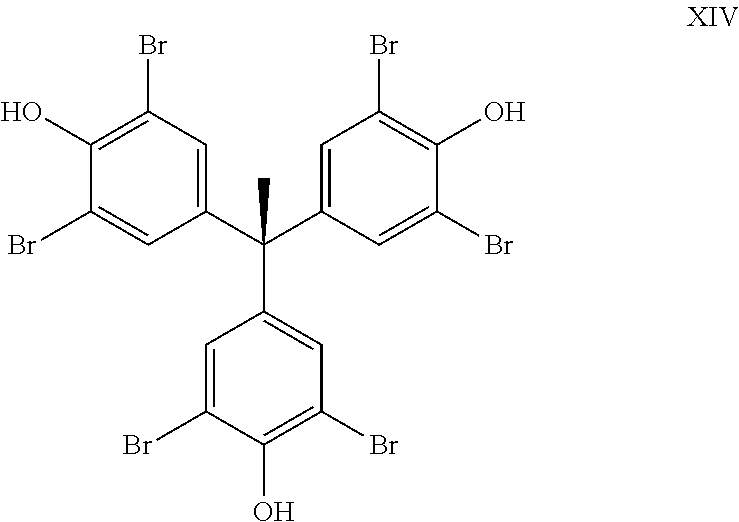
or its isomer, pharmaceutically acceptable salt, pharmaceutical product, hydrate, N-oxide, crystal or any combination thereof, and compositions comprising the same.

or its isomer, pharmaceutically acceptable salt, pharmaceutical product, hydrate, N-oxide, crystal or any combination thereof, and compositions comprising the same.

or its isomer, pharmaceutically acceptable salt, pharmaceutical product, hydrate, N-oxide, crystal or any combination thereof, and compositions comprising the same.

1,1,1,1-tris (4-hydroxy-3, 5-methylene ethoxy-phenyl)-ethane
or

1,1,1-tris (4-hydroxy-3, 5-dibromo-phenyl)-ethane

wherein
-
- Insulin and insulin analogues
- Glucagon-Like-Peptide-1 (GLP-1) receptor agonists
- Sulfonylurea agents
- Biguanide agents
- Alpha-glucosidase inhibitors
- PPAR-Agonists
- Meglitinide agents
- Dipeptidyl-peptidase (DPP) IV inhibitors
- PDE1, PDE5, PDE9, PDE10 or PDE11 inhibitors
- Amylin agonists
- Cinnamon
- Glucagon receptor antagonists
- Glycogen-Phosphorylase inhibitors
- Fructose-1,6-Bisphosphate inhibitors
- Cannabinoid (CB1) receptor antagonists
- Anti-obesity drugs such as appetite suppressors, satiety increasing substances, and energy expenditure increasing drugs
and pharmaceutically acceptable salts thereof.
-
- US20020160939,
- WO03037432,
- US2004220186,
- WO2005003129,
- WO2005012485,
- WO2005120514 and
- WO03077949.
-
- WO0334331,
- EP0981611,
- WO9808871,
- WO0104156, and
- WO03059934.
-
- WO0121602,
- EP03306228,
- EP0658161,
- EP0193256,
- WO9731907,
- WO0140169,
- WO02100813,
- EP0604983,
- EP0745600,
- WO9615784,
- WO0259098, and
- EP1183020.
-
- WO03004498,
- WO0168603,
- WO0034241,
- WO0302531,
- WO9961431, and
- WO2005095381.
-
- WO0213798,
- WO0260422,
- WO2004082667,
- WO0027848, and
- EP1219609.
-
- WO0001495 and
- WO0147935.
-
- EP1112251,
- EP0576357 and
- WO0046209.
-
- WO0018749,
- EP1144395 and
- EP0397831.

1,1,1-tris (4-hydroxy-3, 5-dibromo-phenyl)-ethane
-
- STZ only
- STZ+DMSO
- Citrate+
DMSO 1% every day - STZ+AGS-499 (6 mg/kg) injected every day S.C
- STZ+AGS-500 (6 mg/kg) injected every day S.C
- STZ+AGS-500 (6 mg/kg) injected every other day S.C
| Blood glucose | % reduction in blood | ||
| treatment | level Average | glucose level | |
| STZ diabetic rat | 395 | ||
| STZ + vehicle | 395 | ||
| STZ + AGS499 | 317 | 20 | |
| daily | |||
| STZ + AGS500 | 317.4 | 20 | |
| daily | |||
| STZ + |
270 | 32 | |
| every 48 hrs | |||
| Blood | % reduction | Blood | reduction | ||
| Glucose | In blood | Glucose | In blood | ||
| insu- | At | Glucose | At | Glucose | |
| lin | treatment | 101 day | 101 |
111 |
111 day |
| no | |
700 | 600 | ||
| no | STZ + |
700 | 600 | ||
| no | |
500 | 29 | 500 | 17% |
| no | |
600 | 15 | 450 | 25% |
| no | |
400 | 43 | 390 | 35% |
| yes | |
700 | 600 | ||
| yes | STZ + |
700 | 600 | ||
| yes | AGS499 daily | 480 | 32 | 400 | 34% |
| yes | AGS500 daily | 460 | 34 | 400 | 34% |
| yes | AGS500 48 hrs | 480 | 32 | 400 | 34% |
| Time needed | Time needed | |||
| for the Pancreas | for the Pancreas | |||
| to cope with | to cope | |||
| glucose | Improve- | glucose | Fold of | |
| load after | ment | load after | Improve- | |
| |
2 months | (fold) | 5 months | ment |
| |
90 |
90 min | ||
| STZ + | 90 |
60 min | ||
| DMSO | ||||
| STZ + | 30 |
3 | 30 |
3 |
| |
||||
| 499 daily | ||||
| STZ + | 60 min | 1.5 | 30 |
3 |
| |
||||
| 500 daily | ||||
| STZ + | 30 |
3 | 20 min | |
| AGS | ||||
| 500/48 | ||||
| None | ||||
| 20 min | normal | 20 min | normal | |
| diabetic | ||||
| mice | ||||
| increase | ||||
| No of insulin | in Insulin | |||
| insu- | expressing beta | expressing | ||
| Treatment | lin | islets/mouse | Beta islets | |
| STZ + DMSO | no | 2.6 | ||
| STZ + AGS-499 daily | no | 4.3 | 165% | |
| STZ + AGS500 daily | no | 5.6 | 215% | |
| STZ + AGS500/48 hrs | no | 5 | 192% | |
| STZ − DMSO | yes | 3.25 | 125 | |
| STZ + AGS-499 daily | yes | 3.5 | 135% | |
| STZ + AGS500 daily | yes | 2.5 | — | |
| STZ + AGS500/48 hrs | yes | 3 | 115% | |
Claims (22)


Priority Applications (1)
| Application Number | Priority Date | Filing Date | Title |
|---|---|---|---|
| US15/034,303 US10111880B2 (en) | 2013-11-05 | 2014-11-04 | Compounds for the treatment of diabetes and disease complications arising from same |
Applications Claiming Priority (3)
| Application Number | Priority Date | Filing Date | Title |
|---|---|---|---|
| US201361900240P | 2013-11-05 | 2013-11-05 | |
| PCT/IL2014/050959 WO2015068156A1 (en) | 2013-11-05 | 2014-11-04 | Compounds for the treatment of diabetes and disease complications arising from same |
| US15/034,303 US10111880B2 (en) | 2013-11-05 | 2014-11-04 | Compounds for the treatment of diabetes and disease complications arising from same |
Publications (2)
| Publication Number | Publication Date |
|---|---|
| US20160263124A1 US20160263124A1 (en) | 2016-09-15 |
| US10111880B2 true US10111880B2 (en) | 2018-10-30 |
Family
ID=52117936
Family Applications (1)
| Application Number | Title | Priority Date | Filing Date |
|---|---|---|---|
| US15/034,303 Active US10111880B2 (en) | 2013-11-05 | 2014-11-04 | Compounds for the treatment of diabetes and disease complications arising from same |
Country Status (14)
| Country | Link |
|---|---|
| US (1) | US10111880B2 (en) |
| EP (1) | EP3065723B1 (en) |
| JP (1) | JP6657101B2 (en) |
| KR (1) | KR20160094956A (en) |
| CN (1) | CN106061940A (en) |
| AU (1) | AU2014347668A1 (en) |
| CA (1) | CA2928725A1 (en) |
| CL (1) | CL2016001054A1 (en) |
| CR (1) | CR20160207A (en) |
| EA (1) | EA201690938A1 (en) |
| MX (1) | MX2016005995A (en) |
| PH (1) | PH12016500788A1 (en) |
| WO (1) | WO2015068156A1 (en) |
| ZA (1) | ZA201602888B (en) |
Families Citing this family (3)
| Publication number | Priority date | Publication date | Assignee | Title |
|---|---|---|---|---|
| US11857516B2 (en) | 2017-02-12 | 2024-01-02 | Neuromagen Pharma, Ltd. | Telomerase activating compounds for use in fertility and related applications |
| IL257470B2 (en) * | 2018-02-11 | 2023-12-01 | Ben Gurion Univ Of The Negev Research And Development Authority | Telomerase Activating Compounds for Use in Fertility and Related Applications |
| WO2026058262A1 (en) * | 2024-09-16 | 2026-03-19 | Esther Priel | Substituted tri-phenyl derivative compounds, compositions comprising same and applications of same |
Citations (81)
| Publication number | Priority date | Publication date | Assignee | Title |
|---|---|---|---|---|
| US4093557A (en) | 1976-09-16 | 1978-06-06 | Hercules Incorporated | Process for inhibiting corrosion of metals in aqueous systems |
| EP0193256A1 (en) | 1985-01-19 | 1986-09-03 | Takeda Chemical Industries, Ltd. | Thiazolidinedione derivatives, their production and use |
| US4783495A (en) | 1987-11-20 | 1988-11-08 | Ciba-Geigy Corporation | (Hydroxyphenyl) silane stabilizers |
| US4835202A (en) | 1987-11-20 | 1989-05-30 | Ciba-Geigy Corporation | (Hydroxyphenyl) phosphine stabilized compositions |
| JPH02121941A (en) | 1988-10-28 | 1990-05-09 | Teijin Chem Ltd | Halogenated trisphenyl derivative and flame retardant thermoplastic resin composition |
| US5198531A (en) | 1991-06-14 | 1993-03-30 | Research Diagnostic Antibodies | Polymeric resin for peptide synthesis |
| WO1993015063A1 (en) | 1992-02-03 | 1993-08-05 | Hoechst Celanese Corporation | Uv light stabilizing, antioxidant and colorant compounds |
| US5243018A (en) | 1991-02-22 | 1993-09-07 | Idemitsu Petrochemical Co., Ltd. | Branched halogenated polycarbonate having trihalo phenoxy end groups |
| EP0397831B1 (en) | 1988-11-29 | 1993-09-15 | The Boots Company PLC | Treatment of obesity |
| EP0576357A1 (en) | 1992-06-23 | 1993-12-29 | Sanofi | Pyrazole derivatives, process for their preparation and pharmaceutical compositions containing them |
| US5290658A (en) | 1991-04-26 | 1994-03-01 | Fuji Photo Film Co., Ltd. | Positive type photoresist composition comprising polyaromatic hydroxy quinone diazide esters as the photosensitive ingredient |
| EP0604983A1 (en) | 1992-12-28 | 1994-07-06 | Mitsubishi Chemical Corporation | Naphthalene derivatives |
| US5399363A (en) | 1991-01-25 | 1995-03-21 | Eastman Kodak Company | Surface modified anticancer nanoparticles |
| WO1996015784A2 (en) | 1994-11-09 | 1996-05-30 | Boehringer Mannheim Gmbh | 2,2-dichloroalkane carboxylic acids, process for preparing the same, medicament containing the same, and use thereof for treating insulin resistance |
| US5543158A (en) | 1993-07-23 | 1996-08-06 | Massachusetts Institute Of Technology | Biodegradable injectable nanoparticles |
| US5571825A (en) | 1995-03-31 | 1996-11-05 | Warner-Lambert Company | Method of selectively inhibiting prostaglandin G/H synthase-2 |
| EP0745600A1 (en) | 1995-06-01 | 1996-12-04 | Sankyo Company Limited | Benzimidazole derivatives, their preparation and their therapeutic use |
| US5583016A (en) | 1994-07-07 | 1996-12-10 | Geron Corporation | Mammalian telomerase |
| US5625027A (en) | 1993-10-05 | 1997-04-29 | Idemitsu Petrochemical Co., Ltd. | Branched polycarbonate |
| US5641515A (en) | 1995-04-04 | 1997-06-24 | Elan Corporation, Plc | Controlled release biodegradable nanoparticles containing insulin |
| WO1997031907A1 (en) | 1996-02-28 | 1997-09-04 | Glaxo Group Limited | Substituted 4-hydroxy-phenylalcanoic acid derivatives with agonist activity to ppar-gamma |
| WO1997034599A2 (en) | 1996-03-20 | 1997-09-25 | Children's Medical Center Corporation | Use of clotrimazole and related compounds in the treatment of diarrhea |
| WO1997034589A1 (en) | 1996-03-20 | 1997-09-25 | President And Fellows Of Harvard College | Triaryl methane compounds for sickle cell disease |
| WO1998008871A1 (en) | 1996-08-30 | 1998-03-05 | Novo Nordisk A/S | Glp-1 derivatives |
| JPH10153884A (en) | 1996-11-25 | 1998-06-09 | Minolta Co Ltd | Electrostatic charge image developing toner |
| WO1998035033A1 (en) | 1997-02-05 | 1998-08-13 | 1149336 Ontario Inc. | Polynucleotides encoding proexendin, and methods and uses thereof |
| WO1998042691A1 (en) | 1997-03-20 | 1998-10-01 | Roche Diagnostics Gmbh | New thiazoledinediones, method for the production thereof, and medicaments containing the same |
| JPH10273461A (en) | 1996-11-01 | 1998-10-13 | Ricoh Co Ltd | Phenolic compounds and electrophotographic photoreceptors |
| EP0658161B1 (en) | 1992-09-05 | 1999-07-14 | Smithkline Beecham Plc | Substituted thiazolidinedione derivatives |
| WO1999061431A1 (en) | 1998-05-28 | 1999-12-02 | Probiodrug Gesellschaft für Arzneimittelforschung mbH | New dipeptidyl peptidase iv effectors |
| WO2000001495A1 (en) | 1998-07-02 | 2000-01-13 | Millipore Corporation | Process for coating a solid surface with a liquid composition |
| US6028103A (en) | 1994-09-16 | 2000-02-22 | Children's Medical Center Corporation | Triaryl methane compounds and analogues thereof useful for the treatment or prevention of sickle cell disease or diseases characterized by abnormal cell proliferation |
| WO2000018749A1 (en) | 1998-09-29 | 2000-04-06 | Aventis Pharma Deutschland Gmbh | Indeno-, naphto- and benzocyclohepta dihydrothiazole derivatives, the production thereof and their use as anorectic medicaments |
| WO2000027848A1 (en) | 1998-11-11 | 2000-05-18 | Dong A Pharm. Co., Ltd. | Pyrazolopyrimidinone derivatives for the treatment of impotence |
| WO2000034241A1 (en) | 1998-12-10 | 2000-06-15 | Novartis Ag | N-substituted 2-cyanopyrrolidines |
| WO2000046209A1 (en) | 1999-02-01 | 2000-08-10 | Sanofi-Synthelabo | Pyrazolecarboxylic acid derivatives, their preparation, pharmaceutical compositions containing them |
| WO2001004156A1 (en) | 1999-07-12 | 2001-01-18 | Zealand Pharmaceuticals A/S | Peptides that lower blood glucose levels |
| WO2001008677A1 (en) | 1999-07-28 | 2001-02-08 | The Trustees Of The University Of Pennsylvania | Methods of inhibiting osteoclast activity |
| US6191165B1 (en) | 1996-05-31 | 2001-02-20 | Allelix Neuroscience Inc. | Pharmaceutical for treatment of neurological and neuropsychiatric disorders |
| WO2001021602A1 (en) | 1999-09-22 | 2001-03-29 | Bristol-Myers Squibb Company | Oxa- and thiazole derivatives useful as antidiabetic and antiobesity agents |
| WO2001030771A1 (en) | 1999-10-28 | 2001-05-03 | Kyowa Hakko Kogyo Co., Ltd. | Thiazolidinedione derivatives |
| WO2001040169A1 (en) | 1999-12-03 | 2001-06-07 | Astrazeneca Ab | Comminuted form of (s)-2-ethoxy -3-[4-(2- {4-methanesulfonyloxyphenyl} ethoxy) phenyl] propanoic acid |
| WO2001047935A2 (en) | 1999-12-22 | 2001-07-05 | Metabasis Therapeutics, Inc. | Novel bisamidate phosphonate prodrugs |
| WO2001049663A2 (en) | 2000-01-06 | 2001-07-12 | The Regents Of The University Of California | Non-peptide inhibition of t-lymphocyte activation and therapies related thereto |
| WO2001068603A2 (en) | 2000-03-10 | 2001-09-20 | Bristol-Myers Squibb Co. | Cyclopropyl-fused pyrrolidine-based inhibitors of dipeptidyl iv, processes for their preparation, and their use |
| JP2001312055A (en) | 2000-02-18 | 2001-11-09 | Fuji Photo Film Co Ltd | Positive type resist composition |
| WO2002013798A2 (en) | 2000-08-11 | 2002-02-21 | Pfizer Limited | Treatment of the insulin resistance syndrome with selective cgmp pde5 inhibitors |
| US6380378B1 (en) | 1998-12-24 | 2002-04-30 | Toagosei Company, Ltd. | Nucleotide compound, nucleotide block oligonucleotide, and method for producing them |
| US6399738B1 (en) | 1999-04-01 | 2002-06-04 | Idemitsu Petrochemical Co., Ltd. | Process for producing polycarbonate |
| EP1219609A1 (en) | 1999-09-16 | 2002-07-03 | Tanabe Seiyaku Co., Ltd. | Aromatic nitrogenous six-membered ring compounds |
| WO2002056880A1 (en) | 2001-01-19 | 2002-07-25 | Cytokinetics, Inc. | Triphenylmethane kinesin inhibitors |
| WO2002059098A1 (en) | 2000-12-20 | 2002-08-01 | Glaxo Group Limited | Thiazole and oxazole derivatives as activators of human peroxisome proliferator activated receptors |
| WO2002060422A2 (en) | 2001-02-02 | 2002-08-08 | Pfizer Limited | Treatment of diabetes mellitus using vardenafil |
| US20020160939A1 (en) | 1999-02-05 | 2002-10-31 | Michaeli Tamar H. | Method of identification of inhibitors of PDE1C and methods of treatment of diabetes |
| WO2002100813A2 (en) | 2001-06-07 | 2002-12-19 | Eli Lilly And Company | Modulators of peroxisome proliferator activated receptors |
| WO2003002531A2 (en) | 2001-06-27 | 2003-01-09 | Smithkline Beecham Corporation | Fluoropyrrolidines as dipeptidyl peptidase inhibitors |
| WO2003004498A1 (en) | 2001-07-06 | 2003-01-16 | Merck & Co., Inc. | Beta-amino tetrahydroimidazo (1, 2-a) pyrazines and tetrahydrotrioazolo (4, 3-a) pyrazines as dipeptidyl peptidase inhibitors for the treatment or prevention of diabetes |
| EP1112251B1 (en) | 1998-09-11 | 2003-05-07 | Aventis Pharma S.A. | Azetidine derivatives, preparation and medicines containing them |
| WO2003037432A1 (en) | 2001-11-02 | 2003-05-08 | Pfizer Products Inc. | Treatment of insulin resistance syndrome and type 2 diabetes with pde9 inhibitors |
| WO2003059934A2 (en) | 2001-12-21 | 2003-07-24 | Human Genome Sciences, Inc. | Albumin fusion proteins |
| WO2003077949A2 (en) | 2002-03-14 | 2003-09-25 | Bayer Pharmaceuticals Corporation | Methods of treating diabetes using pde 11a inhibitors |
| WO2004082667A1 (en) | 2003-03-17 | 2004-09-30 | Pfizer Products Inc. | Treatment of type 1 diabetes with pde5 inhibitors |
| US20040220186A1 (en) | 2003-04-30 | 2004-11-04 | Pfizer Inc. | PDE9 inhibitors for treating type 2 diabetes,metabolic syndrome, and cardiovascular disease |
| WO2005003129A1 (en) | 2003-06-30 | 2005-01-13 | Altana Pharma Ag | Pyrrolodihydroisoquinolines as pde10 inhibitors |
| JP2005008626A (en) | 2003-05-22 | 2005-01-13 | Sumitomo Bakelite Co Ltd | Naphthoquinonediazidosulfonic acid ester, positive-type photosensitive resin composition given by using the same, semiconductor device, and display element |
| WO2005012485A2 (en) | 2003-07-31 | 2005-02-10 | Bayer Pharmaceuticals Corporation | Methods for treating diabetes and related disorders using pde10a inhibitors |
| US20050049208A1 (en) * | 2003-09-03 | 2005-03-03 | Kaufmann Doug A. | Method of treating and method of preventing diabetes |
| EP1144395B1 (en) | 1999-01-08 | 2005-04-20 | Alizyme Therapeutics Limited | 2-amino-benzoxazinone derivatives for the treatment of obesity |
| WO2005095381A1 (en) | 2004-03-15 | 2005-10-13 | Takeda Pharmaceutical Company Limited | Dipeptidyl peptidase inhibitors |
| WO2005120514A1 (en) | 2004-06-07 | 2005-12-22 | Pfizer Products Inc. | Phosphodiesterase 10 inhibition as treatment for obesity-related and metabolic syndrome-related conditions |
| WO2006007864A1 (en) | 2004-07-17 | 2006-01-26 | Max Planck Geselllschaft Zur Förderung Der Wissenschaft | Treating neurodegenerative conditions |
| JP2006059694A (en) | 2004-08-20 | 2006-03-02 | Toray Ind Inc | POLYMER ELECTROLYTE MATERIAL, POLYMER ELECTROLYTE MEMBRANE, MEMBRANE ELECTRODE COMPOSITE AND POLYMER ELECTROLYTE TYPE FUEL CELL USING SAME |
| US20060111365A1 (en) | 2001-10-18 | 2006-05-25 | Tetsuzo Tauchi | Combinations comprising N- {5-[4- [4-methy L-piperazino-methyl) -benzoylamido] -2-methylphenyl) -4- (3-pyridyl) -2-pyrimidine-amine and at least one telomerase inhibitor |
| WO2006083869A2 (en) | 2005-01-31 | 2006-08-10 | Ception Therapeutics, Inc. | Tumor necrosis factor inhibitors |
| WO2006084031A1 (en) | 2005-02-01 | 2006-08-10 | Icagen, Inc. | Imines as ion channel modulators |
| EP1183020B1 (en) | 1999-06-04 | 2006-08-16 | Metabolex, Inc. | (3-trihalomethylphenoxy) (4-halophenyl) for the treatment of insulin resistance and type 2 diabetes |
| US7115619B2 (en) | 2000-10-12 | 2006-10-03 | Cancer Research Technology Limited | N8, N13 -disubstituted quino[4,3,2-kl]acridinium salts as therapeutic agents |
| JP2007016214A (en) | 2005-06-09 | 2007-01-25 | Toray Ind Inc | Resin composition and display device using the same |
| US20070042962A1 (en) | 2002-02-04 | 2007-02-22 | Adams David S | Peptide dependent upregulation of telomerase expression |
| WO2008149346A2 (en) | 2007-06-04 | 2008-12-11 | Ben Gurion University Of The Negev Research And Development Authority | Enhanced sensitivity polymerase chain reactions |
| US7846904B2 (en) | 2003-06-23 | 2010-12-07 | Geron Corporation | Compositions and methods for increasing telomerase activity |
Family Cites Families (5)
| Publication number | Priority date | Publication date | Assignee | Title |
|---|---|---|---|---|
| ATE186724T1 (en) | 1987-09-04 | 1999-12-15 | Beecham Group Plc | SUBSTITUTED THIAZOLIDINEDIONE DERIVATIVES |
| MD960317A (en) | 1991-11-19 | 1998-05-31 | Anylin Pharmaceuticals, Inc. | Novel amylin agonist peptides and uses therefor |
| FI974437A0 (en) | 1995-06-06 | 1997-12-05 | Pfizer | Substituted N- (indole-2-carbonyl) amides and derivatives as glycogen phosphorylase inhibitors |
| AR008789A1 (en) | 1996-07-31 | 2000-02-23 | Bayer Corp | PIRIDINES AND SUBSTITUTED BIPHENYLS |
| US6766960B2 (en) | 2001-10-17 | 2004-07-27 | Kilopass Technologies, Inc. | Smart card having memory using a breakdown phenomena in an ultra-thin dielectric |
-
2014
- 2014-11-04 EA EA201690938A patent/EA201690938A1/en unknown
- 2014-11-04 KR KR1020167014676A patent/KR20160094956A/en not_active Withdrawn
- 2014-11-04 MX MX2016005995A patent/MX2016005995A/en unknown
- 2014-11-04 US US15/034,303 patent/US10111880B2/en active Active
- 2014-11-04 CN CN201480065832.XA patent/CN106061940A/en active Pending
- 2014-11-04 WO PCT/IL2014/050959 patent/WO2015068156A1/en not_active Ceased
- 2014-11-04 JP JP2016551110A patent/JP6657101B2/en active Active
- 2014-11-04 AU AU2014347668A patent/AU2014347668A1/en not_active Abandoned
- 2014-11-04 CR CR20160207A patent/CR20160207A/en unknown
- 2014-11-04 EP EP14815066.7A patent/EP3065723B1/en active Active
- 2014-11-04 CA CA2928725A patent/CA2928725A1/en not_active Abandoned
-
2016
- 2016-04-27 PH PH12016500788A patent/PH12016500788A1/en unknown
- 2016-04-28 ZA ZA2016/02888A patent/ZA201602888B/en unknown
- 2016-05-03 CL CL2016001054A patent/CL2016001054A1/en unknown
Patent Citations (86)
| Publication number | Priority date | Publication date | Assignee | Title |
|---|---|---|---|---|
| US4093557A (en) | 1976-09-16 | 1978-06-06 | Hercules Incorporated | Process for inhibiting corrosion of metals in aqueous systems |
| EP0193256A1 (en) | 1985-01-19 | 1986-09-03 | Takeda Chemical Industries, Ltd. | Thiazolidinedione derivatives, their production and use |
| US4783495A (en) | 1987-11-20 | 1988-11-08 | Ciba-Geigy Corporation | (Hydroxyphenyl) silane stabilizers |
| US4835202A (en) | 1987-11-20 | 1989-05-30 | Ciba-Geigy Corporation | (Hydroxyphenyl) phosphine stabilized compositions |
| JPH02121941A (en) | 1988-10-28 | 1990-05-09 | Teijin Chem Ltd | Halogenated trisphenyl derivative and flame retardant thermoplastic resin composition |
| EP0397831B1 (en) | 1988-11-29 | 1993-09-15 | The Boots Company PLC | Treatment of obesity |
| US5399363A (en) | 1991-01-25 | 1995-03-21 | Eastman Kodak Company | Surface modified anticancer nanoparticles |
| US5243018A (en) | 1991-02-22 | 1993-09-07 | Idemitsu Petrochemical Co., Ltd. | Branched halogenated polycarbonate having trihalo phenoxy end groups |
| US5290658A (en) | 1991-04-26 | 1994-03-01 | Fuji Photo Film Co., Ltd. | Positive type photoresist composition comprising polyaromatic hydroxy quinone diazide esters as the photosensitive ingredient |
| US5198531A (en) | 1991-06-14 | 1993-03-30 | Research Diagnostic Antibodies | Polymeric resin for peptide synthesis |
| WO1993015063A1 (en) | 1992-02-03 | 1993-08-05 | Hoechst Celanese Corporation | Uv light stabilizing, antioxidant and colorant compounds |
| EP0576357A1 (en) | 1992-06-23 | 1993-12-29 | Sanofi | Pyrazole derivatives, process for their preparation and pharmaceutical compositions containing them |
| EP0658161B1 (en) | 1992-09-05 | 1999-07-14 | Smithkline Beecham Plc | Substituted thiazolidinedione derivatives |
| EP0604983A1 (en) | 1992-12-28 | 1994-07-06 | Mitsubishi Chemical Corporation | Naphthalene derivatives |
| US5543158A (en) | 1993-07-23 | 1996-08-06 | Massachusetts Institute Of Technology | Biodegradable injectable nanoparticles |
| US5625027A (en) | 1993-10-05 | 1997-04-29 | Idemitsu Petrochemical Co., Ltd. | Branched polycarbonate |
| US5583016A (en) | 1994-07-07 | 1996-12-10 | Geron Corporation | Mammalian telomerase |
| US6028103A (en) | 1994-09-16 | 2000-02-22 | Children's Medical Center Corporation | Triaryl methane compounds and analogues thereof useful for the treatment or prevention of sickle cell disease or diseases characterized by abnormal cell proliferation |
| US6331564B1 (en) | 1994-09-16 | 2001-12-18 | Ion Pharmaceuticals, Inc. | Use of triaryl methane compounds for inhibiting unwanted cellular proliferation associated with inflammatory disease |
| WO1996015784A2 (en) | 1994-11-09 | 1996-05-30 | Boehringer Mannheim Gmbh | 2,2-dichloroalkane carboxylic acids, process for preparing the same, medicament containing the same, and use thereof for treating insulin resistance |
| US5571825A (en) | 1995-03-31 | 1996-11-05 | Warner-Lambert Company | Method of selectively inhibiting prostaglandin G/H synthase-2 |
| US5641515A (en) | 1995-04-04 | 1997-06-24 | Elan Corporation, Plc | Controlled release biodegradable nanoparticles containing insulin |
| EP0745600A1 (en) | 1995-06-01 | 1996-12-04 | Sankyo Company Limited | Benzimidazole derivatives, their preparation and their therapeutic use |
| WO1997031907A1 (en) | 1996-02-28 | 1997-09-04 | Glaxo Group Limited | Substituted 4-hydroxy-phenylalcanoic acid derivatives with agonist activity to ppar-gamma |
| WO1997034599A2 (en) | 1996-03-20 | 1997-09-25 | Children's Medical Center Corporation | Use of clotrimazole and related compounds in the treatment of diarrhea |
| WO1997034589A1 (en) | 1996-03-20 | 1997-09-25 | President And Fellows Of Harvard College | Triaryl methane compounds for sickle cell disease |
| US6191165B1 (en) | 1996-05-31 | 2001-02-20 | Allelix Neuroscience Inc. | Pharmaceutical for treatment of neurological and neuropsychiatric disorders |
| WO1998008871A1 (en) | 1996-08-30 | 1998-03-05 | Novo Nordisk A/S | Glp-1 derivatives |
| JPH10273461A (en) | 1996-11-01 | 1998-10-13 | Ricoh Co Ltd | Phenolic compounds and electrophotographic photoreceptors |
| JPH10153884A (en) | 1996-11-25 | 1998-06-09 | Minolta Co Ltd | Electrostatic charge image developing toner |
| WO1998035033A1 (en) | 1997-02-05 | 1998-08-13 | 1149336 Ontario Inc. | Polynucleotides encoding proexendin, and methods and uses thereof |
| WO1998042691A1 (en) | 1997-03-20 | 1998-10-01 | Roche Diagnostics Gmbh | New thiazoledinediones, method for the production thereof, and medicaments containing the same |
| WO1999061431A1 (en) | 1998-05-28 | 1999-12-02 | Probiodrug Gesellschaft für Arzneimittelforschung mbH | New dipeptidyl peptidase iv effectors |
| WO2000001495A1 (en) | 1998-07-02 | 2000-01-13 | Millipore Corporation | Process for coating a solid surface with a liquid composition |
| EP1112251B1 (en) | 1998-09-11 | 2003-05-07 | Aventis Pharma S.A. | Azetidine derivatives, preparation and medicines containing them |
| WO2000018749A1 (en) | 1998-09-29 | 2000-04-06 | Aventis Pharma Deutschland Gmbh | Indeno-, naphto- and benzocyclohepta dihydrothiazole derivatives, the production thereof and their use as anorectic medicaments |
| WO2000027848A1 (en) | 1998-11-11 | 2000-05-18 | Dong A Pharm. Co., Ltd. | Pyrazolopyrimidinone derivatives for the treatment of impotence |
| WO2000034241A1 (en) | 1998-12-10 | 2000-06-15 | Novartis Ag | N-substituted 2-cyanopyrrolidines |
| US6380378B1 (en) | 1998-12-24 | 2002-04-30 | Toagosei Company, Ltd. | Nucleotide compound, nucleotide block oligonucleotide, and method for producing them |
| EP1144395B1 (en) | 1999-01-08 | 2005-04-20 | Alizyme Therapeutics Limited | 2-amino-benzoxazinone derivatives for the treatment of obesity |
| WO2000046209A1 (en) | 1999-02-01 | 2000-08-10 | Sanofi-Synthelabo | Pyrazolecarboxylic acid derivatives, their preparation, pharmaceutical compositions containing them |
| US20020160939A1 (en) | 1999-02-05 | 2002-10-31 | Michaeli Tamar H. | Method of identification of inhibitors of PDE1C and methods of treatment of diabetes |
| US6399738B1 (en) | 1999-04-01 | 2002-06-04 | Idemitsu Petrochemical Co., Ltd. | Process for producing polycarbonate |
| EP1183020B1 (en) | 1999-06-04 | 2006-08-16 | Metabolex, Inc. | (3-trihalomethylphenoxy) (4-halophenyl) for the treatment of insulin resistance and type 2 diabetes |
| WO2001004156A1 (en) | 1999-07-12 | 2001-01-18 | Zealand Pharmaceuticals A/S | Peptides that lower blood glucose levels |
| WO2001008677A1 (en) | 1999-07-28 | 2001-02-08 | The Trustees Of The University Of Pennsylvania | Methods of inhibiting osteoclast activity |
| EP1219609A1 (en) | 1999-09-16 | 2002-07-03 | Tanabe Seiyaku Co., Ltd. | Aromatic nitrogenous six-membered ring compounds |
| WO2001021602A1 (en) | 1999-09-22 | 2001-03-29 | Bristol-Myers Squibb Company | Oxa- and thiazole derivatives useful as antidiabetic and antiobesity agents |
| WO2001030771A1 (en) | 1999-10-28 | 2001-05-03 | Kyowa Hakko Kogyo Co., Ltd. | Thiazolidinedione derivatives |
| WO2001040169A1 (en) | 1999-12-03 | 2001-06-07 | Astrazeneca Ab | Comminuted form of (s)-2-ethoxy -3-[4-(2- {4-methanesulfonyloxyphenyl} ethoxy) phenyl] propanoic acid |
| WO2001047935A2 (en) | 1999-12-22 | 2001-07-05 | Metabasis Therapeutics, Inc. | Novel bisamidate phosphonate prodrugs |
| WO2001049663A2 (en) | 2000-01-06 | 2001-07-12 | The Regents Of The University Of California | Non-peptide inhibition of t-lymphocyte activation and therapies related thereto |
| JP2001312055A (en) | 2000-02-18 | 2001-11-09 | Fuji Photo Film Co Ltd | Positive type resist composition |
| WO2001068603A2 (en) | 2000-03-10 | 2001-09-20 | Bristol-Myers Squibb Co. | Cyclopropyl-fused pyrrolidine-based inhibitors of dipeptidyl iv, processes for their preparation, and their use |
| WO2002013798A2 (en) | 2000-08-11 | 2002-02-21 | Pfizer Limited | Treatment of the insulin resistance syndrome with selective cgmp pde5 inhibitors |
| US7115619B2 (en) | 2000-10-12 | 2006-10-03 | Cancer Research Technology Limited | N8, N13 -disubstituted quino[4,3,2-kl]acridinium salts as therapeutic agents |
| WO2002059098A1 (en) | 2000-12-20 | 2002-08-01 | Glaxo Group Limited | Thiazole and oxazole derivatives as activators of human peroxisome proliferator activated receptors |
| WO2002056880A1 (en) | 2001-01-19 | 2002-07-25 | Cytokinetics, Inc. | Triphenylmethane kinesin inhibitors |
| WO2002060422A2 (en) | 2001-02-02 | 2002-08-08 | Pfizer Limited | Treatment of diabetes mellitus using vardenafil |
| WO2002100813A2 (en) | 2001-06-07 | 2002-12-19 | Eli Lilly And Company | Modulators of peroxisome proliferator activated receptors |
| WO2003002531A2 (en) | 2001-06-27 | 2003-01-09 | Smithkline Beecham Corporation | Fluoropyrrolidines as dipeptidyl peptidase inhibitors |
| WO2003004498A1 (en) | 2001-07-06 | 2003-01-16 | Merck & Co., Inc. | Beta-amino tetrahydroimidazo (1, 2-a) pyrazines and tetrahydrotrioazolo (4, 3-a) pyrazines as dipeptidyl peptidase inhibitors for the treatment or prevention of diabetes |
| US20060111365A1 (en) | 2001-10-18 | 2006-05-25 | Tetsuzo Tauchi | Combinations comprising N- {5-[4- [4-methy L-piperazino-methyl) -benzoylamido] -2-methylphenyl) -4- (3-pyridyl) -2-pyrimidine-amine and at least one telomerase inhibitor |
| WO2003037432A1 (en) | 2001-11-02 | 2003-05-08 | Pfizer Products Inc. | Treatment of insulin resistance syndrome and type 2 diabetes with pde9 inhibitors |
| WO2003059934A2 (en) | 2001-12-21 | 2003-07-24 | Human Genome Sciences, Inc. | Albumin fusion proteins |
| US20070042962A1 (en) | 2002-02-04 | 2007-02-22 | Adams David S | Peptide dependent upregulation of telomerase expression |
| WO2003077949A2 (en) | 2002-03-14 | 2003-09-25 | Bayer Pharmaceuticals Corporation | Methods of treating diabetes using pde 11a inhibitors |
| WO2004082667A1 (en) | 2003-03-17 | 2004-09-30 | Pfizer Products Inc. | Treatment of type 1 diabetes with pde5 inhibitors |
| US20040220186A1 (en) | 2003-04-30 | 2004-11-04 | Pfizer Inc. | PDE9 inhibitors for treating type 2 diabetes,metabolic syndrome, and cardiovascular disease |
| JP2005008626A (en) | 2003-05-22 | 2005-01-13 | Sumitomo Bakelite Co Ltd | Naphthoquinonediazidosulfonic acid ester, positive-type photosensitive resin composition given by using the same, semiconductor device, and display element |
| US7846904B2 (en) | 2003-06-23 | 2010-12-07 | Geron Corporation | Compositions and methods for increasing telomerase activity |
| WO2005003129A1 (en) | 2003-06-30 | 2005-01-13 | Altana Pharma Ag | Pyrrolodihydroisoquinolines as pde10 inhibitors |
| WO2005012485A2 (en) | 2003-07-31 | 2005-02-10 | Bayer Pharmaceuticals Corporation | Methods for treating diabetes and related disorders using pde10a inhibitors |
| US20050049208A1 (en) * | 2003-09-03 | 2005-03-03 | Kaufmann Doug A. | Method of treating and method of preventing diabetes |
| WO2005095381A1 (en) | 2004-03-15 | 2005-10-13 | Takeda Pharmaceutical Company Limited | Dipeptidyl peptidase inhibitors |
| WO2005120514A1 (en) | 2004-06-07 | 2005-12-22 | Pfizer Products Inc. | Phosphodiesterase 10 inhibition as treatment for obesity-related and metabolic syndrome-related conditions |
| WO2006007864A1 (en) | 2004-07-17 | 2006-01-26 | Max Planck Geselllschaft Zur Förderung Der Wissenschaft | Treating neurodegenerative conditions |
| JP2006059694A (en) | 2004-08-20 | 2006-03-02 | Toray Ind Inc | POLYMER ELECTROLYTE MATERIAL, POLYMER ELECTROLYTE MEMBRANE, MEMBRANE ELECTRODE COMPOSITE AND POLYMER ELECTROLYTE TYPE FUEL CELL USING SAME |
| WO2006083869A2 (en) | 2005-01-31 | 2006-08-10 | Ception Therapeutics, Inc. | Tumor necrosis factor inhibitors |
| WO2006084031A1 (en) | 2005-02-01 | 2006-08-10 | Icagen, Inc. | Imines as ion channel modulators |
| JP2007016214A (en) | 2005-06-09 | 2007-01-25 | Toray Ind Inc | Resin composition and display device using the same |
| WO2008149346A2 (en) | 2007-06-04 | 2008-12-11 | Ben Gurion University Of The Negev Research And Development Authority | Enhanced sensitivity polymerase chain reactions |
| US20100267667A1 (en) * | 2007-06-04 | 2010-10-21 | Ben-Gurion University Of The Negev Research And Development Authority | Telomerase activating compounds and methods of use thereof |
| US8604245B2 (en) | 2007-06-04 | 2013-12-10 | Ben-Gurion University Of The Negev Research And Development Authority | Tri-aryl compounds and compositions comprising the same |
| US8609736B2 (en) | 2007-06-04 | 2013-12-17 | Ben-Gurion University Of The Negev Research And Development Authority | Telomerase activating compounds and methods of use thereof |
| EP2152663B1 (en) | 2007-06-04 | 2014-03-19 | Ben Gurion University of the Negev Research and Development Authority | Tri-aryl compounds and compositions comprising the same |
Non-Patent Citations (26)
| Title |
|---|
| "Diabetes Document" Johns Hopkins Medical Institutions, 2001, 5 pages. |
| B. Kirste et al., "Hydrogen-1 and Carbon-13 ENDOR investigations of sterically hindered galvinoxyl radicals", Journal of the American Chemical Society, 1981, vol. 103, No. 21, pp. 6280-6286. |
| Bernardes de Jesus, et al, "The telomerase activator TA-65 elongates short telomeres and increases healtj span of adult/old mice without increasing cancer incidence", Aging Cell Jul. 22, 2016; pp. 604-621, 18 pages. |
| Canadian Examination Report for related Canadian Patent Application No. 2,690,004, dated Feb. 8, 2016 (3 pages). |
| Chan et al., "Clotrimazole and efaroxan stimulate insulin secretion by different mechanisms in rat pancreatic islets", Naunyn-Schmiedeberg's Arch Pharmacol, 1997, vol. 356, pp. 763-768. |
| Daniela Cihakova MD., Ph.D., "Type 1 Diabetes Mellitus", Johns Hopkins Medical Institutions Autoimmune Disease Research Center, 2001, Printout dated Jun. 18, 2015 from http:autoimmune.pathology.jhmi.edu/diseases.cfm?systemID=3&DiseaseID=23 (5 pages). |
| De Jesus et al (Aging Cell, 2011, 10, pp. 604-621). * |
| Dyker et al. "Sterically Stabilized p-Quinodimethanes by Nucleophilic Aromatic Substitution", European Journal of Organic Chemistry, vol. 2006, No. 9, 2006, pp. 2134-2144. |
| Eurasian Office Action dated Jan. 15, 2016, which is issued for related Eurasian Application No. 201401193/28 and is English translation (5 pages). |
| Extended European Search Report issued in related European Application No. 08763505.8, dated Oct. 10, 2011 (15 pages). |
| Extended European Search Report issued in related European Application No. 08763505.8, Oct. 10, 2011 (15 pages). |
| International Search Report for International Application No. PCT/IL2014/050959 (dated Feb. 23, 2015)(2 pages). |
| Lomakin et al., "Modem Polymer Flame Retardency", New Concepts in Polymer Science, 2003 (3 pages). |
| M. E. Wacks et al., "Multiply charged ions", Recent Topics in Mass Spectrometry: Articles . . . From A Nato Study Institute of Mass Spectrometry, Gordon and Breach Science Publishers, 1971, pp. 1-9. |
| MacAulay et al (Expert Opin.Ther.Targets, 2008, 12 (10), pp. 1265-1274). * |
| Morissette et al., High-throughput crystallization: polymorphs, salts, co-crystals and solvates of pharmaceutical solids, Advanced Drug Delivery Reviews, 2004, vol. 56 , pp. 275-300. |
| N. Dessalew et al., "Investigation of potential glycogen synthase kinase 3 inhibitors using pharmacophore mapping and virtual screening", Chemical Biology & Drug Design, Blackwell Publishing TD., 2006, vol. 68, No. 3, pp. 154-165. |
| Neamati et al., "Depsides and depsidones as inhibitors of HIV-1 integrase: Discovery of Novel Inhibitors through 3D Database Searching," Journal of Medicinal Chemistry, American Chemical Society, 1997, vol. 40, No. 6, pp. 942-951. |
| Notice of Allowance, Applicant Initiated Interview Summary, and Notice of Allowability, including PTO-892 and AFCP 2.0 Decisiion dated Feb. 3, 2017 and issued in connection with U.S. Appl. No. 14/070,073 filed Nov. 12, 2013 (13 pages). |
| Pastor et al., "Organophosphorous and organosilicon derivatives of sterically hindered phenols", Journal of Organometallic Chemistry, 1989, vol. 376, No. 1, pp. 21-29. |
| PCT International Search Report (as WO 2008/149345 A3) issued in related PCT Application No. PCT/IL2008/000747 filed Nov. 10, 2008 (2 pages). |
| Peterson et al., "Expanding the Scope of Crystal Form Evaluation in Pharmaceutical Science", J Pharm Pharmaceut Sci, 2006, vol. 9, No. 3, pp. 317-326. |
| Rouhi, "The Right Stuff From research and development to the clinic getting drug crystals right is full of pitfalls." Chem. & Eng. News, 2003, vol. 81, No. 8, 13 pages. |
| Tichon et al., "Oxidative Stress Protection by Novel Telomerase Activators in Messenchymal Stem cells derived from Healthy and Diseased Individuals", Current Molecular Medicine 2013, 13, 1010-1022; 2013 Bentham Science Publishers, 13 pages. |
| West, "Solid State Chemistry and Its Applications," WILEY, 1988 (3 pages). |
| Xhan et al., "Clotrimazole and efaroxan stimulate insulin secretion by different mechanisms in rat pancreatic islets", Naunyn-Schmiedeberg's Arch Pharmacol, 1997, vol. 356, pp. 763-768. |
Also Published As
| Publication number | Publication date |
|---|---|
| MX2016005995A (en) | 2016-08-17 |
| JP2016535099A (en) | 2016-11-10 |
| CL2016001054A1 (en) | 2016-12-02 |
| JP6657101B2 (en) | 2020-03-04 |
| CA2928725A1 (en) | 2015-05-14 |
| US20160263124A1 (en) | 2016-09-15 |
| ZA201602888B (en) | 2019-04-24 |
| KR20160094956A (en) | 2016-08-10 |
| WO2015068156A1 (en) | 2015-05-14 |
| CN106061940A (en) | 2016-10-26 |
| CR20160207A (en) | 2016-08-10 |
| AU2014347668A1 (en) | 2016-05-19 |
| EP3065723A1 (en) | 2016-09-14 |
| EP3065723B1 (en) | 2020-09-23 |
| PH12016500788A1 (en) | 2016-06-13 |
| EA201690938A1 (en) | 2016-11-30 |
Similar Documents
| Publication | Publication Date | Title |
|---|---|---|
| KR101567660B1 (en) | Combination for treatment of diabetes mellitus | |
| EP3065723B1 (en) | Compounds for the treatment of diabetes and disease complications arising from same | |
| KR20190141007A (en) | Novel use of 3- (4- (benzyloxy) phenyl) hex-4-inoic acid derivative | |
| US20150258107A1 (en) | Methods and compositions for treating depression | |
| CN111246859B (en) | Pharmaceutical composition for preventing or treating diabetes containing zinc salt, cyclic dipeptide-histidine proline and antidiabetic drug as active ingredients | |
| WO2002009701A1 (en) | Use of selective adenosine a1 receptor agonists, antagonists and allosteric enhancers to manipulate angiogenesis | |
| KR101567925B1 (en) | Methods of using diacerein as an adjunctive therapy for diabetes | |
| JP6412241B2 (en) | Liver function improvement method | |
| US20200215068A1 (en) | Treatment of type i and type ii diabetes | |
| CN116113408B (en) | Methods and pharmaceutical compositions for treating chronic kidney disease | |
| HK1230579A1 (en) | Compounds for the treatment of diabetes and disease complications arising from same | |
| US20060166957A1 (en) | Methods of treating obesity and related disorders using tellurium selenium compounds | |
| TW202610632A (en) | Anti-overdosing compositions and uses thereof | |
| AU2016206292B2 (en) | A method of improving liver function | |
| CN111093644A (en) | Glucose consumption promoter and glycolysis promoter | |
| HK1202819B (en) | Treatment of type i diabetes | |
| NZ626495B2 (en) | Treatment of type i and type ii diabetes | |
| Schneider, T. & Lopis | HB419 (Glibenclamide) in the treatment of diabetes mellitus |
Legal Events
| Date | Code | Title | Description |
|---|---|---|---|
| AS | Assignment |
Owner name: BEN-GURION UNIVERSITY OF THE NEGEV RESEARCH AND DE Free format text: ASSIGNMENT OF ASSIGNORS INTEREST;ASSIGNOR:PRIEL, ESTHER;REEL/FRAME:038758/0288 Effective date: 20160529 |
|
| STCF | Information on status: patent grant |
Free format text: PATENTED CASE |
|
| MAFP | Maintenance fee payment |
Free format text: PAYMENT OF MAINTENANCE FEE, 4TH YR, SMALL ENTITY (ORIGINAL EVENT CODE: M2551); ENTITY STATUS OF PATENT OWNER: SMALL ENTITY Year of fee payment: 4 |
|
| AS | Assignment |
Owner name: NEUROMAGEN PHARMA, LTD., ISRAEL Free format text: ASSIGNMENT OF ASSIGNORS INTEREST;ASSIGNOR:BEN-GURION UNIVERITY OF THE NEGEV RESEARCH AND DEVELOPMENT AUTHORITY;REEL/FRAME:063231/0218 Effective date: 20210104 |
|
| MAFP | Maintenance fee payment |
Free format text: PAYMENT OF MAINTENANCE FEE, 8TH YR, SMALL ENTITY (ORIGINAL EVENT CODE: M2552); ENTITY STATUS OF PATENT OWNER: SMALL ENTITY Year of fee payment: 8 |