US10085981B2 - Protein acyl transferase inhibitors and methods of treatment - Google Patents
Protein acyl transferase inhibitors and methods of treatment Download PDFInfo
- Publication number
- US10085981B2 US10085981B2 US15/744,399 US201615744399A US10085981B2 US 10085981 B2 US10085981 B2 US 10085981B2 US 201615744399 A US201615744399 A US 201615744399A US 10085981 B2 US10085981 B2 US 10085981B2
- Authority
- US
- United States
- Prior art keywords
- compound
- compounds
- erf2
- palmitoylation
- acid
- Prior art date
- Legal status (The legal status is an assumption and is not a legal conclusion. Google has not performed a legal analysis and makes no representation as to the accuracy of the status listed.)
- Active
Links
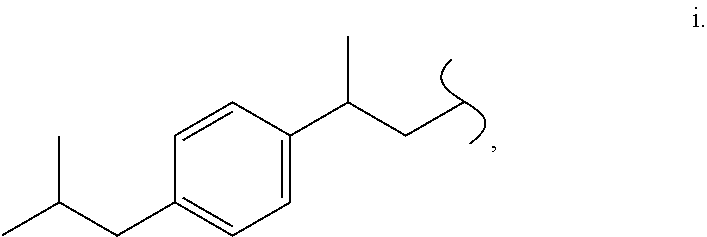
- ABKIAULFUACPBW-UHFFFAOYSA-N CCC(C)C1=CC=C(CC(C)C)C=C1 Chemical compound CCC(C)C1=CC=C(CC(C)C)C=C1 ABKIAULFUACPBW-UHFFFAOYSA-N 0.000 description 21
- HXDOZKJGKXYMEW-UHFFFAOYSA-N CCC1=CC=C(O)C=C1 Chemical compound CCC1=CC=C(O)C=C1 HXDOZKJGKXYMEW-UHFFFAOYSA-N 0.000 description 18
- 0 *C1CN(CCCCC2CNCCN2[1*])CCC1[3*] Chemical compound *C1CN(CCCCC2CNCCN2[1*])CCC1[3*] 0.000 description 11
- RQTNVSLOEVMIHV-UHFFFAOYSA-N CCCC1=CC(C(F)(F)F)=CC(C(C)(F)F)=C1 Chemical compound CCCC1=CC(C(F)(F)F)=CC(C(C)(F)F)=C1 RQTNVSLOEVMIHV-UHFFFAOYSA-N 0.000 description 10
- LXTHCCWEYOKFSR-UHFFFAOYSA-N CCC12CC3CC(CC(C3)C1)C2 Chemical compound CCC12CC3CC(CC(C3)C1)C2 LXTHCCWEYOKFSR-UHFFFAOYSA-N 0.000 description 4
- UDCGURGDKCNMCR-UHFFFAOYSA-N CC1=CC=CC=C1.CCC(C)C1=CC=C(CC(C)C)C=C1.CCC1=CC=C(O)C=C1.CCC1=CC=C2C=CC=CC2=C1.CCC1CCC(C(C)(C)C)CC1.CCCC1=CC(C(F)(F)F)=CC(C(C)(F)F)=C1 Chemical compound CC1=CC=CC=C1.CCC(C)C1=CC=C(CC(C)C)C=C1.CCC1=CC=C(O)C=C1.CCC1=CC=C2C=CC=CC2=C1.CCC1CCC(C(C)(C)C)CC1.CCCC1=CC(C(F)(F)F)=CC(C(C)(F)F)=C1 UDCGURGDKCNMCR-UHFFFAOYSA-N 0.000 description 3
- CIHZGWNCECDPJC-UHFFFAOYSA-N CCC(C)C1=CC=C(CC(C)C)C=C1.CCCC1=CC(C(F)(F)F)=CC(C(C)(F)F)=C1 Chemical compound CCC(C)C1=CC=C(CC(C)C)C=C1.CCCC1=CC(C(F)(F)F)=CC(C(C)(F)F)=C1 CIHZGWNCECDPJC-UHFFFAOYSA-N 0.000 description 3
- WKZCRLKOZZRPDF-UHFFFAOYSA-N C.CCC(C)C1=CC=C(CC(C)C)C=C1.CCC1=CC=C(O)C=C1.CCCC1=CC(C(F)(F)F)=CC(C(C)(F)F)=C1 Chemical compound C.CCC(C)C1=CC=C(CC(C)C)C=C1.CCC1=CC=C(O)C=C1.CCCC1=CC(C(F)(F)F)=CC(C(C)(F)F)=C1 WKZCRLKOZZRPDF-UHFFFAOYSA-N 0.000 description 2
- JVTYBURWNHXENL-UHFFFAOYSA-N CC1=CC=CC=C1.CCC(C)C1=CC=C(CC(C)C)C=C1.CCC12CC3CC(CC(C3)C1)C2.CCC1=CC=C(O)C=C1.CCC1=CC=C2C=CC=CC2=C1.CCC1CCC(C(C)(C)C)CC1.CCCC1=CC(C(F)(F)F)=CC(C(C)(F)F)=C1 Chemical compound CC1=CC=CC=C1.CCC(C)C1=CC=C(CC(C)C)C=C1.CCC12CC3CC(CC(C3)C1)C2.CCC1=CC=C(O)C=C1.CCC1=CC=C2C=CC=CC2=C1.CCC1CCC(C(C)(C)C)CC1.CCCC1=CC(C(F)(F)F)=CC(C(C)(F)F)=C1 JVTYBURWNHXENL-UHFFFAOYSA-N 0.000 description 1
- JTFTUILTMLZKFP-UHFFFAOYSA-N CC1=CC=CC=C1.CCC1=CC=C(O)C=C1.CCC1=CC=C2C=CC=CC2=C1.CCC1CCC(C(C)(C)C)CC1.CCCC1=CC(C(F)(F)F)=CC(C(C)(F)F)=C1 Chemical compound CC1=CC=CC=C1.CCC1=CC=C(O)C=C1.CCC1=CC=C2C=CC=CC2=C1.CCC1CCC(C(C)(C)C)CC1.CCCC1=CC(C(F)(F)F)=CC(C(C)(F)F)=C1 JTFTUILTMLZKFP-UHFFFAOYSA-N 0.000 description 1
- USIFMBLUUOEVTR-UHFFFAOYSA-N CCCc1cc(C(F)(F)F)cc(C(F)(F)F)c1 Chemical compound CCCc1cc(C(F)(F)F)cc(C(F)(F)F)c1 USIFMBLUUOEVTR-UHFFFAOYSA-N 0.000 description 1
Images


Classifications
-
- A—HUMAN NECESSITIES
- A61—MEDICAL OR VETERINARY SCIENCE; HYGIENE
- A61K—PREPARATIONS FOR MEDICAL, DENTAL OR TOILETRY PURPOSES
- A61K31/00—Medicinal preparations containing organic active ingredients
- A61K31/33—Heterocyclic compounds
- A61K31/395—Heterocyclic compounds having nitrogen as a ring hetero atom, e.g. guanethidine or rifamycins
- A61K31/495—Heterocyclic compounds having nitrogen as a ring hetero atom, e.g. guanethidine or rifamycins having six-membered rings with two or more nitrogen atoms as the only ring heteroatoms, e.g. piperazine or tetrazines
- A61K31/496—Non-condensed piperazines containing further heterocyclic rings, e.g. rifampin, thiothixene or sparfloxacin
-
- A—HUMAN NECESSITIES
- A61—MEDICAL OR VETERINARY SCIENCE; HYGIENE
- A61P—SPECIFIC THERAPEUTIC ACTIVITY OF CHEMICAL COMPOUNDS OR MEDICINAL PREPARATIONS
- A61P35/00—Antineoplastic agents
- A61P35/02—Antineoplastic agents specific for leukemia
-
- C—CHEMISTRY; METALLURGY
- C07—ORGANIC CHEMISTRY
- C07D—HETEROCYCLIC COMPOUNDS
- C07D241/00—Heterocyclic compounds containing 1,4-diazine or hydrogenated 1,4-diazine rings
- C07D241/02—Heterocyclic compounds containing 1,4-diazine or hydrogenated 1,4-diazine rings not condensed with other rings
- C07D241/04—Heterocyclic compounds containing 1,4-diazine or hydrogenated 1,4-diazine rings not condensed with other rings having no double bonds between ring members or between ring members and non-ring members
Definitions
- S-acylation is the enzymatic addition of a fatty acid (acyl) group onto one or more cysteine residues of a protein via a thioester linkage.
- the bulk of S-acylation involves the addition of a C16:0 carbon palmitoyl moiety and so we will refer to S-acylation as S-palmitoylation.
- Alterations in palmitoylation have been implicated in the etiology of cancer, cardiovascular disease, and neurological disorders. Thus, there is a need to address alterations in palmitoylation.
- Embodiments of the present disclosure include compositions and pharmaceutical compositions that include protein acyl transferases (PAT) inhibitors, methods of treating a condition or disease, methods of treating autopalmitoylation activity, and the like.
- PAT protein acyl transferases
- An embodiment of the present disclosure includes a composition, among others, that includes a compound having the following structure:
- R1, R2, and R3 is independently selected from the group consisting of:
- each of R1, R2, and R3 is independently selected from the group consisting of:
- R1 is N-(2-aminoethyl)-2-aminoethyl-N-(2-aminoethyl)-2-aminoethyl-N-(2-aminoethyl)-2-aminoethyl-N-(2-aminoethyl)-2-aminoethyl-N-(2-aminoethyl)-2-aminoethyl
- R1 is N-(2-aminoethyl)-2-aminoethyl-N-(2-aminoethyl)-2-aminoethyl-N-(2-aminoethyl)-2-aminoethyl-N-(2-aminoethyl)-2-aminoethyl-N-(2-aminoethyl)-2-aminoethyl
- R1 is N-(2-aminoethyl)-2-aminoethyl-N-(2-aminoethyl)-2-aminoethyl-N-(2-aminoethyl)-2-aminoethyl-N-(2-aminoethyl)-2-aminoethyl-N-(2-aminoethyl)-2-aminoethyl
- An embodiment of the present disclosure includes a pharmaceutical composition, among others, that includes a therapeutically effective amount of a compound, or a pharmaceutically acceptable salt of the compound, and a pharmaceutically acceptable carrier, to treat a condition, wherein the compound has a structure as described herein such as those described above.
- the condition can be a disease such as: colorectal cancer, leukemia, and cervical cancer.
- An embodiment of the present disclosure includes a method of treating autopalmitoylation activity, among others, that includes a delivering to a subject in need thereof, a pharmaceutical composition, wherein the pharmaceutical composition includes a therapeutically effective amount of a compound, or a pharmaceutically acceptable salt of the compound, and a pharmaceutically acceptable carrier, wherein the compound has a structure as described herein such as those described above.
- An embodiment of the present disclosure includes a method of treating a disease, among others, that includes delivering to a subject in need thereof, a pharmaceutical composition, wherein the pharmaceutical composition includes a therapeutically effective amount of a compound, or a pharmaceutically acceptable salt of the compound, and a pharmaceutically acceptable carrier, wherein the disease is selected from the group consisting of: colorectal cancer, leukemia, and cervical cancer, wherein the compound has a structure as described herein such as those described above.
- FIG. 1 is a schematic representation of the chemical library screen.
- stage A the Torrey Pines Institute for Molecular Studies scaffold library approach starts with >30 million compounds that are organized by 68 core scaffolds with 2,000-700,000 different compounds per scaffold.
- stage B a lead scaffold is selected for the positional scanning screen.
- stage C all of the compounds in the positional scanning screen contain the same core scaffold structure and are organized by the R-groups at each position.
- Each of the plates contains the same compounds organized by the different R-group position to determine if a particular functional group is optimal at one of the positions.
- the positional scanning library screened in this study contained 110 positional scanning samples that each comprise of 1,000-2,000 individual compounds for a total diversity of 45864 individual compounds.
- stage D the selectivity for the different R-groups is predicted for each position based on the positional scanning results.
- 48 individual compounds were synthesized.
- stage E of the 48 individual compounds synthesized ten were selected for further analysis in additional assays. In total, 226 samples were tested: 68 Scaffolds, 110 positional scanning scaffolds, and 48 individual compounds.
- FIG. 2 illustrates the results of the screen for inhibition of Erf2 auto-palmitoylation.
- the scaffold ranking library screen of 68 scaffolds was screened at 100 ⁇ g/ml, and the average velocity of Erf2 auto-palmitoylation of three reactions is presented as a fraction of vehicle control (1% DMF). The velocity of Erf2 auto-palmitoylation was detected as an increase in fluorescence over time. No effect on Erf2 auto-palmitoylation would fall at 1 arbitrary unit (solid line). Scaffolds that resulted in a reduction in Erf2 auto-palmitoylation 3 standard deviations (dashed line) or greater were considered hits of this assay. A heat inactivated Erf2 (Boiled) and a catalytically inactive mutant of Erf2 (C203S) represent baseline activity in this assay. 100 ⁇ M 2-BP is a control for inhibition of Erf2 auto-palmitoylation.
- FIGS. 3A-B show inhibition of Erf2 auto-palmitoylation by varying the concentration of library samples.
- FIG. 3A shows the velocity of Erf2 autopalmitoylation on the coupled assay with the lead scaffold ranking library samples (2160, 2220, 2236, 2221, 2103). The velocity of Erf2 auto-palmitoylation was detected as an increase in fluorescence over time. Average values of three reactions are presented as a fraction of vehicle control (1% DMF) +/ ⁇ standard deviation.
- FIG. 4 graphs inhibition of Erf2 auto-palmitoylation by individual compounds derived from the 2160 scaffold.
- the velocity of Erf2 auto-palmitoylation was detected as an increase in fluorescence over time. Average values of three reactions presented as a fraction of vehicle control (1% DMF) +/ ⁇ standard deviation. A reaction lacking Erf2 ( ⁇ ) represents baseline activity in the assay. 50 ⁇ M 2-BP is a control for inhibition of Erf2 auto-palmitoylation.
- FIG. 5 shows the structure of the scaffold 2160 derived compounds.
- the structure for scaffold 2160, bis-cyclic piperazine has three R-group positions designated R1, R2, and R3.
- the lead functional groups are 2-(4-Isobutyl-phenyl)-propyl (i), 2-(3,5-bis-trifluoromethyl-phenyl)ethyl (ii), 4-tert-butyl-cyclohexyl-methyl (iii), S-4-hydroxybenzyl (iv), S-phenyl (v), S-2-naphthylmethyl (vi), and adamantan-1-yl-methyl (vii).
- the curved lines on the functional group structures designate where they will share a bond with the core scaffold.
- K i values for the fluorescence-based coupled assay of the rate of Erf2 autopalmitoylation (FCA) and the orthogonal gel-based assay of steady-state Erf2 autopalmitoylation (GBA) are listed for each compound (14, 13, 25, 28, 34, 19, 22, 43, 27, and 30) as well as EC 50 values obtained from the growth curve experiments in S. cerevisiae RJY1942 (Sens.) and RJY1941 (cont.). All values are represented in ⁇ M concentrations. The increased detection sensitivity of the FCA allowed for the determination of standard deviation.
- FIG. 6 shows inhibition of Erf2 auto-palmitoylation measured by a gel-based assay.
- the average relative BODIPY® fluorescence from three reactions that co-migrated with Erf2 is presented as a fraction of vehicle control (V; 5% DMF) +/ ⁇ standard deviation.
- a reaction lacking Erf2 ( ⁇ ) represents baseline activity in the assay.
- 100 ⁇ M 2-BP is a control for inhibition of Erf2 steady-state auto-palmitoylation.
- FIG. 7 provides Michaelis-Menten plots for Compounds 13 and 25, and 2-BP.
- the velocity of Erf2 auto-palmitoylation was detected as an increase in fluorescence over time.
- V MAX is the maximum velocity of the reaction
- K M is the substrate concentration that allows the reaction to reach a velocity that is 50% of the V MAX .
- a competitive inhibitor would increase K M without altering V MAX , whereas an uncompetitive inhibitor would result in a decrease of V MAX without altering the K M of the reaction.
- FIG. 8 shows inhibition of palmitoyl-CoA concentration dependent palmitoylation of Erf2 by Compound 13.
- Orthogonal screen of steady-state Erf2 auto-palmitoylation with compound 13 at 25 ⁇ M (dark grey bars), 50 ⁇ M (light grey bars) and 100 ⁇ M (white bars) was separated by SDS-PAGE.
- the average relative BODIPY® fluorescence from three reactions that comigrated with Erf2 is presented as a fraction of vehicle control (VC; 5% DMF) for each concentration of BODIPY®-C12-CoA +/ ⁇ standard deviation.
- a reaction lacking Erf2 ( ⁇ ) represents baseline activity in the assay.
- Prior experiments in this study used 100 ⁇ M Compound 13 with 40 ⁇ M BODIPY®-012-CoA.
- FIG. 9 shows the inhibition of Ras palmitoylation-sensitized yeast.
- the EC 50 for each of the individual compounds was established by graphing the logarithmic growth of S. cerevisiae strain, RJY1941 (solid lines and solid circles) and RJY1942 (hashed lines and open circles), versus the concentration of each compound. The curves were used to estimate the EC 50 values are presented for 2-BP and the ten compounds identified in this study. Values were normalized to visually compare relative log of the growth rate of each compound and 2-BP.
- FIG. 10 demonstrates that compounds 13, 25, and 14 inhibit palmitoylated Ras-dependent growth in yeast.
- Liquid cultures containing the shown inhibitors were spotted onto selective media and incubated at 30° C. for 3 days.
- the concentrations used in the liquid cultures for compounds 13, 25, 14 and 2-BP were 2.5 ⁇ M, 5 ⁇ M, 10 ⁇ M, and 20 ⁇ M in 1% DMF.
- FIG. 11 illustrates the general synthesis of bis-cyclic piperazine.
- Embodiments of the present disclosure will employ, unless otherwise indicated, techniques of biology, chemistry, material science, and the like, which are within the skill of the art.
- unit dosage form refers to physically discrete units suitable as unitary dosages for human and/or animal subjects, each unit containing a predetermined quantity of a compound (e.g., compositions or pharmaceutical compositions, as described herein (e.g., PAT inhibitor)) calculated in an amount sufficient to produce the desired effect in association with a pharmaceutically acceptable diluent, carrier or vehicle.
- a compound e.g., compositions or pharmaceutical compositions, as described herein (e.g., PAT inhibitor)
- PAT inhibitor e.g., PAT inhibitor
- a “pharmaceutically acceptable excipient,” “pharmaceutically acceptable diluent,” “pharmaceutically acceptable carrier,” or “pharmaceutically acceptable adjuvant” means an excipient, diluent, carrier, and/or adjuvant that are useful in preparing a pharmaceutical composition that are generally safe, non-toxic and neither biologically nor otherwise undesirable, and include an excipient, diluent, carrier, and adjuvant that are acceptable for veterinary use and/or human pharmaceutical use.
- “A pharmaceutically acceptable excipient, diluent, carrier and/or adjuvant” as used in the specification and claims includes one and more such excipients, diluents, carriers, and adjuvants.
- a “pharmaceutical composition” is meant to encompass a composition or pharmaceutical composition suitable for administration to a subject, such as a mammal, especially a human.
- a “pharmaceutical composition” is sterile, and preferably free of contaminants that are capable of eliciting an undesirable response within the subject (e.g., the compound(s) in the pharmaceutical composition is pharmaceutical grade).
- Pharmaceutical compositions can be designed for administration to subjects or patients in need thereof via a number of different routes of administration including oral, intravenous, buccal, rectal, parenteral, intraperitoneal, intradermal, intracheal, intramuscular, subcutaneous, inhalational and the like.
- therapeutically effective amount refers to that amount of an embodiment of the composition or pharmaceutical composition (e.g., PAT inhibitor) being administered that will relieve to some extent one or more of the symptoms of the disease, i.e., cancer, leukemia, and the like, being treated, and/or that amount that will prevent, to some extent, one or more of the symptoms of the disease that the subject being treated has or is at risk of developing.
- PAT inhibitor e.g., PAT inhibitor
- “Pharmaceutically acceptable salt” refers to those salts that retain the biological effectiveness and optionally other properties of the free bases and that are obtained by reaction with inorganic or organic acids such as hydrochloric acid, hydrobromic acid, sulfuric acid, nitric acid, phosphoric acid, methanesulfonic acid, ethanesulfonic acid, p-toluenesulfonic acid, salicylic acid, malic acid, maleic acid, succinic acid, tartaric acid, citric acid, and the like.
- inorganic or organic acids such as hydrochloric acid, hydrobromic acid, sulfuric acid, nitric acid, phosphoric acid, methanesulfonic acid, ethanesulfonic acid, p-toluenesulfonic acid, salicylic acid, malic acid, maleic acid, succinic acid, tartaric acid, citric acid, and the like.
- salts are within the scope of the present disclosure.
- Reference to a compound used in the composition or pharmaceutical composition of any of the formulas herein is understood to include reference to salts thereof, unless otherwise indicated.
- the term “salt(s)”, as employed herein, denotes acidic and/or basic salts formed with inorganic and/or organic acids and bases.
- zwitterions inner salts may be formed and are included within the term “salt(s)” as used herein.
- Salts of the compounds of a compound may be formed, for example, by reacting the compound with an amount of acid or base, such as an equivalent amount, in a medium such as one in which the salt precipitates or in an aqueous medium followed by lyophilization.
- Embodiments of the compounds of the composition or pharmaceutical composition of the present disclosure may form salts with a variety of organic and inorganic acids.
- Exemplary acid addition salts include acetates (such as those formed with acetic acid or trihaloacetic acid, for example, trifluoroacetic acid), adipates, alginates, ascorbates, aspartates, benzoates, benzenesulfonates, bisulfates, borates, butyrates, citrates, camphorates, camphorsulfonates, cyclopentanepropionates, digluconates, dodecylsulfates, ethanesulfonates, fumarates, glucoheptanoates, glycerophosphates, hemisulfates, heptanoates, hexanoates, hydrochlorides (formed with hydrochloric acid), hydrobromides (formed with hydrogen bromid
- Embodiments of the compounds of the composition or pharmaceutical composition of the present disclosure may form salts with a variety of organic and inorganic bases.
- Exemplary basic salts include ammonium salts, alkali metal salts such as sodium, lithium, and potassium salts, alkaline earth metal salts such as calcium and magnesium salts, salts with organic bases (for example, organic amines) such as benzathines, dicyclohexylamines, hydrabamines (formed with N,N-bis(dehydroabietyl)ethylenediamine), N-methyl-D-glucamines, N-methyl-D-glucamides, t-butyl amines, and salts with amino acids such as arginine, lysine, and the like.
- Basic nitrogen-containing groups may be quaternized with agents such as lower alkyl halides (e.g., methyl, ethyl, propyl, and butyl chlorides, bromides and iodides), dialkyl sulfates (e.g., dimethyl, diethyl, dibutyl, and diamyl sulfates), long chain halides (e.g., decyl, lauryl, myristyl and stearyl chlorides, bromides and iodides), aralkyl halides (e.g., benzyl and phenethyl bromides), and others.
- lower alkyl halides e.g., methyl, ethyl, propyl, and butyl chlorides, bromides and iodides
- dialkyl sulfates e.g., dimethyl, diethyl, dibutyl, and diamyl sulfates
- Solvates of the compounds of the composition or pharmaceutical composition of the present disclosure are also contemplated herein.
- All stereoisomers of the compounds of the composition or pharmaceutical composition of the present disclosure e.g., PAT inhibitor
- PAT inhibitor such as those that may exist due to asymmetric carbons on the various substituents, including enantiomeric forms (which may exist even in the absence of asymmetric carbons) and diastereomeric forms are contemplated within the scope of this disclosure.
- Individual stereoisomers of the compounds of the disclosure may, for example, be substantially free of other isomers, or may be admixed, for example, as racemates or with all other, or other selected, stereoisomers.
- the stereogenic centers of the compounds of the present disclosure can have the S or R configuration as defined by the IUPAC 1974 Recommendations.
- prodrug refers to an inactive precursor of the compounds of the composition or pharmaceutical composition of the present disclosure (e.g., PAT inhibitor) that is converted into a biologically active form in vivo.
- PAT inhibitor e.g., PAT inhibitor
- Prodrugs are often useful because, in some situations, they may be easier to administer than the parent compound. They may, for instance, be bioavailable by oral administration whereas the parent compound is not.
- the prodrug may also have improved solubility in pharmaceutical compositions over the parent drug.
- a prodrug may be converted into the parent drug by various mechanisms, including enzymatic processes and metabolic hydrolysis. Harper, N. J. (1962). Drug Latentiation in Jucker, ed. Progress in Drug Research, 4:221-294; Morozowich et al. (1977).
- administration refers to introducing a composition of the present disclosure (e.g., PAT inhibitor) into a subject.
- a composition of the present disclosure e.g., PAT inhibitor
- One preferred route of administration of the composition is oral administration.
- Another preferred route is intravenous administration.
- any route of administration such as topical, subcutaneous, peritoneal, intra-arterial, inhalation, vaginal, rectal, nasal, introduction into the cerebrospinal fluid, or instillation into body compartments can be used.
- treat refers to acting upon a condition (e.g., cancer, leukemia, and the like), a disease or a disorder with a composition (e.g., PAT inhibitor) to affect the condition, disease or disorder by improving or altering it.
- a condition e.g., cancer, leukemia, and the like
- a disease or a disorder with a composition e.g., PAT inhibitor
- the improvement or alteration may include an improvement in symptoms or an alteration in the physiologic pathways associated with the condition, disease, or disorder.
- Treatment covers one or more treatments of a condition or a disease in a subject (e.g., a mammal, typically a human or non-human animal of veterinary interest), and includes: (a) reducing the risk of occurrence of the condition, or a disease in a subject determined to be predisposed to the condition or disease but not yet diagnosed with it (b) impeding the development of the disease, and/or (c) relieving the disease, e.g., causing regression of the disease and/or relieving one or more disease symptoms.
- a subject e.g., a mammal, typically a human or non-human animal of veterinary interest
- prophylactically treat or “prophylactically treating” refers completely or partially preventing (e.g., about 50% or more, about 60% or more, about 70% or more, about 80% or more, about 90% or more, about 95% or more, or about 99% or more) a condition, a disease, or a symptom thereof and/or may be therapeutic in terms of a partial or complete cure for a disease, and/or adverse effect attributable to the disease.
- the term “subject,” or “patient,” includes humans, mammals (e.g., mice, rats, pigs, cats, dogs, and horses), and birds.
- mammals e.g., mice, rats, pigs, cats, dogs, and horses
- Typical subjects to which compounds of the present disclosure (e.g., PAT inhibitor) may be administered will be mammals, particularly primates, especially humans.
- a wide variety of subjects will be suitable, e.g., livestock such as cattle, sheep, goats, cows, swine, and the like; poultry such as chickens, ducks, geese, turkeys, and the like; and domesticated animals particularly pets such as dogs and cats.
- living subject refers to a subject noted above or another organism that is alive.
- living subject refers to the entire subject or organism and not just a part excised (e.g., a liver or other organ) from the living subject.
- CoA Coenzyme A
- PAT protein acyl transferase
- HTS high throughput screen
- APT acyl protein thioesterase
- DMF dimethylformamide
- 2-BP 2-bromopalmitic acid
- DIEA diisopropylethylamine
- MBHA p-methylbenzyhydrylamine
- DCM dichloromethane
- DIC diisopropylcarbodiide
- HOBt 1-hydroxybenzotriazole hydrate
- TFA trifluoroacetic acid
- THF tetrahydrofuran
- MEOH methanol.
- Embodiments of the present disclosure include compositions and pharmaceutical compositions that include protein acyl transferases (PAT) inhibitors, methods of treating a condition or disease, methods of treating autopalmitoylation activity, and the like.
- Embodiments of the present disclosure include a PAT inhibitor that includes a bis-cyclic piperazine scaffold, where the PAT inhibitor inhibits autopalmitoylation activity, specifically Erf2 autopalmitoylation, and can be used to treat diseases.
- PAT inhibitor that includes a bis-cyclic piperazine scaffold, where the PAT inhibitor inhibits autopalmitoylation activity, specifically Erf2 autopalmitoylation, and can be used to treat diseases.
- dysregulation of protein palmitoylation has been linked to a number of diseases including colorectal cancer, cervical cancer, and leukemia, as a result embodiments of the present disclosure can be used to treat these diseases.
- composition and pharmaceutical composition can include a PAT inhibitor.
- PAT inhibitor can have the following structure:
- each of the H on the carbons in the rings and/or alkyl chain can be substituted with a halogen.
- each of R1, R2, and R3 can be independently:
- each of the H on the carbons in the rings and/or alkyl chain can be substituted with a halogen, and for moiety II, one or more of the F groups can be substituted with another halogen or H.
- each of R1, R2, and R3 can be independently:
- Example 1 Additional details are provided in Example 1.
- the pharmaceutical composition can include a therapeutically effective amount of the compound, or a pharmaceutically acceptable salt of the compound, and a pharmaceutically acceptable carrier, to treat a condition.
- the condition can be a disease such as cancer (e.g., colorectal cancer, cervical cancer) or leukemia (e.g., leukemogenesis). Additional details regarding the pharmaceutical composition are provided herein.
- Embodiments of this disclosure include methods of treating a subject using the composition or the pharmaceutical composition described herein for a condition or disease (e.g., cancer) and methods of treating autopalmitoylation activity using the composition or the pharmaceutical composition described herein. Additional details regarding the pharmaceutical composition are provided herein.
- a condition or disease e.g., cancer
- the composition or the pharmaceutical composition including the PAT inhibitor can be used to treat a disease in a subject.
- the composition or the pharmaceutical composition is provided or administered to a subject in an amount effective to result in uptake of the PAT inhibitor.
- the steps of this method can be repeated at determined intervals to treat the disease.
- the treatment can be provided periodically (e.g., daily, weekly, monthly, intervals in between these, and the like).
- the amount effective to result in uptake of the PAT inhibitor may depend upon a variety of factors, including for example, the age, body weight, general health, sex, and diet of the host; the time of administration; the route of administration; the rate of excretion of the specific probe employed; the duration of the treatment; the existence of other drugs used in combination or coincidental with the specific composition employed; and like factors well known in the medical arts.
- Embodiments of the present disclosure include a compound (e.g., PAT inhibitor) as identified herein and formulated with one or more pharmaceutically acceptable excipients, diluents, carriers and/or adjuvants.
- a compound formulated with one or more pharmaceutically acceptable auxiliary substances include a compound formulated with one or more pharmaceutically acceptable excipients, diluents, carriers, and/or adjuvants to provide an embodiment of a composition of the present disclosure.
- the pharmaceutically acceptable excipients such as vehicles, adjuvants, carriers or diluents, are readily available to the public.
- pharmaceutically acceptable auxiliary substances such as pH adjusting and buffering agents, tonicity adjusting agents, stabilizers, wetting agents and the like, are readily available to the public.
- the compound can be administered to the subject using any means capable of resulting in the desired effect.
- the compound can be incorporated into a variety of formulations for therapeutic administration.
- the compound can be formulated into pharmaceutical compositions by combination with appropriate, pharmaceutically acceptable carriers or diluents, and may be formulated into preparations in solid, semi-solid, liquid or gaseous forms, such as tablets, capsules, powders, granules, ointments, solutions, suppositories, injections, inhalants and aerosols.
- the compound in pharmaceutical dosage forms, may be administered in the form of its pharmaceutically acceptable salts, or a subject active composition may be used alone or in appropriate association, as well as in combination, with other pharmaceutically active compounds.
- a subject active composition may be used alone or in appropriate association, as well as in combination, with other pharmaceutically active compounds.
- the following methods and excipients are merely exemplary and are in no way limiting.
- the compound can be used alone or in combination with appropriate additives to make tablets, powders, granules or capsules, for example, with conventional additives, such as lactose, mannitol, corn starch or potato starch; with binders, such as crystalline cellulose, cellulose derivatives, acacia, corn starch or gelatins; with disintegrators, such as corn starch, potato starch or sodium carboxymethylcellulose; with lubricants, such as talc or magnesium stearate; and if desired, with diluents, buffering agents, moistening agents, preservatives and flavoring agents.
- conventional additives such as lactose, mannitol, corn starch or potato starch
- binders such as crystalline cellulose, cellulose derivatives, acacia, corn starch or gelatins
- disintegrators such as corn starch, potato starch or sodium carboxymethylcellulose
- lubricants such as talc or magnesium stearate
- Embodiments of the compound can be formulated into preparations for injection by dissolving, suspending or emulsifying them in an aqueous or nonaqueous solvent, such as vegetable or other similar oils, synthetic aliphatic acid glycerides, esters of higher aliphatic acids or propylene glycol; and if desired, with conventional additives such as solubilizers, isotonic agents, suspending agents, emulsifying agents, stabilizers and preservatives.
- Embodiments of the compound can be utilized in aerosol formulation to be administered via inhalation.
- Embodiments of the compound can be formulated into pressurized acceptable propellants such as dichlorodifluoromethane, propane, nitrogen and the like.
- embodiments of the compound can be made into suppositories by mixing with a variety of bases such as emulsifying bases or water-soluble bases.
- Embodiments of the compound can be administered rectally via a suppository.
- the suppository can include vehicles such as cocoa butter, carbowaxes and polyethylene glycols, which melt at body temperature, yet are solidified at room temperature.
- Unit dosage forms for oral or rectal administration such as syrups, elixirs, and suspensions, may be provided wherein each dosage unit, for example, teaspoonful, tablespoonful, tablet or suppository, contains a predetermined amount of the composition containing one or more compositions.
- unit dosage forms for injection or intravenous administration may comprise the compound in a composition as a solution in sterile water, normal saline or another pharmaceutically acceptable carrier.
- Embodiments of the compound can be formulated in an injectable composition in accordance with the disclosure.
- injectable compositions are prepared as liquid solutions or suspensions; solid forms suitable for solution in, or suspension in, liquid vehicles prior to injection may also be prepared.
- the preparation may also be emulsified or the active ingredient encapsulated in liposome vehicles in accordance with the present disclosure.
- the compound can be formulated for delivery by a continuous delivery system.
- continuous delivery system is used interchangeably herein with “controlled delivery system” and encompasses continuous (e.g., controlled) delivery devices (e.g., pumps) in combination with catheters, injection devices, and the like, a wide variety of which are known in the art.
- Mechanical or electromechanical infusion pumps can also be suitable for use with the present disclosure.
- Examples of such devices include those described in, for example, U.S. Pat. Nos. 4,692,147; 4,360,019; 4,487,603; 4,360,019; 4,725,852; 5,820,589; 5,643,207; 6,198,966; and the like.
- delivery of the compound can be accomplished using any of a variety of refillable, pump systems. Pumps provide consistent, controlled release over time.
- the compound can be in a liquid formulation in a drug-impermeable reservoir, and is delivered in a continuous fashion to the individual.
- the drug delivery system is an at least partially implantable device.
- the implantable device can be implanted at any suitable implantation site using methods and devices well known in the art.
- An implantation site is a site within the body of a subject at which a drug delivery device is introduced and positioned.
- Implantation sites include, but are not necessarily limited to, a subdermal, subcutaneous, intramuscular, or other suitable site within a subject's body. Subcutaneous implantation sites are used in some embodiments because of convenience in implantation and removal of the drug delivery device.
- Drug release devices suitable for use in the disclosure may be based on any of a variety of modes of operation.
- the drug release device can be based upon a diffusive system, a convective system, or an erodible system (e.g., an erosion-based system).
- the drug release device can be an electrochemical pump, osmotic pump, an electroosmotic pump, a vapor pressure pump, or osmotic bursting matrix, e.g., where the drug is incorporated into a polymer and the polymer provides for release of drug formulation concomitant with degradation of a drug-impregnated polymeric material (e.g., a biodegradable, drug-impregnated polymeric material).
- the drug release device is based upon an electrodiffusion system, an electrolytic pump, an effervescent pump, a piezoelectric pump, a hydrolytic system, etc.
- Drug release devices based upon a mechanical or electromechanical infusion pump can also be suitable for use with the present disclosure. Examples of such devices include those described in, for example, U.S. Pat. Nos. 4,692,147; 4,360,019; 4,487,603; 4,360,019; 4,725,852, and the like.
- a subject treatment method can be accomplished using any of a variety of refillable, non-exchangeable pump systems. Pumps and other convective systems are generally preferred due to their generally more consistent, controlled release over time. Osmotic pumps are used in some embodiments due to their combined advantages of more consistent controlled release and relatively small size (see, e.g., POT published application no. WO 97/27840 and U.S. Pat. Nos.
- Exemplary osmotically-driven devices suitable for use in the disclosure include, but are not necessarily limited to, those described in U.S. Pat. Nos. 3,760,984; 3,845,770; 3,916,899; 3,923,426; 3,987,790; 3,995,631; 3,916,899; 4,016,880; 4,036,228; 4,111,202; 4,111,203; 4,203,440; 4,203,442; 4,210,139; 4,327,725; 4,627,850; 4,865,845; 5,057,318; 5,059,423; 5,112,614; 5,137,727; 5,234,692; 5,234,693; 5,728,396; and the like.
- the drug delivery device is an implantable device.
- the drug delivery device can be implanted at any suitable implantation site using methods and devices well known in the art.
- an implantation site is a site within the body of a subject at which a drug delivery device is introduced and positioned. Implantation sites include, but are not necessarily limited to a subdermal, subcutaneous, intramuscular, or other suitable site within a subject's body.
- an active agent e.g., compounds A-D
- an implantable drug delivery system e.g., a system that is programmable to provide for administration of the agent.
- implantable drug delivery system e.g., a system that is programmable to provide for administration of the agent.
- implantable drug delivery system e.g., a system that is programmable to provide for administration of the agent.
- implantable infusion pumps Exemplary implantable infusion pumps, or devices useful in connection with such pumps, are described in, for example, U.S. Pat. Nos. 4,350,155; 5,443,450; 5,814,019; 5,976,109; 6,017,328; 6,171,276; 6,241,704; 6,464,687; 6,475,180; and 6,512,954.
- a further exemplary device that can be adapted for the present disclosure is the Synchromed infusion pump (Medtronic).
- Suitable excipient vehicles for the compound are, for example, water, saline, dextrose, glycerol, ethanol, or the like, and combinations thereof.
- the vehicle may contain minor amounts of auxiliary substances such as wetting or emulsifying agents or pH buffering agents.
- auxiliary substances such as wetting or emulsifying agents or pH buffering agents.
- compositions of the present disclosure can include those that comprise a sustained-release or controlled release matrix.
- embodiments of the present disclosure can be used in conjunction with other treatments that use sustained-release formulations.
- a sustained-release matrix is a matrix made of materials, usually polymers, which are degradable by enzymatic or acid-based hydrolysis or by dissolution. Once inserted into the body, the matrix is acted upon by enzymes and body fluids.
- a sustained-release matrix desirably is chosen from biocompatible materials such as liposomes, polylactides (polylactic acid), polyglycolide (polymer of glycolic acid), polylactide co-glycolide (copolymers of lactic acid and glycolic acid), polyanhydrides, poly(ortho)esters, polypeptides, hyaluronic acid, collagen, chondroitin sulfate, carboxylic acids, fatty acids, phospholipids, polysaccharides, nucleic acids, polyamino acids, amino acids such as phenylalanine, tyrosine, isoleucine, polynucleotides, polyvinyl propylene, polyvinylpyrrolidone and silicone.
- biocompatible materials such as liposomes, polylactides (polylactic acid), polyglycolide (polymer of glycolic acid), polylactide co-glycolide (copolymers of lactic acid and glycolic acid), polyanhydr
- the pharmaceutical composition of the present disclosure (as well as combination compositions) can be delivered in a controlled release system.
- the compound may be administered using intravenous infusion, an implantable osmotic pump, a transdermal patch, liposomes, or other modes of administration.
- a pump may be used (Sefton (1987). CRC Crit. Ref. Biomed. Eng. 14:201; Buchwald et al. (1980). Surgery 88:507; Saudek et al. (1989). N. Engl. J. Med. 321:574).
- polymeric materials are used.
- a controlled release system is placed in proximity of the therapeutic target thus requiring only a fraction of the systemic dose.
- a controlled release system is placed in proximity of the therapeutic target, thus requiring only a fraction of the systemic.
- Other controlled release systems are discussed in the review by Langer (1990). Science 249:1527-1533.
- compositions of the present disclosure include those formed by impregnation of the compound described herein into absorptive materials, such as sutures, bandages, and gauze, or coated onto the surface of solid phase materials, such as surgical staples, zippers and catheters to deliver the compositions.
- absorptive materials such as sutures, bandages, and gauze
- solid phase materials such as surgical staples, zippers and catheters to deliver the compositions.
- Embodiments of the compound can be administered to a subject in one or more doses.
- dose levels can vary as a function of the specific the compound administered, the severity of the symptoms and the susceptibility of the subject to side effects.
- Preferred dosages for a given compound are readily determinable by those of skill in the art by a variety of means.
- multiple doses of the compound are administered.
- the frequency of administration of the compound can vary depending on any of a variety of factors, e.g., severity of the symptoms, and the like.
- the compound can be administered once per month, twice per month, three times per month, every other week (qow), once per week (qw), twice per week (biw), three times per week (tiw), four times per week, five times per week, six times per week, every other day (god), daily (qd), twice a day (qid), or three times a day (tid).
- the compound is administered continuously.
- the duration of administration of the compound analogue can vary, depending on any of a variety of factors, e.g., patient response, etc.
- the compound in combination or separately can be administered over a period of time of about one day to one week, about two weeks to four weeks, about one month to two months, about two months to four months, about four months to six months, about six months to eight months, about eight months to 1 year, about 1 year to 2 years, or about 2 years to 4 years, or more.
- Embodiments of the present disclosure provide methods and compositions for the administration of the active agent (e.g., the compound (e.g., PAT inhibitor) to a subject (e.g., a human) using any available method and route suitable for drug delivery, including in vivo and ex vivo methods, as well as systemic and localized routes of administration.
- the active agent e.g., the compound (e.g., PAT inhibitor)
- a subject e.g., a human
- any available method and route suitable for drug delivery including in vivo and ex vivo methods, as well as systemic and localized routes of administration.
- Routes of administration include intranasal, intramuscular, intratracheal, subcutaneous, intradermal, topical application, intravenous, rectal, nasal, oral, and other enteral and parenteral routes of administration. Routes of administration may be combined, if desired, or adjusted depending upon the agent and/or the desired effect.
- An active agent e.g., the compound
- Embodiments of the compound can be administered to a subject using available conventional methods and routes suitable for delivery of conventional drugs, including systemic or localized routes.
- routes of administration contemplated by the disclosure include, but are not limited to, enteral, parenteral, or inhalational routes.
- Parenteral routes of administration other than inhalation administration include, but are not limited to, topical, transdermal, subcutaneous, intramuscular, intraorbital, intracapsular, intraspinal, intrasternal, and intravenous routes, i.e., any route of administration other than through the alimentary canal.
- Parenteral administration can be conducted to effect systemic or local delivery of the compound. Where systemic delivery is desired, administration typically involves invasive or systemically absorbed topical or mucosal administration of pharmaceutical preparations.
- the compound can also be delivered to the subject by enteral administration.
- Enteral routes of administration include, but are not limited to, oral and rectal (e.g., using a suppository) delivery.
- Methods of administration of the compound through the skin or mucosa include, but are not limited to, topical application of a suitable pharmaceutical preparation, transdermal transmission, injection and epidermal administration.
- a suitable pharmaceutical preparation for transdermal transmission, absorption promoters or iontophoresis are suitable methods.
- Iontophoretic transmission may be accomplished using commercially available “patches” that deliver their product continuously via electric pulses through unbroken skin for periods of several days or more.
- S-acylation is the enzymatic addition of a fatty acid (acyl) group onto one or more cysteine residues of a protein via a thioester linkage.
- the bulk of S-acylation involves the addition of a C16:0 carbon palmitoyl moiety and so we will refer to S-acylation as S-palmitoylation.
- a number of cellular processes involve the regulated addition of palmitate to proteins and includes signal transduction, protein turnover, vesicle fusion, and cell-cell interactions. At the protein level, the addition of palmitate enhances a protein's membrane affinity as well as distribution in membrane micro-domains, mediates protein-protein interactions, trafficking, stability, and aggregation state [1].
- a family of protein acyl transferases catalyzes the addition of a palmitoyl moiety to proteins. Genes encoding members of the PAT family have been identified in all sequenced eukaryotic genomes. This family of enzymes catalyze palmitoylation by a two-step reaction [3-6]. The first step, autopalmitoylation, results in the formation of the enzyme-palmitoyl intermediate via a thioester linkage between palmitate, donated from palmitoyl-CoA, and the active site cysteine of the enzyme. The palmitoyl moiety is then transferred from the enzyme to a receiver cysteine of the protein substrate in the second step of the reaction. In the absence of a protein substrate, water attacks the active site causing hydrolysis of the enzyme-palmitoyl complex thioester linkage, thus regenerating the enzyme and producing palmitic acid [3, 4].
- 2-BP also inhibits the depalmitoylating thioesterase, Apt1 [10].
- Yeast growth media were prepared as described previously [14]. Cells were grown in synthetic complete (SC) medium or YPD (1% yeast extract, 2% peptone, and 2% glucose) medium [14]. Induction of GAL1, 10 promoters were achieved by adding 4% galactose to SC medium in the absence of glucose. Yeast transformations were performed using the lithium acetate procedure [15].
- Strain RJY1842 was transformed with pESC(-Leu)-6 ⁇ HIS-Erf2-(Flag)-Erf4 and grown to 2 ⁇ 10 7 cells/ml in SC(-Leu) medium containing 2% (v/v) ethanol/2% (v/v) glycerol at 30° C. with shaking. 50 mls (1 ⁇ 10 9 cells) were added to 1 liter of YEP medium supplemented with 4% galactose for induction. Cells were induced with shaking (230 RPM) for 18 hrs (30° C.) and then harvested by centrifugation at 3000 ⁇ g for 15 mins.
- the resulting pellet was resuspended in breaking buffer (50 mM Tris-CI pH 8, 500 ml NaCl, 1 mM EDTA, 1 mM DTT, 1 ⁇ PIC, 8 ⁇ l/ml saturated PMSF/isopropyl alcohol), and the cells were lysed using glass beads (400-600 mesh, Sigma) for 40 mins with 1 min pulses (1 min cooling).
- breaking buffer 50 mM Tris-CI pH 8, 500 ml NaCl, 1 mM EDTA, 1 mM DTT, 1 ⁇ PIC, 8 ⁇ l/ml saturated PMSF/isopropyl alcohol
- breaking buffer 50 mM Tris-CI pH 8, 500 ml NaCl, 1 mM EDTA, 1 mM DTT, 1 ⁇ PIC, 8 ⁇ l/ml saturated PMSF/isopropyl alcohol
- the resulting extract was spun at 3000 ⁇ g for 15 mins to remove cellular debris and unbroken cells, followed by a crude membrane
- the protein was eluted with 50 mM Tris-CI, pH 8, 150 mM NaCl, 1% Triton-X100, 5% glycerol and 250 mM imidazole. Eluates were desalted and concentrated using 50 mM Tris-CI, pH 8, 150 mM NaCl, 1% Triton-X100 and 5% glycerol. Fractions containing 6 ⁇ His-Erf2-(FLAG)-Erf4 were pooled to obtain approximately 0.2 mg of purified Ras PAT per liter of culture as determined by SDS-PAGE against a standard curve of bovine serum albumin. The complexes were divided into 50 ⁇ L aliquots and frozen at ⁇ 80° C. until use.
- the 50 ⁇ l reaction contained 2 mM 2-Oxoglutarate ( ⁇ -ketoglutamic acid), 0.25 mM NAD+, 0.2 mM Thiamine Pyrophosphate, 0.5 ⁇ g of purified 6 ⁇ HIS-Erf2-(FLAG)-Erf4, 1 mM EDTA, 1 mM dithiothreitol, 8 mU 2-oxogluarate dehydrogenase ( ⁇ -ketoglutarate dehydrogenase), 50 mM sodium phosphate, pH 6.8, and 0 100 ⁇ M inhibitor in 5% DMF.
- the reaction was initiated by the addition of 40 ⁇ M palmitoyl-CoA and monitored for 30 mins at 30° C.
- the first 10 mins of the reaction was analyzed to determine the initial rates of CoASH release.
- the PAT specific activity was determined from a standard curve of NADH production with different CoASH amounts.
- CoASH was added to the standard PAT reaction mixture (without Erf2/Erf4 complex or palmitoyl-CoA) and the reaction was allowed to proceed to equilibrium before fluorescence was measured.
- the scaffold ranking library contains one sample for each of the 68 positional scanning libraries tested. Each of these samples contains an approximate equal molar amount of each compound in that library. So, for example, the sample 2160 in the scaffold ranking library contains 45,864 compounds in approximately equal molar amounts. These samples can be prepared by mixing the cleaved products of the complete positional scanning library, as was the case for sample 2160, or they can be synthesized directly as a single mixture [12, 17]. Refer to Supplemental Material section below for a thorough description of the synthesis of the scaffold ranking library and subsequent individual compounds.
- the positional scanning library incorporates both individual and mixtures of amino acids (R2) and carboxylic acid (R1 and R3).
- the synthetic technique facilitates the generation of information regarding the likely activity of individual compounds from the screening of the library [11, 18, 19].
- Equimolar isokinetic ratios have been previously determined and calculated for each of the amino and carboxylic acids utilized for the respective mixtures [17, 20].
- the R1 and R3 positions each have 42 carboxylic acids and the R2 position contains 26 amino acids.
- BODIPY®-C12:0-CoA (40 ⁇ M final, unless specified otherwise) was added to a 50 ⁇ l reaction containing approximately 0.5 ⁇ g enzyme (6 ⁇ HIS-Erf2-(FLAG)-Erf4) and 100 ⁇ M inhibitors in 5% DMF in 50 mM sodium phosphate buffer, pH 6.8. The reactions were incubated 10 mins with inhibitor, and then the reaction was initiated with the addition of BODIPY®-C12:0-CoA, and incubated 15 mins at 30° C. The reaction was terminated by the addition of 5 ⁇ non-reducing protein loading buffer. Each reaction was heated at 65° C. for 3 mins and then subjected to SDS-PAGE (12%).
- the gel was rinsed three times in ddH2O and visualized on the Typhoon 9410 Variable Mode Imager (GE Healthcare, Piscataway, N.J.) for BODIPY® fluorescence (ex. 488 nm/em. 532 nm) to visualize co-migration of the BODIPY® signal with 6 ⁇ HIS-Erf2-(FLAG)-Erf4.
- the amount of 6 ⁇ HIS-Erf2-(FLAG)-Erf4 was determined empirically using SDS-PAGE analysis under reducing conditions against a standard curve of bovine serum albumin.
- the in vivo effect of the inhibitors on Ras2 palmitoylation was investigated by comparing the growth of S. cerevisiae strains previously described for our complementation assay [16]. Briefly, the cells contain a defective allele of RAS2 that is balanced by an episomal copy of RAS2 linked to URA3. Under these conditions, the yeast strain cannot grow unless the episomal copy of RAS2 is palmitoylated. Varying concentrations of the inhibitors were added to 200 ⁇ l volumes of the yeast cells at an OD 600 between 0.8 and 1.2 in a 96-well plate format. The OD 600 was observed every 30 mins for 24 hrs and EC 50 values were determined by graphing rate of growth against concentration of inhibitor for each inhibitor.
- palmitoylation inhibitors have been hampered by the lack of assays amenable to high throughput screening applications.
- an assay that monitors the rate of autopalmitoylation by measuring the production of CoASH generated from the reduction of palmitoyl-CoA [13].
- This assay has a Z′-value of 0.87 [13].
- the intention of this assay is to couple the amount of CoASH formed (and hence, enzyme:palmitoyl intermediate formed) to the production of NADH, which is fluorescent.
- This assay can be used to monitor autopalmitoylation in real time or as an end point assay, thus providing flexibility when screening small molecule compounds. Compounds with internal fluorescence or that affect the assay components are easily identified and excluded, allowing for the rapid identification of the compounds that inhibit or activate PAT autopalmitoylation activity.
- FIG. 1 highlights a flow diagram of the stages involved in the identification and optimization of the compounds.
- FIG. 1 , stage A We first screened the 68 scaffolds to determine the optimal scaffold structure ( FIG. 1 , stage A). Once identified, positional scanning libraries of the lead scaffolds, which are organized by R-groups at each position around a given scaffold, are screened ( FIG. 1 , stage B). This allows for the prediction of optimal R-groups for each position on the core scaffold ( FIG. 1 , stage C). Based on the optimized scaffold and knowledge of the active R-groups, individual compounds can be designed and synthesized to determine the positional effects of the R-groups on activity ( FIG. 1 , stage D). Finally, based on the level of inhibition, we selected a subset of lead compounds for further analysis ( FIG. 1 , stage E). This approach allows us to expedite the screening process of millions of compounds and to generate structure activity relationship (SAR) information earlier in the screening process. A description of the library construction and use can be found in recent reviews [11, 22-25].
- SAR structure activity relationship
- Scaffolds 2103, 2236, 2165, 2220, 1509, 2160, 2228, and 2221 caused at least a 50% reduction in Erf2 autopalmitoylation activity.
- scaffold 1509 appeared to react with the assay components and was excluded from further analysis.
- the data from two of the scaffolds, 2165 and 2228, were not reproducible and these scaffolds were also excluded (data not shown).
- scaffold 2160 has a core bis-cyclic piperazine with three R-groups, and a total diversity of 45864 compounds ( FIG. 1B ).
- the 45864 compounds in scaffold 2160 were synthesized into 110 mixture samples organized by R-group ( FIG. 1 , stage C). At position R1 and R3 there were 42 functionalities derived from different carboxylic acids (samples 2160.001-2160.042 and 2160.069-2160.110, respectively), and 26 derived from amino acids at the R2 position (samples 2160.043-2160.068). Thus, samples organized by R1 or R3 positions contain 1092 (42 ⁇ 26) compounds per sample, and samples organized by the R2 position contain 1764 (42 ⁇ 42) compounds per sample. The 110 samples were screened for inhibition of Erf2 autopalmitoylation at a concentration of 100 ⁇ g/ml.
- the 48 compounds were screened with five of the hits from the positional scanning samples (2160.066, 2160.082, 2160.001, 2160.065, and 2160.108) and the complete 2160-scaffold sample ( FIG. 4 ). Scaffold 2160 and the positional scanning samples inhibited Erf2 autopalmitoylation consistent with prior screens and demonstrated that as the complexity decreased from 45864 compounds (scaffold 2160), to 1000-2000 compounds (positional scanning), and finally, to individual compounds, there was a concomitant increase in the inhibition of Erf2 autopalmitoylation ( FIG. 4 ).
- the R1 position also showed similar specificity for the functional groups utilized in the individual compounds. At the R1 position, nearly all of the top 30 compounds have either 2-(3,5-bis-trifluoromethylphenyl)-ethyl or 2-(4-isobutyl-phenyl)-propyl, the same top two groups for the R3 position. A >50% reduction in Erf2 autopalmitoylation was observed for most of the optimized individual compounds, but only the top ten were selected for additional analysis.
- the compounds 13, 14, and 25 were selected for further analysis as they represent a unique set of three compounds where all three have the same functional group at position R1, compound 13 has the lead functional group, 2-(3,5-bis-trifluoromethyl-phenyl)-ethyl, at positions R1 and R3, compound 14 also has 2-(3,5-bis-trifluoromethyl-phenyl)-ethyl at position R1, but has the second lead functional group, 4-tert-butyl-cyclohexyl-methyl at the R3 position, and compound 25 has the reverse; 4-tert-butylcyclohexyl-methyl at the R1 position and 2-(3,5-bis-trifluoromethyl-phenyl)-ethyl at position R3.
- compound 13 represents a compound with symmetry and compounds 14 and 25 are complementary non-symmetrical representatives with the same alternative functional group at opposite positions. Of the ten lead compounds, these three are the only ones to satisfy this scenario.
- the yeast strain RJY1942 (palmitoylation sensitive) requires Ras2 palmitoylation for viability [16].
- the isogenic wild type control yeast strain (RJY1941) is not dependent on Ras2 palmitoylation for viability.
- the growth of both strains was monitored in the presence (or absence) of our inhibitors every 30 mins for 24 hrs.
- EC 50 values were calculated using GraphPad Prism® (La Jolla, Calif.) to extrapolate the effective concentration of each inhibitor that caused a 50% reduction in growth ( FIG. 9 ).
- EC 50 values ranged from 2 ⁇ M to 7.5 ⁇ M in the sensitive strain, compared to 12.5 ⁇ M for 2-BP in the sensitive strain.
- Compounds 13, 25, and 2-BP show a modest selectivity for the sensitive strain, RJY1942, over the control strain, RJY1941, resulting in a 2-fold greater EC 50 value in the control strain as compared to the sensitive strain (values listed in FIG. 5 , right panel). It is not clear at this time why only compounds 13 and 25 exhibit selectivity in the cell based assay, whereas there is the others inhibit the purified enzyme to a similar extent. Additional work is needed to determine the mechanism of growth inhibition and selectivity of these compounds.
- Protein S-palmitoylation is a posttranslational modification that regulates the subcellular localization and activity of a diverse set of signaling and structural proteins.
- Dysregulation of protein palmitoylation has been linked to a number of diseases. Examples include up-regulation of zDHHC9 in colorectal cancer [27] and down-regulation of zDHHC9 in leukemogenesis [28]; zDHHC3/GODZ is linked to cervical cancer [29] and zDHHC2 mutations have been found in several colorectal cancers [30].
- the importance of palmitoylation in physiology and pathophysiology suggests that modulators of catalyzed palmitoyl transfer may play a role in disease treatment.
- the availability of PAT inhibitors is very limited.
- Piperazine analogues have already been demonstrated to be effective drug-like compounds. They are currently used as pharmaceutical modulators of GPCR activity and piperazine-like compounds and analogs are also used as pharmaceuticals to treat cancer, behavioral disorders, and insomnia (e.g., imatinib, quetiapine, and eszopiclone) [36-38].
- the compounds best align with the K i and EC 50 values from the respective screens when they were organized by the R3 position with consideration of the R1 and R2 positions ( FIG. 5 ).
- R1 and R3 positions Of the functionalities used at the R1 and R3 positions both 2-(4-Isobutyl-phenyl)-propyl and 2-(3,5-bis-trifluoromethyl-phenyl)-ethyl were the most preferential for both positions.
- This, along with the apparent symmetry of bis-piperazine suggests that perhaps these compounds can act as symmetrical entities.
- the lack of preference, other than for an aromatic group, in the R2 position supports this notion.
- Fmoc-L-Lys(Boc)-OH was coupled in Dimethylformamide (0.1M DMF) for 120 mins in the presence of Diisopropylcarbodiimide (DIC, 6 equiv.) and 1-Hydroxybenzotriazole hydrate (HOBt, 6 equiv.) (Step 1, FIG. 11 ).
- the Fmoc protecting group was removed with 20% piperidine in DMF for 20 mins and the R1 carboxylic acids was coupled (10 equiv.) in the presence of DIC (10 equiv.) and HOBt (10 equiv.) in DMF (0.1 M) for 120 mins (Step 2, FIG. 11 ).
- Boc protecting group was then removed with Trifluoroacetic Acid (TFA) in DCM for 30 mins and subsequently neutralized with 5% DIEA/DCM (3 ⁇ ).
- Boc-Amino Acids (R2) were coupled utilizing standard coupling procedures (6 equiv.) with DIC (6 equiv.) and HOBt (6 equiv.) in DMF (0.1 M) for 120 mins.
- the Boc group was removed with 55% TFA/DCM for 30 mins and subsequently neutralized with 5% DIEA/DCM (3 ⁇ ).
- Carboxylic acids (R3) were coupled using (10 equiv.) in the presence of DIC (10 equiv.) and HOBt (10 equiv.) in DMF (0.1 M) for 120 mins (Step 3, FIG. 11 ). All coupling reactions were monitored for completion using Ninhydrin. The reduction was performed in a 4000 mL Wilmad LabGlass vessel under nitrogen. 1.0 M Tetrahydrofuran (THF) borane complex solution was used in 40-fold excess for each amide bond. The vessel was heated to 65° C. and maintained at this temperature for 96 hrs. The solution was then removed and the bags were washed with THF and methanol (MeOH). Once completely dry, the bags were treated overnight with piperidine at 65° C.
- THF Tetrahydrofuran
- Step 4, FIG. 11 the reduction of polyamides with borane is free of racemization (17-19).
- completion of reduction was monitored by LCMS analysis of a control compound (Step 4, FIG. 11 ) that was cleaved from the solid support (HF, anisole, 0° C. 7 hr). Cyclization was performed with a 5-fold excess (for each cyclization) of oxalyldiimidazole in a 0.1 M anhydrous DMF solution overnight.
- the purity and identity of all compounds was verified using a Shimadzu 2010 LCMS system, consisting of a LC-20AD binary solvent pump, a DGU-20A degasser unit, a CTO-20A column oven, and a SIL-20A HT autosampler.
- a Shimadzu SPD-M20A diode array detector was used for detection. A full spectra range of 190-600 nm was obtained during analysis. Chromatographic separations were obtained using a Phenomenex Luna C18 analytical column (5 ⁇ m, 50 ⁇ 4.6 mm i.d.) preceded by a Phenomenex C18 column guard (5 ⁇ m, 4 ⁇ 3.0 mm i.d.). All equipment was controlled and integrated by Shimadzu LCMS solutions software version 3.
- Mobile phases for LCMS analysis were HPLC grade or LCMS grade obtained from Sigma Aldrich and Fisher Scientific.
- the mobile phases consisted of a mixture LCMS grade Acetonitrile/water (both with 0.1% formic acid for a pH of 2.7).
- the initial setting for analysis was set at 5% Acetonitrile (v/v), then was linearly increased to 95% Acetonitrile over 6 mins.
- the gradient was then held at 95% Acetonitrile for 2 mins, linearly decreased to 5% over 0.10 mins and held for an additional 1.90 mins.
- the total run time was equal to 12 mins.
- the total flow rate was set to 0.5 mL/minute.
- the column oven and flow cell temperature for the diode array detector was set at 30° C.
- the autosampler temperature was held at 15° C. 5 ⁇ l of compound was injected for analysis.
- the mobile phases for HPLC purification were HPLC grade obtained from Sigma Aldrich and Fisher Scientific.
- the mobile phase consisted of a mixture of Acetonitrile/water (both with 0.1% formic acid).
- the initial setting for separation was set at 2% (v/v) Acetonitrile, which was held for 2 mins and the gradient was linearly increased to 20% (v/v) Acetonitrile over 4 mins. The gradient was then linearly increased to 55% (v/v) Acetonitrile over 36 mins.
- the HPLC system was set to automatically flush and re-equilibrate the column after each run for a total of 4 column volumes.
- the total flow rate was set to 12 mL/min and the total injection volume was set to 3900 ⁇ l.
- the fraction collector was set to collect from 6 to 40 mins. The corresponding fractions were then combined and lyophilized.
- ratios, concentrations, amounts, and other numerical data may be expressed herein in a range format. It is to be understood that such a range format is used for convenience and brevity, and thus, should be interpreted in a flexible manner to include not only the numerical values explicitly recited as the limits of the range, but also to include all the individual numerical values or sub-ranges encompassed within that range as if each numerical value and sub-range is explicitly recited.
- a concentration range of “about 0.1% to about 5%” should be interpreted to include not only the explicitly recited concentration of about 0.1 wt % to about 5 wt %, but also include individual concentrations (e.g., 1%, 2%, 3%, and 4%) and the sub-ranges (e.g., 0.5%, 1.1%, 2.2%, 3.3%, and 4.4%) within the indicated range.
- “about 0” can refer to 0, 0.001, 0.01, or 0.1.
- the term “about” can include traditional rounding according to significant figures of the numerical value.
- the phrase “about ‘x’ to ‘y’” includes “about ‘x’ to about ‘y’”.
Landscapes
- Health & Medical Sciences (AREA)
- Chemical & Material Sciences (AREA)
- Organic Chemistry (AREA)
- Medicinal Chemistry (AREA)
- Pharmacology & Pharmacy (AREA)
- Life Sciences & Earth Sciences (AREA)
- Animal Behavior & Ethology (AREA)
- General Health & Medical Sciences (AREA)
- Public Health (AREA)
- Veterinary Medicine (AREA)
- Epidemiology (AREA)
- Oncology (AREA)
- Chemical Kinetics & Catalysis (AREA)
- General Chemical & Material Sciences (AREA)
- Nuclear Medicine, Radiotherapy & Molecular Imaging (AREA)
- Hematology (AREA)
- Pharmaceuticals Containing Other Organic And Inorganic Compounds (AREA)
Abstract
Description

wherein each of R1, R2, and R3 is independently selected from the group consisting of:

In an embodiment, each of R1, R2, and R3 is independently selected from the group consisting of:

In an embodiment, R1 is

R2 is

and R3 is

In an embodiment, R1 is

R2 is

and R3 is

In an embodiment, R1 is

R2 is

and R3 is


Optionally, each of the H on the carbons in the rings and/or alkyl chain can be substituted with a halogen. In an embodiment, each of R1, R2, and R3 can be independently:

and

Optionally, each of the H on the carbons in the rings and/or alkyl chain can be substituted with a halogen, and for moiety II, one or more of the F groups can be substituted with another halogen or H. In a particular embodiment, each of R1, R2, and R3 can be independently:

and,

In a particular embodiment, where R1 can

R2 is

and R3 is

In a particular embodiment, where R1 is

R2 is

and R3 is

In a particular embodiment, where R1 is

R2 is

and R3 is

Additional details are provided in Example 1.
| TABLE 1 |
| The effect of varying the concentration of |
| 2-BP on the Km and Vmax for the Palmitoyl-CoA substrate. |
| KM | VMAX | ||
| (μM) | (μM) | R2 | |
| Compound 13 (μM) | |||
| 0 | 3 +/− 1 | 210 +/− 11 | 0.9 |
| 25 | 11 +/− 3 | 243 +/− 20 | 0.87 |
| 50 | 38 +/− 6 | 354 +/− 26 | 0.97 |
| 100 | 145 +/− 30 | 631 +/− 94 | 0.98 |
| Compound 25 (μM) | |||
| 0 | 3 +/− 1 | 296 +/− 17 | 0.88 |
| 25 | 11 +/− 3 | 307 +/− 30 | 0.83 |
| 50 | 23 +/− 6 | 344 +/− 34 | 0.91 |
| 100 | 79 +/− 15 | 542 +/− 60 | 0.98 |
| 2-BP (μM) | |||
| 0 | 4 +/− 1 | 222 +/− 7 | 0.96 |
| 25 | 2 +/− 1 | 160 +/− 5 | 0.95 |
| 50 | 10 +/− 6 | 126 +/− 23 | 0.53 |
| 100 | 14 +/− 7 | 51 +/− 8 | 0.71 |
Inhibition of Ras-Dependent Growth in a Palmitoylation-Sensitive S. cerevisiae Strain
- [1] Chamberlain, L. H. Shipston, M. J. The physiology of protein S-acylation. Physiological reviews, 2015, 95, 341-76.
- [2] Rocks, O.; Peyker, A.; Kahms, M.; Verveer, P. J.; Koerner, C.; Lumbierres, M.; Kuhlmann, J.; Waldmann, H.; Wittinghofer, A. Bastiaens, P. I. An acylation cycle regulates localization and activity of palmitoylated Ras isoforms. Science, 2005, 307, 1746-52.
- [3] Mitchell, D. A.; Mitchell, G.; Ling, Y.; Budde, C. Deschenes, R. J. Mutational analysis of Saccharomyces cerevisiae Erf2 reveals a two-step reaction mechanism for protein palmitoylation by DHHC enzymes. J Biol Chem, 2010, 285, 38104-14.
- [4] Jennings, B. C. Linder, M. E. DHHC protein S-acyltransferases use similar ping-pong kinetic mechanisms but display different acyl-CoA specificities. J Biol Chem, 2012, 287, 7236-45.
- [5] Ohno, Y.; Kihara, A.; Sano, T. Igarashi, Y. Intracellular localization and tissue-specific distribution of human and yeast DHHC cysteine-rich domain-containing proteins. Biochimica et biophysica acta, 2006, 1761, 474-83.
- [6] Roth, A. F.; Wan, J.; Bailey, A. O.; Sun, B.; Kuchar, J. A.; Green, W. N.; Phinney, B. S.; Yates, J. R., 3rd Davis, N. G. Global analysis of protein palmitoylation in yeast. Cell, 2006, 125, 1003-13.
- [7] Yeste-Velasco, M.; Linder, M. E. Lu, Y. J. Protein S-palmitoylation and cancer. Biochimica et biophysica acta, 2015, 1856, 107-120.
- [8] Webb, Y.; Hermida-Matsumoto, L. Resh, M. D. Inhibition of protein palmitoylation, raft localization, and T cell signaling by 2-bromopalmitate and polyunsaturated fatty acids. J Biol Chem, 2000, 275, 261-70.
- [9] Davda, D.; El Azzouny, M. A.; Tom, C. T.; Hernandez, J. L.; Majmudar, J. D.; Kennedy, R. T. Martin, B. R. Profiling targets of the irreversible palmitoylation inhibitor 2-bromopalmitate. ACS chemical biology, 2013, 8, 1912-7.
- [10] Pedro, M. P.; Vilcaes, A. A.; Tomatis, V. M.; Oliveira, R. G.; Gomez, G. A. Daniotti, J. L. 2-Bromopalmitate reduces protein deacylation by inhibition of acyl-protein thioesterase enzymatic activities. PloS one, 2013, 8, e75232.
- [11] Houghten, R. A.; Pinilla, C.; Giulianotti, M. A.; Appel, J. R.; Dooley, C. T.; Nefzi, A.; Ostresh, J. M.; Yu, Y.; Maggiora, G. M.; Medina-Franco, J. L.; Brunner, D. Schneider, J. Strategies for the use of mixture-based synthetic combinatorial libraries: scaffold ranking, direct testing in vivo, and enhanced deconvolution by computational methods. J Comb Chem, 2008, 10, 3-19.
- [12] Santos, R. G.; Appel, J. R.; Giulianotti, M. A.; Edwards, B. S.; Sklar, L. A.; Houghten, R. A. Pinilla, C. The mathematics of a successful deconvolution: a quantitative assessment of mixture-based combinatorial libraries screened against two formylpeptide receptors. Molecules, 2013, 18, 6408-24.
- [13] Hamel, L. D.; Deschenes, R. J. Mitchell, D. A. A Fluorescence-Based Assay to Monitor Autopalmitoylation of zDHHC Proteins Applicable to High Throughput Screening. Analytical biochemistry, 2014,
- [14] Sherman, F.; Fink, G. R. Hicks, J. B. Laboratory course manual: Methods in yeast genetics, Cold Spring Harbor Laboratory: Cold Spring Harbor, N.Y., 1986.
- [15] Ito, H.; Fukada, Y.; Murata, K. Kimura, A. Transformation of intact yeast cells treated with alkali cations. J. Bacteriol., 1983, 153, 163-168.
- [16] Bartels, D. J.; Mitchell, D. A.; Dong, X. Deschenes, R. J. Erf2, a novel gene product that affects the localization and palmitoylation of Ras2 in Saccharomyces cerevisiae. Mol Cell Biol, 1999, 19, 6775-87.
- [17] Ostresh, J. M.; Wnkle, J. H.; Hamashin, V. T. Houghten, R. A. Peptide libraries: determination of relative reaction rates of protected amino acids in competitive couplings. Biopolymers, 1994, 34, 1681-9.
- [18] Houghten, R. A.; Pinilla, C.; Appel, J. R.; Blondelle, S. E.; Dooley, C. T.; Eichler, J.; Nefzi, A. Ostresh, J. M. Mixture-based synthetic combinatorial libraries. J Med Chem, 1999, 42, 3743-78.
- [19] Pinilla, C.; Appel, J. R.; Blanc, P. Houghten, R. A. Rapid identification of high affinity peptide ligands using positional scanning synthetic peptide combinatorial libraries. Biotechniques, 1992, 13, 901-5.
- [20] Acharya, A. N.; Ostresh, J. M. Houghten, R. A. Determination of isokinetic ratios necessary for equimolar incorporation of carboxylic acids in the solid-phase synthesis of mixture-based combinatorial libraries. Biopolymers, 2002, 65, 32-9.
- [21] Santos, R. G.; Giulianotti, M. A.; Dooley, C. T.; Pinilla, C.; Appel, J. R. Houghten, R. A. Use and implications of the harmonic mean model on mixtures for basic research and drug discovery. ACS combinatorial science, 2011, 13, 337-44.
- [22] Santos, R. G.; Giulianotti, M. A., Houghten, R. A. Medina-Franco, J. L. Conditional probabilistic analysis for prediction of the activity landscape and relative compound activities. J Chem Inf Model, 2013, 53, 2613-25.
- [23] Minond, D.; Cudic, M.; Bionda, N.; Giulianotti, M.; Maida, L.; Houghten, R. A. Fields, G. B. Discovery of novel inhibitors of a disintegrin and metalloprotease 17 (ADAM17) using glycosylated and non-glycosylated substrates. J Biol Chem, 2012, 287, 36473-87.
- [24] Reilley, K. J.; Giulianotti, M.; Dooley, C. T.; Nefzi, A.; McLaughlin, J. P. Houghten, R. A. Identification of two novel, potent, low-liability antinociceptive compounds from the direct in vivo screening of a large mixture-based combinatorial library. The AAPS journal, 2010, 12, 318-29.
- [25] Wu, J.; Zhang, Y.; Maida, L. E.; Santos, R. G.; Welmaker, G. S.; LaVoi, T. M.; Nefzi, A.; Yu, Y.; Houghten, R. A., Toll, L. Giulianotti, M. A. Scaffold ranking and positional scanning utilized in the discovery of nAChR-selective compounds suitable for optimization studies. J Med Chem, 2013, 56, 10103-17.
- [26] Mitchell, D. A.; Hamel, L. D.; Ishizuka, K.; Mitchell, G.; Schaefer, L. M. Deschenes, R. J. The Erf4 subunit of the yeast Ras palmitoyl acyltransferase is required for stability of the Acyl-Erf2 intermediate and palmitoyl transfer to a Ras2 substrate. J Biol Chem, 2012, 287, 34337-48.
- [27] Mansilla, F.; Birkenkamp-Demtroder, K.; Kruhoffer, M.; Sorensen, F. B.; Andersen, C. L.; Laiho, P.; Aaltonen, L. A.; Verspaget, H. W. Orntoft, T. F. Differential expression of DHHC9 in microsatellite stable and instable human colorectal cancer subgroups. British journal of cancer, 2007, 96, 1896-903.
- [28] Cuiffo, B. Ren, R. Palmitoylation of oncogenic NRAS is essential for leukemogenesis. Blood, 2010, 3598-3605.
- [29] Choi, Y. W.; Bae, S. M.; Kim, Y. W.; Lee, H. N.; Park, T. C.; Ro, D. Y.; Shin, J. C.; Shin, S. J.; Seo, J. S. Ahn, W. S. Gene expression profiles in squamous cell cervical carcinoma using array-based comparative genomic hybridization analysis. Int J Gynecol Cancer, 2007, 17, 687-96.
- [30] Oyama, T.; Miyoshi, Y.; Koyama, K.; Nakagawa, H.; Yamori, T.; Ito, T.; Matsuda, H.; Arakawa, H. Nakamura, Y. Isolation of a novel gene on 8p21.3-22 whose expression is reduced significantly in human colorectal cancers with liver metastasis. Genes Chromosomes Cancer, 2000, 29, 9-15.
- [31] De Vos, M. L.; Lawrence, D. S. Smith, C. D. Cellular pharmacology of cerulenin analogs that inhibit protein palmitoylation. Biochemical pharmacology, 2001, 62, 985-95.
- [32] Draper, J. M. Smith, C. D. Palmitoyl acyltransferase assays and inhibitors (Review). Mol Membr Biol, 2009, 26, 5-13.
- [33] Planey, S. L. Zacharias, D. A. Identification of targets and inhibitors of protein palmitoylation. Expert Opin Drug Discov, 2010, 5, 155-64.
- [34] Omura, S. The antibiotic cerulenin, a novel tool for biochemistry as an inhibitor of fatty acid synthesis. Bacteriol Rev, 1976, 40, 681-97.
- [35] Patterson, S. I. Skene, J. H. Inhibition of dynamic protein palmitoylation in intact cells with tunicamycin. Methods Enzymol, 1995, 250, 284-300.
- [36] Schlag, B. D.; Lou, Z.; Fennell, M. Dunlop, J. Ligand dependency of 5-hydroxytryptamine 2C receptor internalization. J Pharmacol Exp Ther, 2004, 310, 865-70.
- [37] Christopher, J. A.; Brown, J.; Dore, A. S.; Errey, J. C.; Koglin, M.; Marshall, F. H.; Myszka, D. G.; Rich, R. L.; Tate, C. G.; Tehan, B.; Warne, T. Congreve, M. Biophysical fragment screening of the beta1-adrenergic receptor: identification of high affinity arylpiperazine leads using structure-based drug design. J Med Chem, 2013, 56, 3446-55.
- [38] Debevec, G.; Chen, W.; Yu, Y.; Houghten, R. A. Giulianotti, M. A. Libraries from Libraries: A Series of Sulfonamide Linked Heterocycles Derived from the Same Scaffold. Tetrahedron letters, 2013, 54, 4296-4299.
Claims (16)




Priority Applications (1)
| Application Number | Priority Date | Filing Date | Title |
|---|---|---|---|
| US15/744,399 US10085981B2 (en) | 2015-07-13 | 2016-07-13 | Protein acyl transferase inhibitors and methods of treatment |
Applications Claiming Priority (3)
| Application Number | Priority Date | Filing Date | Title |
|---|---|---|---|
| US201562191656P | 2015-07-13 | 2015-07-13 | |
| US15/744,399 US10085981B2 (en) | 2015-07-13 | 2016-07-13 | Protein acyl transferase inhibitors and methods of treatment |
| PCT/US2016/042023 WO2017011518A1 (en) | 2015-07-13 | 2016-07-13 | Protein acyl transferase inhibitors and methods of treatment |
Publications (2)
| Publication Number | Publication Date |
|---|---|
| US20180200250A1 US20180200250A1 (en) | 2018-07-19 |
| US10085981B2 true US10085981B2 (en) | 2018-10-02 |
Family
ID=57758275
Family Applications (1)
| Application Number | Title | Priority Date | Filing Date |
|---|---|---|---|
| US15/744,399 Active US10085981B2 (en) | 2015-07-13 | 2016-07-13 | Protein acyl transferase inhibitors and methods of treatment |
Country Status (2)
| Country | Link |
|---|---|
| US (1) | US10085981B2 (en) |
| WO (1) | WO2017011518A1 (en) |
Families Citing this family (1)
| Publication number | Priority date | Publication date | Assignee | Title |
|---|---|---|---|---|
| US12416036B2 (en) | 2021-06-15 | 2025-09-16 | Cornell University | High-throughput enzyme assay for screening activity of acyltransferases |
Citations (2)
| Publication number | Priority date | Publication date | Assignee | Title |
|---|---|---|---|---|
| US20110041682A1 (en) | 2006-09-08 | 2011-02-24 | Hiroyuki Makishima | Variable capacity compressor |
| US20120214798A1 (en) | 2009-09-07 | 2012-08-23 | Vifor (International) Ag | Novel Ethanediamone Hepcidine Antagonists |
-
2016
- 2016-07-13 WO PCT/US2016/042023 patent/WO2017011518A1/en not_active Ceased
- 2016-07-13 US US15/744,399 patent/US10085981B2/en active Active
Patent Citations (2)
| Publication number | Priority date | Publication date | Assignee | Title |
|---|---|---|---|---|
| US20110041682A1 (en) | 2006-09-08 | 2011-02-24 | Hiroyuki Makishima | Variable capacity compressor |
| US20120214798A1 (en) | 2009-09-07 | 2012-08-23 | Vifor (International) Ag | Novel Ethanediamone Hepcidine Antagonists |
Non-Patent Citations (43)
| Title |
|---|
| 2-bromopalmitate and 2-(2-hydroxy-5-nitro-benzylidene)-benzo[b]thiophen-3-one inhibit DHHC-mediated palmitoylation in vitro; Jennings, Benjamin C.; Nadolski, Marissa J.; Ling, Yiping; Baker, Meredith Beckham; Harrison, Marietta L.; Deschenes, Robert J.; Linder, Maurine E. Journal of Lipid Research (2009), 50, (2), 233-242. |
| Acharya, A. N.;Ostresh, J. M.Houghten, R. A. Determination of isokinetic ratios necessary for equimolar incorporation of carboxylic acids in the solid-phase synthesis of mixture-based combinatorial libraries. Biopolymers, 2002, 65, 32-9. |
| Bartels, D. J.;Mitchell, D. A.;Dong, X.Deschenes, R. J. Erf2, a novel gene product that affects the localization and palmitoylation of Ras2 in Saccharomyces cerevisiae. Mol Cell Biol, 1999, vol. 19, No. 10, 6775-87. |
| Chamberlain, L. H.Shipston, M. J. The physiology of protein S-acylation. Physiological reviews, 2015, 95, 341-76. |
| Choi, Y. W.;Bae, S. M.;Kim, Y. W.;Lee, H. N.;Park, T. C.;Ro, D. Y.;Shin, J. C.;Shin, S. J.;Seo, J. S.Ahn, W. S. Gene expression profiles in squamous cell cervical carcinoma using array-based comparative genomic hybridization analysis. Int J Gynecol Cancer, 2007, 17, 687-96. |
| Christopher, J. A.;Brown, J.;Dore, A. S.;Errey, J. C.;Koglin, M.;Marshall, F. H.;Myszka, D. G.;Rich, R. L.;Tate, C. G.; Tehan, B.;Warne, T.Congreve, M. Biophysical fragment screening of the beta1-adrenergic receptor: identification of high affinity arylpiperazine leads using structure-based drug design. J Med Chem, 2013, 56, 3446-55. |
| Cuiffo, B.Ren, R. Palmitoylation of oncogenic NRAS is essential for leukemogenesis. Blood, 2010, 115, 17, 3598-3605. |
| Davda, D.;Ei Azzouny, M. A.;Tom, C. T.;Hernandez, J. L.;Majmudar, J. D.;Kennedy, R. T.Martin, B. R. Profiling targets of the irreversible palmitoylation inhibitor 2-bromopalmitate. ACS chemical biology, 2013, 8, 1912-7. |
| De Vos, M. L.;Lawrence, D. S.Smith, C. D. Cellular pharmacology of cerulenin analogs that inhibit protein Biochemical palmitoylation pharmacology, 2001, 62, 985-95. |
| Debevec, G.;Chen, W.;Yu, Y.;Houghten, R. A.Giulianotti, M. A. Libraries from Libraries: A Series of Sulfonamide Linked Heterocycles Derived from the Same Scaffold. Tetrahedron letters, 2013, 54, 4296-4299. |
| Discovery and characterization of inhibitors of human palmitoyl acyltransferases; Ducker, Charles E.; Griffel, Lindsay. K.; Smith, Ryan A.; Keller, Staci N.; Zhuang, Yan; Xia, Zuping; Diller, John D.; Smith, Charles D. Molecular Cancer Therapeutics vol. 5 Issue7 pp. 1647-1659 Journal 2006. |
| Draper, J. M.Smith, C. D. Palmitoyl acyltransferase assays and inhibitors (Review). Mol Membr Biol, 2009, 26, 5-13. |
| Hamel, L. D.;Deschenes, R. J.Mitchell, D. A. A Fluorescence-Based Assay to Monitor Autopalmitoylation of zDHHC Proteins Applicable to High Throughput Screening. Analytical biochemistry, 2014, 1-8. |
| Houghten et al. "Strategies for the Use of Mixture-Based Synthetic Combinatorial Libraries: Scaffold Ranking, Direct Testing In Vivo, and Enhanced Deconvolution by Computational Methods", J. Comb. Chem. 2008, vol. 10, pp. 3-19. |
| Houghten, R. A.;Pinilla, C.;Appel, J. R.;Blondelle, S. E.;Dooley, C. T.;Eichler, J.;Nefzi, A.Ostresh, J. M. Mixture-based synthetic combinatorial libraries. J Med Chem, 1999, 42, 3743-78. |
| Houghten, R. A.;Pinilla, C.;Giulianotti, M. A.;Appel, J. R.;Dooley, C. T.;Nefzi, A.;Ostresh, J. M.;Yu, Y.;Maggiora, G. M.; Medina-Franco, J. L.;Brunner, D.Schneider, J. Strategies for the use of mixture-based synthetic combinatorial libraries: scaffold ranking, direct testing in vivo, and enhanced deconvolution by computational methods. J Comb Chem, 2008, 10, 3-19. |
| International Search Report for PCT/US2016/042023 dated Oct. 7, 2016. |
| Ito, H.;Fukada, Y.;Murata, K.Kimura, A. Transformation of intact yeast cells treated with alkali cations. J.Bacteriol., 1983, vol. 153, No. 1, 163-168. |
| Jennings, B. C.;Linder, M. E. DHHC protein S-acyltransferases use similar ping-pong kinetic mechanisms but display different acyl-CoA specificities. J Biol Chem, 2012, 287, 7236-45. |
| Kowalska et al. "Synthetic Small-Molecule Prohormone Convertase 2 Inhibitors", Molecular Pharmacology, 2009, vol. 75, No. 3, pp. 617-625. |
| Mansilla, F.;Birkenkamp-Demtroder, K.;Kruhoffer, M.;Sorensen, F. B.;Andersen, C. L.;Laiho, P.;Aaltonen, L. A.; Verspaget, H. W.Orntoft, T. F. Differential expression of DHHC9 in microsatellite stable and instable human colorectal cancer subgroups. British journal of cancer, 2007, 96, 1896-903. |
| Minond, D.;Cudic, M.;Bionda, N.;Giulianotti, M.;Maida, L.;Houghten, R. A.Fields, G. B. Discovery of novel inhibitors of a disintegrin and metalloprotease 17 (ADAM17) using glycosylated and non-glycosylated substrates. J Biol Chem, 2012, 287, 36473-87. |
| Mitchell, D. A.; Mitchell, G.;Ling, Y.;Budde, C.Deschenes, R. J. Mutational analysis of Saccharomyces cerevisiae Erf2 reveals a two-step reaction mechanism for protein palmitoylation by DHHC enzymes. J Biol Chem, 2010, 285, 38104-14. |
| Mitchell, D. A.;Hamel, L. D.;Ishizuka, K.;Mitchell, G.;Schaefer, L. M.Deschenes, R. J. The Erf4 subunit of the yeast Ras palmitoyl acyltransferase is required for stability of the Acyl-Erf2 intermediate and palmitoyl transfer to a Ras2 substrate. J Biol Chem, 2012, 287, 34337-48. |
| Nefzi et al. "Solid-Phase Synthesis of Bis-Heterocyclic Compounds from Resin-Bound Orthogonally Protected Lysine", J. Comb. Chem., 2001, vol. 3 (1), pp. 68-70. |
| Ohno, Y.;Kihara, A.;Sano, T.Igarashi, Y. Intracellular localization and tissue-specific distribution of human and yeast DHHC cysteine-rich domain-containing proteins. Biochimica et biophysica acta, 2006, 1761, 474-83. |
| Omura, S. The antibiotic cerulenin, a novel tool for biochemistry as an inhibitor of fatty acid synthesis. Bacteriol Rev, 1976, 40, 681-97. |
| Ostresh, J. M.;Winkle, J. H.;Hamashin, V. T.Houghten, R. A. Peptide libraries: determination of relative reaction rates of protected amino acids in competitive couplings. Biopolymers, 1994, 34, 1681-9. |
| Oyama, T.;Miyoshi, Y.;Koyama, K.;Nakagawa, H.;Yamori, T.;Ito, T.;Matsuda, H.;Arakawa, H.Nakamura, Y. Isolation of a novel gene on 8p21.3-22 whose expression is reduced significantly in human colorectal cancers with liver metastasis. Genes, Chromosomes & Cancer, 2000, 29, 9-15. |
| Patterson, S. I.Skene, J. H. Inhibition of dynamic protein palmitoylation in intact cells with tunicamycin. Methods Enzymol, 1995, 250, 284-300. |
| Pedro, M. P.;Vilcaes, A. A.;Tomatis, V. M.;Oliveira, R. G.;Gomez, G. A.Daniotti, J. L. 2-Bromopalmitate reduces protein deacylation by inhibition of acyl-protein thioesterase enzymatic activities. PIOS one, 2013, 8, e75232, 1-11. |
| Pinilla, C.;Appel, J. R.;Blanc, P.Houghten, R. A. Rapid identification of high affinity peptide ligands using positional scanning synthetic peptide combinatorial libraries. Biotechniques, 1992, 13, 901-5. |
| Reilley, K. J.;Giulianotti, M.;Dooley, C. T.;Nefzi, A.;McLaughlin, J. P.Houghten, R. A. Identification of two novel, potent, low-liability antinociceptive compounds from the direct in vivo screening of a large mixture-based combinatorial library. The AAPS journal, 2010, 12, 318-29. |
| Rocks, O.;Peyker, A.;Kahms, M.;Verveer, P. J.;Koerner, C.;Lumbierres, M.;Kuhlmann, J.;Waldmann, H.;Wittinghofer, A.Bastiaens, P. I. An acylation cycle regulates localization and activity of palmitoylated Ras isoforms. Science, 2005, 307, 1746-52. |
| Roth, A. F.;Wan, J.;Bailey, a. O.;Sun, B.;Kuchar, J. A.;Green, W. N.;Phinney, B. S.;Yates, J. R., 3rdDavis, N. G. Global analysis of protein palmitoylation in yeast. Cell, 2006, 125, 1003-13. |
| Santos, R. G.;Appel, J. R.;Giulianotti, M. A.;Edwards, B. S.;Sklar, L. A.;Houghten, R. A.Pinilla, C. The mathematics of a successful deconvolution: a quantitative assessment of mixture-based combinatorial libraries screened against two formylpeptide receptors. Molecules, 2013, 18, 6408-24. |
| Santos, R. G.;Giulianotti, M. A.;Dooley, C. T.;Pinilla, C.;Appel, J. R.Houghten, R. A. Use and implications of the harmonic mean model on mixtures for basic research and drug discovery. ACS combinatorial science, 2011, 13, 337-44. |
| Santos, R. G.;Giulianotti, M. A.;Houghten, R. A.Medina-Franco, J. L. Conditional probabilistic analysis for prediction of the activity landscape and relative compound activities. J Chem Inf Model, 2013, 53, 2613-25. |
| Schlag, B. D.;Lou, Z.;Fennell, M.Dunlop, J. Ligand dependency of 5-hydroxytryptamine 2C receptor internalization. J Pharmacol Exp Ther, 2004, 310, 865-70. |
| Synthetic Inhibitors of Ras Palmitoylation: Defining a Novel Class of Drugs Targeting Breast Cancers, Blake R. Peterson, Sep. 2004 U.S. Army Medical Research and Materiel Command Fort Detrick, Maryland 21702-5012. |
| Webb, Y.;Hermida-Matsumoto, L.Resh, M. D. Inhibition of protein palmitoylation, raft localization, and T cell signaling by 2-bromopalmitate and polyunsaturated fatty acids. J Biol Chem, 2000, 275, 261-70. |
| Wu, J.;Zhang, Y.;Maida, L. E.;Santos, R. G.;Welmaker, G. S.;LaVoi, T. M.;Nefzi, A.;Yu, Y.;Houghten, R. A.;Toll, L. Giulianotti, M. A. Scaffold ranking and positional scanning utilized in the discovery of nAChR-selective compounds suitable for optimization studies. J Med Chem, 2013, 56, 10103-17. |
| Yeste-Velasco, M.;Linder, M. E.Lu, Y. J. Protein S-palmitoylation and cancer. Biochimica et biophysica acta, 2015, 1856, 107-120. |
Also Published As
| Publication number | Publication date |
|---|---|
| WO2017011518A1 (en) | 2017-01-19 |
| US20180200250A1 (en) | 2018-07-19 |
Similar Documents
| Publication | Publication Date | Title |
|---|---|---|
| KR101945578B1 (en) | Modulation of hepatitis b virus cccdna transcription | |
| US11518750B2 (en) | 3-methylideneoxan-4-one compounds and substituted derivatives thereof as inhibitors of telomerase | |
| US6420354B1 (en) | Sodium channel drugs and uses | |
| US8846932B2 (en) | Small molecules modulator of epigenetic regulation and their therapeutic applications | |
| US20140228354A1 (en) | Method for Inhibition of Deubiquitinating Activity | |
| JP2011529502A (en) | Antimalarial compounds | |
| US9012455B2 (en) | Pharmaceutical compositions containing an indoyl isoquinoline containing compound and uses thereof | |
| WO2019161495A1 (en) | Ripk2 inhibitors | |
| US10150788B2 (en) | Prodrug compounds and uses thereof | |
| US10011598B2 (en) | Small molecules targeting repeat r(CGG) sequences | |
| Thangavelu et al. | Synthesis, evaluation and docking studies of novel formazan derivatives as an enoyl-ACP reductase inhibitors | |
| US10085981B2 (en) | Protein acyl transferase inhibitors and methods of treatment | |
| US6479498B1 (en) | Sodium channel drugs and uses | |
| US9199914B2 (en) | Multiple substituted fluoromethanes as selective and bioactive isosteres | |
| EP1042509A1 (en) | Methods of using oligonucleotide arrays to search for new kinase inhibitors | |
| RU2489422C1 (en) | Fluorine-substituted (3r,4r,5s)-5-guanidino-4-acylamino-3-(pentan-3-yloxy)cyclohexene-1-carboxylic acids, esters thereof and method of application | |
| Class et al. | Patent application title: PROTEIN ACYL TRANSFERASE INHIBITORS AND METHODS OF TREATMENT | |
| EP4630004A1 (en) | Treatment of prostate cancer having androgen receptor variants | |
| US6989270B1 (en) | Using polyamide nucleic acid oligomers to engender a biological response | |
| US20240299393A1 (en) | Small molecule disruptors of protein interactions in histone deacetylase complexes | |
| WO2023240270A2 (en) | Pharmaceutical compositions and methods of treating psp | |
| JP2011515493A (en) | Inhibitors of NF-κB activation induced by antigen receptors | |
| Beria et al. | 434 POSTER Antitumoral activity of pyrazoloquinazoline derivatives as potent oral Plk-1 specific inhibitors | |
| Danghyan et al. | Targeted synthesis of 9-fluorenylmethyloxycarbonylglycyl-(S)-β-[4-Allyl-3-Propyl-5-Thioxo-1, 2, 4-Triazol-1-YL]-α-alanine and study of its effect on collagenase activity | |
| Hazeen | Synthesis of Small Molecules That Target Metalloenzymes |
Legal Events
| Date | Code | Title | Description |
|---|---|---|---|
| FEPP | Fee payment procedure |
Free format text: ENTITY STATUS SET TO UNDISCOUNTED (ORIGINAL EVENT CODE: BIG.); ENTITY STATUS OF PATENT OWNER: SMALL ENTITY Free format text: ENTITY STATUS SET TO UNDISCOUNTED (ORIGINAL EVENT CODE: BIG.); ENTITY STATUS OF PATENT OWNER: MICROENTITY |
|
| FEPP | Fee payment procedure |
Free format text: ENTITY STATUS SET TO MICRO (ORIGINAL EVENT CODE: MICR); ENTITY STATUS OF PATENT OWNER: SMALL ENTITY Free format text: ENTITY STATUS SET TO MICRO (ORIGINAL EVENT CODE: MICR); ENTITY STATUS OF PATENT OWNER: MICROENTITY |
|
| AS | Assignment |
Owner name: NATIONAL INSTITUTES OF HEALTH (NIH), U.S. DEPT. OF Free format text: CONFIRMATORY LICENSE;ASSIGNOR:UNIVERSITY OF SOUTH FLORIDA;REEL/FRAME:045310/0054 Effective date: 20180208 |
|
| AS | Assignment |
Owner name: TORREY PINES INSTITUTE FOR MOLECULAR STUDIES, FLOR Free format text: ASSIGNMENT OF ASSIGNORS INTEREST;ASSIGNORS:GIULIANOTTI, MARCELLO ANGELO;HOUGHTEN, RICHARD ALLEN;SIGNING DATES FROM 20180105 TO 20180212;REEL/FRAME:044928/0239 |
|
| AS | Assignment |
Owner name: UNIVERSITY OF SOUTH FLORIDA, FLORIDA Free format text: ASSIGNMENT OF ASSIGNORS INTEREST;ASSIGNORS:DESCHENES, ROBERT JOSEPH;MITCHELL, DAVID ALLEN;HAMEL, LAURA DAWN;SIGNING DATES FROM 20180105 TO 20180403;REEL/FRAME:045730/0097 |
|
| STCF | Information on status: patent grant |
Free format text: PATENTED CASE |
|
| FEPP | Fee payment procedure |
Free format text: ENTITY STATUS SET TO SMALL (ORIGINAL EVENT CODE: SMAL); ENTITY STATUS OF PATENT OWNER: SMALL ENTITY |
|
| MAFP | Maintenance fee payment |
Free format text: PAYMENT OF MAINTENANCE FEE, 4TH YR, SMALL ENTITY (ORIGINAL EVENT CODE: M2551); ENTITY STATUS OF PATENT OWNER: SMALL ENTITY Year of fee payment: 4 |
|
| MAFP | Maintenance fee payment |
Free format text: PAYMENT OF MAINTENANCE FEE, 8TH YR, SMALL ENTITY (ORIGINAL EVENT CODE: M2552); ENTITY STATUS OF PATENT OWNER: SMALL ENTITY Year of fee payment: 8 |