US10015704B2 - Method of controlling handover - Google Patents

Method of controlling handover Download PDF

Info

Publication number
US10015704B2
US10015704B2 US14/652,121 US201314652121A US10015704B2 US 10015704 B2 US10015704 B2 US 10015704B2 US 201314652121 A US201314652121 A US 201314652121A US 10015704 B2 US10015704 B2 US 10015704B2
Authority
US
United States
Prior art keywords
handover
service
parameter
terminal
network
Prior art date
Legal status (The legal status is an assumption and is not a legal conclusion. Google has not performed a legal analysis and makes no representation as to the accuracy of the status listed.)
Active, expires
Application number
US14/652,121
Other versions
US20150341834A1 (en
Inventor
Hyun-Song LEE
Si-Young HEO
Kyungjun Lee
Yongjoo TCHA
Current Assignee (The listed assignees may be inaccurate. Google has not performed a legal analysis and makes no representation or warranty as to the accuracy of the list.)
KT Corp
Original Assignee
KT Corp
Priority date (The priority date is an assumption and is not a legal conclusion. Google has not performed a legal analysis and makes no representation as to the accuracy of the date listed.)
Filing date
Publication date
Application filed by KT Corp filed Critical KT Corp
Assigned to KT CORPORATION reassignment KT CORPORATION ASSIGNMENT OF ASSIGNORS INTEREST (SEE DOCUMENT FOR DETAILS). Assignors: HEO, SI-YOUNG, LEE, Hyun-Song, LEE, KYUNGJUN, TCHA, YONGJOO
Publication of US20150341834A1 publication Critical patent/US20150341834A1/en
Application granted granted Critical
Publication of US10015704B2 publication Critical patent/US10015704B2/en
Active legal-status Critical Current
Adjusted expiration legal-status Critical

Links

Images

Classifications

    • HELECTRICITY
    • H04ELECTRIC COMMUNICATION TECHNIQUE
    • H04WWIRELESS COMMUNICATION NETWORKS
    • H04W36/00Hand-off or reselection arrangements
    • H04W36/24Reselection being triggered by specific parameters
    • HELECTRICITY
    • H04ELECTRIC COMMUNICATION TECHNIQUE
    • H04WWIRELESS COMMUNICATION NETWORKS
    • H04W36/00Hand-off or reselection arrangements
    • H04W36/0005Control or signalling for completing the hand-off
    • H04W36/0083Determination of parameters used for hand-off, e.g. generation or modification of neighbour cell lists
    • HELECTRICITY
    • H04ELECTRIC COMMUNICATION TECHNIQUE
    • H04LTRANSMISSION OF DIGITAL INFORMATION, e.g. TELEGRAPHIC COMMUNICATION
    • H04L5/00Arrangements affording multiple use of the transmission path
    • H04L5/14Two-way operation using the same type of signal, i.e. duplex
    • HELECTRICITY
    • H04ELECTRIC COMMUNICATION TECHNIQUE
    • H04LTRANSMISSION OF DIGITAL INFORMATION, e.g. TELEGRAPHIC COMMUNICATION
    • H04L5/00Arrangements affording multiple use of the transmission path
    • H04L5/14Two-way operation using the same type of signal, i.e. duplex
    • H04L5/1438Negotiation of transmission parameters prior to communication
    • HELECTRICITY
    • H04ELECTRIC COMMUNICATION TECHNIQUE
    • H04WWIRELESS COMMUNICATION NETWORKS
    • H04W24/00Supervisory, monitoring or testing arrangements
    • H04W24/08Testing, supervising or monitoring using real traffic
    • HELECTRICITY
    • H04ELECTRIC COMMUNICATION TECHNIQUE
    • H04WWIRELESS COMMUNICATION NETWORKS
    • H04W36/00Hand-off or reselection arrangements
    • H04W36/0005Control or signalling for completing the hand-off
    • H04W36/0083Determination of parameters used for hand-off, e.g. generation or modification of neighbour cell lists
    • H04W36/0085Hand-off measurements
    • HELECTRICITY
    • H04ELECTRIC COMMUNICATION TECHNIQUE
    • H04WWIRELESS COMMUNICATION NETWORKS
    • H04W36/00Hand-off or reselection arrangements
    • H04W36/08Reselecting an access point
    • HELECTRICITY
    • H04ELECTRIC COMMUNICATION TECHNIQUE
    • H04LTRANSMISSION OF DIGITAL INFORMATION, e.g. TELEGRAPHIC COMMUNICATION
    • H04L5/00Arrangements affording multiple use of the transmission path
    • H04L5/14Two-way operation using the same type of signal, i.e. duplex
    • H04L5/1469Two-way operation using the same type of signal, i.e. duplex using time-sharing
    • HELECTRICITY
    • H04ELECTRIC COMMUNICATION TECHNIQUE
    • H04WWIRELESS COMMUNICATION NETWORKS
    • H04W88/00Devices specially adapted for wireless communication networks, e.g. terminals, base stations or access point devices
    • H04W88/02Terminal devices
    • HELECTRICITY
    • H04ELECTRIC COMMUNICATION TECHNIQUE
    • H04WWIRELESS COMMUNICATION NETWORKS
    • H04W88/00Devices specially adapted for wireless communication networks, e.g. terminals, base stations or access point devices
    • H04W88/08Access point devices

Definitions

  • the service parameter may include at least one of: a first service parameter that makes a measurement signal of the first base station, which is used when determining a first handover condition, to be smaller than a measurement value; a second service parameter that makes a measurement signal of the first base station, which is used when determining a second handover condition, to be smaller than a measurement value; and a third service parameter that makes a measurement signal of the second base station, which is used when determining a second handover condition, to be larger than a measurement value.
  • FIG. 6 is a flowchart illustrating a method of controlling handover according to another exemplary embodiment of the present disclosure.
  • a coexistence network includes a Time Division Duplexing (TDD) BS 100 and a Frequency Division Duplexing (FDD) BS 200 .
  • TDD Time Division Duplexing
  • FDD Frequency Division Duplexing

Landscapes

  • Engineering & Computer Science (AREA)
  • Signal Processing (AREA)
  • Computer Networks & Wireless Communication (AREA)
  • Quality & Reliability (AREA)
  • Mobile Radio Communication Systems (AREA)

Abstract

A first base station may perform a method for controlling handover of a terminal. The method may include setting a handover parameter that is determined based on a handover policy and transmitting a message including the handover parameter to the terminal. The handover parameter includes a service parameter. The service parameter is used when determining a handover condition of the terminal in order to induce handover from the first base station to the second base station according to the handover policy.

Description

CROSS REFERENCE TO RELATED APPLICATIONS
This application is a National Stage Patent Application of PCT International Patent Application No. PCT/KR2013/006719 (filed on Jul. 26, 2013) under 35 U.S.C. § 371, which claims priority to Korean Patent Application No. 10-2012-0146715 (filed on Dec. 14, 2012), the teachings of which are incorporated herein in their entireties by reference.
TECHNICAL FIELD
The present disclosure relates to a method of controlling handover.
BACKGROUND ART
In order to enhance network efficiency, Long Term Evolution (LTE) may enable constructing a Time Division Duplexing (TDD) network and a Frequency Division Duplexing (FDD) network in a communication network. A terminal capable of supporting a TDD/FDD dual mode may selectively access one of a TDD network and an FDD network in such a coexistence network in which the TDD network and the FDD network coexist.
In this case, the terminal may cause a load of an access network when the terminal executes a service. Therefore, a load distribution method is required to effectively distribute a load in the coexistence network. Furthermore, there is a demand for a method of operating a coexistence network according to a technical characteristic of the TDD network and the FDD network and a network operation policy of a communication provider by selectively controlling a network that the terminal accesses.
The above information disclosed in this Background section is only for enhancement of understanding of the background of the invention and therefore it may contain information that does not form the prior art that is already known in this country to a person of ordinary skill in the art.
DISCLOSURE Technical Problem
The embodiments of the present disclosure have been made in an effort to provide a method of controlling handover having advantages of controlling a terminal to selectively use a network according to a service by changing a handover condition based on a service used in the terminal.
Technical Solution
An exemplary embodiment of the present disclosure provides a method of controlling handover of a terminal by a first base station, including: setting a handover parameter that is determined based on a handover policy; and transmitting a message including the handover parameter to the terminal, wherein the handover parameter includes a service parameter, and the service parameter is used when determining a handover condition of the terminal in order to induce handover from the first base station to a second base station according to the handover policy.
The handover policy may include a policy that services a first type service through a network of the first base station and that services a second type service through a network of a second base station.
The service parameter may be a parameter that is applied to a handover condition when a service executed in the terminal is the second type service.
The service parameter may include at least one of: a first service parameter that makes a measurement signal of the first base station, which is used when determining a first handover condition, to be smaller than a measurement value; a second service parameter that makes a measurement signal of the first base station, which is used when determining a second handover condition, to be smaller than a measurement value; and a third service parameter that makes a measurement signal of the second base station, which is used when determining a second handover condition, to be larger than a measurement value.
Another embodiment of the present disclosure provides a method of controlling handover of a terminal by a first base station handed over from a second base station to the first base station. The method may include: completing a handover procedure with the terminal in response to a handover request that is received from the second base station; setting a handover parameter that is determined based on a handover policy; and transmitting a message including the handover parameter to the terminal, wherein the handover parameter includes a service parameter, and the service parameter is used when determining a handover condition of the terminal in order to induce use of a service in the first base station according to the handover policy.
The handover policy may include a policy that services a first type service through a network of the first base station and that services a second type service through a network of a second base station.
The service parameter may be a parameter that is applied to a handover condition when a service executed in the terminal is the first type service.
The service parameter may include at least one of: a first service parameter that makes a measurement signal of the first base station, which is used when determining a first handover condition, to be larger than a measurement value; a second service parameter that makes a measurement signal of the first base station, which is used when determining a second handover condition, to be larger than a measurement value, and a third service parameter that makes a measurement signal of the second base station, which is used when determining a second handover condition, to be smaller than a measurement value.
Yet another embodiment of the present disclosure provides a method, by a first base station, of controlling handover of a terminal, including: setting a service parameter that is determined based on a handover policy; receiving a message that requests the service parameter from the terminal; and transmitting a message including the service parameter to the terminal, wherein the service parameter is used when determining a handover condition of the terminal in order to induce handover from the first base station to the second base station according to the handover policy.
The handover policy may include a policy that services a first type service through a network of the first base station and that services a second type service through a network of a second base station.
The receiving of a message may include receiving a message that requests the service parameter from the terminal, having executed the second type service.
Yet another embodiment of the present disclosure provides a method of controlling handover by a terminal. The method may include: storing a service parameter; determining whether to apply the service parameter to a handover condition based on a handover policy; and determining, when applying the service parameter, a handover condition to which the service parameter is applied and reporting to a first base station, wherein the service parameter includes a parameter that is used when determining a handover condition of the terminal in order to induce handover from the first base station to a second base station according to the handover policy.
The handover policy may include a policy that services a first type service through a network of the first base station and that services a second type service through a network of a second base station.
The determining of whether to apply the service parameter may include determining, when a service executed in the terminal is the second type service, to apply the service parameter to a handover condition.
The service parameter may include at least one of: a first service parameter that makes a measurement signal of the first base station, which is used when determining a first handover condition, to be smaller than a measurement value; a second service parameter that makes a measurement signal of the first base station, which is used when determining a second handover condition, to be smaller than a measurement value; and a third service parameter that makes a measurement signal of the second base station, which is used when determining a second handover condition, to be larger than a measurement value.
The storing of a handover parameter may include storing the handover parameter that is received from the first base station.
Advantageous Effects
According to an exemplary embodiment of the present disclosure, a terminal is controlled to select a network according to a service used in the terminal in a coexistence network environment. Therefore, such a network can be economically and efficiently operated. According to an exemplary embodiment of the present disclosure, an appropriate service is induced to be used based on characteristics of each network as well as a load of each network. Therefore, a limited frequency resource can be maximally and efficiently used. Further, according to at least one embodiment of the present disclosure, it may be controlled to selectively use a network according to an associated service by reflecting a policy of a provider.
DESCRIPTION OF THE DRAWINGS
FIG. 1 is a diagram illustrating a coexistence network according to an exemplary embodiment of the present disclosure.
FIG. 2 is a diagram illustrating a communication system according to an exemplary embodiment of the present disclosure.
FIG. 3 is a flowchart illustrating a handover procedure according to an exemplary embodiment of the present disclosure.
FIG. 4 is a flowchart illustrating a method of controlling handover according to an exemplary embodiment of the present disclosure.
FIG. 5 is a flowchart illustrating a method of controlling handover according to another exemplary embodiment of the present disclosure.
FIG. 6 is a flowchart illustrating a method of controlling handover according to another exemplary embodiment of the present disclosure.
FIG. 7 is a block diagram illustrating a configuration of a terminal according to an exemplary embodiment of the present disclosure.
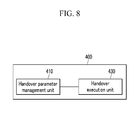
FIG. 8 is a block diagram illustrating a configuration of a handover control apparatus according to an exemplary embodiment of the present disclosure.
MODE FOR INVENTION
In the following detailed description, only certain exemplary embodiments of the present disclosure have been shown and described, simply by way of illustration. As those skilled in the art would realize, the described embodiments may be modified in various different ways, all without departing from the spirit or scope of the embodiments of the present disclosure. Accordingly, the drawings and description are to be regarded as illustrative in nature and not restrictive. Like reference numerals designate like elements throughout the specification.
In addition, in an entire specification, unless explicitly described to the contrary, the word “comprise” and variations such as “comprises” or “comprising” will be understood to imply the inclusion of stated elements but not the exclusion of any other elements.
In this specification, a terminal may indicate a Mobile Station (MS), a Mobile Terminal (MT), a Subscriber Station (SS), a Portable Subscriber Station (PSS), User Equipment (UE), and an Access Terminal (AT), and may include an entire function or a partial function of the MS, the MT, the SS, the PSS, the UE, and the AT.
In this specification, a base station (BS) may indicate an Access Point (AP), a Radio Access Station (RAS), a Node B, an evolved NodeB (eNodeB), a Base Transceiver Station (BTS), and a Mobile Multihop Relay (MMR)-BS, and may include an entire function or a partial function of the AP, the RAS, the Node B, the eNodeB, the BTS, and the MMR-BS.
The BS may be separated into an apparatus for processing a radio signal (Remote Radio Head (RRH) or Radio Unit (RU)) and an apparatus for processing a digital signal or a Digital Unit (DU).
FIG. 1 is a diagram illustrating a coexistence network according to an exemplary embodiment of the present disclosure, and FIG. 2 is a diagram illustrating a communication system according to an exemplary embodiment of the present disclosure.
Referring to FIG. 1, a coexistence network includes a Time Division Duplexing (TDD) BS 100 and a Frequency Division Duplexing (FDD) BS 200.
A terminal 300 supports a TDD/FDD dual mode. By selectively connecting to one of the TDD BS 100 and the FDD BS 200, the terminal 300 is connected to a core network. The terminal 300 accesses a contents server that is related to a service through the core network. Here, the core network is formed with network entities for packet transmission. For example, the core network may include, for example, a Mobility Management Entity (MME), a Serving Gateway (S-GW), and a Packet Data Network Gateway (PDN-GW).
The TDD BS 100 wirelessly communicates with the terminal 300 based on a TDD method. The TDD BS 100 connects the accessed terminal 300 to the core network. A network that connects the TDD BS 100 and the terminal 300 is referred to as a TDD network.
The FDD BS 200 wirelessly communicates with the terminal 300 based on an FDD method. The FDD BS 200 connects the accessed terminal 300 to the core network. A network that connects the FDD BS 200 and the terminal 300 is referred to as an FDD network.
The TDD BS 100 and the FDD BS 200 share a handover policy and information about a coexistence network. The TDD BS 100 and the FDD BS 200 change a handover condition of the terminal 300 based on a handover policy. That is, by changing a handover condition, the TDD BS 100 and the FDD BS 200 induce handover to another neighboring BS. Various handover policies may exist. Particularly, a handover policy may be set to differently use an access network according to a service type. For example, a handover policy may be set a symmetrical/QoS guarantee service (e.g., Voice over LTE (VoLTE)) to use the FDD network having the same uplink and the downlink in a frequency domain. The handover policy may be set an asymmetrical/broadcasting service to use the TDD network that has a comparatively wider downlink in a frequency domain because asymmetrical/broadcasting service consumes much of a downward resource such as multimedia.
Referring to FIG. 2, the TDD BS 100 and the FDD BS 200 may be separated into an apparatus 110/210 for processing a radio signal (e.g., Remote Radio Head (RRH) or Radio Unit (RU)) and an apparatus 130/230 for processing a digital signal (e.g., a Digital Unit (DU)).
The apparatuses for processing a digital signal 130 and 230 may be integrated into a digital signal processing apparatus.
Hereinafter, a method for inducing handover from a TDD network to a FDD network or inducing handover from a FDD network to a TDD network by changing handover conditions in one of the TDD BS 100 and the FDD BS 200 will be described in detail.
FIG. 3 is a flowchart illustrating a handover procedure according to an exemplary embodiment of the present disclosure.
Referring to FIG. 3, a handover procedure from a FDD network to a TDD network (e.g., FDD network-TDD network handover) may be performed to follow an inter-frequency handover procedure. A handover condition includes a handover triggering condition (e.g., Event A2) for triggering handover and a handover performing condition (e.g., Event A3) for determining whether to perform handover.
When the terminal 300 is connected to the FDD BS 200, the FDD BS 200 transmits a message (e.g., RRC connection reconfiguration) including a parameter for inter-frequency handover to the terminal 300 (S110).
The terminal 300 determines whether the Event A2 is satisfied (S120).
The terminal 300 reports measurement information that is related to the Event A2 (S130).
The FDD BS 200 transmits an RRC connection reconfiguration including measure gap activation information to the terminal 300 (S140).
The terminal 300 determines whether the Event A3 is satisfied (S150).
The terminal 300 reports measurement information that is related to the Event A3 (S160).
The FDD BS 200 requests handover to the TDD BS 100 (S170).
The TDD BS 100 responds to the handover request to the FDD BS 200 (S180).
Thereafter, the terminal 300 performs handover to the TDD BS 100 (S190).
The Event A2 is a condition that determines whether a measurement signal Ms of the serving cell is worse than a threshold. An entering condition of the Event A2 is the same as Equation 1, and a leaving condition thereof is the same as Equation 2. Here, Hysteresis (Hys) prevents ping-pong phenomenon that alternately satisfies an entering condition of Equation 1 and a leaving condition of Equation 2.
Ms+Hys<Threshold  [Equation 1]
Ms−Hys>Threshhold  [Equation 2]
The Event A3 is a condition that determines whether a measurement signal Mn of a neighboring cell is better than a measurement signal Mp of a serving cell/primary cell (PCell) by offset or more. The entering condition of the Event A3 is the same as Equation 3, and the leaving condition thereof is the same as Equation 4.
Mn+Ofn+Ocn−Hys>Mp+Ofp+Ocp+Off  [Equation 3]
Mn+Ofn+Ocn+Hys<Mp+Ofp+Ocp+Off  [Equation 4]
In Equations 3 and 4, Ofn and Ofp are offsets that are related to a frequency of a neighboring cell and a serving cell, respectively, and Ocn and Ocp are offsets that are related to a neighboring cell and a serving cell, respectively.
In this way, the terminal 300 measures a signal of a serving cell and a neighboring cell according to a parameter that is related to the Event A2 and the Event A3.
FIG. 4 is a flowchart illustrating a method of controlling handover according to an exemplary embodiment of the present disclosure.
Referring to FIG. 4, the TDD BS 100 and the FDD BS 200 set a handover parameter that is determined based on a handover policy (S210).
The handover policy includes a policy that designates a network to use based on a service type. The handover policy may further include various additional policies such as handover according to a load and handover according to provider necessity. That is, the handover policy may be set to service a first type service through a TDD network and a second type service through an FDD network.
The handover parameter is information that is used for determining a handover condition. The handover parameter includes common handover parameters Ofn, Ofp, Ocn, and Ocp and service specific parameters Osvc, Osp, and Osn that are related to a service. Hereinafter, a parameter that is related to a service is simply referred to as a “service parameter”.
The service parameter is a parameter that induces handover to a network designated to an associated service. For example, the service parameter is set to control a terminal to use a network designated to the associated service. Furthermore, the service parameter is a parameter that prevents handover from a designated network of an associated service to another network. That is, the service parameter is set to maintain the designated network of the associated service. The service parameter is applied when determining a handover triggering condition (Event A2) and a handover performing condition (Event A3).
When the terminal 300 is connected to the FDD BS 200, the FDD BS 200 transmits a message (e.g., RRC connection reconfiguration) including a handover parameter (S220). The handover parameter includes a service parameter.
The terminal 300 executes a TDD service (S230). Here, the TDD service is a service that is designated to service in a TDD network according to a handover policy.
When determining a handover condition based on an executed service and a handover policy, the terminal 300 determines whether to apply a service parameter (S240). When a service that is set to service in the FDD network is executed, the terminal 300 does not apply a service parameter.
Because the executed service is a TDD service, the terminal 300 applies a service parameter when determining a handover condition. (S250).
The terminal 300 changes a measurement signal Ms of a serving cell like Equation 5 using a service parameter Osvc. That is, the service parameter Osvc makes a measurement signal Ms' of the serving cell, which is used when determining a handover condition, to be smaller than an actual value Ms. Therefore, the terminal 300 can easily satisfy a handover triggering condition (Event A2).
Ms′=Ms−Osvc  [Equation 5]
The terminal 300 changes at least one of a measurement signal Mp of the serving cell/the PCell and a measurement signal Mn of a neighboring cell like Equation 6 using service parameters Osp and Osn. That is, the service parameters Osp and Osn make a measurement signal Ms' of the serving cell/the PCell, which is used when determining a handover condition, to be smaller than an actual value Ms or make a measurement signal Mn′ of a neighboring cell to be larger than an actual value Mn. Therefore, the terminal 300 can easily satisfy a handover execution condition (Event A3).
Mp′=Mp−Osp
Mn′=Mn+Osn  [Equation 6]
The terminal 300 determines whether a handover condition is satisfied based on a service parameter, and the terminal 300 reports measurement information that is related to the handover condition (S260).
The FDD BS 200 requests handover to the TDD BS 100 (S270).
The TDD BS 100 responds to the handover request to the FDD BS 200 (S271).
Thereafter, the terminal 300 performs handover to the TDD BS 100 (S272).
The TDD BS 100 transmits a message (e.g., RRC connection reconfiguration) including a handover parameter (S280). The handover parameter includes a service parameter. A service parameter sent by the TDD BS 100 is set to a value that makes it difficult for the terminal 300 to perform handover to the FDD BS 200. That is, the TDD BS 100 sets a service parameter to maintain the TDD network to provide a corresponding service. The service parameter may have a sign that is opposite to that of a parameter for inducing handover. Alternatively, in Equations 5 and 6, a service parameter for maintaining a corresponding service with a method of adding a service parameter may be applied.
The terminal 300 determines a handover condition based on a handover parameter including a service parameter (S290).
The terminal 300 terminates a TDD service (S291).
Accordingly, when a handover condition is determined, the terminal 300 releases application of a service parameter (S292). That is, if a TDD service is terminated, the terminal 300 does not apply a service parameter when determining a handover condition.
In this way, the BS provides a service parameter for enabling the terminal to easily move to a network that is designated to an executed service. By applying a service parameter when determining a handover condition, the terminal easily performs handover to a network that is designated to an executed service. Further, the BS provides a service parameter set not to return to a network before handover.
FIG. 5 is a flowchart illustrating a method of controlling handover according to another exemplary embodiment of the present disclosure.
Referring to FIG. 5, the terminal 300 stores a handover parameter that is determined based on a handover policy (S310). The handover policy may be set to service a first type of service in a TDD network and a second type of service in an FDD network. The handover parameter is information that is used for determining a handover condition, and includes service parameters Osvc, Osp, and Osn. The terminal 300 may receive the service parameter from a BS.
When the terminal 300 is connected to the FDD BS 200, the FDD BS 200 transmits a message (RRC connection reconfiguration) including a handover parameter (S320).
The terminal 300 executes a TDD service (S330).
When a handover condition is determined based on an executed service and a handover policy, the terminal 300 determines whether to apply a service parameter (S340).
Because the executed service is a TDD service, the terminal 300 determines a handover condition by applying a service parameter (S350). That is, like Equation 5, the terminal 300 makes a measurement signal Ms' of a serving cell, which is used when determining a handover condition using a service parameter Osvc, to be smaller than an actual value Ms. Like Equations 6 and 7, the terminal 300 makes a measurement signal Ms' of a serving cell/PCell, which is used when determining a handover condition, to be smaller than an actual value Ms or makes a measurement signal Mn′ of a neighboring cell to be larger than an actual value Mn, using service parameters Osp and Osn.
The terminal 300 determines whether a handover condition is satisfied based on a service parameter and reports measurement information that is related to the handover condition (S360).
The FDD BS 200 requests handover to the TDD BS 100 (S370).
The TDD BS 100 responds to the handover request to the FDD BS 200 (S371).
Thereafter, the terminal 300 performs handover to the TDD BS 100 (S372).
The TDD BS 100 transmits a message (e.g., RRC connection reconfiguration) including a handover parameter (S380). In this case, the TDD BS 100 transmits only a common handover parameter. Alternatively, the TDD BS 100 may further transmit a service parameter.
The terminal 300 determines whether a handover condition is satisfied based on a stored service parameter (S390). The service parameter is a value that makes it difficult for the terminal 300 to perform handover to the FDD BS 200.
The terminal 300 terminates a TDD service (S391).
Accordingly, when a handover condition is determined, the terminal 300 releases application of a service parameter (S392). That is, if the TDD service is terminated, the terminal 300 does not apply a service parameter when determining a handover condition.
In this way, the terminal stores a parameter that is applied according to a service when determining a handover condition. By applying a service parameter when determining a handover condition, the terminal easily performs handover to a network designated to an executed service. Further, the terminal applies a service parameter until an executed service is terminated so that handover is not performed again to another network even after handover is performed.
FIG. 6 is a flowchart illustrating a method of controlling handover according to another exemplary embodiment of the present disclosure.
Referring to FIG. 6, a BS may apply a handover policy only to a specific terminal. The handover policy includes a policy that designates a network to be used base on a service type.
When the terminal 300 is connected to the FDD BS 200, the FDD BS 200 transmits a message (e.g., RRC connection reconfiguration) including a handover parameter (S410).
The terminal 300 executes a TDD service (S420).
When a handover condition is determined based on an executed service and a handover policy, the terminal 300 determines whether service parameters Osvc, Osp, and Osn are required (S430).
When a service designated to a TDD network is executed, the terminal 300 requests a handover parameter including a service parameter from the FDD BS 200 (S440).
The FDD BS 200 transmits a handover parameter including a service parameter (S450).
The terminal 300 determines a handover condition by applying the service parameter (S460).
The following handover procedure is similar to that of the foregoing exemplary embodiment.
In this way, the terminal requests a service parameter from the BS based on a service executed by the terminal. Therefore, the BS can apply a handover policy only to a specific terminal. Thereby, by inducing access to a network that is optimized to the service, the BS can provide differentiated quality to the terminal.
FIG. 7 is a block diagram illustrating a configuration of a terminal according to an exemplary embodiment of the present disclosure.
Referring to FIG. 7, the terminal 300 includes a handover parameter storage unit 310 and a handover determination unit 330, as elements for handover.
The handover parameter storage unit 310 stores a handover parameter that is determined based on a handover policy. The handover policy may be set to service a first type service through a TDD network and a second type service through an FDD network. The handover parameter is information used for determining a handover condition. For example, the handover parameter includes service parameters Osvc, Osp, and Osn. The handover parameter storage unit 310 may receive a handover parameter from the BS.
The handover determination unit 330 processes a handover according to a handover procedure based on a parameter that is stored at the handover parameter storage unit 310. In this case, when a handover condition is determined based on an executed service and a handover policy, the handover determination unit 330 determines whether to apply a service parameter. When an executed service is not a service that is designated to a present serving cell, the handover determination unit 330 determines a handover condition by applying a service parameter.
The terminal 300 is programmed to implement exemplary embodiments that are suggested in the present disclosure using a processor, a memory, and a transmitting and receiving unit.
FIG. 8 is a block diagram illustrating a configuration of a handover control apparatus according to an exemplary embodiment of the present disclosure.
Referring to FIG. 8, a handover control apparatus 400 includes a handover parameter management unit 410 and a handover execution unit 430. The handover control apparatus 400 is implemented in the TDD BS 100 and the FDD BS 200, and the TDD BS 100 and the FDD BS 200 may control handover. Alternatively, the handover control apparatus 400 may be implemented separately from the TDD BS 100/FDD BS 200.
The handover parameter management unit 410 stores a handover parameter that is determined based on a handover policy. The handover parameter includes various parameters that are related to an inter-frequency handover procedure and a service parameter. When a service is executed in a terminal, the service parameter is a parameter for inducing handover to a network designated to the executed service. The service parameter includes a parameter Osvc that makes a measurement signal Ms' of a serving cell, which is used when determining a handover condition, to be smaller than an actual value Ms. The service parameter also includes parameters Osp and Osn that make a measurement signal Ms' of a serving cell/Pcell, which is used when determining a handover condition, to be smaller than an actual value Ms or that make a measurement signal Mn′ of a neighboring cell to be larger than an actual value Mn.
The handover execution unit 430 executes handover according to a handover procedure. In this case, the handover execution unit 430 transmits a parameter that is stored at the handover parameter management unit 410 to a terminal. In this case, the handover execution unit 430 may transmit a service parameter only to a specific terminal.
Here, a policy that designates a network to be used based on a service type is limited, but the BS may change service parameters Osvc, Osp, and Osn according to various handover policies such as a state of a network and provider necessity. Therefore, the BS can easily induce handover only with a service parameter change according to a receiving strategy or a network load in a network on a service basis.
Here, a procedure that performs handover from an FDD BS to a TDD BS is exemplified, but a procedure that performs handover from a TDD BS to an FDD BS is also applied with the same method. Further, the FDD BS and the TDD BS are an example of a network having different frequencies or different communication methods, and embodiments of the present disclosure may be applied to various communication systems that induce handover from a first network to a second network.
As described, a terminal is controlled to select a network according to a service used in the terminal in accordance with at least one embodiment of the present disclosure. Therefore, in a coexistence network environment, the network can be economically and efficiently operated. According to another exemplary embodiment of the present disclosure, an appropriate service may be induced according to characteristics of each network as well as a load of each network. Therefore, a limited frequency resource can be maximally and efficiently used. Furthermore, according to at least one embodiment of the present disclosure, it can be controlled to selectively use a network according to a service by reflecting a policy of a provider.
The foregoing exemplary embodiment of the present disclosure may not only be embodied through an apparatus and a method, but may also be embodied through a program that executes a function corresponding to a configuration of the exemplary embodiment of the present invention or through a recording medium on which the program is recorded.
While the present disclosure has been described in connection with what is presently considered to be practical exemplary embodiments, it is to be understood that the present disclosure is not limited to the disclosed embodiments, but, on the contrary, is intended to cover various modifications and equivalent arrangements included within the spirit and scope of the appended claims.

Claims (13)

The invention claimed is:
1. A method of controlling handover of a terminal by a first base station (BS), the method comprising:
setting a handover parameter that is determined based on a handover policy, wherein the handover policy includes information designating a network type to be used for each service type; and
transmitting a message comprising the handover parameter to the terminal,
wherein the handover parameter comprises a service parameter, and the service parameter is used when determining a handover condition of the terminal in order to induce handover from the first BS to a second BS according to the handover policy; and
wherein the service parameter includes:
a first service parameter that makes a measurement signal of the first BS, which is used when determining a first handover condition, to be smaller than a measurement value;
a second service parameter that makes a measurement signal of the first BS, which is used when determining a second handover condition, to be smaller than a measurement value; and
a third service parameter that makes a measurement signal of the second BS, which is used when determining a second handover condition, to be larger than a measurement value.
2. The method of claim 1, wherein the handover policy comprises a policy that services a first type service through a first network of the first BS and that services a second type service through a second network of the second BS.
3. The method of claim 2, wherein the service parameter is applied to a handover condition when a service executed in the terminal is the second type service.
4. A method of, by a first base station (BS), controlling handover of a terminal handed over from a second BS to the first BS, the method comprising:
completing a handover procedure with the terminal in response to a handover request that is received from the second BS;
setting a handover parameter that is determined based on a handover policy, wherein the handover policy includes information designating a network type to be used for each service type; and
transmitting a message comprising the handover parameter to the terminal,
wherein the handover parameter comprises a service parameter, and the service parameter is used when determining a handover condition of the terminal in order to induce use of a service in the first BS according to the handover policy; and
wherein the service parameter includes:
a first service parameter that makes a measurement signal of the first BS, which is used when determining a first handover condition, to be larger than a measurement value;
a second service parameter that makes a measurement signal of the first BS, which is used when determining a second handover condition, to be larger than a measurement value; and
a third service parameter that makes a measurement signal of the second BS, which is used when determining a second handover condition, to be smaller than a measurement value.
5. The method of claim 4, wherein the handover policy comprises a policy that services a first type service through a network of the first BS and that services a second type service through a network of the second BS.
6. The method of claim 5, wherein the service parameter is applied to a handover condition when a service executed in the terminal is the first type service.
7. A method of, by a first base station (BS), controlling handover of a terminal, the method comprising:
setting a service parameter that is determined based on a handover policy, wherein the handover policy includes information designating a network type to be used for each service type;
receiving a message that requests the service parameter from the terminal; and
transmitting a message comprising the service parameter to the terminal,
wherein the service parameter is used when determining a handover condition of the terminal in order to induce handover from the first BS to a second BS according to the handover policy; and
wherein the service parameter includes:
a first service parameter that makes a measurement signal of the first BS, which is used when determining a first handover condition, to be smaller than a measurement value;
a second service parameter that makes a measurement signal of the first BS, which is used when determining a second handover condition, to be smaller than a measurement value; and
a third service parameter that makes a measurement signal of the second BS, which is used when determining a second handover condition, to be larger than a measurement value.
8. The method of claim 7, wherein the handover policy comprises a policy that services a first type service through a network of the first BS and that services a second type service through a network of the second BS.
9. The method of claim 8, wherein the receiving of a message comprises receiving a message that requests the service parameter from the terminal, having executed the second type service.
10. A method of controlling handover by a terminal, the method comprising:
storing a service parameter;
determining whether to apply the stored service parameter to a handover condition based on a handover policy, wherein the handover policy includes information designating a network type to be used for each service type; and
determining, when applying the service parameter, a handover condition to which the service parameter is applied and reporting to a first base station (BS),
wherein the service parameter comprises a parameter that is used when determining a handover condition of the terminal in order to induce handover from the first BS to a second BS according to the handover policy; and
wherein the service parameter includes:
a first service parameter that makes a measurement signal of the first BS, which is used when determining a first handover condition, to be smaller than a measurement value;
a second service parameter that makes a measurement signal of the first BS, which is used when determining a second handover condition to be smaller than a measurement value; and
a third service parameter that makes a measurement signal of the second BS, which is used when determining a second handover condition, to be larger than a measurement value.
11. The method of claim 10, wherein the handover policy comprises a policy that services a first type service through a network of the first BS and that services a second type service through a network of the second BS.
12. The method of claim 11, wherein the determining of whether to apply the service parameter comprises:
determining, when a service executed in the terminal is the second type service, to apply the service parameter to a handover condition.
13. The method of claim 10, wherein the storing of a handover parameter comprises storing the handover parameter that is received from the first BS.
US14/652,121 2012-12-14 2013-07-26 Method of controlling handover Active 2033-08-20 US10015704B2 (en)

Applications Claiming Priority (3)

Application Number Priority Date Filing Date Title
KR10-2012-0146715 2012-12-14
KR1020120146715A KR101571878B1 (en) 2012-12-14 2012-12-14 Method for controlling handover of mobile terminal
PCT/KR2013/006719 WO2014092280A1 (en) 2012-12-14 2013-07-26 Handover control method

Publications (2)

Publication Number Publication Date
US20150341834A1 US20150341834A1 (en) 2015-11-26
US10015704B2 true US10015704B2 (en) 2018-07-03

Family

ID=50934543

Family Applications (1)

Application Number Title Priority Date Filing Date
US14/652,121 Active 2033-08-20 US10015704B2 (en) 2012-12-14 2013-07-26 Method of controlling handover

Country Status (3)

Country Link
US (1) US10015704B2 (en)
KR (1) KR101571878B1 (en)
WO (1) WO2014092280A1 (en)

Families Citing this family (9)

* Cited by examiner, † Cited by third party
Publication number Priority date Publication date Assignee Title
IN2013CH04707A (en) * 2013-10-18 2015-04-24 Samsung India Software Operations Pvt Ltd
WO2016037305A1 (en) * 2014-09-08 2016-03-17 Qualcomm Incorporated Flexible transmissions on one or more frequency division duplexing resources
CN108810960B (en) * 2017-04-28 2021-06-22 华为技术有限公司 Cell handover, method and device for determining uplink transmit power
US10862613B2 (en) * 2018-02-01 2020-12-08 T-Mobile Usa, Inc. Dynamic numerology based on services
US12089101B2 (en) 2019-05-08 2024-09-10 Beijing Xiaomi Mobile Software Co., Ltd. Cell handover method and apparatus, handover configuration method and apparatus, and user equipment
US11432345B1 (en) * 2019-12-31 2022-08-30 CSC Holdings, LLC Formulation and enforcement of a connectivity policy in a wireless network environment
CN113692023B (en) * 2020-05-18 2023-03-31 中国移动通信有限公司研究院 Switching decision determining method and device, related equipment and storage medium
US11641609B2 (en) * 2021-02-26 2023-05-02 T-Mobile Usa, Inc. TDD-to-FDD handover based on service type and uplink quality
CN119729671B (en) * 2024-12-13 2026-01-23 中国移动通信集团设计院有限公司 Mobile strategy adjustment method, device, equipment, medium and product of low-altitude terminal

Citations (36)

* Cited by examiner, † Cited by third party
Publication number Priority date Publication date Assignee Title
US20020165789A1 (en) * 2001-05-04 2002-11-07 Dudek Kenneth Paul Product and service presentment and payment system for mobile e-commerce
US20020197992A1 (en) * 1999-09-30 2002-12-26 Shlomo Nizri Idle mode handling in a hybrid GSM/CDMA network
US20050026615A1 (en) * 2003-06-20 2005-02-03 Kim Young-Hun System and method for performing a handover in a mobile communication system
US20050197124A1 (en) * 2004-03-05 2005-09-08 Samsung Electronics Co., Ltd. System and method for handover to minimize service delay due to ping pong effect in BWA communication system
US20050265312A1 (en) * 2004-06-01 2005-12-01 Thermond Jeffrey L VoIP service threshold determination by home wireless router
US20060009253A1 (en) * 2004-06-10 2006-01-12 Nokia Corporation Intersystem cell reselection from GERAN to UTRAN
US20060030323A1 (en) * 2003-06-12 2006-02-09 Takayoshi Ode Base station apparatus and mobile communication system
US20060148480A1 (en) * 2004-12-30 2006-07-06 Thorson Dean E Radio configuration-based handoff parameter adjustment
US20070041347A1 (en) * 2005-08-19 2007-02-22 Ipwireless, Inc. Duplex operation in a cellular communication system
US20080045262A1 (en) * 2006-08-16 2008-02-21 Vanvinh Phan Method and Apparatus for Providing Service-Based Cell Reselection
US20080102832A1 (en) * 2006-11-01 2008-05-01 Snrlabs Corporation System, Method, and Computer-Readable Medium for User Equipment Managing Multiple Radio Networks for Handover and Low-Power Operations
US20080139147A1 (en) * 2005-08-19 2008-06-12 Huawei Technologies Co., Ltd. Method and Apparatus for Mobile Internet Protocol Registrating or Deregistrating
US20080176566A1 (en) * 2006-10-18 2008-07-24 Hiroya Akita Handover control system, method for the same, and mobile communication system and radio base station using the same
US20080311924A1 (en) * 2004-01-08 2008-12-18 Thierry Lucidarme Method for Allocating Communication Resources and Radiocommunication System Therefor
US20090104905A1 (en) * 2007-09-28 2009-04-23 Interdigital Patent Holdings, Inc. Method and apparatus for supporting home node b services
KR20090042494A (en) 2007-10-26 2009-04-30 에스케이 텔레콤주식회사 Heterogeneous Handover System and Method
KR20090050357A (en) 2007-11-15 2009-05-20 엘지전자 주식회사 Handover Method of Mobile Communication Terminal
US20090163223A1 (en) * 2007-12-21 2009-06-25 Elektrobit Wireless Communications Ltd. Load balancing in mobile environment
US20090185543A1 (en) * 2008-01-17 2009-07-23 Mediatek Inc. Methods for transmitting system information bit streams and communication apparatuses utilizing the same
US20100099393A1 (en) * 2008-10-20 2010-04-22 At&T Mobility Ii Llc Device network technology selection and display in multi-technology wireless environments
US20100118830A1 (en) * 2008-11-10 2010-05-13 Cisco Technology, Inc. Mobile Intelligent Roaming Using Multi-Modal Access Point Devices
KR20100061003A (en) 2008-11-28 2010-06-07 주식회사 케이티 Mobile terminal and method for selecting handover using the same
KR20100070120A (en) 2008-12-17 2010-06-25 주식회사 케이티 Network management apparatus and mobile station handover control method thereof, recoding medium for storing program for controlling mobile station handover
US20100184439A1 (en) * 2007-09-30 2010-07-22 Huawei Technologies Co., Ltd. Method, apparatus and system for reselecting or handing over to a cell
US20100279648A1 (en) * 2009-05-01 2010-11-04 Qualcomm Incorporated Systems, apparatus and methods for facilitating emergency call service in wireless communication systems
US20100284367A1 (en) * 2008-11-10 2010-11-11 Futurewei Technologies, Inc. System and Method for Handovers in a Multi-Carrier Wireless Communications System
KR101037072B1 (en) 2008-09-11 2011-05-26 주식회사 케이티 Handover Method and Handover Control Device
US20110189997A1 (en) * 2010-02-02 2011-08-04 Clear Wireless, Llc System and method for multimode device handover
US20110292821A1 (en) 2010-05-26 2011-12-01 Tom Chin Service-Based Inter-Radio Access Technology (INTER-RAT) Handover
US20110305192A1 (en) * 2010-06-11 2011-12-15 Stefano Faccin Methods and apparatus for voice domain operation
KR20120049555A (en) 2010-11-09 2012-05-17 에스케이 텔레콤주식회사 System and method for handover in heterogeneous networks
US20120129517A1 (en) * 2010-07-02 2012-05-24 David Andrew Fox Telecommunication networks
US20120225658A1 (en) * 2009-10-07 2012-09-06 Nederlandse Organisatie Voor Toegepast- Natuurwetenschappelijk Onderzoek System for updating a neighbour cell list (ncl) of a wireless access node of a telecommunications architecture and method therefore
US20120329440A1 (en) * 2010-02-09 2012-12-27 Research In Motion Limited RFSP Selective Camping
US20130084864A1 (en) * 2011-09-29 2013-04-04 Nokia Siemens Networks Oy Methods And Apparatus For Handover Management
US20140126544A1 (en) * 2012-11-02 2014-05-08 Apple Inc. Network cell transitions for volte devices at call initiation

Patent Citations (36)

* Cited by examiner, † Cited by third party
Publication number Priority date Publication date Assignee Title
US20020197992A1 (en) * 1999-09-30 2002-12-26 Shlomo Nizri Idle mode handling in a hybrid GSM/CDMA network
US20020165789A1 (en) * 2001-05-04 2002-11-07 Dudek Kenneth Paul Product and service presentment and payment system for mobile e-commerce
US20060030323A1 (en) * 2003-06-12 2006-02-09 Takayoshi Ode Base station apparatus and mobile communication system
US20050026615A1 (en) * 2003-06-20 2005-02-03 Kim Young-Hun System and method for performing a handover in a mobile communication system
US20080311924A1 (en) * 2004-01-08 2008-12-18 Thierry Lucidarme Method for Allocating Communication Resources and Radiocommunication System Therefor
US20050197124A1 (en) * 2004-03-05 2005-09-08 Samsung Electronics Co., Ltd. System and method for handover to minimize service delay due to ping pong effect in BWA communication system
US20050265312A1 (en) * 2004-06-01 2005-12-01 Thermond Jeffrey L VoIP service threshold determination by home wireless router
US20060009253A1 (en) * 2004-06-10 2006-01-12 Nokia Corporation Intersystem cell reselection from GERAN to UTRAN
US20060148480A1 (en) * 2004-12-30 2006-07-06 Thorson Dean E Radio configuration-based handoff parameter adjustment
US20070041347A1 (en) * 2005-08-19 2007-02-22 Ipwireless, Inc. Duplex operation in a cellular communication system
US20080139147A1 (en) * 2005-08-19 2008-06-12 Huawei Technologies Co., Ltd. Method and Apparatus for Mobile Internet Protocol Registrating or Deregistrating
US20080045262A1 (en) * 2006-08-16 2008-02-21 Vanvinh Phan Method and Apparatus for Providing Service-Based Cell Reselection
US20080176566A1 (en) * 2006-10-18 2008-07-24 Hiroya Akita Handover control system, method for the same, and mobile communication system and radio base station using the same
US20080102832A1 (en) * 2006-11-01 2008-05-01 Snrlabs Corporation System, Method, and Computer-Readable Medium for User Equipment Managing Multiple Radio Networks for Handover and Low-Power Operations
US20090104905A1 (en) * 2007-09-28 2009-04-23 Interdigital Patent Holdings, Inc. Method and apparatus for supporting home node b services
US20100184439A1 (en) * 2007-09-30 2010-07-22 Huawei Technologies Co., Ltd. Method, apparatus and system for reselecting or handing over to a cell
KR20090042494A (en) 2007-10-26 2009-04-30 에스케이 텔레콤주식회사 Heterogeneous Handover System and Method
KR20090050357A (en) 2007-11-15 2009-05-20 엘지전자 주식회사 Handover Method of Mobile Communication Terminal
US20090163223A1 (en) * 2007-12-21 2009-06-25 Elektrobit Wireless Communications Ltd. Load balancing in mobile environment
US20090185543A1 (en) * 2008-01-17 2009-07-23 Mediatek Inc. Methods for transmitting system information bit streams and communication apparatuses utilizing the same
KR101037072B1 (en) 2008-09-11 2011-05-26 주식회사 케이티 Handover Method and Handover Control Device
US20100099393A1 (en) * 2008-10-20 2010-04-22 At&T Mobility Ii Llc Device network technology selection and display in multi-technology wireless environments
US20100118830A1 (en) * 2008-11-10 2010-05-13 Cisco Technology, Inc. Mobile Intelligent Roaming Using Multi-Modal Access Point Devices
US20100284367A1 (en) * 2008-11-10 2010-11-11 Futurewei Technologies, Inc. System and Method for Handovers in a Multi-Carrier Wireless Communications System
KR20100061003A (en) 2008-11-28 2010-06-07 주식회사 케이티 Mobile terminal and method for selecting handover using the same
KR20100070120A (en) 2008-12-17 2010-06-25 주식회사 케이티 Network management apparatus and mobile station handover control method thereof, recoding medium for storing program for controlling mobile station handover
US20100279648A1 (en) * 2009-05-01 2010-11-04 Qualcomm Incorporated Systems, apparatus and methods for facilitating emergency call service in wireless communication systems
US20120225658A1 (en) * 2009-10-07 2012-09-06 Nederlandse Organisatie Voor Toegepast- Natuurwetenschappelijk Onderzoek System for updating a neighbour cell list (ncl) of a wireless access node of a telecommunications architecture and method therefore
US20110189997A1 (en) * 2010-02-02 2011-08-04 Clear Wireless, Llc System and method for multimode device handover
US20120329440A1 (en) * 2010-02-09 2012-12-27 Research In Motion Limited RFSP Selective Camping
US20110292821A1 (en) 2010-05-26 2011-12-01 Tom Chin Service-Based Inter-Radio Access Technology (INTER-RAT) Handover
US20110305192A1 (en) * 2010-06-11 2011-12-15 Stefano Faccin Methods and apparatus for voice domain operation
US20120129517A1 (en) * 2010-07-02 2012-05-24 David Andrew Fox Telecommunication networks
KR20120049555A (en) 2010-11-09 2012-05-17 에스케이 텔레콤주식회사 System and method for handover in heterogeneous networks
US20130084864A1 (en) * 2011-09-29 2013-04-04 Nokia Siemens Networks Oy Methods And Apparatus For Handover Management
US20140126544A1 (en) * 2012-11-02 2014-05-08 Apple Inc. Network cell transitions for volte devices at call initiation

Also Published As

Publication number Publication date
KR101571878B1 (en) 2015-12-04
KR20140077663A (en) 2014-06-24
WO2014092280A1 (en) 2014-06-19
US20150341834A1 (en) 2015-11-26

Similar Documents

Publication Publication Date Title
US10015704B2 (en) Method of controlling handover
US10959235B2 (en) Performance indicator for interworking radio access technologies
CN102474788B (en) Cell reselecting method and mobile station device
US9838934B2 (en) Method for opening radio pipeline capability and apparatus thereof
US8520630B2 (en) Method and apparatus for predicting handover in wireless communication network
JP7265037B2 (en) COMMUNICATION METHOD, COMMUNICATION DEVICE, AND COMMUNICATION SYSTEM
US8731606B2 (en) Communication system, mobile station device, connection destination evaluating method, connection destination evaluating program, and base station device
US20180184320A1 (en) Measurement method and device, information interchange method and device, and residence method and device
JP5437422B2 (en) Radio base station and mobile station
US20140211762A1 (en) Handover mechanism in cellular networks
US11792700B2 (en) Method and device for cell change
KR20150119967A (en) Incentivizing open access to closed subscriber group low-power base stations
US11540261B2 (en) Method for indicating number of transmitting ports of UE, UE and network device
JP5738974B2 (en) Method and apparatus for maintaining a virtual active set including limited subscriber group cells
KR102853717B1 (en) Initiate seamless voice calls
US10306520B2 (en) Handover method between heterogeneous wireless communication techniques and device for same
WO2012063932A1 (en) Mobile communication method and wireless base station
US20240032105A1 (en) Method and apparatus for performing random access
US20170118707A1 (en) Techniques for achieving optimal power and mean opinion scores for internet protocol multimedia subsystem-based dual connectivity calling
JP6026635B2 (en) Method, apparatus and computer program product for improving interference cancellation procedure
US20110199970A1 (en) Method of Handling Proximity Indication and Related Communication Device
JP5577540B2 (en) HANDOVER CONTROL METHOD, MOBILE STATION DEVICE, AND BASE STATION DEVICE
CN105208599A (en) Method of load balancing between cellular network and wireless local area network
JP2025510809A (en) Method and apparatus for handling radio access technology or frequency selection priorities - Patents.com
CN117768910A (en) QoS configuration method and equipment

Legal Events

Date Code Title Description
AS Assignment

Owner name: KT CORPORATION, KOREA, REPUBLIC OF

Free format text: ASSIGNMENT OF ASSIGNORS INTEREST;ASSIGNORS:LEE, HYUN-SONG;HEO, SI-YOUNG;LEE, KYUNGJUN;AND OTHERS;REEL/FRAME:035900/0704

Effective date: 20150611

STCF Information on status: patent grant

Free format text: PATENTED CASE

MAFP Maintenance fee payment

Free format text: PAYMENT OF MAINTENANCE FEE, 4TH YEAR, LARGE ENTITY (ORIGINAL EVENT CODE: M1551); ENTITY STATUS OF PATENT OWNER: LARGE ENTITY

Year of fee payment: 4

MAFP Maintenance fee payment

Free format text: PAYMENT OF MAINTENANCE FEE, 8TH YEAR, LARGE ENTITY (ORIGINAL EVENT CODE: M1552); ENTITY STATUS OF PATENT OWNER: LARGE ENTITY

Year of fee payment: 8