JP2007017596A - Mobile terminal device - Google Patents
Mobile terminal device Download PDFInfo
- Publication number
- JP2007017596A JP2007017596A JP2005197506A JP2005197506A JP2007017596A JP 2007017596 A JP2007017596 A JP 2007017596A JP 2005197506 A JP2005197506 A JP 2005197506A JP 2005197506 A JP2005197506 A JP 2005197506A JP 2007017596 A JP2007017596 A JP 2007017596A
- Authority
- JP
- Japan
- Prior art keywords
- terminal device
- unit
- image
- user
- display
- Prior art date
- Legal status (The legal status is an assumption and is not a legal conclusion. Google has not performed a legal analysis and makes no representation as to the accuracy of the status listed.)
- Withdrawn
Links
Images



Landscapes
- Telephone Set Structure (AREA)
- Control Of Indicators Other Than Cathode Ray Tubes (AREA)
- Studio Devices (AREA)
- Controls And Circuits For Display Device (AREA)
Abstract
【課題】携帯端末装置の小型化を妨げるようなセンサを新たに設けることなく、携帯端末装置の表示部の表示画面と使用者との位置関係に応じて望ましい向きで表示画面に情報を表示することが可能な携帯端末装置を提供すること。
【解決手段】携帯端末装置は、少なくとも文字情報を表示可能な表示部102を有する本体と、該本体に設けられ、当該本体の周囲を撮影するカメラ部101と、該カメラ部101が撮影した画像に基づいて使用者の顔の情報を取得し、少なくとも顔の向きと前記本体の向きとの相対的な位置関係を把握する主制御部100と、を備える。主制御部100は、把握した位置関係に従って表示部102の表示画面に表示する情報の向きを決定し、その向きで該情報が表示部102に表示されるように表示制御部110を制御する。
【選択図】図1Information is displayed on a display screen in a desired orientation according to the positional relationship between a display screen of a display unit of a mobile terminal device and a user without newly providing a sensor that prevents downsizing of the mobile terminal device. Provided is a portable terminal device that can be used.
A portable terminal device includes a main body having a display unit capable of displaying at least character information, a camera unit provided in the main body and photographing the periphery of the main body, and an image taken by the camera unit. And a main control unit 100 that acquires information on the face of the user based on the information and grasps at least a relative positional relationship between the orientation of the face and the orientation of the main body. The main control unit 100 determines the direction of information to be displayed on the display screen of the display unit 102 according to the grasped positional relationship, and controls the display control unit 110 so that the information is displayed on the display unit 102 in that direction.
[Selection] Figure 1
Description
本発明は、表示部を本体に備えた携帯端末装置に関し、特に表示部の表示画面に表示される情報の向きの制御が可能な携帯端末装置に関する。 The present invention relates to a mobile terminal device including a display unit in a main body, and more particularly to a mobile terminal device capable of controlling the direction of information displayed on a display screen of a display unit.
例えば携帯無線電話端末装置(即ち、いわゆる携帯電話機)のような携帯端末装置を使用する場合、使用者が携帯端末装置の本体を持つ向きが常に一定とは限らない。 For example, when a mobile terminal device such as a mobile radio telephone terminal device (ie, a so-called mobile phone) is used, the orientation of the user holding the main body of the mobile terminal device is not always constant.
また、例えば携帯端末装置の表示部の形状が長方形の場合には、使用者がその表示部の表示画面を縦にして見たい場合と横にして見たい場合とがある。 For example, when the shape of the display unit of the mobile terminal device is rectangular, the user may want to view the display screen of the display unit vertically or horizontally.
しかし、携帯端末装置の表示画面上に表示される情報の向きが一定であると、使用者が携帯端末装置の本体を持つ向きの変化に伴って、使用者が見る表示画面の向きと表示画面上に表示される情報の向きとが一致しなくなる場合があるため、携帯端末装置を快適に使うことができなくなる。 However, if the orientation of the information displayed on the display screen of the mobile terminal device is constant, the orientation of the display screen viewed by the user and the display screen as the user changes the orientation of the mobile terminal device body Since the direction of the information displayed above may not match, the mobile terminal device cannot be used comfortably.
使用者が装置を使用する向きにあわせて該装置の表示画面上に表示される情報の向きを回転させるための技術が提案されている(特許文献1参照)。特許文献1では、図7に示したような装置が提案されている。 A technique has been proposed for rotating the direction of information displayed on the display screen of a device in accordance with the direction in which the user uses the device (see Patent Document 1). In Patent Document 1, an apparatus as shown in FIG. 7 is proposed.
図7に示される装置は、入力面と表示面とを兼用した表示入力操作部601と、電源スイッチ602と、赤外線等を利用する4つの非接触センサ603〜606と、を備える。4つの非接触センサ603〜606は装置の互いに異なる面に配置されている。
The apparatus shown in FIG. 7 includes a display
従って、非接触センサ603〜606が検出した信号を調べることにより、装置を使用する使用者が装置のいずれの面と対向する位置に存在するか、即ち、使用者が見ている表示画面の向きがどの向きであるか、を検出することができる。
Accordingly, by examining the signals detected by the
実際には、電源スイッチ602をオンにすると表示面にメニュー表示画面が表示されるが、この時にも非接触センサ603〜606が検出した信号に従って、使用者が見ている表示画面の向きと表示画面に表示される情報の向きとが一致するように表示が自動的に制御される。
Actually, when the
また、例えば使用者が非接触センサ603と対向する状態(向き)で装置の操作を始めた後、縦長の表示画面と横長の表示画面とを切り替えるために、使用者が自分自身と非接触センサ604とが対向するように装置の向きを回転させると、この回転に伴って非接触センサ603〜606の検出状態が変化するので、向きの変化が自動的に検出され、装置は表示画面上に表示される情報の向きを回転する。
In addition, for example, after the user starts operating the apparatus in a state (orientation) facing the
また、非接触センサ603〜606のいずれも使用者を検出しなくなった場合には、表示を消灯することにより省電力を図る。そして、消灯後に非接触センサ603〜606のいずれかが再び使用者を検出した場合には、表示を点灯してそれまでの動作を続行する。
Further, when any of the
尚、この技術と類似する技術は、例えば特許文献2および特許文献3にも教示されている。
A technique similar to this technique is also taught in
これらのような従来の技術においては、装置の側面上の互いに異なる位置に4つの非接触センサを分散した状態で配置する必要がある。しかしながら、携帯無線電話端末装置のような小型の携帯端末装置においては、互いに異なる位置に複数のセンサを更に配置することは、小型化やコストのうえで大きなデメリットになる。即ち、携帯端末装置の小型化が困難になり、携帯端末装置の製造コストも増大する。 In the conventional techniques such as these, it is necessary to dispose four non-contact sensors in different positions on the side surface of the apparatus. However, in a small portable terminal device such as a portable radio telephone terminal device, further disposing a plurality of sensors at different positions is a great demerit in terms of downsizing and cost. That is, it becomes difficult to reduce the size of the mobile terminal device, and the manufacturing cost of the mobile terminal device also increases.
また、赤外線センサ等を利用して使用者の位置を検出する場合には、誤検出が生じる可能性も高い。例えば、携帯端末装置の近傍に使用者以外の物体が存在する場合には、この物体を使用者と間違えて検出する可能性がある。 In addition, when detecting the position of the user using an infrared sensor or the like, there is a high possibility of erroneous detection. For example, when an object other than the user exists in the vicinity of the mobile terminal device, there is a possibility that this object is detected by mistake with the user.
本発明は、上述した事情に鑑みてなされたものであり、携帯端末装置の小型化を妨げるようなセンサを新たに設けることなく、携帯端末装置の表示部の表示画面と使用者との位置関係に応じて望ましい向きで表示画面に情報を表示することが可能な携帯端末装置を提供することを目的とする。 The present invention has been made in view of the above-described circumstances, and the positional relationship between the display screen of the display unit of the mobile terminal device and the user without newly providing a sensor that prevents downsizing of the mobile terminal device. It is an object of the present invention to provide a portable terminal device capable of displaying information on a display screen in a desired orientation according to the above.
本発明の携帯端末装置は、
少なくとも文字情報を表示可能な表示部を有する本体と、
前記本体に設けられた撮像手段と、
前記撮像手段が撮影した画像に基づいて被写体(例えば使用者の顔)の情報を取得し、当該被写体(例えば少なくとも顔)の向きと前記本体の向きとの相対的な位置関係を把握する画像認識手段と、
前記画像認識手段が把握した位置関係に従って、前記表示部の表示画面に表示する情報の向きを決定する表示制御手段と、
を備える。
The portable terminal device of the present invention is
A main body having a display unit capable of displaying at least character information;
Imaging means provided in the main body;
Image recognition that acquires information on a subject (for example, a user's face) based on an image captured by the imaging unit and grasps a relative positional relationship between the direction of the subject (for example, at least the face) and the direction of the main body. Means,
Display control means for determining the direction of information to be displayed on the display screen of the display unit according to the positional relationship grasped by the image recognition means;
Is provided.
この構成では、撮像手段によって撮影された画像から被写体(例えば使用者の顔)を検出するので、被写体(例えば使用者の顔)の向きと携帯端末装置の向きとの相対的な位置関係を把握することができる。従って、検出された前記位置関係に基づいて表示画面に表示する文字や画像の向きを制御することにより、例えば使用者が携帯端末装置を持つ向きを90度回転させたような場合であっても、使用者が携帯端末装置の表示画面を見た時に、表示内容が正立状態で見えるように表示を制御することができ、表示される文字や画像や使用者に対して横向きになったり、あるいは逆さになるのを防止できる。 In this configuration, since the subject (for example, the user's face) is detected from the image photographed by the imaging unit, the relative positional relationship between the orientation of the subject (for example, the user's face) and the orientation of the mobile terminal device is grasped. can do. Therefore, by controlling the orientation of characters and images displayed on the display screen based on the detected positional relationship, for example, even when the user rotates the orientation with the mobile terminal device 90 degrees , When the user looks at the display screen of the mobile terminal device, the display can be controlled so that the display contents can be seen in an upright state. Or it can prevent becoming upside down.
例えば、携帯無線電話端末装置のような携帯端末装置の場合には、撮像手段としてデジタルカメラ機能が標準装備されている場合が多いので、このデジタルカメラを利用して被写体(例えば使用者の顔)を撮影すれば、新たに撮像手段を設ける必要はない。従って、携帯端末装置の大型化や製造コストの上昇を抑制できる。 For example, in the case of a portable terminal device such as a portable wireless telephone terminal device, a digital camera function is often provided as a standard as an imaging means, and therefore a subject (for example, a user's face) using this digital camera. If it is photographed, it is not necessary to newly provide an imaging means. Therefore, an increase in the size of the mobile terminal device and an increase in manufacturing cost can be suppressed.
また、本発明の携帯端末装置では、当該携帯端末装置に所定の動作を行わせるためのアプリケーションプログラムが新たに起動されるときに、前記撮像手段が新たに画像を撮影し、前記画像認識手段は前記撮像手段が撮影した画像から被写体(例えば使用者の顔)の向きと前記本体の向きとの相対的な位置関係を検出し、前記表示制御手段は前記画像認識手段から位置関係の情報を取得して前記アプリケーションプログラムによって生成される表示情報の表示の向きを決定する。 In the mobile terminal device of the present invention, when an application program for causing the mobile terminal device to perform a predetermined operation is newly activated, the imaging unit newly captures an image, and the image recognition unit A relative positional relationship between the orientation of a subject (for example, a user's face) and the orientation of the main body is detected from an image captured by the imaging unit, and the display control unit acquires positional relationship information from the image recognition unit. Then, the display direction of the display information generated by the application program is determined.
この構成では、新たにアプリケーションプログラムが起動されるときに使用者と携帯端末装置との位置関係が検出され、表示画面上に情報を表示する向きが決定されるので、このアプリケーションプログラムの実行によって生成される様々な情報を使用者は正立状態で見ることができる。 In this configuration, when a new application program is started, the positional relationship between the user and the mobile terminal device is detected, and the direction in which information is displayed on the display screen is determined. Various information can be viewed in the upright state by the user.
また、本発明の携帯端末装置は、
使用者の入力操作を検出する入力操作検出手段を更に備え、
前記入力操作検出手段が一定時間にわたって入力操作が行われなかったことを検出した場合には、前記撮像手段が新たに画像を撮影し、そして前記画像認識手段が前記撮像手段の撮影した画像を処理し、前記画像認識手段が被写体(例えば使用者の顔)を認識できなかった場合には、前記表示制御手段は実行中のアプリケーションプログラムを終了するか、もしくは前記表示部を消灯制御する。
The portable terminal device of the present invention is
It further comprises an input operation detection means for detecting the user's input operation,
When the input operation detection unit detects that the input operation has not been performed for a certain period of time, the imaging unit newly captures an image, and the image recognition unit processes the image captured by the imaging unit. If the image recognition means cannot recognize the subject (for example, the user's face), the display control means ends the application program being executed or controls the display unit to be turned off.
この構成では、例えば、使用者が一時的に携帯端末装置から離れた位置に移動したような場合、つまり、しばらくの間この携帯端末装置を使用者が操作しない場合には、使用者の入力操作が所定時間にわたって検出されないため、前記撮像手段が新たに画像を撮影し、前記画像認識手段が前記撮像手段の撮影した画像を処理する。この場合、撮影された画像から被写体(例えば使用者の顔)が検出されなければ、使用者はしばらくの間はこの携帯端末装置を使わない可能性が高いとみなすことができる。そこで、被写体(例えば使用者の顔)が検出されなければ、実行中のアプリケーションプログラムを終了するか、もしくは表示部の例えばバックライトを消灯制御する。これにより、非操作時の無駄な電力消費を抑制できる。例えば、テレビ放送を視聴するためのアプリケーションプログラムが実行されている場合や、ゲーム用のアプリケーションプログラムが実行されている際には比較的大きな電力消費を伴うため、このようなアプリケーションプログラムを携帯端末装置で長時間継続して実行する場合には電池の消耗が顕著になる。一般に、誤操作によるアプリケーションプログラムの起動や、使用終了時のスイッチの切り忘れが生じた場合には、無駄に電池が消耗することになるが、上記構成では無駄な電力消費を回避できる。 In this configuration, for example, when the user temporarily moves to a position away from the mobile terminal device, that is, when the user does not operate the mobile terminal device for a while, the user's input operation Is not detected over a predetermined time, the imaging unit newly captures an image, and the image recognition unit processes the image captured by the imaging unit. In this case, if a subject (for example, the user's face) is not detected from the captured image, the user can be considered highly likely not to use the portable terminal device for a while. Therefore, if a subject (for example, a user's face) is not detected, the application program being executed is terminated, or for example, the backlight of the display unit is turned off. Thereby, useless power consumption at the time of non-operation can be suppressed. For example, when an application program for viewing a television broadcast is executed, or when an application program for a game is executed, a relatively large amount of power is consumed. In the case of continuous execution for a long time, battery consumption becomes significant. In general, when the application program is started due to an erroneous operation or the switch is forgotten to be turned off at the end of use, the battery is wasted, but the above configuration can avoid wasted power consumption.
また、本発明の携帯端末装置は、
音量調節機能を有する音響発生手段を更に備え、
前記画像認識手段は前記撮像手段が撮影した画像中の被写体(例えば使用者の顔)の大きさに基づいて、前記本体と使用者との距離の大きさを検出し、そして前記音響発生手段は前記画像認識手段が検出した距離の大きさを音量調節に自動的に反映する。
The portable terminal device of the present invention is
A sound generating means having a volume control function;
The image recognizing means detects the distance between the main body and the user based on the size of a subject (for example, a user's face) in the image taken by the imaging means, and the sound generating means The distance detected by the image recognition means is automatically reflected in the volume adjustment.
特定の被写体(例えば使用者の顔)の大きさは一定であるので、前記撮像手段が撮影する際のズーム倍率が一定であれば、画像中の被写体(例えば使用者の顔)の大きさは距離の大きさに応じて変化する。そこで、前記構成では前記撮像手段が撮影した画像中の被写体(例えば使用者の顔)の大きさに基づいて、携帯端末装置と使用者との距離の大きさを検出する。そして、検出した距離の大きさを音量調節に自動的に反映する。これにより、距離が小さい場合には音量を小さくし、距離が大きい場合には音量を大きくすることができ、使用者に聞こえる音の大きさを距離と無関係に一定に制御することも可能になる。 Since the size of a specific subject (for example, a user's face) is constant, the size of the subject (for example, the user's face) in the image is constant if the zoom magnification at the time of shooting by the imaging unit is constant. It changes according to the magnitude of the distance. Therefore, in the above configuration, the distance between the mobile terminal device and the user is detected based on the size of the subject (for example, the user's face) in the image captured by the imaging unit. Then, the detected distance is automatically reflected in the volume adjustment. As a result, the volume can be decreased when the distance is small, and the volume can be increased when the distance is large, and the volume of the sound heard by the user can be controlled to be constant regardless of the distance. .
また、本発明の携帯端末装置は、
3D音響を生成すると共に、3D音響の音像定位を調節する機能を有する音響発生手段を更に備え、
前記画像認識手段は前記撮像手段が撮影した画像中の被写体(例えば使用者の顔)の大きさに基づいて、前記本体と使用者との距離の大きさを検出し、そして前記音響発生手段は前記画像認識手段が検出した距離の大きさを生成する3D音響の音像定位に自動的に反映する。
The portable terminal device of the present invention is
Sound generation means having a function of generating 3D sound and adjusting sound image localization of 3D sound;
The image recognizing means detects the distance between the main body and the user based on the size of a subject (for example, a user's face) in the image taken by the imaging means, and the sound generating means The size of the distance detected by the image recognition means is automatically reflected in the sound image localization of 3D sound.
音は、音源から頭部耳道を通って鼓膜に届くまでに特性が変化する。この変化量は「HRTF(Head-Related Transfer Function:頭部伝達関数)」と呼ばれ、人はこの変化量を手がかりにして音の方向を判断していると考えられる。そこで、このHRTFを解析した結果に基づいて音を制御すれば、普通の単一のスピーカやヘッドホンだけでも臨場感あふれる立体(3D)音響が実現する。しかし、この3D音響技術では、実際の音源であるスピーカ等と視聴者との位置関係(特に距離)の変化に応じて音響の音像定位(視聴者が感じる仮想的な音源の位置)が変化する。そこで、前記構成では、画像認識手段が検出した距離の大きさを生成する3D音響の音像定位に自動的に反映する。これにより、例えば携帯端末装置上に配置されたスピーカ等の音源と視聴者である使用者との距離が変化した場合でも、望ましい音像定位を確保することが可能になる。 The characteristics of the sound change from the sound source through the head canal to the eardrum. This amount of change is called “HRTF (Head-Related Transfer Function)”, and it is thought that people judge the direction of sound using this amount of change as a clue. Therefore, if the sound is controlled based on the result of analyzing this HRTF, three-dimensional (3D) sound full of realism can be realized by using only a normal single speaker or headphones. However, in this 3D sound technology, the sound image localization (the position of the virtual sound source felt by the viewer) changes according to the change in the positional relationship (particularly the distance) between the speaker, which is an actual sound source, and the viewer. . Therefore, in the above configuration, the size of the distance detected by the image recognition unit is automatically reflected in the sound image localization of 3D sound. Thereby, for example, even when the distance between a sound source such as a speaker arranged on the mobile terminal device and the user who is a viewer changes, it is possible to ensure a desirable sound image localization.
尚、本発明の携帯端末装置の例としては、PDA(即ち、Personal Digital Assistance)等の携帯情報端末装置、携帯無線電話端末装置(即ち、いわゆる携帯電話機)、携帯ゲーム専用端末装置、等が挙げられる。但し、本発明の携帯端末装置が、撮像手段としてデジタルカメラ機能を標準装備した近年世の中で非常に普及している携帯無線電話端末装置であると、上述したように新たに撮像手段を設ける必要はなく、よって携帯無線電話端末装置の大型化や製造コストの上昇を抑制できるので特に好ましい。 Examples of the portable terminal device of the present invention include a portable information terminal device such as a PDA (namely, Personal Digital Assistance), a portable radio telephone terminal device (namely, a so-called portable phone), a portable game terminal device, and the like. It is done. However, if the portable terminal device of the present invention is a portable radiotelephone terminal device that has been equipped with a digital camera function as a standard image pickup device and is very popular in recent years, it is necessary to newly provide an image pickup device as described above. Therefore, it is particularly preferable because it is possible to suppress an increase in the size and manufacturing cost of the portable radio telephone terminal device.
本発明によれば、携帯端末装置の小型化を妨げるようなセンサを新たに設けることなく、携帯端末装置の表示部の表示画面と使用者との位置関係に応じて望ましい向きで表示画面に情報を表示することが可能となる。 According to the present invention, information is displayed on the display screen in a desired orientation according to the positional relationship between the display screen of the mobile terminal device and the user without newly providing a sensor that prevents the mobile terminal device from being downsized. Can be displayed.
以下、図1〜図6を参照しながら本発明に係る携帯端末装置の一実施形態について説明する。尚、ここでは、近年世の中で非常に普及しているデジタルカメラを備えた携帯無線電話端末装置(即ち、いわゆる携帯電話機)を本発明に係る携帯端末装置の好適な実施形態として説明する。勿論、携帯無線電話端末装置以外の携帯端末装置、例えばPDA等の携帯情報端末装置にも本発明は適用できる。 Hereinafter, an embodiment of a mobile terminal device according to the present invention will be described with reference to FIGS. Here, a portable radio telephone terminal device (that is, a so-called mobile phone) equipped with a digital camera that has been very popular in recent years will be described as a preferred embodiment of the portable terminal device according to the present invention. Of course, the present invention can also be applied to a portable terminal device other than the portable wireless telephone terminal device, for example, a portable information terminal device such as a PDA.
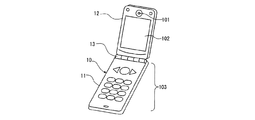
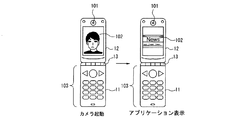
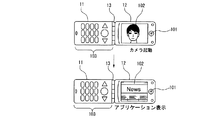
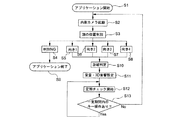
図1は本発明の携帯無線電話端末装置の外観を示す斜視図である。図2は本発明の携帯無線電話端末装置の縦向きの場合の外観を示す正面図である。図3は本発明の携帯無線電話端末装置の横向きの場合の外観を示す正面図である。図4は本発明の携帯無線電話端末装置の縦向きの場合の外観を示す正面図である。図5は本発明の携帯無線電話端末装置の主要動作を示すフローチャートである。図6は本発明の携帯無線電話端末装置の主要な構成要素を示すシステムブロック図である。 FIG. 1 is a perspective view showing an appearance of a portable radio telephone terminal device of the present invention. FIG. 2 is a front view showing the external appearance of the portable radio telephone terminal device according to the present invention in the portrait orientation. FIG. 3 is a front view showing an external appearance of the portable radio telephone terminal device according to the present invention in the horizontal direction. FIG. 4 is a front view showing the external appearance of the portable radio telephone terminal device according to the present invention in the portrait orientation. FIG. 5 is a flowchart showing the main operation of the portable radio telephone terminal apparatus of the present invention. FIG. 6 is a system block diagram showing the main components of the portable radio telephone terminal device of the present invention.
図1に示されるように、携帯無線電話端末装置の本体10は、下側筐体部11と上側筐体部12とをヒンジ13を介して連結したものであり、折り畳み可能になっている。
As shown in FIG. 1, a
下側筐体部11には操作部103が設けられている。操作部103にはテンキー等の機能が割り当てられた多数の操作キースイッチ(即ち、ボタン)が具備されている。
An
また、上側筐体部12にはカメラ部101および表示部102が設けられている。カメラ部101は、二次元画像を撮影するために上側筐体部12に内蔵された撮像素子を有するデジタルカメラであって、表示部102の表示画面が配置された上側筐体部12の表側面と対向する位置に存在する被写体を撮影する。表示部102は液晶表示装置で構成され、その平面形状の表示画面に文字や画像といった可視情報を表示することができる。
The
このように携帯無線電話端末装置の本体10の片側面上でカメラ部101、表示部102および操作部103が部分的に露出されている。
As described above, the
この携帯無線電話端末装置は、通常は使用者の手によって支持され、図2に示すように縦向きに配置された状態で使用される場合もあるし、また図3に示されるように横向きに配置された状態で使用される場合もある。 This portable radio telephone terminal device is normally supported by the user's hand and may be used in a vertically arranged state as shown in FIG. 2, or in a horizontal direction as shown in FIG. In some cases, it is used in the state of being arranged.
使用者が携帯無線電話端末装置の表示部102を見ながら使用するときには、カメラ部101の正面に使用者が対向した状態になるので、カメラ部101が撮影する画像には使用者の顔等が映ることになる。このカメラ部101が撮影した画像は、例えば図2あるいは図3に示すように表示部102の表示画面に表示される。
When the user uses the mobile radio telephone terminal device while looking at the
上述の各構成要素の他にも、この携帯無線電話端末装置の本体10内には、図6に示されるように、主制御部100、マイク104、スピーカ105、無線通信部106、3D音響生成部107、音声信号処理部108、音量制御部109、表示制御部110、および記憶部111が設けられている。実際には図6の構成要素の他にも一般的な携帯無線電話端末装置と同様の構成要素が更に設けられる。
In addition to the above-described components, a
主制御部100は、携帯無線電話端末装置の電気的構成要素全体を統括制御するマイクロプロセッサを備えた電気回路により構成されており、様々なプログラムを実行することにより様々な制御動作や様々な機能を実現する。
The
マイク104は、音声通話等の際に使用者の音声を入力するために利用される。スピーカ105は、音声通話の際に相手先から受信した音声を再生したり、着信音、音楽、等といった様々な効果音を音響として出力するために利用される。
The
無線通信部106は、アンテナを備え、携帯無線電話端末装置が音声通話やデータ通信等を行う際に所定の無線基地局との間で無線通信を行う機能を備える。
The
3D音響生成部107は、記憶部111に記憶されている着信音、音楽、等といった様々な効果音データを音響としてスピーカ105から出力されるように信号処理するだけでなく、モード切替に応じてスピーカ105から出力される音響が立体的な音響として使用者に聞こえるように信号処理を行える。音は、実際の音源であるスピーカ105から発せられ、使用者の頭部耳道を通って鼓膜に届くまでに特性が変化する。この変化量は「HRTF(Head-Related Transfer Function:頭部伝達関数)」と呼ばれ、人はこの変化量を手がかりにして音の方向を判断していると考えられる。そこで、このHRTFを解析した結果に基づいて、3D音響生成部107が音を制御することにより、単一のスピーカ105だけでも臨場感あふれる立体(3D)音響を再生できるように構成してある。
The 3D
音声信号処理部108は、相手先から受信した音声のディジタル信号をアナログ音声信号に変換する。音量制御部109は、スピーカ105によって再生する音声や音響の音量を調節するために設けてある。
The audio
表示制御部110は、表示部102の表示画面に表示する情報の制御を実施する。例えば、表示画面に表示する画像や文字を90度回転するような処理を表示制御部110が実施する。
The display control unit 110 controls information displayed on the display screen of the
記憶部111は、主制御部100のマイクロプロセッサ等からの画像処理情報等といった様々なデータを保存したり、主制御部100のマイクロプロセッサが実行可能なシステムプログラムやアプリケーションプログラムを保持するために利用される。システムプログラムは、携帯無線電話端末装置の例えば図6に示される電気的構成要素の動作制御を主制御部100のマイクロプロセッサに行わせるためのプログラムである。また、アプリケーションプログラムは、例えば、様々なゲームを実行するためのプログラム、テレビ放送受信機能を実現するためのプログラム、等であって、このようなアプリケーションプログラムに従って主制御部100のマイクロプロセッサは携帯無線電話端末装置の例えば図6に示される電気的構成要素の動作制御を行う。
The storage unit 111 stores various data such as image processing information from the microprocessor or the like of the
ところで、図2に示されるように携帯無線電話端末装置を縦向きで使用する場合には、画像やアプリケーションプログラムが生成する情報が表示部102の表示画面にも縦向きで表示されることが望ましく、そして図3に示されるように携帯無線電話端末装置を横向きで使用する場合には、画像やアプリケーションプログラムが生成する情報が表示部102の表示画面にも横向きで表示されることが望ましい。これにより、使用者は常に正立状態で画像等を見ることができる。
By the way, as shown in FIG. 2, when the mobile radio telephone terminal device is used in the portrait orientation, it is desirable that the information generated by the image or the application program is also displayed in the portrait orientation on the display screen of the
表示部102に表示する画像等の情報の向きを使用者から見て正立状態になるように自動的に制御するためには、携帯無線電話端末装置と使用者との相対的な位置関係(特に向き)を検出する必要がある。しかし、上述したように、使用者を検出するために特別なセンサを設けると、携帯無線電話端末装置の小型化の妨げになり、また製造コストの上昇も避けられない。
In order to automatically control the orientation of information such as an image displayed on the
そこで、本実施形態では、既に備わっているカメラ部101を用いて使用者の顔等を撮影し、撮影により得られた画像を解析することにより位置関係を検出する。
Therefore, in the present embodiment, the user's face or the like is photographed using the
この形態の携帯無線電話端末装置の動作について、図5を参照しながら説明する。尚、図5に示す動作は主に主制御部100のマイクロプロセッサによる処理および制御により実現する。勿論、専用のハードウェアで制御することも可能である。
The operation of the portable radio telephone terminal device of this embodiment will be described with reference to FIG. The operation shown in FIG. 5 is realized mainly by processing and control by the microprocessor of the
まず、自動的に、あるいは使用者による操作部103への入力操作によって、記憶部111上に保持されたいずれか一つのアプリケーションプログラムが主制御部100によって起動されると、主制御部100の処理はステップS1からステップS2に進む。
First, when any one of the application programs held on the storage unit 111 is activated by the
ステップS2では、主制御部100がカメラ部101の処理を起動する。これにより、カメラ部101の撮像素子は表示部102の表示画面と対向する位置に存在する被写体を撮影する。使用者が表示部102を見ながら携帯無線電話端末装置を使用すれば、被写体として使用者の顔等がカメラ部101により撮影される。
In step S2, the
ステップS3では、主制御部100が主に画像認識手段として処理を行う。即ち、主制御部100は、カメラ部101によって撮影された画像を処理し、顔の位置を識別する公知の顔認識技術を用いることにより、画像中に顔が存在するか否かを区別したり、顔の方向を識別する。
In step S3, the
例えば、主制御部100は、顔全体を認識した後で、目、鼻、口、等の個別の特徴領域を認識し、目、鼻、口、等の相対的な位置関係を調べることにより、顔が正立状態か、あるいは横向き状態か、あるいは逆さの状態かを区別することができる。
For example, after recognizing the entire face, the
カメラ部101自体は携帯無線電話端末装置の本体10に固定されているので、カメラ部101が撮影した画像から認識される顔の向きは、本体10と使用者の顔との相対的な位置関係(向き)を表す。
Since the
主制御部100は、ステップS3の処理の結果に基づき、顔が認識できない第1の状態(即ち、ステップS4)と、正立状態で顔を検出した第2の状態(即ち、ステップS5)と、正立状態から右回りに90度回転した状態で顔を検出した第3の状態(即ち、ステップS6)と、正立状態から180度回転した状態で顔を検出した第4の状態(即ち、ステップS7)と、正立状態から左回りに90度回転した状態で顔を検出した第5の状態(即ち、ステップS8)とを区別し、いずれの状態であるかを判定する。
Based on the result of the process of step S3, the
上述の第1の状態、即ち、顔が認識できなかった場合には、ステップS4からステップS9に進み、ステップS1で起動したアプリケーションプログラムを強制的に終了する。つまり、表示部102の表示画面と対向する位置に使用者が存在しないので、使用者は携帯無線電話端末装置を現在は使用していないものと見なす。これにより、使用者が携帯無線電話端末装置をから離れた位置に移動したような場合の無駄な電力消費を抑制できる。
In the first state described above, that is, when the face cannot be recognized, the process proceeds from step S4 to step S9, and the application program started in step S1 is forcibly terminated. That is, since there is no user at a position facing the display screen of the
また、使用者が意識的に入力操作を行わないのに携帯時等でたまたま操作部103が操作されてアプリケーションプログラムが起動する場合もありうるが、このような場合にもアプリケーションプログラムを終了することができる。尚、アプリケーションプログラムを終了する代わりに、表示部102のバックライトを消灯するだけでも電力消費の抑制には効果がある。
Although the user may not consciously perform an input operation, the application program may be activated by accident when the
一方、上述した第2の状態、第3の状態、第4の状態、および第5の状態では、それぞれステップS5、ステップS6、ステップS7、ステップS8にて表示部102に表示される文字や画像の向きが使用者から見て正立状態になるように表示の向きが決定される。
On the other hand, in the second state, the third state, the fourth state, and the fifth state described above, characters and images displayed on the
例えば、図2に示されるように縦向きで携帯無線電話端末装置が使用されているときには、図2の左側図のようにカメラ部101が撮影した画像中に正立状態で使用者の顔が検出されるので、ここで主制御部100は表示制御手段としても働き、アプリケーションプログラムの実行によって表示される様々な情報についても、縦向きの携帯無線電話端末装置の表示部102の表示画面上で図2の右側図のように縦向き、つまり正立状態になる向きで表示されるように表示制御部110を制御する。
For example, when the mobile radio telephone terminal device is used in a vertical orientation as shown in FIG. 2, the face of the user is upright in the image taken by the
例えば、図3に示されるように横向きで携帯無線電話端末装置が使用されているときには、図3の上側図のようにカメラ部101が撮影した画像中に横向き(右回りまたは左回りで90度回転した状態)で使用者の顔が検出されるので、ここでも主制御部100は表示制御手段として働き、アプリケーションプログラムの実行によって表示される様々な情報についても、横向きの携帯無線電話端末装置の表示部102の表示画面上で図3の下側図のように横向き、つまり正立状態になる向きで表示されるように表示制御部110を制御する。
For example, as shown in FIG. 3, when the mobile radio telephone terminal device is used in the horizontal direction, the horizontal direction (clockwise or counterclockwise is 90 degrees) in the image taken by the
そして、次のステップS10では、カメラ部101の撮影により得られた画像に基づいて主制御部100が携帯無線電話端末装置の本体10と使用者との距離を検出する。特定の使用者の顔の大きさは一定であるので、カメラ部101のズーム倍率が一定の場合には、カメラ部101が撮影した画像中の使用者の顔の大きさは、携帯無線電話端末装置の本体10と使用者との距離に応じて変化する。従って、例えば顔の輪郭の上下の高さや、左右の幅を調べることにより、距離を推定することができる。
In the next step S10, the
例えば、カメラ部101で使用者を撮影した画像を表示部102の表示画面上に表示すると、距離が遠い場合には図4の左側図に示される表示画面のように使用者の顔が比較的小さく映るが、距離が近い場合には図4の右側図に示される表示画面のように使用者の顔が比較的大きく映ることになる。
For example, when an image of a user photographed by the
次のステップS11では、ステップS10で検出した距離の大きさに基づいて主制御部100が音量の調節および3D音響の生成条件を決定する。即ち、使用者に聞こえる音の大きさは、実際の音源であるスピーカ105と使用者の耳との距離に応じて変化するので、距離が大きい時には音量を増大し、距離が小さい時には音量を減少させることにより、例えば距離の変化とは無関係に一定の音量で使用者に音が聞こえるように自動的に制御することができる。実際には、主制御部100が音量制御部109を制御して音量を制御する。また、実際の音源であるスピーカ105と使用者の耳との距離が変化すると、頭部伝達関数(HRTF)も変化するので、3D音響生成部107によって生成される3D音響の音像定位にも変化が生じる。そこで、ステップS10で主制御部100が検出した距離の大きさに応じて3D音響生成部107が3D音響を生成する条件を自動的に調整することにより、音像定位が変化するのを防止することができる。
In the next step S11, the
ステップS12では、主制御部100が操作部103に対する使用者からの入力操作の有無について定期的に監視を実施する入力操作検出手段としても機能する。主制御部100は、一定の期間内に何らかの入力操作が検出された場合(即ち、ステップS13が“Yes”の場合)にはステップS12の処理を繰り返し実行するが、一定の期間内に入力操作が全く検出されなかった場合(即ち、ステップS13が“No”の場合)には前述のステップS2の処理に戻る。
In step S <b> 12, the
例えば、使用者が携帯無線電話端末装置の使用を終了したり、一時的に使用を中断したような場合には、使用者からの入力操作がある程度長い時間にわたって検出されなくなる。その場合には使用者は携帯無線電話端末装置の表示画面を見ない状態になるので、カメラ部101が撮影した画像中には使用者の顔が映らなくなる。従って、このような場合には、ステップS12→ステップS13→ステップS2→ステップS3→ステップS4→ステップS9というように順次に実行され、ステップS9で主制御部100がアプリケーションプログラムの実行を自動的に終了する。これにより、不使用時の無駄な電力消費を抑制できる。
For example, when the user ends the use of the mobile radio telephone terminal device or temporarily stops the use, the input operation from the user is not detected for a long time. In this case, the user cannot see the display screen of the mobile radio telephone terminal device, so that the user's face is not reflected in the image captured by the
なお、本実施形態においては、主制御部100が主に画像認識手段として、カメラ部101により撮影した顔に基づいて顔の情報を取得し、顔の向きと本体10の向きとの相対的な位置関係を把握するようにしていたが、顔に限られることはなく、例えば、目、鼻、口、等の情報を取得し、目、鼻、口、等の向きと本体10の向きとの相対的な位置関係を把握するようにしたとしても構わない。
In this embodiment, the
本発明の携帯端末装置は、その小型化を妨げるようなセンサを新たに設けることなく、携帯端末装置の表示部の表示画面と使用者との位置関係に応じて望ましい向きで表示画面に情報を表示することができるので、例えば、PDA等の携帯情報端末装置、携帯無線電話端末装置、携帯ゲーム専用端末装置、等といった携帯端末装置として有用である。 The mobile terminal device of the present invention provides information on the display screen in a desired orientation according to the positional relationship between the display screen of the mobile terminal device and the user without newly providing a sensor that prevents the miniaturization. Since it can be displayed, it is useful as a portable terminal device such as a portable information terminal device such as a PDA, a portable wireless telephone terminal device, a portable game dedicated terminal device, and the like.
10 本体
11 下側筐体部
12 上側筐体部
13 ヒンジ
100 主制御部
101 カメラ部
102 表示部
103 操作部
104 マイク
105 スピーカ
106 無線通信部
107 3D音響生成部
108 音声信号処理部
109 音量制御部
110 表示制御部
111 記憶部
DESCRIPTION OF
Claims (7)
前記本体に設けられた撮像手段と、
前記撮像手段が撮影した画像に基づいて被写体の情報を取得し、当該被写体の向きと前記本体の向きとの相対的な位置関係を把握する画像認識手段と、
前記画像認識手段が把握した位置関係に従って、前記表示部の表示画面に表示する情報の向きを決定する表示制御手段と、
を備える携帯端末装置。 A main body having a display unit capable of displaying at least character information;
Imaging means provided in the main body;
Image recognition means for acquiring subject information based on an image taken by the imaging means and grasping a relative positional relationship between the orientation of the subject and the orientation of the main body;
Display control means for determining the direction of information to be displayed on the display screen of the display unit according to the positional relationship grasped by the image recognition means;
A mobile terminal device comprising:
前記携帯端末装置に所定の動作を行わせるためのアプリケーションプログラムが新たに起動されるときに、前記撮像手段が新たに画像を撮影し、前記画像認識手段は前記撮像手段が撮影した画像から被写体の向きと前記本体の向きとの相対的な位置関係を検出し、前記表示制御手段は前記画像認識手段から位置関係の情報を取得して前記アプリケーションプログラムによって生成される表示情報の表示の向きを決定する携帯端末装置。 The mobile terminal device according to claim 1,
When an application program for causing the portable terminal device to perform a predetermined operation is newly activated, the imaging unit newly captures an image, and the image recognition unit detects a subject from the image captured by the imaging unit. A relative positional relationship between the orientation and the orientation of the main body is detected, and the display control unit obtains positional relationship information from the image recognition unit and determines a display direction of display information generated by the application program Mobile terminal device.
使用者の入力操作を検出する入力操作検出手段を更に備え、
前記入力操作検出手段が一定時間にわたって入力操作が行われなかったことを検出した場合には、前記撮像手段が新たに画像を撮影し、そして前記画像認識手段が前記撮像手段の撮影した画像を処理し、前記画像認識手段が被写体を認識できなかった場合には、前記表示制御手段は実行中のアプリケーションプログラムを終了するか、もしくは前記表示部を消灯制御する携帯端末装置。 The mobile terminal device according to claim 1,
It further comprises an input operation detection means for detecting the user's input operation,
When the input operation detection unit detects that the input operation has not been performed for a certain period of time, the imaging unit newly captures an image, and the image recognition unit processes the image captured by the imaging unit. When the image recognition unit cannot recognize the subject, the display control unit terminates the application program being executed, or turns off the display unit.
音量調節機能を有する音響発生手段を更に備え、
前記画像認識手段は前記撮像手段が撮影した画像中の被写体の大きさに基づいて、前記本体と使用者との距離の大きさを検出し、そして前記音響発生手段は前記画像認識手段が検出した距離の大きさを音量調節に自動的に反映する携帯端末装置。 The mobile terminal device according to claim 1,
A sound generating means having a volume control function;
The image recognition means detects the size of the distance between the main body and the user based on the size of the subject in the image taken by the imaging means, and the sound generation means is detected by the image recognition means. A portable terminal device that automatically reflects the magnitude of the distance in the volume control.
3D音響を生成すると共に、3D音響の音像定位を調節する機能を有する音響発生手段を更に備え、
前記画像認識手段は前記撮像手段が撮影した画像中の被写体の大きさに基づいて、前記本体と使用者との距離の大きさを検出し、そして前記音響発生手段は前記画像認識手段が検出した距離の大きさを生成する3D音響の音像定位に自動的に反映する携帯端末装置。 The mobile terminal device according to claim 1,
Sound generation means having a function of generating 3D sound and adjusting sound image localization of 3D sound;
The image recognition means detects the size of the distance between the main body and the user based on the size of the subject in the image taken by the imaging means, and the sound generation means is detected by the image recognition means. A mobile terminal device that automatically reflects the sound image localization of 3D sound that generates the magnitude of the distance.
A portable radio telephone terminal device which is the portable terminal device according to claim 1.
Priority Applications (1)
| Application Number | Priority Date | Filing Date | Title |
|---|---|---|---|
| JP2005197506A JP2007017596A (en) | 2005-07-06 | 2005-07-06 | Mobile terminal device |
Applications Claiming Priority (1)
| Application Number | Priority Date | Filing Date | Title |
|---|---|---|---|
| JP2005197506A JP2007017596A (en) | 2005-07-06 | 2005-07-06 | Mobile terminal device |
Publications (1)
| Publication Number | Publication Date |
|---|---|
| JP2007017596A true JP2007017596A (en) | 2007-01-25 |
Family
ID=37754840
Family Applications (1)
| Application Number | Title | Priority Date | Filing Date |
|---|---|---|---|
| JP2005197506A Withdrawn JP2007017596A (en) | 2005-07-06 | 2005-07-06 | Mobile terminal device |
Country Status (1)
| Country | Link |
|---|---|
| JP (1) | JP2007017596A (en) |
Cited By (19)
| Publication number | Priority date | Publication date | Assignee | Title |
|---|---|---|---|---|
| JP2009031368A (en) * | 2007-07-24 | 2009-02-12 | Nec Corp | Screen display-control method, screen display-control system, electronic equipment, and program |
| JP2009130816A (en) * | 2007-11-27 | 2009-06-11 | Nec Saitama Ltd | Portable terminal device, screen display switching method, program, and computer readable recording medium |
| JP2009171259A (en) * | 2008-01-16 | 2009-07-30 | Nec Corp | Screen switching device by face authentication, method, program, and mobile phone |
| JP2009252650A (en) * | 2008-04-09 | 2009-10-29 | Nec Saitama Ltd | Illumination control device of information terminal, illumination control method, and control program |
| JP2010009502A (en) * | 2008-06-30 | 2010-01-14 | Nec Corp | Mobile terminal, display operation control method, and display control program |
| JP2010041441A (en) * | 2008-08-06 | 2010-02-18 | Nec Corp | Mobile terminal and volume control method thereof |
| JP2010193355A (en) * | 2009-02-20 | 2010-09-02 | Nec Corp | Mobile electronic device |
| JP2011109457A (en) * | 2009-11-18 | 2011-06-02 | Nec Corp | Portable electronic equipment, and method and program for controlling the same |
| WO2013039198A1 (en) | 2011-09-15 | 2013-03-21 | Necカシオモバイルコミュニケーションズ株式会社 | Mobile terminal device and display method therefor |
| WO2013046596A1 (en) | 2011-09-26 | 2013-04-04 | Necカシオモバイルコミュニケーションズ株式会社 | Mobile information processing terminal |
| JP2013229837A (en) * | 2012-04-27 | 2013-11-07 | Fujitsu Ltd | Mobile communication device, antenna device and antenna control method |
| JP2014003349A (en) * | 2012-06-15 | 2014-01-09 | Kyocera Corp | Terminal device |
| JP2014041642A (en) * | 2013-10-16 | 2014-03-06 | Nec Corp | Portable terminal, display operation control method, and display control program |
| US9117391B2 (en) | 2010-02-25 | 2015-08-25 | Fujitsu Limited | Portable terminal, and operation interval setting method |
| JP2015215777A (en) * | 2014-05-12 | 2015-12-03 | 富士通株式会社 | Mobile terminal device, operation control program thereof, and operation control method thereof |
| CN105573488A (en) * | 2014-10-30 | 2016-05-11 | 三星电子株式会社 | Method and apparatus for controlling screen display on electronic devices |
| WO2016136610A1 (en) * | 2015-02-27 | 2016-09-01 | シャープ株式会社 | Display device, and image display method employed by display device |
| US11627007B2 (en) | 2018-06-07 | 2023-04-11 | Maxell, Ltd. | Mobile information terminal |
| US12347334B2 (en) | 2019-06-06 | 2025-07-01 | Maxell, Ltd. | Road guidance system and mobile information terminal used in same |
-
2005
- 2005-07-06 JP JP2005197506A patent/JP2007017596A/en not_active Withdrawn
Cited By (23)
| Publication number | Priority date | Publication date | Assignee | Title |
|---|---|---|---|---|
| JP2009031368A (en) * | 2007-07-24 | 2009-02-12 | Nec Corp | Screen display-control method, screen display-control system, electronic equipment, and program |
| JP2009130816A (en) * | 2007-11-27 | 2009-06-11 | Nec Saitama Ltd | Portable terminal device, screen display switching method, program, and computer readable recording medium |
| JP2009171259A (en) * | 2008-01-16 | 2009-07-30 | Nec Corp | Screen switching device by face authentication, method, program, and mobile phone |
| JP2009252650A (en) * | 2008-04-09 | 2009-10-29 | Nec Saitama Ltd | Illumination control device of information terminal, illumination control method, and control program |
| JP2010009502A (en) * | 2008-06-30 | 2010-01-14 | Nec Corp | Mobile terminal, display operation control method, and display control program |
| JP2010041441A (en) * | 2008-08-06 | 2010-02-18 | Nec Corp | Mobile terminal and volume control method thereof |
| JP2010193355A (en) * | 2009-02-20 | 2010-09-02 | Nec Corp | Mobile electronic device |
| JP2011109457A (en) * | 2009-11-18 | 2011-06-02 | Nec Corp | Portable electronic equipment, and method and program for controlling the same |
| US9311884B2 (en) | 2010-02-25 | 2016-04-12 | Fujitsu Limited | Portable terminal, and operation interval setting method |
| US9117391B2 (en) | 2010-02-25 | 2015-08-25 | Fujitsu Limited | Portable terminal, and operation interval setting method |
| US9836145B2 (en) | 2011-09-15 | 2017-12-05 | Nec Corporation | Mobile terminal apparatus and display method therefor |
| WO2013039198A1 (en) | 2011-09-15 | 2013-03-21 | Necカシオモバイルコミュニケーションズ株式会社 | Mobile terminal device and display method therefor |
| WO2013046596A1 (en) | 2011-09-26 | 2013-04-04 | Necカシオモバイルコミュニケーションズ株式会社 | Mobile information processing terminal |
| JP2013229837A (en) * | 2012-04-27 | 2013-11-07 | Fujitsu Ltd | Mobile communication device, antenna device and antenna control method |
| JP2014003349A (en) * | 2012-06-15 | 2014-01-09 | Kyocera Corp | Terminal device |
| JP2014041642A (en) * | 2013-10-16 | 2014-03-06 | Nec Corp | Portable terminal, display operation control method, and display control program |
| JP2015215777A (en) * | 2014-05-12 | 2015-12-03 | 富士通株式会社 | Mobile terminal device, operation control program thereof, and operation control method thereof |
| CN105573488A (en) * | 2014-10-30 | 2016-05-11 | 三星电子株式会社 | Method and apparatus for controlling screen display on electronic devices |
| CN105573488B (en) * | 2014-10-30 | 2020-11-10 | 三星电子株式会社 | Method and apparatus for controlling a screen display on an electronic device |
| WO2016136610A1 (en) * | 2015-02-27 | 2016-09-01 | シャープ株式会社 | Display device, and image display method employed by display device |
| US11627007B2 (en) | 2018-06-07 | 2023-04-11 | Maxell, Ltd. | Mobile information terminal |
| US12081352B2 (en) | 2018-06-07 | 2024-09-03 | Maxell, Ltd. | Mobile information terminal |
| US12347334B2 (en) | 2019-06-06 | 2025-07-01 | Maxell, Ltd. | Road guidance system and mobile information terminal used in same |
Similar Documents
| Publication | Publication Date | Title |
|---|---|---|
| US20240220071A1 (en) | Display control method, electronic device, and computer storage medium | |
| CN110764730B (en) | Method and device for playing audio data | |
| JP4061473B2 (en) | Folding mobile phone | |
| KR101604846B1 (en) | Mobile terminal and operation control method thereof | |
| CN110808021B (en) | Audio playing method, device, terminal and storage medium | |
| EP4007287B1 (en) | Video processing method, device, terminal, and storage medium | |
| CN109634688B (en) | Session interface display method, device, terminal and storage medium | |
| CN110012130A (en) | A kind of control method and electronic equipment of the electronic equipment with Folding screen | |
| JP2006135858A (en) | Portable information terminal, its display control method and program | |
| CN112419143A (en) | Image processing method, special effect parameter setting method, device, equipment and medium | |
| JP2006197404A (en) | Mobile telephone | |
| CN110473562B (en) | Audio data processing method, device and system | |
| US9986075B2 (en) | Mobile device including a substantially centrally located earpiece | |
| CN113380249A (en) | Voice control method, device, equipment and storage medium | |
| JP5865034B2 (en) | Device with camera function, program, and anti-voyeur control method | |
| CN110888710A (en) | Method and device for adding subtitles, computer equipment and storage medium | |
| CN112738606B (en) | Audio file processing method, device, terminal and storage medium | |
| CN117132691B (en) | Dynamic portrait generation method, device, equipment and storage medium | |
| JP2004274511A (en) | Mobile electronic apparatus | |
| CN113990340B (en) | Audio signal processing method, device, terminal and storage medium | |
| CN110992954A (en) | Method, device, equipment and storage medium for voice recognition | |
| CN111064994B (en) | Video image processing method and device and storage medium | |
| CN114189574A (en) | Call forwarding identification method, device and terminal in anti-fraud early warning process | |
| CN113301444A (en) | Video processing method and device, electronic equipment and storage medium | |
| CN111369995A (en) | Call method, device, electronic equipment and medium |
Legal Events
| Date | Code | Title | Description |
|---|---|---|---|
| RD02 | Notification of acceptance of power of attorney |
Free format text: JAPANESE INTERMEDIATE CODE: A7422 Effective date: 20071113 |
|
| RD04 | Notification of resignation of power of attorney |
Free format text: JAPANESE INTERMEDIATE CODE: A7424 Effective date: 20071120 |
|
| A300 | Application deemed to be withdrawn because no request for examination was validly filed |
Free format text: JAPANESE INTERMEDIATE CODE: A300 Effective date: 20081007 |