EP4583515A2 - Methods, apparatus and systems for side load processing of packetized media streams - Google Patents
Methods, apparatus and systems for side load processing of packetized media streams Download PDFInfo
- Publication number
- EP4583515A2 EP4583515A2 EP25164783.0A EP25164783A EP4583515A2 EP 4583515 A2 EP4583515 A2 EP 4583515A2 EP 25164783 A EP25164783 A EP 25164783A EP 4583515 A2 EP4583515 A2 EP 4583515A2
- Authority
- EP
- European Patent Office
- Prior art keywords
- stream
- format
- auxiliary
- packets
- main
- Prior art date
- Legal status (The legal status is an assumption and is not a legal conclusion. Google has not performed a legal analysis and makes no representation as to the accuracy of the status listed.)
- Pending
Links
Images


Classifications
-
- H—ELECTRICITY
- H04—ELECTRIC COMMUNICATION TECHNIQUE
- H04N—PICTORIAL COMMUNICATION, e.g. TELEVISION
- H04N21/00—Selective content distribution, e.g. interactive television or video on demand [VOD]
- H04N21/40—Client devices specifically adapted for the reception of or interaction with content, e.g. set-top-box [STB]; Operations thereof
- H04N21/43—Processing of content or additional data, e.g. demultiplexing additional data from a digital video stream; Elementary client operations, e.g. monitoring of home network or synchronising decoder's clock; Client middleware
- H04N21/439—Processing of audio elementary streams
- H04N21/4398—Processing of audio elementary streams involving reformatting operations of audio signals
-
- G—PHYSICS
- G10—MUSICAL INSTRUMENTS; ACOUSTICS
- G10L—SPEECH ANALYSIS TECHNIQUES OR SPEECH SYNTHESIS; SPEECH RECOGNITION; SPEECH OR VOICE PROCESSING TECHNIQUES; SPEECH OR AUDIO CODING OR DECODING
- G10L19/00—Speech or audio signals analysis-synthesis techniques for redundancy reduction, e.g. in vocoders; Coding or decoding of speech or audio signals, using source filter models or psychoacoustic analysis
- G10L19/008—Multichannel audio signal coding or decoding using interchannel correlation to reduce redundancy, e.g. joint-stereo, intensity-coding or matrixing
-
- G—PHYSICS
- G10—MUSICAL INSTRUMENTS; ACOUSTICS
- G10L—SPEECH ANALYSIS TECHNIQUES OR SPEECH SYNTHESIS; SPEECH RECOGNITION; SPEECH OR VOICE PROCESSING TECHNIQUES; SPEECH OR AUDIO CODING OR DECODING
- G10L19/00—Speech or audio signals analysis-synthesis techniques for redundancy reduction, e.g. in vocoders; Coding or decoding of speech or audio signals, using source filter models or psychoacoustic analysis
- G10L19/04—Speech or audio signals analysis-synthesis techniques for redundancy reduction, e.g. in vocoders; Coding or decoding of speech or audio signals, using source filter models or psychoacoustic analysis using predictive techniques
- G10L19/16—Vocoder architecture
- G10L19/167—Audio streaming, i.e. formatting and decoding of an encoded audio signal representation into a data stream for transmission or storage purposes
-
- H—ELECTRICITY
- H04—ELECTRIC COMMUNICATION TECHNIQUE
- H04N—PICTORIAL COMMUNICATION, e.g. TELEVISION
- H04N21/00—Selective content distribution, e.g. interactive television or video on demand [VOD]
- H04N21/40—Client devices specifically adapted for the reception of or interaction with content, e.g. set-top-box [STB]; Operations thereof
- H04N21/41—Structure of client; Structure of client peripherals
- H04N21/426—Internal components of the client ; Characteristics thereof
- H04N21/42607—Internal components of the client ; Characteristics thereof for processing the incoming bitstream
- H04N21/42615—Internal components of the client ; Characteristics thereof for processing the incoming bitstream involving specific demultiplexing arrangements
-
- H—ELECTRICITY
- H04—ELECTRIC COMMUNICATION TECHNIQUE
- H04N—PICTORIAL COMMUNICATION, e.g. TELEVISION
- H04N21/00—Selective content distribution, e.g. interactive television or video on demand [VOD]
- H04N21/40—Client devices specifically adapted for the reception of or interaction with content, e.g. set-top-box [STB]; Operations thereof
- H04N21/43—Processing of content or additional data, e.g. demultiplexing additional data from a digital video stream; Elementary client operations, e.g. monitoring of home network or synchronising decoder's clock; Client middleware
- H04N21/434—Disassembling of a multiplex stream, e.g. demultiplexing audio and video streams, extraction of additional data from a video stream; Remultiplexing of multiplex streams; Extraction or processing of SI; Disassembling of packetised elementary stream
-
- H—ELECTRICITY
- H04—ELECTRIC COMMUNICATION TECHNIQUE
- H04N—PICTORIAL COMMUNICATION, e.g. TELEVISION
- H04N21/00—Selective content distribution, e.g. interactive television or video on demand [VOD]
- H04N21/40—Client devices specifically adapted for the reception of or interaction with content, e.g. set-top-box [STB]; Operations thereof
- H04N21/43—Processing of content or additional data, e.g. demultiplexing additional data from a digital video stream; Elementary client operations, e.g. monitoring of home network or synchronising decoder's clock; Client middleware
- H04N21/434—Disassembling of a multiplex stream, e.g. demultiplexing audio and video streams, extraction of additional data from a video stream; Remultiplexing of multiplex streams; Extraction or processing of SI; Disassembling of packetised elementary stream
- H04N21/4343—Extraction or processing of packetized elementary streams [PES]
-
- H—ELECTRICITY
- H04—ELECTRIC COMMUNICATION TECHNIQUE
- H04N—PICTORIAL COMMUNICATION, e.g. TELEVISION
- H04N21/00—Selective content distribution, e.g. interactive television or video on demand [VOD]
- H04N21/40—Client devices specifically adapted for the reception of or interaction with content, e.g. set-top-box [STB]; Operations thereof
- H04N21/43—Processing of content or additional data, e.g. demultiplexing additional data from a digital video stream; Elementary client operations, e.g. monitoring of home network or synchronising decoder's clock; Client middleware
- H04N21/434—Disassembling of a multiplex stream, e.g. demultiplexing audio and video streams, extraction of additional data from a video stream; Remultiplexing of multiplex streams; Extraction or processing of SI; Disassembling of packetised elementary stream
- H04N21/4344—Remultiplexing of multiplex streams, e.g. by modifying time stamps or remapping the packet identifiers
-
- H—ELECTRICITY
- H04—ELECTRIC COMMUNICATION TECHNIQUE
- H04N—PICTORIAL COMMUNICATION, e.g. TELEVISION
- H04N21/00—Selective content distribution, e.g. interactive television or video on demand [VOD]
- H04N21/40—Client devices specifically adapted for the reception of or interaction with content, e.g. set-top-box [STB]; Operations thereof
- H04N21/43—Processing of content or additional data, e.g. demultiplexing additional data from a digital video stream; Elementary client operations, e.g. monitoring of home network or synchronising decoder's clock; Client middleware
- H04N21/436—Interfacing a local distribution network, e.g. communicating with another STB or one or more peripheral devices inside the home
- H04N21/4363—Adapting the video stream to a specific local network, e.g. a Bluetooth® network
-
- H—ELECTRICITY
- H04—ELECTRIC COMMUNICATION TECHNIQUE
- H04N—PICTORIAL COMMUNICATION, e.g. TELEVISION
- H04N21/00—Selective content distribution, e.g. interactive television or video on demand [VOD]
- H04N21/40—Client devices specifically adapted for the reception of or interaction with content, e.g. set-top-box [STB]; Operations thereof
- H04N21/43—Processing of content or additional data, e.g. demultiplexing additional data from a digital video stream; Elementary client operations, e.g. monitoring of home network or synchronising decoder's clock; Client middleware
- H04N21/439—Processing of audio elementary streams
- H04N21/4394—Processing of audio elementary streams involving operations for analysing the audio stream, e.g. detecting features or characteristics in audio streams
-
- H—ELECTRICITY
- H04—ELECTRIC COMMUNICATION TECHNIQUE
- H04N—PICTORIAL COMMUNICATION, e.g. TELEVISION
- H04N21/00—Selective content distribution, e.g. interactive television or video on demand [VOD]
- H04N21/40—Client devices specifically adapted for the reception of or interaction with content, e.g. set-top-box [STB]; Operations thereof
- H04N21/47—End-user applications
- H04N21/485—End-user interface for client configuration
- H04N21/4852—End-user interface for client configuration for modifying audio parameters, e.g. switching between mono and stereo
-
- H—ELECTRICITY
- H04—ELECTRIC COMMUNICATION TECHNIQUE
- H04N—PICTORIAL COMMUNICATION, e.g. TELEVISION
- H04N21/00—Selective content distribution, e.g. interactive television or video on demand [VOD]
- H04N21/80—Generation or processing of content or additional data by content creator independently of the distribution process; Content per se
- H04N21/81—Monomedia components thereof
- H04N21/8106—Monomedia components thereof involving special audio data, e.g. different tracks for different languages
Definitions
- the present disclosure relates to providing an apparatus, system and method for packetized media processing.
- CE Consumer Electronics
- a first device can receive media streams from broadcast and/or broadband connections. That first device can additionally have sophisticated intelligence (e.g. "smart speaker” functionality).
- a second device can be dedicated to media decoding, rendering and presentation to users.
- a media program is received by device #1 and sent to device #2 for reproduction.
- This media program may be known as the "Main program”.
- a different media program (like an advertisement) received from a different transmission channel or media generated by the "Smart device” capability in device #1, both generally represented in a different media format, shall be inserted or overlaid into the main media program.
- This method can be performed in any device, such as all performed in device #1. However, high computational power may be required while the rendering stages and the intermediate representation may not provide optimal matching of the actual reproduction system in device #2.
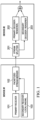
- Fig. 1 illustrates an exemplary device #1 and an exemplary device #2.
- Device #1 may include a primary receiver 101, a secondary receiver/local engine 103 and a packetized stream merger 102.
- the packetized stream merger 102 may merge data streams received from the primary receiver 101 (e.g., the main stream) and from the secondary receiver/local engine 103 (e.g., the auxiliary data stream).
- the device #2 may include a stream splitter 201, a primary decoder/renderer 202 and a secondary decoder/renderer 203.
- the stream splitter 201 may split streams such as a main stream (that may be provided then to a primary decoder/renderer 202) and an auxiliary stream (that may then be provided to the secondary decoder/renderer 203). Both decoder output signals may be presented to the listener simultaneously.
- device #1 can directly send the incoming main media stream to device #2.
- This mode of device #1 can be called "pass-through” mode.
- the downside of this approach is that standardized interfaces are only specified to convey one single data stream for video and audio, and therefore the second media stream can't be sent natively over the interface to device #2 for reproduction.
- the present invention may provide for methods and apparatus for a first receiver for receiving packetized media data, a secondary receiver for receiving an additional media stream and a transmitter interface for sending packetized media data.
- This invention proposes to merge the second auxiliary media stream into the packetized main media stream by the following means.
- Media streams represented as packetized streams typically use packet type identifiers to differentiate multiple sub-streams with the overall media stream.
- the first device #1 can encapsulate the additional data in packets formatted according to the main media stream but labeled by a dedicated tag in the packet header. This dedicated tag will trigger the receiving device #2 to strip out the packets carrying the additional media stream.
- device #2 may then provide the additional media stream to a secondary decoder/renderer 203 instance while the main stream simultaneously being received by the primary decoder/renderer 202.
- the tag may be provided in any encoded audio data stream environment, such as MPEG-H, AC-4, Dolby Digital+, etc.
- a receiver device should filter the incoming packetized stream and optionally strip out the additional data packets to maintain the receiver buffer model of the downstream connected (legacy) media decoder.
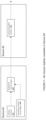
- Fig. 3 illustrates an exemplary device #1 and an exemplary device #3.
- Device #1 may include a primary receiver 101, a secondary receiver/local engine 103 and a packetized stream merger 102.
- the packetized stream merger 102 may merge data streams received from the primary receiver 101 (e.g., the main stream) and from the secondary receiver/local engine 103 (e.g., the auxiliary data stream).
- the device #3 may only include a primary decoder/renderer 301, but not a stream splitter. In one example, it might not be possible to provide an auxiliary stream to a secondary decoder/renderer. In this example, a modified primary decoder might decode/convert/mix an auxiliary stream with the main stream internally.
- the invention may be also applied to video presenting devices (monitors) where an overlay picture, video or text shall be send in addition to the main (typically compressed video stream) over a standardized interface connection.
Landscapes
- Engineering & Computer Science (AREA)
- Multimedia (AREA)
- Signal Processing (AREA)
- Physics & Mathematics (AREA)
- Human Computer Interaction (AREA)
- Acoustics & Sound (AREA)
- Audiology, Speech & Language Pathology (AREA)
- Health & Medical Sciences (AREA)
- Computational Linguistics (AREA)
- Computer Networks & Wireless Communication (AREA)
- Mathematical Physics (AREA)
- Stereophonic System (AREA)
- Data Exchanges In Wide-Area Networks (AREA)
- Two-Way Televisions, Distribution Of Moving Picture Or The Like (AREA)
- Testing, Inspecting, Measuring Of Stereoscopic Televisions And Televisions (AREA)
Abstract
Description
- This application is a European divisional application of Euro-
PCT patent application EP19708257.1 (reference D18027EP01), filed on 22 February 2019 - The present disclosure relates to providing an apparatus, system and method for packetized media processing.
- For home Consumer Electronics (CE) installations, functionality can be spread over several devices (e.g., set-top boxes, TV-sets, AVR-receivers), where such devices are connected via standardized interfaces (e.g. HDMI).
- A first device can receive media streams from broadcast and/or broadband connections. That first device can additionally have sophisticated intelligence (e.g. "smart speaker" functionality). A second device can be dedicated to media decoding, rendering and presentation to users.
- Typically, a media program is received by
device # 1 and sent todevice # 2 for reproduction. This media program may be known as the "Main program". From time to time or in addition, a different media program (like an advertisement) received from a different transmission channel or media generated by the "Smart device" capability indevice # 1, both generally represented in a different media format, shall be inserted or overlaid into the main media program. - This can be accomplished by decoding both the main and the auxiliary program into a generalized, typically uncompressed representation, switching the streams or mixing/rendering both into a combined representation and re-encoding the generated media stream into an encoded transmission format. This method can be performed in any device, such as all performed in
device # 1. However, high computational power may be required while the rendering stages and the intermediate representation may not provide optimal matching of the actual reproduction system indevice # 2. -
Fig. 1 illustrates anexemplary device # 1 and anexemplary device # 2.Device # 1 may include aprimary receiver 101, a secondary receiver/local engine 103 and a packetizedstream merger 102. Thepacketized stream merger 102 may merge data streams received from the primary receiver 101 (e.g., the main stream) and from the secondary receiver/local engine 103 (e.g., the auxiliary data stream). Thedevice # 2 may include astream splitter 201, a primary decoder/renderer 202 and a secondary decoder/renderer 203. Thestream splitter 201 may split streams such as a main stream (that may be provided then to a primary decoder/renderer 202) and an auxiliary stream (that may then be provided to the secondary decoder/renderer 203). Both decoder output signals may be presented to the listener simultaneously. - To overcome the limitation described above,
device # 1 can directly send the incoming main media stream todevice # 2. This mode ofdevice # 1 can be called "pass-through" mode. However, the downside of this approach is that standardized interfaces are only specified to convey one single data stream for video and audio, and therefore the second media stream can't be sent natively over the interface todevice # 2 for reproduction. - The present invention may provide for methods and apparatus for a first receiver for receiving packetized media data, a secondary receiver for receiving an additional media stream and a transmitter interface for sending packetized media data.
- This invention proposes to merge the second auxiliary media stream into the packetized main media stream by the following means.
- Media streams represented as packetized streams typically use packet type identifiers to differentiate multiple sub-streams with the overall media stream. To convey additional (media) data not related to the main media stream, the
first device # 1 can encapsulate the additional data in packets formatted according to the main media stream but labeled by a dedicated tag in the packet header. This dedicated tag will trigger thereceiving device # 2 to strip out the packets carrying the additional media stream. Optionally,device # 2 may then provide the additional media stream to a secondary decoder/renderer 203 instance while the main stream simultaneously being received by the primary decoder/renderer 202. - In one example, legacy receiving devices that do not recognize this new tag in the packet header for additional encapsulated media streams are already expected to disregard those packets.
- The tag may be provided in any encoded audio data stream environment, such as MPEG-H, AC-4, Dolby Digital+, etc.
- If additional inserted data streams exceed a substantial data rate compared to the original media stream, a receiver device should filter the incoming packetized stream and optionally strip out the additional data packets to maintain the receiver buffer model of the downstream connected (legacy) media decoder.
- Further,
Fig. 3 illustrates anexemplary device # 1 and anexemplary device # 3.Device # 1 may include aprimary receiver 101, a secondary receiver/local engine 103 and a packetizedstream merger 102. Thepacketized stream merger 102 may merge data streams received from the primary receiver 101 (e.g., the main stream) and from the secondary receiver/local engine 103 (e.g., the auxiliary data stream). Thedevice # 3 may only include a primary decoder/renderer 301, but not a stream splitter. In one example, it might not be possible to provide an auxiliary stream to a secondary decoder/renderer. In this example, a modified primary decoder might decode/convert/mix an auxiliary stream with the main stream internally. - MPEG-H 3d Audio according to ISO/IEC 23008-3 is encapsulated in a MHAS format. This format utilized a packetized format where each packet consists of a packet header and a packet payload. While the payload can be any binary data, the header specifies the type and the length of the payload. (The additionally available label can be used differentiate multiple instances, but is not utilized here.)
- By assigning a new MHAS packet type for the secondary media stream (exemplatorily named PACTYP_MEDIA), additional audio data represented either as uncompressed PCM data, optionally further specified using the RIFF/WAV format, or compressed audio data such as MPEG-4 audio according to ISO/IEC 14496-3 or any other encoded representation (e.g. according to ATSC A/52 or ETSI TS 103 190) can be encapsulated into MHAS packets and thus can be merged into the main MPEG-H 3d Audio stream. The different formats to be encapsulated can be differentiated by either different packet types (e.g. PACTYP_PCM, PACTYP_MPEG4AUDIO, ...) or, as show in the example below, by an additional specifier forming a sub-header of the MHAS packet.
- Since (media) data may require configuration data but may not be represented as self-contained streams, this data may be encapsulated in the header of the container MHAS packet, or an additional MHAS packet (e.g. PACTYP_MEDIA_CONFIG or another type of MHAS packet name indicating configuration, such as PACTYP_PCMCONFIG) may be assigned, which, in addition, may also carry the information on the type of the additional data. The MHAS packet type may carry configuration information for PCM payload data for feeding the configuration information to the decoder. For example, if an MHAS packet type for configuration information (e.g., PACTYP_MEDIA_CONFIG or PACTYP_PCMCONFIG) is present in the bitstream (e.g., after PACTYP_MEDIA_CONFIG), PCT data confirguration information in the form of a data structure (e.g., pcmDataConfig()) may be fed to a decoder.
- In general, an MHAS packet type (e.g., PACTYP_PCMDATA) may be used to embed PCM payload data corresponding to PCM signals defined in the configuration structure and to feed PCM data in the form of a PCM data payload structure to the decoder. If the MHAS packet type (e.g., PACTYP_PCMDATA) is present in the bitstream, the PCM data payload structure (e.g., pcmDataPayload()) may be used during decoding.
-
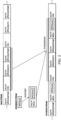
Fig. 2 illustrates an exemplary MPEG-H 3D audio packet stream in accordance with the present invention. - In one example, the present invention may be based on identifying information based on the following syntax amendments:
1) Amend table 220 - Syntax of MHASPacketPayload() with:Syntax No. of bits Mnemonic MHASPacketPayload(MHASPacketType) { switch (MHASPacketType) { ... case PACTYP_MEDIA: mhasMediaDataType; 8 uimsbf For (i=0; i< MHASPacketLength; i++) { mhas_media_data_byte[i]; 8 bslbf } ... } ... }
Alternatively, the value of MHASPacketType may be vary or may depend on a preset value, e.g., a value that is published by a standards organization in the final standards document.
3) The following media type should be specified using the mhasMediaDataType enumeration:Value of mhasMediaDataType Format used for mhas_media_data_byte 0 RIFF / WAV 1 MPEG-1/2 Layer1,2,3 as specified in ISO/IEC 11172-3, ISO/IEC 13818-3 2 MPEG-4 Audio in LATM AudioMuxElement(1); as specified in ISO/IEC 14496-3 3 Dolby Digital, Dolby Digital Plus as specified in ETSI TS 102 366 4 MPEG-2/4 AAC in ADTS as specified in ISO/IEC 13818-7, ISO/IEC 14496-3 5 Dolby AC-4 as specified in ETSI TS 103 190 6 Text-to-speech As used for TTS engines as examplatory constrained in IEC 62731 7-255 reserved -
Fig. 2 exemplarily shows a packetized main stream including exemplary packets according to MPEG-H 3D audio with 3D audio data (exemplarily including configuration data e.g. PACTYP_MPEGH3DACFG, as metadata, and coded audio data, e.g. PACTYP_MPEGH3DAFRAME). - Furthermore,
Fig. 2 exemplarily shows a packetized secondary stream (auxiliary stream) including exemplary packets in accordance with the invention, as being indicated by header information referring to the above-described exemplary additional packet type PACTYP_MEDIA including additional audio data (auxiliary audio data/secondary audio data), exemplarily in compressed format, e.g. MPEG4Audio. - Alternatively or additionally, the additional audio data can be packeted into a packet having the header in accordance with the format of the packetized main stream, here exemplarily MPEG-
H 3D audio, including a sub-header indicative of the different formats encapsulated as discussed above. - In accordance with exemplary aspects of the invention, the main stream and the auxiliary (secondary) stream can be merged by a stream merger, such as e.g. by a
packetized stream merger 102. - The outgoing stream (merged stream) includes packets relating to the encoded audio data of the main stream and packets relating to the audio data of the auxiliary stream within a single packetized bitstream of a same format (such as exemplarily MPEG-
H 3D audio inFig. 2 ). - It may be noted that non-modified (legacy) MPEG-
H 3D audio decoders may not understand the newly added packet type (e.g. PACTYP_MEDIA) and such non-modified (legacy) MPEG-H 3D audio decoders may ignore or dump packets having the newly added packet type (e.g. PACTYP_MEDIA) indicated in their header. Such non-modified (legacy) MPEG-H 3D audio decoders can still decode the audio data relating to the main stream but would not process the additional auxiliary/secondary audio data. - For decoding and processing the merged stream with main and auxiliary stream, decoder devices can be modified to include a modified decoder enabled to filter and decode/process the packets related to the auxiliary audio data.
-
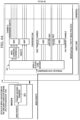
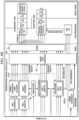
Fig 4 . Schematically illustrates another example of a primary decoder/renderer in accordance with the present invention. -
Fig. 4 illustrates how this might be achieved in an MPEG-H 3D Audio decoder, where the media format is PCM data. Exemplarily, the primary decoder/renderer 301 is realized as including an MPEG-H 3D Audio Core Decoder M1 and related rendering units such as object renderer M2, e.g. such as defined according to MPEG-H 3D audio (ISO/IEC 23008-3) standard. - The modified
decoder 301 might additionally filter and strip out the MHAS packets having a header indicating the new additional packet type (e.g. PACTYP_MEDIA), and input the packets having the auxiliary audio data to a format conversion unit 301c1 and then to a sample rate converter (such as exemplarily the sample rate converter M3 present in the decoder architecture downstream of the MPEG-H 3D Audio Core Decoder M1 as defined according to MPEG-H 3D audio (ISO/IEC 23008-3) standard). - Accordingly, the modified
decoder 301 might perform sample rate conversion (e.g. by sample rate converter M3) and format conversion (e.g. by format conversion unit 301c1) on the input media data (MHASPacketType == PACTYP_MEDIA) in order to match the media sampling rate and channel layout to the output sampling rate and channel configuration of the decoder. Further, a modified decoder might mix input media data or the sampling-rate-converted input media data with the audio media data that have been created by the MPEG-H 3D Audio Core Decoder M1 in a mixer (such as exemplarily the mixer unit M4 present in the decoder architecture downstream of the MPEG-H 3D Audio Core Decoder M1 as defined according to MPEG-H 3D audio (ISO/IEC 23008-3) standard). - The above example of
Fig. 4 exemplarily relates to auxiliary media data including uncompressed media data, such as PCM data or the like. It is to be noted that, if the uncompressed media data, such as PCM data or the like, further includes positional information or is related to corresponding positional metadata, e.g. for 3D audio appliances, the auxiliary data can be further processed by a positional data processing object renderer, such as the object renderer M2 present in the decoder architecture downstream of the MPEG-H 3D Audio Core Decoder M1 as defined according to MPEG-H 3D audio (ISO/IEC 23008-3) standard. -
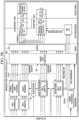
Fig 5 . Schematically illustrates yet another example of a primary decoder/renderer in accordance with the present invention. Exemplarily, the primary decoder/renderer 301 is realized as including an MPEG-H 3D Audio Core Decoder M1 and related rendering units such as object renderer M2, e.g. such as defined according to MPEG-H 3D audio (ISO/IEC 23008-3) standard. -
Fig. 5 exemplarily illustrates how the above might be achieved in an MPEG-H 3D Audio decoder, where the media format is encoded data (such as MPEG-4 Audio). A modifieddecoder 301 might decode the input media data (MHASPacketType == PACTYP_MEDIA) using an additional decoder 301c2 (converter and/or decoder configured to convert and/or decode the auxiliary media data), not necessarily specified within ISO/IEC 23008-3. Further, a modified decoder might mix those decoded media data with the audio media data that have been created by the MPEG-H 3D Audio Core Decoder M1 as defined according to MPEG-H 3D audio (ISO/IEC 23008-3) standard. - In exemplary aspects in accordance with the present invention, additional time-alignment units may be provided for time-alignment of the packets of the auxiliary stream, e.g. to provide time-alignment of multiple MHAS substreams originating from different sources.
- Per section 14.6 of ISO/IEC 23008-3, MHAS "sub-streams are generated by the same encoder [and therefore] it is presumed that various incoming streams [...] are completely aligned and have no phase offset". In this case, alignment of a frame may be accomplished using the MHASPacketLabel number. With the proposed method in this invention, the above constraint can no longer be taken for granted. With different frame durations for different codecs or sampling rates, the time offset of consecutive MHAS packets of the secondary stream that is merged with the MHAS main stream varies over time. In each particular time slot, the timing offset of the secondary stream to the main stream needs to be signaled. For example, in associated packets of the auxiliary stream indicating a packet type relating to metadata associated with media data contained in the payload of packets of the auxiliary stream as shown in
Figure 6 . -
Figure 6 illustrates exemplary packet types for achieving the means of this invention based on MHAS, for example where another MHAS packet type is defined to carry appropriate time offset signaling. To link this signaling to the corresponding stream, the time offset packet needs to have the same MHASPacketLabel number assigned as the MHASPacket of type PACTYP_MEDIA it refers to. FromFigure 6 , it is obvious that a direct one-to-one relation of stream data corresponding to one particular time slot of each stream is not guaranteed, but two or more time slots from one stream may correspond to one time slot from the other stream in a timely manner. - Another option for signaling time offset is to add this time offset to the MHAS packet of type PACTYP_MEDIA itself.
- In view of the above, in some exemplary aspects in accordance with the present invention, the conversion and/or decoding unit of the modified primary decoder/
renderer 301 of the examples ofFigs. 4 and/or 5 may include a time-alignment unit for time-alignment of the auxiliary stream data with the main stream data, e.g. upstream of the mixer such as mixer unit M4 of the examples ofFigs. 4 and5 , or also upstream of the sampler (e.g. sample rate converter M3) of the examples ofFigs. 4 and5 , or also as a part of the secondary decoder/renderer 203 of the example ofFig. 1 . - Additional data to control the mixing of the secondary (auxiliary) audio stream to the main audio streams may be required. Among other options, this data may include static gains or a dynamic gain sequences, examplatory formed as ISO/IEC 23003-4 DynamicRangeControl data to process the main stream when the secondary audio stream is reproduced. Those data are typically generated by
device # 1 and may be incorporated into the stream by either separate MHAS packets (e.g. with the identifier PACTYP_MPEGH_MEDIA_CFG), as further addition to the secondary stream header or by any other kind of stream encapsulation. - In view of the above, in some exemplary aspects in accordance with the present invention, the conversion and/or decoding unit of the modified
decoder 301 of the examples ofFigs. 4 and/or 5 may include a gain adjustment unit for applying static and/or dynamic gains (e.g. for loudness adjustment), e.g. upstream of the mixer such as mixer unit M4 of the examples ofFigs. 4 and5 , or also upstream of the sampler (e.g. sample rate converter M3) of the examples ofFigs. 4 and5 , or also as a part of the secondary decoder/renderer 203 of the example ofFig. 1 . - Further, Dolby AC-4 (
ETSI TS 103 190) and Dolby Digital and Dolby Digital Plus (ETSI TS 102 366) offer the possibility to carry any binary data in EMDF Payloads, which can be used to carry the same or similar data as defined in the above section (MPEG-H Ecosystem). - For such purposes, the syntax element emdf_info() as defined in
ETSI TS 103 190 or the syntax element emdf_container() as defined inETSI TS 102 366, Annex H and their underlying elements may be used. In order to do this, one can simply define on or more emdf_payload_id definitions, which can be used in order to identify the binary data which has the same or similar format as described above under PACTYP_MEDIA and/or PACTYP_MPEGH_MEDIA_CFG. - System sound mixing for media streams containing uncompressed/uncoded data may be achieved similar in Dolby AC-4 or Dolby Digital/Dolby Digital Plus as shown in
Fig. 4 andFig. 5 , with the difference that the distinction which signal path to use would not be taken based on the MHASPacketType, but on the emdf_payload_id-value. - Media streams addressed by this invention, both the main stream and the side-data streams may be of the following type:
- Audio streams, both compressed and uncompressed
- Video streams
- subtitles
- The invention may be also applied to video presenting devices (monitors) where an overlay picture, video or text shall be send in addition to the main (typically compressed video stream) over a standardized interface connection.
-
-
US20170223429A1 ,EP3149955A1 - ISO/IEC 23008-3: (MPEG-H 3d Audio, 2nd Edition)
- Enumerated exemplary embodiments of the disclosure relate to:
- EEEA1. A method for audio signal processing, comprising:
receiving a merged packetized media bitstream which includes packets associated with a main stream indicative of main audio information and packets associated with an side-data stream indicative of auxiliary audio information, identifying a value of a packet type in header information of packets of the merged packetized media bitstream, and splitting the merged packetized media bitstream, based on the identification of the value of the packet type in header information of packets of the merged packetized media bitstream, into the main stream indicative of main audio information and the side-data stream indicative of auxiliary audio information. - EEEA2. The method of EEEA1, further comprising:
mixing an audio output signal based on an output signal obtained from the main audio information of the main stream and the output signal obtained from the auxiliary audio information of the side-data stream. - EEEA3. The method of EEEA2, wherein output signals from the main and auxiliary audio information are output simultaneously to a listener.
- EEEA4. The method EEEA1, further comprising:
decoding the main stream by a primary decoder. - EEEA5. The method of EEEA1, further comprising:
decoding, when the side-data stream relates to compressed auxiliary audio information, the side-data stream by a secondary decoder. - EEEA6. The method of EEEA1, further comprising:
converting, when the side-data stream relates to compressed auxiliary audio information, media data included in packets of the side-data stream by a converter. - EEEA7. The method of EEEA5 or EEEA6, wherein
the compressed auxiliary audio information includes MPEG-4 audio data. - EEEA8. The method of EEEA1, wherein
the side-data stream relates to uncompressed auxiliary audio information. - EEEA9. The method of EEEA8, wherein
the uncompressed auxiliary audio information includes PCM data. - EEEA10. The method of EEEA1, wherein
the packet type indicates an internal raw format, in particular a decoder-internal raw format. - EEEA11. The method of EEEA1, further comprising:
performing signal processing on the side-data stream. - EEEA12. The method of EEEA11, wherein
performing signal processing on the side-data stream is performed prior to mixing an audio output signal based on an output signal obtained from the main audio information of the main stream and the output signal obtained from the auxiliary audio information of the side-data stream. - EEEA13. The method of EEEA11, wherein
performing signal processing on the side-data stream includes performing gain adjustment. - EEEA14. The method of EEEA13, wherein
gain adjustment is performed based on a static gain or a dynamic gain. - EEEA15. The method of EEEA13, further comprising:
receiving mixing information relating to at least one of static gain(s) or dynamic gain(s). - EEEA16. The method of EEEA13, wherein
gain adjustment is performed for loudness adjustment. - EEEA 17. The method of EEEA11, wherein
performing signal processing on the side-data stream includes performing time-alignment. - EEEA 18. The method of EEEA17, wherein
performing time-alignment is performed for time-aligning the auxiliary audio information of the side-data bitstream with the main audio information of the main bitstream. - EEEA19. The method according of EEEA17 or EEEA18, further comprising:
receiving time-alignment information regarding time-alignment of the auxiliary audio information of the side-data bitstream with the main audio information of the main bitstream. - EEEA20. The method of EEEA1, wherein
the packet type is defined to carry time offset signaling, in particular for time-alignment. - EEEA21. The method EEEA1, further comprising:
receiving an indication of a timing offset of the side-data stream to the main stream. - EEEA22. The method EEEA11, wherein
performing signal processing on the side-data stream includes object rendering when the auxiliary audio information is associated with positional information. - EEEA23. The method EEEA22, wherein
object rendering is performed by an object renderer performing object rendering for the main and side-data streams. - EEEA24. The method of EEEA11, wherein
performing signal processing on the side-data stream includes format conversion. - EEEA25. The method of EEEA1, further comprising:
decoding the main stream by a standardized MPEG-H 3D audio decoder. - EEEA26. The method of EEEA25, further comprising:
mixing media data contained in packets of the side-data stream with media data generated by the standardized MPEG-H 3D audio decoder. - EEEA27. The method of EEEA26, wherein
the media data contained in packets of the side-data stream is uncompressed data, in particular PCM data, or compressed data, in particular MPEG4 audio data. - EEEA28. The method of EEEA26, wherein
media data contained in packets of the side-data stream is decoded by a decoder not standardized in MPEG-H 3D audio. - EEEA29. The method of EEEA1, wherein
the merged packetized media bitstream includes MHAS packets. - EEEA30. A method for audio signal processing, comprising:
- receiving a main stream indicative of main audio information;
- generating, based on auxiliary audio information, or receiving the side-data stream indicative of the auxiliary audio information, and
- merging the main stream and the side-data stream to generate a merged packetized media bitstream which includes packets associated with a main stream indicative of main audio information and packets associated with an side-data stream indicative of auxiliary audio information.
- EEEA31. The method of EEEA30, further comprising packetizing media data indicative of the auxiliary audio information into packets of the format of the merged packetized media bitstream.
- EEEA32. The method of EEEA30, wherein
the side-data stream relates to compressed auxiliary audio information. - EEEA33. The method of EEEA32, wherein
the compressed auxiliary audio information includes MPEG-4 audio data. - EEEA34. The method of EEEA30, wherein
the side-data stream relates to uncompressed auxiliary audio information. - EEEA35. The method of EEEA34, wherein
the uncompressed auxiliary audio information includes PCM data. - EEEA36. The method of EEEA30, wherein
header information of packets of the merged packetized media bitstream is indicative of a packet type. - EEEA37. The method of EEEA36, wherein
a value of the packet type of packets associated with the side-data stream indicative of auxiliary audio information is indicative of media data associated with the auxiliary audio information. - EEEA38. The method of EEEA30, wherein
the merged packetized media bitstream includes MHAS packets. - EEEA39. An apparatus for audio signal processing, comprising:
- a receiver configured to receive a merged packetized media bitstream which includes packets associated with a main stream indicative of main audio information and packets associated with an side-data stream indicative of auxiliary audio information, and
- a splitter configured to split the merged packetized media bitstream, based on an identification of a value of a packet type in header information of packets of the merged packetized media bitstream, into the main stream indicative of main audio information and the side-data stream indicative of auxiliary audio information.
- EEEA40. Apparatus of EEEA39, further comprising:
a mixer configured to mix an audio output signal based on an output signal obtained from the main audio information of the main stream and the output signal obtained from the auxiliary audio information of the side-data stream. - EEEA41. Apparatus of EEEA39, further comprising:
a primary decoder configured to decode the main stream. - EEEA42. Apparatus of EEEA39, further comprising:
a secondary decoder configured to decode, when the side-data stream relates to compressed auxiliary audio information, the side-data stream. - EEEA43. Apparatus of EEEA39, further comprising:
a converter configured to convert, when the side-data stream relates to compressed auxiliary audio information, media data included in packets of the side-data stream. - EEEA44. Apparatus of EEEA42 or EEEA43, wherein
the compressed auxiliary audio information includes MPEG-4 audio data. - EEEA45.Apparatus of EEEA39, wherein
the side-data stream relates to uncompressed auxiliary audio information. - EEEA46. Apparatus of EEEA45, wherein
the uncompressed auxiliary audio information includes PCM data. - EEEA47. Apparatus of EEEA39, wherein
the packet type indicates an internal raw format, in particular a decoder-internal raw format. - EEEA48. Apparatus of EEEA39, further comprising:
a gain adjustment unit configured to perform gain adjustment applied to the side-data stream. - EEEA49. Apparatus of EEEA39, further comprising:
a time-alignment unit configured to perform time-alignment applied to the side-data stream. - EEEA50. Apparatus of EEEA39, further comprising:
an object renderer configured to perform object rendering applied to the side-data stream. - EEEA51. Apparatus of EEEA50, wherein
the object renderer is included in a primary decoder. - EEEA52. Apparatus of EEEA39, further comprising:
a format conversion unit configured to perform format conversion applied to the side-data stream. - EEEA53. Apparatus of EEEA39, further comprising:
a standardized MPEG-H 3D audio decoder for decoding the main stream. - EEEA54. Apparatus of EEEA39, wherein
the merged packetized media bitstream includes MHAS packets. - EEEA55. An apparatus for audio signal processing, comprising:
- a receiver configured to receive a main stream indicative of main audio information;
- a local engine configured to generate, based on auxiliary audio information, an side-data stream indicative of the auxiliary audio information and/or a receiver configured to receive the side-data stream, and
- a merger configured to merge the main stream and the side-data stream to generate a merged packetized media bitstream which includes packets associated with a main stream indicative of main audio information and packets associated with an side-data stream indicative of auxiliary audio information.
- EEEA56. Apparatus of EEEA55, further comprising:
a packetizer configured to packetize media data indicative of the auxiliary audio information into packets of the format of the merged packetized media bitstream. - EEEA57. A system including an apparatus of EEEA55 and an apparatus of EEEA39.
- EEEB1. An apparatus comprising:
- a receiver configured to receive a merged packetized media bitstream which includes packets associated with a main stream and packets associated with an auxiliary stream; and
- a splitter configured to identify a packet type encapsulated in a header of the packets in the merged packetized media bitstream and configured to split, based on the identification of the packet type, the merged packetized media bitstream into the main stream and the auxiliary stream.
- EEEB2. Apparatus according to EEEB1, wherein the main stream comprises MPEG-
H 3D audio data encapsulated as packets in an MHAS format. - EEEB3. Apparatus according to EEEB2, wherein the apparatus further comprises a primary decoder configured to decode the main stream according to the MPEG-
H 3D audio format. - EEEB4. Apparatus according to EEEB1, wherein the auxiliary stream comprises additional audio data encapsulated as packets in the MHAS format.
- EEEB5. Apparatus according to EEEB4, wherein the packet type of the packets associated with the auxiliary stream is a new MHAS packet type encapsulated in the packet header.
- EEEB6. Apparatus according to EEEB5, wherein the packets associated with the auxiliary stream include a sub-header identifying a format of the packet payload.
- EEEB7. Apparatus according to EEEB6, wherein the format of the packet payload of the packets associated with the auxiliary stream is different from the MPEG-
H 3D audio format. - EEEB8. Apparatus according to EEEB7, wherein the apparatus further comprises a secondary decoder configured to receive the auxiliary stream from the splitter and to decode the auxiliary stream according to said format being different from the MPEG-
H 3D audio format. - EEEB9. Apparatus according to EEEB1, wherein the output signals obtained from the main and auxiliary stream are output simultaneously to a listener.
- EEEB10. A method comprising:
- receiving a merged packetized media bitstream which includes packets associated with a main stream and packets associated with an auxiliary stream;
- identifying a packet type encapsulated in a header of the packets in the merged packetized media bitstream and
- splitting, based on the identification of the packet type, the merged packetized media bitstream into the main stream and the auxiliary stream.
- EEEB11. Method according to EEEB10, wherein the main stream comprises MPEG-
H 3D audio data encapsulated as packets in an MHAS format. - EEEB12. Method according to EEEB11, wherein the method further comprises decoding according to the MPEG-
H 3D audio format, by a primary decoder, the main stream splitted from the merged packetized media bitstream. - EEEB13. Method according to EEEB10, wherein the auxiliary stream comprises additional audio data encapsulated as packets in the MHAS format.
- EEEB14. Method according to EEEB13, wherein the packet type of the packets associated with the auxiliary stream is a new MHAS packet type encapsulated in the packet header.
- EEEB15. Method according to EEEB14, wherein the packets associated with the auxiliary stream include a sub-header identifying a format of the packet payload.
- EEEB16. Method according to EEEB15, wherein the format of the packet payload of the packets associated with the auxiliary stream is different from the MPEG-
H 3D audio format. - EEEB17. Method according to EEEB16, wherein the method further comprises decoding, by a secondary decoder, the auxiliary stream splitted from the merged packetized bitstream according to said format being different from the MPEG-
H 3D audio format. - EEEB18. Method according to EEEB10, wherein the method further comprises outputting signals obtained from the main and auxiliary stream simultaneously to a listener.
- EEEB19. An apparatus comprising:
- an MPEG-
H 3D Audio Core decoder configured to create audio data based on packets associated with a main stream of a merged packetized media bitstream comprising main MPEG-H 3D audio data encapsulated as packets in an MHAS format; and - a modified decoder including:
- a format conversion unit configured to perform format conversion on additional audio data encapsulated as packets associated with an auxiliary stream of the merged packetized media bitstream, based on the identification of a packet type, wherein the packets are of a new MHAS packet type encapsulated in a header of the packets;
- a sample rate converter configured to convert the sample rate of the additional audio data encapsulated in said packets; and optionally
- a mixer configured to mix audio data created by the MPEG-
H 3D Audio Core decoder and the audio data created by the modified decoder.
- an MPEG-
- EEEB20. The apparatus according to EEEB19, wherein the new packet type indicates an internal raw format.
- EEEB21. The apparatus according to EEEB20, wherein the format is PCM.
- EEEB22. An apparatus comprising:
- an MPEG-
H 3D Audio Core decoder configured to create audio data based on packets associated with a main stream of a merged packetized media bitstream comprising main MPEG-H 3D audio data encapsulated as packets in an MHAS format; and - a modified decoder including:
- an additional decoder comprising means to convert and/or decode additional audio data encapsulated as packets associated with an auxiliary stream in the merged packetized media bitstream, based on the identification of a packet type encapsulated in a header of the packets, wherein the packet type is a new MHAS type which cannot be decoded by the standardized MPEG-
H 3D Audio Core decoder; - a format conversion unit configured to perform format conversion on additional audio data encapsulated in said packets;
- a sample rate converter configured to convert the sample rate of the additional audio data encapsulated in said packets; and optionally
- a mixer configured to mix audio data created by the MPEG-
H 3D Audio Core decoder and the audio data created by the modified decoder.
- an additional decoder comprising means to convert and/or decode additional audio data encapsulated as packets associated with an auxiliary stream in the merged packetized media bitstream, based on the identification of a packet type encapsulated in a header of the packets, wherein the packet type is a new MHAS type which cannot be decoded by the standardized MPEG-
- an MPEG-
- EEEB23. The apparatus according to EEEB22, wherein the modified decoder is further configured to receive an indication of a timing offset of the auxiliary stream to the main stream.
- EEEB24. The apparatus according to EEEB23, wherein the new packet type is defined to carry time offset signaling.
- EEEB25. The apparatus according to EEEB22, wherein the modified decoder is further configured to receive information regarding mixing of auxiliary audio streams with the main stream.
- EEEB26. The apparatus according to EEEB25, wherein the mixing information relates to at least one of static gain(s) or dynamic gain(s).
- EEEB27. A method comprising:
- receiving a merged packetized media bitstream in an MPEG-
H 3D Audio decoder, wherein the merged packetized media bitstream includes packets in an MHAS format associated with a main stream and packets in the MHAS format associated with an auxiliary stream; - creating, by an MPEG-
H 3D Audio Core decoder, audio data based on the packets associated with the main stream; and - performing, by a modified decoder, format conversion on additional audio data encapsulated in the packets associated with the auxiliary stream based on the identification of a packet type, wherein the packets are of a new MHAS packet type encapsulated in a header of the packets;
- converting, by the modified decoder, the sample rate of the additional audio data encapsulated in said packets; and optionally
- mixing the audio data created by the modified decoder with audio data created by the standardized MPEG-
H 3D Audio Core decoder.
- receiving a merged packetized media bitstream in an MPEG-
- EEEB28. The method according to EEEB27, wherein the method further comprises receiving an indication of a timing offset of a secondary stream to a main stream.
- EEEB29. The method according to EEEB28, wherein the new packet type is defined to carry time offset signaling.
- EEEB30. The method according to EEEB27, wherein the method further comprises receiving information regarding mixing of secondary audio streams with the main stream.
- EEEB31. The method according to EEEB30, wherein the mixing information relates to at least one of static gain(s) or dynamic gain(s).
- EEEB32. A method comprising:
- receiving a merged packetized media bitstream, which includes packets in a MHAS format associated with a main stream and packets in the MHAS format associated with an auxiliary stream, in an MPEG-H 3DA decoder;
- creating, by an MPEG-
H 3D Audio Core decoder, audio data based on the packets associated with the main stream; - identifying, by a modified decoder, a packet type encapsulated in a header of the packet, wherein the packet type is a new MHAS packet type;
- converting and/or decoding additional audio data contained in those packets, wherein the decoding process is not standardized in MPEG-
H 3D Audio; - performing, by the modified decoder, format conversion on said additional audio data;
- converting, by the modified decoder, the sample rate of said additional audio data; and optionally
- mixing the audio data created by the modified decoder with the audio data created by the standardized MPEG-
H 3D Audio Core decoder.
- EEEB33. The method according to EEEB32, wherein the method further comprises receiving an indication of a timing offset of a secondary stream to a main stream.
- EEEB34. The method according to EEEB33, wherein the new packet type is defined to carry time offset signaling.
- EEEB35. The method according to EEEB32, wherein the method further comprises receiving information regarding mixing of secondary audio streams with the main stream.
- EEEB36. The method according to EEEB35, wherein the mixing information relates to at least one of static gain(s) or dynamic gain(s).
Claims (11)
- An apparatus comprising:a receiver configured to receive a merged packetized media bitstream which includes packets associated with a main stream and packets associated with an auxiliary stream, wherein the main stream comprises MPEG-H 3D audio data encapsulated as packets in an MHAS format according to ISO/IEC 23008-3, and wherein the auxiliary stream comprises additional audio data encapsulated as packets in the MHAS format, wherein a format of a packet payload of the packets associated with the auxiliary stream is different from the MPEG-H 3D audio format, wherein the auxiliary stream packets carry time offset signaling indicating a time offset of the auxiliary stream to the main stream for time-alignment of the auxiliary stream with the main stream at a mixer;a splitter (201) configured to identify a packet type encapsulated in a header of the packets in the merged packetized media bitstream and configured to split, based on the identification of the packet type, the merged packetized media bitstream into the main stream and the auxiliary stream, wherein the packets associated with the auxiliary stream include an identification of a format of the auxiliary stream, wherein packet types of the packets associated with the auxiliary stream are new MHAS packet types encapsulated in the packet header, wherein the new MHAS packet types are different from a packet type of the main stream, anda time-alignment unit for time-aligning the additional audio data with the main audio data based on the time offset signaling.
- The apparatus according to claim 1, wherein the format of the auxiliary stream indicates an internal raw format.
- The apparatus according to claim 2, wherein the internal raw format is a PCM format.
- The apparatus according to any of claims 1 to 3, further comprising a primary decoder (202) configured to decode the main stream based on an MPEG-H 3D format.
- The apparatus according to any of claims 1 to 4, further comprising a mixer configured to mix the main stream with the auxiliary audio stream.
- A method comprising:receiving a merged packetized media bitstream which includes packets associated with a main stream and packets associated with an auxiliary stream, wherein the main stream comprises MPEG-H 3D audio data encapsulated as packets in an MHAS format according to ISO/IEC 23008-3, and wherein the auxiliary stream comprises additional audio data encapsulated as packets in the MHAS format, wherein a format of a packet payload of the packets associated with the auxiliary stream is different from the MPEG-H 3D audio format;identifying time offset signaling carried by the auxiliary stream packets that indicates a time offset of the auxiliary stream to the main stream for time-alignment of the auxiliary stream with the main stream at a mixer;identifying a packet type encapsulated in a header of the packets in the merged packetized media bitstream;splitting, based on the identification of the packet type, the merged packetized media bitstream into the main stream and the auxiliary stream, wherein the packets associated with the auxiliary stream include an identification of a format of the auxiliary stream, wherein packet types of the packets associated with the auxiliary stream are new MHAS packet types encapsulated in the packet header, wherein the new MHAS packet types are different from a packet type of the main stream; andtime-aligning the additional audio data with the main audio data based on the time offset signaling.
- The method according to claim 6, wherein the format of the auxiliary stream indicates an internal raw format.
- The method according to claim 7, wherein the internal raw format is a PCM format.
- The method according to any of claims 6 to 8, further comprising, decoding the main stream based on an MPEG-H 3D format.
- The method according to any of claims 6 to 9, further comprising mixing the main stream with the auxiliary audio stream.
- A program comprising instructions that, when executed by a processor, cause the processor to carry out the method according to any one of claims 6-10.
Applications Claiming Priority (6)
| Application Number | Priority Date | Filing Date | Title |
|---|---|---|---|
| US201862634136P | 2018-02-22 | 2018-02-22 | |
| US201862641098P | 2018-03-09 | 2018-03-09 | |
| EP18166319 | 2018-04-09 | ||
| US201862697536P | 2018-07-13 | 2018-07-13 | |
| PCT/EP2019/054432 WO2019162434A1 (en) | 2018-02-22 | 2019-02-22 | Method and apparatus for processing of auxiliary media streams embedded in a mpeg-h 3d audio stream |
| EP19708257.1A EP3756355B1 (en) | 2018-02-22 | 2019-02-22 | Method and apparatus for processing of auxiliary media streams embedded in a mpeg-h 3d audio stream |
Related Parent Applications (1)
| Application Number | Title | Priority Date | Filing Date |
|---|---|---|---|
| EP19708257.1A Division EP3756355B1 (en) | 2018-02-22 | 2019-02-22 | Method and apparatus for processing of auxiliary media streams embedded in a mpeg-h 3d audio stream |
Publications (2)
| Publication Number | Publication Date |
|---|---|
| EP4583515A2 true EP4583515A2 (en) | 2025-07-09 |
| EP4583515A3 EP4583515A3 (en) | 2025-09-03 |
Family
ID=65628745
Family Applications (2)
| Application Number | Title | Priority Date | Filing Date |
|---|---|---|---|
| EP19708257.1A Active EP3756355B1 (en) | 2018-02-22 | 2019-02-22 | Method and apparatus for processing of auxiliary media streams embedded in a mpeg-h 3d audio stream |
| EP25164783.0A Pending EP4583515A3 (en) | 2018-02-22 | 2019-02-22 | Methods, apparatus and systems for side load processing of packetized media streams |
Family Applications Before (1)
| Application Number | Title | Priority Date | Filing Date |
|---|---|---|---|
| EP19708257.1A Active EP3756355B1 (en) | 2018-02-22 | 2019-02-22 | Method and apparatus for processing of auxiliary media streams embedded in a mpeg-h 3d audio stream |
Country Status (8)
| Country | Link |
|---|---|
| US (4) | US11232805B2 (en) |
| EP (2) | EP3756355B1 (en) |
| JP (3) | JP7274492B2 (en) |
| KR (3) | KR102690826B1 (en) |
| CN (5) | CN115691517A (en) |
| BR (1) | BR112020015531A2 (en) |
| RU (1) | RU2762400C1 (en) |
| WO (1) | WO2019162434A1 (en) |
Families Citing this family (5)
| Publication number | Priority date | Publication date | Assignee | Title |
|---|---|---|---|---|
| JP7631313B2 (en) | 2019-08-15 | 2025-02-18 | ドルビー ラボラトリーズ ライセンシング コーポレイション | Method and device for generating and processing modified bitstreams - Patents.com |
| CN120656467A (en) | 2019-08-15 | 2025-09-16 | 杜比国际公司 | Method and apparatus for generating and processing a modified audio bitstream |
| JP7789607B2 (en) * | 2022-03-28 | 2025-12-22 | シャープ株式会社 | Broadcasting system, receiver, receiving method, and program |
| JP2025514754A (en) * | 2022-04-18 | 2025-05-09 | ドルビー ラボラトリーズ ライセンシング コーポレイション | Multi-source method and system for coded media - Patents.com |
| CN115242712B (en) * | 2022-09-26 | 2023-01-24 | 中央广播电视总台 | 4K8KIP production and broadcast scheduling control method, device and system |
Citations (1)
| Publication number | Priority date | Publication date | Assignee | Title |
|---|---|---|---|---|
| EP3149955A1 (en) | 2014-05-28 | 2017-04-05 | Fraunhofer-Gesellschaft zur Förderung der angewandten Forschung e.V. | Data processor and transport of user control data to audio decoders and renderers |
Family Cites Families (48)
| Publication number | Priority date | Publication date | Assignee | Title |
|---|---|---|---|---|
| GB9930788D0 (en) * | 1999-12-30 | 2000-02-16 | Koninkl Philips Electronics Nv | Method and apparatus for converting data streams |
| JP3735863B2 (en) * | 2002-06-06 | 2006-01-18 | ソニー株式会社 | Video tape recorder and recording method |
| EP1408505A1 (en) * | 2002-10-11 | 2004-04-14 | Deutsche Thomson-Brandt Gmbh | Method and apparatus for synchronizing data streams containing audio, video and/or other data |
| US8009966B2 (en) * | 2002-11-01 | 2011-08-30 | Synchro Arts Limited | Methods and apparatus for use in sound replacement with automatic synchronization to images |
| JP4581334B2 (en) * | 2003-04-08 | 2010-11-17 | ソニー株式会社 | Data transmission device and data receiving device |
| US7609939B2 (en) * | 2004-08-17 | 2009-10-27 | Lg Electronics Inc. | Method and apparatus of reproducing data recorded on recording medium and local storage |
| KR20070022580A (en) * | 2005-08-22 | 2007-02-27 | 엘지전자 주식회사 | Data reproducing method and reproducing apparatus, recording medium and data recording method and recording apparatus |
| US8363161B2 (en) * | 2006-05-26 | 2013-01-29 | Broadcom Corporation | Systems, methods, and apparatus for synchronization of audio and video signals |
| MY162861A (en) | 2007-09-24 | 2017-07-31 | Koninl Philips Electronics Nv | Method and system for encoding a video data signal, encoded video data signal, method and system for decoding a video data signal |
| KR101591085B1 (en) * | 2008-05-19 | 2016-02-02 | 삼성전자주식회사 | Apparatus and method for creating and playing video files |
| CN102172033B (en) * | 2009-06-17 | 2013-07-17 | 松下电器产业株式会社 | Reproducing device, recording method, recording medium reproducing system |
| EP2362653A1 (en) | 2010-02-26 | 2011-08-31 | Panasonic Corporation | Transport stream packet header compression |
| EP2596626B8 (en) * | 2010-07-20 | 2018-11-21 | InterDigital Madison Patent Holdings | Method for content presentation during trick mode operations |
| US9270784B2 (en) * | 2011-02-16 | 2016-02-23 | Masque Publishing, Inc. | Peer-to-peer communications |
| US20130094518A1 (en) * | 2011-10-13 | 2013-04-18 | Electronics And Telecommunications Research Institute | Method for configuring and transmitting mmt payload |
| JP6015085B2 (en) | 2012-04-13 | 2016-10-26 | 船井電機株式会社 | Audio signal output device |
| US9288603B2 (en) * | 2012-07-15 | 2016-03-15 | Qualcomm Incorporated | Systems, methods, apparatus, and computer-readable media for backward-compatible audio coding |
| US9674499B2 (en) * | 2012-08-15 | 2017-06-06 | Qualcomm Incorporated | Compatible three-dimensional video communications |
| PL3796660T3 (en) * | 2012-09-04 | 2025-06-23 | Adeia Media Solutions Inc. | Wireless media streaming system |
| US10158927B1 (en) * | 2012-09-05 | 2018-12-18 | Google Llc | Systems and methods for detecting audio-video synchronization using timestamps |
| MX343571B (en) | 2013-01-21 | 2016-11-09 | Dolby Laboratories Licensing Corp | AUDIO CODE AND DECODER WITH LIMIT METADATES AND PROGRAM SOUND. |
| TWM487509U (en) | 2013-06-19 | 2014-10-01 | 杜比實驗室特許公司 | Audio processing apparatus and electrical device |
| EP2863386A1 (en) * | 2013-10-18 | 2015-04-22 | Fraunhofer-Gesellschaft zur Förderung der angewandten Forschung e.V. | Audio decoder, apparatus for generating encoded audio output data and methods permitting initializing a decoder |
| EP3069513B1 (en) | 2013-11-12 | 2019-03-13 | Dolby Laboratories Licensing Corporation | Pre-dithering in high dynamic range video coding |
| US9729903B2 (en) * | 2013-12-31 | 2017-08-08 | Samsung Electronics Co., Ltd. | Data transmitting device and method |
| US9621963B2 (en) * | 2014-01-28 | 2017-04-11 | Dolby Laboratories Licensing Corporation | Enabling delivery and synchronization of auxiliary content associated with multimedia data using essence-and-version identifier |
| KR102380204B1 (en) * | 2014-03-18 | 2022-03-29 | 코닌클리케 필립스 엔.브이. | Audiovisual content item data streams |
| EP2996269A1 (en) | 2014-09-09 | 2016-03-16 | Fraunhofer-Gesellschaft zur Förderung der angewandten Forschung e.V. | Audio splicing concept |
| EP4481575A3 (en) * | 2014-09-12 | 2025-03-05 | Sony Group Corporation | Transmission device, transmission method, reception device, and reception method |
| JP6729382B2 (en) * | 2014-10-16 | 2020-07-22 | ソニー株式会社 | Transmission device, transmission method, reception device, and reception method |
| US10217471B2 (en) * | 2015-02-14 | 2019-02-26 | Samsung Electronics Co., Ltd. | Method and apparatus for decoding audio bitstream including system data |
| EP3282709A4 (en) * | 2015-04-07 | 2018-11-21 | Sony Corporation | Transmitting device, transmitting method, receiving device and receiving method |
| EP3288025A4 (en) * | 2015-04-24 | 2018-11-07 | Sony Corporation | Transmission device, transmission method, reception device, and reception method |
| CN107615768A (en) * | 2015-05-28 | 2018-01-19 | 索尼公司 | Dispensing device, sending method, reception device and method of reseptance |
| WO2016194563A1 (en) * | 2015-06-02 | 2016-12-08 | ソニー株式会社 | Transmission device, transmission method, media processing device, media processing method, and reception device |
| CN106664503B (en) * | 2015-06-17 | 2018-10-12 | 索尼公司 | Sending device, sending method, receiving device and receiving method |
| US10171849B1 (en) * | 2015-07-08 | 2019-01-01 | Lg Electronics Inc. | Broadcast signal transmission device, broadcast signal reception device, broadcast signal transmission method, and broadcast signal reception method |
| JP2017028463A (en) * | 2015-07-21 | 2017-02-02 | ソニー株式会社 | Transmitter, transmission method, receiver, receive method, and program |
| US10693936B2 (en) * | 2015-08-25 | 2020-06-23 | Qualcomm Incorporated | Transporting coded audio data |
| US9854375B2 (en) | 2015-12-01 | 2017-12-26 | Qualcomm Incorporated | Selection of coded next generation audio data for transport |
| US10446188B2 (en) * | 2015-12-10 | 2019-10-15 | Cine Design Group Llc | Method and apparatus for low latency non-linear media editing using file-based inserts into finalized digital multimedia files |
| US10178144B1 (en) * | 2015-12-14 | 2019-01-08 | Marvell International Ltd. | Scattering audio streams |
| JP6984586B2 (en) * | 2016-03-09 | 2021-12-22 | ソニーグループ株式会社 | Transmitter, transmitter, receiver and receiver |
| CA3018476C (en) * | 2016-03-25 | 2021-08-31 | Sharp Kabushiki Kaisha | Systems and methods for signaling of information associated with audio content |
| US9674453B1 (en) * | 2016-10-26 | 2017-06-06 | Cisco Technology, Inc. | Using local talker position to pan sound relative to video frames at a remote location |
| EP3470976A1 (en) | 2017-10-12 | 2019-04-17 | Fraunhofer-Gesellschaft zur Förderung der angewandten Forschung e.V. | Method and apparatus for efficient delivery and usage of audio messages for high quality of experience |
| US20190104326A1 (en) * | 2017-10-03 | 2019-04-04 | Qualcomm Incorporated | Content source description for immersive media data |
| CA3230231C (en) * | 2017-10-12 | 2026-03-10 | Fraunhofer-Gesellschaft Zur Foerderung Der Angewandten Forschung E.V. | Optimizing audio delivery for virtual reality applications |
-
2019
- 2019-02-22 CN CN202211392725.0A patent/CN115691517A/en active Pending
- 2019-02-22 CN CN202211394879.3A patent/CN115691519A/en active Pending
- 2019-02-22 EP EP19708257.1A patent/EP3756355B1/en active Active
- 2019-02-22 CN CN202211393135.XA patent/CN115841818A/en active Pending
- 2019-02-22 US US16/970,968 patent/US11232805B2/en active Active
- 2019-02-22 KR KR1020207024064A patent/KR102690826B1/en active Active
- 2019-02-22 KR KR1020257006928A patent/KR20250038807A/en active Pending
- 2019-02-22 CN CN202211393480.3A patent/CN115691518A/en active Pending
- 2019-02-22 CN CN201980012902.8A patent/CN111713116B/en active Active
- 2019-02-22 BR BR112020015531-4A patent/BR112020015531A2/en unknown
- 2019-02-22 RU RU2020126461A patent/RU2762400C1/en active
- 2019-02-22 WO PCT/EP2019/054432 patent/WO2019162434A1/en not_active Ceased
- 2019-02-22 JP JP2020543849A patent/JP7274492B2/en active Active
- 2019-02-22 KR KR1020247025538A patent/KR102777212B1/en active Active
- 2019-02-22 EP EP25164783.0A patent/EP4583515A3/en active Pending
-
2021
- 2021-12-08 US US17/544,959 patent/US11830508B2/en active Active
-
2023
- 2023-05-01 JP JP2023075386A patent/JP7553188B2/en active Active
- 2023-10-30 US US18/497,300 patent/US12300257B2/en active Active
-
2024
- 2024-09-02 JP JP2024150451A patent/JP7852000B2/en active Active
-
2025
- 2025-04-09 US US19/174,244 patent/US20250239267A1/en active Pending
Patent Citations (2)
| Publication number | Priority date | Publication date | Assignee | Title |
|---|---|---|---|---|
| EP3149955A1 (en) | 2014-05-28 | 2017-04-05 | Fraunhofer-Gesellschaft zur Förderung der angewandten Forschung e.V. | Data processor and transport of user control data to audio decoders and renderers |
| US20170223429A1 (en) | 2014-05-28 | 2017-08-03 | Fraunhofer-Gesellschaft Zur Foerderung Der Angewandten Forschung E.V. | Data Processor and Transport of User Control Data to Audio Decoders and Renderers |
Non-Patent Citations (1)
| Title |
|---|
| "ISO/IEC 23008-3", article "MPEG-H 3d Audio" |
Also Published As
| Publication number | Publication date |
|---|---|
| US20220165284A1 (en) | 2022-05-26 |
| EP3756355A1 (en) | 2020-12-30 |
| US20250239267A1 (en) | 2025-07-24 |
| RU2762400C1 (en) | 2021-12-21 |
| CN111713116A (en) | 2020-09-25 |
| CN115841818A (en) | 2023-03-24 |
| KR102777212B1 (en) | 2025-03-10 |
| KR102690826B1 (en) | 2024-08-02 |
| JP2024159963A (en) | 2024-11-08 |
| US11830508B2 (en) | 2023-11-28 |
| JP7274492B2 (en) | 2023-05-16 |
| WO2019162434A1 (en) | 2019-08-29 |
| CN115691517A (en) | 2023-02-03 |
| US20240185871A1 (en) | 2024-06-06 |
| EP3756355B1 (en) | 2025-03-26 |
| KR20200123786A (en) | 2020-10-30 |
| US11232805B2 (en) | 2022-01-25 |
| EP4583515A3 (en) | 2025-09-03 |
| CN115691518A (en) | 2023-02-03 |
| JP2023086987A (en) | 2023-06-22 |
| US12300257B2 (en) | 2025-05-13 |
| JP7852000B2 (en) | 2026-04-27 |
| CN115691519A (en) | 2023-02-03 |
| CN111713116B (en) | 2022-10-14 |
| US20200395027A1 (en) | 2020-12-17 |
| JP2021515448A (en) | 2021-06-17 |
| BR112020015531A2 (en) | 2021-02-02 |
| KR20240119188A (en) | 2024-08-06 |
| JP7553188B2 (en) | 2024-09-18 |
| RU2021134283A (en) | 2021-12-10 |
| KR20250038807A (en) | 2025-03-19 |
Similar Documents
| Publication | Publication Date | Title |
|---|---|---|
| US12300257B2 (en) | Method and apparatus for processing of auxiliary media streams embedded in a MPEGH 3D audio stream | |
| CN106796797B (en) | Sending device, sending method, receiving device and receiving method | |
| US12283282B2 (en) | Transmission apparatus, transmission method, reception apparatus and reception method for transmitting a plurality of types of audio data items | |
| HK40120595A (en) | Methods, apparatus and systems for side load processing of packetized media streams | |
| HK40082340A (en) | Method and apparatus for processing of auxiliary media streams embedded in a mpeg-h 3d audio stream | |
| HK40084152A (en) | Method and apparatus for processing of auxiliary media streams embedded in a mpeg-h 3d audio stream | |
| HK40083860A (en) | Method and apparatus for processing of auxiliary media streams embedded in a mpeg-h 3d audio stream | |
| RU2780733C2 (en) | Method and device for processing auxiliary media streams embedded in the mpeg-h 3d audio stream | |
| HK40086685A (en) | Method and apparatus for processing of auxiliary media streams embedded in a mpeg-h 3d audio stream | |
| HK40029551B (en) | Method and apparatus for processing of auxiliary media streams embedded in a mpeg-h 3d audio stream | |
| HK40029551A (en) | Method and apparatus for processing of auxiliary media streams embedded in a mpeg-h 3d audio stream |
Legal Events
| Date | Code | Title | Description |
|---|---|---|---|
| PUAI | Public reference made under article 153(3) epc to a published international application that has entered the european phase |
Free format text: ORIGINAL CODE: 0009012 |
|
| STAA | Information on the status of an ep patent application or granted ep patent |
Free format text: STATUS: THE APPLICATION HAS BEEN PUBLISHED |
|
| AC | Divisional application: reference to earlier application |
Ref document number: 3756355 Country of ref document: EP Kind code of ref document: P |
|
| AK | Designated contracting states |
Kind code of ref document: A2 Designated state(s): AL AT BE BG CH CY CZ DE DK EE ES FI FR GB GR HR HU IE IS IT LI LT LU LV MC MK MT NL NO PL PT RO RS SE SI SK SM TR |
|
| REG | Reference to a national code |
Ref country code: DE Ref legal event code: R079 Free format text: PREVIOUS MAIN CLASS: H04N0021426000 Ipc: H04N0021439000 |
|
| PUAL | Search report despatched |
Free format text: ORIGINAL CODE: 0009013 |
|
| REG | Reference to a national code |
Ref country code: HK Ref legal event code: DE Ref document number: 40120595 Country of ref document: HK |
|
| AK | Designated contracting states |
Kind code of ref document: A3 Designated state(s): AL AT BE BG CH CY CZ DE DK EE ES FI FR GB GR HR HU IE IS IT LI LT LU LV MC MK MT NL NO PL PT RO RS SE SI SK SM TR |
|
| RIC1 | Information provided on ipc code assigned before grant |
Ipc: H04N 21/439 20110101AFI20250728BHEP Ipc: H04N 21/435 20110101ALI20250728BHEP Ipc: H04N 21/4363 20110101ALI20250728BHEP Ipc: H04N 21/485 20110101ALI20250728BHEP Ipc: H04N 21/81 20110101ALI20250728BHEP Ipc: G10L 19/16 20130101ALI20250728BHEP Ipc: H04N 21/434 20110101ALI20250728BHEP Ipc: H04N 21/426 20110101ALI20250728BHEP |
|
| P01 | Opt-out of the competence of the unified patent court (upc) registered |
Free format text: CASE NUMBER: UPC_APP_6002_4583515/2025 Effective date: 20250904 |
|
| STAA | Information on the status of an ep patent application or granted ep patent |
Free format text: STATUS: REQUEST FOR EXAMINATION WAS MADE |
|
| 17P | Request for examination filed |
Effective date: 20260225 |