EP4579856A1 - Secondary battery and electric device - Google Patents
Secondary battery and electric device Download PDFInfo
- Publication number
- EP4579856A1 EP4579856A1 EP23921775.5A EP23921775A EP4579856A1 EP 4579856 A1 EP4579856 A1 EP 4579856A1 EP 23921775 A EP23921775 A EP 23921775A EP 4579856 A1 EP4579856 A1 EP 4579856A1
- Authority
- EP
- European Patent Office
- Prior art keywords
- secondary battery
- electrolyte
- battery according
- positive electrode
- lithium
- Prior art date
- Legal status (The legal status is an assumption and is not a legal conclusion. Google has not performed a legal analysis and makes no representation as to the accuracy of the status listed.)
- Pending
Links
Classifications
-
- H—ELECTRICITY
- H01—ELECTRIC ELEMENTS
- H01M—PROCESSES OR MEANS, e.g. BATTERIES, FOR THE DIRECT CONVERSION OF CHEMICAL ENERGY INTO ELECTRICAL ENERGY
- H01M10/00—Secondary cells; Manufacture thereof
- H01M10/05—Accumulators with non-aqueous electrolyte
- H01M10/056—Accumulators with non-aqueous electrolyte characterised by the materials used as electrolytes, e.g. mixed inorganic/organic electrolytes
- H01M10/0564—Accumulators with non-aqueous electrolyte characterised by the materials used as electrolytes, e.g. mixed inorganic/organic electrolytes the electrolyte being constituted of organic materials only
- H01M10/0566—Liquid materials
- H01M10/0568—Liquid materials characterised by the solutes
-
- H—ELECTRICITY
- H01—ELECTRIC ELEMENTS
- H01M—PROCESSES OR MEANS, e.g. BATTERIES, FOR THE DIRECT CONVERSION OF CHEMICAL ENERGY INTO ELECTRICAL ENERGY
- H01M10/00—Secondary cells; Manufacture thereof
- H01M10/05—Accumulators with non-aqueous electrolyte
- H01M10/052—Li-accumulators
- H01M10/0525—Rocking-chair batteries, i.e. batteries with lithium insertion or intercalation in both electrodes; Lithium-ion batteries
-
- H—ELECTRICITY
- H01—ELECTRIC ELEMENTS
- H01M—PROCESSES OR MEANS, e.g. BATTERIES, FOR THE DIRECT CONVERSION OF CHEMICAL ENERGY INTO ELECTRICAL ENERGY
- H01M10/00—Secondary cells; Manufacture thereof
- H01M10/05—Accumulators with non-aqueous electrolyte
- H01M10/056—Accumulators with non-aqueous electrolyte characterised by the materials used as electrolytes, e.g. mixed inorganic/organic electrolytes
- H01M10/0564—Accumulators with non-aqueous electrolyte characterised by the materials used as electrolytes, e.g. mixed inorganic/organic electrolytes the electrolyte being constituted of organic materials only
- H01M10/0566—Liquid materials
- H01M10/0567—Liquid materials characterised by the additives
-
- H—ELECTRICITY
- H01—ELECTRIC ELEMENTS
- H01M—PROCESSES OR MEANS, e.g. BATTERIES, FOR THE DIRECT CONVERSION OF CHEMICAL ENERGY INTO ELECTRICAL ENERGY
- H01M10/00—Secondary cells; Manufacture thereof
- H01M10/05—Accumulators with non-aqueous electrolyte
- H01M10/056—Accumulators with non-aqueous electrolyte characterised by the materials used as electrolytes, e.g. mixed inorganic/organic electrolytes
- H01M10/0564—Accumulators with non-aqueous electrolyte characterised by the materials used as electrolytes, e.g. mixed inorganic/organic electrolytes the electrolyte being constituted of organic materials only
- H01M10/0566—Liquid materials
- H01M10/0569—Liquid materials characterised by the solvents
-
- H—ELECTRICITY
- H01—ELECTRIC ELEMENTS
- H01M—PROCESSES OR MEANS, e.g. BATTERIES, FOR THE DIRECT CONVERSION OF CHEMICAL ENERGY INTO ELECTRICAL ENERGY
- H01M10/00—Secondary cells; Manufacture thereof
- H01M10/42—Methods or arrangements for servicing or maintenance of secondary cells or secondary half-cells
- H01M10/4235—Safety or regulating additives or arrangements in electrodes, separators or electrolyte
-
- H—ELECTRICITY
- H01—ELECTRIC ELEMENTS
- H01M—PROCESSES OR MEANS, e.g. BATTERIES, FOR THE DIRECT CONVERSION OF CHEMICAL ENERGY INTO ELECTRICAL ENERGY
- H01M4/00—Electrodes
- H01M4/02—Electrodes composed of, or comprising, active material
- H01M4/36—Selection of substances as active materials, active masses, active liquids
- H01M4/58—Selection of substances as active materials, active masses, active liquids of inorganic compounds other than oxides or hydroxides, e.g. sulfides, selenides, tellurides, halogenides or LiCoFy; of polyanionic structures, e.g. phosphates, silicates or borates
-
- H—ELECTRICITY
- H01—ELECTRIC ELEMENTS
- H01M—PROCESSES OR MEANS, e.g. BATTERIES, FOR THE DIRECT CONVERSION OF CHEMICAL ENERGY INTO ELECTRICAL ENERGY
- H01M4/00—Electrodes
- H01M4/02—Electrodes composed of, or comprising, active material
- H01M4/36—Selection of substances as active materials, active masses, active liquids
- H01M4/58—Selection of substances as active materials, active masses, active liquids of inorganic compounds other than oxides or hydroxides, e.g. sulfides, selenides, tellurides, halogenides or LiCoFy; of polyanionic structures, e.g. phosphates, silicates or borates
- H01M4/5825—Oxygenated metallic salts or polyanionic structures, e.g. borates, phosphates, silicates, olivines
-
- H—ELECTRICITY
- H01—ELECTRIC ELEMENTS
- H01M—PROCESSES OR MEANS, e.g. BATTERIES, FOR THE DIRECT CONVERSION OF CHEMICAL ENERGY INTO ELECTRICAL ENERGY
- H01M50/00—Constructional details or processes of manufacture of the non-active parts of electrochemical cells other than fuel cells, e.g. hybrid cells
- H01M50/40—Separators; Membranes; Diaphragms; Spacing elements inside cells
- H01M50/409—Separators, membranes or diaphragms characterised by the material
- H01M50/411—Organic material
- H01M50/414—Synthetic resins, e.g. thermoplastics or thermosetting resins
- H01M50/417—Polyolefins
-
- H—ELECTRICITY
- H01—ELECTRIC ELEMENTS
- H01M—PROCESSES OR MEANS, e.g. BATTERIES, FOR THE DIRECT CONVERSION OF CHEMICAL ENERGY INTO ELECTRICAL ENERGY
- H01M50/00—Constructional details or processes of manufacture of the non-active parts of electrochemical cells other than fuel cells, e.g. hybrid cells
- H01M50/40—Separators; Membranes; Diaphragms; Spacing elements inside cells
- H01M50/489—Separators, membranes, diaphragms or spacing elements inside the cells, characterised by their physical properties, e.g. swelling degree, hydrophilicity or shut down properties
-
- H—ELECTRICITY
- H01—ELECTRIC ELEMENTS
- H01M—PROCESSES OR MEANS, e.g. BATTERIES, FOR THE DIRECT CONVERSION OF CHEMICAL ENERGY INTO ELECTRICAL ENERGY
- H01M50/00—Constructional details or processes of manufacture of the non-active parts of electrochemical cells other than fuel cells, e.g. hybrid cells
- H01M50/40—Separators; Membranes; Diaphragms; Spacing elements inside cells
- H01M50/489—Separators, membranes, diaphragms or spacing elements inside the cells, characterised by their physical properties, e.g. swelling degree, hydrophilicity or shut down properties
- H01M50/491—Porosity
-
- H—ELECTRICITY
- H01—ELECTRIC ELEMENTS
- H01M—PROCESSES OR MEANS, e.g. BATTERIES, FOR THE DIRECT CONVERSION OF CHEMICAL ENERGY INTO ELECTRICAL ENERGY
- H01M4/00—Electrodes
- H01M4/02—Electrodes composed of, or comprising, active material
- H01M2004/021—Physical characteristics, e.g. porosity, surface area
-
- H—ELECTRICITY
- H01—ELECTRIC ELEMENTS
- H01M—PROCESSES OR MEANS, e.g. BATTERIES, FOR THE DIRECT CONVERSION OF CHEMICAL ENERGY INTO ELECTRICAL ENERGY
- H01M4/00—Electrodes
- H01M4/02—Electrodes composed of, or comprising, active material
- H01M2004/026—Electrodes composed of, or comprising, active material characterised by the polarity
- H01M2004/028—Positive electrodes
-
- H—ELECTRICITY
- H01—ELECTRIC ELEMENTS
- H01M—PROCESSES OR MEANS, e.g. BATTERIES, FOR THE DIRECT CONVERSION OF CHEMICAL ENERGY INTO ELECTRICAL ENERGY
- H01M2300/00—Electrolytes
- H01M2300/0017—Non-aqueous electrolytes
- H01M2300/0025—Organic electrolyte
- H01M2300/0028—Organic electrolyte characterised by the solvent
- H01M2300/0037—Mixture of solvents
- H01M2300/0042—Four or more solvents
-
- Y—GENERAL TAGGING OF NEW TECHNOLOGICAL DEVELOPMENTS; GENERAL TAGGING OF CROSS-SECTIONAL TECHNOLOGIES SPANNING OVER SEVERAL SECTIONS OF THE IPC; TECHNICAL SUBJECTS COVERED BY FORMER USPC CROSS-REFERENCE ART COLLECTIONS [XRACs] AND DIGESTS
- Y02—TECHNOLOGIES OR APPLICATIONS FOR MITIGATION OR ADAPTATION AGAINST CLIMATE CHANGE
- Y02E—REDUCTION OF GREENHOUSE GAS [GHG] EMISSIONS, RELATED TO ENERGY GENERATION, TRANSMISSION OR DISTRIBUTION
- Y02E60/00—Enabling technologies; Technologies with a potential or indirect contribution to GHG emissions mitigation
- Y02E60/10—Energy storage using batteries
Definitions
- the lithium salt represented by formula (I) in this application has low sensitivity to water and high temperature, it is not easy to decompose and generate HF.
- the HF content in the secondary battery can be effectively reduced, thereby reducing the dissolution of the transition metals from the positive electrode active material, allowing for good cycling performance and kinetic performance for the secondary battery.
- the inventors have found through experiments that when 5 % ⁇ C ⁇ U U 0 ⁇ 25 % , the secondary battery has low gas production and good cycling performance.
- this application can reduce the amount of LiPF 6 in the electrolyte, and even eliminate the need for LiPF 6 in the electrolyte.
- U is the upper-limit usage voltage of the secondary battery
- the upper-limit usage voltage of the secondary battery is a maximum allowable voltage of the secondary battery. If the voltage exceeds the upper-limit usage voltage of the secondary battery, this may lead to the performance deterioration of the secondary battery or even incur safety risks.
- the test method for U is as follows: Provide multiple secondary batteries with the same structure as multiple experimental groups, and charge the secondary batteries of each experimental group to different voltages.
- the secondary battery first charge the secondary battery at a constant current of 0.3C to different voltages with an interval of 0.05 V (for example, 3.6 V, 3.65 V, 3.7 V, 3.75 V, 3.8 V, 3.85 V, 3.9 V, 3.95 V, 4.0 V, 4.05 V, 4.1 V, 4.15 V, 4.2 V, 4.25 V, 4.3 V, 4.35 V, and 4.4 V), and then charge at constant voltage until the current is 0.05C.
- disassemble the secondary battery of each experimental group take out the positive electrode active material, and use inductively coupled plasma optical emission spectrometer (ICP-OES) to test a Li content in the positive electrode active material (refer to GBT19282-2014).
- ICP-OES inductively coupled plasma optical emission spectrometer
- U0 is the stable voltage of the lithium salt, and the stable voltage of the lithium salt is a voltage that can ensure stable usage of the secondary battery.
- the test method for U0 is as follows: Provide multiple secondary batteries with the same structure as multiple experimental groups. For each experimental group, 1wt% vinylene carbonate and 20wt% of the lithium salt represented by formula (I) are used to prepare the electrolyte and LiFe 0.7 Mn 0.3 PO 4 is used as the positive electrode active material, so as to make a pouch cell. Charge the secondary batteries of each experimental group to different voltages.
- the secondary battery first charge the secondary battery at a constant current of 0.3C to different voltages with an interval of 0.1 V (for example, 3.3 V, 3.4 V, 3.5 V, 3.6 V, 3.7 V, 3.8 V, or 3.9 V), and then charge at constant voltage until the current is 0.05C. Subsequently, store the secondary batteries of each experimental group at a temperature of 45°C for 3 days, and measure the volume change rate of the secondary batteries of each experimental group before and after storage.
- the voltage of the secondary battery in the experimental group with a volume change rate of 5% is the stable voltage of the lithium salt. If a voltage of the secondary battery is greater than the stable voltage of the lithium salt, the volume change rate of the secondary battery is greater than 5%. When the voltage of the secondary battery is less than or equal to U0, the volume change of the secondary battery is not significant.
- the related technology provides a solution of adding mixed lithium salts to the electrolyte, along with ether and nitrile solvents, and using a nickel-cobalt-manganese ternary material as the positive electrode active material.
- the positive electrode material in the related technology requires the use of a nickel-cobalt-manganese ternary material and mixed lithium salts, resulting in many restrictions and a narrow applicable range.
- the lithium salt represented by formula (I) is added to the electrolyte, which can effectively reduce the dissolution of the transition metals from the positive electrode active material, allowing for good cycling performance and kinetic performance for the secondary battery.
- the inventors have found that the lithium salt represented by formula (I) has low sensitivity to water and high temperature, and is not easy to decompose and generate HF.
- the HF content in the secondary battery can be effectively reduced, thereby reducing the dissolution of the transition metals from the positive electrode active material, allowing for good cycling performance and kinetic performance for the secondary battery.
- the lithium salt represented by formula (I) has poor high-voltage stability, and the lithium salt represented by formula (I) is easily oxidized and generates gas under high voltage, leading to increased internal pressure of the battery and swelling of the battery housing. Under high voltage, the amount of the lithium salt represented by formula (I) needs to be adjusted to alleviate gas production.
- the inventors have found that the performance of the secondary battery is related to the mass percentage of the lithium salt in the electrolyte, the upper-limit usage voltage of the battery, and the stable voltage of the lithium salt.
- the inventors have found through experiments that when 5 % ⁇ C ⁇ U U 0 ⁇ 25 % , the battery has low gas production and good cycling performance.
- a value of C ranges from 5wt% to 20wt%;
- the HF content in the secondary battery can be effectively reduced, and the secondary battery can also have low gas production.
- the value of C is too small, that is, a mass percentage of the lithium salt in the electrolyte is too small, the generation of HF in the secondary battery cannot be effectively reduced, the dissolution of the transition metals cannot be reduced significantly, which is not conducive to improving the performance of the battery.
- the value of C is too large, that is, the mass percentage of the lithium salt in the electrolyte is too large, the lithium salt is easily oxidized and generates gas under high pressure, which is likely to cause excessive gas production in the secondary battery.
- a value of U ranges from 3.65 V to 4.35 V.
- the secondary battery can have good performance and be stably used for a long time.
- U0 is 3.5 V.
- the lithium salt in this application can stably exist below 3.5 V.
- the lithium salt includes at least one of lithium bis(fluorosulfonyl)imide (LiFSI), lithium bis(trifluoromethanesulfonyl)imide (LiTFSI), lithium (fluorosulfonyl)(trifluoromethylsulfonyl)imide (LiFTFSI), lithium bis(pentafluoroethylsulfonyl)imide (LiBESI), or lithium (trifluoromethylsulfonyl)(pentafluorobutylsulfonyl)imide.
- LiFSI lithium bis(fluorosulfonyl)imide
- LiTFSI lithium bis(trifluoromethanesulfonyl)imide
- LiFTFSI lithium (fluorosulfonyl)(trifluoromethylsulfonyl)imide
- LiBESI lithium bis(pentafluoroethylsulfonyl)imide
- the transition metals When the positive electrode is under the corrosion by HF and the action of high voltage, the transition metals are prone to dissolution from the positive electrode active material, and the transition metal ions migrate and diffuse to the negative electrode under the action of electric field and concentration.
- the SEI film on the negative electrode interface which is theoretically electronically insulating, some electrons still pass through the SEI and reach the SEI/electrolyte interface to combine with transition metal ions, causing the transition metal ions to undergo a reduction reaction and deposit at the negative electrode interface. This further increases the electronic conductivity of the SEI, and further exacerbates side reactions such as transition metal deposition, deteriorating the performance of the secondary battery.
- the electrolyte further includes a passivator; where the passivator includes at least one of vinylene carbonate (also known as 1,3-dioxolane-2-one, or vinyl carbonate, abbreviated as VC), vinylethylene carbonate (abbreviated as VEC), fluoroethylene carbonate (abbreviated as FEC), or 1,3-propanesultone (abbreviated as PS).
- VEC vinylethylene carbonate
- FEC fluoroethylene carbonate
- PS 1,3-propanesultone
- the passivator can participate in forming the SEI film and produce inorganic components such as Li 2 CO 3 , LiF, and Li 2 SO 3 , reducing the electronic conductivity of the SEI, thereby reducing the electron reduction reaction of transition metal ions and enhancing the cycling capability of the secondary battery.
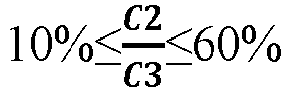
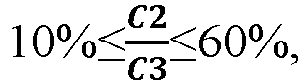
- the secondary battery meets the following condition: 10 % ⁇ C 2 C 3 ⁇ 60 % , where C2 is a mass percentage of the passivator in the electrolyte, and C3 is 1-x.
- the inventors have found that the mass percentage of the passivator in the electrolyte and 1-x both affect the performance of the secondary battery.
- the inventors have found through experiments that when 10 % ⁇ C 2 C 3 ⁇ 60 % , the deposition of transition metals on the negative electrode of the secondary battery can be reduced, allowing for good cycling performance and kinetic performance for the battery.
- a value of C2 ranges from 1wt% to 6wt%.
- an SEI film with high electronic insulation can be formed at the negative electrode interface, effectively alleviating the deposition of transition metal ions at the negative electrode. If the value of C2 is too small, that is, the amount of the passivator is too small, the passivator has limited effects on reducing the electronic conductivity of the SEI and the improvement to the cycling capability of the secondary battery is small. If the value of C2 is too large, that is, the amount of the passivator is too large, the SEI film may be too thick, which is not conducive to lithium ion transmission, deteriorating the kinetic performance of the battery.
- a value of C3 ranges from 0.1 to 0.3, that is, 0.7 ⁇ x ⁇ 0.9.
- using LiFe x M (1-x) PO 4 as the electrode active material can improve the working voltage of the secondary battery.
- the electrolyte further includes ethylene carbonate (EC).
- Ethylene carbonate (EC) has a relatively high dielectric constant, which can promote the dissociation of various lithium salts (such as the lithium salt represented by formula (I)) in the electrolyte, increase the concentration of lithium ions in the electrolyte, and enhance the liquid phase transmission capability of the electrolyte, further improving the performance of the secondary battery.
- a mass percentage of the ethylene carbonate in the electrolyte is 10wt% to 40wt%.
- the electrolyte can have high conductivity and good oxygen resistance, which is conducive to reducing DCR and gas production of the secondary battery. If a percentage of ethylene carbonate is too low, the increase in the concentration of lithium ions in the electrolyte is small, and the improvement to the performance of the secondary battery is small.
- ethylene carbonate has poor oxidation resistance. On the one hand, the ethylene carbonate is easily oxidized at high voltage, leading to gas production.
- ethylene carbonate forms Li 2 CO 3 in situ at the negative electrode, and then migrates to the positive electrode for oxidation. Additionally, ethylene carbonate or Li 2 CO 3 undergoes hydrolysis or thermal decomposition, leading to an increase in CO 2 . If the percentage of ethylene carbonate is too high, it is likely to cause excessive gas production in the secondary battery.
- a porosity of the separator ranges from 30% to 50%.
- the secondary battery can have good cycling performance and low DCR. If the porosity of the separator is too small, the migration of lithium ions is too slow, and DCR of the battery is too high. If the porosity of the separator is too large, the migration of transition metal ions is fast, resulting in more side reactions in the battery, leading to the performance deterioration of the secondary battery.
- a thickness of the separator ranges from 5 ⁇ m to 12 ⁇ m.
- the battery can have good cycling performance and low DCR, allowing the battery to have high safety performance. If the thickness of the separator is too small, safety risks are likely to occur; if the thickness of the separator is too large, the migration of lithium ions is slow, and the DCR of the secondary battery is large.
- a material forming the separator includes at least one of polyethylene, polypropylene, polyvinylidene fluoride, polyester, polyimide, polyamide, glass fiber, cellulose, aramid, or spandex.
- the secondary battery can have better cycling performance and lower DCR.
- This application further provides an electric apparatus, where the electric apparatus includes the secondary battery described above.
- the electric apparatus has all the characteristics and advantages of the secondary battery described above, which are not repeated herein.
- the secondary battery is used to provide electrical energy for the electric apparatus.
- the electric apparatus may include a mobile device (for example, a mobile phone or a notebook computer), an electric vehicle (for example, a battery electric vehicle, a hybrid electric vehicle, a plug-in hybrid electric vehicle, an electric bicycle, an electric scooter, an electric golf vehicle, or an electric truck), an electric train, a ship, a satellite system, an energy storage system, or the like, but is not limited thereto.
- Iron source, M source, phosphorus source, lithium source, lithium fluoride, and carbon source were mixed evenly and ball-milled to obtain the precursor.
- the precursor was placed in a tube furnace, and calcined after an inert gas was introduced. After the calcination ended, the precursor was cooled to room temperature, and the resulting solid was pulverized using a jet milling method to obtain a sample of the positive electrode active material LiFe x M (1-x) PO 4 .
- the positive electrode active material, polyvinylidene fluoride (PVDF), and carbon black (SP) were mixed at a mass ratio of 97:2:1 with a solvent and stirred to produce a uniformly dispersed positive electrode slurry, and the positive electrode slurry was evenly applied on both surfaces of aluminum foil, followed by drying, cold pressing, and cutting to obtain a positive electrode plate.
- PVDF polyvinylidene fluoride
- SP carbon black
- a polyethylene film was used as a separator.
Landscapes
- Chemical & Material Sciences (AREA)
- Chemical Kinetics & Catalysis (AREA)
- Electrochemistry (AREA)
- General Chemical & Material Sciences (AREA)
- Engineering & Computer Science (AREA)
- Manufacturing & Machinery (AREA)
- Inorganic Chemistry (AREA)
- Physics & Mathematics (AREA)
- Condensed Matter Physics & Semiconductors (AREA)
- General Physics & Mathematics (AREA)
- Crystallography & Structural Chemistry (AREA)
- Materials Engineering (AREA)
- Secondary Cells (AREA)
- Battery Electrode And Active Subsutance (AREA)
- Cell Separators (AREA)
Abstract

Description
- This application pertains to the technical field of batteries, and specifically relates to a secondary battery and an electric apparatus.
- Lithium-ion batteries have advantages such as high open-circuit voltage, high energy density, long service life, no memory effect, no pollution, and low selfdischarge, making them widely applicable. A positive electrode active material of lithium-ion batteries can be lithium iron phosphate doped with transition metals, for example, the positive electrode active material can be high-voltage solid solution materials such as LiFexMn(1-x)PO4, LiFexCo(1-x)PO4, and LiFexNi(1-x)PO4, but transition metals in the positive electrode active material is prone to dissolution.
- The transition metal ions in the positive electrode active material dissolve from a positive electrode to an electrolyte, and driven by electric field, the transition metal ions migrate and deposit on a surface of a graphite negative electrode, damaging a solid electrolyte interface film (SEI), causing the SEI film on the graphite surface to continuously decompose and regenerate, continuously consuming active lithium, and leading to degraded cycling performance of the battery.
- Therefore, it is necessary to improve the lithium-ion batteries.
- The inventors have found that HF is the main cause of the dissolution of transition metal ions from a positive electrode active material. Since an electrolyte is sensitive to moisture, the external environment and electrode plates can introduce water, causing LiPF6 in the electrolyte to decompose and generate HF in the presence of water, which makes it easier for transition metals to dissolve under the action of HF.
- To address the above technical problem, this application provides a secondary battery. The secondary battery includes a positive electrode plate, a negative electrode plate, an electrolyte, and a separator sandwiched between the positive electrode plate and the negative electrode plate. The positive electrode plate includes a positive electrode active material, and the positive electrode active material includes LiFexM(1-x)PO4, where 0<x<1, and M includes at least one of Co, Mn, Ni, Mg, Zn, or Al;
the electrolyte includes a lithium salt represented by the following formula (I):
- where R1 and R2 each independently include F, C1-4 alkyl, or C1-4 alkyl substituted by one or more fluorines; and
- the secondary battery meets the following condition:

- Since the lithium salt represented by formula (I) in this application has low sensitivity to water and high temperature, it is not easy to decompose and generate HF. By adding the lithium salt represented by formula (I) to the electrolyte, this application can reduce an HF content in the secondary battery, thereby reducing the dissolution of transition metals from the positive electrode active material, allowing for good cycling performance and kinetic performance for the secondary battery. The inventors have found through experiments that when

- According to an embodiment of this application, a value of C ranges from 5wt% to 20wt%. Thus, the HF content in the secondary battery can be effectively reduced, improving the performance of the secondary battery and also making the secondary battery have low gas production.
- According to an embodiment of this application, a value of U ranges from 3.65 V to 4.35 V. Thus, the secondary battery can have good performance and be stably used for a long time.
- According to an embodiment of this application, U0 ranges from 3.5 V to 3.8 V
- According to an embodiment of this application, the lithium salt includes at least one of lithium bis(fluorosulfonyl)imide, lithium bis(trifluoromethanesulfonyl)imide, lithium (fluorosulfonyl)(trifluoromethylsulfonyl)imide, lithium bis(pentafluoroethylsulfonyl)imide, or lithium (trifluoromethylsulfonyl)(pentafluorobutylsulfonyl)imide. These lithium salts are not easy to decompose and generate HF, which can effectively reduce the HF content in the secondary battery, making the secondary battery have good performance.
- According to an embodiment of this application, the electrolyte further includes a passivator. The passivator includes at least one of vinylene carbonate, vinylethylene carbonate, fluoroethylene carbonate, or 1,3-propanesultone. Thus, with the passivator added, an SEI film with high electronic insulation can be formed at a negative electrode interface, which is conducive to alleviating the deposition of transition metal ions at a negative electrode and enhancing the cycling capability of the secondary battery.
- According to an embodiment of this application, the secondary battery meets the following condition:

- Thus, when the mass percentage of the passivator in the electrolyte and 1-x meet the above proportional relationship, the deposition of transition metals on the negative electrode can be reduced, and cycling performance and kinetic performance of the secondary battery can be further improved.
- According to an embodiment of this application, a value of C2 ranges from 1wt% to 6wt%; Thus, the deposition of the transition metal ions on the negative electrode can be further alleviated.
- According to an embodiment of this application, a value of C3 ranges from 0.1 to 0.3. Compared with adopting lithium iron phosphate as the positive electrode active material, using lithium iron phosphate doped with transition metals as an electrode active material can improve the working voltage of the secondary battery.
- According to an embodiment of this application, the electrolyte further includes ethylene carbonate. Thus, ethylene carbonate can increase concentration of lithium ions in the electrolyte, and enhance liquid phase transmission capability of the electrolyte, further improving performance of the secondary battery.
- According to an embodiment of this application, based on a total mass of the electrolyte, a mass percentage of the ethylene carbonate in the electrolyte is 10wt% to 40wt%. Thus, the electrolyte can have high conductivity and good oxygen resistance, which is conducive to further reducing DCR and gas production of the battery.
- According to an embodiment of this application, a porosity of the separator ranges from 30% to 50%. Thus, the secondary battery can have good cycling performance and low DCR.
- According to an embodiment of this application, a thickness of the separator ranges from 5 µm to 12 µm. Thus, the secondary battery can have good cycling performance and low DCR.
- According to an embodiment of this application, a material forming the separator includes at least one of polyethylene, polypropylene, polyvinylidene fluoride, polyester, polyimide, polyamide, glass fiber, cellulose, aramid, or spandex. Thus, the secondary battery can have better cycling performance and lower DCR.
- This application further provides an electric apparatus, where the electric apparatus includes the secondary battery described above. Thus, the electric apparatus has all the characteristics and advantages of the secondary battery described above, which are not repeated herein.
- The following explains solutions of this application with reference to the embodiments. Persons skilled in the art will understand that the following embodiments are only for illustrating this application and should not be considered as limiting the scope of this application. Examples whose technical solutions or conditions are not specified are made in accordance with technical solutions or conditions described in literature in the field, or made in accordance with product instructions. The reagents or instruments used are all conventional products that are commercially available if no manufacturer is indicated.
- The inventors have found that in secondary batteries, the corrosion incurred by HF easily causes the dissolution of metal ions from a positive electrode active material, which is one of the important factors for the degradation of the cycling performance of the battery. The HF in the batteries mainly comes from an electrolyte. The external environment and electrode plates can introduce water, causing LiPF6 in the electrolyte to decompose and generate HF in the presence of water. In the related technologies, typically water-removal and acid-removal additives are added into the electrolyte to reduce HF in batteries. However, these additives themselves undergo redox reactions at positive and negative electrodes, making it impossible to ensure the presence of the additives throughout the entire use process of the secondary battery. Additionally, byproducts from the reaction of these additives with water or acids still exist in the secondary battery and more or less participate in redox reactions, resulting in the performance deterioration of the secondary battery.
- To address the above technical problems, this application provides a secondary battery. The secondary battery includes a positive electrode plate, a negative electrode plate, an electrolyte, and a separator sandwiched between the positive electrode plate and the negative electrode plate. The positive electrode plate includes a positive electrode active material, and the positive electrode active material includes LiFexM(1-x)PO4, where 0<x<1, and M includes at least one of Co, Mn, Ni, Mg, Zn, or Al;
the electrolyte includes a lithium salt represented by the following formula (I):
- where R1 and R2 each independently include F, C1-4 alkyl, or C1-4 alkyl substituted by one or more fluorines; and
- the secondary battery meets the following condition:

- Since the lithium salt represented by formula (I) in this application has low sensitivity to water and high temperature, it is not easy to decompose and generate HF. By adding the lithium salt represented by formula (I) to the electrolyte, the HF content in the secondary battery can be effectively reduced, thereby reducing the dissolution of the transition metals from the positive electrode active material, allowing for good cycling performance and kinetic performance for the secondary battery. The inventors have found through experiments that when

- By adding the lithium salt represented by formula (I) to the electrolyte, this application can reduce the amount of LiPF6 in the electrolyte, and even eliminate the need for LiPF6 in the electrolyte.
- It should be noted that U is the upper-limit usage voltage of the secondary battery, and the upper-limit usage voltage of the secondary battery is a maximum allowable voltage of the secondary battery. If the voltage exceeds the upper-limit usage voltage of the secondary battery, this may lead to the performance deterioration of the secondary battery or even incur safety risks. The test method for U is as follows: Provide multiple secondary batteries with the same structure as multiple experimental groups, and charge the secondary batteries of each experimental group to different voltages. Specifically, first charge the secondary battery at a constant current of 0.3C to different voltages with an interval of 0.05 V (for example, 3.6 V, 3.65 V, 3.7 V, 3.75 V, 3.8 V, 3.85 V, 3.9 V, 3.95 V, 4.0 V, 4.05 V, 4.1 V, 4.15 V, 4.2 V, 4.25 V, 4.3 V, 4.35 V, and 4.4 V), and then charge at constant voltage until the current is 0.05C. Subsequently, disassemble the secondary battery of each experimental group, take out the positive electrode active material, and use inductively coupled plasma optical emission spectrometer (ICP-OES) to test a Li content in the positive electrode active material (refer to GBT19282-2014). When the Li content is less than or equal to 0.1wt%, it indicates that the positive electrode has been fully delithiated, and the corresponding battery voltage of this group can be considered as the upper-limit usage voltage of the secondary battery.
- U0 is the stable voltage of the lithium salt, and the stable voltage of the lithium salt is a voltage that can ensure stable usage of the secondary battery. The test method for U0 is as follows: Provide multiple secondary batteries with the same structure as multiple experimental groups. For each experimental group, 1wt% vinylene carbonate and 20wt% of the lithium salt represented by formula (I) are used to prepare the electrolyte and LiFe0.7Mn0.3PO4 is used as the positive electrode active material, so as to make a pouch cell. Charge the secondary batteries of each experimental group to different voltages. Specifically, first charge the secondary battery at a constant current of 0.3C to different voltages with an interval of 0.1 V (for example, 3.3 V, 3.4 V, 3.5 V, 3.6 V, 3.7 V, 3.8 V, or 3.9 V), and then charge at constant voltage until the current is 0.05C. Subsequently, store the secondary batteries of each experimental group at a temperature of 45°C for 3 days, and measure the volume change rate of the secondary batteries of each experimental group before and after storage. The voltage of the secondary battery in the experimental group with a volume change rate of 5% is the stable voltage of the lithium salt. If a voltage of the secondary battery is greater than the stable voltage of the lithium salt, the volume change rate of the secondary battery is greater than 5%. When the voltage of the secondary battery is less than or equal to U0, the volume change of the secondary battery is not significant.
- For ease of understanding, the principle by which the secondary battery of this application can achieve the above beneficial effects is briefly explained below.
- To improve the performance of lithium-ion batteries, the related technology provides a solution of adding mixed lithium salts to the electrolyte, along with ether and nitrile solvents, and using a nickel-cobalt-manganese ternary material as the positive electrode active material. The positive electrode material in the related technology requires the use of a nickel-cobalt-manganese ternary material and mixed lithium salts, resulting in many restrictions and a narrow applicable range. In this application, the lithium salt represented by formula (I) is added to the electrolyte, which can effectively reduce the dissolution of the transition metals from the positive electrode active material, allowing for good cycling performance and kinetic performance for the secondary battery. The lithium salt in the electrolyte of this application can be a single type of lithium salt, that is, the electrolyte can use only the lithium salt represented by formula (I), and the electrolyte of this application can be a carbonate electrolyte. Compared with the solution in the related technology, the solution of this application has fewer restrictions and a wider applicable range.
- Specifically, the inventors have found that the lithium salt represented by formula (I) has low sensitivity to water and high temperature, and is not easy to decompose and generate HF. By adding the lithium salt represented by formula (I) to the electrolyte, the HF content in the secondary battery can be effectively reduced, thereby reducing the dissolution of the transition metals from the positive electrode active material, allowing for good cycling performance and kinetic performance for the secondary battery. However, the lithium salt represented by formula (I) has poor high-voltage stability, and the lithium salt represented by formula (I) is easily oxidized and generates gas under high voltage, leading to increased internal pressure of the battery and swelling of the battery housing. Under high voltage, the amount of the lithium salt represented by formula (I) needs to be adjusted to alleviate gas production. The inventors have found that the performance of the secondary battery is related to the mass percentage of the lithium salt in the electrolyte, the upper-limit usage voltage of the battery, and the stable voltage of the lithium salt. The inventors have found through experiments that when

- According to an embodiment of this application, a value of C ranges from 5wt% to 20wt%; Thus, the HF content in the secondary battery can be effectively reduced, and the secondary battery can also have low gas production. If the value of C is too small, that is, a mass percentage of the lithium salt in the electrolyte is too small, the generation of HF in the secondary battery cannot be effectively reduced, the dissolution of the transition metals cannot be reduced significantly, which is not conducive to improving the performance of the battery. If the value of C is too large, that is, the mass percentage of the lithium salt in the electrolyte is too large, the lithium salt is easily oxidized and generates gas under high pressure, which is likely to cause excessive gas production in the secondary battery.
- According to an embodiment of this application, a value of U ranges from 3.65 V to 4.35 V. Thus, the secondary battery can have good performance and be stably used for a long time.
- According to an embodiment of this application, U0 is 3.5 V. The lithium salt in this application can stably exist below 3.5 V.
- According to an embodiment of this application, the lithium salt includes at least one of lithium bis(fluorosulfonyl)imide (LiFSI), lithium bis(trifluoromethanesulfonyl)imide (LiTFSI), lithium (fluorosulfonyl)(trifluoromethylsulfonyl)imide (LiFTFSI), lithium bis(pentafluoroethylsulfonyl)imide (LiBESI), or lithium (trifluoromethylsulfonyl)(pentafluorobutylsulfonyl)imide. These lithium salts have low sensitivity to water and high temperature and are not easy to decompose and generate HF, which can effectively reduce the HF content in the secondary battery, allowing for good cycling performance and kinetic performance for the secondary battery.
- When the positive electrode is under the corrosion by HF and the action of high voltage, the transition metals are prone to dissolution from the positive electrode active material, and the transition metal ions migrate and diffuse to the negative electrode under the action of electric field and concentration. Although there is an SEI film on the negative electrode interface, which is theoretically electronically insulating, some electrons still pass through the SEI and reach the SEI/electrolyte interface to combine with transition metal ions, causing the transition metal ions to undergo a reduction reaction and deposit at the negative electrode interface. This further increases the electronic conductivity of the SEI, and further exacerbates side reactions such as transition metal deposition, deteriorating the performance of the secondary battery.
- According to an embodiment of this application, to improve the deposition of transition metal ions at the negative electrode, the electrolyte further includes a passivator; where the passivator includes at least one of vinylene carbonate (also known as 1,3-dioxolane-2-one, or vinyl carbonate, abbreviated as VC), vinylethylene carbonate (abbreviated as VEC), fluoroethylene carbonate (abbreviated as FEC), or 1,3-propanesultone (abbreviated as PS). Thus, with the passivator added to the electrolyte, an SEI film with high electronic insulation can be formed at the negative electrode interface, which is conducive to alleviating the deposition of transition metal ions at the negative electrode. Specifically, the passivator can participate in forming the SEI film and produce inorganic components such as Li2CO3, LiF, and Li2SO3, reducing the electronic conductivity of the SEI, thereby reducing the electron reduction reaction of transition metal ions and enhancing the cycling capability of the secondary battery.
- According to an embodiment of this application, the secondary battery meets the following condition:

- The inventors have found that the mass percentage of the passivator in the electrolyte and 1-x both affect the performance of the secondary battery. The inventors have found through experiments that when
- According to an embodiment of this application, a value of C2 ranges from 1wt% to 6wt%. Thus, an SEI film with high electronic insulation can be formed at the negative electrode interface, effectively alleviating the deposition of transition metal ions at the negative electrode. If the value of C2 is too small, that is, the amount of the passivator is too small, the passivator has limited effects on reducing the electronic conductivity of the SEI and the improvement to the cycling capability of the secondary battery is small. If the value of C2 is too large, that is, the amount of the passivator is too large, the SEI film may be too thick, which is not conducive to lithium ion transmission, deteriorating the kinetic performance of the battery.
- According to an embodiment of this application, a value of C3 ranges from 0.1 to 0.3, that is, 0.7≤x≤0.9. Compared with adopting lithium iron phosphate as the positive electrode active material, using LiFexM(1-x)PO4 as the electrode active material can improve the working voltage of the secondary battery.
- According to an embodiment of this application, the electrolyte further includes ethylene carbonate (EC). Ethylene carbonate (EC) has a relatively high dielectric constant, which can promote the dissociation of various lithium salts (such as the lithium salt represented by formula (I)) in the electrolyte, increase the concentration of lithium ions in the electrolyte, and enhance the liquid phase transmission capability of the electrolyte, further improving the performance of the secondary battery.
- According to an embodiment of this application, based on a total mass of the electrolyte, a mass percentage of the ethylene carbonate in the electrolyte is 10wt% to 40wt%. Thus, the electrolyte can have high conductivity and good oxygen resistance, which is conducive to reducing DCR and gas production of the secondary battery. If a percentage of ethylene carbonate is too low, the increase in the concentration of lithium ions in the electrolyte is small, and the improvement to the performance of the secondary battery is small. However, ethylene carbonate has poor oxidation resistance. On the one hand, the ethylene carbonate is easily oxidized at high voltage, leading to gas production. On the other hand, ethylene carbonate forms Li2CO3 in situ at the negative electrode, and then migrates to the positive electrode for oxidation. Additionally, ethylene carbonate or Li2CO3 undergoes hydrolysis or thermal decomposition, leading to an increase in CO2. If the percentage of ethylene carbonate is too high, it is likely to cause excessive gas production in the secondary battery.
- According to an embodiment of this application, a porosity of the separator ranges from 30% to 50%. Thus, the secondary battery can have good cycling performance and low DCR. If the porosity of the separator is too small, the migration of lithium ions is too slow, and DCR of the battery is too high. If the porosity of the separator is too large, the migration of transition metal ions is fast, resulting in more side reactions in the battery, leading to the performance deterioration of the secondary battery.
- According to an embodiment of this application, a thickness of the separator ranges from 5 µm to 12 µm. Thus, the battery can have good cycling performance and low DCR, allowing the battery to have high safety performance. If the thickness of the separator is too small, safety risks are likely to occur; if the thickness of the separator is too large, the migration of lithium ions is slow, and the DCR of the secondary battery is large.
- According to an embodiment of this application, a material forming the separator includes at least one of polyethylene, polypropylene, polyvinylidene fluoride, polyester, polyimide, polyamide, glass fiber, cellulose, aramid, or spandex. Thus, the secondary battery can have better cycling performance and lower DCR.
- This application further provides an electric apparatus, where the electric apparatus includes the secondary battery described above. Thus, the electric apparatus has all the characteristics and advantages of the secondary battery described above, which are not repeated herein.
- The secondary battery is used to provide electrical energy for the electric apparatus. The electric apparatus may include a mobile device (for example, a mobile phone or a notebook computer), an electric vehicle (for example, a battery electric vehicle, a hybrid electric vehicle, a plug-in hybrid electric vehicle, an electric bicycle, an electric scooter, an electric golf vehicle, or an electric truck), an electric train, a ship, a satellite system, an energy storage system, or the like, but is not limited thereto.
- The examples described below in this application, unless otherwise specified, the reagents used can be purchased from the market or prepared by the methods described in this application.
- Iron source, M source, phosphorus source, lithium source, lithium fluoride, and carbon source were mixed evenly and ball-milled to obtain the precursor. The precursor was placed in a tube furnace, and calcined after an inert gas was introduced. After the calcination ended, the precursor was cooled to room temperature, and the resulting solid was pulverized using a jet milling method to obtain a sample of the positive electrode active material LiFexM(1-x)PO4.
- The positive electrode active material, polyvinylidene fluoride (PVDF), and carbon black (SP) were mixed at a mass ratio of 97:2:1 with a solvent and stirred to produce a uniformly dispersed positive electrode slurry, and the positive electrode slurry was evenly applied on both surfaces of aluminum foil, followed by drying, cold pressing, and cutting to obtain a positive electrode plate.
- A negative electrode active material (artificial graphite), carbon black (SP), styrene-butadiene rubber (SBR), and sodium carboxymethyl cellulose (CMC) were mixed at a ratio of 97:0.5:1.5:1 with a solvent, a pore-forming agent was added, and stirring was performed to produce a uniformly dispersed negative electrode slurry. The negative electrode slurry was evenly applied on both surfaces of copper foil, followed by drying, cold pressing, and cutting to obtain a negative electrode plate.
- A polyethylene film was used as a separator.
- In an argon atmosphere glove box, according to the percentage of each component in Table 1, 30% ethylene carbonate (EC), 40% dimethyl carbonate (DMC), 5% ethyl methyl carbonate (EMC), 7% diethyl carbonate (DEC), 3% vinylene carbonate (VC), 5% lithium hexafluorophosphate (LiPF6), and 10% lithium bis(fluorosulfonyl)imide (LiFSI) were mixed and dissolved by mass to obtain an electrolyte.
- The positive electrode plate, the negative electrode plate, and the separator were assembled into an electrode assembly through winding or lamination, and the electrode assembly was placed in a housing formed by an aluminum shell, an aluminum-plastic film, and the like. Then electrolyte injection, high-temperature standing, formation, and capacity grading were performed to obtain the secondary battery.
- Following the procedures of Example 1 and Table 1, secondary batteries of Examples 2 to 25 and Comparative Examples 1 and 2 were obtained.
- Performance tests were conducted on the secondary batteries prepared in Examples 1 to 25 and Comparative Examples 1 and 2. The specific measurement methods are described below, and the test results are given in Table 1.
- At 60°C, the secondary battery of each example and comparative example was charged at a constant current of 0.5C to an upper-limit usage voltage (taking Example 1 as an example, the upper-limit usage voltage was 4.2 V), and then constant-voltage charged to a current of 0.05C. The battery was left standing for 5 minutes and discharged at a constant current of 1/3C to 2.5 V. This was a first charge-discharge cycle of the secondary battery, and the discharge capacity at this cycle was recorded as discharge capacity for the first cycle of the secondary battery. Cyclic charge-discharge tests were performed on the secondary battery according to the above method, and the capacity retention rate after 500 cycles was recorded.
- At 60°C, the secondary battery was charged at a constant current of 0.5C to an upper-limit usage voltage (taking Example 1 as an example, the upper-limit usage voltage was 4.2 V), and then constant-voltage charged to a current of 0.05C. A volume of the secondary battery at this point was measured using a drainage method and recorded as V0. The secondary battery was placed in a 60°C thermostat, stored for 30 days and then taken out. A volume of the secondary battery at this point was measured using the drainage method and recorded as V1. The volume swelling rate of the secondary battery after storage at 60°C for 30 days=[(V1-V0)/V0]×100%.
- At 60°C, the secondary battery was charged at a constant current of 0.5C to an upper-limit usage voltage (taking Example 1 as an example, the upper-limit usage voltage was 4.2 V), and then constant-voltage charged to a current of 0.05C. Subsequently, the battery was discharged at 0.5C for 1 hour to adjust to 50%SOC, and the voltage at that point was recorded as U1. Then, the battery was discharged at 4C for 30 seconds, and the voltage at that point was recorded as U2. DCR=(U1-U2)/4C.
- Conduct the test according to the method in
GB/T 24586-2009 

- As shown in Table 1, the comprehensive performance of the secondary batteries in Examples 1 to 25 is superior to that of the secondary batteries in Comparative examples 1 and 2. The secondary batteries in Examples 1 to 25 have lower volume swelling rate, higher capacity retention rate, and lower DCR. The secondary batteries in the embodiments of this application can have a volume swelling rate as low as 24%, a capacity retention rate as high as 93.5%, and a DCR as low as 25 mΩ. In Comparative example 1, due to the absence of the passivator and the lithium salt represented by formula (I) in the electrolyte, the produced secondary battery has a higher volume swelling rate and a lower capacity retention rate. In Comparative example 2, due to the excessively low percentage of the lithium salt represented by formula (I) added to the electrolyte, the produced secondary battery has a higher volume swelling rate, resulting in poor comprehensive performance of the secondary battery.
- The above describes the embodiments of this application in detail; however, this application is not limited to the specific details of the above embodiments. Various simple modifications to the technical solutions of this application can be made within the technical concept of this application, and these simple modifications are all within the protection scope of this application. Additionally, it should be noted that the specific technical features described in the above specific embodiments can be combined in any suitable manner, provided that there is no conflict.
- In the description of this specification, the terms "an embodiment", "some embodiments", "an example", "a specific example", or "some examples" mean the specific features, structures, materials or characteristics described with reference to the embodiment or example are included in at least one embodiment or example of this application. In this specification, the illustrative expressions of these terms do not necessarily refer to the same embodiment or example. In addition, the specific feature, structure, material or characteristic described can be combined in any appropriate manner in any one or more embodiments or examples. Besides, without mutual conflict, persons skilled in the art can incorporate and combine different embodiments or examples and features of the different embodiments or examples described in this specification.
- Although the examples of this application have been shown and described, it is understood that these examples are illustrative and should not be construed as limitations on this application. A person of ordinary skill in the art can make changes, modifications, substitutions, and transformations to the examples within the scope of this application.
Claims (15)
- A secondary battery, wherein the secondary battery comprises a positive electrode plate, a negative electrode plate, an electrolyte, and a separator sandwiched between the positive electrode plate and the negative electrode plate, the positive electrode plate comprises a positive electrode active material, and the positive electrode active material comprises LiFexM(1-x)PO4, wherein 0<x<1, and M comprises at least one of Co, Mn, Ni, Mg, Zn, or Al;
the electrolyte comprises a lithium salt represented by the following formula (I): wherein R1 and R2 each independently comprise F, C1-4 alkyl, or C1-4 alkyl substituted by one or more fluorines; andthe secondary battery meets the following condition:
- The secondary battery according to claim 1, wherein a value of C ranges from 5wt% to 20wt%.
- The secondary battery according to claim 1 or 2, wherein a value of U ranges from 3.65 V to 4.35 V
- The secondary battery according to any one of claims 1 to 3, wherein a value of U0 ranges from 3.5 V to 3.8 V.
- The secondary battery according to any one of claims 1 to 4, wherein the lithium salt comprises at least one of lithium bis(fluorosulfonyl)imide, lithium bis(trifluoromethanesulfonyl)imide, lithium (fluorosulfonyl)(trifluoromethylsulfonyl)imide, lithium bis(pentafluoroethylsulfonyl)imide, or lithium (trifluoromethylsulfonyl)(pentafluorobutylsulfonyl)imide.
- The secondary battery according to any one of claims 1 to 5, wherein the electrolyte further comprises a passivator; and
the passivator comprises at least one of vinylene carbonate, vinylethylene carbonate, fluoroethylene carbonate, or 1,3-propanesultone. - The secondary battery according to claim 6, wherein the secondary battery satisfies the following condition:
- The secondary battery according to claim 7, wherein a value of C2 ranges from 1wt% to 6wt%.
- The secondary battery according to claim 7 or 8, wherein a value of C3 ranges from 0.1 to 0.3.
- The secondary battery according to any one of claims 1 to 9, wherein the electrolyte further comprises ethylene carbonate.
- The secondary battery according to claim 10, wherein based on a total mass of the electrolyte, a mass percentage of the ethylene carbonate in the electrolyte is 10wt% to 40wt%.
- The secondary battery according to any one of claims 1 to 11, wherein a porosity of the separator is 30% to 50%.
- The secondary battery according to any one of claims 1 to 12, wherein a thickness of the separator is 5 µm to 12 µm.
- The secondary battery according to any one of claims 1 to 13, wherein a material forming the separator comprises at least one of polyethylene, polypropylene, polyvinylidene fluoride, polyester, polyimide, polyamide, glass fiber, cellulose, aramid, or spandex.
- An electric apparatus, wherein the electric apparatus comprises the secondary battery according to any one of claims 1 to 14.
Applications Claiming Priority (1)
| Application Number | Priority Date | Filing Date | Title |
|---|---|---|---|
| PCT/CN2023/076260 WO2024168612A1 (en) | 2023-02-15 | 2023-02-15 | Secondary battery and electric device |
Publications (2)
| Publication Number | Publication Date |
|---|---|
| EP4579856A1 true EP4579856A1 (en) | 2025-07-02 |
| EP4579856A4 EP4579856A4 (en) | 2026-04-08 |
Family
ID=90897912
Family Applications (1)
| Application Number | Title | Priority Date | Filing Date |
|---|---|---|---|
| EP23921775.5A Pending EP4579856A4 (en) | 2023-02-15 | 2023-02-15 | SECONDARY BATTERY AND ELECTRICAL DEVICE |
Country Status (6)
| Country | Link |
|---|---|
| US (1) | US20250260062A1 (en) |
| EP (1) | EP4579856A4 (en) |
| JP (1) | JP2025539139A (en) |
| KR (1) | KR20250052460A (en) |
| CN (1) | CN117999688A (en) |
| WO (1) | WO2024168612A1 (en) |
Family Cites Families (9)
| Publication number | Priority date | Publication date | Assignee | Title |
|---|---|---|---|---|
| JP2013157088A (en) * | 2012-01-26 | 2013-08-15 | Sony Corp | Battery and battery pack, electronic apparatus, electric vehicle, power storage device and power system |
| KR20140066645A (en) * | 2012-11-23 | 2014-06-02 | 주식회사 엘지화학 | Electrolyte solution for lithium secondary battery and lithium secondary battery comprising the same |
| CN109119685A (en) * | 2017-06-23 | 2019-01-01 | 宁德时代新能源科技股份有限公司 | Electrolyte and lithium ion battery |
| FR3093379B1 (en) * | 2019-03-01 | 2022-09-30 | Accumulateurs Fixes | Electrolyte composition for lithium-ion electrochemical element |
| CN109830751A (en) * | 2019-03-08 | 2019-05-31 | 上海氟帝新材料科技有限公司 | A kind of electrolyte functional additive, battery electrolyte and the battery |
| KR102465197B1 (en) * | 2019-09-13 | 2022-11-10 | 아사히 가세이 가부시키가이샤 | Non-aqueous electrolyte and non-aqueous secondary battery |
| JP7490617B2 (en) * | 2021-02-03 | 2024-05-27 | 株式会社東芝 | Non-aqueous electrolyte, secondary battery, battery pack, vehicle and stationary power source |
| JPWO2023276863A1 (en) * | 2021-06-29 | 2023-01-05 | ||
| CN119905663A (en) * | 2022-03-31 | 2025-04-29 | 宁德新能源科技有限公司 | An electrochemical device and an electrical appliance containing the same |
-
2023
- 2023-02-15 JP JP2025528971A patent/JP2025539139A/en active Pending
- 2023-02-15 CN CN202380013756.7A patent/CN117999688A/en active Pending
- 2023-02-15 EP EP23921775.5A patent/EP4579856A4/en active Pending
- 2023-02-15 KR KR1020257010561A patent/KR20250052460A/en active Pending
- 2023-02-15 WO PCT/CN2023/076260 patent/WO2024168612A1/en not_active Ceased
-
2025
- 2025-05-01 US US19/195,744 patent/US20250260062A1/en active Pending
Also Published As
| Publication number | Publication date |
|---|---|
| EP4579856A4 (en) | 2026-04-08 |
| CN117999688A (en) | 2024-05-07 |
| US20250260062A1 (en) | 2025-08-14 |
| KR20250052460A (en) | 2025-04-18 |
| JP2025539139A (en) | 2025-12-03 |
| WO2024168612A1 (en) | 2024-08-22 |
Similar Documents
| Publication | Publication Date | Title |
|---|---|---|
| EP3905412B1 (en) | Lithium-ion battery and related battery module, battery pack, and device | |
| Singh et al. | Enhanced structural and cycling stability of Li2CuO2-coated LiNi0. 33Mn0. 33Co0. 33O2 cathode with flexible ionic liquid-based gel polymer electrolyte for lithium polymer batteries | |
| CN112993408B (en) | Electrolyte, preparation method thereof, lithium ion battery and electric vehicle | |
| EP3907803B1 (en) | Non-aqueous electrolyte for lithium ion battery and lithium ion battery | |
| CN111525190B (en) | Electrolyte and lithium ion battery | |
| EP3972030B1 (en) | Electrolyte, lithium-ion battery comprising said electrolyte, battery module, battery pack and device | |
| EP4345943A1 (en) | Lithium battery and preparation method therefor, charging method, and power vehicle | |
| EP3951988B1 (en) | Electrolyte and lithium metal battery comprising said electrolyte, battery module, battery pack, and apparatus | |
| CN105720304A (en) | Nonaqueous electrolyte and lithium-ion battery | |
| CN112909341A (en) | Lithium ion battery electrolyte, preparation method thereof, lithium ion battery and electric vehicle | |
| KR20200082557A (en) | An Electrolyte for a lithium ion secondary battery and a lithium ion secondary battery comprising the same | |
| CN112599859A (en) | Preparation method of high-energy-density power battery | |
| CN112909340A (en) | Lithium ion battery electrolyte, preparation method, lithium ion battery and electric vehicle | |
| KR20230165203A (en) | Secondary batteries and battery modules containing them, battery packs and electrical devices | |
| EP4421916A1 (en) | Lithium-ion secondary battery, battery module, battery pack, and electric apparatus | |
| CN108987802B (en) | Non-aqueous electrolyte for high-voltage lithium ion battery | |
| CN104282944A (en) | A kind of lithium-ion battery high-voltage electrolyte and application thereof | |
| CN114552007A (en) | Non-aqueous electrolyte of lithium ion battery and lithium ion battery | |
| EP3930070B1 (en) | Electrolyte for lithium ion battery, lithium ion battery, battery module, battery pack, and device | |
| EP4593147A1 (en) | Electrolyte, battery, and electrical device | |
| CN117080551A (en) | Inner salt type additive containing N and S elements, lithium ion battery electrolyte and application | |
| EP4579856A1 (en) | Secondary battery and electric device | |
| CN118610567A (en) | Electrolyte, battery cells, batteries and electrical equipment | |
| CN110690498B (en) | High-voltage lithium ion battery electrolyte and high-voltage lithium ion battery | |
| KR20240049596A (en) | Secondary battery, secondary battery manufacturing method, battery module, battery pack, and electrical device |
Legal Events
| Date | Code | Title | Description |
|---|---|---|---|
| STAA | Information on the status of an ep patent application or granted ep patent |
Free format text: STATUS: THE INTERNATIONAL PUBLICATION HAS BEEN MADE |
|
| PUAI | Public reference made under article 153(3) epc to a published international application that has entered the european phase |
Free format text: ORIGINAL CODE: 0009012 |
|
| STAA | Information on the status of an ep patent application or granted ep patent |
Free format text: STATUS: REQUEST FOR EXAMINATION WAS MADE |
|
| 17P | Request for examination filed |
Effective date: 20250324 |
|
| AK | Designated contracting states |
Kind code of ref document: A1 Designated state(s): AL AT BE BG CH CY CZ DE DK EE ES FI FR GB GR HR HU IE IS IT LI LT LU LV MC ME MK MT NL NO PL PT RO RS SE SI SK SM TR |
|
| REG | Reference to a national code |
Ref country code: DE Ref legal event code: R079 Free format text: PREVIOUS MAIN CLASS: H01M0010056800 Ipc: H01M0010056700 |
|
| A4 | Supplementary search report drawn up and despatched |
Effective date: 20260306 |
|
| RIC1 | Information provided on ipc code assigned before grant |
Ipc: H01M 10/0567 20100101AFI20260302BHEP Ipc: H01M 10/0568 20100101ALI20260302BHEP Ipc: H01M 10/0569 20100101ALI20260302BHEP Ipc: H01M 4/58 20100101ALI20260302BHEP Ipc: H01M 10/42 20060101ALI20260302BHEP Ipc: H01M 50/489 20210101ALI20260302BHEP Ipc: H01M 50/491 20210101ALI20260302BHEP |