EP4579624A1 - Settlement device, program, and computer-readable storage medium - Google Patents
Settlement device, program, and computer-readable storage medium Download PDFInfo
- Publication number
- EP4579624A1 EP4579624A1 EP23856908.1A EP23856908A EP4579624A1 EP 4579624 A1 EP4579624 A1 EP 4579624A1 EP 23856908 A EP23856908 A EP 23856908A EP 4579624 A1 EP4579624 A1 EP 4579624A1
- Authority
- EP
- European Patent Office
- Prior art keywords
- settlement
- commodity
- information
- acquisition unit
- processor
- Prior art date
- Legal status (The legal status is an assumption and is not a legal conclusion. Google has not performed a legal analysis and makes no representation as to the accuracy of the status listed.)
- Pending
Links
Images




Classifications
-
- G—PHYSICS
- G06—COMPUTING OR CALCULATING; COUNTING
- G06Q—INFORMATION AND COMMUNICATION TECHNOLOGY [ICT] SPECIALLY ADAPTED FOR ADMINISTRATIVE, COMMERCIAL, FINANCIAL, MANAGERIAL OR SUPERVISORY PURPOSES; SYSTEMS OR METHODS SPECIALLY ADAPTED FOR ADMINISTRATIVE, COMMERCIAL, FINANCIAL, MANAGERIAL OR SUPERVISORY PURPOSES, NOT OTHERWISE PROVIDED FOR
- G06Q20/00—Payment architectures, schemes or protocols
- G06Q20/08—Payment architectures
- G06Q20/18—Payment architectures involving self-service terminals [SST], vending machines, kiosks or multimedia terminals
-
- G—PHYSICS
- G06—COMPUTING OR CALCULATING; COUNTING
- G06Q—INFORMATION AND COMMUNICATION TECHNOLOGY [ICT] SPECIALLY ADAPTED FOR ADMINISTRATIVE, COMMERCIAL, FINANCIAL, MANAGERIAL OR SUPERVISORY PURPOSES; SYSTEMS OR METHODS SPECIALLY ADAPTED FOR ADMINISTRATIVE, COMMERCIAL, FINANCIAL, MANAGERIAL OR SUPERVISORY PURPOSES, NOT OTHERWISE PROVIDED FOR
- G06Q20/00—Payment architectures, schemes or protocols
- G06Q20/08—Payment architectures
- G06Q20/20—Point-of-sale [POS] network systems
-
- G—PHYSICS
- G06—COMPUTING OR CALCULATING; COUNTING
- G06Q—INFORMATION AND COMMUNICATION TECHNOLOGY [ICT] SPECIALLY ADAPTED FOR ADMINISTRATIVE, COMMERCIAL, FINANCIAL, MANAGERIAL OR SUPERVISORY PURPOSES; SYSTEMS OR METHODS SPECIALLY ADAPTED FOR ADMINISTRATIVE, COMMERCIAL, FINANCIAL, MANAGERIAL OR SUPERVISORY PURPOSES, NOT OTHERWISE PROVIDED FOR
- G06Q30/00—Commerce
- G06Q30/06—Buying, selling or leasing transactions
-
- G—PHYSICS
- G07—CHECKING-DEVICES
- G07G—REGISTERING THE RECEIPT OF CASH, VALUABLES, OR TOKENS
- G07G1/00—Cash registers
- G07G1/0009—Details of the software in the checkout register, electronic cash register [ECR] or point of sale terminal [POS]
-
- G—PHYSICS
- G07—CHECKING-DEVICES
- G07G—REGISTERING THE RECEIPT OF CASH, VALUABLES, OR TOKENS
- G07G1/00—Cash registers
- G07G1/0036—Checkout procedures
- G07G1/0045—Checkout procedures with a code reader for reading of an identifying code of the article to be registered, e.g. barcode reader or radio-frequency identity [RFID] reader
-
- G—PHYSICS
- G07—CHECKING-DEVICES
- G07G—REGISTERING THE RECEIPT OF CASH, VALUABLES, OR TOKENS
- G07G1/00—Cash registers
- G07G1/01—Details for indicating
-
- G—PHYSICS
- G07—CHECKING-DEVICES
- G07G—REGISTERING THE RECEIPT OF CASH, VALUABLES, OR TOKENS
- G07G1/00—Cash registers
- G07G1/12—Cash registers electronically operated
Definitions
- Embodiments described herein relate generally to a settlement apparatus, a program, and a computer-readable storage medium.
- an unmanned store system has been developed and already put into practical use as a kiosk in a station or the like.
- the unmanned store system recognizes in real time a commodity obtained by a customer in a commodity sales area by correlating the commodity with the customer, and when the customer enters a settlement area, the unmanned store system causes a display device of a settlement apparatus to display information of the commodity correlated with the customer, thus performing settlement.
- a settlement apparatus that enables a customer to smoothly perform settlement by an operation by himself/herself, even if there is a problem in the system.
- the purchased commodity list TAa is created based on the number of purchased commodities n included in the transaction file 240, the commodity sales data for the number of commodities n, and the total amount.
- the purchased commodity list TAa illustrated in FIG. 10 is a list for a customer who has purchased one shopping bag of the S size with a unit price of 3 yen, one commodity AAA with a unit price of 100 yen, and one commodity BBB with a unit price of 200 yen and a discount amount of 10 yen.
- the customer who has checked the detail screen SCd determines whether or not the contents of the purchased commodity list TAa are correct. If the contents are correct, the customer touches the ninth button BTi.
- the processor 31 that has displayed the image of the detail screen SCd proceeds to ACT21 in FIG. 5 .
- the processor 31 confirms whether or not the ninth button BTi is input as ACT21. If the ninth button BTi is not input, the processor 31 proceeds to ACT22.
- the processor 31 confirms whether or not the tenth button BTj is input by the function as the correction acceptance unit 312 as ACT22. If the tenth button BTj is not input, the processor 31 proceeds to ACT23.
- the processor 31 confirms, as ACT23, whether or not the eleventh button BTk is input by the function as the cancellation acceptance unit 318. If the eleventh button BTk is not input, the processor 31 returns to ACT21. In this way, the processor 31 that displays the image of the detail screen SCd waits for the ninth button BTi, the tenth button BTj, or the eleventh button BTk to be input as ACT21 to ACT23.
- the processor 31 proceeds from ACT21 to ACT24.
- the processor 31 causes the touch panel 391 to display an image of a payment selection screen SCe (see FIG. 12 ) as ACT24.
- FIG. 12 is a schematic diagram illustrating an example of an image displayed on the payment selection screen SCe.
- the payment selection screen SCe includes a twelfth button BTm displaying a text "Credit”, a thirteenth button BTn displaying a text "Code settlement”, a fourteenth button BTp displaying a text "Cash”, and a fifteenth button BTq displaying a text "Electronic money”.
- the customer who confirms the payment selection screen SCe performs a touch operation on the twelfth button BTm in a case where the customer pays the price corresponding to the total amount by the credit card.
- the customer who pays by the code settlement touches the thirteenth button BTn.
- the customer who pays in cash performs a touch operation on the fourteenth button BTp.
- the customer who pays by electronic money performs a touch operation on the fifteenth button BTq.
- the processor 31, which displays the image of the payment selection screen SCe, waits for any one of the twelfth button BTm, the thirteenth button BTn, the fourteenth button BTp, and the fifteenth button BTq to be input as ACT25. If any one of the twelfth button BTm, the thirteenth button BTn, the fourteenth button BTp, and the fifteenth button BTq is input, the processor 31 proceeds from ACT25 to ACT26. The processor 31 executes, as ACT26, the settlement process according to the selected payment method by the function as the first settlement unit 313.
- the processor 31 executes a credit settlement process, based on the data of the credit card read by the card reader 393. For example, if the thirteenth button BTn is input, that is, if the code settlement payment is selected, the processor 31 executes a code settlement process, based on the data of the bar code or the two-dimensional code read by the scanner 392. For example, if the fourteenth button BTp is input, that is, if the cash payment is selected, the processor 31 executes a cash settlement process in interlock with the automatic change machine 300.
- the processor 31 executes an electronic money settlement process, based on the data of the electronic money read by the scanner 392 or the card reader 393. Since the credit settlement process, the code settlement process, the cash settlement process, and the electronic money settlement process are well-known processes, a detailed description thereof is omitted here.
- the processor 31 that has finished the settlement process proceeds to ACT27.
- the processor 31 issues a receipt by controlling the printer 394 as ACT27.
- the processor 31 causes the touch panel 391 to display an image of a settlement end screen SCf (see FIG. 13 ) as ACT28.
- FIG. 13 is a schematic diagram illustrating an example of an image displayed on the settlement end screen SCf after the end of the cash settlement process.
- an image of an amount list TAb is arranged on the settlement end screen SCf.
- the total number of commodities, the total amount, a deposit amount inserted into the automatic change machine 300, and a change amount paid out from the automatic change machine 300, are displayed in the amount list TAb.
- the customer who confirms the settlement end screen SCf takes a receipt issued from the printer 394 and exits from the exit 6.
- the processor 31 that displays the image of the settlement end screen SCf proceeds to ACT29.
- the processor 31 outputs, as ACT29, a signal instructing opening of the gate 70 to the gate system 25 by the function as the opening and closing unit 317.
- the gate system 25 that has received this signal opens the gate 70. In this way, if the settlement of the customer who entered the settlement area 3 is finished, the gate 70 is opened. As a result, the next customer can enter the settlement area 3.
- the processor 31 outputs, as ACT30, a signal for requesting deletion of the acquired transaction file, that is, the transaction file 240 received in ACT6, to the file system 24 by the function as the first notification unit 315.
- the file system 24 that has received this signal selects the transaction file 240 in which the value of the settlement flag is "1" and the value of the deletion flag is "0", and changes the value of the deletion flag of the transaction file 240 from "0" to "1". Then, the file system 24 returns a permission response signal to the settlement terminal 30.
- the processor 31 that has requested the deletion of the transaction file 240 proceeds to ACT31.
- the processor 31 waits for the permission response signal as ACT31.
- the processor 31 proceeds to ACT32.
- the processor 31 deletes the settlement end screen SCf as ACT32.
- the processor 31 ends the information processing in a case where the ninth button BTi of the detail screen SCd is input.
- the processor 31 returns to the idle state.
- the processor 31 restores the screen of the touch panel 391 to the image of the initial screen SCa.
- the processor 31 proceeds from ACT22 to ACT41 in FIG. 6 .
- the processor 31 determines, as ACT41, whether or not the shopping bag has been purchased. If the commodity sales data of the shopping bag is added to the transaction file 240 in ACT12, the processor 31 recognizes that the shopping bag has been purchased. If the shopping bag has not been purchased, the processor 31 proceeds from ACT41 to ACT42.
- the processor 31 deletes, as ACT42, all the commodity sales data stored in the transaction file 240 received in ACT6. Therefore, the number of purchased commodities n becomes "0". The total amount becomes 0 yen.
- the processor 31 proceeds from ACT41 to ACT43.
- the processor 31 deletes, as ACT43, all the commodity sales data, excluding the commodity sales data of the shopping bag, from the transaction file 240 received in ACT6. Therefore, the number of purchased commodities n becomes "1". The total amount becomes the price of the purchased shopping bag.
- the processor 31 proceeds to ACT44.
- the processor 31 updates the purchased commodity list TAa of the detail screen SCd as ACT44. Specifically, if the process of ACT42 is performed, the processor 31 updates the purchased commodity list TAa so as to clear all of the commodity name of the purchased commodity, the unit price, the number of sold commodities, the discount amount, and the sales amount. If the process of ACT43 has been performed, the processor 31 updates the purchased commodity list TAa so as to clear all of the commodity names of purchased commodities excluding the shopping bag, the unit price, the number of sold commodities, the discount amount, and the sales amount.
- the processor 31 that has updated the detail screen SCd proceeds to ACT45.
- the processor 31 waits for the commodity registration as ACT45.
- the processor 31 waits for the bar code of the commodity to be scanned by the scanner 392.
- the customer who touches the tenth button BTj on which the text "Correct" is displayed scans the bar codes attached to the commodities obtained in the commodity sales area 2 one by one by the scanner 392.
- the processor 31 proceeds from ACT45 to ACT46.
- the processor 31 adds, as ACT46, the commodity sales date of the commodity, which is identified by the commodity code obtained from the scanned bar code, to the transaction file 240.
- the commodity name of the added commodity, the unit price, the number of sold commodities, the discount amount, and the sales amount are displayed in the purchased commodity list TAa of the detail screen SCd.
- the total number of commodities and the total amount of money are updated.
- the processor 31 returns to ACT45 and waits for the bar code of the next commodity to be scanned.
- the customer who has scanned all the bar codes of the acquired commodities touches the ninth button BTi on which the text "Checkout" of the detail screen SCd is displayed.
- the processor 31 confirms, as ACT47, whether or not the ninth button BTi is input. If the ninth button BTi is input, the processor 31 proceeds from ACT47 to ACT48.
- the processor 31 causes the touch panel 391 to display an image of the payment selection screen SCe as ACT48.
- the image of the payment selection screen SCe is identical to the image described in the process of ACT24.
- the processor 31 executes, ACT48 to ACT55, the same process as the process of the above-described ACT24 to ACT32.
- the processor 31 executes the settlement process of the commodity scanned by the scanner 392 by the payment method selected on the payment selection screen SCe by the function as the second settlement unit 314.
- the processor 31 controls the issuing of a receipt, and causes the touch panel 391 to display an image of the settlement end screen SCf.
- the processor 31 outputs a signal instructing opening of the gate 70 to the gate system 25.
- the processor 31 outputs a signal for requesting deletion of the transaction file 240 received in the ACT6 to the file system 24 by the function as the first notification unit 315. Thereafter, if the permission response signal is received, the processor 31 deletes the settlement end screen SCf.
- the processor 31 ends the information processing in a case where the tenth button BTj of the detail screen SCd is input.
- the processor 31 returns to the idle state.
- the processor 31 restores the screen of the touch panel 391 to the image of the initial screen SCa.
- the settlement with the customer who touches the tenth button BTj on which the text "Correct” is displayed is finished.
- the gate 70 is opened in response to the end of the settlement.
- the value of the deletion flag of the transaction file 240 that is received in ACT6 and is managed by the file system 24 is changed from "0" to "1".
- the processor 31 proceeds from ACT23 to ACT61 of FIG. 7 .
- the processor 31 outputs, as ACT61, a signal for requesting deletion of the acquired transaction file 240, that is, the transaction file 240 received in ACT6, to the file system 24 by the function as the second notification unit 319.
- the processor 31 waits for the permission response signal as ACT62.
- the processor 31 proceeds to ACT63.
- the processor 31 causes the touch panel 391 to display an image of a payment cancellation screen SCg (see FIG. 14 ) as ACT63.
- FIG. 14 is a schematic diagram illustrating an example of an image displayed on the payment cancellation screen SCg.
- an image of a sixteenth button BTr on which a text "Confirm” is displayed, together with a message indicating that the payment is cancelled, is arranged on the payment cancellation screen SCg.
- the customer who confirms the payment cancellation screen SCg performs a touch operation on the sixteenth button BTr.
- the processor 31 that has displayed the image of the payment cancellation screen SCg waits for the input of the sixteenth button BTr as ACT64. If the sixteenth button BTr is input by the touch operation, the processor 31 proceeds from ACT64 to ACT65.
- the processor 31 causes the touch panel 391 to display an image of a confirmation screen SCh (see FIG. 15 ) as ACT65.
- the processor 31 proceeds from ACT67 to ACT69.
- the processor 31 outputs a signal instructing opening of the gate 70 to the gate system 25 as ACT69.
- the processor 31 deletes the confirmation screen SCh as ACT70.
- the processor 31 ends the information processing in a case where the eleventh button BTk of the detail screen SCd is input.
- the processor 31 returns to the idle state.
- the processor 31 restores the screen of the touch panel 391 to the image of the initial screen SCa.
Landscapes
- Business, Economics & Management (AREA)
- Physics & Mathematics (AREA)
- General Physics & Mathematics (AREA)
- Accounting & Taxation (AREA)
- Finance (AREA)
- General Business, Economics & Management (AREA)
- Strategic Management (AREA)
- Engineering & Computer Science (AREA)
- Theoretical Computer Science (AREA)
- Development Economics (AREA)
- Economics (AREA)
- Marketing (AREA)
- Cash Registers Or Receiving Machines (AREA)
- Management, Administration, Business Operations System, And Electronic Commerce (AREA)
- Control Of Vending Devices And Auxiliary Devices For Vending Devices (AREA)
Abstract
Description
- Embodiments described herein relate generally to a settlement apparatus, a program, and a computer-readable storage medium.
- In recent years, an unmanned store system has been developed and already put into practical use as a kiosk in a station or the like. The unmanned store system recognizes in real time a commodity obtained by a customer in a commodity sales area by correlating the commodity with the customer, and when the customer enters a settlement area, the unmanned store system causes a display device of a settlement apparatus to display information of the commodity correlated with the customer, thus performing settlement. In such an unmanned store system, there is a demand for a settlement apparatus that enables a customer to smoothly perform settlement by an operation by himself/herself, even if there is a problem in the system.
- Patent document 1: Jpn. Pat. Appln. KOKAI Publication No.
2021-108208 - An object of the present invention is to provide a settlement apparatus that enables a customer to smoothly perform settlement by an operation by himself/herself, even if there is a problem in an unmanned store system.
-
-
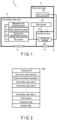
FIG. 1 is a schematic diagram illustrating a schematic configuration of astore 1 in which an unmanned store system is constructed. -
FIG. 2 is a schematic diagram illustrating main data stored in a transaction file. -
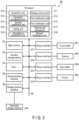
FIG. 3 is a block diagram illustrating a circuit configuration of a main part of a settlement terminal. -
FIG. 4 is a flowchart illustrating a procedure of a main part of information processing that a processor of the settlement terminal executes. -
FIG. 5 is a flowchart illustrating a procedure of a main part of information processing that the processor of the settlement terminal executes. -
FIG. 6 is a flowchart illustrating a procedure of a main part of information processing that the processor of the settlement terminal executes. -
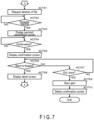
FIG. 7 is a flowchart illustrating a procedure of a main part of information processing that the processor of the settlement terminal executes. -
FIG. 8 is a schematic diagram illustrating an example of an image displayed on an initial screen. -
FIG. 9 is a schematic diagram illustrating an example of an image displayed on a membership confirmation screen. -
FIG. 10 is a schematic diagram illustrating an example of an image displayed on a shopping bag selection screen. -
FIG. 11 is a schematic diagram illustrating an example of an image displayed on a detail screen. -
FIG. 12 is a schematic diagram illustrating an example of an image displayed on a payment selection screen. -
FIG. 13 is a schematic diagram illustrating an example of an image displayed on a settlement end screen. -
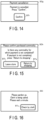
FIG. 14 is a schematic diagram illustrating an example of an image displayed on a payment cancellation screen. -
FIG. 15 is a schematic diagram illustrating an example of an image displayed on a confirmation screen. -
FIG. 16 is a schematic diagram illustrating an example of an image displayed on a calling-in-progress screen. - In one embodiment, a settlement apparatus includes an acquisition unit, a display control unit, a correction acceptance unit, a first settlement unit, and a second settlement unit. The acquisition unit acquires, from an external system, information of a commodity that a settler obtains in a commodity sales area. The display control unit causes a display device to display the information of the commodity acquired by the acquisition unit. The correction acceptance unit accepts a correction instruction relating to the information of the commodity. The first settlement unit performs settlement, based on the information of the commodity acquired by the acquisition unit, in a case where the correction instruction is not accepted. The second settlement unit discards the information of the commodity acquired by the acquisition unit and performs settlement, based on information of the commodity acquired via an input device, in a case where the correction instruction is accepted.
- Hereinafter, an embodiment of a settlement apparatus, which enables a customer to smoothly perform settlement by an operation by himself/herself even if there is a problem in an unmanned store system, is described with reference to the drawings.
-
FIG. 1 is a schematic diagram illustrating a schematic configuration of astore 1 in which an unmanned store system is constructed. Thestore 1 includes acommodity sales area 2, asettlement area 3, and astore clerk area 4. Thecommodity sales area 2 is an area in which commodity shelves, on which commodities of a plurality of items are displayed on an item-by-item basis, are installed. Thesettlement area 3 is an area where a customer who has obtained a commodity in thecommodity sales area 2 performs settlement. Thestore clerk area 4 is an area where a store clerk who is a clerk in charge stands by in order to replenish commodities, to cope with a system failure, and the like. - The
commodity sales area 2 is provided with anentrance 5 through which a customer can enter and exit. Thesettlement area 3 is provided with anexit 6 for the customer who has finished the settlement to exit the store. Thecommodity sales area 2 and thesettlement area 3 are partitioned by a partition. Anentrance 7 is formed in the partition. Theentrance 7 is provided with agate 70. - A customer who entered the
commodity sales area 2 through theentrance 5 picks up a commodity to be purchased from commodities displayed on the commodity shelf. The commodity may be held by hand or may be stored in a bag or the like. The customer who has obtained the commodity enters thesettlement area 3 from theentrance 7. The customer becomes a settler by entering thesettlement area 3. The customer who becomes the settler settles the commodity by himself/herself. The customer who has finished the settlement goes out of thestore 1 through theexit 6. - In the
commodity sales area 2 of thestore 1, a movementline tracking system 21, anaction detection system 22, acommodity identification system 23, afile system 24, and agate system 25 are provided. In thesettlement area 3, asettlement terminal 30 is installed as a settlement apparatus corresponding to a customer's self-operation. Aclerk terminal 40 is installed in thestore clerk area 4. - The
clerk terminal 40 is a terminal that performs a notification operation in response to a call command from thesettlement terminal 30. The notification operation is performed by sound, voice, display, or the like. Theclerk terminal 40 may be carried by a store clerk. In a case where the store clerk carries theclerk terminal 40, if the store clerk can immediately respond to a call, thestore clerk area 4 may be located at a place distant from thecommodity sales area 2 and thesettlement area 3. - The movement
line tracking system 21 is a system that tracks the movement line of a customer who entered thecommodity sales area 2 from theentrance 5. The movementline tracking system 21 tracks the movement line of the customer by processing, in time series, frame images captured by many video cameras attached to, for example, the ceiling of thecommodity sales area 2. - The
action detection system 22 is a system that detects an action of a customer standing in front of a display shelf. Theaction detection system 22 estimates a skeleton of a person by analyzing a 3D image of a three-dimensional camera that captures an image of a customer standing in front of a store shelf, for example, and detects an action of the customer picking up a commodity from the store shelf, from a motion of a hand obtained by the estimation of the skeleton. - The
commodity identification system 23 analyzes a signal of a sensor, such as a weight sensor or an infrared sensor, provided in the commodity shelf, and identifies a commodity taken out from the commodity shelf. The movementline tracking system 21, theaction detection system 22, and thecommodity identification system 23 are well-known systems utilized in existing unmanned store systems, and thus a detailed description thereof is omitted here. - The
file system 24 is a system that manages a transaction file 240 (seeFIG. 2 ) created for each customer who entered thecommodity sales area 2. Thefile system 24 can manage the transaction files 240 of a plurality of customers at the same time. -
FIG. 2 is a schematic diagram illustrating main data stored in thetransaction file 240. As illustrated in the Figure, thetransaction file 240 stores a customer ID, a store entry date and time, the number of purchased commodities n, commodity sales data for the number of commodities n, a total amount, a settlement flag, a deletion flag, and the like. - The customer ID is a unique code set for a customer by the movement
line tracking system 21 that recognizes the customer who entered thecommodity sales area 2 from theentrance 5. The movementline tracking system 21 tracks the movement line of the customer who can set the customer ID in thecommodity sales area 2. The store entry date and time is the date and time when the customer who entered thecommodity sales area 2 was recognized by the movementline tracking system 21. - The number of purchased commodities n is the number of commodities estimated to have been obtained from the merchandise shelf by the customer specified by the customer ID. The information as to which commodity the customer has obtained is determined by the
action detection system 22 and thecommodity identification system 23. The commodity sales data is information of the commodity estimated to have been obtained. The information includes a commodity code, a commodity name, a unit price, the number of sold commodities, a discount amount, a sales amount, and the like. The commodity code, the commodity name, and the unit price are information set in a commodity master file in advance. The number of sold commodities is the number of commodities obtained, which are identified by the commodity codes. The discount amount is an amount of money derived from a discount amount or a discount rate when the discount amount or the discount rate is set for the commodity identified by the commodity code. The sales amount is an amount obtained by subtracting the discount amount from an amount obtained by multiplying the unit price by the number of sold commodities. The total amount is the sum of the sales amounts of the commodity sales data for the number of purchased commodities n. Note that in the present embodiment, it is assumed that the tax imposed on the commodity is a tax included. - The settlement flag is 1-bit data for identifying whether or not the customer specified by the customer ID is a settler. In the present embodiment, the value of the settlement flag is set to "0" when the customer is not the settler, and the value of the settlement flag is set to "1" when the customer is the settler. It is possible to determine whether the customer entered the
settlement area 3 from thecommodity sales area 2 through theentrance 7, by the movement line tracked by the movementline tracking system 21. If it is determined that the customer entered thesettlement area 3, the customer becomes a settler. Then, the settlement flag of thetransaction file 240 storing the customer ID is changed from "0" to "1". - The deletion flag is 1-bit data for identifying whether the
transaction file 240 is in a deletion state. In the present embodiment, the value of the deletion flag is set to "0" when the deletion state is not set, and the value of the deletion flag is set to "1" when the deletion state is set. Thetransaction file 240 needs to be stored until the settlement of the customer identified by the customer ID is completed. If the settlement is completed, thetransaction file 240 need not be stored. As a result, the deletion flag changes from "0" to "1". Such changes in the values of the settlement flag and the deletion flag are controlled by thefile system 24. - The
gate system 25 is a system that controls opening and closing of thegate 70 provided in theentrance 7. While thegate 70 is opened by thegate system 25, the customer can enter thesettlement area 3 through theentrance 7. However, if thegate 70 is closed, the customer cannot enter thesettlement area 3. In addition, the customer in thesettlement area 3 cannot return to thecommodity sales area 2 through theentrance 7. -
FIG. 3 is a block diagram illustrating a circuit configuration of a main part of thesettlement terminal 30. Thesettlement terminal 30 includes aprocessor 31, amain memory 32, anauxiliary storage device 33, aclock 34, acommunication interface 35, achange machine interface 36, a plurality ofdevice interfaces 371 to 374, and asystem transmission path 38. Thesystem transmission path 38 includes an address bus, a data bus, a control signal line, and the like. Thesettlement terminal 30 constitutes a computer by connecting theprocessor 31, and themain memory 32,auxiliary storage device 33,clock 34,communication interface 35,change machine interface 36 anddevice interfaces 371 to 374 via thesystem transmission path 38. In addition, thesettlement terminal 30 connects various devices, such as atouch panel 391, ascanner 392, acard reader 393 and aprinter 394, to the device interfaces 371 to 374, respectively. - The
processor 31 corresponds to a central portion of the computer. Theprocessor 31 controls each unit to implement various functions as thesettlement terminal 30 according to an operating system or an application program. Theprocessor 31 may be a processing circuit such as a central processing unit (CPU), a graphics processing unit (GPU), an application specific integrated circuit (ASIC), or a programmable logic device (for example, a simple programmable logic device (SPLD), a complex programmable logic device (CPLD), or a field programmable gate array (FPGA)). Theprocessor 31 is not limited to a case where theprocessor 31 is configured as a single processing circuit, and theprocessor 31 may be configured by combining a plurality of processing circuits. Note that the same applies to other processors according to the present embodiment. - The
main memory 32 may be a volatile memory (random access memory) or a nonvolatile memory (read-only memory, nonvolatile random access memory). Themain memory 32 stores an information processing program and data necessary for information processing. Theprocessor 31 reads and executes a program stored in themain memory 32, thereby implementing a predetermined function. Note that, instead of storing the program in themain memory 32, the program may be directly incorporated in theprocessor 31. In this case, theprocessor 31 implements a predetermined function by reading and executing the program incorporated therein. Further, the predetermined function may be implemented not only by theprocessor 31 executing the program, but also by a combination of logic circuits. Note that the same applies to other main memories according to the present embodiment. - The
auxiliary storage device 33 corresponds to an auxiliary storage portion of the computer. For example, an electric erasable programmable read-only memory (EEPROM), a hard disk drive (HDD), a solid state drive (SSD), or the like may be theauxiliary storage device 33. Theauxiliary storage device 33 stores data used by theprocessor 31 to perform various processes, data created by the process performed by theprocessor 31, or the like. There is a case where theauxiliary storage device 33 stores the above-described application program. - The
clock 34 measures a date and time. Theprocessor 31 processes the date and time measured by theclock 34 as the present date and time. - The
communication interface 35 is a circuit for performing data communication with an external computer system via a communication network. The external computer system includes thefile system 24 and thegate system 25 described above. - The
change machine interface 36 is a circuit for performing data communication with theautomatic change machine 300. Theautomatic change machine 300 has a function of counting the number of bills or coins inserted from an insertion slot for each denomination to obtain the amount of inserted money, and outputting inserted money amount data to thesettlement terminal 30, and a function of dispensing bills or coins corresponding to change from a dispensing slot, based on change data received from thesettlement terminal 30. Specifically, thechange machine interface 36 has a function of receiving the inserted money amount data from theautomatic change machine 300, and a function of transmitting the change data to theautomatic change machine 300. - The
device interface 371 is a circuit for performing data communication with thetouch panel 391. Thetouch panel 391 is a display device capable of displaying display elements such as characters, symbols, and images on a display. In addition, thetouch panel 391 is also an input device that detects a touch operation position on the display with a sensor and processes the display element at the position as an input display element. - The
device interface 372 is a circuit for performing data communication with thescanner 392. Thescanner 392 is an optical input device that reads a machine-readable code such as a bar code or a two-dimensional code by scanning the machine-readable code with light. Thescanner 392 may be an imaging-type input device that reads a machine-readable code from an image captured by a camera. Thescanner 392 can read not only a machine-readable code attached to a commodity or the like, but also a machine-readable code displayed on a display of a terminal such as a smartphone. - The
device interface 373 is a circuit for performing data communication with thecard reader 393. Thecard reader 393 is an input device that reads data from a card medium such as a credit card, an electronic money card, or a membership card, and processes the read card data. Thecard reader 393 may be a magnetic card reader corresponding to a magnetic card, or an IC card reader corresponding to an IC card. In addition, the magnetic card reader and the IC card reader may be used in combination. The IC card reader may be a non-contact type IC card reader or a contact type IC card reader. Besides, the card reader may be a card reader/writer having a data writing function. - The
device interface 374 is a circuit for performing data communication with theprinter 394. Theprinter 394 is a printing device that prints data relating to the settlement of a transaction on a paper medium, and issues a receipt. Note that the receipt may be issued to the customer as an electronic receipt instead of a paper receipt. - In the
settlement terminal 30 with the above configuration, theprocessor 31 has functions as anacquisition unit 310, adisplay control unit 311, acorrection acceptance unit 312, afirst settlement unit 313, asecond settlement unit 314, afirst notification unit 315, a callingunit 316, an opening andclosing unit 317, acancellation acceptance unit 318, and asecond notification unit 319, in order to operate as a settlement apparatus that enables a customer to smoothly perform settlement by an operation by himself/herself even if there is a problem in the unmanned store system. - The
acquisition unit 310 is a function of acquiring, from an external computer system, information of a commodity obtained by a settler in thecommodity sales area 2. The external computer system is, concretely, thefile system 24. Specifically, theacquisition unit 310 acquires, from thefile system 24, data of thetransaction file 240 in which the customer ID for specifying the settler is set. - The
display control unit 311 is a function of causing the display device to display the information of the commodity acquired by theacquisition unit 310. The display device is, concretely, thetouch panel 391. Specifically, thedisplay control unit 311 causes thetouch panel 391 to display information such as the number of purchased commodities, and the total amount, and also the commodity name, the unit price, the number of sold commodities, the discount amount, and the sales amount of one or more pieces of commodity sales data, which are stored in thetransaction file 240 acquired by theacquisition unit 310. - The
correction acceptance unit 312 is a function of accepting a correction instruction relating to the information of the commodity. The correction instruction is generated by, for example, a touch operation on an arbitrary display element displayed on thetouch panel 391. Specifically, if thecorrection acceptance unit 312 detects a touch operation on an arbitrary display element, thecorrection acceptance unit 312 accepts the operation as a correction instruction relating to the information of the commodity. - The
first settlement unit 313 is a function of performing settlement, based on the information of the commodity acquired by theacquisition unit 310, in a case where the correction instruction is not accepted. Thesecond settlement unit 314 is a function of discarding the information of the commodity acquired by theacquisition unit 310 and performing settlement, based on information of the commodity acquired via the input device, in a case where the correction instruction is accepted. The input device is, concretely, thescanner 392. The input device may be thetouch panel 391. Thescanner 392 and thetouch panel 391 may be used in combination as the input device. - The
first notification unit 315 is a function of notifying the external computer system, that is, thefile system 24, of the deletion of the information of the commodity acquired by theacquisition unit 310 in response to the end of the settlement by thefirst settlement unit 313 or thesecond settlement unit 314. Upon receiving this notification, thefile system 24 deletes thecorresponding transaction file 240. Specifically, thefile system 24 changes the value of the deletion flag of thecorresponding transaction file 240 from "0" to "1". - The calling
unit 316 is a function of outputting a signal for calling a clerk if theacquisition unit 310 fails to acquire the information of the commodity. The output destination of the signal is theclerk terminal 40. Upon receiving the signal, theclerk terminal 40 performs a notification operation for calling the clerk. The notification operation is as described above. - The opening and
closing unit 317 is a function of closing theentrance 7 from thecommodity sales area 2 to thesettlement area 3 if the settler enters thesettlement area 3, and opening theentrance 7 in response to the end of settlement by thefirst settlement unit 313 or thesecond settlement unit 314. The opening andclosing unit 317 is interlocked with thegate system 25. Specifically, if the settler enters thesettlement area 3, the opening andclosing unit 317 outputs to the gate system 25 a signal for closing thegate 70 provided in theentrance 7. Responding to this signal, thegate system 25 closes thegate 70. Thereafter, if the settlement by the settler is completed, the opening andclosing unit 317 outputs a signal for opening thegate 70 to thegate system 25. Upon receiving this signal, thegate system 25 opens thegate 70. - The
cancellation acceptance unit 318 is a function of accepting a cancellation instruction of the settlement based on the information of the commodity acquired by theacquisition unit 310. The cancellation instruction is generated by, for example, a touch operation on an arbitrary display element displayed on thetouch panel 391. Specifically, upon detecting a touch operation on an arbitrary display element, thecancellation acceptance unit 318 accepts the operation as a cancellation instruction of settlement. - Upon accepting the cancellation instruction, the
second notification unit 319 notifies the external computer system, that is, thefile system 24, of the deletion of the information of the commodity acquired by theacquisition unit 310. In this case, too, thefile system 24 changes the value of the deletion flag of thecorresponding transaction file 240 from "0" to "1". - The functions as the
acquisition unit 310,display control unit 311,correction acceptance unit 312,first settlement unit 313,second settlement unit 314,first notification unit 315, callingunit 316, opening andclosing unit 317,cancellation acceptance unit 318, andsecond notification unit 319 are implemented by information processing executed by theprocessor 31 according to the settlement program. The settlement program is installed in theauxiliary storage device 33. The settlement program may be installed in themain memory 32. A method of installing the settlement program in themain memory 32 or theauxiliary storage device 33 is not particularly limited. The settlement program may be installed in themain memory 32 or theauxiliary storage device 33 by recording the settlement program in a removable recording medium or by distributing the settlement program through communication via a network. The recording medium may be in any form as long as the recording medium can store a program and can be read by the apparatus, such as an SD memory card or a USB memory. -
FIGS. 4 to 7 are flowcharts illustrating a procedure of a main part of information processing executed by theprocessor 31 of thesettlement terminal 30 according to the settlement program.FIGS. 8 to 16 are examples of images displayed on thetouch panel 391 of thesettlement terminal 30 in accordance with the information processing. Hereinafter, main operations of the unmanned store system including thesettlement terminal 30 is described with reference to the drawings. Note that the procedure and contents of the information processing described below are merely examples. The procedure and the contents can be appropriately changed if the same operation and effect can be achieved. In addition, the images illustrated inFIGS. 8 to 16 are also examples. The number of display elements, layout, text, and the like can be changed as appropriate. - First, if a customer enters the
commodity sales area 2 from theentrance 5, a unique customer ID is set for the customer by the operation of the movementline tracking system 21. Then, thetransaction file 240 including the customer ID is formed by the operation of thefile system 24. At this time, the values of the settlement flag and the deletion flag stored in thetransaction file 240 are both "0". - If the customer moves in the
commodity sales area 2, the movement line of the customer is tracked by the operation of the movementline tracking system 21. Then, if the customer obtains a commodity to be purchased from the commodity shelf, the commodity is specified by the operation of theaction detection system 22 and thecommodity identification system 23, and the commodity sales data is stored in thetransaction file 240 including the customer ID of the customer. In addition, the number of purchased commodities n in thetransaction file 240 is incremented by one, and the total amount is calculated. - The customer who has finished obtaining the commodity to be purchased enters the
settlement area 3 from theentrance 7 through the openedgate 70. Note that if thegate 70 is closed, the customer enters thesettlement area 3 after waiting for thegate 70 to be opened. If the movementline tracking system 21 detects that the customer has entered thesettlement area 3 from theentrance 7, the value of the settlement flag of thetransaction file 240 in which the customer ID of the customer is stored is changed from "0" to "1". Thus, the customer who entered thesettlement area 3 becomes a settler. The customer who entered thesettlement area 3 operates thesettlement terminal 30 by himself/herself to settle the obtained commodity. - The
processor 31 of thesettlement apparatus 30 displays, as ACT1, an image of an initial screen SCa (seeFIG. 8 ) on thetouch panel 391, as illustrated inFIG. 4 . Then, theprocessor 31 waits for a start operation as ACT2. -
FIG. 8 is a schematic diagram illustrating an example of an image displayed on the initial screen SCa. As illustrated in the Figure, the initial screen SCa includes images of a first button BTa displaying a text "Start" and a second button BTb displaying a text "Exit store without purchasing commodity". The first button BTa and the second button BTb are software keys that are input by a touch operation. Note that third to nineteenth buttons BTc to BTu described later are also similar software keys. Specifically, theprocessor 31 waits for the first button BTa to be input in ACT2. - The customer who has checked the initial screen SCa performs a touch operation on the first button BTa on which the text "Start" is displayed. If the first button BTa is input by a touch operation, the
processor 31 accepts a start operation. Theprocessor 31 proceeds from ACT2 to ACT3. - The
processor 31 outputs, as ACT3, a signal instructing closing of thegate 70 to thegate system 25 by the function as the opening andclosing unit 317. Thegate system 25 that has received this signal closes thegate 70. In this way, if the customer who enters thesettlement area 3 starts the operation of thesettlement terminal 30, thegate 70 is closed. Therefore, it is possible to prevent another customer from entering thesettlement area 3. - In addition, the
processor 31 outputs, as ACT4, a signal for requesting thetransaction file 240 including the commodity sales data of the commodity obtained by the customer to thefile system 24 by the function as theacquisition unit 310. Thefile system 24, which has received this signal, selects thetransaction file 240 in which the value of the settlement flag is "1" and the value of the deletion flag is "0", and transfers thetransaction file 240 to thesettlement terminal 30. In principle, such atransaction file 240 is only thetransaction file 240 including the customer ID of the customer who entered thesettlement area 3. - The
processor 31 that has output the signal to thefile system 24 causes thetouch panel 391 to display an image of an inquiring-in-progress screen as ACT5. This image is an image including text "Now inquiring about transaction content", for example. Theprocessor 31 confirms whether or not thetransaction file 240 is received within a predetermined time as ACT6. Upon receiving thetransaction file 240 within the predetermined time, theprocessor 31 proceeds from ACT6 to ACT7. However, for example, if thetransaction file 240 fails to be received within the predetermined time due to a problem in communication between thefile system 24 and thesettlement terminal 30, theprocessor 31 proceeds from ACT6 to ACT14. The processing after ACT14 will be described later. - The
processor 31 that received thetransaction file 240 displays an image of a membership confirmation screen SCb (seeFIG. 9 ) on thetouch panel 391 as ACT7. -
FIG. 9 is a schematic diagram illustrating an example of an image displayed on the membership confirmation screen SCb. As illustrated in the Figure, the membership confirmation screen SCb includes images of a third button BTc on which a text "Customer having membership card" is displayed and a fourth button BTd on which a text "Customer not having membership card" is displayed. The customer who confirms the membership confirmation screen SCb performs a touch operation on the third button BTc if the customer is a member of thestore 1, and performs a touch operation on the fourth button BTd if the customer is a non-member. In addition, the customer who touches the third button BTc, that is, the customer who is a member, performs an operation for inputting a membership code to thesettlement terminal 30. For example, a customer who carries a membership card in which a membership code is recorded causes thecard reader 393 to read data of the membership card. A customer who installs application software dedicated to members in a smartphone scans a bar code or a two-dimensional code indicating a membership code displayed on the smartphone by thescanner 392. - The
processor 31 that displays the image of the membership confirmation screen SCb waits for the third button BTc or the fourth button BTd to be input as ACT8. If the third button BTc is input, theprocessor 31 proceeds from ACT8 to ACT9. Theprocessor 31 acquires the membership code as ACT9. Specifically, if the data of the membership card is read by thecard reader 393, theprocessor 31 acquires the membership code from the data. If the bar code or the two-dimensional code representing the membership code is scanned by thescanner 392, theprocessor 31 acquires the membership code from the bar code or the two-dimensional code. - On the other hand, if the fourth button BTd is touched in ACT8, the
processor 31 skips the process of ACT9. If the process of ACT9 is executed or skipped, theprocessor 31 proceeds to ACT10. Theprocessor 31 displays an image of a shopping bag selection screen SCc (seeFIG. 10 ) on thetouch panel 391 as ACT10. -
FIG. 10 is a schematic diagram illustrating an example of an image displayed on the shopping bag selection screen SCc. As illustrated in the Figure, images of a fifth button BTe on which a symbol "-" is displayed and a sixth button BTf on which a symbol "+" is displayed are arranged in association with each size of shopping bags on the shopping bag selection screen SCc. In addition, images of a seventh button BTg on which a text "Confirm" is displayed and an eighth button BTh on which a text "Not purchase" is displayed are also arranged on the shopping bag selection screen SCc. Note that inFIG. 10 , the sizes of shopping bags are set to be three types of "S size", "M size", and "L size", but the sizes may be two types or four or more types. Alternatively, the shopping bag may have only one size. The customer who checks the shopping bag selection screen SCc determines whether or not the shopping bag is necessary. A customer who does not need a shopping bag performs a touch operation on the eighth button BTh. A customer who needs a shopping bag operates the fifth button BTe or the sixth button BTf to set the number of shopping bags to be purchased of a desired size, and then performs a touch operation on the seventh button BTg. - The
processor 31 that displays the image of the shopping bag selection screen SCc waits for the seventh button BTg or the eighth button BTh to be input as ACT11. If the seventh button BTg is input, theprocessor 31 proceeds from ACT11 to ACT12. Theprocessor 31 adds the commodity sales data of the shopping bag to thetransaction file 240 as ACT12. For example, if the customer touches the seventh button BTg with the number of purchased "S size" shopping bags being set to "1", theprocessor 31 adds the commodity code and the commodity name of the "S size" shopping bag, a unit price of 3 yen, the number of sold commodities of 1, a discount amount of 0 yen, and a sales amount of 3 yen to thetransaction file 240. In addition, the number of purchased commodities n is increased by one, and the total amount is increased by three yen. - On the other hand, if the eighth button BTh is input by the touch operation in ACT11, the
processor 31 skips the process of ACT12. If the process of ACT12 is executed or skipped, theprocessor 31 proceeds to ACT13. Theprocessor 31 causes, as ACT13, thetouch panel 391 to display an image of a detail screen SCd (seeFIG. 11 ), by the function as thedisplay control unit 311. -
FIG. 11 is a schematic diagram illustrating an example of an image displayed on the detail screen SCd. As illustrated in the Figure, an image of a purchased commodity list TAa is arranged on the detail screen SCd. In addition, images of a ninth button BTi on which a text "Checkout" is displayed, a tenth button BTj on which a text "Correct" is displayed, and an eleventh button BTk on which a text "Cancel" is displayed are arranged on the detail screen SCd. - The purchased commodity list TAa is created based on the number of purchased commodities n included in the
transaction file 240, the commodity sales data for the number of commodities n, and the total amount. Incidentally, the purchased commodity list TAa illustrated inFIG. 10 is a list for a customer who has purchased one shopping bag of the S size with a unit price of 3 yen, one commodity AAA with a unit price of 100 yen, and one commodity BBB with a unit price of 200 yen and a discount amount of 10 yen. The customer who has checked the detail screen SCd determines whether or not the contents of the purchased commodity list TAa are correct. If the contents are correct, the customer touches the ninth button BTi. - However, for example, when a customer obtains a commodity from a commodity shelf, commodity sales data of another commodity may be stored in the
transaction file 240 due to a failure of thecommodity identification system 23. Further, there may be a case where the commodity sales data of the obtained commodity is not stored in thetransaction file 240 due to a failure of theaction detection system 22. Besides, when the customer moves from thecommodity sales area 2 to thesettlement area 3, there may be a case where the settlement flag in thetransaction file 240 of another customer may be changed to "1" due to a failure of the movementline tracking system 21. If such a problem occurs in the unmanned store system, the contents of the purchased commodity list TAa displayed on the detail screen SCd are incorrect. In this case, the customer performs a touch operation on the tenth button BTj. - In addition, a customer, who entered the
settlement area 3 but cancels the settlement for the reason that, for example, the customer forgets a wallet, touches the eleventh button BTk. - The
processor 31 that has displayed the image of the detail screen SCd proceeds to ACT21 inFIG. 5 . Theprocessor 31 confirms whether or not the ninth button BTi is input as ACT21. If the ninth button BTi is not input, theprocessor 31 proceeds to ACT22. Theprocessor 31 confirms whether or not the tenth button BTj is input by the function as thecorrection acceptance unit 312 as ACT22. If the tenth button BTj is not input, theprocessor 31 proceeds to ACT23. Theprocessor 31 confirms, as ACT23, whether or not the eleventh button BTk is input by the function as thecancellation acceptance unit 318. If the eleventh button BTk is not input, theprocessor 31 returns to ACT21. In this way, theprocessor 31 that displays the image of the detail screen SCd waits for the ninth button BTi, the tenth button BTj, or the eleventh button BTk to be input as ACT21 to ACT23. - In the standby state from ACT21 to ACT23, if the ninth button BTi on which the text "Checkout" is displayed is input, the
processor 31 proceeds from ACT21 to ACT24. Theprocessor 31 causes thetouch panel 391 to display an image of a payment selection screen SCe (seeFIG. 12 ) as ACT24. -
FIG. 12 is a schematic diagram illustrating an example of an image displayed on the payment selection screen SCe. As illustrated in the Figure, the payment selection screen SCe includes a twelfth button BTm displaying a text "Credit", a thirteenth button BTn displaying a text "Code settlement", a fourteenth button BTp displaying a text "Cash", and a fifteenth button BTq displaying a text "Electronic money". The customer who confirms the payment selection screen SCe performs a touch operation on the twelfth button BTm in a case where the customer pays the price corresponding to the total amount by the credit card. The customer who pays by the code settlement touches the thirteenth button BTn. The customer who pays in cash performs a touch operation on the fourteenth button BTp. The customer who pays by electronic money performs a touch operation on the fifteenth button BTq. - The
processor 31, which displays the image of the payment selection screen SCe, waits for any one of the twelfth button BTm, the thirteenth button BTn, the fourteenth button BTp, and the fifteenth button BTq to be input as ACT25. If any one of the twelfth button BTm, the thirteenth button BTn, the fourteenth button BTp, and the fifteenth button BTq is input, theprocessor 31 proceeds from ACT25 to ACT26. Theprocessor 31 executes, as ACT26, the settlement process according to the selected payment method by the function as thefirst settlement unit 313. - For example, if the twelfth button BTm is input, that is, if the credit card payment is selected, the
processor 31 executes a credit settlement process, based on the data of the credit card read by thecard reader 393. For example, if the thirteenth button BTn is input, that is, if the code settlement payment is selected, theprocessor 31 executes a code settlement process, based on the data of the bar code or the two-dimensional code read by thescanner 392. For example, if the fourteenth button BTp is input, that is, if the cash payment is selected, theprocessor 31 executes a cash settlement process in interlock with theautomatic change machine 300. For example, if the fifteenth button BTq is input, that is, if the electronic money payment is selected, theprocessor 31 executes an electronic money settlement process, based on the data of the electronic money read by thescanner 392 or thecard reader 393. Since the credit settlement process, the code settlement process, the cash settlement process, and the electronic money settlement process are well-known processes, a detailed description thereof is omitted here. - The
processor 31 that has finished the settlement process proceeds to ACT27. Theprocessor 31 issues a receipt by controlling theprinter 394 as ACT27. In addition, theprocessor 31 causes thetouch panel 391 to display an image of a settlement end screen SCf (seeFIG. 13 ) as ACT28. -
FIG. 13 is a schematic diagram illustrating an example of an image displayed on the settlement end screen SCf after the end of the cash settlement process. As illustrated in the Figure, an image of an amount list TAb is arranged on the settlement end screen SCf. The total number of commodities, the total amount, a deposit amount inserted into theautomatic change machine 300, and a change amount paid out from theautomatic change machine 300, are displayed in the amount list TAb. The customer who confirms the settlement end screen SCf takes a receipt issued from theprinter 394 and exits from theexit 6. - The
processor 31 that displays the image of the settlement end screen SCf proceeds to ACT29. Theprocessor 31 outputs, as ACT29, a signal instructing opening of thegate 70 to thegate system 25 by the function as the opening andclosing unit 317. Thegate system 25 that has received this signal opens thegate 70. In this way, if the settlement of the customer who entered thesettlement area 3 is finished, thegate 70 is opened. As a result, the next customer can enter thesettlement area 3. - Further, the
processor 31 outputs, as ACT30, a signal for requesting deletion of the acquired transaction file, that is, thetransaction file 240 received in ACT6, to thefile system 24 by the function as thefirst notification unit 315. Thefile system 24 that has received this signal selects thetransaction file 240 in which the value of the settlement flag is "1" and the value of the deletion flag is "0", and changes the value of the deletion flag of thetransaction file 240 from "0" to "1". Then, thefile system 24 returns a permission response signal to thesettlement terminal 30. - The
processor 31 that has requested the deletion of thetransaction file 240 proceeds to ACT31. Theprocessor 31 waits for the permission response signal as ACT31. Then, upon receiving the permission response signal, theprocessor 31 proceeds to ACT32. Theprocessor 31 deletes the settlement end screen SCf as ACT32. By the above, theprocessor 31 ends the information processing in a case where the ninth button BTi of the detail screen SCd is input. Theprocessor 31 returns to the idle state. Theprocessor 31 restores the screen of thetouch panel 391 to the image of the initial screen SCa. - In the standby state from ACT21 to ACT23, if the tenth button BTj on which the text "Correct" is displayed is input, the
processor 31 proceeds from ACT22 to ACT41 inFIG. 6 . Theprocessor 31 determines, as ACT41, whether or not the shopping bag has been purchased. If the commodity sales data of the shopping bag is added to thetransaction file 240 in ACT12, theprocessor 31 recognizes that the shopping bag has been purchased. If the shopping bag has not been purchased, theprocessor 31 proceeds from ACT41 to ACT42. Theprocessor 31 deletes, as ACT42, all the commodity sales data stored in thetransaction file 240 received in ACT6. Therefore, the number of purchased commodities n becomes "0". The total amount becomes 0 yen. - On the other hand, if the shopping bag has been purchased, the
processor 31 proceeds from ACT41 to ACT43. Theprocessor 31 deletes, as ACT43, all the commodity sales data, excluding the commodity sales data of the shopping bag, from thetransaction file 240 received in ACT6. Therefore, the number of purchased commodities n becomes "1". The total amount becomes the price of the purchased shopping bag. - If the process of ACT42 or ACT43 is finished, the
processor 31 proceeds to ACT44. Theprocessor 31 updates the purchased commodity list TAa of the detail screen SCd as ACT44. Specifically, if the process of ACT42 is performed, theprocessor 31 updates the purchased commodity list TAa so as to clear all of the commodity name of the purchased commodity, the unit price, the number of sold commodities, the discount amount, and the sales amount. If the process of ACT43 has been performed, theprocessor 31 updates the purchased commodity list TAa so as to clear all of the commodity names of purchased commodities excluding the shopping bag, the unit price, the number of sold commodities, the discount amount, and the sales amount. - The
processor 31 that has updated the detail screen SCd proceeds to ACT45. Theprocessor 31 waits for the commodity registration as ACT45. For example, theprocessor 31 waits for the bar code of the commodity to be scanned by thescanner 392. Incidentally, the customer who touches the tenth button BTj on which the text "Correct" is displayed scans the bar codes attached to the commodities obtained in thecommodity sales area 2 one by one by thescanner 392. - Each time the bar code of a commodity is scanned, the
processor 31 proceeds from ACT45 to ACT46. Theprocessor 31 adds, as ACT46, the commodity sales date of the commodity, which is identified by the commodity code obtained from the scanned bar code, to thetransaction file 240. By this process, the commodity name of the added commodity, the unit price, the number of sold commodities, the discount amount, and the sales amount are displayed in the purchased commodity list TAa of the detail screen SCd. In addition, the total number of commodities and the total amount of money are updated. Thereafter, theprocessor 31 returns to ACT45 and waits for the bar code of the next commodity to be scanned. - The customer who has scanned all the bar codes of the acquired commodities touches the ninth button BTi on which the text "Checkout" of the detail screen SCd is displayed. The
processor 31 confirms, as ACT47, whether or not the ninth button BTi is input. If the ninth button BTi is input, theprocessor 31 proceeds from ACT47 to ACT48. Theprocessor 31 causes thetouch panel 391 to display an image of the payment selection screen SCe as ACT48. The image of the payment selection screen SCe is identical to the image described in the process of ACT24. Thereafter, theprocessor 31 executes, ACT48 to ACT55, the same process as the process of the above-described ACT24 to ACT32. Specifically, theprocessor 31 executes the settlement process of the commodity scanned by thescanner 392 by the payment method selected on the payment selection screen SCe by the function as thesecond settlement unit 314. Theprocessor 31 controls the issuing of a receipt, and causes thetouch panel 391 to display an image of the settlement end screen SCf. Theprocessor 31 outputs a signal instructing opening of thegate 70 to thegate system 25. Theprocessor 31 outputs a signal for requesting deletion of thetransaction file 240 received in the ACT6 to thefile system 24 by the function as thefirst notification unit 315. Thereafter, if the permission response signal is received, theprocessor 31 deletes the settlement end screen SCf. By the above, theprocessor 31 ends the information processing in a case where the tenth button BTj of the detail screen SCd is input. Theprocessor 31 returns to the idle state. Theprocessor 31 restores the screen of thetouch panel 391 to the image of the initial screen SCa. - Thus, the settlement with the customer who touches the tenth button BTj on which the text "Correct" is displayed is finished. The customer exits from the
exit 6. In addition, thegate 70 is opened in response to the end of the settlement. The value of the deletion flag of thetransaction file 240 that is received in ACT6 and is managed by thefile system 24 is changed from "0" to "1". - In the standby state from ACT21 to ACT23, if the eleventh button BTk on which the text "Cancel" is displayed is input, the
processor 31 proceeds from ACT23 to ACT61 ofFIG. 7 . Theprocessor 31 outputs, as ACT61, a signal for requesting deletion of the acquiredtransaction file 240, that is, thetransaction file 240 received in ACT6, to thefile system 24 by the function as thesecond notification unit 319. Then, theprocessor 31 waits for the permission response signal as ACT62. Further, upon receiving the permission response signal, theprocessor 31 proceeds to ACT63. Theprocessor 31 causes thetouch panel 391 to display an image of a payment cancellation screen SCg (seeFIG. 14 ) as ACT63. -
FIG. 14 is a schematic diagram illustrating an example of an image displayed on the payment cancellation screen SCg. As illustrated in the Figure, an image of a sixteenth button BTr on which a text "Confirm" is displayed, together with a message indicating that the payment is cancelled, is arranged on the payment cancellation screen SCg. The customer who confirms the payment cancellation screen SCg performs a touch operation on the sixteenth button BTr. - The
processor 31 that has displayed the image of the payment cancellation screen SCg waits for the input of the sixteenth button BTr as ACT64. If the sixteenth button BTr is input by the touch operation, theprocessor 31 proceeds from ACT64 to ACT65. Theprocessor 31 causes thetouch panel 391 to display an image of a confirmation screen SCh (seeFIG. 15 ) as ACT65. -
FIG. 15 is a schematic diagram illustrating an example of an image displayed on the confirmation screen SCh. As illustrated in the Figure, images of a seventeenth button BTs on which a text "Return to shopping" is displayed and an eighteenth button BTt on which a text "Leave store" is displayed, are arranged on the confirmation screen SCh, together with a message requesting confirmation of whether or not there is a commodity for which payment is not completed. The customer who checks the confirmation screen SCh determines whether or not there is a commodity for which the payment is not completed. A customer who has a commodity for which the payment is not completed touches the seventeenth button BTs. A customer who does not have a commodity for which the payment is not completed touches the eighteenth button BTt. - The
processor 31 that displays the image of the confirmation screen SCh waits for the seventeenth button BTs to be input as ACT66, or the eighteenth button BTt to be input as ACT67. In the standby state in ACT66 and ACT67, if the seventeenth button BTs is input, theprocessor 31 proceeds from ACT66 to ACT68. Theprocessor 31 causes thetouch panel 391 to display an image of the detail screen SCd as a ACT68. Incidentally, at this time point, since thetransaction file 240 acquired from thefile system 24 is deleted, the purchased commodity list TAa is cleared. Thereafter, theprocessor 31 proceeds to ACT45 inFIG. 6 . Then, theprocessor 31 executes the processing from ACT45 to ACT55 in the same manner as described above. However, the process of ACT53 and ACT54 is skipped. - Specifically, a customer who has a commodity for which payment is not completed scans the bar code of the commodity for which the payment is not completed by the
scanner 392. Then, the customer who has scanned all the bar codes of the commodities touches the ninth button BTi on which the text "Checkout" is displayed on the detail screen SCd. Thus, the settlement with the customer who touched the 17th button BTs, on which the text "Return to shopping" is displayed, is finished. The customer exits from theexit 6. In addition, thegate 70 is opened in response to the end of the settlement. - In the standby state in ACT66 or ACT67, if the eighteenth button BTt is input, the
processor 31 proceeds from ACT67 to ACT69. Theprocessor 31 outputs a signal instructing opening of thegate 70 to thegate system 25 as ACT69. In addition, theprocessor 31 deletes the confirmation screen SCh as ACT70. By the above, theprocessor 31 ends the information processing in a case where the eleventh button BTk of the detail screen SCd is input. Theprocessor 31 returns to the idle state. Theprocessor 31 restores the screen of thetouch panel 391 to the image of the initial screen SCa. - Specifically, the customer who does not have the commodity for which the payment is not completed exits from the
exit 6 without performing the settlement. Thegate 70 is opened. - The process after ACT14 in
FIG. 4 is described. - The
processor 31 that failed to receive thetransaction file 240 within the predetermined time in ACT6 outputs, as ACT14, a signal of a store clerk call command to theclerk terminal 40 by the function as the callingunit 316. In addition, theprocessor 31 causes thetouch panel 391 to display an image of a calling-in-progress screen SCi (seeFIG. 16 ). -
FIG. 16 is a schematic diagram illustrating an example of an image displayed on the calling-in-progress screen SCi. As illustrated in the Figure, an image of a nineteenth button BTu on which a text "Check by clerk" is displayed, together with a message notifying the customer that the clerk is being called, is arranged on the calling-in-progress screen SCi. - In the
clerk terminal 40 that has received the signal of the store clerk call command, a notification operation is executed. The store clerk who has confirmed the notification operation moves to thesettlement area 3. Then, the store clerk notifies the customer that an error in which thetransaction file 240 cannot be acquired has occurred, and performs a touch operation on the nineteenth button BTu. - The
processor 31 that has displayed the image of the calling-in-progress screen SCi waits for the input of the nineteenth button BTu as ACT16. If the nineteenth button BTu is input, theprocessor 31 proceeds from ACT16 to ACT17. Theprocessor 31 deletes the calling-in-progress screen SCi as ACT17. Thereafter, theprocessor 31 proceeds to ACT7. Then, theprocessor 31 executes the processing after ACT7 in the same manner as described above. - Accordingly, if the customer operates the membership confirmation screen SCb and then operates the shopping bag selection screen SCc, the screen of the
touch panel 391 becomes the detail screen SCd. In this case, the customer touches the tenth button BTj of the text "Correct". Then, the customer scans the bar code of the obtained commodity by thescanner 392. Thus, the customer can settle the payment for the obtained commodity by himself/herself. The store clerk who has received the call may explain the above-described operation procedure to the customer. - As described above in detail, according to the
settlement terminal 30 including theprocessor 31 having the functions as theacquisition unit 310,display control unit 311,correction acceptance unit 312,first settlement unit 313 andsecond settlement unit 314, even in a case where there is an error in the data of thetransaction file 240 acquired from thefile system 24 due to a problem of the unmanned store system, the customer can operate thesettlement terminal 30 by himself/herself and can smoothly perform settlement. - In addition, since the
processor 31 has the function as thefirst notification unit 315, not only thetransaction file 240 of the customer who has completed the settlement, but also thetransaction file 240 of another customer, which was transferred to thesettlement terminal 30 due to a problem of the system, can be set in the deletion state. - Additionally, since the
processor 31 has the function as the callingunit 316, even in a case where thetransaction file 240 cannot be acquired from thefile system 24, the store clerk can come and promptly cope with the situation. As a result, the customer can operate thesettlement terminal 30 by himself/herself and can smoothly perform settlement. - Additionally, the
processor 31 also has the function as the opening andclosing unit 317. Therefore, while one customer or a group of customers is performing settlement, no other customer enters thesettlement area 3. - Furthermore, since the
processor 31 has the functions as thecancellation acceptance unit 318 and thesecond notification unit 319, the customer who entered thesettlement area 3 can cancel the settlement. - The embodiment of the settlement apparatus, which enables the customer to smoothly perform settlement by the operation of the customer himself/herself even if the unmanned store system has a problem, has been described above, but the embodiment is not limited thereto.
- For example, in the embodiment, the case was exemplarily illustrated in which the
commodity sales area 2 includes the movementline tracking system 21,action detection system 22,commodity identification system 23,file system 24, andgate system 25. The configuration of thecommodity sales area 2 is not limited to this. In short, it suffices if thesettlement terminal 30 is configured to acquire information of a commodity obtained by a settler in thecommodity sales area 2. - For example, in a case where the embodiment is applied to a store in which a membership system is not introduced, the processes from ACT7 to ACT9 may be omitted in
FIG. 4 . Besides, in a case where the embodiment is applied to a store that does not sell a pay shopping bag, the processes of ACT10 to ACT12 may be omitted inFIG. 4 . - The settlement apparatus described above is as follows.
- (1) A settlement apparatus including:
- an acquisition unit configured to acquire, from an external system, information of a commodity obtained by a settler in a commodity sales area;
- a display control unit configured to cause a display device to display the information of the commodity acquired by the acquisition unit;
- a correction acceptance unit configured to accept a correction instruction relating to the information of the commodity;
- a first settlement unit configured to perform settlement, based on the information of the commodity acquired by the acquisition unit, in a case where the correction instruction is not accepted; and
- a second settlement unit configured to discard the information of the commodity acquired by the acquisition unit and to perform the settlement, based on information of the commodity acquired via an input device, in a case where the correction instruction is accepted.
- (2) The settlement apparatus according to (1), further including:
a first notification unit configured to notify the external system of deletion of the information of the commodity acquired by the acquisition unit in response to an end of the settlement by the first settlement unit or the second settlement unit. - (3) The settlement apparatus according to (1) or (2), further including:
a calling unit configured to output a signal for calling a store clerk in a case where the acquisition unit fails to acquire the information of the commodity. - (4) The settlement apparatus according to any one of (1) to (3), further including:
an opening and closing unit configured to close an entrance from the commodity sales area to a settlement area in a case where the settler enters the settlement area in which the settlement apparatus is provided, and to open the entrance in response to an end of the settlement by the first settlement unit or the second settlement unit. - (5) The settlement apparatus according to (4), further including:
- a cancellation acceptance unit configured to accept a cancellation instruction of the settlement based on the information of the commodity acquired by the acquisition unit; and
- a second notification unit configured to notify the external system of deletion of the information of the commodity acquired by the acquisition unit, if the cancellation instruction is accepted,
- wherein the opening and closing unit opens the entrance on condition that a response indicating that the deletion of the information of the commodity is permitted is received from the external system.
- (6) A program for causing a computer of a settlement apparatus including an interface with an external system, a display device, and an input device to function as:
- an acquisition unit configured to acquire, from the external system via the interface, information of a commodity obtained by a settler in a commodity sales area;
- a display control unit configured to cause the display device to display the information of the commodity acquired by the acquisition unit;
- a correction acceptance unit configured to accept a correction instruction relating to the information of the commodity;
- a first settlement unit configured to perform settlement, based on the information of the commodity acquired by the acquisition unit, in a case where the correction instruction is not accepted; and
- a second settlement unit configured to discard the information of the commodity acquired by the acquisition unit and to perform the settlement, based on information of the commodity acquired via the input device, in a case where the correction instruction is accepted.
- (7) A computer-readable storage medium storing a program for causing a computer of a settlement apparatus including an interface with an external system, a display device, and an input device to function as:
- an acquisition unit configured to acquire, from the external system via the interface, information of a commodity obtained by a settler in a commodity sales area;
- a display control unit configured to cause the display device to display the information of the commodity acquired by the acquisition unit;
- a correction acceptance unit configured to accept a correction instruction relating to the information of the commodity;
- a first settlement unit configured to perform settlement, based on the information of the commodity acquired by the acquisition unit, in a case where the correction instruction is not accepted; and
- a second settlement unit configured to discard the information of the commodity acquired by the acquisition unit and to perform the settlement, based on information of the commodity acquired via the input device, in a case where the correction instruction is accepted.
- The program according to the present embodiment may be transferred in a state of being stored in an electronic apparatus, or may be transferred in a state of not being stored in the electronic apparatus. In the latter case, the program may be transferred via a network or may be transferred in a state of being stored in a storage medium. The storage medium is a non-transitory tangible medium. The storage medium is a computer-readable medium. The storage medium may be any medium that can store a program and can be read by a computer, such as a CD-ROM or a memory card, and the form thereof is not limited.
- The embodiments are presented as examples and are not intended to limit the scope of the invention. Indeed, the novel embodiments described herein may be embodied in a variety of other forms; furthermore, various omissions, substitutions and changes in the form of the embodiments described herein may be made without departing from the spirit of the inventions.
These embodiments and modifications thereof are included in the scope of the invention and are included in the invention described in the claims and the scope of equivalents thereof.
Claims (7)
- A settlement apparatus comprising:an acquisition unit configured to acquire, from an external system, information of a commodity obtained by a settler in a commodity sales area;a display control unit configured to cause a display device to display the information of the commodity acquired by the acquisition unit;a correction acceptance unit configured to accept a correction instruction relating to the information of the commodity;a first settlement unit configured to perform settlement, based on the information of the commodity acquired by the acquisition unit, in a case where the correction instruction is not accepted; anda second settlement unit configured to discard the information of the commodity acquired by the acquisition unit and to perform the settlement, based on information of the commodity acquired via an input device, in a case where the correction instruction is accepted.
- The settlement apparatus according to Claim 1, further comprising:
a first notification unit configured to notify the external system of deletion of the information of the commodity acquired by the acquisition unit in response to an end of the settlement by the first settlement unit or the second settlement unit. - The settlement apparatus according to Claim 1, further comprising:
a calling unit configured to output a signal for calling a store clerk in a case where the acquisition unit fails to acquire the information of the commodity. - The settlement apparatus according to any one of Claims 1 to 3, further comprising:
an opening and closing unit configured to close an entrance from the commodity sales area to a settlement area in a case where the settler enters the settlement area in which the settlement apparatus is provided, and to open the entrance in response to an end of the settlement by the first settlement unit or the second settlement unit. - The settlement apparatus according to Claim 4, further comprising:a cancellation acceptance unit configured to accept a cancellation instruction of the settlement based on the information of the commodity acquired by the acquisition unit; anda second notification unit configured to notify the external system of deletion of the information of the commodity acquired by the acquisition unit, if the cancellation instruction is accepted,wherein the opening and closing unit opens the entrance on condition that a response indicating that the deletion of the information of the commodity is permitted is received from the external system.
- A program for causing a computer of a settlement apparatus including an interface with an external system, a display device, and an input device to function as:an acquisition unit configured to acquire, from the external system via the interface, information of a commodity obtained by a settler in a commodity sales area;a display control unit configured to cause the display device to display the information of the commodity acquired by the acquisition unit;a correction acceptance unit configured to accept a correction instruction relating to the information of the commodity;a first settlement unit configured to perform settlement, based on the information of the commodity acquired by the acquisition unit, in a case where the correction instruction is not accepted; anda second settlement unit configured to discard the information of the commodity acquired by the acquisition unit and to perform the settlement, based on information of the commodity acquired via the input device, in a case where the correction instruction is accepted.
- A computer-readable storage medium storing a program for causing a computer of a settlement apparatus including an interface with an external system, a display device, and an input device to function as:an acquisition unit configured to acquire, from the external system via the interface, information of a commodity obtained by a settler in a commodity sales area;a display control unit configured to cause the display device to display the information of the commodity acquired by the acquisition unit;a correction acceptance unit configured to accept a correction instruction relating to the information of the commodity;a first settlement unit configured to perform settlement, based on the information of the commodity acquired by the acquisition unit, in a case where the correction instruction is not accepted; anda second settlement unit configured to discard the information of the commodity acquired by the acquisition unit and to perform the settlement, based on information of the commodity acquired via the input device, in a case where the correction instruction is accepted.
Applications Claiming Priority (2)
| Application Number | Priority Date | Filing Date | Title |
|---|---|---|---|
| JP2022135024A JP7737970B2 (en) | 2022-08-26 | 2022-08-26 | Payment device and program |
| PCT/JP2023/018066 WO2024042789A1 (en) | 2022-08-26 | 2023-05-15 | Settlement device, program, and computer-readable storage medium |
Publications (2)
| Publication Number | Publication Date |
|---|---|
| EP4579624A1 true EP4579624A1 (en) | 2025-07-02 |
| EP4579624A4 EP4579624A4 (en) | 2025-10-22 |
Family
ID=90012986
Family Applications (1)
| Application Number | Title | Priority Date | Filing Date |
|---|---|---|---|
| EP23856908.1A Pending EP4579624A4 (en) | 2022-08-26 | 2023-05-15 | BILLING DEVICE, PROGRAM AND COMPUTER-READABLE STORAGE MEDIUM |
Country Status (6)
| Country | Link |
|---|---|
| US (1) | US20250156829A1 (en) |
| EP (1) | EP4579624A4 (en) |
| JP (1) | JP7737970B2 (en) |
| KR (1) | KR20250028425A (en) |
| CN (1) | CN119585779A (en) |
| WO (1) | WO2024042789A1 (en) |
Families Citing this family (1)
| Publication number | Priority date | Publication date | Assignee | Title |
|---|---|---|---|---|
| JP7853238B2 (en) * | 2023-02-15 | 2026-04-28 | 東芝テック株式会社 | Transaction processing device and information processing program |
Family Cites Families (6)
| Publication number | Priority date | Publication date | Assignee | Title |
|---|---|---|---|---|
| JP6873866B2 (en) | 2017-08-21 | 2021-05-19 | 東芝テック株式会社 | Sales management system and sales management program |
| CN108520409B (en) * | 2018-03-28 | 2021-05-28 | 深圳正品创想科技有限公司 | A kind of express checkout method, device and electronic equipment |
| JP2019191641A (en) * | 2018-04-18 | 2019-10-31 | オープンリソース株式会社 | Accounting system, accounting method, and accounting program |
| WO2020050410A1 (en) * | 2018-09-07 | 2020-03-12 | 株式会社寺岡精工 | Portable terminal, weighing device, pos terminal, program, storage medium, sales processing system, and sales processing method |
| JP7251652B2 (en) * | 2019-10-21 | 2023-04-04 | 日本電気株式会社 | PURCHASE MANAGEMENT SYSTEM, SERVER DEVICE, PURCHASE MANAGEMENT METHOD, AND PROGRAM |
| EP4113469A4 (en) * | 2020-02-10 | 2024-03-06 | Teraoka Seiko Co., Ltd. | SELF-CHECKOUT SYSTEM AND SELF-CHECKOUT PROCEDURES |
-
2022
- 2022-08-26 JP JP2022135024A patent/JP7737970B2/en active Active
-
2023
- 2023-05-15 WO PCT/JP2023/018066 patent/WO2024042789A1/en not_active Ceased
- 2023-05-15 KR KR1020257002517A patent/KR20250028425A/en active Pending
- 2023-05-15 EP EP23856908.1A patent/EP4579624A4/en active Pending
- 2023-05-15 CN CN202380055090.1A patent/CN119585779A/en active Pending
-
2025
- 2025-01-14 US US19/020,071 patent/US20250156829A1/en active Pending
Also Published As
| Publication number | Publication date |
|---|---|
| EP4579624A4 (en) | 2025-10-22 |
| JP7737970B2 (en) | 2025-09-11 |
| WO2024042789A1 (en) | 2024-02-29 |
| US20250156829A1 (en) | 2025-05-15 |
| JP2024031462A (en) | 2024-03-07 |
| CN119585779A (en) | 2025-03-07 |
| KR20250028425A (en) | 2025-02-28 |
Similar Documents
| Publication | Publication Date | Title |
|---|---|---|
| JP6247238B2 (en) | Checkout system, settlement apparatus and program thereof | |
| JP6290151B2 (en) | Checkout system, product registration device, settlement device, and electronic receipt management device | |
| US20230092824A1 (en) | Checkout device and control method thereof | |
| CN116645768A (en) | Checkout machine and its storage medium | |
| JP2023062170A (en) | Card processing apparatus and program of the same | |
| US20250156829A1 (en) | Settlement apparatus and computer-readable storage medium | |
| US20230298004A1 (en) | Store system, information processing device, and control method | |
| JP2023103475A (en) | Registered payment device | |
| JP2023080265A (en) | Shopping assistance system | |
| JP6360009B2 (en) | Checkout system, settlement apparatus and control program thereof | |
| US20170076259A1 (en) | Merchandise sales processing apparatus | |
| JP6007346B1 (en) | Checkout system, settlement apparatus and control program | |
| JP7394183B2 (en) | Product registration device, its control program, and control method | |
| JP2016162106A (en) | Checkout system, settlement apparatus and control program thereof | |
| JP7124162B2 (en) | Checkout system, payment device, checkout processing method and control program | |
| JP6476332B2 (en) | Checkout system, settlement apparatus and control program thereof | |
| JP6466545B2 (en) | Checkout system, settlement apparatus and program thereof | |
| JP2016146023A (en) | Checkout system, terminal device, settlement device and control program for the same | |
| JP6283401B2 (en) | Checkout system, input processing device and control program | |
| JP7434433B2 (en) | Payment device and payment program | |
| KR100490782B1 (en) | The method and apparatus for ocr processing of automatic teller machine | |
| JP2019053781A (en) | Checkout system, product registration device, settlement device and server | |
| JP6461390B2 (en) | Checkout system, product registration device, settlement device, and electronic receipt management device | |
| US20240403855A1 (en) | Settlement device and method for settlement device | |
| JP6900460B2 (en) | Checkout system and how it works |
Legal Events
| Date | Code | Title | Description |
|---|---|---|---|
| STAA | Information on the status of an ep patent application or granted ep patent |
Free format text: STATUS: THE INTERNATIONAL PUBLICATION HAS BEEN MADE |
|
| PUAI | Public reference made under article 153(3) epc to a published international application that has entered the european phase |
Free format text: ORIGINAL CODE: 0009012 |
|
| STAA | Information on the status of an ep patent application or granted ep patent |
Free format text: STATUS: REQUEST FOR EXAMINATION WAS MADE |
|
| 17P | Request for examination filed |
Effective date: 20250326 |
|
| AK | Designated contracting states |
Kind code of ref document: A1 Designated state(s): AL AT BE BG CH CY CZ DE DK EE ES FI FR GB GR HR HU IE IS IT LI LT LU LV MC ME MK MT NL NO PL PT RO RS SE SI SK SM TR |
|
| A4 | Supplementary search report drawn up and despatched |
Effective date: 20250923 |
|
| RIC1 | Information provided on ipc code assigned before grant |
Ipc: G07G 1/12 20060101AFI20250917BHEP Ipc: G07G 1/00 20060101ALI20250917BHEP Ipc: G06Q 20/18 20120101ALI20250917BHEP Ipc: G07G 1/01 20060101ALI20250917BHEP Ipc: G06Q 30/06 20230101ALI20250917BHEP |
|
| DAV | Request for validation of the european patent (deleted) | ||
| DAX | Request for extension of the european patent (deleted) |