EP4576337A1 - Battery heating device and operating method therefor - Google Patents
Battery heating device and operating method therefor Download PDFInfo
- Publication number
- EP4576337A1 EP4576337A1 EP23877437.6A EP23877437A EP4576337A1 EP 4576337 A1 EP4576337 A1 EP 4576337A1 EP 23877437 A EP23877437 A EP 23877437A EP 4576337 A1 EP4576337 A1 EP 4576337A1
- Authority
- EP
- European Patent Office
- Prior art keywords
- battery
- charge
- charge power
- heating apparatus
- determining
- Prior art date
- Legal status (The legal status is an assumption and is not a legal conclusion. Google has not performed a legal analysis and makes no representation as to the accuracy of the status listed.)
- Pending
Links
Images




Classifications
-
- H—ELECTRICITY
- H01—ELECTRIC ELEMENTS
- H01M—PROCESSES OR MEANS, e.g. BATTERIES, FOR THE DIRECT CONVERSION OF CHEMICAL ENERGY INTO ELECTRICAL ENERGY
- H01M10/00—Secondary cells; Manufacture thereof
- H01M10/42—Methods or arrangements for servicing or maintenance of secondary cells or secondary half-cells
- H01M10/48—Accumulators combined with arrangements for measuring, testing or indicating the condition of cells, e.g. the level or density of the electrolyte
-
- H—ELECTRICITY
- H01—ELECTRIC ELEMENTS
- H01M—PROCESSES OR MEANS, e.g. BATTERIES, FOR THE DIRECT CONVERSION OF CHEMICAL ENERGY INTO ELECTRICAL ENERGY
- H01M10/00—Secondary cells; Manufacture thereof
- H01M10/42—Methods or arrangements for servicing or maintenance of secondary cells or secondary half-cells
-
- H—ELECTRICITY
- H01—ELECTRIC ELEMENTS
- H01M—PROCESSES OR MEANS, e.g. BATTERIES, FOR THE DIRECT CONVERSION OF CHEMICAL ENERGY INTO ELECTRICAL ENERGY
- H01M10/00—Secondary cells; Manufacture thereof
- H01M10/42—Methods or arrangements for servicing or maintenance of secondary cells or secondary half-cells
- H01M10/44—Methods for charging or discharging
-
- H—ELECTRICITY
- H01—ELECTRIC ELEMENTS
- H01M—PROCESSES OR MEANS, e.g. BATTERIES, FOR THE DIRECT CONVERSION OF CHEMICAL ENERGY INTO ELECTRICAL ENERGY
- H01M10/00—Secondary cells; Manufacture thereof
- H01M10/42—Methods or arrangements for servicing or maintenance of secondary cells or secondary half-cells
- H01M10/44—Methods for charging or discharging
- H01M10/443—Methods for charging or discharging in response to temperature
-
- H—ELECTRICITY
- H01—ELECTRIC ELEMENTS
- H01M—PROCESSES OR MEANS, e.g. BATTERIES, FOR THE DIRECT CONVERSION OF CHEMICAL ENERGY INTO ELECTRICAL ENERGY
- H01M10/00—Secondary cells; Manufacture thereof
- H01M10/42—Methods or arrangements for servicing or maintenance of secondary cells or secondary half-cells
- H01M10/48—Accumulators combined with arrangements for measuring, testing or indicating the condition of cells, e.g. the level or density of the electrolyte
- H01M10/486—Accumulators combined with arrangements for measuring, testing or indicating the condition of cells, e.g. the level or density of the electrolyte for measuring temperature
-
- H—ELECTRICITY
- H01—ELECTRIC ELEMENTS
- H01M—PROCESSES OR MEANS, e.g. BATTERIES, FOR THE DIRECT CONVERSION OF CHEMICAL ENERGY INTO ELECTRICAL ENERGY
- H01M10/00—Secondary cells; Manufacture thereof
- H01M10/60—Heating or cooling; Temperature control
- H01M10/61—Types of temperature control
- H01M10/615—Heating or keeping warm
-
- H—ELECTRICITY
- H01—ELECTRIC ELEMENTS
- H01M—PROCESSES OR MEANS, e.g. BATTERIES, FOR THE DIRECT CONVERSION OF CHEMICAL ENERGY INTO ELECTRICAL ENERGY
- H01M10/00—Secondary cells; Manufacture thereof
- H01M10/60—Heating or cooling; Temperature control
- H01M10/62—Heating or cooling; Temperature control specially adapted for specific applications
- H01M10/625—Vehicles
-
- H—ELECTRICITY
- H01—ELECTRIC ELEMENTS
- H01M—PROCESSES OR MEANS, e.g. BATTERIES, FOR THE DIRECT CONVERSION OF CHEMICAL ENERGY INTO ELECTRICAL ENERGY
- H01M10/00—Secondary cells; Manufacture thereof
- H01M10/60—Heating or cooling; Temperature control
- H01M10/63—Control systems
-
- H—ELECTRICITY
- H01—ELECTRIC ELEMENTS
- H01M—PROCESSES OR MEANS, e.g. BATTERIES, FOR THE DIRECT CONVERSION OF CHEMICAL ENERGY INTO ELECTRICAL ENERGY
- H01M10/00—Secondary cells; Manufacture thereof
- H01M10/60—Heating or cooling; Temperature control
- H01M10/63—Control systems
- H01M10/633—Control systems characterised by algorithms, flow charts, software details or the like
-
- H—ELECTRICITY
- H01—ELECTRIC ELEMENTS
- H01M—PROCESSES OR MEANS, e.g. BATTERIES, FOR THE DIRECT CONVERSION OF CHEMICAL ENERGY INTO ELECTRICAL ENERGY
- H01M10/00—Secondary cells; Manufacture thereof
- H01M10/60—Heating or cooling; Temperature control
- H01M10/65—Means for temperature control structurally associated with the cells
- H01M10/657—Means for temperature control structurally associated with the cells by electric or electromagnetic means
- H01M10/6571—Resistive heaters
-
- H—ELECTRICITY
- H02—GENERATION; CONVERSION OR DISTRIBUTION OF ELECTRIC POWER
- H02J—ELECTRIC POWER NETWORKS; CIRCUIT ARRANGEMENTS OR SYSTEMS FOR SUPPLYING OR DISTRIBUTING ELECTRIC POWER; SYSTEMS FOR STORING ELECTRIC ENERGY
- H02J7/00—Circuit arrangements for charging or discharging batteries or for supplying loads from batteries
-
- H—ELECTRICITY
- H02—GENERATION; CONVERSION OR DISTRIBUTION OF ELECTRIC POWER
- H02J—ELECTRIC POWER NETWORKS; CIRCUIT ARRANGEMENTS OR SYSTEMS FOR SUPPLYING OR DISTRIBUTING ELECTRIC POWER; SYSTEMS FOR STORING ELECTRIC ENERGY
- H02J7/00—Circuit arrangements for charging or discharging batteries or for supplying loads from batteries
- H02J7/80—Circuit arrangements for charging or discharging batteries or for supplying loads from batteries including monitoring or indicating arrangements
- H02J7/82—Control of state of charge [SOC]
-
- H—ELECTRICITY
- H02—GENERATION; CONVERSION OR DISTRIBUTION OF ELECTRIC POWER
- H02J—ELECTRIC POWER NETWORKS; CIRCUIT ARRANGEMENTS OR SYSTEMS FOR SUPPLYING OR DISTRIBUTING ELECTRIC POWER; SYSTEMS FOR STORING ELECTRIC ENERGY
- H02J7/00—Circuit arrangements for charging or discharging batteries or for supplying loads from batteries
- H02J7/875—Charging or discharging for charge maintenance, battery initiation or rejuvenation
-
- H—ELECTRICITY
- H02—GENERATION; CONVERSION OR DISTRIBUTION OF ELECTRIC POWER
- H02J—ELECTRIC POWER NETWORKS; CIRCUIT ARRANGEMENTS OR SYSTEMS FOR SUPPLYING OR DISTRIBUTING ELECTRIC POWER; SYSTEMS FOR STORING ELECTRIC ENERGY
- H02J7/00—Circuit arrangements for charging or discharging batteries or for supplying loads from batteries
- H02J7/90—Regulation of charging or discharging current or voltage
- H02J7/933—Regulation of charging or discharging current or voltage the cycle being controlled or terminated in response to electric parameters
-
- H—ELECTRICITY
- H02—GENERATION; CONVERSION OR DISTRIBUTION OF ELECTRIC POWER
- H02J—ELECTRIC POWER NETWORKS; CIRCUIT ARRANGEMENTS OR SYSTEMS FOR SUPPLYING OR DISTRIBUTING ELECTRIC POWER; SYSTEMS FOR STORING ELECTRIC ENERGY
- H02J7/00—Circuit arrangements for charging or discharging batteries or for supplying loads from batteries
- H02J7/90—Regulation of charging or discharging current or voltage
- H02J7/971—Regulation of charging or discharging current or voltage the charge cycle being controlled or terminated in response to non-electric parameters
- H02J7/975—Regulation of charging or discharging current or voltage the charge cycle being controlled or terminated in response to non-electric parameters in response to temperature
- H02J7/977—Regulation of charging or discharging current or voltage the charge cycle being controlled or terminated in response to non-electric parameters in response to temperature of the battery
-
- Y—GENERAL TAGGING OF NEW TECHNOLOGICAL DEVELOPMENTS; GENERAL TAGGING OF CROSS-SECTIONAL TECHNOLOGIES SPANNING OVER SEVERAL SECTIONS OF THE IPC; TECHNICAL SUBJECTS COVERED BY FORMER USPC CROSS-REFERENCE ART COLLECTIONS [XRACs] AND DIGESTS
- Y02—TECHNOLOGIES OR APPLICATIONS FOR MITIGATION OR ADAPTATION AGAINST CLIMATE CHANGE
- Y02E—REDUCTION OF GREENHOUSE GAS [GHG] EMISSIONS, RELATED TO ENERGY GENERATION, TRANSMISSION OR DISTRIBUTION
- Y02E60/00—Enabling technologies; Technologies with a potential or indirect contribution to GHG emissions mitigation
- Y02E60/10—Energy storage using batteries
Definitions
- the secondary batteries which are chargeable/dischargeable batteries, may include all of conventional nickel (Ni)/cadmium (Cd) batteries, Ni/metal hydride (MH) batteries, etc., and recent lithium-ion batteries.
- a lithium-ion battery has a much higher energy density than those of the conventional Ni/Cd batteries, Ni/MH batteries, etc.
- the lithium-ion battery may be manufactured to be small and lightweight, such that the lithium-ion battery has been used as a power source of mobile devices, and recently, a use range thereof has been extended to power sources for electric vehicles, attracting attention as next-generation energy storage media.
- a preset heating function is activated simply under a condition that a temperature of a battery is a certain temperature or less, without considering specifications and a state of charge of a battery, specifications of a charger, etc., unnecessary power consumption occurs.
- Embodiments disclosed herein aim to provide a battery heating apparatus and an operating method thereof in which power consumption caused by unnecessary battery heating may be reduced by determining whether to heat a battery based on various parameters (e.g., a state of charge and a temperature of the battery and a maximum charge power of a charger).
- various parameters e.g., a state of charge and a temperature of the battery and a maximum charge power of a charger.
- a battery heating apparatus includes a state-of-charge calculating unit configured to calculate a state of charge (SoC) of a battery, a sensor unit configured to measure a voltage, a current, or a temperature of the battery, a controller configured to determine a charge power of the battery based on the state of charge of the battery and a maximum charge power of a charger to charge the battery, and determine whether to heat the battery based on the measured temperature and the charge power, and a heating unit configured to heat the battery when determining to heat the battery.
- SoC state of charge
- the battery heating apparatus may further include a data obtaining unit configured to obtain information about the maximum charge power from an extern1al server, based on a user input for designating the charger.
- the battery heating apparatus may further include a data obtaining unit configured to obtain charge history information of the battery from the external server, in which the controller may be further configured to estimate the maximum charge power further based on the charge history information.
- the controller may be further configured to calculate an estimated charge amount of the battery based on the state of charge and a target state of charge and determine the charge power that is less than or equal to the maximum charge power, based on the estimated charge amount.
- the controller may be further configured to calculate an estimated required charge time of the battery, based on the estimated charge amount and determine the charge power based on the estimated required charge time.
- the controller may be further configured to determine whether the battery is chargeable with the charge power, based on the temperature and determine to heat the battery when determining that the battery is not chargeable with the charge power.
- the controller may be further configured to calculate a reference temperature required for charging the battery with the charge power and determine that the battery is not chargeable with the charge power, when the temperature is less than the reference temperature.
- a battery heating method includes calculating a state of charge (SoC) of a battery, determining a charge power of the battery based on the state of charge of the battery and a maximum charge power of a charger to charge the battery, measuring a temperature of the battery, determining whether to heat the battery, based on the charge power and the measured temperature, and heating the battery when determining to heat the battery.
- SoC state of charge
- the battery heating method according to an embodiment disclosed herein may further include obtaining information about the maximum charge power from an external server, based on a user input for designating the charger.
- the battery heating method may further include estimating the maximum charge power based on a voltage and a current of the battery, measured for a designated time by the sensor unit, when the battery is being charged by the charger.
- the determining of the charge power may include calculating an estimated charge amount of the battery based on the state of charge and a target state of charge and determining the charge power that is less than or equal to the maximum charge power, based on the estimated charge amount.
- the determining of the charge power may include calculating an estimated required charge time of the battery, based on the estimated charge amount and determining the charge power based on the estimated required charge time.
- the determining of whether to heat the battery may include determining whether the battery is chargeable with the charge power, based on the measured temperature and determining to heat the battery when determining that the battery is not chargeable with the charge power.
- the determining of whether the battery is chargeable with the charge power may include calculating a reference temperature required for charging the battery with the charge power and determining that the battery is not chargeable with the charge power, when the measured temperature is less than the reference temperature.
- the efficiency of power consumption may be improved by determining whether to heat a battery based on various parameters (e.g., a state of charge and a temperature of the battery and a maximum charge power of a charger).
- power consumption caused by unnecessary battery heating may be reduced.
Landscapes
- Engineering & Computer Science (AREA)
- Manufacturing & Machinery (AREA)
- Chemical & Material Sciences (AREA)
- Chemical Kinetics & Catalysis (AREA)
- Electrochemistry (AREA)
- General Chemical & Material Sciences (AREA)
- Power Engineering (AREA)
- Automation & Control Theory (AREA)
- Physics & Mathematics (AREA)
- Electromagnetism (AREA)
- Charge And Discharge Circuits For Batteries Or The Like (AREA)
- Secondary Cells (AREA)
Abstract
Description
- This application claims priority to and the benefit of
Korean Patent Application No. 10-2022-0132751 filed in the Korean Intellectual Property Office on October 14, 2022 - Embodiments disclosed herein relate to a battery heating apparatus and an operating method thereof.
- Recently, research and development of secondary batteries have been actively performed. Herein, the secondary batteries, which are chargeable/dischargeable batteries, may include all of conventional nickel (Ni)/cadmium (Cd) batteries, Ni/metal hydride (MH) batteries, etc., and recent lithium-ion batteries. Among the secondary batteries, a lithium-ion battery has a much higher energy density than those of the conventional Ni/Cd batteries, Ni/MH batteries, etc. Moreover, the lithium-ion battery may be manufactured to be small and lightweight, such that the lithium-ion battery has been used as a power source of mobile devices, and recently, a use range thereof has been extended to power sources for electric vehicles, attracting attention as next-generation energy storage media.
- Batteries undergo different chemical changes therein according to temperatures during charge. When charge is performed in a low-temperature state or a high-temperature state of a battery, performance of the battery may be degraded or a function of the battery may be permanently damaged. For example, during charge of a battery having a temperature being a specific temperature or less, a swelling phenomenon may occur in which the battery swells and thus a function thereof is damaged. To solve this problem, a system has been used to heat a battery when a temperature of the battery is a specific temperature or less before or during charge of the battery.
- In relation to a battery heating system, conventionally, as a preset heating function is activated simply under a condition that a temperature of a battery is a certain temperature or less, without considering specifications and a state of charge of a battery, specifications of a charger, etc., unnecessary power consumption occurs.
- Embodiments disclosed herein aim to provide a battery heating apparatus and an operating method thereof in which power consumption caused by unnecessary battery heating may be reduced by determining whether to heat a battery based on various parameters (e.g., a state of charge and a temperature of the battery and a maximum charge power of a charger).
- Technical problems of the embodiments disclosed herein are not limited to the above-described technical problems, and other unmentioned technical problems would be clearly understood by one of ordinary skill in the art from the following description.
- A battery heating apparatus according to an embodiment disclosed herein includes a state-of-charge calculating unit configured to calculate a state of charge (SoC) of a battery, a sensor unit configured to measure a voltage, a current, or a temperature of the battery, a controller configured to determine a charge power of the battery based on the state of charge of the battery and a maximum charge power of a charger to charge the battery, and determine whether to heat the battery based on the measured temperature and the charge power, and a heating unit configured to heat the battery when determining to heat the battery.
- The battery heating apparatus according to an embodiment disclosed herein may further include a data obtaining unit configured to obtain information about the maximum charge power from an extern1al server, based on a user input for designating the charger.
- In the battery heating apparatus according to an embodiment disclosed herein, the controller may be further configured to estimate the maximum charge power based on a voltage and a current of the battery, measured for a designated time by the sensor unit, when the battery is being charged by the charger.
- The battery heating apparatus according to an embodiment disclosed herein may further include a data obtaining unit configured to obtain charge history information of the battery from the external server, in which the controller may be further configured to estimate the maximum charge power further based on the charge history information.
- In the battery heating apparatus according to an embodiment disclosed herein, the controller may be further configured to calculate an estimated charge amount of the battery based on the state of charge and a target state of charge and determine the charge power that is less than or equal to the maximum charge power, based on the estimated charge amount.
- In the battery heating apparatus according to an embodiment disclosed herein, the controller may be further configured to calculate an estimated required charge time of the battery, based on the estimated charge amount and determine the charge power based on the estimated required charge time.
- In the battery heating apparatus according to an embodiment disclosed herein, the controller may be further configured to determine whether the battery is chargeable with the charge power, based on the temperature and determine to heat the battery when determining that the battery is not chargeable with the charge power.
- In the battery heating apparatus according to an embodiment disclosed herein, the controller may be further configured to calculate a reference temperature required for charging the battery with the charge power and determine that the battery is not chargeable with the charge power, when the temperature is less than the reference temperature.
- A battery heating method according to an embodiment disclosed herein includes calculating a state of charge (SoC) of a battery, determining a charge power of the battery based on the state of charge of the battery and a maximum charge power of a charger to charge the battery, measuring a temperature of the battery, determining whether to heat the battery, based on the charge power and the measured temperature, and heating the battery when determining to heat the battery.
- The battery heating method according to an embodiment disclosed herein may further include obtaining information about the maximum charge power from an external server, based on a user input for designating the charger.
- The battery heating method according to an embodiment disclosed herein may further include estimating the maximum charge power based on a voltage and a current of the battery, measured for a designated time by the sensor unit, when the battery is being charged by the charger.
- In the battery heating method according to an embodiment disclosed herein, the determining of the charge power may include calculating an estimated charge amount of the battery based on the state of charge and a target state of charge and determining the charge power that is less than or equal to the maximum charge power, based on the estimated charge amount.
- In the battery heating method according to an embodiment disclosed herein, the determining of the charge power may include calculating an estimated required charge time of the battery, based on the estimated charge amount and determining the charge power based on the estimated required charge time.
- In the battery heating method according to an embodiment disclosed herein, the determining of whether to heat the battery may include determining whether the battery is chargeable with the charge power, based on the measured temperature and determining to heat the battery when determining that the battery is not chargeable with the charge power.
- In the battery heating method according to an embodiment disclosed herein, the determining of whether the battery is chargeable with the charge power may include calculating a reference temperature required for charging the battery with the charge power and determining that the battery is not chargeable with the charge power, when the measured temperature is less than the reference temperature.
- According to embodiments disclosed herein, the efficiency of power consumption may be improved by determining whether to heat a battery based on various parameters (e.g., a state of charge and a temperature of the battery and a maximum charge power of a charger).
- According to embodiments disclosed herein, power consumption caused by unnecessary battery heating may be reduced.
- Moreover, various effects recognized directly or indirectly from the disclosure may be provided.
-
-
FIG. 1 is a block diagram of a battery heating system according to an embodiment. -
FIG. 2 is an operating flowchart of a battery heating apparatus according to an embodiment. -
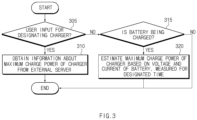
FIG. 3 is an operating flowchart of a battery heating apparatus according to an embodiment. -
FIG. 4 is an operating flowchart of a battery heating apparatus according to an embodiment. -
FIG. 5 is an operating flowchart of a battery heating apparatus according to an embodiment. - Hereinafter, various embodiments of the present disclosure will be disclosed with reference to the accompanying drawings. However, the description is not intended to limit the present disclosure to particular embodiments, and it should be construed as including various modifications, equivalents, and/or alternatives according to the embodiments of the present disclosure.
- It should be appreciated that various embodiments of the present document and the terms used therein are not intended to limit the technological features set forth herein to particular embodiments and include various changes, equivalents, or replacements for a corresponding embodiment. With regard to the description of the drawings, similar reference numerals may be used to refer to similar or related elements. It is to be understood that a singular form of a noun corresponding to an item may include one or more of the things, unless the relevant context clearly indicates otherwise.
- As used herein, each of such phrases as "A or B," "at least one of A and B," "at least one of A or B," "A, B, or C," "at least one of A, B, and C," and "at least one of A, B, or C," may include any one of, or all possible combinations of the items enumerated together in a corresponding one of the phrases. Such terms as "1st", "2nd," "first", "second", "A", "B", "(a)", or "(b)" may be used to simply distinguish a corresponding component from another, and does not limit the components in other aspect (e.g., importance or order), unless mentioned otherwise.
- Herein, it is to be understood that when an element (e.g., a first element) is referred to, with or without the term "operatively" or "communicatively", as "connected with", "coupled with", or "linked with", or "coupled to" or "connected to" to another element (e.g., a second element), it means that the element may be connected with the other element directly (e.g., wiredly), wirelessly, or via a third element.
- According to an embodiment of the disclosure, a method according to various embodiments of the disclosure disclosed herein may be included and provided in a computer program product. The computer program product may be traded as a product between a seller and a buyer. The computer program product may be distributed in the form of a machine-readable storage medium (e.g., compact disc read only memory (CD-ROM)), or be distributed (e.g., downloaded or uploaded) online via an application store, or between two user devices directly. If distributed online, at least part of the computer program product may be temporarily generated or at least temporarily stored in the machine-readable storage medium, such as memory of the manufacturer's server, a server of the application store, or a relay server.
- According to various embodiments, each component (e.g., a module or a program) of the above-described components may include a single entity or multiple entities, and some of the multiple entities may be separately disposed in different components. According to various embodiments, one or more of the above-described components may be omitted, or one or more other components may be added. Alternatively or additionally, a plurality of components (e.g., modules or programs) may be integrated into a single component. In such a case, according to various embodiments, the integrated component may still perform one or more functions of each of the plurality of components in the same or similar manner as they are performed by a corresponding one of the plurality of components before the integration. According to various embodiments, operations performed by the module, the program, or another component may be carried out sequentially, in parallel, repeatedly, or heuristically, or one or more of the operations may be executed in a different order or omitted, or one or more other operations may be added.
-
FIG. 1 is a block diagram of a battery heating system according to an embodiment. - Referring to
FIG. 1 , abattery heating system 100 may include abattery 110 and abattery heating apparatus 120. - The
battery heating apparatus 120 may include asensor unit 121, a state-of-charge calculating unit 122, aheating unit 123, adata obtaining unit 124, and/or acontroller 125. According to some embodiments, in thebattery heating apparatus 120, at least one of components ofFIG. 1 may be omitted or one or more other components may be added. - The
sensor unit 121 may be electrically connected to thebattery 110. According to an embodiment, thesensor unit 121 may measure a voltage, a current, or a temperature of thebattery 110. According to an embodiment, thesensor unit 121 may receive a measurement control signal from thecontroller 125 to measure the voltage, the current, or the temperature of thebattery 110. Thesensor unit 121 may measure the voltage, the current, or the temperature of thebattery 110 each time when receiving the measurement control signal from thecontroller 125. According to an embodiment, thesensor unit 121 may transfer a measured voltage value, current value, or temperature value to the state-of-charge calculating unit 122 and/or thecontroller 125. - The state-of-
charge calculating unit 122 may calculate a state of charge (SoC) of thebattery 110. According to an embodiment, the state-of-charge calculating unit 122 may calculate a state of charge of thebattery 110 based on at least one of the voltage value, the current value, or the temperature value of thebattery 110, transferred from thesensor unit 121. According to an embodiment, the state-of-charge calculating unit 122 may transfer the calculated state of charge of thebattery 110 to thecontroller 125. - The
heating unit 123 may be a heating means arranged adjacent to thebattery 110 to increase the temperature of thebattery 110. According to an embodiment, theheating unit 123 may heat thebattery 110 each time when receiving a heating control signal from thecontroller 125. - The
data obtaining unit 124 may wiredly or wirelessly receive data from an external device and/or an external server. According to an embodiment, thedata obtaining unit 124 may obtain the information about the maximum charge power of the charger to charge thebattery 110 or charge history information of thebattery 110 from an external server. According to an embodiment, thedata obtaining unit 124 may transfer the obtained data to thecontroller 125. - The
controller 125 may be electrically connected to thesensor unit 121, the state-of-charge calculating unit 122, theheating unit 123, and thedata obtaining unit 124. According to an embodiment, thecontroller 125 may execute software to control at least one another component connected to thecontroller 125 and may process or compute various data. According to an embodiment, thecontroller 125 may control at least one another component connected to thecontroller 125 to perform an overall operation of thebattery heating apparatus 120. Thecontroller 125 may include at least one of processing devices such as an application specific integrated circuit (ASIC), a digital signal processor (DSP), programmable logic devices (PLD), field programmable gate arrays (FPGAs), a central processing unit (CPU), microcontrollers, or microprocessors. - According to an embodiment, the
controller 125 may determine the charge power of thebattery 110. Herein, the charge power may mean power to be supplied to thebattery 110 from the charger to charge thebattery 110. According to an embodiment, thecontroller 125 may determine the charge power of thebattery 110 based on the maximum charge power of the charger to charge thebattery 110 and the state of charge of thebattery 110. - According to an embodiment, the
controller 125 may identify whether there is a user input for designating the charger to charge thebattery 110. According to an embodiment, thebattery heating apparatus 120 may obtain the user input from an external device through thedata obtaining unit 124. According to another embodiment, thebattery heating apparatus 120 may include an interface unit for receiving the user input for designating the charger to charge thebattery 110. - According to an embodiment, when identifying that there is the user input for designating the charger, the
controller 125 may obtain information about the maximum charge power of the charger from the external server. According to an embodiment, thecontroller 125 may obtain information about the maximum charge power of the charger designated by a user from the external server through thedata obtaining unit 124. For example, when identifying that there is a user input for designating a first electric vehicle charging station, thecontroller 125 may obtain information about a maximum charge power (e.g., 220 kW) of the first electric vehicle charging station from the external server through thedata obtaining unit 124. - According to an embodiment, when identifying that there is no user input for designating the charger, the
controller 125 may identify whether the battery 110is charged. For example, thecontroller 125 may identify whether thebattery 110 is charged according to whether thebattery 110 is electrically connected to the external device. In another example, thecontroller 125 may identify whether thebattery 110 is charged based on a voltage change or a current change of thebattery 110. - According to an embodiment, the
controller 125 may estimate the maximum charge power of the charger based on a voltage and a current of the battery measured for a designated time, when identifying that thebattery 110 is being charged. According to an embodiment, thecontroller 125 may obtain the charge history information of thebattery 110 from the external server through thedata obtaining unit 124. In this case, thecontroller 125 may estimate the maximum charge power of the charger further based on the obtained charge history information. - According to an embodiment, the
controller 125 may calculate an estimated charge amount of thebattery 110 based on the state of charge and a target state of charge of thebattery 110. Herein, the target state of charge may be set based on a charging pattern of a user using the external device including thebattery 110, or may be a state of charge preset by the user. The estimated charge amount may mean a difference between the target state of charge and the current state of charge of thebattery 110. - According to an embodiment, the
controller 125 may calculate an estimated required charge time of thebattery 110 based on the estimated charge amount. - According to an embodiment, the
controller 125 may determine the charge power of thebattery 110 based on the estimated charge amount or the estimated required charge time. According to an embodiment, thecontroller 125 may determine the charge power of thebattery 110 according to the estimated charge amount or the estimated required charge time in a range below the maximum charge power of the charger. For example, thecontroller 125 may determine the charge power of thebattery 110 to be higher for a higher estimated charge amount in the range below the maximum charge power of the charger. In another example, thecontroller 125 may determine the charge power of thebattery 110 to be higher for a longer estimated required charge time in the range below the maximum charge power of the charger. - According to an embodiment, the
controller 125 may measure a temperature of thebattery 110 through thesensor unit 121. - According to an embodiment, the
controller 125 may determine whether to heat thebattery 110 based on the temperature of thebattery 110. According to an embodiment, thecontroller 125 may determine whether thebattery 110 is chargeable with the determined charge power. - According to an embodiment, the
controller 125 may calculate a reference temperature based on the determined charge power of thebattery 110. Herein, the reference temperature may be a temperature required for charging thebattery 110 with the determined charge power. That is, the reference temperature may be a temperature at which a battery swelling phenomenon occurs when thebattery 110 is charged with the determined charge power at a temperature lower than the reference temperature. - According to an embodiment, the
controller 125 may identify whether the temperature of thebattery 110 is less than the reference temperature. - According to an embodiment, the
controller 125 may determine that thebattery 110 is not chargeable with the charge power when identifying that the temperature of thebattery 110 is less than the reference temperature. In this case, thecontroller 125 may heat thebattery 110. According to an embodiment, thecontroller 125 may control theheating unit 123 to heat thebattery 110. - According to an embodiment, the
controller 125 may determine that thebattery 110 is chargeable with the charge power when identifying that the temperature of thebattery 110 is greater than or equal to the reference temperature. In this case, thecontroller 125 may not perform battery heating. - As such, the
battery heating apparatus 120 may prevent the battery swelling phenomenon by determining whether to heat thebattery 110 according to whether the temperature of thebattery 110 is less than the reference temperature or greater than or equal to the reference temperature. The reference temperature may be calculated according to the charge power determined based on the state of charge of thebattery 110 and the maximum charge power of the charger, thereby minimizing unnecessary battery heating. Thus, thebattery heating apparatus 120 may reduce unnecessary power consumption. -
FIG. 2 is an operating flowchart of a battery heating apparatus according to an embodiment.FIG. 2 will be described using components ofFIG. 1 . - The embodiment shown in
FIG. 2 may be an example, and an order of operations according to various embodiments of the present disclosure may be different from that shown inFIG. 2 , and some operations shown inFIG. 2 may be omitted, the order of the operations may be changed, or the operations may be merged. - Referring to
FIG. 2 , inoperation 205, thebattery heating apparatus 120 may calculate the state of charge of thebattery 110. According to an embodiment, thebattery heating apparatus 120 may calculate the state of charge of thebattery 110 based on at least one of the voltage value, the current value, or the temperature value of thebattery 110. - In operation 210, the
battery heating apparatus 120 may determine the charge power of thebattery 110. Herein, the charge power may mean power to be supplied to thebattery 110 from the charger to charge thebattery 110. According to an embodiment, thebattery heating apparatus 120 may determine the charging power of thebattery 110 based on the maximum charging power of the charger to charge thebattery 110 and the state of charge of thebattery 110, calculated inoperation 205. According to an embodiment, thebattery heating apparatus 120 may determine the charge power of thebattery 110 to be less than or equal to the maximum charge power of the charger. Thebattery heating apparatus 120 may also determine the charge power of thebattery 110 according to the estimated charge amount calculated based on the state of charge of thebattery 110. For example, thebattery heating apparatus 120 may determine the charge power of thebattery 110 to be higher for a higher estimated charge amount. - An operation, performed by the
battery heating apparatus 120, of obtaining or estimating the maximum charge power of the charger will be described in detail with reference toFIG. 3 . In addition, an operation, performed by thebattery heating apparatus 120, of determining the charge power will be described in detail with reference toFIG. 4 . - In
operation 215, thebattery heating apparatus 120 may measure the temperature of thebattery 110. - In
operation 220, thebattery heating apparatus 120 may determine whether to heat thebattery 110. According to an embodiment, thebattery heating apparatus 120 may determine whether to heat thebattery 110 based on the temperature of thebattery 110, measured inoperation 215. - According to an embodiment, the
battery heating apparatus 120 may determine whether thebattery 110 is chargeable with the charge power determined in operation 210. For example, thebattery heating apparatus 120 may determine that thebattery 110 is not chargeable with the charge power when the temperature of thebattery 110 is less than the reference temperature. Herein, the reference temperature may be a temperature required for charging thebattery 110 with the charge power determined in operation 210. That is, the reference temperature may be a temperature at which a battery swelling phenomenon occurs when thebattery 110 is charged with the charge power determined in operation 210 at a temperature lower than the reference temperature. - As such, the
battery heating apparatus 120 may prevent the battery swelling phenomenon by determining whether to heat thebattery 110 according to whether the temperature of thebattery 110 is less than the reference temperature or greater than or equal to the reference temperature. The reference temperature may be calculated according to the charge power determined based on the state of charge of thebattery 110 and the maximum charge power of the charger, thereby minimizing unnecessary battery heating. Thus, thebattery heating apparatus 120 may reduce unnecessary power consumption. - An operation, performed by the
battery heating apparatus 120, of determining whether to perform battery heating will be described in detail with reference toFIG. 3 . - When determining to heat the battery 110 ('YES') in
operation 220, thebattery heating apparatus 120 may heat thebattery 110 inoperation 225. According to an embodiment, thebattery heating apparatus 120 may control theheating unit 123 to heat thebattery 110. -
FIG. 3 is an operating flowchart of a battery heating apparatus according to an embodiment.FIG. 3 will be described using components ofFIG. 1 . - The embodiment shown in
FIG. 3 may be an example, and an order of operations according to various embodiments of the present disclosure may be different from that shown inFIG. 3 , and some operations shown inFIG. 3 may be omitted, the order of the operations may be changed, or the operations may be merged. -
FIG. 3 is a view for describing a method of obtaining or estimating the maximum charge power of the charger to charge thebattery 110 among factors required for thebattery heating apparatus 120 to determine the charge power in operation 210 ofFIG. 2 . - Referring to
FIG. 3 , inoperation 305, thebattery heating apparatus 120 may identify whether there is a user input for designating the charger to charge thebattery 110. According to an embodiment, thebattery heating apparatus 120 may obtain a user input made through the external device including thebattery 110. According to another embodiment, thebattery heating apparatus 120 may include an interface unit for receiving the user input for designating the charger to charge thebattery 110. In this case, thebattery heating apparatus 120 may performoperation 305 based on the user input received through the interface unit. - When identifying that there is a user input for designating the charger ('YES') in
operation 305, thebattery heating apparatus 120 may obtain the information about the maximum charge power of the charger from the external server inoperation 310. According to an embodiment, thebattery heating apparatus 120 may obtain the information about the maximum charge power of the charger designated inoperation 305 from the external server through thedata obtaining unit 124. For example, when identifying that there is a user input for designating a first electric vehicle charging station inoperation 305, thebattery heating apparatus 120 may obtain information about a maximum charge power (e.g., 220 kW) of the first electric vehicle charging station from the external server through thedata obtaining unit 124. - When identifying that there is no user input for designating the charger ('NO') in
operation 305, thebattery heating apparatus 120 may identify whether thebattery 110 is charged inoperation 315. For example, thebattery heating apparatus 120 may identify whether thebattery 110 is charged according to whether thebattery 110 is electrically connected to the external device. In another example, thebattery heating apparatus 120 may identify whether thebattery 110 is charged based on a voltage change or a current change of thebattery 110. - When identifying that the
battery 110 is not being charged ('NO') inoperation 315, thebattery heating apparatus 120 may terminate an operation corresponding toFIG. 3 . - When identifying that the
battery 110 is being charged ('YES') inoperation 315, thebattery heating apparatus 120 may estimate the maximum charge power of the charger based on the voltage and the current of the battery, measured for a designated time, inoperation 320. According to an embodiment, thebattery heating apparatus 120 may obtain the charge history information of thebattery 110 from the external server. In this case, thebattery heating apparatus 120 may estimate the maximum charge power of the charger further based on the obtained charge history information. -
FIG. 4 is an operating flowchart of a battery heating apparatus according to an embodiment.FIG. 4 will be described using components ofFIG. 1 . - The embodiment shown in
FIG. 4 may be an example, and an order of operations according to various embodiments of the present disclosure may be different from that shown inFIG. 4 , and some operations shown inFIG. 4 may be omitted, the order of the operations may be changed, or the operations may be merged. For example,operation 410 may be omitted fromFIG. 4 . -
FIG. 4 is a view for describing in detail a method, performed by thebattery heating apparatus 120, of determining the charge power in operation 210 ofFIG. 2 . - Referring to
FIG. 4 , inoperation 405, thebattery heating apparatus 120 may calculate an estimated charge amount of thebattery 110. According to an embodiment, thebattery heating apparatus 120 may calculate the estimated charge amount of thebattery 110 based on the state of charge, calculated inoperation 205 ofFIG. 2 , and a target state of charge of thebattery 110. Herein, the target state of charge may be set based on a charging pattern of a user using the external device including thebattery 110, or may be a state of charge preset by the user. The estimated charge amount may mean a difference between the target state of charge and the state of charge calculated inoperation 205. - In
operation 410, thebattery heating apparatus 120 may calculate an estimated required charge time of thebattery 110. According to an embodiment, thebattery heating apparatus 120 may calculate the estimated required charge time of thebattery 110 based on the estimated charge amount calculated inoperation 405. - In
operation 415, thebattery heating apparatus 120 may determine the charge power of thebattery 110. Herein, the charge power may mean power to be supplied to thebattery 110 from the charger to charge thebattery 110. According to an embodiment, thebattery heating apparatus 120 may determine the charge power of thebattery 110 based on the estimated charge amount calculated inoperation 405 or the estimated required charge time calculated inoperation 410. - According to an embodiment, the
battery heating apparatus 120 may determine the charge power of thebattery 110 according to the estimated charge amount or the estimated required charge time in a range below the maximum charge power of the charger. For example, thebattery heating apparatus 120 may determine the charge power of thebattery 110 to be higher for a higher estimated charge amount in the range below the maximum charge power of the charger. In another example, thebattery heating apparatus 120 may determine the charge power of thebattery 110 to be higher for a longer estimated required charge time in the range below the maximum charge power of the charger. -
FIG. 5 is an operating flowchart of a battery heating apparatus according to an embodiment.FIG. 5 will be described using components ofFIG. 1 . - The embodiment shown in
FIG. 5 may be an example, and an order of operations according to various embodiments of the present disclosure may be different from that shown inFIG. 5 , and some operations shown inFIG. 5 may be omitted, the order of the operations may be changed, or the operations may be merged. -
FIG. 5 is a view for describing indetail operations FIG. 2 where thebattery heating apparatus 120 determines whether to perform battery heating and performs battery heating. - Referring to
FIG. 5 , inoperation 505, thebattery heating apparatus 120 may calculate a reference temperature. According to an embodiment, thebattery heating apparatus 120 may calculate the reference temperature based on the charge power determined in operation 210 ofFIG. 2 . Herein, the reference temperature may be a temperature required for charging thebattery 110 with the charge power determined in operation 210 ofFIG. 2 . That is, the reference temperature may be a temperature at which a battery swelling phenomenon occurs when thebattery 110 is charged with the charge power determined in operation 210 at a temperature lower than the reference temperature. - In
operation 510, thebattery heating apparatus 120 may identify whether the temperature of thebattery 110 measured inoperation 215 ofFIG. 2 is less than the reference temperature calculated inoperation 505. - When identifying that the temperature of the
battery 110 is less than the reference temperature ('YES') inoperation 510, thebattery heating apparatus 120 may determine that thebattery 110 is not chargeable with the charge power inoperation 515. - In
operation 520, thebattery heating apparatus 120 may heat thebattery 110. According to an embodiment, thebattery heating apparatus 120 may control theheating unit 123 to heat thebattery 110. - When identifying that the temperature of the
battery 110 is greater than or equal to the reference temperature ('NO') inoperation 510, thebattery heating apparatus 120 may determine that thebattery 110 is chargeable with the charge power inoperation 525. In this case, thebattery heating apparatus 120 may not perform battery heating. - As such, the
battery heating apparatus 120 may prevent the battery swelling phenomenon by determining whether to heat thebattery 110 according to whether the temperature of thebattery 110 is less than the reference temperature or greater than or equal to the reference temperature. The reference temperature may be calculated according to the charge power determined based on the state of charge of thebattery 110 and the maximum charge power of the charger, thereby minimizing unnecessary battery heating. Thus, thebattery heating apparatus 120 may reduce unnecessary power consumption. - Terms such as "include", "constitute" or "have" described above may mean that the corresponding component may be inherent unless otherwise stated, and thus should be construed as further including other components rather than excluding other components. All terms including technical or scientific terms have the same meanings as those generally understood by those of ordinary skill in the art to which the embodiments disclosed herein pertain, unless defined otherwise. The terms used generally like terms defined in dictionaries should be interpreted as having meanings that are the same as the contextual meanings of the relevant technology and should not be interpreted as having ideal or excessively formal meanings unless they are clearly defined in the present document.
Claims (15)
- A battery heating apparatus comprising:a state-of-charge calculating unit configured to calculate a state of charge (SoC) of a battery;a sensor unit configured to measure a voltage, a current, or a temperature of the battery;a controller configured to determine a charge power of the battery based on the state of charge of the battery and a maximum charge power of a charger to charge the battery, and determine whether to heat the battery based on the measured temperature and the charge power; anda heating unit configured to heat the battery when determining to heat the battery.
- The battery heating apparatus of claim 1, further comprising a data obtaining unit configured to obtain information about the maximum charge power from an external server, based on a user input for designating the charger.
- The battery heating apparatus of claim 1, wherein the controller is further configured to estimate the maximum charge power based on a voltage and a current of the battery, measured for a designated time by the sensor unit, when the battery is being charged by the charger.
- The battery heating apparatus of claim 3, further comprising a data obtaining unit configured to obtain charge history information of the battery from the external server,
wherein the controller is further configured to estimate the maximum charge power further based on the charge history information. - The battery heating apparatus of claim 1, wherein the controller is further configured to:calculate an estimated charge amount of the battery based on the state of charge and a target state of charge; anddetermine the charge power that is less than or equal to the maximum charge power, based on the estimated charge amount.
- The battery heating apparatus of claim 5, wherein the controller is further configured to:calculate an estimated required charge time of the battery, based on the estimated charge amount; anddetermine the charge power based on the estimated required charge time.
- The battery heating apparatus of claim 1, wherein the controller is further configured to:determine whether the battery is chargeable with the charge power, based on the temperature; anddetermine to heat the battery when determining that the battery is not chargeable with the charge power.
- The battery heating apparatus of claim 7, wherein the controller is further configured to:calculate a reference temperature required for charging the battery with the charge power; anddetermine that the battery is not chargeable with the charge power, when the temperature is less than the reference temperature.
- A battery heating method comprising:calculating a state of charge (SoC) of a battery;determining a charge power of the battery based on the state of charge of the battery and a maximum charge power of a charger to charge the battery;measuring a temperature of the battery;determining whether to heat the battery, based on the charge power and the measured temperature; andheating the battery when determining to heat the battery.
- The battery heating method of claim 9, further comprising obtaining information about the maximum charge power from an external server, based on a user input for designating the charger.
- The battery heating method of claim 9, further comprising estimating the maximum charge power based on a voltage and a current of the battery, measured for a designated time by the sensor unit, when the battery is being charged by the charger.
- The battery heating method of claim 9, wherein the determining of the charge power comprises:calculating an estimated charge amount of the battery based on the state of charge and a target state of charge; anddetermining the charge power that is less than or equal to the maximum charge power, based on the estimated charge amount.
- The battery heating method of claim 12, wherein the determining of the charge power comprises:calculating an estimated required charge time of the battery, based on the estimated charge amount; anddetermining the charge power based on the estimated required charge time.
- The battery heating method of claim 8, wherein the determining of whether to heat the battery comprises:determining whether the battery is chargeable with the charge power, based on the measured temperature; anddetermining to heat the battery when determining that the battery is not chargeable with the charge power.
- The battery heating method of claim 14, wherein the determining of whether the battery is chargeable with the charge power comprises:calculating a reference temperature required for charging the battery with the charge power; anddetermining that the battery is not chargeable with the charge power, when the measured temperature is less than the reference temperature.
Applications Claiming Priority (2)
| Application Number | Priority Date | Filing Date | Title |
|---|---|---|---|
| KR1020220132751A KR20240052552A (en) | 2022-10-14 | 2022-10-14 | Apparatus for heating battery and operating method thereof |
| PCT/KR2023/010401 WO2024080507A1 (en) | 2022-10-14 | 2023-07-19 | Battery heating device and operating method therefor |
Publications (2)
| Publication Number | Publication Date |
|---|---|
| EP4576337A1 true EP4576337A1 (en) | 2025-06-25 |
| EP4576337A4 EP4576337A4 (en) | 2025-12-10 |
Family
ID=90669393
Family Applications (1)
| Application Number | Title | Priority Date | Filing Date |
|---|---|---|---|
| EP23877437.6A Pending EP4576337A4 (en) | 2022-10-14 | 2023-07-19 | BATTERY HEATING DEVICE AND OPERATING PROCEDURES |
Country Status (5)
| Country | Link |
|---|---|
| EP (1) | EP4576337A4 (en) |
| JP (1) | JP2025534376A (en) |
| KR (1) | KR20240052552A (en) |
| CN (1) | CN119998986A (en) |
| WO (1) | WO2024080507A1 (en) |
Family Cites Families (11)
| Publication number | Priority date | Publication date | Assignee | Title |
|---|---|---|---|---|
| JP2013084389A (en) * | 2011-10-06 | 2013-05-09 | Toyota Motor Corp | Heating system of power storage device |
| WO2014167914A1 (en) * | 2013-04-10 | 2014-10-16 | 日産自動車株式会社 | Battery charging system and method |
| JP6086044B2 (en) * | 2013-08-12 | 2017-03-01 | トヨタ自動車株式会社 | Vehicle charging system and vehicle power storage device charging method |
| KR101682457B1 (en) * | 2013-09-12 | 2016-12-05 | 주식회사 엘지화학 | Battery warm up system and Method for warming up the battery using the same |
| JP6024684B2 (en) * | 2014-02-21 | 2016-11-16 | トヨタ自動車株式会社 | Power storage system |
| US10355327B1 (en) * | 2015-10-30 | 2019-07-16 | Loon Llc | Dynamic battery pack thermal management |
| JP6225977B2 (en) * | 2015-11-18 | 2017-11-08 | トヨタ自動車株式会社 | Battery system |
| KR102688561B1 (en) * | 2018-04-16 | 2024-07-26 | 이씨 파워, 엘엘씨 | Battery charging system and method through heating |
| TWI691142B (en) * | 2019-06-20 | 2020-04-11 | 廣達電腦股份有限公司 | Smart battery device and charging method |
| CN111029667B (en) * | 2019-11-08 | 2021-05-18 | 华为技术有限公司 | Battery heating systems, electric vehicles and in-vehicle systems |
| KR102476677B1 (en) | 2021-03-24 | 2022-12-09 | 금오공과대학교 산학협력단 | Folding electric kickboard |
-
2022
- 2022-10-14 KR KR1020220132751A patent/KR20240052552A/en active Pending
-
2023
- 2023-07-19 JP JP2025518719A patent/JP2025534376A/en active Pending
- 2023-07-19 CN CN202380070699.6A patent/CN119998986A/en active Pending
- 2023-07-19 WO PCT/KR2023/010401 patent/WO2024080507A1/en not_active Ceased
- 2023-07-19 EP EP23877437.6A patent/EP4576337A4/en active Pending
Also Published As
| Publication number | Publication date |
|---|---|
| WO2024080507A1 (en) | 2024-04-18 |
| CN119998986A (en) | 2025-05-13 |
| JP2025534376A (en) | 2025-10-15 |
| EP4576337A4 (en) | 2025-12-10 |
| KR20240052552A (en) | 2024-04-23 |
Similar Documents
| Publication | Publication Date | Title |
|---|---|---|
| AU2023376088A1 (en) | Battery diagnosis apparatus and operating method thereof | |
| KR102830192B1 (en) | Apparatus and method for managing battery | |
| KR20240071212A (en) | Method and apparatus for calculating soh | |
| US20260086166A1 (en) | Battery Diagnosis Apparatus and Operating Method Thereof | |
| EP4636902A1 (en) | Battery temperature estimation device and operation method thereof | |
| EP4576337A1 (en) | Battery heating device and operating method therefor | |
| EP4628912A1 (en) | Battery diagnostic device and operation method thereof | |
| AU2023376086A1 (en) | Battery diagnosis apparatus and operating method thereof | |
| EP4632410A1 (en) | Battery abnormality diagnosis device and method for operating same | |
| EP4697046A1 (en) | Battery diagnosis apparatus and operating method thereof | |
| EP4700411A1 (en) | Battery diagnosis apparatus and operation method thereof | |
| EP4635790A1 (en) | Apparatus for providing battery life information and operating method thereof | |
| EP4679111A1 (en) | Battery diagnosis device and operation method thereof | |
| EP4607218A1 (en) | Battery discharge diagnosis device and operation method therefor | |
| EP4733790A1 (en) | Battery management apparatus and operation method therefor | |
| EP4576488A1 (en) | Charging time estimation device and method for operating same | |
| EP4660653A1 (en) | Battery diagnostic device and operation method thereof | |
| EP4607221A1 (en) | Battery abnormality diagnosis apparatus, and operating method therefor | |
| EP4734324A1 (en) | Charging management device and operation method thereof | |
| EP4617692A1 (en) | Soh prediction device and operating method thereof | |
| KR20250122705A (en) | Battery diagnostic apparatus and operation method thereof | |
| AU2023378021A1 (en) | Battery abnormality diagnosis apparatus and operating method thereof | |
| AU2023378023A1 (en) | Battery abnormality diagnosis apparatus and operating method thereof | |
| KR20250097198A (en) | Battery diagnostic apparatus and operation method thereof | |
| AU2023378026A1 (en) | Battery abnormality diagnosis apparatus and operating method thereof |
Legal Events
| Date | Code | Title | Description |
|---|---|---|---|
| STAA | Information on the status of an ep patent application or granted ep patent |
Free format text: STATUS: THE INTERNATIONAL PUBLICATION HAS BEEN MADE |
|
| PUAI | Public reference made under article 153(3) epc to a published international application that has entered the european phase |
Free format text: ORIGINAL CODE: 0009012 |
|
| STAA | Information on the status of an ep patent application or granted ep patent |
Free format text: STATUS: REQUEST FOR EXAMINATION WAS MADE |
|
| 17P | Request for examination filed |
Effective date: 20250320 |
|
| AK | Designated contracting states |
Kind code of ref document: A1 Designated state(s): AL AT BE BG CH CY CZ DE DK EE ES FI FR GB GR HR HU IE IS IT LI LT LU LV MC ME MK MT NL NO PL PT RO RS SE SI SK SM TR |
|
| A4 | Supplementary search report drawn up and despatched |
Effective date: 20251111 |
|
| RIC1 | Information provided on ipc code assigned before grant |
Ipc: H01M 10/63 20140101AFI20251105BHEP Ipc: H01M 10/615 20140101ALI20251105BHEP Ipc: H01M 10/48 20060101ALI20251105BHEP Ipc: H01M 10/44 20060101ALI20251105BHEP Ipc: H02J 7/00 20060101ALI20251105BHEP |
|
| DAV | Request for validation of the european patent (deleted) | ||
| DAX | Request for extension of the european patent (deleted) |