EP4575210A1 - Method and apparatus for using model predictive control for hybrid electric propulsion system - Google Patents
Method and apparatus for using model predictive control for hybrid electric propulsion system Download PDFInfo
- Publication number
- EP4575210A1 EP4575210A1 EP24221922.8A EP24221922A EP4575210A1 EP 4575210 A1 EP4575210 A1 EP 4575210A1 EP 24221922 A EP24221922 A EP 24221922A EP 4575210 A1 EP4575210 A1 EP 4575210A1
- Authority
- EP
- European Patent Office
- Prior art keywords
- gas turbine
- electric motor
- turbine engine
- propulsion system
- hybrid electric
- Prior art date
- Legal status (The legal status is an assumption and is not a legal conclusion. Google has not performed a legal analysis and makes no representation as to the accuracy of the status listed.)
- Pending
Links
Images




Classifications
-
- F—MECHANICAL ENGINEERING; LIGHTING; HEATING; WEAPONS; BLASTING
- F02—COMBUSTION ENGINES; HOT-GAS OR COMBUSTION-PRODUCT ENGINE PLANTS
- F02C—GAS-TURBINE PLANTS; AIR INTAKES FOR JET-PROPULSION PLANTS; CONTROLLING FUEL SUPPLY IN AIR-BREATHING JET-PROPULSION PLANTS
- F02C7/00—Features, components parts, details or accessories, not provided for in, or of interest apart form groups F02C1/00 - F02C6/00; Air intakes for jet-propulsion plants
- F02C7/36—Power transmission arrangements between the different shafts of the gas turbine plant, or between the gas-turbine plant and the power user
-
- F—MECHANICAL ENGINEERING; LIGHTING; HEATING; WEAPONS; BLASTING
- F02—COMBUSTION ENGINES; HOT-GAS OR COMBUSTION-PRODUCT ENGINE PLANTS
- F02C—GAS-TURBINE PLANTS; AIR INTAKES FOR JET-PROPULSION PLANTS; CONTROLLING FUEL SUPPLY IN AIR-BREATHING JET-PROPULSION PLANTS
- F02C9/00—Controlling gas-turbine plants; Controlling fuel supply in air- breathing jet-propulsion plants
- F02C9/26—Control of fuel supply
- F02C9/28—Regulating systems responsive to plant or ambient parameters, e.g. temperature, pressure, rotor speed
-
- B—PERFORMING OPERATIONS; TRANSPORTING
- B64—AIRCRAFT; AVIATION; COSMONAUTICS
- B64D—EQUIPMENT FOR FITTING IN OR TO AIRCRAFT; FLIGHT SUITS; PARACHUTES; ARRANGEMENT OR MOUNTING OF POWER PLANTS OR PROPULSION TRANSMISSIONS IN AIRCRAFT
- B64D27/00—Arrangement or mounting of power plants in aircraft; Aircraft characterised by the type or position of power plants
- B64D27/02—Aircraft characterised by the type or position of power plants
- B64D27/30—Aircraft characterised by electric power plants
- B64D27/33—Hybrid electric aircraft
-
- F—MECHANICAL ENGINEERING; LIGHTING; HEATING; WEAPONS; BLASTING
- F02—COMBUSTION ENGINES; HOT-GAS OR COMBUSTION-PRODUCT ENGINE PLANTS
- F02K—JET-PROPULSION PLANTS
- F02K5/00—Plants including an engine, other than a gas turbine, driving a compressor or a ducted fan
-
- F—MECHANICAL ENGINEERING; LIGHTING; HEATING; WEAPONS; BLASTING
- F05—INDEXING SCHEMES RELATING TO ENGINES OR PUMPS IN VARIOUS SUBCLASSES OF CLASSES F01-F04
- F05D—INDEXING SCHEME FOR ASPECTS RELATING TO NON-POSITIVE-DISPLACEMENT MACHINES OR ENGINES, GAS-TURBINES OR JET-PROPULSION PLANTS
- F05D2220/00—Application
- F05D2220/30—Application in turbines
- F05D2220/32—Application in turbines in gas turbines
- F05D2220/323—Application in turbines in gas turbines for aircraft propulsion, e.g. jet engines
-
- F—MECHANICAL ENGINEERING; LIGHTING; HEATING; WEAPONS; BLASTING
- F05—INDEXING SCHEMES RELATING TO ENGINES OR PUMPS IN VARIOUS SUBCLASSES OF CLASSES F01-F04
- F05D—INDEXING SCHEME FOR ASPECTS RELATING TO NON-POSITIVE-DISPLACEMENT MACHINES OR ENGINES, GAS-TURBINES OR JET-PROPULSION PLANTS
- F05D2220/00—Application
- F05D2220/30—Application in turbines
- F05D2220/36—Application in turbines specially adapted for the fan of turbofan engines
-
- F—MECHANICAL ENGINEERING; LIGHTING; HEATING; WEAPONS; BLASTING
- F05—INDEXING SCHEMES RELATING TO ENGINES OR PUMPS IN VARIOUS SUBCLASSES OF CLASSES F01-F04
- F05D—INDEXING SCHEME FOR ASPECTS RELATING TO NON-POSITIVE-DISPLACEMENT MACHINES OR ENGINES, GAS-TURBINES OR JET-PROPULSION PLANTS
- F05D2220/00—Application
- F05D2220/70—Application in combination with
- F05D2220/76—Application in combination with an electrical generator
-
- F—MECHANICAL ENGINEERING; LIGHTING; HEATING; WEAPONS; BLASTING
- F05—INDEXING SCHEMES RELATING TO ENGINES OR PUMPS IN VARIOUS SUBCLASSES OF CLASSES F01-F04
- F05D—INDEXING SCHEME FOR ASPECTS RELATING TO NON-POSITIVE-DISPLACEMENT MACHINES OR ENGINES, GAS-TURBINES OR JET-PROPULSION PLANTS
- F05D2260/00—Function
- F05D2260/81—Modelling or simulation
-
- F—MECHANICAL ENGINEERING; LIGHTING; HEATING; WEAPONS; BLASTING
- F05—INDEXING SCHEMES RELATING TO ENGINES OR PUMPS IN VARIOUS SUBCLASSES OF CLASSES F01-F04
- F05D—INDEXING SCHEME FOR ASPECTS RELATING TO NON-POSITIVE-DISPLACEMENT MACHINES OR ENGINES, GAS-TURBINES OR JET-PROPULSION PLANTS
- F05D2260/00—Function
- F05D2260/82—Forecasts
-
- F—MECHANICAL ENGINEERING; LIGHTING; HEATING; WEAPONS; BLASTING
- F05—INDEXING SCHEMES RELATING TO ENGINES OR PUMPS IN VARIOUS SUBCLASSES OF CLASSES F01-F04
- F05D—INDEXING SCHEME FOR ASPECTS RELATING TO NON-POSITIVE-DISPLACEMENT MACHINES OR ENGINES, GAS-TURBINES OR JET-PROPULSION PLANTS
- F05D2270/00—Control
- F05D2270/01—Purpose of the control system
- F05D2270/02—Purpose of the control system to control rotational speed (n)
-
- F—MECHANICAL ENGINEERING; LIGHTING; HEATING; WEAPONS; BLASTING
- F05—INDEXING SCHEMES RELATING TO ENGINES OR PUMPS IN VARIOUS SUBCLASSES OF CLASSES F01-F04
- F05D—INDEXING SCHEME FOR ASPECTS RELATING TO NON-POSITIVE-DISPLACEMENT MACHINES OR ENGINES, GAS-TURBINES OR JET-PROPULSION PLANTS
- F05D2270/00—Control
- F05D2270/01—Purpose of the control system
- F05D2270/04—Purpose of the control system to control acceleration (u)
-
- F—MECHANICAL ENGINEERING; LIGHTING; HEATING; WEAPONS; BLASTING
- F05—INDEXING SCHEMES RELATING TO ENGINES OR PUMPS IN VARIOUS SUBCLASSES OF CLASSES F01-F04
- F05D—INDEXING SCHEME FOR ASPECTS RELATING TO NON-POSITIVE-DISPLACEMENT MACHINES OR ENGINES, GAS-TURBINES OR JET-PROPULSION PLANTS
- F05D2270/00—Control
- F05D2270/30—Control parameters, e.g. input parameters
- F05D2270/335—Output power or torque
-
- F—MECHANICAL ENGINEERING; LIGHTING; HEATING; WEAPONS; BLASTING
- F05—INDEXING SCHEMES RELATING TO ENGINES OR PUMPS IN VARIOUS SUBCLASSES OF CLASSES F01-F04
- F05D—INDEXING SCHEME FOR ASPECTS RELATING TO NON-POSITIVE-DISPLACEMENT MACHINES OR ENGINES, GAS-TURBINES OR JET-PROPULSION PLANTS
- F05D2270/00—Control
- F05D2270/40—Type of control system
- F05D2270/44—Type of control system active, predictive, or anticipative
Definitions
- Gas turbine engines typically include a fan delivering air into a bypass duct for propulsion.
- the fan also delivers air into a compressor where air is compressed and delivered into a combustor.
- the air is mixed with fuel and ignited. Products of this combustion pass downstream over turbine rotors driving them to rotate.
- the turbine rotors in turn, rotate compressor rotors and the fan rotor.
- HEP systems utilize a combination of electric power from one or more electric motors and combustion power from one or more gas turbines to provide propulsion for an aircraft, and have been identified as a step towards reducing aircraft fuel consumption and supporting sustainable aviation.
- the electric motor is powered by a power source, such as one or more lithium-ion batteries. This addition of the renewable power source may lead to higher fuel savings and less carbon footprint of future aircrafts.
- determining a power split between the gas turbine engine and the electric motor(s) presents challenges.
- a method for a hybrid electric propulsion (HEP) system includes determining a target fan speed for a HEP system.
- the HEP system includes a gas turbine engine and at least one electric motor configured to rotate a respective shaft of the gas turbine engine.
- the method also includes determining an amount of electrical power that is currently available to the HEP system; utilizing a model predictive control (MPC) to determine, based on the amount of available electrical power and a plurality of operating limits of the HEP system, an effector command set that includes a power splitting profile indicating a power split between the gas turbine engine and the at least one electric motor for achieving the target fan speed; and implementing the effector command set.
- MPC model predictive control
- the method includes obtaining weights for a plurality of goals of the HEP system.
- the plurality of goals includes the target fan speed and at least one prioritization goal for using at least one of the first electric motor and the second electric motor during flight.
- the MPC utilizes the weights to determine the effector command set.
- the target fan speed has a highest weighting of the plurality of goals.
- the method includes iteratively repeating the determining steps, the utilizing the MPC, and the implementing the effector command set for a plurality of sequential time periods.
- the utilizing step includes utilizing the MPC to determine the power splitting profile based on how quickly the HEP system is approaching each operating limit of the plurality of operating limits of the HEP system.
- the method includes determining which one of the plurality of limits the HEP system is approaching most quickly.
- the power splitting profile is determined to slow a rate at which the HEP system is approaching the one of the plurality of limits of the HEP system most quickly.
- the plurality of operating limits includes operating limits for one or more of: torque of the at least one electric motor, electric power of the at least one electric motor, a pressure in the gas turbine engine, and a temperature in the gas turbine engine.
- a controller for a hybrid electric propulsion (HEP) system includes processing circuitry operatively connected to memory.
- the processing circuitry is configured to determine a target fan speed for a HEP system.
- the HEP system includes a gas turbine engine and at least one electric motor configured to rotate a respective shaft of the gas turbine engine.
- the processing circuitry is also configured to determine an amount of electrical power that is currently available to the HEP system; utilize a model predictive control (MPC) to determine, based on the amount of available electrical power and a plurality of operating limits of the HEP system, an effector command set that includes a power splitting profile indicating a power split between the gas turbine engine and the at least one electric motor for achieving the target fan speed; and implement the effector command set.
- MPC model predictive control
- the at least one electric motor includes a first electric motor configured to rotate a first shaft of the gas turbine engine, and a second electric motor configured to rotate a second shaft of the gas turbine engine.
- the power splitting profile indicates a power split between the gas turbine engine, the first electric motor, and the second electric motor.
- the target fan speed has a highest weighting of the plurality of goals.
- the processing circuitry is configured to iteratively repeat the determination of the target fan speed, the determination of the amount of electrical power that is currently available to the HEP, the utilization of the MPC, and the implementation of the effector command set for a plurality of sequential time periods.
- the effector command set also includes commands for at least one of stator vane positions and bleed valve positions.
- a combustor 22 is arranged between the high pressure compressor 20 and the high pressure turbine 21.
- a core airflow is compressed by the low pressure compressor 18 then the high pressure compressor 20, is mixed and burned with fuel 23 in the combustor 22, and is then expanded over the high pressure turbine 21 and low pressure turbine 19.
- ⁇ represents a fuel consumption rate.
- a controller 24 is configured to control operation of the electric motors 12A-B and at least the fuel flow (e.g., ⁇ ) to the combustor 22 of the gas turbine engine 11.
- the controller 24 is further configured to control the positions of adjustable stator vanes and/or bleed valves of the gas turbine engine 11 (not shown).
- the adjustable stator vanes may be provided in the low pressure compressor 18, low pressure turbine 19, high pressure compressor 20, and/or high pressure turbine 21, for example. Adjustable stator vanes and bleed valves are well-known in the art, and are therefore not discussed in detail herein.
- FIG 2 is a schematic view of example inputs and outputs of a model predictive control (MPC) 30 for the HEP system 10 of Figure 1 .
- the MPC 30 is implemented by the controller 24.
- the MPC 30 receives at least one goal 32.
- a target fan speed for the fan 17 of the HEP system 10 is one of the at least one goals 32.
- the MPC 30 receives or determines at least one additional goal 32, which includes a target output (e.g., rotational speed or torque) of the electric motor 12A and optionally also a target output (e.g., rotational speed or torque) of the electric motor 12B.
- the MPC 30 also receives a plurality of goal weights 34, each of which correspond to a respective one of the goals 32.
- the MPC 30 also receives operating limits 36 of the HEP system 10, current operating conditions 38 of the HEP system 10, and an amount of electrical power ( P_avail ) 40 that is currently available to the HEP system 10.
- at least some of the HEP operating conditions 38 are received from one or more sensors 39 (e.g., temperature sensor, pressure sensor, effector position feedback sensor, etc.).
- the MPC 30 determines an effector command set 42 for controlling effectors 46 of the HEP system 10.
- the effector command set 42 includes a power splitting profile 44 that indicates a power split between the gas turbine engine 11 and the at least one electric motor 12 for achieving P drv and the target fan speed for fan 17.
- the power splitting profile indicates a power split between the gas turbine engine 11 (for which fuel is an effector), first electric motor 12A (second effector), and second electric motor 12B (third effector).
- the effector command set 42 may also include effector commands for one or more stator vanes and/or one or more bleed valves (not shown), which may also act as effectors.
- the controller 24 implements the effector command set 42 by utilizing the effector command set 42 to control the effectors 46.
- the MPC 30 receives at least one goal, which includes a target fan speed for the fan 17 of the HEP system 10.
- the MPC 30 receives or determines at least one additional goal 32, which includes a target power usage of the electric motor 12A and optionally also a target power usage for the electric motor 12B.
- Each of these goals also has an associated weight 34 which may be pre-assigned by a system administrator.
- the goal weights 34 give the administrator control over selecting the importance of the goals 32.
- the fan speed (corresponding to a rotational speed of the shaft 15) is given a maximum weight, and other goals, such as power outputs of the electric motors 12A and/or 12B are given lower weights, which instructs the MPC 30 that its highest priority is to meet the fan speed goal.
- Figure 4A is a graph 60 of an actual rotational speed 62 of the shaft 15 and a commanded rotational speed 64 of the shaft 15 over time.
- the actual rotational speed 62 and commanded rotational speed 64 are the same (S1).
- the commanded rotational speed 64 increases to rotational speed S2.
- power to the electric motor 12A is increased (e.g., electric motor 12A is turned from OFF to ON) to assist with accelerating the rotational speed of the shaft 15 to rotational speed S2.
- a temperature of the gas turbine engine 11 does not increase as much as it would if the gas turbine engine 11 was providing all of the acceleration between S1 and S2. This is significant, because maintaining a lower gas turbine engine temperature also mitigates thermal expansion, and therefore mitigates changes in rotor blade clearances (also known as "engine transients").
- Figure 4B is a graph 70 of torque 72 of the electric motor 12A and torque 74 of the electric motor 12B.
- the graph 70 is a companion to the graph 60 and shows changes in the torque 72, 74 at the same time the rotational speed 62 is changing in graph 60.
- the torque 72 and torque 74 are at a first torque value TQ1 (e.g., 0 Newton meters if the electric motors 12A-B are OFF).
- TQ1 e.g., 0 Newton meters if the electric motors 12A-B are OFF.
- the torque 72 of electric motor 12A increases from TQ1 to TQ3.
- the torque 72 of electric motor 12A returns to TQ1 (e.g., turns OFF) and torque 74 increases from TQ1 to TQ2.
- FIG 5 is a schematic view of example hardware elements of the controller 24 of Figure 1 .
- the controller 24 includes processing circuitry 80 operatively connected to a memory 82 and a communication interface 84.
- the processing circuitry 80 may include one or more microprocessors, microcontrollers, application specific integrated circuits (ASICs), or the like, for example.
- the memory 82 may include any one or combination of volatile memory elements (e.g., random access memory (RAM, such as DRAM, SRAM, SDRAM, VRAM, etc.)) and/or nonvolatile memory elements (e.g., ROM, hard drive, tape, CD-ROM, etc.).
- the memory 82 stores the MPC 30 of Figure 2 .
- the communication interface 84 is operable to communicate with external devices for sending and receiving data, such as data from the sensor(s) 38 and and a throttle input command from a pilot.
- the power goal is important because the battery/batteries that power the electric motors 12A-B provide limited amounts of storage currently, and this target allows for mission level planning and optimization of when and how the stored energy is used.
- the power goals both provide the correct control configuration and provide a way to tune the system for a mission.
- the MPC architecture provides the ability to set goal and effector weights, meaning that some goals become more important than others. In this sense, fan speed or thrust is held as the highest goal and must be met all the time. Then motor power goals are set with a lower weight, meaning that the system will try to use the motor but in the event the engine doesn't need all the torque from that motor to meet its goal of fan speed, it will use less power than the goal requires.
- the MPC 30 has a priority-based method for determining how to best use the effectors 46 available to meet the aircraft thrust demands.
- the techniques discussed herein provide for a steady, repeatable thrust response from the HEP system 10 and controller 24, while providing the tools for optimizing energy usage.
- the controller makes the HEP system 10 controllable while also providing tools for aircraft / mission level planning of power usage, storage, and generation. Without the addition of the power goals and torque effectors, combined with the MPC 30, the HEP system 10 would be less controllable and would have to need to rely on a combination of open and closed loop control to remain stable. By making this configuration compatible with the MPC 30, it is more functional and can better manage engine operability while optimizing power usage.
Landscapes
- Engineering & Computer Science (AREA)
- Chemical & Material Sciences (AREA)
- Combustion & Propulsion (AREA)
- Mechanical Engineering (AREA)
- General Engineering & Computer Science (AREA)
- Aviation & Aerospace Engineering (AREA)
- Control Of Positive-Displacement Air Blowers (AREA)
Abstract
A method for a hybrid electric propulsion (HEP) system includes determining a target fan speed for a HEP system (10). The HEP system (10) includes a gas turbine engine (11) and at least one electric motor (12A, 12B) configured to rotate a respective shaft (15, 16) of the gas turbine engine (11). The method also includes determining an amount of electrical power that is currently available to the HEP system (10); utilizing a model predictive control (30) to determine, based on the amount of available electrical power and a plurality of operating limits of the HEP system (10), an effector command set (42) that includes a power splitting profile (44) indicating a power split between the gas turbine engine (11) and the at least one electric motor (12A, 12B) for achieving the target fan speed; and implementing the effector command set (42). A controller for a hybrid electric propulsion (HEP) system is also disclosed.
Description
- This application relates to a hybrid electric propulsion (HEP) system that utilizes a model predictive control (MPC).
- Gas turbine engines are known and typically include a fan delivering air into a bypass duct for propulsion. The fan also delivers air into a compressor where air is compressed and delivered into a combustor. The air is mixed with fuel and ignited. Products of this combustion pass downstream over turbine rotors driving them to rotate. The turbine rotors, in turn, rotate compressor rotors and the fan rotor.
- HEP systems utilize a combination of electric power from one or more electric motors and combustion power from one or more gas turbines to provide propulsion for an aircraft, and have been identified as a step towards reducing aircraft fuel consumption and supporting sustainable aviation. The electric motor is powered by a power source, such as one or more lithium-ion batteries. This addition of the renewable power source may lead to higher fuel savings and less carbon footprint of future aircrafts. However, determining a power split between the gas turbine engine and the electric motor(s) presents challenges.
- A method for a hybrid electric propulsion (HEP) system according to an aspect of the present invention includes determining a target fan speed for a HEP system. The HEP system includes a gas turbine engine and at least one electric motor configured to rotate a respective shaft of the gas turbine engine. The method also includes determining an amount of electrical power that is currently available to the HEP system; utilizing a model predictive control (MPC) to determine, based on the amount of available electrical power and a plurality of operating limits of the HEP system, an effector command set that includes a power splitting profile indicating a power split between the gas turbine engine and the at least one electric motor for achieving the target fan speed; and implementing the effector command set.
- In an embodiment of the above, the at least one electric motor includes a first electric motor configured to rotate a first shaft of the gas turbine engine, and a second electric motor configured to rotate a second shaft of the gas turbine engine. The power splitting profile indicates a power split between the gas turbine engine, the first electric motor, and the second electric motor.
- In a further embodiment of any of the foregoing embodiments, the method includes obtaining weights for a plurality of goals of the HEP system. The plurality of goals includes the target fan speed and at least one prioritization goal for using at least one of the first electric motor and the second electric motor during flight. The MPC utilizes the weights to determine the effector command set.
- In a further embodiment of any of the foregoing embodiments, the target fan speed has a highest weighting of the plurality of goals.
- In a further embodiment of any of the foregoing embodiments, the method includes iteratively repeating the determining steps, the utilizing the MPC, and the implementing the effector command set for a plurality of sequential time periods.
- In a further embodiment of any of the foregoing embodiments, the utilizing step includes utilizing the MPC to determine the power splitting profile based on how quickly the HEP system is approaching each operating limit of the plurality of operating limits of the HEP system.
- In a further embodiment of any of the foregoing embodiments, the method includes determining which one of the plurality of limits the HEP system is approaching most quickly. The power splitting profile is determined to slow a rate at which the HEP system is approaching the one of the plurality of limits of the HEP system most quickly.
- In a further embodiment of any of the foregoing embodiments, the plurality of operating limits includes operating limits for one or more of: torque of the at least one electric motor, electric power of the at least one electric motor, a pressure in the gas turbine engine, and a temperature in the gas turbine engine.
- In a further embodiment of any of the foregoing embodiments, the plurality of operating limits includes operating limits for one or more of: a combustor of the gas turbine engine, a stator vane of the gas turbine engine, and one or more bleed valves of the gas turbine engine.
- In a further embodiment of any of the foregoing embodiments, the effector command set also includes commands for at least one of stator vane positions and bleed valve positions.
- A controller for a hybrid electric propulsion (HEP) system according to another aspect of the present invention includes processing circuitry operatively connected to memory. The processing circuitry is configured to determine a target fan speed for a HEP system. The HEP system includes a gas turbine engine and at least one electric motor configured to rotate a respective shaft of the gas turbine engine. The processing circuitry is also configured to determine an amount of electrical power that is currently available to the HEP system; utilize a model predictive control (MPC) to determine, based on the amount of available electrical power and a plurality of operating limits of the HEP system, an effector command set that includes a power splitting profile indicating a power split between the gas turbine engine and the at least one electric motor for achieving the target fan speed; and implement the effector command set.
- In an embodiment of the above, the at least one electric motor includes a first electric motor configured to rotate a first shaft of the gas turbine engine, and a second electric motor configured to rotate a second shaft of the gas turbine engine. The power splitting profile indicates a power split between the gas turbine engine, the first electric motor, and the second electric motor.
- In a further embodiment of any of the foregoing embodiments, the processing circuitry is configured to obtain weights for a plurality of goals of the HEP system. The plurality of goals includes the target fan speed and at least one prioritization goal for using at least one of the first electric motor and the second electric motor during flight. The MPC utilizes the weights to determine the effector command set.
- In a further embodiment of any of the foregoing embodiments, the target fan speed has a highest weighting of the plurality of goals.
- In a further embodiment of any of the foregoing embodiments, the processing circuitry is configured to iteratively repeat the determination of the target fan speed, the determination of the amount of electrical power that is currently available to the HEP, the utilization of the MPC, and the implementation of the effector command set for a plurality of sequential time periods.
- In a further embodiment of any of the foregoing embodiments, the processing circuitry is configured to utilize the MPC to determine the power splitting profile based on how quickly the HEP system is approaching each operating limit of the plurality of operating limits of the HEP system.
- In a further embodiment of any of the foregoing embodiments, the processing circuitry is configured to determine which one of the plurality of limits the HEP system is approaching most quickly. The power splitting profile is determined to slow a rate at which the HEP system is approaching the one of the plurality of limits of the HEP system most quickly.
- In a further embodiment of any of the foregoing embodiments, the plurality of operating limits includes operating limits for one or more of: torque of the at least one electric motor, electric power of the at least one electric motor, a pressure in the gas turbine engine, and a temperature in the gas turbine engine.
- In a further embodiment of any of the foregoing embodiments, the plurality of operating limits includes operating limits for one or more of: a combustor of the gas turbine engine, a stator vane of the gas turbine engine, and one or more bleed valves of the gas turbine engine.
- In a further embodiment of any of the foregoing embodiments, the effector command set also includes commands for at least one of stator vane positions and bleed valve positions.
- The embodiments, examples, and alternatives of the preceding paragraphs, the claims, or the following description and drawings, including any of their various aspects or respective individual features, may be taken independently or in any combination. Features described in connection with one embodiment are applicable to all embodiments, unless such features are incompatible.
-
-
Figure 1 is a schematic view of an example hybrid electric propulsion (HEP) system. -
Figure 2 is a schematic view of example inputs and outputs of a model predictive control for the HEP system ofFigure 1 . -
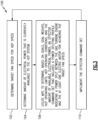
Figure 3 is a flowchart of an example method for the HEP system ofFigure 1 . -
Figure 4A is a graph of an engine shaft rotational speed over time. -
Figure 4B is a graph of electric motor output over time. -
Figure 5 is a schematic view of example hardware elements of a controller ofFigure 1 . -
Figure 1 is a schematic view of an example hybrid electric propulsion (HEP)system 10 for an aircraft. TheHEP system 10 includes agas turbine engine 11, which provides gas turbine power Pgt that is combustion-based, andelectric motors 12A-B that provide a combined electric power Pem. Thegas turbine engine 11 andelectric motors 12A-B cooperate according to a power splitting profile to provide a combined power Pdrv. The power splitting profile indicates a power split between thegas turbine engine 11,electric motor 12A, andelectric motor 12B. The power split may rely 100% on the combustion-based power Pgt, 100% on the electric power Pem, or on some combination of the two. Within that, the power split may rely to varying degrees on theelectric motor 12A and/or theelectric motor 12B. - The
HEP system 10 includes one or more electrical power sources 13 (e.g., batteries, such as lithium-ion batteries, that are configured to provide electrical power to themotors 12A-B. - The
gas turbine engine 11 includes an inner shaft 15 and anouter shaft 16 that are coaxial and are both mounted for rotation about an engine central longitudinal axis. The inner shaft 15 generally interconnects afan 17, a first (or low)pressure compressor 18, and a first (or low)pressure turbine 19. Theouter shaft 16 interconnects a second (or high)pressure compressor 20 and a second (or high)pressure turbine 21. Theelectric motor 12A is configured to rotate the inner shaft 15, and theelectric motor 12B is configured to rotate theouter shaft 16. In one or more embodiments, only one of themotors 12A-B is utilized. In one or more embodiments, when not driving their respective associated shaft, theelectric motors 12A-B are driven by rotation of their respective associated shaft and are configured to output electric power for charging the electrical power source(s) 13. - A
combustor 22 is arranged between thehigh pressure compressor 20 and thehigh pressure turbine 21. A core airflow is compressed by thelow pressure compressor 18 then thehigh pressure compressor 20, is mixed and burned withfuel 23 in thecombustor 22, and is then expanded over thehigh pressure turbine 21 andlow pressure turbine 19. InFigure 1 , φ represents a fuel consumption rate. - A
controller 24 is configured to control operation of theelectric motors 12A-B and at least the fuel flow (e.g., φ) to thecombustor 22 of thegas turbine engine 11. In one or more embodiments, thecontroller 24 is further configured to control the positions of adjustable stator vanes and/or bleed valves of the gas turbine engine 11 (not shown). The adjustable stator vanes may be provided in thelow pressure compressor 18,low pressure turbine 19,high pressure compressor 20, and/orhigh pressure turbine 21, for example. Adjustable stator vanes and bleed valves are well-known in the art, and are therefore not discussed in detail herein. - The
HEP system 10 has at least three effectors, namely, fuel (which is combusted bycombustor 22 at a fuel consumption rate),electric motor 12A, andelectric motor 12B. In one or more embodiments, the stator vanes and/or bleed valves are also effectors. -
Figure 2 is a schematic view of example inputs and outputs of a model predictive control (MPC) 30 for theHEP system 10 ofFigure 1 . TheMPC 30 is implemented by thecontroller 24. TheMPC 30 receives at least onegoal 32. A target fan speed for thefan 17 of theHEP system 10 is one of the at least onegoals 32. TheMPC 30 receives or determines at least oneadditional goal 32, which includes a target output (e.g., rotational speed or torque) of theelectric motor 12A and optionally also a target output (e.g., rotational speed or torque) of theelectric motor 12B. TheMPC 30 also receives a plurality ofgoal weights 34, each of which correspond to a respective one of thegoals 32. - The
MPC 30 also receives operating limits 36 of theHEP system 10,current operating conditions 38 of theHEP system 10, and an amount of electrical power (P_avail) 40 that is currently available to theHEP system 10. In one or more embodiments, at least some of theHEP operating conditions 38 are received from one or more sensors 39 (e.g., temperature sensor, pressure sensor, effector position feedback sensor, etc.). - The HEP operating limits may include one or more of the following:
- a torque limit of the
electric motor 12A and/or theelectric motor 12B - an electric power output limit of the
electric motor 12A and/or theelectric motor 12B; - a pressure limit of the
gas turbine engine 11; - a temperature limit of the
gas turbine engine 11; - a position range of one or more stator vanes of the
gas turbine engine 11; - a position range for one or more bleed valves of the
gas turbine engine 11; - a respective rotational speed of the shaft 15 and/or the
shaft 16; - a respective rotational speed of the
low pressure compressor 18 and/or thehigh pressure compressor 20; - a respective rotational speed of the
low pressure turbine 19 and/or thehigh pressure turbine 21; - a temperature of the
electric motor 12A and/orelectric motor 12B; - a temperature of one or more cables connecting one or more of the
electric motors 12A-B to aircraft electronics; - a charge level of batter(ies) (corresponding to electrical power sourc(es) 13);
- a temperature of batter(ies) (corresponding to electrical power sourc(es) 13).
- The HEP operating limits are generally in place to protect mechanical hardware. However, some may be more transient to protect, e.g., the
gas turbine engine 11 from an event such as a stall or burner flame out. - Based at least on the goal(s) 32,
goal weights 34, amount of available electrical power P_avail, the plurality ofoperating limits 36 of theHEP system 10, and theHEP operating conditions 38, theMPC 30 determines an effector command set 42 for controllingeffectors 46 of theHEP system 10. The effector command set 42 includes apower splitting profile 44 that indicates a power split between thegas turbine engine 11 and the at least oneelectric motor 12 for achieving Pdrv and the target fan speed forfan 17. In one or more embodiments, the power splitting profile indicates a power split between the gas turbine engine 11 (for which fuel is an effector), firstelectric motor 12A (second effector), and secondelectric motor 12B (third effector). - The effector command set 42 may also include effector commands for one or more stator vanes and/or one or more bleed valves (not shown), which may also act as effectors. The
controller 24 implements the effector command set 42 by utilizing the effector command set 42 to control theeffectors 46. -
Figure 3 is a flowchart of anexample method 100 for theHEP system 10 ofFigure 1 . The method is implemented by thecontroller 24. A target fan speed for thefan 17 is determined (step 102). In one or more embodiments,step 102 includes receiving the target fan speed as a thrust command. The thrust command may be received through input (e.g., input via a power control lever, throttle, collective, etc.) from a pilot in the case of a manned aircraft or a computer system for an unmanned aircraft. The amount of electrical power P_avail that is currently available to theHEP system 10 from theelectrical power sources 13 is determined (step 104). - The
MPC 30 is utilized to determine (step 106), based on thegoals 32,goal weights 34, HEP operating limits 36,HEP operating conditions 38, and amount of available electrical power P_avail the effector command set 42 that includes thepower splitting profile 44 which indicates a power split between thegas turbine engine 11 and the at least oneelectric motor 12 for achieving the target fan speed. Thecontroller 24 then implements the effector command set 42 (step 110). - Steps 102-110 are iteratively repeated (e.g., on the order of milliseconds or seconds) for a plurality of sequential time periods to regularly update the effector command set 42 to reflect changes to the
HEP system 10 and/or the target fan speed. - As discussed above, the
MPC 30 receives at least one goal, which includes a target fan speed for thefan 17 of theHEP system 10. TheMPC 30 receives or determines at least oneadditional goal 32, which includes a target power usage of theelectric motor 12A and optionally also a target power usage for theelectric motor 12B. Each of these goals also has an associatedweight 34 which may be pre-assigned by a system administrator. Thegoal weights 34 give the administrator control over selecting the importance of thegoals 32. In one or more embodiments, the fan speed (corresponding to a rotational speed of the shaft 15) is given a maximum weight, and other goals, such as power outputs of theelectric motors 12A and/or 12B are given lower weights, which instructs theMPC 30 that its highest priority is to meet the fan speed goal. - Weights can influence how the efficiency the
gas turbine engine 11 changes. In one or more embodiments, if one of thegoals 32 is such that bothelectric motors 12A-B are providing power to theHEP system 10, but theelectric motors 12A-B are not required to run to max power, thecontroller 24 can trade whether to use more high or more low spool (e.g., runelectric motor 12A faster thanelectric motor 12B, or vice versa) to achieve a fan speed. Setting the weights at that time to lean towards using the low spool (corresponding to shaft 15) more than to the high spool (corresponding to shaft 16) can influence the controller's decision and improve efficiency (since thefan 17 is typically directly driven through the low spool). Other goals can be used to influence this too. - In one or more embodiments, the
controller 30 utilizes theMPC 30 instep 106 to determine thepower splitting profile 44 based on how quickly theHEP system 10 is approaching the plurality of operating limits of theHEP system 10. In one particular implementation, theMPC 30 determines which one or more particular ones of the plurality of limits the HEP system is approaching most quickly, and determines thepower splitting profile 44 to slow a rate at which theHEP system 10 is approaching those particular ones of the HEP limits that are being most quickly approached. - In one example, assume that the HEP limit that is being approached the fastest of all of the HEP operating limits 36 is a temperature of the
combustor 22. In this example, the MPC may decide to increase reliance onelectric motor 12A and/or 12B and less oncombustor 22 in order to reduce the temperature of the combustor. In another example, if an operating temperature ofelectric motor 12A,electric motor 12B and/or a battery (corresponding to electrical power source(s) 13) was approaching a limit, thecontroller 24 could back off on usage ofelectric motor 12A and/or 12B and rely more of thegas turbine engine 11, using fuel. -
Figure 4A is agraph 60 of an actualrotational speed 62 of the shaft 15 and a commandedrotational speed 64 of the shaft 15 over time. Attime 0, the actualrotational speed 62 and commandedrotational speed 64 are the same (S1). At time T1, the commandedrotational speed 64 increases to rotational speed S2. Between time T1 and time T2, power to theelectric motor 12A is increased (e.g.,electric motor 12A is turned from OFF to ON) to assist with accelerating the rotational speed of the shaft 15 to rotational speed S2. By using theelectric motor 12A in this manner, a temperature of thegas turbine engine 11 does not increase as much as it would if thegas turbine engine 11 was providing all of the acceleration between S1 and S2. This is significant, because maintaining a lower gas turbine engine temperature also mitigates thermal expansion, and therefore mitigates changes in rotor blade clearances (also known as "engine transients"). - At approximately time T2, power to the
electric motor 12B is increased (e.g.,electric motor 12B is turned from OFF to ON) to mitigate an engine transient. From T1 to T2, theelectric motor 12A is helping with managing the operating line of the compressor (e.g.,LPC 18 and/or HPC 20). -
Figure 4B is agraph 70 oftorque 72 of theelectric motor 12A andtorque 74 of theelectric motor 12B. Thegraph 70 is a companion to thegraph 60 and shows changes in thetorque rotational speed 62 is changing ingraph 60. Attime 0, thetorque 72 andtorque 74 are at a first torque value TQ1 (e.g., 0 Newton meters if theelectric motors 12A-B are OFF). At time T1, thetorque 72 ofelectric motor 12A increases from TQ1 to TQ3. At approximately time T2, thetorque 72 ofelectric motor 12A returns to TQ1 (e.g., turns OFF) andtorque 74 increases from TQ1 to TQ2. -
Figure 5 is a schematic view of example hardware elements of thecontroller 24 ofFigure 1 . Thecontroller 24 includesprocessing circuitry 80 operatively connected to amemory 82 and acommunication interface 84. Theprocessing circuitry 80 may include one or more microprocessors, microcontrollers, application specific integrated circuits (ASICs), or the like, for example. Thememory 82 may include any one or combination of volatile memory elements (e.g., random access memory (RAM, such as DRAM, SRAM, SDRAM, VRAM, etc.)) and/or nonvolatile memory elements (e.g., ROM, hard drive, tape, CD-ROM, etc.). Thememory 82 stores theMPC 30 ofFigure 2 . Thecommunication interface 84 is operable to communicate with external devices for sending and receiving data, such as data from the sensor(s) 38 and and a throttle input command from a pilot. - Previous control strategies primary focused on engine speed or thrust as the main control goal. The MPC architecture disclosed herein, however, allows for targeting those goals while also targeting how much power to consume at the same time. The MPC architecture formulates its optimization problem to include power goals for the
electric motors electric motors 12A-B are then treated as effectors for theHEP system 10, where torque of theelectric motors 12A-B act on theHEP system 10 itself. In one or more embodiments, the number of effectors equals the number of goals, which is a beneficial configuration for a control. - The power goal is important because the battery/batteries that power the
electric motors 12A-B provide limited amounts of storage currently, and this target allows for mission level planning and optimization of when and how the stored energy is used. The power goals both provide the correct control configuration and provide a way to tune the system for a mission. - Next, the MPC architecture provides the ability to set goal and effector weights, meaning that some goals become more important than others. In this sense, fan speed or thrust is held as the highest goal and must be met all the time. Then motor power goals are set with a lower weight, meaning that the system will try to use the motor but in the event the engine doesn't need all the torque from that motor to meet its goal of fan speed, it will use less power than the goal requires. This way the
MPC 30 has a priority-based method for determining how to best use theeffectors 46 available to meet the aircraft thrust demands. - The techniques discussed herein provide for a steady, repeatable thrust response from the
HEP system 10 andcontroller 24, while providing the tools for optimizing energy usage. The controller makes theHEP system 10 controllable while also providing tools for aircraft / mission level planning of power usage, storage, and generation. Without the addition of the power goals and torque effectors, combined with theMPC 30, theHEP system 10 would be less controllable and would have to need to rely on a combination of open and closed loop control to remain stable. By making this configuration compatible with theMPC 30, it is more functional and can better manage engine operability while optimizing power usage. - Although example embodiments have been disclosed, a worker of ordinary skill in this art would recognize that certain modifications would come within the scope of this disclosure. For that reason, the following claims should be studied to determine the scope and content of this disclosure.
Claims (15)
- A method for a hybrid electric propulsion system, comprising:determining a target fan speed for a hybrid electric propulsion system (10), the hybrid electric propulsion system (10) including a gas turbine engine (11) and at least one electric motor (12A, 12B) configured to rotate a respective shaft (15, 16) of the gas turbine engine (11);determining an amount of electrical power that is currently available to the hybrid electric propulsion system (10);utilizing a model predictive control (30) to determine, based on the amount of available electrical power and a plurality of operating limits of the hybrid electric propulsion system (10), an effector command set (42) that includes a power splitting profile (44) indicating a power split between the gas turbine engine (11) and the at least one electric motor (12A, 12B) for achieving the target fan speed; andimplementing the effector command set (42).
- The method of claim 1, wherein:the at least one electric motor (12A, 12B) includes a first electric motor (12A) configured to rotate a first shaft (15) of the gas turbine engine (11), and a second electric motor (12B) configured to rotate a second shaft (16) of the gas turbine engine (11); andthe power splitting profile (44) indicates a power split between the gas turbine engine (11), the first electric motor (12A), and the second electric motor (12B).
- The method of claim 2, comprising:
obtaining weights for a plurality of goals (32) of the hybrid electric propulsion system (10), the plurality of goals (32) including the target fan speed and at least one prioritization goal for using at least one of the first electric motor (12A) and the second electric motor (12B) during flight, wherein the model predictive control (30) utilizes the weights to determine the effector command set (42), optionally wherein the target fan speed has a highest weighting of the plurality of goals (32). - The method of any preceding claim, comprising:
iteratively repeating said determining steps, said utilizing the model predictive control (30), and said implementing the effector command set (42) for a plurality of sequential time periods. - The method of any preceding claim, wherein said utilizing comprises utilizing the model predictive control (30) to determine the power splitting profile (44) based on how quickly the hybrid electric propulsion system (10) is approaching each operating limit of the plurality of operating limits of the hybrid electric propulsion system (10), optionally further comprising:
determining which one of the plurality of limits the hybrid electric propulsion system (10) is approaching most quickly, wherein the power splitting profile (44) is determined to slow a rate at which the hybrid electric propulsion system (10) is approaching said one of the plurality of limits of the hybrid electric propulsion system (10) most quickly. - The method of any preceding claim, wherein the plurality of operating limits includes operating limits for one or more of:torque of the at least one electric motor (12A, 12B);electric power of the at least one electric motor (12A, 12B);a pressure in the gas turbine engine (11); anda temperature in the gas turbine engine (11).
- The method of any preceding claim, wherein the plurality of operating limits includes operating limits for one or more of:a combustor (22) of the gas turbine engine (11);a stator vane of the gas turbine engine (11); andone or more bleed valves of the gas turbine engine (11).
- The method of any preceding claim, wherein the effector command set (42) also includes commands for at least one of:stator vane positions; andbleed valve positions.
- A controller for a hybrid electric propulsion system, comprising processing circuitry (80) operatively connected to memory (82), and configured to:determine a target fan speed for a hybrid electric propulsion system (10), the hybrid electric propulsion system (10) including a gas turbine engine (11) and at least one electric motor (12A, 12B) configured to rotate a respective shaft (15, 16) of the gas turbine engine (11);determine an amount of electrical power that is currently available to the hybrid electric propulsion system (10);utilize a model predictive control (30) to determine, based on the amount of available electrical power and a plurality of operating limits of the hybrid electric propulsion system (10), an effector command set (42) that includes a power splitting profile (44) indicating a power split between the gas turbine engine (11) and the at least one electric motor (12A, 12B) for achieving the target fan speed; andimplement the effector command set (42).
- The controller of claim 9, wherein:the at least one electric motor (12A, 12B) includes a first electric motor (12A) configured to rotate a first shaft (15) of the gas turbine engine (11), and a second electric motor (12B) configured to rotate a second shaft (16) of the gas turbine engine (11); andthe power splitting profile (44) indicates a power split between the gas turbine engine (11), the first electric motor (12A), and the second electric motor (12B).
- The controller of claim 10, wherein the processing circuitry (80) is configured to:obtain weights for a plurality of goals (32) of the hybrid electric propulsion system (10), the plurality of goals (32) including the target fan speed and at least one prioritization goal for using at least one of the first electric motor (12A) and the second electric motor (12B) during flight;wherein the model predictive control (30) utilizes the weights to determine the effector command set (42), optionally wherein the target fan speed has a highest weighting of the plurality of goals (32).
- The controller of any of claims 9 to 11, wherein the processing circuitry (80) is configured to:
iteratively repeat the determination of the target fan speed, the determination of the amount of electrical power that is currently available to the hybrid electric propulsion, the utilization of the model predictive control (30), and the implementation of the effector command set (42) for a plurality of sequential time periods. - The controller of any of claims 9 to 12, wherein the processing circuitry (80) is configured to:
utilize the model predictive control (30) to determine the power splitting profile (44) based on how quickly the hybrid electric propulsion system (10) is approaching each operating limit of the plurality of operating limits of the hybrid electric propulsion system (10), optionally wherein the processing circuitry (80) is configured to:determine which one of the plurality of limits the hybrid electric propulsion system (10) is approaching most quickly;wherein the power splitting profile (44) is determined to slow a rate at which the hybrid electric propulsion system (10) is approaching said one of the plurality of limits of the hybrid electric propulsion system (10) most quickly. - The controller of any of claims 9 to 13, wherein the plurality of operating limits includes operating limits for one or more of:torque of the at least one electric motor (12A, 12B);electric power of the at least one electric motor (12A, 12B);a pressure in the gas turbine engine (11); anda temperature in the gas turbine engine (11).
- The controller of any of claims 9 to 14, wherein:the plurality of operating limits includes operating limits for one or more of a combustor (22) of the gas turbine engine (11), a stator vane of the gas turbine engine (11), and one or more bleed valves of the gas turbine engine (11); and/orthe effector command set (42) also includes commands for stator vane positions and/or bleed valve positions.
Applications Claiming Priority (1)
| Application Number | Priority Date | Filing Date | Title |
|---|---|---|---|
| US18/544,615 US20250198349A1 (en) | 2023-12-19 | 2023-12-19 | Method and apparatus for using model predictive control for hybrid electric propulsion system |
Publications (1)
| Publication Number | Publication Date |
|---|---|
| EP4575210A1 true EP4575210A1 (en) | 2025-06-25 |
Family
ID=93925383
Family Applications (1)
| Application Number | Title | Priority Date | Filing Date |
|---|---|---|---|
| EP24221922.8A Pending EP4575210A1 (en) | 2023-12-19 | 2024-12-19 | Method and apparatus for using model predictive control for hybrid electric propulsion system |
Country Status (2)
| Country | Link |
|---|---|
| US (1) | US20250198349A1 (en) |
| EP (1) | EP4575210A1 (en) |
Citations (3)
| Publication number | Priority date | Publication date | Assignee | Title |
|---|---|---|---|---|
| US20190002113A1 (en) * | 2017-06-30 | 2019-01-03 | General Electric Company | Propulsion system for an aircraft |
| US20230136062A1 (en) * | 2021-10-29 | 2023-05-04 | Raytheon Technologies Corporation | Hybrid electric single engine descent power extraction control |
| US20230312115A1 (en) * | 2022-03-29 | 2023-10-05 | Pratt & Whitney Canada Corp. | Aircraft powerplant(s) for an aircraft with electric machine controlled propulsor speed |
-
2023
- 2023-12-19 US US18/544,615 patent/US20250198349A1/en active Pending
-
2024
- 2024-12-19 EP EP24221922.8A patent/EP4575210A1/en active Pending
Patent Citations (3)
| Publication number | Priority date | Publication date | Assignee | Title |
|---|---|---|---|---|
| US20190002113A1 (en) * | 2017-06-30 | 2019-01-03 | General Electric Company | Propulsion system for an aircraft |
| US20230136062A1 (en) * | 2021-10-29 | 2023-05-04 | Raytheon Technologies Corporation | Hybrid electric single engine descent power extraction control |
| US20230312115A1 (en) * | 2022-03-29 | 2023-10-05 | Pratt & Whitney Canada Corp. | Aircraft powerplant(s) for an aircraft with electric machine controlled propulsor speed |
Non-Patent Citations (1)
| Title |
|---|
| DOFF-SOTTA MARTIN ET AL: "Predictive Energy Management for Hybrid Electric Aircraft Propulsion Systems", IEEE TRANSACTIONS ON CONTROL SYSTEMS TECHNOLOGY, IEEE SERVICE CENTER, NEW YORK, NY, US, vol. 31, no. 2, 1 March 2023 (2023-03-01), pages 602 - 614, XP011934658, ISSN: 1063-6536, [retrieved on 20220808], DOI: 10.1109/TCST.2022.3193295 * |
Also Published As
| Publication number | Publication date |
|---|---|
| US20250198349A1 (en) | 2025-06-19 |
Similar Documents
| Publication | Publication Date | Title |
|---|---|---|
| EP2971594B1 (en) | Hybrid turbo electric aero-propulsion system control | |
| EP3950506B1 (en) | Aircraft parallel hybrid propulsion system | |
| EP3770399B1 (en) | Asymmetric hybrid aircraft idle | |
| US11286865B2 (en) | Gas turbine engine with variable pitch fan and variable pitch compressor geometry | |
| EP2971593B1 (en) | Gas turbine engine and electrical system comprising electrical buses | |
| CN110481802A (en) | Hybrid electrically aircraft propulsion | |
| US7245040B2 (en) | System and method for controlling the frequency output of dual-spool turbogenerators under varying load | |
| Cai et al. | Full-envelope acceleration control method of turbofan engine based on variable geometry compound adjustment | |
| CN112081667A (en) | Reducing idle thrust in a propulsion gas turbine | |
| WO2011037852A1 (en) | Aircraft power management | |
| US12606313B2 (en) | Aircraft powerplant(s) for an aircraft with electric machine controlled propulsor speed | |
| US12296941B2 (en) | System and method for controlling a propulsor for a hybrid-electric aircraft propulsion system | |
| EP4530454A1 (en) | Hybrid-electric aircraft propulsion system control system and method | |
| EP4575210A1 (en) | Method and apparatus for using model predictive control for hybrid electric propulsion system | |
| EP4173958B1 (en) | Power extraction control for descent in a hybrid electric propulsion system | |
| US12258141B2 (en) | Hybrid electric single engine descent energy management | |
| CN114856833B (en) | A redundant control method and device for a large bypass ratio turbofan engine | |
| US20250026333A1 (en) | Hybrid Electric Power Dependent Active Clearance Control | |
| EP4707177A1 (en) | Propulsion assembly for an aircraft and methods for operating same |
Legal Events
| Date | Code | Title | Description |
|---|---|---|---|
| PUAI | Public reference made under article 153(3) epc to a published international application that has entered the european phase |
Free format text: ORIGINAL CODE: 0009012 |
|
| STAA | Information on the status of an ep patent application or granted ep patent |
Free format text: STATUS: THE APPLICATION HAS BEEN PUBLISHED |
|
| AK | Designated contracting states |
Kind code of ref document: A1 Designated state(s): AL AT BE BG CH CY CZ DE DK EE ES FI FR GB GR HR HU IE IS IT LI LT LU LV MC ME MK MT NL NO PL PT RO RS SE SI SK SM TR |
|
| STAA | Information on the status of an ep patent application or granted ep patent |
Free format text: STATUS: REQUEST FOR EXAMINATION WAS MADE |
|
| 17P | Request for examination filed |
Effective date: 20251218 |