EP4574182A1 - Urinary catheters and methods for preventing bacterial infections - Google Patents
Urinary catheters and methods for preventing bacterial infections Download PDFInfo
- Publication number
- EP4574182A1 EP4574182A1 EP25167485.9A EP25167485A EP4574182A1 EP 4574182 A1 EP4574182 A1 EP 4574182A1 EP 25167485 A EP25167485 A EP 25167485A EP 4574182 A1 EP4574182 A1 EP 4574182A1
- Authority
- EP
- European Patent Office
- Prior art keywords
- catheter
- agent
- bacteria
- product
- urinary
- Prior art date
- Legal status (The legal status is an assumption and is not a legal conclusion. Google has not performed a legal analysis and makes no representation as to the accuracy of the status listed.)
- Pending
Links
Images
Classifications
-
- A—HUMAN NECESSITIES
- A01—AGRICULTURE; FORESTRY; ANIMAL HUSBANDRY; HUNTING; TRAPPING; FISHING
- A01N—PRESERVATION OF BODIES OF HUMANS OR ANIMALS OR PLANTS OR PARTS THEREOF; BIOCIDES, e.g. AS DISINFECTANTS, AS PESTICIDES OR AS HERBICIDES; PEST REPELLANTS OR ATTRACTANTS; PLANT GROWTH REGULATORS
- A01N43/00—Biocides, pest repellants or attractants, or plant growth regulators containing heterocyclic compounds
- A01N43/02—Biocides, pest repellants or attractants, or plant growth regulators containing heterocyclic compounds having rings with one or more oxygen or sulfur atoms as the only ring hetero atoms
- A01N43/24—Biocides, pest repellants or attractants, or plant growth regulators containing heterocyclic compounds having rings with one or more oxygen or sulfur atoms as the only ring hetero atoms with two or more hetero atoms
-
- A—HUMAN NECESSITIES
- A61—MEDICAL OR VETERINARY SCIENCE; HYGIENE
- A61L—METHODS OR APPARATUS FOR STERILISING MATERIALS OR OBJECTS IN GENERAL; DISINFECTION, STERILISATION OR DEODORISATION OF AIR; CHEMICAL ASPECTS OF BANDAGES, DRESSINGS, ABSORBENT PADS OR SURGICAL ARTICLES; MATERIALS FOR BANDAGES, DRESSINGS, ABSORBENT PADS OR SURGICAL ARTICLES
- A61L29/00—Materials for catheters, medical tubing, cannulae, or endoscopes or for coating catheters
- A61L29/08—Materials for coatings
- A61L29/085—Macromolecular materials
-
- A—HUMAN NECESSITIES
- A61—MEDICAL OR VETERINARY SCIENCE; HYGIENE
- A61L—METHODS OR APPARATUS FOR STERILISING MATERIALS OR OBJECTS IN GENERAL; DISINFECTION, STERILISATION OR DEODORISATION OF AIR; CHEMICAL ASPECTS OF BANDAGES, DRESSINGS, ABSORBENT PADS OR SURGICAL ARTICLES; MATERIALS FOR BANDAGES, DRESSINGS, ABSORBENT PADS OR SURGICAL ARTICLES
- A61L29/00—Materials for catheters, medical tubing, cannulae, or endoscopes or for coating catheters
- A61L29/14—Materials characterised by their function or physical properties, e.g. lubricating compositions
- A61L29/16—Biologically active materials, e.g. therapeutic substances
-
- A—HUMAN NECESSITIES
- A61—MEDICAL OR VETERINARY SCIENCE; HYGIENE
- A61L—METHODS OR APPARATUS FOR STERILISING MATERIALS OR OBJECTS IN GENERAL; DISINFECTION, STERILISATION OR DEODORISATION OF AIR; CHEMICAL ASPECTS OF BANDAGES, DRESSINGS, ABSORBENT PADS OR SURGICAL ARTICLES; MATERIALS FOR BANDAGES, DRESSINGS, ABSORBENT PADS OR SURGICAL ARTICLES
- A61L2300/00—Biologically active materials used in bandages, wound dressings, absorbent pads or medical devices
- A61L2300/20—Biologically active materials used in bandages, wound dressings, absorbent pads or medical devices containing or releasing organic materials
- A61L2300/23—Carbohydrates
- A61L2300/232—Monosaccharides, disaccharides, polysaccharides, lipopolysaccharides
-
- A—HUMAN NECESSITIES
- A61—MEDICAL OR VETERINARY SCIENCE; HYGIENE
- A61L—METHODS OR APPARATUS FOR STERILISING MATERIALS OR OBJECTS IN GENERAL; DISINFECTION, STERILISATION OR DEODORISATION OF AIR; CHEMICAL ASPECTS OF BANDAGES, DRESSINGS, ABSORBENT PADS OR SURGICAL ARTICLES; MATERIALS FOR BANDAGES, DRESSINGS, ABSORBENT PADS OR SURGICAL ARTICLES
- A61L2300/00—Biologically active materials used in bandages, wound dressings, absorbent pads or medical devices
- A61L2300/40—Biologically active materials used in bandages, wound dressings, absorbent pads or medical devices characterised by a specific therapeutic activity or mode of action
- A61L2300/404—Biocides, antimicrobial agents, antiseptic agents
-
- A—HUMAN NECESSITIES
- A61—MEDICAL OR VETERINARY SCIENCE; HYGIENE
- A61L—METHODS OR APPARATUS FOR STERILISING MATERIALS OR OBJECTS IN GENERAL; DISINFECTION, STERILISATION OR DEODORISATION OF AIR; CHEMICAL ASPECTS OF BANDAGES, DRESSINGS, ABSORBENT PADS OR SURGICAL ARTICLES; MATERIALS FOR BANDAGES, DRESSINGS, ABSORBENT PADS OR SURGICAL ARTICLES
- A61L2300/00—Biologically active materials used in bandages, wound dressings, absorbent pads or medical devices
- A61L2300/40—Biologically active materials used in bandages, wound dressings, absorbent pads or medical devices characterised by a specific therapeutic activity or mode of action
- A61L2300/404—Biocides, antimicrobial agents, antiseptic agents
- A61L2300/406—Antibiotics
-
- A—HUMAN NECESSITIES
- A61—MEDICAL OR VETERINARY SCIENCE; HYGIENE
- A61L—METHODS OR APPARATUS FOR STERILISING MATERIALS OR OBJECTS IN GENERAL; DISINFECTION, STERILISATION OR DEODORISATION OF AIR; CHEMICAL ASPECTS OF BANDAGES, DRESSINGS, ABSORBENT PADS OR SURGICAL ARTICLES; MATERIALS FOR BANDAGES, DRESSINGS, ABSORBENT PADS OR SURGICAL ARTICLES
- A61L2400/00—Materials characterised by their function or physical properties
- A61L2400/10—Materials for lubricating medical devices
Definitions
- catheters are typically prepared in sterile environments and are provided with safe handling instructions, catheter users are at risk of contracting a urinary tract infection due to several different factors.
- the catheter may become contaminated during use and introduce bacteria into the urethra.
- the catheter also may carrier bacteria along the urinary tract.
- urine is voided from the bladder through the catheter, urine does not flow directly through the urethra. Thus, urine is no longer a factor in flushing out the urethra or wetting of the urethral tissue.
- a urinary catheter product includes a catheter and an agent that hinders the motility structures of bacteria.
- urine is no longer a factor that participates in regular flushing or wetting of the urethra. Because the users are unable to void directly through the urethra, the urethra no longer experiences the continuous flushing and re-wetting of the tissues that normally occurs during active voluntary urination. When the mechanism fails, the risk of urinary tract infections increases.
- Urinary tract infections can be a result of bacteria swarming and/or traveling up through the urethra towards the bladder. Traveling of bacteria up the urethra is typically not a concern for those who can perform voluntary urination, because normal voiding tends to wash out and eliminate the bacteria from urethra, thereby prohibiting it from traveling toward the bladder and causing infection.
- motile bacteria There are certain species of bacteria that are considered good "swimmers," which swarm and move when they receive certain signals from the surrounding environment. These bacteria are capable of movement even on solid surfaces through excretion of their own extracellular fluids. These motile bacteria also are known to become more pathogenic and increase their motility organelles, such as flagella (a process called hyperflagellation), when sensing certain signals, such as decreased viscosity in the fluids and mucus in their surrounding environment and/or an increase in chemotactants.
- flagella a process called hyperflagellation
- the urethral environment will be fairly viscous, due to the presence of mucosal secretions.
- a hydrophilic catheter or a catheter lubricated with a water-based gel is introduced into the urethra, such introduction will likely deposit additional moisture, diluting the secretions, thus decreasing the overall viscosity of the urethral mucus and the surrounding urethral environment. This decrease in the urethral mucus viscosity provides a signal that activates the motility of the bacteria.
- the catheter, hydrophilic coating, hydration medium and/or lubricants may include a chemotactant that promotes chemotaxis (the movement of the bacteria in response to a chemical stimulant).
- the hydrophilic coating and hydration medium may include a chemotactant, such as a polyol or polysaccharide, which stimulates the bacteria to move toward the chemotactant. If the catheter distributes this chemotactant at or near the bladder, the bacteria may be stimulated to undesirably swarm and move toward the bladder.
- the catheter products disclosed herein target and hinder the mobility structures of the bacteria, such as the flagella and pili of the bacteria.
- the flagella and pili are some of the structures of the bacteria that are responsible for mobility.
- the catheter products of the present disclosure include agents that target and hinder, inhibit or disable the flagella and/or pili from performing their mobility functions. Hindering the flagella and/or pili from performing their functions, mitigates the risk of bacteria swarming and traveling proximally up the urethra toward the bladder. Thus, when bacteria are stimulated to swarm and move by signals from changes in the urethral environment, the bacteria do not effectively move and/or swarm because the agent has hindered the motility structure of the bacteria.
- the agents may be incorporated into the catheter product in a manner that the agents are delivered and/or distributed into the urethra by the catheter product.
- a catheter product 10 includes a package 12 including a catheter 14 having a catheter shaft 16.
- the outer surface of the catheter shaft 16 may be hydrophilic.
- the catheter 16 may be coated with a hydrophilic coating.
- the hydrophilic surface of the catheter shaft 16 becomes lubricious when wetted with a hydration medium 18 (water or saline).
- the agent that inhibits motility structures of the bacteria may be contained in the hydrophilic material (e.g., the hydrophilic coating) and/or the hydration medium.
- the catheter product includes a lubricating gel
- the compound may be included in the lubricating gel.
- the agent When the catheter is inserted into and through the urethra, the agent may be distributed along the urethra, where it will come into contact with bacteria.
- the introducer aid 20 or the tip 22 thereof may include the agent that inhibits motility structures of bacteria 24.
- the agent may be disposed onto the catheter shaft 16 wherein the catheter distributes the agent along the urethra.
- a sleeve 26 may be attached to the introducer aid, wherein the sleeve surrounds the catheter.
- the agent downregulates gene expression associated with motility structures of bacteria.
- the agent may suppress the expression of the flagellin and/or pili gene.
- the agent or agents can target flagellar proteins, such as the C-ring, f-T3SS, motor-force generators, MS-ring, rod, hook, and filament.
- the agent can target injectisome proteins, such as v-T3SS, MS-ring, C-ring, Secretin, Rod, Needle, and Translocon.
- the agent or agents can target T4P proteins, such as the retraction ATPase, assembly ATPase, pre-pilin peptidase, pre-pilin, pilin, secretin, and Type-IV Pilus.
- the agent may decrease the bacteria production of motility structures.
- the agent may include pomegranate rind extract and/or polyphenolic molecules from pomegranate, which target and inhibit flagella of bacteria, thereby inhibiting the motility and swarming of the bacteria.
- the agent may include punicalagin.
- the agent may include a peptide compound that suppresses gene expressions associated with motility structures of bacteria.
- the agent may include: branched-chain fatty acids, hydroxyindoles, naphthalene derivatives, quinazoline-2,4-diamino analogs, salicylaldehyde hydrazones, salicylidene anilines, and thiazolidinones.
Landscapes
- Health & Medical Sciences (AREA)
- Life Sciences & Earth Sciences (AREA)
- General Health & Medical Sciences (AREA)
- Animal Behavior & Ethology (AREA)
- Veterinary Medicine (AREA)
- Public Health (AREA)
- Epidemiology (AREA)
- Engineering & Computer Science (AREA)
- Medicinal Chemistry (AREA)
- Molecular Biology (AREA)
- Biomedical Technology (AREA)
- Chemical & Material Sciences (AREA)
- Agronomy & Crop Science (AREA)
- Pest Control & Pesticides (AREA)
- Plant Pathology (AREA)
- Dentistry (AREA)
- Wood Science & Technology (AREA)
- Zoology (AREA)
- Environmental Sciences (AREA)
- Acyclic And Carbocyclic Compounds In Medicinal Compositions (AREA)
- Materials For Medical Uses (AREA)
Abstract
Description
- The present application claims the benefit of and priority to
U.S. Provisional Patent Application No. 62/926,923, filed October 28, 2019 - The present disclosure generally relates to urinary catheters and methods for preventing bacterial infections, and more particularly, to catheters and methods for preventing urinary tract infections. The present disclosure also relates to urinary catheters and methods that hinder the motility structures of bacteria within the urethra.
- It is desirable for urinary catheters to have a lubricated or lubricious outer surface to increase comfort of the patient during insertion into and/or removal from the body. One method for rendering the surface of a urinary catheter lubricious is to coat at least the insertable portion of the catheter with a lubricious hydrophilic coating. Another method is to apply a lubricant to the urinary catheter. Lubricity of the catheter minimizes soft tissue damage and reduces overall discomfort during use of the medical device.
- Although catheters are typically prepared in sterile environments and are provided with safe handling instructions, catheter users are at risk of contracting a urinary tract infection due to several different factors. For example, the catheter may become contaminated during use and introduce bacteria into the urethra. The catheter also may carrier bacteria along the urinary tract. Additionally, because urine is voided from the bladder through the catheter, urine does not flow directly through the urethra. Thus, urine is no longer a factor in flushing out the urethra or wetting of the urethral tissue.
- Therefore, there is a need for catheters which reduce the risk of urinary tract infections.
- There are several aspects of the present subject matter which may be embodied separately or together in the devices and systems described and claimed below. These aspects may be employed alone or in combination with other aspects of the subject matter described herein, and the description of these aspects together is not intended to preclude the use of these aspects separately or the claiming of such aspects separately or in different combinations as set forth in the claims appended hereto.
- In one aspect, a urinary catheter product includes a catheter and an agent that hinders the motility structures of bacteria.
-
-
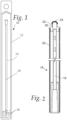
Fig. 1 is a plan view of one embodiment of the present disclosure; and -
Fig. 2 is a plan view of one embodiment of a catheter of the present disclosure. - The embodiments disclosed herein are for the purpose of providing a description of the present subject matter, and it is understood that the subject matter may be embodied in various other forms and combinations not shown in detail. Therefore, specific embodiments and features disclosed herein are not to be interpreted as limiting the subject matter as defined in the accompanying claims.
- For catheter users, whether in-dwelling or intermittent, urine is no longer a factor that participates in regular flushing or wetting of the urethra. Because the users are unable to void directly through the urethra, the urethra no longer experiences the continuous flushing and re-wetting of the tissues that normally occurs during active voluntary urination. When the mechanism fails, the risk of urinary tract infections increases.
- Urinary tract infections can be a result of bacteria swarming and/or traveling up through the urethra towards the bladder. Traveling of bacteria up the urethra is typically not a concern for those who can perform voluntary urination, because normal voiding tends to wash out and eliminate the bacteria from urethra, thereby prohibiting it from traveling toward the bladder and causing infection.
- There are certain species of bacteria that are considered good "swimmers," which swarm and move when they receive certain signals from the surrounding environment. These bacteria are capable of movement even on solid surfaces through excretion of their own extracellular fluids. These motile bacteria also are known to become more pathogenic and increase their motility organelles, such as flagella (a process called hyperflagellation), when sensing certain signals, such as decreased viscosity in the fluids and mucus in their surrounding environment and/or an increase in chemotactants.
- In a non-voiding patient, the urethral environment will be fairly viscous, due to the presence of mucosal secretions. When a hydrophilic catheter or a catheter lubricated with a water-based gel is introduced into the urethra, such introduction will likely deposit additional moisture, diluting the secretions, thus decreasing the overall viscosity of the urethral mucus and the surrounding urethral environment. This decrease in the urethral mucus viscosity provides a signal that activates the motility of the bacteria.
- Furthermore, when a catheter is inserted into the urethra, the catheter, hydrophilic coating, hydration medium and/or lubricants may include a chemotactant that promotes chemotaxis (the movement of the bacteria in response to a chemical stimulant). For example, the hydrophilic coating and hydration medium may include a chemotactant, such as a polyol or polysaccharide, which stimulates the bacteria to move toward the chemotactant. If the catheter distributes this chemotactant at or near the bladder, the bacteria may be stimulated to undesirably swarm and move toward the bladder.
- The catheter products disclosed herein target and hinder the mobility structures of the bacteria, such as the flagella and pili of the bacteria. The flagella and pili are some of the structures of the bacteria that are responsible for mobility. The catheter products of the present disclosure include agents that target and hinder, inhibit or disable the flagella and/or pili from performing their mobility functions. Hindering the flagella and/or pili from performing their functions, mitigates the risk of bacteria swarming and traveling proximally up the urethra toward the bladder. Thus, when bacteria are stimulated to swarm and move by signals from changes in the urethral environment, the bacteria do not effectively move and/or swarm because the agent has hindered the motility structure of the bacteria. The agents may be incorporated into the catheter product in a manner that the agents are delivered and/or distributed into the urethra by the catheter product.
- The agent that inhibits motility structures of bacteria may be included in any component of a catheter product. For example, referring to
Fig. 1 , acatheter product 10 includes apackage 12 including acatheter 14 having acatheter shaft 16. The outer surface of thecatheter shaft 16 may be hydrophilic. For example, thecatheter 16 may be coated with a hydrophilic coating. The hydrophilic surface of thecatheter shaft 16 becomes lubricious when wetted with a hydration medium 18 (water or saline). In one alternative, the agent that inhibits motility structures of the bacteria may be contained in the hydrophilic material (e.g., the hydrophilic coating) and/or the hydration medium. When the catheter product includes a lubricating gel, the compound may be included in the lubricating gel. When the catheter is inserted into and through the urethra, the agent may be distributed along the urethra, where it will come into contact with bacteria. - Referring to
Fig. 2 , when the catheter product includes anintroducer aid 20 that may be inserted into the urethral opening and which the catheter is inserted through, theintroducer aid 20 or thetip 22 thereof may include the agent that inhibits motility structures ofbacteria 24. When thecatheter shaft 16 is inserted through theintroducer aid 20, the agent may be disposed onto thecatheter shaft 16 wherein the catheter distributes the agent along the urethra. Additionally, asleeve 26 may be attached to the introducer aid, wherein the sleeve surrounds the catheter. - In one embodiment, the agent downregulates gene expression associated with motility structures of bacteria. For example, the agent may suppress the expression of the flagellin and/or pili gene. Moreover, the agent or agents can target flagellar proteins, such as the C-ring, f-T3SS, motor-force generators, MS-ring, rod, hook, and filament. Additionally, the agent can target injectisome proteins, such as v-T3SS, MS-ring, C-ring, Secretin, Rod, Needle, and Translocon. Furthermore, the agent or agents can target T4P proteins, such as the retraction ATPase, assembly ATPase, pre-pilin peptidase, pre-pilin, pilin, secretin, and Type-IV Pilus. In addition or alternative to, the agent may decrease the bacteria production of motility structures.
- The agent may include pomegranate rind extract and/or polyphenolic molecules from pomegranate, which target and inhibit flagella of bacteria, thereby inhibiting the motility and swarming of the bacteria. In one embodiment, the agent may include punicalagin. In another embodiment, the agent may include a peptide compound that suppresses gene expressions associated with motility structures of bacteria. In yet another embodiment, the agent may include: branched-chain fatty acids, hydroxyindoles, naphthalene derivatives, quinazoline-2,4-diamino analogs, salicylaldehyde hydrazones, salicylidene anilines, and thiazolidinones.
- It will be understood that the embodiments described above are illustrative of some of the applications of the principles of the present subject matter. Numerous modifications may be made by those skilled in the art without departing from the spirit and scope of the claimed subject matter, including those combinations of features that are individually disclosed or claimed herein. For these reasons, the scope hereof is not limited to the above description but is as set forth in the following claims, and it is understood that claims may be directed to the features hereof, including as combinations of features that are individually disclosed or claimed herein.
-
- 1. A urinary catheter product, comprising:
- a catheter; and
- an agent that hinders the motility structures of bacteria.
- 2. The urinary catheter product of embodiment 1, wherein the catheter further includes a shaft and a hydrophilic coating on the shaft, and the agent being contained in the hydrophilic coating.
- 3. The urinary catheter product of any one of embodiments 1 and 2, wherein the catheter further includes a shaft and a hydrophilic coating, and the agent being contained in a hydration medium for hydrating the hydrophilic coating.
- 4. The urinary catheter product of embodiment 1, further including a lubricant for lubricating the catheter, wherein the lubricant includes the agent.
- 5. The urinary catheter product of any one of embodiments 1-4, wherein the agent downregulates gene expression associated with motility structures of bacteria.
- 6. The urinary catheter product of any one of embodiments 1-5, wherein the agent decreases production of motility structures of bacteria.
- 7. The urinary catheter product of any one of embodiments 1-6, wherein the agent suppresses the expression of the flagellin gene.
- 8. The urinary catheter product of any one of embodiments 1-7, wherein the agent decreases flagella production.
- 9. The urinary catheter product of any one of embodiments 1-7, wherein the agent suppresses the expression of the pili gene.
- 10. The urinary catheter product of any one of embodiments 1-8, wherein the agent decreases pili production.
- 11. The urinary catheter product of any one of embodiments 1-9, wherein the agent comprises pomegranate rind extract.
- 12. The urinary catheter product of any one of embodiments 1-10, wherein the agent comprises polyphenolic molecules from pomegranate.
- 13. The urinary catheter product of any one of embodiments 1-11, wherein the agent comprises punicalagin.
- 14. The urinary catheter product of any one of embodiments 1-12, wherein the agent comprises a peptide compound that suppresses gene expressions associated with motility structures of bacteria.
- 15. The urinary catheter product of any one of embodiments 1-13, wherein the agent comprises branched-chain fatty acids, hydroxyindoles, naphthalene derivatives, quinazoline-2,4-diamino analogs, salicylaldehyde hydrazones, salicylidene anilines, and thiazolidinones.
Claims (8)
- A urinary catheter product, comprising:a catheter having a catheter shaft and a hydrophilic coating on the catheter shaft, andwherein the hydrophilic coating comprises an agent that hinders the motility structures of bacteria wherein said agent comprises punicalagin.
- The urinary catheter product of claim 1, wherein the catheter product further includes a hydration medium for hydrating the hydrophilic coating. (based on claim 3)
- The urinary catheter product of claim 1, wherein the hydration medium comprises water or saline. (based on paragraph [0017).
- The urinary catheter product of any one of claims 1-3, wherein the catheter comprises an introducer aid. (based on paragraph [0018])
- The urinary catheter product of any one of claims 1-4, wherein a sleeve is attached to the introducer aid, wherein the sleeve surrounds the catheter.
- The urinary catheter product of any one of claims 1-5, wherein the agent further comprises branched-chain fatty acids, hydroxyindoles, naphthalene derivatives, quinazoline-2,4-diamino analogs, salicylaldehyde hydrazones, salicylidene anilines, and/or thiazolidinones.
- The urinary catheter product of any one of claims 1-6, wherein the hydration medium further comprises the agent.
- The urinary catheter product of any one of claims 1-6, further comprising a package.
Applications Claiming Priority (3)
| Application Number | Priority Date | Filing Date | Title |
|---|---|---|---|
| US201962926923P | 2019-10-28 | 2019-10-28 | |
| EP20811182.3A EP4051330B1 (en) | 2019-10-28 | 2020-10-27 | Urinary catheters and methods for preventing bacterial infections |
| PCT/US2020/057535 WO2021086855A1 (en) | 2019-10-28 | 2020-10-27 | Urinary catheters and methods for preventing bacterial infections |
Related Parent Applications (2)
| Application Number | Title | Priority Date | Filing Date |
|---|---|---|---|
| EP20811182.3A Division EP4051330B1 (en) | 2019-10-28 | 2020-10-27 | Urinary catheters and methods for preventing bacterial infections |
| EP20811182.3A Division-Into EP4051330B1 (en) | 2019-10-28 | 2020-10-27 | Urinary catheters and methods for preventing bacterial infections |
Publications (1)
| Publication Number | Publication Date |
|---|---|
| EP4574182A1 true EP4574182A1 (en) | 2025-06-25 |
Family
ID=73498308
Family Applications (2)
| Application Number | Title | Priority Date | Filing Date |
|---|---|---|---|
| EP20811182.3A Active EP4051330B1 (en) | 2019-10-28 | 2020-10-27 | Urinary catheters and methods for preventing bacterial infections |
| EP25167485.9A Pending EP4574182A1 (en) | 2019-10-28 | 2020-10-27 | Urinary catheters and methods for preventing bacterial infections |
Family Applications Before (1)
| Application Number | Title | Priority Date | Filing Date |
|---|---|---|---|
| EP20811182.3A Active EP4051330B1 (en) | 2019-10-28 | 2020-10-27 | Urinary catheters and methods for preventing bacterial infections |
Country Status (5)
| Country | Link |
|---|---|
| US (1) | US20220370689A1 (en) |
| EP (2) | EP4051330B1 (en) |
| AU (1) | AU2020376787A1 (en) |
| CA (1) | CA3159406A1 (en) |
| WO (1) | WO2021086855A1 (en) |
Families Citing this family (3)
| Publication number | Priority date | Publication date | Assignee | Title |
|---|---|---|---|---|
| GB202006055D0 (en) | 2020-04-24 | 2020-06-10 | Convatec Ltd | A wetting mechanism for a catheter |
| GB202006059D0 (en) | 2020-04-24 | 2020-06-10 | Convatec Ltd | A wetting mechanism for a catheter |
| JP2023527635A (en) | 2020-04-24 | 2023-06-30 | コンバテック リミティド | Catheter Wetting Mechanism |
Citations (1)
| Publication number | Priority date | Publication date | Assignee | Title |
|---|---|---|---|---|
| WO2016146806A1 (en) * | 2015-03-19 | 2016-09-22 | Uropharma Lmited | Medicinal composition for treating urinary tract infection (uti) |
Family Cites Families (4)
| Publication number | Priority date | Publication date | Assignee | Title |
|---|---|---|---|---|
| US3566874A (en) * | 1968-08-13 | 1971-03-02 | Nat Patent Dev Corp | Catheter |
| US20150314103A1 (en) * | 2012-12-10 | 2015-11-05 | Hollister Incorporated | Ready to use medical device with instant antimicrobial effect |
| EP3421071B1 (en) * | 2017-06-30 | 2023-09-20 | Wellspect AB | Steam sterilized catheter assembly and method of producing thereof |
| US10531976B2 (en) * | 2018-04-18 | 2020-01-14 | Cure Medical Llc | Methods of urinary catheter collection and draining |
-
2020
- 2020-10-27 US US17/771,716 patent/US20220370689A1/en not_active Abandoned
- 2020-10-27 EP EP20811182.3A patent/EP4051330B1/en active Active
- 2020-10-27 EP EP25167485.9A patent/EP4574182A1/en active Pending
- 2020-10-27 CA CA3159406A patent/CA3159406A1/en active Pending
- 2020-10-27 AU AU2020376787A patent/AU2020376787A1/en active Pending
- 2020-10-27 WO PCT/US2020/057535 patent/WO2021086855A1/en not_active Ceased
Patent Citations (1)
| Publication number | Priority date | Publication date | Assignee | Title |
|---|---|---|---|---|
| WO2016146806A1 (en) * | 2015-03-19 | 2016-09-22 | Uropharma Lmited | Medicinal composition for treating urinary tract infection (uti) |
Non-Patent Citations (3)
| Title |
|---|
| ASADISHAD BAHAREH ET AL: "Pomegranate materials inhibit flagellin gene expression and flagellar-propelled motility of uropathogenic Escherichia coli strain CFT073", vol. 334, no. 2, 12 July 2012 (2012-07-12), pages 87 - 94, XP055772793, ISSN: 0378-1097, Retrieved from the Internet <URL:https://academic.oup.com/femsle/article-pdf/334/2/87/19120863/334-2-87.pdf> DOI: 10.1111/j.1574-6968.2012.02622.x * |
| CHAN MICHELLE ET AL: "Inhibition of bacterial motility and spreading via release of cranberry derived materials from silicone substrates", COLLOIDS AND SURFACES B: BIOINTERFACES, ELSEVIER AMSTERDAM, NL, vol. 110, 29 April 2013 (2013-04-29), pages 275 - 280, XP028573101, ISSN: 0927-7765, DOI: 10.1016/J.COLSURFB.2013.03.047 * |
| RÜTSCHLIN SINA ET AL: "Inhibitors of Bacterial Swarming Behavior", vol. 26, no. 5, 24 January 2019 (2019-01-24), DE, pages 964 - 979, XP055772894, ISSN: 0947-6539, Retrieved from the Internet <URL:https://onlinelibrary.wiley.com/doi/full-xml/10.1002/chem.201901961> DOI: 10.1002/chem.201901961 * |
Also Published As
| Publication number | Publication date |
|---|---|
| EP4051330A1 (en) | 2022-09-07 |
| AU2020376787A1 (en) | 2022-05-26 |
| US20220370689A1 (en) | 2022-11-24 |
| EP4051330C0 (en) | 2025-09-17 |
| WO2021086855A1 (en) | 2021-05-06 |
| EP4051330B1 (en) | 2025-09-17 |
| CA3159406A1 (en) | 2021-05-06 |
Similar Documents
| Publication | Publication Date | Title |
|---|---|---|
| US20220370688A1 (en) | Urinary catheters and methods for preventing bacterial infections | |
| US20220370689A1 (en) | Urinary catheters and methods for preventing bacterial infections | |
| EP4051358B1 (en) | Urinary catheters and methods for preventing bacterial infections | |
| Siddiq et al. | New strategies to prevent catheter-associated urinary tract infections | |
| JP2907270B2 (en) | Water-soluble lubricant for medical devices | |
| JP2021193130A (en) | Antimicrobial compositions and uses thereof | |
| US20130317466A1 (en) | External Catheter with Antiseptic Agent | |
| JP2020532357A (en) | Catheter system and usage | |
| EP4062952B1 (en) | Reusable hydrophilic urinary catheter assembly | |
| EP4051328B1 (en) | Urinary catheters and methods for preventing bacterial infections | |
| US20180318471A1 (en) | Method and applicator for the perioperative disinfection of medical instruments to be inserted through non-natural openings | |
| AU2006284819A1 (en) | Coaxial dilatation method for stent implantation | |
| CN106669015A (en) | Water-lubricating composite balloon ureteral dilator | |
| Mulcahy | Penile prosthesis infection: progress in prevention and treatment | |
| Lovasz | Minimally invasive device for intravesical instillation by urological syringe adapter (MID‐ii USA) for catheter‐free instillation therapy of the bladder in interstitial cystitis/bladder pain syndrome | |
| JP2005034483A (en) | Wound covering pad for decompression therapy and decompression therapy instrument | |
| JP7138110B2 (en) | Antimicrobial compositions comprising antimicrobial hydrogels effective against mature biofilms | |
| BR0009947A (en) | Antimicrobial conjugate, method of eliminating viable microorganisms, medical device, and method of forming an antimicrobial conjugate | |
| CN208988832U (en) | Split Cystoscope with Hybrid Coating Threaded Soft Scope Sheath | |
| CN207137140U (en) | The compound sacculus ureteric dilator of water lubrication | |
| CN106964053A (en) | A kind of J-type conduit of high-elastic disintegratable | |
| WO2002065964A1 (en) | Method and apparatus for treating and preventing urinary tract infections | |
| Wen | Choosing the Right Catheter and Related Consumables Is a Condition for Successful CIC | |
| US20100210600A1 (en) | Methods and Compositions for Treating Urogenital Disorders | |
| US20080169209A1 (en) | Devices and methods for skin surface preparation |
Legal Events
| Date | Code | Title | Description |
|---|---|---|---|
| PUAI | Public reference made under article 153(3) epc to a published international application that has entered the european phase |
Free format text: ORIGINAL CODE: 0009012 |
|
| STAA | Information on the status of an ep patent application or granted ep patent |
Free format text: STATUS: THE APPLICATION HAS BEEN PUBLISHED |
|
| AC | Divisional application: reference to earlier application |
Ref document number: 4051330 Country of ref document: EP Kind code of ref document: P |
|
| AK | Designated contracting states |
Kind code of ref document: A1 Designated state(s): AL AT BE BG CH CY CZ DE DK EE ES FI FR GB GR HR HU IE IS IT LI LT LU LV MC MK MT NL NO PL PT RO RS SE SI SK SM TR |
|
| STAA | Information on the status of an ep patent application or granted ep patent |
Free format text: STATUS: REQUEST FOR EXAMINATION WAS MADE |
|
| 17P | Request for examination filed |
Effective date: 20251208 |
|
| GRAP | Despatch of communication of intention to grant a patent |
Free format text: ORIGINAL CODE: EPIDOSNIGR1 |
|
| STAA | Information on the status of an ep patent application or granted ep patent |
Free format text: STATUS: GRANT OF PATENT IS INTENDED |