EP4566636A2 - Cognition and memory enhancement via multiple odorant stimulation - Google Patents
Cognition and memory enhancement via multiple odorant stimulation Download PDFInfo
- Publication number
- EP4566636A2 EP4566636A2 EP25172709.5A EP25172709A EP4566636A2 EP 4566636 A2 EP4566636 A2 EP 4566636A2 EP 25172709 A EP25172709 A EP 25172709A EP 4566636 A2 EP4566636 A2 EP 4566636A2
- Authority
- EP
- European Patent Office
- Prior art keywords
- olfactory
- cognitive
- minutes
- scents
- scent
- Prior art date
- Legal status (The legal status is an assumption and is not a legal conclusion. Google has not performed a legal analysis and makes no representation as to the accuracy of the status listed.)
- Pending
Links
Images




Classifications
-
- A—HUMAN NECESSITIES
- A61—MEDICAL OR VETERINARY SCIENCE; HYGIENE
- A61M—DEVICES FOR INTRODUCING MEDIA INTO, OR ONTO, THE BODY; DEVICES FOR TRANSDUCING BODY MEDIA OR FOR TAKING MEDIA FROM THE BODY; DEVICES FOR PRODUCING OR ENDING SLEEP OR STUPOR
- A61M21/00—Other devices or methods to cause a change in the state of consciousness; Devices for producing or ending sleep by mechanical, optical, or acoustical means, e.g. for hypnosis
- A61M21/02—Other devices or methods to cause a change in the state of consciousness; Devices for producing or ending sleep by mechanical, optical, or acoustical means, e.g. for hypnosis for inducing sleep or relaxation, e.g. by direct nerve stimulation, hypnosis, analgesia
-
- A—HUMAN NECESSITIES
- A61—MEDICAL OR VETERINARY SCIENCE; HYGIENE
- A61L—METHODS OR APPARATUS FOR STERILISING MATERIALS OR OBJECTS IN GENERAL; DISINFECTION, STERILISATION OR DEODORISATION OF AIR; CHEMICAL ASPECTS OF BANDAGES, DRESSINGS, ABSORBENT PADS OR SURGICAL ARTICLES; MATERIALS FOR BANDAGES, DRESSINGS, ABSORBENT PADS OR SURGICAL ARTICLES
- A61L9/00—Disinfection, sterilisation or deodorisation of air
- A61L9/015—Disinfection, sterilisation or deodorisation of air using gaseous or vaporous substances, e.g. ozone
- A61L9/04—Disinfection, sterilisation or deodorisation of air using gaseous or vaporous substances, e.g. ozone using substances evaporated in the air without heating
- A61L9/12—Apparatus, e.g. holders, therefor
- A61L9/122—Apparatus, e.g. holders, therefor comprising a fan
-
- A—HUMAN NECESSITIES
- A61—MEDICAL OR VETERINARY SCIENCE; HYGIENE
- A61M—DEVICES FOR INTRODUCING MEDIA INTO, OR ONTO, THE BODY; DEVICES FOR TRANSDUCING BODY MEDIA OR FOR TAKING MEDIA FROM THE BODY; DEVICES FOR PRODUCING OR ENDING SLEEP OR STUPOR
- A61M21/00—Other devices or methods to cause a change in the state of consciousness; Devices for producing or ending sleep by mechanical, optical, or acoustical means, e.g. for hypnosis
-
- G—PHYSICS
- G16—INFORMATION AND COMMUNICATION TECHNOLOGY [ICT] SPECIALLY ADAPTED FOR SPECIFIC APPLICATION FIELDS
- G16H—HEALTHCARE INFORMATICS, i.e. INFORMATION AND COMMUNICATION TECHNOLOGY [ICT] SPECIALLY ADAPTED FOR THE HANDLING OR PROCESSING OF MEDICAL OR HEALTHCARE DATA
- G16H20/00—ICT specially adapted for therapies or health-improving plans, e.g. for handling prescriptions, for steering therapy or for monitoring patient compliance
- G16H20/10—ICT specially adapted for therapies or health-improving plans, e.g. for handling prescriptions, for steering therapy or for monitoring patient compliance relating to drugs or medications, e.g. for ensuring correct administration to patients
- G16H20/13—ICT specially adapted for therapies or health-improving plans, e.g. for handling prescriptions, for steering therapy or for monitoring patient compliance relating to drugs or medications, e.g. for ensuring correct administration to patients delivered from dispensers
-
- G—PHYSICS
- G16—INFORMATION AND COMMUNICATION TECHNOLOGY [ICT] SPECIALLY ADAPTED FOR SPECIFIC APPLICATION FIELDS
- G16H—HEALTHCARE INFORMATICS, i.e. INFORMATION AND COMMUNICATION TECHNOLOGY [ICT] SPECIALLY ADAPTED FOR THE HANDLING OR PROCESSING OF MEDICAL OR HEALTHCARE DATA
- G16H20/00—ICT specially adapted for therapies or health-improving plans, e.g. for handling prescriptions, for steering therapy or for monitoring patient compliance
- G16H20/70—ICT specially adapted for therapies or health-improving plans, e.g. for handling prescriptions, for steering therapy or for monitoring patient compliance relating to mental therapies, e.g. psychological therapy or autogenous training
-
- G—PHYSICS
- G16—INFORMATION AND COMMUNICATION TECHNOLOGY [ICT] SPECIALLY ADAPTED FOR SPECIFIC APPLICATION FIELDS
- G16H—HEALTHCARE INFORMATICS, i.e. INFORMATION AND COMMUNICATION TECHNOLOGY [ICT] SPECIALLY ADAPTED FOR THE HANDLING OR PROCESSING OF MEDICAL OR HEALTHCARE DATA
- G16H20/00—ICT specially adapted for therapies or health-improving plans, e.g. for handling prescriptions, for steering therapy or for monitoring patient compliance
- G16H20/90—ICT specially adapted for therapies or health-improving plans, e.g. for handling prescriptions, for steering therapy or for monitoring patient compliance relating to alternative medicines, e.g. homeopathy or oriental medicines
-
- A—HUMAN NECESSITIES
- A61—MEDICAL OR VETERINARY SCIENCE; HYGIENE
- A61B—DIAGNOSIS; SURGERY; IDENTIFICATION
- A61B5/00—Measuring for diagnostic purposes; Identification of persons
- A61B5/48—Other medical applications
- A61B5/4806—Sleep evaluation
- A61B5/4812—Detecting sleep stages or cycles
-
- A—HUMAN NECESSITIES
- A61—MEDICAL OR VETERINARY SCIENCE; HYGIENE
- A61M—DEVICES FOR INTRODUCING MEDIA INTO, OR ONTO, THE BODY; DEVICES FOR TRANSDUCING BODY MEDIA OR FOR TAKING MEDIA FROM THE BODY; DEVICES FOR PRODUCING OR ENDING SLEEP OR STUPOR
- A61M21/00—Other devices or methods to cause a change in the state of consciousness; Devices for producing or ending sleep by mechanical, optical, or acoustical means, e.g. for hypnosis
- A61M2021/0005—Other devices or methods to cause a change in the state of consciousness; Devices for producing or ending sleep by mechanical, optical, or acoustical means, e.g. for hypnosis by the use of a particular sense, or stimulus
- A61M2021/0016—Other devices or methods to cause a change in the state of consciousness; Devices for producing or ending sleep by mechanical, optical, or acoustical means, e.g. for hypnosis by the use of a particular sense, or stimulus by the smell sense
-
- A—HUMAN NECESSITIES
- A61—MEDICAL OR VETERINARY SCIENCE; HYGIENE
- A61M—DEVICES FOR INTRODUCING MEDIA INTO, OR ONTO, THE BODY; DEVICES FOR TRANSDUCING BODY MEDIA OR FOR TAKING MEDIA FROM THE BODY; DEVICES FOR PRODUCING OR ENDING SLEEP OR STUPOR
- A61M21/00—Other devices or methods to cause a change in the state of consciousness; Devices for producing or ending sleep by mechanical, optical, or acoustical means, e.g. for hypnosis
- A61M2021/0005—Other devices or methods to cause a change in the state of consciousness; Devices for producing or ending sleep by mechanical, optical, or acoustical means, e.g. for hypnosis by the use of a particular sense, or stimulus
- A61M2021/0077—Other devices or methods to cause a change in the state of consciousness; Devices for producing or ending sleep by mechanical, optical, or acoustical means, e.g. for hypnosis by the use of a particular sense, or stimulus with application of chemical or pharmacological stimulus
-
- A—HUMAN NECESSITIES
- A61—MEDICAL OR VETERINARY SCIENCE; HYGIENE
- A61M—DEVICES FOR INTRODUCING MEDIA INTO, OR ONTO, THE BODY; DEVICES FOR TRANSDUCING BODY MEDIA OR FOR TAKING MEDIA FROM THE BODY; DEVICES FOR PRODUCING OR ENDING SLEEP OR STUPOR
- A61M2205/00—General characteristics of the apparatus
- A61M2205/07—General characteristics of the apparatus having air pumping means
-
- A—HUMAN NECESSITIES
- A61—MEDICAL OR VETERINARY SCIENCE; HYGIENE
- A61M—DEVICES FOR INTRODUCING MEDIA INTO, OR ONTO, THE BODY; DEVICES FOR TRANSDUCING BODY MEDIA OR FOR TAKING MEDIA FROM THE BODY; DEVICES FOR PRODUCING OR ENDING SLEEP OR STUPOR
- A61M2205/00—General characteristics of the apparatus
- A61M2205/35—Communication
- A61M2205/3546—Range
- A61M2205/3569—Range sublocal, e.g. between console and disposable
-
- A—HUMAN NECESSITIES
- A61—MEDICAL OR VETERINARY SCIENCE; HYGIENE
- A61M—DEVICES FOR INTRODUCING MEDIA INTO, OR ONTO, THE BODY; DEVICES FOR TRANSDUCING BODY MEDIA OR FOR TAKING MEDIA FROM THE BODY; DEVICES FOR PRODUCING OR ENDING SLEEP OR STUPOR
- A61M2230/00—Measuring parameters of the user
- A61M2230/04—Heartbeat characteristics, e.g. ECG, blood pressure modulation
- A61M2230/06—Heartbeat rate only
-
- A—HUMAN NECESSITIES
- A61—MEDICAL OR VETERINARY SCIENCE; HYGIENE
- A61M—DEVICES FOR INTRODUCING MEDIA INTO, OR ONTO, THE BODY; DEVICES FOR TRANSDUCING BODY MEDIA OR FOR TAKING MEDIA FROM THE BODY; DEVICES FOR PRODUCING OR ENDING SLEEP OR STUPOR
- A61M2230/00—Measuring parameters of the user
- A61M2230/08—Other bio-electrical signals
- A61M2230/10—Electroencephalographic signals
-
- A—HUMAN NECESSITIES
- A61—MEDICAL OR VETERINARY SCIENCE; HYGIENE
- A61M—DEVICES FOR INTRODUCING MEDIA INTO, OR ONTO, THE BODY; DEVICES FOR TRANSDUCING BODY MEDIA OR FOR TAKING MEDIA FROM THE BODY; DEVICES FOR PRODUCING OR ENDING SLEEP OR STUPOR
- A61M2230/00—Measuring parameters of the user
- A61M2230/30—Blood pressure
-
- A—HUMAN NECESSITIES
- A61—MEDICAL OR VETERINARY SCIENCE; HYGIENE
- A61M—DEVICES FOR INTRODUCING MEDIA INTO, OR ONTO, THE BODY; DEVICES FOR TRANSDUCING BODY MEDIA OR FOR TAKING MEDIA FROM THE BODY; DEVICES FOR PRODUCING OR ENDING SLEEP OR STUPOR
- A61M2230/00—Measuring parameters of the user
- A61M2230/40—Respiratory characteristics
- A61M2230/42—Rate
Definitions
- Environmental enrichment has been shown to have a positive impact on cognitive function such as in ameliorating cognitive decline in various animal models. Enriching an environment can be accomplished in a variety of ways including, but not limited to, the introduction of various objects, sounds, smells, colors, animals, etc. Thousands of research papers reaching this conclusion have been published and the cognitive benefits have been shown to reduce or overcome animal models of human neurological disorders such as Alzheimer's disease, memory loss, vascular dementia, neuronal death in aging, traumatic brain injury, head injury, Parkinson's disease, seizures, stroke, multiple sclerosis, anxiety, autism, ADHD, Huntington's disease, Down Syndrome, stress, depression, cerebral palsy, chemo-brain, schizophrenia, prenatal alcohol syndrome, lead exposure, addiction and cancer, to name a few. Noticeable behavioral changes have been observed in children with autism after as little as six months of environmental enrichment exercises.
- olfactory stimulation activates the entorhinal cortex.
- the entorhinal cortex diminishes with age and other factors such as Alzheimer's and other forms of dementia. As the entorhinal cortex diminishes, it releases the dentate gyrus and CA3 (hippocampal subfields) from inhibition, thereby interfering with memory.
- a restoration of olfaction should increase neurogenesis and/or neural complexity in the entorhinal cortex, thereby normalizing dentate/CA3 activity and restoring memory.
- Interventions based on environmental enrichment can be expensive or difficult to maintain, as in the case of exercise.
- environmental enrichment modalities that effectively improve cognitive function and memory while being low cost, and easy to use or maintain.
- the environment of the aging brain is improved by reversing and/or preventing the decline in sensory systems in older adults and those suffering from or at risk for neurodegenerative conditions and/or cognitive decline.
- the cognitive outcomes of children and/or younger adults are improved.
- the methods can be used to decrease colic in a baby, normalize premature infant brain development, decrease cognitive age in adults, and decrease or prevent migraines and headaches.
- the methods, kits and devices described herein can provide a large impact on cognition with minimal effort and cost. They can be used widely and effectively among older adults, children, and other populations in need of improved cognitive performance.
- the present invention is directed to methods and devices for improving cognitive function in the brain by stimulating the olfactory senses.
- Stimulation in most embodiments, is accomplished by subjecting a treatment recipient to unique scents on a rotating schedule of intervals. It has been found that a single, specific odor, while potentially pleasant, does not have significant cognitive benefits.
- the olfactory stimulations trigger accelerated creation of new neurons (neurogenesis), as has been shown in mice, and/or increased neural complexity, leading to oversized improvements in general cognition and memory (Far Transfer Effects) , as compared to practice effects on the same task (Near Transfer Effects).
- Near Transfer is the improvement in memory unrelated to practice on that specific task and it thereby improves people's general memory.
- Near Transfer is the ability to get better at a specific task with practice on that task, but does not result in an improvement in other cognitive abilities.
- One aspect of the invention maximizes the Far Transfer Effects by providing an olfactory stimulation schedule that includes a variety of odors, some of which are novel to the recipient.
- Another aspect of the invention maximizes the Far Transfer Effects by providing an olfactory stimulation schedule that rotates the odors being presented to the recipient.
- Still another aspect of the invention provides an olfactory stimulation schedule that provides odors that are pleasing to the recipient.
- Yet another aspect of the invention provides an olfactory stimulation schedule that is delivered consistently over several months.
- Treatment programs especially those that are self-administered, or administered by a family member in the home over a prolonged period, require dedication and discipline. Understandably, the efficacy of a treatment program improves if the treatment is administered consistently.
- one aspect of the invention seeks to maximize the likely administration consistency by making the program as enjoyable, easy to administer, and as non-disruptive to the lifestyle of the recipient as possible. This is accomplished through "ease of use factors.”
- One aspect of the invention provides pleasant scents as an ease of use factor.
- Another aspect of the invention is a device that creates rotating scents as an ease of use factor.
- Another aspect of the invention is a device that rotates scents on a schedule as an ease of use factor.
- Another aspect of the invention presents an aroma schedule automatically while a treatment recipient is sleeping as an ease of use factor.
- odors do not awaken that person. As such, a recipient will not awaken when subjected to an unpleasant odor. As such, unpleasant odors may generally be more novel to a recipient than pleasant odors. With this in mind, one aspect of the invention provides potentially unpleasant odors while the recipient is sleeping.
- Another aspect of the invention provides a schedule that includes odors that are likely to be pleasing and odors that are likely to be less-pleasing, with the less-pleasing odors occurring during intervals during which the recipient will not be awake. For example, the pleasing odors will be scheduled at times when the recipient may be falling asleep, and in the morning when the recipient may be waking up.
- the less-traditional or potentially unpleasant odors are schedule for exposure in the middle of the night when the recipient is less likely to be awake.
- Another aspect of the invention provides an identification system whereby a recipient can tag a scent as unpleasant, or give the scent a rating on a scale, and the scent delivery system thus schedules scents with the lowest rating during hours when the recipient is most likely to be asleep.
- Yet another aspect of the invention tracks, over the entire treatment program, the scents that the recipient has been subjected to, in order to ensure that novelty is maintained. Through experimentation, it has been determined that a variety of scents provides the greatest efficacy. In one embodiment, at least seven embodiments are used.
- At least four scents are used.
- the device that provides these scents is capable of "playing” or emitting one or more of the scents simultaneously.
- two or more base scents may be mixed together to create new scents.
- a device in another embodiment, can play multiple base scents simultaneously (also referred to as mixing the scents), as well as varying the intensity of each base scent.
- base scents also referred to as mixing the scents
- varying the intensity of each base scent can be created using only four base scents.
- the sleep cycle consists of various stages that repeat every 90 to 110 minutes.
- One model breaks the sleep cycle into five stages: Stage 1 is light sleep characterized by a decreasing amount of muscle, brain and eye activity; Stage 2 involves a slowing of heart rate and breathing pattern, as well as a slight decrease in body temperature. Stage 3 is where deep sleep begins and involves very slow delta waves produced by the brain; Stage 4 is very deep sleep with rhythmic breathing, limited muscle activity, and continued delta wave production; and the fifth stage is called the REM (Rapid Eye Movement) stage. This is the dream stage characterized by a rise in blood pressure, heart rate, breathing rate, and rapid eye movement.
- the treatment efficacy of the olfactory stimulation therapy of the invention may vary depending on which sleep stage the recipient is in. For example, it may be determined that treatment delivered during stages 3 and 4 have no effect while treatment delivered during REM is the most effective of all the stages.
- one aspect of the invention includes a sleep stage tracking system, such as a heart rate monitor, respiration monitor, blood pressure monitor, brain wave sensor, or any combination thereof.
- the sleep stage tracking system is used in conjunction with the scent delivery schedule to ensure that break intervals (periods between the scent delivery intervals) occur during sleep stages that are less effective, and that scent intervals occur during sleep stages that are of maximum effectiveness.
- the method comprises: a) releasing one or more scents to the subject in an initial step on a first day; and b) releasing one or more scents to the subject in a later step on a later day the one or more scents in the later step are not identical to the one or more scents in the initial step, whereby at least one of cognitive function and memory of the subject is improved.
- the method is provided in conjunction with other forms of environmental, sensorial, or tactile stimulation.
- the olfactory stimulation is provided in the absence of tactile stimulation, or in the absence of other forms of environmental or sensorial stimulation.
- subjects treated with the method experience statistically improved cognitive function compared to untreated subjects as measured by Stroop test, Rey Auditory Verbal Learning Test (RAVLT), Wechsler Adult Intelligence Scale (WAIS) test, or a combination thereof.
- the method improves or reduces age-related memory loss for the subject.
- the memory of the subject is improved.
- the method improves cognition, memory, intelligence quotient (IQ), or a combination thereof.
- the method prevents, reverses, stops, or slows progression of a neurodegenerative disease or condition.
- the neurodegenerative disease or condition is Alzheimer's disease, Parkinson's disease, motor neuron disease, Huntington's disease, or dementia.
- the method improves memory, intelligence, sleeping, brain normalization, gait, balance, Alzheimer's disease, Parkinson's disease, motor neuron disease, Huntington's disease, other forms of dementia, agitation, post-traumatic stress disorder (PTSD), panic attacks, stress, generalized anxiety disorder (GAD), obsessive compulsive disorder (OCD), social anxiety disorder (SAD), phobias, depression, major depressive disorder (MDD), premenstrual syndrome (PMS), high blood pressure, colic, migraines, sleep disorder, or a combination thereof.
- GAD generalized anxiety disorder
- OCD obsessive compulsive disorder
- SAD social anxiety disorder
- MDD major depressive disorder
- PMS premenstrual syndrome
- the method improves progression or outcome for stroke rehabilitation, seizures, prenatal alcohol syndrome, lead exposure, multiple sclerosis, addiction, schizophrenia, Down Syndrome, ⁇ -opioid receptor loss, Fragile X Syndrome, Rett Syndrome, Potocki-Lupski Syndrome, repetitive behavior, Lewy body dementia, fronterotemporal dementia, or Creutzfeldt-Jakob disease.
- the method decreases dementia or dementia-associated disruptive behaviors, increases self-esteem, decreases stress, decreases blood pressure, increases relaxation, prevents oxidative damage, improves postural stability, improves gait, increases deep sleep, improves mood, decreases anxiety, improves vigor, improves quality of life, improves cognition, or improves depression or depressive symptoms.
- the method improves cognitive processing speed, attention capacity, executive function, or a combination thereof. In one embodiment, the method improves sequential processing, mental manipulation, attention, concentration, memory span, short-term auditory memory, verbal learning and memory, sequential processing, rote learning and memory, encoding, auditory processing, working memory, transformation of information, visual-spatial imaging, or a combination thereof. In one embodiment, the method improves cognition, memory, intelligence quotient (IQ), or a combination thereof.
- IQ intelligence quotient
- the subject is elderly. In one embodiment, the subject has experienced age-related deficits in cognitive functions, including but not limited to, deficits in memory. In one embodiment, the subject is at least about 35, 40, 45, 50, 55, 60, 65, 70, 75, 80, 85, 90, 95, or about 100 years old. In one embodiment, the subject is an older adult, aged 55 years or older. In another embodiment, the subject is a younger adult, aged 18-55 years.
- the subject is a child.
- the child is one who exhibits normal cognitive capabilities (irrespective of achievements or performance on cognitive assessments), such as a child who does not meet the criteria for a diagnosis of autism.
- the child is a typical child who does not exhibit or experience any particular challenges to his or her environment or cognitive abilities.
- the child has one or more developmental disorders. Representative examples of developmental disorders include, but are not limited to, autism, ADHD and developmental delay.
- the child is autistic.
- the child has one or more developmental disorders other than autism.
- the olfactory stimulation regimen is performed over a period of 2, 3, 4, 5, 6, 7, 8, 9, or 10 days. In some embodiments, the olfactory stimulation regimen is performed over a period of 2 or more days. In some embodiments, the olfactory stimulation regimen is performed over a period of at least 1, 2, 3, or 4 weeks. In some embodiments, the olfactory stimulation regimen is performed over a period of at least 1, 2, 3, 4, 5, or 6 months. In some embodiments, the olfactory stimulation regimen is performed over a period of at least 7, 8, 9, 10, 11, or 12 months. In some embodiments, the olfactory stimulation regimen is performed over a period of about 3 months. In some embodiments, the olfactory stimulation regimen is performed over a period of about 6 months.
- scents used in the olfactory stimulation regimen are from one or more scent categories selected from the group consisting of floral, woody, and aromatic. In some embodiments, the scents used are from two or three of these categories. Optionally, in some embodiments, additional scent categories can be used, such as oriental and/or fresh.
- scents used in the olfactory stimulation regimen are from one or more scent categories selected from the group consisting of fruity, flowery, woody, resinous, and aromatic. In some embodiments, the scents used are from two, three, four or all five of these categories.
- scents used in the olfactory stimulation regimen are selected from the group consisting of lavender, citrus, jasmine, lilac, mint, cinnamon, peppermint, cloves, lemongrass, coffee, anise, basil, thyme, chamomile, rosemary, cucumber, coconut, fresh cotton, violet, vanilla, forest pine, pomegranate, pear, orange, apple, rosehip, saffron, sage, eucalyptus, frankincense, nutmeg, and sandalwood.
- the scents used are from any combination of two or more of these group members.
- steps of the olfactory stimulation regimen are performed during night time. In some embodiments, steps of the olfactory stimulation regimen are performed during day time. In some embodiments, steps of the olfactory stimulation regimen are performed during both day time and night time.
- the olfactory stimulation regimen is performed as a series of stimulation cycles, each stimulation cycle comprising at least two olfactory stimulation steps.
- the olfactory stimulation regimen comprises at least one stimulation cycle comprising at least 3, 4, 5, 6, 7, 8, 9, or 10 steps.
- the olfactory stimulation regimen comprises repeating the at least one stimulation cycle for a specified period of time.
- the olfactory stimulation regimen comprises a stimulation cycle of 6 steps.
- the olfactory stimulation regimen comprises a stimulation cycle of 7 steps.
- At least one step of the olfactory stimulation regimen comprises: a) releasing at least one scent continuously for a first duration; and b) ceasing release of the at least one scent for a second duration.
- the first duration is about 5 minutes.
- the second duration is about 1 minute.
- the at least one step further comprises repeating a) and b). In one embodiment, a) and b) are repeated until the subject has been exposed to the at least one scent for a specified exposure period.
- the specified exposure period is about 5 minutes, about 10 minutes, about 15 minutes, about 20 minutes, about 25 minutes, about 30 minutes, about 35 minutes, about 40 minutes, about 45 minutes, about 50 minutes, about 55 minutes, or about 60 minutes. In one embodiment, the specified exposure period is up to about 5 minutes, about 10 minutes, about 15 minutes, about 20 minutes, about 25 minutes, about 30 minutes, about 35 minutes, about 40 minutes, about 45 minutes, about 50 minutes, about 55 minutes, or about 60 minutes.
- each step of the olfactory stimulation regimen comprises: a) releasing at least one scent continuously for a first duration; and b) ceasing release of the at least one scent for a second duration.
- each step of the olfactory stimulation regimen is administered using a nebulizer or diffuser. In some embodiments, each step of the olfactory stimulation regimen is administered through ventilation, heating, humidification or vaporization, nebulization or atomization of one or more scents, or a combination thereof. In some embodiments, each step of the olfactory stimulation regimen is administered using at least one candle, tea light diffuser, nebulizing diffuser, room spray, evaporative diffuser, evaporative fan diffuser, vaporizing diffuser, wearable evaporative diffuser, ultrasonic diffuser, heat evaporative diffuser, evaporative pad diffuser, cream, wick, open odorant container, or any combination thereof.
- At least one step of the olfactory stimulation regimen exposes the subject to one scent. In some embodiments, each step of the olfactory stimulation regimen exposes the subject to one scent. In some embodiments, at least one of the olfactory stimulation steps exposes the subject to a plurality of scents. In some embodiments, each of the olfactory stimulation steps exposes the subject to a plurality of scents.
- each step of the olfactory stimulation regimen exposes the subject to one or more scents for at least about 5 minutes, about 10 minutes, about 15 minutes, about 20 minutes, about 25 minutes, about 30 minutes, about 35 minutes, about 40 minutes, about 45 minutes, about 50 minutes, about 55 minutes, or about 60 minutes. In some embodiments, each step of the olfactory stimulation regimen exposes the subject to one or more scents for up to about 5 minutes, about 10 minutes, about 15 minutes, about 20 minutes, about 25 minutes, about 30 minutes, about 35 minutes, about 40 minutes, about 45 minutes, about 50 minutes, about 55 minutes, or about 60 minutes. In some embodiments, each step of the olfactory stimulation regimen comprises exposing the subject to one or more scents for about 30 minutes.
- the olfactory stimulation regimen comprises performing at least 2, 3, 4, or 5 steps per day. In some embodiments, the olfactory stimulation regimen comprises performing two steps per day. In one embodiment, the two steps utilize one or more scents that are identical.
- the olfactory stimulation regimen comprises releasing one or more scents once per day. In some embodiments, the olfactory stimulation regimen comprises consecutive steps that expose the subject to different scents. In some embodiments, the olfactory stimulation regimen comprises consecutive steps that expose the subject to identical scents.
- the method comprises cyclic administration of olfactory stimulation steps of the olfactory stimulation regimen.
- the olfactory stimulation regimen comprises releasing one or more scents at least once per day.
- the olfactory stimulation regimen comprises releasing one or more scents at least twice per day.
- the olfactory stimulation regimen comprises daily release of one or more scents.
- the method comprises: a) an earlier step exposing the subject to one or more scents; and b) a later step exposing the subject to one or more scents that are not identical to the one or more scents from the earlier step, whereby cognitive function of the subject is improved.
- a method of improving cognitive performance in a subject in need thereof comprises exposing a subject to a plurality of scents during a treatment period comprising a series of exposures at least two of the series of exposures have sets of one or more scents that are not identical.
- the method comprises an earlier odorant exposure step comprising exposing a subject to a first set of one or more odorants; and a later odorant exposure step comprising exposing the subject to a second set of one or more odorants the first set and the second set do not have identical odorants.
- a method of improving cognitive function and/or memory by performing olfactory stimulation steps comprises exposing a subject to a first set of one or more scents; and exposing the subject to a second set of one or more scents the first set and the second set do not have identical scents.
- the method comprises exposing a subject to a first set of one or more scents; and exposing the subject to a second set of one or more scents the first set and the second set have different scents.
- the method comprises a series of steps each releasing one or more scents to the subject no two consecutive steps release identical scents.
- the method comprises alternating olfactory stimulation steps each releasing one or more scents to the subject no two consecutive steps release identical scents.
- the method comprises performing one olfactory stimulation step per day, each step comprising releasing one or more scents to the subject at least once no two consecutive olfactory stimulation steps release identical scents.
- at least one step comprises releasing one or more scents to the subject at least 2, 3, 4, 5, 6, 7, 8, 9, or 10 times.
- each step comprises releasing one or more scents to the subject at least 2, 3, 4, 5, 6, 7, 8, 9, or 10 times.
- the method comprises: a) performing an olfactory stimulation cycle comprising a series of olfactory stimulation steps only one olfactory stimulation step is performed per day, and each step comprises releasing one or more scents to the subject at least once; and b) repeating the olfactory stimulation cycle in a). In one embodiment, further comprising repeating the olfactory stimulation cycle in a) for a specified duration.
- the kit comprises: a) a scent-releasing device adapted to release a plurality of scents; b) a schedule for releasing the plurality of scents.
- the schedule comprises: (i) releasing, from the scent-releasing device, one or more scents in an initial step on a first day; and (ii) releasing, from the scent-releasing device, one or more scents in a later step on a later day the one or more scents in the later step are not identical to the one or more scents in the initial step.
- the schedule is provided on an instruction sheet.
- the plurality of scents is from one or more scent categories selected from the group consisting of floral, oriental, woody, aromatic, and fresh. In one embodiment, the plurality of scents is from one or more scent categories selected from the group consisting of floral, woody, and aromatic. In some embodiments, the plurality of scents is from one or more scent categories selected from the group consisting of fruity, flowery, woody, resinous, and aromatic.
- the plurality of scents is selected from the group consisting of lavender, citrus, jasmine, lilac, mint, cinnamon, peppermint, cloves, lemongrass, coffee, anise, basil, thyme, chamomile, rosemary, cucumber, coconut, fresh cotton, violet, vanilla, forest pine, pomegranate, pear, orange, apple, rosehip, saffron, sage, eucalyptus, frankincense, nutmeg, and sandalwood.
- the schedule comprises steps performed during night time. In some embodiments, the schedule comprises steps performed during day time. In some embodiments, the schedule comprises steps performed over a period of 2, 3, 4, 5, 6, 7, 8, 9, or 10 days. In some embodiments, the schedule comprises steps performed over a period of 2 or more days. In some embodiments, the schedule comprises steps performed over a period of at least 1, 2, 3, or 4 weeks. In some embodiments, the schedule comprises steps performed over a period of at least 1, 2, 3, 4, 5, or 6 months. In some embodiments, the schedule comprises steps performed over a period of about 3 months. In some embodiments, the schedule comprises steps performed over a period of about 6 months.
- the schedule comprises steps performed as a series of stimulation cycles, each stimulation cycle comprising at least two olfactory stimulation steps. In some embodiments, the schedule comprises at least one stimulation cycle comprising at least 3, 4, 5, 6, 7, 8, 9, or 10 steps. In some embodiments, the schedule comprises repeating the at least one stimulation cycle for a specified period of time. In some embodiments, the schedule comprises a stimulation cycle of 6 steps. In some embodiments, the schedule comprises a stimulation cycle of 7 steps.
- At least one step of the schedule comprises: a) releasing at least one scent continuously for a first duration; and b) ceasing release of the at least one scent for a second duration.
- the first duration is about 5 minutes.
- the second duration is about 1 minute.
- the at least one step further comprises repeating a) and b).
- a) and b) are repeated for a specified release period.
- the specified release period is about 5 minutes, about 10 minutes, about 15 minutes, about 20 minutes, about 25 minutes, about 30 minutes, about 35 minutes, about 40 minutes, about 45 minutes, about 50 minutes, about 55 minutes, or about 60 minutes.
- the specified exposure period is up to about 5 minutes, about 10 minutes, about 15 minutes, about 20 minutes, about 25 minutes, about 30 minutes, about 35 minutes, about 40 minutes, about 45 minutes, about 50 minutes, about 55 minutes, or about 60 minutes.
- each step of the schedule comprises: a) releasing at least one scent continuously for a first duration; and b) ceasing release of the at least one scent for a second duration.
- the scent-releasing device comprises a nebulizer or diffuser.
- the scent-releasing device is adapted to release the plurality of scents through ventilation, heating, humidification or vaporization, nebulization or atomization, or a combination thereof by the scent-releasing device.
- the scent-releasing device comprises at least one candle, tea light diffuser, nebulizing diffuser, room spray, evaporative diffuser, evaporative fan diffuser, vaporizing diffuser, wearable evaporative diffuser, ultrasonic diffuser, heat evaporative diffuser, evaporative pad diffuser, cream, wick, open odorant container, or any combination thereof from the scent-releasing device.
- At least one step of the schedule releases one scent. In some embodiments, each step of the schedule releases one scent. In some embodiments, at least one step of the schedule releases a plurality of scents. In some embodiments, each step of the schedule releases a plurality of scents. In some embodiments, each step of the schedule releases one or more scents for at least about 5 minutes, about 10 minutes, about 15 minutes, about 20 minutes, about 25 minutes, about 30 minutes, about 35 minutes, about 40 minutes, about 45 minutes, about 50 minutes, about 55 minutes, or about 60 minutes.
- each step of the schedule releases one or more scents for up to about 5 minutes, about 10 minutes, about 15 minutes, about 20 minutes, about 25 minutes, about 30 minutes, about 35 minutes, about 40 minutes, about 45 minutes, about 50 minutes, about 55 minutes, or about 60 minutes. In some embodiments, each step of the schedule releases one or more scents for about 30 minutes. In some embodiments, the schedule comprises releasing one or more scents at least 2, 3, 4, or 5 times per day. In some embodiments, the schedule comprises releasing one or more scents two times per day.
- one or more scents released on a given day are identical.
- the schedule comprises releasing one or more scents once per day.
- the schedule comprises consecutive steps that release different scents.
- the schedule comprises consecutive steps that release identical scents.
- the schedule comprises cyclic administration of olfactory stimulation steps.
- the schedule comprises releasing one or more scents at least once per day.
- the schedule comprises releasing one or more scents at least twice per day.
- the schedule comprises daily release of one or more scents.
- releasing means that the scent is presented into the environment of the subject in a manner sufficient for stimulation of the subject's olfactory system.
- decreases or “increases” means reduces or raises, respectively, by a detectable or noticeable amount. In some embodiments, such a decrease or increase is measured using one of the assessment tools described herein. In some embodiments, the decrease or increase represents a "significant difference”.
- improves means results in an improved state, for example, the amelioration of symptoms of an adverse condition, or the enhancement of a desired condition, such as memory.
- a "significant difference” or “significantly different” means a difference that can be detected in a manner that is considered reliable by one skilled in the art, such as a statistically significant difference, or a difference that is of sufficient magnitude that, under the circumstances, can be detected with a reasonable level of reliability.
- an increase or decrease of 10% relative to a reference value is a significant difference.
- an increase or decrease of 20%, 30%, 40%, or 50% relative to the reference value is considered a significant difference.
- an increase of two-fold relative to a reference value is considered significant.
- the reference value can be, for example, an untreated subject, or a baseline (pretreatment) value for the same subject.
- ranges and amounts can be expressed as “about” a particular value or range. About also includes the exact amount. Hence “about 5 minutes” means “about 5 minutes” and also “5 minutes.” Generally, the term “about” includes an amount that is from 10% below to 10% above the particular value or range. For example, “about 10 minutes” means “from 9 minutes to 11 minutes.”
- the olfactory system experiences a clear deterioration in older adults, with 18% of older adults having olfactory impairment and 46% of those over 80 years old having very limited olfactory ability (Doty, et al., 1984; Hoffman, et al., 1998; Liu, et al., 2016; Murphy, et al., 2002; Pinto, et al., 2015; Toussaint, et al., 2015).
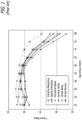
- the initiation of this decline parallels that seen for cognitive ability in older adults (Park, et al., 2003; Salthouse, 2009).
- the decline in cognitive function with age is illustrated in FIG.
- the olfactory system has direct projections to cognitive areas, unlike other sensory systems, and the loss or compromise of the olfaction system results in massive volume loss in these cognitive areas in humans at any age (Bitter, et al., 2010a; 2010b; 2011; Yao, et al., 2014). Normal human aging is accompanied by a deterioration of olfactory abilities (Dong, et al., 2017; Hoffman, et al., 2016; Seubert, et al.
- olfactory function also predicts all-cause mortality in older adults (Gopinath, et al., 2011; Pinto, et al., 2014).
- the loss of olfactory function precedes or parallels the initiation of a variety of cognitive disorders such as Alzheimer's disease, Parkinson's disease, Lewy body dementia, fronterotemporal dementia, Creutzfeldt-Jakob disease, minimal cognitive impairment, and schizophrenia (Conti, et al., 2013; Devanand, et al., 2000; Devanand, et al., 2010; Doty, et al., 1988; Li, et al., 2010; Luzzi, et al., 2007; Meusel, et al., 2010; Nguyen, et al., 2010; Parrao, et al., 2012; Ponson, et al., 2004; Ross, et al., 2006; Tabaton, et al., 2004; Wattendorf, et al., 2009). Given that these cognitive disorders have widely differing etiologies, it raises the possibility that the loss of olfactory stimulation contributes to the decline in
- Receptive language as measured by the objective Reynell Developmental Language Scales, improved by more than 200% in enriched with autism and less than 20% for controls. Finally, after 6 months, 21% of the children with autism were considered to have lost that diagnosis using the objective Autism Diagnostic Observation Schedule and no control child reached that level of improvement.
- the method 10 generally involves subjecting a treatment recipient to a daily schedule 20 of scent intervals 30 separated by breaks 40.
- the daily schedule is administered for several days, weeks, months or years, depending on the treatment recipient and the desired results.
- benefit may be found in continuing the schedule 20 indefinitely.
- Figure 3 provides a non-limiting example of a daily schedule 20 that is initiated upon bedtime B.
- Bedtime is selected due to the ease with which the treatment may be delivered to a person not moving around, and the effectiveness which a scent may be delivered to a person in a relatively-small, enclosed room, such as a bedroom. It is noted however that treatment effectiveness may not be diminished if the treatment is delivered during the day, such as to a person sitting at a computer, driving a vehicle, or is otherwise stationary relative to the delivery device; or if the delivery device moves with the recipient throughout the recipient's daily activities, such as would be the case with a wearable device.
- the recipient activates a scent-delivery device (detailed below) that includes a timer that is set to deliver various odors at predetermined intervals.
- the intervals 30 are approximately 30 minutes long and are separated by breaks 40 that are 5 minutes in duration. It is to be understood, however, that these interval times and break times are merely non-limiting examples and may vary based on recipient preference, subjective results, doctor recommendations based on empirical evidence, sleep duration, etc. Good results have been attained with 30 minute intervals with 5 minute breaks, as a starting point.
- the daily schedule 20 begins each day at a start event.
- the start event may be a set time of day, rather than being initiated at bedtime.
- the first interval 30 of the daily schedule 20 may begin at midnight and continue until 12:30am.
- the first break 40 thus spans from 12:30 to 12:35am and the second interval 30 begins at 12:35am and lasts until 1:05am.
- These intervals 30 and breaks repeat this pattern until a predetermined number N of intervals 30 and breaks 40 have occurred.
- the number N like the interval 30 length, may be varied based on the length of sleep the recipient typically gets, as well as subjective or objective results. Generally, N should be at least 3 for optimal results.
- the start event may be tied to the sleep cycle of the recipient.
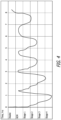
- Figure 4 is a diagram of the human sleep cycle 50.
- the sleep cycle 50 consists of various stages that repeat every 90 to 110 minutes.
- One model breaks the sleep cycle into five stages: Stage 1 is light sleep characterized by a decreasing amount of muscle, brain and eye activity; Stage 2 involves a slowing of heart rate and breathing pattern, as well as a slight decrease in body temperature.
- Stage 3 is where deep sleep begins and involves very slow delta waves produced by the brain; Stage 4 is very deep sleep with rhythmic breathing, limited muscle activity, and continued delta wave production; and the fifth stage is called the REM (Rapid Eye Movement) stage. This is the dream stage characterized by a rise in blood pressure, heart rate, breathing rate, and rapid eye movement.
- the sleep cycle begins in stage 1 and quickly progresses to stage 4 within the first hour of falling asleep. After an hour or so, the heart rate, blood pressure, and breathing rate increase rapidly as the person enters REM sleep, which typically lasts only about 5 minutes. After REM sleep, the cycle repeats to a certain extent.
- stage 4 is barely attained.
- the end of the second cycle is also marked by a REM stage that lasts 10 minutes, rather than 5 minutes.
- the third cycle only drops into stage 2 sleep, followed by a 15 minute REM stage.
- the fourth cycle also only drops into stage 2 sleep and is followed by a REM stage that lasts 30-60 minutes.
- SWS slow-wave sleep
- one aspect of the invention includes a sleep stage tracking system, such as a heart rate monitor, respiration monitor, blood pressure monitor, brain wave sensor, or any combination thereof.
- the sleep stage tracking system is used in conjunction with the scent delivery schedule to ensure that break intervals (periods between the scent delivery intervals) occur during sleep stages that are less effective, and that scent intervals occur during sleep stages that are of maximum effectiveness.
- the treatment efficacy of the olfactory stimulation therapy of the invention may vary depending on which sleep stage the recipient is in. For example, it may be determined that treatment delivered during stages 3 and 4 have no effect while treatment delivered during REM is the most effective of all the stages.
- the benefit of tracking the sleep cycle may be to simply avoid the occurrence of breaks 40 that during periods of peak Far Transfer Effects. For example, if it is determined that REM sleep is the best stage of the sleep cycle for Far Transfer Effects, it may be beneficial to avoid breaks 40 during the REM stages, especially the first two to three REM stages, which last only 5 - 15 minutes.
- Stage 4 is the most beneficial time for olfactory stimulation to be administered, it would be important to ensure that intervals 30 are scheduled during the first two sleep cycles, as the first two cycles are typically the only cycles in which Stage 4 is entered.
- One embodiment of the method of the invention provides intervals 30 that coincide with the sleep cycles through the use of monitoring. Because the sleep cycles coincide with variations in biological factors such as blood pressure, heart rate, respiration rate, brain wave activity, and eye movement, one skilled in the art would realize that a number of technologies exist to monitor the various sleep stages. As such, the interval 30 durations and break 40 durations could be selected to synchronize with the sleep cycles. In this embodiment, there are as few as 3 intervals or as many as 6 or 7 intervals, depending on the length of sleep by the recipient.
- This synchronized method involves recording the sleep patterns of the recipient over a period of days to establish a typical pattern. The delivery device is then scheduled to approximate a synchronized schedule. Under this method, the recipient would not have to use a monitoring device unless recalibration is desired.
- Another embodiment of this synchronized method involves continuous monitoring of one or more of the above-mentioned biological factors.
- heart rate monitors are common in many forms including, but not limited to, optical wearables, chest straps, air-bed pulse detectors, and the like.
- the biological factor is monitored continuously and the sleep cycle is determined based on the data collected therefrom.
- the device then activates and deactivates the various scents according to a schedule that is created based on the data. As such, the schedule may differ slightly from evening to evening. This method may be optimally suited to recipients that have a varying daily routine.
- scents being delivered to the recipients be novel. This is not to imply that the scent is completely unfamiliar to the recipient over his or her lifetime, but simply that the scent changes each interval and is not re-introduced for a predetermined number of intervals. In one embodiment, at least seven different scents are used, and no scent is repeated until the other six scents have been used. In other embodiments, a vast number of scents are used such that it is unlikely that a scent would be used twice during an entire treatment program.
- one embodiment provides a rotation that avoids placing two aromas from a same scent group adjacent to each other.
- fragrance wheel Scents are sometimes classified into scent groups, commonly referred to as the fragrance wheel or chart.
- fragrance charts There are many different fragrance charts.
- the 2010 version of the Michael Edwards fragrance wheel is provided as Figure 4 and was published in 2011 in Fragrances of the World, by Michael Edwards & Co., incorporated by reference herein.
- floral, oriental, woody and fresh there are four main fragrance families: floral, oriental, woody and fresh. These are divided into sub-groups and arranged such that the sub-groups show relationship to each other.
- floral family is divided into floral, sort floral and floral oriental.
- the oriental family is divided into soft oriental, oriental and woody oriental.
- the floral oriental sub group from the floral oriental family is arranged next to the soft orient sub group from the oriental family because these two are the most similar, despite being in different families.
- the fragrance wheel of Figure 5 is useful because the further scent differences are easily visualized by their respective proximity on the wheel. For example, scents from the mossy woods sub group are found opposite the scents from the floral sub group. Thus, it is easy to assess that the brain will process an amber smell as very different from a fresh-cut flower smell.
- a guideline for scent variety can be established using the fragrance wheel of Figure 5 .
- a spacing of 1-5 subgroups between consecutive scents can maximize the effectiveness of the olfactory stimulation schedule 20.
- it can be determined that during the course of a single daily schedule 20, at least one fragrance from each of the four families should be represented.
- Figure 6 provides an example rotation 60 in which there is at least one sub group separating consecutive intervals 30, and all four families are represented over the seven intervals 30 of the schedule 20.
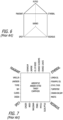
- Figure 7 provides another example of a fragrance schematic developed by Hans Henning, a German psychologist, in 1916. Henning H (1916) Der Geruch. Leipzig, Germany.
- the schematic of Figure 7 is known as Henning's Prism, and is a three-dimensional prism consisting of three rectangular faces, each of which could be used as a fragrance wheel.
- the corners of the prism include the fragrance families: fragrant (flowery or floral), ethereal (fruity), putrid, resinous, burned, and spicy.
- Each face shares two families with an adjoining face.
- one face of the prism includes the families: flowery, fruity, spicy and resinous.
- Another face includes the families: flowery,spicy, burnt and putrid.
- the third face includes the families: burnt, putrid, fruity and resinous. Because the putrid and burnt families are generally less desirable, it is thought that the face shown in Figure 8 will be preferred.
- Figure 8 takes this face and forms a wheel including the subgroups between the families.
- the strength or intensity of the aroma being produced during the treatment must be strong enough to have an effect on the treatment recipient, but not so strong as to create lingering odors in the furniture or other objects in the room where the treatment is being administered.
- the scent being delivered during each interval 30 will dissipate during the break 40 between the intervals 30.
- olfaction loss occurs with age and should strengthen with treatment.
- Another embodiment of the invention includes a device that allows fragrances to be mixed by "playing" two or more cartridges simultaneously.
- the device also allows the intensity of each scent cartridge to be adjusted by increasing or decreasing the airflow passing through the cartridge.
- the "recipes" may be altered by not only adjusting which cartridges are being played, but by adjusting the intensities of each cartridge that is being played. For example, if a "recipe" involves a mixture of cherry and vanilla, the cherry cartridge could be played at a 50% intensity, while the vanilla cartridge could be played at 10% intensity. This would create a different scent that if the vanilla were played at 50% and the cherry were played at 10%, for example.
- the forced air devices generally include one or more scent cartridges that are engaged with a machine that pumps air, via one or more fans, bellows, turbine(s), etc., through the cartridge, preferably at a selectable rate such that intensity may be varied.
- Some embodiments include a plurality of cartridges on a selectable carousel that plays one cartridge at a time.
- Other devices include a plurality of cartridge engagement assemblies, or "play heads" to allow the cartridges to be played simultaneously.
- the evaporative devices involve scent cartridges, pads or gels that are either contained within a dispensing device, or may be layered such that, once opened, an exposed layer having a first scent begins to evaporate, thereby emitting the first scent.
- the scent layers may be separated by odorless layers to provide breaks 40 between the scent intervals 30.
- the dispensing device may have mechanized covers that selectively cover and uncover a scent cartridge or may have heaters associated with each scent cartridge that raises the temperature of the gel to a point that evaporation occurs.
- Device 100 is a forced air device that accommodates four cartridges 102, 104, 106 and 108.
- Each of the cartridges may be a disposable device that allows air to flow through the cartridge to emit a fragrance.
- the cartridges may be refillable and reusable. More detail about the individual cartridges will be provided below.
- an embodiment of the device 100 includes a housing 110 with cavities 112, 114, 116 and 118 sized and shaped to accommodate cartridges 102, 104, 106 and 108, respectively.
- Each cavity 112, 114, 116 and 118 may be equipped with a retractable cover 122, 124, 126 and 128, respectively, such that the cartridges not being used are preserved and aromas therefrom are not deployed.
- each of the cartridges and corresponding cartridges have a unique shape corresponding to a fragrance family. In this way, a recipient will be required to place a cartridge belonging to each fragrance family in the device 100.
- the shapes selected are circle, square, triangle and oval for cartridges 102, 104, 106 and 108.
- each cartridge could be coded, and each cavity could be equipped with a code reader such that the device 100 knows which fragrance is inserted into each cavity.
- the housing has a vent 110 formed in one wall through which the fragrance from the cartridges is emitted.
- the sidewall was selected as most users will place the device 100 on a bedside table.
- the vent 110 may then be situated such that it faces the recipient.
- the device Internally, the device includes a fan or fans 130 situated beneath the cavities.
- the fan 130 is powered by a motor 132 and is connected to the motor with a shaft 134.
- a control board 140 drives the logics that activate and deactivate each motor along with logic functions discussed in detail below. In the embodiment having one fan, flow through the individual cartridges is controlled by the covers 122, 124, 126 and 128.
- the device 100 is shown as drawing air downward through the cartridges and into a central housing cavity 120.
- the air is forced to exit through the vent 110 because the vent 110 is the only exit for the cavity, considering that the covers are closed on cavities not being used and that fans are running on each cavity with an open cover.
- This design allows the central housing cavity 120 to be used as a mixing chamber in the event that more than one fragrance cartridge is being used simultaneously.
- a barrier 121 is provided, insulating these components from the central housing cavity 120.
- the device 100 may be designed such that air flow is reversed, without departing from the spirit of the invention.
- a reversed air flow could be accomplished by merely reversing the direction of the fans 130.
- This design may be advantageous in that there would be less risk of residue building up in the cavity 120.
- the control board 140 is electrically connected to the fan motors 132 and includes a wireless connection technology, such as Bluetooth ® that can be connected to an electronic device such as a smart phone or reader.
- a wireless connection technology such as Bluetooth ®
- An application downloadable onto the device, includes control logics that allow a user to customize a treatment schedule. Alternatively, a physician may create a schedule 20 that is downloadable by the user.
- the application provides various controls and options that may be incorporated into the daily schedule, including scent rotation, intensity, timing, reminders, scent shuffle, and the like.
- the application preferably tracks the scent rotation to assess which scents may have been played repeatedly over the course of the treatment program. These scents can be marked by the application as losing novelty and can thus be taken out of the rotation, or mixed with another scent the next time they are used.
- the application can be wirelessly connected to a variety of biometric sensors listed above, such that the schedule becomes dynamically-timed.
- the user may don a heart rate monitor when going to bed.
- the activation of the heart rate monitor is sensed by the application and the application begins to monitor the sleep stage of the user to determine the timing of the daily schedule 20, as discussed above.
- the handheld electronic device itself could be used by the control board to indicate the beginning of a daily schedule 20.
- the device 100 may include a USB charging port 111 that is connected to the control board. The user could use this USB port to charge their phone during the evening. Plugging the phone into the device 100 could be used as an indication that the daily schedule 20 should commence. Ease of use is thus maximized as the disruption in routine is minimized, as most people are accustomed to charging their smart phones in the evening.
- the control board 140 is also used to track the usage of the cartridges. Depending on the construction of the cartridge, the application can be used to provide indications to the user that a particular cartridge needs to be replaced.
- FIG 11 shows an embodiment of a cartridge 102 of the invention.
- This embodiment is a disposable embodiment and includes a housing 150 with a top 152 and a bottom 154.
- the top 152 and bottom 154 are vented such that air may pass through.
- the cartridge 102 would be shipped with a removable film (not shown) covering the top 152 and bottom 154 until the cartridge is ready to be used, thus preserving the odorant contained therein.
- Figure 12 shows a cutaway view of the cartridge 102, allowing an absorbent odorant pad 156 to be seen.
- the pad 156 may be formed as a wad, such as a cotton ball or polyester fiberfill wad, and should be loosely packed such that air may flow through it.
- the pad 156 may be slightly smaller than an interior of the cartridge such that air may flow around the pad 156.
- a denser wadding material may be used that might hold more odorant than an embodiment that requires the air to flow through the pad 156.
- the top 152 is removable and replaceable. This embodiment reduces plastic waste and costs. Rather than replacing the entire cartridge, odorant pads 156 could be provided or sold individually or in packages containing multiple packages.
- Figure 10 shows a package 160 of pads 156 arranged such that each row 162 represents a different scent family and each column 164 thus represents a different day of the week.
- one aspect of the invention provides evaporative devices that involve scent cartridges, pads or gels that are either contained within a dispensing device, or may be layered such that, once opened, an exposed layer having a first scent begins to evaporate, thereby emitting the first scent.
- the scent layers may be separated by odorless layers to provide breaks 40 between the scent intervals 30.
- FIG 14 One embodiment 180 of an evaporative device is shown in Figure 14 .
- This device is a gel tab consisting of a plurality of odorant layers 182 separated by odorless layers 184.
- the odorant layers are designed to evaporate at a desired rate such that each odorant layer represents an interval 30.
- the odorless layers are designed to evaporate at a desired rate such that each odorless layer represents a break 40.
- the desired timing of each layer may be controlled by the thickness of the layer during the manufacturing process.
- the odorless layers 184 would then be thinner than the odorant layers 182.
- the gel tabs 180 are provided on a substrate 186 such that only the top layer evaporates.
- the gel tab 180 provides a base for a variety of delivery mechanisms encompassed in the invention. Additionally, it is envisioned that the gel tab 180 could shaped such that it may be removed from the substrate 186 and applied like tap directly to the upper lip or chin of the recipient. In this embodiment, it may be desired to include a odorless layer 184 as the top layer such that the user has a few minutes to fall asleep prior to experiencing the odorants.
- Figure 15 shows a CPAP mask 200 that has been modified slightly to accommodate a gel tab 180.
- the mask 200 has a nozzle 206 that connects to the gas delivery tube of a typical CPAP machine (not shown).
- the nozzle 206 includes a compartment 202 with a lid 204 that can be opened so that a gel tab 180 may be placed therein.
- the tab 180 is placed such that the substrate 186 is on the top.
- the gas flowing through the nozzle 206 from the CPAP machine passes under the bottom, exposed layer of the tab 180 and is inhaled by the user. In the morning, the empty substrate 186 is discarded.
- gel tab 180 Other devices are envisioned that utilize the gel tab 180 including, but not limited to, plug-in style air fresheners, non-CPAP masks, pendants and other wearable devices, nose plugs, heat-activated devices, diffusers, etc.
- This Example demonstrates enhancing brain responses with multiple olfactory stimulation in school children.
- Another group of 23 children was left without such stimulation, serving as controls.
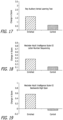
- Stroop test scores were monitored over that period. This test assesses cognitive processing speed, attention capacity, and executive function.
- the Stroop test has a strong correlation with IQ, general behavior, and school performance (Imbrosciano and Berlach, 2005).
- olfactory-enriched children had more than 10 times the improvement observed in controls on that test.
- the classes were team taught by the same teachers, making it unlikely that this phenomenon was due to differences in the teaching ability of their teachers. While there have been many attempts to improve cognitive outcomes for children in elementary school, such attempts have generally been unsuccessful in increasing their cognitive capacity.
- This Example demonstrates the positive impact of olfactory stimulation on the cognitive ability of older adults.
- the older adults were tested using standard, validated cognitive assessments, and then retested after they had received daily olfactory stimulation.
- the stimulated older adults had improvements that were 181%, 268% and 1,258% better than controls.
- Older adults were given a set of pleasant scents and asked to expose themselves to the scents using a provided nebulizer for 30 min in the morning and 30 min in the evening every day for 6 months.
- 40 older adults (60-75 years old) gave themselves patterned olfactory stimulation at home, or were assigned to a group that did not experience increased olfactory stimulation.
- Three tests of cognition were administered at the start of the trial, and then again after 6 months.
- Cognitive benefits are about 1-2 orders of magnitude better than computer games, direct brain stimulation, exercise or social interactions (Clememson and Stark, 2015; Ezzyat, et al., 2018; Hertzog, et al. 2009; Kirk-Sanchez and McGough, 2014; Kucewisc, et al., 2018).
Landscapes
- Health & Medical Sciences (AREA)
- Engineering & Computer Science (AREA)
- General Health & Medical Sciences (AREA)
- Public Health (AREA)
- Life Sciences & Earth Sciences (AREA)
- Veterinary Medicine (AREA)
- Animal Behavior & Ethology (AREA)
- Anesthesiology (AREA)
- Heart & Thoracic Surgery (AREA)
- Psychology (AREA)
- Physics & Mathematics (AREA)
- Biomedical Technology (AREA)
- Hematology (AREA)
- Acoustics & Sound (AREA)
- Medical Informatics (AREA)
- Epidemiology (AREA)
- Primary Health Care (AREA)
- Pain & Pain Management (AREA)
- Social Psychology (AREA)
- Pathology (AREA)
- Molecular Biology (AREA)
- Surgery (AREA)
- Child & Adolescent Psychology (AREA)
- Developmental Disabilities (AREA)
- Hospice & Palliative Care (AREA)
- Psychiatry (AREA)
- Biophysics (AREA)
- Chemical & Material Sciences (AREA)
- Bioinformatics & Cheminformatics (AREA)
- Medicinal Chemistry (AREA)
- Pharmacology & Pharmacy (AREA)
- Alternative & Traditional Medicine (AREA)
- Fats And Perfumes (AREA)
- Medicinal Preparation (AREA)
- Acyclic And Carbocyclic Compounds In Medicinal Compositions (AREA)
- Pharmaceuticals Containing Other Organic And Inorganic Compounds (AREA)
- Disinfection, Sterilisation Or Deodorisation Of Air (AREA)
- Measurement Of The Respiration, Hearing Ability, Form, And Blood Characteristics Of Living Organisms (AREA)
- Rehabilitation Tools (AREA)
Abstract
Description
- This application claims benefit of and priority to
U.S. Provisional Application Serial No. 62/657,621 filed April 13, 2018 - Environmental enrichment has been shown to have a positive impact on cognitive function such as in ameliorating cognitive decline in various animal models. Enriching an environment can be accomplished in a variety of ways including, but not limited to, the introduction of various objects, sounds, smells, colors, animals, etc. Thousands of research papers reaching this conclusion have been published and the cognitive benefits have been shown to reduce or overcome animal models of human neurological disorders such as Alzheimer's disease, memory loss, vascular dementia, neuronal death in aging, traumatic brain injury, head injury, Parkinson's disease, seizures, stroke, multiple sclerosis, anxiety, autism, ADHD, Huntington's disease, Down Syndrome, stress, depression, cerebral palsy, chemo-brain, schizophrenia, prenatal alcohol syndrome, lead exposure, addiction and cancer, to name a few. Noticeable behavioral changes have been observed in children with autism after as little as six months of environmental enrichment exercises.
- Of the various stimulants used in environmental enrichments, it has been found that cognition is strongly associate with olfaction. Olfaction is the only sense that has a large, direct pathway to the cognitive and emotional areas of the brain. Loss of olfaction precedes the memory loss from aging and from all forms of dementia. Olfactory loss triggers a massive loss of neurons in the brain. After the age of 50, it has been found that olfactory ability accurately predicts all-cause mortality within the next five years.
- Biologically, olfactory stimulation activates the entorhinal cortex. The entorhinal cortex diminishes with age and other factors such as Alzheimer's and other forms of dementia. As the entorhinal cortex diminishes, it releases the dentate gyrus and CA3 (hippocampal subfields) from inhibition, thereby interfering with memory. Thus, a restoration of olfaction should increase neurogenesis and/or neural complexity in the entorhinal cortex, thereby normalizing dentate/CA3 activity and restoring memory.
- Interventions based on environmental enrichment can be expensive or difficult to maintain, as in the case of exercise. Currently, there is a lack of environmental enrichment modalities that effectively improve cognitive function and memory while being low cost, and easy to use or maintain. More specifically, there is a lack of environmental enrichment modalities that exploits the strong association that olfaction has with the cognitive and emotional areas of the brain.
- Provided herein are methods, kits, and devices for improving cognitive function and memory, as well as preventing loss of these functions. In some embodiments, the environment of the aging brain is improved by reversing and/or preventing the decline in sensory systems in older adults and those suffering from or at risk for neurodegenerative conditions and/or cognitive decline. In some embodiments, the cognitive outcomes of children and/or younger adults are improved. In other embodiments, the methods can be used to decrease colic in a baby, normalize premature infant brain development, decrease cognitive age in adults, and decrease or prevent migraines and headaches. The methods, kits and devices described herein can provide a large impact on cognition with minimal effort and cost. They can be used widely and effectively among older adults, children, and other populations in need of improved cognitive performance.
- Generally, the present invention is directed to methods and devices for improving cognitive function in the brain by stimulating the olfactory senses. Stimulation, in most embodiments, is accomplished by subjecting a treatment recipient to unique scents on a rotating schedule of intervals. It has been found that a single, specific odor, while potentially pleasant, does not have significant cognitive benefits. However, when a treatment recipient is subjected to a daily rotation of different scents, the olfactory stimulations trigger accelerated creation of new neurons (neurogenesis), as has been shown in mice, and/or increased neural complexity, leading to oversized improvements in general cognition and memory (Far Transfer Effects) , as compared to practice effects on the same task (Near Transfer Effects).
- Far Transfer is the improvement in memory unrelated to practice on that specific task and it thereby improves people's general memory. Near Transfer is the ability to get better at a specific task with practice on that task, but does not result in an improvement in other cognitive abilities. There are many computer games and other activities that are advertised as brain improvement activities. These activities are all examples of Near Transfer.
- One aspect of the invention maximizes the Far Transfer Effects by providing an olfactory stimulation schedule that includes a variety of odors, some of which are novel to the recipient.
- Another aspect of the invention maximizes the Far Transfer Effects by providing an olfactory stimulation schedule that rotates the odors being presented to the recipient.
- Still another aspect of the invention provides an olfactory stimulation schedule that provides odors that are pleasing to the recipient.
- Yet another aspect of the invention provides an olfactory stimulation schedule that is delivered consistently over several months.
- Treatment programs, especially those that are self-administered, or administered by a family member in the home over a prolonged period, require dedication and discipline. Understandably, the efficacy of a treatment program improves if the treatment is administered consistently. Thus, one aspect of the invention seeks to maximize the likely administration consistency by making the program as enjoyable, easy to administer, and as non-disruptive to the lifestyle of the recipient as possible. This is accomplished through "ease of use factors."
- One aspect of the invention provides pleasant scents as an ease of use factor.
- Another aspect of the invention is a device that creates rotating scents as an ease of use factor.
- Another aspect of the invention is a device that rotates scents on a schedule as an ease of use factor.
- Another aspect of the invention presents an aroma schedule automatically while a treatment recipient is sleeping as an ease of use factor.
- It has been determined that while a recipient is sleeping, odors do not awaken that person. As such, a recipient will not awaken when subjected to an unpleasant odor. As such, unpleasant odors may generally be more novel to a recipient than pleasant odors. With this in mind, one aspect of the invention provides potentially unpleasant odors while the recipient is sleeping.
- Another aspect of the invention provides a schedule that includes odors that are likely to be pleasing and odors that are likely to be less-pleasing, with the less-pleasing odors occurring during intervals during which the recipient will not be awake. For example, the pleasing odors will be scheduled at times when the recipient may be falling asleep, and in the morning when the recipient may be waking up. The less-traditional or potentially unpleasant odors are schedule for exposure in the middle of the night when the recipient is less likely to be awake.
- Another aspect of the invention provides an identification system whereby a recipient can tag a scent as unpleasant, or give the scent a rating on a scale, and the scent delivery system thus schedules scents with the lowest rating during hours when the recipient is most likely to be asleep.
- Yet another aspect of the invention tracks, over the entire treatment program, the scents that the recipient has been subjected to, in order to ensure that novelty is maintained. Through experimentation, it has been determined that a variety of scents provides the greatest efficacy. In one embodiment, at least seven embodiments are used.
- In another embodiment, at least four scents are used. However, the device that provides these scents is capable of "playing" or emitting one or more of the scents simultaneously. As such, two or more base scents may be mixed together to create new scents.
- In another embodiment a device is provided that can play multiple base scents simultaneously (also referred to as mixing the scents), as well as varying the intensity of each base scent. Thus, a nearly infinite number of scents may be created using only four base scents.
- As one skilled in the art is aware, the sleep cycle consists of various stages that repeat every 90 to 110 minutes. One model breaks the sleep cycle into five stages:
Stage 1 is light sleep characterized by a decreasing amount of muscle, brain and eye activity;Stage 2 involves a slowing of heart rate and breathing pattern, as well as a slight decrease in body temperature.Stage 3 is where deep sleep begins and involves very slow delta waves produced by the brain;Stage 4 is very deep sleep with rhythmic breathing, limited muscle activity, and continued delta wave production; and the fifth stage is called the REM (Rapid Eye Movement) stage. This is the dream stage characterized by a rise in blood pressure, heart rate, breathing rate, and rapid eye movement. It is likely that the treatment efficacy of the olfactory stimulation therapy of the invention may vary depending on which sleep stage the recipient is in. For example, it may be determined that treatment delivered duringstages - With this in mind, one aspect of the invention includes a sleep stage tracking system, such as a heart rate monitor, respiration monitor, blood pressure monitor, brain wave sensor, or any combination thereof. The sleep stage tracking system is used in conjunction with the scent delivery schedule to ensure that break intervals (periods between the scent delivery intervals) occur during sleep stages that are less effective, and that scent intervals occur during sleep stages that are of maximum effectiveness.
- Described herein is a method of improving at least one of cognitive function and memory by treating a subject in need thereof according to an olfactory stimulation regimen. In one embodiment, the method comprises: a) releasing one or more scents to the subject in an initial step on a first day; and b) releasing one or more scents to the subject in a later step on a later day the one or more scents in the later step are not identical to the one or more scents in the initial step, whereby at least one of cognitive function and memory of the subject is improved. In some embodiments, the method is provided in conjunction with other forms of environmental, sensorial, or tactile stimulation. In other embodiments, the olfactory stimulation is provided in the absence of tactile stimulation, or in the absence of other forms of environmental or sensorial stimulation.
- In one embodiment, subjects treated with the method experience statistically improved cognitive function compared to untreated subjects as measured by Stroop test, Rey Auditory Verbal Learning Test (RAVLT), Wechsler Adult Intelligence Scale (WAIS) test, or a combination thereof. In one embodiment, the method improves or reduces age-related memory loss for the subject. In one embodiment, the memory of the subject is improved. In one embodiment, the method improves cognition, memory, intelligence quotient (IQ), or a combination thereof.
- In one embodiment, the method prevents, reverses, stops, or slows progression of a neurodegenerative disease or condition. In one embodiment, the neurodegenerative disease or condition is Alzheimer's disease, Parkinson's disease, motor neuron disease, Huntington's disease, or dementia.
- In one embodiment, the method improves memory, intelligence, sleeping, brain normalization, gait, balance, Alzheimer's disease, Parkinson's disease, motor neuron disease, Huntington's disease, other forms of dementia, agitation, post-traumatic stress disorder (PTSD), panic attacks, stress, generalized anxiety disorder (GAD), obsessive compulsive disorder (OCD), social anxiety disorder (SAD), phobias, depression, major depressive disorder (MDD), premenstrual syndrome (PMS), high blood pressure, colic, migraines, sleep disorder, or a combination thereof.
- In one embodiment, the method improves progression or outcome for stroke rehabilitation, seizures, prenatal alcohol syndrome, lead exposure, multiple sclerosis, addiction, schizophrenia, Down Syndrome, µ-opioid receptor loss, Fragile X Syndrome, Rett Syndrome, Potocki-Lupski Syndrome, repetitive behavior, Lewy body dementia, fronterotemporal dementia, or Creutzfeldt-Jakob disease.
- In one embodiment, the method decreases dementia or dementia-associated disruptive behaviors, increases self-esteem, decreases stress, decreases blood pressure, increases relaxation, prevents oxidative damage, improves postural stability, improves gait, increases deep sleep, improves mood, decreases anxiety, improves vigor, improves quality of life, improves cognition, or improves depression or depressive symptoms.
- In one embodiment, the method improves cognitive processing speed, attention capacity, executive function, or a combination thereof. In one embodiment, the method improves sequential processing, mental manipulation, attention, concentration, memory span, short-term auditory memory, verbal learning and memory, sequential processing, rote learning and memory, encoding, auditory processing, working memory, transformation of information, visual-spatial imaging, or a combination thereof. In one embodiment, the method improves cognition, memory, intelligence quotient (IQ), or a combination thereof.
- In one embodiment, the subject is elderly. In one embodiment, the subject has experienced age-related deficits in cognitive functions, including but not limited to, deficits in memory. In one embodiment, the subject is at least about 35, 40, 45, 50, 55, 60, 65, 70, 75, 80, 85, 90, 95, or about 100 years old. In one embodiment, the subject is an older adult, aged 55 years or older. In another embodiment, the subject is a younger adult, aged 18-55 years.
- In one embodiment, the subject is a child. In some embodiments, the child is one who exhibits normal cognitive capabilities (irrespective of achievements or performance on cognitive assessments), such as a child who does not meet the criteria for a diagnosis of autism. In some embodiments, the child is a typical child who does not exhibit or experience any particular challenges to his or her environment or cognitive abilities. In some embodiments, the child has one or more developmental disorders. Representative examples of developmental disorders include, but are not limited to, autism, ADHD and developmental delay. In one embodiment, the child is autistic. In other embodiments, the child has one or more developmental disorders other than autism.
- In some embodiments, the olfactory stimulation regimen is performed over a period of 2, 3, 4, 5, 6, 7, 8, 9, or 10 days. In some embodiments, the olfactory stimulation regimen is performed over a period of 2 or more days. In some embodiments, the olfactory stimulation regimen is performed over a period of at least 1, 2, 3, or 4 weeks. In some embodiments, the olfactory stimulation regimen is performed over a period of at least 1, 2, 3, 4, 5, or 6 months. In some embodiments, the olfactory stimulation regimen is performed over a period of at least 7, 8, 9, 10, 11, or 12 months. In some embodiments, the olfactory stimulation regimen is performed over a period of about 3 months. In some embodiments, the olfactory stimulation regimen is performed over a period of about 6 months.
- In some embodiments, scents used in the olfactory stimulation regimen are from one or more scent categories selected from the group consisting of floral, woody, and aromatic. In some embodiments, the scents used are from two or three of these categories. Optionally, in some embodiments, additional scent categories can be used, such as oriental and/or fresh.
- In some embodiments, scents used in the olfactory stimulation regimen are from one or more scent categories selected from the group consisting of fruity, flowery, woody, resinous, and aromatic. In some embodiments, the scents used are from two, three, four or all five of these categories.
- In some embodiments, scents used in the olfactory stimulation regimen are selected from the group consisting of lavender, citrus, jasmine, lilac, mint, cinnamon, peppermint, cloves, lemongrass, coffee, anise, basil, thyme, chamomile, rosemary, cucumber, coconut, fresh cotton, violet, vanilla, forest pine, pomegranate, pear, orange, apple, rosehip, saffron, sage, eucalyptus, frankincense, nutmeg, and sandalwood. In some embodiments, the scents used are from any combination of two or more of these group members.
- In some embodiments, steps of the olfactory stimulation regimen are performed during night time. In some embodiments, steps of the olfactory stimulation regimen are performed during day time. In some embodiments, steps of the olfactory stimulation regimen are performed during both day time and night time.
- In some embodiments, the olfactory stimulation regimen is performed as a series of stimulation cycles, each stimulation cycle comprising at least two olfactory stimulation steps. In some embodiments, the olfactory stimulation regimen comprises at least one stimulation cycle comprising at least 3, 4, 5, 6, 7, 8, 9, or 10 steps. In some embodiments, the olfactory stimulation regimen comprises repeating the at least one stimulation cycle for a specified period of time. In some embodiments, the olfactory stimulation regimen comprises a stimulation cycle of 6 steps. In some embodiments, the olfactory stimulation regimen comprises a stimulation cycle of 7 steps.
- In some embodiments, at least one step of the olfactory stimulation regimen comprises: a) releasing at least one scent continuously for a first duration; and b) ceasing release of the at least one scent for a second duration. In one embodiment, the first duration is about 5 minutes. In one embodiment, the second duration is about 1 minute.
- In one embodiment, the at least one step further comprises repeating a) and b). In one embodiment, a) and b) are repeated until the subject has been exposed to the at least one scent for a specified exposure period. In one embodiment, the specified exposure period is about 5 minutes, about 10 minutes, about 15 minutes, about 20 minutes, about 25 minutes, about 30 minutes, about 35 minutes, about 40 minutes, about 45 minutes, about 50 minutes, about 55 minutes, or about 60 minutes. In one embodiment, the specified exposure period is up to about 5 minutes, about 10 minutes, about 15 minutes, about 20 minutes, about 25 minutes, about 30 minutes, about 35 minutes, about 40 minutes, about 45 minutes, about 50 minutes, about 55 minutes, or about 60 minutes.
- In some embodiments, each step of the olfactory stimulation regimen comprises: a) releasing at least one scent continuously for a first duration; and b) ceasing release of the at least one scent for a second duration.
- In some embodiments, each step of the olfactory stimulation regimen is administered using a nebulizer or diffuser. In some embodiments, each step of the olfactory stimulation regimen is administered through ventilation, heating, humidification or vaporization, nebulization or atomization of one or more scents, or a combination thereof. In some embodiments, each step of the olfactory stimulation regimen is administered using at least one candle, tea light diffuser, nebulizing diffuser, room spray, evaporative diffuser, evaporative fan diffuser, vaporizing diffuser, wearable evaporative diffuser, ultrasonic diffuser, heat evaporative diffuser, evaporative pad diffuser, cream, wick, open odorant container, or any combination thereof.
- In some embodiments, at least one step of the olfactory stimulation regimen exposes the subject to one scent. In some embodiments, each step of the olfactory stimulation regimen exposes the subject to one scent. In some embodiments, at least one of the olfactory stimulation steps exposes the subject to a plurality of scents. In some embodiments, each of the olfactory stimulation steps exposes the subject to a plurality of scents.
- In some embodiments, each step of the olfactory stimulation regimen exposes the subject to one or more scents for at least about 5 minutes, about 10 minutes, about 15 minutes, about 20 minutes, about 25 minutes, about 30 minutes, about 35 minutes, about 40 minutes, about 45 minutes, about 50 minutes, about 55 minutes, or about 60 minutes. In some embodiments, each step of the olfactory stimulation regimen exposes the subject to one or more scents for up to about 5 minutes, about 10 minutes, about 15 minutes, about 20 minutes, about 25 minutes, about 30 minutes, about 35 minutes, about 40 minutes, about 45 minutes, about 50 minutes, about 55 minutes, or about 60 minutes. In some embodiments, each step of the olfactory stimulation regimen comprises exposing the subject to one or more scents for about 30 minutes.
- In some embodiments, the olfactory stimulation regimen comprises performing at least 2, 3, 4, or 5 steps per day. In some embodiments, the olfactory stimulation regimen comprises performing two steps per day. In one embodiment, the two steps utilize one or more scents that are identical.
- In some embodiments, the olfactory stimulation regimen comprises releasing one or more scents once per day. In some embodiments, the olfactory stimulation regimen comprises consecutive steps that expose the subject to different scents. In some embodiments, the olfactory stimulation regimen comprises consecutive steps that expose the subject to identical scents.
- In some embodiments, the method comprises cyclic administration of olfactory stimulation steps of the olfactory stimulation regimen. In some embodiments, the olfactory stimulation regimen comprises releasing one or more scents at least once per day. In some embodiments, the olfactory stimulation regimen comprises releasing one or more scents at least twice per day. In some embodiments, the olfactory stimulation regimen comprises daily release of one or more scents.
- Also provided by the invention is a method of improving cognitive function and/or memory by treating a subject in need thereof with olfactory stimulation. In one embodiment, the method comprises: a) an earlier step exposing the subject to one or more scents; and b) a later step exposing the subject to one or more scents that are not identical to the one or more scents from the earlier step, whereby cognitive function of the subject is improved. Additionally, provided is a method of improving cognitive performance in a subject in need thereof. In one embodiment, the method comprises exposing a subject to a plurality of scents during a treatment period comprising a series of exposures at least two of the series of exposures have sets of one or more scents that are not identical.
- Further provided is a method of improving cognitive performance through olfactory stimulation using a series of odorant exposure steps. In one embodiment, the method comprises an earlier odorant exposure step comprising exposing a subject to a first set of one or more odorants; and a later odorant exposure step comprising exposing the subject to a second set of one or more odorants the first set and the second set do not have identical odorants. Also provided is a method of improving cognitive function and/or memory by performing olfactory stimulation steps. In one embodiment, the method comprises exposing a subject to a first set of one or more scents; and exposing the subject to a second set of one or more scents the first set and the second set do not have identical scents.
- Also provided is a method of improving cognitive function and/or memory by exposing a subject to a plurality of scents over a period of time. In one embodiment, the method comprises exposing a subject to a first set of one or more scents; and exposing the subject to a second set of one or more scents the first set and the second set have different scents.
- Also provided is a method of improving cognitive function and/or memory by treating a subject in need thereof according to an olfactory stimulation regimen. In one embodiment, the method comprises a series of steps each releasing one or more scents to the subject no two consecutive steps release identical scents.
- Also provided is a method of improving cognitive function and/or memory by treating a subject in need thereof according to an olfactory stimulation regimen. In one embodiment, the method comprises alternating olfactory stimulation steps each releasing one or more scents to the subject no two consecutive steps release identical scents.
- Also provided is a method of improving cognitive function and/or memory by treating a subject in need thereof according to an olfactory stimulation regimen. In one embodiment, the method comprises performing one olfactory stimulation step per day, each step comprising releasing one or more scents to the subject at least once no two consecutive olfactory stimulation steps release identical scents. In one embodiment, at least one step comprises releasing one or more scents to the subject at least 2, 3, 4, 5, 6, 7, 8, 9, or 10 times. In one embodiment, each step comprises releasing one or more scents to the subject at least 2, 3, 4, 5, 6, 7, 8, 9, or 10 times.
- Also provided is a method of improving cognitive function and/or memory by treating a subject in need thereof according to an olfactory stimulation regimen. In one embodiment, the method comprises: a) performing an olfactory stimulation cycle comprising a series of olfactory stimulation steps only one olfactory stimulation step is performed per day, and each step comprises releasing one or more scents to the subject at least once; and b) repeating the olfactory stimulation cycle in a). In one embodiment, further comprising repeating the olfactory stimulation cycle in a) for a specified duration.
- Also provided is an olfactory stimulation kit. In one embodiment, the kit comprises: a) a scent-releasing device adapted to release a plurality of scents; b) a schedule for releasing the plurality of scents. In one embodiment, the schedule comprises: (i) releasing, from the scent-releasing device, one or more scents in an initial step on a first day; and (ii) releasing, from the scent-releasing device, one or more scents in a later step on a later day the one or more scents in the later step are not identical to the one or more scents in the initial step. In one embodiment, the schedule is provided on an instruction sheet.
- In some embodiments, the plurality of scents is from one or more scent categories selected from the group consisting of floral, oriental, woody, aromatic, and fresh. In one embodiment, the plurality of scents is from one or more scent categories selected from the group consisting of floral, woody, and aromatic. In some embodiments, the plurality of scents is from one or more scent categories selected from the group consisting of fruity, flowery, woody, resinous, and aromatic. In some embodiments, the plurality of scents is selected from the group consisting of lavender, citrus, jasmine, lilac, mint, cinnamon, peppermint, cloves, lemongrass, coffee, anise, basil, thyme, chamomile, rosemary, cucumber, coconut, fresh cotton, violet, vanilla, forest pine, pomegranate, pear, orange, apple, rosehip, saffron, sage, eucalyptus, frankincense, nutmeg, and sandalwood.
- In some embodiments, the schedule comprises steps performed during night time. In some embodiments, the schedule comprises steps performed during day time. In some embodiments, the schedule comprises steps performed over a period of 2, 3, 4, 5, 6, 7, 8, 9, or 10 days. In some embodiments, the schedule comprises steps performed over a period of 2 or more days. In some embodiments, the schedule comprises steps performed over a period of at least 1, 2, 3, or 4 weeks. In some embodiments, the schedule comprises steps performed over a period of at least 1, 2, 3, 4, 5, or 6 months. In some embodiments, the schedule comprises steps performed over a period of about 3 months. In some embodiments, the schedule comprises steps performed over a period of about 6 months. In some embodiments, the schedule comprises steps performed as a series of stimulation cycles, each stimulation cycle comprising at least two olfactory stimulation steps. In some embodiments, the schedule comprises at least one stimulation cycle comprising at least 3, 4, 5, 6, 7, 8, 9, or 10 steps. In some embodiments, the schedule comprises repeating the at least one stimulation cycle for a specified period of time. In some embodiments, the schedule comprises a stimulation cycle of 6 steps. In some embodiments, the schedule comprises a stimulation cycle of 7 steps.
- In some embodiments, at least one step of the schedule comprises: a) releasing at least one scent continuously for a first duration; and b) ceasing release of the at least one scent for a second duration. In one embodiment, the first duration is about 5 minutes. In one embodiment, the second duration is about 1 minute. In one embodiment, the at least one step further comprises repeating a) and b). In one embodiment, a) and b) are repeated for a specified release period. In one embodiment, the specified release period is about 5 minutes, about 10 minutes, about 15 minutes, about 20 minutes, about 25 minutes, about 30 minutes, about 35 minutes, about 40 minutes, about 45 minutes, about 50 minutes, about 55 minutes, or about 60 minutes. In one embodiment, the specified exposure period is up to about 5 minutes, about 10 minutes, about 15 minutes, about 20 minutes, about 25 minutes, about 30 minutes, about 35 minutes, about 40 minutes, about 45 minutes, about 50 minutes, about 55 minutes, or about 60 minutes.
- In some embodiments, each step of the schedule comprises: a) releasing at least one scent continuously for a first duration; and b) ceasing release of the at least one scent for a second duration.
- In some embodiments, the scent-releasing device comprises a nebulizer or diffuser.
- In some embodiments, the scent-releasing device is adapted to release the plurality of scents through ventilation, heating, humidification or vaporization, nebulization or atomization, or a combination thereof by the scent-releasing device. In some embodiments, the scent-releasing device comprises at least one candle, tea light diffuser, nebulizing diffuser, room spray, evaporative diffuser, evaporative fan diffuser, vaporizing diffuser, wearable evaporative diffuser, ultrasonic diffuser, heat evaporative diffuser, evaporative pad diffuser, cream, wick, open odorant container, or any combination thereof from the scent-releasing device.
- In some embodiments, at least one step of the schedule releases one scent. In some embodiments, each step of the schedule releases one scent. In some embodiments, at least one step of the schedule releases a plurality of scents. In some embodiments, each step of the schedule releases a plurality of scents. In some embodiments, each step of the schedule releases one or more scents for at least about 5 minutes, about 10 minutes, about 15 minutes, about 20 minutes, about 25 minutes, about 30 minutes, about 35 minutes, about 40 minutes, about 45 minutes, about 50 minutes, about 55 minutes, or about 60 minutes. In some embodiments, each step of the schedule releases one or more scents for up to about 5 minutes, about 10 minutes, about 15 minutes, about 20 minutes, about 25 minutes, about 30 minutes, about 35 minutes, about 40 minutes, about 45 minutes, about 50 minutes, about 55 minutes, or about 60 minutes. In some embodiments, each step of the schedule releases one or more scents for about 30 minutes. In some embodiments, the schedule comprises releasing one or more scents at least 2, 3, 4, or 5 times per day. In some embodiments, the schedule comprises releasing one or more scents two times per day.
- In one embodiment, one or more scents released on a given day are identical. In some embodiments, the schedule comprises releasing one or more scents once per day. In some embodiments, the schedule comprises consecutive steps that release different scents. In some embodiments, the schedule comprises consecutive steps that release identical scents. In some embodiments, the schedule comprises cyclic administration of olfactory stimulation steps. In some embodiments, the schedule comprises releasing one or more scents at least once per day. In some embodiments, the schedule comprises releasing one or more scents at least twice per day. In some embodiments, the schedule comprises daily release of one or more scents.
- These and other aspects, features and advantages of which embodiments of the invention are capable of will be apparent and elucidated from the following description of embodiments of the present invention, reference being made to the accompanying drawings, in which
-
Fig. 1 is a graph showing a decline in cognitive functions over time; -
Fig. 2 is a timeline depicting the administration of an embodiment of a method of the invention; -
Fig. 3 is a timeline depicting an embodiment of a daily schedule of a method of the invention; -
Fig. 4 is a graph showing a human sleep cycle; -
Fig. 5 is a diagram of a fragrance wheel; -
Fig. 6 is a chart showing an embodiment of a scent rotation of the invention; -
Fig. 7 is a diagram showing Henning's Prism; -
Fig. 8 is a diagram of a fragrance wheel formed from one side of Henning's Prism; -
Fig. 9 is a perspective view of an embodiment of a device of the invention; -
Fig. 10 is a cutaway view of the embodiment of the device ofFig. 9 ; -
Fig. 11 is a perspective view of an embodiment of a cartridge of the invention; -
Fig. 12 is a cutaway view of the cartridge ofFig. 11 ; -
Fig. 13 is an elevation of an embodiment of a scent pad package of the invention; -
Fig. 14 is a perspective view of an embodiment of a gel tab of the invention; and, -
Fig. 15 is a side elevation of an embodiment of a CPAP mask of the invention; -
Fig. 16 is a graph showing a change in Stroop score using the invention; -
Fig. 17 is a graph showing a change in Rey Auditory Verbal Learning Test score using the invention; -
Fig. 18 is a graph showing a change in Wechsler Adult Intelligence Scale-III-Letter-Number Sequencing score using the invention; and, -
Fig. 19 is a graph showing a change in Wechsler Adult Intelligence Scale-III Backwards Digit Span score using the invention. - Specific embodiments of the invention will now be described with reference to the accompanying drawings. This invention may, however, be embodied in many different forms and should not be construed as limited to the embodiments set forth herein; rather, these embodiments are provided so that this disclosure will be thorough and complete, and will fully convey the scope of the invention to those skilled in the art. The terminology used in the detailed description of the embodiments illustrated in the accompanying drawings is not intended to be limiting of the invention. In the drawings, like numbers refer to like elements.
- All scientific and technical terms used in this application have meanings commonly used in the art unless otherwise specified. As used in this application, the following words or phrases have the meanings specified.
- As used herein, "releasing" a scent to a subject, or "exposing" a subject to a scent, means that the scent is presented into the environment of the subject in a manner sufficient for stimulation of the subject's olfactory system.
- As used herein, "decreases" or "increases" means reduces or raises, respectively, by a detectable or noticeable amount. In some embodiments, such a decrease or increase is measured using one of the assessment tools described herein. In some embodiments, the decrease or increase represents a "significant difference".
- As used herein, "improves" means results in an improved state, for example, the amelioration of symptoms of an adverse condition, or the enhancement of a desired condition, such as memory.
- As used herein, a "significant difference" or "significantly different" means a difference that can be detected in a manner that is considered reliable by one skilled in the art, such as a statistically significant difference, or a difference that is of sufficient magnitude that, under the circumstances, can be detected with a reasonable level of reliability. In one example, an increase or decrease of 10% relative to a reference value is a significant difference. In other examples, an increase or decrease of 20%, 30%, 40%, or 50% relative to the reference value is considered a significant difference. In yet another example, an increase of two-fold relative to a reference value is considered significant. The reference value can be, for example, an untreated subject, or a baseline (pretreatment) value for the same subject.
- As used herein, ranges and amounts can be expressed as "about" a particular value or range. About also includes the exact amount. Hence "about 5 minutes" means "about 5 minutes" and also "5 minutes." Generally, the term "about" includes an amount that is from 10% below to 10% above the particular value or range. For example, "about 10 minutes" means "from 9 minutes to 11 minutes."
- As used herein, "a" or "an" means at least one, unless clearly indicated otherwise.
- In more than a dozen animal models of human neurological conditions, environmental enrichment has been shown to ameliorate their human-like symptoms, including the cognitive decline in aging (Patel, et al., 2012; Segovia, et al., 2006; Valero, et al., 2007) and in Alzheimer's disease (Arendash, et al., 2004; Arranz, et al., 2011; Basak, et al., 2008; Berardi, et al., 2007; Costa, et al., 2007; Jankowsky, et al., 2015; Lazarov, et al., 2005; Polito, et al., 2014). In humans, environmental enrichment, including exercise, computer games, social behavior and nutrition have been shown to reduce the risk of cognitive decline in aging and disease (Herzog, et al., 2008; Kirk-Sanchez and McGough, 2014; Klimova, 2016; Williams and Kemper, 2010), but it has been difficult to show that cognitive decline can be reversed, and when there are such improvements, the effects tend to be modest in size (Herzog, et al., 2008; Rodakowski, et al., 2015). Moreover, it has been shown to be difficult to keep people on such interventions as a routine program of physical exercise (Williams, et al., 2007).
- The olfactory system experiences a clear deterioration in older adults, with 18% of older adults having olfactory impairment and 46% of those over 80 years old having very limited olfactory ability (Doty, et al., 1984; Hoffman, et al., 1998; Liu, et al., 2016; Murphy, et al., 2002; Pinto, et al., 2015; Toussaint, et al., 2015). The initiation of this decline parallels that seen for cognitive ability in older adults (Park, et al., 2003; Salthouse, 2009). The decline in cognitive function with age is illustrated in
FIG. 1 , which shows an initial decline around the age of 60 that continues as the individual ages with inductive reasoning, spatial orientation, perceptual speed, numeric ability, verbal ability, and verbal memory all being affected. The olfactory system has direct projections to cognitive areas, unlike other sensory systems, and the loss or compromise of the olfaction system results in massive volume loss in these cognitive areas in humans at any age (Bitter, et al., 2010a; 2010b; 2011; Yao, et al., 2014). Normal human aging is accompanied by a deterioration of olfactory abilities (Dong, et al., 2017; Hoffman, et al., 2016; Seubert, et al. 2017), along with the deterioration of olfactory projection sites, which include the cognitive areas of the brain (Kollndorfer, et al., 2015; Segura, et al., 2013). Moreover, a degradation of olfactory ability predicts both an elevated risk of minimal cognitive impairment (MCI) and which of those with MCI will go on the develop Alzheimer's disease (Adams, et al., 2017; Devanand, et al., 2000; Lafaille-Magnan, et al., 2017; Peter, et al., 2003; Roberts, et al., 2016; Schubert, et al., 2008; 2017; Swan and Carmelli, 2002). Remarkably, olfactory function also predicts all-cause mortality in older adults (Gopinath, et al., 2011; Pinto, et al., 2014). - The loss of olfactory function precedes or parallels the initiation of a variety of cognitive disorders such as Alzheimer's disease, Parkinson's disease, Lewy body dementia, fronterotemporal dementia, Creutzfeldt-Jakob disease, minimal cognitive impairment, and schizophrenia (Conti, et al., 2013; Devanand, et al., 2000; Devanand, et al., 2010; Doty, et al., 1988; Li, et al., 2010; Luzzi, et al., 2007; Meusel, et al., 2010; Nguyen, et al., 2010; Parrao, et al., 2012; Ponson, et al., 2004; Ross, et al., 2006; Tabaton, et al., 2004; Wattendorf, et al., 2009). Given that these cognitive disorders have widely differing etiologies, it raises the possibility that the loss of olfactory stimulation contributes to the decline in cognitive ability in each of these disorders.
- In humans who have experienced olfactory loss due to a variety of problems, such as post-infectious olfactory dysfunction, head trauma, Parkinson's, and aging) increased olfactory experiences has been shown to improve olfactory identification, olfactory discrimination, and to lesser extent, olfactory threshold (Damm, et al., 2014; Geißler, et al., 2014; Haehner, et al., 2013; Hummel, et al., 2009; Konstantinidis, et al., 2013; Patel, et al., 2017). These results were achieved through exposure to four odorants taken from each of four odor groups: resinous (eucalyptus), flowery (rose), fruity (lemon), and aromatic (clove). There are further improvements in olfactory ability with increased duration of exposure, increased concentration of the odorants and an increased number of odorants (Altundag, et al., 2015; Damm, et al., 2014; Konstantinidis, et al., 2016). In addition to improvements in sensory ability, older adults exposed to increased olfactory stimulation have an improvement in their cognitive function, as evidenced by increased verbal fluency, an improvement in their depressive symptoms, and an improved sense of wellbeing (Wegener, et al., 2018). Olfactory stimulation in older adults also decreases falls in this group (Sakamoto, et al., 2012).
- Individuals with autism have olfactory dysfunction, both with their abnormal sniff response to odors of different valences (Rozenkrantz, et al., 2015) and to social odors (Endevelt-Shapira, et al. 2018). They also have abnormal olfactory responses (Boudjarane, et al., 2017; Tonacci, et al., 2017). Diverse rodent models of autism have their human-like symptoms of this disorder ameliorated when they are placed into an enriched environment (Kerr, et al., 2010; Kondo et al., 2008; Lacaria, et al., 2012; Lonetti et al., 2010; Nag et al., 2009; Restivo et al., 2005; Reynolds, et al., 2013; Schneider & Przewlocki, 2005; Schneider et al., 2006).
- Environmental enrichment, which included olfactory stimulation that was paired with tactile stimulation has been successfully used to treat children with classic autism (Woo and Leon, 2013, Woo, et al., 2015). In two randomized clinical trials, parents delivered novel multisensory stimulation, featuring olfactory stimulation, each morning and evening for 15-30 min over the course of six months. 42% of the enriched children had a major improvement in their symptoms as measured on the subjective Childhood Autism Rating Scale, compared to 7% of the standard-care controls who had that kind of improvement. IQ increased by more than 8 points for enriched children, compared to about a point of improvement in controls. The Short Sensory Profile revealed an 11-point improvement for enriched children and about a point for controls. Receptive language, as measured by the objective Reynell Developmental Language Scales, improved by more than 200% in enriched with autism and less than 20% for controls. Finally, after 6 months, 21% of the children with autism were considered to have lost that diagnosis using the objective Autism Diagnostic Observation Schedule and no control child reached that level of improvement.
- A review of the outcomes of over 1,000 children along the entire autism spectrum who were being given this treatment at home (Aronoff, et al., 2016) revealed that these children did better than those in the university clinical trials, with an effect size of 1.85. Not only did the core symptoms of autism improve, but the co-morbid symptoms, which accompany virtually every child with this disorder have, including: sensory processing, self-awareness, communication, mood, sleeping, eating, motor skills, learning, memory, anxiety and attention span. This treatment had similar effects on children across the entire autism spectrum, both girls and boys improved equally, and the treatment worked for all ages tested (2-18 years old). There was also a dose/response outcome for parental compliance and the symptom improvement of their children.
- Referring now to the Figures, and first to
Figures 2 and 3 , there is shown a general illustration of amethod 10 of the invention. Themethod 10 generally involves subjecting a treatment recipient to adaily schedule 20 ofscent intervals 30 separated bybreaks 40. The daily schedule is administered for several days, weeks, months or years, depending on the treatment recipient and the desired results. As there are no negative side-effects or downsides to thetreatment method 10, other than perhaps the expense of the fragrances, benefit may be found in continuing theschedule 20 indefinitely. -
Figure 3 provides a non-limiting example of adaily schedule 20 that is initiated upon bedtime B. Bedtime is selected due to the ease with which the treatment may be delivered to a person not moving around, and the effectiveness which a scent may be delivered to a person in a relatively-small, enclosed room, such as a bedroom. It is noted however that treatment effectiveness may not be diminished if the treatment is delivered during the day, such as to a person sitting at a computer, driving a vehicle, or is otherwise stationary relative to the delivery device; or if the delivery device moves with the recipient throughout the recipient's daily activities, such as would be the case with a wearable device. - In the embodiment of
Figure 3 , the recipient activates a scent-delivery device (detailed below) that includes a timer that is set to deliver various odors at predetermined intervals. In this example, theintervals 30 are approximately 30 minutes long and are separated bybreaks 40 that are 5 minutes in duration. It is to be understood, however, that these interval times and break times are merely non-limiting examples and may vary based on recipient preference, subjective results, doctor recommendations based on empirical evidence, sleep duration, etc. Good results have been attained with 30 minute intervals with 5 minute breaks, as a starting point. - The
daily schedule 20 begins each day at a start event. For recipients with a regular daily routine, the start event may be a set time of day, rather than being initiated at bedtime. For example, in this embodiment, thefirst interval 30 of thedaily schedule 20 may begin at midnight and continue until 12:30am. Thefirst break 40 thus spans from 12:30 to 12:35am and thesecond interval 30 begins at 12:35am and lasts until 1:05am. Theseintervals 30 and breaks repeat this pattern until a predetermined number N ofintervals 30 and breaks 40 have occurred. The number N, like theinterval 30 length, may be varied based on the length of sleep the recipient typically gets, as well as subjective or objective results. Generally, N should be at least 3 for optimal results. - In another embodiment, the start event may be tied to the sleep cycle of the recipient.
Figure 4 is a diagram of thehuman sleep cycle 50. Thesleep cycle 50 consists of various stages that repeat every 90 to 110 minutes. One model breaks the sleep cycle into five stages:Stage 1 is light sleep characterized by a decreasing amount of muscle, brain and eye activity;Stage 2 involves a slowing of heart rate and breathing pattern, as well as a slight decrease in body temperature.Stage 3 is where deep sleep begins and involves very slow delta waves produced by the brain;Stage 4 is very deep sleep with rhythmic breathing, limited muscle activity, and continued delta wave production; and the fifth stage is called the REM (Rapid Eye Movement) stage. This is the dream stage characterized by a rise in blood pressure, heart rate, breathing rate, and rapid eye movement. - Referring again to
Figure 4 , it is shown that the sleep cycle begins instage 1 and quickly progresses to stage 4 within the first hour of falling asleep. After an hour or so, the heart rate, blood pressure, and breathing rate increase rapidly as the person enters REM sleep, which typically lasts only about 5 minutes. After REM sleep, the cycle repeats to a certain extent. - Notably, throughout the night, the degree to which the sleeper enters deep sleep diminishes. For example, as seen in the graph of
Figure 4 , during the second cycle,stage 4 is barely attained. The end of the second cycle is also marked by a REM stage that lasts 10 minutes, rather than 5 minutes. The third cycle only drops intostage 2 sleep, followed by a 15 minute REM stage. The fourth cycle also only drops intostage 2 sleep and is followed by a REM stage that lasts 30-60 minutes. - Much is still to be learned about the human sleep cycle. Scientists have often thought that experiences and lessons are converted into long term memory during sleep, and further that REM sleep plays an essential role in the acquisition of learned material, both declarative and procedural memory, both forms of Near Transfer. Researchers recently have begun to hypothesize that deep, restorative sleep, also referred to as "slow-wave sleep (SWS)" plays a significant role in declarative memory by processing and consolidating newly acquired information.
- With this in mind, one aspect of the invention includes a sleep stage tracking system, such as a heart rate monitor, respiration monitor, blood pressure monitor, brain wave sensor, or any combination thereof. The sleep stage tracking system is used in conjunction with the scent delivery schedule to ensure that break intervals (periods between the scent delivery intervals) occur during sleep stages that are less effective, and that scent intervals occur during sleep stages that are of maximum effectiveness. It is likely that the treatment efficacy of the olfactory stimulation therapy of the invention may vary depending on which sleep stage the recipient is in. For example, it may be determined that treatment delivered during
stages - Given that there would likely be no degradation in effectiveness if a scent were to be delivered during a point in the sleep cycle that is not optimal for Far Transfer, the benefit of tracking the sleep cycle may be to simply avoid the occurrence of
breaks 40 that during periods of peak Far Transfer Effects. For example, if it is determined that REM sleep is the best stage of the sleep cycle for Far Transfer Effects, it may be beneficial to avoidbreaks 40 during the REM stages, especially the first two to three REM stages, which last only 5 - 15 minutes. - Similarly, if it is determined that
Stage 4 is the most beneficial time for olfactory stimulation to be administered, it would be important to ensure thatintervals 30 are scheduled during the first two sleep cycles, as the first two cycles are typically the only cycles in whichStage 4 is entered. - One embodiment of the method of the invention provides
intervals 30 that coincide with the sleep cycles through the use of monitoring. Because the sleep cycles coincide with variations in biological factors such as blood pressure, heart rate, respiration rate, brain wave activity, and eye movement, one skilled in the art would realize that a number of technologies exist to monitor the various sleep stages. As such, theinterval 30 durations and break 40 durations could be selected to synchronize with the sleep cycles. In this embodiment, there are as few as 3 intervals or as many as 6 or 7 intervals, depending on the length of sleep by the recipient. - One embodiment of this synchronized method involves recording the sleep patterns of the recipient over a period of days to establish a typical pattern. The delivery device is then scheduled to approximate a synchronized schedule. Under this method, the recipient would not have to use a monitoring device unless recalibration is desired.
- Another embodiment of this synchronized method involves continuous monitoring of one or more of the above-mentioned biological factors. For example, heart rate monitors are common in many forms including, but not limited to, optical wearables, chest straps, air-bed pulse detectors, and the like. The biological factor is monitored continuously and the sleep cycle is determined based on the data collected therefrom. The device then activates and deactivates the various scents according to a schedule that is created based on the data. As such, the schedule may differ slightly from evening to evening. This method may be optimally suited to recipients that have a varying daily routine.
- One aspect of the invention is that the scents being delivered to the recipients be novel. This is not to imply that the scent is completely unfamiliar to the recipient over his or her lifetime, but simply that the scent changes each interval and is not re-introduced for a predetermined number of intervals. In one embodiment, at least seven different scents are used, and no scent is repeated until the other six scents have been used. In other embodiments, a vast number of scents are used such that it is unlikely that a scent would be used twice during an entire treatment program.
- As a general guideline, it is believed that the more novel a scent is, the greater impact it will have. Additionally, it is believed that consecutive scents should differ as much as possible during a particular
daily schedule 20. In order to achieve this, one embodiment provides a rotation that avoids placing two aromas from a same scent group adjacent to each other. - Scents are sometimes classified into scent groups, commonly referred to as the fragrance wheel or chart. There are many different fragrance charts. One widely used chart, used herein merely as an example, was developed by perfumery taxonomist Michael Edwards in 1992, and modified several times since. The 2010 version of the Michael Edwards fragrance wheel is provided as
Figure 4 and was published in 2011 in Fragrances of the World, by Michael Edwards & Co., incorporated by reference herein. - As seen in
Figure 5 , there are four main fragrance families: floral, oriental, woody and fresh. These are divided into sub-groups and arranged such that the sub-groups show relationship to each other. For example, the floral family is divided into floral, sort floral and floral oriental. The oriental family is divided into soft oriental, oriental and woody oriental. The floral oriental sub group from the floral oriental family is arranged next to the soft orient sub group from the oriental family because these two are the most similar, despite being in different families. - The fragrance wheel of
Figure 5 is useful because the further scent differences are easily visualized by their respective proximity on the wheel. For example, scents from the mossy woods sub group are found opposite the scents from the floral sub group. Thus, it is easy to assess that the brain will process an amber smell as very different from a fresh-cut flower smell. - In creating a rotation, a guideline for scent variety can be established using the fragrance wheel of
Figure 5 . For example, a spacing of 1-5 subgroups between consecutive scents can maximize the effectiveness of theolfactory stimulation schedule 20. Similarly, it can be determined that during the course of a singledaily schedule 20, at least one fragrance from each of the four families should be represented. -
Figure 6 provides anexample rotation 60 in which there is at least one sub group separatingconsecutive intervals 30, and all four families are represented over the sevenintervals 30 of theschedule 20. -
Figure 7 provides another example of a fragrance schematic developed by Hans Henning, a German psychologist, in 1916. Henning H (1916) Der Geruch. Leipzig, Germany. The schematic ofFigure 7 is known as Henning's Prism, and is a three-dimensional prism consisting of three rectangular faces, each of which could be used as a fragrance wheel. The corners of the prism include the fragrance families: fragrant (flowery or floral), ethereal (fruity), putrid, resinous, burned, and spicy. Each face shares two families with an adjoining face. Thus, one face of the prism includes the families: flowery, fruity, spicy and resinous. Another face includes the families: flowery,spicy, burnt and putrid. The third face includes the families: burnt, putrid, fruity and resinous. Because the putrid and burnt families are generally less desirable, it is thought that the face shown inFigure 8 will be preferred.Figure 8 takes this face and forms a wheel including the subgroups between the families. - The strength or intensity of the aroma being produced during the treatment must be strong enough to have an effect on the treatment recipient, but not so strong as to create lingering odors in the furniture or other objects in the room where the treatment is being administered. Optimally, the scent being delivered during each
interval 30 will dissipate during thebreak 40 between theintervals 30. Interestingly, are not affected by scents while they sleep, so the scent being strong enough to interrupt sleep patterns is not a concern. However, as discussed above, olfaction loss occurs with age and should strengthen with treatment. As such, it is an embodiment of the invention to adjust the intensity level prior to the treatment program to a level that is easily detected by the recipient without being overpowering. - Another embodiment of the invention includes a device that allows fragrances to be mixed by "playing" two or more cartridges simultaneously. The device also allows the intensity of each scent cartridge to be adjusted by increasing or decreasing the airflow passing through the cartridge. In this way, the "recipes" may be altered by not only adjusting which cartridges are being played, but by adjusting the intensities of each cartridge that is being played. For example, if a "recipe" involves a mixture of cherry and vanilla, the cherry cartridge could be played at a 50% intensity, while the vanilla cartridge could be played at 10% intensity. This would create a different scent that if the vanilla were played at 50% and the cherry were played at 10%, for example.
- A variety of devices are envisioned that could be used to practice the
method 10 of the invention. These devices can generally be broken down into two categories - forced air devices and evaporative devices. The forced air devices generally include one or more scent cartridges that are engaged with a machine that pumps air, via one or more fans, bellows, turbine(s), etc., through the cartridge, preferably at a selectable rate such that intensity may be varied. Some embodiments include a plurality of cartridges on a selectable carousel that plays one cartridge at a time. Other devices include a plurality of cartridge engagement assemblies, or "play heads" to allow the cartridges to be played simultaneously. - The evaporative devices involve scent cartridges, pads or gels that are either contained within a dispensing device, or may be layered such that, once opened, an exposed layer having a first scent begins to evaporate, thereby emitting the first scent. The scent layers may be separated by odorless layers to provide
breaks 40 between thescent intervals 30. The dispensing device may have mechanized covers that selectively cover and uncover a scent cartridge or may have heaters associated with each scent cartridge that raises the temperature of the gel to a point that evaporation occurs. - Referring now to
Figure 9 , there is shown a first embodiment of adevice 100 of the invention.Device 100 is a forced air device that accommodates fourcartridges - Referring to both
Figures 9 and10 , an embodiment of thedevice 100 includes ahousing 110 withcavities cartridges cavity retractable cover - It is envisioned that each of the cartridges and corresponding cartridges have a unique shape corresponding to a fragrance family. In this way, a recipient will be required to place a cartridge belonging to each fragrance family in the
device 100. In the example ofdevice 100, the shapes selected are circle, square, triangle and oval forcartridges device 100 knows which fragrance is inserted into each cavity. - The housing has a
vent 110 formed in one wall through which the fragrance from the cartridges is emitted. The sidewall was selected as most users will place thedevice 100 on a bedside table. Thevent 110 may then be situated such that it faces the recipient. - Internally, the device includes a fan or
fans 130 situated beneath the cavities. Thefan 130 is powered by amotor 132 and is connected to the motor with ashaft 134. Acontrol board 140 drives the logics that activate and deactivate each motor along with logic functions discussed in detail below. In the embodiment having one fan, flow through the individual cartridges is controlled by thecovers - The
device 100 is shown as drawing air downward through the cartridges and into acentral housing cavity 120. The air is forced to exit through thevent 110 because thevent 110 is the only exit for the cavity, considering that the covers are closed on cavities not being used and that fans are running on each cavity with an open cover. This design allows thecentral housing cavity 120 to be used as a mixing chamber in the event that more than one fragrance cartridge is being used simultaneously. In order to protect the electronic componentry, such as themotors 132 and thecontrol board 140, abarrier 121 is provided, insulating these components from thecentral housing cavity 120. - One skilled in the art will realize that the
device 100 may be designed such that air flow is reversed, without departing from the spirit of the invention. A reversed air flow could be accomplished by merely reversing the direction of thefans 130. This design may be advantageous in that there would be less risk of residue building up in thecavity 120. - The
control board 140 is electrically connected to thefan motors 132 and includes a wireless connection technology, such as Bluetooth ® that can be connected to an electronic device such as a smart phone or reader. An application, downloadable onto the device, includes control logics that allow a user to customize a treatment schedule. Alternatively, a physician may create aschedule 20 that is downloadable by the user. - The application provides various controls and options that may be incorporated into the daily schedule, including scent rotation, intensity, timing, reminders, scent shuffle, and the like. The application preferably tracks the scent rotation to assess which scents may have been played repeatedly over the course of the treatment program. These scents can be marked by the application as losing novelty and can thus be taken out of the rotation, or mixed with another scent the next time they are used.
- The application can be wirelessly connected to a variety of biometric sensors listed above, such that the schedule becomes dynamically-timed. For example, the user may don a heart rate monitor when going to bed. The activation of the heart rate monitor is sensed by the application and the application begins to monitor the sleep stage of the user to determine the timing of the
daily schedule 20, as discussed above. - Alternatively, if a biometric sensor is not used, the handheld electronic device itself could be used by the control board to indicate the beginning of a
daily schedule 20. For example, thedevice 100 may include aUSB charging port 111 that is connected to the control board. The user could use this USB port to charge their phone during the evening. Plugging the phone into thedevice 100 could be used as an indication that thedaily schedule 20 should commence. Ease of use is thus maximized as the disruption in routine is minimized, as most people are accustomed to charging their smart phones in the evening. - The
control board 140 is also used to track the usage of the cartridges. Depending on the construction of the cartridge, the application can be used to provide indications to the user that a particular cartridge needs to be replaced. -
Figure 11 shows an embodiment of acartridge 102 of the invention. This embodiment is a disposable embodiment and includes ahousing 150 with a top 152 and a bottom 154. The top 152 and bottom 154 are vented such that air may pass through. Thecartridge 102 would be shipped with a removable film (not shown) covering the top 152 and bottom 154 until the cartridge is ready to be used, thus preserving the odorant contained therein. -
Figure 12 shows a cutaway view of thecartridge 102, allowing anabsorbent odorant pad 156 to be seen. Thepad 156 may be formed as a wad, such as a cotton ball or polyester fiberfill wad, and should be loosely packed such that air may flow through it. Alternatively, thepad 156 may be slightly smaller than an interior of the cartridge such that air may flow around thepad 156. In this embodiment, a denser wadding material may be used that might hold more odorant than an embodiment that requires the air to flow through thepad 156. - In one embodiment of the
cartridge 150 ofFigure 12 , the top 152 is removable and replaceable. This embodiment reduces plastic waste and costs. Rather than replacing the entire cartridge,odorant pads 156 could be provided or sold individually or in packages containing multiple packages.Figure 10 shows apackage 160 ofpads 156 arranged such that eachrow 162 represents a different scent family and eachcolumn 164 thus represents a different day of the week. - As introduced above, one aspect of the invention provides evaporative devices that involve scent cartridges, pads or gels that are either contained within a dispensing device, or may be layered such that, once opened, an exposed layer having a first scent begins to evaporate, thereby emitting the first scent. The scent layers may be separated by odorless layers to provide
breaks 40 between thescent intervals 30. - One
embodiment 180 of an evaporative device is shown inFigure 14 . This device is a gel tab consisting of a plurality ofodorant layers 182 separated byodorless layers 184. In this example there are sixodorant layers 182 separated by five odorless layers. The odorant layers are designed to evaporate at a desired rate such that each odorant layer represents aninterval 30. The odorless layers are designed to evaporate at a desired rate such that each odorless layer represents abreak 40. The desired timing of each layer may be controlled by the thickness of the layer during the manufacturing process. Theodorless layers 184 would then be thinner than the odorant layers 182. Thegel tabs 180 are provided on asubstrate 186 such that only the top layer evaporates. - The
gel tab 180 provides a base for a variety of delivery mechanisms encompassed in the invention. Additionally, it is envisioned that thegel tab 180 could shaped such that it may be removed from thesubstrate 186 and applied like tap directly to the upper lip or chin of the recipient. In this embodiment, it may be desired to include aodorless layer 184 as the top layer such that the user has a few minutes to fall asleep prior to experiencing the odorants. -
Figure 15 shows aCPAP mask 200 that has been modified slightly to accommodate agel tab 180. Themask 200 has anozzle 206 that connects to the gas delivery tube of a typical CPAP machine (not shown). Thenozzle 206 includes acompartment 202 with alid 204 that can be opened so that agel tab 180 may be placed therein. Thetab 180 is placed such that thesubstrate 186 is on the top. During use, the gas flowing through thenozzle 206 from the CPAP machine passes under the bottom, exposed layer of thetab 180 and is inhaled by the user. In the morning, theempty substrate 186 is discarded. - Other devices are envisioned that utilize the
gel tab 180 including, but not limited to, plug-in style air fresheners, non-CPAP masks, pendants and other wearable devices, nose plugs, heat-activated devices, diffusers, etc. - The following examples are presented to illustrate the present invention and to assist one of ordinary skill in making and using the same. The examples are not intended in any way to otherwise limit the scope of the invention.
- This Example demonstrates enhancing brain responses with multiple olfactory stimulation in school children. Children in an inner-city school were exposed to 30 minutes of olfactory stimulation daily in the classroom using essential oil fragrances, one per day, rotating through 5 different scents (n = 25 children), for 3 months. Another group of 23 children was left without such stimulation, serving as controls. Stroop test scores were monitored over that period. This test assesses cognitive processing speed, attention capacity, and executive function. In addition, the Stroop test has a strong correlation with IQ, general behavior, and school performance (Imbrosciano and Berlach, 2005).
- As shown in
Fig. 16 , olfactory-enriched children had more than 10 times the improvement observed in controls on that test. The classes were team taught by the same teachers, making it unlikely that this phenomenon was due to differences in the teaching ability of their teachers. While there have been many attempts to improve cognitive outcomes for children in elementary school, such attempts have generally been unsuccessful in increasing their cognitive capacity. - This Example demonstrates the positive impact of olfactory stimulation on the cognitive ability of older adults. The older adults were tested using standard, validated cognitive assessments, and then retested after they had received daily olfactory stimulation. The stimulated older adults had improvements that were 181%, 268% and 1,258% better than controls.
- Older adults were given a set of pleasant scents and asked to expose themselves to the scents using a provided nebulizer for 30 min in the morning and 30 min in the evening every day for 6 months. 40 older adults (60-75 years old) gave themselves patterned olfactory stimulation at home, or were assigned to a group that did not experience increased olfactory stimulation. Three tests of cognition were administered at the start of the trial, and then again after 6 months.
- In a test that reveals verbal learning and memory (Rey Auditory Verbal Learning), olfactory-enriched older adults performed 181% better than controls (
Fig. 17 ). In a test of sequential processing, mental manipulation, attention, concentration, memory span, and short-term auditory memory (WAIS III Letter-Number Sequencing), the enriched group had a 268% advantage over controls (Fig. 18 ). Finally, in a test of rote learning and memory, attention, encoding, and auditory processing, working memory, transformation of information, mental manipulation, and visual-spatial imaging (WAIS III Backwards Digit Span), the enriched group performed 1,258% better than controls (Fig. 19 ). - These cognitive benefits are about 1-2 orders of magnitude better than computer games, direct brain stimulation, exercise or social interactions (Clememson and Stark, 2015; Ezzyat, et al., 2018; Hertzog, et al. 2009; Kirk-Sanchez and McGough, 2014; Kucewisc, et al., 2018).
-
- Adams DR, Kern DW, Wroblewski KE, McClintock MK, Dale W, Pinto JM. (2018). Olfactory dysfunction predicts subsequent dementia in older U.S. adults. J Am Geriatr Soc. 66:140-144.
- Altundag A, Cayonu M, Kayabasoglu G, Salihoglu M, Tekeli H, Saglam O, Hummel T. (2015), Modified olfactory training in patients with postinfectious olfactory loss. Laryngoscope. 125:1763-1766.
- Arendash GW, Garcia MF, Costa DA, Cracchiolo JR, Wefes IM, Potter H. (2004). Environmental enrichment improves cognition in aged Alzheimer's transgenic mice despite stable beta-amyloid deposition. Neuroreport. 15:1751-1754.
- Aronoff E, Hillyer R, Leon M. (2016). Environmental enrichment therapy for autism: outcomes with increased access. Neural Plasticity, vol. 2016, Article ID 2734915, 23 pages.
- Arranz L, De Castro NM, Baeza I, Giménez-Llort L, De la Fuente M. (2011). Effect of environmental enrichment on the immunoendocrine aging of male and female triple-transgenic 3xTg-AD mice for Alzheimer's disease. J Alzheimer's Dis. 25:727-737.
- Basak C, Boot WR, Voss MW, Kramer AF. (2008). Can training in a real-time strategy videogame attenuate cognitive decline in older adults? Psychol Aging. 23: 765-777.
- Berardi N, Braschi C, Capsoni S, Cattaneo A, Maffei L. (2007). Environmental enrichment delays the onset of memory deficits and reduces neuropathological hallmarks in a mouse model of Alzheimer-like neurodegeneration. J Alzheimers Dis. 11:359-370.
- Bitter T, Brüderlea J, Gudziol H, Hartmut Peter Burmeister HP, Gaser C, Guntinas-Lichius O. (2010b). Gray and white matter reduction in hyposmic subjects - A voxel-based morphometry study. Brain Res. 1347:42-47.
- Bitter T, Gudziol H, Burmeister HP, Mentzel H-J, Guntinas-Lichius O, Gaser C. (2010a). Anosmia leads to a loss of gray matter in cortical brain areas. Chem Senses 35:407-415.
- Bitter T, Siegert F, Gudziol H, Burmeister HP, Mentzel HJ, Hummel T, Gaser C, Guntinas-Lichius O. (2011). Gray matter alterations in parosmia. Neuroscience. 177:177-182.
- Boudjarane MA, Grandgeorge M, Marianowski R, Misery L, Lemonnier É. (2017). Perception of odors and tastes in autism spectrum disorders: A systematic review of assessments. Autism Res. 10:1045-1057.
- Choi JS, Hur K, Chow M, Shen J, Wrobel B. (2018). Olfactory dysfunction and cognition among older adults in the United States. Int Forum Allergy Rhinol. [Epub ahead of print]
- Conti MZ, Vicini-Chilovi B, Riva M, Zanetti M, Liberini P, Padovani A, Rozzini L. Odor identification deficit predicts clinical conversion from mild cognitive impairment to dementia due to Alzheimer's disease. Arch Clin Neuropsychol. 28:391-399.
- Clemenson GD, Stark CEL. (2015). Virtual environmental enrichment through video games improves hippocampal-associated memory. J. Neurosci. 35:16116-16125.
- Costa DA, Cracchiolo JR, Bachstetter AD, Hughes TF, Bales KR, Paul SM, Mervis RF, Arendash GW, Potter H. (2007). Enrichment improves cognition in AD mice by amyloid-related and unrelated mechanisms. Neurobiol Aging. 28:831-844.
- Damm M, Pikart LK, Reimann H, Burkert S, Göktas Ö, Haxel B, Frey S, Charalampakis I, Beule A, Renner B, Hummel T, Hüttenbrink KB. (2014). Olfactory training is helpful in postinfectious olfactory loss: a randomized, controlled, multicenter study. Laryngoscope. 124:826-831.
- Devanand DP, Michaels-Marston KS, Liu X, Pelton GH, Padilla M, Marder K, Bell K, Stern Y, Mayeux R. (2000). Olfactory deficits in patients with mild cognitive impairment predict Alzheimer's disease at follow-up. Am J Psychiatry. 157:1399-1405.
- Devanand DP, Tabert MH, Cuasay K, Manly JJ, Schupf N, Brickman AM, Andrews H, Brown TR, DeCarli C, Mayeux R. (2010). Olfactory identification deficits and MCI in a multi-ethnic elderly community sample. Neurobiol Aging. 31:1593-600.
- Dong J, Pinto JM, Guo X, Alonso A, Tranah G, Cauley JA, Melissa Garcia, Satterfield S, Huang X, Harris T, Mosley TH, Chen H. (2017). The prevalence of anosmia and associated factors among U.S. black and white older adults. J Gerontol A Biol Sci Med Sci. 72:1080-1086.
- Doty RL, Deems DA, Stellar S. (1988). Olfactory dysfunction in Parkinsonism: a general deficit unrelated to neurologic signs, disease stage, or disease duration. Neurology. 38:1237-1244.
- Doty RL, Shaman P, Applebaum SL, Giberson R, Siksorski L, Rosenberg L. (1984). Smell identification ability: changes with age. Science. 226:1441-1443.
- Endevelt-Shapira Y, Perl O, Ravia A, Amir D, Eisen A, Bezalel V, Rozenkrantz L, Mishor E, Pinchover L, Soroka T, Honigstein D, Sobel N. (2018). Altered responses to social chemosignals in autism spectrum disorder. Nat Neurosci. 21:111-119.
- Ezzyat Y, Wanda PA, Levy DF, Kadel A, Aka A, Pedisich I, Sperling MR , Sharan AD, Lega BC, Burks A, Gross RE, Inman CS, Jobst BC, Gorenstein MA, Davis KA, Worrell GA, Kucewicz MT, Stein JM, Gorniak R, Das SR, Rizzuto DS, Kahana MJ. (2018). Closed-loop stimulation of temporal cortex rescues functional networks and improves memory. Nat Commun. 9:365.
- Geißler K, Reimann H, Gudziol H, Bitter T, Guntinas-Lichius O. (2014). Olfactory training for patients with olfactory loss after upper respiratory tract infections. Eur Arch Otorhinolaryngol. 271:1557-1562.
- Gopinath B, Sue CM, Kifley A, Mitchell P. (2012). The association between olfactory impairment and total mortality in older adults. J Gerontol. Series A, 67A:204-209.
- Haehner A, Tosch C, Wolz M, Klingelhoefer L, Fauser M, Storch, A, Reichmann H, Hummel T. (2013) Olfactory training in patients with Parkinson's disease. PLoS ONE. 8:e61680.
- Hertzog C, Kramer AF, Wilson RS, Lindenberger U. (2008) Enrichment effects on adult cognitive development: can the functional capacity of older adults be preserved and enhanced? Psychol Sci Public Interest. 9:1-65.
- Hoffman HJ, Rawal S, Li C-M, Duffy VB. (2016). New chemosensory component in the U.S. National Health and Nutrition Examination Survey (NHANES): first-year results for measured olfactory dysfunction. Rev Endocr Metab Disord. 17:221-240
- Hoffmann K, Sobol NA, Frederiksena KS, Beyerb N, Vogela A, Vestergaardd K, Braendgaarde H, Gottrupe H, Lolkf A, Wermuthf L, Jacobseng S, Laugesenh LP, Gergelyffyh RG, Høghi P, Bjerregaardj E, Andersena BB, Siersmak V, Johannsena P, Cotman CW, Waldemara G, Hasselbalcha SG. (2016). Moderate-to-high intensity physical exercise in patients with Alzheimer's disease: a randomized controlled trial. J Alzheimers Dis. 50:443-453.
- Hummel T, Rissom K, Reden J, Hähner A, Weidenbecher M, Hüttenbrink K-B. (2009), Effects of olfactory training in patients with olfactory loss. Laryngoscope. 119:496-499.
- Jankowsky JL, Melnikova T, Fadale DJ, Xu GM, Slunt HH, Gonzales V, Younkin LH, Younkin SG, Borchelt DR, Savonenko AV. (2005). Environmental enrichment mitigates cognitive deficits in a mouse model of Alzheimer's disease. J Neurosci. 25:5217-5224.
- Kerr B, Silva PA, Walz K, Young JI. (2010). Unconventional transcriptional response to environmental enrichment in a mouse model of Rett syndrome. PLoS ONE. 5, e11534.
- Kirk-Sanchez NJ, McGough EL. (2014). Physical exercise and cognitive performance in the elderly: current perspectives. Clin Interven Aging. 9:51-62.
- Klimova B. (2016). Computer-based cognitive training in aging. Front Aging Neurosci. 8:313.
- Kollndorfer K, Jakab A, Mueller C, Trattnig S, Schopf V. (2015). Effects of chronic peripheral olfactory loss on functional brain networks. Neuroscience. 310:589-599.
- Kondo M, Gray LJ, Pelka GJ, Christodoulou J, Tam PP, Hannan AJ. (2008). Environmental enrichment ameliorates a motor coordination deficit in a mouse model of Rett syndrome-Mecp2 gene dosage effects and BDNF expression. Eur J Neurosci. 27, 3342-3350.
- Konstantinidis I, Tsakiropoulou E, Bekiaridou P, Kazantzidou C, Constantinidis J. (2013). Use of olfactory training in post-traumatic and postinfectious olfactory dysfunction. Laryngoscope. E85-E90.
- Konstantinidis I, Tsakiropoulou E, Constantinidis J. (2016). Long term effects of olfactory training in patients with postinfectious olfactory loss. Laryngoscope. 54: 170-175.
- Kucewicz MT, Berry BM, Miller LR, Khadjevand F, Ezzyat Y, Stein JM, Kremen V, Brinkmann BH, Wanda P, Sperling MR, Gorniak R, Davis KA, Jobst BC, Gross RE, Lega B, Van Gompel J, Stead SM, Rizzuto DS, Kahana MJ, Worrell GA. (2018). Evidence for verbal memory enhancement with electrical brain stimulation in the lateral temporal cortex. Brain. [Epub ahead of print]
- Lacaria M, Spencer C, Gu W, Paylor R, Lupski JR. (2012). Enriched rearing improves behavioral responses of an animal model for CNV-based autistic-like traits. Human Mol Genet. 21, 3083-3096.
- Lafaille-Magnan M-E, Poirier J, Etienne P, Tremblay-Mercier J, Frenette J, Rosa-Neto P, Breitner JCS, for the PREVENT-AD Research Group. (2017). Odor identification as a biomarker of preclinical AD in older adults at risk. Neurology. 89:327-335.
- Lazarov O, Robinson J, Tang YP, Hairston IS, Korade-Mirnics Z, Lee VM, Hersh LB, Sapolsky RM, Mirnics K, Sisodia SS. (2005). Environmental enrichment reduces Abeta levels and amyloid deposition in transgenic mice. Cell. 120:701-713.
- Li W, Howard JD, Gottfried JA. (2010). Disruption of odour quality coding in piriform cortex mediates olfactory deficits in Alzheimer's disease. Brain. 133:2714-2726.
- Liu G, Zong G, Doty RL, Sun Q. (2016). Prevalence and risk factors of taste and smell impairment in a nationwide representative sample of the US population: a cross-sectional study. BMJ Open. 6:e013246.
- Lonetti G, Angelucci A, Morando L, Boggio EM, Giustetto M, Pizzorusso T. (2010). Early environmental enrichment moderates the behavioral and synaptic phenotype of MeCP2 null mice. Biol Psychiatry. 67, 657-665.
- Luzzi S, Snowden JS, Neary D, Coccia M, Provinciali L, Lambon Ralph MA (2007) Distinct patterns of olfactory impairment in Alzheimer's disease, semantic dementia, frontotemporal dementia, and corticobasal degeneration. Neuropsychologia. 45:1823-1831.
- Meusel T, Westermann B, Fuhr P, Hummel T, Welge-Lüssen A. (2010). The course of olfactory deficits in patients with Parkinson's disease - a study based on psychophysical and electrophysiological measures. Neurosci Lett. 486:166-170.
- Murphy C, Schubert CR, Cruickshanks KJ, Klein BE, Klein R, Nondahl DM. (2002). Prevalence of olfactory impairment in older adults. JAMA. 288:2307-2312.
- Nag N, Moriuchi JM, Peitzman CG, Ward BC, Kolodny NH, Berger-Sweeney JE. (2009). Environmental enrichment alters locomotor behaviour and ventricular volume in Mecp2 1lox mice. Behav Brain Res. 196, 44-48.
- Nguyen AD, Shenton ME, Levitt JJ. (2010). Olfactory dysfunction in schizophrenia: a review of neuroanatomy and psychophysiological measurements. Harv Rev Psychiatry. 18:279-292.
- Park HL, O'Connell JE, Thomson RG. (2003). A systematic review of cognitive decline in the general elderly population. Int J Geriatr Psychiatry. 18:1121-1134.
- Parrao T, Chana P, Venegas P, Behrens MI, Aylwin ML. (2012). Olfactory deficits and cognitive dysfunction in Parkinson's disease. Neurodegener Dis. 10:179-182.
- Patel TR (2012). Environmental enrichment: aging and memory. Yale J Biol Med. 85:491-500.
- Patel ZM, Wise SK, DelGaudio JM. (2017). Randomized controlled trial demonstrating cost-effective method of olfactory training in clinical practice: essential oils at uncontrolled concentration. Laryngoscope Invest Otolaryngol. 2:53-56.
- Peters JM, Hummel T, Kratzsch T, Lötsch J, Skarke C, Frölich L. (2003). Olfactory function in mild cognitive impairment and Alzheimer's disease: an investigation using psychophysical and electrophysiological techniques. Am J Psychiatry. 160:1995-2002.
- Pinto JM, Wroblewski KE, Kern DW, Schumm LP, McClintock MK. (2015). The rate of age-related olfactory decline among the general population of older U.S. adults. J Gerontol A, Biol Sci Med Sci. 70:1435-1441.
- Pinto JM, Wroblewski KE, Kern DW, Schumm LP, McClintock MK (2014). Olfactory dysfunction predicts 5-year mortality in older adults. PLoS ONE. 9:e107541.
- Polito L, Chierchia A, Tunesi M, Bouybayoune I, Kehoe PG, Albani D, Forloni G. (2014). Environmental enrichment lessens cognitive decline in app23 mice without affecting brain sirtuin expression. J Alzheimer's Dis. 42:851-864.
- Ponsen MM, Stoffers D, Booij J, van Eck-Smit BL, Wolters EC, Berendse HW. (2004). Idiopathic hyposmia as a preclinical sign of Parkinson's disease. Ann Neurol. 56:173-181.
- Restivo L, Ferrari F, Passino E, Sgobio C, Bock J, Oostra B A., Bagni C, Ammassari-Teule M. (2005). Enriched environment promotes behavioral and morphological recovery in a mouse model for the fragile X syndrome. Proc Nat Acad Sci. USA. 102:11557-11562.
- Reynolds S, Urruela M, Devine DP. (2013). Effects of environmental enrichment on repetitive behaviors in the BTBR T_tf/J mouse model of autism. Autism Res. 6, 337-343.
- Roberts RO, Christianson T, JH, Kremers WK, Mielke MM, Machulda MM, Vassilaki M, Alhurani RE, Geda YE, Knopman DS, Petersen RC. (2016). Association between olfactory dysfunction and amnestic mild cognitive impairment and Alzheimer disease dementia. JAMA Neurol. 73:93-101.
- Rodakowski J, Saghafi E, Butters MA, Skidmore ER. (2015). Non-pharmacological Interventions for Adults with Mild Cognitive Impairment and Early Stage Dementia: An Updated Scoping Review. Mol Aspects Med. 0, 38-53.
- Ross GW, Abbott RD, Petrovitch H, Tanner CM, Davis DG, Nelson J, Markesbery WR, Hardman J, Masaki K, Launer L, White LR. (2006). Association of olfactory dysfunction with incidental Lewy bodies. Mov Disord. 21:2062-2067.
- Rozenkrantz L, Zachor D, Heller I, Plotkin A, Weissbrod A, Snitz K, Secundo L, Sobel N. (2015). A mechanistic link between olfaction and autism spectrum disorder. Curr Biol. 25:1904-1910.
- Sakamoto Y, Ebihara S, Ebihara T, Tomita N, Toba K, Freeman S, Arai H, Kohzuki M. (2012). Fall prevention using olfactory stimulation with lavender odor in elderly nursing home residents, a randomized controlled trial. J Am Geriatr Soc. 60:1005-1011.
- Salthouse TA. (2009). When does age-related cognitive decline begin? Neurobiol Aging. 30:507-514.
- Schneider T, Turczak, J, Przewlocki R. (2006). Environmental enrichment reverses behavioral alterations in rats prenatally exposed to valproic acid: Issues for a therapeutic approach in autism. Neuropsychopharmacology. 31, 36-46.
- Schubert CR, Carmichael LL, Murphy C, Klein BEK, Klein R, Cruickshanks KJ. (2008). Olfaction and the 5-year incidence of cognitive impairment in an epidemiologic study of older adults. J Am Geriatrics Soc. 56:1517-1521.
- Schubert CR, Fischer ME, Pinto AA, Klein BEK, Klein R, Cruickshanks KJ. (2017). Odor detection thresholds in a population of older adults. Laryngoscope. 127: 1257-1262.
- Segovia G, Yague AG, Garcia-Verdugo JM, Mora F. (2006). Environmental enrichment promotes neurogenesis and changes the extracellular concentrations of glutamate and GABA in the hippocampus of aged rats. Brain Res Bull. 70:8-14.
- Segura B, Baggio HC, Solanaa, E, Palacios EM, Vendrell P, Bargalló N, Junquéa C. (2013). Neuroanatomical correlates of olfactory loss in normal aged subjects. Behav Brain Res. 246:148-153.
- Seubert JJ, Laukka EJ, Rizzuto D, Hummel T, Fratiglioni L, Bäckman L, Larsson M. (2017). Prevalence and correlates of olfactory dysfunction in old age: a population-based study. J Gerontol A Biol Sci Med Sci. 72:1072-1079.
- Sohrabi HR, Bates KA, Weinborn MG, Johnston ANB, Bahramian A, Taddei, K, Laws SM, Rodrigues M, Morici M, Howard M, Martins G, Mackay-Sim A, Gandy SE, Martins RN. (2012). Olfactory discrimination predicts cognitive decline among community-dwelling older adults. Transl Psychiatry. 2, e118-.
- Swan GE, Carmelli D. (2002). Impaired olfaction predicts cognitive decline in nondemented older adults. Neuroepidemiology. 21:58-67.
- Tabaton M, Monaco S, Cordone MP, Colucci M, Giaccone G, Tagliavini F, Zanusso G. (2004). Prion deposition in olfactory biopsy of sporadic Creutzfeldt-Jakob disease. Ann Neurol. 55:294-296.
- Tonacci A, Billeci L, Tartarisco G, Ruta L, Muratori F, Pioggia G, Gangemi S. (2017). Olfaction in autism spectrum disorders: A systematic review. Child Neuropsychol. 23:1-25.
- Toussaint N, de Roon M, van Campen JP, Kremer S, Boesveldt S. (2015). Loss of olfactory function and nutritional status in vital older adults and geriatric patients. Chem Senses. 40:197-203.
- Valero J, España J, Parra-Damas A, Martin E, Rodríguez-Álvarez J, Saura CA (2011). Short-term environmental enrichment rescues adult neurogenesis and memory deficits in app (sw,ind) transgenic mice. PLoS ONE. 6:e16832.
- Wattendorf E, Welge-Lüssen A, Fiedler K, Bilecen D, Wolfensberger M, Fuhr P, Hummel T, Westermann B. (2009). Olfactory impairment predicts brain atrophy in Parkinson's disease. J Neurosci. 29:15410-15413.
- Wegener BA, Croy I, Hähner A, Hummel T. (2018). Olfactory training with older people. Int J Geriatr Psychiatry. 33:212-220.
- Williams K, Kemper S. (2010). Exploring interventions to reduce cognitive decline in aging. J Psychosoc Nurs Ment Health Serv. 48:42-51.
- Williams NH, Hendry M, France B, Lewis R, Wilkinson C. (2007). Effectiveness of exercise-referral schemes to promote physical activity in adults: systematic review. Brit J Gen Practice. 57:979-986.
- Woo CC, Donnelly JH, Steinberg-Epstein R, Leon M. (2015). Environmental enrichment as a therapy for autism: A clinical trial replication and extension. Behav Neurosci. 129:412-422.
- Woo CC, Leon M. (2013). Environmental enrichment as an effective treatment for autism: A randomized controlled trial. Behav Neurosci. 127:487-497.
- Yao L, Pinto JM, Yi X, Li L, Peng P, Wei Y. (2014). Gray matter volume reduction of olfactory cortices in patients with idiopathic olfactory loss. Chem Senses. 39:755-760.
- Although the invention has been described in terms of particular embodiments and applications, one of ordinary skill in the art, in light of this teaching, can generate additional embodiments and modifications without departing from the spirit of or exceeding the scope of the claimed invention. Accordingly, it is to be understood that the drawings and descriptions herein are proffered by way of example to facilitate comprehension of the invention and should not be construed to limit the scope thereof.
- What is disclosed is:
- 1. A method of improving cognitive function of a human comprising:
- establishing a daily treatment schedule including a plurality of intervals separated by breaks;
- inputting the daily treatment schedule into a scent-delivery device such that the device delivers one of a plurality of scents during each interval, and stops the delivery of the scent at the end of the interval;
- ensuring that scents delivered during consecutive intervals are sufficiently distinct from each other so as to be distinguished by said human;
- ensuring that no scent is repeated more than once during the daily treatment schedule;
- repeating the daily treatment schedule each day for a predetermined treatment length.
- 2. The method of
statement 1 wherein establishing the daily treatment schedule including the plurality of intervals separated by breaks comprises scheduling a plurality of 30 minute intervals separated by 5 minute breaks. - 3. The method of
statement 1 wherein establishing the daily treatment schedule including the plurality of intervals separated by breaks comprises scheduling at least three intervals separated by breaks. - 4. The method of
statement 1 wherein inputting the daily treatment schedule into a scent-delivery device comprises wirelessly connecting the device to a handheld electronic device having an application that allows the schedule to be uploaded to the scent-delivery device. - 5. The method of
statement 1 wherein inputting the daily treatment schedule into a scent-delivery device comprises setting a start time. - 6. The method of
statement 1 wherein establishing a daily treatment schedule comprises basing an initiation of the schedule on an activity signifying that a user is going to bed. - 7. The method of
statement 6 wherein said activity comprises plugging a handheld device into the scent-delivery device. - 8. The method of
statement 6 wherein said activity comprises a biometric sensor, wirelessly connected to the hand-held device, providing data that indicates the user has begun a sleep-cycle. - 9. A device for providing cognitive-improvement olfactory therapy comprising:
- a housing defining at least one cavity, each of said at least one cavity sized to receive a removable scent cartridge, and a vent;
- at least one fan adjacent the at least one cavity and capable of moving air through said at least one cavity;
- at least one motor associated with the at least one fan;
- a control board that controls the at least one motor according to a daily schedule that includes a plurality of intervals separated by breaks, and initiates the daily schedule at a start event;
- wherein during an interval, the at least one fan is activated such that air is pushed through the vent and an associated at least one cavity, thereby emitting an odor when a scent cartridge is placed in the at least one cavity;
- wherein during a break, the at least one fan is not activated.
- 10. The device of statement 9 further comprising moveable covers associated with each of said cavities and mechanized to move between an open position to a closed position, said covers controlled by said control board.
- 11. The device of statement 9 wherein the start event comprises a time of day.
- 12. The device of statement 9 wherein the start event comprises data received from a biometric sensor indicating a user has begun a sleep cycle.
- 13. The device of statement 9 further comprising a personal electronic device wirelessly connected to control board, and wherein said personal electronic device provides said daily schedule.
- 14. The device of statement 13 wherein said start event determined by said personal electronic device.
- 15. A method of improving cognitive function of a human comprising:
- providing a plurality of scents categorized into scent families, each family including scent sub groups, according to a fragrance wheel arranged such that adjacent sub groups have similarities;
- establishing a daily treatment schedule including a plurality of intervals separated by breaks, wherein a scent is administered to a recipient during an interval and no scent is administered during a break;
- ensuring that scents delivered during consecutive intervals are sufficiently distinct from each other so as to be distinguished by said human;
- ensuring that no scent is repeated more than once during the daily treatment schedule;
- repeating the daily treatment schedule each day for a predetermined treatment length.
- 16. The method of statement 15 wherein administering the daily schedule to the recipient comprises using a device that automatically emits said scents according to said daily schedule.
- 17. The method of statement 15 the daily schedule is administered to a recipient while the recipient is sleeping.
- 18. The method of statement 15 wherein said scent families comprise floral notes, oriental notes, woody notes, and fresh notes.
- 19. The method of statement 15 wherein said scent families comprise floral notes, fruity notes, resinous notes, and spicy notes.
- 20. The method of statement 16 wherein using a device comprises programming the device to begin the daily schedule a predetermined amount of time after the user has gone to bed.
Claims (8)
- A cognitive-improvement olfactory therapy device, the device comprising:a housing defining at least one cavity, each of said at least one cavity sized to receive a removable scent cartridge, and a vent;at least one fan adjacent the at least one cavity and capable of moving air through said at least one cavity;at least one motor associated with the at least one fan;a control board that controls the at least one motor according to a daily schedule that includes a plurality of intervals separated by breaks, and initiates the daily schedule at a start event;wherein, during an interval, the at least one fan is activated such that air is pushed through the vent and an associated at least one cavity, thereby emitting an odor when the removable scent cartridge is placed in the at least one cavity.
- The cognitive-improvement olfactory therapy device of claim 1, wherein, during a break, the at least one fan is not activated.
- The cognitive-improvement olfactory therapy device of claim 1, wherein no scent is repeated more than once during the daily schedule.
- The cognitive-improvement olfactory therapy device of claim 1 further comprising moveable covers associated with each of said cavities and mechanized to move between an open position to a closed position, said covers controlled by said control board.
- The cognitive-improvement olfactory therapy device of claim 1, wherein the start event comprises a time of day.
- The cognitive-improvement olfactory therapy device of claim 1, wherein the start event comprises data received from a biometric sensor indicating a user has begun a sleep cycle.
- The cognitive-improvement olfactory therapy device of claim 1 further comprising a personal electronic device wirelessly connected to said control board, and wherein said personal electronic device provides said daily schedule.
- The cognitive-improvement olfactory therapy device of claim 7 wherein said start event determined by said personal electronic device.
Applications Claiming Priority (3)
| Application Number | Priority Date | Filing Date | Title |
|---|---|---|---|
| US201862657621P | 2018-04-13 | 2018-04-13 | |
| PCT/US2019/027298 WO2019200302A1 (en) | 2018-04-13 | 2019-04-12 | Cognition and memory enhancement via multiple odorant stimulation |
| EP19785704.8A EP3773829A4 (en) | 2018-04-13 | 2019-04-12 | Cognition and memory enhancement via multiple odorant stimulation |
Related Parent Applications (1)
| Application Number | Title | Priority Date | Filing Date |
|---|---|---|---|
| EP19785704.8A Division EP3773829A4 (en) | 2018-04-13 | 2019-04-12 | Cognition and memory enhancement via multiple odorant stimulation |
Publications (2)
| Publication Number | Publication Date |
|---|---|
| EP4566636A2 true EP4566636A2 (en) | 2025-06-11 |
| EP4566636A3 EP4566636A3 (en) | 2025-09-03 |
Family
ID=68161083
Family Applications (2)
| Application Number | Title | Priority Date | Filing Date |
|---|---|---|---|
| EP25172709.5A Pending EP4566636A3 (en) | 2018-04-13 | 2019-04-12 | Cognition and memory enhancement via multiple odorant stimulation |
| EP19785704.8A Withdrawn EP3773829A4 (en) | 2018-04-13 | 2019-04-12 | Cognition and memory enhancement via multiple odorant stimulation |
Family Applications After (1)
| Application Number | Title | Priority Date | Filing Date |
|---|---|---|---|
| EP19785704.8A Withdrawn EP3773829A4 (en) | 2018-04-13 | 2019-04-12 | Cognition and memory enhancement via multiple odorant stimulation |
Country Status (8)
| Country | Link |
|---|---|
| US (3) | US10639448B2 (en) |
| EP (2) | EP4566636A3 (en) |
| JP (3) | JP2021520909A (en) |
| KR (2) | KR20200143698A (en) |
| CN (2) | CN112088025B (en) |
| AU (3) | AU2019252921B2 (en) |
| CA (1) | CA3096846A1 (en) |
| WO (1) | WO2019200302A1 (en) |
Families Citing this family (11)
| Publication number | Priority date | Publication date | Assignee | Title |
|---|---|---|---|---|
| CN111511410B (en) | 2018-01-18 | 2022-10-11 | 宝洁公司 | Method of delivering volatile compositions into the air |
| US10639448B2 (en) * | 2018-04-13 | 2020-05-05 | The Regents Of The University Of California | Cognition and memory enhancement via multiple odorant stimulation |
| US20200360654A1 (en) * | 2019-05-17 | 2020-11-19 | Karen Hanlon Grove | System and method for a therapeutic box |
| MA52683B1 (en) * | 2021-03-09 | 2022-12-30 | Univ Int Rabat | Smart device for detecting people showing symptoms of covid-19 infection |
| CN114948198B (en) * | 2022-02-25 | 2024-11-05 | 重庆大学 | A method for optimizing electrical stimulation simulation parameters based on the mouse entorhinal cortex |
| KR20240059132A (en) | 2022-10-27 | 2024-05-07 | 동의대학교 산학협력단 | Composition for improving olfactory function, memory and cognitive function containing carthamus tinctorius |
| KR102856480B1 (en) | 2022-11-04 | 2025-09-05 | 동의대학교 산학협력단 | Composition for improving sense of smell, memory and cognitive function, which contains extract of aloe vera extract as an active ingredient |
| US20250256003A1 (en) * | 2024-02-13 | 2025-08-14 | Sciance Lab 3 Inc. | Methods and systems for scent presentation |
| USD1121081S1 (en) * | 2024-03-28 | 2026-03-31 | Karsten Manufacturing Corporation | Golf club head |
| WO2025217680A1 (en) * | 2024-04-16 | 2025-10-23 | Auric Essentials Pty Ltd | Waterless oil diffuser system |
| WO2025231083A1 (en) * | 2024-04-30 | 2025-11-06 | Science Lab 3 Inc. | Scent dispersion at multiple scales |
Family Cites Families (46)
| Publication number | Priority date | Publication date | Assignee | Title |
|---|---|---|---|---|
| DE29508676U1 (en) * | 1995-05-24 | 1995-11-16 | Hessabi, Iradj, Dipl.-Ing., 33813 Oerlinghausen | Brain training device |
| US5904916A (en) | 1996-03-05 | 1999-05-18 | Hirsch; Alan R. | Use of odorants to alter learning capacity |
| WO2000058172A1 (en) | 1999-03-29 | 2000-10-05 | Scott Freeman | Multiple fragrance kit and method of making personalized perfume |
| US20040265164A1 (en) | 2000-07-27 | 2004-12-30 | The Procter & Gamble Company | Methods, devices, compositions, and systems for improved scent delivery |
| US20040028551A1 (en) | 2000-07-27 | 2004-02-12 | Kvietok Frank Andrej | Methods for emitting volatile compositions |
| US6581915B2 (en) | 2000-07-27 | 2003-06-24 | The Procter & Gamble Company | Dispensing device for dispensing scents |
| US8061628B1 (en) | 2000-07-27 | 2011-11-22 | The Procter & Gamble Company | Systems and devices for emitting volatile compositions |
| ATE339971T1 (en) * | 2000-07-27 | 2006-10-15 | Procter & Gamble | MANUFACTURED ITEM WITH MULTIPLE SCENT |
| US20040033171A1 (en) | 2000-07-27 | 2004-02-19 | The Procter & Gamble Company | Systems and devices for emitting volatile compositions |
| ATE244075T1 (en) | 2000-08-30 | 2003-07-15 | Pfeiffer Erich Gmbh & Co Kg | MINIATURE DISPENSER FOR DISPENSING FRAGRANCES IN VARIOUS APPLICATIONS AND ENVIRONMENTS |
| WO2004043502A1 (en) | 2002-11-08 | 2004-05-27 | S.C. Johnson & Son, Inc. | Dispensing of multiple volatile substances |
| US6859615B2 (en) | 2003-05-01 | 2005-02-22 | Hometek International Ltd. | Multi-fragrance scent dispenser |
| WO2006084921A1 (en) | 2005-02-03 | 2006-08-17 | Zobele España, S.A. | Diffuser for volatile substances with multiple fragrances |
| US20060196100A1 (en) * | 2005-03-02 | 2006-09-07 | Christophe Laudamiel-Pellet | System and methods for dispensing scents into the environment, and for providing scent-containing articles of manufacture |
| US7543761B2 (en) | 2005-07-19 | 2009-06-09 | Ecolab Inc. | Method and apparatus for dispensing fragrances |
| NL1030571C2 (en) | 2005-12-01 | 2006-04-27 | Sara Lee De Nv | Device for releasing fragrances into a room comprises a fragrance selector and a switch that allows a release mechanism to be switched between slow and fast release states |
| JP4814713B2 (en) * | 2006-07-19 | 2011-11-16 | 株式会社 資生堂 | Fragrance device |
| GB0622743D0 (en) * | 2006-11-15 | 2006-12-27 | Reckitt Benckiser Uk Ltd | Device |
| US7544332B2 (en) | 2007-03-12 | 2009-06-09 | S.C. Johnson & Son, Inc. | Air treatment dispensers delivering multiple chemicals |
| EP2429844B1 (en) | 2009-05-12 | 2020-03-25 | The Procter and Gamble Company | Dispenser for volatile compositions |
| CA2778251C (en) | 2009-11-06 | 2015-12-22 | The Procter & Gamble Company | High efficiency capsules comprising benefit agent |
| US20140057232A1 (en) * | 2011-04-04 | 2014-02-27 | Daniel Z. Wetmore | Apparatus, system, and method for modulating consolidation of memory during sleep |
| US8573980B2 (en) * | 2011-04-04 | 2013-11-05 | Sheepdog Sciences, Inc. | Apparatus, system, and method for modulating consolidation of memory during sleep |
| US8382484B2 (en) * | 2011-04-04 | 2013-02-26 | Sheepdog Sciences, Inc. | Apparatus, system, and method for modulating consolidation of memory during sleep |
| US9839762B2 (en) | 2012-02-10 | 2017-12-12 | Harmonial Corporation | System and method for reducing stress levels using color, sound, and aroma therapy |
| WO2014028372A1 (en) * | 2012-08-14 | 2014-02-20 | Stults James Tanner | Method and device for enhancing memory |
| EP2968638A2 (en) | 2013-03-15 | 2016-01-20 | Vapor Communications, Inc. | Systems, methods and articles to provide olfactory sensations |
| WO2014176291A1 (en) * | 2013-04-22 | 2014-10-30 | The Regents Of The University Of California | Switchable gas and liquid release and delivery devices, systems, and methods |
| US9327046B2 (en) | 2013-06-13 | 2016-05-03 | The Procter & Gamble Company | Device for evaporating volatile compositions |
| WO2015013039A1 (en) * | 2013-07-10 | 2015-01-29 | John Thurston Chandler | Relatedness in a scent delivery system |
| US9460404B2 (en) * | 2013-07-10 | 2016-10-04 | Scentair Technologies, Llc | Scent delivery system scheduling |
| ES2528492B1 (en) * | 2014-07-11 | 2015-08-11 | Neurobai S.L. | System and method for cognitive and sensory stimulation |
| US20170247145A1 (en) | 2014-09-24 | 2017-08-31 | Cornell University | A device for delivering odors and methods of using the same |
| KR20170095341A (en) * | 2014-12-17 | 2017-08-22 | 아간 아로마 앤드 파인 케미컬즈 리미티드 | System and method for releasing edible material |
| US9808550B2 (en) | 2015-03-12 | 2017-11-07 | Pacific Precision Products Mfg. | Scent delivery system |
| JP6826585B2 (en) * | 2015-04-10 | 2021-02-03 | ザ リージェンツ オブ ザ ユニバーシティ オブ カリフォルニア | Switchable digital scent generation and emission, as well as vapor and liquid delivery methods and systems |
| KR20180041658A (en) * | 2015-06-10 | 2018-04-24 | 피프스 스크린 디지털 인코퍼레이티드 | Aroma cartridge and chamber diffusion system |
| CN108175424B (en) * | 2015-08-07 | 2020-12-11 | 北京智能阳光科技有限公司 | Test system for cognitive ability value test |
| EP3380248A1 (en) | 2015-11-27 | 2018-10-03 | The Procter and Gamble Company | Multi-component fragrance dispensing apparatus |
| US11116862B2 (en) * | 2016-03-08 | 2021-09-14 | The General Hospital Corporation | Devices and methods for selectively providing an odor-rich environment |
| CN105661854B (en) | 2016-03-21 | 2019-08-27 | 璞真生活有限公司 | A kind of aromatherapy aromatherapy system and aromatherapy aromatherapy method |
| JP6830206B2 (en) * | 2016-06-13 | 2021-02-17 | パナソニックIpマネジメント株式会社 | Device control system, information processing device and device control method |
| US20180050171A1 (en) * | 2016-08-22 | 2018-02-22 | International Flavors & Fragrances Inc. | Closed Loop Scent Delivery System and Method of Use |
| US20180056013A1 (en) * | 2016-08-23 | 2018-03-01 | Kevin Knowles | System, Method, and Apparatus for Delivery Through Inhalation |
| USD836764S1 (en) | 2017-02-02 | 2018-12-25 | Agan Aroma & Fine Chemicals Ltd. | Fragrance machine |
| US10639448B2 (en) * | 2018-04-13 | 2020-05-05 | The Regents Of The University Of California | Cognition and memory enhancement via multiple odorant stimulation |
-
2019
- 2019-04-12 US US16/383,186 patent/US10639448B2/en active Active
- 2019-04-12 JP JP2020555762A patent/JP2021520909A/en active Pending
- 2019-04-12 EP EP25172709.5A patent/EP4566636A3/en active Pending
- 2019-04-12 AU AU2019252921A patent/AU2019252921B2/en active Active
- 2019-04-12 CA CA3096846A patent/CA3096846A1/en active Pending
- 2019-04-12 CN CN201980029503.2A patent/CN112088025B/en active Active
- 2019-04-12 WO PCT/US2019/027298 patent/WO2019200302A1/en not_active Ceased
- 2019-04-12 KR KR1020207031674A patent/KR20200143698A/en not_active Ceased
- 2019-04-12 CN CN202310307299.4A patent/CN116370787B/en active Active
- 2019-04-12 EP EP19785704.8A patent/EP3773829A4/en not_active Withdrawn
- 2019-04-12 KR KR1020257007197A patent/KR20250035620A/en active Pending
-
2020
- 2020-04-01 US US16/837,456 patent/US20200222658A1/en not_active Abandoned
-
2023
- 2023-05-24 US US18/323,298 patent/US20230321394A1/en active Pending
- 2023-11-01 JP JP2023187405A patent/JP2024020266A/en active Pending
-
2024
- 2024-04-02 AU AU2024202087A patent/AU2024202087B2/en active Active
-
2025
- 2025-05-13 JP JP2025080334A patent/JP2025118836A/en active Pending
- 2025-08-22 AU AU2025220845A patent/AU2025220845A1/en active Pending
Non-Patent Citations (83)
| Title |
|---|
| ADAMS DR, KERN DW, WROBLEWSKI KE, MCCLINTOCK MK, DALE W, PINTO JM.: "Olfactory dysfunction predicts subsequent dementia in older U.S. adults", J AM GERIATR SOC., vol. 66, 2018, pages 140 - 144, XP072681327, DOI: 10.1111/jgs.15048 |
| ALTUNDAG ACAYONU MKAYABASOGLU GSALIHOGLU MTEKELI HSAGLAM OHUMMEL T.: "Modified olfactory training in patients with postinfectious olfactory loss", LARYNGOSCOPE, vol. 125, 2015, pages 1763 - 1766 |
| ARENDASH GW, GARCIA MF, COSTA DA, CRACCHIOLO JR, WEFES IM, POTTER H.: "Environmental enrichment improves cognition in aged Alzheimer's transgenic mice despite stable beta-amyloid deposition", NEUROREPORT, vol. 15, 2004, pages 1751 - 1754 |
| ARONOFF EHILLYER RLEON M.: "Environmental enrichment therapy for autism: outcomes with increased access", NEURAL PLASTICITY, vol. 2016, 2016, pages 23 |
| ARRANZ LDE CASTRO NMBAEZA IGIMÉNEZ-LLORT LDE LA FUENTE M: "Effect of environmental enrichment on the immunoendocrine aging of male and female triple-transgenic 3xTg-AD mice for Alzheimer's disease", J ALZHEIMER'S DIS., vol. 25, 2011, pages 727 - 737 |
| BASAK CBOOT WRVOSS MWKRAMER AF: "Can training in a real-time strategy videogame attenuate cognitive decline in older adults?", PSYCHOL AGING, vol. 23, 2008, pages 765 - 777 |
| BERARDI NBRASCHI CCAPSONI SCATTANEO AMAFFEI L.: "Environmental enrichment delays the onset of memory deficits and reduces neuropathological hallmarks in a mouse model of Alzheimer-like neurodegeneration", J ALZHEIMERS DIS., vol. 11, 2007, pages 359 - 370 |
| BITTER T, GUDZIOL H, BURMEISTER HP, MENTZEL H-J, GUNTINAS-LICHIUS O, GASER C.: "Anosmia leads to a loss of gray matter in cortical brain areas", CHEM SENSES, vol. 35, 2010, pages 407 - 415 |
| BITTER TBRCIDERLEA JGUDZIOL HHARTMUT PETER BURMEISTER HPGASER CGUNTINAS-LICHIUS O.: "Gray and white matter reduction in hyposmic subjects - A voxel-based morphometry study", BRAIN RES., vol. 1347, 2010, pages 42 - 47, XP027164191 |
| BITTER TSIEGERT FGUDZIOL HBURMEISTER HPMENTZEL HJHUMMEL TGASER CGUNTINAS-LICHIUS O.: "Gray matter alterations in parosmia", NEUROSCIENCE, vol. 177, 2011, pages 177 - 182, XP028183846, DOI: 10.1016/j.neuroscience.2011.01.016 |
| BOUDJARANE MA, GRANDGEORGE M, MARIANOWSKI R, MISERY L, LEMONNIER E.: "Perception of odors and tastes in autism spectrum disorders: A systematic review of assessments", AUTISM RES., vol. 10, 2017, pages 1045 - 1057, XP072445577, DOI: 10.1002/aur.1760 |
| CHOI JSHUR KCHOW MSHEN JWROBEL B: "Olfactory dysfunction and cognition among older adults in the United States", INT FORUM ALLERGY RHINOL, 2018 |
| CLEMENSON GDSTARK CEL: "Virtual environmental enrichment through video games improves hippocampal-associated memory", J. NEUROSCI., vol. 35, 2015, pages 16116 - 16125 |
| CONTI MZVICINI-CHILOVI BRIVA MZANETTI MLIBERINI PPADOVANI AROZZINI L.: "Odor identification deficit predicts clinical conversion from mild cognitive impairment to dementia due to Alzheimer's disease", ARCH CLIN NEUROPSYCHOL., vol. 28, pages 391 - 399 |
| COSTA DACRACCHIOLO JRBACHSTETTER ADHUGHES TFBALES KRPAUL SMMERVIS RFARENDASH GWPOTTER H.: "Enrichment improves cognition in AD mice by amyloid-related and unrelated mechanisms", NEUROBIOL AGING., vol. 28, 2007, pages 831 - 844, XP022033033, DOI: 10.1016/j.neurobiolaging.2006.04.009 |
| DAMM MPIKART LKREIMANN HBURKERT SGÖKTAS ÖHAXEL BFREY SCHARALAMPAKIS IBEULE ARENNER B: "Olfactory training is helpful in postinfectious olfactory loss: a randomized, controlled, multicenter study", LARYNGOSCOPE, vol. 124, 2014, pages 826 - 831 |
| DEVANAND DPMICHAELS-MARSTON KSLIU XPELTON GHPADILLA MMARDER KBELL KSTERN YMAYEUX R.: "Olfactory deficits in patients with mild cognitive impairment predict Alzheimer's disease at follow-up", AM J PSYCHIATRY, vol. 157, 2000, pages 1399 - 1405 |
| DEVANAND DPTABERT MHCUASAY KMANLY JJSCHUPF NBRICKMAN AMANDREWS HBROWN TRDECARLI CMAYEUX R.: "Olfactory identification deficits and MCI in a multi-ethnic elderly community sample", NEUROBIOL AGING., vol. 31, 2010, pages 1593 - 600, XP027154080 |
| DONG JPINTO JMGUO XALONSO ATRANAH GCAULEY JAMELISSA GARCIASATTERFIELD SHUANG XHARRIS T: "The prevalence of anosmia and associated factors among U.S. black and white older adults", J GERONTOL A BIOL SCI MED SCI., vol. 72, 2017, pages 1080 - 1086 |
| DOTY RL, SHAMAN P, APPLEBAUM SL, GIBERSON R, SIKSORSKI L, ROSENBERG L.: "Smell identification ability: changes with age.", SCIENCE, vol. 226, 1984, pages 1441 - 1443 |
| DOTY RLDEEMS DASTELLAR S.: "Olfactory dysfunction in Parkinsonism: a general deficit unrelated to neurologic signs, disease stage, or disease duration", NEUROLOGY, vol. 38, 1988, pages 1237 - 1244 |
| ENDEVELT-SHAPIRA YPERL ORAVIA AAMIR DEISEN ABEZALEL VROZENKRANTZ LMISHOR EPINCHOVER LSOROKA T: "Altered responses to social chemosignals in autism spectrum disorder", NAT NEUROSCI., vol. 21, 2018, pages 111 - 119, XP036518019, DOI: 10.1038/s41593-017-0024-x |
| EZZYAT Y, WANDA PA, LEVY DF, KADEL A, AKA A, PEDISICH I, SPERLING MR ,SHARAN AD, LEGA BC, BURKS A, GROSS RE, INMAN CS, JOBST BC, G: "Closed-loop stimulation of temporal cortex rescues functional networks and improves memory", NAT COMMUN., vol. 9, 2018, pages 365 |
| GEIΒLER KREIMANN HGUDZIOL HBITTER TGUNTINAS-LICHIUS O.: "Olfactory training for patients with olfactory loss after upper respiratory tract infections", EUR ARCH OTORHINOLARYNGOL., vol. 271, 2014, pages 1557 - 1562 |
| HERTZOG CKRAMER AFWILSON RSLINDENBERGER U.: "Enrichment effects on adult cognitive development: can the functional capacity of older adults be preserved and enhanced?", PSYCHOL SCI PUBLIC INTEREST., vol. 9, 2008, pages 1 - 65 |
| HOFFMAN HJRAWAL SLI C-MDUFFY VB.: "New chemosensory component in the U.S. National Health and Nutrition Examination Survey (NHANES): first-year results for measured olfactory dysfunction", REV ENDOCR METAB DISORD., vol. 17, 2016, pages 221 - 240, XP036060546, DOI: 10.1007/s11154-016-9364-1 |
| HOFFMANN KSOBOL NAFREDERIKSENA KSBEYERB NVOGELA AVESTERGAARDD KBRAENDGAARDE HGOTTRUPE HLOLKF AWERMUTHF L: "Moderate-to-high intensity physical exercise in patients with Alzheimer's disease: a randomized controlled trial", J ALZHEIMERS DIS., vol. 50, 2016, pages 443 - 453 |
| HUMMEL T, RISSOM K, REDEN J, HÄHNER A, WEIDENBECHER M, HÜTTENBRINK K-B.: "Effects of olfactory training in patients with olfactory loss", LARYNGOSCOPE, vol. 119, 2009, pages 496 - 499 |
| JANKOWSKY JLMELNIKOVA TFADALE DJXU GMSLUNT HHGONZALES VYOUNKIN LHYOUNKIN SGBORCHELT DRSAVONENKO AV: "Environmental enrichment mitigates cognitive deficits in a mouse model of Alzheimer's disease", J NEUROSCI., vol. 25, 2005, pages 5217 - 5224 |
| KERR BSILVA PAWALZ KYOUNG JI: "Unconventional transcriptional response to environmental enrichment in a mouse model of Rett syndrome", PLOS ONE, vol. 5, 2010, pages 11534 |
| KIRK-SANCHEZ NJMCGOUGH EL: "Physical exercise and cognitive performance in the elderly: current perspectives", CLIN INTERVEN AGING., vol. 9, 2014, pages 51 - 62 |
| KLIMOVA B.: "Computer-based cognitive training in aging", FRONT AGING NEUROSCI., vol. 8, 2016, pages 313 |
| KOLLNDORFER KJAKAB AMUELLER CTRATTNIG SSCHOPF V.: "Effects of chronic peripheral olfactory loss on functional brain networks", NEUROSCIENCE, vol. 310, 2015, pages 589 - 599, XP029293455, DOI: 10.1016/j.neuroscience.2015.09.045 |
| KONDO MGRAY LJPELKA GJCHRISTODOULOU JTAM PPHANNAN AJ.: "Environmental enrichment ameliorates a motor coordination deficit in a mouse model of Rett syndrome-Mecp2 gene dosage effects and BDNF expression", EUR J NEUROSCI., vol. 27, 2008, pages 3342 - 3350, XP071866434, DOI: 10.1111/j.1460-9568.2008.06305.x |
| KONSTANTINIDIS ITSAKIROPOULOU EBEKIARIDOU PKAZANTZIDOU CCONSTANTINIDIS J.: "Use of olfactory training in post-traumatic and postinfectious olfactory dysfunction", LARYNGOSCOPE, 2013, pages 85 - 90 |
| KONSTANTINIDIS ITSAKIROPOULOU ECONSTANTINIDIS J.: "Long term effects of olfactory training in patients with postinfectious olfactory loss", LARYNGOSCOPE, vol. 54, 2016, pages 170 - 175 |
| KUCEWICZ MTBERRY BMMILLER LRKHADJEVAND FEZZYAT YSTEIN JMKREMEN VBRINKMANN BHWANDA PSPERLING MR: "Evidence for verbal memory enhancement with electrical brain stimulation in the lateral temporal cortex", BRAIN, 2018 |
| LACARIA MSPENCER CGU WPAYLOR RLUPSKI JR: "Enriched rearing improves behavioral responses of an animal model for CNV-based autistic-like traits", HUMAN MOL GENET, vol. 21, 2012, pages 3083 - 3096 |
| LAFAILLE-MAGNAN M-EPOIRIER JETIENNE PTREMBLAY-MERCIER JFRENETTE JROSA-NETO PBREITNER JCS: "Odor identification as a biomarker of preclinical AD in older adults at risk", NEUROLOGY, vol. 89, 2017, pages 327 - 335 |
| LAZAROV OROBINSON JTANG YPHAIRSTON ISKORADE-MIRNICS ZLEE VMHERSH LBSAPOLSKY RMMIRNICS KSISODIA SS: "Environmental enrichment reduces Abeta levels and amyloid deposition in transgenic mice", CELL, vol. 120, 2005, pages 701 - 713 |
| LI WHOWARD JDGOTTFRIED JA: "Disruption of odour quality coding in piriform cortex mediates olfactory deficits in Alzheimer's disease", BRAIN, vol. 133, 2010, pages 2714 - 2726 |
| LIU GZONG GDOTY RLSUN Q: "Prevalence and risk factors of taste and smell impairment in a nationwide representative sample of the US population: a cross-sectional study", BMJ OPEN, vol. 6, 2016, pages 013246 |
| LONETTI G, ANGELUCCI A, MORANDO L, BOGGIO EM, GIUSTETTO M, PIZZORUSSO T.: "Early environmental enrichment moderates the behavioral and synaptic phenotype of MeCP2 null mice", BIOL PSYCHIATRY, vol. 67, 2010, pages 657 - 665, XP026971731 |
| LUZZI SSNOWDEN JSNEARY DCOCCIA MPROVINCIALI LLAMBON RALPH MA: "Distinct patterns of olfactory impairment in Alzheimer's disease, semantic dementia, frontotemporal dementia, and corticobasal degeneration", NEUROPSYCHOLOGIA, vol. 45, 2007, pages 1823 - 1831, XP005932397, DOI: 10.1016/j.neuropsychologia.2006.12.008 |
| MEUSEL TWESTERMANN BFUHR PHUMMEL TWELGE-LÜSSEN A.: "The course of olfactory deficits in patients with Parkinson's disease - a study based on psychophysical and electrophysiological measures", NEUROSCI LETT., vol. 486, 2010, pages 166 - 170, XP027451210, DOI: 10.1016/j.neulet.2010.09.044 |
| MURPHY C, SCHUBERT CR, CRUICKSHANKS KJ, KLEIN BE, KLEIN R, NONDAHL DM.: "Prevalence of olfactory impairment in older adults", JAMA, vol. 288, 2002, pages 2307 - 2312 |
| NAG NMORIUCHI JMPEITZMAN CGWARD BCKOLODNY NHBERGER-SWEENEY JE.: "Environmental enrichment alters locomotor behaviour and ventricular volume in Mecp2 1lox mice", BEHAV BRAIN RES., vol. 196, 2009, pages 44 - 48, XP025692908, DOI: 10.1016/j.bbr.2008.07.008 |
| NGUYEN ADSHENTON MELEVITT JJ: "Olfactory dysfunction in schizophrenia: a review of neuroanatomy and psychophysiological measurements", HARV REV PSYCHIATRY., vol. 18, 2010, pages 279 - 292 |
| PARK HLO'CONNELL JETHOMSON RG.: "A systematic review of cognitive decline in the general elderly population", INT J GERIATR PSYCHIATRY., vol. 18, 2003, pages 1121 - 1134, XP071722560, DOI: 10.1002/gps.1023 |
| PARRAO TCHANA PVENEGAS PBEHRENS MIAYLWIN ML.: "Olfactory deficits and cognitive dysfunction in Parkinson's disease", NEURODEGENER DIS., vol. 10, 2012, pages 179 - 182 |
| PATEL TR: "Environmental enrichment: aging and memory", YALE J BIOL MED., vol. 85, 2012, pages 491 - 500 |
| PATEL ZMWISE SKDELGAUDIO JM: "Randomized controlled trial demonstrating cost-effective method of olfactory training in clinical practice: essential oils at uncontrolled concentration", LARYNGOSCOPE INVEST OTOLARYNGOL., vol. 2, 2017, pages 53 - 56 |
| PETERS JMHUMMEL TKRATZSCH TLÖTSCH JSKARKE CFRÖLICH L.: "Olfactory function in mild cognitive impairment and Alzheimer's disease: an investigation using psychophysical and electrophysiological techniques", AM J PSYCHIATRY., vol. 160, 2003, pages 1995 - 2002 |
| PINTO JMWROBLEWSKI KEKERN DWSCHUMM LPMCCLINTOCK MK: "Olfactory dysfunction predicts 5-year mortality in older adults", PLOS ONE, vol. 9, pages 107541 |
| PINTO JMWROBLEWSKI KEKERN DWSCHUMM LPMCCLINTOCK MK: "The rate of age-related olfactory decline among the general population of older U.S. adults", J GERONTOL A, BIOL SCI MED SCI., vol. 70, 2015, pages 1435 - 1441 |
| POLITO LCHIERCHIA ATUNESI MBOUYBAYOUNE IKEHOE PGALBANI DFORLONI G.: "Environmental enrichment lessens cognitive decline in app23 mice without affecting brain sirtuin expression", J ALZHEIMER'S DIS., vol. 42, 2014, pages 851 - 864 |
| PONSEN MM, STOFFERS D, BOOIJ J, VAN ECK-SMIT BL, WOLTERS EC, BERENDSE HW.: "Idiopathic hyposmia as a preclinical sign of Parkinson's disease", ANN NEUROL, vol. 56, 2004, pages 173 - 181, XP071637996, DOI: 10.1002/ana.20160 |
| RESTIVO LFERRARI FPASSINO ESGOBIO CBOCK JOOSTRA B A.BAGNI CAMMASSARI-TEULE M.: "Enriched environment promotes behavioral and morphological recovery in a mouse model for the fragile X syndrome", PROC NAT ACAD SCI. USA., vol. 102, 2005, pages 11557 - 11562 |
| REYNOLDS SURRUELA MDEVINE DP.: "Effects of environmental enrichment on repetitive behaviors in the BTBR T tf/J mouse model of autism", AUTISM RES., vol. 6, 2013, pages 337 - 343, XP072446619, DOI: 10.1002/aur.1298 |
| ROBERTS ROCHRISTIANSON T, JHKREMERS WKMIELKE MMMACHULDA MMVASSILAKI MALHURANI REGEDA YEKNOPMAN DSPETERSEN RC: "Association between olfactory dysfunction and amnestic mild cognitive impairment and Alzheimer disease dementia", JAMA NEUROL., vol. 73, 2016, pages 93 - 101 |
| RODAKOWSKI JSAGHAFI EBUTTERS MASKIDMORE ER: "Non-pharmacological Interventions for Adults with Mild Cognitive Impairment and Early Stage Dementia: An Updated Scoping Review", MOL ASPECTS MED., vol. 0, 2015, pages 38 - 53 |
| ROSS GWABBOTT RDPETROVITCH HTANNER CMDAVIS DGNELSON JMARKESBERY WRHARDMAN JMASAKI KLAUNER L: "Association of olfactory dysfunction with incidental Lewy bodies", MOV DISORD., vol. 21, 2006, pages 2062 - 2067 |
| ROZENKRANTZ LZACHOR DHELLER IPLOTKIN AWEISSBROD ASNITZ KSECUNDO LSOBEL N.: "A mechanistic link between olfaction and autism spectrum disorder", CURR BIOL., vol. 25, 2015, pages 1904 - 1910 |
| SAKAMOTO YEBIHARA SEBIHARA TTOMITA NTOBA KFREEMAN SARAI HKOHZUKI M.: "Fall prevention using olfactory stimulation with lavender odor in elderly nursing home residents, a randomized controlled trial", J AM GERIATR SOC., vol. 60, 2012, pages 1005 - 1011 |
| SALTHOUSE TA.: "When does age-related cognitive decline begin?", NEUROBIOL AGING., vol. 30, 2009, pages 507 - 514, XP026044539, DOI: 10.1016/j.neurobiolaging.2008.09.023 |
| SCHNEIDER TTURCZAK, JPRZEWLOCKI R.: "Environmental enrichment reverses behavioral alterations in rats prenatally exposed to valproic acid: Issues for a therapeutic approach in autism", NEUROPSYCHOPHARMACOLOGY, vol. 31, 2006, pages 36 - 46 |
| SCHUBERT CR, CARMICHAEL LL, MURPHY C, KLEIN BEK, KLEIN R, CRUICKSHANKS KJ.: "Olfaction and the 5-year incidence of cognitive impairment in an epidemiologic study of older adults", J AM GERIATRICS SOC., vol. 56, 2008, pages 1517 - 1521 |
| SCHUBERT CR, FISCHER ME, PINTO AA, KLEIN BEK, KLEIN R, CRUICKSHANKS KJ.: "Odor detection thresholds in a population of older adults", LARYNGOSCOPE, vol. 127, 2017, pages 1257 - 1262 |
| SEGOVIA GYAGUE AGGARCIA-VERDUGO JMMORA F.: "Environmental enrichment promotes neurogenesis and changes the extracellular concentrations of glutamate and GABA in the hippocampus of aged rats", BRAIN RES BULL., vol. 70, 2006, pages 8 - 14, XP024900684, DOI: 10.1016/j.brainresbull.2005.11.005 |
| SEGURA BBAGGIO HCSOLANAA, EPALACIOS EMVENDRELL PBARGALLΔ NJUNQUÉA C.: "Neuroanatomical correlates of olfactory loss in normal aged subjects", BEHAV BRAIN RES., vol. 246, 2013, pages 148 - 153, XP028582292, DOI: 10.1016/j.bbr.2013.02.025 |
| SEUBERT JJLAUKKA EJRIZZUTO DHUMMEL TFRATIGLIONI LBÄCKMAN LLARSSON M.: "Prevalence and correlates of olfactory dysfunction in old age: a population-based study", J GERONTOL A BIOL SCI MED SCI., vol. 72, 2017, pages 1072 - 1079 |
| SOHRABI HRBATES KAWEINBORN MGJOHNSTON ANBBAHRAMIAN ATADDEI, KLAWS SMRODRIGUES MMORICI MHOWARD M: "Olfactory discrimination predicts cognitive decline among community-dwelling older adults", TRANSL PSYCHIATRY, vol. 2, 2012, pages 118 |
| SWAN GECARMELLI D.: "Impaired olfaction predicts cognitive decline in nondemented older adults", NEUROEPIDEMIOLOGY, vol. 21, 2002, pages 58 - 67 |
| TABATON MMONACO SCORDONE MPCOLUCCI MGIACCONE GTAGLIAVINI FZANUSSO G.: "Prion deposition in olfactory biopsy of sporadic Creutzfeldt-Jakob disease", ANN NEUROL., vol. 55, 2004, pages 294 - 296, XP071637435, DOI: 10.1002/ana.20038 |
| TONACCI A, BILLECI L, TARTARISCO G, RUTA L, MURATORI F, PIOGGIA G, GANGEMI S.: "Olfaction in autism spectrum disorders: A systematic review", CHILD NEUROPSYCHOL, vol. 23, 2017, pages 1 - 25 |
| TOUSSAINT NDE ROON MVAN CAMPEN JPKREMER SBOESVELDT S: "Loss of olfactory function and nutritional status in vital older adults and geriatric patients", CHEM SENSES., vol. 40, 2015, pages 197 - 203 |
| WATTENDORF EWELGE-LÜSSEN AFIEDLER KBILECEN DWOLFENSBERGER MFUHR PHUMMEL TWESTERMANN B.: "Olfactory impairment predicts brain atrophy in Parkinson's disease", J NEUROSCI., vol. 29, 2009, pages 15410 - 15413 |
| WEGENER BACROY IHÄHNER AHUMMEL T: "Olfactory training with older people", INT J GERIATR PSYCHIATRY, vol. 33, 2018, pages 212 - 220 |
| WILLIAMS KKEMPER S.: "Exploring interventions to reduce cognitive decline in aging", J PSYCHOSOC NURS MENT HEALTH SERV., vol. 48, 2010, pages 42 - 51 |
| WILLIAMS NHHENDRY MFRANCE BLEWIS RWILKINSON C: "Effectiveness of exercise-referral schemes to promote physical activity in adults: systematic review", BRIT J GEN PRACTICE., vol. 57, 2007, pages 979 - 986 |
| WOO CCDONNELLY JHSTEINBERG-EPSTEIN RLEON M.: "Environmental enrichment as a therapy for autism: A clinical trial replication and extension", BEHAV NEUROSCI., vol. 129, 2015, pages 412 - 422 |
| WOO CCLEON M: "Environmental enrichment as an effective treatment for autism: A randomized controlled trial", BEHAV NEUROSCI., vol. 127, 2013, pages 487 - 497 |
| YAO LPINTO JMYI XLI LPENG PWEI Y.: "Gray matter volume reduction of olfactory cortices in patients with idiopathic olfactory loss", CHEM SENSES, vol. 39, 2014, pages 755 - 760 |
Also Published As
| Publication number | Publication date |
|---|---|
| EP4566636A3 (en) | 2025-09-03 |
| CN116370787B (en) | 2026-04-07 |
| JP2025118836A (en) | 2025-08-13 |
| US20230321394A1 (en) | 2023-10-12 |
| EP3773829A1 (en) | 2021-02-17 |
| JP2024020266A (en) | 2024-02-14 |
| US20200222658A1 (en) | 2020-07-16 |
| KR20200143698A (en) | 2020-12-24 |
| WO2019200302A1 (en) | 2019-10-17 |
| CA3096846A1 (en) | 2019-10-17 |
| CN112088025B (en) | 2023-04-14 |
| AU2025220845A1 (en) | 2025-09-11 |
| CN116370787A (en) | 2023-07-04 |
| CN112088025A (en) | 2020-12-15 |
| AU2019252921A1 (en) | 2020-10-22 |
| AU2024202087A1 (en) | 2024-04-18 |
| AU2024202087B2 (en) | 2025-09-11 |
| JP2021520909A (en) | 2021-08-26 |
| EP3773829A4 (en) | 2022-04-13 |
| US10639448B2 (en) | 2020-05-05 |
| US20190314601A1 (en) | 2019-10-17 |
| KR20250035620A (en) | 2025-03-12 |
| AU2019252921B2 (en) | 2024-05-02 |
Similar Documents
| Publication | Publication Date | Title |
|---|---|---|
| AU2024202087B2 (en) | Cognition and memory enhancement via multiple odorant stimulation | |
| Jaén et al. | Asthma and odors: the role of risk perception in asthma exacerbation | |
| Nirmala et al. | Effect of aromatherapy on dental anxiety and pain in children undergoing local anesthetic administrations: A randomized clinical trial | |
| Oleszkiewicz et al. | Beyond olfaction: Beneficial effects of olfactory training extend to aging-related cognitive decline. | |
| JP2019533558A (en) | Devices, systems and methods for coffee-derived volatiles | |
| Covino et al. | Hypnosis, behavioral theory, and smoking cessation | |
| US20180056013A1 (en) | System, Method, and Apparatus for Delivery Through Inhalation | |
| US20250256053A1 (en) | Cognition and memory enhancement via multiple odorant stimulation based on a profile of a user's scent experiences | |
| Abdalkhalek | Clinical evaluation of the effect of volatile oils on anxiety of children during dental procedures: An in-vivo study | |
| Liu et al. | Effects of inhaling Cunninghamia lanceolata essential oil on the physiological and psychological relaxation of university students | |
| HK40095011A (en) | Cognition and memory enhancement via multiple odorant stimulation | |
| Godfrey | Essential oils for mindfulness and meditation: Relax, replenish, and rejuvenate | |
| Marciniak-Firadza | The sense of smell in logopaedic theory and practice | |
| Ubrangala | Short-term impact of anthropogenic environment on neuroplasticity: A study among humans and animals | |
| Mahler | COPD: Answers to your most pressing questions about chronic obstructive pulmonary disease | |
| Glassman | A neural systems theory of schizophrenia and tardive dyskinesia | |
| WO2019202532A2 (en) | Multifunctional benefits of fragrance | |
| Yoo | internet gaming disorder and | |
| WO2025191561A1 (en) | System of olfactory treatment based on sleep stage | |
| Phillips et al. | Effects of Continuous Rocking Stimulation Over Consecutive Nights on Sleep and Memory Consolidation | |
| Pierce-Feldmeyer | The Effect of Orthonasal and Retronasal Odorant Delivery on Multitasking Stress | |
| Team | 11 Best Supplements for Brain Health: Boosting Cognitive Performance | |
| Khanvekar et al. | Tobacco cessation-scissor the consumption-a review | |
| Price | Aromas, mind and body | |
| BOLLONI et al. | Magnetic Stimulation in the treatment of Addiction |
Legal Events
| Date | Code | Title | Description |
|---|---|---|---|
| PUAI | Public reference made under article 153(3) epc to a published international application that has entered the european phase |
Free format text: ORIGINAL CODE: 0009012 |
|
| STAA | Information on the status of an ep patent application or granted ep patent |
Free format text: STATUS: THE APPLICATION HAS BEEN PUBLISHED |
|
| AC | Divisional application: reference to earlier application |
Ref document number: 3773829 Country of ref document: EP Kind code of ref document: P |
|
| AK | Designated contracting states |
Kind code of ref document: A2 Designated state(s): AL AT BE BG CH CY CZ DE DK EE ES FI FR GB GR HR HU IE IS IT LI LT LU LV MC MK MT NL NO PL PT RO RS SE SI SK SM TR |
|
| REG | Reference to a national code |
Ref country code: DE Ref legal event code: R079 Free format text: PREVIOUS MAIN CLASS: A61L0009140000 Ipc: G16H0020130000 |
|
| PUAL | Search report despatched |
Free format text: ORIGINAL CODE: 0009013 |
|
| AK | Designated contracting states |
Kind code of ref document: A3 Designated state(s): AL AT BE BG CH CY CZ DE DK EE ES FI FR GB GR HR HU IE IS IT LI LT LU LV MC MK MT NL NO PL PT RO RS SE SI SK SM TR |
|
| RIC1 | Information provided on ipc code assigned before grant |
Ipc: G16H 20/13 20180101AFI20250729BHEP Ipc: G16H 20/90 20180101ALI20250729BHEP Ipc: A61M 21/00 20060101ALI20250729BHEP Ipc: A61B 5/00 20060101ALN20250729BHEP |
|
| STAA | Information on the status of an ep patent application or granted ep patent |
Free format text: STATUS: REQUEST FOR EXAMINATION WAS MADE |
|
| 17P | Request for examination filed |
Effective date: 20260224 |