EP4545553A2 - Peptide compound and application thereof, and composition containing peptide compound - Google Patents
Peptide compound and application thereof, and composition containing peptide compound Download PDFInfo
- Publication number
- EP4545553A2 EP4545553A2 EP25158123.7A EP25158123A EP4545553A2 EP 4545553 A2 EP4545553 A2 EP 4545553A2 EP 25158123 A EP25158123 A EP 25158123A EP 4545553 A2 EP4545553 A2 EP 4545553A2
- Authority
- EP
- European Patent Office
- Prior art keywords
- cancer
- phe
- compound
- peptide compound
- leu
- Prior art date
- Legal status (The legal status is an assumption and is not a legal conclusion. Google has not performed a legal analysis and makes no representation as to the accuracy of the status listed.)
- Pending
Links
Classifications
-
- A—HUMAN NECESSITIES
- A61—MEDICAL OR VETERINARY SCIENCE; HYGIENE
- A61K—PREPARATIONS FOR MEDICAL, DENTAL OR TOILETRY PURPOSES
- A61K47/00—Medicinal preparations characterised by the non-active ingredients used, e.g. carriers or inert additives; Targeting or modifying agents chemically bound to the active ingredient
- A61K47/50—Medicinal preparations characterised by the non-active ingredients used, e.g. carriers or inert additives; Targeting or modifying agents chemically bound to the active ingredient the non-active ingredient being chemically bound to the active ingredient, e.g. polymer-drug conjugates
- A61K47/51—Medicinal preparations characterised by the non-active ingredients used, e.g. carriers or inert additives; Targeting or modifying agents chemically bound to the active ingredient the non-active ingredient being chemically bound to the active ingredient, e.g. polymer-drug conjugates the non-active ingredient being a modifying agent
- A61K47/56—Medicinal preparations characterised by the non-active ingredients used, e.g. carriers or inert additives; Targeting or modifying agents chemically bound to the active ingredient the non-active ingredient being chemically bound to the active ingredient, e.g. polymer-drug conjugates the non-active ingredient being a modifying agent the modifying agent being an organic macromolecular compound, e.g. an oligomeric, polymeric or dendrimeric molecule
- A61K47/59—Medicinal preparations characterised by the non-active ingredients used, e.g. carriers or inert additives; Targeting or modifying agents chemically bound to the active ingredient the non-active ingredient being chemically bound to the active ingredient, e.g. polymer-drug conjugates the non-active ingredient being a modifying agent the modifying agent being an organic macromolecular compound, e.g. an oligomeric, polymeric or dendrimeric molecule obtained otherwise than by reactions only involving carbon-to-carbon unsaturated bonds, e.g. polyureas or polyurethanes
- A61K47/60—Medicinal preparations characterised by the non-active ingredients used, e.g. carriers or inert additives; Targeting or modifying agents chemically bound to the active ingredient the non-active ingredient being chemically bound to the active ingredient, e.g. polymer-drug conjugates the non-active ingredient being a modifying agent the modifying agent being an organic macromolecular compound, e.g. an oligomeric, polymeric or dendrimeric molecule obtained otherwise than by reactions only involving carbon-to-carbon unsaturated bonds, e.g. polyureas or polyurethanes the organic macromolecular compound being a polyoxyalkylene oligomer, polymer or dendrimer, e.g. PEG, PPG, PEO or polyglycerol
-
- A—HUMAN NECESSITIES
- A61—MEDICAL OR VETERINARY SCIENCE; HYGIENE
- A61P—SPECIFIC THERAPEUTIC ACTIVITY OF CHEMICAL COMPOUNDS OR MEDICINAL PREPARATIONS
- A61P15/00—Drugs for genital or sexual disorders; Contraceptives
-
- A—HUMAN NECESSITIES
- A61—MEDICAL OR VETERINARY SCIENCE; HYGIENE
- A61P—SPECIFIC THERAPEUTIC ACTIVITY OF CHEMICAL COMPOUNDS OR MEDICINAL PREPARATIONS
- A61P15/00—Drugs for genital or sexual disorders; Contraceptives
- A61P15/08—Drugs for genital or sexual disorders; Contraceptives for gonadal disorders or for enhancing fertility, e.g. inducers of ovulation or of spermatogenesis
-
- A—HUMAN NECESSITIES
- A61—MEDICAL OR VETERINARY SCIENCE; HYGIENE
- A61P—SPECIFIC THERAPEUTIC ACTIVITY OF CHEMICAL COMPOUNDS OR MEDICINAL PREPARATIONS
- A61P25/00—Drugs for disorders of the nervous system
- A61P25/24—Antidepressants
-
- A—HUMAN NECESSITIES
- A61—MEDICAL OR VETERINARY SCIENCE; HYGIENE
- A61P—SPECIFIC THERAPEUTIC ACTIVITY OF CHEMICAL COMPOUNDS OR MEDICINAL PREPARATIONS
- A61P35/00—Antineoplastic agents
-
- A—HUMAN NECESSITIES
- A61—MEDICAL OR VETERINARY SCIENCE; HYGIENE
- A61P—SPECIFIC THERAPEUTIC ACTIVITY OF CHEMICAL COMPOUNDS OR MEDICINAL PREPARATIONS
- A61P35/00—Antineoplastic agents
- A61P35/04—Antineoplastic agents specific for metastasis
-
- A—HUMAN NECESSITIES
- A61—MEDICAL OR VETERINARY SCIENCE; HYGIENE
- A61P—SPECIFIC THERAPEUTIC ACTIVITY OF CHEMICAL COMPOUNDS OR MEDICINAL PREPARATIONS
- A61P5/00—Drugs for disorders of the endocrine system
-
- C—CHEMISTRY; METALLURGY
- C07—ORGANIC CHEMISTRY
- C07K—PEPTIDES
- C07K14/00—Peptides having more than 20 amino acids; Gastrins; Somatostatins; Melanotropins; Derivatives thereof
- C07K14/435—Peptides having more than 20 amino acids; Gastrins; Somatostatins; Melanotropins; Derivatives thereof from animals; from humans
- C07K14/46—Peptides having more than 20 amino acids; Gastrins; Somatostatins; Melanotropins; Derivatives thereof from animals; from humans from vertebrates
- C07K14/47—Peptides having more than 20 amino acids; Gastrins; Somatostatins; Melanotropins; Derivatives thereof from animals; from humans from vertebrates from mammals
-
- C—CHEMISTRY; METALLURGY
- C07—ORGANIC CHEMISTRY
- C07K—PEPTIDES
- C07K7/00—Peptides having 5 to 20 amino acids in a fully defined sequence; Derivatives thereof
- C07K7/04—Linear peptides containing only normal peptide links
- C07K7/06—Linear peptides containing only normal peptide links having 5 to 11 amino acids
-
- C—CHEMISTRY; METALLURGY
- C07—ORGANIC CHEMISTRY
- C07K—PEPTIDES
- C07K7/00—Peptides having 5 to 20 amino acids in a fully defined sequence; Derivatives thereof
- C07K7/04—Linear peptides containing only normal peptide links
- C07K7/08—Linear peptides containing only normal peptide links having 12 to 20 amino acids
-
- A—HUMAN NECESSITIES
- A61—MEDICAL OR VETERINARY SCIENCE; HYGIENE
- A61K—PREPARATIONS FOR MEDICAL, DENTAL OR TOILETRY PURPOSES
- A61K38/00—Medicinal preparations containing peptides
-
- Y—GENERAL TAGGING OF NEW TECHNOLOGICAL DEVELOPMENTS; GENERAL TAGGING OF CROSS-SECTIONAL TECHNOLOGIES SPANNING OVER SEVERAL SECTIONS OF THE IPC; TECHNICAL SUBJECTS COVERED BY FORMER USPC CROSS-REFERENCE ART COLLECTIONS [XRACs] AND DIGESTS
- Y02—TECHNOLOGIES OR APPLICATIONS FOR MITIGATION OR ADAPTATION AGAINST CLIMATE CHANGE
- Y02P—CLIMATE CHANGE MITIGATION TECHNOLOGIES IN THE PRODUCTION OR PROCESSING OF GOODS
- Y02P20/00—Technologies relating to chemical industry
- Y02P20/50—Improvements relating to the production of bulk chemicals
- Y02P20/55—Design of synthesis routes, e.g. reducing the use of auxiliary or protecting groups
Definitions
- the disclosure relates to a peptide compound and an application thereof, and a composition containing the peptide compound.
- Kiss-1 gene is a novel type of gene that inhibit the metastasis of human melanoma discovered by Jeong-Hyung Lee et al. ( Lee JH, et al. Journal of the national cancer institute, vol. 88 (23): 1731-1737 (1996 )).
- Kiss-1 gene is located on human chromosome 1q32 and consists of four exons, two untranslated and two partially translated exons, which encodes a precursor polypeptide containing 145 amino acids.
- the precursor peptide is cleaved into 54 amino acid length Kisspeptin-54 (also known as metastin or transfer inhibitor), and can be further truncated to 14 [kisspeptin-14/metastin (40-54)], 13 [kisspeptin-13/metastin (41-54)], or 10 [kisspeptin-10/metastin (45-54)] amino acids.
- Kisspeptin Kp
- Kp Zatanim, et. al. Journal of biological chemistry, vol. 276 (27): 34631-34636 ; Ohtaki T.
- the four kisspeptins all contain the same 10 amino acid residues, the C-terminal of which has arginine and amidated phenylalanine (RF-amide), but the N-terminal polypeptides differ in length.
- the C-terminal part of the kisspeptins is related to the efficient binding and activation of the receptors, and the activity of truncated peptides, for example Kisspeptin-10 and Kisspeptin-14 is 3-10 times higher than that of Kisspeptin-54.
- mRNA of the Kiss-1 is mainly expressed in human placenta and is also widely expressed in the whole central nervous system: the highest expression is in the shell, the higher expression is in caudate nucleus, globus pallidus, hypothalamus, nucleus accumbens and cerebellum, and the lower expression is in superior frontal gyrus, amygdala, cingulate gyrus, hippocampus, para hippocampal gyrus, thalamus, substantia nigra, locus coeruleus and medulla oblongata, and the very low expression is in spinal cord.
- kisspeptins are a member of retinoic acid-inducible orphan G protein-coupled receptor family (namely GPR54 in rats and AXOR12 in humans).
- Kiss1R contains 398 amino acid residues and is related to the galanin receptor family, but it does not bind to galanin.
- Rat GPR54 is highly conserved in mammals and has 81% homology with human receptors and 85% homology with mice.
- the mRNA of human Kiss1R is expressed abundantly in placenta, pituitary, spinal cord and pancreas, and is expressed at a low level in other tissues including different parts of brain (thalamus, caudate nucleus, substantia nigra, hippocampus, amygdala, and cerebellum), stomach, small intestine, thymus, spleen, lung, testis, kidney and fetal liver.
- Kisspeptin and its receptors are distributed in brain and in various peripheral tissues and organs, including hypothalamus, aorta, ovary, prostate and placenta, and the receptors are also expressed in pituitary gland. Their functions include regulating reproductive function, affecting endocrine, and affecting the growth and metastasis of tumor cells.
- the signal transmission between kisspeptin and Kiss1R is to activate phospholipase C(PLC) in the cell after the polypeptide binds with its receptor, and then hydrolyze phosphatidylinositol diphosphate (PIP2) to produce inositol triphosphate (IP3) and diacylglyceride (DAG), which promote the increasement of intracellular calcium ion, the realsing of arachidonic acid, the activation of protein kinase C(PKC), and the phosphorylation of the extracellular signal regulatory kinases (ERK1 and ERK2) and p38 mitotic activated protein kinase (MAPK), thus producing the biological effects.
- PIP3 phosphatidylinositol diphosphate
- DAG diacylglyceride
- GnRH gonadotropin-releasing hormone
- LH luteinizing hormone
- FSH follicle stimulating hormone
- Kiss1R agonist is a method for preventing or treating hormone-related diseases for example prostate cancer, breast cancer, endometriosis, hysteromyoma, breast cancer before amenorrhea, central precocious puberty, sexual functional diseases, etc. It is also used in in vitro fertilization to induce ovulation and as a new generation of contraceptives.
- Kiss1R agonist can inhibit cell proliferative diseases selected from the following disease groups: benign prostatic hyperplasia, prostate cancer, breast cancer, ovarian cancer, uterine cancer, cervical cancer, endometrial cancer, melanoma, pancreatic cancer, gastric cancer, renal cell cancer, esophageal cancer, bladder cancer, brain cancer, etc.
- Kiss1 gene is initially named as Kiss1 metastasis inhibitory gene, which can manage tumor cell metastasis and has clinical value.
- the expression level of primary melanoma cell line expressing Kiss1 gene is negatively related to the metastatic potential of melanoma cell line.
- C8161 cells expressed Kiss1 gene, and lung metastasis was inhibited by more than 95% ( Nash et al., The KISS1 metastasis suppressor: mechanistic insights and clinical utility, Front. Biosci. vol. 11, pp. 647-659 (2006 )).
- Kisspeptin can reduce cell mobility and inhibit tumor cell metastasis by inducing excessive cell adhesion phenotype ( Lee JH and Welch DR, Int. J. Cancer, vol.
- Metastin derivatives also have excellent biological activities (e.g., cancer cell metastasis inhibitory activity, cancer cell growth inhibitory activity, etc.) ( US 68061B2 , US 7625869B2 , US 8361986B2 , US8592379B2 ).
- Kiss1R agonist inhibits tumor metastasis and migration, and affects the invasion of trophoblast cells, wherein said disease or disease state is selected from melanoma, pancreatic cancer, breast cancer, ovarian cancer, uterine cancer, cervical cancer, endometrial cancer, thyroid cancer, bladder cancer, esophageal squamous cell cancer, gastric cancer, liver cancer and other cancers.
- Kiss1R (GPR54) is also highly expressed in the central nervous system (CNS) and the hippocampus region. It has been proved that, Kiss1R can reversibly enhance the synaptic transmission in hippocampal dentate gyrus cells through mechanisms involving MAP kinases, which appears to be regulated by calcium-activated kinases and tyrosine kinases ( Roa J, Hypothalamic expression of KiSS-1 system and gonadotropin-releasing effects of kisspeptin in different reproductive states of the female Rat.et. al. Endocrinology 147(6): 1624-1632, 2006 ). Studies have proved that injection of kisspeptin can enhance limbic brain activity and produce sexual stimulation. Therefore, kisspeptin can stimulate sexual desire in essence and is related to the feeling of sex appeal, romance and sexual excitement. Kiss1R agonist can enhance the erotic signals from brain and emotion, thus treating sexual dysfunction caused by psychological reasons.
- Kisspeptin also has the function of affecting placental function, therefore, Kiss1R agonist is effective in treating the disease or disease state selected from: choriocarcinoma, invasive nevus, abortion, fetal hypoplasia, abnormal glucose metabolism, abnormal lipid metabolism, etc. ( WO00/24890 ; WO01/75104 2 ; WO 02/85399 ).
- the technical problem to be solved by the present disclosure is that the existing peptide compound has low stability and low activity to Kiss1R. Therefore, the present disclosure provides a peptide compound, an application thereof and a composition containing the peptide compound, which has better stability and activity to Kiss1R.
- the present disclosure also provides a peptide compound 3, pharmaceutically acceptable salts thereof, tautomers thereof, solvates thereof, crystal forms thereof or prodrugs thereof, wherein the peptide compound 3 has any of the following structures: Compound number Sequence YA-172 M10 [Ac, D-Y45, A6c46, des47, T49, azaGly51, R(Me)53, W54] Ac-(D-Tyr)-A6c-Asn-Thr-Phe-azaGly-Leu-Arg(Me)-Trp-NH 2 YA-182 M10 [Ac, D-Phe(2,4-diCl)45, S-Pip46, des47, T49, azaGly51, R(Me)53, W54] Ac-[D-Phe(2,4-DiCl)]-(S-Pip)-Asn-Thr-Phe-azaGly-Leu-Arg(Me)-Trp-NH 2 YA-
- the present disclosure also provides a use of the compound 3, the pharmaceutically acceptable salts, tautomers, crystal forms, solvates or prodrugs thereof in manufacturing a medicament for treating and/or preventing diseases related to kisspeptin receptors.
- Said diseases related to kisspeptin receptor are, for example, hormone-related diseases, cell proliferative diseases, or diseases related to placental function.
- Said hormone-related diseases are, for example, prostate cancer, breast cancer (e.g., breast cancer before amenorrhea), endometriosis, hysteromyoma, central precocious puberty, estrogen receptor positive, sexual functional diseases (e.g., sexual dysfunction, sexual apathy), infertility, depression, or pregnancy.
- breast cancer e.g., breast cancer before amenorrhea
- endometriosis e.g., breast cancer before amenorrhea
- hysteromyoma e.g., central precocious puberty
- estrogen receptor positive e.g., sexual functional diseases (e.g., sexual dysfunction, sexual apathy), infertility, depression, or pregnancy.
- Said cell proliferative disease is, for example, benign prostatic hyperplasia or cancer.
- Said cancers as prostate cancer, breast cancer, ovarian cancer, uterine cancer, cervical cancer, endometrial cancer, thyroid cancer, bladder cancer, liver cancer, melanoma, pancreatic cancer, gastric cancer, renal cell cancer, esophageal cancer (such as esophageal squamous cell cancer), bladder cancer or brain cancer.
- Said diseases related to placental function are, for example, choriocarcinoma, invasive nevus, abortion, fetal hypoplasia, abnormal glucose metabolism or abnormal lipid metabolism.
- the pharmaceutical excipients can be those widely used in the field of pharmaceutical production. Said excipients are mainly used to provide a safe, stable and functional pharmaceutical composition, and can also provide methods to enable the active ingredient to dissolve out at a desired rate after the subject receives administration, or to promote the effective absorption of the active ingredient after the subject receives administration of the composition. Said pharmaceutical excipients can be inert fillers or provide certain functions, such as stabilizing the overall pH value of the composition or preventing degradation of the active ingredients of the composition.
- composition of the present disclosure can be prepared according to the disclosure using any method known to those skilled in the art, for example, conventional mixing, dissolving, granulating, emulsifying, grinding, encapsulating, embedding or lyophilizing processes.
- the pharmaceutical composition of the present disclosure can be formulated for administration in any form, including injection (intravenous), mucosal, oral (solid and liquid preparations), inhalation, ocular, rectal, local or parenteral (infusion, injection, implantation, subcutaneous, intravenous, intra-arterial, intramuscular) administration.
- the pharmaceutical composition of the present disclosure may also be a controlled release or delayed release dosage form (e.g., liposome or microsphere).
- solid oral preparations include, but are not limited to, powders, capsules, caplets, soft capsules and tablets.
- liquid preparations for oral or mucosal administration include, but are not limited to, suspensions, emulsions, elixirs and solutions.
- topical preparations include, but are not limited to, emulsions, gels, ointments, creams, patches, pastes, foams, lotions, drops or serum preparations.
- preparations for parenteral administration include, but are not limited to, injectable solutions, dry preparations that can be dissolved or suspended in pharmaceutically acceptable carriers, injectable suspensions, and injectable emulsions.
- suitable preparations of the pharmaceutical composition include, but are not limited to, eye drops and other ophthalmic preparations; aerosol: such as nasal spray or inhalant; liquid dosage forms suitable for parenteral administration; suppositories and lozenges.
- the reagents and raw materials used in the present disclosure are commercially available.
- amino acid includes water-soluble organic compounds having carboxyl (-COOH) and amino (-NH 2 ) groups attached to ⁇ -carbon atoms.
- the amino acid can be represented by the general formula R-CH(NH 2 )COOH; said R group is a hydrogen or an organic group and determines the properties of any specific amino acid. Tetrahedral arrangement of four different groups around ⁇ -carbon atoms makes amino acids optically active. The two mirror image isomers are called L- isomer and D- isomer. Generally, only L- amino acids are components of proteins such as eukaryotic proteins.
- the peptide molecules of the present disclosure comprise L- amino acids.
- D- amino acid is present in the peptide molecule of the present disclosure, it is represented by a conventional single-letter amino acid code prefixed with "(D)".
- the molecule of the present disclosure may comprise or consist of a peptide sequence having "any D- amino acid” at a specific position.
- Said "any D-amino acid” includes any natural or unnatural (e.g., chemically modified) D- amino acid at a specific position in the sequence.
- Examples of natural D- amino acids are as follows: D- alanine; D-aspartic acid D- cysteine; D-glutamic acid; D- phenylalanine; D- glycine; D-histidine; D- isoleucine; D- lysine; D- leucine; D- methionine; D-asparagine; D- proline; D- glutamine; D- arginine; D- serine; D- threonine; D- valine; D-tryptophan; D- tyrosine.
- Examples of unnatural D- amino acids are as follows: naphthylalanine; D- pyridylalanine; D- tert-butylserine; D- ornithine; D- ⁇ aminolysine; D- hyperarginine; D- ⁇ methylleucine and the substitution of halogens (e.g., F) for protons in these and other unnatural amino acids.
- halogens e.g., F
- amino acids are combined to form short chains (peptides) or longer chains (polypeptides).
- proteins and/or peptides are composed of about 20 common amino acids with different mobile phase ratios, and their sequences determine the shape, properties and biological effects of proteins and/or peptides.
- Amino acid residues in the chain of such peptides or polypeptides are usually represented by their arrangement positions on the chain, and the first site (i.e., site 1) is designated as the amino acid at the N- terminus of the chain.
- pharmaceutically acceptable salt refers to a pharmaceutically acceptable organic or inorganic salt.
- exemplary acid salts include, but are not limited to, sulfate, citrate, acetate, oxalate, chloride, bromide, iodide, nitrate, bisulfate, phosphate, acid phosphate, isonicotinic acid salt, lactate, salicylate, acid citrate, tartrate, oleate, tannate, pantothenate, hydrogen tartrate, ascorbate, succinate, maleate, fumarate, gluconate, glucuronic acid, gluconate, formate, benzoate, Glutamate, methanesulfonate, ethane sulfonate, benzenesulfonate, p-toluenesulfonate and pamoate (i.e., 1-1-methylene-bis (2- hydroxy -3- naphthalate)).
- Suitable alkali salts include, but are not limited to, aluminum salts, calcium salts, lithium salts, magnesium salts, potassium salts, sodium salts, zinc salts, bismuth and diethanolamine salts. See Handbook of Pharmaceutical Salts for a review of pharmaceutically acceptable salts: Properties, Selection, and Use (P. Heinrich Stahl and Camille G. Wermuth, ed., Wiley-VCH, 2002 ).
- crystal form refers to one or more crystal structures formed by different arrangement of molecules in lattice space during crystallization.
- solvate is a crystalline form that contains, in addition to active molecules, one or more solvent molecules incorporated into the crystalline structure.
- the solvate may include a stoichiometric amount or a non-stoichiometric amount of solvent, and solvent molecules in the solvent may exist in an ordered or non-ordered arrangement. Solvents containing non-stoichiometric amounts of solvent molecules can be obtained by the solvate losing at least some (but not all) of the solvent molecules.
- a solvate is a hydrate, meaning that the crystalline form of the compound may include water molecules.
- prodrug refers to a derivative of a compound containing a bioreactive functional group such that under biological conditions (in vitro or in vivo), the bioreactive functional group can be cleaved from the compound or otherwise react to provide the compound.
- prodrugs are inactive, or at least less active than the compound itself, so that their activity cannot be exerted until the compound is cleaved from the bioreaction functional group.
- the bioreaction functional group can be hydrolyzed or oxidized under biological conditions to provide the compound.
- the prodrug may contain a biohydrolyzable group
- biohydrolyzable groups include, but are not limited to, biohydrolyzable phosphates, biohydrolyzable esters, biohydrolyzable amides, biohydrolyzable carbonates, biohydrolyzable carbamates, and biohydrolyzable ureides.
- biohydrolyzable groups include, but are not limited to, biohydrolyzable phosphates, biohydrolyzable esters, biohydrolyzable amides, biohydrolyzable carbonates, biohydrolyzable carbamates, and biohydrolyzable ureides.
- peptide compounds of the present disclosure were all synthesized according to Lu et al (1981) J.Org.Chem.46, 3433 and Fmoc-polyamide solid phase peptide synthesis method disclosed in its references.
- 9-fluorenylmethoxycarbonyl (Fmoc) group is used to provide a temporary protection for N-amino. Repeated removal of the highly alkali labile protecting group is performed using N,N-dimethylformamide containing 20% piperidine.
- the side chain functional groups can be protected by their butyl ethers (in the case of serine, threonine and tyrosine), butyl esters (in the case of glutamic acid and aspartic acid), butyl oxycarboxyl derivatives (in the case of lysine and histidine), trityl derivatives (in the case of asparagine and glutamine) and 4-methoxy-2,3,6-trimethylbenzenesulfonyl derivatives (in the case of arginine).
- a 4,4'-dimethoxybenzhydryl group is used to protect the side chain amino functional group.
- the solid phase carrier is based on a polydimethyl-acrylamide polymer composed of three monomers of dimethylacrylamide (main chain monomer), diallylethylenediamine (crosslinking agent) and acryloyl sarcosinate methyl ester (functionalizing reagent).
- the peptide-resin cleavable connecter used herein is the acid unstable 4-hydroxymethyl-phenoxyacetic acid derivative. Except for asparagine and glutamine, all amino acid derivatives were added as their prefabricated symmetric anhydride derivatives, while asparagine and glutamine were added using reverse N,N-dicyclohexylcarbodiimide/1-hydroxybenzotriazole mediated coupling method.
- Any scavenger present was removed by a simple extraction step, wherein the crude peptide free of scavenger was provided by lyophilizing the aqueous phase.
- Reagents for peptide synthesis can be generally purchased from calbiochem-novabiochem (UK) ltd., Nottingham NG7 2QJ, uk.
- Purification can be achieved by any one or combination of techniques such as volume exclusion chromatography, ion exchange chromatography, and (mainly) reverse phase high performance liquid chromatography.
- Peptide analysis can be performed using thin layer chromatography, reversed-phase high performance liquid chromatography, amino acid analysis after acid hydrolysis, and rapid atom bombardment (FAB) mass spectrometry.
- the peptide compounds of the present disclosure can also be synthesized by liquid phase method well known to those skilled in the chemical and biochemical fields.
- the peptide sequence of the active agent of the present disclosure can be purified using methods known in the art, such as HPLC and chromatography.
- Step 1 (S)-2-(2-((9H-fluorene-9-yl) methoxy) carbonylamino)-3-phenylpropionyl) tert-butyl hydrazinocarboxylate (compound YA-3-A)
- Step 2 (S)-2-(2-((9H-fluorene-9-yl) methoxy) carbonylamino)-3-phenylpropionyl) hydrazine hydrochloride (compound YA-3-B)
- Step 3 (2-((((9H-fluorene-9-yl) methoxycarbonyl)-L-phenylalaninyl-2-hydrazino-1-carbonyl-L-leucine tert-butyl ester (compound YA-3-D))
- Step 4 (2-((((9H-fluorene-9-yl) methoxycarbonyl-L-phenylalaninyl-2-hydrazino-1-carbonyl-L-leucine) (compound YA-3-D))
- Step 1 2-((benzyloxycarbonylamino) methylamino methionyl)-4-methyl ethyl valerate (YA-254-A)
- Step 2 2-(aminomethylaminothioacyl)-4-methyl ethyl valerate hydrobromide (YA-254-B)
Landscapes
- Health & Medical Sciences (AREA)
- Chemical & Material Sciences (AREA)
- Organic Chemistry (AREA)
- Life Sciences & Earth Sciences (AREA)
- General Health & Medical Sciences (AREA)
- Medicinal Chemistry (AREA)
- Veterinary Medicine (AREA)
- Public Health (AREA)
- Pharmacology & Pharmacy (AREA)
- Animal Behavior & Ethology (AREA)
- Chemical Kinetics & Catalysis (AREA)
- General Chemical & Material Sciences (AREA)
- Nuclear Medicine, Radiotherapy & Molecular Imaging (AREA)
- Engineering & Computer Science (AREA)
- Bioinformatics & Cheminformatics (AREA)
- Biophysics (AREA)
- Genetics & Genomics (AREA)
- Proteomics, Peptides & Aminoacids (AREA)
- Biochemistry (AREA)
- Molecular Biology (AREA)
- Endocrinology (AREA)
- Reproductive Health (AREA)
- Pain & Pain Management (AREA)
- Neurology (AREA)
- Neurosurgery (AREA)
- Gynecology & Obstetrics (AREA)
- Pregnancy & Childbirth (AREA)
- Diabetes (AREA)
- Psychiatry (AREA)
- Biomedical Technology (AREA)
- Epidemiology (AREA)
- Oncology (AREA)
- Toxicology (AREA)
- Zoology (AREA)
- Gastroenterology & Hepatology (AREA)
- Peptides Or Proteins (AREA)
- Medicines That Contain Protein Lipid Enzymes And Other Medicines (AREA)
- Medicinal Preparation (AREA)
- Pharmaceuticals Containing Other Organic And Inorganic Compounds (AREA)
Abstract
Description
- The present application is a Divisional Application of
EP Application No. 18828694.2, filed on Feb. 05, 2020 PCT/CN2018/094618, filed on July 05, 2018 CN201710543383.0 filed on July 5, 2017 CN201810725881.1 filed on July 4, 2018 - The disclosure relates to a peptide compound and an application thereof, and a composition containing the peptide compound.
- Kiss-1 gene is a novel type of gene that inhibit the metastasis of human melanoma discovered by Jeong-Hyung Lee et al. (Lee JH, et al. Journal of the national cancer institute, vol. 88 (23): 1731-1737 (1996)). Kiss-1 gene is located on human chromosome 1q32 and consists of four exons, two untranslated and two partially translated exons, which encodes a precursor polypeptide containing 145 amino acids. The precursor peptide is cleaved into 54 amino acid length Kisspeptin-54 (also known as metastin or transfer inhibitor), and can be further truncated to 14 [kisspeptin-14/metastin (40-54)], 13 [kisspeptin-13/metastin (41-54)], or 10 [kisspeptin-10/metastin (45-54)] amino acids. These truncations and precursors are collectively referred to as Kisspeptin (Kp) and are highly conserved in mammals (Kotanim, et. al. Journal of biological chemistry, vol. 276 (27): 34631-34636; Ohtaki T. et al., Nature Vol, 411(6837): 613-671 (2001)). The four kisspeptins all contain the same 10 amino acid residues, the C-terminal of which has arginine and amidated phenylalanine (RF-amide), but the N-terminal polypeptides differ in length. The C-terminal part of the kisspeptins is related to the efficient binding and activation of the receptors, and the activity of truncated peptides, for example Kisspeptin-10 and Kisspeptin-14 is 3-10 times higher than that of Kisspeptin-54. mRNA of the Kiss-1 is mainly expressed in human placenta and is also widely expressed in the whole central nervous system: the highest expression is in the shell, the higher expression is in caudate nucleus, globus pallidus, hypothalamus, nucleus accumbens and cerebellum, and the lower expression is in superior frontal gyrus, amygdala, cingulate gyrus, hippocampus, para hippocampal gyrus, thalamus, substantia nigra, locus coeruleus and medulla oblongata, and the very low expression is in spinal cord.
- At present, it is known that the receptor for these kisspeptins (Kiss1R) is a member of retinoic acid-inducible orphan G protein-coupled receptor family (namely GPR54 in rats and AXOR12 in humans). Kiss1R contains 398 amino acid residues and is related to the galanin receptor family, but it does not bind to galanin. Rat GPR54 is highly conserved in mammals and has 81% homology with human receptors and 85% homology with mice. The mRNA of human Kiss1R is expressed abundantly in placenta, pituitary, spinal cord and pancreas, and is expressed at a low level in other tissues including different parts of brain (thalamus, caudate nucleus, substantia nigra, hippocampus, amygdala, and cerebellum), stomach, small intestine, thymus, spleen, lung, testis, kidney and fetal liver. Kisspeptin and its receptors are distributed in brain and in various peripheral tissues and organs, including hypothalamus, aorta, ovary, prostate and placenta, and the receptors are also expressed in pituitary gland. Their functions include regulating reproductive function, affecting endocrine, and affecting the growth and metastasis of tumor cells.
- The signal transmission between kisspeptin and Kiss1R (GPR54) is to activate phospholipase C(PLC) in the cell after the polypeptide binds with its receptor, and then hydrolyze phosphatidylinositol diphosphate (PIP2) to produce inositol triphosphate (IP3) and diacylglyceride (DAG), which promote the increasement of intracellular calcium ion, the realsing of arachidonic acid, the activation of protein kinase C(PKC), and the phosphorylation of the extracellular signal regulatory kinases (ERK1 and ERK2) and p38 mitotic activated protein kinase (MAPK), thus producing the biological effects. An important role of the signalling between Kisspeptin and Kiss1R is to start secreting gonadotropin-releasing hormone (GnRH) during puberty. The release of gonadotropin-releasing hormone is the behavior of the anterior pituitary gland, which also includes the release of luteinizing hormone, LH) and follicle stimulating hormone, FSH). Disruption of this signaling pathway will lead to insufficient GnRH release, resulting in hypogonadism in humans and rodents. Abnormal release or absence is the main cause of abnormal sexual reproduction for men and women. Studies have proved that GnRH analogue kisspeptin plays a role at hypothalamic level to stimulate GnRH release (
US7754220 ). The input of kisspeptin can stimulate GnRH to release at all stages. The use of Kiss1R agonist is a method for preventing or treating hormone-related diseases for example prostate cancer, breast cancer, endometriosis, hysteromyoma, breast cancer before amenorrhea, central precocious puberty, sexual functional diseases, etc. It is also used in in vitro fertilization to induce ovulation and as a new generation of contraceptives. - The binding of the kisspeptin and Kiss1R (GPR54) has many functions, among which the inhibition of cell proliferation is an important one (Kotanim, et al., J. Biol. Chem.vol. 276: 34631-34636). Kiss1R agonist can inhibit cell proliferative diseases selected from the following disease groups: benign prostatic hyperplasia, prostate cancer, breast cancer, ovarian cancer, uterine cancer, cervical cancer, endometrial cancer, melanoma, pancreatic cancer, gastric cancer, renal cell cancer, esophageal cancer, bladder cancer, brain cancer, etc.
- Kiss1 gene is initially named as Kiss1 metastasis inhibitory gene, which can manage tumor cell metastasis and has clinical value. The expression level of primary melanoma cell line expressing Kiss1 gene is negatively related to the metastatic potential of melanoma cell line. C8161 cells expressed Kiss1 gene, and lung metastasis was inhibited by more than 95% (Nash et al., The KISS1 metastasis suppressor: mechanistic insights and clinical utility, Front. Biosci. vol. 11, pp. 647-659 (2006)). Kisspeptin can reduce cell mobility and inhibit tumor cell metastasis by inducing excessive cell adhesion phenotype (Lee JH and Welch DR, Int. J. Cancer, vol. 71 (6): 1035-1044 (1997)). Metastin derivatives also have excellent biological activities (e.g., cancer cell metastasis inhibitory activity, cancer cell growth inhibitory activity, etc.) (
US 68061B2 ,US 7625869B2 ,US 8361986B2 ,US8592379B2 ). Kiss1R agonist inhibits tumor metastasis and migration, and affects the invasion of trophoblast cells, wherein said disease or disease state is selected from melanoma, pancreatic cancer, breast cancer, ovarian cancer, uterine cancer, cervical cancer, endometrial cancer, thyroid cancer, bladder cancer, esophageal squamous cell cancer, gastric cancer, liver cancer and other cancers. - Kiss1R (GPR54) is also highly expressed in the central nervous system (CNS) and the hippocampus region. It has been proved that, Kiss1R can reversibly enhance the synaptic transmission in hippocampal dentate gyrus cells through mechanisms involving MAP kinases,, which appears to be regulated by calcium-activated kinases and tyrosine kinases (Roa J, Hypothalamic expression of KiSS-1 system and gonadotropin-releasing effects of kisspeptin in different reproductive states of the female Rat.et. al. Endocrinology 147(6): 1624-1632, 2006). Studies have proved that injection of kisspeptin can enhance limbic brain activity and produce sexual stimulation. Therefore, kisspeptin can stimulate sexual desire in essence and is related to the feeling of sex appeal, romance and sexual excitement. Kiss1R agonist can enhance the erotic signals from brain and emotion, thus treating sexual dysfunction caused by psychological reasons.
- Kisspeptin also has the function of affecting placental function, therefore, Kiss1R agonist is effective in treating the disease or disease state selected from: choriocarcinoma, invasive nevus, abortion, fetal hypoplasia, abnormal glucose metabolism, abnormal lipid metabolism, etc. (
WO00/24890 WO01/75104 2 WO 02/85399 - Takeda company has disclosed kisspeptin analog TAK448 in patents
CN101341168B ,US8592379B2 ,US8765909B2 andUS9778871B2 
- The technical problem to be solved by the present disclosure is that the existing peptide compound has low stability and low activity to Kiss1R. Therefore, the present disclosure provides a peptide compound, an application thereof and a composition containing the peptide compound, which has better stability and activity to Kiss1R.
- The present disclosure also provides a peptide compound 3, pharmaceutically acceptable salts thereof, tautomers thereof, solvates thereof, crystal forms thereof or prodrugs thereof, wherein the peptide compound 3 has any of the following structures:
Compound number Sequence YA-172 M10 [Ac, D-Y45, A6c46, des47, T49, azaGly51, R(Me)53, W54] Ac-(D-Tyr)-A6c-Asn-Thr-Phe-azaGly-Leu-Arg(Me)-Trp-NH2 YA-182 M10 [Ac, D-Phe(2,4-diCl)45, S-Pip46, des47, T49, azaGly51, R(Me)53, W54] Ac-[D-Phe(2,4-DiCl)]-(S-Pip)-Asn-Thr-Phe-azaGly-Leu-Arg(Me)-Trp-NH2 YA-255 M10 [Ac, D-Phe(2,4-diCl)45, Pro(diF)46, des47, T49, Gyr(NHCS)51, R(Me)53, W54] Ac-D-Phe(2,4-DiCl)-DiFluorPro-Asn-Thr-Phe-ψ(NHCS)G-Leu-Arg(Me)-Trp-NH2 - The present disclosure also provides a use of the compound 3, the pharmaceutically acceptable salts, tautomers, crystal forms, solvates or prodrugs thereof in manufacturing a medicament for treating and/or preventing diseases related to kisspeptin receptors.
- Said diseases related to kisspeptin receptor are, for example, hormone-related diseases, cell proliferative diseases, or diseases related to placental function.
- Said hormone-related diseases are, for example, prostate cancer, breast cancer (e.g., breast cancer before amenorrhea), endometriosis, hysteromyoma, central precocious puberty, estrogen receptor positive, sexual functional diseases (e.g., sexual dysfunction, sexual apathy), infertility, depression, or pregnancy.
- Said cell proliferative disease is, for example, benign prostatic hyperplasia or cancer. Said cancers as prostate cancer, breast cancer, ovarian cancer, uterine cancer, cervical cancer, endometrial cancer, thyroid cancer, bladder cancer, liver cancer, melanoma, pancreatic cancer, gastric cancer, renal cell cancer, esophageal cancer (such as esophageal squamous cell cancer), bladder cancer or brain cancer.
- Said diseases related to placental function are, for example, choriocarcinoma, invasive nevus, abortion, fetal hypoplasia, abnormal glucose metabolism or abnormal lipid metabolism.
- The present disclosure also provides a pharmaceutical composition comprising the compound 3, the pharmaceutically acceptable salts thereof, the tautomers thereof, the crystal forms thereof, the solvates thereof or the prodrugs thereof, and one or more pharmaceutical excipients.
- The pharmaceutical excipients can be those widely used in the field of pharmaceutical production. Said excipients are mainly used to provide a safe, stable and functional pharmaceutical composition, and can also provide methods to enable the active ingredient to dissolve out at a desired rate after the subject receives administration, or to promote the effective absorption of the active ingredient after the subject receives administration of the composition. Said pharmaceutical excipients can be inert fillers or provide certain functions, such as stabilizing the overall pH value of the composition or preventing degradation of the active ingredients of the composition. The pharmaceutical excipients may include one or more of the following adjuvants: binder, suspending agents, emulsifier, diluent, filler, granulating agent, adhesive, disintegrating agent, lubricant, anti-adhesion agent, glidant, wetting agent, gelling agent, absorption delaying agent, dissolution inhibitor, reinforcing agent, adsorbent, buffer, chelating agent, preservative, colorant, flavoring agent and sweetener.
- The pharmaceutical composition of the present disclosure can be prepared according to the disclosure using any method known to those skilled in the art, for example, conventional mixing, dissolving, granulating, emulsifying, grinding, encapsulating, embedding or lyophilizing processes.
- The pharmaceutical composition of the present disclosure can be formulated for administration in any form, including injection (intravenous), mucosal, oral (solid and liquid preparations), inhalation, ocular, rectal, local or parenteral (infusion, injection, implantation, subcutaneous, intravenous, intra-arterial, intramuscular) administration. The pharmaceutical composition of the present disclosure may also be a controlled release or delayed release dosage form (e.g., liposome or microsphere). Examples of solid oral preparations include, but are not limited to, powders, capsules, caplets, soft capsules and tablets. Examples of liquid preparations for oral or mucosal administration include, but are not limited to, suspensions, emulsions, elixirs and solutions. Examples of topical preparations include, but are not limited to, emulsions, gels, ointments, creams, patches, pastes, foams, lotions, drops or serum preparations. Examples of preparations for parenteral administration include, but are not limited to, injectable solutions, dry preparations that can be dissolved or suspended in pharmaceutically acceptable carriers, injectable suspensions, and injectable emulsions. Examples of other suitable preparations of the pharmaceutical composition include, but are not limited to, eye drops and other ophthalmic preparations; aerosol: such as nasal spray or inhalant; liquid dosage forms suitable for parenteral administration; suppositories and lozenges.
- On the basis of not violating common knowledge in the art, the above-mentioned preferred conditions can be combined arbitrarily to give various preferred examples of the present invention.
- The reagents and raw materials used in the present disclosure are commercially available.
- Unless otherwise specified, the terms used in the present invention have the following meanings:
The peptide molecules of the present invention are defined herein using conventional single letter codes for representing amino acids. The term "amino acid" includes water-soluble organic compounds having carboxyl (-COOH) and amino (-NH2) groups attached to α-carbon atoms. The amino acid can be represented by the general formula R-CH(NH2)COOH; said R group is a hydrogen or an organic group and determines the properties of any specific amino acid. Tetrahedral arrangement of four different groups around α-carbon atoms makes amino acids optically active. The two mirror image isomers are called L- isomer and D- isomer. Generally, only L- amino acids are components of proteins such as eukaryotic proteins. - Unless otherwise stated, the peptide molecules of the present disclosure comprise L- amino acids. When D- amino acid is present in the peptide molecule of the present disclosure, it is represented by a conventional single-letter amino acid code prefixed with "(D)".
- As described, the molecule of the present disclosure may comprise or consist of a peptide sequence having "any D- amino acid" at a specific position. Said "any D-amino acid" includes any natural or unnatural (e.g., chemically modified) D- amino acid at a specific position in the sequence. Examples of natural D- amino acids are as follows: D- alanine; D-aspartic acid D- cysteine; D-glutamic acid; D- phenylalanine; D- glycine; D-histidine; D- isoleucine; D- lysine; D- leucine; D- methionine; D-asparagine; D- proline; D- glutamine; D- arginine; D- serine; D- threonine; D- valine; D-tryptophan; D- tyrosine. Examples of unnatural D- amino acids are as follows: naphthylalanine; D- pyridylalanine; D- tert-butylserine; D- ornithine; D-ε aminolysine; D- hyperarginine; D-α methylleucine and the substitution of halogens (e.g., F) for protons in these and other unnatural amino acids.
- By forming peptide bonds, amino acids are combined to form short chains (peptides) or longer chains (polypeptides). It is known that proteins and/or peptides are composed of about 20 common amino acids with different mobile phase ratios, and their sequences determine the shape, properties and biological effects of proteins and/or peptides. Amino acid residues in the chain of such peptides or polypeptides are usually represented by their arrangement positions on the chain, and the first site (i.e., site 1) is designated as the amino acid at the N- terminus of the chain.
Table 1 Explanation of Amino Acid Abbreviations Abbreviation Full name Ala Alanine Cys Cysteine Asp Aspartic acid Glu glutamate Phe Phenylalanine Gly glycine His histidine Ile Isoleucine Lys Lysine Leu leucine Met met Asn asparagine Pro proline Gln Glutamine Arg Arginine Ser Serine Thr Threonine Val val Trp Tryptophan Tyr tyr D-Ala D-alanine D-Cys D-cysteine D-Asp D-aspartic acid D-Glu D-glutamic acid D-Phe D-Phenylalanine D-Gly D- glycine D-His D-histidine D-Ile D- isoleucine D-Lys D-lysine D-Leu D- leucine D-Met D-methionine D-Asn D-asparagine D-Pro D-proline D-Gln D-glutamine D-Arg D-arginine D-Ser D- serine D-Thr D-threonine D-Val D-valine D-Trp D-tryptophan D-Tyr,DTyr D-tyrosine Ac Acetyl cyc The amino group of the N- terminal amino acid and the carboxyl group of the C- terminal amino acid are condensed to form an amide bond to form a ring. Hyp Trans -4- hydroxyproline azaGly, azaG Azoglycine Arg(Me), R(Me) N omega-methyl arginine, 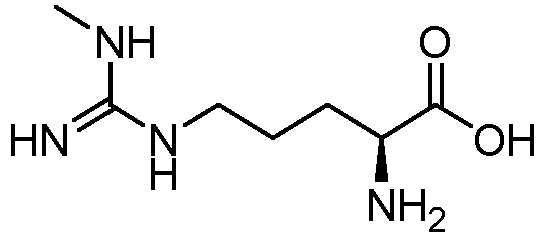
N-Me-Arg, N-MeArg, NMeArg, NMe-Arg N alpha-methyl arginine, 
αMePhe, α-Me-Phe, αMe-Phe, α-MePhe Alpha-methyl phenylalanine, 
NMePhe, N-Me-Phe, N-MePhe, NMe-Phe N- methyl phenylalanine N-Me-D-Phe, NMe-D-Phe N- methyl -D- phenylalanine 1Nal, Nal1, Nal-1, 1-Nal 1- naphthylalanine, 
2Nal, Nal2, Nal-2, 2-Nal 2- naphthylalanine, 
4Pal, 4-Pal 4- pyridylalanine, 
Phe(4-F) 4- fluorophenylalanine αMeYyr, αMe-Try Alpha-methyl tyrosine, 
ψ(CH2NH)51 The -CONH- bond between the 51st amino acid and the 52nd amino acid is replaced by the -CH2NH- bond. Ava Delta-amyl acid, 
Aib Alpha-methyl alanine, 
Sar N- methylglycine, sarcosine Chg L-α- alpha-cyclohexylglycine, 
Dap(Dnp) N'-(2,4- dinitrophenyl) -L-2,3- diaminopropionic acid, 
D-Phe(2,4-diCl), D-Phe(2,4-DiCl) 2,4- dichloro -D- phenylalanine D-2Fua,3-(2-furyl)-D-Ala, 3-(2-furyl)-D-Alanine 3-(2- furyl) -D- alanine, 
Pro(5Ph), Pro(5-phenyl) (2S,5R)-5- phenylpyrrolidine -2- carboxylic acid Thz 4- thioproline Phe(3-Cl) 3- chlorophenylalanine Bta 3-(3- benzothiophene) alanine HoPhe, HomoPhe High phenylalanine (α-amino acid) Phe(4-tBu) 4- tert-butylphenylalanine HoSer, HomoSer Homoserine (α-amino acid) 2Pal, 2-Pal 2- pyridylalanine, 
3Pal,3-Pal 3- pyridylalanine, 
Phe(4-Cl) 4- chlorophenylalanine Tyr(Me) O- methyl tyrosine, 
Phe(4-Me) 4- Methylphenylalanine Cbz carbobenzoxy- Pro(di-F), Pro(diF), DifluoroPro, DiFluorPro 4,4- difluoroproline BetaAla,Beta-Ala Beta-alanine N-Me-Ala, NMe-Ala, NMeAla, N-MeAla N- methyl alanine N-Me-D-Ala, NMe-D-Ala, NMeD-Ala N- methyl -D- alanine N-Me-Leu, NMe-Leu, NMeLeu N- methylleucine N-Me-D-Leu, NMe-D-Leu, NMeD-Leu N- methyl -D- leucine Pro(4-NH2),(4-aminoPro) (2S,4R)-4- aminopyrrolidine -2- carboxylic acid Thi 3-(2- thienyl)-alanine S-Pip S- high proline, (S)- piperidine -2- formic acid BetaHoLeu, BetaHomoLeu Beta-homoleucine HoLeu, HomoLeu Homoleucine (α-amino acid) D-HoLeu, D-HomoLeu D- homoleucine (α-amino acid) N-Me-HoLeu, N-Me-HomoLeu, NMe-HomoLeu N- methyl homoleucine (α-amino acid) N-Me-D-HoLeu, N-Me-D-HomoLeu, NMe-D-HomoLeu D-N- methyl homoleucine (α-amino acid) Nle N-leucine Cha 3- cyclohexylalanine Sta (3S,4S)-4- amino -3- hydroxy -6- methylheptanoic acid stapled Two olefin groups in the same peptide undergo olefin metathesis reaction to form a ring. X (S)-2- amino -2- methyl -6- heptenoic acid BetaPhe Beta-phenylalanine BataHoPhe, BetaHomoPhe Beta-homophenylalanine Phe(2-Br) 2- bromophenylalanine Phe(pentaF) Pentafluorophenylalanine Phe(4-CF3) (4- trifluoromethyl)-phenylalanine Bpa (4- benzoyl)-phenylalanine Ala(dip) 3,3- diphenyl alanine NAsn 2-((2- amino -2- oxoethyl) amino) acetic acid, 
NLeu N-(2- methylpropyl) glycine NPhe N- benzyl glycine Phe(4-I) 4- iodophenylalanine 2Fua 3-(2- furyl)-alanine ACPA 1- aminomethyl cyclopropylformic acid PEG4 1- amino -3,6,9,12- tetraoxa - pentadec -15- acid, 
PEG5 1- amino -3,6,9,12,15- pentaoxa - octadecyl -18- acid, 
PEG8 1- amino -3,6,9,12,15,18,21,24- octaoxa - 27C -27- acid, 
PEG12 1- amino-3,6,9,12,15,18,21,24,27,30,33,36- dodecaoxa -39 carbon-39-acid, 
ACPO 3- Amino -1- Carboxymethyl-Pyridine -2- one Aze (S)- acridine -2- carboxylic acid Bip L-4,4'- biphenylalanine Ac-Lys 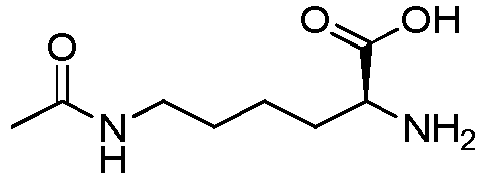
Palm, Palmitoyl Palmitoyl D-Phe(4-F) D-4- fluorophenylalanine A6c 1- aminocyclohexyl formic acid azaPro Pyrazole alkane -1- formic acid, 
D-Phe(4-Cl) D-4- chlorophenylalanine D-Phe(3-Cl) D-3- chlorophenylalanine Tic L-1,2,3,4- tetrahydroisoquinoline -3- carboxylic acid Ind L- indoline -2- carboxylic acid R-Pip, (R)-Pip, HoPro, HomoPro R- homoproline, (R)- piperidine -2- formic acid S-Pip, (S)-Pip S- homoproline, (S)- piperidine -2- formic acid L-Pip L- homoproline Oic L- octahydroindole -2- carboxylic acid azaTic 3,4- dihydrophthalazine -2(1H)- formic acid N-Me-A6c, NMe-A6c, MeA6c (1- methylamino)-cyclohexyl formic acid D-Tic D-1,2,3,4- tetrahydroisoquinoline -3- carboxylic acid Phe(4-amidino), 4-(amidino)phenylalanine 4- amidinophenylalanine Phe(4-Pyrazol), Phe(4-Pyra), (S)-3-(4-(1H-pyrazol-1-yl)phenyl)-2-aminopropanoic acid [4-(1H- pyrazol -1- yl)] phenylalanine Aza-N-Me-Gly,azaNMeGly,aza-NMeGly Aza -(N- methylglycine) 1H-1,2,3-triazol-4-yl Carboxyl-terminated -CONH2 was substituted with 1H-1,2,3- triazol -4- yl 2H-tetrazol-5-yl Carboxyl-terminated -CONH2 was substituted with 2H-tetrazole -5- yl ψ(NHCO)51 The -CONH- bond between amino acids 51 and 52 was replaced by -NHCO- bond. ψ(NHCS)51 The -CONH- bond between amino acids 51 and 52 was replaced by -NHCS- bond. ψ(NH-CO-NH)51 The -CONH- bond between amino acids 51 and 52 was replaced by -NH-CO-NH- bond. Biotin D- biotin, vitamin H OEG 2-(2-(2- aminoethoxy) ethoxy) acetic acid 
azaPhe Azaphenylalanine, 1- benzylhydrazine -1- formic acid cycloLeu 1- aminocyclopentyl formic acid BetaHoAla, BetaHomoAla Beta-homoalanine Cba Beta-cyclobutylalanine, 
Hexanoyl Hexanoyl Nonanoyl Nonyl Dodecanoyl Dodecanoyl C18 diacid 1,18- octadecanedioic acid Maleimide Maleimide/Maleimide Ahx 6- aminocaproic acid 3-[(1-methylpyridinium) -3-yl] alanine, (S)-3-(2-Amino-2-carboxyethyl)-1-methylpyridonium 
Alg 
Deg 
AlphaMeLeu 
Cpa 
ACBC 
Cpg 
morpholino cyclic amino acid 
beta-(thiazoly-4-yl)-L-Ala 
- The term "pharmaceutically acceptable salt" refers to a pharmaceutically acceptable organic or inorganic salt. Exemplary acid salts include, but are not limited to, sulfate, citrate, acetate, oxalate, chloride, bromide, iodide, nitrate, bisulfate, phosphate, acid phosphate, isonicotinic acid salt, lactate, salicylate, acid citrate, tartrate, oleate, tannate, pantothenate, hydrogen tartrate, ascorbate, succinate, maleate, fumarate, gluconate, glucuronic acid, gluconate, formate, benzoate, Glutamate, methanesulfonate, ethane sulfonate, benzenesulfonate, p-toluenesulfonate and pamoate (i.e., 1-1-methylene-bis (2- hydroxy -3- naphthalate)). The compound used in the present disclosure can form pharmaceutically acceptable salts with various amino acids. Suitable alkali salts include, but are not limited to, aluminum salts, calcium salts, lithium salts, magnesium salts, potassium salts, sodium salts, zinc salts, bismuth and diethanolamine salts. See Handbook of Pharmaceutical Salts for a review of pharmaceutically acceptable salts: Properties, Selection, and Use (P. Heinrich Stahl and Camille G. Wermuth, ed., Wiley-VCH, 2002).
- The term "crystal form" refers to one or more crystal structures formed by different arrangement of molecules in lattice space during crystallization.
- The term "solvate" is a crystalline form that contains, in addition to active molecules, one or more solvent molecules incorporated into the crystalline structure. The solvate may include a stoichiometric amount or a non-stoichiometric amount of solvent, and solvent molecules in the solvent may exist in an ordered or non-ordered arrangement. Solvents containing non-stoichiometric amounts of solvent molecules can be obtained by the solvate losing at least some (but not all) of the solvent molecules. In a particular embodiment, a solvate is a hydrate, meaning that the crystalline form of the compound may include water molecules.
- The term "prodrug" refers to a derivative of a compound containing a bioreactive functional group such that under biological conditions (in vitro or in vivo), the bioreactive functional group can be cleaved from the compound or otherwise react to provide the compound. In general, prodrugs are inactive, or at least less active than the compound itself, so that their activity cannot be exerted until the compound is cleaved from the bioreaction functional group. The bioreaction functional group can be hydrolyzed or oxidized under biological conditions to provide the compound. For example, the prodrug may contain a biohydrolyzable group, and examples of biohydrolyzable groups include, but are not limited to, biohydrolyzable phosphates, biohydrolyzable esters, biohydrolyzable amides, biohydrolyzable carbonates, biohydrolyzable carbamates, and biohydrolyzable ureides. For the summary of prodrugs, see, for example, J. Rautio et al., nature reviews drug discovery (2008) 7,255-270 and prodrugs: Challenges and rewards (v.stella et al.ed., springer, 2007).
- The positive and progressive effect of the present dissclosure is that the compound of the present disclsure has better stability and better activity to Kiss1R.
- The following embodiments further illustrate the present disclosure, but the present disclosure is not limited thereto. The conditions of the experimental methods that didn't specified by the following embodiments were selected according to conventional methods and conditions, or according to the commercial instructions.
- The peptide compounds of the present disclosure were all synthesized according to Lu et al (1981) J.Org.Chem.46, 3433 and Fmoc-polyamide solid phase peptide synthesis method disclosed in its references. 9-fluorenylmethoxycarbonyl (Fmoc) group is used to provide a temporary protection for N-amino. Repeated removal of the highly alkali labile protecting group is performed using N,N-dimethylformamide containing 20% piperidine. The side chain functional groups can be protected by their butyl ethers (in the case of serine, threonine and tyrosine), butyl esters (in the case of glutamic acid and aspartic acid), butyl oxycarboxyl derivatives (in the case of lysine and histidine), trityl derivatives (in the case of asparagine and glutamine) and 4-methoxy-2,3,6-trimethylbenzenesulfonyl derivatives (in the case of arginine). When the C-terminal residue is glutamine or asparagine, a 4,4'-dimethoxybenzhydryl group is used to protect the side chain amino functional group. The solid phase carrier is based on a polydimethyl-acrylamide polymer composed of three monomers of dimethylacrylamide (main chain monomer), diallylethylenediamine (crosslinking agent) and acryloyl sarcosinate methyl ester (functionalizing reagent). The peptide-resin cleavable connecter used herein is the acid unstable 4-hydroxymethyl-phenoxyacetic acid derivative. Except for asparagine and glutamine, all amino acid derivatives were added as their prefabricated symmetric anhydride derivatives, while asparagine and glutamine were added using reverse N,N-dicyclohexylcarbodiimide/1-hydroxybenzotriazole mediated coupling method. All coupling and deprotection reactions were monitored using ninhydrin, trinitrobenzenesulfonic acid or isotin detection methods. When the synthesis was completed, the peptide was cleaved from the resin carrier, and at the same time, the protecting group of the side chain was removed by treatement with 95% trifluoroacetic acid containing 50% scavenger mixture. Scavengers that commonly used were ethanedithiol, phenol, anisole and water, and the accurate selection depended on the amino acid composition of the synthesized peptide. Trifluoroacetic acid was removed by vacuum evaporation, followed by grinding with diethyl ether to provide crude peptide. Any scavenger present was removed by a simple extraction step, wherein the crude peptide free of scavenger was provided by lyophilizing the aqueous phase. Reagents for peptide synthesis can be generally purchased from calbiochem-novabiochem (UK) ltd., Nottingham NG7 2QJ, uk. Purification can be achieved by any one or combination of techniques such as volume exclusion chromatography, ion exchange chromatography, and (mainly) reverse phase high performance liquid chromatography. Peptide analysis can be performed using thin layer chromatography, reversed-phase high performance liquid chromatography, amino acid analysis after acid hydrolysis, and rapid atom bombardment (FAB) mass spectrometry.
- At the same time, the peptide compounds of the present disclosure can also be synthesized by liquid phase method well known to those skilled in the chemical and biochemical fields.
- After synthesis, the peptide sequence of the active agent of the present disclosure can be purified using methods known in the art, such as HPLC and chromatography.
-

-

- (S)-2-((9 hydrogen-fluorene-9-yl) methoxy) carbonylamino)-3-phenylalanine (10 g, 25.8 mmol), tert-butyl hydrazine formate (3.41 g, 25.8 mmol), HOBt (5.23 g, 38.7 mmol) and 1-(3-dimethylaminopropyl)-3-ethylcarbodiimide hydrochloride (7.42 g, 38.7 mmol) were dissolved in dichloromethane (250 mL), and after stirring at room temperature for 10 minutes, diisopropylethylamine (6.67 g, 51.6 mmol) was added. The mixture was stirred at room temperature for 20 hours and then concentrated. 300 mL of petroleum ether and 30 mL of water were added to the residue, stirred at room temperature for 10 minutes, filtered, the solid was washed with mixed solution EA: PE = 1: 5 (180 mL), and the filter cake was dried to give the captioned compound (10 g, 77%) as a white solid. LCMS (ESI) [M-99]+ = 402.0.
-

- The compound (S)-2-(2-((9H-fluorene-9-yl) methoxy) carbonylamino)-3-phenylpropionyl) hydrazinocarboxylate tert-butyl ester (10 g, 19.94 mmol) was dissolved in ethyl acetate (100 mL), then HCl/dioxane (4M, 100 mL) was added. The reaction mixture was stirred at room temperature for 2 hours. After filtration, the solid was washed twice with the mixed solution EA: PE =2: 3 (50 mL), and the filter cake was dried to give the captioned compound (6.4 g, 80%) as a white solid. LCMS (ESI) [M+H]+= 402.2.
-

- The hydrochloride of compound (S)-2-(2-((9 hydrogen-fluorene-9-yl) methoxy) carbonylamino)-3-phenylpropionyl) hydrazine (6.4 g, 16 mmol) and tert-butyl (S)-2-isocyanate-4-methylpentanoate (4.42 g, 20.7 mmol) were dissolved in methylene chloride (200 mL), and the reaction mixture was stirred at 0 °C for 2 hours. The reaction mixture was concentrated, and the crude product was isolated and purified by high-speed chromatography (petroleum ether/ethyl acetate =1/3) to give the captioned compound (5.5 g, 56%) as a white solid. LCMS (ESI) [M-55]+ = 559.3.
-

- The compound (2-((((9 hydrogen-fluorene-9-yl) methoxy) carbonyl)-L-phenylalaninyl-2-hydrazino-1-carbonyl-L-leucine tert-butyl ester (5.5 g, 8.95 mmol) was dissolved in dichloromethane (20 mL), trifluoroacetic acid (20 mL) was added, and the reaction mixture was stirred at room temperature for 3 hours. The reaction mixture was concentrated, and the resulting residue was isolated and purified by high-speed chromatography (dichloromethane/methanol = 4/1) to give the captioned compound (4.8 g, 96%) as a white solid. LCMS (ESI) [M+H]+ = 559.2. 1H NMR (400 MHz, DMSO-d6) δ 8.34 (s, 1H), 8.23 (s, 1H), 7.99 (s, 1H), 7.88 (d, J = 7.6 Hz, 2H), 7.75 (d, J = 7.6 Hz, 1H), 7.64 (q, J = 11.6 Hz, 2H), 7.42-7.25 (m, 9H), 7.20 (d, J = 7.2 Hz, 1H), 4.16-4.11 (m, 3H), 3.02 (d, J = 10.0 Hz, 1H), 2.84 (d, J = 10.8 Hz, 1H), 2.51 (s, 2H), 1.63 (s, 1H), 1.48-1.46 (m, 2H), 0.87-0.82 (m, 6H).
-

-
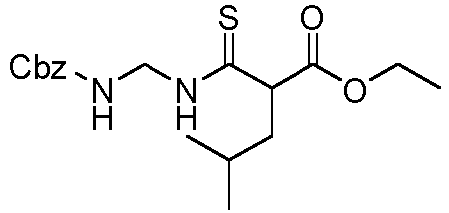
- 2-((benzyloxycarbonylamino) methylaminoformyl)-4-methyl ethyl valerate (YA-303-D) (1.1 g, 3.14 mmol) and Lawesson reagent (1.40 g, 3.46 mmol) were dissolved in 1,4-dioxane (30 mL) and stirred at 80 °C for 48 hours. The reaction mixture was concentrated, and the residue was isolated and purified by high-speed chromatography (petroleum ether/ethyl acetate = 5/1) to give the captioned compound (1.05 g, 91%). LCMS (ESI) [M+H]+= 367.1.
-

- 33% acetic hydrobromide solution (3 mL) and dichloromethane (2 mL) were added into 2-((benzyloxycarbonylamino) methylamino thioacyl)-4-methyl ethyl valerate (700 mg, 1.91 mmol), and the reaction was stirred at room temperature for 30 minutes. The reaction mixture was concentrate and dried to give crude product which was directly used as the next reaction. LC-MS (ESI) [M+H-29]+ = 204.1.
-

- 2-(aminomethylaminothioacyl)-4-methyl ethyl valerate hydrobromide (crude product, about 1.91 mmol), (S)-2-((9 hydrogen-fluorene-9-yl) methoxy) carbonylamino)-3-phenylalanine (739 mg, 1.74 mmol), HATU (726 mg, 1.74 mmol), HOAt (261 mg, 1.91 mmol) were dissolved in dichloromethane (20 mL), and N,N-diisopropylethylamine (1.23 g, 9.55 mmol) was added, and the reaction mixture was stirred at room temperature for 2 hours. The reaction mixture was concentrated and the crude product was isolated and purified by high-speed chromatography (petroleum ether/ethyl acetate = 1/1) to give the captioned compound (452 mg, 39%) as a pale yellow oil. LC-MS (ESI) [M+H]+ = 602.3.
-

- (55)-5-benzyl-1-(9-hydrogen-fluorene-9-yl)-11-isobutyl-3,6-dioxo-10-thio-2-oxa-4,7,9-triazadecane-12-carboxylic acid ethyl ester (0.45 g, 0.75 mmol) was dissolved in tetrahydrofuran (10 mL) and water (10 mL), lithium hydroxide monohydrate (158 mg, 3.75 mmol) was then added, and the mixed solution was stirred and reacted at 0 °C for 5 hours. The reaction mixture was acidified with 2N hydrochloric acid until the ph value = 2-3, extracted with ethyl acetate, dried and concentrated, then the obtained crude product was directly used in the next reaction without purification. LC-MS (ESI) [M+H]+ = 352.1.
-

- 2-((S)-2-amino-3-phenylpropanamide) methylaminothioacyl)-4-methylpentanoic acid (crude product, about 0.75 mmol) and fluorenylmethyloxycarbonylsuccinimide (304 mg, 0.90 mmol) were dissolved in the mixture of 30 mL of acetone: water = 1:1, sodium bicarbonate (630 mg, 7.5 mmol) was added in batches, and the reaction mixture was stirred at room temperature for 4 hours. The mixture was acidified with 2 N hydrochloric acid until pH = 5-6, extracted with ethyl acetate (50 mL×2), washed with saturated salt, dried over anhydrous sodium sulfate, and filtered and concentrated. The residue was isolated and purified by high-speed chromatography (petroleum ether/ethyl acetate = 1/5) to give the captioned compound (226 mg, 52% in both steps) as a pale yellow solid. LCMS (ESI) [M+H]+ = 574.3.
- Step 1: 5.0 g of commercially available Rink Amide MBHAresin (0.5 mmol/g) was swollen in DMF, and the resin was treated with 20 mL 20% piperidine/DMF for 20 minutes to remove Fmoc, repeated twice. The obtained resin was washed with DMF, 20 mL DMF solution of Fmoc-Trp (Boc)-OH (4.0 g, 7.5 mmol), HATU (2.85 g, 7.5 mmol) and HOAt (1.04 g, 7.5 mmol) was added, then DIPEA (2.6 mL, 15 mmol) was added, the resin was treated at room temperature for 40 minutes, and the resin was washed with DMF to give Fmoc-Trp(Boc)-Rink Amide MBHA resin. The resin was treated with 20 ml of 20% piperidine/DMF for 20 minutes to remove Fmoc, repeated twice. The resin was washed with DMF, and a solution of Fmoc-Arg (Me, Pbf)-OH (2.08 g, 3.0 mmol) in 20 mL DMF, DIC (945 mg, 7.5 mmol) and HOBt (1.01 g, 7.5 mmol) were added to react overnight at room temperature. The resin was treated with 20 mL 20% piperidine/DMF for 20 minutes to remove Fmoc, repeated twice. The resin was washed with DMF to give Arg (Me, Pbf)-Trp (Boc)-Rink amide MBHA resin. The obtained resin was added with 15 mL DMF solution of Fmoc-Phe-azaGly-Leu-OH (1.68 g, 3.0 mmol), DIC (945 mg, 7.5 mmol) and HOBt (1.01 g, 7.5 mmol), and reacted overnight at room temperature. The resin was treated with 20 mL 20% piperidine/DMF for 20 minutes to remove Fmoc, repeated twice. The resin was washed with DMF to give Phe-azaGly-Leu-Arg (Me, Pbf)-Trp (Boc)-Rink Amide MBHA resin. In a similar manner, amino acids such as Thr(tBu), Asn(Trt), Hyp(tBu), D-Tyr(tBu) and the like were sequentially introduced to give NH2-D-Tyr(tBu)-Hyp(tBu)-Asn(Trt)-Thr(tBu)-Phe-azaGly-Leu-Arg(Me, Pbf)-Trp(Boc)-Rink Amide MBHA resin. The mixture was washed with DMF, then 10 mL DMF solution of AcOH (44 ml, 7.5 mmol), DIC (945 mg, 7.5 mmol) and HOBt (1.01 g, 7.5 mmol) were added, the reaction was performed overnight at room temperature to introduce Ac group. The resin was washed with DMF, DCM, methanol and methyl tert-butyl ether, and then drained to finally give 8.6 g of Ac-D-Tyr(tBu)-Hyp(tBu)- Asn(Trt)-Thr(tBu)-Phe-azaGly-Leu-Arg(Me, Pbf)-Trp(Boc)-Rink Amide MBHA resin.
- Step 2: The dried resin was added into 85 mL of TFA/TIS/EDT/H2O (94/2/2/2) solution, the mixture was stirred for 2 hours, filtered to remove the resin, and the resin was washed with 20 mL of TFA/TIS/EDT/H2O (94/2/2/2) solution. The filtrates were pooled, cold diethyl ether (1000 mL) was added to the filtrate, and the resulting mixture was centrifuged at 3000 rpm for 3 minutes to remove the supernatant, and the solid was washed twice with diethyl ether and drained.
- Step 3: The obtained crude precipitate was dissolved with DMF, and then linear gradient elution (17 minutes) was performed at a flow rate of 25 mL/ minute. Eluent A/B: 79/21-69/31 using: eluent A: 0.05%TFA aqueous solution, eluent B: 0.05% TFA acetonitrile solution was applied on a preparative HPLC using Phenomenex Gemini 10µ, 110Å column (21.2×250mm). The fractions containing the product were collected and lyophilized to give 1.2 g of trifluoroacetate, and 1.0 g of acetate was obtained by salt conversion, all of which were white solids.
- Similar to the synthesis method of Embodiment 1, while Fmoc-A6c-OH (3 equivalents) was used instead of Fmoc-Hyp(tBu)-OH condensation, HATU/HOAt/DIPEA was used as condensation condition, DMF was used as solvent, and the mixture was reacted at room temperature for 3 hours. The resin was washed and dried. The target polypeptide was cleaved from the resin and deprotected by the method of Step 2 of Embodiment 1. The crude product YA-172 was isolated and purified by HPLC, and then eluted with linear concentration gradient (10 minutes) at a flow rate of 25 mL/ minute. Eluent A/B: 67/33-57/43 using: eluent A: 0.05%TFA aqueous solution, eluent B: 0.05%TFA acetonitrile solution, was applied on a HPLC using Shimada Zu C18 10 µm, 120 column (2×21.2×250 mm). Fractions containing the product were collected and lyophilized to give 12.2 mg of white solid.
- Similar to the synthesis method of Embodiment 1, while Fmoc-S-Pip-OH (3 equivalents) was used instead of Fmoc-Hyp(tBu)-OH condensation, HATU/HOAt/DIPEA was used as condensation condition, DMF was used as solvent, and the mixture was reacted at room temperature for 3 hours. Fmoc-[D-Phe (2,4-DiCl)]-OH (3 equivalents) was used to replace Fmoc-Tyr(tBu)-OH for condensation, HATU/HOAt/DIPEA was used ascondensation condition, DMF was used assolvent, and the mixture was reacted for 3 hours at room temperature. The resin was washed and dried. The target polypeptide was cleaved from the resin and deprotected by the method of Step 2 of Embodiment 1. The crude product YA-182 was isolated and purified by HPLC. Linear gradient elution (10 minutes) was performed at a flow rate of 25 mL/ minute, and eluent A/B: 59/41-49/51, using: eluent A: 0.05%TFA aqueous solution, eluent B: 0.05% TFA acetonitrile solution, was applied on a HPLC using Phenomenex Gemini C18, 10 µm, 110 column (21.2×250 mm). The fractions containing the product were collected and lyophilized to give 20.2 mg of white solid.
- 313 mg of commercially available Rink Amide MBHA resin (0.32 mmol/g) was swollen in DMF, and the resin was treated with 5 ml of 20% piperidine/DMF for 20 minutes to remove Fmoc, repeated twice. The obtained resin was washed with DMF, 5 mL DMF solution of Fmoc-Trp (Boc)-OH (158 mg, 0.3 mmol), HATU (114 mg, 0.3 mmol), HOAt (41 mg, 0.3 mmol) were added, and then DIPEA (77 mg, 0.6 mmol) was added. Treatment was carried out at room temperature for 40 minutes, and Trp (Boc) was introduced thereto to give Fmoc-Trp (Boc)-Rink Amide MBHA resin. The resin was treated with 5 ml of 20% piperidine/DMF for 20 minutes to remove Fmoc, repeated twice. The obtained resin was washed with DMF, 5 mL DMF solution of Fmoc-Arg (Me, Pbf)-OH (99 mg, 0.15 mmol), Hatu (57 mg, 0.15 mmol), HOAt (21 mg, 0.15 mmol) was added, and then DIPEA (39 mg, 0.3 mmol) was added. After treatment at room temperature for 1 hour, the resin was washed with DMF to give Fmoc-Arg (Me, Pbf)-Trp (Boc)-Rinkamide MBHA resin. Other amino acids Fmoc-Phe-ψ(NHCS)Gly-Leu-OH, Fmoc-Thr(OtBu)-OH, Fmoc-Asn(Trt)-OH, Fmoc-DiFluorPro-OH, Fmoc-[D-Phe(2,4-DiCl)]-OH were introduced in a similar manner to give Fmoc-[D-Phe(2,4-DiCl)]-DiFluorPro-Asn(Trt)-Thr(OtBu)-Phe-ψ(NHCS)Gly-Leu-Arg(Me)-Trp(Boc)-Rink Amide MBHA resin. The resin was treated with 5 ml of 20% piperidine/DMF for 20 minutes to remove Fmoc, repeated twice. The resin was washed with DMF, 5 mL DMF solution of glacial acetic acid (36 mg, 0.6 mmol), HBTU (227 mg, 0.6 mmol), HOBt (81 mg, 0.6 mmol) were added, then DIPEA (155 mg, 1.2 mmol) was added, the resin was treated at room temperature for 40 minutes, DMF, DCM, methanol and methyl tert-butyl ether were washed and then drained to give Ac-[D-Phe(2,4-DiCl)]-DiFluorPro-Asn(Trt)-Thr(OtBu)-Phe-ψ(NHCS)Gly-Leu-Arg(Me)-Trp(Boc)-Rink Amide MBHA resin.
- The dried resin was added to 10 mL of TFA/TIS/H2O (92/4/4) solution, the mixture was stirred for 2 hours, the resin was removed by filtration, and the resin was washed with 1 mL of TFA/TIS/H2O (92/4/4) solution. The filtrates were combined, methyl tert-butyl ether (110 mL) was added to the filtrate, the resulting mixture was centrifuged at 3000 rpm for 1 minute, and the solid was washed twice with cold diethyl ether and drained. The obtained precipitate was dissolved in DMF and then eluted with a linear concentration gradient (10 minutes) at a flow rate of 25 mL/ minute. Eluent A/B: 64/36-54/46 Use: Elution A: 0.05%TFA aqueous solution, eluent B: 0.05% TFA acetonitrile solution was applied on a preparative HPLC using XTIMATE, 10 µm, 120 columns (20 × 250 mm). The fraction containing the product (the peak with the later retention time of the two peaks of the same molecular weight) was collected and lyophilized to give 3.8 mg of white solid.
- The polypeptides prepared in the above the embodiments and the polypeptides prepared with reference to the above the embodiments were shown in Table 2 below. Table 2 also describes the purity analysis conditions, retention time, characterization data and effect data of each polypeptide (which were measured according to the method of effect Embodiment 1)
Table 2 Com poun d num ber Sequence Mw (obs.) [M+2 H]2+/2 Mw (cal.) Rt (min.) HPLC HPL C purit y analy sis cond ition s Prelimi nary measur ement data (GPR5 4 EC50, nM) YA-172 M10 [Ac, D-Y45, A6c46, des47, T49, azaGly51, R(Me)53, W54] Ac-(D-Tyr)-A6c-Asn-Thr-Phe-azaGly-Leu-Arg(Me)-Trp-NH2 619.4 1237 .41 15.10 C 0.012 YA-182 M10 [Ac, D-Phe(2,4-diCl)45, S-Pip46, des47, T49, azaGly51, R(Me)53, W54] Ac-[D-Phe(2,4-DiCl)]-(S-Pip)-Asn-Thr-Phe-azaGly-Leu-Arg(Me)-Trp-NH2 638.5 1276 .27 19.21 J 0.021 YA-255 M10 [Ac, D-Phe(2,4-diCl)45, Pro(diF)46, des47, T49, Gψ(NHCS)51, R(Me)53, W54] Ac-D-Phe(2,4-DiCl)-DiFluorPro-Asn-Thr-Phe-ψ(NHCS)G-Leu-Arg(Me)-Trp-NH2 657.4 1313 .32 17.74 J 0.028 - The HPLC purity analysis conditions in above Table 2 are as follows:
- Condition A: Elution A/B =95/5-35/65
- Mobile phase: A: Water (0.01%TFA), B: ACN(0.01%TFA)
- Mobile phase ratio: 5%B within 0-3 min, linear gradient elution 5-65%B within 20 min
- Velocity: 1.2 ml/min
- Column: Eclipse XDB-C18, 4.6*150 mm, 5 µm
- Box temperature: 40°C
- Condition B: Elution A/B =95/5-35/65
- Mobile phase: A: Water (0.01%TFA), B: ACN(0.01%TFA)
- Mobile phase ratio: 5%B within 0-3 min, linear gradient elution 5-65%B within 20 min
- Velocity: 1.0 ml/min
- Column: AGLIENT ZORBAX Eclipse XDB, C18, 4.6*150 mm, 5 µm
- Temperature: 40 °C
- Condition C: Elution A/B =95/5-35/65
- Mobile phase: A: Water (0.01%TFA), B: ACN(0.01%TFA)
- Mobile phase ratio: 5%B within 0-3 min, linear gradient elution 5-65%B within 20 min
- Velocity: 1.0 ml/min
- Column: SunFire C18, 4.6*150 mm, 3.5 µm
- Temperature: 40 °C
- Condition D: Elution A/B =95/5-35/65
- Mobile phase: A: Water (0.05% TFA), B: ACN(0.05% TFA)
- Mobile phase ratio: 5%B within 0-3 min, linear gradient elution 5-65%B within 20 min
- Velocity: 1.2 ml/min
- Column: Eclipse XDB-C18, 4.6*150 mm, 5 µm
- Condition E: Elution A/B =85/15-25/75
- Mobile phase: A: Water (0.01%TFA), B: ACN(0.01%TFA)
- Mobile phase ratio: 15%B within 0-3 min, linear gradient elution 15-75%B within 20min
- Velocity: 1.0 ml/min
- Column: SunFire C18, 4.6*150 mm, 3.5 µm
- Temperature: 40 °C
- Condition F: Elution A/B =95/5-35/65
- Mobile phase: A: Water (0.05% TFA), B: ACN(0.05% TFA)
- Mobile phase ratio: 5%B within 0-3 min, linear gradient elution 5-65%B within 20 min
- Velocity: 1.2 ml/min
- Column: SunFire C18, 4.6*150 mm, 3.5 µm
- Condition G: Elution A/B =80/20-20/80
- Mobile phase: A: Water (0.01%TFA), B: ACN(0.01%TFA)
- Mobile phase ratio: 20%B within 0-3 min, linear gradient elution 20-80%B within 20min
- Velocity: 1.0 ml/min
- Column: SunFire C18, 4.6*150 mm, 3.5 µm
- Temperature: 40 °C
- Condition H: Elution A/B =50/50-0/100
- Mobile phase: A: Water (0.05% TFA), B: ACN(0.05% TFA)
- Mobile phase ratio: 50%B within 0-3 min, linear gradient elution 50-100% B within 20 min
- Velocity: 1.0mL/min
- Column: XBridge Peptide BEH C18, 4.6*150 mm, 3.5 µm
- Column temperature: 40°C
- Condition I: Elution A/B = 80/20-5/95
- Mobile phase: A: Water (0.01% TFA), B: ACN(0.01% TFA)
- Mobile phase ratio: 20%B within 0-2 min, linear gradient elution 20-95% B within 25 min
- Velocity: 1.0 mL/min
- Column: SunFire C18, 4.6*150 mm, 3.5 µm
- Column temperature: 40°C
- Condition J: Elution A/B = 95/5-35/65
- Mobile phase: Water (0.05% TFA), B: ACN(0.05% TFA)
- Mobile phase ratio: 5%B within 0-3 min, linear gradient elution 5-65% B within 20 min
- Velocity: 1.0 mL/min
- Column: XBridge Peptide BEH C18, 4.6*150 mm, 3.5 µm
- Column temperature: 40°C
- Condition K: Elution A/B =50/50-0/100
- Mobile phase: A: A: Water (0.01% TFA), B: ACN(0.01% TFA)
- Mobile phase ratio: 50%B within 0-3 min, linear gradient elution 50-100% B within 20 min
- Velocity: 1.0 ml/min
- Column: SunFire C18, 4.6*150 mm, 3.5 µm
- Column temperature: 40°C
- Condition L: Elution A/B =80/20-5/95
- Mobile phase: A: Water (0.05% TFA), B: ACN(0.05% TFA)
- Mobile phase ratio: 20%B within 0-2 min, linear gradient elution 20-95% B within 25min
- Velocity: 1.0 ml/min
- Column: XBridge Peptide BEH, 4.6*150 mm, 3.5 µm
- Column temperature: 40°C
- Condition M: Elution A/B =80/20-20/80
- Mobile phase: A: Water (0.05% TFA), B: ACN(0.05% TFA)
- Mobile phase ratio: 20% B within 0-1 min, linear gradient elution 20-80% B within 20min
- Velocity: 1.0 mL/min
- Column: XBridge Peptide BEH C18, 4.6*150 mm, 3.5 µm
- Column temperature: 40°C
- Condition N: Elution A/B =70/30-0/100
- Mobile phase: A: Water (0.05% TFA), B: ACN(0.05% TFA)
- Mobile phase ratio: 30%B within 0-3 min, linear gradient elution 30-100%B within 20 min
- Velocity: 1.0 mL/min
- Column temperature: 40°C
- Column: XBridge Peptide BEH C18, 4.6*150 mm, 3.5 µm
- Condition O: Elution A/B =65/35-0/100
- Mobile phase: A: Water (0.05% TFA), B: ACN(0.05% TFA)
- Mobile phase ratio: 35%B within 0-1 min, linear gradient elution 35-100%B within 20 min
- Velocity: 1.0 mL/min
- Column temperature: 40°C
- Column: XBridge Peptide BEH C18, 4.6*150 mm, 3.5 µm
- Condition P: Elution A/B =65/25-45/55
- Mobile phase: A: Water (0.05% TFA), B: ACN(0.05% TFA)
- Linear gradient elution 25-45%B within 30 min
- Velocity: 1.0 mL/min
- Column temperature: 40°C
- Column: XBridge Peptide BEH C18, 4.6*150 mm, 3.5 µm
- Condition Q: Elution A/B =82/18-52/48
- Mobile phase: A: Water (0.05% TFA), B: ACN(0.05% TFA)
- Linear gradient elution 25-45%B within 30 min
- Velocity: 1.0 mL/min
- Column temperature: 40°C
- Column: XBridge Peptide BEH C18, 4.6*150 mm, 3.5 µm
- The binding activity test of each compound from the above the embodiments with kiss1 receptor (GPR54) was performed by fluorescence energy resonance transfer (FRET) detection technology to detect EC50 values of polypeptides and peptide analogs. The cells used in this experiment were NFAT-bla CHO-K1 cells (k1720, invitrogen, thermosher) that express human kiss1 receptor (GPR54). The specific operations were as follows:
-
- 1. Microscope (CKX41, OLYMPUS), object lens × 4 times, ocular lens ×10 times. The cells were ensured in a good condition.
- 2. Digesting the cells, adding 3ml of 0.05% pancreatin into a culture dish; cells were placed in a 37°C, 5% CO2 incubator for 2 minutes (Thermo Fisher). After the cells became round under the microscope, 7ml of culture medium was added. The formula of culture medium was as follows: DMEM90%, dialzedfbS10, NEAA0.1mM, HEPES25mM, Penicillin 100U/ml, Streptomycin 100µg/ml, pH7.3. After blowing and stiring, it was transferred to 15 mL centrifuge tube (430790, Corning). Centrifuge at 1000rpm for 5min (5810R, Eppendorf) and the supernatant was discard.
- 3. Adding 7mL of culture medium (DMEM+0.1%BSA), it was pipetting into single cell suspension, after counting with Bio-RAD counter, the cell density was adjusted to 312,500 cells/ml.
- 4. Cells were inoculated into 384 well plates at 32 µL per well, and the cell number was controlled at 10000 cells/well. 32µl of culture medium was added into the blank control.
-
- 1) The compound to be tested was prepared into 50mM working solution with DMSO.
- 2) 40µl of the working solution of the compound to be tested was added into column 2 of row A-H of U-shaped 96-well plate (3797, cornings), and 60µl of DMSO was added into column 3-11. 20µl of compound solution was sucked from the second column to the third column with a multichannel pipette blowing and stiring evenly; 20µl of compound solution was absorbed from the third column with a multichannel pipette, then added into the fourth column, blowed and stirred to mix well; the compound was serially diluted 4-fold to a total of 10 concentrations. Column 1 and column 12 of 96-well plates were supplemented with 40µl DMSO.
-
- 1) AU-shaped 96-well plate was used, 199 µL of culture medium (DMEM+0.1% BSA) was added to each well, 1 µL of diluted compound (or DMSO) was sucked from 1000× compound plate and added into the 96-well plate at the corresponding position, blowed and stirred to mix well.
- 2) Homemade positive compounds and compounds to be tested were added. The cell culture plate was took out from the incubator and cells state was observed under microscope. Diluted compound in the intermediate plate or DMSO was added into the cell, 8µl per well.
- 3) Cells were cultured in 37°C and 5% CO2 for 4 hours.
-
- 1) 1 µmol/L CCF-4AM solution and buffer solution B, C, D were equilibrated to room temperature. LiveBLAZERTM-FRET B/G Loading Kit (K1095, thermo Fisher) containing CCF-4AM and solution B, solution C, solution D were also available from Invitrogen (K1157, thermo Fisher).
- 2) 6× loading solution was prepared: 6µl of CCF-4AM dissolved solution A, 60µl of solutionb, 904µl of solutionc, and 30µl of solution D were pipetted into EP tube, blowed and stirred to mix well.
- 3) 8µl of the above-mentioned liquid was sucked with a multichannel pipette, added into a 96-well plate, and incubated for 2 hours at room temperature.
- 4) The PerkinElmer detector was used to detect the luminous signals of each hole. FI mode, λex=409 nm, λem1=460 nm, λem2=530 nm.
- Effective rate % = (Signal-Min)/(Max-Min)×100%. Max: the maximum binding value of high concentration positive compound to kiss1 receptor. Min: Minimum value of no binding of 0.1%DMSO to receptor. Signal: the signal value at the corresponding concentration of the compound. The EC50 of the corresponding compound was obtained by fitting the parameter curve with the concentration of the compound and the corresponding effective rate, as shown in Table 3.
Table 3 EC50 of each polypeptide Polypeptide number GPR54 EC50/nM Polypeptide number GPR54 EC50/nM Polypeptide number GPR54 EC50/nM YA-3 0.03 YA-172 0.012 YA-182 0.021 - The EC50 of parts of the compounds listed in Table 3 was superior to TAK448, showing strong activity, indicating that the compounds of the present disclosure can effectively bind kiss1 receptor (GPR54) at the level of in vitro biochemical experiments, so the compounds of the present disclosure has the potential to become effective therapeutic drugs for tumors.
- The 5.750 g Na2HPO4, 1.141 g NaH2PO4• and 4.095 g NaCl (Shanghai Titan) weighed was dissolved in 1000 mL ultrapure water and the pH was adjusted to 7.4 to give 50 mM phosphate buffer containing 70 mM NaCl. The prepared phosphoric acid buffer solution was stored in the refrigerator at 4°C and was valid for one week.
-
- 1). 5 mg/mL of test compound: 5 mg of compound was weighted and dissolved in 1 mL of DMSO.
- 2). 20 mM control: 2.728 mg of Fuka was dissolved in 0.5 mL of DMSO. 3.878 mg of benzalkonium bromide was dissolved in 0.5 mL of DMSO (Amresco).
- The frozen plasma (human: Shanghai wise chemistry; Rats and mice: Shanghai Sciple-Bikai; Dogs and monkeys: Suzhou Xishan Zhongke) were taken out of the-80 °C refrigerator, immediately placed in a 37 °C water bath, slightly shaken to melt it, then the thawed plasma was poured into a centrifuge tube, centrifuged at 3000 rpm for 8 min, and the supernatant was taken for experiments. The pH value of plasma was detected by a pH Meter & Sensor (METTLER TOLEDO). Only plasma with a pH value between 7.4 and 8 was used in the experiment. The plasma was placed on an ice bath for later use.
-
- 1). 125 g/ml test compound solution: 5 µL of 5 mg/mL test compound (see step 2) was added into 195 µL DMSO; 500 µM control solution: 20 mM control stock solution (see step 2) was added to 195 µL DMSO.
- 2). 0.5% BSA phosphate buffer solution: 0.05 g BSA was added to 10 mL phosphate buffer solution (see step 1);
- 3). 5 g/ml of test compound administration solution: 40 µL of 125 µg/mL of test compound solution was added into 960 µL 0.5% BSA phosphate buffer solution, stirred and mixed evenly, and the administration solution was preheated in a 37 °C water bath for 5 minutes.
- 20 µM reference substance administration solution: 40 µL of 500 µM reference substance administration solution was added into 960 µL 0.5% BSA phosphate buffer solution, stirred and mixed evenly, and the administration solution was preheated in a 37 °C water bath for 5 minutes.
- 5. 10 µL of 5 µg/mL of the test compound and 20 µM of the control substance administration solution were respectively added to the wells set at different time points (0 minutes, 1 hour, 2 hours and 4 hours) on the 96-well plate, and the number of duplicate samples was 3.
- 6. 500 µL of ACN (IS) containing 5% FA was added to the well set at 0 minute hour, then 90 µL of plasma was added, after mixing, sealing film was pasted and placed at 4 °C (number of duplicate samples was 3).
- 7. 90 µL of plasma was added to the wells with set time points of 1 hour, 2 hours and 4 hours respectively, the number of duplicate samples was 3, and timing was started (the final concentration of the test compound was 500 ng/ml; The control was 2 µM).
- 8. Then, when the timer shows 1 hour, 2 hours and 4 hours, 500 µL of ACN (IS) solution containing 5% FA were added to the holes, respectively, at corresponding time points to terminate the reaction, and after mixing, sealing films were pasted and placed at 4 °C.
- 9. All samples (0 minutes, 1 hour, 2 hours and 4 hours) at different time points on a 96-well plate were shaken for 10 minutes at 600 rpm/min on an oscillator (MTS 2/4, IKA), and then the samples were centrifuged for 15 minutes at 5594×g in a centrifuge (Multifuge × 3R, thermo Fisher).
- 10. 150 µL of supernatant was taken from the centrifuged sample and sent to LC-MS/MS for analysis (conventional polypeptide LC-MS/MS analysis method). The calculated half-life of the corresponding compounds were shown in Table 4.
Table 4 Experimental Data on Plasma Stability of Compounds Polypeptide number Rat plasma (T1/2 (h)) YA-3 10.06 YA-172 9.42 YA-182 5.32 - Although specific embodiments of the present disclosure have been described above, those skilled in the art should understand that these were merely embodiments and various changes or modifications can be made to these embodiments without departing from the principles and essence of the present disclosure. Therefore, the scope of protection of the present disclosure was defined by the appended claims.
Claims (6)
- A peptide compound 3, a pharmaceutically acceptable salt thereof, a tautomer thereof, a solvate thereof, a crystal form thereof or a prodrug thereof, wherein the peptide compound 3 is selected from the compounds shown below:Ac-(D-Tyr)-A6c-Asn-Thr-Phe-azaGly-Leu-Arg (Me)-Trp-NH2Ac-[D-Phe(2,4-DiCl)]-(S-Pip)-Asn-Thr-Phe-azaGly-Leu-Arg (Me)-Trp-NH2Ac-[D-Phe(2,4-DiCI)]-DiFluorPro-Asn-Thr-Phe-yr(NHCS)G-Leu-Arg(Me)-Trp-NH2.
- The peptide compound 3, the pharmaceutically acceptable salt thereof, the tautomer thereof, the crystal form thereof, the solvate or the prodrug thereof of claim 1 for use in the treatment and/or prevention of diseases related to kisspeptin receptors.
- The peptide compound 3, the pharmaceutically acceptable salt thereof, the tautomer thereof, the crystal form thereof, the solvate or the prodrug thereof for use according to claim 2, wherein said diseases related to kisspeptin receptors is one or more of hormone-related diseases, cell proliferative diseases, and diseases related to placental function.
- The peptide compound 3, the pharmaceutically acceptable salt thereof, the tautomer thereof, the crystal form thereof, the solvate or the prodrug thereof for use according to claim 3,wherein said hormone-related diseases is selected from prostate cancer, breast cancer, endometriosis, hysteromyoma, central precocious puberty, estrogen receptor positive, sexual functional diseases, infertility, depression, and pregnancy;and/or, said cell proliferative disease is benign prostatic hyperplasia or cancer;and/or, said diseases related to placental function is selected from choriocarcinoma, invasive nevus, abortion, fetal hypoplasia, abnormal glucose metabolism or abnormal lipid metabolism.
- The peptide compound 3, the pharmaceutically acceptable salt thereof, the tautomer thereof, the crystal form thereof, the solvate or the prodrug thereof for use according to claim 4;
wherein said cancer is prostate cancer, breast cancer, ovarian cancer, uterine cancer, cervical cancer, endometrial cancer, thyroid cancer, bladder cancer, liver cancer, melanoma, pancreatic cancer, gastric cancer, renal cell cancer, esophageal cancer, bladder cancer or brain cancer. - A pharmaceutical composition comprising the compound 3, the pharmaceutically acceptable salt thereof, the tautomer thereof, the crystal form thereof, the solvate thereof or the prodrug thereof of claim 1, and pharmaceutical excipients.
Applications Claiming Priority (4)
| Application Number | Priority Date | Filing Date | Title |
|---|---|---|---|
| CN201710543383 | 2017-07-05 | ||
| CN201810725881 | 2018-07-04 | ||
| EP18828694.2A EP3650464B8 (en) | 2017-07-05 | 2018-07-05 | Peptide compound and application thereof, and composition containing peptide compound |
| PCT/CN2018/094618 WO2019007383A1 (en) | 2017-07-05 | 2018-07-05 | Peptide compound and application thereof, and composition containing peptide compound |
Related Parent Applications (2)
| Application Number | Title | Priority Date | Filing Date |
|---|---|---|---|
| EP18828694.2A Division-Into EP3650464B8 (en) | 2017-07-05 | 2018-07-05 | Peptide compound and application thereof, and composition containing peptide compound |
| EP18828694.2A Division EP3650464B8 (en) | 2017-07-05 | 2018-07-05 | Peptide compound and application thereof, and composition containing peptide compound |
Publications (2)
| Publication Number | Publication Date |
|---|---|
| EP4545553A2 true EP4545553A2 (en) | 2025-04-30 |
| EP4545553A3 EP4545553A3 (en) | 2025-10-22 |
Family
ID=64950623
Family Applications (2)
| Application Number | Title | Priority Date | Filing Date |
|---|---|---|---|
| EP25158123.7A Pending EP4545553A3 (en) | 2017-07-05 | 2018-07-05 | Peptide compound and application thereof, and composition containing peptide compound |
| EP18828694.2A Active EP3650464B8 (en) | 2017-07-05 | 2018-07-05 | Peptide compound and application thereof, and composition containing peptide compound |
Family Applications After (1)
| Application Number | Title | Priority Date | Filing Date |
|---|---|---|---|
| EP18828694.2A Active EP3650464B8 (en) | 2017-07-05 | 2018-07-05 | Peptide compound and application thereof, and composition containing peptide compound |
Country Status (6)
| Country | Link |
|---|---|
| US (3) | US11427615B2 (en) |
| EP (2) | EP4545553A3 (en) |
| JP (2) | JP7215755B2 (en) |
| CN (2) | CN116813705A (en) |
| TW (2) | TW202334178A (en) |
| WO (1) | WO2019007383A1 (en) |
Families Citing this family (4)
| Publication number | Priority date | Publication date | Assignee | Title |
|---|---|---|---|---|
| CN116813705A (en) | 2017-07-05 | 2023-09-29 | 凯惠科技发展(上海)有限公司 | Peptide compound, application thereof and composition containing peptide compound |
| EP4146629A4 (en) * | 2020-05-08 | 2024-10-23 | The Feinstein Institutes for Medical Research | DIMERS FOR USE IN THE SYNTHESIS OF PEPTIDOMIMETICS |
| FR3128958A1 (en) * | 2021-11-09 | 2023-05-12 | Institut National De Recherche Pour L'agriculture L'alimentation Et L'environnement | KISS1R RECEPTOR AGONIST CYCLIC PEPTIDE COMPOUNDS AND THEIR THERAPEUTIC USES |
| WO2026041110A1 (en) * | 2024-08-22 | 2026-02-26 | 上海瀚辰星泰医药科技有限公司 | Polypeptide compound and use thereof |
Citations (10)
| Publication number | Priority date | Publication date | Assignee | Title |
|---|---|---|---|---|
| US68061A (en) | 1867-08-27 | Aaeon m | ||
| WO2000024890A1 (en) | 1998-10-27 | 2000-05-04 | Takeda Chemical Industries, Ltd. | Novel g protein-coupled receptor proteins, dnas thereof and ligands to the same |
| WO2002085399A1 (en) | 2001-04-20 | 2002-10-31 | Takeda Chemical Industries, Ltd. | Peptide-containing preparations |
| US7625869B2 (en) | 2004-06-25 | 2009-12-01 | Takeda Pharmaceutical Company Limited | Metastin derivatives and use thereof |
| US7754220B2 (en) | 2003-03-12 | 2010-07-13 | Takeda Pharmaceutical Company Limited | Methods of inhibiting secretion of follicle-stimulating hormone and testosterone |
| CN101341168B (en) | 2005-12-22 | 2013-01-16 | 武田药品工业株式会社 | Metastin derivatives and use thereof |
| US8361986B2 (en) | 2007-08-01 | 2013-01-29 | Idera Pharmaceuticals, Inc. | Synthetic agonists of TLR9 |
| US8592379B2 (en) | 2008-04-30 | 2013-11-26 | Kyoto University | Metastin derivative and use thereof |
| US8765909B2 (en) | 2006-10-25 | 2014-07-01 | Takeda Pharmaceutical Company Limited | Metastin derivatives and use thereof |
| US9778871B1 (en) | 2016-03-27 | 2017-10-03 | Qualcomm Incorporated | Power-reducing memory subsystem having a system cache and local resource management |
Family Cites Families (13)
| Publication number | Priority date | Publication date | Assignee | Title |
|---|---|---|---|---|
| WO2001075104A1 (en) | 2000-03-30 | 2001-10-11 | Takeda Chemical Industries, Ltd. | Novel protein, dna thereof and process for producing the same |
| JP2003002841A (en) | 2001-04-20 | 2003-01-08 | Takeda Chem Ind Ltd | Peptide-containing preparation |
| US6800611B2 (en) | 2003-01-06 | 2004-10-05 | Takeda Chemical Industries, Ltd. | Metastin derivatives and their use |
| AR058584A1 (en) * | 2005-12-22 | 2008-02-13 | Takeda Pharmaceutical | METASTININE DERIVATIVES AND USE OF THE SAME |
| US20090093615A1 (en) | 2005-12-22 | 2009-04-09 | Takeda Pharmaceutical Company Limited | Metastin derivatives and use thereof |
| GB0719592D0 (en) * | 2007-10-08 | 2007-11-14 | Medical Res Council | Compound, use and method |
| US20110118172A1 (en) * | 2008-04-24 | 2011-05-19 | Takeda Pharmaceutical Company Limited | Metastin derivative and use thereof |
| EP2350118B1 (en) | 2008-09-19 | 2016-03-30 | Nektar Therapeutics | Carbohydrate-based drug delivery polymers and conjugates thereof |
| EP2340047A1 (en) * | 2008-09-19 | 2011-07-06 | Nektar Therapeutics | Polymer conjugates of kiss1 peptides |
| US8878871B2 (en) | 2010-08-09 | 2014-11-04 | Thermopylae Sciences and Technology | Methods and apparatus for geospatial management and visualization of events |
| FR3001455B1 (en) * | 2013-01-31 | 2017-10-06 | Agronomique Inst Nat Rech | AGONIST COMPOUNDS OF THE KISS1R RECEPTOR AND THEIR USE IN INDUCING OVULATION IN MAMMALS |
| CN106544322B (en) * | 2016-12-06 | 2019-10-08 | 东华大学 | It is a kind of for studying the reporting system and its construction method of Kiss1 gene expression regulation |
| CN116813705A (en) | 2017-07-05 | 2023-09-29 | 凯惠科技发展(上海)有限公司 | Peptide compound, application thereof and composition containing peptide compound |
-
2018
- 2018-07-05 CN CN202310691348.9A patent/CN116813705A/en active Pending
- 2018-07-05 JP JP2020500192A patent/JP7215755B2/en active Active
- 2018-07-05 EP EP25158123.7A patent/EP4545553A3/en active Pending
- 2018-07-05 EP EP18828694.2A patent/EP3650464B8/en active Active
- 2018-07-05 TW TW112115997A patent/TW202334178A/en unknown
- 2018-07-05 WO PCT/CN2018/094618 patent/WO2019007383A1/en not_active Ceased
- 2018-07-05 US US16/628,586 patent/US11427615B2/en active Active
- 2018-07-05 CN CN201810730694.2A patent/CN109206481B/en active Active
- 2018-07-05 TW TW107123335A patent/TWI810193B/en active
-
2022
- 2022-03-22 US US17/700,860 patent/US11807660B2/en active Active
- 2022-04-22 US US17/726,604 patent/US11981753B2/en active Active
-
2023
- 2023-01-12 JP JP2023003338A patent/JP7573057B2/en active Active
Patent Citations (10)
| Publication number | Priority date | Publication date | Assignee | Title |
|---|---|---|---|---|
| US68061A (en) | 1867-08-27 | Aaeon m | ||
| WO2000024890A1 (en) | 1998-10-27 | 2000-05-04 | Takeda Chemical Industries, Ltd. | Novel g protein-coupled receptor proteins, dnas thereof and ligands to the same |
| WO2002085399A1 (en) | 2001-04-20 | 2002-10-31 | Takeda Chemical Industries, Ltd. | Peptide-containing preparations |
| US7754220B2 (en) | 2003-03-12 | 2010-07-13 | Takeda Pharmaceutical Company Limited | Methods of inhibiting secretion of follicle-stimulating hormone and testosterone |
| US7625869B2 (en) | 2004-06-25 | 2009-12-01 | Takeda Pharmaceutical Company Limited | Metastin derivatives and use thereof |
| CN101341168B (en) | 2005-12-22 | 2013-01-16 | 武田药品工业株式会社 | Metastin derivatives and use thereof |
| US8765909B2 (en) | 2006-10-25 | 2014-07-01 | Takeda Pharmaceutical Company Limited | Metastin derivatives and use thereof |
| US8361986B2 (en) | 2007-08-01 | 2013-01-29 | Idera Pharmaceuticals, Inc. | Synthetic agonists of TLR9 |
| US8592379B2 (en) | 2008-04-30 | 2013-11-26 | Kyoto University | Metastin derivative and use thereof |
| US9778871B1 (en) | 2016-03-27 | 2017-10-03 | Qualcomm Incorporated | Power-reducing memory subsystem having a system cache and local resource management |
Non-Patent Citations (11)
| Title |
|---|
| "Challenges and rewards", 2007, SPRINGER |
| "Handbook of Pharmaceutical Salts for a review of pharmaceutically acceptable salts: Properties, Selection, and Use", 2002, WILEY-VCH |
| J. RAUTIO ET AL., NATURE REVIEWS DRUG DISCOVERY, vol. 7, 2008, pages 255 - 270 |
| KOTANIM ET AL., J. BIOL. CHEM., vol. 276, pages 34631 - 34636 |
| KOTANIM, JOURNAL OF BIOLOGICAL CHEMISTRY, vol. 276, no. 27, pages 34631 - 34636 |
| LEE JH ET AL., JOURNAL OF THE NATIONAL CANCER INSTITUTE, vol. 88, no. 23, 1996, pages 1731 - 1737 |
| LEE JHWELCH DR, INT. J. CANCER, vol. 71, no. 6, 1997, pages 1035 - 1044 |
| LU ET AL., J.ORG.CHEM., vol. 46, 1981, pages 3433 |
| NASH ET AL.: "The KISS1 metastasis suppressor: mechanistic insights and clinical utility", FRONT. BIOSCI., vol. 11, 2006, pages 647 - 659, XP002519269 |
| OHTAKI T. ET AL., NATURE, vol. 411, no. 6837, 2001, pages 613 - 671 |
| RAT, ENDOCRINOLOGY, vol. 147, no. 6, 2006, pages 1624 - 1632 |
Also Published As
| Publication number | Publication date |
|---|---|
| CN109206481B (en) | 2023-08-18 |
| WO2019007383A1 (en) | 2019-01-10 |
| EP3650464B8 (en) | 2025-12-24 |
| EP3650464A4 (en) | 2021-01-13 |
| EP3650464B1 (en) | 2025-11-05 |
| CN116813705A (en) | 2023-09-29 |
| CN109206481A (en) | 2019-01-15 |
| US11981753B2 (en) | 2024-05-14 |
| US20220242908A1 (en) | 2022-08-04 |
| EP3650464A1 (en) | 2020-05-13 |
| US11807660B2 (en) | 2023-11-07 |
| US11427615B2 (en) | 2022-08-30 |
| JP7215755B2 (en) | 2023-01-31 |
| JP2020525534A (en) | 2020-08-27 |
| TW201906856A (en) | 2019-02-16 |
| US20200172575A1 (en) | 2020-06-04 |
| TW202334178A (en) | 2023-09-01 |
| EP4545553A3 (en) | 2025-10-22 |
| JP2023037645A (en) | 2023-03-15 |
| TWI810193B (en) | 2023-08-01 |
| JP7573057B2 (en) | 2024-10-24 |
| US20220213142A1 (en) | 2022-07-07 |
Similar Documents
| Publication | Publication Date | Title |
|---|---|---|
| US11807660B2 (en) | Peptide compound and application thereof, and composition containing peptide compound | |
| CA2774593C (en) | Oxytocin receptor agonists | |
| US9073965B2 (en) | Adiponectin receptor agonists and methods of use | |
| JP2514518B2 (en) | Somatostatin-like amide derivatives of heptapeptide and octapeptide, antitumor agent containing the same | |
| NO301015B1 (en) | Decapeptide with antiovulatory activity | |
| US10899793B2 (en) | Melanocortin ligands and methods of use thereof | |
| JP3801867B2 (en) | Novel LHRH antagonists with improved dissolution properties | |
| RS52007B (en) | METASTINE DERIVATIVES AND THEIR USE | |
| KR101451470B1 (en) | Short-chain peptides as parathyroid hormone(pth) receptor agonist | |
| EP3647319B1 (en) | Peptide compound, application thereof and composition containing same | |
| Staykova et al. | Synthesis and in vitro antitumor activity of new linear somatostatin analogs | |
| JP2000159795A (en) | Peptide derivative |
Legal Events
| Date | Code | Title | Description |
|---|---|---|---|
| PUAI | Public reference made under article 153(3) epc to a published international application that has entered the european phase |
Free format text: ORIGINAL CODE: 0009012 |
|
| STAA | Information on the status of an ep patent application or granted ep patent |
Free format text: STATUS: THE APPLICATION HAS BEEN PUBLISHED |
|
| AC | Divisional application: reference to earlier application |
Ref document number: 3650464 Country of ref document: EP Kind code of ref document: P |
|
| AK | Designated contracting states |
Kind code of ref document: A2 Designated state(s): AL AT BE BG CH CY CZ DE DK EE ES FI FR GB GR HR HU IE IS IT LI LT LU LV MC MK MT NL NO PL PT RO RS SE SI SK SM TR |
|
| REG | Reference to a national code |
Ref country code: DE Ref legal event code: R079 Free format text: PREVIOUS MAIN CLASS: C07K0007080000 Ipc: C07K0014470000 |
|
| RIC1 | Information provided on ipc code assigned before grant |
Ipc: C07K 14/47 20060101AFI20250625BHEP Ipc: A61K 38/16 20060101ALI20250625BHEP Ipc: A61K 38/08 20190101ALI20250625BHEP Ipc: A61K 38/10 20060101ALI20250625BHEP Ipc: A61P 5/00 20060101ALI20250625BHEP Ipc: A61P 15/00 20060101ALI20250625BHEP Ipc: A61P 15/08 20060101ALI20250625BHEP Ipc: A61P 25/24 20060101ALI20250625BHEP Ipc: A61P 35/00 20060101ALI20250625BHEP Ipc: C07K 7/06 20060101ALI20250625BHEP Ipc: C07K 7/08 20060101ALI20250625BHEP Ipc: A61K 38/00 20060101ALI20250625BHEP |
|
| PUAL | Search report despatched |
Free format text: ORIGINAL CODE: 0009013 |
|
| AK | Designated contracting states |
Kind code of ref document: A3 Designated state(s): AL AT BE BG CH CY CZ DE DK EE ES FI FR GB GR HR HU IE IS IT LI LT LU LV MC MK MT NL NO PL PT RO RS SE SI SK SM TR |
|
| RIC1 | Information provided on ipc code assigned before grant |
Ipc: A61P 15/00 20060101ALI20250916BHEP Ipc: C07K 14/47 20060101AFI20250916BHEP Ipc: A61K 38/16 20060101ALI20250916BHEP Ipc: A61K 38/08 20190101ALI20250916BHEP Ipc: A61K 38/10 20060101ALI20250916BHEP Ipc: A61P 5/00 20060101ALI20250916BHEP Ipc: A61P 15/08 20060101ALI20250916BHEP Ipc: A61P 25/24 20060101ALI20250916BHEP Ipc: A61P 35/00 20060101ALI20250916BHEP Ipc: C07K 7/06 20060101ALI20250916BHEP Ipc: C07K 7/08 20060101ALI20250916BHEP Ipc: A61K 38/00 20060101ALI20250916BHEP |
|
| RAP1 | Party data changed (applicant data changed or rights of an application transferred) |
Owner name: THE GENERAL HOSPITAL CORPORATION Owner name: THE BRIGHAM AND WOMEN'S HOSPITAL, INC. |
|
| STAA | Information on the status of an ep patent application or granted ep patent |
Free format text: STATUS: REQUEST FOR EXAMINATION WAS MADE |
|
| 17P | Request for examination filed |
Effective date: 20260422 |