EP4542379A1 - Kernel presentation of camera imagery during the kernel boot process - Google Patents
Kernel presentation of camera imagery during the kernel boot process Download PDFInfo
- Publication number
- EP4542379A1 EP4542379A1 EP24205694.3A EP24205694A EP4542379A1 EP 4542379 A1 EP4542379 A1 EP 4542379A1 EP 24205694 A EP24205694 A EP 24205694A EP 4542379 A1 EP4542379 A1 EP 4542379A1
- Authority
- EP
- European Patent Office
- Prior art keywords
- kernel
- camera
- network packet
- display device
- ebpf
- Prior art date
- Legal status (The legal status is an assumption and is not a legal conclusion. Google has not performed a legal analysis and makes no representation as to the accuracy of the status listed.)
- Pending
Links
Images



Classifications
-
- G—PHYSICS
- G06—COMPUTING OR CALCULATING; COUNTING
- G06F—ELECTRIC DIGITAL DATA PROCESSING
- G06F9/00—Arrangements for program control, e.g. control units
- G06F9/06—Arrangements for program control, e.g. control units using stored programs, i.e. using an internal store of processing equipment to receive or retain programs
- G06F9/44—Arrangements for executing specific programs
- G06F9/4401—Bootstrapping
- G06F9/4411—Configuring for operating with peripheral devices; Loading of device drivers
-
- G—PHYSICS
- G06—COMPUTING OR CALCULATING; COUNTING
- G06F—ELECTRIC DIGITAL DATA PROCESSING
- G06F9/00—Arrangements for program control, e.g. control units
- G06F9/06—Arrangements for program control, e.g. control units using stored programs, i.e. using an internal store of processing equipment to receive or retain programs
- G06F9/44—Arrangements for executing specific programs
- G06F9/4401—Bootstrapping
- G06F9/4416—Network booting; Remote initial program loading [RIPL]
Definitions
- the present disclosure relates generally to software technology, and more particularly, to systems and methods for implementing kernel presentation of camera imagery during a kernel boot process of a kernel-based operating system.
- imagery generated by a rear-view camera of a vehicle be presented on a display screen inside the vehicle within seconds, such as within two seconds, of putting the vehicle in reverse.
- the examples disclosed herein implement kernel presentation of camera imagery during a kernel boot process of a kernel-based operating system (OS), such as, by way of non-limiting example, a Linux OS.
- OS kernel-based operating system
- a method comprising: notifying a kernel of an operating system executing on a computing device that the kernel is to provide network packets received by the kernel via a network interface to an extended Berkeley Packet Filter (eBPF) program executing in an eBPF environment of the kernel.
- the method further comprises receiving, by the eBPF program from the kernel, a camera network packet originating from a camera.
- the method further comprises causing, by the eBPF program, information derived from the camera network packet to be copied to an image buffer of a display device driver for presentation on a display device.
- eBPF extended Berkeley Packet Filter
- the method may further comprise loading, by a bootloader, at least a portion of the kernel at a first memory location in a random access memory of the computing device, loading, by the bootloader, a bytecode version of the eBPF program at a second memory location, and causing, by the bootloader, the kernel to be initiated from the first memory location and providing, to the kernel, information that indicates that the bytecode version of the eBPF program is located at the second memory location.
- the method may further comprise processing, by the eBPF program, the camera network packet to decode the camera network packet from an encoded format to generate a decoded camera network packet, and wherein causing, by the eBPF program, the information derived from the camera network packet to be copied to the image buffer of the display device driver for presentation on the display device comprises causing, by the eBPF program, information contained in the decoded camera network packet to be copied to the image buffer of the display device driver for presentation on the display device.
- Notifying the kernel that the kernel is to provide the network packets received by the kernel via the network interface to the eBPF program may comprise invoking, by the eBPF program, a function to cause the eBPF program to be attached to a kernel network packet tracepoint.
- the method may further comprise analyzing, by the eBPF program, the camera network packet, determining, based on contents of the camera network packet, that the camera network packet originated from the camera, and in response to determining that the camera network packet originated from the camera, causing the information derived from the camera network packet to be copied to the image buffer of the display device driver for presentation on the display device.
- the method may further comprise receiving, by the eBPF program, a network packet, determining, based on contents of the network packet, that the network packet did not originate from the camera, and in response to determining that the network packet did not originate from the camera, discarding the network packet.
- Causing, by the eBPF program, the information derived from the camera network packet to be copied to the image buffer of the display device driver for presentation on the display device may comprise invoking, by the eBPF program, a kernel helper function that, when invoked, causes the information derived from the camera network packet to be copied to the image buffer of the display device driver for presentation on the display device.
- a computing device comprising a random access memory, a network interface configured to interface with a camera, and a processor device coupled to the random access memory and the network interface configured to notify a kernel of an operating system executing on the computing device that the kernel is to provide network packets received by the kernel via the network interface to an extended Berkeley Packet Filter (eBPF) program executing in an eBPF environment of the kernel.
- the processor device is further configured to receive, by the eBPF program from the kernel, a camera network packet originating from the camera.
- the processor device is further configured to cause, by the eBPF program, information derived from the camera network packet to be copied to an image buffer of a display device driver for presentation on a display device.
- the processor device may further be configured to load, by a bootloader, at least a portion of the kernel at a first memory location in the random access memory, load, by the bootloader, a bytecode version of the eBPF program at a second memory location, and cause, by the bootloader, the kernel to be initiated from the first memory location and provide, to the kernel, information that indicates that the bytecode version of the eBPF program is located at the second memory location.
- the processor device may further be configured to process, by the eBPF program, the camera network packet to decode the camera network packet from an encoded format to generate a decoded camera network packet, and wherein to cause, by the eBPF program, the information derived from the camera network packet to be copied to the image buffer of the display device driver for presentation on the display device, the processor device is further configured to cause, by the eBPF program, information contained in the decoded camera network packet to be copied to the image buffer of the display device driver for presentation on the display device.
- the processor device may further be configured to invoke, by the eBPF program, a function to cause the eBPF program to be attached to a kernel network packet tracepoint.
- the processor device may further be configured to analyze, by the eBPF program, the camera network packet, determine, based on contents of the camera network packet, that the camera network packet originated from the camera, and in response to determining that the camera network packet originated from the camera, cause the information derived from the camera network packet to be copied to the image buffer of the display device driver for presentation on the display device.
- the processor device may further be configured to receive, by the eBPF program, a network packet, determine, based on contents of the network packet, that the network packet did not originate from the camera, and in response to determining that the network packet did not originate from the camera, discard the network packet.
- the processor device may further be configured to invoke, by the eBPF program, a kernel helper function that, when invoked, causes the information derived from the camera network packet to be copied to the image buffer of the display device driver for presentation on the display device.
- a non-transitory computer-readable storage medium comprises executable instructions configured to cause a processor device to notify a kernel of an operating system executing on a computing device that the kernel is to provide network packets received by the kernel via a network interface to an extended Berkeley Packet Filter (eBPF) program executing in an eBPF environment of the kernel.
- the instructions are further configured to cause the processor device to receive, by the eBPF program from the kernel, a camera network packet originating from a camera.
- the instructions are further configured to cause the processor device to cause, by the eBPF program, information derived from the camera network packet to be copied to an image buffer of a display device driver for presentation on a display device.
- the instructions may further be configured to cause the processor device to load, by a bootloader, at least a portion of the kernel at a first memory location in a random access memory, load, by the bootloader, a bytecode version of the eBPF program at a second memory location, and cause, by the bootloader, the kernel to be initiated from the first memory location and provide, to the kernel, information that indicates that the bytecode version of the eBPF program is located at the second memory location.
- the instructions may further be configured to cause the processor device to process, by the eBPF program, the camera network packet to decode the camera network packet from an encoded format to generate a decoded camera network packet; and wherein to cause, by the eBPF program, the information derived from the camera network packet to be copied to the image buffer of the display device driver for presentation on the display device, the instructions are further to cause the processor device to cause, by the eBPF program, information contained in the decoded camera network packet to be copied to the image buffer of the display device driver for presentation on the display device.
- the instructions may further be configured to cause the processor device to invoke, by the eBPF program, a function to cause the eBPF program to be attached to a kernel network packet tracepoint.
- the instructions may further be configured to cause the processor device to analyze, by the eBPF program, the camera network packet, determine, based on contents of the camera network packet, that the camera network packet originated from the camera, and in response to determining that the camera network packet originated from the camera, cause the information derived from the camera network packet to be copied to the image buffer of the display device driver for presentation on the display device.
- the instructions may further be configured to cause the processor device to receive, by the eBPF program, a network packet, determine, based on contents of the network packet, that the network packet did not originate from the camera, and in response to determining that the network packet did not originate from the camera, discard the network packet.
- OSs operating systems
- a user-space program that is capable of providing imagery generated by a rear-view camera on a display device may not be operable in sufficient time to meet the requirement.
- OS is owned or controlled by an entity or committee
- changing the OS may be very time-consuming, impractical or even impossible because any change to the OS must be carefully tested to ensure the change does not negatively impact any other functionality of the OS.
- certain operating systems may require that any changes meet certain criteria and be accepted by various entities.
- a mature operating system may comprise tens of millions of lines of software instructions, and revising the OS to implement new functionality may require relatively expensive and rare skills.
- kernel module It may be possible to implement certain functionality in a kernel module.
- writing a kernel module requires costly and relatively rare skills, and if a kernel module fails, the entire OS and computing device may be brought down by the failure.
- a kernel module executes as privileged code and thus has access to everything on the computing device, including data and executable code.
- a kernel module can present a significant security risk. Accordingly, many users are hesitant to implement kernel modules.
- the examples disclosed herein implement kernel presentation of camera imagery during a kernel boot process of a kernel-based operating system, such as, by way of non-limiting example, a Linux OS.
- the examples utilize an eBPF (extended Berkeley Packet Filter) program that can be loaded by the kernel during the boot process.
- the kernel is instructed to provide the eBPF program with network packets received by the kernel via a network interface.
- the eBPF program receives a camera network packet originating from a camera, and causes information derived from the camera network packet to be written to an image buffer of a display device driver for presentation on a display device.
- the examples disclosed herein implement a sandboxed eBPF program that executes in the kernel early in the boot process without a need to initiate a kernel loadable module.
- the eBPF program can immediately begin processing camera network packets for sending to a display driver for presentation on a display device in the vehicle even before the kernel has completed the boot process, such as prior to mounting a file system and prior to initiating user space applications, and thus facilitates the presentation of rear-view camera imagery within two seconds of the vehicle being placed into reverse.
- the storage device 22 comprises a kernel-based operating system 26, such as, by way of non-limiting example, the Linux operating system.
- a kernel-based operating system 26 such as, by way of non-limiting example, the Linux operating system.
- the examples disclosed herein are not limited to Linux and have applicability to any OS that comprises a kernel that resides between hardware of the computing device 12 and a user space where user applications execute and invoke kernel functions of the kernel in order to access hardware, such as the storage device 22, the camera 20, the display device 24, and the like, and that support eBPF, such as, by way of non-limiting example, Microsoft ® Windows ® and FreeBSD.
- the storage device 22 also comprises an eBPF program 28 that, as will be described in greater detail herein, is operable to receive network packets generated by the camera 20 and provide information derived from the network packets to the display device 24 for presentation to a user of the vehicle.
- the term eBPF refers to the extended Berkeley Packet Filter technology available at ebpf.io that implements sandboxed programs in a privileged context that execute in a kernel of a kernel-based OS.
- eBPF comprises an in-kernel verifier that performs static code analysis to ensure that an eBPF program will not crash or otherwise interface negatively with the kernel, such as by ensuring that loops have exit conditions, a valid register state and the like. If the eBPF program passes the verification check, the eBPF program is typically just-in-time (JIT) compiled for native execution performance.
- JIT just-in-time
- the computing device 12 When the driver of the vehicle 11 initiates a sequence to start the vehicle 11, such as by turning a key, pressing a button, or the like, the computing device 12 initiates, automatically loads a bootloader 30 into the memory 16 and initiates the bootloader 30.
- the bootloader 30 loads at least a portion of a kernel 32 of the OS 26 at a first memory location of the memory 16, and loads the eBPF program 28 at a second memory location of the memory 16.
- the bootloader 30 causes the kernel 32 to be initiated as part of an executing OS 33 from the first memory location and, in conjunction with the initiation, provides, to the kernel 32, information that indicates that the eBPF program 28 is located at the second memory location.
- the kernel 32 initiates and, as part of the initiation, initiates an eBPF sandboxed environment 34.
- the eBPF program 28 is bytecode, and the eBPF sandboxed environment 34 first validates, as discussed above via static code analysis, the eBPF program 28 to ensure that the eBPF program 28 has been written to comply with certain rules to eliminate or reduce a likelihood that the eBPF program 28 can cause a failure of the kernel 32. Once validated, the eBPF sandboxed environment 34 compiles the eBPF program 28 to a native instruction set of the processor device 14, and initiates the eBPF program 28 as an eBPF program 36.
- the eBPF program 36 is attached to a kernel network packet hook, sometimes referred to as a kernel network packet tracepoint, of the kernel 32 via a tracepoint interface 38.
- a kernel network packet tracepoint Once attached to the kernel network packet tracepoint, the kernel 32 provides, to the eBPF program 36, network packets that are received by the network interface 18.
- the eBPF program 28 may be attached to the kernel network packet tracepoint, for example, by invoking a particular function that causes the eBPF program 28 to be attached to the kernel network packet tracepoint.
- the kernel 32 initiates a display device driver 42 that is operable to present information that is contained in an image buffer 46 to the display device 24.
- the kernel 32 may expose access to the display device driver 42 to the eBPF program 36 via a helper function interface 40.
- the kernel 32 also initiates a network driver 44 that is operable to receive and transmit packets via the network interface 18 to which the camera 20 is connected.
- the camera 20 and the display device 24 are also powered on.
- the camera 20 automatically begins to generate camera network packets 45 and provides the camera network packets 45 to the network interface 18.
- the network driver 44 receives the camera network packets 45, and because the eBPF program 36 attached to the kernel network packet tracepoint of the kernel 32 via the tracepoint interface 38, the kernel 32 causes the camera network packets 45 to be provided to the eBPF program 36.
- all network packets received by the network interface 18 may be provided to the eBPF program 36.
- the eBPF program 36 may analyze a camera network packet 45 and determine, based on the contents of the camera network packet 45, that the camera network packet 45 originated from the camera 20. For example, the eBPF program 36 may determine that the camera network packet 45 contains video imagery and thus originated from the camera 20. Alternatively, the eBPF program 36 may determine an address associated with the camera 20 and determine that the camera network packet 45 has a source address of the camera 20. The eBPF program 36 may also receive network packets that do not originate from the camera 20. The eBPF program 36 may determine, based on contents of a network packet, that the network packet did not originate from the camera 20 and, in response, discard the network packet.
- the eBPF program 36 In response to determining that the camera network packet 45 originated from the camera 20, the eBPF program 36 causes information derived from the camera network packet 45 to be copied to the image buffer 46 of the display device driver 42 for presentation on the display device 24.
- the eBPF program 36 invokes a kernel helper function that is implemented via the helper function interface 40.
- the kernel 32 When invoked, the kernel 32 causes information generated by the eBPF program 36 to be copied to the image buffer 46.
- the display device driver 42 presents the image buffer 46 on the display device 24.
- the image buffer 46 may be refilled with new video data at any desired frame rate, such as 30 or 60 frames per second.
- the eBPF program 36 may comprise a video decoder 48 that is operable to decode the camera network packet 45 from a particular encoded format, such as H.264 or the like, to generate decoded camera network packets.
- the decoded camera network packets may be the information derived from the camera network packets 45 that is copied to the image buffer 46.
- the eBPF program 36 may invoke a helper function via the helper function interface 40 that decodes the camera network packet 45.
- the kernel 32 may initiate a display device control program that is operable to implement a user interface on the display device 24.
- the display device control program may take over presentation of the camera network packets 45 utilizing conventional user space display presentation techniques.
- a trigger condition may cause the transfer of control from the eBPF program 36 to the display device control program, such as shifting the vehicle from reverse to drive.
- FIG 2 is a flowchart of a method for kernel presentation of camera imagery during the kernel boot process according to some environments.
- the kernel 32 of the OS 33 executing on the computing device 12 is notified that the kernel 32 is to provide network packets received by the kernel 32 via the network interface 18 to the eBPF program 36 executing in the eBPF sandboxed environment 34 of the kernel 32 ( Figure 2 , block 1000).
- the eBPF program 36 receives, from the kernel 32, a camera network packet 45 originating from the camera 20 ( Figure 2 , block 1002).
- the eBPF program 36 causes information derived from the camera network packet 45 to be copied to the image buffer 46 of the display device driver 42 for presentation on the display device 24 ( Figure 2 , block 1004).
- Figures 3A-3B illustrate a sequence diagram illustrating messages between and actions taken by certain components illustrated in Figure 1 during a process of kernel presentation of camera imagery during the kernel boot process according to some implementations.
- the computing device 12 initiates and, as part of the initiation process, executes the bootloader 30.
- the bootloader 30 loads a portion of the kernel 32 into a location of the memory 16 ( Figure 3A , step 2000).
- the bootloader 30 loads the eBPF program 36 into another location of the memory 16 ( Figure 3A , step 2002).
- the bootloader 30 causes the kernel 32 to begin initiating and informs the kernel 32 of the location of the eBPF program 36 ( Figure 3A , step 2004).
- the kernel 32 may automatically look for the eBPF program 36 at some predetermined location to determine if the eBPF program 36 exists.
- the kernel 32 begins running, and initiates the eBPF program 36 in the eBPF sandboxed environment 34 ( Figure 3A , steps 2006, 2008).
- the eBPF program 36 begins running ( Figure 3A , step 2010).
- the eBPF program 36 invokes a tracepoint via the tracepoint interface 38 that causes an attachment of the eBPF program 36 to a particular event that causes any packets received by the network driver 44 to be provided to the eBPF program 36 ( Figure 3A , step 2012).
- the kernel 32 initiates the display device driver 42 ( Figure 3B , step 2014).
- the display device driver 42 begins running ( Figure 3B , step 2016).
- the kernel 32 initiates the network driver 44 ( Figure 3B , step 2018).
- the network driver 44 begins running ( Figure 3B , step 2020).
- the camera 20 begins generating camera network packets 45 and sending the camera network packets 45 to the network driver 44 ( Figure 3B , step 2022).
- the camera network packets 45 are provided to the eBPF program 36 ( Figure 3B , step 2024).
- the eBPF program 36 decodes the network packets and, using a helper function via the helper function interface 40, causes the decoded network packets to be copied to the image buffer 46 ( Figure 3B , steps 2026, 2028).
- the display device driver 42 presents the image buffer 46 on the display device 24.
- FIG 4 is a simplified block diagram of the environment illustrated in Figure 1 according to one implementation.
- the environment 10 comprises the computing device 12, the random access memory 16, the processor device 14, and the network interface 18 operable to interface with the camera 20.
- the processor device 14 is coupled to the random access memory 16 and the network interface 18 and is to notify the kernel 32 of the operating system 33 executing on the computing device 12 that the kernel 32 is to provide network packets received by the kernel 32 via the network interface 18 to the eBPF program 36 executing in the eBPF environment 34 of the kernel 32.
- the processor device 14 is further to receive, by the eBPF program 36 from the kernel 32, a camera network packet 45 originating from the camera 20.
- the processor device 14 is further to cause, by the eBPF program 36, information derived from the camera network packet 45 to be copied to the image buffer 46 of the display device driver 42 for presentation on the display device 24.
- FIG. 5 is a block diagram of the computing device 12 suitable for implementing examples according to one example.
- the computing device 12 may comprise any computing or electronic device capable of being located in a vehicle including firmware, hardware, and/or executing software instructions to implement the functionality described herein, such as a complete motherboard and peripherals disclosed herein.
- the computing device 12 comprises the processor device 14, a system memory 50, and a system bus 52.
- the system bus 52 provides an interface for system components including, but not limited to, the system memory 50 and the processor device 14.
- the processor device 14 can be any commercially available or proprietary processor device.
- the system bus 52 may be any of several types of bus structures that may further interconnect to a memory bus (with or without a memory controller), a peripheral bus, and/or a local bus using any of a variety of commercially available bus architectures.
- the system memory 50 may comprise non-volatile memory 54 (e.g., read-only memory (ROM), erasable programmable read-only memory (EPROM), electrically erasable programmable read-only memory (EEPROM), etc.), and the volatile memory 16 (e.g., random-access memory (RAM)).
- a basic input/output system (BIOS) 56 may be stored in the non-volatile memory 54 and can comprise the basic routines that help to transfer information between elements within the computing device 12.
- the volatile memory 16 may also comprise a high-speed RAM, such as static RAM, for caching data.
- the computing device 12 may further comprise or be coupled to a non-transitory computer-readable storage medium such as the storage device 22, which may comprise, for example, an internal hard disk drive (HDD) (e.g., enhanced integrated drive electronics (EIDE) or serial advanced technology attachment (SATA)), HDD (e.g., EIDE or SATA) for storage, flash memory, or the like.
- HDD enhanced integrated drive electronics
- SATA serial advanced technology attachment
- the storage device 22 and other drives associated with computer-readable media and computer-usable media may provide non-volatile storage of data, data structures, computer-executable instructions, and the like.
- a number of modules can be stored in the storage device 22 and in the volatile memory 16, including the operating system and one or more program modules, such as the eBPF program 36, which may implement the functionality described herein in whole or in part. All or a portion of the examples may be implemented as a computer program product 58 stored on a transitory or non-transitory computer-usable or computer-readable storage medium, such as the storage device 22, which comprises complex programming instructions, such as complex computer-readable program code, to cause the processor device 14 to carry out the steps described herein.
- the computer-readable program code can comprise software instructions for implementing the functionality of the examples described herein when executed on the processor device 14.
- the computing device 12 comprises the network interface 18 suitable for communicating with the camera 20.
- the computing device 12 may also comprise a video port 60 configured to interface with the display device 24, for presentation of rear-view imagery to the driver of the vehicle 11.
Landscapes
- Engineering & Computer Science (AREA)
- Software Systems (AREA)
- Theoretical Computer Science (AREA)
- Computer Security & Cryptography (AREA)
- Physics & Mathematics (AREA)
- General Engineering & Computer Science (AREA)
- General Physics & Mathematics (AREA)
- Information Transfer Between Computers (AREA)
- Traffic Control Systems (AREA)
Abstract
Description
- The present disclosure relates generally to software technology, and more particularly, to systems and methods for implementing kernel presentation of camera imagery during a kernel boot process of a kernel-based operating system.
- It is desirable, and may be required pursuant to regulation, that imagery generated by a rear-view camera of a vehicle be presented on a display screen inside the vehicle within seconds, such as within two seconds, of putting the vehicle in reverse.
- The examples disclosed herein implement kernel presentation of camera imagery during a kernel boot process of a kernel-based operating system (OS), such as, by way of non-limiting example, a Linux OS.
- According to an aspect of the present disclosure there is provided a method, the method comprising: notifying a kernel of an operating system executing on a computing device that the kernel is to provide network packets received by the kernel via a network interface to an extended Berkeley Packet Filter (eBPF) program executing in an eBPF environment of the kernel. The method further comprises receiving, by the eBPF program from the kernel, a camera network packet originating from a camera. The method further comprises causing, by the eBPF program, information derived from the camera network packet to be copied to an image buffer of a display device driver for presentation on a display device.
- The method may further comprise loading, by a bootloader, at least a portion of the kernel at a first memory location in a random access memory of the computing device, loading, by the bootloader, a bytecode version of the eBPF program at a second memory location, and causing, by the bootloader, the kernel to be initiated from the first memory location and providing, to the kernel, information that indicates that the bytecode version of the eBPF program is located at the second memory location.
- The method may further comprise processing, by the eBPF program, the camera network packet to decode the camera network packet from an encoded format to generate a decoded camera network packet, and wherein causing, by the eBPF program, the information derived from the camera network packet to be copied to the image buffer of the display device driver for presentation on the display device comprises causing, by the eBPF program, information contained in the decoded camera network packet to be copied to the image buffer of the display device driver for presentation on the display device.
- Notifying the kernel that the kernel is to provide the network packets received by the kernel via the network interface to the eBPF program may comprise invoking, by the eBPF program, a function to cause the eBPF program to be attached to a kernel network packet tracepoint.
- The method may further comprise analyzing, by the eBPF program, the camera network packet, determining, based on contents of the camera network packet, that the camera network packet originated from the camera, and in response to determining that the camera network packet originated from the camera, causing the information derived from the camera network packet to be copied to the image buffer of the display device driver for presentation on the display device.
- The method may further comprise receiving, by the eBPF program, a network packet, determining, based on contents of the network packet, that the network packet did not originate from the camera, and in response to determining that the network packet did not originate from the camera, discarding the network packet.
- Causing, by the eBPF program, the information derived from the camera network packet to be copied to the image buffer of the display device driver for presentation on the display device may comprise invoking, by the eBPF program, a kernel helper function that, when invoked, causes the information derived from the camera network packet to be copied to the image buffer of the display device driver for presentation on the display device.
- According to a second aspect of the present disclosure there is provided a computing device, the computing device comprising a random access memory, a network interface configured to interface with a camera, and a processor device coupled to the random access memory and the network interface configured to notify a kernel of an operating system executing on the computing device that the kernel is to provide network packets received by the kernel via the network interface to an extended Berkeley Packet Filter (eBPF) program executing in an eBPF environment of the kernel. The processor device is further configured to receive, by the eBPF program from the kernel, a camera network packet originating from the camera. The processor device is further configured to cause, by the eBPF program, information derived from the camera network packet to be copied to an image buffer of a display device driver for presentation on a display device.
- The processor device may further be configured to load, by a bootloader, at least a portion of the kernel at a first memory location in the random access memory, load, by the bootloader, a bytecode version of the eBPF program at a second memory location, and cause, by the bootloader, the kernel to be initiated from the first memory location and provide, to the kernel, information that indicates that the bytecode version of the eBPF program is located at the second memory location.
- The processor device may further be configured to process, by the eBPF program, the camera network packet to decode the camera network packet from an encoded format to generate a decoded camera network packet, and wherein to cause, by the eBPF program, the information derived from the camera network packet to be copied to the image buffer of the display device driver for presentation on the display device, the processor device is further configured to cause, by the eBPF program, information contained in the decoded camera network packet to be copied to the image buffer of the display device driver for presentation on the display device.
- To notify the kernel that the kernel is to provide the network packets received by the kernel via the network interface to the eBPF program, the processor device may further be configured to invoke, by the eBPF program, a function to cause the eBPF program to be attached to a kernel network packet tracepoint.
- The processor device may further be configured to analyze, by the eBPF program, the camera network packet, determine, based on contents of the camera network packet, that the camera network packet originated from the camera, and in response to determining that the camera network packet originated from the camera, cause the information derived from the camera network packet to be copied to the image buffer of the display device driver for presentation on the display device.
- The processor device may further be configured to receive, by the eBPF program, a network packet, determine, based on contents of the network packet, that the network packet did not originate from the camera, and in response to determining that the network packet did not originate from the camera, discard the network packet.
- To cause, by the eBPF program, the information derived from the camera network packet to be copied to the image buffer of the display device driver for presentation on the display device, the processor device may further be configured to invoke, by the eBPF program, a kernel helper function that, when invoked, causes the information derived from the camera network packet to be copied to the image buffer of the display device driver for presentation on the display device.
- According to a third aspect of the present disclosure there is provided a non-transitory computer-readable storage medium. The non-transitory computer-readable storage medium comprises executable instructions configured to cause a processor device to notify a kernel of an operating system executing on a computing device that the kernel is to provide network packets received by the kernel via a network interface to an extended Berkeley Packet Filter (eBPF) program executing in an eBPF environment of the kernel. The instructions are further configured to cause the processor device to receive, by the eBPF program from the kernel, a camera network packet originating from a camera. The instructions are further configured to cause the processor device to cause, by the eBPF program, information derived from the camera network packet to be copied to an image buffer of a display device driver for presentation on a display device.
- The instructions may further be configured to cause the processor device to load, by a bootloader, at least a portion of the kernel at a first memory location in a random access memory, load, by the bootloader, a bytecode version of the eBPF program at a second memory location, and cause, by the bootloader, the kernel to be initiated from the first memory location and provide, to the kernel, information that indicates that the bytecode version of the eBPF program is located at the second memory location.
- The instructions may further be configured to cause the processor device to process, by the eBPF program, the camera network packet to decode the camera network packet from an encoded format to generate a decoded camera network packet; and wherein to cause, by the eBPF program, the information derived from the camera network packet to be copied to the image buffer of the display device driver for presentation on the display device, the instructions are further to cause the processor device to cause, by the eBPF program, information contained in the decoded camera network packet to be copied to the image buffer of the display device driver for presentation on the display device.
- To notify the kernel that the kernel is to provide the network packets received by the kernel via the network interface to the eBPF program, the instructions may further be configured to cause the processor device to invoke, by the eBPF program, a function to cause the eBPF program to be attached to a kernel network packet tracepoint.
- The instructions may further be configured to cause the processor device to analyze, by the eBPF program, the camera network packet, determine, based on contents of the camera network packet, that the camera network packet originated from the camera, and in response to determining that the camera network packet originated from the camera, cause the information derived from the camera network packet to be copied to the image buffer of the display device driver for presentation on the display device.
- The instructions may further be configured to cause the processor device to receive, by the eBPF program, a network packet, determine, based on contents of the network packet, that the network packet did not originate from the camera, and in response to determining that the network packet did not originate from the camera, discard the network packet.
- The instructions may further be configured to cause, by the eBPF program, the information derived from the camera network packet to be copied to the image buffer of the display device driver for presentation on the display device may comprise invoking, by the eBPF program, a kernel helper function that, when invoked, causes the information derived from the camera network packet to be copied to the image buffer of the display device driver for presentation on the display device.
- Individuals will appreciate the scope of the disclosure and realize additional aspects thereof after reading the following detailed description of the examples in association with the accompanying drawing figures.
- The accompanying drawing figures incorporated in and forming a part of this specification illustrate several aspects of the disclosure and, together with the description, serve to explain the principles of the disclosure.
-
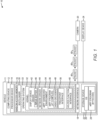
Figure 1 is a block diagram of an environment in which kernel presentation of camera imagery during the kernel boot process can be practiced according to some implementations; -
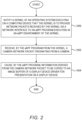
Figure 2 is a flowchart of a method for kernel presentation of camera imagery during the kernel boot process according to some implementations; -
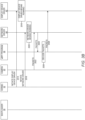
Figures 3A-3B illustrate a sequence diagram illustrating messages between and actions taken by certain components illustrated inFigure 1 during a process of kernel presentation of camera imagery during the kernel boot process according to some implementations; -
Figure 4 is a simplified block diagram of the environment illustrated inFigure 1 according to one implementation; and -
Figure 5 is a block diagram of a computing device suitable for implementing examples according to one example. - The examples set forth below represent the information to enable individuals to practice the examples and illustrate the best mode of practicing the examples. Upon reading the following description in light of the accompanying drawing figures, individuals will understand the concepts of the disclosure and will recognize applications of these concepts not particularly addressed herein. It should be understood that these concepts and applications fall within the scope of the disclosure and the accompanying claims.
- Any flowcharts discussed herein are necessarily discussed in some sequence for purposes of illustration, but unless otherwise explicitly indicated, the examples are not limited to any particular sequence of steps. The use herein of ordinals in conjunction with an element is solely for distinguishing what might otherwise be similar or identical labels, such as "first message" and "second message," and does not imply an initial occurrence, a quantity, a priority, a type, an importance, or other attribute, unless otherwise stated herein. The term "about" used herein in conjunction with a numeric value means any value that is within a range of ten percent greater than or ten percent less than the numeric value. As used herein and in the claims, the articles "a" and "an" in reference to an element refers to "one or more" of the element unless otherwise explicitly specified. The word "or" as used herein and in the claims is inclusive unless contextually impossible. As an example, the recitation of A or B means A, or B, or both A and B. The word "data" may be used herein in the singular or plural depending on the context. The use of "and/or" between a phrase A and a phrase B, such as "A and/or B" means A alone, B alone, or A and B together.
- It is desirable, and may be required pursuant to regulation, that imagery generated by a rear-view camera of a vehicle be presented on a display screen inside the vehicle within seconds, such as within two seconds, of putting the vehicle in reverse. For a proprietary operating system of a vehicle manufacturer, this may not be overly burdensome or complicated because the vehicle manufacturer may simply modify the operating system to meet the requirement. Increasingly, however, vehicle manufacturers are attempting to utilize existing robust operating systems, such as, by way non-limiting example, the Linux operating system, for core vehicle functions rather than maintaining a proprietary operating system.
- Unfortunately, many operating systems (OSs) may take several seconds or longer to complete a boot process of the OS prior to being able to execute applications in user space, and thus a user-space program that is capable of providing imagery generated by a rear-view camera on a display device may not be operable in sufficient time to meet the requirement.
- If the OS is owned or controlled by an entity or committee, changing the OS may be very time-consuming, impractical or even impossible because any change to the OS must be carefully tested to ensure the change does not negatively impact any other functionality of the OS. Moreover, certain operating systems may require that any changes meet certain criteria and be accepted by various entities. Moreover, a mature operating system may comprise tens of millions of lines of software instructions, and revising the OS to implement new functionality may require relatively expensive and rare skills.
- It may be possible to implement certain functionality in a kernel module. However, writing a kernel module requires costly and relatively rare skills, and if a kernel module fails, the entire OS and computing device may be brought down by the failure. Moreover, from a security standpoint, a kernel module executes as privileged code and thus has access to everything on the computing device, including data and executable code. Thus, a kernel module can present a significant security risk. Accordingly, many users are hesitant to implement kernel modules.
- The examples disclosed herein implement kernel presentation of camera imagery during a kernel boot process of a kernel-based operating system, such as, by way of non-limiting example, a Linux OS. The examples utilize an eBPF (extended Berkeley Packet Filter) program that can be loaded by the kernel during the boot process. The kernel is instructed to provide the eBPF program with network packets received by the kernel via a network interface. The eBPF program receives a camera network packet originating from a camera, and causes information derived from the camera network packet to be written to an image buffer of a display device driver for presentation on a display device.
- The examples disclosed herein implement a sandboxed eBPF program that executes in the kernel early in the boot process without a need to initiate a kernel loadable module. The eBPF program can immediately begin processing camera network packets for sending to a display driver for presentation on a display device in the vehicle even before the kernel has completed the boot process, such as prior to mounting a file system and prior to initiating user space applications, and thus facilitates the presentation of rear-view camera imagery within two seconds of the vehicle being placed into reverse.
-
Figure 1 is a block diagram of anenvironment 10 in which kernel presentation of camera imagery during the kernel boot process can be practiced according to some implementations. Theenvironment 10 comprises avehicle 11, acomputing device 12, which in turn comprises aprocessor device 14, a random access memory 16 (hereinafter "memory 16" for the sake of brevity), and anetwork interface 18 operable to communicate with acamera 20. Thecomputing device 12 comprises or is communicatively coupled to astorage device 22 and to adisplay device 24. Thecomputing device 12, in this example, controls at least certain functions of thevehicle 11, such as providing rear view imagery on thedisplay device 24. Thecamera 20 may be a rear facing camera, and thedisplay device 24 is positioned to be viewable by a driver of thevehicle 11. - The
storage device 22 comprises a kernel-basedoperating system 26, such as, by way of non-limiting example, the Linux operating system. However, the examples disclosed herein are not limited to Linux and have applicability to any OS that comprises a kernel that resides between hardware of thecomputing device 12 and a user space where user applications execute and invoke kernel functions of the kernel in order to access hardware, such as thestorage device 22, thecamera 20, thedisplay device 24, and the like, and that support eBPF, such as, by way of non-limiting example, Microsoft® Windows® and FreeBSD. - The
storage device 22 also comprises aneBPF program 28 that, as will be described in greater detail herein, is operable to receive network packets generated by thecamera 20 and provide information derived from the network packets to thedisplay device 24 for presentation to a user of the vehicle. The term eBPF refers to the extended Berkeley Packet Filter technology available at ebpf.io that implements sandboxed programs in a privileged context that execute in a kernel of a kernel-based OS. eBPF comprises an in-kernel verifier that performs static code analysis to ensure that an eBPF program will not crash or otherwise interface negatively with the kernel, such as by ensuring that loops have exit conditions, a valid register state and the like. If the eBPF program passes the verification check, the eBPF program is typically just-in-time (JIT) compiled for native execution performance. - When the driver of the
vehicle 11 initiates a sequence to start thevehicle 11, such as by turning a key, pressing a button, or the like, thecomputing device 12 initiates, automatically loads abootloader 30 into thememory 16 and initiates thebootloader 30. Thebootloader 30 loads at least a portion of akernel 32 of theOS 26 at a first memory location of thememory 16, and loads theeBPF program 28 at a second memory location of thememory 16. Thebootloader 30 causes thekernel 32 to be initiated as part of an executingOS 33 from the first memory location and, in conjunction with the initiation, provides, to thekernel 32, information that indicates that theeBPF program 28 is located at the second memory location. - The
kernel 32 initiates and, as part of the initiation, initiates an eBPFsandboxed environment 34. TheeBPF program 28 is bytecode, and the eBPFsandboxed environment 34 first validates, as discussed above via static code analysis, theeBPF program 28 to ensure that theeBPF program 28 has been written to comply with certain rules to eliminate or reduce a likelihood that theeBPF program 28 can cause a failure of thekernel 32. Once validated, the eBPFsandboxed environment 34 compiles theeBPF program 28 to a native instruction set of theprocessor device 14, and initiates theeBPF program 28 as aneBPF program 36. TheeBPF program 36 is attached to a kernel network packet hook, sometimes referred to as a kernel network packet tracepoint, of thekernel 32 via atracepoint interface 38. Once attached to the kernel network packet tracepoint, thekernel 32 provides, to theeBPF program 36, network packets that are received by thenetwork interface 18. TheeBPF program 28 may be attached to the kernel network packet tracepoint, for example, by invoking a particular function that causes theeBPF program 28 to be attached to the kernel network packet tracepoint. - As part of the kernel boot process, the
kernel 32 initiates adisplay device driver 42 that is operable to present information that is contained in animage buffer 46 to thedisplay device 24. Thekernel 32 may expose access to thedisplay device driver 42 to theeBPF program 36 via ahelper function interface 40. Thekernel 32 also initiates anetwork driver 44 that is operable to receive and transmit packets via thenetwork interface 18 to which thecamera 20 is connected. - In conjunction with the
computing device 12 initiating, thecamera 20 and thedisplay device 24 are also powered on. Thecamera 20 automatically begins to generatecamera network packets 45 and provides thecamera network packets 45 to thenetwork interface 18. Thenetwork driver 44 receives thecamera network packets 45, and because theeBPF program 36 attached to the kernel network packet tracepoint of thekernel 32 via thetracepoint interface 38, thekernel 32 causes thecamera network packets 45 to be provided to theeBPF program 36. - In some implementations, all network packets received by the
network interface 18 may be provided to theeBPF program 36. TheeBPF program 36 may analyze acamera network packet 45 and determine, based on the contents of thecamera network packet 45, that thecamera network packet 45 originated from thecamera 20. For example, theeBPF program 36 may determine that thecamera network packet 45 contains video imagery and thus originated from thecamera 20. Alternatively, theeBPF program 36 may determine an address associated with thecamera 20 and determine that thecamera network packet 45 has a source address of thecamera 20. TheeBPF program 36 may also receive network packets that do not originate from thecamera 20. TheeBPF program 36 may determine, based on contents of a network packet, that the network packet did not originate from thecamera 20 and, in response, discard the network packet. - In response to determining that the
camera network packet 45 originated from thecamera 20, theeBPF program 36 causes information derived from thecamera network packet 45 to be copied to theimage buffer 46 of thedisplay device driver 42 for presentation on thedisplay device 24. In one implementation, theeBPF program 36 invokes a kernel helper function that is implemented via thehelper function interface 40. When invoked, thekernel 32 causes information generated by theeBPF program 36 to be copied to theimage buffer 46. When theimage buffer 46 is full, thedisplay device driver 42 presents theimage buffer 46 on thedisplay device 24. Theimage buffer 46 may be refilled with new video data at any desired frame rate, such as 30 or 60 frames per second. - In some implementations, the
eBPF program 36 may comprise avideo decoder 48 that is operable to decode thecamera network packet 45 from a particular encoded format, such as H.264 or the like, to generate decoded camera network packets. The decoded camera network packets may be the information derived from thecamera network packets 45 that is copied to theimage buffer 46. In other implementations, to decode thecamera network packet 45, theeBPF program 36 may invoke a helper function via thehelper function interface 40 that decodes thecamera network packet 45. - Subsequently, after the boot process, the
kernel 32 may initiate a display device control program that is operable to implement a user interface on thedisplay device 24. The display device control program may take over presentation of thecamera network packets 45 utilizing conventional user space display presentation techniques. Alternatively, a trigger condition may cause the transfer of control from theeBPF program 36 to the display device control program, such as shifting the vehicle from reverse to drive. -
Figure 2 is a flowchart of a method for kernel presentation of camera imagery during the kernel boot process according to some environments.Figure 2 will be discussed in conjunction withFigure 1 . Thekernel 32 of theOS 33 executing on thecomputing device 12 is notified that thekernel 32 is to provide network packets received by thekernel 32 via thenetwork interface 18 to theeBPF program 36 executing in the eBPFsandboxed environment 34 of the kernel 32 (Figure 2 , block 1000). TheeBPF program 36 receives, from thekernel 32, acamera network packet 45 originating from the camera 20 (Figure 2 , block 1002). TheeBPF program 36 causes information derived from thecamera network packet 45 to be copied to theimage buffer 46 of thedisplay device driver 42 for presentation on the display device 24 (Figure 2 , block 1004). -
Figures 3A-3B illustrate a sequence diagram illustrating messages between and actions taken by certain components illustrated inFigure 1 during a process of kernel presentation of camera imagery during the kernel boot process according to some implementations. Upon some condition, thecomputing device 12 initiates and, as part of the initiation process, executes thebootloader 30. Thebootloader 30 loads a portion of thekernel 32 into a location of the memory 16 (Figure 3A , step 2000). Thebootloader 30 loads theeBPF program 36 into another location of the memory 16 (Figure 3A , step 2002). Thebootloader 30 causes thekernel 32 to begin initiating and informs thekernel 32 of the location of the eBPF program 36 (Figure 3A , step 2004). In an alternative implementation, thekernel 32 may automatically look for theeBPF program 36 at some predetermined location to determine if theeBPF program 36 exists. Thekernel 32 begins running, and initiates theeBPF program 36 in the eBPF sandboxed environment 34 (Figure 3A , steps 2006, 2008). - The
eBPF program 36 begins running (Figure 3A , step 2010). TheeBPF program 36 invokes a tracepoint via thetracepoint interface 38 that causes an attachment of theeBPF program 36 to a particular event that causes any packets received by thenetwork driver 44 to be provided to the eBPF program 36 (Figure 3A , step 2012). Referring now toFigure 3B , thekernel 32 initiates the display device driver 42 (Figure 3B , step 2014). Thedisplay device driver 42 begins running (Figure 3B , step 2016). Thekernel 32 initiates the network driver 44 (Figure 3B , step 2018). Thenetwork driver 44 begins running (Figure 3B , step 2020). - The
camera 20 begins generatingcamera network packets 45 and sending thecamera network packets 45 to the network driver 44 (Figure 3B , step 2022). Thecamera network packets 45 are provided to the eBPF program 36 (Figure 3B , step 2024). TheeBPF program 36 decodes the network packets and, using a helper function via thehelper function interface 40, causes the decoded network packets to be copied to the image buffer 46 (Figure 3B , steps 2026, 2028). Thedisplay device driver 42 presents theimage buffer 46 on thedisplay device 24. -
Figure 4 is a simplified block diagram of the environment illustrated inFigure 1 according to one implementation. Theenvironment 10 comprises thecomputing device 12, therandom access memory 16, theprocessor device 14, and thenetwork interface 18 operable to interface with thecamera 20. Theprocessor device 14 is coupled to therandom access memory 16 and thenetwork interface 18 and is to notify thekernel 32 of theoperating system 33 executing on thecomputing device 12 that thekernel 32 is to provide network packets received by thekernel 32 via thenetwork interface 18 to theeBPF program 36 executing in theeBPF environment 34 of thekernel 32. Theprocessor device 14 is further to receive, by theeBPF program 36 from thekernel 32, acamera network packet 45 originating from thecamera 20. Theprocessor device 14 is further to cause, by theeBPF program 36, information derived from thecamera network packet 45 to be copied to theimage buffer 46 of thedisplay device driver 42 for presentation on thedisplay device 24. -
Figure 5 is a block diagram of thecomputing device 12 suitable for implementing examples according to one example. Thecomputing device 12 may comprise any computing or electronic device capable of being located in a vehicle including firmware, hardware, and/or executing software instructions to implement the functionality described herein, such as a complete motherboard and peripherals disclosed herein. Thecomputing device 12 comprises theprocessor device 14, asystem memory 50, and asystem bus 52. Thesystem bus 52 provides an interface for system components including, but not limited to, thesystem memory 50 and theprocessor device 14. Theprocessor device 14 can be any commercially available or proprietary processor device. - The
system bus 52 may be any of several types of bus structures that may further interconnect to a memory bus (with or without a memory controller), a peripheral bus, and/or a local bus using any of a variety of commercially available bus architectures. Thesystem memory 50 may comprise non-volatile memory 54 (e.g., read-only memory (ROM), erasable programmable read-only memory (EPROM), electrically erasable programmable read-only memory (EEPROM), etc.), and the volatile memory 16 (e.g., random-access memory (RAM)). A basic input/output system (BIOS) 56 may be stored in thenon-volatile memory 54 and can comprise the basic routines that help to transfer information between elements within thecomputing device 12. Thevolatile memory 16 may also comprise a high-speed RAM, such as static RAM, for caching data. - The
computing device 12 may further comprise or be coupled to a non-transitory computer-readable storage medium such as thestorage device 22, which may comprise, for example, an internal hard disk drive (HDD) (e.g., enhanced integrated drive electronics (EIDE) or serial advanced technology attachment (SATA)), HDD (e.g., EIDE or SATA) for storage, flash memory, or the like. Thestorage device 22 and other drives associated with computer-readable media and computer-usable media may provide non-volatile storage of data, data structures, computer-executable instructions, and the like. - A number of modules can be stored in the
storage device 22 and in thevolatile memory 16, including the operating system and one or more program modules, such as theeBPF program 36, which may implement the functionality described herein in whole or in part. All or a portion of the examples may be implemented as acomputer program product 58 stored on a transitory or non-transitory computer-usable or computer-readable storage medium, such as thestorage device 22, which comprises complex programming instructions, such as complex computer-readable program code, to cause theprocessor device 14 to carry out the steps described herein. Thus, the computer-readable program code can comprise software instructions for implementing the functionality of the examples described herein when executed on theprocessor device 14. - The
computing device 12 comprises thenetwork interface 18 suitable for communicating with thecamera 20. Thecomputing device 12 may also comprise avideo port 60 configured to interface with thedisplay device 24, for presentation of rear-view imagery to the driver of thevehicle 11. - Individuals will recognize improvements and modifications to the preferred examples of the disclosure. All such improvements and modifications are considered within the scope of the concepts disclosed herein and the claims that follow.
Claims (15)
- A method, comprising:notifying a kernel of an operating system executing on a computing device that the kernel is to provide network packets received by the kernel via a network interface to an extended Berkeley Packet Filter (eBPF) program executing in an eBPF environment of the kernel;receiving, by the eBPF program from the kernel, a camera network packet originating from a camera; andcausing, by the eBPF program, information derived from the camera network packet to be copied to an image buffer of a display device driver for presentation on a display device.
- The method of claim 1, further comprising:loading, by a bootloader, at least a portion of the kernel at a first memory location in a random access memory of the computing device;loading, by the bootloader, a bytecode version of the eBPF program at a second memory location; andcausing, by the bootloader, the kernel to be initiated from the first memory location and providing, to the kernel, information that indicates that the bytecode version of the eBPF program is located at the second memory location.
- The method of claim 1, further comprising:
processing, by the eBPF program, the camera network packet to decode the camera network packet from an encoded format to generate a decoded camera network packet; and wherein causing, by the eBPF program, the information derived from the camera network packet to be copied to the image buffer of the display device driver for presentation on the display device comprises causing, by the eBPF program, information contained in the decoded camera network packet to be copied to the image buffer of the display device driver for presentation on the display device. - The method of claim 1, wherein notifying the kernel that the kernel is to provide the network packets received by the kernel via the network interface to the eBPF program comprises invoking, by the eBPF program, a function to cause the eBPF program to be attached to a kernel network packet tracepoint.
- The method of claim 1, further comprising:analyzing, by the eBPF program, the camera network packet;determining, based on contents of the camera network packet, that the camera network packet originated from the camera; andin response to determining that the camera network packet originated from the camera, causing the information derived from the camera network packet to be copied to the image buffer of the display device driver for presentation on the display device.
- The method of claim 1, further comprising:receiving, by the eBPF program, a network packet;determining, based on contents of the network packet, that the network packet did not originate from the camera; andin response to determining that the network packet did not originate from the camera, discarding the network packet.
- The method of claim 1, wherein causing, by the eBPF program, the information derived from the camera network packet to be copied to the image buffer of the display device driver for presentation on the display device comprises invoking, by the eBPF program, a kernel helper function that, when invoked, causes the information derived from the camera network packet to be copied to the image buffer of the display device driver for presentation on the display device.
- A computing device, comprising:a random access memory;a network interface operable to interface with a camera; anda processor device coupled to the random access memory and the network interface, the processor device configured tonotify a kernel of an operating system executing on the computing device that the kernel is to provide network packets received by the kernel via the network interface to an extended Berkeley Packet Filter (eBPF) program executing in an eBPF environment of the kernel;receive, by the eBPF program from the kernel, a camera network packet originating from the camera; andcause, by the eBPF program, information derived from the camera network packet to be copied to an image buffer of a display device driver for presentation on a display device.
- The computing device of claim 8, wherein the processor device is further operable to:load, by a bootloader, at least a portion of the kernel at a first memory location in the random access memory;load, by the bootloader, a bytecode version of the eBPF program at a second memory location; andcause, by the bootloader, the kernel to be initiated from the first memory location and provide, to the kernel, information that indicates that the bytecode version of the eBPF program is located at the second memory location.
- The computing device of claim 8, wherein the processor device is further operable to:
process, by the eBPF program, the camera network packet to decode the camera network packet from an encoded format to generate a decoded camera network packet; and wherein to cause, by the eBPF program, the information derived from the camera network packet to be copied to the image buffer of the display device driver for presentation on the display device, the processor device is further to cause, by the eBPF program, information contained in the decoded camera network packet to be copied to the image buffer of the display device driver for presentation on the display device. - The computing device of claim 8, wherein to notify the kernel that the kernel is to provide the network packets received by the kernel via the network interface to the eBPF program, the processor device is further operable to invoke, by the eBPF program, a function to cause the eBPF program to be attached to a kernel network packet tracepoint.
- The computing device of claim 8, wherein the processor device is further operable to:analyze, by the eBPF program, the camera network packet;determine, based on contents of the camera network packet, that the camera network packet originated from the camera; andin response to determining that the camera network packet originated from the camera, cause the information derived from the camera network packet to be copied to the image buffer of the display device driver for presentation on the display device.
- The computing device of claim 8, wherein the processor device is further operable to:receive, by the eBPF program, a network packet;determine, based on contents of the network packet, that the network packet did not originate from the camera; andin response to determining that the network packet did not originate from the camera, discard the network packet.
- The computing device of claim 8, wherein to cause, by the eBPF program, the information derived from the camera network packet to be copied to the image buffer of the display device driver for presentation on the display device, the processor device is further operable to invoke, by the eBPF program, a kernel helper function that, when invoked, causes the information derived from the camera network packet to be copied to the image buffer of the display device driver for presentation on the display device.
- A non-transitory computer-readable storage medium that includes executable instructions to cause a processor device to perform the method of any of claims 1-7.
Applications Claiming Priority (1)
| Application Number | Priority Date | Filing Date | Title |
|---|---|---|---|
| US18/488,157 US20250123852A1 (en) | 2023-10-17 | 2023-10-17 | Kernel presentation of camera imagery during the kernel boot process |
Publications (1)
| Publication Number | Publication Date |
|---|---|
| EP4542379A1 true EP4542379A1 (en) | 2025-04-23 |
Family
ID=93061801
Family Applications (1)
| Application Number | Title | Priority Date | Filing Date |
|---|---|---|---|
| EP24205694.3A Pending EP4542379A1 (en) | 2023-10-17 | 2024-10-09 | Kernel presentation of camera imagery during the kernel boot process |
Country Status (2)
| Country | Link |
|---|---|
| US (1) | US20250123852A1 (en) |
| EP (1) | EP4542379A1 (en) |
Citations (2)
| Publication number | Priority date | Publication date | Assignee | Title |
|---|---|---|---|---|
| US20060050155A1 (en) * | 2004-09-02 | 2006-03-09 | Ing Stephen S | Video camera sharing |
| US10604072B2 (en) * | 2014-04-02 | 2020-03-31 | Continental Automotive Gmbh | Early rear view camera video display in a multiprocessor architecture |
Family Cites Families (3)
| Publication number | Priority date | Publication date | Assignee | Title |
|---|---|---|---|---|
| US9179103B2 (en) * | 2010-09-28 | 2015-11-03 | Alcatel Lucent | System and method for controllably viewing digital video streams captured by surveillance cameras |
| US11336756B2 (en) * | 2017-11-06 | 2022-05-17 | Intel Corporation | Technologies for programming flexible accelerated network pipeline using eBPF |
| US11956221B2 (en) * | 2021-12-16 | 2024-04-09 | Cisco Technology, Inc. | Encrypted data packet forwarding |
-
2023
- 2023-10-17 US US18/488,157 patent/US20250123852A1/en active Pending
-
2024
- 2024-10-09 EP EP24205694.3A patent/EP4542379A1/en active Pending
Patent Citations (2)
| Publication number | Priority date | Publication date | Assignee | Title |
|---|---|---|---|---|
| US20060050155A1 (en) * | 2004-09-02 | 2006-03-09 | Ing Stephen S | Video camera sharing |
| US10604072B2 (en) * | 2014-04-02 | 2020-03-31 | Continental Automotive Gmbh | Early rear view camera video display in a multiprocessor architecture |
Non-Patent Citations (1)
| Title |
|---|
| VIEIRA MARCOS A M MMVIEIRA@DCC UFMG BR ET AL: "Fast Packet Processing with eBPF and XDP", ACM COMPUTING SURVEYS (CSUR), ASSOCIATION FOR COMPUTING MACHINERY, vol. 53, no. 1, 5 February 2020 (2020-02-05), pages 1 - 36, XP058666736, DOI: 10.1145/3371038 * |
Also Published As
| Publication number | Publication date |
|---|---|
| US20250123852A1 (en) | 2025-04-17 |
Similar Documents
| Publication | Publication Date | Title |
|---|---|---|
| US10613773B2 (en) | Backing up firmware during initialization of device | |
| EP2641175B1 (en) | Networked recovery system | |
| CN105917306B (en) | System and method for configuring system firmware configuration data | |
| US6725178B2 (en) | Use of hidden partitions in a storage device for storing BIOS extension files | |
| EP2479666B1 (en) | Methods and systems to display platform graphics during operating system initialization | |
| KR101011145B1 (en) | Apparatus for inserting an application module, a computing device having an application module insertion function, and a recording medium recording a program for executing the application module insertion method | |
| TW201506788A (en) | Secure boot override in a computing device equipped with unified-extensible firmware interface (UEFI)-compliant firmware | |
| US8312256B2 (en) | Display of a basic input/output system (BIOS) productivity display | |
| US20100023741A1 (en) | Method for setting bios and recreating checksum value | |
| US20130227262A1 (en) | Authentication device and authentication method | |
| US7657732B2 (en) | Apparatus and method for securely and conveniently rebooting a computer system | |
| US9348603B2 (en) | Electronic apparatus and booting method | |
| US7650556B2 (en) | System and method for checking and correcting BIOS errors | |
| JP4052265B2 (en) | Information processing apparatus, device driver loading method and program | |
| US7356684B2 (en) | Booting system and/or method for initializing peripherals | |
| US20250123852A1 (en) | Kernel presentation of camera imagery during the kernel boot process | |
| US7694122B2 (en) | Electronic device and booting method thereof | |
| US20070006220A1 (en) | Computer system, system software installation method, and software installation method of portable computer | |
| CN111580847A (en) | GPU driver update method, device, computer storage medium, and electronic device | |
| CN110413293A (en) | The method and device that system deployment process modifies to standard mirror image | |
| US9141803B2 (en) | Self-healing of operating system components | |
| WO2008048581A1 (en) | A processing device operation initialization system | |
| CN112631626B (en) | System upgrading method and device based on double systems and storage medium | |
| CN111142979B (en) | Application program running method, device, computer equipment and storage medium | |
| KR101420026B1 (en) | A method, apparatus and computer program for loading files during a boot-up process |
Legal Events
| Date | Code | Title | Description |
|---|---|---|---|
| PUAI | Public reference made under article 153(3) epc to a published international application that has entered the european phase |
Free format text: ORIGINAL CODE: 0009012 |
|
| STAA | Information on the status of an ep patent application or granted ep patent |
Free format text: STATUS: THE APPLICATION HAS BEEN PUBLISHED |
|
| AK | Designated contracting states |
Kind code of ref document: A1 Designated state(s): AL AT BE BG CH CY CZ DE DK EE ES FI FR GB GR HR HU IE IS IT LI LT LU LV MC ME MK MT NL NO PL PT RO RS SE SI SK SM TR |
|
| STAA | Information on the status of an ep patent application or granted ep patent |
Free format text: STATUS: REQUEST FOR EXAMINATION WAS MADE |
|
| 17P | Request for examination filed |
Effective date: 20250924 |
|
| STAA | Information on the status of an ep patent application or granted ep patent |
Free format text: STATUS: EXAMINATION IS IN PROGRESS |
|
| 17Q | First examination report despatched |
Effective date: 20251201 |
|
| RAP3 | Party data changed (applicant data changed or rights of an application transferred) |
Owner name: RED HAT, LLC |