EP4541887A2 - Compositions and methods for preparing factor xa and derivatives - Google Patents
Compositions and methods for preparing factor xa and derivatives Download PDFInfo
- Publication number
- EP4541887A2 EP4541887A2 EP25158352.2A EP25158352A EP4541887A2 EP 4541887 A2 EP4541887 A2 EP 4541887A2 EP 25158352 A EP25158352 A EP 25158352A EP 4541887 A2 EP4541887 A2 EP 4541887A2
- Authority
- EP
- European Patent Office
- Prior art keywords
- seq
- amino acid
- protein
- acid sequence
- factor
- Prior art date
- Legal status (The legal status is an assumption and is not a legal conclusion. Google has not performed a legal analysis and makes no representation as to the accuracy of the status listed.)
- Pending
Links
Images



Classifications
-
- C—CHEMISTRY; METALLURGY
- C12—BIOCHEMISTRY; BEER; SPIRITS; WINE; VINEGAR; MICROBIOLOGY; ENZYMOLOGY; MUTATION OR GENETIC ENGINEERING
- C12N—MICROORGANISMS OR ENZYMES; COMPOSITIONS THEREOF; PROPAGATING, PRESERVING, OR MAINTAINING MICROORGANISMS; MUTATION OR GENETIC ENGINEERING; CULTURE MEDIA
- C12N9/00—Enzymes; Proenzymes; Compositions thereof; Processes for preparing, activating, inhibiting, separating or purifying enzymes
- C12N9/14—Hydrolases (3)
- C12N9/48—Hydrolases (3) acting on peptide bonds (3.4)
- C12N9/50—Proteinases, e.g. Endopeptidases (3.4.21-3.4.25)
- C12N9/64—Proteinases, e.g. Endopeptidases (3.4.21-3.4.25) derived from animal tissue
- C12N9/6421—Proteinases, e.g. Endopeptidases (3.4.21-3.4.25) derived from animal tissue from mammals
- C12N9/6424—Serine endopeptidases (3.4.21)
- C12N9/6432—Coagulation factor Xa (3.4.21.6)
-
- C—CHEMISTRY; METALLURGY
- C07—ORGANIC CHEMISTRY
- C07K—PEPTIDES
- C07K2319/00—Fusion polypeptide
- C07K2319/31—Fusion polypeptide fusions, other than Fc, for prolonged plasma life, e.g. albumin
-
- C—CHEMISTRY; METALLURGY
- C07—ORGANIC CHEMISTRY
- C07K—PEPTIDES
- C07K2319/00—Fusion polypeptide
- C07K2319/50—Fusion polypeptide containing protease site
Definitions
- Recombinant factor Xa (fXa) and its derivatives, such as Andexanet alfa, can be made from host mammalian cell lines.
- Andexanet alfa (or simply Andexanet) is a drug that has been approved in the U.S. and Europe for patients treated with rivaroxaban or apixaban, when reversal of anticoagulation is needed due to life-threatening or uncontrolled bleeding.
- Rivaroxaban and apixaban are factor Xa inhibitors, a group of anticoagulant (anti-blood clotting) drugs that also include betrixaban and edoxaban, as well as low molecular weight heparins (LMWHs).
- LMWHs low molecular weight heparins
- Andexanet is a modified recombinant derivative of factor Xa (fXa). It acts as a decoy molecule, and binds to the inhibitor and relives its inhibition of fXa, thus restores normal coagulation activity of fXa.
- Factor Xa as well as Andexanet, have two chains linked by a disulfide bond between the two chains.
- Recombinant native fXa is usually made first with expression of an inactive precursor factor X (fX), followed by a second step of activating the expressed fX to fXa by physiologic enzymes (e.g., FVIIa/TF, FIXa/FVIIIa) or by non-physiologic activators (e.g., RVV-X).
- physiologic enzymes e.g., FVIIa/TF, FIXa/FVIIIa
- non-physiologic activators e.g., RVV-X
- the difference between fX and fXa is the removal of a 52 amino acid residues of the activation peptide (AP) at the N-terminus of the fX heavy chain.
- the activation step is necessary for converting the inactive fX to the native fXa, because the typical production cell line,
- andexanet is directly expressed as a fully processed and functional molecule that can be purified directly from the harvested cell culture fluid. This is accomplished by replacing the AP sequence in the native fX with a -RKR- tripeptide to form a -RKRRKR- linker between the heavy- and light- chains, which can be processed by the CHO cells.
- the present disclosure provides composition and methods for preparing two-chain, activated, factor Xa proteins or the derivatives thereof. It is discovered that when an activation peptide (AP) is fused to the C-terminal end of the heavy chain of the factor Xa protein or derivative, the resulting protein can be more efficiently expressed, and the attachment of the activation peptide (AP) to the heavy chain does not affect the activity of the protein. By contrast, adding the activation peptide to the other parts of the protein is either not useful in enhancing expression (e.g. when attached to the C-terminus of the light chain) or even presents challenges for manufacturing (e.g. when attached to the N-terminus of the heavy chain).
- AP activation peptide
- the present disclosure provides a protein comprising the amino acid sequence of the formula (I) of: LC-L1-HC-L2-AP (I) wherein:
- a protein comprising the amino acid sequence of the formula (II) of: HSA-L2-LC-L1-HC (II) wherein:
- a protein comprising the amino acid sequence of the formula (II) of: LC-L1-HC-L2-HSA (III) wherein:
- the LC does not include amino acid residues 1-45 of SEQ ID NO:2. In some embodiments, L2 is absent.
- a two-chain polypeptide comprising a light chain that comprises the amino acid sequence of SEQ ID NO:13 or a peptide having at least 85% sequence identity to SEQ ID NO:13, and a heavy chain that comprises a first fragment comprising the amino acid sequence of SEQ ID NO:11 or a peptide having at least 85% sequence identity to SEQ ID NO:11, and a second fragment that is a the C-terminal side of the first fragment and comprises an activation peptide, wherein the two-chain polypeptide is capable of binding to a factor Xa inhibitor.
- a two-chain polypeptide comprising a light chain that comprises a first fragment comprising a human serum albumin (HSA) or a variant having at least 85% sequence identity to the HSA, and a second fragment comprising the amino acid sequence of SEQ ID NO:13 or a peptide having at least 85% sequence identity to SEQ ID NO:13, and a heavy chain that comprises the amino acid sequence of SEQ ID NO:11 or a peptide having at least 85% sequence identity to SEQ ID NO:11, wherein the two-chain polypeptide is capable of binding to a factor Xa inhibitor, and wherein the light chain does not include amino acid residues 1-45 of SEQ ID NO:2.
- HSA human serum albumin
- Polynucleotides, cells transfected with the polynucleotides, and methods are also provided, in some embodiments, to prepare the two-chain polypeptides.
- protein and “polypeptide” are used interchangeably and in their broadest sense to refer to a compound of two or more subunit amino acids, amino acid analogs or peptidomimetics.
- the subunits may be linked by peptide bonds. In another embodiment, the subunit may be linked by other bonds, e.g., ester, ether, etc.
- a protein or peptide must contain at least two amino acids and no limitation is placed on the maximum number of amino acids which may comprise a protein's or peptide's sequence.
- amino acid refers to either natural and/or unnatural or synthetic amino acids, including glycine and both the D and L optical isomers, amino acid analogs and peptidomimetics.
- a peptide of three or more amino acids is commonly called an oligopeptide if the peptide chain is short. If the peptide chain is long, the peptide is commonly called a polypeptide or a protein.
- Factor Xa or “fXa” or “fXa protein” refers to a serine protease in the blood coagulation pathway, which is produced from the inactive factor X (fX).
- Factor Xa is activated by either factor IXa with its cofactor, factor VIIIa, in a complex known as intrinsic Xase, or factor VIIa with its cofactor, tissue factor, in a complex known as extrinsic Xase.
- fXa forms a membrane-bound prothrombinase complex with factor Va and is the active component in the prothrombinase complex that catalyzes the conversion of prothrombin to thrombin.
- Thrombin is the enzyme that catalyzes the conversion of fibrinogen to fibrin, which ultimately leads to blood clot formation.
- procoagulant activity is sometimes referred to as "procoagulant activity" herein.
- Factor Xa is a two chain molecule linked by one disulfide bond between the two chains.
- the light chain (LC) has 139 amino acid (amino acids 1 through 139 of SEQ ID NO:2) residues and contains the ⁇ -carboxyglutamic acid (Gla)-rich domain (amino acids 1-45 of SEQ ID NO:2), including a short aromatic stack (AS) (amino acids 40-45 of SEQ ID NO:2), followed by two epidermal growth factor (EGF)-like domains (EGF1: amino acids 46-84, EGF2: amino acids 85-128 of SEQ ID NO:2).
- Gla ⁇ -carboxyglutamic acid
- AS short aromatic stack
- EGF epidermal growth factor
- the heavy chain (HC), prior to activation, has 306 amino acids and contains a 52 amino acids activation peptide (AP: amino acids 143-194 of SEQ ID NO:2) followed by the catalytic domain (amino acids 195-448 of SEQ ID NO:2).
- the catalytic triad equivalents to H57-D102-S195 in chymotrypsin numbering are located at His236, Asp282, and Ser379 in the fX sequence (SEQ ID NO:2) (amino acids 236, 282 and 379 of SEQ ID NO:2).
- the heavy chain contains the serine protease, trypsin-like active site and the N-terminal activation peptide which is glycosylated.
- the heavy chain has at least three forms, ⁇ , ⁇ , and ⁇ , which differ due to the cleavage of a C-terminal peptide in the heavy chain.
- fX human factor X
- GenBank GenBank
- NM_000504 The nucleotide sequence coding human factor X
- the corresponding amino acid sequence and domain structure of fX are described in Leytus et al, Biochemistry, 1986, 25:5098-5102 .
- the domain structure of mature fX is also described in Venkateswarlu, D. et al, Biophysical Journal, 2002, 82:1190-1206 .
- fXa contains a light chain with post-translation of glutamic acid residues to gamma-carboxyglutamic acid) and a heavy chain.
- Gla domain The first 45 amino acid residues of the light chain is called the Gla domain because it contains 11 post-translationally modified ⁇ -carboxyglutamic acid residues (Gla). It also contains a short (6 amino acid residues) aromatic stack sequence. Chymotrypsin digestion selectively removes the 1-44 residues resulting in Gla-domainless fXa.
- the serine protease catalytic domain of fXa locates at the C-terminal heavy chain.
- the heavy chain of fXa is highly homologous to other serine proteases such as thrombin, trypsin, and activated protein C.
- Table 1 Polypeptide Sequence of Human Factor X (SEQ ID NO:1) Table 2. Polypeptide Sequence of Mature Human Factor X (SEQ ID NO:2) Table 3. Polypeptide Sequence of Factor Xa (SEQ ID NO:3)
- “Native fXa” or “wild-type fXa” refers to the fXa naturally present in plasma or being isolated in its original, unmodified form, which processes the biological activity of activating prothrombin therefore promoting formation of blood clot.
- the term includes naturally occurring polypeptides isolated from tissue samples as well as recombinantly produced fXa.
- “Active fXa” refers to fXa having the biological activity of activating prothrombin.
- “Active fXa” may be a native fXa or modified fXa that retains procoagulant activity.
- fXa Derivatives or “modified fXa” or “derivatives of a factor Xa protein” refers to fXa proteins that have been modified but can still bind, either directly or indirectly, to a factor Xa inhibitor.
- the derivatives may have modified active sites and/or a modified Gla domain. Additional modifications are also contemplated. It is contemplated that such modifications may be made in one or more of the following ways: deletion of one or more of the amino acid from the sequence, substitution of one or more amino acid residues with one or more different amino acid residues, and/or manipulation of one or more amino acid side chains or its "C” or "N" terminals.
- active site refers to the part of an enzyme or antibody where a chemical reaction occurs.
- a "modified active site” is an active site that has been modified structurally to provide the active site with increased or decreased chemical reactivity or specificity. It is contemplated that the active site includes not only the actual site but also a domain containing the active site. Examples of active sites include, but are not limited to, the catalytic domain of human factor X comprising the 235-488 amino acid residues, and the catalytic domain of human factor Xa comprising the 195-488 amino acid residues.
- the catalytic triad equivalent to H57-D102-S195 in chymotrypsin numbering are located at His236, Asp282, and Ser379.
- modified active site examples include, but are not limited to, the catalytic triad residues individually or in combination.
- One modification relates to a fXa derivative having a modified active site Ser379Ala. Additional examples, include modifications to the catalytic domain of human factor Xa comprising 195-448 amino acid residues with at least one amino acid substitution at position Arg306, Glu310, Arg347, Lys351, Lys414, or Arg424.
- factor Xa inhibitors or “inhibitors of factor Xa” refer to compounds that can inhibit, either directly or indirectly, the coagulation factor Xa's activity of catalyzing conversion of prothrombin to thrombin in vitro and/or in vivo.
- known fXa inhibitors include, without limitation, edoxaban, fondaparinux, idraparinux, biotinylated idraparinux, enoxaparin, fragmin, NAP-5, rNAPc2, tissue factor pathway inhibitor, DX-9065a (as described in, e.g., Herbert, J.M., et al, J Pharmacol Exp Ther.
- YM-60828 (as described in, e.g., Taniuchi, Y., et al, Thromb Haemost. 1998 79(3):543-8 ), YM-150 (as described in, e.g., Eriksson, B.I. et.
- edoxaban as described in, e.g., Hylek EM, Curr Opin Invest Drugs 2007 8(9):778-783
- LY517717 as described in, e.g., Agnelli, G., et al, J. Thromb. Haemost. 2007 5(4):746-53
- GSK913893 betrixaban and derivatives thereof.
- Low molecular weight heparin (“LMWH”) is also considered a factor Xa inhibitor.
- the derivative of the invention binds, either directly or indirectly to a factor Xa inhibitor.
- binding means to include interactions between molecules that may be detected using, for example, a hybridization assay.
- the terms are also meant to include “binding” interactions between molecules. Interactions may be, for example, protein-protein, protein-nucleic acid, protein-small molecule or small molecule-nucleic acid in nature. Binding may be "direct” or "indirect”. "Direct” binding comprises direct physical contact between molecules. “Indirect” binding between molecules comprises the molecules having direct physical contact with one or more intermediate molecules simultaneously.
- derivatives of the invention indirectly bind and substantially neutralize low molecular weight heparin and other indirect inhibitors of factor Xa.
- This binding can result in the formation of a "complex" comprising the interacting molecules.
- a “complex” refers to the binding of two or more molecules held together by covalent or non-covalent bonds, interactions or forces.
- Negative refers to inhibit or block the factor Xa inhibitory or anticoagulant function of a fXa inhibitor. Such phrases refer to partial inhibition or blocking of the function, as well as to inhibiting or blocking most or all of fXa inhibitor activity, in vitro and/or in vivo. These terms also refer to corrections of at least about 20% of fXa inhibitor dependent pharmacodynamic or surrogate markers.
- markers include, but are not limited to INR, PR, aPTT, ACT, anti-fXa units, thrombin generation (Technothrombin TGA), thromboelastogrpahy, CAT (calibrated automated thrombogram) and the like.
- composition is intended to mean a combination of active agent and another compound or composition, inert (for example, a detectable agent or label) or active, such as an adjuvant.
- a “pharmaceutical composition” is intended to include the combination of an active agent with a carrier, inert or active, making the composition suitable for diagnostic or therapeutic use in vitro, in vivo or ex vivo.
- the term "equivalent thereof" when referring to a reference protein, polypeptide or nucleic acid intends those having minimal homology while still maintaining desired functionality. It is contemplated that any modified protein mentioned herein also includes equivalents thereof.
- the homology can be, at least 75 % homology and alternatively, at least 80 %, or alternatively at least 85 %, or alternatively at least 90 %, or alternatively at least 95 %, or alternatively 98 % percent homology and exhibit substantially equivalent biological activity to the reference polypeptide or protein.
- a polynucleotide or polynucleotide region has a certain percentage (for example, 80%, 85%, 90%, or 95%) of "sequence identity" to another sequence means that, when aligned, that percentage of bases (or amino acids) are the same in comparing the two sequences. It should be noted that when only the heavy chain of fXa (or a related serine protease) is used, the overall homology might be lower than 75%, such as, for example, 65% or 50% however, the desired functionality remains.
- a polynucleotide or polynucleotide region (or a polypeptide or polypeptide region) has a certain percentage (for example, 60%, 65%, 70%, 75%, 80%, 85%, 90%, 95%, 98% or 99%) of "sequence identity" to another sequence means that, when aligned, that percentage of bases (or amino acids) are the same in comparing the two sequences.
- Andexanet alfa is a modified factor Xa polypeptide that has been approved in the U.S. and Europe for patients treated with rivaroxaban or apixaban, when reversal of anticoagulation is needed due to life-threatening or uncontrolled bleeding.
- r-Antidote the structure and activities of andexanet are described in U.S. Patent No. 8,153,590 .
- Andexanet is a processed two-chain polypeptide processing product of SEQ ID NO:4, after cleavage of the -RKRRKR- (SEQ ID NO:7) linker. Andexanet is represented by SEQ ID NO:5, which includes a light chain (SEQ ID NO:6) and a heavy chain (SEQ ID NO:8). The light chain and the heavy chain are connected with a single disulfide bond between Cysteine 98 (Cys98) of the light chain and Cysteine 108 (Cys108) of the heavy chain.
- Andexanet undergoes post-translational modifications resulting in glycosylation at certain amino acid residues, e.g., Ser56, Ser72, Ser76 and Thr82 of the light chain and Thr249 of the heavy chain, and a modified residue, (3R)-3-hydroxyAsp at Asp29 of the light chain.
- certain amino acid residues e.g., Ser56, Ser72, Ser76 and Thr82 of the light chain and Thr249 of the heavy chain
- 3R 3--hydroxyAsp at Asp29 of the light chain.
- intra-chain disulfide bonds formed between Cysteines 16 and 27, 21 and 36, 38 and 47, 55 and 66, 62 and 75, and 77 and 90 of the light chain, and between Cysteines 7 and 12, 27 and 43, 156 and 170, and 181 and 209 of the heavy chain.
- Amino acid sequence of andexanet precursor prior to removal of -RKRRKR- linker (SEQ ID NO:4) Light Chain Fragment (SEQ ID NO:6) Linker (SEQ ID NO:7) RKRRKR Heavy Chain Fragment (SEQ ID NO:8) Amino acid residue number is based on mature inactive fX (SEQ ID NO:2) Table 5. Amino acid sequence of andexanet (SEQ ID NO:5) Light Chain (SEQ ID NO:6) Heavy Chain (SEQ ID NO:8) Amino acid residue number is based on mature inactive fX (SEQ ID NO:2)
- the precursor of Andexanet contains three mutations relative to the wild type fXa.
- the first mutation is the deletion of 6-39 aa in the Gla-domain of fX.
- the second mutation is replacing the activation peptide sequence 143-194 aa with -RKR-. This produces a -RKRRKR- (SEQ ID NO:7) linker connecting the light chain and the heavy chain. Upon secretion, this linker is cleaved resulting in a two-chain polypeptide (Andexanet).
- the third mutation is mutation of active site residue S379 to an Ala residue.
- Andexanet does not compete with fXa in assembling into the prothrombinase complex and has reduced or no catalytic activities. Accordingly, Andexanet can sequester circulating fXa inhibitors without interfering with the native coagulation mechanisms. Similar antidotes have also been disclosed, including those that further have deletions in the EGF-1 or EGF-2 domain.
- SEQ ID NO:4 is the precursor protein that is expressed in host cells to produce Andexanet, which can be digested by endogenous or a super-transfected furin protein that targets the -RKRRKR- (SEQ ID NO:7) linker. It was believed that the activation peptide (AP) from the wild-type fX is not necessary as it has been replaced by the artificial -RKRRKR- linker.
- the fXa derivatives include certain linkers that can be cleaved by endogenous furin in CHO cells or co-transfected with a furin protease which recognizes the -RKR- and -RKRRKR- (SEQ ID NO:7) linkers.
- furin-recognizable linkers e.g., C04-C06
- furin could process it too early, defeating the purpose of increasing expression.
- the processed two-chain molecule might be inactive if the furin-recognizable linker was not processed properly.
- the AP is fused to the light chain in a non-cleavable manner (e.g., C07), it did not have the ability to increase protein expression. Only when the AP was fused to the C-terminal end of the heavy chain, in a non-cleavable manner, did it have the best effect in increasing protein expression and functional activity.
- a precursor protein that includes a sequence of formula (I): LC-L1-HC-L2-AP (I).
- LC denotes a protein fragment that includes the amino acid sequence of SEQ ID NO:13 or a biological equivalents, such as a peptide having at least 85% sequence identity to SEQ ID NO:13.
- HC denotes a protein fragment that includes the amino acid sequence of SEQ ID NO:11 or a biological equivalents, such as a peptide having at least 85% sequence identity to SEQ ID NO:11.
- L2 includes at least the first 1, 2, 3, 4, 5, 6, 7, 8, 9, or 10 amino acid residues of the beta peptide (RGLPKAKSHAPEVITSSPLK, SEQ ID NO:38).
- L1 denotes a protein linker that includes a protease recognition site.
- the protease in some embodiments, may be furin.
- L2 on the other hand, can be null (in other words, optional) or a peptide linker.
- L2 is the linker, however, L2 cannot be processed by the protease. Therefore, when the protein is incubated with the protease, the protease can digest the protein to make a two-chain polypeptide, one of which includes LC, and the other includes HC-L2-AP.
- the produced two-chain polypeptide is capable of binding to a factor Xa inhibitor.
- HSA human serum albumin
- Example 3 two precursor constructs with the HSA fused to the N-terminus of the light chain, C13 and C14 exhibited greatly improved expression and activities. Accordingly, it is contemplated that the full deletion of the Gla domain (C10 had partial deletion of the Gla domain) enhanced the effect of HSA. In other words, the expression-enhancing effect of HSA was more pronounced when the HSA was fused to the EGF1 domain directly.
- a precursor protein that includes a sequence of formula (II): HSA-L2-LC-L1-HC (II).
- a precursor protein that includes a sequence of formula (III): LC-L1-HC-L2-HSA (III).
- HSA denotes a human serum albumin (HSA) or a variant having at least 85% sequence identity to the HSA
- L1 is a peptide linker comprising a protease recognition site
- L2 is absent or is a peptide linker that cannot be processed by the protease
- LC comprises the amino acid sequence of SEQ ID NO:13 or a peptide having at least 85% sequence identity to SEQ ID NO:13
- HC comprises the amino acid sequence of SEQ ID NO:11 or a peptide having at least 85% sequence identity to SEQ ID NO:11.
- the LC does not include amino acid residues 1-45 of SEQ ID NO:2.
- L2 is absent.
- the protein of formula (I) can further include a HSA fused to the N-terminal end of the light chain, or the C-terminal end of the heavy chain. In some embodiments, the protein of formula (II) can further include an AP fused to the C-terminal end of the heavy chain. In some embodiments, the protein of formula (III) can further include an AP fused to the N-terminal end of the light chain.
- any protein of the present disclosure can be fused to an Fc fragment of an immunoglobulin.
- the fragment crystallizable region is the tail region of an antibody that interacts with cell surface receptors called Fc receptors and some proteins of the complement system.
- Fc region is composed of two identical protein fragments, derived from the second and third constant domains of the antibody's two heavy chains.
- the Fc fragment used is an IgG, such as IgG1, IgG2 or IgG4, Fc fragment.
- the Fc fragment further includes, besides the CH2 and CH3 regions, the CH1 region.
- An example Fc fragment sequence is provided in Table 24, SEQ ID NO:46.
- the fusion protein includes a signal peptide, such as SEQ ID NO:34-36 or 45.
- only one chain of the Fc fragment is fused to the fXa derivative. In some embodiments, both chains of the Fc fragment are fused to the fXa derivative.
- furin or "paired basic amino acid cleaving enzyme,” as used herein, refers to a protein having an amino acid sequence substantially identical to any of the representative Furin sequences of GenBank Accession Nos. NP_002560 (human), NP_001074923 (mouse) or NP_062204 (rat). Suitable cDNA encoding furin are provided at GenBank Accession Nos. NM_002569 (human), NM_001081454 (mouse) or NM_019331 (rat). In a particular aspect, furin refers to a human furin.
- HSA Human serum albumin
- the HSA can have the native sequence or with a single Cys34Ser mutation (SEQ ID NO:15) to remove the free cysteine in native HSA, as tested herein.
- AP denotes a protein fragment that includes an activation peptide.
- An "activation peptide” is peptide that is attached, either covalently or non-covalently, to a protein and maintains that protein inactive until the activation peptide is removed.
- the activation peptide includes four or more glycosylation sites. It is known that amino acid residues such as Asp, Ser, Tyr, and Thr are suitable glycosylation sites.
- the AP is from 10 to 100 amino acid residues long (or alternatively from 10 to 80, from 15 to 70, from 20 to 60, or from 10 to 50 amino acid residues long) and includes 1, 2, 3, 4, 5, 6, 7, 8, 9, 10, 11, 12, 13, 14, 15, 16, 17, 18, 19, or 20 glycosylation sites.
- Activation peptides exist in wild-type proteins, such as the precursors of factor IX (fIX), factor X (fX), factor XIII (fXIIII), factor II (prothrombin) and protein C. Their respective sequences are listed in Table 6. Table 6.
- Example activation peptides Activation peptide of factor X (SEQ ID NO:12) SVAQATSSSG EAPDSITWKP YDAADLDPTE NPFDLLDFNQ TQPERGDNNL TR Activation peptide of factor IX (SEQ ID NO:31) AETVFPDVDY VNSTEAETIL DNITQSTQSF NDFTR Activation peptide of factor XIII (SEQ ID NO:32) MSETSRTAFG GRRAVPPNNS NAAEDDLPTV ELQGVVPR Activation peptide of Protein C (SEQ ID NO:33) DTEDQEDQVD PR Activation peptide of factor II, AP1 (SEQ ID NO:39) Activation peptide of factor II, AP2 (SEQ ID NO:40)
- the activation peptide includes the amino acid sequence of SEQ ID NO:12, 31, 32, 33, 39 or 40, or include an amino acid sequence having at least 85% sequence identity to SEQ ID NO:12, 31, 32, 33, 39 or 40. In some embodiments, the activation peptide includes an amino acid sequence having at least 85%, or alternatively at least 70%, 75%, 80%, 90%, 95%, 98% or 99%, sequence identity to SEQ ID NO:12. In some embodiments, the activation peptide includes an amino acid sequence derived from SEQ ID NO:12 with one, two or three amino acid addition, deletions and/or substitutions.
- the activation peptide includes an amino acid sequence having at least 85%, or alternatively at least 70%, 75%, 80%, 90%, 95%, 98% or 99%, sequence identity to SEQ ID NO:31. In some embodiments, the activation peptide includes an amino acid sequence derived from SEQ ID NO:31 with one, two or three amino acid addition, deletions and/or substitutions. In some embodiments, the activation peptide includes an amino acid sequence having at least 85%, or alternatively at least 70%, 75%, 80%, 90%, 95%, 98% or 99%, sequence identity to SEQ ID NO:32.
- the activation peptide includes an amino acid sequence derived from SEQ ID NO:32 with one, two or three amino acid addition, deletions and/or substitutions. In some embodiments, the activation peptide includes an amino acid sequence having at least 85%, or alternatively at least 70%, 75%, 80%, 90%, 95%, 98% or 99%, sequence identity to SEQ ID NO:33. In some embodiments, the activation peptide includes an amino acid sequence derived from SEQ ID NO:33 with one, two or three amino acid addition, deletions and/or substitutions.
- the activation peptide includes an amino acid sequence having at least 85%, or alternatively at least 70%, 75%, 80%, 90%, 95%, 98% or 99%, sequence identity to SEQ ID NO:39. In some embodiments, the activation peptide includes an amino acid sequence derived from SEQ ID NO:39 with one, two or three amino acid addition, deletions and/or substitutions. In some embodiments, the activation peptide includes an amino acid sequence having at least 85%, or alternatively at least 70%, 75%, 80%, 90%, 95%, 98% or 99%, sequence identity to SEQ ID NO:40.
- the activation peptide includes an amino acid sequence derived from SEQ ID NO:40 with one, two or three amino acid addition, deletions and/or substitutions. In some embodiments, the activation peptide is from 10 to 100 amino acid residues long (or alternatively from 10 to 80, from 15 to 70, from 20 to 60, or from 10 to 50 amino acid residues long) and includes 1, 2, 3, 4, 5, 6, 7, 8, 9, 10, 11, 12, 13, 14, 15, 16, 17, 18, 19, or 20 glycosylation sites.
- the protease is furin, but other proteases are also within the scope of the present disclosure, for example, other proprotein convertases such as PC5 or coagulation enzymes such as FXa and thrombin.
- proprotein convertases such as PC5
- coagulation enzymes such as FXa and thrombin.
- peptide linkers suitable for furin include - RKR- and -RKRRKR- (SEQ ID NO:7).
- L2 is absent (null).
- L2 is peptide linker of 1-50 (or 1-40, 1-30, 1-25, 1-20, 5-40, 10-30, 15-35) amino acid residues in length.
- the peptide linker if preferably flexible, such as those having at least 30%, 40%, 50%, 60%, 70%, 80% or 90% Gly and/or Ser.
- the produced two-chain polypeptide in some embodiment, is suitable to be used as an antidote to factor fXa inhibitor-based anticoagulant treatments.
- the two-chain polypeptide cannot compete with fXa in assembling into the prothrombinase complex, has reduced capacity to assemble into a prothrombin complex, or cannot assemble into a prothrombin complex. Assembly into the prothrombin complex requires a functional Gla domain.
- the LC does not include a substantial portion of the Gla domain, such as does not include amino acids 6-39 of SEQ ID NO:2. In some embodiments, the LC does not include amino acids 1-45 of SEQ ID NO:2.
- the LC includes the amino acid sequence of SEQ ID NO:6 or includes an amino acid sequence having at least 85%, or alternatively at least 70%, 75%, 80%, 90%, 95%, 98% or 99%, sequence identity to SEQ ID NO:6.
- the LC includes the full light chain sequence of the wild-type fXa (i.e., amino acid residues 1-139 of SEQ ID NO:3), or an amino acid sequence having at least 85%, or alternatively at least 70%, 75%, 80%, 90%, 95%, 98% or 99%, sequence identity to the full length light chain sequence of the wild-type fXa.
- the produced two-chain polypeptide in some embodiments, has reduced catalytic activity as compared to a wild-type human factor Xa. This can be achieved, for instance, by mutation of one or more of the active sites in the heavy chain, e.g., His236, Asp282, and Ser379 (amino acids 236, 282 and 379 of SEQ ID NO:2).
- the HC includes at least the amino acid sequence of SEQ ID NO: 10 or an amino acid sequence having at least 85%, or alternatively at least 70%, 75%, 80%, 90%, 95%, 98% or 99%, sequence identity to SEQ ID NO:10. In some embodiments, the HC includes at least the amino acid sequence of SEQ ID NO:11 or an amino acid sequence having at least 85%, or alternatively at least 70%, 75%, 80%, 90%, 95%, 98% or 99%, sequence identity to SEQ ID NO:11.
- the HC includes the amino acid sequence of SEQ ID NO:7 or an amino acid sequence having at least 85%, or alternatively at least 70%, 75%, 80%, 90%, 95%, 98% or 99%, sequence identity to SEQ ID NO:7.
- the HC includes the full heavy chain sequence of the wild-type fXa (i.e., amino acid residues 140-393 of SEQ ID NO:3), or an amino acid sequence having at least 85%, or alternatively at least 70%, 75%, 80%, 90%, 95%, 98% or 99%, sequence identity to the full length heavy chain sequence of the wild-type fXa.
- the protein (or the HC) does not include the 13 C-terminal amino acid residues (436-448 of SEQ ID NO:2) of the heavy chain. In some embodiments, the protein (or the HC) does not include the 15 C-terminal amino acid residues (434-448 of SEQ ID NO:2) of the heavy chain.
- Non-limiting examples of the protein sequences include SEQ ID NO:25 and 26.
- a signal peptide (or in combination with pro-peptide) is included at the N-terminal end of the protein.
- Example signal/pro- peptides are listed in Table 7. Table 7.
- Signal or signal/pro- peptides Human fX signal peptide (SEQ ID NO:34) MGRPLHLVLL SASLAGLLLL GESLFIRREQ ANNILARVTR Human prothrombin signal peptide (SEQ ID NO:35) MAHVRGLQLP GCLALAALCS LVHS Human transferrin signal peptide (SEQ ID NO:36) MRLAVGALLV CAVLGLCLA Prothrombin signal/pro-peptide (SEQ ID NO:37) MAHVRGLQLP GCLALAALCS LVHSQHVFLA PQQARSLLQR VRR Ig kappa LC signal peptide (SEQ ID NO:45) METDTLLLWV LLLWVPGSTG
- the disclosed precursor protein can have the same amino acid residues as the wild-type fX, except for the indicated deletions.
- certain amino acid substitutions are introduced, such as the Ser379Ala substitution as shown in SEQ ID NO:4, leading to production of an effective antidote to fXa inhibitors.
- the precursor protein is capable of, when the L1 and L2 are digested, producing a two-chain polypeptide capable of binding to a factor Xa inhibitor.
- the digested two-chain polypeptide cannot compete with fXa in assembling into the prothrombinase complex, has reduced capacity to assemble into a prothrombin complex, or cannot assemble into a prothrombinase complex, and/or has reduced catalytic activity as compared to a wild-type human factor Xa.
- Amino acid sequence of activated product of construct C09 (SEQ ID NO:30) Light Chain (SEQ ID NO:13) Heavy Chain (SEQ ID NO:17) HC Portion (SEQ ID NO:11) Linker (SEQ ID NO:14) SSGGSGGSGG SGGSGGSGGS GGSGGSGGSG S AP Portion (SEQ ID NO:12) Amino acid residue number is based on mature inactive fX (SEQ ID NO:2)
- the cells can be purchased from a commercial vendor such as the American Type Culture Collection (ATCC, Rockville Maryland, USA) or cultured from an isolate using methods known in the art.
- suitable eukaryotic cells include, but are not limited to 293T HEK cells, as well as the hamster cell line CHO, BHK-21; the murine cell lines designated NIH3T3, NS0, C127, the simian cell lines COS, Vero; and the human cell lines HeLa, PER.C6 (commercially available from Crucell) U-937 and Hep G2.
- suitable eukaryotic cells include, but are not limited to 293T HEK cells, as well as the hamster cell line CHO, BHK-21; the murine cell lines designated NIH3T3, NS0, C127, the simian cell lines COS, Vero; and the human cell lines HeLa, PER.C6 (commercially available from Crucell) U-937 and Hep G2.
- a non-limiting example of insect cells include Spo
- yeast useful for expression include, but are not limited to Saccharomyces, Schizosaccharomyces, Hansenula, Candida, Torulopsis, Yarrowia, or Pichia. See e.g., U.S. Patent Nos. 4,812,405 ; 4,818,700 ; 4,929,555 ; 5,736,383 ; 5,955,349 ; 5,888,768 and 6,258,559 .
- the host cell is further transfected with a polynucleotide that encodes a furin protein.
- the cells can be of any particular tissue type such as neuronal or alternatively a somatic or embryonic stem cell such as a stem cell that can or cannot differentiate into a neuronal cell, e.g., embryonic stem cell, adipose stem cell, neuronal stem cell and hematopoietic stem cell.
- a somatic or embryonic stem cell such as a stem cell that can or cannot differentiate into a neuronal cell, e.g., embryonic stem cell, adipose stem cell, neuronal stem cell and hematopoietic stem cell.
- the stem cell can be of human or animal origin, such as mammalian.
- the precursor protein sequences are listed in Tables 10-20 and illustrated in FIG. 1 , referred to as C01-C11.
- C01 SEQ ID NO:18
- C02 SEQ ID NO:19
- C03 SEQ ID NO:20
- the factor Xa activation peptide was added back in precursor C04 (SEQ ID NO:21).
- precursor C04 SEQ ID NO:21
- a -RKRRKR- linker was placed between the AP and the heavy chain to facilitate processing by furin (there was also a -RKR- linker between the light chain and the AP, as in the wild type fX).
- C05 SEQ ID NO:22
- C05 did not have the C-terminal truncation but removed the N-terminal 11 amino acids of the light chain, was also prepared.
- C06 contained both the N-terminal 11-amino acid truncation and the C-terminal 15-amino acid truncation, was also prepared.
- C07 SEQ ID NO:24
- the natural -RKR- linker was removed between the light chain and the AP
- the AP was placed at the C-terminal side of the heavy chain.
- the AP was immediately fused to the heavy chain in C08 and was fused through an artificial linker (-KSS(GSS) 9 GSS-, SEQ ID NO:14) in C09.
- Amino acid sequence of construct C01 (SEQ ID NO:18) Light Chain Fragment (SEQ ID NO:6) Linker (SEQ ID NO:7) RKRRKR Heavy Chain Fragment truncated-20 (SEQ ID NO:9) Amino acid residue number is based on mature inactive fX (SEQ ID NO:2) Table 11.
- Amino acid sequence of construct C02 (SEQ ID NO:19) Light Chain Fragment (SEQ ID NO:6) Linker (SEQ ID NO:7) RKRRKR Heavy Chain Fragment truncated-13 (SEQ ID NO:10) Amino acid residue number is based on mature inactive fX (SEQ ID NO:2) Table 12.
- Amino acid sequence of construct C03 (SEQ ID NO:20) Light Chain Fragment (SEQ ID NO:6) 1 ANSFL F WNKYKDGDQC ETSPCQNQGK Linker (SEQ ID NO:7) RKRRKR Heavy Chain Fragment truncated-15 (SEQ ID NO:11) Amino acid residue number is based on mature inactive fX (SEQ ID NO:2) Table 13.
- Amino acid sequence of construct C04 (SEQ ID NO:21) Light Chain Fragment (SEQ ID NO:6) Linker 121 R KR Activation Peptide (SEQ ID NO:12) Linker (SEQ ID NO:7) RKRRKR Heavy Chain Fragment truncated-15 (SEQ ID NO:11) Amino acid residue number is based on mature inactive fX (SEQ ID NO:2) Table 14.
- Amino acid sequence of construct C05 (SEQ ID NO:22) Light Chain Fragment truncated (SEQ ID NO:13) Linker 121 R KR Activation Peptide (SEQ ID NO:12) Linker (SEQ ID NO:7) RKRRKR Heavy Chain Fragment (SEQ ID NO:8) Amino acid residue number is based on mature inactive fX (SEQ ID NO:2) Table 15.
- Amino acid sequence of construct C06 (SEQ ID NO:23) Light Chain Fragment truncated(SEQ ID NO:13) Linker 121 R KR Activation Peptide (SEQ ID NO:12) Linker (SEQ ID NO:7) RKRRKR Heavy Chain Fragment truncated-15 (SEQ ID NO:11) Amino acid residue number is based on mature inactive fX (SEQ ID NO:2) Table 16.
- Amino acid sequence of construct C07 (SEQ ID NO:24) Light Chain Fragment (SEQ ID NO:13) Activation Peptide (SEQ ID NO:12) Linker (SEQ ID NO:7) RKRRKR Heavy Chain Fragment truncated-15 (SEQ ID NO:11) Amino acid residue number is based on mature inactive fX (SEQ ID NO:2) Table 17.
- Amino acid sequence of construct C08 (SEQ ID NO:25) Light Chain Fragment (SEQ ID NO:13) Linker (SEQ ID NO:7) RKRRKR Heavy Chain Fragment truncated-15 (SEQ ID NO:11) Activation Peptide (SEQ ID NO:12) Amino acid residue number is based on mature inactive fX (SEQ ID NO:2) Table 18.
- Amino acid sequence of construct C09 (SEQ ID NO:26) Light Chain Fragment truncated (SEQ ID NO:13) Linker (SEQ ID NO:7) RKRRKR Heavy Chain Fragment truncated-15 (SEQ ID NO:11) Linker (SEQ ID NO:14) SSGGSGGSGG SGGSGGSGGS GGSGGSGGSG S Activation Peptide (SEQ ID NO:12) Amino acid residue number is based on mature inactive fX (SEQ ID NO:2) Table 19.
- Amino acid sequence of construct C10 (SEQ ID NO:27) HSA (Human serum albumin, SEQ ID NO:15) Light Chain Fragment (SEQ ID NO:6) Linker (SEQ ID NO:7) RKRRKR Heavy Chain Fragment (SEQ ID NO:8) Amino acid residue number is based on mature inactive fX (SEQ ID NO:2) Table 20.
- Amino acid sequence of construct C11 (SEQ ID NO:28) Light Chain (SEQ ID NO:6) Linker (SEQ ID NO:7) RKRRKR Heavy Chain Fragment truncated-15 (SEQ ID NO:11) HSA (Human serum albumin, SEQ ID NO:15) Amino acid residue number is based on mature inactive fX (SEQ ID NO:2)
- Polynucleotides coding for these precursor proteins were synthesized de novo. Following verification of these polynucleotides sequences, they were ligated into an expression vector suitable for transfection to a mammalian host cell.
- An example expression vector was the AB1 vector.
- Another expression vector used was the pcDNA3.3 vector (Thermo Fisher Scientific).
- the expression vectors were transfected into host cells CHO-DUXB11, CHO-S (Thermo Fisher Scientific), ExpiCHO-S (Thermo Fisher Scientific), DG44 (Thermo Fisher Scientific), or CHO-M.
- the transfection was carried out using the ExpiFectamine TM CHO transfection kit (Thermo Fisher Scientific) or electroporation with reagents and electroporator (Maxcyte) according to the manufacture's recommendations.
- the transfected CHO cells were cultured in shake flasks and monitored for protein expressions over time.
- the protein expressions were monitored transiently without prior use of antibiotics for stable cells selection. Protein expressions were also monitored using stable CHO cell pools. Stable pools were expanded and cell banks were prepared and stored in liquid nitrogen. Protein expressions with stable pools were cultured similarly as for transient expression by thawing a vial of the cell bank.
- a second polynucleotide sequence encoding human furin protein was co-transfected in certain samples.
- the furin construct was introduced using a separate vector.
- stable cell pools were first selected using pcDNA3.3 with the fXa derivatives and G-418 (0 -1500 ⁇ g/mL) to generate stable pools (parental pools).
- the parental pools were further transfected with a second vector with furin (super-transfection).
- the super-transfected pools were further selected using antibiotics and prepare for cell banks.
- the protein expression levels in cell culture were measured by ELISA (FX-EIA, Enzyme Research Laboratories) and characterized by western blots using monoclonal antibodies against FX/FXa heavy and light chains. Andexanet was used to construct the standard curve. Proteins in harvested cell culture fluids were purified by an affinity-based method using STI-resin to capture functional proteins.
- C04-C11 Compared to C01-C03, C04-C11 further included a factor X activation peptide (AP) or a human serum albumin (HSA).
- AP factor X activation peptide
- HSA human serum albumin
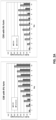
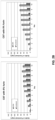
- C05, C07, C08 and C10 were further studied for their expression and functional activities. As shown in FIG. 2A-2D , co-transfection of the constructs with furin helped to increase functional protein titer in most cases. However, among C05, C07, C08 and C10, only C08 retained both the high expression level and functional activity.
- Example 21 Based on the testing results in Example 2, this Example prepared and tested a few additional constructs, the sequences of which are provided in the tables below. Table 21. Amino acid sequence of construct C12 (SEQ ID NO:41) Light Chain (SEQ ID NO:6) Linker 121 R KR Activation Peptide (SEQ ID NO:12) Linker (SEQ ID NO:7) RKRRKR Heavy Chain Fragment (SEQ ID NO:8) Activation Peptide without N-terminal S (SEQ ID NO:44) Amino acid residue number is based on mature inactive fX (SEQ ID NO:2) Table 22.
- Amino acid sequence of construct C13 (SEQ ID NO:42) HSA (Human serum albumin, SEQ ID NO:15) Light Chain Fragment truncated(SEQ ID NO:13) Linker (SEQ ID NO:7) RKRRKR Heavy Chain Fragment (SEQ ID NO:8) Amino acid residue number is based on mature inactive fX (SEQ ID NO:2) Table 23.
- Amino acid sequence of construct C14 (SEQ ID NO:43) HSA (Human serum albumin, SEQ ID NO:15) Light Chain Fragment truncated(SEQ ID NO:13) Linker (SEQ ID NO:7) RKRRKR Heavy Chain Fragment truncated-15 (SEQ ID NO:11) Activation Peptide (SEQ ID NO:12) Amino acid residue number is based on mature inactive fX (SEQ ID NO:2)
- C12 compared to C08, has an intact heavy chain and an additional AP inserted between the EGF2 and the heavy chain.
- C13 is similar to C10 but with an N-terminus truncated light chain.
- C14 included both a HSA at the N-terminus (like C14) and an AP at the C-terminus (like C08).
- C13 which had a HSA fused directly to the EGF1 domain of the light chain
- C14 which further included an AP domain at the C-terminus of the heavy chain
- C10 and C13 are that C10 further included certain amino acids from the Gla-domain (A1 to K11)
- C10's expression was markedly lower, suggesting that a direct fusion between the HSA and the EGF1 domain is beneficial.
- the result of C12 suggests that adding an additional AP between the light chain and the heavy chain is not necessary.
- This example further demonstrates the benefit of fusing a HSA at the N-terminus of the light chain and fusing an AP domain at the C-terminus of the heavy chain in the constructs.
- This example tested Fc fragments and fusions between the Fc fragments and a factor Xa derivative, such as Andexanet.
- Fc Fusion Construct F01 (SEQ ID NO:47) Signal peptide of fXa MGRPLHLVLL SASLAGLLLL GESLFIRREQ ANNILARVTR (SEQ ID NO:34) Light Chain Fragment (SEQ ID NO:6) Linker (SEQ ID NO:7) RKRRKR Heavy Chain Fragment (SEQ ID NO:8) Fc fragment (SEQ ID NO:46) Amino acid residue number is based on mature inactive fX (SEQ ID NO:2) Table 26.
- Fc Fusion Construct F02 (SEQ ID NO:48) Signal peptide of fXa METDTLLLWV LLLWVPGSTG (SEQ ID NO:45) Light Chain Fragment (SEQ ID NO:6) Linker (SEQ ID NO:7) RKRRKR Heavy Chain Fragment (SEQ ID NO:8) Fc fragment (SEQ ID NO:46) Amino acid residue number is based on mature inactive fX (SEQ ID NO:2)
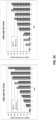
- construct F01 The expression of these constructs was tested in transient transfections. Conditions included chemical transfection with Expifectamine, followed by addition of enhancer and feed after 24hrs, at 37° C, with 8% CO 2 , 135rpm. As shown in the results below, fXa's signal peptide (construct F01) helped increase the expression of the fusion protein.
Landscapes
- Health & Medical Sciences (AREA)
- Engineering & Computer Science (AREA)
- Life Sciences & Earth Sciences (AREA)
- Chemical & Material Sciences (AREA)
- Biomedical Technology (AREA)
- Organic Chemistry (AREA)
- Zoology (AREA)
- Bioinformatics & Cheminformatics (AREA)
- Wood Science & Technology (AREA)
- Genetics & Genomics (AREA)
- Microbiology (AREA)
- Biotechnology (AREA)
- Molecular Biology (AREA)
- Biochemistry (AREA)
- General Engineering & Computer Science (AREA)
- General Health & Medical Sciences (AREA)
- Medicinal Chemistry (AREA)
- Peptides Or Proteins (AREA)
- Preparation Of Compounds By Using Micro-Organisms (AREA)
- Micro-Organisms Or Cultivation Processes Thereof (AREA)
Abstract
Description
- This application claims the benefit under 35 U.S.C. § 119(e) of
United States Provisional Application Serial Numbers 62/884,652, filed August 8, 2019 62/990,885, filed March 17, 2020 - Recombinant factor Xa (fXa) and its derivatives, such as Andexanet alfa, can be made from host mammalian cell lines. Andexanet alfa (or simply Andexanet) is a drug that has been approved in the U.S. and Europe for patients treated with rivaroxaban or apixaban, when reversal of anticoagulation is needed due to life-threatening or uncontrolled bleeding. Rivaroxaban and apixaban are factor Xa inhibitors, a group of anticoagulant (anti-blood clotting) drugs that also include betrixaban and edoxaban, as well as low molecular weight heparins (LMWHs). Andexanet is a modified recombinant derivative of factor Xa (fXa). It acts as a decoy molecule, and binds to the inhibitor and relives its inhibition of fXa, thus restores normal coagulation activity of fXa.
- Factor Xa, as well as Andexanet, have two chains linked by a disulfide bond between the two chains. Recombinant native fXa is usually made first with expression of an inactive precursor factor X (fX), followed by a second step of activating the expressed fX to fXa by physiologic enzymes (e.g., FVIIa/TF, FIXa/FVIIIa) or by non-physiologic activators (e.g., RVV-X). The difference between fX and fXa is the removal of a 52 amino acid residues of the activation peptide (AP) at the N-terminus of the fX heavy chain. The activation step is necessary for converting the inactive fX to the native fXa, because the typical production cell line, e.g., CHO cell, is unable to process and remove the AP.
- In contrast, andexanet is directly expressed as a fully processed and functional molecule that can be purified directly from the harvested cell culture fluid. This is accomplished by replacing the AP sequence in the native fX with a -RKR- tripeptide to form a -RKRRKR- linker between the heavy- and light- chains, which can be processed by the CHO cells.
- The present disclosure provides composition and methods for preparing two-chain, activated, factor Xa proteins or the derivatives thereof. It is discovered that when an activation peptide (AP) is fused to the C-terminal end of the heavy chain of the factor Xa protein or derivative, the resulting protein can be more efficiently expressed, and the attachment of the activation peptide (AP) to the heavy chain does not affect the activity of the protein. By contrast, adding the activation peptide to the other parts of the protein is either not useful in enhancing expression (e.g. when attached to the C-terminus of the light chain) or even presents challenges for manufacturing (e.g. when attached to the N-terminus of the heavy chain). Further, contrary to the conventional wisdom (see, e.g., Branchini et al, J Thromb Haemost 2015; 13: 1468-74, and Ferrarese et al., Thrombosis Res. 2019, 173:4-11) that the removal of the C-
terminal 20 amino acid residues of FX heavy chain (the beta peptide) does not negatively impact the protein expression of factor X, it is discovered herein that such a large truncation is not desired for efficient expression of fXa and derivatives. More surprisingly, the impact of C-terminal truncation on protein expressions can be rescued by fusing the AP to the C-terminal of FXa and derivatives thereof. - In one embodiment, the present disclosure provides a protein comprising the amino acid sequence of the formula (I) of:
LC-L1-HC-L2-AP (I)
wherein: - LC comprises the amino acid sequence of SEQ ID NO:13 or a peptide having at least 85% sequence identity to SEQ ID NO:13,
- L1 is a peptide linker comprising a protease recognition site,
- HC comprises the amino acid sequence of SEQ ID NO:11 or a peptide having at least 85% sequence identity to SEQ ID NO:11,
- L2 is absent or is a peptide linker that cannot be processed by the protease, and
- AP comprises an activation peptide,
- In another embodiment, provided is a protein comprising the amino acid sequence of the formula (II) of:
HSA-L2-LC-L1-HC (II)
wherein: - HSA is a human serum albumin (HSA) or a variant having at least 85% sequence identity to the HSA;
- L1 is a peptide linker comprising a protease recognition site;
- L2 is absent or is a peptide linker that cannot be processed by the protease;
- LC comprises the amino acid sequence of SEQ ID NO:13 or a peptide having at least 85% sequence identity to SEQ ID NO:13; and
- HC comprises the amino acid sequence of SEQ ID NO:11 or a peptide having at least 85% sequence identity to SEQ ID NO:11,
- In another embodiment, provided is a protein comprising the amino acid sequence of the formula (II) of:
LC-L1-HC-L2-HSA (III)
wherein: - HSA is a human serum albumin (HSA) or a variant having at least 85% sequence identity to the HSA;
- L1 is a peptide linker comprising a protease recognition site;
- L2 is absent or is a peptide linker that cannot be processed by the protease;
- LC comprises the amino acid sequence of SEQ ID NO:13 or a peptide having at least 85% sequence identity to SEQ ID NO:13; and
- HC comprises the amino acid sequence of SEQ ID NO:11 or a peptide having at least 85% sequence identity to SEQ ID NO:11,
- In some embodiments, the LC does not include amino acid residues 1-45 of SEQ ID NO:2. In some embodiments, L2 is absent.
- Also provided, in some embodiments, is a two-chain polypeptide comprising a light chain that comprises the amino acid sequence of SEQ ID NO:13 or a peptide having at least 85% sequence identity to SEQ ID NO:13, and a heavy chain that comprises a first fragment comprising the amino acid sequence of SEQ ID NO:11 or a peptide having at least 85% sequence identity to SEQ ID NO:11, and a second fragment that is a the C-terminal side of the first fragment and comprises an activation peptide, wherein the two-chain polypeptide is capable of binding to a factor Xa inhibitor.
- Also provided is a two-chain polypeptide comprising a light chain that comprises a first fragment comprising a human serum albumin (HSA) or a variant having at least 85% sequence identity to the HSA, and a second fragment comprising the amino acid sequence of SEQ ID NO:13 or a peptide having at least 85% sequence identity to SEQ ID NO:13, and a heavy chain that comprises the amino acid sequence of SEQ ID NO:11 or a peptide having at least 85% sequence identity to SEQ ID NO:11, wherein the two-chain polypeptide is capable of binding to a factor Xa inhibitor, and wherein the light chain does not include amino acid residues 1-45 of SEQ ID NO:2.
- Polynucleotides, cells transfected with the polynucleotides, and methods are also provided, in some embodiments, to prepare the two-chain polypeptides.
-
-
FIG. 1 illustrates the structures of constructs C01-C14. -
FIG. 2A-2D show the expression and activity testing results for C05, C007, C08 and C10. -
FIG. 3 shows the expression and activity testing results for C12-C14, using andexanet precursor (AnXa), C08 and C10 as references. - All numerical designations, e.g., pH, temperature, time, concentration, and molecular weight, including ranges, are approximations which are varied ( + ) or ( - ) by increments of 0.1. It is to be understood, although not always explicitly stated that all numerical designations are preceded by the term "about". It also is to be understood, although not always explicitly stated, that the reagents described herein are merely exemplary and that equivalents of such are known in the art.
- The term "protein" and "polypeptide" are used interchangeably and in their broadest sense to refer to a compound of two or more subunit amino acids, amino acid analogs or peptidomimetics. The subunits may be linked by peptide bonds. In another embodiment, the subunit may be linked by other bonds, e.g., ester, ether, etc. A protein or peptide must contain at least two amino acids and no limitation is placed on the maximum number of amino acids which may comprise a protein's or peptide's sequence. As used herein the term "amino acid" refers to either natural and/or unnatural or synthetic amino acids, including glycine and both the D and L optical isomers, amino acid analogs and peptidomimetics. Single letter and three letter abbreviations of the naturally occurring amino acids are listed below. A peptide of three or more amino acids is commonly called an oligopeptide if the peptide chain is short. If the peptide chain is long, the peptide is commonly called a polypeptide or a protein.
- "Factor Xa" or "fXa" or "fXa protein" refers to a serine protease in the blood coagulation pathway, which is produced from the inactive factor X (fX). Factor Xa is activated by either factor IXa with its cofactor, factor VIIIa, in a complex known as intrinsic Xase, or factor VIIa with its cofactor, tissue factor, in a complex known as extrinsic Xase. fXa forms a membrane-bound prothrombinase complex with factor Va and is the active component in the prothrombinase complex that catalyzes the conversion of prothrombin to thrombin. Thrombin is the enzyme that catalyzes the conversion of fibrinogen to fibrin, which ultimately leads to blood clot formation. Thus, the biological activity of fXa is sometimes referred to as "procoagulant activity" herein.
- Factor Xa is a two chain molecule linked by one disulfide bond between the two chains. The light chain (LC) has 139 amino acid (
amino acids 1 through 139 of SEQ ID NO:2) residues and contains the γ-carboxyglutamic acid (Gla)-rich domain (amino acids 1-45 of SEQ ID NO:2), including a short aromatic stack (AS) (amino acids 40-45 of SEQ ID NO:2), followed by two epidermal growth factor (EGF)-like domains (EGF1: amino acids 46-84, EGF2: amino acids 85-128 of SEQ ID NO:2). - The heavy chain (HC), prior to activation, has 306 amino acids and contains a 52 amino acids activation peptide (AP: amino acids 143-194 of SEQ ID NO:2) followed by the catalytic domain (amino acids 195-448 of SEQ ID NO:2). The catalytic triad equivalents to H57-D102-S195 in chymotrypsin numbering are located at His236, Asp282, and Ser379 in the fX sequence (SEQ ID NO:2) (amino acids 236, 282 and 379 of SEQ ID NO:2). The heavy chain contains the serine protease, trypsin-like active site and the N-terminal activation peptide which is glycosylated. The heavy chain has at least three forms, α, β, and γ, which differ due to the cleavage of a C-terminal peptide in the heavy chain.
- The nucleotide sequence coding human factor X ("fX") can be found in GenBank, "NM_000504". The corresponding amino acid sequence and domain structure of fX are described in Leytus et al, Biochemistry, 1986, 25:5098-5102. The domain structure of mature fX is also described in Venkateswarlu, D. et al, Biophysical Journal, 2002, 82:1190-1206. Upon catalytic cleavage of the first 52 residues of the heavy chain, fX is activated to fXa (SEQ ID NO:3). FXa contains a light chain with post-translation of glutamic acid residues to gamma-carboxyglutamic acid) and a heavy chain. The first 45 amino acid residues of the light chain is called the Gla domain because it contains 11 post-translationally modified γ-carboxyglutamic acid residues (Gla). It also contains a short (6 amino acid residues) aromatic stack sequence. Chymotrypsin digestion selectively removes the 1-44 residues resulting in Gla-domainless fXa. The serine protease catalytic domain of fXa locates at the C-terminal heavy chain. The heavy chain of fXa is highly homologous to other serine proteases such as thrombin, trypsin, and activated protein C.
Table 1. Polypeptide Sequence of Human Factor X (SEQ ID NO:1) 
Table 2. Polypeptide Sequence of Mature Human Factor X (SEQ ID NO:2) 
Table 3. Polypeptide Sequence of Factor Xa (SEQ ID NO:3) 
- "Native fXa" or "wild-type fXa" refers to the fXa naturally present in plasma or being isolated in its original, unmodified form, which processes the biological activity of activating prothrombin therefore promoting formation of blood clot. The term includes naturally occurring polypeptides isolated from tissue samples as well as recombinantly produced fXa. "Active fXa" refers to fXa having the biological activity of activating prothrombin. "Active fXa" may be a native fXa or modified fXa that retains procoagulant activity.
- "fXa Derivatives" or "modified fXa" or "derivatives of a factor Xa protein" refers to fXa proteins that have been modified but can still bind, either directly or indirectly, to a factor Xa inhibitor.
- The derivatives may have modified active sites and/or a modified Gla domain. Additional modifications are also contemplated. It is contemplated that such modifications may be made in one or more of the following ways: deletion of one or more of the amino acid from the sequence, substitution of one or more amino acid residues with one or more different amino acid residues, and/or manipulation of one or more amino acid side chains or its "C" or "N" terminals.
- The term "active site" refers to the part of an enzyme or antibody where a chemical reaction occurs. A "modified active site" is an active site that has been modified structurally to provide the active site with increased or decreased chemical reactivity or specificity. It is contemplated that the active site includes not only the actual site but also a domain containing the active site. Examples of active sites include, but are not limited to, the catalytic domain of human factor X comprising the 235-488 amino acid residues, and the catalytic domain of human factor Xa comprising the 195-488 amino acid residues. The catalytic triad equivalent to H57-D102-S195 in chymotrypsin numbering are located at His236, Asp282, and Ser379. Examples of modified active site include, but are not limited to, the catalytic triad residues individually or in combination. One modification relates to a fXa derivative having a modified active site Ser379Ala. Additional examples, include modifications to the catalytic domain of human factor Xa comprising 195-448 amino acid residues with at least one amino acid substitution at position Arg306, Glu310, Arg347, Lys351, Lys414, or Arg424.
- The term "factor Xa inhibitors" or "inhibitors of factor Xa" refer to compounds that can inhibit, either directly or indirectly, the coagulation factor Xa's activity of catalyzing conversion of prothrombin to thrombin in vitro and/or in vivo. Examples of known fXa inhibitors include, without limitation, edoxaban, fondaparinux, idraparinux, biotinylated idraparinux, enoxaparin, fragmin, NAP-5, rNAPc2, tissue factor pathway inhibitor, DX-9065a (as described in, e.g., Herbert, J.M., et al, J Pharmacol Exp Ther. 1996 276(3):1030-8), YM-60828 (as described in, e.g., Taniuchi, Y., et al, Thromb Haemost. 1998 79(3):543-8), YM-150 (as described in, e.g., Eriksson, B.I. et. al, Blood 2005;106(11), Abstract 1865), apixaban, rivaroxaban, PD-348292 (as described in, e.g., Pipeline Insight: Antithrombotics - Reaching the Untreated Prophylaxis Market, 2007), otamixaban, razaxaban (DPC906), BAY 59-7939 (as described in, e.g., Turpie, A.G., et al, J. Thromb. Haemost. 2005, 3(11):2479-86), edoxaban (as described in, e.g., Hylek EM, Curr Opin Invest Drugs 2007 8(9):778-783), LY517717 (as described in, e.g., Agnelli, G., et al, J. Thromb. Haemost. 2007 5(4):746-53), GSK913893, betrixaban and derivatives thereof. Low molecular weight heparin ("LMWH") is also considered a factor Xa inhibitor.
- In one embodiment, the derivative of the invention binds, either directly or indirectly to a factor Xa inhibitor. The terms "binding," "binds," "recognition," or "recognize" as used herein are meant to include interactions between molecules that may be detected using, for example, a hybridization assay. The terms are also meant to include "binding" interactions between molecules. Interactions may be, for example, protein-protein, protein-nucleic acid, protein-small molecule or small molecule-nucleic acid in nature. Binding may be "direct" or "indirect". "Direct" binding comprises direct physical contact between molecules. "Indirect" binding between molecules comprises the molecules having direct physical contact with one or more intermediate molecules simultaneously. For example, it is contemplated that derivatives of the invention indirectly bind and substantially neutralize low molecular weight heparin and other indirect inhibitors of factor Xa. This binding can result in the formation of a "complex" comprising the interacting molecules. A "complex" refers to the binding of two or more molecules held together by covalent or non-covalent bonds, interactions or forces.
- "Neutralize," "reverse" or "counteract" the activity of an inhibitor of fXa or similar phrases refer to inhibit or block the factor Xa inhibitory or anticoagulant function of a fXa inhibitor. Such phrases refer to partial inhibition or blocking of the function, as well as to inhibiting or blocking most or all of fXa inhibitor activity, in vitro and/or in vivo. These terms also refer to corrections of at least about 20% of fXa inhibitor dependent pharmacodynamic or surrogate markers. Examples of markers include, but are not limited to INR, PR, aPTT, ACT, anti-fXa units, thrombin generation (Technothrombin TGA), thromboelastogrpahy, CAT (calibrated automated thrombogram) and the like.
- A "composition" is intended to mean a combination of active agent and another compound or composition, inert (for example, a detectable agent or label) or active, such as an adjuvant.
- A "pharmaceutical composition" is intended to include the combination of an active agent with a carrier, inert or active, making the composition suitable for diagnostic or therapeutic use in vitro, in vivo or ex vivo.
- As used herein, the term "equivalent thereof" when referring to a reference protein, polypeptide or nucleic acid, intends those having minimal homology while still maintaining desired functionality. It is contemplated that any modified protein mentioned herein also includes equivalents thereof. For example, the homology can be, at least 75 % homology and alternatively, at least 80 %, or alternatively at least 85 %, or alternatively at least 90 %, or alternatively at least 95 %, or alternatively 98 % percent homology and exhibit substantially equivalent biological activity to the reference polypeptide or protein. A polynucleotide or polynucleotide region (or a polypeptide or polypeptide region) has a certain percentage (for example, 80%, 85%, 90%, or 95%) of "sequence identity" to another sequence means that, when aligned, that percentage of bases (or amino acids) are the same in comparing the two sequences. It should be noted that when only the heavy chain of fXa (or a related serine protease) is used, the overall homology might be lower than 75%, such as, for example, 65% or 50% however, the desired functionality remains.
- A polynucleotide or polynucleotide region (or a polypeptide or polypeptide region) has a certain percentage (for example, 60%, 65%, 70%, 75%, 80%, 85%, 90%, 95%, 98% or 99%) of "sequence identity" to another sequence means that, when aligned, that percentage of bases (or amino acids) are the same in comparing the two sequences.
- Andexanet alfa, or simply andexanet, is a modified factor Xa polypeptide that has been approved in the U.S. and Europe for patients treated with rivaroxaban or apixaban, when reversal of anticoagulation is needed due to life-threatening or uncontrolled bleeding. Also referred to as the r-Antidote, the structure and activities of andexanet are described in
U.S. Patent No. 8,153,590 . - Andexanet is a processed two-chain polypeptide processing product of SEQ ID NO:4, after cleavage of the -RKRRKR- (SEQ ID NO:7) linker. Andexanet is represented by SEQ ID NO:5, which includes a light chain (SEQ ID NO:6) and a heavy chain (SEQ ID NO:8). The light chain and the heavy chain are connected with a single disulfide bond between Cysteine 98 (Cys98) of the light chain and Cysteine 108 (Cys108) of the heavy chain. Like the wild-type fXa, in certain production batches, Andexanet undergoes post-translational modifications resulting in glycosylation at certain amino acid residues, e.g., Ser56, Ser72, Ser76 and Thr82 of the light chain and Thr249 of the heavy chain, and a modified residue, (3R)-3-hydroxyAsp at Asp29 of the light chain. Further, in addition to the inter-chain disulfide bond, there can be intra-chain disulfide bonds formed between
Cysteines Cysteines Table 4. Amino acid sequence of andexanet precursor prior to removal of -RKRRKR- linker (SEQ ID NO:4) Light Chain Fragment (SEQ ID NO:6) 
Linker (SEQ ID NO:7) RKRRKR Heavy Chain Fragment (SEQ ID NO:8) 
Amino acid residue number is based on mature inactive fX (SEQ ID NO:2) Table 5. Amino acid sequence of andexanet (SEQ ID NO:5) Light Chain (SEQ ID NO:6) 
Heavy Chain (SEQ ID NO:8) 
Amino acid residue number is based on mature inactive fX (SEQ ID NO:2) - The precursor of Andexanet, SEQ ID NO:4, contains three mutations relative to the wild type fXa. The first mutation is the deletion of 6-39 aa in the Gla-domain of fX. The second mutation is replacing the activation peptide sequence 143-194 aa with -RKR-. This produces a -RKRRKR- (SEQ ID NO:7) linker connecting the light chain and the heavy chain. Upon secretion, this linker is cleaved resulting in a two-chain polypeptide (Andexanet). The third mutation is mutation of active site residue S379 to an Ala residue.
- Due to these structural changes, Andexanet does not compete with fXa in assembling into the prothrombinase complex and has reduced or no catalytic activities. Accordingly, Andexanet can sequester circulating fXa inhibitors without interfering with the native coagulation mechanisms. Similar antidotes have also been disclosed, including those that further have deletions in the EGF-1 or EGF-2 domain.
- SEQ ID NO:4 is the precursor protein that is expressed in host cells to produce Andexanet, which can be digested by endogenous or a super-transfected furin protein that targets the -RKRRKR- (SEQ ID NO:7) linker. It was believed that the activation peptide (AP) from the wild-type fX is not necessary as it has been replaced by the artificial -RKRRKR- linker.
- It was discovered herein, however, that inclusion of the AP can increase the expression of the processed two-chain product. Nevertheless, inclusion of the AP in the precursor proteins, such as at the N-terminus of the heavy chain, presents a challenge for manufacturing. Protein manufacturing is typically done with CHO cells, which do not possess enzymatic activity to process factor X naturally for the cleavage site -LTR- between AP and the N-terminus of the heavy chain (SEQ ID NO: 2). Therefore, the fXa derivatives include certain linkers that can be cleaved by endogenous furin in CHO cells or co-transfected with a furin protease which recognizes the -RKR- and -RKRRKR- (SEQ ID NO:7) linkers.
- In this context, it was discovered that, if the AP is attached to the protein through furin-recognizable linkers (e.g., C04-C06), furin could process it too early, defeating the purpose of increasing expression. Additionally, the processed two-chain molecule might be inactive if the furin-recognizable linker was not processed properly. On the other hand, if the AP is fused to the light chain in a non-cleavable manner (e.g., C07), it did not have the ability to increase protein expression. Only when the AP was fused to the C-terminal end of the heavy chain, in a non-cleavable manner, did it have the best effect in increasing protein expression and functional activity.
- Another discovery was that deletion of the 13 or even 15 C-terminal amino acid residues (Delta HC-13 and Delta HC-15, respectively) of the heavy chain did not have significant impact on the expression or activity of the protein. By contrast, deletion of 20 C-terminal amino acid residues from the C-terminus of HC (Delta HC-20) significantly reduced the expression of the protein. This was unexpected in view of the conventional wisdom as demonstrated in, e.g., Branchini et al., Journal of Thrombosis and Haemostasis, 13: 1468-1474 (2015), that truncation of native FX up to 20 amino acids residuals did not significantly affect factor X expression. More surprisingly, the impact of C-terminal truncation on protein expressions could be rescued by fusing AP to the C-terminal of FXa and derivatives.
- In accordance with one embodiment of the present disclosure, therefore, provided is a precursor protein that includes a sequence of formula (I):
LC-L1-HC-L2-AP (I).
- Here, LC denotes a protein fragment that includes the amino acid sequence of SEQ ID NO:13 or a biological equivalents, such as a peptide having at least 85% sequence identity to SEQ ID NO:13. HC denotes a protein fragment that includes the amino acid sequence of SEQ ID NO:11 or a biological equivalents, such as a peptide having at least 85% sequence identity to SEQ ID NO:11. In some embodiments, L2 includes at least the first 1, 2, 3, 4, 5, 6, 7, 8, 9, or 10 amino acid residues of the beta peptide (RGLPKAKSHAPEVITSSPLK, SEQ ID NO:38).
- L1 denotes a protein linker that includes a protease recognition site. The protease, in some embodiments, may be furin. L2, on the other hand, can be null (in other words, optional) or a peptide linker. When L2 is the linker, however, L2 cannot be processed by the protease. Therefore, when the protein is incubated with the protease, the protease can digest the protein to make a two-chain polypeptide, one of which includes LC, and the other includes HC-L2-AP. In some embodiments, the produced two-chain polypeptide is capable of binding to a factor Xa inhibitor.
- Interestingly, in a first set of experiments, the expression-enhancing effect of AP was not observed with human serum albumin (HSA), a protein commonly used to enhance expression or stability of expressed proteins. See C10 in Example 2. However, in a further experiment (Example 3), two precursor constructs with the HSA fused to the N-terminus of the light chain, C13 and C14 exhibited greatly improved expression and activities. Accordingly, it is contemplated that the full deletion of the Gla domain (C10 had partial deletion of the Gla domain) enhanced the effect of HSA. In other words, the expression-enhancing effect of HSA was more pronounced when the HSA was fused to the EGF1 domain directly.
- In accordance with another embodiment of the present disclosure, therefore, provided is a precursor protein that includes a sequence of formula (II):
HSA-L2-LC-L1-HC (II).
- In another embodiment, also provided is a precursor protein that includes a sequence of formula (III):
LC-L1-HC-L2-HSA (III).
- Here, HSA denotes a human serum albumin (HSA) or a variant having at least 85% sequence identity to the HSA; L1 is a peptide linker comprising a protease recognition site; L2 is absent or is a peptide linker that cannot be processed by the protease; LC comprises the amino acid sequence of SEQ ID NO:13 or a peptide having at least 85% sequence identity to SEQ ID NO:13; and HC comprises the amino acid sequence of SEQ ID NO:11 or a peptide having at least 85% sequence identity to SEQ ID NO:11. The protein of formula (II), when the L1 is processed by the protease, produce a two-chain polypeptide comprising the LC and HC on separate chains, wherein the two-chain polypeptide is capable of binding to a factor Xa inhibitor. In some embodiments, the LC does not include amino acid residues 1-45 of SEQ ID NO:2. In some embodiments, L2 is absent.
- In some embodiments, the protein of formula (I) can further include a HSA fused to the N-terminal end of the light chain, or the C-terminal end of the heavy chain. In some embodiments, the protein of formula (II) can further include an AP fused to the C-terminal end of the heavy chain. In some embodiments, the protein of formula (III) can further include an AP fused to the N-terminal end of the light chain.
- In some embodiments, any protein of the present disclosure can be fused to an Fc fragment of an immunoglobulin. The fragment crystallizable region (Fc region) is the tail region of an antibody that interacts with cell surface receptors called Fc receptors and some proteins of the complement system. In IgG, IgA and IgD antibody isotypes, the Fc region is composed of two identical protein fragments, derived from the second and third constant domains of the antibody's two heavy chains.
- In some embodiments, the Fc fragment used is an IgG, such as IgG1, IgG2 or IgG4, Fc fragment. In some embodiments, the Fc fragment further includes, besides the CH2 and CH3 regions, the CH1 region. An example Fc fragment sequence is provided in Table 24, SEQ ID NO:46. In some embodiments, the fusion protein includes a signal peptide, such as SEQ ID NO:34-36 or 45.
- In some embodiments, only one chain of the Fc fragment is fused to the fXa derivative. In some embodiments, both chains of the Fc fragment are fused to the fXa derivative.
- The term "furin" or "paired basic amino acid cleaving enzyme," as used herein, refers to a protein having an amino acid sequence substantially identical to any of the representative Furin sequences of GenBank Accession Nos. NP_002560 (human), NP_001074923 (mouse) or NP_062204 (rat). Suitable cDNA encoding furin are provided at GenBank Accession Nos. NM_002569 (human), NM_001081454 (mouse) or NM_019331 (rat). In a particular aspect, furin refers to a human furin.
- Human serum albumin (HSA) is the serum albumin found in human blood. HSA constitutes about half of serum protein. It is produced in the liver and is soluble in water. Albumin transports hormones, fatty acids, and other compounds, buffers pH, and maintains oncotic pressure, among other functions. Albumin is synthesized in the liver as preproalbumin, which has an N-terminal peptide that is removed before the nascent protein is released from the rough endoplasmic reticulum. The product, proalbumin, is in turn cleaved in the Golgi vesicles to produce the secreted albumin. The HSA can have the native sequence or with a single Cys34Ser mutation (SEQ ID NO:15) to remove the free cysteine in native HSA, as tested herein.
- AP denotes a protein fragment that includes an activation peptide. An "activation peptide" is peptide that is attached, either covalently or non-covalently, to a protein and maintains that protein inactive until the activation peptide is removed. In some embodiments, the activation peptide includes four or more glycosylation sites. It is known that amino acid residues such as Asp, Ser, Tyr, and Thr are suitable glycosylation sites. In some embodiments, the AP is from 10 to 100 amino acid residues long (or alternatively from 10 to 80, from 15 to 70, from 20 to 60, or from 10 to 50 amino acid residues long) and includes 1, 2, 3, 4, 5, 6, 7, 8, 9, 10, 11, 12, 13, 14, 15, 16, 17, 18, 19, or 20 glycosylation sites.
- Activation peptides exist in wild-type proteins, such as the precursors of factor IX (fIX), factor X (fX), factor XIII (fXIIII), factor II (prothrombin) and protein C. Their respective sequences are listed in Table 6.
Table 6. Example activation peptides Activation peptide of factor X (SEQ ID NO:12) SVAQATSSSG EAPDSITWKP YDAADLDPTE NPFDLLDFNQ TQPERGDNNL TR Activation peptide of factor IX (SEQ ID NO:31) AETVFPDVDY VNSTEAETIL DNITQSTQSF NDFTR Activation peptide of factor XIII (SEQ ID NO:32) MSETSRTAFG GRRAVPPNNS NAAEDDLPTV ELQGVVPR Activation peptide of Protein C (SEQ ID NO:33) DTEDQEDQVD PR Activation peptide of factor II, AP1 (SEQ ID NO:39) 
Activation peptide of factor II, AP2 (SEQ ID NO:40) 
- In some embodiments, the activation peptide includes the amino acid sequence of SEQ ID NO:12, 31, 32, 33, 39 or 40, or include an amino acid sequence having at least 85% sequence identity to SEQ ID NO:12, 31, 32, 33, 39 or 40. In some embodiments, the activation peptide includes an amino acid sequence having at least 85%, or alternatively at least 70%, 75%, 80%, 90%, 95%, 98% or 99%, sequence identity to SEQ ID NO:12. In some embodiments, the activation peptide includes an amino acid sequence derived from SEQ ID NO:12 with one, two or three amino acid addition, deletions and/or substitutions. In some embodiments, the activation peptide includes an amino acid sequence having at least 85%, or alternatively at least 70%, 75%, 80%, 90%, 95%, 98% or 99%, sequence identity to SEQ ID NO:31. In some embodiments, the activation peptide includes an amino acid sequence derived from SEQ ID NO:31 with one, two or three amino acid addition, deletions and/or substitutions. In some embodiments, the activation peptide includes an amino acid sequence having at least 85%, or alternatively at least 70%, 75%, 80%, 90%, 95%, 98% or 99%, sequence identity to SEQ ID NO:32. In some embodiments, the activation peptide includes an amino acid sequence derived from SEQ ID NO:32 with one, two or three amino acid addition, deletions and/or substitutions. In some embodiments, the activation peptide includes an amino acid sequence having at least 85%, or alternatively at least 70%, 75%, 80%, 90%, 95%, 98% or 99%, sequence identity to SEQ ID NO:33. In some embodiments, the activation peptide includes an amino acid sequence derived from SEQ ID NO:33 with one, two or three amino acid addition, deletions and/or substitutions. In some embodiments, the activation peptide includes an amino acid sequence having at least 85%, or alternatively at least 70%, 75%, 80%, 90%, 95%, 98% or 99%, sequence identity to SEQ ID NO:39. In some embodiments, the activation peptide includes an amino acid sequence derived from SEQ ID NO:39 with one, two or three amino acid addition, deletions and/or substitutions. In some embodiments, the activation peptide includes an amino acid sequence having at least 85%, or alternatively at least 70%, 75%, 80%, 90%, 95%, 98% or 99%, sequence identity to SEQ ID NO:40. In some embodiments, the activation peptide includes an amino acid sequence derived from SEQ ID NO:40 with one, two or three amino acid addition, deletions and/or substitutions. In some embodiments, the activation peptide is from 10 to 100 amino acid residues long (or alternatively from 10 to 80, from 15 to 70, from 20 to 60, or from 10 to 50 amino acid residues long) and includes 1, 2, 3, 4, 5, 6, 7, 8, 9, 10, 11, 12, 13, 14, 15, 16, 17, 18, 19, or 20 glycosylation sites.
- In some embodiments, the protease is furin, but other proteases are also within the scope of the present disclosure, for example, other proprotein convertases such as PC5 or coagulation enzymes such as FXa and thrombin. Examples of peptide linkers suitable for furin include - RKR- and -RKRRKR- (SEQ ID NO:7).
- As provided, in some embodiments, L2 is absent (null). In some embodiments, L2 is peptide linker of 1-50 (or 1-40, 1-30, 1-25, 1-20, 5-40, 10-30, 15-35) amino acid residues in length. The peptide linker if preferably flexible, such as those having at least 30%, 40%, 50%, 60%, 70%, 80% or 90% Gly and/or Ser.
- The produced two-chain polypeptide, in some embodiment, is suitable to be used as an antidote to factor fXa inhibitor-based anticoagulant treatments. In some embodiments, the two-chain polypeptide cannot compete with fXa in assembling into the prothrombinase complex, has reduced capacity to assemble into a prothrombin complex, or cannot assemble into a prothrombin complex. Assembly into the prothrombin complex requires a functional Gla domain. In some embodiments, the LC does not include a substantial portion of the Gla domain, such as does not include amino acids 6-39 of SEQ ID NO:2. In some embodiments, the LC does not include amino acids 1-45 of SEQ ID NO:2.
- In some embodiments, the LC includes the amino acid sequence of SEQ ID NO:6 or includes an amino acid sequence having at least 85%, or alternatively at least 70%, 75%, 80%, 90%, 95%, 98% or 99%, sequence identity to SEQ ID NO:6.
- In some embodiments, the LC includes the full light chain sequence of the wild-type fXa (i.e., amino acid residues 1-139 of SEQ ID NO:3), or an amino acid sequence having at least 85%, or alternatively at least 70%, 75%, 80%, 90%, 95%, 98% or 99%, sequence identity to the full length light chain sequence of the wild-type fXa.
- The produced two-chain polypeptide, in some embodiments, has reduced catalytic activity as compared to a wild-type human factor Xa. This can be achieved, for instance, by mutation of one or more of the active sites in the heavy chain, e.g., His236, Asp282, and Ser379 (amino acids 236, 282 and 379 of SEQ ID NO:2).
- In some embodiments, the HC includes at least the amino acid sequence of SEQ ID NO: 10 or an amino acid sequence having at least 85%, or alternatively at least 70%, 75%, 80%, 90%, 95%, 98% or 99%, sequence identity to SEQ ID NO:10. In some embodiments, the HC includes at least the amino acid sequence of SEQ ID NO:11 or an amino acid sequence having at least 85%, or alternatively at least 70%, 75%, 80%, 90%, 95%, 98% or 99%, sequence identity to SEQ ID NO:11. In some embodiments, the HC includes the amino acid sequence of SEQ ID NO:7 or an amino acid sequence having at least 85%, or alternatively at least 70%, 75%, 80%, 90%, 95%, 98% or 99%, sequence identity to SEQ ID NO:7.
- In some embodiments, the HC includes the full heavy chain sequence of the wild-type fXa (i.e., amino acid residues 140-393 of SEQ ID NO:3), or an amino acid sequence having at least 85%, or alternatively at least 70%, 75%, 80%, 90%, 95%, 98% or 99%, sequence identity to the full length heavy chain sequence of the wild-type fXa.
- In some embodiments, the protein (or the HC) does not include the 13 C-terminal amino acid residues (436-448 of SEQ ID NO:2) of the heavy chain. In some embodiments, the protein (or the HC) does not include the 15 C-terminal amino acid residues (434-448 of SEQ ID NO:2) of the heavy chain.
- Non-limiting examples of the protein sequences include SEQ ID NO:25 and 26.
- In some embodiments, a signal peptide (or in combination with pro-peptide) is included at the N-terminal end of the protein. Example signal/pro- peptides are listed in Table 7.
Table 7. Signal or signal/pro- peptides Human fX signal peptide (SEQ ID NO:34) MGRPLHLVLL SASLAGLLLL GESLFIRREQ ANNILARVTR Human prothrombin signal peptide (SEQ ID NO:35) MAHVRGLQLP GCLALAALCS LVHS Human transferrin signal peptide (SEQ ID NO:36) MRLAVGALLV CAVLGLCLA Prothrombin signal/pro-peptide (SEQ ID NO:37) MAHVRGLQLP GCLALAALCS LVHSQHVFLA PQQARSLLQR VRR Ig kappa LC signal peptide (SEQ ID NO:45) METDTLLLWV LLLWVPGSTG - The disclosed precursor protein can have the same amino acid residues as the wild-type fX, except for the indicated deletions. In a preferred embodiment, certain amino acid substitutions are introduced, such as the Ser379Ala substitution as shown in SEQ ID NO:4, leading to production of an effective antidote to fXa inhibitors. In some embodiments, the precursor protein is capable of, when the L1 and L2 are digested, producing a two-chain polypeptide capable of binding to a factor Xa inhibitor. When amino acid substitutions are introduced, in some embodiments, the digested two-chain polypeptide cannot compete with fXa in assembling into the prothrombinase complex, has reduced capacity to assemble into a prothrombin complex, or cannot assemble into a prothrombinase complex, and/or has reduced catalytic activity as compared to a wild-type human factor Xa.
- Also provided, in some embodiments, are two-chain polypeptides that can be obtained by processing the precursor protein of the present disclosure. In one embodiment, provided is a two-chain polypeptide comprising a light chain that comprises the amino acid sequence of SEQ ID NO:13 or a peptide having at least 85% sequence identity to SEQ ID NO:13, and a heavy chain that comprises a first fragment comprising the amino acid sequence of SEQ ID NO:11 or a peptide having at least 85% sequence identity to SEQ ID NO:11, and a second fragment that is at the C-terminal side of the first fragment and comprises an activation peptide, wherein the two-chain polypeptide is capable of binding to a factor Xa inhibitor. Examples of such two-chain polypeptides are provided in Tables 8 and 9 below.
Table 8. Amino acid sequence of activated product of construct C08 (SEQ ID NO:29) Light Chain (SEQ ID NO:13) 
Heavy Chain (SEQ ID NO:16) HC Portion (SEQ ID NO:11) 
AP Portion (SEQ ID NO:12) 
Amino acid residue number is based on mature inactive fX (SEQ ID NO:2) Table 9. Amino acid sequence of activated product of construct C09 (SEQ ID NO:30) Light Chain (SEQ ID NO:13) 
Heavy Chain (SEQ ID NO:17) HC Portion (SEQ ID NO:11) 
Linker (SEQ ID NO:14) SSGGSGGSGG SGGSGGSGGS GGSGGSGGSG S AP Portion (SEQ ID NO:12) 
Amino acid residue number is based on mature inactive fX (SEQ ID NO:2) - This disclosure also provides polynucleotides encoding the disclosed proteins, and host cells containing one or more of the polypeptides. In one aspect, the polypeptides are expressed and present on the cell surface (extracellularly). Suitable cells containing the inventive polypeptides include prokaryotic and eukaryotic cells, which include, but are not limited to bacterial cells, yeast cells, insect cells, animal cells, mammalian cells, murine cells, rat cells, sheep cells, simian cells and human cells. Examples of bacterial cells include Escherichia coli, Salmonella enterica and Streptococcus gordonii. The cells can be purchased from a commercial vendor such as the American Type Culture Collection (ATCC, Rockville Maryland, USA) or cultured from an isolate using methods known in the art. Examples of suitable eukaryotic cells include, but are not limited to 293T HEK cells, as well as the hamster cell line CHO, BHK-21; the murine cell lines designated NIH3T3, NS0, C127, the simian cell lines COS, Vero; and the human cell lines HeLa, PER.C6 (commercially available from Crucell) U-937 and Hep G2. A non-limiting example of insect cells include Spodoptera frugiperda. Examples of yeast useful for expression include, but are not limited to Saccharomyces, Schizosaccharomyces, Hansenula, Candida, Torulopsis, Yarrowia, or Pichia. See e.g.,
U.S. Patent Nos. 4,812,405 ;4,818,700 ;4,929,555 ;5,736,383 ;5,955,349 ;5,888,768 and6,258,559 . - In some embodiments, the host cell is further transfected with a polynucleotide that encodes a furin protein.
- In addition to species specificity, the cells can be of any particular tissue type such as neuronal or alternatively a somatic or embryonic stem cell such as a stem cell that can or cannot differentiate into a neuronal cell, e.g., embryonic stem cell, adipose stem cell, neuronal stem cell and hematopoietic stem cell. The stem cell can be of human or animal origin, such as mammalian.
- The invention is further understood by reference to the following examples, which are intended to be purely exemplary of the invention. The present invention is not limited in scope by the exemplified embodiments, which are intended as illustrations of single aspects of the invention only. Any methods that are functionally equivalent are within the scope of the invention. Various modifications of the invention in addition to those described herein will become apparent to those skilled in the art from the foregoing description and accompanying figures. Such modifications fall within the scope of the appended claims.
- This example generated polynucleotide constructs coding for precursor proteins that can be used to produce factor Xa derivatives, including Andexanet, which can be used to neutralize factor Xa inhibitors. The precursor protein sequences are listed in Tables 10-20 and illustrated in
FIG. 1 , referred to as C01-C11. - Compared to the precursor (SEQ ID NO:4) of Andexanet, C01 (SEQ ID NO:18) contained a deletion of 20 C-terminal amino acid residues of the heavy chain. Similarly, C02 (SEQ ID NO:19) and C03 (SEQ ID NO:20) contained a deletion of the 13 and 15 C-terminal amino acid residues, respectively.
- On the basis of C03, the factor Xa activation peptide (AP) was added back in precursor C04 (SEQ ID NO:21). Different from the wild-type fX, a -RKRRKR- linker was placed between the AP and the heavy chain to facilitate processing by furin (there was also a -RKR- linker between the light chain and the AP, as in the wild type fX). Another version of this precursor, C05 (SEQ ID NO:22), which did not have the C-terminal truncation but removed the N-
terminal 11 amino acids of the light chain, was also prepared. Yet another precursor, C06 (SEQ ID NO:23) contained both the N-terminal 11-amino acid truncation and the C-terminal 15-amino acid truncation, was also prepared. In C07 (SEQ ID NO:24), the natural -RKR- linker was removed between the light chain and the AP - In precursors C08 (SEQ ID NO:25) and C09 (SEQ ID NO:26), the AP was placed at the C-terminal side of the heavy chain. The AP was immediately fused to the heavy chain in C08 and was fused through an artificial linker (-KSS(GSS)9GSS-, SEQ ID NO:14) in C09.
- In precursors C10 (SEQ ID NO:27) and C11 (SEQ ID NO:28), a human serum albumin (HSA, SEQ ID NO:15) was fused to either the N-terminus or the C-terminus, where HSA can have the native sequence or with a single Cys34Ser mutation (SEQ ID NO:15) to remove the free cysteine in native HSA. In C10, the heavy chain was intact and in C11, the heavy chain had a 15-amino acid truncation at the C-terminus.
Table 10. Amino acid sequence of construct C01 (SEQ ID NO:18) Light Chain Fragment (SEQ ID NO:6) 
Linker (SEQ ID NO:7) RKRRKR Heavy Chain Fragment truncated-20 (SEQ ID NO:9) 
Amino acid residue number is based on mature inactive fX (SEQ ID NO:2) Table 11. Amino acid sequence of construct C02 (SEQ ID NO:19) Light Chain Fragment (SEQ ID NO:6) 
Linker (SEQ ID NO:7) RKRRKR Heavy Chain Fragment truncated-13 (SEQ ID NO:10) 
Amino acid residue number is based on mature inactive fX (SEQ ID NO:2) Table 12. Amino acid sequence of construct C03 (SEQ ID NO:20) Light Chain Fragment (SEQ ID NO:6) 1 ANSFL F WNKYKDGDQC ETSPCQNQGK 
Linker (SEQ ID NO:7) RKRRKR Heavy Chain Fragment truncated-15 (SEQ ID NO:11) 
Amino acid residue number is based on mature inactive fX (SEQ ID NO:2) Table 13. Amino acid sequence of construct C04 (SEQ ID NO:21) Light Chain Fragment (SEQ ID NO:6) 
Linker 121 R KR Activation Peptide (SEQ ID NO:12) 
Linker (SEQ ID NO:7) RKRRKR Heavy Chain Fragment truncated-15 (SEQ ID NO:11) 
Amino acid residue number is based on mature inactive fX (SEQ ID NO:2) Table 14. Amino acid sequence of construct C05 (SEQ ID NO:22) Light Chain Fragment truncated (SEQ ID NO:13) 
Linker 121 R KR Activation Peptide (SEQ ID NO:12) 
Linker (SEQ ID NO:7) RKRRKR Heavy Chain Fragment (SEQ ID NO:8) 
Amino acid residue number is based on mature inactive fX (SEQ ID NO:2) Table 15. Amino acid sequence of construct C06 (SEQ ID NO:23) Light Chain Fragment truncated(SEQ ID NO:13) 
Linker 121 R KR Activation Peptide (SEQ ID NO:12) 
Linker (SEQ ID NO:7) RKRRKR Heavy Chain Fragment truncated-15 (SEQ ID NO:11) 
Amino acid residue number is based on mature inactive fX (SEQ ID NO:2) Table 16. Amino acid sequence of construct C07 (SEQ ID NO:24) Light Chain Fragment (SEQ ID NO:13) 
Activation Peptide (SEQ ID NO:12) 
Linker (SEQ ID NO:7) RKRRKR Heavy Chain Fragment truncated-15 (SEQ ID NO:11) 
Amino acid residue number is based on mature inactive fX (SEQ ID NO:2) Table 17. Amino acid sequence of construct C08 (SEQ ID NO:25) Light Chain Fragment (SEQ ID NO:13) 
Linker (SEQ ID NO:7) RKRRKR Heavy Chain Fragment truncated-15 (SEQ ID NO:11) 

Activation Peptide (SEQ ID NO:12) 
Amino acid residue number is based on mature inactive fX (SEQ ID NO:2) Table 18. Amino acid sequence of construct C09 (SEQ ID NO:26) Light Chain Fragment truncated (SEQ ID NO:13) 
Linker (SEQ ID NO:7) RKRRKR Heavy Chain Fragment truncated-15 (SEQ ID NO:11) 
Linker (SEQ ID NO:14) SSGGSGGSGG SGGSGGSGGS GGSGGSGGSG S Activation Peptide (SEQ ID NO:12) 
Amino acid residue number is based on mature inactive fX (SEQ ID NO:2) Table 19. Amino acid sequence of construct C10 (SEQ ID NO:27) HSA (Human serum albumin, SEQ ID NO:15) 
Light Chain Fragment (SEQ ID NO:6) 
Linker (SEQ ID NO:7) RKRRKR Heavy Chain Fragment (SEQ ID NO:8) 

Amino acid residue number is based on mature inactive fX (SEQ ID NO:2) Table 20. Amino acid sequence of construct C11 (SEQ ID NO:28) Light Chain (SEQ ID NO:6) 
Linker (SEQ ID NO:7) RKRRKR Heavy Chain Fragment truncated-15 (SEQ ID NO:11) 
HSA (Human serum albumin, SEQ ID NO:15) 
Amino acid residue number is based on mature inactive fX (SEQ ID NO:2) - Polynucleotides coding for these precursor proteins (with suitable signal peptides) were synthesized de novo. Following verification of these polynucleotides sequences, they were ligated into an expression vector suitable for transfection to a mammalian host cell. An example expression vector was the AB1 vector. Another expression vector used was the pcDNA3.3 vector (Thermo Fisher Scientific).
- The expression vectors were transfected into host cells CHO-DUXB11, CHO-S (Thermo Fisher Scientific), ExpiCHO-S (Thermo Fisher Scientific), DG44 (Thermo Fisher Scientific), or CHO-M. The transfection was carried out using the ExpiFectamine™ CHO transfection kit (Thermo Fisher Scientific) or electroporation with reagents and electroporator (Maxcyte) according to the manufacture's recommendations.
- The transfected CHO cells were cultured in shake flasks and monitored for protein expressions over time. The protein expressions were monitored transiently without prior use of antibiotics for stable cells selection. Protein expressions were also monitored using stable CHO cell pools. Stable pools were expanded and cell banks were prepared and stored in liquid nitrogen. Protein expressions with stable pools were cultured similarly as for transient expression by thawing a vial of the cell bank.
- To improve the process of the linker connecting the heavy and light chains of the fXa derivatives, a second polynucleotide sequence encoding human furin protein was co-transfected in certain samples. The furin construct was introduced using a separate vector. For stable cell production, stable cell pools were first selected using pcDNA3.3 with the fXa derivatives and G-418 (0 -1500 µg/mL) to generate stable pools (parental pools). The parental pools were further transfected with a second vector with furin (super-transfection). The super-transfected pools were further selected using antibiotics and prepare for cell banks.
- The protein expression levels in cell culture were measured by ELISA (FX-EIA, Enzyme Research Laboratories) and characterized by western blots using monoclonal antibodies against FX/FXa heavy and light chains. Andexanet was used to construct the standard curve. Proteins in harvested cell culture fluids were purified by an affinity-based method using STI-resin to capture functional proteins.
- This example tested the expression levels and activities of the fXa derivatives prepared in Example 1.
- The expression and functional activities of Andexanet (AnXa) precursor (SEQ ID NO:4) and C01-C03 were tested in transient transfections (co-transfection with furin). Conditions included, chemical transfection with Expifectamine, followed by addition of enhancer and feed after 24hrs, at 37° C, with 8% CO2, 135rpm. The results are shown in the table below.
Construct Day post transfection N number ELISA (µg/mL) Functional activity (µg/mL) AnXa precursor 6 11 4.6±1.6 3.8 C01 6 3 2.6±0.8 BLQ* C02 6 2 4.9±2 5.9 C03 6 2 4.1±0.9 3.1 * BLQ: below level of quantification - Stable pools of these constructs were generated. The total cell culture volume was 30mL. The cells were passaged every 3 days up to full recovery of cells at >97% viability. Conditions for titer were as follows: 32° C, 5% CO2, 135rpm; addition of feed on
Day Construct Day post transfection N number ELISA (µg/mL) Functional activity (µg/mL) AnXa precursor 10 1 22.3 18.5 C01 10 1 5.7 3.0 C02 10 1 38.5 26 C03 10 1 19.1 16.0 - The following table shows the testing results when the cells were further transfected with furin.
Construct Day post transfection N number ELISA (µg/mL) Functional activity (µg/mL) AnXa precursor 10 1 27.3 13 C01 10 1 3.3 BLQ* C02 10 1 12.2 12.2 C03 10 1 19.1 13.2 * BLQ: below level of quantification - The results showed that, in both transient and stable expression, C01 had low levels of expression, while C02 and C03 performed similarly to the Andexanet precursor. Therefore, truncation of 13 or 15 C-terminal residues from the heavy chain did not impact the protein expression or activity, but deletion of the 20-terminal residues had significant negative impact.
- Compared to C01-C03, C04-C11 further included a factor X activation peptide (AP) or a human serum albumin (HSA). The AP is removed when the wild-type factor X is activated. In the production of Andexanet, the AP was not part of the construct. As shown in the results below, inclusion of the AP significantly increased protein expression. Further, when the AP was fused to the C-terminal end of the heavy chain (as opposed to the light chain), the construct yielded products that were most functionally active (C08 and C09). Fusion to the HSA was also helpful in increasing the expression and activity, but the impact was less pronounced as compared to AP.
-
C04 C05 C06 C07 C08 C09 C10 C11 Day 1 4.1 6.2 1.0 3.1 3.0 2.5 1.4 1.3 Day 211.9 34.5 5.7 10.3 18.1 11.8 8.1 6.8 Day 338.1 49.3 11.7 20.4 43.3 31.1 12.5 11.7 Day 429.6 76.6 15.3 23.7 50.5 34.8 17.9 15.0 Day 534.7 117.4 18.3 40.5 59.1 48.4 24.3 17.6 Day 636.4 163.0 23.4 45.0 78.8 57.7 37.3 22.2 Day 736.1 172.8 19.8 49.6 83.9 61.0 36.6 22.4 Day 834.1 183.7 20.3 52.1 104.0 65.2 41.2 26.1 Day 932.9 205.1 21.0 63.8 111.2 76.9 49.9 31.2 Day 1032.2 170.4 20.0 59.9 101.0 114.0 39.5 35.6 -
C04 C05 C06 C07 C08 C09 C10 C11 Day 1 0.2 0.1 0.0 0.22 0.2 0.2 0.3 0.3 Day 20.3 0.2 0.2 0.27 1.1 0.5 2.3 2.4 Day 30.8 0.5 0.4 0.32 5.0 2.6 6.4 8.3 Day 41.1 1.1 0.5 0.55 11.3 5.0 13.1 19.9 Day 52.6 2.9 0.7 0.63 32.8 10.7 27.0 32.7 Day 63.5 4.8 1.0 0.66 36.3 22.6 43.5 42.4 Day 76.9 10.3 1.5 1.61 43.9 32.3 33.0 43.3 Day 810.8 15.4 2.9 4.99 53.9 36.2 50.5 50.9 Day 911.1 26.1 6.0 10.06 74.0 - 58.4 56.0 Day 107.0 30.3 7.3 15.55 74.0 70.5 29.7 60.5 - Based on the above results, C05, C07, C08 and C10 were further studied for their expression and functional activities. As shown in
FIG. 2A-2D , co-transfection of the constructs with furin helped to increase functional protein titer in most cases. However, among C05, C07, C08 and C10, only C08 retained both the high expression level and functional activity. - Further, as shown in the table below, co-transfection of C08 with 5% furin yielded the highest Picogram/Cell/Day (PCD) ~ 1.9 in both calculations from ELISA and functional quantitative analyses.
-
C05 C07 C08 C10 Day ELISA Functional ELISA Functional ELISA Functional ELISA Functional 1 2.04 0.15 1.13 0.28 2.09 1.54 0.56 0.48 2 2.75 0.71 2.13 0.71 2.83 3.41 0.77 0.82 3 2.32 0.97 2.29 0.79 2.59 3.11 0.61 0.86 4 1.77 0.93 1.84 0.89 2.19 2.62 0.48 0.89 5 1.54 0.90 1.74 0.80 2.18 2.20 0.52 0.86 6 1.40 0.89 1.36 0.69 2.16 1.83 0.49 0.73 7 1.11 0.67 1.03 0.61 1.92 1.46 0.37 0.58 8 1.01 0.70 0.80 0.44 1.82 1.83 0.34 0.51 9 0.85 0.66 0.78 0.43 1.70 1.69 0.36 0.54 10 0.92 0.78 0.59 0.43 1.13 1.65 0.35 0.55 Average (Day4-10) 1.23 0.79 1.16 0.61 1.87 1.90 0.42 0.67 - Based on the testing results in Example 2, this Example prepared and tested a few additional constructs, the sequences of which are provided in the tables below.
Table 21. Amino acid sequence of construct C12 (SEQ ID NO:41) Light Chain (SEQ ID NO:6) 
Linker 121 R KR Activation Peptide (SEQ ID NO:12) 
Linker (SEQ ID NO:7) RKRRKR Heavy Chain Fragment (SEQ ID NO:8) 
Activation Peptide without N-terminal S (SEQ ID NO:44) 
Amino acid residue number is based on mature inactive fX (SEQ ID NO:2) Table 22. Amino acid sequence of construct C13 (SEQ ID NO:42) HSA (Human serum albumin, SEQ ID NO:15) 
Light Chain Fragment truncated(SEQ ID NO:13) 
Linker (SEQ ID NO:7) RKRRKR Heavy Chain Fragment (SEQ ID NO:8) 
Amino acid residue number is based on mature inactive fX (SEQ ID NO:2) Table 23. Amino acid sequence of construct C14 (SEQ ID NO:43) HSA (Human serum albumin, SEQ ID NO:15) 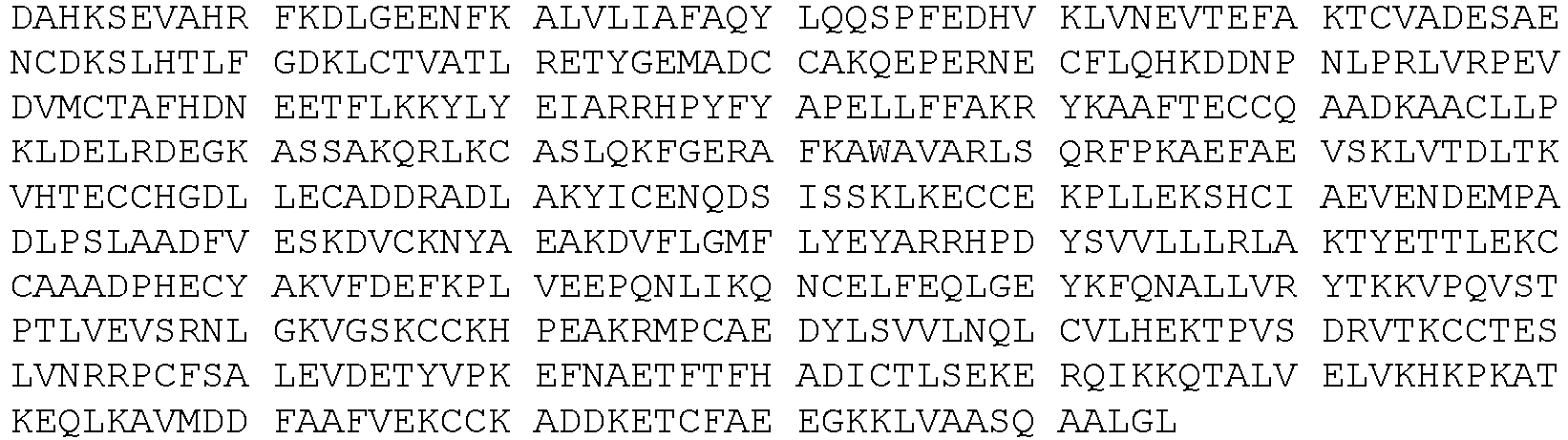
Light Chain Fragment truncated(SEQ ID NO:13) 
Linker (SEQ ID NO:7) RKRRKR Heavy Chain Fragment truncated-15 (SEQ ID NO:11) 
Activation Peptide (SEQ ID NO:12) 
Amino acid residue number is based on mature inactive fX (SEQ ID NO:2) - The domain structures of these constructs are also illustrated in
FIG. 1 . C12, compared to C08, has an intact heavy chain and an additional AP inserted between the EGF2 and the heavy chain. C13 is similar to C10 but with an N-terminus truncated light chain. Finally, C14 included both a HSA at the N-terminus (like C14) and an AP at the C-terminus (like C08). - The expression levels and activities of these constructs, along with Andexanet precursor (AnXa), C10 and C12 as controls, were measured. The results are shown in the tables below and plotted in
FIG. 3 .ELISA (mg/L) (with each purified protein as standard) Day AnXa C08 C10 C12 C13 C14 n1 n2 n1 n1 n2 n1 n2 n1 n2 n3 n1 n2 Day 7 - - 81.0 - 86.6 - - 159.7 109.2 137.7 - - Day 8 - - 83.1 85.8 93.9 77.9 87.7 175.5 103.3 173.5 - - Day 9 - - 85.9 92.7 85.6 79.1 87.8 197.1 108.5 178.4 170.9 127.2 Day 10 25.5 25.3 107.4 108.4 82.2 71.8 77.1 195.0 135.0 161.5 213.9 173.5 Mean 25.4 89.4 90.7 80.2 152.9 171.4 SD 0.1 12.2 8.8 6.3 33.5 35.4 Functional Activity (mg/L) (with each purified protein as standard) Day AnXa C08 C10 C12 C13 C14 n1 n2 n1 n1 n2 n1 n2 n1 n2 n3 n1 n2 Day 8 - 27.0 - 116.0 102.7 86.6 94.7 - 287.4 173.5 260.9 158.0 Day 9 19.1 27.0 84.7 131.0 100.8 84.5 88.3 - 257.5 178.4 306.0 164.0 Day 10 20.9 34.3 99.4 126.3 80.7 - - 181.9 308.3 161.5 318.0 216.5 Mean 25.6 92.1 109.6 88.5 221.2 237.2 SD 6.0 10.4 18.7 4.4 61.3 69.1 PCD (pg/cell/day) Day AnXa C08 C10 C12 C13 C14 n1 n2 n1 n1 n2 n1 n2 n1 n2 n3 n1 n2 Day 3 0.57 0.52 2.26 2.99 2.40 3.07 3.28 4.04 5.13 4.98 5.04 4.89 Day 4 0.57 0.40 2.02 2.70 2.24 2.40 2.72 4.60 4.68 4.98 4.61 4.10 Day 5 0.47 0.37 2.19 2.52 2.11 2.44 2.55 4.96 6.58 5.23 4.67 4.85 Day 7 0.53 0.42 2.34 2.38 2.33 1.62 1.87 3.62 4.94 3.99 5.03 4.74 Mean 0.48 2.20 2.46 2.49 4.81 4.74 SD 0.08 0.13 0.28 0.56 0.75 0.30 - C13, which had a HSA fused directly to the EGF1 domain of the light chain, and C14, which further included an AP domain at the C-terminus of the heavy chain, exhibited the highest expression and activities. Interestingly, even though the only difference between C10 and C13 is that C10 further included certain amino acids from the Gla-domain (A1 to K11), C10's expression was markedly lower, suggesting that a direct fusion between the HSA and the EGF1 domain is beneficial. Moreover, the result of C12 suggests that adding an additional AP between the light chain and the heavy chain is not necessary.
- This example further demonstrates the benefit of fusing a HSA at the N-terminus of the light chain and fusing an AP domain at the C-terminus of the heavy chain in the constructs.
- This example tested Fc fragments and fusions between the Fc fragments and a factor Xa derivative, such as Andexanet.
- Two fusion constructs were prepared, as shown in Tables 25 and 26, which included the Fc fragment of Table 24, and two different signal peptides.
Table 24. Fc Fragment (SEQ ID NO:46) P01857 IgG1_Human CH1-hinge-CH2-CH3 
Table 25. Fc Fusion Construct F01 (SEQ ID NO:47) Signal peptide of fXa MGRPLHLVLL SASLAGLLLL GESLFIRREQ ANNILARVTR (SEQ ID NO:34) Light Chain Fragment (SEQ ID NO:6) 
Linker (SEQ ID NO:7) RKRRKR Heavy Chain Fragment (SEQ ID NO:8) 
Fc fragment (SEQ ID NO:46) 
Amino acid residue number is based on mature inactive fX (SEQ ID NO:2) Table 26. Fc Fusion Construct F02 (SEQ ID NO:48) Signal peptide of fXa METDTLLLWV LLLWVPGSTG (SEQ ID NO:45) Light Chain Fragment (SEQ ID NO:6) 
Linker (SEQ ID NO:7) RKRRKR Heavy Chain Fragment (SEQ ID NO:8) 
Fc fragment (SEQ ID NO:46) 
Amino acid residue number is based on mature inactive fX (SEQ ID NO:2) - The expression of these constructs was tested in transient transfections. Conditions included chemical transfection with Expifectamine, followed by addition of enhancer and feed after 24hrs, at 37° C, with 8% CO2, 135rpm. As shown in the results below, fXa's signal peptide (construct F01) helped increase the expression of the fusion protein.
-
Timepoint Fc Fragment Fusion F01 Fusion F02 Mean (µg/mL) SD Mean (µg/mL) SD Mean (µg/mL) SD Day 1 2.4 0.2 0.1 0.0 0.2 0.0 Day 25.6 0.9 1.0 0.1 1.1 0.2 Day 312.0 3.0 1.7 0.3 2.5 1.4 Day 414.4 1.9 3.9 0.0 2.3 0.4 Day 515.0 5.3 5.0 0.0 4.1 0.6 Day 615.8 3.9 6.7 0.3 4.7 0.8 Day 724.5 3.9 9.4 0.3 6.0 1.1 - It is to be understood that while the invention has been described in conjunction with the above embodiments, that the foregoing description and examples are intended to illustrate and not limit the scope of the invention. Other aspects, advantages and modifications within the scope of the invention will be apparent to those skilled in the art to which the invention pertains.
-
- 1. A protein comprising the amino acid sequence of the formula (I) of:
LC-L1-HC-L2-AP (I)
wherein:- LC comprises the amino acid sequence of SEQ ID NO:13 or a peptide having at least 85% sequence identity to SEQ ID NO: 13,
- L1 is a peptide linker comprising a protease recognition site,
- HC comprises the amino acid sequence of SEQ ID NO: 11 or a peptide having at least 85% sequence identity to SEQ ID NO: 11,
- L2 is absent or is a peptide linker that cannot be processed by the protease, and
- AP comprises an activation peptide,
- 2. The protein of
embodiment 1, wherein the protease is furin. - 3. The protein of
embodiment 2, wherein the L1 comprises the amino acid sequence of RKR or RKRRKR (SEQ ID NO:7). - 4. The protein of any preceding embodiment, wherein L2 is 0-50 amino acid residues in length.
- 5. The protein of
embodiment 4, wherein at least 50% of the amino acid residues of L2 is Gly or Ser. - 6. The protein of any preceding embodiment, wherein the activation peptide comprises a glycosylation site.
- 7. The protein of any one of embodiments 1-5, wherein the activation peptide is an activation peptide of factor IX, factor X, factor XIII, factor II, or Protein C or has at least 85% sequence identity to an activation peptide of factor IX, factor X, factor XIII, factor II, or Protein C.
- 8. The protein of any one of embodiments 1-5, wherein the activation peptide comprises the amino acid sequence of SEQ ID NO:12, 31, 32, 33, 39 or 40, or comprises an amino acid sequence having at least 85% sequence identity to SEQ ID NO:12, 31, 32, 33, 39 or 40.
- 9. The protein of any preceding embodiment, further comprising a human serum albumin (HSA) at the N-terminal side of the LC.
- 10. The protein of
embodiment 9, wherein the HSA comprises the amino acid sequence of SEQ ID NO:15. - 11. The protein of
embodiment 9, wherein LC does not include amino acid residues 1-45 of SEQ ID NO:2. - 12. The protein of any preceding embodiment, wherein the produced two-chain polypeptide has reduced capacity to assemble into a prothrombin complex as compared to the wild-type fXa.
- 13. The protein of any preceding embodiment, which does not include amino acid residues 6-39 of SEQ ID NO:2.
- 14. The protein of embodiment 13, wherein the LC comprises the amino acid sequence of SEQ ID NO:6 or comprises an amino acid sequence having at least 85% sequence identity to SEQ ID NO:6.
- 15. The protein of any preceding embodiment, wherein the produced two-chain polypeptide has reduced catalytic activity as compared to a wild-type human factor Xa.
- 16. The protein of any preceding embodiment, wherein the HC comprises the amino acid sequence of SEQ ID NO:10 or comprises an amino acid sequence having at least 85% sequence identity to SEQ ID NO:10.
- 17. The protein of any preceding embodiment, wherein the HC comprises the amino acid sequence of SEQ ID NO:11.
- 18. The protein of any preceding embodiment, wherein the protein does not include amino acid residues 436-448 of SEQ ID NO:2.
- 19. The protein of any preceding embodiment, wherein the protein does not include amino acid residues 434-448 of SEQ ID NO:2.
- 20. A protein comprising the amino acid sequence of the formula (II) of:
HSA-L2-LC-L1-HC (II)
wherein:- HSA is a human serum albumin (HSA) or a variant having at least 85% sequence identity to the HSA;
- L1 is a peptide linker comprising a protease recognition site;
- L2 is absent or is a peptide linker that cannot be processed by the protease;
- LC comprises the amino acid sequence of SEQ ID NO:13 or a peptide having at least 85% sequence identity to SEQ ID NO:13; and
- HC comprises the amino acid sequence of SEQ ID NO:11 or a peptide having at least 85% sequence identity to SEQ ID NO:11,
- 21. The protein of
embodiment 20, wherein the HSA comprises the amino acid sequence of SEQ ID NO:15. - 22. The protein of
embodiment 20, wherein LC does not include amino acid residues 1-45 of SEQ ID NO:2. - 23. The protein of
embodiment 22, wherein L2 is absent. - 24. The protein of any one of embodiments 22-23, wherein the protease is furin.
- 25. The protein of embodiment 24, wherein the L1 comprises the amino acid sequence of RKR or RKRRKR (SEQ ID NO:7).
- 26. The protein of any one of embodiments 20-25, further comprising an activation peptide (AP) fused at the C-terminal side of the HC.
- 27. The protein of
embodiment 26, wherein the activation peptide comprises a glycosylation site. - 28. The protein of
embodiment - 29. The protein of
embodiment 28, wherein the activation peptide comprises the amino acid sequence of SEQ ID NO:12, 31, 32, 33, 39 or 40, or comprises an amino acid sequence having at least 85% sequence identity to SEQ ID NO: 12, 31, 32, 33, 39 or 40. - 30. The protein of any one of embodiments 20-29, wherein the LC comprises the amino acid sequence of SEQ ID NO:13 or comprises an amino acid sequence having at least 85% sequence identity to SEQ ID NO: 13.
- 31. The protein of any one of embodiments 20-30, wherein the produced two-chain polypeptide has reduced catalytic activity as compared to a wild-type human factor Xa.
- 32. The protein of embodiment 31, wherein the HC comprises the amino acid sequence of SEQ ID NO: 10 or comprises an amino acid sequence having at least 85% sequence identity to SEQ ID NO: 10.
- 33. The protein of embodiment 32, wherein the HC comprises the amino acid sequence of SEQ ID NO:11.
- 34. The protein of any preceding embodiment, further comprising a signal or signal/pro-peptide.
- 35. The protein of embodiment 34, wherein the signal or signal/pro- peptide is selected from the group consisting of SEQ ID NO:34-37.
- 36. A protein, comprising the amino acid sequence of SEQ ID NO:25.
- 37. A protein, comprising the amino acid sequence of SEQ ID NO:26.
- 38. A protein, comprising the amino acid sequence of SEQ ID NO:42.
- 39. A protein, comprising the amino acid sequence of SEQ ID NO:43.
- 40. A polynucleotide encoding the protein of any one of embodiments 1-39.
- 41. A cell comprising the polynucleotide of
embodiment 40. - 42. The cell of
embodiment 41, further comprising a polynucleotide encoding the protease. - 43. A method of preparing a protein, comprising culturing the cell of
embodiment - 44. A two-chain polypeptide comprising a light chain that comprises the amino acid sequence of SEQ ID NO:13 or a peptide having at least 85% sequence identity to SEQ ID NO: 13, and a heavy chain that comprises a first fragment comprising the amino acid sequence of SEQ ID NO:11 or a peptide having at least 85% sequence identity to SEQ ID NO: 11, and a second fragment that is a the C-terminal side of the first fragment and comprises an activation peptide, wherein the two-chain polypeptide is capable of binding to a factor Xa inhibitor.
- 45. A two-chain polypeptide comprising a light chain that comprises a first fragment comprising a human serum albumin (HSA) or a variant having at least 85% sequence identity to the HSA, and a second fragment comprising the amino acid sequence of SEQ ID NO:13 or a peptide having at least 85% sequence identity to SEQ ID NO:13, and a heavy chain that comprises the amino acid sequence of SEQ ID NO:11 or a peptide having at least 85% sequence identity to SEQ ID NO:11, wherein the two-chain polypeptide is capable of binding to a factor Xa inhibitor, and wherein the light chain does not include amino acid residues 1-45 of SEQ ID NO:2.
- 46. A two-chain polypeptide obtainable by processing the protein of any one of embodiments 1-39 with the protease.
Claims (15)
- A protein comprising(A) the amino acid sequence of the formula (II) of:
HSA-L2-LC-L1-HC (II)
wherein:HSA is a human serum albumin (HSA) or a variant having at least 85% sequence identity to the HSA;L1 is a peptide linker comprising a protease recognition site;L2 is absent or is a peptide linker that cannot be processed by the protease;LC comprises the amino acid sequence of SEQ ID NO:13 or a peptide having at least 85% sequence identity to SEQ ID NO:13; andHC comprises the amino acid sequence of SEQ ID NO: 11 or a peptide having at least 85% sequence identity to SEQ ID NO: 11,wherein the protein is capable to, when the L1 is processed by the protease, produce a two-chain polypeptide comprising the LC and HC on separate chains, wherein the two-chain polypeptide is capable of binding to a factor Xa inhibitor;(B) the amino acid sequence of SEQ ID NO:25;(C) the amino acid sequence of SEQ ID NO:26;(D) the amino acid sequence of SEQ ID NO:42; or(E) the amino acid sequence of SEQ ID NO:43. - The protein of claim 1, wherein the HSA comprises the amino acid sequence of SEQ ID NO:15.
- The protein of claim 1 or claim 2, wherein LC does not include amino acid residues 1-45 of SEQ ID NO:2 and/or wherein L2 is absent.
- The protein of any one of claims 1 to 3, wherein the protease is furin, optionally wherein the L1 comprises the amino acid sequence of RKR or RKRRKR (SEQ ID NO:7).
- The protein of any one of claims 1 to 4, further comprising an activation peptide (AP) fused at the C-terminal side of the HC, optionally wherein the activation peptide comprises a glycosylation site.
- The protein of claim 5, wherein the activation peptide is an activation peptide of factor IX, factor X, factor XIII, factor II, or Protein C or has at least 85% sequence identity to an activation peptide of factor IX, factor X, factor XIII, factor II, or Protein C, optionally wherein the activation peptide comprises the amino acid sequence of SEQ ID NO:12, 31, 32, 33, 39 or 40, or comprises an amino acid sequence having at least 85% sequence identity to SEQ ID NO:12, 31, 32, 33, 39 or 40.
- The protein of any one of the preceding claims, wherein the LC comprises the amino acid sequence of SEQ ID NO:13 or comprises an amino acid sequence having at least 85% sequence identity to SEQ ID NO:13.
- The protein of any one of the preceding claims, wherein the produced two-chain polypeptide has reduced catalytic activity as compared to a wild-type human factor Xa, optionally wherein the HC comprises the amino acid sequence of SEQ ID NO:10, or comprises an amino acid sequence having at least 85% sequence identity to SEQ ID NO:10, or comprises the amino acid sequence of SEQ ID NO:11.
- The protein of any preceding claim, further comprising a signal or signal/pro- peptide, optionally wherein the signal or signal/pro- peptide is selected from the group consisting of SEQ ID NO:34-37.
- A polynucleotide encoding the protein of any one of claims 1-9.
- A cell comprising the polynucleotide of claim 10.
- The cell of claim 11, further comprising a polynucleotide encoding the protease.
- A method of preparing a protein, comprising culturing the cell of claim 11 or 12 and collecting a two-chain protein from the culture.
- A two-chain polypeptide comprising a light chain that comprises a first fragment comprising a human serum albumin (HSA) or a variant having at least 85% sequence identity to the HSA, and a second fragment comprising the amino acid sequence of SEQ ID NO:13 or a peptide having at least 85% sequence identity to SEQ ID NO:13, and a heavy chain that comprises the amino acid sequence of SEQ ID NO:11 or a peptide having at least 85% sequence identity to SEQ ID NO:11, wherein the two-chain polypeptide is capable of binding to a factor Xa inhibitor, and wherein the light chain does not include amino acid residues 1-45 of SEQ ID NO:2.
- A two-chain polypeptide obtainable by processing the protein of any one of claims 1-9 with the protease.
Applications Claiming Priority (4)
| Application Number | Priority Date | Filing Date | Title |
|---|---|---|---|
| US201962884652P | 2019-08-08 | 2019-08-08 | |
| US202062990885P | 2020-03-17 | 2020-03-17 | |
| PCT/US2020/045039 WO2021026254A2 (en) | 2019-08-08 | 2020-08-05 | Compositions and methods for preparing factor xa and derivatives |
| EP20851033.9A EP4010379B1 (en) | 2019-08-08 | 2020-08-05 | Compositions and methods for preparing factor xa and derivatives |
Related Parent Applications (2)
| Application Number | Title | Priority Date | Filing Date |
|---|---|---|---|
| EP20851033.9A Division-Into EP4010379B1 (en) | 2019-08-08 | 2020-08-05 | Compositions and methods for preparing factor xa and derivatives |
| EP20851033.9A Division EP4010379B1 (en) | 2019-08-08 | 2020-08-05 | Compositions and methods for preparing factor xa and derivatives |
Publications (2)
| Publication Number | Publication Date |
|---|---|
| EP4541887A2 true EP4541887A2 (en) | 2025-04-23 |
| EP4541887A3 EP4541887A3 (en) | 2025-08-13 |
Family
ID=74502595
Family Applications (2)
| Application Number | Title | Priority Date | Filing Date |
|---|---|---|---|
| EP25158352.2A Pending EP4541887A3 (en) | 2019-08-08 | 2020-08-05 | Compositions and methods for preparing factor xa and derivatives |
| EP20851033.9A Active EP4010379B1 (en) | 2019-08-08 | 2020-08-05 | Compositions and methods for preparing factor xa and derivatives |
Family Applications After (1)
| Application Number | Title | Priority Date | Filing Date |
|---|---|---|---|
| EP20851033.9A Active EP4010379B1 (en) | 2019-08-08 | 2020-08-05 | Compositions and methods for preparing factor xa and derivatives |
Country Status (13)
| Country | Link |
|---|---|
| US (1) | US12398387B2 (en) |
| EP (2) | EP4541887A3 (en) |
| JP (2) | JP7668783B2 (en) |
| CN (1) | CN114258405A (en) |
| DK (1) | DK4010379T3 (en) |
| ES (1) | ES3033092T3 (en) |
| FI (1) | FI4010379T3 (en) |
| HU (1) | HUE072201T2 (en) |
| LT (1) | LT4010379T (en) |
| PL (1) | PL4010379T3 (en) |
| PT (1) | PT4010379T (en) |
| SI (1) | SI4010379T1 (en) |
| WO (1) | WO2021026254A2 (en) |
Families Citing this family (1)
| Publication number | Priority date | Publication date | Assignee | Title |
|---|---|---|---|---|
| US20250171515A1 (en) * | 2022-03-03 | 2025-05-29 | The Trustees Of The University Of Pennsylvania | Aav vectors for delivery of glp-1 receptor agonist fusions |
Citations (7)
| Publication number | Priority date | Publication date | Assignee | Title |
|---|---|---|---|---|
| US4812405A (en) | 1986-02-18 | 1989-03-14 | Phillips Petroleum Company | Double auxotrophic mutants of Pichia pastoris and methods for preparation |
| US4818700A (en) | 1985-10-25 | 1989-04-04 | Phillips Petroleum Company | Pichia pastoris argininosuccinate lyase gene and uses thereof |
| US4929555A (en) | 1987-10-19 | 1990-05-29 | Phillips Petroleum Company | Pichia transformation |
| US5736383A (en) | 1996-08-26 | 1998-04-07 | Zymogenetics, Inc. | Preparation of Pichia methanolica auxotrophic mutants |
| US5888768A (en) | 1996-08-26 | 1999-03-30 | Zymogenetics, Inc. | Compositions and methods for producing heterologous polypeptides in Pichia methanolica |
| US6258559B1 (en) | 1999-03-22 | 2001-07-10 | Zymogenetics, Inc. | Method for producing proteins in transformed Pichia |
| US8153590B2 (en) | 2007-09-28 | 2012-04-10 | Portola Pharmaceuticals, Inc. | Antidotes for factor Xa inhibitors and methods of using the same |
Family Cites Families (11)
| Publication number | Priority date | Publication date | Assignee | Title |
|---|---|---|---|---|
| EP1728798A1 (en) | 2005-06-01 | 2006-12-06 | ZLB Behring GmbH | Coagulation factor X polypeptides with modified activation properties |
| WO2007144173A1 (en) | 2006-06-14 | 2007-12-21 | Csl Behring Gmbh | Proteolytically cleavable fusion protein comprising a blood coagulation factor |
| US7939632B2 (en) * | 2006-06-14 | 2011-05-10 | Csl Behring Gmbh | Proteolytically cleavable fusion proteins with high molar specific activity |
| PL3604510T3 (en) * | 2009-03-30 | 2025-07-28 | Alexion Pharmaceuticals, Inc. | Antidotes for factor xa inhibitors and methods of using the same |
| JP2015507929A (en) * | 2012-02-14 | 2015-03-16 | ポートラ ファーマシューティカルズ, インコーポレイテッド | Process for making a recombinant antagonist against a factor Xa inhibitor |
| AU2013270682A1 (en) | 2012-06-08 | 2014-12-11 | Biogen Ma Inc. | Procoagulant compounds |
| EP2861614B1 (en) * | 2012-06-14 | 2016-11-30 | Portola Pharmaceuticals, Inc. | METHOD FOR PURIFICATION OF RECOMBINANT FACTOR Xa DERIVATIVES |
| EP3003368A4 (en) * | 2013-05-24 | 2017-05-03 | Biogen MA Inc. | Anti-gpiib/iiia antibodies or uses thereof |
| CN103408669B (en) * | 2013-08-01 | 2016-01-20 | 江苏泰康生物医药有限公司 | GLP-1 analog fusion, and its production and use |
| CN108883160B (en) | 2016-02-24 | 2022-06-28 | 博尔托拉制药公司 | Lyophilized Formulation of Factor XA Antidote |
| FR3077296A1 (en) * | 2018-02-01 | 2019-08-02 | Laboratoire Francais Du Fractionnement Et Des Biotechnologies | DIMERS OF FACTOR X VARIANTS |
-
2020
- 2020-08-05 HU HUE20851033A patent/HUE072201T2/en unknown
- 2020-08-05 PL PL20851033.9T patent/PL4010379T3/en unknown
- 2020-08-05 JP JP2022507622A patent/JP7668783B2/en active Active
- 2020-08-05 EP EP25158352.2A patent/EP4541887A3/en active Pending
- 2020-08-05 FI FIEP20851033.9T patent/FI4010379T3/en active
- 2020-08-05 SI SI202030630T patent/SI4010379T1/en unknown
- 2020-08-05 WO PCT/US2020/045039 patent/WO2021026254A2/en not_active Ceased
- 2020-08-05 CN CN202080058518.4A patent/CN114258405A/en active Pending
- 2020-08-05 LT LTEPPCT/US2020/045039T patent/LT4010379T/en unknown
- 2020-08-05 PT PT208510339T patent/PT4010379T/en unknown
- 2020-08-05 EP EP20851033.9A patent/EP4010379B1/en active Active
- 2020-08-05 ES ES20851033T patent/ES3033092T3/en active Active
- 2020-08-05 US US17/629,999 patent/US12398387B2/en active Active
- 2020-08-05 DK DK20851033.9T patent/DK4010379T3/en active
-
2024
- 2024-10-16 JP JP2024181226A patent/JP7843331B2/en active Active
Patent Citations (8)
| Publication number | Priority date | Publication date | Assignee | Title |
|---|---|---|---|---|
| US4818700A (en) | 1985-10-25 | 1989-04-04 | Phillips Petroleum Company | Pichia pastoris argininosuccinate lyase gene and uses thereof |
| US4812405A (en) | 1986-02-18 | 1989-03-14 | Phillips Petroleum Company | Double auxotrophic mutants of Pichia pastoris and methods for preparation |
| US4929555A (en) | 1987-10-19 | 1990-05-29 | Phillips Petroleum Company | Pichia transformation |
| US5736383A (en) | 1996-08-26 | 1998-04-07 | Zymogenetics, Inc. | Preparation of Pichia methanolica auxotrophic mutants |
| US5888768A (en) | 1996-08-26 | 1999-03-30 | Zymogenetics, Inc. | Compositions and methods for producing heterologous polypeptides in Pichia methanolica |
| US5955349A (en) | 1996-08-26 | 1999-09-21 | Zymogenetics, Inc. | Compositions and methods for producing heterologous polypeptides in Pichia methanolica |
| US6258559B1 (en) | 1999-03-22 | 2001-07-10 | Zymogenetics, Inc. | Method for producing proteins in transformed Pichia |
| US8153590B2 (en) | 2007-09-28 | 2012-04-10 | Portola Pharmaceuticals, Inc. | Antidotes for factor Xa inhibitors and methods of using the same |
Non-Patent Citations (11)
| Title |
|---|
| AGNELLI, G. ET AL., J. THROMB. HAEMOST., vol. 5, no. 4, 2007, pages 746 - 53 |
| BRANCHINI ET AL., J THROMB HAEMOST, vol. 13, 2015, pages 1468 - 74 |
| BRANCHINI ET AL., JOURNAL OF THROMBOSIS AND HAEMOSTASIS, vol. 13, 2015, pages 1468 - 1474 |
| ERIKSSON, B.I., BLOOD, vol. 106, no. 11, 2005, pages 1865 |
| FERRARESE ET AL., , THROMBOSIS RES., vol. 173, 2019, pages 4 - 11 |
| HERBERT, J.M. ET AL., J PHARMACOLEXP THER., vol. 276, no. 3, 1996, pages 1030 - 8 |
| HYLEK EM, CURR OPIN INVEST DRUGS, vol. 8, no. 9, 2007, pages 778 - 783 |
| LEYTUS ET AL., BIOCHEMISTRY, vol. 25, 1986, pages 5098 - 5102 |
| TANIUCHI, Y. ET AL., THROMB HAEMOST., vol. 79, no. 3, 1998, pages 543 - 8 |
| TURPIE, A.G. ET AL., J. THROMB. HAEMOST., vol. 3, no. 11, 2005, pages 2479 - 86 |
| VENKATESWARLU, D. ET AL., BIOPHYSICAL JOURNAL, vol. 82, 2002, pages 1190 - 1206 |
Also Published As
| Publication number | Publication date |
|---|---|
| CN114258405A (en) | 2022-03-29 |
| WO2021026254A2 (en) | 2021-02-11 |
| EP4010379B1 (en) | 2025-04-02 |
| ES3033092T3 (en) | 2025-07-30 |
| EP4010379A2 (en) | 2022-06-15 |
| EP4541887A3 (en) | 2025-08-13 |
| LT4010379T (en) | 2025-07-10 |
| JP7843331B2 (en) | 2026-04-09 |
| JP2022543302A (en) | 2022-10-11 |
| DK4010379T3 (en) | 2025-06-30 |
| PT4010379T (en) | 2025-06-30 |
| PL4010379T3 (en) | 2025-07-28 |
| JP7668783B2 (en) | 2025-04-25 |
| SI4010379T1 (en) | 2025-08-29 |
| FI4010379T3 (en) | 2025-06-26 |
| EP4010379A4 (en) | 2023-12-20 |
| US12398387B2 (en) | 2025-08-26 |
| HUE072201T2 (en) | 2025-10-28 |
| WO2021026254A3 (en) | 2021-03-18 |
| US20220251534A1 (en) | 2022-08-11 |
| JP2024180602A (en) | 2024-12-26 |
Similar Documents
| Publication | Publication Date | Title |
|---|---|---|
| TWI595004B (en) | Modified ninth factor multi-peptide and use thereof | |
| EP2877487B1 (en) | Modified factor x polypeptides and uses thereof | |
| EP1891091B1 (en) | Coagulation factor x polypeptides with modified activation properties | |
| US7220849B2 (en) | Enhanced gamma-carboxylation of recombinant vitamin K-dependent clotting factor | |
| EP1991255B1 (en) | Coagulation factor x polypeptides with modified activation properties | |
| JP6236194B2 (en) | Compositions and methods for modulating hemostasis | |
| EP2414517B1 (en) | Antidotes for factor xa inhibitors and methods of using the same | |
| KR20110005862A (en) | Modified Factor I Polypeptides and Uses thereof | |
| EP1867660A1 (en) | Proteolytically cleavable fusion protein comprising a blood coagulation factor | |
| EP1238065B1 (en) | Factor x analog with an improved ability to be actived | |
| JP7843331B2 (en) | Compositions and methods for preparing Factor XA and its derivatives | |
| HK1153481A (en) | Modified factor ix polypeptides and uses thereof | |
| HK1210790B (en) | Modified factor x polypeptides and uses thereof | |
| HK1189035A (en) | Modified factor ix polypeptides and uses thereof | |
| HK1189035B (en) | Modified factor ix polypeptides and uses thereof | |
| HK1165444B (en) | Compositions and methods for modulating hemostasis |
Legal Events
| Date | Code | Title | Description |
|---|---|---|---|
| PUAI | Public reference made under article 153(3) epc to a published international application that has entered the european phase |
Free format text: ORIGINAL CODE: 0009012 |
|
| STAA | Information on the status of an ep patent application or granted ep patent |
Free format text: STATUS: THE APPLICATION HAS BEEN PUBLISHED |
|
| AC | Divisional application: reference to earlier application |
Ref document number: 4010379 Country of ref document: EP Kind code of ref document: P |
|
| AK | Designated contracting states |
Kind code of ref document: A2 Designated state(s): AL AT BE BG CH CY CZ DE DK EE ES FI FR GB GR HR HU IE IS IT LI LT LU LV MC MK MT NL NO PL PT RO RS SE SI SK SM TR |
|
| REG | Reference to a national code |
Ref country code: DE Ref legal event code: R079 Free format text: PREVIOUS MAIN CLASS: C12N0009640000 Ipc: C07K0019000000 |
|
| PUAL | Search report despatched |
Free format text: ORIGINAL CODE: 0009013 |
|
| AK | Designated contracting states |
Kind code of ref document: A3 Designated state(s): AL AT BE BG CH CY CZ DE DK EE ES FI FR GB GR HR HU IE IS IT LI LT LU LV MC MK MT NL NO PL PT RO RS SE SI SK SM TR |
|
| RIC1 | Information provided on ipc code assigned before grant |
Ipc: C07K 19/00 20060101AFI20250704BHEP Ipc: C12N 9/50 20060101ALI20250704BHEP Ipc: C12N 9/64 20060101ALI20250704BHEP |
|
| REG | Reference to a national code |
Ref country code: HK Ref legal event code: DE Ref document number: 40125198 Country of ref document: HK |
|
| STAA | Information on the status of an ep patent application or granted ep patent |
Free format text: STATUS: REQUEST FOR EXAMINATION WAS MADE |
|
| STAA | Information on the status of an ep patent application or granted ep patent |
Free format text: STATUS: EXAMINATION IS IN PROGRESS |
|
| 17P | Request for examination filed |
Effective date: 20260120 |
|
| 17Q | First examination report despatched |
Effective date: 20260129 |