EP4541352A2 - Compositions and methods for treating non-alcoholic steatohepatitis - Google Patents
Compositions and methods for treating non-alcoholic steatohepatitis Download PDFInfo
- Publication number
- EP4541352A2 EP4541352A2 EP25161422.8A EP25161422A EP4541352A2 EP 4541352 A2 EP4541352 A2 EP 4541352A2 EP 25161422 A EP25161422 A EP 25161422A EP 4541352 A2 EP4541352 A2 EP 4541352A2
- Authority
- EP
- European Patent Office
- Prior art keywords
- subject
- per
- treatment
- amount
- nash
- Prior art date
- Legal status (The legal status is an assumption and is not a legal conclusion. Google has not performed a legal analysis and makes no representation as to the accuracy of the status listed.)
- Pending
Links
Images











Classifications
-
- A—HUMAN NECESSITIES
- A61—MEDICAL OR VETERINARY SCIENCE; HYGIENE
- A61K—PREPARATIONS FOR MEDICAL, DENTAL OR TOILETRY PURPOSES
- A61K31/00—Medicinal preparations containing organic active ingredients
- A61K31/13—Amines
-
- A—HUMAN NECESSITIES
- A61—MEDICAL OR VETERINARY SCIENCE; HYGIENE
- A61K—PREPARATIONS FOR MEDICAL, DENTAL OR TOILETRY PURPOSES
- A61K31/00—Medicinal preparations containing organic active ingredients
- A61K31/13—Amines
- A61K31/135—Amines having aromatic rings, e.g. ketamine, nortriptyline
- A61K31/136—Amines having aromatic rings, e.g. ketamine, nortriptyline having the amino group directly attached to the aromatic ring, e.g. benzeneamine
-
- A—HUMAN NECESSITIES
- A61—MEDICAL OR VETERINARY SCIENCE; HYGIENE
- A61K—PREPARATIONS FOR MEDICAL, DENTAL OR TOILETRY PURPOSES
- A61K31/00—Medicinal preparations containing organic active ingredients
- A61K31/16—Amides, e.g. hydroxamic acids
- A61K31/165—Amides, e.g. hydroxamic acids having aromatic rings, e.g. colchicine, atenolol, progabide
- A61K31/167—Amides, e.g. hydroxamic acids having aromatic rings, e.g. colchicine, atenolol, progabide having the nitrogen of a carboxamide group directly attached to the aromatic ring, e.g. lidocaine, paracetamol
-
- A—HUMAN NECESSITIES
- A61—MEDICAL OR VETERINARY SCIENCE; HYGIENE
- A61K—PREPARATIONS FOR MEDICAL, DENTAL OR TOILETRY PURPOSES
- A61K31/00—Medicinal preparations containing organic active ingredients
- A61K31/185—Acids; Anhydrides, halides or salts thereof, e.g. sulfur acids, imidic, hydrazonic or hydroximic acids
- A61K31/19—Carboxylic acids, e.g. valproic acid
- A61K31/195—Carboxylic acids, e.g. valproic acid having an amino group
- A61K31/196—Carboxylic acids, e.g. valproic acid having an amino group the amino group being directly attached to a ring, e.g. anthranilic acid, mefenamic acid, diclofenac, chlorambucil
-
- A—HUMAN NECESSITIES
- A61—MEDICAL OR VETERINARY SCIENCE; HYGIENE
- A61K—PREPARATIONS FOR MEDICAL, DENTAL OR TOILETRY PURPOSES
- A61K31/00—Medicinal preparations containing organic active ingredients
- A61K31/33—Heterocyclic compounds
- A61K31/395—Heterocyclic compounds having nitrogen as a ring hetero atom, e.g. guanethidine or rifamycins
- A61K31/41—Heterocyclic compounds having nitrogen as a ring hetero atom, e.g. guanethidine or rifamycins having five-membered rings with two or more ring hetero atoms, at least one of which being nitrogen, e.g. tetrazole
- A61K31/4164—1,3-Diazoles
- A61K31/4184—1,3-Diazoles condensed with carbocyclic rings, e.g. benzimidazoles
-
- A—HUMAN NECESSITIES
- A61—MEDICAL OR VETERINARY SCIENCE; HYGIENE
- A61K—PREPARATIONS FOR MEDICAL, DENTAL OR TOILETRY PURPOSES
- A61K31/00—Medicinal preparations containing organic active ingredients
- A61K31/33—Heterocyclic compounds
- A61K31/395—Heterocyclic compounds having nitrogen as a ring hetero atom, e.g. guanethidine or rifamycins
- A61K31/435—Heterocyclic compounds having nitrogen as a ring hetero atom, e.g. guanethidine or rifamycins having six-membered rings with one nitrogen as the only ring hetero atom
- A61K31/44—Non condensed pyridines; Hydrogenated derivatives thereof
- A61K31/445—Non condensed piperidines, e.g. piperocaine
-
- A—HUMAN NECESSITIES
- A61—MEDICAL OR VETERINARY SCIENCE; HYGIENE
- A61K—PREPARATIONS FOR MEDICAL, DENTAL OR TOILETRY PURPOSES
- A61K31/00—Medicinal preparations containing organic active ingredients
- A61K31/33—Heterocyclic compounds
- A61K31/395—Heterocyclic compounds having nitrogen as a ring hetero atom, e.g. guanethidine or rifamycins
- A61K31/435—Heterocyclic compounds having nitrogen as a ring hetero atom, e.g. guanethidine or rifamycins having six-membered rings with one nitrogen as the only ring hetero atom
- A61K31/47—Quinolines; Isoquinolines
- A61K31/4738—Quinolines; Isoquinolines ortho- or peri-condensed with heterocyclic ring systems
- A61K31/4741—Quinolines; Isoquinolines ortho- or peri-condensed with heterocyclic ring systems condensed with ring systems having oxygen as a ring hetero atom, e.g. tubocuraran derivatives, noscapine, bicuculline
-
- A—HUMAN NECESSITIES
- A61—MEDICAL OR VETERINARY SCIENCE; HYGIENE
- A61K—PREPARATIONS FOR MEDICAL, DENTAL OR TOILETRY PURPOSES
- A61K31/00—Medicinal preparations containing organic active ingredients
- A61K31/33—Heterocyclic compounds
- A61K31/395—Heterocyclic compounds having nitrogen as a ring hetero atom, e.g. guanethidine or rifamycins
- A61K31/435—Heterocyclic compounds having nitrogen as a ring hetero atom, e.g. guanethidine or rifamycins having six-membered rings with one nitrogen as the only ring hetero atom
- A61K31/47—Quinolines; Isoquinolines
- A61K31/4738—Quinolines; Isoquinolines ortho- or peri-condensed with heterocyclic ring systems
- A61K31/4745—Quinolines; Isoquinolines ortho- or peri-condensed with heterocyclic ring systems condensed with ring systems having nitrogen as a ring hetero atom, e.g. phenantrolines
-
- A—HUMAN NECESSITIES
- A61—MEDICAL OR VETERINARY SCIENCE; HYGIENE
- A61K—PREPARATIONS FOR MEDICAL, DENTAL OR TOILETRY PURPOSES
- A61K31/00—Medicinal preparations containing organic active ingredients
- A61K31/33—Heterocyclic compounds
- A61K31/395—Heterocyclic compounds having nitrogen as a ring hetero atom, e.g. guanethidine or rifamycins
- A61K31/495—Heterocyclic compounds having nitrogen as a ring hetero atom, e.g. guanethidine or rifamycins having six-membered rings with two or more nitrogen atoms as the only ring heteroatoms, e.g. piperazine or tetrazines
- A61K31/505—Pyrimidines; Hydrogenated pyrimidines, e.g. trimethoprim
- A61K31/519—Pyrimidines; Hydrogenated pyrimidines, e.g. trimethoprim ortho- or peri-condensed with heterocyclic rings
-
- A—HUMAN NECESSITIES
- A61—MEDICAL OR VETERINARY SCIENCE; HYGIENE
- A61K—PREPARATIONS FOR MEDICAL, DENTAL OR TOILETRY PURPOSES
- A61K31/00—Medicinal preparations containing organic active ingredients
- A61K31/33—Heterocyclic compounds
- A61K31/395—Heterocyclic compounds having nitrogen as a ring hetero atom, e.g. guanethidine or rifamycins
- A61K31/495—Heterocyclic compounds having nitrogen as a ring hetero atom, e.g. guanethidine or rifamycins having six-membered rings with two or more nitrogen atoms as the only ring heteroatoms, e.g. piperazine or tetrazines
- A61K31/505—Pyrimidines; Hydrogenated pyrimidines, e.g. trimethoprim
- A61K31/519—Pyrimidines; Hydrogenated pyrimidines, e.g. trimethoprim ortho- or peri-condensed with heterocyclic rings
- A61K31/52—Purines, e.g. adenine
- A61K31/522—Purines, e.g. adenine having oxo groups directly attached to the heterocyclic ring, e.g. hypoxanthine, guanine, acyclovir
-
- A—HUMAN NECESSITIES
- A61—MEDICAL OR VETERINARY SCIENCE; HYGIENE
- A61K—PREPARATIONS FOR MEDICAL, DENTAL OR TOILETRY PURPOSES
- A61K31/00—Medicinal preparations containing organic active ingredients
- A61K31/33—Heterocyclic compounds
- A61K31/395—Heterocyclic compounds having nitrogen as a ring hetero atom, e.g. guanethidine or rifamycins
- A61K31/53—Heterocyclic compounds having nitrogen as a ring hetero atom, e.g. guanethidine or rifamycins having six-membered rings with three nitrogens as the only ring hetero atoms, e.g. chlorazanil, melamine
-
- A—HUMAN NECESSITIES
- A61—MEDICAL OR VETERINARY SCIENCE; HYGIENE
- A61K—PREPARATIONS FOR MEDICAL, DENTAL OR TOILETRY PURPOSES
- A61K45/00—Medicinal preparations containing active ingredients not provided for in groups A61K31/00 - A61K41/00
- A61K45/06—Mixtures of active ingredients without chemical characterisation, e.g. antiphlogistics and cardiaca
-
- A—HUMAN NECESSITIES
- A61—MEDICAL OR VETERINARY SCIENCE; HYGIENE
- A61P—SPECIFIC THERAPEUTIC ACTIVITY OF CHEMICAL COMPOUNDS OR MEDICINAL PREPARATIONS
- A61P1/00—Drugs for disorders of the alimentary tract or the digestive system
- A61P1/16—Drugs for disorders of the alimentary tract or the digestive system for liver or gallbladder disorders, e.g. hepatoprotective agents, cholagogues, litholytics
Definitions
- the present invention relates to the use of compounds for treating non-alcoholic fatty liver disease, and in particular, the use of particular test compounds for treating non-alcoholic fatty liver disease, non-alcoholic fatty liver, and non-alcoholic steatohepatitis.
- Non-alcoholic fatty liver disease covers a range of liver conditions characterized by too much fat stored in liver cells. As its name implies, the causes are generally unrelated to alcohol consumption. This is in contrast to alcoholic liver disease, which is caused by heavy alcohol use. Most commonly, NAFLD is either non-alcoholic simple fatty liver or non-alcoholic steatohepatitis (NASH).
- NASH non-alcoholic steatohepatitis
- Nonalcoholic fatty liver is a condition where you have fat in your liver but little or no inflammation or liver cell damage. It typically does not progress to cause liver damage or complications.
- NASH includes both a fatty liver and liver inflammation. While those with only nonalcoholic fatty liver are generally asymptomatic, the inflammation and liver cell damage with NASH can cause fibrosis, or scarring, of the liver, and in severe cases, may lead to cirrhosis (advanced scarring) or liver cancer. In that regard, common signs and symptoms of NASH and cirrhosis can include abdominal swelling, enlarged blood vessels just beneath the skin's surface, enlarged breasts in men and jaundice.
- Factors which increase one's risk of NASH include diabetes, obesity, a high fructose diet, genetics and advanced age. While improving one's diet and exercise are an efficient way to manage NAFLD and reduce insulin resistance, there is currently no cure for NAFLD or NASH, and there is no single treatment that works for every individual. Drugs currently used to treat NAFLD and NASH may help to increase fat loss and/or improve biomedical marker levels, but none have been shown to reverse or reduce NAFLD and NASH once liver scarring has begun.
- the murine models of NAFLD and NASH are well-characterized experimental models of metabolically-induced hepatic injury that ultimately lead to spontaneous hepatic steatosis - a common characteristic of many chronic hepatitis disorders.
- the progression towards fatty liver is highly predictable and reproducible, leading to steatosis based on insulin resistance and obesity ( Ishii et al, Female spontaneously diabetic Torii fatty rats develop nonalcoholic steatohepatitis-like hepatic lesions, World J Gastroenterol, 21(30):9067-78 (2015 ); Kucera 0 and Cervinkova Z, Experimental models of non-alcoholic fatty liver disease in rats, World J Gastroenterol, 20(26):8364-76 (2014 ); Takahashi et al, Animal models of nonalcoholic fatty liver diseaselnonalcoholic steatohepatitis, World J Gastroenterol, 18(19);2300-08 (2012 )).
- NASH-HCC NASH-derived hepatocellular carcinoma
- STAM TM Stelic Animal Model
- the present invention provides a novel use of existing drugs, typically studied as potential therapies for other pathologies, for the treatment and/or alleviation of NAFLD and NASH.
- the present invention provides methods and uses of Cepharanthine in the prophylaxis or treatment of lobular inflammation or non-alcoholic fatty liver disease in a subject.
- the present invention provides methods and uses of Repirinast in the prophylaxis or treatment of lobular inflammation or non-alcoholic fatty liver disease in a subject.
- the present invention provides methods and uses of Ifenprodil Hemitartrate in the prophylaxis or treatment of lobular inflammation or non-alcoholic fatty liver disease in a subject.
- the present invention provides methods and uses of Bromantane in the prophylaxis or treatment of lobular inflammation or non-alcoholic fatty liver disease in a subject.
- the present invention provides methods and uses of Suplatast Tosylate in the prophylaxis or treatment of lobular inflammation or non-alcoholic fatty liver disease in a subject.
- the present invention provides methods and uses of Actarit in the prophylaxis or treatment of lobular inflammation or non-alcoholic fatty liver disease in a subject.
- the present invention provides methods and uses of Lobenzarit in the prophylaxis or treatment of lobular inflammation or non-alcoholic fatty liver disease in a subject.
- the present invention provides methods and uses of Irsogladine in the prophylaxis or treatment of lobular inflammation or non-alcoholic fatty liver disease in a subject.
- the present invention provides methods and uses of Istradefylline in the prophylaxis or treatment of lobular inflammation or non-alcoholic fatty liver disease in a subject.
- the present invention provides methods and uses of Trapadil in the prophylaxis or treatment of lobular inflammation or non-alcoholic fatty liver disease in a subject.
- the present invention provides methods and uses of Bemithyl in the prophylaxis or treatment of lobular inflammation or non-alcoholic fatty liver disease in a subject.
- the present invention provides methods and uses of Cenicriviroc in the prophylaxis or treatment of lobular inflammation or non-alcoholic fatty liver disease in a subject.
- non-alcoholic fatty liver disease is non-alcoholic steatohepatitis.
- the non-alcoholic fatty liver disease is non-alcoholic steatohepatitis-derived hepatocellular carcinoma.
- the inventor has found that a number of pharmacologic compounds approved for use in other pathologies are useful as an active ingredient in inhibiting or alleviating hepatic steatosis, lobular inflammation and hepatocellular ballooning and may be useful in the prophylaxis and/or treatment of NASH.
- a number of pharmacologic compounds approved for use in other pathologies are useful as an active ingredient in inhibiting or alleviating hepatic steatosis, lobular inflammation and hepatocellular ballooning and may be useful in the prophylaxis and/or treatment of NASH.
- the level of hepatic steatosis, lobular inflammation and hepatocellular ballooning is inhibited or alleviated.
- the compounds described herein will be useful in some embodiments in the prophylaxis and/or treatment of NASH and/or NASH-derived HCC.
- test agents are approved for use in other pathologies, and are formulated with a pharmaceutically acceptable vehicle for the purpose of delivery and absorption.
- a currently proposed therapy for treating NAFLD and NASH is administering the pharmacologic compound Telmisartan ( Gitto et al, Treatment of nonalcoholic steatohepatitis in adults: present and future, Gastroenterol Res Pract, 2015:732870 (2015 ); Paschos P and Tziomalos K, Nonalcoholic fatty liver disease and the renin-angiotensin system: Implications for treatment, World J Hepatol, 4(12):327-31 (2012 ); Musso G et al, A meta-analysis of randomized trials for the treatment of nonalcoholic fatty liver disease, Hepatology, 52(1):79-104 (2010 ); Georgescu EF et al, Angiotensin-receptor blockers as therapy for mild-to-moderate hypertension-associated non-alcoholic steatohepatitis, World J Gastroenterol, 15(8):942-54 (2009 )), which was used as a positive control in the experimental examples described herein.
- Telmisartan 2-(4- ⁇ [4-Methyl-6-(1-methyl-1H-1,3-benzodiazol-2-yl)-2-propyl-1H-1,3-benzodiazol-1-yl]methyl ⁇ phenyl)benzoic acid, is an angiotensin receptor blocker known in the art for treating hypertension.
- the chemical structure of Telmisartan is:
- a therapeutically effective amount can be typically calculated as the animal equivalent daily dose of the maximum daily human dose.
- Cepharanthine (14S,27R)-22,33-Dimethoxy-13,28-dimethyl-2,5,7,20-tetraoxa-13,28-diazaoctacyclo[25.6.2.2 16,19 .1 3,10 .1 21,25 .0 4,8 .0 14,39 .0 31,35 ]nonatriaconta-1(33),3,8,10(39),16,18,21(36),22,24,31,34,37-dodecaene, is an anti-inflammatory and anti-neoplastic compound known in the art for treating radiation-induced leukopenia, idiopathic thrombocytopenic purpura, alopecia areata and pityrodes, xerostomia, sarcoidosis, refractory anemia, and various cancer-related conditions.
- the chemical structure of Cepharanthine is:
- the present invention provides a use and method of treatment or prophylaxis of lobular inflammation or non-alcoholic fatty liver disease in a subject with Cepharanthine or a pharmaceutically acceptable variation thereof.
- the non-alcoholic fatty liver disease may be NASH or NASH-HCC.
- the amount of Cepharanthine used is between 0.5 and 10 mg per kg of the subject. In a preferred embodiment, the amount of Cepharanthine used is between 1 to 4 mg per kg of the subject. In a further preferred embodiment, the amount of Cepharanthine used is about 2.25 mg per kg of the subject. In a further preferred embodiment, the amount of Cepharanthine used is about 2.5 mg per kg of the subject.
- the Cepharanthine, or pharmaceutically acceptable variation thereof may be administered to the subject orally, intravenously or in a manner known in the art.
- the Cepharanthine, or pharmaceutically acceptable variation thereof may also be administered with one or more pharmaceutically acceptable excipients.
- Repirinast 3-methylbutyl 7,8-dimethyl-4,5-dioxo-5,6-dihydro-4H-pyrano[3,2-c]quinoline-2-carboxylate, is known in the art as an antihistamine.
- the chemical structure of Repirinast is:
- the present invention provides a use and method of treatment or prophylaxis of lobular inflammation or non-alcoholic fatty liver disease in a subject with Repirinast or a pharmaceutically acceptable variation thereof.
- the non-alcoholic fatty liver disease may be NASH or NASH-HCC.
- the amount of Repirinast used is between 2 to 50 mg per kg of the subject per day. In a preferred embodiment, the amount of Repirinast used is between 5 to 10 mg per kg of the subject per day. In a further preferred embodiment, the amount of Repirinast used is about 10 mg per kg of the subject per day.
- the Repirinast, or pharmaceutically acceptable variation thereof may be administered to the subject orally, intravenously or in a manner known in the art.
- the Repirinast, or pharmaceutically acceptable variation thereof may also be administered with one or more pharmaceutically acceptable excipients.
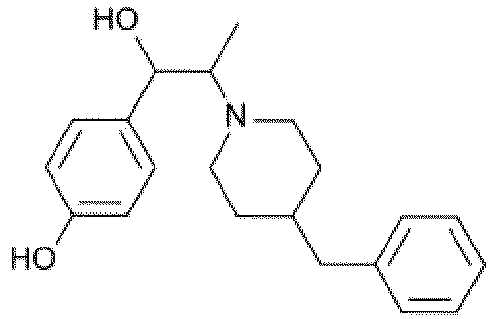
- Ifenprodil 4-[2-(4-benzylpiperidin-1-yl)-1-hydroxypropyl]phenol, is known in the art as a selective NMDA receptor (glutamate) antagonist.
- the chemical structure is:
- Ifenprodil hemitartrate 4-[2-(4-benzylpiperidin-1-ium-1-yl)-1-hydroxypropyl]phenol;2,3,4-trihydroxy-4-oxobutanoate, having the following structure was used:
- the present invention provides a use and method of treatment or prophylaxis of lobular inflammation or non-alcoholic fatty liver disease in a subject with Ifenprodil Hemitartrate or a pharmaceutically acceptable variation thereof.
- the non-alcoholic fatty liver disease may be NASH or NASH-HCC.
- the amount of Ifenoprodil used is between 0.1 and 5 mg per kg of the subject per day. In a preferred embodiment, the amount of Ifenoprodil used is between 0.5 to 3 mg per kg of the subject per day. In a further preferred embodiment, the amount of Ifenoprodil used is about 1 mg per kg of the subject per day.
- the Ifenprodil Hemitartrate, or pharmaceutically acceptable variation thereof may be administered to the subject orally, intravenously or in a manner known in the art.
- the Ifenprodil Hemitartrate, or pharmaceutically acceptable variation thereof may also be administered with one or more pharmaceutically acceptable excipients.
- Bromantane, N-(4-Bromophenyl)adamantan-2-amine is an atypical psychostimulant and anxiolytic drug of the adamantine family known in the art of treatment of neurasthenia.
- the chemical structure of Bromantane is:
- the present invention provides a use and method of treatment or prophylaxis of lobular inflammation or non-alcoholic fatty liver disease in a subject with Bromantane or a pharmaceutically acceptable variation thereof.
- the non-alcoholic fatty liver disease may be NASH or NASH-HCC.
- the amount of Bromantane used is between 0.8 and 5 mg per kg of the subject per day. In a preferred embodiment, the amount of Bromantane used is between 1.7 to 3.3 mg per kg of the subject per day. In a further preferred embodiment, the amount of Bromantane used is about 1.7 mg per kg of the subject per day.
- the Bromantane, or pharmaceutically acceptable variation thereof may be administered to the subject orally, intravenously or in a manner known in the art.
- the Bromantane, or pharmaceutically acceptable variation thereof may also be administered with one or more pharmaceutically acceptable excipients.
- Suplatast Tosylate (3- ⁇ [4-(3-ethoxy-2-hydroxypropoxy)phenyl]amino ⁇ -3-oxopropyl)(dimethyl)sulfonium 4-methylbenzenesulfonate, is a Th2 cytokine inhibitor known in the art as an antiallergic agent.
- the chemical structure of Suplatast Tosylate is:
- the present invention provides a use and method of treatment or prophylaxis of lobular inflammation or non-alcoholic fatty liver disease in a subject with Suplatast Tosylate or a pharmaceutically acceptable salt thereof.
- the non-alcoholic fatty liver disease may be NASH or NASH-HCC.
- the amount of Suplatast Tosylate used is between 1 to 10 mg per kg of the subject per day. In a preferred embodiment, the amount of Suplatast Tosylate used is between 2 to 8 mg per kg of the subject per day. In another preferred embodiment, the amount of Suplatast Tosylate used is between 4.5 to 5.4 mg per kg of the subject per day. In a yet further preferred embodiment, the amount of Suplatast Tosylate used is about 5 mg per kg of the subject per day.
- the Suplatast Tosylate, or pharmaceutically acceptable salt thereof may be administered to the subject orally, intravenously or in a manner known in the art.
- the Suplatast Tosylate, or pharmaceutically acceptable salt thereof may also be administered with one or more pharmaceutically acceptable excipients.
- Actarit (4-Acetamidophenyl)acetic acid, is a disease-modifying antirheumatic drug known in the art for treatment of rheumatoid arthritis.
- the chemical structure of Actarit is:
- the present invention provides a use and method of treatment or prophylaxis of lobular inflammation or non-alcoholic fatty liver disease in a subject with Actarit or a pharmaceutically acceptable variation thereof.
- the non-alcoholic fatty liver disease may be NASH or NASH-HCC.
- the amount of Actarit used is between 3.75 to 6.25 mg per kg of the subject per day. In a preferred embodiment, the amount of Actarit used is between 4.16 to 5.83 mg per kg of the subject per day. In another preferred embodiment, the amount of Actarit used is between 4.58 to 5.42 mg per kg of the subject per day. In a yet further preferred embodiment, the amount of Actarit used is about 5 mg per kg of the subject per day.
- the Actarit, or pharmaceutically acceptable variation thereof may be administered to the subject orally, intravenously or in a manner known in the art.
- the Actarit, or pharmaceutically acceptable variation thereof may also be administered with one or more pharmaceutically acceptable excipients.
- Lobenzarit 2-[(2-Carboxyphenyl)amino]-4-chlorobenzoic acid, is an immunomodulator known in the art for treatment of arthritis.
- the chemical structure of Lobenzarit is:
- the present invention provides a use and method of treatment or prophylaxis of lobular inflammation or non-alcoholic fatty liver disease in a subject with Lobenzarit or a pharmaceutically acceptable variation thereof.
- the non-alcoholic fatty liver disease may be NASH or NASH-HCC.
- the amount of Lobenzarit used is between 1 to 10 mg per kg of the subject per day. In a preferred embodiment, the amount of Lobenzarit used is between 2 to 7 mg per kg of the subject per day. In another preferred embodiment, the amount of Lobenzarit used is between 3 to 5 mg per kg of the subject per day. In a yet further preferred embodiment, the amount of Lobenzarit used is about 4 mg per kg of the subject per day.
- the Lobenzarit, or pharmaceutically acceptable variation thereof may be administered to the subject orally, intravenously or in a manner known in the art.
- the Lobenzarit, or pharmaceutically acceptable variation thereof may also be administered with one or more pharmaceutically acceptable excipients.
- Irsogladine 6-(2,5-Dichlorophenyl)-1,3,5-triazine-2,4-diamine
- phosphodiesterase inhibitor known in the art as a mucosal protective drug used in the treatment of peptic ulcer disease and acute gastritis.
- the chemical structure of Irsogladine is:
- the present invention provides a use and method of treatment or prophylaxis of lobular inflammation or non-alcoholic fatty liver disease in a subject with Irsogladine or a pharmaceutically acceptable variation thereof.
- the non-alcoholic fatty liver disease may be NASH or NASH-HCC.
- the amount of Irsogladine used is between 0.0416 to 0.125 mg per kg of the subject per day. In a preferred embodiment, the amount of Irsogladine used is between 0.066 to 0.1 mg per kg of the subject per day. In a further preferred embodiment, the amount of Irsogladine used is about 0.08 mg per kg of the subject per day. In a further preferred embodiment, the amount of Irsogladine used is about 0.07 mg per kg of the subject per day.
- the Irsogladine, or pharmaceutically acceptable variation thereof may be administered to the subject orally, intravenously or in a manner known in the art.
- the Irsogladine, or pharmaceutically acceptable variation thereof may also be administered with one or more pharmaceutically acceptable excipients.
- Istradefylline 8-[(E)-2-(3,4-dimethoxyphenyl)vinyl]-1,3-diethyl-7-methyl-3,7-dihydro-1H-purine-2,6-dione, is a selective A2A receptor antagonist known in the art for treatment of dyskinesia in Parkinson's disease.
- the chemical structure of Istradefylline is:
- the present invention provides a use and method of treatment or prophylaxis of lobular inflammation or non-alcoholic fatty liver disease in a subject with Istradefylline or a pharmaceutically acceptable variation thereof.
- the non-alcoholic fatty liver disease may be NASH or NASH-HCC.
- the amount of Istradefylline used is between 0.1to 5 mg per kg of the subject per day. In a preferred embodiment, the amount of Istradefylline used is between 0.3 to 1.3 mg per kg of the subject per day. In a further preferred embodiment, the amount of Istradefylline used is about 1.3 mg per kg of the subject per day.
- the Istradefylline, or pharmaceutically acceptable variation thereof may be administered to the subject orally, intravenously or in a manner known in the art.
- the Istradefylline, or pharmaceutically acceptable variation thereof may also be administered with one or more pharmaceutically acceptable excipients.
- Trapidil N,N-Diethyl-5-methyl-[1,2,4]triazolo[1,5-a]pyrimidin-7-amine, is known in the art as a vasodilator, antiplatelet drug, and platelet-derived growth factor antagonist.
- the chemical structure of Trapidil is:
- the present invention provides a use and method of treatment or prophylaxis of lobular inflammation or non-alcoholic fatty liver disease in a subject with Trapidil or a pharmaceutically acceptable variation thereof.
- the non-alcoholic fatty liver disease may be NASH or NASH-HCC.
- the amount of Trapidil used is between 4.16 to 5.83 mg per kg of the subject per day. In a preferred embodiment, the amount of Trapidil used is between 4.58 to 5.41 mg per kg of the subject per day. In a further preferred embodiment, the amount of Trapidil used is about 5 mg per kg of the subject per day. In yet another embodiment, prior to the use of 5 mg per kg of Trapidil on the subject, a single dose of 10 mg/kg of Trapidil was used on the subject.
- the Trapidil, or pharmaceutically acceptable variation thereof may be administered to the subject orally, intravenously or in a manner known in the art.
- the Trapidil, or pharmaceutically acceptable variation thereof may also be administered with one or more pharmaceutically acceptable excipients.
- Bemithyl 2-Ethylsulfanyl-1H-benzoimidazole
- the chemical structure of Bemithyl is:
- the present invention provides a use and method of treatment or prophylaxis of lobular inflammation or non-alcoholic fatty liver disease in a subject with Bemithyl or a pharmaceutically acceptable variation thereof.
- the non-alcoholic fatty liver disease may be NASH or NASH-HCC.
- the amount of Bemithyl used is between 0.5 to 30 mg per kg of the subject per day. In a preferred embodiment, the amount of Bemithyl used is between 1 to 25 mg per kg of the subject per day. In a further preferred embodiment, the amount of Bemithyl used is between 5 to 20 mg per kg of the subject per day. In a yet further preferred embodiment, the amount of Bemithyl used is about 8 mg per kg of the subject per day. In a still further preferred embodiment, the amount of Bemithyl used is about 17 mg per kg of the subject per day.
- the Bemithyl, or pharmaceutically acceptable variation thereof may be administered to the subject orally, intravenously or in a manner known in the art.
- the Bemithyl, or pharmaceutically acceptable variation thereof may also be administered with one or more pharmaceutically acceptable excipients.
- the present invention provides a use and method of treatment or prophylaxis of NASH or NASH-HCC in a subject with one or more of Cepharanthine, Repirinast, Ifenoprodil Hemitartrate, Bromantane, Suplatast Tosylate, Actarit, Lobenzarit, Irsogladine, Istradefylline and Trapadil in combination.
- the present invention provides a use and method of treatment or prophylaxis of NASH or NASH-HCC in a subject with one or more of Cepharanthine, Repirinast, Ifenoprodil Hemitartrate, Bromantane, Suplatast Tosylate, Actarit, Lobenzarit, Irsogladine, Istradefylline and Trapadil in combination with one or more of a cholesterol lowering drug, a diabetes drug, an antihypertension drug, or Vitamin E.
- Examples of cholesterol lowering drugs for use in combinations include Atorvastatin (Lipitor), Fluvastatin (Lescol), Lovastatin, Pitavastatin (Livalo), Pravastatin (Pravachol), Rosuvastatin calcium (Crestor), Simvastatin (Zocor) and niacin, Alirocumab (Praluent), Evolocumab (Repatha), Alirocumab (Praluent), and Evolocumab (Repatha).
- Examples of diabetes drugs for use in combinations include insulin.
- Examples of antihypertension drugs for use in combinations include antihypertensives, calcium channel blockers, ACE inhibitors angiotensin II receptor blockers, diuretics, and beta blockers.
- angiotensin II receptor antagonists include both angiotensin I receptor subtype antagonists and angiotensin II receptor subtype antagonists.
- Suitable angiotensin II receptor antagonists include losartan and valsartan.
- Suitable calcium channel blockers include, for example, verapamil, diltiazem, nicardipine, nifedipine, amlodipine, felodipine, nimodipine, and bepridil.
- Diuretics include, for example, furosemide, diuril, amiloride, and hydrodiuril.
- Losartan, candesartan, telmisartan, valsartan, olmesartan, irbesartan, and the like can be used as a hypotensive agent.
- an effective amount refers to the amount of an active ingredient sufficient to confer a desired prophylactic or therapeutic effect in a treated subject.
- an effective amount for inhibiting or alleviating hepatic steatosis, lobular inflammation, hepatocellular ballooning or NASH-derived HCC improves or reduces one or more symptoms, conditions or progression thereof.
- the symptoms, conditions or progression are determined and evaluated using methods known in the art that measure various disease progress-related indexes, for example by analyzing liver sections via immunohistochemical staining.
- the effective amount is determined by persons skilled in the art evaluating, for example, the administration route and frequency, body weight and species of the subject receiving the pharmacologic compound.
- an effective amount of the pharmacologic compound is formulated with a pharmaceutically acceptable vehicle and administered to the subject.
- pharmaceutically acceptable means that the vehicle is known in the art as compatible with the pharmacologic compound while also being safe to the subject receiving the treatment.
- the pharmaceutically acceptable vehicle is determined by persons skilled in the art evaluating, for example, the solubility of the pharmacologic compound in said vehicle.
- mice Male newborn C57BL/6 mice were used. All mice were born from pathogen-free 14 day-pregnant mice obtained from Japan SLC, Inc. (Hamamatsu, Japan) prior to the start of the study.
- the murine STAM TM model of NASH-HCC was performed according to previously described methods known in the art ( Takakura et al, Characterization of non-alcoholic steatohepatitis, Anticancer Res, 34(9):4849-55 (2014 ); Fujii et al, (2013)).
- NASH was induced in male mice by a single subcutaneous injection of 200 ⁇ g of streptozotocin (STZ, Sigma, MO, USA) at 2 days after birth and continuous feeding after 4 weeks of age (day 28 ⁇ 2) with a high fat diet (CLEA Japan Inc, Tokyo, Japan) given ad libitum.
- mice were randomized into 12 individual study groups of 8 mice each at 6 weeks of age (day 42 ⁇ 2) based on body weight, the day before the start of treatment.
- mice were administered a once-daily oral treatment from 6 weeks of age plus one day (day 43 ⁇ 2, treatment Day 1) to 9 weeks of age (hereinafter known as the "treatment period").
- the mice in 11 of the 12 study groups (hereafter known as “treatment groups") were treated individually with a distinct pharmacologic compound formulated with a pharmaceutically acceptable vehicle.
- the pharmacologic compound that each of these 11 groups received were either 1 of 10 test agents or Telmisartan as the positive control.
- the pharmaceutically acceptable vehicle in all groups was 0.5% carboxymethyl cellulose (CMC).
- the mice in the remaining study group (hereafter known as the "vehicle control group”) were treated individually with the same pharmaceutically acceptable vehicle with no active ingredient.
- mice Individual body weight was measured daily during the treatment period. Survival, clinical signs and behavior of mice were also monitored daily. Table 1 Groups Once daily oral dosing mg/kg 1 Normal (no NASH) N/A 2 Telmisartan (+) 10 3 Vehicle (-) N/A 4 Cepharanthine 12 5 Repirinast 60 6 Ifenoprodil Hemitartrate 30 7 Bromantane 20 8 Suplatast Tosylate 60 9 Actarit 60 10 Lobenzarit 48 11 Irsogladine 1 12 Istradefylline 18 13 Trapadil 60
- a volume of 10 mL/kg of 0.5% CMC was administered orally with (or without) the active ingredient as noted in Table 1 from 6 to 9 weeks of age until sacrifice.
- One exception being Trapadil, which was administered orally with one dosing of 120 mg/kg on Day 0 and then at the daily dose of 60 mg/kg starting on treatment Day 1. All mice were then sacrificed at 9 weeks of age. Blood samples were collected from all mice and the liver from each mouse was removed for analysis.
- the dose selected for the animal studies was determined by taking the maximum known human daily dose, dividing by the average weight of an adult ( ⁇ 60-70 kg) to get a human mg/kg dose. Then that number was multiplied by 12 to convert to a mouse dose based on conventional dosing tables. See Nair and Jacob, J Basic Clin Pharm March 2016-May 2016, 7(2):27-31 .
- Body weight The body weight of all mice were measured daily throughout the treatment period.
- Blood Sample Collection and Biochemical Analysis Blood was collected from all sacrificed mice and frozen for further analyses or shipping.
- Plasma Alanine Aminotransferase The plasma from each blood sample was analyzed by FUJI DRI CHEM (Fujifilm, Japan) for alanine aminotransferase (ALT) as an indicator of liver function and disease progression.
- liver Sample Collection, Biochemical Analysis, and Histological Analysis The liver was removed from all sacrificed mice and frozen for further analyses or shipping.
- liver Weight Following removal, the livers from all sacrificed mice were weighed in grams.
- liver Histopathology The removed livers were fixed in formalin and embedded in paraffin, and cross sections (4 ⁇ m) were then prepared.
- liver cross-sections were subjected to hematoxylin and eosin (H&E) staining using standard techniques for histological assessment of hepatic steatosis, lobular inflammation and hepatocellular ballooning.
- the level of steatohepatitis severity in each liver cross-section was indicated by NAFLD Activity Scores of: 0 (normal), 1-2 (NAFLD), 3-4 (borderline) or at least 5 (NASH) in 3 randomly selected fields of H&E-stained liver cross-sections of 4 ⁇ m thickness at x50 magnification for evaluation of steatosis and x200 magnification each for evaluation of inflammation and evaluation of ballooning.
- the NAFLD Activity Score is the unweighted sum of the following: 1) hepatic steatosis score (0-3); 2) lobular inflammation score (0-2); 3) hepatocellular ballooning score (0-2).
- the liver cross-sections of the Vehicle group, and the Bromantane, Istradefylline, and Telmisartan treated groups were also subjected to Sirius-red staining using standard techniques for histological estimation of the percentage of fibrosis area.
- Sirius-red staining For quantitative analysis of fibrosis area, bright field images of Sirius red-stained sections were captured around the central vein using a digital camera (DFC295; Leica, Germany) at 200-fold magnification, and the positive areas in 5 fields/section were measured using ImageJ software (National Institute of Health, USA).
- Liver Function Evaluation Liver function and disease progression was evaluated by Plasma ALT as previously described. Results are summarized in FIG. 1 .
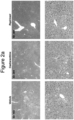
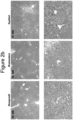
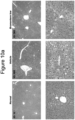
- Steatohepatitis Evaluation Steatohepatitis and disease progression was evaluated by H&E-staining of liver cross-sections as previously described. Representative photomicrographs of HE-stained liver sections for each of the 12 study groups are shown in FIGS. 2a-2d .
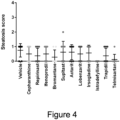
- the NAFLD Activity Score of each study group consisted of the NAFLD Activity Score average of all mice in each study group. Scores were determined based on the steatosis score, lobular inflammation score and hepatocellular ballooning score for each animal. Results are summarized in FIGS. 3-6 .
- the Bromantane and Istradefylline groups showed significant decreases in the fibrosis area (Sirius red-positive area) compared with the Vehicle group.
- the fibrosis area in the Telmisartan group tended to decrease compared with the Vehicle group.
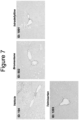
- Liver sections from the Vehicle group showed increased collagen deposition in the pericentral region of liver lobule.
- mice Male newborn C57BL/6 mice were used. All mice were born from pathogen-free 14 day-pregnant mice obtained from Japan SLC, Inc. (Hamamatsu, Japan) prior to the start of the study.
- the murine STAM TM model of NASH-HCC was performed according to previously described methods known in the art ( Takakura et al, Characterization of non-alcoholic steatohepatitis, Anticancer Res, 34(9):4849-55 (2014 ); Fujii et al, (2013)).
- NASH was induced in male mice by a single subcutaneous injection of 200 ⁇ g of streptozotocin (STZ, Sigma, MO, USA) at 2 days after birth and continuous feeding after 4 weeks of age (day 28 ⁇ 2) with a high fat diet (CLEA Japan Inc, Tokyo, Japan) given ad libitum.
- mice were randomized into 7 individual study groups of 8 mice each at 6 weeks of age (day 42 ⁇ 2) based on their body weight, the day before the start of treatment.
- mice were administered a once-daily oral treatment from 6 weeks of age plus one day (day 43 ⁇ 2, treatment Day 1) to 9 weeks of age.
- the mice in 6 of the 7 study groups were treated individually with a therapeutic amount of a pharmacologic compound formulated with a pharmaceutically acceptable vehicle.
- the pharmacologic compound that each of these 6 groups received were either 1 of 4 test agents or Telmisartan as the positive control.
- the pharmaceutically acceptable vehicle in all groups was 0.5% CMC.
- the mice in the remaining study group, the vehicle control group were treated individually with the same pharmaceutically acceptable vehicle with no active ingredient. Individual body weight was measured daily during the treatment period. Survival, clinical signs and behavior of mice were also monitored daily.
- a volume of 10 mL/kg of 0.5% CMC was administered orally with (or without) the active ingredient as noted in Table 3 from 6 to 9 weeks of age. All mice were then sacrificed at 9 weeks of age. Blood samples were collected from all mice and the liver from each mouse was removed for analysis.
- the dose selected for the animal studies was determined by taking the maximum known human daily dose, dividing by the average weight of an adult ( ⁇ 60-70 kg) to get a human mg/kg dose. Then that number was multiplied by 12 to convert to a mouse dose based on conventional dosing tables. See Nair and Jacob, J Basic Clin Pharm March 2016-May 2016, 7(2):27-31 .
- Body weight The body weight of all mice were measured daily throughout the treatment period.
- Blood Sample Collection and Biochemical Analysis Blood was collected from all sacrificed mice and frozen for further analyses or shipping.
- Plasma Alanine Aminotransferase The plasma from each blood sample was analyzed by FUJI DRI CHEM (Fujifilm, Japan) for alanine aminotransferase (ALT) as an indicator of liver function and disease progression.
- liver Sample Collection, Biochemical Analysis, and Histological Analysis The liver was removed from all sacrificed mice and frozen for further analyses or shipping. Following removal, the livers from all sacrificed mice were weighed in grams.
- liver Histopathology The removed livers were fixed in formalin and embedded in paraffin, and cross sections (4 ⁇ m) were then prepared.
- liver cross-sections were subjected to hematoxylin and eosin (H&E) staining using standard techniques for histological assessment of hepatic steatosis, lobular inflammation and hepatocellular ballooning.
- the level of steatohepatitis severity in each liver cross-section was indicated by NAFLD Activity Scores of: 0 (normal), 1-2 (NAFLD), 3-4 (borderline) or at least 5 (NASH) in 3 randomly selected fields of H&E-stained liver cross-sections of 4 ⁇ m thickness at x50 magnification for evaluation of steatosis and x200 magnification each for evaluation of inflammation and evaluation of ballooning.
- the NAFLD Activity Score is the unweighted sum of the following: 1) hepatic steatosis score (0-3); 2) lobular inflammation score (0-2); 3) hepatocellular ballooning score (0-2).
- the liver cross-sections of the treated groups were also subjected to Sirius-red staining using standard techniques for histological estimation of the percentage of fibrosis area.
- Sirius-red staining For quantitative analysis of fibrosis area, bright field images of Sirius red-stained sections were captured around the central vein using a digital camera (DFC295; Leica, Germany) at 200-fold magnification, and the positive areas in 5 fields/section were measured using ImageJ software (National Institute of Health, USA).
- Liver Function Evaluation Liver function and disease progression was evaluated by Plasma ALT as previously described. Results are summarized in FIG. 9 .
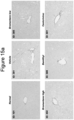
- Steatohepatitis Evaluation Steatohepatitis and disease progression was evaluated by H&E-staining of liver cross-sections as previously described. Representative photomicrographs of HE-stained liver sections for each of the 7 study groups are shown in FIGS. 10a-10c .
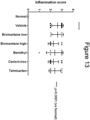
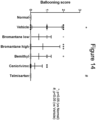
- the NAFLD Activity Score of each study group consisted of the NAFLD Activity Score average of all mice in each study group. Scores were determined based on the steatosis score, lobular inflammation score and hepatocellular ballooning score for each animal. Results are summarized in FIGS. 11-14 .
- administering showed improvement in reducing the NAFLD Activity Scores, hepatic steatosis, lobular inflammation and hepatocellular ballooning and may be useful in the prophylaxis and/or treatment of NASH.
- the improvement was better with the groups treated with Bromantane at 40 mg/kg and Istradefylline at 18 mg/kg, followed by Cenicriviroc at 30 mg/kg.
- Telmisartan at 10 mg/kg also showed improvement in the NAFLD Activity Scores, hepatic steatosis, lobular inflammation and hepatocellular ballooning as compared to the Vehicle group.
Landscapes
- Health & Medical Sciences (AREA)
- Chemical & Material Sciences (AREA)
- Medicinal Chemistry (AREA)
- Pharmacology & Pharmacy (AREA)
- Life Sciences & Earth Sciences (AREA)
- Animal Behavior & Ethology (AREA)
- General Health & Medical Sciences (AREA)
- Public Health (AREA)
- Veterinary Medicine (AREA)
- Epidemiology (AREA)
- Gastroenterology & Hepatology (AREA)
- Engineering & Computer Science (AREA)
- Bioinformatics & Cheminformatics (AREA)
- Chemical Kinetics & Catalysis (AREA)
- General Chemical & Material Sciences (AREA)
- Nuclear Medicine, Radiotherapy & Molecular Imaging (AREA)
- Organic Chemistry (AREA)
- Pain & Pain Management (AREA)
- Acyclic And Carbocyclic Compounds In Medicinal Compositions (AREA)
- Pharmaceuticals Containing Other Organic And Inorganic Compounds (AREA)
- Medicines That Contain Protein Lipid Enzymes And Other Medicines (AREA)
- Steroid Compounds (AREA)
Abstract
Description
- The present application claims priority from
US provisional application no. 62/694,848 filed July 6, 2018 US provisional application no. 62/809,351 filed February 22, 2019 - The present invention relates to the use of compounds for treating non-alcoholic fatty liver disease, and in particular, the use of particular test compounds for treating non-alcoholic fatty liver disease, non-alcoholic fatty liver, and non-alcoholic steatohepatitis.
- Non-alcoholic fatty liver disease (NAFLD) covers a range of liver conditions characterized by too much fat stored in liver cells. As its name implies, the causes are generally unrelated to alcohol consumption. This is in contrast to alcoholic liver disease, which is caused by heavy alcohol use. Most commonly, NAFLD is either non-alcoholic simple fatty liver or non-alcoholic steatohepatitis (NASH).
- Nonalcoholic fatty liver is a condition where you have fat in your liver but little or no inflammation or liver cell damage. It typically does not progress to cause liver damage or complications.
- NASH includes both a fatty liver and liver inflammation. While those with only nonalcoholic fatty liver are generally asymptomatic, the inflammation and liver cell damage with NASH can cause fibrosis, or scarring, of the liver, and in severe cases, may lead to cirrhosis (advanced scarring) or liver cancer. In that regard, common signs and symptoms of NASH and cirrhosis can include abdominal swelling, enlarged blood vessels just beneath the skin's surface, enlarged breasts in men and jaundice.
- Factors which increase one's risk of NASH include diabetes, obesity, a high fructose diet, genetics and advanced age. While improving one's diet and exercise are an efficient way to manage NAFLD and reduce insulin resistance, there is currently no cure for NAFLD or NASH, and there is no single treatment that works for every individual. Drugs currently used to treat NAFLD and NASH may help to increase fat loss and/or improve biomedical marker levels, but none have been shown to reverse or reduce NAFLD and NASH once liver scarring has begun.
- The murine models of NAFLD and NASH are well-characterized experimental models of metabolically-induced hepatic injury that ultimately lead to spontaneous hepatic steatosis - a common characteristic of many chronic hepatitis disorders. In the dietary models, the progression towards fatty liver is highly predictable and reproducible, leading to steatosis based on insulin resistance and obesity (Ishii et al, Female spontaneously diabetic Torii fatty rats develop nonalcoholic steatohepatitis-like hepatic lesions, World J Gastroenterol, 21(30):9067-78 (2015); Kucera 0 and Cervinkova Z, Experimental models of non-alcoholic fatty liver disease in rats, World J Gastroenterol, 20(26):8364-76 (2014); Takahashi et al, Animal models of nonalcoholic fatty liver diseaselnonalcoholic steatohepatitis, World J Gastroenterol, 18(19);2300-08 (2012)).
- In one such model (known as the Stelic Animal Model or STAM™) of NASH-derived hepatocellular carcinoma ("NASH-HCC") in mice, subcutaneous streptozotocin ("STZ") exposure followed by a continuous high-fat diet leads to diabetes, significant steatosis, chronic lobular inflammation, pericellular fibrosis, liver cirrhosis and HCC resembling the entire cascade of human NASH-HCC in a relatively short period of 6 to 16 weeks, including moderate increases of transaminases and plasma lipids - major hallmarks of human NASH (Fujii M et al, A murine model for non-alcoholic steatohepatitis showing evidence of association between diabetes and hepatocellular carcinoma, Med Mol Morphol, 46(3):141-52 (2013)).
- The present invention provides a novel use of existing drugs, typically studied as potential therapies for other pathologies, for the treatment and/or alleviation of NAFLD and NASH.
- In one embodiment, the present invention provides methods and uses of Cepharanthine in the prophylaxis or treatment of lobular inflammation or non-alcoholic fatty liver disease in a subject.
- In another embodiment, the present invention provides methods and uses of Repirinast in the prophylaxis or treatment of lobular inflammation or non-alcoholic fatty liver disease in a subject.
- In another embodiment, the present invention provides methods and uses of Ifenprodil Hemitartrate in the prophylaxis or treatment of lobular inflammation or non-alcoholic fatty liver disease in a subject.
- In another embodiment, the present invention provides methods and uses of Bromantane in the prophylaxis or treatment of lobular inflammation or non-alcoholic fatty liver disease in a subject.
- In another embodiment, the present invention provides methods and uses of Suplatast Tosylate in the prophylaxis or treatment of lobular inflammation or non-alcoholic fatty liver disease in a subject.
- In another embodiment, the present invention provides methods and uses of Actarit in the prophylaxis or treatment of lobular inflammation or non-alcoholic fatty liver disease in a subject.
- In another embodiment, the present invention provides methods and uses of Lobenzarit in the prophylaxis or treatment of lobular inflammation or non-alcoholic fatty liver disease in a subject.
- In another embodiment, the present invention provides methods and uses of Irsogladine in the prophylaxis or treatment of lobular inflammation or non-alcoholic fatty liver disease in a subject.
- In another embodiment, the present invention provides methods and uses of Istradefylline in the prophylaxis or treatment of lobular inflammation or non-alcoholic fatty liver disease in a subject.
- In another embodiment, the present invention provides methods and uses of Trapadil in the prophylaxis or treatment of lobular inflammation or non-alcoholic fatty liver disease in a subject.
- In another embodiment, the present invention provides methods and uses of Bemithyl in the prophylaxis or treatment of lobular inflammation or non-alcoholic fatty liver disease in a subject.
- In another embodiment, the present invention provides methods and uses of Cenicriviroc in the prophylaxis or treatment of lobular inflammation or non-alcoholic fatty liver disease in a subject.
- In a further aspect, the non-alcoholic fatty liver disease is non-alcoholic steatohepatitis.
- In an embodiment of the invention, the non-alcoholic fatty liver disease is non-alcoholic steatohepatitis-derived hepatocellular carcinoma.
- Exemplary embodiments are illustrated in referenced figures of the drawings. It is intended that the embodiments and figures disclosed herein are to be considered illustrative rather than restrictive.
-
FIG. 1 shows an evaluation of liver function and disease progression consisting of the Plasma Alanine Aminotransferases (ALT) in units/L for each of 12 study groups in a first study of C57BL/6 mice consisting of the "Vehicle" control group and 11 treatment groups including the positive control treatment group, Telmisartan. Mean is indicated ± SD as determined using the Bonferroni multiple comparison test. -
FIGS. 2a ,2b ,2c , and2d show representative photomicrographs of HE-stained liver sections for each of the 12 study groups of C57BL/6 mice consisting of the "Vehicle" control group and the 11 treatment groups including the positive control treatment group, Telmisartan. Upper panels are taken at x50 magnification. Lower panels are x200 magnification. The identity of each study group is listed above the upper panel in each pair of panels. -
FIG. 3 shows the NAFLD activity score for each of the 12 study groups of C57BL/6 mice consisting of the "Vehicle" control group and the 11 treatment groups including the positive control treatment group, Telmisartan. Mean is indicated ± SD as determined using the Bonferroni multiple comparison test. -
FIG. 4 shows the steatosis score for each of the 12 study groups of C57BL/6 mice consisting of the "Vehicle" control group and the 11 treatment groups including the positive control treatment group, Telmisartan. Mean is indicated ± SD as determined using the Bonferroni multiple comparison test. -
FIG. 5 shows the lobular inflammation score for each of the 12 study groups of C57BL/6 mice consisting of the "Vehicle" control group and the 11 treatment groups including the positive control treatment group, Telmisartan. Mean is indicated ± SD as determined using the Bonferroni multiple comparison test. -
FIG. 6 shows the hepatocellular ballooning score for each of the 12 study groups of C57BL/6 mice consisting of the "Vehicle" control group and the 11 treatment groups including the positive control treatment group, Telmisartan. Mean is indicated ± SD as determined using the Bonferroni multiple comparison test. -
FIG. 7 shows representative photomicrographs of Sirius red-stained liver sections for study groups of C57BL/6 mice consisting of the "Vehicle" control group and the Bromantane and Istradefylline treatment groups including the positive control treatment group, Telmisartan. The panels are taken at x200 magnification. The identity of each study group is listed above the upper panel in each pair of panels. -
FIG. 8 shows the Sirius red-positive area for study groups of C57BL/6 mice consisting of the "Vehicle" control group and the Bromantane and Istradefylline treatment groups including the positive control treatment group, Telmisartan. Mean is indicated ± SD as determined using the Bonferroni multiple comparison test. -
FIG. 9 shows an evaluation of liver function and disease progression consisting of the Plasma Alanine Aminotransferases (ALT) in units/L for 7 study groups in a second study of C57BL/6 mice consisting of the Normal (no NASH) group, the "Vehicle" control group and 5 treatment groups including the positive control treatment group, Telmisartan. Mean is indicated ± SD as determined using the Bonferroni multiple comparison test. -
FIGS. 10a ,10b , and10c show representative photomicrographs of HE-stained liver sections for each of the 7 study groups of C57BL/6 mice consisting of the Normal (no NASH) group, the "Vehicle" control group and the 5 treatment groups including the positive control treatment group, Telmisartan. Upper panels are taken at x50 magnification. Lower panels are x200 magnification. The identity of each study group is listed above the upper panel in each pair of panels. -
FIG. 11 shows the NAFLD activity score for each of the 7 study groups of C57BL/6 mice consisting of the Normal (no NASH) group, the "Vehicle" control group and 5 treatment groups including the positive control treatment group, Telmisartan. Mean is indicated ± SD as determined using the Bonferroni multiple comparison test. -
FIG. 12 shows the steatosis score for each of the 7 study groups of C57BL/6 mice consisting of the Normal (no NASH) group, the "Vehicle" control group and the 5 treatment groups including the positive control treatment group, Telmisartan. Mean is indicated ± SD as determined using the Bonferroni multiple comparison test. -
FIG. 13 shows the lobular inflammation score for each of the 7 study groups of C57BL/6 mice consisting of the Normal (no NASH) group, the "Vehicle" control group and the 5 treatment groups including the positive control treatment group, Telmisartan. Mean is indicated ± SD as determined using the Bonferroni multiple comparison test. -
FIG. 14 shows the hepatocellular ballooning score for each of the 7 study groups of C57BL/6 mice consisting of the Normal (no NASH) group, the "Vehicle" control group and the 5 treatment groups including the positive control treatment group, Telmisartan. Mean is indicated ± SD as determined using the Bonferroni multiple comparison test. -
FIGS. 15a and15b shows representative photomicrographs of Sirius red-stained liver sections for each of the 7 study groups of C57BL/6 mice consisting of the Normal (no NASH) group, the "Vehicle" control group and the 5 treatment groups including the positive control treatment group, Telmisartan. The panels are taken at x200 magnification. The identity of each study group is listed above the upper panel in each pair of panels. -
FIG. 16 shows an evaluation of liver function and disease progression consisting of the Fibrosis area, i.e. Sirius red-positive area in percentage of the 7 study groups of C57BL/6 mice consisting of the Normal (no NASH) group, the "Vehicle" control group and the 5 treatment groups including the positive control treatment group, Telmisartan. Mean is indicated ± SD as determined using the Bonferroni multiple comparison test. - The inventor has found that a number of pharmacologic compounds approved for use in other pathologies are useful as an active ingredient in inhibiting or alleviating hepatic steatosis, lobular inflammation and hepatocellular ballooning and may be useful in the prophylaxis and/or treatment of NASH. In some embodiments, it is found that in the murine STAM™ model of NASH-HCC, the level of hepatic steatosis, lobular inflammation and hepatocellular ballooning is inhibited or alleviated. Based on the experimental results described herein, it is shown that the compounds described herein will be useful in some embodiments in the prophylaxis and/or treatment of NASH and/or NASH-derived HCC.
- The examples and data below show the effects of inhibiting or alleviating hepatic steatosis, lobular inflammation and hepatocellular ballooning in two studies. In the first study, a therapeutically effective amount of 10 pharmacologic compounds was administered. In the second study, a therapeutically effective amount of 5 pharmacologic compounds were administered. The pharmacologic compounds, hereinafter known as "test agents", are approved for use in other pathologies, and are formulated with a pharmaceutically acceptable vehicle for the purpose of delivery and absorption.
- A currently proposed therapy for treating NAFLD and NASH is administering the pharmacologic compound Telmisartan (Gitto et al, Treatment of nonalcoholic steatohepatitis in adults: present and future, Gastroenterol Res Pract, 2015:732870 (2015); Paschos P and Tziomalos K, Nonalcoholic fatty liver disease and the renin-angiotensin system: Implications for treatment, World J Hepatol, 4(12):327-31 (2012); Musso G et al, A meta-analysis of randomized trials for the treatment of nonalcoholic fatty liver disease, Hepatology, 52(1):79-104 (2010); Georgescu EF et al, Angiotensin-receptor blockers as therapy for mild-to-moderate hypertension-associated non-alcoholic steatohepatitis, World J Gastroenterol, 15(8):942-54 (2009)), which was used as a positive control in the experimental examples described herein.
- Telmisartan, 2-(4-{[4-Methyl-6-(1-methyl-1H-1,3-benzodiazol-2-yl)-2-propyl-1H-1,3-benzodiazol-1-yl]methyl}phenyl)benzoic acid, is an angiotensin receptor blocker known in the art for treating hypertension. The chemical structure of Telmisartan is:

- In animal models of NASH-HCC as described herein, a therapeutically effective amount can be typically calculated as the animal equivalent daily dose of the maximum daily human dose.
- Cepharanthine, (14S,27R)-22,33-Dimethoxy-13,28-dimethyl-2,5,7,20-tetraoxa-13,28-diazaoctacyclo[25.6.2.216,19.13,10.121,25.04,8.014,39.031,35]nonatriaconta-1(33),3,8,10(39),16,18,21(36),22,24,31,34,37-dodecaene, is an anti-inflammatory and anti-neoplastic compound known in the art for treating radiation-induced leukopenia, idiopathic thrombocytopenic purpura, alopecia areata and pityrodes, xerostomia, sarcoidosis, refractory anemia, and various cancer-related conditions. The chemical structure of Cepharanthine is:

- In one aspect, the present invention provides a use and method of treatment or prophylaxis of lobular inflammation or non-alcoholic fatty liver disease in a subject with Cepharanthine or a pharmaceutically acceptable variation thereof. The non-alcoholic fatty liver disease may be NASH or NASH-HCC.
- In an embodiment, the amount of Cepharanthine used is between 0.5 and 10 mg per kg of the subject. In a preferred embodiment, the amount of Cepharanthine used is between 1 to 4 mg per kg of the subject. In a further preferred embodiment, the amount of Cepharanthine used is about 2.25 mg per kg of the subject. In a further preferred embodiment, the amount of Cepharanthine used is about 2.5 mg per kg of the subject.
- The Cepharanthine, or pharmaceutically acceptable variation thereof, may be administered to the subject orally, intravenously or in a manner known in the art. The Cepharanthine, or pharmaceutically acceptable variation thereof, may also be administered with one or more pharmaceutically acceptable excipients.
- Repirinast, 3-methylbutyl 7,8-dimethyl-4,5-dioxo-5,6-dihydro-4H-pyrano[3,2-c]quinoline-2-carboxylate, is known in the art as an antihistamine. The chemical structure of Repirinast is:

- In one aspect, the present invention provides a use and method of treatment or prophylaxis of lobular inflammation or non-alcoholic fatty liver disease in a subject with Repirinast or a pharmaceutically acceptable variation thereof. The non-alcoholic fatty liver disease may be NASH or NASH-HCC.
- In an embodiment, the amount of Repirinast used is between 2 to 50 mg per kg of the subject per day. In a preferred embodiment, the amount of Repirinast used is between 5 to 10 mg per kg of the subject per day. In a further preferred embodiment, the amount of Repirinast used is about 10 mg per kg of the subject per day.
- The Repirinast, or pharmaceutically acceptable variation thereof, may be administered to the subject orally, intravenously or in a manner known in the art. The Repirinast, or pharmaceutically acceptable variation thereof, may also be administered with one or more pharmaceutically acceptable excipients.
- Ifenprodil, 4-[2-(4-benzylpiperidin-1-yl)-1-hydroxypropyl]phenol, is known in the art as a selective NMDA receptor (glutamate) antagonist. The chemical structure is:
- In some embodiments tested in the examples herein, Ifenprodil hemitartrate, 4-[2-(4-benzylpiperidin-1-ium-1-yl)-1-hydroxypropyl]phenol;2,3,4-trihydroxy-4-oxobutanoate, having the following structure was used:

- In one aspect, the present invention provides a use and method of treatment or prophylaxis of lobular inflammation or non-alcoholic fatty liver disease in a subject with Ifenprodil Hemitartrate or a pharmaceutically acceptable variation thereof. The non-alcoholic fatty liver disease may be NASH or NASH-HCC.
- In an embodiment, the amount of Ifenoprodil used is between 0.1 and 5 mg per kg of the subject per day. In a preferred embodiment, the amount of Ifenoprodil used is between 0.5 to 3 mg per kg of the subject per day. In a further preferred embodiment, the amount of Ifenoprodil used is about 1 mg per kg of the subject per day.
- The Ifenprodil Hemitartrate, or pharmaceutically acceptable variation thereof, may be administered to the subject orally, intravenously or in a manner known in the art. The Ifenprodil Hemitartrate, or pharmaceutically acceptable variation thereof, may also be administered with one or more pharmaceutically acceptable excipients.
- Bromantane, N-(4-Bromophenyl)adamantan-2-amine, is an atypical psychostimulant and anxiolytic drug of the adamantine family known in the art of treatment of neurasthenia. The chemical structure of Bromantane is:

- In one aspect, the present invention provides a use and method of treatment or prophylaxis of lobular inflammation or non-alcoholic fatty liver disease in a subject with Bromantane or a pharmaceutically acceptable variation thereof. The non-alcoholic fatty liver disease may be NASH or NASH-HCC.
- In an embodiment, the amount of Bromantane used is between 0.8 and 5 mg per kg of the subject per day. In a preferred embodiment, the amount of Bromantane used is between 1.7 to 3.3 mg per kg of the subject per day. In a further preferred embodiment, the amount of Bromantane used is about 1.7 mg per kg of the subject per day.
- The Bromantane, or pharmaceutically acceptable variation thereof, may be administered to the subject orally, intravenously or in a manner known in the art. The Bromantane, or pharmaceutically acceptable variation thereof, may also be administered with one or more pharmaceutically acceptable excipients.
- Suplatast Tosylate, (3-{[4-(3-ethoxy-2-hydroxypropoxy)phenyl]amino}-3-oxopropyl)(dimethyl)sulfonium 4-methylbenzenesulfonate, is a Th2 cytokine inhibitor known in the art as an antiallergic agent. The chemical structure of Suplatast Tosylate is:

- In one aspect, the present invention provides a use and method of treatment or prophylaxis of lobular inflammation or non-alcoholic fatty liver disease in a subject with Suplatast Tosylate or a pharmaceutically acceptable salt thereof. The non-alcoholic fatty liver disease may be NASH or NASH-HCC.
- In an embodiment, the amount of Suplatast Tosylate used is between 1 to 10 mg per kg of the subject per day. In a preferred embodiment, the amount of Suplatast Tosylate used is between 2 to 8 mg per kg of the subject per day. In another preferred embodiment, the amount of Suplatast Tosylate used is between 4.5 to 5.4 mg per kg of the subject per day. In a yet further preferred embodiment, the amount of Suplatast Tosylate used is about 5 mg per kg of the subject per day.
- The Suplatast Tosylate, or pharmaceutically acceptable salt thereof, may be administered to the subject orally, intravenously or in a manner known in the art. The Suplatast Tosylate, or pharmaceutically acceptable salt thereof, may also be administered with one or more pharmaceutically acceptable excipients.
- Actarit, (4-Acetamidophenyl)acetic acid, is a disease-modifying antirheumatic drug known in the art for treatment of rheumatoid arthritis. The chemical structure of Actarit is:

- In one aspect, the present invention provides a use and method of treatment or prophylaxis of lobular inflammation or non-alcoholic fatty liver disease in a subject with Actarit or a pharmaceutically acceptable variation thereof. The non-alcoholic fatty liver disease may be NASH or NASH-HCC.
- In an embodiment, the amount of Actarit used is between 3.75 to 6.25 mg per kg of the subject per day. In a preferred embodiment, the amount of Actarit used is between 4.16 to 5.83 mg per kg of the subject per day. In another preferred embodiment, the amount of Actarit used is between 4.58 to 5.42 mg per kg of the subject per day. In a yet further preferred embodiment, the amount of Actarit used is about 5 mg per kg of the subject per day.
- The Actarit, or pharmaceutically acceptable variation thereof, may be administered to the subject orally, intravenously or in a manner known in the art. The Actarit, or pharmaceutically acceptable variation thereof, may also be administered with one or more pharmaceutically acceptable excipients.
- Lobenzarit, 2-[(2-Carboxyphenyl)amino]-4-chlorobenzoic acid, is an immunomodulator known in the art for treatment of arthritis. The chemical structure of Lobenzarit is:

- In one aspect, the present invention provides a use and method of treatment or prophylaxis of lobular inflammation or non-alcoholic fatty liver disease in a subject with Lobenzarit or a pharmaceutically acceptable variation thereof. The non-alcoholic fatty liver disease may be NASH or NASH-HCC.
- In an embodiment, the amount of Lobenzarit used is between 1 to 10 mg per kg of the subject per day. In a preferred embodiment, the amount of Lobenzarit used is between 2 to 7 mg per kg of the subject per day. In another preferred embodiment, the amount of Lobenzarit used is between 3 to 5 mg per kg of the subject per day. In a yet further preferred embodiment, the amount of Lobenzarit used is about 4 mg per kg of the subject per day.
- The Lobenzarit, or pharmaceutically acceptable variation thereof, may be administered to the subject orally, intravenously or in a manner known in the art. The Lobenzarit, or pharmaceutically acceptable variation thereof, may also be administered with one or more pharmaceutically acceptable excipients.
- Irsogladine, 6-(2,5-Dichlorophenyl)-1,3,5-triazine-2,4-diamine, is a phosphodiesterase inhibitor known in the art as a mucosal protective drug used in the treatment of peptic ulcer disease and acute gastritis. The chemical structure of Irsogladine is:

- In one aspect, the present invention provides a use and method of treatment or prophylaxis of lobular inflammation or non-alcoholic fatty liver disease in a subject with Irsogladine or a pharmaceutically acceptable variation thereof. The non-alcoholic fatty liver disease may be NASH or NASH-HCC.
- In an embodiment, the amount of Irsogladine used is between 0.0416 to 0.125 mg per kg of the subject per day. In a preferred embodiment, the amount of Irsogladine used is between 0.066 to 0.1 mg per kg of the subject per day. In a further preferred embodiment, the amount of Irsogladine used is about 0.08 mg per kg of the subject per day. In a further preferred embodiment, the amount of Irsogladine used is about 0.07 mg per kg of the subject per day.
- The Irsogladine, or pharmaceutically acceptable variation thereof, may be administered to the subject orally, intravenously or in a manner known in the art. The Irsogladine, or pharmaceutically acceptable variation thereof, may also be administered with one or more pharmaceutically acceptable excipients.
- Istradefylline, 8-[(E)-2-(3,4-dimethoxyphenyl)vinyl]-1,3-diethyl-7-methyl-3,7-dihydro-1H-purine-2,6-dione, is a selective A2A receptor antagonist known in the art for treatment of dyskinesia in Parkinson's disease. The chemical structure of Istradefylline is:

- In one aspect, the present invention provides a use and method of treatment or prophylaxis of lobular inflammation or non-alcoholic fatty liver disease in a subject with Istradefylline or a pharmaceutically acceptable variation thereof. The non-alcoholic fatty liver disease may be NASH or NASH-HCC.
- In an embodiment, the amount of Istradefylline used is between 0.1to 5 mg per kg of the subject per day. In a preferred embodiment, the amount of Istradefylline used is between 0.3 to 1.3 mg per kg of the subject per day. In a further preferred embodiment, the amount of Istradefylline used is about 1.3 mg per kg of the subject per day.
- The Istradefylline, or pharmaceutically acceptable variation thereof, may be administered to the subject orally, intravenously or in a manner known in the art. The Istradefylline, or pharmaceutically acceptable variation thereof, may also be administered with one or more pharmaceutically acceptable excipients.
- Trapidil, N,N-Diethyl-5-methyl-[1,2,4]triazolo[1,5-a]pyrimidin-7-amine, is known in the art as a vasodilator, antiplatelet drug, and platelet-derived growth factor antagonist. The chemical structure of Trapidil is:

- In one aspect, the present invention provides a use and method of treatment or prophylaxis of lobular inflammation or non-alcoholic fatty liver disease in a subject with Trapidil or a pharmaceutically acceptable variation thereof. The non-alcoholic fatty liver disease may be NASH or NASH-HCC.
- In an embodiment, the amount of Trapidil used is between 4.16 to 5.83 mg per kg of the subject per day. In a preferred embodiment, the amount of Trapidil used is between 4.58 to 5.41 mg per kg of the subject per day. In a further preferred embodiment, the amount of Trapidil used is about 5 mg per kg of the subject per day. In yet another embodiment, prior to the use of 5 mg per kg of Trapidil on the subject, a single dose of 10 mg/kg of Trapidil was used on the subject.
- The Trapidil, or pharmaceutically acceptable variation thereof, may be administered to the subject orally, intravenously or in a manner known in the art. The Trapidil, or pharmaceutically acceptable variation thereof, may also be administered with one or more pharmaceutically acceptable excipients.
- Bemithyl, 2-Ethylsulfanyl-1H-benzoimidazole, is known in the art as a synthetic actoprotector, antioxidant, and antimutagenic, and is often used to increase physical performance. The chemical structure of Bemithyl is:

- In one aspect, the present invention provides a use and method of treatment or prophylaxis of lobular inflammation or non-alcoholic fatty liver disease in a subject with Bemithyl or a pharmaceutically acceptable variation thereof. The non-alcoholic fatty liver disease may be NASH or NASH-HCC.
- In an embodiment, the amount of Bemithyl used is between 0.5 to 30 mg per kg of the subject per day. In a preferred embodiment, the amount of Bemithyl used is between 1 to 25 mg per kg of the subject per day. In a further preferred embodiment, the amount of Bemithyl used is between 5 to 20 mg per kg of the subject per day. In a yet further preferred embodiment, the amount of Bemithyl used is about 8 mg per kg of the subject per day. In a still further preferred embodiment, the amount of Bemithyl used is about 17 mg per kg of the subject per day.
- The Bemithyl, or pharmaceutically acceptable variation thereof, may be administered to the subject orally, intravenously or in a manner known in the art. The Bemithyl, or pharmaceutically acceptable variation thereof, may also be administered with one or more pharmaceutically acceptable excipients.
- In another aspect, the present invention provides a use and method of treatment or prophylaxis of NASH or NASH-HCC in a subject with one or more of Cepharanthine, Repirinast, Ifenoprodil Hemitartrate, Bromantane, Suplatast Tosylate, Actarit, Lobenzarit, Irsogladine, Istradefylline and Trapadil in combination. In another aspect, the present invention provides a use and method of treatment or prophylaxis of NASH or NASH-HCC in a subject with one or more of Cepharanthine, Repirinast, Ifenoprodil Hemitartrate, Bromantane, Suplatast Tosylate, Actarit, Lobenzarit, Irsogladine, Istradefylline and Trapadil in combination with one or more of a cholesterol lowering drug, a diabetes drug, an antihypertension drug, or Vitamin E.
- Examples of cholesterol lowering drugs for use in combinations include Atorvastatin (Lipitor), Fluvastatin (Lescol), Lovastatin, Pitavastatin (Livalo), Pravastatin (Pravachol), Rosuvastatin calcium (Crestor), Simvastatin (Zocor) and niacin, Alirocumab (Praluent), Evolocumab (Repatha), Alirocumab (Praluent), and Evolocumab (Repatha). Examples of diabetes drugs for use in combinations include insulin. Examples of antihypertension drugs for use in combinations include antihypertensives, calcium channel blockers, ACE inhibitors angiotensin II receptor blockers, diuretics, and beta blockers. Examples of known angiotensin II receptor antagonists include both angiotensin I receptor subtype antagonists and angiotensin II receptor subtype antagonists. Suitable angiotensin II receptor antagonists include losartan and valsartan. Suitable calcium channel blockers include, for example, verapamil, diltiazem, nicardipine, nifedipine, amlodipine, felodipine, nimodipine, and bepridil. Diuretics include, for example, furosemide, diuril, amiloride, and hydrodiuril. Losartan, candesartan, telmisartan, valsartan, olmesartan, irbesartan, and the like can be used as a hypotensive agent.
- The term "effective amount" used herein refers to the amount of an active ingredient sufficient to confer a desired prophylactic or therapeutic effect in a treated subject. In one aspect, an effective amount for inhibiting or alleviating hepatic steatosis, lobular inflammation, hepatocellular ballooning or NASH-derived HCC improves or reduces one or more symptoms, conditions or progression thereof. In some embodiments, the symptoms, conditions or progression are determined and evaluated using methods known in the art that measure various disease progress-related indexes, for example by analyzing liver sections via immunohistochemical staining.
- In some embodiments, the effective amount is determined by persons skilled in the art evaluating, for example, the administration route and frequency, body weight and species of the subject receiving the pharmacologic compound. In some embodiments, an effective amount of the pharmacologic compound is formulated with a pharmaceutically acceptable vehicle and administered to the subject.
- The term "pharmaceutically acceptable" used herein means that the vehicle is known in the art as compatible with the pharmacologic compound while also being safe to the subject receiving the treatment. In some embodiments, the pharmaceutically acceptable vehicle is determined by persons skilled in the art evaluating, for example, the solubility of the pharmacologic compound in said vehicle.
- Exemplary embodiments of the present invention are further described with reference to the following examples, which are intended to be illustrative and not limiting in nature. In the first study, a therapeutically effective amount of 10 pharmacologic compounds was administered. In the second study, a therapeutically effective amount of 5 pharmacologic compounds were administered.
- Male newborn C57BL/6 mice were used. All mice were born from pathogen-free 14 day-pregnant mice obtained from Japan SLC, Inc. (Hamamatsu, Japan) prior to the start of the study.
- The murine STAM™ model of NASH-HCC was performed according to previously described methods known in the art (Takakura et al, Characterization of non-alcoholic steatohepatitis, Anticancer Res, 34(9):4849-55 (2014); Fujii et al, (2013)). NASH was induced in male mice by a single subcutaneous injection of 200 µg of streptozotocin (STZ, Sigma, MO, USA) at 2 days after birth and continuous feeding after 4 weeks of age (day 28 ± 2) with a high fat diet (CLEA Japan Inc, Tokyo, Japan) given ad libitum.
- Following induction of NASH, the mice were randomized into 12 individual study groups of 8 mice each at 6 weeks of age (day 42 ± 2) based on body weight, the day before the start of treatment.
- One day following randomization, the mice were administered a once-daily oral treatment from 6 weeks of age plus one day (day 43 ± 2, treatment Day 1) to 9 weeks of age (hereinafter known as the "treatment period"). The mice in 11 of the 12 study groups (hereafter known as "treatment groups") were treated individually with a distinct pharmacologic compound formulated with a pharmaceutically acceptable vehicle. The pharmacologic compound that each of these 11 groups received were either 1 of 10 test agents or Telmisartan as the positive control. The pharmaceutically acceptable vehicle in all groups was 0.5% carboxymethyl cellulose (CMC). The mice in the remaining study group (hereafter known as the "vehicle control group") were treated individually with the same pharmaceutically acceptable vehicle with no active ingredient. Individual body weight was measured daily during the treatment period. Survival, clinical signs and behavior of mice were also monitored daily.
Table 1 Groups Once daily oral dosing mg/ kg 1 Normal (no NASH) N/ A 2 Telmisartan (+) 10 3 Vehicle (-) N/A 4 Cepharanthine 12 5 Repirinast 60 6 Ifenoprodil Hemitartrate 30 7 Bromantane 20 8 Suplatast Tosylate 60 9 Actarit 60 10 Lobenzarit 48 11 Irsogladine 1 12 Istradefylline 18 13 Trapadil 60 - In each case, a volume of 10 mL/kg of 0.5% CMC was administered orally with (or without) the active ingredient as noted in Table 1 from 6 to 9 weeks of age until sacrifice. One exception being Trapadil, which was administered orally with one dosing of 120 mg/kg on
Day 0 and then at the daily dose of 60 mg/kg starting ontreatment Day 1. All mice were then sacrificed at 9 weeks of age. Blood samples were collected from all mice and the liver from each mouse was removed for analysis. - The dose selected for the animal studies was determined by taking the maximum known human daily dose, dividing by the average weight of an adult (~60-70 kg) to get a human mg/kg dose. Then that number was multiplied by 12 to convert to a mouse dose based on conventional dosing tables. See Nair and Jacob, J Basic Clin Pharm March 2016-May 2016, 7(2):27-31.
- The following measurements and assessments were taken for each mouse.
- Body weight: The body weight of all mice were measured daily throughout the treatment period.
- Blood Sample Collection and Biochemical Analysis: Blood was collected from all sacrificed mice and frozen for further analyses or shipping.
- Plasma Alanine Aminotransferase (ALT): The plasma from each blood sample was analyzed by FUJI DRI CHEM (Fujifilm, Japan) for alanine aminotransferase (ALT) as an indicator of liver function and disease progression.
- Liver Sample Collection, Biochemical Analysis, and Histological Analysis: The liver was removed from all sacrificed mice and frozen for further analyses or shipping.
- Liver Weight: Following removal, the livers from all sacrificed mice were weighed in grams.
- Liver Histopathology: The removed livers were fixed in formalin and embedded in paraffin, and cross sections (4µm) were then prepared.
- Assessment of Steatohepatitis: Liver cross-sections were subjected to hematoxylin and eosin (H&E) staining using standard techniques for histological assessment of hepatic steatosis, lobular inflammation and hepatocellular ballooning. The level of steatohepatitis severity in each liver cross-section was indicated by NAFLD Activity Scores of: 0 (normal), 1-2 (NAFLD), 3-4 (borderline) or at least 5 (NASH) in 3 randomly selected fields of H&E-stained liver cross-sections of 4µm thickness at x50 magnification for evaluation of steatosis and x200 magnification each for evaluation of inflammation and evaluation of ballooning. The NAFLD Activity Score is the unweighted sum of the following: 1) hepatic steatosis score (0-3); 2) lobular inflammation score (0-2); 3) hepatocellular ballooning score (0-2).
- The liver cross-sections of the Vehicle group, and the Bromantane, Istradefylline, and Telmisartan treated groups were also subjected to Sirius-red staining using standard techniques for histological estimation of the percentage of fibrosis area. For quantitative analysis of fibrosis area, bright field images of Sirius red-stained sections were captured around the central vein using a digital camera (DFC295; Leica, Germany) at 200-fold magnification, and the positive areas in 5 fields/section were measured using ImageJ software (National Institute of Health, USA).
- Values are arithmetic means. Comparison between the study group and positive control group was performed using a two-tailed, heteroscedastic (two-sample unequal variance) Student's T-Test. A P-value of < 0.05 was considered statistically significant following a Bonferroni post-hoc statistical correction analysis for multiple groups (Bonferroni Multiple Comparison Test). In this case, the correction factor was 12, corresponding to the number of study groups. Following the usual convention, the P-value classification and statistical significance levels chosen are shown in Table 2 alongside their corresponding classification scores.
Table 2: P-Value Classification: Statistical Significance Levels P-Value Statistical Classification P ≥ 0.05 Not Significant NS 0.01 ≤ P < 0.05 Significant * 0.001 ≤ P <0.01 Very Significant ** P < 0.001 Extremely *** - Liver Function Evaluation: Liver function and disease progression was evaluated by Plasma ALT as previously described. Results are summarized in
FIG. 1 . - Steatohepatitis Evaluation: Steatohepatitis and disease progression was evaluated by H&E-staining of liver cross-sections as previously described. Representative photomicrographs of HE-stained liver sections for each of the 12 study groups are shown in
FIGS. 2a-2d . - The NAFLD Activity Score of each study group consisted of the NAFLD Activity Score average of all mice in each study group. Scores were determined based on the steatosis score, lobular inflammation score and hepatocellular ballooning score for each animal. Results are summarized in
FIGS. 3-6 . - Steatohepatitis and disease progression was also evaluated by Sirius-red staining of liver cross-sections as previously described. Representative photomicrographs of Sirius red-stained liver sections for Vehicle, Bromantane, Istradefylline, and Telmisartan study groups are shown in
Figure 7 . Results are shown inFIG. 8 . - Statistically significant reductions in NAFLD activity score relative to Vehicle control were observed for the Bromantane and Istradefylline treatment groups, as well as for the Telmisartan positive control. Statistically significant reductions in hepatocellular ballooning score relative to Vehicle control were observed for the Bromantane, Irsogladine and Istradefylline treatment groups.
- The Bromantane and Istradefylline groups showed significant decreases in the fibrosis area (Sirius red-positive area) compared with the Vehicle group. The fibrosis area in the Telmisartan group tended to decrease compared with the Vehicle group. Liver sections from the Vehicle group showed increased collagen deposition in the pericentral region of liver lobule.
- The statistically significant and clinically relevant composite reduction in NAFLD Activity Scores, particularly for Bromantane and Istradefylline, suggest these compounds could be useful in preventing and/or treating NASH and its sequelae.
- As before, male newborn C57BL/6 mice were used. All mice were born from pathogen-free 14 day-pregnant mice obtained from Japan SLC, Inc. (Hamamatsu, Japan) prior to the start of the study.
- The murine STAM™ model of NASH-HCC was performed according to previously described methods known in the art (Takakura et al, Characterization of non-alcoholic steatohepatitis, Anticancer Res, 34(9):4849-55 (2014); Fujii et al, (2013)). NASH was induced in male mice by a single subcutaneous injection of 200 µg of streptozotocin (STZ, Sigma, MO, USA) at 2 days after birth and continuous feeding after 4 weeks of age (day 28 ± 2) with a high fat diet (CLEA Japan Inc, Tokyo, Japan) given ad libitum.
- Following induction of NASH, the mice were randomized into 7 individual study groups of 8 mice each at 6 weeks of age (day 42 ± 2) based on their body weight, the day before the start of treatment.
- One day following randomization, the mice were administered a once-daily oral treatment from 6 weeks of age plus one day (day 43 ± 2, treatment Day 1) to 9 weeks of age. The mice in 6 of the 7 study groups were treated individually with a therapeutic amount of a pharmacologic compound formulated with a pharmaceutically acceptable vehicle. The pharmacologic compound that each of these 6 groups received were either 1 of 4 test agents or Telmisartan as the positive control. The pharmaceutically acceptable vehicle in all groups was 0.5% CMC. The mice in the remaining study group, the vehicle control group, were treated individually with the same pharmaceutically acceptable vehicle with no active ingredient. Individual body weight was measured daily during the treatment period. Survival, clinical signs and behavior of mice were also monitored daily.
Table 3 Groups Once daily oral dosing mg/ kg 1 Normal (no NASH) N/ A 2 Telmisartan (+) 10 3 Vehicle (-) N/A 4 Bromantane 20 5 Bromantane 40 6 Bemithyl 200 7 Cenicriviroc 30 - In each case, a volume of 10 mL/kg of 0.5% CMC was administered orally with (or without) the active ingredient as noted in Table 3 from 6 to 9 weeks of age. All mice were then sacrificed at 9 weeks of age. Blood samples were collected from all mice and the liver from each mouse was removed for analysis.
- The dose selected for the animal studies was determined by taking the maximum known human daily dose, dividing by the average weight of an adult (~60-70 kg) to get a human mg/kg dose. Then that number was multiplied by 12 to convert to a mouse dose based on conventional dosing tables. See Nair and Jacob, J Basic Clin Pharm March 2016-May 2016, 7(2):27-31.
- The following measurements and assessments were taken for each mouse.
- Body weight: The body weight of all mice were measured daily throughout the treatment period.
- Blood Sample Collection and Biochemical Analysis: Blood was collected from all sacrificed mice and frozen for further analyses or shipping.
- Plasma Alanine Aminotransferase (ALT): The plasma from each blood sample was analyzed by FUJI DRI CHEM (Fujifilm, Japan) for alanine aminotransferase (ALT) as an indicator of liver function and disease progression.
- Liver Sample Collection, Biochemical Analysis, and Histological Analysis: The liver was removed from all sacrificed mice and frozen for further analyses or shipping. Following removal, the livers from all sacrificed mice were weighed in grams.
- Liver Histopathology: The removed livers were fixed in formalin and embedded in paraffin, and cross sections (4µm) were then prepared.
- Assessment of Steatohepatitis: Liver cross-sections were subjected to hematoxylin and eosin (H&E) staining using standard techniques for histological assessment of hepatic steatosis, lobular inflammation and hepatocellular ballooning. The level of steatohepatitis severity in each liver cross-section was indicated by NAFLD Activity Scores of: 0 (normal), 1-2 (NAFLD), 3-4 (borderline) or at least 5 (NASH) in 3 randomly selected fields of H&E-stained liver cross-sections of 4µm thickness at x50 magnification for evaluation of steatosis and x200 magnification each for evaluation of inflammation and evaluation of ballooning. The NAFLD Activity Score is the unweighted sum of the following: 1) hepatic steatosis score (0-3); 2) lobular inflammation score (0-2); 3) hepatocellular ballooning score (0-2).
- The liver cross-sections of the treated groups were also subjected to Sirius-red staining using standard techniques for histological estimation of the percentage of fibrosis area. For quantitative analysis of fibrosis area, bright field images of Sirius red-stained sections were captured around the central vein using a digital camera (DFC295; Leica, Germany) at 200-fold magnification, and the positive areas in 5 fields/section were measured using ImageJ software (National Institute of Health, USA).
- Values are arithmetic means. Comparison between the study group and positive control group was performed using a two-tailed, heteroscedastic (two-sample unequal variance) Student's T-Test. A P-value of < 0.05 was considered statistically significant following a Bonferroni post-hoc statistical correction analysis for multiple groups (Bonferroni Multiple Comparison Test). In this case, the correction factor was 7, corresponding to the number of study groups. Following the usual convention, the P-value classification and statistical significance levels chosen are shown in Table 2 (above) alongside their corresponding classification scores.
- Liver Function Evaluation: Liver function and disease progression was evaluated by Plasma ALT as previously described. Results are summarized in
FIG. 9 . - Steatohepatitis Evaluation: Steatohepatitis and disease progression was evaluated by H&E-staining of liver cross-sections as previously described. Representative photomicrographs of HE-stained liver sections for each of the 7 study groups are shown in
FIGS. 10a-10c . - The NAFLD Activity Score of each study group consisted of the NAFLD Activity Score average of all mice in each study group. Scores were determined based on the steatosis score, lobular inflammation score and hepatocellular ballooning score for each animal. Results are summarized in
FIGS. 11-14 . - Statistically significant reductions in NAFLD activity score relative to Vehicle control were observed for the Bromantane high and Cenicriviroc treatment groups, as well as for the Telmisartan positive control. Statistically significant reductions in steatosis score relative to Vehicle control were observed for the Bromantane high treatment group, as well as for the Telmisartan positive control.
- Significantly, all of the study groups, including the Bromantane low, Bromantane high, Bemithyl, and Cenicriviroc groups, showed statistically significant decreases in the fibrosis area (Sirius red-positive area) compared with the Vehicle group. The Bemithyl group showed particularly statistically significant decrease in fibrosis area. The fibrosis area in the Telmisartan group also tended to decrease compared with the Vehicle group.
- The statistically significant and clinically relevant composite reduction in NAFLD Activity Scores, particularly for Bromantane high, Bemithyl and Cenicriviroc, suggest these compounds could be useful in preventing and/or treating NASH and its sequelae.
- In conclusion, administration of the above test agents, especially Bromantane, Istradefylline, and Cenicriviroc, showed improvement in reducing the NAFLD Activity Scores, hepatic steatosis, lobular inflammation and hepatocellular ballooning and may be useful in the prophylaxis and/or treatment of NASH. In particular, the improvement was better with the groups treated with Bromantane at 40 mg/kg and Istradefylline at 18 mg/kg, followed by Cenicriviroc at 30 mg/kg.
- Oral administration of Telmisartan at 10 mg/kg also showed improvement in the NAFLD Activity Scores, hepatic steatosis, lobular inflammation and hepatocellular ballooning as compared to the Vehicle group.
- Throughout the description, specific details are set forth in order to provide a more thorough understanding to persons skilled in the art. However, well known elements may not have been shown or described in detail to avoid unnecessarily obscuring the disclosure. Accordingly, the description and drawings are to be regarded in an illustrative, rather than a restrictive, sense.
- While a number of exemplary aspects and embodiments have been discussed above, those of skill in the art will recognize certain modifications, permutations, additions and sub-combinations thereof. It is therefore intended that the following appended claims and claims hereafter introduced are interpreted to include all such modifications, permutations, additions and sub-combinations as are consistent with the broadest interpretation of the specification as a whole.
- The present application and invention further includes the subject matter of the following numbered clauses:
- 1. Use of Cepharanthine in the prophylaxis or treatment of lobular inflammation or non-alcoholic fatty liver disease in a subject.
- 2. The use of
clause 1, wherein the amount of Cepharanthine is between 1 to 5 mg per kg of the subject. - 3. The use of
clause 2, wherein the amount of Cepharanthine is about 2.25 mg per kg of the subject. - 4. The use of
clause 3, wherein the amount of Cepharanthine is about 2.5 mg per kg of the subject. - 5. Use of Repirinast in the prophylaxis or treatment of lobular inflammation or non-alcoholic fatty liver disease in a subject.
- 6. The use of clause 5, wherein the amount of Repirinast is between 1 to 20 mg per kg of the subject.
- 7. The use of
clause 6, wherein the amount of Repirinast is between 3 to 10 mg per kg of the subject. - 8. The use of clause 7, wherein the amount of Repirinast is about 10 mg per kg of the subject.
- 9. Use of Ifenprodil Hemitartrate in the prophylaxis or treatment of lobular inflammation or non-alcoholic fatty liver disease in a subject.
- 10. The use of clause 9, wherein the amount of Ifenprodil Hemitartrate is between 0.1 to 5 mg per kg of the subject.
- 11. The use of clause 10, wherein the amount of Ifenprodil Hemitartrate is between 0.5 to 3 mg per kg of the subject.
- 12. The use of clause 11, wherein the amount of Ifenprodil Hemitartrate is about 1 mg per kg of the subject.
- 13. Use of Bromantane in the prophylaxis or treatment of lobular inflammation or non-alcoholic fatty liver disease in a subject.
- 14. The use of clause 13, wherein the amount of Bromantane is between 0.5 to 5 mg per kg of the subject.
- 15. The use of clause 14, wherein the amount of Bromantane is between 1 to 2 mg per kg of the subject.
- 16. The use of clause 15, wherein the amount of Bromantane is about 1.7 mg per kg of the subject.
- 17. Use of Actarit in the prophylaxis or treatment of lobular inflammation or non-alcoholic fatty liver disease in a subject.
- 18. The use of clause 17, wherein the amount of Actarit is between 1 to 10 mg per kg of the subject.
- 19. The use of clause 18, wherein the amount of Actarit is between 2 to 7 mg per kg of the subject.
- 20. The use of clause 19, wherein the amount of Actarit is between 4 to 6 mg per kg of the subject.
- 21. The use of
clause 20, wherein the amount of Actarit is about 5 mg per kg of the subject. - 22. Use of Lobenzarit in the prophylaxis or treatment of lobular inflammation or non-alcoholic fatty liver disease in a subject.
- 23. The use of clause 22, wherein the amount of Lobenzarit is between 1 to 10 mg per kg of the subject.
- 24. The use of clause 23, wherein the amount of Lobenzarit is between 2 to 8 mg per kg of the subject.
- 25. The use of clause 24, wherein the amount of Lobenzarit is between 3 to 6 mg per kg of the subject.
- 26. The use of clause 24, wherein the amount of Lobenzarit is about 4 mg per kg of the subject.
- 27. Use of Irsogladine in the prophylaxis or treatment of lobular inflammation or non-alcoholic fatty liver disease in a subject.
- 28. The use of clause 27, wherein the amount of Irsogladine is between 0.02 to 0.5 mg per kg of the subject.
- 29. The use of clause 28, wherein the amount of Irsogladine is between 0.05 to 0.1 mg per kg of the subject.
- 30. The use of clause 29, wherein the amount of Irsogladine is about 0.07 mg per kg of the subject.
- 31. Use of Istradefylline in the prophylaxis or treatment of lobular inflammation or non-alcoholic fatty liver disease in a subject.
- 32. The use of clause 31, wherein the amount of Istradefylline is between 0.1 to 4 mg per kg of the subject.
- 33. The use of clause 32, wherein the amount of Istradefylline is between 0.3 to 1.3 mg per kg of the subject.
- 34. The use of clause 33, wherein the amount of Istradefylline is about 1.3 mg per kg of the subject.
- 35. Use of Trapadil in the prophylaxis or treatment of lobular inflammation or non-alcoholic fatty liver disease in a subject.
- 36. The use of clause 35, wherein the amount of Trapadil is between 1 to 10 mg per kg of the subject.
- 37. The use of clause 36, wherein the amount of Trapadil is between 3 to 8 mg per kg of the subject.
- 38. The use of clause 37, wherein the amount of Trapadil is about 5 mg per kg of the subject.
- 39. The use of any one of clauses 35-38, wherein prior to the use of any one of clauses 44-46, a single dose of 10 mg per kg of Trapidil is used.
- 40. Use of Bemithyl for the treatment or prophylaxis of lobular inflammation or non-alcoholic fatty liver disease in a subject.
- 41. The use of clause 40, wherein the amount of Bemithyl is between 5 to 50 mg per kg of the subject.
- 42. The use of clause 41, wherein the amount of Bemithyl is between 12 to 25 mg per kg of the subject.
- 43. The use of clause 42, wherein the amount of Bemithyl is between 8 to 17 mg per kg of the subject.
- 44. The use of clause 43, wherein the amount of Bemithyl about 8 mg per kg of the subject.
- 45. The use of clause 44, wherein the amount of Bemithyl is about 17 mg per kg of the subject.
- 46. The use of any one of clauses 1-45, wherein the non-alcoholic fatty liver disease is non-alcoholic steatohepatitis.
- 47. The use of any one of clauses 1-46, wherein the non-alcoholic fatty liver disease is non-alcoholic steatohepatitis-derived hepatocellular carcinoma.
- 48. A method for the treatment or prophylaxis of lobular inflammation or non-alcoholic fatty liver disease in a subject, the method comprising:
administering a therapeutically effective amount of Cepharanthine to the subject. - 49. The method of clause 48, wherein between 1 to 5 mg of Cepharanthine per kg of the subject is administered to the subject.
- 50. The method of clause 49, wherein about 2.25 mg of Cepharanthine per kg of the subject is administered to the subject.
- 51. The method of
clause 50, wherein about 2.5 mg of Cepharanthine per kg of the subject is administered to the subject. - 52. A method for the treatment or prophylaxis of lobular inflammation or non-alcoholic fatty liver disease in a subject, the method comprising:
administering a therapeutically effective amount of Repirinast to the subject. - 53. The method of clause 52, wherein between 1 to 20 mg of Repirinast per kg of the subject is administered to the subject.
- 54. The method of clause 53, wherein between 3 to 10 mg of Repirinast per kg of the subject is administered to the subject.
- 55. The method of clause 54, wherein about 10 mg of Repirinast per kg of the subject is administered to the subject.
- 56. A method for the treatment or prophylaxis of lobular inflammation or non-alcoholic fatty liver disease in a subject, the method comprising:
administering a therapeutically effective amount of Ifenprodil Hemitartrate to the subject. - 57. The method of clause 56, wherein between 0.1 to 5 mg of Ifenprodil Hemitartrate per kg of the subject is administered to the subject.
- 58. The method of clause 57, wherein between 0.5 to 3 mg of Ifenprodil Hemitartrate per kg of the subject is administered to the subject.
- 59. The method of clause 58, wherein about 1 mg of Ifenprodil Hemitartrate per kg of the subject is administered to the subject
- 60. A method for the treatment or prophylaxis of lobular inflammation or non-alcoholic fatty liver disease in a subject, the method comprising:
administering a therapeutically effective amount of Bromantane to the subject. - 61. The method of clause 60, wherein between 0.5 to 5 mg of Bromantane per kg of the subject is administered to the subject.
- 62. The method of clause 61, wherein between 1.7 to 3.3 mg of Bromantane per kg of the subject is administered to the subject.
- 63. The method of clause 62, wherein about 3.3 mg of Bromantane per kg of the subject is administered to the subject.
- 64. A method for the treatment or prophylaxis of lobular inflammation or non-alcoholic fatty liver disease in a subject, the method comprising:
administering a therapeutically effective amount of Actarit to the subject. - 65. The method of clause 64, wherein between 1 to 10 mg of Actarit per kg of the subject is administered to the subject.
- 66. The method of clause 65, wherein between 2 to 7 mg of Actarit per kg of the subject is administered to the subject.
- 67. The method of clause 66, wherein about 5 mg of Actarit per kg of the subject is administered to the subject.
- 68. A method for the treatment or prophylaxis of lobular inflammation or non-alcoholic fatty liver disease in a subject, the method comprising:
administering a therapeutically effective amount of Lobenzarit to the subject. - 69. The method of clause 68, wherein between 1 to 10 mg of Lobenzarit per kg of the subject is administered to the subject.
- 70. The method of clause 69, wherein between 2 to 8 mg of Lobenzarit per kg of the subject is administered to the subject.
- 71. The method of clause 70, wherein about 4 mg of Lobenzarit per kg of the subject is administered to the subject
- 72. A method for the treatment or prophylaxis of lobular inflammation or non-alcoholic fatty liver disease in a subject, the method comprising:
administering a therapeutically effective amount of Irsogladine to the subject. - 73. The method of clause 72, wherein between .02 to 0.5 mg of Irsogladine per kg of the subject is administered to the subject.
- 74. The method of clause 73, wherein between 0.05 to 0.1 mg of Irsogladine per kg of the subject is administered to the subject.
- 75. The method of clause 74, wherein about 0.07 mg of Irsogladine per kg of the subject is administered to the subject
- 76. A method for the treatment or prophylaxis of lobular inflammation or non-alcoholic fatty liver disease in a subject, the method comprising:
administering a therapeutically effective amount of Istradefylline to the subject. - 77. The method of clause 76, wherein between 0.1 to 4 mg of Istradefylline per kg of the subject is administered to the subject.
- 78. The method of clause 77, wherein between 0.3 to 1.3 mg of Istradefylline per kg of the subject is administered to the subject.
- 79. The method of clause 78, wherein about 1.3 mg of Istradefylline per kg of the subject is administered to the subject.
- 80. A method for the treatment or prophylaxis of lobular inflammation or non-alcoholic fatty liver disease in a subject, the method comprising:
administering a therapeutically effective amount of Trapadil to the subject. - 81. The method of clause 80, wherein between 1 to 10 mg of Trapadil per kg of the subject is administered to the subject.
- 82. The method of clause 81, wherein between 3 to 8 mg of Trapadil per kg of the subject is administered to the subject.
- 83. The method of clause 82, wherein about 5 mg of Trapadil per kg of the subject is administered to the subject
- 84. A method for the treatment or prophylaxis of lobular inflammation or non-alcoholic fatty liver disease in a subject, the method comprising:
administering a therapeutically effective amount of Bemithyl to the subject. - 85. The method of clause 84, wherein between 5 to 50 mg of Bemithyl per kg of the subject is administered to the subject.
- 86. The method of clause 85, wherein between 12 to 25 mg of Bemithyl per kg of the subject is administered to the subject.
- 87. The method of clause 86, wherein about 17 mg of Bemithyl per kg of the subject is administered to the subject.
- 88. The method of any one of clauses 48-87, wherein the non-alcoholic fatty liver disease is non-alcoholic steatohepatitis.
- 89. The method of any one of clauses 48-88, wherein the non-alcoholic fatty liver disease is non-alcoholic steatohepatitis-derived hepatocellular carcinoma.
Claims (9)
- Repirinast for use in the prophylaxis or treatment of lobular inflammation or non-alcoholic fatty liver disease in a subject.
- The repirinast for use of claim 1, wherein the amount of repirinast is between 1 to 20 mg per kg of the subject.
- The repirinast for use of claim 1, wherein the amount of repirinast is between 2 to 50 mg per kg of the subject.
- The repirinast for use of claim 2, wherein the amount of repirinast is between 3 to 10 mg per kg of the subject.
- The repirinast for use of claim 4, wherein the amount of repirinast is about 10 mg per kg of the subject.
- The repirinast for use of claim 1, wherein the amount of repirinast is about 60 mg per kg of the subject for daily oral dosing.
- The repirinast for use of any one of claims 1-6, wherein the non-alcoholic fatty liver disease is non-alcoholic steatohepatitis.
- The repirinast for use of any one of claims 1-6, wherein the non-alcoholic fatty liver disease is non-alcoholic steatohepatitis-derived hepatocellular carcinoma.
- The repirinast for use of any one of claims 1-8, wherein the repirinast is administered with one or more pharmaceutically acceptable excipients.
Applications Claiming Priority (4)
| Application Number | Priority Date | Filing Date | Title |
|---|---|---|---|
| US201862694848P | 2018-07-06 | 2018-07-06 | |
| US201962809351P | 2019-02-22 | 2019-02-22 | |
| PCT/CA2019/050915 WO2020006631A1 (en) | 2018-07-06 | 2019-07-03 | Compositions and methods for treating non-alcoholic steatohepatitis |
| EP19829889.5A EP3817749A4 (en) | 2018-07-06 | 2019-07-03 | COMPOSITIONS AND METHODS FOR THE TREATMENT OF NON-ALCOHOLIC STEATOHEPATITIS |
Related Parent Applications (1)
| Application Number | Title | Priority Date | Filing Date |
|---|---|---|---|
| EP19829889.5A Division EP3817749A4 (en) | 2018-07-06 | 2019-07-03 | COMPOSITIONS AND METHODS FOR THE TREATMENT OF NON-ALCOHOLIC STEATOHEPATITIS |
Publications (2)
| Publication Number | Publication Date |
|---|---|
| EP4541352A2 true EP4541352A2 (en) | 2025-04-23 |
| EP4541352A3 EP4541352A3 (en) | 2025-07-16 |
Family
ID=69060680
Family Applications (2)
| Application Number | Title | Priority Date | Filing Date |
|---|---|---|---|
| EP19829889.5A Withdrawn EP3817749A4 (en) | 2018-07-06 | 2019-07-03 | COMPOSITIONS AND METHODS FOR THE TREATMENT OF NON-ALCOHOLIC STEATOHEPATITIS |
| EP25161422.8A Pending EP4541352A3 (en) | 2018-07-06 | 2019-07-03 | Compositions and methods for treating non-alcoholic steatohepatitis |
Family Applications Before (1)
| Application Number | Title | Priority Date | Filing Date |
|---|---|---|---|
| EP19829889.5A Withdrawn EP3817749A4 (en) | 2018-07-06 | 2019-07-03 | COMPOSITIONS AND METHODS FOR THE TREATMENT OF NON-ALCOHOLIC STEATOHEPATITIS |
Country Status (6)
| Country | Link |
|---|---|
| US (1) | US11744808B2 (en) |
| EP (2) | EP3817749A4 (en) |
| JP (1) | JP7399949B2 (en) |
| CN (1) | CN112654357B (en) |
| CA (1) | CA3105850A1 (en) |
| WO (1) | WO2020006631A1 (en) |
Families Citing this family (5)
| Publication number | Priority date | Publication date | Assignee | Title |
|---|---|---|---|---|
| WO2020191503A1 (en) * | 2019-03-27 | 2020-10-01 | Algernon Pharmaceuticals Inc. | Methods and uses of bromantane and derivatives thereof for treating lung disease, fatty liver disease, and kidney disorders |
| WO2020191501A1 (en) * | 2019-03-27 | 2020-10-01 | Algernon Pharmaceuticals Inc. | Methods and uses of bemithyl and derivatives for treating lung disease, fatty liver disease, and kidney disorders |
| IT202100014177A1 (en) * | 2021-05-31 | 2022-12-01 | Sunnutrapharma S R L | USE OF ISTRADEFILLINA TO REDUCE ORGAN FIBROSIS |
| CN115778957B (en) * | 2022-11-04 | 2024-06-21 | 天津中医药大学 | Application of cephalaenopsis and compositions containing the same for preventing or treating alcoholic liver disease |
| CN120346213B (en) * | 2025-05-13 | 2025-10-24 | 中国医科大学 | Application of CD39 inhibitors or A2a receptor inhibitors in the preparation of products for treating non-alcoholic steatohepatitis |
Family Cites Families (9)
| Publication number | Priority date | Publication date | Assignee | Title |
|---|---|---|---|---|
| RU2175229C2 (en) * | 1999-12-22 | 2001-10-27 | Научно-исследовательский институт фармакологии РАМН | Anxiolytic agent |
| JP3885135B2 (en) * | 2000-10-10 | 2007-02-21 | 幸彦 松田 | Agent for improving liver dysfunction caused by C or non-B non-C hepatitis virus |
| RU2261709C2 (en) * | 2003-08-15 | 2005-10-10 | Государственное учреждение Научно-исследовательский институт фармакологии Российской Академии медицинских наук | Psychostimulating agent |
| MX2009010477A (en) * | 2007-03-30 | 2009-10-19 | Cardoz Ab | New combination for use in the treatment of inflammatory disorders. |
| WO2009007679A2 (en) * | 2007-07-11 | 2009-01-15 | Cardoz Ab | Combination for use in the treatment of atherosclerosis comprising a mast cell inhibitor and a thromboxane a2 antagonist |
| JPWO2012157290A1 (en) | 2011-05-19 | 2015-02-23 | 富士化学工業株式会社 | Non-alcoholic steatohepatitis prevention and improvement agent |
| JPWO2013125543A1 (en) * | 2012-02-20 | 2015-07-30 | 武田薬品工業株式会社 | Heterocyclic compounds |
| RU2547141C1 (en) * | 2014-02-28 | 2015-04-10 | Федеральное государственное бюджетное учреждение науки Институт элементоорганических соединений им. А.Н. Несмеянова Российской академии наук (ИНЭОС РАН) | Method of obtaining n-(4-bromophenyl)-n-(2-adamantyl)amine (bromantane) |
| US20180271788A1 (en) * | 2015-12-11 | 2018-09-27 | The United States of America, as represented by the Secretary, Department of Health and | Vesicle containing metallic nanoparticle and method for production thereof |
-
2019
- 2019-07-03 JP JP2021512244A patent/JP7399949B2/en active Active
- 2019-07-03 EP EP19829889.5A patent/EP3817749A4/en not_active Withdrawn
- 2019-07-03 WO PCT/CA2019/050915 patent/WO2020006631A1/en not_active Ceased
- 2019-07-03 CA CA3105850A patent/CA3105850A1/en active Pending
- 2019-07-03 CN CN201980058395.1A patent/CN112654357B/en active Active
- 2019-07-03 EP EP25161422.8A patent/EP4541352A3/en active Pending
- 2019-07-03 US US17/258,402 patent/US11744808B2/en active Active
Non-Patent Citations (10)
| Title |
|---|
| FUJII M ET AL.: "A murine model for non-alcoholic steatohepatitis showing evidence of association between diabetes and hepatocellular carcinoma", MED MOL MORPHOL,, vol. 46, no. 3, 2013, pages 141 - 52, XP002713507, DOI: 10.1007/S00795-013-0016-1 |
| GEORGESCU EF ET AL.: "Angiotensin-receptor blockers as therapy for mild-to-moderate hypertension-associated non-alcoholic steatohepatitis", WORLD J GASTROENTEROL, vol. 15, no. 8, 2009, pages 942 - 54 |
| GITTO ET AL.: "Treatment of nonalcoholic steatohepatitis in adults: present and future, Gastroenterol", RES PRACT, 2015, pages 732870 |
| ISHII ET AL.: "Female spontaneously diabetic Torii fatty rats develop nonalcoholic steatohepatitis-like hepatic lesions", WORLD J GASTROENTEROL, vol. 21, no. 30, 2015, pages 9067 - 78 |
| KUCERA 0CERVINKOVA Z: "Experimental models of non-alcoholic fatty liver disease in rats", WORLD J GASTROENTEROL,, vol. 20, no. 26, 2014, pages 8364 - 76 |
| MUSSO G ET AL.: "A meta-analysis of randomized trials for the treatment of nonalcoholic fatty liver disease", HEPATOLOGY, vol. 52, no. 1, 2010, pages 79 - 104 |
| NAIRJACOB, J BASIC CLIN PHARM, vol. 7, no. 2, March 2016 (2016-03-01), pages 27 - 31 |
| PASCHOS PTZIOMALOS K: "Nonalcoholic fatty liver disease and the renin-angiotensin system: Implications for treatment", WORLD J HEPATOL, vol. 4, no. 12, 2012, pages 327 - 31 |
| TAKAHASHI ET AL.: "Animal models of nonalcoholic fatty liver diseaselnonalcoholic steatohepatitis", WORLD J GASTROENTEROL, vol. 18, no. 19, 2012, pages 2300 - 08, XP055969547, DOI: 10.3748/wjg.v18.i19.2300 |
| TAKAKURA ET AL.: "Characterization of non-alcoholic steatohepatitis", ANTICANCER RES, vol. 34, no. 9, 2014, pages 4849 - 55 |
Also Published As
| Publication number | Publication date |
|---|---|
| US20210290566A1 (en) | 2021-09-23 |
| US11744808B2 (en) | 2023-09-05 |
| EP3817749A4 (en) | 2022-05-04 |
| CA3105850A1 (en) | 2020-01-09 |
| WO2020006631A1 (en) | 2020-01-09 |
| CN112654357A (en) | 2021-04-13 |
| EP3817749A1 (en) | 2021-05-12 |
| CN112654357B (en) | 2024-02-13 |
| JP2021535175A (en) | 2021-12-16 |
| JP7399949B2 (en) | 2023-12-18 |
| EP4541352A3 (en) | 2025-07-16 |
Similar Documents
| Publication | Publication Date | Title |
|---|---|---|
| US11744808B2 (en) | Compositions and methods for treating non-alcoholic steatohepatitis | |
| US12280026B2 (en) | Use of repirinast in the prophylaxis or treatment of renal fibrosis or kidney disease | |
| CN102056606B (en) | DPP-IV inhibitors for the treatment of nonalcoholic fatty liver disease | |
| JP2010536880A (en) | Therapy for diabetic complications | |
| IL323640A (en) | Combination therapy for the treatment of gastrointestinal stromal tumors | |
| HK1249068A1 (en) | Therapeutic uses of berberine formulations | |
| KR20250013187A (en) | Treatment with nirogacestat | |
| KR20160098491A (en) | Berberine formulations and uses thereof | |
| WO2012061057A1 (en) | Methods of treatment and/or prevention of scleroderma, uv injury or sunburn, formation of scars or keloids by using haloaryl substituted aminopurines | |
| CN102099039A (en) | Use of pyrimidylaminobenzamide derivatives for the treatment of fibrosis | |
| Peharda et al. | Pruritus an important symptom of | |
| CN1249682A (en) | Use of angiotension II antagonists to treat symptomatic heart failure | |
| WO2020191503A1 (en) | Methods and uses of bromantane and derivatives thereof for treating lung disease, fatty liver disease, and kidney disorders | |
| KR20150036115A (en) | Medicine against gastroesophageal reflux disease | |
| KR101662562B1 (en) | Compounds to inhibit LXR-alpha selectively and pharmaceutical composition comprising the compounds for preventing or treating fatty liver | |
| CA3089566C (en) | Combination therapy for the treatment of gastrointestinal stromal tumors | |
| EP3124025A1 (en) | Combination between 3-[(3-{[4-(4-morpholinylmethyl)-1h-pyrrol-2-yl] methylene}-2-oxo-2,3-dihydro-1h-indol-5-yl)methyl]-1,3-thiazolidine-2,4-dione and an egfr tyr-kinase inhibitor | |
| CN115778961A (en) | Application of PD173074 in the preparation of antipruritic drugs | |
| HK1217954A1 (en) | A novel triterpenoid and uses thereof | |
| CN103316004A (en) | Pharmaceutical composition used for preventing and controlling metabolic syndrome and application thereof | |
| WO2005070432A1 (en) | Use of pdgf-r tk inhibitors for the treatment of myocarditis and its complications |
Legal Events
| Date | Code | Title | Description |
|---|---|---|---|
| PUAI | Public reference made under article 153(3) epc to a published international application that has entered the european phase |
Free format text: ORIGINAL CODE: 0009012 |
|
| STAA | Information on the status of an ep patent application or granted ep patent |
Free format text: STATUS: THE APPLICATION HAS BEEN PUBLISHED |
|
| AC | Divisional application: reference to earlier application |
Ref document number: 3817749 Country of ref document: EP Kind code of ref document: P |
|
| AK | Designated contracting states |
Kind code of ref document: A2 Designated state(s): AL AT BE BG CH CY CZ DE DK EE ES FI FR GB GR HR HU IE IS IT LI LT LU LV MC MK MT NL NO PL PT RO RS SE SI SK SM TR |
|
| REG | Reference to a national code |
Ref country code: DE Ref legal event code: R079 Free format text: PREVIOUS MAIN CLASS: A61K0031130000 Ipc: A61K0031530000 |
|
| PUAL | Search report despatched |
Free format text: ORIGINAL CODE: 0009013 |
|
| AK | Designated contracting states |
Kind code of ref document: A3 Designated state(s): AL AT BE BG CH CY CZ DE DK EE ES FI FR GB GR HR HU IE IS IT LI LT LU LV MC MK MT NL NO PL PT RO RS SE SI SK SM TR |
|
| RIC1 | Information provided on ipc code assigned before grant |
Ipc: A61K 31/53 20060101AFI20250609BHEP Ipc: A61K 31/136 20060101ALI20250609BHEP Ipc: A61K 31/196 20060101ALI20250609BHEP Ipc: A61K 31/4184 20060101ALI20250609BHEP Ipc: A61K 31/4468 20060101ALI20250609BHEP Ipc: A61K 31/4741 20060101ALI20250609BHEP Ipc: A61K 31/519 20060101ALI20250609BHEP Ipc: A61K 31/522 20060101ALI20250609BHEP Ipc: A61P 1/16 20060101ALI20250609BHEP Ipc: A61K 31/13 20060101ALI20250609BHEP |
|
| STAA | Information on the status of an ep patent application or granted ep patent |
Free format text: STATUS: THE APPLICATION IS DEEMED TO BE WITHDRAWN |