EP4534670A1 - Composition for regulating splicing of polybromo 1 gene comprising splice-switching oligonucleotide as active ingredient - Google Patents
Composition for regulating splicing of polybromo 1 gene comprising splice-switching oligonucleotide as active ingredient Download PDFInfo
- Publication number
- EP4534670A1 EP4534670A1 EP23816260.6A EP23816260A EP4534670A1 EP 4534670 A1 EP4534670 A1 EP 4534670A1 EP 23816260 A EP23816260 A EP 23816260A EP 4534670 A1 EP4534670 A1 EP 4534670A1
- Authority
- EP
- European Patent Office
- Prior art keywords
- splicing
- pbrm1
- polybromo
- mrna
- cancer
- Prior art date
- Legal status (The legal status is an assumption and is not a legal conclusion. Google has not performed a legal analysis and makes no representation as to the accuracy of the status listed.)
- Pending
Links
Images

Classifications
-
- A—HUMAN NECESSITIES
- A61—MEDICAL OR VETERINARY SCIENCE; HYGIENE
- A61P—SPECIFIC THERAPEUTIC ACTIVITY OF CHEMICAL COMPOUNDS OR MEDICINAL PREPARATIONS
- A61P35/00—Antineoplastic agents
-
- C—CHEMISTRY; METALLURGY
- C12—BIOCHEMISTRY; BEER; SPIRITS; WINE; VINEGAR; MICROBIOLOGY; ENZYMOLOGY; MUTATION OR GENETIC ENGINEERING
- C12N—MICROORGANISMS OR ENZYMES; COMPOSITIONS THEREOF; PROPAGATING, PRESERVING, OR MAINTAINING MICROORGANISMS; MUTATION OR GENETIC ENGINEERING; CULTURE MEDIA
- C12N15/00—Mutation or genetic engineering; DNA or RNA concerning genetic engineering, vectors, e.g. plasmids, or their isolation, preparation or purification; Use of hosts therefor
- C12N15/09—Recombinant DNA-technology
- C12N15/11—DNA or RNA fragments; Modified forms thereof; Non-coding nucleic acids having a biological activity
- C12N15/113—Non-coding nucleic acids modulating the expression of genes, e.g. antisense oligonucleotides; Antisense DNA or RNA; Triplex- forming oligonucleotides; Catalytic nucleic acids, e.g. ribozymes; Nucleic acids used in co-suppression or gene silencing
- C12N15/1135—Non-coding nucleic acids modulating the expression of genes, e.g. antisense oligonucleotides; Antisense DNA or RNA; Triplex- forming oligonucleotides; Catalytic nucleic acids, e.g. ribozymes; Nucleic acids used in co-suppression or gene silencing against oncogenes or tumor suppressor genes
-
- A—HUMAN NECESSITIES
- A61—MEDICAL OR VETERINARY SCIENCE; HYGIENE
- A61K—PREPARATIONS FOR MEDICAL, DENTAL OR TOILETRY PURPOSES
- A61K35/00—Medicinal preparations containing materials or reaction products thereof with undetermined constitution
-
- C—CHEMISTRY; METALLURGY
- C12—BIOCHEMISTRY; BEER; SPIRITS; WINE; VINEGAR; MICROBIOLOGY; ENZYMOLOGY; MUTATION OR GENETIC ENGINEERING
- C12N—MICROORGANISMS OR ENZYMES; COMPOSITIONS THEREOF; PROPAGATING, PRESERVING, OR MAINTAINING MICROORGANISMS; MUTATION OR GENETIC ENGINEERING; CULTURE MEDIA
- C12N15/00—Mutation or genetic engineering; DNA or RNA concerning genetic engineering, vectors, e.g. plasmids, or their isolation, preparation or purification; Use of hosts therefor
- C12N15/09—Recombinant DNA-technology
- C12N15/11—DNA or RNA fragments; Modified forms thereof; Non-coding nucleic acids having a biological activity
- C12N15/113—Non-coding nucleic acids modulating the expression of genes, e.g. antisense oligonucleotides; Antisense DNA or RNA; Triplex- forming oligonucleotides; Catalytic nucleic acids, e.g. ribozymes; Nucleic acids used in co-suppression or gene silencing
-
- C—CHEMISTRY; METALLURGY
- C12—BIOCHEMISTRY; BEER; SPIRITS; WINE; VINEGAR; MICROBIOLOGY; ENZYMOLOGY; MUTATION OR GENETIC ENGINEERING
- C12N—MICROORGANISMS OR ENZYMES; COMPOSITIONS THEREOF; PROPAGATING, PRESERVING, OR MAINTAINING MICROORGANISMS; MUTATION OR GENETIC ENGINEERING; CULTURE MEDIA
- C12N15/00—Mutation or genetic engineering; DNA or RNA concerning genetic engineering, vectors, e.g. plasmids, or their isolation, preparation or purification; Use of hosts therefor
- C12N15/09—Recombinant DNA-technology
- C12N15/63—Introduction of foreign genetic material using vectors; Vectors; Use of hosts therefor; Regulation of expression
-
- C—CHEMISTRY; METALLURGY
- C12—BIOCHEMISTRY; BEER; SPIRITS; WINE; VINEGAR; MICROBIOLOGY; ENZYMOLOGY; MUTATION OR GENETIC ENGINEERING
- C12N—MICROORGANISMS OR ENZYMES; COMPOSITIONS THEREOF; PROPAGATING, PRESERVING, OR MAINTAINING MICROORGANISMS; MUTATION OR GENETIC ENGINEERING; CULTURE MEDIA
- C12N2310/00—Structure or type of the nucleic acid
- C12N2310/10—Type of nucleic acid
- C12N2310/11—Antisense
-
- C—CHEMISTRY; METALLURGY
- C12—BIOCHEMISTRY; BEER; SPIRITS; WINE; VINEGAR; MICROBIOLOGY; ENZYMOLOGY; MUTATION OR GENETIC ENGINEERING
- C12N—MICROORGANISMS OR ENZYMES; COMPOSITIONS THEREOF; PROPAGATING, PRESERVING, OR MAINTAINING MICROORGANISMS; MUTATION OR GENETIC ENGINEERING; CULTURE MEDIA
- C12N2310/00—Structure or type of the nucleic acid
- C12N2310/10—Type of nucleic acid
- C12N2310/14—Type of nucleic acid interfering nucleic acids [NA]
-
- C—CHEMISTRY; METALLURGY
- C12—BIOCHEMISTRY; BEER; SPIRITS; WINE; VINEGAR; MICROBIOLOGY; ENZYMOLOGY; MUTATION OR GENETIC ENGINEERING
- C12N—MICROORGANISMS OR ENZYMES; COMPOSITIONS THEREOF; PROPAGATING, PRESERVING, OR MAINTAINING MICROORGANISMS; MUTATION OR GENETIC ENGINEERING; CULTURE MEDIA
- C12N2310/00—Structure or type of the nucleic acid
- C12N2310/30—Chemical structure
- C12N2310/31—Chemical structure of the backbone
- C12N2310/315—Phosphorothioates
-
- C—CHEMISTRY; METALLURGY
- C12—BIOCHEMISTRY; BEER; SPIRITS; WINE; VINEGAR; MICROBIOLOGY; ENZYMOLOGY; MUTATION OR GENETIC ENGINEERING
- C12N—MICROORGANISMS OR ENZYMES; COMPOSITIONS THEREOF; PROPAGATING, PRESERVING, OR MAINTAINING MICROORGANISMS; MUTATION OR GENETIC ENGINEERING; CULTURE MEDIA
- C12N2310/00—Structure or type of the nucleic acid
- C12N2310/30—Chemical structure
- C12N2310/32—Chemical structure of the sugar
- C12N2310/321—2'-O-R Modification
-
- C—CHEMISTRY; METALLURGY
- C12—BIOCHEMISTRY; BEER; SPIRITS; WINE; VINEGAR; MICROBIOLOGY; ENZYMOLOGY; MUTATION OR GENETIC ENGINEERING
- C12N—MICROORGANISMS OR ENZYMES; COMPOSITIONS THEREOF; PROPAGATING, PRESERVING, OR MAINTAINING MICROORGANISMS; MUTATION OR GENETIC ENGINEERING; CULTURE MEDIA
- C12N2320/00—Applications; Uses
- C12N2320/30—Special therapeutic applications
- C12N2320/33—Alteration of splicing
Definitions
- the present invention relates to a composition for regulating splicing of Polybromo 1 gene comprising a splicing-switch oligonucleotide as an effective component.
- PBRM1 (Polybromo 1) is a constitutional component of the tumor-suppressing protein complex PBAF (SWI/SNF-B). Loss of PBRM1 function due to mutations leads to cancer development through mechanisms such as enhanced immune evasion, promoted expression of oncogene, or accumulation of DNA damage. For instance, mutations in the PBRM1 gene are found in 39% of patients with clear cell renal cell carcinoma (ccRCC), a cancer that accounts for the majority of kidney cancer cases. Based on data from The Cancer Genome Atlas (TCGA), cancer-tissue-specific alternative splicing of PBRM1 has been examined, and it is known that an increase in exon 27 inclusion in PBRM1 is found in most cancer tissues.
- TCGA Cancer Genome Atlas
- Splicing is a process of modifying mRNA by removing introns, which do not carry genetic information, from precursor mRNA (Pre-mRNA), and joining only the exons, which contain genetic information, to yield translation into a single polypeptide chain. It is an essential step in gene expression regulation in eukaryotic organisms.
- Alternative splicing is a process that generates mRNA through specific combinations of various exons, allowing a single gene to produce multiple types of mRNA. It is known that this process enables the production of diverse proteins without expanding the genome, thus contributing to cellular diversity.
- alternative splicing can also lead to the formation of non-productive mRNA transcripts, which can affect protein expression.
- Korean Patent Application Publication No. 2021-0042123 discloses "Alternative splicing regulation of gene expression and therapeutic methods”
- Korean Patent Application Publication No. 2010-0101050 discloses "Splice switching oligomers for TNF superfamily receptors and their use in treatment of disease”.
- the present invention is devised in view of the need described above, and provided by the present invention is a composition for regulating splicing of Polybromo 1 (PBRM1) gene comprising a splicing-switch oligonucleotide as an effective component. It has been found that, when splicing of PBRM1 gene is regulated by utilizing the splicing-switch oligonucleotide, a key component of the present invention, and exon 27 is skipped in cancer cells based on such splicing regulation, the anti-cancer effects of immune cells, including natural killer cells and T cells, are enhanced, and the present invention is completed accordingly.
- PBRM1 Polybromo 1
- the present invention further provides a pharmaceutical composition for preventing or treating cancer comprising, as an effective component, a splicing-switch oligonucleotide (SSO) that selectively skips exon 27 of PBRM1 (Polybromo 1) pre-mRNA.
- SSO splicing-switch oligonucleotide
- the present invention relates to a composition for regulating splicing of Polybromo 1 gene comprising a splicing-switch oligonucleotide as an effective component.
- the splicing-switch oligonucleotide as an effective component of the present invention exhibits the effect of regulating the splicing of PBRM1 (Polybromo 1) gene and also, when exon 27 is skipped in cancer cells through the splicing regulation, enhancing cancer cell death through activation of immune cells including natural killer cells and T cells.
- PBRM1 Polybromo 1
- the splicing-switch oligonucleotide is characterized in that it selectively skips exon 27 by complementary binding to PBRM1 (Polybromo 1) pre-mRNA, thereby inhibiting the immune evasion (immune tolerance/immune checkpoint) mechanism in cancer cells.
- PBRM1 Polybromo 1
- the present invention further relates to a pharmaceutical composition for preventing or treating cancer comprising, as an effective component, a splicing-switch oligonucleotide (SSO) that selectively skips exon 27 of PBRM1 (Polybromo 1) pre-mRNA.
- SSO splicing-switch oligonucleotide
- SSO splicing-switch oligonucleotide
- the effective component may have one or both ends fused to a carrier, either directly or via a linker, or it may preferably include an additional gene carrier besides the effective component, although it is not limited thereto.
- a carrier has the same meaning as the system that assists in the transport of genes into cells, facilitating gene transduction (insertion into cells) or intracellular gene diffusion (spreading within cells).
- the gene carrier may preferably be a plasmid; a viral vector; naked recombinant DNA molecules; or a liposome or a niosome that includes the aforementioned naked recombinant DNA molecules or plasmids, although it is not limited thereto.
- the cancer may preferably be any one selected from uterine corpus endometrial carcinoma (UCEC), bladder cancer (BLCA), rectal adenocarcinoma (READ), breast cancer (BRCA), prostate adenocarcinoma (PRAD), stomach adenocarcinoma (STAD), lung adenocarcinoma (LUAD), lung squamous cell carcinoma (LUSC), colon adenocarcinoma (COAD), kidney renal papillary cell carcinoma (KIRP), and liver hepatocellular carcinoma (LIHC) although it is not limited thereto.
- UCEC uterine corpus endometrial carcinoma
- BLCA bladder cancer
- READ rectal adenocarcinoma
- BRCA breast cancer
- PRAD prostate adenocarcinoma
- STAD stomach adenocarcinoma
- LAD lung adenocarcinoma
- LUSC lung squamous cell carcinoma
- COAD kidney renal papillary cell carcinoma
- LIHC
- the appropriate dosage of the pharmaceutical composition of the present invention may vary based on factors such as formulation method, administration route, age, weight, or sex of a patient, severity of disease symptoms, diet, administration time, administration route, excretion rate, and sensitivity to response. Typically, a skilled physician can easily determine and prescribe an effective dosage for the intended treatment. Generally, the daily dosage of the pharmaceutical composition of the present invention ranges from 0.0001 to 100 mg/kg.
- composition of the present invention can be formulated using pharmaceutically acceptable vehicles and/or excipients according to methods that can be easily carried out by those skilled in the art to which the present invention pertains. It can be manufactured in unit dosage forms or packaged in multi-dose containers.
- HeLa, MCF7, AGS, K562, A549, and HCT116 cells were cultured in DMEM (Dulbecco's Modified Eagle's Medium) supplemented with 10% fetal bovine serum and 1% penicillin/streptomycin.
- DMEM Dulbecco's Modified Eagle's Medium
- NK92 cells were cultured in ⁇ -MEM (Minimum Essential Medium) supplemented with 12.5% fetal bovine serum, 12.5% horse serum, 100 ⁇ M 2-mercaptoethanol, 200 ⁇ M inositol, 20 ⁇ M folic acid, 200 U/mL IL-2, and 1% penicillin/streptomycin.
- ⁇ -MEM Minimum Essential Medium
- SSOs Splicing-switch oligonucleotides
- the PBRM1 SSO (Polybromo 1 splicing-switch oligonucleotide) was designed to include the sequences of 5'-GCC UUG AAG GAC ACA AAU UUC-3' (SSO #1; SEQ ID NO: 1) and 5'-CAC CCA UCA UGC CUU GAA GGA CAC-3' (SSO #2; SEQ ID NO: 2) that complementarily bind to the 3' splice site of PBRM1 exon 27.
- Control SSO was synthesized using the sequence 5'-UGC AUU CGC CCU CUU AAU GGG GA-3' (SEQ ID NO: 3) ( Figure 2 ).
- RNA was extracted from cervical cancer (HeLa), leukemia (K562), gastric cancer (AGS), and breast cancer (MCF7) cells that have been transduced with the splicing-switch oligonucleotides (SSOs) for 24 hours.
- SSOs splicing-switch oligonucleotides
- RT-PCR reverse transcription-polymerase chain reaction
- 1 ⁇ g of total RNA, random hexamers, M-MLV reverse transcriptase (Promega, WI, USA), RNase inhibitor (Enzynomics, Korea), and GoldHotStart Taq PCR master mix (Bioneer, Korea) were used.
- any change in the PBRM1 exon 27 splicing was determined through agarose gel electrophoresis.
- the primers used were 5'-GTA GCC CAC CAA GAC-3' (forward; SEQ ID NO: 4) and 5'-GCT GGA GTC ACC ATA GG-3' (reverse; SEQ ID NO: 5).
- Cancer cells (cervical cancer HeLa, leukemia K562, gastric cancer AGS, and breast cancer MCF7), which had been transduced with SSO #1 or SSO #2 for 24 hours, were trypsinized for 24 hours. The cells were then mixed with natural killer (NK92) cells in various ratios (effector cell/target cell ratios of 5:1, 10:1, or 20:1) in ultra-low attachment 96-well plates (Corning, USA) and then co-cultured at 37°C for 7 hours.
- NK92 natural killer
- Cytotoxicity was examined using the CyQUANT TM LDH Cytotoxicity Assay Kit (Thermo Fisher Scientific, USA), which measures the secretion amount of lactate dehydrogenase (LDH).
Landscapes
- Health & Medical Sciences (AREA)
- Life Sciences & Earth Sciences (AREA)
- Genetics & Genomics (AREA)
- Engineering & Computer Science (AREA)
- Chemical & Material Sciences (AREA)
- Biomedical Technology (AREA)
- Organic Chemistry (AREA)
- Biotechnology (AREA)
- Zoology (AREA)
- Wood Science & Technology (AREA)
- Bioinformatics & Cheminformatics (AREA)
- General Engineering & Computer Science (AREA)
- General Health & Medical Sciences (AREA)
- Molecular Biology (AREA)
- Biophysics (AREA)
- Plant Pathology (AREA)
- Microbiology (AREA)
- Physics & Mathematics (AREA)
- Biochemistry (AREA)
- Medicinal Chemistry (AREA)
- Veterinary Medicine (AREA)
- Public Health (AREA)
- Animal Behavior & Ethology (AREA)
- Pharmacology & Pharmacy (AREA)
- Epidemiology (AREA)
- Oncology (AREA)
- Chemical Kinetics & Catalysis (AREA)
- General Chemical & Material Sciences (AREA)
- Nuclear Medicine, Radiotherapy & Molecular Imaging (AREA)
- Pharmaceuticals Containing Other Organic And Inorganic Compounds (AREA)
- Medicines That Contain Protein Lipid Enzymes And Other Medicines (AREA)
Abstract
The present invention relates to a composition for regulating splicing of Polybromo 1 (PBRM1) gene comprising a splicing-switch oligonucleotide as an effective component, and the splicing-switch oligonucleotide as an effective component of the present invention exhibits the effect of regulating the splicing of PBRM1 (Polybromo 1) gene and also, when exon 27 is skipped in cancer cells through the splicing regulation, enhancing cancer cell death through activation of NK92 cells.
Description
- The present invention relates to a composition for regulating splicing of
Polybromo 1 gene comprising a splicing-switch oligonucleotide as an effective component. - PBRM1 (Polybromo 1) is a constitutional component of the tumor-suppressing protein complex PBAF (SWI/SNF-B). Loss of PBRM1 function due to mutations leads to cancer development through mechanisms such as enhanced immune evasion, promoted expression of oncogene, or accumulation of DNA damage. For instance, mutations in the PBRM1 gene are found in 39% of patients with clear cell renal cell carcinoma (ccRCC), a cancer that accounts for the majority of kidney cancer cases. Based on data from The Cancer Genome Atlas (TCGA), cancer-tissue-specific alternative splicing of PBRM1 has been examined, and it is known that an increase in
exon 27 inclusion in PBRM1 is found in most cancer tissues. - Splicing is a process of modifying mRNA by removing introns, which do not carry genetic information, from precursor mRNA (Pre-mRNA), and joining only the exons, which contain genetic information, to yield translation into a single polypeptide chain. It is an essential step in gene expression regulation in eukaryotic organisms. Alternative splicing is a process that generates mRNA through specific combinations of various exons, allowing a single gene to produce multiple types of mRNA. It is known that this process enables the production of diverse proteins without expanding the genome, thus contributing to cellular diversity. However, alternative splicing can also lead to the formation of non-productive mRNA transcripts, which can affect protein expression.
- Therapeutic agents targeting the alternative splicing of gene-encoded pre-mRNA can potentially increase the expression level of functional proteins or inhibit abnormal protein expression in patients. Those therapeutic agents can be used for treating clinical conditions benefiting from increased protein expression or addressing diseases that are caused by altered expression level of proteins.
- For example,
Korean Patent Application Publication No. 2021-0042123 Korean Patent Application Publication No. 2010-0101050 Polybromo 1 gene comprising splicing-switch oligonucleotide as an effective component" described in the present invention. - The present invention is devised in view of the need described above, and provided by the present invention is a composition for regulating splicing of Polybromo 1 (PBRM1) gene comprising a splicing-switch oligonucleotide as an effective component. It has been found that, when splicing of PBRM1 gene is regulated by utilizing the splicing-switch oligonucleotide, a key component of the present invention, and
exon 27 is skipped in cancer cells based on such splicing regulation, the anti-cancer effects of immune cells, including natural killer cells and T cells, are enhanced, and the present invention is completed accordingly. - To achieve the object described in the above, the present invention provides a composition for regulating splicing of PBRM1 (Polybromo 1) gene comprising, as an effective component, a splicing-switch oligonucleotide (SSO) that selectively skips
exon 27 of PBRM1 (Polybromo 1) pre-mRNA. - The present invention further provides a pharmaceutical composition for preventing or treating cancer comprising, as an effective component, a splicing-switch oligonucleotide (SSO) that selectively skips
exon 27 of PBRM1 (Polybromo 1) pre-mRNA. - The present invention still further provides a method for regulating expression of PBRM1 (Polybromo 1) protein in mammalian cells comprising transducing mammalian cells with a splicing-switch oligonucleotide (SSO) that selectively skips
exon 27 of PBRM1 (Polybromo 1) pre-mRNA to induce splicing that selectively skipsexon 27 of PBRM1 (Polybromo 1) pre-mRNA through complementary binding between the SSO and PBRM1 (Polybromo 1) pre-mRNA. - The present invention relates to a composition for regulating splicing of
Polybromo 1 gene comprising a splicing-switch oligonucleotide as an effective component. Specifically, the splicing-switch oligonucleotide as an effective component of the present invention exhibits the effect of regulating the splicing of PBRM1 (Polybromo 1) gene and also, whenexon 27 is skipped in cancer cells through the splicing regulation, enhancing cancer cell death through activation of immune cells including natural killer cells and T cells. -
-
Figure 1 illustrates the result of determining a change in alternative splicing ofexon 27 of PBRM1 in cancer tissues compared to normal tissues, in which the determination was made based on analyses using the TCGA cancer database. Specific cancer types include uterine corpus endometrial carcinoma (UCEC), bladder cancer (BLCA), rectal adenocarcinoma (READ), breast cancer (BRCA), prostate adenocarcinoma (PRAD), stomach adenocarcinoma (STAD), lung adenocarcinoma (LUAD), lung squamous cell carcinoma (LUSC), colon adenocarcinoma (COAD), kidney renal papillary cell carcinoma (KIRP), liver cancer (LIHC), kidney chromophobe (KICH), thyroid carcinoma (THCA), head and neck cancer (HNSC), and kidney clear cell carcinoma (KIRC). ** and *** denote statistically significant increases or decreases inPBRM1 exon 27 inclusion in cancer tissues compared to normal tissues, in which ** indicates p<0.01, *** indicates p<0.001, and N.S. (not significant) indicates no statistically significant difference. -
Figure 2 is a schematic diagram of two synthetic splicing-switch oligonucleotides (SSOs) designed such that they can bind to PBRM1 pre-mRNA to induce a change in the alternative splicing inexon 27. -
Figure 3 shows the result of reverse transcription-polymerase chain reaction (RT-PCR) for determining a change in alternative splicing ofPBRM1 exon 27 upon SSO treatment in various cancer cell lines, including HeLa (cervical cancer cell line), K562 (leukemia cell line), AGS (gastric cancer cell line), and MCF7 (breast cancer cell line). -
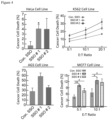
Figure 4 illustrates the result demonstrating that natural killer cells (NK92, Effector Cell: E) enhance the death of cancer cells (Target Cell: T) with induced alternative splicing inexon 27 of PBRM1 caused by SSO treatment. * and ** indicate statistically significant increases in cancer cell death in the test groups of the present invention which have been treated with the SSOs of the present invention (i.e., transduced withSSO# 1 orSSO# 2 to induce alternative splicing forexon 27 skipping) compared to the control group (Con. SSO), in which * denotes p<0.05, and ** denotes p<0.01. -
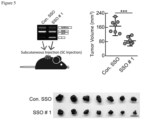
Figure 5 shows the result of measuirng the tumor size on day 9 after subcutaneous injection of melanoma cells treated with the SSO of the present invention, which induces alternative splicing ofPBRM1 exon 27, into a mouse. *** indicates a statistically significant decrease in tumor size in the test group which has been subcutaneously injected with melanoma cells treated with theSSO# 1 of the present invention compared to the control group (Con. SSO), with p<0.001. - The present invention relates to a composition for regulating splicing of PBRM1 (Polybromo 1) gene comprising, as an effective component, a splicing-switch oligonucleotide (SSO) that selectively skips
exon 27 of PBRM1 (Polybromo 1) pre-mRNA. - The splicing-switch oligonucleotide (SSO) preferably includes a sequence complementary to
exon 27 of PBRM1 (Polybromo 1) pre-mRNA, and more preferably an oligonucleotide sequence consisting of the nucleotide sequence of SEQ ID NO: 1 or SEQ ID NO: 2, although it is not limited thereto. - The splicing-switch oligonucleotide (SSO) is characterized in that it selectively skips
exon 27 by complementary binding to PBRM1 (Polybromo 1) pre-mRNA, thereby inhibiting the immune evasion (immune tolerance/immune checkpoint) mechanism in cancer cells. - The present invention further relates to a pharmaceutical composition for preventing or treating cancer comprising, as an effective component, a splicing-switch oligonucleotide (SSO) that selectively skips
exon 27 of PBRM1 (Polybromo 1) pre-mRNA. - The splicing-switch oligonucleotide (SSO) that selectively skips
exon 27 of PBRM1 (Polybromo 1) pre-mRNA is the same as described in the above. - The effective component may have one or both ends fused to a carrier, either directly or via a linker, or it may preferably include an additional gene carrier besides the effective component, although it is not limited thereto. The term "gene carrier" has the same meaning as the system that assists in the transport of genes into cells, facilitating gene transduction (insertion into cells) or intracellular gene diffusion (spreading within cells).
- The gene carrier may preferably be a plasmid; a viral vector; naked recombinant DNA molecules; or a liposome or a niosome that includes the aforementioned naked recombinant DNA molecules or plasmids, although it is not limited thereto.
- The cancer may preferably be any one selected from uterine corpus endometrial carcinoma (UCEC), bladder cancer (BLCA), rectal adenocarcinoma (READ), breast cancer (BRCA), prostate adenocarcinoma (PRAD), stomach adenocarcinoma (STAD), lung adenocarcinoma (LUAD), lung squamous cell carcinoma (LUSC), colon adenocarcinoma (COAD), kidney renal papillary cell carcinoma (KIRP), and liver hepatocellular carcinoma (LIHC) although it is not limited thereto.
- The pharmaceutical composition of the present invention may include a "pharmaceutically acceptable vehicle", in addition to the component. The term "pharmaceutically effective amount" refers to an amount sufficient to achieve the desired efficacy or activity of the aforementioned effective component.
- The pharmaceutical composition of the present invention is preferably administered parenterally, for example, via intravenous, subcutaneous, or topical administration.
- The appropriate dosage of the pharmaceutical composition of the present invention may vary based on factors such as formulation method, administration route, age, weight, or sex of a patient, severity of disease symptoms, diet, administration time, administration route, excretion rate, and sensitivity to response. Typically, a skilled physician can easily determine and prescribe an effective dosage for the intended treatment. Generally, the daily dosage of the pharmaceutical composition of the present invention ranges from 0.0001 to 100 mg/kg.
- The pharmaceutical composition of the present invention can be formulated using pharmaceutically acceptable vehicles and/or excipients according to methods that can be easily carried out by those skilled in the art to which the present invention pertains. It can be manufactured in unit dosage forms or packaged in multi-dose containers.
- The present invention still further relates to a method for regulating expression of PBRM1 (Polybromo 1) protein in mammalian cells comprising transducing mammalian cells with a splicing-switch oligonucleotide (SSO) that selectively skips
exon 27 of PBRM1 (Polybromo 1) pre-mRNA to induce splicing that selectively skipsexon 27 of PBRM1 (Polybromo 1) pre-mRNA through complementary binding between the SSO and PBRM1 (Polybromo 1) pre-mRNA. - Hereinbelow, the present invention is explained in greater detail in view of Examples. However, the following Examples are given only for more specific explanation of the present invention and it is evident for a person who has common knowledge in the pertinent art that the scope of the present invention is not limited by them.
- Change in alternative splicing of
PBRM1 exon 27 was determined in normal tissues and 15 different types of cancer tissues. - As shown in
Figure 1 , a statistically significant increase in formation of the inclusion ofPBRM1 exon 27 was observed in cancer tissues compared to normal tissues for the following types of cancer: uterine corpus endometrial carcinoma (UCEC), bladder cancer (BLCA), rectal adenocarcinoma (READ), breast cancer (BRCA), prostate adenocarcinoma (PRAD), stomach adenocarcinoma (STAD), lung adenocarcinoma (LUAD), lung squamous cell carcinoma (LUSC), colon adenocarcinoma (COAD), kidney renal papillary cell carcinoma (KIRP), and liver hepatocellular carcinoma (LIHC). - HeLa, MCF7, AGS, K562, A549, and HCT116 cells were cultured in DMEM (Dulbecco's Modified Eagle's Medium) supplemented with 10% fetal bovine serum and 1% penicillin/streptomycin.
- NK92 cells were cultured in α-MEM (Minimum Essential Medium) supplemented with 12.5% fetal bovine serum, 12.5% horse serum, 100 µM 2-mercaptoethanol, 200 µM inositol, 20 µM folic acid, 200 U/mL IL-2, and 1% penicillin/streptomycin.
- Splicing-switch oligonucleotides (SSOs) were synthesized using a phosphorothioate (PS) backbone with a 2'-O-methyl (2'OMe) modification at the 2' sugar position.
- The PBRM1 SSO (
Polybromo 1 splicing-switch oligonucleotide) was designed to include the sequences of 5'-GCC UUG AAG GAC ACA AAU UUC-3' (SSO # 1; SEQ ID NO: 1) and 5'-CAC CCA UCA UGC CUU GAA GGA CAC-3' (SSO # 2; SEQ ID NO: 2) that complementarily bind to the 3' splice site ofPBRM1 exon 27. Control SSO was synthesized using the sequence 5'-UGC AUU CGC CCU CUU AAU GGG GA-3' (SEQ ID NO: 3) (Figure 2 ). - To deliver the SSO to cells, 3×10⁵ cells were plated in each well of a 6-well plate, and transduction with 1 µg of SSO was carried out by using PolyMag reagent (OZ Bioscience, CA, USA) according to the manufacturer's instructions.
- Using the GeneAll Hybrid-R™ RNA extraction kit (GeneAll, Seoul, Korea), total RNA was extracted from cervical cancer (HeLa), leukemia (K562), gastric cancer (AGS), and breast cancer (MCF7) cells that have been transduced with the splicing-switch oligonucleotides (SSOs) for 24 hours. For reverse transcription-polymerase chain reaction (RT-PCR), 1 µg of total RNA, random hexamers, M-MLV reverse transcriptase (Promega, WI, USA), RNase inhibitor (Enzynomics, Korea), and GoldHotStart Taq PCR master mix (Bioneer, Korea) were used. After that, any change in the
PBRM1 exon 27 splicing was determined through agarose gel electrophoresis. In the RT-PCR reaction, the primers used were 5'-GTA GCC CAC CAA GAC-3' (forward; SEQ ID NO: 4) and 5'-GCT GGA GTC ACC ATA GG-3' (reverse; SEQ ID NO: 5). - As shown in
Figure 3 , the results indicated thatexon 27 skipping was induced in cancer cells which had been transduced withSSO # 1 orSSO # 2 according to the present invention. - 5×10³ Cancer cells (cervical cancer HeLa, leukemia K562, gastric cancer AGS, and breast cancer MCF7), which had been transduced with
SSO # 1 orSSO # 2 for 24 hours, were trypsinized for 24 hours. The cells were then mixed with natural killer (NK92) cells in various ratios (effector cell/target cell ratios of 5:1, 10:1, or 20:1) in ultra-low attachment 96-well plates (Corning, USA) and then co-cultured at 37°C for 7 hours. - Cytotoxicity was examined using the CyQUANT™ LDH Cytotoxicity Assay Kit (Thermo Fisher Scientific, USA), which measures the secretion amount of lactate dehydrogenase (LDH).
- The results, as presented in
Figure 4 , demonstrated that cancer cell death by the natural killer cells was promoted in cervical cancer (HeLa), leukemia (K562), gastric cancer (AGS), and breast cancer (MCF7) cells which had been transduced withSSO # 1 orSSO # 2. - A 6-week-old male C57BL/6J mouse was subcutaneously injected with B 16F10 melanoma cells transduced with PBRM1 SSO (n=7). The animal was sacrificed on day 9 to measure tumor size.
- The results indicated that the size of tumors (i.e., melanoma) transduced with
SSO # 1 of the present invention was significantly reduced compared to that of the SSO-transduced melanoma cells (Figure 5 ).
Claims (11)
- A composition for regulating splicing of PBRM1 (Polybromo 1) gene comprising, as an effective component, a splicing-switch oligonucleotide (SSO) that selectively skips exon 27 of PBRM1 (Polybromo 1) pre-mRNA.
- The composition according to Claim 1, wherein the splicing-switch oligonucleotide includes a sequence complementary to exon 27 of PBRM1 (Polybromo 1) pre-mRNA.
- The composition according to Claim 2, wherein the splicing-switch oligonucleotide consists of the nucleotide sequence of SEQ ID NO: 1 or SEQ ID NO: 2.
- The composition according to Claim 1, wherein the splicing-switch oligonucleotide selectively skips exon 27 by complementary binding to PBRM1 pre-mRNA, thereby inhibiting immune evasion mechanism in cancer cell.
- A pharmaceutical composition for preventing or treating cancer comprising, as an effective component, a splicing-switch oligonucleotide (SSO) that selectively skips exon 27 of PBRM1 (Polybromo 1) pre-mRNA.
- The pharmaceutical composition according to Claim 5, wherein the splicing-switch oligonucleotide includes a sequence complementary to exon 27 of PBRM1 (Polybromo 1) pre-mRNA.
- The pharmaceutical composition according to Claim 6, wherein the splicing-switch oligonucleotide consists of the nucleotide sequence of SEQ ID NO: 1 or SEQ ID NO: 2.
- The pharmaceutical composition according to Claim 5, wherein the effective component has one or both ends fused to a carrier, either directly or via a linker.
- The pharmaceutical composition according to Claim 5, wherein it further includes a gene carrier besides the effective component.
- The pharmaceutical composition according to Claim 5, wherein the cancer is any one selected from uterine corpus endometrial carcinoma (UCEC), bladder cancer (BLCA), rectal adenocarcinoma (READ), breast cancer (BRCA), prostate adenocarcinoma (PRAD), stomach adenocarcinoma (STAD), lung adenocarcinoma (LUAD), lung squamous cell carcinoma (LUSC), colon adenocarcinoma (COAD), kidney renal papillary cell carcinoma (KIRP), and liver hepatocellular carcinoma (LIHC).
- A method for regulating expression of PBRM1 (Polybromo 1) protein in mammalian cells comprising transducing mammalian cells with a splicing-switch oligonucleotide (SSO) that selectively skips exon 27 of PBRM1 (Polybromo 1) pre-mRNA to induce splicing that selectively skips exon 27 of PBRM1 (Polybromo 1) pre-mRNA through complementary binding between the SSO and PBRM1 (Polybromo 1) pre-mRNA.
Applications Claiming Priority (2)
| Application Number | Priority Date | Filing Date | Title |
|---|---|---|---|
| KR1020220068085A KR102470669B1 (en) | 2022-06-03 | 2022-06-03 | Composition for regulating splicing of polybromo 1 mRNA comprising splicing-switch oligonucleotide as effective component |
| PCT/KR2023/006600 WO2023234597A1 (en) | 2022-06-03 | 2023-05-16 | Composition for regulating splicing of polybromo 1 gene comprising splice-switching oligonucleotide as active ingredient |
Publications (1)
| Publication Number | Publication Date |
|---|---|
| EP4534670A1 true EP4534670A1 (en) | 2025-04-09 |
Family
ID=84237291
Family Applications (1)
| Application Number | Title | Priority Date | Filing Date |
|---|---|---|---|
| EP23816260.6A Pending EP4534670A1 (en) | 2022-06-03 | 2023-05-16 | Composition for regulating splicing of polybromo 1 gene comprising splice-switching oligonucleotide as active ingredient |
Country Status (4)
| Country | Link |
|---|---|
| US (1) | US20250333739A1 (en) |
| EP (1) | EP4534670A1 (en) |
| KR (1) | KR102470669B1 (en) |
| WO (1) | WO2023234597A1 (en) |
Families Citing this family (2)
| Publication number | Priority date | Publication date | Assignee | Title |
|---|---|---|---|---|
| KR102470669B1 (en) * | 2022-06-03 | 2022-11-25 | 충남대학교 산학협력단 | Composition for regulating splicing of polybromo 1 mRNA comprising splicing-switch oligonucleotide as effective component |
| KR102836533B1 (en) * | 2025-03-19 | 2025-07-21 | 충남대학교산학협력단 | Composition for regulating splicing of HTRA2 gene comprising splicing-switch oligonucleotide as effective component |
Family Cites Families (4)
| Publication number | Priority date | Publication date | Assignee | Title |
|---|---|---|---|---|
| KR20180082646A (en) * | 2007-05-01 | 2018-07-18 | 로슈 이노베이션 센터 코펜하겐 에이/에스 | Splice switching oligomers for tnf superfamily receptors and their use in treatment of disease |
| KR102636383B1 (en) * | 2017-08-04 | 2024-02-14 | 스카이호크 테라퓨틱스, 인코포레이티드 | Methods and compositions for regulating splicing |
| KR20210042123A (en) | 2018-08-07 | 2021-04-16 | 더 칠드런스 호스피탈 오브 필라델피아 | Method for selective splicing regulation and treatment of gene expression |
| KR102470669B1 (en) * | 2022-06-03 | 2022-11-25 | 충남대학교 산학협력단 | Composition for regulating splicing of polybromo 1 mRNA comprising splicing-switch oligonucleotide as effective component |
-
2022
- 2022-06-03 KR KR1020220068085A patent/KR102470669B1/en active Active
-
2023
- 2023-05-16 US US18/870,153 patent/US20250333739A1/en active Pending
- 2023-05-16 EP EP23816260.6A patent/EP4534670A1/en active Pending
- 2023-05-16 WO PCT/KR2023/006600 patent/WO2023234597A1/en not_active Ceased
Also Published As
| Publication number | Publication date |
|---|---|
| US20250333739A1 (en) | 2025-10-30 |
| KR102470669B1 (en) | 2022-11-25 |
| KR102470669B9 (en) | 2023-09-07 |
| WO2023234597A1 (en) | 2023-12-07 |
Similar Documents
| Publication | Publication Date | Title |
|---|---|---|
| US20250115907A1 (en) | Compositions and methods for inhibiting gene expression of lpa | |
| US7745609B2 (en) | Antisense modulation of CD40 expression | |
| CN112135907B (en) | Peptide nucleic acid complex with endosomal escape ability and use thereof | |
| US8673632B2 (en) | Modulation of apolipoprotein (a) expression | |
| AU2017310146B2 (en) | Peptide nucleic acid complex having improved cell permeability and pharmaceutical composition comprising same | |
| EP2961841B1 (en) | Chimeric single-stranded antisense polynucleotides and double-stranded antisense agent | |
| US20250333739A1 (en) | Composition for regulating splicing of polybromo 1 gene comprising splicing-switch oligonucleotide as effective component | |
| EP4358973A1 (en) | Rnai agents for inhibiting expression of xanthine dehydrogenase (xdh), pharmaceutical compositions thereof, and methods of use | |
| IL194419A (en) | Dsrna for inhibiting the expression of human eg5 gene in a cell, a pharmaceutical composition comprising same, method and vector | |
| KR20010102992A (en) | Non-invasive method for detecting target rna | |
| KR20200109311A (en) | Composition and method for inhibiting ALDH2 expression | |
| KR20200104347A (en) | Gapmer oligonucleotides containing phosphorodithioate internucleoside linkages | |
| BRPI0616158A2 (en) | glucagon receptor expression modulation | |
| CN111655851A (en) | Antisense oligonucleotides targeting SREBP1 | |
| CN115103911A (en) | Modified heterologous nucleic acids | |
| US8754058B2 (en) | Inhibitors of FAM3B gene, inhibitor compositions, inhibiting methods and applications of inhibitors in preparing pharmaceuticals | |
| JP2009516710A (en) | Modulating the expression of eIF4E-BP2 | |
| JP2010270119A (en) | Oligonucleotides and methods for inhibiting tumor cell growth | |
| Trojan et al. | IGF-I antisense and triple-helix gene therapy of glioblastoma | |
| JP7530106B2 (en) | Nucleic acid complex for regulating IHH expression | |
| EP3919618A1 (en) | Oligonucleotide molecule and application thereof in tumor therapy | |
| KR102836533B1 (en) | Composition for regulating splicing of HTRA2 gene comprising splicing-switch oligonucleotide as effective component | |
| CN111172289A (en) | Markers of miRNAs for diagnosis and treatment of liver cancer | |
| WO2026050125A1 (en) | Methods and compositions for treating an angiotensinogen- (agt-) associated disorder | |
| WO2023235838A2 (en) | Rna-targeting splicing modifiers for treatment of foxp3-associated conditions and diseases |
Legal Events
| Date | Code | Title | Description |
|---|---|---|---|
| STAA | Information on the status of an ep patent application or granted ep patent |
Free format text: STATUS: THE INTERNATIONAL PUBLICATION HAS BEEN MADE |
|
| PUAI | Public reference made under article 153(3) epc to a published international application that has entered the european phase |
Free format text: ORIGINAL CODE: 0009012 |
|
| STAA | Information on the status of an ep patent application or granted ep patent |
Free format text: STATUS: REQUEST FOR EXAMINATION WAS MADE |
|
| 17P | Request for examination filed |
Effective date: 20250103 |
|
| AK | Designated contracting states |
Kind code of ref document: A1 Designated state(s): AL AT BE BG CH CY CZ DE DK EE ES FI FR GB GR HR HU IE IS IT LI LT LU LV MC ME MK MT NL NO PL PT RO RS SE SI SK SM TR |
|
| DAV | Request for validation of the european patent (deleted) | ||
| DAX | Request for extension of the european patent (deleted) |