EP4527871A1 - Polyester, and preparation method therefor and use thereof - Google Patents
Polyester, and preparation method therefor and use thereof Download PDFInfo
- Publication number
- EP4527871A1 EP4527871A1 EP23810908.6A EP23810908A EP4527871A1 EP 4527871 A1 EP4527871 A1 EP 4527871A1 EP 23810908 A EP23810908 A EP 23810908A EP 4527871 A1 EP4527871 A1 EP 4527871A1
- Authority
- EP
- European Patent Office
- Prior art keywords
- polyester
- acid
- component
- weight
- molecular
- Prior art date
- Legal status (The legal status is an assumption and is not a legal conclusion. Google has not performed a legal analysis and makes no representation as to the accuracy of the status listed.)
- Pending
Links
Images
Classifications
-
- C—CHEMISTRY; METALLURGY
- C08—ORGANIC MACROMOLECULAR COMPOUNDS; THEIR PREPARATION OR CHEMICAL WORKING-UP; COMPOSITIONS BASED THEREON
- C08G—MACROMOLECULAR COMPOUNDS OBTAINED OTHERWISE THAN BY REACTIONS ONLY INVOLVING UNSATURATED CARBON-TO-CARBON BONDS
- C08G63/00—Macromolecular compounds obtained by reactions forming a carboxylic ester link in the main chain of the macromolecule
- C08G63/02—Polyesters derived from hydroxycarboxylic acids or from polycarboxylic acids and polyhydroxy compounds
- C08G63/12—Polyesters derived from hydroxycarboxylic acids or from polycarboxylic acids and polyhydroxy compounds derived from polycarboxylic acids and polyhydroxy compounds
- C08G63/16—Dicarboxylic acids and dihydroxy compounds
-
- A—HUMAN NECESSITIES
- A47—FURNITURE; DOMESTIC ARTICLES OR APPLIANCES; COFFEE MILLS; SPICE MILLS; SUCTION CLEANERS IN GENERAL
- A47G—HOUSEHOLD OR TABLE EQUIPMENT
- A47G21/00—Table-ware
- A47G21/18—Drinking straws or the like
-
- C—CHEMISTRY; METALLURGY
- C08—ORGANIC MACROMOLECULAR COMPOUNDS; THEIR PREPARATION OR CHEMICAL WORKING-UP; COMPOSITIONS BASED THEREON
- C08G—MACROMOLECULAR COMPOUNDS OBTAINED OTHERWISE THAN BY REACTIONS ONLY INVOLVING UNSATURATED CARBON-TO-CARBON BONDS
- C08G63/00—Macromolecular compounds obtained by reactions forming a carboxylic ester link in the main chain of the macromolecule
- C08G63/02—Polyesters derived from hydroxycarboxylic acids or from polycarboxylic acids and polyhydroxy compounds
- C08G63/12—Polyesters derived from hydroxycarboxylic acids or from polycarboxylic acids and polyhydroxy compounds derived from polycarboxylic acids and polyhydroxy compounds
- C08G63/16—Dicarboxylic acids and dihydroxy compounds
- C08G63/20—Polyesters having been prepared in the presence of compounds having one reactive group or more than two reactive groups
-
- C—CHEMISTRY; METALLURGY
- C08—ORGANIC MACROMOLECULAR COMPOUNDS; THEIR PREPARATION OR CHEMICAL WORKING-UP; COMPOSITIONS BASED THEREON
- C08G—MACROMOLECULAR COMPOUNDS OBTAINED OTHERWISE THAN BY REACTIONS ONLY INVOLVING UNSATURATED CARBON-TO-CARBON BONDS
- C08G63/00—Macromolecular compounds obtained by reactions forming a carboxylic ester link in the main chain of the macromolecule
- C08G63/78—Preparation processes
-
- C—CHEMISTRY; METALLURGY
- C08—ORGANIC MACROMOLECULAR COMPOUNDS; THEIR PREPARATION OR CHEMICAL WORKING-UP; COMPOSITIONS BASED THEREON
- C08L—COMPOSITIONS OF MACROMOLECULAR COMPOUNDS
- C08L67/00—Compositions of polyesters obtained by reactions forming a carboxylic ester link in the main chain; Compositions of derivatives of such polymers
- C08L67/02—Polyesters derived from dicarboxylic acids and dihydroxy compounds
-
- A—HUMAN NECESSITIES
- A47—FURNITURE; DOMESTIC ARTICLES OR APPLIANCES; COFFEE MILLS; SPICE MILLS; SUCTION CLEANERS IN GENERAL
- A47G—HOUSEHOLD OR TABLE EQUIPMENT
- A47G2400/00—Details not otherwise provided for in A47G19/00-A47G23/16
- A47G2400/10—Articles made from a particular material
-
- C—CHEMISTRY; METALLURGY
- C08—ORGANIC MACROMOLECULAR COMPOUNDS; THEIR PREPARATION OR CHEMICAL WORKING-UP; COMPOSITIONS BASED THEREON
- C08L—COMPOSITIONS OF MACROMOLECULAR COMPOUNDS
- C08L2201/00—Properties
- C08L2201/06—Biodegradable
-
- C—CHEMISTRY; METALLURGY
- C08—ORGANIC MACROMOLECULAR COMPOUNDS; THEIR PREPARATION OR CHEMICAL WORKING-UP; COMPOSITIONS BASED THEREON
- C08L—COMPOSITIONS OF MACROMOLECULAR COMPOUNDS
- C08L2203/00—Applications
- C08L2203/12—Applications used for fibers
-
- C—CHEMISTRY; METALLURGY
- C08—ORGANIC MACROMOLECULAR COMPOUNDS; THEIR PREPARATION OR CHEMICAL WORKING-UP; COMPOSITIONS BASED THEREON
- C08L—COMPOSITIONS OF MACROMOLECULAR COMPOUNDS
- C08L2203/00—Applications
- C08L2203/16—Applications used for films
Definitions
- the present invention relates to the field of biodegradable polyesters, and specifically relates to a polyester having a low content of low-molecular-weight substances, and a preparation method therefor and use thereof.
- thermoplastic aromatic polyesters which have been widely used in industry and daily life, have excellent thermal stability and mechanical properties, and are convenient to process and low in price.
- PET polyethylene terephthalate
- PBT polybutylene terephthalate
- these aromatic polyesters are difficult to degrade after use and waste, and no obvious direct degradation of the aromatic polyesters, such as PET and PBT, by microorganisms has been observed so far.
- aliphatic polyesters As environmentally friendly plastics, aliphatic polyesters have been concerned.
- the aliphatic polyesters can be obtained by an esterification reaction and a melt polycondensation reaction of aliphatic dicarboxylic acids and aliphatic diols.
- the aliphatic dicarboxylic acids such as succinic acid and adipic acid
- the aliphatic diols such as ethylene glycol, propylene glycol, and butanediol
- the aliphatic polyesters show excellent biodegradability and thus can be regarded as triply environmentally friendly plastics.
- polyester particles are cleaned with acetone in JP2004107457A , and the polyester particles are cleaned with methanol or isopropanol, etc., in JP3396537B2 .
- these methods can improve the glossiness of polyesters to a certain extent, additional multi-step processes are increased, and costs are increased.
- these organic solvents may remain in the polyester particles to cause new small molecule problems.
- due to the use of alcohols the problems of degradation of polyesters, decrease of molecular weights and the like may be caused.
- the glossiness of a polyester product is improved by controlling a wall surface temperature of a distillation tube of a polycondensation reactor and an internal temperature of the polycondensation reactor, but the improvement degree is still limited.
- the aliphatic polyesters have large melt viscosity, and for injection molding of fine parts, the problems of short molding of melts and the like easily occur, such that improvement of the fluidity of the aliphatic polyesters has become an important topic for those skilled in the art.
- a purpose of the present invention is to provide a polyester.
- the polyester has a specific content of low-molecular-weight substances, not only is the problem of easy precipitation on surfaces of polyester products solved, but also a polyester product has high glossiness, and the fluidity of a polyester resin can be improved, such that the glossiness and fluidity of the product are maintained in a balanced state.
- Another purpose of the present invention is to provide a preparation method for the polyester.
- a polyester includes a repeating unit derived from the following components:
- the total content of the low-molecular-weight substances is tested by the following method: taking 10 g of polyester particles, and recording a mass of the polyester particles as wg; placing the polyester particles in 100 ml of ethanol for heating and reflux for 4 h, performing filtration under heat to obtain a filtrate, pouring the filtrate into an evaporation dish weighed in advance, and recording a weight of the evaporation dish as a0; placing the obtained filtrate on a water bath for evaporation to nearly dry, transferring the evaporation dish into an oven for drying at 105°C for 2 h, then taking out the evaporation dish, performing weighing after cooling for 0.5 h, and recording a weight as a1; and obtaining the content of the low-molecular-weight substances as (a1-a0)/w ⁇ 100%.
- the low-molecular-weight substances in the polyester are cyclic esters produced in a synthesis process of the polyester, and mainly include cyclic dimers and cyclic polymers with a number of repeating units of greater than 2.
- the fluidity of the polyester can be improved while reducing the problem of precipitation of the polyester, and a prepared polyester product has high glossiness and good fluidity.
- the total content of the low-molecular-weight substances in the polyester is 0.2-0.35 wt%
- the GPC curve of the low-molecular-weight substances has the following characteristic: the integral area of the peaks having the number-average molecular weight (Mn) of greater than 400 is less than 50% of the total integral area.
- the first component A includes succinic acid, or ester derivatives thereof or anhydride derivatives thereof.
- the component a2) is selected from one or more of oxalic acid, dimethyl oxalate, malonic acid, dimethyl malonate, methylsuccinic acid, glutaric acid, dimethyl glutarate, bis(2-hydroxyethyl) glutarate, bis(3-hydroxypropyl) glutarate, bis(4-hydroxybutyl) glutarate, 2-methylglutaric acid, 3-methylglutaric acid, adipic acid, dimethyl adipate, bis(2-hydroxyethyl) adipate, bis(3-hydroxypropyl) adipate, bis(4-hydroxybutyl) adipate, 3-methyladipic acid, 2,2,5,5-tetramethyladipic acid, pimelic acid, suberic acid, azelaic acid, dimethyl azelate, sebacic acid, 1,11-undecanedicarboxylic acid, 1,10-decanedicarboxylic acid, undecanedioic acid, glutaric acid
- the polyester when necessary, further includes a third component C, and the component C is a compound containing at least three functional groups, and is preferably selected from one or more of tartaric acid, citric acid, malic acid, fumaric acid, maleic acid, trimethylolpropane, trimethylolethane, pentaerythritol, polyether triol, glycerol, 1,3,5-benzenetricarboxylic acid, 1,2,4-benzenetricarboxylic acid, 1,2,4-benzenetricarboxylic anhydride, 1,2,4,5-benzenetetracarboxylic acid, or pyromellitic dianhydride, more preferably one or more of malic acid, citric acid, fumaric acid, maleic acid, or glycerol; and preferably, based on the total molar amount of the first component A, a content of the third component C is 0.01-1.0 mol%, preferably 0.02-0.2 mol%.
- the polyester when necessary, further includes a fourth component D, and the fourth component D is a chain extender.
- the chain extender is selected from one or more of an isocyanate, an isocyanurate, a peroxide, an epoxide, oxazoline, oxazine, lactam, carbodiimide, and polycarbodiimide containing 2 or more than 2 functional groups, preferably an isocyanate containing 2 or more than 2 functional groups, and more preferably hexamethylene diisocyanate.
- the isocyanate containing 2 or more than 2 functional groups may be an aromatic isocyanate or an aliphatic isocyanate, preferably an aromatic diisocyanate or an aliphatic diisocyanate.
- the aromatic diisocyanate is preferably toluene 2,4-diisocyanate, toluene 2,6-diisocyanate, diphenylmethane 2,2'-diisocyanate, diphenylmethane 2,4'-diisocyanate, diphenylmethane 4,4'-diisocyanate, naphthalene 1,5-diisocyanate, or xylene diisocyanate.
- the aromatic diisocyanate is diphenylmethane 2,2'-diisocyanate, diphenylmethane 2,4'-diisocyanate, or diphenylmethane 4,4'-diisocyanate.
- the aliphatic diisocyanate is preferably any linear or branched alkylene diisocyanate or cycloalkylene diisocyanate containing 2 to 20 carbon atoms. More preferably, the aliphatic diisocyanate is any linear or branched alkylene diisocyanate or cycloalkylene diisocyanate containing 3 to 12 carbon atoms.
- the aliphatic diisocyanate may be hexamethylene 1,6-diisocyanate, isophorone diisocyanate, or methylene bis(4-isocyanatocyclohexane). Most preferably, the aliphatic diisocyanate is hexamethylene 1,6-diisocyanate or isophorone diisocyanate.
- the isocyanate containing 2 or more than 2 functional groups may also be tri(4-isocyanatophenyl)methane with three rings.
- the isocyanurate containing 2 or more than 2 functional groups is an aliphatic isocyanurate, and is selected from an alkylene diisocyanate or a cycloalkylene diisocyanate containing 2 to 20 carbon atoms, preferably 3 to 12 carbon atoms, such as isophorone diisocyanate or methylene bis(4-isocyanatocyclohexane).
- the alkylene diisocyanate may be a linear or branched compound.
- isocyanurates based on cyclic trimers, pentamers, or higher oligomers, of n-hexamethylene diisocyanates, such as hexamethylene 1,6-diisocyanate are preferred.
- the peroxide containing 2 or more than 2 functional groups is preferably benzoyl peroxide, 1,1-di(tert-butylperoxy)-3,3,5-trimethylcyclohexane, 1,1-di(tert-butylperoxy)methylcyclododecane, n-butyl 4,4-di(butylperoxy)valerate, dicumyl peroxide, tert-butyl peroxybenzoate, dibutyl peroxide, ⁇ , ⁇ -di(tert-butylperoxy)diisopropylbenzene, 2,5-dimethyl-2,5-di(tert-butylperoxy)hexane, 2,5-dimethyl-2,5-di(tert-butylperoxy)hexan-3-acetylene, or tert-butylperoxy cumene.
- the epoxide containing 2 or more than 2 functional groups is preferably hydroquinone, diglycidyl ether, resorcinol diglycidyl ether, 1,6-hexadiol diglycidyl ether, hydrobisphenol A diglycidyl ether, diglycidyl terephthalate, diglycidyl tetrahydrophthalate, diglycidyl hexahydrophthalate, dimethyldiglycidyl phthalate, phenylene diglycidyl ether, ethylene diglycidyl ether, trimethylene diglycidyl ether, tetramethylene diglycidyl ether, hexamethylene diglycidyl ether, sorbitol diglycidyl ether, polyglycerol polyglycidyl ether, pentaerythritol polyglycidyl ether, diglycerol polyglycidyl ether, glycerol polyglycid
- the epoxide containing 2 or more than 2 functional groups is also preferably a copolymer based on styrene, an acrylate, and/or a methacrylate, and containing an epoxy group, and the epoxy group is preferably glycidyl methacrylate. It has been proven that advantageous compounds are copolymers in which a proportion of the glycidyl methacrylate is higher than 20 wt%, more preferably higher than 30 wt%, and more preferably higher than 50 wt%.
- An equivalent weight of the epoxy group in these copolymers is preferably 150 to 3,000 g/eq., more preferably 200 to 500 g/eq.
- a weight-average molecular weight (Mw) of the copolymer is preferably 2,000 to 25,000, more preferably 3,000 to 8,000.
- a number-average molecular weight (Mn) of the copolymer is preferably 400 to 6,000, more preferably 1,000 to 4,000.
- the oxazoline or oxazine containing 2 or more than 2 functional groups is preferably dioxazoline or dioxazine, and a bridging part is a single bond, (CH2)z-alkylene, wherein z is equal to 2, 3, or 4, such as methylene, ethyl-1,2-diyl, propyl-1,3-diyl, or propyl-1-2-diyl, or phenylene.
- the dioxazoline is 2,2'-bis(2-oxazoline), bis(2-oxazolinyl)methane, 1,2-bis(2-oxazolinyl)ethane, 1,3-bis(2-oxazolinyl)propane, 1,4-bis(2-oxazolinyl)butane, 2,2'-bis(2-oxazoline), 2,2'-bis(4-methyl-2-oxazoline), 2,2'-bis(4,4'-dimethyl-2-oxazoline), 2,2'-bis(4-ethyl-2-oxazoline), 2,2'-bis(4,4'-diethyl-2-oxazoline), 2,2'-bis(4-propyl-2-oxazoline), 2,2'-bis(4-butyl-2-oxazoline), 2,2'-bis(4-hexyl-2-oxazoline), 2,2'-bis(4-phenyl-2-oxazoline), 2,2'-bis(
- the dioxazine is 2,2'-bis(2-dioxazine), bis(2-dioxazinyl)methane, 1,2-bis(2-dioxazinyl)ethane, 1,3-bis(2-dioxazinyl)propane, 1,4-bis(2-dioxazinyl)butane, 1,4-bis(2-dioxazinyl)benzene, 1,2-bis(2-dioxazinyl)benzene, or 1,3-bis(2-dioxazinyl)benzene.
- the carbodiimide or polycarbodiimide containing 2 or more than 2 functional groups is preferably N,N'-di-2,6-diisopropylphenylcarbodiimide, N,N'-di-o-tolylcarbodiimide, N,N'-diphenylcarbodiimide, N,N'-dioctyldecylcarbodiimide, N,N'-di-2,6-dimethylphenylcarbodiimide, N-tolyl-N'-cyclohexylcarbodiimide, N,N'-di-2,6-di-tert-butylphenylcarbodiimide, N-tolyl-N'-phenylcarbodiimide, N,N'-di-p-nitrophenylcarbodiimide, N,N'-di-p-aminophenylcarbodiimide, N,N'-di-p-hydroxypheny
- a content of the fourth component D is 0.01-5.0 mol%.
- a viscosity of the polyester determined in a phenol/o-dichlorobenzene solution at a weight ratio of 1:1 under a constant-temperature water bath at 25 ⁇ 0.05°C as specified according to GB/T 17931-1999 is 100-350 ml/g.
- the present invention further provides a preparation method for the polyester, including the following steps:
- an addition amount of the second component, 1,4-butanediol is usually 1.3-3.0 times (molar amount) of the first component A, a diacid, preferably 1.5-2.5 times (molar amount).
- the catalyst that is 0.001-1% of the weight of the final polyester is added.
- an addition amount of the catalyst is 0.02-0.2% of the weight of the final polyester.
- the addition amount of the catalyst in Step S1 is usually 10-40 wt% of a total use amount of the catalyst. By controlling the addition amount of the catalyst, a subsequent processing process can be more stable.
- the catalyst may be a tin compound, an antimony compound, a cobalt compound, a lead compound, a zinc compound, an aluminum compound, or a titanium compound, more preferably a zinc compound, an aluminum compound, or a titanium compound, and most preferably a titanium compound.
- the titanium compound for example, tetrabutyl orthotitanate or tetraisopropyl orthotitanate, has the advantage that a residual amount remaining in a product or a downstream product is less toxic compared with other compounds.
- Such property is particularly important in biodegradable polyesters, because the biodegradable polyesters go directly into the environment in the form of compost bags or mulching films.
- the reaction temperature is preferably 210-230°C.
- an initial pressure is usually set at 0.1 to 0.5 bar, preferably 0.2 to 0.4 bar, and the pressure at the end of S2 is usually set at 5 to 200 mbar, more preferably 10 to 100 mbar.
- the integral area of the peaks (cyclic dimers) having the number-average molecular weight (Mn) of greater than 400 can be simultaneously controlled to be less than 60% of the total integral area in the GPC curve of the low-molecular-weight substances.
- the addition amount of the catalyst in Step S3 directly affects the total content of the low-molecular-weight substances in the polyester, and when the addition amount of the catalyst in Step S3 is too small, the effect of effectively decreasing the total content of the low-molecular-weight substances cannot be achieved.
- the addition amount of the catalyst is 60-90 wt% of the total use amount of the catalyst.
- the reaction temperature of the continuous polycondensation is preferably 230-260°C.
- the initial pressure is usually controlled at 0.2 to 5 mbar, more preferably 0.5 to 3 mbar.
- a reaction time of the continuous polycondensation is preferably 2-7 h, more preferably 3-6 h.
- a content of carboxyl in the polyester after the reaction in S3 is preferably 20-60 mmol/kg.
- Step S4 is performed: adding the polyester obtained in Step S3 into a twin-screw extruder, together with the chain extender as the fourth component D in an amount of 0.01-5.0 mol% (based on the total molar amount of the first component A), at a reaction temperature of 200-270°C for a residence time of 0.5-15 min to obtain a polyester, wherein the polyester determined in a phenol/o-dichlorobenzene solution at a weight ratio of 1:1 under a constant-temperature water bath at 25 ⁇ 0.05°C as specified according to GB/T 17931-1999 has a viscosity of 150-350 ml/g.
- the present invention further provides a polyester molding composition, calculated by weight percentage, including the following components:
- the additive and/or other polymers may include at least one or more components selected from aliphatic polyesters, polycaprolactones, starch, cellulose, polyhydroxyalkanoates, and polylactic acid.
- the present invention further provides use of the polyester in preparation of compostable degradable products, and the compostable degradable products may include fibers, films, or containers, etc.
- the present invention further provides use of the polyester in preparation of suction tubes.
- the present invention has the following beneficial effects.
- the present invention provides a polyester.
- the total content of the low-molecular-weight substances in the polyester to 0.1-0.6 wt% and the integral area of the peaks having the number-average molecular weight (Mn) of greater than 400 to be less than 60% of the total integral area in the GPC curve of the low-molecular-weight substances, not only can the problem of easy precipitation on surfaces of polyester products be solved, but also a prepared polyester product has high glossiness, and the fluidity of a polyester resin can be improved, such that the glossiness and fluidity of the product are maintained in a balanced state.
- the raw materials used in the examples and comparative examples of the present invention are all purchased from the market.
- polyester particles About 10 g of polyester particles were taken, and a mass of the polyester particles was recorded as wg; the polyester particles were placed in 100 ml of ethanol for heating and reflux for 4 h, filtration was performed under heat to obtain a filtrate, and the filtrate was poured into an evaporation dish (recorded as a0) weighed in advance; the obtained filtrate was placed on a water bath for evaporation to nearly dry, the evaporation dish was transferred into an oven for drying at 105°C for 2 h, and then the evaporation dish was taken out, cooled for 0.5 h, and weighed (recorded as a1); and the content of low-molecular-weight substances was obtained as (a1-a0)/w ⁇ 100%.
- GPC was tested by ACQUITY APC TM equipment of Waters at a test temperature of 40°C, XT45, XT200 and XT459 chromatographic columns were used, tetrahydrofuran was used as a solvent, and a flow rate of a mobile phase was 0.5 mL/min.
- a polystyrene standard substance was used as a standard sample.
- polyester particles were placed in 100 ml of ethanol for heating and reflux for 4 h, filtration was performed under heat to obtain a filtrate, the filtrate was poured into an evaporation dish and then placed on a water bath for evaporation to nearly dry, the evaporation dish was transferred into an oven for drying at 105°C for 2 h, and then the evaporation dish was taken out and cooled for 0.5 h.
- Substances in the evaporation dish were low-molecular-weight substances, and the low-molecular-weight substances were prepared into a solution of about 0.5 mg/mL for testing.
- polyester particles were subjected to injection molding at 160°C to obtain a 100*100*2 mm square plate, and then an L value of the square plate was tested by an X-Rite Color Eye 7000A desktop spectrophotometer. The larger L value indicates higher glossiness.
- melt flow rate (MRF) of a polyester was tested.
- a test temperature was 190°C
- a load was 2.16 kg
- a melting time was 5 min.
- Tetraisopropyl orthotitanate was used as a catalyst, an addition amount of the catalyst in Step S1 was 0.087 kg/h, and an addition amount of the catalyst in Step S3 was 0.490 kg/h.
- An addition amount of a catalyst in Step S1 was 0.242 kg/h, and an addition amount of the catalyst in Step S3 was 0.449 kg/h.
- a PBS resin obtained in Comparative Example 1 was subjected to solvent extraction operation by an ultrasonic countercurrent extraction machine (ND-400, produced by Jiangsu Huatai Heavy Industry Equipment Co., Ltd.). Key process parameters are as follows:
- Test method 1.2000 ⁇ 0.0200 g of a sample was weighed, added into a sample flask, subjected to quantification by using an Agilent 7697A-7890A static headspace chromatograph as test equipment, and expressed in ppm relative to a mass of the sample.
- Static headspace conditions are as follows: 105°C for 2 h.
- a chromatographic column was J&W 122-7032: 250°C: 30 m*250 ⁇ m*0.25 ⁇ m.
- a GC heating procedure was as follows: an initial value: 50°C, and a retention time: 3 min; and heating to 200°C at a heating rate of 12°C/min, and a retention time: 4 min.
- Example 1 of CN101910245B With reference to a polymerization process in Example 1 of CN101910245B , the following experiment was carried out: S1: 800 kg/h of butanedioic acid, 916 kg/h of 1,4-butanediol, and 3.0 kg/h of malic acid were physically mixed in an esterification reactor at normal temperature, and then a mixture was enabled to undergo an esterification reaction at 200°C for 60-120 min to obtain an esterification product AB.
- Comparative Example 1 or 3 by using a traditional catalyst addition process of adding all of the catalyst in Steps S1 and S2, the content of low-molecular-weight substances cannot be effectively decreased, and the total content of the low-molecular-weight substances in the prepared polyesters and the integrated area of parts (cyclic polymers) having a number-average molecular weight of greater than 400 in a GPC curve of the low-molecular-weight substances are not within the scope of the present invention.
- the fluidity is good, the glossiness of the obtained polyester products is poor, such that a balance between the fluidity and the glossiness cannot be achieved.
- Comparative Example 2 by using an ethanol/water mixed solvent to clean the PBS resin obtained in Comparative Example 1, the total content of low-molecular-weight substances can be effectively decreased, but the content of the low-molecular-weight substances is too low, and the fluidity of the product is poor, such that a balance between the fluidity and the glossiness cannot be achieved. Moreover, the resin contains more ethanol, which causes secondary pollution.
- Comparative Example 4 by referring to the polymerization process in Example 1 of CN101910245B and controlling the temperature of a relevant equipment process of the final polymerization reactor, the total content of low-molecular-weight substances in the prepared polyester is controlled to 0.51%.
- process control mainly solves cyclic dimers and is relatively limited to decrease cyclic polymers and the integral area of parts (cyclic polymers) having a number-average molecular weight of greater than 400 in a GPC curve of the low-molecular-weight substances is also not within the scope of the present invention, the glossiness of the obtained polyester product is also poor.
- Comparative Example 5 the total content of low-molecular-weight substances and the integrated area of parts (cyclic polymers) having a number-average molecular weight of greater than 400 in a GPC curve are both high, and the glossiness of the obtained polyester product is also poor, such that a balance between the fluidity and the glossiness cannot be achieved.
- the prepared polyester products cannot simultaneously meet the conditions that the total content of low-molecular-weight substances is in a range of 0.1-0.6 wt% and the proportion of the integral area of peaks having a number-average molecular weight (Mn) of greater than 400 to the total integral area in a GPC curve is less than 60%, such that the glossiness and fluidity of the obtained polyester products cannot be balanced.
- Mn number-average molecular weight
Landscapes
- Chemical & Material Sciences (AREA)
- Health & Medical Sciences (AREA)
- Chemical Kinetics & Catalysis (AREA)
- Medicinal Chemistry (AREA)
- Polymers & Plastics (AREA)
- Organic Chemistry (AREA)
- Polyesters Or Polycarbonates (AREA)
Abstract
Description
- The present invention relates to the field of biodegradable polyesters, and specifically relates to a polyester having a low content of low-molecular-weight substances, and a preparation method therefor and use thereof.
- At present, thermoplastic aromatic polyesters, which have been widely used in industry and daily life, have excellent thermal stability and mechanical properties, and are convenient to process and low in price. For example, polyethylene terephthalate (PET) and polybutylene terephthalate (PBT) have been widely used in manufacturing of fibers, membranes, and containers. However, these aromatic polyesters are difficult to degrade after use and waste, and no obvious direct degradation of the aromatic polyesters, such as PET and PBT, by microorganisms has been observed so far.
- As environmentally friendly plastics, aliphatic polyesters have been concerned. The aliphatic polyesters can be obtained by an esterification reaction and a melt polycondensation reaction of aliphatic dicarboxylic acids and aliphatic diols. The aliphatic dicarboxylic acids (such as succinic acid and adipic acid) in raw materials can be manufactured from glucose derived from plants by a fermentation method, and the aliphatic diols (such as ethylene glycol, propylene glycol, and butanediol) can also be manufactured from raw materials derived from plants, such that fossil fuel resources can be saved. Meanwhile, since the plants can absorb carbon dioxide in the atmosphere during growth, a great contribution to reducing carbon dioxide emissions can be made. Furthermore, it is also known that the aliphatic polyesters show excellent biodegradability and thus can be regarded as triply environmentally friendly plastics.
- However, aliphatic polyester products often have the problems of precipitation of small molecules on surfaces, disappearance of glossiness and the like. In order to solve these problems, polyester particles are cleaned with acetone in
JP2004107457A JP3396537B2 CN101910245B , the glossiness of a polyester product is improved by controlling a wall surface temperature of a distillation tube of a polycondensation reactor and an internal temperature of the polycondensation reactor, but the improvement degree is still limited. - On the other hand, the aliphatic polyesters have large melt viscosity, and for injection molding of fine parts, the problems of short molding of melts and the like easily occur, such that improvement of the fluidity of the aliphatic polyesters has become an important topic for those skilled in the art.
- In order to overcome the above deficiencies of the prior art, a purpose of the present invention is to provide a polyester. The polyester has a specific content of low-molecular-weight substances, not only is the problem of easy precipitation on surfaces of polyester products solved, but also a polyester product has high glossiness, and the fluidity of a polyester resin can be improved, such that the glossiness and fluidity of the product are maintained in a balanced state.
- Another purpose of the present invention is to provide a preparation method for the polyester.
- The above purposes of the present invention are achieved through the following technical solutions.
- A polyester includes a repeating unit derived from the following components:
- a first component A, based on a total molar amount of the first component A, including:
- a1) 81-100 mol%, preferably 90-100 mol% of succinic acid, or ester derivatives thereof or anhydride derivatives thereof;
- a2) 0-19 mol %, preferably 0-10 mol% of other binary carboxylic acids except for succinic acid, or ester derivatives thereof or anhydride derivatives thereof;
- a second component B, 1,4-butanediol;
- wherein based on a total weight of the polyester, a total content of low-molecular-weight substances in the polyester is 0.1-0.6 wt%, preferably 0.2-0.5 wt%, and a GPC curve of the low-molecular-weight substances has the following characteristic: an integral area of peaks having a number-average molecular weight (Mn) of greater than 400 is less than 60% of a total integral area.
- The total content of the low-molecular-weight substances is tested by the following method:
taking 10 g of polyester particles, and recording a mass of the polyester particles as wg; placing the polyester particles in 100 ml of ethanol for heating and reflux for 4 h, performing filtration under heat to obtain a filtrate, pouring the filtrate into an evaporation dish weighed in advance, and recording a weight of the evaporation dish as a0; placing the obtained filtrate on a water bath for evaporation to nearly dry, transferring the evaporation dish into an oven for drying at 105°C for 2 h, then taking out the evaporation dish, performing weighing after cooling for 0.5 h, and recording a weight as a1; and obtaining the content of the low-molecular-weight substances as (a1-a0)/w×100%. - The low-molecular-weight substances in the polyester are cyclic esters produced in a synthesis process of the polyester, and mainly include cyclic dimers and cyclic polymers with a number of repeating units of greater than 2. In the present invention, by controlling the total content of the low-molecular-weight substances in the polyester to 0.1-0.6 wt% and the integral area of the peaks (cyclic polymers) having the number-average molecular weight (Mn) of greater than 400 to be less than 60% of the total integral area in the GPC curve of the low-molecular-weight substances, the fluidity of the polyester can be improved while reducing the problem of precipitation of the polyester, and a prepared polyester product has high glossiness and good fluidity. When the total content of the low-molecular-weight substances in the polyester is too high, the problem of serious precipitation in subsequent processing and use processes will be caused, and the glossiness is poor. When the total content of the low-molecular-weight substances is too low, effects of a flow modifier cannot be achieved, and improvement of the fluidity of the polyester is affected.
- As a further technical solution of the present invention, the total content of the low-molecular-weight substances in the polyester is 0.2-0.35 wt%, and the GPC curve of the low-molecular-weight substances has the following characteristic: the integral area of the peaks having the number-average molecular weight (Mn) of greater than 400 is less than 50% of the total integral area.
- Preferably, the first component A includes succinic acid, or ester derivatives thereof or anhydride derivatives thereof.
- As a specific selection example, the component a2) is selected from one or more of oxalic acid, dimethyl oxalate, malonic acid, dimethyl malonate, methylsuccinic acid, glutaric acid, dimethyl glutarate, bis(2-hydroxyethyl) glutarate, bis(3-hydroxypropyl) glutarate, bis(4-hydroxybutyl) glutarate, 2-methylglutaric acid, 3-methylglutaric acid, adipic acid, dimethyl adipate, bis(2-hydroxyethyl) adipate, bis(3-hydroxypropyl) adipate, bis(4-hydroxybutyl) adipate, 3-methyladipic acid, 2,2,5,5-tetramethyladipic acid, pimelic acid, suberic acid, azelaic acid, dimethyl azelate, sebacic acid, 1,11-undecanedicarboxylic acid, 1,10-decanedicarboxylic acid, undecanedioic acid, 1,12-dodecanedicarboxylic acid, hexadecanedioic acid, eicosanedioic acid, tetracosanedioic acid, dimer acid, terephthalic acid, dimethyl terephthalate, bis(2-hydroxyethyl) terephthalate, bis(3-hydroxypropyl) terephthalate, bis(4-hydroxybutyl) terephthalate, isophthalic acid, dimethyl isophthalate, bis(2-hydroxyethyl) isophthalate, bis(3-hydroxypropyl) isophthalate, bis(4-hydroxybutyl) isophthalate, 2,6-naphthalenedicarboxylic acid,
dimethyl 2,6-phthalate, 2,7-naphthalenedicarboxylic acid,dimethyl 2,7-phthalate, 3,4'-diphenyletherdicarboxylic acid,dimethyl 3,4'-diphenyletherdicarboxylate, 4,4'-diphenyletherdicarboxylic acid, dimethyl 4,4'-diphenyletherdicarboxylate, 3,4'-phenylthioetherdicarboxylic acid,dimethyl 3,4'-phenylthioetherdicarboxylate, 4,4'-diphenylthioetherdicarboxylic acid, dimethyl 4,4'-phenylthioetherdicarboxylate, 3,4'-diphenylsulfonedicarboxylic acid,dimethyl 3,4'-diphenylsulfonedicarboxylate, 4,4'-diphenylsulfonedicarboxylic acid, dimethyl 4,4'-diphenylsulfonedicarboxylate, 3,4'-benzophenonedicarboxylic acid,dimethyl 3,4'-benzophenonedicarboxylate, 4,4'-benzophenonedicarboxylic acid, dimethyl 4,4'-benzophenonedicarboxylate, 1,4-naphthalenedicarboxylic acid,dimethyl 1,4-naphthalenedicarboxylate, 4,4'-methylenebis(benzoic acid), 4,4'-methylenebis(dimethyl benzoate), or ester derivatives thereof or anhydride derivatives thereof, preferably selected from one or more of adipic acid, sebacic acid, 1,12-dodecanedicarboxylic acid, terephthalic acid, or ester derivatives thereof or anhydride derivatives thereof, more preferably selected from one or more of adipic acid, sebacic acid, terephthalic acid, or ester derivatives thereof or anhydride derivatives thereof, and most preferably adipic acid, terephthalic acid, or ester derivatives thereof or anhydride derivatives thereof. - In the present invention, when necessary, the polyester further includes a third component C, and the component C is a compound containing at least three functional groups, and is preferably selected from one or more of tartaric acid, citric acid, malic acid, fumaric acid, maleic acid, trimethylolpropane, trimethylolethane, pentaerythritol, polyether triol, glycerol, 1,3,5-benzenetricarboxylic acid, 1,2,4-benzenetricarboxylic acid, 1,2,4-benzenetricarboxylic anhydride, 1,2,4,5-benzenetetracarboxylic acid, or pyromellitic dianhydride, more preferably one or more of malic acid, citric acid, fumaric acid, maleic acid, or glycerol; and
preferably, based on the total molar amount of the first component A, a content of the third component C is 0.01-1.0 mol%, preferably 0.02-0.2 mol%. - In the present invention, when necessary, the polyester further includes a fourth component D, and the fourth component D is a chain extender.
- The chain extender is selected from one or more of an isocyanate, an isocyanurate, a peroxide, an epoxide, oxazoline, oxazine, lactam, carbodiimide, and polycarbodiimide containing 2 or more than 2 functional groups, preferably an isocyanate containing 2 or more than 2 functional groups, and more preferably hexamethylene diisocyanate.
- The isocyanate containing 2 or more than 2 functional groups may be an aromatic isocyanate or an aliphatic isocyanate, preferably an aromatic diisocyanate or an aliphatic diisocyanate. Preferably, the aromatic diisocyanate is preferably toluene 2,4-diisocyanate,
toluene 2,6-diisocyanate,diphenylmethane 2,2'-diisocyanate,diphenylmethane 2,4'-diisocyanate, diphenylmethane 4,4'-diisocyanate,naphthalene 1,5-diisocyanate, or xylene diisocyanate. More preferably, the aromatic diisocyanate isdiphenylmethane 2,2'-diisocyanate,diphenylmethane 2,4'-diisocyanate, or diphenylmethane 4,4'-diisocyanate. - Preferably, the aliphatic diisocyanate is preferably any linear or branched alkylene diisocyanate or cycloalkylene diisocyanate containing 2 to 20 carbon atoms. More preferably, the aliphatic diisocyanate is any linear or branched alkylene diisocyanate or cycloalkylene diisocyanate containing 3 to 12 carbon atoms. The aliphatic diisocyanate may be
hexamethylene 1,6-diisocyanate, isophorone diisocyanate, or methylene bis(4-isocyanatocyclohexane). Most preferably, the aliphatic diisocyanate ishexamethylene 1,6-diisocyanate or isophorone diisocyanate. - The isocyanate containing 2 or more than 2 functional groups may also be tri(4-isocyanatophenyl)methane with three rings.
- Preferably, the isocyanurate containing 2 or more than 2 functional groups is an aliphatic isocyanurate, and is selected from an alkylene diisocyanate or a cycloalkylene diisocyanate containing 2 to 20 carbon atoms, preferably 3 to 12 carbon atoms, such as isophorone diisocyanate or methylene bis(4-isocyanatocyclohexane). The alkylene diisocyanate may be a linear or branched compound. In particular, isocyanurates based on cyclic trimers, pentamers, or higher oligomers, of n-hexamethylene diisocyanates, such as
hexamethylene 1,6-diisocyanate, are preferred. - Preferably, the peroxide containing 2 or more than 2 functional groups is preferably benzoyl peroxide, 1,1-di(tert-butylperoxy)-3,3,5-trimethylcyclohexane, 1,1-di(tert-butylperoxy)methylcyclododecane, n-butyl 4,4-di(butylperoxy)valerate, dicumyl peroxide, tert-butyl peroxybenzoate, dibutyl peroxide, α,α-di(tert-butylperoxy)diisopropylbenzene, 2,5-dimethyl-2,5-di(tert-butylperoxy)hexane, 2,5-dimethyl-2,5-di(tert-butylperoxy)hexan-3-acetylene, or tert-butylperoxy cumene.
- Preferably, the epoxide containing 2 or more than 2 functional groups is preferably hydroquinone, diglycidyl ether, resorcinol diglycidyl ether, 1,6-hexadiol diglycidyl ether, hydrobisphenol A diglycidyl ether, diglycidyl terephthalate, diglycidyl tetrahydrophthalate, diglycidyl hexahydrophthalate, dimethyldiglycidyl phthalate, phenylene diglycidyl ether, ethylene diglycidyl ether, trimethylene diglycidyl ether, tetramethylene diglycidyl ether, hexamethylene diglycidyl ether, sorbitol diglycidyl ether, polyglycerol polyglycidyl ether, pentaerythritol polyglycidyl ether, diglycerol polyglycidyl ether, glycerol polyglycidyl ether, trimethylolpropane polyglycidyl ether, resorcinol diglycidyl ether, neopentyl glycol diglycidyl ether, ethylene glycol diglycidyl ether, diethylene glycol diglycidyl ether, polyethylene glycol diglycidyl ether, propylene glycol diglycidyl ether, dipropylene glycol diglycidyl ether, polypropylene glycol diglycidyl ether, or polybutylene glycol diglycidyl ether.
- The epoxide containing 2 or more than 2 functional groups is also preferably a copolymer based on styrene, an acrylate, and/or a methacrylate, and containing an epoxy group, and the epoxy group is preferably glycidyl methacrylate. It has been proven that advantageous compounds are copolymers in which a proportion of the glycidyl methacrylate is higher than 20 wt%, more preferably higher than 30 wt%, and more preferably higher than 50 wt%. An equivalent weight of the epoxy group in these copolymers is preferably 150 to 3,000 g/eq., more preferably 200 to 500 g/eq. A weight-average molecular weight (Mw) of the copolymer is preferably 2,000 to 25,000, more preferably 3,000 to 8,000. A number-average molecular weight (Mn) of the copolymer is preferably 400 to 6,000, more preferably 1,000 to 4,000. A polydispersity index (Q=Mw/Mn) is preferably 1.5 to 5.
- The oxazoline or oxazine containing 2 or more than 2 functional groups is preferably dioxazoline or dioxazine, and a bridging part is a single bond, (CH2)z-alkylene, wherein z is equal to 2, 3, or 4, such as methylene, ethyl-1,2-diyl, propyl-1,3-diyl, or propyl-1-2-diyl, or phenylene. Specifically, the dioxazoline is 2,2'-bis(2-oxazoline), bis(2-oxazolinyl)methane, 1,2-bis(2-oxazolinyl)ethane, 1,3-bis(2-oxazolinyl)propane, 1,4-bis(2-oxazolinyl)butane, 2,2'-bis(2-oxazoline), 2,2'-bis(4-methyl-2-oxazoline), 2,2'-bis(4,4'-dimethyl-2-oxazoline), 2,2'-bis(4-ethyl-2-oxazoline), 2,2'-bis(4,4'-diethyl-2-oxazoline), 2,2'-bis(4-propyl-2-oxazoline), 2,2'-bis(4-butyl-2-oxazoline), 2,2'-bis(4-hexyl-2-oxazoline), 2,2'-bis(4-phenyl-2-oxazoline), 2,2'-bis(4-cyclohexyl-2-oxazoline), 2,2'-bis(4-phenylmethyl-2-oxazoline), 2,2'-p-phenylenebis(4-methyl-2-oxazoline), 2,2'-p-phenylenebis(4,4'-dimethyl-2-oxazoline), 2,2'-m-phenylenebis(4-methyl-2-oxazoline), 2,2'-m-phenylenebis(4,4'-dimethyl-2-oxazoline), 2,2'-hexamethylenebis(2-oxazoline), 2,2'-octamethylenebis(2-oxazoline), 2,2'-decamethylenebis(2-oxazoline), 2,2'-ethylenebis(4-methyl-2-oxazoline), 2,2'-tetramethylenebis(4,4'-dimethyl-2-oxazoline), 2,2'-9,9'-diphenoxyethanebis(2-oxazoline), 2,2'-cyclohexylenebis(2-oxazoline), or 2,2'-diphenylene(2-oxazoline).
- Specifically, the dioxazine is 2,2'-bis(2-dioxazine), bis(2-dioxazinyl)methane, 1,2-bis(2-dioxazinyl)ethane, 1,3-bis(2-dioxazinyl)propane, 1,4-bis(2-dioxazinyl)butane, 1,4-bis(2-dioxazinyl)benzene, 1,2-bis(2-dioxazinyl)benzene, or 1,3-bis(2-dioxazinyl)benzene.
- The carbodiimide or polycarbodiimide containing 2 or more than 2 functional groups is preferably N,N'-di-2,6-diisopropylphenylcarbodiimide, N,N'-di-o-tolylcarbodiimide, N,N'-diphenylcarbodiimide, N,N'-dioctyldecylcarbodiimide, N,N'-di-2,6-dimethylphenylcarbodiimide, N-tolyl-N'-cyclohexylcarbodiimide, N,N'-di-2,6-di-tert-butylphenylcarbodiimide, N-tolyl-N'-phenylcarbodiimide, N,N'-di-p-nitrophenylcarbodiimide, N,N'-di-p-aminophenylcarbodiimide, N,N'-di-p-hydroxyphenylcarbodiimide, N,N'-dicyclohexylcarbodiimide, N,N'-di-p-tolylcarbodiimide, p-phenylene-bis(di-o-tolylcarbodiimide), p-phenylene-bis(dicyclohexylcarbodiimide), hexamethylene-bis(dicyclohexylcarbodiimide), 4,4'-dicyclohexylmethanecarbodiimide, ethylene-bis(diphenylcarbodiimide), N,N'-phenylmethyl-carbodiimide, N-octadecyl-N'-phenylcarbodiimide, N-benzyl-N'-phenylcarbodiimide, N-octadecyl-N'-tolylcarbodiimide, N-cyclohexyl-N'-tolylcarbodiimide, N-phenyl-N'-tolylcarbodiimide, N-benzyl-N'-tolylcarbodiimide, N,N'-di-o-ethylphenylcarbodiimide, N,N'-di-p-ethylphenylcarbodiimide, N,N'-di-o-isopropylphenylcarbodiimide, N,N'-di-p-isopropylphenylcarbodiimide, N,N'-di-o-isobutylphenylcarbodiimide, N,N'-di-p-isobutylphenylcarbodiimide, N,N'-di-2,6-diethylphenylcarbodiimide, N,N'-di-2-ethyl-6-isopropylphenylcarbodiimide, N,N'-di-2-isobutyl-6-isopropylphenylcarbodiimide, N,N'-di-2,4,6-trimethylphenylcarbodiimide, N,N'-di-2,4,6-triisopropylphenylcarbodiimide, N,N'-di-2,4,6-triisobutylphenylcarbodiimide, diisopropylcarbodiimide, dimethylcarbodiimide, diisobutylcarbodiimide, dioctylcarbodiimide, tert-butylisopropylcarbodiimide, di-β-naphthylcarbodiimide, or di-tert-butylcarbodiimide.
- Preferably, based on the total molar amount of the first component A, a content of the fourth component D is 0.01-5.0 mol%.
- Preferably, a viscosity of the polyester determined in a phenol/o-dichlorobenzene solution at a weight ratio of 1:1 under a constant-temperature water bath at 25±0.05°C as specified according to GB/T 17931-1999 is 100-350 ml/g.
- The present invention further provides a preparation method for the polyester, including the following steps:
- S1: mixing the first component A, the second component B, and a part of a catalyst, and performing heating in an esterification reactor to 180-260°C to carry out an esterification reaction for 1-4 h to obtain an esterification product AB;
- S2: enabling the esterification product AB in Step S1 to undergo a primary polycondensation reaction at a reaction temperature of 200-240°C for a reaction time of 2-6 h to obtain a primary polycondensation product Pre-AB; and
- S3: transferring the primary polycondensation product Pre-AB obtained in Step S2 and the remaining catalyst to a final polymerization reactor to carry out a continuous polycondensation reaction at a temperature of 210-270°C until a reaction product determined in a phenol/o-dichlorobenzene solution at a weight ratio of 1:1 under a constant-temperature water bath at 25±0.05°C as specified according to GB/T 17931-1999 reaches a viscosity of 100-350 ml/g.
- Preferably, in Step S1, an addition amount of the second component, 1,4-butanediol, is usually 1.3-3.0 times (molar amount) of the first component A, a diacid, preferably 1.5-2.5 times (molar amount).
- Preferably, in Step S1, during preparation of the esterification product AB, the catalyst that is 0.001-1% of the weight of the final polyester is added. Preferably, an addition amount of the catalyst is 0.02-0.2% of the weight of the final polyester. The addition amount of the catalyst in Step S1 is usually 10-40 wt% of a total use amount of the catalyst. By controlling the addition amount of the catalyst, a subsequent processing process can be more stable. Further, the catalyst may be a tin compound, an antimony compound, a cobalt compound, a lead compound, a zinc compound, an aluminum compound, or a titanium compound, more preferably a zinc compound, an aluminum compound, or a titanium compound, and most preferably a titanium compound. The titanium compound, for example, tetrabutyl orthotitanate or tetraisopropyl orthotitanate, has the advantage that a residual amount remaining in a product or a downstream product is less toxic compared with other compounds. Such property is particularly important in biodegradable polyesters, because the biodegradable polyesters go directly into the environment in the form of compost bags or mulching films.
- In Step S2, the reaction temperature is preferably 210-230°C. In Step S2, an initial pressure is usually set at 0.1 to 0.5 bar, preferably 0.2 to 0.4 bar, and the pressure at the end of S2 is usually set at 5 to 200 mbar, more preferably 10 to 100 mbar.
- According to a process of the present invention, by adding a specific content of the catalyst in a polycondensation stage in Step S3, polymerization of the cyclic esters into the linear high-molecular-weight polyester can be catalyzed in this stage, thereby effectively decreasing the content of the cyclic esters, especially decreasing the content of the cyclic polymers with the number of repeating units of greater than 2, such that the total content of the low-molecular-weight substances in the polyester is not greater than 0.6 wt%. Moreover, the integral area of the peaks (cyclic dimers) having the number-average molecular weight (Mn) of greater than 400 can be simultaneously controlled to be less than 60% of the total integral area in the GPC curve of the low-molecular-weight substances.
- The research of the present invention shows that the addition amount of the catalyst in Step S3 directly affects the total content of the low-molecular-weight substances in the polyester, and when the addition amount of the catalyst in Step S3 is too small, the effect of effectively decreasing the total content of the low-molecular-weight substances cannot be achieved. Preferably, in Step S3, the addition amount of the catalyst is 60-90 wt% of the total use amount of the catalyst.
- In Step S3, the reaction temperature of the continuous polycondensation is preferably 230-260°C. In Step S3, the initial pressure is usually controlled at 0.2 to 5 mbar, more preferably 0.5 to 3 mbar. A reaction time of the continuous polycondensation is preferably 2-7 h, more preferably 3-6 h. A content of carboxyl in the polyester after the reaction in S3 is preferably 20-60 mmol/kg.
- When necessary, after completion of Step S3, Step S4 is performed: adding the polyester obtained in Step S3 into a twin-screw extruder, together with the chain extender as the fourth component D in an amount of 0.01-5.0 mol% (based on the total molar amount of the first component A), at a reaction temperature of 200-270°C for a residence time of 0.5-15 min to obtain a polyester, wherein the polyester determined in a phenol/o-dichlorobenzene solution at a weight ratio of 1:1 under a constant-temperature water bath at 25±0.05°C as specified according to GB/T 17931-1999 has a viscosity of 150-350 ml/g.
- In another aspect, the present invention further provides a polyester molding composition, calculated by weight percentage, including the following components:
- 5-95 wt% of the polyester;
- 5-95 wt% of an additive and/or other polymers; and
- As a specific selection, the additive and/or other polymers may include at least one or more components selected from aliphatic polyesters, polycaprolactones, starch, cellulose, polyhydroxyalkanoates, and polylactic acid.
- In another aspect, the present invention further provides use of the polyester in preparation of compostable degradable products, and the compostable degradable products may include fibers, films, or containers, etc.
- The present invention further provides use of the polyester in preparation of suction tubes.
- Compared with the prior art, the present invention has the following beneficial effects.
- The present invention provides a polyester. By controlling the total content of the low-molecular-weight substances in the polyester to 0.1-0.6 wt% and the integral area of the peaks having the number-average molecular weight (Mn) of greater than 400 to be less than 60% of the total integral area in the GPC curve of the low-molecular-weight substances, not only can the problem of easy precipitation on surfaces of polyester products be solved, but also a prepared polyester product has high glossiness, and the fluidity of a polyester resin can be improved, such that the glossiness and fluidity of the product are maintained in a balanced state.
-
-
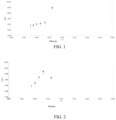
FIG. 1 shows a GPC curve of low-molecular-weight substances in Example 1 of the present invention. -
FIG. 2 shows a GPC curve of low-molecular-weight substances in Comparative Example 1 of the present invention. - Unless otherwise specified, raw materials, reagents, and solvents used in the present invention are all purchased commercially without any treatment. The present invention is further described in detail below in conjunction with examples, but embodiments of the present invention are not limited by the following examples, and any other changes, modifications, substitutions, combinations, and simplifications that are made without departing from the spiritual essence and principles of the present invention shall be regarded as equivalent replacement modes and are all included in the scope of protection of the present invention. In addition, "part" and "%" used in the description, unless otherwise specified, represent "mass part" and "mass%", respectively.
- The raw materials used in the examples and comparative examples of the present invention are all purchased from the market.
- As specified according to GB/T 17931-1999, determination was carried out in a phenol/o-dichlorobenzene solution at a weight ratio of 1:1 under a constant-temperature water bath at 25±0.05°C, and a sample concentration was 5 mg/ml.
- About 10 g of polyester particles were taken, and a mass of the polyester particles was recorded as wg; the polyester particles were placed in 100 ml of ethanol for heating and reflux for 4 h, filtration was performed under heat to obtain a filtrate, and the filtrate was poured into an evaporation dish (recorded as a0) weighed in advance; the obtained filtrate was placed on a water bath for evaporation to nearly dry, the evaporation dish was transferred into an oven for drying at 105°C for 2 h, and then the evaporation dish was taken out, cooled for 0.5 h, and weighed (recorded as a1); and the content of low-molecular-weight substances was obtained as (a1-a0)/w×100%.
- GPC was tested by ACQUITY APC™ equipment of Waters at a test temperature of 40°C, XT45, XT200 and XT459 chromatographic columns were used, tetrahydrofuran was used as a solvent, and a flow rate of a mobile phase was 0.5 mL/min. A polystyrene standard substance was used as a standard sample. About 10 g of polyester particles were placed in 100 ml of ethanol for heating and reflux for 4 h, filtration was performed under heat to obtain a filtrate, the filtrate was poured into an evaporation dish and then placed on a water bath for evaporation to nearly dry, the evaporation dish was transferred into an oven for drying at 105°C for 2 h, and then the evaporation dish was taken out and cooled for 0.5 h. Substances in the evaporation dish were low-molecular-weight substances, and the low-molecular-weight substances were prepared into a solution of about 0.5 mg/mL for testing.
- After drying at 80°C for 5 h, polyester particles were subjected to injection molding at 160°C to obtain a 100*100*2 mm square plate, and then an L value of the square plate was tested by an X-Rite Color Eye 7000A desktop spectrophotometer. The larger L value indicates higher glossiness.
- With reference to GB/T 3682.1-2018 Plastics-Determination of the melt mass-flow rate (MFR) and melt volume-flow rate (MVR) of thermoplastics-Part 1: Standard method, the melt flow rate (MRF) of a polyester was tested. A test temperature was 190°C, a load was 2.16 kg, and a melting time was 5 min.
- S1: 800 kg/h of butanedioic acid (succinic acid), 1,038 kg/h of 1,4-butanediol, 0.93 kg/h of glycerol, and 0.104 kg/h of tetrabutyl orthotitanate were physically mixed in an esterification reactor at normal temperature, and then a mixture was enabled to undergo an esterification reaction at 200°C for 60-120 min to obtain an esterification product AB.
- S2: The esterification product AB was passed through a static mixer and then entered a vertical stirring and full-mixing reactor at an initial pressure of 0.3 bar, heating was performed to 220°C for a reaction time of 3-5 h, the pressure was decreased to 100 mbar, and most of the
excess 1,4-butandiol was removed by distillation to obtain a prepolymerization product Pre-AB. - S3: The prepolymerization product Pre-AB and 0.587 kg/h of tetrabutyl orthotitanate were transferred into a final polymerization reactor for further polycondensation at a temperature of 240°C and a pressure of 1 mbar for 3-5 h, and the remaining
excess 1,4-butandiol and other byproducts were removed by distillation. Then, a polyester was granulated by an underwater granulator, and then dried to obtain a final polyester product. Integral proportions of various peaks in a GPC curve of low-molecular-weight substances are shown in Table 1, and performance results are shown in Table 3.Table 1 Integral proportions of various peaks in a GPC curve Peak Mn Integral proportion/% 1 1420 4.36 2 1100 5.41 3 856 7.95 4 622 10.95 5 430 15.38 6 325 55.95 - S1: 800 kg/h of butanedioic acid, 1,038 kg/h of 1,4-butanediol, 0.93 kg/h of glycerol, and 0.207 kg/h of tetrabutyl orthotitanate were physically mixed in an esterification reactor at normal temperature, and then a mixture was enabled to undergo an esterification reaction at 200°C for 60-120 min to obtain an esterification product AB.
- S2: The esterification product AB was passed through a static mixer and then entered a vertical stirring and full-mixing reactor at an initial pressure of 0.3 bar, heating was performed to 220°C for a reaction time of 3-5 h, the pressure was decreased to 100 mbar, and most of the
excess 1,4-butandiol was removed by distillation to obtain a prepolymerization product Pre-AB. - S3: The prepolymerization product Pre-AB and 0.483 kg/h of tetrabutyl orthotitanate were transferred into a final polymerization reactor for further polycondensation at a temperature of 240°C and a pressure of 1 mbar for 3-5 h, and the remaining
excess 1,4-butandiol and other byproducts were removed by distillation. Then, a polyester was granulated by an underwater granulator, and then dried to obtain a final polyester product. Performance results are shown in Table 3. - S1: 800 kg/h of butanedioic acid, 1,038 kg/h of 1,4-butanediol, 0.93 kg/h of glycerol, and 0.207 kg/h of tetrabutyl orthotitanate were physically mixed in an esterification reactor at normal temperature, and then a mixture was enabled to undergo an esterification reaction at 200°C for 60-120 min to obtain an esterification product AB.
- S2: The esterification product AB was passed through a static mixer and then entered a vertical stirring and full-mixing reactor at an initial pressure of 0.3 bar, heating was performed to 220°C for a reaction time of 3-5 h, the pressure was decreased to 100 mbar, and most of the
excess 1,4-butandiol was removed by distillation to obtain a prepolymerization product Pre-AB. - S3: The prepolymerization product Pre-AB and 0.483 kg/h of tetrabutyl orthotitanate were transferred into a final polymerization reactor for further polycondensation at a temperature of 240°C and a pressure of 1 mbar for 3-5 h, and the remaining
excess 1,4-butandiol and other byproducts were removed by distillation to obtain a final polymer Poly-AB. - S4: The final polymer Poly-AB was continuously fed into a twin-screw extruder, meanwhile 6.3 kg/h of hexamethylene diisocyanate (HDI) was added by dose, and a temperature was set at 240°C. After a residence time of 3 min, a polyester was granulated by an underwater granulator, and then dried to obtain a final polyester product. Performance results are shown in Table 3.
- Tetraisopropyl orthotitanate was used as a catalyst, an addition amount of the catalyst in Step S1 was 0.087 kg/h, and an addition amount of the catalyst in Step S3 was 0.490 kg/h.
- Others were the same as those in Example 1. Performance results are shown in Table 3.
- S1: 800 kg/h of butanedioic acid, 855 kg/h of 1,4-butanediol, 0.93 kg/h of glycerol, and 0.207 kg/h of tetrabutyl orthotitanate were physically mixed in an esterification reactor at normal temperature, and then a mixture was enabled to undergo an esterification reaction at 200°C for 60-120 min to obtain an esterification product AB.
- S2: The esterification product AB was passed through a static mixer and then entered a vertical stirring and full-mixing reactor at an initial pressure of 0.3 bar, heating was performed to 220°C for a reaction time of 3-5 h, the pressure was decreased to 100 mbar, and most of the
excess 1,4-butandiol was removed by distillation to obtain a prepolymerization product Pre-AB. - S3: The prepolymerization product Pre-AB and 0.483 kg/h of tetrabutyl orthotitanate were transferred into a final polymerization reactor for further polycondensation at a temperature of 240°C and a pressure of 1 mbar for 3-5 h, and the remaining
excess 1,4-butandiol and other byproducts were removed by distillation. Then, a polyester was granulated by an underwater granulator, and then dried to obtain a final polyester product. Performance results are shown in Table 3. - S1: 800 kg/h of butanedioic acid, 1,526 kg/h of 1,4-butanediol, 0.93 kg/h of glycerol, and 0.207 kg/h of tetrabutyl orthotitanate were physically mixed in an esterification reactor at normal temperature, and then a mixture was enabled to undergo an esterification reaction at 200°C for 60-120 min to obtain an esterification product AB.
- S2: The esterification product AB was passed through a static mixer and then entered a vertical stirring and full-mixing reactor at an initial pressure of 0.3 bar, heating was performed to 220°C for a reaction time of 3-5 h, the pressure was decreased to 100 mbar, and most of the
excess 1,4-butandiol was removed by distillation to obtain a prepolymerization product Pre-AB. - S3: The prepolymerization product Pre-AB and 0.483 kg/h of tetrabutyl orthotitanate were transferred into a final polymerization reactor for further polycondensation at a temperature of 240°C and a pressure of 1 mbar for 3-5 h, and the remaining
excess 1,4-butandiol and other byproducts were removed by distillation. Then, a polyester was granulated by an underwater granulator, and then dried to obtain a final polyester product. Performance results are shown in Table 3. - An addition amount of a catalyst in Step S1 was 0.242 kg/h, and an addition amount of the catalyst in Step S3 was 0.449 kg/h.
- Others were the same as those in Example 5. Performance results are shown in Table 3.
- S1: 800 kg/h of butanedioic acid, 1,038 kg/h of 1,4-butanediol, 0.93 kg/h of glycerol, and 0.449 kg/h of tetrabutyl orthotitanate were physically mixed in an esterification reactor at normal temperature, and then a mixture was enabled to undergo an esterification reaction at 200°C for 60-120 min to obtain an esterification product AB.
- S2: The esterification product AB was passed through a static mixer and then entered a vertical stirring and full-mixing reactor at an initial pressure of 0.3 bar, heating was performed to 220°C, 0.242 kg/h of tetrabutyl orthotitanate was added to the reactor for a reaction time of 3-5 h, the pressure was decreased to 100 mbar, and most of the
excess 1,4-butandiol was removed by distillation to obtain a prepolymerization product Pre-AB. - S3: The prepolymerization product Pre-AB was transferred into a final polymerization reactor for further polycondensation at a temperature of 240°C and a pressure of 1 mbar for 3-5 h, and the remaining
excess 1,4-butandiol and other byproducts were removed by distillation. Then, a polyester was granulated by an underwater granulator, and then dried to obtain a final polyester product. Integral proportions of various peaks in a GPC curve of low-molecular-weight substances are shown in Table 2, and performance results are shown in Table 3.Table 2 Integral proportions of various peaks in a GPC curve Peak Mn Integral proportion/% 1 1172 3.55 2 868 11.66 3 626 23.21 4 429 39.33 5 326 22.25 - A PBS resin obtained in Comparative Example 1 was subjected to solvent extraction operation by an ultrasonic countercurrent extraction machine (ND-400, produced by Jiangsu Huatai Heavy Industry Equipment Co., Ltd.). Key process parameters are as follows:
- a feed capacity: 500 kg/h;
- a solvent: ethanol/water at a volume ratio of 80/20;
- an extraction temperature: 70°C; and
- a residence time: 2.5 h.
- After discharging, drying and cooling were performed to obtain a PBS resin with a low content of low-molecular-substances, and the resin was detected to have an ethanol content of 70 ppm.
- Test method: 1.2000±0.0200 g of a sample was weighed, added into a sample flask, subjected to quantification by using an Agilent 7697A-7890A static headspace chromatograph as test equipment, and expressed in ppm relative to a mass of the sample. Static headspace conditions are as follows: 105°C for 2 h. A chromatographic column was J&W 122-7032: 250°C: 30 m*250 µm*0.25 µm. A GC heating procedure was as follows: an initial value: 50°C, and a retention time: 3 min; and heating to 200°C at a heating rate of 12°C/min, and a retention time: 4 min.
- S1: 800 kg/h of butanedioic acid, 1,038 kg/h of 1,4-butanediol, 0.93 kg/h of glycerol, and 0.207 kg/h of tetrabutyl orthotitanate were physically mixed in an esterification reactor at normal temperature, and then a mixture was enabled to undergo an esterification reaction at 200°C for 60-120 min to obtain an esterification product AB.
- S2: The esterification product AB was passed through a static mixer and then entered a vertical stirring and full-mixing reactor at an initial pressure of 0.3 bar, heating was performed to 220°C, 0.483 kg/h of tetrabutyl orthotitanate was added to the reactor for a reaction time of 3-5 h, the pressure was decreased to 100 mbar, and most of the
excess 1,4-butandiol was removed by distillation to obtain a prepolymerization product Pre-AB. - S3: The prepolymerization product Pre-AB was transferred into a final polymerization reactor for further polycondensation at a temperature of 240°C and a pressure of 1 mbar for 3-5 h, and the remaining
excess 1,4-butandiol and other byproducts were removed by distillation. Then, a polyester was granulated by an underwater granulator, and then dried to obtain a final polyester product. Performance results are shown in Table 3. - With reference to a polymerization process in Example 1 of
CN101910245B , the following experiment was carried out:
S1: 800 kg/h of butanedioic acid, 916 kg/h of 1,4-butanediol, and 3.0 kg/h of malic acid were physically mixed in an esterification reactor at normal temperature, and then a mixture was enabled to undergo an esterification reaction at 200°C for 60-120 min to obtain an esterification product AB. - S2: The esterification product AB was passed through a static mixer and then entered a vertical stirring and full-mixing reactor at an initial pressure of 0.3 bar, heating was performed to 220°C, 0.46 kg/h of tetrabutyl orthotitanate was added to the reactor for a reaction time of 3-5 h, the pressure was decreased to 100 mbar, and most of the
excess 1,4-butandiol was removed by distillation to obtain a prepolymerization product Pre-AB. - S3: The prepolymerization product Pre-AB was transferred into a final polymerization reactor for further polycondensation at a temperature (internal temperature t2 of the reactor) of 240°C and a pressure of 1 mbar for 3-5 h, and the remaining
excess 1,4-butandiol and other byproducts were removed by distillation, wherein a wall surface temperature T of a distillate tube was 200°C. After condensation, a distillate was fed to the esterification reactor at a rate of 4.2 kg/h through a pipe insulated by a hot medium jacket (130°C). Then, a polyester was granulated by an underwater granulator, and then dried to obtain a final polyester product. Performance results are shown in Table 3. - S1: 800 kg/h of butanedioic acid, 1,038 kg/h of 1,4-butanediol, 0.93 kg/h of glycerol, and 0.449 kg/h of tetrabutyl orthotitanate were physically mixed in an esterification reactor at normal temperature, and then a mixture was enabled to undergo an esterification reaction at 200°C for 60-120 min to obtain an esterification product AB.
- S2: The esterification product AB was passed through a static mixer and then entered a vertical stirring and full-mixing reactor at an initial pressure of 0.3 bar, heating was performed to 220°C for a reaction time of 3-5 h, the pressure was decreased to 100 mbar, and most of the
excess 1,4-butandiol was removed by distillation to obtain a prepolymerization product Pre-AB. - S3: The prepolymerization product Pre-AB and 0.242 kg/h of tetrabutyl orthotitanate were transferred into a final polymerization reactor for further polycondensation at a temperature of 240°C and a pressure of 1 mbar for 3-5 h, and the remaining
excess 1,4-butandiol and other byproducts were removed by distillation. Then, a polyester was granulated by an underwater granulator, and then dried to obtain a final polyester product. Performance results are shown in Table 3.Table 3 Performance results Examp le 1 Exam ple 2 Exampl e 3 Comp arative Exam ple 1 Compa rative Exampl e 2 Compar ative Exampl e 3 Addition weight proportion of a catalyst/% Step S1 15 30 30 65 30 Step S2 35 70 Step S3 85 70 70 Third component C Glycer ol Glyc erol Glycer ol Glycer ol Glycerol HDI No No Yes No No Characteris tics of a product Viscosity/ml/g 146 159 192 168 161 161 Total content of low-molecular-weight substances/wt% 0.23 0.35 0.33 0.78 0.05 0.76 Proportion of an integral area of peaks having a number-average molecular weight (Mn) of greater than 400 to a total integral area in a GPC curve 44 47 46 78 71 79 Glossiness L 83 82 82 65 80 66 MFR/g/10min 9.3 9.2 8.4 10.1 6.3 9.8 Continued Table 3 Exampl e4 Exampl e5 Exampl e6 Exampl e7 Compa rative Exampl e 4 Compa rative Exampl e 5 Addition weight proportion of a catalyst/% Step S1 15 30 30 35 65 Step S2 100 Step S3 85 70 70 65 35 Third component C Glycer ol Glycer ol Glycer ol Glycer ol Malic acid Glycer ol HDI No No No No No No Characteristics of a product Viscosity/ml/g 147 137 163 135 162 165 Total content of low-molecular-weight substances/wt% 0.25 0.44 0.32 0.50 0.51 0.66 Proportion of an integral area of peaks having a number-average molecular weight (Mn) of greater than 400 to a total integral area in a GPC curve 49 48 44 52 75 64 Glossiness L 81 80 82 79 68 69 MFR/g/10min 9.5 10.6 9.1 10.6 9.9 10.3 - As can be seen from the results in Table 3, in Examples 1-7 of the present invention, by controlling the total content of low-molecular-weight substances to 0.1-0.6 wt% and controlling the integral area of parts (cyclic polymers) having a number-average molecular weight of greater than 400 to be less than 60% of a total integral area in a GPC curve of the low-molecular-weight substances, the glossiness (L) of the prepared polyester products can reach 79 or above, the glossiness is high, and the fluidity is good, such that the glossiness and the fluidity are maintained in a balanced state.
- In Comparative Example 1 or 3, by using a traditional catalyst addition process of adding all of the catalyst in Steps S1 and S2, the content of low-molecular-weight substances cannot be effectively decreased, and the total content of the low-molecular-weight substances in the prepared polyesters and the integrated area of parts (cyclic polymers) having a number-average molecular weight of greater than 400 in a GPC curve of the low-molecular-weight substances are not within the scope of the present invention. Although the fluidity is good, the glossiness of the obtained polyester products is poor, such that a balance between the fluidity and the glossiness cannot be achieved.
- In Comparative Example 2, by using an ethanol/water mixed solvent to clean the PBS resin obtained in Comparative Example 1, the total content of low-molecular-weight substances can be effectively decreased, but the content of the low-molecular-weight substances is too low, and the fluidity of the product is poor, such that a balance between the fluidity and the glossiness cannot be achieved. Moreover, the resin contains more ethanol, which causes secondary pollution.
- In Comparative Example 4, by referring to the polymerization process in Example 1 of
CN101910245B and controlling the temperature of a relevant equipment process of the final polymerization reactor, the total content of low-molecular-weight substances in the prepared polyester is controlled to 0.51%. However, since such process control mainly solves cyclic dimers and is relatively limited to decrease cyclic polymers and the integral area of parts (cyclic polymers) having a number-average molecular weight of greater than 400 in a GPC curve of the low-molecular-weight substances is also not within the scope of the present invention, the glossiness of the obtained polyester product is also poor. - In Comparative Example 5, the total content of low-molecular-weight substances and the integrated area of parts (cyclic polymers) having a number-average molecular weight of greater than 400 in a GPC curve are both high, and the glossiness of the obtained polyester product is also poor, such that a balance between the fluidity and the glossiness cannot be achieved.
- As can be seen from the results of Example 1-7 and Comparative Examples 1-5, the prepared polyester products cannot simultaneously meet the conditions that the total content of low-molecular-weight substances is in a range of 0.1-0.6 wt% and the proportion of the integral area of peaks having a number-average molecular weight (Mn) of greater than 400 to the total integral area in a GPC curve is less than 60%, such that the glossiness and fluidity of the obtained polyester products cannot be balanced.
Claims (13)
- A polyester, comprising a repeating unit derived from the following components:a first component A, based on a total molar amount of the first component A, comprising:a1) 81-100 mol%, preferably 90-100 mol% of succinic acid, or ester derivatives thereof or anhydride derivatives thereof;a2) 0-19 mol %, preferably 0-10 mol% of other binary carboxylic acids except for succinic acid, or ester derivatives thereof or anhydride derivatives thereof;a second component B, 1,4-butanediol;characterized in that based on a total weight of the polyester, a total content of low-molecular-weight substances in the polyester is 0.1-0.6 wt%, preferably 0.2-0.5 wt%, and a GPC curve of the low-molecular-weight substances has the following characteristic: an integral area of peaks having a number-average molecular weight (Mn) of greater than 400 is less than 60% of a total integral area; andthe total content of the low-molecular-weight substances is tested by the following method:
weighing 10 g of polyester particles, and recording a mass of the polyester particles as wg; placing the polyester particles in 100 ml of ethanol for heating and reflux for 4 h, performing filtration under heat to obtain a filtrate, pouring the filtrate into an evaporation dish weighed in advance, and recording a weight of the evaporation dish as a0; placing the obtained filtrate on a water bath for evaporation to nearly dry, transferring the evaporation dish into an oven for drying at 105°C for 2 h, then taking out the evaporation dish, performing weighing after cooling for 0.5 h, and recording a weight as a1; and obtaining the content of the low-molecular-weight substances as (a1-a0)/w×100%. - The polyester according to claim 1, characterized in that the total content of the low-molecular-weight substances in the polyester is 0.2-0.35 wt%, and the GPC curve of the low-molecular-weight substances has the following characteristic: the integral area of the peaks having the number-average molecular weight (Mn) of greater than 400 is less than 50% of the total integral area.
- The polyester according to claim 1, characterized in that the first component A comprises succinic acid, or ester derivatives thereof or anhydride derivatives thereof.
- The polyester according to claim 1, characterized in that the polyester further comprises a third component C, and the component C is a compound containing at least three functional groups; and based on the total molar amount of the first component A, a content of the third component C is 0.01-1.0 mol%, preferably 0.02-0.2 mol%.
- The polyester according to claim 4, characterized in that the component C is selected from one or more of tartaric acid, citric acid, malic acid, fumaric acid, maleic acid, trimethylolpropane, trimethylolethane, pentaerythritol, polyether triol, glycerol, 1,3,5-benzenetricarboxylic acid, 1,2,4-benzenetricarboxylic acid, 1,2,4-benzenetricarboxylic anhydride, 1,2,4,5-benzenetetracarboxylic acid, or pyromellitic dianhydride, preferably one or more of malic acid, citric acid, fumaric acid, maleic acid, or glycerol.
- The polyester according to claim 1, characterized in that the polyester further comprises a fourth component D, and the fourth component D is a chain extender; and based on the total molar amount of the first component A, a content of the fourth component D is 0.01-5.0 mol%.
- The polyester according to claim 6, characterized in that the fourth component D is selected from one or more of an isocyanate, an isocyanurate, a peroxide, an epoxide, oxazoline, oxazine, lactam, carbodiimide, and polycarbodiimide containing 2 or more than 2 functional groups, preferably an isocyanate containing 2 or more than 2 functional groups, and more preferably hexamethylene diisocyanate.
- The polyester according to claim 1, characterized in that a viscosity of the polyester determined in a phenol/o-dichlorobenzene solution at a weight ratio of 1:1 under a constant-temperature water bath at 25±0.05°C as specified according to GB/T 17931-1999 is 100-350 ml/g.
- A preparation method for the polyester according to any one of claims 1-8, characterized in that the preparation method comprises the following steps: S1: mixing the first component A, the second component B, and a part of a catalyst, and performing heating in an esterification reactor to 180-260°C to carry out an esterification reaction for 1-4 h to obtain an esterification product AB;S2: enabling the esterification product AB in Step S1 to undergo a primary polycondensation reaction at a reaction temperature of 200-240°C for a reaction time of 2-6 h to obtain a primary polycondensation product Pre-AB; andS3: transferring the primary polycondensation product Pre-AB obtained in Step S2 and the remaining catalyst to a final polymerization reactor to carry out a continuous polycondensation reaction at a temperature of 210-270°C until a reaction product determined in a phenol/o-dichlorobenzene solution at a weight ratio of 1:1 under a constant-temperature water bath at 25±0.05°C as specified according to GB/T 17931-1999 reaches a viscosity of 100-350 ml/g;wherein an addition amount of the catalyst in Step S1 is 10-40 wt% of a total use amount of the catalyst, and an addition amount of the catalyst in Step S3 is 60-90 wt% of the total use amount of the catalyst.
- The preparation method for the polyester according to claim 9, characterized in that the catalyst comprises one or more of a tin compound, an antimony compound, a cobalt compound, a lead compound, a zinc compound, an aluminum compound, or a titanium compound, preferably one or more of a zinc compound, an aluminum compound, or a titanium compound, and more preferably tetrabutyl orthotitanate and/or tetraisopropyl orthotitanate.
- A polyester molding composition, characterized in that calculated by weight percentage, the polyester molding composition comprises the following components:5-95 wt% of the polyester according to any one of claims 1-8;5-95 wt% of an additive and/or other polymers; and0-70 wt% of a reinforcing material and/or a filler.
- Use of the polyester according to any one of claims 1-8 in preparation of compostable degradable products, characterized in that the compostable degradable products comprise fibers, films, or containers.
- Use of the polyester according to any one of claims 1-8 in preparation of suction tubes.
Applications Claiming Priority (2)
| Application Number | Priority Date | Filing Date | Title |
|---|---|---|---|
| CN202210569210.7A CN114957628B (en) | 2022-05-24 | 2022-05-24 | Polyester and its preparation method and application |
| PCT/CN2023/094641 WO2023226835A1 (en) | 2022-05-24 | 2023-05-17 | Polyester, and preparation method therefor and use thereof |
Publications (2)
| Publication Number | Publication Date |
|---|---|
| EP4527871A1 true EP4527871A1 (en) | 2025-03-26 |
| EP4527871A4 EP4527871A4 (en) | 2025-08-20 |
Family
ID=82955256
Family Applications (1)
| Application Number | Title | Priority Date | Filing Date |
|---|---|---|---|
| EP23810908.6A Pending EP4527871A4 (en) | 2022-05-24 | 2023-05-17 | POLYESTER AND MANUFACTURING METHOD THEREOF AND USE THEREOF |
Country Status (3)
| Country | Link |
|---|---|
| EP (1) | EP4527871A4 (en) |
| CN (1) | CN114957628B (en) |
| WO (1) | WO2023226835A1 (en) |
Families Citing this family (2)
| Publication number | Priority date | Publication date | Assignee | Title |
|---|---|---|---|---|
| CN114957628B (en) * | 2022-05-24 | 2025-03-11 | 珠海金发生物材料有限公司 | Polyester and its preparation method and application |
| DE102024121056A1 (en) * | 2024-07-24 | 2026-01-29 | Fraunhofer-Gesellschaft zur Förderung der angewandten Forschung eingetragener Verein | Process for the production of highly linear and controlled branched polybutylene succinate |
Family Cites Families (17)
| Publication number | Priority date | Publication date | Assignee | Title |
|---|---|---|---|---|
| JP3396537B2 (en) | 1994-05-30 | 2003-04-14 | 昭和高分子株式会社 | Cleaning treatment method for aliphatic polyester or composition |
| JP3666525B2 (en) * | 1996-08-05 | 2005-06-29 | 三菱瓦斯化学株式会社 | Aliphatic polyester carbonate and method for producing the same |
| JP4003595B2 (en) | 2002-09-18 | 2007-11-07 | 三菱化学株式会社 | Aliphatic or cycloaliphatic polyester and process |
| JP2004197088A (en) * | 2002-12-06 | 2004-07-15 | Toyobo Co Ltd | Polyester, polyester molding comprising the same, and producing method of them |
| JP4680909B2 (en) * | 2004-06-29 | 2011-05-11 | 昭和電工株式会社 | Method for producing aliphatic polyester |
| JP2008189721A (en) * | 2007-02-01 | 2008-08-21 | Mitsubishi Chemicals Corp | Polyester molded product and method for producing the same |
| EP2228399B1 (en) | 2007-12-27 | 2015-02-11 | Mitsubishi Chemical Corporation | Method for producing aliphatic polyester |
| CN105218794A (en) * | 2008-09-29 | 2016-01-06 | 巴斯夫欧洲公司 | Aliphatic polyester |
| JP5412893B2 (en) * | 2009-03-12 | 2014-02-12 | 三菱化学株式会社 | Polyester manufacturing method |
| CN102718949B (en) * | 2012-07-09 | 2014-02-12 | 旭阳化学技术研究院有限公司 | Preparation method of polybutylene succinate |
| EP3201253B1 (en) * | 2014-10-03 | 2023-07-12 | Novamont S.p.A. | Process for the production of polyesters |
| ES2948234T3 (en) * | 2017-11-20 | 2023-09-06 | Basf Se | Continuous procedure for the manufacture of an aliphatic polyester |
| KR20200085337A (en) * | 2017-11-20 | 2020-07-14 | 바스프 에스이 | Method for purifying aliphatic polyester |
| CN109369893B (en) * | 2018-10-23 | 2020-04-17 | 东华大学 | Polyester with low oligomer content and preparation method thereof |
| CN113683763B (en) * | 2021-10-26 | 2022-09-13 | 江苏金发科技新材料有限公司 | Semi-aromatic polyester and preparation method and application thereof |
| CN114507338B (en) * | 2022-03-02 | 2024-04-09 | 万华化学集团股份有限公司 | A method for preparing polybutylene succinate with low cyclic byproducts |
| CN114957628B (en) * | 2022-05-24 | 2025-03-11 | 珠海金发生物材料有限公司 | Polyester and its preparation method and application |
-
2022
- 2022-05-24 CN CN202210569210.7A patent/CN114957628B/en active Active
-
2023
- 2023-05-17 EP EP23810908.6A patent/EP4527871A4/en active Pending
- 2023-05-17 WO PCT/CN2023/094641 patent/WO2023226835A1/en not_active Ceased
Also Published As
| Publication number | Publication date |
|---|---|
| WO2023226835A1 (en) | 2023-11-30 |
| EP4527871A4 (en) | 2025-08-20 |
| CN114957628A (en) | 2022-08-30 |
| CN114957628B (en) | 2025-03-11 |
Similar Documents
| Publication | Publication Date | Title |
|---|---|---|
| TWI650342B (en) | Method for the production of a high-molecular polyester or copolyester and also of a polymer blend comprising these | |
| JP7784544B2 (en) | Semi-aromatic polyesters and their preparation methods and applications | |
| CN115806658B (en) | Polyester and preparation method and application thereof | |
| CN112280026B (en) | Semi-aromatic polyester and preparation method and application thereof | |
| Brännström et al. | Itaconate based polyesters: Selectivity and performance of esterification catalysts | |
| WO2023039923A1 (en) | Semi-aromatic polyester, and preparation method therefor and application thereof | |
| Pan et al. | Bio-based polyurethane reactive hot-melt adhesives derived from isosorbide-based polyester polyols with different carbon chain lengths | |
| CN114957630B (en) | A semi-aromatic polyester and its preparation method and application | |
| CN114957628B (en) | Polyester and its preparation method and application | |
| EP4400529A1 (en) | Semi-aromatic polyether ester, preparation method therefor and use thereof | |
| EP4421106A1 (en) | Semi-aromatic polyester, and preparation method therefor and application thereof | |
| CN115785413A (en) | Biodegradable aliphatic polyester and preparation method and application thereof | |
| WO2024120310A1 (en) | Biodegradable polyester composition and preparation method therefor and use thereof | |
| AU2012302534A1 (en) | Production method for a biodegradable polyester copolymer resin | |
| CN116496477A (en) | A kind of biodegradable aliphatic polyester composition and its preparation method and application | |
| KR101200823B1 (en) | Hydrolysis resistant and biodegradable aliphatic polyester resin composition |
Legal Events
| Date | Code | Title | Description |
|---|---|---|---|
| STAA | Information on the status of an ep patent application or granted ep patent |
Free format text: STATUS: THE INTERNATIONAL PUBLICATION HAS BEEN MADE |
|
| PUAI | Public reference made under article 153(3) epc to a published international application that has entered the european phase |
Free format text: ORIGINAL CODE: 0009012 |
|
| STAA | Information on the status of an ep patent application or granted ep patent |
Free format text: STATUS: REQUEST FOR EXAMINATION WAS MADE |
|
| 17P | Request for examination filed |
Effective date: 20241218 |
|
| AK | Designated contracting states |
Kind code of ref document: A1 Designated state(s): AL AT BE BG CH CY CZ DE DK EE ES FI FR GB GR HR HU IE IS IT LI LT LU LV MC ME MK MT NL NO PL PT RO RS SE SI SK SM TR |
|
| A4 | Supplementary search report drawn up and despatched |
Effective date: 20250722 |
|
| RIC1 | Information provided on ipc code assigned before grant |
Ipc: C08G 63/16 20060101AFI20250716BHEP Ipc: C08G 63/78 20060101ALI20250716BHEP Ipc: C08L 67/02 20060101ALI20250716BHEP Ipc: A47G 21/18 20060101ALI20250716BHEP |
|
| DAV | Request for validation of the european patent (deleted) | ||
| DAX | Request for extension of the european patent (deleted) | ||
| GRAP | Despatch of communication of intention to grant a patent |
Free format text: ORIGINAL CODE: EPIDOSNIGR1 |
|
| STAA | Information on the status of an ep patent application or granted ep patent |
Free format text: STATUS: GRANT OF PATENT IS INTENDED |
|
| INTG | Intention to grant announced |
Effective date: 20260127 |
|
| P01 | Opt-out of the competence of the unified patent court (upc) registered |
Free format text: CASE NUMBER: UPC_APP_0009356_4527871/2026 Effective date: 20260311 |