EP4527848A1 - Polypeptide that passes through blood-brain barrier, and use thereof - Google Patents
Polypeptide that passes through blood-brain barrier, and use thereof Download PDFInfo
- Publication number
- EP4527848A1 EP4527848A1 EP23807876.0A EP23807876A EP4527848A1 EP 4527848 A1 EP4527848 A1 EP 4527848A1 EP 23807876 A EP23807876 A EP 23807876A EP 4527848 A1 EP4527848 A1 EP 4527848A1
- Authority
- EP
- European Patent Office
- Prior art keywords
- blood
- brain
- brain barrier
- seq
- target material
- Prior art date
- Legal status (The legal status is an assumption and is not a legal conclusion. Google has not performed a legal analysis and makes no representation as to the accuracy of the status listed.)
- Pending
Links
Images




Classifications
-
- A—HUMAN NECESSITIES
- A61—MEDICAL OR VETERINARY SCIENCE; HYGIENE
- A61P—SPECIFIC THERAPEUTIC ACTIVITY OF CHEMICAL COMPOUNDS OR MEDICINAL PREPARATIONS
- A61P25/00—Drugs for disorders of the nervous system
-
- A—HUMAN NECESSITIES
- A61—MEDICAL OR VETERINARY SCIENCE; HYGIENE
- A61K—PREPARATIONS FOR MEDICAL, DENTAL OR TOILETRY PURPOSES
- A61K47/00—Medicinal preparations characterised by the non-active ingredients used, e.g. carriers or inert additives; Targeting or modifying agents chemically bound to the active ingredient
- A61K47/50—Medicinal preparations characterised by the non-active ingredients used, e.g. carriers or inert additives; Targeting or modifying agents chemically bound to the active ingredient the non-active ingredient being chemically bound to the active ingredient, e.g. polymer-drug conjugates
- A61K47/51—Medicinal preparations characterised by the non-active ingredients used, e.g. carriers or inert additives; Targeting or modifying agents chemically bound to the active ingredient the non-active ingredient being chemically bound to the active ingredient, e.g. polymer-drug conjugates the non-active ingredient being a modifying agent
- A61K47/62—Medicinal preparations characterised by the non-active ingredients used, e.g. carriers or inert additives; Targeting or modifying agents chemically bound to the active ingredient the non-active ingredient being chemically bound to the active ingredient, e.g. polymer-drug conjugates the non-active ingredient being a modifying agent the modifying agent being a protein, peptide or polyamino acid
- A61K47/64—Drug-peptide, drug-protein or drug-polyamino acid conjugates, i.e. the modifying agent being a peptide, protein or polyamino acid which is covalently bonded or complexed to a therapeutically active agent
-
- A—HUMAN NECESSITIES
- A61—MEDICAL OR VETERINARY SCIENCE; HYGIENE
- A61K—PREPARATIONS FOR MEDICAL, DENTAL OR TOILETRY PURPOSES
- A61K49/00—Preparations for testing in vivo
- A61K49/001—Preparation for luminescence or biological staining
- A61K49/0013—Luminescence
- A61K49/0017—Fluorescence in vivo
- A61K49/005—Fluorescence in vivo characterised by the carrier molecule carrying the fluorescent agent
- A61K49/0056—Peptides, proteins, polyamino acids
-
- C—CHEMISTRY; METALLURGY
- C07—ORGANIC CHEMISTRY
- C07K—PEPTIDES
- C07K14/00—Peptides having more than 20 amino acids; Gastrins; Somatostatins; Melanotropins; Derivatives thereof
-
- C—CHEMISTRY; METALLURGY
- C07—ORGANIC CHEMISTRY
- C07K—PEPTIDES
- C07K14/00—Peptides having more than 20 amino acids; Gastrins; Somatostatins; Melanotropins; Derivatives thereof
- C07K14/195—Peptides having more than 20 amino acids; Gastrins; Somatostatins; Melanotropins; Derivatives thereof from bacteria
- C07K14/24—Peptides having more than 20 amino acids; Gastrins; Somatostatins; Melanotropins; Derivatives thereof from bacteria from Enterobacteriaceae (F), e.g. Citrobacter, Serratia, Proteus, Providencia, Morganella, Yersinia
- C07K14/245—Escherichia (G)
-
- C—CHEMISTRY; METALLURGY
- C07—ORGANIC CHEMISTRY
- C07K—PEPTIDES
- C07K7/00—Peptides having 5 to 20 amino acids in a fully defined sequence; Derivatives thereof
- C07K7/04—Linear peptides containing only normal peptide links
- C07K7/06—Linear peptides containing only normal peptide links having 5 to 11 amino acids
-
- C—CHEMISTRY; METALLURGY
- C07—ORGANIC CHEMISTRY
- C07K—PEPTIDES
- C07K7/00—Peptides having 5 to 20 amino acids in a fully defined sequence; Derivatives thereof
- C07K7/04—Linear peptides containing only normal peptide links
- C07K7/08—Linear peptides containing only normal peptide links having 12 to 20 amino acids
-
- C—CHEMISTRY; METALLURGY
- C12—BIOCHEMISTRY; BEER; SPIRITS; WINE; VINEGAR; MICROBIOLOGY; ENZYMOLOGY; MUTATION OR GENETIC ENGINEERING
- C12N—MICROORGANISMS OR ENZYMES; COMPOSITIONS THEREOF; PROPAGATING, PRESERVING, OR MAINTAINING MICROORGANISMS; MUTATION OR GENETIC ENGINEERING; CULTURE MEDIA
- C12N15/00—Mutation or genetic engineering; DNA or RNA concerning genetic engineering, vectors, e.g. plasmids, or their isolation, preparation or purification; Use of hosts therefor
- C12N15/09—Recombinant DNA-technology
- C12N15/63—Introduction of foreign genetic material using vectors; Vectors; Use of hosts therefor; Regulation of expression
- C12N15/70—Vectors or expression systems specially adapted for E. coli
-
- A—HUMAN NECESSITIES
- A61—MEDICAL OR VETERINARY SCIENCE; HYGIENE
- A61K—PREPARATIONS FOR MEDICAL, DENTAL OR TOILETRY PURPOSES
- A61K38/00—Medicinal preparations containing peptides
-
- C—CHEMISTRY; METALLURGY
- C07—ORGANIC CHEMISTRY
- C07K—PEPTIDES
- C07K2319/00—Fusion polypeptide
- C07K2319/01—Fusion polypeptide containing a localisation/targetting motif
- C07K2319/10—Fusion polypeptide containing a localisation/targetting motif containing a tag for extracellular membrane crossing, e.g. TAT or VP22
Definitions
- the present invention relates to a polypeptide that passes through a blood-brain barrier or cerebrovascular barrier and a use of the polypeptide for material delivery.
- a Blood-Brain Barrier (BBB) or cerebrovascular barrier is a barrier that separates cerebrospinal fluid and blood. It has high selective permeability and plays a role of isolating major regulatory centers of the body from pathogens that can be transported from blood, such as bacterial and the like, and potential hazardous materials in blood.
- the blood-brain barrier plays a role of passively allowing glucose, essential amino acids, electrolytes and the like to pass through it through endothelial cells, but preventing metabolites, toxins, and drugs in blood from entering brain cells.
- fat-soluble materials such as water, air and carbon dioxide can freely pass through the barrier, so alcohol, nicotine, anesthetics, and the like affect the brain.
- Such selective permeability of the blood-brain barrier is a major obstacle to pharmacological treatment of brain and central nervous system (CNS) diseases such as Alzheimer' s disease, Parkinson' s disease, bacterial and viral infection and cancer. That is because many therapeutic agents for treating brain and central nervous system (CNS) diseases and disorders are hydrophilic and thus they cannot directly pass through the blood-brain barrier.
- CNS central nervous system
- an object of the present invention is to provide a novel blood-brain barrier permeable peptide and a use for brain delivery of a target material of the peptide.
- one aspect of the present invention provides a blood-brain barrier permeable peptide comprising an amino acid sequence of SEQ ID NO: 3 or SEQ ID NO: 5.
- the blood-brain barrier permeable peptide comprising the amino acid sequence of SEQ ID NO: 3 may comprise an amino acid sequence having sequence homology of 70% or more, preferably, 80% or more, more preferably, 90% or more, further more preferably, 95% or more, most preferably, 98% or more to the amino acid sequence selected from the group consisting of SEQ ID NOs: 1 to 3.
- the blood-brain barrier permeable peptide comprising the amino acid sequence of SEQ ID NO: 5 may comprise an amino acid sequence having sequence homology of 70% or more, preferably, 80% or more, more preferably, 90% or more, further more preferably, 95% or more, most preferably, 98% or more to the amino acid sequence of SEQ ID NO: 5.
- the blood-brain barrier permeable peptide may be used by being fused with another cell membrane permeable peptide, and the examples of the cell membrane permeable peptide include Penetratin, TAT peptide, Pep-1 peptide, S413-PV, Magainin 2 or Buforin 2.
- the present inventors have confirmed that the fusion proteins of the discovered blood-brain barrier permeable peptides and GST permeated the blood-brain barrier of mice ( FIGs. 1 to 5 ).
- another aspect of the present invention provides a system for brain delivery of a target material comprising a blood-brain barrier permeable peptide; and a target material bound to one terminal of the blood-brain barrier permeable peptide.
- the target material may be selected from the group consisting of compounds, proteins, glycoproteins, peptides, nucleotides, nucleic acids, carbohydrates, lipids, glycolipids, nanoparticles, liposomes, drugs, lipid-based formulations, viruses, quantum dots and fluorochromes.
- the blood-brain barrier permeable protein and target material may be linked by a method for binding a protein and a target material known in the art, and for example, it may be linked, for example, by a covalent bond, a chemical bond, a peptide bond, and the like.
- the present inventors have confirmed that the fusion proteins of the blood-brain barrier permeable peptides and GST permeated the blood-brain barrier, and thus, when a protein (target protein) is used as a target material, it may be introduced in the form of a fusion protein of a blood-brain barrier permeable protein and a target protein into brain tissue.
- the system for brain delivery of a target material can be used as a pharmaceutical composition for treating or preventing brain or central nervous system diseases, or a composition for diagnosing brain or central nervous system diseases.
- the present invention can contrast the distribution of the target material in cerebral parenchyma through PET or inhibit aggregation, by linking a substance inhibiting aggregation by selectively combining to various target materials of which aggregation increases in degenerative brain diseases, such as alpha-synuclein, amyloid beta, tau, S0D1 (Superoxide dismutase1), TDP-43, and the like, with the blood-brain barrier permeable peptide, and then injecting that into the body.
- degenerative brain diseases such as alpha-synuclein, amyloid beta, tau, S0D1 (Superoxide dismutase1), TDP-43, and the like
- the brain or central nervous system diseases include generally called degenerative neurological diseases, and include Alzheimer' s dementia, Parkinson' s disease, frontotemporal dementia, Lewy dementia, and Huntington' s disease, and the like.
- composition for diagnosing brain or central nervous system diseases may be provided as implemented in the form of a kit for predicting or diagnosing the degree of risk of brain or central nervous system diseases.
- This kit may not only comprise an agent capable of detecting a blood-brain barrier permeable peptide, but also comprise one or more kinds of other component compositions, solutions, or devices suitable for the analysis method.
- the pharmaceutical composition for treating or preventing brain or central nervous system diseases may be orally administered or parenterally administered (for example, intravenous, subcutaneous, intraperitoneally or locally applied) according to a targeted method, and when formulated, it is prepared using a diluent or excipient such as a filler, extender, binder, wetting agent, disintegrating agent, surfactant, or the like.
- a diluent or excipient such as a filler, extender, binder, wetting agent, disintegrating agent, surfactant, or the like.
- Solid preparations for oral administration include tablets, pills, powders, granules, capsules, troches, and the like, and these solid preparations are prepared by mixing at least one or more excipients, for example, starch, calcium carbonate, sucrose or lactose or gelatin or the like to the active ingredient.
- excipients for example, starch, calcium carbonate, sucrose or lactose or gelatin or the like
- lubricants such as magnesium stearate talc are used.
- Suspensions, oral liquids, emulsions or syrups or the like correspond to liquid preparations for oral administration, and in addition to water and liquid paraffin, which are commonly used simple diluents, various excipients, for example, wetting agents, sweeteners, flavoring agents, preservatives and the like may be comprised.
- Sterilized aqueous solutions, non-aqueous solvents, suspensions, emulsions, lyophilized preparations, suppositories and the like are included in preparations for parenteral administration.
- non-aqueous solvents and suspensions propylene glycol, polyethylene glycol, vegetable oils such as olive oil, injectable esters such as ethyl oleate and the like may be used.
- a base compound of the suppositories witepsol, macrogol, tween 61, cacao butter, laurin butter, glycerol, gelatin, and the like may be used.
- the pharmaceutical composition of the present invention is administered in a pharmaceutically effective amount.
- the 'pharmaceutically effective amount means an amount sufficient to treat diseases with a reasonable benefit/risk ratio applicable to medical treatment, and the effective dose level may be determined depending on elements including the type and severity of the patient' s disease, the activity of the drug, the sensitivity to the drug, the administration time, administration route and excretion rate, the treatment period, concurrently used drugs, and other elements well known in the medical field.
- the pharmaceutical composition of the present invention may be administered by being divided once a day or three times a day at a dose of 0.1 mg/kg to 200 mg/kg, preferably, 1 mg/kg to 50 mg/kg.
- the dose does not limit the scope of the present invention in any way. However, it may be increased or decreased depending on the administration route, the severity of obesity, gender, body weight, age, and the like, so it does not limit the scope of the present invention in any way.
- Another aspect of the present invention provides a polynucleotide encoding the blood-brain barrier permeable peptide.
- 'polynucleotide' is a polymer of deoxyribonucleotide or ribonucleotide present in a single-stranded or double-stranded form. It encompasses RNA genomic sequences, DNA (gDNA and cDNA) and RNA sequence transcribed therefrom, and unless otherwise specifically mentioned, it includes analogues of natural polynucleotides.
- the polynucleotide includes not only nucleotide sequences encoding cell membrane permeable peptides, but also sequences complementary to the sequences.
- the complementary sequences include not only completely complementary sequences, but also substantially complementary sequences.
- the polynucleotide sequences may be modified, and modification includes addition, deletion, or non-conservative substitution or conservative substitution of nucleotides.
- a recombinant vector comprising a polynucleotide sequence encoding the blood-brain barrier permeable protein.
- 'vector' refers to a means to express a target gene in a host cell.
- viral vectors such as plasmid vectors, cosmid vectors, and bacteriophage vectors, adenovirus vectors, retrovirus vectors, and adeno-associated virus vectors, may be included, but not limited thereto.
- Vectors which can be used as the recombinant vector may be produced by engineering plasmids (for example, pSC101, pGV1106, pACYC177, ColE1, pKT230, pME290, pBR322, pUC8/9, pUC6, pBD9, pHC79, pIJ61, pLAFR1, pHV14, pGEX series, pET series and pUC19, etc.), phages (for example, ⁇ gt4 ⁇ B, ⁇ -Charon, ⁇ ⁇ z1 and M13, etc.), or viruses (for example, CMV, SV40, etc.), often used in the art.
- engineering plasmids for example, pSC101, pGV1106, pACYC177, ColE1, pKT230, pME290, pBR322, pUC8/9, pUC6, pBD9, pHC79, pIJ61, pLAFR1, pHV
- the recombinant vector may comprise the polynucleotide sequence and a promoter operatively linked to the polynucleotide sequence.
- 'operatively linked' means functional binding between a regulatory sequence of nucleotide expression (for example, promoter sequence) and another nucleotide sequence, and thereby, the regulatory sequence regulates transcription and/or translation of another nucleotide sequence.
- a protein when used as a target material, by introducing a blood-brain barrier permeable protein and a polynucleotide sequence encoding a target protein into a vector together, it may be expressed in the form of a fusion protein.
- the recombinant vector may comprise a tag sequence that facilitates purification of a fusion protein, for example, a consecutive histidine codon, a maltose binding protein codon, and a Myc codon, and the like.
- the recombinant vector may further comprise a fusion partner to increase solubility of the fusion protein.
- it may comprise a sequence specifically cleaved by an enzyme to remove unnecessary portions, an expression regulatory sequence, and a marker or reporter gene to confirm intracellular delivery.
- Peptides were prepared as follows, and the peptide sequences were written in Table 1. [Table1] SEQ ID NO: Peptide sequences 1 2 GSDQSENVDRGAGSIREAGGAFGKREQAEEERYFRAQSREQLAALKK 3 VDRGAGSIREAGGAFGKREQAEEERYFR 4 GSDQSENVDRG 5 GSDQSEN
- GST which could not pass through a blood-brain barrier naturally was conjugated to the N-terminal of a peptide corresponding to SEQ ID NO: 1 or 2.
- a recombinant vector was created by inserting the peptide sequence of SEQ ID NO: 1 or 2 and a nucleotide sequence encoding GST into pGEX vector system, and this recombinant vector was introduced to E. coli strain BL21(DE3) by transformation.
- the strain was cultured in an LB medium at 26°C for 3 hours, and then IPTG (isopropyl- ⁇ -D-thiogalactopyranoside) of 1 mM was treated, and it was cultured at 18°C for 12 hours.
- the cultured solution was recovered to recover cells by centrifugation, and the cells were sonicated.
- Fusion proteins of GST+peptides were obtained by affinity chromatography.
- the salt concentration was adjusted for 2 ⁇ 3 days using PBS (pH 7.4) buffer solution and the purity was increased.
- the peptides of SEQ ID NOs: 3, 4 and 5, except for SEQ ID NOs: 1, 2, were synthesized, and after confirming that the purity was 95% or higher, they were used for subsequent experiments.
- Dylight488 exhibiting fluorescent signals was combined to the fusion protein of GST+peptide or the peptide of SEQ ID NO: 3 to 5 produced in Example 1.
- Each fusion protein or peptide sample in which a fluorescent material was combined was injected into mice (systematic name: C57BL/6N, 8 weeks old) known to show metabolic functions similar to the human body, and the presence of the sample in brain tissue and blood vessel areas was observed.
- mice The movement of the mice was limited, and to prevent inappropriate result interpretation according to that, anesthesia (isoflurane) was performed.
- anesthesia isoflurane
- blood vessels were stained with anti-CD31 and FSD fluor 647 compounds, and for tissue imaging, skin tissue on the skull was incised, and a cranial window was attached to the incision site to obtain fixed images.
- tissue images immediately before sample injection (0 hr) were photographed with a fluorescence microscope (IVM-CM Confocal & Two-photon convertible microscopy), and the sample (10 mg/kg) was intravenously injected to observe the fluorescent signal pattern over time.
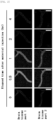
- the fluorescent signals could be observed in blood vessels in brain tissue from the time of 0.16 hours (10 minutes) after injection, and it could be found that the fluorescent signals in the brain tissue was the highest at the time of 1 hour after injection for Peptide 1, and 4 hours after injection for Peptide 2 ( FIG. 1 and FIG. 2 ).
- the fluorescent signals could be observed in blood vessels in brain tissue from the time of 0.5 hours (30 minutes) after injection, and the fluorescent signals were the highest at the time of 1 hour after injection ( FIGs. 1 to 5 ).
Landscapes
- Health & Medical Sciences (AREA)
- Chemical & Material Sciences (AREA)
- Life Sciences & Earth Sciences (AREA)
- Organic Chemistry (AREA)
- Engineering & Computer Science (AREA)
- General Health & Medical Sciences (AREA)
- Proteomics, Peptides & Aminoacids (AREA)
- Genetics & Genomics (AREA)
- Bioinformatics & Cheminformatics (AREA)
- Medicinal Chemistry (AREA)
- Molecular Biology (AREA)
- Biochemistry (AREA)
- Biophysics (AREA)
- Biomedical Technology (AREA)
- Veterinary Medicine (AREA)
- Public Health (AREA)
- Animal Behavior & Ethology (AREA)
- Epidemiology (AREA)
- Pharmacology & Pharmacy (AREA)
- Biotechnology (AREA)
- Zoology (AREA)
- Wood Science & Technology (AREA)
- General Engineering & Computer Science (AREA)
- Gastroenterology & Hepatology (AREA)
- Neurosurgery (AREA)
- Plant Pathology (AREA)
- Microbiology (AREA)
- Neurology (AREA)
- Physics & Mathematics (AREA)
- Chemical Kinetics & Catalysis (AREA)
- General Chemical & Material Sciences (AREA)
- Nuclear Medicine, Radiotherapy & Molecular Imaging (AREA)
- Medicines That Contain Protein Lipid Enzymes And Other Medicines (AREA)
- Medicines Containing Antibodies Or Antigens For Use As Internal Diagnostic Agents (AREA)
- Peptides Or Proteins (AREA)
- Immunology (AREA)
- Medicinal Preparation (AREA)
Abstract
The present invention relates to a polypeptide that passes through a blood-brain barrier or cerebrovascular barrier and a use of the polypeptide for material delivery, and the polypeptide can deliver a material that naturally cannot pass through the blood-brain barrier such as protein into brain tissue.
Description
- The present invention relates to a polypeptide that passes through a blood-brain barrier or cerebrovascular barrier and a use of the polypeptide for material delivery.
- A Blood-Brain Barrier (BBB) or cerebrovascular barrier is a barrier that separates cerebrospinal fluid and blood. It has high selective permeability and plays a role of isolating major regulatory centers of the body from pathogens that can be transported from blood, such as bacterial and the like, and potential hazardous materials in blood.
- The blood-brain barrier plays a role of passively allowing glucose, essential amino acids, electrolytes and the like to pass through it through endothelial cells, but preventing metabolites, toxins, and drugs in blood from entering brain cells. However, fat-soluble materials such as water, air and carbon dioxide can freely pass through the barrier, so alcohol, nicotine, anesthetics, and the like affect the brain.
- Such selective permeability of the blood-brain barrier is a major obstacle to pharmacological treatment of brain and central nervous system (CNS) diseases such as Alzheimer' s disease, Parkinson' s disease, bacterial and viral infection and cancer. That is because many therapeutic agents for treating brain and central nervous system (CNS) diseases and disorders are hydrophilic and thus they cannot directly pass through the blood-brain barrier.
- Under the above circumstance, the present inventors have studied to discover a novel blood-brain barrier permeable peptide, and have confirmed that fusion proteins of 5 kinds of novel peptides and GST passed through the blood-brain barrier through in vivo experimental results.
- Accordingly, an object of the present invention is to provide a novel blood-brain barrier permeable peptide and a use for brain delivery of a target material of the peptide.
- In order to achieve the above object, one aspect of the present invention provides a blood-brain barrier permeable peptide comprising an amino acid sequence of SEQ ID NO: 3 or SEQ ID NO: 5.
- According to one specific embodiment of the present invention, the blood-brain barrier permeable peptide comprising the amino acid sequence of SEQ ID NO: 3 may be selected from the group consisting of SEQ ID NOs: 1 to 3, and the blood-brain barrier permeable peptide comprising the amino acid sequence of SEQ ID NO: 5 may consist of an amino acid sequence of SEQ ID NO: 4 or SEQ ID NO: 5.
- In the present invention, the blood-brain barrier permeable peptide comprising the amino acid sequence of SEQ ID NO: 3 may comprise an amino acid sequence having sequence homology of 70% or more, preferably, 80% or more, more preferably, 90% or more, further more preferably, 95% or more, most preferably, 98% or more to the amino acid sequence selected from the group consisting of SEQ ID NOs: 1 to 3.
- In the present invention, the blood-brain barrier permeable peptide comprising the amino acid sequence of SEQ ID NO: 5 may comprise an amino acid sequence having sequence homology of 70% or more, preferably, 80% or more, more preferably, 90% or more, further more preferably, 95% or more, most preferably, 98% or more to the amino acid sequence of SEQ ID NO: 5.
- On the other hand, the blood-brain barrier permeable peptide may be used by being fused with another cell membrane permeable peptide, and the examples of the cell membrane permeable peptide include Penetratin, TAT peptide, Pep-1 peptide, S413-PV, Magainin 2 or Buforin 2.
- The present inventors have confirmed that the fusion proteins of the discovered blood-brain barrier permeable peptides and GST permeated the blood-brain barrier of mice (
FIGs. 1 to 5 ). - Accordingly, another aspect of the present invention provides a system for brain delivery of a target material comprising a blood-brain barrier permeable peptide; and a target material bound to one terminal of the blood-brain barrier permeable peptide.
- The target material may be selected from the group consisting of compounds, proteins, glycoproteins, peptides, nucleotides, nucleic acids, carbohydrates, lipids, glycolipids, nanoparticles, liposomes, drugs, lipid-based formulations, viruses, quantum dots and fluorochromes.
- In the present invention, the blood-brain barrier permeable protein and target material may be linked by a method for binding a protein and a target material known in the art, and for example, it may be linked, for example, by a covalent bond, a chemical bond, a peptide bond, and the like.
- As described above, the present inventors have confirmed that the fusion proteins of the blood-brain barrier permeable peptides and GST permeated the blood-brain barrier, and thus, when a protein (target protein) is used as a target material, it may be introduced in the form of a fusion protein of a blood-brain barrier permeable protein and a target protein into brain tissue.
- On the other hand, when a therapeutic agent or a diagnostic agent of brain or central nervous system diseases is used, the system for brain delivery of a target material can be used as a pharmaceutical composition for treating or preventing brain or central nervous system diseases, or a composition for diagnosing brain or central nervous system diseases.
- For example, the present invention can contrast the distribution of the target material in cerebral parenchyma through PET or inhibit aggregation, by linking a substance inhibiting aggregation by selectively combining to various target materials of which aggregation increases in degenerative brain diseases, such as alpha-synuclein, amyloid beta, tau, S0D1 (Superoxide dismutase1), TDP-43, and the like, with the blood-brain barrier permeable peptide, and then injecting that into the body.
- The brain or central nervous system diseases include generally called degenerative neurological diseases, and include Alzheimer' s dementia, Parkinson' s disease, frontotemporal dementia, Lewy dementia, and Huntington' s disease, and the like.
- The composition for diagnosing brain or central nervous system diseases may be provided as implemented in the form of a kit for predicting or diagnosing the degree of risk of brain or central nervous system diseases. This kit may not only comprise an agent capable of detecting a blood-brain barrier permeable peptide, but also comprise one or more kinds of other component compositions, solutions, or devices suitable for the analysis method.
- The pharmaceutical composition for treating or preventing brain or central nervous system diseases may be orally administered or parenterally administered (for example, intravenous, subcutaneous, intraperitoneally or locally applied) according to a targeted method, and when formulated, it is prepared using a diluent or excipient such as a filler, extender, binder, wetting agent, disintegrating agent, surfactant, or the like.
- Solid preparations for oral administration include tablets, pills, powders, granules, capsules, troches, and the like, and these solid preparations are prepared by mixing at least one or more excipients, for example, starch, calcium carbonate, sucrose or lactose or gelatin or the like to the active ingredient. In addition, in addition to the simple excipient, lubricants such as magnesium stearate talc are used. Suspensions, oral liquids, emulsions or syrups or the like correspond to liquid preparations for oral administration, and in addition to water and liquid paraffin, which are commonly used simple diluents, various excipients, for example, wetting agents, sweeteners, flavoring agents, preservatives and the like may be comprised.
- Sterilized aqueous solutions, non-aqueous solvents, suspensions, emulsions, lyophilized preparations, suppositories and the like are included in preparations for parenteral administration. As the non-aqueous solvents and suspensions, propylene glycol, polyethylene glycol, vegetable oils such as olive oil, injectable esters such as ethyl oleate and the like may be used. As a base compound of the suppositories, witepsol, macrogol, tween 61, cacao butter, laurin butter, glycerol, gelatin, and the like may be used.
- The pharmaceutical composition of the present invention is administered in a pharmaceutically effective amount. In the present invention, the 'pharmaceutically effective amount' means an amount sufficient to treat diseases with a reasonable benefit/risk ratio applicable to medical treatment, and the effective dose level may be determined depending on elements including the type and severity of the patient' s disease, the activity of the drug, the sensitivity to the drug, the administration time, administration route and excretion rate, the treatment period, concurrently used drugs, and other elements well known in the medical field. For example, the pharmaceutical composition of the present invention may be administered by being divided once a day or three times a day at a dose of 0.1 mg/kg to 200 mg/kg, preferably, 1 mg/kg to 50 mg/kg. The dose does not limit the scope of the present invention in any way. However, it may be increased or decreased depending on the administration route, the severity of obesity, gender, body weight, age, and the like, so it does not limit the scope of the present invention in any way.
- Other aspect of the present invention provides a polynucleotide encoding the blood-brain barrier permeable peptide.
- The term used in the present description, 'polynucleotide' is a polymer of deoxyribonucleotide or ribonucleotide present in a single-stranded or double-stranded form. It encompasses RNA genomic sequences, DNA (gDNA and cDNA) and RNA sequence transcribed therefrom, and unless otherwise specifically mentioned, it includes analogues of natural polynucleotides.
- In the present invention, the polynucleotide includes not only nucleotide sequences encoding cell membrane permeable peptides, but also sequences complementary to the sequences. The complementary sequences include not only completely complementary sequences, but also substantially complementary sequences. In addition, the polynucleotide sequences may be modified, and modification includes addition, deletion, or non-conservative substitution or conservative substitution of nucleotides.
- Other aspect of the present invention provides a recombinant vector comprising a polynucleotide sequence encoding the blood-brain barrier permeable protein.
- The term used in the present description, 'vector' refers to a means to express a target gene in a host cell. For example, viral vectors such as plasmid vectors, cosmid vectors, and bacteriophage vectors, adenovirus vectors, retrovirus vectors, and adeno-associated virus vectors, may be included, but not limited thereto. Vectors which can be used as the recombinant vector may be produced by engineering plasmids (for example, pSC101, pGV1106, pACYC177, ColE1, pKT230, pME290, pBR322, pUC8/9, pUC6, pBD9, pHC79, pIJ61, pLAFR1, pHV14, pGEX series, pET series and pUC19, etc.), phages (for example, λgt4λB, λ-Charon, λ Δ z1 and M13, etc.), or viruses (for example, CMV, SV40, etc.), often used in the art.
- The recombinant vector may comprise the polynucleotide sequence and a promoter operatively linked to the polynucleotide sequence.
- The term used in the present description, 'operatively linked' means functional binding between a regulatory sequence of nucleotide expression (for example, promoter sequence) and another nucleotide sequence, and thereby, the regulatory sequence regulates transcription and/or translation of another nucleotide sequence.
- According to one specific embodiment of the present invention, when a protein is used as a target material, by introducing a blood-brain barrier permeable protein and a polynucleotide sequence encoding a target protein into a vector together, it may be expressed in the form of a fusion protein.
- Therefore, the recombinant vector may comprise a tag sequence that facilitates purification of a fusion protein, for example, a consecutive histidine codon, a maltose binding protein codon, and a Myc codon, and the like. In addition, the recombinant vector may further comprise a fusion partner to increase solubility of the fusion protein. Furthermore, it may comprise a sequence specifically cleaved by an enzyme to remove unnecessary portions, an expression regulatory sequence, and a marker or reporter gene to confirm intracellular delivery.
- Materials that cannot naturally pass though the blood-brain barrier can be effectively delivered into brain tissue, when the blood-brain barrier permeable polypeptide of the present invention is used.
-
-
FIG. 1 is the result of confirming the blood-brain barrier permeability of the polypeptide in brain tissue over time, after labeling a fluorescent material to the protein in which GST and the polypeptide of SEQ ID NO: 1 are fused and administering it to mice (red: blood vessels, green: polypeptide). -
FIG. 2 is the result of confirming the blood-brain barrier permeability of the polypeptide in brain tissue over time, after labeling a fluorescent material to the protein in which GST and the polypeptide of SEQ ID NO: 2 are fused and administering it to mice (red: blood vessels, green: polypeptide). -
FIG. 3 is the result of confirming the blood-brain barrier permeability of the polypeptide in brain tissue over time, after labeling a fluorescent material to the polypeptide of SEQ ID NO: 3 and administering it to mice (red: blood vessels, green: polypeptide). -
FIG. 4 is the result of confirming the blood-brain barrier permeability of the polypeptide in brain tissue over time, after labeling a fluorescent material to the polypeptide of SEQ ID NO: 4 and administering it to mice (red: blood vessels, green: polypeptide). -
FIG. 5 is the result of confirming the blood-brain barrier permeability of the polypeptide in brain tissue over time, after labeling a fluorescent material to the polypeptide of SEQ ID NO: 5 and administering it to mice (red: blood vessels, green: polypeptide). - Hereinafter, one or more embodiments will be described in more detail through examples. However, these examples are intended to illustratively describe one or more embodiments, but the scope of the present invention is not limited by these examples.
- Peptides were prepared as follows, and the peptide sequences were written in Table 1.
[Table1] SEQ ID NO: Peptide sequences 1 
2 GSDQSENVDRGAGSIREAGGAFGKREQAEEERYFRAQSREQLAALKK 3 VDRGAGSIREAGGAFGKREQAEEERYFR 4 GSDQSENVDRG 5 GSDQSEN - In order to evaluate whether permeable peptides could be used as a drug delivery system, GST which could not pass through a blood-brain barrier naturally was conjugated to the N-terminal of a peptide corresponding to SEQ ID NO: 1 or 2.
- Specifically, a recombinant vector was created by inserting the peptide sequence of SEQ ID NO: 1 or 2 and a nucleotide sequence encoding GST into pGEX vector system, and this recombinant vector was introduced to E. coli strain BL21(DE3) by transformation. The strain was cultured in an LB medium at 26°C for 3 hours, and then IPTG (isopropyl-β-D-thiogalactopyranoside) of 1 mM was treated, and it was cultured at 18°C for 12 hours.
- After that, the cultured solution was recovered to recover cells by centrifugation, and the cells were sonicated. Fusion proteins of GST+peptides were obtained by affinity chromatography. For the obtained fusion proteins, the salt concentration was adjusted for 2~3 days using PBS (pH 7.4) buffer solution and the purity was increased.
- The peptides of SEQ ID NOs: 3, 4 and 5, except for SEQ ID NOs: 1, 2, were synthesized, and after confirming that the purity was 95% or higher, they were used for subsequent experiments.
- Whether the peptides of the present invention could permeate the blood-brain barrier in a biological system was confirmed as follows.
- In order to trace peptides in vivo, Dylight488 exhibiting fluorescent signals was combined to the fusion protein of GST+peptide or the peptide of SEQ ID NO: 3 to 5 produced in Example 1. Each fusion protein or peptide sample in which a fluorescent material was combined was injected into mice (systematic name: C57BL/6N, 8 weeks old) known to show metabolic functions similar to the human body, and the presence of the sample in brain tissue and blood vessel areas was observed.
- The movement of the mice was limited, and to prevent inappropriate result interpretation according to that, anesthesia (isoflurane) was performed. In order to distinguish brain tissue and blood vessels, blood vessels were stained with anti-CD31 and FSD fluor 647 compounds, and for tissue imaging, skin tissue on the skull was incised, and a cranial window was attached to the incision site to obtain fixed images. After that, tissue images immediately before sample injection (0 hr) were photographed with a fluorescence microscope (IVM-CM Confocal & Two-photon convertible microscopy), and the sample (10 mg/kg) was intravenously injected to observe the fluorescent signal pattern over time.
- As a result, for
Peptides Peptide FIG. 1 andFIG. 2 ). - For Peptides 3 to 5 all, the fluorescent signals could be observed in blood vessels in brain tissue from the time of 0.5 hours (30 minutes) after injection, and the fluorescent signals were the highest at the time of 1 hour after injection (
FIGs. 1 to 5 ). - Through the results of
FIGs. 1 to 5 , it was confirmed that the peptides of the present invention could permeate the blood-brain barrier, and effectively deliver large materials such as GST into brain tissue.
Claims (10)
- A blood-brain barrier permeable peptide comprising an amino acid sequence of SEQ ID NO: 3 or SEQ ID NO: 5.
- The blood-brain barrier permeable peptide according to claim 1, wherein the blood-brain barrier permeable peptide comprising an amino acid sequence of SEQ ID NO: 3 is selected from the group consisting of SEQ ID NOs: 1 to 3.
- The blood-brain barrier permeable peptide according to claim 1, wherein the blood-brain barrier permeable peptide comprising an amino acid sequence of SEQ ID NO: 5 consists of an amino acid sequence of SEQ ID NO: 4 or SEQ ID NO: 5.
- A system for brain delivery of a target material comprising; the blood-brain barrier permeable peptide according to any one claim of claim 1 to claim 3; and a target material bound to one terminal of the blood-brain barrier permeable peptide.
- The system for brain delivery of a target material according to claim 4, wherein the target material is selected from the group consisting of compounds, proteins, glycoproteins, peptides, nucleotides, nucleic acids, carbohydrates, lipids, glycolipids, nanoparticles, liposomes, drugs, lipid-based formulations, viruses, quantum dots and fluorochromes.
- The system for brain delivery of a target material according to claim 4, wherein the blood-brain barrier permeable peptide and the target material are linked by a covalent bond.
- A polynucleotide encoding the blood-brain barrier permeable peptide according to any one claim of claim 1 to claim 3.
- A recombinant vector comprising the polynucleotide of claim 7.
- A pharmaceutical composition for treating or preventing brain or central nervous system diseases, comprising the system for brain delivery of a target material according to any one claim of claim 4 to claim 6 as an active ingredient.
- A pharmaceutical composition for diagnosing brain or central nervous system diseases, comprising the system for brain delivery of a target material according to any one claim of claim 4 to claim 6 as an active ingredient.
Applications Claiming Priority (2)
| Application Number | Priority Date | Filing Date | Title |
|---|---|---|---|
| KR20220059758 | 2022-05-16 | ||
| PCT/KR2023/006613 WO2023224357A1 (en) | 2022-05-16 | 2023-05-16 | Polypeptide that passes through blood-brain barrier, and use thereof |
Publications (1)
| Publication Number | Publication Date |
|---|---|
| EP4527848A1 true EP4527848A1 (en) | 2025-03-26 |
Family
ID=88835742
Family Applications (1)
| Application Number | Title | Priority Date | Filing Date |
|---|---|---|---|
| EP23807876.0A Pending EP4527848A1 (en) | 2022-05-16 | 2023-05-16 | Polypeptide that passes through blood-brain barrier, and use thereof |
Country Status (5)
| Country | Link |
|---|---|
| US (1) | US20250367303A1 (en) |
| EP (1) | EP4527848A1 (en) |
| KR (1) | KR20230160738A (en) |
| CN (1) | CN119183455A (en) |
| WO (1) | WO2023224357A1 (en) |
Families Citing this family (1)
| Publication number | Priority date | Publication date | Assignee | Title |
|---|---|---|---|---|
| CN119798368A (en) * | 2024-01-11 | 2025-04-11 | 山东省生物医药科学院有限公司 | A water-soluble walnut polypeptide passing through the blood-brain barrier and its preparation method and application |
Family Cites Families (5)
| Publication number | Priority date | Publication date | Assignee | Title |
|---|---|---|---|---|
| US5906923A (en) * | 1996-10-02 | 1999-05-25 | Incyte Pharmaceuticals, Inc. | ATPase inhibitor |
| KR102166549B1 (en) | 2014-01-10 | 2020-10-16 | 주식회사 젬백스앤카엘 | A Blood-Brain Barrier Penetrating Peptide, and the Conjugate Comprising The Same |
| EP3336100B1 (en) * | 2015-08-21 | 2021-01-13 | IUCF-HYU (Industry-University Cooperation Foundation Hanyang University) | Peptide having effect of preventing or treating central nervous system diseases and pharmaceutical composition for preventing and treating central nervous system diseases, containing same as active ingredient |
| KR101941975B1 (en) * | 2017-03-17 | 2019-01-25 | 고려대학교 산학협력단 | Composition for Treating Diabetes Containing ATPIF1 |
| KR102587460B1 (en) * | 2019-11-28 | 2023-10-11 | 고려대학교 산학협력단 | Novel cell penetrating protein and uses thereof |
-
2023
- 2023-05-16 WO PCT/KR2023/006613 patent/WO2023224357A1/en not_active Ceased
- 2023-05-16 EP EP23807876.0A patent/EP4527848A1/en active Pending
- 2023-05-16 KR KR1020230063134A patent/KR20230160738A/en active Pending
- 2023-05-16 US US18/861,693 patent/US20250367303A1/en active Pending
- 2023-05-16 CN CN202380040091.9A patent/CN119183455A/en active Pending
Also Published As
| Publication number | Publication date |
|---|---|
| KR20230160738A (en) | 2023-11-24 |
| CN119183455A (en) | 2024-12-24 |
| US20250367303A1 (en) | 2025-12-04 |
| WO2023224357A1 (en) | 2023-11-23 |
Similar Documents
| Publication | Publication Date | Title |
|---|---|---|
| US20250387498A1 (en) | Cell-penetrating peptides | |
| EP3632923A1 (en) | Central nervous system targeting polynucleotides | |
| CN107405381B (en) | Compositions and methods for preventing and repairing acute kidney injury | |
| JP7384672B2 (en) | C-terminal CDNF fragments and C-terminal MANF fragments, pharmaceutical compositions containing them, and uses thereof | |
| US20120035112A1 (en) | Neuronal differentiation-inducing peptide and use thereof | |
| CN105026432A (en) | Aprotinin-derived polypeptide-antibody conjugates | |
| JP2024029097A (en) | Mininucleosome core protein and use in nucleic acid delivery | |
| JP2021505135A (en) | CDKL5 expression mutant and CDKL5 fusion protein | |
| US20250367303A1 (en) | Polypeptide that passes through blood-brain barrier, and use thereof | |
| JP2023537318A (en) | Chimeric proteins and methods of use for the treatment of central nervous system disorders | |
| KR102274999B1 (en) | Novel cell penetrating peptides and use thereof | |
| EP3774858B1 (en) | C-terminal cdnf fragments having neuroprotective effect | |
| KR102511500B1 (en) | Extracellular vesicles overexpressed fiobronectin fragment protein and use for drug delivery thereof | |
| WO2017147044A1 (en) | Peptides and methods for treatment of neurodegenerative diseases | |
| CN114555630A (en) | Systemic administration of peptides for the treatment of spinal cord injury and/or remyelination | |
| KR102414649B1 (en) | Erythropoietin-derived peptide, preparation method therefor, and use thereof | |
| WO2023115194A1 (en) | Nucleic acid constructs encoding a cell penetrating peptide, signal sequence and transcription factor eb and uses thereof | |
| KR101404262B1 (en) | Composition for Prevention or Treatment of ER-stress Mediated Disease Comprising NELL2 | |
| US11673916B2 (en) | Neuroprotective peptides and methods of their use | |
| RU2852222C2 (en) | Cell-penetrating peptides | |
| EP3991721A1 (en) | Pharmaceutical formulation of non-activated polypeptide trp | |
| US11028141B2 (en) | Therapeutic for the prevention and/or treatment of weight gain and/or diabetes | |
| WO2014182798A1 (en) | Compositions and methods for modulation of immune function |
Legal Events
| Date | Code | Title | Description |
|---|---|---|---|
| STAA | Information on the status of an ep patent application or granted ep patent |
Free format text: STATUS: THE INTERNATIONAL PUBLICATION HAS BEEN MADE |
|
| PUAI | Public reference made under article 153(3) epc to a published international application that has entered the european phase |
Free format text: ORIGINAL CODE: 0009012 |
|
| STAA | Information on the status of an ep patent application or granted ep patent |
Free format text: STATUS: REQUEST FOR EXAMINATION WAS MADE |
|
| 17P | Request for examination filed |
Effective date: 20241017 |
|
| AK | Designated contracting states |
Kind code of ref document: A1 Designated state(s): AL AT BE BG CH CY CZ DE DK EE ES FI FR GB GR HR HU IE IS IT LI LT LU LV MC ME MK MT NL NO PL PT RO RS SE SI SK SM TR |
|
| DAV | Request for validation of the european patent (deleted) | ||
| DAX | Request for extension of the european patent (deleted) |