EP4524162A1 - Anti-chitinase-3-like protein 1 antibody - Google Patents
Anti-chitinase-3-like protein 1 antibody Download PDFInfo
- Publication number
- EP4524162A1 EP4524162A1 EP23803829.3A EP23803829A EP4524162A1 EP 4524162 A1 EP4524162 A1 EP 4524162A1 EP 23803829 A EP23803829 A EP 23803829A EP 4524162 A1 EP4524162 A1 EP 4524162A1
- Authority
- EP
- European Patent Office
- Prior art keywords
- seq
- encoding sequence
- chain variable
- variable region
- cdr3
- Prior art date
- Legal status (The legal status is an assumption and is not a legal conclusion. Google has not performed a legal analysis and makes no representation as to the accuracy of the status listed.)
- Pending
Links
Images
Classifications
-
- C—CHEMISTRY; METALLURGY
- C07—ORGANIC CHEMISTRY
- C07K—PEPTIDES
- C07K16/00—Immunoglobulins [IG], e.g. monoclonal or polyclonal antibodies
- C07K16/40—Immunoglobulins [IG], e.g. monoclonal or polyclonal antibodies against enzymes
-
- A—HUMAN NECESSITIES
- A61—MEDICAL OR VETERINARY SCIENCE; HYGIENE
- A61P—SPECIFIC THERAPEUTIC ACTIVITY OF CHEMICAL COMPOUNDS OR MEDICINAL PREPARATIONS
- A61P19/00—Drugs for skeletal disorders
- A61P19/02—Drugs for skeletal disorders for joint disorders, e.g. arthritis, arthrosis
-
- A—HUMAN NECESSITIES
- A61—MEDICAL OR VETERINARY SCIENCE; HYGIENE
- A61P—SPECIFIC THERAPEUTIC ACTIVITY OF CHEMICAL COMPOUNDS OR MEDICINAL PREPARATIONS
- A61P25/00—Drugs for disorders of the nervous system
- A61P25/28—Drugs for disorders of the nervous system for treating neurodegenerative disorders of the central nervous system, e.g. nootropic agents, cognition enhancers, drugs for treating Alzheimer's disease or other forms of dementia
-
- A—HUMAN NECESSITIES
- A61—MEDICAL OR VETERINARY SCIENCE; HYGIENE
- A61P—SPECIFIC THERAPEUTIC ACTIVITY OF CHEMICAL COMPOUNDS OR MEDICINAL PREPARATIONS
- A61P35/00—Antineoplastic agents
-
- C—CHEMISTRY; METALLURGY
- C07—ORGANIC CHEMISTRY
- C07K—PEPTIDES
- C07K16/00—Immunoglobulins [IG], e.g. monoclonal or polyclonal antibodies
- C07K16/005—Immunoglobulins [IG], e.g. monoclonal or polyclonal antibodies constructed by phage libraries
-
- C—CHEMISTRY; METALLURGY
- C12—BIOCHEMISTRY; BEER; SPIRITS; WINE; VINEGAR; MICROBIOLOGY; ENZYMOLOGY; MUTATION OR GENETIC ENGINEERING
- C12Y—ENZYMES
- C12Y302/00—Hydrolases acting on glycosyl compounds, i.e. glycosylases (3.2)
- C12Y302/01—Glycosidases, i.e. enzymes hydrolysing O- and S-glycosyl compounds (3.2.1)
- C12Y302/01014—Chitinase (3.2.1.14)
-
- G—PHYSICS
- G01—MEASURING; TESTING
- G01N—INVESTIGATING OR ANALYSING MATERIALS BY DETERMINING THEIR CHEMICAL OR PHYSICAL PROPERTIES
- G01N33/00—Investigating or analysing materials by specific methods not covered by groups G01N1/00 - G01N31/00
- G01N33/48—Biological material, e.g. blood, urine; Haemocytometers
- G01N33/50—Chemical analysis of biological material, e.g. blood, urine; Testing involving biospecific ligand binding methods; Immunological testing
- G01N33/53—Immunoassay; Biospecific binding assay; Materials therefor
- G01N33/575—Immunoassay; Biospecific binding assay; Materials therefor for cancer
- G01N33/5758—Immunoassay; Biospecific binding assay; Materials therefor for cancer involving compounds serving as markers for tumours, cancers or neoplasias, e.g. cellular determinants, receptors, heat shock/stress proteins, A-protein, oligosaccharides or metabolites
- G01N33/57585—Immunoassay; Biospecific binding assay; Materials therefor for cancer involving compounds serving as markers for tumours, cancers or neoplasias, e.g. cellular determinants, receptors, heat shock/stress proteins, A-protein, oligosaccharides or metabolites involving compounds identifiable in body fluids
-
- G—PHYSICS
- G01—MEASURING; TESTING
- G01N—INVESTIGATING OR ANALYSING MATERIALS BY DETERMINING THEIR CHEMICAL OR PHYSICAL PROPERTIES
- G01N33/00—Investigating or analysing materials by specific methods not covered by groups G01N1/00 - G01N31/00
- G01N33/48—Biological material, e.g. blood, urine; Haemocytometers
- G01N33/50—Chemical analysis of biological material, e.g. blood, urine; Testing involving biospecific ligand binding methods; Immunological testing
- G01N33/68—Chemical analysis of biological material, e.g. blood, urine; Testing involving biospecific ligand binding methods; Immunological testing involving proteins, peptides or amino acids
- G01N33/6893—Chemical analysis of biological material, e.g. blood, urine; Testing involving biospecific ligand binding methods; Immunological testing involving proteins, peptides or amino acids related to diseases not provided for elsewhere
- G01N33/6896—Neurological disorders, e.g. Alzheimer's disease
-
- A—HUMAN NECESSITIES
- A61—MEDICAL OR VETERINARY SCIENCE; HYGIENE
- A61K—PREPARATIONS FOR MEDICAL, DENTAL OR TOILETRY PURPOSES
- A61K39/00—Medicinal preparations containing antigens or antibodies
- A61K2039/505—Medicinal preparations containing antigens or antibodies comprising antibodies
-
- C—CHEMISTRY; METALLURGY
- C07—ORGANIC CHEMISTRY
- C07K—PEPTIDES
- C07K2317/00—Immunoglobulins specific features
- C07K2317/30—Immunoglobulins specific features characterized by aspects of specificity or valency
- C07K2317/33—Crossreactivity, e.g. for species or epitope, or lack of said crossreactivity
-
- C—CHEMISTRY; METALLURGY
- C07—ORGANIC CHEMISTRY
- C07K—PEPTIDES
- C07K2317/00—Immunoglobulins specific features
- C07K2317/50—Immunoglobulins specific features characterized by immunoglobulin fragments
- C07K2317/52—Constant or Fc region; Isotype
-
- C—CHEMISTRY; METALLURGY
- C07—ORGANIC CHEMISTRY
- C07K—PEPTIDES
- C07K2317/00—Immunoglobulins specific features
- C07K2317/50—Immunoglobulins specific features characterized by immunoglobulin fragments
- C07K2317/55—Fab or Fab'
-
- C—CHEMISTRY; METALLURGY
- C07—ORGANIC CHEMISTRY
- C07K—PEPTIDES
- C07K2317/00—Immunoglobulins specific features
- C07K2317/90—Immunoglobulins specific features characterized by (pharmaco)kinetic aspects or by stability of the immunoglobulin
- C07K2317/92—Affinity (KD), association rate (Ka), dissociation rate (Kd) or EC50 value
-
- G—PHYSICS
- G01—MEASURING; TESTING
- G01N—INVESTIGATING OR ANALYSING MATERIALS BY DETERMINING THEIR CHEMICAL OR PHYSICAL PROPERTIES
- G01N2800/00—Detection or diagnosis of diseases
- G01N2800/10—Musculoskeletal or connective tissue disorders
- G01N2800/101—Diffuse connective tissue disease, e.g. Sjögren, Wegener's granulomatosis
- G01N2800/102—Arthritis; Rheumatoid arthritis, i.e. inflammation of peripheral joints
-
- G—PHYSICS
- G01—MEASURING; TESTING
- G01N—INVESTIGATING OR ANALYSING MATERIALS BY DETERMINING THEIR CHEMICAL OR PHYSICAL PROPERTIES
- G01N2800/00—Detection or diagnosis of diseases
- G01N2800/28—Neurological disorders
- G01N2800/2814—Dementia; Cognitive disorders
-
- G—PHYSICS
- G01—MEASURING; TESTING
- G01N—INVESTIGATING OR ANALYSING MATERIALS BY DETERMINING THEIR CHEMICAL OR PHYSICAL PROPERTIES
- G01N33/00—Investigating or analysing materials by specific methods not covered by groups G01N1/00 - G01N31/00
- G01N33/48—Biological material, e.g. blood, urine; Haemocytometers
- G01N33/50—Chemical analysis of biological material, e.g. blood, urine; Testing involving biospecific ligand binding methods; Immunological testing
- G01N33/68—Chemical analysis of biological material, e.g. blood, urine; Testing involving biospecific ligand binding methods; Immunological testing involving proteins, peptides or amino acids
- G01N33/6893—Chemical analysis of biological material, e.g. blood, urine; Testing involving biospecific ligand binding methods; Immunological testing involving proteins, peptides or amino acids related to diseases not provided for elsewhere
Definitions
- the present invention relates to an anti-chitinase-3-like protein 1 antibody. More specifically, the present invention relates to an antibody capable of specifically binding to chitinase-3-like protein 1 (CHI3L1) and thus can be used for the prevention or treatment of a CHI3L1-associated disease, or for the diagnosis of the disease.
- CHI3L1 chitinase-3-like protein 1
- Chitinase-3-like protein 1 (CHI3L1) is known to promote cancer metastasis, suppress immune function, and induce apoptosis inhibition, and is known to be significantly involved in the onset and progression of cancer diseases such as inflammatory responses and angiogenesis processes.
- CHI3L1 has a low expression level under normal conditions, it has been reported that the expression level of CHI3L1 is significantly increased in the blood and tissues of patients with cancer or patients with inflammatory diseases, and thus its potential as a diagnostic marker for various types of diseases is emerging.
- the present inventors sought to develop an antibody or antibody-related molecule that is capable of specifically binding to the above-described CHI3L1 and thus can be used for the prevention, treatment, or diagnosis of a CHI3L1-associated disease.
- the main object of the present invention is to provide a novel antibody capable of specifically binding to chitinase-3-like protein 1 (CHI3L1).
- Another object of the present invention is to provide a pharmaceutical composition for preventing or treating a CHI3L1-associated disease, a composition for diagnosing the disease, a kit for diagnosing the disease, and a method of providing information for diagnosing the disease by using the antibody.
- Still another object of the present invention is to provide a polynucleotide, vector, and cell that can be used to produce the antibody.
- the present invention provides an anti-chitinase-3-like protein 1 (CHI3L1) antibody or an antigen-binding fragment thereof, including a light chain variable region including CDR1 of SEQ ID NO: 1, CDR2 of SEQ ID NO: 2, and CDR3 of SEQ ID NO: 3, and a heavy chain variable region including CDR1 of SEQ ID NO: 31, CDR2 of SEQ ID NO: 32, and CDR3 of SEQ ID NO: 33; a light chain variable region including CDR1 of SEQ ID NO: 4, CDR2 of SEQ ID NO: 5, and CDR3 of SEQ ID NO: 6, and a heavy chain variable region including CDR1 of SEQ ID NO: 34, CDR2 of SEQ ID NO: 35, and CDR3 of SEQ ID NO: 36; a light chain variable region including CDR1 of SEQ ID NO: 7, CDR2 of SEQ ID NO: 8, and CDR3 of SEQ ID NO: 9, and a heavy chain variable region including CDR1 of SEQ
- the present invention provides a pharmaceutical composition for preventing or treating a CHI3L1-associated disease, including the antibody or antigen-binding fragment thereof of the present invention.
- the present invention provides a composition for diagnosing a CHI3L1-associated disease, including the antibody or antigen-binding fragment thereof of the present invention.
- the present invention provides a kit for diagnosing a CHI3L1-associated disease, including the diagnostic composition of the present invention.
- the present invention provides a method of providing information for diagnosing a CHI3L1-associated disease, including bringing the antibody or the antigen-binding fragment thereof into contact with a sample isolated from a test subject; and measuring a complex of the antibody or the antigen-binding fragment thereof and CHI3L1 formed by the contact.
- the present invention provides a polynucleotide encoding the antibody or antigen-binding fragment thereof of the present invention.
- the present invention provides a vector including the polynucleotide of the present invention.
- the present invention provides a cell transformed with the vector of the present invention.
- the antibody or antigen-binding fragment thereof of the present invention is capable of specifically binding to chitinase-3-like protein 1 (CHI3L1), and thus can be used for the prevention or treatment of a CHI3L1-associated disease, or for the diagnosis of the disease. Accordingly, by using the composition, kit, and information providing method of the present invention, a CHI3L1-associated disease can be effectively prevented, treated, or diagnosed. In addition, by using the polynucleotide, vector, and cell of the present invention, the antibody or antigen-binding fragment thereof of the present invention having the above-described excellent effects can be efficiently produced.
- CHI3L1 chitinase-3-like protein 1
- CHI3L 1 also referred to as YKL-40, is known to be involved in various cancers, cancer metastasis, immune function, and apoptosis.
- the present invention provides 10 types of antibodies or antigen-binding fragments thereof.
- each type of antibody or antigen-binding fragment thereof has the amino acid sequences of CDR1, CDR2, and CDR3 of the light chain variable region shown in Table 1 (expressed in Table 1 as 'CDRL1,' 'CDRL2,' and 'CDRL3,' respectively, meaning complementarity-determining regions (CDRs) of the light chain variable region) and the amino acid sequences of CDR1, CDR2, and CDR3 of the heavy chain variable region shown in Table 2 (expressed in Table 2 as 'CDRH1,' 'CDRH2,' and 'CDRH3,' respectively, meaning CDRs of the heavy chain variable region).
- CDRs complementarity-determining regions
- each type of antibody or antigen-binding fragment thereof has an amino acid sequence of the light chain variable region as shown in Table 3, and an amino acid sequence of the heavy chain variable region as shown in Table 4.
- the antibody or antigen-binding fragment thereof of the present invention may be in various forms satisfying the conditions described above.
- it may be an antibody selected from the group consisting of IgG, IgA, IgM, IgE, and IgD, and may be a fragment selected from the group consisting of fragment antigen binding (Fab), Fab', F(ab')2, single-chain variable fragment (scFv), single-chain fragment variable-crystallizable fragment (scFv-Fc), a diabody, a minibody, and a triabody.
- Fab fragment antigen binding
- Fab' fragment antigen binding
- F(ab')2 single-chain variable fragment
- scFv-Fc single-chain fragment variable-crystallizable fragment
- the antibody or antigen-binding fragment thereof of the present invention may be labeled for detection.
- labeling may be performed, for example, by direct or indirect binding of a detectable labeling substance.
- the antibody or antigen-binding fragment thereof of the present invention is capable of specifically binding to CHI3L 1 with high binding affinity. Therefore, the antibody or antigen-binding fragment thereof of the present invention can be used to prevent or treat a CHI3L1-associated disease, and can also be used to diagnose a CHI3L1-associated disease.
- the present invention provides a pharmaceutical composition for preventing or treating a CHI3L1-associated disease, including the antibody or antigen-binding fragment thereof of the present invention.
- the present invention provides a composition for diagnosing a CHI3L1-associated disease, including the antibody or antigen-binding fragment thereof of the present invention.
- the present invention provides a kit for diagnosing a CHI3L1-associated disease, including the antibody or antigen-binding fragment thereof of the present invention or the diagnostic composition of the present invention.
- the present invention provides a method of providing information for diagnosing a CHI3L1-associated disease, including: bringing the antibody or the antigen-binding fragment thereof into contact with a sample isolated from a test subject; and measuring a complex of the antibody or the antigen-binding fragment thereof and CHI3L1 formed by the contact.
- a CHI3L1-associated disease is cancer, cancer metastasis, arthritis, or dementia, but is not limited thereto.
- a CHI3L1-associated disease is lung cancer metastasis.
- a pharmaceutical composition for preventing or treating a CHI3L1-associated disease of the present invention includes the above-described antibody or antigen-binding fragment thereof of the present invention.
- the pharmaceutical composition of the present invention may include one or more types of the antibody or antigen-binding fragment thereof of the present invention, and may include all ten types.
- the pharmaceutical composition of the present invention may be the antibody or antigen-binding fragment thereof of the present invention itself, or in a form in which the antibody or antigen-binding fragment thereof is mixed with a pharmaceutically acceptable carrier.
- the pharmaceutical composition of the present invention may be administered orally or parenterally during clinical administration, and may be used in the form of a general pharmaceutical preparation.
- the pharmaceutical composition of the present invention may be used alone or in combination with methods using surgery, radiotherapy, hormone therapy, chemotherapy, and biological response modifiers.
- the pharmaceutical composition of the present invention may be administered at the same dosage as a general antibody preparation based on the antibody or antigen-binding fragment thereof of the present invention contained therein.
- the pharmaceutical composition may be administered in an amount of about 1 to 10 mg per 1 kg of body weight based on the antibody or antigen-binding fragment thereof of the present invention, but the range may vary depending on the weight, age, sex, health conditions, diet, administration time, administration method, excretion rate, and disease severity of the administration subject.
- diluents or excipients such as fillers, extenders, binders, wetting agents, disintegrants, and surfactants may be used.
- the composition for diagnosing a CHI3L1-associated disease of the present invention includes the above-described antibody or antigen-binding fragment thereof of the present invention.
- the diagnostic composition of the present invention may also, like the pharmaceutical composition, include one or more types of the antibody or antigen-binding fragment thereof of the present invention, and may include all ten types.
- the diagnostic composition of the present invention may include an antibody or an antigen-binding fragment thereof other than the antibody or antigen-binding fragment thereof of the present invention.
- a substance necessary for a binding reaction between the antibody or antigen-binding fragment thereof of the present invention and an antigen, such as a reagent may be further included.
- a substance necessary for detecting the binding, a substance for stabilizing the antibody or antigen-binding fragment thereof of the present invention, and the like may be further included.
- the kit for diagnosing a CHI3L1-associated disease of the present invention includes the diagnostic composition of the present invention.
- the diagnostic kit of the present invention may further include reagents, devices, and the like that are necessary for diagnosing a CHI3L1-associated disease using the diagnostic composition of the present invention, such as reagents and devices necessary for detecting binding of the antibody or antigen-binding fragment thereof of the present invention to an antigen.
- the method for providing information diagnosing a CHI3L1-associated disease of the present invention includes bringing the antibody or antigen-binding fragment thereof of the present invention into contact with a sample isolated from a test subject; and measuring a complex of the antibody or the antigen-binding fragment thereof and CHI3L1 formed by the contact.
- the test subject may be a mammal, and is preferably a human.
- the sample may be a biological sample, for example, a sample of tissue, a cell, a body fluid, or the like isolated from the test subject, and may be blood or serum.
- the measurement of the complex may be achieved using a conventional method used to measure a binding complex between an antibody or antibody-related molecule and an antigen.
- the present invention also provides a polynucleotide encoding the antibody or antigen-binding fragment thereof of the present invention.
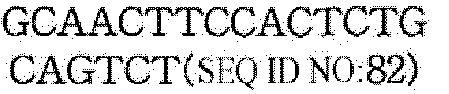
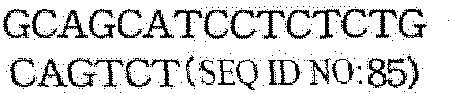
- the polynucleotide of the present invention has the base sequences of the encoding regions of CDR1, CDR2, and CDR3 of the light chain variable region shown in Table 5 (expressed in Table 5 as 'CDRL1,' 'CDRL2,' and 'CDRL3,' meaning CDRs of the light chain variable region), and the base sequences of the encoding regions of CDR1, CDR2, and CDR3 of the heavy chain variable region shown in Table 6 (expressed in Table 6 as 'CDRH1,' 'CDRH2,' and 'CDRH3,' meaning CDRs of the heavy chain variable region).
- the polynucleotide encoding each type of the antibody or antigen-binding fragment thereof of the present invention has light chain variable region encoding base sequences shown in Table 7, and heavy chain variable region encoding base sequences shown in Table 8.
- the present invention also provides a vector including the polynucleotide of the present invention.
- the vector of the present invention is configured to express the antibody or antigen-binding fragment thereof encoded by the polynucleotide in a host cell.
- the vector of the present invention includes an origin of replication, a promoter, a selectable marker, and the like suitable for replication and expression in a host cell.
- the present invention also provides a cell transformed with the vector of the present invention.
- the cell of the present invention is a cell capable of expressing the antibody or antigen-binding fragment thereof encoded by the polynucleotide included in the vector of the present invention, and a cell in which the vector of the present invention may be replicated.
- the antibody or antigen-binding fragment thereof of the present invention may be produced using the amino acid sequence and base sequence information related to the antibody or the antigen-binding fragment thereof, the polynucleotide, the vector, or the cell of the present invention.
- Example 1 The clones selected in Example 1 were converted into the IgG form of human antibodies, and an experiment was performed to verify the results.
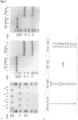
- Ten types of anti-CHI3L1 antibodies were co-transfected into ExpiCHO-S cells and cultured, and IgG was purified using a Protein A resin column. The molecular weight and purity of the purified IgG antibodies were confirmed through SDS-PAGE ( FIG. 3 ).
Landscapes
- Health & Medical Sciences (AREA)
- Life Sciences & Earth Sciences (AREA)
- Chemical & Material Sciences (AREA)
- Engineering & Computer Science (AREA)
- Organic Chemistry (AREA)
- General Health & Medical Sciences (AREA)
- Immunology (AREA)
- Medicinal Chemistry (AREA)
- Biomedical Technology (AREA)
- Molecular Biology (AREA)
- Biochemistry (AREA)
- Bioinformatics & Cheminformatics (AREA)
- Urology & Nephrology (AREA)
- Hematology (AREA)
- Nuclear Medicine, Radiotherapy & Molecular Imaging (AREA)
- Pharmacology & Pharmacy (AREA)
- General Chemical & Material Sciences (AREA)
- Chemical Kinetics & Catalysis (AREA)
- Public Health (AREA)
- Veterinary Medicine (AREA)
- Animal Behavior & Ethology (AREA)
- Proteomics, Peptides & Aminoacids (AREA)
- Genetics & Genomics (AREA)
- Neurosurgery (AREA)
- Neurology (AREA)
- Biophysics (AREA)
- Analytical Chemistry (AREA)
- Microbiology (AREA)
- Cell Biology (AREA)
- Pathology (AREA)
- General Physics & Mathematics (AREA)
- Food Science & Technology (AREA)
- Biotechnology (AREA)
- Physics & Mathematics (AREA)
- Hospice & Palliative Care (AREA)
- Psychiatry (AREA)
- Orthopedic Medicine & Surgery (AREA)
- Rheumatology (AREA)
- Physical Education & Sports Medicine (AREA)
- Zoology (AREA)
Abstract
Description
- The present invention relates to an anti-chitinase-3-
like protein 1 antibody. More specifically, the present invention relates to an antibody capable of specifically binding to chitinase-3-like protein 1 (CHI3L1) and thus can be used for the prevention or treatment of a CHI3L1-associated disease, or for the diagnosis of the disease. - Chitinase-3-like protein 1 (CHI3L1) is known to promote cancer metastasis, suppress immune function, and induce apoptosis inhibition, and is known to be significantly involved in the onset and progression of cancer diseases such as inflammatory responses and angiogenesis processes.
- Although CHI3L1 has a low expression level under normal conditions, it has been reported that the expression level of CHI3L1 is significantly increased in the blood and tissues of patients with cancer or patients with inflammatory diseases, and thus its potential as a diagnostic marker for various types of diseases is emerging.
- Accordingly, the present inventors sought to develop an antibody or antibody-related molecule that is capable of specifically binding to the above-described CHI3L1 and thus can be used for the prevention, treatment, or diagnosis of a CHI3L1-associated disease.
- Related art documents include
U.S. Patent No. 7,670,599 . - The main object of the present invention is to provide a novel antibody capable of specifically binding to chitinase-3-like protein 1 (CHI3L1).
- Another object of the present invention is to provide a pharmaceutical composition for preventing or treating a CHI3L1-associated disease, a composition for diagnosing the disease, a kit for diagnosing the disease, and a method of providing information for diagnosing the disease by using the antibody.
- Still another object of the present invention is to provide a polynucleotide, vector, and cell that can be used to produce the antibody.
- According to one aspect of the present invention, the present invention provides an anti-chitinase-3-like protein 1 (CHI3L1) antibody or an antigen-binding fragment thereof, including a light chain variable region including CDR1 of SEQ ID NO: 1, CDR2 of SEQ ID NO: 2, and CDR3 of SEQ ID NO: 3, and a heavy chain variable region including CDR1 of SEQ ID NO: 31, CDR2 of SEQ ID NO: 32, and CDR3 of SEQ ID NO: 33; a light chain variable region including CDR1 of SEQ ID NO: 4, CDR2 of SEQ ID NO: 5, and CDR3 of SEQ ID NO: 6, and a heavy chain variable region including CDR1 of SEQ ID NO: 34, CDR2 of SEQ ID NO: 35, and CDR3 of SEQ ID NO: 36; a light chain variable region including CDR1 of SEQ ID NO: 7, CDR2 of SEQ ID NO: 8, and CDR3 of SEQ ID NO: 9, and a heavy chain variable region including CDR1 of SEQ ID NO: 37, CDR2 of SEQ ID NO: 38, and CDR3 of SEQ ID NO: 39; a light chain variable region including CDR1 of SEQ ID NO: 10, CDR2 of SEQ ID NO: 11, and CDR3 of SEQ ID NO: 12, and a heavy chain variable region including CDR1 of SEQ ID NO: 40, CDR2 of SEQ ID NO: 41, and CDR3 of SEQ ID NO: 42; a light chain variable region including CDR1 of SEQ ID NO: 13, CDR2 of SEQ ID NO: 14, and CDR3 of SEQ ID NO: 15, and a heavy chain variable region including CDR1 of SEQ ID NO: 43, CDR2 of SEQ ID NO: 44, and CDR3 of SEQ ID NO: 45; a light chain variable region including CDR1 of SEQ ID NO: 16, CDR2 of SEQ ID NO: 17, and CDR3 of SEQ ID NO: 18, and a heavy chain variable region including CDR1 of SEQ ID NO: 46, CDR2 of SEQ ID NO: 47, and CDR3 of SEQ ID NO: 48; a light chain variable region including CDR1 of SEQ ID NO: 19, CDR2 of SEQ ID NO: 20, and CDR3 of SEQ ID NO: 21, and a heavy chain variable region including CDR1 of SEQ ID NO: 49, CDR2 of SEQ ID NO: 50, and CDR3 of SEQ ID NO: 51; a light chain variable region including CDR1 of SEQ ID NO: 22, CDR2 of SEQ ID NO: 23, and CDR3 of SEQ ID NO: 24, and a heavy chain variable region including CDR1 of SEQ ID NO: 52, CDR2 of SEQ ID NO: 53, and CDR3 of SEQ ID NO: 54; a light chain variable region including CDR1 of SEQ ID NO: 25, CDR2 of SEQ ID NO: 26, and CDR3 of SEQ ID NO: 27, and a heavy chain variable region including CDR1 of SEQ ID NO: 55, CDR2 of SEQ ID NO: 56, and CDR3 of SEQ ID NO: 57; or a light chain variable region including CDR1 of SEQ ID NO: 28, CDR2 of SEQ ID NO: 29, and CDR3 of SEQ ID NO: 30, and a heavy chain variable region including CDR1 of SEQ ID NO: 58, CDR2 of SEQ ID NO: 59, and CDR3 of SEQ ID NO: 60.
- According to another aspect of the present invention, the present invention provides a pharmaceutical composition for preventing or treating a CHI3L1-associated disease, including the antibody or antigen-binding fragment thereof of the present invention.
- According to still another aspect of the present invention, the present invention provides a composition for diagnosing a CHI3L1-associated disease, including the antibody or antigen-binding fragment thereof of the present invention.
- According to yet another aspect of the present invention, the present invention provides a kit for diagnosing a CHI3L1-associated disease, including the diagnostic composition of the present invention.
- According to yet another aspect of the present invention, the present invention provides a method of providing information for diagnosing a CHI3L1-associated disease, including bringing the antibody or the antigen-binding fragment thereof into contact with a sample isolated from a test subject; and measuring a complex of the antibody or the antigen-binding fragment thereof and CHI3L1 formed by the contact.
- According to yet another aspect of the present invention, the present invention provides a polynucleotide encoding the antibody or antigen-binding fragment thereof of the present invention.
- According to yet another aspect of the present invention, the present invention provides a vector including the polynucleotide of the present invention.
- According to yet another aspect of the present invention, the present invention provides a cell transformed with the vector of the present invention.
- The antibody or antigen-binding fragment thereof of the present invention is capable of specifically binding to chitinase-3-like protein 1 (CHI3L1), and thus can be used for the prevention or treatment of a CHI3L1-associated disease, or for the diagnosis of the disease. Accordingly, by using the composition, kit, and information providing method of the present invention, a CHI3L1-associated disease can be effectively prevented, treated, or diagnosed. In addition, by using the polynucleotide, vector, and cell of the present invention, the antibody or antigen-binding fragment thereof of the present invention having the above-described excellent effects can be efficiently produced.
-
-
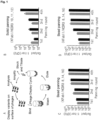
FIG. 1A shows a schematic diagram illustrating a process of selecting antibodies exhibiting significant binding ability to human chitinase-3-like protein 1 (hCHI3L1) through phage display, andFIGS. 1B to 1D show the results of panning titration for Fab-I and Fab-II, respectively. -
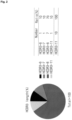
FIG. 2 shows the results of investigating the amino acid length distribution of the heavy chain CDR3 (HCDR3) of 10 antibodies against hCHI3L1 (A5, A7, D2, F2, E7, F4, H1, 1E12, C5, and H7) selected from phage display. -
FIG. 3A shows the results of sodium dodecyl sulfate-polyacrylamide gel electrophoresis (SDS-PAGE) for confirming IgG production from 10 clones (A5, A7, D2, F2, E7, F4, H1, 1E12, C5, and H7) having antibodies againsthCHI3L 1, andFIG. 3B shows the results of measuring the amount of IgG production. -
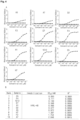
FIGS. 4A and 4B show the results of measuring EC50 values through enzyme-linked immunosorbent assay (ELISA) for 10 antibodies against hCHI3L1. -
FIG. 5 shows the results of measuring the migrated cell number after treating A549 cell line with A5, A7, D2, F2, E7, F4, H1, 1E12, C5, and H7, which are antibodies against hCHI3L1, as candidate antibodies. - The antibody or antigen-binding fragment thereof of the present invention, which was discovered through phage display panning performed by using chitinase-3-like protein 1 (CHI3L1) as an antigen, is capable of specifically binding to CHI3L1.
- CHI3L 1, also referred to as YKL-40, is known to be involved in various cancers, cancer metastasis, immune function, and apoptosis.
- The present invention provides 10 types of antibodies or antigen-binding fragments thereof.
- The 10 types are named 'A5,' 'A7,' 'D2,' 'F2,' 'E7,' 'F4,' 'H1,' '1E12,' 'C5,' and 'H7,' as shown in Tables 1 to 4, and each type of antibody or antigen-binding fragment thereof has the amino acid sequences of CDR1, CDR2, and CDR3 of the light chain variable region shown in Table 1 (expressed in Table 1 as 'CDRL1,' 'CDRL2,' and 'CDRL3,' respectively, meaning complementarity-determining regions (CDRs) of the light chain variable region) and the amino acid sequences of CDR1, CDR2, and CDR3 of the heavy chain variable region shown in Table 2 (expressed in Table 2 as 'CDRH1,' 'CDRH2,' and 'CDRH3,' respectively, meaning CDRs of the heavy chain variable region).
- In one embodiment, each type of antibody or antigen-binding fragment thereof has an amino acid sequence of the light chain variable region as shown in Table 3, and an amino acid sequence of the heavy chain variable region as shown in Table 4.
- The antibody or antigen-binding fragment thereof of the present invention may be in various forms satisfying the conditions described above. For example, it may be an antibody selected from the group consisting of IgG, IgA, IgM, IgE, and IgD, and may be a fragment selected from the group consisting of fragment antigen binding (Fab), Fab', F(ab')2, single-chain variable fragment (scFv), single-chain fragment variable-crystallizable fragment (scFv-Fc), a diabody, a minibody, and a triabody.
- The antibody or antigen-binding fragment thereof of the present invention may be labeled for detection. At this time, labeling may be performed, for example, by direct or indirect binding of a detectable labeling substance.
- It has been experimentally demonstrated that the antibody or antigen-binding fragment thereof of the present invention is capable of specifically binding to
CHI3L 1 with high binding affinity. Therefore, the antibody or antigen-binding fragment thereof of the present invention can be used to prevent or treat a CHI3L1-associated disease, and can also be used to diagnose a CHI3L1-associated disease. - Therefore, the present invention provides a pharmaceutical composition for preventing or treating a CHI3L1-associated disease, including the antibody or antigen-binding fragment thereof of the present invention.
- In addition, the present invention provides a composition for diagnosing a CHI3L1-associated disease, including the antibody or antigen-binding fragment thereof of the present invention.
- In addition, the present invention provides a kit for diagnosing a CHI3L1-associated disease, including the antibody or antigen-binding fragment thereof of the present invention or the diagnostic composition of the present invention.
- In addition, the present invention provides a method of providing information for diagnosing a CHI3L1-associated disease, including: bringing the antibody or the antigen-binding fragment thereof into contact with a sample isolated from a test subject; and measuring a complex of the antibody or the antigen-binding fragment thereof and CHI3L1 formed by the contact.
- In one embodiment of the present invention, a CHI3L1-associated disease is cancer, cancer metastasis, arthritis, or dementia, but is not limited thereto. In one embodiment, a CHI3L1-associated disease is lung cancer metastasis.
- A pharmaceutical composition for preventing or treating a CHI3L1-associated disease of the present invention includes the above-described antibody or antigen-binding fragment thereof of the present invention. The pharmaceutical composition of the present invention may include one or more types of the antibody or antigen-binding fragment thereof of the present invention, and may include all ten types. The pharmaceutical composition of the present invention may be the antibody or antigen-binding fragment thereof of the present invention itself, or in a form in which the antibody or antigen-binding fragment thereof is mixed with a pharmaceutically acceptable carrier. The pharmaceutical composition of the present invention may be administered orally or parenterally during clinical administration, and may be used in the form of a general pharmaceutical preparation. The pharmaceutical composition of the present invention may be used alone or in combination with methods using surgery, radiotherapy, hormone therapy, chemotherapy, and biological response modifiers. The pharmaceutical composition of the present invention may be administered at the same dosage as a general antibody preparation based on the antibody or antigen-binding fragment thereof of the present invention contained therein. For example, the pharmaceutical composition may be administered in an amount of about 1 to 10 mg per 1 kg of body weight based on the antibody or antigen-binding fragment thereof of the present invention, but the range may vary depending on the weight, age, sex, health conditions, diet, administration time, administration method, excretion rate, and disease severity of the administration subject. When clinically administered, it may be formulated into various oral or parenteral dosage forms, and at this time, diluents or excipients such as fillers, extenders, binders, wetting agents, disintegrants, and surfactants may be used.
- The composition for diagnosing a CHI3L1-associated disease of the present invention includes the above-described antibody or antigen-binding fragment thereof of the present invention. The diagnostic composition of the present invention may also, like the pharmaceutical composition, include one or more types of the antibody or antigen-binding fragment thereof of the present invention, and may include all ten types. The diagnostic composition of the present invention may include an antibody or an antigen-binding fragment thereof other than the antibody or antigen-binding fragment thereof of the present invention. In addition, a substance necessary for a binding reaction between the antibody or antigen-binding fragment thereof of the present invention and an antigen, such as a reagent, may be further included. In addition, a substance necessary for detecting the binding, a substance for stabilizing the antibody or antigen-binding fragment thereof of the present invention, and the like may be further included.
- The kit for diagnosing a CHI3L1-associated disease of the present invention includes the diagnostic composition of the present invention. In addition to the diagnostic composition of the present invention, the diagnostic kit of the present invention may further include reagents, devices, and the like that are necessary for diagnosing a CHI3L1-associated disease using the diagnostic composition of the present invention, such as reagents and devices necessary for detecting binding of the antibody or antigen-binding fragment thereof of the present invention to an antigen.
- The method for providing information diagnosing a CHI3L1-associated disease of the present invention includes bringing the antibody or antigen-binding fragment thereof of the present invention into contact with a sample isolated from a test subject; and measuring a complex of the antibody or the antigen-binding fragment thereof and CHI3L1 formed by the contact. In the information providing method of the present invention, the test subject may be a mammal, and is preferably a human. In the information providing method of the present invention, the sample may be a biological sample, for example, a sample of tissue, a cell, a body fluid, or the like isolated from the test subject, and may be blood or serum. In the information providing method of the present invention, the measurement of the complex may be achieved using a conventional method used to measure a binding complex between an antibody or antibody-related molecule and an antigen.
- The present invention also provides a polynucleotide encoding the antibody or antigen-binding fragment thereof of the present invention.
- In one embodiment, the polynucleotide of the present invention has the base sequences of the encoding regions of CDR1, CDR2, and CDR3 of the light chain variable region shown in Table 5 (expressed in Table 5 as 'CDRL1,' 'CDRL2,' and 'CDRL3,' meaning CDRs of the light chain variable region), and the base sequences of the encoding regions of CDR1, CDR2, and CDR3 of the heavy chain variable region shown in Table 6 (expressed in Table 6 as 'CDRH1,' 'CDRH2,' and 'CDRH3,' meaning CDRs of the heavy chain variable region).
- In one embodiment, the polynucleotide encoding each type of the antibody or antigen-binding fragment thereof of the present invention has light chain variable region encoding base sequences shown in Table 7, and heavy chain variable region encoding base sequences shown in Table 8.
- The present invention also provides a vector including the polynucleotide of the present invention. In one embodiment, the vector of the present invention is configured to express the antibody or antigen-binding fragment thereof encoded by the polynucleotide in a host cell. In one embodiment, the vector of the present invention includes an origin of replication, a promoter, a selectable marker, and the like suitable for replication and expression in a host cell.
- The present invention also provides a cell transformed with the vector of the present invention. In one embodiment, the cell of the present invention is a cell capable of expressing the antibody or antigen-binding fragment thereof encoded by the polynucleotide included in the vector of the present invention, and a cell in which the vector of the present invention may be replicated.
- The antibody or antigen-binding fragment thereof of the present invention may be produced using the amino acid sequence and base sequence information related to the antibody or the antigen-binding fragment thereof, the polynucleotide, the vector, or the cell of the present invention.
[Table 1] ANTIBODY CDRL1 CDRL2 CDRL3 A5 RASQSISRWLN (SEQ ID NO: 1) ATSTLQS (SEQ ID NO: 2) QQSYSFPWT (SEQ ID NO: 3) A7 RASQDISNYLN (SEQ ID NO: 4) AASSLQS (SEQ ID NO: 5) QQSYSFPYT (SEQ ID NO: 6) D2 RASQSISRYLN (SEQ ID NO: 7) AASSLQS (SEQ ID NO: 8) QQSSSTPWT (SEQ ID NO: 9) F2 RASQDISSWLN (SEQ ID NO: 10) AASRLQS (SEQ ID NO: 11) QQAYSFPWT (SEQ ID NO: 12) E7 RASQSISNWLN (SEQ ID NO: 13) ATSRLQS (SEQ ID NO: 14) QQSYSFPYT (SEQ ID NO: 15) F4 RASQSISRWLN (SEQ ID NO: 16) AASRLQS (SEQ ID NO: 17) QQSYSTPWT (SEQ ID NO: 18) H1 RASQSISNWLN (SEQ ID NO: 19) ATSRLQS (SEQ ID NO: 20) QQSYSFPLT (SEQ ID NO: 21) 1E12 RASQSISNYLN (SEQ ID NO: 22) ATSTLHS (SEQ ID NO: 23) QQSYSFPWT (SEQ ID NO: 24) C5 RASQDISRWLN (SEQ ID NO: 25) AASTLQS (SEQ ID NO: 26) QQSYSFPLT (SEQ ID NO: 27) H7 RASQSISSWLN (SEQ ID NO: 28) AASRLQS (SEQ ID NO: 29) QQTYSFPWT (SEQ ID NO: 30) [Table 2] ANTIBODY CDRH1 CDRH2 CDRH3 A5 SYGMS (SEQ ID NO: 31) AIKGSGGSTYYADSVKG (SEQ ID NO: 32) TYGGEIDY (SEQ ID NO: 33) A7 DYAMS (SEQ ID NO: 34) GISSSGGTIYYADSVKG (SEQ ID NO: 35) AIGSWADI (SEQ ID NO: 36) D2 SYAMH (SEQ ID NO: 37) AISSSSGTIYYADSVKG (SEQ ID NO: 38) DFGAVFDY (SEQ ID NO: 39) F2 SYAMH (SEQ ID NO: 40) SIKSSGGSKNYADSVKG (SEQ ID NO: 41) GYGASFDF (SEQ ID NO: 42) E7 SYAMH (SEQ ID NO: 43) AISSSGGS1YYADSVKG (SEQ ID NO: 44) QGLSFDI (SEQ ID NO: 45) F4 SYAMS (SEQ ID NO: 46) AISGSSGSTYYADSVKG (SEQ ID NO: 47) AQGTSADF (SEQ ID NO: 48) H1 SYAMS (SEQ ID NO: 49) AIRSSGGTTYYADSVKG (SEQ ID NO: 50) SQSTVADY (SEQ ID NO: 51) 1E12 SYAMH (SEQ ID NO: 52) AISSSGGTKYYADSVKG (SEQ ID NO: 53) GLQGGAGAFDI (SEQ ID NO: 54) C5 SYAMS (SEQ ID NO: 55) SISSSSGTTHYADSVKG (SEQ ID NO: 56) GGAFDY (SEQ ID NO: 57) H7 SYGMH (SEQ ID NO: 58) GISSSGGSKYYADSVKG (SEQ ID NO: 59) HGHQQMDF (SEQ ID NO: 60) [Table 3] ANTIBODY AMINO ACID SEQUENCE OF LIGHT CHAIN VARIABLE REGION OF ANTIBODY (CDR: UNDERLINED) A5 
A7 
D2 
F2 
E7 
F4 
H1 
1E12 
C5 
H7 
[Table 4] ANTIBODY AMINO ACID SEQUENCE OF HEAVY CHAIN VARIABLE REGION OF ANTIBODY (CDR: UNDERLINED) A5 
A7 
D2 
F2 
E7 
F4 
H1 
1E12 
C5 
H7 
[Table 5] ANTIBODY CDRL1 CDRL2 CDRL3 A5 

A7 

D2 


F2 


E7 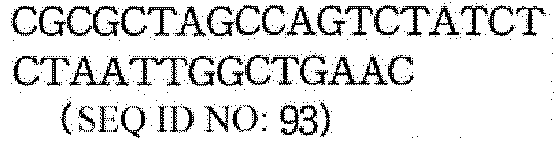


F4 
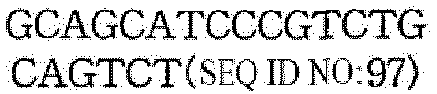

H1 


1E12 
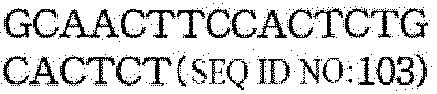

C5 
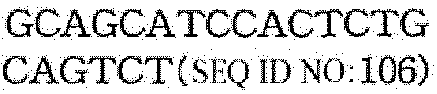

H7 


[Table 6] ANTIBODY CDRH1 CDRH2 CDRH3 A5 


A7 


D2 


F2 


E7 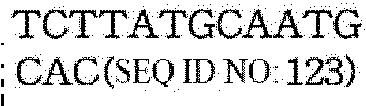


F4 


H1 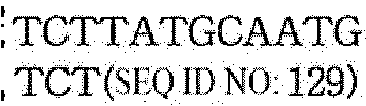


1E12 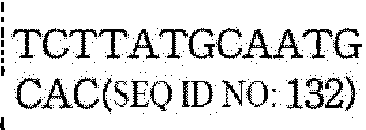


C5 
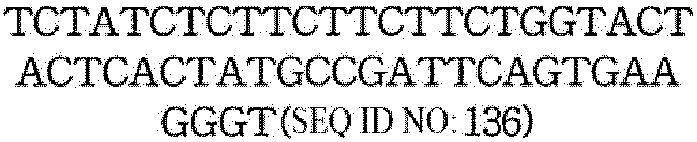

H7 


[Table 7] ANTIBODY BASE SEQUENCE OF LIGHT CHAIN VARIABLE REGION OF ANTIBODY (CDR: UNDERLINED) A5 
A7 
D2 
F2 
E7 
F4 
H1 
1E12 
C5 
H7 
[Table 8] ANTIBODY BASE SEQUENCE OF HEAVY CHAIN VARIABLE REGION OF ANTIBODY (CDR: UNDERLINED) A5 
A7 
D2 
F2 
E7 
F4 
H1 
1E12 
C5 
H7 
- Hereinafter, the present invention will be described in more detail through examples. Since these examples are only intended to illustrate the present invention, the scope of the present invention is not to be construed as being limited by these examples.
- To discover antibodies that specifically bind to CHI3L1, immunotube and magnetic bead-based phage display panning was performed using CHI3L1 as an antigen, and monoclonal phage ELISA was performed to select clones that specifically bind to CHI3L1 (
FIG. 1 ). - A total of 10 Fab clones were selected through base sequence analysis and amino acid sequence analysis of the clones that were found to be positive in the monoclonal phage ELISA. As a result of investigating the length distribution of the heavy chain CDR3 (HCDR3) of the selected Fab clones, it was confirmed that 70% of the clones had eight residues, and 10% of the clones respectively had 6, 7, and 11 residues (
FIG. 2 ). - The clones selected in Example 1 were converted into the IgG form of human antibodies, and an experiment was performed to verify the results. Ten types of anti-CHI3L1 antibodies were co-transfected into ExpiCHO-S cells and cultured, and IgG was purified using a Protein A resin column. The molecular weight and purity of the purified IgG antibodies were confirmed through SDS-PAGE (
FIG. 3 ). - An experiment was performed to measure antigen affinity by investigating the EC50 value for each antibody through ELISA. As a result, it was confirmed that all 10 antibodies bound to the CHI3L1 antigen protein. In terms of the EC50 value, C5, F4, and 1E12 antibodies exhibited particularly excellent binding ability (
FIG. 4 ). - An experiment was performed to determine whether antibodies against CHI3L1 had an effect of inhibiting cancer metastasis when lung cancer cell lines were treated. The migration of the human lung cancer cell line, A549 cell line, was quantitatively investigated in a permeable insert. As a result, it was confirmed that when the 10 antibodies against human CHI3L1 (hCHI3L1) were treated, the number of migrated cells in the A549 cell line decreased compared to the control group (
FIG. 5 ).
Claims (16)
- An anti-chitinase-3-like protein 1 antibody or an antigen-binding fragment thereof, comprising:a light chain variable region including CDR1 of SEQ ID NO: 1, CDR2 of SEQ ID NO: 2, and CDR3 of SEQ ID NO: 3, and a heavy chain variable region including CDR1 of SEQ ID NO: 31, CDR2 of SEQ ID NO: 32, and CDR3 of SEQ ID NO: 33;a light chain variable region including CDR1 of SEQ ID NO: 4, CDR2 of SEQ ID NO: 5, and CDR3 of SEQ ID NO: 6, and a heavy chain variable region including CDR1 of SEQ ID NO: 34, CDR2 of SEQ ID NO: 35, and CDR3 of SEQ ID NO: 36;a light chain variable region including CDR1 of SEQ ID NO: 7, CDR2 of SEQ ID NO: 8, and CDR3 of SEQ ID NO: 9, and a heavy chain variable region including CDR1 of SEQ ID NO: 37, CDR2 of SEQ ID NO: 38, and CDR3 of SEQ ID NO: 39;a light chain variable region including CDR1 of SEQ ID NO: 10, CDR2 of SEQ ID NO: 11, and CDR3 of SEQ ID NO: 12, and a heavy chain variable region including CDR1 of SEQ ID NO: 40, CDR2 of SEQ ID NO: 41, and CDR3 of SEQ ID NO: 42;a light chain variable region including CDR1 of SEQ ID NO: 13, CDR2 of SEQ ID NO: 14, and CDR3 of SEQ ID NO: 15, and a heavy chain variable region including CDR1 of SEQ ID NO: 43, CDR2 of SEQ ID NO: 44, and CDR3 of SEQ ID NO: 45;a light chain variable region including CDR1 of SEQ ID NO: 16, CDR2 of SEQ ID NO: 17, and CDR3 of SEQ ID NO: 18, and a heavy chain variable region including CDR1 of SEQ ID NO: 46, CDR2 of SEQ ID NO: 47, and CDR3 of SEQ ID NO: 48;a light chain variable region including CDR1 of SEQ ID NO: 19, CDR2 of SEQ ID NO: 20, and CDR3 of SEQ ID NO: 21, and a heavy chain variable region including CDR1 of SEQ ID NO: 49, CDR2 of SEQ ID NO: 50, and CDR3 of SEQ ID NO: 51;a light chain variable region including CDR1 of SEQ ID NO: 22, CDR2 of SEQ ID NO: 23, and CDR3 of SEQ ID NO: 24, and a heavy chain variable region including CDR1 of SEQ ID NO: 52, CDR2 of SEQ ID NO: 53, and CDR3 of SEQ ID NO: 54;a light chain variable region including CDR1 of SEQ ID NO: 25, CDR2 of SEQ ID NO: 26, and CDR3 of SEQ ID NO: 27, and a heavy chain variable region including CDR1 of SEQ ID NO: 55, CDR2 of SEQ ID NO: 56, and CDR3 of SEQ ID NO: 57; ora light chain variable region including CDR1 of SEQ ID NO: 28, CDR2 of SEQ ID NO: 29, and CDR3 of SEQ ID NO: 30, and a heavy chain variable region including CDR1 of SEQ ID NO: 58, CDR2 of SEQ ID NO: 59, and CDR3 of SEQ ID NO: 60.
- The antibody or the antigen-binding fragment thereof of claim 1, comprising:a light chain variable region of SEQ ID NO: 61 and a heavy chain variable region of SEQ ID NO: 71;a light chain variable region of SEQ ID NO: 62 and a heavy chain variable region of SEQ ID NO: 72;a light chain variable region of SEQ ID NO: 63 and a heavy chain variable region of SEQ ID NO: 73;a light chain variable region of SEQ ID NO: 64 and a heavy chain variable region of SEQ ID NO: 74;a light chain variable region of SEQ ID NO: 65 and a heavy chain variable region of SEQ ID NO: 75;a light chain variable region of SEQ ID NO: 66 and a heavy chain variable region of SEQ ID NO: 76;a light chain variable region of SEQ ID NO: 67 and a heavy chain variable region of SEQ ID NO: 77;a light chain variable region of SEQ ID NO: 68 and a heavy chain variable region of SEQ ID NO: 78;a light chain variable region of SEQ ID NO: 69 and a heavy chain variable region of SEQ ID NO: 79; ora light chain variable region of SEQ ID NO: 70 and a heavy chain variable region of SEQ ID NO: 80.
- A pharmaceutical composition for preventing or treating a chitinase-3-like protein 1-associated disease, comprising the antibody or the antigen-binding fragment thereof of claim 1 or claim 2.
- The pharmaceutical composition of claim 3, wherein the chitinase-3-like protein 1-associated disease is cancer, cancer metastasis, arthritis, or dementia.
- The pharmaceutical composition of claim 4, wherein the chitinase-3-like protein 1-associated disease is lung cancer metastasis.
- A composition for diagnosing a chitinase-3-like protein 1-associated disease, comprising the antibody or the antigen-binding fragment thereof of claim 1 or claim 2.
- The composition of claim 6, wherein the chitinase-3-like protein 1-associated disease is cancer, cancer metastasis, arthritis, or dementia.
- A kit for diagnosing a chitinase-3-like protein 1-associated disease, comprising the composition of claim 6.
- The kit of claim 8, wherein the chitinase-3-like protein 1-associated disease is cancer, cancer metastasis, arthritis, or dementia.
- A method of providing information for diagnosing a chitinase-3-like protein 1-associated disease, comprising:bringing the antibody or the antigen-binding fragment thereof of claim 1 or claim 2 into contact with a sample isolated from a test subject; andmeasuring a complex of the antibody or the antigen-binding fragment thereof and chitinase-3-like protein 1 formed by the contact.
- The method of claim 10, wherein the chitinase-3-like protein 1-associated disease is cancer, cancer metastasis, arthritis, or dementia.
- A polynucleotide encoding the antibody or the antigen-binding fragment thereof of claim 1 or claim 2.
- The polynucleotide of claim 12, comprising:a light chain variable region encoding sequence including a CDR1 encoding sequence of SEQ ID NO: 81, a CDR2 encoding sequence of SEQ ID NO: 82, and a CDR3 encoding sequence of SEQ ID NO: 83, and a heavy chain variable region encoding sequence including a CDR1 encoding sequence of SEQ ID NO: 111, a CDR2 encoding sequence of SEQ ID NO: 112, and a CDR3 encoding sequence of SEQ ID NO: 113;a light chain variable region encoding sequence including a CDR1 encoding sequence of SEQ ID NO: 84, a CDR2 encoding sequence of SEQ ID NO: 85, and a CDR3 encoding sequence of SEQ ID NO: 86, and a heavy chain variable region encoding sequence including a CDR1 encoding sequence of SEQ ID NO: 114, a CDR2 encoding sequence of SEQ ID NO: 115, and a CDR3 encoding sequence of SEQ ID NO: 116;a light chain variable region encoding sequence including a CDR1 encoding sequence of SEQ ID NO: 87, a CDR2 encoding sequence of SEQ ID NO: 88, and a CDR3 encoding sequence of SEQ ID NO: 89, and a heavy chain variable region encoding sequence including a CDR1 encoding sequence of SEQ ID NO: 117, a CDR2 encoding sequence of SEQ ID NO: 118, and a CDR3 encoding sequence of SEQ ID NO: 119;a light chain variable region encoding sequence including a CDR1 encoding sequence of SEQ ID NO: 90, a CDR2 encoding sequence of SEQ ID NO: 91, and a CDR3 encoding sequence of SEQ ID NO: 92, and a heavy chain variable region encoding sequence including a CDR1 encoding sequence of SEQ ID NO: 120, a CDR2 encoding sequence of SEQ ID NO: 121, and a CDR3 encoding sequence of SEQ ID NO: 122;a light chain variable region encoding sequence including a CDR1 encoding sequence of SEQ ID NO: 93, a CDR2 encoding sequence of SEQ ID NO: 94, and a CDR3 encoding sequence of SEQ ID NO: 95, and a heavy chain variable region encoding sequence including a CDR1 encoding sequence of SEQ ID NO: 123, a CDR2 encoding sequence of SEQ ID NO: 124, and a CDR3 encoding sequence of SEQ ID NO: 125;a light chain variable region encoding sequence including a CDR1 encoding sequence of SEQ ID NO: 96, a CDR2 encoding sequence of SEQ ID NO: 97, and a CDR3 encoding sequence of SEQ ID NO: 98, and a heavy chain variable region encoding sequence including a CDR1 encoding sequence of SEQ ID NO: 126, a CDR2 encoding sequence of SEQ ID NO: 127, and a CDR3 encoding sequence of SEQ ID NO: 128;a light chain variable region encoding sequence including a CDR1 encoding sequence of SEQ ID NO: 99, a CDR2 encoding sequence of SEQ ID NO: 100, and a CDR3 encoding sequence of SEQ ID NO: 101, and a heavy chain variable region encoding sequence including a CDR1 encoding sequence of SEQ ID NO: 129, a CDR2 encoding sequence of SEQ ID NO: 130, and a CDR3 encoding sequence of SEQ ID NO: 131;a light chain variable region encoding sequence including a CDR1 encoding sequence of SEQ ID NO: 102, a CDR2 encoding sequence of SEQ ID NO: 103, and a CDR3 encoding sequence of SEQ ID NO: 104, and a heavy chain variable region encoding sequence including a CDR1 encoding sequence of SEQ ID NO: 132, a CDR2 encoding sequence of SEQ ID NO: 133, and a CDR3 encoding sequence of SEQ ID NO: 134;a light chain variable region encoding sequence including a CDR1 encoding sequence of SEQ ID NO: 105, a CDR2 encoding sequence of SEQ ID NO: 106, and a CDR3 encoding sequence of SEQ ID NO: 107, and a heavy chain variable region encoding sequence including a CDR1 encoding sequence of SEQ ID NO: 135, a CDR2 encoding sequence of SEQ ID NO: 136, and a CDR3 encoding sequence of SEQ ID NO: 137; ora light chain variable region encoding sequence including a CDR1 encoding sequence of SEQ ID NO: 108, a CDR2 encoding sequence of SEQ ID NO: 109, and a CDR3 encoding sequence of SEQ ID NO: 110, and a heavy chain variable region encoding sequence including a CDR1 encoding sequence of SEQ ID NO: 138, a CDR2 encoding sequence of SEQ ID NO: 139, and a CDR3 encoding sequence of SEQ ID NO: 140.
- The polynucleotide of claim 13, comprising:a light chain variable region encoding sequence of SEQ ID NO: 141 and a heavy chain variable region encoding sequence of SEQ ID NO: 151;a light chain variable region encoding sequence of SEQ ID NO: 142 and a heavy chain variable region encoding sequence of SEQ ID NO: 152;a light chain variable region encoding sequence of SEQ ID NO: 143 and a heavy chain variable region encoding sequence of SEQ ID NO: 153;a light chain variable region encoding sequence of SEQ ID NO: 144 and a heavy chain variable region encoding sequence of SEQ ID NO: 154;a light chain variable region encoding sequence of SEQ ID NO: 145 and a heavy chain variable region encoding sequence of SEQ ID NO: 155;a light chain variable region encoding sequence of SEQ ID NO: 146 and a heavy chain variable region encoding sequence of SEQ ID NO: 156;a light chain variable region encoding sequence of SEQ ID NO: 147 and a heavy chain variable region encoding sequence of SEQ ID NO: 157;a light chain variable region encoding sequence of SEQ ID NO: 148 and a heavy chain variable region encoding sequence of SEQ ID NO: 158;a light chain variable region encoding sequence of SEQ ID NO: 149 and a heavy chain variable region encoding sequence of SEQ ID NO: 159; ora light chain variable region encoding sequence of SEQ ID NO: 150 and a heavy chain variable region encoding sequence of SEQ ID NO: 160.
- A vector comprising the polynucleotide of claim 12.
- A cell transformed with the vector of claim 15.
Applications Claiming Priority (2)
| Application Number | Priority Date | Filing Date | Title |
|---|---|---|---|
| KR1020220057475A KR102820652B1 (en) | 2022-05-10 | 2022-05-10 | Anti-Chitinase-3-like protein 1 antibody |
| PCT/KR2023/006327 WO2023219406A1 (en) | 2022-05-10 | 2023-05-10 | Anti-chitinase-3-like protein 1 antibody |
Publications (1)
| Publication Number | Publication Date |
|---|---|
| EP4524162A1 true EP4524162A1 (en) | 2025-03-19 |
Family
ID=88730690
Family Applications (1)
| Application Number | Title | Priority Date | Filing Date |
|---|---|---|---|
| EP23803829.3A Pending EP4524162A1 (en) | 2022-05-10 | 2023-05-10 | Anti-chitinase-3-like protein 1 antibody |
Country Status (6)
| Country | Link |
|---|---|
| US (1) | US20250084188A1 (en) |
| EP (1) | EP4524162A1 (en) |
| JP (1) | JP7863799B2 (en) |
| KR (1) | KR102820652B1 (en) |
| CN (1) | CN119173538A (en) |
| WO (1) | WO2023219406A1 (en) |
Family Cites Families (6)
| Publication number | Priority date | Publication date | Assignee | Title |
|---|---|---|---|---|
| US7229770B1 (en) | 1998-10-01 | 2007-06-12 | The Regents Of The University Of California | YKL-40 as a marker and prognostic indicator for cancers |
| KR101945348B1 (en) * | 2017-10-17 | 2019-02-07 | 경북대학교 산학협력단 | Composition and method for detecting expression levels of CHI3L1 as diagnostic markers for Normal pressure hydrocephalus |
| KR102083478B1 (en) * | 2017-12-28 | 2020-04-28 | 한양대학교 산학협력단 | Pharmaceutical compositions for preventing and treating of metastatic cancer comprising CHI3L1 inhibitor |
| KR101980484B1 (en) * | 2018-03-30 | 2019-05-20 | 서울대학교병원 | Pharmaceutical composition comprising CHI3L1 for preventing or treating atherosclerosis |
| US11155638B2 (en) * | 2018-05-08 | 2021-10-26 | Rhode Island Hospital | Anti-CHI3L1 antibodies for the detection and/or treatment of nonalcoholic fattly liver disease/nonalcoholic steatonhepatitis and subsequent complications |
| KR102142499B1 (en) * | 2019-09-11 | 2020-08-10 | 재단법인 오송첨단의료산업진흥재단 | Human monoclonal antibodies targeting YKL-40 |
-
2022
- 2022-05-10 KR KR1020220057475A patent/KR102820652B1/en active Active
-
2023
- 2023-05-10 WO PCT/KR2023/006327 patent/WO2023219406A1/en not_active Ceased
- 2023-05-10 CN CN202380039528.7A patent/CN119173538A/en active Pending
- 2023-05-10 JP JP2024566363A patent/JP7863799B2/en active Active
- 2023-05-10 EP EP23803829.3A patent/EP4524162A1/en active Pending
-
2024
- 2024-11-08 US US18/941,142 patent/US20250084188A1/en active Pending
Also Published As
| Publication number | Publication date |
|---|---|
| JP2025515744A (en) | 2025-05-20 |
| WO2023219406A1 (en) | 2023-11-16 |
| KR102820652B1 (en) | 2025-06-16 |
| JP7863799B2 (en) | 2026-05-22 |
| CN119173538A (en) | 2024-12-20 |
| KR20230157812A (en) | 2023-11-17 |
| US20250084188A1 (en) | 2025-03-13 |
Similar Documents
| Publication | Publication Date | Title |
|---|---|---|
| KR102233689B1 (en) | Antibodies specifically binding to receptor-binding domain of SARS-CoV-2 spike protein and use thereof | |
| TWI809426B (en) | Anti-claudin18.2 antibody and the use thereof | |
| US20220242949A1 (en) | Anti-cd166 antibodies and uses thereof | |
| CN101238149B (en) | Novel anti-IGF-IR antibodies and uses thereof | |
| CN103562403B (en) | One antibody for identifying tumour initiator cell and antigen and its application | |
| JP2023516936A5 (en) | ||
| JP7623699B2 (en) | Tau recognition antibody | |
| CN111182919A (en) | anti-CD137 antibody | |
| MX2010011955A (en) | Dual variable domain immunoglobulins and uses thereof. | |
| JP2023540526A5 (en) | ||
| RU2015142815A (en) | TREATMENT OF CANCER USING ANTIBODIES COMBINING WITH SURFACE GRP78 | |
| CN114591434A (en) | Anti-Siglec15 antibody and preparation method and use thereof | |
| US20250084188A1 (en) | Anti-chitinase-3-like protein 1 antibody | |
| US20150266975A1 (en) | Rna-specific binding antibody | |
| CN116375874A (en) | A kind of CD33 antibody and its application | |
| AU2019228339A1 (en) | Progastrin as a biomarker for immunotherapy | |
| JP2024505430A5 (en) | ||
| KR20220130420A (en) | Antibodies specifically binding to SARS-CoV-2 nucleocapsid protein and use thereof | |
| CN115947845B (en) | Monoclonal antibody with CD47 binding activity and application thereof | |
| CN115746133B (en) | Anti-human CD47 monoclonal antibody and application thereof | |
| KR102589409B1 (en) | Antibodies for binding to g-protein coupled receptor 87 | |
| KR20260062948A (en) | CTLA4/TIGIT Binding Protein and Its Medical Uses | |
| WO2016122250A1 (en) | Anti-eprs monoclonal antibody and use thereof | |
| CN120530137A (en) | Humanized anti-AGR2 antibody | |
| CN121108355A (en) | Anti-AMHR2×CD3 bispecific antibody, its preparation method and application |
Legal Events
| Date | Code | Title | Description |
|---|---|---|---|
| STAA | Information on the status of an ep patent application or granted ep patent |
Free format text: STATUS: THE INTERNATIONAL PUBLICATION HAS BEEN MADE |
|
| PUAI | Public reference made under article 153(3) epc to a published international application that has entered the european phase |
Free format text: ORIGINAL CODE: 0009012 |
|
| STAA | Information on the status of an ep patent application or granted ep patent |
Free format text: STATUS: REQUEST FOR EXAMINATION WAS MADE |
|
| 17P | Request for examination filed |
Effective date: 20241128 |
|
| AK | Designated contracting states |
Kind code of ref document: A1 Designated state(s): AL AT BE BG CH CY CZ DE DK EE ES FI FR GB GR HR HU IE IS IT LI LT LU LV MC ME MK MT NL NO PL PT RO RS SE SI SK SM TR |
|
| DAV | Request for validation of the european patent (deleted) | ||
| DAX | Request for extension of the european patent (deleted) | ||
| RIC1 | Information provided on ipc code assigned before grant |
Ipc: C07K 16/40 20060101AFI20260415BHEP Ipc: A61P 35/00 20060101ALI20260415BHEP Ipc: A61P 19/02 20060101ALI20260415BHEP Ipc: A61P 25/28 20060101ALI20260415BHEP Ipc: G01N 33/53 20060101ALI20260415BHEP Ipc: G01N 33/68 20060101ALI20260415BHEP Ipc: A61K 39/00 20060101ALI20260415BHEP |