EP4516550A1 - Thermal management system, and vehicle having same - Google Patents
Thermal management system, and vehicle having same Download PDFInfo
- Publication number
- EP4516550A1 EP4516550A1 EP23794742.9A EP23794742A EP4516550A1 EP 4516550 A1 EP4516550 A1 EP 4516550A1 EP 23794742 A EP23794742 A EP 23794742A EP 4516550 A1 EP4516550 A1 EP 4516550A1
- Authority
- EP
- European Patent Office
- Prior art keywords
- cooler
- communication
- water jacket
- inlet
- heat exchange
- Prior art date
- Legal status (The legal status is an assumption and is not a legal conclusion. Google has not performed a legal analysis and makes no representation as to the accuracy of the status listed.)
- Pending
Links
Images


Classifications
-
- B—PERFORMING OPERATIONS; TRANSPORTING
- B60—VEHICLES IN GENERAL
- B60H—ARRANGEMENTS OF HEATING, COOLING, VENTILATING OR OTHER AIR-TREATING DEVICES SPECIALLY ADAPTED FOR PASSENGER OR GOODS SPACES OF VEHICLES
- B60H1/00—Heating, cooling or ventilating devices
- B60H1/00271—HVAC devices specially adapted for particular vehicle parts or components and being connected to the vehicle HVAC unit
- B60H1/00278—HVAC devices specially adapted for particular vehicle parts or components and being connected to the vehicle HVAC unit for the battery
-
- B—PERFORMING OPERATIONS; TRANSPORTING
- B60—VEHICLES IN GENERAL
- B60H—ARRANGEMENTS OF HEATING, COOLING, VENTILATING OR OTHER AIR-TREATING DEVICES SPECIALLY ADAPTED FOR PASSENGER OR GOODS SPACES OF VEHICLES
- B60H1/00—Heating, cooling or ventilating devices
- B60H1/00357—Air-conditioning arrangements specially adapted for particular vehicles
- B60H1/00385—Air-conditioning arrangements specially adapted for particular vehicles for vehicles having an electrical drive, e.g. hybrid or fuel cell
- B60H1/004—Air-conditioning arrangements specially adapted for particular vehicles for vehicles having an electrical drive, e.g. hybrid or fuel cell for vehicles having a combustion engine and electric drive means, e.g. hybrid electric vehicles
-
- B—PERFORMING OPERATIONS; TRANSPORTING
- B60—VEHICLES IN GENERAL
- B60H—ARRANGEMENTS OF HEATING, COOLING, VENTILATING OR OTHER AIR-TREATING DEVICES SPECIALLY ADAPTED FOR PASSENGER OR GOODS SPACES OF VEHICLES
- B60H1/00—Heating, cooling or ventilating devices
- B60H1/00485—Valves for air-conditioning devices, e.g. thermostatic valves
-
- B—PERFORMING OPERATIONS; TRANSPORTING
- B60—VEHICLES IN GENERAL
- B60H—ARRANGEMENTS OF HEATING, COOLING, VENTILATING OR OTHER AIR-TREATING DEVICES SPECIALLY ADAPTED FOR PASSENGER OR GOODS SPACES OF VEHICLES
- B60H1/00—Heating, cooling or ventilating devices
- B60H1/02—Heating, cooling or ventilating devices the heat being derived from the propulsion plant
-
- B—PERFORMING OPERATIONS; TRANSPORTING
- B60—VEHICLES IN GENERAL
- B60H—ARRANGEMENTS OF HEATING, COOLING, VENTILATING OR OTHER AIR-TREATING DEVICES SPECIALLY ADAPTED FOR PASSENGER OR GOODS SPACES OF VEHICLES
- B60H1/00—Heating, cooling or ventilating devices
- B60H1/02—Heating, cooling or ventilating devices the heat being derived from the propulsion plant
- B60H1/04—Heating, cooling or ventilating devices the heat being derived from the propulsion plant from cooling liquid of the plant
- B60H1/06—Heating, cooling or ventilating devices the heat being derived from the propulsion plant from cooling liquid of the plant directly from main radiator
-
- B—PERFORMING OPERATIONS; TRANSPORTING
- B60—VEHICLES IN GENERAL
- B60H—ARRANGEMENTS OF HEATING, COOLING, VENTILATING OR OTHER AIR-TREATING DEVICES SPECIALLY ADAPTED FOR PASSENGER OR GOODS SPACES OF VEHICLES
- B60H1/00—Heating, cooling or ventilating devices
- B60H1/32—Cooling devices
-
- B—PERFORMING OPERATIONS; TRANSPORTING
- B60—VEHICLES IN GENERAL
- B60H—ARRANGEMENTS OF HEATING, COOLING, VENTILATING OR OTHER AIR-TREATING DEVICES SPECIALLY ADAPTED FOR PASSENGER OR GOODS SPACES OF VEHICLES
- B60H1/00—Heating, cooling or ventilating devices
- B60H1/32—Cooling devices
- B60H1/3204—Cooling devices using compression
- B60H1/3228—Cooling devices using compression characterised by refrigerant circuit configurations
- B60H1/32281—Cooling devices using compression characterised by refrigerant circuit configurations comprising a single secondary circuit, e.g. at evaporator or condenser side
-
- B—PERFORMING OPERATIONS; TRANSPORTING
- B60—VEHICLES IN GENERAL
- B60H—ARRANGEMENTS OF HEATING, COOLING, VENTILATING OR OTHER AIR-TREATING DEVICES SPECIALLY ADAPTED FOR PASSENGER OR GOODS SPACES OF VEHICLES
- B60H1/00—Heating, cooling or ventilating devices
- B60H1/32—Cooling devices
- B60H1/3204—Cooling devices using compression
- B60H1/3228—Cooling devices using compression characterised by refrigerant circuit configurations
- B60H1/32284—Cooling devices using compression characterised by refrigerant circuit configurations comprising two or more secondary circuits, e.g. at evaporator and condenser side
-
- B—PERFORMING OPERATIONS; TRANSPORTING
- B60—VEHICLES IN GENERAL
- B60K—ARRANGEMENT OR MOUNTING OF PROPULSION UNITS OR OF TRANSMISSIONS IN VEHICLES; ARRANGEMENT OR MOUNTING OF PLURAL DIVERSE PRIME-MOVERS IN VEHICLES; AUXILIARY DRIVES FOR VEHICLES; INSTRUMENTATION OR DASHBOARDS FOR VEHICLES; ARRANGEMENTS IN CONNECTION WITH COOLING, AIR INTAKE, GAS EXHAUST OR FUEL SUPPLY OF PROPULSION UNITS IN VEHICLES
- B60K11/00—Arrangement in connection with cooling of propulsion units
- B60K11/02—Arrangement in connection with cooling of propulsion units with liquid cooling
-
- F—MECHANICAL ENGINEERING; LIGHTING; HEATING; WEAPONS; BLASTING
- F01—MACHINES OR ENGINES IN GENERAL; ENGINE PLANTS IN GENERAL; STEAM ENGINES
- F01P—COOLING OF MACHINES OR ENGINES IN GENERAL; COOLING OF INTERNAL-COMBUSTION ENGINES
- F01P3/00—Liquid cooling
- F01P3/18—Arrangements or mounting of liquid-to-air heat-exchangers
-
- F—MECHANICAL ENGINEERING; LIGHTING; HEATING; WEAPONS; BLASTING
- F01—MACHINES OR ENGINES IN GENERAL; ENGINE PLANTS IN GENERAL; STEAM ENGINES
- F01P—COOLING OF MACHINES OR ENGINES IN GENERAL; COOLING OF INTERNAL-COMBUSTION ENGINES
- F01P3/00—Liquid cooling
- F01P3/20—Cooling circuits not specific to a single part of engine or machine
-
- F—MECHANICAL ENGINEERING; LIGHTING; HEATING; WEAPONS; BLASTING
- F01—MACHINES OR ENGINES IN GENERAL; ENGINE PLANTS IN GENERAL; STEAM ENGINES
- F01P—COOLING OF MACHINES OR ENGINES IN GENERAL; COOLING OF INTERNAL-COMBUSTION ENGINES
- F01P7/00—Controlling of coolant flow
- F01P7/14—Controlling of coolant flow the coolant being liquid
- F01P7/16—Controlling of coolant flow the coolant being liquid by thermostatic control
-
- F—MECHANICAL ENGINEERING; LIGHTING; HEATING; WEAPONS; BLASTING
- F01—MACHINES OR ENGINES IN GENERAL; ENGINE PLANTS IN GENERAL; STEAM ENGINES
- F01P—COOLING OF MACHINES OR ENGINES IN GENERAL; COOLING OF INTERNAL-COMBUSTION ENGINES
- F01P7/00—Controlling of coolant flow
- F01P7/14—Controlling of coolant flow the coolant being liquid
- F01P7/16—Controlling of coolant flow the coolant being liquid by thermostatic control
- F01P7/165—Controlling of coolant flow the coolant being liquid by thermostatic control characterised by systems with two or more loops
-
- F—MECHANICAL ENGINEERING; LIGHTING; HEATING; WEAPONS; BLASTING
- F02—COMBUSTION ENGINES; HOT-GAS OR COMBUSTION-PRODUCT ENGINE PLANTS
- F02B—INTERNAL-COMBUSTION PISTON ENGINES; COMBUSTION ENGINES IN GENERAL
- F02B29/00—Engines characterised by provision for charging or scavenging not provided for in groups F02B25/00, F02B27/00 or F02B33/00 - F02B39/00; Details thereof
- F02B29/04—Cooling of air intake supply
- F02B29/0406—Layout of the intake air cooling or coolant circuit
- F02B29/0437—Liquid cooled heat exchangers
- F02B29/0443—Layout of the coolant or refrigerant circuit
-
- F—MECHANICAL ENGINEERING; LIGHTING; HEATING; WEAPONS; BLASTING
- F02—COMBUSTION ENGINES; HOT-GAS OR COMBUSTION-PRODUCT ENGINE PLANTS
- F02F—CYLINDERS, PISTONS OR CASINGS, FOR COMBUSTION ENGINES; ARRANGEMENTS OF SEALINGS IN COMBUSTION ENGINES
- F02F1/00—Cylinders; Cylinder heads
- F02F1/02—Cylinders; Cylinder heads having cooling means
- F02F1/10—Cylinders; Cylinder heads having cooling means for liquid cooling
- F02F1/16—Cylinder liners of wet type
-
- F—MECHANICAL ENGINEERING; LIGHTING; HEATING; WEAPONS; BLASTING
- F02—COMBUSTION ENGINES; HOT-GAS OR COMBUSTION-PRODUCT ENGINE PLANTS
- F02M—SUPPLYING COMBUSTION ENGINES IN GENERAL WITH COMBUSTIBLE MIXTURES OR CONSTITUENTS THEREOF
- F02M26/00—Engine-pertinent apparatus for adding exhaust gases to combustion-air, main fuel or fuel-air mixture, e.g. by exhaust gas recirculation [EGR] systems
- F02M26/13—Arrangement or layout of EGR passages, e.g. in relation to specific engine parts or for incorporation of accessories
- F02M26/22—Arrangement or layout of EGR passages, e.g. in relation to specific engine parts or for incorporation of accessories with coolers in the recirculation passage
-
- F—MECHANICAL ENGINEERING; LIGHTING; HEATING; WEAPONS; BLASTING
- F02—COMBUSTION ENGINES; HOT-GAS OR COMBUSTION-PRODUCT ENGINE PLANTS
- F02M—SUPPLYING COMBUSTION ENGINES IN GENERAL WITH COMBUSTIBLE MIXTURES OR CONSTITUENTS THEREOF
- F02M26/00—Engine-pertinent apparatus for adding exhaust gases to combustion-air, main fuel or fuel-air mixture, e.g. by exhaust gas recirculation [EGR] systems
- F02M26/13—Arrangement or layout of EGR passages, e.g. in relation to specific engine parts or for incorporation of accessories
- F02M26/22—Arrangement or layout of EGR passages, e.g. in relation to specific engine parts or for incorporation of accessories with coolers in the recirculation passage
- F02M26/23—Layout, e.g. schematics
- F02M26/28—Layout, e.g. schematics with liquid-cooled heat exchangers
-
- H—ELECTRICITY
- H01—ELECTRIC ELEMENTS
- H01M—PROCESSES OR MEANS, e.g. BATTERIES, FOR THE DIRECT CONVERSION OF CHEMICAL ENERGY INTO ELECTRICAL ENERGY
- H01M10/00—Secondary cells; Manufacture thereof
- H01M10/60—Heating or cooling; Temperature control
- H01M10/61—Types of temperature control
-
- H—ELECTRICITY
- H01—ELECTRIC ELEMENTS
- H01M—PROCESSES OR MEANS, e.g. BATTERIES, FOR THE DIRECT CONVERSION OF CHEMICAL ENERGY INTO ELECTRICAL ENERGY
- H01M10/00—Secondary cells; Manufacture thereof
- H01M10/60—Heating or cooling; Temperature control
- H01M10/61—Types of temperature control
- H01M10/613—Cooling or keeping cold
-
- H—ELECTRICITY
- H01—ELECTRIC ELEMENTS
- H01M—PROCESSES OR MEANS, e.g. BATTERIES, FOR THE DIRECT CONVERSION OF CHEMICAL ENERGY INTO ELECTRICAL ENERGY
- H01M10/00—Secondary cells; Manufacture thereof
- H01M10/60—Heating or cooling; Temperature control
- H01M10/62—Heating or cooling; Temperature control specially adapted for specific applications
- H01M10/625—Vehicles
-
- H—ELECTRICITY
- H01—ELECTRIC ELEMENTS
- H01M—PROCESSES OR MEANS, e.g. BATTERIES, FOR THE DIRECT CONVERSION OF CHEMICAL ENERGY INTO ELECTRICAL ENERGY
- H01M10/00—Secondary cells; Manufacture thereof
- H01M10/60—Heating or cooling; Temperature control
- H01M10/65—Means for temperature control structurally associated with the cells
- H01M10/655—Solid structures for heat exchange or heat conduction
- H01M10/6554—Rods or plates
-
- H—ELECTRICITY
- H01—ELECTRIC ELEMENTS
- H01M—PROCESSES OR MEANS, e.g. BATTERIES, FOR THE DIRECT CONVERSION OF CHEMICAL ENERGY INTO ELECTRICAL ENERGY
- H01M10/00—Secondary cells; Manufacture thereof
- H01M10/60—Heating or cooling; Temperature control
- H01M10/65—Means for temperature control structurally associated with the cells
- H01M10/656—Means for temperature control structurally associated with the cells characterised by the type of heat-exchange fluid
- H01M10/6567—Liquids
- H01M10/6568—Liquids characterised by flow circuits, e.g. loops, located externally to the cells or cell casings
-
- H—ELECTRICITY
- H01—ELECTRIC ELEMENTS
- H01M—PROCESSES OR MEANS, e.g. BATTERIES, FOR THE DIRECT CONVERSION OF CHEMICAL ENERGY INTO ELECTRICAL ENERGY
- H01M10/00—Secondary cells; Manufacture thereof
- H01M10/60—Heating or cooling; Temperature control
- H01M10/66—Heat-exchange relationships between the cells and other systems, e.g. central heating systems or fuel cells
-
- B—PERFORMING OPERATIONS; TRANSPORTING
- B60—VEHICLES IN GENERAL
- B60H—ARRANGEMENTS OF HEATING, COOLING, VENTILATING OR OTHER AIR-TREATING DEVICES SPECIALLY ADAPTED FOR PASSENGER OR GOODS SPACES OF VEHICLES
- B60H1/00—Heating, cooling or ventilating devices
- B60H1/00271—HVAC devices specially adapted for particular vehicle parts or components and being connected to the vehicle HVAC unit
- B60H2001/00307—Component temperature regulation using a liquid flow
-
- B—PERFORMING OPERATIONS; TRANSPORTING
- B60—VEHICLES IN GENERAL
- B60H—ARRANGEMENTS OF HEATING, COOLING, VENTILATING OR OTHER AIR-TREATING DEVICES SPECIALLY ADAPTED FOR PASSENGER OR GOODS SPACES OF VEHICLES
- B60H1/00—Heating, cooling or ventilating devices
- B60H1/00642—Control systems or circuits; Control members or indication devices for heating, cooling or ventilating devices
- B60H1/00814—Control systems or circuits characterised by their output, for controlling particular components of the heating, cooling or ventilating installation
- B60H1/00878—Control systems or circuits characterised by their output, for controlling particular components of the heating, cooling or ventilating installation the components being temperature regulating devices
- B60H2001/00949—Control systems or circuits characterised by their output, for controlling particular components of the heating, cooling or ventilating installation the components being temperature regulating devices comprising additional heating/cooling sources, e.g. second evaporator
-
- B—PERFORMING OPERATIONS; TRANSPORTING
- B60—VEHICLES IN GENERAL
- B60K—ARRANGEMENT OR MOUNTING OF PROPULSION UNITS OR OF TRANSMISSIONS IN VEHICLES; ARRANGEMENT OR MOUNTING OF PLURAL DIVERSE PRIME-MOVERS IN VEHICLES; AUXILIARY DRIVES FOR VEHICLES; INSTRUMENTATION OR DASHBOARDS FOR VEHICLES; ARRANGEMENTS IN CONNECTION WITH COOLING, AIR INTAKE, GAS EXHAUST OR FUEL SUPPLY OF PROPULSION UNITS IN VEHICLES
- B60K11/00—Arrangement in connection with cooling of propulsion units
- B60K11/02—Arrangement in connection with cooling of propulsion units with liquid cooling
- B60K11/04—Arrangement or mounting of radiators, radiator shutters, or radiator blinds
-
- B—PERFORMING OPERATIONS; TRANSPORTING
- B60—VEHICLES IN GENERAL
- B60K—ARRANGEMENT OR MOUNTING OF PROPULSION UNITS OR OF TRANSMISSIONS IN VEHICLES; ARRANGEMENT OR MOUNTING OF PLURAL DIVERSE PRIME-MOVERS IN VEHICLES; AUXILIARY DRIVES FOR VEHICLES; INSTRUMENTATION OR DASHBOARDS FOR VEHICLES; ARRANGEMENTS IN CONNECTION WITH COOLING, AIR INTAKE, GAS EXHAUST OR FUEL SUPPLY OF PROPULSION UNITS IN VEHICLES
- B60K1/00—Arrangement or mounting of electrical propulsion units
- B60K2001/003—Arrangement or mounting of electrical propulsion units with means for cooling the electrical propulsion units
- B60K2001/005—Arrangement or mounting of electrical propulsion units with means for cooling the electrical propulsion units the electric storage means
-
- F—MECHANICAL ENGINEERING; LIGHTING; HEATING; WEAPONS; BLASTING
- F01—MACHINES OR ENGINES IN GENERAL; ENGINE PLANTS IN GENERAL; STEAM ENGINES
- F01P—COOLING OF MACHINES OR ENGINES IN GENERAL; COOLING OF INTERNAL-COMBUSTION ENGINES
- F01P3/00—Liquid cooling
- F01P3/18—Arrangements or mounting of liquid-to-air heat-exchangers
- F01P2003/182—Arrangements or mounting of liquid-to-air heat-exchangers with multiple heat-exchangers
-
- F—MECHANICAL ENGINEERING; LIGHTING; HEATING; WEAPONS; BLASTING
- F01—MACHINES OR ENGINES IN GENERAL; ENGINE PLANTS IN GENERAL; STEAM ENGINES
- F01P—COOLING OF MACHINES OR ENGINES IN GENERAL; COOLING OF INTERNAL-COMBUSTION ENGINES
- F01P7/00—Controlling of coolant flow
- F01P7/14—Controlling of coolant flow the coolant being liquid
- F01P2007/146—Controlling of coolant flow the coolant being liquid using valves
-
- F—MECHANICAL ENGINEERING; LIGHTING; HEATING; WEAPONS; BLASTING
- F01—MACHINES OR ENGINES IN GENERAL; ENGINE PLANTS IN GENERAL; STEAM ENGINES
- F01P—COOLING OF MACHINES OR ENGINES IN GENERAL; COOLING OF INTERNAL-COMBUSTION ENGINES
- F01P2060/00—Cooling circuits using auxiliaries
- F01P2060/02—Intercooler
-
- H—ELECTRICITY
- H01—ELECTRIC ELEMENTS
- H01M—PROCESSES OR MEANS, e.g. BATTERIES, FOR THE DIRECT CONVERSION OF CHEMICAL ENERGY INTO ELECTRICAL ENERGY
- H01M2220/00—Batteries for particular applications
- H01M2220/20—Batteries in motive systems, e.g. vehicle, ship, plane
Definitions
- the present disclosure relates to the field of vehicle technologies, and specifically, to a thermal management system and a vehicle having the same.
- a thermal management system usually includes an engine cooler, an exhaust gas recirculation system cooler, and a thermostat.
- the thermal management system due to an improper structural arrangement of the thermal management system, a temperature of an engine increases slowly during warming, and a requirement of energy saving and emission reduction cannot be satisfied.
- the cooler and the exhaust gas recirculation system cooler are respectively arranged in two independent pipelines, and a coolant needs to be provided to the engine cooler and the exhaust gas recirculation cooler separately, resulting in a large flow requirement of a water pump, high power consumption of the water pump, and large engine oil consumption.
- the present disclosure is intended to resolve at least one of technical problems existing in the related art. Therefore, an objective of the present disclosure is to provide a thermal management system.
- the thermal management system has advantages such as low energy consumption, low engine oil consumption, and a high warming speed.
- the present disclosure further provides a vehicle having the thermal management system.
- a thermal management system includes: an engine cooler, the engine cooler being provided with a liquid inlet and a liquid outlet; an exhaust gas recirculation system cooler, an outlet of the exhaust gas recirculation system cooler being in communication with the liquid inlet, and an inlet of the exhaust gas recirculation system cooler being in communication with the liquid outlet; and a temperature adjustment and heat dissipation assembly, an inlet of the temperature adjustment and heat dissipation assembly being in communication with the inlet of the exhaust gas recirculation cooler, and an outlet of the temperature adjustment and heat dissipation assembly being in communication with the outlet of the exhaust gas recirculation cooler.
- the thermal management system according to this embodiment of the present disclosure has advantages such as low energy consumption, low engine oil consumption, and a high warming speed.
- the temperature adjustment and heat dissipation assembly includes a thermostat and a radiator that are connected in series.
- An inlet of the thermostat is in communication with the inlet of the exhaust gas recirculation system cooler, and an outlet of the radiator is in communication with the outlet of the exhaust gas recirculation system cooler.
- the thermal management system further includes: a warm air module, an outlet of the warm air module being in communication with the liquid inlet, and an inlet of the warm air module being in communication with the liquid outlet.
- the warm air module is connected to the exhaust gas recirculation system cooler in parallel; or the warm air module is connected to the exhaust gas recirculation system cooler in series.
- the thermal management system further includes: a battery cooling system; a first heat exchange plate, the first heat exchange plate having: a first heat exchange channel, the first heat exchange channel being connected to the battery cooling system; and a second heat exchange channel, a first end of the second heat exchange channel being in communication with the liquid inlet; and a three-way valve, the three-way valve including: a first opening, the first opening being in communication with the liquid inlet; a second opening, the second opening being in communication with a second end of the second heat exchange channel; and a third opening, the third opening being in communication with the warm air module, and the third opening being in communication with one of the first opening and the second opening selectively.
- the third opening is in communication with the warm air module through the exhaust gas recirculation system cooler.
- the thermal management system further includes: an air-conditioning system; and a second heat exchange plate, the second heat exchange plate having: a third heat exchange channel, the third heat exchange channel being connected to the battery cooling system; and a fourth heat exchange channel, the fourth heat exchange channel being connected to the air-conditioning system.
- the air-conditioning system includes: a compressor; a first heat exchanger, a first end of the first heat exchanger being connected to the compressor; and a second heat exchanger, a first end of the second heat exchanger being connected to a second end of the first heat exchanger through a switching valve, and a second end of the second heat exchanger being connected to the compressor.
- Two ends of the fourth heat exchange channel are respectively connected to the compressor and the second end of the first heat exchanger.
- an electronic expansion valve is arranged between the fourth heat exchange channel and the first heat exchanger.
- the engine cooler includes: a cylinder head water jacket, configured to cool a cylinder head of an engine, the liquid outlet being provided on the cylinder head water jacket; a cylinder block water jacket, configured to cool a cylinder block of the engine, an outlet of the cylinder block water jacket being in communication with the liquid outlet, and an inlet of the cylinder block water jacket being in communication with an inlet of the cylinder head water jacket; and a connection water jacket, the liquid inlet being provided on the connection waterjacket, and the liquid inlet being in communication with the inlet of the cylinder head water jacket and the inlet of the cylinder block water jacket separately.
- the cylinder block water jacket has a gas inlet side water jacket and a gas outlet side water jacket that are opposite to each other, the gas inlet side water jacket is connected to the connection water jacket, and the gas inlet side water jacket and the gas outlet side water jacket are in communication with the liquid outlet separately;
- the thermal management system further includes: a charger cooler, the gas outlet side water jacket being in communication with the charger cooler.
- a vehicle includes the thermal management system according to the embodiment of the first aspect of the present disclosure.
- the vehicle through the thermal management system, the vehicle has advantages such as low energy consumption, low engine oil consumption, and a high warming speed.
- first and second are used only for description objectives, and shall not be construed as indicating or implying relative importance or implying a quantity of indicated technical features. Therefore, a feature restricted by “first “ or “second” may explicitly or implicitly include one or more such features. Further, in the descriptions of the present disclosure, unless stated otherwise, the meaning of "a plurality of" is two or more than two.
- thermal management system 1 according to the embodiments of the present disclosure is described below with reference to the accompanying drawings.
- a thermal management system 1 includes an engine cooler 100, an exhaust gas recirculation system cooler 200, and a temperature adjustment and heat dissipation assembly 300.
- the engine cooler 100 has a liquid inlet 110 and a liquid outlet 120.
- An outlet 201 of the exhaust gas recirculation system cooler 200 is in communication with the liquid inlet 110, and an inlet 202 of the exhaust gas recirculation system cooler 200 is in communication with the liquid outlet 120. That is, the exhaust gas recirculation system cooler 200 is connected to the engine cooler 100 in series.
- An inlet 301 of the temperature adjustment and heat dissipation assembly 300 is in communication with the inlet202 of the exhaust gas recirculation system cooler 200, and an outlet 302 of the temperature adjustment and heat dissipation assembly 300 is in communication with the outlet 201 of the exhaust gas recirculation system cooler 200. That is, the temperature adjustment and heat dissipation assembly 300 is connected to the exhaust gas recirculation system cooler 200 in series.
- a part of coolant flowing out from the liquid outlet 120 of the engine cooler 100 may flow to the temperature adjustment and heat dissipation assembly 300, and then flow back to the engine cooler 100 through the liquid inlet 110.
- the other part of the coolant may flow to the exhaust gas recirculation system cooler 200 and then flow back to the engine cooler 100 after heat exchange.
- the engine cooler 100 can exchange heat with the engine, to quickly cool the engine. In other words, when a temperature of the engine is excessively high, the engine can be quickly cooled, so that normal operation of the engine is ensured.
- the outlet 201 of the exhaust gas recirculation system cooler 200 is in communication with the liquid inlet 110, and the inlet of the exhaust gas recirculation system cooler 200 is in communication with the liquid outlet 120.
- the exhaust gas recirculation system cooler 200 is connected to the engine cooler 100 in series. In this way, the engine cooler 100 and the exhaust gas recirculation cooler 200 are connected in a same pipeline, and the coolant in the engine cooler 100 may directly flow into the exhaust gas recirculation cooler 200. In other words, there is no need to add an electronic water pump to provide a driving force of the coolant for the exhaust gas recirculation system cooler 200.
- both a cooling requirement of the engine cooler 100 and a cooling requirement of the exhaust gas recirculation system cooler 200 can be satisfied, and an overall flow rate of the coolant can be reduced, thereby reducing a flow rate of the electronic water pump, and further reducing power consumption of the electronic water pump and reducing engine oil consumption.
- the temperature adjustment and heat dissipation assembly 300 is connected to the exhaust gas recirculation system cooler 200 in series. Therefore, the coolant flowing out from the engine cooler 100 may flow through an exhaust gas recirculation system and may flow through the temperature adjustment and heat dissipation assembly 300. In other words, there are two flow paths for the coolant flowing out from the engine cooler 100. In this way, in a warming process, the temperature adjustment and heat dissipation assembly 300 may be turned off. In this case, the coolant flowing out from the engine cooler 100 does not pass through the temperature adjustment and heat dissipation assembly 300.
- a rotation speed of the electronic water pump may be reduced, so that less coolant enters the engine cooler 100, and the coolant flowing through the exhaust gas recirculation system cooler 200 can absorb heat of the exhaust gas recirculation system for warm-up of the engine. In this way, the engine is quickly warmed, warm-up efficiency of the engine is greatly improved, the engine oil consumption is further reduced, and emission of noxious gases can be reduced.
- the thermal management system 1 has advantages such as low energy consumption, low engine oil consumption, and a high warming speed.
- a temperature adjustment and heat dissipation assembly 300 includes a thermostat 320 and a radiator 310 that are connected in series.
- an outlet 322 of the thermostat is in communication with an inlet 312 of the radiator 310
- an inlet of the thermostat 320 is in communication with the inlet 202 of the exhaust gas recirculation cooler 200
- an outlet of the radiator 310 is in communication with the outlet 201 of the exhaust gas recirculation cooler 200. That is, the thermostat 320 and the radiator 310 are on a same pipeline, and the exhaust gas recirculation system cooler 200 is on another pipeline.
- a part of the coolant flowing out from the liquid outlet 120 of the engine cooler 100 may flow to the thermostat 320 and the radiator 310, and then flow back to the engine cooler 100 through the liquid inlet 110.
- the other part of the coolant may flow to the exhaust gas recirculation system cooler 200, and then flow back to the engine cooler 100 after heat exchange.
- the thermostat 300 may be turned off. In this case, the coolant flowing out from the engine cooler 100 does not pass through the radiator 310.
- the rotation speed of the electronic water pump may be reduced, so that less coolant enters the engine cooler 100, and the coolant flowing through the exhaust gas recirculation system cooler 200 can absorb the heat of the exhaust gas recirculation system for the warm-up of the engine. In this way, the engine is quickly warmed.
- the thermal management system 1 further includes a warm air module 400.
- An outlet 401 of the warm air module 400 is in communication with the liquid inlet 110, and an inlet 402 of the warm air module 400 is in communication with the liquid outlet 120. That is, the warm air module 400 is connected to the engine cooler 100 in series. Therefore, the warm air module 400 and the engine cooler 100 may form a cycle.
- the coolant in the engine cooler 100 flowing through the warm air module 400 can heat a vehicle cabin, so that heat of the engine may be used for heating the vehicle cabin, thereby improving utilization of the heat of the engine, and reducing energy consumption.
- the warm air module 400 is connected to the exhaust gas recirculation system cooler 200 in parallel; or the warm air module 400 is connected to the exhaust gas recirculation system cooler 200 in series. In this way, a connection between the warm air module 400 and the exhaust gas recirculation system cooler 200 is simpler. In other words, a part of the coolant flowing out from the engine cooler 100 may flow to the exhaust gas recirculation system cooler 200, and the other part of the coolant may flow to the warm air module 400.
- the cooling liquid flowing through the warm air module 400, the cooling liquid flowing through the exhaust gas recirculation system cooler 200, and the cooling liquid shared by the engine cooler 100, and the heat dissipation device and an additional electronic water pump is not required for providing the driving force of the coolant for the exhaust gas recirculation system cooler 200.
- a flow rate and a quantity of components of the electronic water pump are reduced while the cooling requirement of the exhaust gas recirculation system cooler 200 is ensured.
- power consumption of the electronic water pump is also reduced to some extent, so that the engine oil consumption is reduced, and a vehicle structure is simplified, thereby reducing costs.
- the thermal management system 1 further includes a battery cooling system 500, a first heat exchange plate 600, and a three-way valve 700.
- the first heat exchange plate 600 has a first heat exchange channel 610 and a second heat exchange channel 620.
- the first heat exchange channel 610 is connected to the battery cooling system 500, and a first end 621 of the second heat exchange channel 620 is in communication with the liquid inlet 110.
- the three-way valve 700 includes a first opening 710, a second opening 720, and a third opening 730.
- the first opening 710 is in communication with the liquid inlet 110
- the second opening 720 is in communication with a second end 622 of the second heat exchange channel 620
- the third opening 730 is in communication with the warm air module 400.
- the third opening 730 may be in communication with one of the first opening 710 and the second opening 720 selectively.
- the coolant in the engine cooler 100 may flow through the second heat exchange channel 620, and a coolant in the battery cooling system 500 may flow through the first heat exchange channel 610.
- the coolant in the engine cooler 100 and the coolant in the battery cooling system 500 may exchange heat in the first heat exchange plate 600, so that the battery cooling system 500 is heated by using the engine cooler 100, thereby further improving a temperature increasing rate of the battery cooling system 500, and ensuring battery efficiency.
- the battery pack 510 is heated, no additional energy is required, so that efficiency of the battery pack 510 is improved, and no additional power consumption is required, thereby improving utilization of energy.
- the engine cooler 100 When the second opening 720 is in communication with the first opening 710, the engine cooler 100 is out of communication with the first heat exchange plate 600. In other words, the first heat exchange plate 600 does not participate in a loop of the coolant in the engine cooler 100, the engine cooler 100 and the battery cooling system 500 do not exchange heat, and the first heat exchange plate 600 is equivalent to a pipeline.
- the second opening 720 is in communication with the third opening 730, the engine cooler 100 and the battery cooling system 500 exchange heat through the first heat exchange plate 600, and the engine cooler 100 may heat the battery cooling system 500.
- the third opening 730 is in communication with the warm air module 400 through the exhaust gas recirculation system cooler 200.
- the coolant exchanges heat with the exhaust gas recirculation system cooler 200, to absorb the heat of the exhaust gas recirculation system. Therefore, a temperature of the coolant flowing through the second heat exchange channel 620 is higher, and the temperature of the coolant entering the second heat exchange channel 620 of the first heat exchange plate 600 can be quickly increased.
- heat may be quickly provided for the battery cooling system 500, so that the battery pack 510 quickly reaches a suitable temperature, thereby ensuring the battery efficiency.
- an electronic water pump does not need to be added to the exhaust gas recirculation system cooler 200, and the electronic water pump does not need to additionally increase the flow rate.
- the same water pump may be shared by the exhaust gas recirculation system cooler 200 and the engine cooler 100. To some extent, power consumption of the electronic water pump can be reduced, thereby reducing the engine oil consumption.
- the thermal management system 1 further includes an air-conditioning system 800 and a second heat exchange plate 900.
- the second heat exchange plate 900 has a third heat exchange channel 910 and a fourth heat exchange channel 920.
- the third heat exchange channel 910 is connected to the battery cooling system 500, and the fourth heat exchange channel 920 is connected to the air-conditioning system 800.
- the coolant in the battery cooling system 500 may flow through the third heat exchange channel 910
- a cooling medium in the air-conditioning system 800 may flow through the fourth heat exchange channel 920
- the coolant in the third heat exchange channel 910 may exchange heat with the cooling medium in the fourth heat exchange channel 920.
- the cooling medium in the air-conditioning system 800 may be used for heating the coolant in the battery cooling system 500, to increase the temperature of the coolant in the battery cooling system 500, and the battery pack 510 is heated by using the coolant in the battery cooling system 500, ensuring that the battery pack 510 is in a proper operating temperature range.
- the cooling medium in the air-conditioning system 800 may be used for cooling the coolant in the battery cooling system 500, to reduce the temperature of the coolant in the battery cooling system 500, and the battery pack 510 is cooled by using the coolant in the battery cooling system 500, keeping the battery pack 510 in a normal operating state.
- the engine cooler 100 and the air-conditioning system 800 may simultaneously exchange heat with the battery cooling system 500, thereby further improving a temperature increasing rate of the battery cooling system 500, and quickly increasing the temperature of the battery pack 510. Therefore, when the battery pack 510 is heated, additional energy is not required, so that the efficiency of the battery pack 510 is improved, and additional power consumption is undequired.
- the engine cooler 100 may be used to exchange heat with the battery cooling system 500, and the air-conditioning system 800 does not exchange heat with the battery cooling system 500, or only the air-conditioning system 800 may be used to exchange heat with the battery cooling system 500, and the engine cooler 100 does not exchange heat with the battery cooling system 500.
- the air-conditioning system 800 includes a compressor 810, a first heat exchanger 820, and a second heat exchanger 830.
- a first end 821 of the first heat exchanger 820 is connected to the compressor 810, a first end 831 of the second heat exchanger 830 is connected to a second end 822 of the first heat exchanger 820 through a switching valve 840, and a second end 832 of the second heat exchanger 830 is connected to the compressor 810.
- Two ends of the fourth heat exchange channel 920 are respectively connected to the compressor 810 and the second end 822 of the first heat exchanger 820.
- An expansion valve is arranged between the first heat exchanger 820 and the second heat exchanger 830.
- the expansion valve may be a thermal expansion valve.
- the expansion valve may be located between the switching valve 840 and the second heat exchanger 830.
- the first heat exchanger 820 may serve as a condenser of the air-conditioning system 800 for heating
- the second heat exchanger 830 may serve as an evaporator of the air-conditioning system 800 for refrigerating.
- a battery management system BMS
- MCU micro control unit
- the MCU Based on the request signal of the BMS and a temperature pressure sensor of the air-conditioning system 800 and based on experimental and simulation parameters, the MCU sets temperature targets and limits of all parts, to control the compressor 810, an electronic expansion valve 850 described below, and the electronic water pump, to achieve an optimal temperature and an energy consumption target in various operating conditions.
- the compressor 810, the first heat exchanger 820, the switching valve 840, and the second heat exchanger 830 form a cooling medium loop.
- the first heat exchanger 820 is a condenser
- the second heat exchanger 830 is an evaporator configured to refrigerate a vehicle cabin.
- an electronic expansion valve 850 is arranged between the fourth heat exchange channel 920 and the first heat exchanger 820.
- the electronic expansion valve 850 may control connection and disconnection between the fourth heat exchange channel 920 and the air-conditioning system 800, so that when the temperature of the battery pack 510 is normal, and the battery pack 510 does not need to be heated or cooled, the coolant in the air-conditioning system 800 does not exchange heat with the battery cooling system 500.
- the electronic expansion valve 850 When the air-conditioning system 800 performs auxiliary cooling on the battery cooling system 500, the electronic expansion valve 850is switched on, a low-temperature and low-pressure gas passes through the compressor 810 and becomes a high-temperature and high-pressure gas.
- the high-temperature and high-pressure gas passes through the first heat exchanger 820 and becomes a high-pressure and low-temperature liquid.
- a part of the high-pressure and low-temperature liquid enters the second heat exchanger 830, so that the compressor 810, the first heat exchanger 820, and the second heat exchanger 830 form a cooling medium loop for refrigerating a vehicle cabin.
- the other part of the high-pressure and low-temperature liquid enters the fourth heat exchange channel 920 through the electronic expansion valve 850 to exchange heat with the battery cooling system 500, and then becomes a low-pressure and low-temperature gas into the compressor 810 to complete a cycle.
- the first heat exchanger 820 is a condenser
- the second heat exchanger 830 is an evaporator.
- the engine cooler 100 includes a cylinder head water jacket 140, a cylinder block water jacket 130, and a connection water jacket 150.
- the cylinder head water jacket 140 is configured to cool a cylinder head of an engine, and a liquid outlet 120 is provided on the cylinder head water jacket 140.
- the cylinder block water jacket 130 is configured to cool a cylinder block of the engine.
- An outlet 133 of the cylinder block water jacket 13 is in communication with the liquid outlet 120.
- An inlet 134 of the cylinder block water jacket 130 is in communication with an inlet 141 of the cylinder head water jacket 140. All parts of the engine have a good cooling effect, and are cooled more fully.
- a liquid inlet 110 is provided on the connection water jacket 150.
- the liquid inlet 110 is communication with the inlet 141 of the cylinder head water jacket 140 and the inlet 133 of the cylinder block water jacket 130 respectively.
- the cylinder head water jacket 140 and the cylinder block waterjackets 130 are connected in parallel, and are connected to the connection water jackets 150 in series.
- the cylinder block water jacket 130 and the cylinder head water jacket 140 are connected in parallel, and the cylinder block water jacket 130 and the cylinder head water jacket 140 are connected to the connection water jacket 150 in series. It means that after the cylinder block water jacket 130 is connected to the cylinder head water jacket 140 in parallel, the whole of the two is in communication with the connection water jacket 150.
- a coolant flowing out through the connection water jacket 150 may flow to the cylinder block water jacket 130 and the cylinder head water jacket 140 respectively.
- the coolant flowing out of the cylinder block water jacket 130 and the cylinder head water jacket 140 may be gathered and then divided into three ways.
- One way flows to an expansion kettle to remove gas generated in a system of the engine cooler 100, and replenishes a motor pump in the engine cooler 100 through the expansion kettle, to maintain a flow pressure of the coolant in the engine cooler 100 and prevent boiling or cavitation of the electronic water pump.
- One way passes through the warm air module 400, and enters the exhaust gas recirculation system cooler 200. If the battery cooling system 500 has a heating requirement, the third opening 730 of the three-way valve 700 is in communication with the second opening 720, and the coolant in the warm air module 400 flows into the first heat exchange plate 600 and exchanges heat with the battery cooling system 500, and then flows back to the engine cooler 100.
- the third opening 730 of the three-way valve 700 is in communication with the first opening 710, and the coolant in the warm air module 400 flows directly back to the engine cooler 100.
- a flow rate from the connection water jacket 150 to the cylinder block water jacket 130 and a flow rate in the cylinder head water jacket 140 can be properly distributed, so that warming time of the engine can be reduced during start-up in a low-temperature environment, thereby reducing oil consumption and emission of noxious gases.
- the communication port between the connection water jacket 150 and the cylinder block water jacket 130 is enlarged, a flow rate of the coolant entering the cylinder block water jacket 130 is increased, and a flow rate of the coolant entering the cylinder head water jacket 140 is reduced. In this way, a cooling rate of the engine cooler 100 to the cylinder block and the cylinder head of the engine can be adjusted.
- the thermal management system 1 further includes a charger cooler 160.
- the cylinder block water jacket 130 has a gas inlet side water jacket 131 and a gas outlet side water jacket 132 that are opposite to each other.
- the gas inlet side water jacket 131 is connected to the connection water jacket 150.
- the gas outlet side water jacket 132 is in communication with the charger cooler 160.
- the gas inlet side water jacket 131 and the gas outlet side water jacket 132 are in communication with the liquid outlet 120 separately. In this way, the coolant flowing out of the water outlet side water jacket 132 may flow into the charger cooler 160.
- the charger cooler 160 can cool a charger, to avoid an excessively high temperature of the charger, so that the charger can operate normally.
- the vehicle 2 includes the thermal management system 1 according to the embodiment of the first aspect of the present disclosure.
- the vehicle 2 through the thermal management system 1, the vehicle 2 has advantages such as low energy consumption, low engine oil consumption, and a high warming speed.
- compositions and operations of the thermal management system 1 and the vehicle 2 having the same according to the embodiments of the present disclosure are known to a person of ordinary skill in the art, and are not described herein in detail.
Landscapes
- Engineering & Computer Science (AREA)
- Chemical & Material Sciences (AREA)
- Mechanical Engineering (AREA)
- Combustion & Propulsion (AREA)
- Chemical Kinetics & Catalysis (AREA)
- Manufacturing & Machinery (AREA)
- General Engineering & Computer Science (AREA)
- Electrochemistry (AREA)
- General Chemical & Material Sciences (AREA)
- Physics & Mathematics (AREA)
- Thermal Sciences (AREA)
- Transportation (AREA)
- Life Sciences & Earth Sciences (AREA)
- Sustainable Development (AREA)
- Sustainable Energy (AREA)
- Exhaust-Gas Circulating Devices (AREA)
- Secondary Cells (AREA)
- Cooling, Air Intake And Gas Exhaust, And Fuel Tank Arrangements In Propulsion Units (AREA)
- Air-Conditioning For Vehicles (AREA)
Abstract
Description
- The present disclosure claims priority to and benefits of
Chinese Patent Application No. 202210456199.3 filed by the BYD Co., Ltd. on April 28, 2022 - The present disclosure relates to the field of vehicle technologies, and specifically, to a thermal management system and a vehicle having the same.
- In the related art, a thermal management system usually includes an engine cooler, an exhaust gas recirculation system cooler, and a thermostat. However, due to an improper structural arrangement of the thermal management system, a temperature of an engine increases slowly during warming, and a requirement of energy saving and emission reduction cannot be satisfied. In addition, the cooler and the exhaust gas recirculation system cooler are respectively arranged in two independent pipelines, and a coolant needs to be provided to the engine cooler and the exhaust gas recirculation cooler separately, resulting in a large flow requirement of a water pump, high power consumption of the water pump, and large engine oil consumption.
- The present disclosure is intended to resolve at least one of technical problems existing in the related art. Therefore, an objective of the present disclosure is to provide a thermal management system. The thermal management system has advantages such as low energy consumption, low engine oil consumption, and a high warming speed.
- The present disclosure further provides a vehicle having the thermal management system.
- According to an embodiment of a first aspect of the present disclosure, a thermal management system includes: an engine cooler, the engine cooler being provided with a liquid inlet and a liquid outlet; an exhaust gas recirculation system cooler, an outlet of the exhaust gas recirculation system cooler being in communication with the liquid inlet, and an inlet of the exhaust gas recirculation system cooler being in communication with the liquid outlet; and a temperature adjustment and heat dissipation assembly, an inlet of the temperature adjustment and heat dissipation assembly being in communication with the inlet of the exhaust gas recirculation cooler, and an outlet of the temperature adjustment and heat dissipation assembly being in communication with the outlet of the exhaust gas recirculation cooler. The thermal management system according to this embodiment of the present disclosure has advantages such as low energy consumption, low engine oil consumption, and a high warming speed.
- According to some examples of the present disclosure, the temperature adjustment and heat dissipation assembly includes a thermostat and a radiator that are connected in series. An inlet of the thermostat is in communication with the inlet of the exhaust gas recirculation system cooler, and an outlet of the radiator is in communication with the outlet of the exhaust gas recirculation system cooler.
- According to some examples of the present disclosure, the thermal management system further includes: a warm air module, an outlet of the warm air module being in communication with the liquid inlet, and an inlet of the warm air module being in communication with the liquid outlet.
- According to some examples of the present disclosure, the warm air module is connected to the exhaust gas recirculation system cooler in parallel; or the warm air module is connected to the exhaust gas recirculation system cooler in series.
- According to some examples of the present disclosure, the thermal management system further includes: a battery cooling system; a first heat exchange plate, the first heat exchange plate having: a first heat exchange channel, the first heat exchange channel being connected to the battery cooling system; and a second heat exchange channel, a first end of the second heat exchange channel being in communication with the liquid inlet; and a three-way valve, the three-way valve including: a first opening, the first opening being in communication with the liquid inlet; a second opening, the second opening being in communication with a second end of the second heat exchange channel; and a third opening, the third opening being in communication with the warm air module, and the third opening being in communication with one of the first opening and the second opening selectively.
- According to some examples of the present disclosure, the third opening is in communication with the warm air module through the exhaust gas recirculation system cooler.
- According to some examples of the present disclosure, the thermal management system further includes: an air-conditioning system; and a second heat exchange plate, the second heat exchange plate having: a third heat exchange channel, the third heat exchange channel being connected to the battery cooling system; and a fourth heat exchange channel, the fourth heat exchange channel being connected to the air-conditioning system.
- According to some examples of the present disclosure, the air-conditioning system includes: a compressor; a first heat exchanger, a first end of the first heat exchanger being connected to the compressor; and a second heat exchanger, a first end of the second heat exchanger being connected to a second end of the first heat exchanger through a switching valve, and a second end of the second heat exchanger being connected to the compressor. Two ends of the fourth heat exchange channel are respectively connected to the compressor and the second end of the first heat exchanger.
- According to some examples of the present disclosure, an electronic expansion valve is arranged between the fourth heat exchange channel and the first heat exchanger.
- According to some examples of the present disclosure, the engine cooler includes: a cylinder head water jacket, configured to cool a cylinder head of an engine, the liquid outlet being provided on the cylinder head water jacket; a cylinder block water jacket, configured to cool a cylinder block of the engine, an outlet of the cylinder block water jacket being in communication with the liquid outlet, and an inlet of the cylinder block water jacket being in communication with an inlet of the cylinder head water jacket; and a connection water jacket, the liquid inlet being provided on the connection waterjacket, and the liquid inlet being in communication with the inlet of the cylinder head water jacket and the inlet of the cylinder block water jacket separately.
- According to some examples of the present disclosure, the cylinder block water jacket has a gas inlet side water jacket and a gas outlet side water jacket that are opposite to each other, the gas inlet side water jacket is connected to the connection water jacket, and the gas inlet side water jacket and the gas outlet side water jacket are in communication with the liquid outlet separately; The thermal management system further includes: a charger cooler, the gas outlet side water jacket being in communication with the charger cooler.
- According to an embodiment of a second aspect of the present disclosure, a vehicle includes the thermal management system according to the embodiment of the first aspect of the present disclosure.
- According to the embodiment of the second aspect of the present disclosure, through the thermal management system, the vehicle has advantages such as low energy consumption, low engine oil consumption, and a high warming speed.
- Other aspects and advantages of the present disclosure are given in the following description, some of which become apparent from the following description or may be learned from practices of the present disclosure.
- The foregoing and/or additional aspects and advantages of the present disclosure become apparent and comprehensible in the description of embodiments made with reference to the following accompanying drawings, where
-
FIG. 1 is a schematic structural diagram of a thermal management system according to a first embodiment of the present disclosure; -
FIG. 2 is a schematic structural diagram of a thermal management system according to a second embodiment of the present disclosure; -
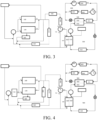
FIG. 3 is a schematic structural diagram of a thermal management system according to a third embodiment of the present disclosure; -
FIG. 4 is a schematic structural diagram of a thermal management system according to a fourth embodiment of the present disclosure; -
FIG. 5 is a schematic structural diagram of an engine cooler of a thermal management system according to an embodiment of the present disclosure; -
FIG. 6 is another schematic structural diagram of an engine cooler of a thermal management system according to an embodiment of the present disclosure; and -
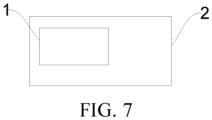
FIG. 7 is a schematic diagram of a vehicle according to an embodiment of the present disclosure. - In the drawings:
-
thermal management system 1, -
engine cooler 100,liquid inlet 110,liquid outlet 120, cylinderblock water jacket 130, gas inletside water jacket 131, gas outletside water jacket 132,outlet 133 of the cylinder block water jacket,inlet 134 of the cylinder block water jacket, cylinderhead water jacket 140, inlet of the cylinderhead water jacket 141,connection water jacket 150,charger cooler 160, - exhaust gas
recirculation system cooler 200, outlet 201 of the exhaust gas recirculation system cooler, inlet 202 of the exhaust gas recirculation system cooler, - temperature adjustment and
heat dissipation assembly 300,inlet 301 of the temperature adjustment and heat dissipation assembly,outlet 302 of the temperature adjustment and heat dissipation assembly,radiator 310, outlet 311 of the radiator, inlet 312 of the radiator,thermostat 320, inlet 321 of the thermostat, outlet 322 of the thermostat, -
warm air module 400, outlet 401 of the warm air module, inlet 402 of the warm air module, -
battery cooling system 500,battery pack 510, - first
heat exchange plate 600, firstheat exchange channel 610, secondheat exchange channel 620,first end 621 of the second heat exchange channel,second end 622 of the second heat exchange channel, - three-
way valve 700, first opening 710,second opening 720, third opening 730, - air-
conditioning system 800,compressor 810,first heat exchanger 820,first end 821 of the first heat exchanger,second end 822 of the first heat exchanger,second heat exchanger 830,first end 831 of the second heat exchanger,second end 832 of the second heat exchanger,switching valve 840,electronic expansion valve 850,expansion valve 860, - second
heat exchange plate 900, thirdheat exchange channel 910, fourthheat exchange channel 920, and -
vehicle 2. - The following describes embodiments of the present disclosure in detail. Examples of the embodiments are shown in the accompanying drawings, and same or similar reference numerals in all the accompanying drawings indicate same or similar components or components having same or similar functions. The embodiments described below with reference to the accompanying drawings are exemplary, and are merely intended to explain the present disclosure and cannot be construed as a limitation to the present disclosure.
- In descriptions of the present disclosure, it should be understood that direction or position relationships indicated by terms such as "center", "above", "below", "front", "back", "left", "right", "vertical", "horizontal", "top", "bottom", "inner", and "outer" are direction or position relationships based on the accompanying drawings, and are used only for conveniently describing the present disclosure and simplifying descriptions, instead of indicating or suggesting that a represented apparatus or component needs to have a particular direction or is constructed and operated in a particular direction, and therefore shall not be understood as limiting the present disclosure.
- It should be noted that, terms "first" and "second" are used only for description objectives, and shall not be construed as indicating or implying relative importance or implying a quantity of indicated technical features. Therefore, a feature restricted by "first " or "second" may explicitly or implicitly include one or more such features. Further, in the descriptions of the present disclosure, unless stated otherwise, the meaning of "a plurality of" is two or more than two.
- A
thermal management system 1 according to the embodiments of the present disclosure is described below with reference to the accompanying drawings. - As shown in
FIG. 1 to FIG. 4 , athermal management system 1 according to an embodiment of the present disclosure includes anengine cooler 100, an exhaust gasrecirculation system cooler 200, and a temperature adjustment andheat dissipation assembly 300. - The
engine cooler 100 has aliquid inlet 110 and aliquid outlet 120. An outlet 201 of the exhaust gasrecirculation system cooler 200 is in communication with theliquid inlet 110, and an inlet 202 of the exhaust gasrecirculation system cooler 200 is in communication with theliquid outlet 120. That is, the exhaust gasrecirculation system cooler 200 is connected to theengine cooler 100 in series. Aninlet 301 of the temperature adjustment andheat dissipation assembly 300 is in communication with the inlet202 of the exhaust gasrecirculation system cooler 200, and anoutlet 302 of the temperature adjustment andheat dissipation assembly 300 is in communication with the outlet 201 of the exhaust gasrecirculation system cooler 200. That is, the temperature adjustment andheat dissipation assembly 300 is connected to the exhaust gas recirculation system cooler 200 in series. - A part of coolant flowing out from the
liquid outlet 120 of theengine cooler 100 may flow to the temperature adjustment andheat dissipation assembly 300, and then flow back to theengine cooler 100 through theliquid inlet 110. The other part of the coolant may flow to the exhaust gas recirculation system cooler 200 and then flow back to theengine cooler 100 after heat exchange. Theengine cooler 100 can exchange heat with the engine, to quickly cool the engine. In other words, when a temperature of the engine is excessively high, the engine can be quickly cooled, so that normal operation of the engine is ensured. - In the
thermal management system 1 according to this embodiment of the present disclosure, the outlet 201 of the exhaust gas recirculation system cooler 200 is in communication with theliquid inlet 110, and the inlet of the exhaust gas recirculation system cooler 200 is in communication with theliquid outlet 120. The exhaust gas recirculation system cooler 200 is connected to theengine cooler 100 in series. In this way, theengine cooler 100 and the exhaustgas recirculation cooler 200 are connected in a same pipeline, and the coolant in theengine cooler 100 may directly flow into the exhaustgas recirculation cooler 200. In other words, there is no need to add an electronic water pump to provide a driving force of the coolant for the exhaust gas recirculation system cooler 200. Therefore, both a cooling requirement of theengine cooler 100 and a cooling requirement of the exhaust gas recirculation system cooler 200 can be satisfied, and an overall flow rate of the coolant can be reduced, thereby reducing a flow rate of the electronic water pump, and further reducing power consumption of the electronic water pump and reducing engine oil consumption. - In addition, the temperature adjustment and
heat dissipation assembly 300 is connected to the exhaust gas recirculation system cooler 200 in series. Therefore, the coolant flowing out from theengine cooler 100 may flow through an exhaust gas recirculation system and may flow through the temperature adjustment andheat dissipation assembly 300. In other words, there are two flow paths for the coolant flowing out from theengine cooler 100. In this way, in a warming process, the temperature adjustment andheat dissipation assembly 300 may be turned off. In this case, the coolant flowing out from theengine cooler 100 does not pass through the temperature adjustment andheat dissipation assembly 300. In addition, a rotation speed of the electronic water pump may be reduced, so that less coolant enters theengine cooler 100, and the coolant flowing through the exhaust gas recirculation system cooler 200 can absorb heat of the exhaust gas recirculation system for warm-up of the engine. In this way, the engine is quickly warmed, warm-up efficiency of the engine is greatly improved, the engine oil consumption is further reduced, and emission of noxious gases can be reduced. - Therefore, the
thermal management system 1 according to this embodiment of the present disclosure has advantages such as low energy consumption, low engine oil consumption, and a high warming speed. - In some embodiments of the present disclosure, as shown in
FIG. 1 to FIG. 4 , a temperature adjustment andheat dissipation assembly 300 includes athermostat 320 and aradiator 310 that are connected in series. To be specific, an outlet 322 of the thermostat is in communication with an inlet 312 of theradiator 310, an inlet of thethermostat 320 is in communication with the inlet 202 of the exhaustgas recirculation cooler 200, and an outlet of theradiator 310 is in communication with the outlet 201 of the exhaustgas recirculation cooler 200. That is, thethermostat 320 and theradiator 310 are on a same pipeline, and the exhaust gas recirculation system cooler 200 is on another pipeline. A part of the coolant flowing out from theliquid outlet 120 of theengine cooler 100 may flow to thethermostat 320 and theradiator 310, and then flow back to theengine cooler 100 through theliquid inlet 110. The other part of the coolant may flow to the exhaust gas recirculation system cooler 200, and then flow back to theengine cooler 100 after heat exchange. In other words, there are two flow paths for the coolant flowing out from theengine cooler 100. In this way, in the warming process, thethermostat 300 may be turned off. In this case, the coolant flowing out from theengine cooler 100 does not pass through theradiator 310. In addition, the rotation speed of the electronic water pump may be reduced, so that less coolant enters theengine cooler 100, and the coolant flowing through the exhaust gas recirculation system cooler 200 can absorb the heat of the exhaust gas recirculation system for the warm-up of the engine. In this way, the engine is quickly warmed. - In some specific embodiments of the present disclosure, as shown in
FIG. 1 to FIG. 4 , thethermal management system 1 further includes awarm air module 400. An outlet 401 of thewarm air module 400 is in communication with theliquid inlet 110, and an inlet 402 of thewarm air module 400 is in communication with theliquid outlet 120. That is, thewarm air module 400 is connected to theengine cooler 100 in series. Therefore, thewarm air module 400 and theengine cooler 100 may form a cycle. The coolant in theengine cooler 100 flowing through thewarm air module 400 can heat a vehicle cabin, so that heat of the engine may be used for heating the vehicle cabin, thereby improving utilization of the heat of the engine, and reducing energy consumption. - In some specific embodiments of the present disclosure, as shown in
FIG. 1 to FIG. 4 , thewarm air module 400 is connected to the exhaust gas recirculation system cooler 200 in parallel; or thewarm air module 400 is connected to the exhaust gas recirculation system cooler 200 in series. In this way, a connection between thewarm air module 400 and the exhaust gas recirculation system cooler 200 is simpler. In other words, a part of the coolant flowing out from theengine cooler 100 may flow to the exhaust gas recirculation system cooler 200, and the other part of the coolant may flow to thewarm air module 400. In this way, the cooling liquid flowing through thewarm air module 400, the cooling liquid flowing through the exhaust gas recirculation system cooler 200, and the cooling liquid shared by theengine cooler 100, and the heat dissipation device and an additional electronic water pump is not required for providing the driving force of the coolant for the exhaust gas recirculation system cooler 200. A flow rate and a quantity of components of the electronic water pump are reduced while the cooling requirement of the exhaust gas recirculation system cooler 200 is ensured. In this way, power consumption of the electronic water pump is also reduced to some extent, so that the engine oil consumption is reduced, and a vehicle structure is simplified, thereby reducing costs. - In some specific embodiments of the present disclosure, as shown in
FIG. 1 to FIG. 4 , thethermal management system 1 further includes abattery cooling system 500, a firstheat exchange plate 600, and a three-way valve 700. - The first
heat exchange plate 600 has a firstheat exchange channel 610 and a secondheat exchange channel 620. The firstheat exchange channel 610 is connected to thebattery cooling system 500, and afirst end 621 of the secondheat exchange channel 620 is in communication with theliquid inlet 110. The three-way valve 700 includes afirst opening 710, asecond opening 720, and athird opening 730. Thefirst opening 710 is in communication with theliquid inlet 110, thesecond opening 720 is in communication with asecond end 622 of the secondheat exchange channel 620, and thethird opening 730 is in communication with thewarm air module 400. Thethird opening 730 may be in communication with one of thefirst opening 710 and thesecond opening 720 selectively. - In other words, the coolant in the
engine cooler 100 may flow through the secondheat exchange channel 620, and a coolant in thebattery cooling system 500 may flow through the firstheat exchange channel 610. In this way, the coolant in theengine cooler 100 and the coolant in thebattery cooling system 500 may exchange heat in the firstheat exchange plate 600, so that thebattery cooling system 500 is heated by using theengine cooler 100, thereby further improving a temperature increasing rate of thebattery cooling system 500, and ensuring battery efficiency. In this way, when thebattery pack 510 is heated, no additional energy is required, so that efficiency of thebattery pack 510 is improved, and no additional power consumption is required, thereby improving utilization of energy. - When the
second opening 720 is in communication with thefirst opening 710, theengine cooler 100 is out of communication with the firstheat exchange plate 600. In other words, the firstheat exchange plate 600 does not participate in a loop of the coolant in theengine cooler 100, theengine cooler 100 and thebattery cooling system 500 do not exchange heat, and the firstheat exchange plate 600 is equivalent to a pipeline. When thesecond opening 720 is in communication with thethird opening 730, theengine cooler 100 and thebattery cooling system 500 exchange heat through the firstheat exchange plate 600, and theengine cooler 100 may heat thebattery cooling system 500. - In some specific embodiments of the present disclosure, as shown in
FIG. 1 to FIG. 4 , thethird opening 730 is in communication with thewarm air module 400 through the exhaust gas recirculation system cooler 200. - In this way, when the
battery pack 510 needsto be heated, before flowing through the secondheat exchange channel 620, the coolant exchanges heat with the exhaust gas recirculation system cooler 200, to absorb the heat of the exhaust gas recirculation system. Therefore, a temperature of the coolant flowing through the secondheat exchange channel 620 is higher, and the temperature of the coolant entering the secondheat exchange channel 620 of the firstheat exchange plate 600 can be quickly increased. In particular, when starts at a low-temperature environment, heat may be quickly provided for thebattery cooling system 500, so that thebattery pack 510 quickly reaches a suitable temperature, thereby ensuring the battery efficiency. In addition, after the exhaust gas recirculation system cooler 200 is connected to thewarm air module 400 in series, an electronic water pump does not need to be added to the exhaust gas recirculation system cooler 200, and the electronic water pump does not need to additionally increase the flow rate. In other words, the same water pump may be shared by the exhaust gas recirculation system cooler 200 and theengine cooler 100. To some extent, power consumption of the electronic water pump can be reduced, thereby reducing the engine oil consumption. - In some specific embodiments of the present disclosure, as shown in
FIG. 1 to FIG. 4 , thethermal management system 1 further includes an air-conditioning system 800 and a secondheat exchange plate 900. - The second
heat exchange plate 900 has a thirdheat exchange channel 910 and a fourthheat exchange channel 920. The thirdheat exchange channel 910 is connected to thebattery cooling system 500, and the fourthheat exchange channel 920 is connected to the air-conditioning system 800. - In other words, the coolant in the
battery cooling system 500 may flow through the thirdheat exchange channel 910, a cooling medium in the air-conditioning system 800 may flow through the fourthheat exchange channel 920, and the coolant in the thirdheat exchange channel 910 may exchange heat with the cooling medium in the fourthheat exchange channel 920. In this way, when an environmental temperature is relatively low, the cooling medium in the air-conditioning system 800 may be used for heating the coolant in thebattery cooling system 500, to increase the temperature of the coolant in thebattery cooling system 500, and thebattery pack 510 is heated by using the coolant in thebattery cooling system 500, ensuring that thebattery pack 510 is in a proper operating temperature range. When the environmental temperature is relatively high, the cooling medium in the air-conditioning system 800 may be used for cooling the coolant in thebattery cooling system 500, to reduce the temperature of the coolant in thebattery cooling system 500, and thebattery pack 510 is cooled by using the coolant in thebattery cooling system 500, keeping thebattery pack 510 in a normal operating state. - In addition, through arrangement of the first
heat exchange plate 600 and the secondheat exchange plate 900, theengine cooler 100 and the air-conditioning system 800 may simultaneously exchange heat with thebattery cooling system 500, thereby further improving a temperature increasing rate of thebattery cooling system 500, and quickly increasing the temperature of thebattery pack 510. Therefore, when thebattery pack 510 is heated, additional energy is not required, so that the efficiency of thebattery pack 510 is improved, and additional power consumption is notrequired. Certainly, it may be understood that when thebattery pack 510 needs to be heated, only theengine cooler 100 may be used to exchange heat with thebattery cooling system 500, and the air-conditioning system 800 does not exchange heat with thebattery cooling system 500, or only the air-conditioning system 800 may be used to exchange heat with thebattery cooling system 500, and theengine cooler 100 does not exchange heat with thebattery cooling system 500. - In some specific embodiments of the present disclosure, as shown in
FIG. 1 to FIG. 4 , the air-conditioning system 800 includes acompressor 810, afirst heat exchanger 820, and asecond heat exchanger 830. - A
first end 821 of thefirst heat exchanger 820 is connected to thecompressor 810, afirst end 831 of thesecond heat exchanger 830 is connected to asecond end 822 of thefirst heat exchanger 820 through a switchingvalve 840, and asecond end 832 of thesecond heat exchanger 830 is connected to thecompressor 810. Two ends of the fourthheat exchange channel 920 are respectively connected to thecompressor 810 and thesecond end 822 of thefirst heat exchanger 820. An expansion valve is arranged between thefirst heat exchanger 820 and thesecond heat exchanger 830. The expansion valvemay be a thermal expansion valve. The expansion valve may be located between the switchingvalve 840 and thesecond heat exchanger 830. - For example, the
first heat exchanger 820 may serve as a condenser of the air-conditioning system 800 for heating, and thesecond heat exchanger 830 may serve as an evaporator of the air-conditioning system 800 for refrigerating. In addition, based on a signal of a temperature sensor in thebattery pack 510, a battery management system (BMS) sends a request signal of cooling, heating, or equalization to a micro control unit (MCU). Based on the request signal of the BMS and a temperature pressure sensor of the air-conditioning system 800 and based on experimental and simulation parameters, the MCU sets temperature targets and limits of all parts, to control thecompressor 810, anelectronic expansion valve 850 described below, and the electronic water pump, to achieve an optimal temperature and an energy consumption target in various operating conditions. - During refrigeration of the air-
conditioning system 800, a part of the coolant flowing out from thefirst heat exchanger 820 flows through the fourthheat exchange channel 920 and exchanges heat with the coolant in the thirdheat exchange channel 910, thereby cooling thebattery cooling system 500. The other part of the coolant flows through the switchingvalve 840 and thesecond heat exchanger 830. Therefore, thecompressor 810, thefirst heat exchanger 820, the switchingvalve 840, and thesecond heat exchanger 830 form a cooling medium loop. Thefirst heat exchanger 820 is a condenser, and thesecond heat exchanger 830 is an evaporator configured to refrigerate a vehicle cabin. - In some specific embodiments of the present disclosure, as shown in
FIG. 1 to FIG. 4 , anelectronic expansion valve 850 is arranged between the fourthheat exchange channel 920 and thefirst heat exchanger 820. In this way, theelectronic expansion valve 850 may control connection and disconnection between the fourthheat exchange channel 920 and the air-conditioning system 800, so that when the temperature of thebattery pack 510 is normal, and thebattery pack 510 does not need to be heated or cooled, the coolant in the air-conditioning system 800 does not exchange heat with thebattery cooling system 500. - When the air-
conditioning system 800 performs auxiliary cooling on thebattery cooling system 500, the electronic expansion valve 850is switched on, a low-temperature and low-pressure gas passes through thecompressor 810 and becomes a high-temperature and high-pressure gas. The high-temperature and high-pressure gas passes through thefirst heat exchanger 820 and becomes a high-pressure and low-temperature liquid. A part of the high-pressure and low-temperature liquid enters thesecond heat exchanger 830, so that thecompressor 810, thefirst heat exchanger 820, and thesecond heat exchanger 830 form a cooling medium loop for refrigerating a vehicle cabin. The other part of the high-pressure and low-temperature liquid enters the fourthheat exchange channel 920 through theelectronic expansion valve 850 to exchange heat with thebattery cooling system 500, and then becomes a low-pressure and low-temperature gas into thecompressor 810 to complete a cycle. In this case, thefirst heat exchanger 820 is a condenser, and thesecond heat exchanger 830 is an evaporator. - In some specific embodiments of the present disclosure, as shown in
FIG. 1 to FIG. 6 , theengine cooler 100 includes a cylinderhead water jacket 140, a cylinderblock water jacket 130, and aconnection water jacket 150. - The cylinder
head water jacket 140 is configured to cool a cylinder head of an engine, and aliquid outlet 120 is provided on the cylinderhead water jacket 140. The cylinderblock water jacket 130 is configured to cool a cylinder block of the engine. Anoutlet 133 of the cylinder block water jacket 13 is in communication with theliquid outlet 120. Aninlet 134 of the cylinderblock water jacket 130 is in communication with aninlet 141 of the cylinderhead water jacket 140. All parts of the engine have a good cooling effect, and are cooled more fully. Aliquid inlet 110 is provided on theconnection water jacket 150. Theliquid inlet 110 is communication with theinlet 141 of the cylinderhead water jacket 140 and theinlet 133 of the cylinderblock water jacket 130 respectively. In other words, the cylinderhead water jacket 140 and thecylinder block waterjackets 130 are connected in parallel, and are connected to theconnection water jackets 150 in series. - It should be noted that, the cylinder
block water jacket 130 and the cylinderhead water jacket 140 are connected in parallel, and the cylinderblock water jacket 130 and the cylinderhead water jacket 140 are connected to theconnection water jacket 150 in series. It means that after the cylinderblock water jacket 130 is connected to the cylinderhead water jacket 140 in parallel, the whole of the two is in communication with theconnection water jacket 150. A coolant flowing out through theconnection water jacket 150 may flow to the cylinderblock water jacket 130 and the cylinderhead water jacket 140 respectively. The coolant flowing out of the cylinderblock water jacket 130 and the cylinderhead water jacket 140 may be gathered and then divided into three ways. One way flows to an expansion kettle to remove gas generated in a system of theengine cooler 100, and replenishes a motor pump in theengine cooler 100 through the expansion kettle, to maintain a flow pressure of the coolant in theengine cooler 100 and prevent boiling or cavitation of the electronic water pump. One way passes through thewarm air module 400, and enters the exhaust gas recirculation system cooler 200. If thebattery cooling system 500 has a heating requirement, thethird opening 730 of the three-way valve 700 is in communication with thesecond opening 720, and the coolant in thewarm air module 400 flows into the firstheat exchange plate 600 and exchanges heat with thebattery cooling system 500, and then flows back to theengine cooler 100. If thebattery cooling system 500 does not have the heating requirement, thethird opening 730 of the three-way valve 700 is in communication with thefirst opening 710, and the coolant in thewarm air module 400 flows directly back to theengine cooler 100. One way enters thethermostat 300. If thethermostat 300 is turned on, the coolant enters theradiator 310 for heat dissipation and flows back to theengine cooler 100 to complete the cycle. If thethermostat 300 is not turned on, theradiator 310 does not participate in the cycle. - In addition, through adjustment of a size of a communication port between the
connection water jacket 150 and the cylinderblock water jacket 130 and a size of a communication port between theconnection water jacket 150 and the cylinderhead water jacket 140, a flow rate from theconnection water jacket 150 to the cylinderblock water jacket 130 and a flow rate in the cylinderhead water jacket 140 can be properly distributed, so that warming time of the engine can be reduced during start-up in a low-temperature environment, thereby reducing oil consumption and emission of noxious gases. For example, if the communication port between theconnection water jacket 150 and the cylinderblock water jacket 130 is enlarged, a flow rate of the coolant entering the cylinderblock water jacket 130 is increased, and a flow rate of the coolant entering the cylinderhead water jacket 140 is reduced. In this way, a cooling rate of theengine cooler 100 to the cylinder block and the cylinder head of the engine can be adjusted. - In some specific embodiments of the present disclosure, as shown in
FIG. 1 to FIG. 6 , thethermal management system 1 further includes acharger cooler 160. - The cylinder
block water jacket 130 has a gas inletside water jacket 131 and a gas outletside water jacket 132 that are opposite to each other. The gas inletside water jacket 131 is connected to theconnection water jacket 150. The gas outletside water jacket 132 is in communication with thecharger cooler 160. The gas inletside water jacket 131 and the gas outletside water jacket 132 are in communication with theliquid outlet 120 separately. In this way, the coolant flowing out of the water outletside water jacket 132 may flow into thecharger cooler 160. Thecharger cooler 160 can cool a charger, to avoid an excessively high temperature of the charger, so that the charger can operate normally. - As shown in
FIG. 7 , according to avehicle 2 in an embodiment of a second aspect of the present disclosure, thevehicle 2 includes thethermal management system 1 according to the embodiment of the first aspect of the present disclosure. - According to this embodiment of the present disclosure, through the
thermal management system 1, thevehicle 2 has advantages such as low energy consumption, low engine oil consumption, and a high warming speed. - Other compositions and operations of the
thermal management system 1 and thevehicle 2 having the same according to the embodiments of the present disclosure are known to a person of ordinary skill in the art, and are not described herein in detail. - In the description of this specification, the description of the referenceterms such as "an embodiment", "some embodiments", "exemplary embodiments", "an example", "a specific example", or "some examples" means that the specific features, structures, materials, or characteristics described with reference to the embodiment or example are included in at least one embodiment or example of the present disclosure. In this specification, schematic descriptions of the foregoing terms do not necessarily direct at a same embodiment or example. Moreover, the specific features, structures, materials, or characteristics described may be combined in any one or more embodiments or examples in an appropriate manner.
- Although the embodiments of the present disclosure have been shown and described, a person of ordinary skill in the art may understand that various changes, modifications, replacements, and variations may be made to the embodiments without departing from the principles and spirit of the present disclosure, and the scope of the present disclosure is as defined by the appended claims and their equivalents.
Claims (12)
- A thermal management system (1), comprising:an engine cooler (100), the engine cooler (100) being provided with a liquid inlet (110) and a liquid outlet (120);an exhaust gas recirculation system cooler (200), an outlet (201) of the exhaust gas recirculation system cooler (200) being in communication with the liquid inlet (110), and an inlet (202) of the exhaust gas recirculation system cooler (200) being in communication with the liquid outlet (120); anda temperature adjustment and heat dissipation assembly (300), an inlet (301) of the temperature adjustment and heat dissipation assembly (300) being in communication with the inlet (202) of the exhaust gas recirculation cooler (200), and an outlet (302) of the temperature adjustment and heat dissipation assembly (300) being in communication with the outlet (201) of the exhaust gas recirculation cooler (200).
- The thermal management system (1) accordingto claim 1, wherein the temperature adjustment and heat dissipation assembly (300) comprises a thermostat (320) and a radiator (310) that are connected in series, an inlet (321) of the thermostat (320) is in communication with the inlet 202 of the exhaust gas recirculation cooler (200), and an outlet (311) of the radiator (310) is in communication with the outlet 201 of the exhaust gas recirculation cooler (200).
- The thermal management system (1) according to claim 2, further comprising:
a warm air module (400), an outlet (401) of the warm air module (400) being in communication with the liquid inlet (110), and an inlet (402) of the warm air module (400) being in communication with the liquid outlet (120). - The thermal management system according to claim 3, wherein the warm air module (400) is connected to the exhaust gas recirculation system cooler (200) in parallel; or
the warm air module (400) is connected to the exhaust gas recirculation system cooler (200) in series. - The thermal management system (1) according to claim 3 or 4, further comprising:a battery cooling system (500);a first heat exchange plate (600), the first heat exchange plate (600) having:a first heat exchange channel (610), the first heat exchange channel (610) being connected to the battery cooling system (500); anda second heat exchange channel (620), a first end (621) of the second heat exchange channel (620) being in communication with the liquid inlet (110); anda three-way valve (700), the three-way valve (700) comprising:a first opening (710), the first opening (710) being in communication with the liquid inlet (110);a second opening (720), the second opening (720) being in communication with a second end (622) of the second heat exchange channel (620); anda third opening (730), the third opening (720) being in communication with the warm air module (400), and the third opening (730) being in communication with one of the first opening (710) and the second opening (720) selectively.
- The thermal management system (1) according to claim 5, wherein the third opening (730) is in communication with the warm air module (400) through the exhaust gas recirculation system cooler (200).
- The thermal management system (1) according to any one of claims 1 to 6, further comprising:an air-conditioning system (800); anda second heat exchange plate (900), the second heat exchange plate (900) having:a third heat exchange channel (910), the third heat exchange channel (910) being connected to the battery cooling system (500); anda fourth heat exchange channel (920), the fourth heat exchange channel (920) being connected to the air-conditioning system (800).
- The thermal management system (1) according to claim 7, wherein the air-conditioning system (800) comprises:a compressor (810);a first heat exchanger (820), a first end (821) of the first heat exchanger (820) being connected to the compressor (810); anda second heat exchanger (830), a first end (831) of the second heat exchanger (830) being connected to a second end (822) of the first heat exchanger (820) through a switching valve (840), and a second end (832) of the second heat exchanger (830) being connected to the compressor (810),wherein two ends of the fourth heat exchange channel (920) are respectively connected to the compressor (810) and the second end (822) of the first heat exchanger (820).
- The thermal management system (1) according to claim 8, wherein an electronic expansion valve (850) is arranged between the fourth heat exchange channel (920) and the first heat exchanger (820).
- The thermal management system (1) according to any one of claims 1 to 9, wherein the engine cooler (100) comprises:a cylinder head water jacket (140), configured to cool a cylinder head of an engine, the liquid outlet (120) is provided on the cylinder head water jacket (140);a cylinder block waterjacket (130), configured to cool a cylinder block of the engine, an outlet (133) of the cylinder block water jacket (130) is in communication with the liquid outlet (120), and an inlet (134) of the cylinder block water jacket (130) is in communication with an inlet (141) of the cylinder head water jacket (140); anda connection water jacket (150), the liquid inlet (110) being provided on the connection water jacket (150), and the liquid inlet (110) is in communication with the inlet (141) of the cylinder head water jacket (140) and the inlet (134) of the cylinder block water jacket (130) separately.
- The thermal management system (1) according to claim 10, wherein the cylinder block water jacket (130) has a gas inlet side water jacket (131) and a gas outlet side water jacket (132) that are opposite to each other, the gas inlet side water jacket (131) is connected to the connection water jacket (150), and the gas inlet side water jacket (131) and the gas outlet side water jacket (132) are in communication with the liquid outlet (120) separately;
the thermal management system (1) further comprising:
a charger cooler (160), the gas outlet side water jacket (132) being in communication with the charger cooler (160). - A vehicle (2), comprising the thermal management system (1) according to any one of claims 1 to 11.
Applications Claiming Priority (2)
| Application Number | Priority Date | Filing Date | Title |
|---|---|---|---|
| CN202210456199.3A CN117002250B (en) | 2022-04-28 | 2022-04-28 | Thermal management system and vehicle having the same |
| PCT/CN2023/078625 WO2023207306A1 (en) | 2022-04-28 | 2023-02-28 | Thermal management system, and vehicle having same |
Publications (2)
| Publication Number | Publication Date |
|---|---|
| EP4516550A1 true EP4516550A1 (en) | 2025-03-05 |
| EP4516550A4 EP4516550A4 (en) | 2026-04-29 |
Family
ID=88517252
Family Applications (1)
| Application Number | Title | Priority Date | Filing Date |
|---|---|---|---|
| EP23794742.9A Pending EP4516550A4 (en) | 2022-04-28 | 2023-02-28 | HEAT MANAGEMENT SYSTEM AND VEHICLE WITH IT |
Country Status (6)
| Country | Link |
|---|---|
| US (1) | US20250035029A1 (en) |
| EP (1) | EP4516550A4 (en) |
| JP (1) | JP7823231B2 (en) |
| CN (1) | CN117002250B (en) |
| CA (1) | CA3250266A1 (en) |
| WO (1) | WO2023207306A1 (en) |
Families Citing this family (1)
| Publication number | Priority date | Publication date | Assignee | Title |
|---|---|---|---|---|
| JP7831103B2 (en) * | 2022-04-01 | 2026-03-17 | マツダ株式会社 | Cooling system for electric vehicles |
Family Cites Families (31)
| Publication number | Priority date | Publication date | Assignee | Title |
|---|---|---|---|---|
| US6321697B1 (en) * | 1999-06-07 | 2001-11-27 | Mitsubishi Heavy Industries, Ltd. | Cooling apparatus for vehicular engine |
| DE10143091A1 (en) * | 2001-09-03 | 2003-03-20 | Att Automotivethermotech Gmbh | Operation of vehicle heating and cooling circuit in conjunction with exhaust gas recycle system, controls exhaust enthalpy and coolant flow rates |
| JP2006051852A (en) * | 2004-08-10 | 2006-02-23 | Fuji Heavy Ind Ltd | Hybrid vehicle heating system |
| US7451808B2 (en) * | 2004-09-17 | 2008-11-18 | Behr Gmbh & Co. | Exchanging device for motor vehicles |
| DE102005056717B4 (en) * | 2005-07-23 | 2024-10-24 | Att Automotivethermotech Gmbh | Methods and devices for operating an engine cooling and heating system in motor vehicles |
| FR2924756A1 (en) * | 2007-12-05 | 2009-06-12 | Renault Sas | MOTOR VEHICLE COMPRISING A RECIRCULATED GAS CIRCUIT, AND METHOD FOR IMPLEMENTING THE SAME |
| KR101500383B1 (en) * | 2013-10-14 | 2015-03-09 | 현대자동차 주식회사 | Air duct and cooling system for vehicle |
| JP6412407B2 (en) * | 2014-10-31 | 2018-10-24 | 株式会社デンソー | Air conditioner for vehicles |
| CN106837503B (en) * | 2015-12-03 | 2019-04-23 | 北汽福田汽车股份有限公司 | A kind of engine-cooling system and the vehicle with it |
| KR101855759B1 (en) * | 2015-12-08 | 2018-05-09 | 현대자동차 주식회사 | Betterly cooling system for vehicle |
| JP6555112B2 (en) * | 2015-12-11 | 2019-08-07 | 株式会社デンソー | Refrigeration cycle equipment |
| CN107351627B (en) * | 2016-05-10 | 2020-05-19 | 比亚迪股份有限公司 | Automotive Thermal Management Systems and Electric Vehicles |
| CN205790288U (en) * | 2016-06-22 | 2016-12-07 | 东南(福建)汽车工业有限公司 | A kind of battery thermal management system of hybrid vehicle |
| CN106948915B (en) * | 2017-03-29 | 2019-03-26 | 安徽江淮汽车集团股份有限公司 | A kind of engine-cooling system |
| DE102017121188B3 (en) * | 2017-09-13 | 2019-02-21 | Borgward Trademark Holdings Gmbh | Vehicle thermal management system and vehicle |
| CN108643998B (en) * | 2018-04-19 | 2020-05-01 | 浙江吉利控股集团有限公司 | Engine heat management system |
| JP7260986B2 (en) * | 2018-09-28 | 2023-04-19 | 株式会社Subaru | vehicle thermal management system |
| CN111231655B (en) * | 2018-11-29 | 2021-07-20 | 比亚迪股份有限公司 | Vehicle thermal management system and control method thereof, and vehicle |
| FR3090501B1 (en) * | 2018-12-21 | 2021-04-09 | Renault Sas | Thermal management device of a heat transfer fluid circuit of a hybrid vehicle |
| CN111354998B (en) * | 2018-12-21 | 2022-03-18 | 比亚迪股份有限公司 | Vehicle and temperature control device thereof |
| CN109927534B (en) * | 2019-03-20 | 2023-04-25 | 天津大学 | Thermal management system and control method of a hybrid electric heavy-duty truck |
| CN109795313B (en) * | 2019-03-29 | 2022-07-08 | 重庆长安汽车股份有限公司 | A plug-in hybrid electric vehicle thermal management system |
| KR102692485B1 (en) * | 2019-10-25 | 2024-08-07 | 현대자동차주식회사 | Vehicle Thermal Management System having Integrated Thermal Management Valve and Coolant Circuit Control Method of Vehicle Thermal Management System Thereof |
| CN110978945B (en) * | 2019-11-22 | 2021-07-16 | 浙江威格镁汽车科技有限公司 | Range-extending type heat pipe system of electric vehicle and method thereof |
| JP7327221B2 (en) * | 2020-03-10 | 2023-08-16 | トヨタ自動車株式会社 | In-vehicle temperature control system |
| FR3109912B1 (en) * | 2020-05-05 | 2022-12-23 | Renault Sas | Thermal management device for a hybrid motor vehicle |
| CN113859051B (en) * | 2020-06-30 | 2023-10-13 | 比亚迪股份有限公司 | Control method of vehicle and thermal management system |
| CN111878213B (en) * | 2020-07-23 | 2024-05-10 | 广西玉柴机器股份有限公司 | Efficient hybrid engine cooling system |
| CN114335595A (en) * | 2020-10-12 | 2022-04-12 | 一汽-大众汽车有限公司 | A fuel cell vehicle thermal management system and its control method |
| CN112483236B (en) * | 2020-11-26 | 2022-06-03 | 上海汽车集团股份有限公司 | Engine Thermal Management System |
| CN113119688B (en) | 2021-05-17 | 2023-01-10 | 中国第一汽车股份有限公司 | Whole vehicle thermal management system of plug-in hybrid electric vehicle and control method thereof |
-
2022
- 2022-04-28 CN CN202210456199.3A patent/CN117002250B/en active Active
-
2023
- 2023-02-28 CA CA3250266A patent/CA3250266A1/en active Pending
- 2023-02-28 WO PCT/CN2023/078625 patent/WO2023207306A1/en not_active Ceased
- 2023-02-28 JP JP2024563462A patent/JP7823231B2/en active Active
- 2023-02-28 EP EP23794742.9A patent/EP4516550A4/en active Pending
-
2024
- 2024-10-10 US US18/912,409 patent/US20250035029A1/en active Pending
Also Published As
| Publication number | Publication date |
|---|---|
| CN117002250B (en) | 2025-02-11 |
| CN117002250A (en) | 2023-11-07 |
| JP2025514254A (en) | 2025-05-02 |
| WO2023207306A1 (en) | 2023-11-02 |
| CA3250266A1 (en) | 2025-07-09 |
| US20250035029A1 (en) | 2025-01-30 |
| EP4516550A4 (en) | 2026-04-29 |
| JP7823231B2 (en) | 2026-03-03 |
Similar Documents
| Publication | Publication Date | Title |
|---|---|---|
| CN116278626B (en) | A thermal management system for hybrid vehicles | |
| AU2022356849B2 (en) | Thermal management system and vehicle having same | |
| EP4331875A1 (en) | Vehicle thermal management system and vehicle | |
| CN112539106B (en) | Novel diesel engine cooling system | |
| JP2009002346A (en) | Method for thermally managing engine and engine system | |
| WO2025050548A1 (en) | Thermal management system for vehicle and vehicle | |
| US20240217308A1 (en) | Thermal management system and vehicle having same | |
| US20250065689A1 (en) | Vehicle thermal management system, and vehicle | |
| US20250035029A1 (en) | Thermal management system and vehicle having same | |
| CN217124478U (en) | Thermal management system and vehicle with same | |
| US20250010690A1 (en) | Vehicle thermal management system and vehicle | |
| CN115958938A (en) | Hybrid power thermal management system and method coupled with engine cooling system | |
| CN115648928B (en) | Electric vehicle cooling system and electric vehicle | |
| WO2025246170A1 (en) | Air-conditioning thermal management system for battery electric vehicle, and battery electric vehicle | |
| CN116537931B (en) | Cooling system and vehicle | |
| CN118288854A (en) | Thermal management system of high-power fuel cell vehicle and control method thereof | |
| CN115817107A (en) | A vehicle thermal management system, method and device | |
| JP2018084159A (en) | Cooling system | |
| CN115195377A (en) | Thermal management system and method for hybrid electric vehicle | |
| CN219727805U (en) | Hybrid vehicle thermal management system and vehicle | |
| CN220353935U (en) | Thermal management system and hybrid all-terrain vehicle | |
| CN221137609U (en) | Integrated cooler and new energy automobile's thermal management system | |
| JPH10184358A (en) | Cooling device for water-cooled engine | |
| CN220517924U (en) | Thermal management system and hybrid electric vehicle | |
| CN218647987U (en) | Fuel cell vehicle thermal management system |
Legal Events
| Date | Code | Title | Description |
|---|---|---|---|
| STAA | Information on the status of an ep patent application or granted ep patent |
Free format text: STATUS: THE INTERNATIONAL PUBLICATION HAS BEEN MADE |
|
| PUAI | Public reference made under article 153(3) epc to a published international application that has entered the european phase |
Free format text: ORIGINAL CODE: 0009012 |
|
| STAA | Information on the status of an ep patent application or granted ep patent |
Free format text: STATUS: REQUEST FOR EXAMINATION WAS MADE |
|
| 17P | Request for examination filed |
Effective date: 20241016 |
|
| AK | Designated contracting states |
Kind code of ref document: A1 Designated state(s): AL AT BE BG CH CY CZ DE DK EE ES FI FR GB GR HR HU IE IS IT LI LT LU LV MC ME MK MT NL NO PL PT RO RS SE SI SK SM TR |
|
| DAV | Request for validation of the european patent (deleted) | ||
| DAX | Request for extension of the european patent (deleted) | ||
| A4 | Supplementary search report drawn up and despatched |
Effective date: 20260326 |
|
| RIC1 | Information provided on ipc code assigned before grant |
Ipc: B60K 11/04 20060101AFI20260320BHEP Ipc: B60H 1/02 20060101ALI20260320BHEP Ipc: B60H 1/06 20060101ALI20260320BHEP Ipc: B60H 1/32 20060101ALI20260320BHEP Ipc: H01M 10/61 20140101ALI20260320BHEP Ipc: B60H 1/00 20060101ALI20260320BHEP Ipc: F02B 29/04 20060101ALI20260320BHEP Ipc: F01P 3/18 20060101ALI20260320BHEP Ipc: F01P 3/20 20060101ALI20260320BHEP Ipc: F01P 7/16 20060101ALI20260320BHEP Ipc: F02F 1/16 20060101ALI20260320BHEP Ipc: F02M 26/28 20160101ALI20260320BHEP Ipc: B60K 11/02 20060101ALI20260320BHEP |