EP4509941A1 - Apparatus and method for predicting and controlling viscosity of slurry - Google Patents
Apparatus and method for predicting and controlling viscosity of slurry Download PDFInfo
- Publication number
- EP4509941A1 EP4509941A1 EP23213814.9A EP23213814A EP4509941A1 EP 4509941 A1 EP4509941 A1 EP 4509941A1 EP 23213814 A EP23213814 A EP 23213814A EP 4509941 A1 EP4509941 A1 EP 4509941A1
- Authority
- EP
- European Patent Office
- Prior art keywords
- viscosity
- slurry
- model
- mixing process
- mixing
- Prior art date
- Legal status (The legal status is an assumption and is not a legal conclusion. Google has not performed a legal analysis and makes no representation as to the accuracy of the status listed.)
- Granted
Links
Images



Classifications
-
- B—PERFORMING OPERATIONS; TRANSPORTING
- B01—PHYSICAL OR CHEMICAL PROCESSES OR APPARATUS IN GENERAL
- B01F—MIXING, e.g. DISSOLVING, EMULSIFYING OR DISPERSING
- B01F35/00—Accessories for mixers; Auxiliary operations or auxiliary devices; Parts or details of general application
- B01F35/20—Measuring; Control or regulation
- B01F35/22—Control or regulation
- B01F35/2201—Control or regulation characterised by the type of control technique used
-
- B—PERFORMING OPERATIONS; TRANSPORTING
- B01—PHYSICAL OR CHEMICAL PROCESSES OR APPARATUS IN GENERAL
- B01F—MIXING, e.g. DISSOLVING, EMULSIFYING OR DISPERSING
- B01F35/00—Accessories for mixers; Auxiliary operations or auxiliary devices; Parts or details of general application
- B01F35/20—Measuring; Control or regulation
- B01F35/22—Control or regulation
- B01F35/221—Control or regulation of operational parameters, e.g. level of material in the mixer, temperature or pressure
-
- H—ELECTRICITY
- H01—ELECTRIC ELEMENTS
- H01M—PROCESSES OR MEANS, e.g. BATTERIES, FOR THE DIRECT CONVERSION OF CHEMICAL ENERGY INTO ELECTRICAL ENERGY
- H01M4/00—Electrodes
- H01M4/02—Electrodes composed of, or comprising, active material
- H01M4/04—Processes of manufacture in general
-
- G—PHYSICS
- G05—CONTROLLING; REGULATING
- G05D—SYSTEMS FOR CONTROLLING OR REGULATING NON-ELECTRIC VARIABLES
- G05D24/00—Control of viscosity
- G05D24/02—Control of viscosity characterised by the use of electric means
-
- B—PERFORMING OPERATIONS; TRANSPORTING
- B01—PHYSICAL OR CHEMICAL PROCESSES OR APPARATUS IN GENERAL
- B01F—MIXING, e.g. DISSOLVING, EMULSIFYING OR DISPERSING
- B01F23/00—Mixing according to the phases to be mixed, e.g. dispersing or emulsifying
- B01F23/50—Mixing liquids with solids
- B01F23/54—Mixing liquids with solids wetting solids
-
- B—PERFORMING OPERATIONS; TRANSPORTING
- B01—PHYSICAL OR CHEMICAL PROCESSES OR APPARATUS IN GENERAL
- B01F—MIXING, e.g. DISSOLVING, EMULSIFYING OR DISPERSING
- B01F35/00—Accessories for mixers; Auxiliary operations or auxiliary devices; Parts or details of general application
- B01F35/20—Measuring; Control or regulation
- B01F35/21—Measuring
- B01F35/2136—Viscosity
-
- B—PERFORMING OPERATIONS; TRANSPORTING
- B01—PHYSICAL OR CHEMICAL PROCESSES OR APPARATUS IN GENERAL
- B01F—MIXING, e.g. DISSOLVING, EMULSIFYING OR DISPERSING
- B01F35/00—Accessories for mixers; Auxiliary operations or auxiliary devices; Parts or details of general application
- B01F35/20—Measuring; Control or regulation
- B01F35/22—Control or regulation
- B01F35/2201—Control or regulation characterised by the type of control technique used
- B01F35/2202—Controlling the mixing process by feed-back, i.e. a measured parameter of the mixture is measured, compared with the set-value and the feed values are corrected
-
- B—PERFORMING OPERATIONS; TRANSPORTING
- B01—PHYSICAL OR CHEMICAL PROCESSES OR APPARATUS IN GENERAL
- B01F—MIXING, e.g. DISSOLVING, EMULSIFYING OR DISPERSING
- B01F35/00—Accessories for mixers; Auxiliary operations or auxiliary devices; Parts or details of general application
- B01F35/20—Measuring; Control or regulation
- B01F35/22—Control or regulation
- B01F35/2201—Control or regulation characterised by the type of control technique used
- B01F35/2203—Controlling the mixing process by feed-forward, i.e. a parameter of the components to be mixed is measured and the feed values are calculated
-
- B—PERFORMING OPERATIONS; TRANSPORTING
- B01—PHYSICAL OR CHEMICAL PROCESSES OR APPARATUS IN GENERAL
- B01F—MIXING, e.g. DISSOLVING, EMULSIFYING OR DISPERSING
- B01F35/00—Accessories for mixers; Auxiliary operations or auxiliary devices; Parts or details of general application
- B01F35/20—Measuring; Control or regulation
- B01F35/22—Control or regulation
- B01F35/2201—Control or regulation characterised by the type of control technique used
- B01F35/2206—Use of stored recipes for controlling the computer programs, e.g. for manipulation, handling, production or composition in mixing plants
-
- B—PERFORMING OPERATIONS; TRANSPORTING
- B01—PHYSICAL OR CHEMICAL PROCESSES OR APPARATUS IN GENERAL
- B01F—MIXING, e.g. DISSOLVING, EMULSIFYING OR DISPERSING
- B01F35/00—Accessories for mixers; Auxiliary operations or auxiliary devices; Parts or details of general application
- B01F35/20—Measuring; Control or regulation
- B01F35/22—Control or regulation
- B01F35/2201—Control or regulation characterised by the type of control technique used
- B01F35/2207—Use of data, i.e. barcodes, 3D codes or similar type of tagging information, as instruction or identification codes for controlling the computer programs, e.g. for manipulation, handling, production or compounding in mixing plants
-
- G—PHYSICS
- G06—COMPUTING OR CALCULATING; COUNTING
- G06N—COMPUTING ARRANGEMENTS BASED ON SPECIFIC COMPUTATIONAL MODELS
- G06N20/00—Machine learning
-
- B—PERFORMING OPERATIONS; TRANSPORTING
- B01—PHYSICAL OR CHEMICAL PROCESSES OR APPARATUS IN GENERAL
- B01F—MIXING, e.g. DISSOLVING, EMULSIFYING OR DISPERSING
- B01F2101/00—Mixing characterised by the nature of the mixed materials or by the application field
- B01F2101/59—Mixing reaction ingredients for fuel cells
-
- B—PERFORMING OPERATIONS; TRANSPORTING
- B01—PHYSICAL OR CHEMICAL PROCESSES OR APPARATUS IN GENERAL
- B01F—MIXING, e.g. DISSOLVING, EMULSIFYING OR DISPERSING
- B01F2215/00—Auxiliary or complementary information in relation with mixing
- B01F2215/04—Technical information in relation with mixing
- B01F2215/0413—Numerical information
- B01F2215/0486—Material property information
- B01F2215/0495—Numerical values of viscosity of substances
-
- Y—GENERAL TAGGING OF NEW TECHNOLOGICAL DEVELOPMENTS; GENERAL TAGGING OF CROSS-SECTIONAL TECHNOLOGIES SPANNING OVER SEVERAL SECTIONS OF THE IPC; TECHNICAL SUBJECTS COVERED BY FORMER USPC CROSS-REFERENCE ART COLLECTIONS [XRACs] AND DIGESTS
- Y02—TECHNOLOGIES OR APPLICATIONS FOR MITIGATION OR ADAPTATION AGAINST CLIMATE CHANGE
- Y02E—REDUCTION OF GREENHOUSE GAS [GHG] EMISSIONS, RELATED TO ENERGY GENERATION, TRANSMISSION OR DISTRIBUTION
- Y02E60/00—Enabling technologies; Technologies with a potential or indirect contribution to GHG emissions mitigation
- Y02E60/10—Energy storage using batteries
-
- Y—GENERAL TAGGING OF NEW TECHNOLOGICAL DEVELOPMENTS; GENERAL TAGGING OF CROSS-SECTIONAL TECHNOLOGIES SPANNING OVER SEVERAL SECTIONS OF THE IPC; TECHNICAL SUBJECTS COVERED BY FORMER USPC CROSS-REFERENCE ART COLLECTIONS [XRACs] AND DIGESTS
- Y02—TECHNOLOGIES OR APPLICATIONS FOR MITIGATION OR ADAPTATION AGAINST CLIMATE CHANGE
- Y02P—CLIMATE CHANGE MITIGATION TECHNOLOGIES IN THE PRODUCTION OR PROCESSING OF GOODS
- Y02P70/00—Climate change mitigation technologies in the production process for final industrial or consumer products
- Y02P70/50—Manufacturing or production processes characterised by the final manufactured product
Definitions
- the present invention relates to an apparatus and method for controlling viscosity of a slurry for electrode active materials.
- a process of manufacturing a secondary battery starts with mixing of raw materials.
- Viscosity of the mixed slurry can indicate a mixed state of the raw materials.
- an active material, a conductive material, and a binder are mixed with a solvent to form a slurry which in turn is supplied to a subsequent coating process.
- Viscosity of the slurry thus prepared is required to meet prescribed specifications due to effects thereof not only on operation of the mixing process but also on the quality of subsequent processes.
- the slurry In order to determine the viscosity of the slurry, the slurry is sampled immediately after the mixing process, followed by measurement of the viscosity of the slurry using a separate viscometer. When the measured viscosity of the slurry is out of specification, the viscosity of the slurry is controlled by changing conditions of the mixing process.
- Such a sampling type slurry viscosity measurement method has a problem in that viscosity of a slurry can change during preparation for measurement and an additional complicated process, such as manual sampling by an operator using a separate measuring instrument, is required, causing additional consumption of resources, such as manpower and time.
- the present invention has been conceived to solve such problems in the art and it is an aspect of the present invention to provide an apparatus and method for controlling viscosity of a slurry, which can predict a final viscosity of the slurry in real time during a mixing process based on mixing process data highly correlated with the final viscosity and can control the viscosity of the slurry by changing conditions of the mixing process when the viscosity of the slurry is predicted to be out of specification.
- an apparatus for controlling viscosity of a slurry includes: a mixing module mixing raw materials for a secondary battery; and a processor performing machine learning for prediction of viscosity of the slurry, predicting viscosity of the slurry in real time during a mixing process through machine learning, and adjusting conditions of the mixing process performed by the mixing module such that a predictive viscosity of the slurry meets a target viscosity.
- the processor may extract at least one mixing process datum highly correlated with viscosity of the slurry from multiple mixing process data through machine learning and may perform prediction of viscosity of the slurry based thereon.
- the processor may generate a first model through training with N mixing process data and N final actual viscosity data using a predetermined algorithm, wherein the first model is a model for extraction of mixing process data highly correlated with a final viscosity of the slurry and prediction of viscosity of the slurry.
- the processor may identify at least one topmost factor highly correlated with a final actual viscosity using a first model, may calculate multiple top factor data through preprocessing of the identified topmost factor for each mixing step, and may generate a second model through training with the multiple top factor data calculated for each mixing step and final actual viscosity data using a predetermined algorithm, wherein the second model is a model for extraction of mixing process data highly correlated with a final viscosity of the slurry and prediction of viscosity of the slurry.
- the processor may check prediction accuracy of the second model. If the prediction accuracy of the second model is greater than or equal to a predetermined rate, the processor may retrain or update the second model each time new data is generated and, if the prediction accuracy of the second model is less than the predetermined rate, the processor may change the algorithm.
- the processor may control the mixing module by: calculating a final predictive viscosity by inputting mixing process data to a second model upon start of mixing; calculating a new final predictive viscosity by changing settings of mixing process data identified to be highly correlated with a final actual viscosity of the slurry from a first model and the second model and inputting the mixing process data changed due to change of the settings back to the second model, if the final predictive viscosity does not meet the target viscosity; and calculating settings of mixing process factors ensuring that the final predictive viscosity meets the target viscosity by repeating a procedure of changing settings of mixing process data and calculating a final predictive viscosity until the final predictive viscosity is equal to the target viscosity.
- a method for controlling viscosity of a slurry includes: controlling, by a processor, a mixing module to mix raw materials for a secondary battery; performing, by the processor, machine learning for prediction of viscosity of the slurry and predicting viscosity of the slurry in real time during a mixing process through machine learning; and adjusting, by the processor, conditions of the mixing process performed by the mixing module such that a predictive viscosity of the slurry meets a target viscosity.
- the processor may extract at least one mixing process datum highly correlated with viscosity of the slurry from multiple mixing process data through machine learning and may perform prediction of viscosity of the slurry based thereon.
- the processor In order to predict viscosity of the slurry in real time, the processor generates a first model through training with N mixing process data and N final actual viscosity data using a predetermined algorithm, wherein the first model is a model for extraction of mixing process data highly correlated with a final viscosity of the slurry and prediction of viscosity of the slurry.
- the processor may identify at least one topmost factor highly correlated with a final actual viscosity using a first model, may calculate multiple top factor data through preprocessing of the identified topmost factor for each mixing step, and may generate a second model through training with the multiple top factor data calculated for each mixing step and final actual viscosity data using a predetermined algorithm, wherein the second model is a model for extraction of mixing process data highly correlated with a final viscosity of the slurry and prediction of viscosity of the slurry.
- the processor may check prediction accuracy of the second model. If the prediction accuracy of the second model is greater than or equal to a predetermined rate, the processor may retrain or update the second model each time new data is generated and, if the prediction accuracy of the second model is less than the predetermined rate, the processor may change the algorithm.
- the processor may control the mixing module by: calculating a final predictive viscosity by inputting mixing process data to a second model upon start of mixing; calculating a new final predictive viscosity by changing settings of mixing process data identified to be highly correlated with a final actual viscosity of the slurry from a first model and the second model and inputting the mixing process data changed due to change of the settings back to the second model, if the final predictive viscosity does not meet the target viscosity; and calculating settings of mixing process factors ensuring that the final predictive viscosity meets the target viscosity by repeating a procedure of changing settings of mixing process data and calculating a final predictive viscosity until the final predictive viscosity meets the target viscosity.
- the apparatus and method for controlling viscosity of a slurry according to the present invention can predict a final viscosity of the slurry in real time during a mixing process based on mixing process data highly correlated with the final viscosity and can control the viscosity of the slurry by changing conditions of the mixing process when viscosity of the slurry is predicted to be out of specification.
- the apparatus and method for controlling viscosity of a slurry according to the present invention can achieve slurry viscosity meeting desired specifications through real-time prediction of viscosity of a slurry while reducing errors in measurement of viscosity of the slurry and eliminating the necessity of additional manual work and additional resource consumption.
- first,” “second,” “third,” etc. may be used herein to describe various elements, components, regions, layers, and/or sections, these elements, components, regions, layers, and/or sections are not to be limited by these terms. These terms are used to distinguish one element, component, region, layer, or section from another element, component, region, layer, or section. Thus, a first element, component, region, layer, or section discussed below could be termed a second element, component, region, layer, or section without departing from the teachings of example embodiments.
- spatially relative terms such as “beneath,” “below,” “lower,” “above,” “upper,” and the like, may be used herein for ease of description to describe one element or feature's relationship to another element(s) or feature(s) as illustrated in the figures. It is to be understood that the spatially relative terms are intended to encompass different orientations of the device in use or operation in addition to the orientation depicted in the figures. For example, if the device in the figures is turned over, elements described as “below” or “beneath” other elements or features would then be oriented “above” or “over” the other elements or features. Thus, the term “below” may encompass both an orientation of above and below. The device may be otherwise oriented (rotated 90 degrees or at other orientations), and the spatially relative descriptors used herein should be interpreted accordingly.
- any numerical range disclosed and/or recited herein is intended to include all sub-ranges of the same numerical precision subsumed within the recited range.
- a range of "1.0 to 10.0" is intended to include all subranges between (and including) the recited minimum value of 1.0 and the recited maximum value of 10.0, that is, having a minimum value equal to or greater than 1.0 and a maximum value equal to or less than 10.0, such as, for example, 2.4 to 7.6.
- Any maximum numerical limitation recited herein is intended to include all lower numerical limitations subsumed therein, and any minimum numerical limitation recited in this specification is intended to include all higher numerical limitations subsumed therein. Accordingly, Applicant reserves the right to amend this specification, including the claims, to expressly recite any sub-range subsumed within the ranges expressly recited herein.
- references to two compared elements, features, etc. as being “the same” may mean that they are “substantially the same.”
- the phrase “substantially the same” may include a case having a deviation that is considered low in the art, for example, a deviation of 5% or less.
- a certain parameter when referred to as being uniform in a given region, it may mean that it is uniform in terms of an average.
- an arbitrary element When an arbitrary element is referred to as being disposed (or located or positioned) on the "above (or below)" or “on (or under)” a component, it may mean that the arbitrary element is placed in contact with the upper (or lower) surface of the component and may also mean that another component may be interposed between the component and any arbitrary element disposed (or located or positioned) on (or under) the component.
- FIG. 1 is a schematic block diagram of an apparatus for controlling viscosity of a slurry according to one embodiment of the present invention.
- the apparatus for controlling viscosity of a slurry may include a sensing module 110, a mixing module 120 (for example, a planetary despa (P/D) mixer), a processor 130, and a storage module 140.
- a sensing module 110 for example, a planetary despa (P/D) mixer
- a mixing module 120 for example, a planetary despa (P/D) mixer
- a processor 130 for example, a planetary despa (P/D) mixer
- a storage module 140 for example, a planetary despa (P/D) mixer
- the sensing module 110 may detect information about operation of the mixing module 120 (for example, a P/D mixer) (or information about a status of a mixing process).
- the sensing module 110 may include multiple sensors (for example, a temperature sensor, an infrared sensor, a camera sensor, a current detection sensor, etc.) adapted to detect information about operation of the mixing module 120 (or information about the status of a mixing process).
- the processor 130 may perform machine learning (or deep learning) for prediction of the viscosity of the slurry and may predict the viscosity of the slurry in real time during a mixing process through machine learning (or deep learning).
- machine learning or deep learning
- the mixing process causes changes in size of solids in the slurry and thus changes in viscosity of the slurry depending on the surface area fraction of the solids dispersed in the slurry.
- a specific blade for example, a planetary blade, a Despa blade, etc.
- the degree of dispersion of the solids varies, causing variation in viscosity of the slurry.
- Rheological studies have also shown that there is a correlation between power required to rotate the blade and viscosity of the slurry, which indicates that viscosity of the slurry can be estimated backwards from the conditions of the mixing process performed by the blade.
- the processor 130 may perform prediction of viscosity of the slurry (or develop a model for prediction of viscosity of the slurry) by extracting mixing process data (that is, a mixing process factor) highly correlated with viscosity of the slurry from multiple mixing process data (that is, multiple mixing process factors) through machine learning.
- mixing process data that is, a mixing process factor
- multiple mixing process data that is, multiple mixing process factors
- the processor 130 may extract mixing process data (mixing process factor) highly correlated with a final viscosity of the slurry from multiple mixing process data (multiple mixing process factors) and may predict the final viscosity of the slurry based on the extracted mixing process data (mixing process factor).
- the storage module 140 may store the multiple mixing process data (mixing process factors), such as power of a mixer, rpm of the blade, and operating time of the blade.
- the storage module 140 may store a model for prediction of viscosity of the slurry.
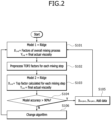
- FIG. 2 is a flow diagram of a method for generating a model for prediction of viscosity of a slurry according to one embodiment of the present invention.
- the processor 130 generates a first model Model 1 (for example, a model for extraction of mixing process data highly correlated with a final viscosity of the slurry and prediction of viscosity of the slurry) through training with N mixing process data (mixing process factors) X (X 1 to N ) and N final actual viscosity data Y (Y 1 to N ) using a predetermined algorithm (for example, Ridge algorithm) (S101).
- a predetermined algorithm for example, Ridge algorithm
- each of the N mixing process data (mixing process factors) X (X 1 to N ) may be represented by an average value and a shear rate for acquiring the N final actual viscosity data Y (Y 1 to N ) may be set to a predetermined value (for example, shear rate: 10).
- the processor 130 identifies at least one topmost factor TOP2 highly correlated with a final actual viscosity Y using the first model Model 1 and calculates multiple (for example, 46) top factors through preprocessing of the identified topmost factor TOP2 for each mixing step (S102).
- the processor 130 generates a second model Model 2 (for example, a model for extraction of mixing process data highly correlated with the final viscosity of the slurry and prediction of viscosity of the slurry) through training with the multiple (for example, 46) top factor data X (X 1 to N ) calculated for each mixing step and the final actual viscosity data Y (Y 1 to N ) using a predetermined algorithm (for example, Ridge algorithm) (S103).
- a second model Model 2 for example, a model for extraction of mixing process data highly correlated with the final viscosity of the slurry and prediction of viscosity of the slurry
- a predetermined algorithm for example, Ridge algorithm
- the processor 130 checks prediction accuracy of the second model Model 2 (S104). If the prediction accuracy of the second model is greater than or equal to a predetermined rate (for example, 90%) (or if the prediction accuracy of the second model is greater than the predetermined rate), the processor 130 retrains or updates the second model with new data (X N+1 , N+2 ,..., Y N+1 , N+2 ...) generated after modeling (S105). This procedure may be repeatedly performed whenever new data is generated.
- a predetermined rate for example, 90%
- the processor 130 may change the algorithm (for example, may change Ridge algorithm (a linear algorithm) to another algorithm (a non-linear algorithm) (S106).
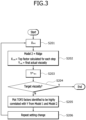
- FIG. 3 is a flow diagram of a method for changing mixing process conditions based on prediction of viscosity of a slurry according to one embodiment of the present invention.
- N+1 st data (X N+1 ) is input to the second model Model 2 upon start of mixing (S201)
- the processor 130 uses the second model Model 2 (S202) to calculate a final predictive viscosity Y ⁇ N+1 (S203).
- the processor 130 checks whether the calculated final predictive viscosity Y ⁇ N+1 is equal to a target viscosity (that is, a target slurry viscosity) (S204). If the calculated final predictive viscosity Y ⁇ N+1 is equal to the target viscosity (if Yes is selected in step S204), the processor 130 terminates a mixing process condition changing process.
- a target viscosity that is, a target slurry viscosity
- the processor 130 changes settings of mixing process data (mixing process factor) identified to be highly correlated with the final actual viscosity Y from the first model and the second model (that is, changes mixing process conditions) (S206) and inputs the mixing process data X N+1 , which is changed due to change of the settings, to the second model Model 2 to calculate a new final predictive viscosity Y ⁇ N+1 .
- This procedure (that is, a procedure of changing settings of mixing process factors (that is, changing mixing process conditions) and calculating a final predictive viscosity for achievement of a target viscosity) is repeated until the final predictive viscosity Y ⁇ N+1 meets the target viscosity (S207).
- the processor may control the mixing module 120 by calculating settings of mixing process factors (mixing process conditions) ensuring that the final predictive viscosity (Y ⁇ N+1 ) meets the target viscosity.
- the apparatus and method according to the present invention can provide real-time prediction of a final viscosity of a slurry during a mixing process based on mixing process data highly correlated with the final viscosity of the slurry and can control viscosity of the slurry to a target viscosity by changing mixing process conditions (that is, changing settings of mixing process factors) when viscosity of the slurry is predicted to be out of specification.
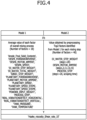
- FIG. 4 illustrates mixing process factors according to one embodiment of the present invention.
- a first model according to this embodiment determines correlation between viscosity of a slurry and 18 factors and a second model according to this embodiment determines correlation between viscosity of the slurry and 46 factors.
- a linear algorithm for example, Ridge algorithm
- the present invention is not limited thereto and various other algorithms may be used.
- FIG. 5 illustrates prediction accuracy of a first model and a second model with respect to viscosity of a slurry according to one embodiment of the present invention.
- a first model having an accuracy of 92.5% is generated through machine learning, two topmost factors is calculated from the first model, and a second model is generated through preprocessing of the two topmost factors for each mixing step.
- the second model produces improved slurry viscosity prediction results with an accuracy of 93% and a residual of 0.6, as compared with the first model.
- FIG. 6 illustrates test results of factors identified to be highly correlated with a final actual viscosity Y from a first model and a second model according to one embodiment of the present invention.
- the device may be implemented by suitable hardware, software, firmware, and the like.
- the method may be implemented on a device, such as a processor that generally refers to a processing device including a computer, a microprocessor, an integrated circuit, a programmable logic device, etc.
- the processor includes a communication device such as a computer, a cell phone, a personal digital assistant (PDA), and other devices that facilitate communication of information between the device and end-users.
- PDA personal digital assistant
Landscapes
- Chemical & Material Sciences (AREA)
- Chemical Kinetics & Catalysis (AREA)
- Engineering & Computer Science (AREA)
- Software Systems (AREA)
- General Engineering & Computer Science (AREA)
- Theoretical Computer Science (AREA)
- General Physics & Mathematics (AREA)
- Physics & Mathematics (AREA)
- Manufacturing & Machinery (AREA)
- Electrochemistry (AREA)
- General Chemical & Material Sciences (AREA)
- Data Mining & Analysis (AREA)
- Medical Informatics (AREA)
- Evolutionary Computation (AREA)
- Computing Systems (AREA)
- Computer Vision & Pattern Recognition (AREA)
- Mathematical Physics (AREA)
- Artificial Intelligence (AREA)
- Dispersion Chemistry (AREA)
- Automation & Control Theory (AREA)
- Battery Electrode And Active Subsutance (AREA)
Abstract
Description
- The present invention relates to an apparatus and method for controlling viscosity of a slurry for electrode active materials.
- In general, a process of manufacturing a secondary battery starts with mixing of raw materials.
- Viscosity of the mixed slurry can indicate a mixed state of the raw materials.
- Specifically, in the mixing process, an active material, a conductive material, and a binder are mixed with a solvent to form a slurry which in turn is supplied to a subsequent coating process.
- Viscosity of the slurry thus prepared is required to meet prescribed specifications due to effects thereof not only on operation of the mixing process but also on the quality of subsequent processes.
- In order to determine the viscosity of the slurry, the slurry is sampled immediately after the mixing process, followed by measurement of the viscosity of the slurry using a separate viscometer. When the measured viscosity of the slurry is out of specification, the viscosity of the slurry is controlled by changing conditions of the mixing process.
- Such a sampling type slurry viscosity measurement method has a problem in that viscosity of a slurry can change during preparation for measurement and an additional complicated process, such as manual sampling by an operator using a separate measuring instrument, is required, causing additional consumption of resources, such as manpower and time.
- Therefore, there is a need for technology that can achieve slurry viscosity meeting target specifications through real-time prediction of viscosity of a slurry while reducing errors in measurement of the viscosity of the slurry and eliminating the necessity of additional manual work and additional resource consumption.
- The background technique of the present invention is disclosed in
Korean Patent Registration No. 10-1985801 (May 29, 2019 - The present invention has been conceived to solve such problems in the art and it is an aspect of the present invention to provide an apparatus and method for controlling viscosity of a slurry, which can predict a final viscosity of the slurry in real time during a mixing process based on mixing process data highly correlated with the final viscosity and can control the viscosity of the slurry by changing conditions of the mixing process when the viscosity of the slurry is predicted to be out of specification.
- In accordance with one aspect of the present invention, an apparatus for controlling viscosity of a slurry includes: a mixing module mixing raw materials for a secondary battery; and a processor performing machine learning for prediction of viscosity of the slurry, predicting viscosity of the slurry in real time during a mixing process through machine learning, and adjusting conditions of the mixing process performed by the mixing module such that a predictive viscosity of the slurry meets a target viscosity.
- The processor may extract at least one mixing process datum highly correlated with viscosity of the slurry from multiple mixing process data through machine learning and may perform prediction of viscosity of the slurry based thereon.
- The processor may generate a first model through training with N mixing process data and N final actual viscosity data using a predetermined algorithm, wherein the first model is a model for extraction of mixing process data highly correlated with a final viscosity of the slurry and prediction of viscosity of the slurry.
- The processor may identify at least one topmost factor highly correlated with a final actual viscosity using a first model, may calculate multiple top factor data through preprocessing of the identified topmost factor for each mixing step, and may generate a second model through training with the multiple top factor data calculated for each mixing step and final actual viscosity data using a predetermined algorithm, wherein the second model is a model for extraction of mixing process data highly correlated with a final viscosity of the slurry and prediction of viscosity of the slurry.
- The processor may check prediction accuracy of the second model. If the prediction accuracy of the second model is greater than or equal to a predetermined rate, the processor may retrain or update the second model each time new data is generated and, if the prediction accuracy of the second model is less than the predetermined rate, the processor may change the algorithm.
- The processor may control the mixing module by: calculating a final predictive viscosity by inputting mixing process data to a second model upon start of mixing; calculating a new final predictive viscosity by changing settings of mixing process data identified to be highly correlated with a final actual viscosity of the slurry from a first model and the second model and inputting the mixing process data changed due to change of the settings back to the second model, if the final predictive viscosity does not meet the target viscosity; and calculating settings of mixing process factors ensuring that the final predictive viscosity meets the target viscosity by repeating a procedure of changing settings of mixing process data and calculating a final predictive viscosity until the final predictive viscosity is equal to the target viscosity.
- In accordance with another aspect of the present invention, a method for controlling viscosity of a slurry includes: controlling, by a processor, a mixing module to mix raw materials for a secondary battery; performing, by the processor, machine learning for prediction of viscosity of the slurry and predicting viscosity of the slurry in real time during a mixing process through machine learning; and adjusting, by the processor, conditions of the mixing process performed by the mixing module such that a predictive viscosity of the slurry meets a target viscosity.
- In the step of predicting viscosity of the slurry in real time, the processor may extract at least one mixing process datum highly correlated with viscosity of the slurry from multiple mixing process data through machine learning and may perform prediction of viscosity of the slurry based thereon.
- In order to predict viscosity of the slurry in real time, the processor generates a first model through training with N mixing process data and N final actual viscosity data using a predetermined algorithm, wherein the first model is a model for extraction of mixing process data highly correlated with a final viscosity of the slurry and prediction of viscosity of the slurry.
- In order to predict viscosity of the slurry in real time, the processor may identify at least one topmost factor highly correlated with a final actual viscosity using a first model, may calculate multiple top factor data through preprocessing of the identified topmost factor for each mixing step, and may generate a second model through training with the multiple top factor data calculated for each mixing step and final actual viscosity data using a predetermined algorithm, wherein the second model is a model for extraction of mixing process data highly correlated with a final viscosity of the slurry and prediction of viscosity of the slurry.
- The processor may check prediction accuracy of the second model. If the prediction accuracy of the second model is greater than or equal to a predetermined rate, the processor may retrain or update the second model each time new data is generated and, if the prediction accuracy of the second model is less than the predetermined rate, the processor may change the algorithm.
- In the step of adjusting conditions of the mixing process performed by the mixing module, the processor may control the mixing module by: calculating a final predictive viscosity by inputting mixing process data to a second model upon start of mixing; calculating a new final predictive viscosity by changing settings of mixing process data identified to be highly correlated with a final actual viscosity of the slurry from a first model and the second model and inputting the mixing process data changed due to change of the settings back to the second model, if the final predictive viscosity does not meet the target viscosity; and calculating settings of mixing process factors ensuring that the final predictive viscosity meets the target viscosity by repeating a procedure of changing settings of mixing process data and calculating a final predictive viscosity until the final predictive viscosity meets the target viscosity.
- The apparatus and method for controlling viscosity of a slurry according to the present invention can predict a final viscosity of the slurry in real time during a mixing process based on mixing process data highly correlated with the final viscosity and can control the viscosity of the slurry by changing conditions of the mixing process when viscosity of the slurry is predicted to be out of specification.
- The apparatus and method for controlling viscosity of a slurry according to the present invention can achieve slurry viscosity meeting desired specifications through real-time prediction of viscosity of a slurry while reducing errors in measurement of viscosity of the slurry and eliminating the necessity of additional manual work and additional resource consumption.
-
-
FIG. 1 is a schematic block diagram of an apparatus for controlling viscosity of a slurry according to one embodiment of the present invention. -
FIG. 2 is a flow diagram of a method for generating a model for prediction of viscosity of a slurry according to one embodiment of the present invention. -
FIG. 3 is a flow diagram of a method for changing mixing process conditions based on prediction of viscosity of a slurry according to one embodiment of the present invention. -
FIG. 4 illustrates mixing process factors according to one embodiment of the present invention. -
FIG. 5 illustrates prediction accuracy of a first model and a second model with respect to viscosity of a slurry according to one embodiment of the present invention. -
FIG. 6 illustrates test results of factors identified to be highly correlated with a final actual viscosity (Y) from a first model and a second model according to one embodiment of the present invention. - Herein, some embodiments of the present disclosure will be described, in further detail, with reference to the accompanying drawings. The terms or words used in this specification and claims should not be construed as being limited to the usual or dictionary meaning and should be interpreted to have a meaning and concept consistent with the technical idea of the present disclosure based and on the principle that the inventor can be their own lexicographer to appropriately define the concept of the term to explain their invention in the best way.
- The embodiments described in this specification and the configurations shown in the drawings represent some of the embodiments of the present disclosure and do not necessarily represent all of the technical ideas, aspects, and features of the present disclosure. Accordingly, it is to be understood that there may be various equivalents and modifications that may replace or modify the embodiments described herein at the time of filing this application.
- It is to be understood that when an element or layer is referred to as being "on," "connected to," or "coupled to" another element or layer, it may be directly on, connected, or coupled to the other element or layer or one or more intervening elements or layers may also be present. When an element or layer is referred to as being "directly on," "directly connected to," or "directly coupled to" another element or layer, there are no intervening elements or layers present. When a first element is described as being "coupled" or "connected" to a second element, the first element may be directly coupled or connected to the second element or the first element may be indirectly coupled or connected to the second element via one or more intervening elements.
- In the figures, dimensions of the various elements, layers, etc. may be exaggerated for clarity of illustration. The same reference numerals designate the same or similar elements. As used herein, the term "and/or" includes any and all combinations of one or more of the associated listed items. Further, the use of "may" when describing embodiments of the present disclosure relates to "one or more embodiments of the present disclosure." Expressions, such as "at least one of" and "any one of," when preceding a list of elements, modify the entire list of elements and do not modify the individual elements of the list. When phrases such as "at least one of A, B, and C," "at least one of A, B, or C," "at least one selected from a group of A, B, and C," or "at least one selected from among A, B, and C" are used to designate a list of elements A, B, and C, the phrase may refer to any and all suitable combinations or a subset of A, B, and C, such as A, B, C, A and B, A and C, B and C, or A and B and C. As used herein, the terms "use," "using," and "used" may be considered synonymous with the terms "utilize," "utilizing," and "utilized," respectively. As used herein, the terms "substantially," "about," and similar terms are used as terms of approximation and not as terms of degree, and are intended to account for the inherent variations in measured or calculated values that would be recognized by those of ordinary skill in the art.
- It is to be understood that, although the terms "first," "second," "third," etc. may be used herein to describe various elements, components, regions, layers, and/or sections, these elements, components, regions, layers, and/or sections are not to be limited by these terms. These terms are used to distinguish one element, component, region, layer, or section from another element, component, region, layer, or section. Thus, a first element, component, region, layer, or section discussed below could be termed a second element, component, region, layer, or section without departing from the teachings of example embodiments.
- Spatially relative terms, such as "beneath," "below," "lower," "above," "upper," and the like, may be used herein for ease of description to describe one element or feature's relationship to another element(s) or feature(s) as illustrated in the figures. It is to be understood that the spatially relative terms are intended to encompass different orientations of the device in use or operation in addition to the orientation depicted in the figures. For example, if the device in the figures is turned over, elements described as "below" or "beneath" other elements or features would then be oriented "above" or "over" the other elements or features. Thus, the term "below" may encompass both an orientation of above and below. The device may be otherwise oriented (rotated 90 degrees or at other orientations), and the spatially relative descriptors used herein should be interpreted accordingly.
- The terminology used herein is for the purpose of describing embodiments of the present disclosure and is not intended to be limiting of the present disclosure. As used herein, the singular forms "a" and "an" are intended to include the plural forms as well, unless the context clearly indicates otherwise. It is to be further understood that the terms "includes," "including," "comprises," and/or "comprising," when used in this specification, specify the presence of stated features, integers, steps, operations, elements, and/or components but do not preclude the presence or addition of one or more other features, integers, steps, operations, elements, components, and/or groups thereof.
- Also, any numerical range disclosed and/or recited herein is intended to include all sub-ranges of the same numerical precision subsumed within the recited range. For example, a range of "1.0 to 10.0" is intended to include all subranges between (and including) the recited minimum value of 1.0 and the recited maximum value of 10.0, that is, having a minimum value equal to or greater than 1.0 and a maximum value equal to or less than 10.0, such as, for example, 2.4 to 7.6. Any maximum numerical limitation recited herein is intended to include all lower numerical limitations subsumed therein, and any minimum numerical limitation recited in this specification is intended to include all higher numerical limitations subsumed therein. Accordingly, Applicant reserves the right to amend this specification, including the claims, to expressly recite any sub-range subsumed within the ranges expressly recited herein.
- References to two compared elements, features, etc. as being "the same" may mean that they are "substantially the same." Thus, the phrase "substantially the same" may include a case having a deviation that is considered low in the art, for example, a deviation of 5% or less. In addition, when a certain parameter is referred to as being uniform in a given region, it may mean that it is uniform in terms of an average.
- Throughout the specification, unless otherwise stated, each element may be singular or plural.
- When an arbitrary element is referred to as being disposed (or located or positioned) on the "above (or below)" or "on (or under)" a component, it may mean that the arbitrary element is placed in contact with the upper (or lower) surface of the component and may also mean that another component may be interposed between the component and any arbitrary element disposed (or located or positioned) on (or under) the component.
- In addition, it is to be understood that when an element is referred to as being "coupled," "linked," or "connected" to another element, the elements may be directly "coupled," "linked," or "connected" to each other, or one or more intervening elements may be present therebetween, through which the element may be "coupled," "linked," or "connected" to another element. In addition, when a part is referred to as being "electrically coupled" to another part, the part may be directly electrically connected to the another part or one or more intervening parts may be present therebetween such that the part and the another part are indirectly electrically connected to each other.
- Throughout the specification, when "A and/or B" is stated, it means A, B, or A and B, unless otherwise stated. That is, "and/or" includes any or all combinations of a plurality of items enumerated. When "C to D" is stated, it means C or more and D or less, unless otherwise specified.
-
FIG. 1 is a schematic block diagram of an apparatus for controlling viscosity of a slurry according to one embodiment of the present invention. - Referring to
FIG. 1 , the apparatus for controlling viscosity of a slurry according to this embodiment may include asensing module 110, a mixing module 120 (for example, a planetary despa (P/D) mixer), aprocessor 130, and astorage module 140. - The
sensing module 110 may detect information about operation of the mixing module 120 (for example, a P/D mixer) (or information about a status of a mixing process). Thesensing module 110 may include multiple sensors (for example, a temperature sensor, an infrared sensor, a camera sensor, a current detection sensor, etc.) adapted to detect information about operation of the mixing module 120 (or information about the status of a mixing process). - The
processor 130 may perform machine learning (or deep learning) for prediction of the viscosity of the slurry and may predict the viscosity of the slurry in real time during a mixing process through machine learning (or deep learning). - The mixing process causes changes in size of solids in the slurry and thus changes in viscosity of the slurry depending on the surface area fraction of the solids dispersed in the slurry. In order to perform dispersion of the solids, a specific blade (for example, a planetary blade, a Despa blade, etc.) is rotated at a predetermined power. Here, depending on conditions of the mixing process, the degree of dispersion of the solids varies, causing variation in viscosity of the slurry. Rheological studies have also shown that there is a correlation between power required to rotate the blade and viscosity of the slurry, which indicates that viscosity of the slurry can be estimated backwards from the conditions of the mixing process performed by the blade.
- The
processor 130 may perform prediction of viscosity of the slurry (or develop a model for prediction of viscosity of the slurry) by extracting mixing process data (that is, a mixing process factor) highly correlated with viscosity of the slurry from multiple mixing process data (that is, multiple mixing process factors) through machine learning. - The
processor 130 may extract mixing process data (mixing process factor) highly correlated with a final viscosity of the slurry from multiple mixing process data (multiple mixing process factors) and may predict the final viscosity of the slurry based on the extracted mixing process data (mixing process factor). - The
storage module 140 may store the multiple mixing process data (mixing process factors), such as power of a mixer, rpm of the blade, and operating time of the blade. - The
storage module 140 may store a model for prediction of viscosity of the slurry. - In the following, a method for controlling viscosity of a slurry to meet specifications by changing mixing process conditions based on prediction of viscosity of the slurry will be described with reference to
FIG. 2 andFIG. 3 . -
FIG. 2 is a flow diagram of a method for generating a model for prediction of viscosity of a slurry according to one embodiment of the present invention. - Referring to
FIG. 2 , theprocessor 130 generates a first model Model 1 (for example, a model for extraction of mixing process data highly correlated with a final viscosity of the slurry and prediction of viscosity of the slurry) through training with N mixing process data (mixing process factors) X (X1 to N) and N final actual viscosity data Y (Y1 to N) using a predetermined algorithm (for example, Ridge algorithm) (S101). - Here, each of the N mixing process data (mixing process factors) X (X1 to N) (that is, mixing process factors) may be represented by an average value and a shear rate for acquiring the N final actual viscosity data Y (Y1 to N) may be set to a predetermined value (for example, shear rate: 10).
- The
processor 130 identifies at least one topmost factor TOP2 highly correlated with a final actual viscosity Y using thefirst model Model 1 and calculates multiple (for example, 46) top factors through preprocessing of the identified topmost factor TOP2 for each mixing step (S102). - The
processor 130 generates a second model Model 2 (for example, a model for extraction of mixing process data highly correlated with the final viscosity of the slurry and prediction of viscosity of the slurry) through training with the multiple (for example, 46) top factor data X (X1 to N) calculated for each mixing step and the final actual viscosity data Y (Y1 to N) using a predetermined algorithm (for example, Ridge algorithm) (S103). - The
processor 130 checks prediction accuracy of the second model Model 2 (S104). If the prediction accuracy of the second model is greater than or equal to a predetermined rate (for example, 90%) (or if the prediction accuracy of the second model is greater than the predetermined rate), theprocessor 130 retrains or updates the second model with new data (XN+1, N+2,..., YN+1, N+2...) generated after modeling (S105). This procedure may be repeatedly performed whenever new data is generated. - If the prediction accuracy of the
second model Model 2 is less than the predetermined rate (for example, 90%) (if No is selected in step S104), theprocessor 130 may change the algorithm (for example, may change Ridge algorithm (a linear algorithm) to another algorithm (a non-linear algorithm) (S106). -
FIG. 3 is a flow diagram of a method for changing mixing process conditions based on prediction of viscosity of a slurry according to one embodiment of the present invention. - Referring to
FIG. 3 , when N+1st data (XN+1) is input to thesecond model Model 2 upon start of mixing (S201), theprocessor 130 uses the second model Model 2 (S202) to calculate a final predictive viscosity Y^N+1 (S203). - The
processor 130 checks whether the calculated final predictive viscosity Y^N+1 is equal to a target viscosity (that is, a target slurry viscosity) (S204). If the calculated final predictive viscosity Y^N+1 is equal to the target viscosity (if Yes is selected in step S204), theprocessor 130 terminates a mixing process condition changing process. - If the calculated final predictive viscosity Y^N+1 is not equal to the target viscosity (that is, the target slurry viscosity) (if No is selected in step S204), the
processor 130 changes settings of mixing process data (mixing process factor) identified to be highly correlated with the final actual viscosity Y from the first model and the second model (that is, changes mixing process conditions) (S206) and inputs the mixing process data XN+1, which is changed due to change of the settings, to thesecond model Model 2 to calculate a new final predictive viscosity Y^N+1. - This procedure (that is, a procedure of changing settings of mixing process factors (that is, changing mixing process conditions) and calculating a final predictive viscosity for achievement of a target viscosity) is repeated until the final predictive viscosity Y^N+1 meets the target viscosity (S207).
- In this way, the processor may control the
mixing module 120 by calculating settings of mixing process factors (mixing process conditions) ensuring that the final predictive viscosity (Y^N+1) meets the target viscosity. - As described above, the apparatus and method according to the present invention can provide real-time prediction of a final viscosity of a slurry during a mixing process based on mixing process data highly correlated with the final viscosity of the slurry and can control viscosity of the slurry to a target viscosity by changing mixing process conditions (that is, changing settings of mixing process factors) when viscosity of the slurry is predicted to be out of specification.
-
FIG. 4 illustrates mixing process factors according to one embodiment of the present invention. - Referring to
FIG. 4 , a first model according to this embodiment determines correlation between viscosity of a slurry and 18 factors and a second model according to this embodiment determines correlation between viscosity of the slurry and 46 factors. Although a linear algorithm (for example, Ridge algorithm) was used to generate the first model and the second model, it will be understood that the present invention is not limited thereto and various other algorithms may be used. -
FIG. 5 illustrates prediction accuracy of a first model and a second model with respect to viscosity of a slurry according to one embodiment of the present invention. - Referring to
FIG. 5 , a first model having an accuracy of 92.5% is generated through machine learning, two topmost factors is calculated from the first model, and a second model is generated through preprocessing of the two topmost factors for each mixing step. The second model produces improved slurry viscosity prediction results with an accuracy of 93% and a residual of 0.6, as compared with the first model. -
FIG. 6 illustrates test results of factors identified to be highly correlated with a final actual viscosity Y from a first model and a second model according to one embodiment of the present invention. - Referring to
FIG. 6 , from the first model, two factors (for example, DI WATER_STEP WEIGHT and DESPA_MOTOR_AMPERE) were identified to be highly correlated with the final actual viscosity and, from the second model, DESPA_MOTOR_AMPERE (step 11) and PROCESS_STEP (step 1) were identified to be highly correlated with the final actual viscosity based on results of analysis of correlation between viscosity of a slurry and the two topmost factors identified from the first model for each mixing step. - Although some embodiments have been described herein, it should be understood that these embodiments are provided for illustration only and are not to be construed in any way as limiting the present invention, and that various modifications, changes, alterations, and equivalent embodiments can be made by those skilled in the art without departing from the scope of the invention. Therefore, the scope of the present invention should be defined by the appended claims. In addition, the embodiments described herein may be implemented, for example, as a method or process, a device, a software program, a data stream, or a signal. Although discussed in the context of a single type of implementation (for example, discussed only as a method), features discussed herein may also be implemented in other forms (for example, a device or a program). The device may be implemented by suitable hardware, software, firmware, and the like. The method may be implemented on a device, such as a processor that generally refers to a processing device including a computer, a microprocessor, an integrated circuit, a programmable logic device, etc. The processor includes a communication device such as a computer, a cell phone, a personal digital assistant (PDA), and other devices that facilitate communication of information between the device and end-users.
Claims (12)
- An apparatus for controlling viscosity of a slurry, comprising:a mixing module for mixing raw materials for a secondary battery; anda processor configured to perform machine learning for prediction of viscosity of the slurry, predict viscosity of the slurry in real time during a mixing process through machine learning, and to adjust conditions of the mixing process performed by the mixing module such that a predictive viscosity of the slurry meets a target viscosity.
- The apparatus according to claim 1, wherein the processor is configured to extract at least one mixing process datum highly correlated with viscosity of the slurry from multiple mixing process data through machine learning and performs prediction of viscosity of the slurry based thereon.
- The apparatus according to claim 1 or 2, wherein the processor is configured to generate a first model through training with N mixing process data and N final actual viscosity data using a predetermined algorithm, the first model being a model for extraction of mixing process data highly correlated with a final viscosity of the slurry and prediction of viscosity of the slurry.
- The apparatus according to claim 1, 2 or 3, wherein the processor is configured to, identify at least one topmost factor highly correlated with a final actual viscosity using a first model, calculate multiple top factor data through preprocessing of the identified topmost factor for each mixing step, and generate a second model through training with the multiple top factor data calculated for each mixing step and final actual viscosity data using a predetermined algorithm, the second model being a model for extraction of mixing process data highly correlated with a final viscosity of the slurry and prediction of viscosity of the slurry.
- The apparatus according to claim 4, wherein:the processor is configured to check prediction accuracy of the second model; and,if the prediction accuracy of the second model is greater than or equal to a predetermined rate, the processor retrains or updates the second model each time new data is generated and, if the prediction accuracy of the second model is less than the predetermined rate, the processor changes the algorithm.
- The apparatus according to any one of claims 1 to 5, wherein the processor is configured to control the mixing module by:calculating a final predictive viscosity by inputting mixing process data to a second model upon start of mixing;calculating a new final predictive viscosity by changing settings of mixing process data identified to be highly correlated with a final actual viscosity of the slurry from a first model and the second model and inputting the mixing process data changed due to change of the settings to the second model, if the final predictive viscosity does not meet the target viscosity; andcalculating settings of mixing process factors ensuring that the final predictive viscosity meets the target viscosity by repeating a procedure of changing settings of mixing process data and calculating a final predictive viscosity until the final predictive viscosity meets the target viscosity.
- A method for controlling viscosity of a slurry, comprising:controlling, by a processor, a mixing module to mix raw materials for a secondary battery;performing, by the processor, machine learning for prediction of viscosity of the slurry and predicting viscosity of the slurry in real time during a mixing process through machine learning; andadjusting, by the processor, conditions of the mixing process performed by the mixing module such that a predictive viscosity of the slurry meets a target viscosity.
- The method according to claim 7, wherein, in the step of predicting viscosity of the slurry in real time, the processor extracts at least one mixing process datum highly correlated with viscosity of the slurry from multiple mixing process data through machine learning and performs prediction of viscosity of the slurry based thereon.
- The method according to claim 7 or 8, wherein, in order to predict viscosity of the slurry in real time, the processor generates a first model through training with N mixing process data and N final actual viscosity data using a predetermined algorithm, the first model being a model for extraction of mixing process data highly correlated with a final viscosity of the slurry and prediction of viscosity of the slurry.
- The method according to claim 7, 8 or 9, wherein, in order to predict viscosity of the slurry in real time, the processor identifies at least one topmost factor highly correlated with a final actual viscosity using a first model, calculates multiple top factor data through preprocessing of the identified topmost factor for each mixing step, and generates a second model through training with the multiple top factor data calculated for each mixing step and final actual viscosity data using a predetermined algorithm, the second model being a model for extraction of mixing process data highly correlated with a final viscosity of the slurry and prediction of viscosity of the slurry.
- The method according to claim 10, wherein:the processor checks prediction accuracy of the second model; and,when the prediction accuracy of the second model is greater than or equal to a predetermined rate, the processor retrains or updates the second model each time new data is generated and, when the prediction accuracy of the second model is less than the predetermined rate, the processor changes the algorithm.
- The method according to any one of claims 7 to 11, wherein, in the step of adjusting conditions of the mixing process performed by the mixing module, the processor controls the mixing module by:calculating a final predictive viscosity by inputting mixing process data to a second model upon start of mixing;calculating a new final predictive viscosity by changing settings of mixing process data identified to be highly correlated with a final actual viscosity of the slurry from a first model and the second model and inputting the mixing process data changed due to change of the settings back to the second model, if the final predictive viscosity does not meet the target viscosity; andcalculating settings of mixing process factors ensuring that the final predictive viscosity meets the target viscosity by repeating a procedure of changing settings of mixing process data and calculating a final predictive viscosity until the final predictive viscosity meets the target viscosity.
Applications Claiming Priority (1)
| Application Number | Priority Date | Filing Date | Title |
|---|---|---|---|
| KR1020230106081A KR20250025531A (en) | 2023-08-14 | 2023-08-14 | Apparatus for controlling viscosity of slurry and method thereof |
Publications (2)
| Publication Number | Publication Date |
|---|---|
| EP4509941A1 true EP4509941A1 (en) | 2025-02-19 |
| EP4509941B1 EP4509941B1 (en) | 2026-02-18 |
Family
ID=89073368
Family Applications (1)
| Application Number | Title | Priority Date | Filing Date |
|---|---|---|---|
| EP23213814.9A Active EP4509941B1 (en) | 2023-08-14 | 2023-12-01 | Apparatus and method for predicting and controlling viscosity of slurry |
Country Status (4)
| Country | Link |
|---|---|
| US (1) | US20250058291A1 (en) |
| EP (1) | EP4509941B1 (en) |
| KR (1) | KR20250025531A (en) |
| CN (1) | CN119488838A (en) |
Citations (4)
| Publication number | Priority date | Publication date | Assignee | Title |
|---|---|---|---|---|
| KR101985801B1 (en) | 2015-07-02 | 2019-06-04 | 주식회사 엘지화학 | Method for controlling viscosity of electrode active material slurry of the secondary battery and apparatus for manufacturing electrode active material slurry of the secondary battery |
| US20220410099A1 (en) * | 2019-11-28 | 2022-12-29 | Basf Se | Method and controlling system for controlling polymer viscosity quality |
| US20230119336A1 (en) * | 2020-07-03 | 2023-04-20 | Daikin Industries, Ltd. | Prediction device, calculation device, manufacturing device, and manufacturing method |
| CN116297020A (en) * | 2023-04-06 | 2023-06-23 | 深圳智造无维科技有限公司 | A lithium battery slurry viscosity prediction method, system and electronic equipment thereof |
-
2023
- 2023-08-14 KR KR1020230106081A patent/KR20250025531A/en active Pending
- 2023-12-01 EP EP23213814.9A patent/EP4509941B1/en active Active
- 2023-12-08 US US18/533,664 patent/US20250058291A1/en active Pending
-
2024
- 2024-06-25 CN CN202410829807.XA patent/CN119488838A/en active Pending
Patent Citations (4)
| Publication number | Priority date | Publication date | Assignee | Title |
|---|---|---|---|---|
| KR101985801B1 (en) | 2015-07-02 | 2019-06-04 | 주식회사 엘지화학 | Method for controlling viscosity of electrode active material slurry of the secondary battery and apparatus for manufacturing electrode active material slurry of the secondary battery |
| US20220410099A1 (en) * | 2019-11-28 | 2022-12-29 | Basf Se | Method and controlling system for controlling polymer viscosity quality |
| US20230119336A1 (en) * | 2020-07-03 | 2023-04-20 | Daikin Industries, Ltd. | Prediction device, calculation device, manufacturing device, and manufacturing method |
| CN116297020A (en) * | 2023-04-06 | 2023-06-23 | 深圳智造无维科技有限公司 | A lithium battery slurry viscosity prediction method, system and electronic equipment thereof |
Also Published As
| Publication number | Publication date |
|---|---|
| KR20250025531A (en) | 2025-02-24 |
| CN119488838A (en) | 2025-02-21 |
| US20250058291A1 (en) | 2025-02-20 |
| EP4509941B1 (en) | 2026-02-18 |
Similar Documents
| Publication | Publication Date | Title |
|---|---|---|
| CN104991189B (en) | A kind of on-line calibration method of battery charge state | |
| EP4107588A1 (en) | Systems, methods, and media for manufacturing processes | |
| CN107958988B (en) | Knowledge-based decision-making method for lithium battery coating production | |
| EP4509941A1 (en) | Apparatus and method for predicting and controlling viscosity of slurry | |
| CN112051506B (en) | A similar product transferable sample screening method, system and use | |
| US20240096454A1 (en) | High Throughput Materials Screening | |
| US4692346A (en) | Method and apparatus for controlling the surface chemistry on objects plated in an electroless plating bath | |
| CN113289541A (en) | Mixer control system and method based on uniformity prediction | |
| CN114768987A (en) | DCS-based heavy medium ash content control method and system for coal preparation plant | |
| CN112882959B (en) | Project risk judging method, device, equipment and readable storage medium | |
| CN113289542B (en) | Mixing machine control system and method based on optimal mixing energy efficiency ratio | |
| CN111045407B (en) | Method and device for controlling production of corrosion foil | |
| CN110202697B (en) | Concrete mixing device and control method thereof | |
| JP2017173056A (en) | Calculation system and calculation method of hansen solubility parameter | |
| US11525794B2 (en) | Uniformity property acquisition apparatus, method of acquiring uniformity property and non-transitory computer-readable recording medium | |
| CN117525491A (en) | Dimension reduction simplifying method, device, equipment and medium for fuel cell stack model | |
| CN119370789A (en) | Method and device for obtaining cell fluid volume | |
| CN113033109B (en) | Learning-based industrial network system edge perception and control design method | |
| CN116901170A (en) | Intelligent control method, system, terminal and media based on CCM coil slitting machine | |
| CN118197459A (en) | Product quality determination method, device, electronic device and storage medium | |
| JP2023058374A (en) | Oil deterioration detection device, oil deterioration detection system and oil deterioration detection method | |
| CN104502267A (en) | Electrochemical noise corrosion type distinguishing method based on support vector machine | |
| US20260081453A1 (en) | Apparatus and method for controlling recharging of a battery | |
| US12474238B2 (en) | High throughput materials screening | |
| WO2026040090A1 (en) | Method, system and storage medium for evaluating slurry performance and for controlling slurry mixing, and slurry processing system |
Legal Events
| Date | Code | Title | Description |
|---|---|---|---|
| PUAI | Public reference made under article 153(3) epc to a published international application that has entered the european phase |
Free format text: ORIGINAL CODE: 0009012 |
|
| STAA | Information on the status of an ep patent application or granted ep patent |
Free format text: STATUS: THE APPLICATION HAS BEEN PUBLISHED |
|
| AK | Designated contracting states |
Kind code of ref document: A1 Designated state(s): AL AT BE BG CH CY CZ DE DK EE ES FI FR GB GR HR HU IE IS IT LI LT LU LV MC ME MK MT NL NO PL PT RO RS SE SI SK SM TR |
|
| STAA | Information on the status of an ep patent application or granted ep patent |
Free format text: STATUS: REQUEST FOR EXAMINATION WAS MADE |
|
| GRAP | Despatch of communication of intention to grant a patent |
Free format text: ORIGINAL CODE: EPIDOSNIGR1 |
|
| STAA | Information on the status of an ep patent application or granted ep patent |
Free format text: STATUS: GRANT OF PATENT IS INTENDED |
|
| 17P | Request for examination filed |
Effective date: 20250819 |
|
| INTG | Intention to grant announced |
Effective date: 20250916 |
|
| GRAS | Grant fee paid |
Free format text: ORIGINAL CODE: EPIDOSNIGR3 |
|
| GRAA | (expected) grant |
Free format text: ORIGINAL CODE: 0009210 |
|
| STAA | Information on the status of an ep patent application or granted ep patent |
Free format text: STATUS: THE PATENT HAS BEEN GRANTED |
|
| AK | Designated contracting states |
Kind code of ref document: B1 Designated state(s): AL AT BE BG CH CY CZ DE DK EE ES FI FR GB GR HR HU IE IS IT LI LT LU LV MC ME MK MT NL NO PL PT RO RS SE SI SK SM TR |
|
| REG | Reference to a national code |
Ref country code: CH Ref legal event code: F10 Free format text: ST27 STATUS EVENT CODE: U-0-0-F10-F00 (AS PROVIDED BY THE NATIONAL OFFICE) Effective date: 20260218 Ref country code: GB Ref legal event code: FG4D |
|
| REG | Reference to a national code |
Ref country code: DE Ref legal event code: R096 Ref document number: 602023012180 Country of ref document: DE |
|
| REG | Reference to a national code |
Ref country code: IE Ref legal event code: FG4D |