EP4495833A1 - Driver state assessment method and apparatus, electronic device, and storage medium - Google Patents
Driver state assessment method and apparatus, electronic device, and storage medium Download PDFInfo
- Publication number
- EP4495833A1 EP4495833A1 EP22963186.6A EP22963186A EP4495833A1 EP 4495833 A1 EP4495833 A1 EP 4495833A1 EP 22963186 A EP22963186 A EP 22963186A EP 4495833 A1 EP4495833 A1 EP 4495833A1
- Authority
- EP
- European Patent Office
- Prior art keywords
- driver
- information
- analysis
- fusion
- vector
- Prior art date
- Legal status (The legal status is an assumption and is not a legal conclusion. Google has not performed a legal analysis and makes no representation as to the accuracy of the status listed.)
- Pending
Links
Images




Classifications
-
- B—PERFORMING OPERATIONS; TRANSPORTING
- B60—VEHICLES IN GENERAL
- B60W—CONJOINT CONTROL OF VEHICLE SUB-UNITS OF DIFFERENT TYPE OR DIFFERENT FUNCTION; CONTROL SYSTEMS SPECIALLY ADAPTED FOR HYBRID VEHICLES; ROAD VEHICLE DRIVE CONTROL SYSTEMS FOR PURPOSES NOT RELATED TO THE CONTROL OF A PARTICULAR SUB-UNIT
- B60W40/00—Estimation or calculation of non-directly measurable driving parameters for road vehicle drive control systems not related to the control of a particular sub unit, e.g. by using mathematical models
- B60W40/08—Estimation or calculation of non-directly measurable driving parameters for road vehicle drive control systems not related to the control of a particular sub unit, e.g. by using mathematical models related to drivers or passengers
-
- B—PERFORMING OPERATIONS; TRANSPORTING
- B60—VEHICLES IN GENERAL
- B60W—CONJOINT CONTROL OF VEHICLE SUB-UNITS OF DIFFERENT TYPE OR DIFFERENT FUNCTION; CONTROL SYSTEMS SPECIALLY ADAPTED FOR HYBRID VEHICLES; ROAD VEHICLE DRIVE CONTROL SYSTEMS FOR PURPOSES NOT RELATED TO THE CONTROL OF A PARTICULAR SUB-UNIT
- B60W40/00—Estimation or calculation of non-directly measurable driving parameters for road vehicle drive control systems not related to the control of a particular sub unit, e.g. by using mathematical models
- B60W40/08—Estimation or calculation of non-directly measurable driving parameters for road vehicle drive control systems not related to the control of a particular sub unit, e.g. by using mathematical models related to drivers or passengers
- B60W40/09—Driving style or behaviour
-
- G—PHYSICS
- G06—COMPUTING OR CALCULATING; COUNTING
- G06N—COMPUTING ARRANGEMENTS BASED ON SPECIFIC COMPUTATIONAL MODELS
- G06N3/00—Computing arrangements based on biological models
- G06N3/02—Neural networks
- G06N3/04—Architecture, e.g. interconnection topology
- G06N3/044—Recurrent networks, e.g. Hopfield networks
-
- G—PHYSICS
- G06—COMPUTING OR CALCULATING; COUNTING
- G06N—COMPUTING ARRANGEMENTS BASED ON SPECIFIC COMPUTATIONAL MODELS
- G06N3/00—Computing arrangements based on biological models
- G06N3/02—Neural networks
- G06N3/04—Architecture, e.g. interconnection topology
- G06N3/045—Combinations of networks
-
- G—PHYSICS
- G06—COMPUTING OR CALCULATING; COUNTING
- G06N—COMPUTING ARRANGEMENTS BASED ON SPECIFIC COMPUTATIONAL MODELS
- G06N3/00—Computing arrangements based on biological models
- G06N3/02—Neural networks
- G06N3/08—Learning methods
-
- B—PERFORMING OPERATIONS; TRANSPORTING
- B60—VEHICLES IN GENERAL
- B60W—CONJOINT CONTROL OF VEHICLE SUB-UNITS OF DIFFERENT TYPE OR DIFFERENT FUNCTION; CONTROL SYSTEMS SPECIALLY ADAPTED FOR HYBRID VEHICLES; ROAD VEHICLE DRIVE CONTROL SYSTEMS FOR PURPOSES NOT RELATED TO THE CONTROL OF A PARTICULAR SUB-UNIT
- B60W40/00—Estimation or calculation of non-directly measurable driving parameters for road vehicle drive control systems not related to the control of a particular sub unit, e.g. by using mathematical models
- B60W40/08—Estimation or calculation of non-directly measurable driving parameters for road vehicle drive control systems not related to the control of a particular sub unit, e.g. by using mathematical models related to drivers or passengers
- B60W2040/0818—Inactivity or incapacity of driver
- B60W2040/0827—Inactivity or incapacity of driver due to sleepiness
-
- B—PERFORMING OPERATIONS; TRANSPORTING
- B60—VEHICLES IN GENERAL
- B60W—CONJOINT CONTROL OF VEHICLE SUB-UNITS OF DIFFERENT TYPE OR DIFFERENT FUNCTION; CONTROL SYSTEMS SPECIALLY ADAPTED FOR HYBRID VEHICLES; ROAD VEHICLE DRIVE CONTROL SYSTEMS FOR PURPOSES NOT RELATED TO THE CONTROL OF A PARTICULAR SUB-UNIT
- B60W2420/00—Indexing codes relating to the type of sensors based on the principle of their operation
- B60W2420/40—Photo, light or radio wave sensitive means, e.g. infrared sensors
- B60W2420/403—Image sensing, e.g. optical camera
-
- B—PERFORMING OPERATIONS; TRANSPORTING
- B60—VEHICLES IN GENERAL
- B60W—CONJOINT CONTROL OF VEHICLE SUB-UNITS OF DIFFERENT TYPE OR DIFFERENT FUNCTION; CONTROL SYSTEMS SPECIALLY ADAPTED FOR HYBRID VEHICLES; ROAD VEHICLE DRIVE CONTROL SYSTEMS FOR PURPOSES NOT RELATED TO THE CONTROL OF A PARTICULAR SUB-UNIT
- B60W2420/00—Indexing codes relating to the type of sensors based on the principle of their operation
- B60W2420/90—Single sensor for two or more measurements
- B60W2420/905—Single sensor for two or more measurements the sensor being an xyz axis sensor
-
- B—PERFORMING OPERATIONS; TRANSPORTING
- B60—VEHICLES IN GENERAL
- B60W—CONJOINT CONTROL OF VEHICLE SUB-UNITS OF DIFFERENT TYPE OR DIFFERENT FUNCTION; CONTROL SYSTEMS SPECIALLY ADAPTED FOR HYBRID VEHICLES; ROAD VEHICLE DRIVE CONTROL SYSTEMS FOR PURPOSES NOT RELATED TO THE CONTROL OF A PARTICULAR SUB-UNIT
- B60W2520/00—Input parameters relating to overall vehicle dynamics
- B60W2520/10—Longitudinal speed
-
- B—PERFORMING OPERATIONS; TRANSPORTING
- B60—VEHICLES IN GENERAL
- B60W—CONJOINT CONTROL OF VEHICLE SUB-UNITS OF DIFFERENT TYPE OR DIFFERENT FUNCTION; CONTROL SYSTEMS SPECIALLY ADAPTED FOR HYBRID VEHICLES; ROAD VEHICLE DRIVE CONTROL SYSTEMS FOR PURPOSES NOT RELATED TO THE CONTROL OF A PARTICULAR SUB-UNIT
- B60W2520/00—Input parameters relating to overall vehicle dynamics
- B60W2520/10—Longitudinal speed
- B60W2520/105—Longitudinal acceleration
-
- B—PERFORMING OPERATIONS; TRANSPORTING
- B60—VEHICLES IN GENERAL
- B60W—CONJOINT CONTROL OF VEHICLE SUB-UNITS OF DIFFERENT TYPE OR DIFFERENT FUNCTION; CONTROL SYSTEMS SPECIALLY ADAPTED FOR HYBRID VEHICLES; ROAD VEHICLE DRIVE CONTROL SYSTEMS FOR PURPOSES NOT RELATED TO THE CONTROL OF A PARTICULAR SUB-UNIT
- B60W2520/00—Input parameters relating to overall vehicle dynamics
- B60W2520/12—Lateral speed
- B60W2520/125—Lateral acceleration
-
- B—PERFORMING OPERATIONS; TRANSPORTING
- B60—VEHICLES IN GENERAL
- B60W—CONJOINT CONTROL OF VEHICLE SUB-UNITS OF DIFFERENT TYPE OR DIFFERENT FUNCTION; CONTROL SYSTEMS SPECIALLY ADAPTED FOR HYBRID VEHICLES; ROAD VEHICLE DRIVE CONTROL SYSTEMS FOR PURPOSES NOT RELATED TO THE CONTROL OF A PARTICULAR SUB-UNIT
- B60W2540/00—Input parameters relating to occupants
- B60W2540/043—Identity of occupants
-
- B—PERFORMING OPERATIONS; TRANSPORTING
- B60—VEHICLES IN GENERAL
- B60W—CONJOINT CONTROL OF VEHICLE SUB-UNITS OF DIFFERENT TYPE OR DIFFERENT FUNCTION; CONTROL SYSTEMS SPECIALLY ADAPTED FOR HYBRID VEHICLES; ROAD VEHICLE DRIVE CONTROL SYSTEMS FOR PURPOSES NOT RELATED TO THE CONTROL OF A PARTICULAR SUB-UNIT
- B60W2540/00—Input parameters relating to occupants
- B60W2540/221—Physiology, e.g. weight, heartbeat, health or special needs
-
- B—PERFORMING OPERATIONS; TRANSPORTING
- B60—VEHICLES IN GENERAL
- B60W—CONJOINT CONTROL OF VEHICLE SUB-UNITS OF DIFFERENT TYPE OR DIFFERENT FUNCTION; CONTROL SYSTEMS SPECIALLY ADAPTED FOR HYBRID VEHICLES; ROAD VEHICLE DRIVE CONTROL SYSTEMS FOR PURPOSES NOT RELATED TO THE CONTROL OF A PARTICULAR SUB-UNIT
- B60W2540/00—Input parameters relating to occupants
- B60W2540/223—Posture, e.g. hand, foot, or seat position, turned or inclined
-
- B—PERFORMING OPERATIONS; TRANSPORTING
- B60—VEHICLES IN GENERAL
- B60W—CONJOINT CONTROL OF VEHICLE SUB-UNITS OF DIFFERENT TYPE OR DIFFERENT FUNCTION; CONTROL SYSTEMS SPECIALLY ADAPTED FOR HYBRID VEHICLES; ROAD VEHICLE DRIVE CONTROL SYSTEMS FOR PURPOSES NOT RELATED TO THE CONTROL OF A PARTICULAR SUB-UNIT
- B60W2554/00—Input parameters relating to objects
- B60W2554/40—Dynamic objects, e.g. animals, windblown objects
- B60W2554/406—Traffic density
-
- B—PERFORMING OPERATIONS; TRANSPORTING
- B60—VEHICLES IN GENERAL
- B60W—CONJOINT CONTROL OF VEHICLE SUB-UNITS OF DIFFERENT TYPE OR DIFFERENT FUNCTION; CONTROL SYSTEMS SPECIALLY ADAPTED FOR HYBRID VEHICLES; ROAD VEHICLE DRIVE CONTROL SYSTEMS FOR PURPOSES NOT RELATED TO THE CONTROL OF A PARTICULAR SUB-UNIT
- B60W2554/00—Input parameters relating to objects
- B60W2554/80—Spatial relation or speed relative to objects
- B60W2554/802—Longitudinal distance
-
- B—PERFORMING OPERATIONS; TRANSPORTING
- B60—VEHICLES IN GENERAL
- B60W—CONJOINT CONTROL OF VEHICLE SUB-UNITS OF DIFFERENT TYPE OR DIFFERENT FUNCTION; CONTROL SYSTEMS SPECIALLY ADAPTED FOR HYBRID VEHICLES; ROAD VEHICLE DRIVE CONTROL SYSTEMS FOR PURPOSES NOT RELATED TO THE CONTROL OF A PARTICULAR SUB-UNIT
- B60W2556/00—Input parameters relating to data
- B60W2556/10—Historical data
-
- B—PERFORMING OPERATIONS; TRANSPORTING
- B60—VEHICLES IN GENERAL
- B60W—CONJOINT CONTROL OF VEHICLE SUB-UNITS OF DIFFERENT TYPE OR DIFFERENT FUNCTION; CONTROL SYSTEMS SPECIALLY ADAPTED FOR HYBRID VEHICLES; ROAD VEHICLE DRIVE CONTROL SYSTEMS FOR PURPOSES NOT RELATED TO THE CONTROL OF A PARTICULAR SUB-UNIT
- B60W2556/00—Input parameters relating to data
- B60W2556/45—External transmission of data to or from the vehicle
- B60W2556/50—External transmission of data to or from the vehicle of positioning data, e.g. GPS [Global Positioning System] data
Definitions
- the present application relates to the field of vehicle driving technologies, and more particularly, to a method and an apparatus for evaluating state of driver, an electronic device, and a storage medium.
- An existing method for evaluating a state of a driver generally determines whether the driver is fatigued through eye closing duration, determines whether the driver is distracted through a orientation angle of a face, and determines whether the driver is in a dangerous state through a single behavior event such as a rapid acceleration, a sudden deceleration, and a sharp turning.
- the embodiments of the present application provide a data processing system, and a method for evaluating a state of a driver and a data processing method of the data processing system, which aim at solving the problem of low evaluation accuracy existing in the related art.
- a method for evaluating a state of a driver includes: performing, according to current driving scene data, driving behavior data and mental state data of the driver, a behavior analysis on the driver to obtain a behavior event of the driver, and generating temporal event information according to the behavior event; performing, according to normal driving behavior data of the driver in a current time period, a driving habit analysis on the driver to generate driving habit information of the driver in the current time period; invoking, according to identity information of the driver, a driver portrait library to obtain driver portrait information of the driver; and performing, using a preset information fusion analysis model, an information fusion analysis on the temporal event information, the driving habit information and the driver portrait information, and evaluating the state of the driver according to an analysis result to obtain a state evaluation result of the driver.
- the step of performing, using the preset information fusion analysis model, the information fusion analysis on the temporal event information, the driving habit information and the driver portrait information, and evaluating the state of the driver according to the analysis result to obtain the state evaluation result of the driver includes: performing, using a shallow fusion network in the information fusion analysis model, an early fusion analysis on the temporal event information, the driving habit information and the driver portrait information to generate an early fusion analysis vector; performing, using a deep fusion network in the information fusion analysis model, a late fusion analysis on the early fusion analysis vector and the driver portrait information to generate a late fusion analysis vector; and evaluating the state of the driver according to the late fusion analysis vector to obtain the state evaluation result of the driver.
- the state evaluation result of the driver includes one or more information selected from a group consisting of fatigue level information, distraction information, and driving risk level information.
- the step of performing, using the shallow fusion network in the information fusion analysis model, the early fusion analysis on the temporal event information, the driving habit information and the driver portrait information to generate the early fusion analysis vector includes: inputting the temporal event information, which is used as an input vector, into the shallow fusion network, and performing, using a behavior event analysis channel of the shallow fusion network, a multi-head self-attention analysis processing, a residual connection processing and a standardization processing on the temporal event information to generate a first analysis vector; inputting the driving habit information, which is used as an input vector, into the shallow fusion network, and performing, using the driving habit analysis channel of the shallow fusion network, the multi-head self-attention analysis processing, the residual connection processing and the standardization processing on the driving habit information to generate a second analysis vector; and inputting the driver portrait information, which is used as an input vector, into the shallow fusion network, and performing, using a driver portrait analysis channel of the
- the step of performing, using the deep fusion network in the information fusion analysis model, the late fusion analysis on the early fusion analysis vector and the driver portrait information to generate the late fusion analysis vector includes: inputting the early fusion analysis vector, which is used as an input vector, into the deep fusion network, and performing, using a fusion result analysis channel in the deep fusion network, a multi-head self-attention analysis processing, a residual connection processing, a standardization processing and a concatenation processing on the early fusion analysis vector to generate a fourth analysis vector; inputting the driver portrait information, which is used as an input vector, into the deep fusion network, and performing, using a driver portrait analysis channel in the deep fusion network, the multi-head self-attention analysis processing, the residual connection processing, the standardization processing, a collision detection processing and a logistic regression processing on the driver portrait information to generate a fifth analysis vector; and performing a dot product processing on the fourth analysis vector
- the temporal event information includes following information items selected from a group consisting of event category information,
- the method further includes: obtaining real-time weather state information in a current driving scene, and adding the real-time weather state information which is taken as one of the information items, to the temporal event information.
- the method further includes: obtaining road information in a current driving scene, and adding the road information, which is taken as one of the information items, to the temporal event information.
- an apparatus for evaluating a state of a driver includes: a first generation module configured to perform a behavior analysis on the driver according to current driving scene data, driving behavior data and mental state data of the driver to obtain a behavior event of the driver, and generate temporal event information according to the behavior event; a second generation module configured to perform a driving habit analysis on the driver according to normal driving behavior data of the driver in a current time period to generate driving habit information of the driver in the current time period; an acquisition module configured to invoke a driver portrait library according to identity information of the driver to obtain driver portrait information of the driver; and an evaluation module configured to use a preset information fusion analysis model to perform an information fusion analysis on the temporal event information, the driving habit information and the driver portrait information, and evaluating the state of the driver according to an analysis result to obtain a state evaluation result of the driver.
- an electronic device includes a memory, a processor and a computer program stored in the memory and executable by the processor, where the processor is configured to, when executing the computer program, implement steps of the method according to any item in the first aspect.
- a computer readable storage medium stores a computer program, when the computer program is executed by a processor, steps of the method according to any item in the first aspect are implemented.
- the embodiments of the present application have the following beneficial effects: the temporal event information corresponding to the driver's current behavior event, the driving habit information of the driver in the current time period, and the driver portrait information of the driver are obtained. Then, the preset information fusion analysis model is used to perform the information fusion analysis on the temporal event information, the driving habit information and the driver portrait information to obtain the analysis result. Then, the state of the driver is evaluated according to the analysis result to obtain the state evaluation result of the driver. A series of temporal event features and the driver portrait are combined to determine the state of the driver comprehensively, and thus the accuracies of fatigue state recognition, distraction state recognition and dangerous driving recognition of the driver are improved.
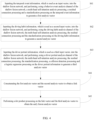
- FIG. 1 is a basic method flowchart of a method for evaluating a state of a driver according to one embodiment of the present application.
- a behavior analysis is performed on the driver according to current driving scene data, driving behavior data and mental state data of the driver to obtain a behavior event of the driver, and generating temporal event information according to the behavior event.
- the current driving scene data, the driving behavior data, and the mental state data of the driver may be obtained by performing data acquisition by using cameras and sensors equipped on the vehicle.
- an ADAS camera may be used to photograph images on the surrounding environment of the vehicle through an advanced driving assistance system (ADAS) equipped in the vehicle, to obtain an environment image and calculate driving scene data such as a lane position where the vehicle is located, the surrounding vehicle position, and the surrounding pedestrian position according to surrounding environment information in the displayed environment image.
- DIS camera may be used to photograph an image of a face of the driver through a digital indoor system (Digital Indoor System, DIS) equipped in the vehicle to obtain a face image.
- DIS Digital Indoor System
- Mental state data such as a face position, a face key point, an expression of the driver, and opening and closing states of the eyes of the driver are obtained by calculating according to the face information displayed in the face image.
- Sensors such as a six-axis sensor and a GPS sensor equipped on the vehicle may be used to perform vehicle motion state detection to obtain the driving behavior data such as rapid acceleration, sudden deceleration, sharp turning, and vehicle speed, and the like.
- an event confirmation processing may be performed by inputting the obtained data into the related event confirmation algorithm, respectively.
- the event confirmation algorithm is used to confirm the behavior event of the driver in the current state.
- the behavior events of the driver may be divided into a plurality of types.
- the types of the behavior events include a lane keeping event, a front collision event, an eye closing event, a downward glance event, a yawn event, an acceleration event, a deceleration event, a turning event, an emergency acceleration event, an emergency deceleration event, a sharp turn event.
- a corresponding event confirmation algorithm may be configured for each type of behavior events in the system for evaluating the state of the driver.
- input data for event confirmation algorithms are different, after the driving scene data, the driving behavior data and the mental state data are obtained, the corresponding input data may be obtained from the obtained driving scene data, the driving behavior data and the mental state data according to the respective input requirements of the event confirmation algorithms, such that the event confirmation algorithms can perform behavior analysis according to the respective input data thereof, and confirms whether the driver has conducted the behavior event corresponding to the event confirmation algorithm in the current state. If the event confirmation algorithm confirms that the driver has conducted the behavior event corresponding to the event confirmation algorithm, corresponding temporal event information is generated according to the behavior event corresponding to the event confirmation algorithm.
- the temporal event information includes the following information items: event category information, event-start-time-information, event-termination-time-information, event-start-speed-information, event-termination-speed-information, and
- a weather information acquisition module may be further configured in the system for evaluating the state of the driver.
- the weather information acquisition module obtains the real-time weather state information (e.g., rainy day, snowy day, haze day, sunny day) in the current driving scene.
- the real-time weather state information e.g., rainy day, snowy day, haze day, sunny day
- data fusion is performed on the real-time weather state information and the temporal event information, and the real-time weather state information is taken as an information item and is added to the temporal event information.
- an influence factor of weather state is taken into account when the state of the driver is evaluated, and the accuracy of the evaluation result is improved.
- a map module may be further configured in the system for evaluating the state of the driver, and road information (e.g., traffic lights, intersections, highways, lanes, provincial highways) in the current driving scene may be obtained by using the map module. After the road information is obtained, data fusion is performed on the road information and the temporal event information, and the road information is added to the temporal event information as an information item. Thus, an influence factor of road conditions is taken into account when the state of the driver is evaluated, and the accuracy of the evaluation result is improved.
- road information e.g., traffic lights, intersections, highways, lanes, provincial highways
- a driving habit analysis is performed on the driver according to the normal driving behavior data of the driver in the current time period to generate driving habit information of the driver in the current time period.
- the driving behavior data generated within a period of time closest to the current moment may be used as the normal driving behavior data of the driver in the current time period. For example, assum ing that the current moment is 12:10, a preset time range is 5 minutes, then, it is considered that a time period between a time point of 12:10 and a time point of 12:15 is determined as the current time period of the driver.
- the normal driving behavior data is generated at regular intervals according to a predetermined time interval. For example, the normal driving behavior data is generated for every one second, and the obtained normal driving behavior data is time sequence data.
- the normal driving behavior data includes vehicle speed data, traffic flow data, position data, six-axis data.
- the traffic flow data includes the number of front vehicles and the distance between a front vehicle and the current vehicle.
- the driving habit analysis may be performed on the driver according to the normal driving behavior data, the real-time driving rule of the driver is counted, and the driving habit information of the driver in the current time period is generated.
- the driving habit information of the driver in the current time period includes information such as a current time period car following habit of the driver in the current time period, a lane keeping habit of the driver in the current time period, and a vehicle speed maintenance habit of the driver in the current time period.
- a driver portrait library is invoked according to the identity information of the driver to obtain driver portrait information of the driver.
- a driver portrait may be constructed according to the historical driving data of the driver, and the driver portrait may be stored in the driver portrait library.
- a large number of driver portraits are included in the driver portrait library, and a correspondence relationship between the driver portraits and the driver identity information is established.
- the driver portrait information of the driver may be obtained by invoking the driver portrait library according to the identity information of the driver.
- the driver portrait information includes information such as an effective time period during which the driver's eye is closed, a closed-eye false alarm time period, and a closed-eye misreport type.
- step of S14 information fusion analysis is performed on the temporal event information, the driving habit information and the driver portrait information by using a preset information fusion analysis model, and the state of the driver is evaluated according to an analysis result to obtain a state evaluation result of the driver.
- the preset information fusion analysis model is obtained by performing neural network training using the sample data.
- the information fusion analysis model is trained to perform information fusion analysis according to the temporal event information, the driving habit information and the driver portrait information, evaluate the state of the driver according to the analysis result, and obtain the state evaluation result of the driver.
- the information fusion analysis model may use an event stream as an input according to the temporal event information, perform event confirmation through the event stream, and may accurately evaluate the state of the driver when determining that some behavior events of the driver are abnormal. Thus, a misreport rate may be greatly reduced.
- the information fusion analysis model performs information fusion analysis by combining the driving habit information with the driver portrait information, may use the driver portrait to perform multi-layer constraint, and perceive the state of the drivers of thousands of people, thereby effectively solving the false alarm caused due to personalized difference of different drivers, and thereby improving the accuracy of perception for thousands faces of thousands people.
- the information fusion analysis model may classify driver states and rank the fatigues and the driving risks of the drivers, thereby effectively improving the accuracy and timeliness of evaluation of the state of the driver.
- the analysis result may be obtained by obtaining the temporal event information corresponding to the current behavior event of the driver, the driving habit information of the driver in the current time period, and the driver portrait information of the driver. Then, the preset information fusion analysis model is used to perform information fusion analysis on the temporal event information, the driving habit information and the driver portrait information to obtain the analysis result. Then, the state of the driver is evaluated according to the analysis result to obtain the state evaluation result of the driver. The state of the driver is determined based on the combination of a series of temporal event features and the driver portrait, and thus the accuracy of fatigue state recognition, distraction state recognition and dangerous driving recognition of the driver are improved.
- FIG. 2 illustrates a method flowchart of performing information fusion analysis in the method for evaluating a state of a driver according to one embodiment of the present application, which is described in detail below:
- a shallow fusion network in the information fusion analysis model is used to perform an early fusion analysis on the temporal event information, the driving habit information and the driver portrait information to generate an early fusion analysis vector.
- a deep fusion network in the information fusion analysis model is used to perform a late fusion analysis on the early fusion analysis vector and the driver portrait information to generate a late fusion analysis vector.
- the state of the driver is evaluated according to the late fusion analysis vector to obtain the state evaluation result of the driver.
- the state evaluation result of the driver includes one or more of fatigue level information, distraction information, and driving risk level information.
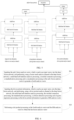
- FIG. 3 illustrates a schematic structural diagram of an information fusion analysis model in the method for evaluating a state of a driver according to one embodiment of the present application.
- the information fusion analysis model includes a shallow fusion network and a deep fusion network.
- the shallow fusion network may be constructed based on a behavior encoder framework of a transformer model.
- the state of the drivers may be classified in the information fusion analysis model, each state category has a corresponding feature vector.
- a vector similarity comparison may be performed according to the late fusion analysis vector and the feature vectors corresponding to various state categories.
- the state of the driver is determined according to the vector similarity, including the determination of the fatigue level of the driver, the determination regarding whether the driver is distracted and the determination of the driving risk level. Therefore, the state of the driver is evaluated, and the state evaluation result of the driver is obtained.
- the state evaluation result of the driver includes one or more of fatigue level information, distraction information, and driving risk level information.
- the information fusion analysis model when the information fusion analysis model is trained, whether the state of the driver is fatigue may be determined in the shallow fusion network and the deep fusion network, respectively. In this way, two pre-training networks are obtained by training. Then, the information fusion analysis model is trained by combining the two pre-training networks. Thus, the amount of sample data required by training the information fusion analysis model may be effectively reduced.
- FIG. 4 illustrates a method flowchart of performing early fusion analysis in the method for evaluating a state of a driver according to one embodiment of the present application, and the method flowchart is described in detail below:
- the temporal event information is input as an input vector to the shallow fusion network, and a behavior event analysis channel of the shallow fusion network is used to perform multi-head self-attention analysis processing, residual connection processing and standardization processing on the temporal event information to generate a first analysis vector.
- the driving habit information is input as an input vector to the shallow fusion network, and a driving habit analysis channel of the shallow fusion network is used to perform the multi-head self-attention analysis processing, the residual connection processing and the standardization processing on the driving habit information to generate a second analysis vector;
- the driver portrait information is input as an input vector to the shallow fusion network, and a driver portrait analysis channel of the shallow fusion network is used to perform the multi-head self-attention analysis processing, the residual connection processing, the standardization processing, the collision detection processing and a logistic regression processing on the driver portrait information to generate a third analysis vector;
- a concatenation processing is performed on the first analysis vector and the second analysis vector to obtain a link vector.
- a dot product processing is performed on the link vector and the third analysis vector to obtain an early fusion analysis vector.
- FIG. 5 illustrates a schematic structural diagram of a shallow fusion network in the method for evaluating a state of a driver according to one embodiment of the present application.
- the shallow fusion network includes three analysis channels, and the three analysis channels are a behavior event analysis channel, a driving habit analysis channel and a driver portrait analysis channel, respectively.
- the behavior event analysis channel and the driving habit analysis channel are provided with a multi-head self-attention (Multi-Head Self Attention) analysis layer and a residual connection and standardization processing layer (Add & Norm).
- Multi-Head Self Attention Multi-Head Self Attention
- the temporal event information may be used as an input vector and is input into the shallow fusion network
- the behavior event analysis channel of the shallow fusion network may be used to perform the multi-head self-attention analysis processing, the residual connection processing and the standardization processing on the temporal event information, thereby generating the first analysis vector.
- the driving habit information is used as an input vector and is input into the shallow fusion network
- the driving habit analysis channel of the shallow fusion network is used to perform the multi-head self-attention analysis processing, the residual connection processing and the standardization processing on the driving habit information to generate the second analysis vector.
- the multi-head self-attention analysis processing, the residual connection processing, and the standardization processing may be performed on the temporal event information and the driving habit information multiple times to generate the first analysis vector and the second analysis vector according to actual analysis requirements.
- the multi-head self-attention (Multi-Head Self Attention) analysis layer, the residual connection and standardization processing layer (Add & Norm), a collision detection layer (FCL), and a logistic regression processing layer (Softmax) are provided in the driver portrait analysis channel.
- the driver portrait information is used as the input vector and is input into the shallow fusion network
- the driver portrait analysis channel of the shallow fusion network is used to perform the multi-head self-attention analysis processing, the residual connection processing, the standardization processing, the collision detection processing and the logistic regression processing on the driver portrait information to generate the third analysis vector.
- the first analysis vector and the second analysis vector may be concatenated through a concatenation function (Concat) to obtain the link vector.
- the dot product (Dot-product) processing is performed on the link vector and the third analysis vector to obtain the early fusion analysis vector.
- the driver portrait analysis channel may perform the multi-head self-attention analysis processing, the residual connection processing, and the standardization processing on the driver portrait information multiple times according to actual analysis requirements.
- the early fusion analysis is performed on the temporal event information, the driving habit information and the driver portrait information through the shallow fusion network, such that local features of the network can be constrained, the output analysis vector is more relevant with the key behavior event, and a weak correlation behavior event is filtered.
- FIG. 6 illustrates a method flowchart of performing a late fusion analysis in the method for evaluating a state of a driver according to one embodiment of the present application, and the method flowchart is described in detail below:
- the early fusion analysis vector which is used as an input vector, is input to the deep fusion network, and a fusion result analysis channel in the deep fusion network is used to perform the multi-head self-attention analysis processing, the residual connection processing, the standardization processing and the concatenation processing on the early fusion analysis vector to generate a fourth analysis vector.
- the driver portrait information which is used as an input vector, is input to the deep fusion network, and a driver portrait analysis channel in the deep fusion network is used to perform the multi-head self-attention analysis processing, the residual connection processing, the standardization processing, the collision detection processing and the logistic regression processing on the driver portrait information to generate a fifth analysis vector;
- a dot product processing is performed on the fourth analysis vector and the fifth analysis vector to obtain the late fusion analysis vector.
- FIG. 7 illustrates a schematic structural diagram of a deep fusion network in the method for evaluating a state of a driver according to one embodiment of the present application.
- the deep fusion network includes two analysis channels which are the early fusion result analysis channel and the driver portrait analysis channel, respectively.
- the early fusion result analysis channel is provided with the multi-head self-attention analysis layer (Multi-Head Self Attention) and the residual connection and standardization processing layer (Add & Norm) and the concatenation processing layer (Concat).
- Multi-Head Self Attention multi-head self-attention analysis layer
- Add & Norm residual connection and standardization processing layer
- Concat concatenation processing layer
- the early fusion analysis vector output by the shallow fusion network which is used as the input vector of the deep fusion network, is input into the deep fusion network, and the fusion result analysis channel in the deep fusion network is used to perform the multi-head self-attention analysis processing, the residual connection processing, the standardization processing and the concatenation processing on the early fusion analysis vector to generate the fourth analysis vector.
- the driver portrait analysis channel is provided with a multi-head self-attention analysis layer (Multi-Head Self Attention), a residual connection and standardization processing layer (Add & Norm), a collision detection layer (FCL), and a logistic regression processing layer (Softmax).
- the driver portrait information is used as the input vector again and is input into the deep fusion network
- the driver portrait analysis channel in the deep fusion network is used to perform the multi-head self-attention analysis processing, the residual connection processing, the standardization processing, the collision detection processing and the logistic regression processing on the driver portrait information to generate the fifth analysis vector.
- the deep fusion network may obtain the late fusion analysis vector by performing dot-product processing on the fourth analysis vector and the fifth analysis vector.
- the late fusion is performed through the deep fusion network, a weight distribution of various parameters of the network may be optimized globally.
- FIG. 8 illustrates a schematic structural diagram of an apparatus for evaluating a state of a driver according to one embodiment of the present application, the apparatus for evaluating the state of the driver is described in detail below:
- the apparatus for evaluating the state of the driver includes a first generation module 81, a second generation module 82, an acquisition module 83, and an evaluation module 84.
- the first generation module 81 is configured to perform a behavior analysis on the driver according to current driving scene data, driving behavior data and mental state data of the driver, obtain a behavior event of the driver, and generate temporal event information according to the behavior event.
- the second generation module 82 is configured to perform driving habit analysis on the driver according to the normal driving behavior data of the driver in the current time period, to generate driving habit information of the driver in the current time period.
- the acquisition module 83 is configured to invoke a driver portrait library to obtain driver portrait information of the driver according to identity information of the driver.
- the evaluation module 84 is configured to use a preset information fusion analysis model to perform information fusion analysis on the temporal event information, the driving habit information and the driver portrait information, and evaluate the state of the driver according to an analysis result to obtain a state evaluation result of the driver.
- the apparatus for evaluating the state of the driver corresponds to the aforesaid method for evaluating the state of the driver in one-to-one correspondence manner, and the details of the apparatus for evaluating the state of the driver are not repeatedly described herein.
- FIG. 9 illustrates a schematic diagram of an electronic device provided in the embodiments of the present application.
- the electronic device may be a vehicle-mounted device terminal or a cloud terminal, and a communication unit is used for transmitting and receiving data and signaling.
- the electronic device 9 in this embodiment includes: a processor 91, a memory 92, and a computer program 93 (e.g., a driver state evaluation program or a data processing program) stored in the memory 92 and executable by the processor 91.
- the computer program 92 is executed by the processor 91, the steps in the embodiments of the method for evaluating the state of the driver or the steps in the data processing methods are implemented.
- the computer program 93 is executed by the processor 91, the functions of the various modules/units in the apparatus embodiment are implemented.
- the computer program 93 may be divided into one or a plurality of modules/units, the one or plurality of modules/units are stored in the memory 92 and are executed by the processor 91 so as to implement the present application.
- the one or plurality of modules/units may be a series of computer program instruction segments that can accomplish particular functionalities, these instruction segments are used for describing an executive process of the computer program 93 in the electronic device 9.
- the computer program 93 may be divided into the first generation module, the second generation module, the acquisition module and the evaluation module, regarding the functions of these modules, reference can be made to the descriptions set forth above.
- the electronic device may include but is not limited to: a processor 91, the memory 92.
- FIG. 9 is only one example of the electronic device 9, but should not be constituted as limitation to the electronic device 9. More or less components than the components shown in FIG. 9 may be included. As an alternative, some components or different components may be combined.
- the electronic device may also include an input and output device, a network access device, a bus, etc.
- the so-called processor 91 may be central processing unit (Central Processing Unit, CPU), and can also be other general purpose processor, digital signal processor (Digital Signal Processor, DSP), application specific integrated circuit (Application Specific Integrated Circuit, ASIC), field-programmable gate array (Field-Programmable Gate Array, FGPA), or some other programmable logic devices, discrete gate or transistor logic device, discrete hardware component, etc.
- the general purpose processor may be a microprocessor; as an alternative, the processor may also be any conventional processor, or the like.
- the memory 92 may be an internal storage unit of the electronic device 10, such as a hard disk or a memory of the electronic device 10.
- the memory 92 may also be an external storage device of the electronic device 10, such as a plug-in hard disk, a smart media card (Smart Media Card, SMC), a secure digital (Secure Digital, SD) card, a flash card (Flash Card) equipped on the electronic device 10.
- the memory 92 may not only include the internal storage unit of the electronic device 10, but also include the external memory of the electronic device 10.
- the memory 92 is configured to store the computer program, and other procedures and data needed by the electronic device 10.
- the memory 92 may also be configured to store data that has been output or being ready to be output temporarily.
- the dividing of the aforesaid various functional units and functional modules is merely described according to examples, in an actual application, the aforesaid functions may be assigned to different functional units and functional modules to be accomplished, that is, an inner structure of the device is divided into different functional units or modules, so that the whole or a part of functionalities described above can be accomplished.
- the various functional units and modules in the embodiments may be integrated into a processing unit, or each of the units exists independently and physically, or two or more than two of the units are integrated into a single unit.
- the integrated unit may either by actualized in the form of hardware or in the form of software functional units.
- the disclosed device/terminal device and the methods could be implemented in other ways.
- the device described above are merely illustrative.
- the division of the units is only a logical function division, and other division could be used in the actual implementation, for example, multiple units or components could be combined or integrated into another system, or some features may be ignored, or not performed.
- the coupling or direct coupling or communicating connection shown or discussed could be an indirect coupling or a communicating connection through some interfaces, devices or units, and the coupling or direct coupling or communicating connection could be electrical, mechanical, or in other form.
- the units described as separate components can be or cannot be physically separate, the components shown as units can be or cannot be physical units, the components may be located in one place, or be distributed onto multiple network elements. A part or a whole of the elements can be selected to achieve the objective of the technical solution of this embodiment according to the actual requirement.
- each of the embodiments of the present application may be integrated into a single processing unit, or exist individually and physically, or two or more than two units are integrated into a single unit.
- the aforesaid integrated unit can either be achieved by hardware, or be achieved in the form of software functional units.
- the integrated unit When an integrated unit is achieved in the form of software functional units, and is sold or used as an independent product, the integrated unit may be stored in a computer readable storage medium. Based on this understanding, a whole or part of flow process for implementing the method in the embodiments of the present application may also be accomplished in the manner of using computer program to instruct relevant hardware. When the computer program is executed by the processor, the steps in the various method embodiments may be implemented.
- the computer program includes computer program codes, which may be in the form of source code, object code, executable documents or some intermediate form, etc.
- the computer readable medium may include: any physical equipment or device that can carry the computer program codes, recording medium, USB flash disk, mobile hard disk, hard disk, optical disk, computer memory, ROM (Read-Only Memory), RAM (Random Access Memory), electrical carrier signal, telecommunication signal and software distribution medium, etc. It needs to be explained that, the contents contained in the computer readable medium may be added or reduced appropriately according to the requirement of legislation and patent practice in a judicial district, for example, in some judicial districts, according to legislation and patent practice, the computer readable medium doesn't include electrical carrier signal and telecommunication signal.
Landscapes
- Engineering & Computer Science (AREA)
- Physics & Mathematics (AREA)
- Theoretical Computer Science (AREA)
- Mathematical Physics (AREA)
- Biomedical Technology (AREA)
- General Engineering & Computer Science (AREA)
- Biophysics (AREA)
- Computational Linguistics (AREA)
- Data Mining & Analysis (AREA)
- Evolutionary Computation (AREA)
- General Health & Medical Sciences (AREA)
- Molecular Biology (AREA)
- Computing Systems (AREA)
- Artificial Intelligence (AREA)
- General Physics & Mathematics (AREA)
- Life Sciences & Earth Sciences (AREA)
- Software Systems (AREA)
- Health & Medical Sciences (AREA)
- Automation & Control Theory (AREA)
- Transportation (AREA)
- Mechanical Engineering (AREA)
- Measurement Of The Respiration, Hearing Ability, Form, And Blood Characteristics Of Living Organisms (AREA)
Abstract
Description
- The present application relates to the field of vehicle driving technologies, and more particularly, to a method and an apparatus for evaluating state of driver, an electronic device, and a storage medium.
- Traffic accidents increase with the continuous popularization of vehicles. A driving state of a driver has serious influence on safe driving. Therefore, it is better to bring the driver into a good driving state. In a driving process of the driver, if the driver has a bad driving state due to problems such as fatigue, attention dispersion and the like, a decline in determination capability may be caused, and a road traffic accident is extremely prone to occur. Currently, an existing method for evaluating a state of a driver generally determines whether the driver is fatigued through eye closing duration, determines whether the driver is distracted through a orientation angle of a face, and determines whether the driver is in a dangerous state through a single behavior event such as a rapid acceleration, a sudden deceleration, and a sharp turning. However, when many drivers are tired, the eyes of these drivers are not necessarily closed. When a driver wears a sunglass or a spectacle, strong light reflected by the sunglass or the spectacle causes an eye state to be invisible, and strong light irradiation causes the driver to squint, and it seems that the eye of the driver is closed. It is difficult to determine whether the driver is fatigued in these scenarios accurately, and fatigue cannot be classified effectively. The orientation angle of the face is prone to be influenced by an installation angle and an installation distance, when an installation distance of a camera is far, a pupil cannot be seen, and inaccurate sight detection is caused due to the influence of the spectacle and sizes of the eyes of the driver, more erroneous judgments and missed judgments occur in a real application scenario. Although there is a possibility that single behavior event including the rapid acceleration, the sudden deceleration, the sharp turning is caused due to dangerous driving, there may not necessarily be a sufficient and necessary relationship between the single behavior event and the dangerous driving. Even if some behaviors such as the rapid acceleration, the sudden deceleration, the sharp turning and the like occur in some driving scenes, these behaviors are merely caused due to the driving habit of the driver, and is irrelevant to danger. Therefore, the existing method for evaluating the state of the driver has a problem of low evaluation accuracy.
- In view of this, the embodiments of the present application provide a data processing system, and a method for evaluating a state of a driver and a data processing method of the data processing system, which aim at solving the problem of low evaluation accuracy existing in the related art.
- In accordance with the first aspect of the embodiments of the present application, a method for evaluating a state of a driver is provided. The method includes: performing, according to current driving scene data, driving behavior data and mental state data of the driver, a behavior analysis on the driver to obtain a behavior event of the driver, and generating temporal event information according to the behavior event; performing, according to normal driving behavior data of the driver in a current time period, a driving habit analysis on the driver to generate driving habit information of the driver in the current time period; invoking, according to identity information of the driver, a driver portrait library to obtain driver portrait information of the driver; and performing, using a preset information fusion analysis model, an information fusion analysis on the temporal event information, the driving habit information and the driver portrait information, and evaluating the state of the driver according to an analysis result to obtain a state evaluation result of the driver.
- In combination with the first aspect, in the first possible implementation method of the first aspect, the step of performing, using the preset information fusion analysis model, the information fusion analysis on the temporal event information, the driving habit information and the driver portrait information, and evaluating the state of the driver according to the analysis result to obtain the state evaluation result of the driver includes: performing, using a shallow fusion network in the information fusion analysis model, an early fusion analysis on the temporal event information, the driving habit information and the driver portrait information to generate an early fusion analysis vector; performing, using a deep fusion network in the information fusion analysis model, a late fusion analysis on the early fusion analysis vector and the driver portrait information to generate a late fusion analysis vector; and evaluating the state of the driver according to the late fusion analysis vector to obtain the state evaluation result of the driver. The state evaluation result of the driver includes one or more information selected from a group consisting of fatigue level information, distraction information, and driving risk level information.
- In combination with the first possible implementation method of the first aspect, in the second possible implementation method of the first aspect, the step of performing, using the shallow fusion network in the information fusion analysis model, the early fusion analysis on the temporal event information, the driving habit information and the driver portrait information to generate the early fusion analysis vector includes: inputting the temporal event information, which is used as an input vector, into the shallow fusion network, and performing, using a behavior event analysis channel of the shallow fusion network, a multi-head self-attention analysis processing, a residual connection processing and a standardization processing on the temporal event information to generate a first analysis vector; inputting the driving habit information, which is used as an input vector, into the shallow fusion network, and performing, using the driving habit analysis channel of the shallow fusion network, the multi-head self-attention analysis processing, the residual connection processing and the standardization processing on the driving habit information to generate a second analysis vector; and inputting the driver portrait information, which is used as an input vector, into the shallow fusion network, and performing, using a driver portrait analysis channel of the shallow fusion network, the multi-head self-attention analysis processing, the residual connection processing, the standardization processing, a collision detection processing and a logistic regression processing on the driver portrait information to generate a third analysis vector; concatenating the first analysis vector with the second analysis vector to obtain a link vector; and performing a dot product processing on the link vector and the third analysis vector to obtain the early fusion analysis vector.
- In combination with the first or second possible implementation method of the first aspect, in the third possible implementation method of the first aspect, the step of performing, using the deep fusion network in the information fusion analysis model, the late fusion analysis on the early fusion analysis vector and the driver portrait information to generate the late fusion analysis vector includes: inputting the early fusion analysis vector, which is used as an input vector, into the deep fusion network, and performing, using a fusion result analysis channel in the deep fusion network, a multi-head self-attention analysis processing, a residual connection processing, a standardization processing and a concatenation processing on the early fusion analysis vector to generate a fourth analysis vector; inputting the driver portrait information, which is used as an input vector, into the deep fusion network, and performing, using a driver portrait analysis channel in the deep fusion network, the multi-head self-attention analysis processing, the residual connection processing, the standardization processing, a collision detection processing and a logistic regression processing on the driver portrait information to generate a fifth analysis vector; and performing a dot product processing on the fourth analysis vector and the fifth analysis vector to obtain the late fusion analysis vector.
- In combination with the first aspect, in the fourth possible implementation method of the first aspect, in the step of performing the behavior analysis on the driver according to the current driving scene data, the driving behavior data and the mental state data of the driver to obtain the behavior event of the driver, and generating the temporal event information according to the behavior event, the temporal event information includes following information items selected from a group consisting of event category information,
- event-start-time-information, event-termination-time-information,
- event-start-speed-information, event-termination-speed-information,
- relative-collision-minimum-time-information,
- minimum-collision-distance-information,
- collision-accumulation-time-information, collision duration information, traffic flow information, vehicle position information, and vehicle driving duration information.
- In combination with the fourth possible implementation method of the first aspect, in the fifth possible implementation method of the first aspect, after the step of performing the behavior analysis on the driver according to the current driving scene data, the driving behavior data and the mental state data of the driver to obtain the behavior event of the driver, and generating the temporal event information according to the behavior event, the method further includes: obtaining real-time weather state information in a current driving scene, and adding the real-time weather state information which is taken as one of the information items, to the temporal event information.
- In combination with the fourth or fifth possible implementation method of the first aspect, in the sixth possible implementation method of the first aspect, after the step of performing the behavior analysis on the driver according to the current driving scene data, the driving behavior data and the mental state data of the driver to obtain the behavior event of the driver, and generating the temporal event information according to the behavior event, the method further includes: obtaining road information in a current driving scene, and adding the road information, which is taken as one of the information items, to the temporal event information.
- In accordance with the second aspect of the embodiments of the present application, an apparatus for evaluating a state of a driver is provided. The apparatus includes: a first generation module configured to perform a behavior analysis on the driver according to current driving scene data, driving behavior data and mental state data of the driver to obtain a behavior event of the driver, and generate temporal event information according to the behavior event; a second generation module configured to perform a driving habit analysis on the driver according to normal driving behavior data of the driver in a current time period to generate driving habit information of the driver in the current time period; an acquisition module configured to invoke a driver portrait library according to identity information of the driver to obtain driver portrait information of the driver; and an evaluation module configured to use a preset information fusion analysis model to perform an information fusion analysis on the temporal event information, the driving habit information and the driver portrait information, and evaluating the state of the driver according to an analysis result to obtain a state evaluation result of the driver.
- In accordance with the third aspect of the embodiments of the present application, an electronic device is provided. The electronic device includes a memory, a processor and a computer program stored in the memory and executable by the processor, where the processor is configured to, when executing the computer program, implement steps of the method according to any item in the first aspect.
- In accordance with the fourth aspect of the embodiments of the present application, a computer readable storage medium is provided. The computer readable storage medium stores a computer program, when the computer program is executed by a processor, steps of the method according to any item in the first aspect are implemented.
- Compared with the related art, the embodiments of the present application have the following beneficial effects: the temporal event information corresponding to the driver's current behavior event, the driving habit information of the driver in the current time period, and the driver portrait information of the driver are obtained. Then, the preset information fusion analysis model is used to perform the information fusion analysis on the temporal event information, the driving habit information and the driver portrait information to obtain the analysis result. Then, the state of the driver is evaluated according to the analysis result to obtain the state evaluation result of the driver. A series of temporal event features and the driver portrait are combined to determine the state of the driver comprehensively, and thus the accuracies of fatigue state recognition, distraction state recognition and dangerous driving recognition of the driver are improved.
- In order to describe the embodiments of the present application more clearly, a brief introduction regarding the accompanying drawings that need to be used for describing the embodiments of the present application or the existing technologies is given below. It is obvious that the accompanying drawings described below are merely some embodiments of the present application, a person of ordinary skill in the art may also obtain other drawings according to the current drawings without paying creative efforts.
-
FIG. 1 illustrates a basic method flowchart of a method for evaluating a state of a driver provided by one embodiment of the present application; -
FIG. 2 illustrates a method flowchart of performing information fusion analysis in the method for evaluating the state of the driver provided by one embodiment of the present application; -
FIG. 3 illustrates a schematic structural diagram of an information fusion analysis model in the method for evaluating the state of the driver provided by one embodiment of the present application; -
FIG. 4 illustrates a method flowchart of an early fusion analysis in the method for evaluating the state of the driver provided by one embodiment of the present application; -
FIG. 5 illustrates a schematic structural diagram of a shallow fusion network in the method for evaluating the state of the driver provided by one embodiment of the present application; -
FIG. 6 illustrates a method flowchart of performing a late fusion analysis in the method for evaluating the state of the driver provided by one embodiment of the present application; -
FIG. 7 is a schematic structural diagram of a deep fusion network in the method for evaluating the state of the driver provided by one embodiment of the present application; -
FIG. 8 is a schematic structural diagram of an apparatus for evaluating a state of a driver provided by one embodiment of the present application; -
FIG. 9 is a schematic diagram of an electronic device provided by one embodiment of the present application. - In the following descriptions, in order to describe but not intended to limit the present application, concrete details including specific system structure and technique are proposed to facilitate a comprehensive understanding of the embodiments of the present application. However, a person of ordinarily skill in the art should understand that, the present application may also be implemented in some other embodiments without these concrete details. In other conditions, detailed explanations of method, device, circuit and system well known to the public are omitted, such that unnecessary details can be avoided from disturbing the description of the present application.
- In order to illustrate the technical solutions described in the present application, the present application is described below with reference to the embodiments.
- In some embodiments of the present application, referring to
FIG. 1, FIG. 1 is a basic method flowchart of a method for evaluating a state of a driver according to one embodiment of the present application. - In a step of S11, a behavior analysis is performed on the driver according to current driving scene data, driving behavior data and mental state data of the driver to obtain a behavior event of the driver, and generating temporal event information according to the behavior event.
- In this embodiment, the current driving scene data, the driving behavior data, and the mental state data of the driver may be obtained by performing data acquisition by using cameras and sensors equipped on the vehicle. For example, an ADAS camera may be used to photograph images on the surrounding environment of the vehicle through an advanced driving assistance system (ADAS) equipped in the vehicle, to obtain an environment image and calculate driving scene data such as a lane position where the vehicle is located, the surrounding vehicle position, and the surrounding pedestrian position according to surrounding environment information in the displayed environment image. DIS camera may be used to photograph an image of a face of the driver through a digital indoor system (Digital Indoor System, DIS) equipped in the vehicle to obtain a face image. Mental state data such as a face position, a face key point, an expression of the driver, and opening and closing states of the eyes of the driver are obtained by calculating according to the face information displayed in the face image. Sensors such as a six-axis sensor and a GPS sensor equipped on the vehicle may be used to perform vehicle motion state detection to obtain the driving behavior data such as rapid acceleration, sudden deceleration, sharp turning, and vehicle speed, and the like. In a system for evaluating a state of a driver, when the behavior analysis is performed on the driver according to the driving scene data, the driving behavior data and the mental state data, an event confirmation processing may be performed by inputting the obtained data into the related event confirmation algorithm, respectively. The event confirmation algorithm is used to confirm the behavior event of the driver in the current state. After the behavior event is confirmed, the corresponding temporal event information is generated according to the confirmed behavior event. It may be understood that the behavior events of the driver may be divided into a plurality of types. In this embodiment, 69 types of behavior events are provided. As an example, the types of the behavior events include a lane keeping event, a front collision event, an eye closing event, a downward glance event, a yawn event, an acceleration event, a deceleration event, a turning event, an emergency acceleration event, an emergency deceleration event, a sharp turn event. In this embodiment, a corresponding event confirmation algorithm may be configured for each type of behavior events in the system for evaluating the state of the driver. In this embodiment, input data for event confirmation algorithms are different, after the driving scene data, the driving behavior data and the mental state data are obtained, the corresponding input data may be obtained from the obtained driving scene data, the driving behavior data and the mental state data according to the respective input requirements of the event confirmation algorithms, such that the event confirmation algorithms can perform behavior analysis according to the respective input data thereof, and confirms whether the driver has conducted the behavior event corresponding to the event confirmation algorithm in the current state. If the event confirmation algorithm confirms that the driver has conducted the behavior event corresponding to the event confirmation algorithm, corresponding temporal event information is generated according to the behavior event corresponding to the event confirmation algorithm.
- In some embodiments of the present application, the temporal event information includes the following information items: event category information, event-start-time-information, event-termination-time-information, event-start-speed-information, event-termination-speed-information,
- relative-collision-minimum-time-information,
- minimum-collision-distance-information,
- collision-accumulation-time-information, collision duration information, traffic flow information, vehicle position information, and vehicle driving duration information.
- In some embodiments of the present application, a weather information acquisition module may be further configured in the system for evaluating the state of the driver. The weather information acquisition module obtains the real-time weather state information (e.g., rainy day, snowy day, haze day, sunny day) in the current driving scene. After the real-time weather state information is obtained, data fusion is performed on the real-time weather state information and the temporal event information, and the real-time weather state information is taken as an information item and is added to the temporal event information. Thus, an influence factor of weather state is taken into account when the state of the driver is evaluated, and the accuracy of the evaluation result is improved.
- In some embodiments of the present application, a map module may be further configured in the system for evaluating the state of the driver, and road information (e.g., traffic lights, intersections, highways, lanes, provincial highways) in the current driving scene may be obtained by using the map module. After the road information is obtained, data fusion is performed on the road information and the temporal event information, and the road information is added to the temporal event information as an information item. Thus, an influence factor of road conditions is taken into account when the state of the driver is evaluated, and the accuracy of the evaluation result is improved.
- In a step of S12, a driving habit analysis is performed on the driver according to the normal driving behavior data of the driver in the current time period to generate driving habit information of the driver in the current time period.
- In this embodiment, the driving behavior data generated within a period of time closest to the current moment may be used as the normal driving behavior data of the driver in the current time period. For example, assum ing that the current moment is 12:10, a preset time range is 5 minutes, then, it is considered that a time period between a time point of 12:10 and a time point of 12:15 is determined as the current time period of the driver. In this embodiment, the normal driving behavior data is generated at regular intervals according to a predetermined time interval. For example, the normal driving behavior data is generated for every one second, and the obtained normal driving behavior data is time sequence data. In this embodiment, the normal driving behavior data includes vehicle speed data, traffic flow data, position data, six-axis data. The traffic flow data includes the number of front vehicles and the distance between a front vehicle and the current vehicle. In this embodiment, after the normal driving behavior data of the driver in the current time period is obtained, the driving habit analysis may be performed on the driver according to the normal driving behavior data, the real-time driving rule of the driver is counted, and the driving habit information of the driver in the current time period is generated. The driving habit information of the driver in the current time period includes information such as a current time period car following habit of the driver in the current time period, a lane keeping habit of the driver in the current time period, and a vehicle speed maintenance habit of the driver in the current time period.
- In a step of S13, a driver portrait library is invoked according to the identity information of the driver to obtain driver portrait information of the driver.
- In this embodiment, a driver portrait may be constructed according to the historical driving data of the driver, and the driver portrait may be stored in the driver portrait library. A large number of driver portraits are included in the driver portrait library, and a correspondence relationship between the driver portraits and the driver identity information is established. In this embodiment, the driver portrait information of the driver may be obtained by invoking the driver portrait library according to the identity information of the driver. In this embodiment, the driver portrait information includes information such as an effective time period during which the driver's eye is closed, a closed-eye false alarm time period, and a closed-eye misreport type.
- In a step of S14, information fusion analysis is performed on the temporal event information, the driving habit information and the driver portrait information by using a preset information fusion analysis model, and the state of the driver is evaluated according to an analysis result to obtain a state evaluation result of the driver.
- In this embodiment, the preset information fusion analysis model is obtained by performing neural network training using the sample data. The information fusion analysis model is trained to perform information fusion analysis according to the temporal event information, the driving habit information and the driver portrait information, evaluate the state of the driver according to the analysis result, and obtain the state evaluation result of the driver. In this embodiment, the information fusion analysis model may use an event stream as an input according to the temporal event information, perform event confirmation through the event stream, and may accurately evaluate the state of the driver when determining that some behavior events of the driver are abnormal. Thus, a misreport rate may be greatly reduced. The information fusion analysis model performs information fusion analysis by combining the driving habit information with the driver portrait information, may use the driver portrait to perform multi-layer constraint, and perceive the state of the drivers of thousands of people, thereby effectively solving the false alarm caused due to personalized difference of different drivers, and thereby improving the accuracy of perception for thousands faces of thousands people. When evaluating the state of the driver according to the analysis result, the information fusion analysis model may classify driver states and rank the fatigues and the driving risks of the drivers, thereby effectively improving the accuracy and timeliness of evaluation of the state of the driver.
- It may be seen from the above that, according to the method for evaluating the state of the driver provided in this embodiment of the present application, the analysis result may be obtained by obtaining the temporal event information corresponding to the current behavior event of the driver, the driving habit information of the driver in the current time period, and the driver portrait information of the driver. Then, the preset information fusion analysis model is used to perform information fusion analysis on the temporal event information, the driving habit information and the driver portrait information to obtain the analysis result. Then, the state of the driver is evaluated according to the analysis result to obtain the state evaluation result of the driver. The state of the driver is determined based on the combination of a series of temporal event features and the driver portrait, and thus the accuracy of fatigue state recognition, distraction state recognition and dangerous driving recognition of the driver are improved.
- In some embodiments of the present application, referring to
FIG. 2, FIG. 2 illustrates a method flowchart of performing information fusion analysis in the method for evaluating a state of a driver according to one embodiment of the present application, which is described in detail below:
In a step of S21, a shallow fusion network in the information fusion analysis model is used to perform an early fusion analysis on the temporal event information, the driving habit information and the driver portrait information to generate an early fusion analysis vector. - In a step of S22, a deep fusion network in the information fusion analysis model is used to perform a late fusion analysis on the early fusion analysis vector and the driver portrait information to generate a late fusion analysis vector.
- In a step of S23, the state of the driver is evaluated according to the late fusion analysis vector to obtain the state evaluation result of the driver. The state evaluation result of the driver includes one or more of fatigue level information, distraction information, and driving risk level information.
- In this embodiment, referring to
FIG. 3, FIG. 3 illustrates a schematic structural diagram of an information fusion analysis model in the method for evaluating a state of a driver according to one embodiment of the present application. As shown inFIG. 3 , the information fusion analysis model includes a shallow fusion network and a deep fusion network. For example, the shallow fusion network may be constructed based on a behavior encoder framework of a transformer model. In this embodiment, when the preset information fusion analysis model is used to perform the information fusion analysis on the temporal event information, the driving habit information and the driver portrait information, the temporal event information, the driving habit information, and the driver portrait information may be input into the shallow fusion network together, the shallow fusion network is utilized to analyze the temporal event information, the driving habit information and the driver portrait information to obtain the early fusion analysis vector. Then, the early fusion analysis vector obtained by analyzing through the shallow fusion network is input into the deep fusion network, and the driver portrait information is input into the deep fusion network simultaneously when the early fusion analysis vector is input into the deep fusion network. The deep fusion network is utilized to analyze and obtain the late fusion analysis vector according to the early fusion analysis vector and the driver portrait information. For example, in this embodiment, the state of the drivers may be classified in the information fusion analysis model, each state category has a corresponding feature vector. After the deep fusion network analysis obtains the late fusion analysis vector through analysis, a vector similarity comparison may be performed according to the late fusion analysis vector and the feature vectors corresponding to various state categories. Thus, the state of the driver is determined according to the vector similarity, including the determination of the fatigue level of the driver, the determination regarding whether the driver is distracted and the determination of the driving risk level. Therefore, the state of the driver is evaluated, and the state evaluation result of the driver is obtained. The state evaluation result of the driver includes one or more of fatigue level information, distraction information, and driving risk level information. In this embodiment, based on the structure of the information fusion analysis model, when the information fusion analysis model is trained, whether the state of the driver is fatigue may be determined in the shallow fusion network and the deep fusion network, respectively. In this way, two pre-training networks are obtained by training. Then, the information fusion analysis model is trained by combining the two pre-training networks. Thus, the amount of sample data required by training the information fusion analysis model may be effectively reduced. - In some embodiments of the present application, referring to
FIG. 4, FIG. 4 illustrates a method flowchart of performing early fusion analysis in the method for evaluating a state of a driver according to one embodiment of the present application, and the method flowchart is described in detail below:
In a step of S41, the temporal event information is input as an input vector to the shallow fusion network, and a behavior event analysis channel of the shallow fusion network is used to perform multi-head self-attention analysis processing, residual connection processing and standardization processing on the temporal event information to generate a first analysis vector. - In a step of S42, the driving habit information is input as an input vector to the shallow fusion network, and a driving habit analysis channel of the shallow fusion network is used to perform the multi-head self-attention analysis processing, the residual connection processing and the standardization processing on the driving habit information to generate a second analysis vector;
- In a step of S43, the driver portrait information is input as an input vector to the shallow fusion network, and a driver portrait analysis channel of the shallow fusion network is used to perform the multi-head self-attention analysis processing, the residual connection processing, the standardization processing, the collision detection processing and a logistic regression processing on the driver portrait information to generate a third analysis vector;
- In a step of S44, a concatenation processing is performed on the first analysis vector and the second analysis vector to obtain a link vector.
- In a step of S45, a dot product processing is performed on the link vector and the third analysis vector to obtain an early fusion analysis vector.
- In this embodiment, referring to
FIG. 5, FIG. 5 illustrates a schematic structural diagram of a shallow fusion network in the method for evaluating a state of a driver according to one embodiment of the present application. As shown inFIG. 5 , the shallow fusion network includes three analysis channels, and the three analysis channels are a behavior event analysis channel, a driving habit analysis channel and a driver portrait analysis channel, respectively. The behavior event analysis channel and the driving habit analysis channel are provided with a multi-head self-attention (Multi-Head Self Attention) analysis layer and a residual connection and standardization processing layer (Add & Norm). In this embodiment, the temporal event information may be used as an input vector and is input into the shallow fusion network, the behavior event analysis channel of the shallow fusion network may be used to perform the multi-head self-attention analysis processing, the residual connection processing and the standardization processing on the temporal event information, thereby generating the first analysis vector. The driving habit information is used as an input vector and is input into the shallow fusion network, and the driving habit analysis channel of the shallow fusion network is used to perform the multi-head self-attention analysis processing, the residual connection processing and the standardization processing on the driving habit information to generate the second analysis vector. In this embodiment, the multi-head self-attention analysis processing, the residual connection processing, and the standardization processing may be performed on the temporal event information and the driving habit information multiple times to generate the first analysis vector and the second analysis vector according to actual analysis requirements. In this embodiment, the multi-head self-attention (Multi-Head Self Attention) analysis layer, the residual connection and standardization processing layer (Add & Norm), a collision detection layer (FCL), and a logistic regression processing layer (Softmax) are provided in the driver portrait analysis channel. In this embodiment, the driver portrait information is used as the input vector and is input into the shallow fusion network, and the driver portrait analysis channel of the shallow fusion network is used to perform the multi-head self-attention analysis processing, the residual connection processing, the standardization processing, the collision detection processing and the logistic regression processing on the driver portrait information to generate the third analysis vector. In this embodiment, after the first analysis vector, the second analysis vector and the third analysis vector are obtained respectively by the three analysis channels in the shallow fusion network, the first analysis vector and the second analysis vector may be concatenated through a concatenation function (Concat) to obtain the link vector. Furthermore, the dot product (Dot-product) processing is performed on the link vector and the third analysis vector to obtain the early fusion analysis vector. In this embodiment, in the generating process of the third analysis vector, the driver portrait analysis channel may perform the multi-head self-attention analysis processing, the residual connection processing, and the standardization processing on the driver portrait information multiple times according to actual analysis requirements. In this embodiment, the early fusion analysis is performed on the temporal event information, the driving habit information and the driver portrait information through the shallow fusion network, such that local features of the network can be constrained, the output analysis vector is more relevant with the key behavior event, and a weak correlation behavior event is filtered. - In some embodiments of the present application, referring to
FIG. 6, FIG. 6 illustrates a method flowchart of performing a late fusion analysis in the method for evaluating a state of a driver according to one embodiment of the present application, and the method flowchart is described in detail below:
In a step of S61, the early fusion analysis vector, which is used as an input vector, is input to the deep fusion network, and a fusion result analysis channel in the deep fusion network is used to perform the multi-head self-attention analysis processing, the residual connection processing, the standardization processing and the concatenation processing on the early fusion analysis vector to generate a fourth analysis vector. - In a step of S62, the driver portrait information, which is used as an input vector, is input to the deep fusion network, and a driver portrait analysis channel in the deep fusion network is used to perform the multi-head self-attention analysis processing, the residual connection processing, the standardization processing, the collision detection processing and the logistic regression processing on the driver portrait information to generate a fifth analysis vector;
- In a step of S63, a dot product processing is performed on the fourth analysis vector and the fifth analysis vector to obtain the late fusion analysis vector.
- In this embodiment,
FIG. 7 illustrates a schematic structural diagram of a deep fusion network in the method for evaluating a state of a driver according to one embodiment of the present application. As shown inFIG. 7 , the deep fusion network includes two analysis channels which are the early fusion result analysis channel and the driver portrait analysis channel, respectively. The early fusion result analysis channel is provided with the multi-head self-attention analysis layer (Multi-Head Self Attention) and the residual connection and standardization processing layer (Add & Norm) and the concatenation processing layer (Concat). In this embodiment, the early fusion analysis vector output by the shallow fusion network, which is used as the input vector of the deep fusion network, is input into the deep fusion network, and the fusion result analysis channel in the deep fusion network is used to perform the multi-head self-attention analysis processing, the residual connection processing, the standardization processing and the concatenation processing on the early fusion analysis vector to generate the fourth analysis vector. The driver portrait analysis channel is provided with a multi-head self-attention analysis layer (Multi-Head Self Attention), a residual connection and standardization processing layer (Add & Norm), a collision detection layer (FCL), and a logistic regression processing layer (Softmax). In this embodiment, the driver portrait information is used as the input vector again and is input into the deep fusion network, and the driver portrait analysis channel in the deep fusion network is used to perform the multi-head self-attention analysis processing, the residual connection processing, the standardization processing, the collision detection processing and the logistic regression processing on the driver portrait information to generate the fifth analysis vector. After generating the fourth analysis vector and the fifth analysis vector by the deep fusion network, the deep fusion network may obtain the late fusion analysis vector by performing dot-product processing on the fourth analysis vector and the fifth analysis vector. In this embodiment, the late fusion is performed through the deep fusion network, a weight distribution of various parameters of the network may be optimized globally. Through the early fusion analysis of the shallow fusion network in combination with the late fusion analysis of the deep fusion network, a false alarm problem caused due to personalized differences of drivers may be effectively solved, and the accuracy of perception for thousands of faces of thousands of drivers is improved. - It should be understood that, the values of serial numbers of the steps in the aforesaid embodiments do not indicate an order of execution sequences of the steps; instead, the execution sequences of the steps should be determined by functionalities and internal logic of the steps, and thus shouldn't be regarded as limitation to implementation processes of the embodiments of the present application.
- In some embodiments of the present application, referring to
FIG. 8, FIG. 8 illustrates a schematic structural diagram of an apparatus for evaluating a state of a driver according to one embodiment of the present application, the apparatus for evaluating the state of the driver is described in detail below:
The apparatus for evaluating the state of the driver includes afirst generation module 81, asecond generation module 82, anacquisition module 83, and anevaluation module 84. Thefirst generation module 81 is configured to perform a behavior analysis on the driver according to current driving scene data, driving behavior data and mental state data of the driver, obtain a behavior event of the driver, and generate temporal event information according to the behavior event. Thesecond generation module 82 is configured to perform driving habit analysis on the driver according to the normal driving behavior data of the driver in the current time period, to generate driving habit information of the driver in the current time period. Theacquisition module 83 is configured to invoke a driver portrait library to obtain driver portrait information of the driver according to identity information of the driver. Theevaluation module 84 is configured to use a preset information fusion analysis model to perform information fusion analysis on the temporal event information, the driving habit information and the driver portrait information, and evaluate the state of the driver according to an analysis result to obtain a state evaluation result of the driver. - The apparatus for evaluating the state of the driver corresponds to the aforesaid method for evaluating the state of the driver in one-to-one correspondence manner, and the details of the apparatus for evaluating the state of the driver are not repeatedly described herein.
- In some embodiments of the present application, referring to
FIG. 9, FIG. 9 illustrates a schematic diagram of an electronic device provided in the embodiments of the present application. The electronic device may be a vehicle-mounted device terminal or a cloud terminal, and a communication unit is used for transmitting and receiving data and signaling. As shown inFIG. 9 , theelectronic device 9 in this embodiment includes: aprocessor 91, amemory 92, and a computer program 93 (e.g., a driver state evaluation program or a data processing program) stored in thememory 92 and executable by theprocessor 91. When thecomputer program 92 is executed by theprocessor 91, the steps in the embodiments of the method for evaluating the state of the driver or the steps in the data processing methods are implemented. Alternatively, when thecomputer program 93 is executed by theprocessor 91, the functions of the various modules/units in the apparatus embodiment are implemented. - As an example, the
computer program 93 may be divided into one or a plurality of modules/units, the one or plurality of modules/units are stored in thememory 92 and are executed by theprocessor 91 so as to implement the present application. The one or plurality of modules/units may be a series of computer program instruction segments that can accomplish particular functionalities, these instruction segments are used for describing an executive process of thecomputer program 93 in theelectronic device 9. For example, thecomputer program 93 may be divided into the first generation module, the second generation module, the acquisition module and the evaluation module, regarding the functions of these modules, reference can be made to the descriptions set forth above. - The electronic device may include but is not limited to: a
processor 91, thememory 92. A person of ordinary skill in the art can understand that,FIG. 9 is only one example of theelectronic device 9, but should not be constituted as limitation to theelectronic device 9. More or less components than the components shown inFIG. 9 may be included. As an alternative, some components or different components may be combined. For example, the electronic device may also include an input and output device, a network access device, a bus, etc. - The so-called
processor 91 may be central processing unit (Central Processing Unit, CPU), and can also be other general purpose processor, digital signal processor (Digital Signal Processor, DSP), application specific integrated circuit (Application Specific Integrated Circuit, ASIC), field-programmable gate array (Field-Programmable Gate Array, FGPA), or some other programmable logic devices, discrete gate or transistor logic device, discrete hardware component, etc. The general purpose processor may be a microprocessor; as an alternative, the processor may also be any conventional processor, or the like. - The
memory 92 may be an internal storage unit of the electronic device 10, such as a hard disk or a memory of the electronic device 10. Thememory 92 may also be an external storage device of the electronic device 10, such as a plug-in hard disk, a smart media card (Smart Media Card, SMC), a secure digital (Secure Digital, SD) card, a flash card (Flash Card) equipped on the electronic device 10. Furthermore, thememory 92 may not only include the internal storage unit of the electronic device 10, but also include the external memory of the electronic device 10. Thememory 92 is configured to store the computer program, and other procedures and data needed by the electronic device 10. Thememory 92 may also be configured to store data that has been output or being ready to be output temporarily. - The person of ordinary skill in the art may understand clearly that, for the convenience of description and for conciseness, the dividing of the aforesaid various functional units and functional modules is merely described according to examples, in an actual application, the aforesaid functions may be assigned to different functional units and functional modules to be accomplished, that is, an inner structure of the device is divided into different functional units or modules, so that the whole or a part of functionalities described above can be accomplished. The various functional units and modules in the embodiments may be integrated into a processing unit, or each of the units exists independently and physically, or two or more than two of the units are integrated into a single unit. The integrated unit may either by actualized in the form of hardware or in the form of software functional units. In addition, specific names of the various functional units and modules are only used to distinguish from each other conveniently, rather than being intended to limit the protection scope of the present application. Regarding the specific working process of the units and modules in the aforesaid system, reference may be made to a corresponding process in the aforesaid method embodiments, this specific working process is not repeatedly described herein.
- In the aforesaid embodiments, the descriptions of the various embodiments are emphasized respectively, regarding a part of one embodiment which has not been described or disclosed in detail, reference can be made to relevant descriptions in other embodiments.
- The person of ordinary skill in the art may understand that, the elements and algorithm steps of each of the examples described in connection with the embodiments disclosed herein may be implemented in electronic hardware, or in combination with computer software and electronic hardware. Whether these functions are implemented by hardware or software depends on the specific application and design constraints of the technical solution. The skilled people could use different methods to implement the described functions for each particular application, however, such implementations should not be considered as going beyond the scope of the present application.
- It should be understood that, in the embodiments of the present application, the disclosed device/terminal device and the methods could be implemented in other ways. For example, the device described above are merely illustrative. For example, the division of the units is only a logical function division, and other division could be used in the actual implementation, for example, multiple units or components could be combined or integrated into another system, or some features may be ignored, or not performed. In another aspect, the coupling or direct coupling or communicating connection shown or discussed could be an indirect coupling or a communicating connection through some interfaces, devices or units, and the coupling or direct coupling or communicating connection could be electrical, mechanical, or in other form.
- The units described as separate components can be or cannot be physically separate, the components shown as units can be or cannot be physical units, the components may be located in one place, or be distributed onto multiple network elements. A part or a whole of the elements can be selected to achieve the objective of the technical solution of this embodiment according to the actual requirement.
- In addition, the various functional units in each of the embodiments of the present application may be integrated into a single processing unit, or exist individually and physically, or two or more than two units are integrated into a single unit. The aforesaid integrated unit can either be achieved by hardware, or be achieved in the form of software functional units.
- When an integrated unit is achieved in the form of software functional units, and is sold or used as an independent product, the integrated unit may be stored in a computer readable storage medium. Based on this understanding, a whole or part of flow process for implementing the method in the embodiments of the present application may also be accomplished in the manner of using computer program to instruct relevant hardware. When the computer program is executed by the processor, the steps in the various method embodiments may be implemented. The computer program includes computer program codes, which may be in the form of source code, object code, executable documents or some intermediate form, etc. The computer readable medium may include: any physical equipment or device that can carry the computer program codes, recording medium, USB flash disk, mobile hard disk, hard disk, optical disk, computer memory, ROM (Read-Only Memory), RAM (Random Access Memory), electrical carrier signal, telecommunication signal and software distribution medium, etc. It needs to be explained that, the contents contained in the computer readable medium may be added or reduced appropriately according to the requirement of legislation and patent practice in a judicial district, for example, in some judicial districts, according to legislation and patent practice, the computer readable medium doesn't include electrical carrier signal and telecommunication signal.
- The foregoing embodiments are only intended to explain the technical solutions of the present application, rather than limiting the technical solutions of the present application. Although the present application has been described in detail with reference to these embodiments, a person of ordinary skilled in the art should understand that, the technical solutions disclosed in the embodiments may also be amended, some technical features in the technical solutions may also be equivalently replaced. The amendments or the equivalent replacements don't cause the essence of the corresponding technical solutions to be deviated from the spirit and the scope of the technical solutions in the embodiments of the present application, and thus should all be included in the protection scope of the present application.
Claims (10)
- A method for evaluating a state of a driver, characterized in that, the method comprises steps of:performing, according to current driving scene data, driving behavior data and mental state data of the driver, a behavior analysis on the driver to obtain a behavior event of the driver, and generating temporal event information according to the behavior event;performing, according to normal driving behavior data of the driver in a current time period, a driving habit analysis on the driver to generate driving habit information of the driver in the current time period;invoking, according to identity information of the driver, a driver portrait library to obtain driver portrait information of the driver; andperforming, using a preset information fusion analysis model, an information fusion analysis on the temporal event information, the driving habit information and the driver portrait information, and evaluating the state of the driver according to an analysis result to obtain a state evaluation result of the driver.
- The method for evaluating the state of the driver according to claim 1, wherein the step of performing, using the preset information fusion analysis model, the information fusion analysis on the temporal event information, the driving habit information and the driver portrait information, and evaluating the state of the driver according to the analysis result to obtain the state evaluation result of the driver comprises:performing, using a shallow fusion network in the information fusion analysis model, an early fusion analysis on the temporal event information, the driving habit information and the driver portrait information to generate an early fusion analysis vector;performing, using a deep fusion network in the information fusion analysis model, a late fusion analysis on the early fusion analysis vector and the driver portrait information to generate a late fusion analysis vector; andevaluating the state of the driver according to the late fusion analysis vector to obtain the state evaluation result of the driver, wherein the state evaluation result of the driver comprises one or more information selected from a group consisting of fatigue level information, distraction information, and driving risk level information.
- The method for evaluating the state of the driver according to claim 2, wherein the step of performing, using the shallow fusion network in the information fusion analysis model, the early fusion analysis on the temporal event information, the driving habit information and the driver portrait information to generate the early fusion analysis vector comprises:inputting the temporal event information, which is used as an input vector, into the shallow fusion network, and performing, using a behavior event analysis channel of the shallow fusion network, a multi-head self-attention analysis processing, a residual connection processing and a standardization processing on the temporal event information to generate a first analysis vector;inputting the driving habit information, which is used as aninput vector, into the shallow fusion network, and performing, using the driving habit analysis channel of the shallow fusion network, the multi-head self-attention analysis processing, the residual connection processing and the standardization processing on the driving habit information to generate a second analysis vector;inputting the driver portrait information, which is used as aninput vector, into the shallow fusion network, and performing, using a driver portrait analysis channel of the shallow fusion network, the multi-head self-attention analysis processing, the residual connection processing, the standardization processing, a collision detection processing and a logistic regression processing on the driver portrait information to generate a third analysis vector;concatenating the first analysis vector and the second analysis vector to obtain a link vector; andperforming a dot product processing on the link vector and the third analysis vector to obtain the early fusion analysis vector.
- The method for evaluating the state of the driver according to claim 2 or 3, wherein the step of performing, using the deep fusion network in the information fusion analysis model, the late fusion analysis on the early fusion analysis vector and the driver portrait information to generate the late fusion analysis vector comprises:inputting the early fusion analysis vector, which is used as aninput vector, into the deep fusion network, and performing, using a fusion result analysis channel in the deep fusion network, a multi-head self-attention analysis processing, a residual connection processing, a standardization processing and a concatenation processing on the early fusion analysis vector to generate a fourth analysis vector;inputting the driver portrait information, which is used as an input vector, into the deep fusion network, and performing, using a driver portrait analysis channel in the deep fusion network, the multi-head self-attention analysis processing, the residual connection processing, the standardization processing, a collision detection processing and a logistic regression processing on the driver portrait information to generate a fifth analysis vector; andperforming a dot product processing on the fourth analysis vector and the fifth analysis vector to obtain the late fusion analysis vector.
- The method for evaluating the state of the driver according to claim 1, wherein in the step of performing the behavior analysis on the driver according to the current driving scene data, the driving behavior data and the mental state data of the driver to obtain the behavior event of the driver, and generating the temporal event information according to the behavior event, the temporal event information comprises following information items:
event category information, event-start-time-information,event-termination-time-information, event-start-speed-information,event-termination-speed-information,relative-collision-minimum-time-information,minimum-collision-distance-information,collision-accumulation-time-information, collision duration information, traffic flow information, vehicle position information, and vehicle driving duration information. - The method for evaluating the state of the driver according to claim 5, wherein after the step of performing the behavior analysis on the driver according to the current driving scene data, the driving behavior data and the mental state data of the driver to obtain the behavior event of the driver, and generating the temporal event information according to the behavior event, the method further comprises:
obtaining real-time weather state information in a current driving scene, and adding the real-time weather state information which is taken as one of the information items, to the temporal event information. - The method for evaluating the state of the driver according to claim 5 or 6, wherein after the step of performing the behavior analysis on the driver according to the current driving scene data, the driving behavior data and the mental state data of the driver to obtain the behavior event of the driver, and generating the temporal event information according to the behavior event, the method further comprises:
obtaining road information in a current driving scene, and adding the road information, which is taken as one of the information items, to the temporal event information. - A apparatus for evaluating a state of a driver, charactered in that, the apparatus comprises:a first generation module configured to perform a behavior analysis on the driver according to current driving scene data, driving behavior data and mental state data of the driver to obtain a behavior event of the driver, and generate temporal event information according to the behavior event;a second generation module configured to perform a driving habit analysis on the driver according to normal driving behavior data of the driver in a current time period to generate driving habit information of the driver in the current time period;an acquisition module configured to invoke a driver portrait library according to identity information of the driver to obtain driver portrait information of the driver; andan evaluation module configured to use a preset information fusion analysis model to perform an information fusion analysis on the temporal event information, the driving habit information and the driver portrait information, and evaluating the state of the driver according to an analysis result to obtain a state evaluation result of the driver.
- An electronic device, comprising a memory, a processor and a computer program stored in the memory and executable by the processor, characterized in that, the processor is configured to, when executing the computer program, implement steps of the method according to any one of claims 1-7.
- A computer readable storage medium which stores a computer program, characterized in that, when the computer program is executed by a processor, steps of the method according to any one of claims 1-7 are implemented.
Applications Claiming Priority (1)
| Application Number | Priority Date | Filing Date | Title |
|---|---|---|---|
| PCT/CN2022/128380 WO2024087205A1 (en) | 2022-10-28 | 2022-10-28 | Driver state assessment method and apparatus, electronic device, and storage medium |
Publications (2)
| Publication Number | Publication Date |
|---|---|
| EP4495833A1 true EP4495833A1 (en) | 2025-01-22 |
| EP4495833A4 EP4495833A4 (en) | 2025-07-02 |
Family
ID=90829749
Family Applications (1)
| Application Number | Title | Priority Date | Filing Date |
|---|---|---|---|
| EP22963186.6A Pending EP4495833A4 (en) | 2022-10-28 | 2022-10-28 | Method and device for assessing the driver's condition, electronic device and storage medium |
Country Status (3)
| Country | Link |
|---|---|
| EP (1) | EP4495833A4 (en) |
| CN (1) | CN118119543A (en) |
| WO (1) | WO2024087205A1 (en) |
Families Citing this family (4)
| Publication number | Priority date | Publication date | Assignee | Title |
|---|---|---|---|---|
| CN118916834A (en) * | 2024-07-18 | 2024-11-08 | 北京中科睿途科技有限公司 | Multi-mode data fusion method and device for predicting driver behavior |
| CN118802354B (en) * | 2024-07-26 | 2025-07-22 | 中关村科学城城市大脑股份有限公司 | Network behavior detection method and device based on network behavior portrait and electronic equipment |
| CN118797526B (en) * | 2024-09-10 | 2025-01-21 | 中电科新型智慧城市研究院有限公司 | Event alarm method, device, terminal equipment and storage medium |
| CN120288054B (en) * | 2025-03-28 | 2025-09-12 | 安康市道路运输服务中心 | Driver dangerous behavior intervention system and method based on space-time diagram neural network |
Family Cites Families (8)
| Publication number | Priority date | Publication date | Assignee | Title |
|---|---|---|---|---|
| EP3266668B1 (en) * | 2016-07-06 | 2025-02-19 | Continental Autonomous Mobility Germany GmbH | Device for determining driving warning information |
| EP3416147B1 (en) * | 2017-06-13 | 2020-01-15 | Volvo Car Corporation | Method for providing drowsiness alerts in vehicles |
| US10960895B1 (en) * | 2017-09-27 | 2021-03-30 | State Farm Mutual Automobile Insurance Company | Automatically tracking driving activity |
| US10745019B2 (en) * | 2017-12-18 | 2020-08-18 | International Business Machines Corporation | Automatic and personalized control of driver assistance components |
| CN108407816B (en) * | 2018-01-19 | 2020-07-10 | 杭州砺玛物联网科技有限公司 | Method and system for evaluating driving of automobile driver |
| CN108423006A (en) * | 2018-02-02 | 2018-08-21 | 辽宁友邦网络科技有限公司 | A kind of auxiliary driving warning method and system |
| US10967873B2 (en) * | 2019-01-30 | 2021-04-06 | Cobalt Industries Inc. | Systems and methods for verifying and monitoring driver physical attention |
| CN110909718B (en) * | 2019-12-11 | 2024-04-19 | 深圳市锐明技术股份有限公司 | Driving state identification method and device and vehicle |
-
2022
- 2022-10-28 WO PCT/CN2022/128380 patent/WO2024087205A1/en not_active Ceased
- 2022-10-28 EP EP22963186.6A patent/EP4495833A4/en active Pending
- 2022-10-28 CN CN202280062260.4A patent/CN118119543A/en active Pending
Also Published As
| Publication number | Publication date |
|---|---|
| CN118119543A (en) | 2024-05-31 |
| EP4495833A4 (en) | 2025-07-02 |
| WO2024087205A1 (en) | 2024-05-02 |
Similar Documents
| Publication | Publication Date | Title |
|---|---|---|
| EP4495833A1 (en) | Driver state assessment method and apparatus, electronic device, and storage medium | |
| CN112193252B (en) | Driving risk warning method, device, computing equipment and storage medium | |
| Khan et al. | Trajectory-level fog detection based on in-vehicle video camera with TensorFlow deep learning utilizing SHRP2 naturalistic driving data | |
| US20210150390A1 (en) | Systems and methods for providing visual allocation management | |
| KR102133913B1 (en) | Digital display board system using object recognition based on deep learning for providing customized information of object and method for controlling thereof | |
| Saiprasert et al. | Driver behaviour profiling using smartphone sensory data in a V2I environment | |
| US20210370955A1 (en) | Driving risk computing device and methods | |
| US20170301107A1 (en) | Image processing device, in-vehicle display system, display device, image processing method, and computer readable medium | |
| US20170263128A1 (en) | Methods for enabling safe tailgating by a vehicle and devices thereof | |
| CN110619747A (en) | Intelligent monitoring method and system for highway road | |
| CN114241589B (en) | Bus driver violation behavior determination method and device based on vehicle-mounted video | |
| KR20240122452A (en) | A perception tester to enhance collaborative driving supervision | |
| US20230377456A1 (en) | Mobile real time 360-degree traffic data and video recording and tracking system and method based on artifical intelligence (ai) | |
| JP2021033742A (en) | Driving evaluation device, driving evaluation system, driving evaluation method, program, and intersection attribute discrimination method | |
| CN118276092B (en) | Dangerous collision early warning method, system, device and medium based on image perception | |
| CN115880928A (en) | Method, device, equipment and storage medium for real-time updating of high-precision maps for autonomous driving | |
| CN113997940A (en) | Driving behavior monitoring method and device | |
| US10607100B2 (en) | Device for recognizing vehicle license plate number and method therefor | |
| CN103577790B (en) | road turn type detection method and device | |
| Yuan et al. | Predicting Drivers’ Eyes‐Off‐Road Duration in Different Driving Scenarios | |
| CN115230691A (en) | Method and system for realizing risk behavior pre-judgment based on image system | |
| CN120840629A (en) | Driving behavior dynamic reminder method, system, vehicle and electronic equipment | |
| Ahsan et al. | An ensemble time-embedded transformer model for traffic conflict prediction at RRFB pedestrian crossings | |
| DE102018200980A1 (en) | A method for determining an object perception probability, with which a driver of a motor vehicle perceives objects in an environment of the motor vehicle, and control device for a motor vehicle and motor vehicle | |
| WO2024194867A1 (en) | Detection and reconstruction of road incidents |
Legal Events
| Date | Code | Title | Description |
|---|---|---|---|
| STAA | Information on the status of an ep patent application or granted ep patent |
Free format text: STATUS: THE INTERNATIONAL PUBLICATION HAS BEEN MADE |
|
| PUAI | Public reference made under article 153(3) epc to a published international application that has entered the european phase |
Free format text: ORIGINAL CODE: 0009012 |
|
| STAA | Information on the status of an ep patent application or granted ep patent |
Free format text: STATUS: REQUEST FOR EXAMINATION WAS MADE |
|
| 17P | Request for examination filed |
Effective date: 20241014 |
|
| AK | Designated contracting states |
Kind code of ref document: A1 Designated state(s): AL AT BE BG CH CY CZ DE DK EE ES FI FR GB GR HR HU IE IS IT LI LT LU LV MC ME MK MT NL NO PL PT RO RS SE SI SK SM TR |
|
| REG | Reference to a national code |
Ref country code: DE Ref legal event code: R079 Free format text: PREVIOUS MAIN CLASS: G06N0003080000 Ipc: B60W0040080000 |
|
| A4 | Supplementary search report drawn up and despatched |
Effective date: 20250603 |
|
| RIC1 | Information provided on ipc code assigned before grant |
Ipc: G06N 3/08 20230101ALI20250527BHEP Ipc: B60W 40/08 20120101AFI20250527BHEP |
|
| DAV | Request for validation of the european patent (deleted) | ||
| DAX | Request for extension of the european patent (deleted) |