EP4494466A1 - Sulfur-containing compounds and use thereof - Google Patents
Sulfur-containing compounds and use thereof Download PDFInfo
- Publication number
- EP4494466A1 EP4494466A1 EP23382745.0A EP23382745A EP4494466A1 EP 4494466 A1 EP4494466 A1 EP 4494466A1 EP 23382745 A EP23382745 A EP 23382745A EP 4494466 A1 EP4494466 A1 EP 4494466A1
- Authority
- EP
- European Patent Office
- Prior art keywords
- compound
- composition
- formula
- fungi
- ticks
- Prior art date
- Legal status (The legal status is an assumption and is not a legal conclusion. Google has not performed a legal analysis and makes no representation as to the accuracy of the status listed.)
- Withdrawn
Links
Images


Classifications
-
- A—HUMAN NECESSITIES
- A01—AGRICULTURE; FORESTRY; ANIMAL HUSBANDRY; HUNTING; TRAPPING; FISHING
- A01P—BIOCIDAL, PEST REPELLANT, PEST ATTRACTANT OR PLANT GROWTH REGULATORY ACTIVITY OF CHEMICAL COMPOUNDS OR PREPARATIONS
- A01P3/00—Fungicides
-
- A—HUMAN NECESSITIES
- A01—AGRICULTURE; FORESTRY; ANIMAL HUSBANDRY; HUNTING; TRAPPING; FISHING
- A01N—PRESERVATION OF BODIES OF HUMANS OR ANIMALS OR PLANTS OR PARTS THEREOF; BIOCIDES, e.g. AS DISINFECTANTS, AS PESTICIDES OR AS HERBICIDES; PEST REPELLANTS OR ATTRACTANTS; PLANT GROWTH REGULATORS
- A01N35/00—Biocides, pest repellants or attractants, or plant growth regulators containing organic compounds containing a carbon atom having two bonds to hetero atoms with at the most one bond to halogen, e.g. aldehyde radical
- A01N35/02—Biocides, pest repellants or attractants, or plant growth regulators containing organic compounds containing a carbon atom having two bonds to hetero atoms with at the most one bond to halogen, e.g. aldehyde radical containing aliphatically bound aldehyde or keto groups, or thio analogues thereof; Derivatives thereof, e.g. acetals
-
- A—HUMAN NECESSITIES
- A01—AGRICULTURE; FORESTRY; ANIMAL HUSBANDRY; HUNTING; TRAPPING; FISHING
- A01N—PRESERVATION OF BODIES OF HUMANS OR ANIMALS OR PLANTS OR PARTS THEREOF; BIOCIDES, e.g. AS DISINFECTANTS, AS PESTICIDES OR AS HERBICIDES; PEST REPELLANTS OR ATTRACTANTS; PLANT GROWTH REGULATORS
- A01N41/00—Biocides, pest repellants or attractants, or plant growth regulators containing organic compounds containing a sulfur atom bound to a hetero atom
- A01N41/12—Biocides, pest repellants or attractants, or plant growth regulators containing organic compounds containing a sulfur atom bound to a hetero atom not containing sulfur-to-oxygen bonds, e.g. polysulfides
-
- A—HUMAN NECESSITIES
- A01—AGRICULTURE; FORESTRY; ANIMAL HUSBANDRY; HUNTING; TRAPPING; FISHING
- A01N—PRESERVATION OF BODIES OF HUMANS OR ANIMALS OR PLANTS OR PARTS THEREOF; BIOCIDES, e.g. AS DISINFECTANTS, AS PESTICIDES OR AS HERBICIDES; PEST REPELLANTS OR ATTRACTANTS; PLANT GROWTH REGULATORS
- A01N43/00—Biocides, pest repellants or attractants, or plant growth regulators containing heterocyclic compounds
- A01N43/02—Biocides, pest repellants or attractants, or plant growth regulators containing heterocyclic compounds having rings with one or more oxygen or sulfur atoms as the only ring hetero atoms
- A01N43/04—Biocides, pest repellants or attractants, or plant growth regulators containing heterocyclic compounds having rings with one or more oxygen or sulfur atoms as the only ring hetero atoms with one hetero atom
- A01N43/14—Biocides, pest repellants or attractants, or plant growth regulators containing heterocyclic compounds having rings with one or more oxygen or sulfur atoms as the only ring hetero atoms with one hetero atom six-membered rings
- A01N43/18—Biocides, pest repellants or attractants, or plant growth regulators containing heterocyclic compounds having rings with one or more oxygen or sulfur atoms as the only ring hetero atoms with one hetero atom six-membered rings with sulfur as the ring hetero atom
-
- A—HUMAN NECESSITIES
- A01—AGRICULTURE; FORESTRY; ANIMAL HUSBANDRY; HUNTING; TRAPPING; FISHING
- A01P—BIOCIDAL, PEST REPELLANT, PEST ATTRACTANT OR PLANT GROWTH REGULATORY ACTIVITY OF CHEMICAL COMPOUNDS OR PREPARATIONS
- A01P7/00—Arthropodicides
- A01P7/02—Acaricides
-
- A—HUMAN NECESSITIES
- A61—MEDICAL OR VETERINARY SCIENCE; HYGIENE
- A61K—PREPARATIONS FOR MEDICAL, DENTAL OR TOILETRY PURPOSES
- A61K31/00—Medicinal preparations containing organic active ingredients
- A61K31/11—Aldehydes
-
- A—HUMAN NECESSITIES
- A61—MEDICAL OR VETERINARY SCIENCE; HYGIENE
- A61K—PREPARATIONS FOR MEDICAL, DENTAL OR TOILETRY PURPOSES
- A61K31/00—Medicinal preparations containing organic active ingredients
- A61K31/33—Heterocyclic compounds
- A61K31/38—Heterocyclic compounds having sulfur as a ring hetero atom
- A61K31/382—Heterocyclic compounds having sulfur as a ring hetero atom having six-membered rings, e.g. thioxanthenes
-
- C—CHEMISTRY; METALLURGY
- C07—ORGANIC CHEMISTRY
- C07C—ACYCLIC OR CARBOCYCLIC COMPOUNDS
- C07C323/00—Thiols, sulfides, hydropolysulfides or polysulfides substituted by halogen, oxygen or nitrogen atoms, or by sulfur atoms not being part of thio groups
- C07C323/22—Thiols, sulfides, hydropolysulfides or polysulfides substituted by halogen, oxygen or nitrogen atoms, or by sulfur atoms not being part of thio groups containing thio groups and doubly-bound oxygen atoms bound to the same carbon skeleton
-
- C—CHEMISTRY; METALLURGY
- C07—ORGANIC CHEMISTRY
- C07D—HETEROCYCLIC COMPOUNDS
- C07D335/00—Heterocyclic compounds containing six-membered rings having one sulfur atom as the only ring hetero atom
- C07D335/02—Heterocyclic compounds containing six-membered rings having one sulfur atom as the only ring hetero atom not condensed with other rings
Definitions
- the present invention relates to sulfur-containing compounds with biocidal activity and their use to treat plants and/or animal that are affected by pathogens, pest organisms or ectoparasites.
- the present invention belongs to the field of agriculture and veterinary science, and, more specifically, to the biocides sector.
- WO2002/017937A1 refers to aqueous or organic extracts obtained from the fermentation of Guignardia sp. fungi isolated from the leaves of the Spondias mombin tree; said extracts are effective against bacteria, yeasts and fungi.
- the inventors have found that some compounds isolated from a garlic extract have biocidal activity, more particularly, antifungal and/or ioxicidal activity (in the order of ⁇ g/ml), so that they can be used as biocides in agriculture and veterinary, in particular, against fungi and ticks.
- the present invention relates to the use of a compound of formula 1, 2 or 3 (hereinafter, compounds of the invention), or a composition comprising the compound of formula 1, 2, 3 or any combination thereof, as a biocide to control phytopathogens or pest organisms that affect plants.
- control that is used in the present specification means that the active compounds are effective for reducing the occurrence ratio of a phytopathogen or pest organism in a plant infected with it to an innoxious level. More specifically, the term “to control” means that the compounds of the present invention are effective for destroying parasites, inhibiting growth, or propagation thereof.
- phytopathogen refers to a pathogenic organism that infects a plant.
- the phytopathogens or pest organisms that affect plants are selected from ticks and fungi. Therefore, so thatthe compounds of the invention, or a composition comprising them, are preferably used as antifungal and/or ixodicidal (tick-killing ) agents. More preferably, the fungi are selected from Aspergillus niger and Botrytis cinerea and/or the tick species is Hyalomma lusitanicum.
- the present invention relates to a method to control phytopathogens or pests that affect plants, wherein said method comprises treating the plant with an effective amount of a compound of the present invention (compound of formula 1, 2, or 3).
- the term "effective amount" is used herein to describe that amount of a compound of the present invention necessary to achieve the desired level of inhibition or control of phytopathogens or pest organisms when applied to plants.
- the effective amount may optionally increase or decrease depending on the compound of the invention used, the type of formulation, the time, place and method of application, the type of plant pathogen or pest organism and the degree of damage desired.
- the method refers to the control of fungi and/or ticks, more preferably, to control fungi selected from Aspergillus niger and Botrytis cinerea and/or the species of ticks Hyalomma lusitanicum.
- the application of the compounds of the invention is preferably carried out by direct spraying onto the plant where said organisms are found, or on the substrate (soil) where the plant is located.
- Another aspect of the invention relates to a compound of formula 1, 2 or 3: or a composition comprising the compound of formula 1, 2, 3 or any combination thereof, for use in the treatment of an animal infested with an ectoparasite.
- ectoparasite corresponds to a parasite that lives permanently or occasionally on the surface or the skin of a host organism. Examples of ectoparasites are ticks and fungi.
- animal in the present invention includes human mammals.
- animal is selected from livestock and domestic mammals, such as rom cattle, sheep, goats, pigs, dogs, cats and horses.
- the ectoparasite is selected form fungi and ticks.
- the compounds of the invention, or a composition comprising them are preferably used as as antifungal and/or ixodicidal (tick-killing) agents. More preferably, the fungi are selected from Aspergillus niger and Botrytis cinerea and/or the tick species is Hyalomma lusitanicum.
- the compounds for use to treat animals are applied topically and, preferably, by direct spraying onto the animal where the ectoparasite is located.
- the activity against fungi is determined by mycelial growth inhibition assays on a plate.
- the ixodicidal activity is determined on larvae by cellulose contact toxicity.
- the compounds of the invention are taking part of a biocidal composition.
- the present invention refers to a biocidal composition (composition with biocidal activity) comprising a compound of formula 1, 2, 3 or combinations thereof.
- Biocidal activity means the ability to control at least one plant pathogen, or pest organism affecting plants and animals ectoparasites through different mechanisms of action. Such control includes the prevention of the action or direct destruction of such organisms harmful to public health, to an animal and to agriculture during production, storage, transport, distribution and processing of agricultural products and their derivatives. Examples of plant pathogens or pest organisms affecting plants and animals ectoparasites, which are included in the present invention are, without limitation, fungi and ticks.
- the present invention also relates to the use of said biocidal composition to control phytopathogens or pest organisms that affect plants and to said biocidal composition for use to treat an animal infested with an ectoparasite.
- the biocidal composition may additionally comprise vehicles or agents (surfactants, auxiliary agent as fixing agent and dispersing agent, stabilizers, etc) that facilitate its conservation, handling and application.
- vehicles or agents surfactants, auxiliary agent as fixing agent and dispersing agent, stabilizers, etc
- vehicle denotes a compound or material with which the active compound is combined to facilitate its application. This vehicle is thus generally inert, and it must be agriculturally / veterinary acceptable (not harmful to plants and animals).
- solid vehicles, liquid vehicles, gaseous vehicles, etc., and, if necessary, surfactants and auxiliary agents are used for formulation of phytosanitary compositions.
- vehicles to formulate forms such as emulsifiable concentrates, wettable powders, flowable liquids, (e.g., suspension in water, emulsion in water, etc.), powders, aerosols and the like can be added, so that different forms of the composition of the invention, such as those mentioned, are possible.
- solid vehicles are fine powders or granules of clays (e.g., kaolin clay, diatomaceous earth, synthetic hydrated silicon oxide, bentonite, Fubasami clay, acid clay, etc.), talcs, ceramics and other inorganic minerals (e.g., sericite, quartz, sulfur, activated carbon, calcium carbonate, calcium silicate, silica, etc.), commercial fertilizers (e.g., ammonium sulfate, ammonium phosphate, ammonium phosphate, etc.) and the like.
- clays e.g., kaolin clay, diatomaceous earth, synthetic hydrated silicon oxide, bentonite, Fubasami clay, acid clay, etc.
- talcs ceramics and other inorganic minerals (e.g., sericite, quartz, sulfur, activated carbon, calcium carbonate, calcium silicate, silica, etc.)
- commercial fertilizers e.g., ammonium sulfate, ammonium phosphate
- liquid vehicles examples include water, alcohols (e.g., methanol, ethanol, etc.), ketones (e.g., acetone, methyl ethyl ketone, etc.), aromatic hydrocarbons (e.g., benzene, toluene, xylene, ethylbenzene, methylnaphthalene, etc), aliphatic hydrocarbons (e.g. hexane, cyclohexane, kerosine, gas oil, etc.), esters (e.g.
- nitriles e.g., acetonitrile, isobutyronitrile, etc.
- ethers e.g., diisopropyl ether, dioxane, etc.
- acid amides e.g., N,N-dimethylformamide, N,N- imethylacetamide, etc.
- halogenated hydrocarbons e.g., dichloroethane, trichloroethane, carbon tetrachloride, etc.
- dimethyl sulfoxide e.g., soybean oil, cottonseed oil, etc.
- gaseous vehicles examples include spray agent, including flon gas, butane gas, LPG (liquefied petroleum gas), dimethyl ether, carbon dioxide gas and the like.
- surfactants are alkyl sulfates, alkyl sulfonate salts, alkyl aryl sulfonates, alkyl aryl esters, polyoxyethylene compounds thereof, polyethylene glycol esters, polyhydroxyl alcohol esters, sugar alcohol derivatives and the like.
- auxiliary agent such as a fixing agent and dispersing agent
- auxiliary agent such as a fixing agent and dispersing agent
- gelatin polysaccharides (e.g., starch powder, gum arabic, cellulose derivative, alginic acid, etc.), lignin derivatives, bentonite, sugars, water-soluble polymers (e.g., synthetic polymers (e.g., polyvinyl alcohol, vinyl polypyrrolidone, acrylic polyacids, etc.) and the like.
- stabilizers are isopropyl acid phosphate, BHT (2,6-di-di-tert-butyl-4-methylphenol), BHA (mixture of 2-tert-butyl-4-methoxyphenol and 3-tert-butyl-4-methoxyphenol), vegetable oils, mineral oils, surfactants, surface oils, mineral oils, surfactants, fatty acids or esters thereof and the like.
- the present invention refers to a compound of formula 1 or 2.
- Compounds of formula 1, 2 and 3 can be obtained from a natural source, in particular, from a hydrolate garlic extract, as detailed in the examples of the present invention.
- compound of formula 3 is commercially available ( CAS No.: 30058-79-8 ).
- Silica gel SDS 60 (35-70 ⁇ m) was used for flash column chromatography and monitored by thin layer chromatography (TLC) carried out on 0.25 mm E. Merck silica gel plates (60F-254) using UV light as the visualizing agent and solutions of phosphomolybdic acid in ethanol. HPLC with UV and RID detection was used. Semi-preparative HPLC separation were carried out on a column (5 ⁇ m Silica, 9.4 X 250 mm) at a flow rate of 2.0 mL/min in an Agilent Series 1100 instrument.
- NMR spectra were performed with a Varian Direct Drive 600 ( 1 H 600 MHz/ 13 C 150 MHz), Varian Direct Drive 500 ( 1 H 500 MHz/ 13 C 125 MHz), Varian Direct Drive 400 ( 1 H 400 MHz/ 13 C 100 MHz) and BRUKER Avance NEO ( 1 H 400MHz/ 13 C 100 MHz) spectrometers. High-resolution MS were determined on an Autospec-Q VG-Analytical (FISONS) mass spectrometer. DEPT-135 and two-dimensional (COSY, HSQC, HMBC, NOESY) NMR spectroscopy was used where appropriate to assist the assignment of signals in the 1 H and 13 C NMR spectra.
- FISONS Autospec-Q VG-Analytical
- the volatile compounds of hydrolate fractions were analyzed by gas chromatography coupled to mass spectrometry (GC-MS) using a GC-2010 (Shimadzu, Kioto, Japan) equipment coupled to a GCMS-QP2010 (Shimadzu, Kioto, Japan) mass detector, equipped with a Simple Quadrupole analyzer, an automatic injector (AOC-20i) (Shimadzu, Kioto, Japan) and a (95%) dimethyl- (5%) diphenyl polysiloxane capillary column (30 ⁇ m ⁇ 0.25mm ID and 0.25 ⁇ m phase thickness) (Teknokroma TRB-5, Barcelona, Spain).
- GC-MS gas chromatography coupled to mass spectrometry
- the samples (in DCM) were detected by electronic impact at 70 e with Helium as a carrier gas.
- the working conditions were as follows: Split mode injection (1 ⁇ L injected), division ratio (20:1), injector temperature 300 oC, transfer line temperature 250 oC and ionization source temperature 220 oC.
- the initial temperature was 70 oC, heating up to 290 oC at 6 oC/min plus 20 min leaving at 290 oC.
- Mass spectra and retention time are used to identify compounds by comparison with the Wiley and NIST17 databases (Wiley 275 Mass Spectra Database, 2001, Palmer, Massachusetts, USA; NIST Mass Spectra Database, 2017, Gaithersburg, Maryland, USA).
- the purple garlic plant is cultivated by Coopaman S.A. in Las Pedro ⁇ eras, Cuenca, Spain. At harvest, the undersize garlic bulbs ( ⁇ 36 mm) are considered garlic waste and were used for the preparation of the extracts.
- the GHE was prepared as described previously by the inventors ( Galisteo, A. et al. Valorization of the hydrolate byproduct from the industrial extraction of purple Allium sativum essential oil as a source of nematicidal products. Life. 2022, 12, 905 ).
- undersize garlic bulbs (equatorial diameter below 37 mm) were extracted by steam distillation in an industrial plant equipped with a vessel of 1080 L.
- Garlic essential oil was separated by decantation from the aqueous phase, hydrolate, with an oil yield of 0.2% (w/w).
- a sample of garlic hydrolate was absorbed with activated carbon (2 L hydrolate/80 g of carbon) and stirred for 30 min at room temperature.
- the resulting activated carbon was separated from the liquid by filtration on a Büchner with a cellulose filter and dried at 45oC for 24 h.
- H. lusitanicum engorged female ticks were collected in central Spain (Finca La Garganta, Ciudad Real) from their host (deer) and maintained at 22-24 °C and 70% RH until oviposition and egg hatching. Resulting larvae (4-6 weeks old) were used for the bioassays (Galisteo Pretel, A. et al. Germacrone derivatives as new insecticidal and acaricidal compounds: a structure-activity relationship. Mol. 2019, 24). Briefly, 50 ⁇ L of test solution were added to 25 mg of powdered cellulose at different concentrations (initial concentration of 20 mg/ml) and the solvent was evaporated. For each test, three replicates with 20 larvae each were used.
- Dead ticks were counted after 24 h of contact with the treated cellulose at the environmental conditions described, using a binocular magnifying glass.
- the larvicidal activity data are presented as percent mortality corrected according to Schneider-Orelli's formula (Schneider-Orelli, O. Entomyogs praktikum:chip in die land- und forst solar Insektenados; aus dem entomtreun institut der eidgenössischen ischen ischen ischen ischen ischen in Switzerland; Sauerées, 1947).
- Effective lethal doses (LC 50 and LC 90 , the concentration that kills 50% or 90% of the organisms, respectively) were calculated by Probit Analysis (5 serial dilutions, STATGRAPHICS Centurion XVI, version 16.1.02, Statgraphics Technologies, Inc, P.O. Box 134, The Plains, Virginia 20198, USA).
- the fungal species Aspergillus niger and Botrytis cinerea came from the fungal collection of institute de Ciencias Agrarias-CSIC, Madrid, Spain where they are maintained.
- the antifungal activity of the hydrolate extract and fractions were determined using a modified spore germination inhibition growth assay ( Sainz, P. et al. Chemical composition and biological activities of Artemisia pedemontana subsp. assoana essential oils and hydrolate. Biomol. 2019, 9 ).
- the hydrolate extract or fractions were dissolved in dimethyl sulfoxide (DMSO) at 1% and evaluated at the final concentrations indicated.
- DMSO dimethyl sulfoxide
- the spore suspensions were 7.5 ⁇ 10 5 cells/mL in NaCl 0.9% for A. niger and 1 ⁇ 10 7 cells/mL in distilled water for B. cinerea. Amphotericin B (5 ⁇ g/mL) was used as a positive control. The samples and spore suspensions (4 replicates) were placed on 96-well plates and incubated for 24 h (28 oC for A. niger and 25 oC for B. cinerea ) .
- synthons IV and V may lay in the aqueous degradation of allicin ( VII ) or to the reduction of polysulfides present in garlic ( Münchberg, U. et al. Polysulfides as biologically active ingredients of garlic. Org. Biomol. Chem. 2007, 5, 1505-1518 ; Block, E. et al. J. Agric. Food Chem. 2010, 58, 4617-4625 ).
- acrolein ( VI ) this compound may be originated as result of a thermic degradation of allicin in aqueous medium (Scheme 2, (a)), the hydrolysis of cation VIII (Scheme 2, (B)), intermediate in the synthesis of ajoene ( Ili ⁇ , D.
- These compounds ( 1-3 ) are small molecules ( ⁇ 10 carbons) that contain an aldehyde group. This aldehyde can be hydrated to generate a gem-diol group, that should be soluble in hot water and retain the compounds in the hydrolate.
Landscapes
- Life Sciences & Earth Sciences (AREA)
- Health & Medical Sciences (AREA)
- Chemical & Material Sciences (AREA)
- Plant Pathology (AREA)
- Environmental Sciences (AREA)
- Zoology (AREA)
- Wood Science & Technology (AREA)
- General Health & Medical Sciences (AREA)
- Engineering & Computer Science (AREA)
- Pest Control & Pesticides (AREA)
- Dentistry (AREA)
- Agronomy & Crop Science (AREA)
- Organic Chemistry (AREA)
- Epidemiology (AREA)
- Public Health (AREA)
- Animal Behavior & Ethology (AREA)
- Veterinary Medicine (AREA)
- Pharmacology & Pharmacy (AREA)
- Medicinal Chemistry (AREA)
- Chemical Kinetics & Catalysis (AREA)
- General Chemical & Material Sciences (AREA)
- Insects & Arthropods (AREA)
- Microbiology (AREA)
- Mycology (AREA)
- Agricultural Chemicals And Associated Chemicals (AREA)
Abstract
The present invention relates to the use of sulfur-containing compounds as biocides, preferably, as antifungal and/or ixodicidal agents. The present invention also relates to a method to control phytopathogens or pest organisms that affect plants and animals by treating them with said sulfur-containing compounds. Additionally, biocides compositions and specific sulfur-containing compounds are described.
Description
- The present invention relates to sulfur-containing compounds with biocidal activity and their use to treat plants and/or animal that are affected by pathogens, pest organisms or ectoparasites.
- Therefore, the present invention belongs to the field of agriculture and veterinary science, and, more specifically, to the biocides sector.
- As consequence of the known risk and impact of synthetic pesticides on environment and human health (Aktar, M.W. et al. Impact of pesticides use in agriculture: their benefits and hazards. Interdiscip. Toxicol. 2009, 2, 1-12; Rani, L. et al. An extensive review on the consequences of chemical pesticides on human health and environment. J. Clean. Prod. 2021, 283, 124657; Kumar, R. et al. impact of pesticide toxicity in aquatic environment. Biointerface Res. Appl. Chem. 2021, 11, 10131-10140) severe restrictions on the use of these chemical substances are being proposed around the world. All this is causing an increasing interest in developing new pesticides derived from natural products (Marrone, P.G. Pesticidal natural products - status and future potential. Pest Manag. Sci. 2019, 75, 2325-2340).
- Regarding pesticides derived from natural products, an example is found in document
WO2002/017937A1 , which refers to aqueous or organic extracts obtained from the fermentation of Guignardia sp. fungi isolated from the leaves of the Spondias mombin tree; said extracts are effective against bacteria, yeasts and fungi. - The nematicide activity of garlic hydrolate byproduct (Galisteo, A. et al. Valorization of the hydrolate byproduct from the industrial extraction of purple Allium sativum essential oil as a source of nematicidal products. Life. 2022, 12, 905) has been recently described. It should be noted that the world production of garlic in 2020 was about 28 million metric tons. Therefore, the use of garlic oil or extracts adds value to this residue of the essential oil industry.
- On the other hand, many animals have parasites that live on the surface of their bodies, such as lice, fleas and ticks. These parasites bite the animal's skin and ingest its blood, often injecting foreign proteins with, anticoagulant, properties. This can irritate the animal, initiate allergic, responses, and may cause infections. These parasites can have a negative effect on any people the animal comes into contact with, or environments that the animal frequents. This issue if of greater significance when the animal is-domesticated and lives in close contact with its owner, arid in particular in the case of ticks. Several solutions have been proposed to repel or eradicate parasites and conventional treatments, include the application of a parasiticidal pesticide to the animal.
- Even though some biocides of natural origin have been disclosed in the state of the art, traditionally, the usual method for the control of phytopathogens and pest organisms affecting plants and animals has been the application of synthetic chemicals, which, in addition to their high economic cost, entail a serious environmental damage. However, new regulations have drastically limited the number of chemicals and phytosanitary products for the control of diseases caused by pathogens. A similar situation can be described for the control of animal ectoparasites such as ticks. For all these reasons, there is currently a clear need to search for new, effective and less toxic active compounds as alternatives to the known ones. With this aim, the present invention proposes compounds from natural origin to be used as biocides in agriculture and veterinary science.
- The inventors have found that some compounds isolated from a garlic extract have biocidal activity, more particularly, antifungal and/or ioxicidal activity (in the order of µg/ml), so that they can be used as biocides in agriculture and veterinary, in particular, against fungi and ticks.
- Then, in a first aspect, the present invention relates to the use of a compound of
formula 
formula - The term "control" that is used in the present specification means that the active compounds are effective for reducing the occurrence ratio of a phytopathogen or pest organism in a plant infected with it to an innoxious level. More specifically, the term "to control" means that the compounds of the present invention are effective for destroying parasites, inhibiting growth, or propagation thereof.
- The term "phytopathogen" as used herein refers to a pathogenic organism that infects a plant.
- In a preferred embodiment, the phytopathogens or pest organisms that affect plants are selected from ticks and fungi. Therefore, so thatthe compounds of the invention, or a composition comprising them, are preferably used as antifungal and/or ixodicidal (tick-killing ) agents. More preferably, the fungi are selected from Aspergillus niger and Botrytis cinerea and/or the tick species is Hyalomma lusitanicum.
- In another aspect, the present invention relates to a method to control phytopathogens or pests that affect plants, wherein said method comprises treating the plant with an effective amount of a compound of the present invention (compound of
formula - The term "effective amount" is used herein to describe that amount of a compound of the present invention necessary to achieve the desired level of inhibition or control of phytopathogens or pest organisms when applied to plants. The effective amount may optionally increase or decrease depending on the compound of the invention used, the type of formulation, the time, place and method of application, the type of plant pathogen or pest organism and the degree of damage desired.
- In a preferred embodiment, the method refers to the control of fungi and/or ticks, more preferably, to control fungi selected from Aspergillus niger and Botrytis cinerea and/or the species of ticks Hyalomma lusitanicum.
- In order to treat plants, the application of the compounds of the invention is preferably carried out by direct spraying onto the plant where said organisms are found, or on the substrate (soil) where the plant is located.
- Another aspect of the invention relates to a compound of
formula 
formula - The term "ectoparasite" corresponds to a parasite that lives permanently or occasionally on the surface or the skin of a host organism. Examples of ectoparasites are ticks and fungi.
- The term "animal" in the present invention includes human mammals. Preferably the animal is selected from livestock and domestic mammals, such as rom cattle, sheep, goats, pigs, dogs, cats and horses.
- In a preferred embodiment, the ectoparasite is selected form fungi and ticks. Then, the compounds of the invention, or a composition comprising them, are preferably used as as antifungal and/or ixodicidal (tick-killing) agents. More preferably, the fungi are selected from Aspergillus niger and Botrytis cinerea and/or the tick species is Hyalomma lusitanicum.
- In a preferred embodiment, the compounds for use to treat animals are applied topically and, preferably, by direct spraying onto the animal where the ectoparasite is located.
In the present invention, the activity against fungi is determined by mycelial growth inhibition assays on a plate. - The ixodicidal activity is determined on larvae by cellulose contact toxicity.
- Preferably, to be applied, the compounds of the invention are taking part of a biocidal composition.
- Then, in another aspect, the present invention refers to a biocidal composition (composition with biocidal activity) comprising a compound of
formula - "Biocidal activity" means the ability to control at least one plant pathogen, or pest organism affecting plants and animals ectoparasites through different mechanisms of action. Such control includes the prevention of the action or direct destruction of such organisms harmful to public health, to an animal and to agriculture during production, storage, transport, distribution and processing of agricultural products and their derivatives. Examples of plant pathogens or pest organisms affecting plants and animals ectoparasites, which are included in the present invention are, without limitation, fungi and ticks.
- The present invention also relates to the use of said biocidal composition to control phytopathogens or pest organisms that affect plants and to said biocidal composition for use to treat an animal infested with an ectoparasite.
- The biocidal composition may additionally comprise vehicles or agents (surfactants, auxiliary agent as fixing agent and dispersing agent, stabilizers, etc) that facilitate its conservation, handling and application.
- The term "vehicle" denotes a compound or material with which the active compound is combined to facilitate its application. This vehicle is thus generally inert, and it must be agriculturally / veterinary acceptable (not harmful to plants and animals).
- As the expert in the state of the art will know, in the application of phytosanitary / veterinary products, solid vehicles, liquid vehicles, gaseous vehicles, etc., and, if necessary, surfactants and auxiliary agents are used for formulation of phytosanitary compositions. For example, vehicles to formulate forms such as emulsifiable concentrates, wettable powders, flowable liquids, (e.g., suspension in water, emulsion in water, etc.), powders, aerosols and the like can be added, so that different forms of the composition of the invention, such as those mentioned, are possible.
- Examples of solid vehicles are fine powders or granules of clays (e.g., kaolin clay, diatomaceous earth, synthetic hydrated silicon oxide, bentonite, Fubasami clay, acid clay, etc.), talcs, ceramics and other inorganic minerals (e.g., sericite, quartz, sulfur, activated carbon, calcium carbonate, calcium silicate, silica, etc.), commercial fertilizers (e.g., ammonium sulfate, ammonium phosphate, ammonium phosphate, etc.) and the like.
- Examples of liquid vehicles are water, alcohols (e.g., methanol, ethanol, etc.), ketones (e.g., acetone, methyl ethyl ketone, etc.), aromatic hydrocarbons (e.g., benzene, toluene, xylene, ethylbenzene, methylnaphthalene, etc), aliphatic hydrocarbons (e.g. hexane, cyclohexane, kerosine, gas oil, etc.), esters (e.g. ethyl acetate, butyl acetate, etc.), nitriles (e.g., acetonitrile, isobutyronitrile, etc.), ethers (e.g., diisopropyl ether, dioxane, etc.), acid amides (e.g., N,N-dimethylformamide, N,N- imethylacetamide, etc.), halogenated hydrocarbons (e.g., dichloroethane, trichloroethane, carbon tetrachloride, etc.), dimethyl sulfoxide, vegetable oils (e.g., soybean oil, cottonseed oil, etc.) and the like.
- Examples of gaseous vehicles are spray agent, including flon gas, butane gas, LPG (liquefied petroleum gas), dimethyl ether, carbon dioxide gas and the like.
- Examples of surfactants are alkyl sulfates, alkyl sulfonate salts, alkyl aryl sulfonates, alkyl aryl esters, polyoxyethylene compounds thereof, polyethylene glycol esters, polyhydroxyl alcohol esters, sugar alcohol derivatives and the like.
- Examples of auxiliary agent, such as a fixing agent and dispersing agent, are casein, gelatin, polysaccharides (e.g., starch powder, gum arabic, cellulose derivative, alginic acid, etc.), lignin derivatives, bentonite, sugars, water-soluble polymers (e.g., synthetic polymers (e.g., polyvinyl alcohol, vinyl polypyrrolidone, acrylic polyacids, etc.) and the like.
- Examples of stabilizers are isopropyl acid phosphate, BHT (2,6-di-di-tert-butyl-4-methylphenol), BHA (mixture of 2-tert-butyl-4-methoxyphenol and 3-tert-butyl-4-methoxyphenol), vegetable oils, mineral oils, surfactants, surface oils, mineral oils, surfactants, fatty acids or esters thereof and the like.
- In another aspect, the present invention refers to a compound of
formula - Compounds of
formula - Additionally, compound of
formula 3 is commercially available (CAS No.: 30058-79-8). - Unless otherwise defined, all technical and scientific terms used herein have the same meaning as commonly understood by one of ordinary skilled in the art to which this invention belongs. Methods and materials similar or equivalent to those described herein can be used in the practice of the present invention. Throughout the description and claims the word "comprise" and its variations are not intended to exclude other technical features, additives, components, or steps. Additional objects, advantages and features of the invention will become apparent to those skilled in the art upon examination of the description or may be learned by practice of the invention. The following examples and drawings are provided by way of illustration and are not intended to be limiting of the present invention.
-
-
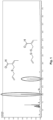
Fig. 1 . Gas chromatography-mass spectrometry (GC-MS) spectrum of fraction C obtained in the example. -
Fig. 2 . Scheme showing a proposal for the generation ofcompounds -
Fig. 3 . GC-MS spectrum of fraction D obtained in the example (compound 3). -
Fig. 4 . Scheme showing a proposal for the generation ofcompound 3 of the invention. - Following, a protocol to obtain the compounds of the invention (compounds of
formula - Silica gel SDS 60 (35-70 µm) was used for flash column chromatography and monitored by thin layer chromatography (TLC) carried out on 0.25 mm E. Merck silica gel plates (60F-254) using UV light as the visualizing agent and solutions of phosphomolybdic acid in ethanol. HPLC with UV and RID detection was used. Semi-preparative HPLC separation were carried out on a column (5 µm Silica, 9.4 X 250 mm) at a flow rate of 2.0 mL/min in an Agilent Series 1100 instrument. NMR spectra were performed with a Varian Direct Drive 600 (1H 600 MHz/13
C 150 MHz), Varian Direct Drive 500 (1H 500 MHz/13C 125 MHz), Varian Direct Drive 400 (1H 400 MHz/13C 100 MHz) and BRUKER Avance NEO (1H 400MHz/13C 100 MHz) spectrometers. High-resolution MS were determined on an Autospec-Q VG-Analytical (FISONS) mass spectrometer. DEPT-135 and two-dimensional (COSY, HSQC, HMBC, NOESY) NMR spectroscopy was used where appropriate to assist the assignment of signals in the 1H and 13C NMR spectra. - The volatile compounds of hydrolate fractions were analyzed by gas chromatography coupled to mass spectrometry (GC-MS) using a GC-2010 (Shimadzu, Kioto, Japan) equipment coupled to a GCMS-QP2010 (Shimadzu, Kioto, Japan) mass detector, equipped with a Simple Quadrupole analyzer, an automatic injector (AOC-20i) (Shimadzu, Kioto, Japan) and a (95%) dimethyl- (5%) diphenyl polysiloxane capillary column (30 µm × 0.25mm ID and 0.25 µm phase thickness) (Teknokroma TRB-5, Barcelona, Spain). The samples (in DCM) were detected by electronic impact at 70 e with Helium as a carrier gas. The working conditions were as follows: Split mode injection (1 µL injected), division ratio (20:1), injector temperature 300 ºC, transfer line temperature 250 ºC and ionization source temperature 220 ºC. The initial temperature was 70 ºC, heating up to 290 ºC at 6 ºC/min plus 20 min leaving at 290 ºC. Mass spectra and retention time are used to identify compounds by comparison with the Wiley and NIST17 databases (
Wiley 275 Mass Spectra Database, 2001, Palmer, Massachusetts, USA; NIST Mass Spectra Database, 2017, Gaithersburg, Maryland, USA). - The purple garlic plant is cultivated by Coopaman S.A. in Las Pedroñeras, Cuenca, Spain. At harvest, the undersize garlic bulbs (<36 mm) are considered garlic waste and were used for the preparation of the extracts.
- The GHE was prepared as described previously by the inventors (Galisteo, A. et al. Valorization of the hydrolate byproduct from the industrial extraction of purple Allium sativum essential oil as a source of nematicidal products. Life. 2022, 12, 905).
- Briefly, undersize garlic bulbs (equatorial diameter below 37 mm) were extracted by steam distillation in an industrial plant equipped with a vessel of 1080 L. Garlic essential oil was separated by decantation from the aqueous phase, hydrolate, with an oil yield of 0.2% (w/w).
- A sample of garlic hydrolate was absorbed with activated carbon (2 L hydrolate/80 g of carbon) and stirred for 30 min at room temperature. The resulting activated carbon was separated from the liquid by filtration on a Büchner with a cellulose filter and dried at 45ºC for 24 h.
- The solid part was extracted with AcOEt in a Soxhlet for 12 h. The solvent was evaporated under reduced pressure to give 8.0 g of organic fraction (hydrolate OF) with a yield of 0.032% (w/v). The GHE (8 g) was chromatographed in a Si column using mixture of solvents (hexane (H), methyl terc-butyl eter (MTBE) and ethyl acetate (EtOAc)) of increasing polarity to obtain seven fractions:
- Fraction A (H): It was constituted by a mixture of hydrocarbons and esters of fatty acids as deduced from its GC-MS analysis.
- Fraction B (H-EtOAc (9-1)): This fraction (5.5 g) was analyzed by GC-MS showing a high content of organosulfur compounds, with diallyl disulfide (DADS), diallyl trisulfide (DATS) and methyl allyl trisulfide (MATS) being the main components (These substances are also the main components of the essential oil of garlic: Kocić-Tanackov, S. et al. Effects of onion (Allium cepa L.) and garlic (Allium sativum L.) essential oils on the Aspergillus versicolor growth and Sterigmatocystin production. J. Food Sci. 2012, 77, 278-284).
- Fraction C (H-EtOAc (4-1)): This fraction consisted of 308 mg of a mixture of
compounds 


- Fraction D (H-EtOAc (7-3)): The GC-MS analysis of this fraction (284 mg) showed a major unknown peak. 20 mg of fraction D was purified by semipreparative HPLC with an isocratic elution (H-MTBE, 8-2) in a flow of 4 mL/min to obtain 11 mg of 3 (Rt=10.31 min).

- Fraction E (H-EtOAc (7-3)): This fraction (176 mg) was analyzed by GC-MS to show a high content of alcohols and fatty acids.
- Fraction F (H-EtOAc (3-2)): The GC-MS analysis of this fraction (463 mg) showed a major peak assigned to the compound 5:

- Fraction G (H-EtOAc (1-1: The GC-MS analysis of this fraction (139 mg) showed a major peak assigned to compound 4.


- H. lusitanicum engorged female ticks were collected in central Spain (Finca La Garganta, Ciudad Real) from their host (deer) and maintained at 22-24 °C and 70% RH until oviposition and egg hatching. Resulting larvae (4-6 weeks old) were used for the bioassays (Galisteo Pretel, A. et al. Germacrone derivatives as new insecticidal and acaricidal compounds: a structure-activity relationship. Mol. 2019, 24). Briefly, 50 µL of test solution were added to 25 mg of powdered cellulose at different concentrations (initial concentration of 20 mg/ml) and the solvent was evaporated. For each test, three replicates with 20 larvae each were used. Dead ticks were counted after 24 h of contact with the treated cellulose at the environmental conditions described, using a binocular magnifying glass. The larvicidal activity data are presented as percent mortality corrected according to Schneider-Orelli's formula (Schneider-Orelli, O. Entomologisches praktikum: Einführung in die land- und forstwirtschaftliche Insektenkunde; aus dem entomologischen institut der eidgenössischen technischen hochschule in Zürich; Sauerländer, 1947). Effective lethal doses (LC50 and LC90, the concentration that kills 50% or 90% of the organisms, respectively) were calculated by Probit Analysis (5 serial dilutions, STATGRAPHICS Centurion XVI, version 16.1.02, Statgraphics Technologies, Inc, P.O. Box 134, The Plains, Virginia 20198, USA).
- The fungal species Aspergillus niger and Botrytis cinerea came from the fungal collection of institute de Ciencias Agrarias-CSIC, Madrid, Spain where they are maintained. The antifungal activity of the hydrolate extract and fractions were determined using a modified spore germination inhibition growth assay (Sainz, P. et al. Chemical composition and biological activities of Artemisia pedemontana subsp. assoana essential oils and hydrolate. Biomol. 2019, 9). The hydrolate extract or fractions were dissolved in dimethyl sulfoxide (DMSO) at 1% and evaluated at the final concentrations indicated.
- The spore suspensions were 7.5 × 10⁵ cells/mL in NaCl 0.9% for A. niger and 1 × 10⁷ cells/mL in distilled water for B. cinerea. Amphotericin B (5 µg/mL) was used as a positive control. The samples and spore suspensions (4 replicates) were placed on 96-well plates and incubated for 24 h (28 ºC for A. niger and 25 ºC for B. cinerea). After the incubation process, 25 µL of an MTT (5 mg/mL) plus menadione (1 mM) solution in RMPIMOPS were added, the plates were incubated again for 3 h, the medium was removed, 200 µL of acidic isopropanol (95% isopropanol and 5% 1 M HCl) was added, and the plates were incubated for another 30 min. The absorbance was read at 490 nm in an Elisa reader. The IC50 values (the effective dose to give 50% inhibition) were calculated by a regression curve of % spore germination inhibition on log dose.
- The study of the chemical composition of fraction C revealed, according to its GC-MS (
Figure 1 ), the presence of two unknown major compounds. - This fraction was subjected to semipreparative HPLC, which allowed the isolation of
compounds Compound 1 showed in its HRMS the molecular ion [M+H]+ at m/z 157.0687, corresponding to a molecular formula of C8H13OS. Analysis of its 1H-NMR spectrum indicates the presence of a S-CH2-CH=CH2 moiety, as deduced from the coupling constants of the signals appearing at aδ 5,86, 5,22, 5,15 and 3,18 ppm (Table 1), data comparable to those exhibited by known compounds such as diallyl sulfide (DAS) (Herrera, C. ACS Appl. Mater. Interfaces 2019, 11, 35312-35318). The NMR signals at a δ 9,43 and 6.72 (1H NMR) and 193.42 ppm (13C NMR) confirmed the presence of an α,β-unsaturated aldehyde. The multiplicity of this olefinic proton (q, J = 7.1 Hz) indicated the presence of a vicinal methyl, the latter appearing at 2.09 ppm (d, J = 7.1 Hz). Finally, the signal atδ 3,36 ppm could be attributed a methylene group bound to a un CH2 bound to a sulfur atom. Assignment of the structure of 2-((allylthio)methyl)but-2-enal to 1 was confirmed on the basis of the long-range correlations observed in the HMBC experiment (Table 1).Table 1: NMR data of compound 1.Position 1H (ppm) 13C (ppm)* NOE HMBC 1 9.43 s 193.42 (CH) H6 C4, C5, C6 2 - 141.60 (C) - - 3 6.72 q (J = 7.1 Hz) 151.44 (CH) H7, H8 C4, C5, C7 4 2.09 d (J = 7.1 Hz) 15.25 (CH3) H4, H6 C4, C5, C6, C8 5 3.36 s 22.98 (CH2) H3, H7 C3, C5, C6, C8 6 3.18 dt (J = 7.0, 1.2 Hz) 35.69 (CH2) - C15 C2, C 47 5.86 ddt (J = 17.0, 10.0, 7.0 Hz) 134.18 (CH) - C3 8α 5.22 dq (J = 17.0, 1.2 Hz) 117.35 (CH2) - C2, C3 8β 5.15 dq (J = 10.0, 1.2 Hz) 117.35 (CH2) - C3 * HSQC-based assignment 
- Finally, the geometry of the trisubstituted double bond was established after analysis of 1D NOE experiments. Thus, the observation of NOE at Me 4 after irradiation of H6 confirmed the E geometry of this unsaturation. This geometry is corroborated after noticing the γ-shielding effect experienced by C5.
-
Compound 2 was assigned the molecular formula C8H13OS2 from its HRMS ([M+H]+, m/z 189. 0399). Its NMR spectra were very similar to those of 1, with the main differences being the chemical shifts of the carbons bound to the sulfur atom. Thus, while these carbons resonate incompound 1 at δ 35,69 and 22,98 ppm (Table 1), the corresponding resonances appeared incompound 2 at δ 41,91 30,78 ppm (Table 2), which suggested the presence of a disulfide bridge incompound 2. This proposal is supported after noticing that similar chemical shifts differences were found when comparing the NMR data of DAS with those of DADS or DATS (Herrera, C. et al. Polysulfides Synthesized from renewable garlic components and repurposed sulfur form environmentally friendly adhesives. ACS Appl. Mater. Interfaces 2019, 11, 35312-35318; Baker, A. et al. Flow synthesis of symmetrical Di- and trisulfides using phase-transfer catalysis. J. Flow Chem. 2013, 3, 118-121).
Table 2: NMR data of compound 2.Position 1H (ppm) 13C (ppm)* NOE HMBC 1 9.43 s 192.91 (CH) H6 C4, C5 2 - 140.35 (C) - - 3 6.81 q (J = 7.1 Hz) 152.15 (CH) H7, H8 C4, C7, C8 4 2.14 d (J = 7.1 Hz) 15.62 (CH3) H4, H6 C4, C5, C6, C8 5 3.64 s 30.78 (CH2) H3, H7 C5, C6, C8 6 3.36 dt (J = 7.4, 0.9 Hz) 41.91 (CH2) - C1, C 27 5.88 ddt (J = 17.0, 10.0, 7.4 Hz) 133.17 (CH) - C3 8α 5.23 dq (J = 17.0, 1.2 Hz) 118.81 (CH2) - C2, C3 8β 5.19 ddd (J = 10.0, 1.2, 0.9 Hz) 118.81 (CH2) - C3 *HSOC-based assignment. - The generation of
compounds 
- The origin of synthons IV and V may lay in the aqueous degradation of allicin (VII) or to the reduction of polysulfides present in garlic (Münchberg, U. et al. Polysulfides as biologically active ingredients of garlic. Org. Biomol. Chem. 2007, 5, 1505-1518 ; Block, E. et al. J. Agric. Food Chem. 2010, 58, 4617-4625). In the case of acrolein (VI), this compound may be originated as result of a thermic degradation of allicin in aqueous medium (
Scheme 2, (a)), the hydrolysis of cation VIII (Scheme 2, (B)), intermediate in the synthesis of ajoene (Ilić, D. et al. Sci. World J. 2012, 2012, 561823), or via thermic or photochemical degradation of cysteine (Obata, Y. et al. Agric. Biol. Chem. 1965, 29, 196-199):
- The reactions of formation of
compounds Figure 2 is possible. - Once isolated, the activity of pure 1 and 2 were tested (Table 3).
Table 3: Bioactivities of compound Compound Species LD50 (95% Confidence Limits) LD90 (95% Confidence Limits) 1 A. niger 78.07 (63.96-95.28)µg/mL - 1 B. cinerea 27.13 (21.09-27.12)µg/mL - 1 H. lusitanicum 8.42 (7.72-10.07) µg/mg 15.62 (13.79-18.38) µg/ mg 2 A. niger 30.76 (24.39-38.78) µg/mL - 2 B. cinerea 10.10 (7.59-13.44) µg/mL - - The presence of a second sulfur atom in
compound 1 increases up to three-four folds its activity with respect to that ofcompound 2. - Fraction D was proven to possess a major compound after CG-MS analysis (
Figure 3 ). This substance (3) was isolated via semi-preparative HPLC. - The HRMS of 3 showed a [M+H]+ at m/z 129.0374, which together with its 1H and 13C NMR data (Table 4), established the molecular formula C6H9OS. This molecular formula, together with the analysis of its 13C NMR spectrum, permitted assign a cyclic structure for
compound 3.Table 4: NMR data of compound 3.Position 1H (ppm) 13C (ppm)* COSY HMBC 1 - - - - 2 3.33 q (J = 2.2 Hz) 22.35 (CH2) H3, H4 C2, C3 3 - 138.99 (C) - C3 4 6.91 m 150.93 (CH) H4 - 5 2.72 - 2.65 m 27.53 (CH2) H3, H5 C3 6 2.80 t (J = 5.7 Hz) 24.72 (CH2) H4 C1, C3, C 47 9.38 s 192.78 (CH) - C1, C2 *HSOC-based assignment. - The 1H NMR signals at δ 9.38 ppm δ 6.91 ppm suggested the existence of an α,β-unsaturated aldehyde in the structure of 3. Signals corresponding to three methylene groups complete the 1H NMR spectrum. Two of these methylene groups were assigned to be bound to the sulfur atom (H6, 2.80 t (J = 5.7 Hz); H2, 3.33 q (J = 2.2 Hz)), whereas the remaining one was located α to the olefinic proton as confirmed after analysis of the correlations observed in its 2D COSY and HMBC spectra (Table 1).
Compound 3 was thus assigned the structure of 5,6-dihydro-2H-thiopyran-3-carbaldehyde.
- Although this compound was reported to be synthesized McIntosh and Khalil (McIntosh, J.M. et al. J. Org. Chem. 1977, 42, 2123-2126), this is the first time that
aldehyde 3 is isolated from natural sources. Both synthetic and natural 3 display identical spectroscopic properties. - The generation of
compound 3 can be rationalized as shown inFigure 4 . Thus, 3 would be generated after an intramolecular aldolic reaction of intermediate IX, which, in turn, would be the result of two Michel additions between two molecules of acrolein (VI) and one molecule of hydrogen sulfide; the latter formed from the degradation of cysteine. - The activity of
compound 3 was tested (Table 5).Table 5: Bioactivitie of compound 3.Compound Species LD50 (95% Confidence Limits) LD90 (95% Confidence Limits) 3 A. niger 16.96 (7.98-36.03) µg/mL - 3 B. cinerea 8.79 (5.36-14.43) µg/mL - 3 H. lusitanicum - 3.57 (3.20-4.23) µg/mg - These compounds (1-3) are small molecules (<10 carbons) that contain an aldehyde group. This aldehyde can be hydrated to generate a gem-diol group, that should be soluble in hot water and retain the compounds in the hydrolate.
Claims (14)
- Use of a compound of formula 1, 2 or 3,

- Use, according to claim 1, wherein the composition also comprises vehicles or agents selected from surfactants, dispersants and stabilizers to facilitate its conservation, handling and application.
- Use, according to any of claim 1 or 2, wherein the phytopathogens or pest organisms are selected from fungi and ticks.
- Use, according to claim 3, wherein the fungi are selected from Aspergillus niger and Botrytis cinerea and/or the species of ticks is Hyalomma lusitanicum.
- Method to control phytopathogens or pest organisms that affect plants, wherein said method comprises treating the plant with an effective amount of a compound of formula 1, 2, or 3 or a composition comprising an effective amount of the compound of formula 1, 2, 3 or any combination thereof, as defined in any one of claim 1 or 2.
- Method, according to claim 5, wherein the phytopathogens or pest organisms are fungi selected from Aspergillus niger and Botrytis cinerea and/or the species of ticks is Hyalomma lusitanicum.
- Method, according to claim 5 or 6, wherein the compound or the composition is applied by its direct spraying onto the plant where the organism is found.
- Compound of formula 1, 2 or 3:

- Compound or a composition for use according to claim 8, wherein the ectoparasite is selected form fungi and ticks.
- Compound or a composition for use according to claim 9, wherein the fungi are selected from Aspergillus niger and Botrytis cinerea and the tick species is Hyalomma lusitanicum.
- Compound, or a composition, for use according to any of claims 8 to 10, wherein the compound or the composition is administered topically, preferably is applied by direct spraying onto the animal where the ectoparasite is located.
- Biocidal composition comprising a compound of formula 1, 2, 3:

- Biocidal composition, according to claim 12, additionally comprising vehicles or agents selected from surfactants, dispersants and stabilizers to facilitate its conservation, handling and application.
- Compound of formula 1 or 2:

Priority Applications (1)
| Application Number | Priority Date | Filing Date | Title |
|---|---|---|---|
| EP23382745.0A EP4494466A1 (en) | 2023-07-20 | 2023-07-20 | Sulfur-containing compounds and use thereof |
Applications Claiming Priority (1)
| Application Number | Priority Date | Filing Date | Title |
|---|---|---|---|
| EP23382745.0A EP4494466A1 (en) | 2023-07-20 | 2023-07-20 | Sulfur-containing compounds and use thereof |
Publications (1)
| Publication Number | Publication Date |
|---|---|
| EP4494466A1 true EP4494466A1 (en) | 2025-01-22 |
Family
ID=87429751
Family Applications (1)
| Application Number | Title | Priority Date | Filing Date |
|---|---|---|---|
| EP23382745.0A Withdrawn EP4494466A1 (en) | 2023-07-20 | 2023-07-20 | Sulfur-containing compounds and use thereof |
Country Status (1)
| Country | Link |
|---|---|
| EP (1) | EP4494466A1 (en) |
Citations (2)
| Publication number | Priority date | Publication date | Assignee | Title |
|---|---|---|---|---|
| DE3333678A1 (en) * | 1983-09-17 | 1985-03-28 | Basf Ag, 6700 Ludwigshafen | METHOD FOR PRODUCING 3-FORMYL-TETRAHYDROTHIOPYRANES |
| WO2002017937A1 (en) | 2000-09-01 | 2002-03-07 | Fundação Oswaldo Cruz - FIOCRUZ | Extracts from the fungus guignardia sp., their uses in pharmaceutical compositions, new isolate compound from the extract of the fungus guignardia sp. and its use in pharmaceutical compositions |
-
2023
- 2023-07-20 EP EP23382745.0A patent/EP4494466A1/en not_active Withdrawn
Patent Citations (2)
| Publication number | Priority date | Publication date | Assignee | Title |
|---|---|---|---|---|
| DE3333678A1 (en) * | 1983-09-17 | 1985-03-28 | Basf Ag, 6700 Ludwigshafen | METHOD FOR PRODUCING 3-FORMYL-TETRAHYDROTHIOPYRANES |
| WO2002017937A1 (en) | 2000-09-01 | 2002-03-07 | Fundação Oswaldo Cruz - FIOCRUZ | Extracts from the fungus guignardia sp., their uses in pharmaceutical compositions, new isolate compound from the extract of the fungus guignardia sp. and its use in pharmaceutical compositions |
Non-Patent Citations (19)
| Title |
|---|
| AKTAR, M.W. ET AL.: "impact of pesticides use in agriculture: their benefits and hazards", INTERDISCIP. TOXICOL., vol. 2, 2009, pages 1 - 12 |
| BAKER, A. ET AL.: "Flow synthesis of symmetrical Di- and trisulfides using phase-transfer catalysis", J. FLOW CHEM., vol. 3, 2013, pages 118 - 121 |
| BLOCK, E. ET AL., J. AGRIC. FOOD CHEM., vol. 58, 2010, pages 4617 - 4625 |
| GALISTEO PRETEL, A. ET AL.: "Germacrone derivatives as new insecticidal and acaricidal compounds: a structure-activity relationship", MOL., vol. 24, 2019 |
| GALISTEO, A. ET AL.: "Valorization of the hydrolate byproduct from the industrial extraction of purple Allium sativum essential oil as a source of nematicidal products", LIFE, vol. 12, 2022, pages 905 |
| HERRERA, C. ET AL.: "Polysulfides Synthesized from renewable garlic components and repurposed sulfur form environmentally friendly adhesives", ACS APPL. MATER. INTERFACES, vol. 11, 2019, pages 35312 - 35318 |
| KOCIC-TANACKOV, S. ET AL.: "Effects of onion (Allium cepa L.) and garlic (Allium sativum L.) essential oils on the Aspergillus versicolor growth and Sterigmatocystin production", J. FOOD SCI., vol. 77, 2012, pages 278 - 284 |
| KUMAR, R. ET AL.: "impact of pesticide toxicity in aquatic environment", BIOINTERFACE RES. APPL. CHEM., vol. 11, 2021, pages 10131 - 10140 |
| LLIC, D. ET AL., SCI. WORLD J. 2012, 2012, pages 561823 |
| MARRONE, P.G.: "Pesticidal natural products - status and future potential", PEST MANAG. SCI., vol. 75, 2019, pages 2325 - 2340 |
| MCLNTOSH, J.M. ET AL., J. ORG. CHEM., vol. 42, 1977, pages 2123 - 2126 |
| MUNCHBERG, U. ET AL.: "Polysulfides as biologically active ingredients of garlic", ORG. BIOMOL. CHEM., vol. 5, 2007, pages 1505 - 1518, XP055769360, DOI: 10.1039/B703832A |
| OBATA, Y. ET AL., AGRIC. BIOL. CHEM., vol. 29, 1965, pages 196 - 199 |
| PETER ROSE ET AL: "Bioactive S-alk(en)yl cysteine sulfoxide metabolites in the genus Allium: the chemistry of potential therapeutic agents", NATURAL PRODUCT REPORTS, vol. 22, no. 3, 1 January 2005 (2005-01-01), GB, pages 351, XP055114697, ISSN: 0265-0568, DOI: 10.1039/b417639c * |
| RANI, L. ET AL.: "An extensive review on the consequences of chemical pesticides on human health and environment", J. CLEAN. PROD., vol. 283, 2021, pages 124657 |
| SAINZ, P. ET AL.: "Chemical composition and biological activities of Artemisia pedemontana subsp. assoana essential oils and hydrolate", BIOMOL., vol. 9, 2019 |
| SINGH S ET AL: "An Update on Therapeutic Management of Canine Demodicosis", VETERINARY WORLD, vol. 4, no. 1, 1 January 2011 (2011-01-01), India, pages 41 - 44, XP055833606, ISSN: 0972-8988, DOI: 10.5455/vetworld.2011.41-44 * |
| VOLLRATH, R.E. ET AL.: "Bactericidal properties of acrolein", PROC. SOC. EXP. BIOL. MED., vol. 36, 1937, pages 55 - 58 |
| YU, T.H.: "Volatile compounds generated from thermal degradation of alliin and deoxyalliin in an aqueous solution", J. AGRIC. FOOD CHEM., vol. 42, 1994, pages 146, XP002354499, DOI: 10.1021/jf00037a026 |
Similar Documents
| Publication | Publication Date | Title |
|---|---|---|
| Maazoun et al. | Screening for insecticidal potential and acetylcholinesterase activity inhibition of Urginea maritima bulbs extract for the control of Sitophilus oryzae (L.) | |
| Benelli et al. | Old ingredients for a new recipe? Neem cake, a low-cost botanical by-product in the fight against mosquito-borne diseases | |
| DE69530003T2 (en) | USE OF KONIFERYLALDEHYD AND ALPHA-HEXYL CINNAMALDEHYD FOR COMBATING INSECTS AND MITES | |
| Kumar et al. | Larvicidal potential of ethanolic extracts of dried fruits of three species of peppercorns against different instars of an Indian strain of dengue fever mosquito, Aedes aegypti L.(Diptera: Culicidae) | |
| Pavela et al. | Oviposition inhibitory activity of the Mexican sunflower Tithonia diversifolia (Asteraceae) polar extracts against the two-spotted spider mite Tetranychus urticae (Tetranychidae) | |
| Massaguni et al. | Assesssment the molluscicidal properties of azadirachtin against golden apple snail, Pomacea canaliculata | |
| CN112469279B (en) | Fungicides for the prevention and control of fungal pathogens | |
| Dusi et al. | Potential of garlic oil as a biopesticide against all Aedes aegypti life stages | |
| US6545043B1 (en) | Compounds related to natural sources and their use as biopesticides | |
| US6207705B1 (en) | Biopesticides related to natural sources | |
| KR20100123937A (en) | An insecticidal composition comprising 4-quinolinone derivative compound for tree insecticide and the method for killing the insect using thereby | |
| Satyavani et al. | Synthesis and mosquito larvicidal activity of furanochalcones and furanoflavonoids analogous to karanjin | |
| Reegan et al. | Larvicidal, ovicidal and repellent activities of marine sponge Cliona celata (Grant) extracts against Anopheles stephensi Liston (Diptera: Culicidae) | |
| US20140303114A1 (en) | METHOD FOR THE EXTRACTION OF FURAN DERIVATIVE COMPOUNDS FROM SEEDS OF HASS AVOCADO (Persea americana Mill) AT LOW TEMPERATURE AND THEIR USE AS REPELLENTS AND MITICIDES AGAINST Tetranychus urticae, Tetranychus cinnabarinus, Oligonychus yothersi, Panonychus citri, and Brevipalpus chilensis. | |
| Arumugam et al. | Pesticidal activity of Rivina humilis L.(Phytolaccaceae) against important agricultural polyphagous field pest, Spodoptera litura (Fab.)(Lepidoptera: Noctuidae) | |
| KR20090093604A (en) | Composition of Nematocides Comprising Plant Essential Oils | |
| Campbell et al. | Organosulphur constituents in garlic oil elicit antennal and behavioural responses from the yellow fever mosquito | |
| AU2003257249A1 (en) | Eremophilone and eremophilone derivatives for pest control | |
| KR20100112460A (en) | Mixture extract having insecticidal and repellent effects and products using the same | |
| US12369578B2 (en) | Use of a nematicide composition | |
| KR20150029229A (en) | Composition for controlling nematodes comprising an extract of triumfetta grandidens, and method for controlling nematodes using the same | |
| Kumar et al. | Toxicity and repellent effect of essential oils and a major component against Lipaphis erysimi | |
| LANCHANA et al. | GC-MS profiling and efficacy of Crotalaria ramosissima Roxb. leaf extracts in controlling termite, Odontotermes obesus. | |
| KR101696673B1 (en) | Larvicide comprising a compound from Alpinia katsumadai as effective component and uses thereof | |
| KR101614095B1 (en) | Parthenocissus tricuspidata PLANCH extracts for killing insects thereof |
Legal Events
| Date | Code | Title | Description |
|---|---|---|---|
| PUAI | Public reference made under article 153(3) epc to a published international application that has entered the european phase |
Free format text: ORIGINAL CODE: 0009012 |
|
| STAA | Information on the status of an ep patent application or granted ep patent |
Free format text: STATUS: THE APPLICATION HAS BEEN PUBLISHED |
|
| AK | Designated contracting states |
Kind code of ref document: A1 Designated state(s): AL AT BE BG CH CY CZ DE DK EE ES FI FR GB GR HR HU IE IS IT LI LT LU LV MC ME MK MT NL NO PL PT RO RS SE SI SK SM TR |
|
| STAA | Information on the status of an ep patent application or granted ep patent |
Free format text: STATUS: THE APPLICATION IS DEEMED TO BE WITHDRAWN |
|
| 18D | Application deemed to be withdrawn |
Effective date: 20250723 |