EP4492245A1 - Detecting an error in an updated software package by automatically rebuilding related downstream products - Google Patents
Detecting an error in an updated software package by automatically rebuilding related downstream products Download PDFInfo
- Publication number
- EP4492245A1 EP4492245A1 EP23209918.4A EP23209918A EP4492245A1 EP 4492245 A1 EP4492245 A1 EP 4492245A1 EP 23209918 A EP23209918 A EP 23209918A EP 4492245 A1 EP4492245 A1 EP 4492245A1
- Authority
- EP
- European Patent Office
- Prior art keywords
- software package
- rebuild process
- downstream
- updated software
- downstream products
- Prior art date
- Legal status (The legal status is an assumption and is not a legal conclusion. Google has not performed a legal analysis and makes no representation as to the accuracy of the status listed.)
- Pending
Links
Images



Classifications
-
- G—PHYSICS
- G06—COMPUTING OR CALCULATING; COUNTING
- G06F—ELECTRIC DIGITAL DATA PROCESSING
- G06F11/00—Error detection; Error correction; Monitoring
- G06F11/07—Responding to the occurrence of a fault, e.g. fault tolerance
- G06F11/14—Error detection or correction of the data by redundancy in operations
- G06F11/1402—Saving, restoring, recovering or retrying
- G06F11/1415—Saving, restoring, recovering or retrying at system level
- G06F11/1433—Saving, restoring, recovering or retrying at system level during software upgrading
-
- G—PHYSICS
- G06—COMPUTING OR CALCULATING; COUNTING
- G06F—ELECTRIC DIGITAL DATA PROCESSING
- G06F11/00—Error detection; Error correction; Monitoring
- G06F11/07—Responding to the occurrence of a fault, e.g. fault tolerance
- G06F11/14—Error detection or correction of the data by redundancy in operations
- G06F11/1479—Generic software techniques for error detection or fault masking
-
- G—PHYSICS
- G06—COMPUTING OR CALCULATING; COUNTING
- G06F—ELECTRIC DIGITAL DATA PROCESSING
- G06F11/00—Error detection; Error correction; Monitoring
- G06F11/36—Prevention of errors by analysis, debugging or testing of software
- G06F11/3668—Testing of software
- G06F11/3672—Test management
- G06F11/3688—Test management for test execution, e.g. scheduling of test suites
-
- G—PHYSICS
- G06—COMPUTING OR CALCULATING; COUNTING
- G06F—ELECTRIC DIGITAL DATA PROCESSING
- G06F11/00—Error detection; Error correction; Monitoring
- G06F11/36—Prevention of errors by analysis, debugging or testing of software
- G06F11/3668—Testing of software
- G06F11/3672—Test management
- G06F11/3692—Test management for test results analysis
-
- G—PHYSICS
- G06—COMPUTING OR CALCULATING; COUNTING
- G06F—ELECTRIC DIGITAL DATA PROCESSING
- G06F8/00—Arrangements for software engineering
- G06F8/40—Transformation of program code
- G06F8/41—Compilation
- G06F8/43—Checking; Contextual analysis
- G06F8/433—Dependency analysis; Data or control flow analysis
-
- G—PHYSICS
- G06—COMPUTING OR CALCULATING; COUNTING
- G06F—ELECTRIC DIGITAL DATA PROCESSING
- G06F8/00—Arrangements for software engineering
- G06F8/60—Software deployment
- G06F8/65—Updates
-
- G—PHYSICS
- G06—COMPUTING OR CALCULATING; COUNTING
- G06F—ELECTRIC DIGITAL DATA PROCESSING
- G06F8/00—Arrangements for software engineering
- G06F8/70—Software maintenance or management
- G06F8/71—Version control; Configuration management
Definitions
- the present disclosure relates generally to software development. More specifically, but not by way of limitation, this disclosure relates to detecting errors in an updated software package by automatically rebuilding downstream products that depend on the software package.
- a software developer can create a software package that includes a group of computer programs provided as a bundle. After initially releasing the software package, the software developer can update the software package.
- the update can be designed to resolve bugs, improve security, add new functionality, or remove existing functionality.
- the software developer may perform various software tests (e.g., unit tests, integration tests, and system tests) on the updated software package to help ensure that the update is free from defects or meets other requirements.
- the software developer may push the updated software package to an update server or otherwise make the updated software package available to the end users. The end users may then download the updated software package for subsequent use.
- a software developer may update the software package. For example, the software developer can modify the source code of the software package to include one or more updates that are absent from a prior version of the software package. The software developer may then perform one or more software tests on the updated software package for debugging purposes. If the updated software package passes the software tests, the software developer may release the updated software package for use by other developers in various downstream products.
- the downstream products can directly or indirectly depend on the software package (e.g., either the updated version or a prior version). For example, if the software package is a library, the downstream products can be software packages that depend on any version of the library. This dependency may be hardcoded into the downstream products, for example through "include" directives in their source code.
- Some examples of the present disclosure can overcome one or more of the abovementioned problems by providing a testing system that can automatically detect errors in downstream products resulting from an updated software package, before the update is released to end users. For example, the testing system can determine which downstream products depend on the updated software package. The testing system can then automatically rebuild some or all of the downstream products using the updated software package. By rebuilding the downstream products using the updated software package, the testing system can preemptively determine the impact of the update on the downstream products, before the update is released. If the testing system determines that the update would negatively impact a downstream product (e.g., the update would produce a bug in the downstream product), suitable remedial measures can be taken. In this way, the testing system can help a software developer quickly and easily identify and resolve latent bugs arising from the update, before the update is released to end users.
- the testing system can help a software developer quickly and easily identify and resolve latent bugs arising from the update, before the update is released to end users.
- the testing system can execute a rebuild process on each downstream product using the updated software package.
- the testing system can perform one or more tests to verify that no bugs have been introduced as a result of the update to the software package. If all of the rebuilt downstream products pass their tests, there are likely no errors in the updated software package.
- the testing system can automatically perform further operations to determine whether the failed test is due to the update or something else. For example, the testing system can attempt to rebuild the downstream product again, this time using a prior version of the software package that excludes the update.
- the testing system can determine that a root cause (e.g., origin) of the failed test is a problem in the update.
- the test system can then notify the software developer about the problem. This can allow the developer to take any necessary remedial action, like modifying the source code of the update to correct whatever bug produced the failed test.
- the testing system can automatically assess the impact of an updated software package on a large number of dependent downstream products, so that any bugs can be resolved preemptively before the update is formally released.
- the developer 104 may interact with the computer system 132 to trigger a rebuild engine 110.
- the developer 104 can interact with a graphical user interface provided by the computer system 132 to trigger the rebuild engine 110.
- the rebuild engine 110 can perform more comprehensive testing to detect integration problems between the updated software package 102 and one or more downstream products.
- the rebuild engine 110 can identify a set of downstream products 112 that rely on the software package (e.g., the updated version 102 or a prior version of the software package).
- the rebuild engine 110 can determine the set of downstream products 112 from a predefined file 114.
- the file 114 may be created by the developer 104 or another entity.
- the file 114 can list the set of downstream products 112 that depend on the software package. For instance, the file 114 can list unique identifiers of the downstream products 112, such as their names.
- the rebuild engine 110 can automatically identify the set of downstream products 112 that rely on the software package.
- the rebuild engine 110 may automatically identify the set of downstream products 112 by communicating with a package handler 134, which may be internal or external to the computer system 132.
- the package handler 134 can return a list of the downstream products in response to a request 136 for said list.
- An example of such an automated process is described in greater detail later on with respect to FIG. 3 . Either way, the rebuild engine 110 can determine which downstream products 112 rely on the software package.
- the rebuild engine 110 can obtain their source code.
- the rebuild engine 110 can automatically obtain the source code for each downstream product 112 from one or more code repositories 116.
- the code repositories 116 may be part of a version control system for source code, such as GitHub ® . If the computer system 132 does not already contain the source code for a given downstream product 112, the computer system 132 can download the source code from the code repositories 116.
- the computer system 132 can determine a location from which to download the source code for a given downstream product 122 from the file 114, which may include uniform resource locators (URLs) or other addresses indicating where the source code for each of the downstream products 112 can be found.
- URLs uniform resource locators
- the rebuild engine 110 can attempt to rebuild each of the downstream products 112 using their source code and the updated software package 102.
- the rebuild engine 110 can perform a first rebuild process 122a on a downstream product (e.g., Product A) using source code 118 for the downstream product and the updated software package 102. This can involve generating a binary file 130a based on the source code 118 and the updated software package 102, for example by compiling the source code 118 into the binary file 130a.
- One or more tests 124a can then be executed on the binary file 130a to detect defects.
- a report 126a can be generated indicating whether the binary file 130a passed or failed the tests 124a.
- the report 126a can also include build logs, test logs, or both. If the binary file 130a passed all of the tests 124a, then the rebuild engine 110 can determine that the updated software package 102 does not negatively impact that particular downstream product. If the binary file 130a failed one or more of the tests 124a, then the rebuild engine 110 can perform additional operations to determine a root cause of the failure.
- the rebuild engine 110 can obtain a prior version of the software package 120.
- the prior version of the software package 120 is a previous version of the software package before the update was applied.
- the prior version 120 may or may not be the most recent version of the software package prior to the update.
- the rebuild engine 110 can obtain the prior version 120 from one or more repositories, such as the code repositories 116.
- the rebuild engine 110 can then perform a second rebuild process 122b using the source code 118 for the downstream product and the prior version of the software package 120. This can involve generating a binary file 130b based on the source code 118 and the prior version 120, for example by compiling the source code 118 into the binary file 130b.
- One or more tests 124b can then be executed on the binary file 130b to detect defects. These tests 124b may be the same as the tests 124a performed during the first rebuild process 122a.
- a report 126b can be generated indicating whether the binary file 130b passed or failed the tests 124b. The report 126b can also include build logs, test logs, or both. If the binary file 130b passed all of the tests 124b, then the rebuild engine 110 can determine that the problem stems from the update to the software package. So, the rebuild engine 110 can transmit an output 128 to the developer 104 that indicates the problem and that its root cause is related to the update.
- the output 128 may also include at least some of the reports 124a, 126b, such as their build logs and/or test logs, which can be used to help the developer 104 further narrow down the root cause of the problem.
- the binary file 130b failed one or more of the tests 124b (e.g., the same tests that were failed during the first rebuild process 122a)
- the rebuild engine 110 can transmit an output 128 to the developer 104 that indicates the problem and that its root cause cannot be determined by the rebuild engine 110.
- the output 128 may also include at least some of the reports 124a, 126b, such as their build logs and/or test logs, which can be used to help the developer 104 further narrow down the root cause of the problem.
- FIGS. 2A-B are flowcharts of an example of a process for detecting errors in an updated software package according to some aspects of the present disclosure. Other examples may include more operations, fewer operations, different operations, or a different sequence of operations than is shown in these figures. The operations of FIGS. 2A-B are described below with reference to the components of FIG. 1 .
- a computer system 132 determines a set of downstream products 112 that depend on an updated software package. For example, the computer system 132 can open a file 114 and extract this information from the file 114. Alternatively, the computer system 132 can automatically determine the set of downstream products 112, as described in greater detail later on.
- the computer system 132 selects a downstream product (e.g., Product A) to evaluate.
- a downstream product e.g., Product A
- the computer system 132 can randomly select a downstream product to evaluate from the set of downstream products 112.
- the computer system 132 can select a downstream product to evaluate based on one or more factors, such as the downstream product's name (e.g., downstream products can be evaluated in alphabetical order by name) or a predefined evaluation sequence.
- the set of downstream products may need to be evaluated in a particular sequence to prevent conflicts or other problems.
- the computer system 132 can determine the particular sequence in which to evaluate the downstream products. To do so, the computer system 132 may reference a predefined file 114 that specifies the sequence. After determining the particular sequence, the computer system 132 can then evaluate downstream products in accordance with that particular sequence.
- the build tool can generate a binary file 130a based on source code 118 for the downstream product and the updated software package 102. This may involve compiling the source code 118 into the binary file 130a.
- the build tool can then execute one or more tests 124a on the binary file 130a to detect defects.
- the build tool can generate a report 126a indicating whether the binary file 130a passed or failed the tests 124a.
- the report 126a can be accessible to the computer system 132. For example, the build tool can transmit the report 126a to the computer system 132.
- the computer system 132 determines whether the first rebuild process 122a was successful.
- the first rebuild process 122a can be considered successful if the binary file 130a passed at least a threshold number (e.g., all) of the tests 124a. Otherwise, the first rebuild process 122a can be considered a failure.
- the computer system 132 can determine whether the first rebuild process 122a was successful based on the report 126a.
- the process can continue to block 220.
- the computer system 132 determines whether there are any more downstream products to analyze in the set of downstream products determined. If not, the process can end. Otherwise, the process can return to block 204, at which point another downstream product can be selected for evaluation and the process can repeat.
- the computer system 132 determines a prior version of the software package 120.
- the prior version of the software package 120 may be the most recent version prior to the update.
- the computer system 132 may identify the prior version by interacting with a version control system, such as GitHub ® .
- the computer system 132 initiates a second rebuild process 122b on the downstream product using the prior version of the software package 120.
- the computer system 132 can use a build tool to perform the second rebuild process 122b.
- the build tool may be internal or external to the computer system 132. If the build tool is external to the computer system 132, the computer system 132 can initiate the second build process 122b by transmitting a command to the build tool via the one or more networks 108.
- the build tool can generate another binary file 130b based on source code 118 for the downstream product and the prior version of the software package 120. This may involve compiling the source code 118 into the binary file 130b.
- the build tool can then execute one or more tests 124b on the binary file 130b to detect defects.
- the build tool can generate a report 126b indicating whether the binary file 130b passed or failed the tests 124b.
- the report 126b can be accessible to the computer system 132. For example, the build tool can transmit the report 126b to the computer system 132.
- the computer system 132 determines whether the second rebuild process 122b was successful.
- the second rebuild process 122b can be considered successful if the binary file 130b passed at least a threshold number (e.g., all) of the tests 124b. Otherwise, the second rebuild process 122b can be considered a failure.
- the computer system 132 can determine whether the second rebuild process 122b was successful based on the report 126b.
- the computer system 132 can generate an output 128 that provides details about the problem, such as the name of the downstream product exhibiting the problem and a list of the tests 124a that failed during the first rebuild process 122a.
- the output 128 can also indicate that the root cause of the problem is the update.
- the computer system 132 can generate an output 128 that provides details about the problem, such as the name of the downstream product exhibiting the problem and a list of the tests 124a, 124b that failed during one or both of the rebuild processes 122a, 122b.
- the output 128 can also indicate that a failure reason (e.g., the root cause of the problem) could not be identified. Either way, after generating the output 128, the computer system 132 can transmit the output 128 to the client device 106 for display to the developer 104. This can assist the developer 104 in identifying and resolving defects associated with the updated software package 102.
- the computer system 132 may not separately transmit an output 128 about each problematic downstream product to the developer 104, since this could consume significant amounts of bandwidth and overwhelm the developer 104. Instead, the computer system 132 can collect some or all of the outputs from the various iterations into one or more lists, so that this information can be provided in bulk to the developer 104 via a smaller number of communications (e.g., a single communication).
- FIG. 3 is a flowchart of an example of a process for automatically identifying downstream software packages and obtaining their source code according to some aspects of the present disclosure. Other examples may include more operations, fewer operations, different operations, or a different sequence of operations than is shown in this figure. The operations of FIG. 3 are described below with reference to the components of FIG. 1 .
- a computer system 132 (e.g., the rebuild engine 110) transmits a request 136 to a package handler 138 for a list of downstream products that depend on an updated software package 102.
- the package handler 138 can be a program or a system that tracks relationships between software packages.
- the package handler 138 may have an API for receiving such requests 136 and providing corresponding responses.
- the package handler 138 can be configured to return the list of downstream products in response to the request 136. Using this approach, a human may not need to manually generate a file 114 indicating the downstream products.
- the computer system 132 filters the list of downstream products to remove duplicates.
- the same downstream product e.g., the same product and version
- the computer system 132 can remove these dependencies to shorten the list, thereby generating a filtered set of downstream products.
- the computer system 132 determines the latest version of each product on the filtered list of downstream products.
- the list may contain multiple different versions of the same downstream product.
- the list may include v1.9 and v2.0 of the same downstream product. Since the older versions (e.g., v1.9) of the downstream product are outdated, they may not need to be evaluated. So, the computer system 132 may determine which version is the most recent (e.g., v2.0), keep that version on the list, and discard the any older versions from the list. This may further shorten the list.
- the computer system 132 determines a commit hash for the latest version of each product on the filtered list of downstream products. For example, the computer system 132 can transmit a request to a version control system, which may be internal or external to the computer system 132. The request can be for the commit hash corresponding to the latest version of a particular downstream product on the filtered list of downstream products. In response to receiving the request, the version control system can respond with the commit hash. The computer system 132 can repeat this process for each downstream product on the filtered list of downstream products, to determine a respective commit hash corresponding to the latest version of each product.
- a version control system which may be internal or external to the computer system 132.
- the request can be for the commit hash corresponding to the latest version of a particular downstream product on the filtered list of downstream products.
- the version control system can respond with the commit hash.
- the computer system 132 can repeat this process for each downstream product on the filtered list of downstream products, to determine a respective commit hash corresponding to the latest version
- the computer system 132 uses the commit hash for the latest version of each downstream product to obtain its source code (e.g., from the version control system). For example, the computer system 132 can download the latest version of each downstream product from the version control system using the product's corresponding commit hash. After the computer system 132 has downloaded the source code 118 for a particular downstream product, the computer system 132 can initiate a first rebuild process 122a for that downstream product using the source code 118 and the updated software package 102. The first rebuild process 122a can be implemented as described above.
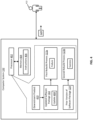
- FIG. 4 is a block diagram of a computer system 132 usable to implement some aspects of the present disclosure.
- the computer system 132 includes a processor 402 communicatively coupled to a memory 404.
- the processor 402 and memory 404 can be integrated into a single computing device or can be distributed from one another.
- the processor 402 can include one processing device or multiple processing devices. Examples of the processor 402 include a Field-Programmable Gate Array (FPGA), an application-specific integrated circuit (ASIC), and a microprocessor.
- the processor 402 can execute instructions 406 stored in the memory 404 to perform one or more operations.
- the instructions 406 can include processor-specific instructions generated by a compiler or an interpreter from code written in any suitable computer-programming language, such as C, C++, C#, and Java.
- the instructions 406 may correspond to the rebuild engine 110 of FIG. 1 .
- the memory 404 can include one memory device or multiple memory devices.
- the memory 404 can be volatile or non-volatile (i.e., the memory 404 can retain stored information when powered off).
- Examples of the memory 404 include electrically erasable and programmable read-only memory (EEPROM), flash memory, or any other type of non-volatile memory.
- EEPROM electrically erasable and programmable read-only memory
- flash memory or any other type of non-volatile memory.
- At least a portion of the memory device includes a non-transitory computer-readable medium.
- a computer-readable medium can include electronic, optical, magnetic, or other storage devices capable of providing the processor 402 with the instructions 406 or other program code. Examples of a computer-readable medium include magnetic disks, memory chips, ROM, random-access memory (RAM), an ASIC, a configured processor, optical storage, or any other medium from which a computer processor can read the instructions 406.
- the processor 402 can detect that the second rebuild process 122b succeeded. Based on detecting that the first rebuild process 122a failed and the second rebuild process 122b succeeded, the processor 402 can generate an output 128 for a user 412 (e.g., a developer associated with the updated software package 102) indicating that the updated software package 102 is flawed. This may allow the user 412 to resolve the flaw, for example prior to the updated software package 102 being released to the general public.
- a user 412 e.g., a developer associated with the updated software package 102
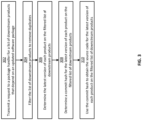
- FIG. 5 is a flowchart of an example of a process for detecting errors in an updated software package according to some aspects of the present disclosure. Other examples may include more operations, fewer operations, different operations, or a different sequence of operations than is shown in this figure. The operations of FIG. 5 are described below with reference to the components of FIGS. 1 and 4 .
- the processor 402 determines that a downstream product 410 depends on an updated software package 102. In some examples, the processor 402 can determine that many (e.g., dozens or hundreds of) downstream products 410 depend on the updated software package 102.
- the processor 402 initiates a first rebuild process 122a on the downstream product 410 (e.g., its source code) using the updated software package 102. This may involve transmitting one or more commands to a build tool that controls the first rebuild process 122a.
- the processor 402 detects that the first rebuild process 122a failed. This may involve analyzing a report 126a generated based on the first rebuild process 122a, where the report 126a indicates whether tests 124a performed during the first rebuild process 122a succeeded or failed.
- the processor 402 in response to detecting that the first rebuild process 122a failed, the processor 402 initiates a second rebuild process 122b on the downstream product 410 using a prior version of the updated software package 120 that excludes at least one update 408 made in the updated software package 102. This may involve transmitting one or more commands to a build tool that controls the second rebuild process 122b.
- the processor 402 detects that the second rebuild process 122b succeeded. This may involve analyzing a report 126b generated based on the second rebuild process 122b, where the report 126b indicates whether tests 124b performed during the second rebuild process 122b succeeded or failed.
- the processor 402 In block 512, based on detecting that the first rebuild process 122a failed and the second rebuild process 122b succeeded, the processor 402 generates an output 128 for a user 412 indicating that the updated software package 102 is flawed. The processor 402 can then transmit the output 128 to the user 412, who may take any suitable corrective action to resolve the flaw.
- any reference to a series of examples is to be understood as a reference to each of those examples disjunctively (e.g., "Examples 1-4" is to be understood as “Examples 1, 2, 3, or 4").
- Example #1 A non-transitory computer-readable medium comprising program code that is executable by one or more processors for causing the one or more processors to: determine that a downstream product depends on an updated software package; based on determining that the downstream product depends on the updated software package, initiate a first rebuild process on the downstream product using the updated software package; detect that the first rebuild process failed; in response to detecting that the first rebuild process failed, initiate a second rebuild process on the downstream product using a prior version of the updated software package that excludes at least one update made in the updated software package; detect that the second rebuild process succeeded; and based on detecting that the first rebuild process failed and the second rebuild process succeeded, generate an output for a user indicating that the updated software package is flawed.
- Example #2 The non-transitory computer-readable medium of Example #1, further comprising program code that is executable by the one or more processors for causing the one or more processors to: determine that a plurality of downstream products depend on the updated software package; based on determining that the plurality of downstream products depend on the updated software package, execute a respective rebuild process with respect to each downstream product of the plurality of downstream products using the updated software package; and generate a list of downstream products that failed their respective rebuild process.
- Example #3 The non-transitory computer-readable medium of Example #2, further comprising program code that is executable by the one or more processors for causing the one or more processors to: for each respective downstream product in the list of downstream products that failed their respective rebuild process: execute another rebuild process on the respective downstream product using the prior version of the updated software package; determine whether the other rebuild process succeeded or failed; and in response to determining that the other rebuild process succeeded, generate a respective output to indicate that the updated software package is flawed; or in response to determining that the other rebuild process failed, generate the respective output to indicate that a failure reason could not be identified.
- Example #4 The non-transitory computer-readable medium of any of Examples #2-3, further comprising program code that is executable by the one or more processors for causing the one or more processors to: determine a sequence in which to rebuild the plurality of downstream products; and execute the respective rebuild process on each downstream product of the plurality of downstream products in accordance with the sequence.
- Example #6 The non-transitory computer-readable medium of any of Examples #2-5, further comprising program code that is executable by the one or more processors for causing the one or more processors to: determine that the plurality of downstream products depend on the updated software package based on a predefined file, the predefined file specifying the plurality of downstream products.
- Example #7 The non-transitory computer-readable medium of any of Examples #2-5, further comprising program code that is executable by the one or more processors for causing the one or more processors to: transmit a request to a package handler for a list of downstream products that depend on the updated software package, wherein the package handler is configured to return the list of downstream products in response to the request; generate a filtered list of downstream products by filtering out duplicate software packages from the list of downstream products; determine a latest version of each software package on the filtered list of downstream products; determine a corresponding commit hash for the latest version of each software package on the filtered list of downstream products; obtain corresponding source code for the latest version of each software package on the filtered list of downstream products using the corresponding commit hash; and execute the respective rebuild process with respect to each downstream product on the filtered list of downstream products using the corresponding source code.
- Example #8 The non-transitory computer-readable medium of any of Examples #1-7, wherein the first rebuild process involves a plurality of software tests, and further comprising program code that is executable by the one or more processors for causing the one or more processors to: determine that the first rebuild process failed based on a failure of at least one software test of the plurality of software tests.
- Example #9 A method comprising: determining, by one or more processors, that a downstream product depends on an updated software package; based on determining that the downstream product depends on the updated software package, initiating, by the one or more processors, a first rebuild process on the downstream product using the updated software package; detecting, by the one or more processors, that the first rebuild process failed; in response to detecting that the first rebuild process failed, initiating, by the one or more processors, a second rebuild process on the downstream product using a prior version of the updated software package that excludes at least one update made in the updated software package; detecting, by the one or more processors, that the second rebuild process succeeded; and based on detecting that the first rebuild process failed and the second rebuild process succeeded, generating, by the one or more processors, an output for a user indicating that the updated software package is flawed.
- Example #11 The method of Example #10, further comprising: for each respective downstream product in the list of downstream products that failed their respective rebuild process: executing another rebuild process on the respective downstream product using the prior version of the updated software package; determining whether the other rebuild process succeeded or failed; and in response to determining that the other rebuild process succeeded, generating a respective output to indicate that the updated software package is flawed; or in response to determining that the other rebuild process failed: generating the respective output to indicate that a failure reason could not be identified; and providing build logs or tests logs, generated during the other rebuild process, to the user for helping the user identify an origin of the failure.
- Example #12 The method of any of Examples #10-11, further comprising: determining a sequence in which to rebuild the plurality of downstream products; and executing the respective rebuild process on each downstream product of the plurality of downstream products in accordance with the sequence.
- Example #14 The method of any of Examples #10-13, further comprising determining that the plurality of downstream products depend on the updated software package based on a predefined file, the predefined file specifying the plurality of downstream products.
- Example #15 The method of any of Examples #10-13, further comprising: transmitting a request to a package handler for a list of downstream products that depend on the updated software package, wherein the package handler is configured to return the list of downstream products in response to the request; generating a filtered list of downstream products by filtering out duplicate software packages from the list of downstream products; determining a latest version of each software package on the filtered list of downstream products; determining a corresponding commit hash for the latest version of each software package on the filtered list of downstream products; obtaining corresponding source code for the latest version of each software package on the filtered list of downstream products using the corresponding commit hash; and executing the respective rebuild process with respect to each downstream product on the filtered list of downstream products using the corresponding source code.
- Example #16 The method of any of Examples #9-15, wherein the first rebuild process involves a plurality of software tests, and further comprising determining that the first rebuild process failed based on a failure of at least one software test of the plurality of software tests.
- Example #17 A system comprising: one or more processors; and one or more memories including instructions that are executable by the one or more processors for causing the one or more processors to: determine that a downstream product depends on an updated software package; based on determining that the downstream product depends on the updated software package, initiate a first rebuild process on the downstream product using the updated software package; detect that the first rebuild process failed; in response to detecting that the first rebuild process failed, initiate a second rebuild process on the downstream product using a prior version of the updated software package that excludes at least one update made in the updated software package; detect that the second rebuild process succeeded; and based on detecting that the first rebuild process failed and the second rebuild process succeeded, generate an output for a user indicating that the updated software package is flawed.
- Example #18 The system of Example #17, wherein the one or more memories further include instructions that are executable by the one or more processors for causing the one or more processors to: determine that a plurality of downstream products depend on the updated software package; based on determining that the plurality of downstream products depend on the updated software package, execute a respective rebuild process with respect to each downstream product of the plurality of downstream products using the updated software package; and generate a list of downstream products that failed their respective rebuild process.
- Example #19 The system of Example #18, wherein the one or more memories further include instructions that are executable by the one or more processors for causing the one or more processors to: for each respective downstream product in the list of downstream products that failed their respective rebuild process: execute another rebuild process on the respective downstream product using the prior version of the updated software package; determine whether the other rebuild process succeeded or failed; and in response to determining that the other rebuild process succeeded, generate a respective output to indicate that the updated software package is flawed; or in response to determining that the other rebuild process failed, generate the respective output to indicate that a failure reason could not be identified.
- Example #20 The system of any of Examples #17-19, wherein the one or more memories further include instructions that are executable by the one or more processors for causing the one or more processors to: transmit a request to a package handler for a list of downstream products that depend on the updated software package, wherein the package handler is configured to return the list of downstream products in response to the request; generate a filtered list of downstream products by filtering out duplicate software packages from the list of downstream products; determine a latest version of each software package on the filtered list of downstream products; determine a corresponding commit hash for the latest version of each software package on the filtered list of downstream products; obtain corresponding source code for the latest version of each software package on the filtered list of downstream products using the corresponding commit hash; and execute the respective rebuild process with respect to each downstream product on the filtered list of downstream products using the corresponding source code.
- Example #21 A non-transitory computer-readable medium comprising program code that is executable by one or more processors for causing the one or more processors to: determine that a plurality of downstream products depend on an updated software package; and for each respective downstream product of the plurality of downstream products: initiate a first rebuild process with respect to the respective downstream product using the updated software package; determine whether the first rebuild process failed; and in response to determining that the first rebuild process failed: initiate a second rebuild process on the respective downstream product using a prior version of the updated software package; determine whether the second rebuild process failed; and in response to determining that the second rebuild process succeeded, generate a respective output indicating that the updated software package is flawed.
- Example #22 The non-transitory computer-readable medium of Example #21, further comprising program code that is executable by the one or more processors for causing the one or more processors to: determine a predefined sequence in which to rebuild the plurality of downstream products; and execute the first rebuild process on each downstream product of the plurality of downstream products in accordance with the predefined sequence.
- Example #23 The non-transitory computer-readable medium of Example #22, further comprising program code that is executable by the one or more processors for causing the one or more processors to: determine the predefined sequence based on a predefined file, the predefined file specifying the predefined sequence.
- Example #24 The non-transitory computer-readable medium of Example #21-23, wherein the first rebuild process involves a plurality of software tests, and further comprising program code that is executable by the one or more processors for causing the one or more processors to: determine that the first rebuild process failed based on a failure of at least one software test of the plurality of software tests.
- Example #25 The non-transitory computer-readable medium of Example #24, wherein the respective output indicates the respective downstream product that failed the first rebuild process, and wherein the respective output indicates the at least one software test that was failed by the respective downstream product during the first rebuild process.
- Example #26 A method comprising: determining, by one or more processors, that a plurality of downstream products depend on an updated software package; and for each respective downstream product of the plurality of downstream products: initiating, by the one or more processors, a first rebuild process with respect to the respective downstream product using the updated software package; determining, by the one or more processors, whether the first rebuild process failed; and in response to determining that the first rebuild process failed: initiating, by the one or more processors, a second rebuild process on the respective downstream product using a prior version of the updated software package; determining, by the one or more processors, whether the second rebuild process failed; and in response to determining that the second rebuild process succeeded, generating, by the one or more processors, a respective output indicating that the updated software package is flawed.
- Example #27 The method of Example #26, further comprising: determining a predefined sequence in which to rebuild the plurality of downstream products; and executing the first rebuild process on each downstream product of the plurality of downstream products in accordance with the predefined sequence.
- Example #28 The method of Example #27, further comprising: determine the predefined sequence based on a predefined file, the predefined file specifying the predefined sequence.
- Example #30 The method of Example #29, wherein the respective output indicates the respective downstream product that failed the first rebuild process, and wherein the respective output indicates the at least one software test that was failed by the respective downstream product during the first rebuild process.
- Example #31 A system comprising: one or more processors; and one or more memories including instructions that are executable by the one or more processors for causing the one or more processors to: determine that a plurality of downstream products depend on an updated software package; and for each respective downstream product of the plurality of downstream products: initiate a first rebuild process with respect to the respective downstream product using the updated software package; determine whether the first rebuild process failed; and in response to determining that the first rebuild process failed: initiate a second rebuild process on the respective downstream product using a prior version of the updated software package; determine whether the second rebuild process failed; and in response to determining that the second rebuild process succeeded, generate a respective output indicating that the updated software package is flawed.
- Example #32 The system of Example #31, wherein the one or more memories further include instructions that are executable by the one or more processors for causing the one or more processors to: determine a predefined sequence in which to rebuild the plurality of downstream products; and execute the first rebuild process on each downstream product of the plurality of downstream products in accordance with the predefined sequence.
- Example #34 The system of any of Examples #31-33, wherein the first rebuild process involves a plurality of software tests, and wherein the one or more memories further include instructions that are executable by the one or more processors for causing the one or more processors to: determine that the first rebuild process failed based on a failure of at least one software test of the plurality of software tests.
- Example #35 The system of Example #34, wherein the respective output indicates the respective downstream product that failed the first rebuild process, and wherein the respective output indicates the at least one software test that was failed by the respective downstream product during the first rebuild process.
- Example #36 A system comprising: means for determining that a plurality of downstream products depend on an updated software package; and means for, for each respective downstream product of the plurality of downstream products: initiating a first rebuild process with respect to the respective downstream product using the updated software package; determining whether the first rebuild process failed; and in response to determining that the first rebuild process failed: initiating a second rebuild process on the respective downstream product using a prior version of the updated software package; determining whether the second rebuild process failed; and in response to determining that the second rebuild process succeeded, generating a respective output indicating that the updated software package is flawed.
Landscapes
- Engineering & Computer Science (AREA)
- Theoretical Computer Science (AREA)
- General Engineering & Computer Science (AREA)
- Physics & Mathematics (AREA)
- General Physics & Mathematics (AREA)
- Software Systems (AREA)
- Quality & Reliability (AREA)
- Computer Security & Cryptography (AREA)
- Computer Hardware Design (AREA)
- Stored Programmes (AREA)
Abstract
An error can be detected in an updated software package by automatically rebuilding related downstream products. For example, a system can determine that a downstream product depends on an updated software package. Based on making this determination, the system can initiate a first rebuild process on the downstream product using the updated software package. If the first rebuild process fails, the system can initiate a second rebuild process on the downstream product using a prior version of the updated software package. The prior version can exclude at least one update made in the updated software package. If the second rebuild process succeeds, based on detecting that the first rebuild process failed and the second rebuild process succeeded, the system can generate an output for a user. The output can indicate that the updated software package is flawed.
Description
- The present disclosure relates generally to software development. More specifically, but not by way of limitation, this disclosure relates to detecting errors in an updated software package by automatically rebuilding downstream products that depend on the software package.
- A software developer can create a software package that includes a group of computer programs provided as a bundle. After initially releasing the software package, the software developer can update the software package. The update can be designed to resolve bugs, improve security, add new functionality, or remove existing functionality. Before the updated software package is released to end users, the software developer may perform various software tests (e.g., unit tests, integration tests, and system tests) on the updated software package to help ensure that the update is free from defects or meets other requirements. Once the software developer is satisfied that the updated software package is ready for release, the software developer may push the updated software package to an update server or otherwise make the updated software package available to the end users. The end users may then download the updated software package for subsequent use.
-
-
FIG. 1 is a block diagram of an example of a system for detecting errors in an updated software package according to some aspects of the present disclosure. -
FIGS. 2A-B are flowcharts of an example of a process for detecting errors in an updated software package according to some aspects of the present disclosure. -
FIG. 3 is a flowchart of an example of a process for identifying downstream software packages and obtaining their source code according to some aspects of the present disclosure. -
FIG. 4 is a block diagram of a computer system usable to implement some aspects of the present disclosure. -
FIG. 5 is a flowchart of an example of a process for detecting errors in an updated software package according to some aspects of the present disclosure. - After initially releasing a software package (e.g., an RPM package), a software developer may update the software package. For example, the software developer can modify the source code of the software package to include one or more updates that are absent from a prior version of the software package. The software developer may then perform one or more software tests on the updated software package for debugging purposes. If the updated software package passes the software tests, the software developer may release the updated software package for use by other developers in various downstream products. The downstream products can directly or indirectly depend on the software package (e.g., either the updated version or a prior version). For example, if the software package is a library, the downstream products can be software packages that depend on any version of the library. This dependency may be hardcoded into the downstream products, for example through "include" directives in their source code.
- It is common for hundreds or thousands of downstream products to depend on the same software package. Thus, when a software developer updates a software package, it has the potential to impact the functionality of a large number of downstream products. Even though the software developer may test the updated software package prior to its release to minimize bugs, it is normally impossible to predict how the updated software package will interact with all of the downstream products when its actually integrated into those downstream products. As a result, there are many situations where an updated software package still negatively impacts downstream products, even though the updated software package passed all of its tests. For example, the downstream product may rely on a feature that is deprecated in the updated software package. As another example, the updated software package may pass new or different arguments that are incompatible with the downstream product. As still another example, the updated software package may return values that are no longer compatible with the downstream product. In each of these scenarios, the updated software package may pass all of its software tests but still produce errors in the downstream product.
- Some examples of the present disclosure can overcome one or more of the abovementioned problems by providing a testing system that can automatically detect errors in downstream products resulting from an updated software package, before the update is released to end users. For example, the testing system can determine which downstream products depend on the updated software package. The testing system can then automatically rebuild some or all of the downstream products using the updated software package. By rebuilding the downstream products using the updated software package, the testing system can preemptively determine the impact of the update on the downstream products, before the update is released. If the testing system determines that the update would negatively impact a downstream product (e.g., the update would produce a bug in the downstream product), suitable remedial measures can be taken. In this way, the testing system can help a software developer quickly and easily identify and resolve latent bugs arising from the update, before the update is released to end users.
- More specifically, the testing system can execute a rebuild process on each downstream product using the updated software package. During the rebuild process for a downstream product, the testing system can perform one or more tests to verify that no bugs have been introduced as a result of the update to the software package. If all of the rebuilt downstream products pass their tests, there are likely no errors in the updated software package. On the other hand, if a rebuilt downstream product fails a test, the testing system can automatically perform further operations to determine whether the failed test is due to the update or something else. For example, the testing system can attempt to rebuild the downstream product again, this time using a prior version of the software package that excludes the update. If this second rebuild process succeeds, then the testing system can determine that a root cause (e.g., origin) of the failed test is a problem in the update. The test system can then notify the software developer about the problem. This can allow the developer to take any necessary remedial action, like modifying the source code of the update to correct whatever bug produced the failed test. Through the above process, the testing system can automatically assess the impact of an updated software package on a large number of dependent downstream products, so that any bugs can be resolved preemptively before the update is formally released.
- These illustrative examples are given to introduce the reader to the general subject matter discussed here and are not intended to limit the scope of the disclosed concepts. The following sections describe various additional features and examples with reference to the drawings in which like numerals indicate like elements but, like the illustrative examples, should not be used to limit the present disclosure.
-
FIG. 1 is a block diagram of an example of asystem 100 for detecting errors in an updatedsoftware package 102 according to some aspects of the present disclosure. Thesystem 100 can include acomputer system 132. Thecomputer system 132 can include any number and combination of computing nodes (e.g., physical or virtual machines). In some examples, thecomputer system 132 can be a distributed computing environment formed from multiple networked computing nodes. Some examples of such a distributed computing environment can include a cloud computing environment, a data grid, or a computing cluster. - A
developer 104 can interact with thecomputer system 132 to provide an updatedsoftware package 102 to thecomputer system 132. For example, thedeveloper 104 may create theupdated software package 102 on aclient device 106, such as a laptop computer, desktop computer, mobile phone, or server. To create theupdated software package 102, thedeveloper 104 may modify the existing source code associated with thesoftware package 102 to update at least a portion of the source code. Thedeveloper 104 may then operate theclient device 106 to upload theupdated software package 102 to thecomputer system 132 via one ormore networks 108, such as the Internet. - In some examples, prior to uploading the
updated software package 102 to thecomputer system 132, thedeveloper 104 may test theupdated software package 102 for defects such as bugs. This initial set of tests can be more about detecting defects in theupdated software package 102 itself, independently of any downstream products, rather than detecting unwanted side effects from integrating the updatedsoftware package 102 with downstream products. For example, thedeveloper 104 can execute testing software on theclient device 106 to perform software tests (e.g., units tests and integration tests) on the updatedsoftware package 102. Additionally, or alternatively, thedeveloper 104 can upload theupdated software package 102 to thecomputer system 132, which can execute the testing software to perform at least some of the software tests. If any defects are flagged at this stage, thedeveloper 104 can modify the update to resolve the defects. - After completing this initial testing of the updated
software package 102, thedeveloper 104 may interact with thecomputer system 132 to trigger arebuild engine 110. For example, thedeveloper 104 can interact with a graphical user interface provided by thecomputer system 132 to trigger therebuild engine 110. Therebuild engine 110 can perform more comprehensive testing to detect integration problems between the updatedsoftware package 102 and one or more downstream products. - More specifically, the
rebuild engine 110 can identify a set ofdownstream products 112 that rely on the software package (e.g., the updatedversion 102 or a prior version of the software package). In some examples, therebuild engine 110 can determine the set ofdownstream products 112 from apredefined file 114. Thefile 114 may be created by thedeveloper 104 or another entity. Thefile 114 can list the set ofdownstream products 112 that depend on the software package. For instance, thefile 114 can list unique identifiers of thedownstream products 112, such as their names. In other examples, therebuild engine 110 can automatically identify the set ofdownstream products 112 that rely on the software package. Therebuild engine 110 may automatically identify the set ofdownstream products 112 by communicating with a package handler 134, which may be internal or external to thecomputer system 132. The package handler 134 can return a list of the downstream products in response to arequest 136 for said list. An example of such an automated process is described in greater detail later on with respect toFIG. 3 . Either way, therebuild engine 110 can determine whichdownstream products 112 rely on the software package. - After determining which
downstream products 112 rely on the software package, therebuild engine 110 can obtain their source code. Therebuild engine 110 can automatically obtain the source code for eachdownstream product 112 from one ormore code repositories 116. In some examples, thecode repositories 116 may be part of a version control system for source code, such as GitHub®. If thecomputer system 132 does not already contain the source code for a givendownstream product 112, thecomputer system 132 can download the source code from thecode repositories 116. In some examples, thecomputer system 132 can determine a location from which to download the source code for a given downstream product 122 from thefile 114, which may include uniform resource locators (URLs) or other addresses indicating where the source code for each of thedownstream products 112 can be found. - After obtaining the source code for the
downstream products 112 that rely on thesoftware package 102, therebuild engine 110 can attempt to rebuild each of thedownstream products 112 using their source code and the updatedsoftware package 102. For example, therebuild engine 110 can perform afirst rebuild process 122a on a downstream product (e.g., Product A) usingsource code 118 for the downstream product and the updatedsoftware package 102. This can involve generating abinary file 130a based on thesource code 118 and the updatedsoftware package 102, for example by compiling thesource code 118 into thebinary file 130a. One ormore tests 124a can then be executed on thebinary file 130a to detect defects. Areport 126a can be generated indicating whether thebinary file 130a passed or failed thetests 124a. Thereport 126a can also include build logs, test logs, or both. If thebinary file 130a passed all of thetests 124a, then therebuild engine 110 can determine that the updatedsoftware package 102 does not negatively impact that particular downstream product. If thebinary file 130a failed one or more of thetests 124a, then therebuild engine 110 can perform additional operations to determine a root cause of the failure. - For example, the
rebuild engine 110 can obtain a prior version of thesoftware package 120. The prior version of thesoftware package 120 is a previous version of the software package before the update was applied. Theprior version 120 may or may not be the most recent version of the software package prior to the update. Therebuild engine 110 can obtain theprior version 120 from one or more repositories, such as thecode repositories 116. Therebuild engine 110 can then perform asecond rebuild process 122b using thesource code 118 for the downstream product and the prior version of thesoftware package 120. This can involve generating abinary file 130b based on thesource code 118 and theprior version 120, for example by compiling thesource code 118 into thebinary file 130b. One ormore tests 124b can then be executed on thebinary file 130b to detect defects. Thesetests 124b may be the same as thetests 124a performed during thefirst rebuild process 122a. Areport 126b can be generated indicating whether thebinary file 130b passed or failed thetests 124b. Thereport 126b can also include build logs, test logs, or both. If thebinary file 130b passed all of thetests 124b, then therebuild engine 110 can determine that the problem stems from the update to the software package. So, therebuild engine 110 can transmit anoutput 128 to thedeveloper 104 that indicates the problem and that its root cause is related to the update. Theoutput 128 may also include at least some of thereports developer 104 further narrow down the root cause of the problem. Conversely, if thebinary file 130b failed one or more of thetests 124b (e.g., the same tests that were failed during thefirst rebuild process 122a), then it may be harder to discern the root cause of the problem - the root cause could be the update to the software package, a defect in the downstream product, or something else. So, therebuild engine 110 can transmit anoutput 128 to thedeveloper 104 that indicates the problem and that its root cause cannot be determined by therebuild engine 110. Theoutput 128 may also include at least some of thereports developer 104 further narrow down the root cause of the problem. - The
rebuild engine 110 can iterate the above process for some or all of thedownstream products 112 to assess the update's impact on their functionality and notify thedeveloper 104 of any problems. This can allow thedeveloper 104 to take remedial action, such as modifying the update to resolve any downstream bugs, before the update is formally released to the public. Through this preemptive process, a significant number of problems in thedownstream products 112 can be avoided. -
FIGS. 2A-B are flowcharts of an example of a process for detecting errors in an updated software package according to some aspects of the present disclosure. Other examples may include more operations, fewer operations, different operations, or a different sequence of operations than is shown in these figures. The operations ofFIGS. 2A-B are described below with reference to the components ofFIG. 1 . - In
block 202, a computer system 132 (e.g., the rebuild engine 110) determines a set ofdownstream products 112 that depend on an updated software package. For example, thecomputer system 132 can open afile 114 and extract this information from thefile 114. Alternatively, thecomputer system 132 can automatically determine the set ofdownstream products 112, as described in greater detail later on. - In
block 204, thecomputer system 132 selects a downstream product (e.g., Product A) to evaluate. For example, thecomputer system 132 can randomly select a downstream product to evaluate from the set ofdownstream products 112. Alternatively, thecomputer system 132 can select a downstream product to evaluate based on one or more factors, such as the downstream product's name (e.g., downstream products can be evaluated in alphabetical order by name) or a predefined evaluation sequence. For instance, in some situations, the set of downstream products may need to be evaluated in a particular sequence to prevent conflicts or other problems. In those situations, thecomputer system 132 can determine the particular sequence in which to evaluate the downstream products. To do so, thecomputer system 132 may reference apredefined file 114 that specifies the sequence. After determining the particular sequence, thecomputer system 132 can then evaluate downstream products in accordance with that particular sequence. - In
block 206, thecomputer system 132 initiates afirst rebuild process 122a on the downstream product using the updatedsoftware package 102. In some examples, thecomputer system 132 can use a build tool to perform thefirst rebuild process 122a. The build tool may be internal or external to thecomputer system 132. If the build tool is external to thecomputer system 132, thecomputer system 132 can initiate thefirst build process 122a by transmitting a command to the build tool via one ormore networks 108. - The build tool can generate a
binary file 130a based onsource code 118 for the downstream product and the updatedsoftware package 102. This may involve compiling thesource code 118 into thebinary file 130a. The build tool can then execute one ormore tests 124a on thebinary file 130a to detect defects. Depending on the results of thetests 124a, the build tool can generate areport 126a indicating whether thebinary file 130a passed or failed thetests 124a. Thereport 126a can be accessible to thecomputer system 132. For example, the build tool can transmit thereport 126a to thecomputer system 132. - In
block 208, thecomputer system 132 determines whether thefirst rebuild process 122a was successful. Thefirst rebuild process 122a can be considered successful if thebinary file 130a passed at least a threshold number (e.g., all) of thetests 124a. Otherwise, thefirst rebuild process 122a can be considered a failure. Thecomputer system 132 can determine whether thefirst rebuild process 122a was successful based on thereport 126a. - If the
first rebuild process 122a was successful, then the process can continue to block 220. Inblock 220, thecomputer system 132 determines whether there are any more downstream products to analyze in the set of downstream products determined. If not, the process can end. Otherwise, the process can return to block 204, at which point another downstream product can be selected for evaluation and the process can repeat. - If the
first rebuild process 122a was unsuccessful, then the process can continue to block 210 ofFIG. 2B . Inblock 210, thecomputer system 132 determines a prior version of thesoftware package 120. The prior version of thesoftware package 120 may be the most recent version prior to the update. Thecomputer system 132 may identify the prior version by interacting with a version control system, such as GitHub®. - In
block 212, thecomputer system 132 initiates asecond rebuild process 122b on the downstream product using the prior version of thesoftware package 120. In some examples, thecomputer system 132 can use a build tool to perform thesecond rebuild process 122b. As noted above, the build tool may be internal or external to thecomputer system 132. If the build tool is external to thecomputer system 132, thecomputer system 132 can initiate thesecond build process 122b by transmitting a command to the build tool via the one ormore networks 108. - The build tool can generate another
binary file 130b based onsource code 118 for the downstream product and the prior version of thesoftware package 120. This may involve compiling thesource code 118 into thebinary file 130b. The build tool can then execute one ormore tests 124b on thebinary file 130b to detect defects. Depending on the results of thetests 124b, the build tool can generate areport 126b indicating whether thebinary file 130b passed or failed thetests 124b. Thereport 126b can be accessible to thecomputer system 132. For example, the build tool can transmit thereport 126b to thecomputer system 132. - In
block 214, thecomputer system 132 determines whether thesecond rebuild process 122b was successful. Thesecond rebuild process 122b can be considered successful if thebinary file 130b passed at least a threshold number (e.g., all) of thetests 124b. Otherwise, thesecond rebuild process 122b can be considered a failure. Thecomputer system 132 can determine whether thesecond rebuild process 122b was successful based on thereport 126b. - If the
second rebuild process 122b was successful, thecomputer system 132 can generate anoutput 128 that provides details about the problem, such as the name of the downstream product exhibiting the problem and a list of thetests 124a that failed during thefirst rebuild process 122a. Theoutput 128 can also indicate that the root cause of the problem is the update. Conversely, if thesecond rebuild process 122b was unsuccessful, thecomputer system 132 can generate anoutput 128 that provides details about the problem, such as the name of the downstream product exhibiting the problem and a list of thetests output 128 can also indicate that a failure reason (e.g., the root cause of the problem) could not be identified. Either way, after generating theoutput 128, thecomputer system 132 can transmit theoutput 128 to theclient device 106 for display to thedeveloper 104. This can assist thedeveloper 104 in identifying and resolving defects associated with the updatedsoftware package 102. - Because the process shown in
FIGS. 2A-B can iterate hundreds or thousands of times depending on the number of downstream products in the set, in some examples thecomputer system 132 may not separately transmit anoutput 128 about each problematic downstream product to thedeveloper 104, since this could consume significant amounts of bandwidth and overwhelm thedeveloper 104. Instead, thecomputer system 132 can collect some or all of the outputs from the various iterations into one or more lists, so that this information can be provided in bulk to thedeveloper 104 via a smaller number of communications (e.g., a single communication). -
FIG. 3 is a flowchart of an example of a process for automatically identifying downstream software packages and obtaining their source code according to some aspects of the present disclosure. Other examples may include more operations, fewer operations, different operations, or a different sequence of operations than is shown in this figure. The operations ofFIG. 3 are described below with reference to the components ofFIG. 1 . - In
block 302, a computer system 132 (e.g., the rebuild engine 110) transmits arequest 136 to apackage handler 138 for a list of downstream products that depend on an updatedsoftware package 102. Thepackage handler 138 can be a program or a system that tracks relationships between software packages. Thepackage handler 138 may have an API for receivingsuch requests 136 and providing corresponding responses. Thepackage handler 138 can be configured to return the list of downstream products in response to therequest 136. Using this approach, a human may not need to manually generate afile 114 indicating the downstream products. - In
block 304, thecomputer system 132 filters the list of downstream products to remove duplicates. For example, the same downstream product (e.g., the same product and version) may be listed multiple times for various reasons, for example because of direct and indirect dependencies on the updatedsoftware package 102. So, thecomputer system 132 can remove these dependencies to shorten the list, thereby generating a filtered set of downstream products. - In
block 306, thecomputer system 132 determines the latest version of each product on the filtered list of downstream products. For example, the list may contain multiple different versions of the same downstream product. For instance, the list may include v1.9 and v2.0 of the same downstream product. Since the older versions (e.g., v1.9) of the downstream product are outdated, they may not need to be evaluated. So, thecomputer system 132 may determine which version is the most recent (e.g., v2.0), keep that version on the list, and discard the any older versions from the list. This may further shorten the list. - In
block 308, thecomputer system 132 determines a commit hash for the latest version of each product on the filtered list of downstream products. For example, thecomputer system 132 can transmit a request to a version control system, which may be internal or external to thecomputer system 132. The request can be for the commit hash corresponding to the latest version of a particular downstream product on the filtered list of downstream products. In response to receiving the request, the version control system can respond with the commit hash. Thecomputer system 132 can repeat this process for each downstream product on the filtered list of downstream products, to determine a respective commit hash corresponding to the latest version of each product. - In
block 310, thecomputer system 132 uses the commit hash for the latest version of each downstream product to obtain its source code (e.g., from the version control system). For example, thecomputer system 132 can download the latest version of each downstream product from the version control system using the product's corresponding commit hash. After thecomputer system 132 has downloaded thesource code 118 for a particular downstream product, thecomputer system 132 can initiate afirst rebuild process 122a for that downstream product using thesource code 118 and the updatedsoftware package 102. Thefirst rebuild process 122a can be implemented as described above. -
FIG. 4 is a block diagram of acomputer system 132 usable to implement some aspects of the present disclosure. Thecomputer system 132 includes aprocessor 402 communicatively coupled to amemory 404. Theprocessor 402 andmemory 404 can be integrated into a single computing device or can be distributed from one another. - The
processor 402 can include one processing device or multiple processing devices. Examples of theprocessor 402 include a Field-Programmable Gate Array (FPGA), an application-specific integrated circuit (ASIC), and a microprocessor. Theprocessor 402 can executeinstructions 406 stored in thememory 404 to perform one or more operations. In some examples, theinstructions 406 can include processor-specific instructions generated by a compiler or an interpreter from code written in any suitable computer-programming language, such as C, C++, C#, and Java. In some examples, theinstructions 406 may correspond to therebuild engine 110 ofFIG. 1 . - The
memory 404 can include one memory device or multiple memory devices. Thememory 404 can be volatile or non-volatile (i.e., thememory 404 can retain stored information when powered off). Examples of thememory 404 include electrically erasable and programmable read-only memory (EEPROM), flash memory, or any other type of non-volatile memory. At least a portion of the memory device includes a non-transitory computer-readable medium. A computer-readable medium can include electronic, optical, magnetic, or other storage devices capable of providing theprocessor 402 with theinstructions 406 or other program code. Examples of a computer-readable medium include magnetic disks, memory chips, ROM, random-access memory (RAM), an ASIC, a configured processor, optical storage, or any other medium from which a computer processor can read theinstructions 406. - The
processor 402 can executeinstructions 406 to perform one or more operations. For example, theprocessor 402 can determine that adownstream product 410 depends on an updatedsoftware package 102. Based on determining that thedownstream product 410 depends on the updatedsoftware package 102, theprocessor 402 can initiate afirst rebuild process 122a on the downstream product 410 (e.g., its source code) using the updatedsoftware package 102. If thefirst rebuild process 122a fails, theprocessor 402 can detect that thefirst rebuild process 122a failed. In response to detecting that thefirst rebuild process 122a failed, theprocessor 402 can initiate asecond rebuild process 122b on thedownstream product 410 using a prior version of the updatedsoftware package 120 that excludes at least oneupdate 408 made in the updatedsoftware package 102. If thesecond rebuild process 122b is successful, theprocessor 402 can detect that thesecond rebuild process 122b succeeded. Based on detecting that thefirst rebuild process 122a failed and thesecond rebuild process 122b succeeded, theprocessor 402 can generate anoutput 128 for a user 412 (e.g., a developer associated with the updated software package 102) indicating that the updatedsoftware package 102 is flawed. This may allow theuser 412 to resolve the flaw, for example prior to the updatedsoftware package 102 being released to the general public. -
FIG. 5 is a flowchart of an example of a process for detecting errors in an updated software package according to some aspects of the present disclosure. Other examples may include more operations, fewer operations, different operations, or a different sequence of operations than is shown in this figure. The operations ofFIG. 5 are described below with reference to the components ofFIGS. 1 and4 . - In
block 502, theprocessor 402 determines that adownstream product 410 depends on an updatedsoftware package 102. In some examples, theprocessor 402 can determine that many (e.g., dozens or hundreds of)downstream products 410 depend on the updatedsoftware package 102. - In
block 504, based on determining that thedownstream product 410 depends on the updatedsoftware package 102, theprocessor 402 initiates afirst rebuild process 122a on the downstream product 410 (e.g., its source code) using the updatedsoftware package 102. This may involve transmitting one or more commands to a build tool that controls thefirst rebuild process 122a. - In
block 506, theprocessor 402 detects that thefirst rebuild process 122a failed. This may involve analyzing areport 126a generated based on thefirst rebuild process 122a, where thereport 126a indicates whethertests 124a performed during thefirst rebuild process 122a succeeded or failed. - In
block 508, in response to detecting that thefirst rebuild process 122a failed, theprocessor 402 initiates asecond rebuild process 122b on thedownstream product 410 using a prior version of the updatedsoftware package 120 that excludes at least oneupdate 408 made in the updatedsoftware package 102. This may involve transmitting one or more commands to a build tool that controls thesecond rebuild process 122b. - In
block 510, theprocessor 402 detects that thesecond rebuild process 122b succeeded. This may involve analyzing areport 126b generated based on thesecond rebuild process 122b, where thereport 126b indicates whethertests 124b performed during thesecond rebuild process 122b succeeded or failed. - In
block 512, based on detecting that thefirst rebuild process 122a failed and thesecond rebuild process 122b succeeded, theprocessor 402 generates anoutput 128 for auser 412 indicating that the updatedsoftware package 102 is flawed. Theprocessor 402 can then transmit theoutput 128 to theuser 412, who may take any suitable corrective action to resolve the flaw. - Some aspects of the present disclosure can be implemented according to one or more of the following examples. As used below, any reference to a series of examples is to be understood as a reference to each of those examples disjunctively (e.g., "Examples 1-4" is to be understood as "Examples 1, 2, 3, or 4").
- Example #1: A non-transitory computer-readable medium comprising program code that is executable by one or more processors for causing the one or more processors to: determine that a downstream product depends on an updated software package; based on determining that the downstream product depends on the updated software package, initiate a first rebuild process on the downstream product using the updated software package; detect that the first rebuild process failed; in response to detecting that the first rebuild process failed, initiate a second rebuild process on the downstream product using a prior version of the updated software package that excludes at least one update made in the updated software package; detect that the second rebuild process succeeded; and based on detecting that the first rebuild process failed and the second rebuild process succeeded, generate an output for a user indicating that the updated software package is flawed.
- Example #2: The non-transitory computer-readable medium of Example #1, further comprising program code that is executable by the one or more processors for causing the one or more processors to: determine that a plurality of downstream products depend on the updated software package; based on determining that the plurality of downstream products depend on the updated software package, execute a respective rebuild process with respect to each downstream product of the plurality of downstream products using the updated software package; and generate a list of downstream products that failed their respective rebuild process.
- Example #3: The non-transitory computer-readable medium of Example #2, further comprising program code that is executable by the one or more processors for causing the one or more processors to: for each respective downstream product in the list of downstream products that failed their respective rebuild process: execute another rebuild process on the respective downstream product using the prior version of the updated software package; determine whether the other rebuild process succeeded or failed; and in response to determining that the other rebuild process succeeded, generate a respective output to indicate that the updated software package is flawed; or in response to determining that the other rebuild process failed, generate the respective output to indicate that a failure reason could not be identified.
- Example #4: The non-transitory computer-readable medium of any of Examples #2-3, further comprising program code that is executable by the one or more processors for causing the one or more processors to: determine a sequence in which to rebuild the plurality of downstream products; and execute the respective rebuild process on each downstream product of the plurality of downstream products in accordance with the sequence.
- Example #5: The non-transitory computer-readable medium of Example #4, further comprising program code that is executable by the one or more processors for causing the one or more processors to: determine the sequence based on a predefined file, the predefined file specifying the sequence.
- Example #6: The non-transitory computer-readable medium of any of Examples #2-5, further comprising program code that is executable by the one or more processors for causing the one or more processors to: determine that the plurality of downstream products depend on the updated software package based on a predefined file, the predefined file specifying the plurality of downstream products.
- Example #7: The non-transitory computer-readable medium of any of Examples #2-5, further comprising program code that is executable by the one or more processors for causing the one or more processors to: transmit a request to a package handler for a list of downstream products that depend on the updated software package, wherein the package handler is configured to return the list of downstream products in response to the request; generate a filtered list of downstream products by filtering out duplicate software packages from the list of downstream products; determine a latest version of each software package on the filtered list of downstream products; determine a corresponding commit hash for the latest version of each software package on the filtered list of downstream products; obtain corresponding source code for the latest version of each software package on the filtered list of downstream products using the corresponding commit hash; and execute the respective rebuild process with respect to each downstream product on the filtered list of downstream products using the corresponding source code.
- Example #8: The non-transitory computer-readable medium of any of Examples #1-7, wherein the first rebuild process involves a plurality of software tests, and further comprising program code that is executable by the one or more processors for causing the one or more processors to: determine that the first rebuild process failed based on a failure of at least one software test of the plurality of software tests.
- Example #9: A method comprising: determining, by one or more processors, that a downstream product depends on an updated software package; based on determining that the downstream product depends on the updated software package, initiating, by the one or more processors, a first rebuild process on the downstream product using the updated software package; detecting, by the one or more processors, that the first rebuild process failed; in response to detecting that the first rebuild process failed, initiating, by the one or more processors, a second rebuild process on the downstream product using a prior version of the updated software package that excludes at least one update made in the updated software package; detecting, by the one or more processors, that the second rebuild process succeeded; and based on detecting that the first rebuild process failed and the second rebuild process succeeded, generating, by the one or more processors, an output for a user indicating that the updated software package is flawed.
- Example #10: The method of Example #9, further comprising: determining that a plurality of downstream products depend on the updated software package; based on determining that the plurality of downstream products depend on the updated software package, executing a respective rebuild process with respect to each downstream product of the plurality of downstream products using the updated software package; and generating a list of downstream products that failed their respective rebuild process.
- Example #11: The method of Example #10, further comprising: for each respective downstream product in the list of downstream products that failed their respective rebuild process: executing another rebuild process on the respective downstream product using the prior version of the updated software package; determining whether the other rebuild process succeeded or failed; and in response to determining that the other rebuild process succeeded, generating a respective output to indicate that the updated software package is flawed; or in response to determining that the other rebuild process failed: generating the respective output to indicate that a failure reason could not be identified; and providing build logs or tests logs, generated during the other rebuild process, to the user for helping the user identify an origin of the failure.
- Example #12: The method of any of Examples #10-11, further comprising: determining a sequence in which to rebuild the plurality of downstream products; and executing the respective rebuild process on each downstream product of the plurality of downstream products in accordance with the sequence.
- Example #13: The method of Example #12, further comprising determining the sequence based on a predefined file, the predefined file specifying the sequence.
- Example #14: The method of any of Examples #10-13, further comprising determining that the plurality of downstream products depend on the updated software package based on a predefined file, the predefined file specifying the plurality of downstream products.
- Example #15: The method of any of Examples #10-13, further comprising: transmitting a request to a package handler for a list of downstream products that depend on the updated software package, wherein the package handler is configured to return the list of downstream products in response to the request; generating a filtered list of downstream products by filtering out duplicate software packages from the list of downstream products; determining a latest version of each software package on the filtered list of downstream products; determining a corresponding commit hash for the latest version of each software package on the filtered list of downstream products; obtaining corresponding source code for the latest version of each software package on the filtered list of downstream products using the corresponding commit hash; and executing the respective rebuild process with respect to each downstream product on the filtered list of downstream products using the corresponding source code.
- Example #16: The method of any of Examples #9-15, wherein the first rebuild process involves a plurality of software tests, and further comprising determining that the first rebuild process failed based on a failure of at least one software test of the plurality of software tests.
- Example #17: A system comprising: one or more processors; and one or more memories including instructions that are executable by the one or more processors for causing the one or more processors to: determine that a downstream product depends on an updated software package; based on determining that the downstream product depends on the updated software package, initiate a first rebuild process on the downstream product using the updated software package; detect that the first rebuild process failed; in response to detecting that the first rebuild process failed, initiate a second rebuild process on the downstream product using a prior version of the updated software package that excludes at least one update made in the updated software package; detect that the second rebuild process succeeded; and based on detecting that the first rebuild process failed and the second rebuild process succeeded, generate an output for a user indicating that the updated software package is flawed.
- Example #18: The system of Example #17, wherein the one or more memories further include instructions that are executable by the one or more processors for causing the one or more processors to: determine that a plurality of downstream products depend on the updated software package; based on determining that the plurality of downstream products depend on the updated software package, execute a respective rebuild process with respect to each downstream product of the plurality of downstream products using the updated software package; and generate a list of downstream products that failed their respective rebuild process.
- Example #19: The system of Example #18, wherein the one or more memories further include instructions that are executable by the one or more processors for causing the one or more processors to: for each respective downstream product in the list of downstream products that failed their respective rebuild process: execute another rebuild process on the respective downstream product using the prior version of the updated software package; determine whether the other rebuild process succeeded or failed; and in response to determining that the other rebuild process succeeded, generate a respective output to indicate that the updated software package is flawed; or in response to determining that the other rebuild process failed, generate the respective output to indicate that a failure reason could not be identified.
- Example #20: The system of any of Examples #17-19, wherein the one or more memories further include instructions that are executable by the one or more processors for causing the one or more processors to: transmit a request to a package handler for a list of downstream products that depend on the updated software package, wherein the package handler is configured to return the list of downstream products in response to the request; generate a filtered list of downstream products by filtering out duplicate software packages from the list of downstream products; determine a latest version of each software package on the filtered list of downstream products; determine a corresponding commit hash for the latest version of each software package on the filtered list of downstream products; obtain corresponding source code for the latest version of each software package on the filtered list of downstream products using the corresponding commit hash; and execute the respective rebuild process with respect to each downstream product on the filtered list of downstream products using the corresponding source code.
- Example #21: A non-transitory computer-readable medium comprising program code that is executable by one or more processors for causing the one or more processors to: determine that a plurality of downstream products depend on an updated software package; and for each respective downstream product of the plurality of downstream products: initiate a first rebuild process with respect to the respective downstream product using the updated software package; determine whether the first rebuild process failed; and in response to determining that the first rebuild process failed: initiate a second rebuild process on the respective downstream product using a prior version of the updated software package; determine whether the second rebuild process failed; and in response to determining that the second rebuild process succeeded, generate a respective output indicating that the updated software package is flawed.
- Example #22: The non-transitory computer-readable medium of Example #21, further comprising program code that is executable by the one or more processors for causing the one or more processors to: determine a predefined sequence in which to rebuild the plurality of downstream products; and execute the first rebuild process on each downstream product of the plurality of downstream products in accordance with the predefined sequence.
- Example #23: The non-transitory computer-readable medium of Example #22, further comprising program code that is executable by the one or more processors for causing the one or more processors to: determine the predefined sequence based on a predefined file, the predefined file specifying the predefined sequence.
- Example #24: The non-transitory computer-readable medium of Example #21-23, wherein the first rebuild process involves a plurality of software tests, and further comprising program code that is executable by the one or more processors for causing the one or more processors to: determine that the first rebuild process failed based on a failure of at least one software test of the plurality of software tests.
- Example #25: The non-transitory computer-readable medium of Example #24, wherein the respective output indicates the respective downstream product that failed the first rebuild process, and wherein the respective output indicates the at least one software test that was failed by the respective downstream product during the first rebuild process.
- Example #26: A method comprising: determining, by one or more processors, that a plurality of downstream products depend on an updated software package; and for each respective downstream product of the plurality of downstream products: initiating, by the one or more processors, a first rebuild process with respect to the respective downstream product using the updated software package; determining, by the one or more processors, whether the first rebuild process failed; and in response to determining that the first rebuild process failed: initiating, by the one or more processors, a second rebuild process on the respective downstream product using a prior version of the updated software package; determining, by the one or more processors, whether the second rebuild process failed; and in response to determining that the second rebuild process succeeded, generating, by the one or more processors, a respective output indicating that the updated software package is flawed.
- Example #27: The method of Example #26, further comprising: determining a predefined sequence in which to rebuild the plurality of downstream products; and executing the first rebuild process on each downstream product of the plurality of downstream products in accordance with the predefined sequence.
- Example #28: The method of Example #27, further comprising: determine the predefined sequence based on a predefined file, the predefined file specifying the predefined sequence.
- Example #29: The method of any of Examples #26-28, wherein the first rebuild process involves a plurality of software tests, and further comprising: determining that the first rebuild process failed based on a failure of at least one software test of the plurality of software tests.
- Example #30: The method of Example #29, wherein the respective output indicates the respective downstream product that failed the first rebuild process, and wherein the respective output indicates the at least one software test that was failed by the respective downstream product during the first rebuild process.
- Example #31: A system comprising: one or more processors; and one or more memories including instructions that are executable by the one or more processors for causing the one or more processors to: determine that a plurality of downstream products depend on an updated software package; and for each respective downstream product of the plurality of downstream products: initiate a first rebuild process with respect to the respective downstream product using the updated software package; determine whether the first rebuild process failed; and in response to determining that the first rebuild process failed: initiate a second rebuild process on the respective downstream product using a prior version of the updated software package; determine whether the second rebuild process failed; and in response to determining that the second rebuild process succeeded, generate a respective output indicating that the updated software package is flawed.
- Example #32: The system of Example #31, wherein the one or more memories further include instructions that are executable by the one or more processors for causing the one or more processors to: determine a predefined sequence in which to rebuild the plurality of downstream products; and execute the first rebuild process on each downstream product of the plurality of downstream products in accordance with the predefined sequence.
- Example #33: The system of Example #32, wherein the one or more memories further include instructions that are executable by the one or more processors for causing the one or more processors to: determine the predefined sequence based on a predefined file, the predefined file specifying the predefined sequence.
- Example #34: The system of any of Examples #31-33, wherein the first rebuild process involves a plurality of software tests, and wherein the one or more memories further include instructions that are executable by the one or more processors for causing the one or more processors to: determine that the first rebuild process failed based on a failure of at least one software test of the plurality of software tests.
- Example #35: The system of Example #34, wherein the respective output indicates the respective downstream product that failed the first rebuild process, and wherein the respective output indicates the at least one software test that was failed by the respective downstream product during the first rebuild process.
- Example #36: A system comprising: means for determining that a plurality of downstream products depend on an updated software package; and means for, for each respective downstream product of the plurality of downstream products: initiating a first rebuild process with respect to the respective downstream product using the updated software package; determining whether the first rebuild process failed; and in response to determining that the first rebuild process failed: initiating a second rebuild process on the respective downstream product using a prior version of the updated software package; determining whether the second rebuild process failed; and in response to determining that the second rebuild process succeeded, generating a respective output indicating that the updated software package is flawed.
- The above description of certain examples, including illustrated examples, has been presented only for the purpose of illustration and description and is not intended to be exhaustive or to limit the disclosure to the precise forms disclosed. Modifications, adaptations, and uses thereof will be apparent to those skilled in the art without departing from the scope of the disclosure. For instance, any examples described herein can be combined with any other examples.
Claims (14)
- A method comprising:determining, by one or more processors, that a downstream product depends on an updated software package;based on determining that the downstream product depends on the updated software package, initiating, by the one or more processors, a first rebuild process on the downstream product using the updated software package;detecting, by the one or more processors, that the first rebuild process failed;in response to detecting that the first rebuild process failed, initiating, by the one or more processors, a second rebuild process on the downstream product using a prior version of the updated software package that excludes at least one update made in the updated software package;detecting, by the one or more processors, that the second rebuild process succeeded; andbased on detecting that the first rebuild process failed and the second rebuild process succeeded, generating, by the one or more processors, an output for a user indicating that the updated software package is flawed.
- The method of claim 1, further comprising:determining that a plurality of downstream products depend on the updated software package;based on determining that the plurality of downstream products depend on the updated software package, executing a respective rebuild process with respect to each downstream product of the plurality of downstream products using the updated software package; andgenerating a list of downstream products that failed their respective rebuild process.
- The method of claim 2, further comprising:
for each respective downstream product in the list of downstream products that failed their respective rebuild process:executing another rebuild process on the respective downstream product using the prior version of the updated software package;determining whether the other rebuild process succeeded or failed; andin response to determining that the other rebuild process succeeded, generating a respective output to indicate that the updated software package is flawed; orin response to determining that the other rebuild process failed:
generating the respective output to indicate that a failure reason could not be identified. - The method of claim 3 further comprising
providing build logs or tests logs, generated during the other rebuild process, to the user for helping the user identify an origin of the failure. - The method of claim 2, further comprising:determining a sequence in which to rebuild the plurality of downstream products; andexecuting the respective rebuild process on each downstream product of the plurality of downstream products in accordance with the sequence.
- The method of claim 5, further comprising:
determining the sequence based on a predefined file, the predefined file specifying the sequence. - The method of claim 2, further comprising:
determining that the plurality of downstream products depend on the updated software package based on a predefined file, the predefined file specifying the plurality of downstream products. - The method of claim 2, further comprising:transmitting a request to a package handler for a list of downstream products that depend on the updated software package, wherein the package handler is configured to return the list of downstream products in response to the request;generating a filtered list of downstream products by filtering out duplicate software packages from the list of downstream products;determining a latest version of each software package on the filtered list of downstream products;determining a corresponding commit hash for the latest version of each software package on the filtered list of downstream products;obtaining corresponding source code for the latest version of each software package on the filtered list of downstream products using the corresponding commit hash; andexecuting the respective rebuild process with respect to each downstream product on the filtered list of downstream products using the corresponding source code.
- The method of claim 1, wherein the first rebuild process involves a plurality of software tests, and further comprising:
determining that the first rebuild process failed based on a failure of at least one software test of the plurality of software tests. - A non-transitory computer-readable medium comprising program code that is executable by one or more processors for causing the one or more processors to execute the method of any one of claims 1 to 9.
- A system comprising:one or more processors; andone or more memories including instructions that are executable by the one or more processors for causing the one or more processors to:determine that a downstream product depends on an updated software package;based on determining that the downstream product depends on the updated software package, initiate a first rebuild process on the downstream product using the updated software package;detect that the first rebuild process failed;in response to detecting that the first rebuild process failed, initiate a second rebuild process on the downstream product using a prior version of the updated software package that excludes at least one update made in the updated software package;detect that the second rebuild process succeeded; andbased on detecting that the first rebuild process failed and the second rebuild process succeeded, generate an output for a user indicating that the updated software package is flawed.
- The system of claim 11, wherein the one or more memories further include instructions that are executable by the one or more processors for causing the one or more processors to:determine that a plurality of downstream products depend on the updated software package;based on determining that the plurality of downstream products depend on the updated software package, execute a respective rebuild process with respect to each downstream product of the plurality of downstream products using the updated software package; andgenerate a list of downstream products that failed their respective rebuild process.
- The system of claim 12, wherein the one or more memories further include instructions that are executable by the one or more processors for causing the one or more processors to:
for each respective downstream product in the list of downstream products that failed their respective rebuild process:execute another rebuild process on the respective downstream product using the prior version of the updated software package;determine whether the other rebuild process succeeded or failed; andin response to determining that the other rebuild process succeeded, generate a respective output to indicate that the updated software package is flawed; orin response to determining that the other rebuild process failed, generate the respective output to indicate that a failure reason could not be identified. - The system of claim 11, wherein the one or more memories further include instructions that are executable by the one or more processors for causing the one or more processors to:transmit a request to a package handler for a list of downstream products that depend on the updated software package, wherein the package handler is configured to return the list of downstream products in response to the request;generate a filtered list of downstream products by filtering out duplicate software packages from the list of downstream products;determine a latest version of each software package on the filtered list of downstream products;determine a corresponding commit hash for the latest version of each software package on the filtered list of downstream products;obtain corresponding source code for the latest version of each software package on the filtered list of downstream products using the corresponding commit hash; andexecute the respective rebuild process with respect to each downstream product on the filtered list of downstream products using the corresponding source code.
Applications Claiming Priority (1)
| Application Number | Priority Date | Filing Date | Title |
|---|---|---|---|
| US18/219,935 US12379997B2 (en) | 2023-07-10 | 2023-07-10 | Detecting an error in an updated software package by automatically rebuilding related downstream products |
Publications (1)
| Publication Number | Publication Date |
|---|---|
| EP4492245A1 true EP4492245A1 (en) | 2025-01-15 |
Family
ID=88833743
Family Applications (1)
| Application Number | Title | Priority Date | Filing Date |
|---|---|---|---|
| EP23209918.4A Pending EP4492245A1 (en) | 2023-07-10 | 2023-11-14 | Detecting an error in an updated software package by automatically rebuilding related downstream products |
Country Status (2)
| Country | Link |
|---|---|
| US (1) | US12379997B2 (en) |
| EP (1) | EP4492245A1 (en) |
Families Citing this family (1)
| Publication number | Priority date | Publication date | Assignee | Title |
|---|---|---|---|---|
| US12608183B2 (en) * | 2023-09-06 | 2026-04-21 | T-Mobile Innovations Llc | Method for automated software dependency adaptation |
Citations (3)
| Publication number | Priority date | Publication date | Assignee | Title |
|---|---|---|---|---|
| US20160034270A1 (en) * | 2014-08-01 | 2016-02-04 | Microsoft Corporation | Estimating likelihood of code changes introducing defects |
| US20190146772A1 (en) * | 2017-11-14 | 2019-05-16 | Red Hat, Inc. | Managing updates to container images |
| US20190294528A1 (en) * | 2018-03-26 | 2019-09-26 | Ca, Inc. | Automated software deployment and testing |
Family Cites Families (4)
| Publication number | Priority date | Publication date | Assignee | Title |
|---|---|---|---|---|
| US8645936B2 (en) * | 2009-09-30 | 2014-02-04 | Zynga Inc. | Apparatuses, methods and systems for an a API call abstractor |
| US10558455B1 (en) | 2018-10-23 | 2020-02-11 | International Business Machines Corporation | Managing an update of a software module in a layered filesystem |
| US20220405193A1 (en) | 2021-06-22 | 2022-12-22 | Bank Of America Corporation | Runtime Error Prediction System |
| US11656864B2 (en) * | 2021-09-22 | 2023-05-23 | International Business Machines Corporation | Automatic application of software updates to container images based on dependencies |
-
2023
- 2023-07-10 US US18/219,935 patent/US12379997B2/en active Active
- 2023-11-14 EP EP23209918.4A patent/EP4492245A1/en active Pending
Patent Citations (3)
| Publication number | Priority date | Publication date | Assignee | Title |
|---|---|---|---|---|
| US20160034270A1 (en) * | 2014-08-01 | 2016-02-04 | Microsoft Corporation | Estimating likelihood of code changes introducing defects |
| US20190146772A1 (en) * | 2017-11-14 | 2019-05-16 | Red Hat, Inc. | Managing updates to container images |
| US20190294528A1 (en) * | 2018-03-26 | 2019-09-26 | Ca, Inc. | Automated software deployment and testing |
Also Published As
| Publication number | Publication date |
|---|---|
| US12379997B2 (en) | 2025-08-05 |
| US20250021438A1 (en) | 2025-01-16 |
Similar Documents
| Publication | Publication Date | Title |
|---|---|---|
| EP3769223B1 (en) | Unified test automation system | |
| US9201632B2 (en) | Systems and methods for incremental software development | |
| US10114637B1 (en) | Automatically updating a shared project build platform | |
| US10579966B1 (en) | Adapting a shared project build platform to a developer plugin | |
| US10824521B2 (en) | Generating predictive diagnostics via package update manager | |
| US10509693B2 (en) | Method for identifying a cause for a failure of a test | |
| CN106371940B (en) | Method and device for solving program crash | |
| CN111026601A (en) | Monitoring method and device for Java application system, electronic equipment and storage medium | |
| US11748245B2 (en) | Object-oriented regression-candidate filter | |
| US9116802B2 (en) | Diagnostic notification via package update manager | |
| US20130047036A1 (en) | Self validating applications | |
| CN112162931A (en) | Extraction and detection method, system, electronic equipment and storage medium | |
| US20190042399A1 (en) | Test run control method and apparatus | |
| CN111831554A (en) | A code checking method and device | |
| CN108228190B (en) | Persistent integration and delivery methods, systems, devices, and computer-readable storage media | |
| US11061808B2 (en) | Troubleshooting test failures that occurred during a testing phase of a continuous integration pipeline | |
| US11573780B2 (en) | Automated generation of status chains for software updates | |
| CN117667643A (en) | Evolution method, device, computing device cluster and storage medium of test case set | |
| US12379997B2 (en) | Detecting an error in an updated software package by automatically rebuilding related downstream products | |
| US10481969B2 (en) | Configurable system wide tests | |
| CN120276767A (en) | Migration method and device of Linux executable program | |
| CN107992420A (en) | Put forward the management method and system of survey project | |
| US12386615B2 (en) | Executing a continuous integration pipeline based on a type of change to source code | |
| US20250077202A1 (en) | Method for Automated Software Dependency Adaptation | |
| US12038828B2 (en) | Distributed debugging environment for a continuous integration pipeline |
Legal Events
| Date | Code | Title | Description |
|---|---|---|---|
| PUAI | Public reference made under article 153(3) epc to a published international application that has entered the european phase |
Free format text: ORIGINAL CODE: 0009012 |
|
| STAA | Information on the status of an ep patent application or granted ep patent |
Free format text: STATUS: THE APPLICATION HAS BEEN PUBLISHED |
|
| AK | Designated contracting states |
Kind code of ref document: A1 Designated state(s): AL AT BE BG CH CY CZ DE DK EE ES FI FR GB GR HR HU IE IS IT LI LT LU LV MC ME MK MT NL NO PL PT RO RS SE SI SK SM TR |
|
| STAA | Information on the status of an ep patent application or granted ep patent |
Free format text: STATUS: REQUEST FOR EXAMINATION WAS MADE |
|
| 17P | Request for examination filed |
Effective date: 20250630 |
|
| RAP3 | Party data changed (applicant data changed or rights of an application transferred) |
Owner name: RED HAT, LLC |