EP4481560A1 - Methods and systems for generating description for assembly functions - Google Patents
Methods and systems for generating description for assembly functions Download PDFInfo
- Publication number
- EP4481560A1 EP4481560A1 EP24183225.2A EP24183225A EP4481560A1 EP 4481560 A1 EP4481560 A1 EP 4481560A1 EP 24183225 A EP24183225 A EP 24183225A EP 4481560 A1 EP4481560 A1 EP 4481560A1
- Authority
- EP
- European Patent Office
- Prior art keywords
- code
- model
- assembly
- dataset
- embeddings
- Prior art date
- Legal status (The legal status is an assumption and is not a legal conclusion. Google has not performed a legal analysis and makes no representation as to the accuracy of the status listed.)
- Pending
Links
Images



Classifications
-
- G—PHYSICS
- G06—COMPUTING OR CALCULATING; COUNTING
- G06F—ELECTRIC DIGITAL DATA PROCESSING
- G06F8/00—Arrangements for software engineering
- G06F8/70—Software maintenance or management
- G06F8/74—Reverse engineering; Extracting design information from source code
-
- G—PHYSICS
- G06—COMPUTING OR CALCULATING; COUNTING
- G06F—ELECTRIC DIGITAL DATA PROCESSING
- G06F8/00—Arrangements for software engineering
- G06F8/70—Software maintenance or management
- G06F8/73—Program documentation
-
- G—PHYSICS
- G06—COMPUTING OR CALCULATING; COUNTING
- G06F—ELECTRIC DIGITAL DATA PROCESSING
- G06F8/00—Arrangements for software engineering
- G06F8/40—Transformation of program code
- G06F8/41—Compilation
- G06F8/42—Syntactic analysis
- G06F8/425—Lexical analysis
-
- G—PHYSICS
- G06—COMPUTING OR CALCULATING; COUNTING
- G06N—COMPUTING ARRANGEMENTS BASED ON SPECIFIC COMPUTATIONAL MODELS
- G06N20/00—Machine learning
-
- G—PHYSICS
- G06—COMPUTING OR CALCULATING; COUNTING
- G06N—COMPUTING ARRANGEMENTS BASED ON SPECIFIC COMPUTATIONAL MODELS
- G06N3/00—Computing arrangements based on biological models
- G06N3/02—Neural networks
- G06N3/04—Architecture, e.g. interconnection topology
- G06N3/045—Combinations of networks
Definitions
- the present disclosure relates to software reverse engineering, and in particular relates to software reverse engineering for assembly code.
- Reverse engineering refers to the process of analyzing an existing software system to understand its functionality, design, and implementation details. This technique involves examining the software code, system behavior, and dependencies to create a representation of the system's architecture and functionality. It is often used to update or improve existing systems, create documentation, or build new software applications compatible with the original system. Reverse engineering can also help to detect malicious software or potential vulnerabilities.
- code summarization A valuable tool for reverse engineering is code summarization. It is also known as code comment and concerns generating a concise and informative summary of a software code's functionality or behavior. Code summarization techniques may use natural language processing and machine learning algorithms to analyze the code's syntax, structure, and comments to generate a human-readable and easy to understand summary. The generated summary can provide a quick overview of the code's functionality, identify potential flaws, and help reverse engineers quickly understand the functionality and behavior of a large and complex software codebase.
- the present disclosure provides a method for creating a model to add a code summary to functions of assembly language code, the method comprising: tokenizing an assembly code dataset; inputting the tokenized assembly code dataset to a pre-trained transformer-based model; using an encoder to create fixed length embeddings; and using a decoder on the fixed length embeddings to generate the code summary.
- the present disclosure provides a computing device configured for creating a model to add a code summary to functions of assembly language code, the computing device comprising: a processor; and memory, wherein the computing device is configured to: tokenize an assembly code dataset; input the tokenized assembly code dataset to a pre-trained transformer-based model; use an encoder to create fixed length embeddings; and use a decoder on the fixed length embeddings to generate the code summary.
- the present disclosure provides a computer readable medium for storing instruction code, which, when executed by a processor of a computing device configured for creating a model to add a code summary to functions of assembly language code, cause the computing device to: tokenize an assembly code dataset; input the tokenized assembly code dataset to a pre-trained transformer-based model; use an encoder to create fixed length embeddings; and use a decoder on the fixed length embeddings to generate the code summary.
- the present disclosure is directed to assembly code summarization. Such assembly code summarization may be necessary in cases where source code for the software program is unavailable.
- source code provides high level information that is more human readable. Conversely, binary code loses information during compilation, and it is therefore much harder to summarize. Moreover, the absence of the original source code is a practical problem under many circumstances, such as third party or off the shelf programs.
- Binary code may be analyzed as assembly code, a form of intermediate representation that provides human readable content. Assembly code contains instructions that provides some semantics and structures of the program.
- Assembly code is a low-level language consisting of complex instructions that can be challenging to read and understand. It typically lacks the abstraction and structure found in high-level programming languages, making it harder to identify program flow and comprehend the code's overall purpose. As a result of the unavailability of source code and the complexity of assembly code, there may be a greater need for automatic assembly code summarization than high-level code.
- a curated dataset may be created, and fine-tuned, pre-trained Bidirectional Encoder Representations from Transformers (BERT) models used.
- BERT is a machine learning framework for Natural Language Processing (NLP) that can help computers understand the meaning of ambiguous language in text by finding context using surrounding text.
- NLP Natural Language Processing
- Transformers are a deep learning model in which every output element is connected to every input element with dynamic weightings between them.
- Text summarization comprises condensing a piece of text to a shorter version while keeping key informational elements.
- a goal is to produce a summary in a concise form that accurately represents the content of the original text.
- K. Sarkar "Automatic single document text summarization using key concepts in documents," J. Inf. Process. Syst, vol. 9, pp. 602-620 , the contents of which are incorporated by reference, proposes a method of summarizing a document by extracting its main concepts. This approach aims to provide an overall understanding of the content of a document.
- text summarization aims to provide a concise summary of the original text while capturing key elements.
- Scalable Transformers model was introduced, and its effectiveness was demonstrated in translating from English to German and English to French in P. Gao et al, "Scalable transformers for neural machine translation," 2021 , the contents of which are incorporated herein by reference.
- a dialogue model is a system or algorithm designed to engage in conversational exchanges with humans or other systems. It aims to simulate natural language interactions and generate appropriate responses based on the input it receives.
- DLGNet a transformer-based model for dialogue modeling
- Dialogue models can also be used for pairing comments with code.
- some advanced pre-trained language models are described in J. Devlin et al., "Bert: Pretraining of deep bidirectional transformers for language understanding," In Proceedings of the 2019 Conference of the North American Chapter of the Association for Computational Linguistics: Human Language Technologies, p. 4171-4186, 2019 ; Z. Yang, et al., "XInet: Generalized autoregressive pre training for language understanding," In Advances in Neural Information Processing Systems, vol. 32, p. 5753-5763, 2019 .; T. Brown, et al., “Language models are few-shot learners," In Advances in Neural Information Processing Systems, no. 33, p.
- CodeBERT described by Z . Feng et al, ibid, is one of the first language models that has been demonstrated to be particularly effective for training on data consisting of both natural language (NL) and programming language (PL) sequences at the same time.
- Code summarization is the process of generating readable summaries of code that accurately describe the task of a segment or piece of software.
- code summarization examples include S. Iyer et al., "Summarizing source code using a neural attention model," In Proceedings of the 54th Annual Meeting of the Association for Computational Linguistics, vol. 1, p. 2073-2083, 2016 , the contents of which are incorporated herein by reference, which presents CODE-NN, a method that uses Long Short Term Memory (LSTM) and an attention procedure to generate summaries of C# code snippets and Structured Query Language (SQL) queries.
- LSTM Long Short Term Memory
- SQL Structured Query Language
- RNN Recurrent Neural Networks
- LSTM LSTM
- A. LeClair et al. "A neural model for generating natural language summaries of program subroutines", In Proceedings of the 41st International Conference on Software Engineering, p. 795-806, 2019 uses an attentional GRU encoder-decoder model to produce summaries for code; and W. U. Ahmad et al., "A transformer-based approach for source code summarization", In Proceedings of the 58th Annual Meeting of the Association for Computational Linguistics, p. 4998-5007, 2020 shows that relative encoding significantly enhances summarization efficiency by using Transformer to generate a comprehensible summary that represents the functionality of a program. The contents of both are incorporated herein by reference.
- the embodiments of the present disclosure focus on generating comments that summarize the functionality of assembly code, which has received very little attention previously.
- Assembly code can be particularly challenging to comprehend due to its high complexity and lack of high-level abstractions.
- the absence of a comprehensive and well-curated dataset has made it difficult to train machine learning and deep learning models for assembly code summarization.
- a carefully curated dataset of assembly function comment pairs was created.
- the methods and systems described herein may allow significant reduction in the time spent by reverse engineers in understanding code, thus contributing to the field of code summarization.
- AsmDocGen comprises a fine-tuned CodeBert that generates human-readable comments for assembly functions.
- AsmDocGen can significantly help reverse engineers and other experts who work with low-level code by providing clear and concise descriptions of assembly functions, streamlining the reverse engineering process and improving understanding of the underlying code.
- the method involves the use of a dataset.
- handpicked well-curated assembly function comment pairs were used to create a dataset. This embodiment ensured high-quality comments and accurate matching between functions and their corresponding comments, as many functions lacked comments or had unclear or irrelevant comments.
- the resulting dataset may further provide a valuable resource for future research on assembly code summarization.
- other datasets could in some cases be used with the embodiments of the present disclosure.
- transfer learning may be used for assembly code summarization by comparing various pre-trained natural language processing (NLP) models.
- NLP natural language processing
- the embodiments of the present disclosure explore how pre-trained NLP models can be fine-tuned for the specific task of summarizing assembly code, leveraging their existing knowledge and experience with natural language processing tasks.
- identification of which models are most effective for transfer learning in this context may be achieved, providing insight into how best to utilize pre-trained models for this specific task.
- Figure 1 shows a process for providing comments for assembly language code.
- the process of Figure 1 starts at block 110 and proceeds to blocks 120, 122 and 124 in which an optional step of creating a dataset may occur.
- the creation of the dataset may involve the matching of source code with comments at block 120.
- the inventors in the present disclosure used a diverse range of C and C++ source code samples from well-known online sources such as GitHub TM , Codeforces TM , StackOverflow TM ,hackerRank TM , and Codechef TM for such curation. After collecting the source code samples, each file was examined to ensure correct matching between functions and their corresponding comment. During the matching process, many unexplained functions were found, and among those with comments, many comments suffered from poor quality. Thus, low-quality comments were eliminated.
- compiling may involve use of a GNU Compiler Collection (GCC) compiler in one embodiment.
- GCC GNU Compiler Collection
- any compiler may be used. Compiling creates a binary executable. A disassembler may then be applied, where a disassembler turns the binary executable machine code to assembly code. Any disassembler may be used, and one example includes IDA Pro TM .
- the process may then proceed from block 124 to block 130, where the process for using the dataset to train a BERT model may be started.
- the steps of creating a dataset at blocks 120, 122 and 124 are optional, and in some cases a dataset may already exist. In this case, the process may proceed from block 110 directly to block 130.
- the dataset is used to train a BERT model.
- experimentation was used to determine whether CodeBERT can learn to represent assembly language.
- CodeBERT as described in Feng et al,. ibid, has been trained on various programming languages, making it adept at understanding code structure and function.
- CodeBERT's ability to capture semantic representations for natural and programming languages is advantageous for understanding assembly code's unique grammar for assembly code summarization.
- other NLP models were tested, as described below, to compare their outcomes with CodeBERT.
- CodeBERT is a state-of-the-art pre-trained language model based on the Transformer architecture, which has demonstrated impressive performance on various natural language and programming language tasks. It has been trained on a vast corpus of English words and source code, including Python, Java, and C++, making it one of the most versatile pre-trained models available. CodeBERT's flexibility stems from its ability to capture both syntactic and semantic information from natural language and programming language inputs.
- CodeBERT's training objectives include Masked Language Modeling (MLM) and Replaced Token Detection (RTD).
- MLM involves masking parts of the text at random and requesting the model to predict them, while RTD involves replacing tokens in the text with plausible alternatives and having the model determine which tokens have been replaced.
- CodeBERT includes a Cross-Lingual Language Model (XLM) objective, which enables it to learn cross-lingual representations by jointly training on monolingual and parallel data. This feature makes CodeBERT particularly useful for natural language processing tasks involving multilingual inputs.
- XLM Cross-Lingual Language Model
- CodeBERT is used in one embodiment as the BERT model for several reasons. Firstly, CodeBERT is a pre-trained language model that has demonstrated outstanding performance on various natural language and programming language tasks. Its pre-training on a large corpus of English words and programming languages enables it to capture syntactic and semantic information from input data, making it a more effective choice for training on small datasets than training models from scratch.
- CodeBERT has the ability to adapt beyond its pretrained data, as for example demonstrated by G. Zhou et al., "Named entity recognition using an hmm-based chunk tagger", proceedings of the 40th Annual Meeting on Association for Computational Linguistics, 10 2002 , the contents of which are incorporated herein by reference. This ability makes CodeBERT a more robust and adaptable model, enabling it to perform well on new tasks and domains.
- CodeBERT is particularly beneficial for understanding assembly code.
- Assembly code has a unique grammar for constructing instructions and linking operations and operands. CodeBERT's ability to capture these structures and their relationships makes it an effective tool for generating accurate comment representations.
- CodeBERT is based on the transformer architecture, similar to the original BERT model. It has a multi-layer transformer encoder, which takes the input 310 as code and comments.
- CodeBERT uses the WordPiece tokenization method for both the code and the comments, as for example described in Y. Wu, M. et al., "Google's neural machine translation system: Bridging the gap between human and machine translation," 2016 , the contents of which are incorporated herein by reference.
- the input to the model consists of a sequence of tokens, which are the individual words and symbols of the code and comments.
- the input is set as the concatenation of two segments with special separator tokens.
- the input format is [CLS], w 1 , w 2 , ..., w n , [SEP], c 1 , c 2 , ..., c m , [EOS], where [CLS] is added to the start of each sentence to capture the sentence representation.
- the [SEP] token separates the code and comment tokens, making it easier for BERT to understand that the input is made up of two parts - code and comments.
- [EOS] token is used to indicate the end of a sentence.
- Segmentation embeddings 312 are used to differentiate between distinct lines of code.
- Position embeddings 314 show the position of each token inside the line of code.
- Token embeddings 316 refer to the semantics of each token.
- CodeBERT is pre-trained on a dataset of code and comment pairs using masked language modelling and replaced token detection objectives.
- the training process involves two neural networks, a generator G and a discriminator D.
- These embeddings are then passed through the transformer encoder, which consists of multiple layers of self-attention and feed-forward neural networks.
- the self-attention layers enable the model to focus on distinct segments of the input sequence, while the feed-forward layers help the model acquire a deeper understanding of the relationships between the individual tokens.
- the final output of the transformer encoder is a set of embeddings for each token in the input sequence, which capture the meaning of the code and comments in a fixed-length vector representation. These embeddings are then used to train the model for code summarization tasks.
- CodeBERT for code summarization is an encoder-decoder structure, where the encoder is the transformer-based neural network and the decoder is the task-specific network that generates the summary of the code based on the encoded representation.
- CodeBERT in the present disclosure is not limiting, and any pre-trained transformer based model could be used for the methods and systems described herein.
- the use of CodeBert is therefore provided for illustrative purposes only.
- the methodology for developing the model to convert assembly code functions into natural language outputs involves several key steps.
- a data extraction is initially undertaken by collecting a comprehensive dataset of assembly code functions and their corresponding natural language descriptions. Data cleaning then occurs by eliminating incomplete or corrupted code snippets and comments to ensure that the model is trained using high-quality data. By performing these steps, the quality of the dataset may be enhanced.
- the process then proceeds to block 130 in which the dataset may be tokenized.
- tokenization is the conversion of inputs into tokens to input to a model. For example, in natural language processing, the word “snow” may be its own token, whereas “snowing” may be tokenized to “snow” and “##ing” and “snowboard” may be tokenized to “snow” and "##board”.
- the dataset may be tokenized using the WordPiece algorithm, which is well-suited for tokenizing both natural language and code. This is for example described in X . Gu et al., ibid. Assembly language has its own unique syntax and vocabulary. WordPiece enables the encoding of any unusual words in the lexicon with suitable subword tokens without requiring the addition of any "unknown" tokens. While WordPiece is one example of a tokenizer, other tokenizers may equally be used with the embodiments of the present disclosure, and WordPiece is provided for illustration only.
- the process proceeds from block 130 to block 140 in which padding and truncation techniques are used to generate sentences of a uniform length.
- such length may be 100 tokens in some cases.
- the length may be determined in some cases by conducting experiments with varying sentence lengths and evaluating the trade-off between the model's accuracy and training time.
- an encoder may be used to create fixed length embeddings.
- tokenized words 410 may be passed through the encoder 420 (e.g. a codeBERT encoder) to produce fixed-length embeddings. These embeddings capture the meaning of the code and comments, creating a contextual vector representation for each token in the input sequence, shown as contextual embedding 430 in
- This contextual vector is then passed to a decoder at block 160 of Figure 1 , and shown as decoder 440 in the embodiment of Figure 4 , to generate a code summary 450.
- the process of Figure 1 can be used for both training the model using a subset of the dataset, as well as testing the model, using another subset of the dataset.
- the Transformer is a neural network architecture that is based on the concept of self-attention, which allows the model to weigh the importance of different parts of the input sequence when generating output.
- the Transformer consists of an encoder and a decoder, each containing multiple layers of self-attention and feed-forward neural networks. Its use of self-attention allows the model to capture long-range dependencies more effectively than other NLP models, and parallelize computations across the input sequence, making it more computationally efficient.
- the Transformer has achieved state-of-the-art performance on a wide range of NLP tasks and has inspired the development of other Transformer-based models such as BERT.
- BERT introduced by Devlin et al., ibid, is an NLP model developed by Google TM in 2018. It is based on the transformer architecture and is pre-trained on a large corpus of unannotated text using a masked language modelling task and a next sentence prediction task. BERT can be fine-tuned on a variety of NLP tasks, achieving state-of-the-art performance on many benchmark NLP datasets with relatively small amounts of task-specific data. Its ability to handle a wide range of NLP tasks has made it a popular model for NLP research and applications.
- RoBERTa introduced by Liu et al., ibid, in 2019, is an NLP model that is based on the same architecture as BERT but with several modifications to its training process and hyperparameters.
- the model is trained on a much larger corpus of data, with up to 160 GB of text, and uses dynamic masking during pre-training.
- RoBERTa also changes the hyperparameters used in BERT, including removing the next sentence prediction task, increasing the batch size, and training the model for longer.
- RoBERTa uses byte pair encoding for sub word tokenization, which can improve the model's ability to handle rare and out-of-vocabulary words.
- DistilBERT introduced by Sanh et al. ( V. Sanh et al., "Distilbert, a distilled version of bert: smaller, faster, cheaper and lighter," 2019 , the contents of which are incorporated herein by reference), is a compact and efficient version of the BERT model, created through a process called distillation. It has fewer parameters (40% less) than the BERT base model. DistilBERT is trained using knowledge distillation, where the knowledge of a larger model, in this case, BERT, is distilled into a smaller model. Despite its smaller size, DistilBERT achieves similar performance to the larger BERT model on many NLP tasks, while being faster and requiring less memory to train and run. It has become a popular choice for NLP tasks where computational resources are limited.
- the Adam optimizer was employed with a learning rate of 5e-5 and a batch size of 32.
- the hyperparameters were optimized, and early stopping was applied based on the validation dataset.
- AsmDocGen outperforms the remaining models quantitatively.
- the results reveal that fine-tuning pre-trained models significantly outperforms training a model from scratch on a small dataset. This suggests that pre-trained models can capture relevant patterns and knowledge from large datasets used in the pre-training process, making them useful for downstream tasks with limited data.
- ROUGE-1 Recall-Oriented Understudy for Gisting Evaluation-1
- ROUGE-1 score ranges from 0 to 1, where 1 indicates perfect overlap between the reference summary and the generated summary in terms of unigrams.
- ROUGE-2 is an evaluation metric used for automatic summarization tasks that measures the overlap of bigrams (i.e., sequences of two adjacent words) between the system-generated summary and the reference summary. It is similar to ROUGE-1, but instead of considering individual words, it looks at pairs of words in the summary and reference summary. The score is calculated as the number of overlapping bigrams divided by the total number of bigrams in the reference summary.
- ROUGE-L is a metric for evaluating the quality of text summaries or translations. It stands for Recall-Oriented Understudy for Gisting Evaluation - Longest Common Subsequence, and it measures the longest common subsequence (LCS) between the summary and the reference text.
- LCS is the longest sequence of words that appear in the same order in both the summary and reference text.
- ROUGE-L considers all such LCS sequences and takes their length into account to compute a weighted average of the F1 score. The ROUGE-L score gives more weight to long sequences of words that are similar in the summary and reference text, and it is often used as a more comprehensive evaluation metric than ROUGE-1 and ROUGE-2.
- results were also reviewed using a qualitative analysis.
- the results found three types of correct comments in terms of their similarity to the ground truth comments. These three types are: identical; partially similar; and contextually similar.
- Table 4 shows some examples of partially similar generated comments. It provides a noteworthy example that showcases the learning capabilities of the model, going beyond mere pattern memorization. The table demonstrates how the model accurately comprehended the meaning of the words "unopened” and “closed” and produced correct predictions.
- a system and methods are provided that can produce understandable summaries or comments for assembly code, which is a form of machine code that is challenging for humans to comprehend without thorough analysis.
- the systems and methods utilize a pre-trained BERT mode (e.g. CodeBERT) to Transformer model to translate assembly code functions into human-readable comments.
- BERT mode e.g. CodeBERT
- the performance of the model was evaluated using internal metrics, including BLEU scores, ROUGE-1, ROUGE-2, and ROUGE-L, which assess the similarity between the machine-generated comments and those written by humans.
- FIG. 5 is a block diagram of a computing device 500 that may be used for implementing the devices and methods disclosed herein. Specific devices may utilize all of the components shown, or only a subset of the components, and levels of integration may vary from device to device. Furthermore, a device may contain multiple instances of a component, such as multiple processing units, processors, memories, etc.
- the computing device 500 may comprise a central processing unit (CPU) or processor 510, communications subsystem 512, memory 520, a mass storage device 540, and peripherals 530.
- the mass storage device 540 may comprise any type of storage device configured to store data, programs, and other information and to make the data, programs, and other information accessible via the bus.
- the mass storage device 540 may comprise, for example, one or more of a solid-state drive, hard disk drive, a magnetic disk drive, an optical disk drive, or the like.
- the computing device 500 may also include a communications subsystem 512, which may include one or more network interfaces, which may comprise wired links, such as an Ethernet cable or the like, and/or wireless links to access nodes or different networks.
- the communications subsystem 512 allows the processing unit to communicate with remote units via the networks.
- the communications subsystem 512 may provide wireless communication via one or more transmitters/transmit antennas and one or more receivers/receive antennas.
- the processing unit is coupled to a local-area network or a wide-area network, for data processing and communications with remote devices, such as other processing units, the Internet, remote storage facilities, or the like.
- the teachings of the present disclosure may be implemented by using hardware only or by using a combination of software and hardware.
- Software or other computer executable instructions for implementing one or more embodiments, or one or more portions thereof, may be stored on any suitable computer readable storage medium.
- the computer readable storage medium may be a tangible or in transitory/non-transitory medium such as optical (e.g., CD, DVD, Blu-Ray, etc.), magnetic, hard disk, volatile or non-volatile, solid state, or any other type of storage medium known in the art.
Landscapes
- Engineering & Computer Science (AREA)
- Theoretical Computer Science (AREA)
- General Engineering & Computer Science (AREA)
- Software Systems (AREA)
- Physics & Mathematics (AREA)
- General Physics & Mathematics (AREA)
- Library & Information Science (AREA)
- Computing Systems (AREA)
- Artificial Intelligence (AREA)
- Mathematical Physics (AREA)
- Data Mining & Analysis (AREA)
- Evolutionary Computation (AREA)
- Biomedical Technology (AREA)
- Molecular Biology (AREA)
- General Health & Medical Sciences (AREA)
- Computational Linguistics (AREA)
- Biophysics (AREA)
- Life Sciences & Earth Sciences (AREA)
- Health & Medical Sciences (AREA)
- Computer Vision & Pattern Recognition (AREA)
- Medical Informatics (AREA)
- Machine Translation (AREA)
Abstract
Description
- The present disclosure relates to software reverse engineering, and in particular relates to software reverse engineering for assembly code.
- The background description includes information that may be useful in understanding the present inventive subject matter. It is not an admission that any of the information provided herein is prior art or applicant admitted prior art, or relevant to the presently claimed inventive subject matter, or that any publication specifically or implicitly referenced is prior art or applicant admitted prior art.
- Reverse engineering refers to the process of analyzing an existing software system to understand its functionality, design, and implementation details. This technique involves examining the software code, system behavior, and dependencies to create a representation of the system's architecture and functionality. It is often used to update or improve existing systems, create documentation, or build new software applications compatible with the original system. Reverse engineering can also help to detect malicious software or potential vulnerabilities.
- A valuable tool for reverse engineering is code summarization. It is also known as code comment and concerns generating a concise and informative summary of a software code's functionality or behavior. Code summarization techniques may use natural language processing and machine learning algorithms to analyze the code's syntax, structure, and comments to generate a human-readable and easy to understand summary. The generated summary can provide a quick overview of the code's functionality, identify potential flaws, and help reverse engineers quickly understand the functionality and behavior of a large and complex software codebase.
- Over the past few years, a growing effort has been made toward proposing code summarization techniques, specifically targeting software source code. However, software source code may not always be available to reverse engineers for several reasons, such as the code being proprietary. Additionally, the code may be lost or corrupted, making it impossible to analyze it directly.
- The present disclosure will be better understood having regard to the drawings in which:
-
Figure 1 is a process diagram showing a process for associating comments with assembly code. -
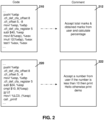
Figure 2 is a block diagram showing code segments and associated comments in a dataset. -
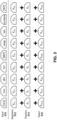
Figure 3 is a block diagram showing the creation of tokens from a dataset. -
Figure 4 is a block diagram showing the encoding of tokens to create fixed length contextual embeddings, and decoding to create comments for code segments. -
Figure 5 is a block diagram of a simplified computing device for performing the methods disclosed herein. - In some embodiments the present disclosure provides a method for creating a model to add a code summary to functions of assembly language code, the method comprising: tokenizing an assembly code dataset; inputting the tokenized assembly code dataset to a pre-trained transformer-based model; using an encoder to create fixed length embeddings; and using a decoder on the fixed length embeddings to generate the code summary.
- In some embodiments, the present disclosure provides a computing device configured for creating a model to add a code summary to functions of assembly language code, the computing device comprising: a processor; and memory, wherein the computing device is configured to: tokenize an assembly code dataset; input the tokenized assembly code dataset to a pre-trained transformer-based model; use an encoder to create fixed length embeddings; and use a decoder on the fixed length embeddings to generate the code summary.
- In some embodiments, the present disclosure provides a computer readable medium for storing instruction code, which, when executed by a processor of a computing device configured for creating a model to add a code summary to functions of assembly language code, cause the computing device to: tokenize an assembly code dataset; input the tokenized assembly code dataset to a pre-trained transformer-based model; use an encoder to create fixed length embeddings; and use a decoder on the fixed length embeddings to generate the code summary.
- The present disclosure is directed to assembly code summarization. Such assembly code summarization may be necessary in cases where source code for the software program is unavailable.
- Specifically, source code provides high level information that is more human readable. Conversely, binary code loses information during compilation, and it is therefore much harder to summarize. Moreover, the absence of the original source code is a practical problem under many circumstances, such as third party or off the shelf programs. Binary code may be analyzed as assembly code, a form of intermediate representation that provides human readable content. Assembly code contains instructions that provides some semantics and structures of the program.
- Understanding assembly code can be more complicated than high-level programming languages for several reasons. Assembly code is a low-level language consisting of complex instructions that can be challenging to read and understand. It typically lacks the abstraction and structure found in high-level programming languages, making it harder to identify program flow and comprehend the code's overall purpose. As a result of the unavailability of source code and the complexity of assembly code, there may be a greater need for automatic assembly code summarization than high-level code.
- Therefore, in accordance with the embodiments of the present disclosure, methods and system are provided for transfer learning for assembly code summarization. In particular, in some embodiments a curated dataset may be created, and fine-tuned, pre-trained Bidirectional Encoder Representations from Transformers (BERT) models used. BERT is a machine learning framework for Natural Language Processing (NLP) that can help computers understand the meaning of ambiguous language in text by finding context using surrounding text. Transformers are a deep learning model in which every output element is connected to every input element with dynamic weightings between them.
- The present disclosure expands on text summarization, translation, dialog generation and grammar, and code summarization, each of which is described below.
- Text summarization comprises condensing a piece of text to a shorter version while keeping key informational elements. A goal is to produce a summary in a concise form that accurately represents the content of the original text. For example, K. Sarkar, "Automatic single document text summarization using key concepts in documents," J. Inf. Process. Syst, vol. 9, pp. 602-620 , the contents of which are incorporated by reference, proposes a method of summarizing a document by extracting its main concepts. This approach aims to provide an overall understanding of the content of a document.
- Similarly, in the paper H. Christian, M. P. Agus, and D. Suhartono, "Single document automatic text summarization using term frequency-inverse document frequency (tf idf)," ComTech: Computer, Mathematics and Engineering Applications, vol. 7, p. 285, 2016 , the contents of which are incorporated herein by reference, the authors create an automatic text summarizer using the TF-IDF algorithm. The TF-IDF algorithm measures the importance of each word in a document, and the words with the highest TF-IDF scores are used to construct the summary.
- In another example, P. Verma and H. Cm, "Mcrmr: Maximum coverage and relevancy with minimal redundancy based multi-document summarization," Expert Systems with Applications, vol. 120, 2018 , the contents of which are incorporated herein by reference, the paper presents a technique for extracting multi-document summaries based on Shark Smell Optimization (SSO). The approach is based on graph-based optimization and aims to produce summaries that are concise and coherent.
- Further, in Y. Liu and M. Lapata, "Text summarization with pretrained encoders," 2019 , the contents of which are incorporated herein by reference, the authors apply BERT to the task of summarization and show that it can perform well on both extractive and abstractive summarization tasks.
- In another example, A. Gupta, D. Chugh, Anjum, and R. Katarya, "Automated news summarization using transformers," pp. 249-259, 2022 , the contents of which are incorporated herein by reference, the authors apply various pre-trained models such as BERT, GPT, and RoBERTa for text summarization.
- Thus, text summarization aims to provide a concise summary of the original text while capturing key elements.
- The use of encoder-decoder models has been widely adopted in neural machine translation. Researchers have, for example, applied these models in the translation of English to French, as described in I. Sutskever, O. Vinyals, and Q. V. Le, "Sequence to sequence learning with neural networks," Advances in Neural Information Processing Systems, vol. 4, p. 3104-3112, 2014 and in K. Cho et al., "Learning phrase representations using rnn encoder-decoder for statistical machine translation," 2014 , the contents of both of which are incorporated herein by reference.
- The basic encoder-decoder for the English-to-French translation task was further expanded in D. Bahdanau et al., "Neural machine translation by jointly learning to align and translate," ArXiv, vol. 1409, 2014 , the contents of which are incorporated herein by reference.
- Additionally, a Scalable Transformers model was introduced, and its effectiveness was demonstrated in translating from English to German and English to French in P. Gao et al, "Scalable transformers for neural machine translation," 2021 , the contents of which are incorporated herein by reference.
- In the field of artificial intelligence (AI), a dialogue model is a system or algorithm designed to engage in conversational exchanges with humans or other systems. It aims to simulate natural language interactions and generate appropriate responses based on the input it receives.
- For example, DLGNet, a transformer-based model for dialogue modeling, was provided in O. O. Olabiyi, et al., "Dlgnettask: An end-to-end neural network framework for modeling multiturn multi-domain task-oriented dialogue," In Proceedings of the 2nd Workshop on Natural Language Processing for Conversational AI, 2020 , the contents of which are incorporated herein by reference.
- In another example, the document M. Lee, et al., "Korean grammatical error correction based on transformer with copying mechanisms and grammatical noise implantation methods," Sensors, vol. 21, p. 2658, 2021 , the contents of which are incorporated herein by reference, uses a Transformer with Copying Mechanism that outperformed two commercial grammar checks and other Neural Machine Translation (NMT)-based models.
- The document Y. Cao et al., "Pretrained language models for dialogue generation with multiple input sources," pp. 909-917, 2020 , the contents of which are incorporated herein by reference, investigates dialogue models with numerous input sources modified from the pretrained language model GPT2. The document evaluates several strategies for fusing various different sources of attention information. The experimental results reveal that correct fusion procedures outperform simple fusion baselines in terms of relevance with dialogue history.
- Dialogue models can also be used for pairing comments with code. For example, some advanced pre-trained language models are described in J. Devlin et al., "Bert: Pretraining of deep bidirectional transformers for language understanding," In Proceedings of the 2019 Conference of the North American Chapter of the Association for Computational Linguistics: Human Language Technologies, p. 4171-4186, 2019 ; Z. Yang, et al., "XInet: Generalized autoregressive pre training for language understanding," In Advances in Neural Information Processing Systems, vol. 32, p. 5753-5763, 2019 .; T. Brown, et al., "Language models are few-shot learners," In Advances in Neural Information Processing Systems, no. 33, p. 1877-1901, 2020 ; Y. Liu et al., "Text summarization with pretrained encoders," 2019 ; and Z. Feng et al., "Code-bert: A pre-trained model for programming and natural languages, " In Findings of the Association for Computational Linguistics: EMNLP 2020, p. 1536-1547, 2020 , the contents of which are incorporated herein by reference. The models have been used with pairing comments with code, as for example described in H. Husain et al., "Codesearchnet challenge: Evaluating the state of semantic code search ." and Y. Liu et al, ibid., the contents of which are incorporated herein by reference.
- Other researchers have been inspired to beat those state of art models and apply them in the task of code summarization or natural language-based code search, as for example described in A. V. M. Barone et al., "A parallel corpus of python functions and documentation strings for automated code documentation and code generation," In Proceedings of the Eighth International Joint Conference on Natural Language Processing, vol. 2, p. 314-319, 2021 and X. Gu et al., "Deep code search," In Proceedings of IEEE/ACM 40th International Conference on Software Engineering (ICSE), p. 933-944, 2018 , the contents of which are incorporated herein by reference.
- This work is quite often inspired by a practical urge to assist software developers. For example, CodeBERT, described by Z. Feng et al, ibid, is one of the first language models that has been demonstrated to be particularly effective for training on data consisting of both natural language (NL) and programming language (PL) sequences at the same time.
- Code summarization is the process of generating readable summaries of code that accurately describe the task of a segment or piece of software.
- Examples of code summarization include S. Iyer et al., "Summarizing source code using a neural attention model," In Proceedings of the 54th Annual Meeting of the Association for Computational Linguistics, vol. 1, p. 2073-2083, 2016 , the contents of which are incorporated herein by reference, which presents CODE-NN, a method that uses Long Short Term Memory (LSTM) and an attention procedure to generate summaries of C# code snippets and Structured Query Language (SQL) queries.
- In another example, X. Hu et al., "Summarizing source code with transferred api knowledge," In Proceedings of the Twenty-Seventh International Joint Conference on Artificial Intelligence Main track, pp. 2269-2275, 2018 , the contents of which are incorporated herein by reference, presents DeepCom, a model that learns from a huge code corpus and creates comments based on learned characteristics using natural language processing approaches.
- These references then apply Recurrent Neural Networks (RNN) and LSTM to examine the structural information of Java methods in order to generate better comments.
- In a further example, X. Hu et al., "Deep code comment generation" In Proceedings of the 26th Conference on Program Comprehension, p. 200-210, 2018 , the contents of which are incorporated herein by reference, develops TL-CodeSum, an RNN-based model that effectively uses Application Programming Interface (API) knowledge in conjunction with source code to generate code summarization.
- In another example, M. Allamanis et al., "A convolutional attention network for extreme summarization of source code", In Proceedings of the International Conference on Machine Learning, p. 2091-2100, 2016 , the contents of which are incorporated herein by reference, presents a convolutional attentional network which effectively performs extreme summarization based on the source code provided, where 'extreme' denotes producing extremely brief messages.
- In further examples, A. LeClair et al., "A neural model for generating natural language summaries of program subroutines", In Proceedings of the 41st International Conference on Software Engineering, p. 795-806, 2019 uses an attentional GRU encoder-decoder model to produce summaries for code; and W. U. Ahmad et al., "A transformer-based approach for source code summarization", In Proceedings of the 58th Annual Meeting of the Association for Computational Linguistics, p. 4998-5007, 2020 shows that relative encoding significantly enhances summarization efficiency by using Transformer to generate a comprehensible summary that represents the functionality of a program. The contents of both are incorporated herein by reference.
- U. Kusupati et al, "Natural language to code using transformers", 2022 , the contents of which are incorporated herein by reference, uses the CoNaLa dataset to produce code snippets from natural language descriptions, applying the self-attention-based transformer architecture. PYMT5, the PYTHON method text-to-text transfer transformer, is introduced in C. Clement et al., "Pymt5: Multimode translation of natural language and python code with transformers," In Proceedings of the 2020 Conference on Empirical Methods in Natural Language Processing, 2020 , the contents of which are incorporated herein by reference. This paper provides a model which can both predict entire methods from natural language documentation strings (docstrings) as well as summarize code into docstrings of any common style. R. Wang et al., "Fret: Functional reinforced transformer with BERT for code summarization," IEEE Access, 2020 , the contents of which are incorporated herein by reference, introduces FRET which combines a Transformer with BERT in order to provide more accurate summaries of the functions of the code. Wang et al. presents a reinforcer for learning its functional contents.
- Contrary to the above references, the embodiments of the present disclosure focus on generating comments that summarize the functionality of assembly code, which has received very little attention previously. Assembly code can be particularly challenging to comprehend due to its high complexity and lack of high-level abstractions. Additionally, the absence of a comprehensive and well-curated dataset has made it difficult to train machine learning and deep learning models for assembly code summarization. To overcome this obstacle, a carefully curated dataset of assembly function comment pairs was created.
- In practice, a limited sized dataset was created. In some embodiments therefore, the training of large NLP models from scratch may not be feasible, and transfer learning is therefore possible.
- The methods and systems described herein may allow significant reduction in the time spent by reverse engineers in understanding code, thus contributing to the field of code summarization.
- Therefore, in accordance with the embodiments of the present disclosure, methods and systems entitled herein "AsmDocGen" are provided, which comprise a fine-tuned CodeBert that generates human-readable comments for assembly functions. AsmDocGen can significantly help reverse engineers and other experts who work with low-level code by providing clear and concise descriptions of assembly functions, streamlining the reverse engineering process and improving understanding of the underlying code.
- The method involves the use of a dataset. In one embodiment, handpicked well-curated assembly function comment pairs were used to create a dataset. This embodiment ensured high-quality comments and accurate matching between functions and their corresponding comments, as many functions lacked comments or had unclear or irrelevant comments. The resulting dataset may further provide a valuable resource for future research on assembly code summarization. However, other datasets could in some cases be used with the embodiments of the present disclosure.
- Further, in some embodiments, transfer learning may be used for assembly code summarization by comparing various pre-trained natural language processing (NLP) models. In particular, the embodiments of the present disclosure explore how pre-trained NLP models can be fine-tuned for the specific task of summarizing assembly code, leveraging their existing knowledge and experience with natural language processing tasks. By comparing the performance of different pre-trained NLP models, identification of which models are most effective for transfer learning in this context may be achieved, providing insight into how best to utilize pre-trained models for this specific task.
- Reference is now made to
Figure 1 , which shows a process for providing comments for assembly language code. In particular, the process ofFigure 1 starts atblock 110 and proceeds toblocks - In one embodiment, the creation of the dataset may involve the matching of source code with comments at
block 120. For example, the inventors in the present disclosure used a diverse range of C and C++ source code samples from well-known online sources such as GitHub™, Codeforces™, StackOverflow™, HackerRank™, and Codechef™ for such curation. After collecting the source code samples, each file was examined to ensure correct matching between functions and their corresponding comment. During the matching process, many unexplained functions were found, and among those with comments, many comments suffered from poor quality. Thus, low-quality comments were eliminated. The characteristics of those comments classified as poor quality included, but were not limited to: stating the obvious without providing additional insights or details about the functionality; being obsolete and not corresponding to the current version of the code; being overly wordy or containing excessively technical language; having grammatical mistakes; containing irrelevant information; being unclear or ambiguous; and/or being misleading or incorrect. - Once the source code comment pairs are found at
block 120, the process proceeds to block 122 in which the source code with accurate comments is compiled and disassembled. For example, compiling may involve use of a GNU Compiler Collection (GCC) compiler in one embodiment. However, any compiler may be used. Compiling creates a binary executable. A disassembler may then be applied, where a disassembler turns the binary executable machine code to assembly code. Any disassembler may be used, and one example includes IDA Pro™. - The process then proceeds to block 124 in which correlation of assembly functions with their corresponding source code functions is performed to identify the relevant comments. For example, reference is made to
Figure 2 , which shows an excerpt of a dataset. In particular, inFigure 2 ,assembly code snippet 210 is correlated withcomment 212. Similarly,assembly code snippet 220 is correlated withcomment 222. - The process may then proceed from
block 124 to block 130, where the process for using the dataset to train a BERT model may be started. As will be appreciated by those in the art, the steps of creating a dataset atblocks block 110 directly to block 130. - As provided below, starting at
block 130 the dataset is used to train a BERT model. In particular, in one aspect experimentation was used to determine whether CodeBERT can learn to represent assembly language. CodeBERT, as described in Feng et al,. ibid, has been trained on various programming languages, making it adept at understanding code structure and function. Thus, it was hypothesized that CodeBERT's ability to capture semantic representations for natural and programming languages is advantageous for understanding assembly code's unique grammar for assembly code summarization. However, other NLP models were tested, as described below, to compare their outcomes with CodeBERT. - CodeBERT is a state-of-the-art pre-trained language model based on the Transformer architecture, which has demonstrated impressive performance on various natural language and programming language tasks. It has been trained on a vast corpus of English words and source code, including Python, Java, and C++, making it one of the most versatile pre-trained models available. CodeBERT's flexibility stems from its ability to capture both syntactic and semantic information from natural language and programming language inputs.
- CodeBERT's training objectives include Masked Language Modeling (MLM) and Replaced Token Detection (RTD). MLM involves masking parts of the text at random and requesting the model to predict them, while RTD involves replacing tokens in the text with plausible alternatives and having the model determine which tokens have been replaced.
- This approach improves the model's robustness by allowing it to handle variations in the input data. In addition to MLM and RTD, CodeBERT includes a Cross-Lingual Language Model (XLM) objective, which enables it to learn cross-lingual representations by jointly training on monolingual and parallel data. This feature makes CodeBERT particularly useful for natural language processing tasks involving multilingual inputs.
- Thus, CodeBERT is used in one embodiment as the BERT model for several reasons. Firstly, CodeBERT is a pre-trained language model that has demonstrated outstanding performance on various natural language and programming language tasks. Its pre-training on a large corpus of English words and programming languages enables it to capture syntactic and semantic information from input data, making it a more effective choice for training on small datasets than training models from scratch.
- Secondly, CodeBERT has the ability to adapt beyond its pretrained data, as for example demonstrated by G. Zhou et al., "Named entity recognition using an hmm-based chunk tagger", proceedings of the 40th Annual Meeting on Association for Computational Linguistics, 10 2002, the contents of which are incorporated herein by reference. This ability makes CodeBERT a more robust and adaptable model, enabling it to perform well on new tasks and domains.
- Lastly, the semantic representations learned by CodeBERT are particularly beneficial for understanding assembly code. Assembly code has a unique grammar for constructing instructions and linking operations and operands. CodeBERT's ability to capture these structures and their relationships makes it an effective tool for generating accurate comment representations.
- Reference is now made to
Figure 3 . CodeBERT is based on the transformer architecture, similar to the original BERT model. It has a multi-layer transformer encoder, which takes theinput 310 as code and comments. - To tokenize the input, CodeBERT uses the WordPiece tokenization method for both the code and the comments, as for example described in Y. Wu, M. et al., "Google's neural machine translation system: Bridging the gap between human and machine translation," 2016 , the contents of which are incorporated herein by reference. The input to the model consists of a sequence of tokens, which are the individual words and symbols of the code and comments.
- In the pre-training phase, the input is set as the concatenation of two segments with special separator tokens. The input format is [CLS], w 1, w 2 , ..., wn , [SEP], c 1, c 2, ..., cm , [EOS], where [CLS] is added to the start of each sentence to capture the sentence representation. The [SEP] token separates the code and comment tokens, making it easier for BERT to understand that the input is made up of two parts - code and comments. [EOS] token is used to indicate the end of a sentence.
- The input tokens are passed through an embedding layer, where they are transformed into numerical vectors that capture the meaning of the tokens. These tokens are then combined with three other types of embeddings to form a single input vector for the model. The three types of embedding include
segmentation embeddings 312, position embedding 314 andtoken embeddings 316.Figure 3 demonstrates how the tokens are passed through various embedding layers to form a single input vector. - The role of these three types of embedding involves the following.
Segmentation embeddings 312 are used to differentiate between distinct lines of code. -
Position embeddings 314 show the position of each token inside the line of code. -
Token embeddings 316 refer to the semantics of each token. - CodeBERT is pre-trained on a dataset of code and comment pairs using masked language modelling and replaced token detection objectives. The training process involves two neural networks, a generator G and a discriminator D. The encoder of both networks, usually a transformer network, converts a sequence of embedding tokens x = [x 1 , ..., xn ] into a sequence of contextualized vector representations h(x) = [h 1 , ..., hn ]. These embeddings are then passed through the transformer encoder, which consists of multiple layers of self-attention and feed-forward neural networks.
- The self-attention layers enable the model to focus on distinct segments of the input sequence, while the feed-forward layers help the model acquire a deeper understanding of the relationships between the individual tokens.
- The final output of the transformer encoder is a set of embeddings for each token in the input sequence, which capture the meaning of the code and comments in a fixed-length vector representation. These embeddings are then used to train the model for code summarization tasks.
- In general, the overall structure of CodeBERT for code summarization is an encoder-decoder structure, where the encoder is the transformer-based neural network and the decoder is the task-specific network that generates the summary of the code based on the encoded representation.
- However, the use of CodeBERT in the present disclosure is not limiting, and any pre-trained transformer based model could be used for the methods and systems described herein. The use of CodeBert is therefore provided for illustrative purposes only.
- The methodology for developing the model to convert assembly code functions into natural language outputs involves several key steps.
- Referring again to
Figure 1 , as indicated byblocks - After the dataset is created (or by using an existing clean dataset), the process then proceeds to block 130 in which the dataset may be tokenized. As used herein, tokenization is the conversion of inputs into tokens to input to a model. For example, in natural language processing, the word "snow" may be its own token, whereas "snowing" may be tokenized to "snow" and "##ing" and "snowboard" may be tokenized to "snow" and "##board".
- In one example, the dataset may be tokenized using the WordPiece algorithm, which is well-suited for tokenizing both natural language and code. This is for example described in X. Gu et al., ibid. Assembly language has its own unique syntax and vocabulary. WordPiece enables the encoding of any unusual words in the lexicon with suitable subword tokens without requiring the addition of any "unknown" tokens. While WordPiece is one example of a tokenizer, other tokenizers may equally be used with the embodiments of the present disclosure, and WordPiece is provided for illustration only.
- To maintain consistency in sentence length, the process proceeds from
block 130 to block 140 in which padding and truncation techniques are used to generate sentences of a uniform length. For example, such length may be 100 tokens in some cases. The length may be determined in some cases by conducting experiments with varying sentence lengths and evaluating the trade-off between the model's accuracy and training time. - The process then proceeds to block 150 in which an encoder may be used to create fixed length embeddings. Specifically, referring to
Figure 4 ,tokenized words 410 may be passed through the encoder 420 (e.g. a codeBERT encoder) to produce fixed-length embeddings. These embeddings capture the meaning of the code and comments, creating a contextual vector representation for each token in the input sequence, shown as contextual embedding 430 in - This contextual vector is then passed to a decoder at
block 160 ofFigure 1 , and shown asdecoder 440 in the embodiment ofFigure 4 , to generate acode summary 450. - From
block 160 the process proceeds to block 170 and ends. - The process of
Figure 1 can be used for both training the model using a subset of the dataset, as well as testing the model, using another subset of the dataset. - The approach of
Figures 1 to 4 was tested on four models using a dataset containing 5084 assembly function comment pairs. - In particular, the performance of the AsmDocGen model was compared to four leading NLP models, namely RoBERTa, BERT, DistilBERT and Transformer.
- Transformer, introduced by Vaswani et al. (A. Vaswani et al., "Attention is all you need," In Advances in Neural Information Processing Systems, no. 30, p. 5998-6008,2017 , the contents of which are incorporated herein by reference), is a neural network architecture that is based on the concept of self-attention, which allows the model to weigh the importance of different parts of the input sequence when generating output. The Transformer consists of an encoder and a decoder, each containing multiple layers of self-attention and feed-forward neural networks. Its use of self-attention allows the model to capture long-range dependencies more effectively than other NLP models, and parallelize computations across the input sequence, making it more computationally efficient. The Transformer has achieved state-of-the-art performance on a wide range of NLP tasks and has inspired the development of other Transformer-based models such as BERT.
- BERT, introduced by Devlin et al., ibid, is an NLP model developed by Google™ in 2018. It is based on the transformer architecture and is pre-trained on a large corpus of unannotated text using a masked language modelling task and a next sentence prediction task. BERT can be fine-tuned on a variety of NLP tasks, achieving state-of-the-art performance on many benchmark NLP datasets with relatively small amounts of task-specific data. Its ability to handle a wide range of NLP tasks has made it a popular model for NLP research and applications.
- RoBERTa, introduced by Liu et al., ibid, in 2019, is an NLP model that is based on the same architecture as BERT but with several modifications to its training process and hyperparameters. The model is trained on a much larger corpus of data, with up to 160 GB of text, and uses dynamic masking during pre-training. RoBERTa also changes the hyperparameters used in BERT, including removing the next sentence prediction task, increasing the batch size, and training the model for longer. Additionally, RoBERTa uses byte pair encoding for sub word tokenization, which can improve the model's ability to handle rare and out-of-vocabulary words. These modifications allow RoBERTa to achieve state-of-the-art performance on a wide range of NLP tasks.
- DistilBERT, introduced by Sanh et al. (V. Sanh et al., "Distilbert, a distilled version of bert: smaller, faster, cheaper and lighter," 2019 , the contents of which are incorporated herein by reference), is a compact and efficient version of the BERT model, created through a process called distillation. It has fewer parameters (40% less) than the BERT base model. DistilBERT is trained using knowledge distillation, where the knowledge of a larger model, in this case, BERT, is distilled into a smaller model. Despite its smaller size, DistilBERT achieves similar performance to the larger BERT model on many NLP tasks, while being faster and requiring less memory to train and run. It has become a popular choice for NLP tasks where computational resources are limited.
- Further, for the testing, various hyperparameters were set. To generate code summaries, a sequence-to-sequence pipeline was utilized, where the encoder was initialized using CodeBERT, which comprises 12 layers, a maximum length of 512, an embedding size of 768, and 12 attention heads of size 64.
- For the decoder, a randomly initialized Transformer with 6 layers, hidden states of 768 dimensions, and 12 attention heads were used.
- To update the model parameters, the Adam optimizer was employed with a learning rate of 5e-5 and a batch size of 32. The hyperparameters were optimized, and early stopping was applied based on the validation dataset.
- Using this setup, the various models were tested. Results of the testing are shown, for example, quantitatively in Table 1 below, which shows the Bilingual Evaluation Understudy (BLEU) score for the tests. In particular, BLEU is a metric used to evaluate the quality of the machine-generated text, such as machine translation or text summarization. It measures the similarity between the generated text and the reference text (usually human-generated) based on n-gram overlap. The higher the BLEU score, the better the machine-generated text matches the reference text. BLEU score ranges from 0 to 1, where a score of 1 indicates that the machine-generated text is identical to the reference text. BLEU score is commonly used in natural language processing research as a standard metric for evaluating the quality of the machine-generated text.
TABLE 1: Comparison of BLEU scores between models Models BLEU Score Transformer 34.54 RoBERTa 50.01 DistilBERT 50.82 BERT 51.85 Asm DocGen 54.10 - As seen from Table 1, for generating comments for assembly language, AsmDocGen outperforms the remaining models quantitatively. The results reveal that fine-tuning pre-trained models significantly outperforms training a model from scratch on a small dataset. This suggests that pre-trained models can capture relevant patterns and knowledge from large datasets used in the pre-training process, making them useful for downstream tasks with limited data.
- Further, the results were compared using the ROUGE-1, ROUGE-2 and ROUGE-L metrics.
- Specifically, ROUGE-1 (Recall-Oriented Understudy for Gisting Evaluation-1) is a metric used to evaluate the quality of text summarization or machine translation. It measures the overlap between unigrams (individual words) in the reference summary (or translation) and the generated summary (or translation). The ROUGE-1 score ranges from 0 to 1, where 1 indicates perfect overlap between the reference summary and the generated summary in terms of unigrams.
- ROUGE-2 is an evaluation metric used for automatic summarization tasks that measures the overlap of bigrams (i.e., sequences of two adjacent words) between the system-generated summary and the reference summary. It is similar to ROUGE-1, but instead of considering individual words, it looks at pairs of words in the summary and reference summary. The score is calculated as the number of overlapping bigrams divided by the total number of bigrams in the reference summary.
- ROUGE-L is a metric for evaluating the quality of text summaries or translations. It stands for Recall-Oriented Understudy for Gisting Evaluation - Longest Common Subsequence, and it measures the longest common subsequence (LCS) between the summary and the reference text. The LCS is the longest sequence of words that appear in the same order in both the summary and reference text. ROUGE-L considers all such LCS sequences and takes their length into account to compute a weighted average of the F1 score. The ROUGE-L score gives more weight to long sequences of words that are similar in the summary and reference text, and it is often used as a more comprehensive evaluation metric than ROUGE-1 and ROUGE-2.
- As seen in Table 2 below, the Precision, Recall and F1-Scores for the plurality of models were evaluated for the ROUGE-1, ROUGE-2 and ROUGE-L metrics.
TABLE 2: Performance Comparison between models Models ROUGE-1 ROUGE-2 ROUGE-L Average Precision RoBERTa 0.50 0.16 0.50 0.39 DistilBERT 0.52 0.45 0.52 0.50 BERT 0.56 0.45 0.50 0.50 AsmDocGen 0.70 0.69 0.51 0.63 Recall RoBERTa 0.36 0.16 0.37 0.30 DistilBERT 0.47 0.30 0.47 0.41 BERT 0.55 0.39 0.46 0.47 Asm DocGen 0.70 0.56 0.48 0.58 F1-Score RoBERTa 0.42 0.16 0.43 0.34 DistilBERT 0.49 0.36 0.49 0.45 BERT 0.55 0.43 0.48 0.49 Asm DocGen 0.68 0.59 0.49 0.59 - The given results in Table 2 show that, on average, AsmDocGen outperforms baseline models by 26%, 23%, and 20% in terms of precision, recall, and F1-score, respectively. This suggests that CodeBERT's pre-training objectives, which specifically target code and comment pairs, may provide an advantage for this task compared to models that were pre-trained on general language data. Additionally, the results of Table 2 highlight the importance of selecting a model that is well-suited to the task at hand rather than relying solely on pre-training size or architecture.
- The results were also reviewed using a qualitative analysis. In particular, the results found three types of correct comments in terms of their similarity to the ground truth comments. These three types are: identical; partially similar; and contextually similar.
- Identical comments include descriptions that include an exact set of words in the same order as the ground truth description. An example is shown in Table 3 below.
TABLE 3: AsmDocGen's example exact matches Predicted Comment Ground Truth find vertex number and edges out find vertex number and edges out perform subtraction then addition perform subtraction then addition perform multiple multiplication perform multiple multiplication - Partially similar comments are comments that are semantically similar to the ground truth but only include a subset of original words. An example is shown in Table 4 below.
TABLE 4: AsmDocGen's example partially similar matches Predicted Comment Ground Truth find unopened closing brackets check too many closing brackets find second thursday of sept find second thursday of September 2013 find partially paired brackets find paired and nested brackets - From the above, Table 4 shows some examples of partially similar generated comments. It provides a noteworthy example that showcases the learning capabilities of the model, going beyond mere pattern memorization. The table demonstrates how the model accurately comprehended the meaning of the words "unopened" and "closed" and produced correct predictions.
- Contextually similar comments are comments that have different structures and wording from the ground truth but convey the relevant context or semantics. An example is shown in Table 5 below.
TABLE 5: AsmDocGen's contextually similar examples Predicted Comment Ground Truth returns the size of the queue fuzzy compare operations find last node find edge destination - Sometimes, the comments generated by the AsmDocGen model, as presented in Table 5, differ completely from the ground truth comments. This raises the question of whether these predictions are actually relevant to the code's functionality.
- As shown in Table 5, AsmDocGen generated the comment "returns the size of the queue," whereas the ground truth comment is "fuzzy compare operations." Given that in a fuzzy system, a queue can be utilized to keep track of intermediate results or manage the sequence of various operations, the generated comment seems relevant. A manual examination of the code confirmed that this assembly code specifically uses a queue in a fuzzy system. Additionally, it is worth noting that while "Find edge destination" and "find last node" are not identical, they still convey similar concepts. "Find edge destination" is a specific term in graph theory, while "find last node" is a broader term that can apply to various structures like linked lists, trees, or graphs. These findings suggest that although AsmDocGen's comments may not be identical to the ground truth, they are still relevant to the code's functionalities.
- From the above, a system and methods are provided that can produce understandable summaries or comments for assembly code, which is a form of machine code that is challenging for humans to comprehend without thorough analysis. The systems and methods utilize a pre-trained BERT mode (e.g. CodeBERT) to Transformer model to translate assembly code functions into human-readable comments. The performance of the model was evaluated using internal metrics, including BLEU scores, ROUGE-1, ROUGE-2, and ROUGE-L, which assess the similarity between the machine-generated comments and those written by humans.
- Thus the methods and system provide for automatic code commenting for low level programming languages by using a transformer-based model.
- The above functionality may be implemented on any one or combination of computing devices.
Figure 5 is a block diagram of acomputing device 500 that may be used for implementing the devices and methods disclosed herein. Specific devices may utilize all of the components shown, or only a subset of the components, and levels of integration may vary from device to device. Furthermore, a device may contain multiple instances of a component, such as multiple processing units, processors, memories, etc. Thecomputing device 500 may comprise a central processing unit (CPU) orprocessor 510,communications subsystem 512,memory 520, amass storage device 540, andperipherals 530. -
Peripherals 530 may comprise, amongst others one or more input/output devices, such as a speaker, microphone, mouse, touchscreen, keypad, keyboard, printer, display, network interfaces, and the like. - Communications between
processor 510,communications subsystem 512,memory 520,mass storage device 540, andperipherals 530 may occur through one ormore buses 550. Thebus 550 may be one or more of any type of several bus architectures including a memory bus or memory controller, a peripheral bus, video bus, or the like. - The
processor 510 may comprise any type of electronic data processor. Thememory 520 may comprise any type of system memory such as static random-access memory (SRAM), dynamic random access memory (DRAM), synchronous DRAM (SDRAM), read-only memory (ROM), a combination thereof, or the like. In an embodiment, thememory 520 may include ROM for use at boot-up, and DRAM for program and data storage for use while executing programs. - The
mass storage device 540 may comprise any type of storage device configured to store data, programs, and other information and to make the data, programs, and other information accessible via the bus. Themass storage device 540 may comprise, for example, one or more of a solid-state drive, hard disk drive, a magnetic disk drive, an optical disk drive, or the like. - The
computing device 500 may also include acommunications subsystem 512, which may include one or more network interfaces, which may comprise wired links, such as an Ethernet cable or the like, and/or wireless links to access nodes or different networks. Thecommunications subsystem 512 allows the processing unit to communicate with remote units via the networks. For example, thecommunications subsystem 512 may provide wireless communication via one or more transmitters/transmit antennas and one or more receivers/receive antennas. In an embodiment, the processing unit is coupled to a local-area network or a wide-area network, for data processing and communications with remote devices, such as other processing units, the Internet, remote storage facilities, or the like. - Through the descriptions of the preceding embodiments, the teachings of the present disclosure may be implemented by using hardware only or by using a combination of software and hardware. Software or other computer executable instructions for implementing one or more embodiments, or one or more portions thereof, may be stored on any suitable computer readable storage medium. The computer readable storage medium may be a tangible or in transitory/non-transitory medium such as optical (e.g., CD, DVD, Blu-Ray, etc.), magnetic, hard disk, volatile or non-volatile, solid state, or any other type of storage medium known in the art.
Claims (11)
- A method for creating a model to add a code summary to functions of assembly language code, the method comprising:tokenizing (130) an assembly code dataset;inputting the tokenized assembly code dataset to a pre-trained transformer-based model;using an encoder (150; 420) to create fixed length embeddings; andusing a decoder (160; 440) on the fixed length embeddings to generate the code summary.
- The method of claim 1, wherein the assembly code dataset comprises the functions of assembly language code (210, 220) and comment pairings (212, 222).
- The method of claim 2, wherein the dataset is created by:retrieving (120) source code with comment pairings;compiling (122) the source code to create a binary output;disassembling (122) the binary output to assembly language code; andcorrelating (124) functions within the assembly language code and the source code to associate the comment pairings (212, 222) with the assembly language code (210, 220).
- The method of any of the preceding claims further comprising training the pre-trained transformer-based model with a subset of the assembly code dataset and testing the model using a further subset of the assembly code dataset.
- The method of any of the preceding claims wherein the pre-trained transformer-based model is a CodeBERT model.
- The method of any of the preceding claims wherein the tokenizing is performed by a WordPiece tokenizer.
- The method of any of the preceding claims wherein the fixed length embeddings are further created using padding and truncation.
- The method of claim 7, wherein the fixed length is optimized for accuracy and model training time.
- The method of any of the preceding claims, wherein each of the fixed length embeddings is a contextual vector representation of an input token.
- A system (500) for creating a model to add a code summary to functions of assembly language code, the system comprising:at least one processor (510); anda memory (520) coupled to (550) the at least one processor and storing instructions that, when executed by the at least one processor, cause the system (500) to carry out the method of any preceding claim.
- A computer program which, when executed on at least one processor of a system, is configured to cause the system to carry out the method of any one of claims 1 to 9.
Applications Claiming Priority (1)
| Application Number | Priority Date | Filing Date | Title |
|---|---|---|---|
| US18/339,139 US20240427593A1 (en) | 2023-06-21 | 2023-06-21 | Methods and systems for generating description for assembly functions |
Publications (1)
| Publication Number | Publication Date |
|---|---|
| EP4481560A1 true EP4481560A1 (en) | 2024-12-25 |
Family
ID=91617294
Family Applications (1)
| Application Number | Title | Priority Date | Filing Date |
|---|---|---|---|
| EP24183225.2A Pending EP4481560A1 (en) | 2023-06-21 | 2024-06-19 | Methods and systems for generating description for assembly functions |
Country Status (2)
| Country | Link |
|---|---|
| US (1) | US20240427593A1 (en) |
| EP (1) | EP4481560A1 (en) |
Cited By (2)
| Publication number | Priority date | Publication date | Assignee | Title |
|---|---|---|---|---|
| CN119847591A (en) * | 2025-01-09 | 2025-04-18 | 上海交通大学 | Inline assembly code analysis method and system based on large language model assistance |
| US20250208861A1 (en) * | 2023-12-26 | 2025-06-26 | Crowdstrike, Inc. | Large language model-based software reverse engineering assistant |
Families Citing this family (2)
| Publication number | Priority date | Publication date | Assignee | Title |
|---|---|---|---|---|
| US20240338211A1 (en) * | 2023-04-06 | 2024-10-10 | Intemational Business Machines Corporation | Dynamic source code analysis and natural language annotation |
| US20250321721A1 (en) * | 2024-04-12 | 2025-10-16 | Dell Products L.P. | Context-based software engineering using artificial intelligence techniques |
Family Cites Families (5)
| Publication number | Priority date | Publication date | Assignee | Title |
|---|---|---|---|---|
| WO2021064907A1 (en) * | 2019-10-02 | 2021-04-08 | 日本電信電話株式会社 | Sentence generation device, sentence generation learning device, sentence generation method, sentence generation learning method, and program |
| US11881210B2 (en) * | 2020-05-05 | 2024-01-23 | Google Llc | Speech synthesis prosody using a BERT model |
| US11947933B2 (en) * | 2021-01-08 | 2024-04-02 | Microsoft Technology Licensing, Llc | Contextual assistance and interactive documentation |
| US11983498B2 (en) * | 2021-03-18 | 2024-05-14 | Augmented Intelligence Technologies, Inc. | System and methods for language processing of document sequences using a neural network |
| US11782686B2 (en) * | 2021-05-18 | 2023-10-10 | Salesforce.Com, Inc. | Systems and methods for code understanding and generation |
-
2023
- 2023-06-21 US US18/339,139 patent/US20240427593A1/en active Pending
-
2024
- 2024-06-19 EP EP24183225.2A patent/EP4481560A1/en active Pending
Non-Patent Citations (35)
| Title |
|---|
| A. GUPTAD. CHUGHANJUMR. KATARYA, AUTOMATED NEWS SUMMARIZATION USING TRANSFORMERS, 2022, pages 249 - 259 |
| A. LECLAIR ET AL.: "A neural model for generating natural language summaries of program subroutines", PROCEEDINGS OF THE 41ST INTERNATIONAL CONFERENCE ON SOFTWARE ENGINEERING, 2019, pages 795 - 806, XP033602817, DOI: 10.1109/ICSE.2019.00087 |
| A. V. M. BARONE ET AL.: "A parallel corpus of python functions and documentation strings for automated code documentation and code generation,", PROCEEDINGS OF THE EIGHTH INTERNATIONAL JOINT CONFERENCE ON NATURAL LANGUAGE PROCESSING, vol. 2, 2021, pages 314 - 319 |
| A. VASWANI ET AL.: "Attention is all you need", ADVANCES IN NEURAL INFORMATION PROCESSING SYSTEMS, no. 30, 2017, pages 5998 - 6008 |
| C. CLEMENT ET AL.: "Pymt5: Multimode translation of natural language and python code with transformers,", PROCEEDINGS OF THE 2020 CONFERENCE ON EMPIRICAL METHODS IN NATURAL LANGUAGE PROCESSING, 2020 |
| D. BAHDANAU ET AL.: "Neural machine translation by jointly learning to align and translate,", ARXIV, vol. 1409, 2014 |
| G. ZHOU ET AL.: "Named entity recognition using an hmm-based chunk tagger", THE 40TH ANNUAL MEETING ON ASSOCIATION FOR COMPUTATIONAL LINGUISTICS, vol. 10, 2002 |
| H. CHRISTIANM. P. AGUSD. SUHARTONO: "Single document automatic text summarization using term frequency-inverse document frequency (tf-idf)", COMTECH: COMPUTER, MATHEMATICS AND ENGINEERING APPLICATIONS, vol. 7, 2016, pages 285 |
| HUSAIN ET AL., CODESEARCHNET CHALLENGE: EVALUATING THE STATE OF SEMANTIC CODE SEARCH. |
| I. SUTSKEVERO. VINYALSQ. V. LE: "Sequence to sequence learning with neural networks,", ADVANCES IN NEURAL INFORMATION PROCESSING SYSTEMS, vol. 4, 2014, pages 3104 - 3112 |
| J. DEVLIN ET AL.: "Bert: Pretraining of deep bidirectional transformers for language understanding,", PROCEEDINGS OF THE 2019 CONFERENCE OF THE NORTH AMERICAN CHAPTER OF THE ASSOCIATION FOR COMPUTATIONAL LINGUISTICS: HUMAN LANGUAGE TECHNOLOGIES, 2019, pages 4171 - 4186 |
| K. CHO ET AL., LEARNING PHRASE REPRESENTATIONS USING RNN ENCODER-DECODER FOR STATISTICAL MACHINE TRANSLATION,, 2014 |
| K. SARKAR: "Automatic single document text summarization using key concepts in documents,", J. INF. PROCESS. SYST, vol. 9, pages 602 - 620 |
| M. ALLAMANIS ET AL.: "A convolutional attention network for extreme summarization of source code", PROCEEDINGS OF THE INTERNATIONAL CONFERENCE ON MACHINE LEARNING, 2016, pages 2091 - 2100 |
| M. LEE ET AL.: "Korean grammatical error correction based on transformer with copying mechanisms and grammatical noise implantation methods,", SENSORS, vol. 21, 2021, pages 2658 |
| O. O. OLABIYI ET AL.: "Dignettask: An end-to-end neural network framework for modeling multiturn multi-domain task-oriented dialogue,", PROCEEDINGS OF THE 2ND WORKSHOP ON NATURAL LANGUAGE PROCESSING FOR CONVERSATIONAL AL, 2020 |
| P. GAO ET AL., SCALABLE TRANSFORMERS FOR NEURAL MACHINE TRANSLATION,, 2021 |
| P. VERMAH. OM: "Mcrmr: Maximum coverage and relevancy with minimal redundancy based multi-document summarization,", EXPERT SYSTEMS WITH APPLICATIONS, vol. 120, 2018 |
| QUADER JESIA ET AL: "AsmDocGen: Generating Functional Natural Language Descriptions for Assembly Code", 19 June 2024 (2024-06-19), XP093216225, Retrieved from the Internet <URL:https://escholarship.mcgill.ca/downloads/m326m7461> * |
| R. WANG ET AL.: "Fret: Functional reinforced transformer with BERT for code summarization,", IEEE ACCESS, 2020 |
| S. IYER ET AL.: "Summarizing source code using a neural attention model,", PROCEEDINGS OF THE 54TH ANNUAL MEETING OF THE ASSOCIATION FOR COMPUTATIONAL LINGUISTICS, vol. 1, 2016, pages 2073 - 2083, XP055693735, DOI: 10.18653/v1/P16-1195 |
| T. BROWN ET AL.: "Language models are few-shot learners,", ADVANCES IN NEURAL INFORMATION PROCESSING SYSTEMS, no. 33, 2020, pages 1877 - 1901 |
| TAVISS SCARLETT ET AL: "Asm2Seq: Explainable Assembly Code Functional Summary Generation for Reverse Engineering and Vulnerability Analysis", DIGITAL THREATS: RESEARCH AND PRACTICE (DTRAP), ACMPUB27, NEW YORK, NY, 18 May 2023 (2023-05-18), XP059175558, ISSN: 2692-1626, DOI: 10.1145/3592623 * |
| U. KUSUPATI ET AL., NATURAL LANGUAGE TO CODE USING TRANSFORMERS'', 2022 |
| V. SANH ET AL., DISTILBERT, A DISTILLED VERSION OF BERT: SMALLER, FASTER, CHEAPER AND LIGHTER,, 2019 |
| W. U. AHMAD ET AL.: "A transformer-based approach for source code summarization", PROCEEDINGS OF THE 58TH ANNUAL MEETING OF THE ASSOCIATION FOR COMPUTATIONAL LINGUISTICS, 2020, pages 4998 - 5007 |
| X. GU ET AL.: "Deep code search", PROCEEDINGS OF IEEE/ACM 40TH INTERNATIONAL CONFERENCE ON SOFTWARE ENGINEERING (ICSE), 2018, pages 933 - 944, XP059420821, DOI: 10.1145/3180155.3180167 |
| X. HU ET AL.: "Deep code comment generation", PROCEEDINGS OF THE 26TH CONFERENCE ON PROGRAM COMPREHENSION, 2018, pages 200 - 210 |
| X. HU ET AL.: "Summarizing source code with transferred api knowledge,", PROCEEDINGS OF THE TWENTY-SEVENTH INTERNATIONAL JOINT CONFERENCE ON ARTIFICIAL INTELLIGENCE MAIN TRACK, 2018, pages 2269 - 2275 |
| Y. CAO ET AL., PRETRAINED LANGUAGE MODELS FOR DIALOGUE GENERATION WITH MULTIPLE INPUT SOURCES,, 2020, pages 909 - 917 |
| Y. LIUM. LAPATA, TEXT SUMMARIZATION WITH PRETRAINED ENCODERS,, 2019 |
| Y. WU, M. ET AL., GOOGLE'S NEURAL MACHINE TRANSLATION SYSTEM: BRIDGING THE GAP BETWEEN HUMAN AND MACHINE TRANSLATION,, 2016 |
| YIFAN ZHANG ET AL: "COMBO: Pre-Training Representations of Binary Code Using Contrastive Learning", ARXIV.ORG, CORNELL UNIVERSITY LIBRARY, 201 OLIN LIBRARY CORNELL UNIVERSITY ITHACA, NY 14853, 11 October 2022 (2022-10-11), XP091339968 * |
| Z. FENG ET AL.: "Code-bert: A pre-trained model for programming and natural languages,", FINDINGS OF THE ASSOCIATION FOR COMPUTATIONAL LINGUISTICS: EMNLP 2020, 2020, pages 1536 - 1547 |
| Z. YANG ET AL.: "Xlnet: Generalized autoregressive pre training for language understanding,", ADVANCES IN NEURAL INFORMATION PROCESSING SYSTEMS, vol. 32, 2019, pages 5753 - 5763 |
Cited By (3)
| Publication number | Priority date | Publication date | Assignee | Title |
|---|---|---|---|---|
| US20250208861A1 (en) * | 2023-12-26 | 2025-06-26 | Crowdstrike, Inc. | Large language model-based software reverse engineering assistant |
| US12619429B2 (en) * | 2023-12-26 | 2026-05-05 | Crowdstrike, Inc. | Large language model-based software reverse engineering assistant |
| CN119847591A (en) * | 2025-01-09 | 2025-04-18 | 上海交通大学 | Inline assembly code analysis method and system based on large language model assistance |
Also Published As
| Publication number | Publication date |
|---|---|
| US20240427593A1 (en) | 2024-12-26 |
Similar Documents
| Publication | Publication Date | Title |
|---|---|---|
| Andreas | Good-enough compositional data augmentation | |
| Distiawan et al. | Neural relation extraction for knowledge base enrichment | |
| US20240427593A1 (en) | Methods and systems for generating description for assembly functions | |
| Shi et al. | Low-resource neural machine translation: Methods and trends | |
| Ahmed et al. | Enriching Urdu NER with BERT embedding, data augmentation, and hybrid encoder-CNN architecture | |
| Khairunnisa et al. | Dataset enhancement and multilingual transfer for named entity recognition in the indonesian language | |
| Adjeisah et al. | Pseudotext injection and advance filtering of low‐resource corpus for neural machine translation | |
| Tran et al. | SPBERT: An efficient pre-training BERT on SPARQL queries for question answering over knowledge graphs | |
| Sulistyo et al. | Pivoted low resource multilingual translation with NER optimization | |
| Baxi et al. | Recent advancements in computational morphology: A comprehensive survey | |
| Mahmoud et al. | Semi-supervised learning and bidirectional decoding for effective grammar correction in low-resource scenarios | |
| Mishra et al. | Multi task learning based shallow parsing for indian languages | |
| Yildirim et al. | Anaphora resolution in software requirements engineering: A comparison of generative NLP pipelines and encoder-based models | |
| Singh et al. | English-manipuri machine translation: An empirical study of different supervised and unsupervised methods | |
| Berro et al. | Error Types in Transformer-Based Paraphrasing Models: A Taxonomy, Paraphrase Annotation Model and Dataset | |
| Dušek | Novel methods for natural language generation in spoken dialogue systems | |
| Philip et al. | A Brief Survey on Natural Language Processing Based Text Generation and Evaluation Techniques | |
| Lukovnikov | Deep learning methods for semantic parsing and question answering over knowledge graphs | |
| Dasari et al. | Transformer-based Context Aware Morphological Analyzer for Telugu | |
| Borchert et al. | Cross-lingual candidate retrieval and re-ranking for biomedical entity linking | |
| Yuki et al. | AsmDocGen: Generating Functional Natural Language Descriptions for Assembly Code | |
| Ganesh et al. | Grammar error detection tool for medical transcription using stop words parts-of-speech tags ngram based model | |
| Milintsevich et al. | Lexicon-Enhanced Neural Lemmatization for Estonian. | |
| Rikters | K-Translate-Interactive Multi-system Machine Translation | |
| Haisa et al. | Phrase based code-switching for cross-lingual question understanding |
Legal Events
| Date | Code | Title | Description |
|---|---|---|---|
| PUAI | Public reference made under article 153(3) epc to a published international application that has entered the european phase |
Free format text: ORIGINAL CODE: 0009012 |
|
| STAA | Information on the status of an ep patent application or granted ep patent |
Free format text: STATUS: THE APPLICATION HAS BEEN PUBLISHED |
|
| AK | Designated contracting states |
Kind code of ref document: A1 Designated state(s): AL AT BE BG CH CY CZ DE DK EE ES FI FR GB GR HR HU IE IS IT LI LT LU LV MC ME MK MT NL NO PL PT RO RS SE SI SK SM TR |
|
| STAA | Information on the status of an ep patent application or granted ep patent |
Free format text: STATUS: REQUEST FOR EXAMINATION WAS MADE |
|
| 17P | Request for examination filed |
Effective date: 20250624 |
|
| STAA | Information on the status of an ep patent application or granted ep patent |
Free format text: STATUS: EXAMINATION IS IN PROGRESS |
|
| 17Q | First examination report despatched |
Effective date: 20260316 |