EP4481056A2 - Method of haplotyping - Google Patents
Method of haplotyping Download PDFInfo
- Publication number
- EP4481056A2 EP4481056A2 EP24210856.1A EP24210856A EP4481056A2 EP 4481056 A2 EP4481056 A2 EP 4481056A2 EP 24210856 A EP24210856 A EP 24210856A EP 4481056 A2 EP4481056 A2 EP 4481056A2
- Authority
- EP
- European Patent Office
- Prior art keywords
- gene
- alleles
- genes
- mrna
- cells
- Prior art date
- Legal status (The legal status is an assumption and is not a legal conclusion. Google has not performed a legal analysis and makes no representation as to the accuracy of the status listed.)
- Granted
Links
Images

Classifications
-
- C—CHEMISTRY; METALLURGY
- C12—BIOCHEMISTRY; BEER; SPIRITS; WINE; VINEGAR; MICROBIOLOGY; ENZYMOLOGY; MUTATION OR GENETIC ENGINEERING
- C12Q—MEASURING OR TESTING PROCESSES INVOLVING ENZYMES, NUCLEIC ACIDS OR MICROORGANISMS; COMPOSITIONS OR TEST PAPERS THEREFOR; PROCESSES OF PREPARING SUCH COMPOSITIONS; CONDITION-RESPONSIVE CONTROL IN MICROBIOLOGICAL OR ENZYMOLOGICAL PROCESSES
- C12Q1/00—Measuring or testing processes involving enzymes, nucleic acids or microorganisms; Compositions therefor; Processes of preparing such compositions
- C12Q1/68—Measuring or testing processes involving enzymes, nucleic acids or microorganisms; Compositions therefor; Processes of preparing such compositions involving nucleic acids
- C12Q1/6813—Hybridisation assays
- C12Q1/6827—Hybridisation assays for detection of mutation or polymorphism
-
- C—CHEMISTRY; METALLURGY
- C12—BIOCHEMISTRY; BEER; SPIRITS; WINE; VINEGAR; MICROBIOLOGY; ENZYMOLOGY; MUTATION OR GENETIC ENGINEERING
- C12Q—MEASURING OR TESTING PROCESSES INVOLVING ENZYMES, NUCLEIC ACIDS OR MICROORGANISMS; COMPOSITIONS OR TEST PAPERS THEREFOR; PROCESSES OF PREPARING SUCH COMPOSITIONS; CONDITION-RESPONSIVE CONTROL IN MICROBIOLOGICAL OR ENZYMOLOGICAL PROCESSES
- C12Q1/00—Measuring or testing processes involving enzymes, nucleic acids or microorganisms; Compositions therefor; Processes of preparing such compositions
- C12Q1/68—Measuring or testing processes involving enzymes, nucleic acids or microorganisms; Compositions therefor; Processes of preparing such compositions involving nucleic acids
- C12Q1/6809—Methods for determination or identification of nucleic acids involving differential detection
-
- C—CHEMISTRY; METALLURGY
- C12—BIOCHEMISTRY; BEER; SPIRITS; WINE; VINEGAR; MICROBIOLOGY; ENZYMOLOGY; MUTATION OR GENETIC ENGINEERING
- C12Q—MEASURING OR TESTING PROCESSES INVOLVING ENZYMES, NUCLEIC ACIDS OR MICROORGANISMS; COMPOSITIONS OR TEST PAPERS THEREFOR; PROCESSES OF PREPARING SUCH COMPOSITIONS; CONDITION-RESPONSIVE CONTROL IN MICROBIOLOGICAL OR ENZYMOLOGICAL PROCESSES
- C12Q1/00—Measuring or testing processes involving enzymes, nucleic acids or microorganisms; Compositions therefor; Processes of preparing such compositions
- C12Q1/68—Measuring or testing processes involving enzymes, nucleic acids or microorganisms; Compositions therefor; Processes of preparing such compositions involving nucleic acids
- C12Q1/6869—Methods for sequencing
- C12Q1/6874—Methods for sequencing involving nucleic acid arrays, e.g. sequencing by hybridisation
Definitions
- the present invention relates to detecting aberrant expression of genes which may be associated with a disease or disorder using haplotype phasing.
- the invention relates to a method of obtaining an indication of dysregulation between the expression levels of at least two alleles of a gene in a target eukaryotic cell.
- GWAS Gene-wide association studies
- complex traits e.g. body mass index, height, etc.
- predisposition to common diseases e.g. diabetes, heart disease, immune disorders, and cancer predispositions.
- diseases e.g. diabetes, heart disease, immune disorders, and cancer predispositions.
- identifying the causative variants and genes underlying GWAS signals has been frustrated by two broad factors.
- the causal sequences have been complex to pin down precisely due to the extensive linkage of sequence variation within the genome; and second, irrespective of the particular GWAS in question, the vast majority of variants lie outside of the interpretable coding genome.
- transcriptome i.e. the set of all RNA molecules in one cell or a population of cells
- further studies of the transcriptome are needed in order to help to identify genes which are aberrantly expressed in specific diseases (or their associated biochemical pathways) and hence to identify candidate drug targets.
- Aberrant expression of genes may be due to changes in the elements which regulate the expression of the genes. Changes in these elements may lead to the over- or under-expression of the genes, changes in the temporal expression of the genes or in their tissue specificity.
- RNA is first extracted from cells; it is then passed down an oligodT column to bind the polyA + mRNA; and the polyA + mRNA is then selectively eluted from the column.
- PolyA + RNA contains the coding sequence of the mRNA, i.e. the (non-coding) introns have been removed, and this is the form of mRNA which is usually of most interest to the researcher.
- the use of a poly-dT column also has the advantage that rRNA (which is an unwanted contaminant and which is abundantly expressed in all cells) is removed by this method.
- mRNA which is not limited to polyA + RNA. More specifically, they have recognised that, if pre-mRNA is used (e.g. polyA - mRNA, which still contains introns), then the natural variations in genome sequences which are found in introns and down-stream sequences and which are removed in polyA + RNA can be used to determine allelic skew and so identify dysregulated genes. Importantly, when performed in a phased genome sequence, all sequence variants can be attributed to a specific allele to determine allelic skew across the whole gene and link these with sequence variation outside the body of the gene.
- pre-mRNA e.g. polyA - mRNA, which still contains introns
- the natural variations in genome sequences which are found in introns and down-stream sequences and which are removed in polyA + RNA can be used to determine allelic skew and so identify dysregulated genes.
- all sequence variants can be attributed to a specific allele to determine allelic skew across the whole gene and link these with
- EP 1829979 A1 relates methods for searching for gene polymorphisms (e.g. SNPs) in cDNAs as a means to identify genes whose expression levels are different between alleles.
- SNPs gene polymorphisms
- the inventors recognised that mature poly A+ mRNA had only one exon sequence following splicing and hence such sequences were "too short” to comprise enough SNPs to be evaluated.
- the inventors therefore selected intra-nuclear RNA in order to provide a "long strand" which was expected to contain many genetic polymorphisms that might enable a gene whose expression level is different between alleles to be distinguished (see paragraphs [0006] and [0018]).
- James et al. (2013) uses pre-RNA to detect skew in the expression of one allele relative to another under stimulated conditions in immune cells, but does not do so in the context of a phased genome to link with genetics or to test for functional skew in the epigenome within or distal to a gene.
- Thomas et al. (2011) combines the uses of epigenetic skew and gene expression skew to look at the epigenetic effects associated with a gene which is mono-allelic, but only within the body of the gene as they do not use this in the context of a phased genome.
- this dysregulation can then be linked to sequence variation outside of the gene body which causes the gene dysregulation on the affected allele.
- each SNP detected in the RNA analysis (unless they are close together, i.e. within a short distance ⁇ 300bp) cannot be assigned to the same allele without the assumption that all SNPs are skewed in the same direction. Therefore they cannot be used to add statistical robustness to the allelic skew of a given allele.
- all of the SNPs can be assigned to a given allele and can be seen statistically to behave similarly, in terms of changes in representation in the RNA and the direction of skew.
- RNA expression cannot be linked to changes outside of the gene.
- the regulatory elements that control gene expression in cis on the same chromosome can be situated up to 2 million base pairs away from the gene they control.
- the genotypes that genetically link a sequence change with a given trait or diseases can be seen to be on the same allele as a gene that behaves reproducible in its allelic skew in expression.
- This also allows one to link epigenetic changes at the distal SNP with expression changes of the allele on the same chromosome.
- These epigenetic changes can be detected using allelic skew for sequence-based genomic assays that measure enhancer activity, such as open chromatin assays (e.g.
- DNAse-seq or ATAC-seq DNAse-seq or ATAC-seq
- chromatin marks associated with regulatory activity e.g. ChlP-seq for chromatin marks such as H3k27ac, H3k4me1 or for protein binding such as RNA polymerase, transcription factor binding
- CTCF important regulatory structural proteins
- the present invention relates to detecting aberrant expression of genes which may be associated with a disease or disorder using haplotype phasing.
- the method of the invention it becomes possible to link the skew in gene expression to genetic signals associated with traits and disease traits outside the body of the gene, where they are generally enriched. Its also allows for the linking of the skew in gene expression to skew in sequence-based genomics assays linked to regulatory activities, and can do so en masse and at genome-scale, to validate the mechanism underlying the changes in gene expression.
- the information which is obtained from the methods of the invention may be used to identify genes which are aberrantly expressed in specific diseases or disorders (or their associated biochemical pathways) and hence to identify candidate drug targets.
- This information may also be useful in order to help to determine the underlying genetic cause of the disease or disorder.
- the invention provides a method of obtaining an indication of dysregulation between the expression levels of at least two alleles of the same gene in a target eukaryotic cell, the method comprising the steps of:
- R i,j is ⁇ 0.9 or if R i,j > 1.1 for one or more pairs of alleles (i,j) of the same gene, then this is indicative of dysregulation between the expression levels of those two alleles of that gene in that target eukaryotic cell.
- the invention provides a method of identifying genes whose alleles are dysregulated in a target eukaryotic cell, the method comprising the steps of:
- R i,j is ⁇ 0.9 or if R i,j > 1.1 for a pair of alleles (i,j) of a gene, then this is indicative of a gene whose alleles are dysregulated in the target eukaryotic cell.
- the invention provides a method of obtaining an indication of the cause of a disease or disorder, the method comprising the steps of:
- R i,j is ⁇ 0.9 or if R i,j > 1.1 for a pair of alleles (i,j) of a gene, then this is indicative that the disease or disorder is caused by dysregulation between the expression levels of the alleles of that gene.
- the invention provides a method of identifying mutations in alleles of a gene which may be causative of dysregulation of the expression levels of the alleles of the gene in a target eukaryotic cell, the method comprising the steps of:
- the method comprises the steps:
- the term “dysregulation” refers to differences in regulation between one or more alleles of a gene. Ordinarily, alleles of a gene are expressed at similar levels. However, mutations in the regulatory regions which control the expression of the individual alleles may result in enhanced or reduced expression of those alleles.
- the term “dysregulation” therefor also refers to differences in the expression levels of alleles of a gene.
- the target cells are eukaryotic cells (i.e. cells whose nuclear DNA has introns).
- the eukaryotic cells are mammalian cells, e.g. human, monkey, mouse, rat, pig, goat, horse, sheep or cow. Most preferably, the cells are human cells.
- the cells may be cells primary cells or cells from a cell line.
- the cells are primary cells.
- the target cells are haematopoietic cells, e.g. erythrocytes, lymphocytes (e.g. T-cells, B-cells and natural killer cells), granulocytes, megakaryocytes and macrophages.
- the target cells are primary lymphoid cells.
- the target cells are brain cells; preferably the target cells are primary neuronal cells.
- the cells are preferably diploid cells
- the methods of the invention are applicable to cells of other ploidies, e.g. tetraploid cells.
- the target eukaryotic cells are ones which are associated with or characteristic of a disease or disorder.
- examples of eukaryotic cells which are associated with or characteristic of a disease or disorder are given below: Eukaryotic cells Disease or disorder cancer cells Cancer Neuronal cells Dementia, Alzheimer's disease and psychiatric disorders (e.g.
- Pancreatic cells Diabetes Immune cells Autoimmune disease and infection Erythroid cells Malaria Cardiac muscle cells Cardiac arrhythmias, cardiomyopathies Pulmonary cells Lung disease, including asthma Skin cells Dermatological conditions, such as psoriasis and eczema Adipocytes Obesity Retina Retinal degeneration Cells from the upper and lower gastrointestinal tract Inflammatory bowel disease, irritable bowel syndrome Hepatic cells Diabetes, non-alcoholic steatohepatitis, liver diseases Endothelial and other vascular cell types Cardiovascular disease, including stroke and ischaemic heart disease
- Examples of diseases and disorders include those in the above table.
- the pre-mRNA is obtained from one or more target eukaryotic cells.
- the pre-RNA is obtained from single target cells.
- the RNA is obtained from a population of target cells.
- population of target cells comprises substantially or entirely the same type of cells, i.e. the population is substantially or entirely homogenous.
- genes are ones which are present in the target eukaryotic cell.
- the term “gene” is not limited to the RNA-coding or protein-coding sequence. It includes associated regulatory elements, e.g. enhancers, promoters and terminator sequences.
- the term “gene” may be defined as including its transcribed regions, its intron, promoter regions and all regulatory or structural elements that determine its activity or level of expression within 2 million base pairs of the promoters of the transcribed portion of the gene.
- the methods of the invention are particularly applicable to genes which are affected by genetic variation that is known to be associated with a disease or trait.
- the genetic variation will generally have been identified by genome-wide association studies (GWAS), but the genetic variation could also be mutation in an individual subject or in a cancerous subclone.
- GWAS genome-wide association studies
- dysregulated genes are preferred. These include genes that are expressed specifically in the cell-type of interest compared to genes expressed in all cell types. Similarly genes that are important for the function of a cell type of interest, for example genes of the immune synapse in immune cells, are also preferred. Also preferred are genes that encode transcription factors that determine the cell-type identity and/or behaviour of a given cell type. Additionally, genes that affect the overall fitness of the cell such as cell-cycle regulating genes or gene related to apoptosis are preferred. In cancer cells, genes that affect processes such as cell proliferation, mobility and/or adhesion including but not limited to membrane receptors, secondary messenger molecules, transcription factors and epigenetic regulators are preferred.
- pluripotenty of genes refers to 2 or more genes, e.g. 2-10, 10-100, 100-500, 500-1000, 1000-5000, 5000-10000, or 10000 or more.
- each target eukaryotic cell There are at least two alleles of the same gene in each target eukaryotic cell. For example, there may be 2, 3 or 4 alleles of the same gene. Preferably, there are 2 alleles of the same gene in each target eukaryotic cell.
- sequences of one or more or all of the exons in the pre-mRNA alleles may be the same or different.
- the sequences of one or more of all of the introns in the pre-mRNA alleles may be the same or different.
- the target cells are preferably heterozygous for one or more of the alleles of interest.
- Step (a) of the method of the invention comprises the step of obtaining pre-mRNA.
- the pre-mRNAs are from at least two alleles of the same gene on a given haplotype.
- Pre-mRNA is the first form of RNA which is created through transcription in the process of protein synthesis.
- Pre-mRNA is transcribed from a DNA template in the target cell nucleus.
- the pre-RNA will generally be 5'-capped (i.e. with a 7-methylguanosine) because this capping occurs within a few nucleotides after the initiation of RNA synthesis.
- the pre-mRNA may or may not comprise a 5'-cap.
- pre-mRNA and mRNA there are two main differences between pre-mRNA and mRNA in eukaryotic cells: (i) a poly-A tail is added to the 3' end of the pre-mRNA; and (ii) introns are spliced out of the pre-mRNA.
- a poly-A tail is added to the 3' end of the pre-mRNA
- introns are spliced out of the pre-mRNA.
- the term “substantially all of the introns are retained” is used to mean that at least 50%, 60%, 70%, 80%, 90%, 95% or 99% of the intronic nucleotide sequence (which would ordinarily be spliced out) is retained in the pre-mRNA.
- the term “substantially all of the introns are retained” is used to mean that at least 50%, 60%, 70%, 80%, 90%, 95% or 99% of the total number of introns are retained in the pre-mRNA.
- the pre-mRNA may contain insubstantial or trace amounts of polyadenylated mRNA.
- sequence variation around each allele is known. This allows sequence variation that affects gene regulation to be linked to allelic skew and gene dysregulation.
- the optimum amounts of pre-mRNA are obtained from target eukaryotic cells.
- Pre-mRNA may be obtained from cells by cell lysis followed by solvent extraction and depletion of rRNA and polyA + RNA species. Pre-mRNA may also be obtained from cells by cell lysis followed by binding of RNA to an affinity column and depletion of rRNA and polyA + RNA species.
- the pre-mRNA is obtained by cell lysis followed by solvent extraction and precipitation of total RNA.
- total RNA can be extracted using TRIzol reagent (Sigma), PhaseLock Gel tubes (5Prime) and centrifugation.
- RNA can be precipitated by mixing with equal volumes of propan-2-ol followed by centrifugation.
- Precipitated RNA can be washed using 75% ethanol, dried and dissolved in water (e.g. Kowalczyk, 2012).
- the pre-mRNA which is used in the methods of the invention may also be admixed with insubstantial amounts of other RNA, e.g. rRNA and/or tRNA, or DNA.
- the pre-mRNA does not comprise ribosomal RNA (rRNA) or the pre-mRNA has been depleted for rRNA, e.g. rRNA is removed from the pre-mRNA before use.
- rRNA may be removed using the RiboMinus Eukaryote Kit for RNA sequencing (Invitrogen).
- the pre-mRNA is polyA - mRNA.
- the pre-mRNA does not comprise DNA; this may be removed with a DNAse.
- Step (b) of the methods of the invention comprises determining the ratios (R i,j ) between the amounts of pre-mRNAs of pairs (or one or more pairs) of alleles (i,j) of the (same) genes.
- the methods of the invention encompass both (1) methods which involve the determination of the absolute amounts of pre-mRNA of pairs of alleles (and the ratio thereof) and (2) methods which determine the relative amounts of the pre-mRNA of pairs of alleles (without necessarily determining the absolute amounts of the pre-mRNA of the alleles).
- Methods of obtaining the absolute amounts of pre-mRNA of alleles include RNA-Seq followed by genome-alignment and counting of the number of aligned sequences. Sequences deriving from specific alleles are identified and counted by identifying, within the RNA-Seq data, sequence changes in the introns, exons and downstream transcribed regions, known to be specific to that allele.
- the absolute amounts of pre-mRNA of the first and second alleles is determined by strand-specific RNA-Seq followed by genome-alignment and counting of the number of aligned sequences. Sequences that derive from the non-transcribed strand are discarded, to remove genomic contamination and antisense transcription. Sequences deriving from specific alleles are identified and counted by identifying, within the RNA-Seq data, sequence changes in the introns, exons and downstream transcribed regions, known to be specific to that allele (e.g. Quinn et al., 2013).
- the relative or absolute amounts of pre-mRNA of the first and second alleles is determined using RNA-Seq.
- Relative differences in the amounts of first and second alleles can be determined using hybridisation of cDNA to SNP microarrays and determining the relative signal from each allele. Relative differences in the amounts of first and second alleles can also be determined using SNP-specific PCR and determining the relative signal from each allele.
- R i,j is defined herein as the ratio of the amount of pre-mRNA of a pair of alleles (i,j) of the gene, wherein i is the first allele and j is the second allele.
- the amount of pre-mRNA of the first allele (i) of the gene should be approximately equal to the amount of pre-mRNA of the second allele (j) of the gene, i.e. both alleles should be expressed equally.
- R i,j # 1 means that R ij is substantially not equal to 1, e.g. R ij does not equal 1 when allowance is taken for random variation and experimental error.
- R i,j # 1 means that the amount of pre-mRNA of the first allele (i) of the gene is statistically different from the amount of pre-mRNA of the second allele (j) of the gene (e.g. p ⁇ 0.05 using Student t test).
- R i,j # 1 means that R i,j is less than 0.95, 0.9, 0.8, 0.7, 0.6, 0.5, 0.4, 0.3, 0.2, 0.1, 0.05 or 0.01; or R i,j is more than 1.05, 1.1, 1.2, 1.4, 1.6, 2, 2.5, 3, 5, 10, 20 or 100. More preferably, R i,j is less than 0.9 or R i,j is more than 1.1.
- the level of expression of the first allele of the gene is less than the level of expression of the second allele of the gene.
- R ij The quantification of R ij between an affected allele (i) and a normal allele (j) allows for the reproducible and statistically-robust identification of genes linked to human diseases or traits.
- the degree of the change in R ij gives the direction of the genetics, i.e. showing whether an increase or decrease in the gene activity is associated with the disease or trait.
- R ij shows to what extent the gene activity needs to be change to have a measurable physiological effect.
- the sequences of the pairs of alleles may be determined in order to try to establish the reason for the dysregulation, e.g. using RNA-Seq.
- RNA-Seq also called whole transcriptome shotgun sequencing (WTSS)
- WTSS whole transcriptome shotgun sequencing
- NGS next-generation sequencing
- RNA-Seq comprises the following steps:
- sequences may then be aligned to a reference genome sequence to reconstruct which genome regions were being transcribed. This data can be used to annotate where expressed genes are, their relative expression levels, and any alternative splice variants.
- ATAC-seq and NG Capture-C may also be used to further identify the precise genetic cause of the allelic dysregulation, particularly in cases where the cause is due to a change in regulatory elements.
- the method of the invention may also comprise the step of carrying out a sequence-based assay (preferably ATAC-seq, DNase-seq or ChlP-seq) that measures the activity of regulatory elements to detect skew on the same allele of the genes found to be skewed in RNA-seq.
- a sequence-based assay preferably ATAC-seq, DNase-seq or ChlP-seq
- the method of the invention includes using haplotype phasing.
- Example 1 Use of pre-mRNA in phased genomes to detect gene dysregulation associated with a specific haplotype
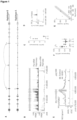
- Figure 1A shows a schematic representation of two genome alleles each of which contain two genes and one regulatory element. Sequence changes which distinguish the two alleles are shown as Xs (for example, single nucleotide polymorphisms (SNPs), small insertions or deletions). The exons of the two genes are shown as boxes and the promoter elements of the two genes are shown as a vertical line and horizontal arrow associated with the first exon of the genes. The position of the regulatory element is shown as a triangle between the two genes.
- SNPs single nucleotide polymorphisms
- this regulatory element contains a sequence change which alters its activity (shown as a lighter shade).
- the regulatory interactions between the regulatory element and genes, mapped by 3C methods such as Capture-C, are shown as arced lines with arrows.
- the sequence changes which distinguish the source allele of the pre-mRNAs from both genes lie within the transcribed portions of the genes (for example introns, exons and downstream regions).
- the gene dysregulation is caused by a damaged regulatory element, but the same use of phased sequence changes combined with the sequencing of pre-mRNA can be used for any other mechanism (for example, gain-of-function caused by sequence variation or larger scale structural variation).
- Figure 1B shows, in an exemplar gene, the increased coverage in pre-mRNA forms of RNA-Seq which retain the transcribed intronic and downstream regions of the gene and which increases the amount of sequence variation capable of detecting genes dysregulation.
- the exons of the gene are shown as vertical lines of varying thickness while the introns are shown as a horizontal hatched line.
- Figure 1C shows the loss of binding of the GATA1 transcription factor (ChIP qPCR) at an erythroid regulatory element containing a single base pair change (rs10758656), homozygously edited into Hudep2 cells.
- Figure 1D shows the loss of open chromatin signal at the same regulatory element using ATAC-seq in the homozygous presence of the sequence change rs10758656.
- Figure 1E shows the erythroid-specific interaction between this regulatory element in wild type cells with the promoter of the RCL1 and JAK2.
- Figure 1F shows the loss of expression of only the JAK2 gene in cells homozygously edited for rs10758656.
- Figure 1G shows the allelic skew in primary erythroid cells toward the wild type allele for both ATAC-seq at the regulatory element (squares) and in pre-mRNA expression (circles) of the JAK2 gene only in individuals heterozygous for rs10758656.
- Example 2 Use of pre-mRNA in phased genomes to detect dysregulation of the IKZF1 gene associated with a specific sequence variant in a regulatory element
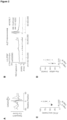
- Figure 2A shows the identification of a sequence change in a regulatory element which damages the binding potential of a transcription factor using the Sasquatch algorithm (Schwessinger R. et al., 2017).
- Figure 2B shows that this regulatory element interacts erythroid-specifically with the promoter of the IKZF1 gene using NG Capture-C.
- Figure 2C shows the allelic skew of open chromatin signal towards the wild type (Hap-B) in primary erythroid cells in 3 individuals heterozygous for the damaging sequence change (Hap-A) as determined by ATAC-seq.
- the corresponding signal within the same sample in haplotype B is linked to the signal in haplotype A with a dotted line.
- Figure 2D shows the cumulative decrease in pre-mRNA of the IKZF1 gene haplotype A, summed up from all transcribed sequence changes which distinguish the two haplotypes.
- the corresponding signal within the same sample in haplotype B is linked to the signal in haplotype A with a dotted line.
- Example 3 The use of allelic skew in pre-mRNA in phased genomes allows for regulatory variation to be analysed at unprecedented scale in primary cells
- Figure 3 show the number of informative individuals expected for a given minor allele frequency (MAF) of the sequence variant in a random sampling of the general population. Grey bars represent the number of expected individuals that are heterozygous at a given MAF.
- the black line shows the average distribution of minor allele frequencies in a typical genome-wide association (GWA) study for human disease (Type 1 diabetes, ankylosing spondylitis, erythroid traits and multiple sclerosis, combined). This shows that, at a MAF of 0.3, this would provide greater than 20 independent observations of gene dysregulation and would cover greater than half of a typical GWA study. Similarly, for a MAF of 0.1, this would provide 5 or more independent observations of gene dysregulation and would cover greater than 90% of a typical GWA study.
- GWA genome-wide association
Landscapes
- Chemical & Material Sciences (AREA)
- Life Sciences & Earth Sciences (AREA)
- Organic Chemistry (AREA)
- Proteomics, Peptides & Aminoacids (AREA)
- Zoology (AREA)
- Wood Science & Technology (AREA)
- Health & Medical Sciences (AREA)
- Engineering & Computer Science (AREA)
- Analytical Chemistry (AREA)
- Microbiology (AREA)
- Immunology (AREA)
- Molecular Biology (AREA)
- Biotechnology (AREA)
- Biophysics (AREA)
- Physics & Mathematics (AREA)
- Biochemistry (AREA)
- Bioinformatics & Cheminformatics (AREA)
- General Engineering & Computer Science (AREA)
- General Health & Medical Sciences (AREA)
- Genetics & Genomics (AREA)
- Measuring Or Testing Involving Enzymes Or Micro-Organisms (AREA)
Abstract
Description
- The present invention relates to detecting aberrant expression of genes which may be associated with a disease or disorder using haplotype phasing. In particular, the invention relates to a method of obtaining an indication of dysregulation between the expression levels of at least two alleles of a gene in a target eukaryotic cell.
- Common variant genome-wide association studies (GWAS) have identified tens-of-thousands of genetic variants associated with complex traits (e.g. body mass index, height, etc.) and predisposition to common diseases (e.g. diabetes, heart disease, immune disorders, and cancer predispositions). Despite statistically-robust genetics, identifying the causative variants and genes underlying GWAS signals has been frustrated by two broad factors. First, the causal sequences have been complex to pin down precisely due to the extensive linkage of sequence variation within the genome; and second, irrespective of the particular GWAS in question, the vast majority of variants lie outside of the interpretable coding genome.
- The ability to interpret the non-coding genome is a priority for the biomedical sciences. In the last decade, our understanding of non-coding DNA has evolved from "junk" into the complex regulatory wiring that controls the expression and function of the coding and non-coding transcriptome. Central to this function are regulatory non-coding elements: promoters, enhancers and intron/exon boundaries. Although the existence of some regulatory elements has been known for several decades, their general ubiquity - with key tissue-specific roles in development and routine cellular processes - has only become clear in the last two decades. The large overlap between these elements and the genetics of common disease has started to make sense of the confounding non-coding distribution of GWAS signals.
- In particular, further studies of the transcriptome (i.e. the set of all RNA molecules in one cell or a population of cells) are needed in order to help to identify genes which are aberrantly expressed in specific diseases (or their associated biochemical pathways) and hence to identify candidate drug targets.
- Aberrant expression of genes may be due to changes in the elements which regulate the expression of the genes. Changes in these elements may lead to the over- or under-expression of the genes, changes in the temporal expression of the genes or in their tissue specificity.
- It is known that such changes may also lead to dysregulation in the levels of expression of different alleles of the same gene within a single cell or population of cells; and that such dysregulation may also be associated with specific diseases or disorders.
- The determination of the linkage between sequence variation across the alleles within a cell (i.e. the haplotype) is known as "phasing"; and a finding of different expression levels of the alleles is known as "allelic skew".
- Traditionally, the majority of biochemical and genetic analysis of mRNA is performed on polyA+ mRNA. Total RNA is first extracted from cells; it is then passed down an oligodT column to bind the polyA+ mRNA; and the polyA+ mRNA is then selectively eluted from the column. PolyA+ RNA contains the coding sequence of the mRNA, i.e. the (non-coding) introns have been removed, and this is the form of mRNA which is usually of most interest to the researcher. The use of a poly-dT column also has the advantage that rRNA (which is an unwanted contaminant and which is abundantly expressed in all cells) is removed by this method.
- The inventors have now recognised that additional information from the transcriptome may be obtained by using mRNA which is not limited to polyA+ RNA. More specifically, they have recognised that, if pre-mRNA is used (e.g. polyA- mRNA, which still contains introns), then the natural variations in genome sequences which are found in introns and down-stream sequences and which are removed in polyA+ RNA can be used to determine allelic skew and so identify dysregulated genes. Importantly, when performed in a phased genome sequence, all sequence variants can be attributed to a specific allele to determine allelic skew across the whole gene and link these with sequence variation outside the body of the gene.
- Whilst the isolation of polyA- mRNA is previously known (e.g. Kowalczyk, 2012), it has not previously been used in the context of gene haplotyping or allelic skew.
-
EP 1829979 A1 relates methods for searching for gene polymorphisms (e.g. SNPs) in cDNAs as a means to identify genes whose expression levels are different between alleles. The inventors recognised that mature poly A+ mRNA had only one exon sequence following splicing and hence such sequences were "too short" to comprise enough SNPs to be evaluated. The inventors therefore selected intra-nuclear RNA in order to provide a "long strand" which was expected to contain many genetic polymorphisms that might enable a gene whose expression level is different between alleles to be distinguished (see paragraphs [0006] and [0018]). - James et al. (2013) uses pre-RNA to detect skew in the expression of one allele relative to another under stimulated conditions in immune cells, but does not do so in the context of a phased genome to link with genetics or to test for functional skew in the epigenome within or distal to a gene.
- Sigurdsson et al. (2008) used allelic skew in the context of an unphased genome to detect allelic skew with a risk haplotype that lies within the body of the gene, but does not do so in the context of a phased genome to link with genetics or to test for functional skew in the epigenome within or distal to a gene.
- Thomas et al. (2011) combines the uses of epigenetic skew and gene expression skew to look at the epigenetic effects associated with a gene which is mono-allelic, but only within the body of the gene as they do not use this in the context of a phased genome.
- Rainbow et al. (2008) uses a form of pre-mRNA to look at the allele-specific differences in expression of the IL-2 gene, but this is not in the context of a phased genome to link with the distal regulatory landscape or genetics.
- It is therefore object of the invention to provide a method of obtaining an indication of dysregulation between the expression levels of different alleles of the same gene in a target eukaryotic cell, the method comprising the use of pre-mRNA. In a phased genome, this dysregulation can then be linked to sequence variation outside of the gene body which causes the gene dysregulation on the affected allele.
- Without phasing, each SNP detected in the RNA analysis (unless they are close together, i.e. within a short distance <300bp) cannot be assigned to the same allele without the assumption that all SNPs are skewed in the same direction. Therefore they cannot be used to add statistical robustness to the allelic skew of a given allele. With phasing, all of the SNPs can be assigned to a given allele and can be seen statistically to behave similarly, in terms of changes in representation in the RNA and the direction of skew.
- More importantly, without phasing, this skewed RNA expression cannot be linked to changes outside of the gene. The regulatory elements that control gene expression in cis on the same chromosome can be situated up to 2 million base pairs away from the gene they control. Using phasing, the genotypes that genetically link a sequence change with a given trait or diseases can be seen to be on the same allele as a gene that behaves reproducible in its allelic skew in expression. This also allows one to link epigenetic changes at the distal SNP with expression changes of the allele on the same chromosome. These epigenetic changes can be detected using allelic skew for sequence-based genomic assays that measure enhancer activity, such as open chromatin assays (e.g. DNAse-seq or ATAC-seq), chromatin marks associated with regulatory activity (e.g. ChlP-seq for chromatin marks such as H3k27ac, H3k4me1 or for protein binding such as RNA polymerase, transcription factor binding) or the binding of important regulatory structural proteins, such as CTCF.
- The present invention relates to detecting aberrant expression of genes which may be associated with a disease or disorder using haplotype phasing.
- Using the method of the invention, it becomes possible to link the skew in gene expression to genetic signals associated with traits and disease traits outside the body of the gene, where they are generally enriched. Its also allows for the linking of the skew in gene expression to skew in sequence-based genomics assays linked to regulatory activities, and can do so en masse and at genome-scale, to validate the mechanism underlying the changes in gene expression.
- The information which is obtained from the methods of the invention may be used to identify genes which are aberrantly expressed in specific diseases or disorders (or their associated biochemical pathways) and hence to identify candidate drug targets.
- This information may also be useful in order to help to determine the underlying genetic cause of the disease or disorder.
- In one embodiment, the invention provides a method of obtaining an indication of dysregulation between the expression levels of at least two alleles of the same gene in a target eukaryotic cell, the method comprising the steps of:
- for a plurality of genes from one or more target eukaryotic cells,
- (a) obtaining pre-mRNAs of at least two alleles of the same gene; and
- (b) determining the ratios (Ri,j) between amounts of the pre-mRNAs of one or more pairs of alleles (i,j) of the same gene;
- wherein if Ri,j ≠ 1 for one or more pairs of alleles (i,j) of the same gene, then this is indicative of dysregulation between the expression levels of those two alleles of that gene in that target eukaryotic cell.
- Preferably, if Ri,j is < 0.9 or if Ri,j > 1.1 for one or more pairs of alleles (i,j) of the same gene, then this is indicative of dysregulation between the expression levels of those two alleles of that gene in that target eukaryotic cell.
- In a further embodiment, the invention provides a method of identifying genes whose alleles are dysregulated in a target eukaryotic cell, the method comprising the steps of:
- for a plurality of genes from one or more target eukaryotic cells,
- (a) obtaining pre-mRNAs of at least two alleles of the genes; and
- (b) determining the ratios (Ri,j) between the amounts of pre-mRNAs of pairs of alleles (i,j) of the genes;
- wherein if Ri,j # 1 for a pair of alleles (i,j) of a gene, then this is indicative of a gene whose alleles are dysregulated in the target eukaryotic cell.
- Preferably, if Ri,j is < 0.9 or if Ri,j > 1.1 for a pair of alleles (i,j) of a gene, then this is indicative of a gene whose alleles are dysregulated in the target eukaryotic cell.
- In yet a further embodiment, the invention provides a method of obtaining an indication of the cause of a disease or disorder, the method comprising the steps of:
- for a plurality of genes from one or more target eukaryotic cells,
- (a) obtaining pre-mRNAs of at least two alleles of the genes; and
- (b) determining the ratios (Ri,j) between the amounts of pre-mRNAs of pairs of alleles (i,j) of the genes;
- wherein the target eukaryotic cells are ones which are associated with or characteristic of a disease or disorder,
- and wherein if Ri,j # 1 for a pair of alleles (i,j) of a gene, then this is indicative that the disease or disorder is caused by dysregulation between the expression levels of the alleles of that gene.
- Preferably, if Ri,j is < 0.9 or if Ri,j > 1.1 for a pair of alleles (i,j) of a gene, then this is indicative that the disease or disorder is caused by dysregulation between the expression levels of the alleles of that gene.
- In yet a further embodiment, the invention provides a method of identifying mutations in alleles of a gene which may be causative of dysregulation of the expression levels of the alleles of the gene in a target eukaryotic cell, the method comprising the steps of:
- for a plurality of genes from one or more target eukaryotic cells,
- (a) obtaining pre-mRNAs of at least two alleles of the genes; and
- (b) determining the ratios (Ri,j) between the amounts of pre-mRNAs of one or more pairs of alleles (i,j) of the genes;
- wherein when Ri,j # 1 for a pair of alleles (i,j) of a gene, or in response to determining that Ri,j # 1 for a pair of alleles (i,j) of a gene, the method additionally comprises the steps:
- (c) determining the nucleotide sequences of that pair of alleles; and
- (d) comparing the nucleotide sequences of that pair of alleles in order to identify differences between the nucleotide sequences of that pair of alleles;
- wherein one or more of the differences between the nucleotide sequences of the pair of alleles of the gene may be mutations which are causative of the dysregulation of the expression levels of the two alleles of that gene in the target eukaryotic cell.
- Preferably, when Ri,j is < 0.9 or if Ri,j > 1.1 for a pair of alleles (i,j) of a gene, or in response to determining that Ri,j is < 0.9 or if Ri,j > 1.1 for a pair of alleles (i,j) of a gene, the method comprises the steps:
- (c) determining the nucleotide sequences of that pair of alleles; and
- (d) comparing the nucleotide sequences of that pair of alleles in order to identify differences between the nucleotide sequences of that pair of alleles;
- As used herein, the term "dysregulation" refers to differences in regulation between one or more alleles of a gene. Ordinarily, alleles of a gene are expressed at similar levels. However, mutations in the regulatory regions which control the expression of the individual alleles may result in enhanced or reduced expression of those alleles. The term "dysregulation" therefor also refers to differences in the expression levels of alleles of a gene.
- The target cells are eukaryotic cells (i.e. cells whose nuclear DNA has introns). Preferably, the eukaryotic cells are mammalian cells, e.g. human, monkey, mouse, rat, pig, goat, horse, sheep or cow. Most preferably, the cells are human cells.
- The cells may be cells primary cells or cells from a cell line. Preferably, the cells are primary cells.
- In some embodiments of the invention, the target cells are haematopoietic cells, e.g. erythrocytes, lymphocytes (e.g. T-cells, B-cells and natural killer cells), granulocytes, megakaryocytes and macrophages. Preferably, the target cells are primary lymphoid cells.
- In other embodiments, the target cells are brain cells; preferably the target cells are primary neuronal cells.
- Whilst the cells are preferably diploid cells, the methods of the invention are applicable to cells of other ploidies, e.g. tetraploid cells.
- In some embodiments of the invention, the target eukaryotic cells are ones which are associated with or characteristic of a disease or disorder. Examples of eukaryotic cells which are associated with or characteristic of a disease or disorder are given below:
Eukaryotic cells Disease or disorder cancer cells Cancer Neuronal cells Dementia, Alzheimer's disease and psychiatric disorders (e.g. schizophrenia) and autistic spectrum disorders Pancreatic cells Diabetes Immune cells Autoimmune disease and infection Erythroid cells Malaria Cardiac muscle cells Cardiac arrhythmias, cardiomyopathies Pulmonary cells Lung disease, including asthma Skin cells Dermatological conditions, such as psoriasis and eczema Adipocytes Obesity Retina Retinal degeneration Cells from the upper and lower gastrointestinal tract Inflammatory bowel disease, irritable bowel syndrome Hepatic cells Diabetes, non-alcoholic steatohepatitis, liver diseases Endothelial and other vascular cell types Cardiovascular disease, including stroke and ischaemic heart disease - The pre-mRNA is obtained from one or more target eukaryotic cells. In some preferred embodiments, the pre-RNA is obtained from single target cells. In other embodiments, the RNA is obtained from a population of target cells. In such embodiments, population of target cells comprises substantially or entirely the same type of cells, i.e. the population is substantially or entirely homogenous.
- The genes are ones which are present in the target eukaryotic cell. As used herein, the term "gene" is not limited to the RNA-coding or protein-coding sequence. It includes associated regulatory elements, e.g. enhancers, promoters and terminator sequences. The term "gene" may be defined as including its transcribed regions, its intron, promoter regions and all regulatory or structural elements that determine its activity or level of expression within 2 million base pairs of the promoters of the transcribed portion of the gene.
- The methods of the invention are particularly applicable to genes which are affected by genetic variation that is known to be associated with a disease or trait. The genetic variation will generally have been identified by genome-wide association studies (GWAS), but the genetic variation could also be mutation in an individual subject or in a cancerous subclone.
- Although the invention is capable of detecting dysregulation in any gene, certain classes of dysregulated genes are preferred. These include genes that are expressed specifically in the cell-type of interest compared to genes expressed in all cell types. Similarly genes that are important for the function of a cell type of interest, for example genes of the immune synapse in immune cells, are also preferred. Also preferred are genes that encode transcription factors that determine the cell-type identity and/or behaviour of a given cell type. Additionally, genes that affect the overall fitness of the cell such as cell-cycle regulating genes or gene related to apoptosis are preferred. In cancer cells, genes that affect processes such as cell proliferation, mobility and/or adhesion including but not limited to membrane receptors, secondary messenger molecules, transcription factors and epigenetic regulators are preferred.
- As used herein, the term "plurality of genes" refers to 2 or more genes, e.g. 2-10, 10-100, 100-500, 500-1000, 1000-5000, 5000-10000, or 10000 or more.
- There are at least two alleles of the same gene in each target eukaryotic cell. For example, there may be 2, 3 or 4 alleles of the same gene. Preferably, there are 2 alleles of the same gene in each target eukaryotic cell.
- The sequences of one or more or all of the exons in the pre-mRNA alleles may be the same or different. The sequences of one or more of all of the introns in the pre-mRNA alleles may be the same or different.
- The target cells are preferably heterozygous for one or more of the alleles of interest.
- Step (a) of the method of the invention comprises the step of obtaining pre-mRNA. Preferably, the pre-mRNAs are from at least two alleles of the same gene on a given haplotype.
- Pre-mRNA is the first form of RNA which is created through transcription in the process of protein synthesis. Pre-mRNA is transcribed from a DNA template in the target cell nucleus. The pre-RNA will generally be 5'-capped (i.e. with a 7-methylguanosine) because this capping occurs within a few nucleotides after the initiation of RNA synthesis. In the context of this invention, the pre-mRNA may or may not comprise a 5'-cap.
- There are two main differences between pre-mRNA and mRNA in eukaryotic cells: (i) a poly-A tail is added to the 3' end of the pre-mRNA; and (ii) introns are spliced out of the pre-mRNA. Once the pre-mRNA has been processed to include the above features, it is termed "mature messenger RNA" or simply "messenger RNA" (mRNA). Polyadenylated mRNA is also known as "polyA+ RNA".
- In the context of the current invention, it is important that all or substantially all of the introns are retained in the pre-mRNA, i.e. they have not all been spliced out. As used herein, in one embodiment, the term "substantially all of the introns are retained" is used to mean that at least 50%, 60%, 70%, 80%, 90%, 95% or 99% of the intronic nucleotide sequence (which would ordinarily be spliced out) is retained in the pre-mRNA. In another embodiment, the term "substantially all of the introns are retained" is used to mean that at least 50%, 60%, 70%, 80%, 90%, 95% or 99% of the total number of introns are retained in the pre-mRNA.
- In the context of the current invention, it is also important (but not essential) that polyadenylation has not occurred. This allows information to be obtained from the 3' end of the target gene. Therefore, the pre-mRNA may contain insubstantial or trace amounts of polyadenylated mRNA.
- In some embodiments of the current invention, it is also important that the sequence variation around each allele is known. This allows sequence variation that affects gene regulation to be linked to allelic skew and gene dysregulation.
- In the methods of the invention, the optimum amounts of pre-mRNA (i.e. as much as possible) are obtained from target eukaryotic cells.
- Pre-mRNA may be obtained from cells by cell lysis followed by solvent extraction and depletion of rRNA and polyA+ RNA species. Pre-mRNA may also be obtained from cells by cell lysis followed by binding of RNA to an affinity column and depletion of rRNA and polyA+ RNA species.
- Preferably, the pre-mRNA is obtained by cell lysis followed by solvent extraction and precipitation of total RNA. For example, total RNA can be extracted using TRIzol reagent (Sigma), PhaseLock Gel tubes (5Prime) and centrifugation. RNA can be precipitated by mixing with equal volumes of propan-2-ol followed by centrifugation.
- Precipitated RNA can be washed using 75% ethanol, dried and dissolved in water (e.g. Kowalczyk, 2012).
- The pre-mRNA which is used in the methods of the invention may also be admixed with insubstantial amounts of other RNA, e.g. rRNA and/or tRNA, or DNA.
- Preferably, the pre-mRNA does not comprise ribosomal RNA (rRNA) or the pre-mRNA has been depleted for rRNA, e.g. rRNA is removed from the pre-mRNA before use. For example, rRNA may be removed using the RiboMinus Eukaryote Kit for RNA sequencing (Invitrogen).
- Preferably, the pre-mRNA is polyA- mRNA. Preferably, the pre-mRNA does not comprise DNA; this may be removed with a DNAse.
- Step (b) of the methods of the invention comprises determining the ratios (Ri,j) between the amounts of pre-mRNAs of pairs (or one or more pairs) of alleles (i,j) of the (same) genes.
- In this regard, the methods of the invention encompass both (1) methods which involve the determination of the absolute amounts of pre-mRNA of pairs of alleles (and the ratio thereof) and (2) methods which determine the relative amounts of the pre-mRNA of pairs of alleles (without necessarily determining the absolute amounts of the pre-mRNA of the alleles).
- Methods of obtaining the absolute amounts of pre-mRNA of alleles include RNA-Seq followed by genome-alignment and counting of the number of aligned sequences. Sequences deriving from specific alleles are identified and counted by identifying, within the RNA-Seq data, sequence changes in the introns, exons and downstream transcribed regions, known to be specific to that allele.
- Preferably, the absolute amounts of pre-mRNA of the first and second alleles is determined by strand-specific RNA-Seq followed by genome-alignment and counting of the number of aligned sequences. Sequences that derive from the non-transcribed strand are discarded, to remove genomic contamination and antisense transcription. Sequences deriving from specific alleles are identified and counted by identifying, within the RNA-Seq data, sequence changes in the introns, exons and downstream transcribed regions, known to be specific to that allele (e.g. Quinn et al., 2013).
- Preferably, the relative or absolute amounts of pre-mRNA of the first and second alleles is determined using RNA-Seq.
- Relative differences in the amounts of first and second alleles can be determined using hybridisation of cDNA to SNP microarrays and determining the relative signal from each allele. Relative differences in the amounts of first and second alleles can also be determined using SNP-specific PCR and determining the relative signal from each allele.
- Ri,j is defined herein as the ratio of the amount of pre-mRNA of a pair of alleles (i,j) of the gene, wherein i is the first allele and j is the second allele.
- In normal expression, the amount of pre-mRNA of the first allele (i) of the gene should be approximately equal to the amount of pre-mRNA of the second allele (j) of the gene, i.e. both alleles should be expressed equally.
- When Ri,j # 1 for one or more pairs of alleles (i,j) of the same gene, then this is indicative of dysregulation between the expression levels of those two alleles of that gene in that target eukaryotic cell.
- In one embodiment, the term "Ri,j # 1" means that Rij is substantially not equal to 1, e.g. Rij does not equal 1 when allowance is taken for random variation and experimental error.
- In another embodiment, the term "Ri,j # 1" means that the amount of pre-mRNA of the first allele (i) of the gene is statistically different from the amount of pre-mRNA of the second allele (j) of the gene (e.g. p<0.05 using Student t test).
- Preferably, the term "Ri,j # 1" means that Ri,j is less than 0.95, 0.9, 0.8, 0.7, 0.6, 0.5, 0.4, 0.3, 0.2, 0.1, 0.05 or 0.01; or Ri,j is more than 1.05, 1.1, 1.2, 1.4, 1.6, 2, 2.5, 3, 5, 10, 20 or 100. More preferably, Ri,j is less than 0.9 or Ri,j is more than 1.1.
- For example, if Ri,j is < 0.9, then this is indicative of dysregulation between the expression of the first and second alleles of the gene. In this case, the level of expression of the first allele of the gene is less than the level of expression of the second allele of the gene.
- For example, if Ri,j > 1.1, then this is indicative of dysregulation between the expression of the first and second alleles of the gene. In this case, the level of expression of the first allele of the gene is greater than the level of expression of the second allele of the gene.
- The quantification of Rij between an affected allele (i) and a normal allele (j) allows for the reproducible and statistically-robust identification of genes linked to human diseases or traits. The degree of the change in Rij gives the direction of the genetics, i.e. showing whether an increase or decrease in the gene activity is associated with the disease or trait.
- Furthermore, the size of Rij shows to what extent the gene activity needs to be change to have a measurable physiological effect.
- If dysregulation is found between the pairs of alleles (i,j) of the gene, then the sequences of the pairs of alleles may be determined in order to try to establish the reason for the dysregulation, e.g. using RNA-Seq.
- RNA-Seq (RNA sequencing), also called whole transcriptome shotgun sequencing (WTSS), uses next-generation sequencing (NGS) to reveal the presence and quantity of RNA in a biological sample at a given moment.
- In the context of the current invention, RNA-Seq comprises the following steps:
- (i) The pre-mRNA is fragmented in vitro and copied into ds-cDNA (e.g. using reversetranscriptase); and
- (ii) The ds-cDNA is then sequenced, preferably using high-throughput, short-read sequencing methods (e.g. NGS).
- These sequences may then be aligned to a reference genome sequence to reconstruct which genome regions were being transcribed. This data can be used to annotate where expressed genes are, their relative expression levels, and any alternative splice variants.
- If the expression levels of the two alleles are different (e.g. Ri,j <0.9 or Ri,j >1.1), then this provides an indication that there exists a change in the regulatory elements on one allele that controls the expression of the gene. Regulatory elements can exist within the introns of the gene or outside of the body of the gene.
- Methods such as ATAC-seq and NG Capture-C may also be used to further identify the precise genetic cause of the allelic dysregulation, particularly in cases where the cause is due to a change in regulatory elements.
- The method of the invention may also comprise the step of carrying out a sequence-based assay (preferably ATAC-seq, DNase-seq or ChlP-seq) that measures the activity of regulatory elements to detect skew on the same allele of the genes found to be skewed in RNA-seq. The method of the invention includes using haplotype phasing.The disclosure of each reference set forth herein is specifically incorporated herein by reference in its entirety.
-
-
Figure 1 shows the use of pre-mRNA in identifying gene dysregulation using phased haplotypes and pre-mRNA. -
Figure 2 shows the use of pre-mRNA in phased genomes to detect dysregulation of the IKZF1 gene associated with a specific sequence variant in a regulatory element. -
Figure 3 shows the frequency with which informative heterozygotes are found in the general population for risk alleles associated with common disease. - The present invention is further illustrated by the following Examples, in which parts and percentages are by weight and degrees are Celsius, unless otherwise stated. It should be understood that these Examples, while indicating preferred embodiments of the invention, are given by way of illustration only. From the above discussion and these Examples, one skilled in the art can ascertain the essential characteristics of this invention, and without departing from the spirit and scope thereof, can make various changes and modifications of the invention to adapt it to various usages and conditions. Thus, various modifications of the invention in addition to those shown and described herein will be apparent to those skilled in the art from the foregoing description. Such modifications are also intended to fall within the scope of the appended claims.
-
Figure 1A shows a schematic representation of two genome alleles each of which contain two genes and one regulatory element. Sequence changes which distinguish the two alleles are shown as Xs (for example, single nucleotide polymorphisms (SNPs), small insertions or deletions). The exons of the two genes are shown as boxes and the promoter elements of the two genes are shown as a vertical line and horizontal arrow associated with the first exon of the genes. The position of the regulatory element is shown as a triangle between the two genes. - In Haplotype A, this regulatory element contains a sequence change which alters its activity (shown as a lighter shade). The regulatory interactions between the regulatory element and genes, mapped by 3C methods such as Capture-C, are shown as arced lines with arrows. The sequence changes which distinguish the source allele of the pre-mRNAs from both genes lie within the transcribed portions of the genes (for example introns, exons and downstream regions). In this example the gene dysregulation is caused by a damaged regulatory element, but the same use of phased sequence changes combined with the sequencing of pre-mRNA can be used for any other mechanism (for example, gain-of-function caused by sequence variation or larger scale structural variation).
-
Figure 1B shows, in an exemplar gene, the increased coverage in pre-mRNA forms of RNA-Seq which retain the transcribed intronic and downstream regions of the gene and which increases the amount of sequence variation capable of detecting genes dysregulation. The exons of the gene are shown as vertical lines of varying thickness while the introns are shown as a horizontal hatched line. -
Figure 1C shows the loss of binding of the GATA1 transcription factor (ChIP qPCR) at an erythroid regulatory element containing a single base pair change (rs10758656), homozygously edited into Hudep2 cells. -
Figure 1D shows the loss of open chromatin signal at the same regulatory element using ATAC-seq in the homozygous presence of the sequence change rs10758656. -
Figure 1E shows the erythroid-specific interaction between this regulatory element in wild type cells with the promoter of the RCL1 and JAK2. -
Figure 1F shows the loss of expression of only the JAK2 gene in cells homozygously edited for rs10758656. -
Figure 1G shows the allelic skew in primary erythroid cells toward the wild type allele for both ATAC-seq at the regulatory element (squares) and in pre-mRNA expression (circles) of the JAK2 gene only in individuals heterozygous for rs10758656. -
Figure 2A shows the identification of a sequence change in a regulatory element which damages the binding potential of a transcription factor using the Sasquatch algorithm (Schwessinger R. et al., 2017). -
Figure 2B shows that this regulatory element interacts erythroid-specifically with the promoter of the IKZF1 gene using NG Capture-C. -
Figure 2C shows the allelic skew of open chromatin signal towards the wild type (Hap-B) in primary erythroid cells in 3 individuals heterozygous for the damaging sequence change (Hap-A) as determined by ATAC-seq. The corresponding signal within the same sample in haplotype B is linked to the signal in haplotype A with a dotted line. -
Figure 2D shows the cumulative decrease in pre-mRNA of the IKZF1 gene haplotype A, summed up from all transcribed sequence changes which distinguish the two haplotypes. The corresponding signal within the same sample in haplotype B is linked to the signal in haplotype A with a dotted line. -
Figure 3 show the number of informative individuals expected for a given minor allele frequency (MAF) of the sequence variant in a random sampling of the general population. Grey bars represent the number of expected individuals that are heterozygous at a given MAF. The black line shows the average distribution of minor allele frequencies in a typical genome-wide association (GWA) study for human disease (Type 1 diabetes, ankylosing spondylitis, erythroid traits and multiple sclerosis, combined). This shows that, at a MAF of 0.3, this would provide greater than 20 independent observations of gene dysregulation and would cover greater than half of a typical GWA study. Similarly, for a MAF of 0.1, this would provide 5 or more independent observations of gene dysregulation and would cover greater than 90% of a typical GWA study. -
- James C et al., Cell, vol. 155, 2013, , "Human SNP Links Differential Outcomes in Inflammatory and Infectious Disease to a FOX03-Regulated Pathway", pages 57-69
- Kowalczyk, M.S. et al. Intragenic enhancers act as alternative promoters. Mol Cell 45, 447-58 (2012).
- Quinn EM, et al. (2013) Development of Strategies for SNP Detection in RNA-Seq Data: Application to Lymphoblastoid Cell Lines and Evaluation Using 1000 Genomes Data. PLoS ONE 8(3): e58815. https://doi.org/10.1371/journal.pone.0058815
- Rainbow et al., BIOCHEMICAL SOCIETY TRANSACTIONS, vol. 36, 2008, "Commonality in the genetic control of Type 1 diabetes in humans and NOD mice: variants of genes in the IL-2 pathway are associated with autoimmune diabetes in both species", page 312
- Schwessinger R, et al. (2017) Sasquatch: predicting the impact of regulatory SNPs on transcription factor binding from cell- and tissue-specific DNase footprints. Genome Res. 2017 Oct;27(10): 1730-1742. PMCID: PMC5630036.
- Sigurdsson et al., HUMAN MOLECULAR GENETICS, vol. 17, 2008, "A risk haplotype of STAT4 for systemic lupus erythematosus is over-expressed, correlates with anti-dsDNA and shows additive effects with two risk alleles of IRF5", pages 2868-2876
- Thomas et al., EPIGENETICS & CHROMATIC, vol. 4, 2011, "Allele-specific transcriptional elongation regulates monoallelic expression of thelGF2BPI gene", page 14
- The following numbered clauses, describing aspects of the invention, are part of the description.
- 1. A method of identifying mutations in alleles of a gene which may be causative of dysregulation of the expression levels of the alleles of the gene in a target eukaryotic cell, the method comprising the steps of:
- for a plurality of genes from one or more target eukaryotic cells,
- (a) obtaining pre-mRNAs of at least two alleles of the genes; and
- (b) determining the ratios (Ri,j) between the amounts of pre-mRNAs of one or more pairs of alleles (i,j) of the genes;
- wherein when Ri,j # 1 for a pair of alleles (i,j) of a gene, or in response to determining that Ri,j # 1 for a pair of alleles (i,j) of a gene, the method additionally comprises the steps:
- (c) determining the nucleotide sequences of that pair of alleles; and
- (d) comparing the nucleotide sequences of that pair of alleles in order to identify differences between the nucleotide sequences of that pair of alleles;
- wherein one or more of the differences between the nucleotide sequences of the pair of alleles of the gene may be mutations which are causative of the dysregulation of the expression levels of the two alleles of that gene in the target eukaryotic cell.
- for a plurality of genes from one or more target eukaryotic cells,
- 2. A method of clause 1, wherein when Ri,j is < 0.9 or if Ri,j > 1.1 for a pair of alleles (i,j) of a gene, or in response to determining that Ri,j is < 0.9 or if Ri,j > 1.1 for a pair of alleles (i,j) of a gene, the method comprises the steps:
- (c) determining the nucleotide sequences of that pair of alleles; and
- (d) comparing the nucleotide sequences of that pair of alleles in order to identify differences between the nucleotide sequences of that pair of alleles;
- 3. A method of clause 1 or
clause 2, wherein Step (c) is carried out using RNA-Seq. - 4. A method of
clause 3, wherein sequences deriving from specific alleles are identified and counted by identifying, within the RNA-Seq data, sequence changes in the introns, exons and downstream transcribed regions, known to be specific to that allele. - 5. A method of any one of the preceding clauses, wherein if Ri,j <0.9 or Ri,j >1.1, then this provides an indication that there exists a change in the regulatory elements on one allele that controls the expression of the gene, preferably wherein the regulatory elements are ones which exist within the introns of the gene or outside of the body (preferably coding region) of the gene.
- 6. A method of
clause 3 or clause 4, wherein the method additionally comprises the further step of carrying out a sequence-based assay (preferably ATAC-seq, DNase-see or ChlP-seq) that measures the activity of regulatory elements to detect skew on the same allele of the genes found to be skewed using RNA-seq. - 7. A method of obtaining an indication of dysregulation between the expression levels of at least two alleles of the same gene in a target eukaryotic cell, the method comprising the steps of:
- for a plurality of genes from one or more target eukaryotic cells,
- (a) obtaining pre-mRNAs of at least two alleles of the same gene; and
- (b) determining the ratios (Ri,j) between amounts of the pre-mRNAs of one or more pairs of alleles (i,j) of the same gene;
- wherein if Ri,j ≠ 1 for one or more pairs of alleles (i,j) of the same gene, then this is indicative of dysregulation between the expression levels of those two alleles of that gene in that target eukaryotic cell.
- for a plurality of genes from one or more target eukaryotic cells,
- 8. A method of clause 7, wherein if Ri,j is < 0.9 or if Ri,j > 1.1 for one or more pairs of alleles (i,j) of the same gene, then this is indicative of dysregulation between the expression levels of those two alleles of that gene in that target eukaryotic cell.
- 9. A method of identifying genes whose alleles are dysregulated in a target eukaryotic cell, the method comprising the steps of:
- for a plurality of genes from one or more target eukaryotic cells,
- (a) obtaining pre-mRNAs of at least two alleles of the genes; and
- (b) determining the ratios (Ri,j) between the amounts of pre-mRNAs of pairs of alleles (i,j) of the genes;
- wherein if Ri,j # 1 for a pair of alleles (i,j) of a gene, then this is indicative of a gene whose alleles are dysregulated in the target eukaryotic cell.
- for a plurality of genes from one or more target eukaryotic cells,
- 10. The method of clause 9, wherein if Ri,j is < 0.9 or if Ri,j > 1.1 for a pair of alleles (i,j) of a gene, then this is indicative of a gene whose alleles are dysregulated in the target eukaryotic cell.
- 11. A method of obtaining an indication of the cause of a disease or disorder,
the method comprising the steps of:- for a plurality of genes from one or more target eukaryotic cells,
- (a) obtaining pre-mRNAs of at least two alleles of the genes; and
- (b) determining the ratios (Ri,j) between the amounts of pre-mRNAs of pairs of alleles (i,j) of the genes;
- wherein the target eukaryotic cells are ones which are associated with or characteristic of a disease or disorder,
- wherein if Ri,j # 1 for a pair of alleles (i,j) of a gene, then this is indicative that the disease or disorder is caused by dysregulation between the expression levels of the alleles of that gene.
- for a plurality of genes from one or more target eukaryotic cells,
- 12. The method of clause 11, wherein if Ri,j is < 0.9 or if Ri,j > 1.1 for a pair of alleles (i,j) of a gene, then this is indicative that the disease or disorder is caused by dysregulation between the expression levels of the alleles of that gene.
- 13. A method of any one of the preceding clauses, wherein the eukaryotic cells are human primary lymphoid cells or primary neuronal cells.
- 14. A method of any one of the preceding clauses, wherein the plurality of genes is 2-10, 10-100, 100-500, 500-1000, 1000-5000, 5000-10000, or 10000 or more genes.
- 15. A method of any one of the preceding clauses, wherein there are 2 alleles of the same gene in each target eukaryotic cell.
- 16. A method of any one of the preceding clauses, wherein the pre-mRNA is polyA- mRNA, preferably polyA- mRNA obtained from total cellular RNA.
- 17. A method of any one of the preceding clauses, wherein Ri,j # 1 means that Ri,j is less than 0.95, 0.9, 0.8, 0.7, 0.6, 0.5, 0.4, 0.3, 0.2, 0.1, 0.05 or 0.01; or Ri,j is more than 1.05, 1.1, 1.2, 1.4, 1.6, 2, 2.5, 3, 5, 10, 20 or 100.
Claims (15)
- A method of identifying mutations in alleles of a gene which may be causative of dysregulation of the expression levels of the alleles of the gene in a target eukaryotic cell,
the method comprising the steps of:for a plurality of genes from one or more target eukaryotic cells,(a) obtaining pre-mRNAs of at least two alleles of the genes; and(b) determining the ratios (Ri,j) between the amounts of pre-mRNAs of one or more pairs of alleles (i,j) of the genes;wherein when Ri,j ≠ 1 for a pair of alleles (i,j) of a gene,or in response to determining that Ri,j ≠ 1 for a pair of alleles (i,j) of a gene,the method additionally comprises the steps:(c) determining the nucleotide sequences of that pair of alleles; and(d) comparing the nucleotide sequences of that pair of alleles in order to identify sequence differences between the nucleotide sequences of that pair of alleles;(e) attributing all of the sequence differences to a specific allele to determine allelic skew across the whole gene;wherein the method is performed in a phased genome sequence, and
(f) linking these sequence differences with sequence variation outside the body of the gene. - A method as claimed in claim 1, wherein Step (c) is carried out using RNA-Seq.
- A method as claimed in claim 2, wherein sequences deriving from specific alleles are identified and counted by identifying, within the RNA-Seq data, sequence changes in the introns, exons and downstream transcribed regions, known to be specific to that allele.
- A method as claimed in any one of the preceding claims, wherein the eukaryotic cells are human primary lymphoid cells or primary neuronal cells.
- A method as claimed in any one of the preceding claims, wherein the plurality of genes is 2-10, 10-100, 100-500, 500-1000, 1000-5000, 5000-10000, or 10000 or more genes.
- A method as claimed in any one of the preceding claims, wherein there are 2 alleles of the same gene in each target eukaryotic cell.
- A method as claimed in any one of the preceding claims, wherein the pre-mRNA is polyA- mRNA.
- A method as claimed in claim 7, wherein the pre-mRNA is polyA- mRNA obtained from total cellular RNA.
- A method as claimed in any one of the preceding claims, wherein Ri,j ≠ 1 means that Ri,j is less than 0.95, 0.9, 0.8, 0.7, 0.6, 0.5, 0.4, 0.3, 0.2, 0.1, 0.05 or 0.01; or Ri,j is more than 1.05, 1.1, 1.2, 1.4, 1.6, 2, 2.5, 3, 5, 10, 20 or 100.
- A method as claimed in any one of the preceding claims, wherein the method further comprises detecting aberrant expression of genes which may be associated with a disease or disorder using haplotype phasing.
- A method as claimed in any one of the preceding claims, wherein the method further comprises linking the skew in gene expression to genetic signals associated with traits and disease traits outside the body of the gene, where the traits are enriched.
- A method as claimed in any one of the preceding claims, wherein the method further comprises:(a) linking of the skew in gene expression to skew in sequence-based genomics assays linked to regulatory activities, to validate the mechanism underlying the changes in gene expression; or(b) linking of the skew in gene expression to skew in sequence-based genomics assays linked to regulatory activities en masse and at genome-scale, to validate the mechanism underlying the changes in gene expression.
- A method as claimed in any one of the preceding claims, wherein the sequence variation outside the body of the gene causes gene dysregulation on the affected allele.
- A method as claimed in any one of the preceding claims, wherein the method further comprises:(a) using information from the method to determine the underlying genetic cause of a disease or disorder; or(b) using information from the method to identify genes that are aberrantly expressed in specific diseases or disorders (or their associated biochemical pathways), and thereby identifying candidate drug targets.
- A method as claimed in any one of the preceding claims, wherein one or more of the differences between the nucleotide sequences of the pair of alleles of the gene may be mutations which are causative of the dysregulation of the expression levels of the two alleles of that gene in the target eukaryotic cell.
Applications Claiming Priority (3)
| Application Number | Priority Date | Filing Date | Title |
|---|---|---|---|
| GBGB1912103.7A GB201912103D0 (en) | 2019-08-22 | 2019-08-22 | Method of haplotyping |
| EP20761882.8A EP4017997B1 (en) | 2019-08-22 | 2020-08-21 | Method of haplotyping |
| PCT/GB2020/052018 WO2021032996A1 (en) | 2019-08-22 | 2020-08-21 | Method of haplotyping |
Related Parent Applications (2)
| Application Number | Title | Priority Date | Filing Date |
|---|---|---|---|
| EP20761882.8A Division EP4017997B1 (en) | 2019-08-22 | 2020-08-21 | Method of haplotyping |
| EP20761882.8A Division-Into EP4017997B1 (en) | 2019-08-22 | 2020-08-21 | Method of haplotyping |
Publications (4)
| Publication Number | Publication Date |
|---|---|
| EP4481056A2 true EP4481056A2 (en) | 2024-12-25 |
| EP4481056A3 EP4481056A3 (en) | 2025-02-19 |
| EP4481056C0 EP4481056C0 (en) | 2026-03-04 |
| EP4481056B1 EP4481056B1 (en) | 2026-03-04 |
Family
ID=68108808
Family Applications (2)
| Application Number | Title | Priority Date | Filing Date |
|---|---|---|---|
| EP24210856.1A Active EP4481056B1 (en) | 2019-08-22 | 2020-08-21 | Method of haplotyping |
| EP20761882.8A Active EP4017997B1 (en) | 2019-08-22 | 2020-08-21 | Method of haplotyping |
Family Applications After (1)
| Application Number | Title | Priority Date | Filing Date |
|---|---|---|---|
| EP20761882.8A Active EP4017997B1 (en) | 2019-08-22 | 2020-08-21 | Method of haplotyping |
Country Status (6)
| Country | Link |
|---|---|
| US (1) | US20220267836A1 (en) |
| EP (2) | EP4481056B1 (en) |
| CN (1) | CN114245828B (en) |
| ES (2) | ES3003262T3 (en) |
| GB (1) | GB201912103D0 (en) |
| WO (1) | WO2021032996A1 (en) |
Citations (1)
| Publication number | Priority date | Publication date | Assignee | Title |
|---|---|---|---|---|
| EP1829979A1 (en) | 2004-12-17 | 2007-09-05 | The University of Tokyo | Method of identifying gene with variable expression |
Family Cites Families (9)
| Publication number | Priority date | Publication date | Assignee | Title |
|---|---|---|---|---|
| US20040229224A1 (en) * | 2003-05-13 | 2004-11-18 | Perlegen Sciences, Inc. | Allele-specific expression patterns |
| WO2009101399A1 (en) * | 2008-02-12 | 2009-08-20 | Isis Innovation Limited | Treatment of muscular dystrophy using peptide nucleic acid ( pna) |
| EP2643484A4 (en) * | 2010-11-22 | 2014-04-16 | Univ California | METHODS OF IDENTIFYING A CELLULAR TRANSCRIPT FROM RNA |
| JP6294876B2 (en) * | 2012-06-25 | 2018-03-14 | アイオーニス ファーマシューティカルズ, インコーポレーテッドIonis Pharmaceuticals,Inc. | Regulation of UBE3A-ATS expression |
| US10385394B2 (en) * | 2013-03-15 | 2019-08-20 | The Translational Genomics Research Institute | Processes of identifying and characterizing X-linked disorders |
| EP3201339A4 (en) * | 2014-10-03 | 2018-09-19 | Cold Spring Harbor Laboratory | Targeted augmentation of nuclear gene output |
| CN105297142B (en) * | 2015-08-19 | 2018-12-07 | 南方科技大学 | Sequencing method for simultaneously storing and sequencing single cell genome and transcription organization based on single cell integrated genomics and application |
| CA2974854A1 (en) * | 2016-07-29 | 2018-01-29 | University Of Utah Research Foundation | Methods for detecting rapidly processed introns to evaulate allelic expression |
| CN110029157B (en) * | 2018-01-11 | 2020-12-22 | 北京大学 | A method for detecting genomic haploid copy number variation in tumor single cells |
-
2019
- 2019-08-22 GB GBGB1912103.7A patent/GB201912103D0/en not_active Ceased
-
2020
- 2020-08-21 US US17/633,981 patent/US20220267836A1/en active Pending
- 2020-08-21 ES ES20761882T patent/ES3003262T3/en active Active
- 2020-08-21 WO PCT/GB2020/052018 patent/WO2021032996A1/en not_active Ceased
- 2020-08-21 EP EP24210856.1A patent/EP4481056B1/en active Active
- 2020-08-21 ES ES24210856T patent/ES3065882T3/en active Active
- 2020-08-21 EP EP20761882.8A patent/EP4017997B1/en active Active
- 2020-08-21 CN CN202080058031.6A patent/CN114245828B/en active Active
Patent Citations (1)
| Publication number | Priority date | Publication date | Assignee | Title |
|---|---|---|---|---|
| EP1829979A1 (en) | 2004-12-17 | 2007-09-05 | The University of Tokyo | Method of identifying gene with variable expression |
Non-Patent Citations (7)
Also Published As
| Publication number | Publication date |
|---|---|
| EP4481056A3 (en) | 2025-02-19 |
| EP4481056C0 (en) | 2026-03-04 |
| ES3065882T3 (en) | 2026-05-08 |
| EP4481056B1 (en) | 2026-03-04 |
| ES3003262T3 (en) | 2025-03-10 |
| CN114245828A (en) | 2022-03-25 |
| CN114245828B (en) | 2026-01-02 |
| EP4017997C0 (en) | 2024-12-11 |
| EP4017997A1 (en) | 2022-06-29 |
| GB201912103D0 (en) | 2019-10-09 |
| US20220267836A1 (en) | 2022-08-25 |
| WO2021032996A1 (en) | 2021-02-25 |
| EP4017997B1 (en) | 2024-12-11 |
Similar Documents
| Publication | Publication Date | Title |
|---|---|---|
| Buckland | The importance and identification of regulatory polymorphisms and their mechanisms of action | |
| Liu et al. | Gene mapping via bulked segregant RNA-Seq (BSR-Seq) | |
| Padmanabhan et al. | Towards precision medicine for hypertension: a review of genomic, epigenomic, and microbiomic effects on blood pressure in experimental rat models and humans | |
| Al-Mousa et al. | Unbiased targeted next-generation sequencing molecular approach for primary immunodeficiency diseases | |
| Ghosh et al. | Copy number variation in the horse genome | |
| Emison et al. | A common sex-dependent mutation in a RET enhancer underlies Hirschsprung disease risk | |
| Fraser et al. | Common polymorphic transcript variation in human disease | |
| Das et al. | Deep sequencing of Danish Holstein dairy cattle for variant detection and insight into potential loss-of-function variants in protein coding genes | |
| Cologne et al. | New insights into minor splicing—a transcriptomic analysis of cells derived from TALS patients | |
| WO2010028098A4 (en) | Pathways underlying pancreatic tumorigenesis and an hereditary pancreatic cancer gene | |
| Bruun et al. | A synonymous polymorphic variation in ACADM exon 11 affects splicing efficiency and may affect fatty acid oxidation | |
| CN113005195A (en) | Primer composition, product and method for detecting embryo carrying risk chromosome | |
| Babbitt et al. | Multiple functional variants in cis modulate PDYN expression | |
| Crotti et al. | A KCNH2 branch point mutation causing aberrant splicing contributes to an explanation of genotype-negative long QT syndrome | |
| CN117535425A (en) | A SNP molecular marker and its application in identifying the cold and heat tolerance of pigs | |
| EP4481056B1 (en) | Method of haplotyping | |
| Que et al. | Genetic architecture modulates diet-induced hepatic mRNA and miRNA expression profiles in Diversity Outbred mice | |
| HK40119703A (en) | Method of haplotyping | |
| Frank-Hansen et al. | Micro-exons of the cardiac myosin binding protein C gene: flanking introns contain a disproportionately large number of hypertrophic cardiomyopathy mutations | |
| HK40076360A (en) | Method of haplotyping | |
| HK40076360B (en) | Method of haplotyping | |
| Macdonald et al. | Identifying signatures of selection at the enhancer of split neurogenic gene complex in Drosophila | |
| Goren et al. | Alternative approach to a heavy weight problem | |
| Wang et al. | A new long-read dog assembly uncovers thousands of exons and functional elements missing in the previous reference | |
| Park | Evidence of recent intricate adaptation in human populations |
Legal Events
| Date | Code | Title | Description |
|---|---|---|---|
| PUAI | Public reference made under article 153(3) epc to a published international application that has entered the european phase |
Free format text: ORIGINAL CODE: 0009012 |
|
| STAA | Information on the status of an ep patent application or granted ep patent |
Free format text: STATUS: THE APPLICATION HAS BEEN PUBLISHED |
|
| AC | Divisional application: reference to earlier application |
Ref document number: 4017997 Country of ref document: EP Kind code of ref document: P |
|
| AK | Designated contracting states |
Kind code of ref document: A2 Designated state(s): AL AT BE BG CH CY CZ DE DK EE ES FI FR GB GR HR HU IE IS IT LI LT LU LV MC MK MT NL NO PL PT RO RS SE SI SK SM TR |
|
| PUAL | Search report despatched |
Free format text: ORIGINAL CODE: 0009013 |
|
| AK | Designated contracting states |
Kind code of ref document: A3 Designated state(s): AL AT BE BG CH CY CZ DE DK EE ES FI FR GB GR HR HU IE IS IT LI LT LU LV MC MK MT NL NO PL PT RO RS SE SI SK SM TR |
|
| RIC1 | Information provided on ipc code assigned before grant |
Ipc: C12Q 1/6809 20180101AFI20250114BHEP |
|
| REG | Reference to a national code |
Ref country code: HK Ref legal event code: DE Ref document number: 40119703 Country of ref document: HK |
|
| STAA | Information on the status of an ep patent application or granted ep patent |
Free format text: STATUS: REQUEST FOR EXAMINATION WAS MADE |
|
| 17P | Request for examination filed |
Effective date: 20250819 |
|
| GRAP | Despatch of communication of intention to grant a patent |
Free format text: ORIGINAL CODE: EPIDOSNIGR1 |
|
| STAA | Information on the status of an ep patent application or granted ep patent |
Free format text: STATUS: GRANT OF PATENT IS INTENDED |
|
| INTG | Intention to grant announced |
Effective date: 20250926 |
|
| GRAS | Grant fee paid |
Free format text: ORIGINAL CODE: EPIDOSNIGR3 |
|
| GRAA | (expected) grant |
Free format text: ORIGINAL CODE: 0009210 |
|
| STAA | Information on the status of an ep patent application or granted ep patent |
Free format text: STATUS: THE PATENT HAS BEEN GRANTED |
|
| AC | Divisional application: reference to earlier application |
Ref document number: 4017997 Country of ref document: EP Kind code of ref document: P |
|
| AK | Designated contracting states |
Kind code of ref document: B1 Designated state(s): AL AT BE BG CH CY CZ DE DK EE ES FI FR GB GR HR HU IE IS IT LI LT LU LV MC MK MT NL NO PL PT RO RS SE SI SK SM TR |
|
| REG | Reference to a national code |
Ref country code: CH Ref legal event code: F10 Free format text: ST27 STATUS EVENT CODE: U-0-0-F10-F00 (AS PROVIDED BY THE NATIONAL OFFICE) Effective date: 20260304 Ref country code: GB Ref legal event code: FG4D |
|
| REG | Reference to a national code |
Ref country code: CH Ref legal event code: R17 Free format text: ST27 STATUS EVENT CODE: U-0-0-R10-R17 (AS PROVIDED BY THE NATIONAL OFFICE) Effective date: 20260318 |
|
| REG | Reference to a national code |
Ref country code: DE Ref legal event code: R096 Ref document number: 602020068286 Country of ref document: DE |
|
| REG | Reference to a national code |
Ref country code: IE Ref legal event code: FG4D |
|
| U01 | Request for unitary effect filed |
Effective date: 20260320 |
|
| U07 | Unitary effect registered |
Designated state(s): AT BE BG DE DK EE FI FR IT LT LU LV MT NL PT RO SE SI Effective date: 20260327 |
|
| REG | Reference to a national code |
Ref country code: ES Ref legal event code: FG2A Ref document number: 3065882 Country of ref document: ES Kind code of ref document: T3 Effective date: 20260508 |