EP4478139A1 - Human machine interface for providing information to an operator of an industrial production facility - Google Patents
Human machine interface for providing information to an operator of an industrial production facility Download PDFInfo
- Publication number
- EP4478139A1 EP4478139A1 EP24175853.1A EP24175853A EP4478139A1 EP 4478139 A1 EP4478139 A1 EP 4478139A1 EP 24175853 A EP24175853 A EP 24175853A EP 4478139 A1 EP4478139 A1 EP 4478139A1
- Authority
- EP
- European Patent Office
- Prior art keywords
- operator
- information
- hmi
- industrial process
- layout
- Prior art date
- Legal status (The legal status is an assumption and is not a legal conclusion. Google has not performed a legal analysis and makes no representation as to the accuracy of the status listed.)
- Pending
Links
Images



Classifications
-
- G—PHYSICS
- G05—CONTROLLING; REGULATING
- G05B—CONTROL OR REGULATING SYSTEMS IN GENERAL; FUNCTIONAL ELEMENTS OF SUCH SYSTEMS; MONITORING OR TESTING ARRANGEMENTS FOR SUCH SYSTEMS OR ELEMENTS
- G05B19/00—Program-control systems
- G05B19/02—Program-control systems electric
- G05B19/04—Program control other than numerical control, i.e. in sequence controllers or logic controllers
- G05B19/042—Program control other than numerical control, i.e. in sequence controllers or logic controllers using digital processors
-
- G—PHYSICS
- G05—CONTROLLING; REGULATING
- G05B—CONTROL OR REGULATING SYSTEMS IN GENERAL; FUNCTIONAL ELEMENTS OF SUCH SYSTEMS; MONITORING OR TESTING ARRANGEMENTS FOR SUCH SYSTEMS OR ELEMENTS
- G05B19/00—Program-control systems
- G05B19/02—Program-control systems electric
- G05B19/418—Total factory control, i.e. centrally controlling a plurality of machines, e.g. direct or distributed numerical control [DNC], flexible manufacturing systems [FMS], integrated manufacturing systems [IMS] or computer integrated manufacturing [CIM]
- G05B19/41835—Total factory control, i.e. centrally controlling a plurality of machines, e.g. direct or distributed numerical control [DNC], flexible manufacturing systems [FMS], integrated manufacturing systems [IMS] or computer integrated manufacturing [CIM] characterised by program execution
-
- G—PHYSICS
- G05—CONTROLLING; REGULATING
- G05B—CONTROL OR REGULATING SYSTEMS IN GENERAL; FUNCTIONAL ELEMENTS OF SUCH SYSTEMS; MONITORING OR TESTING ARRANGEMENTS FOR SUCH SYSTEMS OR ELEMENTS
- G05B19/00—Program-control systems
- G05B19/02—Program-control systems electric
- G05B19/418—Total factory control, i.e. centrally controlling a plurality of machines, e.g. direct or distributed numerical control [DNC], flexible manufacturing systems [FMS], integrated manufacturing systems [IMS] or computer integrated manufacturing [CIM]
- G05B19/41865—Total factory control, i.e. centrally controlling a plurality of machines, e.g. direct or distributed numerical control [DNC], flexible manufacturing systems [FMS], integrated manufacturing systems [IMS] or computer integrated manufacturing [CIM] characterised by job scheduling, process planning, material flow
-
- G—PHYSICS
- G06—COMPUTING OR CALCULATING; COUNTING
- G06F—ELECTRIC DIGITAL DATA PROCESSING
- G06F3/00—Input arrangements for transferring data to be processed into a form capable of being handled by the computer; Output arrangements for transferring data from processing unit to output unit, e.g. interface arrangements
- G06F3/01—Input arrangements or combined input and output arrangements for interaction between user and computer
- G06F3/048—Interaction techniques based on graphical user interfaces [GUI]
-
- G—PHYSICS
- G05—CONTROLLING; REGULATING
- G05B—CONTROL OR REGULATING SYSTEMS IN GENERAL; FUNCTIONAL ELEMENTS OF SUCH SYSTEMS; MONITORING OR TESTING ARRANGEMENTS FOR SUCH SYSTEMS OR ELEMENTS
- G05B2219/00—Program-control systems
- G05B2219/30—Nc systems
- G05B2219/31—From computer integrated manufacturing till monitoring
- G05B2219/31368—MAP manufacturing automation protocol
-
- G—PHYSICS
- G05—CONTROLLING; REGULATING
- G05B—CONTROL OR REGULATING SYSTEMS IN GENERAL; FUNCTIONAL ELEMENTS OF SUCH SYSTEMS; MONITORING OR TESTING ARRANGEMENTS FOR SUCH SYSTEMS OR ELEMENTS
- G05B2219/00—Program-control systems
- G05B2219/30—Nc systems
- G05B2219/32—Operator till task planning
- G05B2219/32252—Scheduling production, machining, job shop
Definitions
- This disclosure is generally directed to an industrial production facility controlled by an industrial process control and automation system. More specifically, it relates to a human machine interface (HMI) for providing information to an operator of the industrial production facility.
- HMI human machine interface
- Industrial process control and automation systems are often used in industrial production facilities, or process plants to automate large and complex industrial processes. These types of control and automation systems routinely include sensors, actuators, and controllers. The controllers typically receive measurements from the sensors and generate control signals for the actuators.
- the industrial process control and automation systems are configured with control schemes using programmable logic controllers (PLC(s)), or in the case of more complex systems using distributed control systems (DCS) or supervisory control and data acquisition systems (SCADA).
- PLC(s) programmable logic controllers
- DCS distributed control systems
- SCADA supervisory control and data acquisition systems
- Automated process control relies on one or more process controllers that are communicatively coupled by input/output (I/O) modules coupled to one or more field devices that are coupled to processing equipment, where the field devices comprise sensors for sensing parameters such as temperature and pressure, and actuators configured for receiving control signals generated by the process controllers and adjusting settings of the processing equipment.
- I/O input/output
- HMI Human Machine Interface
- SOP standard operating procedures
- a key element of an HMI is ensuring that operators have access to the information they need when it is required. Doing so typically involves a significant upfront engineering activity in which the plant operator's information needs are analysed to design a collection of information displays and associated navigation mechanisms to address those needs. This is an expensive and time-consuming exercise resulting in a rigid structure that typically fails to account for day-to-day contingencies that influence the information that the operator needs.
- This disclosure relates to a human machine interface (HMI) for providing information to an operator of an industrial production facility .
- HMI human machine interface
- a method comprises processing by a human machine interface (HMI) connected to an industrial process control and automation system controlling an industrial process a request for information from an operator.
- the method also includes collecting from a semantic network information specific to the operator request, generating a layout for the information received from the semantic network, and displaying by the HMI the layout and the received information to the operator.
- HMI human machine interface
- a system in a second embodiment, comprises: an industrial process control and automation system controlling an industrial process; an operator device connected to the industrial process control and automation system; an input device for entering information from the operator into the operator device; a display for displaying information from the operator device to the operator; a semantic network connected to the industrial process control and automation system that collects and stores information and relationships for the elements comprising the industrial process control and automation system; an information layout engine for generating a display layout of the information received from the semantic network; and a human machine interface (HMI) operating on the operator device and adapted to receive requests for information from the input device, wherein responsive to the requests for information the HMI collects the information from the semantic network within an operational context of the industrial process and displays the received information to the operator on the display using the display layout.
- HMI human machine interface
- a non-transitory computer readable medium contains instructions that when executed cause at least one operator console comprising an operator computer system for an operator including at least one processor device coupled to a human machine interface (HMI) causes the operator computer system to implement a method comprising processing by the HMI a request for information from the operator, the HMI connected to an industrial process control and automation system controlling an industrial process. The method further comprising collecting by the HMI information specific to the plant operator request from a semantic network connected to the industrial process control and automation system, generating a layout for the information received from the semantic network and displaying by the HMI using the layout and the received information on the operator console.
- HMI human machine interface
- the systems and methods of the present disclosure are concerned with providing information to a plant operator using a human machine interface (HMI) that can display the most relevant information specific to a production process executing in an industrial production facility based on the plant operator's current interest.
- HMI human machine interface
- the disclosed system and method avoids much of the effort required to engineer an HMI specific to the industrial production process.
- the system and method of the present disclosure allow a plant operator to declare an interest in information to the HMI in the form of search commands and queries. For example, the search command "Furnace001" would populate the HMI with information relevant to an asset of the production facility labeled "Furnace001", including schematics of the asset, and current operating data from various devices and systems managing and executing the production process. The information would be displayed on an operator console or other display device to the plant operator.
- Queries provided to the HMI is input by the plant operator in the form of natural language as either text messages or by voice in the form of speech. Queries may also be made descriptive of what the plant operator is interested in. For example, the plant operator may issue a voice query to the HMI to, "show me information related to the trip of Furnace001". In this example, the HMI would collect information relating to the unplanned shutdown of Furnace001, including alarm information, process trends leading up to the trip, equipment health data, etc., for presentation to the plant operator.
- the information collected and shown by the HMI to the plant operator can be further influenced by any current operational context.
- the operational context may include the current process mode of the plant, for example if the plant is in a start-up state, a steady state, or experiencing an abnormal situation, etc.
- the operational context may include the current state of the process managed by an industrial process control and automation system, such as for example, current process parameters for the process being run and any parameters that have sent alarms.
- Other operational context may include the health of plant equipment and any current or planned operational maintenance that is scheduled to be performed, the execution of Standard Operating procedures (SOPs), and the execution of specific tasks such as a shift handover, e.g., presenting a summary of the shift performance and outstanding issues to the plant operator assuming the shift.
- SOPs Standard Operating procedures
- Opera context may include operating risk factors, such as operations of the industrial process using a new set of parameters, atypical feedstocks, hot maintenance activities, adverse weather conditions, etc.
- Another operational risk factor may include the state of any advanced control system or plant wide optimization system that may impact a particular set of constraints that the plant operator needs to monitor for a manual intervention.
- HMI responsive to context-based guidance, including being responsive to the operator queries inputs within context-sensitive operational inputs that allows the HMI to display specific plant information to the plant operator and thereby, automate the interaction of the plant operator with the HMI.
- This disclosed aspect makes the HMI more efficient and also allows the operator to better concentrate on those actions that have a direct impact on the industrial process of the industrial production facility.
- FIG. 1 illustrates an example industrial process control and automation system 100 that can benefit from disclosed aspects of the present disclosure.
- the system 100 includes various components that facilitate production or processing of at least one tangible product or other tangible material.
- the system 100 can be used to facilitate control over components in one or multiple industrial production plants.
- Each industrial production plant represents one or more processing facilities (or one or more portions thereof), such as one or more manufacturing facilities for producing at least one tangible product or other tangible material.
- each plant may implement one or more industrial processes, and can individually or collectively be referred to as being a processing system.
- a processing system generally represents any system or portion thereof configured to process one or more products or other tangible materials in some manner.
- the system 100 includes field devices comprising one or more sensors 102 a and one or more actuators 102 b that are coupled between the controllers 106 and the processing equipment, shown in simplified form as process unit 101 a coupled by piping 109 to another process unit 201 b.
- the sensors 102 a and actuators 202 b represent components in a process system that may perform any of a wide variety of functions.
- the sensors 102 a can measure a wide variety of characteristics in the processing system, such as flow, pressure, or temperature.
- the actuators 102 b can alter a wide variety of characteri sti cs in the processing system, such as valve openings.
- Each of the sensors 102 a includes any suitable structure for measuring one or more characteristics in a process system.
- Each of the actuators 102 b includes any suitable structure for operating on or affecting one or more conditions in system 100.
- At least one network 104 is shown providing a connection between the controllers 106 and the sensors 102 a and actuators 102 b.
- the network 104 facilitates interaction with the sensors 102 a and actuators 102 b.
- the network 104 can transport measurement data from the sensors 102 a to the controllers 106 and provide control signals from the controllers 106 to the actuators 102 b.
- the network 104 can represent any suitable network or combination of networks.
- the network 104 can represent at least one Ethernet network (such as one supporting a FOUNDATION FIELDBUS protocol), electrical signal network (e.g., a Highway Addressable Remote Transducer (HART protocol network)), pneumatic control signal network, or any other or additional type(s) of network(s).
- the system 100 also comprises various process controllers 106 generally configured in multiple Purdue model levels that may be present at all levels besides level 0, where level 0 generally only includes the field devices (sensors and actuators) and the process units.
- Each process controller comprises a processor 106 a coupled to a memory 106 b.
- the process controllers 206 can be used in the system 200 to perform various functions in order to control one or more industrial processes.
- a first set of process controllers 206 corresponding to level 1 in the Purdue model may refer to smart transmitters or smart flow controllers, where the control logic is embedded in these controller devices.
- Level 2 generally refers to a distributed control system (DCS) controller, such as the C300 controller from Honeywell International. These level 2 controllers can also include more advanced strategies including machine level control built into the C300 controller, or another similar controller.
- Level 3 is generally reserved for controllers implemented by the server 116. These controllers interact with the other level (1, 2 and 4) controllers.
- the level 1 controllers in the case of smart devices, or level 2 controllers such as the C300 controller, may use measurements from one or more sensors 102 a to control the operation of one or more actuators 102 b.
- the level 2 process controllers 106 can be used to optimize the control logic or other operations performed by the level 1 process controllers.
- the machine-level controllers, such as DCS controllers, at Purdue level 2 can log information collected or generated by process controllers 106 that are on level 1, such as measurement data from the sensors 102 a or control signals for the actuators 102 b.
- a third set of controllers implemented by the server 116 corresponding to level 3 in the Purdue model can be used to perform additional functions.
- the process controllers 106 and controllers implemented by the server 116 can collectively therefore support a combination of approaches, such as regulatory control, advanced regulatory control, supervisory control, and advanced process control.
- the third set of controllers implemented by the server 116 comprises an upper-tier controller corresponding to level 4 in the Purdue model, which generally also performs MPC control, also known as a plant-level controller, coupled to a lower-tier controller corresponding to level 3 in the Purdue model.
- the server 116 processor 116 a can comprise a digital signal processor (DSP), a microcontroller, an application specific integrated circuit (ASIC), a general processor, or any other combination of one or more integrated processing devices.
- DSP digital signal processor
- ASIC application specific integrated circuit
- An MPC simulation model generally resides in a memory (shown as an MPC model 116 c stored in memory 116 b as shown in FIG. 1 ) associated with the upper-tier controller implemented by the server 116, wherein the upper-tier controller uses the MPC simulation model to predict movements in the process, participates in controlling the plant, and interacting with the MPC simulation model to optimize overall economics of the plant including sending an output from the MPC simulation model as setpoint targets to the lower-tier controller.
- the lower-tier controller uses the setpoint targets for diverting the raw material or the intermediate material in the piping network.
- At least one of the process controllers 106 shown in FIG. 1 can denote a model-based process controller that operates using one or more process models.
- each of these process controllers 106 can operate using one or more process models, including an MPC simulation model, to determine, based on measurements from one or more sensors 102 a, how to adjust one or more actuators 102 b.
- each model associates one or more manipulated variables (MVs) or disturbance variables (DVs) often referred to as independent variables, with one or more control variables (CVs) often referred to as dependent variables.
- MVs manipulated variables
- DVs disturbance variables
- CVs control variables
- Each of these process controllers 106 could use an objective function to identify how to adjust its manipulated variables in order to push its CVs to the most attractive set of constraints.
- At least one network 108 couples the process controllers 106 and other devices in the system 100.
- the network 108 facilitates the transport of information between components of the system 100.
- the network 108 can represent any suitable network or combination of networks.
- the network 108 can represent at least one Ethernet network.
- Plant operator access to and interaction with the process controllers 106 and other components of the system 100 including the server 116 can occur via various disclosed operator consoles 110 which comprise an HMI 110 a coupled to an operator computer system 110 b that includes a processor 110 c.
- Each operator console 110 can be used to provide information to a plant operator and receive information from the operator.
- each operator console 110 can provide information identifying a current state of an industrial process to the plant operator, such as values of various process variables and warnings, alarms, or other states associated with the industrial process.
- Each operator console 110 can also receive information affecting how the industrial process is controlled, such as by receiving setpoints or control modes for process variables controlled by the process controllers 106 or process controller implemented by the server 116, or other information that alters or affects how the process controllers control the industrial process.
- Each operator console 110 includes any suitable structure for displaying information to and interacting with an operator.
- the operator computing device can run a WINDOWS operating system or other operating system.
- Each control room 112 could include any number of operator consoles 110 in any suitable arrangement.
- multiple control rooms 112 can be used to control an industrial plant, such as when each control room 112 contains operator consoles 110 used to manage a discrete part of the industrial facility.
- the system 200 generally includes at least one data historian 114 that generally includes event logs that are entered by operators or technicians.
- the data historian 114 may also store various information about the system 100.
- the data historian 114 can, for instance, store information that is generated by the various process controllers 106 during the control of one or more industrial processes, as well as event logs.
- the data historian 114 includes any suitable structure for storing and facilitating retrieval of the information it stores. Although shown as a single component here, the data historian 114 can be located elsewhere in the system 100, such as in the cloud, or multiple data historians can be distributed in different locations in the system 100.
- the server's 116 processor 116 a executes applications for users of the operator consoles 110 or other applications.
- the applications can be used to support various functions for the operator consoles 110, the process controllers 106, or other components of the system 100.
- Each server 116 can represent a computing device running a WINDOWS operating system or other operating system. Note that while shown as being local within the system 100 the functionality of the server 116 can be remote from the system 100. For instance, the functionality of the server 116 can be implemented in a computing cloud 218, or in a remote server communicatively coupled to the system 100 via a gateway 120.
- FIG. 1 illustrates one example of an industrial process control and automation system 100
- the system 100 can include any number of sensors, actuators, controllers, networks, operator consoles, control rooms, data historians, servers, and other components.
- the operator console 110 includes an HMI 110 a that acts as the interface for a query-driven and context-sensitive process operation that can display the most relevant information specific to a production process executing in an industrial production facility based on the plant operator's current interest.
- the information displayed on operator console 110 is responsive to a plant operator's specific query made to the HMI 110 a.
- the information collected by the HMI 110 a and displayed to the plant operator's particular query includes information within the current operational context of the industrial process controlled by the system 100. For example, when an operator computing system 110 b associated with the HMI 110 a detects an alarm the operator can use a natural language instruction to the HMI 110 a to present information relating to the alarm.
- the system and method would collect information stored in the data historian 114, controllers 106 and process units 101 a and 101 b of system 100 focused on the abnormal situation that caused the alarm. Additionally, the HMI 110 a would present to the plant operator either on the operator's console 110 or a portable display device (not shown) suggested actions needed to implement corrective actions in the system 100 responsive to the alarm.
- SOPs Knowledge of how to respond to a variety of particular current situations including abnormal situations such as alarms, or routine maintenance that is scheduled to be due, may be captured in SOPs or other procedural instructions.
- SOPs are typically expensive and difficult to establish and maintain over time.
- An alternative approach is to use the history of operations for the process control system, generally stored in a data historian as a source of knowledge of how to respond to a plurality of current situations.
- the operational history can be stored at the site of the system 100, as situation/event data, or can be stored at a plurality of different sites that generally all implement the same system in the same industrial process.
- operator generated event logs that are generally stored in a data historian can be 'mined' for prior examples of the same or a highly current situation and an analysis of the actions that were previously taken to respond to that current situation and the results of the action can be used to derive suggestions for a plant operator on what actions might be appropriate for action responsive to the current situation.
- Deriving suggestions based on the history of operations of the system 100 stored in a data historian 114 including event logs can be accomplished by applying analytical techniques to the event logs produced by operators at operator console 110 over a sufficiently long period of time.
- analytical techniques such as sequence mining and deep learning techniques (sequence-to-sequence networks, and convolutional networks), can be used to provide suggestions for upcoming (current) operator actions. These suggestions are based on the current state of the system 100 and the sequence of events leading up to the point in time that the current situation occurs.
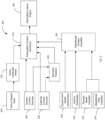
- FIG. 2 illustrates a method 200 for a query-driven and context-sensitive process for providing information to a plant operator of an industrial production facility.
- the method 200 described herein and illustrated in FIG. 2 is performed by HMI 110 a in conjunction with the operator console 110 of FIG. 1 .
- the process operations of FIG. 2 may be a non-transitory medium executing as software applications contained in the memory 116 d of server 116 and executed by processor 116 a.
- each process operation shown in FIG. 2 may be a software program, application, or function module executing individually or concurrently to provide the information requested by the plant operator to HMI 110 a.
- a natural language query prompt is made by the plant operator to HMI 110 a using an input device such as for example a keyboard (not shown) associated with the operator console 110 for textual input or a microphone (not shown) for audio or speech input.
- an input device such as for example a keyboard (not shown) associated with the operator console 110 for textual input or a microphone (not shown) for audio or speech input.
- a query language model accepts the query prompt from the plant operator and passes a text query to the information content generator 215.
- the query language model 210 would convert the voice utterance to text.
- the text query prompt is passed through to the information content generator 215.
- the query prompt may also be translated into the system's 100 local language to allow for multilingual queries.
- the query language model 210 may be any currently known software application for generating a natural language query consisting of terms or phrases spoken normally or entered as they might be spoken, without any non-language characters and without any special format or alteration of syntax. Alternately, a neural network generative (artificial intelligence) AI language model may be used as the query language model 210.
- the operator query prompt from the query language model 210 is next input to an information content generator 215.
- the information content generator 215 receives the query prompt from query language model 210 and uses the query prompt to receive information relating to the query prompt from the semantic network 225.
- the semantic network 225 is continually updated with data and meta-data from the system content sources process 230 and external content sources process 235.
- the semantic network 225 parses the received information from the content sources and identifies content and content based meta-data to build semantic relationships with the data from the content sources.
- the semantic network 225 stores the relationships between the elements such as for example, the asset devices and operations of system 100. Querying the semantic network 225 provides information as well as linkages to the elements of system 100 and how the elements of the system 100 are related. For example, a query from the information content generator 215 for information for an asset labelled Furnace001, would provide performance information for the asset including a list of things related to Furnace001 together with links to any associated content sources.
- the semantic network 225 For an operator query prompt, "How do I avoid a compressor trip on loss of feed?", the semantic network 225 would identify the Standard Operating Procedure (SOP) for stabilizing the compressor on loss of feed as one of the related items. The information content generator 215 can then use the link provided to go and access the SOP so it can be presented to the operator.
- the semantic network 225 may be implemented using a semantic database, a knowledge graph, deep learning neural network, or a vector embedding model, that can derive information from system 100 provided by content crawlers.
- Process operation 230 collects information pertaining to the system 100 from logs, asset lists, process modules, and controllers of the industrial process control and automation system 100 that is input to the semantic network 225.
- the system content source information may include, asset model entities, process parameter data databases from historians both current and historical, activity and event logs, control strategies that control plant machinery or actuators, graphic displays, trends, calculations, faults, recommendations, shift logs, incident reports, SOPs, and key performance indicators (KPI).
- Process operation 235 collects information from external sources.
- External sources may be information collected from systems outside of the system 100.
- weather data including temperature, wind speed, humidity for the location of the industrial production facility.
- the weather data may be supplied via gateway 120 from the cloud 118.
- the information content generator 215 may also use the process content from the content sources 230, 235 prior to displaying the information to the operator, which will be explained in detail later in the examples.
- An operational context classifier process 220 is used by the HMI 200 to provide operational context when querying the semantic network 225.
- the information content generator 215 asks the operational context classifier 220 what the current, or previous operational context is.
- operational context may include, process state (process upset, e.g. loss of feed), current or planned maintenance activities, known equipment health issues, etc.
- the information content generator 215 then adds this information to the query sent to the semantic network 225, requesting information that is framed within a requested operational context.
- the added context influences the list of related data returned from the semantic network 225 to information content generator 215. For example, the fact that there is a severe weather warning may make additional SOPs relevant.
- the operational context classifier 220 collects current and past context-sensitive information applicable to the plant.
- the information content generator 215 uses the information to secure from the semantic network 225 data that is context-sensitive from the system 100.
- the classifier 220 receiving information of the current process mode from the process mode classifier 235, scheduled production schedules and maintenance activities from activity schedules process operation 230, equipment health assessment, from the equipment health assessment process operation 225 and current operational risk from operational risk classifier 245.
- the process mode classifier of process operation 235 identifies current process mode for the production process controlled by system 100 including if the process is in a steady state, in a start up state, in a shut down state, a transition state, process upset, etc.
- the equipment health assessment of process operation 225 identifies the equipment health status of a production asset, if it for example, healthy, failed or degraded.
- the information could also come from an external third-party system, such as an asset performance monitoring solution that operates in conjunction with system 100.
- the activity schedules of process operation 230 collects the status of current and planned activity and maintenance that may be performed on the assets of the industrial production facility or system 100.
- the operational risk classifier of process operation 245 identifies potential risks to the operations of the industrial plant arising from adverse weather and maintenance activities that are to be, or are being performed on a live production facility, including for example cleaning heat exchangers, replacing valves, calibrating sensors, working on the flare systems, etc.
- Other operational risks that may be identified by process operation 230 may include degraded control, such as when control loops are saturated, or when the industrial production facility is operating in a new mode.
- the model relationships between the items of information provided by semantic network 225 and using context-sensitive information from the operational context classifier 220 is sent to the information content generator 215 where information is converted into a form for use in the visual layouts produced by the information layout engine 250.
- the information layout engine of process operation 250 automatically generates a visual layout of the information items collected by the information content generator 215 for display on operator console 110 or on a portable display device (not shown).
- the information content generator 215 uses a responsive design to create layouts appropriate to the device on which the HMI 110 a is displayed, such as for example, the control room operator console 110, or a mobile device such as a smart phone, or a tablet device.
- the information layout engine 250 may support one or more graphic design approaches, such as for example abnormal situation management (ASM) compliant and configurable library of web shape objects.
- ASM abnormal situation management
- the information layout engine 250 may be implemented using a template-based approach wherein pre-developed templates are loaded into engine 250 and used to display the HMI an information to a particular selected display device.
- the engine 250 may use generative AI producing HTML source code that produces and generates an HMI display layout based on the description of the information to be displayed and relevant design guidelines and constraints.
- the infromation layout engine 250 may also produce source code in other languages that could be used to implement the HMI.
- HMI query-driven, HMI
- disclosed aspects of the present di sclosure go further by making the HMI and its process operations illustrated FIG. 2 a query-driven and context-sensitive process that can display the most relevant information specific to a production process executing in an industrial production facility based on the plant operator's current interest.
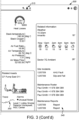
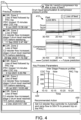
- FIG. 3 and FIG. 4 each show depictions of example screenshot displays resulting from a query to the HMI 200 of the present disclosure.
- a screen 300 illustrates the information and screen layout in response to a query to provide information for a furnace asset running in the industrial production facility.
- a screen 400 illustrates the information and screen layout for a query prompt by the plant operator on how a compressor trip can be avoided after a loss of feed.
- an example screen layout 300 is generated by the HMI 200 of the present disclosure in response to a simple operator search query for "Furnace001".
- the search text "Furnace001" was entered in the search field 310 at the top of the screen.
- the microphone icon 315 enables the plant operator to make a query using speech by selecting the icon and using his voice.
- the HMI 110 using the method 200 of FIG. 2 , generates the screen layout for display at an operator console 110 or at a mobile device as a result of the operator query 310.
- the screen 300 includes a graphic representation of the selected furnace including its running status 320 and includes alpha-numeric displays of key current operational parameters located surrounding the graphic of the furnace. Representations of current KPIs 325 for the furnace are illustrated by the graphics along the top of the screen shown above the furnace graphic 320.
- a trend graph 330 of furnace's performance is illustrated.
- current recommendations 335 may be listed relating to the queried furnace.
- the recommendations may include maintenance items that need to be addressed by maintenance personnel such as, for example, vibration noises or alarms.
- Related assets 340 may be displayed providing information to the status, such as the condition and performance of related devices required by the furnace to operate efficiently.
- a pump is illustrated with a trend line and any alarms that may have been made during its operation.
- the screen 300 may further include other related information 345 including weather, site safety incidents, maintenance contacts, and maintenance reports.
- FIG. 4 illustrates the screen layout generated by the HMI200 in response to a natural language query made by the plant operator on "how do I avoid a compressor trip after a loss of feed?"
- HMI 200 generates screen layout 400 as the result of the operator's query.
- the screen layout 400 includes a list of previous loss of feed incidents 410 and graphs of trends 415 and key process parameters 420 for drum liquid accumulation and a compressor pressure profile that include current, as well as historical data for the compressor.
- an incident summary 425 lists information from SOPs, shift logs, and incident reports from previous loss of feed incidents provided by the content sources 230, 235 made by the information content generator 215 before display to the operator.
- a recommended action is provided to the plant operator in box 430 in response to his query that can be made to prevent a compressor trip after a loss of feed.
- the term "communicate,” as well as derivatives thereof, encompasses both direct and indirect communication.
- the term “or” is inclusive, meaning and/or.
- the phrase “associated with,” as well as derivatives thereof, may mean to include, be included within, interconnect with, contain, be contained within, connect to or with, couple to or with, be communicable with, cooperate with, interleave, juxtapose, be proximate to, be bound to or with, have, have a property of, have a relationship to or with, or the like.
- phrases "at least one of,” when used with a list of items, means that different combinations of one or more of the listed items may be used, and only one item in the list may be needed.
- “at least one of: A, B, and C” includes any of the following combinations: A, B, C, A and B, A and C, B and C, and A and B and C.
Landscapes
- Engineering & Computer Science (AREA)
- General Engineering & Computer Science (AREA)
- Physics & Mathematics (AREA)
- General Physics & Mathematics (AREA)
- Automation & Control Theory (AREA)
- Manufacturing & Machinery (AREA)
- Quality & Reliability (AREA)
- Theoretical Computer Science (AREA)
- Human Computer Interaction (AREA)
- Testing And Monitoring For Control Systems (AREA)
Abstract
A system and method comprises a human machine interface (HMI) connected to an industrial process control and automation system controlling an industrial process. The HMI is arranged to receive and process a request for information from an operator. The HMI collects the information specific to the operator request from a semantic network connected to the industrial process control and automation system and generates a layout for the information received from the semantic network. The received information is displayed by the HMI to the operator using the layout.
Description
- This disclosure is generally directed to an industrial production facility controlled by an industrial process control and automation system. More specifically, it relates to a human machine interface (HMI) for providing information to an operator of the industrial production facility.
- Industrial process control and automation systems are often used in industrial production facilities, or process plants to automate large and complex industrial processes. These types of control and automation systems routinely include sensors, actuators, and controllers. The controllers typically receive measurements from the sensors and generate control signals for the actuators. The industrial process control and automation systems are configured with control schemes using programmable logic controllers (PLC(s)), or in the case of more complex systems using distributed control systems (DCS) or supervisory control and data acquisition systems (SCADA). Automated process control relies on one or more process controllers that are communicatively coupled by input/output (I/O) modules coupled to one or more field devices that are coupled to processing equipment, where the field devices comprise sensors for sensing parameters such as temperature and pressure, and actuators configured for receiving control signals generated by the process controllers and adjusting settings of the processing equipment.
- The operator of an industrial production facility is heavily dependent on a Human Machine Interface (HMI) to provide them with the ability to understand the past, current, and potential future state of the production process and the industrial process control and automation systems managing the production facility and to intervene when necessary to carry out operational procedures and address abnormal situations as they arise. The plant operator utilizes a set of standard operating procedures(s) (SOP) which describe methods for an operator's actions for operating the system and responding to situations. A key element of an HMI is ensuring that operators have access to the information they need when it is required. Doing so typically involves a significant upfront engineering activity in which the plant operator's information needs are analysed to design a collection of information displays and associated navigation mechanisms to address those needs. This is an expensive and time-consuming exercise resulting in a rigid structure that typically fails to account for day-to-day contingencies that influence the information that the operator needs.
- This disclosure relates to a human machine interface (HMI) for providing information to an operator of an industrial production facility .
- In a first embodiment, a method is disclosed that comprises processing by a human machine interface (HMI) connected to an industrial process control and automation system controlling an industrial process a request for information from an operator. The method also includes collecting from a semantic network information specific to the operator request, generating a layout for the information received from the semantic network, and displaying by the HMI the layout and the received information to the operator.
- In a second embodiment, a system is disclosed that comprises: an industrial process control and automation system controlling an industrial process; an operator device connected to the industrial process control and automation system; an input device for entering information from the operator into the operator device; a display for displaying information from the operator device to the operator; a semantic network connected to the industrial process control and automation system that collects and stores information and relationships for the elements comprising the industrial process control and automation system; an information layout engine for generating a display layout of the information received from the semantic network; and a human machine interface (HMI) operating on the operator device and adapted to receive requests for information from the input device, wherein responsive to the requests for information the HMI collects the information from the semantic network within an operational context of the industrial process and displays the received information to the operator on the display using the display layout.
- In a third embodiment, a non-transitory computer readable medium is disclosed that contains instructions that when executed cause at least one operator console comprising an operator computer system for an operator including at least one processor device coupled to a human machine interface (HMI) causes the operator computer system to implement a method comprising processing by the HMI a request for information from the operator, the HMI connected to an industrial process control and automation system controlling an industrial process. The method further comprising collecting by the HMI information specific to the plant operator request from a semantic network connected to the industrial process control and automation system, generating a layout for the information received from the semantic network and displaying by the HMI using the layout and the received information on the operator console.
- Other technical features may be readily apparent to one skilled in the art from the following figures, descriptions, and claims.
- For a more complete understanding of this disclosure, reference is now made to the following description, taken in conjunction with the accompanying drawings, in which:
-
FIG. 1 illustrates an example industrial process control and automation system used to control an industrial production facility; -
FIG. 2 illustrates an example HMI for providing information to an operator of an industrial production facility, according to this disclosure; -
FIG. 3 illustrates example screen layout produced by the HMI ofFIG. 2 , according to this disclosure; and -
FIG. 4 illustrates another example screen layout produced by the HMI ofFIG. 2 , according to this disclosure. - The figures discussed below, and the various embodiments used to describe the principles of the present invention in this patent document are by way of illustration only and should not be construed in any way to limit the scope of the invention. Those skilled in the art will understand that the principles of the invention may be implemented in any type of suitably arranged device or system.
- The systems and methods of the present disclosure are concerned with providing information to a plant operator using a human machine interface (HMI) that can display the most relevant information specific to a production process executing in an industrial production facility based on the plant operator's current interest. The disclosed system and method avoids much of the effort required to engineer an HMI specific to the industrial production process. Specifically, the system and method of the present disclosure allow a plant operator to declare an interest in information to the HMI in the form of search commands and queries. For example, the search command "Furnace001" would populate the HMI with information relevant to an asset of the production facility labeled "Furnace001", including schematics of the asset, and current operating data from various devices and systems managing and executing the production process. The information would be displayed on an operator console or other display device to the plant operator.
- Queries provided to the HMI is input by the plant operator in the form of natural language as either text messages or by voice in the form of speech. Queries may also be made descriptive of what the plant operator is interested in. For example, the plant operator may issue a voice query to the HMI to, "show me information related to the trip of Furnace001". In this example, the HMI would collect information relating to the unplanned shutdown of Furnace001, including alarm information, process trends leading up to the trip, equipment health data, etc., for presentation to the plant operator.
- The information collected and shown by the HMI to the plant operator can be further influenced by any current operational context. The operational context may include the current process mode of the plant, for example if the plant is in a start-up state, a steady state, or experiencing an abnormal situation, etc. The operational context may include the current state of the process managed by an industrial process control and automation system, such as for example, current process parameters for the process being run and any parameters that have sent alarms. Other operational context may include the health of plant equipment and any current or planned operational maintenance that is scheduled to be performed, the execution of Standard Operating procedures (SOPs), and the execution of specific tasks such as a shift handover, e.g., presenting a summary of the shift performance and outstanding issues to the plant operator assuming the shift. Other operational context may include operating risk factors, such as operations of the industrial process using a new set of parameters, atypical feedstocks, hot maintenance activities, adverse weather conditions, etc. Another operational risk factor may include the state of any advanced control system or plant wide optimization system that may impact a particular set of constraints that the plant operator needs to monitor for a manual intervention.
- The factors described above establish the operational context in which the plant operator receives information from the HMI. For example, if Furnace001 is currently being started up, an operator query for information for Furnace001, would include the start-up procedure and process parameters required to monitor the start up. Conversely, if Furnace001 is running in a steady state, then the start-up procedure would not be shown. Instead, parameters required to monitor steady state would be shown, and any information from any advanced control strategies that is managing the steady state.
- It is recognized that although basic context-based guidance for plant operators may be known, disclosed aspects of the present disclosure go further by making the HMI responsive to context-based guidance, including being responsive to the operator queries inputs within context-sensitive operational inputs that allows the HMI to display specific plant information to the plant operator and thereby, automate the interaction of the plant operator with the HMI. This disclosed aspect makes the HMI more efficient and also allows the operator to better concentrate on those actions that have a direct impact on the industrial process of the industrial production facility.
-
FIG. 1 illustrates an example industrial process control andautomation system 100 that can benefit from disclosed aspects of the present disclosure. As shown inFIG. 1 , thesystem 100 includes various components that facilitate production or processing of at least one tangible product or other tangible material. For instance, thesystem 100 can be used to facilitate control over components in one or multiple industrial production plants. Each industrial production plant represents one or more processing facilities (or one or more portions thereof), such as one or more manufacturing facilities for producing at least one tangible product or other tangible material. In general, each plant may implement one or more industrial processes, and can individually or collectively be referred to as being a processing system. A processing system generally represents any system or portion thereof configured to process one or more products or other tangible materials in some manner. Thesystem 100 includes field devices comprising one ormore sensors 102 a and one ormore actuators 102 b that are coupled between thecontrollers 106 and the processing equipment, shown in simplified form asprocess unit 101 a coupled bypiping 109 to another process unit 201b. Thesensors 102 a and actuators 202 b represent components in a process system that may perform any of a wide variety of functions. For example, thesensors 102 a can measure a wide variety of characteristics in the processing system, such as flow, pressure, or temperature. Also, theactuators 102 b can alter a wide variety of characteri sti cs in the processing system, such as valve openings. Each of thesensors 102 a includes any suitable structure for measuring one or more characteristics in a process system. Each of theactuators 102 b includes any suitable structure for operating on or affecting one or more conditions insystem 100. - At least one
network 104 is shown providing a connection between thecontrollers 106 and thesensors 102 a andactuators 102 b. Thenetwork 104 facilitates interaction with thesensors 102 a andactuators 102 b. For example, thenetwork 104 can transport measurement data from thesensors 102 a to thecontrollers 106 and provide control signals from thecontrollers 106 to theactuators 102 b. Thenetwork 104 can represent any suitable network or combination of networks. As particular examples, thenetwork 104 can represent at least one Ethernet network (such as one supporting a FOUNDATION FIELDBUS protocol), electrical signal network (e.g., a Highway Addressable Remote Transducer (HART protocol network)), pneumatic control signal network, or any other or additional type(s) of network(s). - The
system 100 also comprisesvarious process controllers 106 generally configured in multiple Purdue model levels that may be present at all levels besideslevel 0, wherelevel 0 generally only includes the field devices (sensors and actuators) and the process units. Each process controller comprises aprocessor 106 a coupled to amemory 106 b. The process controllers 206 can be used in thesystem 200 to perform various functions in order to control one or more industrial processes. - For example, a first set of process controllers 206 corresponding to
level 1 in the Purdue model may refer to smart transmitters or smart flow controllers, where the control logic is embedded in these controller devices.Level 2 generally refers to a distributed control system (DCS) controller, such as the C300 controller from Honeywell International. Theselevel 2 controllers can also include more advanced strategies including machine level control built into the C300 controller, or another similar controller.Level 3 is generally reserved for controllers implemented by theserver 116. These controllers interact with the other level (1, 2 and 4) controllers. - The
level 1 controllers in the case of smart devices, orlevel 2 controllers such as the C300 controller, may use measurements from one ormore sensors 102 a to control the operation of one ormore actuators 102 b. Thelevel 2process controllers 106 can be used to optimize the control logic or other operations performed by thelevel 1 process controllers. For example, the machine-level controllers, such as DCS controllers, atPurdue level 2 can log information collected or generated byprocess controllers 106 that are onlevel 1, such as measurement data from thesensors 102 a or control signals for theactuators 102 b. - A third set of controllers implemented by the
server 116 corresponding tolevel 3 in the Purdue model, known as unit-level controllers which generally perform model predictive control (MPC), can be used to perform additional functions. Theprocess controllers 106 and controllers implemented by theserver 116 can collectively therefore support a combination of approaches, such as regulatory control, advanced regulatory control, supervisory control, and advanced process control. In one arrangement, the third set of controllers implemented by theserver 116 comprises an upper-tier controller corresponding to level 4 in the Purdue model, which generally also performs MPC control, also known as a plant-level controller, coupled to a lower-tier controller corresponding tolevel 3 in the Purdue model. Theserver 116processor 116 a can comprise a digital signal processor (DSP), a microcontroller, an application specific integrated circuit (ASIC), a general processor, or any other combination of one or more integrated processing devices. - An MPC simulation model generally resides in a memory (shown as an
MPC model 116 c stored inmemory 116 b as shown inFIG. 1 ) associated with the upper-tier controller implemented by theserver 116, wherein the upper-tier controller uses the MPC simulation model to predict movements in the process, participates in controlling the plant, and interacting with the MPC simulation model to optimize overall economics of the plant including sending an output from the MPC simulation model as setpoint targets to the lower-tier controller. The lower-tier controller uses the setpoint targets for diverting the raw material or the intermediate material in the piping network. - At least one of the
process controllers 106 shown inFIG. 1 can denote a model-based process controller that operates using one or more process models. For example, each of theseprocess controllers 106 can operate using one or more process models, including an MPC simulation model, to determine, based on measurements from one ormore sensors 102 a, how to adjust one ormore actuators 102 b. In some disclosed aspects, each model associates one or more manipulated variables (MVs) or disturbance variables (DVs) often referred to as independent variables, with one or more control variables (CVs) often referred to as dependent variables. Each of theseprocess controllers 106 could use an objective function to identify how to adjust its manipulated variables in order to push its CVs to the most attractive set of constraints. - At least one
network 108 couples theprocess controllers 106 and other devices in thesystem 100. Thenetwork 108 facilitates the transport of information between components of thesystem 100. Thenetwork 108 can represent any suitable network or combination of networks. As particular examples, thenetwork 108 can represent at least one Ethernet network. - Plant operator access to and interaction with the
process controllers 106 and other components of thesystem 100 including theserver 116 can occur via various disclosed operator consoles 110 which comprise anHMI 110 a coupled to anoperator computer system 110 b that includes aprocessor 110 c. Eachoperator console 110 can be used to provide information to a plant operator and receive information from the operator. For example, eachoperator console 110 can provide information identifying a current state of an industrial process to the plant operator, such as values of various process variables and warnings, alarms, or other states associated with the industrial process. - Each
operator console 110 can also receive information affecting how the industrial process is controlled, such as by receiving setpoints or control modes for process variables controlled by theprocess controllers 106 or process controller implemented by theserver 116, or other information that alters or affects how the process controllers control the industrial process. Eachoperator console 110 includes any suitable structure for displaying information to and interacting with an operator. For example, the operator computing device can run a WINDOWS operating system or other operating system. - Multiple operator consoles 110 can be grouped together and used in one or
more control rooms 112. Eachcontrol room 112 could include any number of operator consoles 110 in any suitable arrangement. In some disclosed aspects,multiple control rooms 112 can be used to control an industrial plant, such as when eachcontrol room 112 contains operator consoles 110 used to manage a discrete part of the industrial facility. - The
system 200 generally includes at least onedata historian 114 that generally includes event logs that are entered by operators or technicians. Thedata historian 114 may also store various information about thesystem 100. Thedata historian 114 can, for instance, store information that is generated by thevarious process controllers 106 during the control of one or more industrial processes, as well as event logs. Thedata historian 114 includes any suitable structure for storing and facilitating retrieval of the information it stores. Although shown as a single component here, thedata historian 114 can be located elsewhere in thesystem 100, such as in the cloud, or multiple data historians can be distributed in different locations in thesystem 100. - The server's 116
processor 116 a executes applications for users of the operator consoles 110 or other applications. The applications can be used to support various functions for the operator consoles 110, theprocess controllers 106, or other components of thesystem 100. Eachserver 116 can represent a computing device running a WINDOWS operating system or other operating system. Note that while shown as being local within thesystem 100 the functionality of theserver 116 can be remote from thesystem 100. For instance, the functionality of theserver 116 can be implemented in a computing cloud 218, or in a remote server communicatively coupled to thesystem 100 via agateway 120. - Although
FIG. 1 illustrates one example of an industrial process control andautomation system 100, various changes may be made to thesystem 100. For example, thesystem 100 can include any number of sensors, actuators, controllers, networks, operator consoles, control rooms, data historians, servers, and other components. - In the present system and method, the
operator console 110 includes anHMI 110 a that acts as the interface for a query-driven and context-sensitive process operation that can display the most relevant information specific to a production process executing in an industrial production facility based on the plant operator's current interest. The information displayed onoperator console 110 is responsive to a plant operator's specific query made to theHMI 110 a. The information collected by theHMI 110 a and displayed to the plant operator's particular query includes information within the current operational context of the industrial process controlled by thesystem 100. For example, when anoperator computing system 110 b associated with theHMI 110 a detects an alarm the operator can use a natural language instruction to theHMI 110 a to present information relating to the alarm. The system and method would collect information stored in thedata historian 114,controllers 106 andprocess units 101 a and 101 b ofsystem 100 focused on the abnormal situation that caused the alarm. Additionally, theHMI 110 a would present to the plant operator either on the operator'sconsole 110 or a portable display device (not shown) suggested actions needed to implement corrective actions in thesystem 100 responsive to the alarm. - Knowledge of how to respond to a variety of particular current situations including abnormal situations such as alarms, or routine maintenance that is scheduled to be due, may be captured in SOPs or other procedural instructions. However, SOPs are typically expensive and difficult to establish and maintain over time. An alternative approach is to use the history of operations for the process control system, generally stored in a data historian as a source of knowledge of how to respond to a plurality of current situations. The operational history can be stored at the site of the
system 100, as situation/event data, or can be stored at a plurality of different sites that generally all implement the same system in the same industrial process. For example, operator generated event logs that are generally stored in a data historian can be 'mined' for prior examples of the same or a highly current situation and an analysis of the actions that were previously taken to respond to that current situation and the results of the action can be used to derive suggestions for a plant operator on what actions might be appropriate for action responsive to the current situation. Deriving suggestions based on the history of operations of thesystem 100 stored in adata historian 114 including event logs can be accomplished by applying analytical techniques to the event logs produced by operators atoperator console 110 over a sufficiently long period of time. For example, analytical techniques such as sequence mining and deep learning techniques (sequence-to-sequence networks, and convolutional networks), can be used to provide suggestions for upcoming (current) operator actions. These suggestions are based on the current state of thesystem 100 and the sequence of events leading up to the point in time that the current situation occurs. -
FIG. 2 illustrates amethod 200 for a query-driven and context-sensitive process for providing information to a plant operator of an industrial production facility. Themethod 200 described herein and illustrated inFIG. 2 is performed byHMI 110 a in conjunction with theoperator console 110 ofFIG. 1 . Alternately, the process operations ofFIG. 2 may be a non-transitory medium executing as software applications contained in thememory 116 d ofserver 116 and executed byprocessor 116 a. It should be noted that each process operation shown inFIG. 2 may be a software program, application, or function module executing individually or concurrently to provide the information requested by the plant operator toHMI 110 a. - In
process operation 205, a natural language query prompt is made by the plant operator toHMI 110 a using an input device such as for example a keyboard (not shown) associated with theoperator console 110 for textual input or a microphone (not shown) for audio or speech input. - In
process operation 210, a query language model accepts the query prompt from the plant operator and passes a text query to theinformation content generator 215. In the case of a voice query from the operator, thequery language model 210 would convert the voice utterance to text. In the case of a direct keyboard text query, the text query prompt is passed through to theinformation content generator 215. The query prompt may also be translated into the system's 100 local language to allow for multilingual queries. Thequery language model 210 may be any currently known software application for generating a natural language query consisting of terms or phrases spoken normally or entered as they might be spoken, without any non-language characters and without any special format or alteration of syntax. Alternately, a neural network generative (artificial intelligence) AI language model may be used as thequery language model 210. - The operator query prompt from the
query language model 210 is next input to aninformation content generator 215. Theinformation content generator 215 receives the query prompt fromquery language model 210 and uses the query prompt to receive information relating to the query prompt from thesemantic network 225. - The
semantic network 225 is continually updated with data and meta-data from the systemcontent sources process 230 and externalcontent sources process 235. Thesemantic network 225 parses the received information from the content sources and identifies content and content based meta-data to build semantic relationships with the data from the content sources. Thesemantic network 225 stores the relationships between the elements such as for example, the asset devices and operations ofsystem 100. Querying thesemantic network 225 provides information as well as linkages to the elements ofsystem 100 and how the elements of thesystem 100 are related. For example, a query from theinformation content generator 215 for information for an asset labelled Furnace001, would provide performance information for the asset including a list of things related to Furnace001 together with links to any associated content sources. For an operator query prompt, "How do I avoid a compressor trip on loss of feed?", thesemantic network 225 would identify the Standard Operating Procedure (SOP) for stabilizing the compressor on loss of feed as one of the related items. Theinformation content generator 215 can then use the link provided to go and access the SOP so it can be presented to the operator. Thesemantic network 225 may be implemented using a semantic database, a knowledge graph, deep learning neural network, or a vector embedding model, that can derive information fromsystem 100 provided by content crawlers. -
Process operation 230 collects information pertaining to thesystem 100 from logs, asset lists, process modules, and controllers of the industrial process control andautomation system 100 that is input to thesemantic network 225. The system content source information may include, asset model entities, process parameter data databases from historians both current and historical, activity and event logs, control strategies that control plant machinery or actuators, graphic displays, trends, calculations, faults, recommendations, shift logs, incident reports, SOPs, and key performance indicators (KPI). -
Process operation 235 collects information from external sources. External sources may be information collected from systems outside of thesystem 100. Such as for example, weather data, including temperature, wind speed, humidity for the location of the industrial production facility. The weather data may be supplied viagateway 120 from thecloud 118. Theinformation content generator 215 may also use the process content from thecontent sources - An operational
context classifier process 220 is used by theHMI 200 to provide operational context when querying thesemantic network 225. Theinformation content generator 215 asks theoperational context classifier 220 what the current, or previous operational context is. For example, operational context may include, process state (process upset, e.g. loss of feed), current or planned maintenance activities, known equipment health issues, etc. Theinformation content generator 215 then adds this information to the query sent to thesemantic network 225, requesting information that is framed within a requested operational context. The added context influences the list of related data returned from thesemantic network 225 toinformation content generator 215. For example, the fact that there is a severe weather warning may make additional SOPs relevant. - The
operational context classifier 220 collects current and past context-sensitive information applicable to the plant. Theinformation content generator 215 uses the information to secure from thesemantic network 225 data that is context-sensitive from thesystem 100. Theclassifier 220 receiving information of the current process mode from theprocess mode classifier 235, scheduled production schedules and maintenance activities from activityschedules process operation 230, equipment health assessment, from the equipment healthassessment process operation 225 and current operational risk fromoperational risk classifier 245. - The process mode classifier of
process operation 235 identifies current process mode for the production process controlled bysystem 100 including if the process is in a steady state, in a start up state, in a shut down state, a transition state, process upset, etc. - The equipment health assessment of
process operation 225, identifies the equipment health status of a production asset, if it for example, healthy, failed or degraded. The information could also come from an external third-party system, such as an asset performance monitoring solution that operates in conjunction withsystem 100. - The activity schedules of
process operation 230 collects the status of current and planned activity and maintenance that may be performed on the assets of the industrial production facility orsystem 100. - The operational risk classifier of
process operation 245 identifies potential risks to the operations of the industrial plant arising from adverse weather and maintenance activities that are to be, or are being performed on a live production facility, including for example cleaning heat exchangers, replacing valves, calibrating sensors, working on the flare systems, etc. Other operational risks that may be identified byprocess operation 230 may include degraded control, such as when control loops are saturated, or when the industrial production facility is operating in a new mode. - The model relationships between the items of information provided by
semantic network 225 and using context-sensitive information from theoperational context classifier 220 is sent to theinformation content generator 215 where information is converted into a form for use in the visual layouts produced by theinformation layout engine 250. - The information layout engine of
process operation 250 automatically generates a visual layout of the information items collected by theinformation content generator 215 for display onoperator console 110 or on a portable display device (not shown). Theinformation content generator 215 uses a responsive design to create layouts appropriate to the device on which theHMI 110 a is displayed, such as for example, the controlroom operator console 110, or a mobile device such as a smart phone, or a tablet device. Theinformation layout engine 250 may support one or more graphic design approaches, such as for example abnormal situation management (ASM) compliant and configurable library of web shape objects. Theinformation layout engine 250 may be implemented using a template-based approach wherein pre-developed templates are loaded intoengine 250 and used to display the HMI an information to a particular selected display device. Or preferably, theengine 250 may use generative AI producing HTML source code that produces and generates an HMI display layout based on the description of the information to be displayed and relevant design guidelines and constraints. Theinfromation layout engine 250 may also produce source code in other languages that could be used to implement the HMI. - Disclosed aspects are further illustrated by the following specific examples, which should not be construed as limiting the scope or content of this disclosure in any way.
- As described above, although the basic provisions of a query-driven, HMI may be known, disclosed aspects of the present di sclosure go further by making the HMI and its process operations illustrated
FIG. 2 a query-driven and context-sensitive process that can display the most relevant information specific to a production process executing in an industrial production facility based on the plant operator's current interest. -
FIG. 3 andFIG. 4 each show depictions of example screenshot displays resulting from a query to theHMI 200 of the present disclosure. InFIG. 3 , ascreen 300 illustrates the information and screen layout in response to a query to provide information for a furnace asset running in the industrial production facility. InFig. 4 , ascreen 400 illustrates the information and screen layout for a query prompt by the plant operator on how a compressor trip can be avoided after a loss of feed. - With reference to
FIG. 3 , anexample screen layout 300 is generated by theHMI 200 of the present disclosure in response to a simple operator search query for "Furnace001". The search text "Furnace001" was entered in thesearch field 310 at the top of the screen. Themicrophone icon 315 enables the plant operator to make a query using speech by selecting the icon and using his voice. TheHMI 110 using themethod 200 ofFIG. 2 , generates the screen layout for display at anoperator console 110 or at a mobile device as a result of theoperator query 310. - The
screen 300 includes a graphic representation of the selected furnace including its runningstatus 320 and includes alpha-numeric displays of key current operational parameters located surrounding the graphic of the furnace. Representations ofcurrent KPIs 325 for the furnace are illustrated by the graphics along the top of the screen shown above the furnace graphic 320. - In the lower left corner of the screen 300 a
trend graph 330 of furnace's performance is illustrated. Next to the trend graphcurrent recommendations 335 may be listed relating to the queried furnace. The recommendations may include maintenance items that need to be addressed by maintenance personnel such as, for example, vibration noises or alarms.Related assets 340 may be displayed providing information to the status, such as the condition and performance of related devices required by the furnace to operate efficiently. In the example of 340, a pump is illustrated with a trend line and any alarms that may have been made during its operation. Finally, Thescreen 300 may further include otherrelated information 345 including weather, site safety incidents, maintenance contacts, and maintenance reports. -
FIG. 4 illustrates the screen layout generated by the HMI200 in response to a natural language query made by the plant operator on "how do I avoid a compressor trip after a loss of feed?"HMI 200 generatesscreen layout 400 as the result of the operator's query. Thescreen layout 400 includes a list of previous loss offeed incidents 410 and graphs oftrends 415 andkey process parameters 420 for drum liquid accumulation and a compressor pressure profile that include current, as well as historical data for the compressor. On the right side ofscreen 400 anincident summary 425 lists information from SOPs, shift logs, and incident reports from previous loss of feed incidents provided by thecontent sources information content generator 215 before display to the operator. A recommended action is provided to the plant operator inbox 430 in response to his query that can be made to prevent a compressor trip after a loss of feed. - It may be advantageous to set forth definitions of certain words and phrases used throughout this patent document. The term "communicate," as well as derivatives thereof, encompasses both direct and indirect communication. The terms "include" and "comprise," as well as derivatives thereof, mean inclusion without limitation. The term "or" is inclusive, meaning and/or. The phrase "associated with," as well as derivatives thereof, may mean to include, be included within, interconnect with, contain, be contained within, connect to or with, couple to or with, be communicable with, cooperate with, interleave, juxtapose, be proximate to, be bound to or with, have, have a property of, have a relationship to or with, or the like. The phrase "at least one of," when used with a list of items, means that different combinations of one or more of the listed items may be used, and only one item in the list may be needed. For example, "at least one of: A, B, and C" includes any of the following combinations: A, B, C, A and B, A and C, B and C, and A and B and C.
- The description in the present application should not be read as implying that any particular element, step, or function is an essential or critical element that must be included in the claim scope. The scope of patented subject matter is defined only by the allowed claims. Moreover, none of the claims is intended to invoke 35 U.S.C. § 112(f) with respect to any of the appended claims or claim elements unless the exact words "means for" or "step for" are explicitly used in the particular claim, followed by a participle phrase identifying a function. Use of terms such as (but not limited to) "mechanism," "module," "device," "unit," "component," "element," "member," "apparatus," "machine," "system," or "controller" within a claim is understood and intended to refer to structures known to those skilled in the relevant art, as further modified or enhanced by the features of the claims themselves and is not intended to invoke 35 U.S.C. § 112(f).
- While this disclosure has described certain embodiments and generally associated methods, alterations and permutations of these embodiments and methods will be apparent to those skilled in the art. Accordingly, the above description of example embodiments does not define or constrain this disclosure. Other changes, substitutions, and alterations are also possible without departing from the spirit and scope of this disclosure, as defined by the following claims.
Claims (3)
- A method comprising:processing by a human machine interface (HMI) connected to an industrial process control and automation system controlling an industrial process a request for information from an operator;collecting from a semantic network information specific to the operator request;generating a layout for the information received from the semantic network; anddisplaying by the HMI the layout and the received information to the operator.
- A system comprising:an industrial process control and automation system controlling an industrial process;an operator device connected to the industrial process control and automation system;an input device for entering information from the operator into the operator device;a display for displaying information from the operator device to the operator;a semantic network connected to the industrial process control and automation system that collects and stores information and relationships for the elements comprising the industrial process control and automation system;an information layout engine for generating a display layout of the information received from the semantic network; anda human machine interface (HMI) operating on the operator device and adapted to receive requests for information from the input device,wherein responsive to the requests for information the HMI collects the information received from a semantic network within an operational context of the industrial process and displays the received information to the operator on the display using the display layout.
- A non-transitory computer readable medium containing instructions that when executed cause at least one operator console comprising an operator computer system for an operator including at least one processor device coupled to a human machine interface (HMI) causes the operator computer system to implement a method comprising;processing by the HMI a request for information from the operator, the HMI connected to an industrial process control and automation system controlling an industrial process;collecting by the HMI information specific to the plant operator request from a semantic network connected to the industrial process control and automation system;generating a layout for the information received from the semantic network; anddisplaying by the HMI using the layout the information received from the semantic network on the operator console.
Applications Claiming Priority (1)
| Application Number | Priority Date | Filing Date | Title |
|---|---|---|---|
| US202363506516P | 2023-06-06 | 2023-06-06 |
Publications (1)
| Publication Number | Publication Date |
|---|---|
| EP4478139A1 true EP4478139A1 (en) | 2024-12-18 |
Family
ID=91128096
Family Applications (1)
| Application Number | Title | Priority Date | Filing Date |
|---|---|---|---|
| EP24175853.1A Pending EP4478139A1 (en) | 2023-06-06 | 2024-05-14 | Human machine interface for providing information to an operator of an industrial production facility |
Country Status (4)
| Country | Link |
|---|---|
| US (1) | US20240411293A1 (en) |
| EP (1) | EP4478139A1 (en) |
| CN (1) | CN119087920A (en) |
| AU (1) | AU2024202948B2 (en) |
Families Citing this family (1)
| Publication number | Priority date | Publication date | Assignee | Title |
|---|---|---|---|---|
| JP7770074B1 (en) * | 2025-01-23 | 2025-11-14 | 新川電機株式会社 | Facility management system and facility management program |
Citations (2)
| Publication number | Priority date | Publication date | Assignee | Title |
|---|---|---|---|---|
| US20210398831A1 (en) * | 2020-06-22 | 2021-12-23 | Lavorro, Inc. | Automated Assistance in a Semiconductor Manufacturing Environment |
| US20220357723A1 (en) * | 2021-05-05 | 2022-11-10 | Siemens Aktiengesellschaft | Method and system for providing recommendations concerning a project configuration to configure an industrial system |
Family Cites Families (6)
| Publication number | Priority date | Publication date | Assignee | Title |
|---|---|---|---|---|
| US10503784B1 (en) * | 2016-07-31 | 2019-12-10 | Splunk Inc. | Control interface for asset tree monitoring |
| EP4300230A3 (en) * | 2019-03-25 | 2024-03-27 | Schneider Electric Systems USA, Inc. | Automatic extraction of assets data from engineering data sources |
| US11768877B2 (en) * | 2019-09-20 | 2023-09-26 | Fisher-Rosemount Systems, Inc. | Smart search capabilities in a process control system |
| US11281684B2 (en) * | 2019-12-17 | 2022-03-22 | Fisher-Rosemount Systems, Inc. | Electronic device description language (EDDL) search and navigation assistant |
| CN116075842A (en) * | 2020-08-31 | 2023-05-05 | 霍尼韦尔国际公司 | Enterprise Spend Optimization and Mapping Model Architecture |
| US20220198565A1 (en) * | 2020-12-18 | 2022-06-23 | Honeywell International Inc. | Management of a portfolio of assets |
-
2023
- 2023-11-30 US US18/524,546 patent/US20240411293A1/en active Pending
-
2024
- 2024-05-03 AU AU2024202948A patent/AU2024202948B2/en active Active
- 2024-05-14 EP EP24175853.1A patent/EP4478139A1/en active Pending
- 2024-05-24 CN CN202410656517.XA patent/CN119087920A/en active Pending
Patent Citations (2)
| Publication number | Priority date | Publication date | Assignee | Title |
|---|---|---|---|---|
| US20210398831A1 (en) * | 2020-06-22 | 2021-12-23 | Lavorro, Inc. | Automated Assistance in a Semiconductor Manufacturing Environment |
| US20220357723A1 (en) * | 2021-05-05 | 2022-11-10 | Siemens Aktiengesellschaft | Method and system for providing recommendations concerning a project configuration to configure an industrial system |
Non-Patent Citations (1)
| Title |
|---|
| GAINES B R ET AL: "MEDIATOR: AN INTELLIGENT INFORMATION SYSTEM SUPPORTING THE VIRTUAL MANUFACTURING ENTERPRISE", 1995 IEEE INTERNATIONAL CONFERENCE ON SYSTEMS, MAN AND CYBERNETICS. VANCOUVER, OCT. 22 - 25, 1995; [1995 IEEE INTERNATIONAL CONFERENCE ON SYSTEMS, MAN AND CYBERNETICS], NEW YORK, IEEE, US, vol. 1, 22 October 1995 (1995-10-22), pages 964 - 969, XP000586326, ISBN: 978-0-7803-2560-9, DOI: 10.1109/ICSMC.1995.537892 * |
Also Published As
| Publication number | Publication date |
|---|---|
| US20240411293A1 (en) | 2024-12-12 |
| CN119087920A (en) | 2024-12-06 |
| AU2024202948A1 (en) | 2025-01-02 |
| AU2024202948B2 (en) | 2026-01-29 |
Similar Documents
| Publication | Publication Date | Title |
|---|---|---|
| US10031654B2 (en) | Apparatus and method for generating industrial process graphics | |
| US8108790B2 (en) | Apparatus and method for visualization of control techniques in a process control system | |
| US11934172B2 (en) | Operator console with dynamic future representations for processing equipment | |
| US9665090B2 (en) | Systems and methods for rule-based control system reliability | |
| US20140032169A1 (en) | Systems and methods for improving control system reliability | |
| US20050043922A1 (en) | Analysing events | |
| EP1481298A1 (en) | Provision of data for analysis | |
| EP3751373A1 (en) | Predictive troubleshooting for abnormal plant operations | |
| JP2015522895A (en) | System and method for reliable operation of control | |
| US10235447B2 (en) | Method and system for co-operative intelligent HMIs for effective process operations | |
| JP7703351B2 (en) | Systems and methods for industrial system operation and design - Patents.com | |
| US10908562B2 (en) | Apparatus and method for using advanced process control to define real-time or near real-time operating envelope | |
| US20240411293A1 (en) | Human machine interface for providing information to an operator of an industrial production facility | |
| GB2598819A (en) | Systems and methods for implementing standard operating procedures in a graphical display configuration | |
| EP4589495A1 (en) | Ai based plant status reporting | |
| US11880184B2 (en) | Operator console providing guidance for operator decisions | |
| KR20240160499A (en) | Optimized plant operating region and alarm limit advisory | |
| CN120029216A (en) | Fault diagnosis method, device, equipment and storage medium based on digital twin |
Legal Events
| Date | Code | Title | Description |
|---|---|---|---|
| PUAI | Public reference made under article 153(3) epc to a published international application that has entered the european phase |
Free format text: ORIGINAL CODE: 0009012 |
|
| STAA | Information on the status of an ep patent application or granted ep patent |
Free format text: STATUS: REQUEST FOR EXAMINATION WAS MADE |
|
| 17P | Request for examination filed |
Effective date: 20240514 |
|
| AK | Designated contracting states |
Kind code of ref document: A1 Designated state(s): AL AT BE BG CH CY CZ DE DK EE ES FI FR GB GR HR HU IE IS IT LI LT LU LV MC ME MK MT NL NO PL PT RO RS SE SI SK SM TR |