EP4477086A1 - Carotenoid-enriched extra virgin olive oil, method for obtaining same and functional food comprising same - Google Patents
Carotenoid-enriched extra virgin olive oil, method for obtaining same and functional food comprising same Download PDFInfo
- Publication number
- EP4477086A1 EP4477086A1 EP23752505.0A EP23752505A EP4477086A1 EP 4477086 A1 EP4477086 A1 EP 4477086A1 EP 23752505 A EP23752505 A EP 23752505A EP 4477086 A1 EP4477086 A1 EP 4477086A1
- Authority
- EP
- European Patent Office
- Prior art keywords
- fruit
- carotenoids
- olive oil
- pulp
- enriched
- Prior art date
- Legal status (The legal status is an assumption and is not a legal conclusion. Google has not performed a legal analysis and makes no representation as to the accuracy of the status listed.)
- Pending
Links
Images


Classifications
-
- A—HUMAN NECESSITIES
- A23—FOODS OR FOODSTUFFS; TREATMENT THEREOF, NOT COVERED BY OTHER CLASSES
- A23L—FOODS, FOODSTUFFS OR NON-ALCOHOLIC BEVERAGES, NOT OTHERWISE PROVIDED FOR; PREPARATION OR TREATMENT THEREOF
- A23L33/00—Modifying nutritive qualities of foods; Dietetic products; Preparation or treatment thereof
- A23L33/10—Modifying nutritive qualities of foods; Dietetic products; Preparation or treatment thereof using additives
- A23L33/105—Plant extracts, their artificial duplicates or their derivatives
-
- A—HUMAN NECESSITIES
- A23—FOODS OR FOODSTUFFS; TREATMENT THEREOF, NOT COVERED BY OTHER CLASSES
- A23D—EDIBLE OILS OR FATS, e.g. MARGARINES, SHORTENINGS OR COOKING OILS
- A23D9/00—Other edible oils or fats, e.g. shortenings or cooking oils
- A23D9/007—Other edible oils or fats, e.g. shortenings or cooking oils characterised by ingredients other than fatty acid triglycerides
-
- A—HUMAN NECESSITIES
- A23—FOODS OR FOODSTUFFS; TREATMENT THEREOF, NOT COVERED BY OTHER CLASSES
- A23D—EDIBLE OILS OR FATS, e.g. MARGARINES, SHORTENINGS OR COOKING OILS
- A23D9/00—Other edible oils or fats, e.g. shortenings or cooking oils
- A23D9/02—Other edible oils or fats, e.g. shortenings or cooking oils characterised by the production or working-up
-
- A—HUMAN NECESSITIES
- A23—FOODS OR FOODSTUFFS; TREATMENT THEREOF, NOT COVERED BY OTHER CLASSES
- A23D—EDIBLE OILS OR FATS, e.g. MARGARINES, SHORTENINGS OR COOKING OILS
- A23D9/00—Other edible oils or fats, e.g. shortenings or cooking oils
- A23D9/02—Other edible oils or fats, e.g. shortenings or cooking oils characterised by the production or working-up
- A23D9/04—Working-up
-
- A—HUMAN NECESSITIES
- A23—FOODS OR FOODSTUFFS; TREATMENT THEREOF, NOT COVERED BY OTHER CLASSES
- A23L—FOODS, FOODSTUFFS OR NON-ALCOHOLIC BEVERAGES, NOT OTHERWISE PROVIDED FOR; PREPARATION OR TREATMENT THEREOF
- A23L33/00—Modifying nutritive qualities of foods; Dietetic products; Preparation or treatment thereof
- A23L33/10—Modifying nutritive qualities of foods; Dietetic products; Preparation or treatment thereof using additives
- A23L33/115—Fatty acids or derivatives thereof; Fats or oils
-
- C—CHEMISTRY; METALLURGY
- C11—ANIMAL OR VEGETABLE OILS, FATS, FATTY SUBSTANCES OR WAXES; FATTY ACIDS THEREFROM; DETERGENTS; CANDLES
- C11B—PRODUCING, e.g. BY PRESSING RAW MATERIALS OR BY EXTRACTION FROM WASTE MATERIALS, REFINING OR PRESERVING FATS, FATTY SUBSTANCES, e.g. LANOLIN, FATTY OILS OR WAXES; ESSENTIAL OILS; PERFUMES
- C11B1/00—Production of fats or fatty oils from raw materials
- C11B1/06—Production of fats or fatty oils from raw materials by pressing
-
- C—CHEMISTRY; METALLURGY
- C11—ANIMAL OR VEGETABLE OILS, FATS, FATTY SUBSTANCES OR WAXES; FATTY ACIDS THEREFROM; DETERGENTS; CANDLES
- C11B—PRODUCING, e.g. BY PRESSING RAW MATERIALS OR BY EXTRACTION FROM WASTE MATERIALS, REFINING OR PRESERVING FATS, FATTY SUBSTANCES, e.g. LANOLIN, FATTY OILS OR WAXES; ESSENTIAL OILS; PERFUMES
- C11B3/00—Refining fats or fatty oils
- C11B3/008—Refining fats or fatty oils by filtration, e.g. including ultra filtration, dialysis
-
- C—CHEMISTRY; METALLURGY
- C11—ANIMAL OR VEGETABLE OILS, FATS, FATTY SUBSTANCES OR WAXES; FATTY ACIDS THEREFROM; DETERGENTS; CANDLES
- C11B—PRODUCING, e.g. BY PRESSING RAW MATERIALS OR BY EXTRACTION FROM WASTE MATERIALS, REFINING OR PRESERVING FATS, FATTY SUBSTANCES, e.g. LANOLIN, FATTY OILS OR WAXES; ESSENTIAL OILS; PERFUMES
- C11B3/00—Refining fats or fatty oils
- C11B3/16—Refining fats or fatty oils by mechanical means
Definitions
- the present invention relates to an extra virgin olive oil enriched in carotenoids.
- the present invention also relates to the process for obtaining the enriched oil.
- the nutritional quality of food is an issue of increasing concern to consumers as well as to health-related bodies and agencies. This is because there is a proven relationship between the consumption of plant foods and their beneficial effects, especially in the prevention of degenerative diseases.
- the aim is to improve the health and wellbeing of the population, as well as to promote healthier ageing and reduce the costs of dietrelated diseases to national health systems.
- Carotenoids are highly versatile isoprenoid compounds biosynthesised by photosynthetic organisms and some non-photosynthetic prokaryotes and fungi. They are widely known in the context of food science, nutrition and health for their role as natural dyes and some have activity as Vitamin A precursors. There is ample evidence that carotenoids and their derivatives are beneficial to human health. Studies of various kinds indicate that they may be beneficial for improving immunity, reducing the risk of various diseases (cardiovascular, eye, skin, cancers, among others), contributing to cognitive and metabolic benefits, and the development of the foetus.
- carotenoids are their degradation, which leads to a change in colour and a decrease in nutritional value.
- Carotenoids are easily oxidised as they are unsaturated compounds. They are also affected by temperature, light or pH.
- carotenoids are highly unsaturated compounds, degrading mainly due to oxidative processes. Other factors such as temperature, light or pH can also produce important qualitative changes in these compounds due to isomerisation reactions.
- patent application ES2241503 describes formulations enriched in lycopene, when the source of lycopene is tomato, it is necessary to dry the tomato, otherwise the process does not achieve the extraction of lycopene.
- the present invention describes an extra virgin olive oil enriched in carotenoids from fruit pulp and/or vegetables , other than olives, in order to develop new products with pleasant sensory properties and added value by containing more carotenoids than extra virgin olive oil and because carotenoids are more stable against oxidation.
- Citrus peel has two zones, epicarp and mesocarp.
- the mesocarp has bitter compounds which, when transferred to the oil, give undesirable organoleptic characteristics.
- the skin of some fruits and vegetables is harder and more difficult to break down than the pulp, which hinders the transfer of the compounds found in its cells.
- the skin being the outermost structure, is more susceptible than the pulp to contain materials that pose a hygienic risk to consumers, such as pesticide and agrochemical residues, air pollutants, pathogens and compounds that could be released from them, etc.
- the present invention overcomes all the problems of obtaining carotenoids from fruit and/or vegetable peel.
- a carotenoid-enriched extra virgin olive oil comprising carotenoids from fruit and/or vegetable pulp or other non-olive products in a concentration of between 30% and 700% by weight of the carotenoids in olive oil.
- the oil of the invention enriched as shown in the examples of the invention shows an index of peroxides that remains within the limits accepted by the Commercial Standard applicable to olive oil to be considered as Extra Virgin (IP ⁇ 20 meqO 2 active/Kg oil) expressed as % oleic acid).
- the acidity parameter remains within the limits accepted by the Commercial Standard applicable to olive oil to be considered as Extra Virgin (acidity ⁇ 0.8 expressed as % oleic acid).
- pulp and/or vegetable pulp with a high carotenoid content is added to the olive paste.
- Pulp is understood to be the inner, fleshy part of the fruit or vegetable. After adding the pulp, the usual procedure for obtaining extra virgin olive oil is followed.
- the invention also relates to the product obtained by the procedure described above.
- a last aspect of the invention relates to a product comprising the oil of the first aspect of the invention.
- the first aspect of the invention concerns an extra virgin olive oil enriched in carotenoids coming from the pulp of fruits and/or vegetables other than olives in a concentration comprised between 30% and 700% by weight with respect to the carotenoids comprised in the olive oil.
- a concentration comprised between 50% and 500% by weight with respect to the carotenoids comprised in the olive oil More preferably between 100% and 200%.
- the carotenoids are: lycopene, ⁇ -carotene, lutein, zeaxanthin, ⁇ -cryptoxanthin, ⁇ -carotene, ⁇ -carotene, lycopene, neurosporene, ⁇ -carotene, zeinoxanthin, ⁇ -cryptoxanthin, ⁇ -carotene, ⁇ -carotene, phytoene and/or phytofluene.
- the fruit is selected from: passion fruit, avocado, mango, pineapple, kiwi, peach, orange, lemon, strawberry, tangerine.
- the fruit in particular is mandarin.
- the mandarin is a citrus fruit whose main carotenoid is ⁇ -cryptoxanthin, it also has other carotenoids in lower concentrations, including phytoene and phytofluene.
- the fruit in particular is passion fruit.
- Passion fruit is a tropical fruit with high levels of ⁇ -carotene and ⁇ -cryptoxanthin as well as lutein and zeaxanthin and to a lesser extent phytoene and phytofluene.
- the fruit is selected from: passion fruit, avocado, mango, pineapple, kiwi, peach, orange, lemon, strawberry, mandarin. Particularly mandarin and/or passion fruit.
- the process further comprises a step prior to step b) of pasteurisation or sterilisation of the fruit and/or vegetable pulp.
- the process comprises a step prior to step b) of freezing the fruit and/or vegetable pulp.
- step d) there is a storage step in a period between 1 month and 60 months, more preferably between 12 and 24 months.
- the product comprising the enriched oil of the invention is selected among: functional food, nutraceutical, cosmetic, nutricosmetic.
- the term functional food can be defined as a food that beneficially affects one or more functions in the body beyond the nutritional effects consumed as part of a normal dietary pattern.
- Agilent Cary 8454 spectrophotometer (Agilent, Waldbronn, Germany) according to Mosquera et al. (1991).
- Figure 1 shows the concentration of carotenoids in the control sample and the mandarin-enriched oil at 24 months. In the control sample it was 79% of the initial concentration, while the concentration of the mandarin-enriched sample was 84% of the initial concentration.
- Figure 2 shows the concentration of carotenoids in the control sample and the passion fruit enriched oil after 24 months.
- their carotenoid concentration was significantly higher than the concentration of the control sample during the 24 months of storage.
- the concentration of the passion fruit fortified sample was 4 times higher than that of the control sample.
- the samples suffered a degradation of the carotenoids, the concentration being 79% of the initial concentration in the case of the control sample, while in the case of the enriched sample it was 91% of the initial concentration.
- Figures 3 and 4 show that all the samples have an acidity value of less than 0.8 (% oleic acid), which is the limit value for designating an olive oil as "extra virgin". Although there are significant differences in the acidity of the control sample and the enriched samples, in the case of the sample enriched with passion fruit pulp, the evolution of acidity does not show significant differences over the 24 months of storage.
- the Rancimat is a method for measuring the oxidative stability of oils and fats under accelerated conditions, based on the induction of oxidation of the sample by exposure to high temperatures and air flow. In this way, it is possible to estimate the induction time or oxidative stability time, which is the moment from which the sample has exceeded the time in which it remains stable, and is therefore indicative of a loss of quality and useful life of the sample.
Landscapes
- Chemical & Material Sciences (AREA)
- Life Sciences & Earth Sciences (AREA)
- Engineering & Computer Science (AREA)
- Oil, Petroleum & Natural Gas (AREA)
- Food Science & Technology (AREA)
- Polymers & Plastics (AREA)
- Nutrition Science (AREA)
- Mycology (AREA)
- Health & Medical Sciences (AREA)
- Organic Chemistry (AREA)
- Chemical Kinetics & Catalysis (AREA)
- Wood Science & Technology (AREA)
- Botany (AREA)
- Microbiology (AREA)
- Mechanical Engineering (AREA)
- Preparation Of Fruits And Vegetables (AREA)
- Fats And Perfumes (AREA)
- Edible Oils And Fats (AREA)
- Medicines Containing Plant Substances (AREA)
- Coloring Foods And Improving Nutritive Qualities (AREA)
Abstract
Description
- The present invention relates to an extra virgin olive oil enriched in carotenoids. The present invention also relates to the process for obtaining the enriched oil.
- The nutritional quality of food is an issue of increasing concern to consumers as well as to health-related bodies and agencies. This is because there is a proven relationship between the consumption of plant foods and their beneficial effects, especially in the prevention of degenerative diseases. Organisations such as the FAO and the WHO, at international level, or the AESAN at national level, among many others, have launched programmes to encourage greater consumption of fruit and vegetables, as low consumption has been identified as one of the 10 main causes of death in humans. This is why the production of safe, healthy, quality foods that can compete in a global market is increasingly promoted, as well as the study of the influence of diet on disease prevention and ageing. The aim is to improve the health and wellbeing of the population, as well as to promote healthier ageing and reduce the costs of dietrelated diseases to national health systems.
- Carotenoids are highly versatile isoprenoid compounds biosynthesised by photosynthetic organisms and some non-photosynthetic prokaryotes and fungi. They are widely known in the context of food science, nutrition and health for their role as natural dyes and some have activity as Vitamin A precursors. There is ample evidence that carotenoids and their derivatives are beneficial to human health. Studies of various kinds indicate that they may be beneficial for improving immunity, reducing the risk of various diseases (cardiovascular, eye, skin, cancers, among others), contributing to cognitive and metabolic benefits, and the development of the foetus.
- The problem with carotenoids is their degradation, which leads to a change in colour and a decrease in nutritional value. Carotenoids are easily oxidised as they are unsaturated compounds. They are also affected by temperature, light or pH.
- The instability of carotenoids is due to the fact that they are highly unsaturated compounds, degrading mainly due to oxidative processes. Other factors such as temperature, light or pH can also produce important qualitative changes in these compounds due to isomerisation reactions.
- Carotenoids oxidise more quickly when they are extracted from the fruit or purified, so attempts have been made to find ways to stabilise them, for example in patent
US6200601 , which describes capsules containing antioxidants including at least one carotenoid. - In the paper by Flori Lorenzo et al. entitled "Development of Fortified Citrus Olive Oils: From Their Production to Their Nutraceutical Properties on the Cardiovascular System" published in Nutrients, 2020, vol. 12, they describe an olive oil enriched in carotenoids from citrus peel. To obtain the peel part, they peel it manually in a thickness of 2mm and put it in contact with CO2 to cryonise it because it is necessary to avoid oxidation.
- The paper by Bendini Alessandra et al entitled "Olive oil enriched in lycopene from tomato byproduct through a co-milling process" published in the International Journal of Food Sciences and Nutrition, 2015, vol. 66, pages 371-377, describes an olive oil enriched with lycopene from tomato skin and seeds. It does not use the pulp to obtain lycopene. The process of extracting the lycopenes with the oil comprises a step of crushing the olives with the tomato by-products and subsequent shaking.
- Finally, patent application
ES2241503 - It is therefore of great interest to develop products that stabilise carotenoids until they are ready for consumption.
- The present invention describes an extra virgin olive oil enriched in carotenoids from fruit pulp and/or vegetables , other than olives, in order to develop new products with pleasant sensory properties and added value by containing more carotenoids than extra virgin olive oil and because carotenoids are more stable against oxidation.
- It has been surprisingly found that the stability of the added carotenoids in extra virgin olive oil is improved if the origin is the fruit pulp and not the skin or seeds. In addition, the colour, flavour and carotenoid content of the oil is improved.
- It is known that oxidation processes in fruit carotenoids are more pronounced when cellular integrity is lost, so that, in crushed plant foods, the loss of cellular compartmentalisation brings substances into contact that can structurally modify or even destroy carotenoids.
- Moreover, in the case of citrus fruits, if the carotenoids come from the peel, they can damage the oil with bitter flavours. Citrus peel has two zones, epicarp and mesocarp. The mesocarp has bitter compounds which, when transferred to the oil, give undesirable organoleptic characteristics.
- Likewise, the skin of some fruits and vegetables is harder and more difficult to break down than the pulp, which hinders the transfer of the compounds found in its cells. On the other hand, the skin, being the outermost structure, is more susceptible than the pulp to contain materials that pose a hygienic risk to consumers, such as pesticide and agrochemical residues, air pollutants, pathogens and compounds that could be released from them, etc.
- Therefore, the present invention overcomes all the problems of obtaining carotenoids from fruit and/or vegetable peel.
- In the present invention, a carotenoid-enriched extra virgin olive oil has been developed, comprising carotenoids from fruit and/or vegetable pulp or other non-olive products in a concentration of between 30% and 700% by weight of the carotenoids in olive oil.
- The oil of the invention enriched as shown in the examples of the invention shows an index of peroxides that remains within the limits accepted by the Commercial Standard applicable to olive oil to be considered as Extra Virgin (IP <20 meqO2 active/Kg oil) expressed as % oleic acid).
- Likewise, the acidity parameter remains within the limits accepted by the Commercial Standard applicable to olive oil to be considered as Extra Virgin (acidity <0.8 expressed as % oleic acid).
- It is important to note that the properties of the extra virgin oil are maintained despite the addition of pulp, as a high carotenoid content is achieved without detracting from the properties of the oil.
- In the process of the invention, fruit pulp and/or vegetable pulp with a high carotenoid content is added to the olive paste. Pulp is understood to be the inner, fleshy part of the fruit or vegetable. After adding the pulp, the usual procedure for obtaining extra virgin olive oil is followed.
- In a second aspect of the invention relates to the process of obtaining said carotenoid-enriched olive oil comprising:
- a) grinding and beating olives to obtain an olive paste;
- b) add to the olive paste obtained in step (a) fruit pulp and/or vegetable pulp with a high carotenoid content in a concentration of between 10% and 30% by weight of pulp in relation to the total weight, olive paste and weight of fruit pulp added;
- c) separation of the liquid phase from the solid phase by filtration and/or pressure extraction;
- d) decantation and/or centrifugation of the liquid phase obtained in step (c).
- The invention also relates to the product obtained by the procedure described above.
- A last aspect of the invention relates to a product comprising the oil of the first aspect of the invention.
-
-
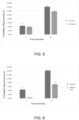
Figure 1 shows the initial and final carotenoid concentration in samples spiked with mandarin pulp. -
Figure 2 shows the initial and final carotenoid concentration in samples spiked with passion fruit pulp. -
Figure 3 shows the evolution of acidity in samples fortified with mandarin pulp. -
Figure 4 shows the evolution of acidity in samples fortified with passion fruit pulp. -
Figure 5 shows the evolution of the peroxides index in samples spiked with mandarin pulp. -
Figure 6 shows the evolution of the peroxides index in samples spiked with passion fruit pulp. - As stated above, the first aspect of the invention concerns an extra virgin olive oil enriched in carotenoids coming from the pulp of fruits and/or vegetables other than olives in a concentration comprised between 30% and 700% by weight with respect to the carotenoids comprised in the olive oil. Preferably in a concentration comprised between 50% and 500% by weight with respect to the carotenoids comprised in the olive oil. More preferably between 100% and 200%.
- Preferably the carotenoids are: lycopene, β-carotene, lutein, zeaxanthin, β-cryptoxanthin, α-carotene, β-carotene, lycopene, neurosporene, ζ-carotene, zeinoxanthin, α-cryptoxanthin, δ-carotene, γ-carotene, phytoene and/or phytofluene.
- Preferably the fruit is selected from: passion fruit, avocado, mango, pineapple, kiwi, peach, orange, lemon, strawberry, tangerine.
- The fruit in particular is mandarin. The mandarin is a citrus fruit whose main carotenoid is β-cryptoxanthin, it also has other carotenoids in lower concentrations, including phytoene and phytofluene.
- The fruit in particular is passion fruit. Passion fruit is a tropical fruit with high levels of β-carotene and β-cryptoxanthin as well as lutein and zeaxanthin and to a lesser extent phytoene and phytofluene.
- In a second aspect of the invention relates to the process of obtaining said carotenoid-enriched olive oil comprising:
- a) grinding and beating olives to obtain an olive paste;
- b) add to the olive paste obtained in step (a) fruit and/or vegetable pulp containing carotenoids, in a concentration of between 10% and 30% by weight of pulp in relation to the total weight, olive paste and weight of fruit and/or vegetable pulp added;
- c) separation of the liquid phase from the solid phase by filtration and/or pressure extraction;
- d) decantation and/or centrifugation of the liquid phase obtained in step (c).
- Preferably the fruit is selected from: passion fruit, avocado, mango, pineapple, kiwi, peach, orange, lemon, strawberry, mandarin. Particularly mandarin and/or passion fruit.
- Preferably the process further comprises a step prior to step b) of pasteurisation or sterilisation of the fruit and/or vegetable pulp. Preferably the process comprises a step prior to step b) of freezing the fruit and/or vegetable pulp. These stages benefit the transfer of the carotenoids to the oil.
- Preferably after step d) there is a storage step in a period between 1 month and 60 months, more preferably between 12 and 24 months.
- In particular the product comprising the enriched oil of the invention is selected among: functional food, nutraceutical, cosmetic, nutricosmetic.
- The term functional food can be defined as a food that beneficially affects one or more functions in the body beyond the nutritional effects consumed as part of a normal dietary pattern.
- The following examples are for illustrative purposes only and are not to be construed as limiting the invention.
- As part of a process to obtain extra virgin olive oil, 10% pasteurised mandarin pulp was added to the olive paste. The same was done with 10% pasteurised passion fruit pulp. In both cases, after following the usual procedure for obtaining extra virgin olive oil, enriched virgin olive oil was obtained.
- The evolution of the oils was monitored at 0 (arrival of the sample at the laboratory), 1, 2, 3, 6, 9, 12, 15, 18 and 24 months.
- During all this time, the samples were kept bottled, sealed and protected from light to avoid undesirable oxidation. At each monitoring time, a new bottle of oil was opened.
- The quantification of carotenoid concentration was carried out spectrophotometrically in an
- Agilent Cary 8454 spectrophotometer (Agilent, Waldbronn, Germany) according to Mosquera et al. (1991).
-
Figure 1 shows the concentration of carotenoids in the control sample and the mandarin-enriched oil at 24 months. In the control sample it was 79% of the initial concentration, while the concentration of the mandarin-enriched sample was 84% of the initial concentration. -
Figure 2 shows the concentration of carotenoids in the control sample and the passion fruit enriched oil after 24 months. In the case of the passion fruit enriched samples, their carotenoid concentration was significantly higher than the concentration of the control sample during the 24 months of storage. The concentration of the passion fruit fortified sample was 4 times higher than that of the control sample. After 24 months the samples suffered a degradation of the carotenoids, the concentration being 79% of the initial concentration in the case of the control sample, while in the case of the enriched sample it was 91% of the initial concentration. - Therefore, it was proven two relevant things that the carotenoids in the added fruit pulp, despite the extraction and/or centrifugation process, which otherwise would have degraded in the oil, are stabilised and degraded very slowly and therefore the carotenoid content increases compared to the control oil, and that the carotenoids as a whole are more stable compared to the control oil.
- The evaluation of acidity was carried out according to the UNE 55.011 Standard and the evaluation of the peroxide index according to the UNE 55.023 Standard.
-
Figures 3 and 4 show that all the samples have an acidity value of less than 0.8 (% oleic acid), which is the limit value for designating an olive oil as "extra virgin". Although there are significant differences in the acidity of the control sample and the enriched samples, in the case of the sample enriched with passion fruit pulp, the evolution of acidity does not show significant differences over the 24 months of storage. - As shown in
Figure 5 and Figure 6 , after 24 months, the peroxides index of both samples has been increasing with storage, being 14.2 and 7.2 meqO2 /Kg oil respectively at the end of the test. Both samples had a PI <20 as required by the Commercial Standard applicable to designate an oil as "Extra Virgin". - The Rancimat is a method for measuring the oxidative stability of oils and fats under accelerated conditions, based on the induction of oxidation of the sample by exposure to high temperatures and air flow. In this way, it is possible to estimate the induction time or oxidative stability time, which is the moment from which the sample has exceeded the time in which it remains stable, and is therefore indicative of a loss of quality and useful life of the sample. These analyses were carried out at the institute de la Grasa in Seville.
- The trial was carried out on oil enriched with passion fruit.
Table 1. Results of the accelerated oxidation test using the Rancimat system. Fruit % Pulp Hours Control 0 17.3 Passion fruit 10 21.8 - The oxidative stability measured by the Rancimat method of the samples fortified with passion fruit pulp showed a much longer stability time than the control sample (4.5 hours).
Claims (9)
- An extra virgin olive oil enriched in carotenoids characterised in that it contains carotenoids from fruit and/or vegetable pulp other than olives in a concentration of between 30% and 700% by weight of the carotenoids contained in olive oil.
- The extra virgin olive oil according to claim 1 characterised in that the carotenoids are selected from: lycopene, lutein, zeaxanthin, β-cryptoxanthin, α-carotene, β-carotene, lycopene, phytoene and/or phytofluene.
- The extra virgin olive oil according to any of claims 1 to 2 characterised in that the fruit is selected from: passion fruit, avocado, mango, pineapple, kiwi, peach, orange, lemon, strawberry, mandarin.
- The extra virgin olive oil according to claim 1, characterised in that the fruit is mandarin and/or passion fruit.
- Procedure for obtaining said olive oil enriched in carotenoids, comprising:a) grinding and beating olives to obtain an olive paste;b) add to the olive paste obtained in step (a) fruit and/or vegetable pulp containing carotenoids, in a concentration of between 10% and 30% by weight of pulp in relation to the total weight, olive paste and weight of fruit pulp added;c) separation of the liquid phase from the solid phase by filtration and/or pressure extraction;d) decantation and/or centrifugation of the liquid phase obtained in step (c).
- Process according to claim 5 characterised in that the fruit is selected from: passion fruit, avocado, mango, pineapple, kiwi, peach, orange, lemon, strawberry, mandarin.
- Process according to any one of claims 5 to 6, characterised in that the process further comprises a step prior to step b) of pasteurisation or sterilisation of the fruit and/or vegetable pulp.
- Process according to any one of claims 5 to 7, characterised in that the process comprises a step prior to step b) of freezing the fruit and/or vegetable pulp.
- Functional food comprising the oil defined in claims 1 to 4.
Applications Claiming Priority (2)
| Application Number | Priority Date | Filing Date | Title |
|---|---|---|---|
| ES202230093A ES2947734B2 (en) | 2022-02-08 | 2022-02-08 | Extra virgin olive oil enriched with carotenoids, the process of obtaining it and the functional food comprising it |
| PCT/ES2023/070068 WO2023152414A1 (en) | 2022-02-08 | 2023-02-07 | Carotenoid-enriched extra virgin olive oil, method for obtaining same and functional food comprising same |
Publications (2)
| Publication Number | Publication Date |
|---|---|
| EP4477086A1 true EP4477086A1 (en) | 2024-12-18 |
| EP4477086A4 EP4477086A4 (en) | 2025-12-31 |
Family
ID=87563732
Family Applications (1)
| Application Number | Title | Priority Date | Filing Date |
|---|---|---|---|
| EP23752505.0A Pending EP4477086A4 (en) | 2022-02-08 | 2023-02-07 | Carotenoid-enriched virgin olive oil, method for its production and functional foodstuff thereof |
Country Status (4)
| Country | Link |
|---|---|
| US (1) | US20250151747A1 (en) |
| EP (1) | EP4477086A4 (en) |
| ES (1) | ES2947734B2 (en) |
| WO (1) | WO2023152414A1 (en) |
Family Cites Families (6)
| Publication number | Priority date | Publication date | Assignee | Title |
|---|---|---|---|---|
| US5955102A (en) | 1998-09-04 | 1999-09-21 | Amway Corporation | Softgel capsule containing DHA and antioxidants |
| ES2241503B2 (en) * | 2005-04-19 | 2008-07-01 | Eduardo Sabio Rey | PROCEDURE TO PREPARE ENRICHED LICOPENO FORMULATIONS FREE OF ORGANIC SOLVENTS, FORMULATIONS OBTAINED, COMPOSITIONS THAT INCLUDE SUCH FORMULATIONS AND USE OF THE SAME. |
| ITRM20050209A1 (en) * | 2005-05-02 | 2006-11-03 | Sooft Italia S R L | COMPOSITION BASED ON OLIVE OIL ENRICHED AND SUPPLEMENTED WITH LUTEIN. |
| ES2330603B1 (en) * | 2008-05-22 | 2010-09-22 | Oleum Vitae, S.L. | SYSTEM TO PERFECT, LEARN AND INNOVATE NUTRITIONALLY FOOD OILS. |
| ITAN20120045A1 (en) * | 2012-04-17 | 2013-10-18 | Civerchia Mario | EXTRA VIRGIN OLIVE OIL OF THE RAGGIA VARIETY ENRICHED WITH ß-CAROTENE. |
| WO2021191929A1 (en) * | 2020-03-24 | 2021-09-30 | Chitra Vasant Savangikar | Oil rich in beta-carotene |
-
2022
- 2022-02-08 ES ES202230093A patent/ES2947734B2/en active Active
-
2023
- 2023-02-07 EP EP23752505.0A patent/EP4477086A4/en active Pending
- 2023-02-07 US US18/837,024 patent/US20250151747A1/en active Pending
- 2023-02-07 WO PCT/ES2023/070068 patent/WO2023152414A1/en not_active Ceased
Also Published As
| Publication number | Publication date |
|---|---|
| ES2947734B2 (en) | 2025-10-24 |
| US20250151747A1 (en) | 2025-05-15 |
| EP4477086A4 (en) | 2025-12-31 |
| ES2947734A1 (en) | 2023-08-17 |
| WO2023152414A1 (en) | 2023-08-17 |
Similar Documents
| Publication | Publication Date | Title |
|---|---|---|
| Shi et al. | Lycopene in tomatoes: chemical and physical properties affected by food processing | |
| Moo-Huchin et al. | Antioxidant compounds, antioxidant activity and phenolic content in peel from three tropical fruits from Yucatan, Mexico | |
| Serrano et al. | Use of Aloe vera gel coating preserves the functional properties of table grapes | |
| García-Alonso et al. | Changes in antioxidant compounds during the shelf life of commercial tomato juices in different packaging materials | |
| De Wit et al. | Antioxidant content, capacity and retention in fresh and processed cactus pear (Opuntia ficus-indica and O. robusta) fruit peels from different fruit-colored cultivars | |
| Siwach et al. | Use of lycopene as a natural antioxidant in extending the shelf-life of anhydrous cow milk fat | |
| Luna-Guevara et al. | Quality parameters and bioactive compounds of red tomatoes (Solanum lycopersicum L.) cv Roma VF at different postharvest conditions | |
| Benmeziane et al. | Physicochemical characteristics and phytochemical content of jam made from melon (Cucumis melo). | |
| López-Yerena et al. | Tomato wastes and by-products: upcoming sources of polyphenols and carotenoids for food, nutraceutical, and pharma applications | |
| Luterotti et al. | Carotenes in processed tomato after thermal treatment | |
| Schoefs | Chlorophyll and carotenoid analysis in food products. A practical case-by-case view | |
| Uwa | The anti-aging efficacy of antioxidants | |
| Singh et al. | Antioxidant foods | |
| Dallagi et al. | Optimization of processing conditions to enhance antioxidant and carotenoid contents of carrot juice | |
| Lee et al. | Total carotenoid, anthocyanin, and sugar contents in sliced or whole purple (cv. Betasweet) and orange carrots during 4-week cold storage | |
| Zaky et al. | Utilization of grape pomace extract as a source of natural antioxidant in biscuits | |
| US20250151747A1 (en) | Carotenoid-enriched extra virgin olive oil, process for obtaining it and functional foodstuff comprising it | |
| Marquez et al. | 4.1 Chlorophylls in Foods: Sources and Stability | |
| dos Santos et al. | Pineapple jam physicochemical and sensory evaluation with added pineapple peel | |
| Papalia et al. | Phytonutrients: Structure-function relationship, health benefits, stability, and fate during processing | |
| Vazquez-Olivo et al. | Antioxidant phenolics from vegetable by-products | |
| Rodriguez-Amaya | Enhancing the carotenoid levels of foods through agriculture and food technology | |
| Ghazouani et al. | Pears | |
| Veillet et al. | Acceptability and antioxidant properties of a semi-dried and smoked tomato product | |
| García et al. | Isotonic sports drink prepared from pineapple juice: Stability during its accelerated storage |
Legal Events
| Date | Code | Title | Description |
|---|---|---|---|
| STAA | Information on the status of an ep patent application or granted ep patent |
Free format text: STATUS: THE INTERNATIONAL PUBLICATION HAS BEEN MADE |
|
| PUAI | Public reference made under article 153(3) epc to a published international application that has entered the european phase |
Free format text: ORIGINAL CODE: 0009012 |
|
| STAA | Information on the status of an ep patent application or granted ep patent |
Free format text: STATUS: REQUEST FOR EXAMINATION WAS MADE |
|
| 17P | Request for examination filed |
Effective date: 20240820 |
|
| AK | Designated contracting states |
Kind code of ref document: A1 Designated state(s): AL AT BE BG CH CY CZ DE DK EE ES FI FR GB GR HR HU IE IS IT LI LT LU LV MC ME MK MT NL NO PL PT RO RS SE SI SK SM TR |
|
| DAV | Request for validation of the european patent (deleted) | ||
| DAX | Request for extension of the european patent (deleted) | ||
| A4 | Supplementary search report drawn up and despatched |
Effective date: 20251128 |
|
| RIC1 | Information provided on ipc code assigned before grant |
Ipc: A23D 9/007 20060101AFI20251124BHEP Ipc: A23L 33/105 20160101ALI20251124BHEP Ipc: A23L 33/115 20160101ALI20251124BHEP Ipc: A23D 9/02 20060101ALI20251124BHEP Ipc: C11B 1/06 20060101ALI20251124BHEP Ipc: C11B 3/00 20060101ALI20251124BHEP Ipc: C11B 3/16 20060101ALI20251124BHEP |