EP4477082A1 - Biocidal product with luminescent marker additive and application of same on non-porous hard surfaces - Google Patents
Biocidal product with luminescent marker additive and application of same on non-porous hard surfaces Download PDFInfo
- Publication number
- EP4477082A1 EP4477082A1 EP23749377.0A EP23749377A EP4477082A1 EP 4477082 A1 EP4477082 A1 EP 4477082A1 EP 23749377 A EP23749377 A EP 23749377A EP 4477082 A1 EP4477082 A1 EP 4477082A1
- Authority
- EP
- European Patent Office
- Prior art keywords
- biocidal
- product
- luminescent
- additive
- mixture
- Prior art date
- Legal status (The legal status is an assumption and is not a legal conclusion. Google has not performed a legal analysis and makes no representation as to the accuracy of the status listed.)
- Pending
Links
Images
Classifications
-
- C—CHEMISTRY; METALLURGY
- C09—DYES; PAINTS; POLISHES; NATURAL RESINS; ADHESIVES; COMPOSITIONS NOT OTHERWISE PROVIDED FOR; APPLICATIONS OF MATERIALS NOT OTHERWISE PROVIDED FOR
- C09K—MATERIALS FOR MISCELLANEOUS APPLICATIONS, NOT PROVIDED FOR ELSEWHERE
- C09K11/00—Luminescent materials, e.g. electroluminescent or chemiluminescent
- C09K11/08—Luminescent materials, e.g. electroluminescent or chemiluminescent containing inorganic luminescent materials
- C09K11/77—Luminescent materials, e.g. electroluminescent or chemiluminescent containing inorganic luminescent materials containing rare earth metals
- C09K11/7728—Luminescent materials, e.g. electroluminescent or chemiluminescent containing inorganic luminescent materials containing rare earth metals containing europium
- C09K11/7732—Halogenides
-
- A—HUMAN NECESSITIES
- A01—AGRICULTURE; FORESTRY; ANIMAL HUSBANDRY; HUNTING; TRAPPING; FISHING
- A01N—PRESERVATION OF BODIES OF HUMANS OR ANIMALS OR PLANTS OR PARTS THEREOF; BIOCIDES, e.g. AS DISINFECTANTS, AS PESTICIDES OR AS HERBICIDES; PEST REPELLANTS OR ATTRACTANTS; PLANT GROWTH REGULATORS
- A01N25/00—Biocides, pest repellants or attractants, or plant growth regulators, characterised by their forms, or by their non-active ingredients or by their methods of application, e.g. seed treatment or sequential application; Substances for reducing the noxious effect of the active ingredients to organisms other than pests
-
- A—HUMAN NECESSITIES
- A01—AGRICULTURE; FORESTRY; ANIMAL HUSBANDRY; HUNTING; TRAPPING; FISHING
- A01N—PRESERVATION OF BODIES OF HUMANS OR ANIMALS OR PLANTS OR PARTS THEREOF; BIOCIDES, e.g. AS DISINFECTANTS, AS PESTICIDES OR AS HERBICIDES; PEST REPELLANTS OR ATTRACTANTS; PLANT GROWTH REGULATORS
- A01N25/00—Biocides, pest repellants or attractants, or plant growth regulators, characterised by their forms, or by their non-active ingredients or by their methods of application, e.g. seed treatment or sequential application; Substances for reducing the noxious effect of the active ingredients to organisms other than pests
- A01N25/02—Biocides, pest repellants or attractants, or plant growth regulators, characterised by their forms, or by their non-active ingredients or by their methods of application, e.g. seed treatment or sequential application; Substances for reducing the noxious effect of the active ingredients to organisms other than pests containing liquids as carriers, diluents or solvents
-
- A—HUMAN NECESSITIES
- A01—AGRICULTURE; FORESTRY; ANIMAL HUSBANDRY; HUNTING; TRAPPING; FISHING
- A01N—PRESERVATION OF BODIES OF HUMANS OR ANIMALS OR PLANTS OR PARTS THEREOF; BIOCIDES, e.g. AS DISINFECTANTS, AS PESTICIDES OR AS HERBICIDES; PEST REPELLANTS OR ATTRACTANTS; PLANT GROWTH REGULATORS
- A01N25/00—Biocides, pest repellants or attractants, or plant growth regulators, characterised by their forms, or by their non-active ingredients or by their methods of application, e.g. seed treatment or sequential application; Substances for reducing the noxious effect of the active ingredients to organisms other than pests
- A01N25/08—Biocides, pest repellants or attractants, or plant growth regulators, characterised by their forms, or by their non-active ingredients or by their methods of application, e.g. seed treatment or sequential application; Substances for reducing the noxious effect of the active ingredients to organisms other than pests containing solids as carriers or diluents
- A01N25/10—Macromolecular compounds
-
- A—HUMAN NECESSITIES
- A01—AGRICULTURE; FORESTRY; ANIMAL HUSBANDRY; HUNTING; TRAPPING; FISHING
- A01N—PRESERVATION OF BODIES OF HUMANS OR ANIMALS OR PLANTS OR PARTS THEREOF; BIOCIDES, e.g. AS DISINFECTANTS, AS PESTICIDES OR AS HERBICIDES; PEST REPELLANTS OR ATTRACTANTS; PLANT GROWTH REGULATORS
- A01N31/00—Biocides, pest repellants or attractants, or plant growth regulators containing organic oxygen or sulfur compounds
- A01N31/02—Acyclic compounds
-
- A—HUMAN NECESSITIES
- A01—AGRICULTURE; FORESTRY; ANIMAL HUSBANDRY; HUNTING; TRAPPING; FISHING
- A01N—PRESERVATION OF BODIES OF HUMANS OR ANIMALS OR PLANTS OR PARTS THEREOF; BIOCIDES, e.g. AS DISINFECTANTS, AS PESTICIDES OR AS HERBICIDES; PEST REPELLANTS OR ATTRACTANTS; PLANT GROWTH REGULATORS
- A01N33/00—Biocides, pest repellants or attractants, or plant growth regulators containing organic nitrogen compounds
- A01N33/02—Amines; Quaternary ammonium compounds
- A01N33/12—Quaternary ammonium compounds
-
- A—HUMAN NECESSITIES
- A01—AGRICULTURE; FORESTRY; ANIMAL HUSBANDRY; HUNTING; TRAPPING; FISHING
- A01N—PRESERVATION OF BODIES OF HUMANS OR ANIMALS OR PLANTS OR PARTS THEREOF; BIOCIDES, e.g. AS DISINFECTANTS, AS PESTICIDES OR AS HERBICIDES; PEST REPELLANTS OR ATTRACTANTS; PLANT GROWTH REGULATORS
- A01N55/00—Biocides, pest repellants or attractants, or plant growth regulators, containing organic compounds containing elements other than carbon, hydrogen, halogen, oxygen, nitrogen and sulfur
-
- A—HUMAN NECESSITIES
- A01—AGRICULTURE; FORESTRY; ANIMAL HUSBANDRY; HUNTING; TRAPPING; FISHING
- A01N—PRESERVATION OF BODIES OF HUMANS OR ANIMALS OR PLANTS OR PARTS THEREOF; BIOCIDES, e.g. AS DISINFECTANTS, AS PESTICIDES OR AS HERBICIDES; PEST REPELLANTS OR ATTRACTANTS; PLANT GROWTH REGULATORS
- A01N55/00—Biocides, pest repellants or attractants, or plant growth regulators, containing organic compounds containing elements other than carbon, hydrogen, halogen, oxygen, nitrogen and sulfur
- A01N55/02—Biocides, pest repellants or attractants, or plant growth regulators, containing organic compounds containing elements other than carbon, hydrogen, halogen, oxygen, nitrogen and sulfur containing metal atoms
-
- A—HUMAN NECESSITIES
- A01—AGRICULTURE; FORESTRY; ANIMAL HUSBANDRY; HUNTING; TRAPPING; FISHING
- A01N—PRESERVATION OF BODIES OF HUMANS OR ANIMALS OR PLANTS OR PARTS THEREOF; BIOCIDES, e.g. AS DISINFECTANTS, AS PESTICIDES OR AS HERBICIDES; PEST REPELLANTS OR ATTRACTANTS; PLANT GROWTH REGULATORS
- A01N59/00—Biocides, pest repellants or attractants, or plant growth regulators containing elements or inorganic compounds
- A01N59/10—Fluorides
-
- A—HUMAN NECESSITIES
- A01—AGRICULTURE; FORESTRY; ANIMAL HUSBANDRY; HUNTING; TRAPPING; FISHING
- A01N—PRESERVATION OF BODIES OF HUMANS OR ANIMALS OR PLANTS OR PARTS THEREOF; BIOCIDES, e.g. AS DISINFECTANTS, AS PESTICIDES OR AS HERBICIDES; PEST REPELLANTS OR ATTRACTANTS; PLANT GROWTH REGULATORS
- A01N59/00—Biocides, pest repellants or attractants, or plant growth regulators containing elements or inorganic compounds
- A01N59/16—Heavy metals; Compounds thereof
-
- A—HUMAN NECESSITIES
- A01—AGRICULTURE; FORESTRY; ANIMAL HUSBANDRY; HUNTING; TRAPPING; FISHING
- A01N—PRESERVATION OF BODIES OF HUMANS OR ANIMALS OR PLANTS OR PARTS THEREOF; BIOCIDES, e.g. AS DISINFECTANTS, AS PESTICIDES OR AS HERBICIDES; PEST REPELLANTS OR ATTRACTANTS; PLANT GROWTH REGULATORS
- A01N59/00—Biocides, pest repellants or attractants, or plant growth regulators containing elements or inorganic compounds
- A01N59/26—Phosphorus; Compounds thereof
-
- A—HUMAN NECESSITIES
- A01—AGRICULTURE; FORESTRY; ANIMAL HUSBANDRY; HUNTING; TRAPPING; FISHING
- A01P—BIOCIDAL, PEST REPELLANT, PEST ATTRACTANT OR PLANT GROWTH REGULATORY ACTIVITY OF CHEMICAL COMPOUNDS OR PREPARATIONS
- A01P1/00—Disinfectants; Antimicrobial compounds or mixtures thereof
-
- A—HUMAN NECESSITIES
- A01—AGRICULTURE; FORESTRY; ANIMAL HUSBANDRY; HUNTING; TRAPPING; FISHING
- A01P—BIOCIDAL, PEST REPELLANT, PEST ATTRACTANT OR PLANT GROWTH REGULATORY ACTIVITY OF CHEMICAL COMPOUNDS OR PREPARATIONS
- A01P3/00—Fungicides
-
- C—CHEMISTRY; METALLURGY
- C09—DYES; PAINTS; POLISHES; NATURAL RESINS; ADHESIVES; COMPOSITIONS NOT OTHERWISE PROVIDED FOR; APPLICATIONS OF MATERIALS NOT OTHERWISE PROVIDED FOR
- C09K—MATERIALS FOR MISCELLANEOUS APPLICATIONS, NOT PROVIDED FOR ELSEWHERE
- C09K11/00—Luminescent materials, e.g. electroluminescent or chemiluminescent
- C09K11/08—Luminescent materials, e.g. electroluminescent or chemiluminescent containing inorganic luminescent materials
- C09K11/77—Luminescent materials, e.g. electroluminescent or chemiluminescent containing inorganic luminescent materials containing rare earth metals
- C09K11/7728—Luminescent materials, e.g. electroluminescent or chemiluminescent containing inorganic luminescent materials containing rare earth metals containing europium
-
- C—CHEMISTRY; METALLURGY
- C09—DYES; PAINTS; POLISHES; NATURAL RESINS; ADHESIVES; COMPOSITIONS NOT OTHERWISE PROVIDED FOR; APPLICATIONS OF MATERIALS NOT OTHERWISE PROVIDED FOR
- C09K—MATERIALS FOR MISCELLANEOUS APPLICATIONS, NOT PROVIDED FOR ELSEWHERE
- C09K11/00—Luminescent materials, e.g. electroluminescent or chemiluminescent
- C09K11/08—Luminescent materials, e.g. electroluminescent or chemiluminescent containing inorganic luminescent materials
- C09K11/77—Luminescent materials, e.g. electroluminescent or chemiluminescent containing inorganic luminescent materials containing rare earth metals
- C09K11/7766—Luminescent materials, e.g. electroluminescent or chemiluminescent containing inorganic luminescent materials containing rare earth metals containing two or more rare earth metals
-
- C—CHEMISTRY; METALLURGY
- C09—DYES; PAINTS; POLISHES; NATURAL RESINS; ADHESIVES; COMPOSITIONS NOT OTHERWISE PROVIDED FOR; APPLICATIONS OF MATERIALS NOT OTHERWISE PROVIDED FOR
- C09K—MATERIALS FOR MISCELLANEOUS APPLICATIONS, NOT PROVIDED FOR ELSEWHERE
- C09K11/00—Luminescent materials, e.g. electroluminescent or chemiluminescent
- C09K11/08—Luminescent materials, e.g. electroluminescent or chemiluminescent containing inorganic luminescent materials
- C09K11/77—Luminescent materials, e.g. electroluminescent or chemiluminescent containing inorganic luminescent materials containing rare earth metals
- C09K11/7783—Luminescent materials, e.g. electroluminescent or chemiluminescent containing inorganic luminescent materials containing rare earth metals containing two or more rare earth metals one of which being europium
-
- G—PHYSICS
- G01—MEASURING; TESTING
- G01N—INVESTIGATING OR ANALYSING MATERIALS BY DETERMINING THEIR CHEMICAL OR PHYSICAL PROPERTIES
- G01N21/00—Investigating or analysing materials by the use of optical means, i.e. using sub-millimetre waves, infrared, visible or ultraviolet light
- G01N21/62—Systems in which the material investigated is excited whereby it emits light or causes a change in wavelength of the incident light
- G01N21/63—Systems in which the material investigated is excited whereby it emits light or causes a change in wavelength of the incident light optically excited
Definitions
- the present invention discloses a biocidal product for the application thereof especially on non-porous hard surfaces, incorporating an additive that allows the identification of its presence by means of a luminescent effect, whereby it ensures that the surface has been previously treated with said biocidal product, allowing the user to be confident and assured that the product is present, as well as certifying its originality with luminescence encryption techniques.
- Microbial pathogens may be present on surfaces, for example, bacterial biofilms arranged on the surface of materials such as metal, plastic, glass, wood and the like, such as medical or food preparation tools or work areas; and microbial pathogens may be arranged within porous materials such as fibres, fabrics and the like, such as wound treatment materials. Contamination of materials exhibits significant medical and public health risks, and the biocidal treatment of surfaces and materials is vital, for example, to block the transmission of diseases caused by microbial pathogens from person to person, to prevent infection of wounds by pathogens in the environment, to prevent microbial-mediated food poisoning arising from contact of foodstuffs with contaminated work surfaces or personnel.
- Bacterial biofilms are aggregates of microbial cells adhered to each other on a surface, producing a matrix of extracellular polymeric substance.
- 1,2 Bacterial cells growing in biofilms are physiologically different from planktonic bacteria (freely suspended in a liquid medium) and a major source of public health problems.
- 2,3 Bacteria in these biofilms have slow growth rates and increased resistance to antimicrobials and host defence systems.
- US patent application US20120251627 relates to an antimicrobial composition
- an antimicrobial composition comprising pyrithione or a pyrithione complex; and a zinc or copper or silver source selected from the group consisting of salts, oxides, hydroxides, sulphates, chlorides, zinc or copper or silver metals and combinations thereof; wherein the weight ratio of the zinc or copper or silver source to the pyrithione or the pyrithione complex is in the range from about 1:300 to about 50:1, and wherein the antimicrobial composition has an enhanced biocidal effect against a variety of free-living microorganisms or biofilms. Although the composition allows control over the growth and proliferation of biofilms, these efforts have had only limited success.
- biofilm cells are much more resistant to disinfection than free-living cells, largely due to the extracellular slime layer that acts as a protective layer, and the components of said invention do not allow the biocide to adhere to hard, rigid, non-porous surfaces.
- strategies to control microbial contamination hitherto have typically been developed in a laboratory against free-living organisms, and little to no attention has been paid to determining the efficacy of antimicrobial agents against biofilm.
- resistant biofilms are generally not affected by previously used antimicrobials.
- biocidal products there are many biocidal products in the art that allow protection on different surfaces, however, there is a need for a biocidal product that acts effectively and indefinitely and that also ensures that the user is safe and certain that the surface is protected by means of a luminescent identification label.
- Certain fluorescent compounds are useful for securely marking items, such as documents, where the mark does not reflect incident visible light (i.e. is invisible under normal light), but emits a visible mark when subjected to ultraviolet (UV) light.
- US patent US4504084 describes a method of marking originals with a fluorescent compound so that copies can be distinguished from their originals.
- Another method for applying fluorescent markers to surfaces includes US patent US6217794 , which describes a method for marking fibres and fibrous material with near-infrared compositions using cross-linking agents.
- Certain triazines are known to be active when exposed to ultraviolet light.
- US Patent US3167565 describes an organic triazine compound useful as an optical brightener that supposedly has an affinity for binding to fibrous substrates including cellulose, nylon and wool.
- Other triazine compounds are also known to be active when exposed to UV light, but these compounds are notably characterised as UV absorbers, i.e. compounds that absorb light in the ultraviolet region of the electromagnetic spectrum, but they do not re-emit the absorbed energy as visible light.
- the overall structure of a UV-absorbing molecule allows it to absorb a broad spectrum of high-energy ultraviolet rays and then release the absorbed energy as lower-energy rays (generally, at a nonspecific wavelength or at a wavelength outside the visible band).
- the present invention discloses a transparent biocidal product that allows the protection of surfaces, particularly non-porous hard or rigid surfaces; furthermore, its presence can be detected using infrared radiation.
- This product assures permanent and safe antimicrobial protection of the surfaces on which it is applied, certifying its antimicrobial protection effect. Therefore, the application thereof represents a safe alternative for protecting the surface of any type of materials, eliminating the need for continuous disinfection and thereby achieving a very significant reduction in the consumption of chemicals, with the savings and sustainability that this entails.
- the biocidal product of the present invention is intended for application particularly in the health sectors. Given that healthcare spaces are exposed to pathogenic agents, they are highly susceptible to becoming a major breeding ground for same, which increases possible infections in both patients and healthcare workers who are in these areas. Currently, due to the short-lasting effect of disinfectants, it is uncertain whether treated surfaces are contaminated again and it is not certain when they will be contaminated again until the next cleaning is carried out. The application of the product provides a guarantee of disinfection as its presence, and therefore its continuous disinfection action, can be detected 24 hours a day, 7 days a week.
- the product is a combination of biocidal resins based on polysiloxanes in an aqueous base, quaternary ammoniums and ionic silver to impart antimicrobial capabilities.
- the materials doped with "rare earth” ions exhibit very significant advantages over the prior art and compared to standard fluorescent dyes, such as invisibility to ambient light and, especially, low-cost commercial infrared light activation by means of converting this invisible reading light into a readily detectable and identifiable visible product emission.
- "rare earth” elements (lanthanides) exhibit sharp emission peaks, long fluorescence lifetime, low long-term toxicity and high chemical photostability and ease of handling, making them an excellent option for various optical security applications.
- the present invention discloses a biocidal product for application on surfaces, particularly non-porous hard surfaces, incorporating an identification marker which allows certifying that the product is present and therefore allows signalling that it maintains protection.
- biocidal product and the added marker additive it is necessary for the biocidal product and the added marker additive to be stable in the mixture and to maintain the dispersion of the additive in the biocidal composition when applied to non-porous hard surfaces, whereby maintaining the antimicrobial and luminescent properties and in turn allowing them to act together.
- the biocidal product is formed by the mixture of a biocidal composition and a luminescent additive dispersed therein, wherein the biocidal composition is formed by adding to deionised water a polydimethyl siloxane resin of 0.10-1.0% by weight that acts as a carrier for the biocidal agents and a mixture formed by the combination of 0.5-5.0% dimethyl didecyl ammonium chloride and 0.5-5.0% of dimethyloctadecyl[3-(trimethoxysilyl)propyl] ammonium chloride that act as a biocide in a medium formed by the mixture of 0.5-1.0% methanol and 0.1-1.0% ethanol.
- a silver ion solution preferably consisting of silver phosphate glass in a proportion of 0.1-1%, which gives it an additional antibacterial effect and allows it to adhere to non-porous hard surfaces due to the structural properties of silver phosphate glass, is added to the resulting mixture. All these percentages are detailed with respect to the total percentage of the biocidal product.
- the polydimethyl siloxane resin allows the biocidal product to adhere to any surface to be treated, particularly non-porous hard and rigid surfaces.
- Dimethyl didecyl ammonium chloride is a biocide effective against bacteria, in turn being superior to benzalkonium chloride in killing bacteria that already have chemical resistance; it furthermore has an excellent emulsifying effect and good solubility, which allows the mixture to be stable in a wide range of temperatures and to be used in the present product in the medium where luminescent additives that act as markers can be dispersed.
- Dimethyloctadecyl(3-trimethoxysilylpropyl) ammonium chloride is a disinfectant that is used as a preservative and fungicide and allows use thereof as a coupling agent for polydimethyl siloxane resin.
- a cationic quaternary ammonium salt it will be completely ionised in an aqueous solution.
- the resulting product formed by dimethyloctadecyl(3-trimethoxysilylpropyl) ammonium chloride can be used as a material preservation treatment.
- Silver ion solution preferably consisting of silver phosphate glass is a soluble material that can act as a unique system for the controlled delivery of silver ions.
- the ions are incorporated into the glass structure and are not a separate phase; therefore, the release rate thereof is defined by the overall degradation rate of the glass.
- Phosphate-based glasses show that the release of an optimal amount of silver ions from silver-doped phosphate-based glasses can cause a significant reduction of bacterial growth on surfaces. Although high concentrations of free silver ions are needed for bactericidal action against surfaces, it is very important not to sacrifice any cyto/biocompatibility aspect of the material while maintaining an effective antimicrobial effect.
- the amount of silver released from the investigated silver-doped glasses is well below levels that are cytotoxic to human cells.
- the presence of silver phosphate glass allows the biocidal composition to have a continuous disinfecting action 24 hours a day, 7 days a week.
- the coating formed by this biocidal composition makes it possible to achieve, with a thickness of 10-30 microns, a reduction of 99.0% or more in the growth of viruses, bacteria and fungi with a minimum duration of 1 year on hard surfaces treated by means of a single application.
- metal oxides aluminosilicate glass containing rare earth ions as dopants
- a coating of said composition allows a coating of said composition to be detected and identified by means of infrared light that induces a readily detectable luminescence (green light).
- This luminous additive exhibits a codable emitted light pattern that allows the compound to be unmistakably identified, certifying its authenticity, which differentiates them from other similar products on the market.
- the luminescent additive is dispersed in said previously prepared biocidal composition, adding with respect to the total weight of the product 0.03-2.5% of the luminescent additive in deionised water, such that the proportion of deionised water in the final biocidal product is 82.5-98.6%.
- the luminescent additive that acts as a marker allowing the identification of the biocidal composition is made up of 20-30% silica in combination with alumina in a proportion of 10-30% and 30-50% calcium fluoride by weight.
- Materials doped with luminescent "rare earth" ions, such as 0.5-3% erbium(III) fluoride; 5-15% ytterbium(III) fluoride; a maximum of 5% thulium(III) fluoride; and a maximum of 5% europium(III) fluoride are added to this mixture. All these percentages are with respect to the total weight of the luminescent additive.
- Silica gel is used as a cold light coating, i.e. it does not involve the production of heat, and is particularly useful in the main physical phenomena that allow light to be produced with these characteristics, such as phosphorescence and fluorescence. Furthermore, it is used as an insulating coating, forming a thin layer on the application surface similar to a laminate, allowing a surface to be protected from and preserved against the action of water, scratches or other damage due to abrasion.
- Alumina acts as a selective adsorbent allowing the level of fluoride in the mixture to be down-adjusted.
- Calcium fluoride significantly increases in fluorescence with broad emission, appearing within the range of acceptable targets.
- the optically active compounds in the additive consist of "rare earth" luminescent ions.
- Ytterbium fluoride increases the absorption of infrared light and subsequent conversion to visible light by means of the remaining luminescent elements in the marker composition (erbium, thulium and europium fluorides).
- Erbium-doped silica glass fibres are the active element to amplify the luminescence effect, and their homogenisation is increased by the presence of alumina.
- Ytterbium fluoride also increases the amplification of the material as a luminescent marker, and thulium(III) fluoride is used to improve the up-conversion fluorescence from infrared to ultraviolet and visible in fluorinated glass. Europium fluorescence is used to improve the colour coding effect emitted from the marker additive.
- the luminescent additive in the product emits only under invisible infrared light (frequency of about 980 nm) with a high intensity brightness, due to the lack of background noise because of zero auto fluorescence of the textile substrate or the surface where it has been applied. Additionally, luminescence intensity ratios between the different visible emission bands (blue, green and red) observed after conversion of the invisible infrared reading light, can be tuned on demand (by changing concentration level and type of "rare earth” doping ions). In other words, encoding the light emitted by means of an anti-counterfeit code, as it is designed and synthesised on demand at the source, providing a novel and disruptive proof of concept for light-coded security patterns.
- the resulting biocidal product is colourless and will be applied in a nebuliser format and spread over the surface to be protected with the aid of a microfibre cloth.
- a precision wet film comb is used which allows, as a result of its "teeth", the range in which the wet film is applied to be determined.
- the dry thickness will be checked using the Positector 6000, which is an electronic device which, by means of its galvanic cell, digitally returns its thickness by positioning it on a ferrous surface.
- a biocidal surface protection of 12-18 months has been determined, thus allowing to keep hard non-porous surfaces protected for a long time with a single application.
- the product is effective for the biocidal protection of various non-porous hard surfaces against various microorganisms such as Escherichia coli, Staphylococcus aureus, Enterococcus hirae, Pseudomonas aeruginosa, Candida albicans, as well as certain types of viruses with and without an outer envelope.
- its luminescent characteristic confers to the present invention an important distinction with respect to the art, since it allows the user to visualise where the product has been applied and recognise a coded light pattern to demonstrate that the product is original.
- a simple and compact portable handheld device (pocket spectrometer / App application to a smartphone camera), it will allow the end user, by illuminating with a low-cost commercial infrared laser pointer, to detect the coded luminescent pattern and therefore verify that the applied product is protected with the original biocidal composition.
Landscapes
- Life Sciences & Earth Sciences (AREA)
- Engineering & Computer Science (AREA)
- Health & Medical Sciences (AREA)
- Chemical & Material Sciences (AREA)
- General Health & Medical Sciences (AREA)
- Environmental Sciences (AREA)
- Plant Pathology (AREA)
- Pest Control & Pesticides (AREA)
- Wood Science & Technology (AREA)
- Zoology (AREA)
- Dentistry (AREA)
- Agronomy & Crop Science (AREA)
- Inorganic Chemistry (AREA)
- Materials Engineering (AREA)
- Organic Chemistry (AREA)
- Toxicology (AREA)
- Chemical Kinetics & Catalysis (AREA)
- General Chemical & Material Sciences (AREA)
- Microbiology (AREA)
- Mycology (AREA)
- Nuclear Medicine, Radiotherapy & Molecular Imaging (AREA)
- Physics & Mathematics (AREA)
- Analytical Chemistry (AREA)
- Biochemistry (AREA)
- General Physics & Mathematics (AREA)
- Immunology (AREA)
- Pathology (AREA)
- Agricultural Chemicals And Associated Chemicals (AREA)
- Investigating, Analyzing Materials By Fluorescence Or Luminescence (AREA)
Abstract
Description
- The present invention discloses a biocidal product for the application thereof especially on non-porous hard surfaces, incorporating an additive that allows the identification of its presence by means of a luminescent effect, whereby it ensures that the surface has been previously treated with said biocidal product, allowing the user to be confident and assured that the product is present, as well as certifying its originality with luminescence encryption techniques.
- Microbial pathogens may be present on surfaces, for example, bacterial biofilms arranged on the surface of materials such as metal, plastic, glass, wood and the like, such as medical or food preparation tools or work areas; and microbial pathogens may be arranged within porous materials such as fibres, fabrics and the like, such as wound treatment materials. Contamination of materials exhibits significant medical and public health risks, and the biocidal treatment of surfaces and materials is vital, for example, to block the transmission of diseases caused by microbial pathogens from person to person, to prevent infection of wounds by pathogens in the environment, to prevent microbial-mediated food poisoning arising from contact of foodstuffs with contaminated work surfaces or personnel.
- Bacterial biofilms are aggregates of microbial cells adhered to each other on a surface, producing a matrix of extracellular polymeric substance. 1,2 Bacterial cells growing in biofilms are physiologically different from planktonic bacteria (freely suspended in a liquid medium) and a major source of public health problems. 2,3 Bacteria in these biofilms have slow growth rates and increased resistance to antimicrobials and host defence systems. Although several techniques have been developed to prevent biofilm formation and produce surface disinfection, it is difficult to completely inhibit biofilm formation due to the physiological heterogeneity of bacteria in biofilms and their resistance to antibiotics. Therefore, the demand for new antimicrobials has been increasing to prevent and eradicate biofilms.
- US patent application
US20120251627 relates to an antimicrobial composition comprising pyrithione or a pyrithione complex; and a zinc or copper or silver source selected from the group consisting of salts, oxides, hydroxides, sulphates, chlorides, zinc or copper or silver metals and combinations thereof; wherein the weight ratio of the zinc or copper or silver source to the pyrithione or the pyrithione complex is in the range from about 1:300 to about 50:1, and wherein the antimicrobial composition has an enhanced biocidal effect against a variety of free-living microorganisms or biofilms. Although the composition allows control over the growth and proliferation of biofilms, these efforts have had only limited success. Research has indicated that biofilm cells are much more resistant to disinfection than free-living cells, largely due to the extracellular slime layer that acts as a protective layer, and the components of said invention do not allow the biocide to adhere to hard, rigid, non-porous surfaces. In addition, strategies to control microbial contamination hitherto have typically been developed in a laboratory against free-living organisms, and little to no attention has been paid to determining the efficacy of antimicrobial agents against biofilm. Unfortunately, resistant biofilms are generally not affected by previously used antimicrobials. - There are many biocidal products in the art that allow protection on different surfaces, however, there is a need for a biocidal product that acts effectively and indefinitely and that also ensures that the user is safe and certain that the surface is protected by means of a luminescent identification label.
- Certain fluorescent compounds are useful for securely marking items, such as documents, where the mark does not reflect incident visible light (i.e. is invisible under normal light), but emits a visible mark when subjected to ultraviolet (UV) light. US patent
US4504084 , for example, describes a method of marking originals with a fluorescent compound so that copies can be distinguished from their originals. Another method for applying fluorescent markers to surfaces includes US patentUS6217794 , which describes a method for marking fibres and fibrous material with near-infrared compositions using cross-linking agents. - Certain triazines are known to be active when exposed to ultraviolet light. For example, US Patent
US3167565 describes an organic triazine compound useful as an optical brightener that supposedly has an affinity for binding to fibrous substrates including cellulose, nylon and wool. Other triazine compounds are also known to be active when exposed to UV light, but these compounds are notably characterised as UV absorbers, i.e. compounds that absorb light in the ultraviolet region of the electromagnetic spectrum, but they do not re-emit the absorbed energy as visible light. The overall structure of a UV-absorbing molecule allows it to absorb a broad spectrum of high-energy ultraviolet rays and then release the absorbed energy as lower-energy rays (generally, at a nonspecific wavelength or at a wavelength outside the visible band). - Lastly, it is worth highlighting US patent application
US20110268896 , which describes a composition comprising an organic fluorophore or a derivative thereof; as well as articles of manufacture marked with the fluorophore, methods for marking articles with the fluorophore, and methods for producing a fluorescent fibre. - The present invention discloses a transparent biocidal product that allows the protection of surfaces, particularly non-porous hard or rigid surfaces; furthermore, its presence can be detected using infrared radiation. This product assures permanent and safe antimicrobial protection of the surfaces on which it is applied, certifying its antimicrobial protection effect. Therefore, the application thereof represents a safe alternative for protecting the surface of any type of materials, eliminating the need for continuous disinfection and thereby achieving a very significant reduction in the consumption of chemicals, with the savings and sustainability that this entails.
- The biocidal product of the present invention is intended for application particularly in the health sectors. Given that healthcare spaces are exposed to pathogenic agents, they are highly susceptible to becoming a major breeding ground for same, which increases possible infections in both patients and healthcare workers who are in these areas. Currently, due to the short-lasting effect of disinfectants, it is uncertain whether treated surfaces are contaminated again and it is not certain when they will be contaminated again until the next cleaning is carried out. The application of the product provides a guarantee of disinfection as its presence, and therefore its continuous disinfection action, can be detected 24 hours a day, 7 days a week. The product is a combination of biocidal resins based on polysiloxanes in an aqueous base, quaternary ammoniums and ionic silver to impart antimicrobial capabilities.
- With respect to their luminescence character, the materials doped with "rare earth" ions exhibit very significant advantages over the prior art and compared to standard fluorescent dyes, such as invisibility to ambient light and, especially, low-cost commercial infrared light activation by means of converting this invisible reading light into a readily detectable and identifiable visible product emission. Furthermore, "rare earth" elements (lanthanides) exhibit sharp emission peaks, long fluorescence lifetime, low long-term toxicity and high chemical photostability and ease of handling, making them an excellent option for various optical security applications.
- To complement the description that is being made and for the purpose of helping to better understand the features of the invention, according to a preferred practical exemplary embodiment thereof, a set of figures is attached as an integral part of said description wherein the following has been depicted with an illustrative and non-limiting character:
-
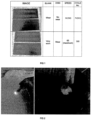
Figure 1 . The figure shows the results of abrasion resistance tests to check the product's resistance to friction. The Elcometer 1720 abrasion resistance tester has been used to measure abrasion resistance (ASTM D2486) by determining the number of cycles in which a surface is subjected to an abrasive agent. This equipment subjects the surface to different cycles to determine the wear of the product applied to the surface for a given number of cycles (after 1000 cycles, exceeding the recommendation of the standard, there is still product at 65 rpm). This has been compared by performing the test on a blank (no product) and on the sample with the product applied, at different cycles. -
Figure 2 . The figure shows the biocidal product with the incorporation of the luminescent additive, determining a visual emission of green colour observable under invisible infrared reading light. By means of encrypting the luminescent signal, this emission allows the counterfeit-proof originality of the product to be certified. - The present invention discloses a biocidal product for application on surfaces, particularly non-porous hard surfaces, incorporating an identification marker which allows certifying that the product is present and therefore allows signalling that it maintains protection.
- First, it is necessary for the biocidal product and the added marker additive to be stable in the mixture and to maintain the dispersion of the additive in the biocidal composition when applied to non-porous hard surfaces, whereby maintaining the antimicrobial and luminescent properties and in turn allowing them to act together.
- The biocidal product is formed by the mixture of a biocidal composition and a luminescent additive dispersed therein, wherein the biocidal composition is formed by adding to deionised water a polydimethyl siloxane resin of 0.10-1.0% by weight that acts as a carrier for the biocidal agents and a mixture formed by the combination of 0.5-5.0% dimethyl didecyl ammonium chloride and 0.5-5.0% of dimethyloctadecyl[3-(trimethoxysilyl)propyl] ammonium chloride that act as a biocide in a medium formed by the mixture of 0.5-1.0% methanol and 0.1-1.0% ethanol. A silver ion solution preferably consisting of silver phosphate glass in a proportion of 0.1-1%, which gives it an additional antibacterial effect and allows it to adhere to non-porous hard surfaces due to the structural properties of silver phosphate glass, is added to the resulting mixture. All these percentages are detailed with respect to the total percentage of the biocidal product.
- The polydimethyl siloxane resin allows the biocidal product to adhere to any surface to be treated, particularly non-porous hard and rigid surfaces. Dimethyl didecyl ammonium chloride is a biocide effective against bacteria, in turn being superior to benzalkonium chloride in killing bacteria that already have chemical resistance; it furthermore has an excellent emulsifying effect and good solubility, which allows the mixture to be stable in a wide range of temperatures and to be used in the present product in the medium where luminescent additives that act as markers can be dispersed.
- Dimethyloctadecyl(3-trimethoxysilylpropyl) ammonium chloride is a disinfectant that is used as a preservative and fungicide and allows use thereof as a coupling agent for polydimethyl siloxane resin. As a cationic quaternary ammonium salt, it will be completely ionised in an aqueous solution. The resulting product formed by dimethyloctadecyl(3-trimethoxysilylpropyl) ammonium chloride can be used as a material preservation treatment.
- Silver ion solution preferably consisting of silver phosphate glass is a soluble material that can act as a unique system for the controlled delivery of silver ions. The ions are incorporated into the glass structure and are not a separate phase; therefore, the release rate thereof is defined by the overall degradation rate of the glass. Phosphate-based glasses show that the release of an optimal amount of silver ions from silver-doped phosphate-based glasses can cause a significant reduction of bacterial growth on surfaces. Although high concentrations of free silver ions are needed for bactericidal action against surfaces, it is very important not to sacrifice any cyto/biocompatibility aspect of the material while maintaining an effective antimicrobial effect. The amount of silver released from the investigated silver-doped glasses is well below levels that are cytotoxic to human cells.
- Therefore, the presence of silver phosphate glass allows the biocidal composition to have a continuous disinfecting action 24 hours a day, 7 days a week. The coating formed by this biocidal composition makes it possible to achieve, with a thickness of 10-30 microns, a reduction of 99.0% or more in the growth of viruses, bacteria and fungi with a minimum duration of 1 year on hard surfaces treated by means of a single application.
- The incorporation into the biocidal composition of metal oxides (aluminosilicate glass containing rare earth ions as dopants) allows a coating of said composition to be detected and identified by means of infrared light that induces a readily detectable luminescence (green light). This luminous additive exhibits a codable emitted light pattern that allows the compound to be unmistakably identified, certifying its authenticity, which differentiates them from other similar products on the market.
- State-of-the-art anti-counterfeiting technologies are experiencing a steadily growing global demand in fields such as product anti-counterfeiting. In this sense, high-security anti-counterfeit labels with luminescent materials are at the forefront of the latest encryption technologies based on coded luminescent pattern recognition. In particular, materials doped with luminescent "rare earth" ions exhibit very significant advantages compared to standard fluorescent dyes: invisibility to ambient light and activation by low-cost commercial infrared light by means of converting this invisible reading light into visible product emission. Furthermore, "rare earth" elements (lanthanides) exhibit sharp emission peaks, long fluorescence lifetime, low long-term toxicity and high chemical photostability and ease of handling, making them an excellent option for various optical security applications.
- Once the biocidal mixture is prepared, the luminescent additive is dispersed in said previously prepared biocidal composition, adding with respect to the total weight of the product 0.03-2.5% of the luminescent additive in deionised water, such that the proportion of deionised water in the final biocidal product is 82.5-98.6%.
- The luminescent additive that acts as a marker allowing the identification of the biocidal composition is made up of 20-30% silica in combination with alumina in a proportion of 10-30% and 30-50% calcium fluoride by weight. Materials doped with luminescent "rare earth" ions, such as 0.5-3% erbium(III) fluoride; 5-15% ytterbium(III) fluoride; a maximum of 5% thulium(III) fluoride; and a maximum of 5% europium(III) fluoride are added to this mixture. All these percentages are with respect to the total weight of the luminescent additive.
- Silica gel is used as a cold light coating, i.e. it does not involve the production of heat, and is particularly useful in the main physical phenomena that allow light to be produced with these characteristics, such as phosphorescence and fluorescence. Furthermore, it is used as an insulating coating, forming a thin layer on the application surface similar to a laminate, allowing a surface to be protected from and preserved against the action of water, scratches or other damage due to abrasion. Alumina acts as a selective adsorbent allowing the level of fluoride in the mixture to be down-adjusted.
- Calcium fluoride significantly increases in fluorescence with broad emission, appearing within the range of acceptable targets. The optically active compounds in the additive consist of "rare earth" luminescent ions. Ytterbium fluoride increases the absorption of infrared light and subsequent conversion to visible light by means of the remaining luminescent elements in the marker composition (erbium, thulium and europium fluorides). Erbium-doped silica glass fibres are the active element to amplify the luminescence effect, and their homogenisation is increased by the presence of alumina. Ytterbium fluoride also increases the amplification of the material as a luminescent marker, and thulium(III) fluoride is used to improve the up-conversion fluorescence from infrared to ultraviolet and visible in fluorinated glass. Europium fluorescence is used to improve the colour coding effect emitted from the marker additive.
- It has been determined in different tests that the luminescent additive in the product emits only under invisible infrared light (frequency of about 980 nm) with a high intensity brightness, due to the lack of background noise because of zero auto fluorescence of the textile substrate or the surface where it has been applied. Additionally, luminescence intensity ratios between the different visible emission bands (blue, green and red) observed after conversion of the invisible infrared reading light, can be tuned on demand (by changing concentration level and type of "rare earth" doping ions). In other words, encoding the light emitted by means of an anti-counterfeit code, as it is designed and synthesised on demand at the source, providing a novel and disruptive proof of concept for light-coded security patterns.
- The resulting biocidal product is colourless and will be applied in a nebuliser format and spread over the surface to be protected with the aid of a microfibre cloth. To determine the thickness to be applied to the wet surface, a precision wet film comb is used which allows, as a result of its "teeth", the range in which the wet film is applied to be determined. The dry thickness will be checked using the Positector 6000, which is an electronic device which, by means of its galvanic cell, digitally returns its thickness by positioning it on a ferrous surface.
- To determine the effectiveness of this biocidal coating on the different microorganisms, the following tests have been carried out:
- UNE-EN ISO 22196 Measurement of antibacterial activity on plastics and other non-porous surfaces.
- UNE-EN ISO 14476 Chemical disinfectants and antiseptics - Quantitative suspension test for the evaluation of virucidal activity in the medical area.
- UNE-EN ISO 13697 Chemical disinfectants and antiseptics - Quantitative non-porous surface test for the evaluation of bactericidal and/or fungicidal activity of chemical disinfectants used in food, industrial, domestic and institutional areas - Test method and requirements without mechanical action.
- UNE-EN ISO 18184 - Test methods for the determination of antiviral activity of products against specific viruses.
- A biocidal surface protection of 12-18 months has been determined, thus allowing to keep hard non-porous surfaces protected for a long time with a single application. The product is effective for the biocidal protection of various non-porous hard surfaces against various microorganisms such as Escherichia coli, Staphylococcus aureus, Enterococcus hirae, Pseudomonas aeruginosa, Candida albicans, as well as certain types of viruses with and without an outer envelope.
- As an added value, its luminescent characteristic confers to the present invention an important distinction with respect to the art, since it allows the user to visualise where the product has been applied and recognise a coded light pattern to demonstrate that the product is original. With a simple and compact portable handheld device (pocket spectrometer / App application to a smartphone camera), it will allow the end user, by illuminating with a low-cost commercial infrared laser pointer, to detect the coded luminescent pattern and therefore verify that the applied product is protected with the original biocidal composition. This luminescence technology with infrared light and colour coding using "rare earth" ions is at the forefront of anti-counterfeiting light technology, in the line of techniques used in the authentication of documents (passports, security inks) and in the security encryption of legal tender banknotes. Therefore, its use in the original identification of the biocidal product constitutes without a doubt an absolute novelty that marks a clear substantial difference with other products with similar characteristics on the market. The biocidal product is formulated in an aqueous base, therefore, good drying times ranging from 2-3 minutes are obtained. This product is easy to apply. By means of a nebuliser, it allows effective application on the surface with the aid of a cloth.
Claims (3)
- A biocidal product with a luminescent marker additive and the application thereof on non-porous hard surfaces, characterised in that the biocidal product is formed by the mixture of a biocidal composition and a luminescent additive dispersed therein, wherein the biocidal composition comprises with respect to the total weight of the product a polydimethyl siloxane resin in deionised water of 0.10-1.0% by weight that acts as a carrier for the biocidal agents; a mixture of biocidal agents formed by the combination of 0.5-5.0% dimethyl didecyl ammonium chloride and 0.5-5.0% dimethyloctadecyl[3-(trimethoxysilyl)propyl] ammonium chloride; a mixture of 0.5-1.0% methanol, 0.1-1.0% ethanol, and a silver ion solution preferably consisting of silver phosphate glass in a proportion of 0.1- 1%; and a luminescent additive in deionised water in a proportion of 0.03-2.5% with respect to the total weight of the product, wherein the luminescent additive comprises 20-30% silica in combination with alumina gel in a proportion of 10-30%; 30-50% calcium fluoride by weight; and a mixture of materials doped with luminescent "rare earth" ions, comprising 0.5-3% erbium(III) fluoride; 5-15% ytterbium(III) fluoride; a maximum of 5% thulium(III) fluoride; and a maximum of 5% europium(III) fluoride, and wherein the proportion of deionised water in the final biocidal product is 82.5-98.6%.
- The biocidal product with a luminescent marker additive and the application thereof on non-porous hard surfaces according to claim 1, characterised in that it exhibits emission only under invisible infrared light at a frequency of about 980 nm.
- The biocidal product with a luminescent marker additive and the application thereof on non-porous hard surfaces according to claim 1, characterised in that the coating on a surface treated with the product must have a thickness of 10-30 microns.
Applications Claiming Priority (2)
| Application Number | Priority Date | Filing Date | Title |
|---|---|---|---|
| ES202230085A ES2947432B2 (en) | 2022-02-04 | 2022-02-04 | BIOCIDAL PRODUCT WITH LUMINESCENT MARKER ADDITIVE AND ITS APPLICATION ON HARD NON-POROUS SURFACES |
| PCT/ES2023/070052 WO2023148416A1 (en) | 2022-02-04 | 2023-02-02 | Biocidal product with luminescent marker additive and application of same on non-porous hard surfaces |
Publications (2)
| Publication Number | Publication Date |
|---|---|
| EP4477082A1 true EP4477082A1 (en) | 2024-12-18 |
| EP4477082A4 EP4477082A4 (en) | 2026-03-25 |
Family
ID=87551318
Family Applications (1)
| Application Number | Title | Priority Date | Filing Date |
|---|---|---|---|
| EP23749377.0A Pending EP4477082A4 (en) | 2022-02-04 | 2023-02-02 | BIOCIDAL PRODUCT WITH LUMINESS MARKER ADDITIVE AND ITS APPLICATION TO NON-POROUS HARD SURFACES |
Country Status (5)
| Country | Link |
|---|---|
| US (1) | US20250120391A1 (en) |
| EP (1) | EP4477082A4 (en) |
| CN (1) | CN118714924A (en) |
| ES (1) | ES2947432B2 (en) |
| WO (1) | WO2023148416A1 (en) |
Families Citing this family (1)
| Publication number | Priority date | Publication date | Assignee | Title |
|---|---|---|---|---|
| ES2952081B2 (en) * | 2022-03-18 | 2024-03-06 | Ancor Tecnologica Canaria S L | BIOCIDAL PRODUCT WITH LUMINESCENT MARKER ADDITIVE FOR TEXTILE OR SIMILAR SURFACES |
Family Cites Families (14)
| Publication number | Priority date | Publication date | Assignee | Title |
|---|---|---|---|---|
| US3183231A (en) | 1963-07-17 | 1965-05-11 | American Cyanamid Co | Cyanonaphthoxazole brighteners |
| CH607170A5 (en) | 1976-10-28 | 1978-11-30 | Sodeco Compteurs De Geneve | |
| AU4856197A (en) * | 1996-11-13 | 1998-06-03 | Bruno Pregenzer | Process for detecting whether a surface has been treated with a detergent and/or disinfectant |
| US6217794B1 (en) | 1998-06-01 | 2001-04-17 | Isotag Technology, Inc. | Fiber coating composition having an invisible marker and process for making same |
| US7455851B1 (en) | 1999-06-25 | 2008-11-25 | Arch Chemicals, Inc. | Pyrithione biocides enhanced by silver, copper, or zinc ions |
| US6528472B2 (en) * | 2000-11-17 | 2003-03-04 | S.C. Johnson & Son, Inc. | Antimicrobial compositions containing quaternary ammonium compounds, silanes and other disinfectants with furanones |
| US20090114355A1 (en) | 2007-11-06 | 2009-05-07 | Honeywell International Inc. | Organic fluorescent compositions |
| JP5881236B2 (en) * | 2011-09-27 | 2016-03-09 | 株式会社Lixil | Antiviral antibacterial coating agent |
| US20200068896A1 (en) * | 2018-09-04 | 2020-03-05 | Parasol Medical LLC | Cleaning composition including both a disinfectant and a long-lasting antimicrobial component |
| CN111733596B (en) * | 2020-07-20 | 2020-12-01 | 首都医科大学 | Precious metal antibacterial disinfectant and precious metal loaded antibacterial mask and preparation method thereof |
| CN113712028A (en) * | 2020-10-21 | 2021-11-30 | 南京百思福医药科技有限公司 | Photoluminescent long-acting film-forming disinfection composition and preparation method and application thereof |
| CN113818239B (en) * | 2021-10-20 | 2024-03-15 | 广东宏昊化工有限公司 | Antibacterial finishing agent and preparation method thereof |
| ES2952081B2 (en) * | 2022-03-18 | 2024-03-06 | Ancor Tecnologica Canaria S L | BIOCIDAL PRODUCT WITH LUMINESCENT MARKER ADDITIVE FOR TEXTILE OR SIMILAR SURFACES |
| ES2952015B2 (en) * | 2022-03-18 | 2024-03-06 | Ancor Tecnologica Canaria S L | BIOCIDAL AND PHOTOLUMINESCENT TREATMENT OF VISCOSE FIBER IMMEDIATELY AFTER THE ADDING OF CARBON DISULFIDE IN THE PROCESS OF CONVERSION OF CELLULOSE INTO VISCOSE (XANTATHIATION) |
-
2022
- 2022-02-04 ES ES202230085A patent/ES2947432B2/en active Active
-
2023
- 2023-02-02 CN CN202380020322.XA patent/CN118714924A/en active Pending
- 2023-02-02 WO PCT/ES2023/070052 patent/WO2023148416A1/en not_active Ceased
- 2023-02-02 US US18/834,757 patent/US20250120391A1/en active Pending
- 2023-02-02 EP EP23749377.0A patent/EP4477082A4/en active Pending
Also Published As
| Publication number | Publication date |
|---|---|
| US20250120391A1 (en) | 2025-04-17 |
| EP4477082A4 (en) | 2026-03-25 |
| WO2023148416A1 (en) | 2023-08-10 |
| CN118714924A (en) | 2024-09-27 |
| ES2947432B2 (en) | 2024-01-02 |
| ES2947432A1 (en) | 2023-08-09 |
Similar Documents
| Publication | Publication Date | Title |
|---|---|---|
| Khattab et al. | Development of illuminant glow-in-the-dark cotton fabric coated by luminescent composite with antimicrobial activity and ultraviolet protection | |
| US8592045B2 (en) | Antimicrobial currency, material and method | |
| Morrison et al. | Mineralogical variables that control the antibacterial effectiveness of a natural clay deposit | |
| EP4477082A1 (en) | Biocidal product with luminescent marker additive and application of same on non-porous hard surfaces | |
| AU2010245612B2 (en) | Information medium having antiviral properties, and method for making same | |
| Sehmi et al. | The bactericidal activity of glutaraldehyde‐impregnated polyurethane | |
| Muehler et al. | Insights into mechanisms of antimicrobial photodynamic action toward biofilms using phenalen-1-one derivatives as photosensitizers | |
| Eyssautier-Chuine et al. | Efficacy of different chemical mixtures against green algal growth on limestone: a case study with Chlorella vulgaris | |
| EP4495303A1 (en) | Biocidal product with luminescent marker additive for textile surfaces or the like | |
| US20250223728A1 (en) | Biocidal and photoluminescent treatment of viscose fibre immediately following the addition of carbon disulfide in the conversion of cellulose into viscose (xanthation) | |
| Owusu et al. | Synergistic interactions of cadmium-free quantum dots embedded in a photosensitised polymer surface: efficient killing of multidrug-resistant strains at low ambient light levels | |
| Künniger et al. | Antimicrobial efficacy of silver nanoparticles in transparent wood coatings | |
| Chobba et al. | Silver nanoparticles in the cultural heritage conservation | |
| ES2949458B2 (en) | METHOD OF ANTIMICROBIAL PROTECTION OF LEATHER DURING THE TANNING PROCESS THAT INCLUDES A BIOCIDEAL COMPOSITION AND A LUMINESCENT ADDITIVE THAT ALLOWS THEIR IDENTIFICATION | |
| ES2949486B2 (en) | ANTIMICROBIAL PROTECTION METHOD IN THE LEATHER POST TANNING PROCESS THROUGH THE INCORPORATION OF A BIOCIDEAL COMPOSITION AND A LUMINESCENT ADDITIVE | |
| Ovie et al. | A preliminary study on limnological stock assessment, productivity and potential fish yield of Omi Dam, Nigeria | |
| DE19935179A1 (en) | Biocidal coating material based on polymeric binder and light excitable substance, useful in plant protection, medicine, food and textile processing, sanitation and environmental protection | |
| CN113226035B (en) | Xanthenes and their use as antifouling agents | |
| AU2014206219B2 (en) | Antimicrobial Currency, Material and Method | |
| DE102023133021A1 (en) | Calibration standard, sensor arrangement and use | |
| US20250101301A1 (en) | Indicator composition for application control | |
| WO2022131371A1 (en) | Polyphenol derivative and polymer material | |
| WO2002076214A1 (en) | Control of pseudomonas aeruginosa |
Legal Events
| Date | Code | Title | Description |
|---|---|---|---|
| STAA | Information on the status of an ep patent application or granted ep patent |
Free format text: STATUS: THE INTERNATIONAL PUBLICATION HAS BEEN MADE |
|
| PUAI | Public reference made under article 153(3) epc to a published international application that has entered the european phase |
Free format text: ORIGINAL CODE: 0009012 |
|
| STAA | Information on the status of an ep patent application or granted ep patent |
Free format text: STATUS: REQUEST FOR EXAMINATION WAS MADE |
|
| 17P | Request for examination filed |
Effective date: 20240826 |
|
| AK | Designated contracting states |
Kind code of ref document: A1 Designated state(s): AL AT BE BG CH CY CZ DE DK EE ES FI FR GB GR HR HU IE IS IT LI LT LU LV MC ME MK MT NL NO PL PT RO RS SE SI SK SM TR |
|
| DAV | Request for validation of the european patent (deleted) | ||
| DAX | Request for extension of the european patent (deleted) | ||
| STAA | Information on the status of an ep patent application or granted ep patent |
Free format text: STATUS: EXAMINATION IS IN PROGRESS |
|
| A4 | Supplementary search report drawn up and despatched |
Effective date: 20260220 |
|
| RIC1 | Information provided on ipc code assigned before grant |
Ipc: A01N 25/00 20060101AFI20260216BHEP Ipc: C09K 11/77 20060101ALI20260216BHEP Ipc: A01N 33/12 20060101ALI20260216BHEP Ipc: A01N 55/02 20060101ALI20260216BHEP Ipc: G01N 21/63 20060101ALI20260216BHEP Ipc: A01N 25/10 20060101ALI20260216BHEP Ipc: A01N 59/10 20060101ALI20260216BHEP Ipc: A01N 55/00 20060101ALI20260216BHEP |
|
| 17Q | First examination report despatched |
Effective date: 20260318 |