EP4470382A1 - Plant extract and methods comprising thereof - Google Patents
Plant extract and methods comprising thereof Download PDFInfo
- Publication number
- EP4470382A1 EP4470382A1 EP23382522.3A EP23382522A EP4470382A1 EP 4470382 A1 EP4470382 A1 EP 4470382A1 EP 23382522 A EP23382522 A EP 23382522A EP 4470382 A1 EP4470382 A1 EP 4470382A1
- Authority
- EP
- European Patent Office
- Prior art keywords
- milk
- cacl
- temperature
- extract
- concentration
- Prior art date
- Legal status (The legal status is an assumption and is not a legal conclusion. Google has not performed a legal analysis and makes no representation as to the accuracy of the status listed.)
- Pending
Links
Images




Classifications
-
- A—HUMAN NECESSITIES
- A23—FOODS OR FOODSTUFFS; TREATMENT THEREOF, NOT COVERED BY OTHER CLASSES
- A23C—DAIRY PRODUCTS, e.g. MILK, BUTTER OR CHEESE; MILK OR CHEESE SUBSTITUTES; PREPARATION THEREOF
- A23C9/00—Milk preparations; Milk powder or milk powder preparations
- A23C9/12—Fermented milk preparations; Treatment using microorganisms or enzymes
- A23C9/1203—Addition of, or treatment with, enzymes or microorganisms other than lactobacteriaceae
- A23C9/1209—Proteolytic or milk coagulating enzymes, e.g. trypsine
-
- A—HUMAN NECESSITIES
- A23—FOODS OR FOODSTUFFS; TREATMENT THEREOF, NOT COVERED BY OTHER CLASSES
- A23C—DAIRY PRODUCTS, e.g. MILK, BUTTER OR CHEESE; MILK OR CHEESE SUBSTITUTES; PREPARATION THEREOF
- A23C19/00—Cheese; Cheese preparations; Making thereof
- A23C19/02—Making cheese curd
- A23C19/04—Making cheese curd characterised by the use of specific enzymes of vegetable or animal origin
- A23C19/041—Proteolytic or milk clotting enzymes from plants or vegetables, e.g. papain, ficin, bromelain
-
- A—HUMAN NECESSITIES
- A23—FOODS OR FOODSTUFFS; TREATMENT THEREOF, NOT COVERED BY OTHER CLASSES
- A23C—DAIRY PRODUCTS, e.g. MILK, BUTTER OR CHEESE; MILK OR CHEESE SUBSTITUTES; PREPARATION THEREOF
- A23C9/00—Milk preparations; Milk powder or milk powder preparations
- A23C9/12—Fermented milk preparations; Treatment using microorganisms or enzymes
- A23C9/1203—Addition of, or treatment with, enzymes or microorganisms other than lactobacteriaceae
- A23C9/1216—Other enzymes
-
- A—HUMAN NECESSITIES
- A23—FOODS OR FOODSTUFFS; TREATMENT THEREOF, NOT COVERED BY OTHER CLASSES
- A23C—DAIRY PRODUCTS, e.g. MILK, BUTTER OR CHEESE; MILK OR CHEESE SUBSTITUTES; PREPARATION THEREOF
- A23C9/00—Milk preparations; Milk powder or milk powder preparations
- A23C9/12—Fermented milk preparations; Treatment using microorganisms or enzymes
- A23C9/13—Fermented milk preparations; Treatment using microorganisms or enzymes using additives
-
- A—HUMAN NECESSITIES
- A23—FOODS OR FOODSTUFFS; TREATMENT THEREOF, NOT COVERED BY OTHER CLASSES
- A23C—DAIRY PRODUCTS, e.g. MILK, BUTTER OR CHEESE; MILK OR CHEESE SUBSTITUTES; PREPARATION THEREOF
- A23C9/00—Milk preparations; Milk powder or milk powder preparations
- A23C9/152—Milk preparations; Milk powder or milk powder preparations containing additives
- A23C9/1522—Inorganic additives, e.g. minerals, trace elements; Chlorination or fluoridation of milk; Organic salts or complexes of metals other than natrium or kalium; Calcium enrichment of milk
Definitions
- the present invention relates to a Onopordum nervosum ssp platylepis Murb plant extract, a method of proteolysis and milk clotting using said plant extract and the functional foods obtained in said methods
- the enzymatic clotting of milk is an essential step in the majority of dairy products production, particularly cheese making.
- One of the main proteases responsible for this coagulation is chymosin, which is present in ruminant rennet and has been used for centuries in the manufacture of different types of cheese in the dairy industry.
- proteases are obtained by aqueous maceration of the different parts of the plant and have a high potential for use as coagulants in the manufacture of cheese, replacing animal rennet.
- aqueous extracts such as those derived from papaya (papain), pineapple (bromelain), and other enzymes, where the ratio of proteolytic to clotting activity is not sufficiently high or they have a proteolytic activity that is excessively high for the production of commercial cheeses.
- these vegetable coagulants have certain limitations, mainly those related to the texture and sensory quality of the cheeses produced.
- the genus Onopordum L. belongs to the family Asteraceae, and some of its species are widely distributed in Europe, northern Africa, the Canary Islands, the Caucasus, and southwest and central Asia. Thistles of this genus are native mainly to the Mediterranean region in Europe and have been studied for their potential as antimicrobial, haemostatic and hypotensive agents.
- Onopordum spp. in dairy products production, particularly cheese production.
- the present invention discloses the optimal conditions for milk clotting of a plant extract of Onopordum nervosum ssp platylepis Murb (OP) species, using milk from different origins and its use for protein hydrolysis.
- OP Onopordum nervosum ssp platylepis Murb
- “functional food” relates to an edible product comprising hydrolyzed peptides obtained by the proteolytic activity of a plant extract of Onopordum nervosum ssp platylepis Murb with health-promoting properties such as antioxidant activity and/or antihypertensive activity
- the first object of the invention relates to a plant extract obtained from Onopordum nervosum ssp platylepis Murb
- This extract is suitable for the clotting of milk.
- Onopordum nervosum ssp platylepis Murb is one of rare thistles species endemic in Tunisia, and even there, its presence is dependent on rainfall. Also, its specific morphometric characteristics distinguished it from the other Onopordum (O. tauricum, O. acanthium).
- plant extract as used herein is intended to mean any mixture of substances which is derived, obtained or extracted from Onoprdum nervosum ssp platylepis, Murb plant or said plant part by conventional separation techniques and has a clotting and proteolytic activity.
- the plant extract of the invention is substantially aseptic, which is marketed as such powder free of preservatives, easily standardizable, soluble in water or even in the milk itself, stable at room temperature, with high coagulant activity, and that can be added directly to the milk for its clotting.
- the plant extract of the invention can be obtained from agro-industrial waste, bulbs, seeds, leaves, follicles, styles, stigmas, flowers and whole aerial parts of plants selected from Onoprdum nervosum ssp platylepis, Murb preferably styles, and stigmas
- the plant extract is a freeze-dried plant extract or lyophilized plant extract.
- the advantage of lyophilization is that the microbial load is decreased and an increase in the conservation period of the extract is achieved.
- the advantage of using the plant extract of the invention instead of other plant extracts of the same genus is that the edible products obtained after the clotting of the milk and/or protein hydrolyzation are functional foods because they have health-promoting properties such as antioxidant activity and/or antihypertensive activity, among many others
- the second object of the invention relates to a method of enzymatic milk clotting comprising the following steps:
- Enzymatic milk clotting has to be understand in the process of making milk derivatives such as cheese.
- the required time means that at least 90% of the milk is clotted, preferably at least 95%, even more preferably 100%.
- the present invention demonstrates that Onopordum nervosum ssp platylepis Murb. plant extract are excellent coagulants for cheese production. They also showed proteolytic activity, which favors the development of changes in the organoleptic properties of the cheeses, such as flavour intensity, aroma and texture and the generation of peptides with possible bioactivity.
- the lyophilized plant extract of the present invention can be added directly to the milk to be clotted, in this case, the concentration of the plant extract in the milk is between 0.01 mg/ml and 10 mg/ml, preferably 0.02 mg/ml and 8 mg/ml, preferably 0.03 mg/ml and 6 mg/ml, preferably 0.05 mg/ml and 5 mg/ml, more preferably between 0.15 mg/ml and 4 mg/ml, or 0.3 mg/ml and 3 mg/ml.
- the plant extract after being lyophilized or freeze-dried is dissolved water to obtain an aqueous plant extract.
- the concentration of the aqueous plant extract is between about 2mg/ml and about 60mg/ml, or between about 5mg/ml and about 60mg/ml, or between about 10mg/ml and about 60mg/ml, or between about 15mg/ml and about 60mg/ml, or between about 20mg/ml and about 60mg/ml, or between about 25mg/ml and about 60mg/ml, or between about 30mg/ml and about 60mg/ml, or between about 35mg/ml and about 60mg/ml of water.
- the water in which the lyophilized plant extract is dissolve can be replaced by any other liquid with suitable chemical characteristics and appropriate for the elaboration of edible products.
- the aqueous plant extract is then mixed with milk in range from about 0.1:10 aqueous plant extract:milk, to about 3:10 aqueous plant extract:milk.
- This is, between, 0.1 to 3 ml of the aqueous plant extract that can be at any concentration as discussed in the 2 previous paragraphs, in 10 ml of milk.
- the range is about 0.5:10 to 2:10, more preferably between 0.8:10 to 1.5:10, even more preferably about 0.9:10 to 1.2:10.
- the concentration of the plant extract in the milk is between 0.01 mg/ml and 10 mg/ml, preferably 0.02 mg/ml and 8 mg/ml, preferably 0.03 mg/ml and 6 mg/ml, preferably 0.05 mg/ml and 5 mg/ml, more preferably between 0.15 mg/ml and 4 mg/ml, or 0.3 mg/ml and 3 mg/ml.
- the range of temperatures is between about 20°C and about 85°C, or about 30°C and about 85°C, or between about 35°C and about 85°C, or between about 40°C and about 85°C, or between about 45°C and about 85°C, or between about 50°C and about 85°C, or between about 55°C and about 85°C, or between about 60°C and about 85°C, or between about 60°C and about 85°C.
- the CaCl 2 concentration ranges from about 2 mM to 70 mM, preferably from about 3 mM to 70 mM, more preferably from about 4 mM to 70 mM, even more preferably from about 5 mM to 70 mM.
- the CaCl 2 concentration ranges from about 50 mM to 70 mM
- the CaCl 2 concentration preferably ranges from 2 mM to 20 Mm.
- the pH range is between about 3 and 8, preferably from about 4 to 8, more preferably from about 5 to 8, even more preferably from about 5.2 to 7, even more preferably from about 5.3 to about 6, even more preferably from about 5.4 to 6.5.
- the milk can be from an animal, such a goat, ewe, horse, camel and cow or mixtures thereof.
- Predicted model equations for the milk clotting time are defined by using a Onoprdum platylepis plant extract and ewe's or goat's milk.
- Murb aqueous plant extract in a concentration between about 5 mg of lyophilized plant extract per 1mL of water, (5mg/ml) to about 30 mg/ml, preferably from about 10 mg/ml to about 27 mg/ml, more preferably from about 15 mg/ml to about 25 mL, even more preferably from about 17 mg/ml to about 23 mg/ml, even more preferably about 20 mg/ml.
- the aqueous plant extract is then mixed with milk in range from about 0.1:10 aqueous plant extract:milk, to about 3:10 aqueous plant extract:milk
- model equations are developed for a plant extract concentration in milk of about 0.5 mg/ml to 3 mg/ml, preferably about 2 mg/ml.
- the best clotting activity is achieved at a temperature of about 34°C-38°C, a pH of about 5.2-5.8, and CaCl 2 concentration of about 4mM-8 mM
- the best clotting activity is achieved at a temperature of about 36°C, a pH of about 5.5, and CaCl 2 concentration of about 6 mM.
- the best clotting activity is achieved at a temperature of about 34°C-38°C, a pH of about 6.2-6.8, and CaCl 2 concentration of about 4mM-8 mM
- the best clotting activity is achieved at a temperature of about 36°C, a pH of about 6.5, and CaCl 2 concentration about 6 mM
- the plant extract concentration is about 4mg/ml of milk, temperature is about 70°C, CaCl 2 concentration is about 60 mM and pH is about 5.5.
- the clotting of the milk can occur in a wide range of CaCl 2 concentration.
- CaCl 2 concentration In the case of milk obtained from cows, with a 60 mM CaCl 2 concentration the shortest time to clot the milk was achieved. This result is surprising because this concentration is much higher than the usual concentrations used in the ostentation of clotted milk for the elaboration of dairy products.
- the plant extract of the invention is combined with animal rennet and/or other(s) plant extract(s) such as Cynara cardunculus, C. scolymus, or C humilis
- Another object relates to a model to determine the milk clotting time (MCT) by using a Onoprdum platylepis plant extract and ewe's or goat's milk as a function of temperature, pH and calcium chloride concentration as defined previously
- Another object of the invention relates to the clotted milk obtained by the method described above.
- Another object of the invention relates to a process to obtain dairy products using the clotted milk described above, such as cheese or desserts like curds.
- Another object of the invention relates to a dairy product obtained from the clotted milk described above, such as cheese or desserts like curds.
- edible products comprise dairy products.
- Edible products can be selected from the group consisting of eggs, dairy products such as milk, cream and yogurt and any edible food containing protein such as meats and poultry, nuts, seeds, fish, shellfish, beans, peas, lentils, tofu and soybeans.
- the edible product is a dairy product and mixtures thereof, preferably milk.
- the clotting activity performed by the plant extract of the invention described above also comprises proteolytic activity, it is presented as a different object of the invention herein, because the choice of edible foods that can be subjected to this proteolytic process is wider that the clotting activity, in which only milk is susceptible.
- Hydrolyzed peptides are proteins that have been broken down into smaller peptides during the food processing, as will be shown in the examples of the invention the plant extract obtained from Onopordum nervosum ssp platylepis Murb has a very relevant proteolytic activity.
- hydrolyzed peptides obtained by the proteolytic activity of Onopordum nervosum ssp platylepis Murb are derived from casein.
- the hydrolyzed peptides produced by this plant extract have antidiabetic, antifungal, inmunostimulating and immunomodulating, antithrombotic, and inhibitory insuline secretion activities, these activities are important for human health, thus the products obtained with plant extract of the invention are much healthier and beneficial than the products obtained with plant extracts from other species.
- hydrolyzed peptides are commonly used as food additives due to their unique functional properties. They are used in a wide variety of food products, including infant formula, sports nutrition products, and medical foods.
- Hydrolyzed peptides are particularly useful in food products because they are easily digestible and can be absorbed more quickly by the body than intact proteins. Furthermore, hydrolyzed peptides can improve the taste, texture, and stability of food products. They can also enhance the solubility and emulsification properties of certain foods, such as protein powders and beverages.
- the lyophilized plant extract of the present invention can be put in contact directly with the edible product from which hydrolyzed peptides are to be obtained from.
- the concentration of the plant extract is between 0.05 mg/ml and 3 mg/ml, preferably 0.1 mg/ml and 1.5 mg/ml, more preferably between 0.15 mg/ml and 0.5 mg/ml
- the range of temperatures is between about 20°C and about 85°C, or about 30°C and about 85°C, or between about 35°C and about 85°C, or between about 40°C and about 85°C, or between about 45°C and about 85°C, or between about 50°C and about 85°C, or between about 55°C and about 85°C, or between about 60°C and about 85°C, or between about 60°C and about 85°C.
- the CaCl 2 concentration ranges from about 2 mM to 70 mM, preferably from about 3 mM to 70 mM, more preferably from about 4 mM to 70 mM, even more preferably from about 5 mM to 70 mM.
- the pH range is between about 3 and 8, preferably from about 4 to 8, more preferably from about 5 to 8, even more preferably from about 5.2 to 7, even more preferably from about 5.3 to about 6, even more preferably from about 5.4 to 6.5.
- the conditions to obtain hydrolyzed peptides are, using a concentration of about 2 mg/ml of Onopordum nervosum ssp platylepis Murb. plant extract for 60 minutes with bovine milk casein at a 6.2 pH
- the conditions to obtain hydrolyzed peptides are, using a concentration of about 4 mg/ml of Onopordum nervosum ssp platylepis Murb. plant extract for 50 minutes with bovine milk casein at a 6.2 pH
- hydrolyzed peptides relates to hydrophobic hydrolyzed peptides.
- These hydrophobic hydrolyzed peptides have been shown to be largely responsible for exerting health-promoting properties such as antioxidant activity through free radical scavenging, and antihypertensive activity by inhibiting angiotensin-converting enzyme (ACE) activity resulting in a reduction in blood pressure.
- ACE angiotensin-converting enzyme
- a further advantage of the invention is that edible products subjected to the proteolytic process of the plant extract obtained from Onopordum nervosum ssp platylepis Murb. described herein give rise to functional foods with a higher antioxidant activity compared with the dairy products of the state of the art.
- these dairy products or edible products have health-promoting properties such as antioxidant activity and/or antihypertensive activity, among many others.
- Another object of the invention relates to a functional food containing the hydrolyzed peptides described previously.
- the listing includes all ranges between any two of the values listed (e.g., the listing of "80%, 90% or 95%” includes ranges of "80% to 90%", “80% to 95%” and “90% to 95%”). Certain implementations of the technology are set forth in examples below.
- Onopordum nervosum ssp platylepis Murb (OP) (Sousse, Tunisia, Africa) is the thistle species used for the preparation of the plant extract. This extract were freeze-dried following the procedure described by Tejada, L., & Fernández-Salguero, J. (2003). Chemical and microbiological characteristics of ewe milk cheese (Los Pedroches) made with a powdered vegetable coagulant or calf rennet. Italian Journal of Food Science. 15(1), 125-131 . The plant material, styles, and stigmas were macerated in distilled water for 24 h at 25 °C in a 1:10 ( w / v ) ratio.
- the aqueous extract obtained was sieved, and the filtrate was centrifuged at 3,000x g for 5 min.
- the supernatant obtained was filtered with Whatman No. 1 paper.
- the filtrate obtained was frozen at -32 °C for 24 h and then lyophilized (Alpha 1-2LD plus, Christ, Osterode am Harz, Germany) at a working pressure between 4 and 13 Pa.
- the lyophilized powder was hermetically packed and frozen at -20 °C until its use.
- plant extract concentration relates to aqueous plant extract concentration before mixing with milk.
- the total protein of OP was determined according to the Bradford method using the Sigma (Sigma-Aldrich, Milan, Italy) ready to use reagent, although any other method known in the art for protein quantification is also suitable.
- a set of bovine serum albumin (Merck, KGa, Darmstadt, Germany) solutions (0.1-1 mg/ml) was used. Absorbance readings at 595 nm were carried out using a UV-1800 Shimadzu (Kyoto, Japan) spectrophotometer. The protein content was determined in triplicate.
- the extract milk clotting activity was evaluated according to the International Dairy Federation (IDF) (IDF, 1992) based on the visual evaluation of the first clotting flakes' appearance.
- IDF International Dairy Federation
- 10 mL of reconstituted skimmed milk powder (0.12 Kg/L) was transferred into a clean and dry test tube.
- a calcium chloride solution was added (Sigma-Aldrich, Milan, Italy).
- the assay tube was allowed to equilibrate for 5 min at the desired temperature in an M20 thermostatic water bath (Lauda-Konigshofen, Germany) before adding the plant extract. After the temperature was reached, 1 mL of the plant extract was added.
- the variables studied were optimized by conducting the statistically designed experiments, estimating the coefficients of the structured mathematical model, and checking the prediction of the responses and the adequacy of the model.
- the design matrix consists of twelve experiments to study the simultaneous effects of three-level discrete variables, Temperature (30, 33 and 36 °C), pH (5.5, 6.0 and 6.5), and CaCl 2 concentration (2, 4 and 6 mM). The order of the experiments was completely randomized. Each experiment was carried out in double, and the results were compared with the predicted responses, as shown in Table 6, to confirm the validity of the RSM model. The D-optimal criterion was used to minimize the determinant of the variance matrix of the regression parameters.
- milk powders were re-dissolved in buffer solutions at different Calcium chloride concentration (2, 4 and 6 mM) and pH (5.5, 6.0, and 6.5), based on their dry matter contents which were 17.59 and 11.93% w/w for ewe's and goat's milk, respectively.
- the pH was adjusted to the desired value by the addition of lactic acid.
- a test tube containing 10 mL of reconstituted milk was previously thermostated in a M20 model water bath (Lauda GmbH, Konigshofen, Germany). Finally, 1 mL of reconstituted OP extract at a concentration of 20mg/ml were added to the mixture and the time needed for first flocks appeared (milk clotting time, MCT) on the tube wall was recorded.
- a second-order polynomial equation was chosen to select the optimal levels of three variables using the standard least squares regression methodology to estimate the parameters of the mathematical model.
- the quality of fit of the polynomial model equation was expressed by a coefficient of determination, R 2 .
- Analysis of variance (ANOVA) was performed to assess the statistical significance of the model.
- the proteolytic activity of the extract was determined following the method employed by Silva, S. V., & Malcata, F. X. (2005). Studies pertaining to coagulant and proteolytic activities of plant proteases from Cynara cardunculus. Food Chemistry. 89(1), 19-26. https://doi.org/10.1016/j.foodchem.2004.01.074 .
- the substrate used was bovine milk casein-free of carbohydrates and fatty acids (Calbiochem, Darmstadt, Germany) at 1% ( w / v ) in 10 mM citrate buffer (pH 6.2) (Sigma-Aldrich, St.
- the enzymatic reaction was inactivated at 100 °C for 5 min, and the proteolytic activity was quantified by evaluation of the peptides soluble in aqueous 5% (w/v) trichloroacetic acid (TCA) (Sigma-Aldrich, St. Louis, Missouri, USA). For this, 1 mL of 5% TCA ( w / v ) was added to each tube and incubated for 10 min at 25 °C, and centrifuged at 12,000x g for 10 min, while the absorbance of the supernatant was measured at 280 nm in a quartz cuvette. All determinations were made in triplicate.
- TCA trichloroacetic acid
- the protein content of the extract OP was 0.0764 ⁇ 0.0011 (mean ⁇ standard error) mg protein/mg extract.
- the milk coagulation times (MCT) for each of the variables studied at the different extract concentrations are given in Table 1 for the plant extract concentration, Table 2 for temperature and Table 3 for pH. Table 1.
- Milk clotting time (seconds) for milk coagulation of vegetable coagulants from OP at different extract concentrations [Extract] (mg/ml) MCT (s) 1 OP 5 1129 10 737 20 380 30 244 40 196 1 Average values of three replicates.
- [Extract] extract concentration
- MCT milk clotting time Table 2.
- the milk clotting activity depends on the concentration of the enzyme.
- the MCA value increases with increasing extract concentration (p ⁇ 0.001);
- casein micelles As coagulation of casein micelles does not occur until after extensive proteolysis of the surface ⁇ -casein necessary to produce aggregatable particles, it is probable that the reduced milk clotting capacity of some Onopordum species proteases is due to their reduced ability to hydrolyse ⁇ -caseins.
- the clotting activity of the plant extract increased with temperature, with higher coagulation developing at 70 °C in all cases.
- the milk clotting activity was influenced by the concentration of extract used, as the 20 mg/ml concentration showed lower MCA values compared to the 40 mg/ml extract concentration ( Figure 2 ).
- the plant extract of the present invention comprises clearly thermophilic enzymes, whose clotting activity increased with temperature to relatively high values.
- Figure 3 shows the influence of pH on the clotting activity of OP plant extract, at concentrations of 20 and 40 mg extract/mL, on milk at 32 °C and CaCL 2 concentration of 10 mM. The significant differences in the effect of pH on the MCA of the extract are shown in Table 2.
- OP plant enzyme extract were used at concentrations of 20 and 40 mg/ml. An increase in MCA can be observed at higher CaCl 2 concentrations.
- MCA Milk clotting activity
- the second-order polynomial model was significant for both types of milk.
- the clotting properties of Onopordum nervosum ssp platylepis Murb were strongly affected by temperature, pH and Ca ion concentration in both types of milk studied.
- Interactions among factors T*Ca and pH*Ca were significant in both types of milk; on the other hand, the interaction between T*pH was significant only for goat's milk. Therefore, we can state that the effect of temperature and CaCl 2 is greater or affects the coagulation time (MCT) more strongly than pH.
- MCT coagulation time
- the optimal temperature and Ca ion concentration for clotting were the highest 36 °C and 6mM, respectively, in the range explored.
- the optimal pH value (5.5) was the lowest in the studied range (5.5-6.5), while in the case of goat's milk, the optimal pH value (6.5) was the highest.
- Table 10 shows the algorithms (second-order equation) for predicting the optimal levels of the three variables, temperature, pH, and CaCl 2 required to achieve a reduced clotting time.
- the optimal level of one of the variables can be defined by setting the desired coagulation time and the rest of the conditions.
- Table 10 Models for the milk clotting time MCT 1 R2 Adjusted R2 p-value Ewe's milk 11045.56875 +(-870.0414063*[CaCl 2 ]) +(1001.065625*pH) +(-549.5265625*Temperature) +(-11.05265625*[CaCl 2 ] 2 ) +(-107.84375*pH 2 ) +(5.9592013889*Temperature 2 ) +(47.871875*[CaCl 2 ]*pH) +(15.697916667*[CaCl 2 ]*Temperatur e) +(0.2083333*pH*Temperature) 0.9874 0.9793 ⁇ .0001* Goat's milk 5743.55 +(-741.8625*[CaCl 2 ]
- the proteolytic activity is highly relevant for obtaining foods containing potentially bioactive peptides and for obtaining peptide hydrolysates as ingredients to enrich and develop functional foods.
- the proteolytic activity and the reaction time (5, 10, 20, 30, 40, 50 and 60 min) for each of the extract concentrations used (5, 10, 20, 30 and 40 mg extract/mL) are shown in Figure 5 .
- Table 11 shows the significant differences in the proteolytic activity of the OP plant extract at the concentrations studied at the different reaction times.
- the equations and coefficients of determination (R 2 ) for polynomial trend of the proteolytic activity on bovine casein of the plant extract at different concentrations are shown in Table 12.
- Table 11 Significant differences (P-value) of the interaction between the variables of time, plant extract concentration, and proteolytic activity (PA) of the OP plant extract.
- Variable P-value 1 Time ⁇ 0.001 Extract concentration ⁇ 0.001 Time ⁇ Extract concentration ⁇ 0.001
- the plant extract concentrations used were 5, 10, 20, 30, and 40 mg/ml 1
- the means of the different extract concentrations (5, 10, 20, 30 and 40 mg/ml) were analyzed using multifactorial ANOVA at a significance level of P ⁇ 0.05 Table 12. Equations and coefficients of determination (R 2 ) for polynomial trend of the proteolytic activity of OP plant extract at different extract concentrations on bovine casein.
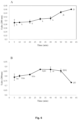
- the concentration of 40 mg/ml was the one at which OP showed the highest PA (p ⁇ 0.001). Its highest proteolytic activity at the concentration of 40 mg/ml at 30 min of hydrolysis, while at the end of the reaction (60 min) its activity was decreased (p ⁇ 0.001).
- Casein hydrolysates were produced by preparing a 1% (w/v) solution of bovine casein in distilled water and adjusting the pH to 6.2 with NaOH. Citrate buffer and sodium azide were not used in the preparation of the hydrolysates to avoid interference in the subsequent peptide activity assays.
- the hydrolysis reaction was carried out in falcon tubes with a volume of 9 mL of substrate solution immersed in a water bath at 50°C with stirring. Once this temperature was reached inside the tube, 360 ⁇ L of the reconstituted lyophilised extract of OP were added at a concentration of 0.6 mg/mL. The reaction was stopped after 16 hours, and the pH was adjusted to 4.6 with HCl.
- the hydrolysate was centrifuged at 4000 g for 20 minutes, the supernatant was collected and filtered through 0.45 ⁇ m nylon filter using kitasate and vacuum pump. Finally, the filtered hydrolysate was pH adjusted to 7 with NaOH and distributed into falcon tubes for storage at -20°C until use.
- the peptides present in the hydrolysates were sequenced by LC-MS/MS analysis following standard protocols in the field. To verify the bioactivity of the peptide sequences identified in the different casein hydrolysates, these sequences were searched in the BIOPEP database. As results, 2 types of biopeptides were detected: those in their bioactive form in the casein hydrolysates; and potential ones, which contain bioactive sequences within their primary structure. A total of 5 peptides with potential bioactivity were identified (table 15). Table 15. Peptide sequences identified in bovine casein hydrolysates from O . platylepis proteases that were registered in the bioactive peptide database (BIOPEP). Sequence ID Name Chem.
- the quantification of potential bioactive peptides in bovine casein total hydrolysates was performed using a O. platylepis water-soluble extract, considering their peptide spectral matches (PSM) in liquid chromatography-mass spectrometry and taking into account the presence of demonstrated bioactive sequences in their primary structure.
- the identified peptides and their respective quantification for each sample were extracted.
- the quantification values were normalized according to the total PSM of all peptides in the samples. In this way, quantification of the same peptide between samples was comparable.
- Raw milk obtained from Sopravissana ewes during one milking day was filtered and separated into two 20-L aliquots per batch. Two aliquots were coagulated with the reconstituted freeze dried extract from Onopordum tauricum, whereas other two aliquots were coagulated with the reconstituted freeze dried extract from Onopordum platylepis. For each aliquot, at least three cheese wheels were manufactured.
- plant extracts plant coagulants
- clotting ca. 40'
- the curds were manually broken using a wooden tool into rice-sized grains, transferred into plastic perforated molds (8-10 cm diameter) and manually pressed to remove the whey. Molded cheeses were held at 12-13 °C for 4 h, dry salted and ripened for 60 days under controlled conditions (12-13 °C and 70% relative humidity).
- the ripening of cheeses is a complex process that involves proteolysis and fat degradation.
- Proteolysis the most important process in cheese ripening, is a major factor in the development of flavor and texture during the ripening of cheese and the availability of flavor precursors in all ripened cheeses.
- the products of proteolysis, AA and peptides, are in the nonvolatile water-soluble fraction, which contributes to the most intensity of cheese flavor. Textural changes in cheese are also related to protein breakdown.
- HPLC has been used to study the proteolysis of cheese.
- HPLC water-soluble N
- the cheese produced with OP as milk coagulant has lees fat content and higher protein content. Therefore, obtaining a healthier cheese.
- the type of plant extract used as coagulant modified the TN, SN, and NPN content of the cheeses. These percentages were higher in cheeses made with Onopordum platylepis compared to cheeses made with Onopordum tauricum. This data further strengths the different behavior of both plant extracts.
- hydrophobic (HO) and hydrophilic (HI) peptides are relevant for the study the proteolysis of cheeses, as each type of cheese has a typical peptide profile.
- HO hydrophobic
- HI hydrophilic
- Table 18 The results of Table 18 are expressed as chromatographic area units (HI: chromatographic area corresponding to the hydrophilic peptide fraction; HO: chromatographic area corresponding to the hydrophobic peptide fraction; %HO: percentage of chromatographic area corresponding to the hydrophobic peptide fraction; %HI: percentage of chromatographic area corresponding to the hydrophilic peptide fraction HO+HI: sum of the chromatographic areas corresponding to the hydrophobic and hydrophilic peptide fractions; HO/HI: ratio of hydrophobic to hydrophilic peptides).
- both OT and OP plant extracts significantly affected the HI and HO content of the cheeses, with a higher concentration of HO peptides and HO/HI ratio in cheeses made with Onopordum platylepis compared to cheeses made with Onopordum tauricum.
- a higher concentration of HI peptides was observed in samples made with Onopordum tauricum. This data further strengths the different behavior of both plant extracts
- DPPH radical scavenging activity (RSA) of peptides from the SN fraction of cheeses produced with Onopordum platylepis and Onopordum tauricum plant extracts is shown in Table 19 Table 19.
- a concentration of 5.3210 mg/ml of peptides from the soluble nitrogen fraction of the cheese made with the Onpordum tauricum extract was necessary to achieve an uptake percentage of 32.3003%, while a concentration of 5.8770 mg/ml of peptides from the soluble nitrogen fraction of the cheese made with the Onopordum platylepis extract was necessary to achieve 53.105% DPPH uptake.
Landscapes
- Life Sciences & Earth Sciences (AREA)
- Chemical & Material Sciences (AREA)
- Engineering & Computer Science (AREA)
- Food Science & Technology (AREA)
- Polymers & Plastics (AREA)
- Microbiology (AREA)
- Botany (AREA)
- Zoology (AREA)
- Inorganic Chemistry (AREA)
- Coloring Foods And Improving Nutritive Qualities (AREA)
Abstract
The present invention discloses a plant extract of Onopordum nervosum ssp platylepis Murb, a method for milk clotting and a method to obtain hydrolyzed peptides comprising said plant extract, including the edible products obtained by said methods. Regarding the first method, concrete conditions of Temperature, pH, and CaCl<sub>2</sub> which are the optimum conditions to clot milk from cows, ewes and goat with said extract are also disclosed
Description
- The present invention relates to a Onopordum nervosum ssp platylepis Murb plant extract, a method of proteolysis and milk clotting using said plant extract and the functional foods obtained in said methods
- The enzymatic clotting of milk is an essential step in the majority of dairy products production, particularly cheese making. One of the main proteases responsible for this coagulation is chymosin, which is present in ruminant rennet and has been used for centuries in the manufacture of different types of cheese in the dairy industry.
- Most of the commercial animal rennet used in dairies comes from recombinant sources, while only 20-30% of it is of natural origin. The worldwide increase in cheese production leads to a decrease in the supply of animal rennet, increasing the demand for new coagulant substitutes, such as plant-derived proteases.
- These proteases are obtained by aqueous maceration of the different parts of the plant and have a high potential for use as coagulants in the manufacture of cheese, replacing animal rennet.
- Numerous studies have been carried out on these plant enzymes obtained from aqueous extracts, such as those derived from papaya (papain), pineapple (bromelain), and other enzymes, where the ratio of proteolytic to clotting activity is not sufficiently high or they have a proteolytic activity that is excessively high for the production of commercial cheeses. In addition, these vegetable coagulants have certain limitations, mainly those related to the texture and sensory quality of the cheeses produced.
- The genus Onopordum L. belongs to the family Asteraceae, and some of its species are widely distributed in Europe, northern Africa, the Canary Islands, the Caucasus, and southwest and central Asia. Thistles of this genus are native mainly to the Mediterranean region in Europe and have been studied for their potential as antimicrobial, haemostatic and hypotensive agents.
- On the other hand, very few studies describe the use of Onopordum spp. in dairy products production, particularly cheese production. The scientific article Mozzon M, Foligni R, Mannozzi C, Zamporlini F, Raffaelli N, Aquilanti L. Clotting Properties of Onopordum tauricum (Willd.) Aqueous Extract in Milk of Different Species. Foods. 2020; 9(6):692. https://doi.org/10.3390/foods9060692 disclosed a study comparing the clotting activity of Onopordum tauricum Willd. in milk of different origins. However, this document does not disclose the clotting activity of Onopordum nervosum ssp platylepis Murb, which is the plant extract of the present invention. The advantages of using an extract of this species are its ability to have milk clotting activity, which allows it to be used in the production of cheese and dairy products, and its marked proteolytic activity, which allows it to hydrolyse proteins and produce peptides with bioactivity which can be used in the production of functional foods with health-promoting properties such as antioxidant activity and/or antihypertensive activity, among many others.
- Nevertheless, the present invention discloses the optimal conditions for milk clotting of a plant extract of Onopordum nervosum ssp platylepis Murb (OP) species, using milk from different origins and its use for protein hydrolysis.
- In the present specification, "functional food" relates to an edible product comprising hydrolyzed peptides obtained by the proteolytic activity of a plant extract of Onopordum nervosum ssp platylepis Murb with health-promoting properties such as antioxidant activity and/or antihypertensive activity
- The first object of the invention relates to a plant extract obtained from Onopordum nervosum ssp platylepis Murb
- This extract is suitable for the clotting of milk.
- Onopordum nervosum ssp platylepis Murb is one of rare thistles species endemic in Tunisia, and even there, its presence is dependent on rainfall. Also, its specific morphometric characteristics distinguished it from the other Onopordum (O. tauricum, O. acanthium).
- The term "plant extract" as used herein is intended to mean any mixture of substances which is derived, obtained or extracted from Onoprdum nervosum ssp platylepis, Murb plant or said plant part by conventional separation techniques and has a clotting and proteolytic activity.
- The plant extract of the invention is substantially aseptic, which is marketed as such powder free of preservatives, easily standardizable, soluble in water or even in the milk itself, stable at room temperature, with high coagulant activity, and that can be added directly to the milk for its clotting.
- The plant extract of the invention can be obtained from agro-industrial waste, bulbs, seeds, leaves, follicles, styles, stigmas, flowers and whole aerial parts of plants selected from Onoprdum nervosum ssp platylepis, Murb preferably styles, and stigmas
- In a particular embodiment the plant extract is a freeze-dried plant extract or lyophilized plant extract. The advantage of lyophilization is that the microbial load is decreased and an increase in the conservation period of the extract is achieved.
- The advantage of using the plant extract of the invention instead of other plant extracts of the same genus is that the edible products obtained after the clotting of the milk and/or protein hydrolyzation are functional foods because they have health-promoting properties such as antioxidant activity and/or antihypertensive activity, among many others
- The second object of the invention relates to a method of enzymatic milk clotting comprising the following steps:
- providing a Onopordum nervosum ssp platylepis Murb. plant extract
- putting in contact said plant extract with milk under the following conditions:
- ∘ A range of temperature from 20°C to 85°C
- ∘ A CaCl2 concentration range from 2 mM to 70 mM
- ∘ A pH range from 3 to 8
during the required time for the milk to be clotted, and
- collecting the clotted milk
- Enzymatic milk clotting has to be understand in the process of making milk derivatives such as cheese.
- The required time means that at least 90% of the milk is clotted, preferably at least 95%, even more preferably 100%.
- The present invention demonstrates that Onopordum nervosum ssp platylepis Murb. plant extract are excellent coagulants for cheese production. They also showed proteolytic activity, which favors the development of changes in the organoleptic properties of the cheeses, such as flavour intensity, aroma and texture and the generation of peptides with possible bioactivity.
- In a particular embodiment the lyophilized plant extract of the present invention can be added directly to the milk to be clotted, in this case, the concentration of the plant extract in the milk is between 0.01 mg/ml and 10 mg/ml, preferably 0.02 mg/ml and 8 mg/ml, preferably 0.03 mg/ml and 6 mg/ml, preferably 0.05 mg/ml and 5 mg/ml, more preferably between 0.15 mg/ml and 4 mg/ml, or 0.3 mg/ml and 3 mg/ml.
- In a particular embodiment the plant extract, after being lyophilized or freeze-dried is dissolved water to obtain an aqueous plant extract. before the method of the invention, the concentration of the aqueous plant extract is between about 2mg/ml and about 60mg/ml, or between about 5mg/ml and about 60mg/ml, or between about 10mg/ml and about 60mg/ml, or between about 15mg/ml and about 60mg/ml, or between about 20mg/ml and about 60mg/ml, or between about 25mg/ml and about 60mg/ml, or between about 30mg/ml and about 60mg/ml, or between about 35mg/ml and about 60mg/ml of water.
- Preferably between about 30mg/ml and about 50mg/ml, more preferably between about 35mg/ml and about 45mg/ml of water.
- The water in which the lyophilized plant extract is dissolve can be replaced by any other liquid with suitable chemical characteristics and appropriate for the elaboration of edible products.
- In a particular embodiment, the aqueous plant extract is then mixed with milk in range from about 0.1:10 aqueous plant extract:milk, to about 3:10 aqueous plant extract:milk. This is, between, 0.1 to 3 ml of the aqueous plant extract that can be at any concentration as discussed in the 2 previous paragraphs, in 10 ml of milk. Preferably the range is about 0.5:10 to 2:10, more preferably between 0.8:10 to 1.5:10, even more preferably about 0.9:10 to 1.2:10.
- In both cases: when the lyophilized plant extract is added directly to the milk to be clotted or when the lyophilized plant extract is previously dissolved in water or in a suitable liquid, the concentration of the plant extract in the milk is between 0.01 mg/ml and 10 mg/ml, preferably 0.02 mg/ml and 8 mg/ml, preferably 0.03 mg/ml and 6 mg/ml, preferably 0.05 mg/ml and 5 mg/ml, more preferably between 0.15 mg/ml and 4 mg/ml, or 0.3 mg/ml and 3 mg/ml.
- In a particular embodiment, the range of temperatures is between about 20°C and about 85°C, or about 30°C and about 85°C, or between about 35°C and about 85°C, or between about 40°C and about 85°C, or between about 45°C and about 85°C, or between about 50°C and about 85°C, or between about 55°C and about 85°C, or between about 60°C and about 85°C, or between about 60°C and about 85°C.
- Preferably from about 60°C and about 80°C, more preferably from about 65°C and about 75°C, even more preferably from about 65°C and less than 70°C
- In a particular embodiment, the CaCl2 concentration ranges from about 2 mM to 70 mM, preferably from about 3 mM to 70 mM, more preferably from about 4 mM to 70 mM, even more preferably from about 5 mM to 70 mM.
- Preferably, for cow's milk, the CaCl2 concentration ranges from about 50 mM to 70 mM, for goat's milk and ewe's milk, the CaCl2 concentration preferably ranges from 2 mM to 20 Mm.
- In a particular embodiment, the pH range is between about 3 and 8, preferably from about 4 to 8, more preferably from about 5 to 8, even more preferably from about 5.2 to 7, even more preferably from about 5.3 to about 6, even more preferably from about 5.4 to 6.5.
- In a particular embodiment, the milk can be from an animal, such a goat, ewe, horse, camel and cow or mixtures thereof.
- During cheesemaking, several factors simultaneously intervene during the process, for this reason, the response surface methodology (RSM) was used as it allows the influence of several factors on a particular response to be analysed by combining mathematical and statistical techniques. With the conventional method, only the variation of one of the factors can be explored while keeping the rest of the intervening variables constant (Mozzon et al., 2020).
- Predicted model equations for the milk clotting time (MCT) are defined by using a Onoprdum platylepis plant extract and ewe's or goat's milk. The predicted model equations for milk clotting time (MCT) as a function of temperature, pH and calcium chloride concentration are defined as follows:
When milk is ewe's milk:
- When milk is goat's milk:

- These predicted model works best with a Onopordum nervosum ssp platylepis Murb aqueous plant extract in a concentration between about 5 mg of lyophilized plant extract per 1mL of water, (5mg/ml) to about 30 mg/ml, preferably from about 10 mg/ml to about 27 mg/ml, more preferably from about 15 mg/ml to about 25 mL, even more preferably from about 17 mg/ml to about 23 mg/ml, even more preferably about 20 mg/ml. The aqueous plant extract is then mixed with milk in range from about 0.1:10 aqueous plant extract:milk, to about 3:10 aqueous plant extract:milk
- In another embodiment, the model equations are developed for a plant extract concentration in milk of about 0.5 mg/ml to 3 mg/ml, preferably about 2 mg/ml.
- In a preferred embodiment, when the milk is obtained from ewe, the best clotting activity is achieved at a temperature of about 34°C-38°C, a pH of about 5.2-5.8, and CaCl2 concentration of about 4mM-8 mM
- In another preferred embodiment, when the milk is obtained from ewe, the best clotting activity is achieved at a temperature of about 36°C, a pH of about 5.5, and CaCl2 concentration of about 6 mM.
- In another preferred embodiment, when the milk is obtained from goat, the best clotting activity is achieved at a temperature of about 34°C-38°C, a pH of about 6.2-6.8, and CaCl2 concentration of about 4mM-8 mM
- In another preferred embodiment, when the milk is obtained from goat, the best clotting activity is achieved at a temperature of about 36°C, a pH of about 6.5, and CaCl2 concentration about 6 mM
- In another preferred embodiment, when the milk is obtained from cow the plant extract concentration is about 4mg/ml of milk, temperature is about 70°C, CaCl2 concentration is about 60 mM and pH is about 5.5.
- The clotting of the milk can occur in a wide range of CaCl2 concentration. In the case of milk obtained from cows, with a 60 mM CaCl2 concentration the shortest time to clot the milk was achieved. This result is surprising because this concentration is much higher than the usual concentrations used in the ostentation of clotted milk for the elaboration of dairy products.
- In another particular embodiment, the plant extract of the invention is combined with animal rennet and/or other(s) plant extract(s) such as Cynara cardunculus, C. scolymus, or C humilis
- Therefore, another object relates to a model to determine the milk clotting time (MCT) by using a Onoprdum platylepis plant extract and ewe's or goat's milk as a function of temperature, pH and calcium chloride concentration as defined previously Another object of the invention relates to the clotted milk obtained by the method described above.
- Another object of the invention relates to a process to obtain dairy products using the clotted milk described above, such as cheese or desserts like curds.
- Another object of the invention relates to a dairy product obtained from the clotted milk described above, such as cheese or desserts like curds.
- Thus a further advantage of Onopordum nervosum ssp platylepis Murb. plant extract for clotting milk is that dairy products derived from the clotted milk obtained with the plant extract described herein will have a higher antioxidant activity and/or antihypertensive activity, among many others compared with the dairy products of the state of the art.
- Another object of the invention relates to a process to obtain hydrolyzed peptides from edible products using the plant extract defined taking advantage of its particular proteolytic activity
- In the present specification edible products comprise dairy products. Edible products can be selected from the group consisting of eggs, dairy products such as milk, cream and yogurt and any edible food containing protein such as meats and poultry, nuts, seeds, fish, shellfish, beans, peas, lentils, tofu and soybeans. In a particular embodiment the edible product is a dairy product and mixtures thereof, preferably milk.
- Although the clotting activity performed by the plant extract of the invention described above also comprises proteolytic activity, it is presented as a different object of the invention herein, because the choice of edible foods that can be subjected to this proteolytic process is wider that the clotting activity, in which only milk is susceptible.
- Hydrolyzed peptides, are proteins that have been broken down into smaller peptides during the food processing, as will be shown in the examples of the invention the plant extract obtained from Onopordum nervosum ssp platylepis Murb has a very relevant proteolytic activity.
- In a particular embodiment the hydrolyzed peptides obtained by the proteolytic activity of Onopordum nervosum ssp platylepis Murb are derived from casein.
- As it will be shown in the embodiments, the hydrolyzed peptides produced by this plant extract have antidiabetic, antifungal, inmunostimulating and immunomodulating, antithrombotic, and inhibitory insuline secretion activities, these activities are important for human health, thus the products obtained with plant extract of the invention are much healthier and beneficial than the products obtained with plant extracts from other species.
- In the food industry, hydrolyzed peptides are commonly used as food additives due to their unique functional properties. They are used in a wide variety of food products, including infant formula, sports nutrition products, and medical foods.
- Hydrolyzed peptides are particularly useful in food products because they are easily digestible and can be absorbed more quickly by the body than intact proteins. Furthermore, hydrolyzed peptides can improve the taste, texture, and stability of food products. They can also enhance the solubility and emulsification properties of certain foods, such as protein powders and beverages.
- The lyophilized plant extract of the present invention can be put in contact directly with the edible product from which hydrolyzed peptides are to be obtained from. The concentration of the plant extract is between 0.05 mg/ml and 3 mg/ml, preferably 0.1 mg/ml and 1.5 mg/ml, more preferably between 0.15 mg/ml and 0.5 mg/ml
- In a particular embodiment, the range of temperatures is between about 20°C and about 85°C, or about 30°C and about 85°C, or between about 35°C and about 85°C, or between about 40°C and about 85°C, or between about 45°C and about 85°C, or between about 50°C and about 85°C, or between about 55°C and about 85°C, or between about 60°C and about 85°C, or between about 60°C and about 85°C.
- Preferably from about 60°C and about 80°C, more preferably from about 65°C and about 75°C, even more preferably from about 65°C and less than 70°C
- In a particular embodiment, the CaCl2 concentration ranges from about 2 mM to 70 mM, preferably from about 3 mM to 70 mM, more preferably from about 4 mM to 70 mM, even more preferably from about 5 mM to 70 mM.
- In a particular embodiment, the pH range is between about 3 and 8, preferably from about 4 to 8, more preferably from about 5 to 8, even more preferably from about 5.2 to 7, even more preferably from about 5.3 to about 6, even more preferably from about 5.4 to 6.5.
- In a preferred embodiment the conditions to obtain hydrolyzed peptides are, using a concentration of about 2 mg/ml of Onopordum nervosum ssp platylepis Murb. plant extract for 60 minutes with bovine milk casein at a 6.2 pH
- In another preferred embodiment the conditions to obtain hydrolyzed peptides are, using a concentration of about 4 mg/ml of Onopordum nervosum ssp platylepis Murb. plant extract for 50 minutes with bovine milk casein at a 6.2 pH
- In a particular embodiment of the invention, hydrolyzed peptides relates to hydrophobic hydrolyzed peptides. These hydrophobic hydrolyzed peptides have been shown to be largely responsible for exerting health-promoting properties such as antioxidant activity through free radical scavenging, and antihypertensive activity by inhibiting angiotensin-converting enzyme (ACE) activity resulting in a reduction in blood pressure.
- Thus, a further advantage of the invention is that edible products subjected to the proteolytic process of the plant extract obtained from Onopordum nervosum ssp platylepis Murb. described herein give rise to functional foods with a higher antioxidant activity compared with the dairy products of the state of the art.
- As indicated previously, these dairy products or edible products have health-promoting properties such as antioxidant activity and/or antihypertensive activity, among many others.
- Another object of the invention relates to a functional food containing the hydrolyzed peptides described previously.
- In addition, the present invention also provides the following clauses:
- 1. A plant extract obtained from Onopordum nervosum ssp platylepis Murb
- 2. The plant extract according to the preceding clause, wherein the plant extract is obtained from styles and/or stigmas.
- 3. A method of enzymatic milk clotting comprising the following steps:
- providing the Onopordum nervosum ssp platylepis Murb plant extract according to any of the preceding
clauses 1 to 2 - putting in contact said plant extract with milk under the following conditions:
- ∘ A range of temperature from 20°C to 85°C
- ∘ A CaCl2 concentration range from 2 mM to 70 mM
- ∘ A pH range from 3 to 8
during the required time for the milk to be clotted, and
- collecting the clotted milk.
- providing the Onopordum nervosum ssp platylepis Murb plant extract according to any of the preceding
- 4. The method according to the preceding clause, wherein the plant extract is in a concentration of between 0.01 mg/ml and 10 mg/ml of milk.
- 5. The method according to the preceding clause, wherein before putting in contact the plant extract with the milk, said plant extract is dissolved in water to obtain an aqueous plant extract at a concentration of about 2mg/ml to about 60mg/ml.
- 6. The method according to the preceding clause, wherein the aqueous plant extract is put in contact with the milk in range from about 0.1:10 aqueous plant extract:milk, to about 3:10 aqueous plant extract:milk.
- 7. The method according to any of the preceding
clauses 3 to 6, wherein the temperature is between 30°C and 80°C. - 8. The method according to any of the preceding
clauses 3 to 7, wherein the CaCl2 concentration is between 3 mM to 70 mM. - 9. The method according to any of the preceding
clauses 3 to 8, wherein the pH is between 4 and 8. - 10. The method according to any of the preceding
clauses 3 to 9, wherein the milk is obtained from a goat, ewe, horse, camel and cow or mixtures thereof. - 11. The method according to any of the preceding
clauses 3 to 10, wherein the milk is obtained from ewe, a parameter selected from temperature, CaCl2, pH and time can be determined using the following model, before carrying out the method of clause 3:- MCT = 11045.57 + (-870.04 * [CaCl2]) + (1001.07 * pH) + (-549.53 * Temperature) + (-11.05 * [CaCl2]2) + (-107.84 * pH2) + (5.96 * Temperature2) + (47.87 * [CaCl2] * pH) + (15.70 * [CaCl2] * Temperature) + (0.21 *pH * Temperature).
- 12. The method according to any of the preceding
clauses 3 to 11, wherein the milk is obtained from ewe and the Temperature is 34°C to 38°C, the pH is 5.2 to 5.8, and CaCl2 concentration is 4mM to 8mM - 13. The method according to any of the preceding
clauses 3 to 10, wherein the milk is obtained from goat, a parameter selected from temperature, CaCl2, pH and time can be determined using the following model, before carrying out the method of clause 3:
- 14. The method according to any of the preceding
clauses 3 to 10 and 13, wherein the milk is obtained from goat and the Temperature is 34°C to 38°C, the pH is 6.2 to 6.8, and CaCl2 concentration is 4mM to 8mM. - 15. The method according to any of the preceding clauses 11 to 14, wherein the plant extract is in a concentration of between 0.01 mg/ml and 10 mg/ml of milk.
- 16. The method according to any of the preceding
clauses 3 to 10, wherein the milk is obtained from cow the plant extract concentration is 4mg/ml milk, temperature is 70°C, CaCl2 concentration is 60 mM and pH is 5.5. - 17. The method according to any of the preceding
clauses 3 to 14, wherein the milk is obtained from ewe, temperature is 36°C, the pH is 5.5, and CaCl2 concentration is 6 mM - 18. The method according to any of the preceding
clauses 3 to 14, wherein the milk is obtained from goat, temperature is 36°C, the pH is 6.5, and CaCl2 concentration is 6 mM. - 19. The method according to any of the preceding
clauses 3 to 18, wherein the milk is put in contact with animal rennet and/or other(s) plant extract(s) such as Cynara cardunculus, C. scolymus, or C humilis - 20. A method to determine the Milk Clotting Time using a plant extract as defined in any of
clauses 1 to 2 as a function of temperature pH and calcium chloride concentration so:- when milk is ewe's milk:

- when milk is goat's milk:

- when milk is ewe's milk:
- 21. The method according the preceding clause, wherein the plant extract is in a concentration of between 0.5 mg/ml and 3 mg/ml of milk
- 22. Clotted milk obtained by the method described in any of the preceding
clauses 3 to 20. - 23. A dairy product obtained by from the clotted milk of clause 22.
- 24. A process to obtain hydrolyzed peptides from edible products using the plant extract according to the
clause 1. - 25. The process according to the preceding clause, wherein the edible product is selected from the group consisting of eggs, dairy products such as milk, cream and yogurt and any edible food containing protein such as meats and poultry, nuts, seeds, fish, shellfish, beans, peas, lentils, tofu and soybeans.
- 26. Functional food comprising the hydrolyzed peptides obtained with the process of any of clauses 24 or 23.
- Each of the terms "comprising", "consisting essentially of," and "consisting of" may be replaced with either of the other two terms. The term "a" or "an" can refer to one of or a plurality of the elements it modifies (e.g., "a reagent" can mean one or more reagents) unless it is contextually clear either one of the elements or more than one of the elements is described. The term "about" as used herein refers to a value within 10% of the underlying parameter (i.e., plus or minus 10%; e.g., a weight of "about 100 grams" can include a weight between 90 grams and 110 grams). Use of the term "about" at the beginning of a listing of values modifies each of the values (e.g., "about 1, 2 and 3" refers to "about 1, about 2 and about 3"). When a listing of values is described the listing includes all intermediate values and all fractional values thereof (e.g., the listing of values "80%, 85% or 90%" includes the intermediate value 86% and the fractional value 86.4%). When a listing of values is followed by the term "or more," the term "or more" applies to each of the values listed (e.g., the listing of "80%, 90%, 95%, or more" or "80%, 90%, 95% or more" or "80%, 90%, or 95% or more" refers to "80% or more, 90% or more, or 95% or more"). When a listing of values is described, the listing includes all ranges between any two of the values listed (e.g., the listing of "80%, 90% or 95%" includes ranges of "80% to 90%", "80% to 95%" and "90% to 95%"). Certain implementations of the technology are set forth in examples below.
-
-
Figure 1 . Effect of the plant extract concentration (enzymatic extract), expressed in mg plant extract/mL, on the clotting activity (MCA), expressed in U/mL, of standard bovine milk reconstituted using OP. Data are mean of three independent experiments (n = 3). Error bars correspond to standard error of mean. Items with different letters (a-k) are significantly different (HSD test, P < 0.05). -
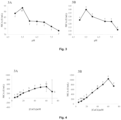
Figure 2 . Effect of temperature, expressed in °C, on the clotting activity (MCA), expressed in U/mL, of standard bovine milk reconstituted using OP, at the concentrations of 20 mg extract/mL (A) and 40 mg extract/mL (B). Data are mean of three independent experiments (n = 3). Error bars correspond to standard error of mean. Items in figures 1A, 2A, and3A with different letters (a-p) are significantly different (HSD test, P < 0.05). Items in figure 1B, 2B, and3B with different letters (a-o) are significantly different (HSD test, P < 0.05). -
Figure 3 . Effect of pH on the clotting activity (MCA), expressed in U/mL, of standard bovine milk reconstituted using OP, at the concentrations of 20 mg extract/mL (A) and 40 mg extract/mL (B). Data are mean of three independent experiments (n = 3). Error bars correspond to standard error of mean. Items in figures 1A, 2A, and3A with different letters (a-g) are significantly different (HSD test, P < 0.05). Items in figures 1B, 2B, and3B with different letters (a-f) are significantly different (HSD test, P < 0.05). -
Figure 4 . Effect of the concentration of CaCl2, expressed in mM, on the clotting activity (MCA), expressed in U/mL, of standard bovine milk reconstituted using OP, at the concentrations of 20 mg extract/mL (A) and 40 mg extract/mL (B). Data are mean of three independent experiments (n = 3). Error bars correspond to standard error of mean. Items in figures 1A, 2A, and3A with different letters (a-t) are significantly different (HSD test, P < 0.05). Items in figure 1B, 2B, and3B with different letters (a-o) are significantly different (HSD test, P < 0.05). -
Figure 5 . Effect of the time and the concentration of plant extract, 5 mg/ml (●), 10 mg/ml (■), 20 mg/ml (▲), 30 mg/ml (o), 40 mg/ml (□), on the proteolytic activity (PA), expressed in Uabs, using OP. Data are mean of three independent experiments (n = 3). Error bars correspond to standard error of mean. -
Figure 6 . Proteolytic activity (PA) of OP, expressed in Uabs, at the concentrations of 20 mg extract/mL (A) and 40 mg extract/mL (B). Data are mean of three independent experiments (n = 3). Error bars correspond to standard error of mean. Items in figure A with different letters (a-k) are significantly different (HSD test, P < 0.05). Items in figure B with different letters (a-m) are significantly different (HSD test, P < 0.05). -
Figure 7 . Standardized quantification of peptide precursors (×103) in bovine casein hydrolysates samples of obtained with the plant extract of the invention. -
Figure 8 . Flow-chart of the cheese making process. - Onopordum nervosum ssp platylepis Murb (OP) (Sousse, Tunisia, Africa) is the thistle species used for the preparation of the plant extract. This extract were freeze-dried following the procedure described by Tejada, L., & Fernández-Salguero, J. (2003). Chemical and microbiological characteristics of ewe milk cheese (Los Pedroches) made with a powdered vegetable coagulant or calf rennet. Italian Journal of Food Science. 15(1), 125-131. The plant material, styles, and stigmas were macerated in distilled water for 24 h at 25 °C in a 1:10 (w/v) ratio. The aqueous extract obtained was sieved, and the filtrate was centrifuged at 3,000x g for 5 min. The supernatant obtained was filtered with Whatman No. 1 paper. The filtrate obtained was frozen at -32 °C for 24 h and then lyophilized (Alpha 1-2LD plus, Christ, Osterode am Harz, Germany) at a working pressure between 4 and 13 Pa. The lyophilized powder was hermetically packed and frozen at -20 °C until its use.
- The lyophilized plant extract was dissolved in water at several concentrations and then the aqueous plant extract is mixed with milk in range about 1:10 aqueous plant extract:milk. Thus, unless otherwise indicated, in the examples and the figures of the patent application plant extract concentration relates to aqueous plant extract concentration before mixing with milk.
- The total protein of OP was determined according to the Bradford method using the Sigma (Sigma-Aldrich, Milan, Italy) ready to use reagent, although any other method known in the art for protein quantification is also suitable. For calibration, a set of bovine serum albumin (Merck, KGa, Darmstadt, Germany) solutions (0.1-1 mg/ml) was used. Absorbance readings at 595 nm were carried out using a UV-1800 Shimadzu (Kyoto, Japan) spectrophotometer. The protein content was determined in triplicate.
- The extract milk clotting activity (MCA) was evaluated according to the International Dairy Federation (IDF) (IDF, 1992) based on the visual evaluation of the first clotting flakes' appearance. For the clotting activity determination, 10 mL of reconstituted skimmed milk powder (0.12 Kg/L) was transferred into a clean and dry test tube. A calcium chloride solution was added (Sigma-Aldrich, Milan, Italy). The assay tube was allowed to equilibrate for 5 min at the desired temperature in an M20 thermostatic water bath (Lauda-Konigshofen, Germany) before adding the plant extract. After the temperature was reached, 1 mL of the plant extract was added. The time from the addition of enzyme to the first visual of solid material was measured in seconds, as clotting. One unit of clotting activity is defined as the volume of milk that can be clotted by one volume unit of plant extract in 40 minutes under define temperature, pH, and CaCl2 test conditions (Mozzon, 2020) and was calculated with equation:

- The effect of four independent variables were studied [plant extract concentration (5-40 mg/ml), temperature (20-85 °C), pH (5-8), and CaCl2 concentration (5-70 mM)] on the milk clotting activity. The clotting activity of the extract was determined in triplicate.
- To measure the effect of plant extract concentration (5, 10, 20, 30 and 40 mg/ml), the conditions of temperature (32°C), pH (6.2), and CaCl2 concentration (10 mM) were set.
- The effect of temperature (20, 25, 30, 35, 40, 45, 50, 60, 70, 80, and 85 °C), pH (5, 5.5, 6, 6.5, 7, 7.5 and 8) and CaCl2 concentration (5, 10, 15, 20, 30, 50, 50, 60 and 70 mM) variables were measured at two extract concentrations (20 and 40 mg/ml).
- The variables studied (Temperature, pH, CaCl2 and plant extract concentration) were optimized by conducting the statistically designed experiments, estimating the coefficients of the structured mathematical model, and checking the prediction of the responses and the adequacy of the model.
- The design matrix consists of twelve experiments to study the simultaneous effects of three-level discrete variables, Temperature (30, 33 and 36 °C), pH (5.5, 6.0 and 6.5), and CaCl2 concentration (2, 4 and 6 mM). The order of the experiments was completely randomized. Each experiment was carried out in double, and the results were compared with the predicted responses, as shown in Table 6, to confirm the validity of the RSM model. The D-optimal criterion was used to minimize the determinant of the variance matrix of the regression parameters.
- For clotting tests, milk powders were re-dissolved in buffer solutions at different Calcium chloride concentration (2, 4 and 6 mM) and pH (5.5, 6.0, and 6.5), based on their dry matter contents which were 17.59 and 11.93% w/w for ewe's and goat's milk, respectively. The pH was adjusted to the desired value by the addition of lactic acid. A test tube containing 10 mL of reconstituted milk was previously thermostated in a M20 model water bath (Lauda GmbH, Konigshofen, Germany). Finally, 1 mL of reconstituted OP extract at a concentration of 20mg/ml were added to the mixture and the time needed for first flocks appeared (milk clotting time, MCT) on the tube wall was recorded.
- JMP Software Version 17.0 (SAS Institute Inc., Cary, NC, USA) was used to investigate three different parameters (Temperature, pH, and concentration of CaCl2) affecting the total milk clotting activity. In order to conduct the experimental design and statistical analysis, the Response surface methodology (RSM) was used.
- A second-order polynomial equation was chosen to select the optimal levels of three variables using the standard least squares regression methodology to estimate the parameters of the mathematical model. The quality of fit of the polynomial model equation was expressed by a coefficient of determination, R2. Analysis of variance (ANOVA) was performed to assess the statistical significance of the model.
- The proteolytic activity of the extract was determined following the method employed by Silva, S. V., & Malcata, F. X. (2005). Studies pertaining to coagulant and proteolytic activities of plant proteases from Cynara cardunculus. Food Chemistry. 89(1), 19-26. https://doi.org/10.1016/j.foodchem.2004.01.074. The substrate used was bovine milk casein-free of carbohydrates and fatty acids (Calbiochem, Darmstadt, Germany) at 1% (w/v) in 10 mM citrate buffer (pH 6.2) (Sigma-Aldrich, St. Louis, Missouri, USA) with 0.03% (w/v) sodium azide (Fisher Scientific, Madrid, Spain) to avoid microbial growth, and incubated in a bath at 32 °C. Hydrolysis was started by adding 0.12 mL of reconstituted extract at different concentrations (5, 10, 20, 30 and 40 extract/mL) to 3 mL of casein solution. Subsequently, 0.5 mL aliquots at different times (5, 10, 20, 30, 40, 50 and 60 min) were taken in Eppendorf tubes. The enzymatic reaction was inactivated at 100 °C for 5 min, and the proteolytic activity was quantified by evaluation of the peptides soluble in aqueous 5% (w/v) trichloroacetic acid (TCA) (Sigma-Aldrich, St. Louis, Missouri, USA). For this, 1 mL of 5% TCA (w/v) was added to each tube and incubated for 10 min at 25 °C, and centrifuged at 12,000x g for 10 min, while the absorbance of the supernatant was measured at 280 nm in a quartz cuvette. All determinations were made in triplicate.
- All experiments were conducted in triplicate, and the results were expressed with the mean and standard error. All statistical analysis of different parameters was computed using the SPSS version 21.0 software package (IBM Corporation, Armonk, NY, USA). In order to assess differences between the species, one-way analysis of variance (ANOVA) was applied to mineral composition. Regarding the MCA analysis, two-way ANOVA was performed to study the influence of temperature, pH, and CaCl2 concentration. For PA, multivariate analysis of variance (MANOVA) was applied to analyze the effect of the species, time, and the concentration of plant extract. Fisher's test (p < 0.05) was performed to determine significant differences between treatment groups. Relationships among studied factors were presented using appropriate curves and tables.
- The protein content of the extract OP was 0.0764 ± 0.0011 (mean ± standard error) mg protein/mg extract.
- The milk coagulation times (MCT) for each of the variables studied at the different extract concentrations are given in Table 1 for the plant extract concentration, Table 2 for temperature and Table 3 for pH.
Table 1. Milk clotting time (seconds) for milk coagulation of vegetable coagulants from OP at different extract concentrations [Extract] (mg/ml) MCT (s) 1 OP 5 1129 10 737 20 380 30 244 40 196 1Average values of three replicates.
[Extract] = extract concentration, MCT = milk clotting timeTable 2. Effect of temperature (°C) on the MCT (seconds) of the OP plant extracts at different extract concentrations (mg/ml) [Extract] (mg/ml) T (°C) MCT (s) 1 OP 20 20 1404 25 665 30 387 35 266 40 150 45 105 50 53 60 35 70 20 80 24 85 120 40 20 810 25 379 30 230 35 157 40 95 45 50 50 38 60 12 70 6 80 3605 85 4306 1Average values of three replicates.
[Extract] = extract concentration, T = temperature, MCT = milk clotting timeTable 3. Effect of the pH on the MCT (seconds) of the OP plant extracts at different extract concentrations (mg/ml) [Extract] (mg/ml) pH MCT (s) 1 OP 20 5 271 5.5 257 6 294 6.5 295 7 297 7.5 312 8 327 40 5 192 5.5 172 6 185 6.5 190 7 195 7.5 195 8 215 1Average values of three replicates.
[Extract] = extract concentration, MCT = milk clotting time - The effect of the concentration (about 5 to about 40 mg/ml) of OP extract on the clotting activity in milk at about pH 6.2 and a CaCl2 concentration of about 10 mM is shown in
Figure 1 . - The milk clotting activity depends on the concentration of the enzyme. In this study, the MCA value increases with increasing extract concentration (p< 0.001);
- Considering the clotting activity among the extract concentration, 40 mg/ml was the optimum concentration to reach the maximum MCA values (p < 0.001).
- As coagulation of casein micelles does not occur until after extensive proteolysis of the surface κ-casein necessary to produce aggregatable particles, it is probable that the reduced milk clotting capacity of some Onopordum species proteases is due to their reduced ability to hydrolyse κ-caseins.
- The effect of temperature on the clotting activity of the OP plant extract on milk at pH 6.2 and CaCl2 concentration of 10 mM was evaluated at temperatures between 20 and 85 °C, and at different extract concentrations (20 and 40 mg/ml). The significant differences in the effect of temperature on the MCA of the extracts are shown in Table 4.
Table 4: Significant differences (P-value) of the interaction between the plant extract concentration and milk clotting activity (MCA) of the OP extracts Variable P-value1 Species x extract concentration < 0.001 The concentrations of enzyme extract used were 5, 10, 20, 30, and 40 mg/ml
1The means of the different extract concentrations (5, 10, 20, 30 and 40 mg extract/mL) were analyzed using two-way ANOVA at a significance level of P < 0.05 - The clotting activity of the plant extract increased with temperature, with higher coagulation developing at 70 °C in all cases. Similarly, the milk clotting activity was influenced by the concentration of extract used, as the 20 mg/ml concentration showed lower MCA values compared to the 40 mg/ml extract concentration (
Figure 2 ). - Therefore, the clotting capacity of the OP extract was much more favoured by an increase in temperature. Thus, at a temperature of 70 °C, OP [40 mg/ml] was the extract that significantly increased (p < 0.001) its clotting activity the most compared to the MCA values obtained for the 20 mg/ml concentration at the same temperature.
- By contrast, at temperatures above 70°C, the milk clotting activity of the plant extract was found to decrease, indicating denaturation of the enzymes.
- The plant extract of the present invention comprises clearly thermophilic enzymes, whose clotting activity increased with temperature to relatively high values.
-
Figure 3 shows the influence of pH on the clotting activity of OP plant extract, at concentrations of 20 and 40 mg extract/mL, on milk at 32 °C and CaCL2 concentration of 10 mM. The significant differences in the effect of pH on the MCA of the extract are shown in Table 2. - It was observed that the clotting activity of the OP extract responds to a wide range of pH values (5.0-8.0), the optimum for coagulation being between 5.0 and 5.5. More specifically, OP presented a maximum MCA at an extract concentration of 40 mg/ml and a pH 5.5 As the pH of the milk was increased, the clotting activity of the extract was observed to decrease drastically at both extract concentrations studied. The concentration of extract used had an influence on the MCA, which was more significant at higher concentrations.
- The effect of adding CaCl2 at different concentrations (5, 10, 15, 20, 30, 40, 50, 60 and 70 mM) on milk at a temperature of 32 °C and a pH of 6.2 is shown in
Figure 4 . The significant differences in the effect of CaCl2 on the MCA of the extract are shown in Table 2. - For this purpose, OP plant enzyme extract were used at concentrations of 20 and 40 mg/ml. An increase in MCA can be observed at higher CaCl2 concentrations.
- Taking the extract concentration into account, it can be seen that OP plant extract shows a higher activity at the 70mM concentration and 20 mg/ml, than at 40 mg/ml (p < 0.001).
- These results indicate that the addition of CaCl2 significantly improves the clotting activity of the enzyme extract.
- In the first phase of the coagulation process, once most of the Phenylalanine105-Methionine106 bonds have been cleaved, Ca+2 ions combine with para-kappa casein fractions to form firm clots. For this reason, some authors suggest that the addition of calcium chloride to milk reduces the coagulation time and allows the aggregation of casein micelles, increasing the firmness of the curd (Mozzon et al., 2020).
- The significant differences in the effect of temperature, pH, and CaCl2 on the MCA of the plant extract at 20 and 40 mg/ml concentrations are shown in Table 5.
Table 5. Significant differences (P-value) of the interaction between the variables of temperature, pH, CaCl2 concentration and milk clotting activity (MCA) of the OP plant extract at 20 mg/ml and 40 mg/ml concentrations Variable P-value3 [20 mg/ml]1 [40 mg/ml]2 Temperature < 0.001 < 0.001 Species x temperature < 0.001 < 0.001 pH < 0.001 < 0.001 Species x pH < 0.001 < 0.001 [CaCl2] < 0.001 < 0.001 Species x [CaCl2] < 0.001 < 0.001 1 extract concentration 20 mg/ml
2 extractconcentration 40 mg/ml
3The means of the different extract concentrations (20 mg/ml and 40 mg/ml) were analyzed using two-way ANOVA at a significance level of P < 0.05 - The time from the addition of enzyme to the first visual of solid material was measured in seconds, as clotting, results are shown in Table 6.
Table 6. Milk clotting time (MCT) in seconds resulting from the interaction between the variables of temperature, pH and CaCl2 concentration of Onopordum nervosum ssp platylepis Murb extract in goat and ewe milk. Run Temperature (°C) pH [CaCl2] (mM) Ewe's milk Goat's milk 1 33 5.5 6 729.5 779.5 2 36 5.5 2 1101 1227.5 3 36 6.5 6 582.5 619.5 4 30 6 4 1449 1556.5 5 33 6.5 4 1067 1148 6 30 6.5 2 1652 1849.5 7 30 5.5 6 963 986.5 8 33 6 2 1403.5 1444 9 30 6.5 6 1028 1105.5 10 36 5.5 6 673.5 674.5 11 36 6.5 2 987 992 12 30 5.5 2 1924.5 1878 - One unit of clotting activity is defined as the volume of milk that can be clotted by one volume unit of plant extract in 40 minutes under define temperature, pH, and CaCl2 test conditions and was calculated with equation:

- Where M is the volume of milk (mL); T is the clotting time in seconds; and V is the volume of the enzyme (mL)
- By using the above mentioned formula, the MCA value of Onopordum nervosum ssp platylepis Murb extract in 10 ml of milk from different origins was calculated as can be seen in Table 7.
Table 7. Milk clotting activity (MCA) from the interaction between the variables of temperature, pH and CaCl2 concentration of Onopordum nervosum ssp platylepis Murb extract in goat and ewe milk. Run Temperature (°C) pH [CaCl2] (mM) Ewe's milk Goat's milk 1 33 5.5 6 32.8993 30.7890 2 36 5.5 2 21.7984 19.5519 3 36 6.5 6 41.2017 38.7409 4 30 6 4 16.5632 15.4192 5 33 6.5 4 22.4930 20.9059 6 30 6.5 2 14.5279 12.9765 7 30 5.5 6 24.9221 24.3284 8 33 6 2 17.1001 16.6205 9 30 6.5 6 23.3463 21.7096 10 36 5.5 6 35.6347 35.5819 11 36 6.5 2 24.3161 24.1936 12 30 5.5 2 12.4708 12.7796 - As shown in table 8, the second-order polynomial model was significant for both types of milk. Moreover, the clotting properties of Onopordum nervosum ssp platylepis Murb were strongly affected by temperature, pH and Ca ion concentration in both types of milk studied. Interactions among factors T*Ca and pH*Ca were significant in both types of milk; on the other hand, the interaction between T*pH was significant only for goat's milk. Therefore, we can state that the effect of temperature and CaCl2 is greater or affects the coagulation time (MCT) more strongly than pH.
Table 8. Estimated coefficients of the predicted second-order polynomial model for the milk clotting activity of Onopordum nervosum ssp platylepis Murb. extract. Term Ewe's milk Goat's milk Estimates p-Value Estimates p-Value Intercept 1130.07 <.0001 1201.95 <0.0001 Linear Temperature -276.53 <.0001 -288.7 <0.0001 pH -47.35 0.0035 -26.35 0.0138 CaCl2 -306.40 <.0001 -318.775 <0.0001 Quadratic T x T 53.63 0.0884 62.25 0.0085 pH x pH -26.96 0.4784 -24 0.3665 Ca x Ca -44.21 0.2521 -73.125 0.013 Interactions T x pH 0.3125 0.9829 -47.625 0.0003 T x Ca 94.19 <.0001 88.75 <0.0001 pH x Ca 47.87 0.0041 40.1 0.0041 - In Table 9, the independent factors were analyzed by using the desirability function of the JMP Software to estimate the best conditions for minimizing the clotting time.
Table 9. Operative conditions for the best clotting performance of Onopordum nervosum ssp platylepis Murb. Type of milk Optimal T Optimal pH Optimal Ca Predicted MCT Desiderability Measured MCT Ewe's milk 36 5.5 6 622.95 0.907984 673.5 Goat's milk 36 6.5 6 614.5 0.939395 619.5 - In all the milk/coagulant systems, the optimal temperature and Ca ion concentration for clotting were the highest 36 °C and 6mM, respectively, in the range explored. For the ewe's milk, the optimal pH value (5.5) was the lowest in the studied range (5.5-6.5), while in the case of goat's milk, the optimal pH value (6.5) was the highest.
- The following table (Table 10) shows the algorithms (second-order equation) for predicting the optimal levels of the three variables, temperature, pH, and CaCl2 required to achieve a reduced clotting time.
- On the other hand, with the same algorithm, the optimal level of one of the variables can be defined by setting the desired coagulation time and the rest of the conditions.
Table 10. Models for the milk clotting time MCT1 R2 Adjusted R2 p-value Ewe's milk 11045.56875 +(-870.0414063*[CaCl2]) +(1001.065625*pH) +(-549.5265625*Temperature) +(-11.05265625*[CaCl2]2) +(-107.84375*pH2) +(5.9592013889*Temperature2) +(47.871875*[CaCl2]*pH) +(15.697916667*[CaCl2]*Temperatur e) +(0.2083333*pH*Temperature) 0.9874 0.9793 <.0001* Goat's milk 5743.55 +(-741.8625*[CaCl2]) +1986.65*Ph +(-421.4*Temperature) +(-18.28125*[CaCl2]2) +(-96*pH2) +6.9166666667*Temperature2) +40.1*[CaCl2]*pH +14.791666667*[CaCl2]*Temperatur e +(-31.75*pH*Temperature) 0.9944 0.9908 <.0001* 1Each model equation is presented using the significant experimental values (p < 0.05). *Level of significance p < 0.05. Temperature is measured in °C and CaCl2 concentration in mM - The quality of the fit to the polynomial models were checked by the regression coefficient R2, which measures the amount of total variability explained by the model, and the adjusted R2, which shows the percentage of variation explained by only the independent variables (T, pH, concentration of calcium chloride) that significantly affect the dependent variable (MCT) (Table 10). The good agreement between R2 and adjusted R2 (<0.0001) indicated the high adequacy of the models for describing the behavior of the milk clotting activity in different conditions of temperature, pH, and Ca ion level in both types of milk.
- As indicated previously, the proteolytic activity is highly relevant for obtaining foods containing potentially bioactive peptides and for obtaining peptide hydrolysates as ingredients to enrich and develop functional foods.
- The proteolytic activity and the reaction time (5, 10, 20, 30, 40, 50 and 60 min) for each of the extract concentrations used (5, 10, 20, 30 and 40 mg extract/mL) are shown in
Figure 5 . Table 11 shows the significant differences in the proteolytic activity of the OP plant extract at the concentrations studied at the different reaction times. The equations and coefficients of determination (R2) for polynomial trend of the proteolytic activity on bovine casein of the plant extract at different concentrations are shown in Table 12.Table 11. Significant differences (P-value) of the interaction between the variables of time, plant extract concentration, and proteolytic activity (PA) of the OP plant extract. Variable P-value1 Time < 0.001 Extract concentration < 0.001 Time × Extract concentration < 0.001 The plant extract concentrations used were 5, 10, 20, 30, and 40 mg/ml
1The means of the different extract concentrations (5, 10, 20, 30 and 40 mg/ml) were analyzed using multifactorial ANOVA at a significance level of P < 0.05Table 12. Equations and coefficients of determination (R2) for polynomial trend of the proteolytic activity of OP plant extract at different extract concentrations on bovine casein. OP [extract]1 Equation of the line R 2 5 mg/mL y = -1E-05x2+0.0011x+0.2597 0.7419 10 mg/mL Y = -2E-05x2+0.0016x+0.3002 0.62 20 mg/mL Y = 2E-05x2-0.0002x+0.3895 0.9768 30 mg/mL Y = -2E-05x2+0.0032x+0.426 0.9686 40 mg/mL Y = -0.0001x2+0.009x+0.7283 0.7863 1 plant extract concentration Values and significant differences in proteolytic activity between the concentrations of plant extracts, and all reaction times studied are given in tables 13 and 14. Table 13. Reaction times (minutes) on the proteolytic activity (Uabs) of OP plant extracts at different extract concentrations (mg/ml). [Extract] Time PA ( Uabs 280 nm)1OP 5 5 0.2632l 10 0.2732kl 20 0.2760kl 30 0.2841jk 40 0.2793k 50 0.2971j 60 0.2832jk 10 5 0.3124j 10 0.3125j 20 0.3171j 30 0.3248ij 40 0.3342i 50 0.3397i 60 0.3148j 20 5 0.3892l 10 0.3907l 20 0.3941l 30 0.4092kl 40 0.4129kl 50 0.4454jk 60 0.4608j 30 5 0.4352n 10 0.4638mn 20 0.4765lm 30 0.5037kl 40 0.5053kl 50 0.5264jk 60 0.5274jk 40 5 0.7881jk 10 0.8010jk 20 0.8159ij 30 0.8706h 40 0.7600k 50 0.8889h 60 0.8546hi different superscript letters mean significant differences (LSD test, p < 0.05). Data are mean of three experiments.
[Extract] = extract concentration, PA = proteolytic activityTable 14. Proteolytic activity (Uabs) of OP plant extracts at different reaction times (minutes) and concentrations. Time [Extract] PA ( Uabs 280 nm)1OP 5 5 0.2632j 10 0.3124i 20 0.3892h 30 0.4352g 40 0.7881b 10 5 0.2732m 10 0.3125l 20 0.3907j 30 0.4638g 40 0.8010c 20 5 0.2760k 10 0.3171j 20 0.3941h 30 0.4765f 40a 0.8159c 30 5 0.2841k 10 0.3248j 20 0.4092hi 30 0.5037f 40 0.8706c 40 5 0.2793m 10 0.3342l 20 0.4129jk 30 0.5053h 40 0.7600e 50 5 0.2971m 10 0.3397l 20 0.4454j 30 0.5264h 40 0.8889d 60 5 0.2832k 10 0.3148k 20 0.4608i 30 0.5274h 40 0.8546e 1Different superscript letters mean significant differences (LSD test, p < 0.05). Data are mean of three experiments.
[Extract] = extract concentration, PA = proteolytic activity - As is observed in
Figure 5 , the concentration of 40 mg/ml was the one at which OP showed the highest PA (p < 0.001). Its highest proteolytic activity at the concentration of 40 mg/ml at 30 min of hydrolysis, while at the end of the reaction (60 min) its activity was decreased (p <0.001). - The significant differences observed between different extract concentrations of 20 and 40 mg/ml can be seen in
Figure 6 . - The enzymatic composition of Onopordum nervosum ssp platylepis Murb and the specificity of its component proteases are unknown.
- A balanced degradation of caseins is necessary for the development of favorable organoleptic characteristics in cheese.
- Casein hydrolysates were produced by preparing a 1% (w/v) solution of bovine casein in distilled water and adjusting the pH to 6.2 with NaOH. Citrate buffer and sodium azide were not used in the preparation of the hydrolysates to avoid interference in the subsequent peptide activity assays. The hydrolysis reaction was carried out in falcon tubes with a volume of 9 mL of substrate solution immersed in a water bath at 50°C with stirring. Once this temperature was reached inside the tube, 360 µL of the reconstituted lyophilised extract of OP were added at a concentration of 0.6 mg/mL. The reaction was stopped after 16 hours, and the pH was adjusted to 4.6 with HCl. Subsequently, the hydrolysate was centrifuged at 4000 g for 20 minutes, the supernatant was collected and filtered through 0.45 µm nylon filter using kitasate and vacuum pump. Finally, the filtered hydrolysate was pH adjusted to 7 with NaOH and distributed into falcon tubes for storage at -20°C until use.
- The peptides present in the hydrolysates were sequenced by LC-MS/MS analysis following standard protocols in the field. To verify the bioactivity of the peptide sequences identified in the different casein hydrolysates, these sequences were searched in the BIOPEP database. As results, 2 types of biopeptides were detected: those in their bioactive form in the casein hydrolysates; and potential ones, which contain bioactive sequences within their primary structure. A total of 5 peptides with potential bioactivity were identified (table 15).
Table 15. Peptide sequences identified in bovine casein hydrolysates from O. platylepis proteases that were registered in the bioactive peptide database (BIOPEP). Sequence ID Name Chem. mass IC50 (µM) Activity 
8174 peptide derived from bovine b-casein (1-28) 2107.529 5 - immunomodulat ing 
9530 Isracidin - antiviral 2764.183 3 - antiviral 
9907 Antioxidativ e peptide 1866.159 2 - antioxidative 
5469 (fr. 183-207) of bovine alpha s2-casein 3115.728 0 - antibacterial YQKFPQY 9254 ACE inhibitor 973.0790 20.0 8 ACE inhibitor ACE = angiotensin-I converting enzyme. - The quantification of potential bioactive peptides in bovine casein total hydrolysates was performed using a O. platylepis water-soluble extract, considering their peptide spectral matches (PSM) in liquid chromatography-mass spectrometry and taking into account the presence of demonstrated bioactive sequences in their primary structure. The identified peptides and their respective quantification for each sample were extracted. The quantification values were normalized according to the total PSM of all peptides in the samples. In this way, quantification of the same peptide between samples was comparable.
- The results of the peptides identified that have potential bioactivity because of containing bioactive sequences within their primary structures show that O. platylepis casein hydrolysates showed great potential as a source of this type of precursor (
Figure 7 ). Exerting for example, potential antidiabetic, antifungal, inmunostimulating and immunomodulating, antithrombotic, and inhibitory insuline secretion activities. - Two batches of each experimental cheeses coagulated with the freeze-dried extracts from the species Onopordum tauricum (OT) and Onopordum nervosum ssp platylepis Murb (OP) were manufactured.
- Raw milk obtained from Sopravissana ewes during one milking day was filtered and separated into two 20-L aliquots per batch. Two aliquots were coagulated with the reconstituted freeze dried extract from Onopordum tauricum, whereas other two aliquots were coagulated with the reconstituted freeze dried extract from Onopordum platylepis. For each aliquot, at least three cheese wheels were manufactured.
- The cheese-making process used for production of the cheese wheels is summarized in the flow chart of
Fig 8 . - Briefly, plant extracts (plant coagulants) were added to raw milk pre-heated at 35 °C and gently stirred. After clotting (ca. 40'), using the conditions of T°, pH, CaCl2 described herein, the curds were manually broken using a wooden tool into rice-sized grains, transferred into plastic perforated molds (8-10 cm diameter) and manually pressed to remove the whey. Molded cheeses were held at 12-13 °C for 4 h, dry salted and ripened for 60 days under controlled conditions (12-13 °C and 70% relative humidity).
- The ripening of cheeses is a complex process that involves proteolysis and fat degradation. Proteolysis, the most important process in cheese ripening, is a major factor in the development of flavor and texture during the ripening of cheese and the availability of flavor precursors in all ripened cheeses. The products of proteolysis, AA and peptides, are in the nonvolatile water-soluble fraction, which contributes to the most intensity of cheese flavor. Textural changes in cheese are also related to protein breakdown. However, detailed knowledge of proteolysis products and of their role in cheese maturation is incomplete. During the last decade, HPLC has been used to study the proteolysis of cheese. Its versatility, short analysis time, effective separation, and high resolution have made HPLC one of the basic techniques employed in separation and characterization of proteolytic products, especially peptides. In the present experiment the peptides of the water-soluble N (WSN) fraction of cheese were resolved by HPLC.
- The physical-chemical analysis of cheeses made with Onopordum platylepis and Onopordum tauricum are shown in Table 16
Table 16: physical-chemical analysis of cheeses Onoprodum tauricum Onopordum platylepis Dry extract1 70.3799 67.6087 Ashes2 7.68 8.2632 Fat2 48.4315 40.7505 Protein2 42.5175 46.5594 Salt1 2.05 4.5 1 per 100 g cheese
2 per 100 g of dry extract - As it can be observed, the cheese produced with OP as milk coagulant has lees fat content and higher protein content. Therefore, obtaining a healthier cheese.
- Furthermore, nitrogen fractions of cheeses curdled with Onopordum platylepis and Onopordum tauricum. Are shown in Table 17
Table 17. Nitrogen Fractions Onopordum tauricum Onopordum platylepis TN 4.6904 4.9336 SN 0.7175 1.3817 NPN 0.4426 0.6564 1 per 100 g cheese
TN: Total Nitrogen; SN: Soluble Nitrogen; NPN: Non Proteic Nitrogen - The type of plant extract used as coagulant modified the TN, SN, and NPN content of the cheeses. These percentages were higher in cheeses made with Onopordum platylepis compared to cheeses made with Onopordum tauricum. This data further strengths the different behavior of both plant extracts.
- The ratio between hydrophobic (HO) and hydrophilic (HI) peptides is relevant for the study the proteolysis of cheeses, as each type of cheese has a typical peptide profile. To determine the portions where the hydrophilic and hydrophobic peptides will appear, the same procedure was used as in Dolores Gonzalez De Llano, M. Carmen Polo, Mercedes Ramos, Study of Proteolysis in Artisanal Cheeses: High Performance Liquid Chromatography of Peptides, Journal of Dairy Science, Volume 78, .The times at which the amino acids tyrosine (Tyr) and tryptophan (Trp) are released were determined using external standards. The retention times are 4.7 minutes for Tyr and 19.4 minutes for Trp. Therefore, the HI peptide fraction is considered to be between 4.7 and 19.4 minutes and from the latter time until the end of the analysis the HO peptide fraction. Results are shown in Table 18
Table 18. Hydrophobic (HO) and hydrophilic (HI) peptide content of cheeses made from Onopordum platylepis and Onopordum tauricum. Onopordum tauricum Onopordum platylepis HO 57.4367 122.7747 HI 11.5096 6.3895 %HO 61.1157 83.1580 %HI 12.4142 4.3790 HO+HI 68.9463 129.1642 HO/HI 5.1137 19.0802 - The results of Table 18 are expressed as chromatographic area units (HI: chromatographic area corresponding to the hydrophilic peptide fraction; HO: chromatographic area corresponding to the hydrophobic peptide fraction; %HO: percentage of chromatographic area corresponding to the hydrophobic peptide fraction; %HI: percentage of chromatographic area corresponding to the hydrophilic peptide fraction HO+HI: sum of the chromatographic areas corresponding to the hydrophobic and hydrophilic peptide fractions; HO/HI: ratio of hydrophobic to hydrophilic peptides).
- As can be seen, both OT and OP plant extracts significantly affected the HI and HO content of the cheeses, with a higher concentration of HO peptides and HO/HI ratio in cheeses made with Onopordum platylepis compared to cheeses made with Onopordum tauricum. On the other hand, a higher concentration of HI peptides was observed in samples made with Onopordum tauricum. This data further strengths the different behavior of both plant extracts
- Finally, DPPH radical scavenging activity (RSA) of peptides from the SN fraction of cheeses produced with Onopordum platylepis and Onopordum tauricum plant extracts is shown in Table 19
Table 19. DPPH radical scavenging activity in the cheeses Onopordum tauricum Onopordum platylepis %RSA DPPH 32.3003 53.105 Peptides (mg/ml) 5.3210 5.8770 - Regarding the DPPH radical scavenging capacity, a concentration of 5.3210 mg/ml of peptides from the soluble nitrogen fraction of the cheese made with the Onpordum tauricum extract was necessary to achieve an uptake percentage of 32.3003%, while a concentration of 5.8770 mg/ml of peptides from the soluble nitrogen fraction of the cheese made with the Onopordum platylepis extract was necessary to achieve 53.105% DPPH uptake.
- In summary these results evidence the antioxidant capacity of the functional foods produced by the clotting and proteolytic activity of Onopordum nervosum ssp platylepis Murb and its advantages compared to other plant extracts.
-
- SEQ_ID No 1: LLYQEPVLGPVRGPFPIIV
- SEQ_ID No 2: RPKHPIKHQGLPQEVLNENLLRF
- SEQ_ID No 3: SQSKVLPVPQKAVPYPQ
- SEQ_ID No 4: VYQHQKAMKPWIQPKTKVIPYVRYL
- SEQ_ID No 5: YQKFPQY
Claims (15)
- A plant extract obtained from Onopordum nervosum ssp platylepis Murb
- A method of enzymatic milk clotting comprising the following steps:- providing the Onopordum nervosum ssp platylepis Murb plant extract according to any of the preceding claim- putting in contact said plant extract with milk under the following conditions:∘ A range of temperature from 20°C to 85°C∘ A CaCl2 concentration range from 2 mM to 70 mM∘ A pH range from 3 to 8
during the required time for the milk to be clotted, and- collecting the clotted milk - The method according to the preceding claim, wherein the plant extract is in a concentration of between 0.01 mg/ml and 10 mg/ml of milk.
- The method according to any of the preceding claims 2 to 3, wherein the temperature is between 60°C and 80°C.
- The method according to any of the preceding claims 2 to 4, wherein the pH is between 5.2 and 7.
- The method according to any of the preceding claims 2 to 5, wherein the milk is obtained from a goat, ewe, horse, camel and cow or mixtures thereof.
- The method according to any of the preceding claims 2 to 6, wherein the milk is obtained from ewe, a parameter selected from temperature, CaCl2, pH and time can be determined using the following model, before carrying out the method of claim 2:

- The method according to any of the preceding claims 2 to 7, wherein the milk is obtained from ewe and the temperature is 34°C to 38°C, the pH is 5.2 to 5.8, and CaCl2 concentration is 4mM to 8mM
- The method according to any of the preceding claims 2 to 6, wherein the milk is obtained from goat, a parameter selected from temperature, CaCl2, pH and time can be determined using the following model, before carrying out the method of claim 2:

- The method according to any of the preceding claims 2 to 6 and 9, wherein the milk is obtained from goat and the Temperature is 34°C to 38°C, the pH is 6.2 to 6.8, and CaCl2 concentration is 4mM to 8mM.
- The method according to any of the preceding claims 2 to 7, wherein the milk is obtained from cow the plant extract concentration is 4mg/ml, temperature is 70°C, CaCl2 concentration is 60 mM and pH is 5.5
- Clotted milk obtained by the method described in any of the preceding claims 2 to 11.
- A dairy product obtained by using the clotted milk of claim 12.
- A process to obtain hydrolyzed peptides in edible products using the plant extract according to claim 1.
- Functional food comprising the hydrolyzed peptides obtained with the process of claim 14.
Priority Applications (1)
| Application Number | Priority Date | Filing Date | Title |
|---|---|---|---|
| EP23382522.3A EP4470382A1 (en) | 2023-05-31 | 2023-05-31 | Plant extract and methods comprising thereof |
Applications Claiming Priority (1)
| Application Number | Priority Date | Filing Date | Title |
|---|---|---|---|
| EP23382522.3A EP4470382A1 (en) | 2023-05-31 | 2023-05-31 | Plant extract and methods comprising thereof |
Publications (1)
| Publication Number | Publication Date |
|---|---|
| EP4470382A1 true EP4470382A1 (en) | 2024-12-04 |
Family
ID=86657421
Family Applications (1)
| Application Number | Title | Priority Date | Filing Date |
|---|---|---|---|
| EP23382522.3A Pending EP4470382A1 (en) | 2023-05-31 | 2023-05-31 | Plant extract and methods comprising thereof |
Country Status (1)
| Country | Link |
|---|---|
| EP (1) | EP4470382A1 (en) |
-
2023
- 2023-05-31 EP EP23382522.3A patent/EP4470382A1/en active Pending
Non-Patent Citations (11)
| Title |
|---|
| CRISTINA B BRUTTI ET AL: "L. (Asteraceae) flowers as coagulating agent for cheesemaking", LWT- FOOD SCIENCE AND TECHNOLOGY, ACADEMIC PRESS, UNITED KINGDOM, vol. 45, no. 2, 2 September 2011 (2011-09-02), pages 172 - 179, XP028319225, ISSN: 0023-6438, [retrieved on 20110910], DOI: 10.1016/J.LWT.2011.09.001 * |
| DOLORES GONZALEZ DE LLANOM. CARMEN POLOMERCEDES RAMOS: "Study of Proteolysis in Artisanal Cheeses: High Performance Liquid Chromatography of Peptides", JOURNAL OF DAIRY SCIENCE, vol. 78, 1995, pages 1018 - 1024, XP027050233, ISSN: 0022-0302, Retrieved from the Internet <URL:https://doi.org/10.3168/jds.S0022-0302(95)76717-0> |
| ELENA ORDIALES ET AL: "Characterisation of the vegetable rennets used for 'Torta del Casar' cheesemaking by a protein profile method", INTERNATIONAL JOURNAL OF DAIRY TECHNOLOGY, SOCIETY OF DAIRY TECHNOLOGY, HUNTINGDON, GB, vol. 69, no. 2, 28 October 2015 (2015-10-28), pages 272 - 281, XP072056437, ISSN: 1364-727X, DOI: 10.1111/1471-0307.12254 * |
| FOLIGNI ROBERTA ET AL: "Potentialities of aqueous extract from cultivated Onopordum tauricum (Willd.) as milk clotting agent for cheesemaking", FOOD RESEARCH INTERNATIONAL, ELSEVIER, AMSTERDAM, NL, vol. 158, 29 June 2022 (2022-06-29), XP087116923, ISSN: 0963-9969, [retrieved on 20220629], DOI: 10.1016/J.FOODRES.2022.111592 * |
| HACHICHA S F ET AL: "COMPOSITION CHIMIQUE DE L'HUILE DES GRAINES D' Onopordon nervosum subsp. platylepis Murb (ASTÉRACÉES)", 19 April 2007 (2007-04-19), http://www.sctunisie.org/pdf/JSCT_v9-4.pdf, pages 1 - 6, XP093094041, Retrieved from the Internet <URL:http://www.sctunisie.org/pdf/JSCT_v9-4.pdf> [retrieved on 20231023] * |
| MANZOOR AHMAD SHAH ET AL: "Plant proteases as milk-clotting enzymes in cheesemaking: a review", DAIRY SCIENCE & TECHNOLOGY, vol. 94, no. 1, 19 July 2013 (2013-07-19), FR, pages 5 - 16, XP055689549, ISSN: 1958-5586, DOI: 10.1007/s13594-013-0144-3 * |
| MOZZON MASSIMO ET AL: "Clotting Properties of Onopordum tauricum (Willd.) Aqueous Extract in Milk of Different Species", FOODS, vol. 9, no. 6, 27 May 2020 (2020-05-27), pages 692, XP093094141, DOI: 10.3390/foods9060692 * |
| MOZZON MFOLIGNI RMANNOZZI CZAMPORLINI FRAFFAELLI NAQUILANTI L: "Clotting Properties of Onopordum tauricum (Willd.) Aqueous Extract in Milk of Different Species.", FOODS, vol. 9, no. 6, 2020, pages 692, Retrieved from the Internet <URL:https://doi.org/10.3390/foods9060692> |
| ROCHA GABRIELA FERNANDA ET AL: "Milk-clotting and hydrolytic activities of an aspartic protease from Salpichroa origanifolia fruits on individual caseins", INTERNATIONAL JOURNAL OF BIOLOGICAL MACROMOLECULES, ELSEVIER BV, NL, vol. 192, 14 October 2021 (2021-10-14), pages 931 - 938, XP086848431, ISSN: 0141-8130, [retrieved on 20211014], DOI: 10.1016/J.IJBIOMAC.2021.10.004 * |
| SILVA, S. V.MALCATA, F. X.: "Studies pertaining to coagulant and proteolytic activities of plant proteases from Cynara cardunculus", FOOD CHEMISTRY, vol. 89, no. 1, 2005, pages 19 - 26, XP025282483, Retrieved from the Internet <URL:https://doi.org/10.1016/j.foodchem.2004.01.074> DOI: 10.1016/j.foodchem.2004.01.074 |
| TEJADA, LFERNANDEZ-SALGUERO, J: "Chemical and microbiological characteristics of ewe milk cheese (Los Pedroches) made with a powdered vegetable coagulant or calf rennet", ITALIAN JOURNAL OF FOOD SCIENCE, vol. 15, no. 1, 2003, pages 125 - 131 |
Similar Documents
| Publication | Publication Date | Title |
|---|---|---|
| Brutti et al. | Onopordum acanthium L.(Asteraceae) flowers as coagulating agent for cheesemaking | |
| Tavaria et al. | Amino acid and soluble nitrogen evolution throughout ripening of Serra da Estrela cheese | |
| Delgado et al. | Proteolysis, texture and colour of a raw goat milk cheese throughout the maturation | |
| Mazorra-Manzano et al. | Milk-clotting plant proteases for cheesemaking | |
| Hesari et al. | Contribution of rennet and starter to proteolysis in Iranian UF white cheese | |
| Irigoyen et al. | Influence of calf or lamb rennet on the physicochemical, proteolytic, and sensory characteristics of an ewe's-milk cheese | |
| Irigoyen et al. | Influence of rennet milk-clotting activity on the proteolytic and sensory characteristics of an ovine cheese | |
| Trujillo et al. | Proteolysis in goat cheese made from raw, pasteurized or pressure-treated milk | |
| Hachana et al. | Use of caprifig tree extract as a substitute for calf rennet in goat’s fresh cheese production | |
| Agboola et al. | Formation of bitter peptides during ripening of ovine milk cheese made with different coagulants | |
| Kim et al. | Combined use of chymosin and protease from Cryphonectria parasitica for control of meltability and firmness of cheddar cheese | |
| Sánchez-Macías et al. | Somatic cells: A potential tool to accelerate low-fat goat cheese ripening | |
| Reis et al. | Applicability of extracts from Centaurea calcitrapa in ripening of bovine cheese | |
| Gaya et al. | Proteolysis during ripening of Manchego cheese made from raw or pasteurized ewes' milk. Seasonal variation | |
| EP1618792B1 (en) | Process for producing cheese | |
| Katsiari et al. | Manufacture of low-fat Kefalograviera cheese | |
| Darwish | Influence of Plant Based Coagulant (Enzyme Extracts from Albizia and Sunflower Seeds) on Quality of Domiati Cheese. | |
| EP3262947B1 (en) | Cheese production method | |
| Kartawiria et al. | MILK CURD PROPERTIES ATTRIBUTED TO THE APPLICATION OF A PINEAPPLE JUICE AS A COAGULANT IN CHEESE PRODUCTION. | |
| Nugraha et al. | Chemical composition of goat cheese with different types of coagulants, types and doses of calcium compounds | |
| Abd El-Galeel et al. | Changes in physico chemical characteristics, proteolysis and organoleptic properties of edam cheese made with added aqueous extract of cardoon (cynara cardunculus) and ginger (zingiber officinale) during ripening | |
| Shrestha | Extraction, partial purification and utilization of proteolytic enzyme from kiwi fruit (Actinidia deliciosa) for making soft cheese | |
| Guinee et al. | How variable are retail vintage brands of cheddar cheese in composition and biochemistry? | |
| Kaminaries et al. | Biochemical characteristics of reduced-fat cheese made from high-heat treated goat’s milk supplemented with Penicillium candidum | |
| Godoy et al. | Changes in the chemical and in-vitro antihypertensive properties of sweet whey obtained from miniature fresh, Chanco and Gouda-style model cheeses |
Legal Events
| Date | Code | Title | Description |
|---|---|---|---|
| PUAI | Public reference made under article 153(3) epc to a published international application that has entered the european phase |
Free format text: ORIGINAL CODE: 0009012 |
|
| STAA | Information on the status of an ep patent application or granted ep patent |
Free format text: STATUS: THE APPLICATION HAS BEEN PUBLISHED |
|
| AK | Designated contracting states |
Kind code of ref document: A1 Designated state(s): AL AT BE BG CH CY CZ DE DK EE ES FI FR GB GR HR HU IE IS IT LI LT LU LV MC ME MK MT NL NO PL PT RO RS SE SI SK SM TR |
|
| STAA | Information on the status of an ep patent application or granted ep patent |
Free format text: STATUS: REQUEST FOR EXAMINATION WAS MADE |
|
| 17P | Request for examination filed |
Effective date: 20250603 |
|
| RAV | Requested validation state of the european patent: fee paid |
Extension state: TN Effective date: 20250603 |