EP4468783A1 - O-ran near-rt ric system and/or data structure - Google Patents
O-ran near-rt ric system and/or data structure Download PDFInfo
- Publication number
- EP4468783A1 EP4468783A1 EP22921962.1A EP22921962A EP4468783A1 EP 4468783 A1 EP4468783 A1 EP 4468783A1 EP 22921962 A EP22921962 A EP 22921962A EP 4468783 A1 EP4468783 A1 EP 4468783A1
- Authority
- EP
- European Patent Office
- Prior art keywords
- class
- xapp
- ran
- xappid
- correlated
- Prior art date
- Legal status (The legal status is an assumption and is not a legal conclusion. Google has not performed a legal analysis and makes no representation as to the accuracy of the status listed.)
- Pending
Links
Images






Classifications
-
- H—ELECTRICITY
- H04—ELECTRIC COMMUNICATION TECHNIQUE
- H04L—TRANSMISSION OF DIGITAL INFORMATION, e.g. TELEGRAPHIC COMMUNICATION
- H04L41/00—Arrangements for maintenance, administration or management of data switching networks, e.g. of packet switching networks
- H04L41/08—Configuration management of networks or network elements
- H04L41/0803—Configuration setting
- H04L41/0806—Configuration setting for initial configuration or provisioning, e.g. plug-and-play
-
- H—ELECTRICITY
- H04—ELECTRIC COMMUNICATION TECHNIQUE
- H04L—TRANSMISSION OF DIGITAL INFORMATION, e.g. TELEGRAPHIC COMMUNICATION
- H04L41/00—Arrangements for maintenance, administration or management of data switching networks, e.g. of packet switching networks
- H04L41/08—Configuration management of networks or network elements
- H04L41/0894—Policy-based network configuration management
-
- H—ELECTRICITY
- H04—ELECTRIC COMMUNICATION TECHNIQUE
- H04W—WIRELESS COMMUNICATION NETWORKS
- H04W28/00—Network traffic management; Network resource management
- H04W28/02—Traffic management, e.g. flow control or congestion control
- H04W28/06—Optimizing the usage of the radio link, e.g. header compression, information sizing, discarding information
-
- H—ELECTRICITY
- H04—ELECTRIC COMMUNICATION TECHNIQUE
- H04W—WIRELESS COMMUNICATION NETWORKS
- H04W88/00—Devices specially adapted for wireless communication networks, e.g. terminals, base stations or access point devices
- H04W88/12—Access point controller devices
Definitions
- Patent Literature 1 JP-A-2021-83058
- a controller of the O-RAN comprises a Non-RT RIC (Non-Real Time RAN Intelligent Controller) and a Near-RT RIC (Near-Real Time R_AN Intelligent Controller).
- the Non-RT RIC which has a relatively long control cycle (e.g. 1 second or longer), executes application software called rApp.
- the Near-RT RIC which has a relatively short control cycle (e.g. shorter than 1 second), executes application software called xApp.
- the present disclosure was made in view of these circumstances, and its purpose is to provide a radio access network control apparatus and the like that comprises a Near-RT RIC whose structure is defined.
- a class related to the E2 node is correlated to a class related to the E2 node component configuration, in the Near-RT RIC (Near-Real Time R_AN Intelligent Controller) of the O-RAN.
- Near-RT RIC Near-Real Time R_AN Intelligent Controller
- a class related to the E2 node is correlated to a class related to the E2 node RAN function, in the Near-RT RIC (Near-Real Time R_AN Intelligent Controller) of the O-RAN.
- Near-RT RIC Near-Real Time R_AN Intelligent Controller
- a class related to the xApp registration configuration is correlated to at least one of a class related to the xApp policy, a class related to the xApp messaging configuration, a class related to the xApp enrichment information, and a class related to the xApp API enablement configuration, in the Near-RT RIC (Near-Real Time RAN Intelligent Controller) of the O-RAN.
- Near-RT RIC Near-Real Time RAN Intelligent Controller
- a class related to the xApp registration configuration is correlated to a class related to the xApp RAN function, in the Near-RT RIC (Near-Real Time R_AN Intelligent Controller) of the O-RAN.
- Near-RT RIC Near-Real Time R_AN Intelligent Controller
- a class related to the xApp registration configuration is correlated to at least one of a class related to the xApp runtime A1 enrichment information mapping, a class related to the xApp runtime A1 policy mapping, and a class related to the xApp runtime E2 node RAN function mapping, in the Near-RT RIC (Near-Real Time R_AN Intelligent Controller) of the O-RAN.
- Near-RT RIC Near-Real Time R_AN Intelligent Controller
- a radio access network control apparatus According to the apparatus, a class related to the subscription is correlated to a class related to the xApp runtime E2 node RAN function mapping, in the Near-RT RIC (Near-Real Time R_AN Intelligent Controller) of the O-RAN.
- a radio access network control apparatus and the like that comprises a Near-RT RIC whose structure is defined can be provided.
- Figure 1 is a schematic overview of a radio access network control apparatus.
- Figure 2 schematically shows various functions realized in the SMO and/or the Non-RT RIC and O-Cloud.
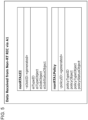
- Figure 3 is a schematic representation of the structure of system and/or data of the Near-RT RIC.
- Figure 4 illustrates the classes included in the xApp runtime data, in the platform database.
- Figure 5 illustrates the classes included in the data received from the Non-RT RIC via the A1 interface, in the platform database.
- Figure 6 illustrates the classes included in the subscriptions/routing data, in the platform database.
- Figure 7 illustrates the classes included in the xApp RAN functions/xApp RAN parameters in the xApp deployment data, in the platform database.
- Figure 8 illustrates the other classes included in the xApp deployment data, in the platform database.
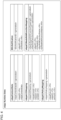
- Figure 9 illustrates the classes included in the E2 node RAN function/E2 node RAN parameter configuration of the R-NIB.
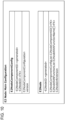
- Figure 10 illustrates the classes included in the E2 node main configuration of the R-NIB.
- Figure 11 schematically shows an example of the relationship between classes in the R-NIB.
- Figure 12 schematically shows an example of the relationship between classes in the xApp deployment data of the platform database.
- Figure 13 schematically shows an example of the relationship between classes in the xApp deployment data and the xApp runtime data of the platform database.
- Figure 14 schematically shows an example of the relationship between classes in the subscriptions/routing data and the xApp runtime data of the platform database.
- Figure 15 shows a variation of the class relationship.
- FIG. 1 shows a schematic overview of the radio access network control apparatus according to the present embodiment.
- This radio access network control apparatus is a RAN control apparatus that controls radio access network in accordance with the O-RAN.
- the SMO Service Management and Orchestration
- the SMO controls the entire RAN control apparatus or the entire O-RAN and coordinates the operations of each portion.
- the SMO is equipped with a Non-RT RIC (Non-Real Time RAN Intelligent Controller) that functions as the overall control processor responsible for overall control.
- the Non-RT RIC which has a relatively long control cycle (e.g. 1 second or longer), issues guidelines, policies, guidance etc. concerning the operation of each RAN node (O-CU and/or O-DU as described below).
- the Non-RT RIC executes application software called rApp to issue operational policy for each RAN node to the Near-RT RIC (Near-Real Time R_AN Intelligent Controller) through the A1 interface.
- the Near-RT RIC which has a relatively short control cycle (e.g. shorter than 1 second), executes application software called xApp to control each RAN node (O-CU/O-DU) itself and/or general-purpose hardware etc. in the radio unit (O-RU) connected to each of the RAN nodes through the E2 interface.
- the illustrated RAN node has an O-CU, which is an O-RAN compliant central unit (CU), and/or O-DU, which is an O-RAN compliant distributed unit (DU). Both of the O-CU and the O-DU are responsible for baseband processing in the O-RAN, where the O-CU is provided on the side of the core network (not shown in the figure), and the O-DU is provided on the side of the O-RU, which is an O-RAN compliant radio unit (RU).
- the O-CU may be divided into the O-CU-CP, which constitutes the control plane (CP), and the O-CU-UP, which constitutes the user plane (UP).
- the O-CU and the O-DU may be integrally configured as a single baseband processing unit.
- the O-eNB as a base station compliant with the O-RAN and the 4th generation mobile communication system (4G), may be provided as a RAN node.
- One or more O-RUs are connected to each RAN node (O-CU/O-DU) and are controlled by the Near-RT RIC via each of the RAN nodes.
- a communication device (UE: User Equipment) in the communication cell provided by each O-RU can be connected to each of the O-RUs, and can perform mobile communication with the core network (not shown) via each RAN node (O-CU/O-DU).
- Each RAN node (O-CU/O-DU) and the Near-RT RIC provide operational data etc. of each RAN node, each O-RU and each UE through the O1 interface to the SMO for so-called FCAPS (Fault, Configuration, Accounting, Performance, Security).
- FCAPS fault, Configuration, Accounting, Performance, Security
- the SMO updates as necessary the operational policy for each RAN node issued by the Non-RT RIC to the Near-RT RIC through the A1 interface, based on the operational data acquired through the O1 interface.
- the O-RUs may be connected to the SMO for the FCAPS by the O1 interface and/or other interfaces (e.g. Open Fronthaul M-Plane).
- the O-Cloud as a virtual infrastructure that virtually manages a set of the plurality of RAN nodes (O-CUs/O-DUs) is connected to the SMO by an O2 interface.
- the SMO generates a resource allocation policy concerning the resource allocation and/or a workload management policy concerning the workload management of the plurality of RAN nodes, based on the operational states of the plurality of RAN nodes (O-CUs/O-DUs) acquired from the O-Cloud through the O2 interface, and issues them to the O-Cloud through the O2 interface.
- FIG 2 schematically shows the various functions realized in the SMO and/or the Non-RT RIC and the O-Cloud.
- SMO three main functions are realized, which are the FOCOM (Federated O-Cloud Orchestration and Management), the NFO (Network Function Orchestrator) and the OAM Function.
- O-Cloud two main functions are realized, which are the IMS (Infrastructure Management Services) and the DMS (Deployment Management Services).
- the FOCOM manages resources in the O-Cloud, while receiving services from the IMS of the O-Cloud through the O2 interface (O2ims).
- the NFO realizes the orchestrated operation of a set of network functions (NFs) by a plurality of NF Deployments in the O-Cloud, while receiving services from the DMS of the O-Cloud through the O2 interface (O2dms).
- the NFO may utilize the OAM Function to access the deployed NFs through the O1 interface.
- the OAM Function is responsible for the FCAPS management of O-RAN managed entities such as the RAN nodes.
- the OAM Function in the present embodiment can be a functional block where callbacks are provided for receiving data concerning failures and/or operational states of the plurality of RAN nodes that are virtually managed by the O-Cloud, by monitoring processes or procedures over the O2ims and/or the O2dms.
- the IMS is responsible for managing the O-Cloud resources (hardware) and/or the software used for managing them, and provides services primarily to the FOCOM of the SMO.
- the DMS is responsible for the management of the plurality of NF Deployments in the O-Cloud, specifically the initiation, monitoring, termination etc., and provides services primarily to the NFO of the SMO.
- FIG 3 is a schematic representation of the structure of system and/or data of the Near-RT RIC.
- the Near-RT RIC in the illustrated example has a database or a platform database (Platform Database) and a R-NIB (Radio-Network Information Base).
- the Platform Database handles xApp Runtime Data, xApp Deployment Data, Data Received from Non-RT RIC via A1 (interface), and Subscriptions and Routing Data.
- the R-NIB handles E2 Node RAN Function and E2 Node RAN Parameter Configuration and E2 Node Main Configuration.
- each part of the Near-RT RIC in Figure 3 will be described in detail using the concept of a class diagram in the unified modeling language (UML).
- UML unified modeling language
- technological concept according to the present disclosure can be applied to system and/or data described by any modeling languages and/or expressions other than UML.
- each rectangular class shown in a class diagram has at most three lines: class name, attribute (field) and class operation (method).
- “generated” shown in attribute and/or class operation indicates that the data is generated by this class
- PK indicates a primary key constraint
- FK indicates a foreign key constraint.
- Figure 4 illustrates the classes included in the xApp Runtime Data, in the platform database.
- a class related to the xApp runtime context data has "xAppContextData” as a class name, " ⁇ xAppContextDataID: ⁇ generated>>” as an attribute, and " ⁇ xAppID: ⁇ FK>>", " ⁇ xAppContextData” as class operations.
- a class related to the xApp runtime A1-EI (A1 Enrichment Information) mapping has "xAppA1EIMapping" as a class name, " ⁇ xAppA1EIMapping: ⁇ generated>>” as an attribute, and " ⁇ xAppEIJobID: ⁇ FK>>", “ ⁇ xAppID: ⁇ FK>>”, “ ⁇ eiJobID: ⁇ FK>>” as class operations.
- a class related to the xApp runtime A1 policy mapping has "xAppA1PolicyMapping" as a class name, " ⁇ xAppA1PolicyMapping: ⁇ generated>>” as an attribute, and " ⁇ xAppPolicyID: ⁇ FK>>", “ ⁇ xAppID: ⁇ FK>>”, “ ⁇ policyID: ⁇ FK>>” as class operations.
- a class related to the xApp runtime SDL (Shared Data Layer) notification has “SDLNotification” as a class name, “ ⁇ SDLNotificationID: ⁇ generated>>” as an attribute, and “ ⁇ xAppID: ⁇ FK>>", “ ⁇ E2NodeId: ⁇ FK>>” as class operations.
- a class related to the xApp runtime E2 node RAN function mapping has "xAppE2NodeRANFunctionMapping" as a class name, " ⁇ xAppE2NodeRANFunctionMappingID: ⁇ generated>>”, “ ⁇ xAppRANFunctioninstanceID: ⁇ generated>>” as attributes, and " ⁇ xAppID: ⁇ FK>>", “ ⁇ E2NodeID: ⁇ FK>>”, “ ⁇ xAppR_ANFunctionName : «FK»”, “ ⁇ E2NodeRANFunctionName: ⁇ FK>>” as class operations.
- Each class included in these xApp runtime data is described by UML as follows.
- Figure 5 illustrates the classes included in the Data Received from Non-RT RIC via A1 (Interface), in the platform database.
- a class related to the A1-EI (A1 Enrichment Information) received from Non-RT RIC has "nonRTA1EI” as a class name, " ⁇ eiJobID: ⁇ generated>>” as an attribute, and "eiTypeID”, "eiTypeObject”, “eiJobObject”, “eiJobStatusObject” as class operations.
- a class related to the A1 policy received from Non-RT RIC has "nonRTA1Policy” as a class name, " ⁇ policyID: ⁇ generated>>” as an attribute, and "policyTypeID”, "policyObject”, “policyTypeObject”, “policyStatusObject” as class operations.
- Figure 6 illustrates the classes included in the Subscriptions and Routing Data, in the platform database.
- a class related to the distribution has "Distribution” as a class name, " ⁇ distributionID: ⁇ generated>>”, “ ⁇ requestID: ⁇ FK>>” as attributes, and "xAppInstanceID”, “E2TerminationInstanceID”, “eventTrigger: (from RANSubFunction)”, “actionID: (from RANSubFunction)” as class operations.
- a class related to the subscription has "Subscription” as a class name, " ⁇ requestID:[requestorID(xAppID),xAppInstanceID] ⁇ generated>>”, “ ⁇ subscriptionManagerInstanceID: ⁇ generated>>” as attributes, and " ⁇ distributionList:distributionID[] ⁇ FK>>", “ ⁇ xAppE2NodeRANFunctionMappingID: ⁇ FK>>” as class operations.
- Each class included in these subscriptions and routing data is described by UML as follows.
- Figure 7 illustrates the classes included in the xApp RAN Functions and xApp RAN Parameters in the xApp Deployment Data, in the platform database.
- a class related to the xApp RAN parameter has "xAppRANParameter” as a class name, " ⁇ xAppRANParameterID: ⁇ generated>>", " ⁇
- Figure 8 illustrates the other classes included in the xApp Deployment Data, in the platform database.
- a class related to the xApp policy has "xAppPolicy” as a class name, " ⁇ xAppPolicyID: ⁇ generated>>”, “ ⁇ xAppID: ⁇ FK>>” as attributes, and " ⁇
- FIG. 9 illustrates the classes included in the E2 Node RAN Function and E2 Node RAN Parameter Configuration of the R-NIB.
- a class related to the E2 node RAN parameter has "E2NodeRANParameter" as a class name, " ⁇
- Figure 10 illustrates the classes included in the E2 Node Main Configuration of the R-NIB.
- a class related to the E2 node component configuration has "E2NodeComponentConfig" as a class name, " ⁇ E2NodeComponentID: ⁇ generated>>”, “ ⁇ E2NodeID: ⁇ FK>>” as attributes, and "E2NodeComponentConfiguration", "version” as class operations.
- the relationship between the classes included in the platform database (xApp runtime data, xApp deployment data, data received from Non-RT RIC via A1 interface, subscriptions/routing data etc.) and the R-NIB (E2 node RAN function/E2 node RAN parameter configuration, E2 node main configuration) will be described in detail using the concept of the class diagram in UML.
- defined types of relationship between classes include association, aggregation, composition, dependency, generalization, specialization, realization, implementation etc.
- appropriate type of relationship is set between each of the correlated classes in accordance with contexts, UML examples, and expressions in each figure.
- Figure 12 schematically shows an example of the relationship between classes in the xApp deployment data of the platform database.
- the following description correlates the xApp configured by the class "xAppRegistrationConfig” in the xApp Deployment Data ( Figure 8 ) to the classes “xAppR_ANFunction", “xAppRANSubFunction”, “xAppR_ANParameter” in the xApp RAN Functions and xApp RAN Parameters ( Figure 7 ).
- the class "xAppRegistrationConfig” and/or the xApp are correlated to the class "xAppR_ANFunction”
- the class “xAppR_ANFunction” is correlated to the class "xAppRANSubFunction”
- the class “xAppRANSubFunction” is correlated to the class "xAppRANParameter”.
- the attribute "xAppID” in the class "xAppRegistrationConfig” is correlated; via the class operation “xAppEIJobIDList:xAppEIJobID[]", to the attribute "xAppA1EIMapping" and the class operation "eiJobID” in the class "xAppA1EIMapping”; via the class operation “xAppPolicyIDList:xAppPolicyID”, to the attribute "xAppA1PolicyMapping" and the class operation "policyID” in the class “xAppA1PolicyMapping”; and via the class operation “xAppR_ANFunctionList:xAppR_ANFunctionName[]", to the attributes "xAppE2NodeRANFunctionMappingID", “xAppR_ANFunctioninstanceID” and the class operations "xAppRANFunctionName", "E2NodeRANFunctionName” in the class "xAppE2NodeRANFunctionMapping".
- Figure 14 schematically shows an example of the relationship between classes in the subscriptions/routing data and the xApp runtime data of the platform database.
- the class "xAppContextData” is correlated to the class “xAppRegistrationConfig”
- the class “xAppA1EIMapping” is correlated to the classes “nonRTA1EI”
- the class “xAppA1PolicyMapping” is correlated to the classes “nonRTA1Policy”
- the class “SDLNotification” is correlated to the classes “xAppRegistrationConfig”
- the class “xAppE2NodeRANFunctionMapping” is correlated to the classes “Subscription”
- the class “Distribution” is correlated to the class “Subscription”
- the structure of system and/or data of the Near-RT RIC was described in the embodiments of Figure 3 etc., focusing on data that can be communicated via the E2 interface and/or the A1 interface, the structure of system and/or data of the Near-RT RIC can be defined similarly to the embodiments, also considering data that can be communicated via the O1 interface.
- each apparatus and/or each method described in the embodiments can be realized by hardware resources or software resources, or by the cooperation of hardware resources and software resources.
- hardware resources for example, processors, ROMs, RAMs and various integrated circuits can be used.
- software resources for example, programs such as operating systems and applications can be used.
- the present disclosure may be expressed as the following items.
- the present disclosure relates to structure of system and/or data of the Near-RT RIC of the O-RAN.
Landscapes
- Engineering & Computer Science (AREA)
- Computer Networks & Wireless Communication (AREA)
- Signal Processing (AREA)
- Mobile Radio Communication Systems (AREA)
Abstract
Description
- The present disclosure relates to structure of system and/or data of the Near-RT RIC of the O-RAN
- For the purpose of the so-called open radio access network (RAN) in a mobile communication system, "Open RAN", "O-RAN", "vRAN" etc. are being considered. In this specification, "O-RAN" is used as a comprehensive term for such various "open radio access networks". Therefore, the interpretation of "O-RAN" in this specification is not limited to the standard and/or the specification of the same name "O-RAN" specified by the O-RAN Alliance. In an O-RAN, a virtual infrastructure also referred to as O-Cloud that virtually manages a set of a plurality of radio access network nodes (RAN nodes) is provided.
- Patent Literature 1:
JP-A-2021-83058 - A controller of the O-RAN comprises a Non-RT RIC (Non-Real Time RAN Intelligent Controller) and a Near-RT RIC (Near-Real Time R_AN Intelligent Controller). The Non-RT RIC, which has a relatively long control cycle (e.g. 1 second or longer), executes application software called rApp. The Near-RT RIC, which has a relatively short control cycle (e.g. shorter than 1 second), executes application software called xApp. The Near-RT RIC not only collects a large amount of data from each RAN node (O-CU/O-DU) itself connected via the E2 interface and/or the radio unit (O-RU) connected to each of such RAN nodes, and/or from the Non-RT RIC connected via the A1 interface, but also is required to process the large amount of data within the short control cycle. Nevertheless, the structure of system and/or data of the Near-RT RIC has not been sufficiently defined.
- The present disclosure was made in view of these circumstances, and its purpose is to provide a radio access network control apparatus and the like that comprises a Near-RT RIC whose structure is defined.
- In order to solve the above problem, according to a radio access network control apparatus in a certain aspect of the present disclosure, a class related to the E2 node is correlated to a class related to the E2 node component configuration, in the Near-RT RIC (Near-Real Time R_AN Intelligent Controller) of the O-RAN.
- Another aspect of the present disclosure is also a radio access network control apparatus. According to the apparatus, a class related to the E2 node is correlated to a class related to the E2 node RAN function, in the Near-RT RIC (Near-Real Time R_AN Intelligent Controller) of the O-RAN.
- Further another aspect of the present disclosure is also a radio access network control apparatus. According to the apparatus, a class related to the xApp registration configuration is correlated to at least one of a class related to the xApp policy, a class related to the xApp messaging configuration, a class related to the xApp enrichment information, and a class related to the xApp API enablement configuration, in the Near-RT RIC (Near-Real Time RAN Intelligent Controller) of the O-RAN.
- Further another aspect of the present disclosure is also a radio access network control apparatus. According to the apparatus, a class related to the xApp registration configuration is correlated to a class related to the xApp RAN function, in the Near-RT RIC (Near-Real Time R_AN Intelligent Controller) of the O-RAN.
- Further another aspect of the present disclosure is also a radio access network control apparatus. According to the apparatus, a class related to the xApp registration configuration is correlated to at least one of a class related to the xApp runtime A1 enrichment information mapping, a class related to the xApp runtime A1 policy mapping, and a class related to the xApp runtime E2 node RAN function mapping, in the Near-RT RIC (Near-Real Time R_AN Intelligent Controller) of the O-RAN.
- Further another aspect of the present disclosure is also a radio access network control apparatus. According to the apparatus, a class related to the subscription is correlated to a class related to the xApp runtime E2 node RAN function mapping, in the Near-RT RIC (Near-Real Time R_AN Intelligent Controller) of the O-RAN.
- In addition, any combination of the above components, and any conversion of the expression of the present disclosure among methods, devices, systems, recording media, computer programs and the like are also encompassed within this disclosure.
- According to the present disclosure, a radio access network control apparatus and the like that comprises a Near-RT RIC whose structure is defined can be provided.
-
Figure 1 is a schematic overview of a radio access network control apparatus.Figure 2 schematically shows various functions realized in the SMO and/or the Non-RT RIC and O-Cloud.Figure 3 is a schematic representation of the structure of system and/or data of the Near-RT RIC.Figure 4 illustrates the classes included in the xApp runtime data, in the platform database.Figure 5 illustrates the classes included in the data received from the Non-RT RIC via the A1 interface, in the platform database.Figure 6 illustrates the classes included in the subscriptions/routing data, in the platform database.Figure 7 illustrates the classes included in the xApp RAN functions/xApp RAN parameters in the xApp deployment data, in the platform database.Figure 8 illustrates the other classes included in the xApp deployment data, in the platform database.Figure 9 illustrates the classes included in the E2 node RAN function/E2 node RAN parameter configuration of the R-NIB.Figure 10 illustrates the classes included in the E2 node main configuration of the R-NIB.Figure 11 schematically shows an example of the relationship between classes in the R-NIB.Figure 12 schematically shows an example of the relationship between classes in the xApp deployment data of the platform database.Figure 13 schematically shows an example of the relationship between classes in the xApp deployment data and the xApp runtime data of the platform database.Figure 14 schematically shows an example of the relationship between classes in the subscriptions/routing data and the xApp runtime data of the platform database.Figure 15 shows a variation of the class relationship. - In the following, the present embodiment is described in accordance with the "O-RAN" which is the standard and/or the specification developed by the O-RAN Alliance. Therefore, the known terms defined in "O-RAN" will be used in the present embodiment just for convenience, but the technologies according to this disclosure can be applied to other existing radio access networks such as "Open RAN" and "vRAN" and/or to similar radio access networks that may be developed in the future.
-
Figure 1 shows a schematic overview of the radio access network control apparatus according to the present embodiment. This radio access network control apparatus is a RAN control apparatus that controls radio access network in accordance with the O-RAN. The SMO (Service Management and Orchestration) controls the entire RAN control apparatus or the entire O-RAN and coordinates the operations of each portion. The SMO is equipped with a Non-RT RIC (Non-Real Time RAN Intelligent Controller) that functions as the overall control processor responsible for overall control. The Non-RT RIC, which has a relatively long control cycle (e.g. 1 second or longer), issues guidelines, policies, guidance etc. concerning the operation of each RAN node (O-CU and/or O-DU as described below). Specifically, the Non-RT RIC executes application software called rApp to issue operational policy for each RAN node to the Near-RT RIC (Near-Real Time R_AN Intelligent Controller) through the A1 interface. The Near-RT RIC, which has a relatively short control cycle (e.g. shorter than 1 second), executes application software called xApp to control each RAN node (O-CU/O-DU) itself and/or general-purpose hardware etc. in the radio unit (O-RU) connected to each of the RAN nodes through the E2 interface. - The illustrated RAN node has an O-CU, which is an O-RAN compliant central unit (CU), and/or O-DU, which is an O-RAN compliant distributed unit (DU). Both of the O-CU and the O-DU are responsible for baseband processing in the O-RAN, where the O-CU is provided on the side of the core network (not shown in the figure), and the O-DU is provided on the side of the O-RU, which is an O-RAN compliant radio unit (RU). The O-CU may be divided into the O-CU-CP, which constitutes the control plane (CP), and the O-CU-UP, which constitutes the user plane (UP). The O-CU and the O-DU may be integrally configured as a single baseband processing unit. The O-eNB as a base station compliant with the O-RAN and the 4th generation mobile communication system (4G), may be provided as a RAN node. One or more O-RUs are connected to each RAN node (O-CU/O-DU) and are controlled by the Near-RT RIC via each of the RAN nodes. A communication device (UE: User Equipment) in the communication cell provided by each O-RU can be connected to each of the O-RUs, and can perform mobile communication with the core network (not shown) via each RAN node (O-CU/O-DU).
- Each RAN node (O-CU/O-DU) and the Near-RT RIC provide operational data etc. of each RAN node, each O-RU and each UE through the O1 interface to the SMO for so-called FCAPS (Fault, Configuration, Accounting, Performance, Security). The SMO updates as necessary the operational policy for each RAN node issued by the Non-RT RIC to the Near-RT RIC through the A1 interface, based on the operational data acquired through the O1 interface. The O-RUs may be connected to the SMO for the FCAPS by the O1 interface and/or other interfaces (e.g. Open Fronthaul M-Plane).
- The O-Cloud as a virtual infrastructure that virtually manages a set of the plurality of RAN nodes (O-CUs/O-DUs) is connected to the SMO by an O2 interface. The SMO generates a resource allocation policy concerning the resource allocation and/or a workload management policy concerning the workload management of the plurality of RAN nodes, based on the operational states of the plurality of RAN nodes (O-CUs/O-DUs) acquired from the O-Cloud through the O2 interface, and issues them to the O-Cloud through the O2 interface.
-
Figure 2 schematically shows the various functions realized in the SMO and/or the Non-RT RIC and the O-Cloud. In the SMO, three main functions are realized, which are the FOCOM (Federated O-Cloud Orchestration and Management), the NFO (Network Function Orchestrator) and the OAM Function. In the O-Cloud, two main functions are realized, which are the IMS (Infrastructure Management Services) and the DMS (Deployment Management Services). - The FOCOM manages resources in the O-Cloud, while receiving services from the IMS of the O-Cloud through the O2 interface (O2ims). The NFO realizes the orchestrated operation of a set of network functions (NFs) by a plurality of NF Deployments in the O-Cloud, while receiving services from the DMS of the O-Cloud through the O2 interface (O2dms). The NFO may utilize the OAM Function to access the deployed NFs through the O1 interface. The OAM Function is responsible for the FCAPS management of O-RAN managed entities such as the RAN nodes. The OAM Function in the present embodiment can be a functional block where callbacks are provided for receiving data concerning failures and/or operational states of the plurality of RAN nodes that are virtually managed by the O-Cloud, by monitoring processes or procedures over the O2ims and/or the O2dms. The IMS is responsible for managing the O-Cloud resources (hardware) and/or the software used for managing them, and provides services primarily to the FOCOM of the SMO. The DMS is responsible for the management of the plurality of NF Deployments in the O-Cloud, specifically the initiation, monitoring, termination etc., and provides services primarily to the NFO of the SMO.
-
Figure 3 is a schematic representation of the structure of system and/or data of the Near-RT RIC. The Near-RT RIC in the illustrated example has a database or a platform database (Platform Database) and a R-NIB (Radio-Network Information Base). The Platform Database handles xApp Runtime Data, xApp Deployment Data, Data Received from Non-RT RIC via A1 (interface), and Subscriptions and Routing Data. The R-NIB handles E2 Node RAN Function and E2 Node RAN Parameter Configuration and E2 Node Main Configuration. - In the following, the configurations and/or processes of each part of the Near-RT RIC in
Figure 3 will be described in detail using the concept of a class diagram in the unified modeling language (UML). However, it should be noted that technological concept according to the present disclosure can be applied to system and/or data described by any modeling languages and/or expressions other than UML. As is well known in UML, each rectangular class shown in a class diagram has at most three lines: class name, attribute (field) and class operation (method). In the following examples, "generated" shown in attribute and/or class operation indicates that the data is generated by this class, "PK" indicates a primary key constraint, and "FK" indicates a foreign key constraint. -
Figure 4 illustrates the classes included in the xApp Runtime Data, in the platform database. A class related to the xApp runtime context data has "xAppContextData" as a class name, "·xAppContextDataID:<<generated>>" as an attribute, and "·xAppID:<<FK>>", "·xAppContextData" as class operations. A class related to the xApp runtime A1-EI (A1 Enrichment Information) mapping has "xAppA1EIMapping" as a class name, "·xAppA1EIMapping:<<generated>>" as an attribute, and "·xAppEIJobID:<<FK>>", "·xAppID:<<FK>>", "·eiJobID:<<FK>>" as class operations. A class related to the xApp runtime A1 policy mapping has "xAppA1PolicyMapping" as a class name, "· xAppA1PolicyMapping:<<generated>>" as an attribute, and "· xAppPolicyID:<<FK>>", "·xAppID:<<FK>>", "·policyID:<<FK>>" as class operations. A class related to the xApp runtime SDL (Shared Data Layer) notification has "SDLNotification" as a class name, "·SDLNotificationID:<<generated>>" as an attribute, and "·xAppID:<<FK>>", "·E2NodeId:<<FK>>" as class operations. A class related to the xApp runtime E2 node RAN function mapping has "xAppE2NodeRANFunctionMapping" as a class name, "·xAppE2NodeRANFunctionMappingID:<<generated>>", "·xAppRANFunctioninstanceID:<<generated>>" as attributes, and "·xAppID:<<FK>>", "·E2NodeID:<<FK>>", "· xAppR_ANFunctionName : «FK»", "·E2NodeRANFunctionName:<<FK>>" as class operations. Each class included in these xApp runtime data is described by UML as follows. -
- xAppE2NodeR_ANFunctionMapping:$xAppE2NodeR_ANFunctionMappingID: $xAppRANFunctionInstanceID:$xAppID
- xAppE2NodeR_ANFunctionMapping:$xAppE2NodeR_ANFunctionMappingID: $xAppR_ANFunctionInstanceID:$E2NodeID
- xAppE2NodeR_ANFunctionMapping:$xAppE2NodeR_ANFunctionMappingID: $xAppRANFunctionInstanceID:$xAppRANFunctionName
- xAppE2NodeR_ANFunctionMapping:$xAppE2NodeR_ANFunctionMappingID: $xAppR_ANFunctionInstanceID:$E2NodeR_ANFunctionName
- xAppA1PolicyMapping:$xAppA1PolicyMappinID:$xAppPolicyID:$xApp ID
- xAppA1PolicyMapping:$xAppA1PolicyMappinID:$xAppPolicyID:$poli cyID
- xAppA1EIMapping:$xAppA1EIMappingID:$xAppEIJobID:$xAppID
- xAppA1EIMapping:$xAppA1EIMappingID:$xAppEIJobID:$eiJobID
- xAppContextData:$xAppContextDataID:$xAppID
- xAppContextData:$xAppContextDataID:$xAppContextData
- SDLNotification:$SDLNotificationID:$xAppID
- SDLNotification:$SDLNotificationID:$E2NodeId
-
Figure 5 illustrates the classes included in the Data Received from Non-RT RIC via A1 (Interface), in the platform database. A class related to the A1-EI (A1 Enrichment Information) received from Non-RT RIC has "nonRTA1EI" as a class name, "·eiJobID:<<generated>>" as an attribute, and "eiTypeID", "eiTypeObject", "eiJobObject", "eiJobStatusObject" as class operations. A class related to the A1 policy received from Non-RT RIC has "nonRTA1Policy" as a class name, "̇·policyID:<<generated>>" as an attribute, and "policyTypeID", "policyObject", "policyTypeObject", "policyStatusObject" as class operations. Each class included in these data received from Non-RT RIC via A1 (interface) is described by UML as follows. -
- nonRTA1Policy:$policyID:$policyTypeID
- nonRTA1Policy:$policyID:$policyObject
- nonRTA1Policy:$policyID:$policyTypeObject
- nonRTA1Policy:$policyID:$policyStatusObject
- nonRTA1EI:$eiJobID:$eiTypeID
- nonRTA1EI:$eiJobID:$eiTypeObject
- nonRTA1EI:$eiJobID:$eiJobObject
- nonRTA1EI:$eiJobID:$eiJobStatusObject
-
Figure 6 illustrates the classes included in the Subscriptions and Routing Data, in the platform database. A class related to the messaging route has "MessagingRoute" as a class name, "·messagingRouteID:<<generated>>", "· requestID:<<FK>>", "·distributionID:<<FK>>", "messageType" as attributes, and "senderEndPoint(hostname/IP.port - InstanceID)", "receiverEndPoint(hostname/IP.port - InstanceID=" as class operations. A class related to the distribution has "Distribution" as a class name, "· distributionID:<<generated>>", "·requestID:<<FK>>" as attributes, and "xAppInstanceID", "E2TerminationInstanceID", "eventTrigger: (from RANSubFunction)", "actionID: (from RANSubFunction)" as class operations. A class related to the subscription has "Subscription" as a class name, "· requestID:[requestorID(xAppID),xAppInstanceID]<<generated>>", "·subscriptionManagerInstanceID:<<generated>>" as attributes, and "·distributionList:distributionID[]<<FK>>", "· xAppE2NodeRANFunctionMappingID:<<FK>>" as class operations. Each class included in these subscriptions and routing data is described by UML as follows. -
- Subscription:$requestID: [requestorID(xAppID), xAppInstanceID]:$subscriptionManagerInstanceID:$distributionL ist:$distributionID[]
- Subscription:$requestID: [requestorID(xAppID), xAppInstanceID]:$subscriptionManagerInstanceID:$xAppE2NodeRAN FunctionMappingID
- Distribution:$distributionID:$requestID:$xAppInstanceID
- Distribution:$distributionID:$requestID:$E2TerminationInstanc eID
- Distribution:$distributionID:$requestID:$eventTrigger(from RANSubFunction)
- Distribution:$distributionID:$requestID:$actionID(from RANSubFunction)
- MessagingRoute:$messagingRouteID:$messageType:$requestID:$dis tributionID:$senderEndPoint(hostname/IP.port - InstanceID) MessagingRoute:$messagingRouteID:$messageType:$requestID:$dis tributionID:$receiverEndPoint(hostname/IP.port - InstanceID)
-
Figure 7 illustrates the classes included in the xApp RAN Functions and xApp RAN Parameters in the xApp Deployment Data, in the platform database. A class related to the xApp RAN parameter has "xAppRANParameter" as a class name, "·xAppRANParameterID:<<generated>>", "· - xAppR_ANFunctionName : «FK»" as attributes, and "xAppRANParameterName", "xAppRANParameterType" as class operations. A class related to the xApp RAN function has "xAppR_ANFunction" as a class name, ".
- xAppRANFunctionName:[ranFunctionShortName,ranFunctionE2SMOID, ranFunctionDescription,ranFunctionInstance]<<PK>>" as an attribute, and
- "xAppSubFunctionTypeList:xAppSubFunctionTypeID[]", "version" as class operations. A class related to the xApp RAN sub-function has "xAppRANSubFunction" as a class name, ".
- xAppSubFunctionTypeID:[]<<PK>>generated", "·
- xAppRANFunctionName:[ranFunctionShortName,ranFunctionE2SMOID, ranFunctionDescription,ranFunctionInstance]:<<FK>>" as attributes, and
- "RICEventTriggerStyleList:[ricStyleType,ricStyleName,ricForma tType]",
- "RICReportStyleList:[ricReportStyleType,ricReportStyleName,ri cReportActionFormatType,RANparameterIDList:xAppRANparameterID [],ricIndicationHeaderFormatType,ricIndicationMessageFormatTy pe]",
- "RICInsertStyleList: [ricInsertStyleType,ricInsertStyleName,ri cInsertActionFormatType,RANparameterIDList:xAppRANparameterID [],ricIndicationHeaderFormatType,ricIndicationMessageFormatTy pe,ricCallProcessIDFormatType]",
- "RICControlStyleList:[ricControlStyleType,ricControlStyleName ,ricControlFormatType,ricControlHeaderFormatType,ricControlMe ssageFormatType,ricCallProcessIDFormatType,ricControlOutcomeF ormatType,RANparameterIDList:xAppRANparameterID[],]",
- "RICPolicyStyleList:[ricPolicyStyleType,ricPolicyStyleName,ri cPolicyActionFormatType,RANparameterIDList:xAppRANparameterID [],]" as class operations. Each class included in these xApp RAN functions and xApp RAN parameters is described by UML as follows.
- xAppR_ANFunction:$xAppR_ANFunctionName: [$ranFunctionShortName, $ranFunctionE2SMOID,
- $ranFunctionDescription, $ranFunctionInstance ]: $xAppSubFunctionTypeList:$xAppSubFunctionTypeID xAppR_ANFunction:$xAppR_ANFunctionName: [$ranFunctionShortName, $ranFunctionE2SMOID, $ranFunctionDescription, $ranFunctionInstance ]:$version
- xAppRANSubFunction:$xAppRANFunctionName:
- [$ranFunctionShortName, $ranFunctionE2SMOID,
- $ranFunctionDescription, $ranFunctionInstance
- ]:$xAppSubFunctionTypeID:$RICEventTriggerStyleList:[$ricStyle Type,$ricStyleName, ricFormatType]
- xAppR_ANSubFunction:$xAppR_ANFunctionName:
- [$ranFunctionShortName, $ranFunctionE2SMOID,
- $ranFunctionDescription,
- $ranFunctionInstance ]:$xAppSubFunctionTypeID:$RICReportStyle List
- :[$ricReportStyleType,$ricReportStyleName,
- $ricReportActionFormatType,$RANparameterIDList :$xAppR_ANparameterID[], $ricIndicationHeaderFormatType,
- $ricIndicationMessageFormatType] xAppRANSubFunction:$xAppRANFunctionName:
- [$ranFunctionShortName, $ranFunctionE2SMOID,
- $ranFunctionDescription,
- $ranFunctionInstance]:$xAppSubFunctionTypeID:$RICInsertStyleL ist : [$ricInsertStyleType,
- $ricInsertStyleName,
- $ricInsertActionFormatType,$RANparameterIDList : $xAppRANparameterID []],
- $ricIndicationHeaderFormatType,
- $ricIndicationMessageFormatType, $ricCallProcessIDFormatType] xAppRANSubFunction:$xAppRANFunctionName:
- [$ranFunctionShortName, $ranFunctionE2SMOID,
- $ranFunctionDescription,
- $ranFunctionInstance]:$xAppSubFunctionTypeID:$RICControlStyle List :
- [$ricControlStyleType,$ricControlStyleName,$ricControlFormatT ype, $ricControlHeaderFormatType,
- $ricControlMessageFormatType,$ricCallProcessIDFormatType, $ricControlOutcomeFormatType,$RANparameterIDList :
- $xAppRANparameterID [], ]
- xAppR_ANSubFunction:$xAppR_ANFunctionName:
-
Figure 8 illustrates the other classes included in the xApp Deployment Data, in the platform database. A class related to the xApp policy has "xAppPolicy" as a class name, "·xAppPolicyID:<<generated>>", "·xAppID:<<FK>>" as attributes, and "· - xAppRANFunctionList:xAppRANFunctionName[]<<FK>>", "policyObject", "policyTypeObject", "policyStatusObject" as class operations. A class related to the xApp registration configuration has "xAppRegistrationConfig" as a class name, "·xAppID:<<generated>>" as an attribute, and "•
- authorizedAPIList:APIType[]<<FK>>", "·
- xAppRANFunctionList:xAppRANFunctionName[]<<FK>>", "·
- xAppPolicyIDList:xAppPolicyID[]<<FK>>", "·
- xAppEIJobIDList:xAppEIJobID[]<<FK>>", "·
- SDLNotificationIDList:SDLNotificationID[]<<FK>>",
- "xAppMessagingConfigID<<FK>>", "probeList[]", "metricList[]", "containerList[]", "name", "vendor", "version" as class operations. A class related to the xApp messaging
- configuration has "xAppMessagingConfig" as a class name, "• xAppMessagingConfigID<<generated>>", "·xAppID:<<FK>>" as attributes, and "hostname/IP", "port",
- "rxMessageList:messageType[]", "txMessageList:messageType[]" as class operations. A class related to the xApp EI (Enrichment Information) has "xAppEI" as a class name, ".
- xAppEIJpbID:<<generated>>", "·xAppID:<<FK>>" as attributes, and "eiTypeObject", "eiJobObject", "eiJobStatusObject" as class operations. A class related to the xApp API enablement configuration has "xAppAPIEnablementConfig" as a class name, "·APIType<<generated>>", "·xAppID:<<FK>>" as attributes, and "authorizationStatus", "servingAreaInfo", "protocols", "Interfaces" as class operations. Each class included in these xApp deployment data is described by UML as follows.
- xAppRegistrationConfig:$xAppID:$authorizedAPIList:$APIType[] xAppRegistrationConfig:$xAppID:$xAppRANFunctionList:$xAppRANF unctionName[]
- xAppRegistrationConfig:$xAppID:$xAppPolicyIDList:$xAppPolicyI D[]
- xAppRegistrationConfig:$xAppID:$xAppEIJobIDList:$xAppEIJobID[ ]
- xAppRegistrationConfig:$xAppID:$SDLNotificationIDList:$SDLNot ificationID[]
- xAppRegistrationConfig:$xAppID:$xAppMessagingConfigID xAppRegistrationConfig:$xAppID:$probeList[] xAppRegistrationConfig:$xAppID:$metricList[] xAppRegistrationConfig:$xAppID:$containerList[] xAppRegistrationConfig:$xAppID:$name xAppRegistrationConfig:$xAppID:$vendor xAppRegistrationConfig:$xAppID:$version
- xAppAPIEnablementConfig:$APIType:$xAppID:$authorizationStatus xAppAPIEnablementConfig:$APIType:$xAppID:$servingAreaInfo xAppAPIEnablementConfig:$APIType:$xAppID:$protocols xAppAPIEnablementConfig:$APIType:$xAppID:$interfaces
- xAppMessagingConfig:$xAppMessagingConfigID:$xAppID:$hostname/ IP
- xAppMessagingConfig:$xAppMessagingConfigID:$xAppID:$port
- xAppMessagingConfig:$xAppMessagingConfigID:$xAppID:$rxMessage List:messageType[]
- xAppMessagingConfig:$xAppMessagingConfigID:$xAppID:$txMessage List:messageType[]
- xAppPolicy:$xAppPolicyID:$xAppID:$xAppRANFunctionList:$xAppRA NFunctionName[] xAppPolicy:$xAppPolicyID:$xAppID:$policyObject xAppPolicy:$xAppPolicyID:$xAppID:$policyTypeObject xAppPolicy:$xAppPolicyID:$xAppID:$policyStatusObject
- xAppEI:$xAppEIJobID:$xAppID:$eiTypeObject xAppEI:$xAppEIJobID:$xAppID:$eiJobObject xAppEI:$xAppEIJobID:$xAppID:$eiJobStatusObject
-
Figure 9 illustrates the classes included in the E2 Node RAN Function and E2 Node RAN Parameter Configuration of the R-NIB. A class related to the E2 node RAN parameter has "E2NodeRANParameter" as a class name, "· - E2NodeRANParameterID:<<generated>>", "·
- E2NodeRANFunctionName:<<FK>>" as attributes, and "E2NodeRANParameterName", "E2NodeRANParameterType" as class operations. A class related to the E2 node RAN function has "E2NodeRANFunction" as a class name, "·
- E2NodeRANFunctionName:[ranFunctionShortName,ranFunctionE2SMOI D,ranFunctionDescription,ranFunctionInstance]<<PK>>" as an attribute, and
- "E2NodeSubFunctionTypeList:E2NodeSubFunctionTypeID[]", "version" as class operations. A class related to the E2 node RAN sub-function has "E2NodeRANSubFunction" as a class name, "·E2NodeSubFunctionTypeID:[]<<PK>>generated", "·
- E2NodeRANFunctionName:[ranFunctionShortName,ranFunctionE2SMOI D,ranFunctionDescription,ranFunctionInstance]:<<FK>>" as attributes, and
- "RICEventTriggerStyleList:[ricStyleType,ricStyleName,ricForma tType]",
- "RICReportStyleList:[ricReportStyleType,ricReportStyleName,ri cReportActionFormatType,RANparameterIDList:E2NodeRANparameter ID[],ricIndicationHeaderFormatType,ricIndicationMessageFormat Type]",
- "RICInsertStyleList: [ricInsertStyleType,ricInsertStyleName,ri cInsertActionFormatType,RANparameterIDList:E2NodeRANparameter ID[],ricIndicationHeaderFormatType,ricIndicationMessageFormat Type,ricCallProcessIDFormatType]",
- "RICControlStyleList:[ricControlStyleType,ricControlStyleName ,ricControlFormatType,ricControlHeaderFormatType,ricControlMe ssageFormatType,ricCallProcessIDFormatType,ricControlOutcomeF ormatType,RANparameterIDList:E2NodeRANparameterID[],]",
- "RICPolicyStyleList:[ricPolicyStyleType,ricPolicyStyleName,ri cPolicyActionFormatType,RANparameterIDList:E2NodeRANparameter ID[],]" as class operations. Each class included in these E2 node RAN function and E2 node RAN parameter configuration is described by UML as follows.
-
- E2NodeR_ANFunction:$E2NodeR_ANFunctionName: [$ranFunctionShortName, $ranFunctionE2SMOID,
- $ranFunctionDescription, $ranFunctionInstance ]: $E2NodeSubFunctionTypeList:$E2NodeSubFunctionTypeID E2NodeR_ANFunction:$E2NodeR_ANFunctionName: [$ranFunctionShortName, $ranFunctionE2SMOID,
- $ranFunctionDescription, $ranFunctionInstance ]:$version
- E2NodeRANSubFunction:$E2NodeRANFunctionName: [$ranFunctionShortName, $ranFunctionE2SMOID,
- $ranFunctionDescription, $ranFunctionInstance ]:$E2NodeSubFunctionTypeID:$RICEventTriggerStyleList:[$ricSty leType,$ricStyleName, ricFormatType] E2NodeRANSubFunction:$E2NodeRANFunctionName: [$ranFunctionShortName, $ranFunctionE2SMOID,
- $ranFunctionDescription,
- $ranFunctionInstance ]:$E2NodeSubFunctionTypeID:$RICReportSty leList :[$ricReportStyleType,$ricReportStyleName,
- $ricReportActionFormatType,$RANparameterIDList :$E2NodeRANparameterID[], $ricIndicationHeaderFormatType,
- $ricIndicationMessageFormatType] E2NodeRANSubFunction:$E2NodeRANFunctionName: [$ranFunctionShortName, $ranFunctionE2SMOID,
- $ranFunctionDescription, $ranFunctionInstance]:$E2NodeSubFunctionTypeID:$RICInsertStyl eList : [$ricInsertStyleType,
- $ricInsertStyleName, $ricInsertActionFormatType,$RANparameterIDList : $E2NodeRANparameterID []],
- $ricIndicationHeaderFormatType,
- $ricIndicationMessageFormatType, $ricCallProcessIDFormatType] E2NodeRANSubFunction:$E2NodeRANFunctionName: [$ranFunctionShortName, $ranFunctionE2SMOID, $ranFunctionDescription,
- $ranFunctionInstance]:$E2NodeSubFunctionTypeID:$RICControlSty leList : [$ricControlStyleType,$ricControlStyleName,$ricControlFormatT ype, $ricControlHeaderFormatType,
- $ricControlMessageFormatType,$ricCallProcessIDFormatType, $ricControlOutcomeFormatType,$RANparameterIDList : $E2NodeRANparameterID [], ] E2NodeR_ANSubFunction:$E2NodeR_ANFunctionName: [$ranFunctionShortName, $ranFunctionE2SMOID,
- $ranFunctionDescription, $ranFunctionInstance]:$E2NodeSubFunctionTypeID:$RICPolicyStyl eList : [$ricPolicyStyleType,
- $ricPolicyStyleName, $ricPolicyActionFormatType, $R_ANparameterIDList : $E2NodeR_ANparameterID [],]
- E2NodeR_ANParameter:$E2NodeR_ANFunctionName: [$ranFunctionShortName, $ranFunctionE2SMOID,
- $ranFunctionDescription, $ranFunctionInstance]:$E2NodeR_ANParameterID:$E2NodeR_ANParamet erName E2NodeR_ANParameter:$E2NodeR_ANFunctionName: [$ranFunctionShortName, $ranFunctionE2SMOID,
- $ranFunctionDescription, $ranFunctionInstance]:$E2NodeR_ANParameterID:$E2NodeR_ANParamet erType
-
Figure 10 illustrates the classes included in the E2 Node Main Configuration of the R-NIB. A class related to the E2 node component configuration has "E2NodeComponentConfig" as a class name, "· E2NodeComponentID:<<generated>>", "·E2NodeID:<<FK>>" as attributes, and "E2NodeComponentConfiguration", "version" as class operations. A class related to the E2 node has "E2Node" as a class name, "·E2NodeID:<<generated>>" as an attribute, and "E2NodeComponentConfigList:E2NodeComponentID[]<<FK>>", "·E2NodeRANFunctionList:E2NodeRANFunctionName[]<<FK>>", "E2NodeInfoVersion" as class operations. Each class included in these E2 node main configuration is described by UML as follows. -
- E2Node:$E2NodeID:$E2NodeComponentConfigList:$E2NodeComponentI D[]
- E2Node:$E2NodeID:$E2NodeR_ANFunctionList:$E2NodeR_ANFunctionNam e[]
- E2Node:$E2NodeID:$E2NodeInfoVersion
- E2NodeComponentConfig:$E2NodeComponentID:$E2NodeComponentConf iguration E2NodeComponentConfig:$E2NodeComponentID:$Version
- In the following, the relationship between the classes included in the platform database (xApp runtime data, xApp deployment data, data received from Non-RT RIC via A1 interface, subscriptions/routing data etc.) and the R-NIB (E2 node RAN function/E2 node RAN parameter configuration, E2 node main configuration) will be described in detail using the concept of the class diagram in UML. In a general class diagram, defined types of relationship between classes include association, aggregation, composition, dependency, generalization, specialization, realization, implementation etc. In the present embodiment, appropriate type of relationship is set between each of the correlated classes in accordance with contexts, UML examples, and expressions in each figure.
-
Figure 11 schematically shows an example of the relationship between classes in the R-NIB. - The following description correlates the class "E2Node" in the E2 Node Main Configuration (
Figure 10 ) to the class "E2NodeComponentConfig". Specifically, the attribute "E2NodeID" in the class "E2Node" is correlated, via the class operation "E2NodeComponentConfigList:E2NodeComponentID[]", to the attribute "E2NodeComponentID" and the class operations "E2NodeComponentConfiguration", "version" in the class "E2NodeComponentConfig". -
- E2Node:$E2NodeID:$E2NodeComponentConfigList:$E2NodeComponentI D:$E2NodeComponentConfiguration
- E2Node:$E2NodeID:$E2NodeComponentConfigList:$E2NodeComponentI D:$version
- The following description correlates the class "E2Node" in the E2 Node Main Configuration (
Figure 10 ) to the classes "E2NodeRANFunction", "E2NodeRANSubFunction", "E2NodeRANParameter" in the E2 Node RAN Function and E2 Node RAN Parameter Configuration (Figure 9 ). As shown inFigure 11 , the class "E2Node" is correlated to the class "E2NodeRANFunction", the class "E2NodeRANFunction" is correlated to the class "E2NodeRANSubFunction", and the class "E2NodeRANSubFunction" is correlated to the class "E2NodeRANParameter". - The following description correlates the attribute "E2NodeID" in the class "E2Node", via the class operation "E2NodeRANFunctionList:E2NodeRANFunctionName[]", to the attribute
- "E2NodeRANFunctionName:[ranFunctionShortName,ranFunctionE2SMO ID,ranFunctionDescription,ranFunctionInstance]" and the class operations
- "E2NodeSubFunctionTypeList:E2NodeSubFunctionTypeID[]", "version" in the class "E2NodeRANFunction".
- E2Node:$E2NodeID:$E2NodeR_ANFunctionList:$E2NodeR_ANFunctionNam
- e: [$ranFunctionShortName,
- $ranFunctionE2SMOID, $ranFunctionDescription,
- $ranFunctionInstance
- ]:$E2NodeSubFunctionTypeList:$E2NodeSubFunctionTypeID[] E2Node:$E2NodeID:$E2NodeR_ANFunctionList:$E2NodeR_ANFunctionNam
- e: [$ranFunctionShortName,
- $ranFunctionE2SMOID, $ranFunctionDescription,
- $ranFunctionInstance ]:$version
- The following description correlates the attribute "E2NodeID" in the class "E2Node", via the class operation "E2NodeRANFunctionList:E2NodeRANFunctionName[]", to the attribute
- "E2NodeRANFunctionName:[ranFunctionShortName,ranFunctionE2SMO ID,ranFunctionDescription,ranFunctionInstance]" and the class operation
- "E2NodeSubFunctionTypeList:E2NodeSubFunctionTypeID[]" in the class "E2NodeRANFunction". Furthermore, this class operation "E2NodeSubFunctionTypeList:E2NodeSubFunctionTypeID[]" is correlated to the attribute "E2NodeSubFunctionTypeID" and the class operations
- "RICEventTriggerStyleList:[ricStyleType,ricStyleName,ricForma tType]",
- "RICReportStyleList:[ricReportStyleType,ricReportStyleName,ri cReportActionFormatType,RANparameterIDList:E2NodeRANparameter ID[],ricIndicationHeaderFormatType,ricIndicationMessageFormat Type]",
- "RICInsertStyleList: [ricInsertStyleType,ricInsertStyleName,ri cInsertActionFormatType,RANparameterIDList:E2NodeRANparameter ID[],ricIndicationHeaderFormatType,ricIndicationMessageFormat Type,ricCallProcessIDFormatType]",
- "RICControlStyleList:[ricControlStyleType,ricControlStyleName ,ricControlFormatType,ricControlHeaderFormatType,ricControlMe ssageFormatType,ricCallProcessIDFormatType,ricControlOutcomeF ormatType,RANparameterIDList:E2NodeRANparameterID[],]",
- "RICPolicyStyleList:[ricPolicyStyleType,ricPolicyStyleName,ri cPolicyActionFormatType,RANparameterIDList:E2NodeRANparameter ID[],]" in the class "E2NodeRANSubFunction".
-
- E2Node:$E2NodeID:$E2NodeRANFunctionList:$E2NodeRANFunctionNam e: [$ranFunctionShortName,
- $ranFunctionE2SMOID, $ranFunctionDescription, $ranFunctionInstance
- ]:$E2NodeSubFunctionTypeList:$E2NodeSubFunctionTypeID:$RICEve ntTriggerStyleList:[$ricStyleType,$ricStyleName, ricFormatType]
- E2Node:$E2NodeID:$E2NodeRANFunctionList:$E2NodeRANFunctionNam e: [$ranFunctionShortName,
- $ranFunctionE2SMOID, $ranFunctionDescription, $ranFunctionInstance
- ]:$E2NodeSubFunctionTypeList:$E2NodeSubFunctionTypeID:$RICRep ortStyleList
- :[$ricReportStyleType,$ricReportStyleName,
- $ricReportActionFormatType,$RANparameterIDList :$E2NodeRANparameterID[], $ricIndicationHeaderFormatType, $ricIndicationMessageFormatType]
- E2Node:$E2NodeID:$E2NodeR_ANFunctionList:$E2NodeR_ANFunctionNam e: [$ranFunctionShortName,
- $ranFunctionE2SMOID, $ranFunctionDescription, $ranFunctionInstance
- ]:$E2NodeSubFunctionTypeList:$E2NodeSubFunctionTypeID:$RICIns ertStyleList : [$ricInsertStyleType,
- $ricInsertStyleName,
- $ricInsertActionFormatType,$RANparameterIDList : $E2NodeRANparameterID []],
- $ricIndicationHeaderFormatType,
- $ricIndicationMessageFormatType, $ricCallProcessIDFormatType] E2Node:$E2NodeID:$E2NodeR_ANFunctionList:$E2NodeR_ANFunctionNam e: [$ranFunctionShortName,
- $ranFunctionE2SMOID, $ranFunctionDescription, $ranFunctionInstance
- ]:$E2NodeSubFunctionTypeList:$E2NodeSubFunctionTypeID:$RICCon trolStyleList :
- [$ricControlStyleType,$ricControlStyleName,$ricControlFormatT ype, $ricControlHeaderFormatType,
- $ricControlMessageFormatType,$ricCallProcessIDFormatType, $ricControlOutcomeFormatType,$RANparameterIDList : $E2NodeRANparameterID[], ]
- E2Node:$E2NodeID:$E2NodeR_ANFunctionList:$E2NodeR_ANFunctionNam e: [$ranFunctionShortName,
- $ranFunctionE2SMOID, $ranFunctionDescription, $ranFunctionInstance
- ]:$E2NodeSubFunctionTypeList:$E2NodeSubFunctionTypeID:$RICPol icyStyleList : [$ricPolicyStyleType,
- $ricPolicyStyleName, $ricPolicyActionFormatType, $R_ANparameterIDList : $E2NodeR_ANparameterID [],]
- The following description correlates the attribute "E2NodeID" in the class "E2Node", via the class operation "E2NodeRANFunctionList:E2NodeRANFunctionName[]", to the attribute
- "E2NodeRANFunctionName:[ranFunctionShortName,ranFunctionE2SMO ID,ranFunctionDescription,ranFunctionInstance]" and the class operation
- "E2NodeSubFunctionTypeList:E2NodeSubFunctionTypeID[]" in the class "E2NodeRANFunction". Furthermore, this class operation "E2NodeSubFunctionTypeList:E2NodeSubFunctionTypeID[]" is correlated to the attribute "E2NodeSubFunctionTypeID" and the class operation
- "RICReportStyleList:[ricReportStyleType,ricReportStyleName,ri cReportActionFormatType,RANparameterIDList:E2NodeRANparameter ID[],ricIndicationHeaderFormatType,ricIndicationMessageFormat Type]" in the class "E2NodeRANSubFunction". Furthermore, this class operation
- "RICReportStyleList:[ricReportStyleType,ricReportStyleName,ri cReportActionFormatType,RANparameterIDList:E2NodeRANparameter ID[],ricIndicationHeaderFormatType,ricIndicationMessageFormat Type]" is correlated to the attribute "E2NodeRANparameterID" and the class operations "E2NodeRANParameterName",
- "E2NodeRANParameterType" in the class "E2NodeRANParameter".
-
- E2Node:$E2NodeID:$E2NodeR_ANFunctionList:$E2NodeR_ANFunctionNam e: [$ranFunctionShortName,
- $ranFunctionE2SMOID, $ranFunctionDescription, $ranFunctionInstance
- ]:$E2NodeSubFunctionTypeList:$E2NodeSubFunctionTypeID:$RICRep ortStyleList:$RANparameterIDList
- :$E2NodeRANparameterID:$E2NodeRANParameterName E2Node:$E2NodeID:$E2NodeR_ANFunctionList:$E2NodeR_ANFunctionNam e: [$ranFunctionShortName,
- $ranFunctionE2SMOID, $ranFunctionDescription, $ranFunctionInstance
- ]:$E2NodeSubFunctionTypeList:$E2NodeSubFunctionTypeID:$RICRep ortStyleList:$RANparameterIDList
- :$E2NodeRANparameterID:$E2NodeRANParameterType
- The following description correlates the attribute "E2NodeID" in the class "E2Node", via the class operation "E2NodeRANFunctionList:E2NodeRANFunctionName[]", to the attribute
- "E2NodeRANFunctionName:[ranFunctionShortName,ranFunctionE2SMO ID,ranFunctionDescription,ranFunctionInstance]" and the class operation
- "E2NodeSubFunctionTypeList:E2NodeSubFunctionTypeID[]" in the class "E2NodeRANFunction". Furthermore, this class operation "E2NodeSubFunctionTypeList:E2NodeSubFunctionTypeID[]" is correlated to the attribute "E2NodeSubFunctionTypeID" and the class operation
- "RICInsertStyleList: [ricInsertStyleType,ricInsertStyleName,ri cInsertActionFormatType,RANparameterIDList:E2NodeRANparameter ID[],ricIndicationHeaderFormatType,ricIndicationMessageFormat Type,ricCallProcessIDFormatType]" in the class
- "E2NodeR_ANSubFunction". Furthermore, this class operation "RICInsertStyleList: [ricInsertStyleType,ricInsertStyleName,ri cInsertActionFormatType,RANparameterIDList:E2NodeRANparameter ID[],ricIndicationHeaderFormatType,ricIndicationMessageFormat Type,ricCallProcessIDFormatType]" is correlated to the
- attribute "E2NodeRANparameterID" and the class operations "E2NodeRANParameterName", "E2NodeRANParameterType" in the class "E2NodeRANParameter".
-
- E2Node:$E2NodeID:$E2NodeR_ANFunctionList:$E2NodeR_ANFunctionNam e: [$ranFunctionShortName,
- $ranFunctionE2SMOID, $ranFunctionDescription, $ranFunctionInstance
- ]:$E2NodeSubFunctionTypeList:$E2NodeSubFunctionTypeID:$RICIns ertStyleList:$R_ANparameterIDList
- :$E2NodeRANparameterID:$E2NodeRANParameterName E2Node:$E2NodeID:$E2NodeR_ANFunctionList:$E2NodeR_ANFunctionNam e: [$ranFunctionShortName,
- $ranFunctionE2SMOID, $ranFunctionDescription, $ranFunctionInstance
- ]:$E2NodeSubFunctionTypeList:$E2NodeSubFunctionTypeID:$RICIns ertStyleList:$R_ANparameterIDList
- :$E2NodeRANparameterID:$E2NodeRANParameterType
- The following description correlates the attribute "E2NodeID" in the class "E2Node", via the class operation "E2NodeRANFunctionList:E2NodeRANFunctionName[]", to the attribute
- "E2NodeRANFunctionName:[ranFunctionShortName,ranFunctionE2SMO ID,ranFunctionDescription,ranFunctionInstance]" and the class operation
- "E2NodeSubFunctionTypeList:E2NodeSubFunctionTypeID[]" in the class "E2NodeRANFunction". Furthermore, this class operation "E2NodeSubFunctionTypeList:E2NodeSubFunctionTypeID[]" is correlated to the attribute "E2NodeSubFunctionTypeID" and the class operation
- "RICControlStyleList:[ricControlStyleType,ricControlStyleName ,ricControlFormatType,ricControlHeaderFormatType,ricControlMe ssageFormatType,ricCallProcessIDFormatType,ricControlOutcomeF ormatType,RANparameterIDList:E2NodeRANparameterID[],]" in the class "E2NodeR_ANSubFunction". Furthermore, this class operation
- "RICControlStyleList:[ricControlStyleType,ricControlStyleName ,ricControlFormatType,ricControlHeaderFormatType,ricControlMe ssageFormatType,ricCallProcessIDFormatType,ricControlOutcomeF ormatType,RANparameterIDList:E2NodeRANparameterID[],]" is correlated to the attribute "E2NodeRANparameterID" and the class operations "E2NodeRANParameterName",
- "E2NodeRANParameterType" in the class "E2NodeRANParameter".
-
- E2Node:$E2NodeID:$E2NodeR_ANFunctionList:$E2NodeR_ANFunctionNam e: [$ranFunctionShortName,
- $ranFunctionE2SMOID, $ranFunctionDescription, $ranFunctionInstance
- ]:$E2NodeSubFunctionTypeList:$E2NodeSubFunctionTypeID:$RICCon trolStyleList:$R_ANparameterIDList
- :$E2NodeRANparameterID:$E2NodeRANParameterName E2Node:$E2NodeID:$E2NodeR_ANFunctionList:$E2NodeR_ANFunctionNam e: [$ranFunctionShortName,
- $ranFunctionE2SMOID, $ranFunctionDescription, $ranFunctionInstance
- ]:$E2NodeSubFunctionTypeList:$E2NodeSubFunctionTypeID:$RICCon trolStyleList:$R_ANparameterIDList
- :$E2NodeRANparameterID:$E2NodeRANParameterType
- The following description correlates the attribute "E2NodeID" in the class "E2Node", via the class operation "E2NodeRANFunctionList:E2NodeRANFunctionName[]", to the attribute
- "E2NodeRANFunctionName:[ranFunctionShortName,ranFunctionE2SMO ID,ranFunctionDescription,ranFunctionInstance]" and the class operation
- "E2NodeSubFunctionTypeList:E2NodeSubFunctionTypeID[]" in the class "E2NodeRANFunction". Furthermore, this class operation
- "E2NodeSubFunctionTypeList:E2NodeSubFunctionTypeID[]" is correlated to the attribute "E2NodeSubFunctionTypeID" and the class operation
- "RICPolicyStyleList:[ricPolicyStyleType,ricPolicyStyleName,ri cPolicyActionFormatType,RANparameterIDList:E2NodeRANparameter ID[],]" in the class "E2NodeRANSubFunction". Furthermore, this class operation
- "RICPolicyStyleList:[ricPolicyStyleType,ricPolicyStyleName,ri cPolicyActionFormatType,RANparameterIDList:E2NodeRANparameter ID[],]" is correlated to the attribute "E2NodeRANparameterID" and the class operations "E2NodeRANParameterName",
- "E2NodeRANParameterType" in the class "E2NodeRANParameter".
-
- E2Node:$E2NodeID:$E2NodeR_ANFunctionList:$E2NodeR_ANFunctionNam e: [$ranFunctionShortName,
- $ranFunctionE2SMOID, $ranFunctionDescription, $ranFunctionInstance
- ]:$E2NodeSubFunctionTypeList:$E2NodeSubFunctionTypeID:$RICPol icyStyleList:$RANparameterIDList
- :$E2NodeRANparameterID:$E2NodeRANParameterName E2Node:$E2NodeID:$E2NodeR_ANFunctionList:$E2NodeR_ANFunctionNam e: [$ranFunctionShortName,
- $ranFunctionE2SMOID, $ranFunctionDescription, $ranFunctionInstance
- ]:$E2NodeSubFunctionTypeList:$E2NodeSubFunctionTypeID:$RICPol icyStyleList:$R_ANparameterIDList
- :$E2NodeRANparameterID:$E2NodeRANParameterType
-
Figure 12 schematically shows an example of the relationship between classes in the xApp deployment data of the platform database. - The following description correlates the class "xAppRegistrationConfig" in the xApp Deployment Data (
Figure 8 ) to the class "xAppAPIEnablementConfig". Specifically, the attribute "xAppID" in the class "xAppRegistrationConfig" is correlated, via the class operation - "authorizedAPIList:APIType[]", to the attribute "APIType" and the class operations "authorizationStatus", "servingAreaInfo", "protocols", "Interfaces" in the class
- "xAppAPIEnablementConfig".
-
- xAppRegistrationConfig:$xAppID:$authorizedAPIList:$APIType:$a uthorizationStatus
- xAppRegistrationConfig:$xAppID:$authorizedAPIList:$APIType:$s ervingAreaInfo
- xAppRegistrationConfig:$xAppID:$authorizedAPIList:$APIType:$p rotocols
- xAppRegistrationConfig:$xAppID:$authorizedAPIList:$APIType:$i nterfaces
- The following description correlates the class "xAppRegistrationConfig" in the xApp Deployment Data (
Figure 8 ) to the class "xAppMessagingConfig". Specifically, the attribute "xAppID" in the class "xAppRegistrationConfig" is correlated, via the class operation "xAppMessagingConfigID", to the attributes "xAppMessagingConfigID", "xAppID" and the class operations "hostname/IP", "port", "rxMessageList:messageType[]", "txMessageList:messageType[]" in the class "xAppMessagingConfig". -
- xAppRegistrationConfig:$xAppID:$xAppMessagingConfigID:$xAppID :$hostname/IP
- xAppRegistrationConfig:$xAppID:$xAppMessagingConfigID:$xAppID :$port
- xAppRegistrationConfig:$xAppID:$xAppMessagingConfigID:$xAppID :$rxMessageList:messageType[]
- xAppRegistrationConfig:$xAppID:$xAppMessagingConfigID:$xAppID :$txMessageList:messageType[]
- The following description correlates the class "xAppRegistrationConfig" in the xApp Deployment Data (
Figure 8 ) to the class "xAppPolicy". Specifically, the attribute "xAppID" in the class "xAppRegistrationConfig" is correlated, via the class operation "xAppPolicyIDList:xAppPolicyID[]", to the attribute "xAppPolicyID" and the class operations "xAppRANFunctionList:xAppRANFunctionName[]", "policyObject", "policyTypeObject", "policyStatusObject" in the class "xAppPolicy". -
- xAppRegistrationConfig:$xAppID:$xAppPolicyID:$xAppRANFunction List:$xAppRANFunctionName[]
- xAppRegistrationConfig:$xAppID:$xAppPolicyID:$policyObject xAppRegistrationConfig:$xAppID:$xAppPolicyID:$policyTypeObjec t
- xAppRegistrationConfig:$xAppID:$xAppPolicyID:$policyStatusObj ect
- The following description correlates the class "xAppRegistrationConfig" in the xApp Deployment Data (
Figure 8 ) to the class "xAppEI". Specifically, the attribute "xAppID" in the class "xAppRegistrationConfig" is correlated, via the class operation "xAppEIJobIDList:xAppEIJobID[]", to the attribute "xAppEIJobID" and the class operations "eiTypeObject", "eiJobObject", "eiJobStatusObject" in the class "xAppEI".
xAppRegistrationConfig:$xAppID:$xAppEIJobID:$eiTypeObject xAppRegistrationConfig:$xAppID:$xAppEIJobID:$eiJobObject xAppRegistrationConfig:$xAppID:$xAppEIJobID:$eiJobStatusObjec t - The following description correlates the xApp configured by the class "xAppRegistrationConfig" in the xApp Deployment Data (
Figure 8 ) to the classes "xAppR_ANFunction", "xAppRANSubFunction", "xAppR_ANParameter" in the xApp RAN Functions and xApp RAN Parameters (Figure 7 ). As shown inFigure 12 , the class "xAppRegistrationConfig" and/or the xApp are correlated to the class "xAppR_ANFunction", the class "xAppR_ANFunction" is correlated to the class "xAppRANSubFunction", and the class "xAppRANSubFunction" is correlated to the class "xAppRANParameter". - The following description correlates the attribute "xAppID" in the class "xAppRegistrationConfig" and/or the xApp, via the class operation "xAppR_ANFunctionList:xAppR_ANFunctionName[]", to the attribute "xAppRANFunctionName: [ranFunctionShortName,ranFunctionE2SMOID ,ranFunctionDescription,ranFunctionInstance]" and the class operations "xAppSubFunctionTypeList:xAppSubFunctionTypeID[]", "version" in the class "xAppR_ANFunction".
- xApp:$xAppID:$xAppR_ANFunctionList:$xAppR_ANFunctionName:
- [$ranFunctionShortName, $ranFunctionE2SMOID,
- $ranFunctionDescription,
- $ranFunctionInstance ]:$xAppSubFunctionTypeList:$xAppSubFunct ionTypeID[]
- xApp:$xAppID:$xAppR_ANFunctionList:$xAppR_ANFunctionName:
- [$ranFunctionShortName, $ranFunctionE2SMOID,
- $ranFunctionDescription, $ranFunctionInstance ]:$version
- The following description correlates the attribute "xAppID" in the class "xAppRegistrationConfig" and/or the xApp, via the class operation "xAppR_ANFunctionList:xAppR_ANFunctionName[]", to the attribute "xAppRANFunctionName:[ranFunctionShortName,ranFunctionE2SMOID ,ranFunctionDescription,ranFunctionInstance]" and the class operation "xAppSubFunctionTypeList:xAppSubFunctionTypeID[]" in the class "xAppR_ANFunction". Furthermore, this class operation "xAppSubFunctionTypeList:xAppSubFunctionTypeID[]" is correlated to the attribute "xAppSubFunctionTypeID" and the class operations
- "RICEventTriggerStyleList:[ricStyleType,ricStyleName,ricForma tType]",
- "RICReportStyleList:[ricReportStyleType,ricReportStyleName,ri cReportActionFormatType,RANparameterIDList:xAppRANparameterID [],ricIndicationHeaderFormatType,ricIndicationMessageFormatTy pe]",
- "RICInsertStyleList: [ricInsertStyleType,ricInsertStyleName,ri cInsertActionFormatType,RANparameterIDList:xAppRANparameterID [],ricIndicationHeaderFormatType,ricIndicationMessageFormatTy pe,ricCallProcessIDFormatType]",
- "RICControlStyleList:[ricControlStyleType,ricControlStyleName ,ricControlFormatType,ricControlHeaderFormatType,ricControlMe ssageFormatType,ricCallProcessIDFormatType,ricControlOutcomeF ormatType,RANparameterIDList:xAppRANparameterID[],]",
- "RICPolicyStyleList: [ricPolicyStyleType,ricPolicyStyleName,ri cPolicyActionFormatType,RANparameterIDList:xAppRANparameterID [],]" in the class "xAppRANSubFunction".
- xApp:$xAppID:$xAppR_ANFunctionList:$xAppR_ANFunctionName:
- [$ranFunctionShortName, $ranFunctionE2SMOID,
- $ranFunctionDescription, $ranFunctionInstance ] :$xAppSubFunctionTypeList:$xAppSubFunctionTypeID:$RICEventTr iggerStyleList:[$ricStyleType,$ricStyleName,
- ricFormatType]
- xApp:$xAppID:$xAppRANFunctionList:$xAppRANFunctionName:
- [$ranFunctionShortName, $ranFunctionE2SMOID,
- $ranFunctionDescription, $ranFunctionInstance
- ]:$xAppSubFunctionTypeList:$xAppSubFunctionTypeID:$RICReportS tyleList :[$ricReportStyleType,$ricReportStyleName, $ricReportActionFormatType,$RANparameterIDList :$xAppRANparam eterID[], $ricIndicationHeaderFormatType,
- $ricIndicationMessageFormatType]
- xApp:$xAppID:$xAppRANFunctionList:$xAppRANFunctionName:
- [$ranFunctionShortName, $ranFunctionE2SMOID,
- $ranFunctionDescription, $ranFunctionInstance
- ]:$xAppSubFunctionTypeList:$xAppSubFunctionTypeID:$RICInsertS tyleList : [$ricInsertStyleType, $ricInsertStyleName, $ricInsertActionFormatType,$RANparameterIDList : $xAppRANparameterID []], $ricIndicationHeaderFormatType, $ricIndicationMessageFormatType, $ricCallProcessIDFormatType] xApp:$xAppID:$xAppRANFunctionList:$xAppRANFunctionName:
- [$ranFunctionShortName, $ranFunctionE2SMOID,
- $ranFunctionDescription, $ranFunctionInstance
- ]:$xAppSubFunctionTypeList:$xAppSubFunctionTypeID:$RICControl StyleList :
- [$ricControlStyleType,$ricControlStyleName,$ricControlFormatT ype, $ricControlHeaderFormatType,
- $ricControlMessageFormatType,$ricCallProcessIDFormatType,
- $ricControlOutcomeFormatType,$RANparameterIDList : $xAppRANparameterID [], ]
- xApp:$xAppID:$xAppR_ANFunctionList:$xAppR_ANFunctionName:
- [$ranFunctionShortName, $ranFunctionE2SMOID,
- $ranFunctionDescription, $ranFunctionInstance ]:$xAppSubFunctionTypeList:$xAppSubFunctionTypeID:$RICPolicyS tyleList : [$ricPolicyStyleType, $ricPolicyStyleName, $ricPolicyActionFormatType, $R_ANparameterIDList : $xAppRANparameterID [],]
- The following description correlates the attribute "xAppID" in the class "xAppRegistrationConfig" and/or the xApp, via the class operation "xAppR_ANFunctionList:xAppR_ANFunctionName[]", to the attribute "xAppRANFunctionName:[ranFunctionShortName,ranFunctionE2SMOID ,ranFunctionDescription,ranFunctionInstance]" and the class operation "xAppSubFunctionTypeList:xAppSubFunctionTypeID[]" in the class "xAppR_ANFunction". Furthermore, this class operation "xAppSubFunctionTypeList:xAppSubFunctionTypeID[]" is correlated to the attribute "xAppSubFunctionTypeID" and the class operation "RICReportStyleList:[ricReportStyleType,ricReportStyleName,ri cReportActionFormatType,RANparameterIDList:xAppRANparameterID [],ricIndicationHeaderFormatType,ricIndicationMessageFormatTy pe]" in the class "xAppRANSubFunction". Furthermore, this class operation "RICReportStyleList:[ricReportStyleType,ricReportStyleName,ri cReportActionFormatType,RANparameterIDList:xAppRANparameterID [],ricIndicationHeaderFormatType,ricIndicationMessageFormatTy pe]" is correlated to the attribute "xAppRANparameterID" and the class operations "xAppR_ANParameterName", "xAppRANParameterType" in the class "xAppRANParameter".
- xApp:$xAppID:$xAppRANFunctionList:$xAppRANFunctionName:
- [$ranFunctionShortName, $ranFunctionE2SMOID,
- $ranFunctionDescription, $ranFunctionInstance
- ]:$xAppSubFunctionTypeList:$xAppSubFunctionTypeID:$RICReportS tyleList:$RANparameterIDList
- :$xAppRANparameterID:$xAppRANParameterName
- xApp:$xAppID:$xAppR_ANFunctionList:$xAppR_ANFunctionName:
- [$ranFunctionShortName, $ranFunctionE2SMOID,
- $ranFunctionDescription, $ranFunctionInstance ]:$xAppSubFunctionTypeList:$xAppSubFunctionTypeID:$RICReportS tyleList:$RANparameterIDList
- :$xAppRANparameterID:$xAppRANParameterType
- The following description correlates the attribute "xAppID" in the class "xAppRegistrationConfig" and/or the xApp, via the class operation "xAppR_ANFunctionList:xAppR_ANFunctionName[]", to the attribute "xAppRANFunctionName:[ranFunctionShortName,ranFunctionE2SMOID ,ranFunctionDescription,ranFunctionInstance]" and the class operation "xAppSubFunctionTypeList:xAppSubFunctionTypeID[]" in the class "xAppR_ANFunction". Furthermore, this class operation "xAppSubFunctionTypeList:xAppSubFunctionTypeID[]" is correlated to the attribute "xAppSubFunctionTypeID" and the class operation "RICInsertStyleList: [ricInsertStyleType,ricInsertStyleName,ri cInsertActionFormatType,RANparameterIDList:xAppRANparameterID [],ricIndicationHeaderFormatType,ricIndicationMessageFormatTy pe,ricCallProcessIDFormatType]" in the class "xAppRANSubFunction". Furthermore, this class operation "RICInsertStyleList: [ricInsertStyleType,ricInsertStyleName,ri cInsertActionFormatType,RANparameterIDList:xAppRANparameterID [],ricIndicationHeaderFormatType,ricIndicationMessageFormatTy pe,ricCallProcessIDFormatType]" is correlated to the attribute "xAppRANparameterID" and the class operations "xAppR_ANParameterName", "xAppR_ANParameterType" in the class "xAppRANParameter".
- xApp:$xAppID:$xAppR_ANFunctionList:$xAppR_ANFunctionName: [$ranFunctionShortName, $ranFunctionE2SMOID, $ranFunctionDescription, $ranFunctionInstance ]:$xAppSubFunctionTypeList:$xAppSubFunctionTypeID:$RICInsertS tyleList:$RANparameterIDList :$xAppRANparameterID:$xAppRANParameterName xApp:$xAppID:$xAppR_ANFunctionList:$xAppR_ANFunctionName: [$ranFunctionShortName, $ranFunctionE2SMOID, $ranFunctionDescription, $ranFunctionInstance ]:$xAppSubFunctionTypeList:$xAppSubFunctionTypeID:$RICInsertS tyleList:$RANparameterIDList :$xAppRANparameterID:$xAppRANParameterType
- The following description correlates the attribute "xAppID" in the class "xAppRegistrationConfig" and/or the xApp, via the class operation "xAppR_ANFunctionList:xAppR_ANFunctionName[]", to the attribute "xAppRANFunctionName:[ranFunctionShortName,ranFunctionE2SMOID ,ranFunctionDescription,ranFunctionInstance]" and the class operation "xAppSubFunctionTypeList:xAppSubFunctionTypeID[]" in the class "xAppR_ANFunction". Furthermore, this class operation "xAppSubFunctionTypeList:xAppSubFunctionTypeID[]" is correlated to the attribute "xAppSubFunctionTypeID" and the class operation "RICControlStyleList:[ricControlStyleType,ricControlStyleName ,ricControlFormatType,ricControlHeaderFormatType,ricControlMe ssageFormatType,ricCallProcessIDFormatType,ricControlOutcomeF ormatType,RANparameterIDList:xAppRANparameterID[],]" in the class "xAppRANSubFunction". Furthermore, this class operation "RICControlStyleList:[ricControlStyleType,ricControlStyleName ,ricControlFormatType,ricControlHeaderFormatType,ricControlMe ssageFormatType,ricCallProcessIDFormatType,ricControlOutcomeF ormatType,RANparameterIDList:xAppRANparameterID[],]" is correlated to the attribute "xAppRANparameterID" and the class operations "xAppR_ANParameterName", "xAppR_ANParameterType" in the class "xAppR_ANParameter".
- xApp:$xAppID:$xAppR_ANFunctionList:$xAppR_ANFunctionName: [$ranFunctionShortName, $ranFunctionE2SMOID, $ranFunctionDescription, $ranFunctionInstance ]:$xAppSubFunctionTypeList:$xAppSubFunctionTypeID:$RICControl StyleList:$RANparameterIDList :$xAppRANparameterID:$xAppRANParameterName xApp:$xAppID:$xAppR_ANFunctionList:$xAppR_ANFunctionName: [$ranFunctionShortName, $ranFunctionE2SMOID, $ranFunctionDescription, $ranFunctionInstance ]:$xAppSubFunctionTypeList:$xAppSubFunctionTypeID:$RICControl StyleList:$RANparameterIDList :$xAppRANparameterID:$xAppRANParameterType
- The following description correlates the attribute "xAppID" in the class "xAppRegistrationConfig" and/or the xApp, via the class operation "xAppR_ANFunctionList:xAppR_ANFunctionName[]", to the attribute "xAppRANFunctionName:[ranFunctionShortName,ranFunctionE2SMOID ,ranFunctionDescription,ranFunctionInstance]" and the class operation "xAppSubFunctionTypeList:xAppSubFunctionTypeID[]" in the class "xAppR_ANFunction". Furthermore, this class operation "xAppSubFunctionTypeList:xAppSubFunctionTypeID[]" is correlated to the attribute "xAppSubFunctionTypeID" and the class operation "RICPolicyStyleList:[ricPolicyStyleType,ricPolicyStyleName,ri cPolicyActionFormatType,RANparameterIDList:xAppRANparameterID [],]" in the class "xAppRANSubFunction". Furthermore, this class operation "RICPolicyStyleList:[ricPolicyStyleType,ricPolicyStyleName,ri cPolicyActionFormatType,RANparameterIDList:xAppRANparameterID [],]" is correlated to the attribute "xAppRANparameterID" and the class operations "xAppRANParameterName", "xAppRANParameterType" in the class "xAppRANParameter".
xApp:$xAppID:$xAppRANFunctionList:$xAppRANFunctionName: [$ranFunctionShortName, $ranFunctionE2SMOID, $ranFunctionDescription, $ranFunctionInstance ]:$xAppSubFunctionTypeList:$xAppSubFunctionTypeID:$RICPolicyS tyleList:$RANparameterIDList :$xAppRANparameterID:$xAppRANParameterName xApp:$xAppID:$xAppR_ANFunctionList:$xAppR_ANFunctionName: [$ranFunctionShortName, $ranFunctionE2SMOID, $ranFunctionDescription, $ranFunctionInstance ]:$xAppSubFunctionTypeList:$xAppSubFunctionTypeID:$RICPolicyS tyleList:$RANparameterIDList :$xAppRANparameterID:$xAppRANParameterType -
Figure 13 schematically shows an example of the relationship between classes in the xApp deployment data and the xApp runtime data of the platform database. - The following description correlates the class "xAppRegistrationConfig" in the xApp Deployment Data (
Figure 8 ) to the classes "xAppA1EIMapping", "xAppA1PolicyMapping", "xAppE2NodeRANFunctionMapping" in xApp Runtime Data (Figure 4 ). Specifically, the attribute "xAppID" in the class "xAppRegistrationConfig" is correlated; via the class operation "xAppEIJobIDList:xAppEIJobID[]", to the attribute "xAppA1EIMapping" and the class operation "eiJobID" in the class "xAppA1EIMapping"; via the class operation "xAppPolicyIDList:xAppPolicyID", to the attribute "xAppA1PolicyMapping" and the class operation "policyID" in the class "xAppA1PolicyMapping"; and via the class operation "xAppR_ANFunctionList:xAppR_ANFunctionName[]", to the attributes "xAppE2NodeRANFunctionMappingID", "xAppR_ANFunctioninstanceID" and the class operations "xAppRANFunctionName", "E2NodeRANFunctionName" in the class "xAppE2NodeRANFunctionMapping".
xAppRegistrationConfig:$xAppID:$xAppEIJobID::$xAppA1EIMapping ID:eiJobID xAppRegistrationConfig:$xAppID:$xAppA1PolicyMappinID:$policyI D xAppRegistrationConfig:$xAppID:$xAppE2NodeRANFunctionMappingI D:$xAppRANFunctionInstanceID:$xAppRANFunctionName xAppRegistrationConfig:$xAppID:$xAppE2NodeR_ANFunctionMappingI D:$xAppR_ANFunctionInstanceID:$E2NodeR_ANFunctionName -
Figure 14 schematically shows an example of the relationship between classes in the subscriptions/routing data and the xApp runtime data of the platform database. - The following description correlates the class "Subscription" in the Subscriptions and Routing Data (
Figure 6 ) to the classes "Distribution", "MessagingRoute" in the same figure and to the class "xAppE2NodeRANFunctionMapping" in the xApp Runtime Data (Figure 4 ). Specifically, the attributes "requestID:[requestorID(xAppID),xAppInstanceID]", "subscriptionManagerInstanceID" in the class "Subscription" are correlated; via the class operation "xAppE2NodeRANFunctionMappingID", to the attributes "xAppE2NodeRANFunctionMappingID", "xAppRANFunctioninstanceID" and the class operations "xAppRANFunctionName", "E2NodeID", "E2NodeRANFunctionName" in the class "xAppE2NodeRANFunctionMapping"; via the class operation "distributionList:distributionID[]", to the attribute "distributionID" and the class operations "E2TerminationInstanceID", "eventTrigger:(from RANSubFunction)", "actionID:(from RANSubFunction)" in the class "Distribution"; and via the class operation "distributionList:distributionID[]", to the attributes "distributionID", "messagingRouteID", "messageType" and the class operations "senderEndPoint(hostname/IP.port - InstanceID)", "receiverEndPoint(hostname/IP.port - InstanceID=" in the class "MessagingRoute". -
- Subscription:$requestID:[requestorID(xAppID), xAppInstanceID]:$subscriptionManagerInstanceID::$xAppE2NodeRA NFunctionMappingID:$xAppRANFunctionInstanceID: $xAppRANFunctionName
- Subscription:$requestID[requestorID(xAppID), xAppInstanceID]:$subscriptionManagerInstanceID:$xAppE2NodeRAN FunctionMappingID:$xAppRANFunctionInstanceID:$ E2NodeID:$2NodeRANFunctionName
- Subscription:$requestID[requestorID(xAppID), xAppInstanceID]:$subscriptionManagerInstanceID:$E2Termination InstanceID
- Subscription:$requestID[requestorID(xAppID), xAppInstanceID]:$subscriptionManagerInstanceID:$eventTrigger( from RANSubFunction)
- Subscription:$requestID[requestorID(xAppID), xAppInstanceID]:$subscriptionManagerInstanceID:$actionID(from RANSubFunction)
- Subscription:$requestID:[requestorID(xAppID), xAppInstanceID]:$subscriptionManagerInstanceID:$distributionI D:$messagingRouteID:$messageType:$senderEndPoint(hostname/IP. port - InstanceID)
- Subscription:$requestID:[requestorID(xAppID), xAppInstanceID]:$subscriptionManagerInstanceID:$distributionI D:$messagingRouteID:$messageType:$receiverEndPoint(hostname/I P.port - InstanceID)
- In addition to or instead of the class relationships illustrated in
Figures 11 to 14 above, some or all of the class relationships illustrated inFigure 15 may be adopted. InFigure 15 , the class "xAppContextData" is correlated to the class "xAppRegistrationConfig", the class "xAppA1EIMapping" is correlated to the classes "nonRTA1EI", "xAppEI", the class "xAppA1PolicyMapping" is correlated to the classes "nonRTA1Policy", "xAppPolicy", the class "SDLNotification" is correlated to the classes "xAppRegistrationConfig", "E2Node", the class "xAppE2NodeRANFunctionMapping" is correlated to the classes "Subscription", "xAppR_ANFunction", "E2NodeRANFunction", the class "MessagingRoute" is correlated to the classes "Distribution", "xAppMessagingConfig", the class "Distribution" is correlated to the class "Subscription", the class "xAppR_ANParameter" is correlated to the class "xAppRANSubFunction", the class "xAppRANSubFunction" is correlated to the class "xAppRANFunction", the class "xAppRANFunction" is correlated to the classes "xAppRegistrationConfig", "xAppPolicy", the class "E2NodeR_ANParameter" is correlated to the class "E2NodeRANSubFunction", the class "E2NodeRANSubFunction" is correlated to the class "E2NodeRANFunction", the class "E2NodeRANFunction" is correlated to the class "E2Node", the class "xAppMessagingConfig" is correlated to the class "xAppRegistrationConfig", the class "xAppEI" is correlated to the class "xAppRegistrationConfig", the class "xAppAPIEnablementConfig" is correlated to the class "xAppRegistrationConfig", the class "xAppPolicy" is correlated to the class "xAppRegistrationConfig", and the class "E2NodeComponentConfig" is correlated to the class "E2Node". The UML describing these relationships can be described in the similar way as inFigures 11 to 14 , and is therefore omitted. - The present disclosure has been described above based on embodiments. It is obvious to those skilled in the art that various variations are possible in the combination of each component and/or each process in the exemplary embodiments, and that such variations are also encompassed within the scope of the present disclosure.
- Although the structure of system and/or data of the Near-RT RIC was described in the embodiments of
Figure 3 etc., focusing on data that can be communicated via the E2 interface and/or the A1 interface, the structure of system and/or data of the Near-RT RIC can be defined similarly to the embodiments, also considering data that can be communicated via the O1 interface. - It should be noted that the structures, the operations, and the functions of each apparatus and/or each method described in the embodiments can be realized by hardware resources or software resources, or by the cooperation of hardware resources and software resources. As hardware resources, for example, processors, ROMs, RAMs and various integrated circuits can be used. As software resources, for example, programs such as operating systems and applications can be used.
- The present disclosure may be expressed as the following items.
-
- 1. A radio access network control apparatus, wherein a class related to the E2 node is correlated to a class related to the E2 node component configuration, in the Near-RT RIC (Near-Real Time R_AN Intelligent Controller) of the O-RAN.
- 2. A radio access network control apparatus, wherein a class related to the E2 node is correlated to a class related to the E2 node R_AN function, in the Near-RT RIC (Near-Real Time RAN Intelligent Controller) of the O-RAN.
- 3. A radio access network control apparatus, wherein a class related to the xApp registration configuration is correlated to at least one of a class related to the xApp policy, a class related to the xApp messaging configuration, a class related to the xApp enrichment information, and a class related to the xApp API enablement configuration, in the Near-RT RIC (Near-Real Time R_AN Intelligent Controller) of the O-RAN.
- 4. A radio access network control apparatus, wherein a class related to the xApp registration configuration is correlated to a class related to the xApp R_AN function, in the Near-RT RIC (Near-Real Time R_AN Intelligent Controller) of the O-RAN.
- 5. A radio access network control apparatus, wherein a class related to the xApp registration configuration is correlated to at least one of a class related to the xApp runtime A1 enrichment information mapping, a class related to the xApp runtime A1 policy mapping, and a class related to the xApp runtime E2 node RAN function mapping, in the Near-RT RIC (Near-Real Time RAN Intelligent Controller) of the O-RAN.
- 6. A radio access network control apparatus, wherein a class related to the subscription is correlated to a class related to the xApp runtime E2 node R_AN function mapping, in the Near-RT RIC (Near-Real Time R_AN Intelligent Controller) of the O-RAN.
- This application claims priority of
Japanese patent application 2022-005950 - The present disclosure relates to structure of system and/or data of the Near-RT RIC of the O-RAN.
Claims (6)
- A radio access network control apparatus, wherein a class related to the E2 node is correlated to a class related to the E2 node component configuration, in the Near-RT RIC (Near-Real Time R_AN Intelligent Controller) of the O-RAN.
- A radio access network control apparatus, wherein a class related to the E2 node is correlated to a class related to the E2 node RAN function, in the Near-RT RIC (Near-Real Time R_AN Intelligent Controller) of the O-RAN.
- A radio access network control apparatus, wherein a class related to the xApp registration configuration is correlated to at least one of a class related to the xApp policy, a class related to the xApp messaging configuration, a class related to the xApp enrichment information, and a class related to the xApp API enablement configuration, in the Near-RT RIC (Near-Real Time R_AN Intelligent Controller) of the O-RAN.
- A radio access network control apparatus, wherein a class related to the xApp registration configuration is correlated to a class related to the xApp R_AN function, in the Near-RT RIC (Near-Real Time R_AN Intelligent Controller) of the O-RAN.
- A radio access network control apparatus, wherein a class related to the xApp registration configuration is correlated to at least one of a class related to the xApp runtime A1 enrichment information mapping, a class related to the xApp runtime A1 policy mapping, and a class related to the xApp runtime E2 node RAN function mapping, in the Near-RT RIC (Near-Real Time RAN Intelligent Controller) of the O-RAN.
- A radio access network control apparatus, wherein a class related to the subscription is correlated to a class related to the xApp runtime E2 node R_AN function mapping, in the Near-RT RIC (Near-Real Time R_AN Intelligent Controller) of the O-RAN.
Applications Claiming Priority (2)
| Application Number | Priority Date | Filing Date | Title |
|---|---|---|---|
| JP2022005950 | 2022-01-18 | ||
| PCT/JP2022/014031 WO2023139806A1 (en) | 2022-01-18 | 2022-03-24 | O-ran near-rt ric system and/or data structure |
Publications (2)
| Publication Number | Publication Date |
|---|---|
| EP4468783A1 true EP4468783A1 (en) | 2024-11-27 |
| EP4468783A4 EP4468783A4 (en) | 2025-04-30 |
Family
ID=87348519
Family Applications (1)
| Application Number | Title | Priority Date | Filing Date |
|---|---|---|---|
| EP22921962.1A Pending EP4468783A4 (en) | 2022-01-18 | 2022-03-24 | O-ran near-rt ric system and/or data structure |
Country Status (4)
| Country | Link |
|---|---|
| US (1) | US12294487B2 (en) |
| EP (1) | EP4468783A4 (en) |
| JP (2) | JP7784450B2 (en) |
| WO (1) | WO2023139806A1 (en) |
Family Cites Families (13)
| Publication number | Priority date | Publication date | Assignee | Title |
|---|---|---|---|---|
| US11012312B2 (en) | 2019-07-24 | 2021-05-18 | At&T Intellectual Property I, L.P. | Network slice management |
| JP7197460B2 (en) | 2019-11-22 | 2022-12-27 | 株式会社Kddi総合研究所 | Control device, control method, and program |
| TWI762015B (en) * | 2020-11-04 | 2022-04-21 | 緯創資通股份有限公司 | Method for selecting task network, system and method for determining actions based on sensing data |
| US12101634B2 (en) * | 2020-11-13 | 2024-09-24 | Intel Corporation | Technologies for radio equipment cybersecurity and multiradio interface testing |
| US11836551B2 (en) * | 2021-03-05 | 2023-12-05 | Vmware, Inc. | Active and standby RICs |
| US20220286914A1 (en) * | 2021-03-05 | 2022-09-08 | Vmware, Inc. | Ric sdk |
| US12192820B2 (en) * | 2021-03-22 | 2025-01-07 | Intel Corporation | Reinforcement learning for multi-access traffic management |
| KR20230132434A (en) * | 2021-07-29 | 2023-09-15 | 지오 플랫폼즈 리미티드 | System and method for enabling self-configuring networks in open RAN |
| GB202112044D0 (en) * | 2021-08-23 | 2021-10-06 | Samsung Electronics Co Ltd | System and methods for cell resource control |
| WO2023164791A1 (en) * | 2022-03-01 | 2023-09-07 | Mavenir Networks, Inc. | Method and interface for information interaction in o-ran |
| US20240022923A1 (en) * | 2022-07-13 | 2024-01-18 | Dell Products L.P. | Proactive Configuration Auditing in O-RAN |
| US12156037B2 (en) * | 2022-08-02 | 2024-11-26 | Digital Global Systems, Inc. | System, method, and apparatus for providing optimized network resources |
| US20240205808A1 (en) * | 2022-12-19 | 2024-06-20 | VMware LLC | Multi-component configurations in a ran system |
-
2022
- 2022-03-24 WO PCT/JP2022/014031 patent/WO2023139806A1/en not_active Ceased
- 2022-03-24 EP EP22921962.1A patent/EP4468783A4/en active Pending
- 2022-03-24 US US18/017,130 patent/US12294487B2/en active Active
- 2022-03-24 JP JP2023575040A patent/JP7784450B2/en active Active
-
2025
- 2025-09-08 JP JP2025148115A patent/JP2025172938A/en active Pending
Also Published As
| Publication number | Publication date |
|---|---|
| JP2025172938A (en) | 2025-11-26 |
| EP4468783A4 (en) | 2025-04-30 |
| JP7784450B2 (en) | 2025-12-11 |
| WO2023139806A1 (en) | 2023-07-27 |
| US12294487B2 (en) | 2025-05-06 |
| JPWO2023139806A1 (en) | 2023-07-27 |
| US20240250870A1 (en) | 2024-07-25 |
Similar Documents
| Publication | Publication Date | Title |
|---|---|---|
| US11922162B2 (en) | Intent-based, network-aware network device software-upgrade scheduling | |
| CN112789832B (en) | Dynamic slice priority handling | |
| US7207048B2 (en) | Gateway for interaction of telecommunications network resources and applications | |
| US20150350053A1 (en) | Method and system for policy-based control in a distributed network | |
| CN111245634B (en) | A virtualization management method and device | |
| CN112448987B (en) | A triggering method, system and storage medium for fuse degradation | |
| US20250301057A1 (en) | Setting and/or detecting internet protocol version of o-ru in o-ran | |
| US20240236766A1 (en) | Radio access network control by a virtual infrastructure and a radio access network node | |
| US8468228B2 (en) | System architecture method and computer program product for managing telecommunication networks | |
| CN114205866B (en) | Deterministic information reporting and sending method, device, storage medium and electronic device | |
| US12382304B2 (en) | Data delivery automation of a cloud-managed wireless telecommunication network | |
| EP3972196B1 (en) | Virtual network function (vnf) deployment method and apparatus | |
| EP3668012B1 (en) | Policy transmission method and apparatus in nfv system | |
| EP4590021A1 (en) | Verification of rapp indication in smo | |
| Govindarajan et al. | Closed loop optimization of 5G network slices | |
| EP4468783A1 (en) | O-ran near-rt ric system and/or data structure | |
| CN114301914B (en) | A cloud-edge collaboration method, device and storage medium | |
| CN112291162A (en) | Business dynamic resource allocation method | |
| EP4521801A1 (en) | Issuance of hardware acceleration guide in o-ran | |
| CN120111520A (en) | Conflict management of functions and services in the user interface of radio intelligent controllers | |
| US20240244411A1 (en) | Provision of virtual infrastructure information through r1 interface | |
| JP7764611B2 (en) | Method and management component for testing a virtualized communication system | |
| EP4274197A1 (en) | Data communication managing component and method for performing guaranteed performance data communication | |
| WO2022226970A1 (en) | Providing services in communication system | |
| HaiTao et al. | A Method of Research on the Multi-level JMX Network Management |
Legal Events
| Date | Code | Title | Description |
|---|---|---|---|
| STAA | Information on the status of an ep patent application or granted ep patent |
Free format text: STATUS: THE INTERNATIONAL PUBLICATION HAS BEEN MADE |
|
| PUAI | Public reference made under article 153(3) epc to a published international application that has entered the european phase |
Free format text: ORIGINAL CODE: 0009012 |
|
| STAA | Information on the status of an ep patent application or granted ep patent |
Free format text: STATUS: REQUEST FOR EXAMINATION WAS MADE |
|
| 17P | Request for examination filed |
Effective date: 20240819 |
|
| AK | Designated contracting states |
Kind code of ref document: A1 Designated state(s): AL AT BE BG CH CY CZ DE DK EE ES FI FR GB GR HR HU IE IS IT LI LT LU LV MC MK MT NL NO PL PT RO RS SE SI SK SM TR |
|
| DAV | Request for validation of the european patent (deleted) | ||
| DAX | Request for extension of the european patent (deleted) | ||
| A4 | Supplementary search report drawn up and despatched |
Effective date: 20250327 |
|
| RIC1 | Information provided on ipc code assigned before grant |
Ipc: H04L 41/08 20220101ALI20250321BHEP Ipc: H04W 88/12 20090101ALI20250321BHEP Ipc: H04W 28/06 20090101AFI20250321BHEP |