EP4455364A1 - Solution composition for steel sheet surface treatment, steel sheet surface-treated using same, and manufacturing method therefor - Google Patents
Solution composition for steel sheet surface treatment, steel sheet surface-treated using same, and manufacturing method therefor Download PDFInfo
- Publication number
- EP4455364A1 EP4455364A1 EP22911808.8A EP22911808A EP4455364A1 EP 4455364 A1 EP4455364 A1 EP 4455364A1 EP 22911808 A EP22911808 A EP 22911808A EP 4455364 A1 EP4455364 A1 EP 4455364A1
- Authority
- EP
- European Patent Office
- Prior art keywords
- steel sheet
- solution composition
- treated
- corrosion resistance
- acid
- Prior art date
- Legal status (The legal status is an assumption and is not a legal conclusion. Google has not performed a legal analysis and makes no representation as to the accuracy of the status listed.)
- Pending
Links
Images

Classifications
-
- C—CHEMISTRY; METALLURGY
- C23—COATING METALLIC MATERIAL; COATING MATERIAL WITH METALLIC MATERIAL; CHEMICAL SURFACE TREATMENT; DIFFUSION TREATMENT OF METALLIC MATERIAL; COATING BY VACUUM EVAPORATION, BY SPUTTERING, BY ION IMPLANTATION OR BY CHEMICAL VAPOUR DEPOSITION, IN GENERAL; INHIBITING CORROSION OF METALLIC MATERIAL OR INCRUSTATION IN GENERAL
- C23C—COATING METALLIC MATERIAL; COATING MATERIAL WITH METALLIC MATERIAL; SURFACE TREATMENT OF METALLIC MATERIAL BY DIFFUSION INTO THE SURFACE, BY CHEMICAL CONVERSION OR SUBSTITUTION; COATING BY VACUUM EVAPORATION, BY SPUTTERING, BY ION IMPLANTATION OR BY CHEMICAL VAPOUR DEPOSITION, IN GENERAL
- C23C28/00—Coating for obtaining at least two superposed coatings either by methods not provided for in a single one of groups C23C2/00 - C23C26/00 or by combinations of methods provided for in subclasses C23C and C25C or C25D
- C23C28/30—Coatings combining at least one metallic layer and at least one inorganic non-metallic layer
- C23C28/34—Coatings combining at least one metallic layer and at least one inorganic non-metallic layer including at least one inorganic non-metallic material layer, e.g. metal carbide, nitride, boride, silicide layer and their mixtures, enamels, phosphates and sulphates
-
- C—CHEMISTRY; METALLURGY
- C23—COATING METALLIC MATERIAL; COATING MATERIAL WITH METALLIC MATERIAL; CHEMICAL SURFACE TREATMENT; DIFFUSION TREATMENT OF METALLIC MATERIAL; COATING BY VACUUM EVAPORATION, BY SPUTTERING, BY ION IMPLANTATION OR BY CHEMICAL VAPOUR DEPOSITION, IN GENERAL; INHIBITING CORROSION OF METALLIC MATERIAL OR INCRUSTATION IN GENERAL
- C23C—COATING METALLIC MATERIAL; COATING MATERIAL WITH METALLIC MATERIAL; SURFACE TREATMENT OF METALLIC MATERIAL BY DIFFUSION INTO THE SURFACE, BY CHEMICAL CONVERSION OR SUBSTITUTION; COATING BY VACUUM EVAPORATION, BY SPUTTERING, BY ION IMPLANTATION OR BY CHEMICAL VAPOUR DEPOSITION, IN GENERAL
- C23C28/00—Coating for obtaining at least two superposed coatings either by methods not provided for in a single one of groups C23C2/00 - C23C26/00 or by combinations of methods provided for in subclasses C23C and C25C or C25D
-
- C—CHEMISTRY; METALLURGY
- C23—COATING METALLIC MATERIAL; COATING MATERIAL WITH METALLIC MATERIAL; CHEMICAL SURFACE TREATMENT; DIFFUSION TREATMENT OF METALLIC MATERIAL; COATING BY VACUUM EVAPORATION, BY SPUTTERING, BY ION IMPLANTATION OR BY CHEMICAL VAPOUR DEPOSITION, IN GENERAL; INHIBITING CORROSION OF METALLIC MATERIAL OR INCRUSTATION IN GENERAL
- C23C—COATING METALLIC MATERIAL; COATING MATERIAL WITH METALLIC MATERIAL; SURFACE TREATMENT OF METALLIC MATERIAL BY DIFFUSION INTO THE SURFACE, BY CHEMICAL CONVERSION OR SUBSTITUTION; COATING BY VACUUM EVAPORATION, BY SPUTTERING, BY ION IMPLANTATION OR BY CHEMICAL VAPOUR DEPOSITION, IN GENERAL
- C23C2/00—Hot-dipping or immersion processes for applying the coating material in the molten state without affecting the shape; Apparatus therefor
- C23C2/04—Hot-dipping or immersion processes for applying the coating material in the molten state without affecting the shape; Apparatus therefor characterised by the coating material
- C23C2/06—Zinc or cadmium or alloys based thereon
-
- C—CHEMISTRY; METALLURGY
- C23—COATING METALLIC MATERIAL; COATING MATERIAL WITH METALLIC MATERIAL; CHEMICAL SURFACE TREATMENT; DIFFUSION TREATMENT OF METALLIC MATERIAL; COATING BY VACUUM EVAPORATION, BY SPUTTERING, BY ION IMPLANTATION OR BY CHEMICAL VAPOUR DEPOSITION, IN GENERAL; INHIBITING CORROSION OF METALLIC MATERIAL OR INCRUSTATION IN GENERAL
- C23C—COATING METALLIC MATERIAL; COATING MATERIAL WITH METALLIC MATERIAL; SURFACE TREATMENT OF METALLIC MATERIAL BY DIFFUSION INTO THE SURFACE, BY CHEMICAL CONVERSION OR SUBSTITUTION; COATING BY VACUUM EVAPORATION, BY SPUTTERING, BY ION IMPLANTATION OR BY CHEMICAL VAPOUR DEPOSITION, IN GENERAL
- C23C2/00—Hot-dipping or immersion processes for applying the coating material in the molten state without affecting the shape; Apparatus therefor
- C23C2/14—Removing excess of molten coatings; Controlling or regulating the coating thickness
- C23C2/16—Removing excess of molten coatings; Controlling or regulating the coating thickness using fluids under pressure, e.g. air knives
- C23C2/18—Removing excess of molten coatings from elongated material
- C23C2/20—Strips; Plates
-
- C—CHEMISTRY; METALLURGY
- C23—COATING METALLIC MATERIAL; COATING MATERIAL WITH METALLIC MATERIAL; CHEMICAL SURFACE TREATMENT; DIFFUSION TREATMENT OF METALLIC MATERIAL; COATING BY VACUUM EVAPORATION, BY SPUTTERING, BY ION IMPLANTATION OR BY CHEMICAL VAPOUR DEPOSITION, IN GENERAL; INHIBITING CORROSION OF METALLIC MATERIAL OR INCRUSTATION IN GENERAL
- C23C—COATING METALLIC MATERIAL; COATING MATERIAL WITH METALLIC MATERIAL; SURFACE TREATMENT OF METALLIC MATERIAL BY DIFFUSION INTO THE SURFACE, BY CHEMICAL CONVERSION OR SUBSTITUTION; COATING BY VACUUM EVAPORATION, BY SPUTTERING, BY ION IMPLANTATION OR BY CHEMICAL VAPOUR DEPOSITION, IN GENERAL
- C23C2/00—Hot-dipping or immersion processes for applying the coating material in the molten state without affecting the shape; Apparatus therefor
- C23C2/26—After-treatment
-
- C—CHEMISTRY; METALLURGY
- C23—COATING METALLIC MATERIAL; COATING MATERIAL WITH METALLIC MATERIAL; CHEMICAL SURFACE TREATMENT; DIFFUSION TREATMENT OF METALLIC MATERIAL; COATING BY VACUUM EVAPORATION, BY SPUTTERING, BY ION IMPLANTATION OR BY CHEMICAL VAPOUR DEPOSITION, IN GENERAL; INHIBITING CORROSION OF METALLIC MATERIAL OR INCRUSTATION IN GENERAL
- C23C—COATING METALLIC MATERIAL; COATING MATERIAL WITH METALLIC MATERIAL; SURFACE TREATMENT OF METALLIC MATERIAL BY DIFFUSION INTO THE SURFACE, BY CHEMICAL CONVERSION OR SUBSTITUTION; COATING BY VACUUM EVAPORATION, BY SPUTTERING, BY ION IMPLANTATION OR BY CHEMICAL VAPOUR DEPOSITION, IN GENERAL
- C23C2/00—Hot-dipping or immersion processes for applying the coating material in the molten state without affecting the shape; Apparatus therefor
- C23C2/26—After-treatment
- C23C2/28—Thermal after-treatment, e.g. treatment in oil bath
-
- C—CHEMISTRY; METALLURGY
- C23—COATING METALLIC MATERIAL; COATING MATERIAL WITH METALLIC MATERIAL; CHEMICAL SURFACE TREATMENT; DIFFUSION TREATMENT OF METALLIC MATERIAL; COATING BY VACUUM EVAPORATION, BY SPUTTERING, BY ION IMPLANTATION OR BY CHEMICAL VAPOUR DEPOSITION, IN GENERAL; INHIBITING CORROSION OF METALLIC MATERIAL OR INCRUSTATION IN GENERAL
- C23C—COATING METALLIC MATERIAL; COATING MATERIAL WITH METALLIC MATERIAL; SURFACE TREATMENT OF METALLIC MATERIAL BY DIFFUSION INTO THE SURFACE, BY CHEMICAL CONVERSION OR SUBSTITUTION; COATING BY VACUUM EVAPORATION, BY SPUTTERING, BY ION IMPLANTATION OR BY CHEMICAL VAPOUR DEPOSITION, IN GENERAL
- C23C2/00—Hot-dipping or immersion processes for applying the coating material in the molten state without affecting the shape; Apparatus therefor
- C23C2/34—Hot-dipping or immersion processes for applying the coating material in the molten state without affecting the shape; Apparatus therefor characterised by the shape of the material to be treated
- C23C2/36—Elongated material
- C23C2/40—Plates; Strips
-
- C—CHEMISTRY; METALLURGY
- C23—COATING METALLIC MATERIAL; COATING MATERIAL WITH METALLIC MATERIAL; CHEMICAL SURFACE TREATMENT; DIFFUSION TREATMENT OF METALLIC MATERIAL; COATING BY VACUUM EVAPORATION, BY SPUTTERING, BY ION IMPLANTATION OR BY CHEMICAL VAPOUR DEPOSITION, IN GENERAL; INHIBITING CORROSION OF METALLIC MATERIAL OR INCRUSTATION IN GENERAL
- C23C—COATING METALLIC MATERIAL; COATING MATERIAL WITH METALLIC MATERIAL; SURFACE TREATMENT OF METALLIC MATERIAL BY DIFFUSION INTO THE SURFACE, BY CHEMICAL CONVERSION OR SUBSTITUTION; COATING BY VACUUM EVAPORATION, BY SPUTTERING, BY ION IMPLANTATION OR BY CHEMICAL VAPOUR DEPOSITION, IN GENERAL
- C23C22/00—Chemical surface treatment of metallic material by reaction of the surface with a reactive liquid, leaving reaction products of surface material in the coating, e.g. conversion coatings, passivation of metals
- C23C22/05—Chemical surface treatment of metallic material by reaction of the surface with a reactive liquid, leaving reaction products of surface material in the coating, e.g. conversion coatings, passivation of metals using aqueous solutions
- C23C22/06—Chemical surface treatment of metallic material by reaction of the surface with a reactive liquid, leaving reaction products of surface material in the coating, e.g. conversion coatings, passivation of metals using aqueous solutions using aqueous acidic solutions with pH less than 6
-
- C—CHEMISTRY; METALLURGY
- C23—COATING METALLIC MATERIAL; COATING MATERIAL WITH METALLIC MATERIAL; CHEMICAL SURFACE TREATMENT; DIFFUSION TREATMENT OF METALLIC MATERIAL; COATING BY VACUUM EVAPORATION, BY SPUTTERING, BY ION IMPLANTATION OR BY CHEMICAL VAPOUR DEPOSITION, IN GENERAL; INHIBITING CORROSION OF METALLIC MATERIAL OR INCRUSTATION IN GENERAL
- C23C—COATING METALLIC MATERIAL; COATING MATERIAL WITH METALLIC MATERIAL; SURFACE TREATMENT OF METALLIC MATERIAL BY DIFFUSION INTO THE SURFACE, BY CHEMICAL CONVERSION OR SUBSTITUTION; COATING BY VACUUM EVAPORATION, BY SPUTTERING, BY ION IMPLANTATION OR BY CHEMICAL VAPOUR DEPOSITION, IN GENERAL
- C23C22/00—Chemical surface treatment of metallic material by reaction of the surface with a reactive liquid, leaving reaction products of surface material in the coating, e.g. conversion coatings, passivation of metals
- C23C22/05—Chemical surface treatment of metallic material by reaction of the surface with a reactive liquid, leaving reaction products of surface material in the coating, e.g. conversion coatings, passivation of metals using aqueous solutions
- C23C22/06—Chemical surface treatment of metallic material by reaction of the surface with a reactive liquid, leaving reaction products of surface material in the coating, e.g. conversion coatings, passivation of metals using aqueous solutions using aqueous acidic solutions with pH less than 6
- C23C22/34—Chemical surface treatment of metallic material by reaction of the surface with a reactive liquid, leaving reaction products of surface material in the coating, e.g. conversion coatings, passivation of metals using aqueous solutions using aqueous acidic solutions with pH less than 6 containing fluorides or complex fluorides
-
- C—CHEMISTRY; METALLURGY
- C23—COATING METALLIC MATERIAL; COATING MATERIAL WITH METALLIC MATERIAL; CHEMICAL SURFACE TREATMENT; DIFFUSION TREATMENT OF METALLIC MATERIAL; COATING BY VACUUM EVAPORATION, BY SPUTTERING, BY ION IMPLANTATION OR BY CHEMICAL VAPOUR DEPOSITION, IN GENERAL; INHIBITING CORROSION OF METALLIC MATERIAL OR INCRUSTATION IN GENERAL
- C23C—COATING METALLIC MATERIAL; COATING MATERIAL WITH METALLIC MATERIAL; SURFACE TREATMENT OF METALLIC MATERIAL BY DIFFUSION INTO THE SURFACE, BY CHEMICAL CONVERSION OR SUBSTITUTION; COATING BY VACUUM EVAPORATION, BY SPUTTERING, BY ION IMPLANTATION OR BY CHEMICAL VAPOUR DEPOSITION, IN GENERAL
- C23C22/00—Chemical surface treatment of metallic material by reaction of the surface with a reactive liquid, leaving reaction products of surface material in the coating, e.g. conversion coatings, passivation of metals
- C23C22/05—Chemical surface treatment of metallic material by reaction of the surface with a reactive liquid, leaving reaction products of surface material in the coating, e.g. conversion coatings, passivation of metals using aqueous solutions
- C23C22/06—Chemical surface treatment of metallic material by reaction of the surface with a reactive liquid, leaving reaction products of surface material in the coating, e.g. conversion coatings, passivation of metals using aqueous solutions using aqueous acidic solutions with pH less than 6
- C23C22/48—Chemical surface treatment of metallic material by reaction of the surface with a reactive liquid, leaving reaction products of surface material in the coating, e.g. conversion coatings, passivation of metals using aqueous solutions using aqueous acidic solutions with pH less than 6 not containing phosphates, hexavalent chromium compounds, fluorides or complex fluorides, molybdates, tungstates, vanadates or oxalates
- C23C22/50—Treatment of iron or alloys based thereon
-
- C—CHEMISTRY; METALLURGY
- C23—COATING METALLIC MATERIAL; COATING MATERIAL WITH METALLIC MATERIAL; CHEMICAL SURFACE TREATMENT; DIFFUSION TREATMENT OF METALLIC MATERIAL; COATING BY VACUUM EVAPORATION, BY SPUTTERING, BY ION IMPLANTATION OR BY CHEMICAL VAPOUR DEPOSITION, IN GENERAL; INHIBITING CORROSION OF METALLIC MATERIAL OR INCRUSTATION IN GENERAL
- C23C—COATING METALLIC MATERIAL; COATING MATERIAL WITH METALLIC MATERIAL; SURFACE TREATMENT OF METALLIC MATERIAL BY DIFFUSION INTO THE SURFACE, BY CHEMICAL CONVERSION OR SUBSTITUTION; COATING BY VACUUM EVAPORATION, BY SPUTTERING, BY ION IMPLANTATION OR BY CHEMICAL VAPOUR DEPOSITION, IN GENERAL
- C23C22/00—Chemical surface treatment of metallic material by reaction of the surface with a reactive liquid, leaving reaction products of surface material in the coating, e.g. conversion coatings, passivation of metals
- C23C22/05—Chemical surface treatment of metallic material by reaction of the surface with a reactive liquid, leaving reaction products of surface material in the coating, e.g. conversion coatings, passivation of metals using aqueous solutions
- C23C22/06—Chemical surface treatment of metallic material by reaction of the surface with a reactive liquid, leaving reaction products of surface material in the coating, e.g. conversion coatings, passivation of metals using aqueous solutions using aqueous acidic solutions with pH less than 6
- C23C22/48—Chemical surface treatment of metallic material by reaction of the surface with a reactive liquid, leaving reaction products of surface material in the coating, e.g. conversion coatings, passivation of metals using aqueous solutions using aqueous acidic solutions with pH less than 6 not containing phosphates, hexavalent chromium compounds, fluorides or complex fluorides, molybdates, tungstates, vanadates or oxalates
- C23C22/53—Treatment of zinc or alloys based thereon
-
- C—CHEMISTRY; METALLURGY
- C23—COATING METALLIC MATERIAL; COATING MATERIAL WITH METALLIC MATERIAL; CHEMICAL SURFACE TREATMENT; DIFFUSION TREATMENT OF METALLIC MATERIAL; COATING BY VACUUM EVAPORATION, BY SPUTTERING, BY ION IMPLANTATION OR BY CHEMICAL VAPOUR DEPOSITION, IN GENERAL; INHIBITING CORROSION OF METALLIC MATERIAL OR INCRUSTATION IN GENERAL
- C23C—COATING METALLIC MATERIAL; COATING MATERIAL WITH METALLIC MATERIAL; SURFACE TREATMENT OF METALLIC MATERIAL BY DIFFUSION INTO THE SURFACE, BY CHEMICAL CONVERSION OR SUBSTITUTION; COATING BY VACUUM EVAPORATION, BY SPUTTERING, BY ION IMPLANTATION OR BY CHEMICAL VAPOUR DEPOSITION, IN GENERAL
- C23C22/00—Chemical surface treatment of metallic material by reaction of the surface with a reactive liquid, leaving reaction products of surface material in the coating, e.g. conversion coatings, passivation of metals
- C23C22/82—After-treatment
- C23C22/83—Chemical after-treatment
-
- C—CHEMISTRY; METALLURGY
- C23—COATING METALLIC MATERIAL; COATING MATERIAL WITH METALLIC MATERIAL; CHEMICAL SURFACE TREATMENT; DIFFUSION TREATMENT OF METALLIC MATERIAL; COATING BY VACUUM EVAPORATION, BY SPUTTERING, BY ION IMPLANTATION OR BY CHEMICAL VAPOUR DEPOSITION, IN GENERAL; INHIBITING CORROSION OF METALLIC MATERIAL OR INCRUSTATION IN GENERAL
- C23C—COATING METALLIC MATERIAL; COATING MATERIAL WITH METALLIC MATERIAL; SURFACE TREATMENT OF METALLIC MATERIAL BY DIFFUSION INTO THE SURFACE, BY CHEMICAL CONVERSION OR SUBSTITUTION; COATING BY VACUUM EVAPORATION, BY SPUTTERING, BY ION IMPLANTATION OR BY CHEMICAL VAPOUR DEPOSITION, IN GENERAL
- C23C28/00—Coating for obtaining at least two superposed coatings either by methods not provided for in a single one of groups C23C2/00 - C23C26/00 or by combinations of methods provided for in subclasses C23C and C25C or C25D
- C23C28/30—Coatings combining at least one metallic layer and at least one inorganic non-metallic layer
- C23C28/32—Coatings combining at least one metallic layer and at least one inorganic non-metallic layer including at least one pure metallic layer
- C23C28/321—Coatings combining at least one metallic layer and at least one inorganic non-metallic layer including at least one pure metallic layer with at least one metal alloy layer
-
- C—CHEMISTRY; METALLURGY
- C23—COATING METALLIC MATERIAL; COATING MATERIAL WITH METALLIC MATERIAL; CHEMICAL SURFACE TREATMENT; DIFFUSION TREATMENT OF METALLIC MATERIAL; COATING BY VACUUM EVAPORATION, BY SPUTTERING, BY ION IMPLANTATION OR BY CHEMICAL VAPOUR DEPOSITION, IN GENERAL; INHIBITING CORROSION OF METALLIC MATERIAL OR INCRUSTATION IN GENERAL
- C23C—COATING METALLIC MATERIAL; COATING MATERIAL WITH METALLIC MATERIAL; SURFACE TREATMENT OF METALLIC MATERIAL BY DIFFUSION INTO THE SURFACE, BY CHEMICAL CONVERSION OR SUBSTITUTION; COATING BY VACUUM EVAPORATION, BY SPUTTERING, BY ION IMPLANTATION OR BY CHEMICAL VAPOUR DEPOSITION, IN GENERAL
- C23C28/00—Coating for obtaining at least two superposed coatings either by methods not provided for in a single one of groups C23C2/00 - C23C26/00 or by combinations of methods provided for in subclasses C23C and C25C or C25D
- C23C28/30—Coatings combining at least one metallic layer and at least one inorganic non-metallic layer
- C23C28/32—Coatings combining at least one metallic layer and at least one inorganic non-metallic layer including at least one pure metallic layer
- C23C28/322—Coatings combining at least one metallic layer and at least one inorganic non-metallic layer including at least one pure metallic layer only coatings of metal elements only
- C23C28/3225—Coatings combining at least one metallic layer and at least one inorganic non-metallic layer including at least one pure metallic layer only coatings of metal elements only with at least one zinc-based layer
-
- C—CHEMISTRY; METALLURGY
- C23—COATING METALLIC MATERIAL; COATING MATERIAL WITH METALLIC MATERIAL; CHEMICAL SURFACE TREATMENT; DIFFUSION TREATMENT OF METALLIC MATERIAL; COATING BY VACUUM EVAPORATION, BY SPUTTERING, BY ION IMPLANTATION OR BY CHEMICAL VAPOUR DEPOSITION, IN GENERAL; INHIBITING CORROSION OF METALLIC MATERIAL OR INCRUSTATION IN GENERAL
- C23C—COATING METALLIC MATERIAL; COATING MATERIAL WITH METALLIC MATERIAL; SURFACE TREATMENT OF METALLIC MATERIAL BY DIFFUSION INTO THE SURFACE, BY CHEMICAL CONVERSION OR SUBSTITUTION; COATING BY VACUUM EVAPORATION, BY SPUTTERING, BY ION IMPLANTATION OR BY CHEMICAL VAPOUR DEPOSITION, IN GENERAL
- C23C2222/00—Aspects relating to chemical surface treatment of metallic material by reaction of the surface with a reactive medium
- C23C2222/10—Use of solutions containing trivalent chromium but free of hexavalent chromium
-
- C—CHEMISTRY; METALLURGY
- C23—COATING METALLIC MATERIAL; COATING MATERIAL WITH METALLIC MATERIAL; CHEMICAL SURFACE TREATMENT; DIFFUSION TREATMENT OF METALLIC MATERIAL; COATING BY VACUUM EVAPORATION, BY SPUTTERING, BY ION IMPLANTATION OR BY CHEMICAL VAPOUR DEPOSITION, IN GENERAL; INHIBITING CORROSION OF METALLIC MATERIAL OR INCRUSTATION IN GENERAL
- C23C—COATING METALLIC MATERIAL; COATING MATERIAL WITH METALLIC MATERIAL; SURFACE TREATMENT OF METALLIC MATERIAL BY DIFFUSION INTO THE SURFACE, BY CHEMICAL CONVERSION OR SUBSTITUTION; COATING BY VACUUM EVAPORATION, BY SPUTTERING, BY ION IMPLANTATION OR BY CHEMICAL VAPOUR DEPOSITION, IN GENERAL
- C23C2222/00—Aspects relating to chemical surface treatment of metallic material by reaction of the surface with a reactive medium
- C23C2222/20—Use of solutions containing silanes
Definitions
- the present disclosure relates to a solution composition capable of improving pitting corrosion resistance and blackening resistance of a steel sheet, a steel sheet surface-treated using the same, and a manufacturing method for the steel sheet.
- a highly corrosion-resistant hot-dip galvanized steel material with a plating layer containing zinc (Zn), magnesium (Mg), and aluminum (Al) is known as a steel material having excellent red rust corrosion resistance.
- Patent Document 1 applies a method of chemical conversion treatment by immersing a steel sheet in a composition containing trivalent chromium.
- This method has problems, in that an immersion time is relatively long to apply to a continuous process of steel companies and the chemical conversion treatment method impairs anti-fingerprint properties of the steel sheet.
- Patent Documents 2 and 3 disclose that a composition containing trivalent chromium is applied to a plated steel sheet using a spray or roll coater method, which may be applied to a continuous line of steel companies and ensure anti-fingerprint properties.
- these compositions contain porous silica components, and thus, are not suitable for Mg- and Al-based alloys, which are prone to severe discoloration in a humid atmosphere.
- porous silica has strong moisture absorption properties, which may cause rapid discoloration in Zn-Mg-Al-based alloy steel sheets.
- An aspect of the present disclosure is to improve pitting corrosion resistance and blackening resistance of a steel sheet by controlling a composition of a coating solution applied to a surface of a highly corrosion-resistant plated steel sheet and provide a solution composition having excellent solution stability and a steel sheet surface-treated using the solution composition, and a manufacturing method therefor.
- the object of the present disclosure is not limited to the aforementioned content.
- the object of the present disclosure may be understood from the overall content of the present specification, and those skilled in the art will have no difficulty in understanding an additional object of the present disclosure.
- a solution composition for a surface treatment of a steel sheet includes: (a) 20 to 60 wt% of a trivalent chromium compound, (b) 0.1 to 10 wt% of an acidity regulator, (c) 1 to 20 wt% of an adhesion improver, (d) 1 to 20 wt% of a corrosion resistance improver, (e) 0.01 to 3.0 wt% of a pitting corrosion improver, (f) 1 to 20 wt% of a co-solvent, and (g) residual solvent.
- a surface-treated plated steel sheet includes: a steel sheet; a Zn-Mg-Al-based plating layer formed on at least one surface of the steel sheet; and a surface treated coating layer formed on the plating layer, wherein the surface treated coating layer is a coating layer formed from the solution composition described above.
- a method of manufacturing a surface-treated plated steel sheet includes: hot-dip galvanizing at least one surface of a steel sheet to form a Zn-Mg-Al-based plating layer; coating the plating layer with the solution composition described above; and drying the coated steel sheet.
- a solution composition which is free from precipitation or agglomeration even when used after long-term storage and has excellent solution stability may be provided, and the steel sheet having excellent pitting corrosion resistance and blackening resistance may be provided by coating a steel sheet with the solution composition.
- the lifespan of products may be improved by improving foreign matter defects during a coating process.
- FIG. 1 illustrates a plated steel sheet (a) in which pitting corrosion (edge portion) occurred and a plated steel sheet (b) in which surface corrosion did not occur, in an exemplary embodiment of the present disclosure.
- the inventors of the present disclosure conducted in-depth research to obtain a solution composition advantageous in improving not only pitting corrosion resistance but also blackening resistance of a coated steel sheet when a steel sheet, such as a highly corrosion-resistant hot-dip galvanized steel material, is coated.
- a solution composition in which a trivalent chromium compound is mixed with an acidity regulator, an adhesion improver, a corrosion resistance improver, a pitting corrosion improver, and a co-solvent in an appropriate amount may be provided, and this solution composition has high solution stability. Also, it was ascertained that an intended effect could be obtained when a steel sheet is surface-treated with the solution composition, thereby completing the present disclosure.
- the solution composition according to the present disclosure may include (a) 20 to 60 wt% of a trivalent chromium compound, (b) 0.1 to 10 wt% of an acidity regulator, (c) 1 to 20 wt% of an adhesion improver, (d) 1 to 20 wt% of a corrosion resistance improver, (e) 0.01 to 3.0 wt% of a pitting corrosion improver, (f) 1 to 20 wt% of a co-solvent, and (g) residual solvent.
- the content of the solution composition of the present disclosure is based on 100 wt% of the total.
- the solution composition may form a coating layer on at least one surface of a substrate on which the composition may be applied.
- the substrate may be the aforementioned steel sheet, for example, a highly corrosion-resistant hot-dip galvanized steel sheet, and may be a Zn-Mg-Al-based alloy plated steel sheet, as a non-limiting example.
- the trivalent chromium compound mainly forms an insoluble film on a surface of the steel sheet, thereby improving corrosion resistance through a barrier effect.
- the content of the trivalent chromium compound in the solution composition of the present disclosure is less than 20%, a strong insoluble film can be insufficiently formed and moisture penetrating into the surface of the steel sheet cannot be effectively blocked, and as a result, corrosion resistance cannot be secured. In contrast, if the content exceeds 60%, there is a risk of foreign matter defects occurring due to an excessive chromium content.
- the type of the trivalent chromium compound is not particularly limited but may be one or more selected from the group consisting of chromium sulfate, chromium nitrate, chromium phosphate, chromium fluoride, chromium chloride, and mixtures thereof.
- the acidity regulator controls the pH of the solution to ensure that the components in the composition exist stably in the solution and react appropriately under coating conditions to stably form a film.
- the content of the acidity regulator is less than 0.1%, the pH of the solution may increase and solution stability may deteriorate. In contrast, if the content exceeds 10%, corrosion resistance, etc., may not be secured due to residual acid after drying.
- the type of acidity regulator is not particularly limited but may be one or more selected from the group consisting of phosphoric acid, nitric acid, sulfuric acid, hydrofluoric acid, hydrochloric acid, (NH 4 )H 2 PO 4 , (NH 4 ) 2 HPO 4 , NaH 2 PO 4 , Na 2 HPO 4 , phytic acid, glycolic acid, lactic acid, acetic acid, oxalic acid, and mixtures thereof.
- the adhesion improver combines with the trivalent chromium compound, and also with the steel sheet to improve the adhesion and corrosion resistance of the coating layer.
- the content of the adhesion improver is less than 1%, adhesion to the steel sheet may not be sufficiently secured and foreign matter defects may occur. In contrast, if the content exceeds 20%, the amount remaining after forming the coating film may be excessive, and corrosion resistance, etc., may not be secured.
- the type of the adhesion improver in the present disclosure may be one or more selected from the group consisting of vinyl methoxy silane, vinyl trimethoxy silane (VTMS), vinyl epoxy silane, vinyl triepoxy silane, 3-aminopropyltriepoxy silane, 3-glycidoxypropyltrimethoxy silane, 3-metaglyoxypropyltrimethoxy silane, ⁇ -glycidoxypropyltriethoxysilane, ⁇ -glycidoxytrimethyldimethoxysilane, N-(3-(trimethoxysilyl)propyl)ethylenediamine (AEAPTMS), 2-(3,4-epoxycyclohexyl)ethyltrimethoxysilane, 2-(3,4-epoxycyclohexyl)ethyltriethoxysilane, 3-(2,3-epoxypropoxy)propyltrimethoxysilane, 3-(2,3-epoxypropoxy)propyltri
- the corrosion resistance improver serves to fill a gap that may exist between the trivalent chromium compound and the adhesion improver, etc. and form a passive film to suppress corrosion.
- the content of the corrosion resistance improver is less than 1%, a passive film can be insufficiently formed, and thus, it may be difficult to secure corrosion resistance, whereas if the content exceeds 20%, solution stability may be reduced due to excessively high solid content.
- the type of the corrosion resistance improver is not particularly limited, but may be one or more selected from the group consisting of vanadyl acetylacetonate, ammonium metavanadate, potassium metavanadate, sodium metavanadate, vanadium trioxide, vanadium acetylacetate, ammonium metavanadate, silicon oxide, and mixtures thereof.
- the pitting corrosion improver acts, together with the corrosion resistance improver, to prevent local penetration of corrosion factors to thereby minimize pitting corrosion that occurs in the form of pitting.
- the content of the pitting corrosion improver in the solution composition of the present disclosure is less than 0.01 %, there is a problem in that pitting corrosion may occur because local penetration of corrosion factors may not be blocked. Meanwhile, if the content exceeds 3.0 %, pH of the solution may increase excessively and solution stability may decrease.
- the type of the pitting corrosion improver is not particularly limited but may be, preferably, one or more selected from the group consisting of ethylenediamine, hexamethylenediamine, trimethylamine, methylamine, diphenylamine, ethyleneamine, aniline, toluidine, piperidine, aziridine, pyridine, alanine, propylamine, diisopropylamine, monoisopropylamine, dibutylamine, dipropylamine, and mixtures thereof.
- the co-solvent serves to control a volatilization rate of the solvent during a drying process of the coating operation to suppress defects on the film surface after drying.
- the content of the co-solvent is less than 1%, the effect of controlling the volatilization rate during drying may be insufficient and an evaporation rate of a main solvent may rapidly boil at a boiling point, causing surface defects of so-called popping, which leads to a decrease in corrosion resistance, etc.
- the content exceeds 20%, solution stability may decrease due to rapid changes in the viscosity and density of the solution.
- the type of co-solvent is not particularly limited, but may be one or more selected from the group consisting of ethanol, isopropyl alcohol, methanol, tallow alcohol, 2-butoxyethanol, diethylene glycol monobutyl ether, and mixtures thereof.
- the solution composition of the present disclosure may include a solvent as a residual component, and water (distilled water, deionized water) may be used as the solvent in the present disclosure.
- the composition may be surface-treated on a plated steel sheet, and preferably on a ternary (Zn-Mg-Al-based) hot-dip galvanized steel sheet.
- the surface-treated steel sheet of the present disclosure may include a steel sheet; a Zn-Mg-Al-based plating layer formed on at least one surface of the steel sheet; and a surface-treated coating layer formed on the plating layer.
- the steel sheet is a base steel sheet from which a plated steel sheet may be obtained, and in particular, the steel sheet may be any steel sheet from which a ternary (Zn-Mg-Al-based) hot-dip galvanized steel sheet may be obtained.
- the composition of the Zn-Mg-Al-based plating layer may include, in wt%, magnesium (Mg): 4.0 to 7.0 %, aluminum (Al): 11.0 to 19.5 %, a balance of Zn, and other inevitable impurities.
- Magnesium (Mg) in the plating layer is an element that plays a role in improving the corrosion resistance of the plated steel sheet, and the content of magnesium (Mg) is preferably 4.0% or more to ensure the excellent corrosion resistance intended in the present disclosure.
- the content of Mg is excessive, there is a risk of dross that may occur in a plating bath and there is a risk of excessively forming high hardness intermetallic compounds in the plating layer to deteriorate the bendability of the steel sheet, and thus, the content of magnesium may be limited to 7.0%.
- the Mg content when added by 4.0% or more, there is a risk of the occurrence of dross due to Mg oxidation in the plating bath, so considering this, it is preferable to include aluminum (Al) by 11.0% or more.
- Al aluminum
- the Al content if the Al content is excessive, a melting point of the plating bath may increase and an operating temperature accordingly may become excessively high, which may cause problems due to high-temperature work, such as erosion of the plating bath structure and deterioration of the steel sheet. Therefore, the Al content may be limited to 19.5% or less.
- the residual composition excluding Mg and Al, is zinc (Zn), and inevitable impurities may be unintentionally mixed in the process of manufacturing a plated steel sheet with a Zn-Mg-Al-based plating layer.
- Zn zinc
- inevitable impurities may be unintentionally mixed in the process of manufacturing a plated steel sheet with a Zn-Mg-Al-based plating layer.
- the structure of the aforementioned Zn-Mg-Al-based plating layer satisfies the following [Relational Expression 1]. 0.26 ⁇ I 110 / I 103 ⁇ 0.65
- I(110) represents an X-ray diffraction integrated intensity of the (110) plane crystal peak for the MgZn 2 phase
- I(103) represents the represents an X-ray diffraction integrated intensity of the (103) plane crystal for the MgZn 2 phase.
- the bendability, whiteness, etc. of the plated steel sheet may be secured by controlling the MgZn 2 phase of the Zn-Mg-Al-based plating layer using the above [Relational Expression 1].
- the ratio of the presence of (103) plane crystal for the MgZn 2 phase to the (110) plane crystal for the MgZn 2 phase may be excessive and bendability or whiteness may become insufficient. Meanwhile, if the above value exceeds 0.65, the ratio of the presence of (110) plane crystal for the MgZn 2 phase to the (103) plane crystal for the MgZn 2 phase may be too excessive and an increase in diffuse reflection cannot be induced, leading to insufficient whiteness.
- the I(110) may have an integrated intensity value in the range of 120 to 200, and the 1(103) may have an integrated intensity value in the range of 240 to 300. In this manner, it is desirable to satisfy the value of [Relational Expression 1] within each range.
- a coating layer formed by coating the composition of the present disclosure in a solution state may be provided on top of the aforementioned Zn-Mg-Al-based plating layer, and in this case, the coating layer preferably has a thickness of 0.1 to 2.0 ⁇ m.
- the thickness of the coating layer is less than 0.1 um, there is a problem that the surface treatment solution composition is applied thinly to a crest portion of roughness existing on the surface of the plated steel sheet, resulting in a decrease in corrosion resistance. Meanwhile, if the thickness exceeds 2.0 um, the coating layer may be formed thickly, which may deteriorate processability and increase the cost of solution treatment, making it economically disadvantageous.
- the thickness refers to a thickness after drying.
- the method may include: hot-dip galvanizing at least one surface of a steel sheet to form a Zn-Mg-Al-based plating layer; applying the composition of the present disclosure in a solution state to the plating layer to coat the steel sheet; and drying the coated steel sheet.
- composition of the present disclosure When applying the composition of the present disclosure to the steel sheet in a solution state, a commonly used coating method may be applied, so there is no particular limitation.
- the coating process may be performed by selecting one method among methods, such as bar coating, roll coating, spraying, dipping, spray squeezing, and immersion squeezing.
- the process of drying the steel sheet coated with the composition is preferably carried out in a temperature range of 40 to 280°C based on a peak metal temperature (PMT) of a steel sheet.
- PMT peak metal temperature
- the temperature of the steel sheet is less than 40°C based on the PMT, the formation of a strong film structure may be insufficient, and there is a risk that corrosion resistance and blackening resistance may be deteriorated. Meanwhile, if the temperature exceeds 280°C, hardness of the film may increase excessively, resulting in poor corrosion resistance of processed parts, and poor surface quality, such as yellowing due to excessive heat.
- the steel sheet on which the drying treatment has been completed may have a coating layer with a thickness of 0.1 to 2.0 ⁇ m after drying.
- the unit for performing the drying treatment are not particularly limited, but it is noted that equipment, such as an induction oven or hot air drying furnace, may be used, and the conditions of these equipment may be conventional conditions.
- the solution composition was prepared using the following materials.
- the prepared solution composition was applied to the surface of the steel sheet using a bar coating method and dried in an induction oven to obtain each surface-treated steel sheet.
- the bar coating was carried out so that the adhesion amount of the composition was about 35 mg/m 2 based on Cr.
- a Zn-Mg-Al-based alloy hot-dip galvanized steel sheet (plating layer: 5.4 w% of Mg, 12.6 w% of Al, balance Zn and inevitable impurities, value of [Relational Expression 1]: 0.40) was used, and it was cut into 7 cm ⁇ 15 cm (width ⁇ height) and produced as a degreased specimen.
- each steel sheet (specimen) was treated with the solution composition and a white rust incidence rate of the steel sheet was measured over time.
- the steel sheet (specimen) surface-treated as described above was pushed up to a height of 6 mm using an Erichsen tester, and the occurrence degree of white rust was measured after 24 hours.
- the steel sheet (specimen) surface-treated as described above was immersed in forming oil at room temperature, maintained for 24 hours, and a color difference before and after immersion was measured. At this time, the forming oil used was domestic BW WELL MP-411 diluted in 10% water.
- the steel sheet (specimen) surface-treated as described above was immersed in a degreasing solution at 60°C for 2 minutes, then washed with water and air-blown, and a color difference before and after was measured.
- Dew was formed on the surface of the steel sheet (specimen) surface-treated as described above using a sprayer, then two sprayed steel sheets were placed into contact with each other, packed, placed in a constant temperature and humidity chamber, and conducted for total 8 cycles in which 6 hours at high temperature and humidity (42°C, 95%) and 6 hours at low temperature and humidity (15°C, 60%) were set to one cycle, and thereafter, the number of pitting defects on the surface was measured. At this time, a scan area of the steel sheet was set to 150 ⁇ 50mm 2 , which was enlarged to 100 times, and only the number of corrosive pitting defect area of 29500 ⁇ m 2 or more was counted.
- the steel sheet and the probe were placed in a humidity chamber, 95% or more humidity was maintained in the chamber using a humidifier, and then evaluation of frictional contact was conducted.
- the solution compositions of Inventive Examples 1 to 12 had excellent solution stability, and steel sheets surface-treated with the solution composition also showed excellent results in all evaluation results.
- Comparative Example 1 was a case in which the content of the trivalent chromium compound was insufficient, and the corrosion resistance due to the barrier effect was not sufficient, resulting in poor plate corrosion resistance, corrosion resistance of processed parts, and pitting corrosion resistance.
- Comparative Example 4 was a case in which the content of the acidity regulator was excessive, and the amount of acid remaining in the solution increased, resulting in poor plate corrosion resistance, corrosion resistance of processed parts, and pitting corrosion resistance of the surface-treated steel sheet.
- Comparative Example 5 was a case in which the content of the adhesion improver was insufficient, and foreign matter defects occurred.
- Comparative Example 6 was a case in which the content of the adhesion improver was excessively high, and the surface-treated steel sheet was inferior in plate corrosion resistance, corrosion resistance of processed parts, and pitting corrosion resistance due to remaining unreacted silane.
- Comparative Example 7 was a case in which the content of the corrosion resistance improver was insufficient, and the corrosion resistance was not sufficient, resulting in poor plate corrosion resistance, corrosion resistance of processed parts, and pitting corrosion resistance.
- Comparative Example 9 was a case in which the content of the pitting corrosion improver was insufficient, and the pitting corrosion resistance of the surface-treated steel sheet was poor.
- Comparative Example 10 was a case in which the content of the pitting corrosion improver was excessive, resulting in insufficient solution stability and corrosion resistance of processed parts of the surface-treated steel sheet.
- Comparative Example 11 was a case in which the content of the co-solvent was insufficient, and the surface-treated steel sheet had inferior plate corrosion resistance, corrosion resistance of processed parts, and pitting corrosion resistance.
- Comparative Example 12 was a case in which the content of the co-solvent was excessive, the solution stability was insufficient, and the corrosion resistance of processed parts of the surface-treated steel sheet was poor.
- FIG. 1 illustrates a surface shape of the steel sheet (Inventive Example 1) surface-treated using the solution composition according to the present disclosure and a surface shape of the steel sheet surface-treated using the related art composition.
- the steel sheet (a) surface-treated with the related art solution composition had the pitting corrosion defects at the edge portion, whereas the steel sheet (b) surface-treated with the solution composition of the present disclosure had a smooth surface up to the edge portion without defects.
Landscapes
- Chemical & Material Sciences (AREA)
- Metallurgy (AREA)
- Chemical Kinetics & Catalysis (AREA)
- Engineering & Computer Science (AREA)
- Materials Engineering (AREA)
- Mechanical Engineering (AREA)
- Organic Chemistry (AREA)
- General Chemical & Material Sciences (AREA)
- Inorganic Chemistry (AREA)
- Physics & Mathematics (AREA)
- Oil, Petroleum & Natural Gas (AREA)
- Thermal Sciences (AREA)
- Chemical Treatment Of Metals (AREA)
- Coating With Molten Metal (AREA)
- Other Surface Treatments For Metallic Materials (AREA)
Abstract
Description
- The present disclosure relates to a solution composition capable of improving pitting corrosion resistance and blackening resistance of a steel sheet, a steel sheet surface-treated using the same, and a manufacturing method for the steel sheet.
- A highly corrosion-resistant hot-dip galvanized steel material with a plating layer containing zinc (Zn), magnesium (Mg), and aluminum (Al) is known as a steel material having excellent red rust corrosion resistance.
- However, most exposed surfaces of these highly corrosion-resistant hot-dip galvanized steel materials are formed of zinc or zinc alloy, so when exposed to a general environment, especially, a humid atmosphere, there may be a problem in that point-like corrosive defects may easily occur on the exposed surfaces to deteriorate the appearance thereof. In addition, recently, foreign material defects have occurred in which a coating layer of hot-dip galvanized steel material sticks to a roll as the hot-dip galvanized steel material passes through the roll in a toll processing process.
- To solve the problem, in the related art, corrosion resistance and blackening resistance have been secured by performing hexavalent chromium or chromate treatment on plated steel sheets. However, as hexavalent chromium has been designated as a hazardous environmental substance, regulations on the use of hexavalent chromium have currently been strengthened. Moreover, when hexavalent chromium is used as a surface treatment agent for plated steel sheets, there is a problem of defects in which a surface of a steel sheet turns black or black spots occur.
- Accordingly, a method of coating a plated steel sheet with a surface treatment solution composition containing trivalent chromium to secure corrosion resistance and blackening resistance of the plated steel sheet has been developed.
- For example, Patent Document 1 applies a method of chemical conversion treatment by immersing a steel sheet in a composition containing trivalent chromium. This method has problems, in that an immersion time is relatively long to apply to a continuous process of steel companies and the chemical conversion treatment method impairs anti-fingerprint properties of the steel sheet.
- Meanwhile, Patent Documents 2 and 3 disclose that a composition containing trivalent chromium is applied to a plated steel sheet using a spray or roll coater method, which may be applied to a continuous line of steel companies and ensure anti-fingerprint properties. However, these compositions contain porous silica components, and thus, are not suitable for Mg- and Al-based alloys, which are prone to severe discoloration in a humid atmosphere. In addition, porous silica has strong moisture absorption properties, which may cause rapid discoloration in Zn-Mg-Al-based alloy steel sheets.
-
- (Patent Document 1)
Korean Application Publication No. 10-2009-0024450 - (Patent Document 2)
Korean Application Publication No. 10-2004-0046347 - (Patent Document 3)
Japanese Application Publication No. 2002-069660 - An aspect of the present disclosure is to improve pitting corrosion resistance and blackening resistance of a steel sheet by controlling a composition of a coating solution applied to a surface of a highly corrosion-resistant plated steel sheet and provide a solution composition having excellent solution stability and a steel sheet surface-treated using the solution composition, and a manufacturing method therefor.
- The object of the present disclosure is not limited to the aforementioned content. The object of the present disclosure may be understood from the overall content of the present specification, and those skilled in the art will have no difficulty in understanding an additional object of the present disclosure.
- According to an aspect of the present disclosure, a solution composition for a surface treatment of a steel sheet includes: (a) 20 to 60 wt% of a trivalent chromium compound, (b) 0.1 to 10 wt% of an acidity regulator, (c) 1 to 20 wt% of an adhesion improver, (d) 1 to 20 wt% of a corrosion resistance improver, (e) 0.01 to 3.0 wt% of a pitting corrosion improver, (f) 1 to 20 wt% of a co-solvent, and (g) residual solvent.
- According to another aspect of the present disclosure, a surface-treated plated steel sheet includes: a steel sheet; a Zn-Mg-Al-based plating layer formed on at least one surface of the steel sheet; and a surface treated coating layer formed on the plating layer, wherein the surface treated coating layer is a coating layer formed from the solution composition described above.
- According to another aspect of the present disclosure, a method of manufacturing a surface-treated plated steel sheet includes: hot-dip galvanizing at least one surface of a steel sheet to form a Zn-Mg-Al-based plating layer; coating the plating layer with the solution composition described above; and drying the coated steel sheet.
- According to the present disclosure, a solution composition which is free from precipitation or agglomeration even when used after long-term storage and has excellent solution stability may be provided, and the steel sheet having excellent pitting corrosion resistance and blackening resistance may be provided by coating a steel sheet with the solution composition.
- Furthermore, the lifespan of products may be improved by improving foreign matter defects during a coating process.
-
FIG. 1 illustrates a plated steel sheet (a) in which pitting corrosion (edge portion) occurred and a plated steel sheet (b) in which surface corrosion did not occur, in an exemplary embodiment of the present disclosure. - The inventors of the present disclosure conducted in-depth research to obtain a solution composition advantageous in improving not only pitting corrosion resistance but also blackening resistance of a coated steel sheet when a steel sheet, such as a highly corrosion-resistant hot-dip galvanized steel material, is coated.
- As a result, a solution composition in which a trivalent chromium compound is mixed with an acidity regulator, an adhesion improver, a corrosion resistance improver, a pitting corrosion improver, and a co-solvent in an appropriate amount may be provided, and this solution composition has high solution stability. Also, it was ascertained that an intended effect could be obtained when a steel sheet is surface-treated with the solution composition, thereby completing the present disclosure.
- Hereinafter, the present disclosure is described in detail.
- First, the solution composition for surface treatment of steel sheets according to an aspect of the present disclosure is described in detail.
- The solution composition according to the present disclosure may include (a) 20 to 60 wt% of a trivalent chromium compound, (b) 0.1 to 10 wt% of an acidity regulator, (c) 1 to 20 wt% of an adhesion improver, (d) 1 to 20 wt% of a corrosion resistance improver, (e) 0.01 to 3.0 wt% of a pitting corrosion improver, (f) 1 to 20 wt% of a co-solvent, and (g) residual solvent.
- The content of the solution composition of the present disclosure is based on 100 wt% of the total.
- As to be described in detail below, the solution composition may form a coating layer on at least one surface of a substrate on which the composition may be applied. In the present disclosure, the substrate may be the aforementioned steel sheet, for example, a highly corrosion-resistant hot-dip galvanized steel sheet, and may be a Zn-Mg-Al-based alloy plated steel sheet, as a non-limiting example.
- Hereinafter, each component constituting the solution composition is described in detail.
- In the solution composition of the present disclosure, the trivalent chromium compound mainly forms an insoluble film on a surface of the steel sheet, thereby improving corrosion resistance through a barrier effect.
- If the content of the trivalent chromium compound in the solution composition of the present disclosure is less than 20%, a strong insoluble film can be insufficiently formed and moisture penetrating into the surface of the steel sheet cannot be effectively blocked, and as a result, corrosion resistance cannot be secured. In contrast, if the content exceeds 60%, there is a risk of foreign matter defects occurring due to an excessive chromium content.
- In the present disclosure, the type of the trivalent chromium compound is not particularly limited but may be one or more selected from the group consisting of chromium sulfate, chromium nitrate, chromium phosphate, chromium fluoride, chromium chloride, and mixtures thereof.
- In the solution composition of the present disclosure, the acidity regulator controls the pH of the solution to ensure that the components in the composition exist stably in the solution and react appropriately under coating conditions to stably form a film.
- If the content of the acidity regulator is less than 0.1%, the pH of the solution may increase and solution stability may deteriorate. In contrast, if the content exceeds 10%, corrosion resistance, etc., may not be secured due to residual acid after drying.
- In the present disclosure, the type of acidity regulator is not particularly limited but may be one or more selected from the group consisting of phosphoric acid, nitric acid, sulfuric acid, hydrofluoric acid, hydrochloric acid, (NH4)H2PO4, (NH4)2HPO4, NaH2PO4, Na2HPO4, phytic acid, glycolic acid, lactic acid, acetic acid, oxalic acid, and mixtures thereof.
- In the solution composition of the present disclosure, the adhesion improver combines with the trivalent chromium compound, and also with the steel sheet to improve the adhesion and corrosion resistance of the coating layer.
- If the content of the adhesion improver is less than 1%, adhesion to the steel sheet may not be sufficiently secured and foreign matter defects may occur. In contrast, if the content exceeds 20%, the amount remaining after forming the coating film may be excessive, and corrosion resistance, etc., may not be secured.
- There is no particular limitation to the type of the adhesion improver in the present disclosure, but may be one or more selected from the group consisting of vinyl methoxy silane, vinyl trimethoxy silane (VTMS), vinyl epoxy silane, vinyl triepoxy silane, 3-aminopropyltriepoxy silane, 3-glycidoxypropyltrimethoxy silane, 3-metaglyoxypropyltrimethoxy silane, γ-glycidoxypropyltriethoxysilane, γ-glycidoxytrimethyldimethoxysilane, N-(3-(trimethoxysilyl)propyl)ethylenediamine (AEAPTMS), 2-(3,4-epoxycyclohexyl)ethyltrimethoxysilane, 2-(3,4-epoxycyclohexyl)ethyltriethoxysilane, 3-(2,3-epoxypropoxy)propyltrimethoxysilane, 3-(2,3-epoxypropoxy)propyltriethoxysilane, 3-(2,3-epoxypropoxy)propylmethyldiethoxysilane, 3-(2,3-epoxypropoxy)propylmethyldimethoxysilane, 3-aminopropyltriethoxysilane, 3-aminopropyltrimethoxysilane, 3-aminopropylmethyldiethoxysilane, N-(2-aminoethyl-3-aminopropyl)methyldimethoxysilane, N-(2-aminoethyl-3-aminopropyl)trimethoxysilane, diethylenetriaminopropyltrimethoxysilane, 3-ureidopropyltrimethoxysilane, N-phenylaminopropyltrimethoxysilane, (3-glycidyloxypropyl)trimethoxysilane (GPTMS), methyltrimethoxysilane (MTMS), and mixtures thereof.
- In the solution composition of the present disclosure, the corrosion resistance improver serves to fill a gap that may exist between the trivalent chromium compound and the adhesion improver, etc. and form a passive film to suppress corrosion.
- If the content of the corrosion resistance improver is less than 1%, a passive film can be insufficiently formed, and thus, it may be difficult to secure corrosion resistance, whereas if the content exceeds 20%, solution stability may be reduced due to excessively high solid content.
- In the present disclosure, the type of the corrosion resistance improver is not particularly limited, but may be one or more selected from the group consisting of vanadyl acetylacetonate, ammonium metavanadate, potassium metavanadate, sodium metavanadate, vanadium trioxide, vanadium acetylacetate, ammonium metavanadate, silicon oxide, and mixtures thereof.
- In the solution composition of the present disclosure, the pitting corrosion improver acts, together with the corrosion resistance improver, to prevent local penetration of corrosion factors to thereby minimize pitting corrosion that occurs in the form of pitting.
- If the content of the pitting corrosion improver in the solution composition of the present disclosure is less than 0.01 %, there is a problem in that pitting corrosion may occur because local penetration of corrosion factors may not be blocked. Meanwhile, if the content exceeds 3.0 %, pH of the solution may increase excessively and solution stability may decrease.
- In the present disclosure, the type of the pitting corrosion improver is not particularly limited but may be, preferably, one or more selected from the group consisting of ethylenediamine, hexamethylenediamine, trimethylamine, methylamine, diphenylamine, ethyleneamine, aniline, toluidine, piperidine, aziridine, pyridine, alanine, propylamine, diisopropylamine, monoisopropylamine, dibutylamine, dipropylamine, and mixtures thereof.
- In the solution composition of the present disclosure, the co-solvent serves to control a volatilization rate of the solvent during a drying process of the coating operation to suppress defects on the film surface after drying.
- If the content of the co-solvent is less than 1%, the effect of controlling the volatilization rate during drying may be insufficient and an evaporation rate of a main solvent may rapidly boil at a boiling point, causing surface defects of so-called popping, which leads to a decrease in corrosion resistance, etc. In contrast, if the content exceeds 20%, solution stability may decrease due to rapid changes in the viscosity and density of the solution.
- In the present disclosure, the type of co-solvent is not particularly limited, but may be one or more selected from the group consisting of ethanol, isopropyl alcohol, methanol, tallow alcohol, 2-butoxyethanol, diethylene glycol monobutyl ether, and mixtures thereof.
- The solution composition of the present disclosure may include a solvent as a residual component, and water (distilled water, deionized water) may be used as the solvent in the present disclosure.
- Hereinafter, a steel sheet surface-treated with the aforementioned solution composition according to another aspect of the present disclosure to include a certain coating layer is described in detail.
- In the present disclosure, the composition may be surface-treated on a plated steel sheet, and preferably on a ternary (Zn-Mg-Al-based) hot-dip galvanized steel sheet.
- That is, the surface-treated steel sheet of the present disclosure may include a steel sheet; a Zn-Mg-Al-based plating layer formed on at least one surface of the steel sheet; and a surface-treated coating layer formed on the plating layer.
- Here, the steel sheet is a base steel sheet from which a plated steel sheet may be obtained, and in particular, the steel sheet may be any steel sheet from which a ternary (Zn-Mg-Al-based) hot-dip galvanized steel sheet may be obtained.
- The composition of the Zn-Mg-Al-based plating layer may include, in wt%, magnesium (Mg): 4.0 to 7.0 %, aluminum (Al): 11.0 to 19.5 %, a balance of Zn, and other inevitable impurities.
- Magnesium (Mg) in the plating layer is an element that plays a role in improving the corrosion resistance of the plated steel sheet, and the content of magnesium (Mg) is preferably 4.0% or more to ensure the excellent corrosion resistance intended in the present disclosure. However, if the content of Mg is excessive, there is a risk of dross that may occur in a plating bath and there is a risk of excessively forming high hardness intermetallic compounds in the plating layer to deteriorate the bendability of the steel sheet, and thus, the content of magnesium may be limited to 7.0%.
- Meanwhile, when the Mg content is added by 4.0% or more, there is a risk of the occurrence of dross due to Mg oxidation in the plating bath, so considering this, it is preferable to include aluminum (Al) by 11.0% or more. However, if the Al content is excessive, a melting point of the plating bath may increase and an operating temperature accordingly may become excessively high, which may cause problems due to high-temperature work, such as erosion of the plating bath structure and deterioration of the steel sheet. Therefore, the Al content may be limited to 19.5% or less.
- The residual composition, excluding Mg and Al, is zinc (Zn), and inevitable impurities may be unintentionally mixed in the process of manufacturing a plated steel sheet with a Zn-Mg-Al-based plating layer. At this time, it should be noted that those skilled in the art may easily understand the meaning of inevitable impurities.
- It is preferable that the structure of the aforementioned Zn-Mg-Al-based plating layer satisfies the following [Relational Expression 1].

- (In Relational Expression 1, I(110) represents an X-ray diffraction integrated intensity of the (110) plane crystal peak for the MgZn2 phase, and I(103) represents the represents an X-ray diffraction integrated intensity of the (103) plane crystal for the MgZn2 phase.)
- In the present disclosure, the bendability, whiteness, etc. of the plated steel sheet may be secured by controlling the MgZn2 phase of the Zn-Mg-Al-based plating layer using the above [Relational Expression 1].
- If the value defined by the [Relational Expression 1] is less than 0.26, the ratio of the presence of (103) plane crystal for the MgZn2 phase to the (110) plane crystal for the MgZn2 phase may be excessive and bendability or whiteness may become insufficient. Meanwhile, if the above value exceeds 0.65, the ratio of the presence of (110) plane crystal for the MgZn2 phase to the (103) plane crystal for the MgZn2 phase may be too excessive and an increase in diffuse reflection cannot be induced, leading to insufficient whiteness.
- At this time, the I(110) may have an integrated intensity value in the range of 120 to 200, and the 1(103) may have an integrated intensity value in the range of 240 to 300. In this manner, it is desirable to satisfy the value of [Relational Expression 1] within each range.
- A coating layer formed by coating the composition of the present disclosure in a solution state may be provided on top of the aforementioned Zn-Mg-Al-based plating layer, and in this case, the coating layer preferably has a thickness of 0.1 to 2.0 µm.
- If the thickness of the coating layer is less than 0.1 um, there is a problem that the surface treatment solution composition is applied thinly to a crest portion of roughness existing on the surface of the plated steel sheet, resulting in a decrease in corrosion resistance. Meanwhile, if the thickness exceeds 2.0 um, the coating layer may be formed thickly, which may deteriorate processability and increase the cost of solution treatment, making it economically disadvantageous.
- Here, the thickness refers to a thickness after drying.
- In addition, a method of manufacturing a surface-treated steel sheet using the composition of the present disclosure is described.
- In detail, the method may include: hot-dip galvanizing at least one surface of a steel sheet to form a Zn-Mg-Al-based plating layer; applying the composition of the present disclosure in a solution state to the plating layer to coat the steel sheet; and drying the coated steel sheet.
- When applying the composition of the present disclosure to the steel sheet in a solution state, a commonly used coating method may be applied, so there is no particular limitation.
- For example, the coating process may be performed by selecting one method among methods, such as bar coating, roll coating, spraying, dipping, spray squeezing, and immersion squeezing.
- The process of drying the steel sheet coated with the composition is preferably carried out in a temperature range of 40 to 280°C based on a peak metal temperature (PMT) of a steel sheet.
- If the temperature of the steel sheet is less than 40°C based on the PMT, the formation of a strong film structure may be insufficient, and there is a risk that corrosion resistance and blackening resistance may be deteriorated. Meanwhile, if the temperature exceeds 280°C, hardness of the film may increase excessively, resulting in poor corrosion resistance of processed parts, and poor surface quality, such as yellowing due to excessive heat.
- The steel sheet on which the drying treatment has been completed may have a coating layer with a thickness of 0.1 to 2.0 µm after drying.
- In the present disclosure, the unit for performing the drying treatment are not particularly limited, but it is noted that equipment, such as an induction oven or hot air drying furnace, may be used, and the conditions of these equipment may be conventional conditions.
- Hereinafter, the present disclosure is described in more detail through examples. However, the description of these examples is only for illustrating the implementation of the present disclosure, and the present disclosure is not limited by the description of these examples. This is because the scope of the present disclosure is determined by matters stated in the claims and matters reasonably inferred therefrom.
- In order to measure the physical properties of the solution composition for surface treatment of a steel sheet of the present disclosure, the solution composition was prepared using the following materials.
- First, after phosphoric acid was added as an acidity regulator to distilled water (solvent), chromium nitrate, a trivalent chromium compound, was added at about 40°C and then stirred for about 30 minutes. In the same manner, (3-glycidyloxypropyl)trimethoxysilane (GPTMS), as an adhesion improver, silicon oxide as a corrosion resistance improver, ethylenediamine as a pitting corrosion improver, and ethanol as a co-solvent were added and stirred at 30-minute intervals.
- Here, the content of each component is shown in Table 1 below.
[Table 1] Classificati on Trivalen t chromium compound Acidity regulate r Adhesio n improve r Corrosio n resistan ce improver Pitting corrosio n improver Co-solven t Solven t Inventive Example 1 55 0.5 3 5 0.5 3 33 Inventive Example 2 23 4 12 9 3 3 46 Inventive Example 3 43 8 5 8 2 9 25 Inventive Example 4 49 0.3 6 9 1 5 29.7 Inventive Example 5 25 4 2 10 1 20 38 Inventive Example 6 22 6 18 12 1 15 26 Inventive Example 7 40 9 3 18 1 8 21 Inventive Example 8 50 2 18 2 3 7 18 Inventive Example 9 23 2 11 8 0.1 1 54.9 Inventive Example 10 56 3 1 2 2.8 5 30.2 Inventive Example 11 28 10 7 11 1 2 41 Inventive Example 12 33 1 4 6 1 18 37 Comparative Example 1 15 8 3 17 1 10 46 Comparative Example 2 65 1 10 2 1 2 19 Comparative Example 3 49 0 15 8 1 5 22 Comparative Example 4 57 11 2 1 1 9 19 Comparative Example 5 38 3 0.1 12 2 5 39.9 Comparative Example 6 41 3 22 7 3 6 18 Comparative Example 7 32 4 18 0.2 1 3 41.8 Comparative Example 8 26 9 6 23 3 4 29 Comparative Example 9 34 6 12 20 0 6 22 Comparative Example 10 45 5 16 16 4 8 6 Comparative Example 11 47 2 13 6 1 0 31 Comparative Example 12 32 3 7 6 1 30 21 - The following experiment was conducted to confirm that the prepared solution composition maintained solution stability under certain conditions.
- The initial viscosity Vi of each solution composition of Invention Examples 1 to 12 and Comparative Examples 1 to 12 was measured, and then each solution composition was stored in an oven at 50°C for 120 hours, cooled to 25°C, and the viscosity VI at 25°C was then measured. Each measured viscosity value was substituted into Equation 1 below, and solution stability was evaluated according to the calculated value ΔV. The results are shown in Table 3 below.

-
- ∘: Value ΔV is less than 20 %, or a gelation phenomenon is not visible when observed with the naked eye.
- ×: Value ΔV is 20 % or more, or the gelation phenomenon is visible when observed with the naked eye
- Next, the prepared solution composition was applied to the surface of the steel sheet using a bar coating method and dried in an induction oven to obtain each surface-treated steel sheet. The bar coating was carried out so that the adhesion amount of the composition was about 35 mg/m2 based on Cr.
- Here, as the steel sheet for applying the solution composition, a Zn-Mg-Al-based alloy hot-dip galvanized steel sheet (plating layer: 5.4 w% of Mg, 12.6 w% of Al, balance Zn and inevitable impurities, value of [Relational Expression 1]: 0.40) was used, and it was cut into 7 cm × 15 cm (width × height) and produced as a degreased specimen.
- The drying temperature during the surface treatment and thickness of the formed coating layer are shown in Table 2 below.
[Table 2] Classification Heat-treatment temperature (°C) Thickness of coating layer (µm) Inventive Example 1 60 0.5 Inventive Example 2 60 0.5 Inventive Example 3 60 0.5 Inventive Example 4 60 0.5 Inventive Example 5 60 0.5 Inventive Example 6 60 0.5 Inventive Example 7 60 0.5 Inventive Example 8 160 0.5 Inventive Example 9 160 0.5 Inventive Example 10 160 1.1 Inventive Example 11 220 1.1 Inventive Example 12 220 1.1 Comparative Example 1 60 1.1 Comparative Example 2 60 1.1 Comparative Example 3 60 1.1 Comparative Example 4 60 1.1 Comparative Example 5 60 1.1 Comparative Example 6 160 1.1 Comparative Example 7 160 1.1 Comparative Example 8 160 1.1 Comparative Example 9 220 1.1 Comparative Example 10 220 1.1 Comparative Example 11 220 0.5 Comparative Example 12 220 0.5 - In order to measure the physical properties of the surface-treated steel sheet manufactured as described above, plate corrosion resistance, processing part corrosion resistance, pipe forming oil infiltration, alkali resistance, pitting corrosion resistance, foreign matter defects, etc. were measured using the following methods and standards. Each result is shown in Table 3 below.
- Based on the method specified in ASTM B117, each steel sheet (specimen) was treated with the solution composition and a white rust incidence rate of the steel sheet was measured over time.
-
- ∘: White rust occurrence time is 144 hours or more.
- △: White rust occurrence time is 96 or more hours and less than 144 hours.
- ×: White rust occurrence time is less than 96 hours
- The steel sheet (specimen) surface-treated as described above was pushed up to a height of 6 mm using an Erichsen tester, and the occurrence degree of white rust was measured after 24 hours.
-
- ∘: White rust does not occur, or white rust is very subtle, if present
- △: White rust occurs in a circle and partially flows but does not flow out of the circle
- ×: White rust occurs and flows out of the circle
- The steel sheet (specimen) surface-treated as described above was immersed in forming oil at room temperature, maintained for 24 hours, and a color difference before and after immersion was measured. At this time, the forming oil used was domestic BW WELL MP-411 diluted in 10% water.
-
- ∘:

- △:

- ×:
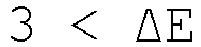
- The steel sheet (specimen) surface-treated as described above was immersed in a degreasing solution at 60°C for 2 minutes, then washed with water and air-blown, and a color difference before and after was measured. At this time, the alkaline degreasing solution used was Parkerizing's Finecleaner L 4460 A: 20g/2.4L + L 4460 B: 12g/2.4L (pH=12).
-
- ∘:

- △:

- ×:

- Dew was formed on the surface of the steel sheet (specimen) surface-treated as described above using a sprayer, then two sprayed steel sheets were placed into contact with each other, packed, placed in a constant temperature and humidity chamber, and conducted for total 8 cycles in which 6 hours at high temperature and humidity (42°C, 95%) and 6 hours at low temperature and humidity (15°C, 60%) were set to one cycle, and thereafter, the number of pitting defects on the surface was measured. At this time, a scan area of the steel sheet was set to 150×50mm2, which was enlarged to 100 times, and only the number of corrosive pitting defect area of 29500 µm2 or more was counted.
-
- ∘:

- △:

- ×:

- In order to evaluate foreign matter defects in the steel sheet (specimen) surface-treated as described above, a probe having a surface area of about 4 cm2 was covered with white gauze, a weight of 10 kg was placed on the probe, the probe was brought into friction-contact in a reciprocating manner on the surface of the steel sheet 100 times, and then, a whiteness value (ΔL=Lbefore-Lafter) of the gauze before and after frictional contact was measured. At this time, in order to simulate high humidity conditions, the steel sheet and the probe were placed in a humidity chamber, 95% or more humidity was maintained in the chamber using a humidifier, and then evaluation of frictional contact was conducted.
-
- ∘:

- △:

- ×:

- As shown in Table 3, the solution compositions of Inventive Examples 1 to 12 had excellent solution stability, and steel sheets surface-treated with the solution composition also showed excellent results in all evaluation results.
- Meanwhile, Comparative Example 1 was a case in which the content of the trivalent chromium compound was insufficient, and the corrosion resistance due to the barrier effect was not sufficient, resulting in poor plate corrosion resistance, corrosion resistance of processed parts, and pitting corrosion resistance.
- In Comparative Example 2, the content of the trivalent chromium compound was excessively high, and it can be seen that foreign matter defects occurred.
- In Comparative Example 3, the solution stability was inferior due to an insufficient amount of acidity regulator, and the plate corrosion resistance, the corrosion resistance of processed parts, and the pitting corrosion resistance of the steel sheet surface-treated with the solution composition were inferior.
- Comparative Example 4 was a case in which the content of the acidity regulator was excessive, and the amount of acid remaining in the solution increased, resulting in poor plate corrosion resistance, corrosion resistance of processed parts, and pitting corrosion resistance of the surface-treated steel sheet.
- Comparative Example 5 was a case in which the content of the adhesion improver was insufficient, and foreign matter defects occurred.
- Comparative Example 6 was a case in which the content of the adhesion improver was excessively high, and the surface-treated steel sheet was inferior in plate corrosion resistance, corrosion resistance of processed parts, and pitting corrosion resistance due to remaining unreacted silane.
- Comparative Example 7 was a case in which the content of the corrosion resistance improver was insufficient, and the corrosion resistance was not sufficient, resulting in poor plate corrosion resistance, corrosion resistance of processed parts, and pitting corrosion resistance.
- In Comparative Example 8, the content of the corrosion resistance improver was excessive, and the solution stability was inferior due to the excessively increased solid content, the alkali resistance of the surface-treated steel sheet was inferior, and foreign matter defects occurred.
- Comparative Example 9 was a case in which the content of the pitting corrosion improver was insufficient, and the pitting corrosion resistance of the surface-treated steel sheet was poor.
- Comparative Example 10 was a case in which the content of the pitting corrosion improver was excessive, resulting in insufficient solution stability and corrosion resistance of processed parts of the surface-treated steel sheet.
- Comparative Example 11 was a case in which the content of the co-solvent was insufficient, and the surface-treated steel sheet had inferior plate corrosion resistance, corrosion resistance of processed parts, and pitting corrosion resistance.
- Comparative Example 12 was a case in which the content of the co-solvent was excessive, the solution stability was insufficient, and the corrosion resistance of processed parts of the surface-treated steel sheet was poor.
-
FIG. 1 illustrates a surface shape of the steel sheet (Inventive Example 1) surface-treated using the solution composition according to the present disclosure and a surface shape of the steel sheet surface-treated using the related art composition. - As shown in
FIG. 1 , it can be seen that, the steel sheet (a) surface-treated with the related art solution composition had the pitting corrosion defects at the edge portion, whereas the steel sheet (b) surface-treated with the solution composition of the present disclosure had a smooth surface up to the edge portion without defects.
| Classificat ion | Solutio n stabili ty | Plate corrosi on resista nce | Corrosi on resista nce of process ed parts | Pipe forming oil infiltrat ion | Alkali resista nce | Pitting corrosi on resista nce | Forei gn matte r defec ts |
| Inventive Example 1 | ○ | ○ | ○ | ○ | ○ | ○ | ○ |
| Inventive Example 2 | ○ | ○ | ○ | ○ | ○ | ○ | ○ |
| Inventive Example 3 | ○ | ○ | ○ | ○ | ○ | ○ | ○ |
| Inventive Example 4 | ○ | ○ | ○ | ○ | ○ | ○ | ○ |
| Inventive Example 5 | ○ | ○ | ○ | ○ | ○ | ○ | ○ |
| Inventive Example 6 | ○ | ○ | ○ | ○ | ○ | ○ | ○ |
| Inventive Example 7 | ○ | ○ | ○ | ○ | ○ | ○ | ○ |
| Inventive Example 8 | ○ | ○ | ○ | ○ | ○ | ○ | ○ |
| Inventive Example 9 | ○ | ○ | ○ | ○ | ○ | ○ | ○ |
| Inventive Example 10 | ○ | ○ | ○ | ○ | ○ | ○ | ○ |
| Inventive Example 11 | ○ | ○ | ○ | ○ | ○ | ○ | ○ |
| Inventive Example 12 | ○ | ○ | ○ | ○ | ○ | ○ | ○ |
| Comparative Example 1 | ○ | × | × | ○ | ○ | × | ○ |
| Comparative Example 2 | ○ | ○ | ○ | ○ | ○ | ○ | × |
| Comparative Example 3 | x | x | × | ○ | ○ | × | ○ |
| Comparative Example 4 | ○ | × | × | ○ | ○ | × | ○ |
| Comparative Example 5 | ○ | ○ | ○ | ○ | ○ | ○ | × |
| Comparative Example 6 | ○ | × | × | ○ | ○ | × | ○ |
| Comparative Example 7 | ○ | × | × | ○ | ○ | × | ○ |
| Comparative Example 8 | × | ○ | ○ | ○ | × | ○ | × |
| Comparative Example 9 | ○ | ○ | ○ | ○ | ○ | × | ○ |
| Comparative Example 10 | × | ○ | × | ○ | ○ | ○ | ○ |
| Comparative Example 11 | ○ | × | × | ○ | ○ | × | ○ |
| Comparative Example 12 | × | ○ | × | ○ | ○ | ○ | ○ |
Claims (14)
- A solution composition for a surface treatment of a steel sheet, the solution composition comprising:(a) 20 to 60 wt% of trivalent chromium compound,(b) 0.1 to 10 wt% of acidity regulator,(c) 1 to 20 wt% of adhesion improver,(d) 1 to 20 wt% of corrosion resistance improver,(e) 0.01 to 3.0 wt% of pitting corrosion improver,(f) 1 to 20 wt% of co-solvent, and(g) a residual solvent
- The solution composition of claim 1, wherein the trivalent chromium compound is one or more selected from the group consisting of chromium sulfate, chromium nitrate, chromium phosphate, chromium fluoride, chromium chloride, and mixtures thereof.
- The solution composition of claim 1, wherein the acidity regulator is one or more selected from the group consisting of phosphoric acid, nitric acid, sulfuric acid, hydrofluoric acid, hydrochloric acid, (NH4)H2PO4, (NH4)2HPO4, NaH2PO4, Na2HPO4, phytic acid, glycolic acid, lactic acid, acetic acid, oxalic acid, and mixtures thereof.
- The solution composition of claim 1, wherein the adhesion improver is one or more selected from the group consisting of vinyl methoxy silane, vinyl trimethoxy silane (VTMS), vinyl epoxy silane, vinyl triepoxy silane, 3-aminopropyltriepoxy silane, 3-glycidoxypropyltrimethoxy silane, 3-metaglyoxypropyltrimethoxy silane, γ-glycidoxypropyltriethoxysilane, γ-glycidoxytrimethyldimethoxysilane, N-(3-(trimethoxysilyl)propyl)ethylenediamine (AEAPTMS), 2-(3,4-epoxycyclohexyl)ethyltrimethoxysilane, 2-(3,4-epoxycyclohexyl)ethyltriethoxysilane, 3-(2,3-epoxypropoxy)propyltrimethoxysilane, 3-(2,3-epoxypropoxy)propyltriethoxysilane, 3-(2,3-epoxypropoxy)propylmethyldiethoxysilane, 3-(2,3-epoxypropoxy)propylmethyldimethoxysilane, 3-aminopropyltriethoxysilane, 3-aminopropyltrimethoxysilane, 3-aminopropylmethyldiethoxysilane, N-(2-aminoethyl-3-aminopropyl)methyldimethoxysilane, N-(2-aminoethyl-3-aminopropyl)trimethoxysilane, diethylenetriaminopropyltrimethoxysilane, 3-ureidopropyltrimethoxysilane, N-phenylaminopropyltrimethoxysilane, (3-glycidyloxypropyl)trimethoxysilane (GPTMS), methyltrimethoxysilane (MTMS), and mixtures thereof.
- The solution composition of claim 1, wherein the corrosion resistance improver is one or more selected from the group consisting of vanadyl acetylacetonate, ammonium metavanadate, potassium metavanadate, sodium metavanadate, vanadium trioxide, vanadium acetylacetate, ammonium metavanadate, silicon oxide, and mixtures thereof.
- The solution composition of claim 1, wherein the pitting corrosion improver is one or more selected from the group consisting of ethylenediamine, hexamethylenediamine, trimethylamine, methylamine, diphenylamine, ethyleneamine, aniline, toluidine, piperidine, aziridine, pyridine, alanine, propylamine, diisopropylamine, monoisopropylamine, dibutylamine, dipropylamine, and mixtures thereof.
- The solution composition of claim 1, wherein the co-solvent is one or more selected from the group consisting of ethanol, isopropyl alcohol, methanol, tallow alcohol, 2-butoxyethanol, diethylene glycol monobutyl ether, and mixtures thereof.
- The solution composition of claim 1, wherein the solvent is water.
- A surface-treated plated steel sheet comprising:a steel sheet;a Zn-Mg-Al-based plating layer formed on at least one surface of the steel sheet; anda surface treated coating layer formed on the plating layer,wherein the surface treated coating layer is a coating layer formed from the composition of any one of claims 1 to 8.
- The surface-treated plated steel sheet of claim 9, whereinthe Zn-Mg-Al-based plating layer includes, in wt%, magnesium (Mg): 4.0 to 7.0 %, aluminum (Al): 11.0 to 19.5 %, a balance of Zn, and other inevitable impurities, and satisfies the following Relational Expression 1:
 (In Relational Expression 1, I(110) represents an X-ray diffraction integrated intensity of the (110) plane crystal peak for the MgZn2 phase, and I(103) represents the represents an X-ray diffraction integrated intensity of the (103) plane crystal for the MgZn2 phase.)
 - The surface-treated plated steel sheet of claim 9, wherein the surface treated coating layer has a thickness of 0.1 to 2.0 µm.
- A method of manufacturing a surface-treated plated steel sheet, the method comprising:hot-dip galvanizing at least one surface of a steel sheet to form a Zn-Mg-Al-based plating layer;coating the plating layer with the composition of any one of claims 1 to 8; anddrying the coated steel sheet.
- The method of claim 12, wherein the coating is performed by one method selected from the group consisting of bar coating, roll coating, spraying, dipping, spray squeezing, and immersion squeezing.
- The method of claim 12, wherein the drying is carried out in a temperature range of 40 to 280°C based on a peak metal temperature (PMT) of the steel sheet.
Applications Claiming Priority (2)
| Application Number | Priority Date | Filing Date | Title |
|---|---|---|---|
| KR1020210183798A KR20230094547A (en) | 2021-12-21 | 2021-12-21 | Composition for surface treating of steel sheet, steel sheet using thereof, and manufacturing method of the same |
| PCT/KR2022/020708 WO2023121175A1 (en) | 2021-12-21 | 2022-12-19 | Solution composition for steel sheet surface treatment, steel sheet surface-treated using same, and manufacturing method therefor |
Publications (2)
| Publication Number | Publication Date |
|---|---|
| EP4455364A1 true EP4455364A1 (en) | 2024-10-30 |
| EP4455364A4 EP4455364A4 (en) | 2025-04-30 |
Family
ID=86903360
Family Applications (1)
| Application Number | Title | Priority Date | Filing Date |
|---|---|---|---|
| EP22911808.8A Pending EP4455364A4 (en) | 2021-12-21 | 2022-12-19 | SOLUTION COMPOSITION FOR SURFACE TREATMENT OF STEEL SHEET, SURFACE-TREATED STEEL SHEET USING SAME, AND MANUFACTURING METHOD THEREOF |
Country Status (6)
| Country | Link |
|---|---|
| US (1) | US20250051929A1 (en) |
| EP (1) | EP4455364A4 (en) |
| JP (1) | JP7796878B2 (en) |
| KR (1) | KR20230094547A (en) |
| CN (1) | CN118434910A (en) |
| WO (1) | WO2023121175A1 (en) |
Family Cites Families (15)
| Publication number | Priority date | Publication date | Assignee | Title |
|---|---|---|---|---|
| JPH01225780A (en) * | 1988-03-07 | 1989-09-08 | Kawasaki Steel Corp | Highly corrosion-resistant chromated steel sheet, its production, and chromating solution |
| JPH0696778B2 (en) * | 1990-10-05 | 1994-11-30 | 新日本製鐵株式会社 | Chromate treatment method for galvanized steel sheet |
| US6465114B1 (en) * | 1999-05-24 | 2002-10-15 | Nippon Steel Corporation | -Zn coated steel material, ZN coated steel sheet and painted steel sheet excellent in corrosion resistance, and method of producing the same |
| JP2002069660A (en) | 2000-08-28 | 2002-03-08 | Nippon Parkerizing Co Ltd | Aqueous agent for metal surface treatment without including hexa-valent chromium and metal sheet surface-treated therewith |
| KR100421894B1 (en) | 2001-02-27 | 2004-03-10 | 엘지전자 주식회사 | accumulator structure in the air conditioner |
| KR100490954B1 (en) | 2002-11-27 | 2005-05-24 | 이덕진 | The trivalent chromate which contains no trace of hexavalent chrome nor any oxidizing agent, and method for preparation thereof |
| KR20090024450A (en) | 2007-09-04 | 2009-03-09 | 주식회사 에임하이글로벌 | Transparent film for preventing adhesion and manufacturing method thereof |
| KR101818350B1 (en) * | 2016-06-08 | 2018-01-15 | 포항공과대학교 산학협력단 | Method for quantitative measuring of alloy in the hot dip Zn-Al-Mg coating layer on the steel |
| KR101786358B1 (en) * | 2016-06-14 | 2017-10-18 | 주식회사 포스코 | Solution composition for surface treating of steel sheet, zinc-based metal plated steel sheet using the same, and manufacturing method of the same |
| KR101786392B1 (en) * | 2016-10-10 | 2017-10-17 | 주식회사 포스코 | Solution composition for surface treating of steel sheet, zinc-based metal plated steel sheet using the same, and manufacturing method of the same |
| KR20180135514A (en) * | 2017-06-12 | 2018-12-21 | 주식회사 포스코 | Coating composition for treating a steel sheet, surface treated steel sheet using the same and a method for manufacturing thereof |
| KR102065213B1 (en) * | 2017-11-13 | 2020-01-10 | 주식회사 포스코 | Composition for surface treating of steel sheet, high strength galvanized steel sheet using the same, and manufacturing method of the same |
| KR102142771B1 (en) * | 2018-10-24 | 2020-08-07 | 주식회사 포스코 | Solution composition for surface treating of steel sheet, galvanized steel sheet using the same, and manufacturing method of the same |
| JP7315826B2 (en) * | 2019-06-27 | 2023-07-27 | 日本製鉄株式会社 | Plated steel and method for producing plated steel |
| KR20230081109A (en) * | 2021-11-30 | 2023-06-07 | 주식회사 포스코 | Coating composition for hot dip galvanized steel sheet having excellent corrosion resistant and environmental stability, hot dip galvanized steel sheet prepared by using thereof, and manufacturing method the same |
-
2021
- 2021-12-21 KR KR1020210183798A patent/KR20230094547A/en active Pending
-
2022
- 2022-12-19 CN CN202280085214.6A patent/CN118434910A/en active Pending
- 2022-12-19 JP JP2024537528A patent/JP7796878B2/en active Active
- 2022-12-19 WO PCT/KR2022/020708 patent/WO2023121175A1/en not_active Ceased
- 2022-12-19 US US18/721,631 patent/US20250051929A1/en active Pending
- 2022-12-19 EP EP22911808.8A patent/EP4455364A4/en active Pending
Also Published As
| Publication number | Publication date |
|---|---|
| EP4455364A4 (en) | 2025-04-30 |
| US20250051929A1 (en) | 2025-02-13 |
| CN118434910A (en) | 2024-08-02 |
| JP2024546303A (en) | 2024-12-19 |
| JP7796878B2 (en) | 2026-01-09 |
| KR20230094547A (en) | 2023-06-28 |
| WO2023121175A1 (en) | 2023-06-29 |
Similar Documents
| Publication | Publication Date | Title |
|---|---|---|
| CN109804102B (en) | Surface treatment solution composition, galvanized steel sheet surface-treated with the composition, and method for producing the same | |
| EP1270764B1 (en) | Surface treated tin-plated steel sheet | |
| JP6653026B2 (en) | Solution composition for surface treatment of steel sheet, galvanized steel sheet surface-treated using the same, and method for producing the same | |
| EP4036273B1 (en) | Ternary hot-dip galvannealed steel sheet surface treatment solution composition for providing excellent blackening resistance and alkali resistance, ternary hot-dip galvannealed steel sheet surface-treated using same, and manufacturing method therefor | |
| EP3872228B1 (en) | Surface treatment solution composition containing trivalent chromium and inorganic compound, and method for manufacturing hot dip galvanized steel sheet surface-treated using same | |
| JP7816851B2 (en) | Ternary hot-dip galvanized steel sheet surface treatment composition with excellent corrosion resistance and environmental stability, ternary hot-dip galvanized steel sheet surface-treated with the same, and method for manufacturing the same | |
| JPWO2020189769A1 (en) | Surface-treated metal material | |
| EP4455362A1 (en) | Solution composition for surface treatment of steel sheet, steel sheet surface-treated using same, and manufacturing method therefor | |
| EP4265820A1 (en) | Composition for surface treatment of steel sheet and steel sheet using same | |
| JP6667638B2 (en) | Composition for washing pickled steel sheet, method for washing pickled steel sheet using the same, and steel sheet obtained by this | |
| US20250051929A1 (en) | Solution composition for steel sheet surface treatment, steel sheet surface-treated using same, and manufacturing method therefor | |
| EP4071219A1 (en) | Surface treatment composition for ternary hot-dip galvannealed steel sheet, providing excellent corrosion resistance and surface color, ternary hot-dip galvannealed steel sheet surface-treated using same, and manufacturing method therefor | |
| CN114829674A (en) | Composition for chemical conversion treatment of Zn-Al-Mg alloy-coated steel sheet, and Zn-Al-Mg alloy-coated steel sheet | |
| JP7701665B2 (en) | Surface-treated steel sheet | |
| EP4438769A1 (en) | Surface-treated steel material | |
| KR20240087343A (en) | Surface treatment composition for plated steel sheet, plated steel sheet using same and method for manufacturing thereof | |
| KR20230081132A (en) | Coating composition for hot dip galvanized steel sheet having excellent corrosion resistant and anti-blackening, hot dip galvanized steel sheet prepared by using thereof, and manufacturing method the same | |
| CN108291312A (en) | Hot-dip galvanized steel sheet and manufacturing method thereof | |
| JP7060178B1 (en) | Surface-treated steel sheet for organic resin coating and its manufacturing method, and organic resin coated steel sheet and its manufacturing method | |
| JPH11106950A (en) | Method for producing chromate-treated galvanized steel sheet with excellent black spot resistance, blackening resistance and corrosion resistance | |
| JPH06212445A (en) | Method for producing chromate-treated galvanized steel sheet | |
| JP2001247976A (en) | Chromate treatment of galvanized steel sheet with excellent corrosion resistance and color stability | |
| JPH10110274A (en) | Resin chromate treated Zn-based plated steel sheet with excellent blackening resistance |
Legal Events
| Date | Code | Title | Description |
|---|---|---|---|
| STAA | Information on the status of an ep patent application or granted ep patent |
Free format text: STATUS: THE INTERNATIONAL PUBLICATION HAS BEEN MADE |
|
| PUAI | Public reference made under article 153(3) epc to a published international application that has entered the european phase |
Free format text: ORIGINAL CODE: 0009012 |
|
| STAA | Information on the status of an ep patent application or granted ep patent |
Free format text: STATUS: REQUEST FOR EXAMINATION WAS MADE |
|
| 17P | Request for examination filed |
Effective date: 20240703 |
|
| AK | Designated contracting states |
Kind code of ref document: A1 Designated state(s): AL AT BE BG CH CY CZ DE DK EE ES FI FR GB GR HR HU IE IS IT LI LT LU LV MC ME MK MT NL NO PL PT RO RS SE SI SK SM TR |
|
| DAV | Request for validation of the european patent (deleted) | ||
| DAX | Request for extension of the european patent (deleted) | ||
| A4 | Supplementary search report drawn up and despatched |
Effective date: 20250328 |
|
| RIC1 | Information provided on ipc code assigned before grant |
Ipc: C23C 22/83 20060101ALI20250325BHEP Ipc: C23C 22/53 20060101ALI20250325BHEP Ipc: C23C 22/34 20060101ALI20250325BHEP Ipc: C23C 28/00 20060101ALI20250325BHEP Ipc: C23C 2/40 20060101ALI20250325BHEP Ipc: C23C 2/06 20060101ALI20250325BHEP Ipc: C23C 2/26 20060101ALI20250325BHEP Ipc: C23C 22/06 20060101ALI20250325BHEP Ipc: C23C 22/50 20060101AFI20250325BHEP |