EP4439212A1 - Vehicle state remote monitoring method and system - Google Patents
Vehicle state remote monitoring method and system Download PDFInfo
- Publication number
- EP4439212A1 EP4439212A1 EP22897375.6A EP22897375A EP4439212A1 EP 4439212 A1 EP4439212 A1 EP 4439212A1 EP 22897375 A EP22897375 A EP 22897375A EP 4439212 A1 EP4439212 A1 EP 4439212A1
- Authority
- EP
- European Patent Office
- Prior art keywords
- data
- vehicle
- fault
- database
- module
- Prior art date
- Legal status (The legal status is an assumption and is not a legal conclusion. Google has not performed a legal analysis and makes no representation as to the accuracy of the status listed.)
- Pending
Links
Images
Classifications
-
- G—PHYSICS
- G07—CHECKING-DEVICES
- G07C—TIME OR ATTENDANCE REGISTERS; REGISTERING OR INDICATING THE WORKING OF MACHINES; GENERATING RANDOM NUMBERS; VOTING OR LOTTERY APPARATUS; ARRANGEMENTS, SYSTEMS OR APPARATUS FOR CHECKING NOT PROVIDED FOR ELSEWHERE
- G07C5/00—Registering or indicating the working of vehicles
- G07C5/08—Registering or indicating performance data other than driving, working, idle, or waiting time, with or without registering driving, working, idle or waiting time
- G07C5/0841—Registering performance data
-
- G—PHYSICS
- G06—COMPUTING OR CALCULATING; COUNTING
- G06F—ELECTRIC DIGITAL DATA PROCESSING
- G06F11/00—Error detection; Error correction; Monitoring
- G06F11/07—Responding to the occurrence of a fault, e.g. fault tolerance
- G06F11/0703—Error or fault processing not based on redundancy, i.e. by taking additional measures to deal with the error or fault not making use of redundancy in operation, in hardware, or in data representation
- G06F11/0706—Error or fault processing not based on redundancy, i.e. by taking additional measures to deal with the error or fault not making use of redundancy in operation, in hardware, or in data representation the processing taking place on a specific hardware platform or in a specific software environment
- G06F11/0736—Error or fault processing not based on redundancy, i.e. by taking additional measures to deal with the error or fault not making use of redundancy in operation, in hardware, or in data representation the processing taking place on a specific hardware platform or in a specific software environment in functional embedded systems, i.e. in a data processing system designed as a combination of hardware and software dedicated to performing a certain function
-
- G—PHYSICS
- G06—COMPUTING OR CALCULATING; COUNTING
- G06F—ELECTRIC DIGITAL DATA PROCESSING
- G06F11/00—Error detection; Error correction; Monitoring
- G06F11/07—Responding to the occurrence of a fault, e.g. fault tolerance
- G06F11/0703—Error or fault processing not based on redundancy, i.e. by taking additional measures to deal with the error or fault not making use of redundancy in operation, in hardware, or in data representation
- G06F11/0766—Error or fault reporting or storing
-
- G—PHYSICS
- G06—COMPUTING OR CALCULATING; COUNTING
- G06F—ELECTRIC DIGITAL DATA PROCESSING
- G06F11/00—Error detection; Error correction; Monitoring
- G06F11/07—Responding to the occurrence of a fault, e.g. fault tolerance
- G06F11/0703—Error or fault processing not based on redundancy, i.e. by taking additional measures to deal with the error or fault not making use of redundancy in operation, in hardware, or in data representation
- G06F11/079—Root cause analysis, i.e. error or fault diagnosis
-
- G—PHYSICS
- G06—COMPUTING OR CALCULATING; COUNTING
- G06F—ELECTRIC DIGITAL DATA PROCESSING
- G06F11/00—Error detection; Error correction; Monitoring
- G06F11/30—Monitoring
- G06F11/3003—Monitoring arrangements specially adapted to the computing system or computing system component being monitored
- G06F11/3013—Monitoring arrangements specially adapted to the computing system or computing system component being monitored where the computing system is an embedded system, i.e. a combination of hardware and software dedicated to perform a certain function in mobile devices, printers, automotive or aircraft systems
-
- G—PHYSICS
- G06—COMPUTING OR CALCULATING; COUNTING
- G06F—ELECTRIC DIGITAL DATA PROCESSING
- G06F11/00—Error detection; Error correction; Monitoring
- G06F11/30—Monitoring
- G06F11/3055—Monitoring arrangements for monitoring the status of the computing system or of the computing system component, e.g. monitoring if the computing system is on, off, available, not available
-
- G—PHYSICS
- G06—COMPUTING OR CALCULATING; COUNTING
- G06F—ELECTRIC DIGITAL DATA PROCESSING
- G06F11/00—Error detection; Error correction; Monitoring
- G06F11/30—Monitoring
- G06F11/3065—Monitoring arrangements determined by the means or processing involved in reporting the monitored data
-
- G—PHYSICS
- G05—CONTROLLING; REGULATING
- G05B—CONTROL OR REGULATING SYSTEMS IN GENERAL; FUNCTIONAL ELEMENTS OF SUCH SYSTEMS; MONITORING OR TESTING ARRANGEMENTS FOR SUCH SYSTEMS OR ELEMENTS
- G05B23/00—Testing or monitoring of control systems or parts thereof
- G05B23/02—Electric testing or monitoring
- G05B23/0205—Electric testing or monitoring by means of a monitoring system capable of detecting and responding to faults
- G05B23/0208—Electric testing or monitoring by means of a monitoring system capable of detecting and responding to faults characterized by the configuration of the monitoring system
- G05B23/0213—Modular or universal configuration of the monitoring system, e.g. monitoring system having modules that may be combined to build monitoring program; monitoring system that can be applied to legacy systems; adaptable monitoring system; using different communication protocols
-
- G—PHYSICS
- G06—COMPUTING OR CALCULATING; COUNTING
- G06F—ELECTRIC DIGITAL DATA PROCESSING
- G06F11/00—Error detection; Error correction; Monitoring
- G06F11/30—Monitoring
- G06F11/32—Monitoring with visual or acoustical indication of the functioning of the machine
- G06F11/321—Display for diagnostics, e.g. diagnostic result display, self-test user interface
-
- Y—GENERAL TAGGING OF NEW TECHNOLOGICAL DEVELOPMENTS; GENERAL TAGGING OF CROSS-SECTIONAL TECHNOLOGIES SPANNING OVER SEVERAL SECTIONS OF THE IPC; TECHNICAL SUBJECTS COVERED BY FORMER USPC CROSS-REFERENCE ART COLLECTIONS [XRACs] AND DIGESTS
- Y02—TECHNOLOGIES OR APPLICATIONS FOR MITIGATION OR ADAPTATION AGAINST CLIMATE CHANGE
- Y02P—CLIMATE CHANGE MITIGATION TECHNOLOGIES IN THE PRODUCTION OR PROCESSING OF GOODS
- Y02P90/00—Enabling technologies with a potential contribution to greenhouse gas [GHG] emissions mitigation
- Y02P90/02—Total factory control, e.g. smart factories, flexible manufacturing systems [FMS] or integrated manufacturing systems [IMS]
Definitions
- the present disclosure relates to the field of vehicle state monitoring, and more specifically relates to a vehicle state remote monitoring method and system.
- Remote monitoring of vehicle state is mainly realized by real-time acquisition and analysis of vehicle state data, and finally displaying it on a monitoring end.
- the big data as a strategic asset is increasingly being emphasized by vehicle companies.
- the frequency of data acquisition and storage is increasing, which will bring more massive data, traditional data acquisition and storage methods can no longer meet the real-time requirements of vehicle massive data processing.
- the embodiment of the present disclosure provides a vehicle state remote monitoring method, the method includes:
- periodically performing vehicle fault analysis on the associated data in the redis database includes: extracting the vehicle Vin code, timestamp, and fault codes comprised in associated fault data, sorting the fault codes by the timestamp, and obtaining the CAN data corresponding to time according to the timestamp corresponding to the fault codes, wherein the CAN data corresponding to the time at least comprises vehicle location information corresponding to the time; the fault analysis results at least comprise the vehicle Vin code, fault timestamp, the fault codes and the vehicle location information during fault.
- the method further includes:
- the fault analysis results further comprise the weather data of the city where the vehicle is located during the fault; the vehicle location information during the fault comprises latitude and longitude information and city information where the vehicle is located during the fault.
- the method further includes:
- inlcudes obtaining the vehicle Vin code of a target vehicle, obtaining historical fault data of the target vehicle in the hbase database according to the vehicle Vin code, extracting the fault codes and their corresponding timestamp in the historical fault data, and obtaining fault traceability information of the target vehicle.
- the spring boot is used for vehicle trajectory query
- inlcudes obtaining the vehicle Vin code of the target vehicle, obtaining the historical CAN data of the target vehicle in the hbase database according to the vehicle Vin code, extracting the vehicle location information and its corresponding timestamp from the historical CAN data, and generating vehicle trajectory information of the target vehicle based on the preset map data and the vehicle location information and its corresponding timestamp from the historical CAN data.
- the embodiment of the present disclosure further provides a vehicle state remote monitoring system, the system includes a kafka module, a flink module, a redis database and a spring boot module;
- the system further includes a hive database and a hbase database,
- the spring boot is configured to:
- the embodiment of the present disclosure applies a combination of kafka, flink, redis and spring boot to optimize the ability of real-time processing and management of vehicle data, and are able to achieve correlation analysis of the CAN data and the fault data of the vehicle, it can standardize the data processing process and monitoring content of vehicle monitoring, meet the timeliness of vehicle monitoring, and provide great convenience for data collection and subsequent data analysis of vehicle big data.
- the embodiment of the present disclosure provides a vehicle state remote monitoring method, the method is implemented according to a system framework shown in FIG. 1 , the system framework mainly includes a kafka module, a flink module, a redis database, and a spring boot module, etc.
- the method includes the following steps: At step S100, the kafka module receives CAN data and fault data of a vehicle in real time, and respectively stores the CAN data and the fault data in different kafka topics, wherein both the CAN data and the fault data of the vehicle include vehicle Vin code thereof.
- the CAN data and the fault data of the vehicle referred to in the steps refer to CAN data and fault data of multiple vehicles of the internet of vehicles, and the CAN data and the fault data of different vehicles are distinguished by the vehicle Vin code they contain as identification.
- a vehicle terminal collects its own CAN data and fault data in real time and pushes them to the TSP (telematics service provider) platform via its vehicle TBOX.
- the system framework shown in FIG. 1 can be understood as being built on the TSP platform.
- Kafka is a high throughput distributed publish subscribe message system, and it is currently the most mature and widely used distributed message queue in the field of big data
- the kafka module in the step receives the CAN data and the fault data uploaded by the TBOX of each vehicle in real time, and stores the CAN data and the fault data of each vehicle in different kafka topics according to the data type. and the embodiment of the present disclosure designs two independent topics for storing the CAN data and thefault data.
- a flink module processes the CAN data in the kafka topic in real time, and stores the CAN data in a redis database by using the vehicle Vin code comprised in the CAN data as a key.
- the current stored data when storing the CAN data of a certain vehicle with its vehicle Vin code as the key, the current stored data will overwrite the previous data of the same key, thereby ensuring that only the latest data of the vehicle is always stored in the redis database.
- the flink module processes the fault data in the kafka topic in real time, associates the fault data with the CAN data in the redis database according to the vehicle Vin code comprised in the fault data to obtain associated data, and stores the associated data in the redis database.
- the step joins and associates the CAN data and the fault data belonging to the same vehicle for storage based on the vehicle Vin code as a field;
- flink stream processing performance is industry-leading and can achieve millisecond level response, compared to real-time stream processing technologies such as spark streaming, it can achieve low latency while maintaining high throughput.
- a spring boot module periodically performs vehicle fault analysis on the associated data in the redis database according to a preset first time interval, and sends the fault analysis result to a display device at a monitoring end for display.
- the first time interval in the embodiment can be set to 5 minutes
- the spring boot module performs vehicle fault analysis on the associated data stored in the redis database every 5 minutes
- the vehicle fault analysis is mainly to count failure situation, failure time, failure location of each vehicle in the current cycle, and then generate the failure analysis results sent to a display device of the monitoring end, such as the web page for display.
- the spring boot module utilizes the websocket communication protocol to actively push the vehicle faults associated with the redis database to the web for display, thereby ensuring timely feedback to the user after faults occur
- Users are those who use the monitoring system, such as the R&D personnel of the main engine factory.
- the embodiment of the present disclosure use a combination of kafka, flink, redis and spring boot to optimize the ability of real-time processing and management of vehicle data, and are able to achieve correlation analysis of the CAN data and the fault data of the vehicle, at the same time, it can standardize the data processing process and monitoring content of vehicle monitoring, meet the timeliness of vehicle monitoring, and provide great convenience for data collection and subsequent data analysis of vehicle big data.
- the vehicle fault analysis is performed periodically on the associated data in the redis database, includes: extracting the vehicle Vin code, the timestamp, and the fault codes comprised in the associated fault data, sorting the fault code by timestamp from nearest to far, and obtaining the CAN data corresponding to the time according to the timestamp corresponding to the fault codes, wherein the CAN data corresponding to the time should at least include the vehicle location information corresponding to the time; the final generated fault analysis results at least include the vehicle Vin code, the fault timestamp, the fault codes, the vehicle location information during the fault, and of course, other vehicle state data in the CAN data can be included.
- the timestamp generated by the fault codes in the embodiment is the time when the vehicle faulted, the fault codes are predetermined, and each fault code represents a type of vehicle fault, it should be noted that the timestamp corresponding to the fault codes, for example, is 10:00 pm, but at the timestamp of 10:00 pm, no CAN data is collected, and there is no CAN data corresponding to 10:00 pm. Therefore, in the embodiment, the CAN data of a sampling time closest to the fault timestamp is selected as the state data of the vehicle at the time of the fault.
- the method further includes: At step S500, the spring boot module periodically obtains weather data from multiple cities according to a preset second time interval, and stores the weather data from these cities in the redis database; specifically, the second time interval can be set to 1 hour, meaning that the spring boot module calls a third-party poi every 1 hour to obtain real-time weather conditions of each city and store the real-time weather conditions of each city in the redis database.
- the flink module determines the city where the vehicle is located according to the vehicle location information in the CAN data, selects the weather data of the city where the vehicle is located from the redis database, and combines the weather data of the city where the vehicle is located with the CAN data to obtain the combination data, and stores the combination data in the redis database with the vehicle Vin code as the key; specifically, as described above, similarly, when storing the combination data of a vehicle with its vehicle Vin code as the key, the currently deposited data will overwrite the previous data with the same key, thereby ensuring that only the most recent combination data of the vehicle is always stored in the redis database.
- the flink module associates the fault data with the combination data in the redis database according to the vehicle Vin code comprised in the fault data to obtain associated data, and stores the associated data in the redis database; specifically, the association between the combination data and the fault data is the same as before, and the association is still based on the vehicle Vin code as a field.
- the generated fault analysis results further include the weather data of the city where the vehicle is located at the time of the fault; the vehicle location information at the time of the fault includes latitude and longitude information and city information where the vehicle is located at the time of the fault.
- the method further includes: In the step S200, the flink module, while processing the CAN data in the kafka topic in real time, also synchronizes the CAN data to be stored in a hive database and a hbase database in real time.
- the flink module while processing the fault data in the kafka topic in real time, also synchronizes the fault data to be stored in the hive database and the hbase database in real time.
- the CAN data and the fault data stored in the hive database are used for offline analysis, and the CAN data and the fault data stored in the hbase database are used by spring boot for fault tracing or vehicle trajectory query.
- the data processed from the flink module will be divided into two links, one link is used by the hive database, the hive database is used to store massive offline CAN bus data and the fault data, which can be used for subsequent statistical analysis, another link is used by the hbase database, the hbase database is mainly used for real-time display and data download services; the hive database and the hbase database are stored differently and can be quickly and easily provided for different data needs.
- the statistical analysis data obtained at step S400 may be stored in a TDSQL database.
- the spring boot is used for fault tracing, including: obtaining the vehicle Vin code of the target vehicle, obtaining the historical fault data of the target vehicle in the hbase database according to the vehicle Vin code, extracting the fault codes and their corresponding timestamps in the historical fault data, and obtaining fault traceability information for the target vehicle.
- the spring boot is used for vehicle trajectory query, including: obtaining the vehicle Vin code of the target vehicle, obtaining the historical CAN data of the target vehicle in the hbase database according to the vehicle Vin code, extracting the vehicle location information and its corresponding timestamp from the historical CAN data, and generating the vehicle trajectory information of the target vehicle based on the preset map data and the vehicle location information and its corresponding timestamp from the historical CAN data.
- the vehicle locations are marked in chronological order on the map, and connected in chronological order to obtain a vehicle trajectory.
- the embodiment of the present disclosure further provides a vehicle state remote monitoring system, the system includes a kafka module, a flink module, a redis database, and a spring boot module, which can be used to implement the steps of the above method;
- the kafka module is used to receive CAN data and fault data of a vehicle in real time, and respectively store the CAN data and the fault data in different kafka topics, wherein both the CAN data and the fault data of the vehicle include vehicle Vin code thereof.
- the flink module is used to process the CAN data in the kafka topic in real time, and store the CAN data in a redis database by using the vehicle Vin code comprised in the CAN data as a key.
- the flink module is used to process the fault data in the kafka topic in real time, associate the fault data with the CAN data in the redis database according to the vehicle Vin code comprised in the fault data to obtain associated data, and store the associated data in the redis database.
- the spring boot module is used to periodically perform vehicle fault analysis on the associated data in the redis database according to a preset first time interval, and send the fault analysis result to a display device at a monitoring end for display
- the system further includes a hive database and a hbase database;
- the flink module while processing the CAN data in the kafka topic in real time, also synchronizes the CAN data to be stored in the hive database and the hbase database in real time.
- the flink module while processing the fault data in the kafka topic in real time, also synchronizes the fault data to be stored in the hive database and the hbase database in real time.
- the CAN data and the fault data stored in the hive database are used for offline analysis, and the CAN data and the fault data stored in the hbase database are used by spring boot for fault tracing or vehicle trajectory query.
- the spring boot module is further used to:
Landscapes
- Engineering & Computer Science (AREA)
- Theoretical Computer Science (AREA)
- Physics & Mathematics (AREA)
- General Physics & Mathematics (AREA)
- Quality & Reliability (AREA)
- General Engineering & Computer Science (AREA)
- Computing Systems (AREA)
- Health & Medical Sciences (AREA)
- Biomedical Technology (AREA)
- Mathematical Physics (AREA)
- Automation & Control Theory (AREA)
- Traffic Control Systems (AREA)
- Vehicle Cleaning, Maintenance, Repair, Refitting, And Outriggers (AREA)
- Selective Calling Equipment (AREA)
- Management, Administration, Business Operations System, And Electronic Commerce (AREA)
Abstract
Description
- The present disclosure claims the priority of the Chinese invention patent application with the invention name "vehicle state remote monitoring method and system" submitted to the
China Patent Office on November 26, 2021, application No. 202111419592.7 - The present disclosure relates to the field of vehicle state monitoring, and more specifically relates to a vehicle state remote monitoring method and system.
- Remote monitoring of vehicle state is mainly realized by real-time acquisition and analysis of vehicle state data, and finally displaying it on a monitoring end. With the development of internet of vehicles and the increasingly mature application of big data, the big data as a strategic asset is increasingly being emphasized by vehicle companies. With the increase of vehicle information sources, the frequency of data acquisition and storage is increasing, which will bring more massive data, traditional data acquisition and storage methods can no longer meet the real-time requirements of vehicle massive data processing.
- The embodiment of the present disclosure provides a vehicle state remote monitoring method and system, which can meet real-time requirements of massive data processing for the vehicle.
- To achieve the above purposes, the embodiment of the present disclosure provides a vehicle state remote monitoring method, the method includes:
- a kafka module receiving CAN data and fault data of a vehicle in real time, and respectively storing the CAN data and the fault data in different kafka topics, wherein both the CAN data and the fault data of the vehicle include vehicle Vin code thereof;
- a flink module processing the CAN data in the kafka topic in real time, and storing the CAN data in a redis database by using the vehicle Vin code comprised in the CAN data as a key;
- the flink module processing the fault data in the kafka topic in real time, associating the fault data with the CAN data in the redis database according to the vehicle Vin code comprised in the fault data to obtain associated data, and storing the associated data in the redis database;
- a spring boot module periodically performing vehicle fault analysis on the associated data in the redis database according to a preset first time interval and sending a fault analysis result to a display device at a monitoring end for display.
- Preferably, wherein periodically performing vehicle fault analysis on the associated data in the redis database, includes:
extracting the vehicle Vin code, timestamp, and fault codes comprised in associated fault data, sorting the fault codes by the timestamp, and obtaining the CAN data corresponding to time according to the timestamp corresponding to the fault codes, wherein the CAN data corresponding to the time at least comprises vehicle location information corresponding to the time; the fault analysis results at least comprise the vehicle Vin code, fault timestamp, the fault codes and the vehicle location information during fault. - Preferably, the method further includes:
- the spring boot module periodically obtaining weather data from multiple cities according to a preset second time interval, and storing the weather data from the multiple cities in the redis database;
- the flink module determining the city where the vehicle is located according to the vehicle location information in the CAN data, selecting the weather data of the city where the vehicle is located from the redis database, and combining the weather data of the city where the vehicle is located with the CAN data to obtain combination data, and storing the combination data in the redis database with the vehicle Vin code as the key; and
- the flink module associating the fault data with the combination data in the redis database according to the vehicle Vin code comprised in the fault data to obtain the associated data, and storing the associated data in the redis database.
- Preferably, wherein the fault analysis results further comprise the weather data of the city where the vehicle is located during the fault; the vehicle location information during the fault comprises latitude and longitude information and city information where the vehicle is located during the fault.
- Preferably, the method further includes:
- the flink module, while processing the CAN data in the kafka topic in real time, synchronizes storing the CAN data in the hive database and the hbase database in real time;
- the flink module, while processing the fault data in the kafka topic in real time, synchronizes storing the fault data in the hive database and the hbase database in real time; and
- wherein the CAN data and the fault data stored in the hive database are used for offline analysis, and the CAN data and the fault data stored in the hbase database are used by spring boot for fault tracing or vehicle trajectory query.
- Preferably, wherein the spring boot is used for fault tracing, inlcudes:
obtaining the vehicle Vin code of a target vehicle, obtaining historical fault data of the target vehicle in the hbase database according to the vehicle Vin code, extracting the fault codes and their corresponding timestamp in the historical fault data, and obtaining fault traceability information of the target vehicle. - Preferably, wherein the spring boot is used for vehicle trajectory query, inlcudes:
obtaining the vehicle Vin code of the target vehicle, obtaining the historical CAN data of the target vehicle in the hbase database according to the vehicle Vin code, extracting the vehicle location information and its corresponding timestamp from the historical CAN data, and generating vehicle trajectory information of the target vehicle based on the preset map data and the vehicle location information and its corresponding timestamp from the historical CAN data. - The embodiment of the present disclosure further provides a vehicle state remote monitoring system, the system includes a kafka module, a flink module, a redis database and a spring boot module;
- the kafka module receives CAN data and fault data of a vehicle in real time, and respectively store the CAN data and the fault data in different kafka topics, wherein both the CAN data and the fault data of the vehicle include vehicle Vin code thereof;
- the flink module processes the CAN data in the kafka topic in real time, and stores the CAN data in a redis database by using the vehicle Vin code comprised in the CAN data as a key;
- the flink module processes the fault data in the kafka topic in real time, associates the fault data with the CAN data in the redis database according to the vehicle Vin code comprised in the fault data to obtain associated data, and stores the associated data in the redis database;
- the spring boot module periodically performs vehicle fault analysis on the associated data in the redis database according to a preset first time interval and sends fault analysis results to a display device at a monitoring end for display.
- Preferably, the system further includes a hive database and a hbase database,
- the flink module, while processing the CAN data in the kafka topic in real time, synchronizes stores the CAN data in the hive database and the hbase database in real time;
- the flink module, while processing the fault data in the kafka topic in real time, synchronizes stores the fault data in the hive database and the hbase database in real time; and
- wherein the CAN data and the fault data stored in the hive database are used for offline analysis, and the CAN data and the fault data stored in the hbase database are used by spring boot for fault tracing or vehicle trajectory query.
- Preferably, the spring boot is configured to:
- obtain the vehicle Vin code of a target vehicle, obtain historical fault data of the target vehicle in the hbase database according to the vehicle Vin code, extract the fault codes and their corresponding timestamp in the historical fault data, and obtain fault traceability information of the target vehicle;
- obtain the vehicle Vin code of the target vehicle, obtain the historical CAN data of the target vehicle in the hbase database according to the vehicle Vin code, extract the vehicle location information and its corresponding timestamp from the historical CAN data, and generate vehicle trajectory information of the target vehicle based on the preset map data and the vehicle location information and its corresponding timestamp from the historical CAN data.
- The embodiments of the present disclosure have at least the following beneficial effects:
- The embodiment of the present disclosure applies a combination of kafka, flink, redis and spring boot to optimize the ability of real-time processing and management of vehicle data, and are able to achieve correlation analysis of the CAN data and the fault data of the vehicle, it can standardize the data processing process and monitoring content of vehicle monitoring, meet the timeliness of vehicle monitoring, and provide great convenience for data collection and subsequent data analysis of vehicle big data.
- Other features and advantages of the embodiments of the present disclosure will be explained in the specification.
- In order to more clearly illustrate the technical solution of the embodiment of the present disclosure or the prior art, the accompanying drawings required in the description of the embodiment or the prior art will be briefly introduced below, obviously, the drawings in the following description are some embodiments of the present disclosure, for those skilled in the art, other drawings can also be obtained from these drawings without any creative work.
-
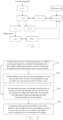
FIG. 1 is a schematic diagram of a vehicle state remote monitoring system according to an embodiment of the present disclosure. -
FIG. 2 is a schematic diagram of a vehicle state remote monitoring method according to an embodiment of the present disclosure. - Various exemplary embodiments, features, and aspects of the present disclosure will be described in detail below with reference to the accompanying drawings. In addition, numerous specific details are given in the embodiments below to better illustrate the present disclosure. It should be understood by those skilled in the art that the present disclosure is equally implementable without certain specific details. In some examples, the techniques familiar to those skilled in the art have not been described in detail to highlight the main purpose of the present disclosure.
- The embodiment of the present disclosure provides a vehicle state remote monitoring method, the method is implemented according to a system framework shown in
FIG. 1 , the system framework mainly includes a kafka module, a flink module, a redis database, and a spring boot module, etc. Referring toFIG. 2 , the method includes the following steps:
At step S100, the kafka module receives CAN data and fault data of a vehicle in real time, and respectively stores the CAN data and the fault data in different kafka topics, wherein both the CAN data and the fault data of the vehicle include vehicle Vin code thereof. - Specifically, the CAN data and the fault data of the vehicle referred to in the steps refer to CAN data and fault data of multiple vehicles of the internet of vehicles, and the CAN data and the fault data of different vehicles are distinguished by the vehicle Vin code they contain as identification. A vehicle terminal collects its own CAN data and fault data in real time and pushes them to the TSP (telematics service provider) platform via its vehicle TBOX. The system framework shown in
FIG. 1 can be understood as being built on the TSP platform. Kafka is a high throughput distributed publish subscribe message system, and it is currently the most mature and widely used distributed message queue in the field of big data, the kafka module in the step receives the CAN data and the fault data uploaded by the TBOX of each vehicle in real time, and stores the CAN data and the fault data of each vehicle in different kafka topics according to the data type. and the embodiment of the present disclosure designs two independent topics for storing the CAN data and thefault data. - At step S200, a flink module processes the CAN data in the kafka topic in real time, and stores the CAN data in a redis database by using the vehicle Vin code comprised in the CAN data as a key.
- Specifically, when storing the CAN data of a certain vehicle with its vehicle Vin code as the key, the current stored data will overwrite the previous data of the same key, thereby ensuring that only the latest data of the vehicle is always stored in the redis database.
- At step S300, the flink module processes the fault data in the kafka topic in real time, associates the fault data with the CAN data in the redis database according to the vehicle Vin code comprised in the fault data to obtain associated data, and stores the associated data in the redis database.
- Specifically, the step joins and associates the CAN data and the fault data belonging to the same vehicle for storage based on the vehicle Vin code as a field;, it should be noted that flink stream processing performance is industry-leading and can achieve millisecond level response, compared to real-time stream processing technologies such as spark streaming, it can achieve low latency while maintaining high throughput.
- At step S400, a spring boot module periodically performs vehicle fault analysis on the associated data in the redis database according to a preset first time interval, and sends the fault analysis result to a display device at a monitoring end for display.
- Specifically, spring boot is currently the mainstream backend development framework for rapid development, particularly suitable for building microservice systems, the first time interval in the embodiment can be set to 5 minutes, and the spring boot module performs vehicle fault analysis on the associated data stored in the redis database every 5 minutes, the vehicle fault analysis is mainly to count failure situation, failure time, failure location of each vehicle in the current cycle, and then generate the failure analysis results sent to a display device of the monitoring end, such as the web page for display. For example, the spring boot module utilizes the websocket communication protocol to actively push the vehicle faults associated with the redis database to the web for display, thereby ensuring timely feedback to the user after faults occur, Users are those who use the monitoring system, such as the R&D personnel of the main engine factory.
- The embodiment of the present disclosure use a combination of kafka, flink, redis and spring boot to optimize the ability of real-time processing and management of vehicle data, and are able to achieve correlation analysis of the CAN data and the fault data of the vehicle, at the same time, it can standardize the data processing process and monitoring content of vehicle monitoring, meet the timeliness of vehicle monitoring, and provide great convenience for data collection and subsequent data analysis of vehicle big data.
- Specifically, in the embodiment of the present disclosure, the vehicle fault analysis is performed periodically on the associated data in the redis database, includes:
extracting the vehicle Vin code, the timestamp, and the fault codes comprised in the associated fault data, sorting the fault code by timestamp from nearest to far, and obtaining the CAN data corresponding to the time according to the timestamp corresponding to the fault codes, wherein the CAN data corresponding to the time should at least include the vehicle location information corresponding to the time; the final generated fault analysis results at least include the vehicle Vin code, the fault timestamp, the fault codes, the vehicle location information during the fault, and of course, other vehicle state data in the CAN data can be included. - Specifically, the timestamp generated by the fault codes in the embodiment is the time when the vehicle faulted, the fault codes are predetermined, and each fault code represents a type of vehicle fault, it should be noted that the timestamp corresponding to the fault codes, for example, is 10:00 pm, but at the timestamp of 10:00 pm, no CAN data is collected, and there is no CAN data corresponding to 10:00 pm. Therefore, in the embodiment, the CAN data of a sampling time closest to the fault timestamp is selected as the state data of the vehicle at the time of the fault.
- In the embodiment of the present disclosure, the method further includes:
At step S500, the spring boot module periodically obtains weather data from multiple cities according to a preset second time interval, and stores the weather data from these cities in the redis database; specifically, the second time interval can be set to 1 hour, meaning that the spring boot module calls a third-party poi every 1 hour to obtain real-time weather conditions of each city and store the real-time weather conditions of each city in the redis database. - In the step S200, the flink module determines the city where the vehicle is located according to the vehicle location information in the CAN data, selects the weather data of the city where the vehicle is located from the redis database, and combines the weather data of the city where the vehicle is located with the CAN data to obtain the combination data, and stores the combination data in the redis database with the vehicle Vin code as the key; specifically, as described above, similarly, when storing the combination data of a vehicle with its vehicle Vin code as the key, the currently deposited data will overwrite the previous data with the same key, thereby ensuring that only the most recent combination data of the vehicle is always stored in the redis database.
- In the step S300, the flink module associates the fault data with the combination data in the redis database according to the vehicle Vin code comprised in the fault data to obtain associated data, and stores the associated data in the redis database; specifically, the association between the combination data and the fault data is the same as before, and the association is still based on the vehicle Vin code as a field.
- In the embodiment of the present disclosure, the generated fault analysis results further include the weather data of the city where the vehicle is located at the time of the fault; the vehicle location information at the time of the fault includes latitude and longitude information and city information where the vehicle is located at the time of the fault.
- In the embodiment of the present disclosure, the method further includes:
In the step S200, the flink module, while processing the CAN data in the kafka topic in real time, also synchronizes the CAN data to be stored in a hive database and a hbase database in real time. - In the step S300, the flink module, while processing the fault data in the kafka topic in real time, also synchronizes the fault data to be stored in the hive database and the hbase database in real time.
- The CAN data and the fault data stored in the hive database are used for offline analysis, and the CAN data and the fault data stored in the hbase database are used by spring boot for fault tracing or vehicle trajectory query.
- In the present disclosure, the data processed from the flink module will be divided into two links, one link is used by the hive database, the hive database is used to store massive offline CAN bus data and the fault data, which can be used for subsequent statistical analysis, another link is used by the hbase database, the hbase database is mainly used for real-time display and data download services; the hive database and the hbase database are stored differently and can be quickly and easily provided for different data needs.
- Furthermore, the statistical analysis data obtained at step S400 may be stored in a TDSQL database.
- In the embodiment, the spring boot is used for fault tracing, including:
obtaining the vehicle Vin code of the target vehicle, obtaining the historical fault data of the target vehicle in the hbase database according to the vehicle Vin code, extracting the fault codes and their corresponding timestamps in the historical fault data, and obtaining fault traceability information for the target vehicle. - In the embodiment, the spring boot is used for vehicle trajectory query, including:
obtaining the vehicle Vin code of the target vehicle, obtaining the historical CAN data of the target vehicle in the hbase database according to the vehicle Vin code, extracting the vehicle location information and its corresponding timestamp from the historical CAN data, and generating the vehicle trajectory information of the target vehicle based on the preset map data and the vehicle location information and its corresponding timestamp from the historical CAN data. - For example, by clicking and locating on a map, the vehicle locations are marked in chronological order on the map, and connected in chronological order to obtain a vehicle trajectory.
- The embodiment of the present disclosure has the following advantages:
- (1) The embodiment of the present disclosure may utilize redis database as an association middleware, which makes associating data fast as the data is in memory;
- (2) Compared with the original data association, the embodiment of the present disclosure has only one piece of latest data for each vehicle, and the amount of data to be queried when associating is greatly reduced, the speed is greatly improved, the processing delay is reduced, and the real-time nature of the monitoring is ensured;
- (3) The embodiment of the present disclosure realizes multiple use of data and saves resources, and the data of the redis association middleware can be used as the data source of real-time vehicle monitoring;
- (4) In the embodiment of the present disclosure, the CAN data stream, the fault data stream, and the external weather data are processed in parallel, without mutual interference and reducing latency.
- As shown in
FIG. 1 , the embodiment of the present disclosure further provides a vehicle state remote monitoring system, the system includes a kafka module, a flink module, a redis database, and a spring boot module, which can be used to implement the steps of the above method; - The kafka module is used to receive CAN data and fault data of a vehicle in real time, and respectively store the CAN data and the fault data in different kafka topics, wherein both the CAN data and the fault data of the vehicle include vehicle Vin code thereof.
- The flink module is used to process the CAN data in the kafka topic in real time, and store the CAN data in a redis database by using the vehicle Vin code comprised in the CAN data as a key.
- The flink module is used to process the fault data in the kafka topic in real time, associate the fault data with the CAN data in the redis database according to the vehicle Vin code comprised in the fault data to obtain associated data, and store the associated data in the redis database.
- The spring boot module is used to periodically perform vehicle fault analysis on the associated data in the redis database according to a preset first time interval, and send the fault analysis result to a display device at a monitoring end for display
In the embodiment, the system further includes a hive database and a hbase database;
The flink module, while processing the CAN data in the kafka topic in real time, also synchronizes the CAN data to be stored in the hive database and the hbase database in real time. - The flink module, while processing the fault data in the kafka topic in real time, also synchronizes the fault data to be stored in the hive database and the hbase database in real time.
- The CAN data and the fault data stored in the hive database are used for offline analysis, and the CAN data and the fault data stored in the hbase database are used by spring boot for fault tracing or vehicle trajectory query.
- In the embodiment, the spring boot module is further used to:
- obtain the vehicle Vin code of the target vehicle, obtaining the historical fault data of the target vehicle in the hbase database according to the vehicle Vin code, extract the fault codes and their corresponding timestamps in the historical fault data, and obtain fault traceability information for the target vehicle.
- obtain the vehicle Vin code of the target vehicle, obtain the historical CAN data of the target vehicle in the hbase database according to the vehicle Vin code, extract the vehicle location information and its corresponding timestamp from the historical CAN data, and generate the vehicle trajectory information of the target vehicle based on the preset map data and the vehicle location information and its corresponding timestamp from the historical CAN data.
- It should be noted that the method of the above embodiment corresponds to the system of the above embodiment. Therefore, the parts of the system that are not detailed in the above embodiment can be obtained by referring to the content of the method of the above embodiment and will not be repeated here.
- The above has described various embodiments of the present disclosure, and the above explanation is exemplary, not exhaustive, and is not limited to the disclosed embodiments. Without deviating from the scope and spirit of the various embodiments explained, many modifications and changes are obvious to ordinary technical personnel in this field. The selection of terms used in this article aims to best explain the principles, practical applications, or technological improvements in the market of each embodiment, or to enable other ordinary technical personnel in the art to understand the disclosed embodiments in this article.
Claims (10)
- A vehicle state remote monitoring method comprising:a kafka module receiving CAN data and fault data of a vehicle in real time, and respectively storing the CAN data and the fault data in different kafka topics, wherein both the CAN data and the fault data of the vehicle include vehicle Vin code thereof;a flink module processing the CAN data in the kafka topic in real time, and storing the CAN data in a redis database by using the vehicle Vin code comprised in the CAN data as a key;the flink module processing the fault data in the kafka topic in real time, associating the fault data with the CAN data in the redis database according to the vehicle Vin code comprised in the fault data to obtain associated data, and storing the associated data in the redis database;a spring boot module periodically performing vehicle fault analysis on the associated data in the redis database according to a preset first time interval and sending fault analysis results to a display device at a monitoring end for display.
- The method according to claim 1, wherein periodically performing vehicle fault analysis on the associated data in the redis database, comprises:
extracting the vehicle Vin code, timestamp, and fault codes comprised in associated fault data, sorting the fault codes by the timestamp, and obtaining the CAN data corresponding to time according to the timestamp corresponding to the fault codes, wherein the CAN data corresponding to the time at least comprises vehicle location information corresponding to the time; the fault analysis results at least comprise the vehicle Vin code, fault timestamp, the fault codes and the vehicle location information during fault. - The method according to claim 2, further comprising:the spring boot module periodically obtaining weather data from multiple cities according to a preset second time interval, and storing the weather data from the multiple cities in the redis database;the flink module determining the city where the vehicle is located according to the vehicle location information in the CAN data, selecting the weather data of the city where the vehicle is located from the redis database, and combining the weather data of the city where the vehicle is located with the CAN data to obtain combination data, and storing the combination data in the redis database with the vehicle Vin code as the key; andthe flink module associating the fault data with the combination data in the redis database according to the vehicle Vin code comprised in the fault data to obtain the associated data, and storing the associated data in the redis database.
- The method according to claim 3, wherein the fault analysis results further comprise the weather data of the city where the vehicle is located during the fault; the vehicle location information during the fault comprises latitude and longitude information and city information where the vehicle is located during the fault.
- The method according to any one of claims 1-4, further comprising:the flink module, while processing the CAN data in the kafka topic in real time, synchronizes storing the CAN data in the hive database and the hbase database in real time;the flink module, while processing the fault data in the kafka topic in real time, synchronizes storing the fault data in the hive database and the hbase database in real time; andwherein the CAN data and the fault data stored in the hive database are used for offline analysis, and the CAN data and the fault data stored in the hbase database are configured by spring boot for fault tracing or vehicle trajectory query.
- The method according to claim 5, wherein spring boot is configured for fault tracing, comprises:
obtaining the vehicle Vin code of a target vehicle, obtaining historical fault data of the target vehicle in the hbase database according to the vehicle Vin code, extracting the fault codes and their corresponding timestamp in the historical fault data, and obtaining fault traceability information of the target vehicle. - The method according to claim 5, wherein spring boot is configured for vehicle trajectory query, comprises:
obtaining the vehicle Vin code of the target vehicle, obtaining the historical CAN data of the target vehicle in the hbase database according to the vehicle Vin code, extracting the vehicle location information and its corresponding timestamp from the historical CAN data, and generating vehicle trajectory information of the target vehicle based on the preset map data and the vehicle location information and its corresponding timestamp from the historical CAN data. - A vehicle state remote monitoring system comprising a kafka module, a flink module, a redis database and a spring boot module;the kafka module receiving CAN data and fault data of a vehicle in real time, and respectively storing the CAN data and the fault data in different kafka topics, wherein both the CAN data and the fault data of the vehicle include vehicle Vin code thereof;the flink module processing the CAN data in the kafka topic in real time, and storing the CAN data in a redis database by using the vehicle Vin code comprised in the CAN data as a key;the flink module processing the fault data in the kafka topic in real time, associating the fault data with the CAN data in the redis database according to the vehicle Vin code comprised in the fault data to obtain associated data, and storing the associated data in the redis database;the spring boot module periodically performing vehicle fault analysis on the associated data in the redis database according to a preset first time interval and sending fault analysis results to a display device at a monitoring end for display.
- The system according to claim 8, further comprising a hive database and a hbase database,the flink module, while processing the CAN data in the kafka topic in real time, synchronizes storing the CAN data in the hive database and the hbase database in real time;the flink module, while processing the fault data in the kafka topic in real time, synchronizes storing the fault data in the hive database and the hbase database in real time; andwherein the CAN data and the fault data stored in the hive database are used for offline analysis, and the CAN data and the fault data stored in the hbase database are used by spring boot for fault tracing or vehicle trajectory query.
- The system according to claim 8, wherein the spring boot is configured to:obtain the vehicle Vin code of a target vehicle, obtain historical fault data of the target vehicle in the hbase database according to the vehicle Vin code, extract the fault codes and their corresponding timestamp in the historical fault data, and obtain fault traceability information of the target vehicle;obtain the vehicle Vin code of the target vehicle, obtain the historical CAN data of the target vehicle in the hbase database according to the vehicle Vin code, extract the vehicle location information and its corresponding timestamp from the historical CAN data, and generate vehicle trajectory information of the target vehicle based on the preset map data and the vehicle location information and its corresponding timestamp from the historical CAN data.
Applications Claiming Priority (2)
| Application Number | Priority Date | Filing Date | Title |
|---|---|---|---|
| CN202111419592.7A CN116184973A (en) | 2021-11-26 | 2021-11-26 | Method and system for remote monitoring of vehicle status |
| PCT/CN2022/122267 WO2023093289A1 (en) | 2021-11-26 | 2022-09-28 | Vehicle state remote monitoring method and system |
Publications (2)
| Publication Number | Publication Date |
|---|---|
| EP4439212A1 true EP4439212A1 (en) | 2024-10-02 |
| EP4439212A4 EP4439212A4 (en) | 2025-12-03 |
Family
ID=86440732
Family Applications (1)
| Application Number | Title | Priority Date | Filing Date |
|---|---|---|---|
| EP22897375.6A Pending EP4439212A4 (en) | 2021-11-26 | 2022-09-28 | METHOD AND SYSTEM FOR REMOTE MONITORING OF VEHICLE CONDITION |
Country Status (3)
| Country | Link |
|---|---|
| EP (1) | EP4439212A4 (en) |
| CN (1) | CN116184973A (en) |
| WO (1) | WO2023093289A1 (en) |
Families Citing this family (4)
| Publication number | Priority date | Publication date | Assignee | Title |
|---|---|---|---|---|
| CN116880449A (en) * | 2023-07-17 | 2023-10-13 | 蔚来汽车科技(安徽)有限公司 | Vehicle remote monitoring method, remote monitoring platform and storage medium |
| CN116931485A (en) * | 2023-07-21 | 2023-10-24 | 同济大学 | Container-based distributed cloud unmanned system |
| CN118227861A (en) * | 2024-04-15 | 2024-06-21 | 北京瑞太智联技术有限公司 | A method, system, terminal and storage medium for presenting multi-source heterogeneous data |
| CN120017693A (en) * | 2025-02-13 | 2025-05-16 | 重庆赛力斯凤凰智创科技有限公司 | Vehicle communication method, system and device, control unit, and communication service device |
Family Cites Families (12)
| Publication number | Priority date | Publication date | Assignee | Title |
|---|---|---|---|---|
| US10515492B2 (en) * | 2015-12-11 | 2019-12-24 | Cummins, Inc. | Diagnostic data visualization methods |
| CN105549580B (en) * | 2016-03-01 | 2018-07-03 | 南京越博动力系统股份有限公司 | A kind of vehicle fault detection system and detection method based on vehicle-mounted CAN network |
| CN106708017B (en) * | 2016-12-26 | 2019-12-06 | 华东理工大学 | Vehicle fault real-time monitoring and service system and monitoring method thereof |
| JP7007697B2 (en) * | 2017-01-16 | 2022-01-25 | 株式会社ユピテル | Equipment and programs |
| CN110687894A (en) * | 2019-10-21 | 2020-01-14 | 广州市番鸿汽车检测有限公司 | Vehicle fault comprehensive diagnosis system |
| CN111241154B (en) * | 2020-01-02 | 2024-04-12 | 浙江吉利远程新能源商用车集团有限公司 | Storage battery fault early warning method and system based on big data |
| CN111813092B (en) * | 2020-07-20 | 2022-05-31 | 上海元城汽车技术有限公司 | Data transmission and fault reason determination method, device, equipment and medium |
| CN111914014A (en) * | 2020-08-17 | 2020-11-10 | 深圳市联恒星科技有限公司 | Big data platform and application thereof |
| CN112506887B (en) * | 2020-11-30 | 2024-03-08 | 北京公共交通控股(集团)有限公司 | Vehicle terminal CAN bus data processing method and device |
| CN112486148B (en) * | 2020-12-29 | 2022-02-18 | 浙江大学 | A method and system for automobile fault diagnosis based on convolutional memory autoencoder network |
| CN112637366A (en) * | 2021-01-14 | 2021-04-09 | 江苏徐工信息技术股份有限公司 | Vehicle network vehicle data acquisition method based on micro-service |
| CN113311807A (en) * | 2021-05-28 | 2021-08-27 | 重庆长安新能源汽车科技有限公司 | Method, system and storage medium for online diagnosis and active offer handling of vehicle faults |
-
2021
- 2021-11-26 CN CN202111419592.7A patent/CN116184973A/en active Pending
-
2022
- 2022-09-28 EP EP22897375.6A patent/EP4439212A4/en active Pending
- 2022-09-28 WO PCT/CN2022/122267 patent/WO2023093289A1/en not_active Ceased
Also Published As
| Publication number | Publication date |
|---|---|
| EP4439212A4 (en) | 2025-12-03 |
| WO2023093289A1 (en) | 2023-06-01 |
| CN116184973A (en) | 2023-05-30 |
Similar Documents
| Publication | Publication Date | Title |
|---|---|---|
| CN110321387B (en) | Data synchronization method, equipment and terminal equipment | |
| CN111414416B (en) | Data processing method, device, equipment and storage medium | |
| CN108279383B (en) | Battery life prediction method, battery data server and battery data processing system | |
| CN111064634B (en) | Method and device for monitoring mass Internet of things terminal online state | |
| WO2023093289A1 (en) | Vehicle state remote monitoring method and system | |
| CN110147398A (en) | A kind of data processing method, device, medium and electronic equipment | |
| CN103763149B (en) | Real-time statistical method for network user number | |
| CN107634848A (en) | A kind of system and method for collection analysis network equipment information | |
| CN112506887B (en) | Vehicle terminal CAN bus data processing method and device | |
| CN108270860A (en) | The acquisition system and method for environmental quality online monitoring data | |
| CN113901372A (en) | User behavior data warehouse construction system and method | |
| CN115664992B (en) | Processing method and device of network operation data, electronic equipment and medium | |
| CN115391429A (en) | Time sequence data processing method and device based on big data cloud computing | |
| CN110908956B (en) | Information protection master station system and fault information archiving method thereof | |
| EP4280561A1 (en) | Information flow identification method, network chip, and network device | |
| CN103023680B (en) | Terminal state collection system and method | |
| CN110989537A (en) | Production data processing method, apparatus, medium, and system | |
| KR20160097502A (en) | Ems server and log data management method thereof | |
| CN113518365A (en) | Data association method, device, server and storage medium | |
| CN108038137B (en) | Offshore wind energy evaluation system based on distributed analytic engine | |
| CN113268363B (en) | Global capability-based call tracking method, device, server and storage medium | |
| CN112693502A (en) | Urban rail transit monitoring system and method based on big data architecture | |
| CN112486656B (en) | Method for realizing wireless ionization wire task scheduling and data downloading | |
| CN116170352A (en) | Network traffic processing method and device, electronic equipment and storage medium | |
| CN114201659A (en) | A message track transmission query method, device and system |
Legal Events
| Date | Code | Title | Description |
|---|---|---|---|
| STAA | Information on the status of an ep patent application or granted ep patent |
Free format text: STATUS: THE INTERNATIONAL PUBLICATION HAS BEEN MADE |
|
| PUAI | Public reference made under article 153(3) epc to a published international application that has entered the european phase |
Free format text: ORIGINAL CODE: 0009012 |
|
| STAA | Information on the status of an ep patent application or granted ep patent |
Free format text: STATUS: REQUEST FOR EXAMINATION WAS MADE |
|
| 17P | Request for examination filed |
Effective date: 20230918 |
|
| AK | Designated contracting states |
Kind code of ref document: A1 Designated state(s): AL AT BE BG CH CY CZ DE DK EE ES FI FR GB GR HR HU IE IS IT LI LT LU LV MC MK MT NL NO PL PT RO RS SE SI SK SM TR |
|
| DAV | Request for validation of the european patent (deleted) | ||
| DAX | Request for extension of the european patent (deleted) | ||
| RAP3 | Party data changed (applicant data changed or rights of an application transferred) |
Owner name: GUANGZHOU AUTOMOBILE GROUP CO., LTD. |
|
| A4 | Supplementary search report drawn up and despatched |
Effective date: 20251031 |
|
| RIC1 | Information provided on ipc code assigned before grant |
Ipc: G05B 23/02 20060101AFI20251027BHEP Ipc: G07C 5/08 20060101ALI20251027BHEP Ipc: G06F 11/30 20060101ALI20251027BHEP Ipc: G06F 11/07 20060101ALI20251027BHEP Ipc: G06F 11/32 20060101ALN20251027BHEP |