EP4438638A1 - Ethylene alpha-olefin copolymer, and preparing method thereof - Google Patents
Ethylene alpha-olefin copolymer, and preparing method thereof Download PDFInfo
- Publication number
- EP4438638A1 EP4438638A1 EP22899050.3A EP22899050A EP4438638A1 EP 4438638 A1 EP4438638 A1 EP 4438638A1 EP 22899050 A EP22899050 A EP 22899050A EP 4438638 A1 EP4438638 A1 EP 4438638A1
- Authority
- EP
- European Patent Office
- Prior art keywords
- group
- alkyl
- acetal
- ketal
- olefin copolymer
- Prior art date
- Legal status (The legal status is an assumption and is not a legal conclusion. Google has not performed a legal analysis and makes no representation as to the accuracy of the status listed.)
- Pending
Links
Images

Classifications
-
- C—CHEMISTRY; METALLURGY
- C08—ORGANIC MACROMOLECULAR COMPOUNDS; THEIR PREPARATION OR CHEMICAL WORKING-UP; COMPOSITIONS BASED THEREON
- C08F—MACROMOLECULAR COMPOUNDS OBTAINED BY REACTIONS ONLY INVOLVING CARBON-TO-CARBON UNSATURATED BONDS
- C08F210/00—Copolymers of unsaturated aliphatic hydrocarbons having only one carbon-to-carbon double bond
- C08F210/16—Copolymers of ethene with alpha-alkenes, e.g. EP rubbers
-
- C—CHEMISTRY; METALLURGY
- C08—ORGANIC MACROMOLECULAR COMPOUNDS; THEIR PREPARATION OR CHEMICAL WORKING-UP; COMPOSITIONS BASED THEREON
- C08F—MACROMOLECULAR COMPOUNDS OBTAINED BY REACTIONS ONLY INVOLVING CARBON-TO-CARBON UNSATURATED BONDS
- C08F4/00—Polymerisation catalysts
- C08F4/42—Metals; Metal hydrides; Metallo-organic compounds; Use thereof as catalyst precursors
- C08F4/44—Metals; Metal hydrides; Metallo-organic compounds; Use thereof as catalyst precursors selected from light metals, zinc, cadmium, mercury, copper, silver, gold, boron, gallium, indium, thallium, rare earths or actinides
- C08F4/60—Metals; Metal hydrides; Metallo-organic compounds; Use thereof as catalyst precursors selected from light metals, zinc, cadmium, mercury, copper, silver, gold, boron, gallium, indium, thallium, rare earths or actinides together with refractory metals, iron group metals, platinum group metals, manganese, rhenium technetium or compounds thereof
- C08F4/62—Refractory metals or compounds thereof
- C08F4/64—Titanium, zirconium, hafnium or compounds thereof
- C08F4/659—Component covered by group C08F4/64 containing a transition metal-carbon bond
- C08F4/6592—Component covered by group C08F4/64 containing a transition metal-carbon bond containing at least one cyclopentadienyl ring, condensed or not, e.g. an indenyl or a fluorenyl ring
-
- C—CHEMISTRY; METALLURGY
- C08—ORGANIC MACROMOLECULAR COMPOUNDS; THEIR PREPARATION OR CHEMICAL WORKING-UP; COMPOSITIONS BASED THEREON
- C08F—MACROMOLECULAR COMPOUNDS OBTAINED BY REACTIONS ONLY INVOLVING CARBON-TO-CARBON UNSATURATED BONDS
- C08F2420/00—Metallocene catalysts
- C08F2420/02—Cp or analog bridged to a non-Cp X anionic donor
-
- C—CHEMISTRY; METALLURGY
- C08—ORGANIC MACROMOLECULAR COMPOUNDS; THEIR PREPARATION OR CHEMICAL WORKING-UP; COMPOSITIONS BASED THEREON
- C08F—MACROMOLECULAR COMPOUNDS OBTAINED BY REACTIONS ONLY INVOLVING CARBON-TO-CARBON UNSATURATED BONDS
- C08F2420/00—Metallocene catalysts
- C08F2420/06—Cp analog where at least one of the carbon atoms of the non-coordinating part of the condensed ring is replaced by a heteroatom
-
- C—CHEMISTRY; METALLURGY
- C08—ORGANIC MACROMOLECULAR COMPOUNDS; THEIR PREPARATION OR CHEMICAL WORKING-UP; COMPOSITIONS BASED THEREON
- C08F—MACROMOLECULAR COMPOUNDS OBTAINED BY REACTIONS ONLY INVOLVING CARBON-TO-CARBON UNSATURATED BONDS
- C08F4/00—Polymerisation catalysts
- C08F4/42—Metals; Metal hydrides; Metallo-organic compounds; Use thereof as catalyst precursors
- C08F4/44—Metals; Metal hydrides; Metallo-organic compounds; Use thereof as catalyst precursors selected from light metals, zinc, cadmium, mercury, copper, silver, gold, boron, gallium, indium, thallium, rare earths or actinides
- C08F4/60—Metals; Metal hydrides; Metallo-organic compounds; Use thereof as catalyst precursors selected from light metals, zinc, cadmium, mercury, copper, silver, gold, boron, gallium, indium, thallium, rare earths or actinides together with refractory metals, iron group metals, platinum group metals, manganese, rhenium technetium or compounds thereof
- C08F4/62—Refractory metals or compounds thereof
- C08F4/64—Titanium, zirconium, hafnium or compounds thereof
- C08F4/659—Component covered by group C08F4/64 containing a transition metal-carbon bond
- C08F4/65908—Component covered by group C08F4/64 containing a transition metal-carbon bond in combination with an ionising compound other than alumoxane, e.g. (C6F5)4B-X+
-
- C—CHEMISTRY; METALLURGY
- C08—ORGANIC MACROMOLECULAR COMPOUNDS; THEIR PREPARATION OR CHEMICAL WORKING-UP; COMPOSITIONS BASED THEREON
- C08F—MACROMOLECULAR COMPOUNDS OBTAINED BY REACTIONS ONLY INVOLVING CARBON-TO-CARBON UNSATURATED BONDS
- C08F4/00—Polymerisation catalysts
- C08F4/42—Metals; Metal hydrides; Metallo-organic compounds; Use thereof as catalyst precursors
- C08F4/44—Metals; Metal hydrides; Metallo-organic compounds; Use thereof as catalyst precursors selected from light metals, zinc, cadmium, mercury, copper, silver, gold, boron, gallium, indium, thallium, rare earths or actinides
- C08F4/60—Metals; Metal hydrides; Metallo-organic compounds; Use thereof as catalyst precursors selected from light metals, zinc, cadmium, mercury, copper, silver, gold, boron, gallium, indium, thallium, rare earths or actinides together with refractory metals, iron group metals, platinum group metals, manganese, rhenium technetium or compounds thereof
- C08F4/62—Refractory metals or compounds thereof
- C08F4/64—Titanium, zirconium, hafnium or compounds thereof
- C08F4/659—Component covered by group C08F4/64 containing a transition metal-carbon bond
- C08F4/65912—Component covered by group C08F4/64 containing a transition metal-carbon bond in combination with an organoaluminium compound
Definitions
- the present disclosure relates to an ethylene alpha-olefin copolymer and a method of preparing the same.
- Polyolefin polymerized under a metallocene-based catalyst having a single active site may not only have a narrow molecular weight distribution, but also a constant comonomer distribution.
- Such polyolefins have a single melting temperature and therefore exhibit low thermal stability because they melt only at a specific temperature. Accordingly, it is necessary to improve thermal stability after processing by adding a crosslinking process or the like.
- An aspect of the present disclosure is to provide an ethylene alpha-olefin copolymer having improved processability and thermal stability after processing.
- an ethylene alpha-olefin copolymer containing an ethylene structural unit and an alpha-olefin structural unit the ethylene alpha-olefin copolymer includes two melting temperature (Tm) peaks when measured by differential scanning calorimetry (DSC), and a zero shear viscosity of at least 10,000 Pa*s.
- a method of preparing an ethylene alpha-olefin copolymer includes polymerizing an ethylene monomer and an alpha-olefin monomer under a catalyst composition containing an R type and an S type of a transition metal compound represented by the following formula 1.
- an ethylene alpha-olefin copolymer having two different melting temperature (Tm) peaks is provided.
- the ethylene alpha-olefin copolymer exhibits high zero shear viscosity and strength factors as compared to related art ethylene alpha-olefin copolymers with similar density and melting index (MI), and has excellent processability and thermal stability after processing.
- alkyl refers to a monovalent linear or branched saturated hydrocarbon radical consisting of only carbon and hydrogen atoms.
- alkyl radicals are methyl, ethyl, propyl, isopropyl, butyl, isobutyl, t-butyl, pentyl, hexyl, octyl, dodecyl, cyclopropyl, cyclobutyl, cyclopentyl, cyclohexyl, cycloheptyl, cyclooctyl, cyclononyl, cyclodecyl, and the like, but the present disclosure is not limited thereto.
- alkenyl refers to a linear or branched hydrocarbon radical containing one or more carbon-carbon double bonds, and includes ethenyl, propenyl, butenyl, pentenyl, and the like, but the present disclosure is not limited thereto.
- alkynyl refers to a linear or branched hydrocarbon radical containing one or more carbon-carbon triple bonds, such as methynyl, ethynyl, propynyl, butynyl, pentynyl, hexynyl, heptinyl, octinyl, and the like, but the present disclosure is not limited thereto.
- aryl as used in the present disclosure is an organic radical derived from an aromatic hydrocarbon by removing one hydrogen, and "aryl” includes a single or fused ring system. Specific examples of “aryl” include phenyl, naphthyl, biphenyl, anthryl, fluorenyl, phenanthryl, triphenylenyl, pyrenyl, perylenyl, chrysenyl, naphthacenyl, fluoranthenyl, and the like, but the present disclosure is not limited thereto.
- alkylaryl refers to an organic group in which one or more hydrogens of an aryl group are substituted with an alkyl group, and include methylphenyl, ethylphenyl, n-propylphenyl, isopropylphenyl, n-butylphenyl, isopropylphenyl, n-butylphenyl, isobutylphenyl, t-butylphenyl, and the like, but the present disclosure is not limited thereto.
- arylalkyl refers to an organic group in which one or more hydrogens of an alkyl group are substituted with an aryl group, and includes, phenylpropyl, phenylhexyl, and the like, but the present disclosure is not limited thereto.
- the term “alkylamido” refers to an organic group in which at least one hydrogen in -NH 2 of an amido group is substituted with an alkyl group
- the term “arylamido” refers to an organic group in which at least one hydrogen in -NH2 of the amido group is substituted with an aryl group
- the alkyl group in the alkylamido group and the aryl group in the arylamido group may be the same as the examples of the alkyl group and aryl group described above, but the present disclosure is not limited thereto.
- alkylidene refers to a divalent aliphatic hydrocarbon group in which two hydrogen atoms are removed from the same carbon atom of the alkyl group, and includes ethylidene, propylidene, isopropylidene, butylidene, pentylidene, and the like, but the present disclosure is not limited thereto.
- acetal refers to an organic group formed by a bond of alcohol and aldehyde, that is, a substituent with two ether (-OR) bonds on one carbon atom, and includes methoxymethoxy, 1-methoxyethoxy, 1-methoxypropyloxy, 1-methoxybutyloxy, 1-ethoxyethoxy, 1-ethoxypropyloxy, 1-ethoxybutyloxy, 1-(n-butoxy)ethoxy, 1-(iso-butoxy)ethoxy, 1-(secondary-butoxy)ethoxy, 1-(tertiary-butoxy)ethoxy, 1-(cyclohexyloxy) ethoxy, 1-methoxy-1-methylmethoxy, 1-methoxy-1-methylethoxy, and the like, but the present disclosure is not limited thereto.
- ether refers to an organic group having at least one ether bond (-O-), and includes 2-methoxyethyl, 2-ethoxyethyl, 2-butoxyethyl, 2-phenoxyethyl, 2-(2-methoxyethoxy)ethyl, 3-methoxypropyl, 3-butoxypropyl, 3-phenoxypropyl, 2-methoxy-1-methylethyl, 2-methoxy-2-methylethyl, 2-methoxyethyl, 2-ethoxyethyl, 2-butoxyethyl, 2-phenoxyethyl, and the like, but the present disclosure is not limited thereto.
- sil refers to a -SiH 3 radical derived from silane, and at least one of hydrogen atoms in the silyl group may be substituted with various organic groups such as alkyl and halogen, and specifically, includes trimethylsilyl, triethylsilyl, t-butyldimethylsilyl, vinyldimethylsilyl, propyldimethylsilyl, triphenylsilyl, diphenylsilyl, phenylsilyl, trimethoxysilyl, methyldimeroxysilyl, ethyldiethoxysilyl, triethoxysilyl, vinyldimethoxysilyl, triphenoxysilyl, and the like, but the present disclosure is not limited thereto.
- alkoxy refers to an -O-alkyl radical, where 'alkyl' is as defined above.
- alkoxy radicals include, methoxy, ethoxy, propoxy, isopropoxy, butoxy, isobutoxy, t-butoxy, and the like, but the present disclosure is not limited thereto.
- halogen refers to a fluorine, chlorine, bromine or iodine atom.
- the present disclosure provides an ethylene alpha-olefin copolymer that has high processability and thermal stability after processing without additional processes such as adding additives for crosslinking.
- the ethylene alpha-olefin copolymer according to the present disclosure has two melting temperature (Tm) peaks when measured by differential scanning calorimetry (DSC) and has high zero shear viscosity.
- the ethylene alpha-olefin copolymer according to the present disclosure is polymerized under a catalyst composition containing the R type and S type of the transition metal compound, and thus, the melting temperature (Tm) peak may include first melting temperature and second melting temperature peaks that are different from each other.
- Tm melting temperature
- the first melting temperature peak may exist at 30°C or higher and 100°C or lower, and the second melting temperature peak may exist at higher than 100°C and 120°C or lower.
- the ethylene alpha-olefin copolymer may have a zero shear viscosity of 10,000 Pa ⁇ s or more, and as a result, the melt strength and thermal stability of the polymer increase, allowing the polymer to be processed stably.
- an ethylene alpha-olefin copolymer with a sufficiently high zero shear viscosity may be produced without adding additives such as peroxide or the like for crosslinking.
- Mw is the weight average molecular weight of the ethylene alpha-olefin copolymer
- the rate of increase in extensional viscosity is obtained as, for the ethylene alpha-olefin copolymer, the highest extensional viscosity value measured at 170°C at a Hencky strain rate of 1 s -1 using an extensional viscosity device attached to an ARES rheometer is divided by the value of the extensional viscosity of the extrapolated straight line at the time at which the highest extensional viscosity value was obtained.
- the extrapolated straight line is a straight line provided by extending a straight line with an average slope in a section where the extensional viscosity increases uniformly over time, to a section where the extensional viscosity increases rapidly while maintaining the average slope (see FIG. 2 ).
- the ethylene alpha-olefin copolymer according to the present disclosure may have a strength factor of 50 or more as measured according to Equation 1.
- the rate of increase in extensional viscosity of the ethylene alpha-olefin copolymer may be 2 or more.
- ethylene alpha-olefin copolymers polymerized under a catalyst containing a transition metal compound without isomers tend to have a constant increase in extensional viscosity over time and have a low rate of increase in extensional viscosity.
- the ethylene alpha-olefin copolymer according to the present disclosure exhibits strain hardening in which the extensional viscosity increases steadily and then increases rapidly after a certain time point, and when considering this, it can be expected to show improved processability compared to ethylene alpha-olefin copolymers of the related art.
- the upper limit of the rate of increase in extensional viscosity of the ethylene alpha-olefin copolymer is not particularly limited, but is preferably 5 or less to maintain sufficient mechanical strength.
- the ethylene alpha-olefin copolymer according to the present disclosure satisfies the above-mentioned physical properties and at the same time may exhibit similar physical properties to the ethylene alpha-olefin copolymer polymerized under a catalyst containing a transition metal compound that does not have isomers.
- the ethylene alpha-olefin copolymer according to the present disclosure may exhibit a density of 0.850 to 0.920 g/mL and a melt index (MI) of 0.1 to 40 g/10min.
- the ethylene alpha-olefin copolymer according to the present disclosure is produced by copolymerization of ethylene and alpha-olefin, and the alpha-olefin may be a C 3 -C 12 , or C 3 -C 8 aliphatic olefin.
- the alpha-olefin may be propylene, 1-butene, 1-pentene, 3-methyl-1-butene, 1-hexene, 4-methyl-1-pentene, 3-methyl-1-pentene, 1-heptene, 1-octene, 1-decene, 1-undecene, 1-dodecene, 1-tetradecene, 1-hexadecene, 1-itocene, 4,4-dimethyl-1-pentene, 4,4-diethyl-1-hexene or 3,4-dimethyl-1-hexene, etc., and any one thereof or a mixture of two or more thereof may be used.
- the ratio of ethylene and alpha-olefin added to the reactor during polymerization is not particularly limited, but it is preferable that ethylene:alpha-olefin is added at a weight ratio of 1:0.5 to 1:1.3.
- ethylene and alpha-olefin are added in the above weight ratio, an olefin copolymer having a high molecular weight and a high comonomer content may be obtained.
- the transition metal compound represented by Formula 1 contains ligands with new structures in which the amido ligand and ortho-phenylene form a condensed ring, and the pentagonal ring pi-ligand bonded to the ortho-phenylene is fused by a thiophene heterocycle. Accordingly, the transition metal compound has the advantage of having a high copolymerization activity of ethylene and alpha-olefin, compared to the transition metal compound in which the thiophene hetero ring is not fused.
- the R 1 , R 2 , R 3 , R 4 , R 5 , R 6 , R 7 , R 8 , R 9 , R 10 , R 11 , R 12 and R 13 may each be independently substituted with a substituent containing an acetal, ketal or ether group, and when substituted with the above substituents, it may be more advantageous to support the transition metal compound on the surface of the carrier.
- M may be titanium (Ti), zirconium (Zr), or hafnium (Hf).
- Q 1 and Q 2 are each independently halogen or (C 1 -C 20 )alkyl, and more preferably chlorine or methyl.
- R 1 , R 2 , R 3 , R 4 , and R 5 may each independently be hydrogen or (C 1 -C 20 )alkyl, and preferably may each independently be hydrogen or methylyl. More preferably, R 1 , R 2 , R 3 , R 4 , and R 5 may each independently be hydrogen or methyl, but at least one of R 3 and R 4 may be methyl, and R 5 may be methyl.
- the transition metal compound represented by Formula 1 preferably contains the above substituents to control the electronic and steric environment around the metal.
- the catalyst composition may further include a cocatalyst compound.
- the cocatalyst compound activates the catalyst compound, and an aluminoxane compound, an organo-aluminum compound, a bulky compound that activates the catalyst compound, or the like may be used.
- the cocatalyst compound may be selected from the group consisting of compounds represented by the following formulas 2 to 4. [Formula 2] -[Al(Ra)-O] n -
- the 'unit' represented by Formula 2 is a structure in which n structures within [ ] are connected within the compound, and if it contains the unit represented by Formula 2, other structures in the compound are not particularly limited, and it may be a cluster-type, for example, spherical compound in which the repeating units of Formula 2 are linked to each other.
- the compound represented by Formula 2 is not particularly limited as long as it is an alkylaluminoxane, but preferred examples include methylaluminoxane, ethylaluminoxane, isobutylaluminoxane, butylaluminoxane, etc., and a particularly preferred compound is methylaluminoxane.
- the compound represented by Formula 3 is an alkyl metal compound and is not particularly limited, and non-limiting examples thereof include trimethyl aluminum, triethylaluminum, triisobutyl aluminum, tripropyl aluminum, tributyl aluminum, dimethylchloroaluminum, triisopropyl aluminum, tri-s-butyl aluminum, tricyclopentyl aluminum, tripentyl aluminum , triisopentyl aluminum, trihexyl aluminum, trioctyl aluminum, ethyldimethyl aluminum, methyldiethyl aluminum, triphenyl aluminum, tri-p-tolyl aluminum, dimethyl aluminum methoxide, dimethyl aluminum ethoxide, trimethyl boron, triethyl boron, triisobutyl boron, tripropyl boron, tributyl boron, etc.
- the activity of the transition metal compound one or two or more types selected from the group consisting of trimethyl aluminum, triethyl aluminum and
- the compound represented by Formula 4 when [W] + is a cationic Lewis acid to which a hydrogen atom is bonded, it is a dimethylanilinium cation, and when [W] + is a cationic Lewis acid, it is [(C 6 H 5 ) 3 C] + , and [Z(Rc) 4 ] - may be preferably [B(C 6 F 5 ) 4 ] - .
- the compound represented by Formula 4 is not particularly limited, but a non-limiting example where [W] + is a cationic Lewis acid to which a hydrogen atom is bonded may be triphenylcarbenium borate, trimethylammonium tetraphenylborate, methyldioctadecylammonium tetraphenylborate, triethylammonium tetraphenylborate, tripropylammonium tetraphenylborate, tri(n-butyl)ammonium tetraphenylborate, methyltetradecyclo octadecylammonium tetraphenylborate, N,N-dimethylanilium tetraphenylborate, N,N-diethylanilinium tetraphenylborate, N,N-dimethyl(2,4,6-trimethylanilinium)tetraphenylborate, trimethylammonium te
- the catalyst may be prepared using the compounds of Formula 1 to Formula 4, and in this case, the method exemplified below may be used to prepare the catalyst.
- a catalyst may be prepared by contacting a mixture of a transition metal compound and the compounds represented by Formulas 3 and 4, or may also be produced by respectively, directly adding the compounds represented by Formulas 3 and 4 to the polymerization reactor.
- the amount of the cocatalyst compound added may be determined by considering the amount of the transition metal compound represented by Formula 1 and the amount necessary to sufficiently activate the transition metal compound.
- the content of the cocatalyst compound may be 1:1 to 100,000 based on the molar ratio of the metal contained in the cocatalyst compound, with respect to 1 mole of the transition metal contained in the transition metal compound represented by Formula 1, and preferably, may be 1:1 to 10,000, more preferably 1:1 to 5,000.
- the compound represented by Formula 2 may be included in a molar ratio of preferably 1:10 to 5,000, more preferably 1:50 to 1,000, and most preferably 1:100 to 1,000 with respect to the transition metal compound represented by Formula 1. If the molar ratio of the compound represented by Formula 2 to the transition metal compound of Formula 1 is less than 1:10, the amount of aluminoxane is so small and thus, a problem may occur in which activation of the transition metal compound cannot proceed completely, and if the ratio exceeds 1:5,000, an excess amount of aluminoxane may act as a catalyst poison and the polymer chain may not grow well.
- a of the cocatalyst compound represented by Formula 3 when A of the cocatalyst compound represented by Formula 3 is boron, it may be included in a molar ratio of 1:1 to 100, preferably 1:1 to 10, and more preferably 1:1 to 3, relative to the transition metal compound represented by Formula 1.
- a of the cocatalyst compound represented by Formula 3 when A of the cocatalyst compound represented by Formula 3 is aluminum, it may vary depending on the amount of water in the polymerization system, but may be included in a molar ratio of 1:1 to 1000, preferably 1:1 to 500, and more preferably 1:1 to 100, relative to the transition metal compound represented by Formula 1.
- the cocatalyst compound represented by Formula 4 may be included in a molar ratio of 1:0.5 to 30, preferably 1:0.7 to 20, and more preferably 1:1 to 10 with respect to the transition metal compound represented by Formula 1. If the ratio of the cocatalyst compound represented by Formula 4 is less than 1:0.5, the amount of activator is relatively small and the metal compound cannot be completely activated, which may lead to a problem in that the activity of the resulting catalyst composition decreases. If it exceeds 1:30, the metal compound is fully activated, but the remaining excess activator may cause problems such as the unit cost of the catalyst composition being uneconomical or the purity of the polymer produced being low.
- the catalyst composition of the present disclosure containing the transition metal compound and the cocatalyst compound may further include a carrier.
- the carrier may be any carrier made of inorganic or organic materials used in the production of catalysts in the technical field to which the present disclosure pertains, without limitation.
- the carrier may be SiO 2 , Al 2 O 3 , MgO, MgCl 2 , CaCl 2 , ZrO 2 , TiO 2 , B 2 O 3 , CaO, ZnO, BaO, ThO 2 , SiO 2 -Al 2 O 3 , SiO 2 -MgO, SiO 2 -TiO 2 , SiO 2 -V 2 O 5 , SiO 2 -Cr 2 O 3 , SiO 2 -TiO 2 -MgO, bauxite, zeolite, starch, cyclodextrin, or synthetic polymer.
- the carrier contains a hydroxy group on the surface and may be one or more types selected from the group consisting of silica (SiO 2 ), silica-alumina (SiO 2 -Al 2 O 3 ), and silica-magnesia (SiO 2 -MgO).
- a method of supporting a catalyst containing the transition metal compound and the cocatalyst compound on the carrier a method of directly supporting the transition metal compound on a dehydrated carrier; a method of pretreating the carrier with the cocatalyst compound and then supporting the transition metal compound; a method of supporting the transition metal compound on the carrier and then post-treating the same with the cocatalyst compound; a method of reacting the transition metal compound with the cocatalyst compound and then adding the carrier for reaction, or the like, may be used.
- the solvent that may be used in the above supporting method may be an aromatic hydrocarbon-based solvent, an aromatic hydrocarbon-based solvent, a halogenated aliphatic hydrocarbon-based solvent, or a mixture thereof.
- Non-limiting examples of the aliphatic hydrocarbon-based solvent may include pentane, hexane, heptane, octane, nonane, decane, undecane, dodecane, or the like.
- Non-limiting examples of the aromatic hydrocarbon-based solvent may include benzene, monochlorobenzene, dichlorobenzene, trichlorobenzene, toluene, or the like.
- the ethylene alpha-olefin copolymer produced through a polymerization process performed by directly contacting ethylene and alpha-olefin comonomer compounds may be prepared by polymerization of monomers under conditions in which the catalytic sites are relatively insoluble and/or immobilized so that the polymer chains are rapidly immobilized according to these information.
- This immobilization may be performed, for example, by using a solid insoluble catalyst, by carrying out the polymerization in a medium in which the resulting polymer is generally insoluble, and by maintaining the polymerization reactants and products at the crystallization temperature (T c ) or lower of the polymer.
- the above-mentioned catalyst may be preferably applied to the copolymerization of ethylene and alpha-olefin.
- a method of preparing an ethylene alpha-olefin copolymer will be described, including the operation of copolymerizing ethylene and alpha-olefin in the presence of the catalyst.
- Processes of polymerizing ethylene alpha-olefin copolymers are well known in the art and include bulk polymerization, solution polymerization, slurry polymerization, and low pressure gas phase polymerization.
- Metallocene catalysts are particularly useful in known forms of operation using fixed bed, moving bed or slurry processes carried out in single, series or parallel reactors.
- a solvent or propylene or ethylene monomer itself may be used as a medium.
- the catalyst presented in the present disclosure exists in a uniform form within the polymerization reactor, it is preferable to apply the same to a solution polymerization process conducted at a temperature of the melting point or higher of the polymer.
- a heterogeneous catalyst composition form obtained by supporting the transition metal compound and cocatalyst on a porous metal oxide support may be used in slurry polymerization or gas phase polymerization processes. Therefore, if the catalyst of the present disclosure is used with an inorganic carrier or an organic polymer carrier, it may also be applied to slurry or gas phase processes. That is, the transition metal compound and cocatalyst compound may be used in the form of being supported on an inorganic carrier or an organic polymer carrier.
- Solvents that may be used during the polymerization reaction may be aliphatic hydrocarbon-based solvents, aromatic hydrocarbon-based solvents, halogenated aliphatic hydrocarbon-based solvents, or mixtures thereof.
- aliphatic hydrocarbon-based solvent may include butane, isobutane, pentane, hexane, heptane, octane, nonane, decane, undecane, dodecane, cyclopentane, methylcyclopentane, cyclohexane, etc.
- a non-limiting example of the aromatic hydrocarbon-based solvent may include benzene, monochlorobenzene, dichlorobenzene, trichlorobenzene, toluene, xylene, chlorobenzene, etc.
- a non-limiting example of the halogenated aliphatic hydrocarbon solvent may include dichloromethane, trichloromethane, chloroethane, dichloroethane, trichloroethane, 1,2-dichloroethane, etc.
- the ethylene alpha-olefin copolymer according to the present disclosure may be prepared by polymerizing ethylene and alpha-olefin comonomer in the presence of the catalyst composition.
- the transition metal compound and cocatalyst component may be added separately to the reactor, or respective components may be mixed in advance and then added to the reactor, and there are no restrictions on mixing conditions such as input order, temperature, concentration or the like.
- 1-butene when preparing a copolymer of ethylene and 1-butene, 1-butene may be included in an amount of 0.1 to 99.9% by weight, preferably 1 to 75% by weight, and more preferably 5 to 50% by weight.
- the amount of the catalyst added in the polymerization reaction according to the present disclosure may be determined within a range where the polymerization reaction of the monomer may sufficiently occur depending on the slurry phase, liquid phase, gas phase, or solution process, and thus is not particularly limited.
- the amount of the catalyst added is preferably 10- 8 to 1 mol/L based on the concentration of the central metal (M) in the transition metal compound per unit volume (L) of monomer, and is more preferably 10 -7 to 10 -1 mol/L, and even more preferably 10 -7 to 10 -2 mol/L.
- the polymerization reaction in the present disclosure may be conducted as a batch type, semi-continuous type, or continuous type reaction, and may be preferably performed as a continuous reaction.
- the temperature and pressure conditions for the polymerization reaction of the present disclosure may be determined considering the efficiency of the polymerization reaction depending on the type of reaction to be applied and the type of reactor, but the polymerization temperature may be 40 to 150°C, preferably 60 to 100°C, and the pressure may be 1 to 100 atm, preferably 5 to 50 atm.
- Ethylene alpha-olefin copolymers having different ranges of melting temperatures are prepared under the catalyst composition according to the present disclosure.
- the ethylene alpha-olefin copolymer exhibits high zero shear viscosity and strength factor and has excellent processability and thermal stability after processing, compared to ethylene alpha-olefin copolymers of the related art with similar density and melt index (MI).
- MI density and melt index
- CAT-1 transition metal compound used as a main catalyst was synthesized.
- the detailed synthesis process is as follows.
- methyllithium (1.63 g, 3.55 mmol, 1.6 M diethyl ether solution) was added dropwise to a diethyl ether solution (10 mL) in which compound (1) (0.58 g, 1.79 mmol) was dissolved at -30°C (i).
- the solution was stirred at room temperature overnight, and then the temperature was lowered to -30°C, and then, Ti(NMe 2 ) 2 Cl 2 (0.37 g, 1.79 mmol) was added all at once (ii). The solution was stirred for 3 hours and then all solvent was removed using a vacuum pump.
- the reactor temperature was preheated to 140°C, and a solution of dimethylanilinium tetrakis (pentablueorophenyl) borate cocatalyst (45.0 pmol) was mixed with the mixed solution of a transition metal compound (5) (1.5 ⁇ mol) and triisobutyl aluminum (187.5 pmol) synthesized in the above preparation example, and injected into the reactor, and then, polymerization reaction was performed for 5 minutes.
- a solution of dimethylanilinium tetrakis (pentablueorophenyl) borate cocatalyst (45.0 pmol) was mixed with the mixed solution of a transition metal compound (5) (1.5 ⁇ mol) and triisobutyl aluminum (187.5 pmol) synthesized in the above preparation example, and injected into the reactor, and then, polymerization reaction was performed for 5 minutes.
- the reaction was terminated using ethanol diluted with 10% HCl, and then the temperature was lowered to room temperature, and then, excess gas was discharged.
- the copolymer polymerization solution dispersed in the solvent was transferred to a container and then dried in a vacuum oven at 80°C for 15 hours or more to prepare an ethylene alpha-olefin copolymer.
- ethylene alpha-olefin copolymer was prepared in the same manner as in the example.
- Mw is the weight average molecular weight of the ethylene alpha-olefin copolymer
- the rate of increase in extensional viscosity is a value obtained by dividing the highest extensional viscosity value measured at 170°C at a Hencky strain rate of 1 s -1 using an extensional viscosity device attached to an ARES rheometer, for the ethylene alpha-olefin copolymer, by the value of extensional viscosity of the extrapolated straight line at the time at which the highest extensional viscosity value was obtained.
- the extrapolated straight line is a straight line provided by extending a straight line with an average slope in a section where the extensional viscosity increases uniformly over time to a section where the extensional viscosity increases rapidly while maintaining the average slope.
- the ethylene alpha-olefin copolymers prepared according to Examples 1 to 7 have two melting temperature peaks.
- the ethylene alpha-olefin copolymers prepared according to Examples 1 to 7 exhibit higher zero shear viscosity, extensional viscosity increase rate, and strength factor compared to the ethylene alpha-olefin copolymers having similar density and melt index (MI) prepared according to Comparative Examples 1 to 7.
- MI density and melt index
Landscapes
- Chemical & Material Sciences (AREA)
- Health & Medical Sciences (AREA)
- Chemical Kinetics & Catalysis (AREA)
- Medicinal Chemistry (AREA)
- Polymers & Plastics (AREA)
- Organic Chemistry (AREA)
- Crystallography & Structural Chemistry (AREA)
- Engineering & Computer Science (AREA)
- Materials Engineering (AREA)
- Transition And Organic Metals Composition Catalysts For Addition Polymerization (AREA)
- Addition Polymer Or Copolymer, Post-Treatments, Or Chemical Modifications (AREA)
Abstract
Description
- The present disclosure relates to an ethylene alpha-olefin copolymer and a method of preparing the same.
- Polyolefin polymerized under a metallocene-based catalyst having a single active site may not only have a narrow molecular weight distribution, but also a constant comonomer distribution.
- Such polyolefins have a single melting temperature and therefore exhibit low thermal stability because they melt only at a specific temperature. Accordingly, it is necessary to improve thermal stability after processing by adding a crosslinking process or the like.
- An aspect of the present disclosure is to provide an ethylene alpha-olefin copolymer having improved processability and thermal stability after processing.
- According to an aspect of the present disclosure, an ethylene alpha-olefin copolymer containing an ethylene structural unit and an alpha-olefin structural unit, the ethylene alpha-olefin copolymer includes two melting temperature (Tm) peaks when measured by differential scanning calorimetry (DSC), and a zero shear viscosity of at least 10,000 Pa*s.
- According to another aspect of the present disclosure, a method of preparing an ethylene alpha-olefin copolymer includes polymerizing an ethylene monomer and an alpha-olefin monomer under a catalyst composition containing an R type and an S type of a transition metal compound represented by the following
formula 1.
- In Formula 1 above,
- M is a
group 4 transition metal; - Q1 and Q2 are each independently halogen, (C1-C20)alkyl, (C2-C20)alkenyl, (C2-C20)alkynyl, (C6-C20)aryl, (C1-C20) alkyl (C6-C20)aryl, (C6-C20)aryl (C1-C20)alkyl, (C1-C20) alkylamido, (C6-C20)arylamido or (C1-C20)alkylidene;
- R1, R2, R3, R4, R5, R6, R7, R8, R9 and R10 are each independently hydrogen; (C1-C20)alkyl with or without acetal, a ketal or an ether group; (C2-C20)alkenyl with or without an acetal, a ketal or an ether group; (C1-C20)alkyl (C6-C20)aryl with or without an acetal, a ketal or an ether group; (C6-C20) aryl (C1-C20)alkyl with or without an acetal, a ketal or an ether group; or (C1-C20)silyl with or without an acetal, a ketal or an ether group; the R1 and R2 are connected to each other to form a ring, the R3 and R4 are connected to each other to form a ring, and two or more of R5 to R10 are connected to each other to form a ring; and
- R11, R12 and R13 are each independently hydrogen; a (C1-C20)alkyl with or without an acetal, a ketal or an ether group; (C2-C20)alkenyl with or without an acetal, a ketal or an ether group; a (C1-C20)alkyl (C6-C20)aryl with or without an acetal, a ketal or an ether group; a (C6-C20)aryl(C1-C20)alkyl with or without an acetal, a ketal or an ether group; a (C1-C20) silyl with or without an acetal, a ketal or an ether group; a (C1-C20)alkoxy; or a (C6-C20)aryloxy; the R11 and R12 are connected to each other to form a ring, and the R12 and R13 are connected to each other to form a ring.
- According to the present disclosure, an ethylene alpha-olefin copolymer having two different melting temperature (Tm) peaks is provided. The ethylene alpha-olefin copolymer exhibits high zero shear viscosity and strength factors as compared to related art ethylene alpha-olefin copolymers with similar density and melting index (MI), and has excellent processability and thermal stability after processing.
-
-
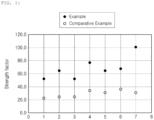
FIG. 1 is a graph showing the strength factors of ethylene alpha-olefin copolymers prepared in Examples according to the present disclosure and Comparative Examples. -
FIG. 2 is a diagram showing a method of measuring the rate of increase in extensional viscosity. - Hereinafter, preferred embodiments of the present disclosure will be described. However, the following embodiments of the present disclosure may be modified to have various other forms, and the scope of the present disclosure is not limited thereto.
- The term "alkyl," as used in the present disclosure, refers to a monovalent linear or branched saturated hydrocarbon radical consisting of only carbon and hydrogen atoms. Examples of such alkyl radicals are methyl, ethyl, propyl, isopropyl, butyl, isobutyl, t-butyl, pentyl, hexyl, octyl, dodecyl, cyclopropyl, cyclobutyl, cyclopentyl, cyclohexyl, cycloheptyl, cyclooctyl, cyclononyl, cyclodecyl, and the like, but the present disclosure is not limited thereto.
- In addition, the term "alkenyl," as used in the present disclosure, refers to a linear or branched hydrocarbon radical containing one or more carbon-carbon double bonds, and includes ethenyl, propenyl, butenyl, pentenyl, and the like, but the present disclosure is not limited thereto.
- In addition, the term "alkynyl," as used in the present disclosure, refers to a linear or branched hydrocarbon radical containing one or more carbon-carbon triple bonds, such as methynyl, ethynyl, propynyl, butynyl, pentynyl, hexynyl, heptinyl, octinyl, and the like, but the present disclosure is not limited thereto.
- In addition, the term "aryl," as used in the present disclosure is an organic radical derived from an aromatic hydrocarbon by removing one hydrogen, and "aryl" includes a single or fused ring system. Specific examples of "aryl" include phenyl, naphthyl, biphenyl, anthryl, fluorenyl, phenanthryl, triphenylenyl, pyrenyl, perylenyl, chrysenyl, naphthacenyl, fluoranthenyl, and the like, but the present disclosure is not limited thereto.
- In addition, the term "alkylaryl," as used in the present disclosure, refers to an organic group in which one or more hydrogens of an aryl group are substituted with an alkyl group, and include methylphenyl, ethylphenyl, n-propylphenyl, isopropylphenyl, n-butylphenyl, isopropylphenyl, n-butylphenyl, isobutylphenyl, t-butylphenyl, and the like, but the present disclosure is not limited thereto.
- In addition, the term "arylalkyl," as used in the present disclosure, refers to an organic group in which one or more hydrogens of an alkyl group are substituted with an aryl group, and includes, phenylpropyl, phenylhexyl, and the like, but the present disclosure is not limited thereto.
- In addition, the term "amido," as used in the present disclosure, refers to an amino group (-NH2) bonded to a carbonyl group (C=O), the term "alkylamido" refers to an organic group in which at least one hydrogen in -NH2 of an amido group is substituted with an alkyl group, the term "arylamido" refers to an organic group in which at least one hydrogen in -NH2 of the amido group is substituted with an aryl group, and the alkyl group in the alkylamido group and the aryl group in the arylamido group may be the same as the examples of the alkyl group and aryl group described above, but the present disclosure is not limited thereto.
- In addition, the term "alkylidene," as used in the present disclosure, refers to a divalent aliphatic hydrocarbon group in which two hydrogen atoms are removed from the same carbon atom of the alkyl group, and includes ethylidene, propylidene, isopropylidene, butylidene, pentylidene, and the like, but the present disclosure is not limited thereto.
- In addition, the term "acetal," as used in the present disclosure, refers to an organic group formed by a bond of alcohol and aldehyde, that is, a substituent with two ether (-OR) bonds on one carbon atom, and includes methoxymethoxy, 1-methoxyethoxy, 1-methoxypropyloxy, 1-methoxybutyloxy, 1-ethoxyethoxy, 1-ethoxypropyloxy, 1-ethoxybutyloxy, 1-(n-butoxy)ethoxy, 1-(iso-butoxy)ethoxy, 1-(secondary-butoxy)ethoxy, 1-(tertiary-butoxy)ethoxy, 1-(cyclohexyloxy) ethoxy, 1-methoxy-1-methylmethoxy, 1-methoxy-1-methylethoxy, and the like, but the present disclosure is not limited thereto.
- In addition, the term "ether," as used in the present disclosure, refers to an organic group having at least one ether bond (-O-), and includes 2-methoxyethyl, 2-ethoxyethyl, 2-butoxyethyl, 2-phenoxyethyl, 2-(2-methoxyethoxy)ethyl, 3-methoxypropyl, 3-butoxypropyl, 3-phenoxypropyl, 2-methoxy-1-methylethyl, 2-methoxy-2-methylethyl, 2-methoxyethyl, 2-ethoxyethyl, 2-butoxyethyl, 2-phenoxyethyl, and the like, but the present disclosure is not limited thereto.
- In addition, the term "silyl," as used in the present disclosure, refers to a -SiH3 radical derived from silane, and at least one of hydrogen atoms in the silyl group may be substituted with various organic groups such as alkyl and halogen, and specifically, includes trimethylsilyl, triethylsilyl, t-butyldimethylsilyl, vinyldimethylsilyl, propyldimethylsilyl, triphenylsilyl, diphenylsilyl, phenylsilyl, trimethoxysilyl, methyldimeroxysilyl, ethyldiethoxysilyl, triethoxysilyl, vinyldimethoxysilyl, triphenoxysilyl, and the like, but the present disclosure is not limited thereto.
- In addition, the term "alkoxy," as used in the present disclosure, refers to an -O-alkyl radical, where 'alkyl' is as defined above. Examples of such alkoxy radicals include, methoxy, ethoxy, propoxy, isopropoxy, butoxy, isobutoxy, t-butoxy, and the like, but the present disclosure is not limited thereto.
- In addition, the term "halogen," as used in the present disclosure, refers to a fluorine, chlorine, bromine or iodine atom.
- In addition, the term "Cn" described in the present disclosure means n carbon atoms.
- The present disclosure provides an ethylene alpha-olefin copolymer that has high processability and thermal stability after processing without additional processes such as adding additives for crosslinking.
- The ethylene alpha-olefin copolymer according to the present disclosure has two melting temperature (Tm) peaks when measured by differential scanning calorimetry (DSC) and has high zero shear viscosity.
- As will be described later, the ethylene alpha-olefin copolymer according to the present disclosure is polymerized under a catalyst composition containing the R type and S type of the transition metal compound, and thus, the melting temperature (Tm) peak may include first melting temperature and second melting temperature peaks that are different from each other. In this manner, when the ethylene alpha-olefin copolymer has two melting temperature peaks, the melting behavior of the polymer changes over a wide temperature range, and thus extensional viscosity increases and processability may be improved.
- Preferably, the first melting temperature peak may exist at 30°C or higher and 100°C or lower, and the second melting temperature peak may exist at higher than 100°C and 120°C or lower.
- In the present disclosure, the ethylene alpha-olefin copolymer may have a zero shear viscosity of 10,000 Pa·s or more, and as a result, the melt strength and thermal stability of the polymer increase, allowing the polymer to be processed stably. In particular, there is an advantage that an ethylene alpha-olefin copolymer with a sufficiently high zero shear viscosity may be produced without adding additives such as peroxide or the like for crosslinking.
- To quantify the long chain branch (LCB) content of the ethylene alpha-olefin copolymer according to the present disclosure, the strength factor may be measured using
Equation 1 below. SinceEquation 1 includes a weight average molecular weight factor, the LCB content of ethylene alpha-olefin copolymers with various molecular weights may be objectively predicted usingEquation 1 below.Strength factor = Mw/104 + 5/(Mw/105) * exp(extensional viscosity increase ratio) - In
Equation 1 above, Mw is the weight average molecular weight of the ethylene alpha-olefin copolymer, and the rate of increase in extensional viscosity is obtained as, for the ethylene alpha-olefin copolymer, the highest extensional viscosity value measured at 170°C at a Hencky strain rate of 1 s-1 using an extensional viscosity device attached to an ARES rheometer is divided by the value of the extensional viscosity of the extrapolated straight line at the time at which the highest extensional viscosity value was obtained. In this case, the extrapolated straight line is a straight line provided by extending a straight line with an average slope in a section where the extensional viscosity increases uniformly over time, to a section where the extensional viscosity increases rapidly while maintaining the average slope (seeFIG. 2 ). - Preferably the ethylene alpha-olefin copolymer according to the present disclosure may have a strength factor of 50 or more as measured according to
Equation 1. - In
Formula 1, the weight average molecular weight (Mw) of the ethylene alpha-olefin copolymer may be 10,000 to 1,000,000 g/mol, preferably 50,000 to 800,000 g/mol, and more preferably 230,000 to 500,000 g/mol. - Additionally, in
Equation 1, the rate of increase in extensional viscosity of the ethylene alpha-olefin copolymer may be 2 or more. In general, ethylene alpha-olefin copolymers polymerized under a catalyst containing a transition metal compound without isomers tend to have a constant increase in extensional viscosity over time and have a low rate of increase in extensional viscosity. However, the ethylene alpha-olefin copolymer according to the present disclosure exhibits strain hardening in which the extensional viscosity increases steadily and then increases rapidly after a certain time point, and when considering this, it can be expected to show improved processability compared to ethylene alpha-olefin copolymers of the related art. The upper limit of the rate of increase in extensional viscosity of the ethylene alpha-olefin copolymer is not particularly limited, but is preferably 5 or less to maintain sufficient mechanical strength. - The ethylene alpha-olefin copolymer according to the present disclosure satisfies the above-mentioned physical properties and at the same time may exhibit similar physical properties to the ethylene alpha-olefin copolymer polymerized under a catalyst containing a transition metal compound that does not have isomers.
- Preferably, the ethylene alpha-olefin copolymer according to the present disclosure may exhibit a density of 0.850 to 0.920 g/mL and a melt index (MI) of 0.1 to 40 g/10min.
- Additionally, the ethylene alpha-olefin copolymer according to the present disclosure may exhibit a molecular weight distribution (Mw/Mn) of 1 to 10, preferably 1.5 to 8, and more preferably 1.5 to 6.
- The ethylene alpha-olefin copolymer according to the present disclosure is produced by copolymerization of ethylene and alpha-olefin, and the alpha-olefin may be a C3-C12, or C3-C8 aliphatic olefin. More specifically, the alpha-olefin may be propylene, 1-butene, 1-pentene, 3-methyl-1-butene, 1-hexene, 4-methyl-1-pentene, 3-methyl-1-pentene, 1-heptene, 1-octene, 1-decene, 1-undecene, 1-dodecene, 1-tetradecene, 1-hexadecene, 1-itocene, 4,4-dimethyl-1-pentene, 4,4-diethyl-1-hexene or 3,4-dimethyl-1-hexene, etc., and any one thereof or a mixture of two or more thereof may be used.
- The ratio of ethylene and alpha-olefin added to the reactor during polymerization is not particularly limited, but it is preferable that ethylene:alpha-olefin is added at a weight ratio of 1:0.5 to 1:1.3. When ethylene and alpha-olefin are added in the above weight ratio, an olefin copolymer having a high molecular weight and a high comonomer content may be obtained.
- Polymerization of ethylene and alpha-olefin may be performed under a catalyst composition containing R-type and S-type transition metal compounds represented by the following
formula 1.

- In
Formula 1 above, - M is a
group 4 transition metal; - Q1 and Q2 are each independently halogen, (C1-C20) alkyl, (C2-C20)alkenyl, (C2-C20)alkynyl, (C6-C20)aryl, (C1-C20) alkyl (C6-C20)aryl, (C6-C20)aryl (C1-C20)alkyl, (C1-C20) alkylamido, (C6-C20)arylamido or (C1-C20)alkylidene;
- R1, R2, R3, R4, R5, R6, R7, R8, R9 and R10 are each independently hydrogen; (C1-C20)alkyl with or without acetal, ketal or ether groups; (C2-C20)alkenyl with or without acetal, ketal or ether groups; (C1-C20)alkyl (C6-C20)aryl with or without acetal, ketal or ether groups; (C6-C20)aryl (C1-C20)alkyl with or without acetal, ketal or ether groups; or (C1-C20)silyl with or without acetal, ketal or ether groups; R1 and R2 may be connected to each other to form a ring, and R3 and R4 may be connected to each other to form a ring, and two or more of R5 to R10 may be connected to each other to form a ring;
- R11, R12 and R13 are each independently hydrogen; (C1-C20) alkyl with or without acetal, ketal or ether groups; (C2-C20) alkenyl with or without acetal, ketal or ether groups; (C1-C20)alkyl (C6-C20)aryl with or without acetal, ketal or ether groups; (C6-C20)aryl (C1-C20)alkyl with or without acetal, ketal or ether groups; (C1-C20) silyl with or without acetal, ketal or ether groups; (C1-C20)alkoxy; or (C6-C20)aryloxy; R11 and R12 may be connected to each other to form a ring, and R12 and R13 may be connected to each other to form a ring.
- The transition metal compound represented by
Formula 1 contains ligands with new structures in which the amido ligand and ortho-phenylene form a condensed ring, and the pentagonal ring pi-ligand bonded to the ortho-phenylene is fused by a thiophene heterocycle. Accordingly, the transition metal compound has the advantage of having a high copolymerization activity of ethylene and alpha-olefin, compared to the transition metal compound in which the thiophene hetero ring is not fused. - According to the present disclosure, in the transition metal compound represented by
Formula 1, the R1, R2, R3, R4, R5, R6, R7, R8, R9, R10, R11, R12 and R13 may each be independently substituted with a substituent containing an acetal, ketal or ether group, and when substituted with the above substituents, it may be more advantageous to support the transition metal compound on the surface of the carrier. - In addition, in the transition metal compound represented by
Formula 1, M may be titanium (Ti), zirconium (Zr), or hafnium (Hf). - In addition, in the transition metal compound represented by
Formula 1, it may be preferable that Q1 and Q2 are each independently halogen or (C1-C20)alkyl, and more preferably chlorine or methyl. - In addition, in the transition metal compound represented by
Formula 1, R1, R2, R3, R4, and R5 may each independently be hydrogen or (C1-C20)alkyl, and preferably may each independently be hydrogen or methylyl. More preferably, R1, R2, R3, R4, and R5 may each independently be hydrogen or methyl, but at least one of R3 and R4 may be methyl, and R5 may be methyl. - In addition, in the transition metal compound represented by
Formula 1, the R6, R7, R8, R9, R10, R11, R12 and R13 are each preferably hydrogen. - The transition metal compound represented by
Formula 1 preferably contains the above substituents to control the electronic and steric environment around the metal. - In the present disclosure, the catalyst composition may further include a cocatalyst compound. The cocatalyst compound activates the catalyst compound, and an aluminoxane compound, an organo-aluminum compound, a bulky compound that activates the catalyst compound, or the like may be used. Specifically, the cocatalyst compound may be selected from the group consisting of compounds represented by the following
formulas 2 to 4.
[Formula 2] -[Al(Ra)-O]n-
- In
Formula 2 above, - Ra is each independently halogen; or a (C1-C20) hydrocarbyl group substituted or unsubstituted with halogen, and
- n is an integer greater than or equal to 2.
- In
Formula 3 above, - Q is aluminum or boron, and
- Rb is each independently halogen; or a (C1-C20) hydrocarbyl group substituted or unsubstituted with halogen.
- In
Formula 4 above, - [W]+ is a cationic Lewis acid; or a cationic Lewis acid with a hydrogen atom bonded thereto,
- Z is a group 13 element, and
- Rc is each independently (C6-C20)aryl group substituted with one or two or more substituents selected from the group consisting of halogen, (C1-C20)hydrocarbyl group, alkoxy group, and phenoxy group; a (C1-C20)alkyl group substituted with one or two or more substituents selected from the group consisting of halogen, (C1-C20)hydrocarbyl group, alkoxy group, and phenoxy group.
- The cocatalyst compound is included in a catalyst together with the transition metal compound represented by
Formula 1 and serves to activate the transition metal compound. Specifically, in order for the transition metal compound to become an active catalyst component used in olefin polymerization, while extracting a ligand from a transition metal compound and cationizing the central metal (M1 or M2), the compound containing a unit represented byFormula 2, the compound represented byFormula 3 and the compound represented byFormula 4, which may act as a counterion with weak binding force, that is, an anion, act together as cocatalysts. - The 'unit' represented by
Formula 2 is a structure in which n structures within [ ] are connected within the compound, and if it contains the unit represented byFormula 2, other structures in the compound are not particularly limited, and it may be a cluster-type, for example, spherical compound in which the repeating units ofFormula 2 are linked to each other. - In order for the cocatalyst compound to exhibit a better activation effect, the compound represented by
Formula 2 is not particularly limited as long as it is an alkylaluminoxane, but preferred examples include methylaluminoxane, ethylaluminoxane, isobutylaluminoxane, butylaluminoxane, etc., and a particularly preferred compound is methylaluminoxane. - In addition, the compound represented by
Formula 3 is an alkyl metal compound and is not particularly limited, and non-limiting examples thereof include trimethyl aluminum, triethylaluminum, triisobutyl aluminum, tripropyl aluminum, tributyl aluminum, dimethylchloroaluminum, triisopropyl aluminum, tri-s-butyl aluminum, tricyclopentyl aluminum, tripentyl aluminum , triisopentyl aluminum, trihexyl aluminum, trioctyl aluminum, ethyldimethyl aluminum, methyldiethyl aluminum, triphenyl aluminum, tri-p-tolyl aluminum, dimethyl aluminum methoxide, dimethyl aluminum ethoxide, trimethyl boron, triethyl boron, triisobutyl boron, tripropyl boron, tributyl boron, etc. Considering the activity of the transition metal compound, one or two or more types selected from the group consisting of trimethyl aluminum, triethyl aluminum and triisobutyl aluminum may preferably be used. - Considering the activation of the transition metal compound, the compound represented by
Formula 4, when [W]+ is a cationic Lewis acid to which a hydrogen atom is bonded, it is a dimethylanilinium cation, and when [W]+ is a cationic Lewis acid, it is [(C6H5)3C]+, and [Z(Rc)4]- may be preferably [B(C6F5)4]-. - The compound represented by Formula 4 is not particularly limited, but a non-limiting example where [W]+ is a cationic Lewis acid to which a hydrogen atom is bonded may be triphenylcarbenium borate, trimethylammonium tetraphenylborate, methyldioctadecylammonium tetraphenylborate, triethylammonium tetraphenylborate, tripropylammonium tetraphenylborate, tri(n-butyl)ammonium tetraphenylborate, methyltetradecyclo octadecylammonium tetraphenylborate, N,N-dimethylanilium tetraphenylborate, N,N-diethylanilinium tetraphenylborate, N,N-dimethyl(2,4,6-trimethylanilinium)tetraphenylborate, trimethylammonium tetrakis(pentafluorophenyl)borate, methylditetradecylammonium tetrakis(pentaphenyl)borate, methyldioctadecylammonium tetrakis(pentafluorophenyl)borate, triethylammonium tetrakis(pentafluorophenyl)borate, tripropylammonium tetrakis(pentafluorophenyl)borate, tri(n-butyl)ammonium tetrakis(pentafluorophenyl)borate, tri(sec-butyl)ammonium tetrakis(pentafluorophenyl)borate, N,N-dimethylanilinium tetrakis(pentafluorophenyl)borate, N,N-diethylanilinium tetrakis(pentafluorophenyl)borate, N,N-dimethyl(2,4,6-trimethylanilinium)tetrakis(pentafluorophenyl) borate, trimethylammonium tetrakis (2,3,4,6-tetrafluorophenyl) borate, triethylammonium tetrakis (2,3,4,6-tetrafluorophenyl)borate, tripropylammonium tetrakis(2,3,4,6-tetrafluorophenyl)borate, tri(n-butyl)ammonium tetrakis(2,3,4,6-tetrafluorophenyl)borate, dimethyl(t-butyl)ammonium tetrakis(2,3,4,6-tetrafluorophenyl)borate, N,N-dimethylanilinium tetrakis(2,3,4,6-tetrafluorophenyl)borate, N,N-diethylanilinium tetrakis(2,3,4,6-tetrafluorophenyl)borate, N,N-dimethyl-(2,4,6-trimethylanilinium)tetrakis-(2,3,4,6-tetrafluorophenyl)borate, dioctadecylammonium tetrakis(pentafluorophenyl)borate, ditetradecylammonium tetrakis(pentafluorophenyl)borate, dicyclohexylammonium tetrakis(pentafluorophenyl)borate, triphenylphosphonium tetrakis(pentafluorophenyl)borate, methyldioctadecylphosphonium tetrakis(pentafluorophenyl)borate, tri(2,6-dimethylphenyl)phosphonium tetrakis(pentafluorophenyl)borate, methyldi (octadecyl) ammonium tetrakis(pentafluorophenyl)borate, methyldi(tetradecyl)-ammonium tetrakis(pentafluorophenyl)borate, trityl tetrakis(pentafluorophenyl)borate etc.
- The catalyst may be prepared using the compounds of
Formula 1 toFormula 4, and in this case, the method exemplified below may be used to prepare the catalyst. - First, when Q1 and Q2 of the transition metal compound represented by
Formula 1 are halogens, there is a method of contacting the compound represented byFormula 2. Second, if Q1 and Q2 inFormula 1 are alkyl radicals, a catalyst may be prepared by contacting a mixture of a transition metal compound and the compounds represented byFormulas Formulas - The amount of the cocatalyst compound added may be determined by considering the amount of the transition metal compound represented by
Formula 1 and the amount necessary to sufficiently activate the transition metal compound. The content of the cocatalyst compound may be 1:1 to 100,000 based on the molar ratio of the metal contained in the cocatalyst compound, with respect to 1 mole of the transition metal contained in the transition metal compound represented byFormula 1, and preferably, may be 1:1 to 10,000, more preferably 1:1 to 5,000. - More specifically, in the case of the first method, the compound represented by
Formula 2 may be included in a molar ratio of preferably 1:10 to 5,000, more preferably 1:50 to 1,000, and most preferably 1:100 to 1,000 with respect to the transition metal compound represented byFormula 1. If the molar ratio of the compound represented byFormula 2 to the transition metal compound ofFormula 1 is less than 1:10, the amount of aluminoxane is so small and thus, a problem may occur in which activation of the transition metal compound cannot proceed completely, and if the ratio exceeds 1:5,000, an excess amount of aluminoxane may act as a catalyst poison and the polymer chain may not grow well. - In the case of the second method above, when A of the cocatalyst compound represented by
Formula 3 is boron, it may be included in a molar ratio of 1:1 to 100, preferably 1:1 to 10, and more preferably 1:1 to 3, relative to the transition metal compound represented byFormula 1. In addition, when A of the cocatalyst compound represented byFormula 3 is aluminum, it may vary depending on the amount of water in the polymerization system, but may be included in a molar ratio of 1:1 to 1000, preferably 1:1 to 500, and more preferably 1:1 to 100, relative to the transition metal compound represented byFormula 1. - In addition, the cocatalyst compound represented by
Formula 4 may be included in a molar ratio of 1:0.5 to 30, preferably 1:0.7 to 20, and more preferably 1:1 to 10 with respect to the transition metal compound represented byFormula 1. If the ratio of the cocatalyst compound represented byFormula 4 is less than 1:0.5, the amount of activator is relatively small and the metal compound cannot be completely activated, which may lead to a problem in that the activity of the resulting catalyst composition decreases. If it exceeds 1:30, the metal compound is fully activated, but the remaining excess activator may cause problems such as the unit cost of the catalyst composition being uneconomical or the purity of the polymer produced being low. - Meanwhile, the catalyst composition of the present disclosure containing the transition metal compound and the cocatalyst compound may further include a carrier. In this case, the carrier may be any carrier made of inorganic or organic materials used in the production of catalysts in the technical field to which the present disclosure pertains, without limitation.
- According to the present disclosure, the carrier may be SiO2, Al2O3, MgO, MgCl2, CaCl2, ZrO2, TiO2, B2O3, CaO, ZnO, BaO, ThO2, SiO2-Al2O3, SiO2-MgO, SiO2-TiO2, SiO2-V2O5, SiO2-Cr2O3, SiO2-TiO2-MgO, bauxite, zeolite, starch, cyclodextrin, or synthetic polymer.
- Preferably, the carrier contains a hydroxy group on the surface and may be one or more types selected from the group consisting of silica (SiO2), silica-alumina (SiO2-Al2O3), and silica-magnesia (SiO2-MgO).
- As a method of supporting a catalyst containing the transition metal compound and the cocatalyst compound on the carrier, a method of directly supporting the transition metal compound on a dehydrated carrier; a method of pretreating the carrier with the cocatalyst compound and then supporting the transition metal compound; a method of supporting the transition metal compound on the carrier and then post-treating the same with the cocatalyst compound; a method of reacting the transition metal compound with the cocatalyst compound and then adding the carrier for reaction, or the like, may be used.
- The solvent that may be used in the above supporting method may be an aromatic hydrocarbon-based solvent, an aromatic hydrocarbon-based solvent, a halogenated aliphatic hydrocarbon-based solvent, or a mixture thereof.
- Non-limiting examples of the aliphatic hydrocarbon-based solvent may include pentane, hexane, heptane, octane, nonane, decane, undecane, dodecane, or the like.
- Non-limiting examples of the aromatic hydrocarbon-based solvent may include benzene, monochlorobenzene, dichlorobenzene, trichlorobenzene, toluene, or the like.
- Non-limiting examples of the halogenated aliphatic hydrocarbon-based solvent may include dichloromethane, trichloromethane, dichloroethane, trichloroethane, or the like.
- In addition, it is advantageous in terms of efficiency of the supporting process that the supporting method is carried out at a temperature of -70 to 200°C, preferably -50 to 150°C, more preferably 0 to 100°C.
- Meanwhile, in the present disclosure, the ethylene alpha-olefin copolymer produced through a polymerization process performed by directly contacting ethylene and alpha-olefin comonomer compounds may be prepared by polymerization of monomers under conditions in which the catalytic sites are relatively insoluble and/or immobilized so that the polymer chains are rapidly immobilized according to these information. This immobilization may be performed, for example, by using a solid insoluble catalyst, by carrying out the polymerization in a medium in which the resulting polymer is generally insoluble, and by maintaining the polymerization reactants and products at the crystallization temperature (Tc) or lower of the polymer.
- The above-mentioned catalyst may be preferably applied to the copolymerization of ethylene and alpha-olefin. Hereinafter, a method of preparing an ethylene alpha-olefin copolymer will be described, including the operation of copolymerizing ethylene and alpha-olefin in the presence of the catalyst.
- Processes of polymerizing ethylene alpha-olefin copolymers are well known in the art and include bulk polymerization, solution polymerization, slurry polymerization, and low pressure gas phase polymerization. Metallocene catalysts are particularly useful in known forms of operation using fixed bed, moving bed or slurry processes carried out in single, series or parallel reactors.
- When the polymerization reaction is carried out in a liquid or slurry phase, a solvent or propylene or ethylene monomer itself may be used as a medium.
- Since the catalyst presented in the present disclosure exists in a uniform form within the polymerization reactor, it is preferable to apply the same to a solution polymerization process conducted at a temperature of the melting point or higher of the polymer. However, as disclosed in
U.S. Patent No. 4,752,597 , a heterogeneous catalyst composition form obtained by supporting the transition metal compound and cocatalyst on a porous metal oxide support may be used in slurry polymerization or gas phase polymerization processes. Therefore, if the catalyst of the present disclosure is used with an inorganic carrier or an organic polymer carrier, it may also be applied to slurry or gas phase processes. That is, the transition metal compound and cocatalyst compound may be used in the form of being supported on an inorganic carrier or an organic polymer carrier. - Solvents that may be used during the polymerization reaction may be aliphatic hydrocarbon-based solvents, aromatic hydrocarbon-based solvents, halogenated aliphatic hydrocarbon-based solvents, or mixtures thereof. In this case, a non-limiting example of the aliphatic hydrocarbon-based solvent may include butane, isobutane, pentane, hexane, heptane, octane, nonane, decane, undecane, dodecane, cyclopentane, methylcyclopentane, cyclohexane, etc. Also, a non-limiting example of the aromatic hydrocarbon-based solvent may include benzene, monochlorobenzene, dichlorobenzene, trichlorobenzene, toluene, xylene, chlorobenzene, etc. Also, a non-limiting example of the halogenated aliphatic hydrocarbon solvent may include dichloromethane, trichloromethane, chloroethane, dichloroethane, trichloroethane, 1,2-dichloroethane, etc.
- As described above, the ethylene alpha-olefin copolymer according to the present disclosure may be prepared by polymerizing ethylene and alpha-olefin comonomer in the presence of the catalyst composition. At this time, the transition metal compound and cocatalyst component may be added separately to the reactor, or respective components may be mixed in advance and then added to the reactor, and there are no restrictions on mixing conditions such as input order, temperature, concentration or the like. For example, when preparing a copolymer of ethylene and 1-butene, 1-butene may be included in an amount of 0.1 to 99.9% by weight, preferably 1 to 75% by weight, and more preferably 5 to 50% by weight.
- Meanwhile, the amount of the catalyst added in the polymerization reaction according to the present disclosure may be determined within a range where the polymerization reaction of the monomer may sufficiently occur depending on the slurry phase, liquid phase, gas phase, or solution process, and thus is not particularly limited. However, the amount of the catalyst added is preferably 10-8 to 1 mol/L based on the concentration of the central metal (M) in the transition metal compound per unit volume (L) of monomer, and is more preferably 10-7 to 10-1 mol/L, and even more preferably 10-7 to 10-2 mol/L.
- In addition, the polymerization reaction in the present disclosure may be conducted as a batch type, semi-continuous type, or continuous type reaction, and may be preferably performed as a continuous reaction.
- The temperature and pressure conditions for the polymerization reaction of the present disclosure may be determined considering the efficiency of the polymerization reaction depending on the type of reaction to be applied and the type of reactor, but the polymerization temperature may be 40 to 150°C, preferably 60 to 100°C, and the pressure may be 1 to 100 atm, preferably 5 to 50 atm.
- Ethylene alpha-olefin copolymers having different ranges of melting temperatures are prepared under the catalyst composition according to the present disclosure. The ethylene alpha-olefin copolymer exhibits high zero shear viscosity and strength factor and has excellent processability and thermal stability after processing, compared to ethylene alpha-olefin copolymers of the related art with similar density and melt index (MI).
- Hereinafter, embodiments of the present disclosure will be described in detail. The following examples are only for understanding of the present disclosure and do not limit the present disclosure.
- According to
Scheme 1 below, a transition metal compound (CAT-1) used as a main catalyst was synthesized. The detailed synthesis process is as follows.

- First, methyllithium (1.63 g, 3.55 mmol, 1.6 M diethyl ether solution) was added dropwise to a diethyl ether solution (10 mL) in which compound (1) (0.58 g, 1.79 mmol) was dissolved at -30°C (i). The solution was stirred at room temperature overnight, and then the temperature was lowered to -30°C, and then, Ti(NMe2)2Cl2(0.37 g, 1.79 mmol) was added all at once (ii). The solution was stirred for 3 hours and then all solvent was removed using a vacuum pump. The resulting solid was dissolved in toluene (8 mL), and then Me2SiCl2(1.16 g, 8.96 mmol) was added to this solution (iii). The solution was stirred at 80°C for 3 days and then, the solvent was removed using a vacuum pump. As a result, a red solid compound (2) was obtained (0.59 g, yield 75%).
- Through the 1H NMR spectrum, it was confirmed that the two stereo compounds exist in a ratio of 2:1.
- 1H NMR (C6D6): δ 7.10 (t, J = 4.4 Hz, 1H), 6.90 (d, J = 4.4 Hz, 2H), 5.27 and 5.22 (m, 1H, NCH), 2.54-2.38 (m, 1H, CH2), 2.20-2.08 (m, 1H, CH2), 2.36 and 2.35 (s, 3H), 2.05 and 2.03 (s, 3H), 1.94 and 1.93 (s, 3H), 1.89 and 1.84 (s, 3H), 1.72-1.58 (m, 2H, CH2), 1.36-1.28 (m, 2H, CH2), 1.17 and 1.14 (d, J = 6.4, 3H, CH3) ppm.
- 13C{1H} NMR (C6D6): 162.78, 147.91, 142.45, 142.03, 136.91, 131.12, 130.70, 130.10, 128.90, 127.17, 123.39, 121.33, 119.87, 54.18, 26.48, 21.74, 17.28, 14.46, 14.28, 13.80, 13.27 ppm.
- After replacing the interior of the high pressure reactor (internal capacity: 2L, stainless steel) with nitrogen at room temperature, 1 L of normal hexane and 2 mL of triisobutylaluminum were added. Subsequently, a comonomer (1-butene or 1-octene) was injected at the ratio shown in Table 1 below, based on 100 g of ethylene gas. Afterwards, the reactor temperature was preheated to 140°C, and a solution of dimethylanilinium tetrakis (pentablueorophenyl) borate cocatalyst (45.0 pmol) was mixed with the mixed solution of a transition metal compound (5) (1.5 µmol) and triisobutyl aluminum (187.5 pmol) synthesized in the above preparation example, and injected into the reactor, and then, polymerization reaction was performed for 5 minutes.
- When the polymerization reaction was completed, the reaction was terminated using ethanol diluted with 10% HCl, and then the temperature was lowered to room temperature, and then, excess gas was discharged. Next, the copolymer polymerization solution dispersed in the solvent was transferred to a container and then dried in a vacuum oven at 80°C for 15 hours or more to prepare an ethylene alpha-olefin copolymer.
- Except for using [(1,2,3,4-tetrahydroquinolin-8-yl)tetramethylcyclopentadienyl-N]titanium dimethyl(CAT-2), which does not form isomers as a transition metal compound, ethylene alpha-olefin copolymer was prepared in the same manner as in the example.
[Table 1] Catalyst Comonomer Type Comonomer/Ethylene (weight ratio) Example 1 CAT-1 1-butene 1.4 Example 2 CAT-1 1-butene 1.2 Example 3 CAT-1 1-butene 1.0 Example 4 CAT-1 1-butene 0.8 Example 5 CAT-1 1-octene 1.2 Example 6 CAT-1 1-octene 1.0 Example 7 CAT-1 1-octene 0.8 Comparative Example 1 CAT-2 1-butene 1.4 Comparative Example 2 CAT-2 1-butene 1.2 Comparative Example 3 CAT-2 1-butene 1.0 Comparative Example 4 CAT-2 1-butene 0.8 Comparative Example 5 CAT-2 1-octene 1.2 Comparative Example 6 CAT-2 1-octene 1.0 Comparative Example 7 CAT-2 1-octene 0.8 - The physical properties of the ethylene alpha-olefin copolymers prepared in Examples and Comparative Examples were measured and listed in Tables 2 and 3. The strength factors of ethylene alpha-olefin copolymers are shown in
FIG. 1 . - (1) Comonomer content in the copolymer: Measured at 100°C using tetrachloroethane-d2 solvent using NMR (device name: Ascend 400, manufacturer: Bruker) spectral analysis at 400 MHz.
- (2) Weight average molecular weight (Mw) and molecular weight distribution (MWD): Measured by GPC (Gel Permeation Chromatography, device name: PL-GPC220, manufacturer: Agilent) analysis method at 160°C using 1,2,4-trichlorobenzene solvent.
- (3) Density: A sheet with a thickness of 3 cm and a radius of 2 cm was manufactured using a 190°C press mold, cooled at 10°C/min, and measured on a Mettler scale.
- (4) Melt index (MI): Measured with an instrument (manufacturer: Mirage, model name: SD-120L) by applying the ASTM D-1238 (condition E, 190°C, 2.16 kg load) method.
- (5) Melting point (Tm) and calorific value (ΔH): Obtained using a differential scanning calorimeter (DSC: Differential Scanning Calorimeter 2920) manufactured by TA. DSC was measured by a method of reaching equilibrium at 0°C and then increasing the temperature by 10°C per minute to 200°C, and then decreasing by 10°C per minute to -90°C, and then increasing the temperature by 10°C per minute up to 200°C. The melting point is obtained by taking the area apex of the endothermic curve during the second temperature rise.
- (6) Zero shear viscosity: Analysis was conducted at 190°C using an ARES rheometer, and zero shear viscosity was obtained by curve fitting using the Carreau-Yasuda (CY) empirical model.

- η* (ω) : Viscosity
- η0: zero shear viscosity
- τη: stress relaxation time
- ω: shear rate
- α: material constant
- n: shear thinning index
- (7) Extensional viscosity increase rate: It is a value obtained by dividing the highest extensional viscosity value measured at 170°C at a Hencky strain of 1s-1 using an extensional viscosity device attached to an ARES rheometer, by the value of the extensional viscosity of the extrapolated straight line at the time at which the highest extensional viscosity value was obtained.
- (8) Strength Factor: The strength factor was obtained by substituting the weight average molecular weight and extensional viscosity increase rate of the ethylene alpha-olefin copolymer into
Equation 1 below.Strength factor = Mw/104 + 5/(Mw/105) * exp (extensional viscosity increase rate) - (In
Equation 1 above, Mw is the weight average molecular weight of the ethylene alpha-olefin copolymer, and
the rate of increase in extensional viscosity is a value obtained by dividing the highest extensional viscosity value measured at 170°C at a Hencky strain rate of 1 s-1 using an extensional viscosity device attached to an ARES rheometer, for the ethylene alpha-olefin copolymer, by the value of extensional viscosity of the extrapolated straight line at the time at which the highest extensional viscosity value was obtained. In this case, the extrapolated straight line is a straight line provided by extending a straight line with an average slope in a section where the extensional viscosity increases uniformly over time to a section where the extensional viscosity increases rapidly while maintaining the average slope.)[Table 2] Comonomer Type Comonomer Content (weight%) Mw (g/mol) MWD Density (g/ml) MI (g/10min ) Exampl e 11-butene 38.4 108,400 2.1 0.863 1.1 Exampl e 21-butene 33.6 76, 900 2.2 0.865 5.1 Exampl 1-butene 30.0 110,115 2.1 0.870 1.2 e 3Exampl e 41-butene 19.1 95,905 2.2 0.884 1.1 Exampl e 51-octene 34.6 142,700 2.4 0.870 1.0 Exampl e 61-octene 36.1 84, 760 2.2 0.870 5.0 Exampl e 71-octene 18.3 89, 692 2.7 0.901 1.2 Compar ative Exampl e 11-butene 32.2 90,280 2.6 0.862 1.2 Compar ative Exampl e 21-butene 26.4 70, 953 2.4 0.865 5.0 Compar ative Exampl e 31-butene 24.6 104, 000 2.3 0.870 1.1 Compar ative Exampl e 41-butene 20.3 116, 820 1.9 0.885 1.2 Compar ative Exampl e 51-octene 35.0 111,506 2.3 0.870 1.1 Compar ative Exampl e 61-octene 36.3 85,948 2.5 0.870 5.0 Compar ative Exampl e 71-octene 16.5 100,800 2.2 0.903 1.2 [Table 3] Tm1 (°C) Tm2 (°C) ΔH (J/g) Zero Shear Viscosity (Pa·s) Extensional Viscosity Increase Ratio Strength Factor Exampl e 1 38.5 113.2 23.9 11,000 2.20 52.5 Exampl e 249.7 111.0 41.1 32,000 2.18 65.5 Exampl e 355.3 114.0 48.9 11,000 2.21 52.4 Exampl 73.7 110.9 81.3 18,000 2.56 77.3 e 4Exampl e 566.0 113.4 39.4 13,000 2.68 65.2 Exampl e 657.3 110.9 62.3 29, 000 2.30 67.3 Exampl e 793.2 104.2 116.2 21,000 2.80 100.6 Compar ative Exampl e 1 28.0 - 38.6 3,400 0.90 22.6 Compar ative Exampl e 230.8 - 45.0 9, 700 0.91 24.7 Compar ative Exampl e 338.6 - 45.9 3, 900 1.10 24.9 Compar ative Exampl e 469.6 - 63.2 6, 500 1.67 34.5 Compar ative 52.5 - 49.9 4, 900 1.50 31.3 Exampl e 5Compar ative Exampl e 650.5 - 61.5 8, 100 1.57 36.5 Compar ative Exampl e 7101.0 - 95.3 9, 600 1.43 30.9 - Referring to Tables 2 and 3, it can be seen that the ethylene alpha-olefin copolymers prepared according to Examples 1 to 7 have two melting temperature peaks. In addition, it can be seen that the ethylene alpha-olefin copolymers prepared according to Examples 1 to 7 exhibit higher zero shear viscosity, extensional viscosity increase rate, and strength factor compared to the ethylene alpha-olefin copolymers having similar density and melt index (MI) prepared according to Comparative Examples 1 to 7.
[Formula 3] Q(Rb)3
[Formula 4] [W]+[Z(Rc)4]-
Claims (6)
- An ethylene alpha-olefin copolymer containing an ethylene structural unit and an alpha-olefin structural unit, the ethylene alpha-olefin copolymer comprising:
two melting temperature (Tm) peaks when measured by differential scanning calorimetry (DSC), and a zero shear viscosity of at least 10,000 Pa·s. - The ethylene alpha-olefin copolymer of claim 1, wherein a strength factor calculated by the following equation 1 is 50 or more, andan extensional viscosity increase ratio is 2 or more,
Strength factor = Mw/104 + 5/(Mw/105) * exp(extensional viscosity increase rate) where in Equation 1 above, Mw is a weight average molecular weight of the ethylene alpha-olefin copolymer, andthe extensional viscosity increase ratio is a value obtained by dividing a highest extensional viscosity value for the ethylene alpha-olefin copolymer measured at 170°C at a Hencky strain of 1 s-1 using an extensional viscosity device attached to an ARES rheometer, by a value of extensional viscosity of an extrapolated straight line at a time at which the highest extensional viscosity value was obtained, wherein the extrapolated straight line is a straight line provided by extending a straight line having an average slope in a section in which the extensional viscosity increases uniformly over time to a section in which the extensional viscosity increases rapidly while maintaining the average slope. - The ethylene alpha-olefin copolymer of claim 1, wherein the melting temperature (Tm) peaks include a first melting temperature peak existing at 30°C or higher and 100°C or lower, and a second melting temperature peak existing at higher than 100°C and 120°C or lower.
- A method of preparing an ethylene alpha-olefin copolymer according to any one of claims 1 to 3, comprising:
polymerizing an ethylene monomer and an alpha-olefin monomer under a catalyst composition containing an R type and an S type of a transition metal compound represented by the following formula 1,
 M is a group 4 transition metal;Q1 and Q2 are each independently halogen, (C1-C20)alkyl, (C2-C20)alkenyl, (C2-C20)alkynyl, (C6-C20)aryl, (C1-C20) alkyl (C6-C20)aryl, (C6-C20)aryl (C1-C20)alkyl, (C1-C20) alkylamido, (C6-C20)arylamido or (C1-C20)alkylidene;R1, R2, R3, R4, R5, R6, R7, R8, R9 and R10 are each independently hydrogen; (C1-C20)alkyl with or without acetal, a ketal or an ether group; (C2-C20)alkenyl with or without an acetal, a ketal or an ether group; (C1-C20)alkyl (C6-C20)aryl with or without an acetal, a ketal or an ether group; (C6-C20) aryl (C1-C20)alkyl with or without an acetal, a ketal or an ether group; or (C1-C20)silyl with or without an acetal, a ketal or an ether group; the R1 and R2 are connected to each other to form a ring, the R3 and R4 are connected to each other to form a ring, and two or more of R5 to R10 are connected to each other to form a ring; andR11, R12 and R13 are each independently hydrogen; (C1-C20) alkyl with or without acetal, a ketal or an ether group; (C2-C20)alkenyl with or without an acetal, a ketal or an ether group; (C1-C20)alkyl (C6-C20)aryl with or without an acetal, a ketal or an ether group; (C6-C20)aryl (C1-C20)alkyl with or without an acetal, a ketal or an ether group; (C1-C20)silyl with or without acetal, a ketal or an ether group; (C1-C20) alkoxy; or (C6-C20)aryloxy; the R11 and R12 are connected to each other to form a ring, and the R12 and R13 are connected to each other to form a ring.
 - The method of preparing an ethylene alpha-olefin copolymer according to claim 4, wherein the R1, R2, R3 and R4 are each independently (C1-C20)alkyl with or without an acetal, a ketal or an ether group, and
at least one of the R5 and R6 is each independently (C1-C20) alkyl with or without an acetal, a ketal or an ether group. - The method of preparing an ethylene alpha-olefin copolymer according to claim 4, wherein the catalyst composition further comprises a cocatalyst compound selected from the group consisting of compounds represented by the following formulas 2 to 4,
[Formula 2] -[Al(Ra)-O]n-
where in Formula 2 above,Ra is each independently halogen; or a (C1-C20) hydrocarbyl group substituted or unsubstituted with halogen, andn is an integer greater than or equal to 2,
[Formula 3] Q(Rb)3
where in Formula 3 above,Q is aluminum or boron, andRb is each independently halogen; or a (C1-C20) hydrocarbyl group substituted or unsubstituted with halogen,
[Formula 4] [W]+[Z(Rc)4]-
where in Formula 4 above,[W]+ is a cationic Lewis acid; or a cationic Lewis acid with a hydrogen atom bonded thereto,Z is a group 13 element, andRc is each independently (C6-C20)aryl group substituted with one or two or more substituents selected from the group consisting of halogen, (C1-C20)hydrocarbyl group, alkoxy group, and phenoxy group; a (C1-C20)alkyl group substituted with one or two or more substituents selected from the group consisting of halogen, (C1-C20)hydrocarbyl group, alkoxy group, and phenoxy group.
Applications Claiming Priority (2)
| Application Number | Priority Date | Filing Date | Title |
|---|---|---|---|
| KR1020210163906A KR20230077063A (en) | 2021-11-25 | 2021-11-25 | Ethylene alpha-olefin copolymer and preparing method thereof |
| PCT/KR2022/018707 WO2023096368A1 (en) | 2021-11-25 | 2022-11-24 | Ethylene alpha-olefin copolymer, and preparing method thereof |
Publications (2)
| Publication Number | Publication Date |
|---|---|
| EP4438638A1 true EP4438638A1 (en) | 2024-10-02 |
| EP4438638A4 EP4438638A4 (en) | 2025-11-26 |
Family
ID=86540119
Family Applications (1)
| Application Number | Title | Priority Date | Filing Date |
|---|---|---|---|
| EP22899050.3A Pending EP4438638A4 (en) | 2021-11-25 | 2022-11-24 | ETHYLENE-ALPHA-OLEFIN COPOLYMER AND MANUFACTURING PROCESS THEREOF |
Country Status (4)
| Country | Link |
|---|---|
| EP (1) | EP4438638A4 (en) |
| KR (1) | KR20230077063A (en) |
| CN (1) | CN118339202A (en) |
| WO (1) | WO2023096368A1 (en) |
Cited By (2)
| Publication number | Priority date | Publication date | Assignee | Title |
|---|---|---|---|---|
| EP4438639A4 (en) * | 2021-11-25 | 2025-11-26 | Lotte Chemical Corp | ETHYLENE-ALPHA-OLEFIN COPOLYMER AND RESIN COMPOSITION WITH IT |
| EP4438640A4 (en) * | 2021-11-25 | 2025-11-26 | Lotte Chemical Corp | ETHYLENE-ALPHA-OLEFIN COPOLYMER AND RESIN COMPOSITION WITH IT |
Family Cites Families (10)
| Publication number | Priority date | Publication date | Assignee | Title |
|---|---|---|---|---|
| US4752597A (en) | 1985-12-12 | 1988-06-21 | Exxon Chemical Patents Inc. | New polymerization catalyst |
| EP1308255A1 (en) * | 2001-10-30 | 2003-05-07 | Dsm N.V. | Process for the manufacturing of a shaped part of ultra high molecular weight polyethylene and a fibre made with this process |
| WO2015046705A1 (en) * | 2013-09-26 | 2015-04-02 | 주식회사 엘지화학 | Transition metal compound, catalyst composition containing same, and method for preparing polymer by using same |
| US9181370B2 (en) * | 2013-11-06 | 2015-11-10 | Chevron Phillips Chemical Company Lp | Low density polyolefin resins with low molecular weight and high molecular weight components, and films made therefrom |
| CA3011041A1 (en) * | 2018-07-11 | 2020-01-11 | Nova Chemicals Corporation | Polyethylene composition and film |
| KR102808384B1 (en) * | 2019-11-29 | 2025-05-16 | 롯데케미칼 주식회사 | Composite resin composition comprising polypropylene and ethylene alpha-olefin copolymer |
| KR102905707B1 (en) * | 2019-11-29 | 2025-12-29 | 롯데케미칼 주식회사 | Ethylene alpha-olefin copolymer |
| US11643531B2 (en) * | 2020-10-01 | 2023-05-09 | Nova Chemicals (International) S.A. | Thermoformable film |
| KR20230077062A (en) * | 2021-11-25 | 2023-06-01 | 롯데케미칼 주식회사 | Ethylene alpha-olefin copolymer and resin composition comprising same |
| KR20230077061A (en) * | 2021-11-25 | 2023-06-01 | 롯데케미칼 주식회사 | Ethylene alpha-olefin copolymer and resin composition comprising same |
-
2021
- 2021-11-25 KR KR1020210163906A patent/KR20230077063A/en not_active Ceased
-
2022
- 2022-11-24 CN CN202280078179.5A patent/CN118339202A/en active Pending
- 2022-11-24 EP EP22899050.3A patent/EP4438638A4/en active Pending
- 2022-11-24 WO PCT/KR2022/018707 patent/WO2023096368A1/en not_active Ceased
Cited By (2)
| Publication number | Priority date | Publication date | Assignee | Title |
|---|---|---|---|---|
| EP4438639A4 (en) * | 2021-11-25 | 2025-11-26 | Lotte Chemical Corp | ETHYLENE-ALPHA-OLEFIN COPOLYMER AND RESIN COMPOSITION WITH IT |
| EP4438640A4 (en) * | 2021-11-25 | 2025-11-26 | Lotte Chemical Corp | ETHYLENE-ALPHA-OLEFIN COPOLYMER AND RESIN COMPOSITION WITH IT |
Also Published As
| Publication number | Publication date |
|---|---|
| EP4438638A4 (en) | 2025-11-26 |
| KR20230077063A (en) | 2023-06-01 |
| CN118339202A (en) | 2024-07-12 |
| WO2023096368A1 (en) | 2023-06-01 |
Similar Documents
| Publication | Publication Date | Title |
|---|---|---|
| JP6442536B2 (en) | Ligand compound, transition metal compound and catalyst composition containing the same | |
| EP4438640A1 (en) | Ethylene alpha-olefin copolymer and resin composition comprising same | |
| KR102753857B1 (en) | Supported catalyst for propylene polymerization and method for preparing polypropylene resin using the same | |
| EP4438637A1 (en) | Ethylene-alpha-olefin-based copolymer having controlled short chain branch amount, preparation method therefor, and resin composition and molded product which comprise olefin-based copolymer | |
| KR20230077063A (en) | Ethylene alpha-olefin copolymer and preparing method thereof | |
| EP4438639A1 (en) | Ethylene alpha-olefin copolymer and resin composition containing same | |
| KR102778393B1 (en) | Transition metal compound, and catalystic composition comprising the same | |
| KR102753861B1 (en) | Method for preparing polyolefin using catalysts composition comprising transition metal compounds | |
| KR102026886B1 (en) | Polyolefin catalyst and preparing method of polyolefin using same | |
| EP4624502A1 (en) | Ethylene alpha-olefin copolymer, method for preparing same, and resin composition and molded article comprising same | |
| KR20240079772A (en) | Ethylene alpha-olefin copolymer with bimodal composition, method for preparing the same, resin composition and molded artivle comprising the same | |
| KR102774515B1 (en) | Catalyst for polymerization of polyolefin, and polyolefin | |
| EP4624501A1 (en) | Ethylene alpha-olefin copolymer and method for preparing same | |
| KR102911734B1 (en) | Catalyst for polymerization of polyolefin, method for polyolefin using same and polyolefin | |
| KR102895064B1 (en) | Catalyst for polymerization of polyolefin and polyolefin | |
| KR20230078018A (en) | Polyolefin and pipe manufactured using the same | |
| KR102848172B1 (en) | Transition metal compound, and catalystic composition comprising the same | |
| KR102839804B1 (en) | Method for preparing polyolefin using catalysts composition comprising transition metal compounds | |
| KR20240077274A (en) | Ethylene alpha-olefin copolymer and resin composition comprising same | |
| KR102895063B1 (en) | Catalyst for polymerization of polyolefin and polyolefin | |
| KR20240081017A (en) | Catalyst comprising transition metal for preparting polyopehin, and for preparing polyolephin using the same | |
| KR20240077880A (en) | Ethylene alpha-olefin copolymer | |
| KR102656243B1 (en) | Novel metallocene compound, Catalyst composition comprising the same, and Method for preparing olefin-based polymers using the same | |
| KR20240079012A (en) | Propylene copolymer prepared by using asymmetric dinuclear metallocene supported catalyst | |
| KR20230072858A (en) | Method for preparing polypropylene copolymer |
Legal Events
| Date | Code | Title | Description |
|---|---|---|---|
| STAA | Information on the status of an ep patent application or granted ep patent |
Free format text: STATUS: THE INTERNATIONAL PUBLICATION HAS BEEN MADE |
|
| PUAI | Public reference made under article 153(3) epc to a published international application that has entered the european phase |
Free format text: ORIGINAL CODE: 0009012 |
|
| STAA | Information on the status of an ep patent application or granted ep patent |
Free format text: STATUS: REQUEST FOR EXAMINATION WAS MADE |
|
| 17P | Request for examination filed |
Effective date: 20240613 |
|
| AK | Designated contracting states |
Kind code of ref document: A1 Designated state(s): AL AT BE BG CH CY CZ DE DK EE ES FI FR GB GR HR HU IE IS IT LI LT LU LV MC ME MK MT NL NO PL PT RO RS SE SI SK SM TR |
|
| DAV | Request for validation of the european patent (deleted) | ||
| DAX | Request for extension of the european patent (deleted) | ||
| A4 | Supplementary search report drawn up and despatched |
Effective date: 20251027 |
|
| RIC1 | Information provided on ipc code assigned before grant |
Ipc: C08F 210/16 20060101AFI20251021BHEP Ipc: C08F 4/6592 20060101ALI20251021BHEP Ipc: C08F 4/659 20060101ALI20251021BHEP |