EP4435755A1 - Aircraft fleet assignment with slot constraints - Google Patents
Aircraft fleet assignment with slot constraints Download PDFInfo
- Publication number
- EP4435755A1 EP4435755A1 EP24156171.1A EP24156171A EP4435755A1 EP 4435755 A1 EP4435755 A1 EP 4435755A1 EP 24156171 A EP24156171 A EP 24156171A EP 4435755 A1 EP4435755 A1 EP 4435755A1
- Authority
- EP
- European Patent Office
- Prior art keywords
- slots
- schedule
- flight
- flight schedule
- output
- Prior art date
- Legal status (The legal status is an assumption and is not a legal conclusion. Google has not performed a legal analysis and makes no representation as to the accuracy of the status listed.)
- Granted
Links
Images


Classifications
-
- G—PHYSICS
- G06—COMPUTING OR CALCULATING; COUNTING
- G06Q—INFORMATION AND COMMUNICATION TECHNOLOGY [ICT] SPECIALLY ADAPTED FOR ADMINISTRATIVE, COMMERCIAL, FINANCIAL, MANAGERIAL OR SUPERVISORY PURPOSES; SYSTEMS OR METHODS SPECIALLY ADAPTED FOR ADMINISTRATIVE, COMMERCIAL, FINANCIAL, MANAGERIAL OR SUPERVISORY PURPOSES, NOT OTHERWISE PROVIDED FOR
- G06Q10/00—Administration; Management
- G06Q10/04—Forecasting or optimisation specially adapted for administrative or management purposes, e.g. linear programming or "cutting stock problem"
-
- G—PHYSICS
- G06—COMPUTING OR CALCULATING; COUNTING
- G06Q—INFORMATION AND COMMUNICATION TECHNOLOGY [ICT] SPECIALLY ADAPTED FOR ADMINISTRATIVE, COMMERCIAL, FINANCIAL, MANAGERIAL OR SUPERVISORY PURPOSES; SYSTEMS OR METHODS SPECIALLY ADAPTED FOR ADMINISTRATIVE, COMMERCIAL, FINANCIAL, MANAGERIAL OR SUPERVISORY PURPOSES, NOT OTHERWISE PROVIDED FOR
- G06Q10/00—Administration; Management
- G06Q10/06—Resources, workflows, human or project management; Enterprise or organisation planning; Enterprise or organisation modelling
- G06Q10/063—Operations research, analysis or management
- G06Q10/0631—Resource planning, allocation, distributing or scheduling for enterprises or organisations
- G06Q10/06311—Scheduling, planning or task assignment for a person or group
-
- G—PHYSICS
- G06—COMPUTING OR CALCULATING; COUNTING
- G06Q—INFORMATION AND COMMUNICATION TECHNOLOGY [ICT] SPECIALLY ADAPTED FOR ADMINISTRATIVE, COMMERCIAL, FINANCIAL, MANAGERIAL OR SUPERVISORY PURPOSES; SYSTEMS OR METHODS SPECIALLY ADAPTED FOR ADMINISTRATIVE, COMMERCIAL, FINANCIAL, MANAGERIAL OR SUPERVISORY PURPOSES, NOT OTHERWISE PROVIDED FOR
- G06Q10/00—Administration; Management
- G06Q10/10—Office automation; Time management
- G06Q10/109—Time management, e.g. calendars, reminders, meetings or time accounting
-
- G—PHYSICS
- G06—COMPUTING OR CALCULATING; COUNTING
- G06F—ELECTRIC DIGITAL DATA PROCESSING
- G06F16/00—Information retrieval; Database structures therefor; File system structures therefor
- G06F16/20—Information retrieval; Database structures therefor; File system structures therefor of structured data, e.g. relational data
- G06F16/22—Indexing; Data structures therefor; Storage structures
- G06F16/2282—Tablespace storage structures; Management thereof
-
- G—PHYSICS
- G06—COMPUTING OR CALCULATING; COUNTING
- G06F—ELECTRIC DIGITAL DATA PROCESSING
- G06F16/00—Information retrieval; Database structures therefor; File system structures therefor
- G06F16/20—Information retrieval; Database structures therefor; File system structures therefor of structured data, e.g. relational data
- G06F16/23—Updating
- G06F16/2379—Updates performed during online database operations; commit processing
-
- G—PHYSICS
- G06—COMPUTING OR CALCULATING; COUNTING
- G06Q—INFORMATION AND COMMUNICATION TECHNOLOGY [ICT] SPECIALLY ADAPTED FOR ADMINISTRATIVE, COMMERCIAL, FINANCIAL, MANAGERIAL OR SUPERVISORY PURPOSES; SYSTEMS OR METHODS SPECIALLY ADAPTED FOR ADMINISTRATIVE, COMMERCIAL, FINANCIAL, MANAGERIAL OR SUPERVISORY PURPOSES, NOT OTHERWISE PROVIDED FOR
- G06Q10/00—Administration; Management
- G06Q10/02—Reservations, e.g. for tickets, services or events
-
- G—PHYSICS
- G06—COMPUTING OR CALCULATING; COUNTING
- G06Q—INFORMATION AND COMMUNICATION TECHNOLOGY [ICT] SPECIALLY ADAPTED FOR ADMINISTRATIVE, COMMERCIAL, FINANCIAL, MANAGERIAL OR SUPERVISORY PURPOSES; SYSTEMS OR METHODS SPECIALLY ADAPTED FOR ADMINISTRATIVE, COMMERCIAL, FINANCIAL, MANAGERIAL OR SUPERVISORY PURPOSES, NOT OTHERWISE PROVIDED FOR
- G06Q10/00—Administration; Management
- G06Q10/06—Resources, workflows, human or project management; Enterprise or organisation planning; Enterprise or organisation modelling
- G06Q10/063—Operations research, analysis or management
- G06Q10/0631—Resource planning, allocation, distributing or scheduling for enterprises or organisations
-
- G—PHYSICS
- G06—COMPUTING OR CALCULATING; COUNTING
- G06Q—INFORMATION AND COMMUNICATION TECHNOLOGY [ICT] SPECIALLY ADAPTED FOR ADMINISTRATIVE, COMMERCIAL, FINANCIAL, MANAGERIAL OR SUPERVISORY PURPOSES; SYSTEMS OR METHODS SPECIALLY ADAPTED FOR ADMINISTRATIVE, COMMERCIAL, FINANCIAL, MANAGERIAL OR SUPERVISORY PURPOSES, NOT OTHERWISE PROVIDED FOR
- G06Q50/00—Information and communication technology [ICT] specially adapted for implementation of business processes of specific business sectors, e.g. utilities or tourism
- G06Q50/40—Business processes related to the transportation industry
-
- G—PHYSICS
- G08—SIGNALLING
- G08G—TRAFFIC CONTROL SYSTEMS
- G08G5/00—Traffic control systems for aircraft
- G08G5/20—Arrangements for acquiring, generating, sharing or displaying traffic information
- G08G5/22—Arrangements for acquiring, generating, sharing or displaying traffic information located on the ground
-
- G—PHYSICS
- G08—SIGNALLING
- G08G—TRAFFIC CONTROL SYSTEMS
- G08G5/00—Traffic control systems for aircraft
- G08G5/50—Navigation or guidance aids
- G08G5/56—Navigation or guidance aids for two or more aircraft
Definitions
- An airline When an airline receives the initial slots for the coming season, a schedule for that season has already been established. Further, tickets are out for sale for the season. The assigned slots may not align with the schedule that has been established. The airline may change the schedule to match the flights with the slots. Additionally, the airline can request to change slots.
- An airline can work with a slot coordinator to move slots at an airport. A slot coordinator can be in charge of slots for a single airport or a region. Currently, revising schedules to align the flights and slots can be a time-consuming process.
- An example of the present disclosure provides a method for managing slots.
- the slots allocated to an airline are identified by computer system.
- a model that describes a relationship of flights in an input flight schedule and the slots that have been allocated subject to constraints is created by the computer system.
- An output flight schedule is created by the computer system using the model to obtain an extrema using a set of objectives. The flights are aligned to the slots in the output flight schedule.
- a flight scheduling system comprises a computer system and a schedule generator in the computer system.
- the schedule generator is configured to identify slots allocated to an airline.
- the scheduler is configured to create a model that describes a relationship between flights for an input flight schedule and the slots that have been allocated subject to constraints.
- the schedule generator is configured to generate an output flight schedule using the model to obtain an extrema using a set of objectives, wherein the flights are aligned to the slots in the output flight schedule.
- a computer program product manages slots.
- the computer program product comprising a computer readable storage medium having program instructions embodied therewith, the program instructions executable by a computer system to cause the computer system to identify the slots allocated to an airline; create a model that describes a relationship between flights for an input flight schedule and the slots that have been allocated subject to constraints; and generate an output flight schedule using the model to obtain an extrema using a set of objectives, wherein the flights are aligned to the slots in the output flight schedule.
- the illustrative examples provide a method, apparatus, system, for managing slots for an aircraft fleet.
- the scheduler can focus on the quality of the schedule while aligning the schedule to available slots.
- the schedule generator can enable identifying schedule changes and potential slot movement based on analyzing a schedule with allocated slots in a manner that increases the ability to at least one of reduce schedule changes or reduce slot changes.
- illustrative examples provide a method, apparatus, system, and computer program product for managing slots.
- the slots are slots allocated to an airline.
- a model that describes a relationship of flights in an input flight schedule and slots that have been allocated subject to constraints is created by the computer system.
- An output flight schedule is created by the computer system using the model to obtain an extrema using a set of objectives, wherein the flights are aligned to the slots in the output flight schedule.
- a "set of" when used with reference items means one or more items.
- a set of objectives is one or more objectives.
- the process aligning slots to schedules can be performed using objectives.
- objectives can take the form of key performance indicators.
- key performance indicators can include, for example, revenue, operating costs, and turn-time buffers.
- the illustrative examples recognize and take into account one or more different considerations.
- Network data processing system 100 is a network of computers in which the illustrative examples may be implemented.
- Network data processing system 100 contains network 102, which is the medium used to provide communications links between various devices and computers connected together within network data processing system 100.
- Network 102 may include connections, such as wire, wireless communication links, or fiber optic cables.
- server computer 104 and server computer 106 connect to network 102 along with storage unit 108.
- client devices 110 connect to network 102.
- client devices 110 include client computer 112, client computer 114, and client computer 116.
- Client computers can be computers used by a schedule generator to manipulate the schedule, agents inside or outside the airline that access flight schedule information, and slot coordinator 144 (outside the airline) that receive slot requests and send back feedback.
- server computer 104 provides information, such as boot files, operating system images, and applications to client devices 110.
- client devices 110 can also include other types of client devices such as mobile phone 118, tablet computer 120, and smart glasses 122.
- server computer 104, server computer 106, storage unit 108, and client devices 110 are network devices that connect to network 102 in which network 102 is the communications media for these network devices.
- Some or all of client devices 110 may form an Internet of things (IoT) in which these physical devices can connect to network 102 and exchange information with each other over network 102.
- IoT Internet of things
- Client devices 110 are clients to server computer 104 in this example.
- Network data processing system 100 may include additional server computers, client computers, and other devices not shown.
- Client devices 110 connect to network 102 utilizing at least one of wired, optical fiber, or wireless connections.
- Program instructions located in network data processing system 100 can be stored on a computer-recordable storage medium and downloaded to a data processing system or other device for use.
- program instructions can be stored on a computer-recordable storage medium on server computer 104 and downloaded to client devices 110 over network 102 for use on client devices 110.
- network data processing system 100 is the Internet with network 102 representing a worldwide collection of networks and gateways that use the Transmission Control Protocol/Internet Protocol (TCP/IP) suite of protocols or standard web services protocols to communicate with one another.
- TCP/IP Transmission Control Protocol/Internet Protocol
- At the heart of the Internet is a backbone of high-speed data communication lines between major nodes or host computers consisting of thousands of commercial, governmental, educational, and other computer systems that route data and messages.
- network data processing system 100 also may be implemented using a number of different types of networks.
- network 102 can be comprised of at least one of the Internet, an intranet, a local area network (LAN), a metropolitan area network (MAN), or a wide area network (WAN).
- Figure 1 is intended as an example, and not as an architectural limitation for the different illustrative examples.
- a number of when used with reference to items, means one or more items.
- a number of different types of networks is one or more different types of networks.
- the phrase "at least one of,” when used with a list of items, means different combinations of one or more of the listed items can be used, and only one of each item in the list may be needed. In other words, “at least one of” means any combination of items and number of items can be used from the list, but not all of the items in the list are required.
- the item can be a particular object, thing, or a category.
- At least one of item A, item B, or item C may include item A, item A and item B, or item B. This example also may include item A, item B, and item C or item B and item C. Of course, any combination of these items can be present. In some illustrative examples, "at least one of” can be, for example, without limitation, two of item A; one of item B and ten of item C; four of item B and seven of item C; or other suitable combinations.
- the item can be a particular object, a thing, or a category.
- schedule generator 130 can manage slots 132 allocated to airline 134.
- slots 132 are slots for an aircraft fleet operated by airline 134.
- airline 134 can send slots 132 and flight schedule 136 to schedule generator 130 over network 102.
- Schedule generator 130 can create model 135 that describes the relationship of flights in the flight schedule 136 and slots 132 to airline 134.
- Model 135 can also include constraints. These constraints can be, for example, available aircraft in the fleet, buffer time between flights, the size of aircraft, or other constraints.
- schedule generator 130 can generate output flight schedule 138 using model 135 to obtain a maximization or a minimization of a set of objectives.
- flights in output flight schedule 138 can be aligned with slots 132 in this flight schedule.
- schedule generator 130 can send request 142 to slot coordinator 144 at client computer 116 to change one or more of the slots 132 flight in output flight schedule 138.
- Slot coordinator 144 can return response 146 indicating whether if any or all of flight changes in request 142 have been accepted.
- output flight schedule 138 can be regenerated using slots 132 with the changes and flight schedule 136.
- output flight schedule 138 can be stored in data storage system 148 as final flight schedule 150.
- Final flight schedule 150 can be retrieved and sent over network 102 in response to different events.
- user 152 can request information about flights in final flight schedule 150 in one illustrative example. This request is an example of an event relating to that information regarding flights in final flight schedule 150 is transferred to client computer 112 over network 102.
- user 152 can be, for example, a crew scheduler that creates flight crew rosters. These rosters can be planned based on information about flights in final flight schedule 150.
- user 152 can be a passenger reservation system receiving information about updated flights I the flight schedule.
- user 152 can be a maintenance planner obtaining information about flights.
- flight schedule environment 200 includes components that can be implemented in hardware such as the hardware shown in network data processing system 100 in Figure 1 .
- flight scheduling system 202 in flight schedule environment 200 can operate to manage slots 204 with respect to input flight schedule 206 for airline 207.
- flight scheduling system 202 comprises computer system 212 and schedule generator 214.
- Schedule generator 214 is located in computer system 212.
- Schedule generator 214 can be implemented in software, hardware, firmware or a combination thereof.
- the operations performed by schedule generator 214 can be implemented in program instructions configured to run on hardware, such as a processor unit.
- firmware the operations performed by schedule generator 214 can be implemented in program instructions and data and stored in persistent memory to run on a processor unit.
- the hardware may include circuits that operate to perform the operations in schedule generator 214.
- the hardware may take a form selected from at least one of a circuit system, an integrated circuit, an application specific integrated circuit (ASIC), a programmable logic device, or some other suitable type of hardware configured to perform a number of operations.
- ASIC application specific integrated circuit
- the device can be configured to perform the number of operations.
- the device can be reconfigured at a later time or can be permanently configured to perform the number of operations.
- Programmable logic devices include, for example, a programmable logic array, a programmable array logic, a field programmable logic array, a field programmable gate array, and other suitable hardware devices.
- the processes can be implemented in organic components integrated with inorganic components and can be comprised entirely of organic components excluding a human being.
- the processes can be implemented as circuits in organic semiconductors.
- Computer system 212 is a physical hardware system and includes one or more data processing systems. When more than one data processing system is present in computer system 212, those data processing systems are in communication with each other using a communications medium.
- the communications medium may be a network.
- the data processing systems may be selected from at least one of a computer, a server computer, a tablet, or some other suitable data processing system.
- computer system 212 includes a number of processor units 216 that are capable of executing program instructions 218 implementing processes in the illustrative examples.
- program instructions 218 are computer readable program instructions.
- a processor unit in the number of processor units 216 is a hardware device and is comprised of hardware circuits such as those on an integrated circuit that respond to and process instructions and program code that operate a computer.
- the number of processor units 216 executes program instructions 218 for a process
- the number of processor units 216 can be one or more processor units that are on the same computer or on different computers. In other words, the process can be distributed between processor units 216 on the same or different computers in computer system 212.
- the number of processor units 216 can be of the same type or different type of processor units.
- a number of processor units 216 can be selected from at least one of a single core processor, a dual-core processor, a multi-processor core, a general-purpose central processing unit (CPU), a graphics processing unit (GPU), a digital signal processor (DSP), or some other type of processor unit.
- CPU central processing unit
- GPU graphics processing unit
- DSP digital signal processor
- airline 207 can send an identification of slots 204 and can send input flight schedule 206 in schedule request 208 to schedule generator 214.
- input flight schedule 206 is a flight schedule for fleet 210 operated by airline 207.
- schedule generator 214 can identify slots 204 allocated to airline 207.
- slots 204 can be identified from schedule request 208.
- Schedule generator 214 creates model 220 that describes a relationship between flights 209 in input flight schedule 206 and slots 204 that have been allocated subject to constraints 224.
- model 220 can comprise objective function 221 and constraints 224 and can be mixed integer linear programming model 219.
- schedule generator 214 can include optimization process that uses model 220 to obtain output flight schedule 226.
- Schedule generator 214 can generate output flight schedule 226 using model 220 to obtain an extrema using a set of objectives 228.
- the extrema can be a minimization or maximization using the set of objectives 228.
- schedule generator 214 can maximize a parameter such as the number of flights 209 that match slots 204. In other words, increasing the matching of flights 209 to slots 204, increase alignment between flights 209 and slots 204 can occur.
- flight times can be adjusted by schedule generator 214 subject to constraints 224. Adjusting the flight times to increase matches between flights 209 and slots 204 can be performed by schedule generator 214.
- flights 209 are aligned to slots 204 in output flight schedule 226.
- the output can be generated by schedule generator 214 using an optimization process such as a generated using a branch and bound optimization process.
- schedule generator 214 can swap slots 204 between flights 209 such that increased alignment of slots 204 with flights 209 occurs.
- the increased alignment can mean that slots swapped between two flights result in both flights being aligned with the slots.
- both the departure time for both flights can have the same time as slots.
- swapping of slots is based on an airport.
- slots 204 can be swapped between flights 209 taking off or landing at the same airport.
- key performance indicators 230 are used to create objectives 228.
- key performance indicator is a metric of a specific objective.
- key performance indicator can be weighted slot deviation. The objective of this key performance indicator can be to minimize the deviation in time between flights and their slots using different weights to model the expected difficulty in modifying slots at different airports at different times.
- Another key performance indicator can be utilization by fleet 210.
- Another key performance indicator can be to create sufficient room for maintenance. The objective for this key performance indicator can be to reduce maintenance cost.
- schedule generator 214 can adjust a number of flights 209 in output flight schedule 226.
- Output flight schedule 226 with adjustments to the number of flights 209 becomes the input flight schedule 206 to perform another iteration in response to output flight schedule 226 being unacceptable for use.
- the determination of whether output flight schedule 226 is acceptable for use can also be made by determining on the number of slots 204 aligned with flights 209, the amount of slot misalignment, the amount flight changes between output flight schedule 226 and input flight schedule 206, and other factors that can be used to measure the acceptability of input flight schedule 206 for use in operating fleet 210 to provide service.
- Comparison 232 identifies differences 234 between output flight schedule 226 and input flight schedule 206. This comparison can also include number of alignments 236 between slots 204 and flights 209 in output flight schedule 226. These and other measurements, such as expected revenue, can be used to determine whether output flight schedule 226 is acceptable for use.
- comparison 232 can be compared to a threshold for differences 234 and number of alignments 236 between slots 204 and flights 209 in determining whether output flight schedule 226 is acceptable.
- the threshold can indicate the maximum number of differences 234 between flights 209 in output flight schedule 226 and input flight schedule 206.
- the threshold can also define a minimum number of alignments 236 between slots 204 and flights 209 that are required.
- an alignment is present between a slot and a flight when the slot in the flight had the same time.
- schedule generator 214 can repeat creating model 220, generating output flight schedule 226, adjusting output flight schedule 226 until the output flight schedule 226 is acceptable for use.
- schedule generator 214 can adjust the set of objectives 228 in response to output flight schedule 226 being unacceptable for use. Schedule generator 214 can then repeat creating model 220, generating output flight schedule 226, adjusting output flight schedule 226 until the output flight schedule 226 is acceptable for use. For example, an objective to reduce operating costs to a selected level can be changed to a different level depending on how close output flight schedule 226 is to input flight schedule 206.
- output flight schedule 226 can be considered acceptable for use even when some of slots 204 may not be aligned as desired with flights 209. For example, a slot may be for a departure at time t1 while the flight is scheduled for time t1 plus 10 minutes.
- schedule generator 214 can identify a set of slot changes 238 in response to output flight schedule 226 being acceptable for use. These slot changes can be identified based on which slots are not aligned with flights 209 with output flight schedule 226. Slots can be selected based on the amount of misalignment of a flight with a slot. For example, a threshold of 10 minutes may be selected for selecting slots 204. For example, if the difference between the flight and the slot is 5 minutes, that flight can be selected for inclusion in slot changes 238.
- the requests can be to obtain a slot that aligns with the flight. For example, the request can be made to exchange the slot at time t for a slot at time t plus 5 minutes. In this example, selecting slots with lower differences with the flights assigned to those slots can increase the likelihood an approval of a slot change will occur.
- Schedule generator 214 sends request 240 to change the set of slots 204 to slot coordinator 242.
- Slot coordinator 242 is an authority that can authorize changes for slots 204. Slot coordinator 242 can be different for different airports, regions, or countries.
- Slot coordinator 242 returns response 244.
- Response 244 can include approved slot changes 246.
- approved slot change 246 identifies slots moved in time, swapped slots, or change of aircraft type.
- offered slot 248 identifies an offer from the slot coordinator 242 of a change to an existing slot or a new slot.
- Declined slot change 250 identifies a response from the slot coordinator 242 where the requested slot change has been declined.
- Schedule generator 214 can repeat creating model 220 generating output flight schedule 226 using response 244 as a result of a change to slots 204 made in response to request 240 to change the set of slots 204 sent to slot coordinator 242.
- one or more technical solutions are present that overcome a technical problem for the airline 207 how best make use of available slots.
- one or more technical solutions may provide a technical effect generating improved flight schedules based on matching flights to slots.
- slots are not tightly linked to flights.
- the flights can be interchanged or swapped as needed between different slots to obtain matches between flights and slots and to reduce the amount of mismatch between flights and slots when exact matches are not possible.
- the matching of slots is subject to constraints such as using slots for flights in the same airport. Further, constraints in swapping slots can also be based on slots being swapped for same type of aircraft or aircraft of a similar weight and performance.
- Computer system 212 can be configured to perform at least one of the steps, operations, or actions described in the different illustrative examples using software, hardware, firmware or a combination thereof.
- computer system 212 operates as a special purpose computer system in which schedule generator 214 in computer system 212 enables matching slots with flight and changing flights to provide matches between flights and slots subject to constraints.
- schedule generator 214 transforms computer system 212 into a special purpose computer system as compared to currently available general computer systems that do not have schedule generator 214.
- flight schedule environment 200 in Figure 2 is not meant to imply physical or architectural limitations to the manner in which an illustrative example may be implemented.
- Other components in addition to or in place of the ones illustrated may be used. Some components may be unnecessary.
- the blocks are presented to illustrate some functional components. One or more of these blocks may be combined, divided, or combined and divided into different blocks when implemented in an illustrative example.
- model 220 can be implemented using machine learning model 225 instead of mixed integer linear programming model 219.
- a machine learning model is a type of artificial intelligence model that can learn without being explicitly programmed.
- a machine learning model can learn based on training data input into the machine learning model.
- the machine learning model can learn using various types of machine learning algorithms.
- the machine learning algorithms include at least one of a supervised learning, and unsupervised learning, a feature learning, a sparse dictionary learning, an anomaly detection, a reinforcement learning, a recommendation learning, or other types of learning algorithms.
- machine learning models include an artificial neural network, a convolutional neural network, a decision tree, a support vector machine, a regression machine learning model, a classification machine learning model, a random forest learning model, a Bayesian network, a genetic algorithm, and other types of models. These machine learning models can be trained using data and process additional data to provide a desired output, such as output flight schedule 226.
- machine learning model 225 when model 220 is implemented using machine learning model 225, machine learning model 225 can be trained using training data set 227.
- Training data set 227 can comprise historical flight schedules 229 that identify flights and slots used by those flights.
- objective function 221 can be implemented in machine learning model 225 as a problem to be optimized.
- a candidate solution such as a flight schedule with slot alignments, can be input into machine learning model 225 and this solution can be evaluated against a portion of training data set 227.
- the cost can be an error score or loss in machine learning model 225.
- schedule generator 214 can use machine learning model 225 to maximize a parameter by treating output of machine learning model 225 as the objective function to be maximized.
- a similar process can be used to minimize a particular parameter.
- FIG. 3 an illustration of a data flow diagram for managing slots in a schedule is depicted in accordance with an illustrative example.
- Data flow illustrated in this figure can be implemented using flight scheduling system 202 in Figure 2 .
- This dataflow can be implemented using schedule generator 214 and other components in flight scheduling system 202 in Figure 2 .
- the data flow in this figure is for airline 300.
- the dataflow includes inputs to model generator 302 that model generator uses to create mixed integer linear programming model (MILP) model 304.
- MILP mixed integer linear programming model
- inputs 303 comprise a number of different types of information. As depicted, inputs 303 comprise fleet 306, constraints 308, key performance indicator (KPI) drivers 310, and input flight schedule 312.
- KPI key performance indicator
- fleet 306 are the aircraft available to operate a flight schedule.
- Constraints 308 are limits to using fleet 306 in the flight schedule. These limits can be, for example, limits to routes and airports that fleet 306 can operate.
- Key performance indicator drivers 310 describes measurements used to evaluate objectives. These measurements can include, for example, revenue, costs, asset usage, maintenance, fuel consumption, and other measurements that can be used to evaluate the quality of a flight schedule. Tuning of these drivers may be performed to obtain a desired flight schedule.
- Input flight schedule 312 is the preferred flight schedule for airline 300. Input flight schedule 312 can identify routes, airports, and dates for flights. In this example, input flight schedule 312 does not contain slots.
- model generator 302 also receives slots 314 from slot coordinator 316.
- Slots 314 are slots for different airports assigned to flights for fleet 306.
- each slot prescribes a certain departure or arrival time as well as aircraft type for a flight to or from a particular airport.
- slots 314 are the initial set of slots that can be refined during an iterative process between slot coordinator 316 and airline 300 through this dataflow.
- model generator 302 receives inputs 303 and slots 314 to generate mixed integer linear programming model (MILP) model 304.
- Optimizer 318 uses mixed integer linear programming model (MILP) model 304 to generate output schedule 320.
- MILP mixed integer linear programming model
- MILP mixed integer linear programming model
- output schedule 320 comprises a timing of flights, assignment of aircraft type to flight, and an assignment of flights to slots.
- the revised schedule together with assignments of flights to slots are present in output schedule 320.
- optimizer 318 treats slots 314 as a portfolio of assets and allows flights to be scheduled to any nearby slot. With this type of optimization, a higher-quality schedule can be generated.
- output schedule 320 can be analyzed to determine whether this output schedule is acceptable for use (block 340).
- the analysis can include determining the amount of alignment between flights and slots 314. Further, the analysis can also include determining whether flights have been changed in aligning flights with slots 314.
- the process updates the schedule and input parameters (block 342).
- the updated schedule becomes input flight schedule 312.
- the updated input parameters become key performance indicator (KPI) drivers 310 in this example.
- KPI key performance indicator
- the same slots are used in this example.
- the process then generates updated mixed integer linear programming model (MILP) model 311 with inputs 303. This process can be performed iteratively until an acceptable output schedule is identified.
- MILP mixed integer linear programming model
- output schedule 320 is determined to be acceptable, a determination is made as to whether the schedule matches the slots (block 344). Output schedule 320 may be acceptable even if an alignment between all of the flights and slots are not present. In other words, a mismatch of some slots for flights may occur. If the schedule does not match the slots, the process can send slot requests (block 346).
- requested slots 348 are sent to slot coordinator 316.
- Requested slots 348 can include a request to change at least one of a timing of slots or an assignment of aircraft types to slots.
- slot coordinator 316 provides one or more of requested slots 348.
- slot coordinator 316 can return offered slots 350 to model generator 302.
- Model generator uses offered slots 350 and inputs 303 to generate mixed integer linear programming model (MILP) model 304.
- offered slots 350 can be slots offered based off of requested slots 348.
- offered slots 350 can be used with slots 314 to generate model.
- offered slots 350 can be all of the slots for airline 300.
- offered slots 350 are used in place of slots 314 with inputs 303 to generate updated mixed integer linear programming model (MILP) model 311.
- MILP mixed integer linear programming model
- This process can be performed iteratively until acceptable output schedule is obtained in which schedule matches slots.
- final schedule 352 is generated for use by airline 300 to operate fleet 306.
- slots 400 includes arrival slot JP001 402, arrival slot JP003 404, departure slot JP002 406, and departure slot JP005 408.
- Slot is often strictly linked to a flight.
- slot coordinators often do not care if a flight departs from or arrives at a particular airport as long as the flight is operated with aircraft of a similar type of a similar size. This situation opens up an ability to treat slots at airport as a portfolio of assets that can be swapped within the airline.
- arrival slot JP001 402 matches flight arrival time 410 of a flight to Gdteborg Landvetter Airport (GOT)
- arrival slot JP003 404 matches flight arrival time 412 of a flight to Göteborg Landvetter Airport (GOT).
- a mismatch is present with the departure slots.
- Departure slot JP002 406 has a mismatch with departure time 414 for a flight to Geneva airport (GVA)
- departure slot JP005 408 has a mismatch with departure time 416 for a flight to Switzerland airport (ZRH).
- departure slot JP002 406 and departure slot JP005 408 can be swapped with each other to match departure time 414 and departure time 416.
- This swap of slots results in departure slot JP002 406 having departure time 416 for the flight to Switzerland airport (ZRH), and departure slot JP005 408 having departure time 414 for the flight to Geneva airport (GVA).
- slot swapping provides new opportunities for aligning a flight schedule with available slots not used with current techniques.
- available slots are insufficient to create a feasible schedule, a value is present for getting closer to an available slot.
- the value of slot alignment varies depending on airport. For example, a slot coordinator may be more likely to approve a slot change as the difference between the current slot in a desired slot becomes smaller.
- FIG. 5 an illustration of a flowchart of a process for managing slots is depicted in accordance with an illustrative example.
- the process in Figure 5 can be implemented in hardware, software, or both.
- the process can take the form of program instructions that are run by one of more processor units located in one or more hardware devices in one or more computer systems.
- the process can be implemented in schedule generator 214 in computer system 212 in Figure 2 .
- the process begins by identifying slots allocated to an airline (operation 500).
- the process creates a model that describes a relationship between flights for an input flight schedule and slots that have been allocated subject to constraints (operation 502).
- the process generates an output flight schedule using the model to obtain an extrema using a set of objectives (operation 504).
- the process terminates thereafter.
- the flights are aligned to the slots in the output flight schedule.
- the alignment may not be exact in which every slot matches every departure or arrival time.
- FIG. 6 an illustration of a flowchart of a process for iteratively generating and output schedule is depicted in accordance with an illustrative example.
- the process illustrated in this figure is an example of additional operations that can be performed with the operations in Figure 5 to iteratively generate output schedules.
- the process adjusts a number of the flights in the output flight schedule (operation 600 ).
- the output flight schedule with adjustments to the number of flights becomes the input flight schedule for to perform another iteration in response to the output flight schedule being unacceptable for use.
- the process repeats creating a model, generating the output schedule, and adjusting the output schedule until the output flight schedule is acceptable (operation 602).
- the process terminates thereafter in operation 602. These steps correspond to operation 502, operation 504, and operation 600.
- FIG. 7 an illustration of a flowchart of a process for iteratively generating and output schedule is depicted in accordance with an illustrative example.
- the process illustrated in this figure is an example of additional operations that can be performed with the operations in Figure 5 to iteratively generate output schedules.
- the process adjusts the set of objectives in response to the output flight schedule being unacceptable for use (operation 700 ).
- the process repeats creating the model, generating the output schedule, and adjusting the set of objectives until the output flight schedule is acceptable (operation 702 ).
- the process terminates thereafter in operation 702. These steps correspond to operation 502, operation 504, and operation 700.
- FIG 8 an illustration a flowchart of process for swapping slots is depicted in accordance with an illustrative example.
- the process illustrated in Figure 8 can be implemented by model to swap slots as part of generating and output light schedule.
- the process identifies flights having mismatches between slot times and flight schedule operation times (operation 800 ).
- flight schedule operation times can be arrival times or departure times for flights.
- the process identifies flights with slots that can be swapped such that the operation times match available slot times (operation 802 ) .
- a flight assigned to one slot can be re-allocated to another slot.
- slots can be departure slots that are switched with other departure slots to obtain better alignment between flights and slots.
- the process matches the flights with the identified slots (operation 804 ). The process terminates thereafter.
- FIG. 9 an illustration of a flowchart of a process for sending output schedules is depicted in accordance with an illustrative example.
- the process illustrated in Figure 9 is an example of additional operations that can be performed with the operations in Figure 6 .
- the process stores the output flight schedule as a final flight schedule in a datastore in a data storage system accessible over a network (operation 900 ).
- the process automatically sends flight information for a flight from the final flight schedule stored in the data storage system to a client computer over the network in response to an event relating to the flight (operation 902 ).
- the process terminates thereafter.
- each block in the flowcharts or block diagrams can represent at least one of a module, a segment, a function, or a portion of an operation or step.
- one or more of the blocks can be implemented as program instructions, hardware, or a combination of the program instructions and hardware.
- the hardware can, for example, take the form of integrated circuits that are manufactured or configured to perform one or more operations in the flowcharts or block diagrams.
- the implementation may take the form of firmware.
- Each block in the flowcharts or the block diagrams can be implemented using special purpose hardware systems that perform the different operations or combinations of special purpose hardware and program instructions run by the special purpose hardware.
- Data processing system 1000 can be used to implement server computer 104, server computer 106, client devices 110, in Figure 1 .
- Data processing system 1000 can also be used to implement computer system 212 in Figure 2 .
- data processing system 1000 includes communications framework 1002, which provides communications between processor unit 1004, memory 1006, persistent storage 1008, communications unit 1010, input/output (I/O) unit 1012, and display 1014.
- communications framework 1002 takes the form of a bus system.
- Processor unit 1004 serves to execute instructions for software that can be loaded into memory 1006.
- Processor unit 1004 includes one or more processors.
- processor unit 1004 can be selected from at least one of a multicore processor, a central processing unit (CPU), a graphics processing unit (GPU), a physics processing unit (PPU), a digital signal processor (DSP), a network processor, or some other suitable type of processor.
- processor unit 1004 can may be implemented using one or more heterogeneous processor systems in which a main processor is present with secondary processors on a single chip.
- processor unit 1004 can be a symmetric multi-processor system containing multiple processors of the same type on a single chip.
- Memory 1006 and persistent storage 1008 are examples of storage devices 1016.
- a storage device is any piece of hardware that is capable of storing information, such as, for example, without limitation, at least one of data, program instructions in functional form, or other suitable information either on a temporary basis, a permanent basis, or both on a temporary basis and a permanent basis.
- Storage devices 1016 may also be referred to as computer-readable storage devices in these illustrative examples.
- Memory 1006, in these examples, can be, for example, a random-access memory or any other suitable volatile or non-volatile storage device.
- Persistent storage 1008 may take various forms, depending on the particular implementation.
- persistent storage 1008 may contain one or more components or devices.
- persistent storage 1008 can be a hard drive, a solid-state drive (SSD), a flash memory, a rewritable optical disk, a rewritable magnetic tape, or some combination of the above.
- the media used by persistent storage 1008 also can be removable.
- a removable hard drive can be used for persistent storage 1008.
- Communications unit 1010 in these illustrative examples, provides for communications with other data processing systems or devices.
- communications unit 1010 is a network interface card.
- Input/output unit 1012 allows for input and output of data with other devices that can be connected to data processing system 1000.
- input/output unit 1012 may provide a connection for user input through at least one of a keyboard, a mouse, or some other suitable input device. Further, input/output unit 1012 may send output to a printer.
- Display 1014 provides a mechanism to display information to a user.
- Instructions for at least one of the operating system, applications, or programs can be located in storage devices 1016, which are in communication with processor unit 1004 through communications framework 1002.
- the processes of the different examples can be performed by processor unit 1004 using computer-implemented instructions, which may be located in a memory, such as memory 1006.
- program instructions are referred to as program instructions, computer usable program instructions, or computer-readable program instructions that can be read and executed by a processor in processor unit 1004.
- the program instructions in the different examples can be embodied on different physical or computer-readable storage media, such as memory 1006 or persistent storage 1008.
- Program instructions 1018 is located in a functional form on computer-readable media 1020 that is selectively removable and can be loaded onto or transferred to data processing system 1000 for execution by processor unit 1004.
- Program instructions 1018 and computer-readable media 1020 form computer program product 1022 in these illustrative examples.
- computer-readable media 1020 is computer-readable storage media 1024.
- Computer-readable storage media 1024 is a physical or tangible storage device used to store program instructions 1018 rather than a medium that propagates or transmits program instructions 1018.
- Computer readable storage media 1024 may be at least one of an electronic storage medium, a magnetic storage medium, an optical storage medium, an electromagnetic storage medium, a semiconductor storage medium, a mechanical storage medium, or other physical storage medium.
- Some known types of storage devices that include these mediums include: a diskette, a hard disk, a random access memory (RAM), a read-only memory (ROM), an erasable programmable read-only memory (EPROM or Flash memory), a static random access memory (SR_AM), a compact disc read-only memory (CD-ROM), a digital versatile disk (DVD), a memory stick, a floppy disk, a mechanically encoded device, such as punch cards or pits / lands formed in a major surface of a disc, or any suitable combination thereof.
- RAM random access memory
- ROM read-only memory
- EPROM or Flash memory erasable programmable read-only memory
- SR_AM static random access memory
- CD-ROM compact disc read-only memory
- DVD digital versatile disk
- memory stick a floppy disk
- mechanically encoded device such as punch cards or pits / lands formed in a major surface of a disc, or any suitable combination thereof.
- Computer readable storage media 1024 medium is not to be construed as storage in the form of transitory signals per se, such as at least one of radio waves or other freely propagating electromagnetic waves, electromagnetic waves propagating through a waveguide, light pulses passing through a fiber optic cable, electrical signals communicated through a wire, or other transmission media.
- data can be moved at some occasional points in time during normal operations of a storage device.
- These normal operations include access, de-fragmentation or garbage collection.
- these operations do not render the storage device as transitory because the data is not transitory while the data is stored in the storage device.
- program instructions 1018 can be transferred to data processing system 1000 using a computer-readable signal media.
- the computer-readable signal media are signals and can be, for example, a propagated data signal containing program instructions 1018.
- the computer-readable signal media can be at least one of an electromagnetic signal, an optical signal, or any other suitable type of signal. These signals can be transmitted over connections, such as wireless connections, optical fiber cable, coaxial cable, a wire, or any other suitable type of connection.
- computer-readable media 1020 can be singular or plural.
- program instructions 1018 can be located in computer-readable media 1020 in the form of a single storage device or system.
- program instructions 1018 can be located in computer-readable media 1020 that is distributed in multiple data processing systems.
- some instructions in program instructions 1018 can be located in one data processing system while other instructions in program instructions 1018 can be located in one data processing system.
- a portion of program instructions 1018 can be located in computer-readable media 1020 in a server computer while another portion of program instructions 1018 can be located in computer-readable media 1020 located in a set of client computers.
- the different components illustrated for data processing system 1000 are not meant to provide architectural limitations to the manner in which different examples can be implemented.
- one or more of the components may be incorporated in or otherwise form a portion of, another component.
- memory 1006, or portions thereof may be incorporated in processor unit 1004 in some illustrative examples.
- the different illustrative examples can be implemented in a data processing system including components in addition to or in place of those illustrated for data processing system 1000.
- Other components shown in Figure 10 can be varied from the illustrative examples shown.
- the different examples can be implemented using any hardware device or system capable of running program instructions 1018.
- the illustrative examples provide a method, apparatus, system, and computer program product for managing slots.
- a method, apparatus, system, and computer program product for managing slots are allocated to an airline identified by computer system.
- a model that describes a relationship of flights in an input flight schedule and slots that have been allocated subject to constraints is created by the computer system.
- An output flight schedule is created by the computer system using the model to obtain an extrema using a set of objectives, wherein the flights are aligned to the slots in the output flight schedule.
- one or more illustrative examples can generate improved flight schedules based on matching flights to slots.
- slots are not tightly linked to flights.
- the flights can be interchanged or swapped as needed between different slots to obtain matches between flights and slots and to reduce the amount of mismatch between flights and slots when exact matches are not possible.
- the matching of slots is subject to constraints such as using slots for flights in the same airport. Further, constraints in swapping slots can also be based on slots being swapped for same type of aircraft or aircraft of a similar weight and performance.
- a component can be configured to perform the action or operation described.
- the component can have a configuration or design for a structure that provides the component an ability to perform the action or operation that is described in the illustrative examples as being performed by the component.
Landscapes
- Engineering & Computer Science (AREA)
- Business, Economics & Management (AREA)
- Human Resources & Organizations (AREA)
- Strategic Management (AREA)
- General Physics & Mathematics (AREA)
- Physics & Mathematics (AREA)
- Theoretical Computer Science (AREA)
- Economics (AREA)
- Entrepreneurship & Innovation (AREA)
- Tourism & Hospitality (AREA)
- Marketing (AREA)
- General Business, Economics & Management (AREA)
- Quality & Reliability (AREA)
- Operations Research (AREA)
- Development Economics (AREA)
- Game Theory and Decision Science (AREA)
- Databases & Information Systems (AREA)
- Data Mining & Analysis (AREA)
- Educational Administration (AREA)
- General Health & Medical Sciences (AREA)
- Health & Medical Sciences (AREA)
- Primary Health Care (AREA)
- General Engineering & Computer Science (AREA)
- Aviation & Aerospace Engineering (AREA)
- Software Systems (AREA)
- Management, Administration, Business Operations System, And Electronic Commerce (AREA)
Abstract
Description
- The present disclosure relates generally to computer system and in particular, to a method, apparatus, system, and computer program product for managing fleet assignment of slots at airports.
- A slot is an authorization to take off or land at a particular airport on a particular day at a specified time. A slot can be a landing slot, a takeoff slot, or a turn-slot combining a landing slot and a takeoff slot. Slots are allocated twice a year following a series of events, where the slot conference that allows airlines and coordinators to meet and work to obtain slots for use in flight schedules, is the most important.
- When an airline receives the initial slots for the coming season, a schedule for that season has already been established. Further, tickets are out for sale for the season. The assigned slots may not align with the schedule that has been established. The airline may change the schedule to match the flights with the slots. Additionally, the airline can request to change slots. An airline can work with a slot coordinator to move slots at an airport. A slot coordinator can be in charge of slots for a single airport or a region. Currently, revising schedules to align the flights and slots can be a time-consuming process.
- Therefore, it would be desirable to have a method and apparatus that take into account at least some of the issues discussed above, as well as other possible issues. For example, it would be desirable to have a method and apparatus that overcome a problem with aligning flights in schedules with assigned slots and negotiating slight changes.
- An example of the present disclosure provides a method for managing slots. The slots allocated to an airline are identified by computer system. A model that describes a relationship of flights in an input flight schedule and the slots that have been allocated subject to constraints is created by the computer system. An output flight schedule is created by the computer system using the model to obtain an extrema using a set of objectives. The flights are aligned to the slots in the output flight schedule.
- In yet another example of the present disclosure, a flight scheduling system comprises a computer system and a schedule generator in the computer system. The schedule generator is configured to identify slots allocated to an airline. The scheduler is configured to create a model that describes a relationship between flights for an input flight schedule and the slots that have been allocated subject to constraints. The schedule generator is configured to generate an output flight schedule using the model to obtain an extrema using a set of objectives, wherein the flights are aligned to the slots in the output flight schedule.
- In still another illustrative example of the present disclosure, a computer program product manages slots. The computer program product comprising a computer readable storage medium having program instructions embodied therewith, the program instructions executable by a computer system to cause the computer system to identify the slots allocated to an airline; create a model that describes a relationship between flights for an input flight schedule and the slots that have been allocated subject to constraints; and generate an output flight schedule using the model to obtain an extrema using a set of objectives, wherein the flights are aligned to the slots in the output flight schedule.
- The features and functions can be achieved independently in various examples of the present disclosure or may be combined in yet other examples in which further details can be seen with reference to the following description and drawings.
- The novel features believed characteristic of the illustrative examples are set forth in the appended claims. The illustrative examples, however, as well as a preferred mode of use, further objectives and features thereof, will best be understood by reference to the following detailed description of an illustrative example of the present disclosure when read in conjunction with the accompanying drawings, wherein:
-
Figure 1 is a pictorial representation of a network of data processing systems in which illustrative examples may be implemented; -
Figure 2 is a block diagram of a flight environment in accordance with an illustrative example; -
Figure 3 is an illustration of a data flow diagram for managing slots in a schedule in accordance with an illustrative example; -
Figure 4 is an illustration of potential flight allocation changes to slots in accordance with an illustrative example; -
Figure 5 is an illustration of a flowchart of a process for managing slots in accordance with an illustrative example; -
Figure 6 is an illustration of a flowchart of a process for iteratively generating and output schedule in accordance with an illustrative example; -
Figure 7 is an illustration of a flowchart of a process for iteratively generating and output schedule in accordance with an illustrative example; -
Figure 8 is an illustration of a flowchart of process for swapping slots in accordance with an illustrative example; -
Figure 9 is an illustration of a flowchart of a process for sending output schedules in accordance with an illustrative example; and -
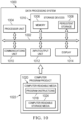
Figure 10 is an illustration of a block diagram of a data processing system in accordance with an illustrative example. - The illustrative examples recognize and take into account one or more different considerations. aligning schedules with slots and requesting slot movement or changes is a difficult process. A conflict is present in keeping the intent of the schedule against aligning the schedule with available slots. Further, requesting slot changes can be made but only to a certain extent. The ability to obtain slight changes may depend on other airlines wish to move slots for having available slots.
- Thus, the illustrative examples provide a method, apparatus, system, for managing slots for an aircraft fleet. In one illustrative example, the scheduler can focus on the quality of the schedule while aligning the schedule to available slots. In the illustrative example, the schedule generator can enable identifying schedule changes and potential slot movement based on analyzing a schedule with allocated slots in a manner that increases the ability to at least one of reduce schedule changes or reduce slot changes.
- Thus, illustrative examples provide a method, apparatus, system, and computer program product for managing slots. In these illustrative examples, the slots are slots allocated to an airline. A model that describes a relationship of flights in an input flight schedule and slots that have been allocated subject to constraints is created by the computer system. An output flight schedule is created by the computer system using the model to obtain an extrema using a set of objectives, wherein the flights are aligned to the slots in the output flight schedule.
- As used herein, a "set of" when used with reference items means one or more items. For example, a set of objectives is one or more objectives.
- In the illustrative example, the process aligning slots to schedules can be performed using objectives. These objectives can take the form of key performance indicators. These key performance indicators can include, for example, revenue, operating costs, and turn-time buffers.
- The illustrative examples recognize and take into account one or more different considerations.
- With reference now to the figures and, in particular, with reference to
Figure 1 , a pictorial representation of a network of data processing systems is depicted in which illustrative examples may be implemented. Networkdata processing system 100 is a network of computers in which the illustrative examples may be implemented. Networkdata processing system 100 containsnetwork 102, which is the medium used to provide communications links between various devices and computers connected together within networkdata processing system 100.Network 102 may include connections, such as wire, wireless communication links, or fiber optic cables. - In the depicted example,
server computer 104 andserver computer 106 connect to network 102 along withstorage unit 108. In addition,client devices 110 connect to network 102. As depicted,client devices 110 includeclient computer 112,client computer 114, andclient computer 116. Client computers can be computers used by a schedule generator to manipulate the schedule, agents inside or outside the airline that access flight schedule information, and slot coordinator 144 (outside the airline) that receive slot requests and send back feedback. - In the depicted example,
server computer 104 provides information, such as boot files, operating system images, and applications toclient devices 110. Further,client devices 110 can also include other types of client devices such asmobile phone 118,tablet computer 120, andsmart glasses 122. In this illustrative example,server computer 104,server computer 106,storage unit 108, andclient devices 110 are network devices that connect to network 102 in whichnetwork 102 is the communications media for these network devices. Some or all ofclient devices 110 may form an Internet of things (IoT) in which these physical devices can connect to network 102 and exchange information with each other overnetwork 102. -
Client devices 110 are clients toserver computer 104 in this example. Networkdata processing system 100 may include additional server computers, client computers, and other devices not shown.Client devices 110 connect to network 102 utilizing at least one of wired, optical fiber, or wireless connections. - Program instructions located in network
data processing system 100 can be stored on a computer-recordable storage medium and downloaded to a data processing system or other device for use. For example, program instructions can be stored on a computer-recordable storage medium onserver computer 104 and downloaded toclient devices 110 overnetwork 102 for use onclient devices 110. - In the depicted example, network
data processing system 100 is the Internet withnetwork 102 representing a worldwide collection of networks and gateways that use the Transmission Control Protocol/Internet Protocol (TCP/IP) suite of protocols or standard web services protocols to communicate with one another. At the heart of the Internet is a backbone of high-speed data communication lines between major nodes or host computers consisting of thousands of commercial, governmental, educational, and other computer systems that route data and messages. Of course, networkdata processing system 100 also may be implemented using a number of different types of networks. For example,network 102 can be comprised of at least one of the Internet, an intranet, a local area network (LAN), a metropolitan area network (MAN), or a wide area network (WAN).Figure 1 is intended as an example, and not as an architectural limitation for the different illustrative examples. - As used herein, "a number of" when used with reference to items, means one or more items. For example, "a number of different types of networks" is one or more different types of networks.
- Further, the phrase "at least one of," when used with a list of items, means different combinations of one or more of the listed items can be used, and only one of each item in the list may be needed. In other words, "at least one of" means any combination of items and number of items can be used from the list, but not all of the items in the list are required. The item can be a particular object, thing, or a category.
- For example, without limitation, "at least one of item A, item B, or item C" may include item A, item A and item B, or item B. This example also may include item A, item B, and item C or item B and item C. Of course, any combination of these items can be present. In some illustrative examples, "at least one of" can be, for example, without limitation, two of item A; one of item B and ten of item C; four of item B and seven of item C; or other suitable combinations. The item can be a particular object, a thing, or a category.
- In this illustrative example,
schedule generator 130 can manageslots 132 allocated toairline 134. In this example,slots 132 are slots for an aircraft fleet operated byairline 134. In this example,airline 134 can sendslots 132 andflight schedule 136 toschedule generator 130 overnetwork 102. -
Schedule generator 130 can createmodel 135 that describes the relationship of flights in theflight schedule 136 andslots 132 toairline 134.Model 135 can also include constraints. These constraints can be, for example, available aircraft in the fleet, buffer time between flights, the size of aircraft, or other constraints. - In this illustrative example,
schedule generator 130 can generateoutput flight schedule 138 usingmodel 135 to obtain a maximization or a minimization of a set of objectives. In this example, flights inoutput flight schedule 138 can be aligned withslots 132 in this flight schedule. - Depending on the acceptability of
output flight schedule 138, changes to at least one of the schedule or constraints such as schedule requirements can be made. These changes can be used to regenerateoutput flight schedule 138 usingmodel 135. - Further, depending on the acceptability of
output flight schedule 138,schedule generator 130 can send request 142 to slotcoordinator 144 atclient computer 116 to change one or more of theslots 132 flight inoutput flight schedule 138.Slot coordinator 144 can returnresponse 146 indicating whether if any or all of flight changes inrequest 142 have been accepted. In response to changes being made toslots 132,output flight schedule 138 can be regenerated usingslots 132 with the changes andflight schedule 136. - When
output flight schedule 138 is considered usable,output flight schedule 138 can be stored indata storage system 148 asfinal flight schedule 150.Final flight schedule 150 can be retrieved and sent overnetwork 102 in response to different events. For example,user 152 can request information about flights infinal flight schedule 150 in one illustrative example. This request is an example of an event relating to that information regarding flights infinal flight schedule 150 is transferred toclient computer 112 overnetwork 102. - In this example,
user 152 can be, for example, a crew scheduler that creates flight crew rosters. These rosters can be planned based on information about flights infinal flight schedule 150. - In another illustrative example,
user 152 can be a passenger reservation system receiving information about updated flights I the flight schedule. In yet another illustrative example,user 152 can be a maintenance planner obtaining information about flights. - With reference now to
Figure 2 , a block diagram of a flight environment is depicted in accordance with an illustrative example. In this illustrative example,flight schedule environment 200 includes components that can be implemented in hardware such as the hardware shown in networkdata processing system 100 inFigure 1 . - In this illustrative example,
flight scheduling system 202 inflight schedule environment 200 can operate to manageslots 204 with respect toinput flight schedule 206 forairline 207. As depicted,flight scheduling system 202 comprisescomputer system 212 andschedule generator 214.Schedule generator 214 is located incomputer system 212. -
Schedule generator 214 can be implemented in software, hardware, firmware or a combination thereof. When software is used, the operations performed byschedule generator 214 can be implemented in program instructions configured to run on hardware, such as a processor unit. When firmware is used, the operations performed byschedule generator 214 can be implemented in program instructions and data and stored in persistent memory to run on a processor unit. When hardware is employed, the hardware may include circuits that operate to perform the operations inschedule generator 214. - In the illustrative examples, the hardware may take a form selected from at least one of a circuit system, an integrated circuit, an application specific integrated circuit (ASIC), a programmable logic device, or some other suitable type of hardware configured to perform a number of operations. With a programmable logic device, the device can be configured to perform the number of operations. The device can be reconfigured at a later time or can be permanently configured to perform the number of operations. Programmable logic devices include, for example, a programmable logic array, a programmable array logic, a field programmable logic array, a field programmable gate array, and other suitable hardware devices. Additionally, the processes can be implemented in organic components integrated with inorganic components and can be comprised entirely of organic components excluding a human being. For example, the processes can be implemented as circuits in organic semiconductors.
-
Computer system 212 is a physical hardware system and includes one or more data processing systems. When more than one data processing system is present incomputer system 212, those data processing systems are in communication with each other using a communications medium. The communications medium may be a network. The data processing systems may be selected from at least one of a computer, a server computer, a tablet, or some other suitable data processing system. - As depicted,
computer system 212 includes a number ofprocessor units 216 that are capable of executingprogram instructions 218 implementing processes in the illustrative examples. In other words,program instructions 218 are computer readable program instructions. - As used herein, a processor unit in the number of
processor units 216 is a hardware device and is comprised of hardware circuits such as those on an integrated circuit that respond to and process instructions and program code that operate a computer. When the number ofprocessor units 216 executesprogram instructions 218 for a process, the number ofprocessor units 216 can be one or more processor units that are on the same computer or on different computers. In other words, the process can be distributed betweenprocessor units 216 on the same or different computers incomputer system 212. - Further, the number of
processor units 216 can be of the same type or different type of processor units. For example, a number ofprocessor units 216 can be selected from at least one of a single core processor, a dual-core processor, a multi-processor core, a general-purpose central processing unit (CPU), a graphics processing unit (GPU), a digital signal processor (DSP), or some other type of processor unit. - In this example,
airline 207 can send an identification ofslots 204 and can sendinput flight schedule 206 inschedule request 208 toschedule generator 214. In this example,input flight schedule 206 is a flight schedule forfleet 210 operated byairline 207. - As depicted,
schedule generator 214 can identifyslots 204 allocated toairline 207. In this example,slots 204 can be identified fromschedule request 208.Schedule generator 214 createsmodel 220 that describes a relationship betweenflights 209 ininput flight schedule 206 andslots 204 that have been allocated subject toconstraints 224. In one illustrative example,model 220 can compriseobjective function 221 andconstraints 224 and can be mixed integerlinear programming model 219. In this example,schedule generator 214 can include optimization process that usesmodel 220 to obtainoutput flight schedule 226. -
Schedule generator 214 can generateoutput flight schedule 226 usingmodel 220 to obtain an extrema using a set ofobjectives 228. The extrema can be a minimization or maximization using the set ofobjectives 228. - For example,
schedule generator 214 can maximize a parameter such as the number offlights 209 that matchslots 204. In other words, increasing the matching offlights 209 toslots 204, increase alignment betweenflights 209 andslots 204 can occur. To increase the matching, flight times can be adjusted byschedule generator 214 subject toconstraints 224. Adjusting the flight times to increase matches betweenflights 209 andslots 204 can be performed byschedule generator 214. - In this example,
flights 209 are aligned toslots 204 inoutput flight schedule 226. In this example, the output can be generated byschedule generator 214 using an optimization process such as a generated using a branch and bound optimization process. - In generating
output flight schedule 226,schedule generator 214 can swapslots 204 betweenflights 209 such that increased alignment ofslots 204 withflights 209 occurs. The increased alignment can mean that slots swapped between two flights result in both flights being aligned with the slots. In other words, both the departure time for both flights can have the same time as slots. In this example, swapping of slots is based on an airport. In other words,slots 204 can be swapped betweenflights 209 taking off or landing at the same airport. - In this illustrative example,
key performance indicators 230 are used to createobjectives 228. In this illustrative example, key performance indicator is a metric of a specific objective. For example, key performance indicator can be weighted slot deviation. The objective of this key performance indicator can be to minimize the deviation in time between flights and their slots using different weights to model the expected difficulty in modifying slots at different airports at different times. Another key performance indicator can be utilization byfleet 210. Another key performance indicator can be to create sufficient room for maintenance. The objective for this key performance indicator can be to reduce maintenance cost. - Further, in one illustrative example,
schedule generator 214 can adjust a number offlights 209 inoutput flight schedule 226.Output flight schedule 226 with adjustments to the number offlights 209 becomes theinput flight schedule 206 to perform another iteration in response tooutput flight schedule 226 being unacceptable for use. The determination of whetheroutput flight schedule 226 can be performed by determining how closelyoutput flight schedule 226 is to inputflight schedule 206. This example, the determination can be made by comparing the scheduling offlights 209 inoutput flight schedule 226 to the scheduling offlights 209input flight schedule 206. - Further, the determination of whether
output flight schedule 226 is acceptable for use can also be made by determining on the number ofslots 204 aligned withflights 209, the amount of slot misalignment, the amount flight changes betweenoutput flight schedule 226 andinput flight schedule 206, and other factors that can be used to measure the acceptability ofinput flight schedule 206 for use in operatingfleet 210 to provide service. - These determinations form
comparison 232.Comparison 232 identifiesdifferences 234 betweenoutput flight schedule 226 andinput flight schedule 206. This comparison can also include number ofalignments 236 betweenslots 204 andflights 209 inoutput flight schedule 226. These and other measurements, such as expected revenue, can be used to determine whetheroutput flight schedule 226 is acceptable for use. In one illustrative example,comparison 232 can be compared to a threshold fordifferences 234 and number ofalignments 236 betweenslots 204 andflights 209 in determining whetheroutput flight schedule 226 is acceptable. The threshold can indicate the maximum number ofdifferences 234 betweenflights 209 inoutput flight schedule 226 andinput flight schedule 206. The threshold can also define a minimum number ofalignments 236 betweenslots 204 andflights 209 that are required. - In this illustrative example, an alignment is present between a slot and a flight when the slot in the flight had the same time.
- In this illustrative example,
schedule generator 214 can repeat creatingmodel 220, generatingoutput flight schedule 226, adjustingoutput flight schedule 226 until theoutput flight schedule 226 is acceptable for use. - Additionally,
schedule generator 214 can adjust the set ofobjectives 228 in response tooutput flight schedule 226 being unacceptable for use.Schedule generator 214 can then repeat creatingmodel 220, generatingoutput flight schedule 226, adjustingoutput flight schedule 226 until theoutput flight schedule 226 is acceptable for use. For example, an objective to reduce operating costs to a selected level can be changed to a different level depending on how closeoutput flight schedule 226 is to inputflight schedule 206. - In this illustrative example,
output flight schedule 226 can be considered acceptable for use even when some ofslots 204 may not be aligned as desired withflights 209. For example, a slot may be for a departure at time t1 while the flight is scheduled for time t1 plus 10 minutes. - In one illustrative example,
schedule generator 214 can identify a set of slot changes 238 in response tooutput flight schedule 226 being acceptable for use. These slot changes can be identified based on which slots are not aligned withflights 209 withoutput flight schedule 226. Slots can be selected based on the amount of misalignment of a flight with a slot. For example, a threshold of 10 minutes may be selected for selectingslots 204. For example, if the difference between the flight and the slot is 5 minutes, that flight can be selected for inclusion in slot changes 238. The requests can be to obtain a slot that aligns with the flight. For example, the request can be made to exchange the slot at time t for a slot at time t plus 5 minutes. In this example, selecting slots with lower differences with the flights assigned to those slots can increase the likelihood an approval of a slot change will occur. -
Schedule generator 214 sendsrequest 240 to change the set ofslots 204 to slotcoordinator 242.Slot coordinator 242 is an authority that can authorize changes forslots 204.Slot coordinator 242 can be different for different airports, regions, or countries. -
Slot coordinator 242 returnsresponse 244.Response 244 can include approved slot changes 246. In this example, approved slot change 246 identifies slots moved in time, swapped slots, or change of aircraft type. In this example, offeredslot 248 identifies an offer from theslot coordinator 242 of a change to an existing slot or a new slot. Declinedslot change 250 identifies a response from theslot coordinator 242 where the requested slot change has been declined.Schedule generator 214 can repeat creatingmodel 220 generatingoutput flight schedule 226 usingresponse 244 as a result of a change toslots 204 made in response to request 240 to change the set ofslots 204 sent to slotcoordinator 242. - In one illustrative example, one or more technical solutions are present that overcome a technical problem for the
airline 207 how best make use of available slots. As a result, one or more technical solutions may provide a technical effect generating improved flight schedules based on matching flights to slots. In the illustrative examples, slots are not tightly linked to flights. As a result, the flights can be interchanged or swapped as needed between different slots to obtain matches between flights and slots and to reduce the amount of mismatch between flights and slots when exact matches are not possible. The matching of slots is subject to constraints such as using slots for flights in the same airport. Further, constraints in swapping slots can also be based on slots being swapped for same type of aircraft or aircraft of a similar weight and performance. -
Computer system 212 can be configured to perform at least one of the steps, operations, or actions described in the different illustrative examples using software, hardware, firmware or a combination thereof. As a result,computer system 212 operates as a special purpose computer system in whichschedule generator 214 incomputer system 212 enables matching slots with flight and changing flights to provide matches between flights and slots subject to constraints. In particular,schedule generator 214 transformscomputer system 212 into a special purpose computer system as compared to currently available general computer systems that do not haveschedule generator 214. - The illustration of
flight schedule environment 200 inFigure 2 is not meant to imply physical or architectural limitations to the manner in which an illustrative example may be implemented. Other components in addition to or in place of the ones illustrated may be used. Some components may be unnecessary. Also, the blocks are presented to illustrate some functional components. One or more of these blocks may be combined, divided, or combined and divided into different blocks when implemented in an illustrative example. - For example,
model 220 can be implemented usingmachine learning model 225 instead of mixed integerlinear programming model 219. A machine learning model is a type of artificial intelligence model that can learn without being explicitly programmed. A machine learning model can learn based on training data input into the machine learning model. - The machine learning model can learn using various types of machine learning algorithms. The machine learning algorithms include at least one of a supervised learning, and unsupervised learning, a feature learning, a sparse dictionary learning, an anomaly detection, a reinforcement learning, a recommendation learning, or other types of learning algorithms.
- Examples of machine learning models include an artificial neural network, a convolutional neural network, a decision tree, a support vector machine, a regression machine learning model, a classification machine learning model, a random forest learning model, a Bayesian network, a genetic algorithm, and other types of models. These machine learning models can be trained using data and process additional data to provide a desired output, such as
output flight schedule 226. - In this example, when
model 220 is implemented usingmachine learning model 225,machine learning model 225 can be trained usingtraining data set 227.Training data set 227 can comprisehistorical flight schedules 229 that identify flights and slots used by those flights. Withmachine learning model 225,objective function 221 can be implemented inmachine learning model 225 as a problem to be optimized. For example, a candidate solution, such as a flight schedule with slot alignments, can be input intomachine learning model 225 and this solution can be evaluated against a portion oftraining data set 227. The cost can be an error score or loss inmachine learning model 225. - In this example, when
model 220 takes the form ofmachine learning model 225,schedule generator 214 can usemachine learning model 225 to maximize a parameter by treating output ofmachine learning model 225 as the objective function to be maximized. A similar process can be used to minimize a particular parameter. - With reference next to
Figure 3 , an illustration of a data flow diagram for managing slots in a schedule is depicted in accordance with an illustrative example. Data flow illustrated in this figure can be implemented usingflight scheduling system 202 inFigure 2 . This dataflow can be implemented usingschedule generator 214 and other components inflight scheduling system 202 inFigure 2 . As depicted, the data flow in this figure is forairline 300. As depicted, the dataflow includes inputs tomodel generator 302 that model generator uses to create mixed integer linear programming model (MILP)model 304. - In this illustrative example,
inputs 303 comprise a number of different types of information. As depicted,inputs 303 comprisefleet 306,constraints 308, key performance indicator (KPI)drivers 310, andinput flight schedule 312. - In this illustrative example,
fleet 306 are the aircraft available to operate a flight schedule.Constraints 308 are limits to usingfleet 306 in the flight schedule. These limits can be, for example, limits to routes and airports thatfleet 306 can operate. - Key
performance indicator drivers 310 describes measurements used to evaluate objectives. These measurements can include, for example, revenue, costs, asset usage, maintenance, fuel consumption, and other measurements that can be used to evaluate the quality of a flight schedule. Tuning of these drivers may be performed to obtain a desired flight schedule. -
Input flight schedule 312 is the preferred flight schedule forairline 300.Input flight schedule 312 can identify routes, airports, and dates for flights. In this example,input flight schedule 312 does not contain slots. - In this illustrative example,
model generator 302 also receivesslots 314 fromslot coordinator 316.Slots 314 are slots for different airports assigned to flights forfleet 306. In this illustrative example, each slot prescribes a certain departure or arrival time as well as aircraft type for a flight to or from a particular airport. In this example,slots 314 are the initial set of slots that can be refined during an iterative process betweenslot coordinator 316 andairline 300 through this dataflow. - As depicted,
model generator 302 receivesinputs 303 andslots 314 to generate mixed integer linear programming model (MILP)model 304.Optimizer 318 uses mixed integer linear programming model (MILP)model 304 to generateoutput schedule 320. In generatingoutput schedule 320, mixed integer linear programming model (MILP)model 304 can perform different operations including assigning flights to slots, changing flight times, and other operations. - In this illustrative example,
output schedule 320 comprises a timing of flights, assignment of aircraft type to flight, and an assignment of flights to slots. In this illustrative example, the revised schedule together with assignments of flights to slots are present inoutput schedule 320. - With current techniques, a flight is coupled to a specific slot. In this example,
optimizer 318treats slots 314 as a portfolio of assets and allows flights to be scheduled to any nearby slot. With this type of optimization, a higher-quality schedule can be generated. - In this illustrative example,
output schedule 320 can be analyzed to determine whether this output schedule is acceptable for use (block 340). The analysis can include determining the amount of alignment between flights andslots 314. Further, the analysis can also include determining whether flights have been changed in aligning flights withslots 314. - If
output schedule 320 is not acceptable, the process updates the schedule and input parameters (block 342). In this illustrative example, the updated schedule becomesinput flight schedule 312. The updated input parameters become key performance indicator (KPI)drivers 310 in this example. The same slots are used in this example. The process then generates updated mixed integer linear programming model (MILP)model 311 withinputs 303. This process can be performed iteratively until an acceptable output schedule is identified. - With reference again to block 340, if
output schedule 320 is determined to be acceptable, a determination is made as to whether the schedule matches the slots (block 344).Output schedule 320 may be acceptable even if an alignment between all of the flights and slots are not present. In other words, a mismatch of some slots for flights may occur. If the schedule does not match the slots, the process can send slot requests (block 346). - In this example, requested
slots 348 are sent to slotcoordinator 316. Requestedslots 348 can include a request to change at least one of a timing of slots or an assignment of aircraft types to slots. In response to receiving this response,slot coordinator 316 provides one or more of requestedslots 348. As depicted,slot coordinator 316 can return offeredslots 350 tomodel generator 302. Model generator uses offeredslots 350 andinputs 303 to generate mixed integer linear programming model (MILP)model 304. In this example, offeredslots 350 can be slots offered based off of requestedslots 348. In this case, offeredslots 350 can be used withslots 314 to generate model. In other cases, offeredslots 350 can be all of the slots forairline 300. In this case, offeredslots 350 are used in place ofslots 314 withinputs 303 to generate updated mixed integer linear programming model (MILP)model 311. - This process can be performed iteratively until acceptable output schedule is obtained in which schedule matches slots. With reference again to block 344, when the schedule matches the slots,
final schedule 352 is generated for use byairline 300 to operatefleet 306. - With reference next to
Figure 4 , an illustration of potential flight allocations changes to slots is depicted in accordance with an illustrative example. In this illustrative example,slots 400 includesarrival slot JP001 402,arrival slot JP003 404,departure slot JP002 406, anddeparture slot JP005 408. - Slot is often strictly linked to a flight. However, in the illustrative example, slot coordinators often do not care if a flight departs from or arrives at a particular airport as long as the flight is operated with aircraft of a similar type of a similar size. This situation opens up an ability to treat slots at airport as a portfolio of assets that can be swapped within the airline.
- In this example,
arrival slot JP001 402 matchesflight arrival time 410 of a flight to Gdteborg Landvetter Airport (GOT), andarrival slot JP003 404 matchesflight arrival time 412 of a flight to Göteborg Landvetter Airport (GOT). As depicted, a mismatch is present with the departure slots.Departure slot JP002 406 has a mismatch withdeparture time 414 for a flight to Geneva airport (GVA), anddeparture slot JP005 408 has a mismatch withdeparture time 416 for a flight to Zürich airport (ZRH). - In this example,
departure slot JP002 406 anddeparture slot JP005 408 can be swapped with each other to matchdeparture time 414 anddeparture time 416. This swap of slots results indeparture slot JP002 406 havingdeparture time 416 for the flight to Zürich airport (ZRH), anddeparture slot JP005 408 havingdeparture time 414 for the flight to Geneva airport (GVA). - As result, slot swapping provides new opportunities for aligning a flight schedule with available slots not used with current techniques. When available slots are insufficient to create a feasible schedule, a value is present for getting closer to an available slot. The value of slot alignment varies depending on airport. For example, a slot coordinator may be more likely to approve a slot change as the difference between the current slot in a desired slot becomes smaller.
- Turning next to
Figure 5 , an illustration of a flowchart of a process for managing slots is depicted in accordance with an illustrative example. The process inFigure 5 can be implemented in hardware, software, or both. When implemented in software, the process can take the form of program instructions that are run by one of more processor units located in one or more hardware devices in one or more computer systems. For example, the process can be implemented inschedule generator 214 incomputer system 212 inFigure 2 . - The process begins by identifying slots allocated to an airline (operation 500). The process creates a model that describes a relationship between flights for an input flight schedule and slots that have been allocated subject to constraints (operation 502).
- The process generates an output flight schedule using the model to obtain an extrema using a set of objectives (operation 504). The process terminates thereafter. In
operation 504, the flights are aligned to the slots in the output flight schedule. The alignment may not be exact in which every slot matches every departure or arrival time. - Turning now to
Figure 6 , an illustration of a flowchart of a process for iteratively generating and output schedule is depicted in accordance with an illustrative example. The process illustrated in this figure is an example of additional operations that can be performed with the operations inFigure 5 to iteratively generate output schedules. - The process adjusts a number of the flights in the output flight schedule (operation 600). In
operation 600, the output flight schedule with adjustments to the number of flights becomes the input flight schedule for to perform another iteration in response to the output flight schedule being unacceptable for use. - The process repeats creating a model, generating the output schedule, and adjusting the output schedule until the output flight schedule is acceptable (operation 602). The process terminates thereafter in
operation 602. These steps correspond tooperation 502,operation 504, andoperation 600. - Turning next to
Figure 7 , an illustration of a flowchart of a process for iteratively generating and output schedule is depicted in accordance with an illustrative example. The process illustrated in this figure is an example of additional operations that can be performed with the operations inFigure 5 to iteratively generate output schedules. - The process adjusts the set of objectives in response to the output flight schedule being unacceptable for use (operation 700). The process repeats creating the model, generating the output schedule, and adjusting the set of objectives until the output flight schedule is acceptable (operation 702). The process terminates thereafter in
operation 702. These steps correspond tooperation 502,operation 504, andoperation 700. - In
Figure 8 , an illustration a flowchart of process for swapping slots is depicted in accordance with an illustrative example. The process illustrated inFigure 8 can be implemented by model to swap slots as part of generating and output light schedule. - The process identifies flights having mismatches between slot times and flight schedule operation times (operation 800). In this example, flight schedule operation times can be arrival times or departure times for flights. The process identifies flights with slots that can be swapped such that the operation times match available slot times (operation 802). In
operation 802, a flight assigned to one slot can be re-allocated to another slot. For example, slots can be departure slots that are switched with other departure slots to obtain better alignment between flights and slots. The process matches the flights with the identified slots (operation 804). The process terminates thereafter. - With reference next to
Figure 9 , an illustration of a flowchart of a process for sending output schedules is depicted in accordance with an illustrative example. The process illustrated inFigure 9 is an example of additional operations that can be performed with the operations inFigure 6 . - The process stores the output flight schedule as a final flight schedule in a datastore in a data storage system accessible over a network (operation 900). The process automatically sends flight information for a flight from the final flight schedule stored in the data storage system to a client computer over the network in response to an event relating to the flight (operation 902). The process terminates thereafter.
- The flowcharts and block diagrams in the different depicted examples illustrate the architecture, functionality, and operation of some possible implementations of apparatuses and methods in an illustrative example. In this regard, each block in the flowcharts or block diagrams can represent at least one of a module, a segment, a function, or a portion of an operation or step. For example, one or more of the blocks can be implemented as program instructions, hardware, or a combination of the program instructions and hardware. When implemented in hardware, the hardware can, for example, take the form of integrated circuits that are manufactured or configured to perform one or more operations in the flowcharts or block diagrams. When implemented as a combination of program instructions and hardware, the implementation may take the form of firmware. Each block in the flowcharts or the block diagrams can be implemented using special purpose hardware systems that perform the different operations or combinations of special purpose hardware and program instructions run by the special purpose hardware.
- In some alternative implementations of an illustrative example, the function or functions noted in the blocks may occur out of the order noted in the figures. For example, in some cases, two blocks shown in succession may be performed substantially concurrently, or the blocks may sometimes be performed in the reverse order, depending upon the functionality involved. Also, other blocks may be added in addition to the illustrated blocks in a flowchart or block diagram.
- Turning now to
Figure 10 , a block diagram of a data processing system is depicted in accordance with an illustrative example.Data processing system 1000 can be used to implementserver computer 104,server computer 106,client devices 110, inFigure 1 .Data processing system 1000 can also be used to implementcomputer system 212 inFigure 2 . In this illustrative example,data processing system 1000 includescommunications framework 1002, which provides communications betweenprocessor unit 1004,memory 1006,persistent storage 1008,communications unit 1010, input/output (I/O)unit 1012, anddisplay 1014. In this example,communications framework 1002 takes the form of a bus system. -
Processor unit 1004 serves to execute instructions for software that can be loaded intomemory 1006.Processor unit 1004 includes one or more processors. For example,processor unit 1004 can be selected from at least one of a multicore processor, a central processing unit (CPU), a graphics processing unit (GPU), a physics processing unit (PPU), a digital signal processor (DSP), a network processor, or some other suitable type of processor. Further,processor unit 1004 can may be implemented using one or more heterogeneous processor systems in which a main processor is present with secondary processors on a single chip. As another illustrative example,processor unit 1004 can be a symmetric multi-processor system containing multiple processors of the same type on a single chip. -
Memory 1006 andpersistent storage 1008 are examples ofstorage devices 1016. A storage device is any piece of hardware that is capable of storing information, such as, for example, without limitation, at least one of data, program instructions in functional form, or other suitable information either on a temporary basis, a permanent basis, or both on a temporary basis and a permanent basis.Storage devices 1016 may also be referred to as computer-readable storage devices in these illustrative examples.Memory 1006, in these examples, can be, for example, a random-access memory or any other suitable volatile or non-volatile storage device.Persistent storage 1008 may take various forms, depending on the particular implementation. - For example,
persistent storage 1008 may contain one or more components or devices. For example,persistent storage 1008 can be a hard drive, a solid-state drive (SSD), a flash memory, a rewritable optical disk, a rewritable magnetic tape, or some combination of the above. The media used bypersistent storage 1008 also can be removable. For example, a removable hard drive can be used forpersistent storage 1008. -
Communications unit 1010, in these illustrative examples, provides for communications with other data processing systems or devices. In these illustrative examples,communications unit 1010 is a network interface card. - Input/
output unit 1012 allows for input and output of data with other devices that can be connected todata processing system 1000. For example, input/output unit 1012 may provide a connection for user input through at least one of a keyboard, a mouse, or some other suitable input device. Further, input/output unit 1012 may send output to a printer.Display 1014 provides a mechanism to display information to a user. - Instructions for at least one of the operating system, applications, or programs can be located in
storage devices 1016, which are in communication withprocessor unit 1004 throughcommunications framework 1002. The processes of the different examples can be performed byprocessor unit 1004 using computer-implemented instructions, which may be located in a memory, such asmemory 1006. - These instructions are referred to as program instructions, computer usable program instructions, or computer-readable program instructions that can be read and executed by a processor in
processor unit 1004. The program instructions in the different examples can be embodied on different physical or computer-readable storage media, such asmemory 1006 orpersistent storage 1008. -
Program instructions 1018 is located in a functional form on computer-readable media 1020 that is selectively removable and can be loaded onto or transferred todata processing system 1000 for execution byprocessor unit 1004.Program instructions 1018 and computer-readable media 1020 formcomputer program product 1022 in these illustrative examples. In the illustrative example, computer-readable media 1020 is computer-readable storage media 1024. - Computer-
readable storage media 1024 is a physical or tangible storage device used to storeprogram instructions 1018 rather than a medium that propagates or transmitsprogram instructions 1018. Computerreadable storage media 1024 may be at least one of an electronic storage medium, a magnetic storage medium, an optical storage medium, an electromagnetic storage medium, a semiconductor storage medium, a mechanical storage medium, or other physical storage medium. Some known types of storage devices that include these mediums include: a diskette, a hard disk, a random access memory (RAM), a read-only memory (ROM), an erasable programmable read-only memory (EPROM or Flash memory), a static random access memory (SR_AM), a compact disc read-only memory (CD-ROM), a digital versatile disk (DVD), a memory stick, a floppy disk, a mechanically encoded device, such as punch cards or pits / lands formed in a major surface of a disc, or any suitable combination thereof. - Computer
readable storage media 1024 medium, as that term is used in the present disclosure, is not to be construed as storage in the form of transitory signals per se, such as at least one of radio waves or other freely propagating electromagnetic waves, electromagnetic waves propagating through a waveguide, light pulses passing through a fiber optic cable, electrical signals communicated through a wire, or other transmission media. - Further, data can be moved at some occasional points in time during normal operations of a storage device. These normal operations include access, de-fragmentation or garbage collection. However, these operations do not render the storage device as transitory because the data is not transitory while the data is stored in the storage device.
- Alternatively,
program instructions 1018 can be transferred todata processing system 1000 using a computer-readable signal media. The computer-readable signal media are signals and can be, for example, a propagated data signal containingprogram instructions 1018. For example, the computer-readable signal media can be at least one of an electromagnetic signal, an optical signal, or any other suitable type of signal. These signals can be transmitted over connections, such as wireless connections, optical fiber cable, coaxial cable, a wire, or any other suitable type of connection. - Further, as used herein, "computer-
readable media 1020" can be singular or plural. For example,program instructions 1018 can be located in computer-readable media 1020 in the form of a single storage device or system. In another example,program instructions 1018 can be located in computer-readable media 1020 that is distributed in multiple data processing systems. In other words, some instructions inprogram instructions 1018 can be located in one data processing system while other instructions inprogram instructions 1018 can be located in one data processing system. For example, a portion ofprogram instructions 1018 can be located in computer-readable media 1020 in a server computer while another portion ofprogram instructions 1018 can be located in computer-readable media 1020 located in a set of client computers. - The different components illustrated for
data processing system 1000 are not meant to provide architectural limitations to the manner in which different examples can be implemented. In some illustrative examples, one or more of the components may be incorporated in or otherwise form a portion of, another component. For example,memory 1006, or portions thereof, may be incorporated inprocessor unit 1004 in some illustrative examples. The different illustrative examples can be implemented in a data processing system including components in addition to or in place of those illustrated fordata processing system 1000. Other components shown inFigure 10 can be varied from the illustrative examples shown. The different examples can be implemented using any hardware device or system capable of runningprogram instructions 1018. - Thus, the illustrative examples provide a method, apparatus, system, and computer program product for managing slots. A method, apparatus, system, and computer program product for managing slots. Slots allocated to an airline identified by computer system. A model that describes a relationship of flights in an input flight schedule and slots that have been allocated subject to constraints is created by the computer system. An output flight schedule is created by the computer system using the model to obtain an extrema using a set of objectives, wherein the flights are aligned to the slots in the output flight schedule.
- As a result, one or more illustrative examples can generate improved flight schedules based on matching flights to slots. In the illustrative examples, slots are not tightly linked to flights. As a result, the flights can be interchanged or swapped as needed between different slots to obtain matches between flights and slots and to reduce the amount of mismatch between flights and slots when exact matches are not possible. The matching of slots is subject to constraints such as using slots for flights in the same airport. Further, constraints in swapping slots can also be based on slots being swapped for same type of aircraft or aircraft of a similar weight and performance.
- Further examples are set out in the clauses below:
- 1. A method for managing slots, the method comprising: identifying, by a computer system, the slots allocated to an airline; creating, by the computer system, a model that describes a relationship between flights for an input flight schedule and the slots that have been allocated subject to constraints; and generating, by the computer system, an output flight schedule using the model to obtain an extrema using a set of objectives, wherein the flights are aligned to the slots in the output flight schedule.
- 2. The method of clause 1 further comprising:
adjusting, by the computer system, a number of the flights in the output flight schedule, wherein the output flight schedule with adjustments to the number of the flights becomes the input flight schedule to perform another iteration in response to the output flight schedule being unacceptable; and repeating, by the computer system, the creating the model, generating the output flight schedule, and adjusting the output flight schedule the number of the flights until the output flight schedule is acceptable. - 3. The method of
clause 1 or 2 further comprising:
adjusting, by the computer system, the set of objectives in response to the output flight schedule being unacceptable; and repeating, by the computer system, the creating the model, generating the output flight schedule, and adjusting the set of objectives until the output flight schedule is acceptable. - 4. The method of any one of the preceding clauses further comprising: identifying, by the computer system, a set of slot changes in response to the output flight schedule being acceptable; sending, by the computer system, a request to change the set of the slots to a slot coordinator; and
repeating, by the computer system, the creating and generating steps using the slots allocated the airline as a result of a change to the slots made in response to the request to change the set of the slots sent to the slot coordinator. - 5. The method of any one of the preceding clauses, wherein the model swaps the slots between the flights such that increased alignment of the slots with the flights occurs.
- 6. The method of any one of the preceding clauses further comprising: storing, by the computer system, the output flight schedule as a final flight schedule in a datastore in a data storage system accessible over a network; and automatically sending, by the computer system, flight information for a flight from the final flight schedule stored in the data storage system to a client computer over the network in response an event relating to the flight.
- 7. The method of any one of the preceding clauses, wherein the constraints are selected from at least one of an aircraft fleet, a buffer time between the flights, use of available aircraft, or available slots.
- 8. The method of any one of the preceding clauses, wherein the model comprises an objective function and the constraints.
- 9. The method of any one of the preceding clauses, wherein the model is a mixed integer linear programming model.
- 10. The method of any one of the preceding clauses, wherein the output flight schedule is generated using a branch and bound optimization process.
- 11. A flight scheduling system comprising: a computer system; a schedule generator in the computer system, wherein the schedule generator is configured to: identify slots allocated to an airline; create a model that describes a relationship between flights for an input flight schedule and the slots that have been allocated subject to constraints; and generate an output flight schedule using the model to obtain an extrema using a set of objectives, wherein the flights are aligned to the slots in the output flight schedule.
- 12. The flight scheduling system any one of the preceding clauses, wherein the schedule generator is configured to: adjust a number of the flights in the output flight schedule, wherein the output flight schedule with adjustments to the number of the flights becomes the input flight schedule to perform another iteration in response to the output flight schedule being unacceptable; and repeat creating the model, generating the output flight schedule, and adjusting the set of objectives until the output flight schedule is acceptable.
- 13. The flight scheduling system of clause 11, wherein the schedule generator is configured to: adjust the set of objectives in response to the output flight schedule being unacceptable; and repeat creating the model, generating the output flight schedule, and adjusting the set of objectives until the output flight schedule is acceptable.
- 14. The flight scheduling system of clause 11 or 12, wherein the schedule generator is configured to: identify a set of slot changes in response to the output flight schedule being acceptable; send a request to change the set of the slots to a slot coordinator; and repeat creating the model and generating the output flight schedule using the slots allocated the airline as a result of a change to the slots made in response to the request to change the set of the slots sent to the slot coordinator.
- 15. The flight scheduling system of any one of clauses 11-14, wherein the model swaps the slots between the flights such that increased alignment of the slots with the flights occurs.
- 16. The flight scheduling system of any one of clauses 11-15, wherein the schedule generator is configured to:
- store the output flight schedule as a final flight schedule in a datastore in a data storage system accessible over a network; and
- automatically send flight information for a flight from the final flight schedule stored in the data storage system to a client computer over the network in response an event relating to the flight.
- 11-16, wherein the constraints are selected from at least one of an aircraft fleet, a buffer time between the flights, use of available aircraft, or available slots.
- 18. The flight scheduling system of any one of clauses 11-17, wherein the model comprises an objective function and constraints.
- 19. The flight scheduling system of any eon of clauses 11-18, wherein the model is a mixed integer linear programming model.
- 20. The flight scheduling system of clauses 11-19, wherein the output flight schedule is generated using a branch and bound optimization process.
- 21. A computer program product for managing slots, the computer program product comprising a computer readable storage medium having program instructions embodied therewith, the program instructions executable by a computer system to cause the computer system to: identify the slots allocated to an airline; create a model that describes a relationship between flights for an input flight schedule and the slots that have been allocated subject to constraints; and generate an output flight schedule using the model to obtain an extrema using a set of objectives, wherein the flights are aligned to the slots in the output flight schedule.
- The description of the different illustrative examples has been presented for purposes of illustration and description and is not intended to be exhaustive or limited to the examples in the form disclosed. The different illustrative examples describe components that perform actions or operations. In an illustrative example, a component can be configured to perform the action or operation described. For example, the component can have a configuration or design for a structure that provides the component an ability to perform the action or operation that is described in the illustrative examples as being performed by the component. Further, to the extent that terms "includes", "including", "has", "contains", and variants thereof are used herein, such terms are intended to be inclusive in a manner similar to the term "comprises" as an open transition word without precluding any additional or other elements.
- Many modifications and variations will be apparent to those of ordinary skill in the art. Further, different illustrative examples may provide different features as compared to other desirable examples. The example or examples selected are chosen and described in order to best explain the principles of the examples, the practical application, and to enable others of ordinary skill in the art to understand the disclosure for various examples with various modifications as are suited to the particular use contemplated.
Claims (15)
- A method for managing slots (132, 204, 314, 400), the method comprising:identifying (500), by a computer system (212), the slots (132, 204, 314, 400) allocated to an airline (134, 207, 300);creating (502), by the computer system (212), a model (135, 220) that describes a relationship between flights (209) for an input flight schedule (206, 312) and the slots (132, 204, 314, 400) that have been allocated subject to constraints (224, 308); andgenerating (504), by the computer system (212), an output flight schedule (138, 226) using the model (135, 220) to obtain an extrema using a set of objectives (228), wherein the flights (209) are aligned to the slots (132, 204, 314, 400) in the output flight schedule (138, 226) .
- The method of claim 1 further comprising:adjusting (600), by the computer system (212), a number of the flights (209) in the output flight schedule (138, 226), wherein the output flight schedule (138, 226) with adjustments to the number of the flights (209) becomes the input flight schedule (206, 312) to perform another iteration in response to the output flight schedule (138, 226) being unacceptable; andrepeating (602), by the computer system (212), the creating the model (135, 220), generating the output flight schedule (138, 226), and adjusting the output flight schedule (138, 226) the number of the flights (209) until the output flight schedule (138, 226) is acceptable.
- The method of claim 1 or claim 2 further comprising:adjusting (700), by the computer system (212), the set of objectives (228) in response to the output flight schedule (138, 226) being unacceptable; andrepeating (702), by the computer system (212), the creating the model (135, 220), generating the output flight schedule (138, 226), and adjusting the set of objectives (228) until the output flight schedule (138, 226) is acceptable.
- The method of any one of the preceding claims further comprising:identifying, by the computer system (212), a set of slot changes (238) in response to the output flight schedule (138, 226) being acceptable;sending, by the computer system (212), a request to change the set of the slots (132, 204, 314, 400) to a slot coordinator (144, 242, 316); andrepeating, by the computer system (212), the creating and generating steps using the slots (132, 204, 314, 400) allocated the airline (134, 207, 300) as a result of a change to the slots (132, 204, 314, 400) made in response to the request to change the set of the slots (132, 204, 314, 400) sent to the slot coordinator (144, 242, 316).
- The method of any one of the preceding claims, wherein the model (135, 220) swaps the slots (132, 204, 314, 400) between the flights (209) such that increased alignment of the slots (132, 204, 314, 400) with the flights (209) occurs; or optionally
further comprising:storing (900), by the computer system (212), the output flight schedule (138, 226) as a final flight schedule (150) in a datastore in a data storage system (148) accessible over a network (102); and automatically sending (902), by the computer system (212), flight information for a flight from the final flight schedule (150) stored in the data storage system (148) to a client computer (112, 114, 116) over the network (102) in response an event relating to the flight; or optionallywherein the constraints (224, 308) are selected from at least one of an aircraft fleet, a buffer time between the flights (209), use of available aircraft, or available slots; or optionallywherein the model (135, 220) comprises an objective function (221) and the constraints (224, 308). - The method of any one of the preceding claims, wherein the model (135, 220) is a mixed integer linear programming model (219).
- The method of any one of the preceding claims, wherein the output flight schedule (138, 226) is generated using a branch and bound optimization process.
- A flight scheduling system (202) comprising:a computer system (212);a schedule generator (130, 214) in the computer system (212), wherein the schedule generator (130, 214) is configured to:
identify slots (132, 204, 314, 400) allocated to an airline (134, 207, 300);create a model (135, 220) that describes a relationship between flights (209) for an input flight schedule (206, 312) and the slots (132, 204, 314, 400) that have been allocated subject to constraints (224, 308); andgenerate an output flight schedule (138, 226) using the model (135, 220) to obtain an extrema using a set of objectives (228), wherein the flights (209) are aligned to the slots (132, 204, 314, 400) in the output flight schedule (138, 226). - The flight scheduling system (202) of claim 8, wherein the schedule generator (130, 214) is configured to:adjust a number of the flights (209) in the output flight schedule (138, 226), wherein the output flight schedule (138, 226) with adjustments to the number of the flights (209) becomes the input flight schedule (206, 312) to perform another iteration in response to the output flight schedule (138, 226) being unacceptable; andrepeat creating the model (135, 220), generating the output flight schedule (138, 226), and adjusting the set of objectives (228) until the output flight schedule (138, 226) is acceptable.
- The flight scheduling system (202) of claim 8 or 9, wherein the schedule generator (130, 214) is configured to:adjust the set of objectives (228) in response to the output flight schedule (138, 226) being unacceptable; andrepeat creating the model (135, 220), generating the output flight schedule (138, 226), and adjusting the set of objectives (228) until the output flight schedule (138, 226) is acceptable; or optionallywherein the schedule generator (130, 214) is configured to:identify a set of slot changes (238) in response to the output flight schedule (138, 226) being acceptable;send a request to change the set of the slots (132, 204, 314, 400) to a slot coordinator (144, 242, 316); andrepeat creating the model (135, 220) and generating the output flight schedule (138, 226) using the slots (132, 204, 314, 400) allocated the airline (134, 207, 300) as a result of a change to the slots (132, 204, 314, 400) made in response to the request to change the set of the slots (132, 204, 314, 400) sent to the slot coordinator (144, 242, 316); or optionallywherein the model (135, 220) swaps the slots (132, 204, 314, 400) between the flights (209) such that increased alignment of the slots (132, 204, 314, 400) with the flights (209) occurs.
- The flight scheduling system (202) of any one of claims 8-10, wherein the schedule generator (130, 214) is configured to:store the output flight schedule (138, 226) as a final flight schedule (150) in a datastore in a data storage system (148) accessible over a network (102); andautomatically send flight information for a flight from the final flight schedule (150) stored in the data storage system (148) to a client computer (112, 114, 116) over the network (102) in response an event relating to the flight.
- The flight scheduling system (202) of any one of claims 8-11, wherein the constraints (224, 308) are selected from at least one of an aircraft fleet, a buffer time between the flights (209), use of available aircraft, or available slots.
- The flight scheduling system (202) of any one of claims 8-12, wherein the model (135, 220) comprises an objective function (221) and constraints (224, 308).
- The flight scheduling system (202) of any one of claims 8-13, wherein the model (135, 220) is a mixed integer linear programming model (219); or optionally
wherein the output flight schedule (138, 226) is generated using a branch and bound optimization process. - A computer program product (1022) for managing slots (132, 204, 314, 400), the computer program product (1022) comprising a computer readable storage medium (1024) having program instructions (1018) embodied therewith, the program instructions (1018) executable by a computer system (212) to cause the computer system (212) to:
identify the slots (132, 204, 314, 400) allocated to an airline (134, 207, 300);create a model (135, 220) that describes a relationship between flights (209) for an input flight schedule (206, 312) and the slots (132, 204, 314, 400) that have been allocated subject to constraints (224, 308); andgenerate an output flight schedule (138, 226) using the model (135, 220) to obtain an extrema using a set of objectives (228), wherein the flights (209) are aligned to the slots (132, 204, 314, 400) in the output flight schedule (138, 226).
Applications Claiming Priority (1)
| Application Number | Priority Date | Filing Date | Title |
|---|---|---|---|
| US18/186,873 US20240320573A1 (en) | 2023-03-20 | 2023-03-20 | Aircraft Fleet Assignment With Slot Constraints |
Publications (2)
| Publication Number | Publication Date |
|---|---|
| EP4435755A1 true EP4435755A1 (en) | 2024-09-25 |
| EP4435755B1 EP4435755B1 (en) | 2025-10-01 |
Family
ID=89854513
Family Applications (1)
| Application Number | Title | Priority Date | Filing Date |
|---|---|---|---|
| EP24156171.1A Active EP4435755B1 (en) | 2023-03-20 | 2024-02-06 | Aircraft fleet assignment with slot constraints |
Country Status (3)
| Country | Link |
|---|---|
| US (1) | US20240320573A1 (en) |
| EP (1) | EP4435755B1 (en) |
| CN (1) | CN118674413A (en) |
Citations (4)
| Publication number | Priority date | Publication date | Assignee | Title |
|---|---|---|---|---|
| US20150221225A1 (en) * | 2014-01-31 | 2015-08-06 | General Electric Company | System and method for managing aircraft ground operations |
| US20160371988A1 (en) * | 2015-06-19 | 2016-12-22 | Amadeus S.A.S. | Authority issued slot assignment optimization |
| US20200357293A1 (en) * | 2019-05-09 | 2020-11-12 | Beijing Baidu Netcom Science And Technology Co., Ltd. | Method and apparatus for outputting information |
| US20210035028A1 (en) * | 2019-07-30 | 2021-02-04 | Honeywell International Inc. | Systems and methods for automatically allocating airside slots using shared ledger databases |
-
2023
- 2023-03-20 US US18/186,873 patent/US20240320573A1/en active Pending
-
2024
- 2024-02-06 EP EP24156171.1A patent/EP4435755B1/en active Active
- 2024-03-11 CN CN202410270466.7A patent/CN118674413A/en active Pending
Patent Citations (4)
| Publication number | Priority date | Publication date | Assignee | Title |
|---|---|---|---|---|
| US20150221225A1 (en) * | 2014-01-31 | 2015-08-06 | General Electric Company | System and method for managing aircraft ground operations |
| US20160371988A1 (en) * | 2015-06-19 | 2016-12-22 | Amadeus S.A.S. | Authority issued slot assignment optimization |
| US20200357293A1 (en) * | 2019-05-09 | 2020-11-12 | Beijing Baidu Netcom Science And Technology Co., Ltd. | Method and apparatus for outputting information |
| US20210035028A1 (en) * | 2019-07-30 | 2021-02-04 | Honeywell International Inc. | Systems and methods for automatically allocating airside slots using shared ledger databases |
Also Published As
| Publication number | Publication date |
|---|---|
| CN118674413A (en) | 2024-09-20 |
| US20240320573A1 (en) | 2024-09-26 |
| EP4435755B1 (en) | 2025-10-01 |
Similar Documents
| Publication | Publication Date | Title |
|---|---|---|
| CN111247532B (en) | Feature extraction using multitasking learning | |
| US20190057327A1 (en) | Cumulative model for scheduling and resource allocation for airline operations | |
| JP7532666B2 (en) | Solving mixed integer problems using neural networks | |
| US12198682B2 (en) | Conversation generation using summary-grounded conversation generators | |
| Moon et al. | FedOps: A platform of federated learning operations with heterogeneity management | |
| CN112053097A (en) | Loan collection method and device, electronic equipment and storage medium | |
| EP4571510A1 (en) | Scheduling optimization method of scheduling apparatus, scheduling apparatus and storage medium | |
| CN117834630B (en) | Method, apparatus and medium for sensing edge node health status in a network | |
| CN119537031A (en) | Computing power scheduling method, device, storage medium and electronic device for model training | |
| US20240296341A1 (en) | Apparatus and method for tackling data heterogeneity in federated learning using intermediate layer representation regularization | |
| CN113627781A (en) | Task information generation method, device, equipment, storage medium and program product | |
| Li et al. | Application of Levy flight-based harmony search algorithm for the flexible job shop scheduling | |
| CN121560522A (en) | Heterogeneous computing power resource allocation method and system | |
| EP4435755B1 (en) | Aircraft fleet assignment with slot constraints | |
| US20260111813A1 (en) | Machine Learning Operations Model for Regulatory Compliance and Balanced Scheduling | |
| CN119761460A (en) | Network model training method and device, storage medium, and electronic device | |
| Shafipour-Omrani et al. | A fuzzy crew rostering model based on crew preferences and seniorities considering training courses: A robust optimization approach | |
| US20230036747A1 (en) | Cloud infrastructure planning assistant via multi-agent ai | |
| CN118606713A (en) | Risk control model training method, device, electronic device and storage medium | |
| Shen et al. | MAML–SGD: a reliable airline rescheduling algorithm for small-sample learning based on MAML and SGD: Z. Shen et al. | |
| US20220405712A1 (en) | Autonomous Request Management | |
| Liu et al. | SPID: a deep reinforcement learning-based solution framework for siting low-altitude takeoff and landing facilities | |
| Kuznetsov et al. | Design and Analysis of Optimization Algorithms for Multi-agent Railway Control System | |
| US20260111923A1 (en) | Automated Machine Learning Based Hotel Room Pricing | |
| EP4625281A1 (en) | System and method for optimizing infrastructure |
Legal Events
| Date | Code | Title | Description |
|---|---|---|---|
| PUAI | Public reference made under article 153(3) epc to a published international application that has entered the european phase |
Free format text: ORIGINAL CODE: 0009012 |
|
| STAA | Information on the status of an ep patent application or granted ep patent |
Free format text: STATUS: THE APPLICATION HAS BEEN PUBLISHED |
|
| AK | Designated contracting states |
Kind code of ref document: A1 Designated state(s): AL AT BE BG CH CY CZ DE DK EE ES FI FR GB GR HR HU IE IS IT LI LT LU LV MC ME MK MT NL NO PL PT RO RS SE SI SK SM TR |
|
| STAA | Information on the status of an ep patent application or granted ep patent |
Free format text: STATUS: REQUEST FOR EXAMINATION WAS MADE |
|
| 17P | Request for examination filed |
Effective date: 20250210 |
|
| STAA | Information on the status of an ep patent application or granted ep patent |
Free format text: STATUS: EXAMINATION IS IN PROGRESS |
|
| 17Q | First examination report despatched |
Effective date: 20250528 |
|
| GRAP | Despatch of communication of intention to grant a patent |
Free format text: ORIGINAL CODE: EPIDOSNIGR1 |
|
| STAA | Information on the status of an ep patent application or granted ep patent |
Free format text: STATUS: GRANT OF PATENT IS INTENDED |
|
| GRAS | Grant fee paid |
Free format text: ORIGINAL CODE: EPIDOSNIGR3 |
|
| INTG | Intention to grant announced |
Effective date: 20250728 |
|
| GRAA | (expected) grant |
Free format text: ORIGINAL CODE: 0009210 |
|
| STAA | Information on the status of an ep patent application or granted ep patent |
Free format text: STATUS: THE PATENT HAS BEEN GRANTED |
|
| AK | Designated contracting states |
Kind code of ref document: B1 Designated state(s): AL AT BE BG CH CY CZ DE DK EE ES FI FR GB GR HR HU IE IS IT LI LT LU LV MC ME MK MT NL NO PL PT RO RS SE SI SK SM TR |
|
| REG | Reference to a national code |
Ref country code: GB Ref legal event code: FG4D Ref country code: CH Ref legal event code: F10 Free format text: ST27 STATUS EVENT CODE: U-0-0-F10-F00 (AS PROVIDED BY THE NATIONAL OFFICE) Effective date: 20251001 |
|
| P01 | Opt-out of the competence of the unified patent court (upc) registered |
Free format text: CASE NUMBER: UPC_APP_5937_4435755/2025 Effective date: 20250903 |
|
| REG | Reference to a national code |
Ref country code: IE Ref legal event code: FG4D |
|
| REG | Reference to a national code |
Ref country code: DE Ref legal event code: R096 Ref document number: 602024000764 Country of ref document: DE |
|
| REG | Reference to a national code |
Ref country code: NL Ref legal event code: MP Effective date: 20251001 |
|
| REG | Reference to a national code |
Ref country code: AT Ref legal event code: MK05 Ref document number: 1843374 Country of ref document: AT Kind code of ref document: T Effective date: 20251001 |
|
| PG25 | Lapsed in a contracting state [announced via postgrant information from national office to epo] |
Ref country code: NL Free format text: LAPSE BECAUSE OF FAILURE TO SUBMIT A TRANSLATION OF THE DESCRIPTION OR TO PAY THE FEE WITHIN THE PRESCRIBED TIME-LIMIT Effective date: 20251001 |
|
| PG25 | Lapsed in a contracting state [announced via postgrant information from national office to epo] |
Ref country code: ES Free format text: LAPSE BECAUSE OF FAILURE TO SUBMIT A TRANSLATION OF THE DESCRIPTION OR TO PAY THE FEE WITHIN THE PRESCRIBED TIME-LIMIT Effective date: 20251001 |
|
| REG | Reference to a national code |
Ref country code: LT Ref legal event code: MG9D |
|
| PG25 | Lapsed in a contracting state [announced via postgrant information from national office to epo] |
Ref country code: NO Free format text: LAPSE BECAUSE OF FAILURE TO SUBMIT A TRANSLATION OF THE DESCRIPTION OR TO PAY THE FEE WITHIN THE PRESCRIBED TIME-LIMIT Effective date: 20260101 |
|
| PGFP | Annual fee paid to national office [announced via postgrant information from national office to epo] |
Ref country code: DE Payment date: 20260220 Year of fee payment: 3 |
|
| PG25 | Lapsed in a contracting state [announced via postgrant information from national office to epo] |
Ref country code: FI Free format text: LAPSE BECAUSE OF FAILURE TO SUBMIT A TRANSLATION OF THE DESCRIPTION OR TO PAY THE FEE WITHIN THE PRESCRIBED TIME-LIMIT Effective date: 20251001 Ref country code: AT Free format text: LAPSE BECAUSE OF FAILURE TO SUBMIT A TRANSLATION OF THE DESCRIPTION OR TO PAY THE FEE WITHIN THE PRESCRIBED TIME-LIMIT Effective date: 20251001 Ref country code: HR Free format text: LAPSE BECAUSE OF FAILURE TO SUBMIT A TRANSLATION OF THE DESCRIPTION OR TO PAY THE FEE WITHIN THE PRESCRIBED TIME-LIMIT Effective date: 20251001 |
|
| PG25 | Lapsed in a contracting state [announced via postgrant information from national office to epo] |
Ref country code: RS Free format text: LAPSE BECAUSE OF FAILURE TO SUBMIT A TRANSLATION OF THE DESCRIPTION OR TO PAY THE FEE WITHIN THE PRESCRIBED TIME-LIMIT Effective date: 20260101 |
|
| PG25 | Lapsed in a contracting state [announced via postgrant information from national office to epo] |
Ref country code: IS Free format text: LAPSE BECAUSE OF FAILURE TO SUBMIT A TRANSLATION OF THE DESCRIPTION OR TO PAY THE FEE WITHIN THE PRESCRIBED TIME-LIMIT Effective date: 20260201 |
|
| PGFP | Annual fee paid to national office [announced via postgrant information from national office to epo] |
Ref country code: FR Payment date: 20260224 Year of fee payment: 3 |
|
| PG25 | Lapsed in a contracting state [announced via postgrant information from national office to epo] |
Ref country code: CZ Free format text: LAPSE BECAUSE OF FAILURE TO SUBMIT A TRANSLATION OF THE DESCRIPTION OR TO PAY THE FEE WITHIN THE PRESCRIBED TIME-LIMIT Effective date: 20251001 Ref country code: PT Free format text: LAPSE BECAUSE OF FAILURE TO SUBMIT A TRANSLATION OF THE DESCRIPTION OR TO PAY THE FEE WITHIN THE PRESCRIBED TIME-LIMIT Effective date: 20260202 |
|
| PG25 | Lapsed in a contracting state [announced via postgrant information from national office to epo] |
Ref country code: PL Free format text: LAPSE BECAUSE OF FAILURE TO SUBMIT A TRANSLATION OF THE DESCRIPTION OR TO PAY THE FEE WITHIN THE PRESCRIBED TIME-LIMIT Effective date: 20251001 |
|
| PG25 | Lapsed in a contracting state [announced via postgrant information from national office to epo] |
Ref country code: LV Free format text: LAPSE BECAUSE OF FAILURE TO SUBMIT A TRANSLATION OF THE DESCRIPTION OR TO PAY THE FEE WITHIN THE PRESCRIBED TIME-LIMIT Effective date: 20251001 |
|
| REG | Reference to a national code |
Ref country code: GB Ref legal event code: 732E Free format text: REGISTERED BETWEEN 20260402 AND 20260408 |
|
| PG25 | Lapsed in a contracting state [announced via postgrant information from national office to epo] |
Ref country code: BG Free format text: LAPSE BECAUSE OF FAILURE TO SUBMIT A TRANSLATION OF THE DESCRIPTION OR TO PAY THE FEE WITHIN THE PRESCRIBED TIME-LIMIT Effective date: 20251001 |
|
| REG | Reference to a national code |
Ref country code: DE Ref legal event code: R082 Ref document number: 602024000764 Country of ref document: DE Representative=s name: MAUCHER JENKINS PATENTANWAELTE & RECHTSANWAELT, DE |
|
| REG | Reference to a national code |
Ref country code: CH Ref legal event code: W10 Free format text: ST27 STATUS EVENT CODE: U-0-0-W10-W00 (AS PROVIDED BY THE NATIONAL OFFICE) Effective date: 20260624 |
|
| PG25 | Lapsed in a contracting state [announced via postgrant information from national office to epo] |
Ref country code: LT Free format text: LAPSE BECAUSE OF FAILURE TO SUBMIT A TRANSLATION OF THE DESCRIPTION OR TO PAY THE FEE WITHIN THE PRESCRIBED TIME-LIMIT Effective date: 20251001 |
|
| PG25 | Lapsed in a contracting state [announced via postgrant information from national office to epo] |
Ref country code: SM Free format text: LAPSE BECAUSE OF FAILURE TO SUBMIT A TRANSLATION OF THE DESCRIPTION OR TO PAY THE FEE WITHIN THE PRESCRIBED TIME-LIMIT Effective date: 20251001 |
|
| PG25 | Lapsed in a contracting state [announced via postgrant information from national office to epo] |
Ref country code: DK Free format text: LAPSE BECAUSE OF FAILURE TO SUBMIT A TRANSLATION OF THE DESCRIPTION OR TO PAY THE FEE WITHIN THE PRESCRIBED TIME-LIMIT Effective date: 20251001 |
|
| PG25 | Lapsed in a contracting state [announced via postgrant information from national office to epo] |
Ref country code: IT Free format text: LAPSE BECAUSE OF FAILURE TO SUBMIT A TRANSLATION OF THE DESCRIPTION OR TO PAY THE FEE WITHIN THE PRESCRIBED TIME-LIMIT Effective date: 20251001 |
|
| PG25 | Lapsed in a contracting state [announced via postgrant information from national office to epo] |
Ref country code: EE Free format text: LAPSE BECAUSE OF FAILURE TO SUBMIT A TRANSLATION OF THE DESCRIPTION OR TO PAY THE FEE WITHIN THE PRESCRIBED TIME-LIMIT Effective date: 20251001 |
|
| RAP2 | Party data changed (patent owner data changed or rights of a patent transferred) |
Owner name: JEPPESEN FOREFLIGHT, INC. |
|
| PG25 | Lapsed in a contracting state [announced via postgrant information from national office to epo] |
Ref country code: SK Free format text: LAPSE BECAUSE OF FAILURE TO SUBMIT A TRANSLATION OF THE DESCRIPTION OR TO PAY THE FEE WITHIN THE PRESCRIBED TIME-LIMIT Effective date: 20251001 |
|
| PG25 | Lapsed in a contracting state [announced via postgrant information from national office to epo] |
Ref country code: SE Free format text: LAPSE BECAUSE OF FAILURE TO SUBMIT A TRANSLATION OF THE DESCRIPTION OR TO PAY THE FEE WITHIN THE PRESCRIBED TIME-LIMIT Effective date: 20251001 |
|
| PLBE | No opposition filed within time limit |
Free format text: ORIGINAL CODE: 0009261 |
|
| STAA | Information on the status of an ep patent application or granted ep patent |
Free format text: STATUS: NO OPPOSITION FILED WITHIN TIME LIMIT |
|
| REG | Reference to a national code |
Ref country code: CH Ref legal event code: L10 Free format text: ST27 STATUS EVENT CODE: U-0-0-L10-L00 (AS PROVIDED BY THE NATIONAL OFFICE) Effective date: 20260812 |