EP4435048A1 - Particles for specimen examinations - Google Patents
Particles for specimen examinations Download PDFInfo
- Publication number
- EP4435048A1 EP4435048A1 EP22898647.7A EP22898647A EP4435048A1 EP 4435048 A1 EP4435048 A1 EP 4435048A1 EP 22898647 A EP22898647 A EP 22898647A EP 4435048 A1 EP4435048 A1 EP 4435048A1
- Authority
- EP
- European Patent Office
- Prior art keywords
- particle
- group
- particles
- ligand
- polarized light
- Prior art date
- Legal status (The legal status is an assumption and is not a legal conclusion. Google has not performed a legal analysis and makes no representation as to the accuracy of the status listed.)
- Pending
Links
Images


Classifications
-
- G—PHYSICS
- G01—MEASURING; TESTING
- G01N—INVESTIGATING OR ANALYSING MATERIALS BY DETERMINING THEIR CHEMICAL OR PHYSICAL PROPERTIES
- G01N33/00—Investigating or analysing materials by specific methods not covered by groups G01N1/00 - G01N31/00
- G01N33/48—Biological material, e.g. blood, urine; Haemocytometers
- G01N33/50—Chemical analysis of biological material, e.g. blood, urine; Testing involving biospecific ligand binding methods; Immunological testing
- G01N33/53—Immunoassay; Biospecific binding assay; Materials therefor
- G01N33/543—Immunoassay; Biospecific binding assay; Materials therefor with an insoluble carrier for immobilising immunochemicals
- G01N33/544—Immunoassay; Biospecific binding assay; Materials therefor with an insoluble carrier for immobilising immunochemicals the carrier being organic
- G01N33/545—Synthetic resin
-
- C—CHEMISTRY; METALLURGY
- C09—DYES; PAINTS; POLISHES; NATURAL RESINS; ADHESIVES; COMPOSITIONS NOT OTHERWISE PROVIDED FOR; APPLICATIONS OF MATERIALS NOT OTHERWISE PROVIDED FOR
- C09K—MATERIALS FOR MISCELLANEOUS APPLICATIONS, NOT PROVIDED FOR ELSEWHERE
- C09K11/00—Luminescent materials, e.g. electroluminescent or chemiluminescent
- C09K11/06—Luminescent materials, e.g. electroluminescent or chemiluminescent containing organic luminescent materials
-
- C—CHEMISTRY; METALLURGY
- C08—ORGANIC MACROMOLECULAR COMPOUNDS; THEIR PREPARATION OR CHEMICAL WORKING-UP; COMPOSITIONS BASED THEREON
- C08F—MACROMOLECULAR COMPOUNDS OBTAINED BY REACTIONS ONLY INVOLVING CARBON-TO-CARBON UNSATURATED BONDS
- C08F2/00—Processes of polymerisation
- C08F2/12—Polymerisation in non-solvents
- C08F2/16—Aqueous medium
- C08F2/22—Emulsion polymerisation
-
- C—CHEMISTRY; METALLURGY
- C08—ORGANIC MACROMOLECULAR COMPOUNDS; THEIR PREPARATION OR CHEMICAL WORKING-UP; COMPOSITIONS BASED THEREON
- C08F—MACROMOLECULAR COMPOUNDS OBTAINED BY REACTIONS ONLY INVOLVING CARBON-TO-CARBON UNSATURATED BONDS
- C08F212/00—Copolymers of compounds having one or more unsaturated aliphatic radicals, each having only one carbon-to-carbon double bond, and at least one being terminated by an aromatic carbocyclic ring
- C08F212/02—Monomers containing only one unsaturated aliphatic radical
- C08F212/04—Monomers containing only one unsaturated aliphatic radical containing one ring
- C08F212/06—Hydrocarbons
- C08F212/08—Styrene
-
- C—CHEMISTRY; METALLURGY
- C09—DYES; PAINTS; POLISHES; NATURAL RESINS; ADHESIVES; COMPOSITIONS NOT OTHERWISE PROVIDED FOR; APPLICATIONS OF MATERIALS NOT OTHERWISE PROVIDED FOR
- C09K—MATERIALS FOR MISCELLANEOUS APPLICATIONS, NOT PROVIDED FOR ELSEWHERE
- C09K11/00—Luminescent materials, e.g. electroluminescent or chemiluminescent
- C09K11/02—Use of particular materials as binders, particle coatings or suspension media therefor
-
- G—PHYSICS
- G01—MEASURING; TESTING
- G01N—INVESTIGATING OR ANALYSING MATERIALS BY DETERMINING THEIR CHEMICAL OR PHYSICAL PROPERTIES
- G01N33/00—Investigating or analysing materials by specific methods not covered by groups G01N1/00 - G01N31/00
- G01N33/48—Biological material, e.g. blood, urine; Haemocytometers
- G01N33/50—Chemical analysis of biological material, e.g. blood, urine; Testing involving biospecific ligand binding methods; Immunological testing
- G01N33/58—Chemical analysis of biological material, e.g. blood, urine; Testing involving biospecific ligand binding methods; Immunological testing involving labelled substances
- G01N33/582—Chemical analysis of biological material, e.g. blood, urine; Testing involving biospecific ligand binding methods; Immunological testing involving labelled substances with fluorescent label
-
- C—CHEMISTRY; METALLURGY
- C08—ORGANIC MACROMOLECULAR COMPOUNDS; THEIR PREPARATION OR CHEMICAL WORKING-UP; COMPOSITIONS BASED THEREON
- C08F—MACROMOLECULAR COMPOUNDS OBTAINED BY REACTIONS ONLY INVOLVING CARBON-TO-CARBON UNSATURATED BONDS
- C08F230/00—Copolymers of compounds having one or more unsaturated aliphatic radicals, each having only one carbon-to-carbon double bond, and containing phosphorus, selenium, tellurium or a metal
- C08F230/04—Copolymers of compounds having one or more unsaturated aliphatic radicals, each having only one carbon-to-carbon double bond, and containing phosphorus, selenium, tellurium or a metal containing a metal
- C08F230/08—Copolymers of compounds having one or more unsaturated aliphatic radicals, each having only one carbon-to-carbon double bond, and containing phosphorus, selenium, tellurium or a metal containing a metal containing silicon
- C08F230/085—Copolymers of compounds having one or more unsaturated aliphatic radicals, each having only one carbon-to-carbon double bond, and containing phosphorus, selenium, tellurium or a metal containing a metal containing silicon the monomer being a polymerisable silane, e.g. (meth)acryloyloxy trialkoxy silanes or vinyl trialkoxysilanes
-
- C—CHEMISTRY; METALLURGY
- C09—DYES; PAINTS; POLISHES; NATURAL RESINS; ADHESIVES; COMPOSITIONS NOT OTHERWISE PROVIDED FOR; APPLICATIONS OF MATERIALS NOT OTHERWISE PROVIDED FOR
- C09K—MATERIALS FOR MISCELLANEOUS APPLICATIONS, NOT PROVIDED FOR ELSEWHERE
- C09K2211/00—Chemical nature of organic luminescent or tenebrescent compounds
- C09K2211/18—Metal complexes
- C09K2211/182—Metal complexes of the rare earth metals, i.e. Sc, Y or lanthanide
-
- G—PHYSICS
- G01—MEASURING; TESTING
- G01N—INVESTIGATING OR ANALYSING MATERIALS BY DETERMINING THEIR CHEMICAL OR PHYSICAL PROPERTIES
- G01N33/00—Investigating or analysing materials by specific methods not covered by groups G01N1/00 - G01N31/00
- G01N33/48—Biological material, e.g. blood, urine; Haemocytometers
- G01N33/50—Chemical analysis of biological material, e.g. blood, urine; Testing involving biospecific ligand binding methods; Immunological testing
- G01N33/53—Immunoassay; Biospecific binding assay; Materials therefor
- G01N33/531—Production of immunochemical test materials
- G01N33/532—Production of labelled immunochemicals
- G01N33/533—Production of labelled immunochemicals with fluorescent label
Definitions
- the present invention relates to a particle for a specimen test and a method of producing the same.
- latex particles each having supported thereon for example, an antibody that specifically binds to a target substance are mixed with a liquid that may contain the target substance, and the degree of agglutination of the latex particles is measured.
- the target substance is captured by the antibody bound to the latex particles and specific to the target substance, and a plurality of the latex particles are crosslinked via the captured target substance, with the result that the agglutination of the latex particles occurs. That is, the amount of the target substance in a liquid sample such as a biological sample can be quantified by evaluating the degree of the agglutination of the latex particles. The degree of the agglutination can be quantified by measuring and evaluating a change in amount of light transmitted through or scattered by the liquid sample.
- the latex agglutination method can detect/quantitatively evaluate an antigen as the target substance in a simple and rapid manner, but has involved a problem with detection limits in that the antigen cannot be detected when its amount in the liquid sample such as the biological sample is small.
- Patent Literature 1 it is proposed that an apparatus for the fluorescence depolarization method be improved to be clinically used.
- the fluorescence depolarization method In the fluorescence depolarization method, the B/F separation required in a general fluorescence measurement method is not required. Accordingly, use of the fluorescence depolarization method enables a simple specimen test as with the latex agglutination method. Further, it is conceived that use of the fluorescence depolarization method enables measurement by the same test system as that in the latex agglutination method by merely mixing a luminescent substance that specifically reacts with the measuring substance in a measurement process. Meanwhile, in Patent Literature 1, there is a proposal of use of a single molecule such as fluorescein as a luminescent material, which is applicable only to a drug, a low-molecular-weight antigen, and the like in principle.
- Patent Literature 2 has solved the problem of Patent Literature 1, i.e., the problem in that the fluorescence depolarization method is applied only to a drug, a low-molecular-weight antigen, and the like. That is, in Patent Literature 2, with an aim to apply the fluorescence depolarization method to a macromolecule such as a protein, it is proposed to use, as a luminescent material, a material obtained by causing a dye having a long-lifetime luminescence characteristic to adsorb to latex particles.
- Patent Literature 2 it is proposed that a high-molecular-weight substance be quantified by balancing a reduction in rotational Brownian motion of the substance in a liquid due to an increase in particle diameter and the length of emission lifetime based on the principle of the fluorescence depolarization method.
- Patent Literature 2 a fluorescent substance is supported on the latex particles after synthesis of the particles, and hence an interaction between fluorescent substances adsorbed in the vicinity of surfaces of the particles or the like makes it difficult to stably determine the polarization anisotropy of the testing particles.
- BSA bovine serum albumin
- BSA which is a biomolecule
- Patent Literature 2 high-sensitivity detection of a target substance has been far from being achieved.
- the present invention has been made in view of such background art, and an object of the present invention is to provide a particle that enables a high-sensitivity specimen test by a fluorescence depolarization method, and a method of producing the same.
- a particle including a particle substrate
- the particle preferably further includes a layer containing a hydrophilic polymer.
- the particle according to this embodiment includes a particle substrate 1 containing a europium complex 3, and a hydrophilic layer 2 coating the surface thereof.
- the particle according to this embodiment has a small particle size distribution, and the surface of the particle is coated with the hydrophilic layer.
- the europium complex 3 is present inside the particle.
- FIG. 1 is a schematic view for illustrating an example of the particle according to this embodiment.
- the diameter of the particle illustrated in FIG. 1 is 25 nm or more and 500 nm or less.
- the diameter of each of the particles may be determined by a dynamic light scattering method.
- a dynamic light scattering method When particles dispersed in a solution are irradiated with laser light and the resultant scattered light is observed with a photon detector, an intensity distribution due to interference of the scattered light is constantly fluctuating because the particles are constantly shifting their positions by Brownian motion.
- the dynamic light scattering method is a measurement method for observing the state of the Brownian motion as a fluctuation in scattered light intensity.
- the fluctuation of scattered light with respect to time is expressed as an autocorrelation function, and a translational diffusion coefficient is determined.
- a Stokes diameter is determined from the determined diffusion coefficient, and the size of each of the particles dispersed in the solution can be derived.
- the particle according to this embodiment desirably has nothing provided on the surfaces of its particles from the viewpoint of keeping the uniformity and monodispersity of the particles.
- nonspecific adsorption of substances other than the target onto the particles needs to be prevented, and hence the particle needs to be coated for keeping its surface hydrophilic.
- a method involving supporting BSA on the surface of each of the particles is widely used as a technique for keeping hydrophilicity, but this method may cause a lot variation.
- the surface of the particle of this embodiment was coated with a hydrophilic polymer.
- the particle according to this embodiment can emit phosphorescence having a long lifetime because the particle contains the europium complex.
- an average particle diameter that is the average of the diameters of the particles is preferably 25 nm or more and 500 nm or less, and the average particle diameter is more preferably 50 nm or more and 300 nm or less.
- the average particle diameter is more than 500 nm, the polarization anisotropy before aggregation becomes higher, resulting in a small difference from the polarization anisotropy after the aggregation reaction.
- the average particle diameter is less than 25 nm, a change between sizes before and after the aggregation becomes smaller to make it difficult to grasp the change of the polarization anisotropy through phosphorescent fluorescence depolarization.
- a change in polarized luminescence characteristic can be grasped even when the dispersion state of the particles in the liquid undergoes a slight change. Specifically, even if the concentration of the target substance in the solution is from about a nanogram to about a picogram per mL, when the particles aggregate via the target substance, a change in rotational Brownian motion of the particles can be grasped as a change in polarization anisotropy.
- the "polarized luminescence” refers to the following phenomenon: when a luminescent dye having anisotropy in transition moment (transition dipole moment) uses polarized light along its transition moment as excitation light, its luminescence is also polarized light along the transition moment.
- the europium complex shows fluorescent luminescence based on energy transfer from the ligand to the central metal ion, and hence the transition moment is complicated, but red luminescence around 610 nm, which is derived from electronic transition from the lowest excited state 5D0 to 7F2, is emitted as polarized light.
- the principle of fluorescence depolarization is the measurement of a shift in transition moment due to the rotational motion of a luminescent material during the occurrence of polarized luminescence.
- the rotational relaxation time of the luminescent material is proportional to the volume of the material, that is, when the luminescent material has a particulate shape, the cube of the particle diameter.
- the degree of polarization is influenced by the emission lifetime of the luminescent material and the rotational relaxation time, that is, the volume of the luminescent material, and the volume depends on the particle diameter, and hence, in other words, the degree of polarization is influenced by the balance between the particle diameter and emission lifetime of the luminescent material.
- a change in size of the luminescent material due to, for example, a reaction with the target substance can be sensitively read as a change in polarization anisotropy. That is, the r(t) of the unaggregated luminescent material is observed to be low, and the r(t) of the aggregated luminescent material is observed to be high. This is the principle of a fluorescence depolarization method.
- the polarization anisotropy refers to a value for the degree of polarization corrected with G and 2G, and the degree of polarization is a value obtained by removing G and 2G from the equation (8). In actual measurement, the correction value G is required, and hence the polarization anisotropy is determined.
- the particle according to the embodiment of the present invention have a polarization anisotropy ⁇ r> of 0.01 or more, which is determined by the following equation (9).
- FIG. 1 is a view for illustrating an example of a spherical particle, and the particle includes the particle substrate 1.
- An example in which both the particle and the particle substrate 1 are in spherical shapes is illustrated in FIG. 1 , but the shapes of the particle of this embodiment and the particle substrate 1 are not limited thereto.
- the particle substrate 1 is not particularly specified as long as the particle substrate 1 is a material capable of stably incorporating the europium complex, but the substrate is preferably a polymer containing a styrene unit and an organic silane unit.
- a polymer obtained by polymerizing a composition containing styrene as a main component and a radically polymerizable organic silane is suitably used.
- the composition contains styrene as the main component, particles having a uniform particle size distribution can be produced by an emulsion polymerization method to be described later.
- a polymer containing an organic silane unit a silanol group (Si-OH) is produced in the polymer in an aqueous medium, and particle substrate surfaces form a siloxane bond (Si-O-Si) to each other, via which the hydrophilic layer to be described later or a ligand can be provided.
- the particle according to this embodiment preferably has a ligand-bonding functional group capable of bonding a ligand to the outside of the particle substrate.
- the hydrophilic layer 2 is formed by incorporating a hydrophilic polymer or a hydrophilic molecule on the outside of the particle substrate 1.
- the hydrophilic polymer or the hydrophilic molecule is a polymer or molecule containing a hydrophilic group, and specific examples of the hydrophilic group include molecules or polymers each having a hydroxy group, an ether, pyrrolidone, or a betaine structure.
- hydrophilic polymer examples include polyethylene glycol, polyvinylpyrrolidone, a polymer of sulfobetaine, a polymer of phosphobetaine, and polyglycidyl methacrylate whose molecule has an end modified with a hydroxy group by ring-opening a glycidyl group, and those hydrophilic polymers may each be used as a main component of the hydrophilic layer 2.
- the hydrophilic layer 2 may be formed by directly providing a single molecule having a hydrophilic group on the surface of the particle substrate 1 through use of a silane coupling agent or the like.
- the thickness of the hydrophilic layer 2 is not limited, but does not need to be set to be large beyond a thickness with which hydrophilicity can be exhibited.
- the thickness of the hydrophilic layer 2 is suitably 1 nm or more and 15 nm or less.
- the particle of this embodiment includes the europium complex 3 as a luminescent dye.
- the europium complex 3 has a feature in that the wavelength and intensity of its luminescence are hardly influenced by the surroundings, and hence the luminescence has a long lifetime.
- the europium complex 3 includes a europium element and a ligand.
- the luminescent dye needs to be a europium complex.
- Europium generally has an emission lifetime of from 0.1 ms to 1.0 ms. The emission lifetime and the rotational relaxation time obtained from the equation (6) need to be appropriately adjusted.
- the polarization anisotropy represented by the equation (8) significantly changes before and after aggregation.
- At least one of the constituent ligands of the europium complex 3 is a ligand having a light-collecting function.
- the "light-collecting function" refers to an action of being excited at a particular wavelength to excite the central metal of the complex through energy transfer.
- the constituent ligands of the europium complex 3 include a ligand such as a ⁇ -diketone to prevent coordination of a water molecule.
- the ligand such as the ⁇ -diketone coordinated to a europium ion suppresses a deactivation process due to the transfer of energy to a solvent molecule or the like to provide strong fluorescent luminescence.
- the europium complex 3 may be a polynuclear complex.
- the europium complex 3 is preferably represented by the formula (1): Eu(A) x (B) y (C) z ⁇ (1) in the formula (1), (A) represents a ligand represented by the following formula (2), (B) represents a ligand represented by the following formula (3) or (4), and (C) represents a ligand represented by the following formula (5): in the formulae (2) to (5), R 1 and R 2 each independently represent an alkyl group, a perfluoroalkyl group, a phenyl group, or a thiophene group, and the groups may each have a substituent, R 3 represents a hydrogen atom or a methyl group, R 4 and R 5 each independently represent an alkyl group or a phenyl group, and the groups may each have a substituent, R 6 represents an alkyl group, a phenyl group, or a triphenylene group, and the groups may each have a substituent, and R 7 and R 8 each independently represent an alkyl group
- a preferred specific example of the ligand represented by the formula (2) is 2-thenoyltrifluoroacetone.
- a preferred specific example of the ligand represented by the formula (3) is triphenylphosphine oxide.
- a preferred specific example of the ligand represented by the formula (5) may be dibenzyl sulfoxide.
- Preferred specific examples of the ligand represented by the formula (4) may include ligands represented by the following formulae (10) and (11).
- europium complex examples include [tris(2-thenoyltrifluoroacetone)(bis(triphenylphosphineoxide))europium(III)], [tris(2-thenoyltrifluoroacetone)(triphenylphosphineoxide)(dibenzylsulfoxide)europium(II I)], and [tris(2-thenoyltrifluoroacetone)(phenanthroline)europium(III)].
- the polarization anisotropy represented by the equation (8) is desirably 0.08 or more.
- the state in which the Brownian rotational motion can be regarded as stationary refers to a state in which the rotational relaxation time of the particle is sufficiently longer than the emission lifetime of the europium complex 3.
- the europium complex 3 is preferably incorporated in as large an amount as possible into the particle substrate 1 because a luminescence intensity per particle becomes stronger. Meanwhile, when the molecules of the europium complex 3 aggregate in the particle substrate 1, an interaction between ligands influences the excitation efficiency of the europium complex 3 and the like to make it difficult to measure the polarization anisotropy while keeping reproducibility. Whether the europium complex 3 shows non-aggregated luminescence behavior in the particle substrate 1 may be judged from an excitation spectrum of the sample.
- Particles having strong luminescence not only enable high-sensitivity measurement, but also enable an increase in biochemical reaction rate because luminescence is kept even when their particle diameters are reduced. As the particle diameters become smaller, the diffusion coefficient of Brownian motion in the liquid becomes larger, and hence the reaction can be detected in a shorter period of time.
- a change in anisotropy of polarized luminescence can be detected with high sensitivity in correspondence to the aggregation/dispersion behavior of the particle. Accordingly, a dispersion obtained by dispersing the particle according to this embodiment in an aqueous medium can be utilized as a high-sensitivity test reagent through use of a fluorescence depolarization method.
- a buffer solution may be used as the aqueous medium.
- a surfactant, a preservative, a sensitizer, or the like may be added into the aqueous medium in order to enhance the stability of the liquid having the particle according to this embodiment dispersed therein.
- the method of producing the particle according to this embodiment includes a step (first step) of mixing radically polymerizable monomers including at least styrene and a radically polymerizable organic silane, a radical polymerization initiator, a polarized luminescent europium complex, and a hydrophilic polymer with an aqueous medium to prepare an emulsion.
- the method of producing the particle according to this embodiment includes a step (second step) of heating the emulsion to polymerize the radically polymerizable monomers.
- the particle according to this embodiment is a particle obtained by copolymerizing compounds each having a double bond having radical polymerizability.
- the method of producing the particle according to this embodiment may include a step (third step) of providing a ligand-bonding functional group to be described later on the surface of the particle.
- the ligand-bonding functional group refers to a functional group that can bond a ligand. Specifically, any one of a carboxy group, an amino group, a thiol group, an epoxy group, a maleimide group, a succinimidyl group, or an alkoxysilyl group (silicon alkoxide structure) may be used.
- the production of the particle is performed by polymerizing the radically polymerizable monomers, and the radically polymerizable monomers include at least styrene and the radically polymerizable organic silane.
- the radically polymerizable monomers may further include a monomer selected from the group consisting of an acrylate-based monomer; and a methacrylate-based monomer.
- Examples of the monomers to be used in the production of the particle may include butadiene, vinyl acetate, vinyl chloride, acrylonitrile, methyl methacrylate, methacrylonitrile, methyl acrylate, and mixtures thereof.
- one kind or a plurality of kinds of those monomers may be used in addition to styrene and the radically polymerizable organic silane.
- a monomer having two or more double bonds per molecule such as divinylbenzene may be used as a crosslinking agent.
- the inclusion of the radically polymerizable organic silane in the radically polymerizable monomers provides a siloxane bond on the particle substrate 1.
- the radically polymerizable organic silane may include vinyltrimethoxysilane, vinyltriethoxysilane, p-styryltrimethoxysilane, 3-methacryloxypropylmethyldimethoxysilane, 3-methacryloxypropyltrimethoxysilane, 3-methacryloxypropylmethyldiethoxysilane, 3-methacryloxypropyltriethoxysilane, 3-acryloxypropyltrimethoxysilane, and combinations thereof.
- the use of the radically polymerizable organic silane serves to form a backbone of an inorganic oxide in the particle substrate 1 to improve the physical and chemical stability of the particle. Further, the use of the radically polymerizable organic silane enhances affinity between the particle substrate 1 and each of the hydrophilic polymer and the ligand-bonding functional group.
- a wide range of compounds selected from, for example, azo compounds and organic peroxides may each be used as the radical polymerization initiator. Specific examples thereof may include 2,2'-azobis(isobutyronitrile), 2,2'-azobis(2,4-dimethylvaleronitrile), 2,2'-azobis(2-methylbutyronitrile), 4,4'-azobis(4-cyanovaleric acid), 2,2'-azobis(2-methylpropionamidine) dihydrochloride, dimethyl 2,2'-azobis(2-methylpropionate), tert-butyl hydroperoxide, benzoyl peroxide, ammonium persulfate (APS), sodium persulfate (NPS), and potassium persulfate (KPS).
- APS ammonium persulfate
- NPS sodium persulfate
- KPS potassium persulfate
- the PVP to be fed at the time of the synthesis has higher hydrophilicity than that of each of the radically polymerizable monomers, and hence is present at an interface between the solvent and the particle substrate that is being polymerized at the time of the synthesis.
- the particle substrate adsorbs the PVP onto the outside thereof by involving part of the PVP at the time of the polymerization, or by physical/chemical adsorption such as an interaction between a pyrrolidone ring and styrene (radically polymerizable monomer).
- the molecular weight of the PVP is preferably 10,000 or more and 100,000 or less, more preferably 40,000 or more and 70,000 or less.
- the molecular weight is less than 10,000, the hydrophilicity of the surface of the particle is weak, and hence nonspecific adsorption is liable to occur.
- the molecular weight is more than 100,000, the hydrophilic layer becomes so thick as to gel, thereby becoming difficult to handle.
- hydrophilic polymer may be added as a protective colloid at the time of the synthesis of the particle.
- the particle satisfies A2-A1 ⁇ 0.1.
- A1 and A2 are defined as described below. That is, with regard to a mixture obtained by adding 30 ⁇ L of a 0.1 wt% dispersion of the particle to 60 ⁇ L of a buffer solution mixed with 16 ⁇ L of human serum diluted 15-fold, the absorbance of the mixture immediately after the addition is represented by A1, and the absorbance of the mixture after being left to stand at 37°C for 5 minutes after the addition is represented by A2. The absorbances are measured at an optical path of 10 mm and a wavelength of 572 nm.
- a particle showing an A2-A1 of 0.1 or less has little nonspecific adsorption of impurities in serum, and hence is preferred.
- the aqueous medium (aqueous solution) to be used for the above-mentioned method of producing the particle preferably contains water at 80 wt% or more and 100 wt% or less in the medium.
- the aqueous medium is preferably water or a water-soluble organic solvent, and examples thereof include solutions each obtained by mixing water with methanol, ethanol, isopropyl alcohol, or acetone.
- an organic solvent other than water is incorporated at more than 20 wt%, dissolution of the polymerizable monomers may occur at the time of the production of the particles.
- the aqueous medium preferably has its pH adjusted to 6 or more and 9 or less in advance.
- the pH has a value of less than 6 or more than 9, there is a risk in that an alkoxide group or silanol group of the radically polymerizable organic silane undergoes condensation polymerization or a reaction with another functional group before the formation of the polymer, leading to aggregation of the particles to be obtained.
- the alkoxide is not intentionally subjected, before the polymerization, to condensation polymerization.
- the above-mentioned pH is preferably adjusted using a pH buffer, but may be adjusted with an acid or a base.
- a surfactant an antifoaming agent, a salt, a thickener, or the like may be used by being added at a ratio of 10% or less with respect to the aqueous medium.
- the PVP be dissolved in the aqueous medium whose pH has been adjusted to from 6 to 9.
- the content of the PVP is preferably 0.01 wt% or more and 10 wt% or less, more preferably from 0.03 wt% to 5 wt% with respect to the aqueous medium.
- the content is less than 0.01 wt%, the amount of adsorption onto the particle substrate is small, and the effect thereof is not expressed.
- the content is more than 10 wt%, there is a risk in that the viscosity of the aqueous medium is increased to preclude sufficient stirring.
- the radically polymerizable monomers including the styrene (A) and the radically polymerizable organic silane (B) are added into the above-mentioned aqueous medium to prepare an emulsion.
- a weight ratio between the styrene (A) and the radically polymerizable organic silane (B) is from 6:4 to 100:1.
- the prepared emulsion is mixed with the europium complex. At this time, when the solubility of the europium complex is low, a water-insoluble organic solvent may be added.
- a weight ratio between the europium complex and the radically polymerizable monomers is from 1:1,000 to 1:10.
- the weight ratio between the styrene (A) and the radically polymerizable organic silane (B) is less than 6:4, there is a risk in that the specific gravity of the particles as a whole is increased, resulting in remarkable sedimentation of the particles.
- the weight ratio between the styrene (A) and the radically polymerizable organic silane (B) be set to 100:1 or more.
- a weight ratio between the weight of the aqueous medium and the total amount of the radically polymerizable monomers is preferably from 5:5 to 9.9:0.1.
- the weight ratio between the weight of the aqueous medium and the total amount of the radically polymerizable monomers is less than 5:5, remarkable aggregation of the particles to be produced may occur.
- the weight ratio between the weight of the aqueous medium and the total amount of the radically polymerizable monomers is more than 9.9:0.1, although there is no problem with the production of the particles, the production amount thereof may be reduced.
- the radical polymerization initiator is used by being dissolved in water, a buffer, or the like.
- the radical polymerization initiator may be used between 0.5 mass% and 10 mass% in the emulsion with respect to the total weight of the styrene (A) and the radically polymerizable organic silane (B).
- a heating temperature may be arbitrarily set between 50°C and 80°C, and a heating time may be arbitrarily set between 2 hours and 24 hours.
- the particle of this embodiment may have a ligand-bonding functional group on its surface.
- the ligand-bonding functional group is not particularly limited as long as the functional group can bond an antibody, an antigen, an enzyme, or the like.
- the functional group may be a carboxy group, an amino group, a thiol group, an epoxy group, a maleimide group, a succinimidyl group, or a silicon alkoxide group, or contain any of those functional groups.
- a silane coupling agent having the ligand-bonding functional group and the synthesized particle may be mixed to provide the functional group on the particle surface.
- an aqueous solution of a silane coupling agent having a carboxy group may be prepared and mixed with a dispersion of the synthesized particle to provide the carboxy group on the particle surface.
- a dispersant such as Tween 20 may be added to the reaction solution.
- a reaction temperature may be arbitrarily set between 0°C and 80°C, and a reaction time may be arbitrarily set between 1 hour and 24 hours.
- the temperature be set to be equal to or lower than a room temperature of about 25°C, and the reaction time be set to from about 3 hours to about 14 hours.
- the reaction with the particle surface may be promoted by adding an acid or alkali catalyst.
- the particle of this embodiment can be utilized as a particle for a specimen test by bonding a ligand such as any of various antibodies thereto.
- a ligand such as any of various antibodies thereto.
- An optimal technique for bonding an antibody of interest or the like through utilization of a functional group present on the hydrophilic layer 2 only needs to be selected.
- an affinity particle including the particle according to this embodiment and a ligand bonded to a ligand-bonding functional group.
- the particle of this embodiment preferably includes a ligand specific to the target substance.
- the particle of this embodiment enables detection/quantification of the target substance based on a fluorescence depolarization method.
- the "ligand” refers to a compound that specifically binds to a particular target substance.
- the ligand binds to the target substance at a predetermined site, and has selectively or specifically high affinity. Any substance that exhibits an interaction with some substance may serve as the target substance.
- the target substance may include an antigen, an antibody, a low-molecular-weight compound, various receptors, an enzyme, a substrate, a nucleic acid, a cytokine, a hormone, a neurotransmitter, a transmitter, and a membrane protein.
- the antigen include an allergen, a bacterium, a virus, a cell, a cell membrane constituent, a cancer marker, various disease markers, an antibody, a blood-derived substance, a food-derived substance, a natural product-derived substance, and any low-molecular-weight compound.
- nucleic acid examples include DNA, RNA, or cDNA derived from a bacterium, a virus, or a cell, a part or fragment thereof, a synthetic nucleic acid, a primer, and a probe.
- low-molecular-weight compound examples include a cytokine, a hormone, a neurotransmitter, a transmitter, a membrane protein, and a receptor therefor. Any compound that shows affinity for a particular substance may be used as the ligand. Examples of the ligand and the target substance, or a combination of the target substance and the ligand may include the following.
- the examples may include: an antigen and an antibody; a low-molecular-weight compound and a receptor therefor; an enzyme and a substrate; and nucleic acids complementary to each other. Further, the examples may include an antibody and any of the following substances specific thereto: an allergen, a bacterium, a virus, a cell, a cell membrane constituent, a cancer marker, various disease markers, an antibody, a blood-derived substance, a food-derived substance, a natural product-derived substance, and any low-molecular-weight compound.
- the examples may include a receptor and any of the following substances specific thereto: a low-molecular-weight compound, a cytokine, a hormone, a neurotransmitter, a transmitter, and a membrane protein.
- the examples may include DNA, RNA, or cDNA derived from a bacterium, a virus, or a cell, a part or fragment thereof, a synthetic nucleic acid, a primer, or a probe, and a nucleic acid having complementarity thereto.
- any combination known to have affinity may be used as the combination of the target substance and the ligand.
- a typical example of the ligand in this embodiment is any one of an antibody, an antigen, and a nucleic acid.
- a hitherto known method may be applied to a chemical reaction for chemically bonding the ligand-bonding functional group included in the particle according to this embodiment and the ligand to the extent that the object of this embodiment can be achieved.
- a catalyst such as 1-[3-(dimethylaminopropyl)-3-ethylcarbodiimide] may be appropriately used.
- the affinity particle in this embodiment may be preferably applied to a latex immunoagglutination measurement method utilized widely in the fields of clinical tests, biochemical research, and the like.
- a test reagent for in vitro diagnosis that is, a test reagent for use in the detection of a target substance in a specimen by in vitro diagnosis in this embodiment includes the affinity particle according to this embodiment and a dispersion medium for dispersing the affinity particle.
- the amount of the affinity particle according to this embodiment to be incorporated into the test reagent in this embodiment is preferably from 0.000001 mass% to 20 mass%, more preferably from 0.0001 mass% to 1 mass%.
- the test reagent according to this embodiment may include, in addition to the affinity particle according to this embodiment, a third substance, such as an additive or a blocking agent, to the extent that the object of this embodiment can be achieved.
- the reagent may include a combination of two or more kinds of third substances, such as an additive and a blocking agent.
- third substances such as an additive and a blocking agent.
- the dispersion medium to be used in this embodiment include various buffer solutions, such as a phosphate buffer solution, a glycine buffer solution, a Good's buffer solution, a Tris buffer solution, and an ammonia buffer solution, but the dispersion medium included in the test reagent in this embodiment is not limited thereto.
- test reagent in this embodiment is used for the detection of an antigen or an antibody in a specimen
- an antibody or an antigen may be used as the ligand.
- a test kit for use in the detection of a target substance in a specimen by in vitro diagnosis in this embodiment includes the above-mentioned reagent and a case enclosing the reagent.
- the kit according to this embodiment may contain a sensitizer for promoting the aggregation of the particles at the time of an antigen-antibody reaction.
- the sensitizer include polyvinyl alcohol, polyvinylpyrrolidone, and polyalginic acid, but are not limited thereto.
- the test kit according to this embodiment may include a positive control, a negative control, a serum diluent, or the like.
- the test kit As a medium for the positive control or the negative control, there may be used serum free of a measurable target substance, physiological saline, or a solvent.
- the test kit according to this embodiment may be used for the method of detecting a target substance according to this embodiment in the same manner as a related-art kit for use in detection of a target substance in a specimen by in vitro diagnosis.
- the concentration of the target substance may also be measured by a hitherto known method, and in particular, the test kit is suitably used for the detection of a target substance in a specimen by a latex agglutination method.
- a method of detecting a target substance in a specimen by in vitro diagnosis in this embodiment includes a step of mixing the affinity particle according to this embodiment with a specimen that may contain the target substance.
- the mixing of the affinity particle according to this embodiment with the specimen is preferably performed at a pH in the range of from 3.0 to 11.0.
- a mixing temperature falls within the range of from 20°C to 50°C
- a mixing time falls within the range of from 1 minute to 60 minutes.
- this detection method preferably uses a solvent.
- the concentration of the affinity particle according to this embodiment in the detection method according to this embodiment is preferably from 0.000001 mass% to 1 mass%, more preferably from 0.00001 mass% to 0.001 mass% in a reaction system.
- an aggregation reaction occurring as a result of the mixing of the affinity particle according to this embodiment with the specimen is preferably detected by a fluorescence depolarization method.
- the method includes the steps of: mixing a test reagent with a specimen to provide a mixed liquid; irradiating the mixed liquid with polarized light; and separately detecting polarized light components of luminescence of the affinity particle in the mixed liquid.
- the target substance in the specimen is detected, and the concentration of the target substance can be measured.
- Polyvinylpyrrolidone (PVP-K30: manufactured by Tokyo Chemical Industry Co., Ltd.) was dissolved in a 2-morpholinoethanesulfonic acid (MES) buffer solution (manufactured by Kishida Chemical Co., Ltd.) having a pH of 7 to prepare a solvent A.
- MES 2-morpholinoethanesulfonic acid
- reaction liquid B was added into a four-necked flask containing the solvent A, and the mixture was stirred with a mechanical stirrer set to 300 rpm. After 15 minutes of stirring under a nitrogen flow condition, the temperature of an oil bath that had been prepared was set to 70°C, and the nitrogen flow was performed for an additional 15 minutes.
- KPS potassium persulfate
- APS ammonium persulfate
- a particle dispersion in which a sample corresponding to the synthesized particles 1 was diluted with pure water to a concentration of 0.002 mg/mL was prepared.
- a particle dispersion in which a sample corresponding to the synthesized particles 2 was diluted with pure water to a concentration of 0.002 mg/mL was prepared.
- a particle dispersion in which a sample corresponding to the synthesized particles 3 was diluted with pure water to a concentration of 0.002 mg/mL was prepared.
- a particle dispersion in which a sample corresponding to the synthesized particles 4 was diluted with pure water to a concentration of 0.002 mg/mL was prepared.
- a particle dispersion in which a sample corresponding to the synthesized particles 5 was diluted with pure water to a concentration of 0.002 mg/mL was prepared.
- a particle dispersion in which a sample corresponding to the synthesized particles 6 was diluted with pure water to a concentration of 0.002 mg/mL was prepared.
- a particle dispersion in which a sample corresponding to the synthesized particles 7 was diluted with pure water to a concentration of 0.002 mg/mL was prepared.
- a particle dispersion in which a sample corresponding to the synthesized particles 12 was diluted with pure water to a concentration of 0.002 mg/mL was prepared.
- the dispersion was washed with a MES buffer solution having a pH of 5.0, an anti-CRP antibody was added at 100 ⁇ g/mL, and the anti-CRP antibody was bonded to the particles at 25°C for 2 hours.
- the particles were washed with a Tris buffer solution having a pH of 8.
- the particles were washed with a phosphate buffer solution to provide CRP antibody-modified affinity particles 3 having a concentration of 0.3 wt% (sometimes referred to as "affinity particles 3").
- the bonding of the antibody to the particles was recognized by measuring the amount of a reduction in antibody concentration in the buffer solution having added thereto the antibody by BCA assay.
- a change in fluorescence polarization was observed before and after the obtained affinity particles 3 were mixed with a CRP antigen diluted with a MES buffer solution. An investigation was performed with the affinity particles 3 fixed at 0.0001 mg/mL, and with CRP at an antigen concentration of from 0 pg/mL to 1,000 ⁇ g/mL. The observation was performed at normal temperature. A measurement method for fluorescence polarization is described later.
- a particle dispersion in which a sample corresponding to the synthesized particles 8 was diluted with pure water to a concentration of 0.002 mg/mL was prepared.
- a particle dispersion in which a sample corresponding to the synthesized particles 9 was diluted with pure water to a concentration of 0.002 mg/mL was prepared.
- a particle dispersion in which a sample corresponding to the synthesized particles 10 was diluted with pure water to a concentration of 0.002 mg/mL was prepared.
- a particle dispersion in which a sample corresponding to the synthesized particles 11 was diluted with pure water to a concentration of 0.002 mg/mL was prepared.
- the shapes of the products were evaluated with an electron microscope (S-5500 manufactured by Hitachi High-Technologies Corporation).
- the average particle diameters of the products were evaluated by using dynamic light scattering (Zetasizer Nano S manufactured by Malvern).
- the concentration of a suspension having each of the products dispersed therein was evaluated with a mass spectrometer (Thermo plus TG8120 manufactured by Rigaku Corporation).
- a fluorescence spectrum of each of the products was measured with excitation light at 340 nm and with a polarizer placed in an optical path on each of an excitation side and a luminescence side. The measurement was performed with the polarizer on the excitation side being fixed, and the polarizer on the luminescence side being placed in a direction parallel or perpendicular to the polarizer on the excitation side.
- An apparatus used was a fluorescence spectrophotometer F-4500 (manufactured by Hitachi High-Tech Science Corporation). The peak wavelength of observation light for analyzing polarized luminescence was set to 611 nm. The resultant data on polarized luminescence was analyzed with the equation (8) described above to determine the polarization anisotropy "r".
- the evaluation of an antigen-antibody reaction using CRP was performed with a microplate reader. Nivo (manufactured by PerkinElmer Co., Ltd.) was used as a device. A filter having a central wavelength of 355 nm and a half width of 40 nm was used on an excitation light side, and a filter having a central wavelength of 615 nm and a half width of 8 nm was used on a luminescence side. D400 was used as a dichroic mirror. A measurement time was set to 1,000 milliseconds, and a change in polarization anisotropy was observed over 30 minutes from the start of the reaction. A measurement temperature was fixed to 37°C.
- the particles of Examples 1, 2, 3, 4, 5, 6, 7, and 8 had diameters (average particle diameters) of 89 nm, 95 nm, 125 nm, 163 nm, 155 nm, 156 nm, 109 nm, and 115 nm, respectively.
- the particles of Examples 1, 2, 3, 4, 5, 6, 7, and 8 had luminescence intensities of 3,132 cps, 3,175 cps, 1,221 cps, 2,070 cps, 1,656 cps, 1,212 cps, 1,877 cps, and 3,585 cps, respectively.
- the particles of Examples 1, 2, 3, 4, 5, 6, 7, and 8 had amounts of a europium element present therein of 2,424 ppm, 2,108 ppm, 1,978 ppm, 1,952 ppm, 1,411 ppm, 1,170 ppm, 2,209 ppm, and 3,895 ppm, respectively.
- a relationship between values of polarization anisotropy "r" of the particles determined from the results of polarization measurement and their particle sizes is shown in FIG. 2 .
- the numerical value of the polarization anisotropy deviates from prediction owing to a broad particle size distribution, and hence, in the case of detecting a target substance at a low concentration, it is difficult to accurately measure a change ratio.
- the particles exhibited sufficiently strong luminescence to the extent that the luminescence was able to be detected and a change in polarization anisotropy was able to be grasped.
- the particles according to Examples of the present invention were polarized luminescent materials each having high accuracy.
- the particles according to Examples of the present invention can be used to provide particles for a specimen test for a fluorescence depolarization method having extremely high detection sensitivity.
- the particles according to Examples of the present invention each have a high luminescence intensity, and are hence each excellent in reducing effect on the detectable lower limit of the polarization anisotropy. Accordingly, the particles according to Examples of the present invention are each suitable for detection of a target substance at a low concentration.
- a change in anisotropy of polarized luminescence can be detected with high sensitivity in response to the aggregation/dispersion behavior of the particles. That is, the particles of this embodiment are suitably used for a fluorescence depolarization method. According to the particles of this embodiment, a target substance can be detected and quantified with high sensitivity by the fluorescence depolarization method.
- the target substance can be detected with high sensitivity through use of the particles of this embodiment based on the fluorescence depolarization method.
Landscapes
- Health & Medical Sciences (AREA)
- Chemical & Material Sciences (AREA)
- Life Sciences & Earth Sciences (AREA)
- Immunology (AREA)
- Engineering & Computer Science (AREA)
- Biomedical Technology (AREA)
- Urology & Nephrology (AREA)
- Molecular Biology (AREA)
- Hematology (AREA)
- Medicinal Chemistry (AREA)
- Organic Chemistry (AREA)
- General Health & Medical Sciences (AREA)
- Cell Biology (AREA)
- Pathology (AREA)
- Biotechnology (AREA)
- Microbiology (AREA)
- General Physics & Mathematics (AREA)
- Food Science & Technology (AREA)
- Physics & Mathematics (AREA)
- Analytical Chemistry (AREA)
- Biochemistry (AREA)
- Chemical Kinetics & Catalysis (AREA)
- Materials Engineering (AREA)
- Polymers & Plastics (AREA)
- Investigating, Analyzing Materials By Fluorescence Or Luminescence (AREA)
Abstract
Description
- The present invention relates to a particle for a specimen test and a method of producing the same.
- In the fields of medicine and clinical tests, high-sensitivity detection or quantification of a trace amount of a biological component from, for example, blood or a collected part of an organ is required for investigating, for example, the cause and presence or absence of a disease. Among test techniques for biological components, immunoassays are widely utilized. In many of the immunoassays, a washing step called bound/free (B/F) separation is required. As an immunoassay that does not require the B/F separation, there is known a latex agglutination method utilizing an antigen-antibody reaction. In the latex agglutination method, latex particles each having supported thereon, for example, an antibody that specifically binds to a target substance are mixed with a liquid that may contain the target substance, and the degree of agglutination of the latex particles is measured.
- In the latex agglutination method, the target substance is captured by the antibody bound to the latex particles and specific to the target substance, and a plurality of the latex particles are crosslinked via the captured target substance, with the result that the agglutination of the latex particles occurs. That is, the amount of the target substance in a liquid sample such as a biological sample can be quantified by evaluating the degree of the agglutination of the latex particles. The degree of the agglutination can be quantified by measuring and evaluating a change in amount of light transmitted through or scattered by the liquid sample.
- The latex agglutination method can detect/quantitatively evaluate an antigen as the target substance in a simple and rapid manner, but has involved a problem with detection limits in that the antigen cannot be detected when its amount in the liquid sample such as the biological sample is small.
- In order to improve detection sensitivity for the target substance, it is required that the degree of the agglutination be measured with higher sensitivity. That is, it is conceivable to replace a system for measuring the change in amount of the light transmitted through or scattered by the liquid sample with a method for detection/quantification utilizing a luminescence characteristic with higher sensitivity. Specifically, there has been proposed, for example, a specimen test method utilizing a fluorescence depolarization method (
Patent Literatures 1 and 2). - In
Patent Literature 1, it is proposed that an apparatus for the fluorescence depolarization method be improved to be clinically used. - In the fluorescence depolarization method, the B/F separation required in a general fluorescence measurement method is not required. Accordingly, use of the fluorescence depolarization method enables a simple specimen test as with the latex agglutination method. Further, it is conceived that use of the fluorescence depolarization method enables measurement by the same test system as that in the latex agglutination method by merely mixing a luminescent substance that specifically reacts with the measuring substance in a measurement process. Meanwhile, in
Patent Literature 1, there is a proposal of use of a single molecule such as fluorescein as a luminescent material, which is applicable only to a drug, a low-molecular-weight antigen, and the like in principle. -
Patent Literature 2 has solved the problem ofPatent Literature 1, i.e., the problem in that the fluorescence depolarization method is applied only to a drug, a low-molecular-weight antigen, and the like. That is, inPatent Literature 2, with an aim to apply the fluorescence depolarization method to a macromolecule such as a protein, it is proposed to use, as a luminescent material, a material obtained by causing a dye having a long-lifetime luminescence characteristic to adsorb to latex particles. InPatent Literature 2, it is proposed that a high-molecular-weight substance be quantified by balancing a reduction in rotational Brownian motion of the substance in a liquid due to an increase in particle diameter and the length of emission lifetime based on the principle of the fluorescence depolarization method. -
- PTL 1:
Japanese Patent Publication No. H3-52575 - PTL 2:
Japanese Patent No. 2893772 - However, in
Patent Literature 2, a fluorescent substance is supported on the latex particles after synthesis of the particles, and hence an interaction between fluorescent substances adsorbed in the vicinity of surfaces of the particles or the like makes it difficult to stably determine the polarization anisotropy of the testing particles. Further, inPatent Literature 2, bovine serum albumin (BSA), which is a biomolecule, is supported on surfaces of the particles in order to suppress nonspecific adsorption, and hence there is a risk in that a lot-to-lot variation occurs owing to a broad particle size distribution and BSA, which is a protein. - Accordingly, also in
Patent Literature 2, high-sensitivity detection of a target substance has been far from being achieved. - The present invention has been made in view of such background art, and an object of the present invention is to provide a particle that enables a high-sensitivity specimen test by a fluorescence depolarization method, and a method of producing the same.
- According to an embodiment of the present invention, there is provided a particle including a particle substrate,
- wherein the particle substrate includes: a polymer containing a styrene unit and an organic silane unit; and a europium complex represented by the following formula (1), and
- wherein the particle substrate contains a siloxane bond on at least a surface of the particle substrate:
Eu(A)x(B)y(C)z ··· (1)
in the formula (1), (A) represents a ligand represented by the following formula (2), (B) represents a ligand represented by the following formula (3) or (4), and (C) represents a ligand represented by the following formula (5):


- In addition, the particle preferably further includes a layer containing a hydrophilic polymer.
- Further features of the present invention will become apparent from the following description of exemplary embodiments with reference to the attached drawings.
-
- [
FIG. 1 ]
FIG. 1 is a schematic view for illustrating the structure of a particle according to an embodiment of the present invention. - [
FIG. 2 ]
FIG. 2 shows the results of fluorescence polarization measurement of samples of Examples 1, 2, 3, 4, and 7, and is an explanatory graph of a relationship between values of polarization anisotropy <r> of the samples determined therefrom and their particle sizes. - [
FIG. 3 ]
FIG. 3 is an explanatory graph of a relationship between: luminescence intensities of samples of Examples 1, 2, 3, 4, 5, 6, and 7, and Comparative Examples 1, 2, 3, and 4; and their europium contents. - [
FIG. 4 ]
FIG. 4 shows the evaluation results ofaffinity particles 3, and is an explanatory graph of the results of quantification of CRP antigen concentrations through use of a fluorescence depolarization method. - Preferred embodiments of the present invention are described in detail below. However, the embodiments are not intended to limit the scope of the present invention.
- An example of a particle according to this embodiment is described in detail with reference to
FIG. 1 . - As illustrated in
FIG. 1 , the particle according to this embodiment includes aparticle substrate 1 containing aeuropium complex 3, and ahydrophilic layer 2 coating the surface thereof. - The particle according to this embodiment has a small particle size distribution, and the surface of the particle is coated with the hydrophilic layer.
- The
europium complex 3 is present inside the particle. -
FIG. 1 is a schematic view for illustrating an example of the particle according to this embodiment. The diameter of the particle illustrated inFIG. 1 is 25 nm or more and 500 nm or less. - The diameter of each of the particles may be determined by a dynamic light scattering method. When particles dispersed in a solution are irradiated with laser light and the resultant scattered light is observed with a photon detector, an intensity distribution due to interference of the scattered light is constantly fluctuating because the particles are constantly shifting their positions by Brownian motion.
- The dynamic light scattering method is a measurement method for observing the state of the Brownian motion as a fluctuation in scattered light intensity. The fluctuation of scattered light with respect to time is expressed as an autocorrelation function, and a translational diffusion coefficient is determined. A Stokes diameter is determined from the determined diffusion coefficient, and the size of each of the particles dispersed in the solution can be derived.
- The particle according to this embodiment desirably has nothing provided on the surfaces of its particles from the viewpoint of keeping the uniformity and monodispersity of the particles. However, for the purpose of use in a specimen test, nonspecific adsorption of substances other than the target onto the particles needs to be prevented, and hence the particle needs to be coated for keeping its surface hydrophilic.
- A method involving supporting BSA on the surface of each of the particles is widely used as a technique for keeping hydrophilicity, but this method may cause a lot variation. In view of this, the surface of the particle of this embodiment was coated with a hydrophilic polymer.
- The particle according to this embodiment can emit phosphorescence having a long lifetime because the particle contains the europium complex. In the particle according to this embodiment, an average particle diameter that is the average of the diameters of the particles is preferably 25 nm or more and 500 nm or less, and the average particle diameter is more preferably 50 nm or more and 300 nm or less. When the average particle diameter is more than 500 nm, the polarization anisotropy before aggregation becomes higher, resulting in a small difference from the polarization anisotropy after the aggregation reaction. In addition, when the average particle diameter is less than 25 nm, a change between sizes before and after the aggregation becomes smaller to make it difficult to grasp the change of the polarization anisotropy through phosphorescent fluorescence depolarization.
- By reducing the particle size distribution of the particles and introducing the europium complex indicating polarized luminescence into the particles, a change in polarized luminescence characteristic can be grasped even when the dispersion state of the particles in the liquid undergoes a slight change. Specifically, even if the concentration of the target substance in the solution is from about a nanogram to about a picogram per mL, when the particles aggregate via the target substance, a change in rotational Brownian motion of the particles can be grasped as a change in polarization anisotropy.
- The "polarized luminescence" refers to the following phenomenon: when a luminescent dye having anisotropy in transition moment (transition dipole moment) uses polarized light along its transition moment as excitation light, its luminescence is also polarized light along the transition moment. The europium complex shows fluorescent luminescence based on energy transfer from the ligand to the central metal ion, and hence the transition moment is complicated, but red luminescence around 610 nm, which is derived from electronic transition from the lowest excited state 5D0 to 7F2, is emitted as polarized light.
- The principle of fluorescence depolarization is the measurement of a shift in transition moment due to the rotational motion of a luminescent material during the occurrence of polarized luminescence. The rotational motion of the luminescent material may be represented by the equation (6):

- The rotational relaxation time of the material is a period of time required for a molecule to rotate by an angle θ (68.5°) at which cosθ=1/e.
- It is found from the equation (6) that the rotational relaxation time of the luminescent material is proportional to the volume of the material, that is, when the luminescent material has a particulate shape, the cube of the particle diameter. Meanwhile, a relationship between the emission lifetime and degree of polarization of the luminescent material may be represented by the equation (7):

- It is found from the equation (6) and the equation (7) that the degree of polarization is influenced by the emission lifetime of the luminescent material and the rotational relaxation time, that is, the volume of the luminescent material, and the volume depends on the particle diameter, and hence, in other words, the degree of polarization is influenced by the balance between the particle diameter and emission lifetime of the luminescent material.
- When the degree of polarization of the luminescent material represented by the equation (7) is determined experimentally, it is appropriate that polarized light be allowed to enter the luminescent material, and luminescence be detected in a 90° direction with respect to the traveling direction and vibration direction of excitation light. In this case, it is appropriate that the detected light be detected by being divided into polarized light components in parallel and perpendicular directions with respect to the polarized light that is the incident light, and polarization anisotropy be evaluated by a numerical expression represented by the following equation (8):

- That is, when the particle size and the emission lifetime fall within appropriate ranges, a change in size of the luminescent material due to, for example, a reaction with the target substance can be sensitively read as a change in polarization anisotropy. That is, the r(t) of the unaggregated luminescent material is observed to be low, and the r(t) of the aggregated luminescent material is observed to be high. This is the principle of a fluorescence depolarization method.
- The polarization anisotropy refers to a value for the degree of polarization corrected with G and 2G, and the degree of polarization is a value obtained by removing G and 2G from the equation (8). In actual measurement, the correction value G is required, and hence the polarization anisotropy is determined.
- It is preferred that the particle according to the embodiment of the present invention have a polarization anisotropy <r> of 0.01 or more, which is determined by the following equation (9).
[Math. 1]
- <r> represents the polarization anisotropy,
- Iw represents the luminescence intensity of a luminescence component having a vibration direction parallel to that of a first polarized light beam at the time of excitation by the first polarized light beam,
- IVH represents the luminescence intensity of a luminescence component having a vibration direction orthogonal to that of the first polarized light beam at the time of excitation by the first polarized light beam,
- IHV represents the luminescence intensity of a luminescence component having a vibration direction orthogonal to that of a second polarized light beam having a vibration direction orthogonal to that of the first polarized light beam at the time of excitation by the second polarized light beam,
- IHH represents the luminescence intensity of a luminescence component having a vibration direction parallel to that of the second polarized light beam having a vibration direction orthogonal to that of the first polarized light beam at the time of excitation by the second polarized light beam, and
- G represents a correction value.
-
FIG. 1 is a view for illustrating an example of a spherical particle, and the particle includes theparticle substrate 1. An example in which both the particle and theparticle substrate 1 are in spherical shapes is illustrated inFIG. 1 , but the shapes of the particle of this embodiment and theparticle substrate 1 are not limited thereto. Theparticle substrate 1 is not particularly specified as long as theparticle substrate 1 is a material capable of stably incorporating the europium complex, but the substrate is preferably a polymer containing a styrene unit and an organic silane unit. In particular, for example, a polymer obtained by polymerizing a composition containing styrene as a main component and a radically polymerizable organic silane is suitably used. When the composition contains styrene as the main component, particles having a uniform particle size distribution can be produced by an emulsion polymerization method to be described later. In addition, when a polymer containing an organic silane unit is adopted, a silanol group (Si-OH) is produced in the polymer in an aqueous medium, and particle substrate surfaces form a siloxane bond (Si-O-Si) to each other, via which the hydrophilic layer to be described later or a ligand can be provided. The particle according to this embodiment preferably has a ligand-bonding functional group capable of bonding a ligand to the outside of the particle substrate. - The
hydrophilic layer 2 is formed by incorporating a hydrophilic polymer or a hydrophilic molecule on the outside of theparticle substrate 1. The hydrophilic polymer or the hydrophilic molecule is a polymer or molecule containing a hydrophilic group, and specific examples of the hydrophilic group include molecules or polymers each having a hydroxy group, an ether, pyrrolidone, or a betaine structure. Specific examples of the hydrophilic polymer include polyethylene glycol, polyvinylpyrrolidone, a polymer of sulfobetaine, a polymer of phosphobetaine, and polyglycidyl methacrylate whose molecule has an end modified with a hydroxy group by ring-opening a glycidyl group, and those hydrophilic polymers may each be used as a main component of thehydrophilic layer 2. Alternatively, thehydrophilic layer 2 may be formed by directly providing a single molecule having a hydrophilic group on the surface of theparticle substrate 1 through use of a silane coupling agent or the like. The thickness of thehydrophilic layer 2 is not limited, but does not need to be set to be large beyond a thickness with which hydrophilicity can be exhibited. When thehydrophilic layer 2 is excessively thick, there is a risk in that the hydrophilic layer becomes hydrogel-like and is hydrated by the influence of ions in the solvent, to thereby make its thickness unstable. The thickness of thehydrophilic layer 2 is suitably 1 nm or more and 15 nm or less. - The particle of this embodiment includes the
europium complex 3 as a luminescent dye. Theeuropium complex 3 has a feature in that the wavelength and intensity of its luminescence are hardly influenced by the surroundings, and hence the luminescence has a long lifetime. Theeuropium complex 3 includes a europium element and a ligand. In consideration of the emission lifetime, a visible emission wavelength region, and the like, the luminescent dye needs to be a europium complex. Europium generally has an emission lifetime of from 0.1 ms to 1.0 ms. The emission lifetime and the rotational relaxation time obtained from the equation (6) need to be appropriately adjusted. In the case of europium in a water dispersion, when the diameter of the particle is from about 50 nm to about 300 nm, the polarization anisotropy represented by the equation (8) significantly changes before and after aggregation. - At least one of the constituent ligands of the
europium complex 3 is a ligand having a light-collecting function. The "light-collecting function" refers to an action of being excited at a particular wavelength to excite the central metal of the complex through energy transfer. In addition, it is preferred that the constituent ligands of theeuropium complex 3 include a ligand such as a β-diketone to prevent coordination of a water molecule. The ligand such as the β-diketone coordinated to a europium ion suppresses a deactivation process due to the transfer of energy to a solvent molecule or the like to provide strong fluorescent luminescence. - The
europium complex 3 may be a polynuclear complex. - The
europium complex 3 is preferably represented by the formula (1):
Eu(A)x(B)y(C)z ··· (1)
in the formula (1), (A) represents a ligand represented by the following formula (2), (B) represents a ligand represented by the following formula (3) or (4), and (C) represents a ligand represented by the following formula (5):


- A preferred specific example of the ligand represented by the formula (2) is 2-thenoyltrifluoroacetone.
- A preferred specific example of the ligand represented by the formula (3) is triphenylphosphine oxide.
- A preferred specific example of the ligand represented by the formula (5) may be dibenzyl sulfoxide.
- Preferred specific examples of the ligand represented by the formula (4) may include ligands represented by the following formulae (10) and (11).


- In addition, specific examples of the europium complex include [tris(2-thenoyltrifluoroacetone)(bis(triphenylphosphineoxide))europium(III)], [tris(2-thenoyltrifluoroacetone)(triphenylphosphineoxide)(dibenzylsulfoxide)europium(II I)], and [tris(2-thenoyltrifluoroacetone)(phenanthroline)europium(III)].
- At the time of a state in which the Brownian rotational motion of the
europium complex 3 can be regarded as stationary in a medium, the polarization anisotropy represented by the equation (8) is desirably 0.08 or more. The state in which the Brownian rotational motion can be regarded as stationary refers to a state in which the rotational relaxation time of the particle is sufficiently longer than the emission lifetime of theeuropium complex 3. - The
europium complex 3 is preferably incorporated in as large an amount as possible into theparticle substrate 1 because a luminescence intensity per particle becomes stronger. Meanwhile, when the molecules of theeuropium complex 3 aggregate in theparticle substrate 1, an interaction between ligands influences the excitation efficiency of theeuropium complex 3 and the like to make it difficult to measure the polarization anisotropy while keeping reproducibility. Whether theeuropium complex 3 shows non-aggregated luminescence behavior in theparticle substrate 1 may be judged from an excitation spectrum of the sample. - Particles having strong luminescence not only enable high-sensitivity measurement, but also enable an increase in biochemical reaction rate because luminescence is kept even when their particle diameters are reduced. As the particle diameters become smaller, the diffusion coefficient of Brownian motion in the liquid becomes larger, and hence the reaction can be detected in a shorter period of time.
- When a liquid having the particle according to this embodiment dispersed therein is used, a change in anisotropy of polarized luminescence can be detected with high sensitivity in correspondence to the aggregation/dispersion behavior of the particle. Accordingly, a dispersion obtained by dispersing the particle according to this embodiment in an aqueous medium can be utilized as a high-sensitivity test reagent through use of a fluorescence depolarization method. A buffer solution may be used as the aqueous medium. In addition, a surfactant, a preservative, a sensitizer, or the like may be added into the aqueous medium in order to enhance the stability of the liquid having the particle according to this embodiment dispersed therein.
- Next, an example of a method of producing the particle according to this embodiment is described.
- The method of producing the particle according to this embodiment includes a step (first step) of mixing radically polymerizable monomers including at least styrene and a radically polymerizable organic silane, a radical polymerization initiator, a polarized luminescent europium complex, and a hydrophilic polymer with an aqueous medium to prepare an emulsion.
- Further, the method of producing the particle according to this embodiment includes a step (second step) of heating the emulsion to polymerize the radically polymerizable monomers.
- The particle according to this embodiment is a particle obtained by copolymerizing compounds each having a double bond having radical polymerizability.
- Further, the method of producing the particle according to this embodiment may include a step (third step) of providing a ligand-bonding functional group to be described later on the surface of the particle. Herein, the ligand-bonding functional group refers to a functional group that can bond a ligand. Specifically, any one of a carboxy group, an amino group, a thiol group, an epoxy group, a maleimide group, a succinimidyl group, or an alkoxysilyl group (silicon alkoxide structure) may be used.
- The production of the particle is performed by polymerizing the radically polymerizable monomers, and the radically polymerizable monomers include at least styrene and the radically polymerizable organic silane. The radically polymerizable monomers may further include a monomer selected from the group consisting of an acrylate-based monomer; and a methacrylate-based monomer. Examples of the monomers to be used in the production of the particle may include butadiene, vinyl acetate, vinyl chloride, acrylonitrile, methyl methacrylate, methacrylonitrile, methyl acrylate, and mixtures thereof. That is, one kind or a plurality of kinds of those monomers may be used in addition to styrene and the radically polymerizable organic silane. In addition, a monomer having two or more double bonds per molecule such as divinylbenzene may be used as a crosslinking agent.
- The inclusion of the radically polymerizable organic silane in the radically polymerizable monomers provides a siloxane bond on the
particle substrate 1. Examples of the radically polymerizable organic silane may include vinyltrimethoxysilane, vinyltriethoxysilane, p-styryltrimethoxysilane, 3-methacryloxypropylmethyldimethoxysilane, 3-methacryloxypropyltrimethoxysilane, 3-methacryloxypropylmethyldiethoxysilane, 3-methacryloxypropyltriethoxysilane, 3-acryloxypropyltrimethoxysilane, and combinations thereof. The use of the radically polymerizable organic silane serves to form a backbone of an inorganic oxide in theparticle substrate 1 to improve the physical and chemical stability of the particle. Further, the use of the radically polymerizable organic silane enhances affinity between theparticle substrate 1 and each of the hydrophilic polymer and the ligand-bonding functional group. - Further, the inclusion of the radically polymerizable organic silane in the radically polymerizable monomers provides a silanol group on the surface of the
particle substrate 1. The silanol group and the hydrophilic polymer such as PVP form a hydrogen bond. Thus, the hydrophilic polymer such as PVP more strongly adsorbs to the surface of theparticle substrate 1. - A wide range of compounds selected from, for example, azo compounds and organic peroxides may each be used as the radical polymerization initiator. Specific examples thereof may include 2,2'-azobis(isobutyronitrile), 2,2'-azobis(2,4-dimethylvaleronitrile), 2,2'-azobis(2-methylbutyronitrile), 4,4'-azobis(4-cyanovaleric acid), 2,2'-azobis(2-methylpropionamidine) dihydrochloride,
dimethyl 2,2'-azobis(2-methylpropionate), tert-butyl hydroperoxide, benzoyl peroxide, ammonium persulfate (APS), sodium persulfate (NPS), and potassium persulfate (KPS). - The particle may include the hydrophilic polymer as the
hydrophilic layer 2. The hydrophilic polymer preferably suppresses nonspecific adsorption. Examples of the hydrophilic polymer include hydrophilic polymers each containing a unit having an ether, a betaine, or a pyrrolidone ring. It is preferred that the layer containing the hydrophilic polymer be included in the synthesized particle, and be mainly present on the particle surface on the outside of the particle substrate. Herein, a polymer having a pyrrolidone ring is sometimes abbreviated as "PVP". When the PVP is fed at the time of the synthesis of the particle, a nonspecific adsorption-suppressing ability and a ligand-bonding ability can be simultaneously imparted to the particle. The PVP to be fed at the time of the synthesis has higher hydrophilicity than that of each of the radically polymerizable monomers, and hence is present at an interface between the solvent and the particle substrate that is being polymerized at the time of the synthesis. The particle substrate adsorbs the PVP onto the outside thereof by involving part of the PVP at the time of the polymerization, or by physical/chemical adsorption such as an interaction between a pyrrolidone ring and styrene (radically polymerizable monomer). - The molecular weight of the PVP is preferably 10,000 or more and 100,000 or less, more preferably 40,000 or more and 70,000 or less. When the molecular weight is less than 10,000, the hydrophilicity of the surface of the particle is weak, and hence nonspecific adsorption is liable to occur. When the molecular weight is more than 100,000, the hydrophilic layer becomes so thick as to gel, thereby becoming difficult to handle.
- In addition to the PVP, another hydrophilic polymer may be added as a protective colloid at the time of the synthesis of the particle.
- In addition, the particle satisfies A2-A1≤0.1.
- A1 and A2 are defined as described below. That is, with regard to a mixture obtained by adding 30 µL of a 0.1 wt% dispersion of the particle to 60 µL of a buffer solution mixed with 16 µL of human serum diluted 15-fold, the absorbance of the mixture immediately after the addition is represented by A1, and the absorbance of the mixture after being left to stand at 37°C for 5 minutes after the addition is represented by A2. The absorbances are measured at an optical path of 10 mm and a wavelength of 572 nm.
- A particle showing an A2-A1 of 0.1 or less has little nonspecific adsorption of impurities in serum, and hence is preferred.
- The aqueous medium (aqueous solution) to be used for the above-mentioned method of producing the particle preferably contains water at 80 wt% or more and 100 wt% or less in the medium. The aqueous medium is preferably water or a water-soluble organic solvent, and examples thereof include solutions each obtained by mixing water with methanol, ethanol, isopropyl alcohol, or acetone. When an organic solvent other than water is incorporated at more than 20 wt%, dissolution of the polymerizable monomers may occur at the time of the production of the particles.
- In addition, the aqueous medium preferably has its pH adjusted to 6 or more and 9 or less in advance. When the pH has a value of less than 6 or more than 9, there is a risk in that an alkoxide group or silanol group of the radically polymerizable organic silane undergoes condensation polymerization or a reaction with another functional group before the formation of the polymer, leading to aggregation of the particles to be obtained. In this embodiment, the alkoxide is not intentionally subjected, before the polymerization, to condensation polymerization.
- The above-mentioned pH is preferably adjusted using a pH buffer, but may be adjusted with an acid or a base.
- Other than the foregoing, a surfactant, an antifoaming agent, a salt, a thickener, or the like may be used by being added at a ratio of 10% or less with respect to the aqueous medium.
- In the production of the particle according to this embodiment, it is preferred that, first, the PVP be dissolved in the aqueous medium whose pH has been adjusted to from 6 to 9. The content of the PVP is preferably 0.01 wt% or more and 10 wt% or less, more preferably from 0.03 wt% to 5 wt% with respect to the aqueous medium. When the content is less than 0.01 wt%, the amount of adsorption onto the particle substrate is small, and the effect thereof is not expressed. In addition, when the content is more than 10 wt%, there is a risk in that the viscosity of the aqueous medium is increased to preclude sufficient stirring.
- Subsequently, the radically polymerizable monomers including the styrene (A) and the radically polymerizable organic silane (B) are added into the above-mentioned aqueous medium to prepare an emulsion. A weight ratio between the styrene (A) and the radically polymerizable organic silane (B) is from 6:4 to 100:1. Further, the prepared emulsion is mixed with the europium complex. At this time, when the solubility of the europium complex is low, a water-insoluble organic solvent may be added. A weight ratio between the europium complex and the radically polymerizable monomers is from 1:1,000 to 1:10.
- When the weight ratio between the styrene (A) and the radically polymerizable organic silane (B) is less than 6:4, there is a risk in that the specific gravity of the particles as a whole is increased, resulting in remarkable sedimentation of the particles. In addition, in order to increase adhesiveness between the PVP and luminescent particles, it is desired that the weight ratio between the styrene (A) and the radically polymerizable organic silane (B) be set to 100:1 or more.
- A weight ratio between the weight of the aqueous medium and the total amount of the radically polymerizable monomers is preferably from 5:5 to 9.9:0.1. When the weight ratio between the weight of the aqueous medium and the total amount of the radically polymerizable monomers is less than 5:5, remarkable aggregation of the particles to be produced may occur. In addition, when the weight ratio between the weight of the aqueous medium and the total amount of the radically polymerizable monomers is more than 9.9:0.1, although there is no problem with the production of the particles, the production amount thereof may be reduced.
- The radical polymerization initiator is used by being dissolved in water, a buffer, or the like. The radical polymerization initiator may be used between 0.5 mass% and 10 mass% in the emulsion with respect to the total weight of the styrene (A) and the radically polymerizable organic silane (B).
- In the above-mentioned step of heating the emulsion, it is only required that the entire emulsion be uniformly heated. A heating temperature may be arbitrarily set between 50°C and 80°C, and a heating time may be arbitrarily set between 2 hours and 24 hours. Through the heating of the emulsion, the radically polymerizable monomers are polymerized.
- The particle of this embodiment may have a ligand-bonding functional group on its surface. The ligand-bonding functional group is not particularly limited as long as the functional group can bond an antibody, an antigen, an enzyme, or the like. However, for example, the functional group may be a carboxy group, an amino group, a thiol group, an epoxy group, a maleimide group, a succinimidyl group, or a silicon alkoxide group, or contain any of those functional groups. For example, a silane coupling agent having the ligand-bonding functional group and the synthesized particle may be mixed to provide the functional group on the particle surface. Specifically, an aqueous solution of a silane coupling agent having a carboxy group may be prepared and mixed with a dispersion of the synthesized particle to provide the carboxy group on the particle surface. At this time, a dispersant such as Tween 20 may be added to the reaction solution. A reaction temperature may be arbitrarily set between 0°C and 80°C, and a reaction time may be arbitrarily set between 1 hour and 24 hours. In order to suppress an abrupt condensation reaction of the silane coupling agent, it is suitable that the temperature be set to be equal to or lower than a room temperature of about 25°C, and the reaction time be set to from about 3 hours to about 14 hours. Depending on the ligand-bonding functional group, the reaction with the particle surface may be promoted by adding an acid or alkali catalyst.
- The particle of this embodiment can be utilized as a particle for a specimen test by bonding a ligand such as any of various antibodies thereto. An optimal technique for bonding an antibody of interest or the like through utilization of a functional group present on the
hydrophilic layer 2 only needs to be selected. - In this embodiment, there can be provided an affinity particle including the particle according to this embodiment and a ligand bonded to a ligand-bonding functional group.
- The particle of this embodiment preferably includes a ligand specific to the target substance. By including the ligand, the particle of this embodiment enables detection/quantification of the target substance based on a fluorescence depolarization method. In this embodiment, the "ligand" refers to a compound that specifically binds to a particular target substance.
- The ligand binds to the target substance at a predetermined site, and has selectively or specifically high affinity. Any substance that exhibits an interaction with some substance may serve as the target substance. Examples of the target substance may include an antigen, an antibody, a low-molecular-weight compound, various receptors, an enzyme, a substrate, a nucleic acid, a cytokine, a hormone, a neurotransmitter, a transmitter, and a membrane protein. Examples of the antigen include an allergen, a bacterium, a virus, a cell, a cell membrane constituent, a cancer marker, various disease markers, an antibody, a blood-derived substance, a food-derived substance, a natural product-derived substance, and any low-molecular-weight compound. Examples of the nucleic acid include DNA, RNA, or cDNA derived from a bacterium, a virus, or a cell, a part or fragment thereof, a synthetic nucleic acid, a primer, and a probe. Examples of the low-molecular-weight compound include a cytokine, a hormone, a neurotransmitter, a transmitter, a membrane protein, and a receptor therefor. Any compound that shows affinity for a particular substance may be used as the ligand. Examples of the ligand and the target substance, or a combination of the target substance and the ligand may include the following. That is, the examples may include: an antigen and an antibody; a low-molecular-weight compound and a receptor therefor; an enzyme and a substrate; and nucleic acids complementary to each other. Further, the examples may include an antibody and any of the following substances specific thereto: an allergen, a bacterium, a virus, a cell, a cell membrane constituent, a cancer marker, various disease markers, an antibody, a blood-derived substance, a food-derived substance, a natural product-derived substance, and any low-molecular-weight compound. Further, the examples may include a receptor and any of the following substances specific thereto: a low-molecular-weight compound, a cytokine, a hormone, a neurotransmitter, a transmitter, and a membrane protein. Further, the examples may include DNA, RNA, or cDNA derived from a bacterium, a virus, or a cell, a part or fragment thereof, a synthetic nucleic acid, a primer, or a probe, and a nucleic acid having complementarity thereto. Other than the foregoing, any combination known to have affinity may be used as the combination of the target substance and the ligand. A typical example of the ligand in this embodiment is any one of an antibody, an antigen, and a nucleic acid.
- In this embodiment, a hitherto known method may be applied to a chemical reaction for chemically bonding the ligand-bonding functional group included in the particle according to this embodiment and the ligand to the extent that the object of this embodiment can be achieved. In addition, when the ligand is amide-bonded, a catalyst such as 1-[3-(dimethylaminopropyl)-3-ethylcarbodiimide] may be appropriately used.
- The affinity particle in this embodiment may be preferably applied to a latex immunoagglutination measurement method utilized widely in the fields of clinical tests, biochemical research, and the like.
- A test reagent for in vitro diagnosis, that is, a test reagent for use in the detection of a target substance in a specimen by in vitro diagnosis in this embodiment includes the affinity particle according to this embodiment and a dispersion medium for dispersing the affinity particle. The amount of the affinity particle according to this embodiment to be incorporated into the test reagent in this embodiment is preferably from 0.000001 mass% to 20 mass%, more preferably from 0.0001 mass% to 1 mass%. The test reagent according to this embodiment may include, in addition to the affinity particle according to this embodiment, a third substance, such as an additive or a blocking agent, to the extent that the object of this embodiment can be achieved. The reagent may include a combination of two or more kinds of third substances, such as an additive and a blocking agent. Examples of the dispersion medium to be used in this embodiment include various buffer solutions, such as a phosphate buffer solution, a glycine buffer solution, a Good's buffer solution, a Tris buffer solution, and an ammonia buffer solution, but the dispersion medium included in the test reagent in this embodiment is not limited thereto.
- When the test reagent in this embodiment is used for the detection of an antigen or an antibody in a specimen, an antibody or an antigen may be used as the ligand.
- A test kit for use in the detection of a target substance in a specimen by in vitro diagnosis in this embodiment includes the above-mentioned reagent and a case enclosing the reagent. The kit according to this embodiment may contain a sensitizer for promoting the aggregation of the particles at the time of an antigen-antibody reaction. Examples of the sensitizer include polyvinyl alcohol, polyvinylpyrrolidone, and polyalginic acid, but are not limited thereto. In addition, the test kit according to this embodiment may include a positive control, a negative control, a serum diluent, or the like. As a medium for the positive control or the negative control, there may be used serum free of a measurable target substance, physiological saline, or a solvent. The test kit according to this embodiment may be used for the method of detecting a target substance according to this embodiment in the same manner as a related-art kit for use in detection of a target substance in a specimen by in vitro diagnosis. In addition, the concentration of the target substance may also be measured by a hitherto known method, and in particular, the test kit is suitably used for the detection of a target substance in a specimen by a latex agglutination method.
- A method of detecting a target substance in a specimen by in vitro diagnosis in this embodiment includes a step of mixing the affinity particle according to this embodiment with a specimen that may contain the target substance. In addition, the mixing of the affinity particle according to this embodiment with the specimen is preferably performed at a pH in the range of from 3.0 to 11.0. In addition, a mixing temperature falls within the range of from 20°C to 50°C, and a mixing time falls within the range of from 1 minute to 60 minutes. In addition, this detection method preferably uses a solvent. In addition, the concentration of the affinity particle according to this embodiment in the detection method according to this embodiment is preferably from 0.000001 mass% to 1 mass%, more preferably from 0.00001 mass% to 0.001 mass% in a reaction system. In the method of detecting a target substance in a specimen according to this embodiment, an aggregation reaction occurring as a result of the mixing of the affinity particle according to this embodiment with the specimen is preferably detected by a fluorescence depolarization method. Specifically, the method includes the steps of: mixing a test reagent with a specimen to provide a mixed liquid; irradiating the mixed liquid with polarized light; and separately detecting polarized light components of luminescence of the affinity particle in the mixed liquid.
- Through optical detection of the above-mentioned aggregation reaction occurring in the mixed liquid, the target substance in the specimen is detected, and the concentration of the target substance can be measured.
- The present invention is specifically described below by way of Examples. However, the present invention is not limited to these Examples.
- Polyvinylpyrrolidone (PVP-K30: manufactured by Tokyo Chemical Industry Co., Ltd.) was dissolved in a 2-morpholinoethanesulfonic acid (MES) buffer solution (manufactured by Kishida Chemical Co., Ltd.) having a pH of 7 to prepare a solvent A. [Tris(2-thenoyltrifluoroacetone)(bis(triphenylphosphineoxide))europium(III)] (manufactured by Central Techno Corporation, hereinafter abbreviated as "Eu(TTA)3(TPPO)2"), [tris(2-thenoyltrifluoroacetone)(triphenylphosphineoxide)(dibenzylsulfoxide)europium(II I)] (manufactured by Central Techno Corporation, hereinafter abbreviated as "Eu(TTA)3(TPPO)(DBSO)"), or [tris(2-thenoyltrifluoroacetone)(phenanthroline)europium(III)] (manufactured by Central Techno Corporation, hereinafter abbreviated as "Eu(TTA)3Phen") serving as a europium complex, a styrene monomer (manufactured by Kishida Chemical Co., Ltd.), and 3-methacryloxypropyltrimethoxysilane (manufactured by Tokyo Chemical Industry Co., Ltd., hereinafter abbreviated as "MPS") were mixed to prepare a reaction liquid B.
- The reaction liquid B was added into a four-necked flask containing the solvent A, and the mixture was stirred with a mechanical stirrer set to 300 rpm. After 15 minutes of stirring under a nitrogen flow condition, the temperature of an oil bath that had been prepared was set to 70°C, and the nitrogen flow was performed for an additional 15 minutes. After the mixed liquid had been heated and stirred, an aqueous solution having dissolved therein potassium persulfate (hereinafter abbreviated as "KPS") (manufactured by Sigma-Aldrich) or ammonium persulfate (hereinafter abbreviated as "APS") (manufactured by Kishida Chemical Co., Ltd.) was added into the reaction solution, and emulsion polymerization was performed for 20 hours. After the polymerization reaction, the resultant suspension was subjected to ultrafiltration with about 4 L of ion-exchanged water through use of an ultrafiltration membrane having a molecular weight cutoff of 100K so that the product was washed. Thus, dispersions of
particles 1 to 12 were obtained. The mass ratios of the respective reagents used in the production of theparticles 1 to 12 are shown in Table 1. - In the production of the particles 9, ethanol was added to the solvent A at a mass ratio of 0.1.
[Table 1] Sample Solvent A Solvent amount MES concentration PVP- K30 Particles 1 180 40 0.7 Particles 280 100 0.7 Particles 380 100 0.7 Particles 4 80 100 0.7 Particles 5 180 40 0.7 Particles 6 80 100 0.7 Particles 7 180 40 0.7 Particles 8 80 50 0.7 Particles 9 80 100 0.7 Particles 1080 100 0.7 Particles 11 80 100 0.7 Particles 12 150 100 0.7 Sample Reaction liquid B Catalyst Eu(TTA) 3(TPPO)2 Eu(TTA)3( TPPO)(DB SO) Eu(TTA)3 Phen Styrene monomer MPS KPS APS Particles 1 0.12 3.2 1.0 0.5 Particles 20.12 3.5 1.0 0.5 Particles 30.12 3.2 1.0 0.15 Particles 4 0.08 4.2 1.0 0.1 Particles 5 0.12 3.2 1.0 0.15 Particles 6 0.04 3.2 1.0 0.05 Particles 7 0.12 3.2 1.0 0.5 Particles 8 0.03 3.2 1.0 0.05 Particles 9 0.06 3.2 1.0 0.15 Particles 100.03 3.2 1.0 0.1 Particles 11 0.06 3.2 1.0 0.1 Particles 12 0.16 3.2 1.0 0.4 - An aliquot of each of the dispersions of the
particles 1 to 12 obtained by the emulsion polymerization was taken and added to an aqueous solution having dissolved therein 1 mass% of Tween 20 (manufactured by Kishida Chemical Co., Ltd.). After 10 minutes of stirring, a silane coupling agent, X12-1135 (manufactured by Shin-Etsu Chemical Co., Ltd.), was added, and the mixture was stirred overnight. After the stirring, the dispersion was centrifuged, the supernatant was removed, and the precipitate was redispersed with pure water. The operations of centrifugation and redispersion were performed 3 or more times to wash the product. The precipitate after the washing was redispersed in pure water. Thus, ligand-bonding functional groups were introduced into theparticles 1 to 8. A mass ratio among the particles, pure water, and X12-1135 loaded was set to 1:300:2. - A particle dispersion in which a sample corresponding to the
synthesized particles 1 was diluted with pure water to a concentration of 0.002 mg/mL was prepared. - A particle dispersion in which a sample corresponding to the
synthesized particles 2 was diluted with pure water to a concentration of 0.002 mg/mL was prepared. - A particle dispersion in which a sample corresponding to the
synthesized particles 3 was diluted with pure water to a concentration of 0.002 mg/mL was prepared. - A particle dispersion in which a sample corresponding to the synthesized particles 4 was diluted with pure water to a concentration of 0.002 mg/mL was prepared.
- A particle dispersion in which a sample corresponding to the synthesized particles 5 was diluted with pure water to a concentration of 0.002 mg/mL was prepared.
- A particle dispersion in which a sample corresponding to the synthesized particles 6 was diluted with pure water to a concentration of 0.002 mg/mL was prepared.
- A particle dispersion in which a sample corresponding to the synthesized particles 7 was diluted with pure water to a concentration of 0.002 mg/mL was prepared.
- A particle dispersion in which a sample corresponding to the synthesized particles 12 was diluted with pure water to a concentration of 0.002 mg/mL was prepared.
- An aliquot of 0.25 mL of the particle dispersion at 1.2 wt% corresponding to the
synthesized particles 3 was taken, and the solvent was replaced by 1.6 mL of a MES buffer solution having a pH of 6.0. To the particle MES buffer solution, 1-[3-(dimethylamino)propyl]-3-ethylcarbodiimide and N-hydroxysulfosuccinimide sodium were added at 0.5 wt%, and the mixture was subjected to a reaction at 25°C for 1 hour. After the reaction, the dispersion was washed with a MES buffer solution having a pH of 5.0, an anti-CRP antibody was added at 100 µg/mL, and the anti-CRP antibody was bonded to the particles at 25°C for 2 hours. After the bonding, the particles were washed with a Tris buffer solution having a pH of 8. After the reaction, the particles were washed with a phosphate buffer solution to provide CRP antibody-modifiedaffinity particles 3 having a concentration of 0.3 wt% (sometimes referred to as "affinity particles 3"). - The bonding of the antibody to the particles was recognized by measuring the amount of a reduction in antibody concentration in the buffer solution having added thereto the antibody by BCA assay.
- A change in fluorescence polarization was observed before and after the obtained
affinity particles 3 were mixed with a CRP antigen diluted with a MES buffer solution. An investigation was performed with theaffinity particles 3 fixed at 0.0001 mg/mL, and with CRP at an antigen concentration of from 0 pg/mL to 1,000 µg/mL. The observation was performed at normal temperature. A measurement method for fluorescence polarization is described later. - A particle dispersion in which a sample corresponding to the synthesized particles 8 was diluted with pure water to a concentration of 0.002 mg/mL was prepared.
- A particle dispersion in which a sample corresponding to the synthesized particles 9 was diluted with pure water to a concentration of 0.002 mg/mL was prepared.
- A particle dispersion in which a sample corresponding to the synthesized
particles 10 was diluted with pure water to a concentration of 0.002 mg/mL was prepared. - A particle dispersion in which a sample corresponding to the synthesized particles 11 was diluted with pure water to a concentration of 0.002 mg/mL was prepared.
- The products in Examples and Comparative Examples were each subjected to such evaluations as described below.
- The shapes of the products were evaluated with an electron microscope (S-5500 manufactured by Hitachi High-Technologies Corporation).
- The average particle diameters of the products were evaluated by using dynamic light scattering (Zetasizer Nano S manufactured by Malvern).
- The concentration of a suspension having each of the products dispersed therein was evaluated with a mass spectrometer (Thermo plus TG8120 manufactured by Rigaku Corporation).
- A fluorescence spectrum of each of the products was measured with excitation light at 340 nm and with a polarizer placed in an optical path on each of an excitation side and a luminescence side. The measurement was performed with the polarizer on the excitation side being fixed, and the polarizer on the luminescence side being placed in a direction parallel or perpendicular to the polarizer on the excitation side. An apparatus used was a fluorescence spectrophotometer F-4500 (manufactured by Hitachi High-Tech Science Corporation). The peak wavelength of observation light for analyzing polarized luminescence was set to 611 nm. The resultant data on polarized luminescence was analyzed with the equation (8) described above to determine the polarization anisotropy "r".
- The evaluation of an antigen-antibody reaction using CRP was performed with a microplate reader. Nivo (manufactured by PerkinElmer Co., Ltd.) was used as a device. A filter having a central wavelength of 355 nm and a half width of 40 nm was used on an excitation light side, and a filter having a central wavelength of 615 nm and a half width of 8 nm was used on a luminescence side. D400 was used as a dichroic mirror. A measurement time was set to 1,000 milliseconds, and a change in polarization anisotropy was observed over 30 minutes from the start of the reaction. A measurement temperature was fixed to 37°C.
- Nonspecific agglutination suppression evaluation of each of the products was performed as described below.
- 60 µl of a human serum solution diluted 15-fold with a buffer solution was added to each particle dispersion (3 mg/mL) produced by the same method as those of Examples 1 to 5 and Comparative Examples 1 to 3, and the mixture was kept at 37°C for 5 minutes. Absorbances at 527 nm were measured before and after the temperature keeping, and the amount of change in absorbance before and after the temperature keeping was measured 3 times. Table 2 shows the average value of the 3 times. Evaluation was performed as follows: when the amount of change in "absorbance×10,000" value was less than 1,000, it was determined that nonspecific agglutination was suppressed, and when the amount was 1,000 or more, it was determined that nonspecific agglutination occurred.
- According to the results of the nonspecific agglutination suppression evaluation, in each of Examples 1 to 8 and Comparative Examples 1 to 4, the change in absorbance was equal to or less than the specific numerical value (the amount of change in "absorbance×10,000" value was 1,000 or less), and hence it was recognized that the particles were capable of suppressing nonspecific adsorption.
- The structures and physical properties of the particle materials of Examples 1 to 8 and Comparative Examples 1 to 4 are shown in Table 2 (the particle diameter in Table 2 shows an average particle diameter of the particles).
[Table 2] Example Example Example Example Example Example 1 2 3 4 5 6 Particle diameter/nm 89 95 125 163 155 156 Eu complex Eu(TTA)3(TPPO)2 Eu concentration/ppm 2,424 2,108 1,978 1,952 1,411 1,170 Luminescence intensity/cps 3,132 3,175 1,221 2,070 1,656 1,212 Anisotropy "r" 0.0549 0.0566 0.0719 0.0813 0.0662 0.063 Absorbance×10,000 50 70 10 30 30 40 Example Example Comparative Example Comparative Example Comparative Example Comparative Example 7 8 1 2 3 4 Particle diameter/nm 109 115 136 126 106 98 Eu complex Eu(TTA)3(TP PO)(DBSO) Eu(TTA) 3(TPPO)2 Eu(TTA)3Phen Eu concentration/ppm 2,209 3,895 864 403 757 974 Luminescence intensity/cps 1,877 3,585 1,099 212 836 997 Anisotropy "r" 0.0641 0.068 - - - - Absorbance×10,000 60 70 40 30 20 20 - The particles of Examples 1, 2, 3, 4, 5, 6, 7, and 8 had diameters (average particle diameters) of 89 nm, 95 nm, 125 nm, 163 nm, 155 nm, 156 nm, 109 nm, and 115 nm, respectively. The particles of Examples 1, 2, 3, 4, 5, 6, 7, and 8 had luminescence intensities of 3,132 cps, 3,175 cps, 1,221 cps, 2,070 cps, 1,656 cps, 1,212 cps, 1,877 cps, and 3,585 cps, respectively. In addition, the particles of Examples 1, 2, 3, 4, 5, 6, 7, and 8 had amounts of a europium element present therein of 2,424 ppm, 2,108 ppm, 1,978 ppm, 1,952 ppm, 1,411 ppm, 1,170 ppm, 2,209 ppm, and 3,895 ppm, respectively. For the particles each having a high europium concentration around 2,000 ppm out of the particles of Examples 1, 2, 3, 4, 5, 6, 7, and 8, a relationship between values of polarization anisotropy "r" of the particles determined from the results of polarization measurement and their particle sizes is shown in
FIG. 2 . - It was recognized from
FIG. 2 that the particle size and the polarization anisotropy had an extremely high correlation. - From Table 2, none of the particles of Comparative Examples 1, 2, 3, and 4 had a europium concentration of more than 1,000 ppm, and their luminescence intensities were 1,099 cps, 212 cps, 836 cps, and 997 cps, respectively, which fell short of the numerical values of Examples. A relationship between the europium concentrations in the particles and the luminescence intensities thereof is shown in
FIG. 3 . InFIG. 3 , black circles represent the results of Examples, and black triangles represent the results of Comparative Examples. It was able to be recognized fromFIG. 3 that as the europium concentration in the particles became higher, the luminescence intensity was increased more. In addition, all the particles of Examples exhibited higher luminescence intensities than those of the particles of Comparative Examples. It was also recognized that the europium complexes used in the particles of Comparative Examples each had a low solubility in the particle substrate, and their concentrations were not able to be increased any more. - Meanwhile, when a europium complex having such high solubility that the europium complex was admixed with the particle substrate was used, particles themselves were not able to be synthesized. The particles exhibiting strong luminescence were able to be synthesized only when the complexes of Examples of the present invention were used.
- The results of quantification of the antigen-antibody reaction using the CRP antibody, which was evaluated for the
affinity particles 3 produced in the "Production of CRP Antibody-modified Affinity Particles" section, through use of a fluorescence depolarization method are shown in Table 3.[Table 3] Affinity particles 3Particle diameter/nm 125 CRP antigen concentration pg/ mL 1 5 10 100 1,000 10,000 Change in anisotropy/slope of amount of change Δr over 30 minutes of measurement 0.00414 0.00442 0.00517 0.00603 0.00637 0.0102 - It was recognized from Table 3 that when the slope of a change Δr in degree of polarization, which was obtained by dividing the amount of change in polarization anisotropy over 30 minutes by the time, was determined, the amount of change in polarization anisotropy before and after the antigen-antibody reaction changed in accordance with the CRP antibody concentration. The CRP antigen concentrations used are extremely small and in a region in which detection cannot be performed by a general latex agglutination method (ng/mL order). For particles having BSA supported thereon, the numerical value of the polarization anisotropy deviates from prediction owing to a broad particle size distribution, and hence, in the case of detecting a target substance at a low concentration, it is difficult to accurately measure a change ratio. In addition, it was recognized that, even under the state of having a low concentration of 0.001 mg/ml, the particles exhibited sufficiently strong luminescence to the extent that the luminescence was able to be detected and a change in polarization anisotropy was able to be grasped.
- Thus, it was revealed that the particles according to Examples of the present invention were polarized luminescent materials each having high accuracy.
- Accordingly, the particles according to Examples of the present invention can be used to provide particles for a specimen test for a fluorescence depolarization method having extremely high detection sensitivity. In particular, the particles according to Examples of the present invention each have a high luminescence intensity, and are hence each excellent in reducing effect on the detectable lower limit of the polarization anisotropy. Accordingly, the particles according to Examples of the present invention are each suitable for detection of a target substance at a low concentration.
- According to the particles of this embodiment, a change in anisotropy of polarized luminescence can be detected with high sensitivity in response to the aggregation/dispersion behavior of the particles. That is, the particles of this embodiment are suitably used for a fluorescence depolarization method. According to the particles of this embodiment, a target substance can be detected and quantified with high sensitivity by the fluorescence depolarization method.
- In addition, when a hydrophilic layer is formed on the surfaces of the particles, nonspecific adsorption to the particles of this embodiment is effectively suppressed, and hence there is no need to use a nonspecific adsorbent such as BSA. Accordingly, the target substance can be detected with high sensitivity through use of the particles of this embodiment based on the fluorescence depolarization method.
- The present invention is not limited to the embodiments described above, and various changes and modifications may be made without departing from the spirit and scope of the present invention. The following claims are appended hereto in order to make the scope of the present invention public.
- The present application claims priority based on
Japanese Patent Application No. 2021-192077 filed on November 26, 2021 Japanese Patent Application No. 2022-185946 filed on November 21, 2022 -
- 1 particle substrate
- 2 hydrophilic layer
- 3 europium complex
Claims (17)
- A particle comprising a particle substrate,wherein the particle substrate includes: a polymer containing a styrene unit and an organic silane unit; and a europium complex represented by the following formula (1), andwherein the particle substrate contains a siloxane bond on at least a surface of the particle substrate:
Eu(A)x(B)y(C)z ··· (1)
in the formula (1), (A) represents a ligand represented by the following formula (2), (B) represents a ligand represented by the following formula (3) or (4), and (C) represents a ligand represented by the following formula (5):


- The particle according to claim 1, wherein the particle has a polarization anisotropy <r> of 0.01 or more, which is determined by the following equation (9):
[Math. 1] <r> represents the polarization anisotropy,Iw represents a luminescence intensity of a luminescence component having a vibration direction parallel to that of a first polarized light beam at a time of excitation by the first polarized light beam,IVH represents a luminescence intensity of a luminescence component having a vibration direction orthogonal to that of the first polarized light beam at the time of excitation by the first polarized light beam,IHV represents a luminescence intensity of a luminescence component having a vibration direction orthogonal to that of a second polarized light beam having a vibration direction orthogonal to that of the first polarized light beam at a time of excitation by the second polarized light beam, andIHH represents a luminescence intensity of a luminescence component having a vibration direction parallel to that of the second polarized light beam having a vibration direction orthogonal to that of the first polarized light beam at the time of excitation by the second polarized light beam.
 - The particle according to claim 1 or 2, wherein the particle includes a layer containing a hydrophilic polymer on an outside of the particle substrate.
- The particle according to claim 3, wherein the hydrophilic polymer is polyvinylpyrrolidone.
- The particle according to any one of claims 1 to 4,wherein the particle has a ligand-bonding functional group capable of bonding a ligand to an outside of the particle substrate, andwherein the ligand-bonding functional group has at least one functional group selected from the group consisting of a carboxy group; an amino group; a thiol group; an epoxy group; a maleimide group; and a succinimidyl group.
- The particle according to any one of claims 1 to 5, wherein the particle has an average particle diameter of 50 nm or more and 300 nm or less.
- The particle according to any one of claims 1 to 6, wherein the particle satisfies the following formula:

- A method of producing a particle comprising:a first step of mixing radically polymerizable monomers including styrene and a radically polymerizable organic silane, a radical polymerization initiator, a europium complex represented by the following formula (1), a hydrophilic polymer, and an aqueous medium to prepare an emulsion; anda second step of polymerizing the radically polymerizable monomers by stirring the emulsion:
Eu(A)x(B)y(C)z ··· (1)
in the formula (1), (A) represents a ligand represented by the following formula (2), (B) represents a ligand represented by the following formula (3) or (4), and (C) represents a ligand represented by the following formula (5):


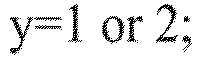


- A method of producing a test reagent comprising a step of dispersing the particle of claim 1 in a dispersion medium.
- The method of producing a test reagent according to claim 9, wherein the particle has an average particle diameter of 50 nm or more and 300 nm or less.
- An affinity particle comprising:the particle of claim 5; anda ligand bonded to the ligand-bonding functional group.
- The affinity particle according to claim 11, wherein the ligand contains one selected from the group consisting of: an antibody; an antigen; a protein; and a nucleic acid.
- A test reagent for in vitro diagnosis comprising:the affinity particle of claim 11 or 12; anda dispersion medium for dispersing the affinity particle.
- The test reagent for in vitro diagnosis according to claim 13, wherein the test reagent is used for detection of an antigen or an antibody in a specimen by an agglutination method.
- A test kit for in vitro diagnosis comprising:the test reagent for in vitro diagnosis of claim 13 or 14; anda case enclosing the test reagent.
- A method of detecting a target substance in a specimen, the method comprising a step of mixing the test reagent for in vitro diagnosis of claim 13 or 14 with the specimen.
- A method of detecting a target substance in a specimen by a fluorescence depolarization method, the detection method comprising the steps of:mixing the test reagent for in vitro diagnosis of claim 13 or 14 with the specimen to provide a mixed liquid;irradiating the mixed liquid with polarized light; anddetecting polarized light that is emitted by being excited by the polarized light with which the mixed liquid has been irradiated.
Applications Claiming Priority (3)
| Application Number | Priority Date | Filing Date | Title |
|---|---|---|---|
| JP2021192077 | 2021-11-26 | ||
| JP2022185946A JP2023079190A (en) | 2021-11-26 | 2022-11-21 | particle for laboratory test |
| PCT/JP2022/043512 WO2023095865A1 (en) | 2021-11-26 | 2022-11-25 | Particles for specimen examinations |
Publications (2)
| Publication Number | Publication Date |
|---|---|
| EP4435048A1 true EP4435048A1 (en) | 2024-09-25 |
| EP4435048A4 EP4435048A4 (en) | 2025-10-22 |
Family
ID=86539661
Family Applications (1)
| Application Number | Title | Priority Date | Filing Date |
|---|---|---|---|
| EP22898647.7A Pending EP4435048A4 (en) | 2021-11-26 | 2022-11-25 | PARTICLES FOR SAMPLE EXAMINATIONS |
Country Status (3)
| Country | Link |
|---|---|
| US (1) | US20240302363A1 (en) |
| EP (1) | EP4435048A4 (en) |
| WO (1) | WO2023095865A1 (en) |
Family Cites Families (18)
| Publication number | Priority date | Publication date | Assignee | Title |
|---|---|---|---|---|
| CA1165585A (en) | 1981-01-09 | 1984-04-17 | Susan R. Popelka | Optical apparatus for a fluorescence polarization instrument |
| JP2893772B2 (en) | 1989-12-19 | 1999-05-24 | 三菱化学株式会社 | Immunoassay |
| EP1692515A1 (en) * | 2003-12-01 | 2006-08-23 | Dade Behring Marburg GmbH | Conjugates, and use thereof in detection methods |
| JP2005171097A (en) * | 2003-12-11 | 2005-06-30 | Sekisui Chem Co Ltd | Colored resin fine particles |
| CN102149753B (en) * | 2008-09-11 | 2013-09-25 | 国立大学法人东京工业大学 | Polymer particle containing fluorescent molecule and method for producing the same |
| CN103172611A (en) * | 2011-12-26 | 2013-06-26 | 苏州新波生物技术有限公司 | Fluorescent material as well as preparation method and application thereof |
| CN103172941A (en) * | 2011-12-26 | 2013-06-26 | 苏州新波生物技术有限公司 | Polystyrene fluorescent nanometer particle as well as preparation method and applications thereof |
| KR101423589B1 (en) * | 2013-03-27 | 2014-07-28 | 주식회사 메디센서 | Non-toxic Fluorescent particle including lanthanide complexes |
| KR101749805B1 (en) * | 2015-06-04 | 2017-06-22 | 건양대학교산학협력단 | Method to prepare nontoxic fluorescent nano-particles coated hydrophilic silicon containing polymers complexed with Lanthanide |
| CN106124771A (en) * | 2016-06-13 | 2016-11-16 | 南京普朗医疗设备有限公司 | A kind of step homogeneous cTnT detection kit and application thereof |
| KR101938965B1 (en) * | 2017-03-21 | 2019-01-15 | 건양대학교산학협력단 | Method to prepare anti-photobleching red emitting latex particles based on europium complexes |
| JP7091128B2 (en) * | 2018-04-27 | 2022-06-27 | キヤノン株式会社 | Particles and their manufacturing methods |
| JP6713598B1 (en) * | 2019-04-23 | 2020-06-24 | セントラルテクノ株式会社 | Fluorescent particles, inspection device for visualizing and inspecting fluid movement/movement in the presence of fluid using fluorescent particles, and visualization of fluid movement/movement in the presence of fluid using fluorescent particles Inspection method |
| JP7655708B2 (en) * | 2019-08-23 | 2025-04-02 | キヤノン株式会社 | Particles and their manufacturing method, affinity particles, test reagent, test kit, and detection method |
| EP4032938A4 (en) * | 2019-10-15 | 2023-10-25 | Canon Kabushiki Kaisha | PARTICLES AND METHOD FOR PRODUCING PARTICLES |
| JP7562299B2 (en) | 2020-06-05 | 2024-10-07 | キヤノン株式会社 | Image forming device |
| WO2022209952A1 (en) * | 2021-03-31 | 2022-10-06 | キヤノン株式会社 | Particles and method for producing same |
| JP7656186B2 (en) | 2021-06-03 | 2025-04-03 | 中国電力株式会社 | Machine learning device and power outage section prediction device |
-
2022
- 2022-11-25 EP EP22898647.7A patent/EP4435048A4/en active Pending
- 2022-11-25 WO PCT/JP2022/043512 patent/WO2023095865A1/en not_active Ceased
-
2024
- 2024-05-16 US US18/666,177 patent/US20240302363A1/en active Pending
Also Published As
| Publication number | Publication date |
|---|---|
| WO2023095865A1 (en) | 2023-06-01 |
| US20240302363A1 (en) | 2024-09-12 |
| EP4435048A4 (en) | 2025-10-22 |
Similar Documents
| Publication | Publication Date | Title |
|---|---|---|
| US20240118207A1 (en) | Method for detecting and measuring target substance on basis of measurement of polarization anisotropy, and particles used therefor | |
| US20240093087A1 (en) | Polarized light-emitting particles for specimen test | |
| EP4032938A1 (en) | Particles and method for producing particles | |
| Aikawa et al. | Polystyrene latex particles containing europium complexes prepared by miniemulsion polymerization using bovine serum albumin as a surfactant for biochemical diagnosis | |
| US12566139B2 (en) | Method analysis employing measurement based on polarization anisotropy | |
| JP7738411B2 (en) | Particles and their manufacturing method | |
| JP2023168243A (en) | Analysis method by measurement based on polarization anisotropy, inspection kit, and inspection reagent | |
| JP5088471B2 (en) | Target substance detection method and reagent for latex agglutination reaction | |
| US20240302363A1 (en) | Particles for specimen examinations | |
| JP2023168266A (en) | Analysis method and analyzer by measurement based on polarization anisotropy | |
| CN112114131B (en) | A homogeneous chemiluminescence detection method and its application | |
| EP4276447A1 (en) | Analysis method involving measurement based on polarization anisotropy, test kit, and test reagent | |
| EP4509820A1 (en) | Analysis method and analysis device employing measurement based on polarization anisotropy | |
| EP4521099A1 (en) | Analysis method, analysis apparatus, and analysis kit for calculating concentration of target substance | |
| JP2023079190A (en) | particle for laboratory test | |
| US20250180554A1 (en) | Resin particle and affinity particle including the same | |
| JP2023168250A (en) | Analysis method and analyzer by measurement based on polarization anisotropy | |
| CN117054350A (en) | Analytical method, test kit and test reagent comprising a measurement based on polarization anisotropy | |
| CN118318006A (en) | Sample inspection particles | |
| JP2025090532A (en) | Resin particles and affinity particles having the same | |
| JP7486978B2 (en) | Testing agents, test kits and testing methods | |
| WO2026058935A1 (en) | Target substance detection method and target substance test kit | |
| JP2026053299A (en) | Method for detecting target substances and test kit for target substances | |
| JP2008215816A (en) | Hollow polymer particles for immunodiagnosis, method for producing the same, and reagent for immunodiagnosis |
Legal Events
| Date | Code | Title | Description |
|---|---|---|---|
| STAA | Information on the status of an ep patent application or granted ep patent |
Free format text: STATUS: THE INTERNATIONAL PUBLICATION HAS BEEN MADE |
|
| PUAI | Public reference made under article 153(3) epc to a published international application that has entered the european phase |
Free format text: ORIGINAL CODE: 0009012 |
|
| STAA | Information on the status of an ep patent application or granted ep patent |
Free format text: STATUS: REQUEST FOR EXAMINATION WAS MADE |
|
| 17P | Request for examination filed |
Effective date: 20240617 |
|
| AK | Designated contracting states |
Kind code of ref document: A1 Designated state(s): AL AT BE BG CH CY CZ DE DK EE ES FI FR GB GR HR HU IE IS IT LI LT LU LV MC ME MK MT NL NO PL PT RO RS SE SI SK SM TR |
|
| DAV | Request for validation of the european patent (deleted) | ||
| DAX | Request for extension of the european patent (deleted) | ||
| REG | Reference to a national code |
Ref country code: DE Ref legal event code: R079 Free format text: PREVIOUS MAIN CLASS: C08L0025080000 Ipc: C09K0011060000 |
|
| A4 | Supplementary search report drawn up and despatched |
Effective date: 20250922 |
|
| RIC1 | Information provided on ipc code assigned before grant |
Ipc: C09K 11/06 20060101AFI20250916BHEP Ipc: C09K 11/02 20060101ALI20250916BHEP Ipc: C08F 2/22 20060101ALI20250916BHEP Ipc: C08F 212/08 20060101ALI20250916BHEP Ipc: G01N 33/58 20060101ALI20250916BHEP Ipc: C08F 230/08 20060101ALN20250916BHEP Ipc: G01N 33/533 20060101ALN20250916BHEP |
|
| GRAP | Despatch of communication of intention to grant a patent |
Free format text: ORIGINAL CODE: EPIDOSNIGR1 |
|
| STAA | Information on the status of an ep patent application or granted ep patent |
Free format text: STATUS: GRANT OF PATENT IS INTENDED |
|
| RIC1 | Information provided on ipc code assigned before grant |
Ipc: C09K 11/06 20060101AFI20260331BHEP Ipc: C09K 11/02 20060101ALI20260331BHEP Ipc: C08F 2/22 20060101ALI20260331BHEP Ipc: C08F 212/08 20060101ALI20260331BHEP Ipc: G01N 33/58 20060101ALI20260331BHEP Ipc: C08F 230/08 20060101ALN20260331BHEP Ipc: G01N 33/533 20060101ALN20260331BHEP |