EP4429230A1 - Call method and system, electronic device and computer-readable storage medium - Google Patents
Call method and system, electronic device and computer-readable storage medium Download PDFInfo
- Publication number
- EP4429230A1 EP4429230A1 EP22894902.0A EP22894902A EP4429230A1 EP 4429230 A1 EP4429230 A1 EP 4429230A1 EP 22894902 A EP22894902 A EP 22894902A EP 4429230 A1 EP4429230 A1 EP 4429230A1
- Authority
- EP
- European Patent Office
- Prior art keywords
- data
- terminal
- call
- audio
- server
- Prior art date
- Legal status (The legal status is an assumption and is not a legal conclusion. Google has not performed a legal analysis and makes no representation as to the accuracy of the status listed.)
- Pending
Links
Images


Classifications
-
- H—ELECTRICITY
- H04—ELECTRIC COMMUNICATION TECHNIQUE
- H04L—TRANSMISSION OF DIGITAL INFORMATION, e.g. TELEGRAPHIC COMMUNICATION
- H04L65/00—Network arrangements, protocols or services for supporting real-time applications in data packet communication
- H04L65/10—Architectures or entities
- H04L65/1016—IP multimedia subsystem [IMS]
-
- H—ELECTRICITY
- H04—ELECTRIC COMMUNICATION TECHNIQUE
- H04L—TRANSMISSION OF DIGITAL INFORMATION, e.g. TELEGRAPHIC COMMUNICATION
- H04L65/00—Network arrangements, protocols or services for supporting real-time applications in data packet communication
- H04L65/1066—Session management
- H04L65/1069—Session establishment or de-establishment
-
- H—ELECTRICITY
- H04—ELECTRIC COMMUNICATION TECHNIQUE
- H04L—TRANSMISSION OF DIGITAL INFORMATION, e.g. TELEGRAPHIC COMMUNICATION
- H04L65/00—Network arrangements, protocols or services for supporting real-time applications in data packet communication
- H04L65/1066—Session management
- H04L65/1083—In-session procedures
- H04L65/1089—In-session procedures by adding media; by removing media
-
- H—ELECTRICITY
- H04—ELECTRIC COMMUNICATION TECHNIQUE
- H04L—TRANSMISSION OF DIGITAL INFORMATION, e.g. TELEGRAPHIC COMMUNICATION
- H04L65/00—Network arrangements, protocols or services for supporting real-time applications in data packet communication
- H04L65/1066—Session management
- H04L65/1101—Session protocols
- H04L65/1104—Session initiation protocol [SIP]
-
- H—ELECTRICITY
- H04—ELECTRIC COMMUNICATION TECHNIQUE
- H04L—TRANSMISSION OF DIGITAL INFORMATION, e.g. TELEGRAPHIC COMMUNICATION
- H04L65/00—Network arrangements, protocols or services for supporting real-time applications in data packet communication
- H04L65/40—Support for services or applications
- H04L65/401—Support for services or applications wherein the services involve a main real-time session and one or more additional parallel real-time or time sensitive sessions, e.g. white board sharing or spawning of a subconference
-
- H—ELECTRICITY
- H04—ELECTRIC COMMUNICATION TECHNIQUE
- H04L—TRANSMISSION OF DIGITAL INFORMATION, e.g. TELEGRAPHIC COMMUNICATION
- H04L65/00—Network arrangements, protocols or services for supporting real-time applications in data packet communication
- H04L65/40—Support for services or applications
- H04L65/402—Support for services or applications wherein the services involve a main real-time session and one or more additional parallel non-real time sessions, e.g. downloading a file in a parallel FTP session, initiating an email or combinational services
-
- H—ELECTRICITY
- H04—ELECTRIC COMMUNICATION TECHNIQUE
- H04N—PICTORIAL COMMUNICATION, e.g. TELEVISION
- H04N7/00—Television systems
- H04N7/14—Systems for two-way working
-
- H—ELECTRICITY
- H04—ELECTRIC COMMUNICATION TECHNIQUE
- H04N—PICTORIAL COMMUNICATION, e.g. TELEVISION
- H04N7/00—Television systems
- H04N7/14—Systems for two-way working
- H04N7/141—Systems for two-way working between two video terminals, e.g. videophone
-
- H—ELECTRICITY
- H04—ELECTRIC COMMUNICATION TECHNIQUE
- H04N—PICTORIAL COMMUNICATION, e.g. TELEVISION
- H04N7/00—Television systems
- H04N7/14—Systems for two-way working
- H04N7/141—Systems for two-way working between two video terminals, e.g. videophone
- H04N7/147—Communication arrangements, e.g. identifying the communication as a video-communication, intermediate storage of the signals
-
- H—ELECTRICITY
- H04—ELECTRIC COMMUNICATION TECHNIQUE
- H04M—TELEPHONIC COMMUNICATION
- H04M3/00—Automatic or semi-automatic exchanges
- H04M3/42—Systems providing special services or facilities to subscribers
- H04M3/50—Centralised arrangements for answering calls; Centralised arrangements for recording messages for absent or busy subscribers ; Centralised arrangements for recording messages
- H04M3/51—Centralised call answering arrangements requiring operator intervention, e.g. call or contact centers for telemarketing
- H04M3/5183—Call or contact centers with computer-telephony arrangements
-
- H—ELECTRICITY
- H04—ELECTRIC COMMUNICATION TECHNIQUE
- H04M—TELEPHONIC COMMUNICATION
- H04M3/00—Automatic or semi-automatic exchanges
- H04M3/42—Systems providing special services or facilities to subscribers
- H04M3/50—Centralised arrangements for answering calls; Centralised arrangements for recording messages for absent or busy subscribers ; Centralised arrangements for recording messages
- H04M3/51—Centralised call answering arrangements requiring operator intervention, e.g. call or contact centers for telemarketing
- H04M3/5183—Call or contact centers with computer-telephony arrangements
- H04M3/5191—Call or contact centers with computer-telephony arrangements interacting with the Internet
-
- Y—GENERAL TAGGING OF NEW TECHNOLOGICAL DEVELOPMENTS; GENERAL TAGGING OF CROSS-SECTIONAL TECHNOLOGIES SPANNING OVER SEVERAL SECTIONS OF THE IPC; TECHNICAL SUBJECTS COVERED BY FORMER USPC CROSS-REFERENCE ART COLLECTIONS [XRACs] AND DIGESTS
- Y02—TECHNOLOGIES OR APPLICATIONS FOR MITIGATION OR ADAPTATION AGAINST CLIMATE CHANGE
- Y02D—CLIMATE CHANGE MITIGATION TECHNOLOGIES IN INFORMATION AND COMMUNICATION TECHNOLOGIES [ICT], I.E. INFORMATION AND COMMUNICATION TECHNOLOGIES AIMING AT THE REDUCTION OF THEIR OWN ENERGY USE
- Y02D30/00—Reducing energy consumption in communication networks
- Y02D30/70—Reducing energy consumption in communication networks in wireless communication networks
Definitions
- the present disclosure relates to, but is not limited to, the technical field of communications.
- a user Due to instability, interference, position shielding and the like of a wireless network, a user sometimes encounters the problems of low voice, discontinuity, no sound, noisy noise and the like during a call, making it hard for the user to acquire clear information from the call peer (i.e., the other party of the call).
- An embodiment of the present disclosure provides a call method applied to a first terminal, the call method including: establishing, when conducting an IP multimedia subsystem (IMS) call with a second terminal, a data channel with a data server; collecting in real time audio/video data; and transmitting the collected audio/video data to the data server through the data channel, so that the data server generates first multimedia data according to the audio/video data and transmits the first multimedia data to the second terminal.
- IMS IP multimedia subsystem
- An embodiment of the present disclosure further provides a call method applied to a data server, the call method including: establishing a data channel with a first terminal, wherein the first terminal is in an IMS call with a second terminal; receiving audio/video data sent from the first terminal through the data channel; and generating, according to the audio/video data, first multimedia data and transmitting the first multimedia data to the second terminal.
- An embodiment of the present disclosure further provides a call system, including: a first terminal, a second terminal and a data server; wherein the first terminal is communicatively connected with the data server, and the data server is communicatively connected with the second terminal; the first terminal is configured to establish, when conducting an IMS call with the second terminal, a data channel with the data server, and collect in real time audio/video data, and transmit the collected audio/video data to the data server through the data channel; the data server is configured to generate, according to the audio/video data, first multimedia data, and transmit the first multimedia data to the second terminal; and the second terminal is configured to receive the first multimedia data.
- a call system including: a first terminal, a second terminal and a data server; wherein the first terminal is communicatively connected with the data server, and the data server is communicatively connected with the second terminal; the first terminal is configured to establish, when conducting an IMS call with the second terminal, a data channel with the data server, and collect in real time audio/video data, and transmit
- An embodiment of the present disclosure further provides an electronic device, including: at least one processor; and a memory communicatively connected with the at least one processor; wherein the memory stores instructions executable by the at least one processor, and the instructions, when executed by the at least one processor, cause the at least one processor to implement the call method as described above.
- An embodiment of the present disclosure further provides a computer-readable storage medium having a computer program stored thereon which, when executed by a processor, causes the call method as described above to be implemented.
- the first terminal will establish a data channel with the data server, and transmit audio/video data interacted with the second terminal to the server through the data channel, and the data server obtains multimedia data to be transmitted to the second terminal according to the audio/video data.
- the data server is usually a data server connected to a proximal end of the first terminal, the first terminal can also transmit multimedia data to the second terminal through the data server in the case of poor call quality, which ensures the transmission quality of call data between the two parties, and thus enables normal interaction of the terminals even if the wireless network is poor.
- An embodiment of the present disclosure relates to a call method applied to a first terminal such as a mobile phone, a tablet, or any other electronic device.
- the call method of this embodiment includes: the first terminal establishes a data channel with a data server when conducting an IMS call with a second terminal; collects in real time audio/video data; and transmits the collected audio/video data to the data server through the data channel, so that the data server obtains, according to the audio/video data, first multimedia data to be transmitted to the second terminal, and transmits the first multimedia data.
- the first terminal of the embodiment of the present disclosure establishes a data channel with the data server, and transmits audio/video data interacted with the second terminal to the server through the data channel; and the data server obtains multimedia data to be transmitted to the second terminal according to the audio/video data.
- the data server is usually a data server connected to a proximal end of the first terminal, the first terminal can also transmit multimedia data to the second terminal through the data server in the case of poor call quality, which ensures the transmission quality of call data between the two parties, and thus enables normal interaction of the terminals even if the wireless network is poor and ensures the call quality.
- FIG. 1 A specific flow of the call method of this embodiment applied to the first terminal may be as shown in FIG. 1 , which includes the following operations 101 to 104.
- the IMS call in this embodiment includes, but is not limited to: voice over new radio (VoNR), voice over long-term evolution (VoLTE), voice over WiFi (VoWiFi), or the like.
- VoIP voice over new radio
- VoLTE voice over long-term evolution
- VoIPWiFi voice over WiFi
- the first terminal when conducting the IMS call with the second terminal, the first terminal also establishes a data channel with the data server to perform data transmission, thereby ensuring the call quality between the first terminal and the second terminal.
- the first terminal before the first terminal establishes the data channel with the data server, the first terminal further monitors an instruction sent from the second terminal; detects, according to the instruction, whether to establish the data channel; and proceeds to the operation of establishing the data channel with the data server under the condition that the instruction indicates to establish the data channel.
- the first terminal may upload audio information of the first terminal to the data server in response to the instruction of the second terminal. Therefore, on the basis of ensuring that the second terminal can accurately receive call information from the first terminal, the first terminal can also respond to the call peer (i.e., the second terminal) in time to meet the call requirement of the call peer.
- monitoring the instruction sent from the second terminal includes: monitoring session initiation protocol (SIP) signaling sent from the second terminal; and detecting, according to the instruction, whether to establish the data channel includes: determining whether to establish the data channel according to a dcmap field carried in the SIP signaling.
- SIP session initiation protocol
- the second terminal may be understood as a call peer.
- the first terminal monitors SIP signaling sent from the call peer, parses a dcmap field in a session description protocol (SDP) offer (SDP offer) message therein, to determine whether to establish the data channel.
- SDP session description protocol
- the dcmap field characterizes the need to establish a data channel.
- Table 1 below shows an example SDP offer with data channel capability signaling in the specification.
- the established data channel may be a Boottrap data channel, which may be understood as a data channel established between a terminal and a network side data server.
- Table 2 below shows relevant provisions about bootstrap data channel content sources in the specification.
- Table 2 Stream ID Content Source 0
- Local network provider 10 Local user
- Remote network provider 110 Remote user
- the established data channel may be a non-boottrap data channel, which is a data channel directly established between terminals.
- Table 3 shows an example SDP offer with data channel application streams in the specification.
- the terminal may establish a data channel with the network side data server. As shown by arrows 4 and 5 in FIG. 2 , a terminal A and a terminal B may establish connection with the data server respectively, or may directly establish a data channel with a call peer (as indicated by arrow 6 in FIG. 2 ).
- the first terminal is connected to a first data server proximal thereto
- the second terminal may be also connected to a second data server proximal thereto
- the first data server may be connected to the second data server through a physical link, such as an optical fiber, instead of using air interface, so that the call quality of the first terminal and the second terminal can be ensured.
- the collected audio/video data includes, but is not limited to: audio data of a microphone, video data of a camera, text data of audio, and the like.
- the first terminal may provide a human-machine interaction interface (or UI).
- the collected content may be designated by a user through the human-machine interaction interface.
- the data server generates, according to the audio/video data, first multimedia data to be transmitted to the second terminal. If the data server receives a data request from the second terminal, the data server may transmit the first multimedia data to the second terminal.
- the first multimedia data may be generated from the collected audio/video data.
- the first multimedia data includes, but is not limited to: a call recording, a call text, simultaneous interpretation data, a play of call video, a meme image, and the like.
- the first terminal may also receive, through the data server, second multimedia execution data generated from audio/video data of the second terminal.
- the first terminal may provide a user interface which, as shown in FIG. 3 , may be used for selections by a user on the provided user interface (UI). If the first terminal receives a first call enhancement instruction through the user interface (i.e., a first human-machine interaction interface), the process may proceed to operation 104.
- the first call enhancement instruction is an instruction that instructs the terminal to transmit data through the data server.
- receiving second multimedia data from the data server through the data channel may be executed concurrently with the operations 102 to 103, or may be executed before the operations 102 and 103, which is not limited in this embodiment.
- the first terminal may acquire a multimedia data type through the first human-machine interaction interface; and before receiving the second multimedia data from the data server, the first terminal may request second multimedia data satisfying the multimedia data type from the data server.
- the types of the second multimedia data include, but are not limited to: original audio data collected by the call peer (i.e., the second terminal), a call text uploaded by the call peer, a text converted by a server from the original audio data of the call peer, a text translated from simultaneous interpretation, original audio and video data collected by the call peer, and the like.
- the first terminal may display data pushed by a network side data server on a call interface.
- a network side data server may display data pushed by a network side data server on a call interface.
- a call recording playing interface may be displayed on the call interface.
- a call text popup message or the like may be displayed on the call interface.
- the first terminal collects audio data of a microphone in real time, and uploads the collected audio data to the network side data server through the data channel in real time.
- the network side data server may push the original audio data collected by the first terminal or multimedia data after enhancement process (or called expansion process), such as text or sign language video converted from the original audio data, or text or audio data of a foreign language translated from the original audio data, to the second terminal in real time. If the enhanced multimedia volume data is text, video or the like, the text, video or the like may be displayed on the call interface.
- the first terminal may push the audio/video data to the data server in response to the second terminal, so that the second terminal can acquire the original audio/video data or the enhanced audio/video data through the data server, and in the case of poor call quality, multimedia data may be transmitted through the data server, thereby ensuring the quality of the call audio/video data.
- the second terminal may also acquire second multimedia data from the data server, so that the data call quality is improved when a voice call between two parties has poor quality.
- the user may select a multimedia data type, such as multimedia data of simultaneous interpretation, meme image, sign language video, text and the like, to improve the call experience of the two parties.
- Another embodiment of the present disclosure relates to a call method which is applied to a terminal.
- the terminal of this embodiment can acquire historical multimedia data from a data server even after a call is hung up.
- FIG. 4 is a flowchart of the call method according to this embodiment, where the call method is implemented by a first terminal and includes the following operations 401 to 406.
- the data server obtains first multimedia data to be transmitted to the second terminal according to the audio/video data. After receiving a first multimedia data request from the second terminal, the data server may transmit the first multimedia data to the second terminal.
- the operations 401 to 403 are substantially the same as the operations 101 to 103 described above, and thus are not repeated here.
- the first terminal stops audio collection when the IMS call is hung up.
- the user selects a control (widget) indicating a call enhancement instruction through the second human-machine interaction interface (provided by the first terminal), and optionally a desired multimedia data type, for example, multimedia data of a call text type.
- a control widget
- a desired multimedia data type for example, multimedia data of a call text type.
- receiving third multimedia data from the data server through the re-established data channel is generated according to the audio/video data in the process of the IMS call (i.e., IMS call process).
- the first terminal may send a third multimedia data request to the data server, and then receive third multimedia data pushed by the network side data server.
- the third multimedia data is generated according to the audio/video data in the IMS call process.
- Types of the pushed third multimedia data may include call recordings of the second terminal, complete call recordings, call text, translated voice, call videos, or multimedia data obtained from voice at a caller side, such as the first multimedia data or the second multimedia data.
- this embodiment has the following beneficial effects: first, in this embodiment, the terminal uploads the collected audio data to the data server, and since the operator (telecom carrier) generally designates a data server closest to the terminal for use, the quality of the call audio data, such as low loss and low distortion, is guaranteed; and second, in this embodiment, the QoS of low loss, low latency, and the like is designated when the terminal establishes the data channel, thereby ensuring the transmission quality of the data channel; and further, the terminal in this embodiment can show in real time talk text of call peers and the like during the call, play in real time or playback call recording of the call peers after the call is ended, or show or browse in real time call text of the call peers, or perform simultaneous interpretation. In other words, this embodiment can solve the problems of low voice, discontinuity, no sound, noisy noise and the like in a call, thereby improving the call experience of the user.
- FIG. 5 is a flowchart of the call method according to this embodiment, where the call method includes the following operations 501 to 503.
- the server may store the audio/video data.
- the first multimedia data to be transmitted to the second terminal may be original audio data, or enhanced audio data.
- the server may transmit the first multimedia data to the second terminal.
- the type of the first multimedia data may be determined according to a selection by a user.
- the terminal provides the user with a human-machine interaction interface, based on which the user selects a multimedia data type.
- the established data channel may be released when the IMS call is hung up, and after receiving a second call enhancement instruction, the first terminal may re-establish a data channel with the first terminal, through which third multimedia data is transmitted to the first terminal.
- the third multimedia data is generated according to the audio/video data in the IMS call process.
- the type of the third multimedia data may be acquired from a request from the first terminal.
- the server of this embodiment can transmit the audio/video data or the enhanced audio/video data between the first terminal and the second terminal to improve the call quality, and can further transmit data during historical calls after the call is completed, thereby further improving the user experience.
- FIG. 1 Another embodiment of the present disclosure relates to a call device which is applicable to (or included in) a terminal.
- the details of the call device according to this embodiment will be described in detail below. The following description is provided merely for facilitating understanding of the implementation details and is not necessary for implementing the present embodiment.
- FIG. 1 Another embodiment of the present disclosure relates to a call device which is applicable to (or included in) a terminal.
- the details of the call device according to this embodiment will be described in detail below. The following description is provided merely for facilitating understanding of the implementation details and is not necessary for implementing the present embodiment.
- FIG. 6 is a schematic diagram of the call device according to this embodiment, which includes: a data channel management module 601 configured to establish, when conducting an IMS call with a second terminal, a data channel with a data server; a collection module 602 configured to collect in real time audio/video data; and a transmission module 603 configured to transmit the collected audio/video data to the data server through the data channel, so that the data server obtains first multimedia data according to the audio/video data and transmits the first multimedia data to the second terminal.
- a data channel management module 601 configured to establish, when conducting an IMS call with a second terminal, a data channel with a data server
- a collection module 602 configured to collect in real time audio/video data
- a transmission module 603 configured to transmit the collected audio/video data to the data server through the data channel, so that the data server obtains first multimedia data according to the audio/video data and transmits the first multimedia data to the second terminal.
- the call device further includes a receiving module configured to provide a human-machine interaction interface; and receive, in response to receiving a first call enhancement instruction through a first human-machine interaction interface, second multimedia data from the data server through the data channel.
- the second multimedia data is generated according to the audio/video data from the second terminal.
- the data channel management module 601 in the call device is further configured to release, in response to the IMS call being hung up, the data channel established with the data server, and provide a human-machine interaction interface; and re-establish, in response to receiving a second call enhancement instruction through a second human-machine interaction interface, the data channel with the data server; and the receiving module is further configured to receive third multimedia data from the data server through the re-established data channel.
- the third multimedia data is generated according to the audio/video data in the IMS call process.
- the transmission module 603 is further configured to acquire a multimedia data type through the human-machine interaction interface; and request second multimedia data satisfying the multimedia data type from the data server.
- the data channel management module 601 is further configured to monitor an instruction sent from the second terminal; detect, according to the instruction, whether to establish the data channel; and proceed, under the condition that the instruction indicates to establish the data channel, to the operation of establishing the data channel with the data server.
- the data channel management module 601 is further configured to monitor session initiation protocol (SIP) signaling sent from the second terminal; and determine whether to establish the data channel according to a dcmap field carried in the SIP signaling.
- SIP session initiation protocol
- FIG. 7 is a schematic diagram of the call device according to this embodiment, which includes: a data channel management module 701 configured to establish a data channel with a first terminal, where the first terminal is in an IMS call with a second terminal; a receiving module 702 configured to receive audio/video data sent from the first terminal through the data channel; and a transmission module 703 configured to obtain, according to the audio/video data, first multimedia data to be transmitted to the second terminal, and transmit the first multimedia data.
- a data channel management module 701 configured to establish a data channel with a first terminal, where the first terminal is in an IMS call with a second terminal
- a receiving module 702 configured to receive audio/video data sent from the first terminal through the data channel
- a transmission module 703 configured to obtain, according to the audio/video data, first multimedia data to be transmitted to the second terminal, and transmit the first multimedia data.
- the transmission module 703 is further configured to send, upon receiving a second multimedia data request from the first terminal, the second multimedia data to the first terminal through the data channel, where the second multimedia data is generated according to the audio/video data from the second terminal.
- the data channel management module 701 is further configured to release, in response to the IMS call being hung up, the data channel established with the first terminal; and re-establish a data channel with the first terminal in response to a data request from the first terminal, and send third multimedia data to the first terminal through the re-established data channel.
- the third multimedia data is generated according to the audio/video data in the IMS call process.
- the receiving module 702 is further configured to send, in response to a request from the first terminal, second multimedia data satisfying a second multimedia data type to the first terminal.
- this embodiment is a system embodiment corresponding to the above method embodiment, and this embodiment may be implemented in cooperation with the above method embodiment.
- the related technical details and technical effects mentioned in the above embodiment are still valid in this embodiment, and thus are not repeated here to avoid redundancy. Accordingly, the related technical details mentioned in this embodiment are also applicable to the foregoing embodiment.
- modules referred to in this embodiment are logic modules, and in practical applications, one logic unit may be one physical unit, or a part of one physical unit, or may be implemented by a combination of multiple physical units.
- one logic unit may be one physical unit, or a part of one physical unit, or may be implemented by a combination of multiple physical units.
- units which are not so closely related to solving the technical problem proposed by the present disclosure are not introduced in the embodiment, but this does not indicate that no other unit is present in the embodiment.
- the call system includes: a first terminal (i.e., terminal A in FIG. 2 ), a second terminal (i.e., terminal B in FIG. 2 ), and a data server.
- the first terminal is communicatively connected with the data server
- the data server is communicatively connected with the second terminal.
- the first terminal is configured to establish, when conducting an IMS call with the second terminal, a data channel with the data server, and collect in real time audio/video data, and transmit the collected audio/video data to the data server through the data channel;
- the data server is configured to generate, according to the audio/video data, first multimedia data, and transmit the first multimedia data to the second terminal; and the second terminal is configured to receive the first multimedia data.
- FIG. 8 Another embodiment of the present disclosure relates to an electronic device which, as shown in FIG. 8 , includes: at least one processor 801; and a memory 802 communicatively connected with the at least one processor 801.
- the memory 802 stores instructions executable by the at least one processor 801, and the instructions, when executed by the at least one processor 801, cause the at least one processor 801 to implement the call method according to any one of the above embodiments.
- the memory and the processor are connected via a bus.
- the bus may include any number of interconnected buses and bridges, and the bus connects various circuits of the one or more processors and the memory together.
- the bus may also connect various other circuits such as peripherals, voltage regulators, power management circuits, and the like, which are well known in the art and, therefore, will not be described in further details herein.
- a bus interface provides an interface between the bus and a transceiver.
- the transceiver may include one or more elements, such as a plurality of receivers and transmitters, to provide a unit for communicating with various other apparatuses over a transmission medium. Data processed by the processor is transmitted over a wireless medium through an antenna which further receives data and transmits the data to the processor.
- the processor is responsible for managing the bus and general processing, and may further provide various functions including timing, peripheral interfaces, voltage regulation, power management, and other control functions.
- the memory may be configured to store data used by the processor during operation.
- Another embodiment of the present disclosure relates to a computer-readable storage medium with a computer program stored thereon.
- the computer program is executed by a processor to implement any of the above method embodiments.
- all or part of the operations in any of the method embodiments described above may be implemented by a program instructing related hardware, where the program is stored in a storage medium and includes several instructions to enable a device (which may be a micro controller unit, a chip, or the like) or a processor to perform all or part of the operations in the method described in any of the above embodiments of the present application.
- the storage medium mentioned before includes: a U disk, a mobile hard disk, a read-only memory (ROM), a random access memory (RAM), a magnetic or optical disk, or any other medium that can store program codes.
Landscapes
- Engineering & Computer Science (AREA)
- Multimedia (AREA)
- Signal Processing (AREA)
- Computer Networks & Wireless Communication (AREA)
- Business, Economics & Management (AREA)
- General Business, Economics & Management (AREA)
- Telephonic Communication Services (AREA)
- Two-Way Televisions, Distribution Of Moving Picture Or The Like (AREA)
Abstract
Description
- This application claims the priority from
Chinese Patent Application No. 202111401823.1, filed on November 19, 2021 - The present disclosure relates to, but is not limited to, the technical field of communications.
- Due to instability, interference, position shielding and the like of a wireless network, a user sometimes encounters the problems of low voice, discontinuity, no sound, noisy noise and the like during a call, making it hard for the user to acquire clear information from the call peer (i.e., the other party of the call).
- An embodiment of the present disclosure provides a call method applied to a first terminal, the call method including: establishing, when conducting an IP multimedia subsystem (IMS) call with a second terminal, a data channel with a data server; collecting in real time audio/video data; and transmitting the collected audio/video data to the data server through the data channel, so that the data server generates first multimedia data according to the audio/video data and transmits the first multimedia data to the second terminal.
- An embodiment of the present disclosure further provides a call method applied to a data server, the call method including: establishing a data channel with a first terminal, wherein the first terminal is in an IMS call with a second terminal; receiving audio/video data sent from the first terminal through the data channel; and generating, according to the audio/video data, first multimedia data and transmitting the first multimedia data to the second terminal.
- An embodiment of the present disclosure further provides a call system, including: a first terminal, a second terminal and a data server; wherein the first terminal is communicatively connected with the data server, and the data server is communicatively connected with the second terminal; the first terminal is configured to establish, when conducting an IMS call with the second terminal, a data channel with the data server, and collect in real time audio/video data, and transmit the collected audio/video data to the data server through the data channel; the data server is configured to generate, according to the audio/video data, first multimedia data, and transmit the first multimedia data to the second terminal; and the second terminal is configured to receive the first multimedia data.
- An embodiment of the present disclosure further provides an electronic device, including: at least one processor; and a memory communicatively connected with the at least one processor; wherein the memory stores instructions executable by the at least one processor, and the instructions, when executed by the at least one processor, cause the at least one processor to implement the call method as described above.
- An embodiment of the present disclosure further provides a computer-readable storage medium having a computer program stored thereon which, when executed by a processor, causes the call method as described above to be implemented.
- During the IMS call with the second terminal in the embodiments of the present disclosure, the first terminal will establish a data channel with the data server, and transmit audio/video data interacted with the second terminal to the server through the data channel, and the data server obtains multimedia data to be transmitted to the second terminal according to the audio/video data. Since the data server is usually a data server connected to a proximal end of the first terminal, the first terminal can also transmit multimedia data to the second terminal through the data server in the case of poor call quality, which ensures the transmission quality of call data between the two parties, and thus enables normal interaction of the terminals even if the wireless network is poor.
-
-
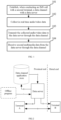
FIG. 1 is a first flowchart of a call method according to an embodiment of the present disclosure; -
FIG. 2 is a schematic diagram of devices connected by a data channel according to an embodiment of the present disclosure; -
FIG. 3 is a schematic diagram of a human-machine interaction interface according to an embodiment of the present disclosure; -
FIG. 4 is a second flowchart of a call method according to another embodiment of the present disclosure; -
FIG. 5 is a third flowchart of a call method according to yet another embodiment of the present disclosure; -
FIG. 6 is a first schematic diagram of a call device according to another embodiment of the present disclosure; -
FIG. 7 is a second schematic diagram of a call device according to another embodiment of the present disclosure; and -
FIG. 8 is a schematic structural diagram of an electronic device according to another embodiment of the present disclosure. - To make the objects, technical solutions and advantages of the embodiments of the present disclosure clearer, embodiments of the present disclosure will be described in detail below with reference to the accompanying drawings. However, it will be appreciated by those of ordinary skill in the art that numerous technical details are set forth in various embodiments of the present disclosure to provide a better understanding of the present disclosure. However, the technical solutions claimed in the present disclosure can be implemented even without these technical details or based on various changes and modifications based on the following embodiments. The following embodiments are divided for convenience of description, and should not constitute any limitation to the specific implementation of the present disclosure, and the embodiments may be mutually incorporated and referred to without contradiction.
- An embodiment of the present disclosure relates to a call method applied to a first terminal such as a mobile phone, a tablet, or any other electronic device. The call method of this embodiment includes: the first terminal establishes a data channel with a data server when conducting an IMS call with a second terminal; collects in real time audio/video data; and transmits the collected audio/video data to the data server through the data channel, so that the data server obtains, according to the audio/video data, first multimedia data to be transmitted to the second terminal, and transmits the first multimedia data.
- During the IMS call with the second terminal, the first terminal of the embodiment of the present disclosure establishes a data channel with the data server, and transmits audio/video data interacted with the second terminal to the server through the data channel; and the data server obtains multimedia data to be transmitted to the second terminal according to the audio/video data. Since the data server is usually a data server connected to a proximal end of the first terminal, the first terminal can also transmit multimedia data to the second terminal through the data server in the case of poor call quality, which ensures the transmission quality of call data between the two parties, and thus enables normal interaction of the terminals even if the wireless network is poor and ensures the call quality.
- The implementation details of the call method according to this embodiment will be described in detail below, and the following description is provided merely for facilitating understanding of the implementation details, and is not necessary to implement the solution.
- A specific flow of the call method of this embodiment applied to the first terminal may be as shown in
FIG. 1 , which includes the followingoperations 101 to 104. - At
operation 101, establishing, when conducting an IMS call with a second terminal, a data channel with a data server. - The IMS call in this embodiment includes, but is not limited to: voice over new radio (VoNR), voice over long-term evolution (VoLTE), voice over WiFi (VoWiFi), or the like. In this embodiment, when conducting the IMS call with the second terminal, the first terminal also establishes a data channel with the data server to perform data transmission, thereby ensuring the call quality between the first terminal and the second terminal.
- In some implementations, before the first terminal establishes the data channel with the data server, the first terminal further monitors an instruction sent from the second terminal; detects, according to the instruction, whether to establish the data channel; and proceeds to the operation of establishing the data channel with the data server under the condition that the instruction indicates to establish the data channel. In this embodiment, the first terminal may upload audio information of the first terminal to the data server in response to the instruction of the second terminal. Therefore, on the basis of ensuring that the second terminal can accurately receive call information from the first terminal, the first terminal can also respond to the call peer (i.e., the second terminal) in time to meet the call requirement of the call peer.
- In some implementations, monitoring the instruction sent from the second terminal includes: monitoring session initiation protocol (SIP) signaling sent from the second terminal; and detecting, according to the instruction, whether to establish the data channel includes: determining whether to establish the data channel according to a dcmap field carried in the SIP signaling.
- Illustratively, the second terminal may be understood as a call peer. The first terminal monitors SIP signaling sent from the call peer, parses a dcmap field in a session description protocol (SDP) offer (SDP offer) message therein, to determine whether to establish the data channel.
- According to the 3GPP TS 26.114 specification, the dcmap field characterizes the need to establish a data channel. The 3GPP TS 26.114 specification specifies: multiple data channels may be mapped to a single data channel SDP media description, each with a corresponding "a=dcmap" SDP attribute and stream IDs that are unique within that media description.
- Table 1 below shows an example SDP offer with data channel capability signaling in the specification.
Table 1 SDP offer m=application 52718 UDP/DTLS/SCTP webrtc-datachannel b=AS:500 a=max-message-size:1024 a=sctp-port:5000 a=setup:actpass a=fingerprint:SHA-1 4A:AD:B9:B1:3F:82:18:3B:54:02:12:DF:3E:5D:49:6B:19:E5:7C:AB a=tls-id: abc3de65cddef001be82 a=dcrnap:Q subprotocol="http" - The specification specifies that the established data channel may be a Boottrap data channel, which may be understood as a data channel established between a terminal and a network side data server.
- Table 2 below shows relevant provisions about bootstrap data channel content sources in the specification.
Table 2 Stream ID Content Source 0 Local network provider 10 Local user 100 Remote network provider 110 Remote user - The specification specifies that the established data channel may be a non-boottrap data channel, which is a data channel directly established between terminals. Table 3 below shows an example SDP offer with data channel application streams in the specification.
Table 3 SDP offer m=application 52718 UDP/DTLS/SCTP webrtc-datachannel b=AS:500 a=max-message-size:1024 a=sctp-port:5000 a=setup:passive a=fingerprint :SHA-1 4A:AD:B9:81:3F:82:18:38 :54:02:12 :DF:3E :5D:49:68 :19:E5: 7C :AB a=tls-id: abc3de65cddef001be82 a=dcmap:10 subprotocol="http" a=dcmap:38754 max-time=150;label="low latency" a=dcmap:7216 max-retr=5;label="low loss" a=3gpp-qos-hint:loss=0.01;latency=100 - According to the 3GPP TS 26.114 specification, the terminal may establish a data channel with the network side data server. As shown by arrows 4 and 5 in
FIG. 2 , a terminal A and a terminal B may establish connection with the data server respectively, or may directly establish a data channel with a call peer (as indicated by arrow 6 inFIG. 2 ). - It should be noted that the first terminal is connected to a first data server proximal thereto, the second terminal may be also connected to a second data server proximal thereto, and the first data server may be connected to the second data server through a physical link, such as an optical fiber, instead of using air interface, so that the call quality of the first terminal and the second terminal can be ensured.
- At
operation 102, collecting in real time audio/video data. - Illustratively, the collected audio/video data includes, but is not limited to: audio data of a microphone, video data of a camera, text data of audio, and the like. The first terminal may provide a human-machine interaction interface (or UI). The collected content may be designated by a user through the human-machine interaction interface.
- At
operation 103, transmitting the collected audio/video data to the data server through the data channel. The data server generates, according to the audio/video data, first multimedia data to be transmitted to the second terminal. If the data server receives a data request from the second terminal, the data server may transmit the first multimedia data to the second terminal. - In some embodiments, the first multimedia data may be generated from the collected audio/video data. The first multimedia data includes, but is not limited to: a call recording, a call text, simultaneous interpretation data, a play of call video, a meme image, and the like.
- In some implementations, in the call process, the first terminal may also receive, through the data server, second multimedia execution data generated from audio/video data of the second terminal. The first terminal may provide a user interface which, as shown in
FIG. 3 , may be used for selections by a user on the provided user interface (UI). If the first terminal receives a first call enhancement instruction through the user interface (i.e., a first human-machine interaction interface), the process may proceed tooperation 104. The first call enhancement instruction is an instruction that instructs the terminal to transmit data through the data server. - At
operation 104, receiving second multimedia data from the data server through the data channel. Theoperation 104 may be executed concurrently with theoperations 102 to 103, or may be executed before theoperations - In some implementations, the first terminal may acquire a multimedia data type through the first human-machine interaction interface; and before receiving the second multimedia data from the data server, the first terminal may request second multimedia data satisfying the multimedia data type from the data server.
- In some implementations, the types of the second multimedia data include, but are not limited to: original audio data collected by the call peer (i.e., the second terminal), a call text uploaded by the call peer, a text converted by a server from the original audio data of the call peer, a text translated from simultaneous interpretation, original audio and video data collected by the call peer, and the like.
- The first terminal may display data pushed by a network side data server on a call interface. Taking the "enhance call" service as an example, when a user clicks the "enhance call" button on a call interface, a call recording playing interface, a call text popup message or the like may be displayed on the call interface.
- Illustratively, the first terminal collects audio data of a microphone in real time, and uploads the collected audio data to the network side data server through the data channel in real time. The network side data server may push the original audio data collected by the first terminal or multimedia data after enhancement process (or called expansion process), such as text or sign language video converted from the original audio data, or text or audio data of a foreign language translated from the original audio data, to the second terminal in real time. If the enhanced multimedia volume data is text, video or the like, the text, video or the like may be displayed on the call interface.
- In this embodiment, the first terminal may push the audio/video data to the data server in response to the second terminal, so that the second terminal can acquire the original audio/video data or the enhanced audio/video data through the data server, and in the case of poor call quality, multimedia data may be transmitted through the data server, thereby ensuring the quality of the call audio/video data. In the call process, the second terminal may also acquire second multimedia data from the data server, so that the data call quality is improved when a voice call between two parties has poor quality. In addition, the user may select a multimedia data type, such as multimedia data of simultaneous interpretation, meme image, sign language video, text and the like, to improve the call experience of the two parties.
- Another embodiment of the present disclosure relates to a call method which is applied to a terminal. The terminal of this embodiment can acquire historical multimedia data from a data server even after a call is hung up.
- The implementation details of the call method according to this embodiment will be described in detail below, and the following description is provided merely for facilitating understanding of the implementation details, and is not necessary to implement the solution.
FIG. 4 is a flowchart of the call method according to this embodiment, where the call method is implemented by a first terminal and includes the followingoperations 401 to 406. - At
operation 401, establishing, when conducting an IMS call with a second terminal, a data channel with a data server. - At
operation 402, collecting in real time audio/video data. - At
operation 403, transmitting the collected audio/video data to the data server through the data channel. The data server obtains first multimedia data to be transmitted to the second terminal according to the audio/video data. After receiving a first multimedia data request from the second terminal, the data server may transmit the first multimedia data to the second terminal. - The
operations 401 to 403 are substantially the same as theoperations 101 to 103 described above, and thus are not repeated here. - At
operation 404, releasing, in response to the IMS call being hung up, the data channel established with the data server. - In some implementations, the first terminal stops audio collection when the IMS call is hung up.
- At
operation 405, re-establishing, in response to receiving a second call enhancement instruction through a second human-machine interaction interface, the data channel with the data server. - In some implementations, the user selects a control (widget) indicating a call enhancement instruction through the second human-machine interaction interface (provided by the first terminal), and optionally a desired multimedia data type, for example, multimedia data of a call text type.
- At
operation 406, receiving third multimedia data from the data server through the re-established data channel. The third multimedia data is generated according to the audio/video data in the process of the IMS call (i.e., IMS call process). - In some implementations, the first terminal may send a third multimedia data request to the data server, and then receive third multimedia data pushed by the network side data server. The third multimedia data is generated according to the audio/video data in the IMS call process.
- Types of the pushed third multimedia data may include call recordings of the second terminal, complete call recordings, call text, translated voice, call videos, or multimedia data obtained from voice at a caller side, such as the first multimedia data or the second multimedia data.
- Compared with conventional solutions, this embodiment has the following beneficial effects: first, in this embodiment, the terminal uploads the collected audio data to the data server, and since the operator (telecom carrier) generally designates a data server closest to the terminal for use, the quality of the call audio data, such as low loss and low distortion, is guaranteed; and second, in this embodiment, the QoS of low loss, low latency, and the like is designated when the terminal establishes the data channel, thereby ensuring the transmission quality of the data channel; and further, the terminal in this embodiment can show in real time talk text of call peers and the like during the call, play in real time or playback call recording of the call peers after the call is ended, or show or browse in real time call text of the call peers, or perform simultaneous interpretation. In other words, this embodiment can solve the problems of low voice, discontinuity, no sound, noisy noise and the like in a call, thereby improving the call experience of the user.
- Another embodiment of the present disclosure relates to a call method applied to a data server. The implementation details of the call method according to this embodiment will be described in detail below, and the following description is provided merely for facilitating understanding of the implementation details, and is not necessary to implement the solution.
FIG. 5 is a flowchart of the call method according to this embodiment, where the call method includes the followingoperations 501 to 503. - At
operation 501, establishing a data channel with a first terminal, wherein the first terminal is in an IMS call with a second terminal. - At
operation 502, receiving audio/video data sent from the first terminal through the data channel. - In some implementations, after receiving the audio/video data from the first terminal, the server may store the audio/video data.
- At
operation 503, obtaining, according to the audio/video data, first multimedia data to be transmitted to the second terminal. - In some implementations, the first multimedia data to be transmitted to the second terminal may be original audio data, or enhanced audio data. Upon receiving a data request from the second terminal, the server may transmit the first multimedia data to the second terminal.
- In some implementations, the type of the first multimedia data may be determined according to a selection by a user. For example, the terminal provides the user with a human-machine interaction interface, based on which the user selects a multimedia data type.
- In some implementations, the established data channel may be released when the IMS call is hung up, and after receiving a second call enhancement instruction, the first terminal may re-establish a data channel with the first terminal, through which third multimedia data is transmitted to the first terminal. The third multimedia data is generated according to the audio/video data in the IMS call process.
- Alternatively, the type of the third multimedia data may be acquired from a request from the first terminal.
- In the case of poor call quality, the server of this embodiment can transmit the audio/video data or the enhanced audio/video data between the first terminal and the second terminal to improve the call quality, and can further transmit data during historical calls after the call is completed, thereby further improving the user experience.
- Another embodiment of the present disclosure relates to a call device which is applicable to (or included in) a terminal. The details of the call device according to this embodiment will be described in detail below. The following description is provided merely for facilitating understanding of the implementation details and is not necessary for implementing the present embodiment.
FIG. 6 is a schematic diagram of the call device according to this embodiment, which includes: a datachannel management module 601 configured to establish, when conducting an IMS call with a second terminal, a data channel with a data server; acollection module 602 configured to collect in real time audio/video data; and atransmission module 603 configured to transmit the collected audio/video data to the data server through the data channel, so that the data server obtains first multimedia data according to the audio/video data and transmits the first multimedia data to the second terminal. - In some implementations, the call device further includes a receiving module configured to provide a human-machine interaction interface; and receive, in response to receiving a first call enhancement instruction through a first human-machine interaction interface, second multimedia data from the data server through the data channel. The second multimedia data is generated according to the audio/video data from the second terminal.
- In some implementations, the data
channel management module 601 in the call device is further configured to release, in response to the IMS call being hung up, the data channel established with the data server, and provide a human-machine interaction interface; and re-establish, in response to receiving a second call enhancement instruction through a second human-machine interaction interface, the data channel with the data server; and the receiving module is further configured to receive third multimedia data from the data server through the re-established data channel. The third multimedia data is generated according to the audio/video data in the IMS call process. - In some implementations, the
transmission module 603 is further configured to acquire a multimedia data type through the human-machine interaction interface; and request second multimedia data satisfying the multimedia data type from the data server. - In some implementations, the data
channel management module 601 is further configured to monitor an instruction sent from the second terminal; detect, according to the instruction, whether to establish the data channel; and proceed, under the condition that the instruction indicates to establish the data channel, to the operation of establishing the data channel with the data server. - In some implementations, the data
channel management module 601 is further configured to monitor session initiation protocol (SIP) signaling sent from the second terminal; and determine whether to establish the data channel according to a dcmap field carried in the SIP signaling. - Another embodiment of the present disclosure relates to a call device which is applicable to (or included in) a server. The details of the call device according to this embodiment will be described in detail below. The following description is provided merely for facilitating understanding of the implementation details and is not necessary for implementing the present embodiment.
FIG. 7 is a schematic diagram of the call device according to this embodiment, which includes: a datachannel management module 701 configured to establish a data channel with a first terminal, where the first terminal is in an IMS call with a second terminal; areceiving module 702 configured to receive audio/video data sent from the first terminal through the data channel; and atransmission module 703 configured to obtain, according to the audio/video data, first multimedia data to be transmitted to the second terminal, and transmit the first multimedia data. - In some implementations, the
transmission module 703 is further configured to send, upon receiving a second multimedia data request from the first terminal, the second multimedia data to the first terminal through the data channel, where the second multimedia data is generated according to the audio/video data from the second terminal. - In some implementations, the data
channel management module 701 is further configured to release, in response to the IMS call being hung up, the data channel established with the first terminal; and re-establish a data channel with the first terminal in response to a data request from the first terminal, and send third multimedia data to the first terminal through the re-established data channel. The third multimedia data is generated according to the audio/video data in the IMS call process. - In some implementations, the receiving
module 702 is further configured to send, in response to a request from the first terminal, second multimedia data satisfying a second multimedia data type to the first terminal. - It is obvious that this embodiment is a system embodiment corresponding to the above method embodiment, and this embodiment may be implemented in cooperation with the above method embodiment. The related technical details and technical effects mentioned in the above embodiment are still valid in this embodiment, and thus are not repeated here to avoid redundancy. Accordingly, the related technical details mentioned in this embodiment are also applicable to the foregoing embodiment.
- It should be noted that all modules referred to in this embodiment are logic modules, and in practical applications, one logic unit may be one physical unit, or a part of one physical unit, or may be implemented by a combination of multiple physical units. In addition, in order to highlight the innovative part of the present disclosure, units which are not so closely related to solving the technical problem proposed by the present disclosure are not introduced in the embodiment, but this does not indicate that no other unit is present in the embodiment.
- Another embodiment of the present disclosure relates to a call system. As shown in
FIG. 2 , the call system includes: a first terminal (i.e., terminal A inFIG. 2 ), a second terminal (i.e., terminal B inFIG. 2 ), and a data server. The first terminal is communicatively connected with the data server, and the data server is communicatively connected with the second terminal. The first terminal is configured to establish, when conducting an IMS call with the second terminal, a data channel with the data server, and collect in real time audio/video data, and transmit the collected audio/video data to the data server through the data channel; the data server is configured to generate, according to the audio/video data, first multimedia data, and transmit the first multimedia data to the second terminal; and the second terminal is configured to receive the first multimedia data. - Another embodiment of the present disclosure relates to an electronic device which, as shown in
FIG. 8 , includes: at least oneprocessor 801; and amemory 802 communicatively connected with the at least oneprocessor 801. Thememory 802 stores instructions executable by the at least oneprocessor 801, and the instructions, when executed by the at least oneprocessor 801, cause the at least oneprocessor 801 to implement the call method according to any one of the above embodiments. - The memory and the processor are connected via a bus. The bus may include any number of interconnected buses and bridges, and the bus connects various circuits of the one or more processors and the memory together. The bus may also connect various other circuits such as peripherals, voltage regulators, power management circuits, and the like, which are well known in the art and, therefore, will not be described in further details herein. A bus interface provides an interface between the bus and a transceiver. The transceiver may include one or more elements, such as a plurality of receivers and transmitters, to provide a unit for communicating with various other apparatuses over a transmission medium. Data processed by the processor is transmitted over a wireless medium through an antenna which further receives data and transmits the data to the processor.
- The processor is responsible for managing the bus and general processing, and may further provide various functions including timing, peripheral interfaces, voltage regulation, power management, and other control functions. The memory may be configured to store data used by the processor during operation.
- Another embodiment of the present disclosure relates to a computer-readable storage medium with a computer program stored thereon. The computer program is executed by a processor to implement any of the above method embodiments.
- That is, as can be understood by those skilled in the art, all or part of the operations in any of the method embodiments described above may be implemented by a program instructing related hardware, where the program is stored in a storage medium and includes several instructions to enable a device (which may be a micro controller unit, a chip, or the like) or a processor to perform all or part of the operations in the method described in any of the above embodiments of the present application. The storage medium mentioned before includes: a U disk, a mobile hard disk, a read-only memory (ROM), a random access memory (RAM), a magnetic or optical disk, or any other medium that can store program codes.
- It will be understood by those of ordinary skill in the art that the foregoing implementations are specific embodiments of the present disclosure, and that, in practical applications, various changes in form and details may be made therein without departing from the spirit and scope of the present disclosure.
Claims (10)
- A call method applied to a first terminal, the call method comprising:establishing, when conducting an IMS call with a second terminal, a data channel with a data server;collecting in real time audio/video data; andtransmitting the collected audio/video data to the data server through the data channel, so that the data server generates first multimedia data according to the audio/video data and transmits the first multimedia data to the second terminal.
- The call method according to claim 1, wherein after establishing the data channel with the data server, the call method further comprises:releasing, in response to the IMS call being hung up, the data channel established with the data server;re-establishing, in response to receiving a second call enhancement instruction through a second human-machine interaction interface provided by the first terminal, the data channel with the data server; andreceiving third multimedia data from the data server through the re-established data channel; wherein the third multimedia data is generated according to the audio/video data in a process of the IMS call.
- The call method according to claim 1, wherein after establishing the data channel with the data server, the call method further comprises:
receiving, in response to receiving a first call enhancement instruction through a first human-machine interaction interface provided by the first terminal, second multimedia data from the data server through the data channel, wherein the second multimedia data is generated according to the audio/video data from the second terminal. - The call method according to claim 3, wherein after receiving the first call enhancement instruction through the first human-machine interaction interface provided by the first terminal, and before receiving the second multimedia data from the data server, the call method further comprises:
requesting second multimedia data satisfying a multimedia data type from the data server; wherein the multimedia data type is acquired through the first human-machine interaction interface. - The call method according to any one of claims 1 to 4, wherein before establishing the data channel with the data server, the call method further comprises:monitoring an instruction sent from the second terminal;determining, according to the instruction, whether to establish the data channel; andproceeding, under a condition that the instruction indicates to establish the data channel, the operation of establishing the data channel with the data server.
- The call method according to claim 5, wherein monitoring the instruction sent from the second terminal comprises:monitoring session initiation protocol, SIP signaling sent from the second terminal; andwherein determining, according to the instruction, whether to establish the data channel comprises:
determining whether to establish the data channel according to a dcmap field carried in the SIP signaling. - A call method applied to a data server, the call method comprising:establishing a data channel with a first terminal, wherein the first terminal is in an IMS call with a second terminal;receiving audio/video data sent from the first terminal through the data channel; andgenerating, according to the audio/video data, first multimedia data, and transmitting the first multimedia data to the second terminal.
- A call system, comprising: a first terminal, a second terminal and a data server, wherein the first terminal is communicatively connected with the data server, and the data server is communicatively connected with the second terminal;the first terminal is configured to establish, when conducting an IMS call with the second terminal, a data channel with the data server, and collect in real time audio/video data, and transmit the collected audio/video data to the data server through the data channel;the data server is configured to generate, according to the audio/video data, first multimedia data, and transmit the first multimedia data to the second terminal; andthe second terminal is configured to receive the first multimedia data.
- An electronic device, comprising:at least one processor; anda memory communicatively connected with the at least one processor; whereinthe memory stores instructions executable by the at least one processor, and the instructions, when executed by the at least one processor, cause the at least one processor to implement the call method according to any one of claims 1 to 6, or the call method according to claim 7.
- A computer-readable storage medium having a computer program stored thereon which, when executed by a processor, causes the call method according to any one of claims 1 to 6, or the call method according to claim 7 to be implemented.
Applications Claiming Priority (2)
| Application Number | Priority Date | Filing Date | Title |
|---|---|---|---|
| CN202111401823.1A CN116155867A (en) | 2021-11-19 | 2021-11-19 | Communication method, system, electronic device and computer readable storage medium |
| PCT/CN2022/132581 WO2023088371A1 (en) | 2021-11-19 | 2022-11-17 | Call method and system, electronic device and computer-readable storage medium |
Publications (2)
| Publication Number | Publication Date |
|---|---|
| EP4429230A1 true EP4429230A1 (en) | 2024-09-11 |
| EP4429230A4 EP4429230A4 (en) | 2025-02-26 |
Family
ID=86354937
Family Applications (1)
| Application Number | Title | Priority Date | Filing Date |
|---|---|---|---|
| EP22894902.0A Pending EP4429230A4 (en) | 2021-11-19 | 2022-11-17 | CALLING SYSTEM AND METHOD, ELECTRONIC DEVICE AND COMPUTER READABLE STORAGE MEDIUM |
Country Status (5)
| Country | Link |
|---|---|
| US (1) | US20240430311A1 (en) |
| EP (1) | EP4429230A4 (en) |
| JP (1) | JP7776639B2 (en) |
| CN (1) | CN116155867A (en) |
| WO (1) | WO2023088371A1 (en) |
Families Citing this family (3)
| Publication number | Priority date | Publication date | Assignee | Title |
|---|---|---|---|---|
| CN116915753A (en) * | 2023-07-20 | 2023-10-20 | 中国移动通信有限公司研究院 | Multi-party communication methods, terminals and media |
| CN117880253B (en) * | 2024-03-12 | 2024-07-23 | 腾讯科技(深圳)有限公司 | Method and device for processing call captions, electronic equipment and storage medium |
| CN118802849B (en) * | 2024-07-24 | 2026-01-06 | 中国移动通信有限公司研究院 | Downlink data processing methods, devices, systems, equipment, storage media and products |
Family Cites Families (42)
| Publication number | Priority date | Publication date | Assignee | Title |
|---|---|---|---|---|
| KR100925733B1 (en) * | 2006-04-21 | 2009-11-11 | 엘지전자 주식회사 | Method for transmitting information in wireless communication system and terminal supporting the method |
| US20100034168A1 (en) * | 2008-08-08 | 2010-02-11 | Kaniz Mahdi | System and Method for Enabling SR-VCC with Shared IMPU |
| WO2010038116A1 (en) * | 2008-09-30 | 2010-04-08 | Telefonaktiebolaget L M Ericsson (Publ) | Method and apparatus for sr-vcc revocation procedure |
| WO2010096114A1 (en) * | 2008-10-29 | 2010-08-26 | Research In Motion Limited | Method and apparatus for interworking with circuit switching and packet switching nodes for call waiting |
| JP5671484B2 (en) * | 2009-03-02 | 2015-02-18 | トゥイリオ インコーポレイテッドTwilio Inc. | Method and system for a multi-tenant telephone network |
| CN101572967B (en) * | 2009-05-22 | 2011-03-30 | 华为技术有限公司 | Method, system and network equipment for circuit domain core network evolution |
| US8392581B2 (en) * | 2009-06-09 | 2013-03-05 | Verizon Patent And Licensing Inc. | Intelligent IMS SIP session setup optimization |
| US8842662B2 (en) * | 2011-01-07 | 2014-09-23 | Samsung Electronics Co., Ltd. | Techniques for trunk optimization for IMS voice calls between originating UE and terminating UE homed in a circuit switched network |
| US20120307989A1 (en) * | 2011-06-02 | 2012-12-06 | Hawley Michael J | Method and apparatus for multimedia calls |
| CA2837638C (en) * | 2011-06-07 | 2017-01-31 | Lg Electronics Inc. | Method for transmitting and receiving broadcast service and receiving device thereof |
| EP2792117B1 (en) * | 2011-12-15 | 2016-04-20 | Telefonaktiebolaget LM Ericsson (publ) | Service domain selection service indicator |
| FR2991941B1 (en) * | 2012-06-15 | 2015-07-03 | Faurecia Interieur Ind | DEVICE FOR CLOSING AN INFLATABLE CUSHION MODULE COMPRISING A VARIABLE LENGTH HINGE AREA |
| GB201307518D0 (en) * | 2013-04-25 | 2013-06-12 | Vodafone Ip Licensing Ltd | Method and apparatus for network communication |
| US9113030B2 (en) * | 2013-07-25 | 2015-08-18 | Verizon Patent And Licensing Inc. | Multimedia-enhanced emergency call systems |
| US9814081B2 (en) * | 2013-08-02 | 2017-11-07 | Mediatek Inc. | Methods for processing emergency call and communications apparatuses utilizing the same |
| CN105637848B (en) * | 2013-10-31 | 2020-03-31 | 索尼公司 | Method executed by mobile device and mobile device |
| US20150200983A1 (en) * | 2014-01-15 | 2015-07-16 | Cisco Technology, Inc. | Cloud Based Multimedia Services Utilizing a Locus to Manage Real-Time Communications Between Participants |
| US9832087B2 (en) * | 2014-01-15 | 2017-11-28 | Cisco Technology, Inc. | Enterprise integration with cloud-based multimedia system |
| CN105227418B (en) | 2014-05-29 | 2018-10-09 | 华为技术有限公司 | Data channel establishing method and communication equipment |
| US9420440B2 (en) * | 2014-07-21 | 2016-08-16 | Xiaomi Inc. | Calling methods and devices |
| US9216857B1 (en) * | 2014-12-04 | 2015-12-22 | Amazon Technologies, Inc. | Automated inventory management system |
| GB2553230B (en) * | 2015-03-30 | 2021-08-25 | British Telecomm | Data communications |
| CN105516635B (en) * | 2015-10-28 | 2018-12-21 | 努比亚技术有限公司 | Video call system, device and method |
| CN105227892A (en) | 2015-10-28 | 2016-01-06 | 努比亚技术有限公司 | Video call system, apparatus and method |
| US20170181215A1 (en) * | 2015-12-16 | 2017-06-22 | Qualcomm Incorporated | Methods and devices for managing messages delayed following a loss of network connectivity |
| KR102183961B1 (en) * | 2016-08-23 | 2020-11-27 | 후아웨이 테크놀러지 컴퍼니 리미티드 | Service establishment method and equipment |
| US10069875B1 (en) * | 2017-03-01 | 2018-09-04 | At&T Intellectual Property I, L.P. | Method and apparatus for providing media resources in a communication network |
| US10498774B2 (en) * | 2017-03-24 | 2019-12-03 | T-Mobile Usa, Inc. | Systems and methods for improved E911 call handling |
| US10498892B2 (en) * | 2017-03-24 | 2019-12-03 | T-Mobile Usa, Inc. | Optimized call handling during E911 calls |
| US10674189B2 (en) * | 2017-06-22 | 2020-06-02 | At&T Intellectual Property I, L.P. | Methods, systems, and devices for providing a video trailer for media content during a voice communication session |
| US10574769B2 (en) * | 2017-09-22 | 2020-02-25 | Verizon Patent And Licensing Inc. | Internet protocol multimedia subsystem connection management |
| US20190215729A1 (en) * | 2018-03-15 | 2019-07-11 | Intel Corporation | Session description protocol mechanisms for signaling radio access network capabilities in multimedia telephony sessions |
| US11115630B1 (en) * | 2018-03-28 | 2021-09-07 | Amazon Technologies, Inc. | Custom and automated audio prompts for devices |
| US10581775B2 (en) * | 2018-06-28 | 2020-03-03 | Microsoft Technology Licensing, Llc | Automatic usage control of instant messages in computing systems |
| KR20180109818A (en) | 2018-10-01 | 2018-10-08 | 주식회사 엑스큐어넷 | Method for recording a PTT call and an VoLTE call |
| KR102882847B1 (en) * | 2019-01-03 | 2025-11-10 | 삼성전자 주식회사 | An electronic device providing an IMS (IP multimedia subsystem) service in a network environment supporting mobile edge computing (MEC) |
| US12113843B2 (en) * | 2019-07-26 | 2024-10-08 | Intel Corporation | Viewport indication during streaming of volumetric point cloud content |
| US11729243B2 (en) * | 2019-09-20 | 2023-08-15 | Intel Corporation | Dash-based streaming of point cloud content based on recommended viewports |
| US11082557B1 (en) * | 2020-03-31 | 2021-08-03 | T-Mobile Usa, Inc. | Announcement or advertisement in text or video format for real time text or video calls |
| US11943669B2 (en) * | 2020-07-31 | 2024-03-26 | Samsung Electronics Co., Ltd. | Method of preventing call drop in voice communication network |
| US12603922B2 (en) * | 2021-05-21 | 2026-04-14 | Telefonaktiebolaget Lm Ericsson (Publ) | Gateway node, user equipment and method for enhancing a call session between user equipments using a data channel |
| US11997146B1 (en) * | 2021-09-20 | 2024-05-28 | T-Mobile Usa, Inc. | IMS restoration triggered by receipt of a MWI or a text message via fallback protocol |
-
2021
- 2021-11-19 CN CN202111401823.1A patent/CN116155867A/en active Pending
-
2022
- 2022-11-17 WO PCT/CN2022/132581 patent/WO2023088371A1/en not_active Ceased
- 2022-11-17 EP EP22894902.0A patent/EP4429230A4/en active Pending
- 2022-11-17 US US18/710,218 patent/US20240430311A1/en active Pending
- 2022-11-17 JP JP2024528578A patent/JP7776639B2/en active Active
Also Published As
| Publication number | Publication date |
|---|---|
| JP7776639B2 (en) | 2025-11-26 |
| US20240430311A1 (en) | 2024-12-26 |
| JP2024544993A (en) | 2024-12-05 |
| CN116155867A (en) | 2023-05-23 |
| EP4429230A4 (en) | 2025-02-26 |
| WO2023088371A1 (en) | 2023-05-25 |
Similar Documents
| Publication | Publication Date | Title |
|---|---|---|
| EP4429230A1 (en) | Call method and system, electronic device and computer-readable storage medium | |
| JP2015173477A (en) | System and method for adaptive video communication | |
| US11050801B2 (en) | Call to meeting upgrade | |
| US10182086B2 (en) | Method and apparatus for transmitting streaming media data | |
| CN113630574A (en) | Video call method and terminal equipment | |
| CN115484236A (en) | Method, device, equipment, IMS control system and readable storage medium for establishing data channel | |
| EP3879801A1 (en) | Content sending method and device, and content receiving method and device | |
| CN104219479A (en) | Video communication service processing method and system | |
| CN114710472B (en) | AR video call processing method and device and communication equipment | |
| CN113114688A (en) | Multimedia conference management method and device, storage medium and electronic equipment | |
| WO2024051627A1 (en) | Communication establishment method and apparatus, terminal device, and network side device | |
| WO2023087925A1 (en) | Telecommunication method, electronic device, and storage medium | |
| AU2022321707B2 (en) | Communication method, data channel establishment method, device, and storage medium | |
| KR20120072411A (en) | Method for transmitting and receiving of video telephony having function of adjusting quality of resolution | |
| US9277013B2 (en) | Storing local session data at a user equipment and selectively transmitting group session data to group session targets based on dynamic playback relevance information | |
| WO2017185381A1 (en) | Conversation switching method, terminal device and storage medium | |
| EP4181504A1 (en) | Video transmission method, device, system, and storage medium | |
| JP7721824B2 (en) | Method for processing data channel application list, core network device and terminal device | |
| US9485458B2 (en) | Data processing method and device | |
| CN112291501A (en) | Video conference control method and device | |
| WO2024061143A1 (en) | Application program determination method and apparatus, terminal, and server | |
| CN105682002A (en) | Communication connection establishment method, data communication method and system | |
| KR20140034129A (en) | SYSTEM AND METHOD FOR MANIPULATING MULTIMEDIA STREAMS OF ?c? TELECOMMUNICATIONS FOR MULTIPLE ?c?-ENABLED USER DEVICES | |
| EP4665070A1 (en) | Data channel establishment method, apparatus, core network device and storage medium | |
| CN110662107B (en) | Video playback method based on point-to-point communication of embedded monitoring equipment |
Legal Events
| Date | Code | Title | Description |
|---|---|---|---|
| STAA | Information on the status of an ep patent application or granted ep patent |
Free format text: STATUS: THE INTERNATIONAL PUBLICATION HAS BEEN MADE |
|
| PUAI | Public reference made under article 153(3) epc to a published international application that has entered the european phase |
Free format text: ORIGINAL CODE: 0009012 |
|
| STAA | Information on the status of an ep patent application or granted ep patent |
Free format text: STATUS: REQUEST FOR EXAMINATION WAS MADE |
|
| 17P | Request for examination filed |
Effective date: 20240605 |
|
| AK | Designated contracting states |
Kind code of ref document: A1 Designated state(s): AL AT BE BG CH CY CZ DE DK EE ES FI FR GB GR HR HU IE IS IT LI LT LU LV MC ME MK MT NL NO PL PT RO RS SE SI SK SM TR |
|
| REG | Reference to a national code |
Ref country code: DE Ref legal event code: R079 Free format text: PREVIOUS MAIN CLASS: H04N0007140000 Ipc: H04L0065401000 |
|
| A4 | Supplementary search report drawn up and despatched |
Effective date: 20250124 |
|
| DAV | Request for validation of the european patent (deleted) | ||
| DAX | Request for extension of the european patent (deleted) | ||
| RIC1 | Information provided on ipc code assigned before grant |
Ipc: H04N 7/14 20060101ALI20250120BHEP Ipc: H04L 65/1104 20220101ALI20250120BHEP Ipc: H04L 65/1069 20220101ALI20250120BHEP Ipc: H04L 65/1016 20220101ALI20250120BHEP Ipc: H04L 65/402 20220101ALI20250120BHEP Ipc: H04L 65/401 20220101AFI20250120BHEP |
|
| STAA | Information on the status of an ep patent application or granted ep patent |
Free format text: STATUS: EXAMINATION IS IN PROGRESS |
|
| 17Q | First examination report despatched |
Effective date: 20250926 |