EP4428248A1 - Method and reagent kit for assisting determination of lung cancer prognosis - Google Patents
Method and reagent kit for assisting determination of lung cancer prognosis Download PDFInfo
- Publication number
- EP4428248A1 EP4428248A1 EP22886469.0A EP22886469A EP4428248A1 EP 4428248 A1 EP4428248 A1 EP 4428248A1 EP 22886469 A EP22886469 A EP 22886469A EP 4428248 A1 EP4428248 A1 EP 4428248A1
- Authority
- EP
- European Patent Office
- Prior art keywords
- mir
- lung cancer
- value
- prognosis
- measurement
- Prior art date
- Legal status (The legal status is an assumption and is not a legal conclusion. Google has not performed a legal analysis and makes no representation as to the accuracy of the status listed.)
- Pending
Links
Images





Classifications
-
- C—CHEMISTRY; METALLURGY
- C12—BIOCHEMISTRY; BEER; SPIRITS; WINE; VINEGAR; MICROBIOLOGY; ENZYMOLOGY; MUTATION OR GENETIC ENGINEERING
- C12Q—MEASURING OR TESTING PROCESSES INVOLVING ENZYMES, NUCLEIC ACIDS OR MICROORGANISMS; COMPOSITIONS OR TEST PAPERS THEREFOR; PROCESSES OF PREPARING SUCH COMPOSITIONS; CONDITION-RESPONSIVE CONTROL IN MICROBIOLOGICAL OR ENZYMOLOGICAL PROCESSES
- C12Q1/00—Measuring or testing processes involving enzymes, nucleic acids or microorganisms; Compositions therefor; Processes of preparing such compositions
- C12Q1/68—Measuring or testing processes involving enzymes, nucleic acids or microorganisms; Compositions therefor; Processes of preparing such compositions involving nucleic acids
- C12Q1/6876—Nucleic acid products used in the analysis of nucleic acids, e.g. primers or probes
- C12Q1/6883—Nucleic acid products used in the analysis of nucleic acids, e.g. primers or probes for diseases caused by alterations of genetic material
- C12Q1/6886—Nucleic acid products used in the analysis of nucleic acids, e.g. primers or probes for diseases caused by alterations of genetic material for cancer
-
- C—CHEMISTRY; METALLURGY
- C12—BIOCHEMISTRY; BEER; SPIRITS; WINE; VINEGAR; MICROBIOLOGY; ENZYMOLOGY; MUTATION OR GENETIC ENGINEERING
- C12Q—MEASURING OR TESTING PROCESSES INVOLVING ENZYMES, NUCLEIC ACIDS OR MICROORGANISMS; COMPOSITIONS OR TEST PAPERS THEREFOR; PROCESSES OF PREPARING SUCH COMPOSITIONS; CONDITION-RESPONSIVE CONTROL IN MICROBIOLOGICAL OR ENZYMOLOGICAL PROCESSES
- C12Q2600/00—Oligonucleotides characterized by their use
- C12Q2600/118—Prognosis of disease development
-
- C—CHEMISTRY; METALLURGY
- C12—BIOCHEMISTRY; BEER; SPIRITS; WINE; VINEGAR; MICROBIOLOGY; ENZYMOLOGY; MUTATION OR GENETIC ENGINEERING
- C12Q—MEASURING OR TESTING PROCESSES INVOLVING ENZYMES, NUCLEIC ACIDS OR MICROORGANISMS; COMPOSITIONS OR TEST PAPERS THEREFOR; PROCESSES OF PREPARING SUCH COMPOSITIONS; CONDITION-RESPONSIVE CONTROL IN MICROBIOLOGICAL OR ENZYMOLOGICAL PROCESSES
- C12Q2600/00—Oligonucleotides characterized by their use
- C12Q2600/158—Expression markers
-
- C—CHEMISTRY; METALLURGY
- C12—BIOCHEMISTRY; BEER; SPIRITS; WINE; VINEGAR; MICROBIOLOGY; ENZYMOLOGY; MUTATION OR GENETIC ENGINEERING
- C12Q—MEASURING OR TESTING PROCESSES INVOLVING ENZYMES, NUCLEIC ACIDS OR MICROORGANISMS; COMPOSITIONS OR TEST PAPERS THEREFOR; PROCESSES OF PREPARING SUCH COMPOSITIONS; CONDITION-RESPONSIVE CONTROL IN MICROBIOLOGICAL OR ENZYMOLOGICAL PROCESSES
- C12Q2600/00—Oligonucleotides characterized by their use
- C12Q2600/178—Oligonucleotides characterized by their use miRNA, siRNA or ncRNA
Definitions
- the present invention relates to a method for assisting determination of prognosis of lung cancer.
- the present invention relates to a reagent kit used for the method.
- Lung cancer is a malignant tumor that occurs in bronchi and alveoli.
- lung cancer is known to result in high mortality, and is more likely to cause postoperative recurrence.
- Adjuvant chemotherapy has therefore been applied to lung cancer patients, in order to prevent the recurrence, and to improve the prognosis. Applicability criteria have, however, remained unclear.
- the adjuvant chemotherapy although useful for the lung cancer patients at high recurrence risk, is considered to be excessive for the patients at low recurrence risk. It is therefore necessary to reasonably assess the prognosis of the lung cancer patients.
- microRNA also denoted as miRNA or miR
- the microRNA is a non-coding RNA having a short chain length of approximately 20 to 25 bases.
- miR-21 is highly expressed in lung cancer tissue, than in non-cancer tissues.
- Patent Document 1 also describes that a plurality of miRNAs including miR-21 correlate with survival rate of lung adenocarcinoma patients, and that prognosis of the adenocarcinoma patients with high expression of any of these miRNAs is significantly poor.
- Patent Document 1 U.S. Patent No. 8,361,710
- the present inventors found that the higher the expression level of miR-21C, which is a variant of miR-21, in cancer tissues of the lung cancer patients, the poorer the prognosis.
- the present inventors also found that the prognosis of lung cancer is predictable with reference to the expression level of miR-21C, and arrived at the present invention.
- the present invention provides a method for assisting determination of prognosis of lung cancer, the method including measuring miR-21C in a measurement sample prepared from a specimen of a lung cancer patient, in which an expression level of miR-21C acquired by the measurement serves as an index of the prognosis of lung cancer.
- the present invention provides a method for assisting determination of prognosis of lung cancer, the method including the steps of: measuring miR-21C in a measurement sample prepared from a specimen of a lung cancer patient; and determining prognosis of lung cancer, with reference to an expression level of miR-21C acquired by the measurement.
- the present invention provides a reagent kit for use in the method according to any of the aforementioned methods, the reagent kit including a primer set that specifically hybridizes to a cDNA derived from miR-21C.
- the present invention enables determination of the prognosis of lung cancer.
- the "prognosis of lung cancer” conceptionally covers survival rate of patients, risk of recurrence of lung cancer, and period up to recurrence or death, after initial treatment of lung cancer.
- the “initial treatment” refers to treatment given for the first time after diagnosed with lung cancer.
- the “prognosis of lung cancer” for lung cancer in an inoperable stage conceptionally covers, for example, survival rate after diagnosis, and period from diagnosis to death.
- the "recurrence of lung cancer” conceptionally covers metastasis of lung cancer.
- “poor prognosis of lung cancer” means that the patient is less likely to be alive, or likely to have a recurrence of lung cancer, after the elapse of a predetermined period after the initial treatment of lung cancer.
- “Good prognosis of lung cancer” means that the patient is likely to be alive, or less likely to have a recurrence of lung cancer, after the elapse of a predetermined period after the initial treatment of lung cancer.
- the predetermined period may be, but not particularly limited to, one year, two years, three years, four years, five years, six years, seven years, eight years, nine years, or ten years for example.
- the method for assisting determination of prognosis of lung cancer of this embodiment measures miR-21C in a measurement sample prepared from a specimen of a lung cancer patient.
- Type of lung cancer may be, for example, any of adenocarcinoma, squamous cell carcinoma, large cell carcinoma or small cell carcinoma, without special limitation. Among them, the method is more suitable for determination of prognosis of patients with adenocarcinoma.
- the lung cancer may have a level of differentiation without special limitation, which may be any of well-differentiated cancer, moderately-differentiated cancer, or poorly-differentiated cancer.
- the lung cancer may have a stage without special limitation, which may for example any of stage-I (stage-Ia or stage-Ib), stage-II (stage-IIa or stage-IIb), stage-III (stage-IIIa or stage-IIIb), or stage-IV Meanwhile, the prognosis of lung cancer has been known to become poorer as the stage progresses.
- the method of this embodiment is, therefore, considered to be more useful for patients with early-stage lung cancer, exemplified by those in stage-I or stage-II lung cancer.
- the lung cancer patient may be an untreated patient or a treated patient, at the time of sampling of a specimen described later.
- Type of treatment are not particularly limited, for which therapeutic methods are exemplified by surgery, radiation therapy, chemotherapy, and immunotherapy. Only one type, or a combination of two or more types of therapeutic method for lung cancer is applicable.
- the specimen is not particularly limited as long as it contains miRNA derived from lung cancer cells.
- the specimen is preferably a biological sample collected from the lung cancer patient, and is typically exemplified by tissue, cell, blood, lymph fluid, sputum, and bronchoalveolar lavage fluid. Among them, preferred is tissue, cell, and blood.
- tissue preferably contains lung cancer tissue, or is the lung cancer tissue per se.
- the cell preferably contains lung cancer cell, or is the lung cancer cell per se.
- lung cancer tissue or lung cancer cell collected from a site of occurrence of lung cancer, by surgery or biopsy is usable as the specimen.
- a culture obtained by culturing lung cancer tissue or lung cancer cell collected from a lung cancer patient may be used as the specimen.
- plasma or serum prepared from blood by a usual method may be used as the specimen.
- the specimen may be stored under conditions capable of stably maintaining RNA, up to measurement of miRNA described later.
- the specimen is typically cryopreserved at -20°C or below, and preferably at -80°C or below.
- the specimen if being a tissue or cell collected from a subject, may be stored in a commercially available storage solution for cell or tissue. Such storage solution is exemplified by RNAlater (registered trademark) stabilization solution (Invitrogen).
- RNAlater registered trademark
- the specimen if being the tissue collected from the subject, may be stored as a formalin-fixed paraffin-embedded (FFPE) sample. That is, the method of this embodiment may use the FFPE sample as the specimen.
- FFPE formalin-fixed paraffin-embedded
- the measurement sample may be prepared, typically by extracting RNA from a specimen of a lung cancer patient.
- the measurement sample may typically be an RNA solution that contains miRNA.
- RNA may be extracted from the specimen by any of known methods. RNA may be extracted from the specimen, if being a cell or tissue, typically as described below.
- the specimen is mixed with a solubilizing solution that contains guanidine thiocyanate and a surfactant.
- the obtained mixed solution is physically treated (stirring, homogenization, ultrasonic disintegration, etc.) to liberate RNA contained in the specimen into the mixed solution.
- RNA may be extracted from the specimen.
- the extracted RNA may be purified.
- RNA may be purified by centrifuging the mixture that contains RNA, collecting a supernatant, followed by extraction from the supernatant with phenol/chloroform.
- the solubilizing solution used herein may be a commercially available reagent such as TRIzol (registered trademark) reagent, or ISOGEN II (Nippon Gene Co., Ltd.).
- Usable herein may be a commercially available reagent kit for extracting the miRNA-containing total RNA, such as miRNeasy (registered trademark) mini kit (QIAGEN), or High Pure miRNA Isolation kit (Roche).
- RNA may be extracted from the specimen, if being an FFPE sample, typically as described below.
- xylene is applied to the FFPE sample to deparaffinize it.
- the deparaffinized sample is immersed in ethanol to be hydrophilized.
- the hydrophilized specimen is digested with a protease to release nucleic acid having been crosslinked with formalin, thereby extracting RNA from the tissue in the FFPE sample.
- Usable herein may be a commercially available reagent kit for extracting and purifying RNA from FFPE sample, such as miRNeasy (registered trademark) FFPE kit (QIAGEN).
- the measurement sample may alternatively be prepared by reverse transcription of RNA extracted from a specimen of a lung cancer patient.
- the measurement sample may be a solution that contains cDNA obtainable by reverse transcription of RNA that contains miRNA.
- the measurement sample may be prepared by in vitro transcription (IVT) amplification of cDNA derived from the specimen.
- the measurement sample may be a solution that contains cRNA, obtainable by IVT amplification of cDNA synthesized from RNA that contains miRNA.
- miR-21C is a variant of miR-21, having cytosine (C) added to the 3' end of the base sequence of miR-21.
- the base sequences of miR-21C and miR-21 are as follows.
- the method for measuring miR-21C is not particularly limited, for which any of known methods is applicable.
- the methods are exemplified by measurement method based on hybridization with a probe, measurement method based on nucleic acid amplification method, measurement method based on mass spectrometry, and measurement method based on sequencing.
- the measurement method based on hybridization with a probe is exemplified by microarray method, northern hybridization method, and RNase protection assay.
- the measurement method based on nucleic acid amplification is preferably quantitative PCR with use of, as a template, cDNA obtained by reverse transcription of miRNA, and is exemplified by quantitative RT-PCR method and quantitative RT-LAMP method.
- the quantitative RT-PCR method is exemplified by SYBR (trademark) Green method, and TaqMan (registered trademark) method. Since the miRNA is short, the method based on nucleic acid amplification may alternatively employ a stem-loop primer, or poly-(A) addition method.
- This embodiment may use a commercially available reagent kit for miRNA quantification, such as TaqMan (registered trademark) MicroRNA reverse transcription kit (Applied Biosystems), and TaqMan (registered trademark) MicroRNA assays (Applied Biosystems).
- miR-21C and miR-21 are measured for calculation of the relative value of the miR-21C measurement value to the miR-21 measurement value.
- miR-21C and miR-21 in a measurement sample may be measured separately, typically by properly designing base sequences of a primer and/or a probe.
- the expression level of miR-21C is a value that corresponds to the abundance of miR-21C in the measurement sample. This is a value which may be acquired typically by measuring miR-21C (hereinafter, also referred to as "miR-21C measurement value").
- the miR-21C measurement value is exemplified by optically measured value, the number of reaction cycles (Ct value) or reaction time at which the optically measured value reached a predetermined reference value, and quantitative value of miR-21C.
- the optically measured value is exemplified by fluorescence intensity, turbidity, and absorbance.
- the quantitative value of miR-21C is exemplified by the number of copies, mass, and concentration.
- the predetermined reference value may be properly set, depending on the type of value that indicates the abundance or concentration of miR-21C.
- amount of change in the fluorescence intensity, in a nucleic acid amplification reaction that occurs under logarithmic amplification may be set with reference to a predetermined number of cycles as the reference value.
- the miR-21C measurement value may be standardized with use of measurement value of an endogenous control, obtained by measuring the endogenous control which serves as an internal standard.
- the endogenous control is exemplified by RNU48 small nuclear RNA (snRNA), RNU6B snRNA, and TBP (TATA box binding protein) mRNA.
- the expression level of miR-21C may be a relative value of the miR-21C measurement value to the miR-21 measurement value (hereinafter, also simply referred to as a "relative value").
- the expression level of miR-21C conceptionally covers a value that is calculated from the miR-21C measurement value or the relative value within the scope of common technical knowledge in the art. More specifically, the expression level is exemplified by power or power root of the aforementioned value, and a value obtainable by any of four arithmetic operations of the aforementioned value with a predetermined constant.
- the expression level of miR-21C is preferably given by a relative value of the miR-21C measurement value to the miR-21 measurement value. This relative value may be calculated by dividing the N-th power of the miR-21C measurement value by the miR-21 measurement value, as given by equation (I) below.
- N represents a positive integer, which is preferably 1 or 2.
- the relative value of the miR-21C measurement value to the miR-21 measurement value used herein may be a value calculated by subtracting the Ct value of miR-21 from the Ct value of miR-21C to find a value ( ⁇ Ct), and then by substituting the value ( ⁇ Ct) into the equation (II) below.
- a value calculated by the comparative Ct method also referred to as ⁇ Ct method
- the value calculated by the comparative Ct method is a relative expression level of miR-21C, with reference to the expression level of miR-21.
- the overall survival rate of a patient group with high expression level of miR-21C was found to be significantly better than that of a patient group with low expression level of miR-21C. It was also found, as described later in Examples, that the recurrence-free survival rate of a patient group with high expression level of miR-21C was significantly higher than that of a patient group with low expression level of miR-21C.
- the expression level of miR-21C can be an index of the prognosis of lung cancer.
- the prognosis of lung cancer is preferably determined by comparing the expression level of miR-21C with a predetermined threshold value. For example, a poor prognosis of lung cancer is suggested by the expression level of miR-21C equal to or above a predetermined threshold value. A good prognosis of lung cancer is suggested by the expression level of miR-21C below the predetermined threshold value.
- the prognosis of lung cancer is preferably determined by comparing a relative value of the miR-21C measurement value to the miR-21 measurement value, with a predetermined threshold value that corresponds to the relative value. For example, a poor prognosis of lung cancer is suggested by the relative value equal to or above the predetermined threshold value that corresponds to the relative value. A good prognosis of lung cancer is suggested by the relative value below the predetermined threshold value that corresponds to the relative value.
- Another embodiment of the method of the present invention relates to a method for assisting determination of prognosis of lung cancer, the method including the steps of: measuring an expression level of miR-21C; and determining prognosis of lung cancer in a lung cancer patient, from the expression level of miR-21C.
- the step of measuring the expression level of miR-21C is as described previously.
- the "expression level of miR-21C" is as described previously.
- the prognosis of lung cancer in the lung cancer patient is preferably determined with reference to a result of comparison between the expression level of miR-21C and a predetermined threshold value. More specifically, a poor prognosis of lung cancer is determined if the expression level of miR-21C is equal to or above a predetermined threshold value. A good prognosis of lung cancer is determined if the expression level of miR-21C is below the predetermined threshold value.
- the predetermined threshold value that corresponds to the expression level of miR-21C may be properly set, without special limitation.
- specimens are collected from a plurality of lung cancer patients, and miR-21C and miR-21 in the measurement samples are measured. Survival of the patients and the recurrence of lung cancer are checked and recorded every lapse of a certain period (one month to 12 months, for example) from the day the specimen were collected. Such recording is continued typically for 2 to 15 years, and data of the expression level of miR-21C are classified into data regarding a patient group with good prognosis, and data of a patient group with poor prognosis. A value that can most accurately distinguish the two patient groups is then determined to be set as the threshold value.
- the threshold value may be set typically taking sensitivity, specificity, positive predictive value, and negative predictive value into consideration.
- Another embodiment of the present invention relates to a method for treatment of lung cancer.
- the method for treatment includes the steps of: measuring an expression level of miR-21C in a measurement sample prepared from a specimen of a lung cancer patient having been treated for lung cancer; determining prognosis of lung cancer from the expression level of miR-21C; and providing adjuvant chemotherapy to the lung cancer patient whose prognosis of lung cancer was determined to be poor. Details of the measuring step and the determining step are same as those described previously in relation to the method of this embodiment.
- Drugs usable for the adjuvant chemotherapy are known per se, and may be suitably determined depending on type and stage of lung cancer.
- the drugs are exemplified by tegafur-uracil, cisplatin, carboplatin, vinorelbine, docetaxel, paclitaxel, pemetrexed, vindesine, and an EGFR tyrosine kinase inhibitor.
- the drugs may be used singly or in combination of two or more kinds thereof.
- the reagent kit contains a primer set that specifically hybridizes to cDNA derived from miR-21C.
- the primer set includes a forward primer and a reverse primer that specifically hybridize to cDNA derived from miR-21C.
- An exemplary reagent kit is illustrated in Fig. 1A .
- reference numeral 11 denotes a reagent kit
- reference numeral 12 denotes a first vial that contains a primer set capable of specifically binding to cDNA derived from miR-21C
- reference numeral 13 denotes a packaging box
- reference numeral 14 denotes a package insert.
- the package insert may typically contain descriptions on sequences of the individual primers, method of use such as PCR conditions, and instructions for storage.
- the reagent kit of this embodiment may further include a primer for reverse transcription (hereinafter, also referred to as "RT primer").
- a primer for reverse transcription hereinafter, also referred to as "RT primer”
- the RT primer may be a random primer or a primer that specifically hybridizes to miR-21C.
- the RT primer used herein is a primer that specifically hybridizes to miR-21C.
- the reagent kit of this embodiment may further contain a primer set that specifically hybridizes to cDNA derived from miR-21.
- the primer set includes a forward primer and a reverse primer that specifically hybridize to cDNA derived from miR-21.
- An exemplary reagent kit is illustrated in Fig. 1B .
- reference numeral 21 denotes a reagent kit
- reference numeral 22 denotes a first vial that contains a primer set capable of specifically hybridizing to cDNA derived from miR-21C
- reference numeral 23 denotes a second vial that contains a primer set capable of specifically hybridizing to cDNA derived from miR-21
- reference numeral 24 denotes a packaging box
- reference numeral 25 denotes a package insert.
- the reagent kit of this embodiment contains, as the RT primer, a primer that specifically hybridizes to miR-21C, the reagent kit may further contain a primer that specifically hybridizes to miR-21.
- Each of the aforementioned primers may be properly designed corresponding to the individual base sequences of miR-21C and miR-21. Since miR-21C and miR-21 have short chain lengths, the RT primer and/or the primer set may be a stem-loop primer. The RT primer and/or the primer set may also be bound to a solid phase such as plate or particle.
- the reagent kit of this embodiment may further contain a probe that specifically hybridizes to cDNA derived from miR-21C.
- the reagent kit of this embodiment may further contain a probe that specifically hybridizes to cDNA derived from miR-21.
- Each of these probes is preferably modified at the 5 'end with a fluorescent substance, and at the 3' end with a quencher substance.
- These probes are also preferably designed to hybridize to a region different from the region in which the aforementioned primer set hybridizes, in cDNA derived from miR-21C or miR-21.
- an amplification product is detectable quantitatively, by detecting fluorescence emitted from the probes.
- “capable of specifically hybridizing” means that the primer or the probe can hybridize to a target nucleic acid molecule, under a stringent condition.
- the target nucleic acid molecule is miR-21C, cDNA derived from miR-21C, miR-21, or cDNA derived from miR-21.
- the "stringent condition” means a condition under which a target nucleic acid molecule can be hybridized with the primer or the probe, to a degree that is detectably larger than a degree a nucleic acid molecule other than the target nucleic acid molecule can be hybridized (more than at least twice the background, for example).
- the stringent condition is usually sequence-dependent, and varies in various environments.
- the stringent condition is usually set approximately 5°C lower than a thermal melting point (Tm) of a particular sequence at a specified ionic strength and pH.
- Tm is a temperature at which 50% of a probe complementary to the base sequence of the target nucleic acid molecule can hybridize in equilibrium, at a specified ionic strength, pH, and nucleic acid composition.
- Such condition may only be a condition used for a known method for hybridization between polynucleotides.
- the reagent kit of the present embodiment may further contain a DNA polymerase and/or reverse transcriptase.
- the DNA polymerase is exemplified by Taq polymerase, Pfu polymerase, and Tth polymerase.
- the reverse transcriptase is exemplified by AMV reverse transcriptase and MMLV reverse transcriptase.
- the reagent kit of this embodiment may further contain buffer, dNTPs (dATP, dTTP, dGTP and dCTP) or the like.
- the aforementioned primer set is also understood to be used for manufacturing the reagent kit of this embodiment. That is, another embodiment of the present invention relates to use of a primer set that specifically hybridizes to cDNA derived from miR-21C, intended for manufacturing a reagent kit used in a method for assisting determination of prognosis of lung cancer. Yet another embodiment relates to use of a primer set that specifically hybridizes to cDNA derived from miR-21C, and a primer set that specifically hybridizes to cDNA derived from miR-21, intended for manufacturing a reagent kit used in a method for assisting determination of prognosis of lung cancer. Details of the method for assisting determination of prognosis of lung cancer, the reagent kit, and the primer set are as described previously.
- Lung cancer tissues were collected from a plurality of lung cancer patients with different lung cancer classifications and stages. Written informed consent was obtained from each patient. A part of tumor was collected from each of the patients during surgery, and individually cryopreserved in liquid nitrogen, or stored in RNAlater (registered trademark) Stabilization Solution (Invitrogen).
- RNAlater registered trademark Stabilization Solution
- PCR quantitative PCR was conducted with use of TaqMan (registered trademark) Fast Advanced Mastermix (Applied Biosystems) and TaqMan (registered trademark) MicroRNA assays (Applied Biosystems), to measure miR-21C and miR-21. Also RNU48 snRNA, RNU6B snRNA, or TBP mRNA, used as an internal control, were measured in the same manner. All PCR was conducted in triplicate with use of Applied Biosystems ViiA (registered trademark) 7 quantitative PCR system. Amplification conditions include a cycle consisting of 95°C for 1 second and 60°C for 20 seconds, repeated 40 times.
- the survival curves thus prepared are illustrated in Figs. 2A to 2D .
- the miR-21C exp. low group tends to demonstrate OS significantly higher than that of the miR-21C exp. high group. That is, it was suggested that the higher the expression level of miR-21C, the poorer the prognosis, and the lower the expression level, the better the prognosis.
- Fig. 2B early (stage-I and -II) lung cancers demonstrated distinct difference in OS, between the miR-21C exp. high group and the miR-21C exp. low group. The result suggests that the early-stage lung cancer may be more accurately determined for the prognosis, from the miR-21C measurement values.
- Example 2 Determination of Recurrence Risk of Lung Adenocarcinoma Based on miR-21C measurement value
- Lung adenocarcinoma tissues were collected from a plurality of lung adenocarcinoma patients in different stages. Written informed consent was obtained from each patient. A part of tumor was collected from each of the patients during surgery, and cryopreserved in liquid nitrogen, or stored in RNAlater (registered trademark) Stabilization Solution (Invitrogen).
- RNAlater registered trademark Stabilization Solution
- Reverse transcription and quantitative RT-PCR were conducted with use of total RNA extracted from the collected tissues, in the same manner as in Example 1.
- Data of the acquired measurement values of miR-21C and miR-21 were statistically analyzed with use of Prism (GraphPad), in the same manner as in Example 1.
- the lung adenocarcinoma patients were classified by the measurement values of miR-21C and miR-21, similarly to as in Example 1.
- Survival curves in terms of recurrence-free survival rate (RFS) of the patients in the individual groups were prepared.
- survival curves in terms of RFS of the patients with stage-I and -II lung adenocarcinoma in the individual groups were prepared. Differences in RFS were assessed by the log-rank test.
- a p value of less than 0.05 (p ⁇ 0.05) was considered as statistically significant.
- the survival curves thus prepared are illustrated in Figs. 3A to 3D .
- the miR-21C exp. low group tends to demonstrate RFS significantly higher than that of the miR-21C exp. high group. That is, it was suggested that the higher the miR-21C measurement value, the higher the recurrence risk, and the lower the measurement value, the lower the recurrence risk.
- early (stage-I and -II) lung adenocarcinoma demonstrated distinct difference in RFS, between the miR-21C exp. high group and the miR-21C exp. low group. The result suggests that the early lung adenocarcinoma may be more accurately determined for the recurrence risk, from the miR-21C measurement values.
- Example 3 Determination of Recurrence Risk of Lung Cancer Based on Relative Value of miR-21C Measurement Value to miR-21 Measurement Value
- a relative value was calculated by the comparative Ct method, from difference in Ct values with the same threshold value.
- the survival curves thus prepared are illustrated in Figs. 4A and 4B .
- the miR-21C/miR-21 low group tends to demonstrate RFS significantly higher than that of the miR-21C/miR-21 high group. That is, it was suggested that the higher the relative value, the higher the recurrence risk, and the lower the relative value, the lower the recurrence risk.
- early (stage-I and -II) lung cancer demonstrated distinct difference in RFS, between the miR-21C/miR-21 high group and the miR-21C/miR-21 low group. The determination of recurrence risk based on the relative value was thus suggested to be more suitable for early-stage lung cancer.
- D-score miR ⁇ 21C measurement value 2 / miR ⁇ 21 measurement value
- the survival curves thus prepared are illustrated in Figs. 5A to 5C .
- the Low group tends to demonstrate RFS significantly higher than that of the High group. That is, it was suggested that the higher the D-score, the higher the recurrence risk, and the lower the D-score, the lower the recurrence risk.
- Fig. 5B similar results were obtained also for early stage (stage-I and -II) lung cancers. Significant differences in RFS with a p value of smaller than 0.0001 were found between the High group and the Low group, both for the all stages, and for the early stages. That is, it was suggested that the recurrence risk may be determined very accurately, with use of the D-score.
- the Low group tends to demonstrate RFS significantly higher than that of the High group, also for the well-differentiated lung adenocarcinoma.
- a lung cancer tissue was collected from each of the lung cancer patients different from those in Example 1, and cryopreserved in liquid nitrogen, or stored in RNAlater (registered trademark) Stabilization Solution (Invitrogen).
- Reverse transcription and quantitative RT-PCR were conducted with use of total RNA extracted from the collected tissues, to measure miR-21C and miR-21, in the same manner as in Example 1. Also p53 gene mutation was detected by sequence analysis. Statistical analysis was conducted with use of medical statistical analysis software Prism (GraphPad).
- the survival curves thus prepared are illustrated in Figs. 6A and 6B .
- the miR-21C/miR-21 low group tends to demonstrate RFS significantly higher than that of the miR-21C/miR-21 high group.
- no significant difference in RFS was observed between the p53 WT group and the p53 MUT classified based on the presence or absence of mutations in p53 gene. It was thus demonstrated that the determination of the recurrence risk based on the relative value of the miR-21C measurement value to the miR-21 measurement value was more accurate than the determination based on the p53 gene mutation.
Landscapes
- Chemical & Material Sciences (AREA)
- Life Sciences & Earth Sciences (AREA)
- Health & Medical Sciences (AREA)
- Organic Chemistry (AREA)
- Proteomics, Peptides & Aminoacids (AREA)
- Engineering & Computer Science (AREA)
- Immunology (AREA)
- Pathology (AREA)
- Analytical Chemistry (AREA)
- Zoology (AREA)
- Genetics & Genomics (AREA)
- Wood Science & Technology (AREA)
- Physics & Mathematics (AREA)
- Biotechnology (AREA)
- Microbiology (AREA)
- Molecular Biology (AREA)
- Hospice & Palliative Care (AREA)
- Biophysics (AREA)
- Oncology (AREA)
- Biochemistry (AREA)
- Bioinformatics & Cheminformatics (AREA)
- General Engineering & Computer Science (AREA)
- General Health & Medical Sciences (AREA)
- Measuring Or Testing Involving Enzymes Or Micro-Organisms (AREA)
Abstract
Description
- The present invention relates to a method for assisting determination of prognosis of lung cancer. The present invention relates to a reagent kit used for the method.
- Lung cancer is a malignant tumor that occurs in bronchi and alveoli. Among various cancers, lung cancer is known to result in high mortality, and is more likely to cause postoperative recurrence. Adjuvant chemotherapy has therefore been applied to lung cancer patients, in order to prevent the recurrence, and to improve the prognosis. Applicability criteria have, however, remained unclear. The adjuvant chemotherapy, although useful for the lung cancer patients at high recurrence risk, is considered to be excessive for the patients at low recurrence risk. It is therefore necessary to reasonably assess the prognosis of the lung cancer patients.
- In recent years, microRNA (also denoted as miRNA or miR) has attracted attention as a prognostic factor of cancer. The microRNA is a non-coding RNA having a short chain length of approximately 20 to 25 bases. For example, Patent Document 1 describes that miR-21 is highly expressed in lung cancer tissue, than in non-cancer tissues. Patent Document 1 also describes that a plurality of miRNAs including miR-21 correlate with survival rate of lung adenocarcinoma patients, and that prognosis of the adenocarcinoma patients with high expression of any of these miRNAs is significantly poor.
- Patent Document 1:
U.S. Patent No. 8,361,710 - Currently, there are still few biomarkers relevant to the prognosis of lung cancer. Hence, a novel biomarker for determining the prognosis of lung cancer has been keenly awaited to be developed.
- The present inventors found that the higher the expression level of miR-21C, which is a variant of miR-21, in cancer tissues of the lung cancer patients, the poorer the prognosis. The present inventors also found that the prognosis of lung cancer is predictable with reference to the expression level of miR-21C, and arrived at the present invention.
- The present invention provides a method for assisting determination of prognosis of lung cancer, the method including measuring miR-21C in a measurement sample prepared from a specimen of a lung cancer patient, in which an expression level of miR-21C acquired by the measurement serves as an index of the prognosis of lung cancer.
- The present invention provides a method for assisting determination of prognosis of lung cancer, the method including the steps of: measuring miR-21C in a measurement sample prepared from a specimen of a lung cancer patient; and determining prognosis of lung cancer, with reference to an expression level of miR-21C acquired by the measurement.
- The present invention provides a reagent kit for use in the method according to any of the aforementioned methods, the reagent kit including a primer set that specifically hybridizes to a cDNA derived from miR-21C.
- The present invention enables determination of the prognosis of lung cancer.
-
-
Fig. 1A is a schematic drawing illustrating an exemplary reagent kit of this embodiment. -
Fig. 1B is a schematic drawing illustrating an exemplary reagent kit of this embodiment. -
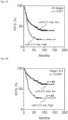
Fig. 2A shows survival curves illustrating overall survival rates (OSs) of a group of lung cancer patients with high miR-21C measurement values, and a group of lung cancer patients with low miR-21C measurement values. -
Fig. 2B shows survival curves illustrating OSs of a group of early-stage lung cancer patients with high miR-21C measurement values, and a group of early-stage lung cancer patients with low miR-21C measurement values. -
Fig. 2C shows survival curves illustrating OSs of a group of lung cancer patients with high miR-21 measurement values, and a group of lung cancer patients with low miR-21 measurement values. -
Fig. 2D shows survival curves illustrating OSs of a group of early-stage lung cancer patients with high miR-21 measurement values, and a group of early-stage lung cancer patients with low miR-21 measurement values. -
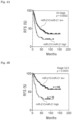
Fig. 3A shows survival curves illustrating recurrence-free survival rates (RFSs) of a group of lung cancer patients with high miR-21C measurement values, and a group of lung cancer patients with low miR-21C measurement values. -
Fig. 3B shows survival curves illustrating RFSs of a group of early-stage lung cancer patients with high miR-21C measurement values, and a group of early-stage lung cancer patients with low miR-21C measurement values. -
Fig. 3C shows survival curves illustrating RFSs of a group of lung cancer patients with high miR-21 measurement values, and a group of lung cancer patients with low miR-21 measurement values. -
Fig. 3D shows survival curves illustrating RFSs of a group of early-stage lung cancer patients with high miR-21 measurement values, and a group of early-stage lung cancer patients with low miR-21 measurement values. -
Fig. 4A shows survival curves illustrating RFSs of a group of lung cancer patients with high relative values of miR-21C measurement values to miR-21 measurement values, and a group of lung cancer patients with low relative values. -
Fig. 4B shows survival curves illustrating RFSs of a group of early-stage lung cancer patients with high relative values, and a group of early-stage lung cancer patients with low relative values. -
Fig. 5A shows survival curves illustrating RFSs of a group of lung cancer patients with high dominant scores (hereinafter, also referred to as "D-scores"), and a group of lung cancer patients with low D-scores. -
Fig. 5B shows survival curves illustrating RFSs of a group of early-stage lung cancer patients with high D-scores, and a group of early-stage lung cancer patients with low D-scores. -
Fig. 5C shows survival curves illustrating RFSs of a group of well-differentiated lung cancer patients with high D-scores, and a group of well-differentiated lung cancer patients with low D-scores. -
Fig. 6A shows survival curves illustrating RFSs of a group of early-stage lung cancer patients with high relative values, and a group of early-stage lung cancer patients with low relative values. -
Fig. 6B shows survival curves illustrating RFSs of a group of early-stage lung cancer patients with p53 gene mutation, and a group of early-stage lung cancer patients without p53 gene mutation. - In this specification, the "prognosis of lung cancer" conceptionally covers survival rate of patients, risk of recurrence of lung cancer, and period up to recurrence or death, after initial treatment of lung cancer. The "initial treatment" refers to treatment given for the first time after diagnosed with lung cancer. The "prognosis of lung cancer" for lung cancer in an inoperable stage conceptionally covers, for example, survival rate after diagnosis, and period from diagnosis to death. The "recurrence of lung cancer" conceptionally covers metastasis of lung cancer. In this embodiment, "poor prognosis of lung cancer" means that the patient is less likely to be alive, or likely to have a recurrence of lung cancer, after the elapse of a predetermined period after the initial treatment of lung cancer. "Good prognosis of lung cancer" means that the patient is likely to be alive, or less likely to have a recurrence of lung cancer, after the elapse of a predetermined period after the initial treatment of lung cancer. The predetermined period may be, but not particularly limited to, one year, two years, three years, four years, five years, six years, seven years, eight years, nine years, or ten years for example.
- The method for assisting determination of prognosis of lung cancer of this embodiment (hereinafter, also simply referred to as "the method of this embodiment") measures miR-21C in a measurement sample prepared from a specimen of a lung cancer patient.
- Type of lung cancer may be, for example, any of adenocarcinoma, squamous cell carcinoma, large cell carcinoma or small cell carcinoma, without special limitation. Among them, the method is more suitable for determination of prognosis of patients with adenocarcinoma. The lung cancer may have a level of differentiation without special limitation, which may be any of well-differentiated cancer, moderately-differentiated cancer, or poorly-differentiated cancer. The lung cancer may have a stage without special limitation, which may for example any of stage-I (stage-Ia or stage-Ib), stage-II (stage-IIa or stage-IIb), stage-III (stage-IIIa or stage-IIIb), or stage-IV Meanwhile, the prognosis of lung cancer has been known to become poorer as the stage progresses. The method of this embodiment is, therefore, considered to be more useful for patients with early-stage lung cancer, exemplified by those in stage-I or stage-II lung cancer.
- The lung cancer patient may be an untreated patient or a treated patient, at the time of sampling of a specimen described later. Type of treatment are not particularly limited, for which therapeutic methods are exemplified by surgery, radiation therapy, chemotherapy, and immunotherapy. Only one type, or a combination of two or more types of therapeutic method for lung cancer is applicable.
- The specimen is not particularly limited as long as it contains miRNA derived from lung cancer cells. The specimen is preferably a biological sample collected from the lung cancer patient, and is typically exemplified by tissue, cell, blood, lymph fluid, sputum, and bronchoalveolar lavage fluid. Among them, preferred is tissue, cell, and blood. The tissue preferably contains lung cancer tissue, or is the lung cancer tissue per se. The cell preferably contains lung cancer cell, or is the lung cancer cell per se. For example, lung cancer tissue or lung cancer cell collected from a site of occurrence of lung cancer, by surgery or biopsy, is usable as the specimen. Alternatively, a culture obtained by culturing lung cancer tissue or lung cancer cell collected from a lung cancer patient may be used as the specimen. Alternatively, plasma or serum prepared from blood by a usual method may be used as the specimen.
- The specimen may be stored under conditions capable of stably maintaining RNA, up to measurement of miRNA described later. The specimen is typically cryopreserved at -20°C or below, and preferably at -80°C or below. The specimen, if being a tissue or cell collected from a subject, may be stored in a commercially available storage solution for cell or tissue. Such storage solution is exemplified by RNAlater (registered trademark) stabilization solution (Invitrogen). The specimen, if being the tissue collected from the subject, may be stored as a formalin-fixed paraffin-embedded (FFPE) sample. That is, the method of this embodiment may use the FFPE sample as the specimen.
- The measurement sample may be prepared, typically by extracting RNA from a specimen of a lung cancer patient. The measurement sample may typically be an RNA solution that contains miRNA. RNA may be extracted from the specimen by any of known methods. RNA may be extracted from the specimen, if being a cell or tissue, typically as described below. First, the specimen is mixed with a solubilizing solution that contains guanidine thiocyanate and a surfactant. The obtained mixed solution is physically treated (stirring, homogenization, ultrasonic disintegration, etc.) to liberate RNA contained in the specimen into the mixed solution. Thus, RNA may be extracted from the specimen. The extracted RNA may be purified. For example, RNA may be purified by centrifuging the mixture that contains RNA, collecting a supernatant, followed by extraction from the supernatant with phenol/chloroform. The solubilizing solution used herein may be a commercially available reagent such as TRIzol (registered trademark) reagent, or ISOGEN II (Nippon Gene Co., Ltd.). Usable herein may be a commercially available reagent kit for extracting the miRNA-containing total RNA, such as miRNeasy (registered trademark) mini kit (QIAGEN), or High Pure miRNA Isolation kit (Roche).
- RNA may be extracted from the specimen, if being an FFPE sample, typically as described below. First, xylene is applied to the FFPE sample to deparaffinize it. The deparaffinized sample is immersed in ethanol to be hydrophilized. The hydrophilized specimen is digested with a protease to release nucleic acid having been crosslinked with formalin, thereby extracting RNA from the tissue in the FFPE sample. Usable herein may be a commercially available reagent kit for extracting and purifying RNA from FFPE sample, such as miRNeasy (registered trademark) FFPE kit (QIAGEN).
- The measurement sample may alternatively be prepared by reverse transcription of RNA extracted from a specimen of a lung cancer patient. For example, the measurement sample may be a solution that contains cDNA obtainable by reverse transcription of RNA that contains miRNA. Alternatively, the measurement sample may be prepared by in vitro transcription (IVT) amplification of cDNA derived from the specimen. For example, the measurement sample may be a solution that contains cRNA, obtainable by IVT amplification of cDNA synthesized from RNA that contains miRNA.
- miR-21Cis a variant of miR-21, having cytosine (C) added to the 3' end of the base sequence of miR-21. The base sequences of miR-21C and miR-21 are as follows.
-
- miR-21C: 5'- UAGCUUAUCAGACUGAUGUUGAC -3' (SEQ ID NO: 1)
- miR-21: 5'- UAGCUUAUCAGACUGAUGUUGA -3' (SEQ ID NO: 2)
- The method for measuring miR-21C is not particularly limited, for which any of known methods is applicable. For example, the methods are exemplified by measurement method based on hybridization with a probe, measurement method based on nucleic acid amplification method, measurement method based on mass spectrometry, and measurement method based on sequencing. The measurement method based on hybridization with a probe is exemplified by microarray method, northern hybridization method, and RNase protection assay. The measurement method based on nucleic acid amplification is preferably quantitative PCR with use of, as a template, cDNA obtained by reverse transcription of miRNA, and is exemplified by quantitative RT-PCR method and quantitative RT-LAMP method. The quantitative RT-PCR method is exemplified by SYBR (trademark) Green method, and TaqMan (registered trademark) method. Since the miRNA is short, the method based on nucleic acid amplification may alternatively employ a stem-loop primer, or poly-(A) addition method. This embodiment may use a commercially available reagent kit for miRNA quantification, such as TaqMan (registered trademark) MicroRNA reverse transcription kit (Applied Biosystems), and TaqMan (registered trademark) MicroRNA assays (Applied Biosystems).
- miR-21C and miR-21 are measured for calculation of the relative value of the miR-21C measurement value to the miR-21 measurement value. In this technical field, miR-21C and miR-21 in a measurement sample may be measured separately, typically by properly designing base sequences of a primer and/or a probe.
- The expression level of miR-21C is a value that corresponds to the abundance of miR-21C in the measurement sample. This is a value which may be acquired typically by measuring miR-21C (hereinafter, also referred to as "miR-21C measurement value"). The miR-21C measurement value is exemplified by optically measured value, the number of reaction cycles (Ct value) or reaction time at which the optically measured value reached a predetermined reference value, and quantitative value of miR-21C. The optically measured value is exemplified by fluorescence intensity, turbidity, and absorbance. The quantitative value of miR-21C is exemplified by the number of copies, mass, and concentration. The predetermined reference value may be properly set, depending on the type of value that indicates the abundance or concentration of miR-21C. In an exemplary case with use of the quantitative RT-PCR method, amount of change in the fluorescence intensity, in a nucleic acid amplification reaction that occurs under logarithmic amplification, may be set with reference to a predetermined number of cycles as the reference value. Alternatively, the miR-21C measurement value may be standardized with use of measurement value of an endogenous control, obtained by measuring the endogenous control which serves as an internal standard. The endogenous control is exemplified by RNU48 small nuclear RNA (snRNA), RNU6B snRNA, and TBP (TATA box binding protein) mRNA. The expression level of miR-21C may be a relative value of the miR-21C measurement value to the miR-21 measurement value (hereinafter, also simply referred to as a "relative value"). The expression level of miR-21C conceptionally covers a value that is calculated from the miR-21C measurement value or the relative value within the scope of common technical knowledge in the art. More specifically, the expression level is exemplified by power or power root of the aforementioned value, and a value obtainable by any of four arithmetic operations of the aforementioned value with a predetermined constant.
- The expression level of miR-21C is preferably given by a relative value of the miR-21C measurement value to the miR-21 measurement value. This relative value may be calculated by dividing the N-th power of the miR-21C measurement value by the miR-21 measurement value, as given by equation (I) below. In equation (I), N represents a positive integer, which is preferably 1 or 2. Given N = 2, the relative value obtainable by equation (I) is also referred to as D-score.
(Relative value)=(miR-21C measurement value)N/(miR-21 measurement value) - If the miR-21C and miR-21 measurement values are given by the Ct values, the relative value of the miR-21C measurement value to the miR-21 measurement value used herein may be a value calculated by subtracting the Ct value of miR-21 from the Ct value of miR-21C to find a value (ΔCt), and then by substituting the value (ΔCt) into the equation (II) below. Alternatively, a value calculated by the comparative Ct method (also referred to as ΔΔCt method) may be used as the relative value. The value calculated by the comparative Ct method is a relative expression level of miR-21C, with reference to the expression level of miR-21. The comparative Ct method is known per se.

- As described later in Examples, the overall survival rate of a patient group with high expression level of miR-21C was found to be significantly better than that of a patient group with low expression level of miR-21C. It was also found, as described later in Examples, that the recurrence-free survival rate of a patient group with high expression level of miR-21C was significantly higher than that of a patient group with low expression level of miR-21C. Thus, the expression level of miR-21C can be an index of the prognosis of lung cancer.
- The prognosis of lung cancer is preferably determined by comparing the expression level of miR-21C with a predetermined threshold value. For example, a poor prognosis of lung cancer is suggested by the expression level of miR-21C equal to or above a predetermined threshold value. A good prognosis of lung cancer is suggested by the expression level of miR-21C below the predetermined threshold value.
- The prognosis of lung cancer is preferably determined by comparing a relative value of the miR-21C measurement value to the miR-21 measurement value, with a predetermined threshold value that corresponds to the relative value. For example, a poor prognosis of lung cancer is suggested by the relative value equal to or above the predetermined threshold value that corresponds to the relative value. A good prognosis of lung cancer is suggested by the relative value below the predetermined threshold value that corresponds to the relative value.
- Another embodiment of the method of the present invention relates to a method for assisting determination of prognosis of lung cancer, the method including the steps of: measuring an expression level of miR-21C; and determining prognosis of lung cancer in a lung cancer patient, from the expression level of miR-21C. The step of measuring the expression level of miR-21C is as described previously. The "expression level of miR-21C" is as described previously. In the determination step, the prognosis of lung cancer in the lung cancer patient is preferably determined with reference to a result of comparison between the expression level of miR-21C and a predetermined threshold value. More specifically, a poor prognosis of lung cancer is determined if the expression level of miR-21C is equal to or above a predetermined threshold value. A good prognosis of lung cancer is determined if the expression level of miR-21C is below the predetermined threshold value.
- The predetermined threshold value that corresponds to the expression level of miR-21C may be properly set, without special limitation. For example, specimens are collected from a plurality of lung cancer patients, and miR-21C and miR-21 in the measurement samples are measured. Survival of the patients and the recurrence of lung cancer are checked and recorded every lapse of a certain period (one month to 12 months, for example) from the day the specimen were collected. Such recording is continued typically for 2 to 15 years, and data of the expression level of miR-21C are classified into data regarding a patient group with good prognosis, and data of a patient group with poor prognosis. A value that can most accurately distinguish the two patient groups is then determined to be set as the threshold value. The threshold value may be set typically taking sensitivity, specificity, positive predictive value, and negative predictive value into consideration.
- Another embodiment of the present invention relates to a method for treatment of lung cancer. The method for treatment includes the steps of: measuring an expression level of miR-21C in a measurement sample prepared from a specimen of a lung cancer patient having been treated for lung cancer; determining prognosis of lung cancer from the expression level of miR-21C; and providing adjuvant chemotherapy to the lung cancer patient whose prognosis of lung cancer was determined to be poor. Details of the measuring step and the determining step are same as those described previously in relation to the method of this embodiment.
- Drugs usable for the adjuvant chemotherapy are known per se, and may be suitably determined depending on type and stage of lung cancer. The drugs are exemplified by tegafur-uracil, cisplatin, carboplatin, vinorelbine, docetaxel, paclitaxel, pemetrexed, vindesine, and an EGFR tyrosine kinase inhibitor. The drugs may be used singly or in combination of two or more kinds thereof.
- Another embodiment of the present invention relates to a reagent kit (hereinafter, referred to as "reagent kit of this embodiment"). The reagent kit contains a primer set that specifically hybridizes to cDNA derived from miR-21C. The primer set includes a forward primer and a reverse primer that specifically hybridize to cDNA derived from miR-21C. An exemplary reagent kit is illustrated in
Fig. 1A . InFig. 1A ,reference numeral 11 denotes a reagent kit,reference numeral 12 denotes a first vial that contains a primer set capable of specifically binding to cDNA derived from miR-21C,reference numeral 13 denotes a packaging box, andreference numeral 14 denotes a package insert. The package insert may typically contain descriptions on sequences of the individual primers, method of use such as PCR conditions, and instructions for storage. - The reagent kit of this embodiment may further include a primer for reverse transcription (hereinafter, also referred to as "RT primer"). For use in a two-step, or sequential process consisting of synthesis of cDNA from miRNA, and amplification of cDNA, the RT primer may be a random primer or a primer that specifically hybridizes to miR-21C. For use in a one-step, or simultaneous process consisting of synthesis of cDNA from miRNA, and amplification of cDNA, the RT primer used herein is a primer that specifically hybridizes to miR-21C.
- The reagent kit of this embodiment may further contain a primer set that specifically hybridizes to cDNA derived from miR-21. The primer set includes a forward primer and a reverse primer that specifically hybridize to cDNA derived from miR-21. An exemplary reagent kit is illustrated in
Fig. 1B . InFig. 1B ,reference numeral 21 denotes a reagent kit,reference numeral 22 denotes a first vial that contains a primer set capable of specifically hybridizing to cDNA derived from miR-21C,reference numeral 23 denotes a second vial that contains a primer set capable of specifically hybridizing to cDNA derived from miR-21,reference numeral 24 denotes a packaging box, andreference numeral 25 denotes a package insert. - If the reagent kit of this embodiment contains, as the RT primer, a primer that specifically hybridizes to miR-21C, the reagent kit may further contain a primer that specifically hybridizes to miR-21.
- Each of the aforementioned primers may be properly designed corresponding to the individual base sequences of miR-21C and miR-21. Since miR-21C and miR-21 have short chain lengths, the RT primer and/or the primer set may be a stem-loop primer. The RT primer and/or the primer set may also be bound to a solid phase such as plate or particle.
- The reagent kit of this embodiment may further contain a probe that specifically hybridizes to cDNA derived from miR-21C. The reagent kit of this embodiment may further contain a probe that specifically hybridizes to cDNA derived from miR-21. Each of these probes is preferably modified at the 5 'end with a fluorescent substance, and at the 3' end with a quencher substance. These probes are also preferably designed to hybridize to a region different from the region in which the aforementioned primer set hybridizes, in cDNA derived from miR-21C or miR-21. In the cDNA amplification method with use of such probes, an amplification product is detectable quantitatively, by detecting fluorescence emitted from the probes.
- In this specification, "capable of specifically hybridizing" means that the primer or the probe can hybridize to a target nucleic acid molecule, under a stringent condition. In this embodiment, the target nucleic acid molecule is miR-21C, cDNA derived from miR-21C, miR-21, or cDNA derived from miR-21. The "stringent condition" means a condition under which a target nucleic acid molecule can be hybridized with the primer or the probe, to a degree that is detectably larger than a degree a nucleic acid molecule other than the target nucleic acid molecule can be hybridized (more than at least twice the background, for example). The stringent condition is usually sequence-dependent, and varies in various environments. The stringent condition is usually set approximately 5°C lower than a thermal melting point (Tm) of a particular sequence at a specified ionic strength and pH. The Tm is a temperature at which 50% of a probe complementary to the base sequence of the target nucleic acid molecule can hybridize in equilibrium, at a specified ionic strength, pH, and nucleic acid composition. Such condition may only be a condition used for a known method for hybridization between polynucleotides.
- The reagent kit of the present embodiment may further contain a DNA polymerase and/or reverse transcriptase. The DNA polymerase is exemplified by Taq polymerase, Pfu polymerase, and Tth polymerase. The reverse transcriptase is exemplified by AMV reverse transcriptase and MMLV reverse transcriptase. The reagent kit of this embodiment may further contain buffer, dNTPs (dATP, dTTP, dGTP and dCTP) or the like.
- The aforementioned primer set is also understood to be used for manufacturing the reagent kit of this embodiment. That is, another embodiment of the present invention relates to use of a primer set that specifically hybridizes to cDNA derived from miR-21C, intended for manufacturing a reagent kit used in a method for assisting determination of prognosis of lung cancer. Yet another embodiment relates to use of a primer set that specifically hybridizes to cDNA derived from miR-21C, and a primer set that specifically hybridizes to cDNA derived from miR-21, intended for manufacturing a reagent kit used in a method for assisting determination of prognosis of lung cancer. Details of the method for assisting determination of prognosis of lung cancer, the reagent kit, and the primer set are as described previously.
- The present invention will be further detailed below, referring to Examples, to which the present invention is by no means limited.
- Lung cancer tissues were collected from a plurality of lung cancer patients with different lung cancer classifications and stages. Written informed consent was obtained from each patient. A part of tumor was collected from each of the patients during surgery, and individually cryopreserved in liquid nitrogen, or stored in RNAlater (registered trademark) Stabilization Solution (Invitrogen).
- Total RNA was extracted from each of the collected tissues with use of TRIzol (registered trademark) reagent (Invitrogen). The obtained total RNA was quantified with use of Qubit (registered trademark) RNA HS assay kit (Invitrogen). RNA extraction and quantification were conducted as instructed by the package inserts of the reagent and the kit. With use of TaqMan (registered trademark) MicroRNA Reverse Transcription Kit (Applied Biosystems), 10 ng of total RNA was reversely transcribed. With use of the thus obtained cDNA as a template, quantitative PCR was conducted with use of TaqMan (registered trademark) Fast Advanced Mastermix (Applied Biosystems) and TaqMan (registered trademark) MicroRNA assays (Applied Biosystems), to measure miR-21C and miR-21. Also RNU48 snRNA, RNU6B snRNA, or TBP mRNA, used as an internal control, were measured in the same manner. All PCR was conducted in triplicate with use of Applied Biosystems ViiA (registered trademark) 7 quantitative PCR system. Amplification conditions include a cycle consisting of 95°C for 1 second and 60°C for 20 seconds, repeated 40 times.
- Statistical analysis was conducted with use of medical statistical analysis software Prism (GraphPad). Patients with the miR-21C measurement values equal to or above a predetermined threshold value were classified into a "miR-21C exp. high" group, while those with the miR-21C measurement values below the predetermined threshold value were classified into a "miR-21C exp. low" group. Similarly, patients with the miR-21 measurement values equal to or above a predetermined threshold value were classified into a "miR-21 exp. high" group, while those with the miR-21 measurement values below the predetermined threshold value were classified into a "miR-21 exp. low" group. Differences in the measurement values were assessed by the Student's t-test. Survival curves in terms of overall survival (OS) of the patients in the individual groups were prepared. Also survival curves in terms of OS of the patients with stage-I and -II lung cancers in the individual groups were prepared. Differences in OS were assessed by the log-rank test. Ap value of less than 0.05 (p < 0.05) was considered as statistically significant.
- The survival curves thus prepared are illustrated in
Figs. 2A to 2D . As illustrated inFig. 2A , the miR-21C exp. low group tends to demonstrate OS significantly higher than that of the miR-21C exp. high group. That is, it was suggested that the higher the expression level of miR-21C, the poorer the prognosis, and the lower the expression level, the better the prognosis. As illustrated inFig. 2B , early (stage-I and -II) lung cancers demonstrated distinct difference in OS, between the miR-21C exp. high group and the miR-21C exp. low group. The result suggests that the early-stage lung cancer may be more accurately determined for the prognosis, from the miR-21C measurement values. - In contrast as illustrated in
Figs. 2C , no significant differences in OS was observed between the miR-21 exp. high group and the miR-21 exp. low group which were classified by the miR-21 measurement values. As illustrated inFigs. 2D , a significant difference in OS was observed between the miR-21 exp. high group and the miR-21 exp. low group, for early-stage lung cancer. Comparison with the results illustrated inFig. 2B , however, taught that higher accuracy of prediction of the prognosis was given by the determination based on the miR-21C measurement values. - Lung adenocarcinoma tissues were collected from a plurality of lung adenocarcinoma patients in different stages. Written informed consent was obtained from each patient. A part of tumor was collected from each of the patients during surgery, and cryopreserved in liquid nitrogen, or stored in RNAlater (registered trademark) Stabilization Solution (Invitrogen).
- Reverse transcription and quantitative RT-PCR were conducted with use of total RNA extracted from the collected tissues, in the same manner as in Example 1. Data of the acquired measurement values of miR-21C and miR-21 were statistically analyzed with use of Prism (GraphPad), in the same manner as in Example 1. The lung adenocarcinoma patients were classified by the measurement values of miR-21C and miR-21, similarly to as in Example 1. Survival curves in terms of recurrence-free survival rate (RFS) of the patients in the individual groups were prepared. Also survival curves in terms of RFS of the patients with stage-I and -II lung adenocarcinoma in the individual groups were prepared. Differences in RFS were assessed by the log-rank test. A p value of less than 0.05 (p < 0.05) was considered as statistically significant.
- The survival curves thus prepared are illustrated in
Figs. 3A to 3D . As illustrated inFig. 3A , the miR-21C exp. low group tends to demonstrate RFS significantly higher than that of the miR-21C exp. high group. That is, it was suggested that the higher the miR-21C measurement value, the higher the recurrence risk, and the lower the measurement value, the lower the recurrence risk. As illustrated inFig. 3B , early (stage-I and -II) lung adenocarcinoma demonstrated distinct difference in RFS, between the miR-21C exp. high group and the miR-21C exp. low group. The result suggests that the early lung adenocarcinoma may be more accurately determined for the recurrence risk, from the miR-21C measurement values. - As illustrated in
Figs. 3C and 3D , significant differences in RFS were observed between the miR-21 exp. high group and the miR-21 exp. low group, for early lung adenocarcinoma in all stages. Comparison with the results illustrated inFigs. 3A and 3B , however, taught that higher accuracy of prediction of the recurrence risk was given by the determination based on the miR-21C measurement values. - With use of the measurement data of the lung cancer tissue specimen of Example 1, a relative value was calculated by the comparative Ct method, from difference in Ct values with the same threshold value. Detailed procedures are as follows. First, Ct values of miR-21C, miR-21 and an internal control were calculated at threshold = 1.5. Next, the Ct value of the internal control was subtracted from each of the Ct values of miR-21C and miR-21, to standardize the Ct values of miR-21C and miR-21. The standardized Ct value of miR-21 was then subtracted from the standardized Ct value of miR-21C to obtain a difference (ΔCt), which was then substituted into the equation below to calculate the relative value.

- Patients with the relative values equal to or above a predetermined threshold value were classified into a "miR-21C/miR-21 high" group, while those with the relative values below the predetermined threshold value were classified into a "miR-21C/miR-21 low" group. Differences in the relative values were assessed by the Student's t-test. Survival curves in terms of RFS of the patients in the individual groups were prepared. Also survival curves in terms of RFS of the patients with stage-I and -II lung cancers in the individual groups were prepared. Differences in RFS were assessed by the log-rank test. A p value of smaller than 0.05 (p < 0.05) was regarded as statistically significant.
- The survival curves thus prepared are illustrated in
Figs. 4A and 4B . As illustrated inFig. 4A , the miR-21C/miR-21 low group tends to demonstrate RFS significantly higher than that of the miR-21C/miR-21 high group. That is, it was suggested that the higher the relative value, the higher the recurrence risk, and the lower the relative value, the lower the recurrence risk. As illustrated inFig. 4B , early (stage-I and -II) lung cancer demonstrated distinct difference in RFS, between the miR-21C/miR-21 high group and the miR-21C/miR-21 low group. The determination of recurrence risk based on the relative value was thus suggested to be more suitable for early-stage lung cancer. - Measurement data of the lung adenocarcinoma tissue specimen of Example 2 was used. More specifically, the D-score was calculated by the following equation, with use of miR-21C and miR-21 measurement values.

- Patients with the D-scores equal to or above a predetermined threshold value were classified into a "High" group, while those with the D-scores below the predetermined threshold value were classified into "Low" group. Differences in the D-scores were assessed by the Student's t-test. Survival curves in terms of RFS of the patients in the individual groups were prepared. Also survival curves in terms of RFS of the patients with stage-I and -II lung adenocarcinoma in the individual groups were prepared. Also survival curves in terms of RFS of the patients with well-differentiated lung adenocarcinoma in all stages in the individual groups were prepared. Differences in RFS were assessed by the log-rank test. A p value of less than 0.05 (p < 0.05) was considered as statistically significant.
- The survival curves thus prepared are illustrated in
Figs. 5A to 5C . As illustrated inFig. 5A , the Low group tends to demonstrate RFS significantly higher than that of the High group. That is, it was suggested that the higher the D-score, the higher the recurrence risk, and the lower the D-score, the lower the recurrence risk. As illustrated inFig. 5B , similar results were obtained also for early stage (stage-I and -II) lung cancers. Significant differences in RFS with a p value of smaller than 0.0001 were found between the High group and the Low group, both for the all stages, and for the early stages. That is, it was suggested that the recurrence risk may be determined very accurately, with use of the D-score. - As illustrated in
Fig. 5C , the Low group tends to demonstrate RFS significantly higher than that of the High group, also for the well-differentiated lung adenocarcinoma. The result demonstrated that the recurrence risk of highly-differentiated lung adenocarcinoma may be clearly stratified with the D-score. - A lung cancer tissue was collected from each of the lung cancer patients different from those in Example 1, and cryopreserved in liquid nitrogen, or stored in RNAlater (registered trademark) Stabilization Solution (Invitrogen).
- Reverse transcription and quantitative RT-PCR were conducted with use of total RNA extracted from the collected tissues, to measure miR-21C and miR-21, in the same manner as in Example 1. Also p53 gene mutation was detected by sequence analysis. Statistical analysis was conducted with use of medical statistical analysis software Prism (GraphPad).
- Similarly to as in Example 3, patients with the relative values of miR-21C measurement values to the miR-21 measurement value equal to or above a predetermined threshold value were classified into a "miR-21C/miR-21 high" group, while those with the relative values below the predetermined threshold value were classified into a "miR-21C/miR-21 low" group. Also patients without p53 gene mutation were classified into a "p53 WT" group, while patients having p53 gene mutation were classified into a "p53 MUT" group. Survival curves in terms of RFS of the patients with stage-I and -II lung cancers in the individual groups were prepared. Differences in RFS were assessed by the log-rank test. Ap value of less than 0.05 (p < 0.05) was considered as statistically significant.
- The survival curves thus prepared are illustrated in
Figs. 6A and6B . As illustrated inFig. 6A , the miR-21C/miR-21 low group tends to demonstrate RFS significantly higher than that of the miR-21C/miR-21 high group. In contrast as illustrated inFig. 6B , no significant difference in RFS was observed between the p53 WT group and the p53 MUT classified based on the presence or absence of mutations in p53 gene. It was thus demonstrated that the determination of the recurrence risk based on the relative value of the miR-21C measurement value to the miR-21 measurement value was more accurate than the determination based on the p53 gene mutation. -
- 11, 21: reagent kit
- 12, 22: first vial
- 23: second vial
- 13, 24: packaging box
- 14, 25: package insert
Claims (20)
- A method for assisting determination of prognosis of lung cancer, the method comprising measuring miR-21C in a measurement sample prepared from a specimen of a lung cancer patient, an expression level of miR-21C acquired by the measurement serving as an index of the prognosis of lung cancer.
- The method according to claim 1, whereina poor prognosis of lung cancer is suggested by an expression level of miR-21C equal to or above a predetermined threshold value, anda good prognosis of lung cancer is suggested by an expression level of miR-21C below the predetermined threshold value.
- The method according to claim 1, further comprising measuring miR-21 in the measurement sample.
- The method according to claim 3, wherein the expression level of miR-21C is given by a relative value of a miR-21C measurement value to a miR-21 measurement value.
- The method according to claim 4, whereinthe relative value is a value calculated by an equation below:
(Relative value)=(miR-21C measurement value)N/(miR-21 measurement value) where, N represents a positive integer. - The method according to claim 5, wherein N represents 1 or 2.
- The method according to claim 5 or 6, whereina poor prognosis of lung cancer is suggested by a relative value equal to or above a predetermined threshold value that corresponds to the relative value, anda good prognosis of lung cancer is suggested by a relative value below the predetermined threshold value that corresponds to the relative value.
- A method for assisting determination of prognosis of lung cancer, the method comprising the steps of:measuring miR-21C in a measurement sample prepared from a specimen of a lung cancer patient; anddetermining the prognosis of lung cancer, with reference to an expression level of miR-21C acquired by the measurement.
- The method according to claim 8, whereinin the determining step,the prognosis of lung cancer is determined to be poor, if the expression level of miR-21C is equal to or above a predetermined threshold value, andthe prognosis of lung cancer is determined to be good, if the expression level of miR-21C is below the predetermined threshold value.
- The method according to claim 8, wherein, in the measuring step, miR-21 in the measurement sample is further measured.
- The method according to claim 10, wherein the expression level of miR-21C is given by a relative value of a miR-21C measurement value to a miR-21 measurement value.
- The method according to claim 11, whereinthe relative value is a value calculated by an equation below:
(Relative value)=(miR-21C measurement value)N/(miR-21 measurement value) where, N represents a positive integer. - The method according to claim 12, wherein N represents 1 or 2.
- The method according to claim 12 or 13, whereinin the determining step,the prognosis of lung cancer is determined to be poor, if the relative value is equal to or above a predetermined threshold value that corresponds to the relative value, andthe prognosis of lung cancer is determined to be good, if the relative value is below the predetermined threshold value that corresponds to the relative value.
- The method according to any one of claims 1 to 14, wherein the lung cancer is early-stage lung cancer.
- The method according to claim 15, wherein the early-stage lung cancer is stage-I or -II lung cancer.
- The method according to any one of claims 1 to 16, wherein the lung cancer is adenocarcinoma.
- The method according to any one of claims 1 to 17, wherein the specimen contains a lung cancer tissue.
- A reagent kit for use in the method according to any one of claims 1 to 18, the reagent kit comprising a primer set that specifically hybridizes to a cDNA derived from miR-21C.
- The reagent kit according to claim 19, further comprising a primer set that specifically hybridizes to a cDNA derived from miR-21.
Applications Claiming Priority (2)
| Application Number | Priority Date | Filing Date | Title |
|---|---|---|---|
| JP2021178839 | 2021-11-01 | ||
| PCT/JP2022/033651 WO2023074135A1 (en) | 2021-11-01 | 2022-09-08 | Method and reagent kit for assisting determination of lung cancer prognosis |
Publications (2)
| Publication Number | Publication Date |
|---|---|
| EP4428248A1 true EP4428248A1 (en) | 2024-09-11 |
| EP4428248A4 EP4428248A4 (en) | 2025-11-19 |
Family
ID=86157674
Family Applications (1)
| Application Number | Title | Priority Date | Filing Date |
|---|---|---|---|
| EP22886469.0A Pending EP4428248A4 (en) | 2021-11-01 | 2022-09-08 | METHOD AND REAGENT KIT TO SUPPORT THE DETERMINATION OF A LUNG CANCER PROGNOSIS |
Country Status (3)
| Country | Link |
|---|---|
| EP (1) | EP4428248A4 (en) |
| JP (1) | JPWO2023074135A1 (en) |
| WO (1) | WO2023074135A1 (en) |
Family Cites Families (5)
| Publication number | Priority date | Publication date | Assignee | Title |
|---|---|---|---|---|
| EP2502630B1 (en) * | 2006-01-05 | 2015-03-11 | The Ohio State University Research Foundation | MicroRNA-based methods and compositions for the diagnosis, prognosis and treatment of lung cancer |
| PL212748B1 (en) * | 2009-07-30 | 2012-11-30 | Gdanski Univ Medyczny | Method for determining the risk of distant recurrence of non small cell lung cancer in patients in I-III A stage treated surgically |
| US20120329060A1 (en) * | 2010-03-18 | 2012-12-27 | Jayaprakash Karkera | Diagnostic for lung cancer using mirna |
| JP2014003925A (en) * | 2012-06-22 | 2014-01-16 | Japanese Foundation For Cancer Research | Method for inspecting lung small cell carcinoma of poor prognosis and treatment means therefor |
| WO2020022361A1 (en) * | 2018-07-24 | 2020-01-30 | 公立大学法人福島県立医科大学 | Biomarker for prognosis of lung cancer |
-
2022
- 2022-09-08 JP JP2023556162A patent/JPWO2023074135A1/ja active Pending
- 2022-09-08 WO PCT/JP2022/033651 patent/WO2023074135A1/en not_active Ceased
- 2022-09-08 EP EP22886469.0A patent/EP4428248A4/en active Pending
Also Published As
| Publication number | Publication date |
|---|---|
| WO2023074135A1 (en) | 2023-05-04 |
| EP4428248A4 (en) | 2025-11-19 |
| JPWO2023074135A1 (en) | 2023-05-04 |
Similar Documents
| Publication | Publication Date | Title |
|---|---|---|
| Yan et al. | MicroRNA miR-21 overexpression in human breast cancer is associated with advanced clinical stage, lymph node metastasis and patient poor prognosis | |
| US9068974B2 (en) | Biomarkers in peripheral blood mononuclear cells for diagnosing or detecting lung cancers | |
| US7615349B2 (en) | Melanoma gene signature | |
| US20110159498A1 (en) | Methods, agents and kits for the detection of cancer | |
| JP6216470B2 (en) | MiRNA expression signatures in the classification of thyroid tumors | |
| CN102876676B (en) | Blood serum/blood plasma micro ribonucleic acid (miRNA) marker relevant with pancreatic cancer and application thereof | |
| Usó et al. | miRNA detection methods and clinical implications in lung cancer | |
| WO2011079846A2 (en) | Mrna classification of thyroid follicular neoplasia | |
| KR102096498B1 (en) | MicroRNA-4732-5p for diagnosing or predicting recurrence of colorectal cancer and use thereof | |
| US11840733B2 (en) | Method for predicting prognosis of breast cancer patient | |
| CN107858434B (en) | Application of lncRNA in liver cancer diagnosis and prognosis prediction | |
| CN112646885A (en) | Renal cell carcinoma miRNA molecular marker and application thereof | |
| US20150247202A1 (en) | Microrna based method for diagnosis of colorectal tumors and of metastasis | |
| KR102096499B1 (en) | MicroRNA-3960 for diagnosing or predicting recurrence of colorectal cancer and use thereof | |
| US11643690B2 (en) | Early detection of preliminary stages of testicular germ cell tumors | |
| WO2016174199A1 (en) | Detection of nucleic acid molecules | |
| WO2023074135A1 (en) | Method and reagent kit for assisting determination of lung cancer prognosis | |
| KR20130098669A (en) | Serum mirna as a marker for the diagnosis of lymph node metastasis of gastric cancer | |
| JP6871271B2 (en) | Methods and compositions for classifying DLBCL | |
| KR20200002237A (en) | Biomarker let-7a or let-7f for diagnosing obesity and use thereof | |
| WO2011012136A1 (en) | A method for classifying a human cell sample as cancerous | |
| EP3476951A1 (en) | Microrna-based methods and compositions for the diagnosis and prognosis of vulvar carcinoma and vulvar intraepithelial lesions | |
| CN109825596A (en) | Internal reference miRNA in esophageal cancer samples and its application | |
| HK40013273A (en) | Early detection of preliminary stages of testicular germ cell tumors | |
| HK40013273B (en) | Early detection of preliminary stages of testicular germ cell tumors |
Legal Events
| Date | Code | Title | Description |
|---|---|---|---|
| STAA | Information on the status of an ep patent application or granted ep patent |
Free format text: STATUS: THE INTERNATIONAL PUBLICATION HAS BEEN MADE |
|
| PUAI | Public reference made under article 153(3) epc to a published international application that has entered the european phase |
Free format text: ORIGINAL CODE: 0009012 |
|
| STAA | Information on the status of an ep patent application or granted ep patent |
Free format text: STATUS: REQUEST FOR EXAMINATION WAS MADE |
|
| 17P | Request for examination filed |
Effective date: 20240529 |
|
| AK | Designated contracting states |
Kind code of ref document: A1 Designated state(s): AL AT BE BG CH CY CZ DE DK EE ES FI FR GB GR HR HU IE IS IT LI LT LU LV MC MK MT NL NO PL PT RO RS SE SI SK SM TR |
|
| DAV | Request for validation of the european patent (deleted) | ||
| DAX | Request for extension of the european patent (deleted) | ||
| A4 | Supplementary search report drawn up and despatched |
Effective date: 20251021 |
|
| RIC1 | Information provided on ipc code assigned before grant |
Ipc: C12Q 1/6851 20180101AFI20251015BHEP Ipc: C12N 15/113 20100101ALI20251015BHEP Ipc: C12Q 1/6886 20180101ALI20251015BHEP |