EP4424732A1 - Polymerizable phosphonic acid (salt) and preparation method therefor, copolymer and drilling fluid - Google Patents
Polymerizable phosphonic acid (salt) and preparation method therefor, copolymer and drilling fluid Download PDFInfo
- Publication number
- EP4424732A1 EP4424732A1 EP22886064.9A EP22886064A EP4424732A1 EP 4424732 A1 EP4424732 A1 EP 4424732A1 EP 22886064 A EP22886064 A EP 22886064A EP 4424732 A1 EP4424732 A1 EP 4424732A1
- Authority
- EP
- European Patent Office
- Prior art keywords
- phosphonic acid
- salt
- polymerizable phosphonic
- polymerizable
- reaction
- Prior art date
- Legal status (The legal status is an assumption and is not a legal conclusion. Google has not performed a legal analysis and makes no representation as to the accuracy of the status listed.)
- Pending
Links
Images




Classifications
-
- C—CHEMISTRY; METALLURGY
- C07—ORGANIC CHEMISTRY
- C07F—ACYCLIC, CARBOCYCLIC OR HETEROCYCLIC COMPOUNDS CONTAINING ELEMENTS OTHER THAN CARBON, HYDROGEN, HALOGEN, OXYGEN, NITROGEN, SULFUR, SELENIUM OR TELLURIUM
- C07F9/00—Compounds containing elements of Groups 5 or 15 of the Periodic Table
- C07F9/02—Phosphorus compounds
- C07F9/28—Phosphorus compounds with one or more P—C bonds
- C07F9/38—Phosphonic acids [RP(=O)(OH)2]; Thiophosphonic acids ; [RP(=X1)(X2H)2(X1, X2 are each independently O, S or Se)]
-
- C—CHEMISTRY; METALLURGY
- C07—ORGANIC CHEMISTRY
- C07F—ACYCLIC, CARBOCYCLIC OR HETEROCYCLIC COMPOUNDS CONTAINING ELEMENTS OTHER THAN CARBON, HYDROGEN, HALOGEN, OXYGEN, NITROGEN, SULFUR, SELENIUM OR TELLURIUM
- C07F9/00—Compounds containing elements of Groups 5 or 15 of the Periodic Table
- C07F9/02—Phosphorus compounds
- C07F9/28—Phosphorus compounds with one or more P—C bonds
- C07F9/38—Phosphonic acids [RP(=O)(OH)2]; Thiophosphonic acids ; [RP(=X1)(X2H)2(X1, X2 are each independently O, S or Se)]
- C07F9/3804—Phosphonic acids [RP(=O)(OH)2]; Thiophosphonic acids ; [RP(=X1)(X2H)2(X1, X2 are each independently O, S or Se)] not used, see subgroups
- C07F9/3808—Acyclic saturated acids which can have further substituents on alkyl
-
- C—CHEMISTRY; METALLURGY
- C08—ORGANIC MACROMOLECULAR COMPOUNDS; THEIR PREPARATION OR CHEMICAL WORKING-UP; COMPOSITIONS BASED THEREON
- C08F—MACROMOLECULAR COMPOUNDS OBTAINED BY REACTIONS ONLY INVOLVING CARBON-TO-CARBON UNSATURATED BONDS
- C08F230/00—Copolymers of compounds having one or more unsaturated aliphatic radicals, each having only one carbon-to-carbon double bond, and containing phosphorus, selenium, tellurium or a metal
- C08F230/02—Copolymers of compounds having one or more unsaturated aliphatic radicals, each having only one carbon-to-carbon double bond, and containing phosphorus, selenium, tellurium or a metal containing phosphorus
-
- C—CHEMISTRY; METALLURGY
- C08—ORGANIC MACROMOLECULAR COMPOUNDS; THEIR PREPARATION OR CHEMICAL WORKING-UP; COMPOSITIONS BASED THEREON
- C08F—MACROMOLECULAR COMPOUNDS OBTAINED BY REACTIONS ONLY INVOLVING CARBON-TO-CARBON UNSATURATED BONDS
- C08F220/00—Copolymers of compounds having one or more unsaturated aliphatic radicals, each having only one carbon-to-carbon double bond, and only one being terminated by only one carboxyl radical or a salt, anhydride ester, amide, imide or nitrile thereof
- C08F220/02—Monocarboxylic acids having less than ten carbon atoms; Derivatives thereof
- C08F220/52—Amides or imides
- C08F220/54—Amides, e.g. N,N-dimethylacrylamide or N-isopropylacrylamide
- C08F220/56—Acrylamide; Methacrylamide
-
- C—CHEMISTRY; METALLURGY
- C09—DYES; PAINTS; POLISHES; NATURAL RESINS; ADHESIVES; COMPOSITIONS NOT OTHERWISE PROVIDED FOR; APPLICATIONS OF MATERIALS NOT OTHERWISE PROVIDED FOR
- C09K—MATERIALS FOR MISCELLANEOUS APPLICATIONS, NOT PROVIDED FOR ELSEWHERE
- C09K8/00—Compositions for drilling of boreholes or wells; Compositions for treating boreholes or wells, e.g. for completion or for remedial operations
- C09K8/02—Well-drilling compositions
- C09K8/03—Specific additives for general use in well-drilling compositions
- C09K8/035—Organic additives
-
- C—CHEMISTRY; METALLURGY
- C09—DYES; PAINTS; POLISHES; NATURAL RESINS; ADHESIVES; COMPOSITIONS NOT OTHERWISE PROVIDED FOR; APPLICATIONS OF MATERIALS NOT OTHERWISE PROVIDED FOR
- C09K—MATERIALS FOR MISCELLANEOUS APPLICATIONS, NOT PROVIDED FOR ELSEWHERE
- C09K8/00—Compositions for drilling of boreholes or wells; Compositions for treating boreholes or wells, e.g. for completion or for remedial operations
- C09K8/50—Compositions for plastering borehole walls, i.e. compositions for temporary consolidation of borehole walls
- C09K8/504—Compositions based on water or polar solvents
- C09K8/506—Compositions based on water or polar solvents containing organic compounds
- C09K8/508—Compositions based on water or polar solvents containing organic compounds macromolecular compounds
-
- C—CHEMISTRY; METALLURGY
- C09—DYES; PAINTS; POLISHES; NATURAL RESINS; ADHESIVES; COMPOSITIONS NOT OTHERWISE PROVIDED FOR; APPLICATIONS OF MATERIALS NOT OTHERWISE PROVIDED FOR
- C09K—MATERIALS FOR MISCELLANEOUS APPLICATIONS, NOT PROVIDED FOR ELSEWHERE
- C09K8/00—Compositions for drilling of boreholes or wells; Compositions for treating boreholes or wells, e.g. for completion or for remedial operations
- C09K8/54—Compositions for in situ inhibition of corrosion in boreholes or wells
-
- C—CHEMISTRY; METALLURGY
- C09—DYES; PAINTS; POLISHES; NATURAL RESINS; ADHESIVES; COMPOSITIONS NOT OTHERWISE PROVIDED FOR; APPLICATIONS OF MATERIALS NOT OTHERWISE PROVIDED FOR
- C09D—COATING COMPOSITIONS, e.g. PAINTS, VARNISHES OR LACQUERS; FILLING PASTES; CHEMICAL PAINT OR INK REMOVERS; INKS; CORRECTING FLUIDS; WOODSTAINS; PASTES OR SOLIDS FOR COLOURING OR PRINTING; USE OF MATERIALS THEREFOR
- C09D133/00—Coating compositions based on homopolymers or copolymers of compounds having one or more unsaturated aliphatic radicals, each having only one carbon-to-carbon double bond, and at least one being terminated by only one carboxyl radical, or of salts, anhydrides, esters, amides, imides, or nitriles thereof; Coating compositions based on derivatives of such polymers
- C09D133/24—Homopolymers or copolymers of amides or imides
- C09D133/26—Homopolymers or copolymers of acrylamide or methacrylamide
Definitions
- the present disclosure relates to a polymerizable phosphonic acid salt monomer and a preparation method therefor, a copolymer prepared from the polymerizable phosphonic acid salt monomer and a drilling fluid using the copolymer.
- synthetic polymers commonly used in drilling fluids mainly include anionic polymers, cationic polymers and zwitterionic polymers.
- the anionic polymers and the zwitterionic polymers are mostly used as fluid loss additives, and the cationic polymers are mainly used as shale inhibitors.
- Common zwitterionic polymers are commercially available fluid loss additives for drilling fluids LS-1, JT888, FA-367, XY-27, and the like which are synthesized from AM, AMPS, and DMDAAC as raw materials.
- CN108753267A discloses an ultra-high temperature-resistant anionic polymer fluid loss additive for drilling fluid and completion fluid and a preparation method thereof.
- the ultra-high temperature resistant anionic polymer fluid loss additive is a terpolymer prepared by an aqueous solution polymerization reaction by using acrylamide, 2-acrylamido-2-methylpropanesulfonic acid and dimethylaminoethyl methacrylate as polymerization monomers.
- the polymer has outstanding fluid loss reduction properties at a high temperature, but the salt resistance effect is general.
- CN104388061A discloses a high-temperature-resistant salt-resistant polymer fluid loss additive for water-based drilling fluid and a preparation method thereof, wherein the fluid loss additive is a tetrapolymer synthesized by copolymerizing monomers such as N-vinyl caprolactam, 2-acrylamido-2-methylpropanesulfonic acid, acrylic acid, and N,N-dimethylacrylamide.
- the fluid loss additive can effectively improve the temperature resistance, salt resistance, and viscosity retention rate after high temperature aging of a drilling fluid system.
- the fluid loss reduction ability is limited by the change in the physicochemical properties of subcritical water in high temperature and high pressure environments.
- polymers for drilling in order to achieve the effects of wellbore stability and safe drilling during drilling, polymers for drilling must have higher fluid loss reduction ability, temperature resistance, salt resistance and shear resistance.
- an object of the present disclosure is to provide a polymerizable phosphonic acid (salt) monomer and a preparation method therefor, a copolymer prepared from the polymerizable phosphonic acid salt monomer and a drilling fluid using the copolymer.
- the method for preparing the polymerizable phosphonic acid (salt) monomer provided by the present disclosure uses an organic solvent as a solvent of a reaction system, so that compared with a water solvent system, the reaction efficiency is higher, less by-products are produced, and the separation of the obtained products is simpler, clear separation of the product can be achieved only by the conventional separation means such as filtration or centrifugal separation, and the obtained product has higher purity, and thus a copolymer having a higher molecular weight can be obtained, and higher temperature and salt resistance of the drilling fluid can be achieved by fewer monomers.
- a polymerizable phosphonic acid (salt) wherein an anion of the polymerizable phosphonic acid (salt) has a structure represented by the following formula (1), a cation of the polymerizable phosphonic acid (salt) is at least one of hydrogen, a monovalent metal cation, a divalent metal cation, a trivalent metal cation, and a tetravalent metal cation, and 1 H NMR of the polymerizable phosphonic acid (salt) substantively has no peak at a chemical shift ⁇ of 1.019.
- R 1 , R 2 , R 3 , R 4 , R 5 , R 6 , R 7 and R 8 are each independently hydrogen or C1-C10 linear or branched alkyl; preferably hydrogen or C 1-C4 linear or branched alkyl; and more preferably hydrogen, methyl or ethyl.
- a method for preparing a polymerizable phosphonic acid wherein the polymerizable phosphonic acid has a structure represented by a formula (2), and the method includes reacting phosphorous acid sequentially with an amine represented by a formula (3) and an aldehyde in an organic solvent under reaction conditions, wherein R 1 , R 2 , R 3 , R 4 , R 5 , R 6 , R 7 and R 8 are each independently hydrogen or C1-C10 linear or branched alkyl; preferably hydrogen or C 1-C4 linear or branched alkyl; and more preferably hydrogen, methyl or ethyl.
- a method for preparing a polymerizable phosphonic acid salt including: preparing a polymerizable phosphonic acid by the method described above without the step of separation and purification, and directly adding an alkaline substance for a neutralization reaction.
- a polymerizable phosphonic acid salt prepared by the method described above.
- a fifth aspect of the present disclosure provided is use of the polymerizable phosphonic acid (salt) described above, and the polymerizable phosphonic acid salt prepared by the above method in oilfield chemicals, water treatment, paper industry, fiber industry, coating industry, water absorbing materials, printing and dyeing auxiliaries, and biomedicine.
- a phosphonate radical-containing copolymer including a structural unit A and a structural unit B; wherein the structural unit A is from the polymerizable phosphonic acid (salt) described above; the structural unit B is an acrylamide-based structural unit; a mass ratio of the structural unit A to the structural unit B is 1:3-3: 1; and the copolymer has a weight average molecular weight of 2.5 ⁇ 10 5 -1 ⁇ 10 7 .
- a drilling fluid containing the copolymer described above.
- the polymerizable phosphonic acid (salt) and the preparation method therefor, the copolymer and the drilling fluid provided by the present disclosure can obtain the following beneficial effects:
- a polymerizable phosphonic acid (salt) wherein an anion of the polymerizable phosphonic acid (salt) has a structure represented by the following formula (1), a cation of the polymerizable phosphonic acid (salt) is at least one of hydrogen, a monovalent metal cation, a divalent metal cation, a trivalent metal cation, and a tetravalent metal cation, and 1 H NMR of the phosphonic acid (salt) substantively has no peak around a chemical shift ⁇ of 1.019, wherein R 1 , R 2 , R 3 , R 4 , R 5 , R 6 , R 7 and R 8 are each independently hydrogen or C1-C10 linear or branched alkyl; preferably hydrogen or C1-C4 linear or branched alkyl; and more preferably hydrogen, methyl or ethyl.
- examples of the C1-C10 linear or branched alkyl may be, for example, any one of methyl, ethyl, n-propyl, isopropyl, n-butyl, sec-butyl, isobutyl, tert-butyl, n-pentyl, isopentyl, tert-pentyl, neopentyl, n-hexyl, isohexyl, n-heptyl, isoheptyl, 2-methylhexyl, 2-ethylhexyl, 1-methylheptyl, 2-methylheptyl, n-octyl, isooctyl, n-nonyl, isononyl and 3,5,5-trimethylhexyl.
- the polymerizable phosphonic acid (salt) of the present disclosure is water-soluble solid powder, easily soluble in water and slightly soluble in most organic solvents, and can be widely used in oilfield polymers, particularly in the synthesis of polymer treatment agents for drilling and completion as a novel monomer.
- 1 H NMR of the polymerizable phosphonic acid (salt) substantively has no peak around the chemical shift ⁇ of 1.019, which means that a peak height ratio of a peak around a chemical shift ⁇ of 1.019 to a peak around a chemical shift ⁇ of 5.83 is less than 0.05.
- a peak height ratio of a peak around a chemical shift ⁇ of 1.019 to a peak around a chemical shift ⁇ of 5.83 is less than 0.05.
- Wherein around refers to an error caused by instruments and operations acceptable in the art, typically ⁇ 1 ppm.
- the polymerizable phosphonic acid (salt) obtained by using an aqueous solvent as a reaction solvent in the prior art has the most intense peak at a position of ⁇ being 1.019 even when subjected to various purification steps.
- 31P NMR of the polymerizable phosphonic acid salt provided by the present disclosure has almost no a phosphorous acid peak around a chemical shift ⁇ of 4.46, and this peak belongs to a PO 3 3- group, also indicating that the polymerizable phosphonic acid salt provided by the present disclosure has higher purity and substantively does not contain the raw material phosphorous acid (lower than the detection limit).
- the polymerizable phosphonic acid (salt) has a liquid chromatography purity of 97-99.9 wt%, preferably 98.5-99.9 wt%.
- the liquid chromatography content of impurities is not more than 3 wt%.
- the polymerizable phosphonic acid (salt) in the prior art typically has a liquid chromatographic purity of no more than 95 wt%, and contains no less than 5 wt% of a phosphorous acid or diallylamine impurity.
- an infrared spectrum of the polymerizable phosphonic acid (salt) is substantively free of a peak at 1606 cm -1 .
- the peak at 1606 cm -1 corresponds to the diallylamine impurity, whereas because of the higher content of this impurity in the polymerizable phosphonic acid (salt) in the prior art, this peak is generally clearly visible in the infrared spectrum.
- both the reaction raw materials and the product are water soluble, when water is used as a solvent of a reaction system, the phosphorous acid impurity and the diallylamine impurity are difficult to remove, and the presence of these impurities make it difficult for the molecular weight of a polymer to exceed 200,000 in a copolymerization reaction, and in particular, causes non-uniform distribution of the polymerizable phosphonic acid (salt) in a copolymer, thereby affecting the temperature and salt resistance and corrosion and scale inhibition of a drilling fluid when the copolymer is used as a fluid loss additive.
- the polymerizable phosphonic acid salt provided by the present disclosure because of higher purity, only needs to be copolymerized with acrylamide, a commonly used component of a fluid loss additive to obtain a bipolymer, so that the temperature and salt resistance and corrosion and scale inhibition comparable to or even better than those of terpolymer and tetrapolymer fluid loss additives in the prior art can be achieved.
- the polymerizable phosphonic acid (salt) provided by the present disclosure has higher purity.
- the inventors of the present disclosure found that when this polymerizable phosphonic acid (salt) having a higher purity and a phosphorous acid impurity content of less than 2 wt% is used to be copolymerized with common monomers of fluid loss additives for drilling fluid such as acrylamide, compared with the use of the polymerizable phosphonic acid (salt) in the prior art, the resulting polymer has a higher molecular weight and a significant increase in both high temperature resistance and salt resistance, and can maintain low fluid loss reduction at 200°C in a saturated sodium chloride/saturated calcium chloride aqueous solution.
- the reason may be that the higher purity makes it possible to obtain a higher molecular weight and a more uniform distribution of a phosphonate structural unit, which contributes to an increase in the cohesive strength of the polymer, thereby increasing the molecular structure stability of the polymer, and increasing the calcium pollution resistance and the corrosion and scale inhibition of the polymer.
- the cation of the polymerizable phosphonic acid (salt) is one or more of Na + , K + , Li + , Ca 2+ , Mg 2+ , Ba 2+ , Cu 2+ , Fe 2+ , Fe 3+ , Al 3+ , Ti 4+ , and Zr 4+ , preferably one or more of Na + , K + , Li + , Ca 2+ , Mg 2+ , and Ba 2+ .
- the polymerizable phosphonic acid (salt) has a solubility in water of not less than 40 g/100 g, preferably 40-65 g/100 g, for example, 52 g/100 g.
- test conditions for solubility are room temperature of 20°C, and atmospheric pressure.
- a method for preparing a polymerizable phosphonic acid wherein the polymerizable phosphonic acid has a structure represented by a formula (2), and the method includes reacting phosphorous acid sequentially with an amine represented by a formula (3) and an aldehyde in an organic solvent under reaction conditions, wherein R 1 , R 2 , R 3 , R 4 , R 5 , R 6 , R 7 and R 8 are each independently hydrogen or C1-C10 linear or branched alkyl; preferably hydrogen or C1-C4 linear or branched alkyl; and more preferably hydrogen, methyl or ethyl.
- examples of the C1-C10 linear or branched alkyl may be, for example, any one of methyl, ethyl, n-propyl, isopropyl, n-butyl, sec-butyl, isobutyl, tert-butyl, n-pentyl, isopentyl, tert-pentyl, neopentyl, n-hexyl, isohexyl, n-heptyl, isoheptyl, 2-methylhexyl, 2-ethylhexyl, 1-methylheptyl, 2-methylheptyl, n-octyl, isooctyl, n-nonyl, isononyl and 3,5,5-trimethylhexyl.
- the organic solvent is used as a reaction solvent in the method for preparing the polymerizable phosphonic acid, and the entire reaction process is carried out without adding water.
- the inventors of the present disclosure found that the organic solvent is used as the reaction solvent, and the reaction process is carried out without adding water, so that the reaction efficiency can be improved, the reaction is completed within 1 h-8 h, and the occurrence of side reactions can be reduced while improving the purity of the product. This may be due to the fact that the solubility of the raw materials in the reaction solvent is higher than that of the reaction product, and the reaction product is substantively insoluble in the organic solvent, separation of the product from the raw materials can be easily realized, and the purity is higher.
- the preparation method of the present disclosure is a stepwise one-pot reaction, the reaction process is low in energy consumption, the process is short, and it is easy to achieve large-scale production.
- an organic solvent reaction system is used in the preparation to facilitate subsequent separation of the product, clear separation of the product can be achieved only by the conventional separation means such as filtration or centrifugal separation, further drying is performed at a low temperature to obtain a target product, and the solvent is recycled.
- the organic solvent is preferably an alcohol having 1-12 carbon atoms, an ester having 2-12 carbon atoms, an ether having 2-12 carbon atoms or a ketone having 2-12 carbon atoms, and is further preferably one or more of methanol, ethanol, butanol, ethyl acetate, butyl acetate, isoamyl acetate, diethyl ether, butyl ether, acetone, and methyl ethyl ketone.
- a volume ratio of the organic solvent to phosphorous acid is 1:1-15, preferably 1:0.5-8.
- a molar ratio of the amine represented by the formula (3) to phosphorous acid to the aldehyde is 1:(1-2):(1-2), preferably 1:(1-1.5):(1-1.5).
- the aldehyde is in terms of moles converted to formaldehyde.
- the reaction conditions include a pH of not more than 8 and a reaction temperature of -20°C to 10°C, preferably -10°C to 5°C.
- phosphorous acid is reacted with the amine represented by the formula (3) at a pH of 1-6.8, preferably 1-4, even more preferably 1-3.
- the method does not include adding water as a solvent.
- the pH of the reaction system is adjusted by adding an acidic substance selected from one or more of hydrochloric acid, sulfuric acid, nitric acid, oxalic acid, glacial acetic acid, carbonic acid, hydrofluoric acid, citric acid, malic acid, tartaric acid, and succinic acid.
- an acidic substance selected from one or more of hydrochloric acid, sulfuric acid, nitric acid, oxalic acid, glacial acetic acid, carbonic acid, hydrofluoric acid, citric acid, malic acid, tartaric acid, and succinic acid.
- the acidic substance may also adopt other inorganic acids and/or organic acids in addition to the above substances.
- the aldehyde is one or more of formaldehyde, diformaldehyde, metaformaldehyde, and paraformaldehyde, preferably formaldehyde.
- the aldehyde is preferably added in a liquid form, for example, when formaldehyde is used, formaldehyde may be added directly in a liquid form; and when diformaldehyde, metaformaldehyde or paraformaldehyde is used, diformaldehyde, metaformaldehyde or paraformaldehyde may be first dissolved in an organic solvent, and then added in a liquid form.
- the organic solvent used may be one or more of an alcohol, an ester, an ether, and a ketone.
- the number of carbon atoms of the alcohol, ester, ether, and ketone may be 1-12, and the organic solvent may specifically be selected from one or more of methanol, ethanol, butanol, ethyl acetate, butyl acetate, isoamyl acetate, diethyl ether, butyl ether, acetone, and methyl ethyl ketone.
- a method for preparing a polymerizable phosphonic acid salt including: preparing a polymerizable phosphonic acid by the method described above without separation and purification, and directly adding an alkaline substance for a neutralization reaction.
- the alkaline substance is selected from one or more of sodium hydroxide, potassium hydroxide, sodium carbonate, sodium bicarbonate, potassium carbonate, potassium bicarbonate, magnesium hydroxide, magnesium carbonate, calcium carbonate, calcium hydroxide, iron hydroxide, copper hydroxide, titanium hydroxide, zirconium hydroxide and the like, preferably sodium hydroxide and/or potassium hydroxide.
- the alkaline substance may also adopt other inorganic bases and/or alkaline inorganic salts in addition to the above substances.
- Metal in the inorganic bases and/or alkaline inorganic salts is selected from one or more of monovalent, divalent, trivalent, and tetravalent metal elements.
- the neutralization reaction is carried out at a temperature of 0-90°C, preferably 20-40°C; and the neutralization reaction is carried out for 0.5-6 h, preferably 1-3 h.
- the method further includes subjecting a product obtained from the neutralization reaction to solid-liquid separation, and recycling the separated liquid phase.
- the liquid phase contains mainly the solvent and unreacted raw materials.
- a filtrate obtained after the solid-liquid separation may be continued to be recycled after being supplemented with fresh materials, thereby greatly reducing the production cost and improving the economy of the entire process.
- the method for preparing the polymerizable phosphonic acid salt includes the following steps of:
- the separating is solid-liquid separation
- the solid-liquid separation may adopt any means that can realize solid-liquid two-phase separation, and in particular, one or more of filtration separation, centrifugal separation and the like may be adopted.
- a polymerizable phosphonic acid salt prepared by the method described above.
- the polymerizable phosphonic acid salt obtained by this method has higher purity, and is used to be polymerized with acrylamide and the like to obtain a polymer, so that the temperature and salt resistance and corrosion and scale inhibition of the fluid loss additive can be significantly improved when the polymer is used as a fluid loss additive for a drilling fluid.
- the polymerizable phosphonic acid (salt) of the present disclosure is water-soluble solid powder, easily soluble in water and slightly soluble in most organic solvents.
- the organic solvent is used as a reaction solvent in the preparation process, and the reaction process is carried out under anhydrous conditions, so that the reaction efficiency can be improved, the occurrence of side reactions can be reduced while improving the purity of the obtained product.
- the polymerizable phosphonic acid (salt) can be widely used in oilfield polymers, particularly in the synthesis of polymer treatment agents for drilling and completion as a novel monomer.
- the polymerizable phosphonic acid (salt) provided by the invention can be used in oilfield chemicals, water treatment, paper industry, fiber industry, coating industry, water absorbing materials, printing and dyeing auxiliaries, and biomedicine, wherein the oilfield chemicals include, but are not limited to, polymeric reagents for oil flooding, enhanced oil recovery, viscosity reduction, water shut-off and profile control, drilling and completion, and the like.
- a phosphonate radical-containing copolymer including a structural unit A and a structural unit B; wherein the structural unit A is from the polymerizable phosphonic acid salt described above; the structural unit B is an acrylamide-based structural unit; a mass ratio of the structural unit A to the structural unit B is 1:3-3:1; and the copolymer has a weight average molecular weight of 2.5 ⁇ 10 5 -1.0 ⁇ 10 7 .
- an anion of the structural unit A is a polymerizable phosphonic acid salt anion represented by a formula (I)
- a cation of the structural unit A is at least one of a monovalent metal cation, a divalent metal cation, a trivalent metal cation, and a tetravalent metal cation
- the structural unit B is an acrylamide-based structural unit represented by a formula (II), wherein R 1 , R 2 , R 3 , R 4 , R 5 , R 6 , R 7 , R 8 , R 9 , R 10 and R 11 are each independently hydrogen or C1-C10 linear or branched alkyl; preferably hydrogen or C1-C4 linear or branched alkyl; and more preferably hydrogen, methyl or ethyl.
- examples of the C1-C10 linear or branched alkyl may be, for example, any one of methyl, ethyl, n-propyl, isopropyl, n-butyl, sec-butyl, isobutyl, tert-butyl, n-pentyl, isopentyl, tert-pentyl, neopentyl, n-hexyl, isohexyl, n-heptyl, isoheptyl, 2-methylhexyl, 2-ethylhexyl, 1-methylheptyl, 2-methylheptyl, n-octyl, isooctyl, n-nonyl, isononyl and 3,5,5-trimethylhexyl.
- M may be a monovalent metal, a divalent metal, a trivalent metal, or a tetravalent metal, and M is bonded to the polymerizable phosphonic acid salt anion in the form of an ionic bond.
- M when M is the monovalent metal, M may specifically be one or more of Group IA metals, preferably sodium and/or potassium, more preferably sodium; when M is the divalent metal, M may specifically be selected from one or more of magnesium, calcium, copper, and ferrous iron; when M is the trivalent metal, M may specifically be selected from one or more of iron and aluminium; and when M is the tetravalent metal, M may specifically be selected from one or more of titanium and zirconium.
- one structural unit A contains two M when M is the monovalent metal, and one structural unit A contains one M when M is the divalent metal according to the electroneutrality principle of a matter.
- a structural unit represented by the formula (I) is a polymerizable phosphonate radical structural unit that is from the polymerizable phosphonic acid (salt) described above; and a structural unit represented by the formula (II) is an acrylamide-based structural unit.
- the copolymer of the present disclosure still has a good fluid loss reducion effect at 180°C, can resist NaCl saturation, and CaCl 2 saturation, and has good corrosion resistance.
- an infrared spectrum of the copolymer is shown in FIG. 2 .
- C-H bending vibration peaks of terminal alkenyl are at 990 cm -1 and 954 cm -1
- -CN stretching vibration of an amide is at 1420 cm -1
- a characteristic peak of N-H bending vibration of the amide is at 1620 cm -1 , demonstrating the presence of diallylamine and polyamide in the polymer.
- a 1 H NMR spectrum of the copolymer is shown in FIG. 5 .
- a peak at 1.1-1.8 ppm is relatively strong in intensity
- a peak at 5.5-6.3 ppm is relatively weak in intensity
- a peak height ratio of the two peaks is not less than 5: 1.
- a 1 H NMR spectrum of a copolymer obtained from a phosphonic acid salt prepared with water as a solvent is shown in FIG. 6 .
- a peak at 5.5-6.3 ppm is relatively strong in intensity
- a peak at 1.1-1.8 ppm is relatively weak in intensity
- a peak height ratio of the two peaks is almost 0.1:1. It is speculated that the reason may be that there is a certain amount of unreacted diallylamine in the phosphonic acid salt prepared with water as the solvent.
- the copolymer is a bipolymer containing the structural unit A and the structural unit B.
- the bipolymer is a random copolymer.
- a method for preparing the bipolymer includes mixing the polymerizable phosphonic acid salt monomer as described above with an acrylamide-based monomer represented by a formula (4) and water, then adding an initiator, carrying out a polymerization reaction, and drying the resulting reaction product to obtain the bipolymer.
- R 9 , R 10 and R 11 are each independently hydrogen or C1-C10 linear or branched alkyl; preferably hydrogen or C1-C4 linear or branched alkyl; and more preferably hydrogen, methyl or ethyl.
- examples of the C1-C10 linear or branched alkyl may be, for example, any one of methyl, ethyl, n-propyl, isopropyl, n-butyl, sec-butyl, isobutyl, tert-butyl, n-pentyl, isopentyl, tert-pentyl, neopentyl, n-hexyl, isohexyl, n-heptyl, isoheptyl, 2-methylhexyl, 2-ethylhexyl, 1-methylheptyl, 2-methylheptyl, n-octyl, isooctyl, n-nonyl, isononyl and 3,5,5-trimethylhexyl.
- a mass ratio of the polymerizable phosphonic acid salt monomer to the acrylamide-based monomer represented by the formula (4) is 1:3-3:1.
- the total mass concentration of the polymerizable phosphonic acid salt monomer and the acrylamide-based monomer represented by the formula (4) is 5%-60%.
- the initiator is a persulfate, and in particular may be at least one of potassium persulfate, sodium persulfate, and ammonium persulfate.
- the initiator is used in an amount of 0.05-1.5% of the total mass of the polymerizable phosphonic acid salt monomer and the acrylamide-based monomer represented by the formula (4).
- the polymerization reaction is carried out at a temperature of 40-80°C, preferably 40-70°C.
- the polymerization reaction is carried out for 1-6 h.
- the method for preparing the polymerizable phosphonic acid (salt) monomer uses the organic solvent as the solvent of the reaction system, so that compared with a water solvent system, the reaction efficiency is higher, less by-products are produced, and the separation of the obtained products is simpler, clear separation of the product can be achieved only by the conventional separation means such as filtration or centrifugal separation, and the obtained product has higher purity, and thus a copolymer having a higher molecular weight can be obtained, and the temperature and salt resistance of a drilling fluid.
- the bipolymer of the present disclosure has good water solubility, can be efficiently adsorbed on the surfaces of clay particles to form a hydration film, and has a good fluid loss reduction ability under high temperature conditions, good calcium and salt resistance and good corrosion resistance.
- the copolymer may also contain a structural unit C, wherein the structural unit C is one or more from a cationic monomer, an anionic monomer, a nonionic monomer, and a zwitterionic monomer.
- the copolymer may also be a terpolymer or more containing the structural unit A, the structural unit B and the structural unit C.
- the cationic monomer may be one or more of DMC (methacryloyloxyethyltrimethylammonium chloride), DMDAAC (dimethyldiallylammonium chloride), DAC (acryloyloxyethyltrimethylammonium chloride), DBC (acryloyloxyethyldimethylbenzylammonium chloride), DEDAAC (diethyldiallylammonium chloride), DMAEMA (dimethylaminoethyl methacrylate) and DMAEA (dimethylaminoethyl acrylate).
- DMC methacryloyloxyethyltrimethylammonium chloride
- DMDAAC dimethyldiallylammonium chloride
- DAC acryloyloxyethyltrimethylammonium chloride
- DBC acryloyloxyethyldimethylbenzylammonium chloride
- DEDAAC diethyldiallylammonium chloride
- the anionic monomer may be one or more of AA (acrylic acid), AMPS (2-acrylamido-2-methylpropanesulfonic acid), AS (sodium allylsulfonate), SS (sodium p-styrenesulfonate), AMOPS (2-acryloyloxy-2-methylpropanesulfonic acid), AOBS (acryloyloxybutylsulfonic acid), AMC 12 S (2-acrylamidododecanesulfonic acid), AOEMS (sodium 2-acryloyloxy-2-vinylmethylpropanesulfonate), FA (fumaric acid), SSS (sodium allylsulfonate) and AOIAS (sodium 2-acryloyloxyisoamylenesulfonate).
- AA acrylic acid
- AMPS (2-acrylamido-2-methylpropanesulfonic acid
- AS sodium allylsulfonate
- SS sodium
- the zwitterionic monomer may be one or more of DMAPS (methacryloyloxyethyl-N,N-dimethylpropanesulfonate), DAPS (N,N-dimethylallylaminepropanesulfonate), VPPS (4-vinylpyridinepropanesulfonate), MAPS (N-methyldiallylpropanesulfonate), and MABS (N-methyldiallylbutanesulfonate).
- DMAPS methacryloyloxyethyl-N,N-dimethylpropanesulfonate
- DAPS N,N-dimethylallylaminepropanesulfonate
- VPPS 4-vinylpyridinepropanesulfonate
- MAPS N-methyldiallylpropanesulfonate
- MABS N-methyldiallylbutanesulfonate
- the nonionic monomer may be one or more of NVP (N-vinylpyrrolidone), AN (acrylonitrile), NVF (vinyl formamide), and NVA (vinyl acetamide).
- NVP N-vinylpyrrolidone
- AN acrylonitrile
- NVF vinyl formamide
- NVA vinyl acetamide
- the introduction of different types of monomers can bring different properties to polymers, for example, when an anion is introduced, a polymer colloid protecting effect is acheived on a polydisperse bentonite colloid system, the stability of bentonite particles can be effectively maintained, and the better fluid loss reduction ability can be acheived under high temperature conditions; when a cation is introduced, the inhibition properties of the polymer are enhanced, the clay hydration ability can be reduced, and the drilling fluid can have the effects of flow pattern improvement and wellbore stability; and when a zwitterion is introduced, the polymer has good high temperature and salt resistance, and can effectively prevent formation damage and protect oil and gas production capacity.
- the combination of the above monomers with the phosphonate radical-containing monomer provided by the present disclosure may play a synergistic effect, further improving the calcium and salt resistance ability, and maintaining the rheological properties of the system.
- the initiator is a persulfate, and in particular may be at least one of potassium persulfate, sodium persulfate, and ammonium persulfate.
- the initiator is used in an amount of 0.05-1.5% of the total mass of the polymerizable phosphonic acid salt monomer, a P monomer and the acrylamide-based monomer represented by the formula (4).
- the polymerization reaction is carried out at a temperature of 40-80°C, preferably 40-70°C.
- the polymerization reaction is carried out for 1-6 h.
- the drying is performed at a temperature of 30-80°C for 3-20 h.
- the polymer obtained by the above preparation method can be used as oilfield chemicals, such as polymers for oil flooding, enhanced oil recovery, viscosity reduction, water shut-off and profile control, drilling and completion, and the like, and used in the fields of water treatment, paper industry, fiber industry, coating industry, water absorbing materials, printing and dyeing auxiliaries, biomedicine, and the like.
- oilfield chemicals such as polymers for oil flooding, enhanced oil recovery, viscosity reduction, water shut-off and profile control, drilling and completion, and the like, and used in the fields of water treatment, paper industry, fiber industry, coating industry, water absorbing materials, printing and dyeing auxiliaries, biomedicine, and the like.
- a drilling fluid containing the copolymer described above.
- the content of the copolymer is 0.5-5 wt% based on the total amount of the drilling fluid.
- the copolymer of the present disclosure can be used as a fluid loss additive for the drilling fluid, and even if the copolymer is a bipolymer, the bipolymer still has a good fluid loss reducion effect under high temperature conditions of 180°C and 200°C, and still maintains a high fluid loss reducion effect in a saturated solution of NaCl, and a saturated solution of CaCl 2 , and has good corrosion resistance.
- the reason may be that the copolymer contains a phosphonate radical group, and the phosphonic acid-containing monomer has higher purity, and the resulting polymer can be efficiently adsorbed on the surfaces of clay particles to form a hydration film, has a good fluid loss reduction ability under high temperature and high salt conditions, and has good corrosion resistance.
- yield, wt% (the actual weight of a product/the theoretical weight of the product) ⁇ 100%, wherein the theoretical weight of the product was calculated by 100% conversion of diallylamine.
- the purity was obtained by liquid chromatography.
- the 1 H NMR spectrum is substantively free of a peak at a position of ⁇ being 1.019 assigned to the phosphorous acid raw material, indicating a higher purity.
- the 31 P NMR has a chemical shift ⁇ of 11.51, and a tricoordinated phosphine ligand is in this chemical shift interval, proving that hydrogen on a P atom is substituted by alkyl.
- the 31 P NMR spectrum is substantively free of a peak at a position of ⁇ being 4.46 assigned to the phosphorous acid raw material, indicating a higher purity.
- FIG. 2 An infrared spectrum of the bipolymer product is shown in FIG. 2 .
- a 1 H NMR spectrum of the bipolymer product is shown in FIG. 5 , wherein a peak B at 1.1-1.8 ppm is relatively strong in intensity, and a peak at 5.5-6.3 ppm is relatively weak in intensity, and a peak height ratio of the two peaks is greater than 8:1.
- a 31 P NMR spectrum is shown in FIG. 9 , and has a chemical shift ⁇ of 6.212.
- the weight average molecular weight of the bipolymer was determined to be 5 ⁇ 10 6 by gel permeation chromatography (GPC).
- FIG. 1 An infrared spectrum of the target product is shown in FIG. 1 , a 1 H NMR spectrum of the target product is shown in FIG. 4 , and a 31 P NMR spectrum of the target product is shown in FIG. 8 .
- a characteristic medium-intensity broad peak of ⁇ N-H is present at 1606 cm -1
- a weak absorption peak of v C-N is present at 1072 cm -1
- a broad absorption peak of ⁇ N-H is present at 830 cm -1 , indicating the presence of amines, and the above two points indicate the presence of unreacted diallylamine.
- a peak at a chemical shift ⁇ of 1.019 is relatively strong in intensity, which belongs to the raw material phosphorous acid. It is proved that there is unreacted phosphorous acid in the raw material. And the intensity of the peak at the chemical shift ⁇ of 1.019 is significantly stronger than that of a peak at a chemical shift ⁇ of 5.15, indicating a higher impurity content.
- the 31 P NMR has a chemical shift ⁇ of 13.19, but two peaks with a chemical shift ⁇ of 4.63 and a chemical shift ⁇ of 4.25 are present at the same time, proving the presence of impurities.
- FIG. 2 An infrared spectrum of the bipolymer product is shown in FIG. 2 , a 1 H NMR spectrum of the bipolymer product is shown in FIG. 6 , and a 31 P NMR spectrum of the bipolymer product is shown in FIG. 10 , wherein a peak at 1.1-1.8 ppm is relatively strong in intensity, a peak at 5.5-6.3 ppm is relatively weak in intensity, and a peak height ratio of a peak A to a peak B is about 0.1:1.
- FIG. 11 An infrared spectrum of the target product is shown in FIG. 11
- FIG. 12 An infrared spectrum of the target product is shown in FIG. 12 .
- a miscellaneous peak appears in a mixed system, for example, a peak with a chemical shift ⁇ of 1.826, compared with a pure solvent system.
- preparation methods for the fresh water base slurry, the brine base slurry and the saturated brine base slurry were as follows: fresh water base slurry: 40 g of calcium bentonite and 5 g of sodium carbonate were added into 1000 mL of water, and the mixture was stirred at a high speed for 20 min, and cured at room temperature (25°C, the same below) for 24 h to obtain the fresh water base slurry.
- Brine base slurry to 1000 mL of fresh water base slurry was added 4 wt% NaCl, and the mixture was stirred at a high speed for 20 min, and cured at room temperature for 24 h to obtain the brine base slurry.
- Saturated brine base slurry to 1000 mL of fresh water base slurry was added 36 wt% NaCl, and the mixture was stirred at a high speed for 20 min, and cured at room temperature for 24 h to obtain the saturated brine base slurry.
- a corrosion inhibition rate at atmospheric pressure was measured according to SY/T 5273-2000, which included the following steps: weighed metal test pieces were respectively hung into a test medium with and without a polymer solution, and soaked for a certain time under specified conditions, and the test pieces were taken out, washed, dried, and weighed.
- the test medium was self-made simulated water, its mineralization and ion concentration were prepared based on the actual water quality on site, the concentration of Ca 2+ in the water is 20000mg/L, the concentration of Mg 2+ in the water is 920mg/L, and the total concentration of K + and Na + in the water is 45530mg/L.
- the polymer solution was an aqueous solution containing 5 wt% of bipolymer solid, and the corrosion inhibition rates under different polymer solution addition amounts were experimentally determined. The higher the corrosion inhibition rate, the better the corrosion inhibition. The results are shown in Table 5.
- a scale inhibition rate was determined by using a static scale inhibition method: a quantitative amount of polymer powder was added to formulated water containing a certain concentration of Ca 2+ and HCO 3 - to obtain a solution with a polymer concentration of 200 mg/L. Heat preservation was performed at a pH of 7 at 80°C for 8 h, and the resulting material was taken out, cooled, well shaken and filtered. A certain amount of the obtained filtrate was taken to determine the Ca 2+ concentration in the solution by EDTA complexometry.
- V 0 , V 1 , and V 2 are the number of milliliters of EDTA consumed for the determination of total calcium in water without polymer and with polymer and normal temperature formulated water, respectively.
- Table 5 The results are shown in Table 5.
- the fluid losses all increase with the increase of Na + and Ca 2+ concentration or temperature.
- the phosphonic acid based monomer prepared by the pure solvent system has better performance, and the performance of the bipolymer is equivalent to that of the existing terpolymer with AMPS.
- Corrosion inhibition Scale inhibition rate 1 wt% 3 wt% 5 wt% 10 wt%
- Example 1 50 66 72 80 94.2%
- Example 2 46 64 78 81 94.3%
- Example 3 47 65 73 80 94.5%
- Example 4 45 67 72 81 93.4%
- Example 5 50 61 71 81 93.5%
- Example 6 49 65 73 82 93.8%
- Example 7 49 62 77 86 93.3%
- Example 8 52 65 70 82 93.5% Comparative example 1 32 37 40 50 83.6% Comparative example 2 33 39 42 51 83.8% Comparative example 3 25 32 37 42 93.2%
- the bipolymers provided by the present disclosure all have a better scale inhibition effect.
- the phosphonic acid based monomer prepared by the pure solvent system has better performance, and the performance of the bipolymer is equivalent to that of the existing terpolymer with AMPS.
Landscapes
- Chemical & Material Sciences (AREA)
- Organic Chemistry (AREA)
- Life Sciences & Earth Sciences (AREA)
- General Life Sciences & Earth Sciences (AREA)
- Health & Medical Sciences (AREA)
- Engineering & Computer Science (AREA)
- Materials Engineering (AREA)
- Chemical Kinetics & Catalysis (AREA)
- Medicinal Chemistry (AREA)
- Polymers & Plastics (AREA)
- Biochemistry (AREA)
- General Health & Medical Sciences (AREA)
- Molecular Biology (AREA)
- Addition Polymer Or Copolymer, Post-Treatments, Or Chemical Modifications (AREA)
- Polymers With Sulfur, Phosphorus Or Metals In The Main Chain (AREA)
Abstract
Description
- This application claims the benefits of
Chinese patent applications 202111278542.1 202111278543.6 202111278544.0, filed on October 30, 2021 - The present disclosure relates to a polymerizable phosphonic acid salt monomer and a preparation method therefor, a copolymer prepared from the polymerizable phosphonic acid salt monomer and a drilling fluid using the copolymer.
- At present, synthetic polymers commonly used in drilling fluids mainly include anionic polymers, cationic polymers and zwitterionic polymers. The anionic polymers and the zwitterionic polymers are mostly used as fluid loss additives, and the cationic polymers are mainly used as shale inhibitors. Common zwitterionic polymers are commercially available fluid loss additives for drilling fluids LS-1, JT888, FA-367, XY-27, and the like which are synthesized from AM, AMPS, and DMDAAC as raw materials.
-
CN108753267A discloses an ultra-high temperature-resistant anionic polymer fluid loss additive for drilling fluid and completion fluid and a preparation method thereof. The ultra-high temperature resistant anionic polymer fluid loss additive is a terpolymer prepared by an aqueous solution polymerization reaction by using acrylamide, 2-acrylamido-2-methylpropanesulfonic acid and dimethylaminoethyl methacrylate as polymerization monomers. The polymer has outstanding fluid loss reduction properties at a high temperature, but the salt resistance effect is general.CN104388061A discloses a high-temperature-resistant salt-resistant polymer fluid loss additive for water-based drilling fluid and a preparation method thereof, wherein the fluid loss additive is a tetrapolymer synthesized by copolymerizing monomers such as N-vinyl caprolactam, 2-acrylamido-2-methylpropanesulfonic acid, acrylic acid, and N,N-dimethylacrylamide. The fluid loss additive can effectively improve the temperature resistance, salt resistance, and viscosity retention rate after high temperature aging of a drilling fluid system. However, the fluid loss reduction ability is limited by the change in the physicochemical properties of subcritical water in high temperature and high pressure environments. - Currently, in view of the characteristics of high formation temperature and high mineralization during oilfield drilling, in order to achieve the effects of wellbore stability and safe drilling during drilling, polymers for drilling must have higher fluid loss reduction ability, temperature resistance, salt resistance and shear resistance.
- In view of the above problems existing in the prior art, an object of the present disclosure is to provide a polymerizable phosphonic acid (salt) monomer and a preparation method therefor, a copolymer prepared from the polymerizable phosphonic acid salt monomer and a drilling fluid using the copolymer. The method for preparing the polymerizable phosphonic acid (salt) monomer provided by the present disclosure uses an organic solvent as a solvent of a reaction system, so that compared with a water solvent system, the reaction efficiency is higher, less by-products are produced, and the separation of the obtained products is simpler, clear separation of the product can be achieved only by the conventional separation means such as filtration or centrifugal separation, and the obtained product has higher purity, and thus a copolymer having a higher molecular weight can be obtained, and higher temperature and salt resistance of the drilling fluid can be achieved by fewer monomers.
- In order to achieve the above object, according to a first aspect of the present disclosure, provided is a polymerizable phosphonic acid (salt), wherein an anion of the polymerizable phosphonic acid (salt) has a structure represented by the following formula (1), a cation of the polymerizable phosphonic acid (salt) is at least one of hydrogen, a monovalent metal cation, a divalent metal cation, a trivalent metal cation, and a tetravalent metal cation, and 1H NMR of the polymerizable phosphonic acid (salt) substantively has no peak at a chemical shift δ of 1.019.


- According to a second aspect of the present disclosure, provided is a method for preparing a polymerizable phosphonic acid, wherein the polymerizable phosphonic acid has a structure represented by a formula (2), and the method includes reacting phosphorous acid sequentially with an amine represented by a formula (3) and an aldehyde in an organic solvent under reaction conditions,


- According to a third aspect of the present disclosure, provided is a method for preparing a polymerizable phosphonic acid salt, including: preparing a polymerizable phosphonic acid by the method described above without the step of separation and purification, and directly adding an alkaline substance for a neutralization reaction.
- According to a fourth aspect of the present disclosure, provided is a polymerizable phosphonic acid salt prepared by the method described above.
- According to a fifth aspect of the present disclosure, provided is use of the polymerizable phosphonic acid (salt) described above, and the polymerizable phosphonic acid salt prepared by the above method in oilfield chemicals, water treatment, paper industry, fiber industry, coating industry, water absorbing materials, printing and dyeing auxiliaries, and biomedicine.
- According to a sixth aspect of the present disclosure, provided is a phosphonate radical-containing copolymer, including a structural unit A and a structural unit B; wherein the structural unit A is from the polymerizable phosphonic acid (salt) described above; the structural unit B is an acrylamide-based structural unit; a mass ratio of the structural unit A to the structural unit B is 1:3-3: 1; and the copolymer has a weight average molecular weight of 2.5×10⁵-1×10⁷.
- According to a seventh aspect of the present disclosure, provided is a drilling fluid containing the copolymer described above.
- Through the above technical solutions, the polymerizable phosphonic acid (salt) and the preparation method therefor, the copolymer and the drilling fluid provided by the present disclosure can obtain the following beneficial effects:
- 1) the method for preparing the polymerizable phosphonic acid (salt) monomer provided by the present disclosure uses the organic solvent as the solvent of the reaction system, so that compared with a water solvent system, the reaction efficiency is higher, less by-products are produced, and the separation of the obtained products is simpler, clear separation of the product can be achieved only by the conventional separation means such as filtration or centrifugal separation, and the obtained product has higher purity, and thus a copolymer having a higher molecular weight can be obtained, and only a bipolymer obtained in combination with acrylamide is required to greatly increase the temperature and salt resistance and corrosion and scale inhibition of the drilling fluid.
- 2) The copolymer according to the present disclosure, when used as a fluid loss additive, still has a good fluid loss reducion effect under the high temperature conditions of 180°C and 200°C, can resist NaCl saturation, and CaCl2 saturation, and has good corrosion resistance. The reason may be that the copolymer has a relatively high molecular weight, contains a phosphonate radical group, can be efficiently adsorbed on the surfaces of clay particles to form a hydration film, and has a good fluid loss reduction ability under high temperature conditions, the introduction of the phosphonate radical group increases the calcium and salt resistance of the copolymer during use, and the copolymer has good corrosion resistance.
-
-
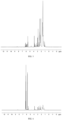
FIG. 1 is an infrared spectrum of sodium diallylaminomethylphosphonate solid powder obtained in Example 1 and Comparative example 1; -
FIG. 2 is an infrared spectrum of bipolymers obtained by copolymerizing sodium diallylaminomethylphosphonate with acrylamide obtained in Example 1 and Comparative example 1; -
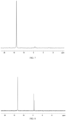
FIG. 3 is a 1H NMR spectrum of sodium diallylaminomethylphosphonate solid powder in Example 1; -
FIG. 4 is a 1H NMR spectrum of sodium diallylaminomethylphosphonate solid powder in Comparative example 1; -
FIG. 5 is a 1H NMR spectrum of the bipolymer obtained by copolymerizing sodium diallylaminomethylphosphonate with acrylamide in Example 1; -
FIG. 6 is a 1H NMR spectrum of the bipolymer obtained by copolymerizing sodium diallylaminomethylphosphonate with acrylamide in Comparative example 1; -
FIG. 7 is a 31P NMR spectrum of sodium diallylaminomethylphosphonate solid powder in Example 1; -
FIG. 8 is a 31P NMR spectrum of sodium diallylaminomethylphosphonate solid powder in Comparative example 1; -
FIG. 9 is a 31P NMR spectrum of the bipolymer obtained by copolymerizing sodium diallylaminomethylphosphonate with acrylamide in Example 1; -
FIG. 10 is a 31P NMR spectrum of the bipolymer obtained by copolymerizing sodium diallylaminomethylphosphonate with acrylamide in Comparative example 1; -
FIG. 11 is an infrared spectrum of sodium diallylaminomethylphosphonate solid powder in Comparative example 2; and -
FIG. 12 is a 1H NMR spectrum of sodium diallylaminomethylphosphonate solid powder in Comparative example 2. - The endpoints and any values of the ranges disclosed herein are not limited to the precise range or value, and these ranges or values should be understood as including values close to these ranges or values. For numerical ranges, the endpoint values of each range, the endpoint values of each range and individual point values, and individual point values may be combined with each other to obtain one or more new numerical ranges, and these numerical ranges should be considered to be specifically disclosed herein.
- According to a first aspect of the present disclosure, provided is a polymerizable phosphonic acid (salt), wherein an anion of the polymerizable phosphonic acid (salt) has a structure represented by the following formula (1), a cation of the polymerizable phosphonic acid (salt) is at least one of hydrogen, a monovalent metal cation, a divalent metal cation, a trivalent metal cation, and a tetravalent metal cation, and 1H NMR of the phosphonic acid (salt) substantively has no peak around a chemical shift δ of 1.019,

- In the present disclosure, examples of the C1-C10 linear or branched alkyl may be, for example, any one of methyl, ethyl, n-propyl, isopropyl, n-butyl, sec-butyl, isobutyl, tert-butyl, n-pentyl, isopentyl, tert-pentyl, neopentyl, n-hexyl, isohexyl, n-heptyl, isoheptyl, 2-methylhexyl, 2-ethylhexyl, 1-methylheptyl, 2-methylheptyl, n-octyl, isooctyl, n-nonyl, isononyl and 3,5,5-trimethylhexyl.
- The polymerizable phosphonic acid (salt) of the present disclosure is water-soluble solid powder, easily soluble in water and slightly soluble in most organic solvents, and can be widely used in oilfield polymers, particularly in the synthesis of polymer treatment agents for drilling and completion as a novel monomer.
- In the present disclosure, 1H NMR of the polymerizable phosphonic acid (salt) substantively has no peak around the chemical shift δ of 1.019, which means that a peak height ratio of a peak around a chemical shift δ of 1.019 to a peak around a chemical shift δ of 5.83 is less than 0.05. Wherein around refers to an error caused by instruments and operations acceptable in the art, typically ±1 ppm. According to the present disclosure, the peak around the chemical shift δ of 1.019 and the peak around the chemical shift δ of 5.83 are assigned to PO3 3- and C=C groups, respectively, and the peak height ratio of the two peaks is less than 0.05, indicating that the phosphorous acid impurity content in the polymerizable phosphonic acid (salt) is very small, and even is lower than a detection limit of 1H NMR.
- As shown in
FIG. 4 , the polymerizable phosphonic acid (salt) obtained by using an aqueous solvent as a reaction solvent in the prior art has the most intense peak at a position of δ being 1.019 even when subjected to various purification steps. - As can be seen from
FIG. 7 , 31P NMR of the polymerizable phosphonic acid salt provided by the present disclosure has almost no a phosphorous acid peak around a chemical shift δ of 4.46, and this peak belongs to a PO3 3-group, also indicating that the polymerizable phosphonic acid salt provided by the present disclosure has higher purity and substantively does not contain the raw material phosphorous acid (lower than the detection limit). - In some embodiments, the polymerizable phosphonic acid (salt) has a liquid chromatography purity of 97-99.9 wt%, preferably 98.5-99.9 wt%. The liquid chromatography content of impurities is not more than 3 wt%. While the polymerizable phosphonic acid (salt) in the prior art typically has a liquid chromatographic purity of no more than 95 wt%, and contains no less than 5 wt% of a phosphorous acid or diallylamine impurity.
- In some embodiments, an infrared spectrum of the polymerizable phosphonic acid (salt) is substantively free of a peak at 1606 cm-1. The peak at 1606 cm-1 corresponds to the diallylamine impurity, whereas because of the higher content of this impurity in the polymerizable phosphonic acid (salt) in the prior art, this peak is generally clearly visible in the infrared spectrum.
- Since both the reaction raw materials and the product are water soluble, when water is used as a solvent of a reaction system, the phosphorous acid impurity and the diallylamine impurity are difficult to remove, and the presence of these impurities make it difficult for the molecular weight of a polymer to exceed 200,000 in a copolymerization reaction, and in particular, causes non-uniform distribution of the polymerizable phosphonic acid (salt) in a copolymer, thereby affecting the temperature and salt resistance and corrosion and scale inhibition of a drilling fluid when the copolymer is used as a fluid loss additive. While the polymerizable phosphonic acid salt provided by the present disclosure, because of higher purity, only needs to be copolymerized with acrylamide, a commonly used component of a fluid loss additive to obtain a bipolymer, so that the temperature and salt resistance and corrosion and scale inhibition comparable to or even better than those of terpolymer and tetrapolymer fluid loss additives in the prior art can be achieved.
- The above results all indicate that the polymerizable phosphonic acid (salt) provided by the present disclosure has higher purity. The inventors of the present disclosure found that when this polymerizable phosphonic acid (salt) having a higher purity and a phosphorous acid impurity content of less than 2 wt% is used to be copolymerized with common monomers of fluid loss additives for drilling fluid such as acrylamide, compared with the use of the polymerizable phosphonic acid (salt) in the prior art, the resulting polymer has a higher molecular weight and a significant increase in both high temperature resistance and salt resistance, and can maintain low fluid loss reduction at 200°C in a saturated sodium chloride/saturated calcium chloride aqueous solution. The reason may be that the higher purity makes it possible to obtain a higher molecular weight and a more uniform distribution of a phosphonate structural unit, which contributes to an increase in the cohesive strength of the polymer, thereby increasing the molecular structure stability of the polymer, and increasing the calcium pollution resistance and the corrosion and scale inhibition of the polymer.
- In some embodiments, the cation of the polymerizable phosphonic acid (salt) is one or more of Na+, K+, Li+, Ca2+, Mg2+, Ba2+, Cu2+, Fe2+, Fe3+, Al3+, Ti4+, and Zr4+, preferably one or more of Na+, K+, Li+, Ca2+, Mg2+, and Ba2+.
- In some embodiments, the polymerizable phosphonic acid (salt) has a solubility in water of not less than 40 g/100 g, preferably 40-65 g/100 g, for example, 52 g/100 g.
- In the present disclosure, the test conditions for solubility are room temperature of 20°C, and atmospheric pressure.
- According to a second aspect of the present disclosure, provided is a method for preparing a polymerizable phosphonic acid, wherein the polymerizable phosphonic acid has a structure represented by a formula (2), and the method includes reacting phosphorous acid sequentially with an amine represented by a formula (3) and an aldehyde in an organic solvent under reaction conditions,


- In the present disclosure, examples of the C1-C10 linear or branched alkyl may be, for example, any one of methyl, ethyl, n-propyl, isopropyl, n-butyl, sec-butyl, isobutyl, tert-butyl, n-pentyl, isopentyl, tert-pentyl, neopentyl, n-hexyl, isohexyl, n-heptyl, isoheptyl, 2-methylhexyl, 2-ethylhexyl, 1-methylheptyl, 2-methylheptyl, n-octyl, isooctyl, n-nonyl, isononyl and 3,5,5-trimethylhexyl. According to the present disclosure, the organic solvent is used as a reaction solvent in the method for preparing the polymerizable phosphonic acid, and the entire reaction process is carried out without adding water. The inventors of the present disclosure found that the organic solvent is used as the reaction solvent, and the reaction process is carried out without adding water, so that the reaction efficiency can be improved, the reaction is completed within 1 h-8 h, and the occurrence of side reactions can be reduced while improving the purity of the product. This may be due to the fact that the solubility of the raw materials in the reaction solvent is higher than that of the reaction product, and the reaction product is substantively insoluble in the organic solvent, separation of the product from the raw materials can be easily realized, and the purity is higher. Whereas for the use of water as a reaction solvent, since both the product and the raw materials are easily soluble in the solvent, it is difficult to separate the product from the unreacted raw materials and other by-products, thereby affecting the purity of the product, and further affecting the subsequent reaction, affecting the application properties of the polymerized product.
- The preparation method of the present disclosure is a stepwise one-pot reaction, the reaction process is low in energy consumption, the process is short, and it is easy to achieve large-scale production.
- In the present disclosure, an organic solvent reaction system is used in the preparation to facilitate subsequent separation of the product, clear separation of the product can be achieved only by the conventional separation means such as filtration or centrifugal separation, further drying is performed at a low temperature to obtain a target product, and the solvent is recycled.
- In order to further improve the yield and purity of the product, the organic solvent is preferably an alcohol having 1-12 carbon atoms, an ester having 2-12 carbon atoms, an ether having 2-12 carbon atoms or a ketone having 2-12 carbon atoms, and is further preferably one or more of methanol, ethanol, butanol, ethyl acetate, butyl acetate, isoamyl acetate, diethyl ether, butyl ether, acetone, and methyl ethyl ketone.
- In some embodiments, a volume ratio of the organic solvent to phosphorous acid is 1:1-15, preferably 1:0.5-8.
- In some embodiments, a molar ratio of the amine represented by the formula (3) to phosphorous acid to the aldehyde is 1:(1-2):(1-2), preferably 1:(1-1.5):(1-1.5). Wherein the aldehyde is in terms of moles converted to formaldehyde.
- In some embodiments, the reaction conditions include a pH of not more than 8 and a reaction temperature of -20°C to 10°C, preferably -10°C to 5°C.
- In some embodiments, phosphorous acid is reacted with the amine represented by the formula (3) at a pH of 1-6.8, preferably 1-4, even more preferably 1-3.
- In some embodiments, the method does not include adding water as a solvent.
- In some embodiments, the pH of the reaction system is adjusted by adding an acidic substance selected from one or more of hydrochloric acid, sulfuric acid, nitric acid, oxalic acid, glacial acetic acid, carbonic acid, hydrofluoric acid, citric acid, malic acid, tartaric acid, and succinic acid.
- In the present disclosure, the acidic substance may also adopt other inorganic acids and/or organic acids in addition to the above substances.
- In some embodiments, the aldehyde is one or more of formaldehyde, diformaldehyde, metaformaldehyde, and paraformaldehyde, preferably formaldehyde.
- In the present disclosure, the aldehyde is preferably added in a liquid form, for example, when formaldehyde is used, formaldehyde may be added directly in a liquid form; and when diformaldehyde, metaformaldehyde or paraformaldehyde is used, diformaldehyde, metaformaldehyde or paraformaldehyde may be first dissolved in an organic solvent, and then added in a liquid form. The organic solvent used may be one or more of an alcohol, an ester, an ether, and a ketone. Further, the number of carbon atoms of the alcohol, ester, ether, and ketone may be 1-12, and the organic solvent may specifically be selected from one or more of methanol, ethanol, butanol, ethyl acetate, butyl acetate, isoamyl acetate, diethyl ether, butyl ether, acetone, and methyl ethyl ketone.
- According to a third aspect of the present disclosure, provided is a method for preparing a polymerizable phosphonic acid salt, including: preparing a polymerizable phosphonic acid by the method described above without separation and purification, and directly adding an alkaline substance for a neutralization reaction.
- In some embodiments, the alkaline substance is selected from one or more of sodium hydroxide, potassium hydroxide, sodium carbonate, sodium bicarbonate, potassium carbonate, potassium bicarbonate, magnesium hydroxide, magnesium carbonate, calcium carbonate, calcium hydroxide, iron hydroxide, copper hydroxide, titanium hydroxide, zirconium hydroxide and the like, preferably sodium hydroxide and/or potassium hydroxide.
- In the present disclosure, the alkaline substance may also adopt other inorganic bases and/or alkaline inorganic salts in addition to the above substances. Metal in the inorganic bases and/or alkaline inorganic salts is selected from one or more of monovalent, divalent, trivalent, and tetravalent metal elements.
- In some embodiments, the neutralization reaction is carried out at a temperature of 0-90°C, preferably 20-40°C; and the neutralization reaction is carried out for 0.5-6 h, preferably 1-3 h.
- In some embodiments, the method further includes subjecting a product obtained from the neutralization reaction to solid-liquid separation, and recycling the separated liquid phase. The liquid phase contains mainly the solvent and unreacted raw materials.
- According to the present disclosure, a filtrate obtained after the solid-liquid separation may be continued to be recycled after being supplemented with fresh materials, thereby greatly reducing the production cost and improving the economy of the entire process.
- According to one particularly preferred embodiment of the present disclosure, the method for preparing the polymerizable phosphonic acid salt includes the following steps of:
- S1, mixing an organic solvent with phosphorous acid, and then adjusting a pH value of a reaction system to be not greater than 7, preferably 1-6.8, more preferably 1-4, further preferably 1-3;
- S2, slowly adding diallylamine to the reaction system in the
step S 1 for a reaction, the reaction temperature being -20°C to 10°C, preferably -10°C to 5°C; - S3, slowly adding an aldehyde to the system obtained after the reaction in the step S2 for a reaction, the reaction temperature being -20°C to 10°C, preferably -10°C to 5°C; and
- S4, adjusting a pH value of the system obtained after the reaction in the step S3 to be 6-8, and continuing carrying out a reaction, the reaction temperature being 0-90°C, preferably 20-40°C, and the reaction time being 0.5-6 h, preferably 1-3 h, further separating the resulting reaction product, drying the separated solid phase at 60-120°C for 6-12 h to obtain the polymerizable phosphonic acid salt, and recycling the separated liquid phase to the
step S 1 for further use. - In the step S4, the separating is solid-liquid separation, the solid-liquid separation may adopt any means that can realize solid-liquid two-phase separation, and in particular, one or more of filtration separation, centrifugal separation and the like may be adopted.
- According to a fourth aspect of the present disclosure, provided is a polymerizable phosphonic acid salt prepared by the method described above. The polymerizable phosphonic acid salt obtained by this method has higher purity, and is used to be polymerized with acrylamide and the like to obtain a polymer, so that the temperature and salt resistance and corrosion and scale inhibition of the fluid loss additive can be significantly improved when the polymer is used as a fluid loss additive for a drilling fluid.
- The polymerizable phosphonic acid (salt) of the present disclosure is water-soluble solid powder, easily soluble in water and slightly soluble in most organic solvents. The organic solvent is used as a reaction solvent in the preparation process, and the reaction process is carried out under anhydrous conditions, so that the reaction efficiency can be improved, the occurrence of side reactions can be reduced while improving the purity of the obtained product. The polymerizable phosphonic acid (salt) can be widely used in oilfield polymers, particularly in the synthesis of polymer treatment agents for drilling and completion as a novel monomer.
- The polymerizable phosphonic acid (salt) provided by the invention can be used in oilfield chemicals, water treatment, paper industry, fiber industry, coating industry, water absorbing materials, printing and dyeing auxiliaries, and biomedicine, wherein the oilfield chemicals include, but are not limited to, polymeric reagents for oil flooding, enhanced oil recovery, viscosity reduction, water shut-off and profile control, drilling and completion, and the like.
- According to a fifth aspect of the present disclosure, provided is a phosphonate radical-containing copolymer, including a structural unit A and a structural unit B; wherein the structural unit A is from the polymerizable phosphonic acid salt described above; the structural unit B is an acrylamide-based structural unit; a mass ratio of the structural unit A to the structural unit B is 1:3-3:1; and the copolymer has a weight average molecular weight of 2.5×10⁵-1.0×10⁷.
- In some embodiments, an anion of the structural unit A is a polymerizable phosphonic acid salt anion represented by a formula (I), a cation of the structural unit A is at least one of a monovalent metal cation, a divalent metal cation, a trivalent metal cation, and a tetravalent metal cation; and the structural unit B is an acrylamide-based structural unit represented by a formula (II),

- In the present disclosure, examples of the C1-C10 linear or branched alkyl may be, for example, any one of methyl, ethyl, n-propyl, isopropyl, n-butyl, sec-butyl, isobutyl, tert-butyl, n-pentyl, isopentyl, tert-pentyl, neopentyl, n-hexyl, isohexyl, n-heptyl, isoheptyl, 2-methylhexyl, 2-ethylhexyl, 1-methylheptyl, 2-methylheptyl, n-octyl, isooctyl, n-nonyl, isononyl and 3,5,5-trimethylhexyl.
- In the present disclosure, if the cation is represented by M, then M may be a monovalent metal, a divalent metal, a trivalent metal, or a tetravalent metal, and M is bonded to the polymerizable phosphonic acid salt anion in the form of an ionic bond. Further, when M is the monovalent metal, M may specifically be one or more of Group IA metals, preferably sodium and/or potassium, more preferably sodium; when M is the divalent metal, M may specifically be selected from one or more of magnesium, calcium, copper, and ferrous iron; when M is the trivalent metal, M may specifically be selected from one or more of iron and aluminium; and when M is the tetravalent metal, M may specifically be selected from one or more of titanium and zirconium. Obviously, one structural unit A contains two M when M is the monovalent metal, and one structural unit A contains one M when M is the divalent metal according to the electroneutrality principle of a matter.
- According to the present disclosure, a structural unit represented by the formula (I) is a polymerizable phosphonate radical structural unit that is from the polymerizable phosphonic acid (salt) described above; and a structural unit represented by the formula (II) is an acrylamide-based structural unit. When used as a fluid loss additive, the copolymer of the present disclosure still has a good fluid loss reducion effect at 180°C, can resist NaCl saturation, and CaCl2 saturation, and has good corrosion resistance.
- In some embodiments, an infrared spectrum of the copolymer is shown in
FIG. 2 . As can be seen fromFIG. 2 , there are obviously more miscellaneous peaks in an aqueous system, C-H bending vibration peaks of terminal alkenyl are at 990 cm-1 and 954 cm-1, -CN stretching vibration of an amide is at 1420 cm-1, the characteristic absorption peak of carbonyl, i.e., C=O stretching vibration of the amide is at 1670 cm-1, and a characteristic peak of N-H bending vibration of the amide is at 1620 cm-1, demonstrating the presence of diallylamine and polyamide in the polymer. - In some embodiments, a 1H NMR spectrum of the copolymer is shown in
FIG. 5 . InFIG. 5 , a peak at 1.1-1.8 ppm is relatively strong in intensity, and a peak at 5.5-6.3 ppm is relatively weak in intensity, and a peak height ratio of the two peaks is not less than 5: 1. A 1H NMR spectrum of a copolymer obtained from a phosphonic acid salt prepared with water as a solvent is shown inFIG. 6 . InFIG. 6 , a peak at 5.5-6.3 ppm is relatively strong in intensity, and a peak at 1.1-1.8 ppm is relatively weak in intensity, and a peak height ratio of the two peaks is almost 0.1:1. It is speculated that the reason may be that there is a certain amount of unreacted diallylamine in the phosphonic acid salt prepared with water as the solvent. - In some embodiments, the copolymer is a bipolymer containing the structural unit A and the structural unit B.
- In some embodiments, the bipolymer is a random copolymer.
- In some embodiments, a method for preparing the bipolymer includes mixing the polymerizable phosphonic acid salt monomer as described above with an acrylamide-based monomer represented by a formula (4) and water, then adding an initiator, carrying out a polymerization reaction, and drying the resulting reaction product to obtain the bipolymer.

- In the present disclosure, examples of the C1-C10 linear or branched alkyl may be, for example, any one of methyl, ethyl, n-propyl, isopropyl, n-butyl, sec-butyl, isobutyl, tert-butyl, n-pentyl, isopentyl, tert-pentyl, neopentyl, n-hexyl, isohexyl, n-heptyl, isoheptyl, 2-methylhexyl, 2-ethylhexyl, 1-methylheptyl, 2-methylheptyl, n-octyl, isooctyl, n-nonyl, isononyl and 3,5,5-trimethylhexyl.
- In some preferred embodiments, a mass ratio of the polymerizable phosphonic acid salt monomer to the acrylamide-based monomer represented by the formula (4) is 1:3-3:1.
- In some preferred embodiments, the total mass concentration of the polymerizable phosphonic acid salt monomer and the acrylamide-based monomer represented by the formula (4) is 5%-60%.
- In some preferred embodiments, the initiator is a persulfate, and in particular may be at least one of potassium persulfate, sodium persulfate, and ammonium persulfate.
- In some preferred embodiments, the initiator is used in an amount of 0.05-1.5% of the total mass of the polymerizable phosphonic acid salt monomer and the acrylamide-based monomer represented by the formula (4).
- In some preferred embodiments, the polymerization reaction is carried out at a temperature of 40-80°C, preferably 40-70°C.
- In some preferred embodiments, the polymerization reaction is carried out for 1-6 h.
- According to the present disclosure, the method for preparing the polymerizable phosphonic acid (salt) monomer uses the organic solvent as the solvent of the reaction system, so that compared with a water solvent system, the reaction efficiency is higher, less by-products are produced, and the separation of the obtained products is simpler, clear separation of the product can be achieved only by the conventional separation means such as filtration or centrifugal separation, and the obtained product has higher purity, and thus a copolymer having a higher molecular weight can be obtained, and the temperature and salt resistance of a drilling fluid.
- The bipolymer of the present disclosure has good water solubility, can be efficiently adsorbed on the surfaces of clay particles to form a hydration film, and has a good fluid loss reduction ability under high temperature conditions, good calcium and salt resistance and good corrosion resistance.
- In addition to the structural unit A and the structural unit B described above, in some embodiments, the copolymer may also contain a structural unit C, wherein the structural unit C is one or more from a cationic monomer, an anionic monomer, a nonionic monomer, and a zwitterionic monomer. Thus, the copolymer may also be a terpolymer or more containing the structural unit A, the structural unit B and the structural unit C.
- In some embodiments, the cationic monomer may be one or more of DMC (methacryloyloxyethyltrimethylammonium chloride), DMDAAC (dimethyldiallylammonium chloride), DAC (acryloyloxyethyltrimethylammonium chloride), DBC (acryloyloxyethyldimethylbenzylammonium chloride), DEDAAC (diethyldiallylammonium chloride), DMAEMA (dimethylaminoethyl methacrylate) and DMAEA (dimethylaminoethyl acrylate).
- In some embodiments, the anionic monomer may be one or more of AA (acrylic acid), AMPS (2-acrylamido-2-methylpropanesulfonic acid), AS (sodium allylsulfonate), SS (sodium p-styrenesulfonate), AMOPS (2-acryloyloxy-2-methylpropanesulfonic acid), AOBS (acryloyloxybutylsulfonic acid), AMC12S (2-acrylamidododecanesulfonic acid), AOEMS (sodium 2-acryloyloxy-2-vinylmethylpropanesulfonate), FA (fumaric acid), SSS (sodium allylsulfonate) and AOIAS (sodium 2-acryloyloxyisoamylenesulfonate).
- Further, the zwitterionic monomer may be one or more of DMAPS (methacryloyloxyethyl-N,N-dimethylpropanesulfonate), DAPS (N,N-dimethylallylaminepropanesulfonate), VPPS (4-vinylpyridinepropanesulfonate), MAPS (N-methyldiallylpropanesulfonate), and MABS (N-methyldiallylbutanesulfonate).
- In some embodiments, the nonionic monomer may be one or more of NVP (N-vinylpyrrolidone), AN (acrylonitrile), NVF (vinyl formamide), and NVA (vinyl acetamide).
- The introduction of different types of monomers can bring different properties to polymers, for example, when an anion is introduced, a polymer colloid protecting effect is acheived on a polydisperse bentonite colloid system, the stability of bentonite particles can be effectively maintained, and the better fluid loss reduction ability can be acheived under high temperature conditions; when a cation is introduced, the inhibition properties of the polymer are enhanced, the clay hydration ability can be reduced, and the drilling fluid can have the effects of flow pattern improvement and wellbore stability; and when a zwitterion is introduced, the polymer has good high temperature and salt resistance, and can effectively prevent formation damage and protect oil and gas production capacity. The combination of the above monomers with the phosphonate radical-containing monomer provided by the present disclosure may play a synergistic effect, further improving the calcium and salt resistance ability, and maintaining the rheological properties of the system.
- In some preferred embodiments, the initiator is a persulfate, and in particular may be at least one of potassium persulfate, sodium persulfate, and ammonium persulfate.
- In some preferred embodiments, the initiator is used in an amount of 0.05-1.5% of the total mass of the polymerizable phosphonic acid salt monomer, a P monomer and the acrylamide-based monomer represented by the formula (4).
- In some preferred embodiments, the polymerization reaction is carried out at a temperature of 40-80°C, preferably 40-70°C.
- In some preferred embodiments, the polymerization reaction is carried out for 1-6 h.
- In some preferred embodiments, the drying is performed at a temperature of 30-80°C for 3-20 h.
- The polymer obtained by the above preparation method can be used as oilfield chemicals, such as polymers for oil flooding, enhanced oil recovery, viscosity reduction, water shut-off and profile control, drilling and completion, and the like, and used in the fields of water treatment, paper industry, fiber industry, coating industry, water absorbing materials, printing and dyeing auxiliaries, biomedicine, and the like.
- According to a seventh aspect of the present disclosure, provided is a drilling fluid containing the copolymer described above.
- In some embodiments, the content of the copolymer is 0.5-5 wt% based on the total amount of the drilling fluid.
- The copolymer of the present disclosure can be used as a fluid loss additive for the drilling fluid, and even if the copolymer is a bipolymer, the bipolymer still has a good fluid loss reducion effect under high temperature conditions of 180°C and 200°C, and still maintains a high fluid loss reducion effect in a saturated solution of NaCl, and a saturated solution of CaCl2, and has good corrosion resistance. The reason may be that the copolymer contains a phosphonate radical group, and the phosphonic acid-containing monomer has higher purity, and the resulting polymer can be efficiently adsorbed on the surfaces of clay particles to form a hydration film, has a good fluid loss reduction ability under high temperature and high salt conditions, and has good corrosion resistance.
- The function and effect of the method of the present disclosure will be described in detail below with reference to the following examples, but the following examples are not to be construed as limiting the solutions of the present disclosure.
- Where specific conditions were not specified in the following examples and comparative examples, they were carried out according to the conventional conditions or the conditions recommended by the manufacturer. The reagents or instruments used of which manufacturers were not specified were commercially available conventional products.
- In the examples and comparative examples of the present disclosure, yield, wt%=(the actual weight of a product/the theoretical weight of the product)×100%, wherein the theoretical weight of the product was calculated by 100% conversion of diallylamine. The purity was obtained by liquid chromatography.
- 1H NMR was measured by using a Bruker Ravance III HD400 instrument;
- 31P NMR was measured by using a Bruker Ravance III HD400 instrument; and
- An infrared spectrum was obtained by a potassium bromide pellet technique.
-
- (1) Synthesis of a polymerizable phosphonic acid salt: 5.7 g of phosphorous acid and 7 mL of anhydrous ethanol were added to a reaction vessel, then 2 mL of concentrated sulfuric acid (a concentration of 98 wt%) was added to adjust a pH value of the system to be 1, then the reaction vessel was placed in an ice-water bath, 8.6 mL of diallylamine was added dropwise by a constant pressure dropping funnel, the adding dropwise being controlled to be completed within 45 min, the temperature was raised to a reflux temperature after the adding dropwise was completed, and a reaction was continued to be carried out for 2 h. Then, a mixture of 12.6 g of paraformaldehyde and 7 mL of anhydrous ethanol was added by a constant pressure dropping funnel, the mixture being added dropwise and the adding dropwise being controlled to be completed within 20 min, and a reaction was continued to be carried out under reflux for 3 h after the adding dropwise was completed. Then 5.6 g of NaOH was added to the system to adjust the pH value of the system to be 7, and a reaction was carried out at 20°C for 1 h, and after further centrifugal separation by a centrifuge, the obtained solid material was further dried at 80°C for 10 h to obtain sodium diallylaminomethylphosphonate solid powder. An infrared spectrum of the target product is shown in
FIG. 1 , a 1H NMR spectrum of the target product is shown inFIG. 3 , and a 31P NMR spectrum of the target product is shown inFIG. 7 . - As can be seen from the infrared spectrum, spectral information is abundant at 900-1300 cm-1, and this interval mainly includes stretching vibration of a C-P single bond and stretching vibration of a P=O double bond.
- As can be seen from the 1H NMR spectrum, a peak with a chemical shift δ of 5.20 and a peak with a chemical shift δ of 5.83 belong to hydrogens on different sides of a C=C double bond, respectively, and a peak with a chemical shift δ of 3.22 belongs to hydrogen on a terminal C atom of allyl connected to amino. And the 1H NMR spectrum is substantively free of a peak at a position of δ being 1.019 assigned to the phosphorous acid raw material, indicating a higher purity.
- As can be seen from the 31P NMR spectrum, the 31P NMR has a chemical shift δ of 11.51, and a tricoordinated phosphine ligand is in this chemical shift interval, proving that hydrogen on a P atom is substituted by alkyl. And the 31P NMR spectrum is substantively free of a peak at a position of δ being 4.46 assigned to the phosphorous acid raw material, indicating a higher purity.
- The above spectrum analysis in combination with the raw materials can prove that the resulting product is the target product sodium diallylaminomethylphosphonate.
(2) Preparation of a bipolymer: 4 g of the sodium diallylaminomethylphosphonate solid powder obtained in the step (1) and 10 g of acrylamide were taken to be successively added into 60 g of deionized water, after complete dissolution, oxygen was removed by introducing nitrogen for 15 min, then the temperature was raised to 65°C, 0.1 g of potassium persulfate was added, after a reaction was carried out for 2 h, excess acetone was added to obtain a white precipitate, and the white precipitate was dried at 80°C and pulverized to obtain a copolymer, and the results are shown in Table 1. - An infrared spectrum of the bipolymer product is shown in
FIG. 2 . A 1H NMR spectrum of the bipolymer product is shown inFIG. 5 , wherein a peak B at 1.1-1.8 ppm is relatively strong in intensity, and a peak at 5.5-6.3 ppm is relatively weak in intensity, and a peak height ratio of the two peaks is greater than 8:1. A 31P NMR spectrum is shown inFIG. 9 , and has a chemical shift δ of 6.212. The weight average molecular weight of the bipolymer was determined to be 5×10⁶ by gel permeation chromatography (GPC). - The infrared and NMR spectra of monomers and copolymers obtained in the other examples are similar to those of Example 1, which will not be repeated.
-
- (1) Synthesis of a polymerizable phosphonic acid salt: 5.7 g of phosphorous acid and 7mL of ethyl acetate were successively added to a reaction vessel, then 2 mL of concentrated sulfuric acid (a concentration of 98 wt%) was added to adjust a pH value of the system to be 1, then the reaction vessel was placed in a water bath of -15°C, and 8.6 mL of diallylamine was added dropwise by a constant pressure dropping funnel, the adding dropwise being controlled to be completed within 30 min. Refluxing was continued to be performed for 2 h after the adding dropwise was completed. Then, a mixture of 12.6 g of paraformaldehyde and 7 mL of ethyl acetate was added in a constant pressure dropping funnel to be added dropwise, the adding dropwise being controlled to be completed within 20 min, and a reaction was continued to be carried out under reflux for 3 h after the adding dropwise was completed. Then 5.6 g of NaOH was added to the system to adjust the pH value of the system to be 7, and a reaction was carried out at 20°C for 1 h, and after further centrifugal separation by a centrifuge, the obtained solid material was further dried at 80°C for 10 h to obtain a target product sodium diallylaminomethylphosphonate solid powder.
- (2) Preparation of a bipolymer: 15 g of the sodium diallylaminomethylphosphonate solid powder obtained in the step (1) and 5 g of acrylamide were taken to be successively added into 80 g of deionized water, after complete dissolution, oxygen was removed by introducing nitrogen for 30 min, the temperature was raised to 65°C, 0.3 g of potassium persulfate was added, after a reaction was carried out for 2 h, excess acetone was added to obtain a white precipitate, and the white precipitate was dried at 80°C and pulverized to obtain a copolymer, and the results are shown in Table 1.
-
- (1) Synthesis of a polymerizable phosphonic acid salt: 15 g of phosphorous acid and 14 mL of anhydrous ethanol were successively added to a reaction vessel, then 6 mL of concentrated sulfuric acid (98 wt%) was added to adjust a pH value of the system to be 1, then the reaction vessel was placed in an ice-water bath, and 8.6 mL of diallylamine was added dropwise by a constant pressure dropping funnel, the adding dropwise being controlled to be completed within 45 min. A reaction was continued to be carried out under reflux for 3 h after the adding dropwise was completed. Then, a mixture of 15 g of metaformaldehyde and 14 mL of anhydrous ethanol was added in a constant pressure dropping funnel to be added dropwise, the adding dropwise being completed within 40 min. Refluxing was continued to be performed for 4 h after the adding dropwise was completed. 11.5 g of KOH was added to the system to adjust the pH value of the system to be 7, and a reaction was carried out at 20°C for 3 h, and after further centrifugal separation by a centrifuge, the obtained solid material was further dried at 90°C for 10 h to obtain a target product potassium diallylaminomethylphosphonate solid powder.
- (2) Preparation of a bipolymer: 5 g of the potassium diallylaminomethylphosphonate solid powder obtained in the step (1) and 10 g of acrylamide were taken to be successively added into 70 g of deionized water, after complete dissolution, oxygen was removed by introducing nitrogen for 10 min, the temperature was raised to 65°C, 0.1 g of potassium persulfate was added, after a reaction was carried out for 2 h, excess acetone was added to obtain a white precipitate, and the white precipitate was dried at 80°C and pulverized to obtain a copolymer, and the results are shown in Table 1.
-
- (1) Synthesis of a polymerizable phosphonic acid salt: 5.7 g of phosphorous acid and 7 mL of methanol were added to a reaction vessel, then 7 mL of oxalic acid was added to adjust a pH value of the system to be 2, then the reaction vessel was placed in an ice-water bath, 8.6 mL of diallylamine was added dropwise by a constant pressure dropping funnel, the adding dropwise being controlled to be completed within 45 min, and a reaction was continued to be carried out under reflux for 2 h after the adding dropwise was completed. Then, a mixture of 6.3 g of paraformaldehyde and 3.5 mL of methanol was added by a constant pressure dropping funnel, the mixture being added dropwise and the adding dropwise being controlled to be completed within 10 min, and a reaction was continued to be carried out under reflux for 1.5 h after the adding dropwise was completed. Then 5.6 g of NaOH was added to the system to adjust the pH value of the system to be 7, and a reaction was carried out at 20°C for 2 h, and after further centrifugal separation by a centrifuge, the obtained solid material was further dried at 80°C for 10 h to obtain a target product sodium diallylaminomethylphosphonate solid powder.
- (2) Preparation of a bipolymer: 4 g of the sodium diallylaminomethylphosphonate solid powder obtained in the step (1) and 10 g of acrylamide were taken to be successively added into 70 g of deionized water, after complete dissolution, oxygen was removed by introducing nitrogen for 5 min, the temperature was raised to 80°C, 0.14 g of sodium persulfate was added, after a reaction was carried out for 2 h, excess acetone was added to obtain a white precipitate, and the white precipitate was dried at 80°C and pulverized to obtain a copolymer, and the results are shown in Table 1.
-
- (1) Synthesis of a polymerizable phosphonic acid salt: 11.4 g of phosphorous acid and 7 mL of anhydrous ethanol were successively added into a reaction vessel, then 3 mL of concentrated nitric acid (a concentration of 70 wt%) was added to adjust a pH value of the system to be 1, then the reaction vessel was placed in an ice-water bath, 8.6 mL of diallylamine was added dropwise by a constant pressure dropping funnel, the adding dropwise being controlled to be completed within 45 min, and a reaction was continued to be carried out under reflux for 2.5 h after the adding dropwise was completed. Then, a mixture of 6.3 g of paraformaldehyde and 7 mL of anhydrous ethanol was added by a constant pressure dropping funnel, the mixture being added dropwise and the adding dropwise being controlled to be completed within 10 min, and a reaction was continued to be carried out under reflux for 1.5 h after the adding dropwise was completed. Then 5.6 g of KOH was added to the system to adjust the pH value of the system to be 7, and a reaction was carried out at 20°C for 2.5 h, and after further centrifugal separation by a centrifuge, the obtained solid material was further dried at 80°C for 10 h to obtain a target product potassium diallylaminomethylphosphonate solid powder.
- (2) Preparation of a bipolymer: 8 g of the potassium diallylaminomethylphosphonate solid powder obtained in the step (1) and 24 g of acrylamide were taken to be successively added into 100 g of deionized water, after complete dissolution, oxygen was removed by introducing nitrogen for 30 min, the temperature was raised to 60°C, 0.48 g of potassium persulfate was added, after a reaction was carried out for 3 h, excess acetone was added to obtain a white precipitate, and the white precipitate was dried at 80°C and pulverized to obtain a copolymer, and the results are shown in Table 1.
-
- (1) Synthesis of a polymerizable phosphonic acid salt: 11.4 g of phosphorous acid and 7 mL of butanol were successively added to a reaction vessel, then 7 mL of oxalic acid was added to adjust a pH value of the system to be 2, then the reaction vessel was placed in an ice-water bath, 8.6 mL of diallylamine was added dropwise by a constant pressure dropping funnel, the adding dropwise being controlled to be completed within 45 min, and a reaction was continued to be carried out under reflux for 2.5 h after the adding dropwise was completed. Then, a mixture of 12.6 g of diformaldehyde and 7 mL of butanol was added by a constant pressure dropping funnel, the mixture being added dropwise and the adding dropwise being controlled to be completed within 10 min. After the adding dropwise was completed, a reaction was continued to be carried out under reflux for 1.5 h, then 5.6 g of NaOH was added to the system to adjust the pH value of the system to be 7, and a reaction was carried out at 20°C for 2.5 h, and after further centrifugal separation by a centrifuge, the obtained solid material was further dried at 80°C for 10 h to obtain a target product sodium diallylaminomethylphosphonate solid powder.
- (2) Preparation of a bipolymer: 5 g of the sodium diallylaminomethylphosphonate solid powder obtained in the step (1) and 5 g of acrylamide were taken to be successively added into 50 g of deionized water, after complete dissolution, oxygen was removed by introducing nitrogen for 10 min, the temperature was raised to 50°C, 0.15 g of potassium persulfate was added, after a reaction was carried out for 3 h, excess acetone was added to obtain a white precipitate, and the white precipitate was dried at 80°C and pulverized to obtain a copolymer, and the results are shown in Table 1.
-
- (1) Synthesis of a polymerizable phosphonic acid salt: 5.7 g of phosphorous acid and 7 mL of methanol were added to a reaction vessel, then 4 mL of glacial acetic acid was added to adjust a pH value of the system to be 4.5, then the reaction vessel was placed in an ice-water bath, 7.5 mL of diallylamine was added dropwise by a constant pressure dropping funnel, the adding dropwise being controlled to be completed within 40 min, and a reaction was continued to be carried out under reflux for 3 h after the adding dropwise was completed. Then, a mixture of 7 g of paraformaldehyde and 5 mL of methanol was added by a constant pressure dropping funnel, the mixture being added dropwise and the adding dropwise being controlled to be completed within 10 min, and a reaction was continued to be carried out under reflux for 1.5 h after the adding dropwise was completed. Then 9 g of Ca(OH)2 was added to the system to adjust the pH value of the system to be 7.5, and a reaction was carried out at 20°C for 3 h, and after further centrifugal separation by a centrifuge, the obtained solid material was further dried at 80°C for 10 h to obtain a target product calcium diallylaminomethylphosphonate solid powder.
- (2) Preparation of a bipolymer: 8 g of the calcium diallylaminomethylphosphonate solid powder obtained in the step (1) and 10 g of acrylamide were taken to be successively added into 70 g of deionized water, after complete dissolution, oxygen was removed by introducing nitrogen for 10 min, the temperature was raised to 60°C, 0.1 g of potassium persulfate was added, after a reaction was carried out for 2 h, excess acetone was added to obtain a white precipitate, and the white precipitate was dried at 80°C and pulverized to obtain a copolymer, and the results are shown in Table 1.
-
- (1) Synthesis of a polymerizable phosphonic acid salt: 11.4 g of phosphorous acid and 7 mL of butanol were successively added to a reaction vessel, then 5 mL of oxalic acid was added to adjust a pH value of the system to be 3, then the reaction vessel was placed in an ice-water bath, 8.6 mL of diallylamine was added dropwise by a constant pressure dropping funnel, the adding dropwise being controlled to be completed within 45 min, and a reaction was continued to be carried out under reflux for 2.5 h after the adding dropwise was completed. Then, a mixture of 10.6 g of diformaldehyde and 7 mL of butanol was added by a constant pressure dropping funnel, the mixture being added dropwise and the adding dropwise being controlled to be completed within 10 min. After the adding dropwise was completed, a reaction was continued to be carried out under reflux for 1.5 h, then 8.8 g of Mg(OH)2 was added to the system to adjust the pH value of the system to be 7.5, and a reaction was carried out at 20°C for 2.5 h, and after further centrifugal separation by a centrifuge, the obtained solid material was further dried at 80°C for 10 h to obtain a target product magnesium diallylaminomethylphosphonate solid powder.
- (2) Preparation of a bipolymer: 10 g of the magnesium diallylaminomethylphosphonate solid powder obtained in the step (1) and 10 g of acrylamide were taken to be successively added into 60 g of deionized water, after complete dissolution, oxygen was removed by introducing nitrogen for 10 min, the temperature was raised to 40°C, 0.2 g of potassium persulfate was added, after a reaction was carried out for 2 h, excess acetone was added to obtain a white precipitate, and the white precipitate was dried at 80°C and pulverized to obtain a copolymer, and the results are shown in Table 1.
-
- (1) Synthesis of a polymerizable phosphonic acid salt: 5.7 g of phosphorous acid and 7 mL of water were successively added into a reaction vessel, then 3 mL of concentrated nitric acid (a concentration of 70 wt%) was added to adjust a pH value of the system to be 1, then the reaction vessel was placed in an ice-water bath, 8.6 mL of diallylamine was added dropwise by a constant pressure dropping funnel, the adding dropwise being controlled to be completed within 45 min, and a reaction was continued to be carried out under reflux for 2 h after the adding dropwise was completed. Then, a mixture of 12.6 g of paraformaldehyde and 7 mL of water was added in a constant pressure dropping funnel to be added dropwise, the adding dropwise being controlled to be completed within 40 min. A reaction was continued to be carried out under reflux for 2 h after the adding dropwise was completed. 5.6 g of NaOH was added to the system to adjust the pH value of the system to be 7, and a reaction was carried out at 20°C for 1 h, after further centrifugal separation by a centrifuge, the resulting product was washed for 3 times with ethanol, and the obtained solid material was further dried at 80°C for 10 h to obtain a target product sodium diallylaminomethylphosphonate solid powder.
- An infrared spectrum of the target product is shown in
FIG. 1 , a 1H NMR spectrum of the target product is shown inFIG. 4 , and a 31P NMR spectrum of the target product is shown inFIG. 8 . - As can be seen from the infrared spectrum, there are many miscellaneous peaks in the infrared spectrum of a phosphonic acid based monomer prepared by an aqueous system. For example, a small shoulder peak appears at 3075cm-1, indicating the presence of vC-H stretching vibration of an olefin, and weaker vC=C stretching vibration also appears at 1649 cm-1, and the above two points indicate the presence of the olefin. A characteristic medium-intensity broad peak of δN-H is present at 1606 cm-1, a weak absorption peak of vC-N is present at 1072 cm-1 and a broad absorption peak of γN-H is present at 830 cm-1, indicating the presence of amines, and the above two points indicate the presence of unreacted diallylamine.
- As can be seen from the 1H NMR spectrum, a peak at a chemical shift δ of 1.019 is relatively strong in intensity, which belongs to the raw material phosphorous acid. It is proved that there is unreacted phosphorous acid in the raw material. And the intensity of the peak at the chemical shift δ of 1.019 is significantly stronger than that of a peak at a chemical shift δ of 5.15, indicating a higher impurity content.
- As can be seen from the 31P NMR spectrum, the 31P NMR has a chemical shift δ of 13.19, but two peaks with a chemical shift δ of 4.63 and a chemical shift δ of 4.25 are present at the same time, proving the presence of impurities. (2) Preparation of a bipolymer: 4 g of the sodium diallylaminomethylphosphonate solid powder obtained in the step (1) and 10 g of acrylamide were taken to be successively added into 60 g of deionized water, after complete dissolution, oxygen was removed by introducing nitrogen for 15 min, the temperature was raised to 65°C, 0.1 g of potassium persulfate was added, after a reaction was carried out for 2 h, excess acetone was added to obtain a white precipitate, and the white precipitate was dried at 80°C and pulverized to obtain a copolymer, and the results are shown in Table 1.
- An infrared spectrum of the bipolymer product is shown in
FIG. 2 , a 1H NMR spectrum of the bipolymer product is shown inFIG. 6 , and a 31P NMR spectrum of the bipolymer product is shown inFIG. 10 , wherein a peak at 1.1-1.8 ppm is relatively strong in intensity, a peak at 5.5-6.3 ppm is relatively weak in intensity, and a peak height ratio of a peak A to a peak B is about 0.1:1. -
- (1) Synthesis of a polymerizable phosphonic acid salt: 5.7 g of phosphorous acid, 3.5 mL of water, and 3.5 mL of ethyl acetate were added to a reaction vessel, then 4 mL of glacial acetic acid was added, the reaction vessel was placed in an ice-water bath, 8.6 mL of diallylamine was slowly added dropwise to the mixture, the dropwise adding being controlled to be completed within 45 min, and a reaction was continued to be carried out under reflux for 3 h. Then a mixture of 12.6 g of paraformaldehyde, 3.5 mL of water, 3.5 mL of ethyl acetate was added proportionally to the system, the addition time being controlled at 60 min. The mixture was continued to be refluxed for 4 h. 5.6 g of NaOH was added to the system to adjust the pH value of the system to be 7, and a reaction was carried out at 20°C for 1 h, after further centrifugal separation by a centrifuge, the resulting product was washed for 3 times with ethanol, and the obtained solid material was further dried at 80°C for 10 h to obtain a target product sodium diallylaminomethylphosphonate solid powder.
- An infrared spectrum of the target product is shown in
FIG. 11 , and a 1H NMR spectrum of the target product is shown inFIG. 12 . - As can be seen from the infrared spectrum, a peak at 1640 cm-1 is C=C stretching vibration, and peaks at 914 cm-1 and 980 cm-1 are out-of-plane rocking vibration of =C-H, demonstrating the presence of unreacted diallylamine.
- As can be seen from the 1H NMR spectrum, a miscellaneous peak appears in a mixed system, for example, a peak with a chemical shift δ of 1.826, compared with a pure solvent system.
- (2) Preparation of a bipolymer: 4 g of the sodium diallylaminomethylphosphonate solid powder obtained in the step (1) and 10 g of acrylamide were taken to be successively added into 60 g of deionized water, after complete dissolution, oxygen was removed by introducing nitrogen for 15 min, the temperature was raised to 65°C, 0.1 g of potassium persulfate was added, after a reaction was carried out for 2 h, excess acetone was added to obtain a white precipitate, and the white precipitate was dried at 80°C and pulverized to obtain a copolymer, and the results are shown in Table 1.
- 5 g of DAC (acryloyloxyethyltrimethylammonium chloride), 5 g of AMPS and 10 g of acrylamide were taken to be successively added into 120 g of deionized water, after complete dissolution, oxygen was removed by introducing nitrogen for 10 min, the temperature was raised to 40°C, 0.2 g of ammonium persulfate was added, after a reaction was carried out for 2 h, excess acetone was added to obtain a white precipitate, and the white precipitate was dried at 80°C and pulverized to obtain a copolymer, and the results are shown in Table 1.
Table 1 Example No. Solvent/acid Yield of polymerizable phosphonate Purity of polymerizable phosphonate Weight average molecular weight of copolymer Example 1 Anhydrous ethanol/concentrated sulfuric acid 91.1% 98.5% 5 million Example 2 Ethyl acetate/concentrated sulfuric acid 91% 98.5% 5.2 million Example 3 Anhydrous ethanol/concentrated sulfuric acid 90% 98.6% 5.4 million Example 4 Anhydrous ethanol/concentrated nitric acid 90.0% 97.2% 4.1 million Example 5 Butanol/oxalic acid 90.2% 97.1% 4.5 million Example 6 Methanol/oxalic acid 90.2% 97.9% 4.2 million Example 7 Methanol/glacial acetic acid 91.2% 97.2% 4.4 million Example 8 Butanol/oxalic acid 92.0% 97.3% 4.3 million Comparative example 1 Water/concentrated nitric acid 87.5% 80.2% 200,000 Comparative example 2 Water/ethyl acetate/glacial acetic acid 87.8% 84.2% 250,000 Comparative example 3 / / / 5 million - The fluid loss reduction performance of the copolymers obtained in Examples 1-8 and Comparative examples 1-3 was evaluated by using a salt-containing calcium-containin base slurry, and a specific evaluation method was as follows:
- 350 mL of fresh water base slurry was measured, and stirred at a high speed for 5 min, then 3.0 wt% of copolymer was added, the mixture was stirred at a high speed for 5 min, and medium pressure fluid loss was measured according to the test method of
GB/T16783.2-2012 - 350 mL of saturated brine base slurry was measured, and stirred at a high speed for 5 min, then 3.0 wt% of copolymer was added, the mixture was stirred at a high speed for 5 min, and medium pressure fluid loss was measured according to the test method of
GB/T16783.2-2012 - 350 mL of brine base slurry (4% NaCl) was measured, 3.0 wt% of copolymer was added, the mixture was stirred at a high speed for 5 min, and aged at different temperatures for 16 h, the aged material was taken out, cooled to normal temperature, and stirred at a high speed for 20 min, and medium pressure fluid loss was measured according to the test method of
GB/T16783.2-2012 - 200 mL of brine base slurry (4% NaCl) was measured, 3.0 wt% of copolymer was added, the mixture was stirred at a high speed for 5 min, and then fluid loss measurement was performed according to the test method of
GB/T16783.2-2012 - Wherein preparation methods for the fresh water base slurry, the brine base slurry and the saturated brine base slurry were as follows:
fresh water base slurry: 40 g of calcium bentonite and 5 g of sodium carbonate were added into 1000 mL of water, and the mixture was stirred at a high speed for 20 min, and cured at room temperature (25°C, the same below) for 24 h to obtain the fresh water base slurry. - Brine base slurry: to 1000 mL of fresh water base slurry was added 4 wt% NaCl, and the mixture was stirred at a high speed for 20 min, and cured at room temperature for 24 h to obtain the brine base slurry.
- Saturated brine base slurry: to 1000 mL of fresh water base slurry was added 36 wt% NaCl, and the mixture was stirred at a high speed for 20 min, and cured at room temperature for 24 h to obtain the saturated brine base slurry.
- A corrosion inhibition rate at atmospheric pressure was measured according to SY/T 5273-2000, which included the following steps: weighed metal test pieces were respectively hung into a test medium with and without a polymer solution, and soaked for a certain time under specified conditions, and the test pieces were taken out, washed, dried, and weighed. A corrosion inhibition rate was calculated according to a formula (1):

- The test medium was self-made simulated water, its mineralization and ion concentration were prepared based on the actual water quality on site, the concentration of Ca2+ in the water is 20000mg/L, the concentration of Mg2+ in the water is 920mg/L, and the total concentration of K+ and Na+ in the water is 45530mg/L. The polymer solution was an aqueous solution containing 5 wt% of bipolymer solid, and the corrosion inhibition rates under different polymer solution addition amounts were experimentally determined. The higher the corrosion inhibition rate, the better the corrosion inhibition. The results are shown in Table 5.
- A scale inhibition rate was determined by using a static scale inhibition method: a quantitative amount of polymer powder was added to formulated water containing a certain concentration of Ca2+ and HCO3 - to obtain a solution with a polymer concentration of 200 mg/L. Heat preservation was performed at a pH of 7 at 80°C for 8 h, and the resulting material was taken out, cooled, well shaken and filtered. A certain amount of the obtained filtrate was taken to determine the Ca2+ concentration in the solution by EDTA complexometry. A scale inhibition rate of a corrosion and scale inhibitor was calculated according to a formula (2):


- As can be seen from Tables 2, 3 and 4, the fluid losses all increase with the increase of Na+ and Ca2+ concentration or temperature. Compared with the aqueous system and the mixed system, the phosphonic acid based monomer prepared by the pure solvent system has better performance, and the performance of the bipolymer is equivalent to that of the existing terpolymer with AMPS.
- As can be seen from Table 4, the high-temperature and high-pressure fluid losses of the bipolymers provided by the present disclosure are all maintained about 14 mL, while the fluid losses in the comparative examples are all greater than 100 mL, illustrating the good effect of the bipolymers of the present disclosure in terms of high-temperature and high-pressure fluid loss.
Table 5 Corrosion inhibition evaluation Example No. Corrosion inhibition Scale inhibition rate 1 wt% 3 wt% 5 wt% 10 wt% Example 1 50 66 72 80 94.2% Example 2 46 64 78 81 94.3% Example 3 47 65 73 80 94.5% Example 4 45 67 72 81 93.4% Example 5 50 61 71 81 93.5% Example 6 49 65 73 82 93.8% Example 7 49 62 77 86 93.3% Example 8 52 65 70 82 93.5% Comparative example 1 32 37 40 50 83.6% Comparative example 2 33 39 42 51 83.8% Comparative example 3 25 32 37 42 93.2% - As can be seen from Table 5, the corrosion inhibition rates all increase with the increase of concentration. Compared with the aqueous system and the mixed system, the phosphonic acid based monomer prepared by the pure solvent system has better performance.
- As can be seen from Table 5, the bipolymers provided by the present disclosure all have a better scale inhibition effect. Compared with the aqueous system and the mixed system, the phosphonic acid based monomer prepared by the pure solvent system has better performance, and the performance of the bipolymer is equivalent to that of the existing terpolymer with AMPS.
- Preferred embodiments of the present disclosure are described above in detail, but the present disclosure is not limited thereto. Within the technical concept range of the present disclosure, the technical solution of the present disclosure can be subjected to various simple variations, including the combination of various technical features in any other suitable manner, and these simple variations and combinations should likewise be considered as the contents disclosed by the present disclosure, and all fall within the protection scope of the present disclosure.
Claims (23)
- A polymerizable phosphonic acid (salt), wherein an anion of the polymerizable phosphonic acid (salt) has a structure represented by the following formula (1), a cation of the polymerizable phosphonic acid (salt) is at least one of hydrogen, a monovalent metal cation, a divalent metal cation, a trivalent metal cation, and a tetravalent metal cation, and 1H NMR of the polymerizable phosphonic acid (salt) substantively has no peak around a chemical shift δ of 1.019,

- The polymerizable phosphonic acid (salt) according to claim 1, wherein R1, R2, R3, R4, R5, R6, R7 and R8 are each independently hydrogen.
- The polymerizable phosphonic acid (salt) according to claim 1 or 2, wherein a peak height ratio of a peak of 1H NMR of the polymerizable phosphonic acid (salt) at the chemical shift δ of 1.019 to a peak of 1H NMR of the polymerizable phosphonic acid (salt) at a chemical shift δ of 5.83 is less than 0.05.
- The polymerizable phosphonic acid (salt) according to any one of claims 1-3, wherein the polymerizable phosphonic acid (salt) has a liquid chromatography purity of 97-99.9 wt%, preferably 98.5-99 wt%, and the liquid chromatography content of impurities is not more than 3 wt%.
- The polymerizable phosphonic acid (salt) according to any one of claims 1-4, wherein an infrared spectrum of the polymerizable phosphonic acid (salt) is substantively free of a peak at 1606 cm-1.
- The polymerizable phosphonic acid (salt) according to any one of claims 1-5, wherein the cation of the polymerizable phosphonic acid (salt) is one or more of Na+, K+, Li+, Ca2+, Mg2+, Ba2+, Cu2+, Fe2+, Fe3+, Al3+, Ti4+, and Zr4+.
- The polymerizable phosphonic acid (salt) according to any one of claims 1-6, wherein the polymerizable phosphonic acid (salt) is substantively free of peaks around a chemical shift δ of 4.63 ppm and a chemical shift δ of 4.25 ppm.
- A method for preparing a polymerizable phosphonic acid, wherein the polymerizable phosphonic acid has a structure represented by a formula (2), and the method comprises reacting phosphorous acid sequentially with an amine represented by a formula (3) and an aldehyde in an organic solvent under reaction conditions,


- The method according to claim 8, wherein the organic solvent is an alcohol having 1-12 carbon atoms, an ester having 2-12 carbon atoms, or an ether or ketone having 2-12 carbon atoms, and is further preferably one or more of methanol, ethanol, butanol, ethyl acetate, butyl acetate, isoamyl acetate, diethyl ether, butyl ether, acetone, and methyl ethyl ketone.
- The method according to claim 8 or 9, wherein a volume ratio of the organic solvent to phosphorous acid is 1:1-15, preferably 1:0.5-8; and/or,
a molar ratio of the amine represented by the formula (3) to phosphorous acid to the aldehyde is 1:(1-2):(1-2), preferably 1:(1-1.5):(1-1.5). - The method according to any one of claims 8-10, wherein the reaction conditions comprise a pH of not more than 8 and a reaction temperature of -20°C to 10°C, preferably -10°C to 5°C.
- The method according to claim 11, wherein phosphorous acid is reacted with the amine represented by the formula (3) at a pH of 1-6.8, preferably 1-4, even more preferably 1-3.
- The method according to claim 12, wherein the method does not comprise adding water as a solvent.
- The method according to any one of claims 8-13, wherein the aldehyde is one or more of formaldehyde, diformaldehyde, metaformaldehyde, and paraformaldehyde, preferably formaldehyde.
- A method for preparing a polymerizable phosphonic acid salt, comprising preparing a polymerizable phosphonic acid by the method according to any one of claims 8-14 without separation and purification, and directly adding an alkaline substance for a neutralization reaction.
- The method according to claim 15, wherein the alkaline substance is selected from one or more of sodium hydroxide, potassium hydroxide, sodium carbonate, sodium bicarbonate, potassium carbonate, potassium bicarbonate, magnesium hydroxide, magnesium carbonate, calcium carbonate, calcium hydroxide, iron hydroxide, copper hydroxide, titanium hydroxide, zirconium hydroxide and the like, preferably sodium hydroxide and/or potassium hydroxide.
- The method according to claim 15 or 16, wherein the neutralization reaction is carried out at a temperature of 0-90°C, preferably 20-40°C; and the neutralization reaction is carried out for 0.5-6 h, preferably 1-3 h.
- The method according to any one of claims 15-17, wherein the method further comprises subjecting a product obtained from the neutralization reaction to solid-liquid separation, and recycling the separated liquid phase.
- A polymerizable phosphonic acid salt prepared by the method according to any one of claims 15-18.
- Use of the polymerizable phosphonic acid (salt) according to any one of claims 1-7, the polymerizable phosphonic acid prepared by the method according to any one of claims 8-14 or the polymerizable phosphonic acid salt according to claim 19 in oilfield chemicals, water treatment, paper industry, fiber industry, coating industry, water absorbing materials, printing and dyeing auxiliaries, and biomedicine.
- A phosphonate radical-containing copolymer, comprising a structural unit A and a structural unit B; wherein the structural unit A is from the polymerizable phosphonic acid salt according to any one of claims 1-7, and 19; the structural unit B is an acrylamide-based structural unit; a mass ratio of the structural unit A to the structural unit B is 1:3-3: 1; and the copolymer has a weight average molecular weight of 2.5×10⁵-1×10⁷, preferably 1×10⁶-6×10⁶.
- The copolymer according to claim 21, wherein an anion of the structural unit A is a polymerizable phosphonic acid salt anion represented by a formula (I), a cation of the structural unit A is at least one of a monovalent metal cation, a divalent metal cation, a trivalent metal cation, and a tetravalent metal cation; and the structural unit B is an acrylamide-based structural unit represented by a formula (II),
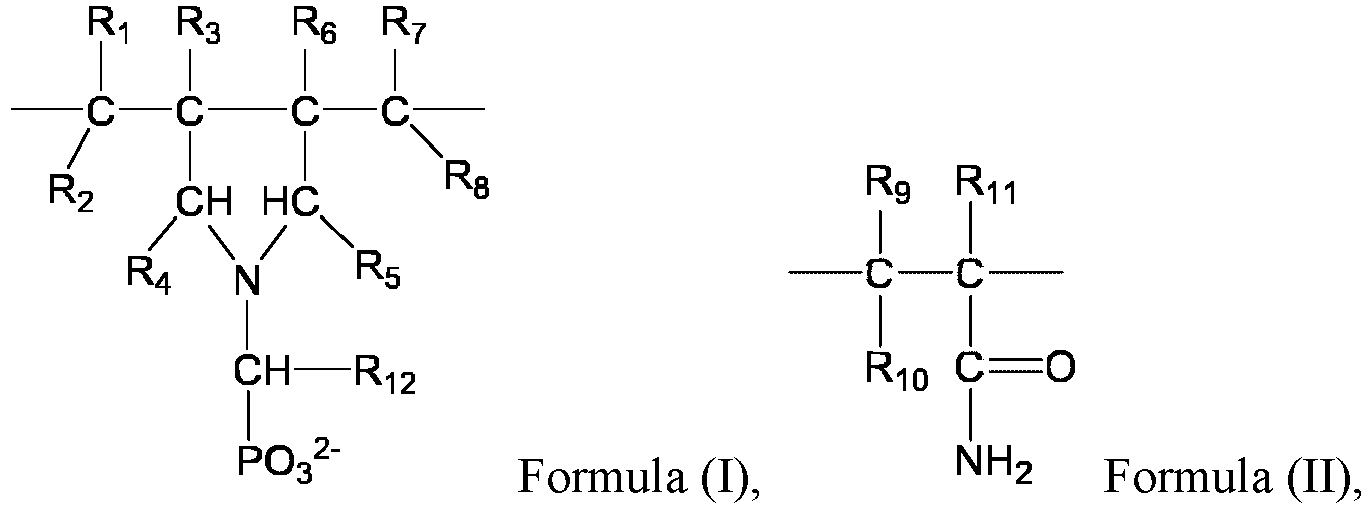
- A drilling fluid containing the copolymer according to claim 21 or 22, wherein preferably, the content of the copolymer is 0.5-5 wt% based on the total amount of the drilling fluid.
Applications Claiming Priority (4)
| Application Number | Priority Date | Filing Date | Title |
|---|---|---|---|
| CN202111278544 | 2021-10-30 | ||
| CN202111278543 | 2021-10-30 | ||
| CN202111278542 | 2021-10-30 | ||
| PCT/CN2022/127923 WO2023072189A1 (en) | 2021-10-30 | 2022-10-27 | Polymerizable phosphonic acid (salt) and preparation method therefor, copolymer and drilling fluid |
Publications (2)
| Publication Number | Publication Date |
|---|---|
| EP4424732A1 true EP4424732A1 (en) | 2024-09-04 |
| EP4424732A4 EP4424732A4 (en) | 2025-04-16 |
Family
ID=86160490
Family Applications (1)
| Application Number | Title | Priority Date | Filing Date |
|---|---|---|---|
| EP22886064.9A Pending EP4424732A4 (en) | 2021-10-30 | 2022-10-27 | Polymerizable phosphonic acid (salt) and preparation method therefor, copolymer and drilling fluid |
Country Status (6)
| Country | Link |
|---|---|
| US (1) | US20250002626A1 (en) |
| EP (1) | EP4424732A4 (en) |
| CN (1) | CN116063346B (en) |
| CA (1) | CA3236888A1 (en) |
| TW (1) | TWI836683B (en) |
| WO (1) | WO2023072189A1 (en) |
Families Citing this family (3)
| Publication number | Priority date | Publication date | Assignee | Title |
|---|---|---|---|---|
| CN115677900A (en) * | 2022-11-05 | 2023-02-03 | 西南石油大学 | A kind of high-temperature high-density saturated brine drilling fluid and its preparation method |
| CN119219824B (en) * | 2023-06-28 | 2025-11-04 | 中国石油化工股份有限公司 | Crosslinked polymer and preparation method and application thereof |
| CN117603388B (en) * | 2023-12-18 | 2026-08-07 | 福建华夏蓝新材料科技有限公司 | A high-efficiency water-based rust inhibitor and its preparation method |
Family Cites Families (12)
| Publication number | Priority date | Publication date | Assignee | Title |
|---|---|---|---|---|
| JPS5144036B2 (en) * | 1973-10-29 | 1976-11-26 | ||
| EP0495355A1 (en) * | 1991-01-12 | 1992-07-22 | Hoechst Aktiengesellschaft | Copolymers of diallylaminoalkylene phosphonates and unsaturated carboxylic acids |
| EP0563730A3 (en) * | 1992-03-28 | 1994-07-27 | Hoechst Ag | Alkenylaminoalkylene phosphonic acid esters and process for the preparation of copolymers comprising alkenylaminoalkylene phosphonates and ethylenic unsaturated compounds |
| DE4326887A1 (en) * | 1993-08-11 | 1995-02-16 | Hoechst Ag | Process for the preparation of N-substituted aminoalkylenephosphonic esters |
| US8871822B2 (en) * | 2012-10-15 | 2014-10-28 | King Fahd University Of Petroleum And Minerals | Cross-linked polyphosphonate-sulfone composition for removal of metal ions from wastewater |
| US8614260B1 (en) * | 2012-10-15 | 2013-12-24 | King Fahd University Of Petroleum And Minerals | Cross-linked polyphosphonate composition for removal of metal ions from wastewater |
| BR112016013854B1 (en) * | 2013-12-17 | 2021-01-26 | Lubrizol Advanced Materials, Inc. | non-ionic amphiphilic rheology modifier polymer compositions and deformation stress fluid, and hydraulic drilling and fracture fluids |
| CN104312548B (en) * | 2014-08-22 | 2019-02-01 | 中国石油化工集团公司 | A kind of phosphorus-containing anti-high temperature drilling fluid viscosity reducer and preparation method thereof |
| CN104388061A (en) | 2014-09-29 | 2015-03-04 | 中国石油天然气集团公司 | High-temperature-resistant salt-resistant polymer filtrate reducer used in water-based drilling fluid and preparation method thereof |
| US11718781B2 (en) * | 2017-06-07 | 2023-08-08 | Tougas Oilfield Solutions Gmbh | Method to produce a scale inhibitor |
| CN109852352B (en) * | 2017-11-30 | 2021-09-03 | 中石化石油工程技术服务有限公司 | Organic phosphonic acid polymer fluid loss agent and preparation method and application thereof |
| CN108753267B (en) | 2018-05-25 | 2020-08-07 | 成都理工大学 | Superhigh temperature resistant anionic polymer fluid loss additive for drilling fluid and completion fluid and preparation method thereof |
-
2022
- 2022-10-27 CN CN202211330761.4A patent/CN116063346B/en active Active
- 2022-10-27 WO PCT/CN2022/127923 patent/WO2023072189A1/en not_active Ceased
- 2022-10-27 US US18/705,971 patent/US20250002626A1/en active Pending
- 2022-10-27 TW TW111140878A patent/TWI836683B/en active
- 2022-10-27 EP EP22886064.9A patent/EP4424732A4/en active Pending
- 2022-10-27 CA CA3236888A patent/CA3236888A1/en active Pending
Also Published As
| Publication number | Publication date |
|---|---|
| US20250002626A1 (en) | 2025-01-02 |
| TW202317594A (en) | 2023-05-01 |
| WO2023072189A1 (en) | 2023-05-04 |
| CN116063346B (en) | 2026-04-03 |
| TWI836683B (en) | 2024-03-21 |
| CA3236888A1 (en) | 2023-05-04 |
| CN116063346A (en) | 2023-05-05 |
| EP4424732A4 (en) | 2025-04-16 |
Similar Documents
| Publication | Publication Date | Title |
|---|---|---|
| US20250002626A1 (en) | Polymerizable phosphonic acid (salt) and preparation method therefor, copolymer and drilling fluid | |
| CA2311654C (en) | Well cementing aids | |
| EP0144116B1 (en) | Drag reduction agents for aqueous salt solutions | |
| FI97895C (en) | Process for producing polyacrylic acids | |
| US5883210A (en) | Compositions and processes for treating subterranean formations | |
| CN102464781B (en) | Thermothickening terpolymer, its preparation method and application | |
| US5708107A (en) | Compositions and processes for treating subterranean formations | |
| WO1988007559A1 (en) | Water-soluble cationic polymer | |
| JP5434257B2 (en) | Oil recovery agent and method for producing the same, and injection liquid for oil recovery | |
| Kaekratoke et al. | Homopolymers and copolymers with iminodiacetic acid chelating units for scale inhibition | |
| CN104163887A (en) | Hydrophobic association dimethyl diallyl ammonium chloride cationic flocculant and its preparation | |
| CN1031582C (en) | Preparation method of dimethyldiallylammonium chloride-acrylamide copolymer | |
| CN109824593B (en) | Water-soluble quaternary ammonium salt fluorescent monomer, fluorescent polymer and preparation method thereof | |
| CN112724314A (en) | Oil displacing polymer, its preparation process and application as polymer oil displacing agent | |
| CN107746446B (en) | A kind of preparation method of terpolymer amphoteric polyacrylamide | |
| CN115947887B (en) | Tackifier for drilling fluid and preparation method and application thereof | |
| JP2011006581A (en) | Water soluble thickener having temperature sensitivity | |
| EA052154B1 (en) | POLYMERIZABLE PHOSPHONIC ACID (SALT) AND METHOD OF ITS PREPARATION, COPOLYMER AND DRILLING MUD | |
| CN111718443B (en) | Random copolymer, preparation method and application thereof, and drilling fluid | |
| US5525692A (en) | Dewatering agent for sludge | |
| CN107746378A (en) | A kind of polymerizable quaternaries cation monomer and preparation method thereof | |
| WO2021037579A1 (en) | Process for making nvp containing polyacrylamides | |
| EP0679665B1 (en) | Polymerization of acrylic acid and derivatives thereof | |
| JPH06179727A (en) | Production of water-soluble copolymer | |
| CN114874387B (en) | Environment-friendly coating inhibitor for drilling fluid and preparation method thereof |
Legal Events
| Date | Code | Title | Description |
|---|---|---|---|
| STAA | Information on the status of an ep patent application or granted ep patent |
Free format text: STATUS: THE INTERNATIONAL PUBLICATION HAS BEEN MADE |
|
| PUAI | Public reference made under article 153(3) epc to a published international application that has entered the european phase |
Free format text: ORIGINAL CODE: 0009012 |
|
| STAA | Information on the status of an ep patent application or granted ep patent |
Free format text: STATUS: REQUEST FOR EXAMINATION WAS MADE |
|
| 17P | Request for examination filed |
Effective date: 20240529 |
|
| AK | Designated contracting states |
Kind code of ref document: A1 Designated state(s): AL AT BE BG CH CY CZ DE DK EE ES FI FR GB GR HR HU IE IS IT LI LT LU LV MC ME MK MT NL NO PL PT RO RS SE SI SK SM TR |
|
| DAV | Request for validation of the european patent (deleted) | ||
| DAX | Request for extension of the european patent (deleted) | ||
| A4 | Supplementary search report drawn up and despatched |
Effective date: 20250313 |
|
| RIC1 | Information provided on ipc code assigned before grant |
Ipc: C09D 133/26 20060101ALI20250307BHEP Ipc: C09K 8/508 20060101ALI20250307BHEP Ipc: C07F 9/38 20060101ALI20250307BHEP Ipc: C09K 8/035 20060101ALI20250307BHEP Ipc: C08F 220/56 20060101ALI20250307BHEP Ipc: C08F 230/02 20060101AFI20250307BHEP |