EP4422350A1 - Control method for a heating device and a heating device - Google Patents
Control method for a heating device and a heating device Download PDFInfo
- Publication number
- EP4422350A1 EP4422350A1 EP22882612.9A EP22882612A EP4422350A1 EP 4422350 A1 EP4422350 A1 EP 4422350A1 EP 22882612 A EP22882612 A EP 22882612A EP 4422350 A1 EP4422350 A1 EP 4422350A1
- Authority
- EP
- European Patent Office
- Prior art keywords
- preset
- electromagnetic wave
- frequency
- time
- matching condition
- Prior art date
- Legal status (The legal status is an assumption and is not a legal conclusion. Google has not performed a legal analysis and makes no representation as to the accuracy of the status listed.)
- Granted
Links
Images


Classifications
-
- H—ELECTRICITY
- H05—ELECTRIC TECHNIQUES NOT OTHERWISE PROVIDED FOR
- H05B—ELECTRIC HEATING; ELECTRIC LIGHT SOURCES NOT OTHERWISE PROVIDED FOR; CIRCUIT ARRANGEMENTS FOR ELECTRIC LIGHT SOURCES, IN GENERAL
- H05B6/00—Heating by electric, magnetic or electromagnetic fields
- H05B6/46—Dielectric heating
- H05B6/48—Circuits
- H05B6/50—Circuits for monitoring or control
-
- H—ELECTRICITY
- H05—ELECTRIC TECHNIQUES NOT OTHERWISE PROVIDED FOR
- H05B—ELECTRIC HEATING; ELECTRIC LIGHT SOURCES NOT OTHERWISE PROVIDED FOR; CIRCUIT ARRANGEMENTS FOR ELECTRIC LIGHT SOURCES, IN GENERAL
- H05B6/00—Heating by electric, magnetic or electromagnetic fields
- H05B6/64—Heating using microwaves
- H05B6/66—Circuits
- H05B6/68—Circuits for monitoring or control
- H05B6/687—Circuits for monitoring or control for cooking
-
- A—HUMAN NECESSITIES
- A23—FOODS OR FOODSTUFFS; TREATMENT THEREOF, NOT COVERED BY OTHER CLASSES
- A23B—PRESERVATION OF FOODS, FOODSTUFFS OR NON-ALCOHOLIC BEVERAGES; CHEMICAL RIPENING OF FRUIT OR VEGETABLES
- A23B2/00—Preservation of foods or foodstuffs, in general
- A23B2/80—Freezing; Subsequent thawing; Cooling
- A23B2/82—Thawing subsequent to freezing
-
- H—ELECTRICITY
- H05—ELECTRIC TECHNIQUES NOT OTHERWISE PROVIDED FOR
- H05B—ELECTRIC HEATING; ELECTRIC LIGHT SOURCES NOT OTHERWISE PROVIDED FOR; CIRCUIT ARRANGEMENTS FOR ELECTRIC LIGHT SOURCES, IN GENERAL
- H05B6/00—Heating by electric, magnetic or electromagnetic fields
- H05B6/64—Heating using microwaves
- H05B6/70—Feed lines
- H05B6/705—Feed lines using microwave tuning
-
- Y—GENERAL TAGGING OF NEW TECHNOLOGICAL DEVELOPMENTS; GENERAL TAGGING OF CROSS-SECTIONAL TECHNOLOGIES SPANNING OVER SEVERAL SECTIONS OF THE IPC; TECHNICAL SUBJECTS COVERED BY FORMER USPC CROSS-REFERENCE ART COLLECTIONS [XRACs] AND DIGESTS
- Y02—TECHNOLOGIES OR APPLICATIONS FOR MITIGATION OR ADAPTATION AGAINST CLIMATE CHANGE
- Y02B—CLIMATE CHANGE MITIGATION TECHNOLOGIES RELATED TO BUILDINGS, e.g. HOUSING, HOUSE APPLIANCES OR RELATED END-USER APPLICATIONS
- Y02B40/00—Technologies aiming at improving the efficiency of home appliances, e.g. induction cooking or efficient technologies for refrigerators, freezers or dish washers
Definitions
- Present application relates to the field of food processing, and in particular to a control method for an electromagnetic wave heating device and a heating device.
- Thawing food with electromagnetic wave heating devices not only offers rapid and efficient thawing but also minimizes the loss of nutritional components in food. Nonetheless, determining how to stop heating food at a state desired by users when the food is already at a higher temperature has been a technical problem that the skilled person in this field wants to solve.
- the rate of change of S11 is used to determine whether the thawing of the object to be processed is completed, however, due to the high heating efficiency of the electromagnetic wave, the temperature of food changes very rapidly, and slight changes in external factors (such as frequency) can cause rapid changes in S 11, leading to a high error rate.
- a first aspect of the present application aims to provide a control method for an electromagnetic wave heating device, which utilize new heating termination conditions to determine whether heating is complete.
- a further objective of the first aspect of the application is to shorten the frequency matching time and the calculation time for the change amount.
- Another further objective of the first aspect of the application is to stop heating more precisely.
- a second aspect of the present application aims to provide an electromagnetic wave heating device.
- a control method for a heating device comprises a cylinder for placing an object to be processed, and an electromagnetic wave generating system for generating electromagnetic wave signals to heat the object to be processed, wherein the control method comprising:
- the minimum value of the preset selectable frequency range to the frequency of the electromagnetic wave signal that met the preset matching condition in the previous instance is used as a selectable frequency range for the current frequency matching step; and in the step of calculating a change amount, the difference between the frequency of the electromagnetic wave signal that meets the preset matching condition before the preset number of matches and the current match is calculated as the change amount.
- the difference between the frequency of every two adjacent electromagnetic wave signals that meet the preset matching condition is calculated, and all such differences are summed to obtain the change amount.
- the preset matching condition comprises the power of the reflected wave signal returned to the electromagnetic wave generating system being minimal.
- the first frequency matching step after the first frequency matching step is executed, it further comprises:
- the preset matching condition comprises the power of the reflected wave signal returned to the electromagnetic wave generating system being minimal; and after executing the frequency matching step for the preset number of matches, the control method further comprises:
- the preset matching condition comprises the ratio of the power of the reflected wave signal returned to the electromagnetic wave generating system and the power of the incident wave signal propagated by the electromagnetic wave generating system to the cylinder being greater than or equal to a preset ratio threshold;
- the preset number of matches is greater than or equal to 2.
- the preset time interval is 25s-40s.
- a heating device comprising:
- the inventors of this application have creatively recognized that the change amount in frequency that achieves matching within the same time is relatively small, only near the phase transition region of water has a significant decrease and being influenced by the degree of frequency matching.
- Using the change amount in frequency that meets the frequency matching condition as a condition for judging heating termination provides a particularly accurate determination of whether to stop heating. This enables the heating of food to stop at a state desired by the user, especially suitable for food defrosting, preventing the object to be processed from being overly defrosted.
- the temperature is around -4 to -2°C, which can prevent the production of blood water when the object to be processed is meat, making it easier for users to cut.
- the application in the frequency matching step and the step of calculating a change amount, uses the minimum value of the preset selectable frequency range to the frequency of the electromagnetic wave signal that met the preset matching condition in the previous instance as a selectable frequency range for the current frequency matching step, and uses the difference between the frequency of the electromagnetic wave signal that meets the preset matching condition before the preset number of matches and the current match as the change amount.
- This approach allows for the rapid and accurate determination of the electromagnetic wave signal frequency that meets the preset matching condition, shortening the operating time of the frequency matching step and the step of calculating a change amount, thereby reducing the impact of the frequency matching process on the quality of the object to be processed and improving the timeliness of determining whether the heating termination conditions are met.
- the application based on using the change amount in frequency that meets the frequency matching condition as a criterion for terminating heating, also adds the remaining heating time determined by the frequency that first meets the preset matching condition, or the change amount in frequency over several times of meeting the preset matching condition, as a condition for judging the heating termination. This further enhances the accuracy of determining whether to stop heating, thereby ensuring the processed object's excellent quality upon heating completion and improving user experience.
- FIG. 1 is a schematic structural diagram of a heating device 100 according to an embodiment of the application.
- the heating device 100 may comprise a cylinder 110, a door, an electromagnetic wave generation system, and a controller 140.
- the cylinder 110 can be used to contain the object to be processed 150.
- the door can be used to open and close the access port of the cylinder 110. Both the cylinder 110 and the door can have electromagnetic shielding features to reduce electromagnetic leakage.
- the cylinder 110 can be made of metal and set to be grounded to further enhance the safety performance of the heating device 100.
- the electromagnetic wave generation system may be at least partially disposed within the cylinder 110 or accessible to the cylinder 110, to emit electromagnetic waves into the cylinder 110 to heat the object to be processed 150.
- the electromagnetic wave generation system may comprise an electromagnetic wave generation module 120, a radiation antenna 130 electrically connected to the electromagnetic wave generation module 120, and a power supply for powering the electromagnetic wave generation module 120.
- the electromagnetic wave generation module 120 can be configured to generate electromagnetic wave signals.
- the radiation antenna 130 can be located within cylinder 110 to produce electromagnetic waves within cylinder 110, thereby heating the object to be processed 150 located inside the cylinder 110.
- the electromagnetic wave generation module 120 may comprise a variable frequency source and a power amplifier.
- FIG. 2 is a schematic structural diagram of the controller 140 in FIG. 1 .
- the controller 140 may comprise a processing unit 141 and a storage unit 142.
- the storage unit 142 stores a computer program 143, when the computer program 143 executed by the processing unit 141, is used to implement the control method of the embodiment of the application.
- the processing unit 141 can be configured to control the electromagnetic wave generation system at each preset time interval t to adjust the frequency of the generated electromagnetic wave signal within a preset selectable frequency range, ensuring the electromagnetic wave generation system meets a preset matching condition, recording the frequency of the electromagnetic wave signal that meets the preset matching condition each time, and calculating the change amount in frequency of the electromagnetic wave signal that meets the preset matching condition from before the preset number of matches to the current match.
- the change amount is less than or equal to a preset change threshold S, the electromagnetic wave generation system is controlled to stop operating.
- the heating device 100 of the application stops the operation of the electromagnetic wave generation system when the change amount in frequency that meets the frequency matching condition is less than or equal to the preset change threshold S, thus halting the heating of food at a state desired by the user, especially suitable for defrosting food. This prevents the object to be processed 150 from being overly defrosted, when defrosting is complete, the temperature is around -4 to -2°C, avoiding the production of blood water when the object to be processed 150 is meat, making it easier for users to cut.
- the preset time interval t can be 25s to 40s, such as 25s, 30s, or 40s, to prevent misjudgment.
- the selectable frequency range can be 400MHz to 500MHz, to ensure the uniform temperature of the object to be processed 150 and the efficiency of heating the object to be processed 150.
- the preset number of matches can be greater than or equal to 2, such as 3, to prevent misjudgment.
- the preset number of matches can also be 1, meaning the change amount is the difference in frequency of the electromagnetic wave signal that meets the preset matching condition between two consecutive times.
- the power of the electromagnetic wave signal can be 5%-10% of the power during the normal heating process, to reduce the adverse effect on the object to be processed 150.
- the processing unit 141 can be configured to use the minimum value of the preset selectable frequency range to the frequency of the electromagnetic wave signal that met the preset matching condition in the previous instance as the selectable frequency range for the current frequency matching step, and calculate the difference between the frequency of the electromagnetic wave signal that meets the preset matching condition before the preset number of matches and the current match as the change amount. This allows for the rapid and accurate determination of the electromagnetic wave signal frequency that meets the preset matching condition, thereby reducing the impact of the frequency matching process on the quality of the object to be processed 150 and improving the timeliness of determining whether to stop heating.
- the processing unit 141 can be configured to first calculate the difference between the frequency of every two adjacent electromagnetic wave signals that meet the preset matching condition, and then sum all such differences to obtain the change amount, to enhance accuracy.
- the matching condition can be: the power of the reflected wave signal returned to the electromagnetic wave generating system being minimal, to facilitate subsequent frequency matching and shorten the time for subsequent frequency matching.
- the processing unit 141 can be configured to determine a remaining heating time T for the object to be processed 150 based on the frequency of the electromagnetic wave signal that first meets the preset matching condition according to a preset comparison table.
- the electromagnetic wave generating system is controlled to stop operating, to further ensure the object to be processed 150 has excellent quality upon the completion of heating.
- the comparison table records the relationship between different frequencies and the remaining heating time T.
- the matching condition when performing frequency matching for the first time and for a preset number of matches closely following the first time, the matching condition can be the same: the power of the reflected wave signal returned to the electromagnetic wave generating system being minimal.
- the processing unit 141 can be configured to determine a remaining heating time T for the object to be processed 150 based on a sum of the differences in frequency between every two adjacent electromagnetic wave signals that meet the preset matching condition within the first time and the preset number of matches closely following the first time according to a preset comparison table.
- the electromagnetic wave generating system is controlled to stop operating, to stop heating the object to be processed 150 more accurately and further ensure the object to be processed 150 has excellent quality upon heating completion.
- the comparison table records the relationship between the sum of the differences and the remaining heating time T.
- the matching condition can be: the ratio of the power of the reflected wave signal returned to the electromagnetic wave generating system and the power of the incident wave signal propagated by the electromagnetic wave generating system to the cylinder 110 is greater than or equal to a preset ratio threshold.
- the preset ratio threshold can be 70%-80%.
- the current frequency matching step is terminated, to reduce the adverse impact on the object to be processed 150 and enhance heating efficiency.
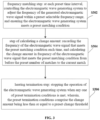
- FIG. 3 is a schematic flowchart of a control method for a heating device 100 according to an embodiment of the application.
- the control method for the heating device 100 executed by the controller 140 from any one of the embodiments of the application may include the following steps:
- step of calculating a change amount (S304): recording the frequency of the electromagnetic wave signal that meets the preset matching condition each time, and calculating the change amount in frequency of the electromagnetic wave signal that meets the preset matching condition from before the preset number of matches to the current match;
- the control method of the application stops the operation of the electromagnetic wave generating system when the change amount in frequency that meets the frequency matching condition is less than or equal to the preset change threshold S, thus halting the heating of food at a state desired by the user, especially suitable for defrosting food. This prevents the object to be processed 150 from being overly defrosted, when defrosting is complete, the temperature is around -4 to -2°C, avoiding the production of blood water when the object to be processed 150 is meat, making it easier for users to cut.
- the preset time interval t can be 25s to 40s, for example, 25s, 30s, or 40s, to prevent misjudgment.
- the selectable frequency range can be 400MHz to 500MHz, to ensure the uniformity of the temperature of the object to be processed 150 and the efficiency of heating the object to be processed 150.
- the preset number of matches can be greater than or equal to 2, such as 3, to prevent misjudgment.
- the preset number of matches can also be 1, meaning the change amount is the difference in frequency of the electromagnetic wave signal that meets the preset matching condition between two consecutive times.
- the power of the electromagnetic wave signal can be 5%-10% of the power during other steps, to reduce the adverse effect on the object to be processed 150.
- the minimum value of the preset selectable frequency range to the frequency of the electromagnetic wave signal that met the preset matching condition in the previous instance is used as a selectable frequency range for the current frequency matching step, thereby determining a new selectable frequency range within the preset selectable frequency range, shortening the runtime of the frequency matching step (S302).
- step of calculating a change amount (S304), calculating the difference between the frequency of the electromagnetic wave signal that meets the preset matching condition before the preset number of matches and the current match as the change amount, can shorten the time needed for calculating the change amount, enhancing the timeliness of ceasing heating the object to be processed 150.
- the difference (absolute value) between the frequency of every two adjacent electromagnetic wave signals that meet the preset matching condition can be calculated first, and then all such differences are summed to obtain the change amount, to enhance accuracy.
- the matching condition can be: the power of the reflected wave signal returned to the electromagnetic wave generation system being minimal, to facilitate subsequent frequency matching and shorten the time for subsequent frequency matching.
- the control method of the application may also comprise a time determination step: determining a remaining heating time T for the object to be processed 150 based on the frequency of the electromagnetic wave signal that first meets the preset matching condition according to a preset comparison table.
- the comparison table records the relationship between different frequencies and the remaining heating time T.
- the preset termination conditions may also comprise that continuation of the heating time for the object to be processed 150 to be longer than or equal to the determined remaining heating time T after the time determination step. That is, when the change amount in frequency that meets the frequency matching condition is less than or equal to the preset change threshold S, or continuation of the heating time for the object to be processed 150 to be longer than or equal to the determined remaining heating time T, the electromagnetic wave generating system is controlled to stop operating, to further ensure the object to be processed 150 has excellent quality upon completion of heating.
- the matching condition when executing the frequency matching step (S302) for the first time and for a preset number of matches closely following the first time, the matching condition can be the same: the power of the reflected wave signal returned to the electromagnetic wave generating system being minimal.
- the control method of the application may also comprise a time determination step: determining a remaining heating time T for the object to be processed 150 based on a sum of the differences (absolute value) in frequency between every two adjacent electromagnetic wave signals that meet the preset matching condition within the first time and the preset number of matches closely following the first time according to a preset comparison table.
- the comparison table records the relationship between the sum of the differences and the remaining heating time T.
- the preset termination conditions may also comprise that continuation of the heating time for the object to be processed 150 after the time determination step to be longer than or equal to the determined remaining heating time T. That is, when the change amount in frequency that meets the frequency matching condition is less than or equal to the preset change threshold S, or continuation of the heating time for the object to be processed 150 to be longer than or equal to the determined remaining heating time T, the electromagnetic wave generating system is controlled to stop operating, to stop heating the object to be processed 150 more accurately and further ensure the object to be processed 150 has excellent quality upon heating completion.
- the matching condition can be: the ratio of the power of the reflected wave signal returned to the electromagnetic wave generating system and the power of the incident wave signal propagated by the electromagnetic wave generating system to the cylinder being greater than or equal to a preset ratio threshold.
- the preset ratio threshold can be 70%-80%.
- the current frequency matching process ends, to reduce the adverse impact on the object to be processed 150 and increase the heating efficiency.
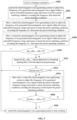
- FIG. 4 is a schematic detailed flowchart of a control method for a heating device 100 according to an embodiment of the application (in Figures 4 and 5 , "Y" indicates “Yes”; “N” indicates “No”).
- the control method for the heating device 100 in one embodiment of the application may comprise the following detailed steps:
- FIG.5 is a schematic detailed flowchart of a control method for a heating device 100 according to another embodiment of the application.
- the control method for the heating device 100 in another embodiment of the application may comprise the following detailed steps:
Landscapes
- Physics & Mathematics (AREA)
- Electromagnetism (AREA)
- Life Sciences & Earth Sciences (AREA)
- Engineering & Computer Science (AREA)
- Wood Science & Technology (AREA)
- Zoology (AREA)
- Chemical & Material Sciences (AREA)
- Food Science & Technology (AREA)
- Polymers & Plastics (AREA)
- Control Of High-Frequency Heating Circuits (AREA)
Abstract
Description
- Present application relates to the field of food processing, and in particular to a control method for an electromagnetic wave heating device and a heating device.
- During the freezing process, the quality of food is preserved; however, frozen food needs to be thawed before processing or consumption. To facilitate thawing for users, electromagnetic wave heating devices are commonly used to thaw food.
- Thawing food with electromagnetic wave heating devices not only offers rapid and efficient thawing but also minimizes the loss of nutritional components in food. Nonetheless, determining how to stop heating food at a state desired by users when the food is already at a higher temperature has been a technical problem that the skilled person in this field wants to solve. In the prior art, the rate of change of S11 is used to determine whether the thawing of the object to be processed is completed, however, due to the high heating efficiency of the electromagnetic wave, the temperature of food changes very rapidly, and slight changes in external factors (such as frequency) can cause rapid changes in S 11, leading to a high error rate.
- A first aspect of the present application aims to provide a control method for an electromagnetic wave heating device, which utilize new heating termination conditions to determine whether heating is complete.
- A further objective of the first aspect of the application is to shorten the frequency matching time and the calculation time for the change amount.
- Another further objective of the first aspect of the application is to stop heating more precisely.
- A second aspect of the present application aims to provide an electromagnetic wave heating device.
- According to the first aspect of the present application, a control method for a heating device is provided, the heating device comprises a cylinder for placing an object to be processed, and an electromagnetic wave generating system for generating electromagnetic wave signals to heat the object to be processed, wherein the control method comprising:
- frequency matching step: at each preset time interval, controlling the electromagnetic wave generating system to adjust the frequency of the generated electromagnetic wave signal within a preset selectable frequency range, and ensuring the electromagnetic wave generating system meets a preset matching condition;
- step of calculating a change amount: recording the frequency of the electromagnetic wave signal that meets the preset matching condition each time and calculating the change amount in frequency of the electromagnetic wave signal that meets the preset matching condition from before the preset number of matches to the current match;
- heating termination step: stopping the operation of the electromagnetic wave generating system when any one of preset termination conditions is met, wherein,
- the preset termination conditions comprise the change amount being less than or equal to a preset change threshold.
- Optionally, in the frequency matching step, the minimum value of the preset selectable frequency range to the frequency of the electromagnetic wave signal that met the preset matching condition in the previous instance is used as a selectable frequency range for the current frequency matching step; and
in the step of calculating a change amount, the difference between the frequency of the electromagnetic wave signal that meets the preset matching condition before the preset number of matches and the current match is calculated as the change amount. - Optionally, in the step of calculating a change amount, the difference between the frequency of every two adjacent electromagnetic wave signals that meet the preset matching condition is calculated, and all such differences are summed to obtain the change amount.
- Optionally, in the first frequency matching step, the preset matching condition comprises the power of the reflected wave signal returned to the electromagnetic wave generating system being minimal.
- Optionally, after the first frequency matching step is executed, it further comprises:
- time determination step: determining a remaining heating time for the object to be processed based on the frequency of the electromagnetic wave signal that first meets the preset matching condition according to a preset comparison table, wherein, the comparison table records the relationship between frequency and the remaining heating time; and
- the preset termination condition also comprises the heating time for the object to be processed being longer than or equal to the remaining heating time after the time determination step.
- Optionally, when executing the frequency matching step for the first time and the preset number of matches closely following the first time, the preset matching condition comprises the power of the reflected wave signal returned to the electromagnetic wave generating system being minimal; and after executing the frequency matching step for the preset number of matches, the control method further comprises:
- time determination step: determining a remaining heating time for the object to be processed based on a sum of the differences in frequency between every two adjacent electromagnetic wave signals that meet the preset matching condition within the first time and the preset number of matches closely following the first time according to a preset comparison table; wherein,
- the comparison table records the relationship between the sum of the differences and the remaining heating time; and
- the preset termination condition also comprises the heating time for the object to be processed being longer than or equal to the remaining heating time after the time determination step.
- Optionally, after the time determination step, the preset matching condition comprises the ratio of the power of the reflected wave signal returned to the electromagnetic wave generating system and the power of the incident wave signal propagated by the electromagnetic wave generating system to the cylinder being greater than or equal to a preset ratio threshold;
- When the condition of the preset matching condition being met occurs, the current frequency matching step is terminated.
- Optionally, the preset number of matches is greater than or equal to 2.
- Optionally, the preset time interval is 25s-40s.
- According to the second aspect of the present application, a heating device is provided, the heating device comprises:
- a cylinder for placing an object to be processed;
- an electromagnetic wave generating system, configured to generate electromagnetic wave signals for heating the object to be processed; and
- a controller, configured to execute any one of the control methods.
- The inventors of this application have creatively recognized that the change amount in frequency that achieves matching within the same time is relatively small, only near the phase transition region of water has a significant decrease and being influenced by the degree of frequency matching. Using the change amount in frequency that meets the frequency matching condition as a condition for judging heating termination provides a particularly accurate determination of whether to stop heating. This enables the heating of food to stop at a state desired by the user, especially suitable for food defrosting, preventing the object to be processed from being overly defrosted. Typically, when defrosting is complete, the temperature is around -4 to -2°C, which can prevent the production of blood water when the object to be processed is meat, making it easier for users to cut.
- Furthermore, the application, in the frequency matching step and the step of calculating a change amount, uses the minimum value of the preset selectable frequency range to the frequency of the electromagnetic wave signal that met the preset matching condition in the previous instance as a selectable frequency range for the current frequency matching step, and uses the difference between the frequency of the electromagnetic wave signal that meets the preset matching condition before the preset number of matches and the current match as the change amount. This approach allows for the rapid and accurate determination of the electromagnetic wave signal frequency that meets the preset matching condition, shortening the operating time of the frequency matching step and the step of calculating a change amount, thereby reducing the impact of the frequency matching process on the quality of the object to be processed and improving the timeliness of determining whether the heating termination conditions are met.
- Furthermore, the application, based on using the change amount in frequency that meets the frequency matching condition as a criterion for terminating heating, also adds the remaining heating time determined by the frequency that first meets the preset matching condition, or the change amount in frequency over several times of meeting the preset matching condition, as a condition for judging the heating termination. This further enhances the accuracy of determining whether to stop heating, thereby ensuring the processed object's excellent quality upon heating completion and improving user experience.
- Through the detailed description of specific embodiments of the application, combined with the drawings provided below, those skilled in the art will gain a clearer understanding of the aforementioned and other objectives, advantages, and features of the invention.
- The following descriptions of specific embodiments of the application refer to the accompanying drawings in an illustrative rather than restrictive manner. The same reference numbers in the drawings indicate identical or similar parts or components. Those skilled in the art should understand that these drawings are not necessarily drawn to scale. In the drawings:
-
FIG. 1 is a schematic structural diagram of a heating device according to an embodiment of the application; -
FIG. 2 is a schematic structural diagram of the controller in the heating device shown inFigure 1 ; -
FIG. 3 is a schematic flowchart of a control method for a heating device according to an embodiment of the application; -
FIG. 4 is a schematic detailed flowchart of the control method for a heating device according to an embodiment of the application; -
FIG. 5 is a schematic detailed flowchart of the control method for a heating device according to another embodiment of the application. -
FIG. 1 is a schematic structural diagram of aheating device 100 according to an embodiment of the application. Referring toFIG. 1 , theheating device 100 may comprise acylinder 110, a door, an electromagnetic wave generation system, and acontroller 140. - Specifically, the
cylinder 110 can be used to contain the object to be processed 150. The door can be used to open and close the access port of thecylinder 110. Both thecylinder 110 and the door can have electromagnetic shielding features to reduce electromagnetic leakage. - The
cylinder 110 can be made of metal and set to be grounded to further enhance the safety performance of theheating device 100. - The electromagnetic wave generation system may be at least partially disposed within the
cylinder 110 or accessible to thecylinder 110, to emit electromagnetic waves into thecylinder 110 to heat the object to be processed 150. - The electromagnetic wave generation system may comprise an electromagnetic wave generation module 120, a
radiation antenna 130 electrically connected to the electromagnetic wave generation module 120, and a power supply for powering the electromagnetic wave generation module 120. - The electromagnetic wave generation module 120 can be configured to generate electromagnetic wave signals. The
radiation antenna 130 can be located withincylinder 110 to produce electromagnetic waves withincylinder 110, thereby heating the object to be processed 150 located inside thecylinder 110. Wherein, The electromagnetic wave generation module 120 may comprise a variable frequency source and a power amplifier. -
FIG. 2 is a schematic structural diagram of thecontroller 140 inFIG. 1 . Referring toFIG. 2 , thecontroller 140 may comprise aprocessing unit 141 and astorage unit 142. Thestorage unit 142 stores acomputer program 143, when thecomputer program 143 executed by theprocessing unit 141, is used to implement the control method of the embodiment of the application. - Specifically, the
processing unit 141 can be configured to control the electromagnetic wave generation system at each preset time interval t to adjust the frequency of the generated electromagnetic wave signal within a preset selectable frequency range, ensuring the electromagnetic wave generation system meets a preset matching condition, recording the frequency of the electromagnetic wave signal that meets the preset matching condition each time, and calculating the change amount in frequency of the electromagnetic wave signal that meets the preset matching condition from before the preset number of matches to the current match. When the change amount is less than or equal to a preset change threshold S, the electromagnetic wave generation system is controlled to stop operating. - The
heating device 100 of the application stops the operation of the electromagnetic wave generation system when the change amount in frequency that meets the frequency matching condition is less than or equal to the preset change threshold S, thus halting the heating of food at a state desired by the user, especially suitable for defrosting food. This prevents the object to be processed 150 from being overly defrosted, when defrosting is complete, the temperature is around -4 to -2°C, avoiding the production of blood water when the object to be processed 150 is meat, making it easier for users to cut. - In this application, the preset time interval t can be 25s to 40s, such as 25s, 30s, or 40s, to prevent misjudgment.
- The selectable frequency range can be 400MHz to 500MHz, to ensure the uniform temperature of the object to be processed 150 and the efficiency of heating the object to be processed 150.
- The preset number of matches can be greater than or equal to 2, such as 3, to prevent misjudgment. The preset number of matches can also be 1, meaning the change amount is the difference in frequency of the electromagnetic wave signal that meets the preset matching condition between two consecutive times.
- During the frequency matching process, the power of the electromagnetic wave signal can be 5%-10% of the power during the normal heating process, to reduce the adverse effect on the object to be processed 150.
- In some embodiments, the
processing unit 141 can be configured to use the minimum value of the preset selectable frequency range to the frequency of the electromagnetic wave signal that met the preset matching condition in the previous instance as the selectable frequency range for the current frequency matching step, and calculate the difference between the frequency of the electromagnetic wave signal that meets the preset matching condition before the preset number of matches and the current match as the change amount. This allows for the rapid and accurate determination of the electromagnetic wave signal frequency that meets the preset matching condition, thereby reducing the impact of the frequency matching process on the quality of the object to be processed 150 and improving the timeliness of determining whether to stop heating. - In other embodiments, the
processing unit 141 can be configured to first calculate the difference between the frequency of every two adjacent electromagnetic wave signals that meet the preset matching condition, and then sum all such differences to obtain the change amount, to enhance accuracy. - In some embodiments, at the first frequency matching, the matching condition can be: the power of the reflected wave signal returned to the electromagnetic wave generating system being minimal, to facilitate subsequent frequency matching and shorten the time for subsequent frequency matching.
- The
processing unit 141 can be configured to determine a remaining heating time T for the object to be processed 150 based on the frequency of the electromagnetic wave signal that first meets the preset matching condition according to a preset comparison table. When the continuation of the heating time for the object to be processed 150 is longer than or equal to the determined remaining heating time T, the electromagnetic wave generating system is controlled to stop operating, to further ensure the object to be processed 150 has excellent quality upon the completion of heating. The comparison table records the relationship between different frequencies and the remaining heating time T. - In other embodiments, when performing frequency matching for the first time and for a preset number of matches closely following the first time, the matching condition can be the same: the power of the reflected wave signal returned to the electromagnetic wave generating system being minimal.
- The
processing unit 141 can be configured to determine a remaining heating time T for the object to be processed 150 based on a sum of the differences in frequency between every two adjacent electromagnetic wave signals that meet the preset matching condition within the first time and the preset number of matches closely following the first time according to a preset comparison table. When the continuation of the heating time for the object to be processed 150 is longer than or equal to the determined remaining heating time T, the electromagnetic wave generating system is controlled to stop operating, to stop heating the object to be processed 150 more accurately and further ensure the object to be processed 150 has excellent quality upon heating completion. The comparison table records the relationship between the sum of the differences and the remaining heating time T. - In further embodiments, after determining the remaining heating time T, the matching condition can be: the ratio of the power of the reflected wave signal returned to the electromagnetic wave generating system and the power of the incident wave signal propagated by the electromagnetic wave generating system to the
cylinder 110 is greater than or equal to a preset ratio threshold. The preset ratio threshold can be 70%-80%. - When the ratio of the power of the reflected wave signal and the power of the incident wave signal is greater than or equal to a preset ratio threshold, the current frequency matching step is terminated, to reduce the adverse impact on the object to be processed 150 and enhance heating efficiency.
-
FIG. 3 is a schematic flowchart of a control method for aheating device 100 according to an embodiment of the application. Referring toFIG. 3 , the control method for theheating device 100 executed by thecontroller 140 from any one of the embodiments of the application may include the following steps: - frequency matching step (S302): at each preset time interval t, controlling the electromagnetic wave generating system to adjust the frequency of the generated electromagnetic wave signal within a preset selectable frequency range, and ensuring the electromagnetic wave generating system meets a preset matching condition;
- step of calculating a change amount (S304): recording the frequency of the electromagnetic wave signal that meets the preset matching condition each time, and calculating the change amount in frequency of the electromagnetic wave signal that meets the preset matching condition from before the preset number of matches to the current match;
- heating termination step (S306): stopping the operation of the electromagnetic wave generating system when any of the preset termination conditions is met, where the preset termination conditions comprise the change amount being less than or equal to a preset change threshold S.
- The control method of the application stops the operation of the electromagnetic wave generating system when the change amount in frequency that meets the frequency matching condition is less than or equal to the preset change threshold S, thus halting the heating of food at a state desired by the user, especially suitable for defrosting food. This prevents the object to be processed 150 from being overly defrosted, when defrosting is complete, the temperature is around -4 to -2°C, avoiding the production of blood water when the object to be processed 150 is meat, making it easier for users to cut.
- In the frequency matching step (S302), the preset time interval t can be 25s to 40s, for example, 25s, 30s, or 40s, to prevent misjudgment. The selectable frequency range can be 400MHz to 500MHz, to ensure the uniformity of the temperature of the object to be processed 150 and the efficiency of heating the object to be processed 150.
- In the step of calculating a change amount (S304), the preset number of matches can be greater than or equal to 2, such as 3, to prevent misjudgment. The preset number of matches can also be 1, meaning the change amount is the difference in frequency of the electromagnetic wave signal that meets the preset matching condition between two consecutive times.
- During the frequency matching step (S302), the power of the electromagnetic wave signal can be 5%-10% of the power during other steps, to reduce the adverse effect on the object to be processed 150.
- In some embodiments, during the frequency matching step (S302), the minimum value of the preset selectable frequency range to the frequency of the electromagnetic wave signal that met the preset matching condition in the previous instance is used as a selectable frequency range for the current frequency matching step, thereby determining a new selectable frequency range within the preset selectable frequency range, shortening the runtime of the frequency matching step (S302).
- In the step of calculating a change amount (S304), calculating the difference between the frequency of the electromagnetic wave signal that meets the preset matching condition before the preset number of matches and the current match as the change amount, can shorten the time needed for calculating the change amount, enhancing the timeliness of ceasing heating the object to be processed 150.
- In other embodiments, in the step of calculating a change amount (S304), the difference (absolute value) between the frequency of every two adjacent electromagnetic wave signals that meet the preset matching condition can be calculated first, and then all such differences are summed to obtain the change amount, to enhance accuracy.
- In some embodiments, at the first execution of the frequency matching step (S302), the matching condition can be: the power of the reflected wave signal returned to the electromagnetic wave generation system being minimal, to facilitate subsequent frequency matching and shorten the time for subsequent frequency matching.
- The control method of the application may also comprise a time determination step: determining a remaining heating time T for the object to be processed 150 based on the frequency of the electromagnetic wave signal that first meets the preset matching condition according to a preset comparison table. The comparison table records the relationship between different frequencies and the remaining heating time T.
- The preset termination conditions may also comprise that continuation of the heating time for the object to be processed 150 to be longer than or equal to the determined remaining heating time T after the time determination step. That is, when the change amount in frequency that meets the frequency matching condition is less than or equal to the preset change threshold S, or continuation of the heating time for the object to be processed 150 to be longer than or equal to the determined remaining heating time T, the electromagnetic wave generating system is controlled to stop operating, to further ensure the object to be processed 150 has excellent quality upon completion of heating.
- In other embodiments, when executing the frequency matching step (S302) for the first time and for a preset number of matches closely following the first time, the matching condition can be the same: the power of the reflected wave signal returned to the electromagnetic wave generating system being minimal.
- The control method of the application may also comprise a time determination step: determining a remaining heating time T for the object to be processed 150 based on a sum of the differences (absolute value) in frequency between every two adjacent electromagnetic wave signals that meet the preset matching condition within the first time and the preset number of matches closely following the first time according to a preset comparison table. The comparison table records the relationship between the sum of the differences and the remaining heating time T.
- The preset termination conditions may also comprise that continuation of the heating time for the object to be processed 150 after the time determination step to be longer than or equal to the determined remaining heating time T. That is, when the change amount in frequency that meets the frequency matching condition is less than or equal to the preset change threshold S, or continuation of the heating time for the object to be processed 150 to be longer than or equal to the determined remaining heating time T, the electromagnetic wave generating system is controlled to stop operating, to stop heating the object to be processed 150 more accurately and further ensure the object to be processed 150 has excellent quality upon heating completion.
- In further embodiments, after the time determination step, the matching condition can be: the ratio of the power of the reflected wave signal returned to the electromagnetic wave generating system and the power of the incident wave signal propagated by the electromagnetic wave generating system to the cylinder being greater than or equal to a preset ratio threshold. The preset ratio threshold can be 70%-80%.
- When the ratio of the power of the reflected wave signal and the power of the incident wave signal is greater than or equal to the preset ratio threshold, the current frequency matching process ends, to reduce the adverse impact on the object to be processed 150 and increase the heating efficiency.
-
FIG. 4 is a schematic detailed flowchart of a control method for aheating device 100 according to an embodiment of the application (inFigures 4 and5 , "Y" indicates "Yes"; "N" indicates "No"). Referring toFIG. 4 , the control method for theheating device 100 in one embodiment of the application may comprise the following detailed steps: - Step S402: receive a heating command.
- Step S404: control the electromagnetic wave generating system to adjust the frequency of its generated electromagnetic wave signal within a preset selectable frequency range and ensure the electromagnetic wave generation system meets a preset matching condition, recording the frequency f1 of the electromagnetic wave signal that meets the preset matching condition.
- Step S406: based on the frequency f1, according to a preset comparison table to determine a remaining heating time T for the object to be processed 150. The preset comparison table records the relationship between different frequencies and the remaining heating time T.
- Step S408: determine if the continuation of the heating time for the object to be processed 150 after Step S406 is longer than or equal to the determined remaining heating time T. If yes, proceed to Step S414; if not, proceed to Step S410.
- Step S410: After each preset time interval t, control the electromagnetic wave generating system to adjust the frequency of its generated electromagnetic wave signal within the preset selectable frequency range and ensure the electromagnetic wave generating system meets the preset matching condition, recording the frequency fn of the electromagnetic wave signal that meets the preset matching condition.
- Step S412: determine if the sum of Δfn, Δfn-1, ..., and Δfn-k is less than or equal to the preset change threshold S. If yes, proceed to Step S414; if not, return to Step S408. Wherein, Δfn = fn-1 - fn; n represents the current frequency match; k is the preset number of matches.
- Step S414: control the electromagnetic wave generating system to stop working.
-
FIG.5 is a schematic detailed flowchart of a control method for aheating device 100 according to another embodiment of the application. Referring toFIG. 5 , the control method for theheating device 100 in another embodiment of the application may comprise the following detailed steps: - Step S502: receive a heating command.
- Step S504: control the electromagnetic wave generating system to adjust the frequency of its generated electromagnetic wave signal within a preset selectable frequency range and ensure the electromagnetic wave generation system meets a preset matching condition, recording the frequency f1 of the electromagnetic wave signal that meets the preset matching condition.
- Step S506: after preset time interval t, control the electromagnetic wave generating system to adjust the frequency of its generated electromagnetic wave signal within the preset selectable frequency range and ensure the electromagnetic wave generating system meets the preset matching condition, recording the frequency f2 of the electromagnetic wave signal that meets the preset matching condition.
- Step S508: after each preset time interval t, control the electromagnetic wave generating system to adjust the frequency of its generated electromagnetic wave signal within the preset selectable frequency range and ensure the electromagnetic wave generation system meets the preset matching condition until the k+1th frequency match, recording the frequency fk+1 of the electromagnetic wave signal that meets the preset matching condition. Here, k is the preset number of matches.
- Step S510: determine if the sum of Δfk+1, Δfk, ..., and Δf2 is less than or equal to the preset change threshold S. If yes, proceed to Step S520; if not, proceed to Step S512. Here, Afk+1 = fk - fk+1.
- Step S512: based on the sum of Δfk+1, Δfk, ..., and Δf2, according to a preset comparison table to determine the remaining heating time T for the object to be processed 150. Wherein, the preset comparison table records the relationship between different sum of differences and the remaining heating time T.
- Step S514: determine if the continuation of the heating time for the object to be processed 150 after Step S512 is longer than or equal to the determined remaining heating time T. If yes, proceed to Step S520; if not, proceed to Step S516.
- Step S516: after each preset time interval t, control the electromagnetic wave generating system to adjust the frequency of its generated electromagnetic wave signal within the preset selectable frequency range and ensure the electromagnetic wave generation system meets the preset matching condition, recording the frequency fn of the electromagnetic wave signal that meets the preset matching condition. Here, n represents the current frequency match.
- Step S518:determine if the sum of Δfn, Δfn-1, ..., and Δfn-k is less than or equal to the preset change threshold S. If yes, proceed to Step S520; if not, return to Step S514. Here, Δfn = fn-1 - fn.
- Step S520: control the electromagnetic wave generating system to stop working.
- With this, those skilled in the art should recognize that, although this document has extensively shown and described multiple exemplary embodiments of the application many other variations or modifications that are in accordance with the principles of the application can be directly determined or derived without departing from the spirit and scope of the invention. Therefore, the scope of the application should be understood and interpreted to cover all such other variations or modifications.
Claims (10)
- A control method for a heating device, the heating device comprises a cylinder for placing an object to be processed, and an electromagnetic wave generating system for generating electromagnetic wave signals to heat the object to be processed, wherein the control method comprising:frequency matching step: at each preset time interval, controlling the electromagnetic wave generating system to adjust the frequency of the generated electromagnetic wave signal within a preset selectable frequency range, and ensuring the electromagnetic wave generating system meets a preset matching condition;step of calculating a change amount: recording the frequency of the electromagnetic wave signal that meets the preset matching condition each time and calculating the change amount in frequency of the electromagnetic wave signal that meets the preset matching condition from before the preset number of matches to the current match;heating termination step: stopping the operation of the electromagnetic wave generating system when any one of preset termination conditions is met, wherein,the preset termination conditions comprise the change amount being less than or equal to a preset change threshold.
- The control method according to claim 1, wherein:in the frequency matching step, the minimum value of the preset selectable frequency range to the frequency of the electromagnetic wave signal that met the preset matching condition in the previous instance is used as a selectable frequency range for the current frequency matching step; andin the step of calculating a change amount, the difference between the frequency of the electromagnetic wave signal that meets the preset matching condition before the preset number of matches and the current match is calculated as the change amount.
- The control method according to claim 1, wherein:
in the step of calculating a change amount, the difference between the frequency of every two adjacent electromagnetic wave signals that meet the preset matching condition is calculated, and all such differences are summed to obtain the change amount. - The control method according to any one of claims 1~3, wherein:
in the first frequency matching step, the preset matching condition comprises the power of the reflected wave signal returned to the electromagnetic wave generating system being minimal. - The control method according to claim 4, wherein, after the first frequency matching step is executed, it further comprises:time determination step: determining a remaining heating time for the object to be processed based on the frequency of the electromagnetic wave signal that first meets the preset matching condition according to a preset comparison table, wherein, the comparison table records the relationship between frequency and the remaining heating time; andthe preset termination condition also comprises the heating time for the object to be processed being longer than or equal to the remaining heating time after the time determination step.
- The control method according to any one of claims 1~3, wherein,
when executing the frequency matching step for the first time and the preset number of matches closely following the first time, the preset matching condition comprises the power of the reflected wave signal returned to the electromagnetic wave generating system being minimal; and after executing the frequency matching step for the preset number of matches, the control method further comprises:time determination step: determining a remaining heating time for the object to be processed based on a sum of the differences in frequency between every two adjacent electromagnetic wave signals that meet the preset matching condition within the first time and the preset number of matches closely following the first time according to a preset comparison table; wherein,the comparison table records the relationship between the sum of the differences and the remaining heating time; andthe preset termination condition also comprises the heating time for the object to be processed being longer than or equal to the remaining heating time after the time determination step. - The control method according to claims 5 or 6, wherein,after the time determination step, the preset matching condition comprises the ratio of the power of the reflected wave signal returned to the electromagnetic wave generating system and the power of the incident wave signal propagated by the electromagnetic wave generating system to the cylinder being greater than or equal to a preset ratio threshold;when the condition of the preset matching condition being met occurs, the current frequency matching step is terminated.
- The control method according to any one of claims 1~3, wherein,
the preset number of matches is greater than or equal to 2. - The control method according to any one of claims 1~3, wherein,
the preset time interval is 25s-40s. - A heating device, characterized in that, it comprises:a cylinder for placing an object to be processed;an electromagnetic wave generating system, configured to generate electromagnetic wave signals for heating the object to be processed; anda controller, configured to execute the control method according to any one of claims 1-9.
Applications Claiming Priority (2)
| Application Number | Priority Date | Filing Date | Title |
|---|---|---|---|
| CN202111211440.8A CN115996494B (en) | 2021-10-18 | 2021-10-18 | Control method for heating device and heating device |
| PCT/CN2022/122247 WO2023066001A1 (en) | 2021-10-18 | 2022-09-28 | Control method for heating device and heating device |
Publications (3)
| Publication Number | Publication Date |
|---|---|
| EP4422350A1 true EP4422350A1 (en) | 2024-08-28 |
| EP4422350A4 EP4422350A4 (en) | 2025-02-12 |
| EP4422350B1 EP4422350B1 (en) | 2025-10-29 |
Family
ID=85992796
Family Applications (1)
| Application Number | Title | Priority Date | Filing Date |
|---|---|---|---|
| EP22882612.9A Active EP4422350B1 (en) | 2021-10-18 | 2022-09-28 | Control method for a heating device and a heating device |
Country Status (5)
| Country | Link |
|---|---|
| US (1) | US20240422869A1 (en) |
| EP (1) | EP4422350B1 (en) |
| CN (1) | CN115996494B (en) |
| AU (1) | AU2022370260B2 (en) |
| WO (1) | WO2023066001A1 (en) |
Family Cites Families (16)
| Publication number | Priority date | Publication date | Assignee | Title |
|---|---|---|---|---|
| US20120152940A1 (en) * | 2009-09-03 | 2012-06-21 | Panasonic Corporation | Microwave heating device |
| DE102014200355A1 (en) * | 2014-01-10 | 2015-07-16 | Robert Bosch Gmbh | Method and device for heating with microwaves |
| KR20230035682A (en) * | 2015-07-03 | 2023-03-14 | 도요세이칸 그룹 홀딩스 가부시키가이샤 | High-frequency dielectric heating device |
| KR102336430B1 (en) * | 2015-10-21 | 2021-12-08 | 삼성전자주식회사 | An apparatus and method for heating based on magnetic of low frequency |
| CN106255246B (en) * | 2015-12-05 | 2019-11-08 | 南京昌合泰智能科技有限公司 | The electrical control method of electric power heating equipment |
| EP3280224A1 (en) * | 2016-08-05 | 2018-02-07 | NXP USA, Inc. | Apparatus and methods for detecting defrosting operation completion |
| CN106500143A (en) * | 2016-10-31 | 2017-03-15 | 广东美的厨房电器制造有限公司 | Micro-wave oven and its method for heating and controlling |
| CN206559670U (en) * | 2017-02-27 | 2017-10-13 | 成都沃特塞恩电子技术有限公司 | Microwave thawing device |
| CN109000403B (en) * | 2017-06-06 | 2020-05-26 | 海尔智家股份有限公司 | Thawing method for thawing device |
| US10648728B2 (en) * | 2017-09-29 | 2020-05-12 | Nxp Usa, Inc. | Multifunctional radio frequency systems and methods for UV sterilization, air purification, and defrost operations |
| DE102018202519B4 (en) * | 2018-02-20 | 2023-05-25 | BSH Hausgeräte GmbH | Method for operating a household appliance with a defrosting function and household appliance for carrying out the method |
| JP2020145114A (en) * | 2019-03-07 | 2020-09-10 | シャープ株式会社 | High frequency defroster |
| CN111669859B (en) * | 2019-03-08 | 2023-05-02 | 九阳股份有限公司 | Semiconductor microwave heating equipment and control method thereof |
| CN111669860A (en) * | 2019-03-08 | 2020-09-15 | 九阳股份有限公司 | Semiconductor microwave heating equipment and control method thereof |
| CN112969248B (en) * | 2019-12-13 | 2022-12-16 | 青岛海尔电冰箱有限公司 | Control method for heating device and heating device |
| CN112996161B (en) * | 2019-12-13 | 2022-08-23 | 青岛海尔电冰箱有限公司 | Control method for heating device and heating device |
-
2021
- 2021-10-18 CN CN202111211440.8A patent/CN115996494B/en active Active
-
2022
- 2022-09-28 AU AU2022370260A patent/AU2022370260B2/en active Active
- 2022-09-28 US US18/702,270 patent/US20240422869A1/en active Pending
- 2022-09-28 EP EP22882612.9A patent/EP4422350B1/en active Active
- 2022-09-28 WO PCT/CN2022/122247 patent/WO2023066001A1/en not_active Ceased
Also Published As
| Publication number | Publication date |
|---|---|
| CN115996494A (en) | 2023-04-21 |
| WO2023066001A1 (en) | 2023-04-27 |
| CN115996494B (en) | 2026-08-11 |
| AU2022370260B2 (en) | 2025-05-08 |
| US20240422869A1 (en) | 2024-12-19 |
| EP4422350B1 (en) | 2025-10-29 |
| EP4422350A4 (en) | 2025-02-12 |
| AU2022370260A1 (en) | 2024-05-02 |
Similar Documents
| Publication | Publication Date | Title |
|---|---|---|
| CN106937476B (en) | Edge is gradual | |
| US8330085B2 (en) | Spread-spectrum high-frequency heating device | |
| CN106255246B (en) | The electrical control method of electric power heating equipment | |
| US11244809B2 (en) | Control method of driving frequency of pulsed variable frequency RF generator | |
| CN112969248A (en) | Control method for heating device and heating device | |
| CN106500143A (en) | Micro-wave oven and its method for heating and controlling | |
| CN106402957A (en) | Microwave oven control device and method and microwave oven | |
| CN106322453B (en) | For the method for heating and controlling, heating control devices and micro-wave oven of micro-wave oven | |
| CN117409948A (en) | Method and device for controlling power of ultrasonic knife and readable storage medium | |
| EP4422350B1 (en) | Control method for a heating device and a heating device | |
| EP4114143B1 (en) | Defrosting method for heating apparatus, and heating apparatus | |
| CN107479591B (en) | Food heating control method and device, heating equipment and computer storage medium | |
| EP4554330A1 (en) | Control method for heating device, and heating device | |
| CN111669860A (en) | Semiconductor microwave heating equipment and control method thereof | |
| CN111669859B (en) | Semiconductor microwave heating equipment and control method thereof | |
| CN114513871B (en) | Microwave power adjusting method and device, electronic equipment and storage medium | |
| WO2023103706A1 (en) | Control method for heating apparatus and heating apparatus | |
| CN120627543A (en) | Radio frequency thawing control method, device, radio frequency thawing device and refrigerator | |
| CN120676492A (en) | Cooking device control method, device, storage medium, and program product | |
| CN117412421A (en) | Control method for heating device and heating device | |
| EP4486061A1 (en) | Radio wave emitting device | |
| CN120152086B (en) | An intelligent microwave oven power control method and system for defrosting | |
| CN114322000B (en) | Microwave cooking appliance and control method and storage medium thereof | |
| WO2024008119A1 (en) | Control method for heating device, and heating device | |
| US20150053671A1 (en) | Microwave frequency setting device, microwave frequency setting method, and recording medium |
Legal Events
| Date | Code | Title | Description |
|---|---|---|---|
| STAA | Information on the status of an ep patent application or granted ep patent |
Free format text: STATUS: THE INTERNATIONAL PUBLICATION HAS BEEN MADE |
|
| PUAI | Public reference made under article 153(3) epc to a published international application that has entered the european phase |
Free format text: ORIGINAL CODE: 0009012 |
|
| STAA | Information on the status of an ep patent application or granted ep patent |
Free format text: STATUS: REQUEST FOR EXAMINATION WAS MADE |
|
| 17P | Request for examination filed |
Effective date: 20240417 |
|
| AK | Designated contracting states |
Kind code of ref document: A1 Designated state(s): AL AT BE BG CH CY CZ DE DK EE ES FI FR GB GR HR HU IE IS IT LI LT LU LV MC MK MT NL NO PL PT RO RS SE SI SK SM TR |
|
| DAV | Request for validation of the european patent (deleted) | ||
| DAX | Request for extension of the european patent (deleted) | ||
| A4 | Supplementary search report drawn up and despatched |
Effective date: 20250114 |
|
| RIC1 | Information provided on ipc code assigned before grant |
Ipc: F24C 7/02 20060101ALI20250108BHEP Ipc: H05B 6/68 20060101ALI20250108BHEP Ipc: H05B 6/64 20060101AFI20250108BHEP |
|
| GRAP | Despatch of communication of intention to grant a patent |
Free format text: ORIGINAL CODE: EPIDOSNIGR1 |
|
| STAA | Information on the status of an ep patent application or granted ep patent |
Free format text: STATUS: GRANT OF PATENT IS INTENDED |
|
| INTG | Intention to grant announced |
Effective date: 20250506 |
|
| GRAS | Grant fee paid |
Free format text: ORIGINAL CODE: EPIDOSNIGR3 |
|
| GRAA | (expected) grant |
Free format text: ORIGINAL CODE: 0009210 |
|
| STAA | Information on the status of an ep patent application or granted ep patent |
Free format text: STATUS: THE PATENT HAS BEEN GRANTED |
|
| RAP3 | Party data changed (applicant data changed or rights of an application transferred) |
Owner name: QINGDAO HAIER REFRIGERATOR CO., LTD. Owner name: HAIER SMART HOME CO., LTD. |
|
| RAP3 | Party data changed (applicant data changed or rights of an application transferred) |
Owner name: QINGDAO HAIER REFRIGERATOR CO., LTD. Owner name: HAIER SMART HOME CO., LTD. |
|
| AK | Designated contracting states |
Kind code of ref document: B1 Designated state(s): AL AT BE BG CH CY CZ DE DK EE ES FI FR GB GR HR HU IE IS IT LI LT LU LV MC MK MT NL NO PL PT RO RS SE SI SK SM TR |
|
| REG | Reference to a national code |
Ref country code: CH Ref legal event code: F10 Free format text: ST27 STATUS EVENT CODE: U-0-0-F10-F00 (AS PROVIDED BY THE NATIONAL OFFICE) Effective date: 20251029 Ref country code: GB Ref legal event code: FG4D |
|
| REG | Reference to a national code |
Ref country code: DE Ref legal event code: R096 Ref document number: 602022024187 Country of ref document: DE |
|
| REG | Reference to a national code |
Ref country code: IE Ref legal event code: FG4D |
|
| REG | Reference to a national code |
Ref country code: NL Ref legal event code: MP Effective date: 20251029 |
|
| PG25 | Lapsed in a contracting state [announced via postgrant information from national office to epo] |
Ref country code: ES Free format text: LAPSE BECAUSE OF FAILURE TO SUBMIT A TRANSLATION OF THE DESCRIPTION OR TO PAY THE FEE WITHIN THE PRESCRIBED TIME-LIMIT Effective date: 20251029 |
|
| REG | Reference to a national code |
Ref country code: LT Ref legal event code: MG9D |
|
| PG25 | Lapsed in a contracting state [announced via postgrant information from national office to epo] |
Ref country code: NO Free format text: LAPSE BECAUSE OF FAILURE TO SUBMIT A TRANSLATION OF THE DESCRIPTION OR TO PAY THE FEE WITHIN THE PRESCRIBED TIME-LIMIT Effective date: 20260129 |
|
| PG25 | Lapsed in a contracting state [announced via postgrant information from national office to epo] |
Ref country code: AT Free format text: LAPSE BECAUSE OF FAILURE TO SUBMIT A TRANSLATION OF THE DESCRIPTION OR TO PAY THE FEE WITHIN THE PRESCRIBED TIME-LIMIT Effective date: 20251029 Ref country code: FI Free format text: LAPSE BECAUSE OF FAILURE TO SUBMIT A TRANSLATION OF THE DESCRIPTION OR TO PAY THE FEE WITHIN THE PRESCRIBED TIME-LIMIT Effective date: 20251029 Ref country code: HR Free format text: LAPSE BECAUSE OF FAILURE TO SUBMIT A TRANSLATION OF THE DESCRIPTION OR TO PAY THE FEE WITHIN THE PRESCRIBED TIME-LIMIT Effective date: 20251029 |
|
| REG | Reference to a national code |
Ref country code: AT Ref legal event code: MK05 Ref document number: 1853191 Country of ref document: AT Kind code of ref document: T Effective date: 20251029 |
|
| PG25 | Lapsed in a contracting state [announced via postgrant information from national office to epo] |
Ref country code: NL Free format text: LAPSE BECAUSE OF FAILURE TO SUBMIT A TRANSLATION OF THE DESCRIPTION OR TO PAY THE FEE WITHIN THE PRESCRIBED TIME-LIMIT Effective date: 20251029 |
|
| PG25 | Lapsed in a contracting state [announced via postgrant information from national office to epo] |
Ref country code: RS Free format text: LAPSE BECAUSE OF FAILURE TO SUBMIT A TRANSLATION OF THE DESCRIPTION OR TO PAY THE FEE WITHIN THE PRESCRIBED TIME-LIMIT Effective date: 20260129 |
|
| PG25 | Lapsed in a contracting state [announced via postgrant information from national office to epo] |
Ref country code: IS Free format text: LAPSE BECAUSE OF FAILURE TO SUBMIT A TRANSLATION OF THE DESCRIPTION OR TO PAY THE FEE WITHIN THE PRESCRIBED TIME-LIMIT Effective date: 20260228 |
|
| PG25 | Lapsed in a contracting state [announced via postgrant information from national office to epo] |
Ref country code: PT Free format text: LAPSE BECAUSE OF FAILURE TO SUBMIT A TRANSLATION OF THE DESCRIPTION OR TO PAY THE FEE WITHIN THE PRESCRIBED TIME-LIMIT Effective date: 20260302 |
|
| PG25 | Lapsed in a contracting state [announced via postgrant information from national office to epo] |
Ref country code: PL Free format text: LAPSE BECAUSE OF FAILURE TO SUBMIT A TRANSLATION OF THE DESCRIPTION OR TO PAY THE FEE WITHIN THE PRESCRIBED TIME-LIMIT Effective date: 20251029 |
|
| PG25 | Lapsed in a contracting state [announced via postgrant information from national office to epo] |
Ref country code: LV Free format text: LAPSE BECAUSE OF FAILURE TO SUBMIT A TRANSLATION OF THE DESCRIPTION OR TO PAY THE FEE WITHIN THE PRESCRIBED TIME-LIMIT Effective date: 20251029 |
|
| PG25 | Lapsed in a contracting state [announced via postgrant information from national office to epo] |
Ref country code: BG Free format text: LAPSE BECAUSE OF FAILURE TO SUBMIT A TRANSLATION OF THE DESCRIPTION OR TO PAY THE FEE WITHIN THE PRESCRIBED TIME-LIMIT Effective date: 20251029 |
|
| PG25 | Lapsed in a contracting state [announced via postgrant information from national office to epo] |
Ref country code: LT Free format text: LAPSE BECAUSE OF FAILURE TO SUBMIT A TRANSLATION OF THE DESCRIPTION OR TO PAY THE FEE WITHIN THE PRESCRIBED TIME-LIMIT Effective date: 20251029 |
|
| PG25 | Lapsed in a contracting state [announced via postgrant information from national office to epo] |
Ref country code: SM Free format text: LAPSE BECAUSE OF FAILURE TO SUBMIT A TRANSLATION OF THE DESCRIPTION OR TO PAY THE FEE WITHIN THE PRESCRIBED TIME-LIMIT Effective date: 20251029 |
|
| PG25 | Lapsed in a contracting state [announced via postgrant information from national office to epo] |
Ref country code: DK Free format text: LAPSE BECAUSE OF FAILURE TO SUBMIT A TRANSLATION OF THE DESCRIPTION OR TO PAY THE FEE WITHIN THE PRESCRIBED TIME-LIMIT Effective date: 20251029 |
|
| PG25 | Lapsed in a contracting state [announced via postgrant information from national office to epo] |
Ref country code: EE Free format text: LAPSE BECAUSE OF FAILURE TO SUBMIT A TRANSLATION OF THE DESCRIPTION OR TO PAY THE FEE WITHIN THE PRESCRIBED TIME-LIMIT Effective date: 20251029 |
|
| PG25 | Lapsed in a contracting state [announced via postgrant information from national office to epo] |
Ref country code: CZ Free format text: LAPSE BECAUSE OF FAILURE TO SUBMIT A TRANSLATION OF THE DESCRIPTION OR TO PAY THE FEE WITHIN THE PRESCRIBED TIME-LIMIT Effective date: 20251029 |
|
| PG25 | Lapsed in a contracting state [announced via postgrant information from national office to epo] |
Ref country code: SK Free format text: LAPSE BECAUSE OF FAILURE TO SUBMIT A TRANSLATION OF THE DESCRIPTION OR TO PAY THE FEE WITHIN THE PRESCRIBED TIME-LIMIT Effective date: 20251029 |
|
| PG25 | Lapsed in a contracting state [announced via postgrant information from national office to epo] |
Ref country code: SE Free format text: LAPSE BECAUSE OF FAILURE TO SUBMIT A TRANSLATION OF THE DESCRIPTION OR TO PAY THE FEE WITHIN THE PRESCRIBED TIME-LIMIT Effective date: 20251029 |