EP4410097A1 - Ergot resistance haplotypes in rye - Google Patents
Ergot resistance haplotypes in rye Download PDFInfo
- Publication number
- EP4410097A1 EP4410097A1 EP23020061.0A EP23020061A EP4410097A1 EP 4410097 A1 EP4410097 A1 EP 4410097A1 EP 23020061 A EP23020061 A EP 23020061A EP 4410097 A1 EP4410097 A1 EP 4410097A1
- Authority
- EP
- European Patent Office
- Prior art keywords
- seq
- ergot
- plant
- deletion
- resistance
- Prior art date
- Legal status (The legal status is an assumption and is not a legal conclusion. Google has not performed a legal analysis and makes no representation as to the accuracy of the status listed.)
- Pending
Links
Images




Classifications
-
- C—CHEMISTRY; METALLURGY
- C07—ORGANIC CHEMISTRY
- C07K—PEPTIDES
- C07K14/00—Peptides having more than 20 amino acids; Gastrins; Somatostatins; Melanotropins; Derivatives thereof
- C07K14/415—Peptides having more than 20 amino acids; Gastrins; Somatostatins; Melanotropins; Derivatives thereof from plants
-
- A—HUMAN NECESSITIES
- A01—AGRICULTURE; FORESTRY; ANIMAL HUSBANDRY; HUNTING; TRAPPING; FISHING
- A01H—NEW PLANTS OR NON-TRANSGENIC PROCESSES FOR OBTAINING THEM; PLANT REPRODUCTION BY TISSUE CULTURE TECHNIQUES
- A01H1/00—Processes for modifying genotypes ; Plants characterised by associated natural traits
- A01H1/04—Processes of selection involving genotypic or phenotypic markers; Methods of using phenotypic markers for selection
- A01H1/045—Processes of selection involving genotypic or phenotypic markers; Methods of using phenotypic markers for selection using molecular markers
-
- A—HUMAN NECESSITIES
- A01—AGRICULTURE; FORESTRY; ANIMAL HUSBANDRY; HUNTING; TRAPPING; FISHING
- A01H—NEW PLANTS OR NON-TRANSGENIC PROCESSES FOR OBTAINING THEM; PLANT REPRODUCTION BY TISSUE CULTURE TECHNIQUES
- A01H1/00—Processes for modifying genotypes ; Plants characterised by associated natural traits
- A01H1/12—Processes for modifying agronomic input traits, e.g. crop yield
- A01H1/122—Processes for modifying agronomic input traits, e.g. crop yield for stress resistance, e.g. heavy metal resistance
- A01H1/1245—Processes for modifying agronomic input traits, e.g. crop yield for stress resistance, e.g. heavy metal resistance for biotic stress resistance, e.g. pathogen, pest or disease resistance
- A01H1/1255—Processes for modifying agronomic input traits, e.g. crop yield for stress resistance, e.g. heavy metal resistance for biotic stress resistance, e.g. pathogen, pest or disease resistance for fungal resistance
-
- A—HUMAN NECESSITIES
- A01—AGRICULTURE; FORESTRY; ANIMAL HUSBANDRY; HUNTING; TRAPPING; FISHING
- A01H—NEW PLANTS OR NON-TRANSGENIC PROCESSES FOR OBTAINING THEM; PLANT REPRODUCTION BY TISSUE CULTURE TECHNIQUES
- A01H5/00—Angiosperms, i.e. flowering plants, characterised by their plant parts; Angiosperms characterised otherwise than by their botanic taxonomy
- A01H5/10—Seeds
-
- A—HUMAN NECESSITIES
- A01—AGRICULTURE; FORESTRY; ANIMAL HUSBANDRY; HUNTING; TRAPPING; FISHING
- A01H—NEW PLANTS OR NON-TRANSGENIC PROCESSES FOR OBTAINING THEM; PLANT REPRODUCTION BY TISSUE CULTURE TECHNIQUES
- A01H6/00—Angiosperms, i.e. flowering plants, characterised by their botanic taxonomy
- A01H6/46—Gramineae or Poaceae, e.g. ryegrass, rice, wheat or maize
-
- C—CHEMISTRY; METALLURGY
- C12—BIOCHEMISTRY; BEER; SPIRITS; WINE; VINEGAR; MICROBIOLOGY; ENZYMOLOGY; MUTATION OR GENETIC ENGINEERING
- C12N—MICROORGANISMS OR ENZYMES; COMPOSITIONS THEREOF; PROPAGATING, PRESERVING, OR MAINTAINING MICROORGANISMS; MUTATION OR GENETIC ENGINEERING; CULTURE MEDIA
- C12N15/00—Mutation or genetic engineering; DNA or RNA concerning genetic engineering, vectors, e.g. plasmids, or their isolation, preparation or purification; Use of hosts therefor
- C12N15/09—Recombinant DNA-technology
- C12N15/63—Introduction of foreign genetic material using vectors; Vectors; Use of hosts therefor; Regulation of expression
- C12N15/79—Vectors or expression systems specially adapted for eukaryotic hosts
- C12N15/82—Vectors or expression systems specially adapted for eukaryotic hosts for plant cells, e.g. plant artificial chromosomes (PACs)
- C12N15/8241—Phenotypically and genetically modified plants via recombinant DNA technology
- C12N15/8261—Phenotypically and genetically modified plants via recombinant DNA technology with agronomic (input) traits, e.g. crop yield
- C12N15/8271—Phenotypically and genetically modified plants via recombinant DNA technology with agronomic (input) traits, e.g. crop yield for stress resistance, e.g. heavy metal resistance
- C12N15/8279—Phenotypically and genetically modified plants via recombinant DNA technology with agronomic (input) traits, e.g. crop yield for stress resistance, e.g. heavy metal resistance for biotic stress resistance, pathogen resistance, disease resistance
- C12N15/8282—Phenotypically and genetically modified plants via recombinant DNA technology with agronomic (input) traits, e.g. crop yield for stress resistance, e.g. heavy metal resistance for biotic stress resistance, pathogen resistance, disease resistance for fungal resistance
-
- C—CHEMISTRY; METALLURGY
- C12—BIOCHEMISTRY; BEER; SPIRITS; WINE; VINEGAR; MICROBIOLOGY; ENZYMOLOGY; MUTATION OR GENETIC ENGINEERING
- C12Q—MEASURING OR TESTING PROCESSES INVOLVING ENZYMES, NUCLEIC ACIDS OR MICROORGANISMS; COMPOSITIONS OR TEST PAPERS THEREFOR; PROCESSES OF PREPARING SUCH COMPOSITIONS; CONDITION-RESPONSIVE CONTROL IN MICROBIOLOGICAL OR ENZYMOLOGICAL PROCESSES
- C12Q1/00—Measuring or testing processes involving enzymes, nucleic acids or microorganisms; Compositions therefor; Processes of preparing such compositions
- C12Q1/68—Measuring or testing processes involving enzymes, nucleic acids or microorganisms; Compositions therefor; Processes of preparing such compositions involving nucleic acids
- C12Q1/6876—Nucleic acid products used in the analysis of nucleic acids, e.g. primers or probes
- C12Q1/6888—Nucleic acid products used in the analysis of nucleic acids, e.g. primers or probes for detection or identification of organisms
- C12Q1/6895—Nucleic acid products used in the analysis of nucleic acids, e.g. primers or probes for detection or identification of organisms for plants, fungi or algae
-
- C—CHEMISTRY; METALLURGY
- C12—BIOCHEMISTRY; BEER; SPIRITS; WINE; VINEGAR; MICROBIOLOGY; ENZYMOLOGY; MUTATION OR GENETIC ENGINEERING
- C12Q—MEASURING OR TESTING PROCESSES INVOLVING ENZYMES, NUCLEIC ACIDS OR MICROORGANISMS; COMPOSITIONS OR TEST PAPERS THEREFOR; PROCESSES OF PREPARING SUCH COMPOSITIONS; CONDITION-RESPONSIVE CONTROL IN MICROBIOLOGICAL OR ENZYMOLOGICAL PROCESSES
- C12Q2600/00—Oligonucleotides characterized by their use
- C12Q2600/13—Plant traits
-
- C—CHEMISTRY; METALLURGY
- C12—BIOCHEMISTRY; BEER; SPIRITS; WINE; VINEGAR; MICROBIOLOGY; ENZYMOLOGY; MUTATION OR GENETIC ENGINEERING
- C12Q—MEASURING OR TESTING PROCESSES INVOLVING ENZYMES, NUCLEIC ACIDS OR MICROORGANISMS; COMPOSITIONS OR TEST PAPERS THEREFOR; PROCESSES OF PREPARING SUCH COMPOSITIONS; CONDITION-RESPONSIVE CONTROL IN MICROBIOLOGICAL OR ENZYMOLOGICAL PROCESSES
- C12Q2600/00—Oligonucleotides characterized by their use
- C12Q2600/156—Polymorphic or mutational markers
-
- C—CHEMISTRY; METALLURGY
- C12—BIOCHEMISTRY; BEER; SPIRITS; WINE; VINEGAR; MICROBIOLOGY; ENZYMOLOGY; MUTATION OR GENETIC ENGINEERING
- C12Q—MEASURING OR TESTING PROCESSES INVOLVING ENZYMES, NUCLEIC ACIDS OR MICROORGANISMS; COMPOSITIONS OR TEST PAPERS THEREFOR; PROCESSES OF PREPARING SUCH COMPOSITIONS; CONDITION-RESPONSIVE CONTROL IN MICROBIOLOGICAL OR ENZYMOLOGICAL PROCESSES
- C12Q2600/00—Oligonucleotides characterized by their use
- C12Q2600/172—Haplotypes
Definitions
- the present invention is in the technical field of plant breeding and green biotechnology, specifically in the field of rye breeding employing marker assisted selection and marker technology.
- cereals with ergot resistance have been developed using marker assisted selection. They are distinguished by the persistence of unfavorable, typically ergot-causing effects that would otherwise be associated with the introgression of chromosomal segments containing the resistance locus in cultivars.
- the present invention provides plants, in particular rye plants which, as ergot resistant parent, are capable of causing ergot resistance for the Gülzow germplasm, whereby a linkage drag otherwise associated with the ergot resistance property is reduced or even eliminated in rye plants resulting from a cross of these parents having identified haplotype pattern.
- the present invention is concerned with nucleic acid molecules that carry the essential information to generate ergot resistance, as well as a protein that can be coded for by the nucleic acid molecule. Furthermore, the invention concerns the use of the nucleic acid molecules, DNA, and protein in the rye breeding, for example.
- Rye Secale cereale L.
- Rye is an important cereal crop, especially in Northern Europe 1 .
- Rye has a high nutritional value as well as a tolerance to the cool environmental conditions at northern latitudes 1 .
- Rye can grow in cool temperatures and in marginal soil conditions, which may not be as suitable for wheat and barley 1 .
- rye is threatened by ergot, a fungal disease which is known to cause severe problems 2 .
- Ergot contamination of harvested grains is known to produce serious issues in cross-pollinated rye 3 . Due to toxic ergot alkaloids (EAs), ergot poses a serious risk to food and feed security.
- EAs ergot alkaloids
- the EAs are a class of secondary metabolites that are defined as 4-( ⁇ , ⁇ ,-dimethylallyl) tryptophan derivatives (DMAT) 4 . Their toxicity is linked to their structural similarity to dopamine, noradrenaline, adrenaline, and serotonin, which allows binding to the biogenic amine receptor and the disruption of neurotransmission 5,6 . Due to food security concerns, ergot is a serious threat to bread production as well feed production for animals. Ingestion of such food or feed containing EAs causes intoxication in humans and animals, as well as disorders like ergotism, which is characterized by symptoms including abdominal discomfort, vomiting, skin burning, sleeplessness, and hallucinations 7,8 .
- More than 40 distinct EAs have been identified, with production depending on a variety of criteria including sclerotia development, fungal strain, host cereal, geographical region, and climate conditions.
- the ergometrine, ergotamine, ergosine, ergocristine, ergokryptine, and ergocornine are the most common EAs that are already listed in European guidelines as regards maximum levels of ergot sclerotia and ergot alkaloids in certain foodstuffs 9 .
- European Union regulations on the use of rye for human consumption due to the persistent presence of hazardous ergot alkaloids 10 .
- the milling industry in the European Union will only accept trace amounts of sclerotia in harvested grains for bread manufacturing processes 3 .
- the sclerotia are compact masses of hardened fungal mycelia and important for fungal survival during adverse environmental conditions.
- the sclerotia threshold in harvested grain for final consumers will be reduced even further to 250 ⁇ g/kg 11 .
- the six most common EAs (mentioned above) with their inine epimers are to be restricted in unprocessed rye from that date to a maximum total content of 250 ⁇ g/kg. Rye farmers may suffer significant financial losses if ergot contamination levels exceed the EU regulatory threshold.
- QTL quantitative trait loci
- the phenotyping for ergot resistance was carried out on the panel of 190 genotypes in semi-field environment. Eight seeds from 190 inbred genotypes were planted in 104-hole trays filled with fine-grain peat soil. Plants were then transferred to the greenhouse facilities at Nordic Seed A/S and cultivated in 16 hours of daylight at 18-24°C and 8 hours of dark at 14-16°C for germination. After two weeks, plants sown in trays were placed in a cold room for vernalization for 8 weeks. The conditions were maintained at 4 °C, 8/16 h day/night cycle, 120 ⁇ E m -2 s -1 light intensity and 80% humidity.
- Plants were transferred into pots (diameter 15 cm) after vernalization, with four plants in each pot and two replications for each genotype.
- the vernalized plant seedlings that had been sown in pots were transplanted into semi-field conditions.
- spikes were inoculated with freshly prepared spore suspension of C. purpurea.
- Artificial inoculation was performed twice: once at 50% flowering and again at 100% flowering. Inoculum was produced on wheat grains as described by Engelke et al., (2002) with slight modifications 12 . Briefly, fresh C. purpurea culture were propagated on potato dextrose agar (PDA, Difco) medium at room temperature.
- PDA potato dextrose agar
- purpurea conidia spores were produced on autoclaved wheat grains. The inoculated wheat kernels were incubated at 17-19 °C for 21 days. Conidial suspensions from C . purpurea growth were harvested in sterile water, filtered through cheesecloth, and concentrations determined with a hemocytometer by microscopy. Spore concentration at 1 ⁇ 10 6 conidia/ml was used for inoculation.
- the rye inbred lines were phenotyped for their resistance response towards C . purpurea.
- the percent weight of ergot sclerotia was determined through weighing the sclerotia in the total grain weight of specific rye genotypes harvested from each pot.
- a panel of 190 inbred rye (Secale cereale L.) lines comprising of 101 restorer and 89 non-restorer germplasm were selected. Two seeds from each genotype were planted in 104-hole trays filled with fine-grain peat soil. Plants were then transferred to the greenhouse facilities at Nordic Seed A / S and cultivated in 16 hours of daylight at 18-24°C and 8 hours of dark at 14-16°C for germination. After seven days, the lowest section of two coleoptiles and primary leaves were cut, equivalent to 75 mg plant material, and placed in a 96-well Micro-Dilution Tube System (STARLAB International GmbH) containing two 4 mm glass beads per 1.2 mL tubes.
- STARLAB International GmbH Micro-Dilution Tube System
- Plant tissue samples were stored at -20°C for two days prior to freeze drying for an additional two days. DNA extraction was done using an adapted SDS-based method according to Pallotta, et al. 13 . DNA concentration and 260 / 280nm ratio of samples were measured using Epoch TM microplate spectrophotometer (Biotek ® ) and evidence of fragmentation by size-visualization on 1.2% agarose gel. Samples of each line containing 200 ng high molecular weight gDNA with ⁇ 1.8 260 / 280nm ratio were genotyped using a custom Illumina Infinium 15Kwheat and 5K Rye single nucleotide polymorphism (SNR) array, denoted as 20K.
- SNR single nucleotide polymorphism
- mapping position of SNR markers was found by mapping the marker sequences to the 'Lo7' reference genome 14 using the NCBI blastn (v. 2.9.0+, ML, USA) function at a significance threshold of the e-value at 10 -5 , selecting the physical position of the top hit.
- Genetic analysis of SNR marker data was performed in R studio (v. 1.1.463, Boston, MA, USA) interface in R statistical software (v. 3.6.3). Prior to analysis, markers were filtered for marker allele frequency ⁇ 0.005, missing individual score ⁇ 0.2 and missing marker score ⁇ 0.1 to identify informative markers.
- GWAS genome-wide association study
- GAPIT genomic association and prediction integration tool
- MLM mixed linear model
- R causal resistance
- RenSeq Resistance Gene Enrichment Sequencing
- AgRenSeq k-mer association genetics
- Twenty genotypes were chosen for single-molecule real-time AgRenSeq analysis based on ergot phenotyping.
- the cerealspecific nucleotide-binding leucine-rich repeat (NLR) bait library (Tv_1) designed by Steuernagel, et al. 17 was utilized to capture resistance genes in rye (Nikolaj et al, submitted).
- the bait library contains sixty thousand baits, each of which is 120 nucleotides long. The baits were created utilizing the cereals' conserved motif domains of NLR.
- the bait library is available at ( https://github.com/ Kunststoffnb/MutantHunter/ ). Arbor Biosciences was hired to sequence the 20 lines (Michigan, USA). Each line received a minimum of 5g DNA, displaying a UV spectrometry 260:280 ratio of 1.8-2.0 and a high molecular weight modal length of 10 kbp. On a Pacbio ® Sequell II long read SMRT device, target enrichment was sequenced, yielding 1.5 Gb of high-quality circular consensus sequences (CCS) data per line. The circular consensus sequences (CCS) were assembled with HiCanu (v.
- a panel of six selected inbred genotypes of rye based on ergot phenotyping was investigated for the selected region in the identified contig.
- DNA extraction was done using an adapted SDS-based method with modification as described by Pallotta, et al. 13 .
- DNA concentration and 260/280nm ratio of samples were measured using Epoch TM microplate spectrophotometer (Biotek ® ) and DNA integrity through size-visualization on 1.2% agarose gel.
- the DNA of selected resistant and susceptible genotypes were used in PCR to amplify a predicted gene fragment with overlapping primer pairs shown in Table 1.
- sanger sequencing of the identified gene carried out on the five most susceptible genotypes and one highly ergot resistant genotype.
- the number of ergots sclerotia per plant was used as phenotypic input in a genome-wide association study (GWAS) to find the ergot resistant chromosomal region in the germplasm.
- GWAS genome-wide association study
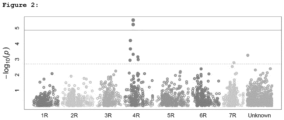
- the 20 K GWAS analysis yielded two significant SNP markers ( Figure 2 ).
- the highest related marker is "AX 99567860," which is located at 635.9 Mbp on 4R rye chromosome.
- One NB-LRR is situated at 613 Mbp in the Lo7 reference genome, whereas the other is positioned at 657 Mbp.
- the 0.78 (h 2 ) heritability was estimated by dividing the additive genetic variance (total variance of GEBVs) with total phenotypic variance.
- the NLR gene in this contig is located between 4057 and 8382 bp, and this segment did not align to any chromosome of the Lo7 reference genome. However, this specific fragment of contig is present only in our resistant genotypes.
- the AUGUSTUS predicted a complete gene of 2200 nucleotide bases with four exon and three introns ( Figure 3A ).
- the coding sequence is translated into 548 amino acids with conserved domains such as Rx_N terminal domain/CC domain (27-91 aa), NB-ARC domain (178-306) and leucine rich repeat (LRR) superfamily.
- LRR leucine rich repeat
- This gene is also predicted to contain the functional domain of a P-loop containing triphosphate (120-341 aa), apoptotic protease activating factors (241-324 aa) and winged helix-like binding domain (325-410 aa). All these domains are shown in figures 3A and 3B .
- del2, del3 and del4 were found on different introns ( Figure 4 ).
- the del2 and del3 are also 11 nucleotide bp deletions, whereas del4 is 3 bp nucleotide deletion ( Figure 4 ).
- the ergot resistant genotypes always exhibit this specific haplotype pattern of four deletions.
- KASP markers were used to screen elite Nordic seed germplasm.
- Four KASP markers were designed to detect the four deletions, i.e. dell, del2, del3 and del4 (Table 2).
- the KASP assay demonstrated that it discriminates between the 190 inbred lines examined based on their response to C. purpurea.
- Eight inbred genotypes with dell were detected by KASP primer flanking dell, whereas KASP with del2 found ten inbred genotypes with this specific deletion ( Figure 5 ).
- KASP with del3 identified 17 inbred genotypes
- KASP with del4 identified 13.
- Out of 190 genotypes analyzed, KASP data confirmed the presence of all four deletions in five resistant inbred genotypes ( Figure 5 ).
Landscapes
- Life Sciences & Earth Sciences (AREA)
- Health & Medical Sciences (AREA)
- Genetics & Genomics (AREA)
- Chemical & Material Sciences (AREA)
- Organic Chemistry (AREA)
- Engineering & Computer Science (AREA)
- Botany (AREA)
- General Health & Medical Sciences (AREA)
- Environmental Sciences (AREA)
- Wood Science & Technology (AREA)
- Developmental Biology & Embryology (AREA)
- Biotechnology (AREA)
- Zoology (AREA)
- Molecular Biology (AREA)
- Proteomics, Peptides & Aminoacids (AREA)
- Bioinformatics & Cheminformatics (AREA)
- Biochemistry (AREA)
- General Engineering & Computer Science (AREA)
- Analytical Chemistry (AREA)
- Biophysics (AREA)
- Physics & Mathematics (AREA)
- Microbiology (AREA)
- Biomedical Technology (AREA)
- Physiology (AREA)
- Mycology (AREA)
- Spectroscopy & Molecular Physics (AREA)
- Natural Medicines & Medicinal Plants (AREA)
- Cell Biology (AREA)
- Immunology (AREA)
- Plant Pathology (AREA)
- Gastroenterology & Hepatology (AREA)
- Medicinal Chemistry (AREA)
- Measuring Or Testing Involving Enzymes Or Micro-Organisms (AREA)
Abstract
Description
- The present invention is in the technical field of plant breeding and green biotechnology, specifically in the field of rye breeding employing marker assisted selection and marker technology. For instance, cereals with ergot resistance have been developed using marker assisted selection. They are distinguished by the persistence of unfavorable, typically ergot-causing effects that would otherwise be associated with the introgression of chromosomal segments containing the resistance locus in cultivars. In this respect, the present invention provides plants, in particular rye plants which, as ergot resistant parent, are capable of causing ergot resistance for the Gülzow germplasm, whereby a linkage drag otherwise associated with the ergot resistance property is reduced or even eliminated in rye plants resulting from a cross of these parents having identified haplotype pattern.
- In addition, the present invention is concerned with nucleic acid molecules that carry the essential information to generate ergot resistance, as well as a protein that can be coded for by the nucleic acid molecule. Furthermore, the invention concerns the use of the nucleic acid molecules, DNA, and protein in the rye breeding, for example.
- Rye (Secale cereale L.) is an important cereal crop, especially in Northern Europe 1. Rye has a high nutritional value as well as a tolerance to the cool environmental conditions at northern latitudes 1. Rye can grow in cool temperatures and in marginal soil conditions, which may not be as suitable for wheat and barley1. However, rye is threatened by ergot, a fungal disease which is known to cause severe problems2. Ergot contamination of harvested grains is known to produce serious issues in cross-pollinated rye3. Due to toxic ergot alkaloids (EAs), ergot poses a serious risk to food and feed security. The EAs are a class of secondary metabolites that are defined as 4-( γ,γ,-dimethylallyl) tryptophan derivatives (DMAT)4. Their toxicity is linked to their structural similarity to dopamine, noradrenaline, adrenaline, and serotonin, which allows binding to the biogenic amine receptor and the disruption of neurotransmission5,6. Due to food security concerns, ergot is a serious threat to bread production as well feed production for animals. Ingestion of such food or feed containing EAs causes intoxication in humans and animals, as well as disorders like ergotism, which is characterized by symptoms including abdominal discomfort, vomiting, skin burning, sleeplessness, and hallucinations7,8. More than 40 distinct EAs have been identified, with production depending on a variety of criteria including sclerotia development, fungal strain, host cereal, geographical region, and climate conditions. The ergometrine, ergotamine, ergosine, ergocristine, ergokryptine, and ergocornine are the most common EAs that are already listed in European guidelines as regards maximum levels of ergot sclerotia and ergot alkaloids in certain foodstuffs9. There are strict European Union regulations on the use of rye for human consumption due to the persistent presence of hazardous ergot alkaloids10. As a result, until 2024, the milling industry in the European Union will only accept trace amounts of sclerotia in harvested grains for bread manufacturing processes3. The sclerotia are compact masses of hardened fungal mycelia and important for fungal survival during adverse environmental conditions. From July 2024, the sclerotia threshold in harvested grain for final consumers will be reduced even further to 250 µg/kg11. In this context, the six most common EAs (mentioned above) with their inine epimers are to be restricted in unprocessed rye from that date to a maximum total content of 250 µg/kg. Rye farmers may suffer significant financial losses if ergot contamination levels exceed the EU regulatory threshold. The European directive on undesirable substances in animal feed fixes a limit of 0.1% (1g/kg) for ergot sclerotia in feedstuff containing unground cereals. For a reliable marketing of rye products, compliance with these ergot contamination standards in the harvest is essential. Ergot infection is thus one of the most economically important diseases in rye, and it must be avoided in commercial production.
- The C. purpurea infects ovaries in plants, with no obvious signs of plant response. Furthermore, any quantitative trait loci (QTL), haplotype or gene responsible for causing resistance in cereals had not been identified until recently. It is critical to identify an ergot resistance and the cause of this resistance and later use this in breeding to develop rye plants that are resistant to ergot infections for food security.
- The phenotyping for ergot resistance was carried out on the panel of 190 genotypes in semi-field environment. Eight seeds from 190 inbred genotypes were planted in 104-hole trays filled with fine-grain peat soil. Plants were then transferred to the greenhouse facilities at Nordic Seed A/S and cultivated in 16 hours of daylight at 18-24°C and 8 hours of dark at 14-16°C for germination. After two weeks, plants sown in trays were placed in a cold room for vernalization for 8 weeks. The conditions were maintained at 4 °C, 8/16 h day/night cycle, 120 µE m-2 s-1 light intensity and 80% humidity. Plants were transferred into pots (diameter 15 cm) after vernalization, with four plants in each pot and two replications for each genotype. The vernalized plant seedlings that had been sown in pots were transplanted into semi-field conditions. At flowering initiation stage, spikes were inoculated with freshly prepared spore suspension of C. purpurea. Artificial inoculation was performed twice: once at 50% flowering and again at 100% flowering. Inoculum was produced on wheat grains as described by Engelke et al., (2002) with slight modifications12. Briefly, fresh C. purpurea culture were propagated on potato dextrose agar (PDA, Difco) medium at room temperature. C. purpurea conidia spores were produced on autoclaved wheat grains. The inoculated wheat kernels were incubated at 17-19 °C for 21 days. Conidial suspensions from C. purpurea growth were harvested in sterile water, filtered through cheesecloth, and concentrations determined with a hemocytometer by microscopy. Spore concentration at 1×10⁶ conidia/ml was used for inoculation.
- The rye inbred lines were phenotyped for their resistance response towards C. purpurea. We measured the number of infected and non-infected spikes and calculated % infection. We had also measured the number of ergot sclerotia per plant and calculated % number of ergots per 100 spikes. The percent weight of ergot sclerotia was determined through weighing the sclerotia in the total grain weight of specific rye genotypes harvested from each pot.
- A panel of 190 inbred rye (Secale cereale L.) lines comprising of 101 restorer and 89 non-restorer germplasm were selected. Two seeds from each genotype were planted in 104-hole trays filled with fine-grain peat soil. Plants were then transferred to the greenhouse facilities at Nordic Seed A/S and cultivated in 16 hours of daylight at 18-24°C and 8 hours of dark at 14-16°C for germination. After seven days, the lowest section of two coleoptiles and primary leaves were cut, equivalent to 75 mg plant material, and placed in a 96-well Micro-Dilution Tube System (STARLAB International GmbH) containing two 4 mm glass beads per 1.2 mL tubes. Plant tissue samples were stored at -20°C for two days prior to freeze drying for an additional two days. DNA extraction was done using an adapted SDS-based method according to Pallotta, et al. 13. DNA concentration and 260/280nm ratio of samples were measured using Epoch™ microplate spectrophotometer (Biotek®) and evidence of fragmentation by size-visualization on 1.2% agarose gel. Samples of each line containing 200 ng high molecular weight gDNA with ≥ 1.8 260/280nm ratio were genotyped using a custom Illumina Infinium 15Kwheat and 5K Rye single nucleotide polymorphism (SNR) array, denoted as 20K. The mapping position of SNR markers was found by mapping the marker sequences to the 'Lo7' reference genome 14using the NCBI blastn (v. 2.9.0+, ML, USA) function at a significance threshold of the e-value at 10-5, selecting the physical position of the top hit. Genetic analysis of SNR marker data was performed in R studio (v. 1.1.463, Boston, MA, USA) interface in R statistical software (v. 3.6.3). Prior to analysis, markers were filtered for marker allele frequency ≥0.005, missing individual score ≤ 0.2 and missing marker score ≤ 0.1 to identify informative markers.
- Discovery of ergot resistance associated SNP markers was done by genome-wide association study (GWAS) using genomic association and prediction integration tool (GAPIT) (v.3) package in R 15. Manhattan plot was colorized using RColorBrewer (v.1.1-2) R package color palette 16. GWAS using mixed linear model (MLM) done to identify discrete haplotype blocks associated with ergot resistance. A standard Bonferroni-corrected threshold of α = 0.05 was used as the significance threshold.
- The discovery of contigs harboring causal resistance (R) genes has been made possible using a combination of Resistance Gene Enrichment Sequencing (RenSeq) and k-mer association genetics (AgRenSeq). Twenty genotypes were chosen for single-molecule real-time AgRenSeq analysis based on ergot phenotyping. The cerealspecific nucleotide-binding leucine-rich repeat (NLR) bait library (Tv_1) designed by Steuernagel, et al. 17 was utilized to capture resistance genes in rye (Nikolaj et al, submitted). The bait library contains sixty thousand baits, each of which is 120 nucleotides long. The baits were created utilizing the cereals' conserved motif domains of NLR. The bait library is available at (https://github.com/steuernb/MutantHunter/). Arbor Biosciences was hired to sequence the 20 lines (Michigan, USA). Each line received a minimum of 5g DNA, displaying a UV spectrometry 260:280 ratio of 1.8-2.0 and a high molecular weight modal length of 10 kbp. On a Pacbio® Sequell II long read SMRT device, target enrichment was sequenced, yielding 1.5 Gb of high-quality circular consensus sequences (CCS) data per line. The circular consensus sequences (CCS) were assembled with HiCanu (v. 2.0; -pacbio-hifi, trimReadsCoverage = 2, errorRate = 0.01, genomeSize = 8.8m, minOverlapLength = 500, minReadLength = 1000). By pooling k-mers from all twenty genotypes in a binary format with 1 'present') and 0 ('absent,' a collective K-mer absence/presence matrix was created. The matrix was filtered for rare k-mers present in contigs ≤ 3 lines. K-mer processing of the reads was done following Java source coding published at https://github.com/steuernb/ AgRenSeq.
- Identification of candidate ergot resistance genes amongst identified contigs was done following the Java pipeline provided by Arora, et al. 18 at https://github.com/steuernb/AgRenSeq.
- For the purpose of further characterization of the identified contig discovered by AgRenSeq, a manual reference assembly was conducted. The NCBI blastn (v. 2.9.0+) program was used to identify mapping position of the identified contig in the line in which it was detected19. The AUGUSTUS (3.4.0) algorithm was used to estimate gene structure and extract protein sequence from manually constructed consensus NLR contigs 20. InterPro Scan was utilized for functional analysis and protein domain structure prediction 21.
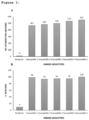
- A panel of six selected inbred genotypes of rye based on ergot phenotyping was investigated for the selected region in the identified contig. DNA extraction was done using an adapted SDS-based method with modification as described by Pallotta, et al. 13. DNA concentration and 260/280nm ratio of samples were measured using Epoch™ microplate spectrophotometer (Biotek®) and DNA integrity through size-visualization on 1.2% agarose gel. The DNA of selected resistant and susceptible genotypes were used in PCR to amplify a predicted gene fragment with overlapping primer pairs shown in Table 1. First of all, sanger sequencing of the identified gene carried out on the five most susceptible genotypes and one highly ergot resistant genotype. The resistance and susceptibility level of selected inbred genotypes has been demonstrated in
Figure 1 . PCR products were analyzed on 1% agarose gels to visualize the fragments of expected size before dispatch to Macrogen (Netherlands) for sanger sequencing. Identification of single nucleotide variants (SNV) and insertions/deletions (indels) between candidate gene alleles was done by multiple sequence alignment using Multiple Sequence Comparison by Log-Expectation (MUSCLE) method in Geneious Prime (v. 2020.2.3) with ≤ 10 iterations. The identified indels were used for designing a competitive allele-specific PCR (KASP) assay. Four KASP markers were designed to detect the four deletions i.e. dell, del2, del3 and del4. The KASP markers designed by LGC genomics (United Kingdom, UK). The in-house validation of these KASPs were assessed on selected 190 inbred genotypes with low and high ergot resistance. - For the validation, twelve independent progenies (F5) derived from the resistant genotype were sown in field conditions. These plants represent the segregating population and has been screened for the resistance towards ergot in the field conditions. Trials were sown in a Seedmatic® layout with a single parcel (1.0m × 1.25m) consisting of six rows of approximately 25 plants per progeny with a between-row distance of 25 cm and between-parcel distance of 40 cm. Field trial was established in three replications and scored for ergot using a 1-9 scoring scale with 1 as no spike with ergot infection and 9 as all spikes infected with ergot. The progenies were scored by evaluating all plants of the individual progeny within the plot. The plants representing all 12 progenies were also screened with these KASP markers for validation.
- The number of ergots sclerotia per plant was used as phenotypic input in a genome-wide association study (GWAS) to find the ergot resistant chromosomal region in the germplasm. As demonstrated in the Manhattan plot, the 20 K GWAS analysis yielded two significant SNP markers (
Figure 2 ). The highest related marker is "AX 99567860," which is located at 635.9 Mbp on 4R rye chromosome. One NB-LRR is situated at 613 Mbp in the Lo7 reference genome, whereas the other is positioned at 657 Mbp. - The 0.78 (h2) heritability was estimated by dividing the additive genetic variance (total variance of GEBVs) with total phenotypic variance. These results revealed that variance in resistance to ergot in rye is highly due to additive genetic variation.
- Using a combination of resistance gene enrichment sequencing (RenSeq) and k-mer association genetics, contigs harboring the causal resistance (R) gene were found. This investigation led to the discovery of a contig in the ergot resistant genotype. This contig is abbreviated as "Tig00000140," presented as
SEQ ID NO 10 and it has 12812 nucleotide bases. This resistance-associated contig has partial alignment on the Lo7 reference genome, where only the last 5426 bp aligned on the 4R. On 4R, the alignment position is 651.8 Mbp. According to the NLR annotator, the NLR gene in this contig is located between 4057 and 8382 bp, and this segment did not align to any chromosome of the Lo7 reference genome. However, this specific fragment of contig is present only in our resistant genotypes. - This leads to the conclusion that NB-LRR gene in this contig is not present in the reference Lo7 genome. The AUGUSTUS predicted a complete gene of 2200 nucleotide bases with four exon and three introns (
Figure 3A ). The coding sequence is translated into 548 amino acids with conserved domains such as Rx_N terminal domain/CC domain (27-91 aa), NB-ARC domain (178-306) and leucine rich repeat (LRR) superfamily. There are five potential LRR motifs predicted in this gene (426-441, 451-466, 478-493, 499-514 and 520-536 aa). This gene is also predicted to contain the functional domain of a P-loop containing triphosphate (120-341 aa), apoptotic protease activating factors (241-324 aa) and winged helix-like binding domain (325-410 aa). All these domains are shown infigures 3A and 3B . - Sanger sequencing of selected six inbred genotypes has been carried out using the specific primers of the NB-LRR gene in the identified contig. In addition, the RenSeq study provided us with the nucleotide sequences of ergot susceptible and resistant genotypes. Nucleotide sequences for twenty inbred genotypes were obtained from a RenSeq investigation. The existence of four deletions in the ergot resistant genotypes was discovered after aligning the consensus sequences from susceptible genotypes to the consensus sequences of resistant genotypes. Among these four deletions, deletion 1 (dell) is located in the coding region (
Figure 4 ). This is 11 bp deletion located in the CC domain. the remaining three deletions (del2, del3 and del4) were found on different introns (Figure 4 ). The del2 and del3 are also 11 nucleotide bp deletions, whereas del4 is 3 bp nucleotide deletion (Figure 4 ). The ergot resistant genotypes always exhibit this specific haplotype pattern of four deletions. - KASP markers were used to screen elite Nordic seed germplasm. Four KASP markers were designed to detect the four deletions, i.e. dell, del2, del3 and del4 (Table 2). The KASP assay demonstrated that it discriminates between the 190 inbred lines examined based on their response to C. purpurea. Eight inbred genotypes with dell were detected by KASP primer flanking dell, whereas KASP with del2 found ten inbred genotypes with this specific deletion (
Figure 5 ). Similarly, KASP with del3 identified 17 inbred genotypes, while KASP with del4 identified 13. Out of 190 genotypes analyzed, KASP data confirmed the presence of all four deletions in five resistant inbred genotypes (Figure 5 ). - We investigated the response of these five genotypes towards ergot and discovered that the resistance level was very high in these genotypes compared to susceptible genotypes (
Figure 6 ). This supports the assumption that this specific haplotype pattern is responsible for ergot resistance. We amplified the targeted region and sent it for sequencing to validate the presence of these four deletions in these five ergot resistant genotypes. The existence of all four deletions in all five ergot resistance genotypes was confirmed by sanger sequencing (Figure 7 ). The lines (F5) derived from the ergot resistant genotype have been tested with all four KASP markers. Plants were used to represent the segregating population and have been screened for the resistance towards ergot in the field conditions. In the progeny, scoring of these individuals identify four susceptible plants, two intermediate and six highly resistant progenies derived from segregating lines of resistant genotype (Table 3). -
- 1 Geiger, H. & Miedaner, T. in Cereals 157-181 (Springer, 2009).
- 2 Lee, M. The history of ergot of rye (Claviceps purpurea) I: from antiquity to 1900. The journal of the Royal College of Physicians of Edinburgh 39, 179-184 (2009).
- 3 Tudzynski, P., Correia, T. & Keller, U. Biotechnology and genetics of ergot alkaloids. Applied microbiology and biotechnology 57, 593-605 (2001).
- 4 Florea, S., Panaccione, D. G. & Schardl, C. L. Ergot alkaloids of the family Clavicipitaceae. Phytopathology 107, 504-518 (2017).
- 5 Klotz, J. L. Activities and effects of ergot alkaloids on livestock physiology and production. ).
- 6 Mulac, D. & Humpf, H.-U. Cytotoxicity and accumulation of ergot alkaloids in human primary cells. Toxicology 282, 112-121 (2011).
- 7 Komarova, E. & Tolkachev, O. The chemistry of peptide ergot alkaloids. ).
- 8 Van Dongen, P. W. & de Groot, A. N. History of ergot alkaloids from ergotism to ergometrine. European Journal of Obstetrics & Gynecology and ).
- 9 Chain, E. P. o. C. i. t. F. Scientific Opinion on Ergot alkaloids in food and feed. ).
- 10 Streit, E. et al. Current situation of mycotoxin contamination and cooccurrence in animal feed-Focus on Europe. ).
- 11 (EU), C. R. Commission Regulation (EU) 2021/1408 of 27 August 2021 amending Regulation (EC) No 1881/2006 as regards maximum levels of tropane alkaloids in certain foodstuffs Regulation (EC) No 1881/2006 (2021).
- 12 Engelke, T. Ansätze für eine integrierte Bekämpfung des Mutterkorns (Claviceps purpurea [Fr.] Tul.) im Roggen. (Cuvillier Verlag, 2002).
- 13 Pallotta, M. A. et al. Marker assisted wheat breeding in the southern region of Australia. Proceedings of the Tenth International Wheat Genetics Symposium, 789-791 (2003).
- 14 Rabanus-Wallace, M. T. et al. Chromosome-scale genome assembly provides insights into rye biology, evolution and agronomic potential. ).
- 15 Lipka, A. E. et al. GAPIT: genome association and prediction integrated tool. Bioinformatics 28, 2397-2399, doi:10.1093/bioinformatics/bts444 (2012).
- 16 Wickham, H. ggplot2. Wiley Interdisciplinary Reviews: ).
- 17 Steuernagel, B. et al. Rapid cloning of disease-resistance genes in plants using mutagenesis and sequence capture. Nature Biotechnology 34, 652-655, doi:10.1038/nbt.3543 (2016).
- 18 Arora, S. et al. Resistance gene cloning from a wild crop relative by sequence capture and association genetics. Nature Biotechnology 37, 139-143, doi:10.1038/s41587-018-0007-9 (2019).
- 19 NCBI. National Center for Biotechnology Information, <https://www.ncbi.nlm.nih.gov> (2021).
- 20 Stanke, M., Steinkamp, R., Waack, S. & Morgenstern, B. AUGUSTUS: a web server for gene finding in eukaryotes. Nucleic Acids Research 32, W309-312, doi:10.1093/nar/gkh379 (2004).
- 21 Jones, P. et al. InterProScan 5: genome-scale protein function classification. Bioinformatics 30, 1236-1240 (2014).


Claims (10)
- An oligonucleotide which has one of the following nucleotide sequences:i. SEQ ID NO: 3 First_F and First_Rii. SEQ ID NO: 4 Second_F and Second_Riii. SEQ ID NO: 5 Third_F and Third_Riv. SEQ ID NO: 6 with_deletionv. SEQ ID NO: 7 with_deletionvi. SEQ ID NO: 8 with_deletionvii. SEQ ID NO: 9 with_deletion
- A nucleic acid molecule which has nucleotide sequence selected from the group consisted of:i. Nucleotide sequences consisting of SEQ ID NO:1 Resistantii. Nucleotide sequences consisting of codes for an amino acid sequence with one of SEQ ID NO: 11iii. A nucleotide sequence which has an identity of at least 98% with nucleotide sequence in accordance with (i) or (ii).iv. A nucleotide sequence which codes for an amino acid sequence which has an identity of at least 98% with SEQ ID NO: 11.
- The plant as claimed in claim 1 and claim 2, being characterized by SEQ ID NO: 10 or the chromosomal segment being an interval between the marker loci AX_99567860 and AX_99500666 on chromosome 4R from a donor selected from the ergot resistant genotypes of Gülzow germplasm.
- The plant as claimed in claim 1 and claim 2, being characterized by the chromosomal segment having one or more of the following marker loci of the donor: Ergot resistant haplotype (amplification product of the primer with primer pairs of SEQ ID NO: 3, 4 and 5.
- The plant as claimed in claim 1 and claim 2, being characterized by the chromosomal segment being no larger than 85.9 kb between 635894090-635980002 mbp on 4R chromosome.
- The plant as claimed in claim 1 and claim 2, being characterized by the plant being an inbred plant, an edited plant and a double haploid plant with nucleotide sequences described above.
- The plant as claimed in claim 1 and claim 2, being characterized by an enhanced resistance against a pathogen, preferably against a fungus Clavicep pupurea (Fr.).
- Use of KASP markers with and without deletion named as SEQ ID NO: 6, 7 and 8 designed in this study for selection of material for ergot resistance. KASP marker sequences are provided in two pairs (with and without deletion) .
- The plant as claimed in claim 1 and claim 2, being characterized by the plant being of the genus Secale.
- An expression cassette, recombinant DNA or vector comprising a nucleic acid molecule as claimed in claim 2.
Applications Claiming Priority (1)
| Application Number | Priority Date | Filing Date | Title |
|---|---|---|---|
| DKPA202200100 | 2022-02-04 |
Publications (1)
| Publication Number | Publication Date |
|---|---|
| EP4410097A1 true EP4410097A1 (en) | 2024-08-07 |
Family
ID=85172584
Family Applications (1)
| Application Number | Title | Priority Date | Filing Date |
|---|---|---|---|
| EP23020061.0A Pending EP4410097A1 (en) | 2022-02-04 | 2023-02-02 | Ergot resistance haplotypes in rye |
Country Status (1)
| Country | Link |
|---|---|
| EP (1) | EP4410097A1 (en) |
-
2023
- 2023-02-02 EP EP23020061.0A patent/EP4410097A1/en active Pending
Non-Patent Citations (22)
| Title |
|---|
| ARORA, S. ET AL.: "Resistance gene cloning from a wild crop relative by sequence capture and association genetics", NATURE BIOTECHNOLOGY, vol. 37, 2019, pages 139 - 143, XP036900599, DOI: 10.1038/s41587-018-0007-9 |
| CHAIN, E. P.: "Scientific Opinion on Ergot alkaloids in food and feed", EFSA JOURNAL, vol. 10, 2012, pages 2798 |
| ENGELKE, T.: "Ansatze fur eine integrierte Bekampfung des Mutterkorns", 2002, CUVILLIER VERLAG |
| FLOREA, S.PANACCIONE, D. G.SCHARDL, C. L.: "Ergot alkaloids of the family Clavicipitaceae", PHYTOPATHOLOGY, vol. 107, 2017, pages 504 - 518 |
| GORDON ANNA ET AL: "Genetic and transcriptional dissection of resistance toin the durum wheat cultivar Greenshank", THEORETICAL AND APPLIED GENETICS, SPRINGER BERLIN HEIDELBERG, BERLIN/HEIDELBERG, vol. 133, no. 6, 14 February 2020 (2020-02-14), pages 1873 - 1886, XP037141615, ISSN: 0040-5752, [retrieved on 20200214], DOI: 10.1007/S00122-020-03561-9 * |
| JONES, P. ET AL.: "InterProScan 5: genome-scale protein function classification", BIOINFORMATICS, vol. 30, 2014, pages 1236 - 1240 |
| KLOTZ, J. L.: "Activities and effects of ergot alkaloids on livestock physiology and production", TOXINS, vol. 7, 2015, pages 2801 - 2821 |
| KOMAROVA, E.TOLKACHEV, O.: "The chemistry of peptide ergot alkaloids", PHARMACEUTICAL CHEMISTRY JOURNAL, vol. 35, 2001, pages 504 - 513 |
| LEE, M.: "The history of ergot of rye (Claviceps purpurea) I: from antiquity to 1900", THE JOURNAL OF THE ROYAL COLLEGE OF PHYSICIANS OF EDINBURGH, vol. 39, 2009, pages 179 - 184 |
| LIPKA, A. E. ET AL.: "GAPIT: genome association and prediction integrated tool", BIOINFORMATICS, vol. 28, 2012, pages 2397 - 2399 |
| MIEDANER THOMAS ET AL: "Biology, Genetics, and Management of Ergot (Claviceps spp.) in Rye, Sorghum, and Pearl Millet", vol. 7, no. 3, 25 February 2015 (2015-02-25), CH, pages 659 - 678, XP093081155, ISSN: 2072-6651, Retrieved from the Internet <URL:https://www.ncbi.nlm.nih.gov/pmc/ivip/2072-6651/7/3/659> DOI: 10.3390/toxins7030659 * |
| MIEDANER THOMAS ET AL: "Ergot Alkaloid Contents in Hybrid Rye are Reduced by Breeding", AGRICULTURE, vol. 11, no. 6, 5 June 2021 (2021-06-05), pages 526, XP093081143, ISSN: 2077-0472, DOI: 10.3390/agriculture11060526 * |
| MIRDITA VILSON ET AL: "Resistance to Ergot in Self-incompatible Germplasm Resources of Winter Rye", JOURNAL OF PHYTOPATHOLOGY - PHYTOPATHOLOGISCHE ZEITSCHRIFT., vol. 157, no. 6, 1 June 2009 (2009-06-01), DE, pages 350 - 355, XP093081159, ISSN: 0931-1785, DOI: 10.1111/j.1439-0434.2008.01499.x * |
| MULAC, D.HUMPF, H.-U.: "Cytotoxicity and accumulation of ergot alkaloids in human primary cells", TOXICOLOGY, vol. 282, 2011, pages 112 - 121, XP028172889, DOI: 10.1016/j.tox.2011.01.019 |
| PALLOTTA, M. A. ET AL.: "Marker assisted wheat breeding in the southern region of Australia", PROCEEDINGS OF THE TENTH INTERNATIONAL WHEAT GENETICS SYMPOSIUM, 2003, pages 789 - 791 |
| RABANUS-WALLACE, M. T. ET AL.: "Chromosome-scale genome assembly provides insights into rye biology, evolution and agronomic potential", NATURE GENETICS, vol. 53, 2021, pages 564 - 573, XP037419792, DOI: 10.1038/s41588-021-00807-0 |
| STANKE, M.STEINKAMP, R.WAACK, S.MORGENSTERN, B.: "AUGUSTUS: a web server for gene finding in eukaryotes", NUCLEIC ACIDS RESEARCH, vol. 32, 2004, pages W309 - 312 |
| STEUERNAGEL, B. ET AL.: "Rapid cloning of disease-resistance genes in plants using mutagenesis and sequence capture", NATURE BIOTECHNOLOGY, vol. 34, 2016, pages 652 - 655, XP055572159, DOI: 10.1038/nbt.3543 |
| STREIT, E. ET AL.: "Current situation of mycotoxin contamination and co-occurrence in animal feed-Focus on Europe", TOXINS, vol. 4, 2012, pages 788 - 809 |
| TUDZYNSKI, P.CORREIA, T.KELLER, U.: "Biotechnology and genetics of ergot alkaloids", APPLIED MICROBIOLOGY AND BIOTECHNOLOGY, vol. 57, 2001, pages 593 - 605 |
| VAN DONGEN, P. W.DE GROOT, A. N.: "History of ergot alkaloids from ergotism to ergometrine", EUROPEAN JOURNAL OF OBSTETRICS & GYNECOLOGY AND REPRODUCTIVE BIOLOGY, vol. 60, 1995, pages 109 - 116 |
| WICKHAM, H, WILEY INTERDISCIPLINARY REVIEWS: COMPUTATIONAL STATISTICS, vol. 3, 2011, pages 180 - 185 |
Similar Documents
| Publication | Publication Date | Title |
|---|---|---|
| Yu et al. | Aegilops sharonensis genome-assisted identification of stem rust resistance gene Sr62 | |
| Afzal et al. | Genome-wide analyses reveal footprints of divergent selection and drought adaptive traits in synthetic-derived wheats | |
| Liu et al. | Mining of candidate maize genes for nitrogen use efficiency by integrating gene expression and QTL data | |
| Liu et al. | Quantitative trait locus analysis for deep-sowing germination ability in the maize IBM Syn10 DH population | |
| Khan et al. | Fruit quality traits have played critical roles in domestication of the apple | |
| Hu et al. | Association of agronomic traits with SNP markers in durum wheat (Triticum turgidum L. durum (Desf.)) | |
| Raman et al. | Analyses using SSR and DArT molecular markers reveal that Ethiopian accessions of white lupin (Lupinus albus L.) represent a unique genepool | |
| Li et al. | Development and application of two novel functional molecular markers of BADH2 in rice | |
| Zhang et al. | Fine mapping a major QTL for kernel number per row under different phosphorus regimes in maize (Zea mays L.) | |
| Schwertfirm et al. | Genome-wide association study revealed significant SNPs for anthracnose resistance, seed alkaloids and protein content in white lupin | |
| Coll et al. | Lack of repeatable differential expression patterns between MON810 and comparable commercial varieties of maize | |
| Kanwal et al. | An adult plant stripe rust resistance gene maps on chromosome 7A of Australian wheat cultivar Axe | |
| Luan et al. | Genetic mapping reveals a candidate gene for egusi seed in watermelon | |
| Li et al. | Combined QTL mapping and association study reveals candidate genes for leaf number and flowering time in maize | |
| Karbarz et al. | Quantitative trait loci mapping of adult‐plant resistance to powdery mildew in triticale | |
| Řepková et al. | Modern methods for genetic improvement of Trifolium pratense. | |
| Patyi et al. | Identification of a new QTL associated to reduced quinolizidine alkaloid content in white lupin (Lupinus albus, L.) and development of ultra-low alkaloid recombinants by stacking with the pauper allele | |
| Cheng et al. | Identification and characterization of quantitative trait loci for shattering in japonica Rice landrace Jiucaiqing from Taihu Lake Valley, China | |
| Kumar et al. | Study of simple sequence repeat (SSR) polymorphism for biotic stress resistance in elite rice variety JGL 1798 | |
| Radanović et al. | Mining alleles for creating environment resilient sunflower | |
| Chegdali et al. | Distribution of alleles related to grain weight and quality in Moroccan and North American wheat landraces and cultivars | |
| Geddam et al. | Validation of QTLs for earliness and plant type traits in pigeonpea (Cajanus cajan (L.) Millsp.) | |
| Wang et al. | A combination of resistance genes confers high and durable resistance against stripe rust in wheat cultivar Lantian 26 | |
| Lozada | Association Mapping and Genomic Selection for Yield and Agronomic Traits in Soft Winter Wheat | |
| Baranwal | Molecular mapping of rust resistance and genome-wide association study for grain mineral concentration in wheat |
Legal Events
| Date | Code | Title | Description |
|---|---|---|---|
| PUAI | Public reference made under article 153(3) epc to a published international application that has entered the european phase |
Free format text: ORIGINAL CODE: 0009012 |
|
| STAA | Information on the status of an ep patent application or granted ep patent |
Free format text: STATUS: THE APPLICATION HAS BEEN PUBLISHED |
|
| AK | Designated contracting states |
Kind code of ref document: A1 Designated state(s): AL AT BE BG CH CY CZ DE DK EE ES FI FR GB GR HR HU IE IS IT LI LT LU LV MC ME MK MT NL NO PL PT RO RS SE SI SK SM TR |
|
| STAA | Information on the status of an ep patent application or granted ep patent |
Free format text: STATUS: REQUEST FOR EXAMINATION WAS MADE |
|
| 17P | Request for examination filed |
Effective date: 20241227 |
|
| RAV | Requested validation state of the european patent: fee paid |
Extension state: MD Effective date: 20250204 |
|
| RAX | Requested extension states of the european patent have changed |
Extension state: BA Payment date: 20250204 |
|
| STAA | Information on the status of an ep patent application or granted ep patent |
Free format text: STATUS: EXAMINATION IS IN PROGRESS |
|
| 17Q | First examination report despatched |
Effective date: 20260610 |