EP4407767A1 - Battery pack, manufacturing method therefor, and electric device - Google Patents
Battery pack, manufacturing method therefor, and electric device Download PDFInfo
- Publication number
- EP4407767A1 EP4407767A1 EP22871730.2A EP22871730A EP4407767A1 EP 4407767 A1 EP4407767 A1 EP 4407767A1 EP 22871730 A EP22871730 A EP 22871730A EP 4407767 A1 EP4407767 A1 EP 4407767A1
- Authority
- EP
- European Patent Office
- Prior art keywords
- battery pack
- housing
- opening
- wall
- housing assembly
- Prior art date
- Legal status (The legal status is an assumption and is not a legal conclusion. Google has not performed a legal analysis and makes no representation as to the accuracy of the status listed.)
- Pending
Links
Images






Classifications
-
- H—ELECTRICITY
- H01—ELECTRIC ELEMENTS
- H01M—PROCESSES OR MEANS, e.g. BATTERIES, FOR THE DIRECT CONVERSION OF CHEMICAL ENERGY INTO ELECTRICAL ENERGY
- H01M50/00—Constructional details or processes of manufacture of the non-active parts of electrochemical cells other than fuel cells, e.g. hybrid cells
- H01M50/20—Mountings; Secondary casings or frames; Racks, modules or packs; Suspension devices; Shock absorbers; Transport or carrying devices; Holders
- H01M50/204—Racks, modules or packs for multiple batteries or multiple cells
- H01M50/207—Racks, modules or packs for multiple batteries or multiple cells characterised by their shape
- H01M50/209—Racks, modules or packs for multiple batteries or multiple cells characterised by their shape adapted for prismatic or rectangular cells
-
- H—ELECTRICITY
- H01—ELECTRIC ELEMENTS
- H01M—PROCESSES OR MEANS, e.g. BATTERIES, FOR THE DIRECT CONVERSION OF CHEMICAL ENERGY INTO ELECTRICAL ENERGY
- H01M50/00—Constructional details or processes of manufacture of the non-active parts of electrochemical cells other than fuel cells, e.g. hybrid cells
- H01M50/20—Mountings; Secondary casings or frames; Racks, modules or packs; Suspension devices; Shock absorbers; Transport or carrying devices; Holders
- H01M50/284—Mountings; Secondary casings or frames; Racks, modules or packs; Suspension devices; Shock absorbers; Transport or carrying devices; Holders with incorporated circuit boards, e.g. printed circuit boards [PCB]
- H01M50/287—Fixing of circuit boards to lids or covers
-
- H—ELECTRICITY
- H01—ELECTRIC ELEMENTS
- H01M—PROCESSES OR MEANS, e.g. BATTERIES, FOR THE DIRECT CONVERSION OF CHEMICAL ENERGY INTO ELECTRICAL ENERGY
- H01M50/00—Constructional details or processes of manufacture of the non-active parts of electrochemical cells other than fuel cells, e.g. hybrid cells
- H01M50/20—Mountings; Secondary casings or frames; Racks, modules or packs; Suspension devices; Shock absorbers; Transport or carrying devices; Holders
- H01M50/204—Racks, modules or packs for multiple batteries or multiple cells
- H01M50/207—Racks, modules or packs for multiple batteries or multiple cells characterised by their shape
- H01M50/211—Racks, modules or packs for multiple batteries or multiple cells characterised by their shape adapted for pouch cells
-
- H—ELECTRICITY
- H01—ELECTRIC ELEMENTS
- H01M—PROCESSES OR MEANS, e.g. BATTERIES, FOR THE DIRECT CONVERSION OF CHEMICAL ENERGY INTO ELECTRICAL ENERGY
- H01M10/00—Secondary cells; Manufacture thereof
- H01M10/42—Methods or arrangements for servicing or maintenance of secondary cells or secondary half-cells
- H01M10/425—Structural combination with electronic components, e.g. electronic circuits integrated to the outside of the casing
-
- H—ELECTRICITY
- H01—ELECTRIC ELEMENTS
- H01M—PROCESSES OR MEANS, e.g. BATTERIES, FOR THE DIRECT CONVERSION OF CHEMICAL ENERGY INTO ELECTRICAL ENERGY
- H01M10/00—Secondary cells; Manufacture thereof
- H01M10/42—Methods or arrangements for servicing or maintenance of secondary cells or secondary half-cells
- H01M10/4285—Testing apparatus
-
- H—ELECTRICITY
- H01—ELECTRIC ELEMENTS
- H01M—PROCESSES OR MEANS, e.g. BATTERIES, FOR THE DIRECT CONVERSION OF CHEMICAL ENERGY INTO ELECTRICAL ENERGY
- H01M10/00—Secondary cells; Manufacture thereof
- H01M10/42—Methods or arrangements for servicing or maintenance of secondary cells or secondary half-cells
- H01M10/48—Accumulators combined with arrangements for measuring, testing or indicating the condition of cells, e.g. the level or density of the electrolyte
- H01M10/482—Accumulators combined with arrangements for measuring, testing or indicating the condition of cells, e.g. the level or density of the electrolyte for several batteries or cells simultaneously or sequentially
-
- H—ELECTRICITY
- H01—ELECTRIC ELEMENTS
- H01M—PROCESSES OR MEANS, e.g. BATTERIES, FOR THE DIRECT CONVERSION OF CHEMICAL ENERGY INTO ELECTRICAL ENERGY
- H01M50/00—Constructional details or processes of manufacture of the non-active parts of electrochemical cells other than fuel cells, e.g. hybrid cells
- H01M50/10—Primary casings; Jackets or wrappings
- H01M50/172—Arrangements of electric connectors penetrating the casing
- H01M50/174—Arrangements of electric connectors penetrating the casing adapted for the shape of the cells
- H01M50/178—Arrangements of electric connectors penetrating the casing adapted for the shape of the cells for pouch or flexible bag cells
-
- H—ELECTRICITY
- H01—ELECTRIC ELEMENTS
- H01M—PROCESSES OR MEANS, e.g. BATTERIES, FOR THE DIRECT CONVERSION OF CHEMICAL ENERGY INTO ELECTRICAL ENERGY
- H01M50/00—Constructional details or processes of manufacture of the non-active parts of electrochemical cells other than fuel cells, e.g. hybrid cells
- H01M50/10—Primary casings; Jackets or wrappings
- H01M50/183—Sealing members
- H01M50/186—Sealing members characterised by the disposition of the sealing members
-
- H—ELECTRICITY
- H01—ELECTRIC ELEMENTS
- H01M—PROCESSES OR MEANS, e.g. BATTERIES, FOR THE DIRECT CONVERSION OF CHEMICAL ENERGY INTO ELECTRICAL ENERGY
- H01M50/00—Constructional details or processes of manufacture of the non-active parts of electrochemical cells other than fuel cells, e.g. hybrid cells
- H01M50/20—Mountings; Secondary casings or frames; Racks, modules or packs; Suspension devices; Shock absorbers; Transport or carrying devices; Holders
- H01M50/258—Modular batteries; Casings provided with means for assembling
-
- H—ELECTRICITY
- H01—ELECTRIC ELEMENTS
- H01M—PROCESSES OR MEANS, e.g. BATTERIES, FOR THE DIRECT CONVERSION OF CHEMICAL ENERGY INTO ELECTRICAL ENERGY
- H01M50/00—Constructional details or processes of manufacture of the non-active parts of electrochemical cells other than fuel cells, e.g. hybrid cells
- H01M50/20—Mountings; Secondary casings or frames; Racks, modules or packs; Suspension devices; Shock absorbers; Transport or carrying devices; Holders
- H01M50/289—Mountings; Secondary casings or frames; Racks, modules or packs; Suspension devices; Shock absorbers; Transport or carrying devices; Holders characterised by spacing elements or positioning means within frames, racks or packs
-
- H—ELECTRICITY
- H01—ELECTRIC ELEMENTS
- H01M—PROCESSES OR MEANS, e.g. BATTERIES, FOR THE DIRECT CONVERSION OF CHEMICAL ENERGY INTO ELECTRICAL ENERGY
- H01M50/00—Constructional details or processes of manufacture of the non-active parts of electrochemical cells other than fuel cells, e.g. hybrid cells
- H01M50/20—Mountings; Secondary casings or frames; Racks, modules or packs; Suspension devices; Shock absorbers; Transport or carrying devices; Holders
- H01M50/296—Mountings; Secondary casings or frames; Racks, modules or packs; Suspension devices; Shock absorbers; Transport or carrying devices; Holders characterised by terminals of battery packs
-
- H—ELECTRICITY
- H01—ELECTRIC ELEMENTS
- H01M—PROCESSES OR MEANS, e.g. BATTERIES, FOR THE DIRECT CONVERSION OF CHEMICAL ENERGY INTO ELECTRICAL ENERGY
- H01M50/00—Constructional details or processes of manufacture of the non-active parts of electrochemical cells other than fuel cells, e.g. hybrid cells
- H01M50/20—Mountings; Secondary casings or frames; Racks, modules or packs; Suspension devices; Shock absorbers; Transport or carrying devices; Holders
- H01M50/298—Mountings; Secondary casings or frames; Racks, modules or packs; Suspension devices; Shock absorbers; Transport or carrying devices; Holders characterised by the wiring of battery packs
-
- H—ELECTRICITY
- H01—ELECTRIC ELEMENTS
- H01M—PROCESSES OR MEANS, e.g. BATTERIES, FOR THE DIRECT CONVERSION OF CHEMICAL ENERGY INTO ELECTRICAL ENERGY
- H01M50/00—Constructional details or processes of manufacture of the non-active parts of electrochemical cells other than fuel cells, e.g. hybrid cells
- H01M50/50—Current conducting connections for cells or batteries
- H01M50/502—Interconnectors for connecting terminals of adjacent batteries; Interconnectors for connecting cells outside a battery casing
- H01M50/503—Interconnectors for connecting terminals of adjacent batteries; Interconnectors for connecting cells outside a battery casing characterised by the shape of the interconnectors
-
- H—ELECTRICITY
- H01—ELECTRIC ELEMENTS
- H01M—PROCESSES OR MEANS, e.g. BATTERIES, FOR THE DIRECT CONVERSION OF CHEMICAL ENERGY INTO ELECTRICAL ENERGY
- H01M50/00—Constructional details or processes of manufacture of the non-active parts of electrochemical cells other than fuel cells, e.g. hybrid cells
- H01M50/50—Current conducting connections for cells or batteries
- H01M50/502—Interconnectors for connecting terminals of adjacent batteries; Interconnectors for connecting cells outside a battery casing
- H01M50/505—Interconnectors for connecting terminals of adjacent batteries; Interconnectors for connecting cells outside a battery casing comprising a single busbar
-
- H—ELECTRICITY
- H01—ELECTRIC ELEMENTS
- H01M—PROCESSES OR MEANS, e.g. BATTERIES, FOR THE DIRECT CONVERSION OF CHEMICAL ENERGY INTO ELECTRICAL ENERGY
- H01M50/00—Constructional details or processes of manufacture of the non-active parts of electrochemical cells other than fuel cells, e.g. hybrid cells
- H01M50/50—Current conducting connections for cells or batteries
- H01M50/502—Interconnectors for connecting terminals of adjacent batteries; Interconnectors for connecting cells outside a battery casing
- H01M50/519—Interconnectors for connecting terminals of adjacent batteries; Interconnectors for connecting cells outside a battery casing comprising printed circuit boards [PCB]
-
- H—ELECTRICITY
- H01—ELECTRIC ELEMENTS
- H01M—PROCESSES OR MEANS, e.g. BATTERIES, FOR THE DIRECT CONVERSION OF CHEMICAL ENERGY INTO ELECTRICAL ENERGY
- H01M50/00—Constructional details or processes of manufacture of the non-active parts of electrochemical cells other than fuel cells, e.g. hybrid cells
- H01M50/50—Current conducting connections for cells or batteries
- H01M50/543—Terminals
- H01M50/545—Terminals formed by the casing of the cells
-
- H—ELECTRICITY
- H01—ELECTRIC ELEMENTS
- H01M—PROCESSES OR MEANS, e.g. BATTERIES, FOR THE DIRECT CONVERSION OF CHEMICAL ENERGY INTO ELECTRICAL ENERGY
- H01M10/00—Secondary cells; Manufacture thereof
- H01M10/42—Methods or arrangements for servicing or maintenance of secondary cells or secondary half-cells
- H01M10/425—Structural combination with electronic components, e.g. electronic circuits integrated to the outside of the casing
- H01M2010/4271—Battery management systems including electronic circuits, e.g. control of current or voltage to keep battery in healthy state, cell balancing
-
- Y—GENERAL TAGGING OF NEW TECHNOLOGICAL DEVELOPMENTS; GENERAL TAGGING OF CROSS-SECTIONAL TECHNOLOGIES SPANNING OVER SEVERAL SECTIONS OF THE IPC; TECHNICAL SUBJECTS COVERED BY FORMER USPC CROSS-REFERENCE ART COLLECTIONS [XRACs] AND DIGESTS
- Y02—TECHNOLOGIES OR APPLICATIONS FOR MITIGATION OR ADAPTATION AGAINST CLIMATE CHANGE
- Y02E—REDUCTION OF GREENHOUSE GAS [GHG] EMISSIONS, RELATED TO ENERGY GENERATION, TRANSMISSION OR DISTRIBUTION
- Y02E60/00—Enabling technologies; Technologies with a potential or indirect contribution to GHG emissions mitigation
- Y02E60/10—Energy storage using batteries
Definitions
- This application relates to the field of energy storage technologies, and in particular, to a battery pack, a manufacturing method, and an electric device.
- batteries need to undergo testing, typically using test ports left on the circuit board. Some battery tests are usually completed before assembly into the final product. Assembling after testing may result in process-induced damage to the battery during the final product assembly that cannot be identified.
- the battery pack includes a housing assembly, and a cell module and a first electrical connection portion accommodated in the housing assembly.
- the cell module includes a plurality of battery cells stacked in a first direction.
- the housing assembly includes a first wall and a second wall disposed opposite to each other in the first direction, the housing assembly is provided with an opening.
- the first electrical connection portion includes a first part and a second part, where the first part is electrically connected to the plurality of battery cells.
- the first part has a first edge, and the second part is connected to the first edge and disposed within the housing assembly.
- the second part is configured to be connect to an external testing apparatus.
- the second part has a length greater than a distance between the first edge and the first wall in the first direction.
- the first electrical connection portion is connected to the external testing apparatus. This enables the testing of the battery pack.
- the battery pack assembled is connected to the external testing apparatus for testing through the first electrical connection portion, thereby detecting minor damages to the battery pack caused by the assembly process during the assembly. This facilitates prompt repairs, thereby enhancing the assembly yield and quality of the battery pack.
- the battery cell includes a cell housing, an electrode assembly disposed in the cell housing, and an electrode terminal connected to the electrode assembly and led out of the cell housing.
- the second part includes a first section and a second section. The first section is bent relative to the first direction. The second section is disposed between the first wall and the cell housing.
- the cell housing includes an accommodating portion for accommodating the electrode assembly.
- a projection of the second section is spaced apart from a projection of the accommodating portion. This reduces the possibility of the second section coming into contact with the electrode terminal and the accommodating portion and limits squeeze applied to the second section by the accommodating portion when the accommodating portion swells.
- the battery pack further includes a circuit board.
- the first part includes a first portion and a second portion.
- the first portion includes a conductive sheet, where the conductive sheet is connected to the electrode terminal.
- the second portion is connected to the circuit board and the first portion.
- the second portion includes a first connecting portion and a second connecting portion.
- the first connecting portion connects the circuit board and the first portion and is configured to transmit a current signal of the battery pack.
- the second connecting portion connects the circuit board and the first portion and is configured to transmit a current.
- the second connecting portion has a thickness greater than a thickness of the first connecting portion. This increases the transmission of the total positive current and the total negative current, and implements integrated transmission of the current and the current signal, simplifying the production steps and reducing the need for the welding of additional components.
- the first wall is provided with a first convex portion.
- a projection of the first convex portion overlaps with a projection of the second part.
- the convex portion restricts a position of the second part and reduces movement of the second part within the housing.
- the battery pack further includes a second insulating member connected to the second section.
- the second insulating member is disposed between the first wall and the second section.
- the first wall is provided with a first convex portion. In the second direction, a projection of the first convex portion overlaps with a projection of the second insulating member.
- the second part is restricted between the first wall and the second insulating member through the second insulating member, so that the risk of short circuit between the second part and the battery cell is reduced.
- the first wall is provided with a second convex portion.
- a projection of the second convex portion overlaps with a projection of the second part, the third direction is perpendicular to both the first direction and the second direction.
- the first section when viewed along a direction opposite the first direction, is at least partially located within the opening.
- the housing assembly includes a first housing and a second housing.
- the first housing accommodates the battery cell.
- the first housing has a first opening.
- the second housing has a second opening.
- the second housing is connected to the first housing. The first opening and the second opening form the opening.
- the housing assembly includes a third insulating member.
- the third insulating member is disposed within the opening.
- the convex portion further includes a second convex portion, where the second convex portion is connected to the first convex portion at one end and extends along a direction opposite the second direction. In the third direction, the projection of the second convex portion overlaps with a projection of the second insulating member.
- the convex portion further includes a third convex portion, where the third convex portion extends along the third direction, and two ends of the third convex portion in the third direction are connected to an end of the two second convex portions away from the first convex portion, respectively.
- a portion of the structure of the first wall, the first convex portion, the two second convex portions, and the third convex portion fit to form a first concave portion.
- the second part is partially disposed within the first concave portion.
- the second insulating member is at least partially disposed within the first concave portion.
- the second insulating member is connected to the second part. In the second direction, the projection of the first convex portion and the projection of the second part are spaced apart.
- the battery pack includes two second insulating members, and in the first direction, the second part is partially disposed between the two second insulating members.
- the cell housing further includes a sealing portion.
- the accommodating portion and the sealing portion form a first space.
- the battery pack further includes a first insulating member, where the first insulating member is disposed within the first space, and the first portion is connected to the first insulating member.
- the provision of the first insulating member in the first space facilitates the mounting of the first electrical connection portion, reducing the risk of short circuit between the first electrical connection portion and the battery cell.
- An embodiment of this application further provides a method for manufacturing the battery pack according to any one of the foregoing embodiments, including the following steps: connecting the first electrical connection portion and the cell module and placing the first electrical connection portion and the cell module in the housing assembly; extending the second part out of the opening of the housing assembly, connecting the second part and the external testing apparatus, and testing the battery pack; and after the testing is completed, bending the second part back into the housing assembly.
- An embodiment of this application further provides an electric device, including the battery pack according to any of the foregoing embodiments or a battery pack manufactured by using the manufacturing method described above.
- the battery pack according to some embodiments of this application after assembled is connected to an external testing apparatus for testing.
- This testing method enables the testing of the battery pack, including detecting minor damages to the battery pack caused by the assembly process during the assembly. This facilitates prompt repairs, thereby enhancing the assembly yield and quality of the battery pack.
- Battery pack 100 Housing assembly 10 Opening 10a First wall 10b Second wall 10c First housing 11 First opening 111 Second housing 12 Second opening 121 Convex portion 13 Second insulating member 13a First concave portion 13b First convex portion 131 Second convex portion 132 Third convex portion 133 Third insulating member 14 Cell module 20 Battery cell 21 First space 21a First insulating member 21b Cell housing 211 Sealing portion 211a Accommodating portion 211b Electrode terminal 213 Circuit board 30 Connector 31 First electrical connection portion 40 First part 41 First edge 41a First portion 411 Conductive sheet 411a Through hole 411b Second portion 412 First connecting portion 412a Second connecting portion 412b Second part 42 First section 421 Second section 422 Electric device 200 First direction X Second direction Y Third direction Z
- a component when referred to as being “installed to” another component, it may be directly installed to the another component, or there may be a component in between. When one component is deemed as being “disposed on” another component, it can be directly disposed on the another component, or there can be a component in between.
- a tolerance of 0- ⁇ 5% is allowed between the two components.
- a tolerance of 0- ⁇ 10% is allowed between the two components.
- the projections of the two components are the same or overlap, a tolerance of 0- ⁇ 10% is allowed between the two components.
- an embodiment of this application provides a battery pack 100, where the battery pack 100 includes a housing assembly 10, a cell module 20, and a first electrical connection portion 40.
- the cell module 20 includes a plurality of battery cells 21 stacked in a first direction X.
- the battery pack 100 further includes a circuit board 30, where the plurality of battery cells 21, the circuit board 30, and the first electrical connection portion 40 are accommodated within the housing assembly 10.
- the housing assembly 10 has an opening 10a.
- the first electrical connection portion 40 includes a first part 41 and a second part 42. The first part 41 is electrically connected to the circuit board 30 and the plurality of battery cells 21, such that the circuit board 30 is electrically connected to the plurality of battery cells 21.
- the second part 42 can be configured to be connected to an external testing apparatus.
- the first part 41 has a first edge 41a, and the second part 42 is connected to the first edge 41a and bent within the housing assembly 10.
- the second part 42 extends out from the opening 10a to connect to an external testing apparatus.
- the second part 42 is bent back into the housing assembly 10 through the opening 10a.
- the battery pack assembled is connected to an external testing apparatus for testing through the second part 42.
- This testing method enables the testing of the battery pack 100, including detecting damages to the battery pack 100 caused by the assembly process during the assembly. This facilitates prompt repairs, thereby enhancing the assembly yield and quality of the battery pack 100.
- the circuit board 30 includes a circuit board having a battery management system for intelligently managing and maintaining the battery pack 100, which can reduce overcharge and over discharge of the battery pack 100, monitor the state of the battery pack 100, and extend the service life of the battery pack 100.
- the circuit board 30 is provided with a connector 31, where the connector 31 is connected to an external device. It can be understood that the cell module 20 may alternatively include a single battery cell 21.
- the battery cell 21 includes a cell housing 211, an electrode assembly (not shown in the figures), and an electrode terminal 213, where the electrode assembly is accommodated within the cell housing 211, and the electrode terminal 213 is connected to the electrode assembly and extends outward from the cell housing 211.
- the electrode assembly includes a structure formed by a positive electrode plate, a negative electrode plate, and a separator.
- the cell housing 211 includes interconnected sealing portion 211a and accommodating portion 211b, where the sealing portion 211a is located at an edge of the accommodating portion 211b and extends outward from the accommodating portion 211b, the electrode assembly is accommodated within the accommodating portion 211b, and the electrode terminal 213 extends out from the sealing portion 211a.
- the cell housing 211 includes an aluminum-plastic film.
- the battery cell 21 includes a pouch cell.
- the accommodating portion 211b and the sealing portion 211a fit to form a first space 21a, where the first space 21a is provided with a first insulating member 21b inside.
- the first part 41 may be disposed on the first insulating member 21b to facilitate mounting of the first electrical connection portion 40 and reduce the risk of short circuit between the first electrical connection portion 40 and the battery cell 21.
- the first insulating member 21b includes foam.
- the housing assembly 10 includes a first housing 11 and a second housing 12, where the first housing 11 accommodates the plurality of battery cells 21, and the second housing 12 is connected to the first housing 11 to form an accommodating space for accommodating the plurality of battery cells 21, the circuit board 30, and the first electrical connection portion 40 in the accommodating space.
- the first housing 11 has a first opening 111 and the second housing 12 has a second opening 121. When the second housing 12 is connected to the first housing 11, the first opening 111 and the second opening 121 fit to form the opening 10a.
- the housing assembly 10 includes a first wall 10b and a second wall 10c are disposed opposite to each other in a direction opposite the first direction X, where the opening 10a is disposed on the first wall 10b.
- the opening 10a may alternatively be disposed on the second wall 10c.
- the opening 10a may be disposed on the first housing 11, and the first opening 111 forms the opening 10a.
- the opening 10a may also be configured to observe whether the waterproof label inside the housing assembly 10 has failed.
- the opening 10a is disposed on the first wall 10b.
- the first wall 10b is provided with a convex portion 13, where the convex portion 13 is disposed within the accommodating space.
- the convex portion 13 includes a first convex portion 131, and in the second direction Y, a projection of the first convex portion 131 overlaps with a projection of the second part 42.
- the second part 42 is partially disposed below the first convex portion 131, restricting a position of the second part 42 in the second direction Y.
- the first convex portion 131 is provided in a third direction Z, where the third direction Z is perpendicular to the first direction X and the second direction Y.
- the convex portion 13 further includes a second convex portion 132, where the second convex portion 132 is connected to the first convex portion 131 at one end and extends along a direction opposite the second direction Y.
- a projection of the second convex portion 132 overlaps with a projection of the second part 42, and the second convex portion 132 can restrict the position of the second part 42 in the third direction Z.
- the convex portion 13 includes two second convex portions 132. In the third direction Z, the second part 42 is at least partially disposed between the two second convex portions 132, further restricting the position of the second part 42.
- the first convex portion 131 and the two second convex portions 132 fit to form a U-shaped structure that restricts the position of the second part 42 in the second direction Y and the third direction Z, allowing the second part 42 to be bent within the housing assembly 10, and reducing movement of the second part 42 within the housing.
- the battery pack 100 includes a second insulating member 13a, where the second insulating member 13a is connected to the second part 42, for example, through bonding or the like.
- the projection of the first convex portion 131 overlaps with a projection of the second insulating member 13a.
- the position of the second insulating member 13a in the second direction Y is restricted by the convex portion 13, thereby further restricting the position of the second part 42.
- the second insulating member 13a is located between the second part 42 and the first wall 10b, and optionally, in the first direction X, the second part 42 is located between the second insulating member 13a and the first wall 10b.
- the second insulating member 13a includes an elastic substance that enhances the protection for the second part 42, for example, the second insulating member 13a includes foam.
- the second insulating member 13a is disposed between the two second convex portions 132, further restricting the position of the second part 42.
- the first convex portion 131 and the two second convex portions 132 fit to form a U-shaped structure that restricts the position of the second insulating member 13a in the second direction Y and the third direction Z.
- the projection of the first convex portion 131 and the projection of the second part 42 are spaced apart, and the first convex portion 131 is connected to the second insulating member 13a, reducing interference and damage from the first convex portion 131 to the second part 42.
- the second insulating member 13a is adhered to the second part 42.
- the second insulating member 13a is adhered to the first wall 10b.
- the convex portion 13 further includes a second convex portion 132, where the second convex portion 132 is connected to the first convex portion 131 at one end and extends along a direction opposite the second direction Y.
- a projection of the second convex portion 132 overlaps with a projection of the second insulating member 13a, and the second convex portion 132 can restrict the position of the second insulating member 13a in the third direction Z.
- the convex portion 13 includes two second convex portions 132. In the third direction Z, the second insulating member 13a is at least partially disposed between the two second convex portions 132, further restricting the position of the second insulating member 13a.
- the first convex portion 131 and the two second convex portions 132 fit to form a U-shaped structure that restricts the position of the second insulating member 13a in the second direction Y and the third direction Z, allowing the second part 42 to be bent within the housing assembly 10, and reducing movement of the second part 42 within the housing.
- the convex portion 13 further includes a third convex portion 133, where the third convex portion 133 extends along the third direction Z, and two ends of the third convex portion 133 in the third direction Z are connected to an end of the two second convex portions 132 away from the first convex portion 131, respectively.
- a portion of the structure of the first wall 10b, the first convex portion 131, the two second convex portions 132, and the third convex portion 133 fit to form a first concave portion 13b.
- the second part 42 is partially disposed within the first concave portion 13b, and optionally, the second insulating member 13a is at least partially disposed within the first concave portion 13b.
- the battery pack 100 includes two second insulating members 13a.
- the second part 42 is partially disposed between the two second insulating members 13a, enhancing the protection for the second part 42 and reducing the damage to the second part 42 from the first wall 10b, the first convex portion 131, and the like.
- one of the second insulating members 13a is connected to the first wall 10b, for example, adhered to the first wall 10b; and the other second insulating member 13a is connected to a side of the second part 42 closer to the cell module 20, for example, adhered to the second part 42.
- one of the second insulating members 13a is connected to a side of the second part 42 farther away from the cell module 20; and the other second insulating member 13a is connected to the side of the second part 42 closer to the cell module 20.
- both second insulating members 13a are adhered to the second part 42, and the two second insulating members 13a are movable together with the second part 42.
- the first insulating member 21b include foam
- the second insulating member 13a include foam
- the housing assembly 10 further includes a third insulating member 14 disposed at the opening 10a for closing the opening 10a.
- the first part 41 includes a first portion 411 and a second portion 412.
- the first portion 411 is disposed on the first insulating member 21b and the first portion 411 includes a conductive sheet 411a.
- the conductive sheet 411a is disposed on a side of the first portion 411 facing away from the first insulating member 21b.
- the first portion 411 is provided with a through holes 411b on two sides of the conductive sheet 411a in the first direction X.
- the electrode terminal 213 passes through the through hole 411b and is folded, and then stacked and connected to the conductive sheet 411a.
- the second portion 412 is connected to the first portion 411 and the circuit board 30.
- the second portion 412 is flexibly connected to the circuit board 30 to reduce the risk of the battery pack 100 during oscillation and falling processes.
- the first portion 411 and the cell housing 211 are disposed opposite to each other in the second direction Y.
- the second portion 412 includes a first connecting portion 412a and a second connecting portion 412b, where the first connecting portion 412a connects the circuit board 30 and the first portion 411 and is configured to transmit a signal of the battery pack 100.
- the second connecting portion 412b connects the circuit board 30 and the first portion 411 and is configured to transmit a current. It can be understood that the second connecting portion 412b is provided in two for transmitting a total positive current and a total negative current, respectively.
- the first connecting portion 412a and the second connecting portion 412b are in an unbent state.
- the first connecting portion 412a has a first surface and a second surface, and a distance between the first surface and the second surface in the second direction Y is a thickness of the first connecting portion 412a.
- the second connecting portion 412b has a thickness greater than a thickness of the first connecting portion 412a. This increases the transmission of the total positive current and the total negative current, and implements integrated transmission of the current and the current signal, simplifying the production steps and reducing the need for the welding of additional components.
- the first connecting portion 412a has a thickness in a range of 0.08 mm-0.12 mm, for example, 0.08 mm, 0.09 mm, 0.10 mm, 0.11 mm, or 0.12 mm; and the second connecting portion 412b has a thickness in a range of 0.15 mm-0.25 mm, for example, 0.15 mm, 0.16 mm, 0.17 mm, 0.18 mm, 0.19 mm, 0.20 mm, 0.21 mm, 0.22 mm, 0.23 mm, 0.24 mm, or 0.25 mm.
- the second part 42 has a length L greater than a distance between the first edge 41a and the first wall 10b in the first direction X. This allows the second part 42 to extend out of the first wall 10b through the opening 10a for connecting to an external testing apparatus, facilitating testing of the battery pack 100.
- the second part 42 includes a first section 421 and a second section 422, where the first section 421 is connected to the first edge 41a of the first part 41.
- the first section 421 is bent relative to the first direction X.
- the first section 421 is bent in a direction opposite the second direction Y, and the second section 422 extends along the direction opposite the second direction Y.
- the second section 422 is disposed between the first wall 10b and the cell housing 211.
- the first section 421 is at least partially located within the opening 10a, facilitating observation of whether the position of the second part 42 is properly set through the opening 10a.
- the second section 422 is disposed between the sealing portion 211a and the first wall 10b. Further, the second section 422 is connected to the second insulating member 13a. In the first direction X, a projection of the second section 422 is spaced apart from a projection of the accommodating portion 211b, reducing the possibility of contact between the second section 422 and the accommodating portion 211b, and limiting the squeeze applied to the second section 422 by the accommodating portion 211b when the accommodating portion 211b swells.
- the first electrical connection portion 40 includes a flexible printed circuit board, where the second part 42 is elastic, rebounds under elastic force, and is in contact with the first convex portion 131.
- the flexible printed circuit board includes an insulating film, a conductor, and an adhesive layer.
- the insulating film has good flexibility and temperature resistance, for example, the insulating film may include polyimide (PI) and polyester (PET) materials, with commonly used thicknesses of 50, 75, 100, 125 micrometers, and the like.
- Metallic copper is typically used as the conductor, and the adhesive layer is configured to adhere the insulating film to the conductor.
- this application further provides a method for manufacturing the foregoing battery pack 100, specifically including the following steps.
- Step S91 Connect the first electrical connection portion 40 and the cell module and place the first electrical connection portion 40 and the cell module in the housing assembly 10 to complete the assembly;
- Step S92 Extend the second part 42 out of the opening 10a of the housing assembly 10, connect the second part 42 and the external testing apparatus, and test the battery pack 100;
- Step S93 After the testing is completed, bend the second part 42 back into the housing assembly 10.
- Step S94 Dispose the third insulating member 14 at the opening 10a to close the housing assembly 10.
- the battery pack 100 after assembled is connected to an external testing apparatus for testing, allowing detection of damages to the battery pack 100 caused by the assembly process during the assembly. This facilitates prompt repairs, thereby enhancing the assembly yield and quality of the battery pack 100.
- this application further provides an electric device 200 using the foregoing battery pack 100, which can be used after connected to the connector 31 on the circuit board 30 via a line.
- the electric device 200 in this application may be but is not limited to a portable fax machine, a portable copier, a portable printer, a video recorder, a liquid crystal television, a portable cleaner, a transceiver, a standby power source, a motor, an electric vehicle, an electric motorcycle, an electric motor bicycle, an electric tool, or a large household battery.
- the first electrical connection portion 40 is connected to the external testing apparatus.
- the battery pack assembled is connected to the external testing apparatus for testing through the second part 42.
- This testing method enables the testing of the battery pack 100, including detecting damages to the battery pack 100 caused by the assembly process during the assembly. This facilitates prompt repairs, thereby enhancing the assembly yield and quality of the battery pack 100.
- this method reduces the number of components disposed on the circuit board 30, reducing the cost and decreasing the area of the surface of the circuit board 30 occupied by the components. It also reduces the risk of damage to the circuit board 30 due to the stress generated by direct contact between the external testing apparatus and the circuit board 30.
Landscapes
- Chemical & Material Sciences (AREA)
- Chemical Kinetics & Catalysis (AREA)
- Electrochemistry (AREA)
- General Chemical & Material Sciences (AREA)
- Engineering & Computer Science (AREA)
- Manufacturing & Machinery (AREA)
- Microelectronics & Electronic Packaging (AREA)
- Battery Mounting, Suspending (AREA)
Abstract
Description
- This application relates to the field of energy storage technologies, and in particular, to a battery pack, a manufacturing method, and an electric device.
- Before leaving the factory, batteries need to undergo testing, typically using test ports left on the circuit board. Some battery tests are usually completed before assembly into the final product. Assembling after testing may result in process-induced damage to the battery during the final product assembly that cannot be identified.
- In view of this, there is a need to provide a battery pack, a manufacturing method, and an electric device, so that testing can be performed after assembly and minor damages to the battery pack caused by the assembly process during the assembly can be detected.
- An embodiment of this application provides a battery pack. The battery pack includes a housing assembly, and a cell module and a first electrical connection portion accommodated in the housing assembly. The cell module includes a plurality of battery cells stacked in a first direction. The housing assembly includes a first wall and a second wall disposed opposite to each other in the first direction, the housing assembly is provided with an opening. The first electrical connection portion includes a first part and a second part, where the first part is electrically connected to the plurality of battery cells. The first part has a first edge, and the second part is connected to the first edge and disposed within the housing assembly. The second part is configured to be connect to an external testing apparatus. The second part has a length greater than a distance between the first edge and the first wall in the first direction.
- In the battery pack in this application, the first electrical connection portion is connected to the external testing apparatus. This enables the testing of the battery pack. In addition, the battery pack assembled is connected to the external testing apparatus for testing through the first electrical connection portion, thereby detecting minor damages to the battery pack caused by the assembly process during the assembly. This facilitates prompt repairs, thereby enhancing the assembly yield and quality of the battery pack.
- Further, in some embodiments of this application, the battery cell includes a cell housing, an electrode assembly disposed in the cell housing, and an electrode terminal connected to the electrode assembly and led out of the cell housing. The second part includes a first section and a second section. The first section is bent relative to the first direction. The second section is disposed between the first wall and the cell housing.
- Further, in some embodiments of this application, the cell housing includes an accommodating portion for accommodating the electrode assembly. In the first direction, a projection of the second section is spaced apart from a projection of the accommodating portion. This reduces the possibility of the second section coming into contact with the electrode terminal and the accommodating portion and limits squeeze applied to the second section by the accommodating portion when the accommodating portion swells.
- Further, in some embodiments of this application, the battery pack further includes a circuit board. The first part includes a first portion and a second portion. The first portion includes a conductive sheet, where the conductive sheet is connected to the electrode terminal. The second portion is connected to the circuit board and the first portion.
- Further, in some embodiments of this application, the second portion includes a first connecting portion and a second connecting portion. The first connecting portion connects the circuit board and the first portion and is configured to transmit a current signal of the battery pack. The second connecting portion connects the circuit board and the first portion and is configured to transmit a current. The second connecting portion has a thickness greater than a thickness of the first connecting portion. This increases the transmission of the total positive current and the total negative current, and implements integrated transmission of the current and the current signal, simplifying the production steps and reducing the need for the welding of additional components.
- Further, in some embodiments of this application, the first wall is provided with a first convex portion. In the second direction, a projection of the first convex portion overlaps with a projection of the second part. In the second direction Y and a third direction Z, the convex portion restricts a position of the second part and reduces movement of the second part within the housing.
- Further, in some embodiments of this application, the battery pack further includes a second insulating member connected to the second section. The second insulating member is disposed between the first wall and the second section. The first wall is provided with a first convex portion. In the second direction, a projection of the first convex portion overlaps with a projection of the second insulating member. The second part is restricted between the first wall and the second insulating member through the second insulating member, so that the risk of short circuit between the second part and the battery cell is reduced.
- Further, in some embodiments of this application, the first wall is provided with a second convex portion. In a third direction, a projection of the second convex portion overlaps with a projection of the second part, the third direction is perpendicular to both the first direction and the second direction.
- Further, in some embodiments of this application, when viewed along a direction opposite the first direction, the first section is at least partially located within the opening.
- Further, in some embodiments of this application, the housing assembly includes a first housing and a second housing. The first housing accommodates the battery cell. The first housing has a first opening. The second housing has a second opening. The second housing is connected to the first housing. The first opening and the second opening form the opening.
- Further, in some embodiments of this application, the housing assembly includes a third insulating member. The third insulating member is disposed within the opening.
- Further, in some embodiments of this application, the convex portion further includes a second convex portion, where the second convex portion is connected to the first convex portion at one end and extends along a direction opposite the second direction. In the third direction, the projection of the second convex portion overlaps with a projection of the second insulating member.
- Further, in some embodiments of this application, the convex portion further includes a third convex portion, where the third convex portion extends along the third direction, and two ends of the third convex portion in the third direction are connected to an end of the two second convex portions away from the first convex portion, respectively. A portion of the structure of the first wall, the first convex portion, the two second convex portions, and the third convex portion fit to form a first concave portion.
- Further, in some embodiments of this application, the second part is partially disposed within the first concave portion. The second insulating member is at least partially disposed within the first concave portion.
- Further, in some embodiments of this application, the second insulating member is connected to the second part. In the second direction, the projection of the first convex portion and the projection of the second part are spaced apart.
- Further, in some embodiments of this application, the battery pack includes two second insulating members, and in the first direction, the second part is partially disposed between the two second insulating members.
- Further, in some embodiments of this application, the cell housing further includes a sealing portion. The accommodating portion and the sealing portion form a first space. The battery pack further includes a first insulating member, where the first insulating member is disposed within the first space, and the first portion is connected to the first insulating member.
- The provision of the first insulating member in the first space facilitates the mounting of the first electrical connection portion, reducing the risk of short circuit between the first electrical connection portion and the battery cell.
- An embodiment of this application further provides a method for manufacturing the battery pack according to any one of the foregoing embodiments, including the following steps: connecting the first electrical connection portion and the cell module and placing the first electrical connection portion and the cell module in the housing assembly; extending the second part out of the opening of the housing assembly, connecting the second part and the external testing apparatus, and testing the battery pack; and after the testing is completed, bending the second part back into the housing assembly.
- An embodiment of this application further provides an electric device, including the battery pack according to any of the foregoing embodiments or a battery pack manufactured by using the manufacturing method described above.
- The battery pack according to some embodiments of this application after assembled is connected to an external testing apparatus for testing. This testing method enables the testing of the battery pack, including detecting minor damages to the battery pack caused by the assembly process during the assembly. This facilitates prompt repairs, thereby enhancing the assembly yield and quality of the battery pack.
-
-
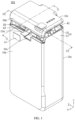
FIG. 1 is a schematic structural diagram of a battery pack in some embodiments. -
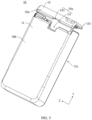
FIG. 2 is a schematic structural exploded view of a battery pack in some embodiments. -
FIG. 3 is a schematic structural diagram of a battery cell in some embodiments. -
FIG. 4 is a schematic structural diagram of a first housing in some embodiments. -
FIG. 5 is a schematic structural diagram of a housing assembly in some embodiments. -
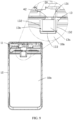
FIG. 6 is a schematic structural diagram of a cross section of a battery pack in a II-II direction in some embodiments. -
FIG. 7 is a schematic structural diagram of a cross section of a battery pack in a III-III direction in some embodiments. -
FIG. 8 is a schematic structural diagram of a cross section of a battery pack in a II-II direction in some other embodiments. -
FIG. 9 is a schematic structural diagram of a cross section of a battery pack in a III-III direction in some other embodiments. -
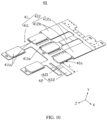
FIG. 10 is a schematic structural diagram of a first electrical connection portion in some embodiments. -
FIG. 11 is a schematic structural diagram of a battery pack from another perspective in some embodiments. -
FIG. 12 is a schematic structural diagram of a cross section of a battery pack in a II-II direction in still some other embodiments. -
FIG. 13 is a schematic diagram of a state of a second part in some embodiments. -
FIG. 14 is a schematic structural diagram of an electric device in an embodiment. - Reference signs of main components:
Battery pack 100 Housing assembly 10 Opening 10a First wall 10b Second wall 10c First housing 11 First opening 111 Second housing 12 Second opening 121 Convex portion 13 Second insulating member 13a First concave portion 13b First convex portion 131 Second convex portion 132 Third convex portion 133 Third insulating member 14 Cell module 20 Battery cell 21 First space 21a First insulating member 21b Cell housing 211 Sealing portion 211a Accommodating portion 211b Electrode terminal 213 Circuit board 30 Connector 31 First electrical connection portion 40 First part 41 First edge 41a First portion 411 Conductive sheet 411a Through hole 411b Second portion 412 First connecting portion 412a Second connecting portion 412b Second part 42 First section 421 Second section 422 Electric device 200 First direction X Second direction Y Third direction Z - This application will be further described with reference to the accompanying drawings in the following specific some embodiments.
- The following describes the technical solutions in some embodiments of this application with reference to the accompanying drawings in some embodiments of this application. Apparently, the described some embodiments are only some rather than all of some embodiments of this application.
- It should be noted that when a component is referred to as being "installed to" another component, it may be directly installed to the another component, or there may be a component in between. When one component is deemed as being "disposed on" another component, it can be directly disposed on the another component, or there can be a component in between.
- Unless otherwise defined, all technical and scientific terms used herein shall have the same meanings as commonly understood by those skilled in the art to which this application pertains. The terms used herein in the specification of this application are for description of specific some embodiments only without any intention to limit this application. The term "or/and" used herein includes any and all combinations of one or more associated items listed.
- It can be understood that when two components are disposed parallel/perpendicular in a same direction, there may be an angle between the two components, a tolerance of 0-±5% is allowed between the two components. When two components is greater than, equal to, or less than , a tolerance of 0-±10% is allowed between the two components. When the projections of the two components are the same or overlap, a tolerance of 0-±10% is allowed between the two components.
- The following describes in detail some embodiments of this application with reference to the accompanying drawings. In absence of conflicts, the following some embodiments and features in some embodiments may be combined.
- Referring to
FIGs. 1 and2 , an embodiment of this application provides abattery pack 100, where thebattery pack 100 includes ahousing assembly 10, acell module 20, and a firstelectrical connection portion 40. Thecell module 20 includes a plurality ofbattery cells 21 stacked in a first direction X. In an embodiment, thebattery pack 100 further includes acircuit board 30, where the plurality ofbattery cells 21, thecircuit board 30, and the firstelectrical connection portion 40 are accommodated within thehousing assembly 10. Thehousing assembly 10 has anopening 10a. The firstelectrical connection portion 40 includes afirst part 41 and asecond part 42. Thefirst part 41 is electrically connected to thecircuit board 30 and the plurality ofbattery cells 21, such that thecircuit board 30 is electrically connected to the plurality ofbattery cells 21. Thesecond part 42 can be configured to be connected to an external testing apparatus. Thefirst part 41 has afirst edge 41a, and thesecond part 42 is connected to thefirst edge 41a and bent within thehousing assembly 10. When an assembledbattery pack 100 is being tested, thesecond part 42 extends out from theopening 10a to connect to an external testing apparatus. After the testing is completed, thesecond part 42 is bent back into thehousing assembly 10 through theopening 10a. The battery pack assembled is connected to an external testing apparatus for testing through thesecond part 42. This testing method enables the testing of thebattery pack 100, including detecting damages to thebattery pack 100 caused by the assembly process during the assembly. This facilitates prompt repairs, thereby enhancing the assembly yield and quality of thebattery pack 100. In an embodiment, thecircuit board 30 includes a circuit board having a battery management system for intelligently managing and maintaining thebattery pack 100, which can reduce overcharge and over discharge of thebattery pack 100, monitor the state of thebattery pack 100, and extend the service life of thebattery pack 100. Thecircuit board 30 is provided with aconnector 31, where theconnector 31 is connected to an external device. It can be understood that thecell module 20 may alternatively include asingle battery cell 21. - Referring to
FIGs. 2 and3 , in an embodiment, thebattery cell 21 includes acell housing 211, an electrode assembly (not shown in the figures), and anelectrode terminal 213, where the electrode assembly is accommodated within thecell housing 211, and theelectrode terminal 213 is connected to the electrode assembly and extends outward from thecell housing 211. The electrode assembly includes a structure formed by a positive electrode plate, a negative electrode plate, and a separator. Further, thecell housing 211 includes interconnected sealingportion 211a andaccommodating portion 211b, where the sealingportion 211a is located at an edge of theaccommodating portion 211b and extends outward from theaccommodating portion 211b, the electrode assembly is accommodated within theaccommodating portion 211b, and theelectrode terminal 213 extends out from the sealingportion 211a. Optionally, thecell housing 211 includes an aluminum-plastic film. Optionally, thebattery cell 21 includes a pouch cell. - In an embodiment, the
accommodating portion 211b and the sealingportion 211a fit to form afirst space 21a, where thefirst space 21a is provided with a first insulatingmember 21b inside. Thefirst part 41 may be disposed on the first insulatingmember 21b to facilitate mounting of the firstelectrical connection portion 40 and reduce the risk of short circuit between the firstelectrical connection portion 40 and thebattery cell 21. Optionally, the first insulatingmember 21b includes foam. - Referring to
FIGs. 4 and5 , in an embodiment, thehousing assembly 10 includes afirst housing 11 and asecond housing 12, where thefirst housing 11 accommodates the plurality ofbattery cells 21, and thesecond housing 12 is connected to thefirst housing 11 to form an accommodating space for accommodating the plurality ofbattery cells 21, thecircuit board 30, and the firstelectrical connection portion 40 in the accommodating space. Thefirst housing 11 has afirst opening 111 and thesecond housing 12 has asecond opening 121. When thesecond housing 12 is connected to thefirst housing 11, thefirst opening 111 and thesecond opening 121 fit to form theopening 10a. In an embodiment, thehousing assembly 10 includes afirst wall 10b and asecond wall 10c are disposed opposite to each other in a direction opposite the first direction X, where theopening 10a is disposed on thefirst wall 10b. In another embodiment, theopening 10a may alternatively be disposed on thesecond wall 10c. In other embodiments, theopening 10a may be disposed on thefirst housing 11, and thefirst opening 111 forms theopening 10a. - In an embodiment, the
opening 10a may also be configured to observe whether the waterproof label inside thehousing assembly 10 has failed. - Referring to
FIG. 6 together, as an example, theopening 10a is disposed on thefirst wall 10b. In an embodiment, thefirst wall 10b is provided with aconvex portion 13, where theconvex portion 13 is disposed within the accommodating space. Theconvex portion 13 includes a firstconvex portion 131, and in the second direction Y, a projection of the firstconvex portion 131 overlaps with a projection of thesecond part 42. Thesecond part 42 is partially disposed below the firstconvex portion 131, restricting a position of thesecond part 42 in the second direction Y. Optionally, the firstconvex portion 131 is provided in a third direction Z, where the third direction Z is perpendicular to the first direction X and the second direction Y. - Referring to
FIGs. 7 ,8 , and9 , in an embodiment, theconvex portion 13 further includes a secondconvex portion 132, where the secondconvex portion 132 is connected to the firstconvex portion 131 at one end and extends along a direction opposite the second direction Y. In the third direction Z, a projection of the secondconvex portion 132 overlaps with a projection of thesecond part 42, and the secondconvex portion 132 can restrict the position of thesecond part 42 in the third direction Z. Optionally, theconvex portion 13 includes two secondconvex portions 132. In the third direction Z, thesecond part 42 is at least partially disposed between the two secondconvex portions 132, further restricting the position of thesecond part 42. The firstconvex portion 131 and the two secondconvex portions 132 fit to form a U-shaped structure that restricts the position of thesecond part 42 in the second direction Y and the third direction Z, allowing thesecond part 42 to be bent within thehousing assembly 10, and reducing movement of thesecond part 42 within the housing. - In an embodiment, the
battery pack 100 includes a second insulatingmember 13a, where the second insulatingmember 13a is connected to thesecond part 42, for example, through bonding or the like. In the second direction Y, the projection of the firstconvex portion 131 overlaps with a projection of the second insulatingmember 13a. The position of the second insulatingmember 13a in the second direction Y is restricted by theconvex portion 13, thereby further restricting the position of thesecond part 42. Optionally, in the first direction X, the second insulatingmember 13a is located between thesecond part 42 and thefirst wall 10b, and optionally, in the first direction X, thesecond part 42 is located between the second insulatingmember 13a and thefirst wall 10b. Optionally, the second insulatingmember 13a includes an elastic substance that enhances the protection for thesecond part 42, for example, the second insulatingmember 13a includes foam. In the third direction Z, the second insulatingmember 13a is disposed between the two secondconvex portions 132, further restricting the position of thesecond part 42. The firstconvex portion 131 and the two secondconvex portions 132 fit to form a U-shaped structure that restricts the position of the second insulatingmember 13a in the second direction Y and the third direction Z. Optionally, in the second direction Y, the projection of the firstconvex portion 131 and the projection of thesecond part 42 are spaced apart, and the firstconvex portion 131 is connected to the second insulatingmember 13a, reducing interference and damage from the firstconvex portion 131 to thesecond part 42. Optionally, the second insulatingmember 13a is adhered to thesecond part 42. Optionally, the second insulatingmember 13a is adhered to thefirst wall 10b. - In an embodiment, the
convex portion 13 further includes a secondconvex portion 132, where the secondconvex portion 132 is connected to the firstconvex portion 131 at one end and extends along a direction opposite the second direction Y. In the third direction Z, a projection of the secondconvex portion 132 overlaps with a projection of the second insulatingmember 13a, and the secondconvex portion 132 can restrict the position of the second insulatingmember 13a in the third direction Z. Optionally, theconvex portion 13 includes two secondconvex portions 132. In the third direction Z, the second insulatingmember 13a is at least partially disposed between the two secondconvex portions 132, further restricting the position of the second insulatingmember 13a. The firstconvex portion 131 and the two secondconvex portions 132 fit to form a U-shaped structure that restricts the position of the second insulatingmember 13a in the second direction Y and the third direction Z, allowing thesecond part 42 to be bent within thehousing assembly 10, and reducing movement of thesecond part 42 within the housing. - In an embodiment, the
convex portion 13 further includes a thirdconvex portion 133, where the thirdconvex portion 133 extends along the third direction Z, and two ends of the thirdconvex portion 133 in the third direction Z are connected to an end of the two secondconvex portions 132 away from the firstconvex portion 131, respectively. A portion of the structure of thefirst wall 10b, the firstconvex portion 131, the two secondconvex portions 132, and the thirdconvex portion 133 fit to form a firstconcave portion 13b. Optionally, thesecond part 42 is partially disposed within the firstconcave portion 13b, and optionally, the second insulatingmember 13a is at least partially disposed within the firstconcave portion 13b. - In an embodiment, the
battery pack 100 includes two second insulatingmembers 13a. In the first direction X, thesecond part 42 is partially disposed between the two second insulatingmembers 13a, enhancing the protection for thesecond part 42 and reducing the damage to thesecond part 42 from thefirst wall 10b, the firstconvex portion 131, and the like. Optionally, one of the second insulatingmembers 13a is connected to thefirst wall 10b, for example, adhered to thefirst wall 10b; and the other second insulatingmember 13a is connected to a side of thesecond part 42 closer to thecell module 20, for example, adhered to thesecond part 42. Optionally, one of the second insulatingmembers 13a is connected to a side of thesecond part 42 farther away from thecell module 20; and the other second insulatingmember 13a is connected to the side of thesecond part 42 closer to thecell module 20. For example, both second insulatingmembers 13a are adhered to thesecond part 42, and the two second insulatingmembers 13a are movable together with thesecond part 42. - In an embodiment, the first insulating
member 21b include foam, the second insulatingmember 13a include foam. - In an embodiment, the
housing assembly 10 further includes a third insulatingmember 14 disposed at theopening 10a for closing theopening 10a. - Referring to
FIGs. 2 and10 , in an embodiment, thefirst part 41 includes afirst portion 411 and asecond portion 412. Thefirst portion 411 is disposed on the first insulatingmember 21b and thefirst portion 411 includes aconductive sheet 411a. Theconductive sheet 411a is disposed on a side of thefirst portion 411 facing away from the first insulatingmember 21b. Thefirst portion 411 is provided with a throughholes 411b on two sides of theconductive sheet 411a in the first direction X. Theelectrode terminal 213 passes through the throughhole 411b and is folded, and then stacked and connected to theconductive sheet 411a. Thesecond portion 412 is connected to thefirst portion 411 and thecircuit board 30. In an embodiment, thesecond portion 412 is flexibly connected to thecircuit board 30 to reduce the risk of thebattery pack 100 during oscillation and falling processes. Thefirst portion 411 and thecell housing 211 are disposed opposite to each other in the second direction Y. - In an embodiment, the
second portion 412 includes a first connectingportion 412a and a second connectingportion 412b, where the first connectingportion 412a connects thecircuit board 30 and thefirst portion 411 and is configured to transmit a signal of thebattery pack 100. The second connectingportion 412b connects thecircuit board 30 and thefirst portion 411 and is configured to transmit a current. It can be understood that the second connectingportion 412b is provided in two for transmitting a total positive current and a total negative current, respectively. - Referring to
FIG. 10 , the first connectingportion 412a and the second connectingportion 412b are in an unbent state. In the second direction Y, the first connectingportion 412a has a first surface and a second surface, and a distance between the first surface and the second surface in the second direction Y is a thickness of the first connectingportion 412a. In an embodiment, the second connectingportion 412b has a thickness greater than a thickness of the first connectingportion 412a. This increases the transmission of the total positive current and the total negative current, and implements integrated transmission of the current and the current signal, simplifying the production steps and reducing the need for the welding of additional components. - In an embodiment, the first connecting
portion 412a has a thickness in a range of 0.08 mm-0.12 mm, for example, 0.08 mm, 0.09 mm, 0.10 mm, 0.11 mm, or 0.12 mm; and the second connectingportion 412b has a thickness in a range of 0.15 mm-0.25 mm, for example, 0.15 mm, 0.16 mm, 0.17 mm, 0.18 mm, 0.19 mm, 0.20 mm, 0.21 mm, 0.22 mm, 0.23 mm, 0.24 mm, or 0.25 mm. - Referring to
FIGs. 10 ,11 , and12 , in an embodiment, thesecond part 42 has a length L greater than a distance between thefirst edge 41a and thefirst wall 10b in the first direction X. This allows thesecond part 42 to extend out of thefirst wall 10b through theopening 10a for connecting to an external testing apparatus, facilitating testing of thebattery pack 100. - In an embodiment, the
second part 42 includes afirst section 421 and asecond section 422, where thefirst section 421 is connected to thefirst edge 41a of thefirst part 41. When thesecond part 42 is bent within thehousing assembly 10, thefirst section 421 is bent relative to the first direction X. Optionally, thefirst section 421 is bent in a direction opposite the second direction Y, and thesecond section 422 extends along the direction opposite the second direction Y. In the first direction X, thesecond section 422 is disposed between thefirst wall 10b and thecell housing 211. When viewed along a direction opposite the first direction X, thefirst section 421 is at least partially located within theopening 10a, facilitating observation of whether the position of thesecond part 42 is properly set through theopening 10a. - In the first direction X, the
second section 422 is disposed between the sealingportion 211a and thefirst wall 10b. Further, thesecond section 422 is connected to the second insulatingmember 13a. In the first direction X, a projection of thesecond section 422 is spaced apart from a projection of theaccommodating portion 211b, reducing the possibility of contact between thesecond section 422 and theaccommodating portion 211b, and limiting the squeeze applied to thesecond section 422 by theaccommodating portion 211b when theaccommodating portion 211b swells. - Referring to
FIGs. 6 and10 , in an embodiment, the firstelectrical connection portion 40 includes a flexible printed circuit board, where thesecond part 42 is elastic, rebounds under elastic force, and is in contact with the firstconvex portion 131. Optionally, the flexible printed circuit board includes an insulating film, a conductor, and an adhesive layer. The insulating film has good flexibility and temperature resistance, for example, the insulating film may include polyimide (PI) and polyester (PET) materials, with commonly used thicknesses of 50, 75, 100, 125 micrometers, and the like. Metallic copper is typically used as the conductor, and the adhesive layer is configured to adhere the insulating film to the conductor. - Referring to
FIGs. 1 and13 , this application further provides a method for manufacturing the foregoingbattery pack 100, specifically including the following steps. - Step S91: Connect the first
electrical connection portion 40 and the cell module and place the firstelectrical connection portion 40 and the cell module in thehousing assembly 10 to complete the assembly; - Step S92: Extend the
second part 42 out of theopening 10a of thehousing assembly 10, connect thesecond part 42 and the external testing apparatus, and test thebattery pack 100; - Step S93: After the testing is completed, bend the
second part 42 back into thehousing assembly 10. - Step S94: Dispose the third insulating
member 14 at theopening 10a to close thehousing assembly 10. - In the foregoing method for manufacturing the
battery pack 100, thebattery pack 100 after assembled is connected to an external testing apparatus for testing, allowing detection of damages to thebattery pack 100 caused by the assembly process during the assembly. This facilitates prompt repairs, thereby enhancing the assembly yield and quality of thebattery pack 100. - Referring to
FIG. 14 , this application further provides anelectric device 200 using the foregoingbattery pack 100, which can be used after connected to theconnector 31 on thecircuit board 30 via a line. In an embodiment, theelectric device 200 in this application may be but is not limited to a portable fax machine, a portable copier, a portable printer, a video recorder, a liquid crystal television, a portable cleaner, a transceiver, a standby power source, a motor, an electric vehicle, an electric motorcycle, an electric motor bicycle, an electric tool, or a large household battery. - In the
battery pack 100 and theelectric device 200 in this application, the firstelectrical connection portion 40 is connected to the external testing apparatus. The battery pack assembled is connected to the external testing apparatus for testing through thesecond part 42. This testing method enables the testing of thebattery pack 100, including detecting damages to thebattery pack 100 caused by the assembly process during the assembly. This facilitates prompt repairs, thereby enhancing the assembly yield and quality of thebattery pack 100. Compared with the method of setting up test ports on the circuit board for testing, this method reduces the number of components disposed on thecircuit board 30, reducing the cost and decreasing the area of the surface of thecircuit board 30 occupied by the components. It also reduces the risk of damage to thecircuit board 30 due to the stress generated by direct contact between the external testing apparatus and thecircuit board 30. - Those of ordinary skill in the art should appreciate that the foregoing some embodiments are for description of this application only but not for limiting this application. Appropriate modifications and variations made to some embodiments without departing from the essential spirit and scope of this application all fall within the scope of this application.
Claims (13)
- A battery pack, comprising a housing assembly, a cell module, and a first electrical connection portion; the cell module and the first electrical connection portion are accommodated in the housing assembly; whereinthe cell module comprises a plurality of battery cells stacked in a first direction;the housing assembly comprises a first wall and a second wall disposed opposite to each other in the first direction, the housing assembly is provided with an opening;the first electrical connection portion comprises a first part and a second part, wherein the first part is electrically connected to the plurality of battery cells, the first part has a first edge, the second part is connected to the first edge and disposed within the housing assembly, and the second part is configured to be connected to an external testing apparatus; andthe second part has a length greater than a distance between the first edge and the first wall in the first direction.
- The battery pack according to claim 1, wherein each battery cell comprises a cell housing, an electrode assembly disposed within the cell housing, and an electrode terminal connected to the electrode assembly and led out of the cell housing;
the second part comprises a first section and a second section, the first section is bent relative to the first direction and the second section is disposed between the first wall and the cell housing. - The battery pack according to claim 2, wherein the cell housing comprises an accommodating portion for accommodating the electrode assembly; wherein
in the first direction, a projection of the second section is spaced apart from a projection of the accommodating portion. - The battery pack according to claim 2, further comprising a circuit board; wherein the first part comprises:a first portion comprising a conductive sheet, wherein the conductive sheet is connected to the electrode terminal, and the first portion and the cell housing are disposed opposite to each other in a second direction; anda second portion connected to the circuit board and the first portion.
- The battery pack according to claim 4, wherein the second portion comprises:a first connecting portion connecting the circuit board and the first portion, and the first connecting portion is configured to transmit a current signal of the battery pack; anda second connecting portion connecting the circuit board and the first portion, and the second connecting portion is configured to transmit a current, wherein the second connecting portion has a thickness greater than a thickness of the first connecting portion.
- The battery pack according to claim 4, wherein the first wall is provided with a first convex portion; and in the second direction, a projection of the first convex portion overlaps with a projection of the second part.
- The battery pack according to claim 4, wherein the battery pack further comprises a second insulating member connected to the second section, the second insulating member is disposed between the first wall and the second section;
the first wall is provided with a first convex portion; and in the second direction, a projection of the first convex portion overlaps with a projection of the second insulating member. - The battery pack according to claim 4, wherein the first wall is provided with a second convex portion; and in a third direction, a projection of the second convex portion overlaps with a projection of the second part, the third direction is perpendicular to both the first direction and the second direction.
- The battery pack according to claim 2, wherein when viewed along a direction opposite to the first direction, the first section is at least partially located within the opening.
- The battery pack according to claim 1, wherein the housing assembly comprises:a first housing for accommodating the battery cell, wherein the first housing has a first opening; anda second housing having a second opening; whereinthe second housing is connected to the first housing; and the first opening and the second opening form the opening.
- The battery pack according to claim 1, wherein the housing assembly comprises:
a third insulating member disposed within the opening, wherein the third insulating member covers the opening. - A method for manufacturing the battery pack according to any one of claims 1 to 11, the method comprising the following steps:connecting the first electrical connection portion and the cell module and placing the first electrical connection portion and the cell module in the housing assembly;extending the second part out of the opening of the housing assembly, connecting the second part and the external testing apparatus, and testing the battery pack; andafter the testing is completed, bending the second part back into the housing assembly.
- An electric device, comprising the battery pack according to any one of claims 1 to 11 or a battery pack manufactured by the manufacturing method according to claim 12.
Applications Claiming Priority (2)
| Application Number | Priority Date | Filing Date | Title |
|---|---|---|---|
| CN202111123727.5A CN113889699B (en) | 2021-09-24 | 2021-09-24 | Battery pack, manufacturing method and electrical equipment |
| PCT/CN2022/114313 WO2023045677A1 (en) | 2021-09-24 | 2022-08-23 | Battery pack, manufacturing method therefor, and electric device |
Publications (2)
| Publication Number | Publication Date |
|---|---|
| EP4407767A1 true EP4407767A1 (en) | 2024-07-31 |
| EP4407767A4 EP4407767A4 (en) | 2025-01-01 |
Family
ID=79006651
Family Applications (1)
| Application Number | Title | Priority Date | Filing Date |
|---|---|---|---|
| EP22871730.2A Pending EP4407767A4 (en) | 2021-09-24 | 2022-08-23 | BATTERY PACK, ITS MANUFACTURING METHOD AND ELECTRICAL DEVICE |
Country Status (4)
| Country | Link |
|---|---|
| US (1) | US20240274961A1 (en) |
| EP (1) | EP4407767A4 (en) |
| CN (2) | CN117013167A (en) |
| WO (1) | WO2023045677A1 (en) |
Families Citing this family (5)
| Publication number | Priority date | Publication date | Assignee | Title |
|---|---|---|---|---|
| CN117013167A (en) * | 2021-09-24 | 2023-11-07 | 东莞新能安科技有限公司 | Battery packs and electrical equipment |
| CN114447505B (en) * | 2022-01-27 | 2024-07-02 | 东莞新能安科技有限公司 | Battery pack and electrical device |
| WO2023184430A1 (en) * | 2022-03-31 | 2023-10-05 | 宁德新能源科技有限公司 | Battery module and electric device |
| CN116111296B (en) * | 2023-03-24 | 2026-02-06 | 厦门新能达科技有限公司 | Battery module and electric equipment |
| CN120202580A (en) * | 2023-09-15 | 2025-06-24 | 厦门新能达科技有限公司 | Battery module and manufacturing method thereof, battery pack and electrical equipment |
Family Cites Families (21)
| Publication number | Priority date | Publication date | Assignee | Title |
|---|---|---|---|---|
| KR100920210B1 (en) * | 2006-02-09 | 2009-10-05 | 주식회사 엘지화학 | Frame member for battery module manufacturing |
| KR100895203B1 (en) * | 2006-05-15 | 2009-05-06 | 주식회사 엘지화학 | Medium and large battery module |
| JP2008210735A (en) * | 2007-02-28 | 2008-09-11 | Matsushita Electric Ind Co Ltd | Battery pack and battery pack manufacturing method |
| JP4935802B2 (en) * | 2008-12-10 | 2012-05-23 | パナソニック株式会社 | Battery module and assembled battery module using the same |
| WO2011007547A1 (en) * | 2009-07-17 | 2011-01-20 | パナソニック株式会社 | Battery module and battery pack using same |
| DE102011076889A1 (en) * | 2011-06-01 | 2012-12-06 | Elringklinger Ag | Lid for an electrochemical device |
| JP5838721B2 (en) * | 2011-10-25 | 2016-01-06 | 株式会社オートネットワーク技術研究所 | Battery module and wiring module |
| DE102013207357A1 (en) * | 2013-04-23 | 2014-10-23 | Elringklinger Ag | Cell contacting system for an electrochemical device |
| CA2926327C (en) * | 2014-07-31 | 2018-03-13 | Kabushiki Kaisha Nihon Micronics | Testing device and testing method for sheet-shaped cell |
| JP6330633B2 (en) * | 2014-11-21 | 2018-05-30 | 株式会社オートネットワーク技術研究所 | Power storage module |
| JP6245159B2 (en) * | 2014-12-17 | 2017-12-13 | 株式会社オートネットワーク技術研究所 | Battery wiring module |
| JP6454387B2 (en) * | 2016-08-31 | 2019-01-16 | 矢崎総業株式会社 | Bus bar module and power supply |
| CN206098580U (en) * | 2016-10-21 | 2017-04-12 | 天津力神电池股份有限公司 | Lithium ion battery with test protection architecture |
| EP3595034B1 (en) * | 2018-07-10 | 2023-04-19 | Yazaki Corporation | Protector and bus bar module |
| CN210092187U (en) * | 2019-08-08 | 2020-02-18 | 东莞新能源科技有限公司 | Battery pack |
| CN112952218B (en) * | 2019-11-26 | 2022-12-13 | 东莞新能德科技有限公司 | Battery, battery manufacturing method, electronic device and battery testing method |
| CN212366143U (en) * | 2020-07-17 | 2021-01-15 | 东莞新能安科技有限公司 | Battery cell module and battery pack |
| CN112072044A (en) * | 2020-10-14 | 2020-12-11 | 东莞新能安科技有限公司 | Battery and electric device |
| CN113113716B (en) * | 2021-03-22 | 2022-11-25 | 东莞新能安科技有限公司 | Battery package and electric device |
| CN113092835B (en) * | 2021-04-01 | 2025-01-10 | 东莞市晟合科技有限公司 | A detection connecting wire and a manufacturing method thereof |
| CN117013167A (en) * | 2021-09-24 | 2023-11-07 | 东莞新能安科技有限公司 | Battery packs and electrical equipment |
-
2021
- 2021-09-24 CN CN202311092851.9A patent/CN117013167A/en active Pending
- 2021-09-24 CN CN202111123727.5A patent/CN113889699B/en active Active
-
2022
- 2022-08-23 WO PCT/CN2022/114313 patent/WO2023045677A1/en not_active Ceased
- 2022-08-23 EP EP22871730.2A patent/EP4407767A4/en active Pending
-
2024
- 2024-03-22 US US18/613,652 patent/US20240274961A1/en active Pending
Also Published As
| Publication number | Publication date |
|---|---|
| EP4407767A4 (en) | 2025-01-01 |
| CN117013167A (en) | 2023-11-07 |
| CN113889699B (en) | 2023-09-15 |
| US20240274961A1 (en) | 2024-08-15 |
| WO2023045677A1 (en) | 2023-03-30 |
| CN113889699A (en) | 2022-01-04 |
Similar Documents
| Publication | Publication Date | Title |
|---|---|---|
| EP4407767A1 (en) | Battery pack, manufacturing method therefor, and electric device | |
| KR102410002B1 (en) | Battery module with a fixing for a temperature sensitive element | |
| CN103367681B (en) | Battery component and the manufacture method of battery component | |
| JP4800323B2 (en) | Sensing board assembly for secondary battery module | |
| US9088032B2 (en) | Secondary battery | |
| EP4407776A1 (en) | Connector, battery pack, and electric device | |
| US12362443B2 (en) | Battery module in which connection between electrode lead and voltage sensing member is simplified, and battery pack including the same | |
| KR20110062384A (en) | Circuit board module and battery module applying same | |
| KR20150107475A (en) | Protection circuit module for battery and battery pack comprising the same | |
| US12580238B2 (en) | Battery module in which connection between electrode lead and voltage sensing member is simplified, and battery pack including the same | |
| KR102411256B1 (en) | Module Assembly having the same | |
| US20250062512A1 (en) | Battery module and battery pack including the same | |
| US20230069153A1 (en) | Battery Module, Battery Pack Including The Same And Manufacturing Method Of The Same | |
| JP7546678B2 (en) | Battery module, battery pack including same, and method of manufacturing same | |
| CN216055068U (en) | Connecting piece, group battery and consumer | |
| KR20220165340A (en) | Battery module comprising means for maintaining the bent shape of the flexible flat cable | |
| KR20220028546A (en) | Busbar assembly with integrated side plate and manufacturing method thereof | |
| CN117525739A (en) | Battery pack and electric equipment | |
| US20240068885A1 (en) | Temperature measurement device | |
| WO2025107312A1 (en) | Battery pack and electrical device | |
| WO2025107308A1 (en) | Battery module, battery pack, and electrical device | |
| JP2025539754A (en) | Battery module and battery pack including the same | |
| JP2026505855A (en) | Battery module and battery pack including same | |
| CN114982053A (en) | Battery module and battery pack including the same |
Legal Events
| Date | Code | Title | Description |
|---|---|---|---|
| STAA | Information on the status of an ep patent application or granted ep patent |
Free format text: STATUS: THE INTERNATIONAL PUBLICATION HAS BEEN MADE |
|
| PUAI | Public reference made under article 153(3) epc to a published international application that has entered the european phase |
Free format text: ORIGINAL CODE: 0009012 |
|
| STAA | Information on the status of an ep patent application or granted ep patent |
Free format text: STATUS: REQUEST FOR EXAMINATION WAS MADE |
|
| 17P | Request for examination filed |
Effective date: 20240423 |
|
| AK | Designated contracting states |
Kind code of ref document: A1 Designated state(s): AL AT BE BG CH CY CZ DE DK EE ES FI FR GB GR HR HU IE IS IT LI LT LU LV MC MK MT NL NO PL PT RO RS SE SI SK SM TR |
|
| A4 | Supplementary search report drawn up and despatched |
Effective date: 20241202 |
|
| DAV | Request for validation of the european patent (deleted) | ||
| DAX | Request for extension of the european patent (deleted) | ||
| RIC1 | Information provided on ipc code assigned before grant |
Ipc: H01M 50/287 20210101ALI20241126BHEP Ipc: H01M 50/211 20210101ALI20241126BHEP Ipc: H01M 10/48 20060101ALI20241126BHEP Ipc: H01M 10/42 20060101ALI20241126BHEP Ipc: H01M 50/289 20210101ALI20241126BHEP Ipc: H01M 50/258 20210101ALI20241126BHEP Ipc: H01M 50/209 20210101AFI20241126BHEP |
|
| RAP1 | Party data changed (applicant data changed or rights of an application transferred) |
Owner name: NINGDE AMPEREX TECHNOLOGY LIMITED |
|
| RAP3 | Party data changed (applicant data changed or rights of an application transferred) |
Owner name: NINGDE AMPEREX TECHNOLOGY LIMITED |